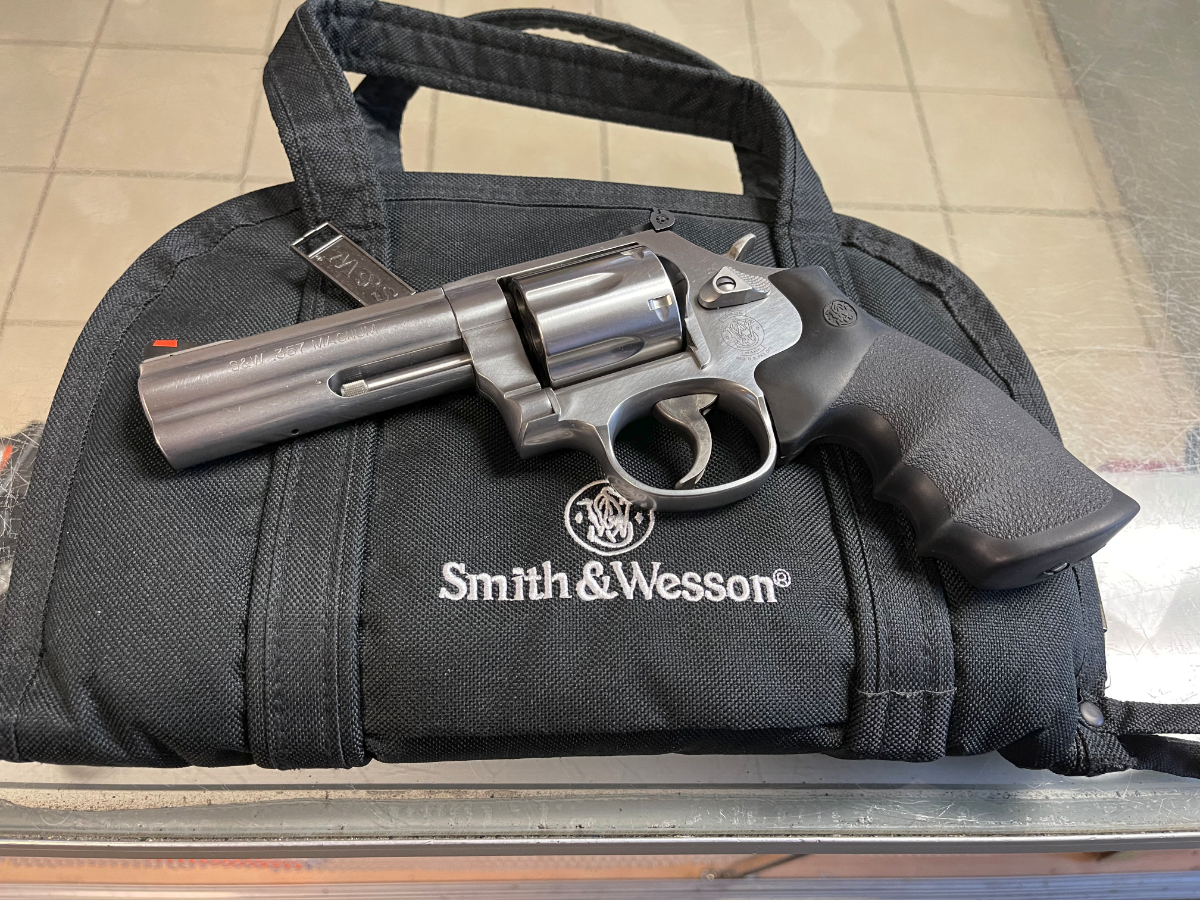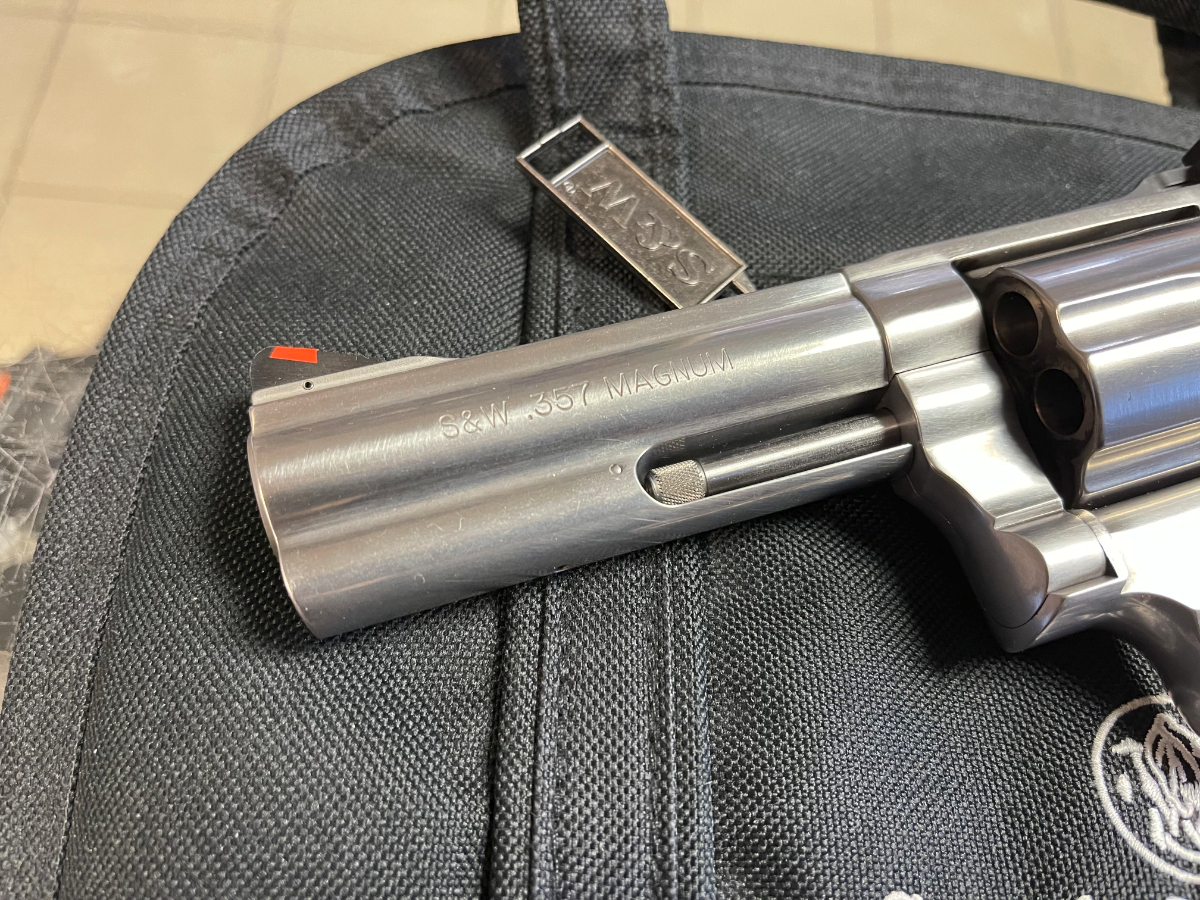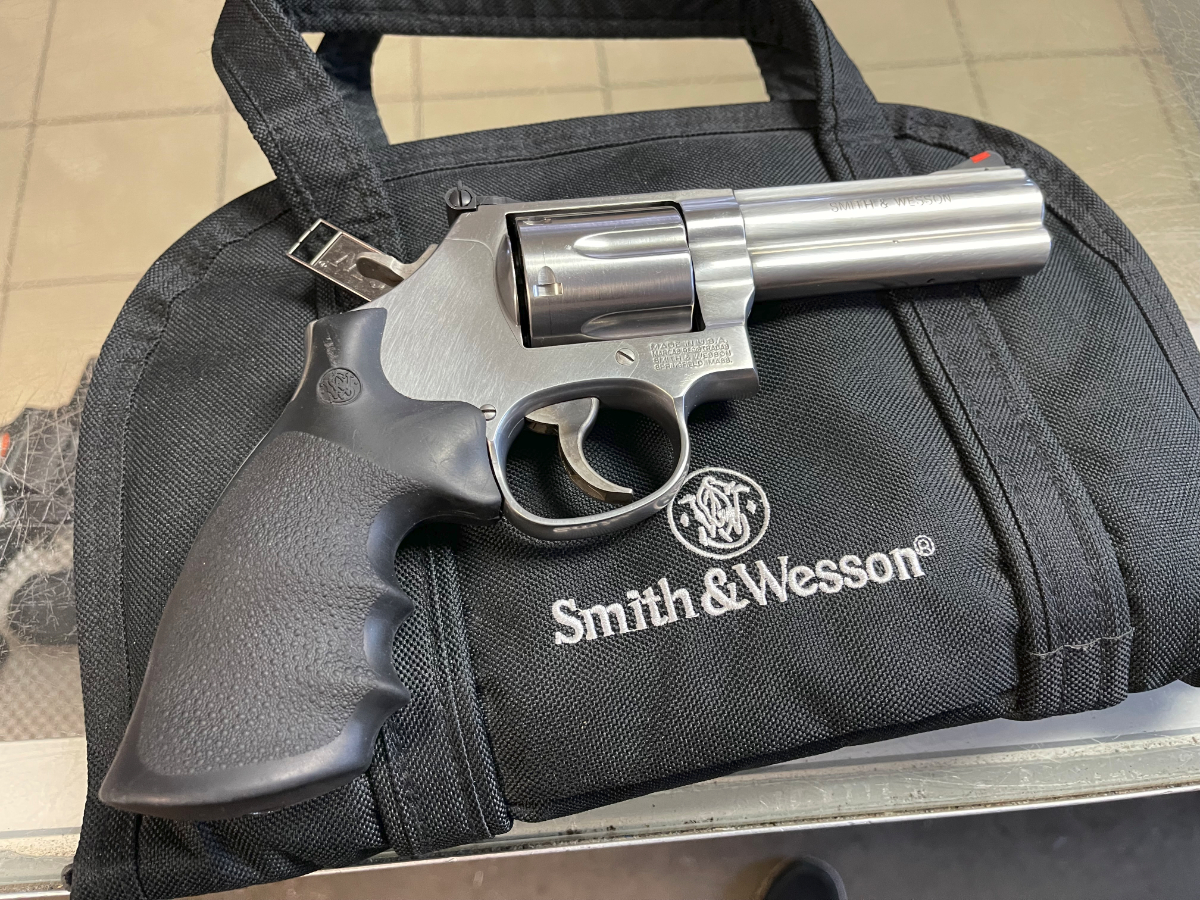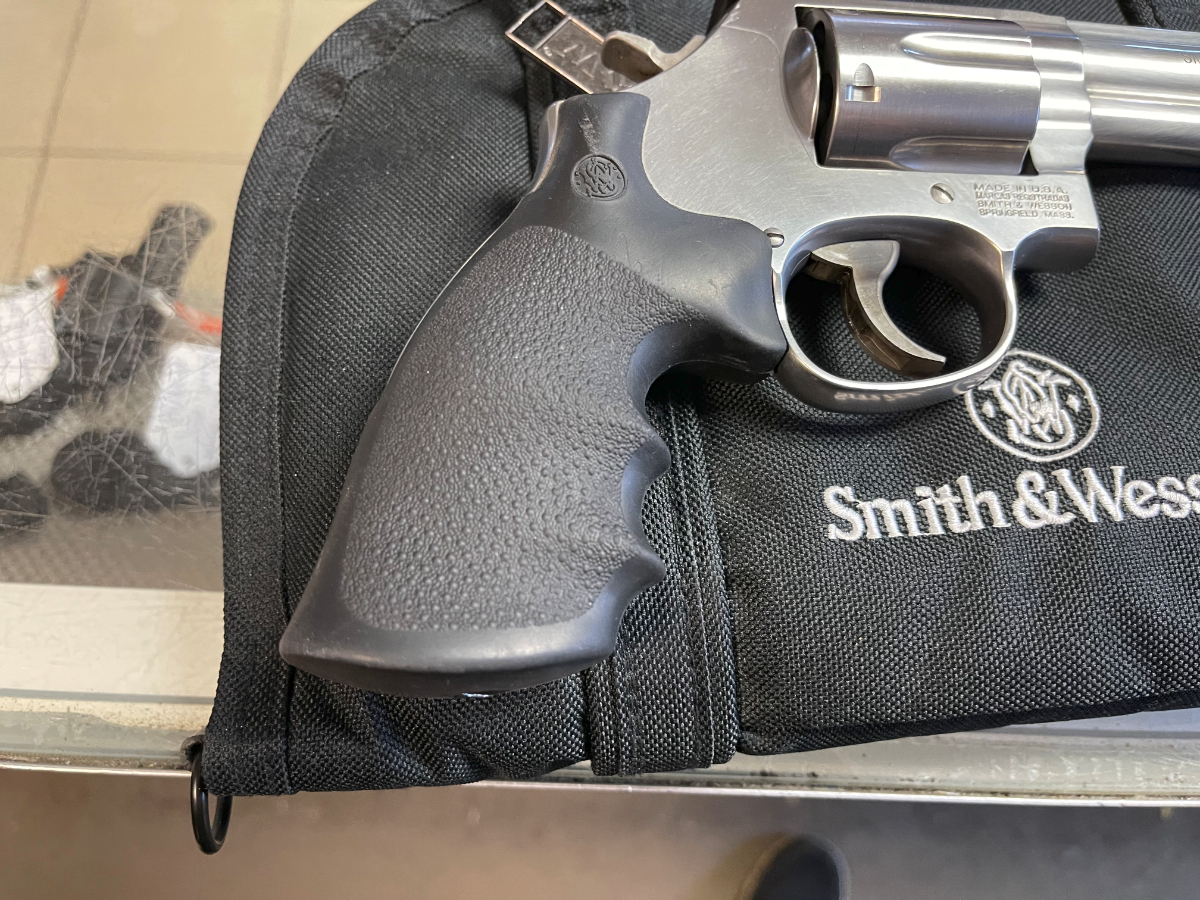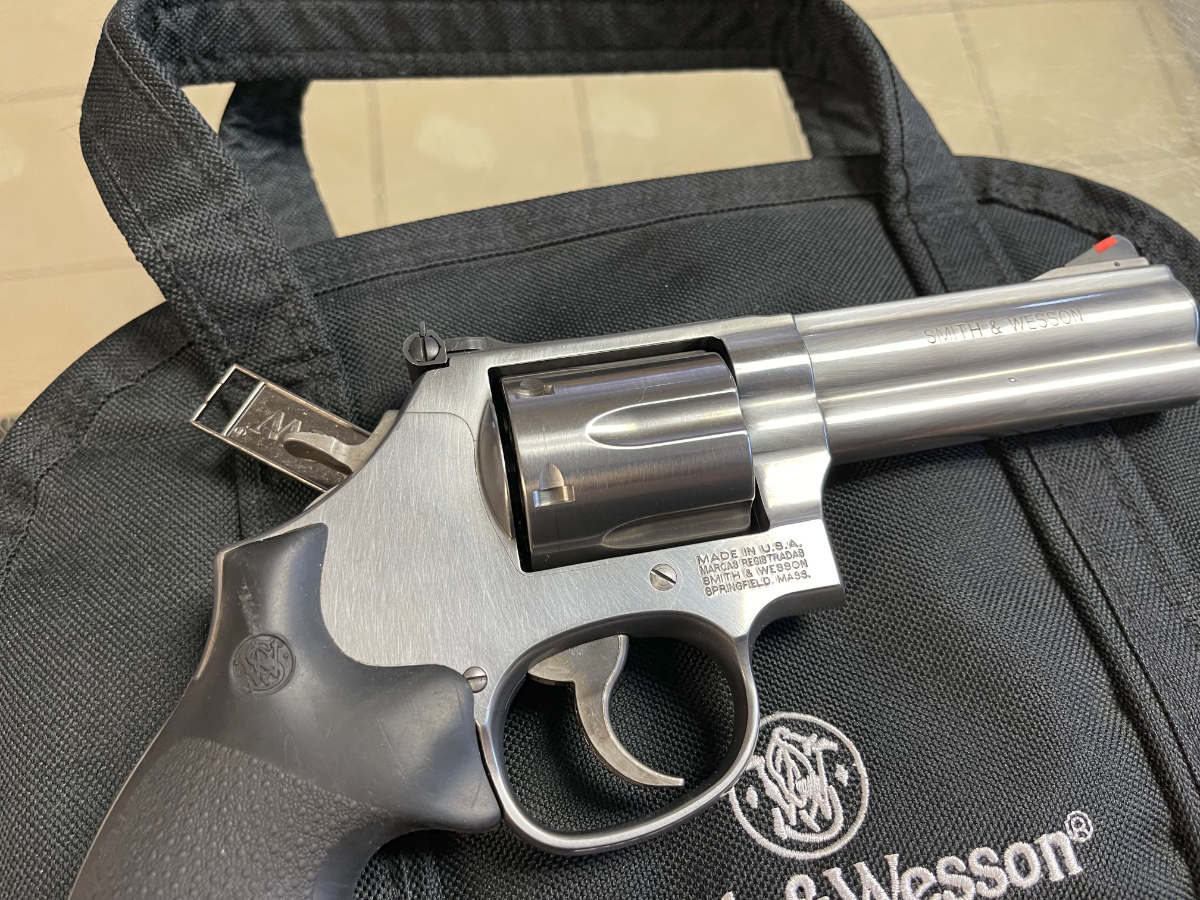

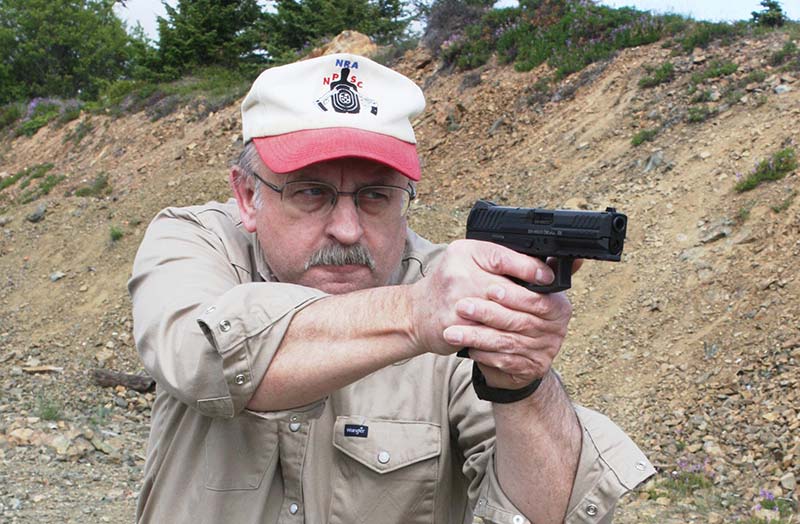
Increasing numbers of citizens are buying and carrying defensive sidearms.
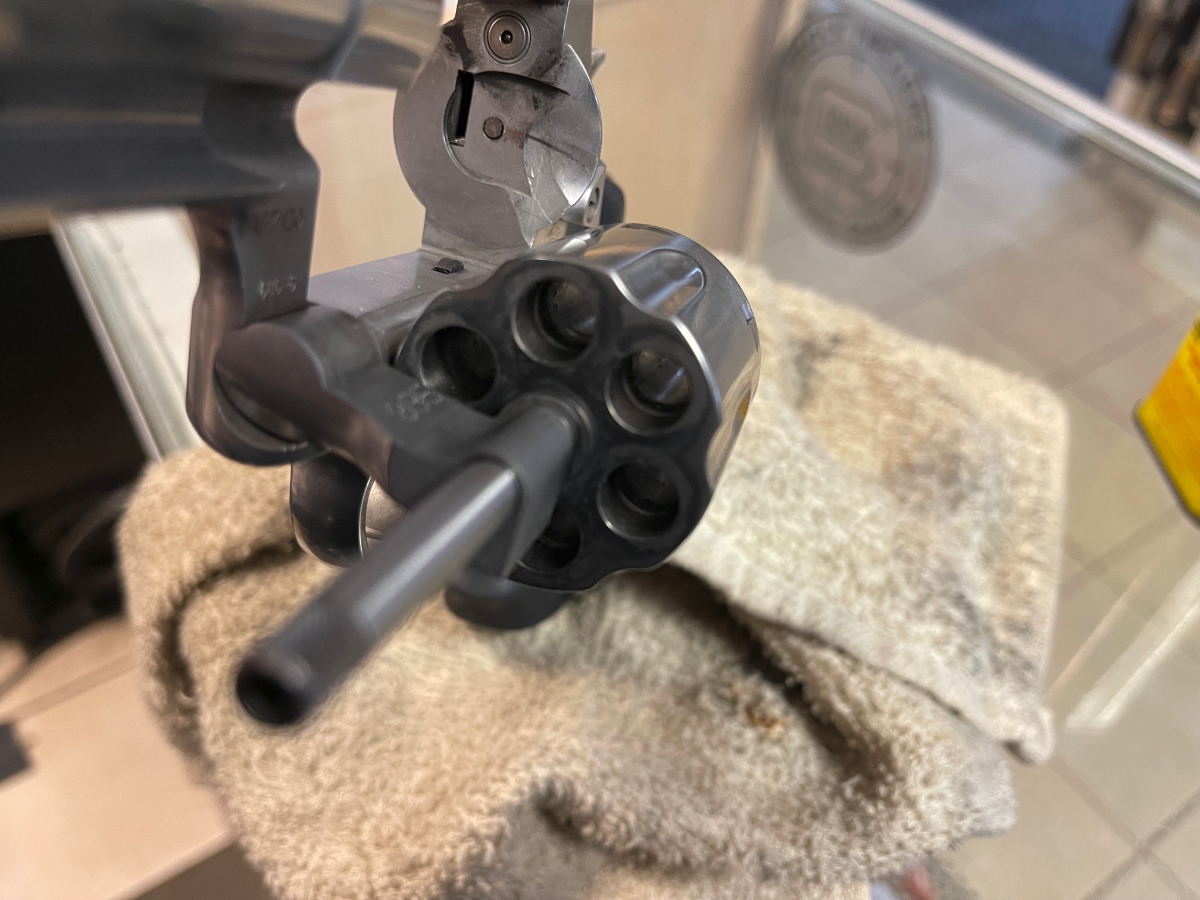
Dave says “practice” and that’s what he’s doing, prepping for the day
we all hope never comes.
There are now 25 states with so-called “Constitutional carry” and Florida appears to be approaching permitless carry, which translates to more citizens soon being able to carry defensive firearms without having to jump through the hoops of a licensing process.
There is another translation: Criminals, be careful … be very careful. In fact, now might be a good time to reconsider your career choices and see if the hardware store is hiring.
I routinely report on the number of active concealed pistol licenses in my home state of Washington, and following a slight end-of-year dip reported Jan. 3, the number has been steadily climbing. Last month, a whopping 698,186 active CPLs were reported by the state Department of Licensing.
Each state has its own laws regarding the use of lethal force, and in Washington, the statute is RCW 9A.16.050. Here’s what it says:
“Homicide is also justifiable when committed either:
(1) In the lawful defense of the slayer, or his or her husband, wife, parent, child, brother, or sister, or of any other person in his or her presence or company, when there is reasonable ground to apprehend a design on the part of the person slain to commit a felony or to do some great personal injury to the slayer or to any such person, and there is imminent danger of such design being accomplished; or
(2) In the actual resistance of an attempt to commit a felony upon the slayer, in his or her presence, or upon or in a dwelling, or other place of abode, in which he or she is.”
Collaborating with Alan Gottlieb, best known as the founder and chief executive officer of the Second Amendment Foundation, I’ve done a couple of books over the years dealing with firearms and self-defense incidents. Anecdotal information contained in those books has been appreciated by some while making others uncomfortable and a few upset because the stories reinforced the notion of armed self-defense being a good thing.
One cannot pick up a newspaper or read an online news publication without finding stories with such headlines as “Robbery suspect shot,” or “Clerk kills armed robber,” or “Homeowner kills burglar.” The first Workman-Gottlieb collaboration — titled “America Fights Back – Armed Self-Defense in a Violent Age” — is still found on Amazon and other places.
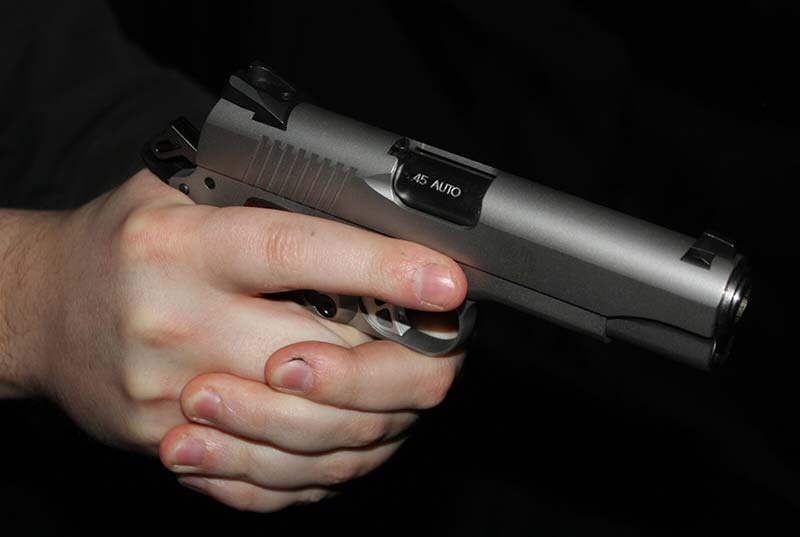
The goal is not winning a gunfight, but surviving. Some armed citizens get hurt while defending themselves.
There’s an interesting line of dialogue in an old Patrick Swayze film titled “Road House” in which he plays a famous bouncer. While he’s in the ER being treated for a knife wound, the attending doctor asks him, “Do you ever win a fight?”
His reply is sobering. “Nobody ever wins a fight.”
Fox News recently reported an incident that didn’t end well, especially for the alleged bad guy, but it wasn’t a pleasant experience for the good guy, either. In East Hartford, Connecticut, two men wearing ski masks entered a clothing store, and for one of them, it was the last thing he did besides expire.
The report said the robbers shot the merchant in the back, but bad news for them, he had two legally owned firearms, and he fought back. Fatally-wounded in the encounter was a suspect identified as Jashar Haslam of Hartford. He was only 26 years old. The unidentified wounded store owner suffered non-life threatening injuries, and he survived a terrible experience.
When WVIT News reported on the gun battle, it noted the other suspect fled and, at the time, was still at large. Not much friendship among criminals when the shooting starts and bullets start punching holes.
Check your favorite Internet search engine with these words: “Woman kills home invader.” You will find lots of incidents.
One, which recently got my attention, was a CBS News report about a Louisiana mom who “allegedly” brought a sudden end to a strange incident involving a fellow identified as 51-year-old Robert Rheams. This guy had been paroled from a 20-year-stretch for armed robbery, and it evidently didn’t take long for him to find trouble.
The report said he was apparently involved in an alleged carjacking hours before he showed up at the home of the woman, who lived in Hammond, Tangipahoa Parish. He was reportedly armed with a shovel and lug wrench. Never take those tools to a gunfight.
Sheriff’s Office Chief Jimmy Travis was matter-of-factly quoted in the CBS story, observing how this fatal confrontation was a case of a “homeowner exercising Second Amendment rights to protect herself and her children from a violent home invasion.”
The case was forwarded to the local district attorney’s office for “further review,” the report noted.
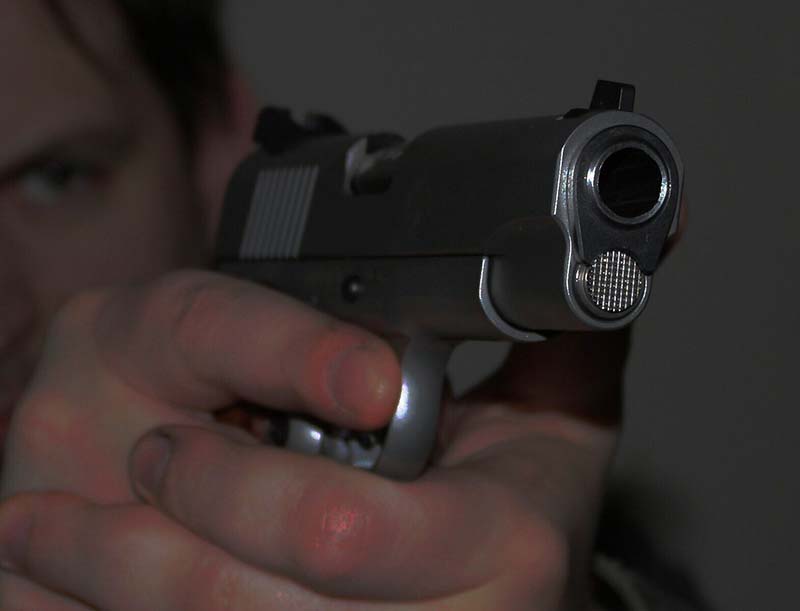
Call police if you have time, but growing numbers of homeowners
are buying guns and practicing in case they don’t have the time.
A 30-year-old home invasion suspect in Monticello, Iowa was shot and killed in a January confrontation involving a homeowner and his 10-year-old son, both of whom were unharmed, according to KWWL News.
This was an early-afternoon incident on a Wednesday, which was unusual when it comes to this sort of crime. The 44-year-old homeowner armed himself after calling Monticello police with a report of an “in-progress” break-in, but by the time cops arrived, Pattrick Michael O’Brine was down for the count.
The incident underscores the wisdom of an oft-repeated observation in the self-defense community: “When seconds count, police are minutes away.” Nothing is closer to the truth than this seven-word principle. While police would be delighted to always arrive in the nick of time to catch the bad guys and save the good folks, rarely does that happen.
It may be one reason why the past couple of years have seen a lot of first-time gun-buyers in shops from Tampa to Tacoma. Toss in longer response times in communities where police ranks have been shrinking thanks to “defund the police” efforts, and nightly news broadcasts that frequently lead with a violent crime report, and it doesn’t take much to figure out why people are buying guns. That good old Second Amendment is the ultimate fall back when everything else goes haywire.
According to a story on “Today In Fort Smith,” an Arkansas man identified as 29-year-old Jacob Andrew Webb had a background that included previous drug-related arrests “for which he received suspended imposition of sentences.”
Early last month, Webb reportedly entered the residence of an unidentified 58-year-old homeowner, armed with a knife. He never left.
There was some sort of confrontation, during which the homeowner was injured and Webb was shot in the midsection. After police arrived, the homeowner was taken to a local hospital for non-life-threatening injuries, according to KHBS 4029 News. Such injuries are still painful.
At the time he died, Webb was reportedly on “extended probation out of Logan County on two separate drug-related arrests in 2020 and 2021.”
There’s a 79-year-old man in Marathon County, Wisconsin who recently proved age doesn’t necessarily translate to vulnerability.
According to WSAW/Gray News, the septuagenarian was apparently followed home by a 22-year-old man in the early morning hours. The suspect attacked and stabbed the older gent as he was exiting his car, which had been parked in the garage.
This was another example of making a fatal error in the victim selection process. The older man drew a gun and fired one round. The bullet struck the younger man in the chest, and he reportedly expired while trying to flee.
The story made it all the way to Texas, where it was reported by the Fort Worth Star-Telegram, probably because it was a tale in which an older would-be victim prevailed.
Perhaps the moral of this stroll into the realm of violent crime and self-defense is that all the gun control laws on the books, and the ones still waiting to be written, will not deter violent criminals.
Gun prohibitionists think they can penalize law-abiding citizens and somehow get outlaws to change their ways. History tells us differently — after all, Jesse James, Cole Younger, the Daltons, Bonnie and Clyde, John Dillinger and a host of other societal losers provided ample proof — and history is unforgiving, no matter how many times some people try rewriting it.
If you’re one of the millions of armed private citizens responding to a changing world in which the nearest police officer or sheriff’s deputy is minutes away or maybe much longer, find out about your state’s self-defense laws. Today is a good time, yesterday
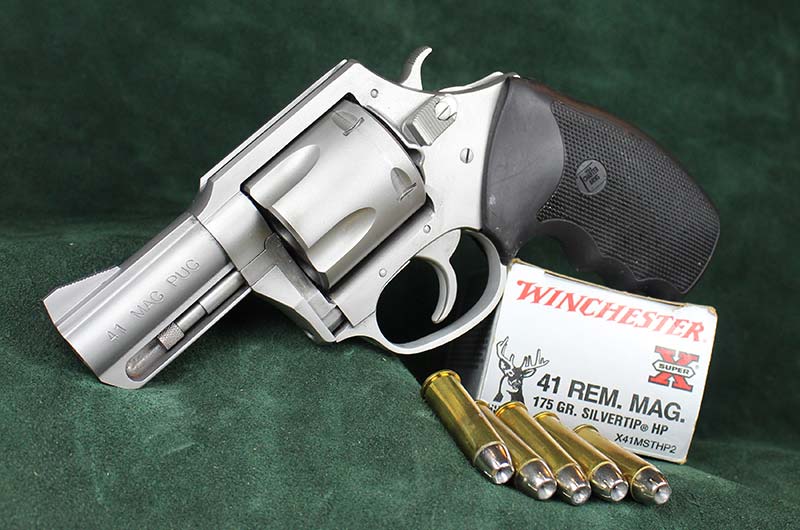
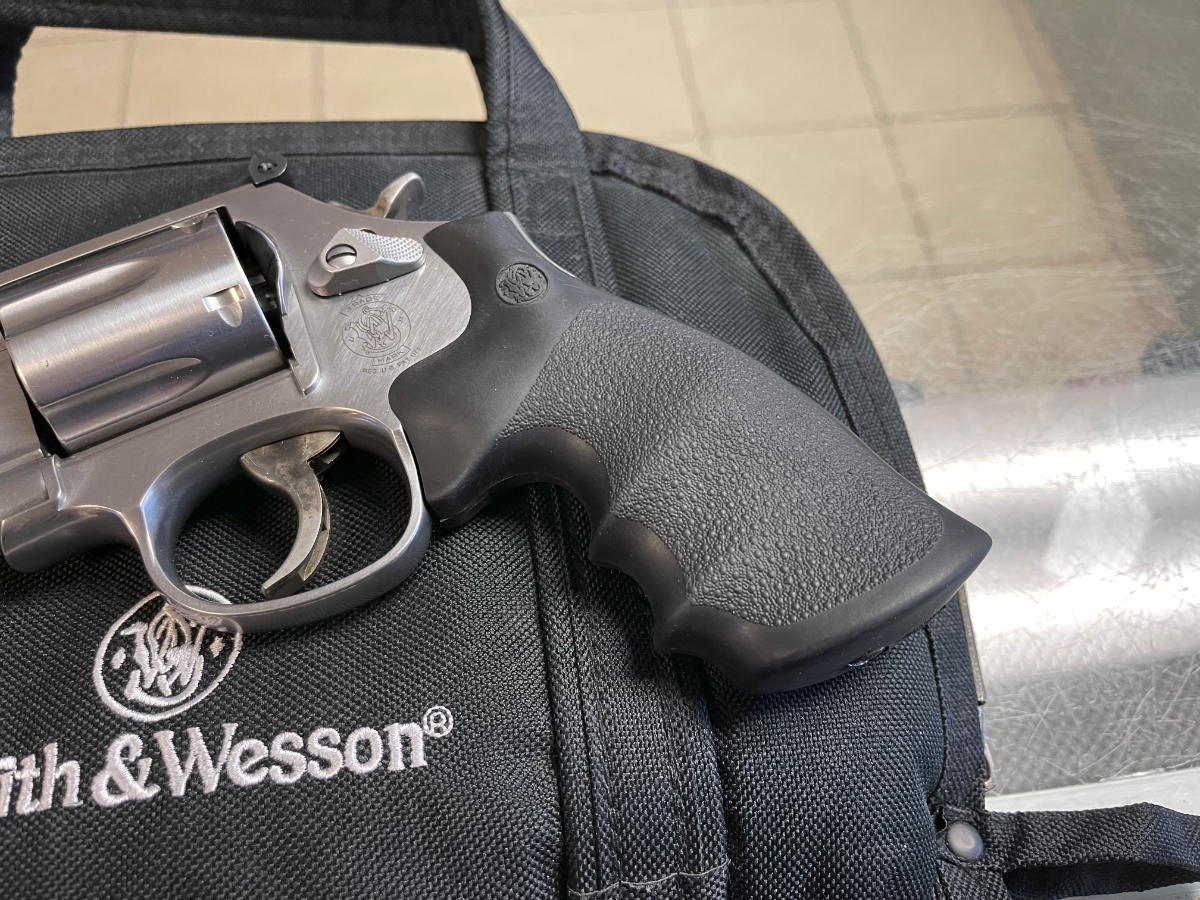
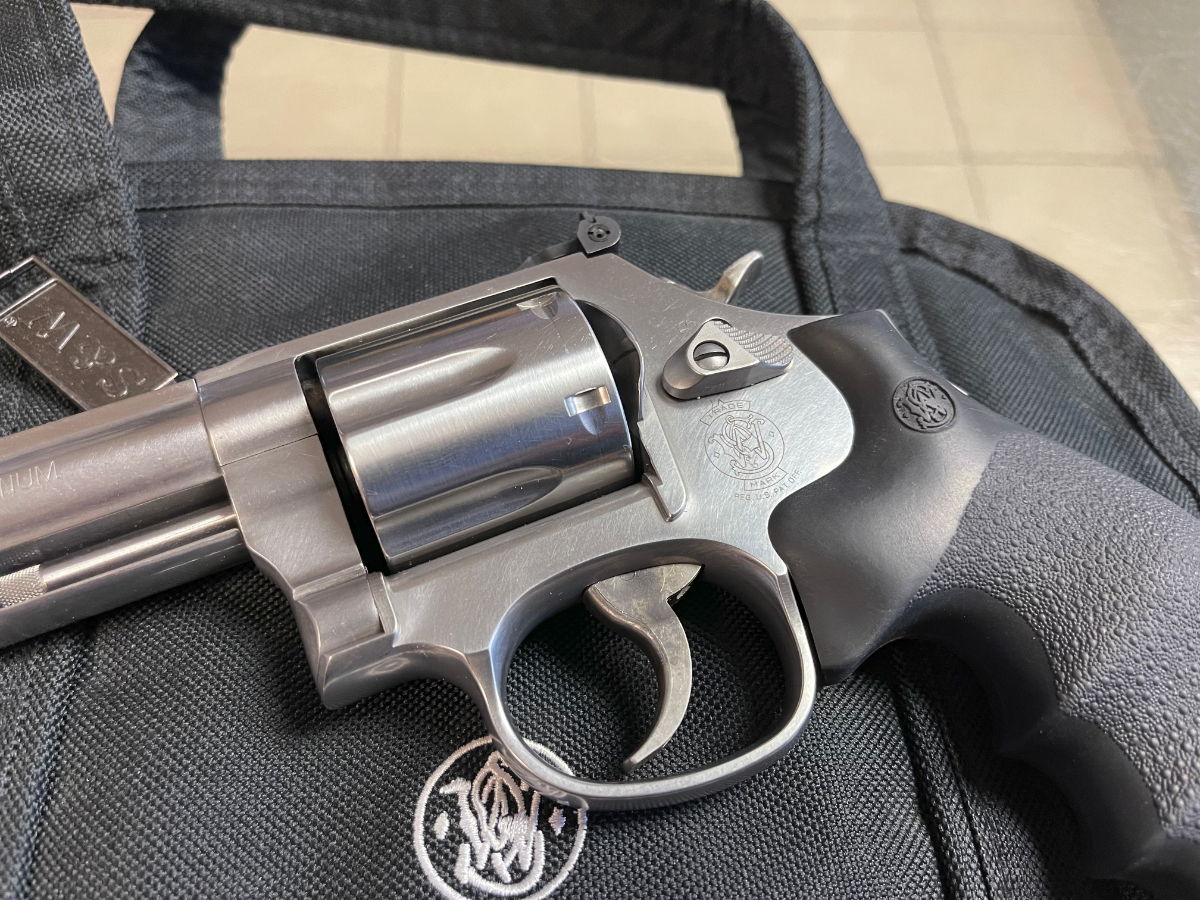
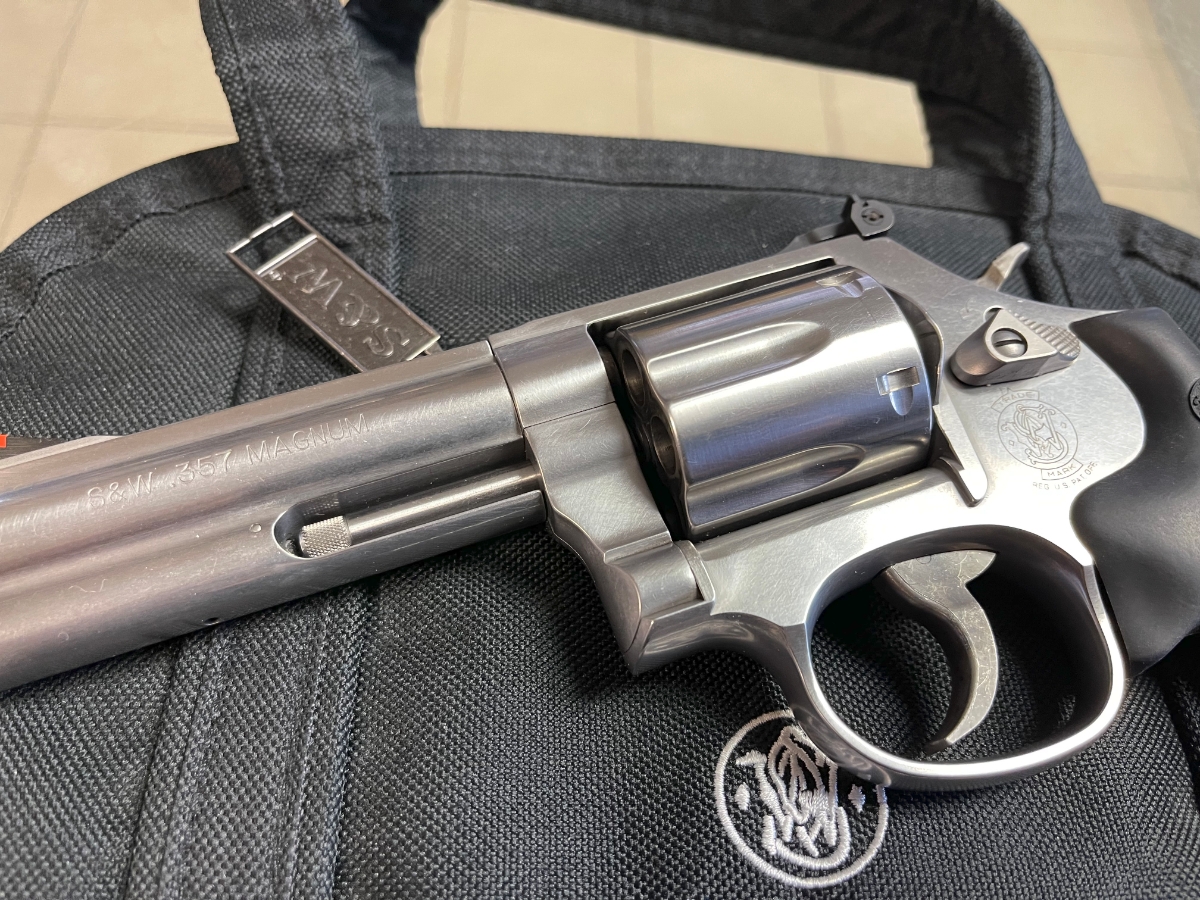
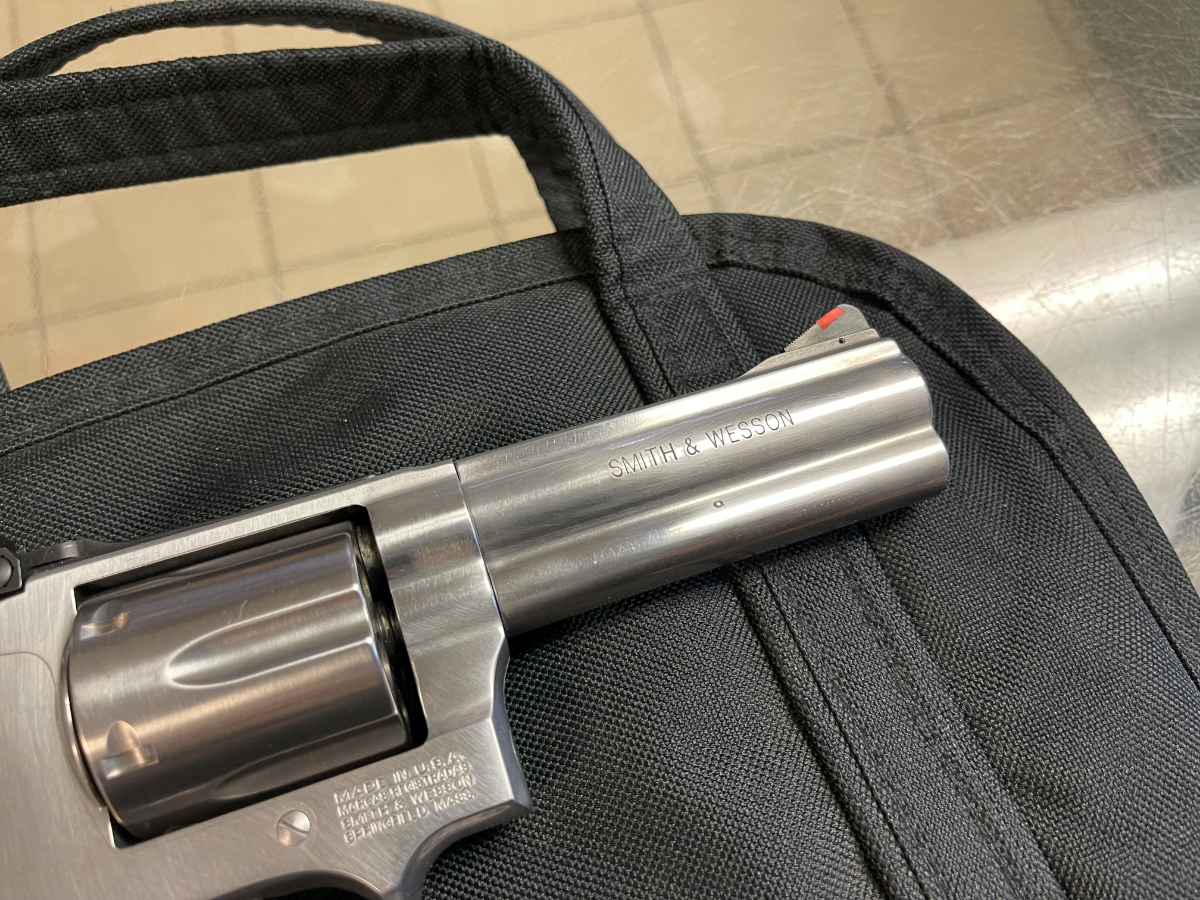
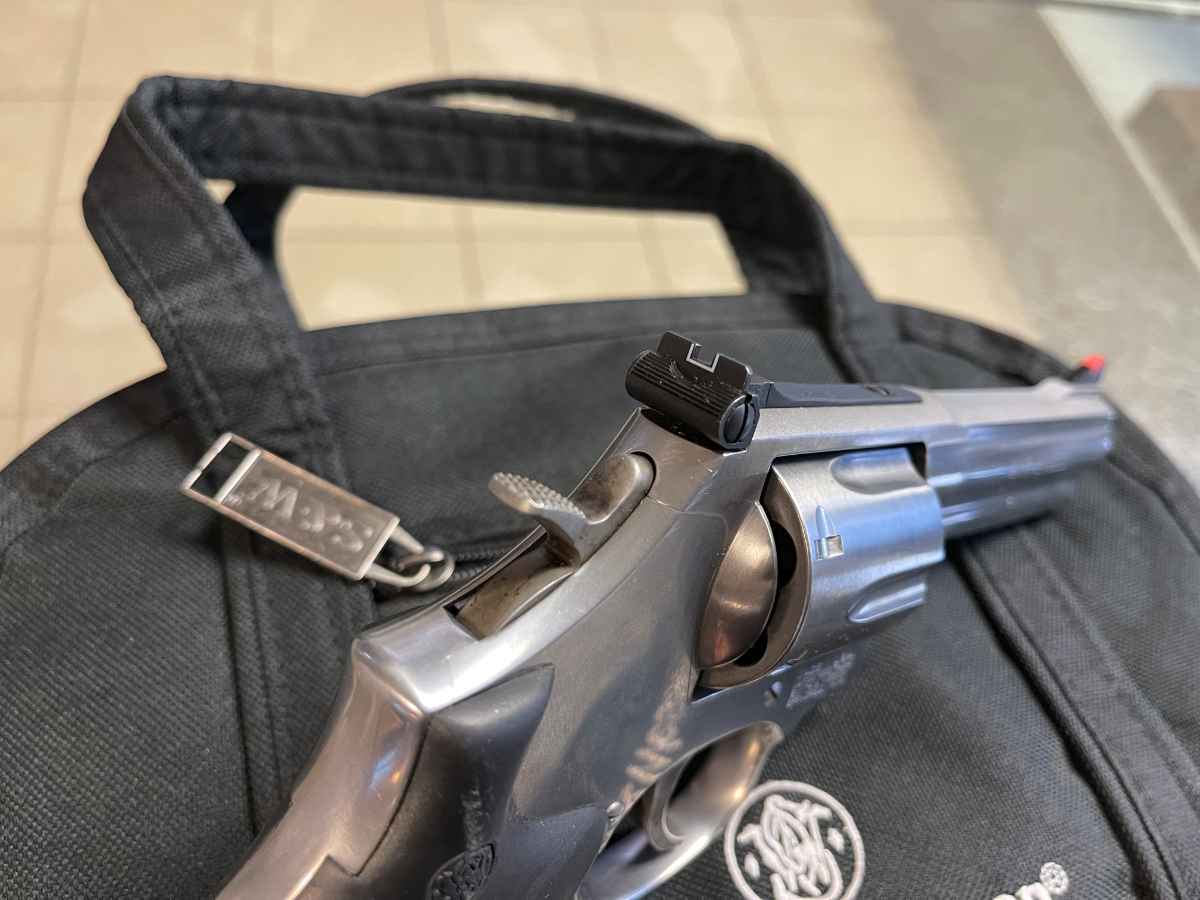
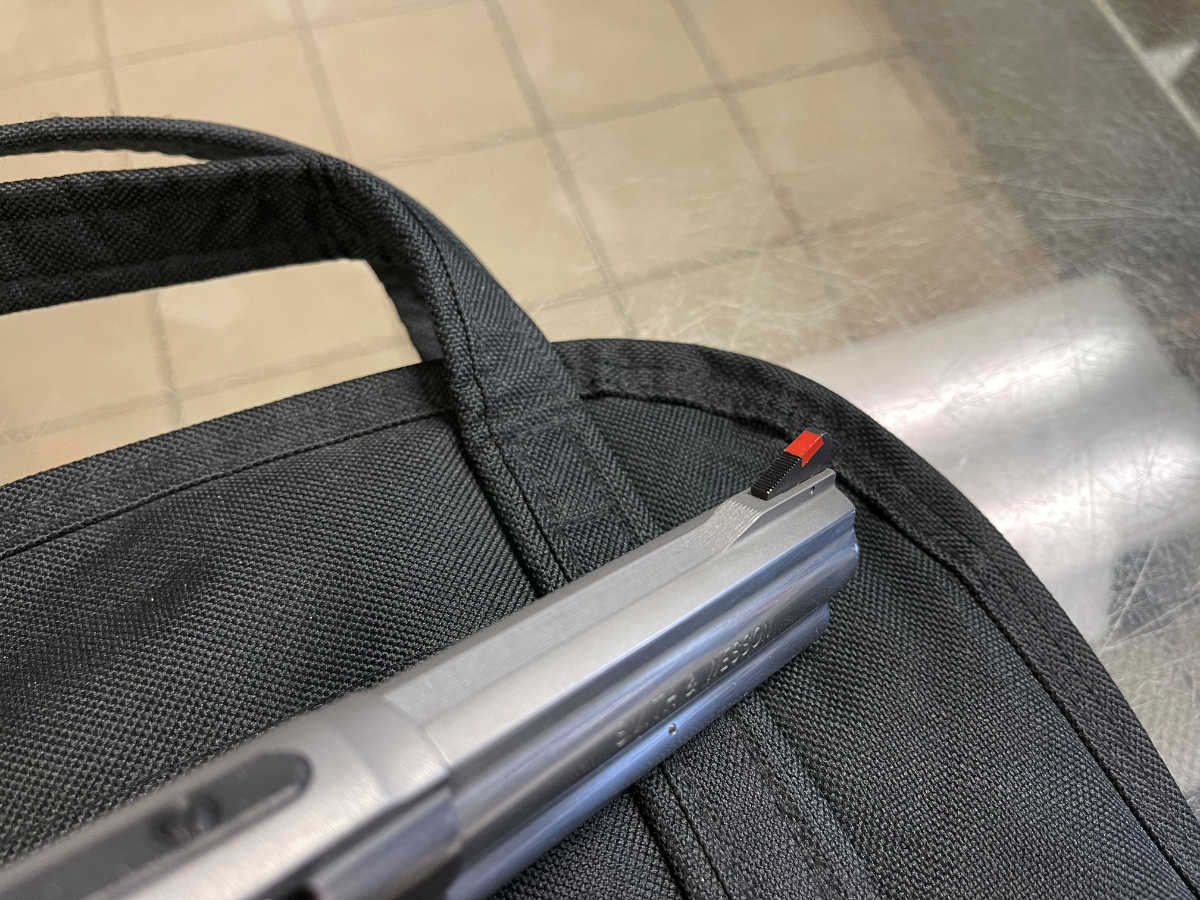
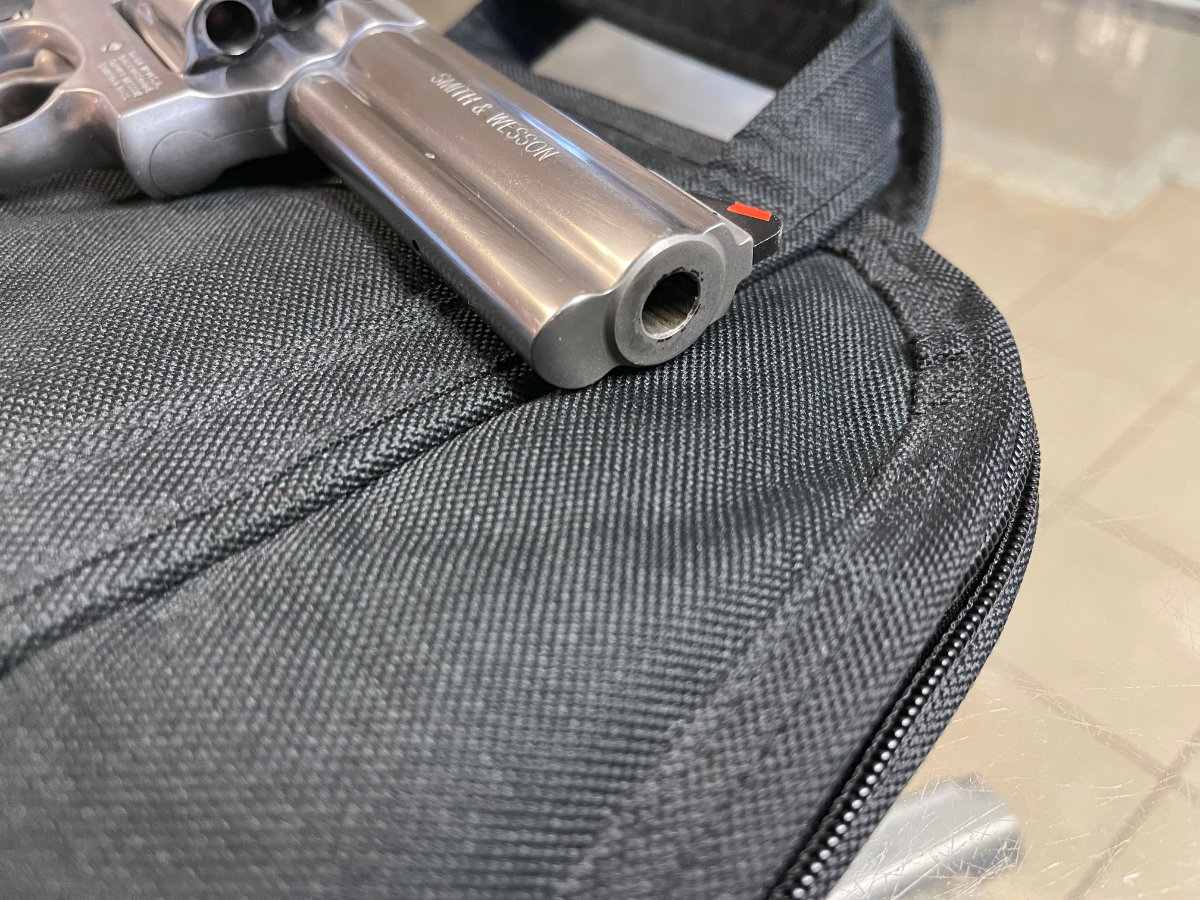
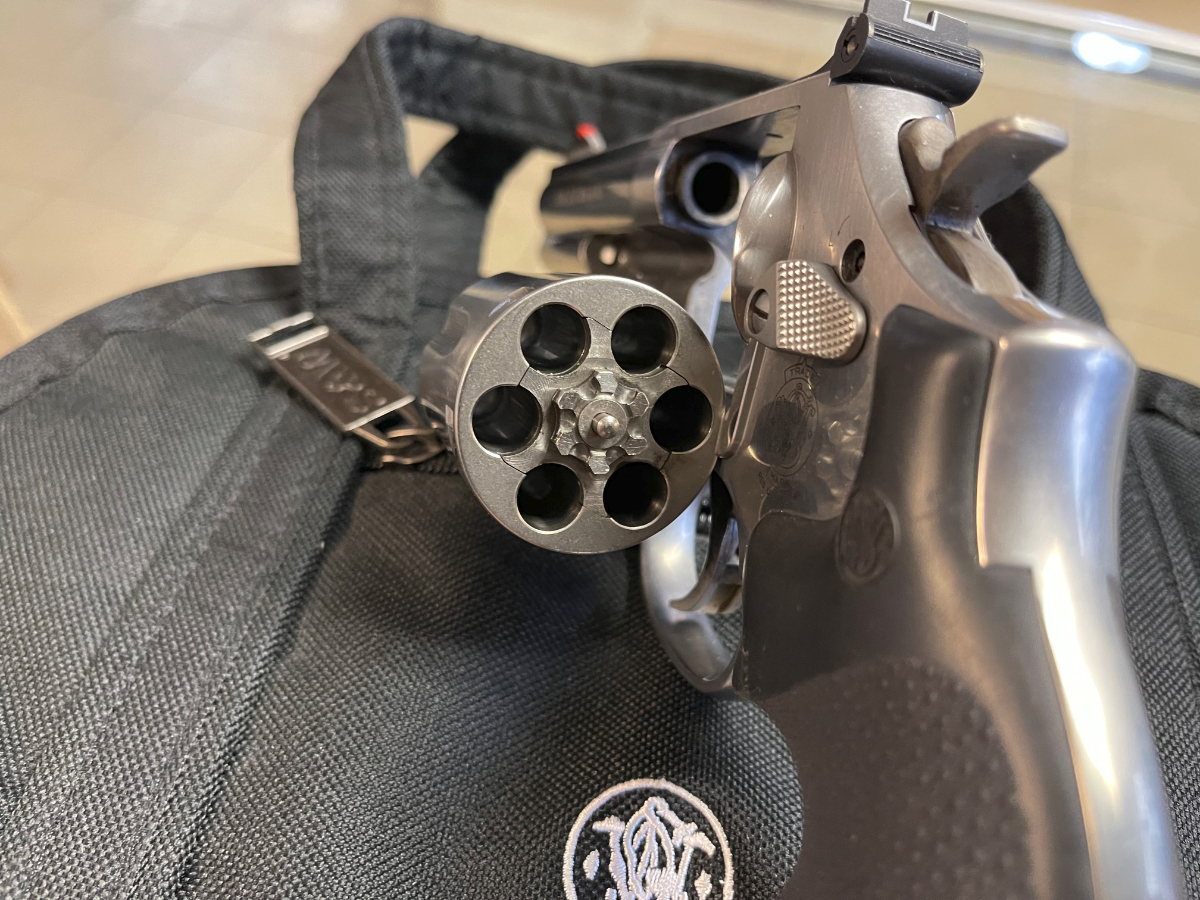
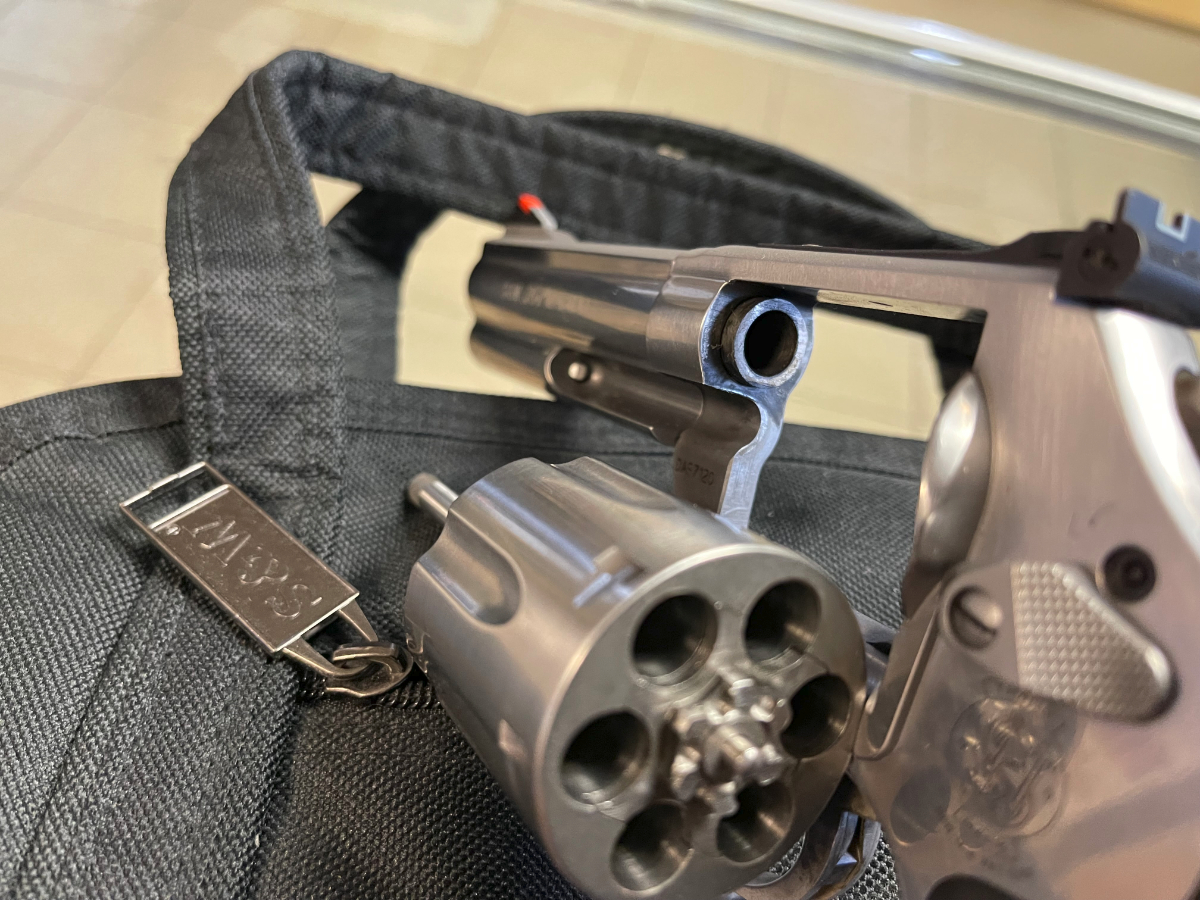
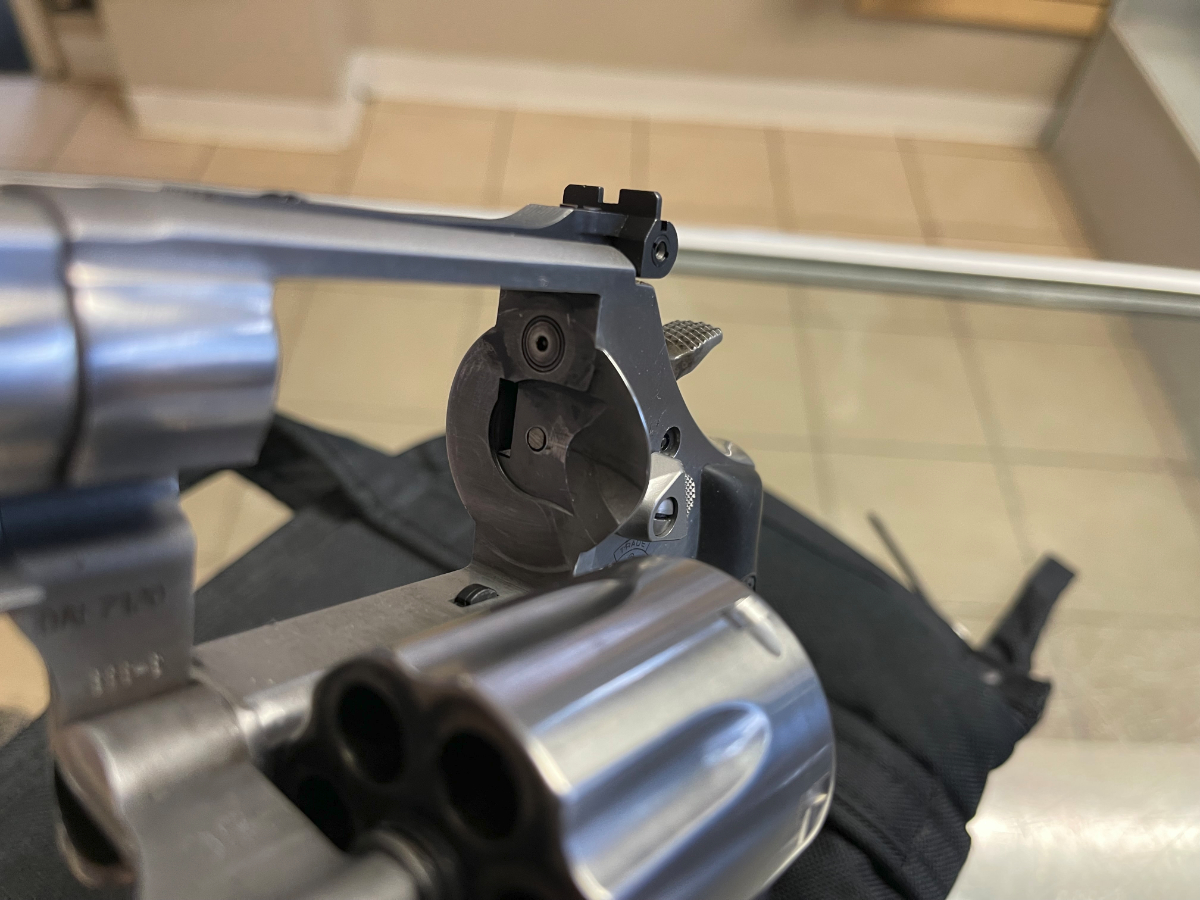
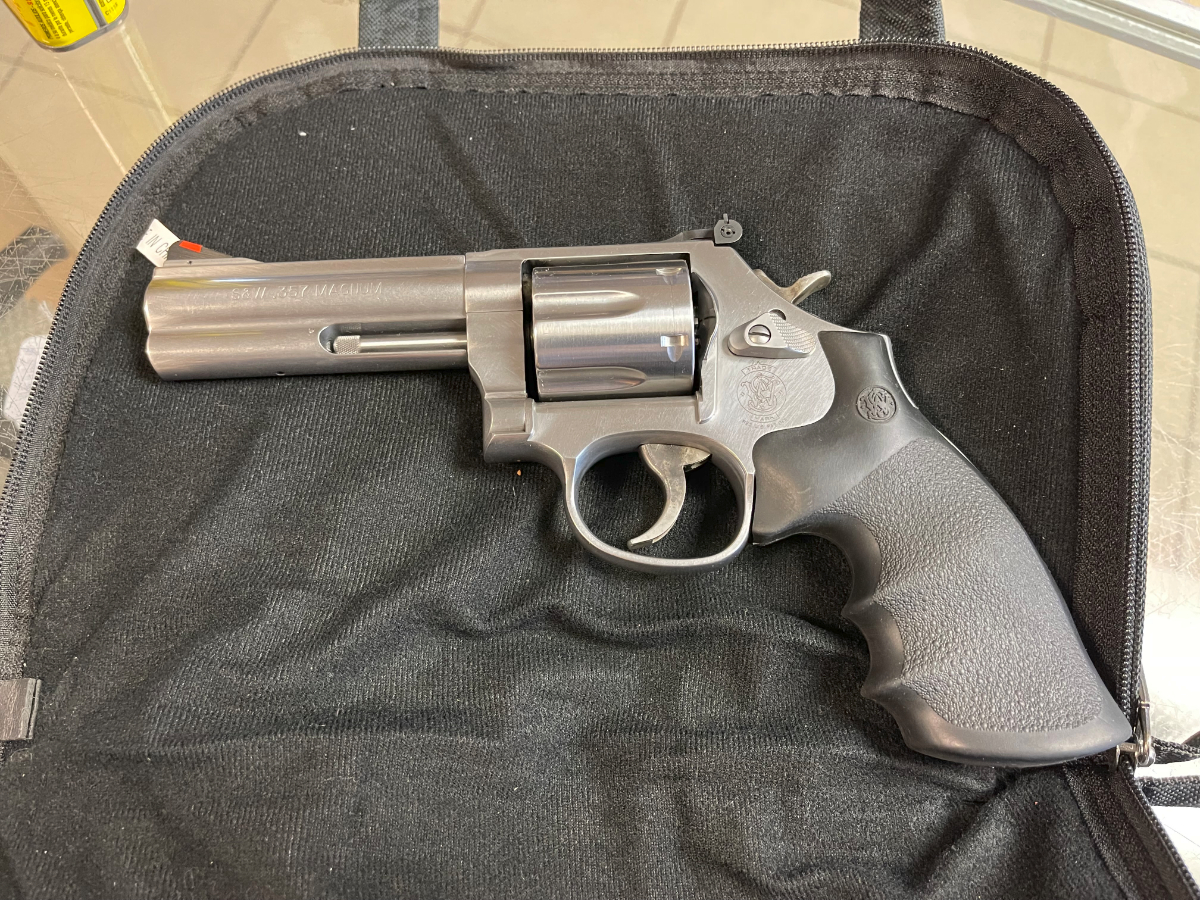
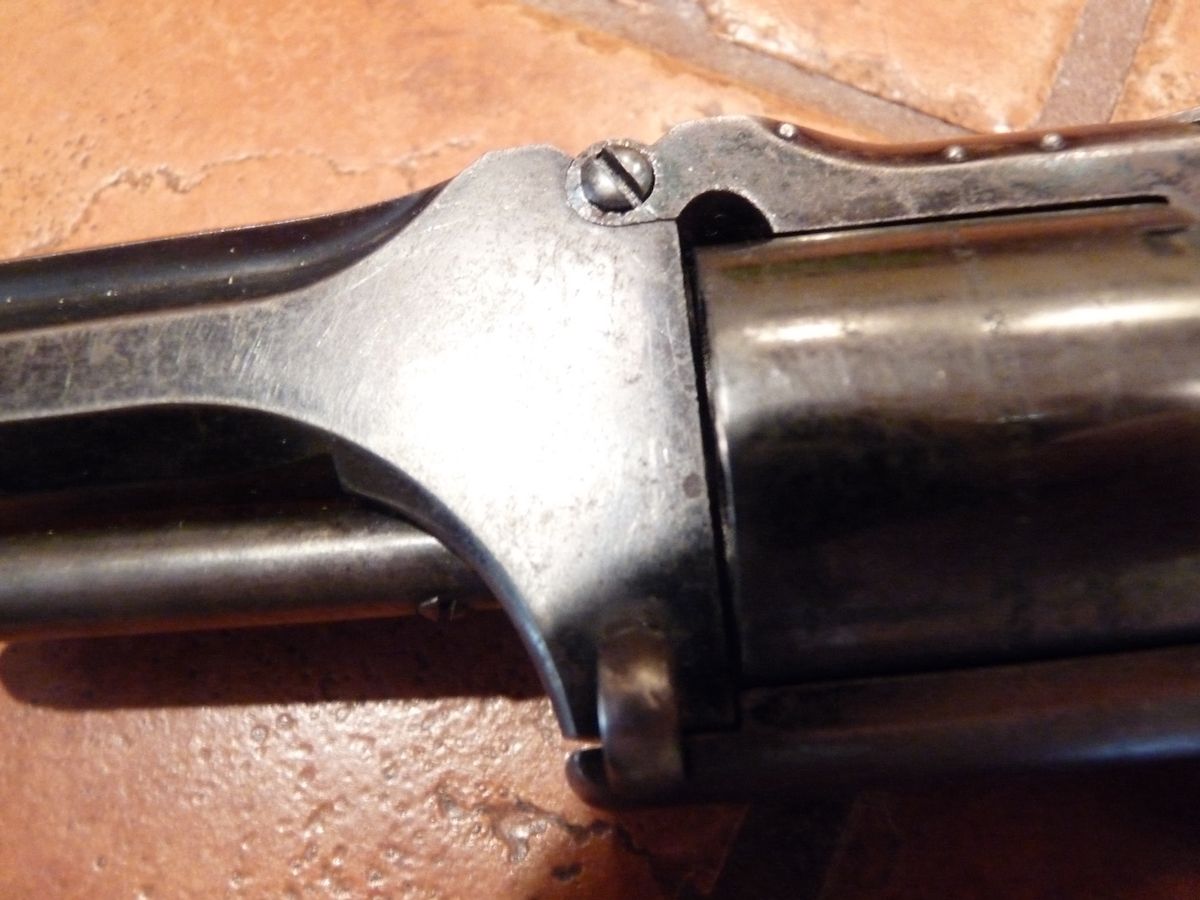
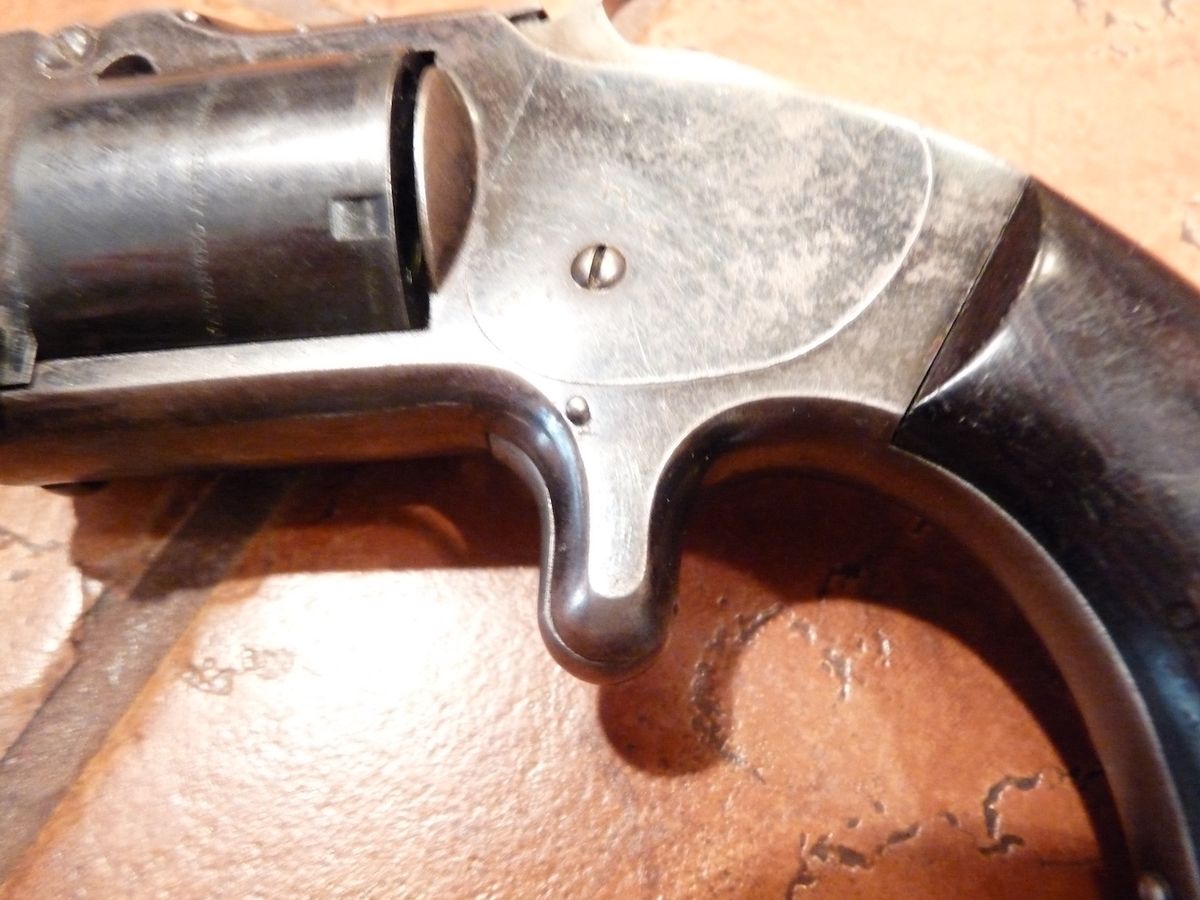
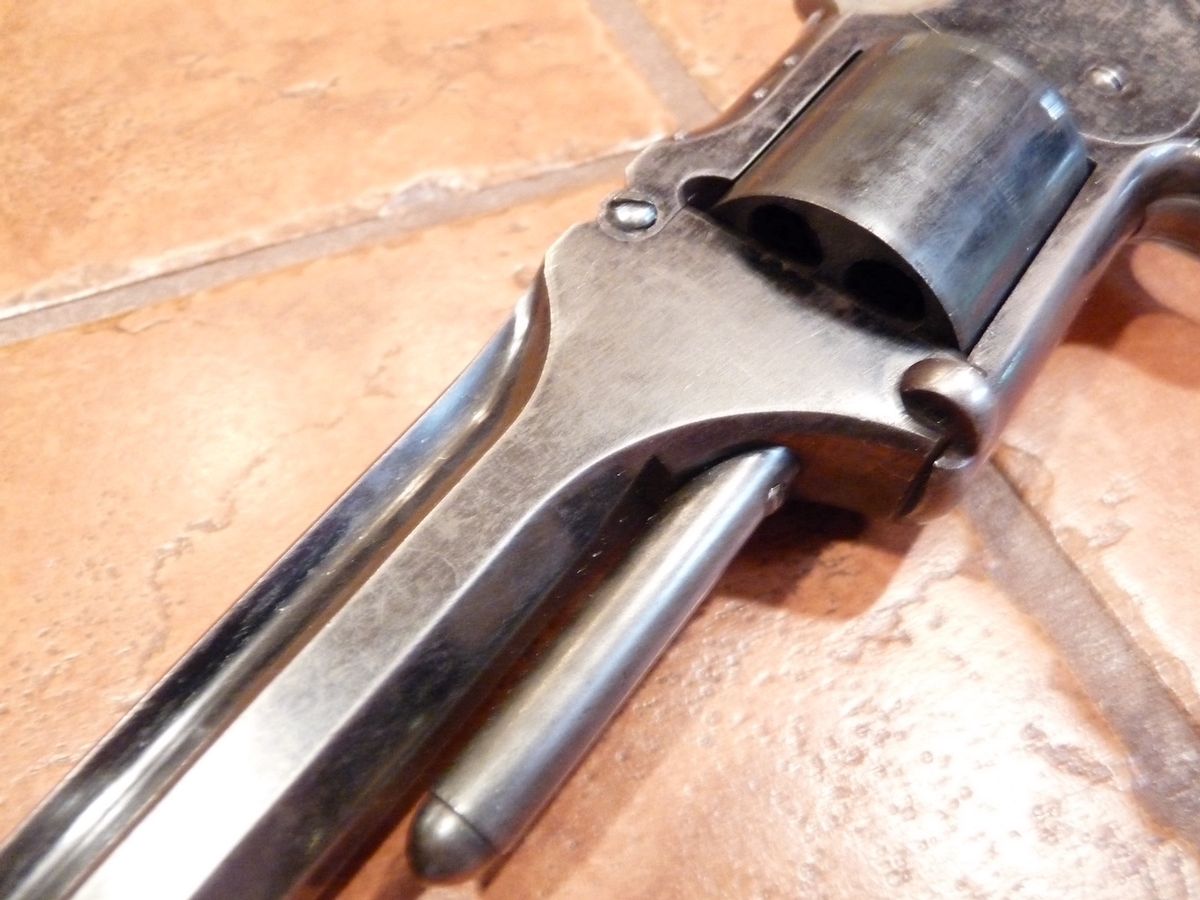
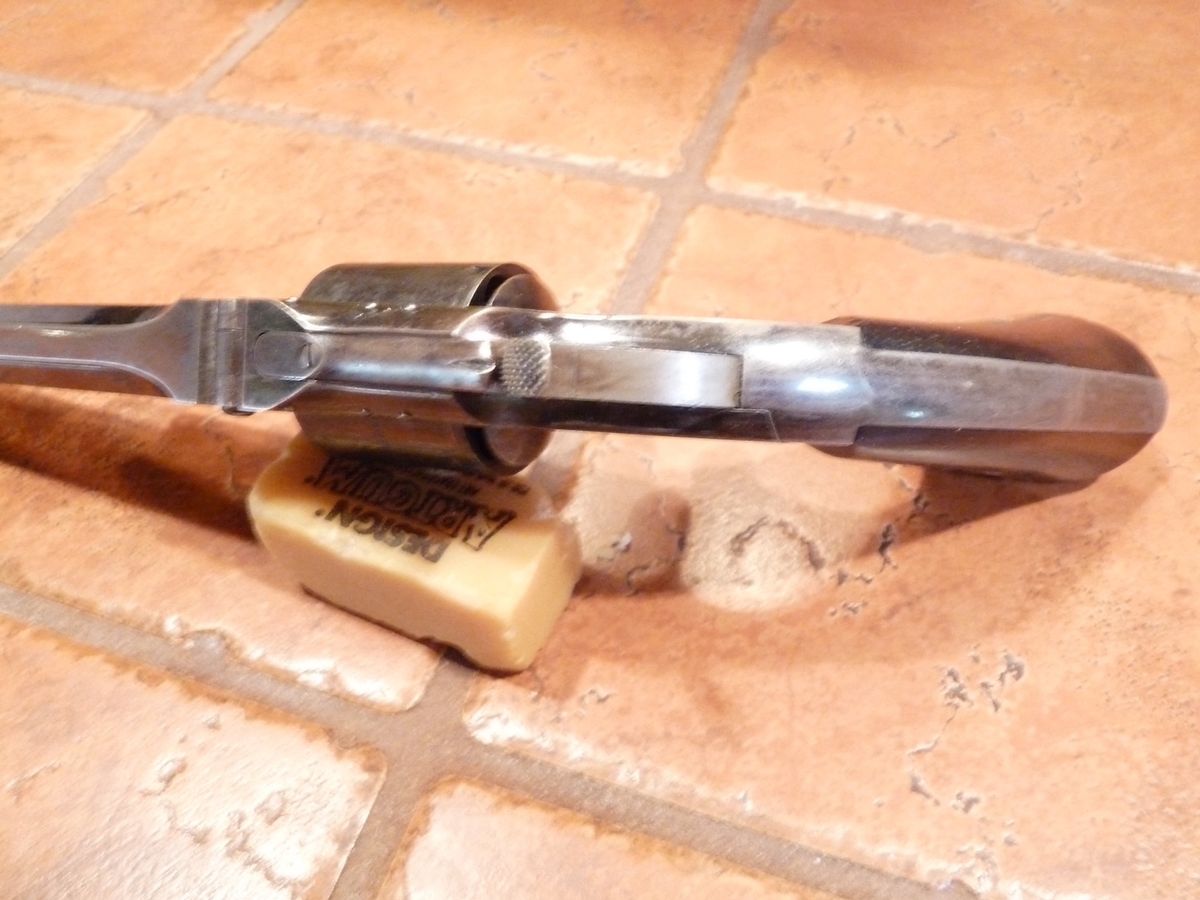
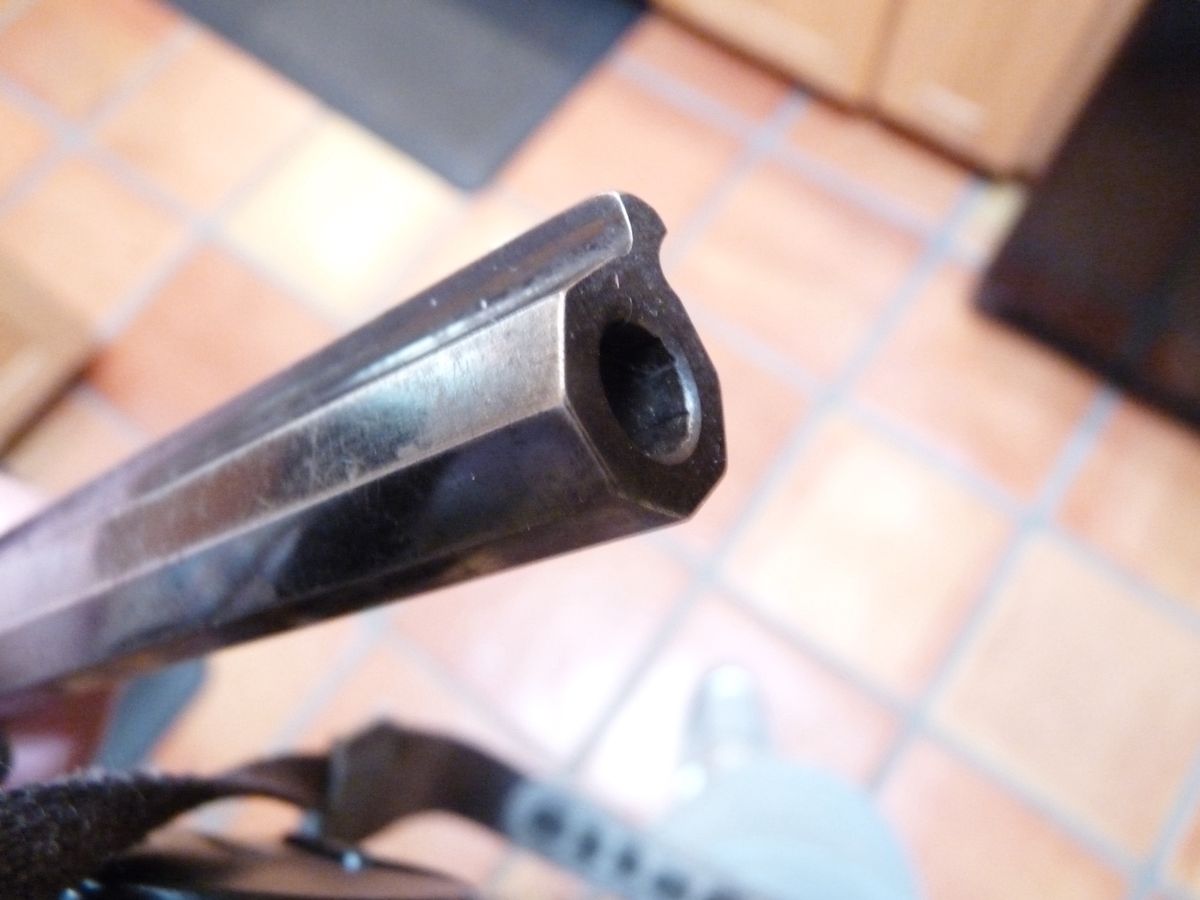
Nice gun, a 5-shot .41 Magnum; what if it were stolen? You want to report that theft immediately to the police.
Here’s something we know about crime: When bad guys are packing iron, much of it is hot.
The New York Times last month confirmed that between 2017 and 2021, law enforcement recovered “about two million guns linked to crimes.” The newspaper said the information came from the most comprehensive national accounting of crime guns in decades. The times was referring to the “National Firearms Commerce and Trafficking Assessment (NFCTA): Crime Guns – Volume Two” published by the federal Bureau of Alcohol, Tobacco, Firearms and Explosives.
When a gun is stolen, it is technically “involved in a crime.” When a gun is recovered from a burglary investigation, or seized from a criminal during an arrest, it is “involved in a crime.” The term “crime gun” can be applied, even if the gun wasn’t fired.
“While more than 95% of stolen guns originate via thefts from private citizens (see Figure BRL-01 below), FFL and commercial shipping thefts are nevertheless a direct source of crime guns,” the report says. “As of 2022, only fifteen states — California, Colorado, Connecticut, Delaware, Hawaii, Illinois, Maryland, Massachusetts, Michigan, New Jersey, New York, Ohio, Oregon, Rhode Island, and Virginia — require private citizens to report when a firearm is stolen. As a result, while the reported number of firearms stolen annually from individuals is substantial, there is significant underreporting; a 2016 survey by the U.S. Bureau of Justice Statistics indicated that only about 75% of private gun thefts are reported to law enforcement.”
There are lots of videos of middle-of-the-night smash-and-grab gun store thefts. That’s one way to arm a community of thugs.
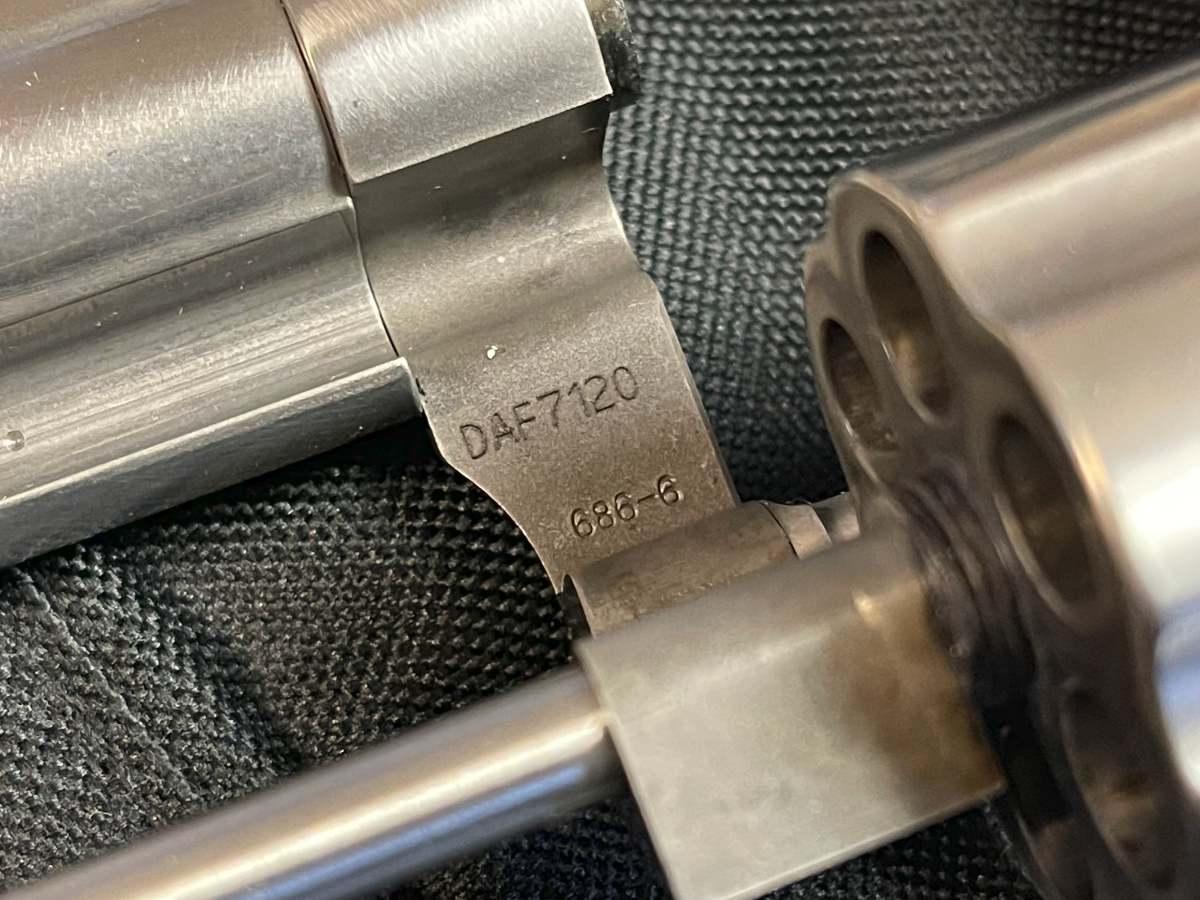
If you don’t own one, buy a gun safe. Your firearms are valuable, along with your right to have them. Record the serial numbers of your guns and keep that log someplace safe.
If your gun is stolen, report it immediately. There’s a possibility you might get that gun back if it is recovered, and you certainly don’t want to be linked to any crime that gun might later be part of. Thefts from private citizens account for almost 96% of stolen guns during the 2017-2021 time period. During those years, the report notes there were 3,100 theft incidents involving 21,585 guns. Any way one looks at this, it’s a lot of hot hardware.


Remember all that political hay the far left and its media allies made during the Vietnam War about the wickedness of America’s South Vietnamese ally and the importance of abandoning that country to the communists?
Here’s the Pulitzer Prize–winning AP photo that was supposed to prick our consciences and make us turn against that “immoral” war against a communist takeover:

There’s no doubt about it, the photo is hard to look at. It’s crude, rough, wartime justice, a picture of South Vietnamese Police Captain Nguyễn Ngọc Loan coldly executing Viet Cong Captain Nguyễn Văn Lém. The film is even harder to look at.
It ran on the front page of the New York Times, cropped from the original to fill the space and make its impact even more immediate.
And it got the results the anti-war left wanted: public sentiment abruptly turned against the war as a result of this photo. The Vietnamese people were abandoned by the Americans, whose cut-and-run evacuation from the Saigon embassy rooftop was only recently bested by Joe Biden’s Afghanistan pullout. After that, the re-education camps rolled in, the boat people launched into the high seas, and the killing fields of Cambodia began.
Jane Fonda must have been so proud of herself.
Just one problem, though: The context was missing, and that context mattered.
The guy who got shot, who went by the nom de guerre Bay Lop, was a death squad psychopath in the Viet Cong who had just gotten done massacring 34 innocent people.
According to GroovyHistory:
From January to September 1968, North Vietnamese forces launched a coordinated series of attacks on more than 100 cities and towns in South Vietnam, proof that American forces had failed to quash the guerilla combatants. Death squads made their way through the cities, killing anyone who wasn’t joining their revolution.
Captured in a building in the Cho Lon quarter of Saigon, Nguyễn Văn Lém was a member of the Viet Cong whose downfall began in the Tet Offensive. Allegedly Lém was arrested for cutting the throats of South Vietnamese Lt Col Nguyen Tuan, his wife, their six children and the officer’s 80-year-old mother. On top of that, he was leading a Viet Cong team whose whole deal was taking out members of the National Police and their families.
A the time of his death, Lém should have been considered a prisoner of war under the Geneva Convention, but because he was dressed in civilian clothing and he wasn’t carrying a firearm, he was technically seen as an “illegal combatant.”
During the Tet Offensive, Lém was on a bloodthirsty tear through Saigon. He may look boyish, but he had the heart of a killer. The photo shows Lém handcuffed and in civilian clothing, but he was operating a death squad that had killed 34 that same day.
He allegedly took out seven police officers, multiple members of their families, and even a few Americans. Each victim was bound by their wrists and shot in the back of the head, execution style.
Because he wasn’t wearing the outfit of a solider this put him in a bad scenario. As a person committing war crimes he was in a bad way, especially with General Loan coming after him. Not only had he carried out a gruesome act, but he was eligible for immediate execution.
Wikipedia notes that maybe this didn’t happen the way these facts say it happened. A leftist professor quoted on Wikipedia said:
In 2018, author Max Hastings detailed the allegations against Lém, adding that American historian Ed Moise “is convinced that the entire story of Lém murdering the Tuân family is a post-war invention” and that “The truth will never be known.”
Now that revisionist history is falling apart.
The Daily Mail found an admiral in the U.S. Navy, who was a tiny sole survivor of that massacre.
He was a little Vietnamese boy at the time who watched as this psychopath shot civilian after civilian including his entire family. He survived by playing dead and eventually made his way to America to becomee an American citizen, joining the U.S. Navy, and rising to the rank of admiral.
According to the Mail:
Bay Lop, the subject in the photo, had been executed in Saigon after carrying out the mass murder of Huan Nguyen’s father — South Vietnamese Lt. Col. Nguyen Tuan, along with the officer’s wife, mother, and six of his children, five boys and one girl.
Huan Nguyen, managed to survive despite being shot three times through the arm, thigh, and skull. The youngster stayed with his mother’s dead body for two hours following the cold-blooded murder according to Military.com.
When night fell, Nguyen then escaped managing to avoid the communist guerrillas, and went to live with his uncle, a colonel in the South Vietnamese Air Force.
There’s no disputing the facts of what happened to him, which pretty well puts paid to the nutty leftist professor’s claims, and there’s no excusing the behavior of the anti-war left, which used this child’s family’s murder to sell the first great bug-out of America on its allies for the purpose of spreading communism. The press, which acted pretty much in the same dishonest manner as it does today, was amazingly dishonest in its presentation of its “narrative,” particularly at the editorial level.
Now we learn that a brave survivor exists from that terrible incident, and the badness of America suddenly wasn’t so bad. The bad guy, in fact, was the communist Viet Cong “captain” who was a mass murderer not at all different from the Las Vegas spray shooter.
It’s amazing what the press got away with on that one. And it serves as a reminder that pictures can be distorted and manipulated without context, without even Photoshop. While the photographer, Eddie Adams, was blameless, as he was just doing his job, the way the photo was presented, by broadcasters and newspaper editors, was not. This is one sorry incident that the left got away with. They showered their Pulitzers and watched the protests begin. One only wonders what the little kid who survived the massacre to become an admiral must have thought. Now that it’s out that he survived this psychopath, his life is living testimony to that reality.
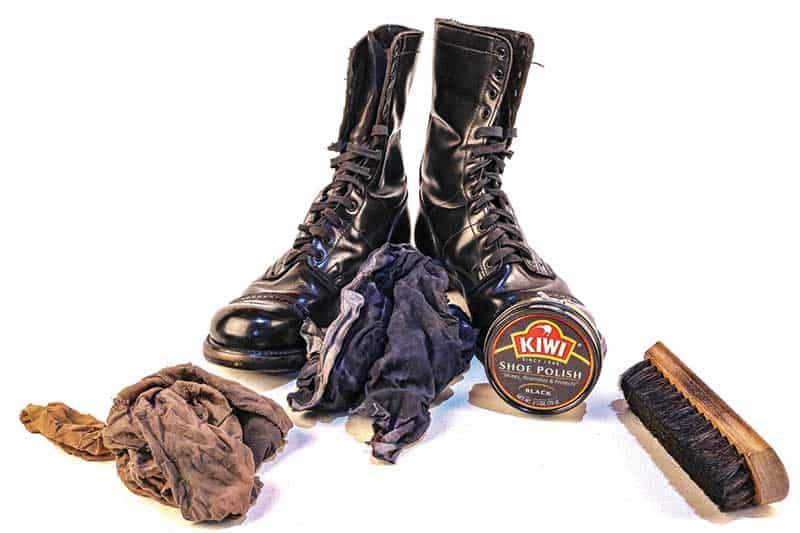
Tools of the (old-school) trade: Kiwi shoe polish, an old T-shirt, a boot brush, panty
hose and a lot of elbow grease were all required to keep footwear up to scratch.
We’ve been everywhere together. We’ve trudged through fetid jungles, shivered in snow caves, crouched within powerful war machines, and even flung ourselves into the dark abyss underneath a parachute canopy. Through it all, we got over and around some of the roughest terrain on earth together.
It’s been said an army marches on its stomach. I disagree — an army marches on its boots. Of all the many-splendored cool-guy toys soldiers tote, pack, shoot, fly or drive, none are quite so important as boots. You may have the most lethal tricked-out rifle mankind can contrive, but if you’re scurrying about the Hindu Kush in dime store flip-flops, you aren’t going to be doing much with it.
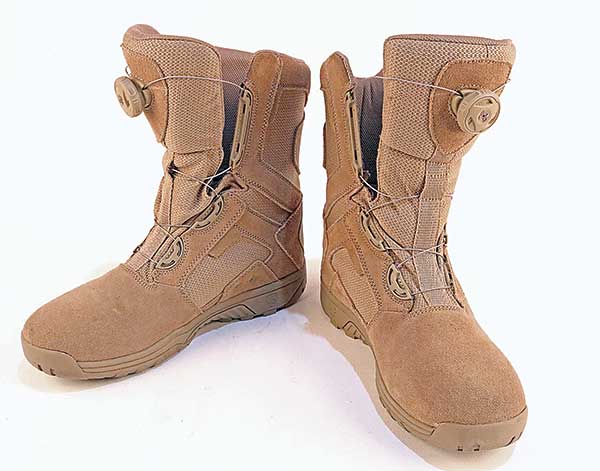
Will’s new favorite, the Clash LT from Blauer. Lightweight, comfortable and rugged,
these high-tech wonders are light-years ahead of what they had “back in the day.”
My first set of LPCs (Leather Personnel Carriers) were the nondescript leather sort. Lacing was an arduous chore, they were hot in the summer and cold in the winter. However, the soles were grippy and they offered adequate protection against rocks, razor wire and similar pokey bits.
Jungle boots with speed laces represented a quantum improvement. They went on and off in a jiffy and the canvas uppers wore like sneakers. Vent holes in the bottom let air and water both in and out with comparable aplomb.
Holdovers from a previous age, jump boots were as heavy as Aunt Edna’s fruitcake. The slick leather soles didn’t offer much purchase and they took a lifetime to lace up, but I’m living proof you can use them to leap out of a perfectly good airplane and emerge with your ankles intact. The WWII versions were brown. Ours were black.
I have logged countless hours laboriously polishing with Kiwi and an old t-shirt. Squeeze the greasy stuff into all the crevices and then buff it out with a boot brush. The wooden-backed brush also makes a serviceable close-quarters weapon. One of my drunken soldiers earned an Article 15 for attacking some poor schmuck with his.
M-Nu paint blackened out the steel eyelets when they got shiny. A First Sergeant once told me it was so Soviet satellites couldn’t pick us out on the parade field. Sigh. When you’re all done, buff everything out with some of granny’s panty hose to really conjure a shine.
It’s tough to admit, but today’s versions are better. The uppers are rot-resistant nylon rather than canvas. The bodies are rough suede and won’t take polish if you rubbed them for a month. Today’s boys and girls in uniform don’t have to polish boots at all. I cannot imagine what they do with their time. Play video games, I suppose.
I’ve burned through a single pair of the new sorts, and they hold up nicely. The suede ages well and the soles grip like politicians grab other people’s money. The laces slide smoothly and let you get into them faster than you might a pair of cross trainers.
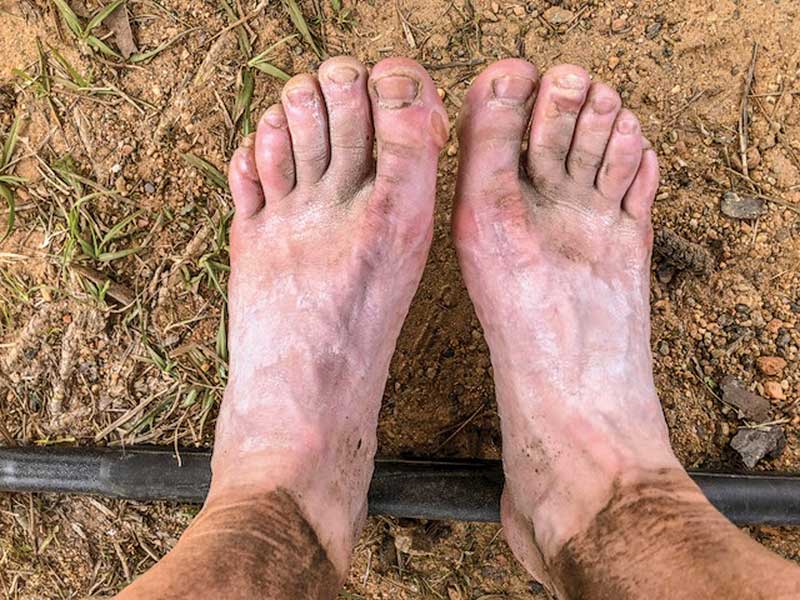
Why boots? These rancid feet actually belong to a friend of Will’s named Beth who
snapped this picture right after she finished a 100-mile road race.
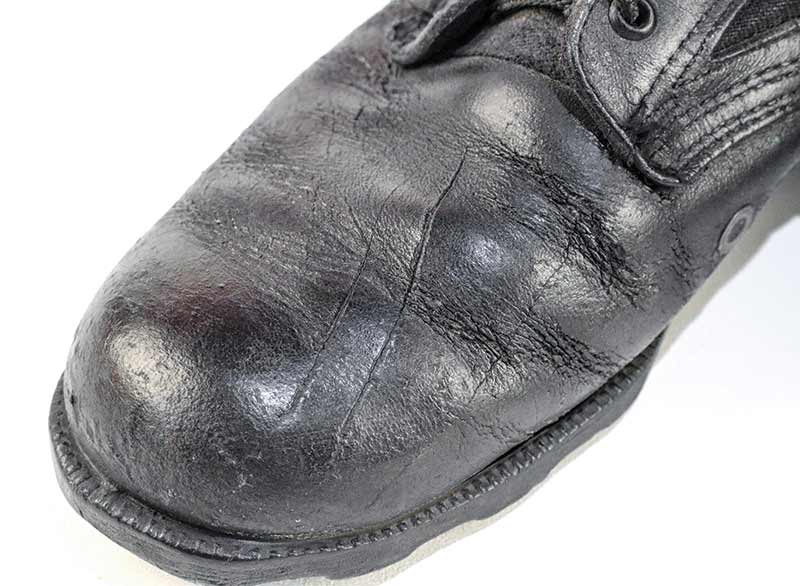
This old jungle boot gave its life for Will when he wandered into some concertina
wire while answering nature’s call late one night in a moonless desert.
I recently saw a scruffy-looking guy in my medical clinic and could not help but notice his high-mileage but well-maintained hard-use footwear. The kid was a former Marine who now worked an outside civilian job. Despite the grime his boots were meticulously maintained. It was my first hint he wasn’t your garden-variety thug.
I was so impressed with his boots I bought a pair myself. I’ve worn out at least half-a-dozen sets over the decades, and these are hands-down my favorites. They’re titled the “Clash LT” from Blauer, and they set me back a C-note.
These are tall ankle-supporting combat boots a full 6″ high. They wear like your favorite pair of running shoes and weigh a paltry 18 oz. The body of the boot is mixed suede and breathable mesh. There is also an integrated shank for stabilization should you need to fast rope into some evil despot’s lair. The psychedelic soles will have you climbing like a monkey on Adderall.
The coolest aspect of these uber-cool stompers is the integrated BOA lacing system. This inspired rig employs a braided stainless steel cable and a handy tightening wheel with a clutch of sorts making donning and doffing quick, easy and painless. With my nifty high-tech boots I’m through airport security faster than the nearby hippie in his Birkenstocks. If the unthinkable happens and my world is suddenly dark, jagged, upside down and on fire, I’m much better positioned to get out alive than my unwashed pal in sandals.
These boots felt broken-in out of the box and should last me the rest of my days. They’ll take me anywhere. Like my Army buddies, there’s really nothing we can’t do together.
![r/NoSillySuffix - [Military] US soldiers take defensive positions after taking fire from Taliban in Korengal Valley. Spc. Zachary Boyd was still in his pink “I love NY” boxers as he rushed from his sleeping quarters to join his fellow platoon members. [3888×2592]](https://preview.redd.it/lr60vpde3h811.jpg?width=960&crop=smart&auto=webp&v=enabled&s=0502a7ccd8d7fb63e677ccc6a87c9115fa8c1267)
US soldiers take defensive positions after taking fire from Taliban in Korengal Valley. Spc. Zachary Boyd was still in his pink “I love NY” boxers as he rushed from his sleeping quarters to join his fellow platoon members.