Categories
All About Guns Allies Soldiering War Well I thought it was neat!

Montgomery Scott Goes to War: LT Jimmy Doohan on D-Day by WILL DABBS

Thanks to the vagaries of fate James Doohan was born at just the right time to help save the world.

James Montgomery Doohan was born on March 3, 1920, in Vancouver, British Columbia. His father was a veterinarian, pharmacist, and dentist who developed an early form of high-octane gasoline. Starting in 1946 Doohan took on roles as a voice actor for radio, developing a reputation for his broad range of accents and dialects. Over the next decade, he performed in more than 4,000 radio programs.

Like all actors of his generation Jimmy Doohan served his time in westerns.
A young Bill Shatner got his start at roughly the same time as Doohan in a very similar role.

In the mid-1950s, James Doohan played forest ranger Timber Tom in the Canadian version of Howdy Doody. Oddly, at the same time, William Shatner was playing Ranger Bill in the American version of the show. Both men later appeared together on the Canadian TV series Space Command.

Doohan’s iconic depiction of Chief Engineer Montgomery Scott on the starship Enterprise defined his career.

Over the years Doohan played a wide range of roles on screens both large and small. However, the one part for which he is best remembered is that of Montgomery Scott, the chief engineer on Star Trek‘s starship Enterprise. Though he was neither Scottish nor an engineer, James Doohan’s depiction of the longsuffering Starfleet officer created a cinematic icon.

James Doohan crafted the role of Montgomery Scott himself.

While auditioning for the part before Gene Roddenberry, the creator and producer of Star Trek, Doohan suggested that all the best engineers were Scottish. He personally chose the first name of Montgomery to honor his grandfather. The resulting beloved character became a fixture across three years’ worth of live-action television, an animated series, and seven major films.

Jimmy Doohan enjoyed an exceptional acting range.

Doohan’s vocal range was indeed remarkable. He voiced a variety of entities on the TV series to include Sargon in “Return of Tomorrow,” the M-5 in “The Ultimate Computer,” the Mission Control Voice in “Assignment: Earth,” and the Oracle in “For the World is Hollow and I have Touched the Sky.” He voiced a total of fifty different characters during the animated series to include as many as seven in a single episode. He also contributed heavily to the development of both the Vulcan and Klingon languages for the films.

Note Doohan’s right hand in this shot as Scotty struggles to manage an armload of tribbles. He is clearly missing his middle finger.

The Trekkie truly committed to his craft might appreciate, however, that throughout the run of both the TV shows and movies, Doohan takes care with how he positions his hands. However, in “The Trouble with Tribbles” we do get a quick glance. James Doohan was missing his right middle finger. The tale of how he lost that digit is indeed fascinating.

A Young Man Goes to War

Here we see young Corporal James Doohan soon after his entrance into the Canadian Army.

Doohan’s father was an alcoholic who made life miserable for Jimmy and his three older siblings. At age nineteen, Doohan enlisted in the Royal Canadian Artillery and was assigned to the 14th (Midland) Field Battery of the 2d Canadian Infantry Division. He was later commissioned a Second Lieutenant and assigned to the 14th Field Artillery Regiment of the 3d Canadian Infantry Division. In 1940 he was deployed to England. By 1944 he was ready to go to war.

LT Doohan was a hero among a generation of heroes.

LT Doohan landed on Juno Beach on June 6, 1944, alongside 14,000 other Canadian troops. Juno was one of five invasion beaches designated as part of Operation Overlord, the Allied invasion of Normandy. Opposing the invading Canadians were two battalions of the German 716th Infantry Division with elements of the 21st Panzer in reserve near Caen. The initial landing was a fairly bitter thing. One in every eighteen Canadian assault troops became casualties that first day.

LT James Doohan spent but a single day in ground combat, but it was a most remarkable 24 hours.

LT Doohan led his men across the beach strewn with antitank mines and personally killed a pair of German snipers. Doohan was ultimately in combat less than 24 hours. At around 2300 that first evening the young Canadian officer was making his way between a pair of Allied positions when an inexperienced Bren gunner fired at the noise. Doohan caught a total of six not-so-friendly .303 rounds.

Live Long and Prosper

Doohan took four rounds to his left knee and leg and one to the chest. The sixth round blew off the middle finger on his right hand. The chest wound would have undoubtedly been fatal had it not struck a glancing blow that deflected off of a cigarette case Doohan kept in his left breast pocket. The case had been a gift from his brother. Doohan joked later in life that he was one of the few people for whom smoking had actually saved his life.

The Guns

The SMLE was the fastest bolt-action Infantry rifle of WW1.

LT James Doohan’s No 4 Lee-Enfield rifle was an evolutionary development of the Short Magazine Lee-Enfield (SMLE) with which Commonwealth forces fought the First World War. These Tommies called their SMLE rifles “Smellies.” The SMLE was itself a development of the previous Lee-Metford.

The No 4 Lee-Enfield was the definitive WW2 variant.

The No 4 Lee-Enfield was cheaper and faster to produce than the WW1-era weapon. Fed from either a detachable ten-round box magazine or top-fed stripper clips, the No 4 also cocked on closing and had an abbreviated 60-degree bolt throw. These attributes made the Lee-Enfield arguably the fastest bolt-action military rifle ever produced. In 1914 a British musketry instructor named SGT Snoxall put 38 rounds inside a 12-inch target at 300 yards in 60 seconds, a record that purportedly stands even today.

Th Bren gun armed Commonwealth forces in all theaters where they served.

The Bren gun was a license-produced development of the Czech ZGB-33 light machinegun. The name “Bren” is a portmanteau combining Brno, the Czech city where the gun was first designed, and Enfield, the location of the British Royal Small Arms Factory. The ZGB-33 was itself developed from the previous Zb vz.26 designed by Czech designer Vaclev Holek.

The 100-round drum magazine on the Bren was both heavy and cumbersome.

Originally adopted in 1935, the Bren fired the rimmed .303 British cartridge and weighed about 23 pounds. The gun’s sedate 500 rpm rate of fire, its superb reliability, and its quick-change barrel made it an efficient and effective support weapon. The Bren fed from the top via a sharply curved 30-round box or a 100-round pan magazine. However, the latter was a bit ungainly in action. All members of the rifle squad would typically pack spare magazines for the Bren.

The Bren actually remained in production well into the Information Age.

In the 1950’s the British re-barrelled the Bren gun to fire the NATO-standard 7.62x51mm round and designated it the L4A4 LMG. This variant served through the war in the Falklands. Final production of the Bren by the Indian Ordnance Factories continued until 2012.

The Bren was the tactical center of gravity for Commonwealth Infantry formations.

Though expensive and fairly heavy, the Bren has been described as the best light machinegun of its era. Filling roughly the same tactical space as did the American BAR, the Bren benefitted from its quick-change barrel and increased magazine capacity. The L4A4 version used a magazine that was interchangeable with those of the L1A1 SLR rifles employed by British forces at the time.

The Rest of the Story

Despite serving in the Canadian Army rather than the RCAF (Royal Canadian Air Force) LT Doohan was selected for pilot training as an artillery spotter.

LT Doohan obviously recovered from the wounds he incurred on D-Day. Afterward, he was selected for pilot training and graduated from Air Observation Course 40 alongside eleven other Canadian artillery officers. Doohan trained to fly the Taylorcraft Auster Mark V observation aircraft. He was assigned to the 666 Air Observation Post Squadron RCAF at Andover, England, in support of the 1st Army Group Royal Canadian Artillery.

CPT Doohan was a maniac at the controls of a flying machine.

Captain Doohan soon developed a reputation for his daring at the controls of his nimble little spotter plane. Once in the late spring of 1945 while flying a Mark IV Auster on the Salisbury Plain north of Andover he came across a series of telegraph poles. Doohan then slalomed his little plane back and forth around the poles, in his words later, “to prove it could be done.” He was strongly reprimanded for this stunt. He left the Canadian Army shortly after the end of the war.

Star Trek developed such a rabid following that all the major characters found themselves hopelessly type-cast.

Many of the Star Trek cast, particularly Leonard Nimoy, resented being type-cast in those roles. James Doohan did also strive for a time to shake off the inevitable baggage that came with playing such a popular character. However, he eventually came to embrace his Scotty persona and was a popular fixture at conventions for decades. Most of his film and TV roles after Star Trek included some reference or parody to his most famous part.

Galaxy Quest is a legitimately hilarious homage to the cultural phenomenon that is Star Trek.

William Shatner who played Captain Kirk was notoriously difficult. The strained relationship between Shatner and the rest of the cast is beautifully parodied in the simply spectacular spoof Galaxy Quest. If you have any interest in classic science fiction at all and haven’t yet seen Quest then stop what you’re doing immediately and go watch it. You’ll thank me later.

Doohan and Shatner’s relationship was abrasive to say the least.

Doohan once said of Shatner, “I like Captain Kirk, but I sure don’t like Bill.” Of the original cast, Doohan was the only one who refused to be interviewed for Shatner’s Star Trek: Memories books about the show and subsequent films. I’m not too proud to admit to having read and enjoyed both tomes. By their final convention appearance together in 2004 Doohan and Shatner seemed to have mended their relationship.

James Doohan married his third and final wife Wende when he was 54 and she was 18. They remained married for 31 years until his death. His seventh child Sarah, shown here with her famous dad, was born when he was 80.

Jimmy Doohan was married three times and had seven children. Like most Hollywood personalities, his personal life was tumultuous. However, it was of his contributions in the Real World that Doohan was most proud. Doohan once corresponded with a young fan who was contemplating suicide. After subsequently meeting at a Star Trek convention Doohan’s encouragement and support not only got the young woman through her emotional slump but inspired her to complete engineering school. At James Doohan’s final stage appearance before his death in 2005 at age 85 Astronaut Neil Armstrong told him, “From one old engineer to another, thanks, mate.”

Though never trained as an engineer James Doohan and the Star Trek character he created inspired a generation of aviators, technicians, mechanics, and scientists.

About the author: Will Dabbs A native of the Mississippi Delta, Will is a mechanical engineer who flew UH1H, OH58A/C, CH47D, and AH1S aircraft as an Army Aviator. He has parachuted out of perfectly good airplanes at 3 o’clock in the morning and summited Mount McKinley, Alaska, six times…always at the controls of an Army helicopter, which is the only way sensible folk climb mountains. Major Dabbs eventually resigned his commission in favor of medical school where he delivered 60 babies and occasionally wrung human blood out of his socks. Will works in his own urgent care clinic, shares a business build-ing precision rifles and sound suppressors, and has written for the gun press since 1989. He is married to his high school sweetheart, has three awesome adult children, and teaches Sunday School. Turn-ons include vintage German machineguns, flying his sexy-cool RV6A airplane, Count Chocula cereal, and the movie “Aliens.”

Categories
All About Guns

Personal Defense – S&W Model 39

https://youtu.be/OVQosltNr5Y

Personal Defense – S&W Model 39 – YouTubeImage result for s&w model 39 for sale


https://www.youtube.com/watch?v=OVQosltNr5Y
Aug 23, 2010 – Uploaded by MidwayUSA

For this and other personal defense videos, check out the MidwayUSA Video Library: http://bit.ly/O5vq1E .

If one of these fine pistols ever comes up for sale around me. I am seriously thinking of getting one! Grumpy

Categories
All About Guns

Tricked out flintlock pistol

Categories
All About Guns

Italy’s Service Rifle, ARX-160 / a very bizzare rifle, but still Italian perfection 🇮🇹

Categories
Ammo

The ENIGMA Projectile – Shock Wave Stabilized – yep WEIRD

Categories
Ammo

PPSH Shotgun Slug – The Russian Ferrari of Ammo

Categories
All About Guns

Shooting a Winchester 1885

https://youtu.be/uDPtrDqW7QU

Categories
All About Guns

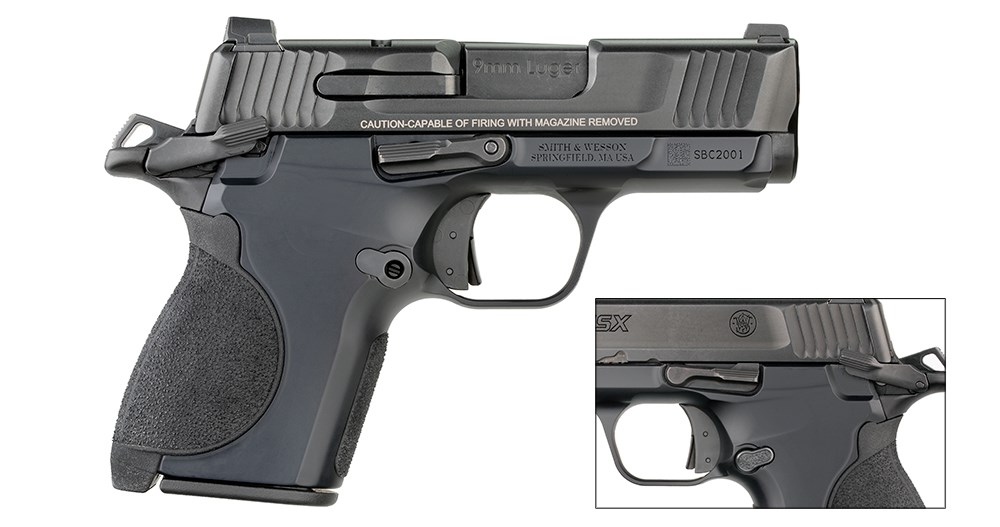
The CSX: Smith & Wesson’s New… Single Action? Smith & Wesson’s train just keeps a-rollin’ with its new CSX pistol for concealed carry. by JAY GRAZIO

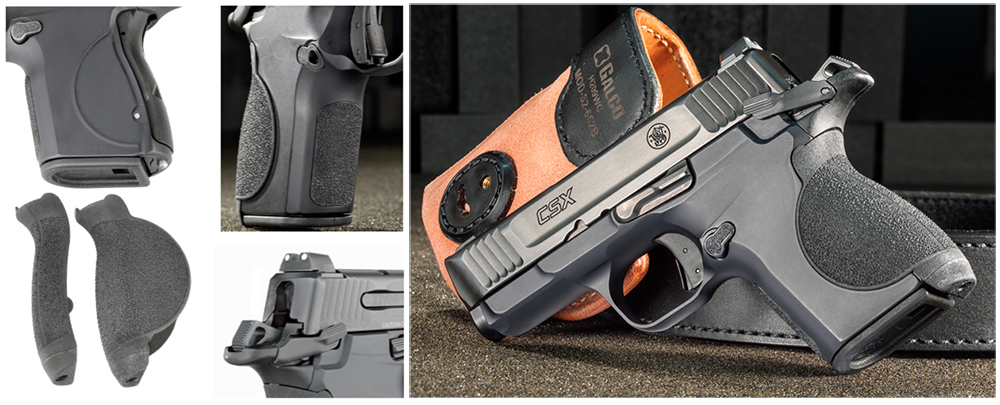
Smith & Wesson CSX

I’m not going to lie; when I saw the press release from Smith & Wesson about its new CSX pistol, I was skeptical. At a time when the polymer-frame, striker-fired, micro-9 mm double-stack pistol was conquering the landscape, Smith & Wesson launched the CSX, a metal-frame, single-action-only handgun. Heck, even trying to describe the CSX is on the complicated side. It’s kinda, sorta like a 1911; kinda, sorta similar to the Hi Power, and, then again, neither of those. 

Closer inspection, though, and the CSX isn’t as much of an oddball as it first might seem. In fact, it’s rather ingenious. There’s a market for vaguely-1911-ish, concealable handguns that started with the Colt Mustang/Government 380 in the 1980s. This trend continued with the SIG Sauer P238 (.380 ACP) and P938 (9 mm), the 911 in both .380 ACP and 9 mm from Springfield Armory and Kimber’s Micro (.380 ACP) and Micro9. All of a sudden, the CSX isn’t looking as much the odd gun out as before, is it? 

Then you realize, wait a minute … The CSX starts with a 10-round magazine, and has a 12-round, slightly extended variant available. Hold the phone. It’s now competitive, capacity-wise, with the P365, Hellcat, et al, while maintaining a single-action-operating system, which is one of the most prominent features mentioned in support of the 1911. Smith & Wesson has, with its CSX, carefully blended the worlds of the 1911/Hi Power with the micro-9 mm double-stack handgun. That’s basically sorcery. Well, at least very clever engineering.

There’s no sorcery in the name, though. It’s clear Smith & Wesson was reaching back in its long history for the “CS” part of “CSX,” a nod to the “Chiefs Special” line of five-shot, small-frame revolvers launched in the 1950s as a backup gun to the larger K- and N-frame pistols of the day. The “CS” designation would be added to a short-lived line of double-action, semi-automatic pistols in the late 1990s, again aimed squarely at the growing concealed-carry market. With the advent of the M&P line of polymer-frame, striker-fired handguns in the mid-2000s, the CS line made way for subcompact M&Ps. Until now, that is. The “X” in “CSX?” Smith & Wesson tells us it stands for the intersection of the company’s past and future. I like that.

Smith & Wesson CSX features

Identical in size to the Shield Plus (which itself is only a fraction of an inch wider than the original Shield), the CSX is perfectly suited for concealed carry, especially in inside-the-waistband applications • With engineering clearly integrated from Smith & Wesson’s M&P line of handguns, two interchangeable backstraps allow the CSX to be better fit to each shooter’s hand • Mildly aggressive texturing on the frontstrap serves to anchor the CSX in the hand, helping the shooter control the pint-size 9 mm in all shooting conditions, without being painful under recoil • While the hammer should only be manipulated once the pistol has been completely cleared of ammunition and double- (or triple-) checked, Smith & Wesson added fine knurling on the top of the hammer for assistance. Blending it into the beavertail is a nice aesthetic touch.

Dave O’Connor, Smith & Wesson’s media-partnership relations manager, explained it simply: “CSX is 100 percent a nod to our ‘Chiefs Special’ heritage. Smith & Wesson has such a robust history with metal-frame handguns, and because of that we wanted to pay homage to our past. The CSX was built on some of our history, but we really tried to incorporate modern features that the consumer of today is looking for—higher capacity, caliber choice, interchangeable palmswells, etc.”

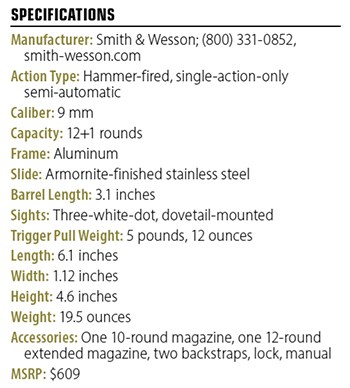
Still not convinced about the CSX, though? Let’s run the numbers. Compare the CSX to its sibling, the Shield Plus. Overall length? Identical. Height? Identical. Barrel length? Identical. Capacity? Identical. The CSX is wider than the Shield Plus—by a whopping .02 inch. I don’t know about anyone else, but I can’t tell the difference between a pistol that’s 1.1 inches wide and one that’s 1.12 inches wide. The only significant difference between the CSX and the Shield Plus is the weight, and here’s where things get interesting: The metal-frame CSX is .7 ounce lighter. Basically, the CSX and the Shield Plus are indistinguishable in all dimensions. Since the Shield Plus is pretty middle-of-the-pack, size-wise, in the micro-9 mm double-stack world, it’s the same for the CSX.

It’s the similarity in size and capacity to the Shield Plus that leads to a natural question: Why? Why would Smith & Wesson devote time, research and development and effort into producing a micro-9 mm, double-stack, concealed-carry pistol immediately on the heels of introducing the Shield Plus? Pro- duct Manager Corey Beaudreau stated it simply: “Smith & Wesson launched the CSX to provide today’s firearm enthusiast with more options to answer the question of concealed carry. Not everyone prefers striker-fired, polymer [-frame] micro-9 mm [pistols], so we wanted to still deliver the higher capacity in a small, metal frame, but with some improvements from a micro 1911.”

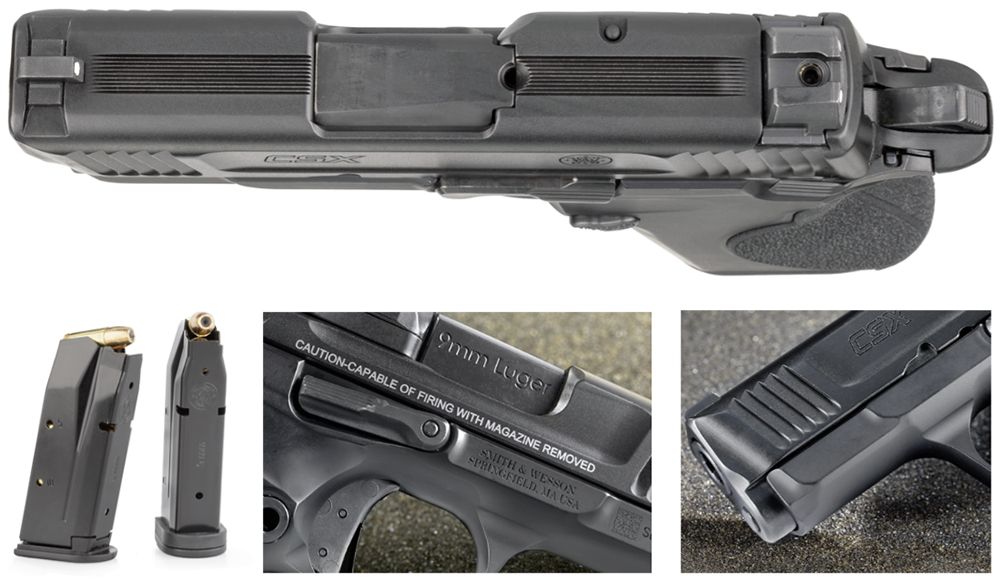
There is one unfortunate difference between the Shield Plus and the CSX, though: the magazines. While both pistols have a flush-fit, 10-round magazine and a slightly extended, 12-round magazine available, the two are not interchangeable. Per Smith & Wesson, the quest to provide the smallest, most concealable hammer-fired pistol required a completely new magazine geometry that would not allow cross-compatibility. It’s not a deal-breaker by any stretch of the imagination, but it something about which to be aware.

Smith & Wesson CSX FEATURES

Slim, svelte and with serrations to reduce glare, the top of the CSX’s slide is useful and elegant • Two magazines ship with the CSX, a flush-fit 10-round mag and an extended 12-round variant that adds a little extra real estate for the pinkie finger of the strong hand • Also ambidextrous is the slide-stop lever, allowing southpaws to actuate the lever as easily as right-handed shooters • More M&P M2.0-related touches include front cocking serrations, useful in administrative handling.

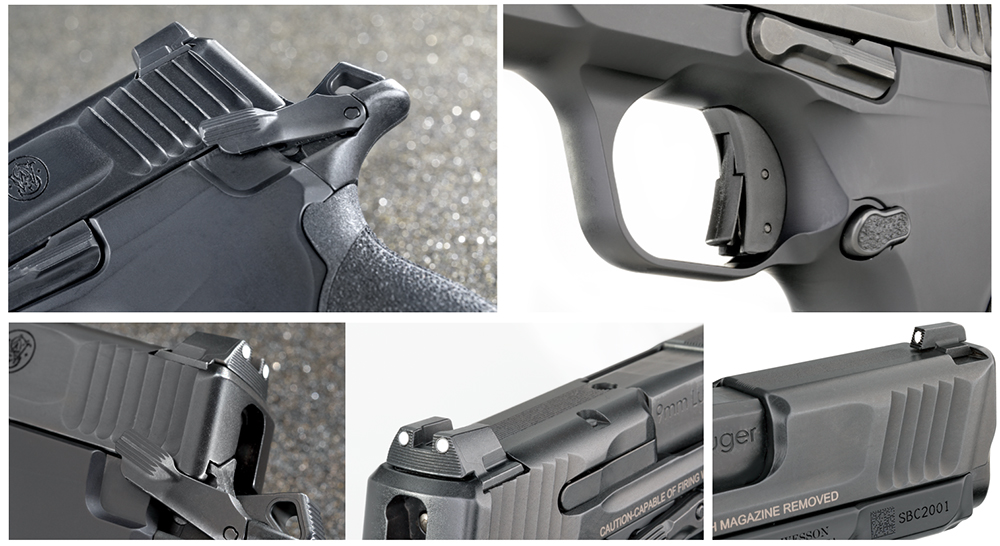
In its quest for that diminutive, hammer-fired pistol, Smith & Wesson crammed an absolute ton of clever engineering into the CSX. Intended to be carried “cocked and locked” like a 1911 or Hi Power, it has a thumb safety like both pistols. It also has a trigger-based safety like most striker-fired guns to guard against discharging if dropped or struck—something other, similarly designed pistols often lack. Oh, and did I mention the interchangeable backstraps? Two sizes are available to better fit the CSX to the shooter’s hand. And talk about ambidextrous: The thumb safety and slide-stop lever are both completely ambidextrous, while both left- and right-side magazine releases are included to make the CSX as friendly as possible for all shooters.

Other smart design features include the textured frontstrap of the pistol. While recoil isn’t terribly significant, it’s nice to have the moderately aggressive texturing of the M2.0 M&P design incorporated into the CSX frontstrap and interchangeable backstraps. The trigger has a flat-face with an integrated safety mechanism, consistent with the latest round of M2.0 upgrades on the M&P line as well. It’s easy to see where the modern aspect of the CSX comes in, here. Up on top, the CSX has dovetail-mounted front- and rear sights, with the familiar three-white-dot arrangement. The top of the slide is serrated to reduce glare, a nice touch; as are the cocking serrations, front and rear, with a pronounced edge at the rear to assist in charging the pistol.

In its takedown, the CSX is more like a standard, striker-fired pistol than a 1911. Standard caveats apply, of course: Make sure no ammunition is present, remove the magazine, check the chamber manually and visually, etc. Lock the slide to the rear with the thumb safety engaged, then drift a small pin out in the slide-stop lever, right-to-left, after aligning the lever with the takedown notch. The pin falls out, attached to the left-side slide-stop lever, and then the slide can be taken off the frame. Remove the guide rod with captured recoil spring, then tilt the barrel up and out of the slide. To reassemble, complete the steps in reverse. There’s no need to pull the trigger as part of the disassembly process, which some find reassuring.

Smith & Wesson CSX features

Dovetail-mounted and containing white dots, both the front and rear sights can easily be replaced if desired • Ambidextrous in operation, the thumb safety proved easy to manipulate with either hand • To help prevent hammer bite, the CSX has an extended beavertail • Unlike many other single-action pistols, the CSX has a bladed-trigger safety.

I had the opportunity to shoot the CSX at a pre-SHOT Show event sponsored by Smith & Wesson in Las Vegas. Whether it was a paper target at 10 yards or a rack of hanging (polymer) plates, the CSX performed spectacularly. Working the pistol from plate to plate, the trigger’s short reset made even my mediocre shooting look good. Some reviews mentioned problems with the reset, but I’ve tested three separate CSX pistols and haven’t had any issues with the trigger. I’ve never been a fan of the bladed-safety lever on triggers in general as a tactile thing, and I’m still not 100-percent sold on this version of Smith & Wesson’s trigger on the M&P line as it is, but the trigger on the CSX has been one of the better versions I’ve tried.

When it comes to carrying the CSX, well, if you’re comfortable carrying the Shield, you’ll be fine with the CSX. Since the CSX is the same size as the Shield Plus, which is only a tiny bit wider in the slide than the original Shield, it shouldn’t present any unusual difficulties for inside-the-waistband carry. While in certain pants with larger pockets it’s possible to pocket-carry the CSX, the advisability of carrying a single-action pistol in this manner varies from person to person. It certainly can be done, and there’s nothing inherently unsafe as long as a quality holster is used and nothing other than pistol and holster are in the pocket.

On the range, absolutely no surprises were to be had with the CSX, although there was something of which to take note. I tend to keep a high (very high) grip on a pistol, and with only medium-size hands found the bottom left edge of the slide to graze the top of the bottom knuckle on my thumb. I’ve had this happen before, mostly on similar-size pistols, and with the CSX it wasn’t bad. After I’d fired approximately 300 rounds, I had a slight blister. On other pistols, it has been so bad that it hindered operation of the slide. Not a deal-breaker, but something to watch for, especially if you’re planning on taking a high-round-count training class. Might be a good idea to bring some gloves.

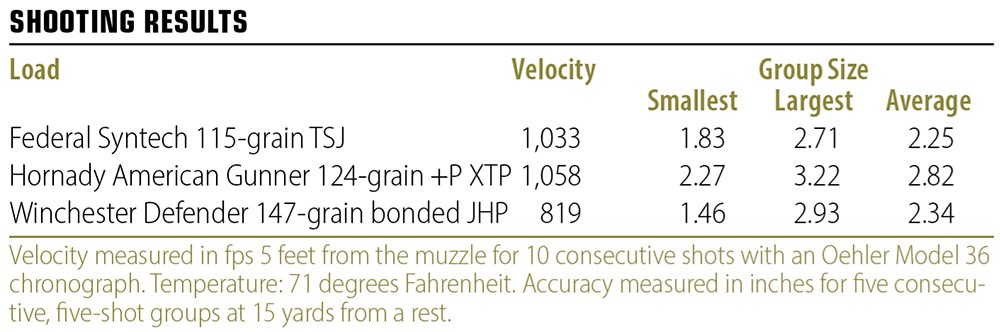
The accuracy surprised me, although I guess I really should have expected it given the single-action trigger. The CSX has exactly the same length barrel as the Shield Plus I reviewed in August, 2022, and is chambered in 9 mm rather than the lighter-recoiling 30 Super Carry of the Shield Plus; however, I shot more accurately with the CSX. Again, it’s a very pleasant surprise, and it’s not entirely unpredictable given the trigger, but it was quite interesting to note.

Smith & Wesson CSX shooting results

Our Handgun Editor, also in the August 2022, issue, pointed out that defining a trigger is difficult, and often results in the trigger-pull weight being given as a be-all, end-all number. For the CSX, that’s especially true: While the 5 pound, 12 ounce weight of the trigger is right in line with that of many striker-fired pistols, there’s far less travel and zero mush, resulting in a supremely clean break. For a small gun, it shoots well. Heck, even were it a large gun, it shoots well.

Smith & Wesson CSX specsOver the course of testing the CSX, I put somewhere between 450 and 500 rounds through three different pistols, between the initial launch, featuring the CSX in an episode of our “I Carry” online video series and the standard testing we do for each firearm we review (accuracy, velocity and function testing). No malfunctions of any type were experienced over a wide variety of both defensive and practice ammunition. There comes a point where you realize that there’s not much more to say other than it works. Period. Full stop.

Smith & Wesson considers the CSX to be a completely new product line, so the future almost certainly will see line expansions and upgrades. It wouldn’t be the least bit surprising to see an optics-ready version, or perhaps one chambered in 30 Super Carry in the near future, although there are no concrete plans at the moment. Six months from now, though? There are all kinds of directions the CSX line could take, and as I’m fond of saying in our “I Carry” videos, more options are a good thing. Personally, I’m hoping for an optics-ready version. In any case, the CSX has respectable capacity, eminent shootability and Smith & Wesson’s legendary reliability in its corner.

With all this, what’s the bottom line on Smith & Wesson’s new CSX pistol? Well, it’s good to see a company thinking beyond mere line extensions. Smith & Wesson certainly took a chance with the CSX, offering an all-metal pistol with a single-action-only operating system at a time when everyone and their brother seems to be launching polymer-frame, striker-fired micro-9 mm, double-stack, optics-ready pistols. The CSX still checks all the right boxes in capacity, weight and size, so it’s an excellent choice for concealed carry, particularly for those who prefer other-than-striker-fired pistols. It works well, it shoots well and it carries well. I think it’s a no-brainer to say that Smith & Wesson is on the right track with the CSX.

Smith & Wesson CSX

Categories
All About Guns

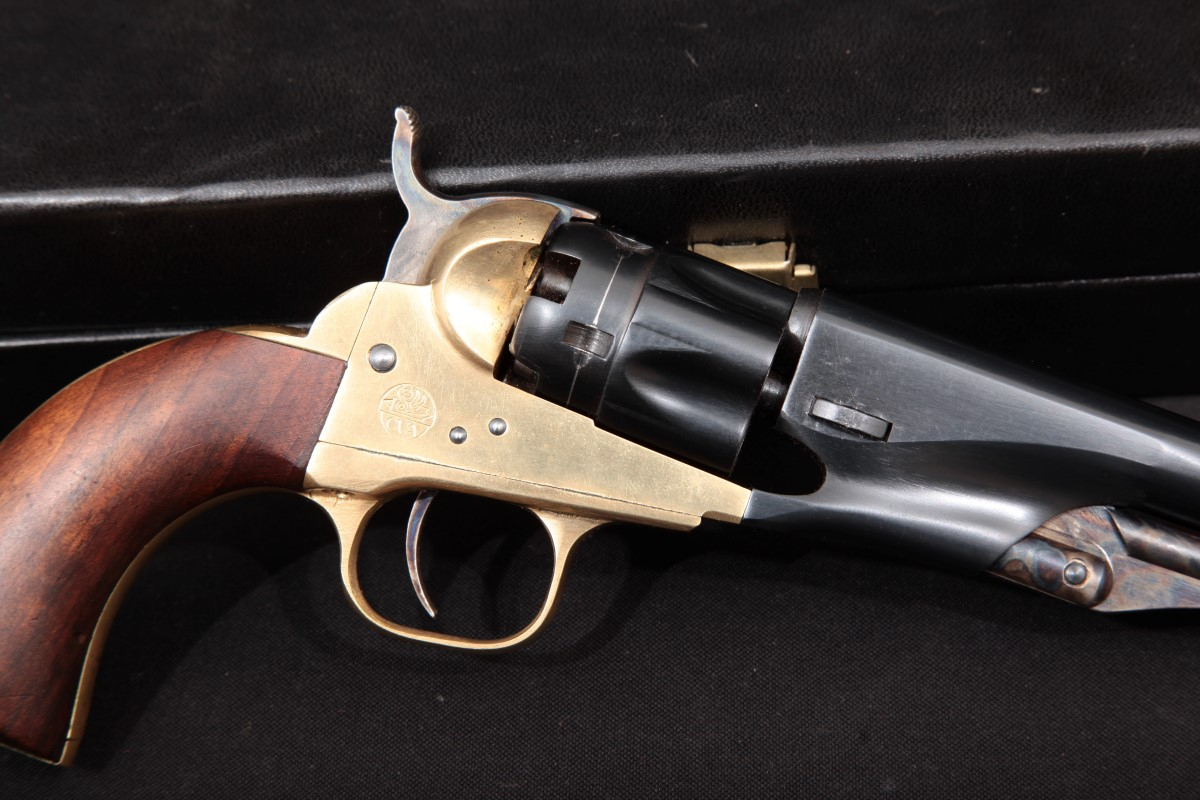
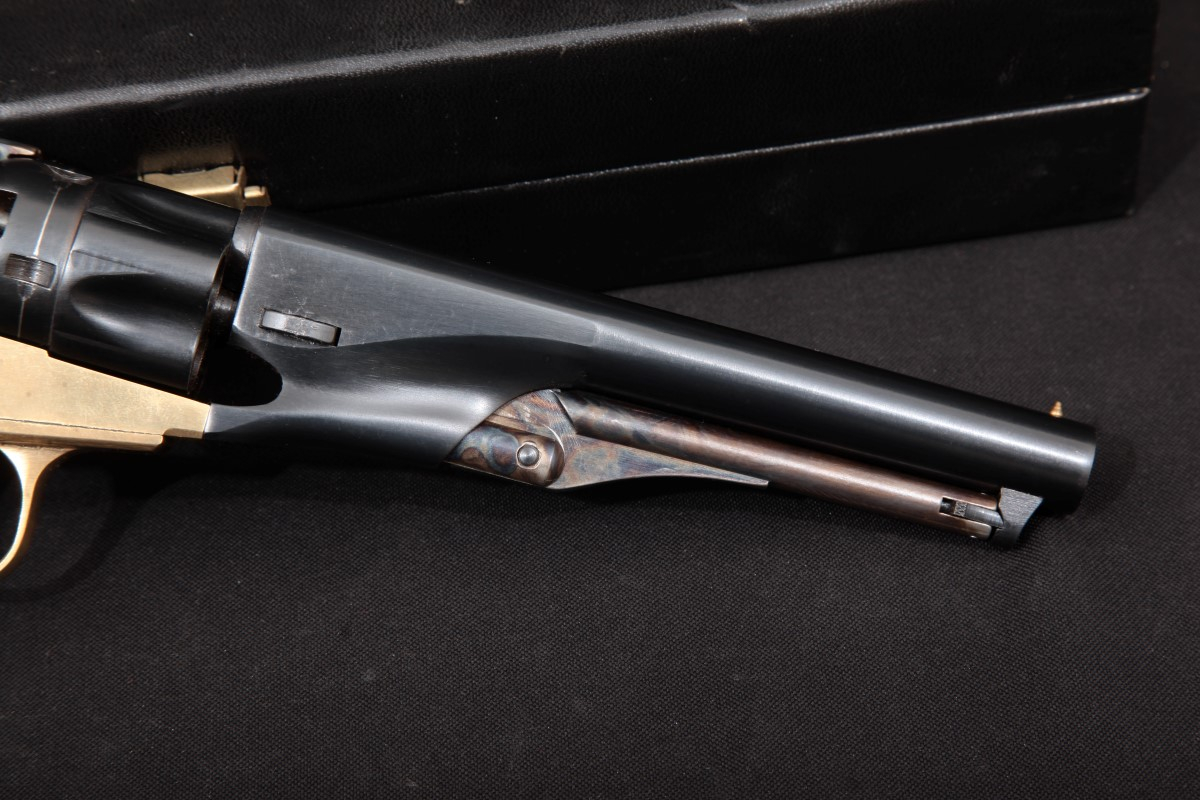
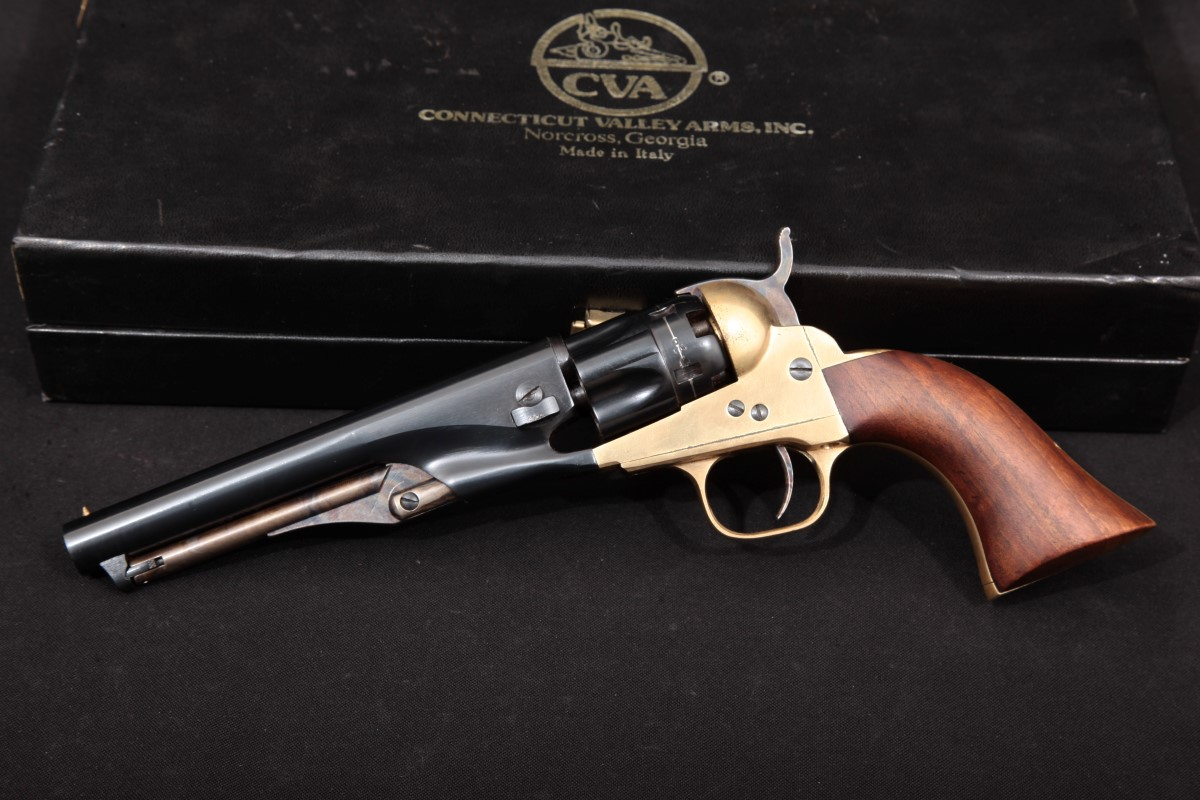
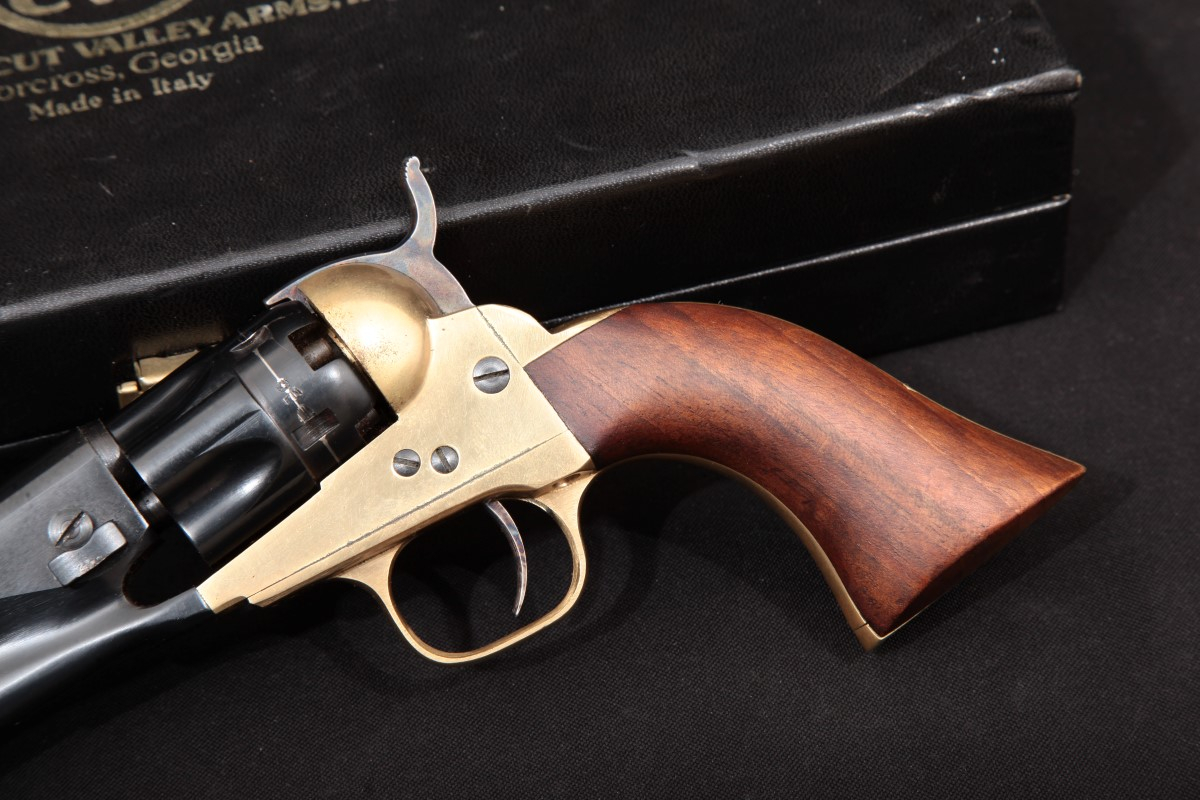
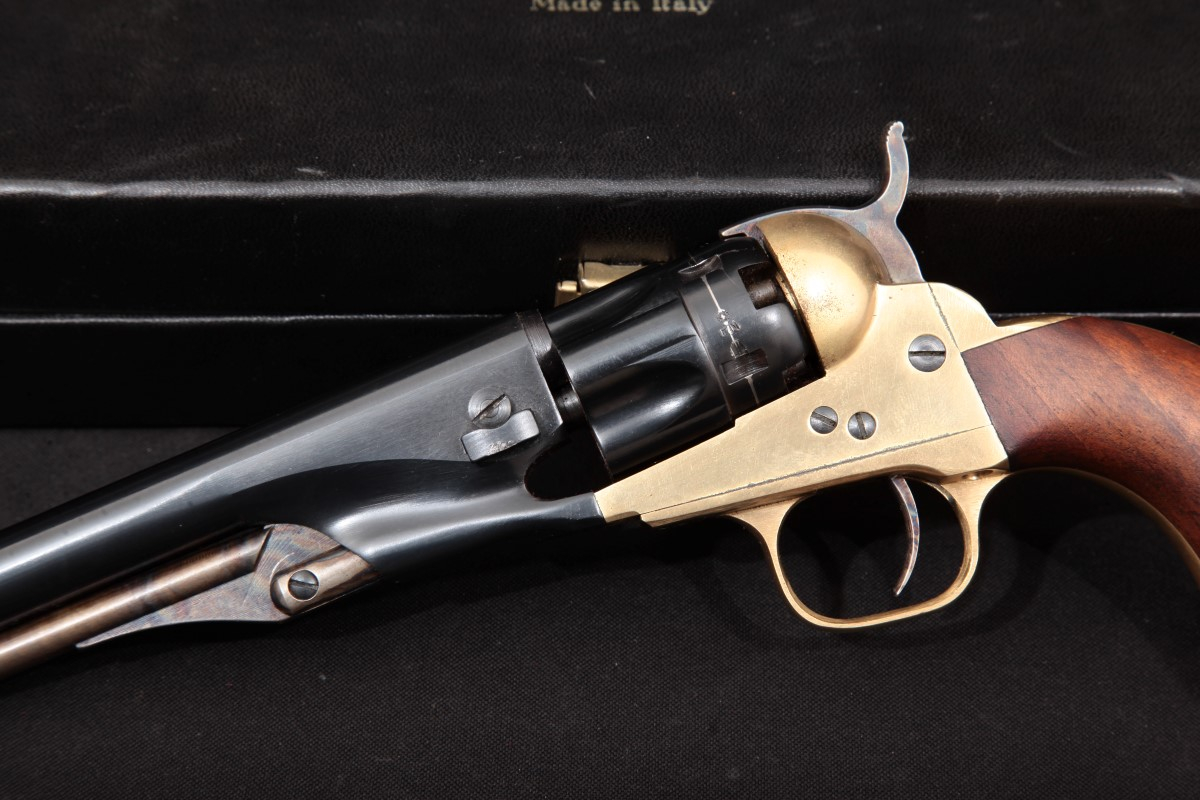
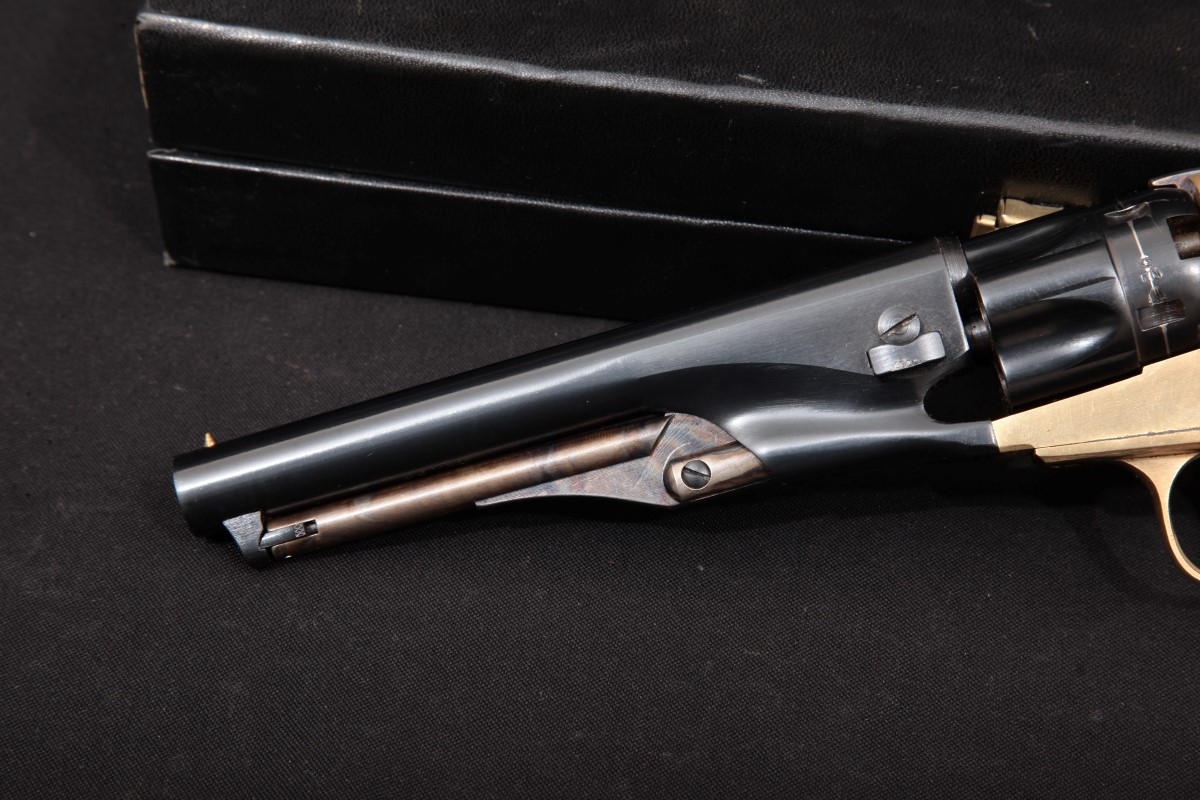
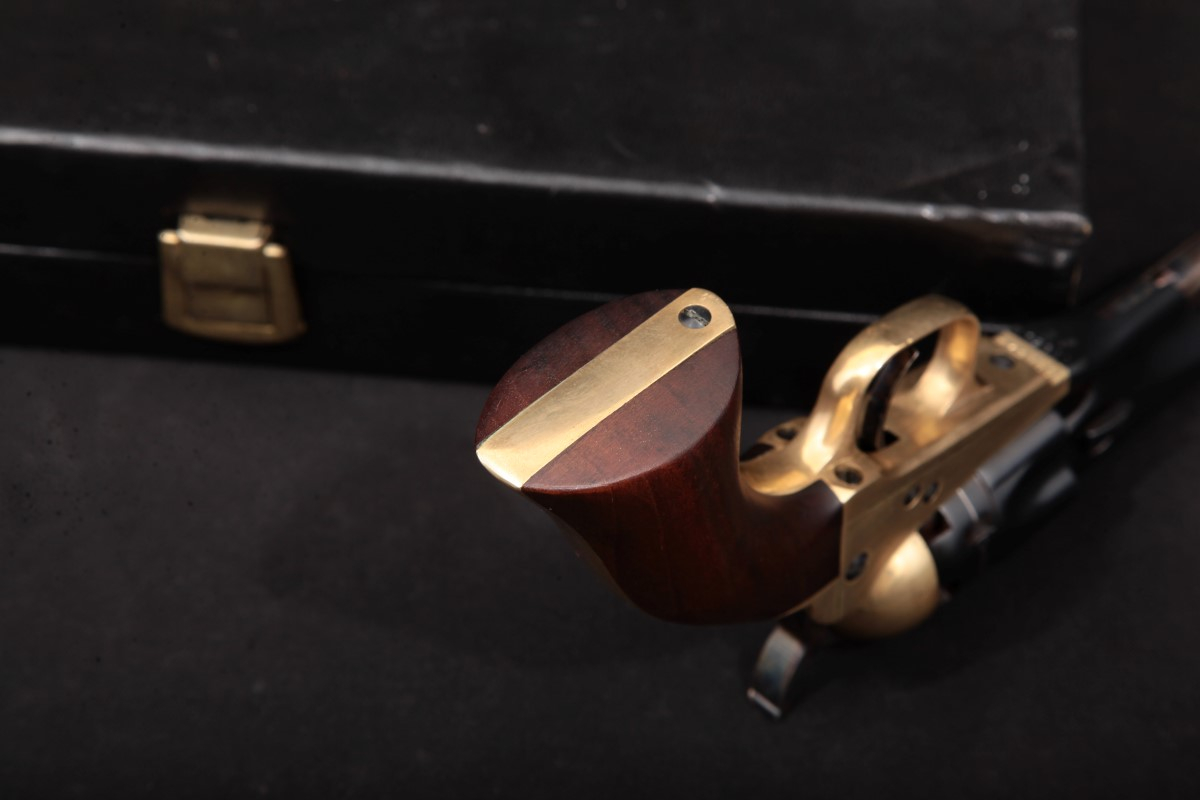
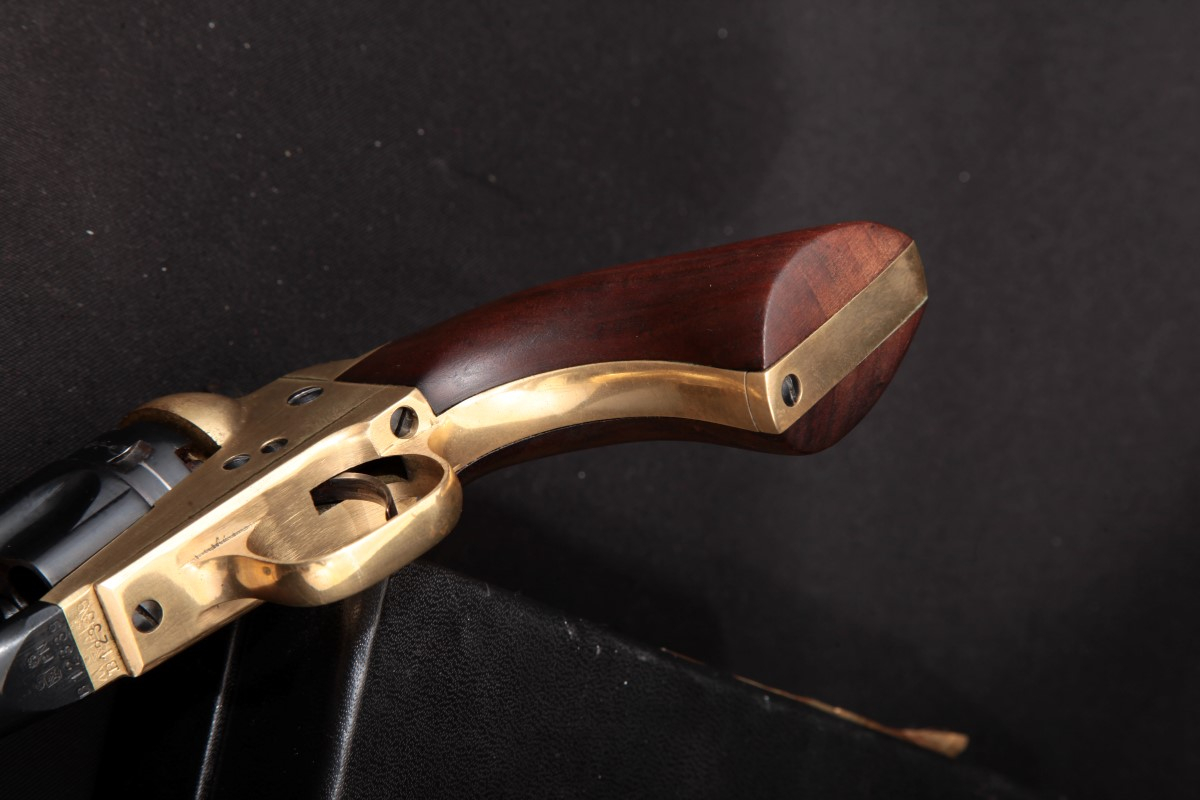
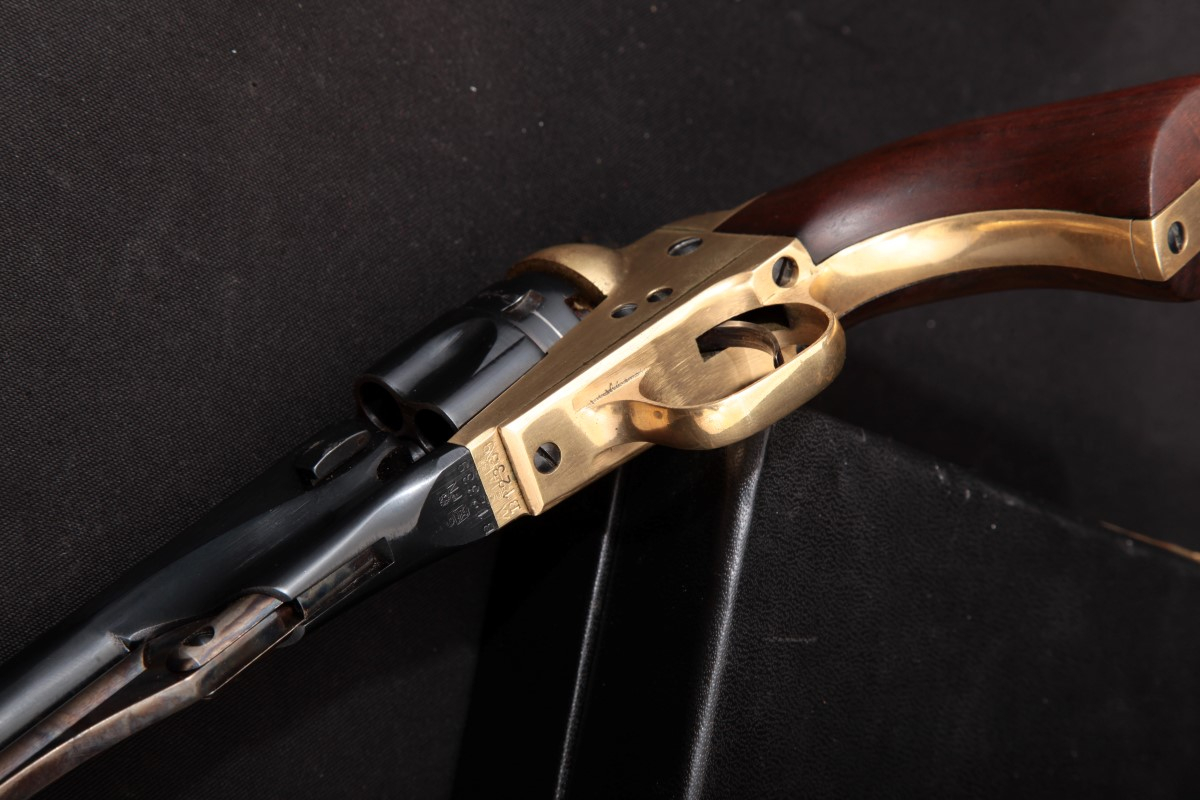
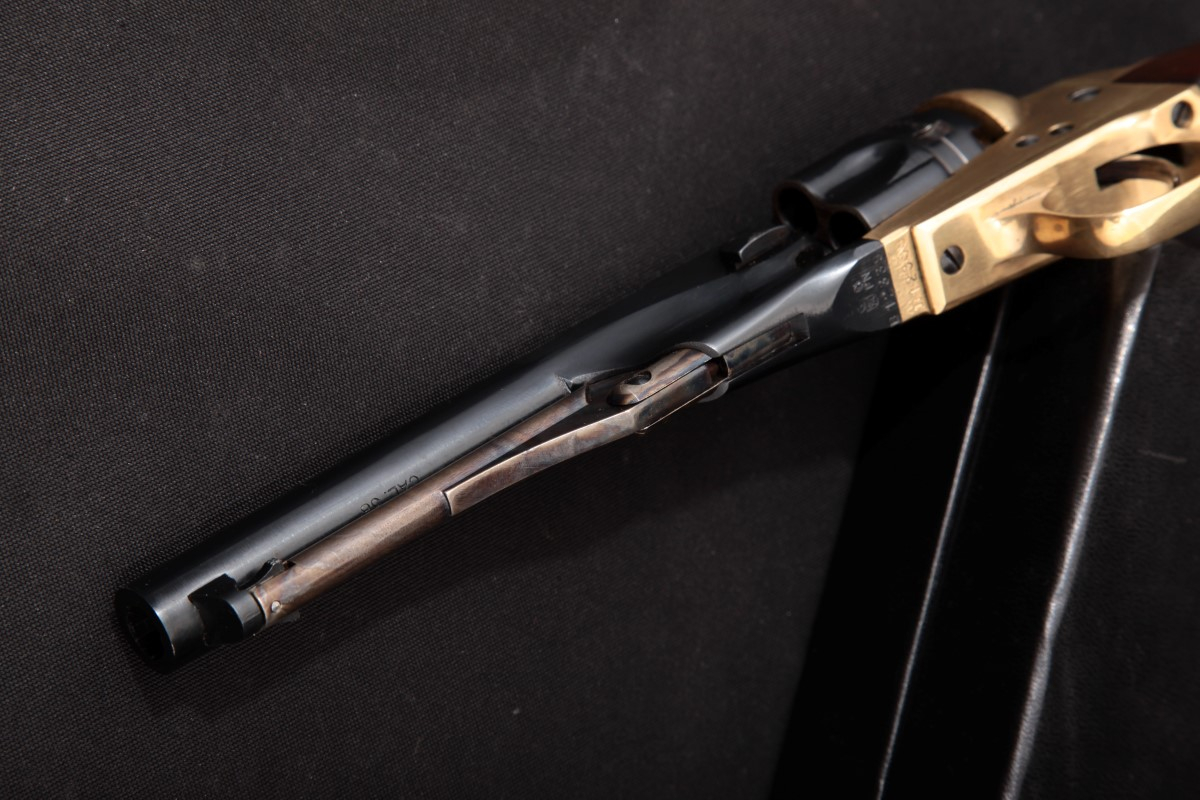
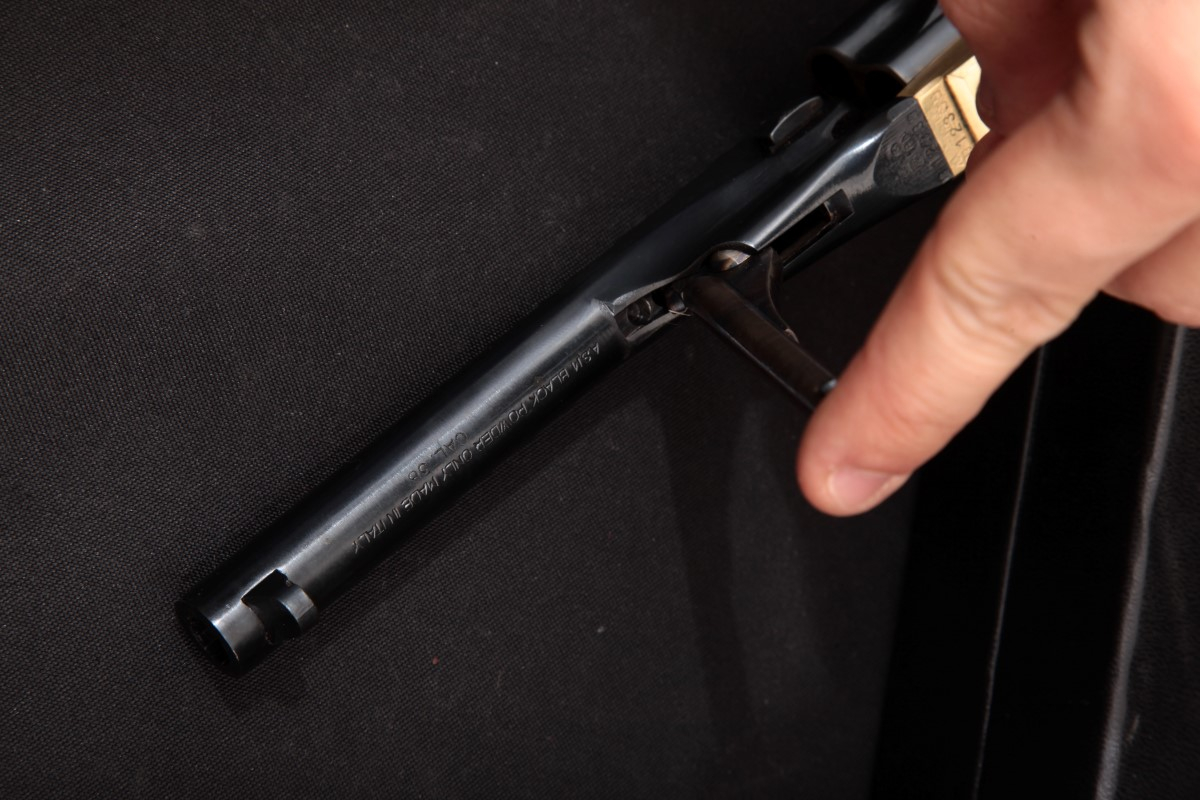
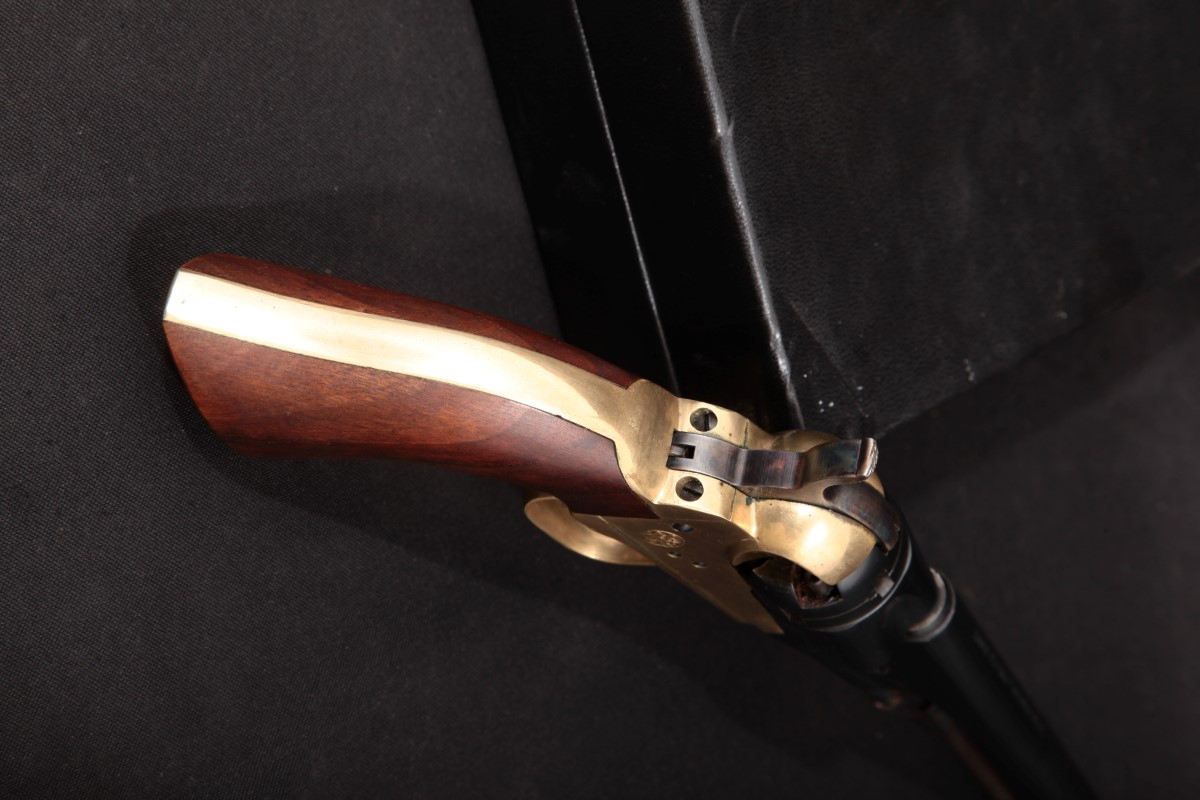
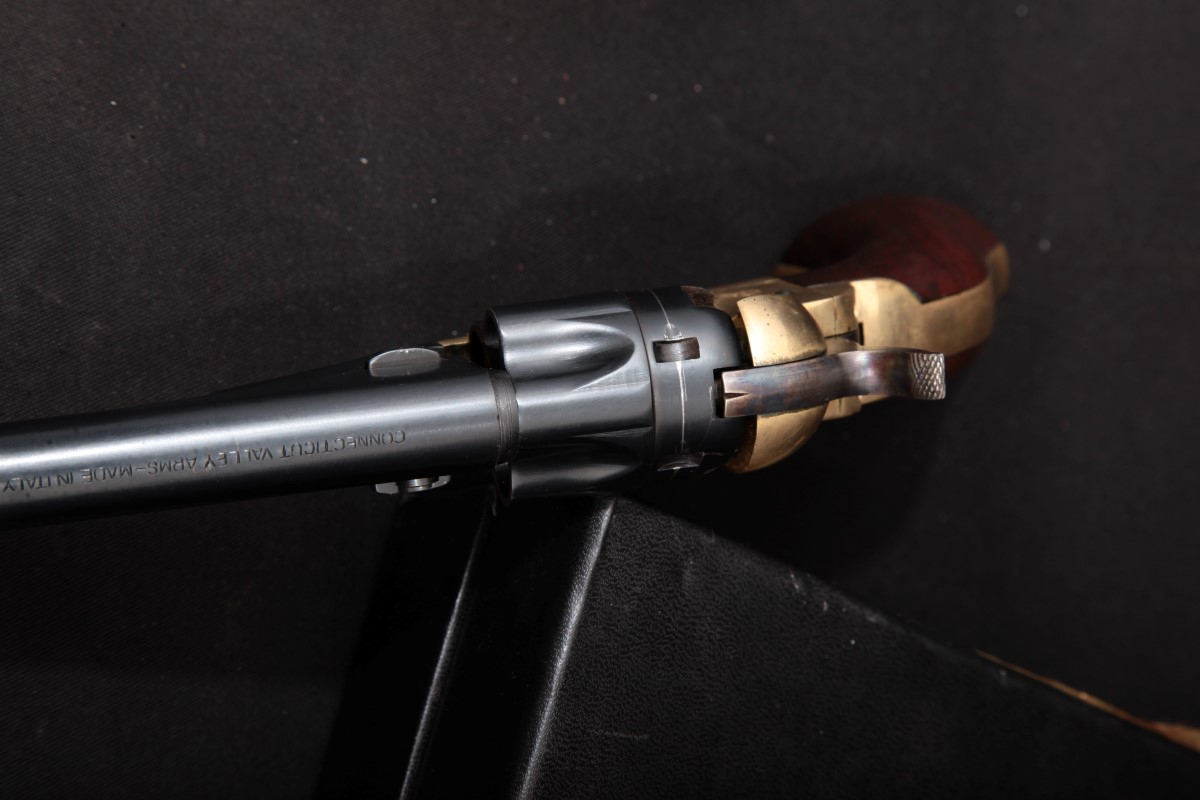
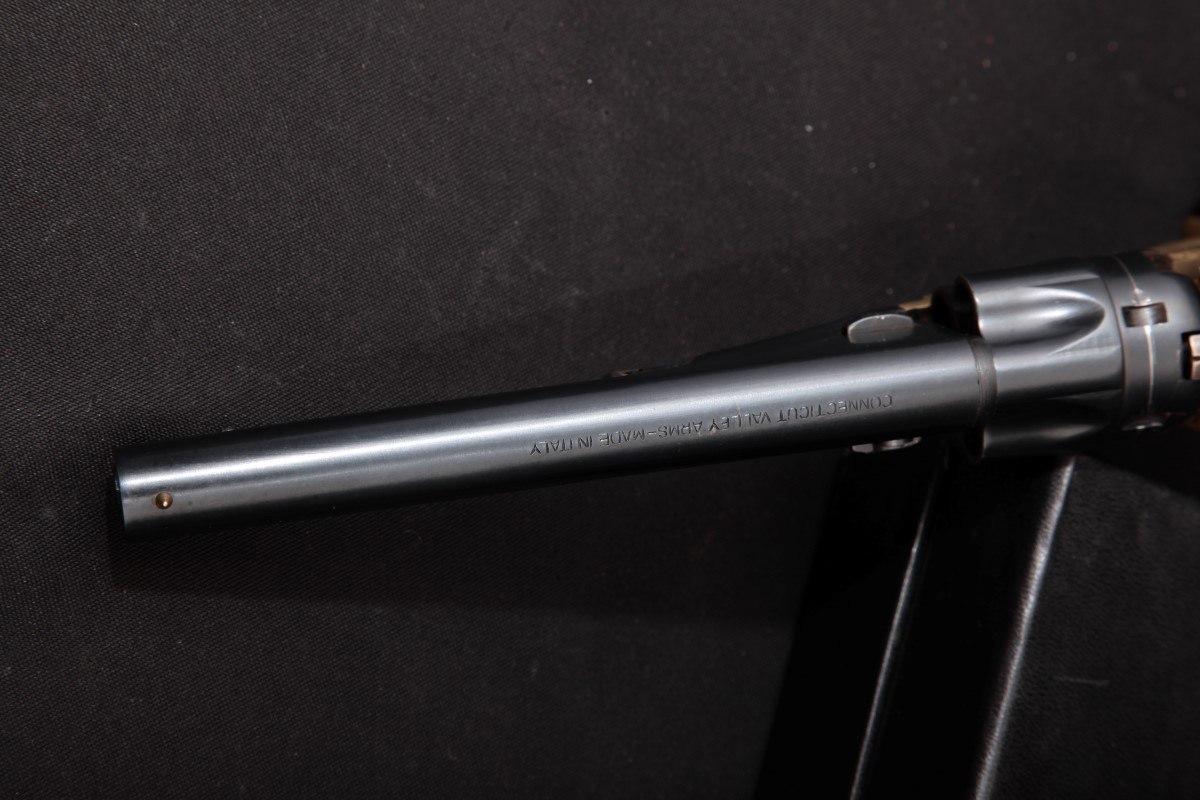
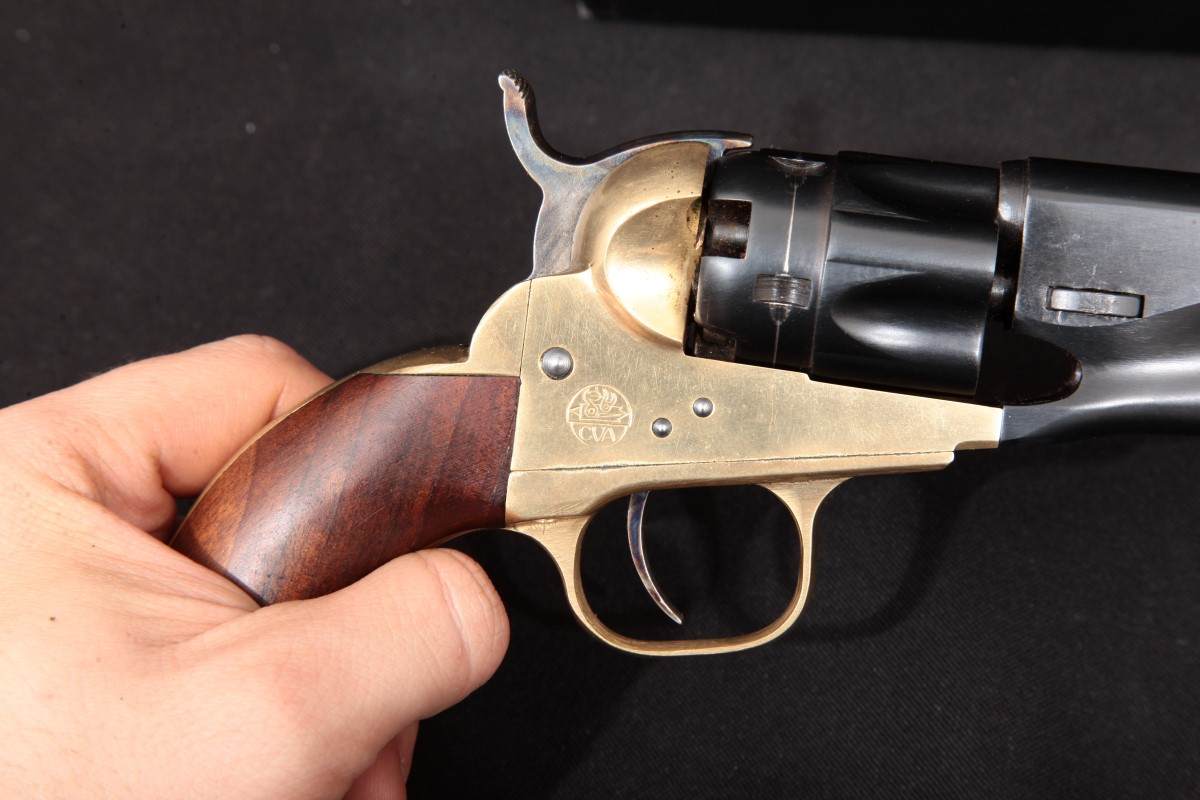
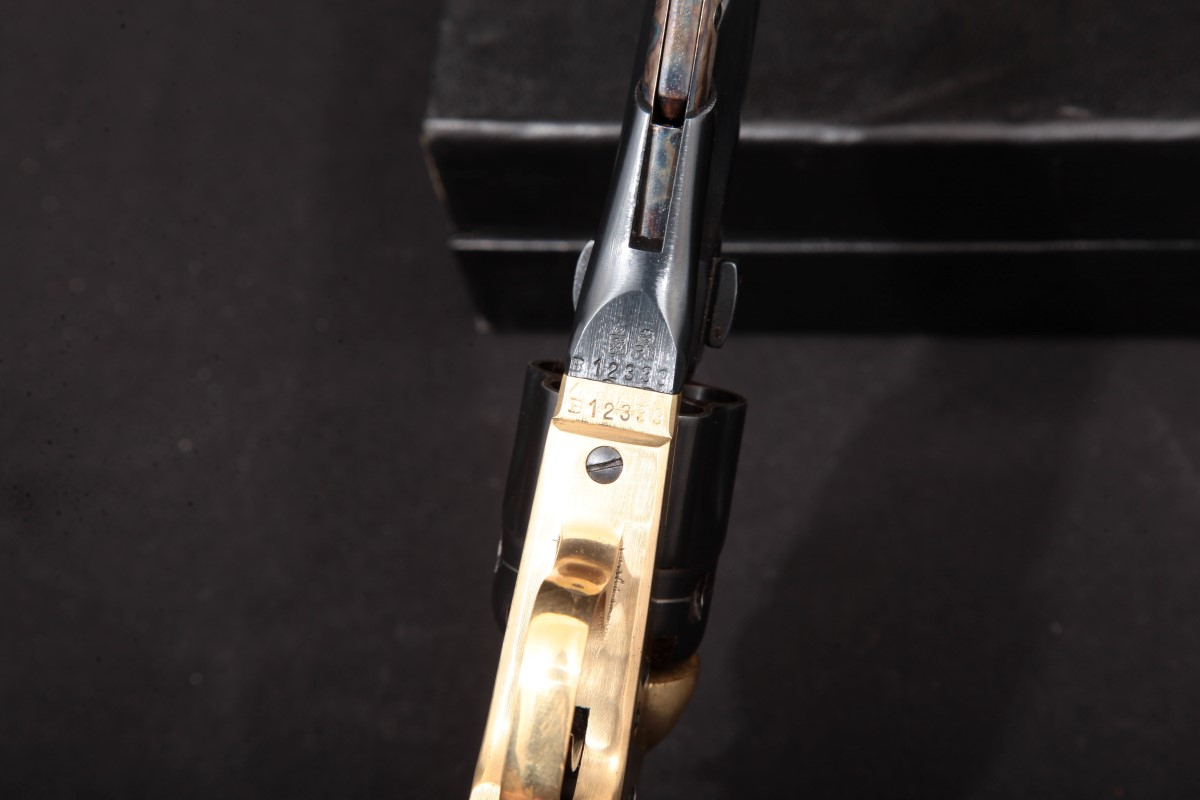
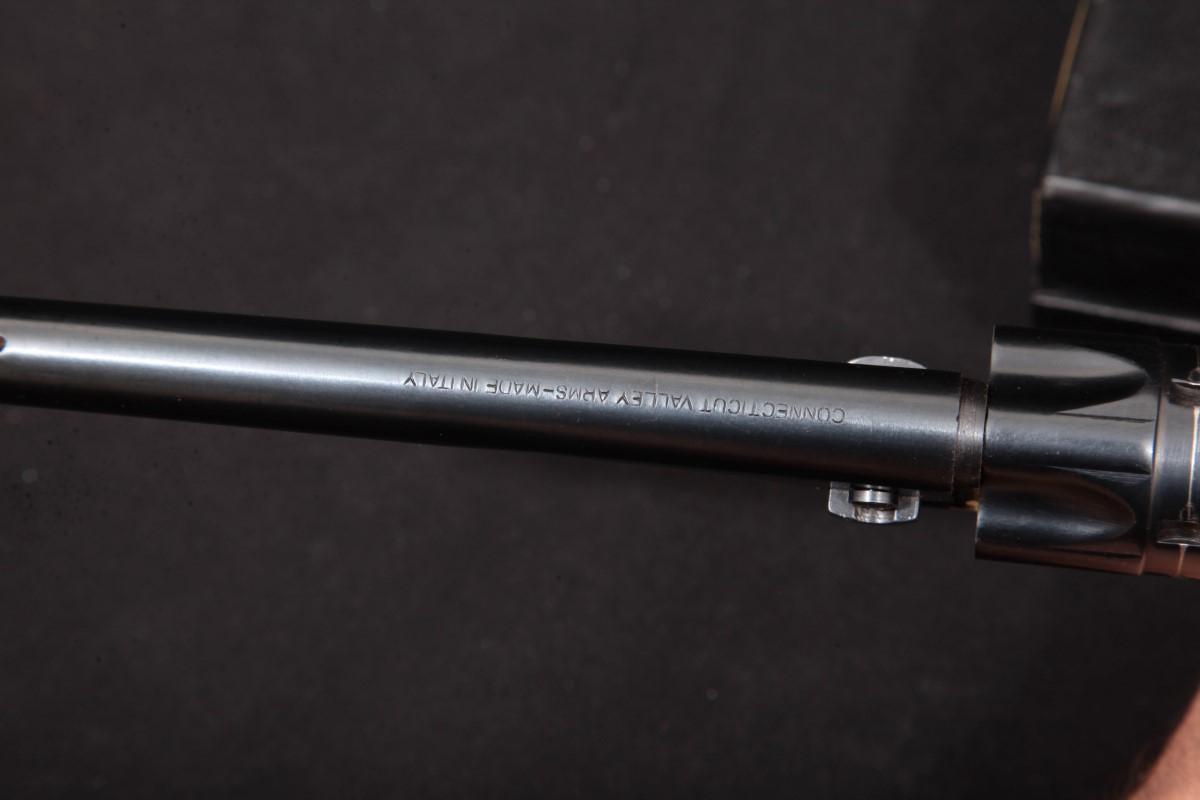
Connecticut Valley Arms Asm Model 1862 Pocket Police, Blue & Brass 5 1/2" Single-Action Percussion Cap & Ball Revolver & Box, Made in 1988 in .36 Caliber Ball

Over the years, I have found this Italian Copies to be well built and a lot of fun to shoot! Grumpy

Connecticut Valley Arms - ASM Model 1862 Pocket Police, Blue & Brass 5 1/2


Categories
All About Guns Well I thought it was funny!

Pumpkin Carving with an Uzi