
Author: Grumpy
Categories
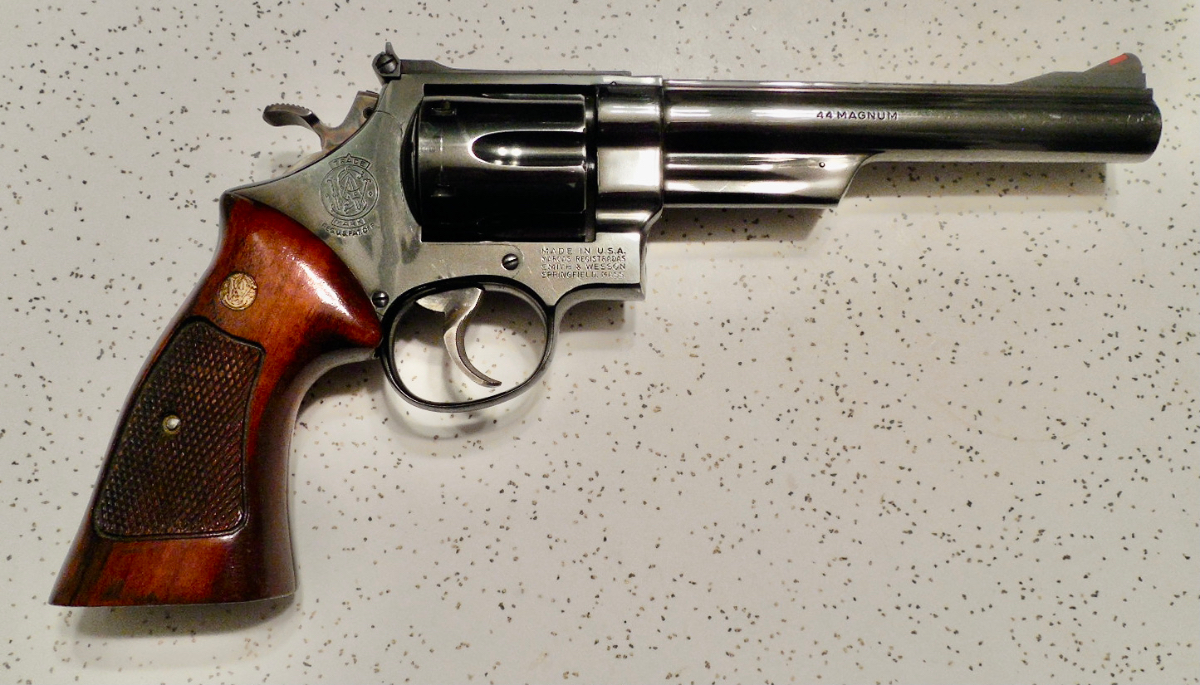
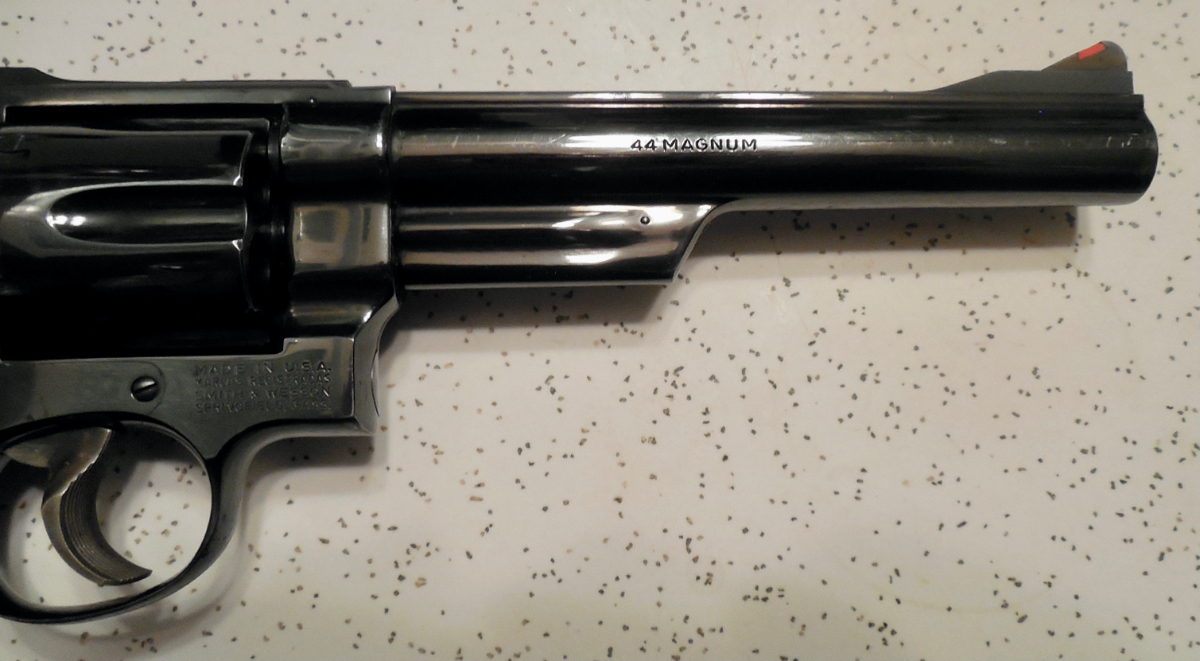
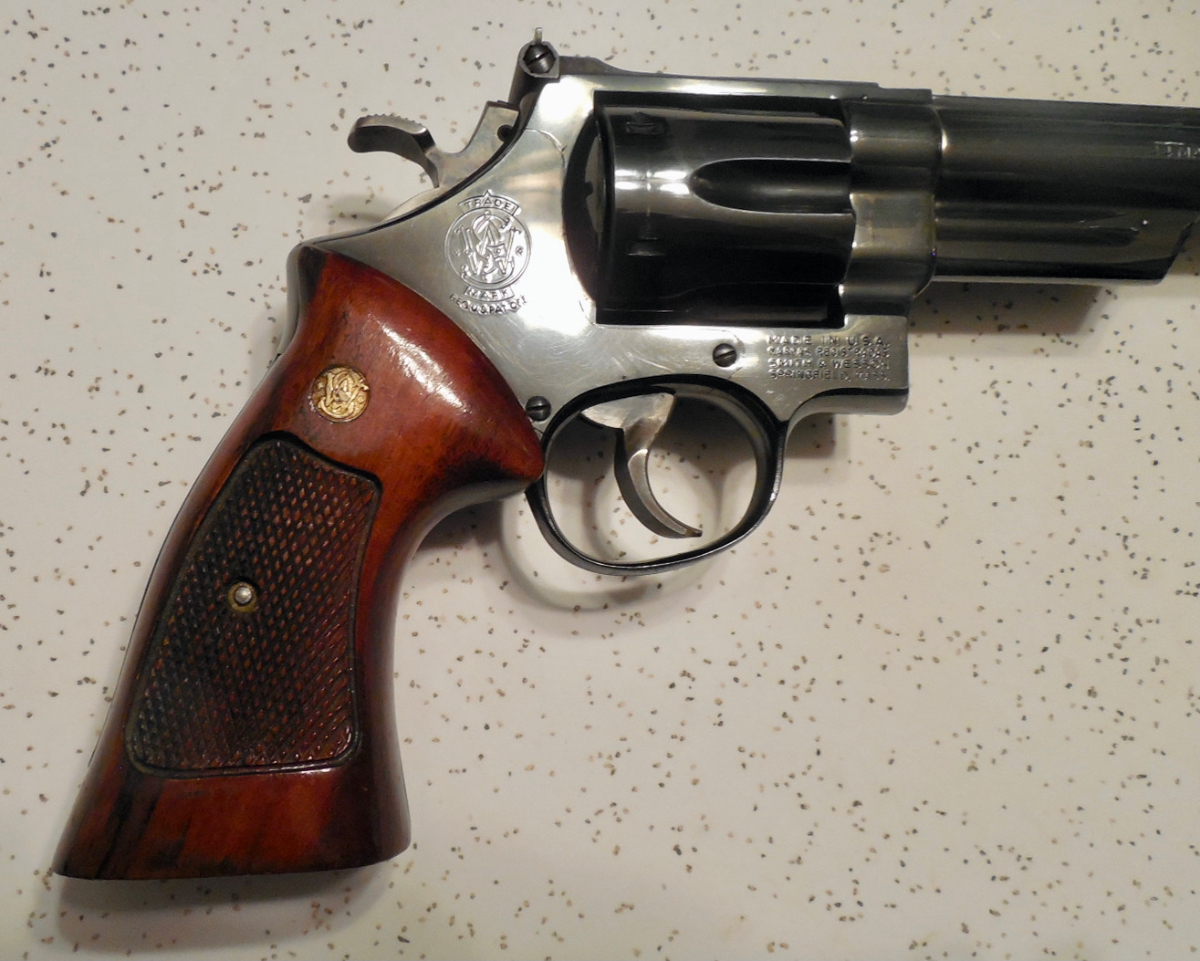
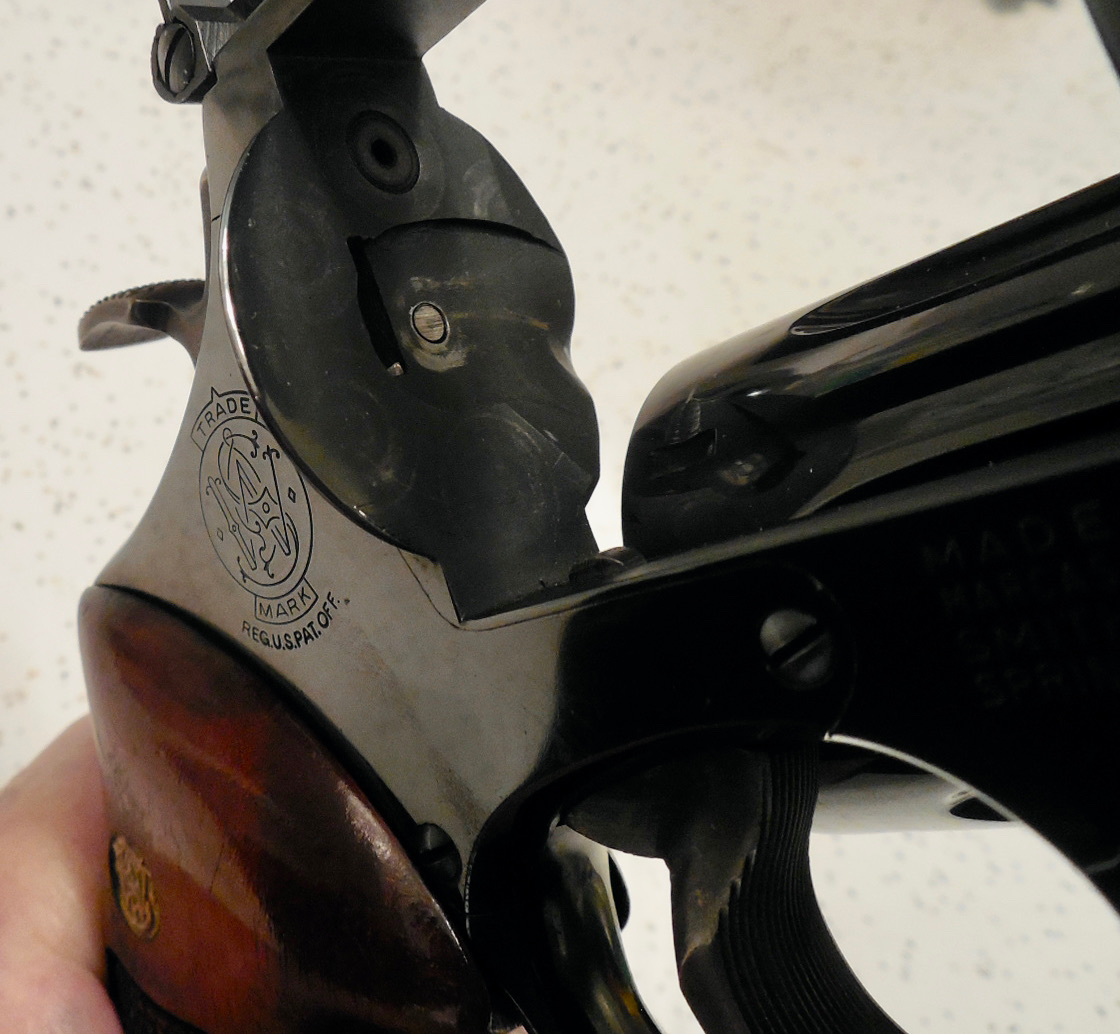
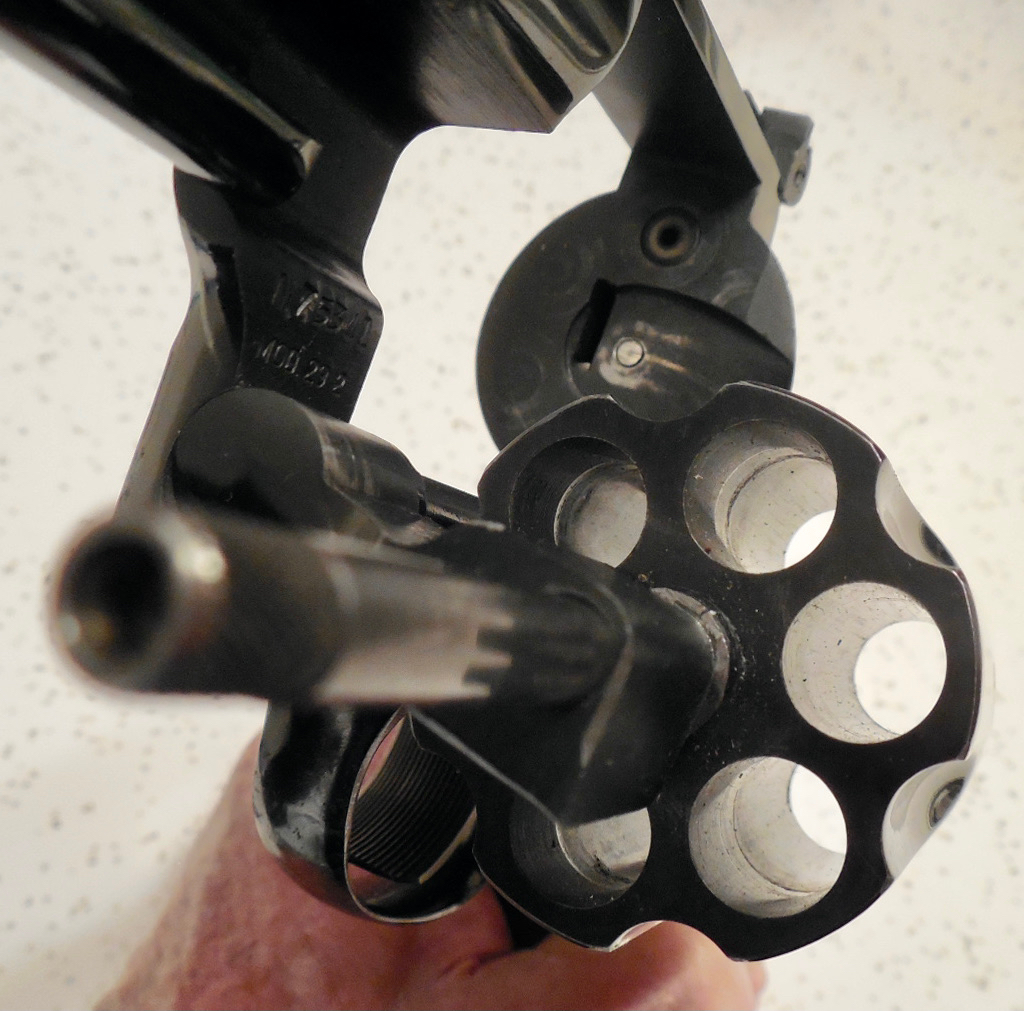
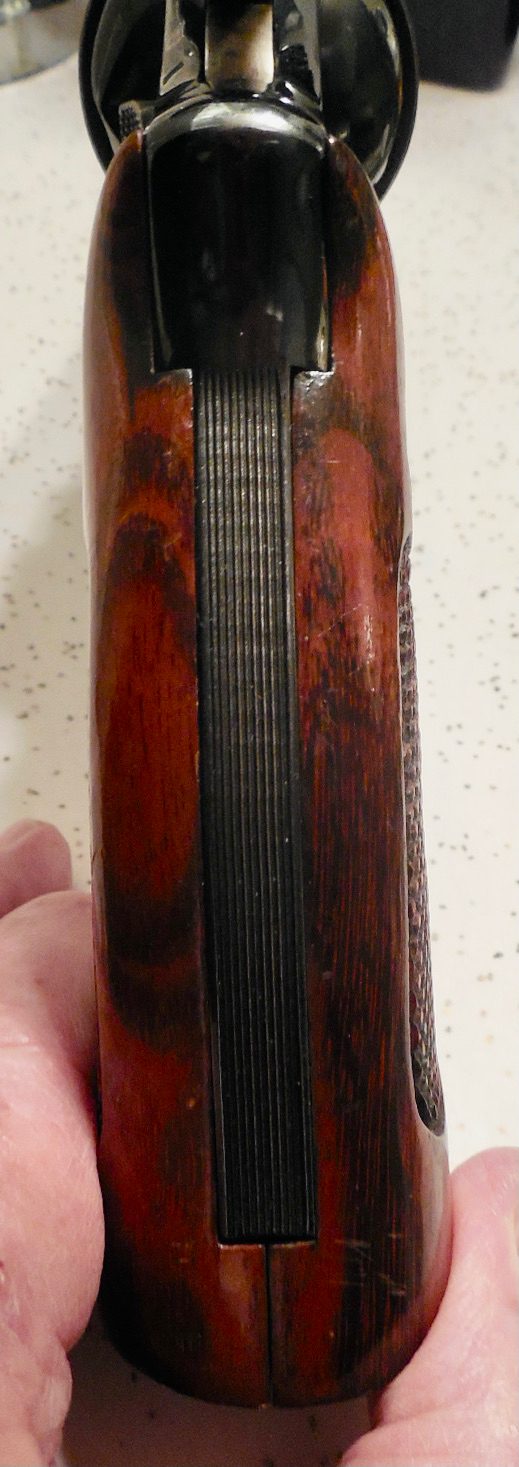
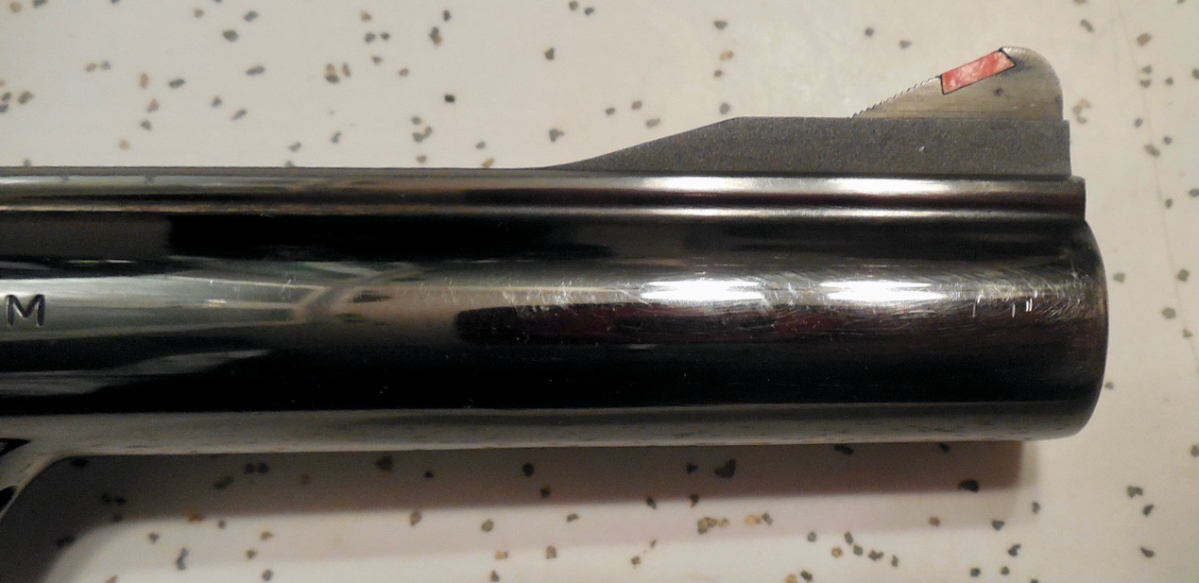
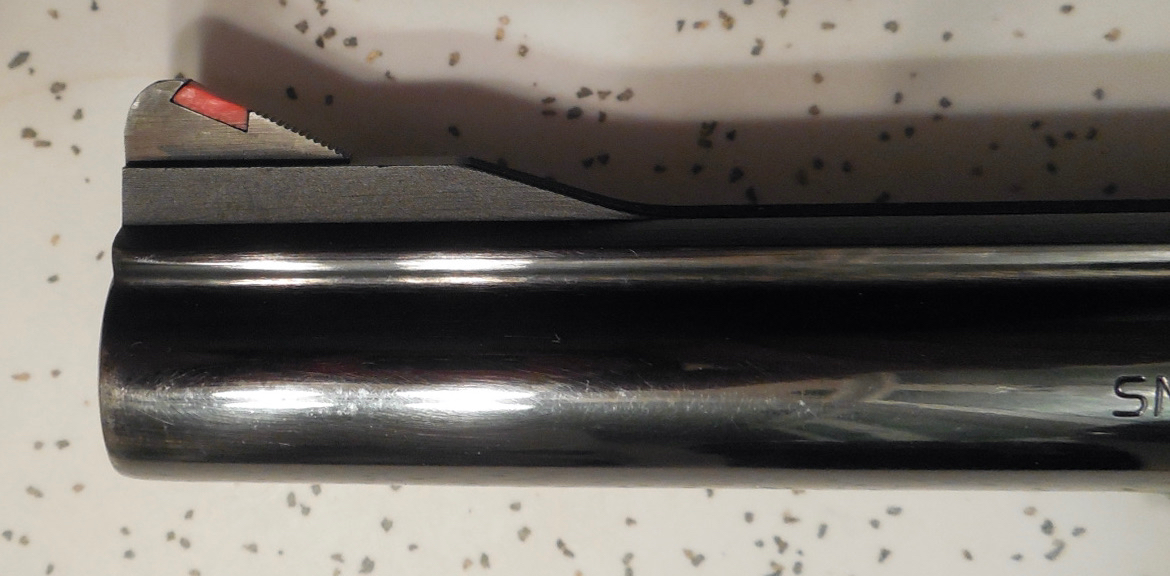
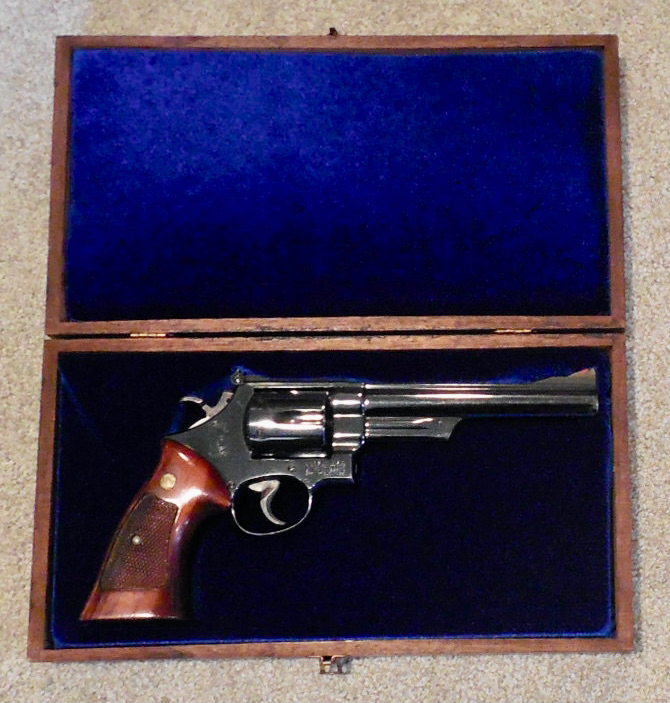
Norinco IAC 1897 Trench Gun
.png)
:max_bytes(150000):strip_icc():format(webp)/Theodore-Roosevelt-NYPD-3032-3x2gty-56a48a223df78cf77282df37.jpg)
Future president Theodore Roosevelt returned to the city of his birth in 1895 to take on a task that might have intimidated other people, the reform of the notoriously corrupt police department.
His appointment was front-page news and he obviously saw the job as chance to clean up New York City while reviving his own political career, which had stalled.
His appointment was front-page news and he obviously saw the job as chance to clean up New York City while reviving his own political career, which had stalled.
As the president of the police commission, Roosevelt, true to form, vigorously threw himself into the task. His trademark zeal, when applied to the complexities of urban politics, tended to generate a cascade of problems.
Roosevelt’s time at the top of the New York Police Department brought him into conflict with powerful factions, and he did not always emerge triumphant. In one notable example, his widely publicized crusade to close saloons on Sunday, the only day when many workingmen could socialize in them, provoked a lively public backlash.
When he left the police job, after only two years, the department had been changed for the better. But Roosevelt’s time as New York City’s top cop had been raucous, and the clashes he found himself in had nearly brought his political career to an end.
Roosevelt’s Patrician Background
Theodore Roosevelt was born into a wealthy New York City family on October 27, 1858. A sickly child who overcame illness through physical exertion, he went on to Harvard and entered New York politics by winning a seat in the state assembly at the age of 23.
In 1886 he lost an election for mayor of New York City. He then stayed out of government for three years until he was appointed by President Benjamin Harrison to the United States Civil Service Commission. For six years Roosevelt served in Washington, D.C., overseeing the reform of the nation’s civil service, which had been tainted by decades of adherence to the spoils system.
Roosevelt was respected for his work reforming the federal civil service, but he wished to return to New York City and something more challenging. A new reform mayor of the city, William L. Strong, offered him the job of sanitation commissioner in early 1895. Roosevelt turned it down, thinking the job of literally cleaning up the city was beneath his dignity.
A few months later, after a series of public hearings exposed widespread graft in the New York Police Department, the mayor came to Roosevelt with a far more attractive offer: a post on the board of police commissioners. Enthused by the chance to bring much-needed reforms to his hometown, and in a very public post, Roosevelt took the job.
The Corruption of the New York Police
A crusade to clean up New York City, led by a reform-minded minister, Rev. Charles Parkhurst, had prompted the state legislature to create a commission to investigate corruption. Chaired by state senator Clarence Lexow, what became known as the Lexow Commission held public hearings which exposed the startling depth of police corruption.
In weeks of testimony, saloon owners and prostitutes detailed a system of payoffs to police officials. And it became apparent that the thousands of saloons in the city functioned as political clubs which perpetuated the corruption.
Mayor Strong’s solution was to replace the four-member board that oversaw the police. And by putting an energetic reformer like Roosevelt on the board as its president, there was cause for optimism.
Roosevelt took the oath of office on the morning of May 6,1895, at City Hall. The New York Times lauded Roosevelt the next morning, but expressed skepticism about the other three men named to the police board. They must have been named for “political considerations,” said an editorial. Problems were obvious at the outset of Roosevelt’s term at the top of the police department.
Roosevelt Made His Presence Known
In early June 1895 Roosevelt and a friend, the crusading newspaper reporter Jacob Riis, ventured out into the streets of New York late one night, just after midnight. For hours they wandered through the darkened Manhattan streets, observing the police, at least when and where they could actually find them.
The New York Times carried a story on June 8, 1895 with the headline, “Police Caught Napping.” The report referred to “President Roosevelt,” as he was president of the police board, and detailed how he had found policemen asleep on their posts or socializing in public when they should have been patrolling alone.
Several officers were ordered to report to police headquarters the day after Roosevelt’s late night tour. They received a strong personal reprimand from Roosevelt himself. The newspaper account noted: “The action of Mr. Roosevelt, when it became known, made a sensation throughout the department and as a consequence, more faithful patrol duty may be performed by the force for some time to come.”
Roosevelt also came into conflict with Thomas Byrnes, a legendary detective who had come to epitomize the New York Police Department. Byrnes had amassed a suspiciously large fortune, with the apparent help of Wall Street characters such as Jay Gould, but had managed to keep his job. Roosevelt forced Byrnes to resign, though no public reason for the ouster of Byrnes was ever disclosed.
Political Problems
Though Roosevelt was at heart a politician, he soon found himself in a political bind of his own making. He was determined to shut down saloons, which generally operated on Sundays in defiance of a local law.
The problem was that many New Yorkers worked a six-day week, and Sunday was the only day when they could gather in saloons and socialize. To the community of German immigrants, in particular, the Sunday saloon gatherings were considered an important facet of life. The saloons were not merely social, but often served as political clubs, frequented by an actively engaged citizenry.
Roosevelt’s crusade to shutter saloons on Sundays brought him into heated conflict with large segments of the population. He was denounced and viewed as being out of touch with the common people. The Germans in particular rallied against him, and Roosevelt’s campaign against saloons cost his Republican Party in the city-wide elections held in the fall of 1895.
The next summer, New York City was hit by a heat wave, and Roosevelt gained back some public support by his smart action in dealing with the crisis. He had made an effort to familiarize himself with slum neighborhoods, and he saw that the police distributed ice to people who desperately needed it.
By the end of 1896 Roosevelt was thoroughly tired of his police job. Republican William McKinley had won the election that fall, and Roosevelt began concentrating on finding a post within the new Republican administration. He was eventually appointed assistant secretary of the Navy, and left New York to return to Washington.
Impact of Roosevelt on New York’s Police
Theodore Roosevelt spent less than two years with the New York Police Department, and his tenure was marked with nearly constant controversy. While the job burnished his credentials as a reformer, most of what he tried to accomplish ended in frustration. The campaign against corruption proved essentially hopeless. New York City remained much the same after he left.
However, in later years Roosevelt’s time at police headquarters on Mulberry Street in lower Manhattan took on a legendary status. He would be remembered as a police commissioner who cleaned up New York, even though his accomplishments on the job didn’t live up to the legend.
*THERE MUST BE similar lists in other militaries.
21 of the US military’s most-overused clichés
“There are certain phrases military service members hear on the regular, and by regular, we mean they are over-used like crazy.
“While every workplace has its own cliche buzzwords – we’re talking about you there, “corporate synergy” – the military has plenty to choose from. The WATM team put its collective heads together and came up with this list of the cliche phrases we’ve heard way too many times in the military.
“1. “All this and a paycheck too!”
Usually uttered by a staff NCO at the moment of a 20-mile hike where you wish you could just pass out on the side of the road.
“2. “If you’re on time, you’re late.”
Military members are well aware of the unwritten rule of arriving 15 minutes prior to the time they are supposed to be somewhere. Of course, if there’s a senior officer involved, that might even mean 15 minutes prior to 15 minutes prior.
“3. “We get more done before 6 a.m. than most people do all day.”
The time can always be changed, but the phrase remains the same. Military members across the world are usually waking up way earlier than most, and as the saying goes, it probably means they have done personal hygiene, conducted an insane workout, ate breakfast, and started training before average Joe hit the snooze button on the alarm clock.
“4. “Don’t call me sir. I work for a living.”
Among the enlisted ranks, it’s a common cliche that officers don’t do any real work. “There’s a reason why they have office in their name” is a popular saying. So when an enlisted service-member is incorrectly addressed as “sir,” this is one of the most popular responses.
“5. “If it ain’t raining, we ain’t training.”
No matter what the weather, the U.S. military is guaranteed to be training or conducting some sort of exercise. But this cliche phrase is guaranteed to come out when a torrential downpour hits your unit.
“6. “This ain’t my first rodeo there, cowboy.”
Let’s not ask the sergeant any stupid questions. He knows what he’s doing, because he’s done this a million times before. Cowboy.
“7. “Best job in the world!”
Calling your particular field in the military “the best job in the world” usually happens during the times when you would never think it’s the best time in the world. These times include freezing cold on patrol in Afghanistan, running out of water while training in Thailand, and/or not showering for a month-and-a-half.
“8. “Complacency kills.”
You’ll find this phrase spray-painted to every other Hesco barrier on the forward operating base, on a sign outside the chow hall, and on the lips of every sergeant major in a half-mile radius. Troops need to stay alert while they are out in combat, and this one gets drilled into the dirt.
“9. “Keep your head on a swivel.”
This one is similar to “complacency kills” but is often said to troops about to go into dangerous situations. Before heading out on patrol, a squad leader might tell his troops to “keep their head on swivel,” meaning: keep alert and look everywhere for potential threats.
TRENDING NOW
How Interpreters Do Their Jobs



“10. “Got any saved rounds?” or “Any alibis?”
At the end of a briefing, you’ll usually hear either of these phrases. “Any questions?” just doesn’t pack the same punch as using terminology straight off the rifle range.
“11. “Another glorious day in the Corps!”
It could be the Corps, the Army, the Navy, or the Air Force, but it’s always a glorious day there, according to whoever utters this phrase. This is meant to motivate but it’s usually met with eye-rolls.
“12. “This is just for your SA.”
This is another way of saying FYI, but with a military spin. SA, or situational awareness, is all about being aware of what’s happening around you, so this is often said by a subordinate to a leader so they know what’s going on.
“13. “We’re putting on another dog and pony show.”
We’ve never actually been to a real dog and pony show, but we have put on plenty of them in the military. A military “dog and pony show” is usually some sort of ceremony or traditional event for troops to show off their weaponry and other stuff. For example, Marines may put one on by standing around and answering questions about their machine-guns, rocket launchers, and other gear for civilians who are visiting the base for an event.
“14. “Roger that.”
This is a phrase that should be uttered only over the radio (it’s actually just “roger, over” and “roger, out,” respectively), but troops often say this instead of saying “I understand.”
“15. “Bravo Zulu.”
Bravo Zulu is a naval signal that can be conveyed via flag or over the radio, and it means “well done.” But plenty of troops will use this as a way of saying good job or congratulations. (…)