Categories
The Green Machine War

Dr. Dabbs – The Raid on Camp Bastion by WILL DABBS

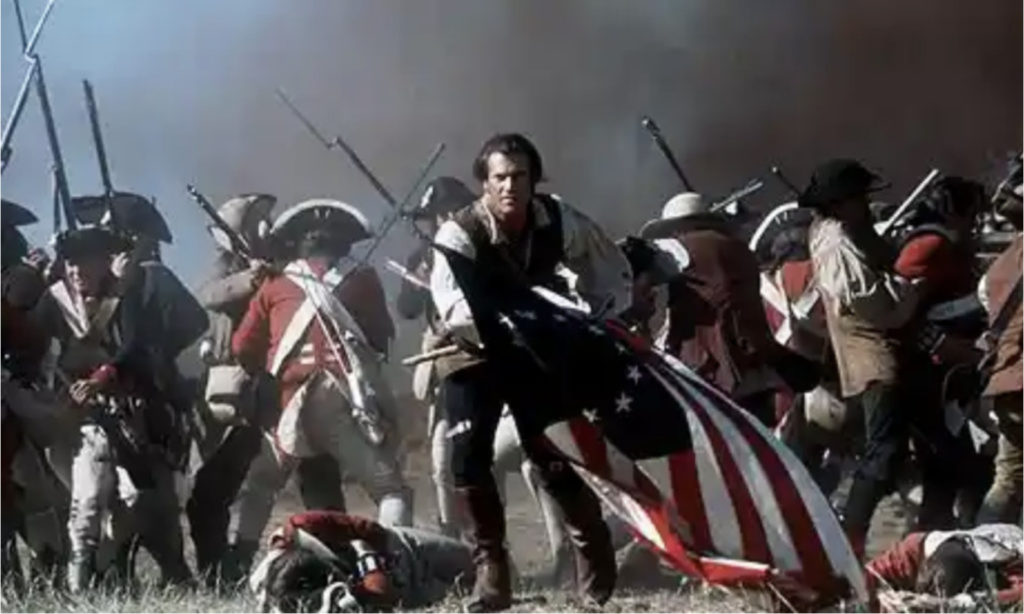
On this side of the pond, this Australian is playing a venerated American patriot. However, I found one reference to the movie The Patriot in an English publication as “more flag-waving rot.” It all depends upon one’s point of view.

The righteousness of war turns wholly upon one’s perspective. One man’s freedom fighter is another man’s terrorist. This timeless axiom is as old as mankind. The line between reviled bloodthirsty animal and celebrated warrior can at times be undeniably fine.

After love, combat is the most extraordinary of human experiences. I find the details intoxicating.

There is little I enjoy more than dissecting some rarefied military operation. This venue is dirty with my efforts to explore and explain the tales of heroism and refined military acumen that we as a patriotic people do so righteously venerate. However, what if the point of view is reversed? What if, instead of flint-eyed Navy SEALs infiltrating the hideout of some evil terrorist mastermind to dispense a little frontier justice, the operators are actually the terrorists, and the targets are good red-blooded Americans? I admit that this simple adjustment of source material does change everything about the narrative.

Prince Harry was present for the attack we will discuss today. That guy’s got his problems, but when he wore his nation’s uniform he was the real deal.

In today’s story, the Good Guys do not win. The Bad Guys perished in the effort, but, per their weird twisted moral calculus, that was likely their goal from the outset. Embedded within this narrative, however, is both a compelling story and some valuable lessons learned. That the aftermath, horrifically tragic though it was, did not turn out to be hugely worse speaks to the heroism and professionalism of the US Marines and Allied forces involved.

The Challenge

Pulling security in a hostile environment is a perennial pain.

Establishing and maintaining all-around security for an aviation unit in a hostile area is a Gordian chore. It is one thing if you are a small SAS contingent tasked with occupying a modest wooded hilltop. It is yet another entirely when you must secure a sprawling airbase established in the middle of hostile territory.

I once did a joint operation with a Marine Harrier unit. The AV-8B was an immensely capable aircraft. However, I recall it had a notoriously short range.

Why would they put an airfield in such a place anyway? Airplanes and helicopters are fast. That’s the point. They can move troops and ordnance over long distances quickly. In this case, however, the tactical exigencies were driven by the short legs of the machines in question and the desire for rapid response times. Positioning strike aircraft as close as possible to the battle zone maximized both loiter time on station and the availability of combat assets. It also put these valuable aircraft within easy striking distance of the Taliban.

No matter how advanced we become as a species, we still seem to be constrained by gravity to our two basic dimensions.

It really all comes down to geometry. Despite some simply incredible advances in military mobility, we yet remain fairly 2-dimensional creatures. We walk, run, or creep along the ground in such a way that a secure perimeter will usually grant us a proper sense of peace and security. When that perimeter grows to ungainly dimensions is when mischief ensues.

The Setting

Camp Bastion was a busy place in 2012.

Camp Bastion was a sprawling former British Army airbase situated in a remote portion of Afghanistan’s Helmand Province. The Brits later christened it Camp Shorabak. The facility was originally just a tactical landing zone established in 2005 by an RAF Tactical Air Traffic Control Unit. What began as a handful of tents eventually evolved into a bustling military airfield some four miles long by two miles wide. Camp Bastion was the largest British overseas military camp built since World War 2. At its apogee, Camp Bastion was home to 32,000 Allied troops from the US, the UK, and Denmark. It also played host to a substantial ANA (Afghan National Army) contingent as well as the US Marine Camp Leatherneck.

The facilities at Camp Bastion in the Helmand Province supported extensive aviation maintenance. Here we see the Jarheads swapping out the wings on a Harrier at Bastion.

In 2012 Camp Bastion was equipped with a large number of AV-8B Harriers, AH-1W Cobra attack helicopters, UH-1Y Venom Marine utility helicopters, British AH-64 Apaches, and sundry other Allied aircraft up to and including USAF C-130 cargo planes. In support of these variegated fighting machines was a substantial runway and extensive maintenance facilities. Security for all this stuff fell to a joint UK/US force comprised of RAF personnel, Commonwealth troops, and US Marines. At the time of the attack, Prince Harry was flying combat operations out of Camp Bastion as a British Army AH-64 Apache pilot.

Pulling effective security in a hostile area demands constant vigilance.

Maintaining security is one of the most odious aspects of the military experience. Defensive anything puts the defenders at a natural disadvantage. An attacker chooses the time and place of an engagement. To counter successfully the defenders have to remain ever-vigilant. Keeping that edge amidst long periods of tedium demands dedication, discipline, and deft inspirational leadership.

When you live long enough in an asylum it eventually begins to feel like home. When months turn into years it is tough to maintain a combat edge. Camp Bastion, shown here around the time of the attack, had purportedly grown a bit complacent.

Things at Camp Bastion had fallen into a routine. We had been involved in Afghanistan for more than a decade, and the optempo of tactical aircraft in and out of the place remained monotonously steady. Roughly one month prior to the attack US Marine MG Charles Gurganus, the base commander, had reduced the number of Marines patrolling the base perimeter from 325 to 100. This turned out to be a fairly momentous decision.

The Enemy

Don’t let the unwashed scraggly demeanor fool you, these hard guys were some stone-cold warriors.

Considering they are little more than souped-up cavemen with Kalashnikovs, the Taliban made for some formidable military opponents. Their dark religious ethos is difficult to comprehend for Western folk. Political capitulation rather than military defeat granted them ultimate victory in Afghanistan in the summer of 2021. What they have unleashed upon their country subsequent to that debacle was lamentably predictable.

Now doesn’t this look like fun? As a free American, I simply cannot imagine having to live like this.

A point of personal privilege–of all the twisted things the Taliban has inflicted upon their people in the name of their dark Satanic god, I think it is the plight of Afghan women that troubles me most. At a time when Americans wax apoplectic over pronoun usage, Afghan girls are prevented from advancing beyond grade school by the threat of violence. The Taliban overlords mandate that their women be treated solely by female physicians. They then ensure that there is no pipeline to replace the current profoundly limited crop of female doctors. Hijab laws are such that an Afghan woman now might live out her entire life never having felt the sun on her skin. Of all the world’s manifest injustice I fear this might be about the worst.

The Attack

The Taliban commando team shown here trained for four months in Pakistan before infiltrating over the border to attack Camp Bastion. This guy seems to be armed with a British SA-80 assault rifle.

The Taliban executed this attack with a team of fifteen jihadists all wearing pilfered American ACU uniforms replete with patches and name tags. They carried a variety of small arms including RPG antitank weapons as well as copious Soviet-era F-1 grenades. They later claimed that the impetus behind the assault was two-fold. The film the Innocence of Muslims had recently debuted, and they hoped to somehow kill or capture Prince Harry as well. Radical Muslims found this movie deeply offensive. Here’s a link to the film. I made it through about four minutes. It is epically bad.

The Taliban attackers cut through a chain link fence to gain access to the base.

The Taliban assault force penetrated the base perimeter on September 14, 2012, at around 2200 hours local time at a point guarded by Tongan and UK troops. The breach point was near the Marine aircraft hangars. They then split into three 5-man elements.

The attacking Taliban insurgents left devastation in their wake. The aircraft were destroyed with RPG’s and hand grenades.

One team engaged a group of Marine aviation maintenance troops from VMM-161 before moving to attack the camp refueling stations. The second team focused on the parked aircraft. The third assaulted the post-cryogenics compound. As near as I could tell this facility managed low-temperature gases used for sighting systems and aviation support.

The Marines’ UH-1Y Venom is a heavily-upgraded version of the Vietnam-era UH-1 Huey.

RAF security troops were onsite twelve minutes after the first shots were fired. The firefight went on for four hours. The second Taliban team detonated grenades in and on several Allied aircraft and engaged others with RPG fire. During the attack, aircrews scrambled UK Apaches as well as US Cobras and Venoms to lend close support. The Venom aircraft orbited the area supporting friendly troops with their door guns.

Japanese troops fought Marine aviation personnel on the ground during the Battle for Wake Island during WW2. 

The pilots and aviation maintainers from Marine Attack Squadron VMA-211 took up their individual weapons and fought effectively as infantry in the close fight. This was the first time since the Battle of Wake Island during WW2 that US Marine aviation personnel had been called upon to do so. As the first five-man Taliban team moved down the flight line, Marines from VMM-161 cut them down, killing four and severely wounding the fifth, a 24-year-old fighter named Mohammed Nazeer.

Upgraded versions of the AH-1 Cobra continue to serve as the Marines’ primary attack helicopter.

One of the other Taliban units was eventually flushed out of hiding by a joint RAF/USMC security element and killed with small arms fire. The final group of insurgents was eventually cut down by gunfire from orbiting helicopters after being fixed in place by the RAF Quick Reaction Force. However, all this was not without cost.

LTC Raible commanded the Marine Harrier unit at Camp Bastion. He died a hero defending the base from terrorist attacks.

The VMA-211 squadron commander, USMC LTC Chris Raible, had been in his office at the time of the attack. Running toward the sounds of battle armed with nothing but a 9mm pistol, LTC Raible was standing near their medical section when an RPG round with an antipersonnel warhead impacted a nearby wall. A piece of shrapnel struck the Marine officer in the neck, and he bled out.

SGT Bradley Atwell was a respected Marine and an inveterate prankster. His death came as a powerful blow to his fellow Marines.

USMC Sergeant Bradley Atwell was staging nearby preparing to join the base defense efforts. Frags from an RPG round killed him as well. LTC Raible was 40, and SGT Atwell was 27.

The Aftermath

By all accounts, the Taliban attack on Camp Bastion was a success. 

Mohammed Nazeer survived, while the rest of the Taliban attackers perished. Six Harriers were destroyed and another two were damaged. These losses constituted six percent of the Marines’ active Harrier force. However, the Marines had another fourteen Harriers onsite 36 hours after the raid. The Taliban force destroyed a USAF C-130 on the ground as well.

LTC Raible was a respected officer, an effective commander, and a capable pilot. 

In addition to LTC Raible and SGT Atwell, the Taliban wounded seventeen US and UK troops. Three refueling stations were destroyed, and six soft-skinned maintenance facilities were damaged. Allied losses ultimately totaled some $200 million.

MG Gurganus (left) and MG Sturdivant were both retired as a result of the Taliban attack.

At the time of the attack MG Gurganis was on the promotion list for Lieutenant General. After an investigation found that he was responsible for the degradation of base security he was quietly retired. MG Gregg Sturdivant was in command of USMC aviation assets in the area, and he got a similar treatment. Subsequent interviews with USMC personnel revealed that they had caught Tongan troops asleep on guard duty near where the Taliban breached the wire on several occasions. The British High Commissioner to Tonga vigorously disputed this allegation. The attack was the single greatest loss of US airpower since the Vietnam War.
Categories
All About Guns

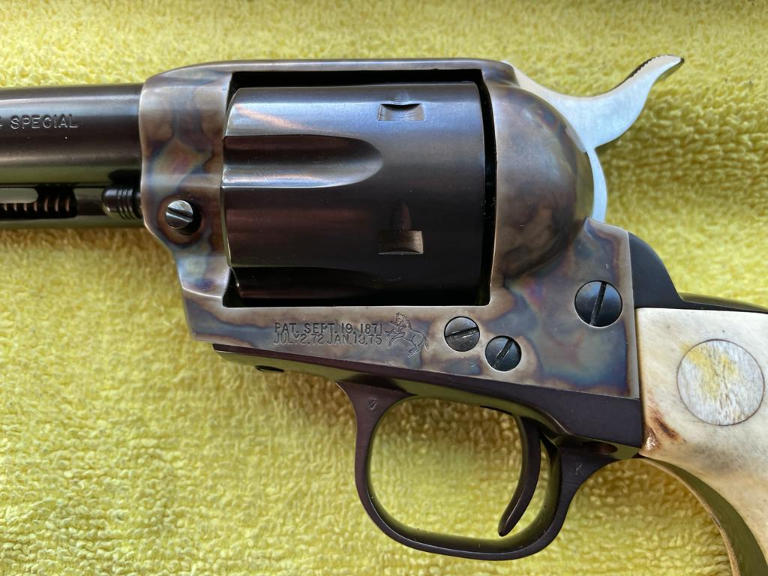
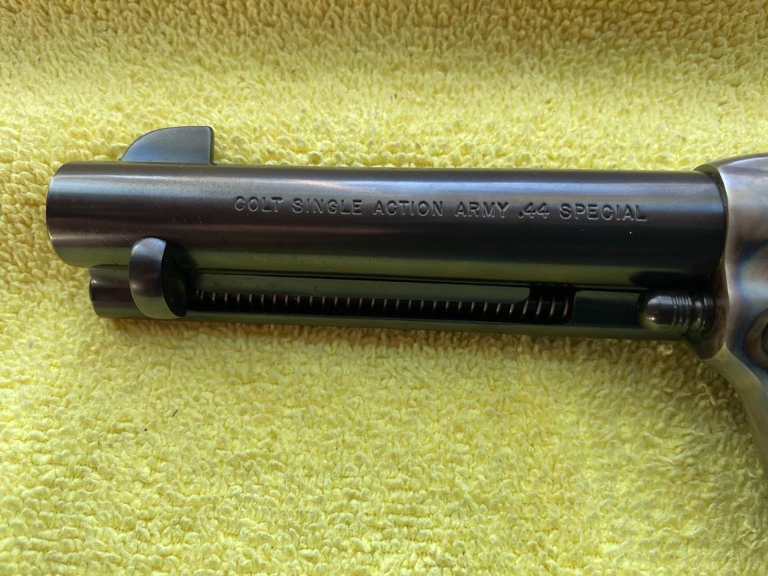
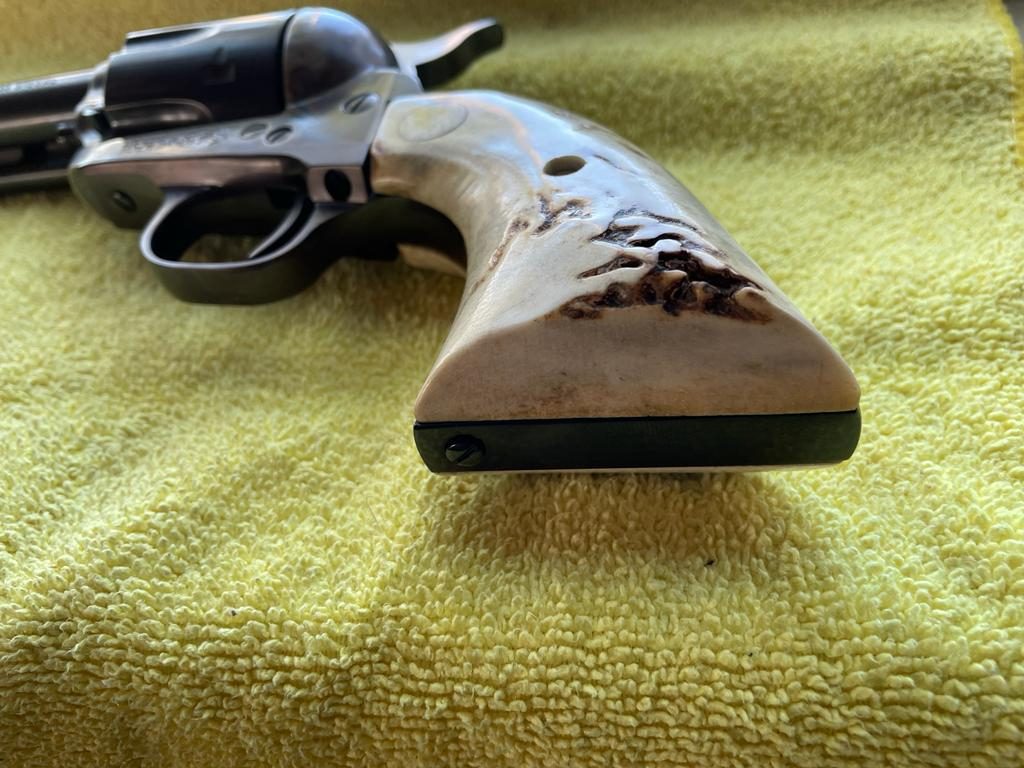
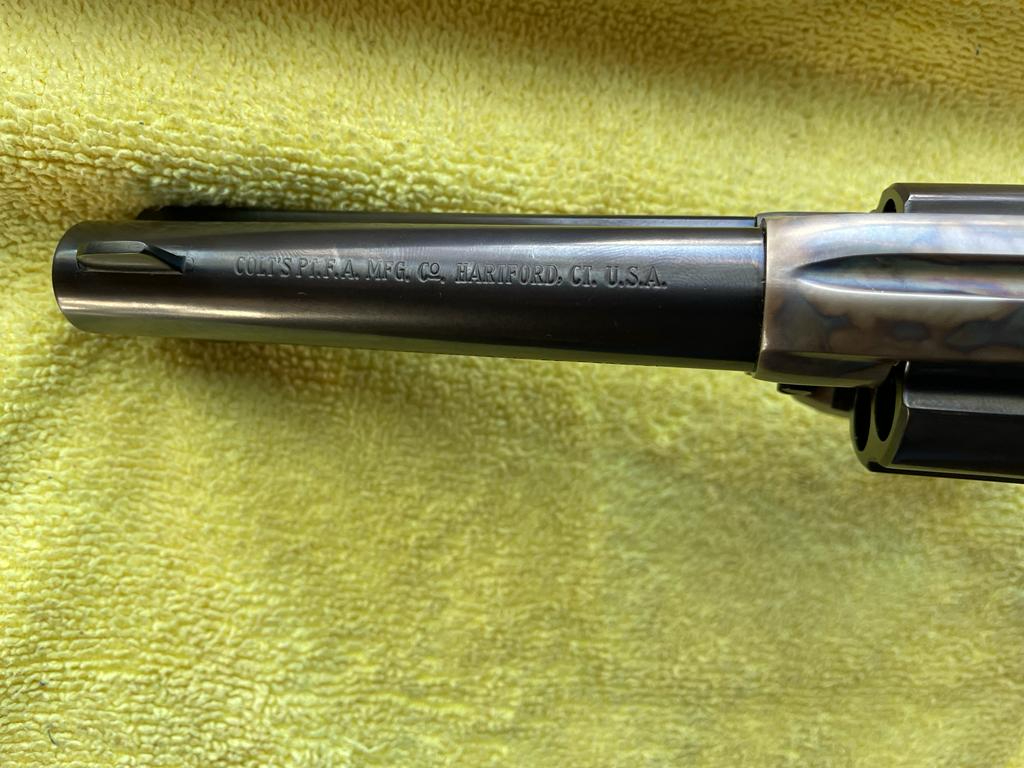
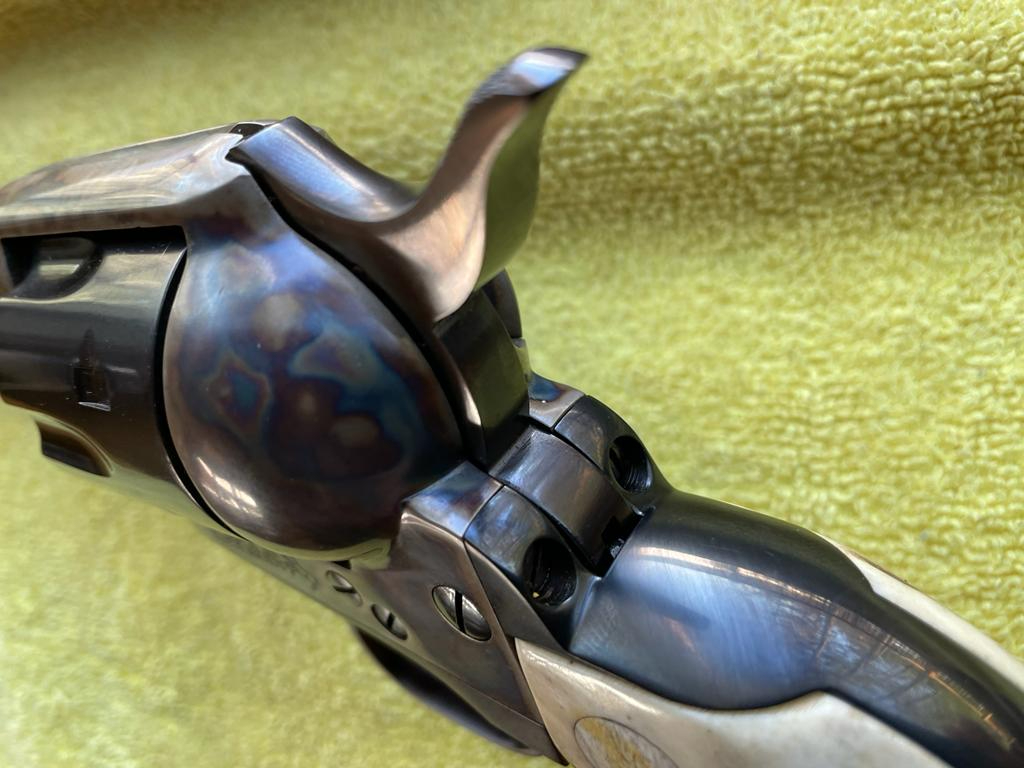
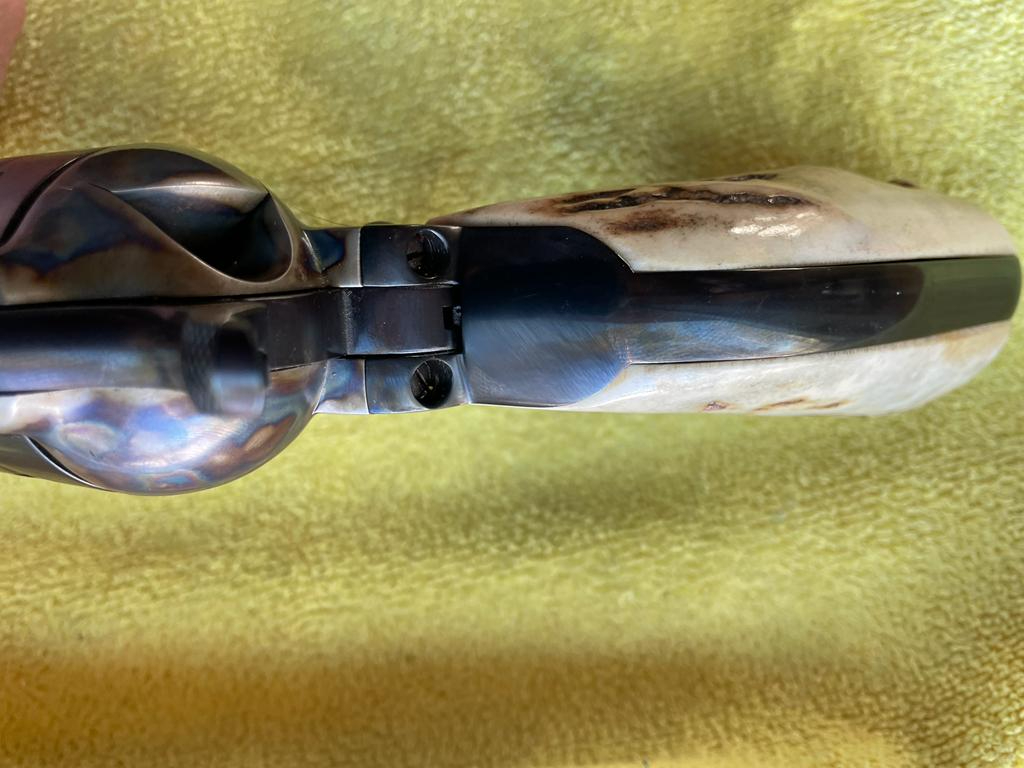
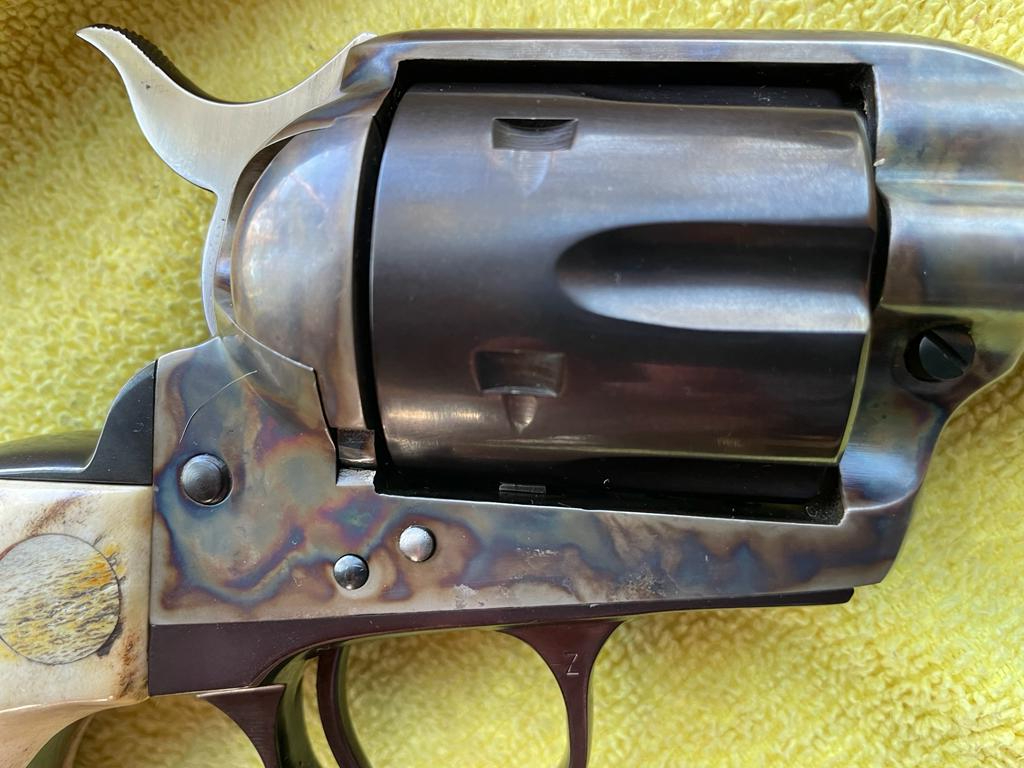
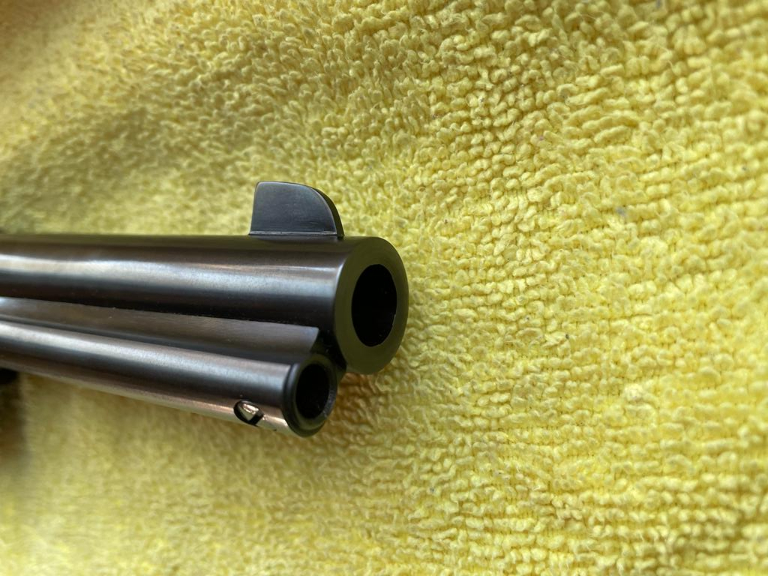
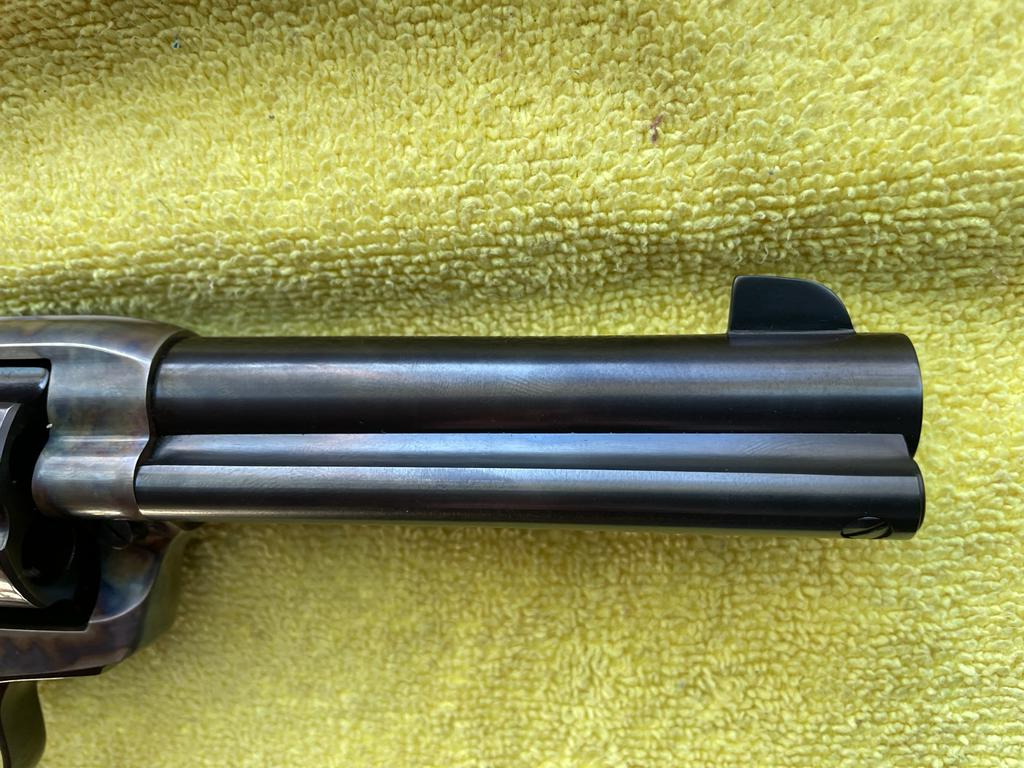
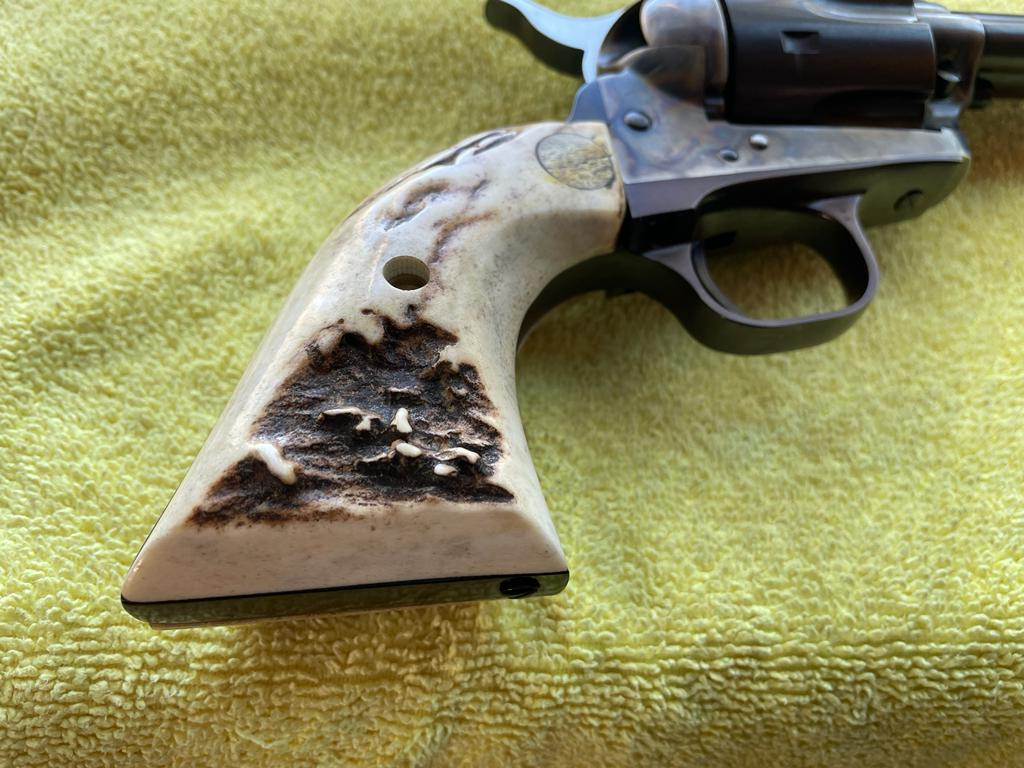
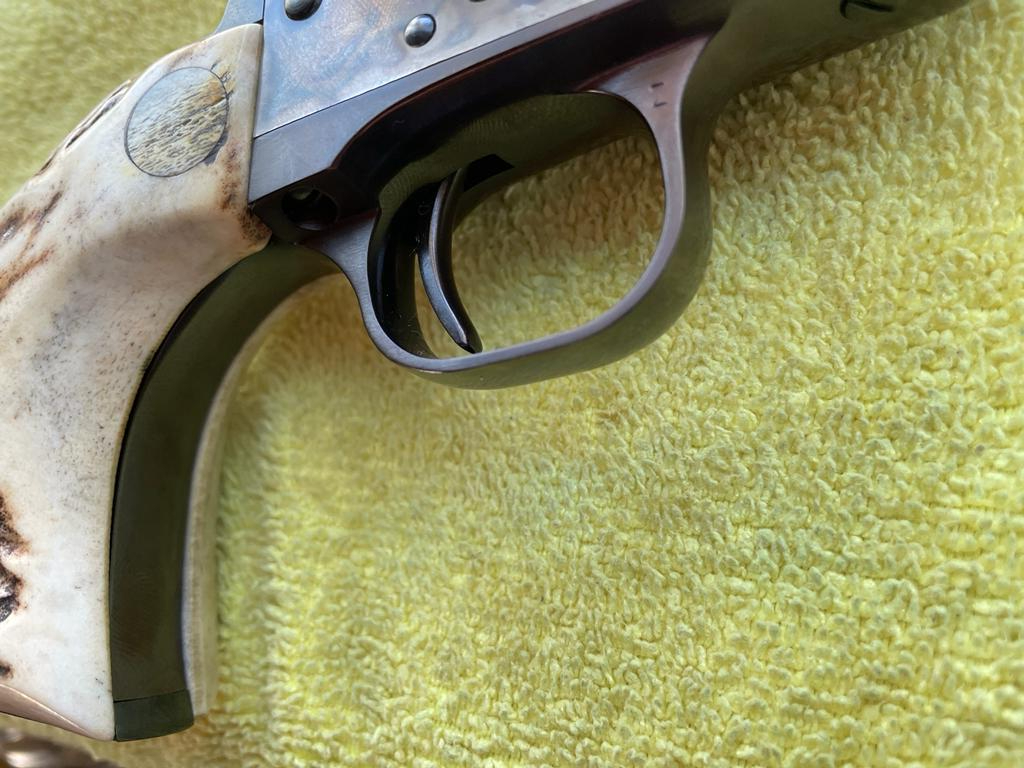
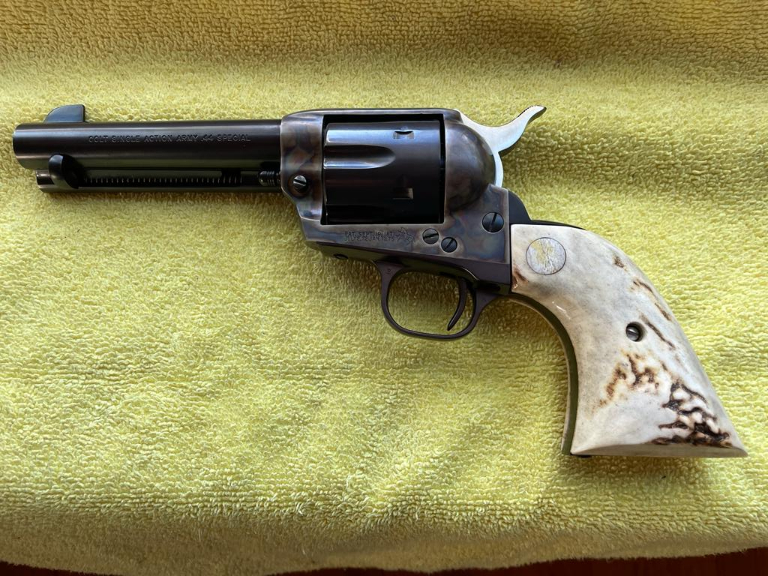
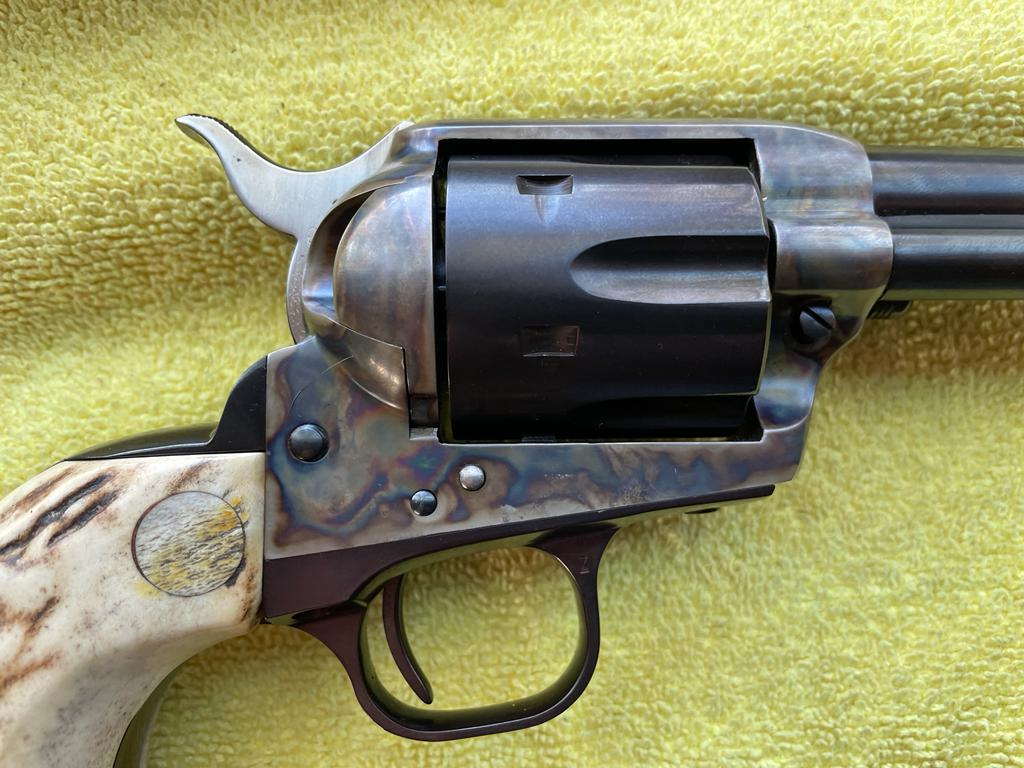
A Colt Single Action Army with a 4 3/4 BBL in the caliber of .44 Special

Colt Single Action Army 44 Special 4 3/4 BBL .44 Special - Picture 2
Colt Single Action Army 44 Special 4 3/4 BBL .44 Special - Picture 3
Colt Single Action Army 44 Special 4 3/4 BBL .44 Special - Picture 4
Colt Single Action Army 44 Special 4 3/4 BBL .44 Special - Picture 5
Colt Single Action Army 44 Special 4 3/4 BBL .44 Special - Picture 6

Colt Single Action Army 44 Special 4 3/4 BBL .44 Special - Picture 8
Colt Single Action Army 44 Special 4 3/4 BBL .44 Special - Picture 9
Colt Single Action Army 44 Special 4 3/4 BBL .44 Special - Picture 10

Categories
Uncategorized

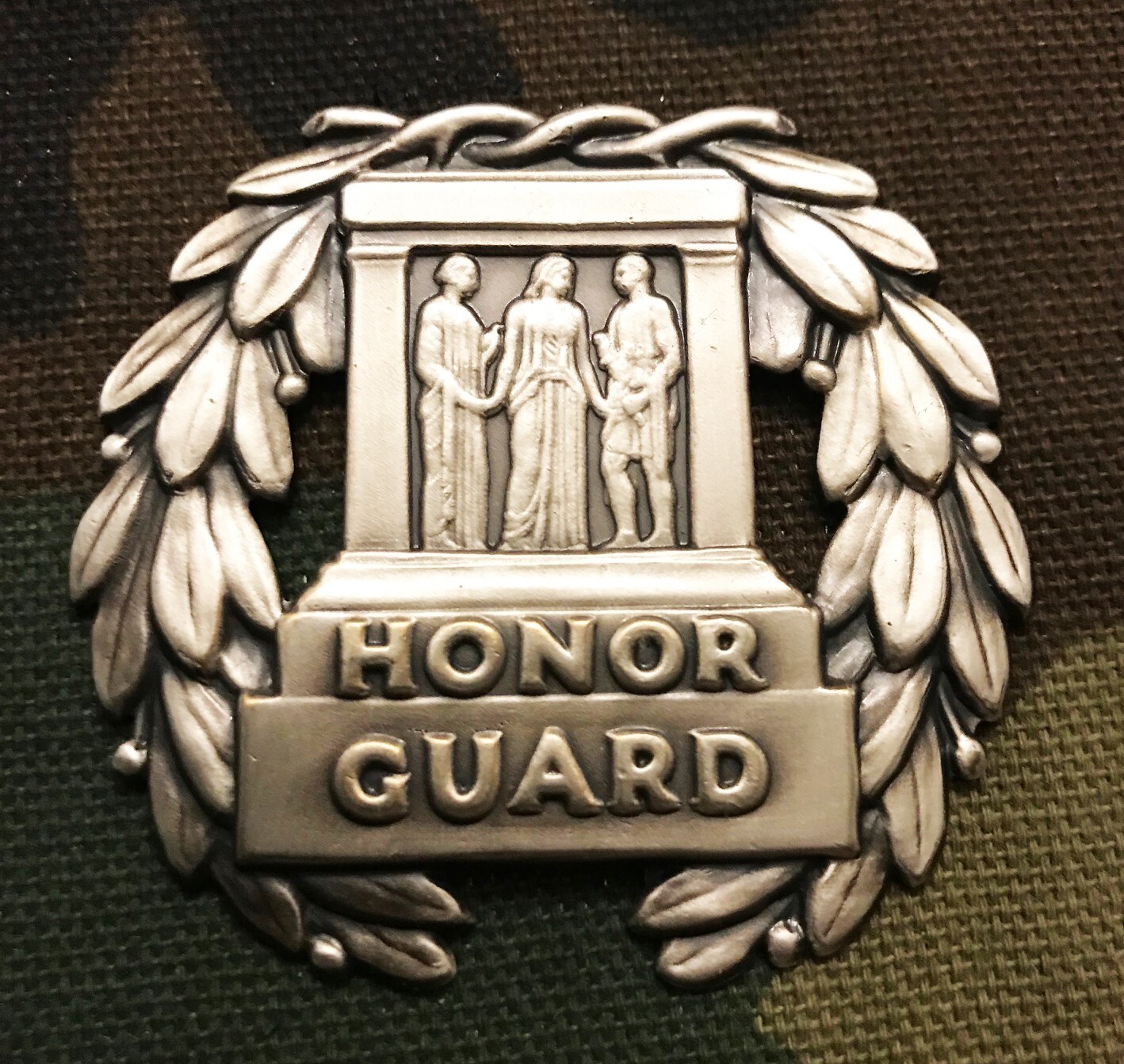
And I thought getting a Tomb Badge* would be cool!

*The Guard, Tomb of the Unknown Soldier Identification Badge is a military badge of the United States Army that honors those soldiers who have been chosen to serve as members of the Honor Guard, known as “Sentinels”, at the Tomb of the Unknown Soldier.

Categories
Cops

Tucker Carlson and Ice Cube talk about “the hood”

https://rumble.com/v32frv2-ep.-10-stay-in-your-lane-our-drive-through-south-central-la-with-ice-cube..html

Categories
Some Red Hot Gospel there!

Teamwork!

Categories
All About Guns Allies Ammo

Holland & Holland Tour – .500 nitro 😱 & Shooting Ground

Categories
All About Guns

Sako 85. The Good the Bad and the Ugly —- “Video Review”

Categories
N.S.F.W.

Looks expensive to me NSFW

Categories
All About Guns Ammo

Behind the Bullet: .450 Nitro Express by PHILIP MASSARO

btb-450-nitro-express_lead.jpg

During the late 19th century and into the early 20th century, when the boundaries of cartridge capabilities were being simultaneously defined and broken, certain cartridges rose to the top. With the colonization of East Africa and India, British hunters were regularly pursuing the most dangerous game on the planet, including the elephant, Cape buffalo, rhinoceros, gaur, tiger, lion, leopard and hippopotamus.

The transition from blackpowder to smokeless, and from pure lead projectiles to what we now know as the jacketed softpoint, and onto the non-expanding ‘solid’ bullets certainly changed the capabilities of the known cartridges.

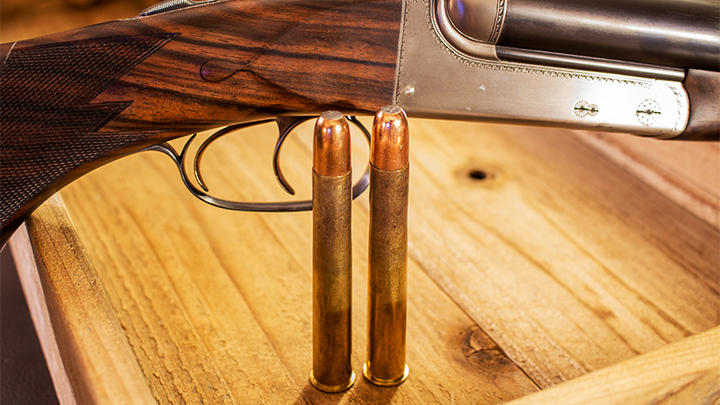
.450 Nitro Express Ammunition Beside Double Rifle

Among the dangerous game cartridges which successfully made the transition to earn its place as the industry standard is the .450 3¼-inch Nitro Express. The .450 Black Powder Express certainly paved the way, but John Rigby & Company released the smokeless version in 1898, a rimmed affair driving a 480-grain bullet of .458-inch diameter to a muzzle velocity of 2150 fps via a charge of 70 grains of Cordite, the long, thin spaghetti-like propellant of the era. The case is straight-walled and gently tapering, measuring 3¼ inches, and was designed for the single-shot and double rifles so popular in that era.

The .450’s formula would go on to define what we now consider to be the proper specs for a stopping rifle cartridge, as it develops just under 5,000 ft.-lbs. and has a recoil level manageable by most hunters. The projectiles—while of cup-and-core construction—have a sectional density (SD) value of 0.327, and will give the necessary penetration for thick skinned animals; our premium bullets only make this vintage cartridge even better.

The uprisings in India and Sudan led to a 1907 British ban on all .45-caliber ammunition in its colonies and territories—predominately to keep the .577/450 Martini-Henry ammo and any similar components out of the hands of the insurgents—and many different alternatives to the .450 NE formula were introduced, not the least popular of which is the .470 NE. The fact that the .450 was imitated in so many different ways, and I’ll point to the .500/465 NE, .475 NE, .475 No. 2 Jefferies and .476 NE, is a testament to the effectiveness of the cartridge.

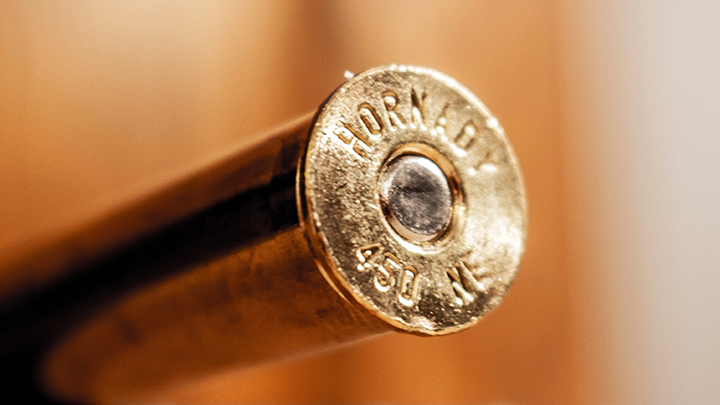
Hornady .450 Nitro Express Ammunition Headstamp

During the post-WWII era, when both travel and safari hunting began to gain a head of steam once again, Britain’s premier ammunition manufacturer—Kynoch—began to slowly but assuredly fade away, and the ammunition for the so many of the classic British rifles simply dried up. Winchester saw the void, and immediately set out to fill it with an affordable and available cartridge with their name on it. Their solution?

The .458 Winchester Magnum, which was designed to replicate the ballistics of, wait for it, the .450 Nitro Express. The .458 Win. Mag. originally used a 510-grain bullet at an advertised muzzle velocity of 2150 fps, though it didn’t make it to that benchmark for a number of years. Based on a shortened .375 H&H belted case, the .458 Winchester will give .450 NE ballistics in a repeating rifle, and remains a popular choice in Africa among Professional Hunters and visiting sportsmen alike.

The .450 NE was the chosen cartridge of Capt. C.H. Stigand and the Hon. Denys Finch Hatton (of Out of Africa fame) and while it is available in a good number of vintage double rifles and single shots, there are modern rifles available for the classic cartridge. Heym’s excellent model 89B double rifle is available in .450 NE and the highly popular Ruger No. 1 single shot rifle was also available so chambered, in their Tropical line.

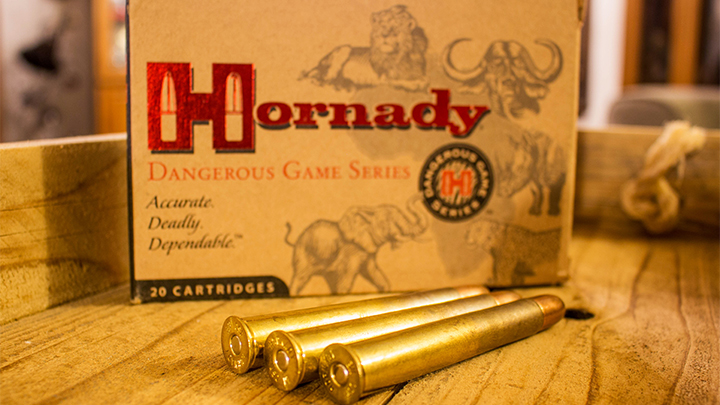
Hornady Dangerous Game Series 480-grain .450 Nitro Express Full Metal Jacket Solid Ammunition

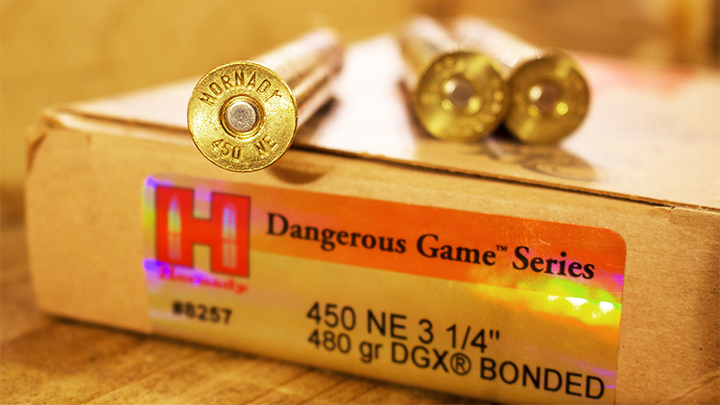
Hornady has played a big role in keeping the older safari cartridges alive, and the .450 3¼-inch Nitro Express is no exception. They offer their duo of 480-grain DGX Bonded softpoint and DGS full metal jacket solid, at a muzzle velocity of 2150 fps—this is the velocity at which so many of the vintage double rifles were regulated—so should you find a rifle which tickles your fancy, there is at least one good source of American ammunition.

For those who handload, components for the .450 NE are readily available. The myriad of .458-inch diameter bullets made for the .458 Winchester Magnum, .458 Lott, .450 Rigby, .45-70 Government and will all work in the .450 NE, though be aware that if you own a double rifle, it will more than likely require the 480-grain bullets for which it was regulated. Hornady makes component cases as well as resizing dies.

Hornady Dangerous Game Series .450 Nitro Express 480-grain DGX Bonded Ammunition

It seems a bit of a shame that the .450 NE has become such a limited product, as it truly is a great design. But it is clearly evident that the .470 NE won the popularity contest, even in my gun safe. Even John Rigby & Co. adopted Joseph Lang’s .470 after the 1907 ammo ban, and I feel that when Federal reintroduced .470 NE ammunition in 1989, that may have been the death knell for the .450, though it hangs on by a thread. For the hunter, the field performance of the two cartridges is so close it is negligible. The .470 has a bit more frontal diameter, the .450 has a better SD; and the 20-grain difference in weight shouldn’t make a difference at all. However, the wider availability of the .470 ammunition has given those rifles a greater resale value.

We all owe the .450 3¼-inch Nitro Express a debt of gratitude, even if for the fact that it established a ballistic formula upon which so many dangerous game hunters rely. Among the professional hunters I’ve shared a camp with, only one has readily used a .450 NE, but in spite of the rarity, it remains a reliable cartridge for nearly any hunting situation involving dangerous game at close quarters.

Categories
All About Guns

Sunday Shoot-a-Round # 172