
Month: July 2024

By Ismail Shakil
OTTAWA (Reuters) – General Jennie Carignan took over as Canada’s chief of the defense staff on Thursday in a ceremony that made her the first woman to command the country’s armed forces.
Trained as a military engineer, Carignan has commanded troops in Afghanistan, Bosnia-Herzegovina, Iraq and Syria during her 35 years in the Canadian Army.
“I feel ready, poised and supported to take on this manifold challenge,” Carignan said at the Canadian War Museum in Ottawa.
“Conflict in Ukraine and the Middle East, heightened tensions elsewhere around the world, climate change, increased demands on our personnel at home and abroad, and threats to our democratic values and institutions are but a few of the complex challenges we need to adapt to and counter,” Carignan said.
Carignan takes over from General Wayne Eyre, who served as the top military commander since 2021, at a time when Canada is aiming to increase defense spending and modernize its armed forces.
Last week, Prime Minister Justin Trudeau announced his government’s intention to reach NATO’s defense-spending target of 2% of GDP by 2032. Canada’s defense spending is expected to be 1.39% of GDP in the 2024-25 fiscal year, according to government projections.
The armed forces are struggling to meet recruitment goals and have been slow to replace outdated equipment.
Last November, the head of the navy said the service was in “a critical state” and might not be able to carry out its basic duties in 2024.
“We’re facing many internal challenges such as recruitment and retention,” Carignan said. “We know the challenges we face and what we need to do to address them.”
Trudeau, who called Carignan “a role model for all Canadians and for the world”, has pursued policies designed to boost gender equality since taking office in 2015.
In 2018, he appointed Brenda Lucki as the first female head of the Royal Canadian Mounted Police.
The last two governors general, Canada’s official representative of the British monarchy, have been women. Trudeau named them both.
(Reporting by Ismail Shakil in Ottawa; Editing by Rod Nickel)
https://apnews.com/live/internet-global-outage-crowdstrike-microsoft-downtime
Why is it that my paranoid mind is thinking that our enemies are doing a test run? Grumpy
Categories
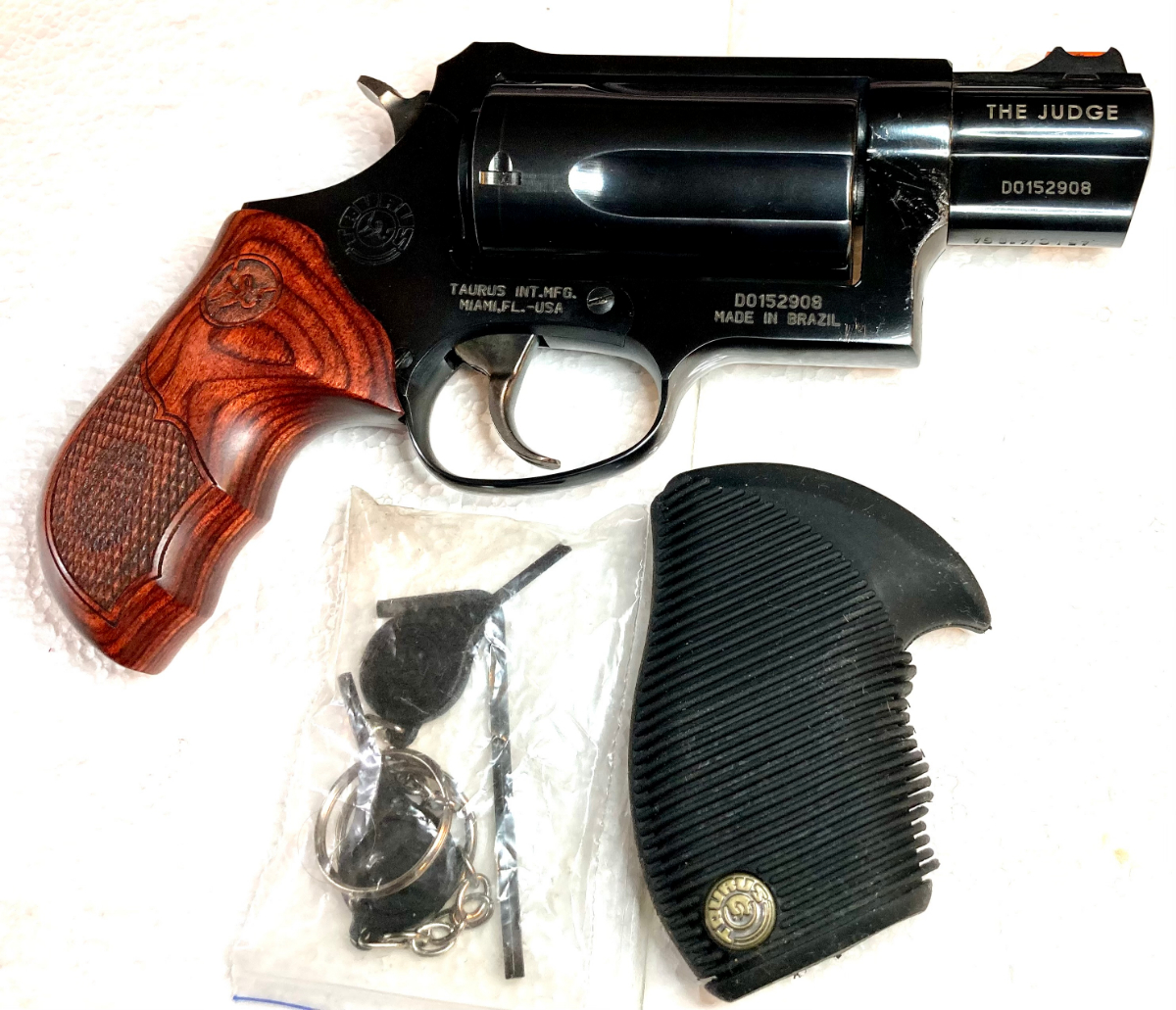
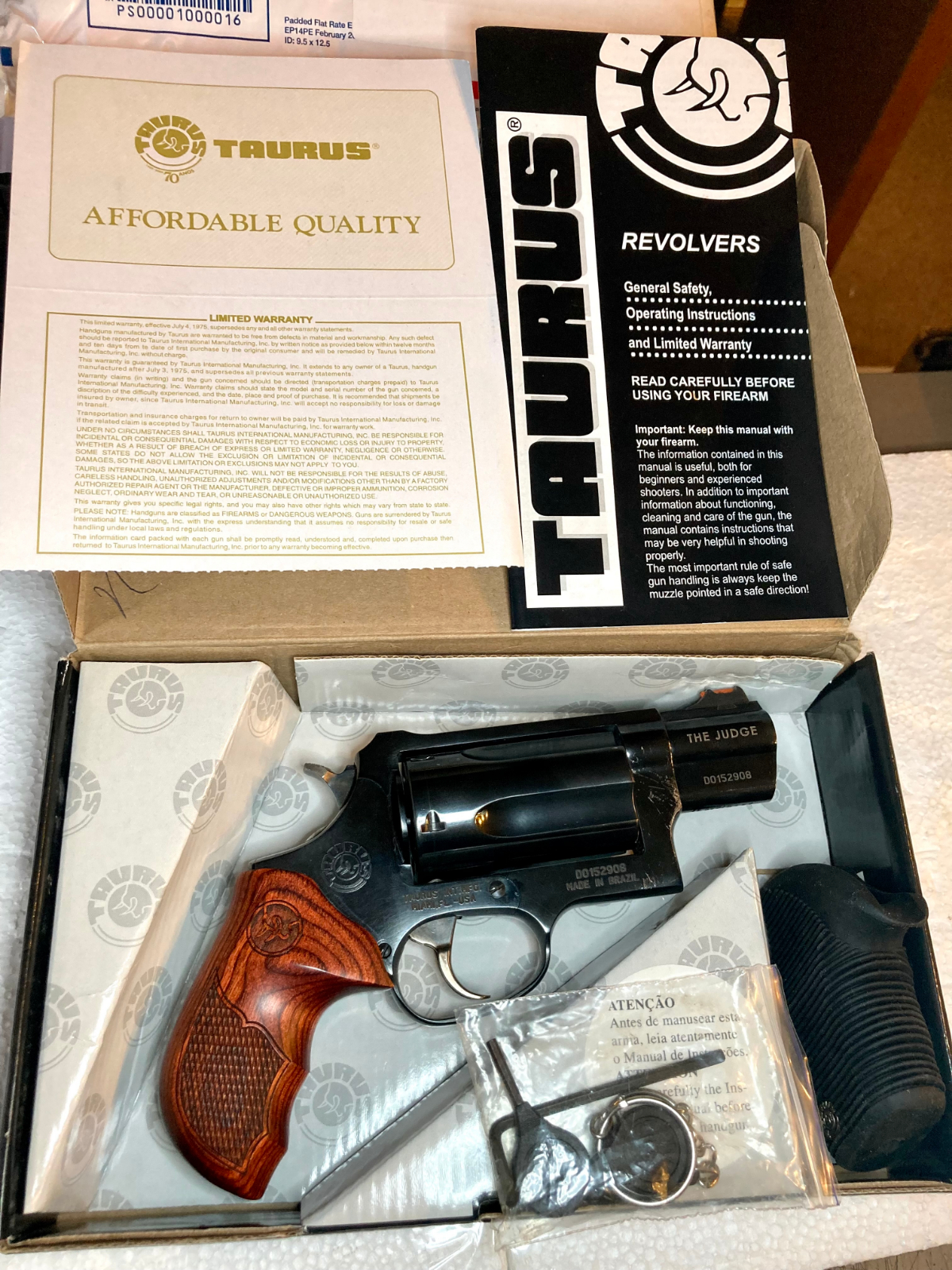
Best 9mm Revolvers 2024

Categories
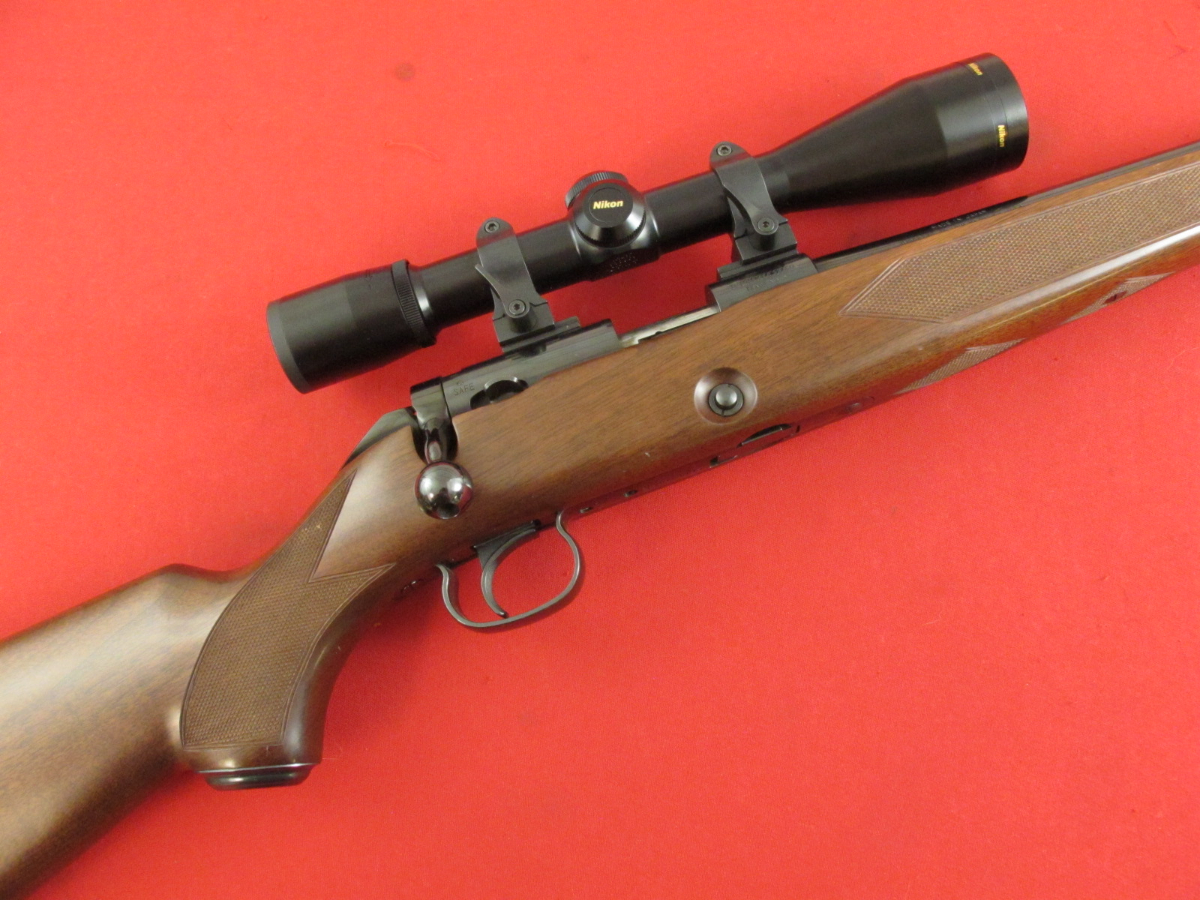
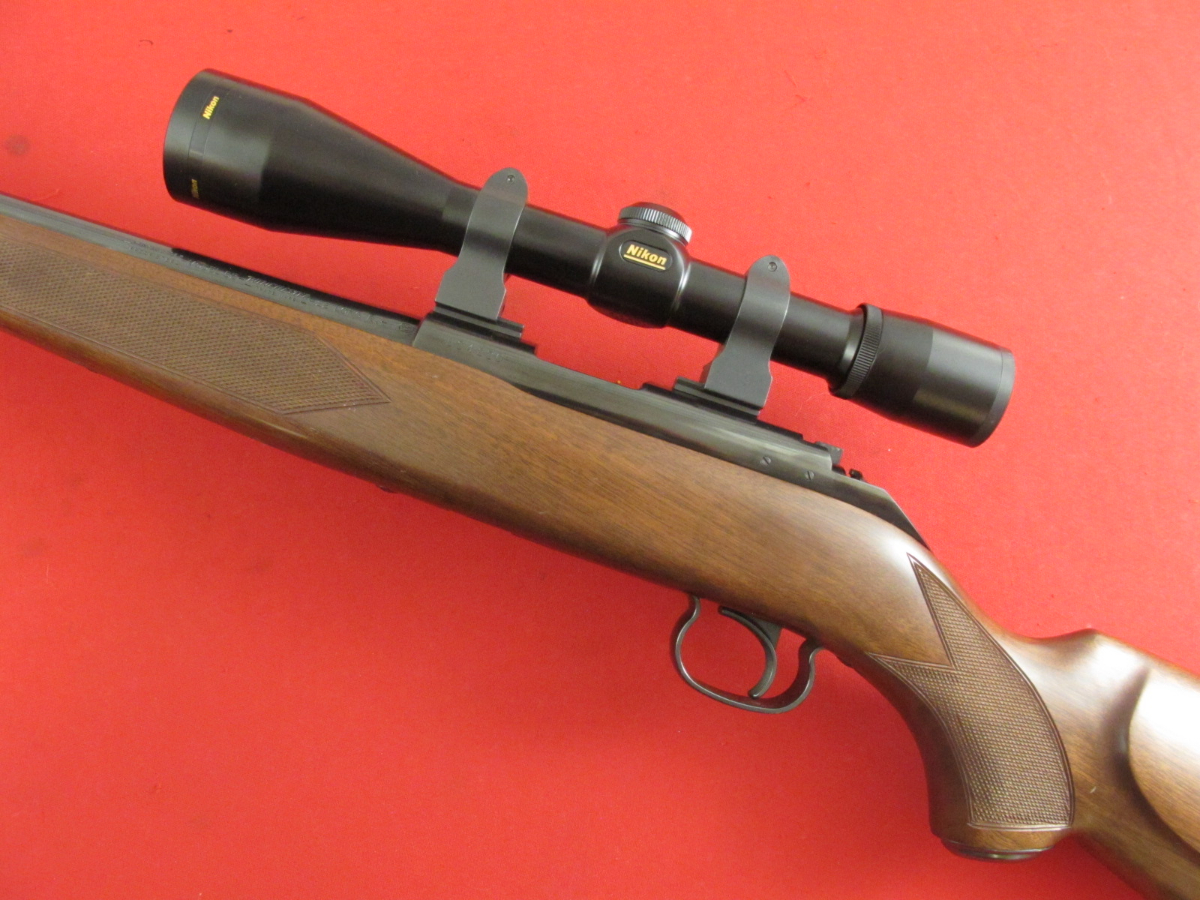
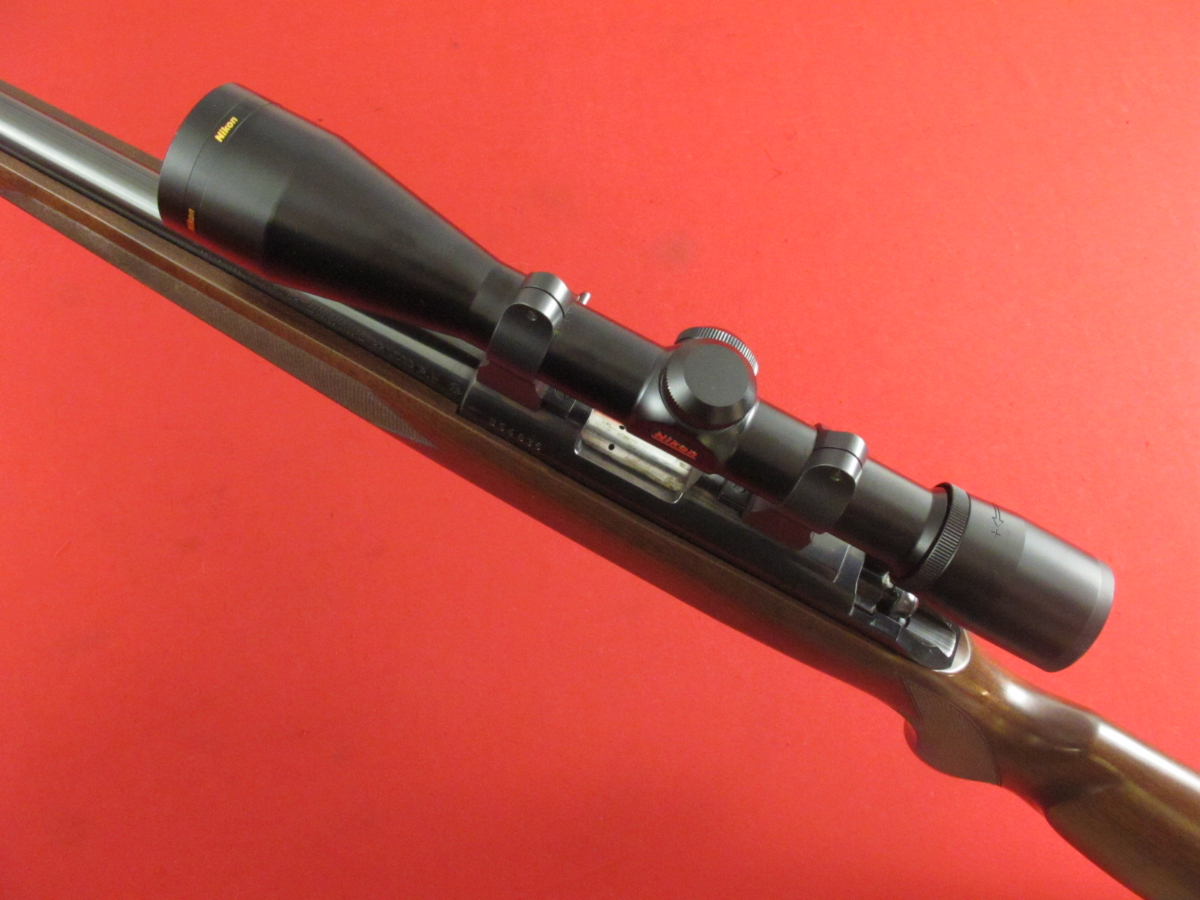
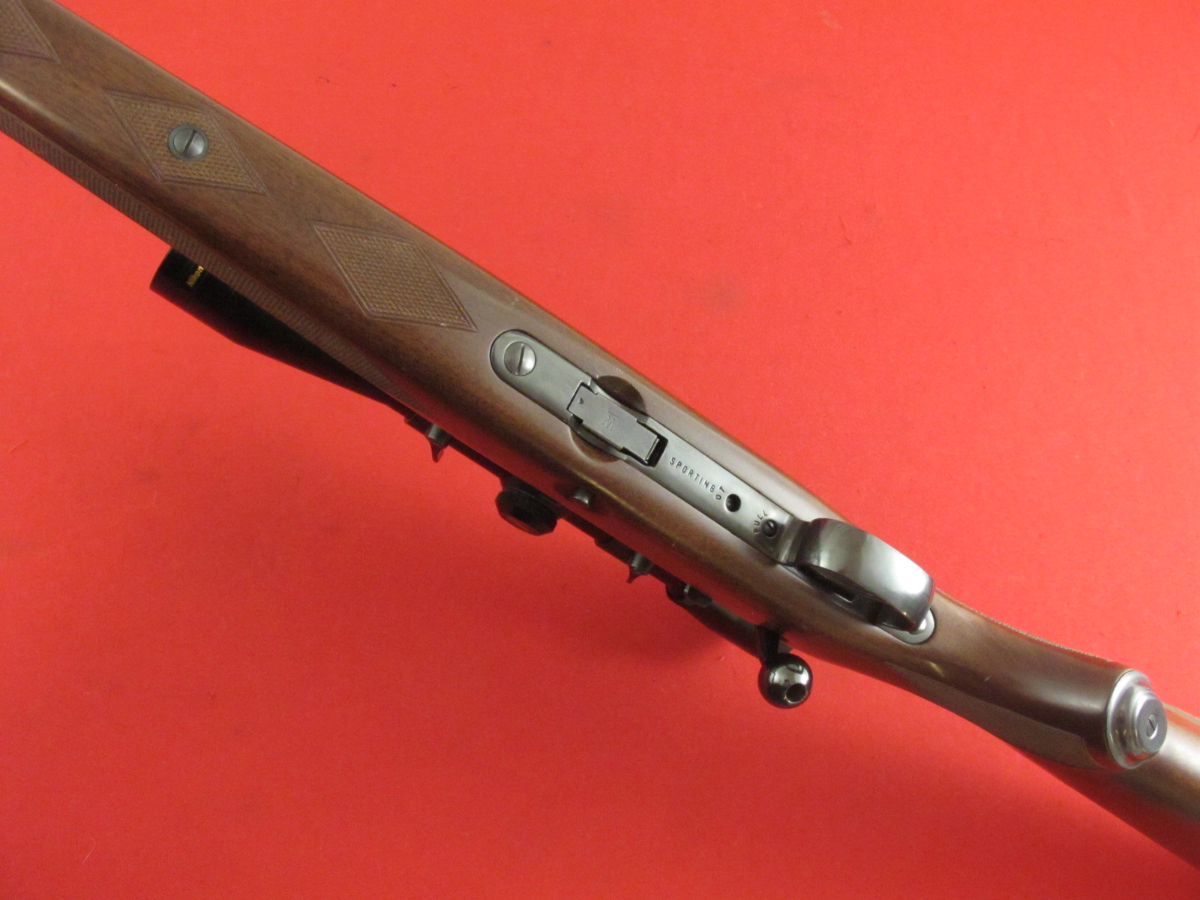
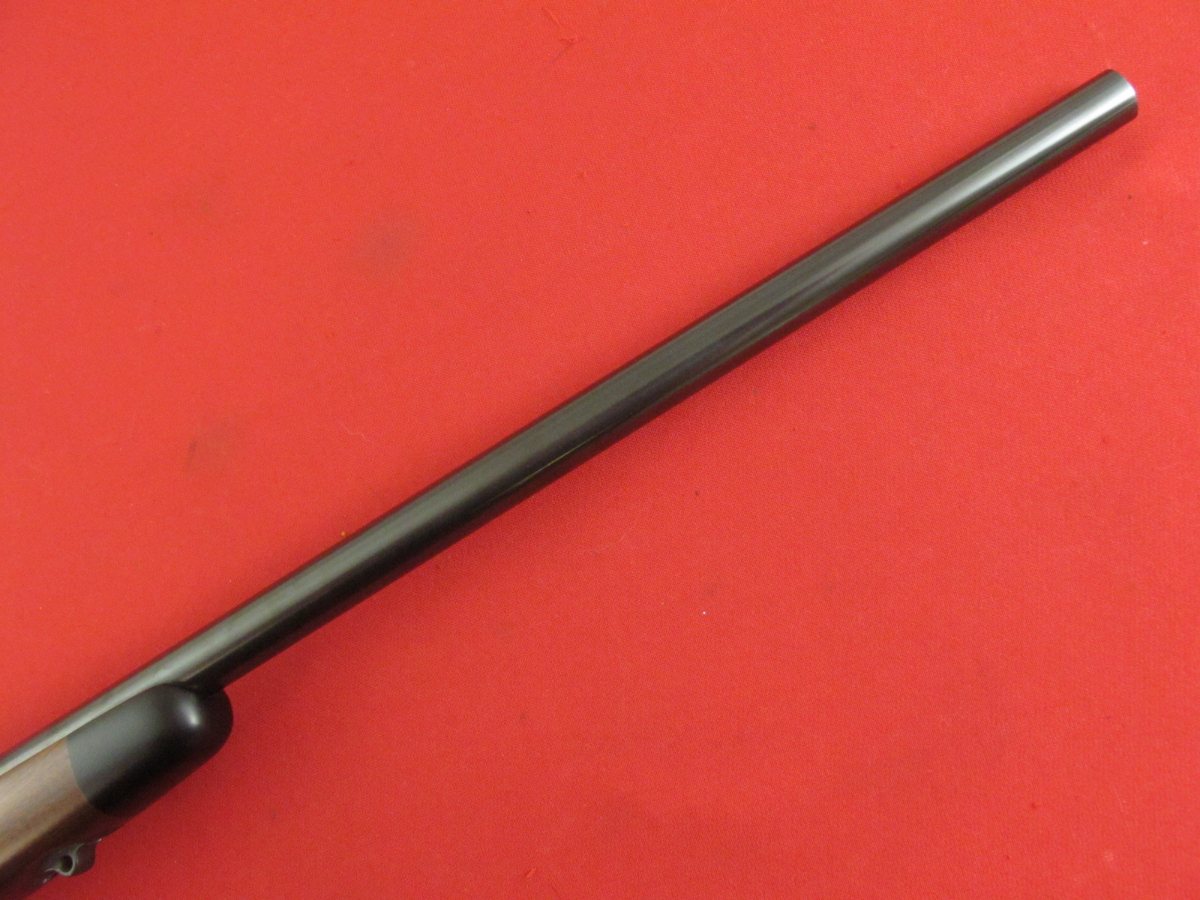
Colt Huntsman Pistol

The United Nation’s Programme of Action to Prevent, Combat, and Eradicate the Illicit Trade in Small Arms and Light Weapons In All Its Aspects (PoA) is now almost 23 years old. With a lack of any meaningful measurables and reporting remaining steady at around 50%, it should come as no surprise to anyone that follows the logic of the United Nations (UN) that expansion, not compliance, remains its priority.
That drive to expand was on full display during the PoA’s Fourth Review Conference, which concluded on June 28th after two full weeks of negotiations. As the only American firearms user group attending in a sea of anti-firearm nations and Non-Governmental Associations (NGOs), the NRA fought fiercely to stem the PoA’s growth and preserve the rights of American firearms and ammunition users against increased international standards meant to destroy those very rights afforded to us by our Second Amendment.
The arguments for expansion this year mirrored many of those from the past, especially in regard to including international regulations on ammunition under the PoA’s terms, synergizing its language with that of other legally binding UN instruments such as the Arms Trade Treaty and Firearms Protocol and establishing international regulations over personally manufactured firearms, or as the UN calls them, craft-built weapons.
There were also call to expand the PoA into new areas, such as the environment, technology, and gender dominions. The most notable of these were calls for the creation of an Open-Ended Technical Expert Group to study and develop international regulations and oversight on what the UN considers “new technologies” (polymers, modular weapons, and 3D printing), as well as the inclusion of language calling for the exploration of the relationship between firearms, “masculinities” and “genders in all their diversity.”
The justification for expansion of the PoA is transparent, as the inclusion of new language and regulations not only hamper the ability of civilians to use and possess firearms, but also allow for the PoA to continue to exist. It is hard to debate against the continuation of a body that has shown no real impact on the illicit trade in small arms and light weapons, or that only 50% of its members even bother to report to; however, if one can show continued growth an argument can be made that life still exists. Accordingly, expanding into ammunition, creating a new technical group, and arguing that firearms have a disproportionate impact on diverse genders ultimately creates a case for increasingly tailored interventions by the UN. This in turn calls for the expenditure of funds on more regional meetings in developing countries and fundraising opportunities for NGOs to continue producing junk-based academic “studies.” It’s the financial lifeblood of many, and the circle of life in general at the UN.
Fortunately, by the end of two-weeks of negotiations, and considerable efforts working friendly delegations, most of these calls for expansion were either removed from consideration entirely or watered down with limiting language leaving them barren of any real-world implications. In particular, the multiple references to international ammunition regulations included in the initial draft of the outcome document were watered down to a single paragraph that accomplishes nothing more than recognizing the existence of the Global Framework for Through-Life Conventional Ammunition Management. In addition, any regulations pertaining to private manufacturing were edited to include limiting language pertaining only to those manufactured illegally under national laws.
Unfortunately, it’s not all good news. the Open-Ended Technical Expert Group was established, and membership was limited to governments and invited “experts” only. The Group will also meet informally, which in UN parlance means that unless invited, we will be unable to attend. It is no surprise that this is the format agreed to, as it has always been the goal of the UN to exclude any real experts that could dispel their ideological views and instead fill their seats with anti-firearm academics that feed off the questionable science of their colleagues. Again, it’s the UN’s circle of life.
The next meeting of the PoA will be in the early summer of 2026, during which the Open-Ended Technical Expert Group will hold their first meeting. Until such time, we will be working to find a seat at the table so that we can continue to fight the UN from interfering with our national sovereignty.