
Month: August 2018
Categories
Springfield M1A Scout Squad Rifle


November 1934
If you want to visit the place where the world’s finest rifle barrels are made, you have to climb four flights of fire-escape stairs zigzagging up the face of a red brick warehouse in Jersey City, N. J. At the top, you knock at a begrimed door bearing the faint letters: H. M. POPE.
Behind that door, for more than a quarter of a century, Harry Pope has been turning out precision barrels that have made him famous. A dozen times they have won hi the Olympic Games. Again and again they have smashed world’s records. When Gustave Schweizer, not long ago, ran up the phenomenal record of eighty-seven bulls-eyes at 1000 yards in a Peekskill, N. Y., match, it was a Pope barrel that directed the bullets at the distant target. When the five-man American team captured the international rifle match at Milan, Italy, a few yean ago, defeating crack shots from Europe and South America, it relied upon Pope barrels to carry it to victory.
Harry Pope never advertises. Yet, orders come from all over the United States, from most of the countries of Europe, and from as far away as Australia, India, and China. Wherever lovers of fine guns meet, the name Pope is familiar.
Several minutes pass after you knock. Then you hear the shuffling of feet, the lock clicks, and the door opens. A stooped little man with a long white beard, a black mechanic’s cap perched on the back of his head, and two pairs of spectacles—a gold-rimmed over a silver-rimmed pair—resting on his nose, peers out and invites you in. He is Harry Pope, an old-time craftsman in an age of mass production.
Inside the shop, you follow him down a narrow lane between dust-covered boxes, trunks, papers, yellowed magazines, toolkits, sheaves of rifle barrels, hogsheads of dusty gun stocks. A worn black leather couch is half buried under odds and ends. A small table, piled high with papers, looks like a haycock, white at the top and yellow toward the bottom. Pinned to it is a printed sign: “Don’t lean against this table. If these papers are spilled, there will be Hell to pay.”
The only flat object in the room that is not loaded down is a single board. Pope keeps it standing upright in a corner. Over two boxes, it forms an emergency table where he can lay his tools when working.
“You might think this is confusion,” he says as you reach his workbench, almost hidden under odds and ends, “but what looks like order to other people looks like contusion to me. This room is like a filing cabinet. I can put my hands on anything in it, even if I haven’t seen it for ten years. But if anybody moves something as much as three inches, it’s as good as lost.”
In the twenty-seven years he has been in the same building, he has washed his windows twice. He believes the accumulation of grime diffuses the light and enables him to see better. One of his windows he never will wash. It is covered with penciled notes. Half a dozen years ago, data he bad placed on a scrap of paper blew out the window. Afterwards, he made it a rule to jot down important notes on the walls or window where they can’t blow away.
Over his workbench hangs a sign, various words underlined in red. It reads:
“No delivery promised. Take your work when well done or lake it elsewhere. When? If you must know when I will be through with your work, the answer is now. Take your work away. I don’t want it. I have no way of knowing when. I work seventeen hours a day. Daily interruptions average IVi hours. Dark weather sets me back still more. I’m human. I’m tired. I refuse longer to be worried by promises that circumstances do not allow me to keep.”
The lower edge of the sign is smudged with greasy fingerprints, records of the many times he has jerked the pasteboard from the wall to hold before non-observant customers who persisted in knowing when. In fact, most of the guns that come in are now accepted with the express understanding that they will be fitted with new barrels when and if Pope ever gets time to do it. More orders are turned down than are accepted, yet between 200 and 300 guns are piled up ahead of him. At seventy-three, he is working seventeen hours a day and answering correspondence after ten o’clock at night. He makes barrels for pistols and revolvers when he has to. But what he wants to do is make rifle barrels.
After hours, when the warehouse is closed, customers who know the procedure stand on the street corner below and yell: “Pope! Hey, Pope!” until he paddles down and lets them in. Everybody in the neighborhood knows him and when you set up the shout they all join in until he pokes his head out the window four stories above. He never has had a telephone and he frequently brings a supply of food and sleeps in his shop until his grub gives out.
Not long ago, a man brought him a gun he wanted fixed. He found Pope bent over a vise filing on a piece of steel. When he started to explain what he wanted, he was told: “Don’t talk to me now!” A little later, he broached the subject of his visit a second time. Pope shouted: “I said don’t talk to me now!” By the time Pope laid down his file, the customer was packing up his things and muttering something about “a swell way to treat a customer.”
It was an obvious statement. But, what the man did not know was that Pope had been working for two solid weeks making a special too! to rifle the barrel of an odd-caliber gun. He had filed it down to two ten-thousandths of an inch of its exact diameter and the light was just right for finishing it. If an interruption had made him file a hair’s breadth beyond the mark, his whole two weeks’ labor would have been lost.
All his rifling is done by hand. He judges what is going on inside the barrel by the feel and the sound of the cutting took. To rifle out the inside of a .22-caliber barrel takes about seven hours. The cutter is fitted with a wedge and screwhead so the feed, or depth it cuts, can be varied from time to time. The steel shaving removed from the grooves at first is about l/5000th of an inch thick. Later, when the end of the work is near and there is danger of cutting too far, less than 1/40,000 of an inch is removed during a “pass.” It takes about 120 passes to cut each of the eight grooves within the barrel. All his rifle barrels are drilled from solid stock, special oil-tempered fine-grain steel being employed. For fifteen years, he has been getting his steel from the same company after trying almost every kind on the market. Some batches of steel cut more easily than others and he has to “humor the stock.” The worst steel he ever got came during the last days of the World War. It was so full of grit and cinders he had to sharpen a reamer fourteen times to get through one barrel. Ordinarily he can get through twelve on a single sharpening.
When he nears the end of a job, he pushes a bullet through the barrel and with a micrometer measures the exact depth of the grooves recorded on the lead. Sometimes it is two weeks before he is satisfied with a barrel he has produced. To him, they are almost like children and he will never do another job for a customer who abuses one through ignorance or neglect. On the other hand, he has made as many as nine barrels for a single individual who appreciated fine guns.
The high-pressure, smokeless ammunition and jacketed bullets used today are especially hard on the inside of barrels. Three or four thousand rounds is all they can stand. Owners of Pope barrels usually save them for important contests and practice with other rifles. In contrast, Pope has a .33-caliber black-powder rifle that has been fired 125,000 tunes and is still in almost as good condition as it was in 1892, when it was first made.
All told, Pope has turned out more than 8,000 hand-tooled barrels, fitting them on almost every make of gun produced in America and on many of those manufactured abroad. Most of the demand now is for .22- and .30-caliber barrels with only an occasional .32 or .38.
Thirty years ago, Pope records for off-hand shooting were almost as famous as Pope barrels. Once over a period of several days, he made 696 consecutive bulls-eyes at 200 yards and another time he placed fifty consecutive shots all within three and three fourths inches of dead center. His fifty-shot record, made shortly after the turn of the century, was 467. Today it is only 470. His hundred-shot record was 917. Today, the record is only 922.
But for a fluke during a match at Springfield, Mass., on March 2, 1903, Pope would still hold the world’s record for 200 yards on the standard American target. He was putting bullet after bullet into the bulls-eye, when a spectator disturbed him by asking questions. He forgot to remove the false muzzle, a one-inch auxiliary barrel placed on the end of the gun to protect the real barrel when the bullet was rammed home, and did not see it when aiming through the telescope sight. The shot blew the false muzzle off and counted as a miss. In spite of this break in luck, he ran up a score of 467 for the fifty shots, was high man for the day, and advanced the existing record four points! Some time later, after his gun had cooled off and conditions had changed, he tried an extra shot just to see what his score might have been without the miss. He scored an eight. If that could have been added to his mark for the day, the total would have been 475, five points beyond the world’s record in 1934!
As he tells you of these old-time matches, he fishes yellowed score cards from the inner pockets of an ancient wallet or digs into a pile of odds and ends like a squirrel finding a nut buried in a forest and brings forth a crumbling target riddled by his fire decades ago.
From time to time, as he ‘illcs, he lights a cigarette with a cigar lighter. But it is no ordinary lighter. It is e glass syrup jug a foot high filled with soaked cotton batting and having a flint wheel soldered to its top. One filling win last a year.
As long as he can remember, Pope has been interested in guns. He was born in 1861 at Walpole, N. H. By the time he was ten years old, he was running errands for a firm in Boston. Every noon he would duck up alleys from one sporting-goods store to another to gaze at the firearms in the windows. When he was twelve, he had one of the largest collections of free catalogs in the world. He wrote to European as well as American manufacturers for pamphlets and price lists.
In 1881 he graduated from the Massachusetts Institute of Technology with an engineering degree. For twenty-three years afterwards he was in the bicycle business, ending as superintendent of a plant at Hartford, Conn.
While he was turning out bicycles, he worked with guns on the side. At least twice a week, he used to get up at three o’clock in the morning, climb on his high-wheel bicycle, and pedal out to a target range, his muzzle-loader over one shoulder and a fish basket filled with ammunition and targets slung over the other. After shooting for two hours, he would pedal back uphill to town and be ready for work at seven.
When he traded in his .40-caliber Remington for a new .42-40 which had appeared on the market, he found himself confronted with a mystery which led him into making barrels of his own. His shooting dropped off as soon as he began to use the new gun. He blamed himself at first. Then he began making tests of various loads, bullets, and powders. He built a machine rest for the gun to take the human element out of the experiments. In the end, he discovered that the trouble lay in the pitch of the rifling. The twist was so slow it didn’t spin the lead fast enough to keep the bullet traveling head-on. The slug was actually turning somersaults.
Working nights on an old foot lathe in his basement, he turned out his first gun barrel in 1884, and fitted it to the defective gun. His shooting scores not only equaled his old marks with the Remington but exceeded them. Some of his friends at the local gun club wanted barrels on their guns. Immediately, their scores jumped. The records made by the club attracted attention all over the country and letters of inquiry began coming in. In 1895, Pope took a few outside orders. In two weeks, he had enough to keep him busy nights for six months.
A few years later he headed for California. San Francisco was then the center of shooting interest in the United States. He set the opening day of his gun shop for the eighteenth of April. 1906. At five o’clock in the morning, the great earthquake and fire struck the city and wiped out his shop and everything it contained. Returning east, he settled down at 18 Morris Street, Jersey City, in the building he still occupies.
Only once in his half-century of handling guns has he had an accident. A friend asked him to fit a rifle barrel to one side of a double-barreled shotgun so he could hunt deer with the rifle side and ducks and small game with the shotgun side. Pope finished it just in time to catch a train for a week-end visit and hunting trip without being able to give it shop tests.
The next day, he took the curious combination gun out for a trial. On the first shot, the rifle side drove the firing pin bade out of the gun almost with the speed of a bullet. Only the fact that it struck the stock a glancing blow and a cross grain deflected its course kept it from striking Pope squarely in the right eye. As it was, the spinning piece of steel, an inch long and a quarter of an inch thick, hit flat just above his left eyebrow, burying itself in the bone. After a surgeon extracted it. Pope went on with his hunting trip and bagged the first buck shot by the party.
It is just fifty years this spring since Pope made his first gun barrel. After half a century of machine-age progress in which most manufacturing has been turned over to automatic mechanisms. Pope remains a New England mechanic. Still using home-made tools, still employing time-worn methods, he is producing still, in his high-perched little workshop, gunbarrels that lead the world.
I bet that this puppy kicks with that 30 carbine ammo!
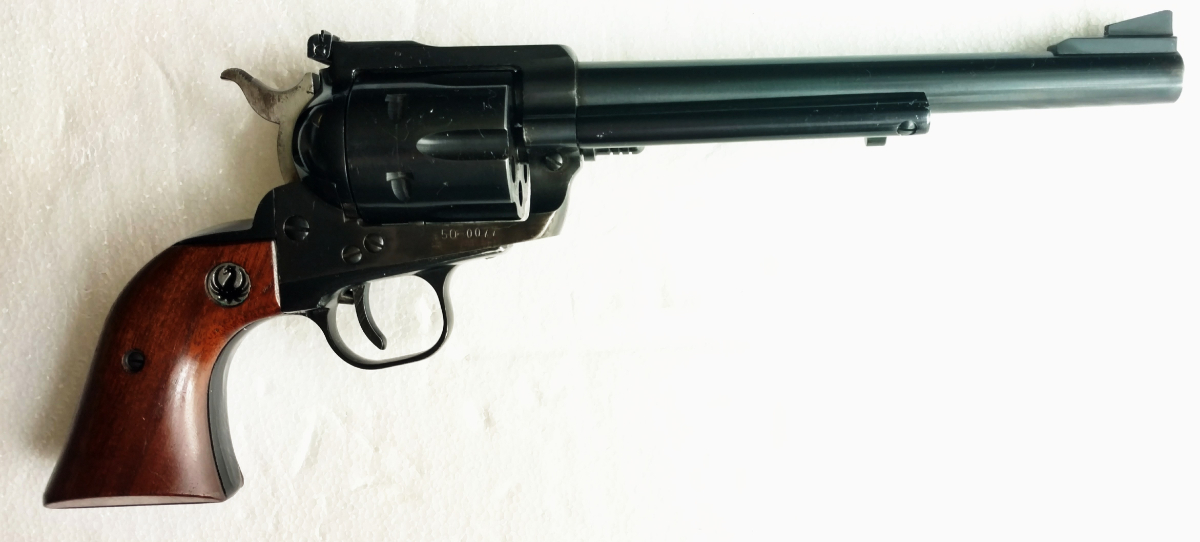
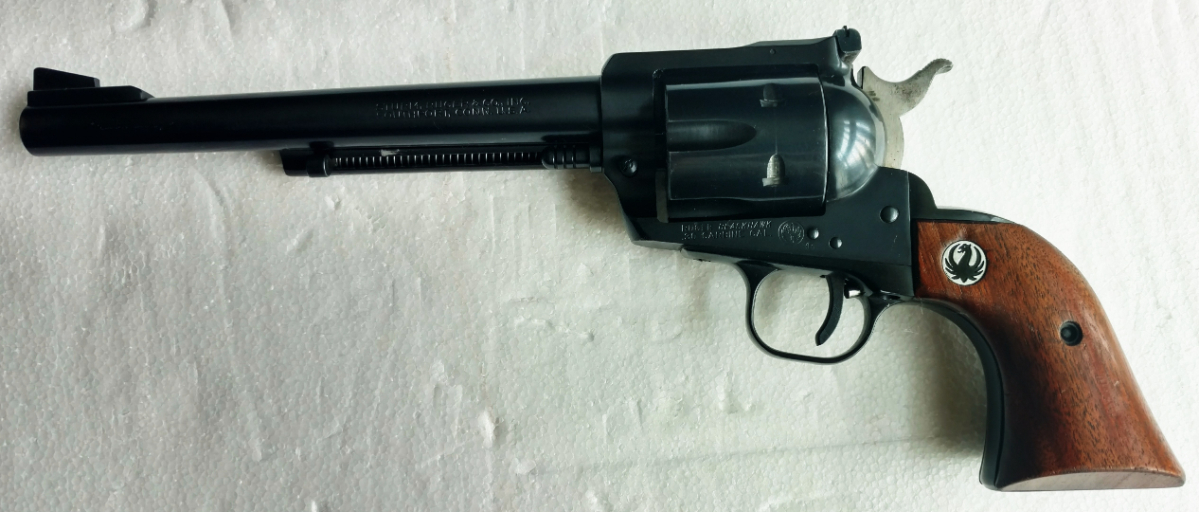
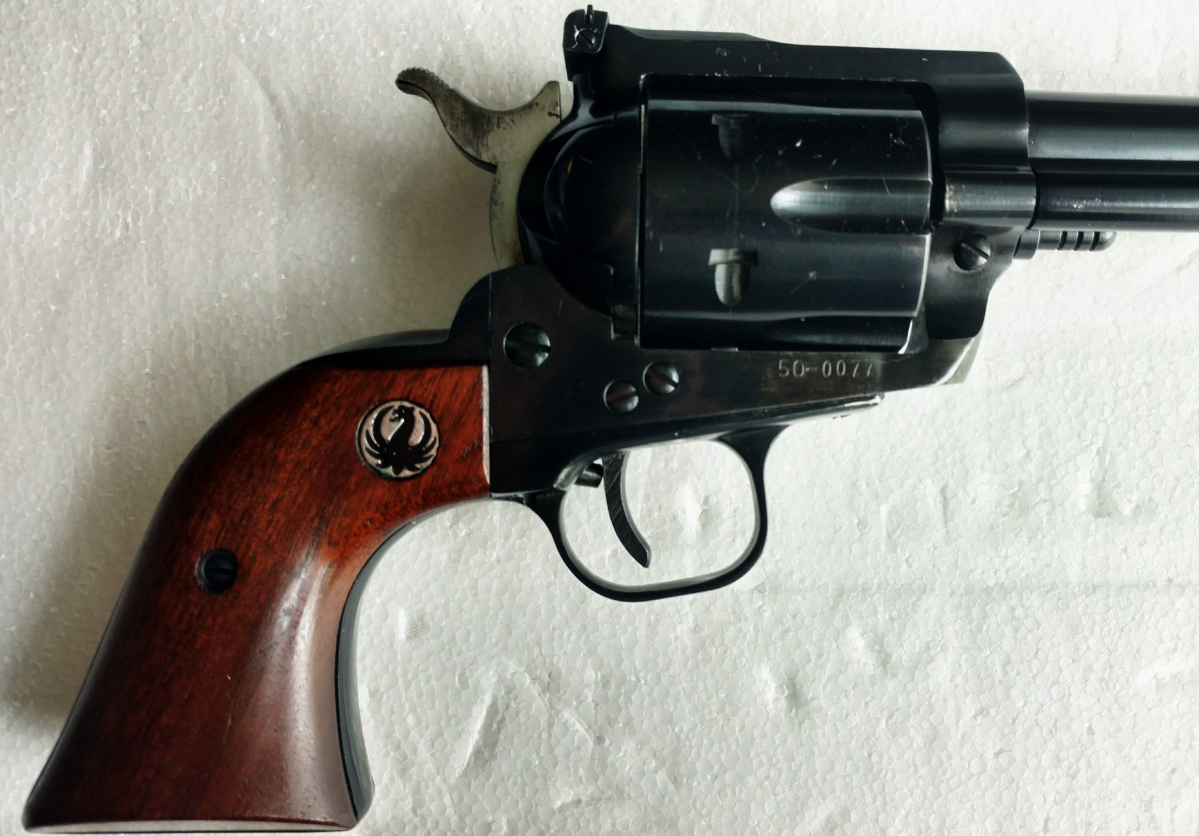
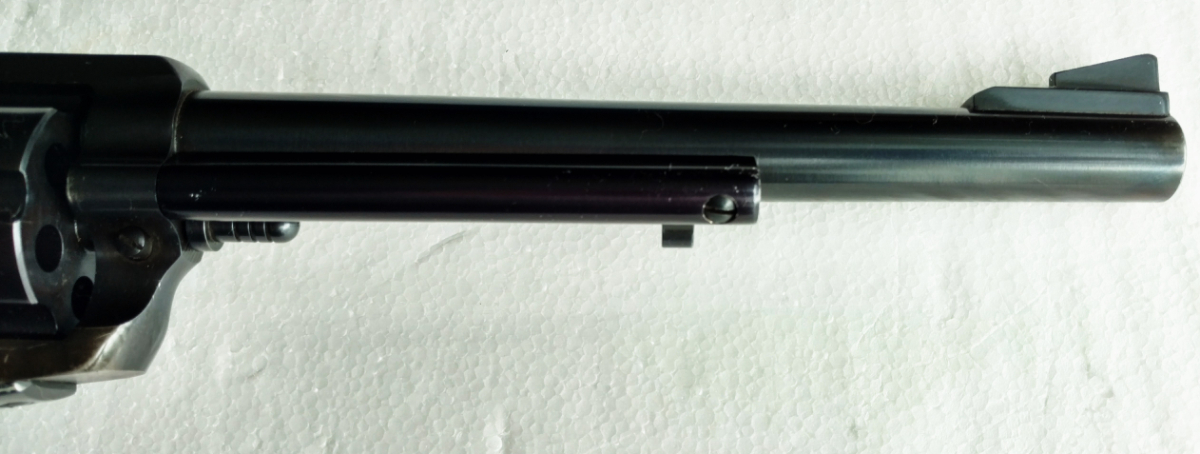
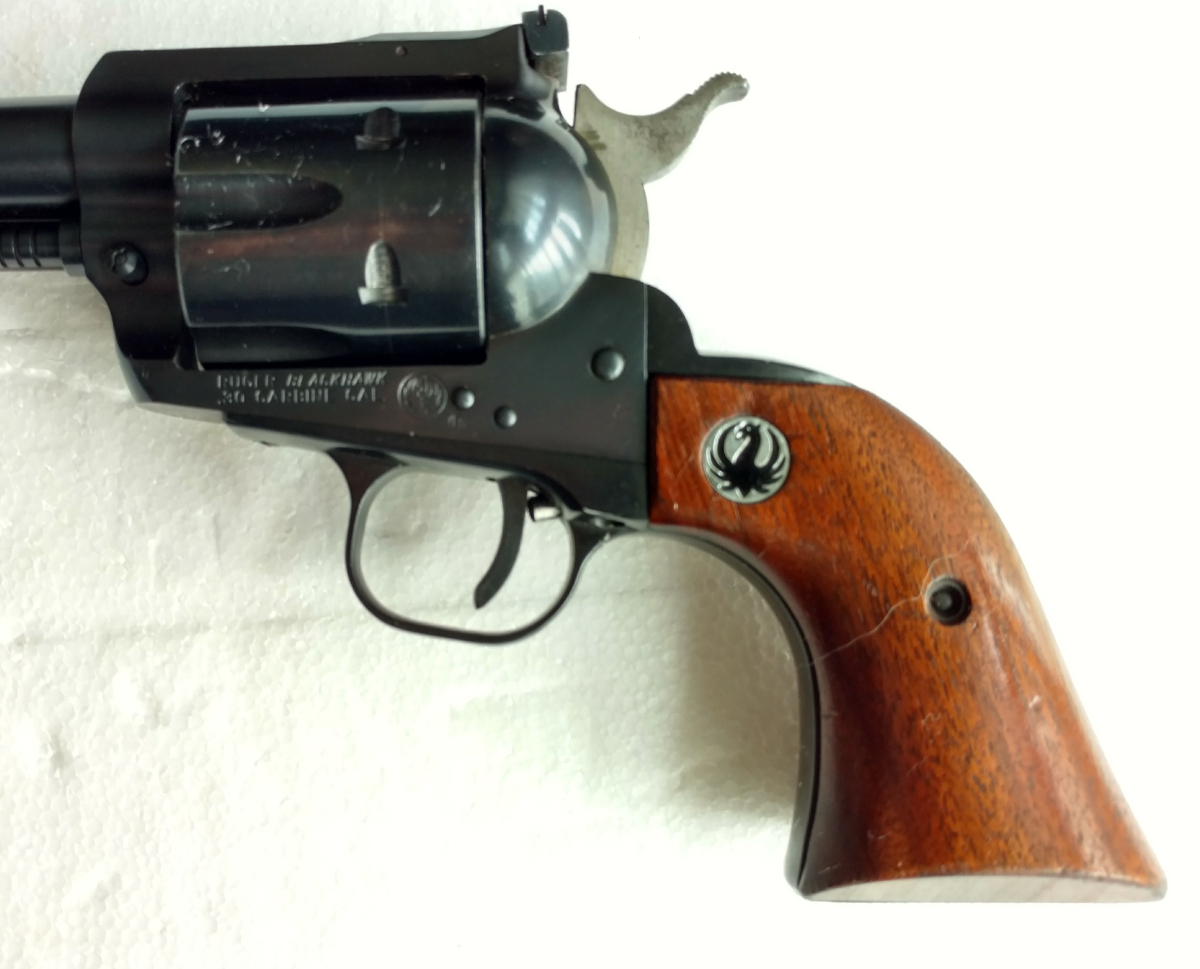
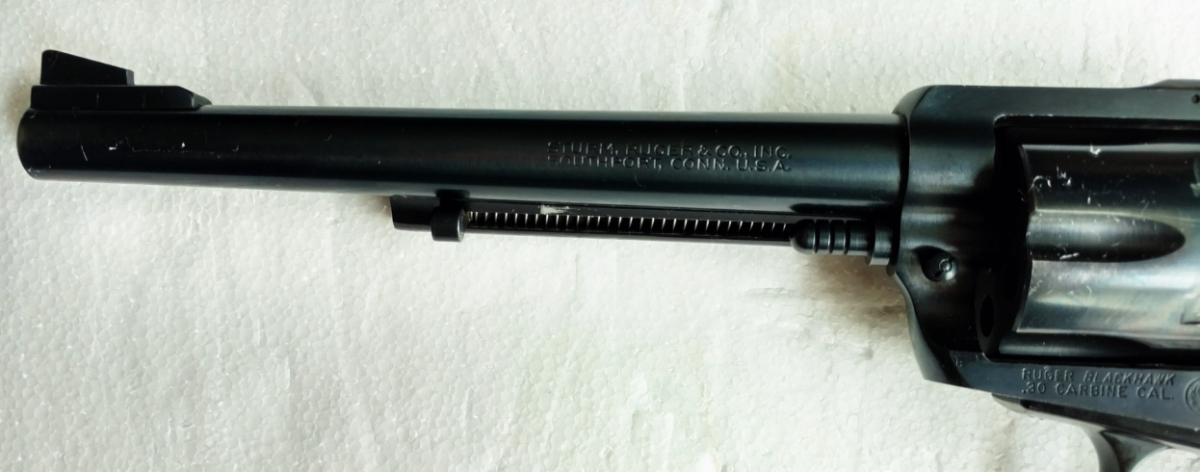
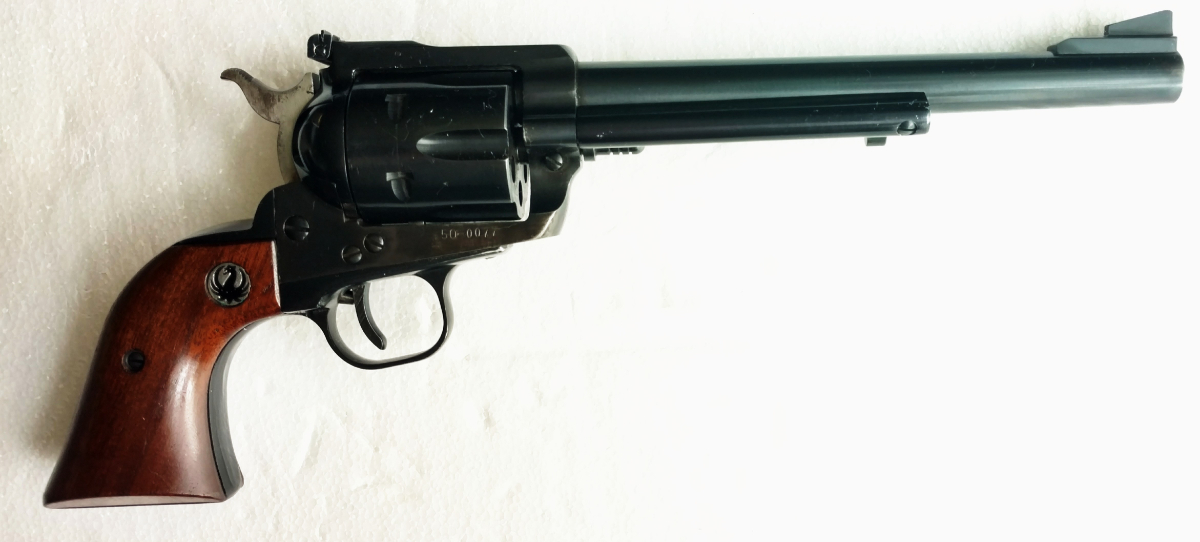
Nonetheless the Blackhawk & Super Blackhawk is one fine shooting gun. Based on my experience of shooting them a couple of times over the years!
I have also been told that Army Helicopter Pilots in the Vietnam War, packed these, especially the Guys stationed with Cavalry Units!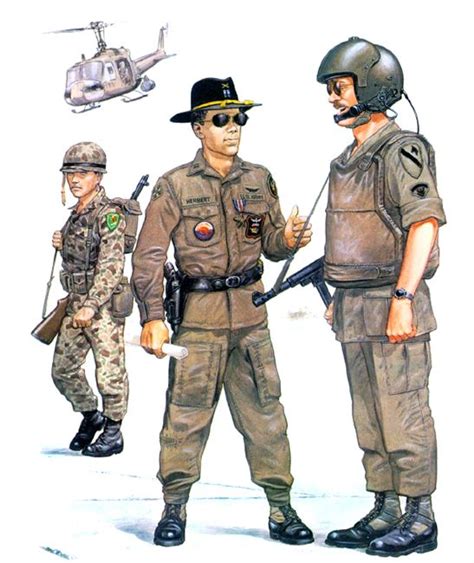


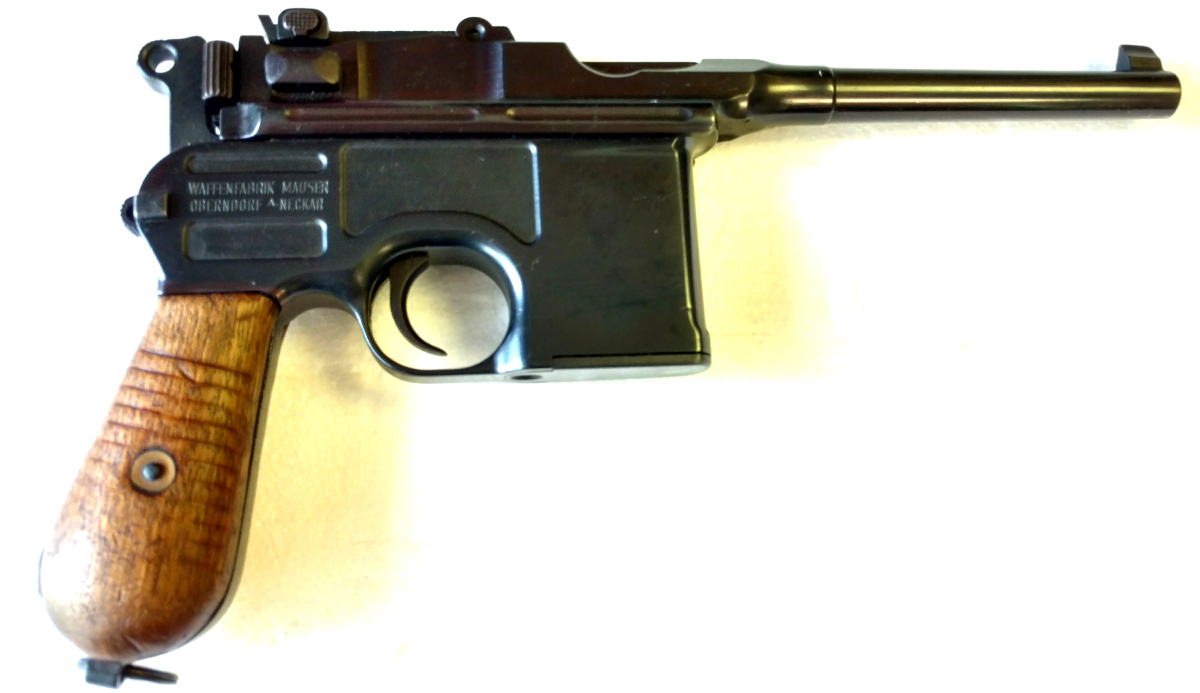
I see here that somebody got ambitious & built themselves a Rebuilt Broomhandle. It looks to these tired old eyes. That they did a pretty good job of it. 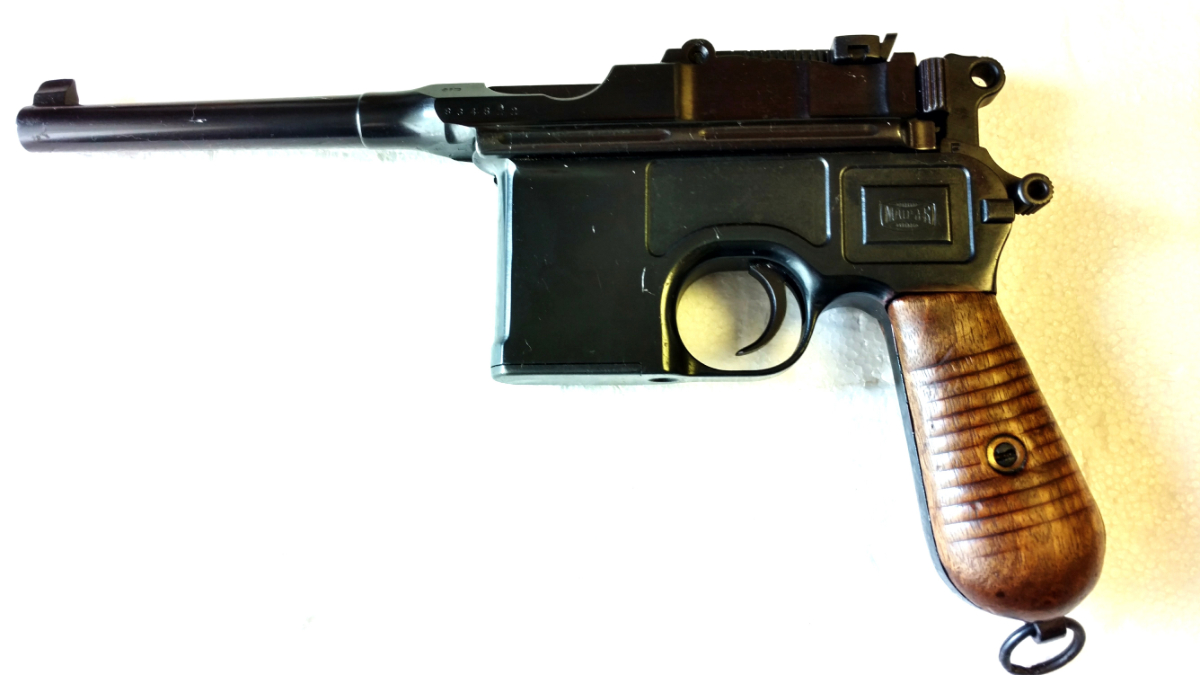
Hopefully someday, I will be able to buy something like this soon! As while they are as ugly as sin. They are a good shooter! Ask Sir Winston Churchill as he packed one in the Sudan War.
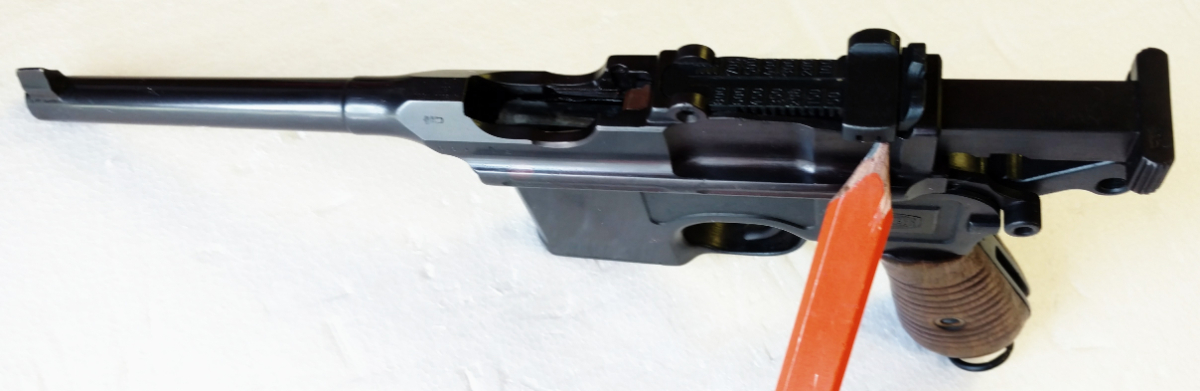
The only thing that I would want different. Is that I would like one in 9mm. The only reason why is that 9mm is cheaper & easier to find out here in the Wilds of PC California!
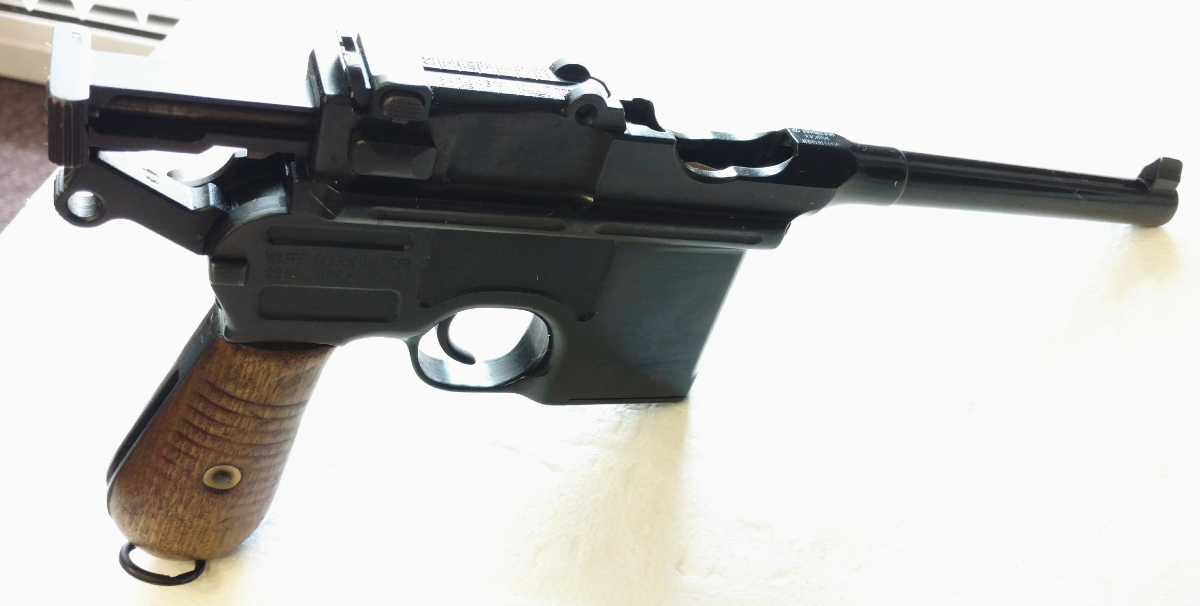
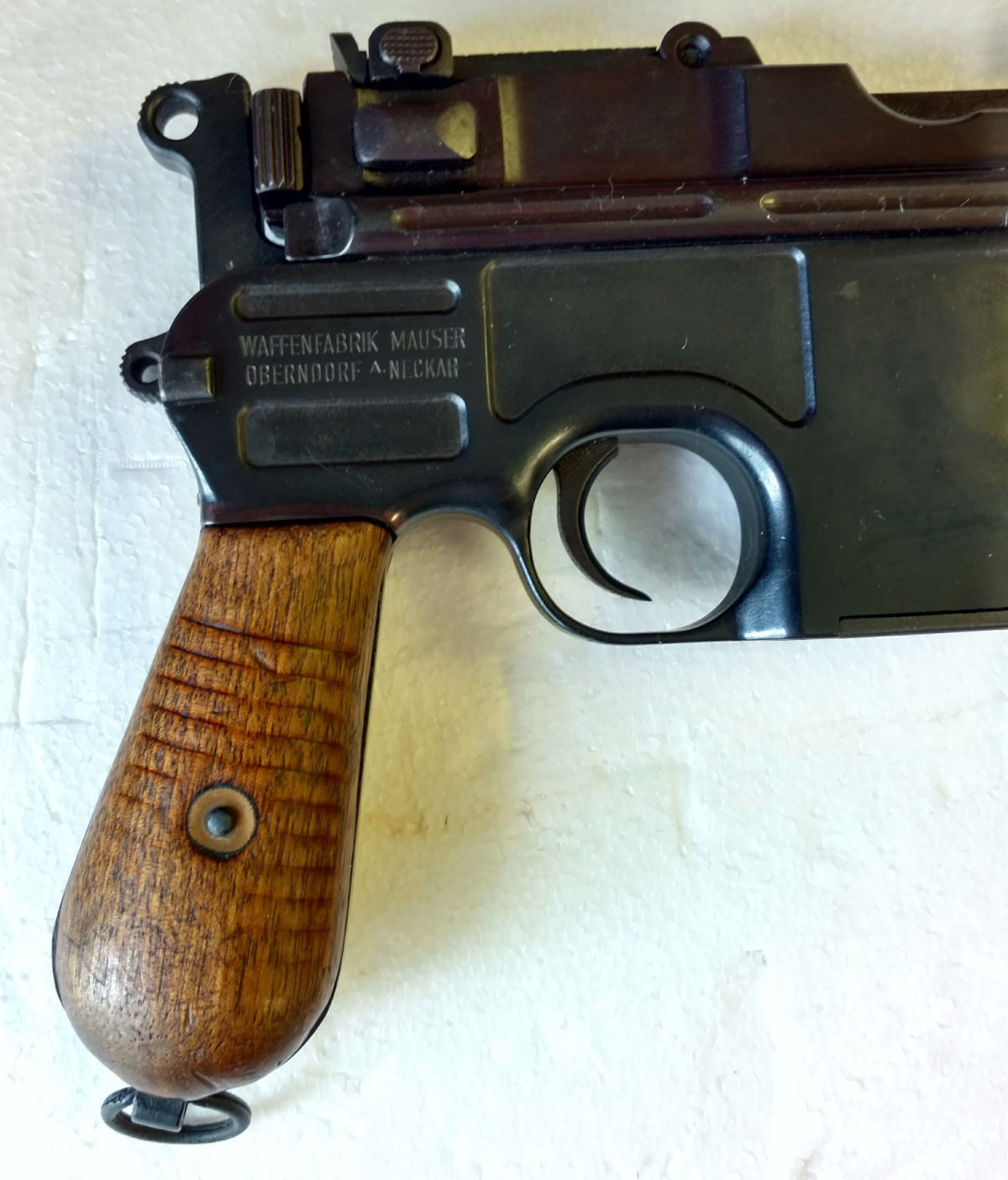
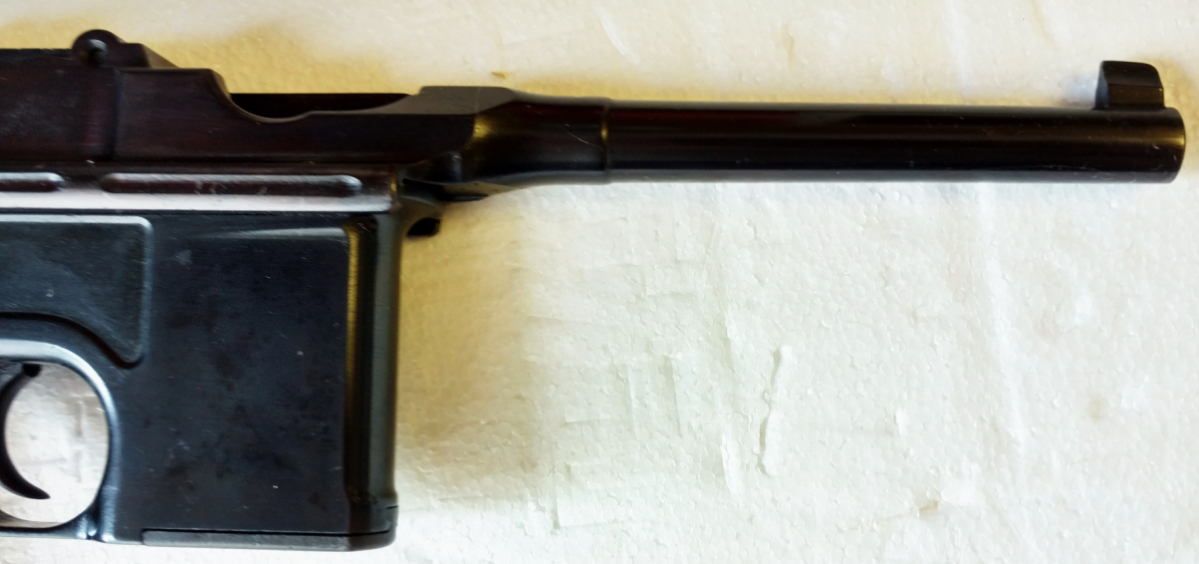
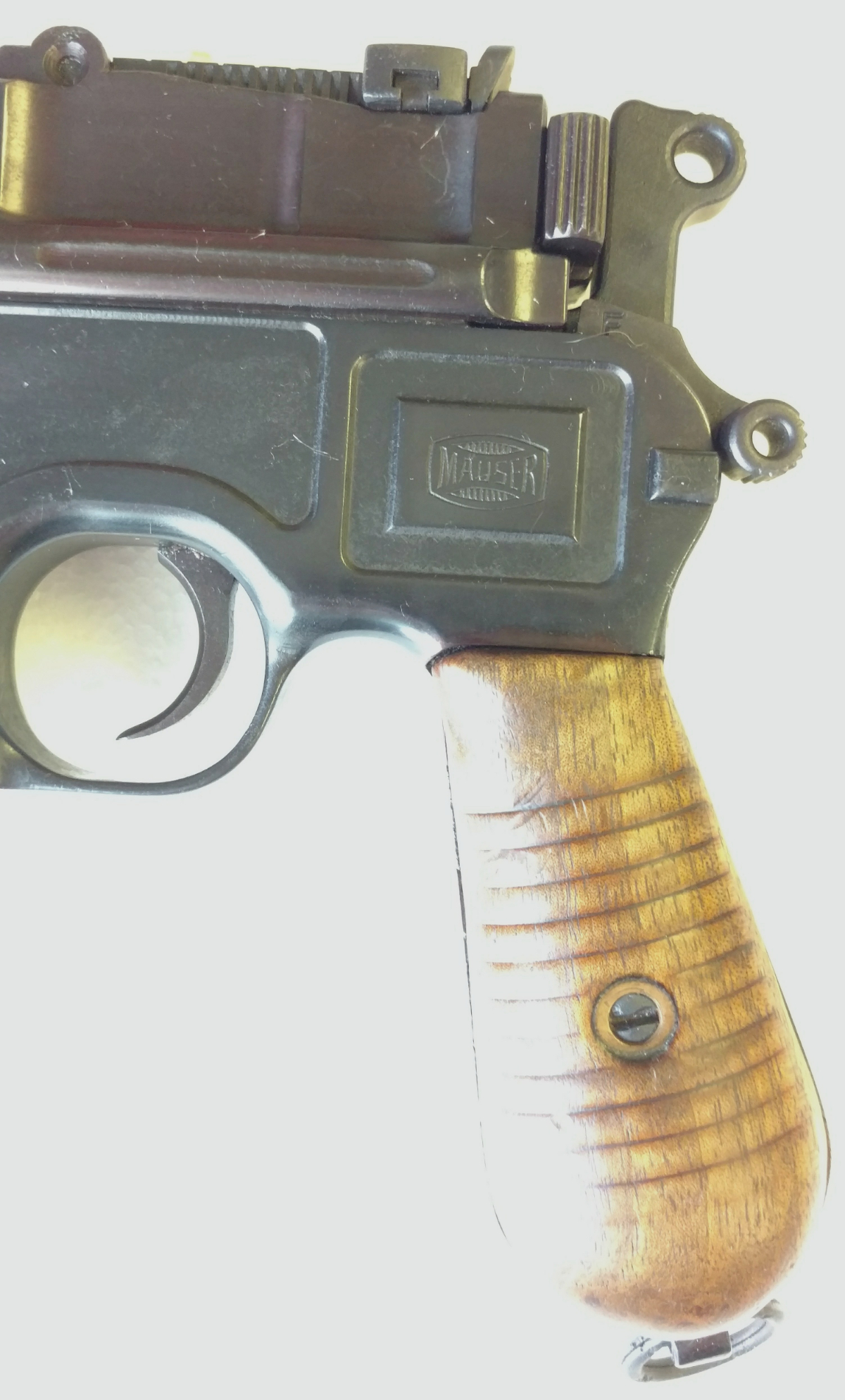
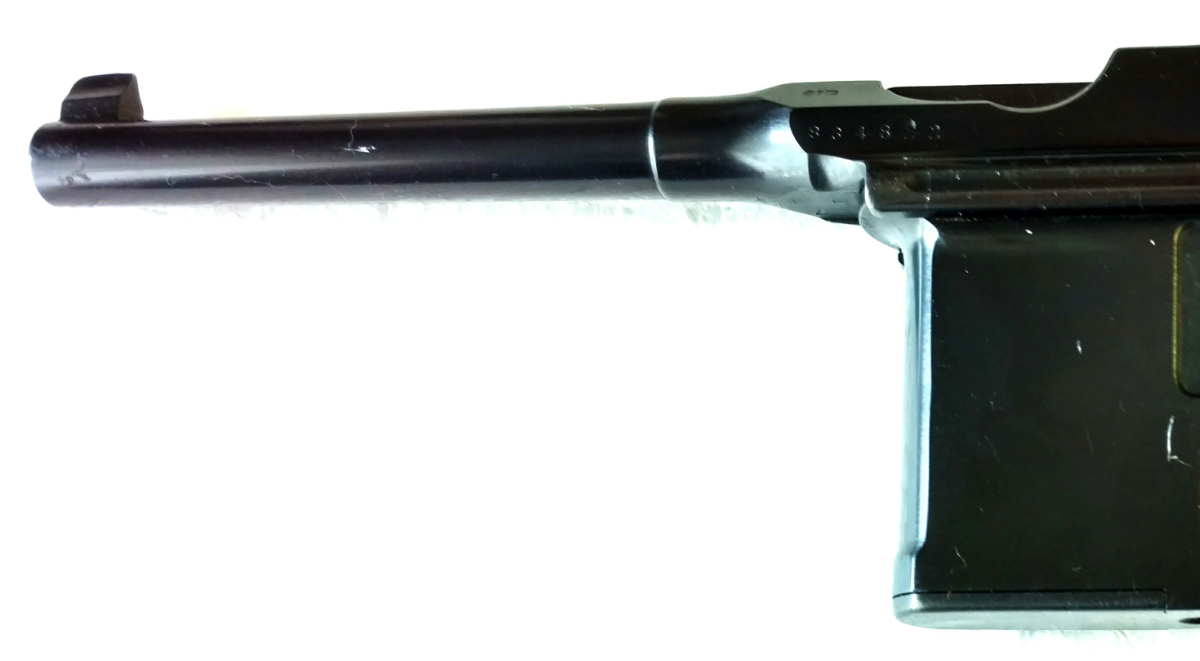
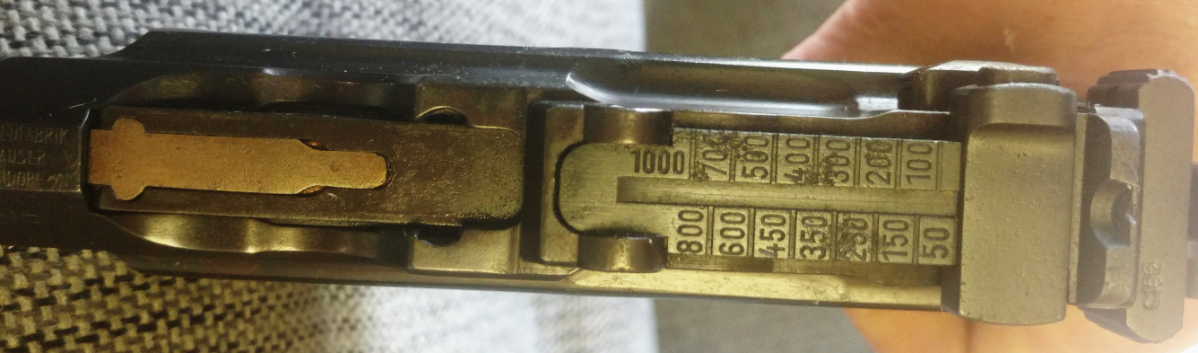
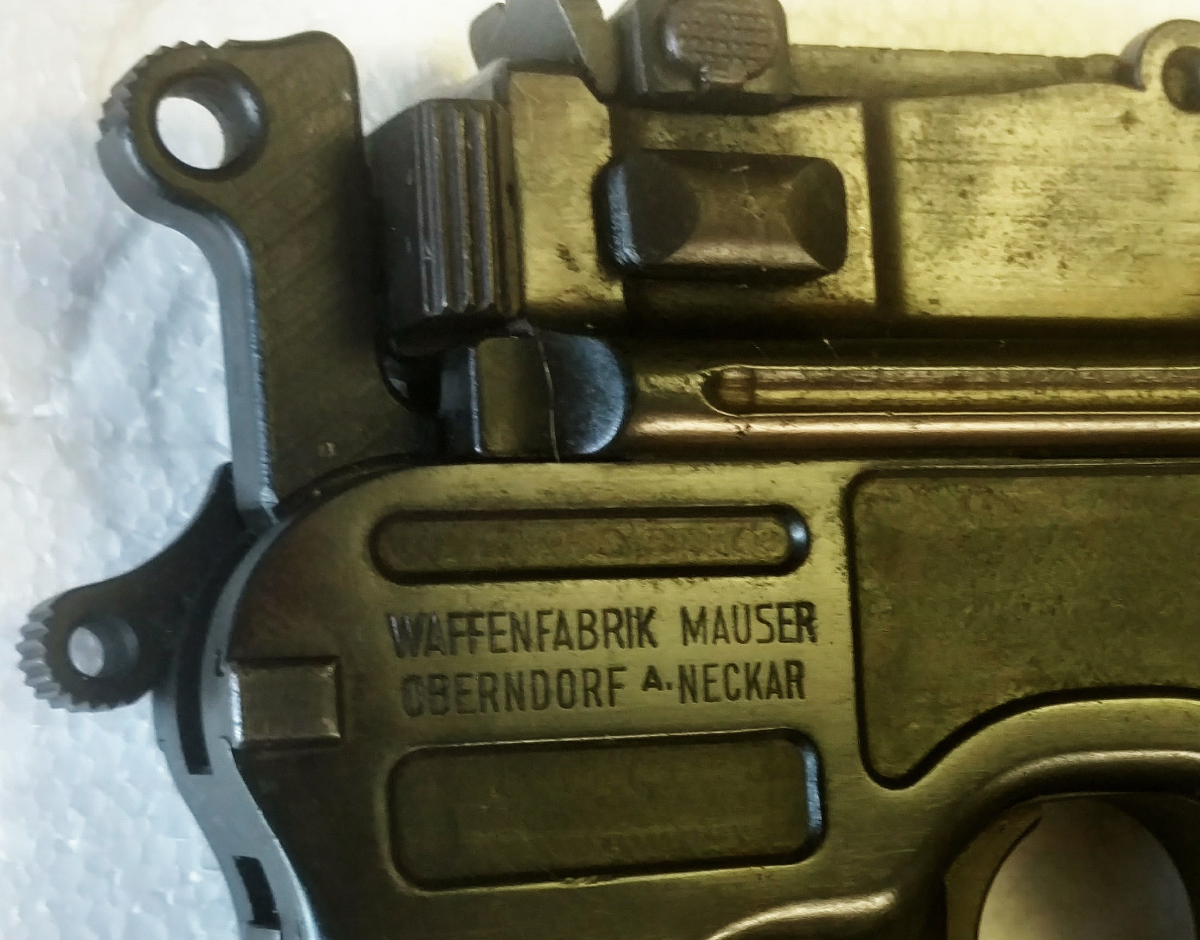
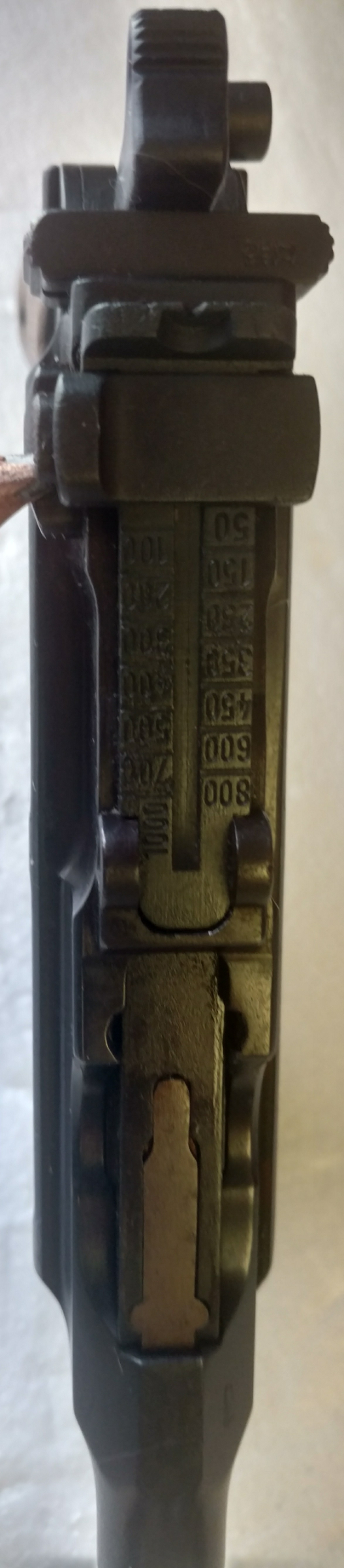
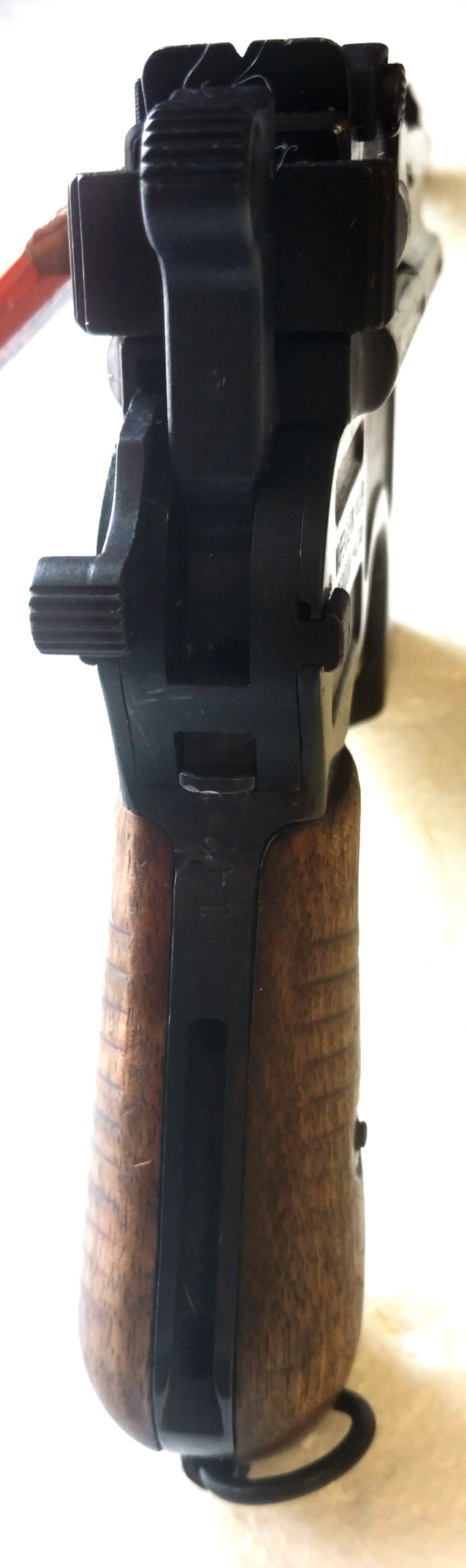
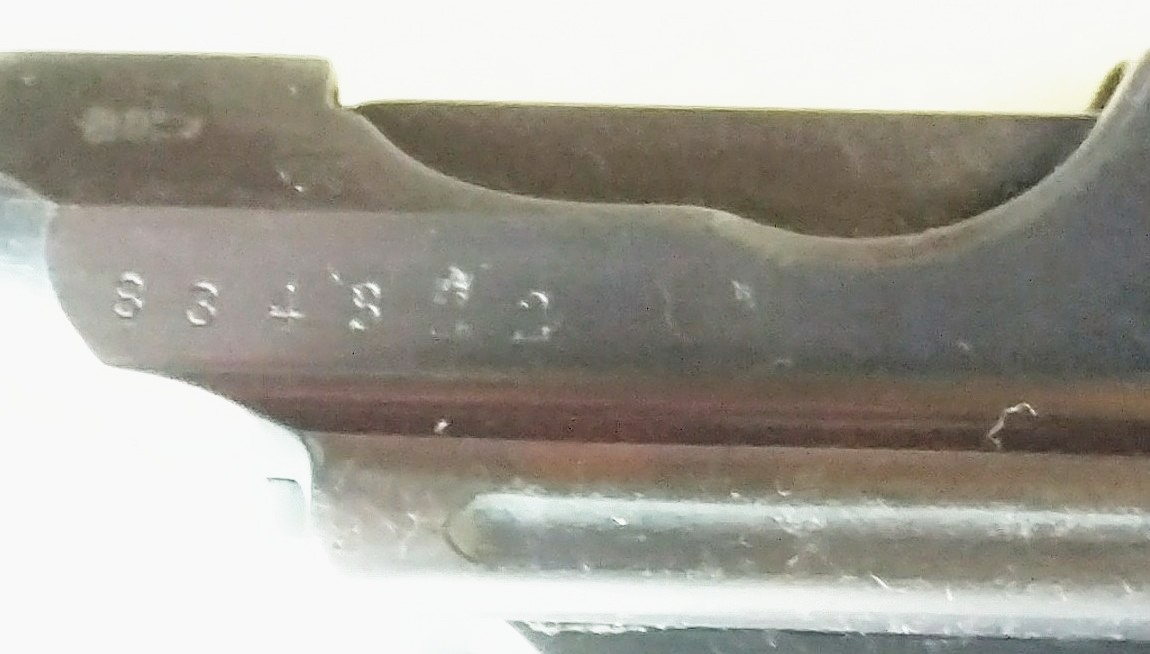
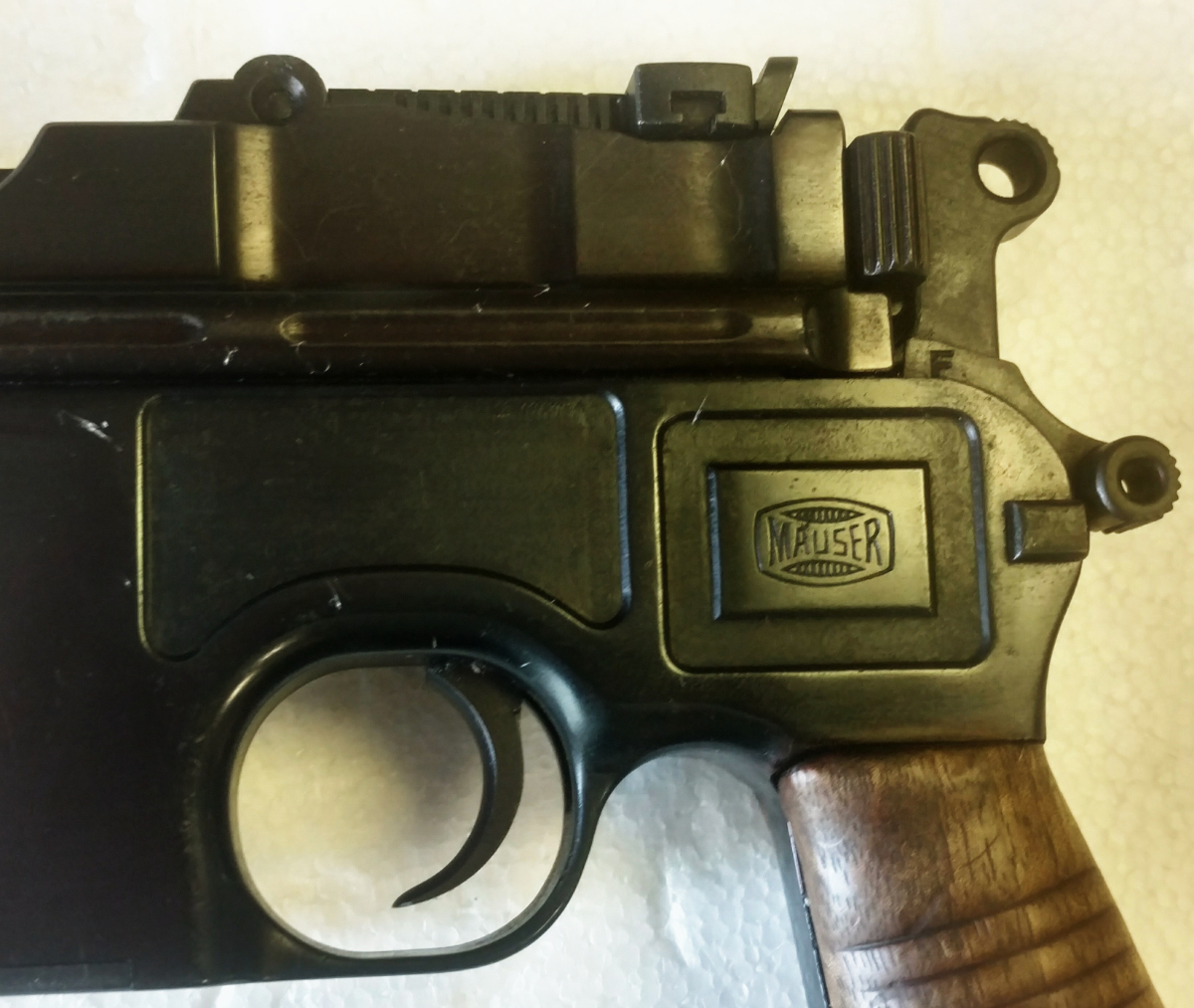
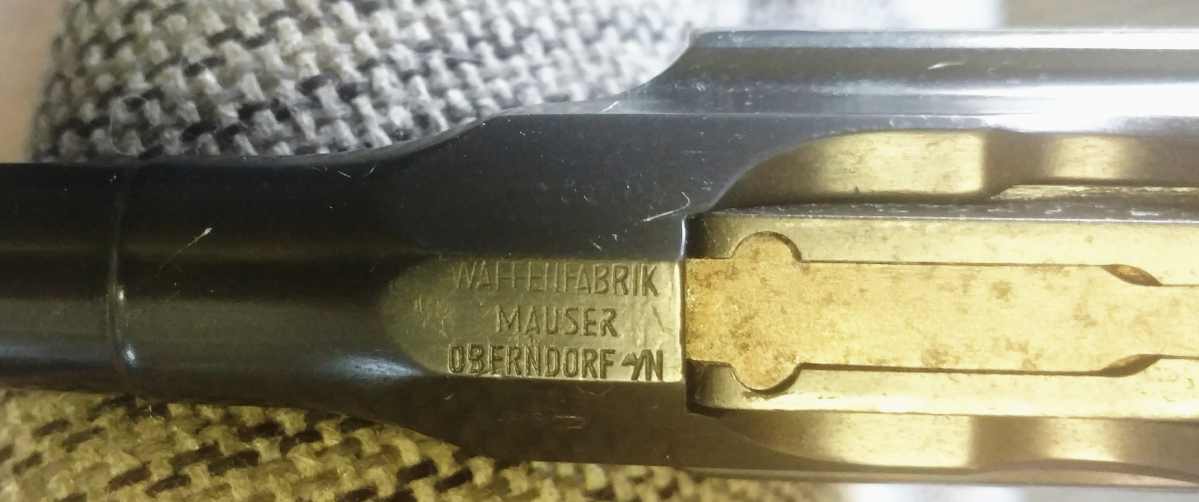
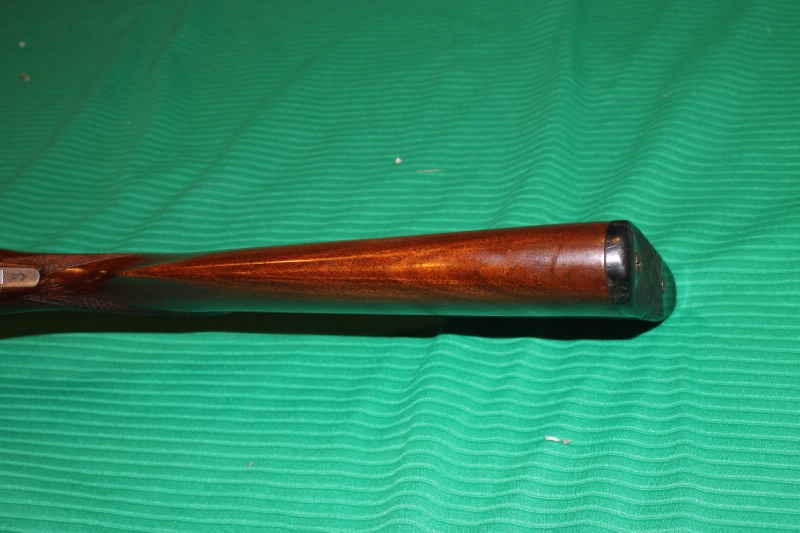
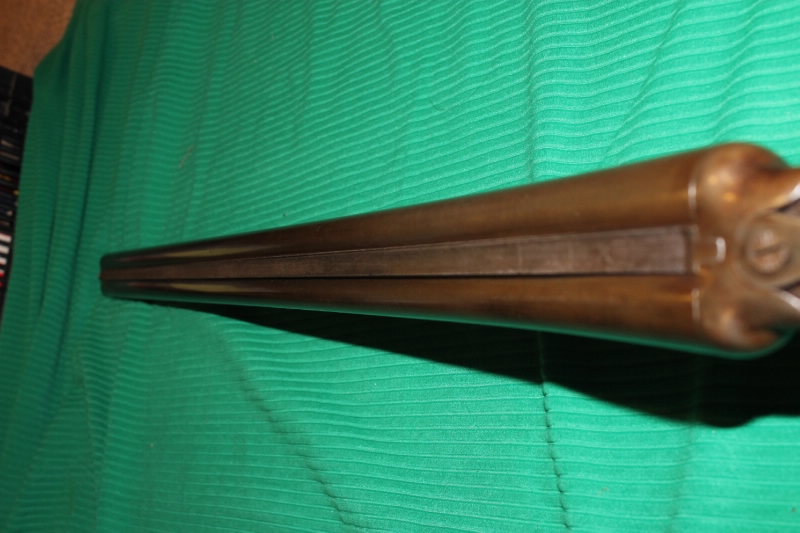
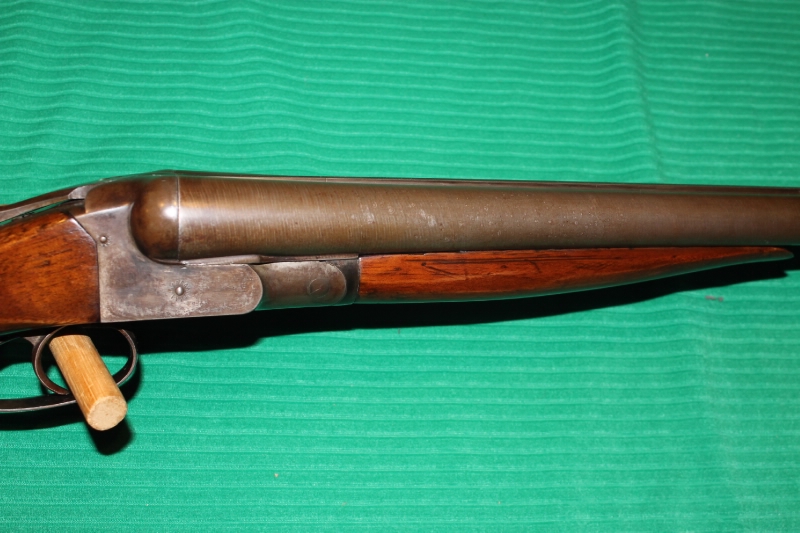
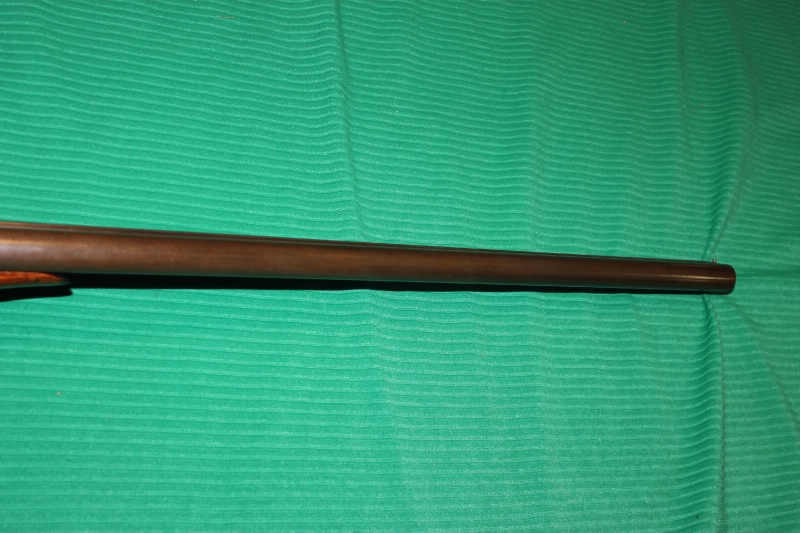
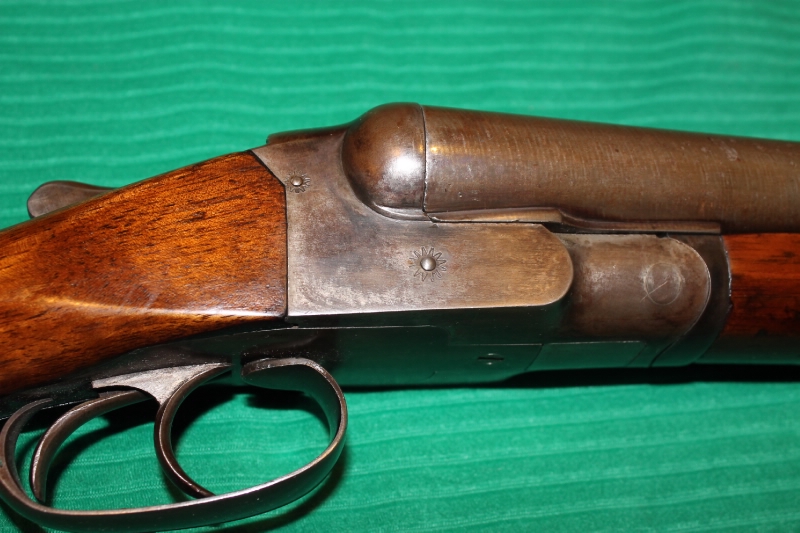
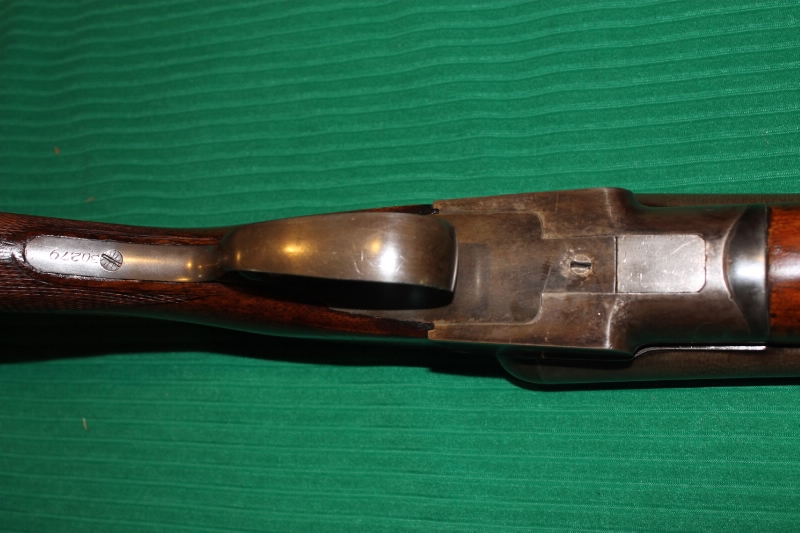
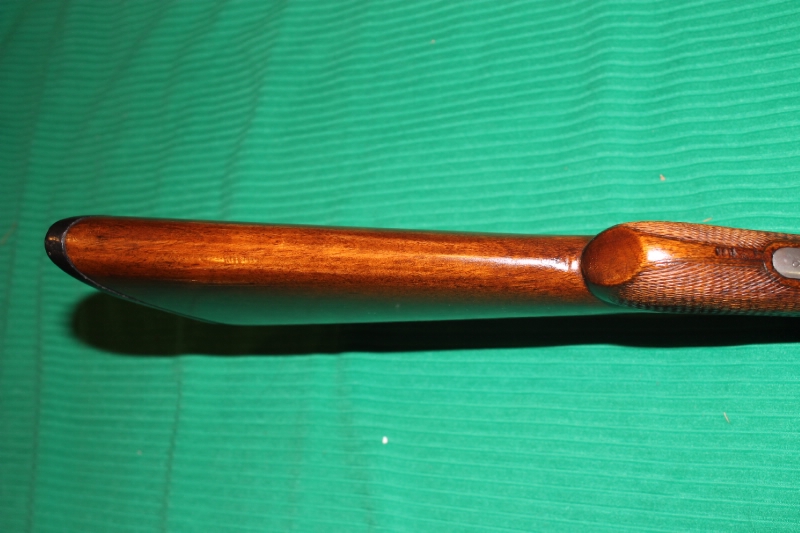
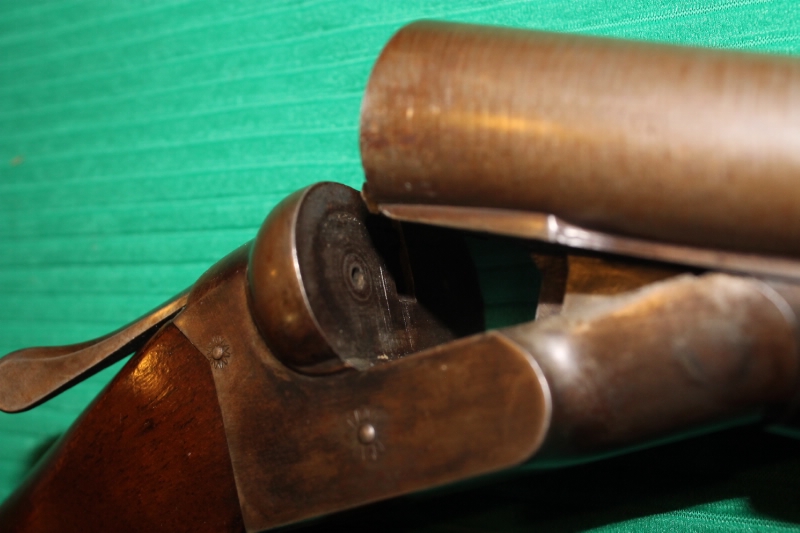
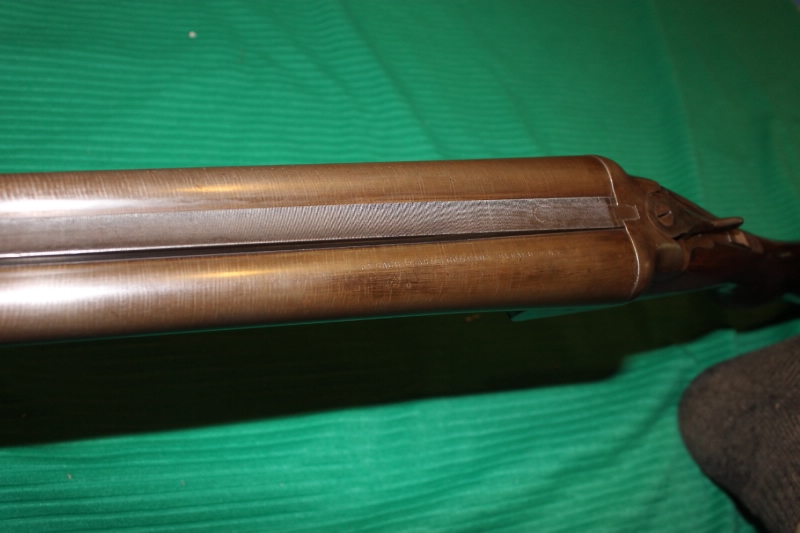
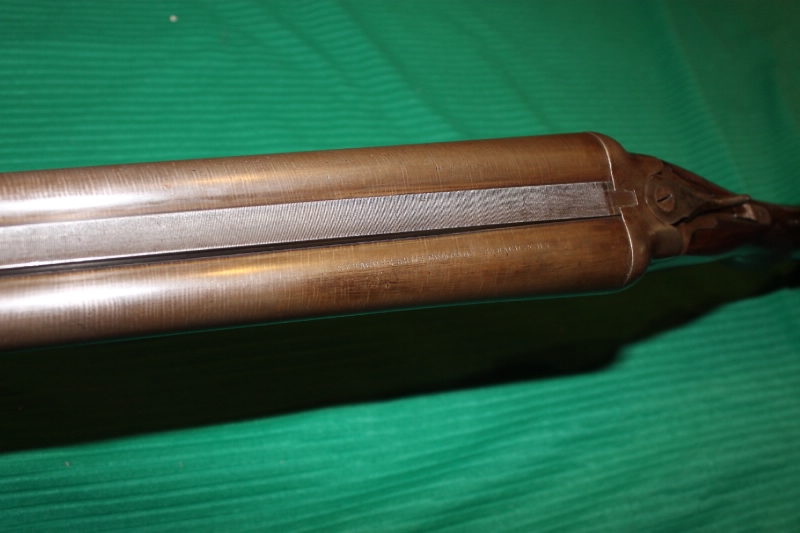
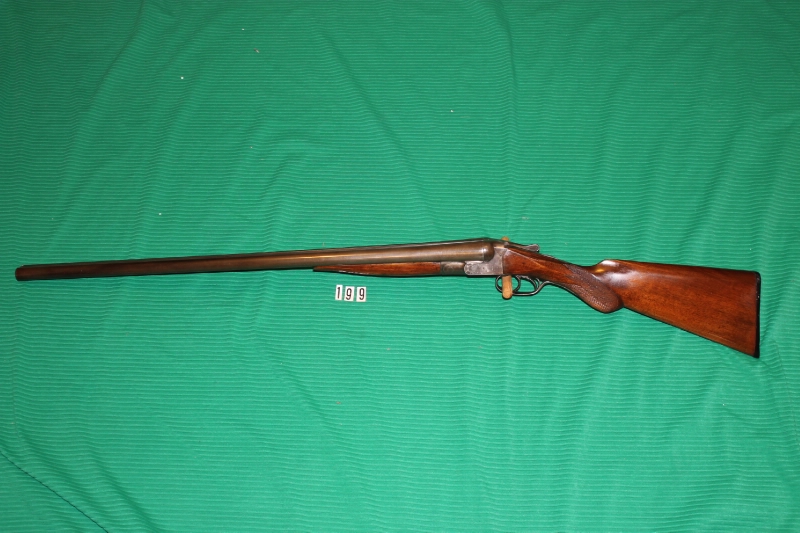
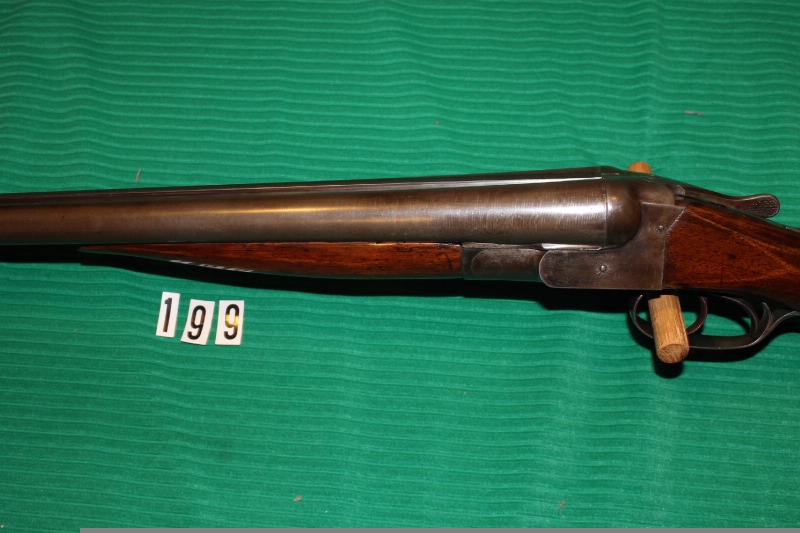
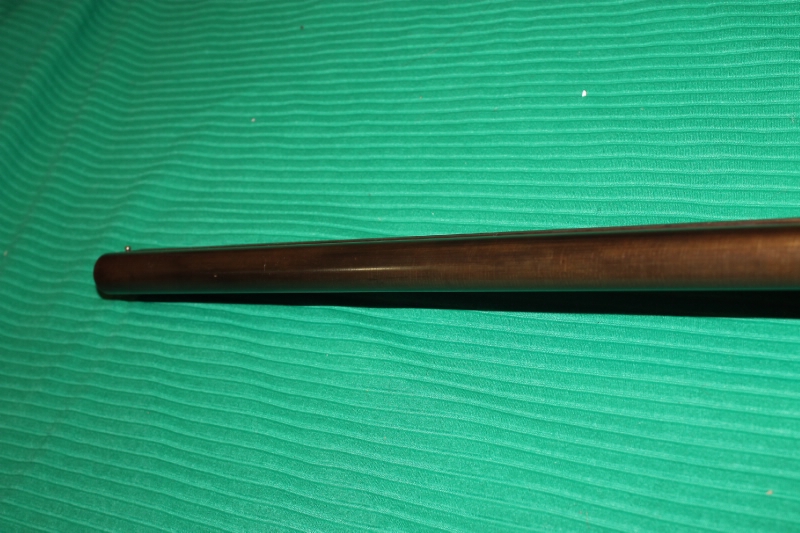
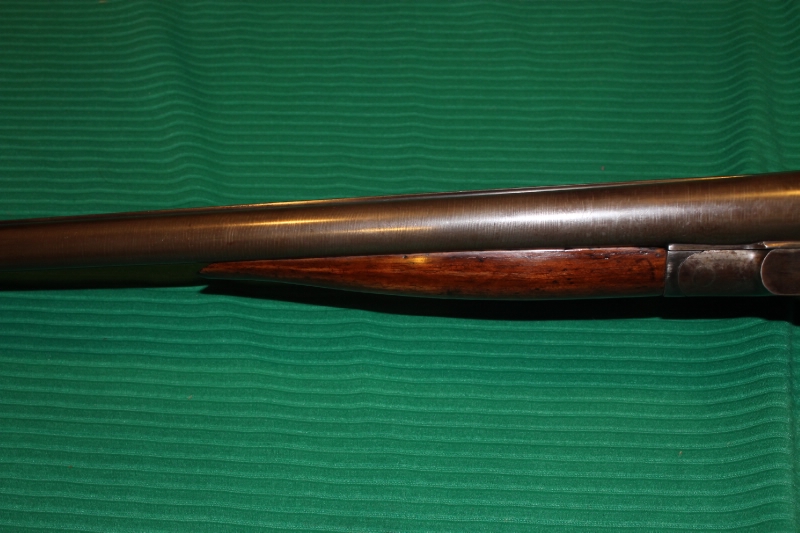
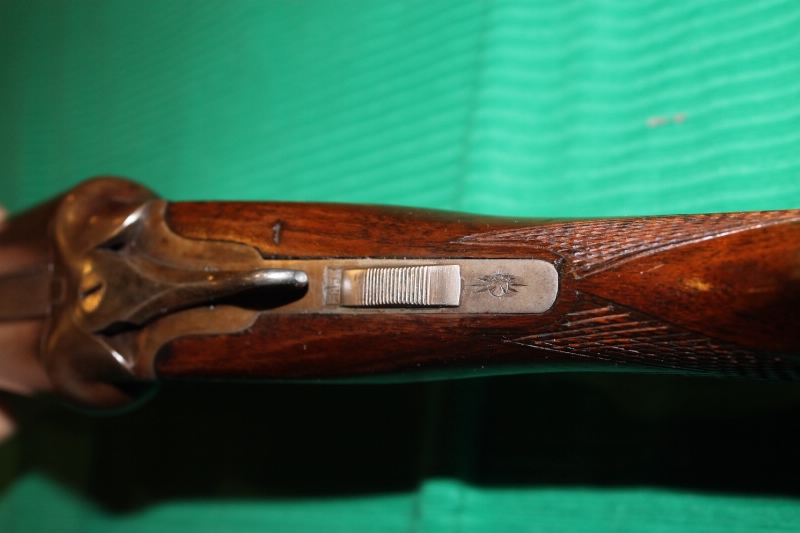
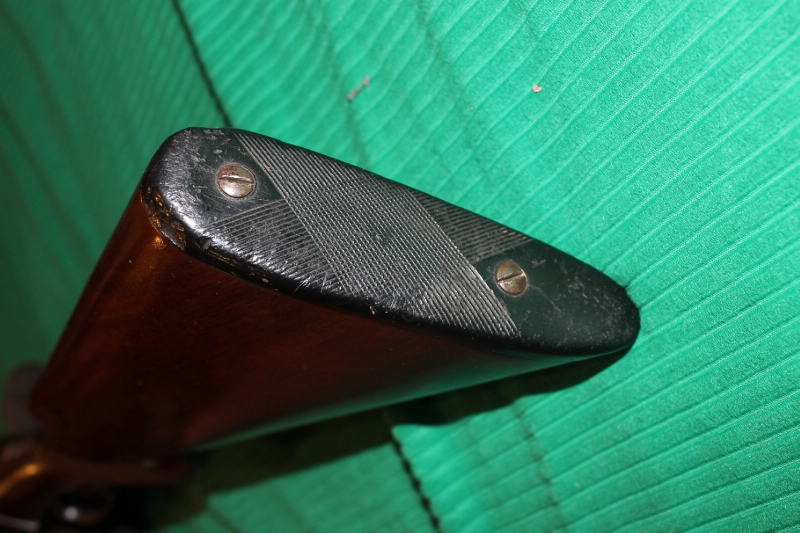
Hopefully soon this Old Timer will get some well earned TLC!
As I think that it would make for a great project gun for some Lucky Gun Nut out there! Grumpy
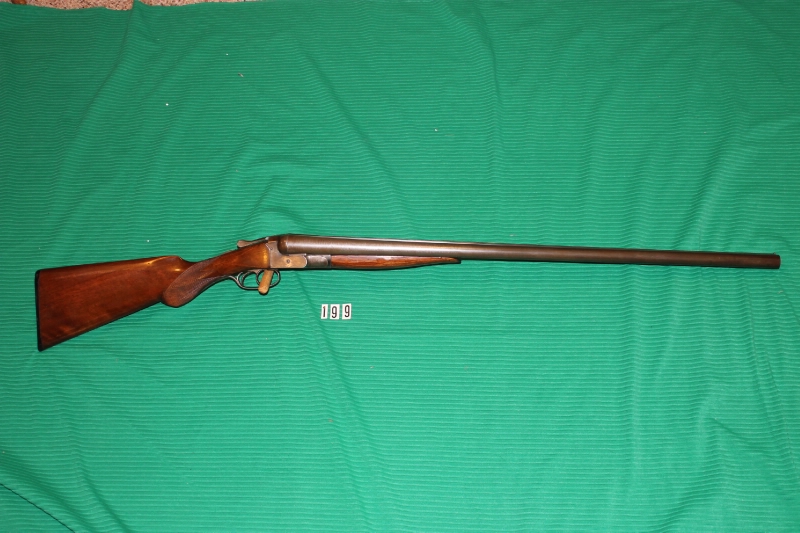
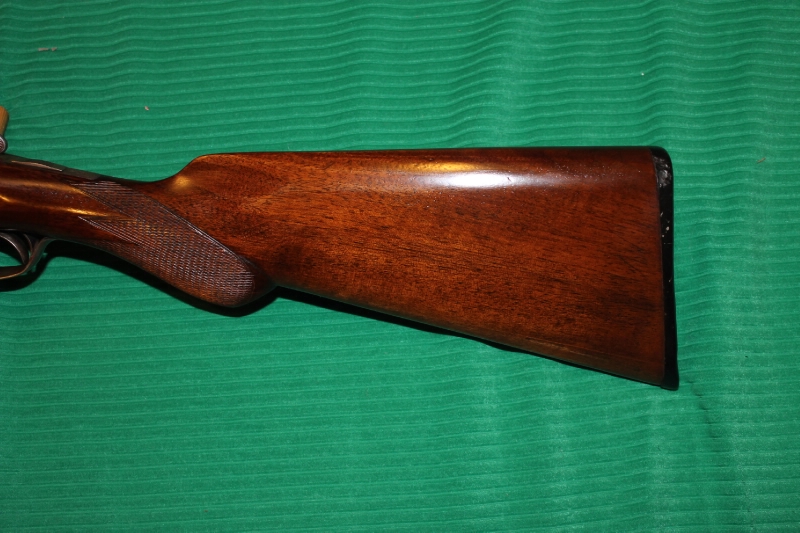
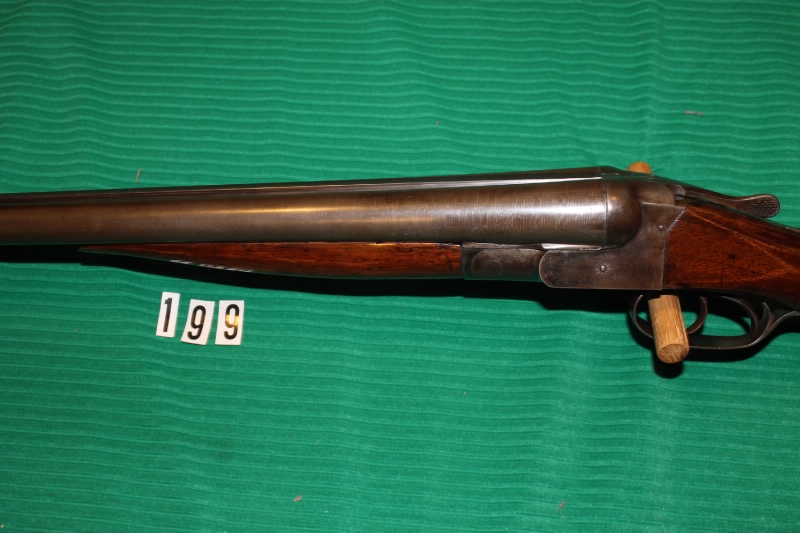

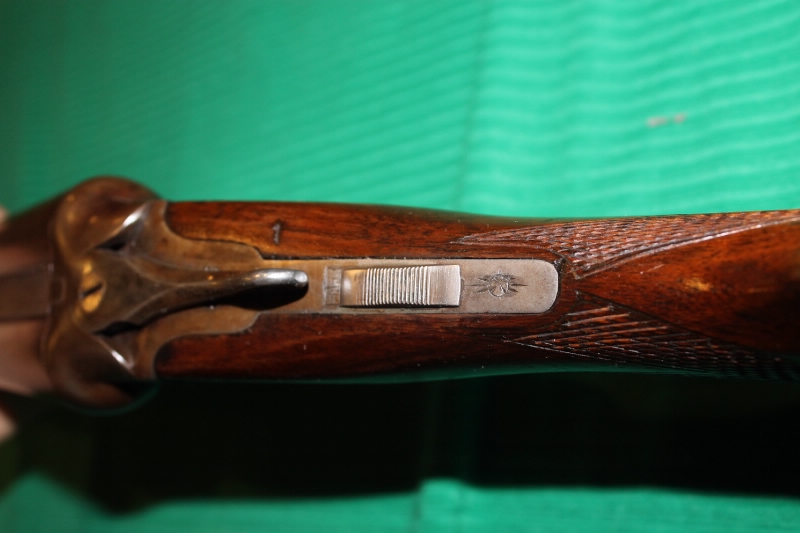
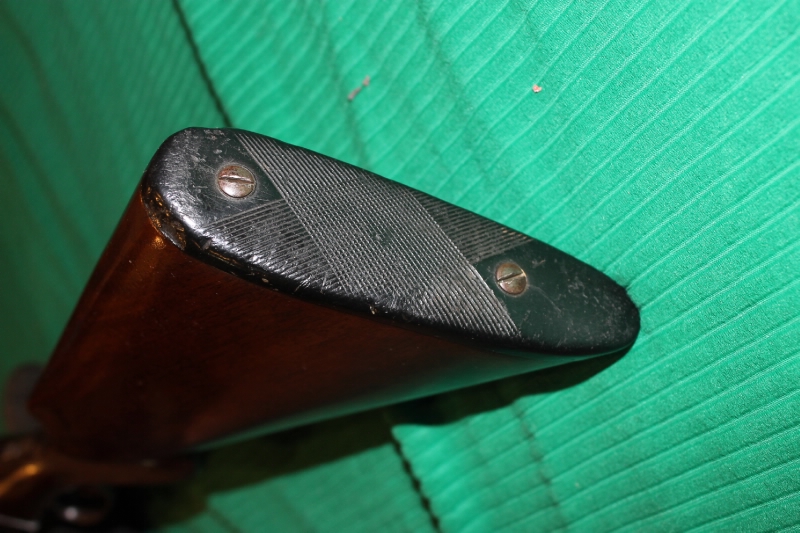




https://youtu.be/a2gCFOtaZPo
I miss Gunny!
From –
The idle musings of a former military man, former computer geek, medically retired pastor and now full-time writer. Contents guaranteed to offend the politically correct and anal-retentive from time to time. My approach to life is that it should be taken with a large helping of laughter, and sufficient firepower to keep it tamed!
Defensive ammunition when you can’t use hollowpoints
I’ve had an interesting series of exchanges with a correspondent in New Jersey concerning the best handgun for self-defense there. Since many of my readers live in states with firearms laws that are as restrictive as NJ’s (and in some places, such as New York and Connecticut, show signs of getting even worse), I thought the subject might be of more general interest.The first point is that in New Jersey, it’s virtually impossible to get a carry permit unless you have outstandingly good political connections.
The ‘system’ there is designed to issue as few permits as possible. Furthermore, there are severe restrictions on the carrying and use of hollow-point or expanding ammunition in one’s handgun.
(That restriction doesn’t apply to law enforcement personnel, of course . . . yet another reason for resentment. If it’s good enough for cops, why shouldn’t it be good enough for honest citizens whose taxes pay those cops and buy their ammunition?)
These restrictions upset the normal calculation about what cartridge or round New Jersey gun-owners (and others suffering under similar restrictions) should use for self-defense.
These restrictions upset the normal calculation about what cartridge or round New Jersey gun-owners (and others suffering under similar restrictions) should use for self-defense.
Modern bullet technology has brought many common defensive handgun cartridges to a much higher level of performance.
However, if that technology can’t be used, cartridge effectiveness must be assessed in terms of older measurements. I’m obliged to the anonymous editor of the Firearms History blog for his very useful articles on the following systems of measurement:
- Kinetic energy
- Momentum
- Taylor KO Factor
- Thorniley Stopping Power Formula
- Hatcher Formula
- Optimum Game Weight Formula
Follow each link for more information about the formula in question. Not all are useful in a defensive context, but they’re all informative. (We’ve discussed some of them in articles here.
As an old Africa hand, I’m partial to the Taylor KO measurement as an indication of the effectiveness of solid [i.e. non-expanding] bullets.
It squares with my experience of shooting in Africa, be the target an animal or an enemy. In particular, I agree with its bias towards larger-diameter bullets when dealing with solids.)
To get back to the self-defense situation, if gun-owners are restricted in their use of expanding handgun ammunition, they have to choose the most effective cartridge available under those restrictions.
To get back to the self-defense situation, if gun-owners are restricted in their use of expanding handgun ammunition, they have to choose the most effective cartridge available under those restrictions.
That immediately argues against most smaller calibers, because (according to most of the above formulas, and also on the basis of hard-earned experience) they’re less effective than larger ones in a defensive role.
Furthermore, one of the primary advantages of smaller cartridges is that one can fit more of them into a handgun of a given size compared to larger cartridges.
However, if (thanks to restrictions on bullet technology) each cartridge is rendered less effective, more of them will be needed to neutralize an opponent than larger ones; and if magazine capacity is also legally restricted, that means that a greater percentage of your rounds will be needed per opponent than if you used larger ones.
Example: if it takes 4-5 9mm. Parabellum ball rounds to stop an assailant, and you only have 10 of them in your gun, you’ll use up to 50% of your ’rounds on board’ to stop each opponent.
If it takes 2-3 .45 ACP ball rounds to do the same thing, and you have 10 of them in your gun, you’ll be able to deal with twice the number of attackers for the same expenditure of ammunition.
Despite modern attempts to reinterpret historical data, it’s clear that throughout the blackpowder era, bigger, heavier bullets did a better job of stopping a fight in a hurry than smaller, lighter ones.
Despite modern attempts to reinterpret historical data, it’s clear that throughout the blackpowder era, bigger, heavier bullets did a better job of stopping a fight in a hurry than smaller, lighter ones.
That’s why the most widely used handgun cartridges up until the invention of smokeless powder were over .40″ in caliber; for example, the US .44-40, .44 American, .44 Russian, .44 Bull Dog, .45 Colt and .45 Schofield, and the British .450 Adams, .442 Webley, .476 Enfield and .455 Webley.
Although smokeless powder allowed the introduction of newer, smaller cartridges with similar (or improved) effectiveness compared to their blackpowder predecessors, this was not always the case.
Bigger, heavier cartridges still tended to do better than smaller ones at ending an attack, as the infamous Moro rebellion demonstrated.
It was the experience of that conflict that prompted the US Army to replace its newly-issued Colt M1892 revolvers chambered in .38 Long Colt. As General Leonard Wood reported in 1904:
“Instances have repeatedly been reported during the past year where natives have been shot through and through several times with a .38 caliber revolver, and have come on, usually cutting up the unfortunate individual armed with it. The .45 caliber revolver stops a man in his tracks, usually knocking him down.”
This led initially to the reissue of older Colt Single Action Army revolvers (the famous ‘Peacemaker’ of the so-called ‘Wild West’), and ultimately to the adoption of the renowned M1911 pistol and its .45 ACP cartridge.
It remained the US Army’s standard sidearm until the adoption of the Beretta Model 92 in 1985, and is still issued by specialist units. As late as the 1980’s, during investigations following the notorious ‘Miami Massacre‘ that sent shock-waves through US law enforcement, it’s reported that “the FBI rated the .45 ACP twice as effective as the 9 mm“.
That certainly correlates with my experience of handgun use in Southern Africa during that period.
Please note that I’m not by any means opposed to the use of smaller cartridges, provided that modern bullet technology is used.
Please note that I’m not by any means opposed to the use of smaller cartridges, provided that modern bullet technology is used.
My daily carry pistols are chambered for the 9mm. Parabellum cartridge, for reasons outlined here. I load them with either Winchester Ranger T-series 127gr. JHP +P+ or the more recent Hornady Critical Duty 135gr. JHP +P rounds, and trust both to do a good job in defense of my life if necessary.
The latter round in particular is attracting serious interest due to its performance under all likely circumstances, as outlined in this video from Hornady. It’s reported to be the only range of handgun ammo to pass every FBI test criterion with flying colors.
However, if for some reason I couldn’t carry expanding ammunition, my instant response response would be to revert to handguns chambered in .45 ACP or .40 S&W[respectively my first and second choices], loaded with the best-quality ball rounds I could find.
That’s why I keep firearms in my safe chambered for both cartridges. Furthermore, as Jim Higginbotham points out, it’s hard to make a .45 ACP bullet perform badly!
The late, great Jeff Cooper used to opine that an adequate defensive bullet in a handgun, irrespective of bullet type, shape, etc., should be at least .40″ in diameter, weigh at least 200 grains, and exit the muzzle at a velocity of at least 1,000 feet per second.
The late, great Jeff Cooper used to opine that an adequate defensive bullet in a handgun, irrespective of bullet type, shape, etc., should be at least .40″ in diameter, weigh at least 200 grains, and exit the muzzle at a velocity of at least 1,000 feet per second.
Multiplying those factors together, we arrive at a total of 80,000. If we use those factors and that total to assess the effectiveness of the most common semi-auto pistol cartridges, using ball ammunition, we can see how they stack up against each other:
- .45 ACP: .451″ x 230 grains x 830 fps (US Army standard ball) = 86,096
- .40 S&W: .401″ x 180 grains x 1,020 fps (Winchester Q4238) = 73,624
- 9mm Parabellum: .355″ x 115 grains x 1,190 fps (Winchester Q4172) = 48,582
Those values are pretty much in line with what the older measurements (referred to above) give us in terms of bullet effectiveness, and in line with extensive experience ‘on the street’.
They also bear out the FBI’s finding during the 1980’s that the .45 ACP round was about twice as effective as 9mm. Parabellum. The more modern ‘intermediate’ .40 S&W round (introduced in 1990) falls between them in performance according to Cooper’s scale.
I’m confident enough in either .40 S&W or .45 ACP ball to use them for defensive purposes if necessary. As long as I put enough of them in the right place(s), they’ll get the job done.
Of course, one can never rely on a single bullet being sufficient to stop an attacker. I’ve covered this extensively in three articles dealing with ‘The myth of handgun “Stopping Power”.’
Of course, one can never rely on a single bullet being sufficient to stop an attacker. I’ve covered this extensively in three articles dealing with ‘The myth of handgun “Stopping Power”.’
For that reason, the most effective cartridge/bullet combination should be chosen, and enough of them should be delivered to do the job.
If the magazine capacity of one’s pistol is restricted, this means that expending four or five smaller rounds on each attacker can rapidly empty one’s gun, rendering it useless until reloaded.
Far better to have larger, more capable rounds in the gun, each one as effective as possible, so that the same magazine capacity will allow one to deal with more attackers.
What handgun to carry it in? That’s very much a matter of personal preference. Some prefer the ‘old reliable’ 1911 pistol, and I certainly can’t argue as to its effectiveness.
What handgun to carry it in? That’s very much a matter of personal preference. Some prefer the ‘old reliable’ 1911 pistol, and I certainly can’t argue as to its effectiveness.
Some more modern full-size .45 ACP pistols, such as the Glock 21, the Springfield XD or the Taurus 24/7, have improved on the 1911’s limited ammunition supply, and hold 13-14 rounds.
Unfortunately, as far as my hands are concerned, this makes their grips too ‘fat’ for comfort. I prefer a narrower grip that I can grasp more firmly.
My choice is the Ruger SR45. Its magazine holds only 10 rounds, but that allows its grip to be much slimmer, making it easier for me to grasp; and the gun’s slightly greater weight helps me to absorb the cartridge’s recoil during extended practice sessions (don’t forget, I have health limitations, so that’s an important factor for me).
Some other gun writers don’t like the Ruger SR series, but I do. Ed Head, instructor, Rangemaster and former Operations Manager at Gunsite Academy, offered high praise in his review: “If I could go back in time to my Border Patrol days I would take the SR45 with me for a duty pistol. It’s that good.“
Mine have proven reliable in my hands, and it’s easy to disable their magazine safety (a feature I detest on any defensive handgun). I’ve standardized on this model as my full-size .45 ACP pistol.
In .40 S&W, I’ve standardized on the Glock Model 22 and Model 23 (just as, in 9mm. Parabellum, I’ve standardized on other Glock models).
Small .45 ACP pistols tend to be uncomfortable to shoot for extended periods, because they don’t have the heft or the weight to absorb as much recoil as larger weapons. There are many possibilities out there, ranging from the Glock 36, to Springfield’s XD-S, to Kahr’s CW45 (the model I use) and many others.
Small .45 ACP pistols tend to be uncomfortable to shoot for extended periods, because they don’t have the heft or the weight to absorb as much recoil as larger weapons. There are many possibilities out there, ranging from the Glock 36, to Springfield’s XD-S, to Kahr’s CW45 (the model I use) and many others.
I don’t normally carry a small pistol chambered for such a big cartridge, because I find it painful to practice with them for extended periods.
However, if I were denied the ability to carry expanding ammunition and/or a high-capacity magazine, I’d live with the discomfort and switch to my Kahr CW45 in a heartbeat for deep-concealment scenarios (i.e. pocket or ankle carry – I’d rely on my Ruger SR45 for ‘normal’ holster carry). I also have a Glock 27, which would be my ‘go-to’ small pistol in the .40 S&W cartridge.
One final point. Big cartridges such as the .45 ACP are relatively expensive compared to their smaller counterparts, because their manufacture consumes larger quantities of metals, propellants, packaging, etc. (and, being heavier and bulkier, they cost more to ship).
One final point. Big cartridges such as the .45 ACP are relatively expensive compared to their smaller counterparts, because their manufacture consumes larger quantities of metals, propellants, packaging, etc. (and, being heavier and bulkier, they cost more to ship).
That’s one reason why I keep on hand similar handguns chambered for smaller rounds, so that I can train with them at lower cost. For example, a Ruger SR45 can be ‘twinned’ with a Ruger SR9 for training; a Glock 22 with a Glock 17; a Glock 23 with a Glock 19; a Springfield XD-S in .45 ACP with its sibling in 9mm. Parabellum; and so on.
Over time, the savings in ammunition add up; and because the firearms are identical to one another in every important respect, training on the smaller-caliber weapons is directly transferable to their bigger brothers.
All one needs to do is fire the larger cartridge sufficiently to remain familiar with its recoil and trajectory.
Peter
Peter
I am just sorry that mine was a casualty of one of my two divorces. It was one hell of a GREAT shooting revolver that never let me down!
Oh well! Someday I maybe get another one as good!
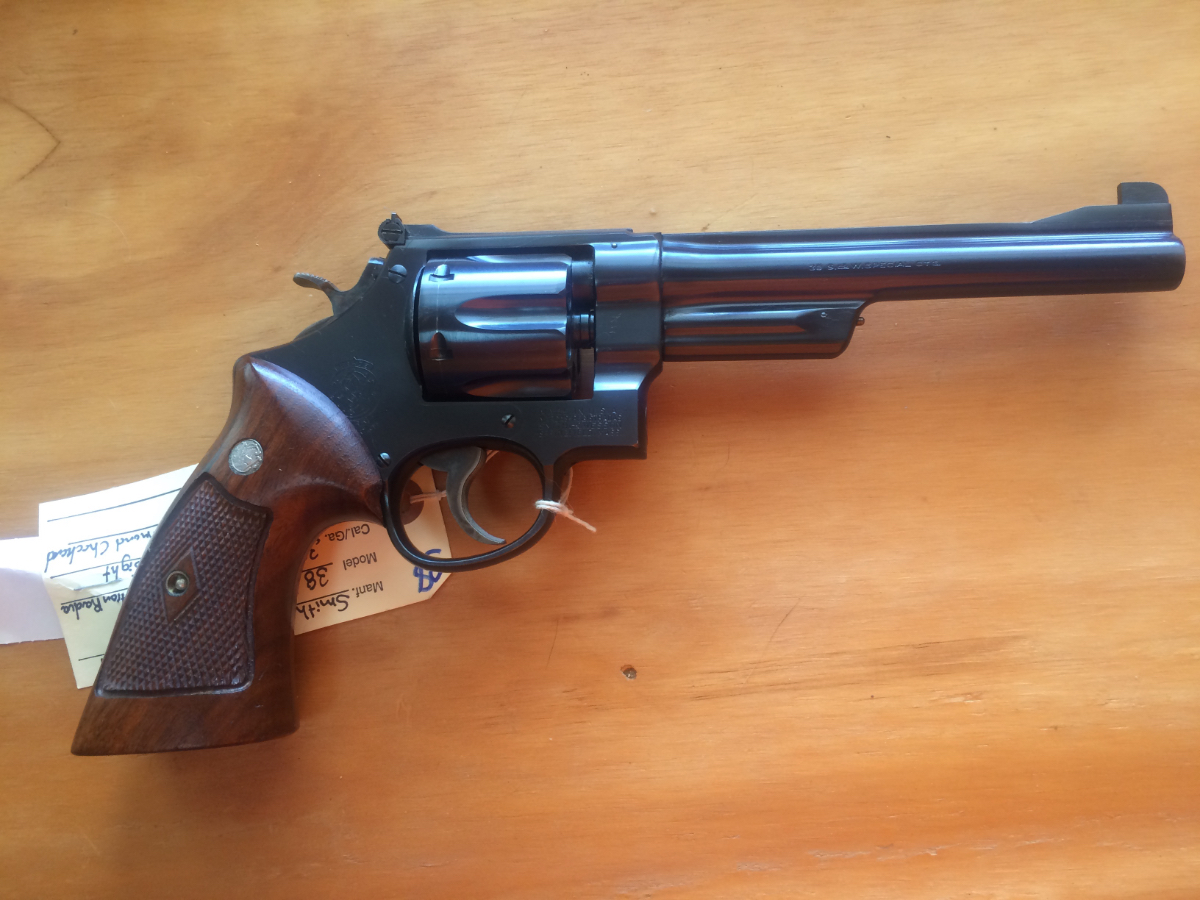
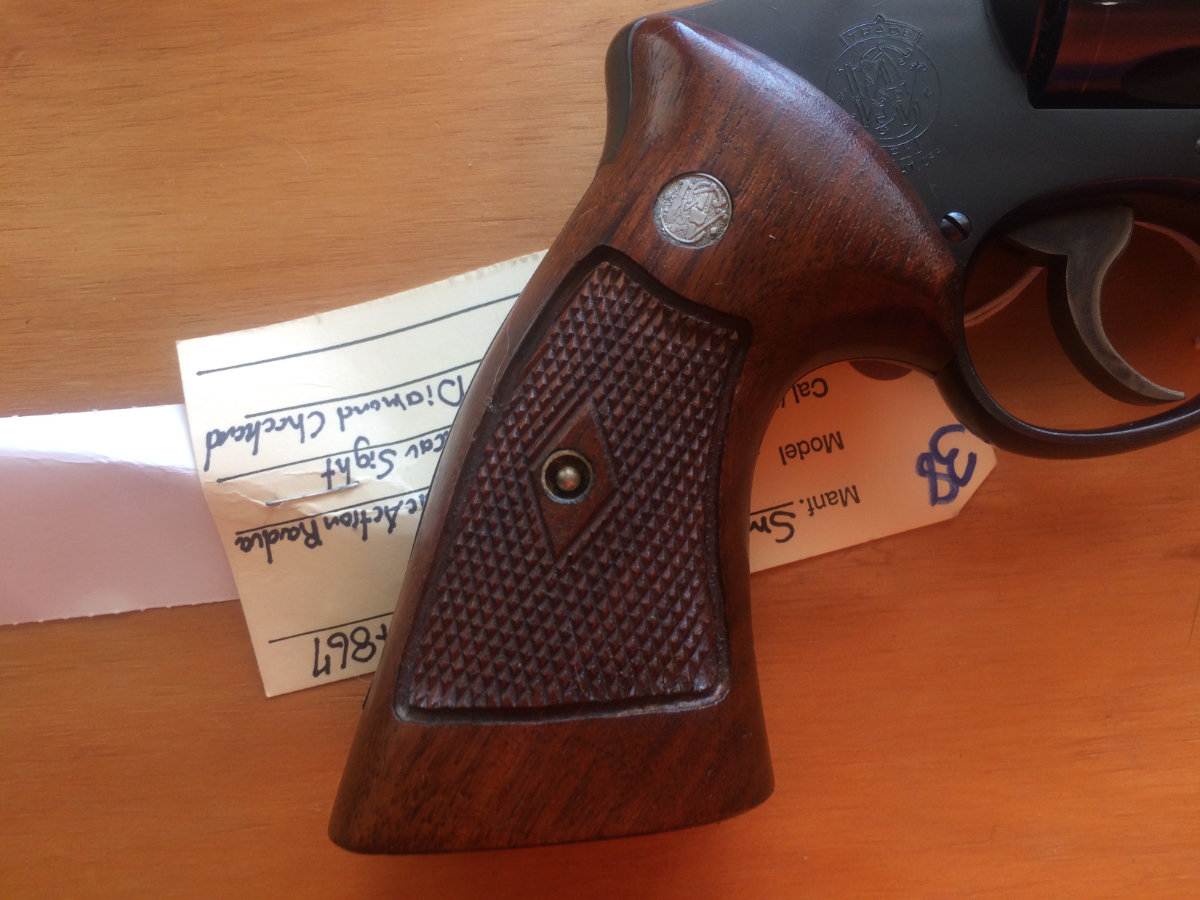
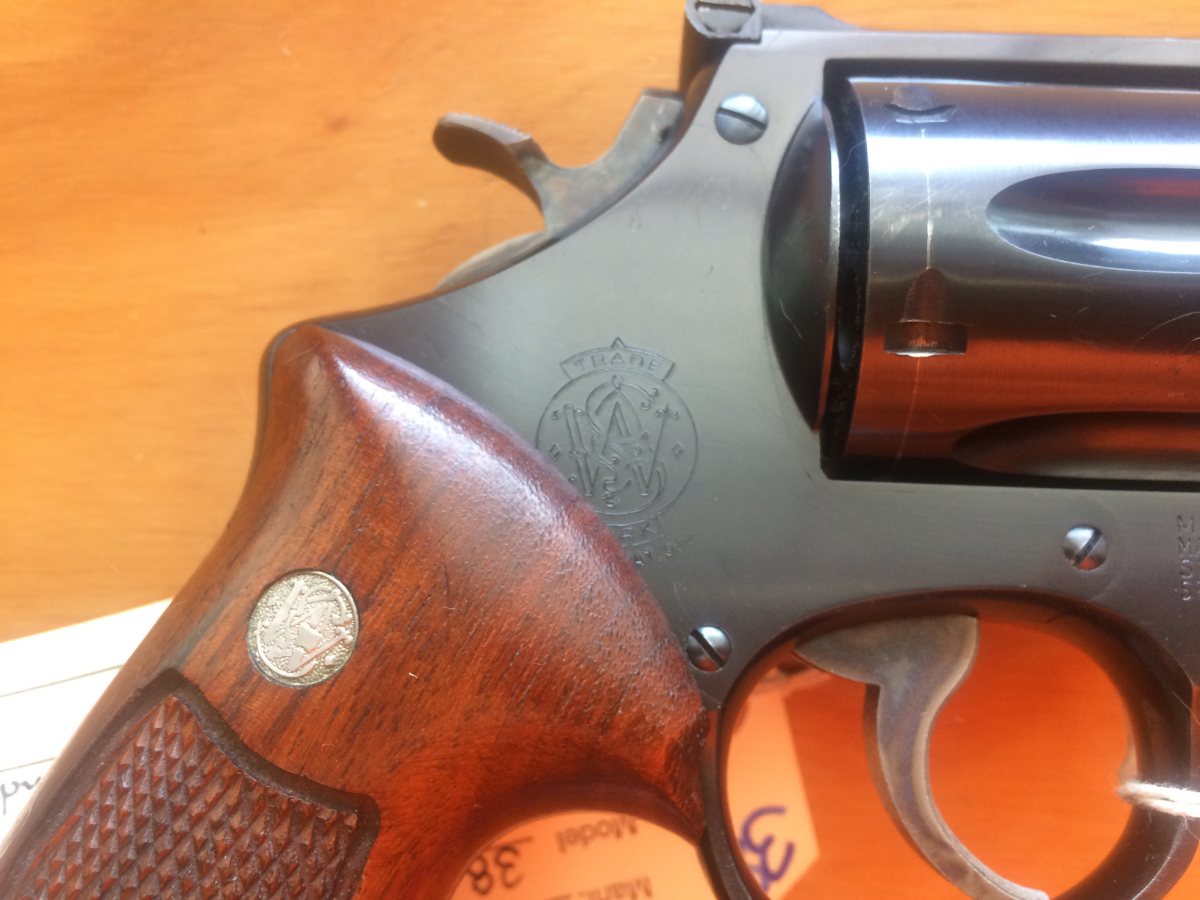
I don’t know what started me down the rabbit hole of gun control and racism (maybe it’s all this “identity politics” talk by the mainstream media) but I came across this 2017 NRA-produced video on Youtube (see above), conveniently titled, “Gun Control’s Racist History.” It’s a pretty good primer on the racist roots of gun control and follows in the footsteps of a two-part series produced by JFPO in 2009 called, “No Guns for Negroes.”
The other thing I realized in my search is that there’s a lot of great content in the GunsAmerica archives on the subject. Paul has written at least two cogent editorials on the matter which are worth checking out: “Eric Holder Racist Anti-Gun Rant Victimizes Minorities,” and “The Problem is Black People? – Inner City Gun Violence, Obama, Bloomberg & China.”
What one quickly realizes is that gun control has always disproportionately affected poor and working-class people, but particularly blacks. Many laws following slavery were crafted with the sole intent to deny blacks their right to keep and bear arms. That tradition has continued over the years with laws targeting inexpensive firearms, e.g. “Saturday Night Specials” and the adoption of may-issue concealed carry standards that give law enforcement the capacity to arbitrarily prevent “certain people” from bearing arms.
Today it’s not postbellum racists leading the charge to suppress blacks from owning guns but anti-gunners. What they don’t understand, or maybe they secretly do, is that disarming America only creates more victims. And since black people are the ones most frequently victimized by bad guys with guns, they are in essence creating more black victims.
As Paul notes in his editorials, instead of disarming law-abiding blacks they ought to be empowering them to learn how to defend themselves, their families and their communities. Shift the paradigm from a community of victimhood to one of an elevated level of personal responsibility and self-sufficiency. The truth is that the venerable black leaders of the ’60s like MLK and Rosa Parks always preached that latter approach (it’s why MLK and Parks obtained a gun license). It’s only in recent decades that black leadership, under people like Barack Obama and Eric Holder, has been pushing blacks to sacrifice their rights at the altar of the Nanny State, which works simultaneously to undermine individual liberties and line the pockets of those in power.