Month: August 2018
Categories
Hang in there! Fall Weather is coming!


Thanks for reading my Blog!
Grumpy
Categories
Oh Hell No!

Categories
Some more Gun Acronyms
AAMOF – as a matter of fact
A.R.M.S. – Atlantic Research Marketing Systems
ACOG – Advanced Combat Optical Gunsights (Trijicon)
AD – accidental discharge (although most would argue all AD’s are really ND’s, as a true AD is a gross mechanical failure)
AFAIAA – as far as i am aware
AFAIK – as far as i know
AG – Attorney General
AK – Kalashnikov style rifle
AM – Alison Merrilees (formerly from the DOJ) note spelling (two r’s and two e’s)
AOW – any other weapon
AP – armor piercing
AR – AR15 style rifle
ARFCOM – AR15.com
ATF – Alcohol, Tobacco and Firearms (see BATFE)
AW – Assault Weapon
AWB – Assault Weapon Ban
Ball – ball ammo – see FMJ
BATFE – Bureau of Alcohol, Tobacco and Firearms and Explosives
BB – Bullet Button
BCG – Bolt Carrier Group
BF – boyfriend
BM – Bushmaster (www.bushmaster.com)
BOB – bug out bag
BOF – Bureau of Firearms (part of the DOJ) (from back when CA DOJ Firearms was a bureau and not just a division)
BOHICA – bend over, here it comes again, also a firearms manufacturer
Brady Bunch – not the TV show
BP – Border Patrol
BRD – Black Rifle Disease
BTT / BUMP – simple post to “bump” the thread “back to top”
BUG – back up gun
BUIS – back-up iron sights
C&R – curio & relic
CCW / CCP – Concealed Carry Weapons permit (depricated)
CGN – Calguns.net
CGF – Calguns Foundation
CMMG – ??? AR Manuf. (http://www.cmmginc.com/)
CMP – Civilian Marksmanship Program
CMT – Continental Machine and Tool Co (maker of Stag and supplier to many others)
COE – Certificane of Eligibility
CTD – Cheaper Than Dirt (a vendor)
CWS – Cold War Shooters
DA – Double action, district attorney
DD – Daniel Defense
DOJ – California Department of Justice
DI – Direct Impingement
DFTT – Don’t Feed The Troll
DPMS – Defense Procurement Manufacturing Services (http://www.dpmsinc.com/)
DROS – dealer’s record of sale – sometimes used to refer to the 10 day waiting period (e.g., “I just DROS’ed it,” etc..)
EBP – evil black pistol
EBR – evil black rifle
EDC – every day carry
FA – full auto
FCG – fire control group – see HTS
FFL – Federal Firearms License (a dealer)
FMJ – full metal jacket ammunition, usually the base of the bullet is left exposed
FN/FNH = Fabrique Nationale (http://www.fnhusa.com/)
FNG – f-ing new guy (don’t use this – it’s offensive)
FS – for sale
FSB – front sight block
FT – for trade
FTF – Face to Face
FUBAR – f’d up beyond all recognition
FUD – fear, uncertainty, doubt – bad info
GB – Gun Broker (www.gunbroker.com)
GF – girlfriend
GI – government issue, or gas impingement
GPU – Gas Piston Upper
GT – Golden Tiger (ammo for AKs)
HD – home defense
HP – hollow point ammo
HSC – handgun safety certificate
HTS / HST – hammer, sear, & trigger
IANAL- I am not a lawyer
IBTL – in before the lock
IC – Iggy Chinn (from the DOJ)
IIRC – if I remember correctly, or if I recall correctly
IE – Inland Empire
Izzy – Israeli
KAC – Knight’s Armament Company
LA – Long Action
LE – Law Enforcement
LEO – Law Enforcement Officer
LMT – Lewis Machine and Tool (http://www.lewismachine.net/)
LOP – length of pull
LPK – lower parts kit (for ARs)
LRT – LaRue Tactical
LTC – License to Carry
LUCC – Locked Unloaded Concealed Carry
Mag – box magazine; ammunition feeding device (sometimes incorrectly referred to as a “clip”)
MMG – Monster Man Grip
MI – Midwest Industries
MOA – Minute of angle
ND – negligent discharge
NATO – North Atlantic Treaty Organization
NFA – National Firearms Act
NRA – National Rifle Association (please become a member)
NeRF / NRF – non-rosterable firearm
OAL – office of administrative law, also overall length (when referring to long guns)
OC – Orange County
OEM – original equipment manufacturer
Off Roster – refers to pistols not certified for sale in CA (http://certguns.doj.ca.gov/)
OLL – off list lower
OLR – off list rifle
OLU – off list upper (like on a FAL)
OP – original poster, the person who started the thread
PC – Penal Code
PITA – Pain In The @–
PM – Private Message
POF – USA Patriot Ordnance Factory
POF – Pakistan Ordnance Factory
POS – Piece Of S—
POST – Peace Officer Standards and Training
PP – Paypal (but note, they are anti-gun!)
PPT – Private Party Transfer
PRI – Precision Reflex Inc.
PRK – People’s Republic of Kalifornia
PRK – Pistols, Rifles and Knives (an FFL in Fresno)
RAW – Registered Assault Weapon
RG.com – RifleGear.com
RKBA – right to keep and bear arms
Romy “G” – a type of AK
RRA – Rock River Arms (http://www.rockriverarms.com/
SA – semi auto – ALSO “situational awareness”
SA – Single Action
SA – Short Action
SA/DA – Single action / Double action
SBR – short barreled rifle
SBS – Short Barreled Shotgun
SD – Self Defense
SHTF – s— hits the fan
SG – Sportsmans’ Guide (a vendor)
SGN – Shotgun News (a gun sales publication)
SGV – San Gabriel Valley
SNAFU – situation normal, all f’d up
SnQ – shoot n que
SP – soft point ammo
SPR – special police rifle, special purpose rifle
SPF – sold, pending funds
SWS – Superior Weapons Systems (http://www.
T&A – T&A Armory
TAN – the “Thread About Nothing”
TIA – thanks in advance
TMI – too much information
TMJ – Total Metal Jacket ammunition, jacket typically fully encasing the bullet
TPF – ten percent firearms
TSA – Transportation Security Administration
UAW – Unregistered Assault Weapon
WTB – want to buy
WTS – want to sell
WTT – want/willing to trade
YHM – Yankee Hill Machine
YMMV – your mileage may vary
ALSO
aamof- as a matter of fact
ibtl- in before the lock
afaiaa- as far as i am aware
fubar- f’d up beyond all recognition
snafu- situation normal, all f’d up
bohica- bend over, here it comes again
TPF- ten percent firarms
shtf- shi1 hits the fan
bob- bug out bag
bug- back up gun

Remember that this is just a Job! Too many folks think that its some Holy Crusade. It isn’t!

Make sure that your finances and your home life are squared away. Too many Teachers do not have a safety net like this and suffer for it!
DO NOT BE A STUDENTS FRIEND! The road to hell is paved with good intentions. There are a lot of ex Teachers in Prison.
BE ORGANIZED – Use the Folder system! I use to go out and buy some folders with pockets in them. My Student had to keep them with all their work in it.
I also wrote their weekly GPA on the back of it. Also any extra credit points on it. That and a student contract. Funny as it sounds but it worked for me.
Try and keep your after school work low. Use pop quizzes, student oral presentations etc. It will help keep your grading work down a bit.

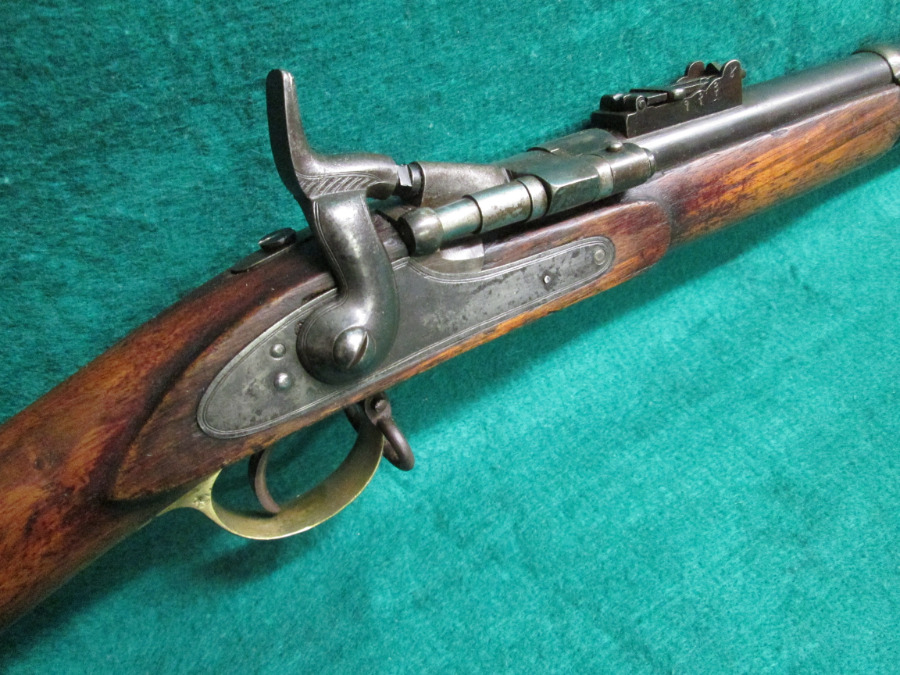
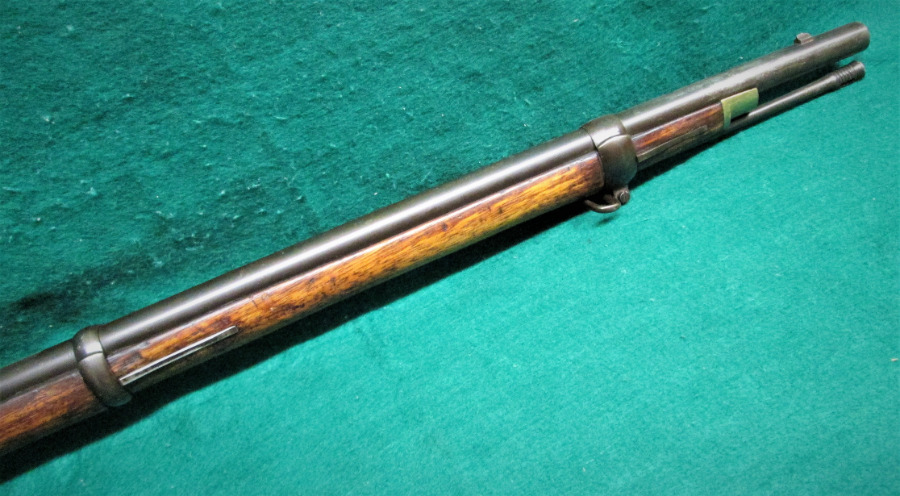
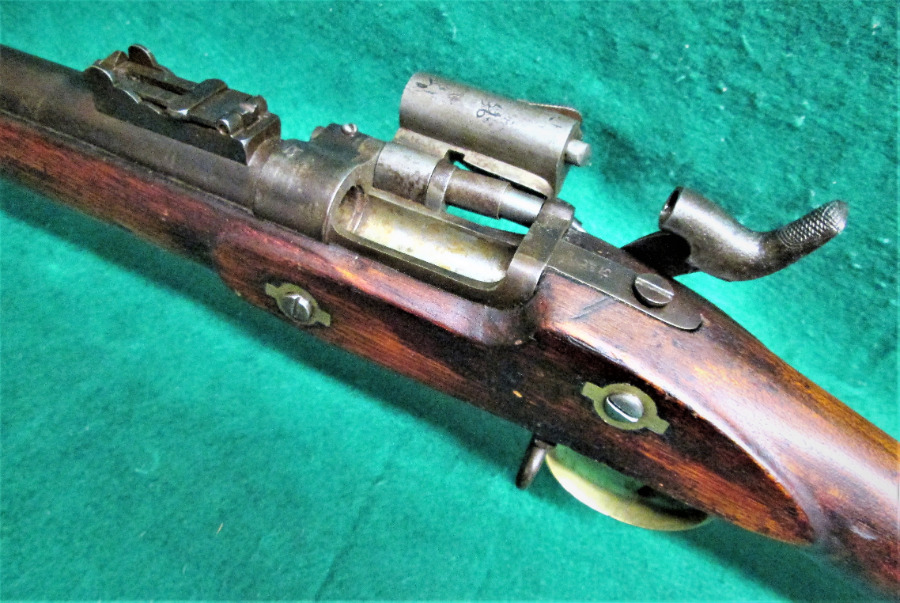
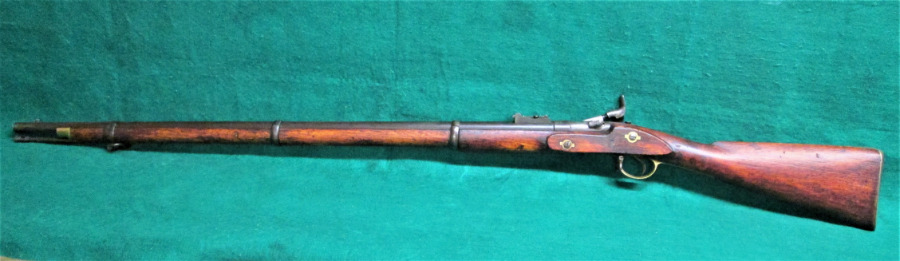
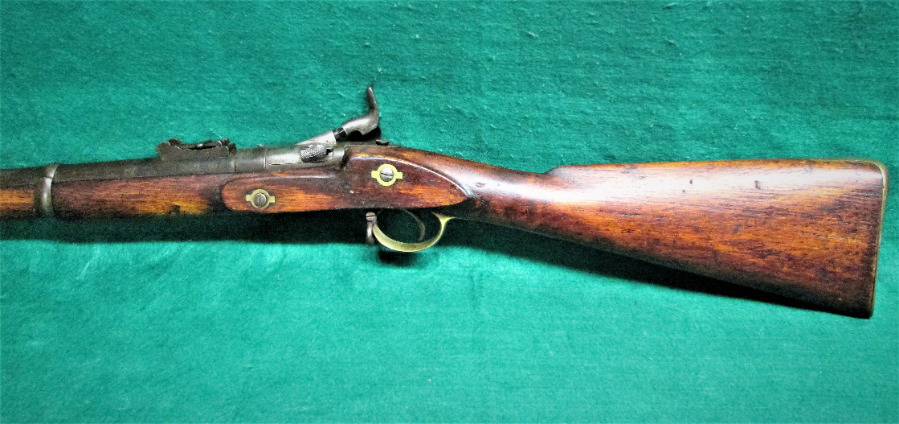
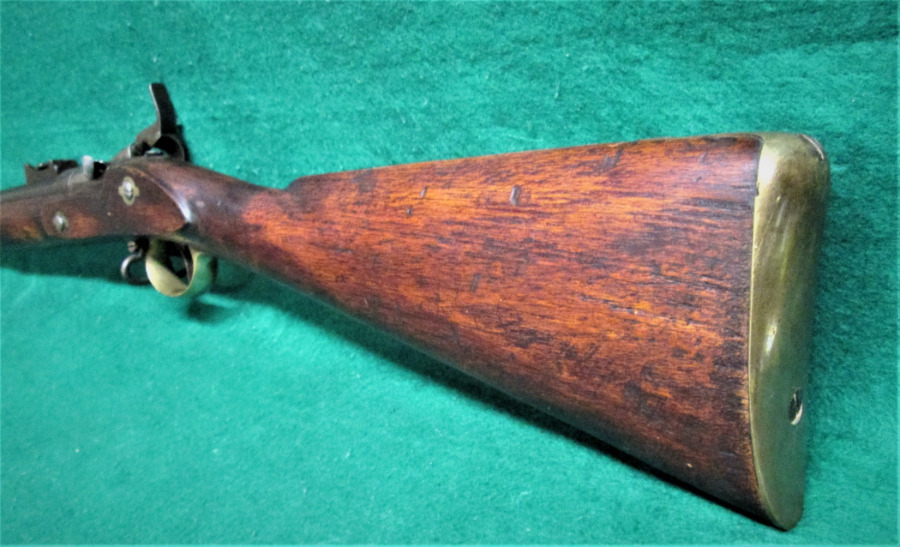
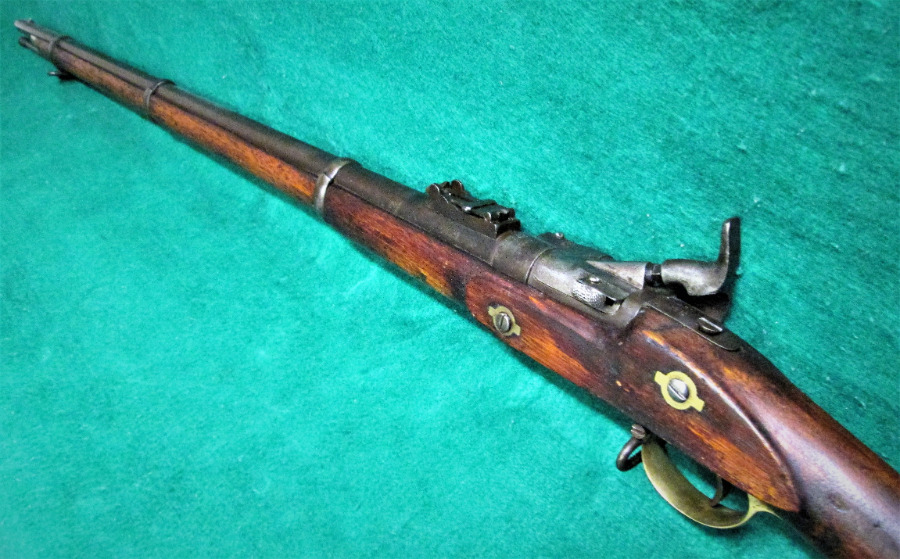
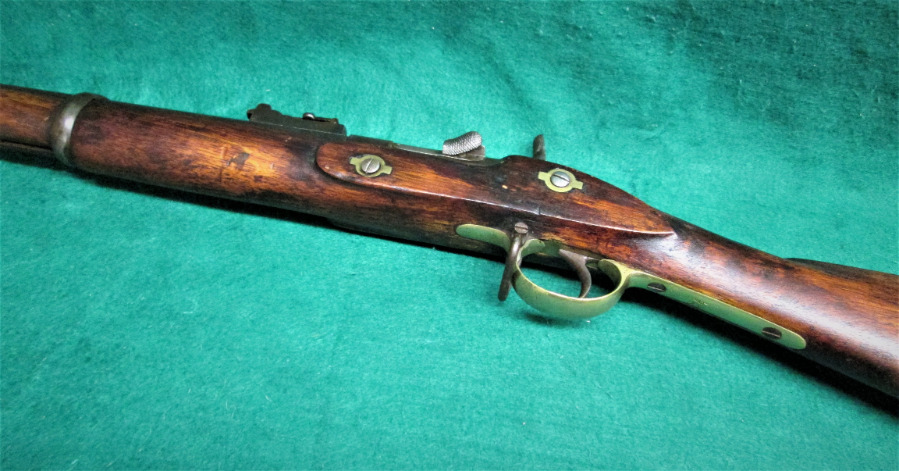
It is just a good thing that somebody’s Guardian Angel was wide awake there!
Categories
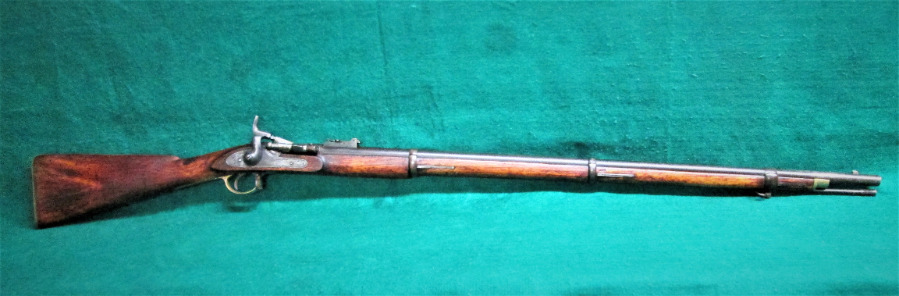
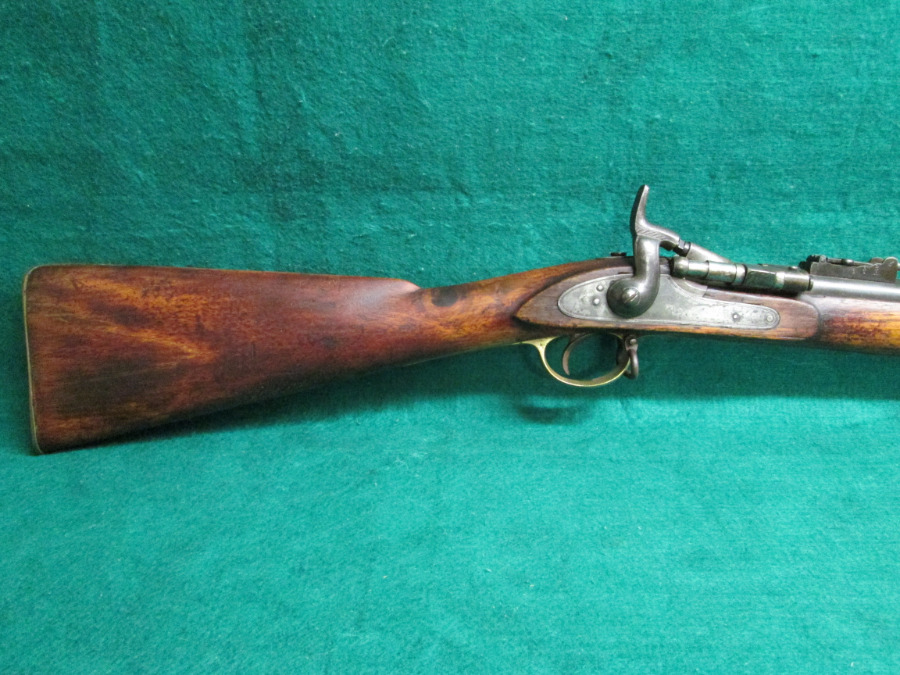
A primer on musket loading


| August 27, 2015
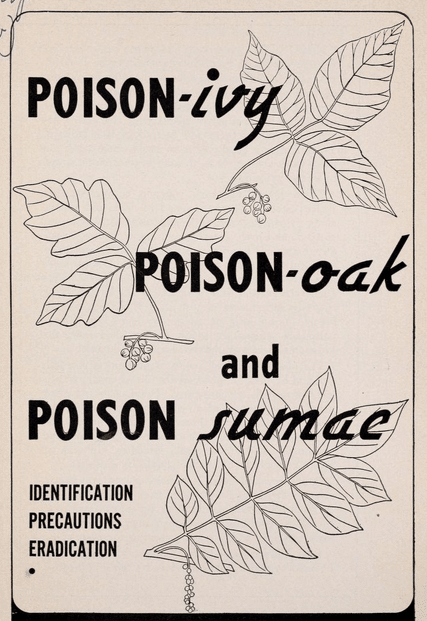
A stroll in the woods is nearly always an enjoyable endeavor; what’s not so enjoyable is discovering a red, itchy rash the next day. Each year, millions of Americans come in contact with poison ivy, poison oak, or poison sumac. While there are numerous other poisonous plants, these three are grouped together because they share a common irritant: an oily resin/sap called urushiol. This resin is potent — it only takes 1 nanogram to cause a reaction. And unfortunately, it coats all parts of these plants.
While some of the characteristics we describe below aren’t necessarily unique to these plants, we’ll get you enough information to avoid these poisonous foes and confidently walk your favorite trails (or create your own!).
Identifying Poison Ivy
The old saying is true: “Leaves of three, let them be!” While there are other plants which have leaf clusters in threes, both poison ivy and poison oak share this trait, making it best to avoid plants with this feature altogether. What you’ll most likely encounter with poison ivy is a stem with a larger leaf at the end, and two smaller leaves shooting off the sides. The leaves can be notched or smooth on the edges, and they have pointed tips. The plant is reddish in the spring, green in summer, and yellow/orange in the fall. It’s not uncommon to see clusters of greenish-white berries on poison ivy through the spring and summer, as well as green/yellow flowers.
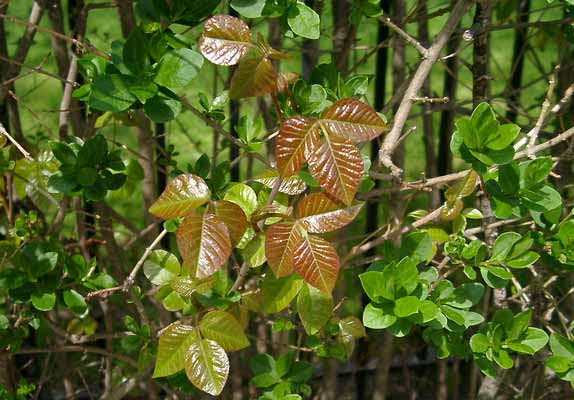
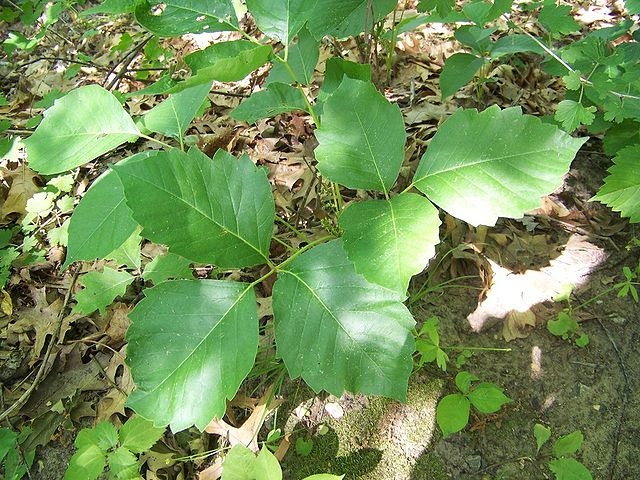
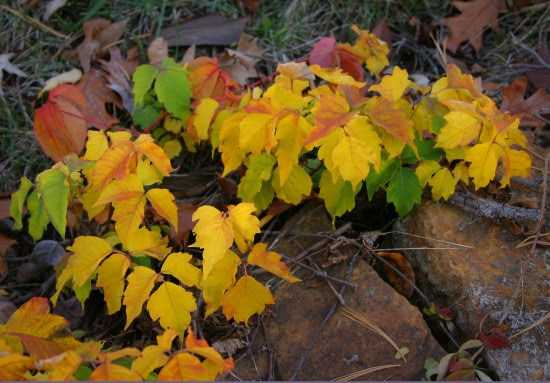
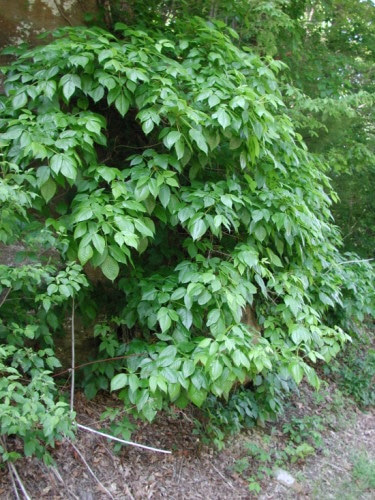
Poison ivy can take the form of a vine or a shrub. The plant’s appearance varies widely based on the region and specific environment where it grows, which is everywhere in the US with the exceptions of Hawaii, Alaska, and parts of the southwest deserts.
Identifying Poison Oak
Like poison ivy, this plant most often grows leaves in clusters of three, although some varieties display five or seven per cluster. The defining feature is that the leaves have a lobed, wavy appearance (also described as scalloped), similar to oak tree leaves, but more subdued. Another characteristic that sets it apart from poison ivy is that the tips of the leaves are rounded rather than pointed. Its leaves are bright green in spring, turn yellow-green or pink in summer, and finally turn yellow into dark brown in the fall.
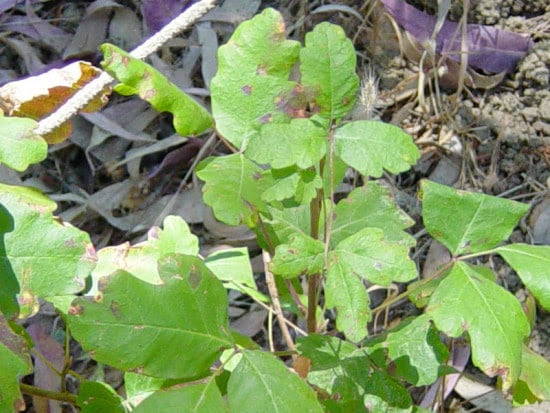
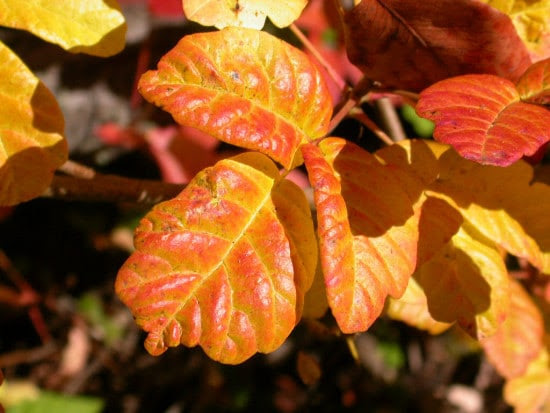
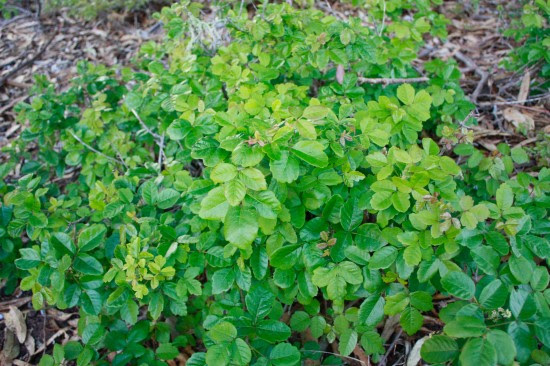
Poison oak is generally a shrub, averaging about 3 feet tall, but shoots of it can also grow as a vine. Not commonly found in the middle part of the U.S., poison oak is primarily situated on the West coast, and the East coast/Southeast.
Identifying Poison Sumac
Poison sumac stems (which are generally red — another of the defining features) have 7-13 leaves, in pairs, with a lone leaf at the end. Leaves are oval, elongated, and smooth-edged, usually 2-4 inches long. They are bright orange in spring, dark green in summer, and red-orange in fall.
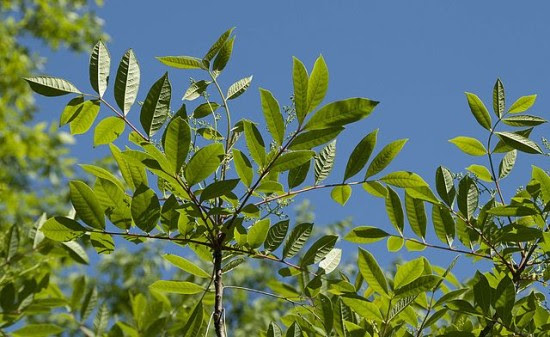
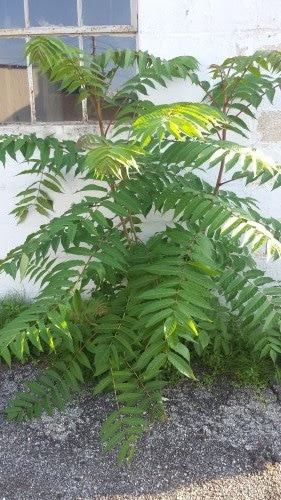
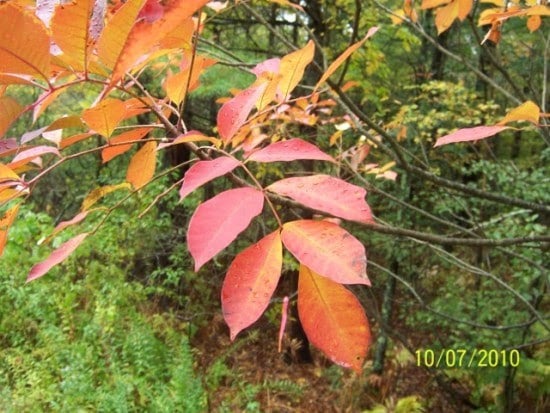
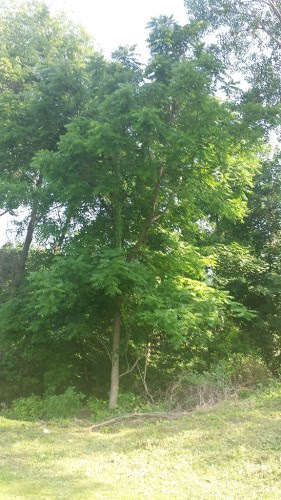
Poison sumac thrives in watery, swampy environs, present mostly in the Midwest and Southeastern U.S., where high humidity is common. It grows as a tree or tall shrub, 5-20 feet tall.
Allergic Reactions to Poison Ivy, Oak, or Sumac
An allergic reaction to poison ivy, oak, or sumac can occur when your skin makes direct contact with the plant, when you touch something that has been in contact with the plant, and even when the plant is burned, as particles of urushiol can make their way into your eyes, nose, and throat. Urushiol is very sticky and tenacious, so it easily adheres to firewood, dog fur, and gardening tools, and then transfers itself to your skin once you lift, pet, and pick up these things. Because urushiol is present in the plants’ roots, stems, and leaves, it remains potentially poisonous even in the wintertime.
Anyone can get an allergic reaction if exposed to urushiol in a large enough dose. But some folks are more sensitive than others. About 85% of the population is fairly to extremely susceptible to getting an allergic reaction, while 15% of lucky folks are resistant to reaction. One’s sensitivity/resistance is thought to be largely genetic in origin, so if your parents have had severe reactions to poisonous plants, take extra care to avoid contact yourself.
Sometimes you only get a rash after being exposed to the plant numerous times. So don’t automatically assume that you’re resistant because you touched poison ivy/oak/sumac once, and didn’t get a rash.
On the other hand, sensitivity to these poisonous plants can lessen over time. So if you had a bad reaction as a child, you may have developed more resistance over the years.
How to Treat a Rash From Poison Ivy, Oak, or Sumac
If you know you’ve touched one of these poisonous plants, you have about 10 minutes before the sap penetrates the lower layers of your skin and binds to its cells, at which point an allergic reaction will set in. So you can head off this reaction by immediately rinsing the exposed area with running water. Use a mild detergent soap if you have it; fatty soaps can spread the urushiol oil, creating a worse reaction. Rinsing with rubbing alcohol is also effective. If wipes are all you have to clean the area, that’s better than nothing.
If you don’t wash off the resin in time, and you’re sensitive to ivy/oak/sumac, then a rash will develop. Rashes from all three of these plants appear in the same form and are treated in the same way since the irritating agent in all of them is urushiol. If you’ve been outdoors and have the following symptoms appear, you may have a rash from one of these plants:
- patches of swollen redness
- outbreak of blisters
- intense itching
These are the primary symptoms, and they generally appear within 12-72 hours of contact. Luckily, if the rash isn’t severe, it can be treated at home without having to see a dermatologist.
The American Academy of Dermatology recommends the following treatment plan:
- Immediately rinse your skin with lukewarm, soapy water. Urushiol is an oil, so if not washed off, it can continue to spread. (Note: there are special washes out there that claim to remove urushiol more effectively and to lesson the severity of a rash once a reaction has set in; Zanfel is a popular one, but Mean Green Scrub uses the same ingredients/composition but costs way less per ounce.)
- Wash your clothing and anything else the oil may have touched, including tools, pets, car seats, etc.
- Do not scratch; doing so can open the skin and possibly cause an infection.
- Leave blisters alone; do not peel overlying skin, as it protects the wound underneath from infection.
- Apply calamine lotion or hydrocortisone cream/lotion.
- Apply a cool washcloth to skin to ease burning and itching.
The rash should heal in about 1-2 weeks. Though it may look gross, it’s not contagious. If the rash is particularly large or painful, or doesn’t heal in that timeframe, it’s best to see a dermatologist who may prescribe a round of oral steroids or other treatments.
Above all, wearing long clothing when you go out is recommended — especially pants to guard against brushing these plants while wandering around. Be sure to wash these clothes right when you get home.
You’re now equipped to head out to the woods and avoid these itchy fiends!