Attachments area


Categories
N.S.F.W. – Picture Dump

A 1911 Crushing Targets at 180 meters — Dan Wesson Elite Series Brings the Fury
What do you call a double stack 1911 in 9mm, with an Excalibur level trigger, an RMR, and a threaded barrel? Dan Wesson calls that the Fury. One of the most appropriately named pistols I have seen. I would have to concur. This pistol has roots in paper and steel matches, but God help whoever is on the other end of this as a tactical gun.
Since 1968, Dan Wesson has been producing top-notch custom firearms. Similar to a fine wine, they’ve gotten better over time. The great-grandson of D.B. Wesson, co-founder of Smith & Wesson, began producing custom revolvers. As the company grew and their success increased, the company was acquired in 1998 and shifted from revolvers to also producing 1911s. The purpose of these custom, hand-fitted 1911s was simple: the most accurate 1911 on the market. After I spent time on the range with it — I’d agree. Dan Wesson has continued to innovate their 1911s and incorporates high-end parts from companies like Ed Brown, EGW, Greider Precision, just to name a few. In 2005, Dan Wesson partnered with CZ USA and has continued to produce high-quality 1911s. This Dan Wesson Elite Fury is no exception.
The Fury fit my hand like it was made for it. It features front strap and mainspring housing checkering, with an oversized magazine well machined in. The grip safety is functional, but so extended it is almost impossible not to engage it. The grips are a very thin micarta, befitting a double stack, with a checker pattern on the front half, linear serrations at a diagonal on the back half. The trigger guard is both larger and more square than other 1911’s I have shot, opened up no doubt to be more accessible with gloves on. The frame is thick and boxy down to the dust cover, with a Picatinny rail section cut in. It wouldn’t be much of a tactical gun without that option. It incorporates a low-mass hammer that was designed with performance as all excess weight is removed and the surfaces have been polished.

SPECS

- Type: 1911, single-stage trigger
- Chambering: 9mm
- Barrel: 5.5 in.
- Overall Length: 9.25 in.
- Weight: 48.5 oz.
- Trigger Pull: 2 lbs., 8 0z.
- Grips: G-10 Micarta
- Sights: Trijicon Tritium 3 dot suppressor height, Trijicon RMR
- Finish: Matte Black
- Safety: Ambidextrous beavertail
- Capacity: 18+1 rds.
- MSRP: $4899
The trigger is a flat K-style trigger, skeletonized of course. Out of the box, mine broke at 2 pounds, with the tiniest bit of take up to let you know you were there. I have never seen a factory trigger as high-quality as this one in a pistol, outside of full up custom race guns. The low mass hammer has had every ounce of excess weight removed, and it falls like a lightning bolt. The trigger and hammer are so smooth your fingers can’t believe what they are feeling.
Article Continues Below
Up top, the slide moves like ball bearings falling through a vacuum. Aside from overcoming the resistance of the recoil spring, there is not a burr or imperfection to be felt. There are front and rear cocking serrations, as well as a serrated flat top to the slide. The rear has been milled and a Trijicon RMR red dot sight expertly fitted on a custom Dan Wesson plate. As a backup, Trijicon tritium suppressor height sights are also included.

Range Time
The threaded bull barrel is a bushing-less fit, along with a one-piece guide rod to increase reliability. The gunsmith fitting these things together clearly knew what he was doing on mine. I expected some incredible accuracy, and I got it. I am not a Bullseye Master, but I was able to walk all the way to 180 meters getting first round hits on a B/C zone sized piece of steel. Finally falling apart at 200m, I was left with the feeling it was the shooter, not the 1911. At that range, the red dot is larger than the target anyway.
How did the gun run? Like a cheetah with blood doping and something to lose. The weight of the gun controls the 9mm recoil extremely well, and the 2-pound trigger is effortless. Combine that with the incredibly short reset distance of a 1911 trigger, and things really come together. I had to reshoot some of my normal pistol drills because at the end I realized I was holding back. This gun allows you to go faster, and that is a good dollar spent. For a race gun or a tactical gun, you could certainly do worse. Those 18 rounds in the magazine go quick, but out of this platform, they also count. I ran SIG Sauer Elite Performance ammunition through it and it ran flawlessly.
Like many of you out there, a price tag of $4,899 for a pistol is extremely hard to justify. Hell, that is hard to justify on a rifle. But after shooting this one, I assure you this. I want one. It’s high-quality finish and overall superb ergonomics and trigger make it tough enough to withstand everyday abuse and not sway those who purchase it to leave it in the safe. After running this pistol for the day, I started thinking about what I could sell to get one.
For more information about Dan Wesson 1911s, click here.
For more information about SIG Sauer Elite Performance ammunition, click here.
To purchase a Dan Wesson on GunsAmerica, click here.
Thailand’s Beautiful Mauser
Siam was unique in South East Asia for its avoidance of Western colonization.
Its sovereignty was guaranteed by politically deft royals and a Japanese-modeled system of aggressive modernization. At the turn of the century, Siam sought to rearm its soldiers with a rifle of unique design.
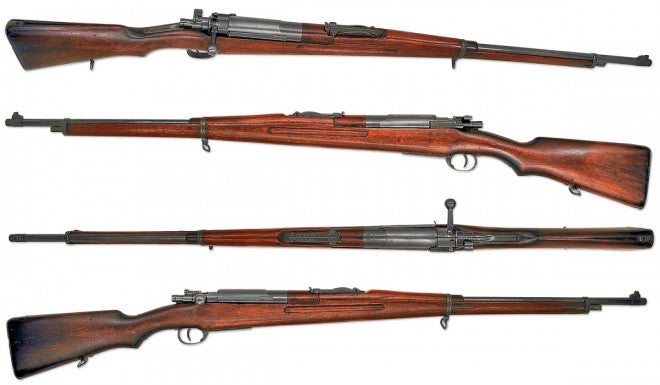
What we often refer to as the Thai or Siamese Mauser is actually a design licensed from Germany, modified and manufactured in Japan, and adopted in 1903.
This was AFTER the adoption of the 8x50mm rimmed Thai cartridge in 1902. Originally the rifle was designated with the “Rattanak 121” due to 1903 being the 121st year of the Rattanakosin Kingdom.
Later, during a period of modernization, Thailand would switch to the Buddhist calendar and so 1903 became 2446 and the rifle was retroactively referred to as the Type 46.
The ammo, from 1902, became 2445 in the Buddhist calendar and has led to years of confusion in which the rifle is often called the “Type 45.”
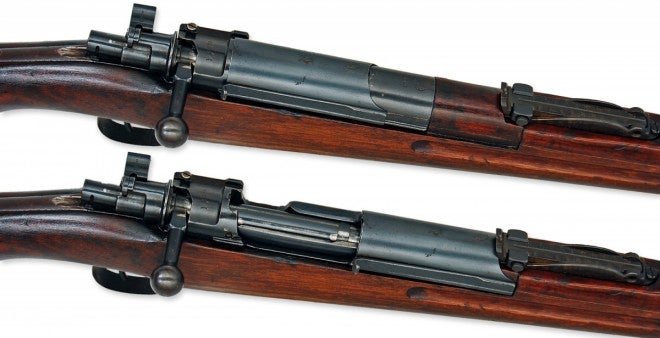
The R.S. 121 (Type 46) Mauser was essentially a Model 1898 stocked somewhat like the earlier 1896. In Japan it was fitted with an Arisaka Type 35 styled dust cover and deep tangs, also some examples have Arisaka-like two piece stocks.
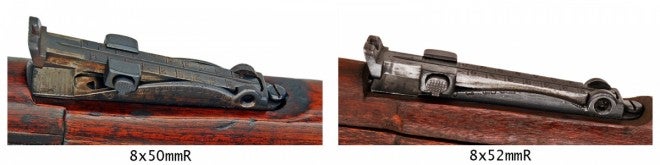
In 1923 the 8x50mmR cartridge was upgraded to 8x52mmR (Type 66), a spitzer bullet with improved power. Existing Type 45 rifles were more than strong enough and so many were rechambered.
Because the updated ammo was flatter shooting, the rear sights were ground down to match the new trajectory. These converted rifles are commonly referred to as “Type 46/66.”
For collectors, Thai Mausers can be found in a variety of conditions. Many were imported cheaply and subsequently show signs of abuse such as rust, missing or chopped pieces, rechamberings (usually to .45-70), and other neglect.
However, some can be found in pristine shape as well and exhibit beautiful markings, right down to the interesting serials. Ammunition is extinct and requires a fair knowledge of handloading and cartridge conversion to produce, but if loaded these are strong, safe, and accurate rifles.
They have a fantastic long and narrow contour with good balance. If you have the occasion please do handle one for yourself as they are truly unique Mausers. We have a little more information on these rifles over at C&Rsenal.
Its sovereignty was guaranteed by politically deft royals and a Japanese-modeled system of aggressive modernization. At the turn of the century, Siam sought to rearm its soldiers with a rifle of unique design.
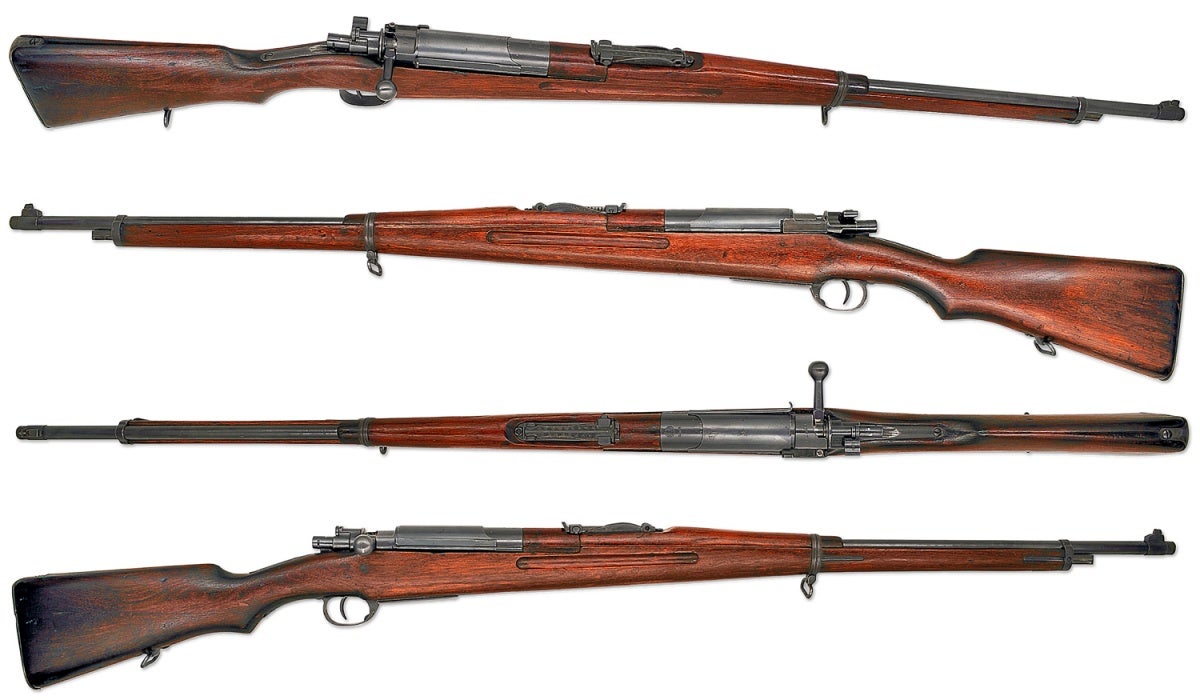
What we often refer to as the Thai or Siamese Mauser is actually a design licensed from Germany, modified and manufactured in Japan, and adopted in 1903.
This was AFTER the adoption of the 8x50mm rimmed Thai cartridge in 1902. Originally the rifle was designated with the “Rattanak 121” due to 1903 being the 121st year of the Rattanakosin Kingdom.
Later, during a period of modernization, Thailand would switch to the Buddhist calendar and so 1903 became 2446 and the rifle was retroactively referred to as the Type 46.
The ammo, from 1902, became 2445 in the Buddhist calendar and has led to years of confusion in which the rifle is often called the “Type 45.”
The R.S. 121 (Type 46) Mauser was essentially a Model 1898 stocked somewhat like the earlier 1896. In Japan it was fitted with an Arisaka Type 35 styled dust cover and deep tangs, also some examples have Arisaka-like two piece stocks.
In 1923 the 8x50mmR cartridge was upgraded to 8x52mmR (Type 66), a spitzer bullet with improved power. Existing Type 45 rifles were more than strong enough and so many were rechambered.
Because the updated ammo was flatter shooting, the rear sights were ground down to match the new trajectory. These converted rifles are commonly referred to as “Type 46/66.”

For collectors, Thai Mausers can be found in a variety of conditions. Many were imported cheaply and subsequently show signs of abuse such as rust, missing or chopped pieces, rechamberings (usually to .45-70), and other neglect.
However, some can be found in pristine shape as well and exhibit beautiful markings, right down to the interesting serials. Ammunition is extinct and requires a fair knowledge of handloading and cartridge conversion to produce, but if loaded these are strong, safe, and accurate rifles.
They have a fantastic long and narrow contour with good balance. If you have the occasion please do handle one for yourself as they are truly unique Mausers. We have a little more information on these rifles over at C&Rsenal.
Here are a few more, Thanks for the time spent with me!


Here is a major hint students! Grumpy
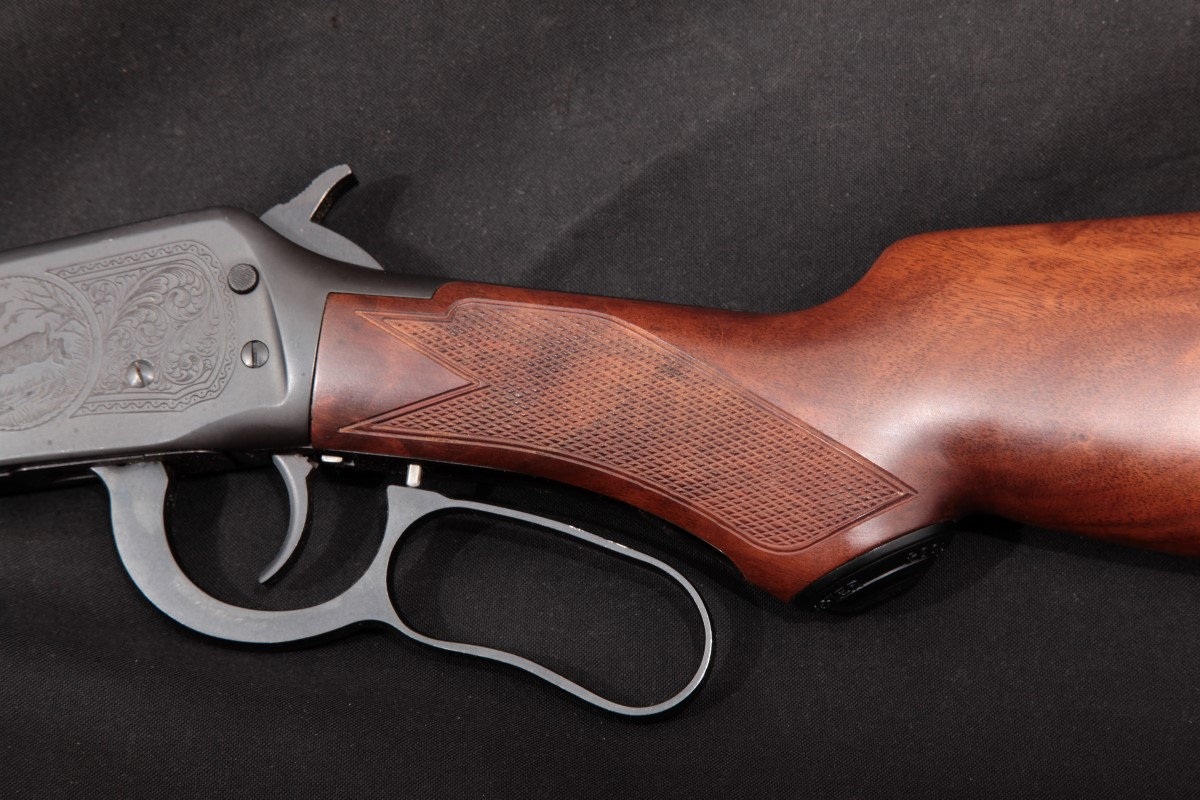
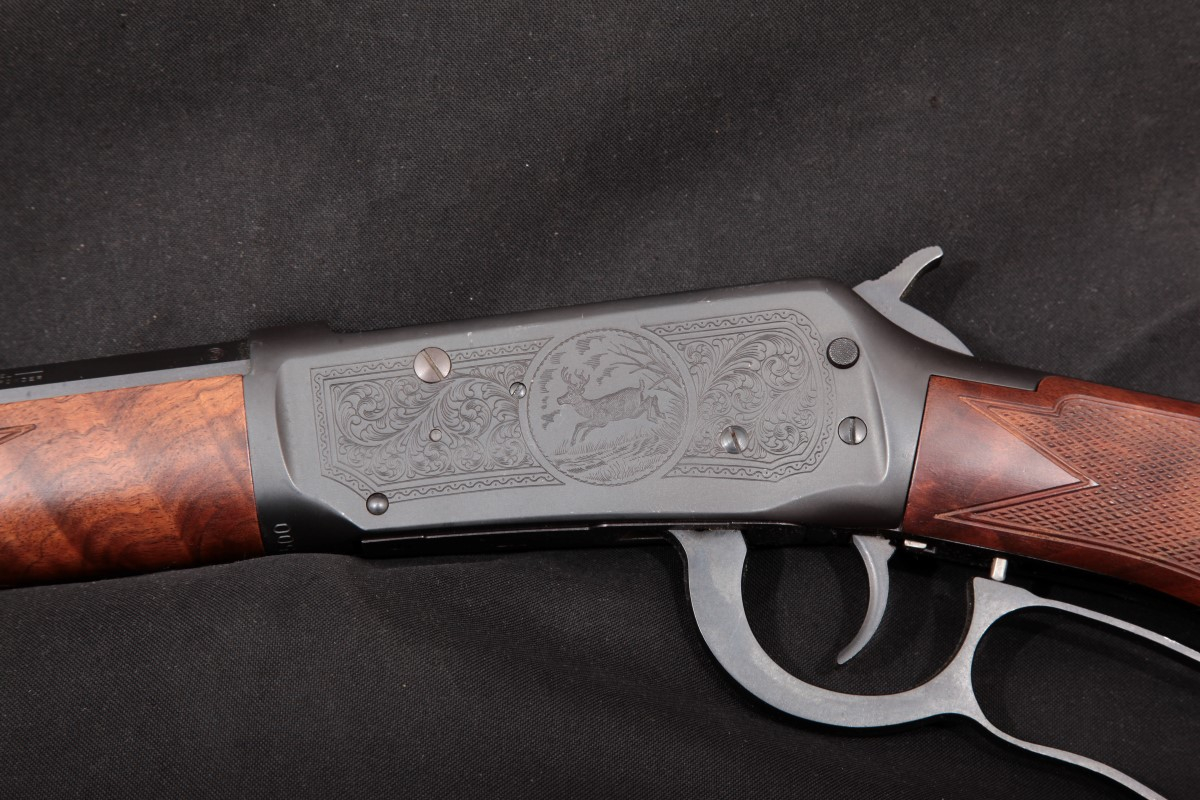
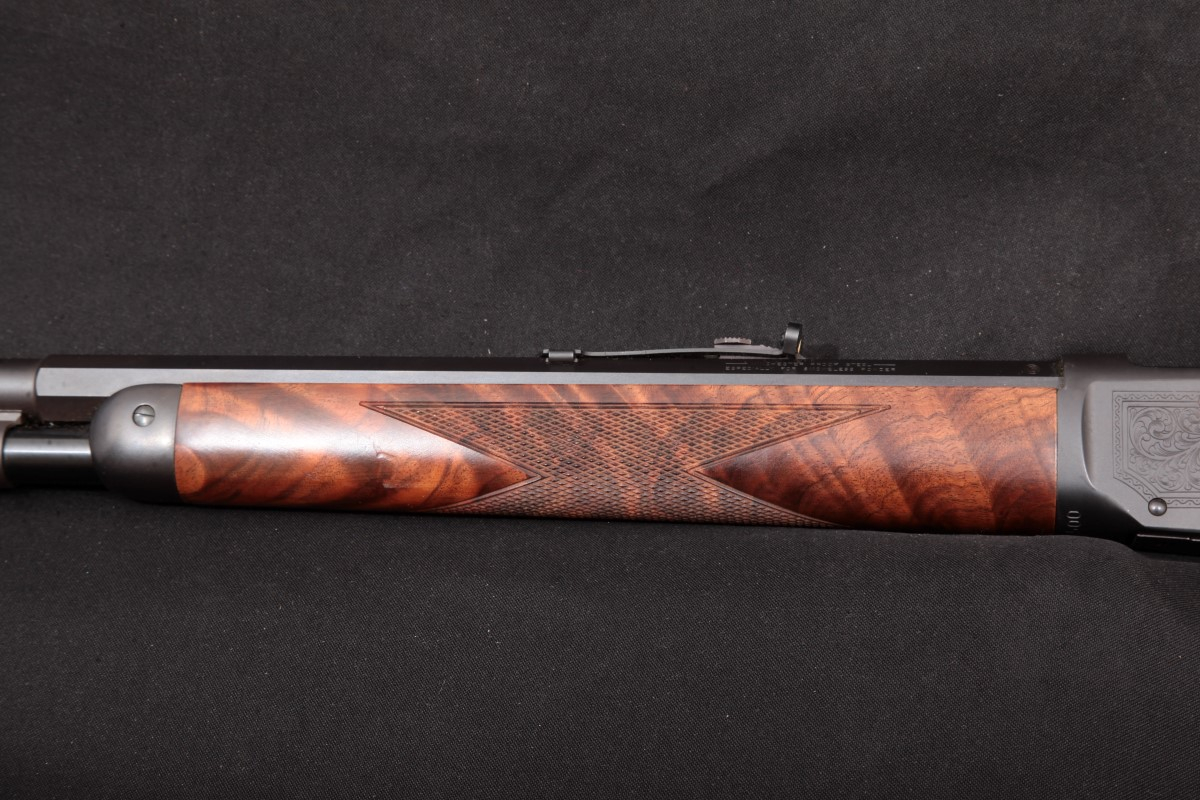
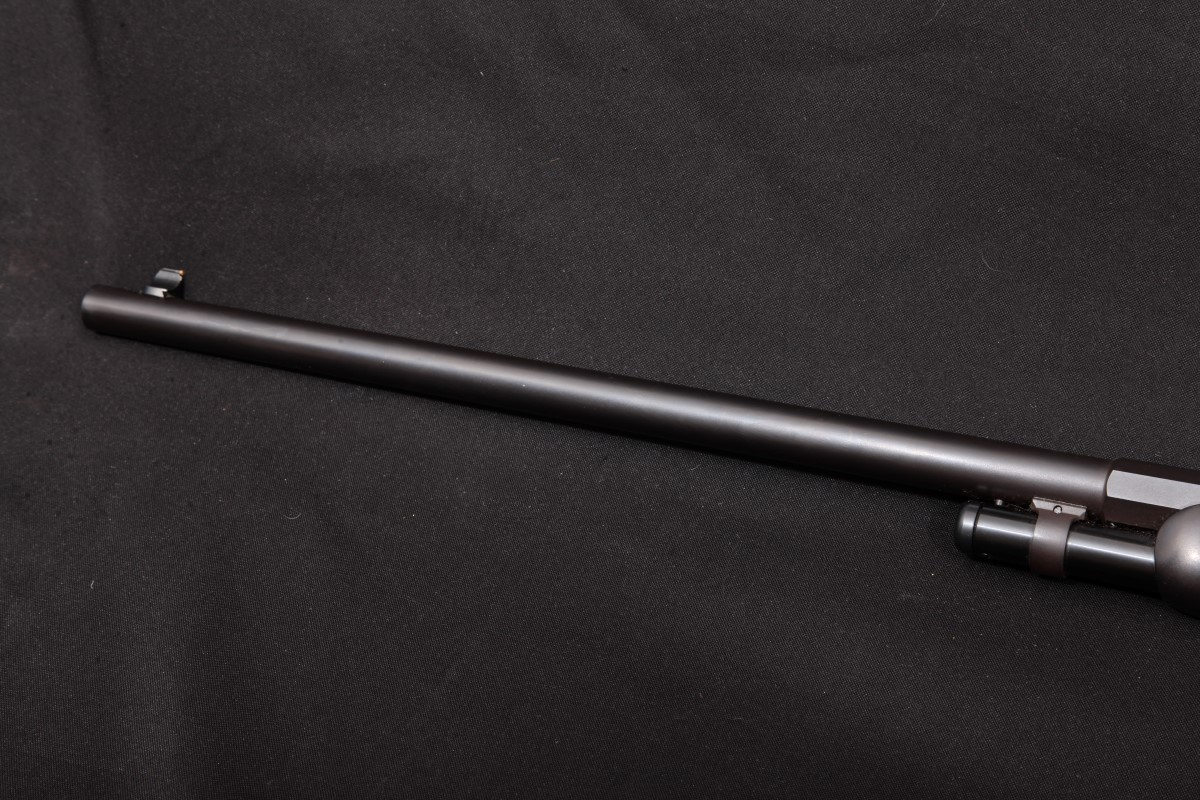
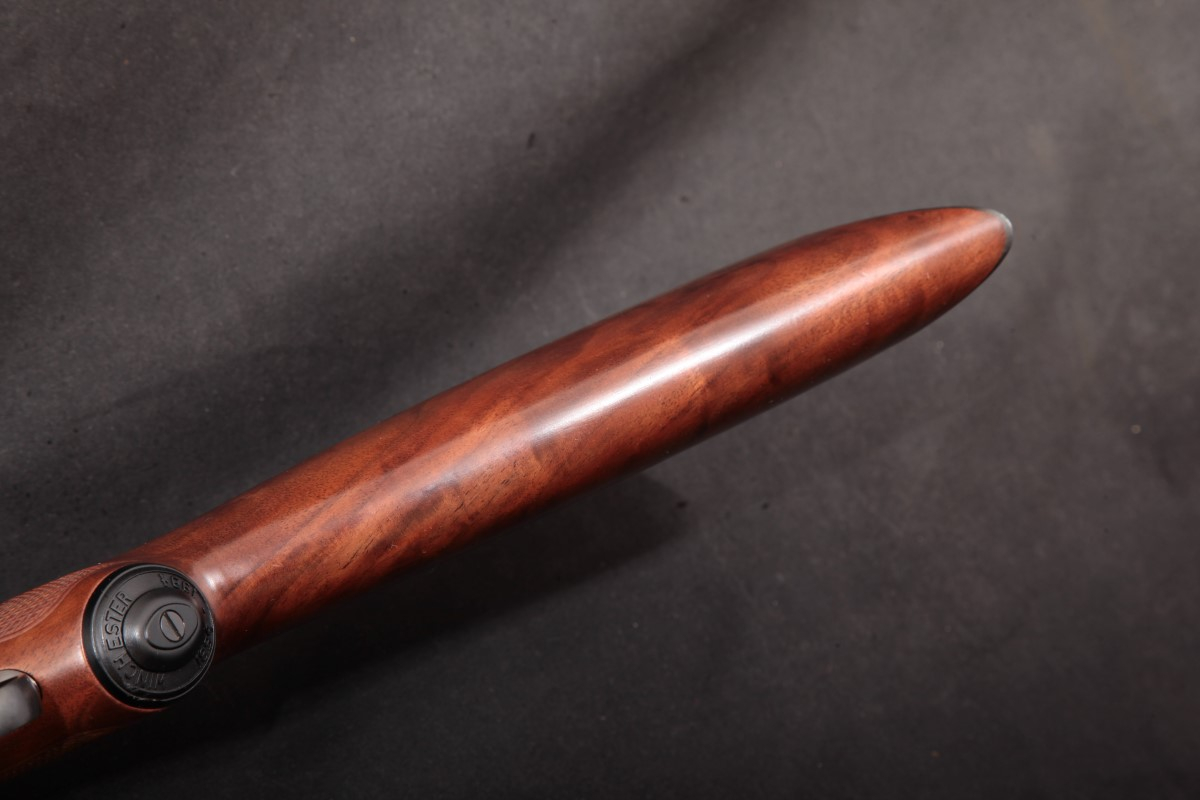
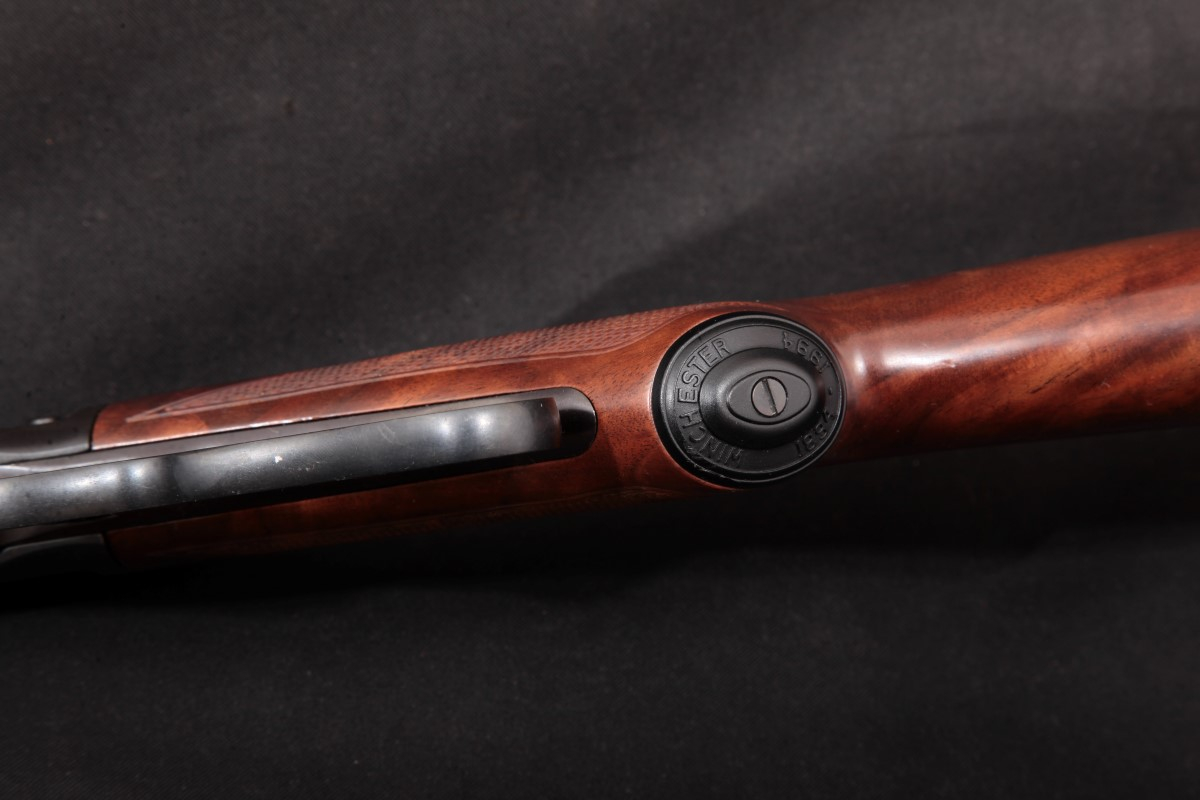
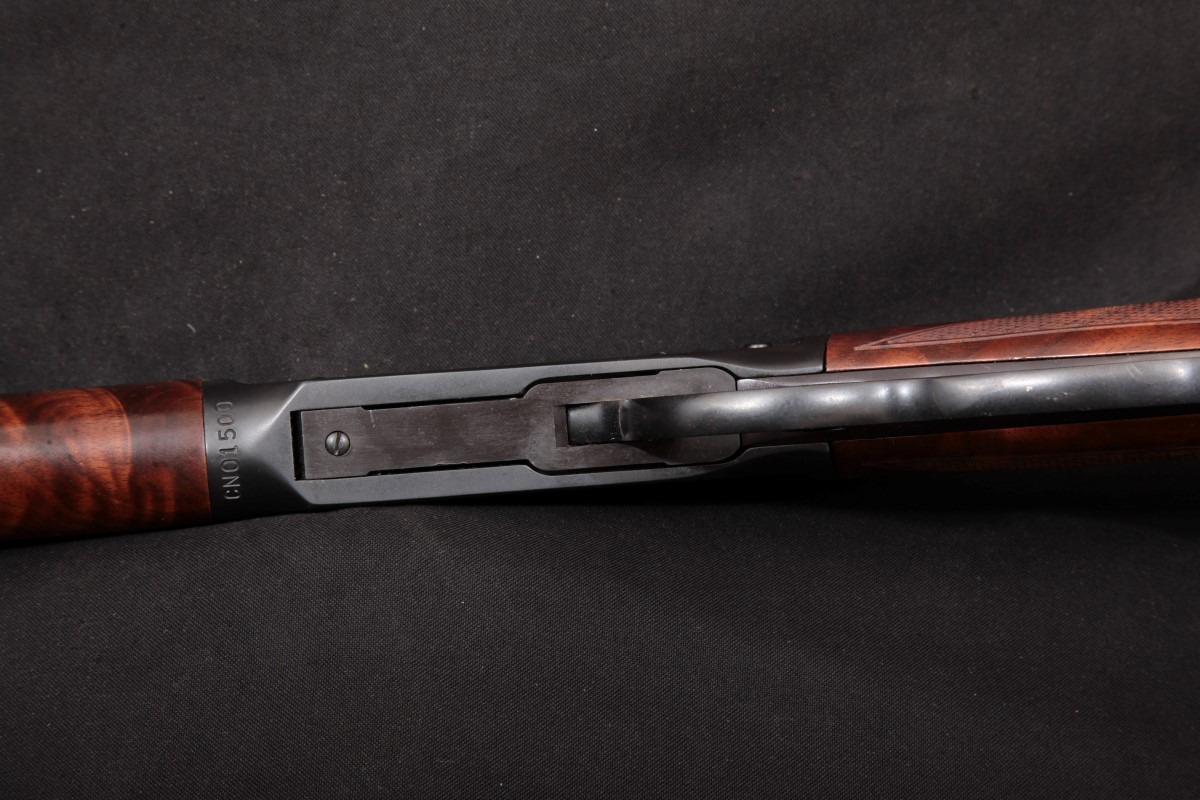
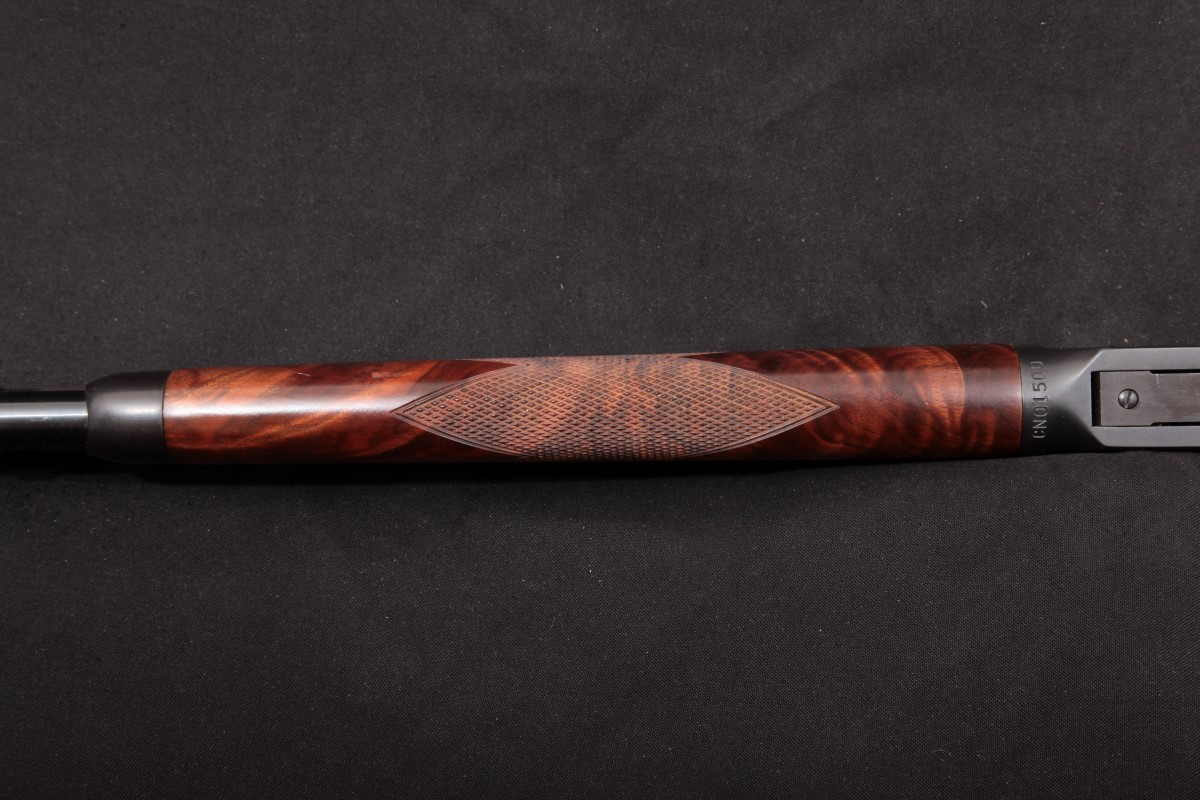
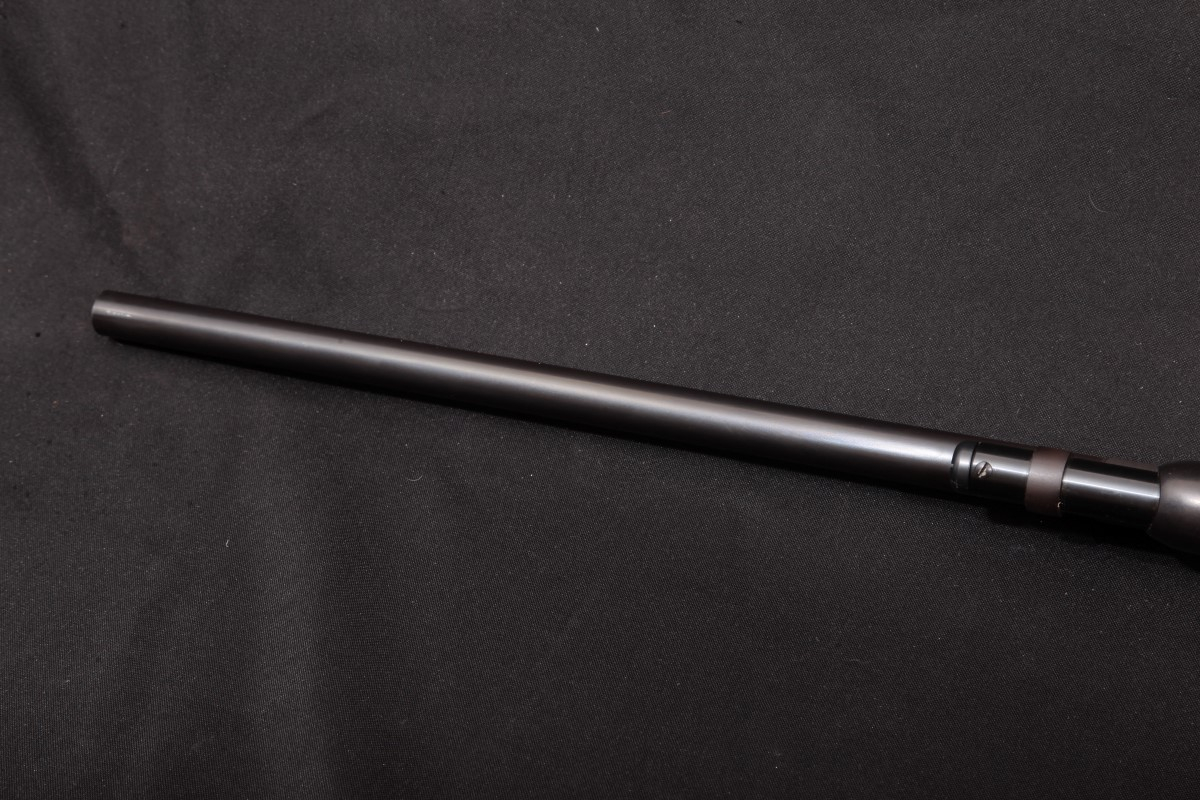
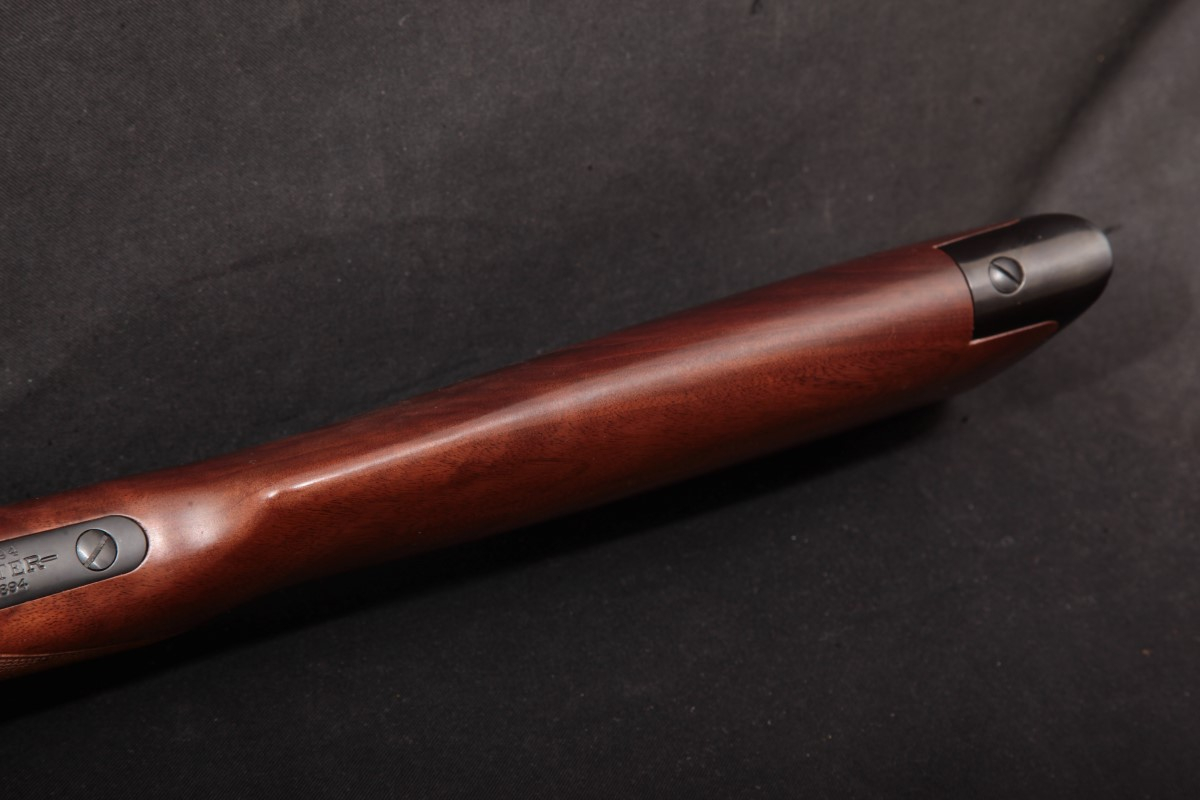
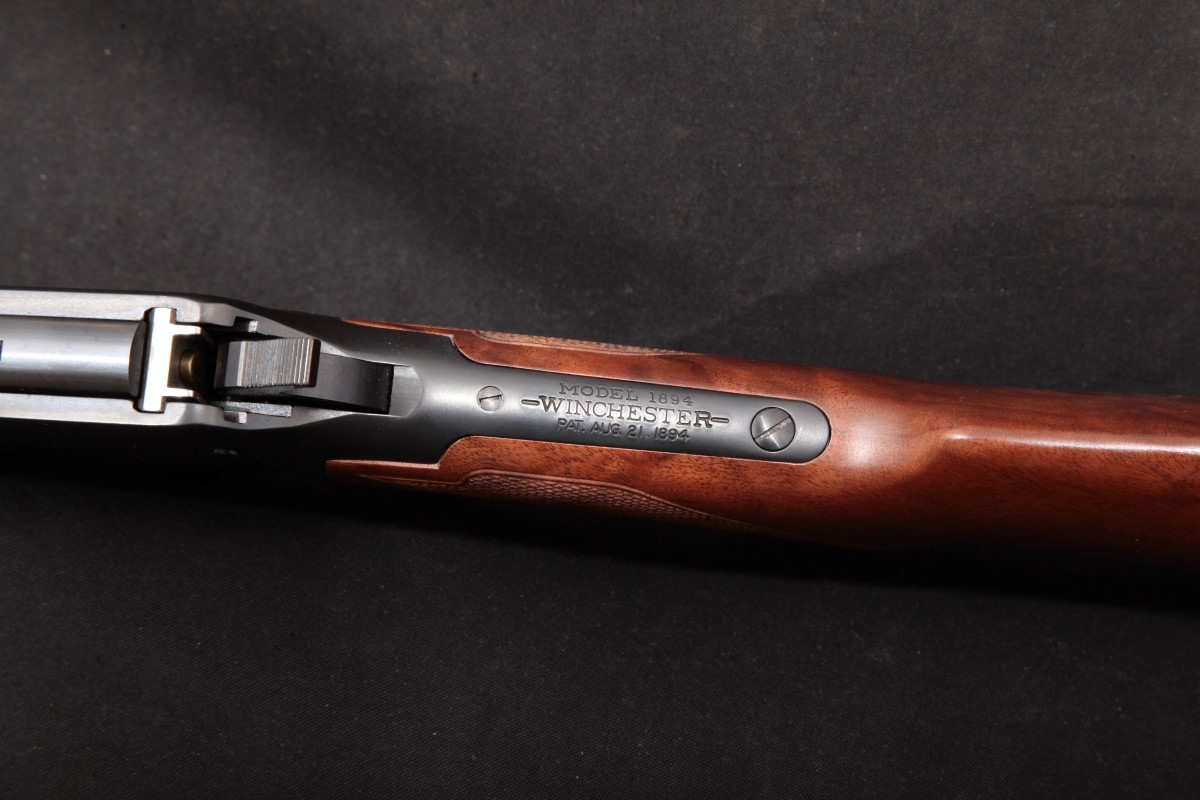
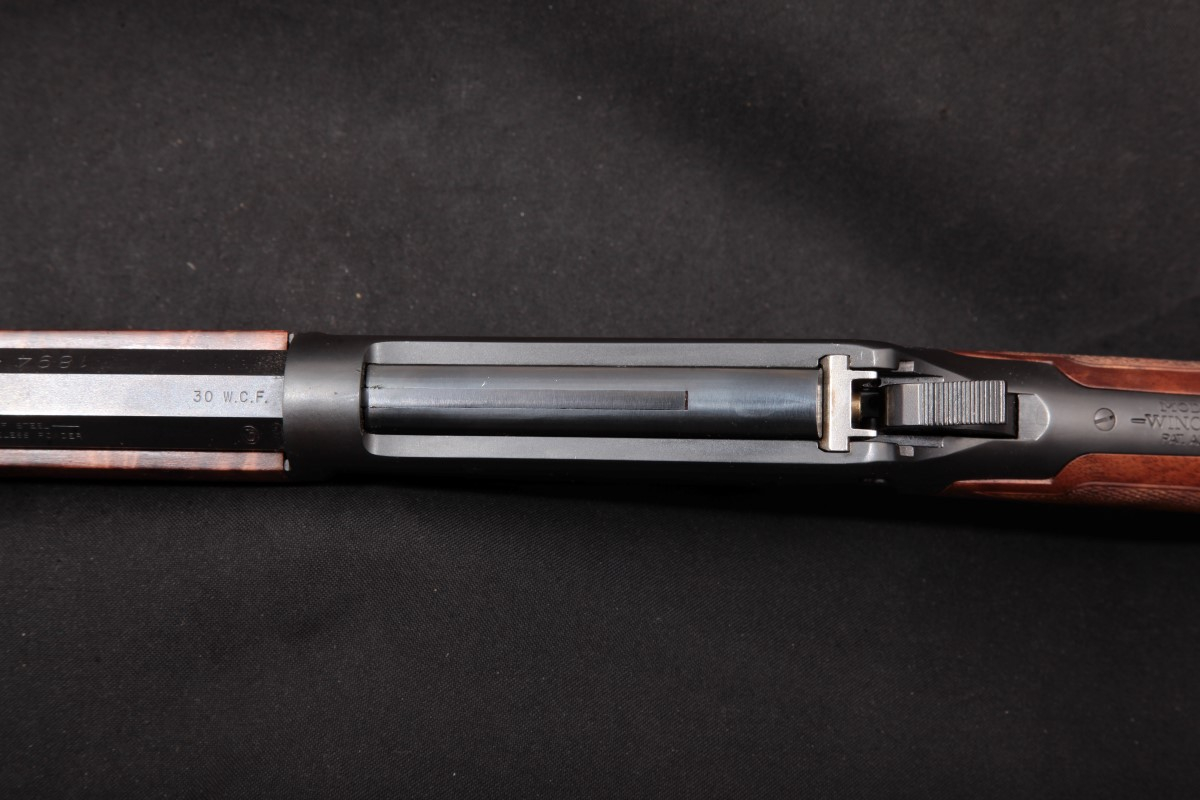
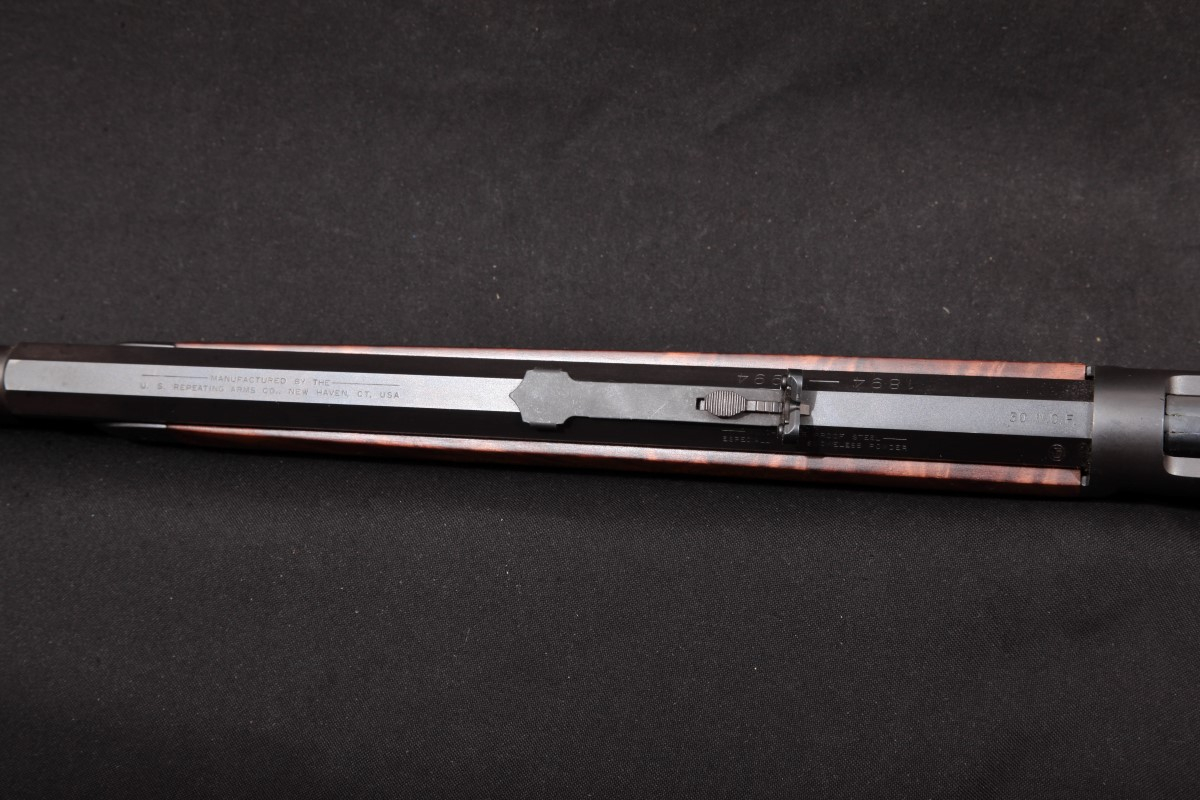
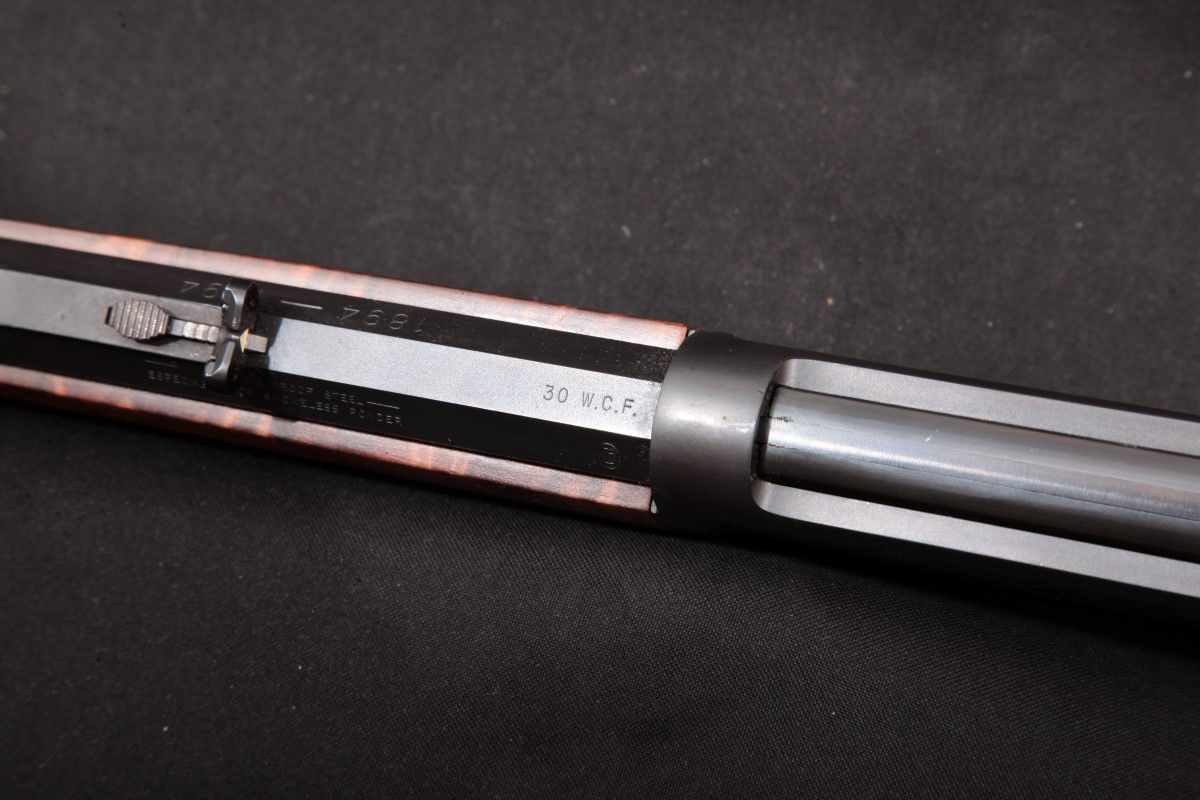
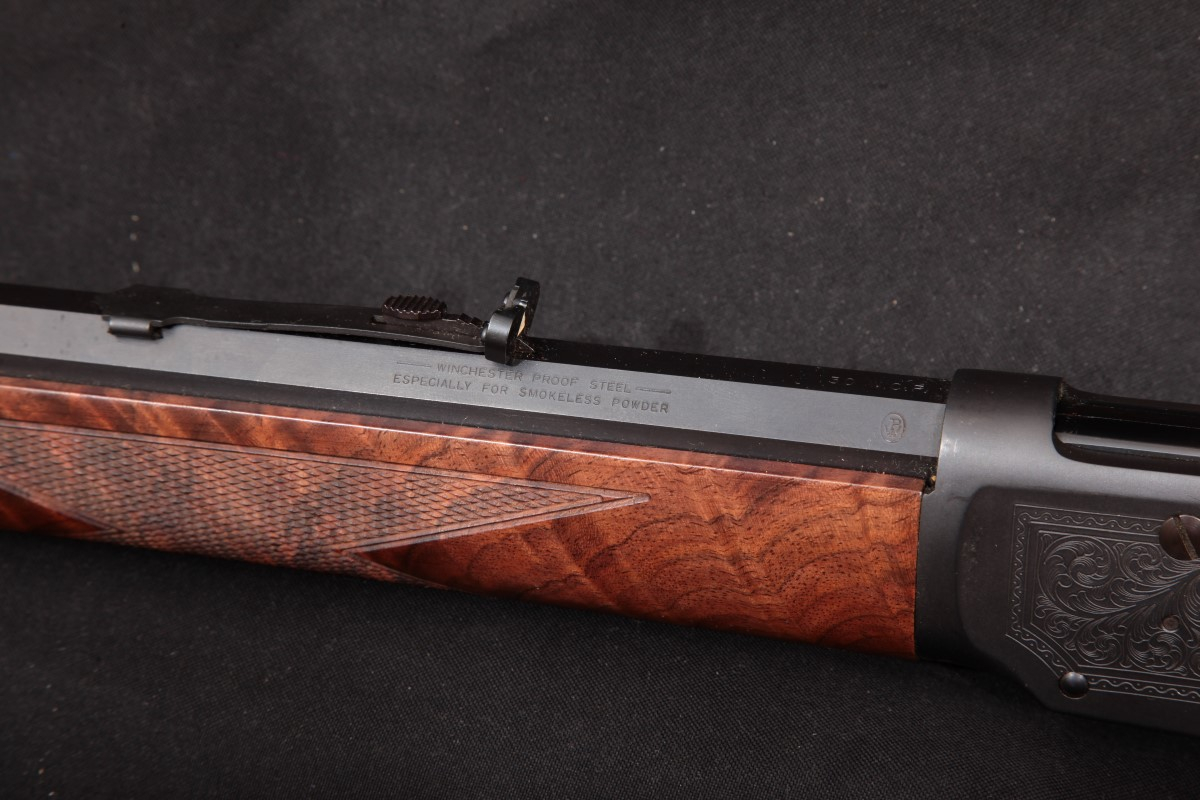
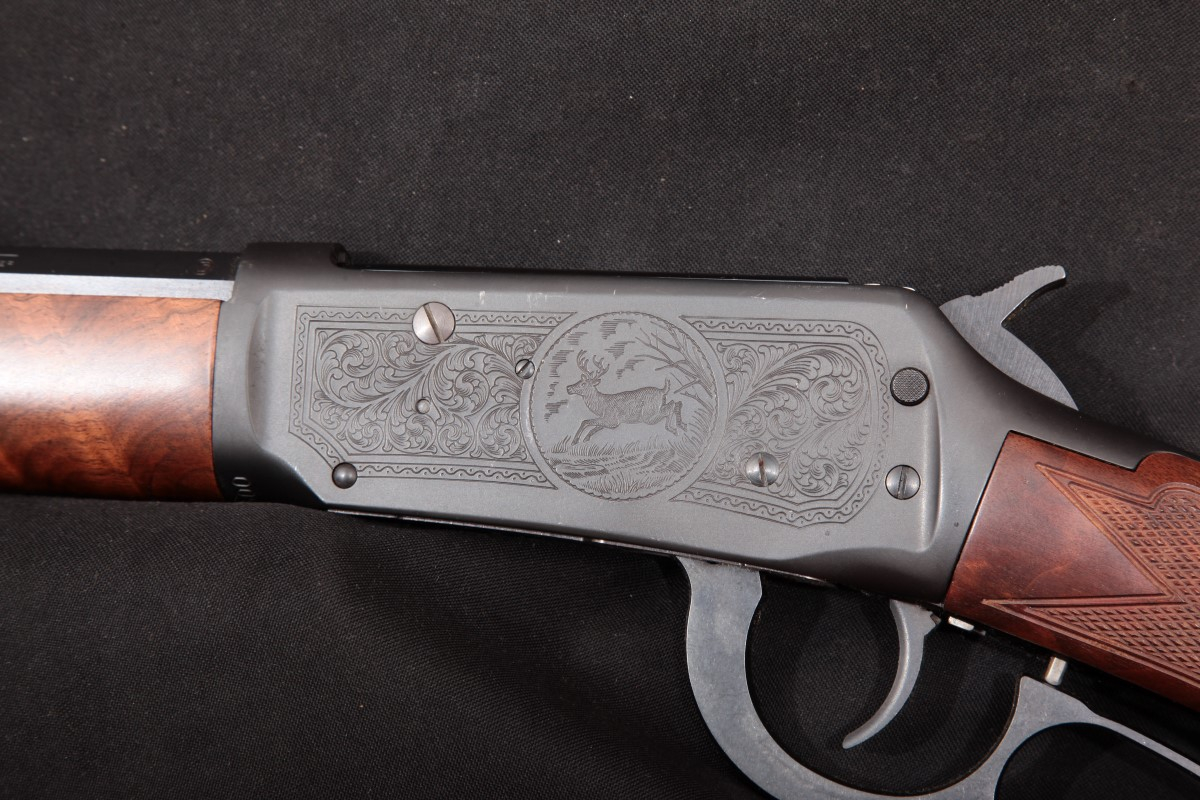
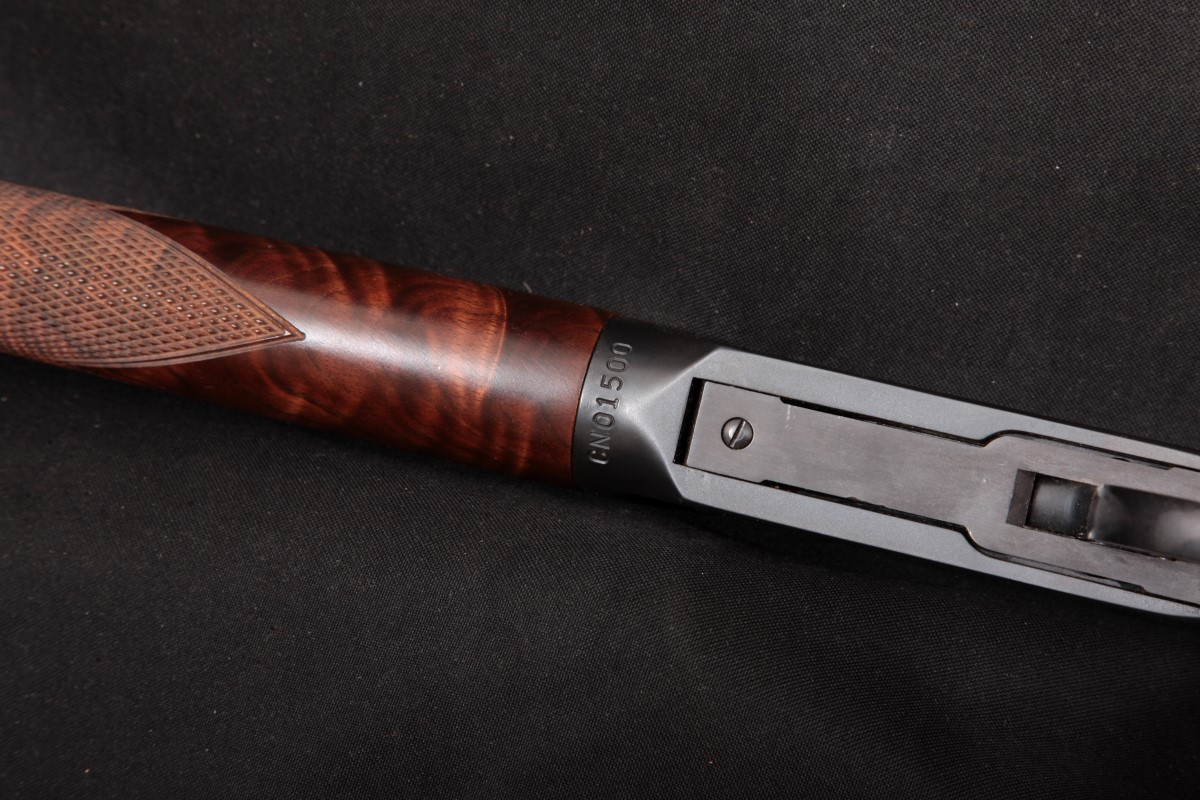
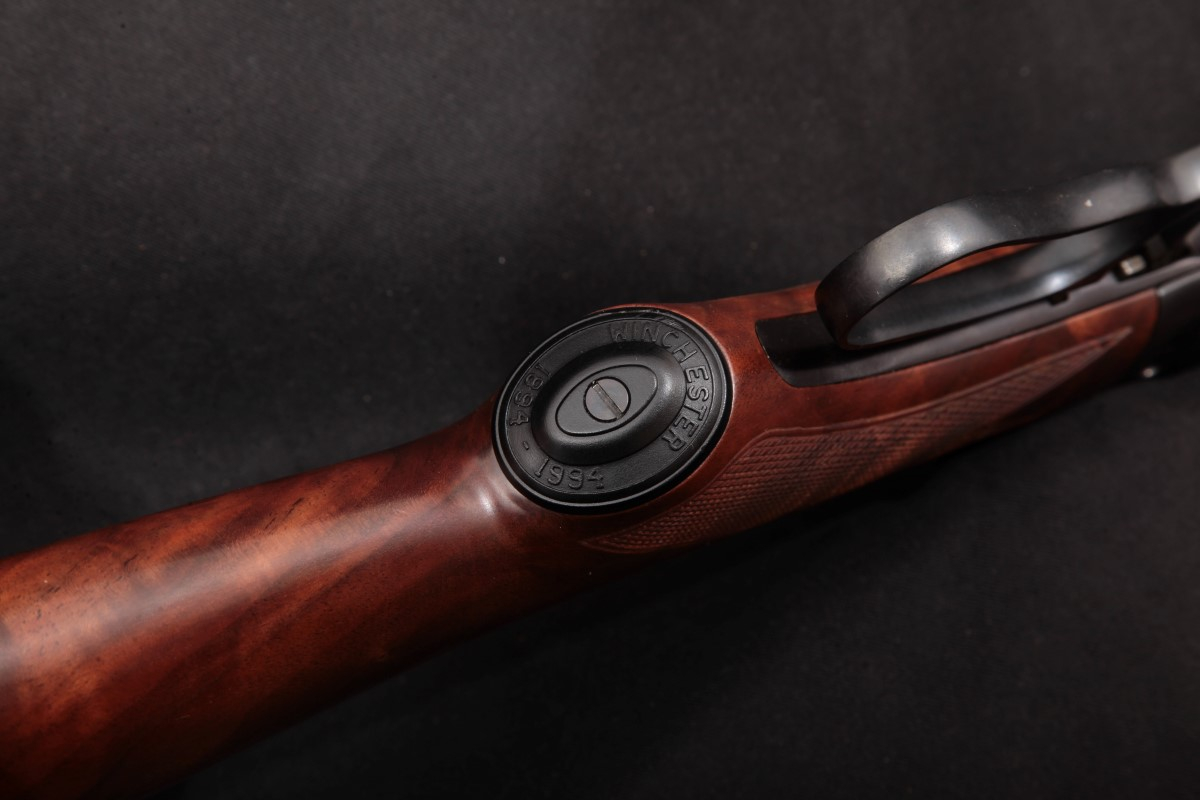
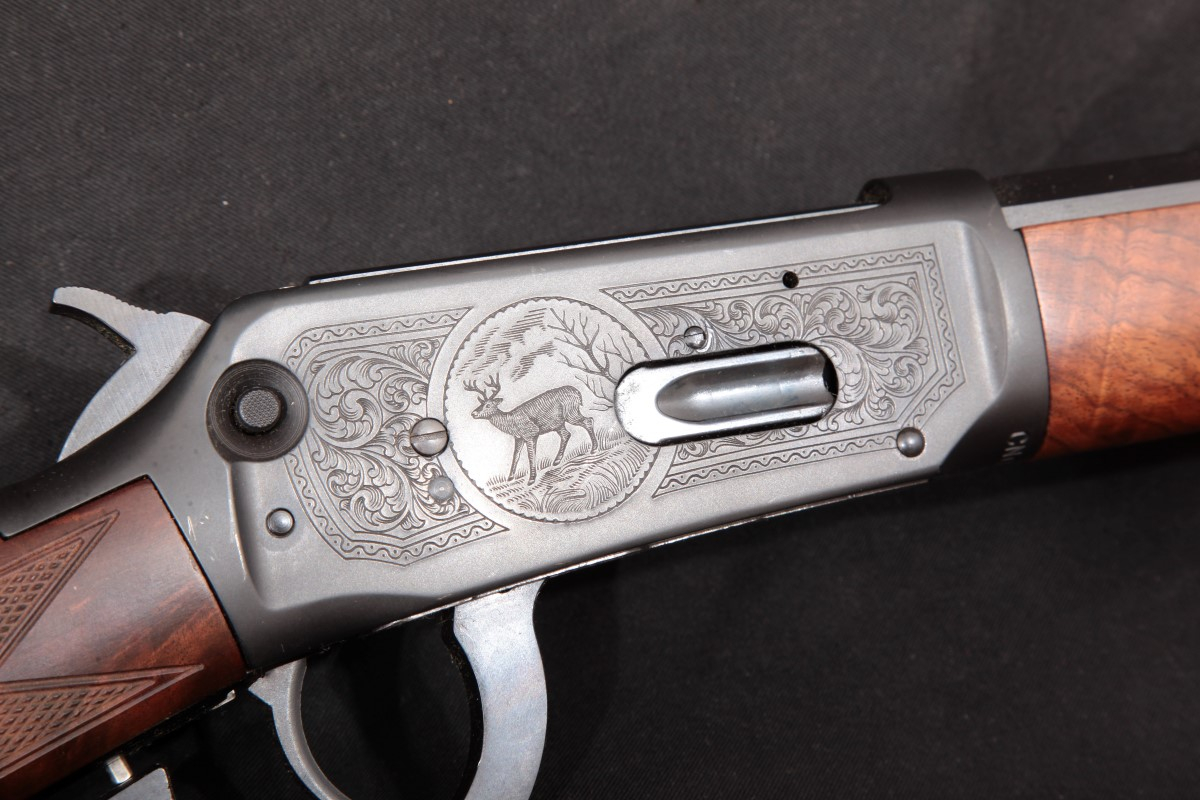
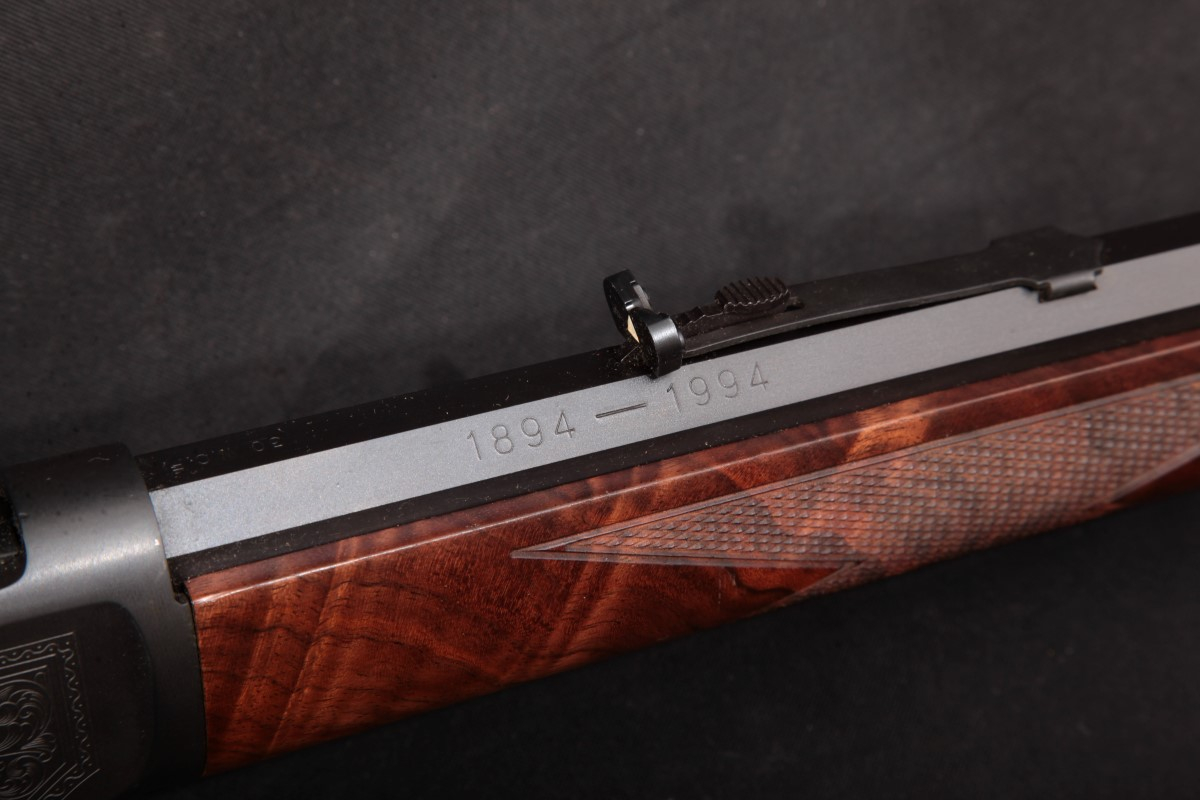
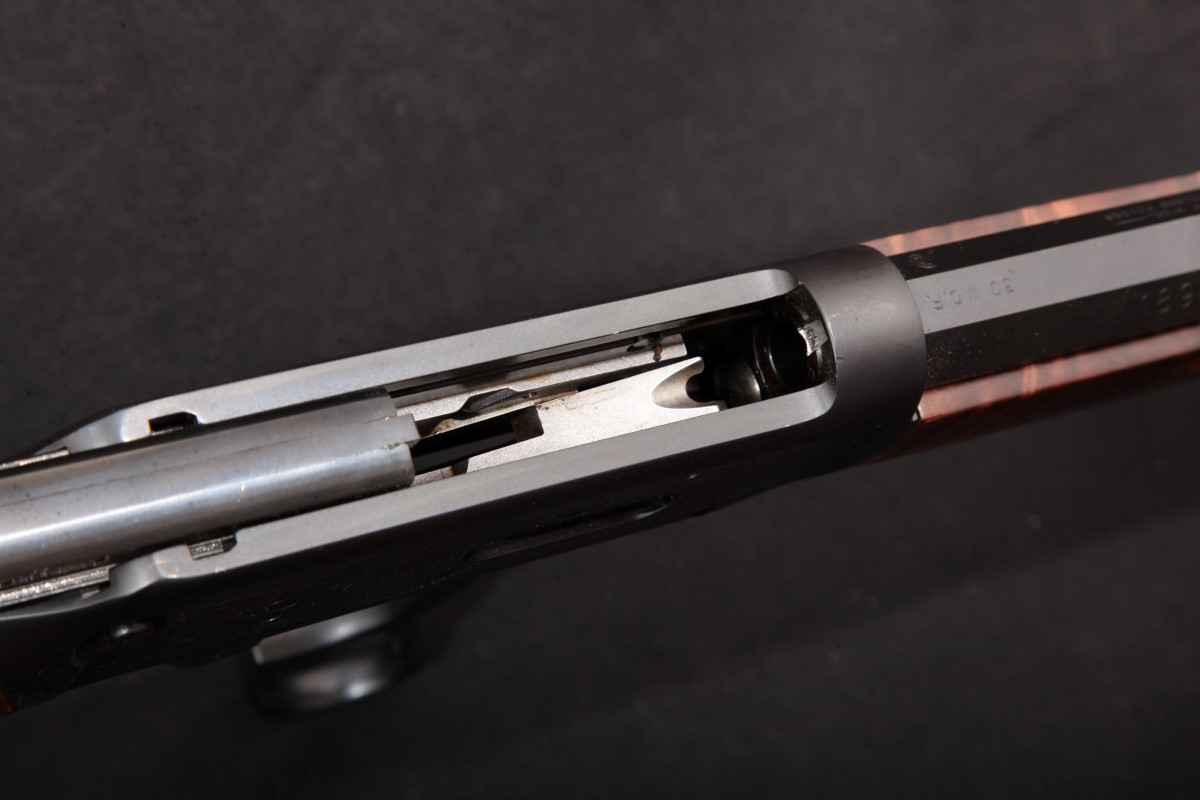
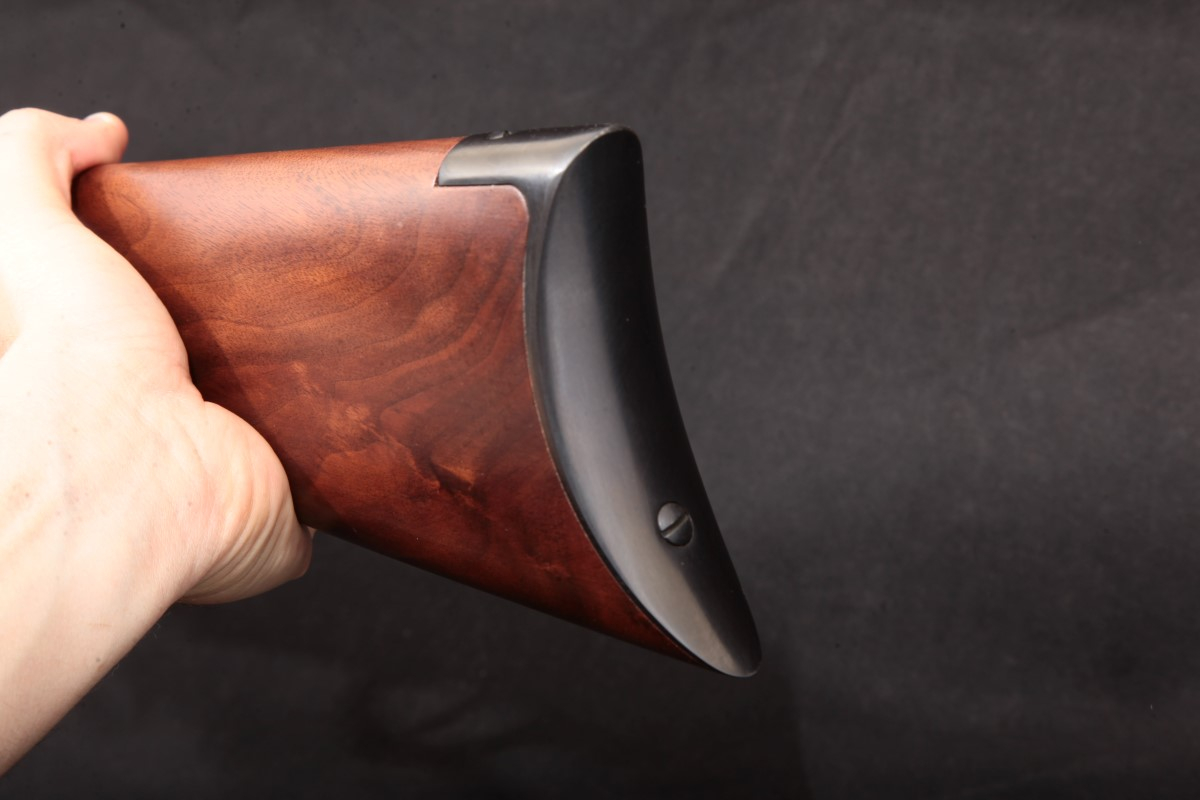 I also think that half moon steel butt plate will leave some memories too!

Same Old Question, Different Time — The Rimfires
New Reader Wally T. asks me the perennial question:
“What do you consider a minimum number of guns for home- and self defense for me and my wife, and which guns would you recommend?”
I remember vaguely doing one or two posts on this very topic many years ago, but as the title of this one suggests, times are different so maybe, just maybe, ’tis time to revisit the question. (Wally included a couple of personal details about his family which are not relevant to the topic except that his wife hates heavy-recoiling firearms — won’t even touch them, in fact — so whatever I suggest should take that into account.) So here goes. This post will deal with the must-have rimfire (.22 Long Rifle) guns; the other options will follow in later posts.
1.) .22 Rifle:
As Longtime Readers know, I have always considered a .22 rifle to be not a gun, but a household item like a frying pan or microwave oven — i.e. every home should have one — and .22 ammo is a household commodity like flour, sugar or salt. If you are starting from scratch in your home defense equipment, do not think the little .22 rifle is inadequate. Certainly, if your house is outside a town and therefore prone to critter invasions, a .22 rifle is a must — and if it can be fired rapidly (e.g. a semi-automatic or pump-action), that’s even better. Ditto home defense: even the most hardened goblin is going to change his plans if you or your wife has just popped two or three .22 bullets into his midsection. Here’s the thing: he may not die immediately after being thus shot (as opposed to getting a 12-gauge blast to the chest), but make no mistake about it, without immediate medical attention or else astounding luck, he will die from three rounds of .22 in his body. The .22 rifle is not the optimal home defense weapon, but if there’s nothing else, it’s far better than a baseball bat or tennis racket.
My recommendation for a .22 rifle is either a magazine-fed semi-auto like the Ruger 10/22, tube-fed rifle like the Marlin Model 60, or else a pump-action rifle like the Henry:
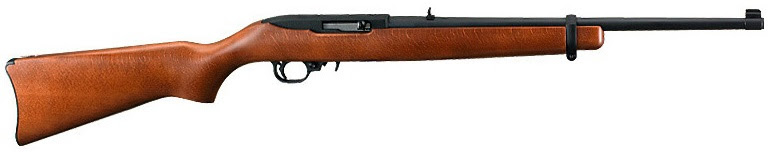

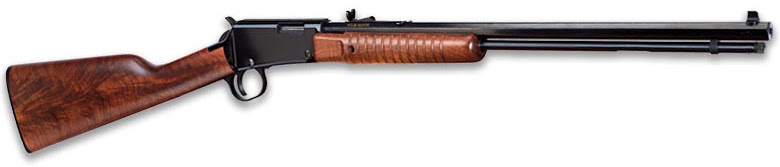
The first two collectively have sold more than any other two guns on the planet, and the third should be equally as popular, but isn’t (it’s kinda spendy, but that’s quality for you).
And seeing as you’ve just bought 5,000 rounds of .22 Long Rifle ammo (you have, haven’t you?), you might as well get the next must-have item.
2.) .22 Semi-Auto Pistol or Double-Action Revolver:
The nice thing about a little .22 handgun is that it’s handy [sic], especially if your wife is proficient in its use, because it’s light, has no recoil to speak of, and like the .22 rifle, can serve as a back-up self-defense option. Again, a goblin coming into your bedroom will change his plans when hit in the face with a couple rounds of .22 Long Rifle fired by your wife while you’re getting your bedside gun (see a later post) out of the drawer.
A compelling reason to have both a .22 rifle and a .22 handgun is that they are fun — and also good practice tools if you can’t afford to spend gobs of money on self-defense ammo. I leave it to personal choice as to whether you get a pistol or revolver, although I lean towards the semi-auto.
My recommendations for a pistol and revolver are either the Ruger Mk IV (see here as to why it’s my top pick), Browning Buckmark URX Standard (better trigger), and for a double-action revolver, the S&W Model 63 (because of its 8-round cylinder capacity):
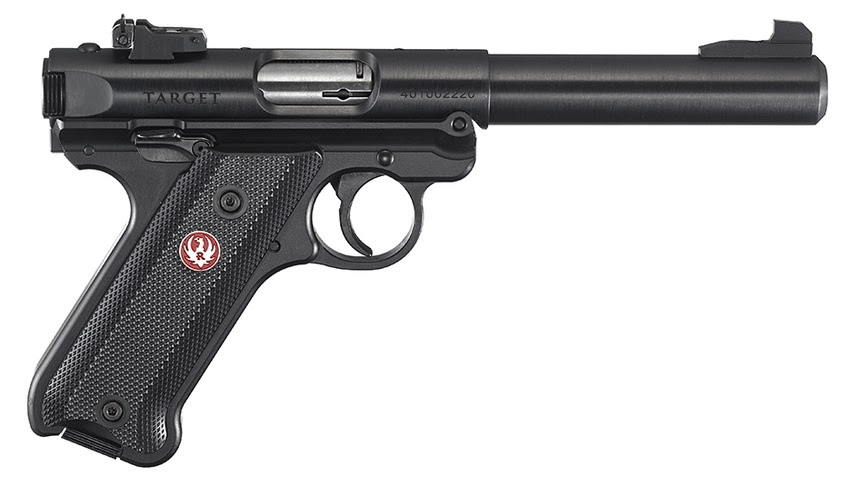
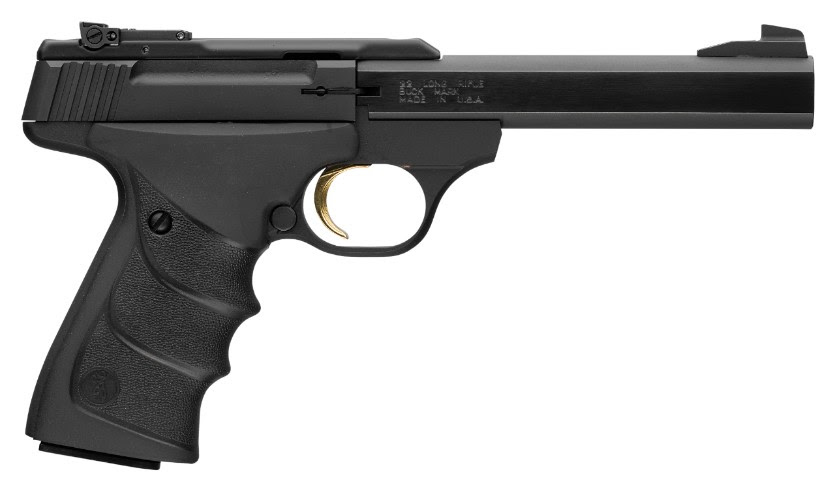
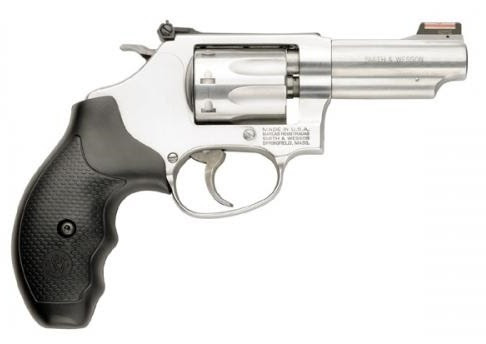
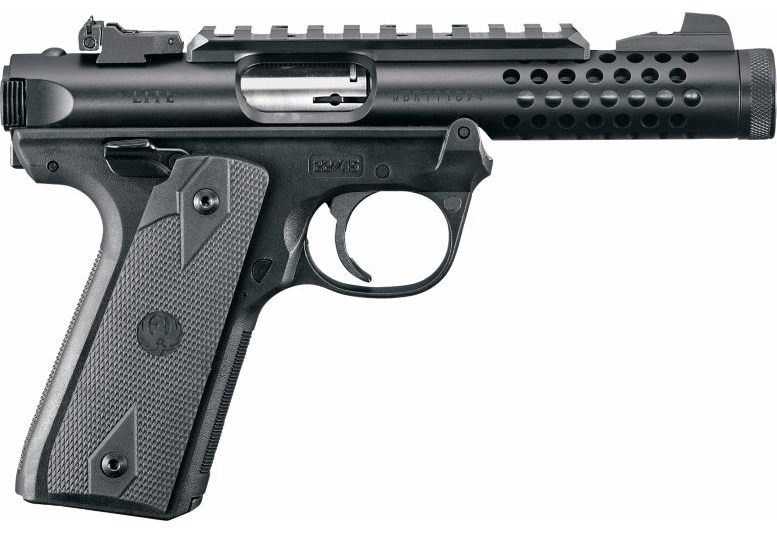
And just so we’re all clear on this: these recommendations are not comprehensive, nor are they definitive. There are hundreds of choices out there that can fill these two slots quite adequately, and as with all things, personal choice, price and preference (how it “feels” in the hand or in the shoulder) should be the principal part of of your final decision. Here, for example, is my Ruger Mk IV, in the 22/45 configuration:
I would humbly suggest, however, that none of the above recommendations will disappoint.


