
Categories
Tax Freedom Day !
April Fools! Sorry But It is NEVER Really Tax Freedom Day!

Tax Freedom Day
Tax Freedom Day is the first day of the year in which a nation as a whole has theoretically earned enough income to pay its taxes. Every dollar that is officially considered income by the government is counted, and every payment to the government that is officially considered a tax is counted. Taxes at all levels of government – local, state and federal – are included.
Contents
[hide]
Purpose[edit]
According to Neil Veldhuis, Director of Fiscal Studies, Fraser Institute, the purpose of Tax Freedom Day is to provide citizens of tax-paying countries with a metric with which to estimate their “total tax bill”. The premise is that by comparing the benefits received by citizens to the amount they pay in taxes, the value of paying taxes can be assessed.
History and methodology[edit]
The concept of Tax Freedom Day was developed in 1948 by Florida businessman Dallas Hostetler, who trademarked the phrase “Tax Freedom Day” and calculated it each year for the next two decades.[1] In 1971, Hostetler retired and transferred the trademark to the Tax Foundation.[2] The Tax Foundation has calculated Tax Freedom Day for the United States ever since, using it as a tool for illustrating the proportion of national income diverted to fund the annual cost of government programs. In 1990, the Tax Foundation began calculating the specific Tax Freedom Day for each individual state.
Tax Freedom Day only examines taxation, and does not account for debt and inflation as means for funding government.
- Debt comes with a guarantee of future repayment. Governments run at a deficit by promising creditors to service and repay debts by taxing future labor or generating revenue through other means such as sale or exploitation of state owned assets.
- Inflation or currency debasement increases the supply of currency. This new currency could be used to pay for government, but the increased supply results in a decrease in value of each unit of currency. As the value of currency decreases, commodity prices increase as a result.
Leap years have one day more, 29 February. This creates some bias in Tax Freedom Day charts. However, this bias is equal to roughly 1/366, which is about 0.27%.
United States[edit]
In the United States, it is annually calculated by the Tax Foundation, a Washington, D.C.-based tax research organization. In the U.S., Tax Freedom Day for 2015 is April 24, for a total average effective tax rate of 31 percent of the nation’s income. The latest that Tax Freedom Day has occurred was May 1 in 2000. In 1900, Tax Freedom Day arrived January 22, for an effective average total tax rate of 5.9 percent of the nation’s income. According to the Tax Foundation, the most important factor driving changes in Tax Freedom Day from year to year is growth in incomes, as the progressive structure of the U.S. federal tax system causes taxes as a percentage of income to rise along with inflation.
Tax Freedom Day varies among the 50 U.S. states, as incomes and state and local taxes differ from state to state. In 2015, Louisiana had the lowest total tax burden, earning enough to pay all their tax obligations by April 2. Connecticut had the heaviest tax burden – Tax Freedom Day there arrived May 13.
According to the Tax Foundation, the following is a list of Tax Freedom Days in the U.S. since 1900:[3]
| Year | TFD | Percentage tax burden |
|---|---|---|
| 1900 | January 22 | 5.9% |
| 1910 | January 19 | 5.0% |
| 1920 | February 13 | 12.0% |
| 1930 | February 12 | 11.7% |
| 1940 | March 7 | 17.9% |
| 1950 | March 31 | 24.6% |
| 1960 | April 11 | 27.7% |
| 1970 | April 19 | 29.6% |
| 1980 | April 21 | 30.4% |
| 1990 | April 21 | 30.4% |
| 2000 | May 1 | 33.0% |
| 2001 | April 27 | 31.8% |
| 2002 | April 17 | 29.2% |
| 2003 | April 14 | 28.4% |
| 2004 | April 15 | 28.5% |
| 2005 | April 21 | 30.2% |
| 2006 | April 26 | 31.2% |
| 2007 | April 24 | 31.1% |
| 2008 | April 16 | 29.0% |
| 2009 | April 8 | 26.6% |
| 2010 | April 9 | 26.9% |
| 2011 | April 12 | 27.7% |
| 2012 | April 13 | 29.2% |
| 2013 | April 18 | 29.4%[4] |
| 2014 | April 21 | 30.2%[5] |
| 2015 | April 24 | 31%[6] |
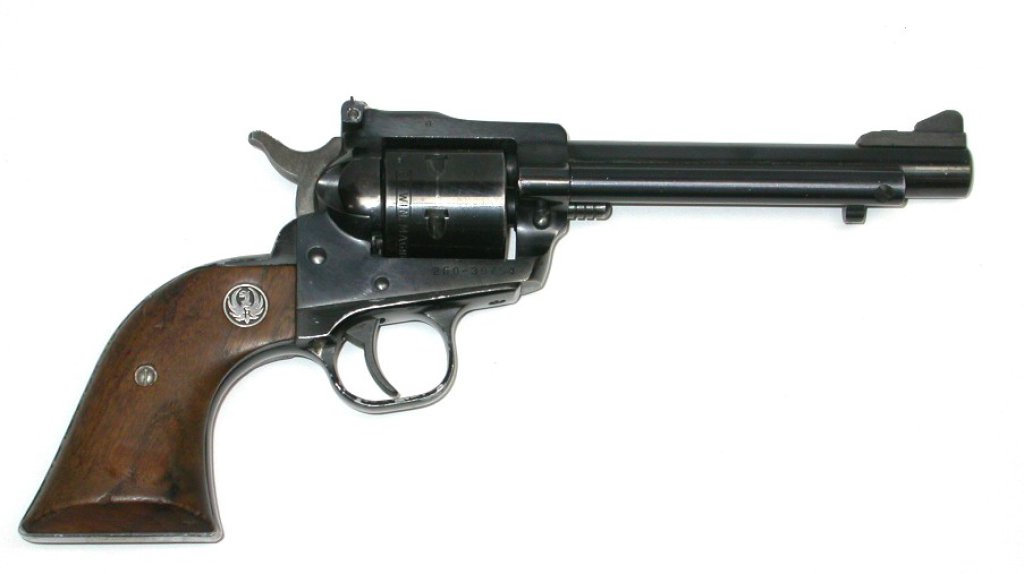
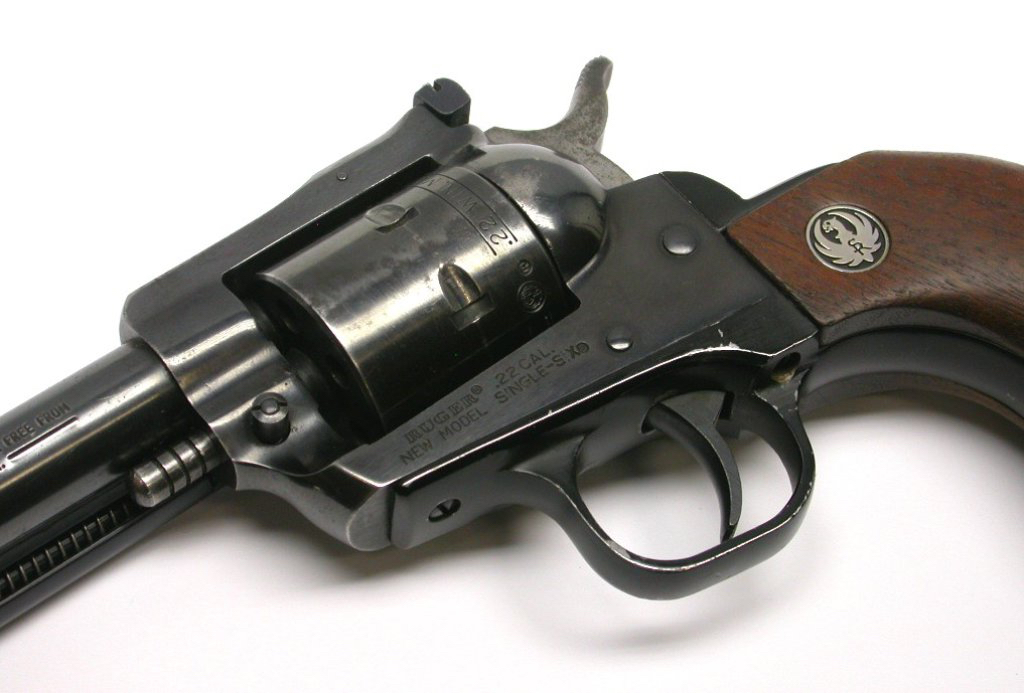
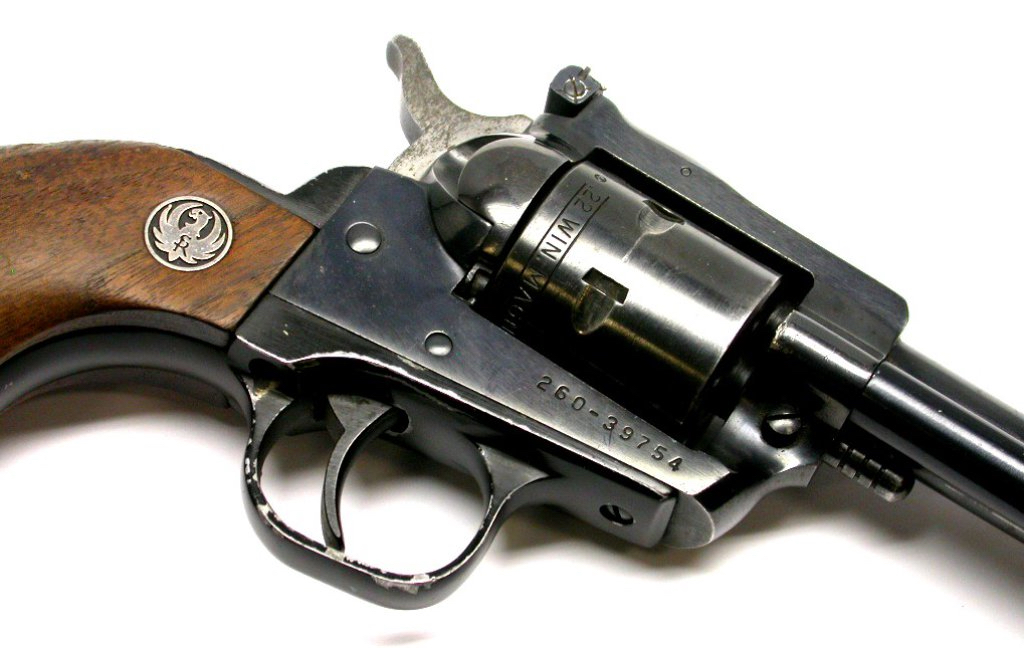
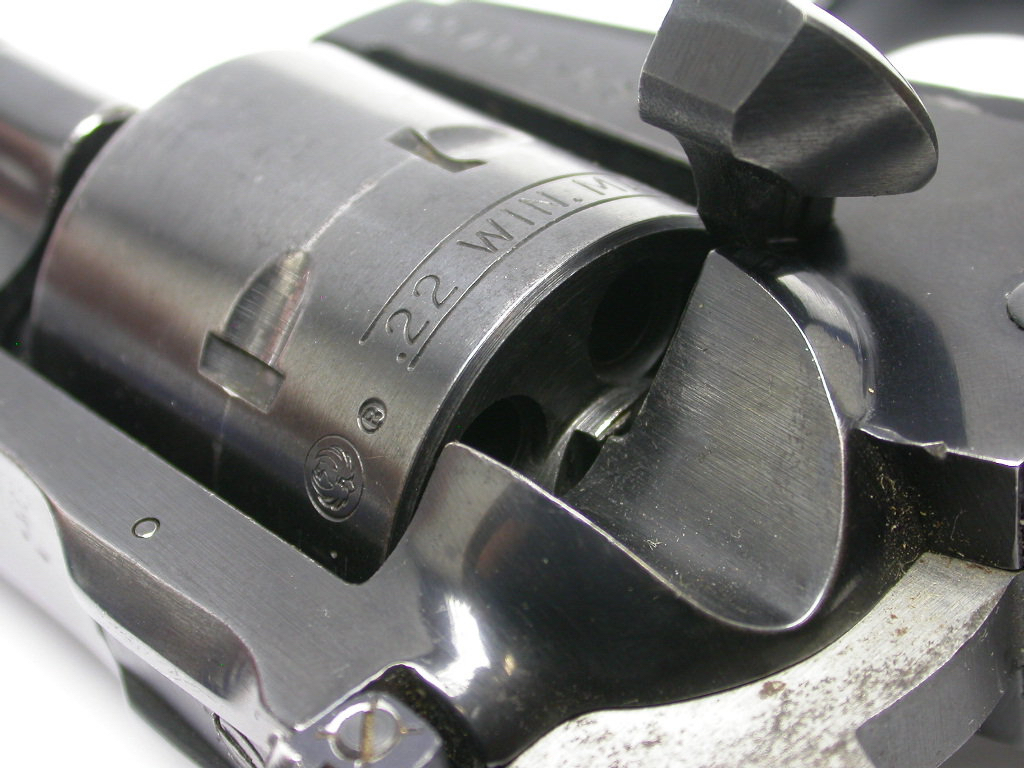
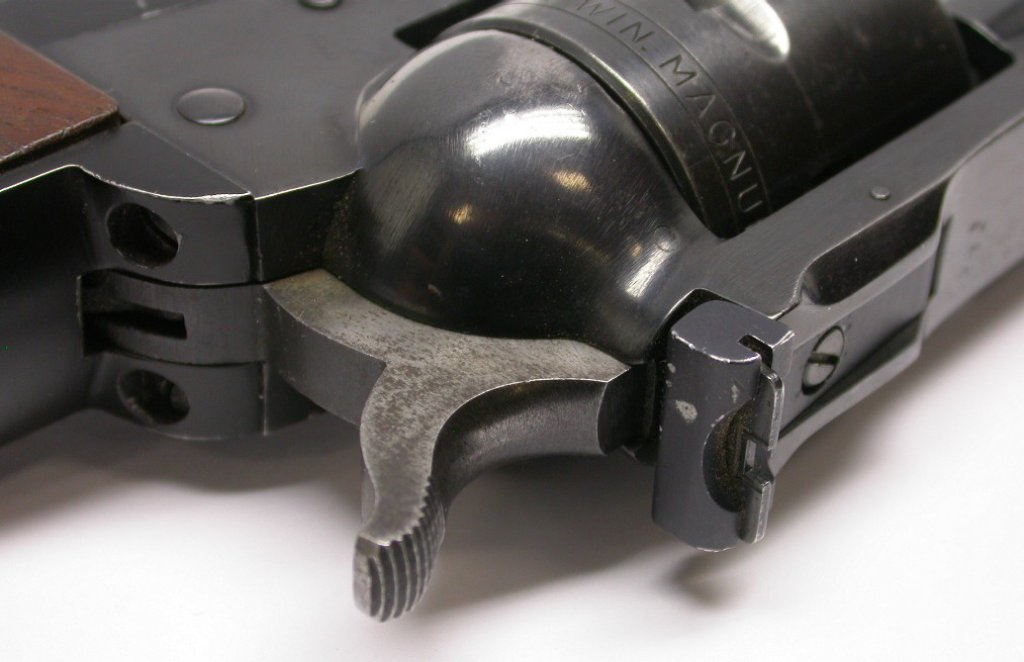
This would make for a nice addition to a easily affordable pistol collection.
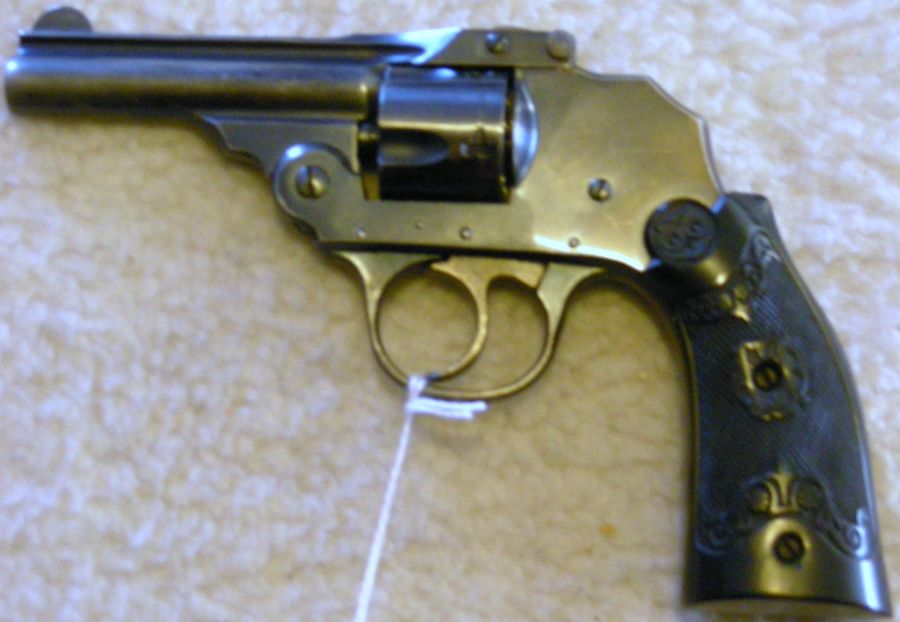
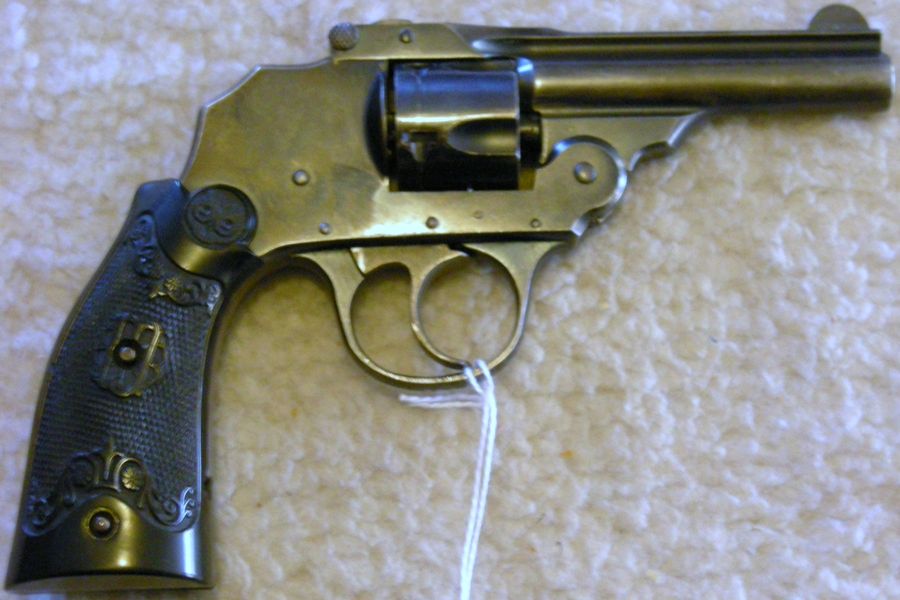 I think that they use to call these a lemon squeezer!
Here in chronological order are the consequences of making a snowman in today’s Canada
8:00 I made a snowman.
8:10 A feminist passed by and asked me why I didn’t make a snow woman.
8:15 So, I made a snow woman.
8:17 The nanny of the neighbors complained about the snow woman’s voluptuous chest.
8:20 The gay couple living nearby grumbled that it could have been two snow men instead.
8:25 The vegans at No. 12 complained about the carrot nose, as veggies are food and not to decorate snow figures with.
8:28 I am being called a racist because the snow couple is white.
8:31 The Muslim gent across the road wants the snow woman to wear a headscarf.
8:40 Someone calls the cops who show up to see what’s going on.
8:42 I am told that the broomstick of the snowman needs to be removed because it could be used as a deadly weapon. Things get worse after I mutter :
“Yeah, if it’s across your head.”
8:52 My phone is seized and thoroughly checked while I am being blindfolded and flown to the police station in a helicopter.
9:00 I’m on the news as a suspected terrorist bent on stirring up trouble during this difficult weather.
9:10 I am asked if I have any accomplices.
9:29 A little known jihadist group has claimed it was their plot.
Categories
Stangskyting — Amazing Bolt Action Rifle Speed Shooting
How fast can you shoot a bolt-action rifle?
We doubt you can out-pace the ace “Stangskyting” shooters from Scandinavia. Some of these guys can run more than two rounds per second, including mag changes!
That’s impressive. Bulletin reader C. Lemmermann from Denmark told us: “In Scandinavia we have this competition called ‘Stangskyting’.
It’s similar to the ‘Mad Minute’ but we only have 25 seconds to hit the target [at] 200-300m distance with a 6.5×55 [target rifle].” In the Stangskyting video below a shooter named Børklop puts 16 rounds on target in just 25 seconds. (He starts with a round in the chamber and cycles through three, 5-round magazines).
Børklop’s performance, with just a sling and iron sights, is impressive. He’s shooting a Sauer 200 STR target rifle with 5-round magazine.
Note that Børklop manipulates the Sauer’s bolt with his thumb and index finger, while pulling the trigger with his middle finger. As good as Børklop is, some Stangskyting competitors are even better.
Roy Arne Syversrud from Oslo, Norway tells us: “The best shooters in Norway can do 21 shots in 25 seconds, changing the mag three times.”
This Guy Could Break the “Mad Minute” Record
Børklop’s rate of fire, 16 rounds in 25 seconds, is the equivalent of 38.4 rounds in 60 seconds.
That’s a notable number because the record for the “Mad Minute”, a British Army marksmanship drill, is 38 rounds in one minute.
That record was set in 1914 by Sergeant Instructor Alfred Snoxall, and still stands. So as you watch Børklop, keep in mind that Snoxall shot that fast for a full minute with a Lee-Enfield nearly 100 years ago!
Børklop has an average cycling time of 1.56 seconds per shot, starting with a round in the chamber. To beat the record of 38 rounds, he would need to make seven mag changes in sixty seconds.
All those mag swaps could reduce his average time per shot, making it difficult to achieve 38 hits in a minute. But, if Børklop could use 10-round mags with his Sauer STR, this guy has the skills to break the record.

To emphasize the capabilities of the WWI-era British shooter who set the record, Snoxall shot as fast as Børklop does, but Snoxall reloaded with stripper clips. Snoxall’s SMLE (Lee-Enfield) rifle also had relatively crude open sights and the stock was far less ergonomic than Børklop’s Sauer STR stock.
Here’s another Stanskyting video showing John O. Ågotnes shooting rapidfire with his Sauer 200 STR (Scandinavian Target Rifle) chambered in 6.5×55.
By our count, Ågotnes manages 17 shots within the 25-second time period. That rate of fire (17 in 25 seconds) equates to 40.8 rounds in one minute!
9 Critical Concealed Carry Lessons: Ep. 7 Truck Guns

Do you carry a gun in your truck?
A controversial topic to some, this week we are going to talk about the truck gun concept. I have gotten some backlash over the years that a rifle under the seat doesn’t really count as “concealed carry” and no shortage of critics who tell me, “You will go straight to jail if you use an AR to defend yourself.”
Well, I say, to each his own. If I need a rifle to solve a problem, I firmly believe in the old saying, “Better judged by twelve than carried by six.”
Many things are debatable, but relative firepower is not. A duty-sized pistol beats a pocket pistol, and a rifle beats the pants off of both in terms of killing power. (Notice I didn’t say “knock down power.”) I almost always carry a rifle in the truck, just in case. Here’s why you might consider doing the same.
Check out all the episodes in this series:
- 9 Critical Concealed Carry Lessons: Ep. 1 Stop The Nonsense!
- 9 Critical Concealed Carry Lessons: Ep. 2 Revolver or Pistol for CCW?
- 9 Critical Concealed Carry Lessons: Ep. 3 Fighting with Edged Weapons
- 9 Critical Concealed Carry Lessons: Ep. 4 Lights and Lasers!
- 9 Critical Concealed Carry Lessons: Ep. 5 Holster Selection & Where to Carry
- 9 Critical Concealed Carry Lessons: Ep. 6 Red Dots vs Iron Sights
- 9 Critical Concealed Carry Lessons: Ep. 7 Truck Guns
- 9 Critical Concealed Carry Lessons: Ep. 8 Training Program
- 9 Critical Concealed Carry Lessons: Ep. 9 Ammo Selection
The first question at hand is geography. Where do you live? If you live out West, like I do, it is really easy to get into wide open spaces. It might not be likely, but it is entirely possible that I need to defend myself from afar.
In fact, it is highly probable that if SHTF, I would prefer to have a .308 to a 5.56 just for the increased range. There are some strange cats out here in the desert, and all it takes is one nut job to think my F-150 is a United Nation’s black helicopter for things to go pear-shaped. Wild animals big enough to actually hurt me also roam these parts and 9mm is a bad choice for an enraged moose or mountain lion.

Even if you don’t drive a truck, there are plenty of concealment options for cars and SUVs.
Proximity to your house from work should also be a factor in your decision. On the worst of days, it is about 30 miles back to my house from where I work, through an area that is sparsely populated. If something catastrophic shut down the roads or my truck died, I would probably be able to avoid problems just by moving at night. If that 30 miles were across an urban area, I would want some heavier hardware.
The second point to consider is terrorism. Going all the way back to Charles Whitman at the University of Texas in 1966 to Pulse Night Club to Sandy Hook to San Bernadino to Aurora to the shooting in Dallas perpetrated by Micah Johnson, the worst of the worst have a tendency to bring long guns.
You never want to find yourself in a firefight holding a pistol when the other guy has a rifle. It doesn’t matter if their entire marksmanship program involved ninja rolls and monkey bars, you’re still likely to get your butt kicked.
The counter-argument to this given by many “professional” trainers is that in such a situation you should either hunker down or flee. If that is your mindset, please leave the rifle at home. Preferably next to your cardigan and pink fluffy slippers. I don’t know exactly what kind of man would flee the scene of a mass shooting if he had the means to stop it but that sounds like a coward to me.
Sure, police might confuse you with one of the bad guys. And you might get shot and killed saving innocents. But that is a better end than trying to live with yourself if you fled the scene of a massacre like a rat from a sinking ship. It’s a cold, hard world out there, and the sooner you come to terms with it, the better off you will be. It’s one man’s opinion, and I have the benefit of millions of dollars in training time. But it bears serious consideration.
I have space in my vehicle, so I carry a Barnes Precision AR-15 with a 16” barrel. The optic or lack thereof is dictated by need and space. When I did this for a living, I often used just iron sights, because it made the package smaller.There are a lot of concealment options for long guns on the market whether it be in the trunk of your car or in a dedicated carry pack (see video for more details on the backpacks). If you are of the means, you can also nab something ultra-compact. The Kel Tec SU-16 is a great truck gun, for example. You can also take a look at AR takedowns or something in a bullpup configuration.
Now that I’m in retirement and live out West, I often use a Bushnell 1-6.5x-25mm for the increased ability to hit at range.
One additional accessory I have recently discovered is the Crimson Trace® LINQ. This is a flashlight and laser aiming module all in one, controlled wirelessly via an integrated pistol grip. I really like the redundancy of a backup aiming system that works in all light conditions. The flashlight is tiny but packs the same punch as a light three times its size. I round my system out with a VTAC sling, still the king of slings in my opinion.

The LINQ from Crimson Trace® is worth checking out, especially in a world where one is none and two is one.
A truck gun isn’t for everyone, but it is something you should consider. It’s like flood insurance. Don’t let the first time you think about it be the day you need it.
Go & get yourself the 22 LR Cylinder with it and you would have a very veristle & fun rig there!