I’m willing to bet that they did this on purpose!
Grumpy

Categories
Then & Now a days

Categories
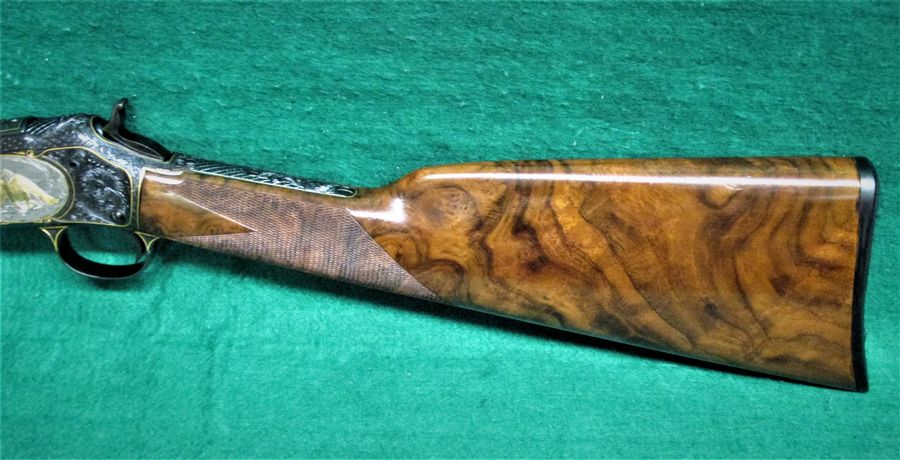
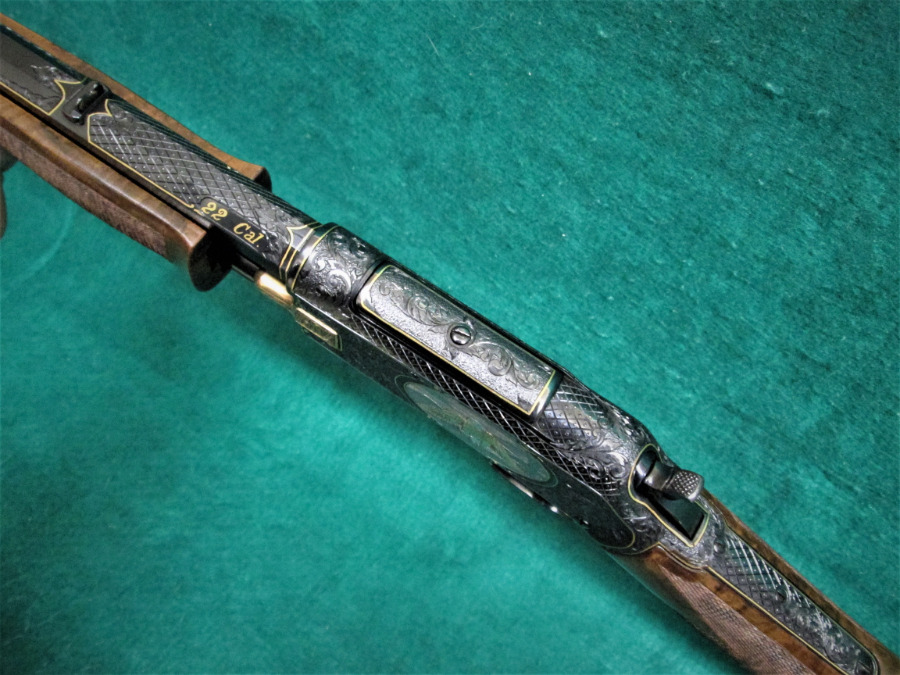
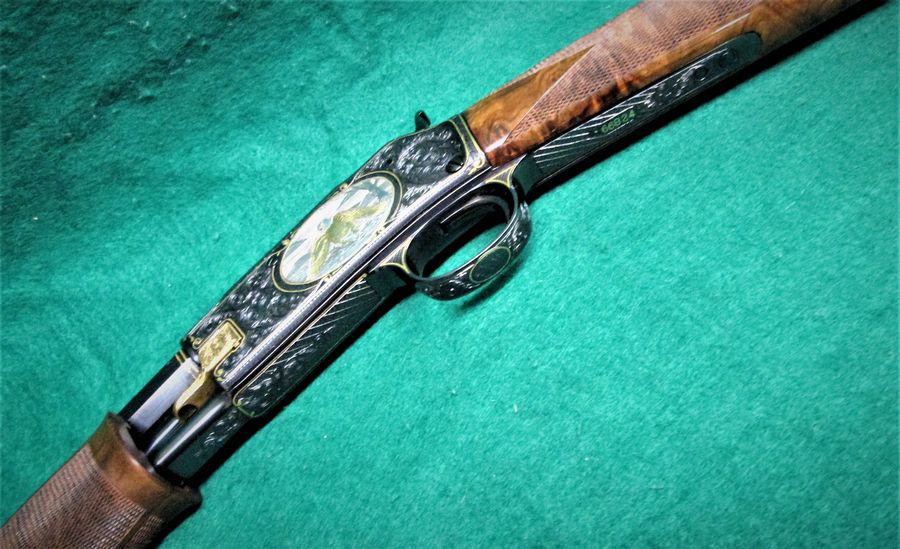
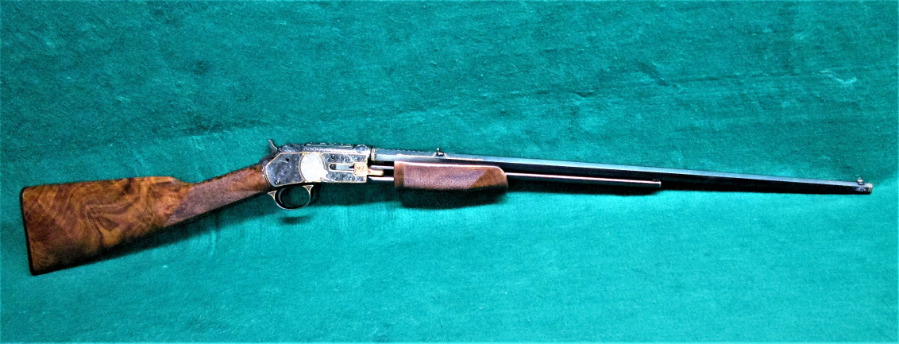
Colt, Model 1883 Colt-Burgess
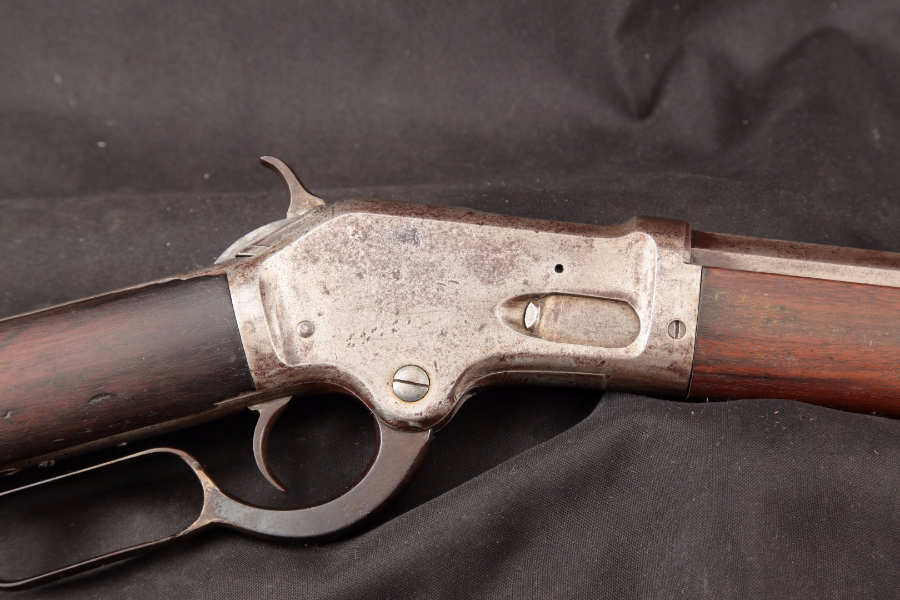

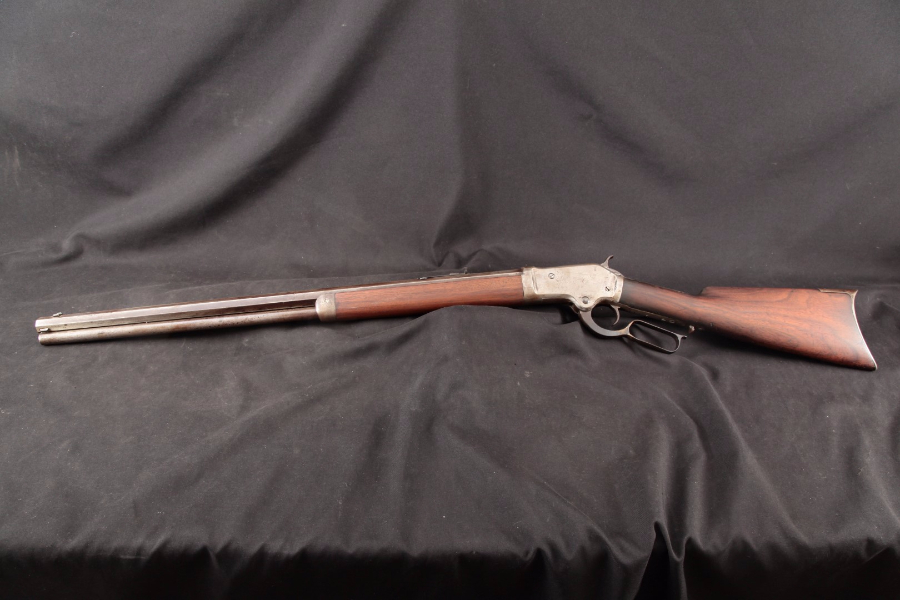
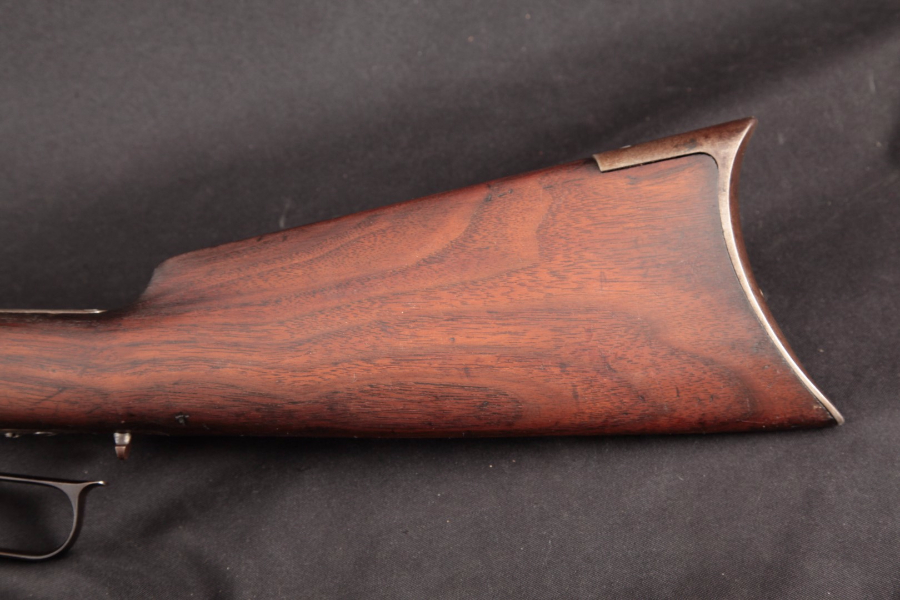
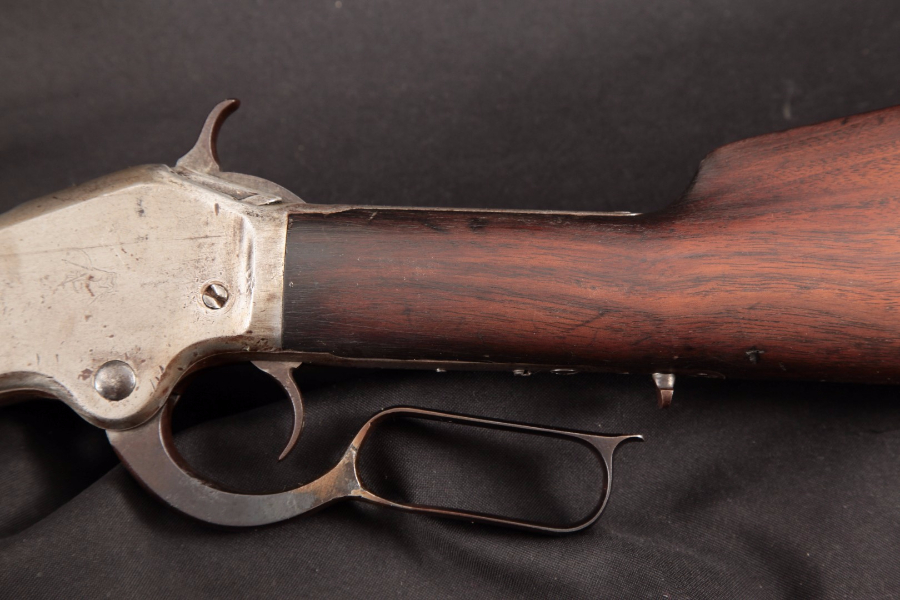
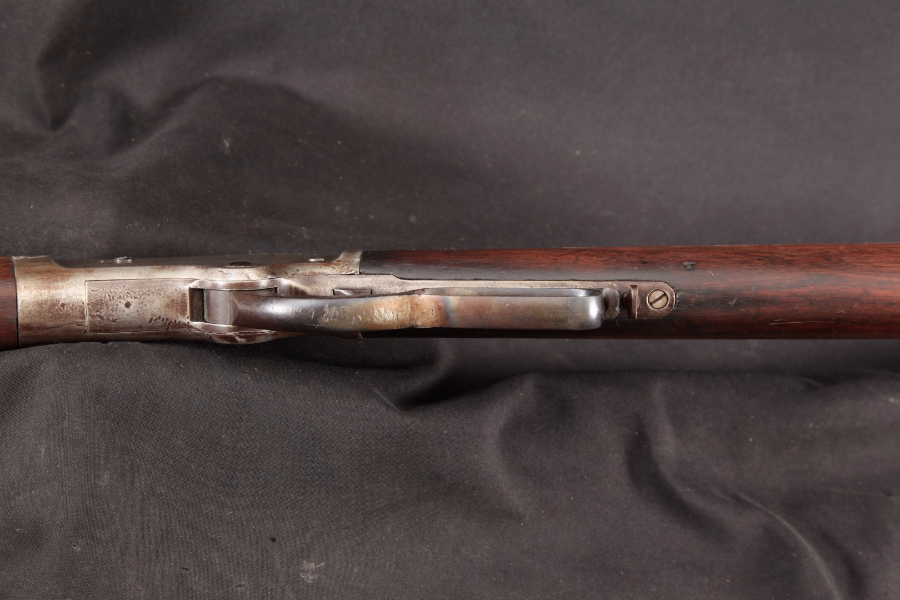
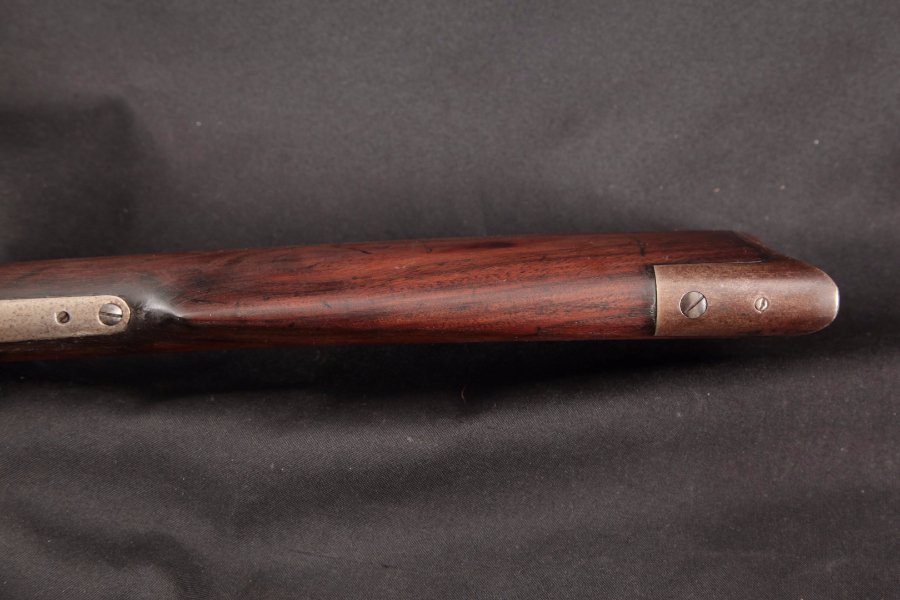
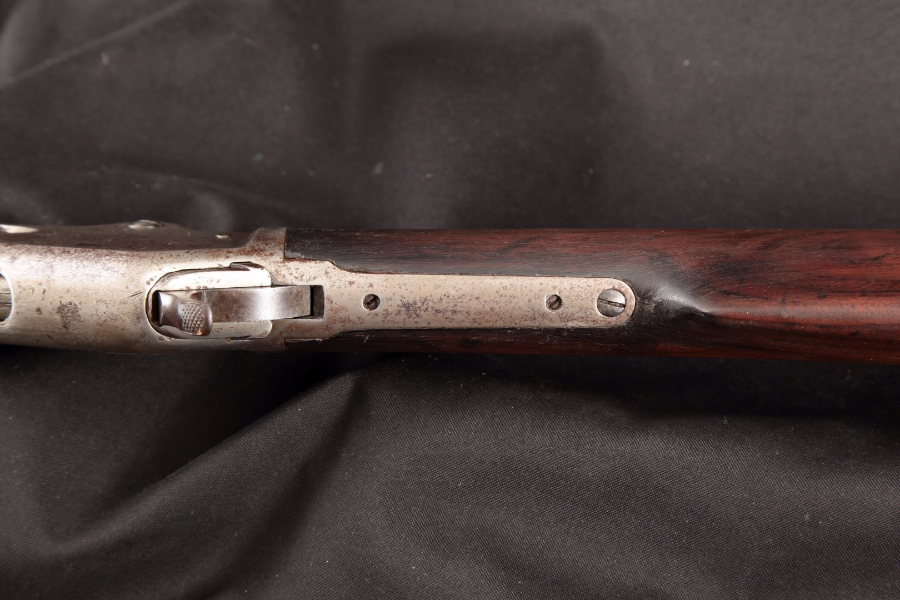


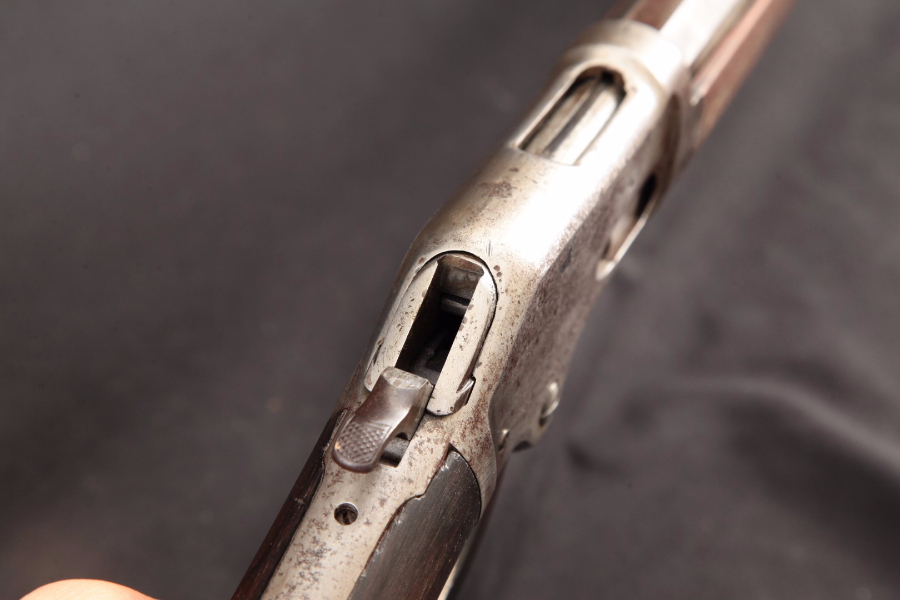
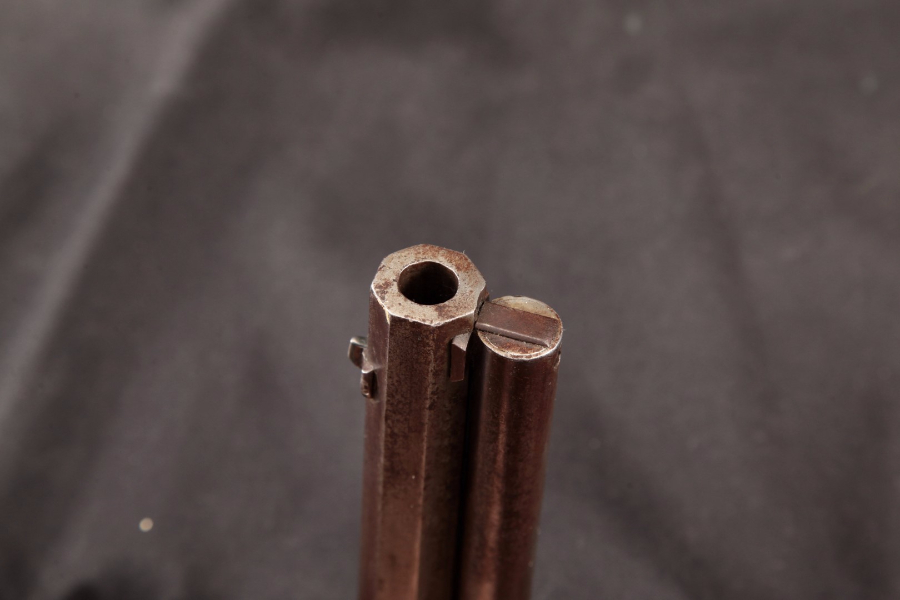
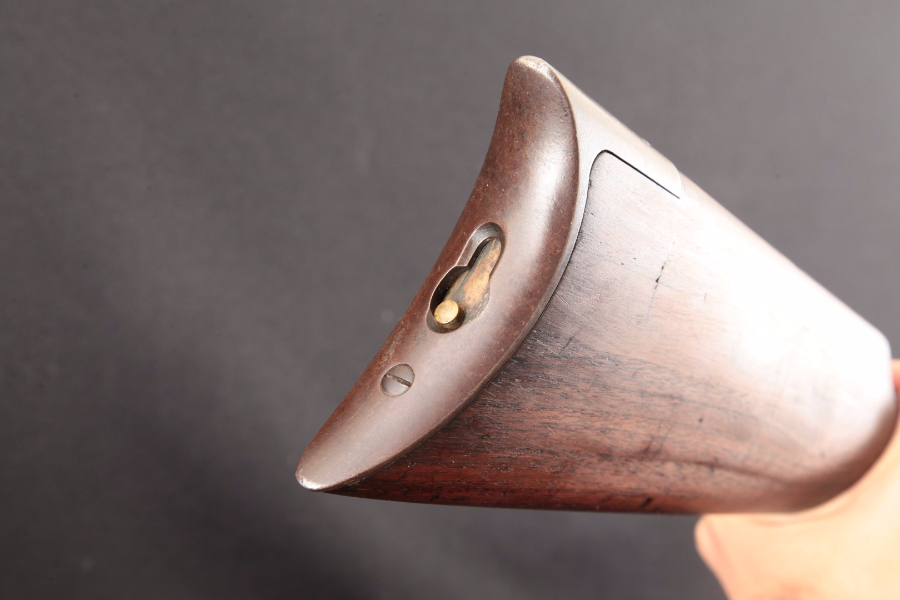
Although Colt predominately was a manufacturer of popular revolvers, such as the Colt Single Action Army, the company began in the 1880s to seek to compete against Winchester in the rifle market. In 1882, Colt contacted Andrew Burgess to design a lever-action rifle and by July 1883, production of the new rifle had begun. The Colt-Burgess was produced for sixteen months thereafter, with a total of 6,403 guns manufactured. Approximately 60% of these were of the rifle variation. When compared to production figures of Winchester’s 1873 rifle, the Colt-Burgess failed as a serious competitor to Winchester. From 1873 to 1919, Winchester manufactured 720,610 Model 1873 rifles, or an average of over 15,000 per year.
The short production history of the Colt-Burgess has led to much speculation as to the reason of its demise. According to legend, upon hearing of Colt’s entrance into the lever-action rifle market, Winchester began to develop a prototype revolver to compete with Colt’s market. A “gentleman’s agreement” then followed between Colt and Winchester, with Colt agreeing to drop production of the Burgess and Winchester abandoning its plans to develop a revolver. The truth of this story has never been fully verified, and as such, the reason for the Burgess rifle’s short production history is unknown.
http://www.bbc.co.uk/news/world-asia-india-42425713

Categories
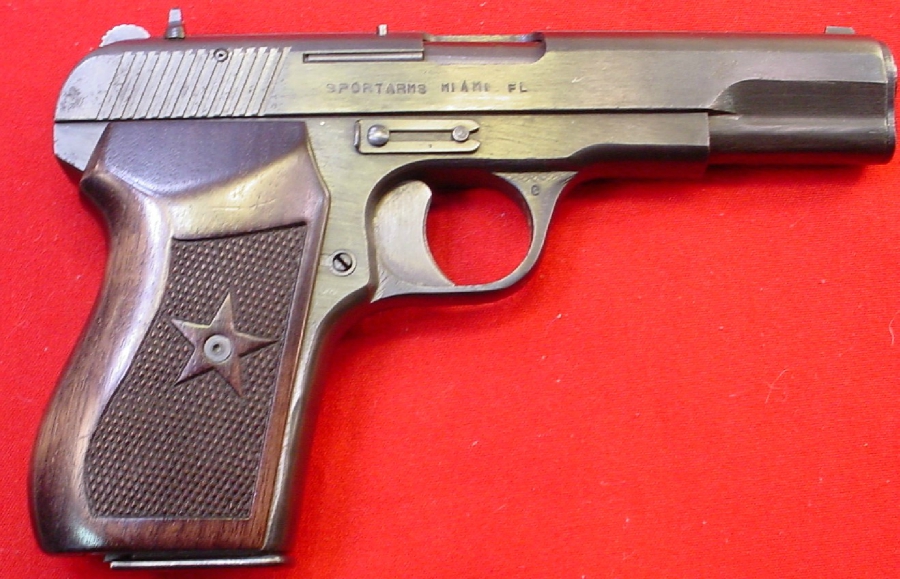
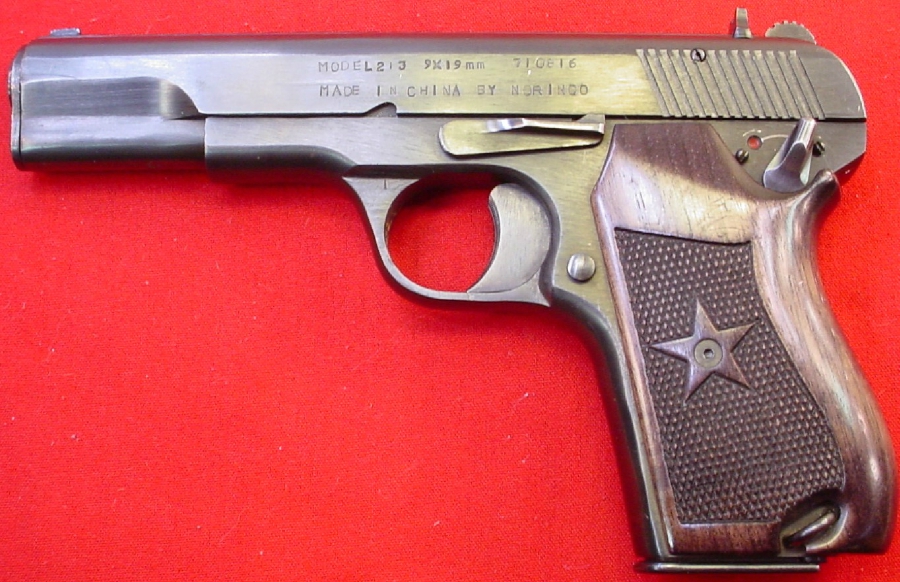
Norinco Model 213 9x19m/ 9MM.
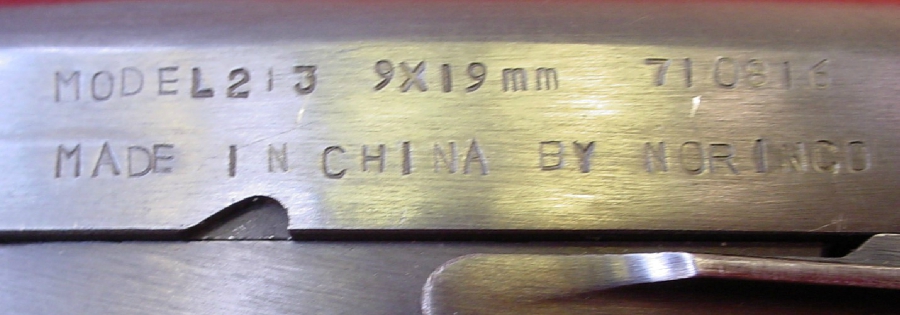
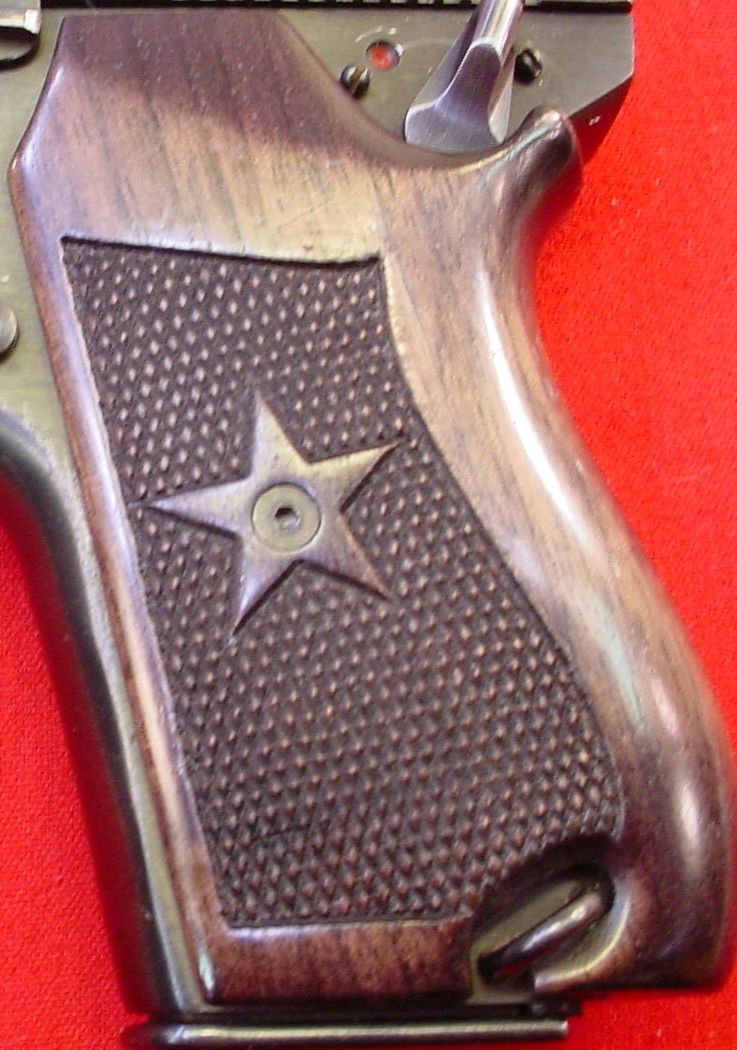
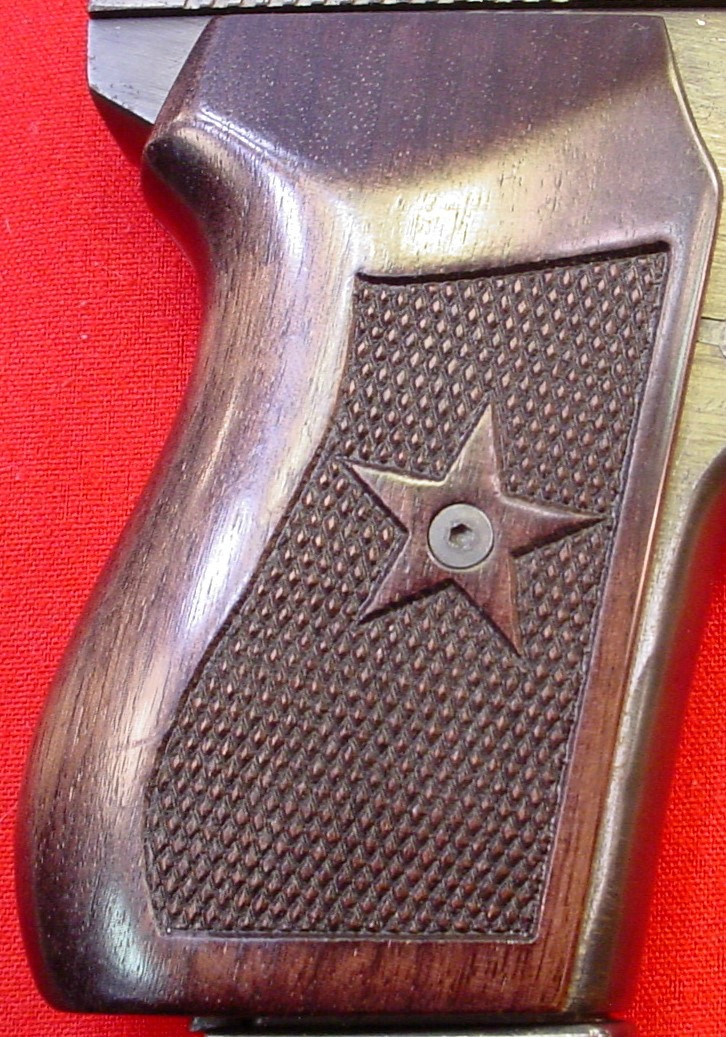
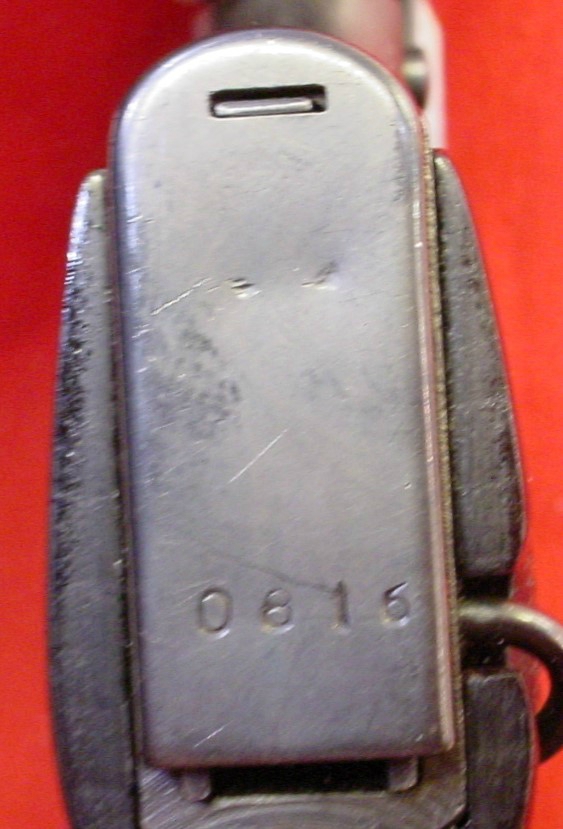
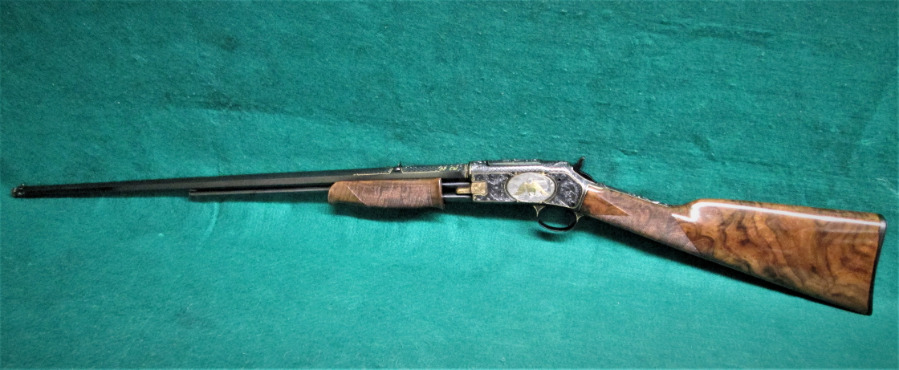
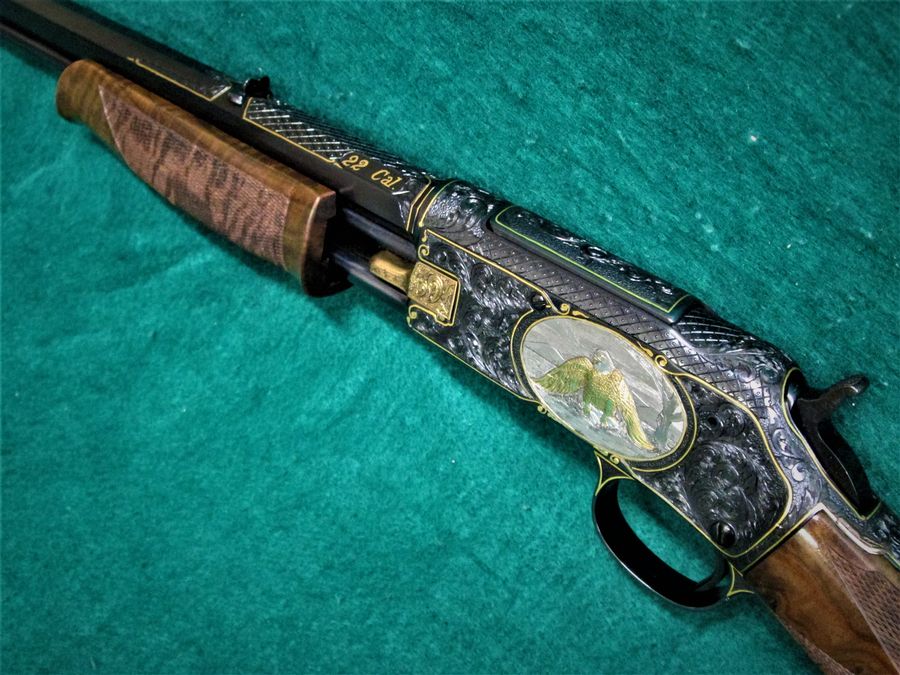
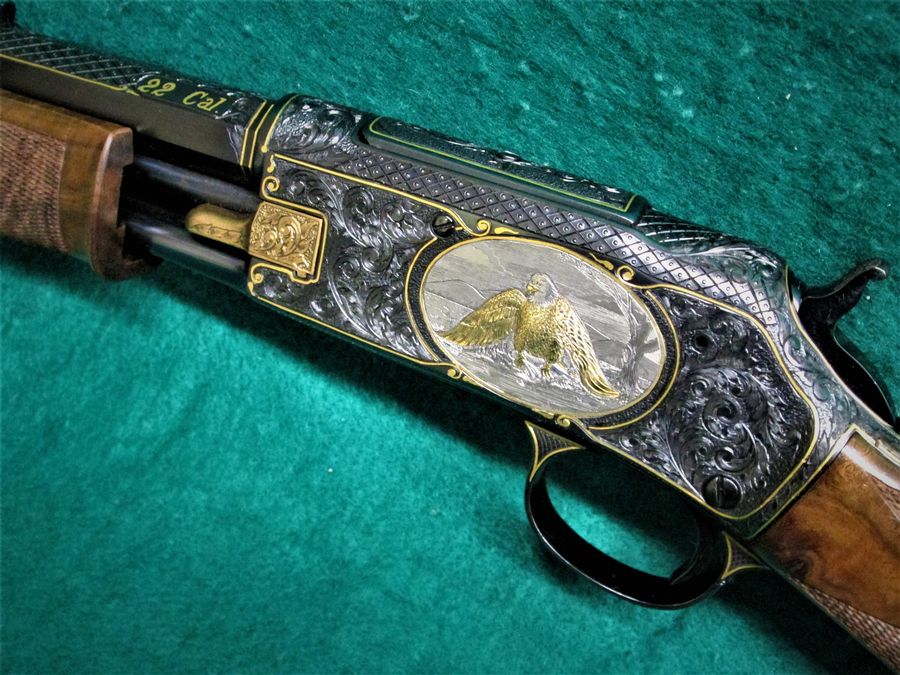
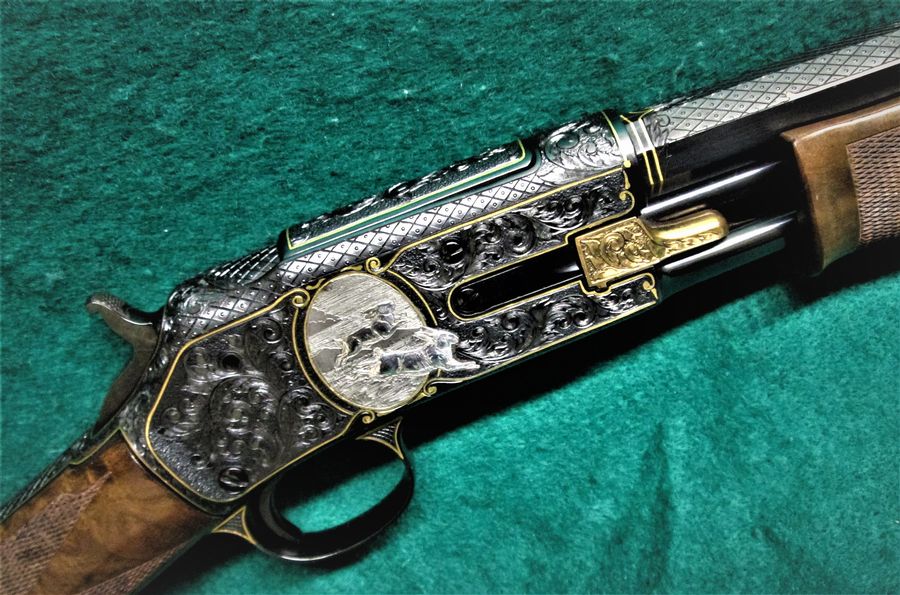
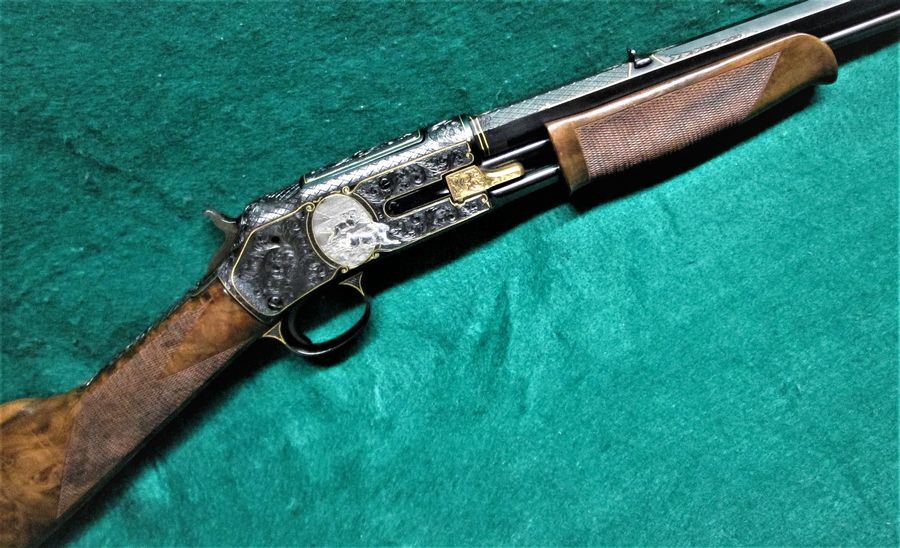
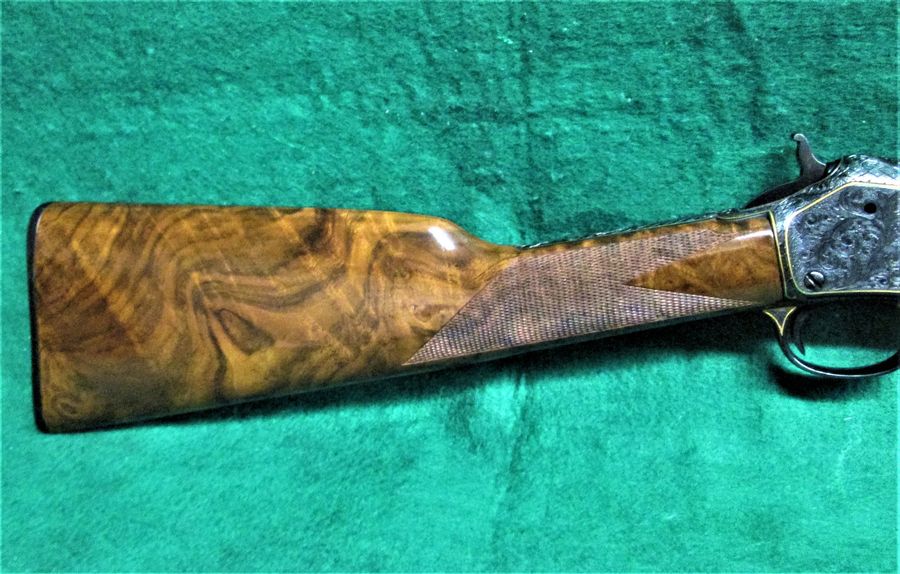
All I know is that I could never be that good for Santa have given me this rifle!
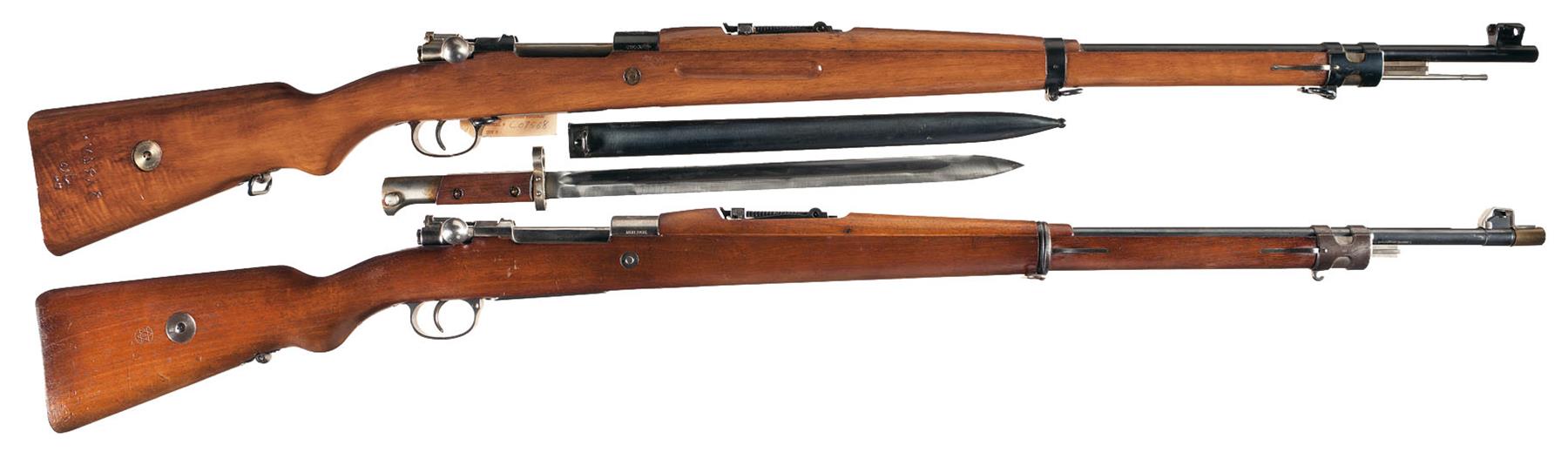
The Czech made Persian Model 98/29 Long Rifle is considered to be one of the best Military Mausers ever made. I just wish that I had the cash & opportunity to buy one!
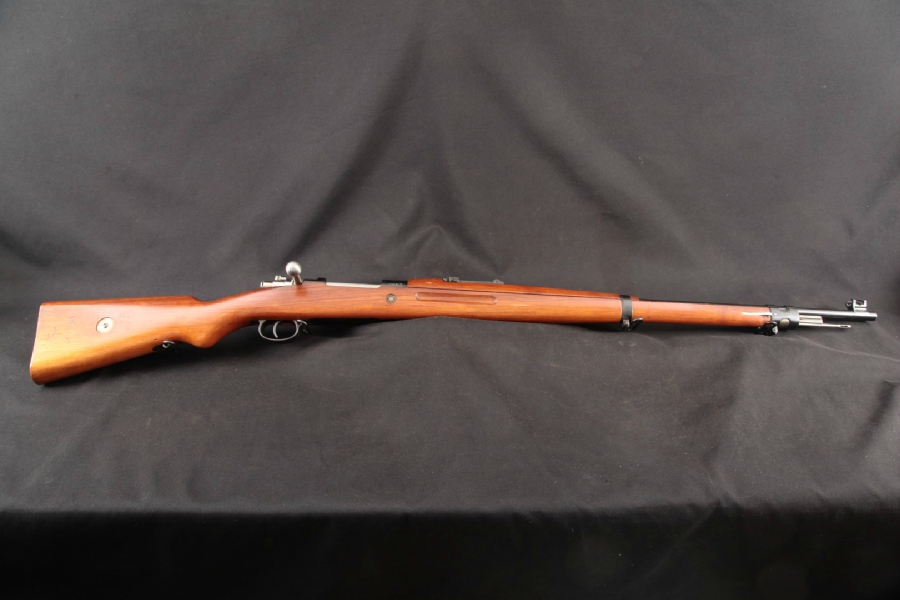
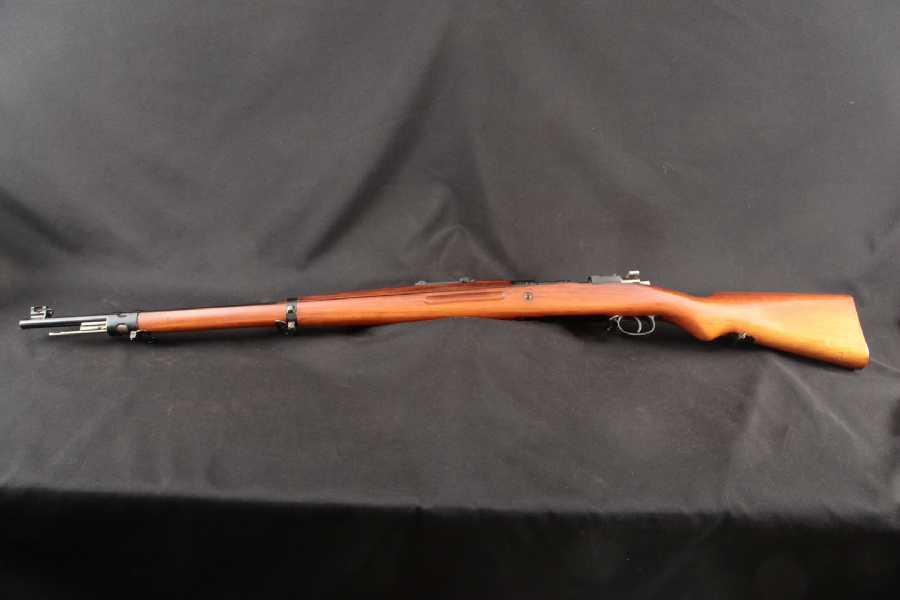
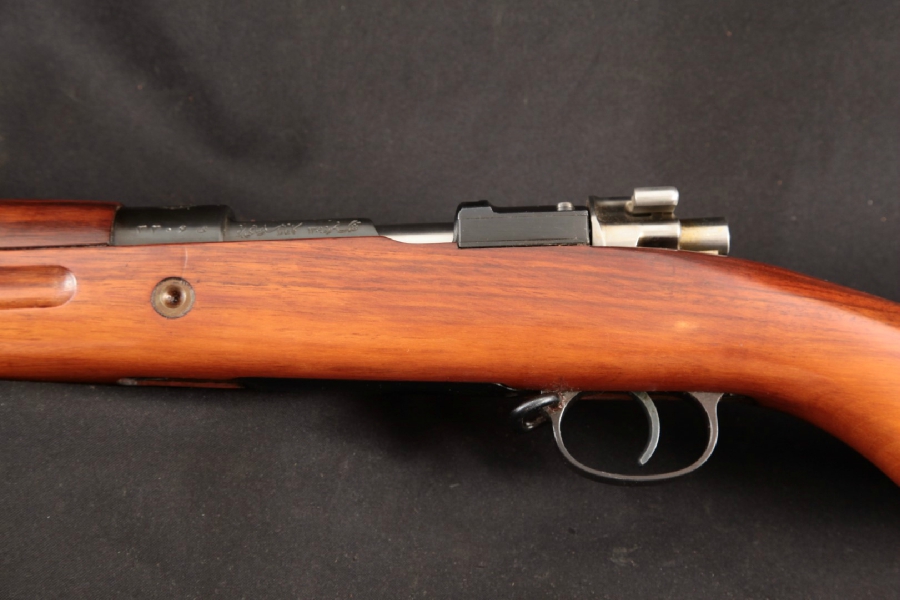
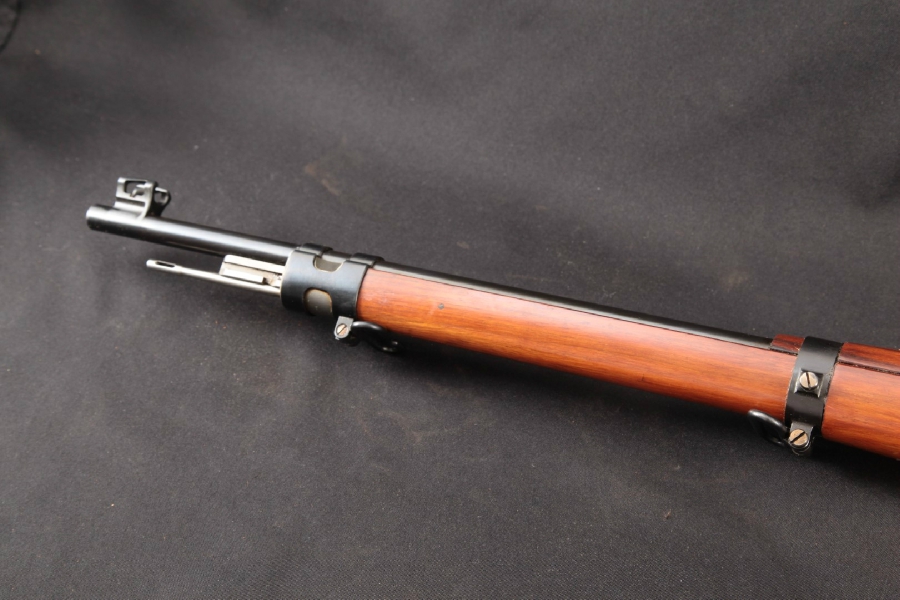
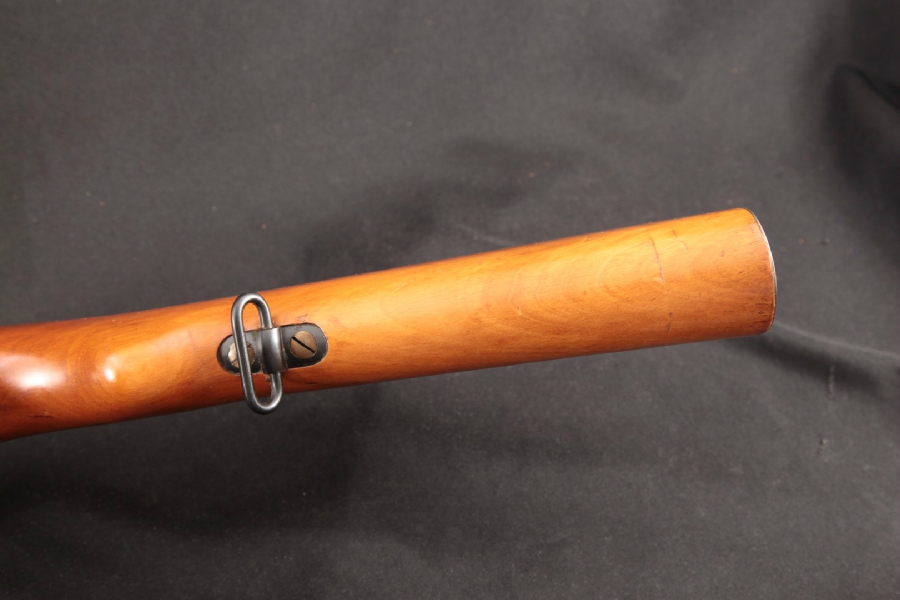
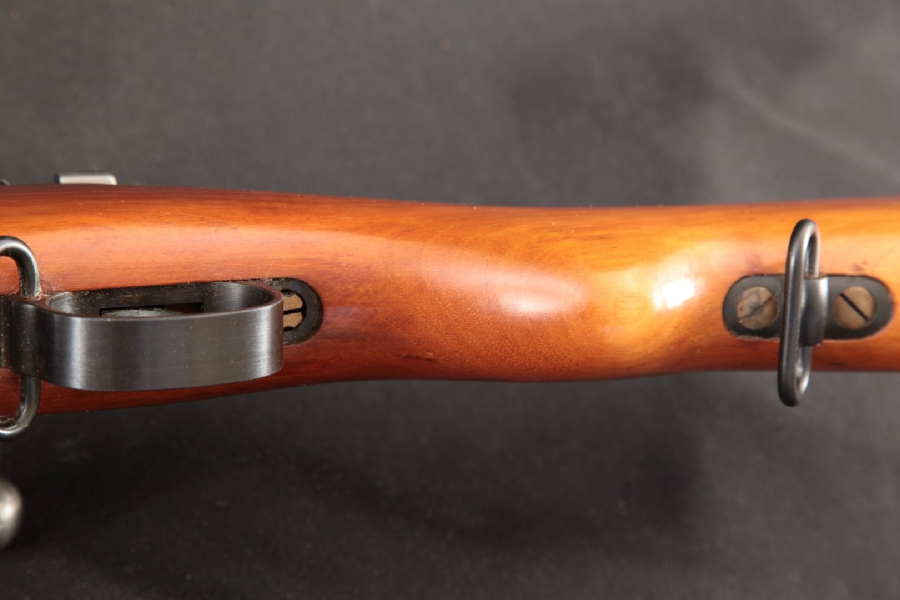
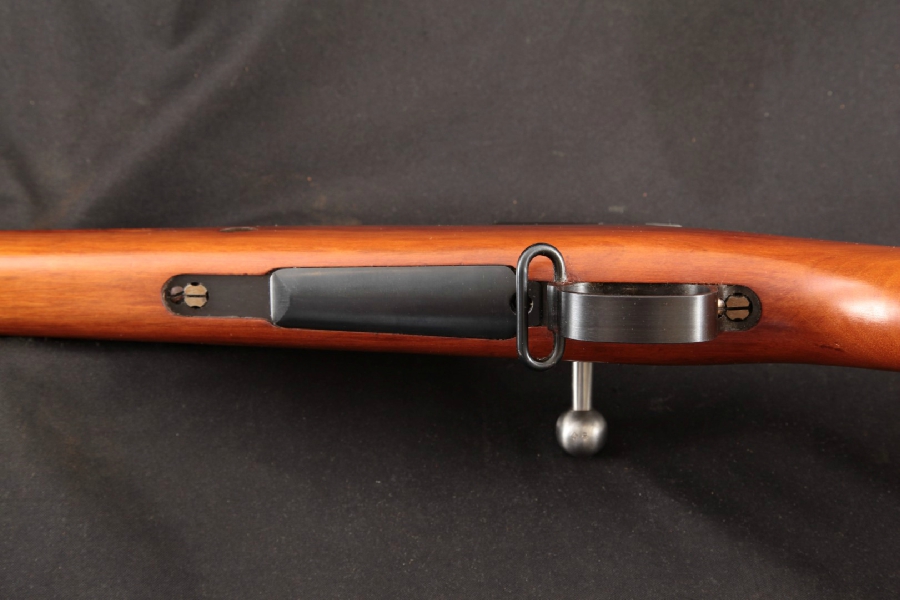
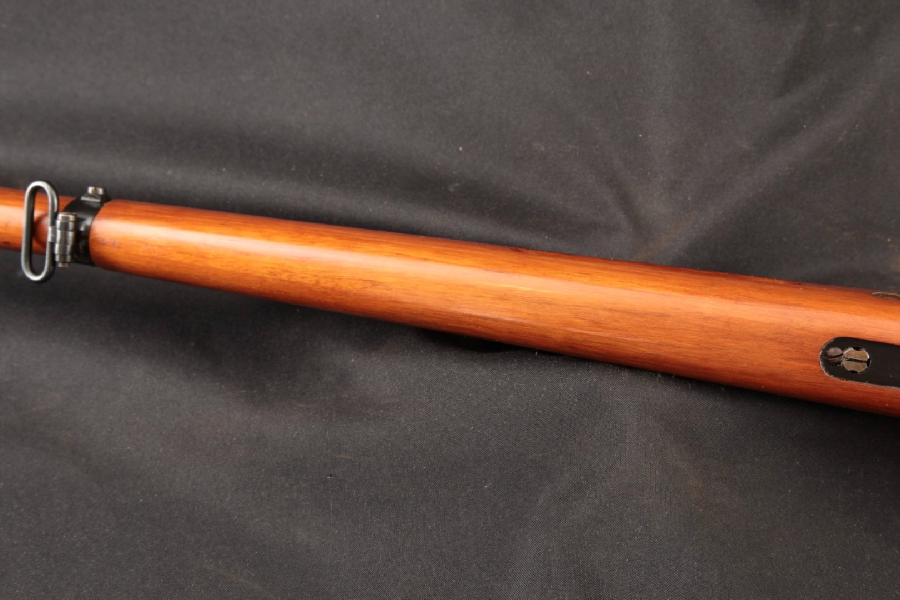
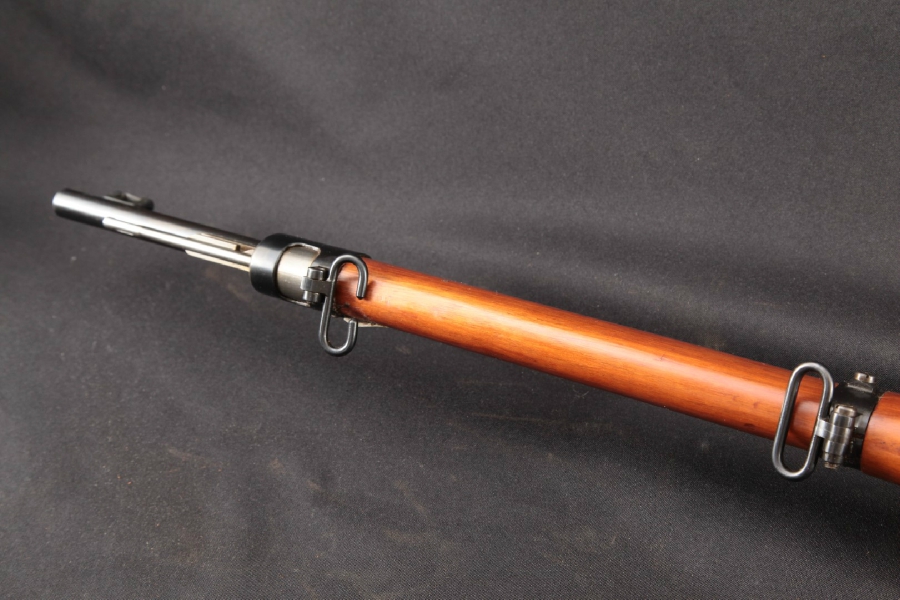
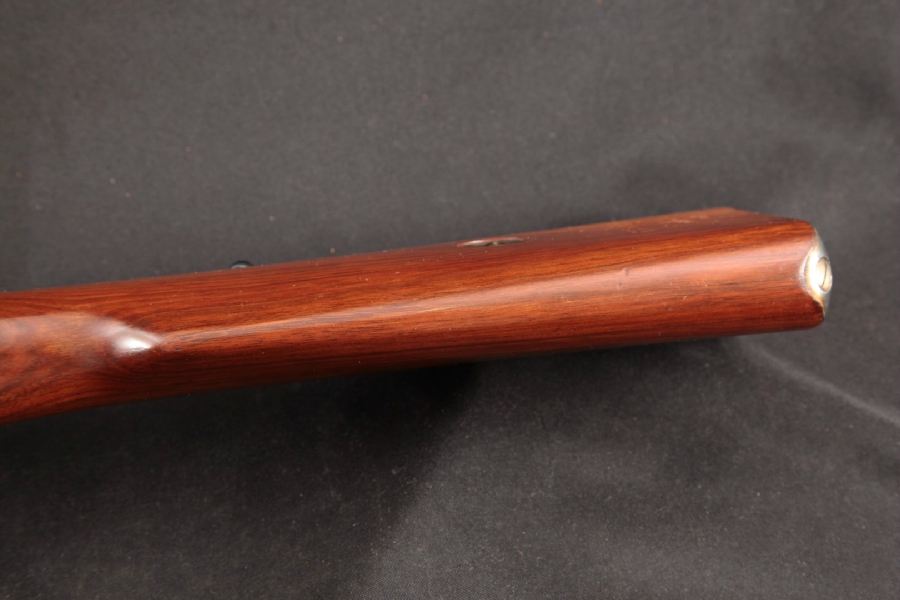
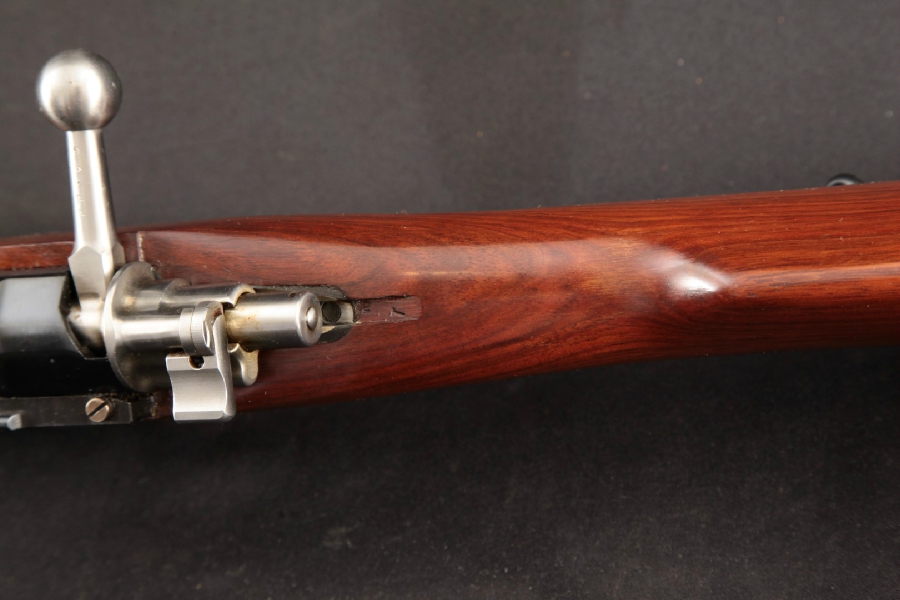
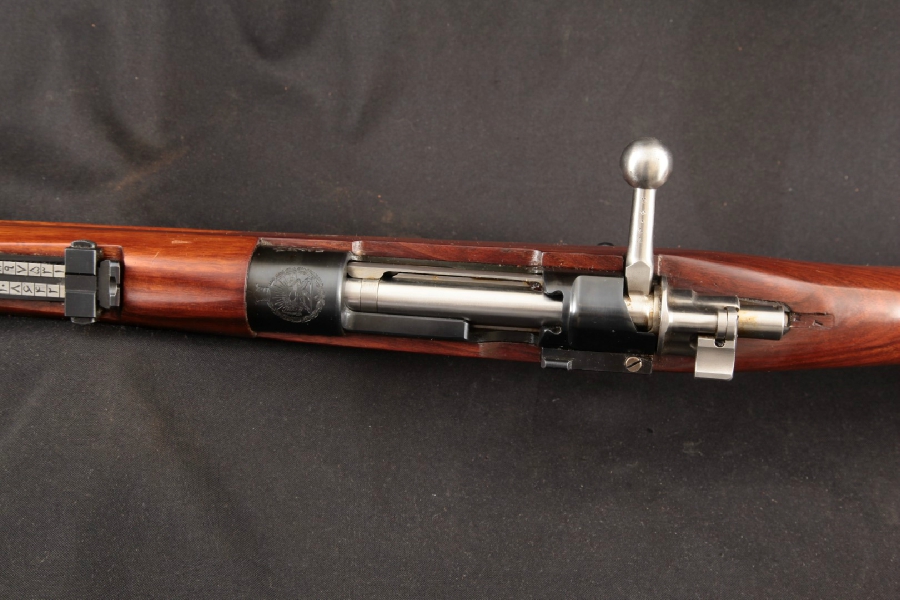
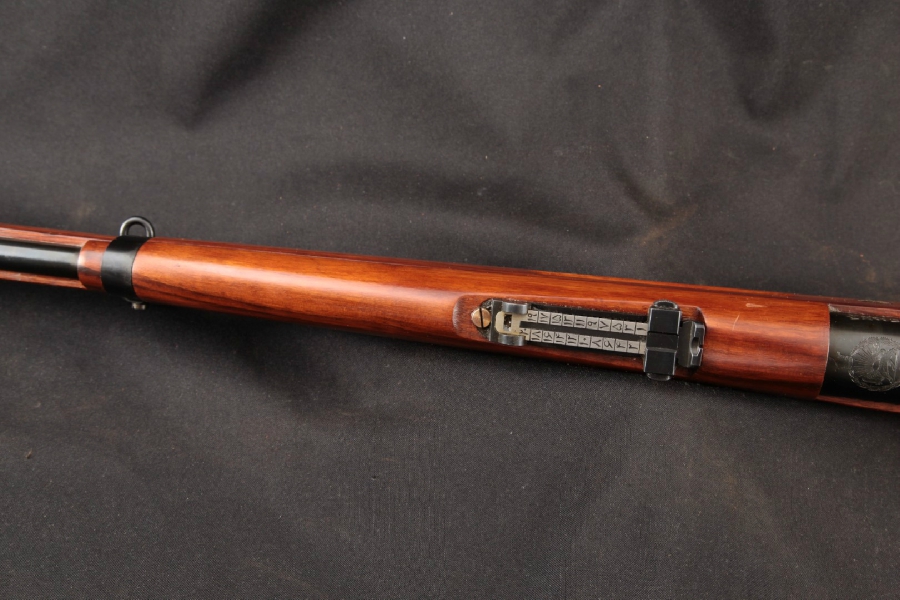
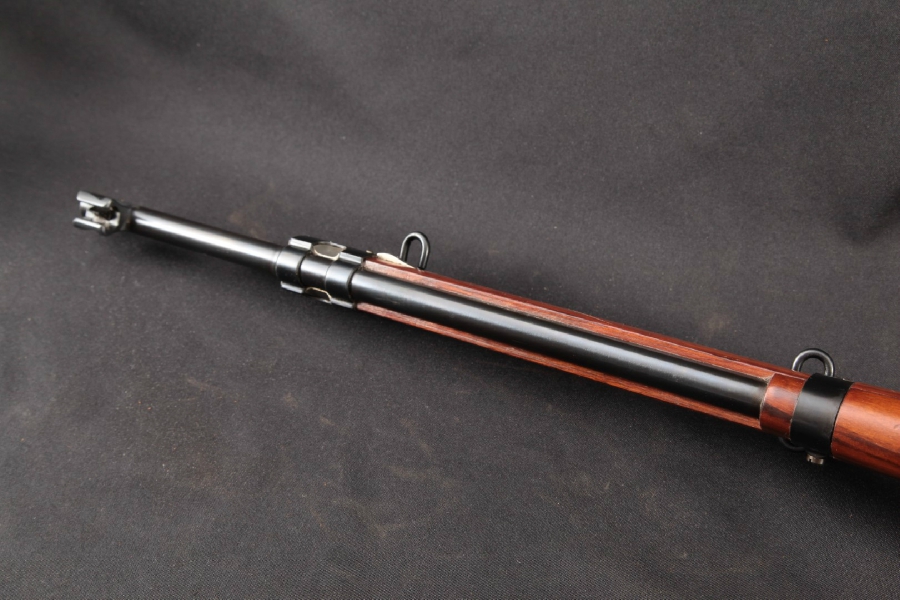
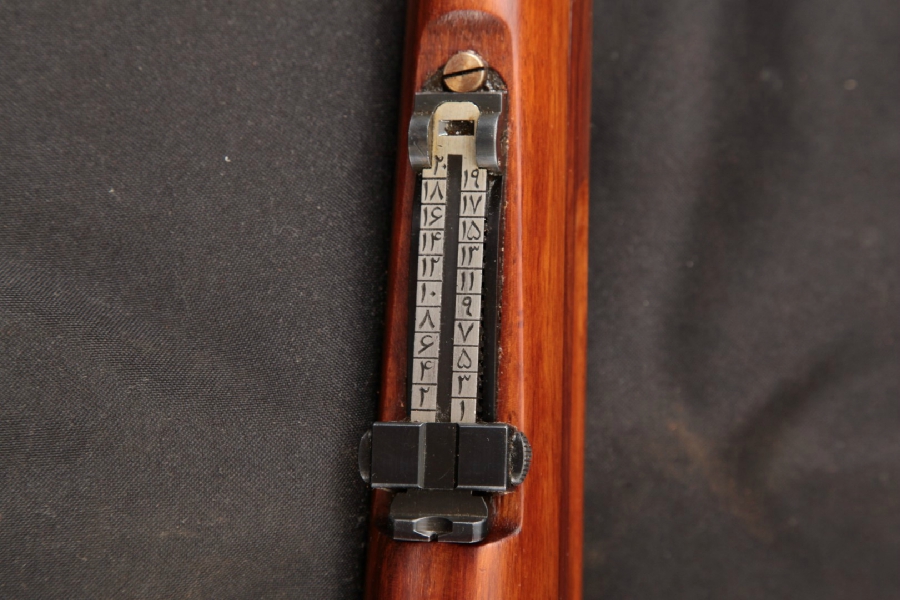
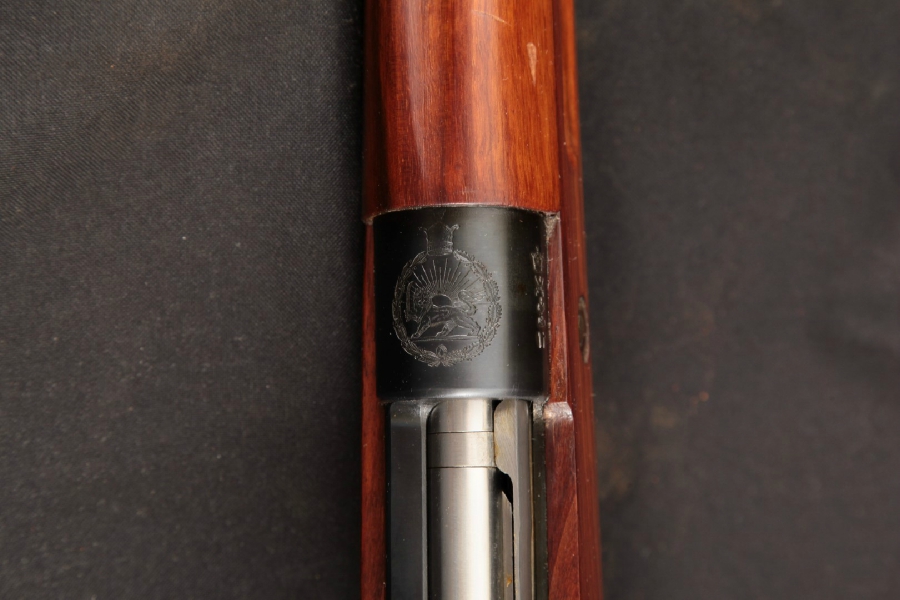
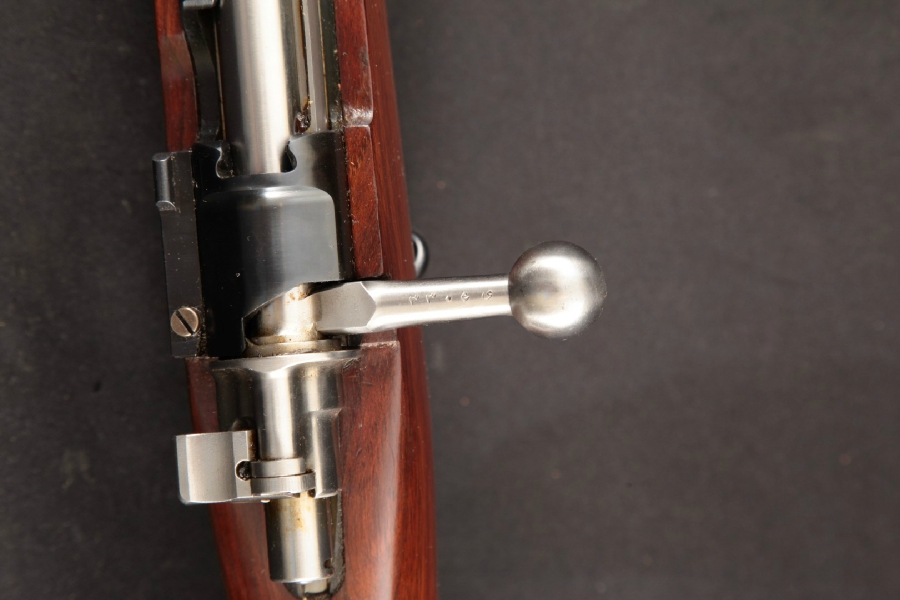
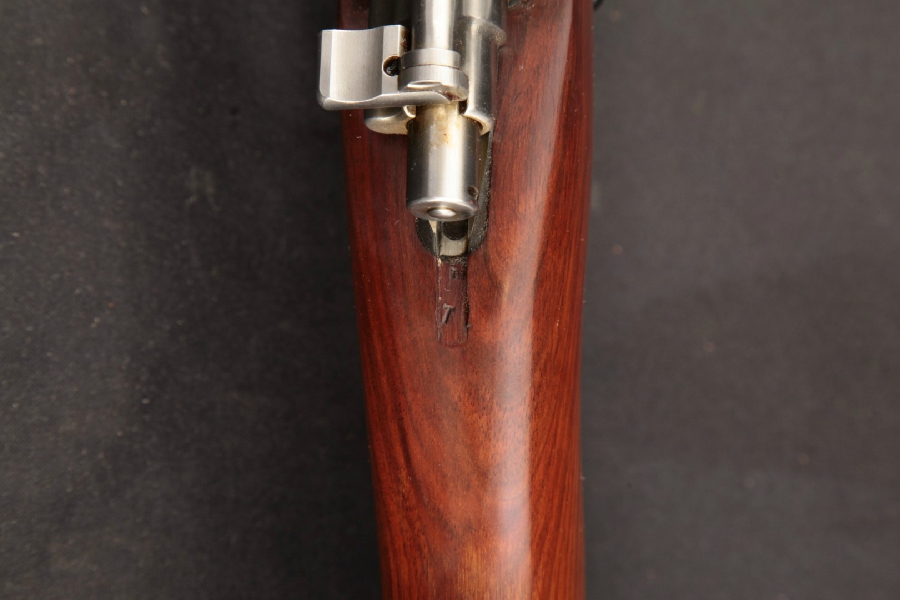
I can not imagine the amount of work it took to put the Persian Stampings on each rifle. All I know is that somebody earned their pay that time!
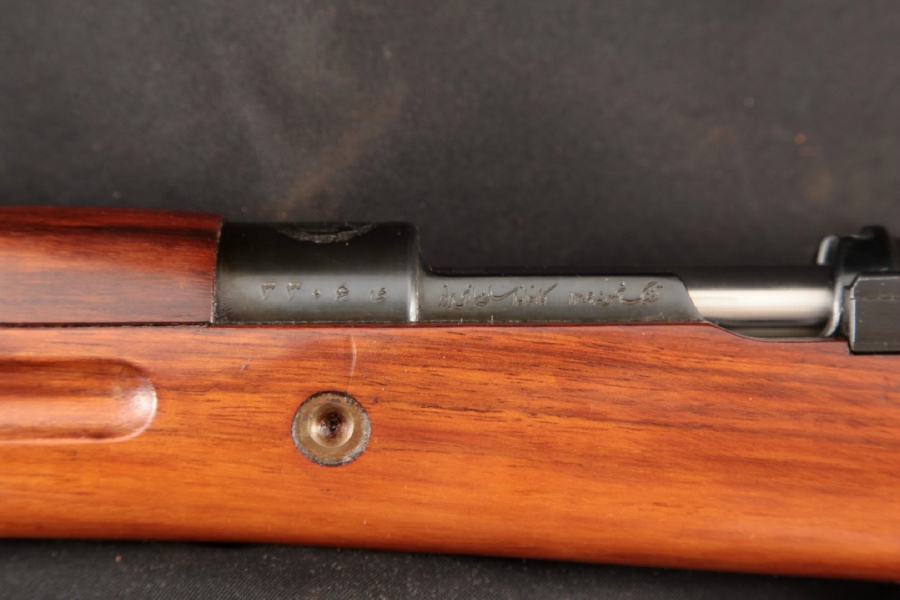
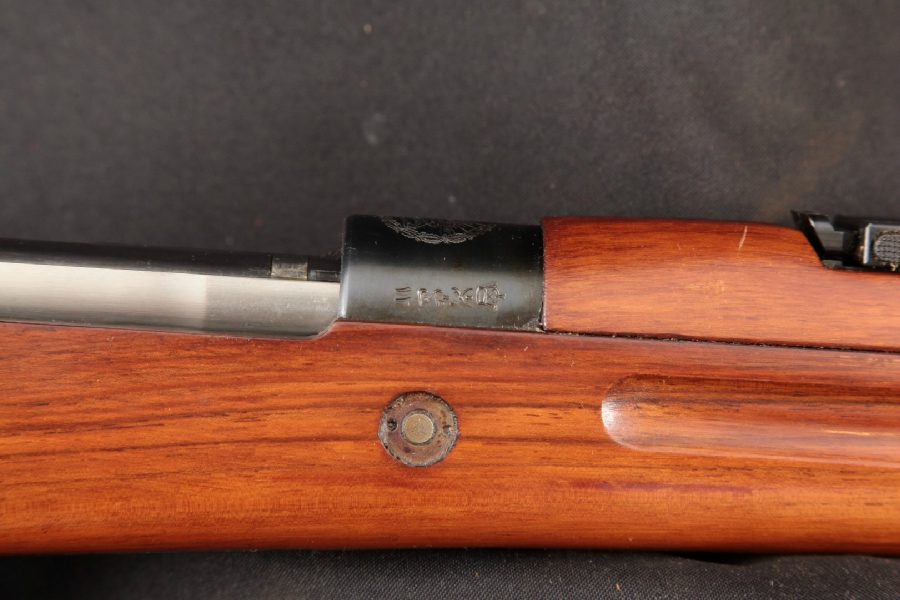
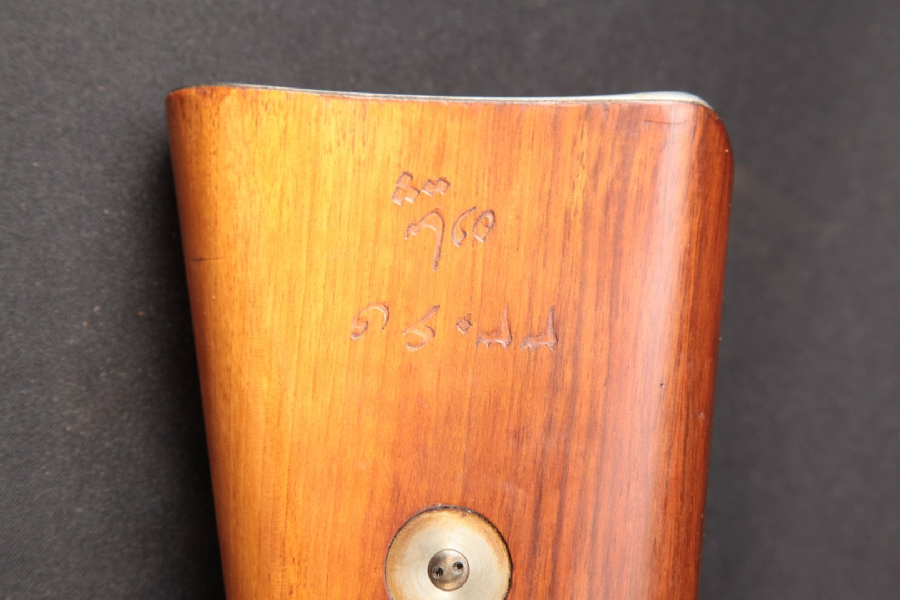
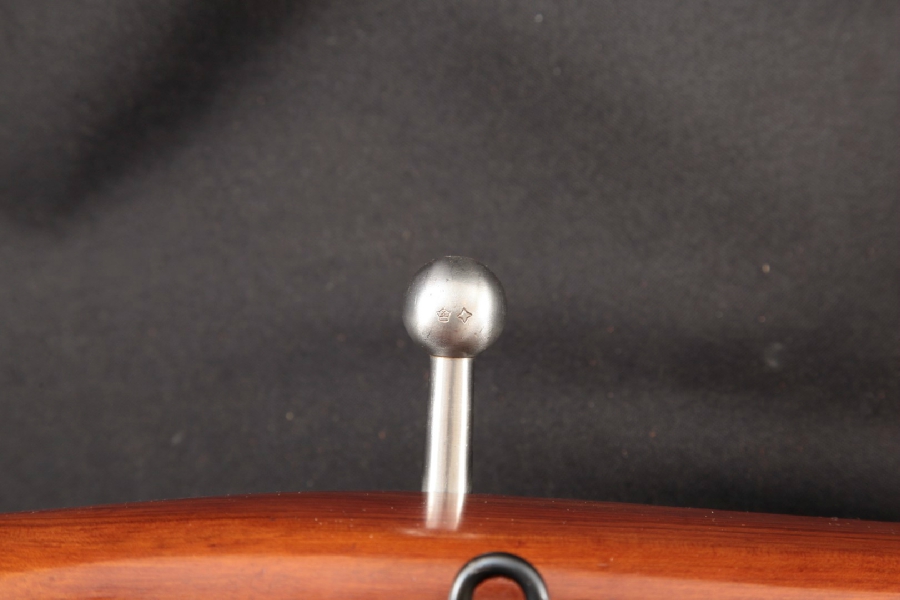
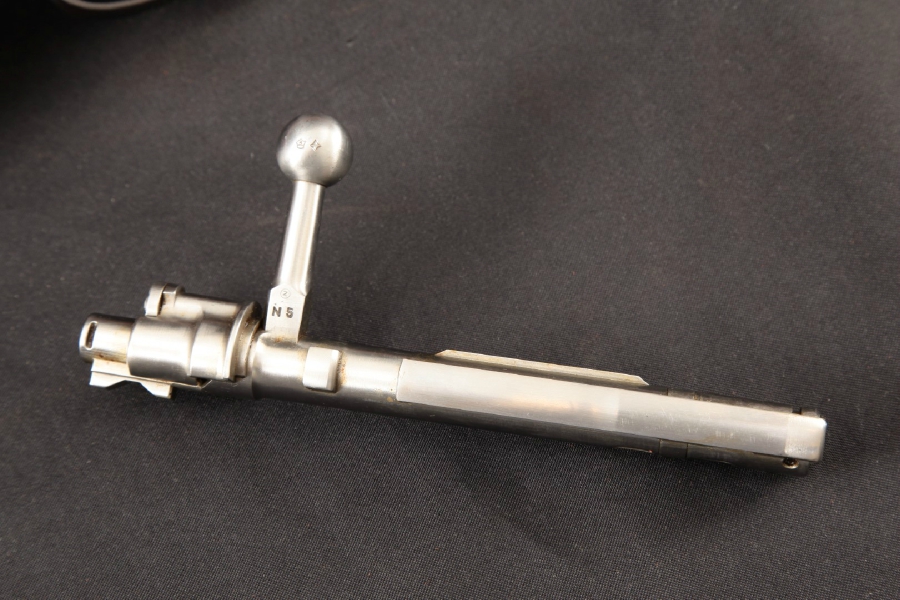
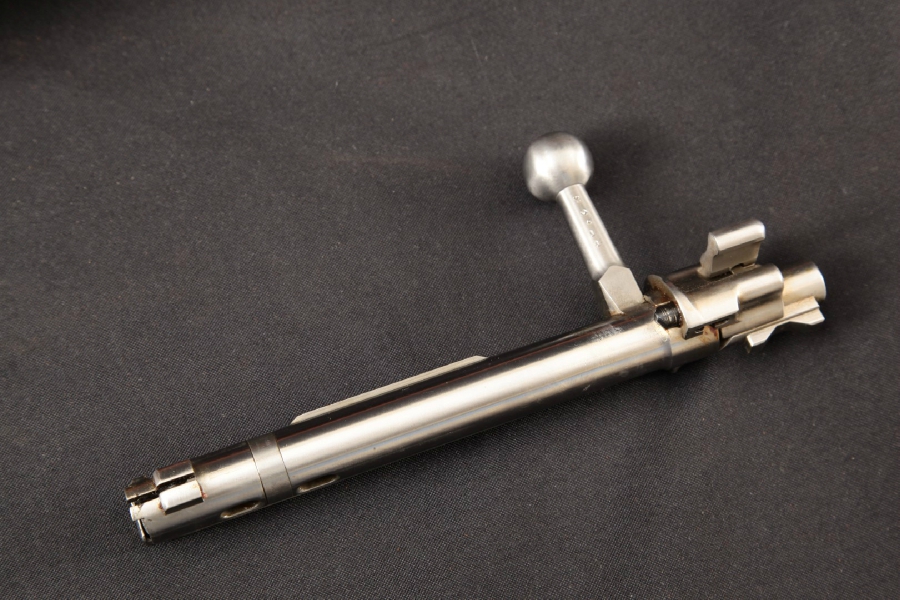
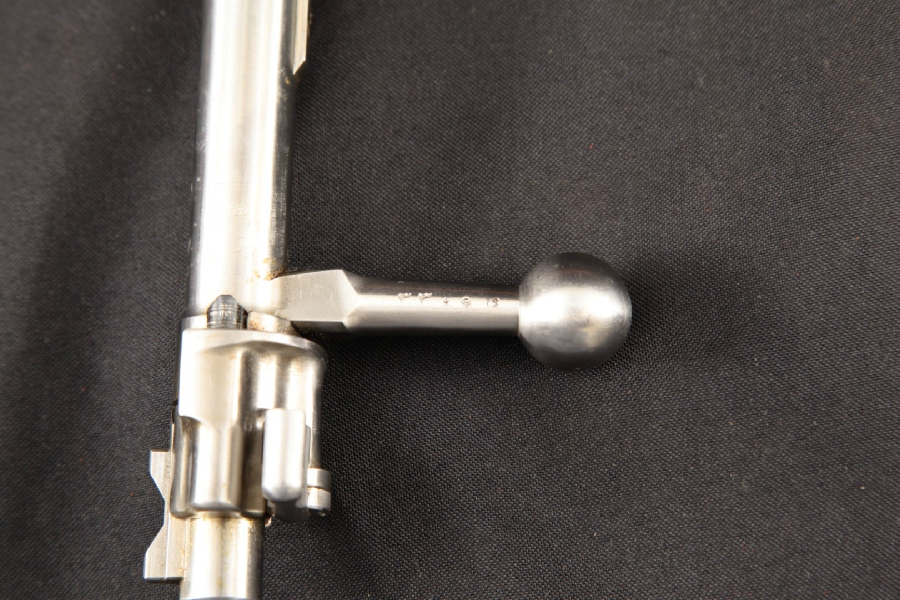
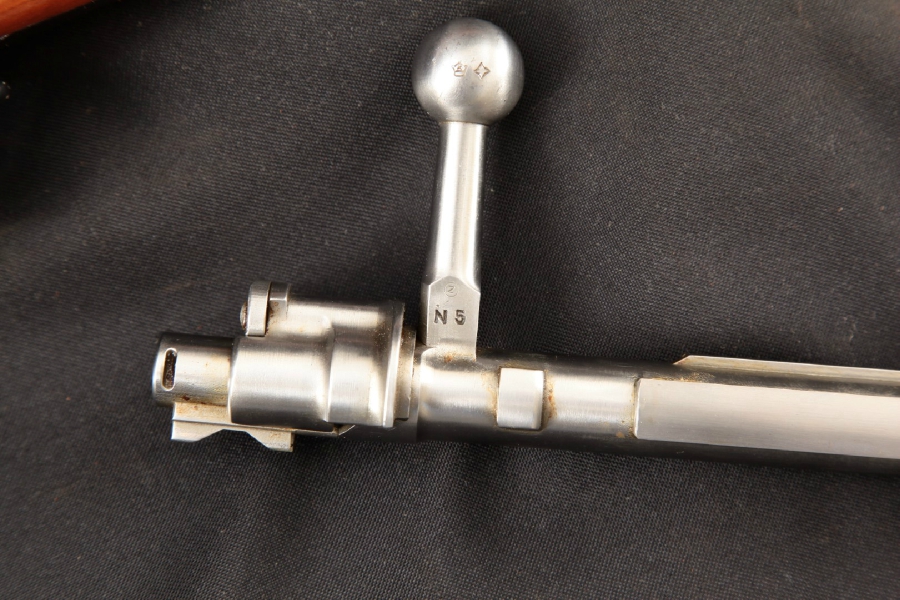
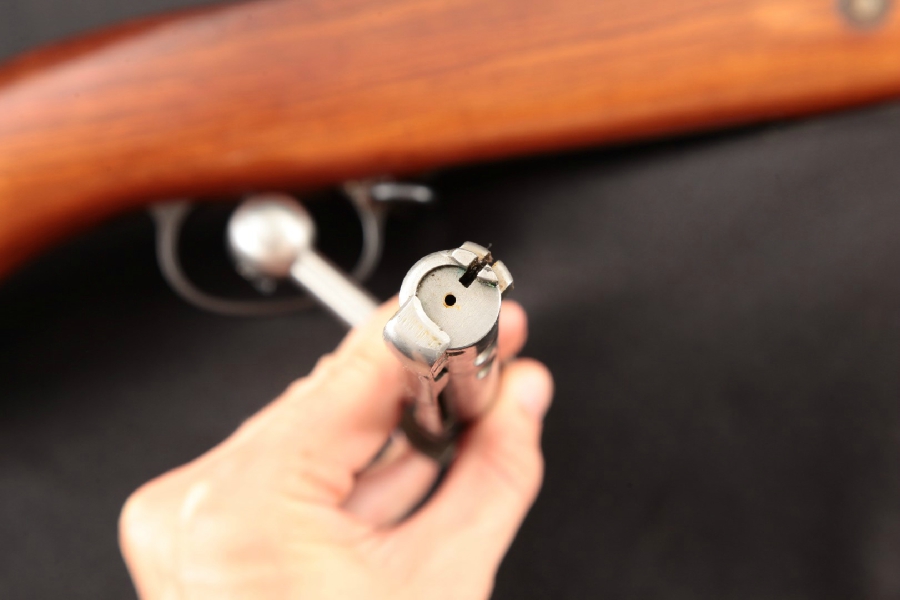
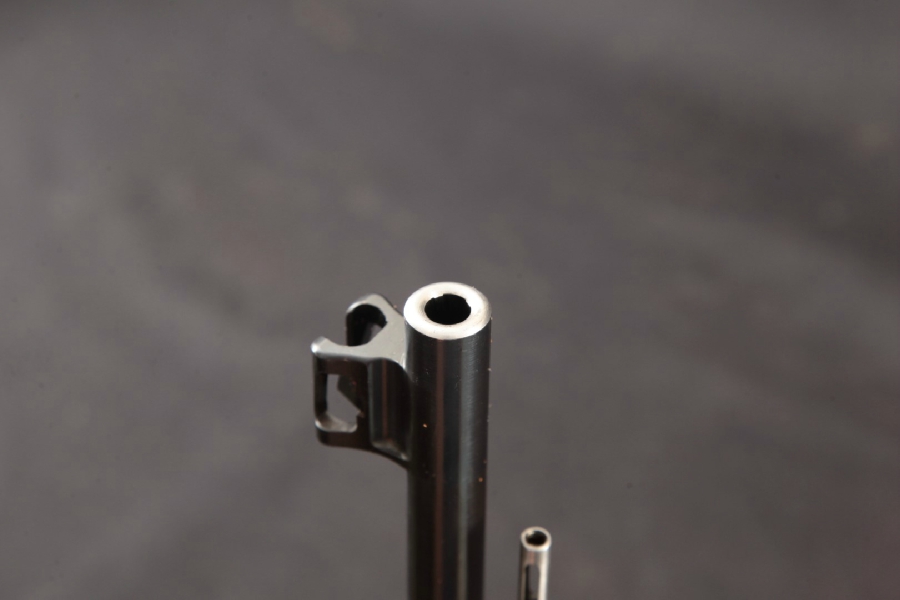
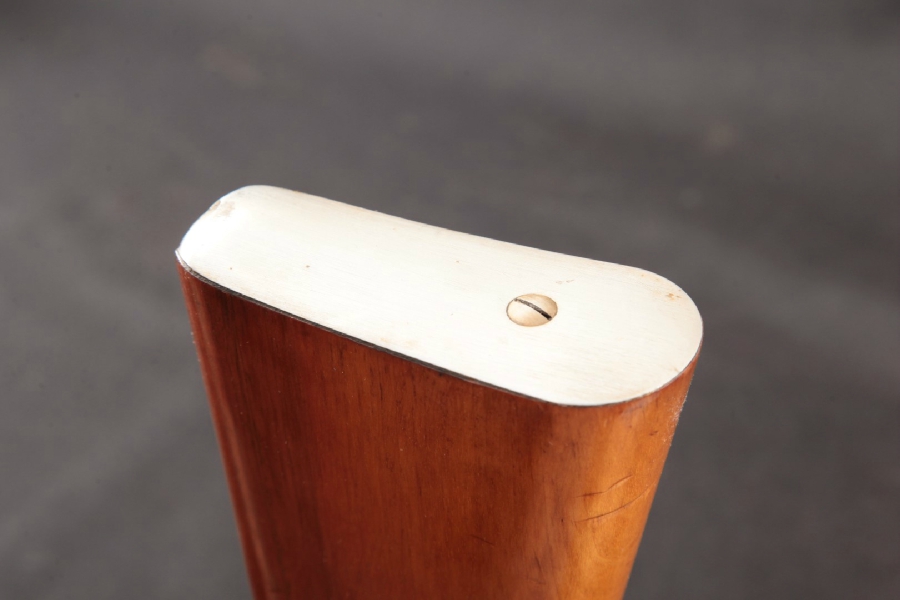
That steel recoil plate would sure let you know that you fired one off with it.
RUBBER BULLETS & CROWD CONTROL
Or as some folks call them your Personal Wake Up Call!
Now I am a strong supporter of the Right to Protest and to seek redress from the Powers that Be.
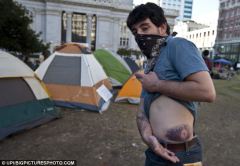
But when they break out these nasties. I am out of there! As they can really change your life & Not for the better!
Here is some more information about this nasty puppies!



Rubber bullet

37 mm British Army rubber bullet, as used in Northern Ireland
Rubber bullets (also called rubber baton rounds) are rubber or rubber-coated projectiles that can be fired from either standard firearms or dedicated riot guns. They are intended to be a non-lethal alternative to metal projectiles. Like other similar projectiles made from plastic, wax, and wood, rubber bullets may be used for short range practice and animal control, but are most commonly associated with use in riot control and to disperse protests.[1][2][3] These types of projectiles are sometimes called baton rounds.[4] Rubber projectiles have largely been replaced by other materials as rubber tends to bounce uncontrollably.[5]
Such “kinetic impact munitions” are meant to cause pain but not serious injury. They are expected to produce contusions, abrasions, and hematomas.[6]However, they may cause bone fractures, injuries to internal organs, or death. In a study of injuries in 90 patients injured by rubber bullets, 2 died, 18 suffered permanent disabilities or deformities and 44 required hospital treatment after being fired upon with rubber bullets.[7]
Rubber bullets were invented by the British Ministry of Defence for use against rioters in Northern Ireland during The Troubles,[8] and were first used there in 1970.[9]
Riot control use[edit]

Two rounds of Fiocchi 12 gauge rubber buckshot
The rubber riot control bullet is part of a long line of development of non-lethal riot control cartridges that dates back to the use of short sections of broom handle fired at rioters in Singapore in the 1880s.[1] The Hong Kong police developed wooden baton rounds, but they were liable to splinter and cause wounds.
The British developed rubber rounds—the “Round, Anti-Riot, 1.5in Baton”—in 1970 for use against rioters in Northern Ireland.[10][11] A low power propelling charge gave them a muzzle velocity of about 60 m/s (200 ft/s) and maximum range of about 100 m (110 yd). The intended use is to fire at the ground so that the round bounces up and hits the target on the legs, causing pain but not injury.[12] From 1970 to 1975, about 55,000 rubber bullets were fired by the British Army in Northern Ireland.[9] Often they were fired directly at people from close range, which resulted in three people being killed and many more badly injured.[9]In 1975, they were replaced by plastic bullets. In Northern Ireland over 35 years (1970–2005), about 125,000 rubber and plastic bullets were fired—an average of ten per day—causing 17 deaths.[13]
The baton round was made available to British police forces outside Northern Ireland from 2001. In 2013 however, Ministry of Defence papers declassified from 1977 revealed it was aware rubber bullets were more dangerous than was publicly disclosed. The documents contained legal advice for the MoD to seek a settlement over a child who had been blinded in 1972, rather than go to court which would expose problems with the bullets and make it harder to fight future related cases. The papers stated that further tests would reveal serious problems with the bullets, including that they were tested “in a shorter time than was ideal”, that they “could be lethal” and that they “could and did cause serious injuries”.[14]
Israeli rubber bullets are produced in two main types. The older type, the standard rubber bullet, is a steel sphere coated in a thin layer of rubber, weighing 14 grams, while the new improved rubber bullet, introduced in 1989, is a rubber-coated metal cylinder 1.7 cm in diameter, weighing 15.4 grams.[15] Of the lethal injuries from this projectile, most are suffered to the head.[15]

Rubber-coated bullets used against protesters in Ni’lin, August 2013
Smaller rubber bullets are used in riot shotguns, and are available in a variety of types. One company, for example, makes both rubber buckshot rounds, containing 15 8.3mm diameter rubber balls per cartridge, and rubber baton rounds, containing a single 4.75 gram projectile.[16]
Self-defense use[edit]
In some countries non-lethal guns firing rubber projectiles may be used by civilians for self-defence.
 Kazakhstan – non-lethal gas pistols with the ability to fire ammunition with rubber bullets are permitted to civil population, and they are also allowed for private security guards
 Romania– rubber bullet guns are one of the few firearms that can be owned in the country by private individuals.
 Russia – since 1999, the use of non-lethal weapons in Russia is permitted to civil population, and it is also used by private security[17] and law control forces.[18] A variety of handguns (OSA, “Makarych“, HORHE, etc.) are carried with specially weakened construction and barrel with internal lugs, making use of full-power loads and/or firing hard projectiles impossible, while rubber bullets just compress when passing the lug and so may be fired. Most common calibers are 9 mm and 10 mm with muzzle velocity sometimes almost matching normal handguns and bullets as light as 0.7 g.
 Ukraine – non-lethal gas pistols with the ability to fire ammunition with rubber bullets are allowed for private security guards[19][20]
Recreational use[edit]
Rubber bullets, powered by only a primer, are usually used for short-range indoor target practice or training, generally with handguns. They are intended for only target shooting, unlike paintballs or airsoft pellets, which are intended for use on suitably protected live targets. Rubber bullets, if used with a suitable backstop, can be recovered undamaged after firing, and reused numerous times.[2][21]