Categories
Fieldcraft Hard Nosed Folks Both Good & Bad

The Pendulum – Part One Retreat to High Ground By High Desert

Missing in the mix of hundreds of bug-out stories is a forth right and candid self appraisal of lessons learned containing practical experience along with deep humility and honest self examination. High Desert expressed a willingness to share his and his wife’s adventure with TwoIceFloes and we eagerly embraced the opportunity to post his story as a three part series. – Cognitive Dissonance

It was the summer of 2011, and for all practical purposes it was smooth sailing. My wife and I often commented to each other how drama and stress free our lives had become. Unfortunately we were blissfully unaware of the squall line rapidly approaching from behind.
The epiphany struck us like a bolt out of the blue. But rather than providing clarity and calm, this profound revelation was a violent tempest. The following six years brought dramatic shifts to our belief systems, state of mind, living conditions and more – dramatically swinging the pendulum back and forth before finally compelling us to seek balance and peace of mind.
We were not significantly affected by the financial crash a couple years prior (2008-09) partly because we both had home-based businesses in niche markets which provided a lower middle-class income. But a more important factor was our lack of debt. Not one to “keep up with the neighbors”, we lived comfortably but always within our means.
We had previously paid off the mortgage, both of us owned older used vehicles and we never charged purchases we couldn’t afford to pay off at the end of each month. We had some meager investments, but fortunately years earlier we had moved into the right neighborhood. Meaning over the years, our neighborhood had evolved into one of the hottest residential markets in the Metro area.
Most of our disposable income (along with a lot of sweat-equity) was spent modernizing our home. Essentially we considered our primary residence to be our own private 401(k) plan. In addition, we owned a small cabin on twenty six acres of land where we planned to eventually retire. Our son was about to graduate from high school with honors and was (still is) a delight to spend time with. Our state of mind at the time was one oflight, love and abundance.
Our life-changing insight came about due to boredom. Purposely not caught up in the rat-race of Western civilization and long term self-employed, we had a fair amount of free time to pursue other interests. Being introverts, we devoted most evenings to home activities. Usually my wife would conduct research for her book publishing business. And I, usually brain-dead from working on the computer all day, would zone out and watch some streaming TV.
Not one to watch just any old dung produced for the masses, it didn’t take me long to burn through every decent movie and documentary out there. By then, total boredom had me reconsidering my second and third string watch lists, desperate for quality entertainment. For some inexplicable reason I had placed a documentary in my queue which I had blown past on numerous occasions as not interesting enough to watch. But, just as inexplicably, I had never deleted it.
One overly warm summer night in 2011 I cranked up the central A/C, retreated to the family room and decided to finally watch “Collapse” by Michael Ruppert. That documentary was my red pill moment. Even after watching it twice in a row, I found it difficult to believe what I was only now beginning to understand.
On the one hand, the truths presented in the documentary were 180 degrees out of sync with my core belief systems. On the other, I knew deep down I had been living in the make believe world of the Matrix. When I convinced my wife to take a break and watch it with me, it only took one viewing for her to recognize the truth as presented. It was truly an epiphany for both of us, although not of the type one would usually classify as such.
Our life was about to change in ways we could not imagine. And change again and again as we rode the swinging pendulum back and forth, totally out of balance. We’d been through a lot during our many years of marriage, but we had no idea what lay before us. Waking up so suddenly and always one for self-directed action, all hell was about to break loose.
As we began to absorb our new understanding about how the world really works, my wife and I began to work out how to deal with the events we knew for certain were just around the corner. We devoted the next few months to exhaustively researching who, what, when, where and why.
Although I intuitively knew the new reality as presented was correct, I needed to convince myself I wasn’t just being stupid. After all, what did I really know about manipulated financial markets, mono-agriculture, fiat currency, systemic corruption and more importantly, what to do when all the complex systems began to collapse due to their inherent chaos.

The red pill had done its job in providing the initial jolt, but we were now strangers in a foreign land. Our initial reaction was to shelter in place as it were, maybe stock up on some supplies, install a wood stove (totally illegal where we lived) build a small greenhouse in our very small backyard and perhaps get some stun guns and mace for personal defense.
My wife’s primary concern was food. How would she feed our family if the grocery stores closed? My primary concern was our personal safety. Somehow I needed to defend the castle and loved ones against the “golden horde”, a new term picked up during my research. After all, we lived in a big city with neighbors literally twelve feet away on either side.
What happened next was quite odd. We woke up one morning, rolled over to face each other and simultaneously said “we have to get out of the city.” This is no little thing to accomplish. We owned our home, two businesses and our son was still in high school. Where would we go and what do we need that place to be?
Our research went into overdrive.
One thought was to make our cabin the bug-out location. We even began to stock long-term food there. However the cabin was old, the well was of poor quality and so was the soil. And unfortunately that gorgeous view of the city lights down the mountain meant those in the city could see us.
Additionally, the only usable flat land was at the end of the driveway right next to the cabin. How would we house other family members and close friends in a small cabin with no room to park an RV or several vehicles? We began to wonder if there was a better place out there, but still within driving distance of the city.
Is there a gear higher than overdrive? You know, the gear that allows you to simultaneously get a house (or two) ready for sale, research every real estate website for hours each day, close down an active publishing business and figure out what and when to tell your teenage child his world was about to be rock and rolled.
As is the case with nearly everyone else, our life was a bit complicated. My wife has a special-needs brother who requires lots of attention and supervision. At that time my father was 90 and needed more and more care. We were both in our 50’s and I was in the midst of a long recovery from a two year stretch of multiple surgeries after an accident.
Even at the age of 50, and nearly 30 years after completing my “Thank You for Your Service” gig, I still thought of myself as that 19-year-old airborne infantryman, naively fearless and invincible. I was capable of anything, including living forever. The accident I was recovering from was my first warning that life-long beliefs could quickly be shattered. It gave me a new perspective to the old saying “things can change in an instant.”
With the benefit of 20-20 hindsight, if ever there was a legitimate plea for temporary insanity we hereby stake our claim. Although our approach was in its entirety logical, we fell into a “desperate measures for desperate times” mentality, driven by fear and panic. It was not a balanced approach by any measure.

We finally decided it was impossible to deal with all of this simultaneously. We put the cabin up for sale “as is”, though we would not put much effort into selling it since it remained our Plan B. After months of fruitless searching for the ideal retreat, the cabin oscillated between being Plan B and Plan A. Our choice in that matter would soon be forcibly removed; more on that subject later.
Trying to accomplish all of the above during the day, at night I would explore new concepts such as The Long EmergencyThe Fourth Turning, the sixth mass extinction event and so much more including all the rightthings a survival retreat should encompass. My wife dedicated her evenings to researching every potential retreat property for sale in the state. Because of the situation with her brother, my father and our son, the new place had to be within a day’s drive of our family.
She developed an efficient web search system to quickly eliminate unsuitable properties. Several ‘needs’ were non-negotiable parameters: water well, septic, acreage, somewhat remote, buildings in good condition. Even with those restrictions, there were plenty of options. It was critically important to check the oil/gas/fracking permits issued for the area of each property we had an interest in.
We knew from first-hand experience property owners in our state have ZERO rights if someone else owns the mineral rights and wants to exploit them. This issue alone eliminated entire sections of the state. My wife also researched the water well permit for each potential property to determine the age of the well, its depth, flow rate, source of water and so on. This constraint eliminated a fair number of properties. Without a good source of water, nothing else matters.
We discussed the remaining properties and applied our secondary list of wants and needs. How many people could the property support? Can we actually grow food there? Was it already off-grid? My wife would show me ten properties and I’d quickly eliminate them because of population density or other security related concerns. I would show her ten properties and she would rule them out due to altitude (hard to grow food above the timberline) distance from family or the condition of the buildings.
Our largest constraint was our refusal to take on a mortgage. We knew we could get a good price for our home in the city; the entire state was (and continues to be) in an ever-expanding housing bubble. But rural didn’t necessarily equate to inexpensive in this state.
It was all a bit overwhelming. Couldn’t we please, please, just go back to a life of blissful ignorance? Unfortunately it was too late to ask for the Blue Pill.
Compounding our difficulties (as with so many other people who suddenly wake up) we thought it was our duty to enlighten our friends and family of the coming perils. For anyone who has tried to do so, I don’t need to explain how poorly it went. Since we believed doomsday was just around the corner, we opted instead to buy/build the retreat and assume they would come.
After almost a year of searching online and physically examining properties, we were growing increasingly anxious to move forward. Our primary residence was ready to go on the market, my father had passed away, my wife’s publishing business had been sold and we’d already had that heart to heart conversation with our son.
At eighteen years of age and with his entire life ahead of him, he wanted no part of moving to a remote location to become a homesteader. We respected his decision, although during the initial conversation he accused us of abandoning him. Ultimately we all worked together to make sure he could continue on his path until things fell apart, either with his plans or the world.
In the summer of 2012 we all took a weekend off to stay in a small town and visit a top candidate for the new retreat. In so many ways the property was perfect. Nearly new structures surrounded by public lands, already set up for off-grid living, just a few full-time neighbors (but not too close) and plenty of flat land. We made a good offer.
The following week was filled with buyer’s remorse. Would we have any money left from the sale of our home? Was the retreat too remote? Were we really ready to change our entire lifestyle and take on such a large project? That Thursday we decided the best thing to do was forget the whole thing. We would move into our cabin and make the best of it.
But nature was set to intervene.

On Friday, a massive wildfire started near our cabin. By Saturday, our time to commit to the realty contract would expire; we had to make a final decision. While sitting in a hotel room to avoid an open house weekend at our primary residence, we watched updates on the expanding fire and realized there was very little chance our cabin would survive. It would turn out to be one of the most destructive wildfires our state ever experienced. It was also the second property we’ve lost to wildfire.
It seemed some unseen force was guiding us to the new retreat. It must be fate. It must be our destiny.
The following five years proved to be the biggest challenge we ever faced. We were on a mission to save ourselves, family and friends. How could so many things go so terribly wrong?
All this and more will be covered in part two of this three part series.
 
02/19/2018
High Desert
 

Attachments area
Categories
Uncategorized

Not that I have a choice in the Matter!

But when I have to go to my final judgement. This is one way that I would like to go out. In real style!

Categories
Well I thought it was funny!

That's why!

Related image

Categories
Well I thought it was funny!

Hunter Safety

Attachments area
Categories
Tips about Gunsmithing

HUH! J. White Gunsmithing Ruger #1 custom with changable barrels.

https://youtu.be/FUqE6hC1V-g Related image

Categories
Hard Nosed Folks Both Good & Bad Interesting stuff

Another great scene from Tombstone – How to get a job the Old School Way!

https://youtu.be/SnXgVcrcyWM

Categories
Uncategorized

At least somebody could get it done!

Image result for game of thrones memes

Categories
All About Guns

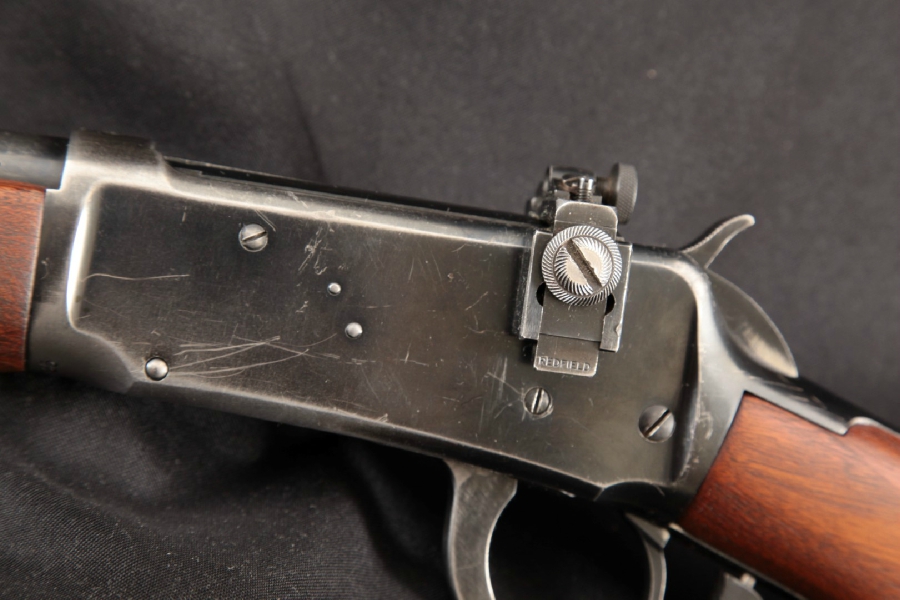
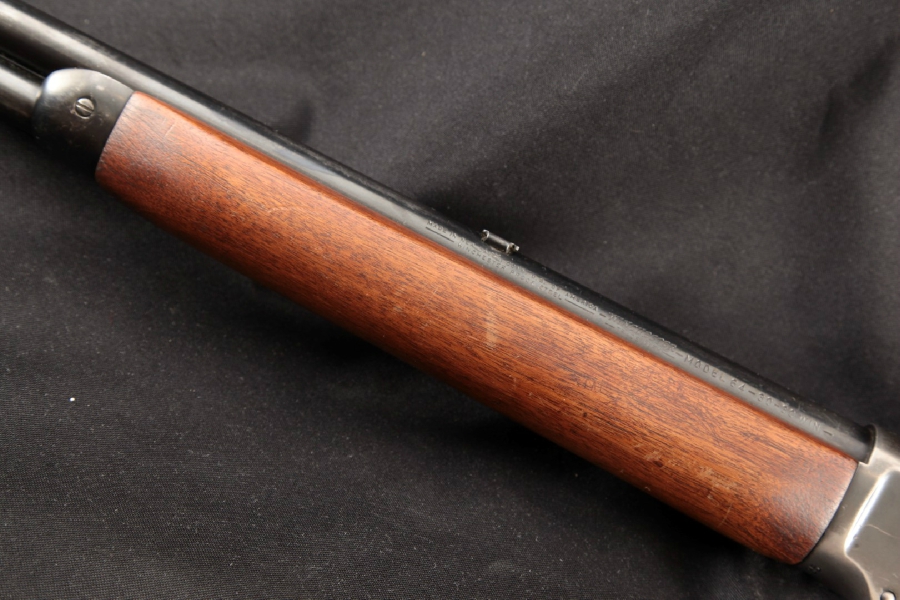
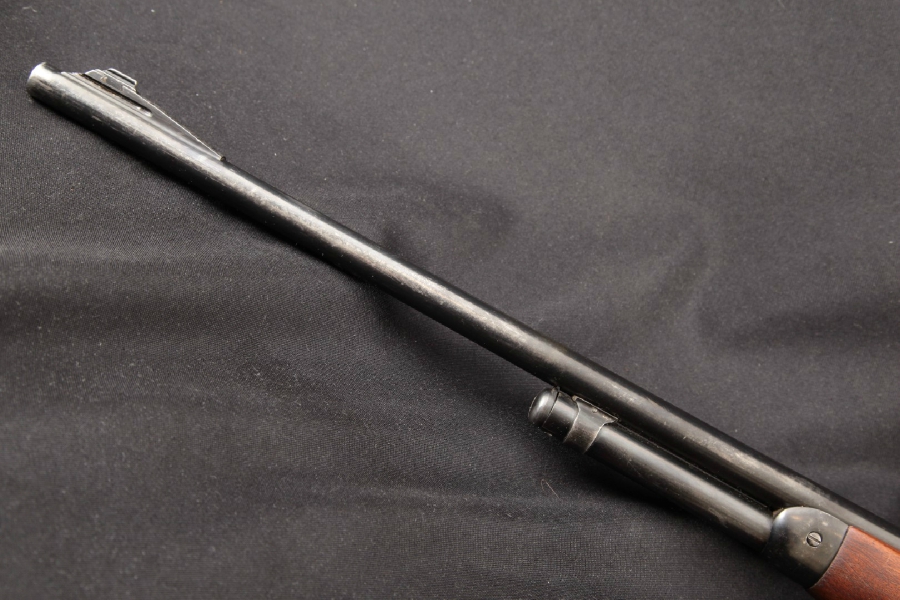
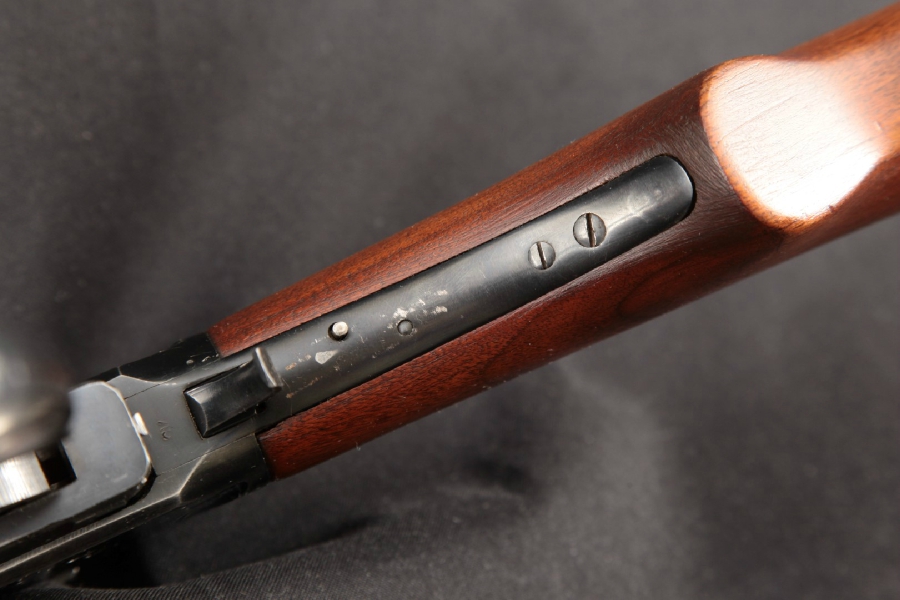
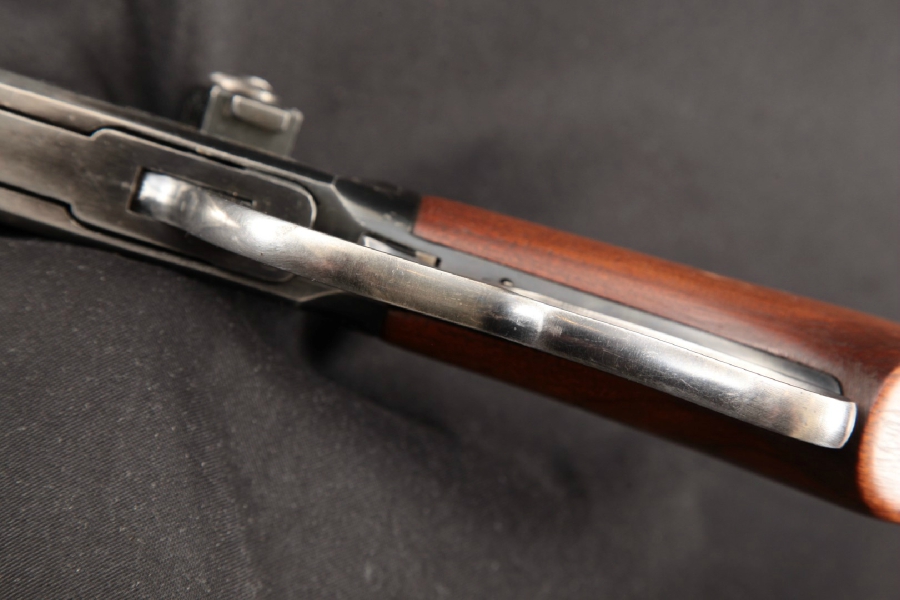
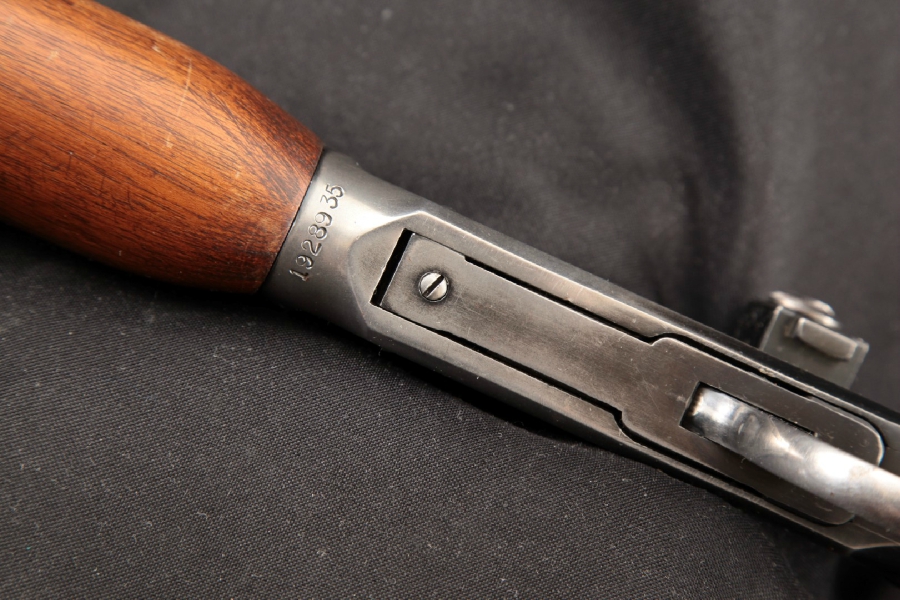
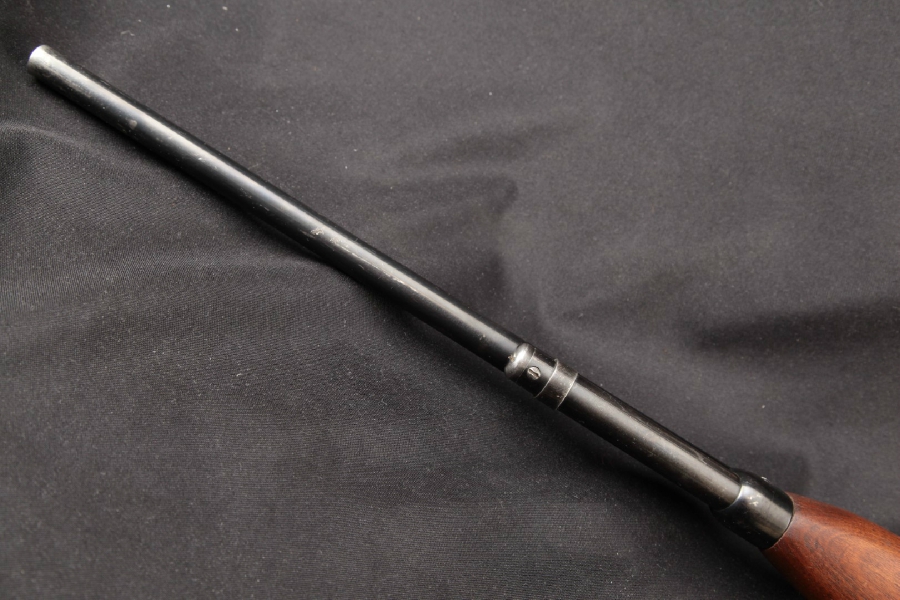
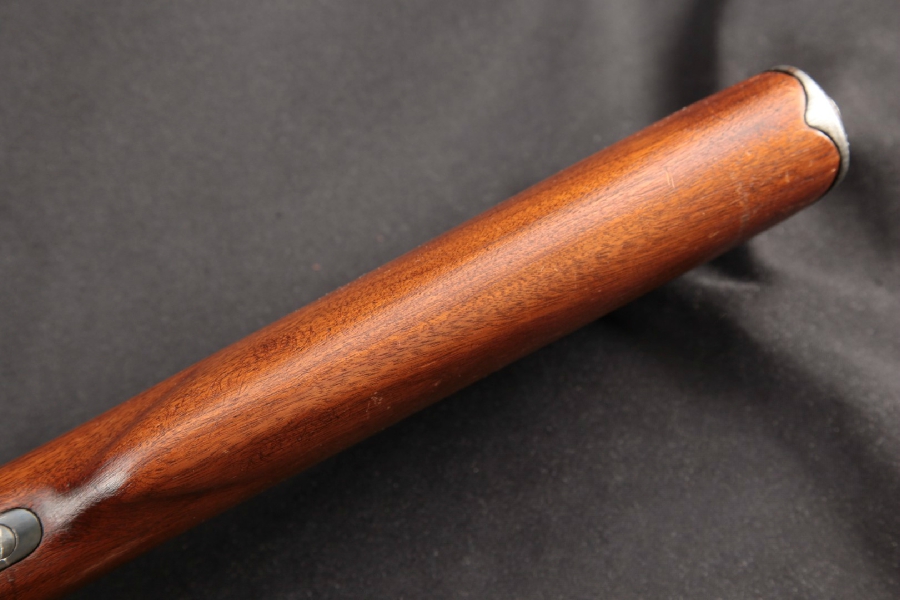
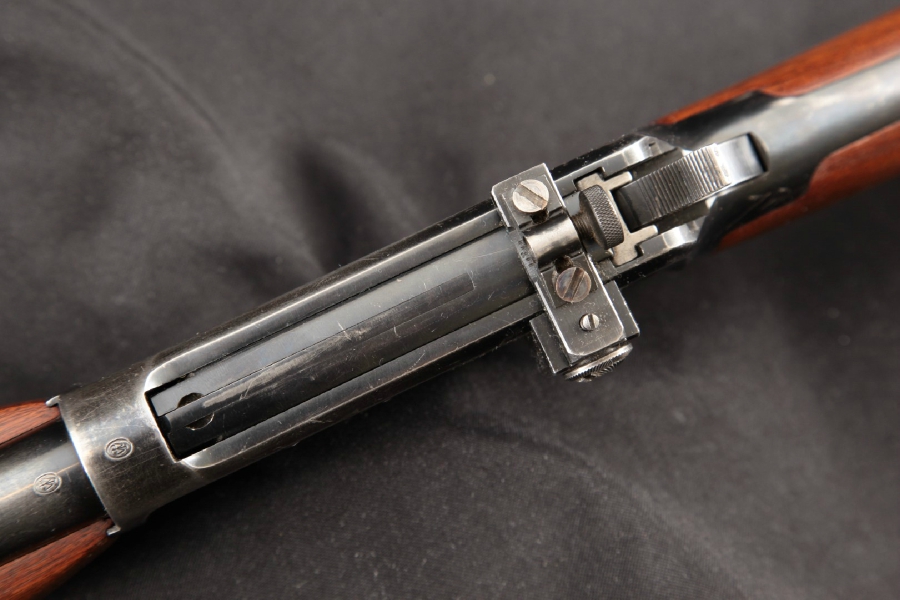
Winchester Pre-64 Model 64, Blue 24 Lever Action Rifle & Receiver Peep Sight, 1953

Image result for Winchester Pre-64 Model 64 lever action rifle,
One day I will buy another one of these fine Old School Lever Guns!
Winchester Pre-64 Model 64, Blue 24 - Lever Action Rifle & Receiver Peep Sight, 1953 C&R - Picture 8
Image result for Winchester Pre-64 Model 64 lever action rifle,


Winchester Pre-64 Model 64, Blue 24 - Lever Action Rifle & Receiver Peep Sight, 1953 C&R - Picture 9


Somebody got smart & put on a proper rear peep sight on this fine gun!

Attachments area
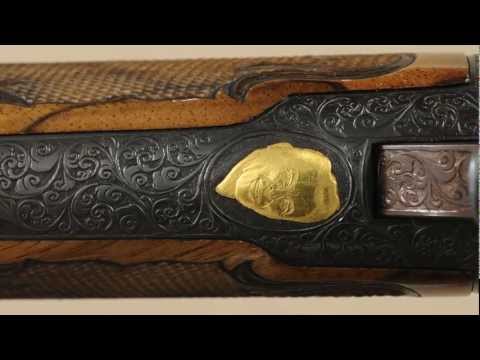
Preview YouTube video The Reagan Gun – Embellished Model 64 Lever Action Rifle

Produced from 1933 through 1957 – and one of many variants of the ’94, the Model 64 is a must for any Winchester Lever Action Collection. It was made with a smooth pistol grip and button magazine, ideal for medium sized game and built true to Winchester’s legacy of strength and quality production – especially during these years.

Categories
All About Guns Gun Info for Rookies Hard Nosed Folks Both Good & Bad The Green Machine War

Tommy Atkins Guns & WWII

MilSurp: British Infantry Weapons of World War II: The Tools Tommies Used to Beat Back the Bosche

On the night of June 5th, 1944, a force of 181 men commanded by Major John Howard lifted off from RAF Tarant Rushton aboard six Horsa gliders. Their force consisted of a reinforced company from the Oxford and Bucks Light Infantry along with twenty sappers drawn from the Royal Engineers. Their objective was to seize the bridge over the Caen Canal and subsequently secure the eastern flank of the Allied landings at Sword beach. Theirs was arguably the most critical piece in the entire D-Day invasion.

The Webley revolver was a break-open double action design that fired a relatively anemic .38/200 rimmed cartridge.

Any amphibious operation is tenuous until a lodgment is established. At first the advantage always goes to the defender. No matter the intensity of the pre-operation bombardment, the outcome ultimately turns on the fortitude of the attackers pitted against the fortitude of the defenders. This bridge was the choke point for German armor that might have attempted to reinforce the defenders on the beach.
The invasion, code named Operation Overlord, was indeed an iffy thing. Had the Allies hit the beaches and found them populated with the fully armed tanks of the German 21st Panzer Division then they very likely could have been pushed back into the sea. General Eisenhower, the Supreme Allied Commander, had actually prepared a letter assuming full responsibility for the failure of this operation had this been the case. Thanks to Major Howard and his 181 British Glider-borne soldiers this letter went unused.
Five of the British gliders landed as close as 47 meters to the objective at 16 minutes past midnight. Considering these glider pilots made a silent unpowered approach in utter darkness this represents some of the most remarkable pilotage of the war. These brave British soldiers poured out of their wrecked gliders and took the bridge in short order.

The Short Magazine Lee-Enfield (SMLE) was a superb bolt-action design that served the British well during the First World War.

Lance Corporal Fred Greenhalgh was thrown clear of his glider on impact and knocked unconscious. He landed face first in a shallow pond no more than six inches deep but subsequently drowned. Lieutenant Den Brotheridge stormed the bridge firing his Sten gun and throwing grenades until he was mortally wounded by German machinegun fire. Greenhalgh and Brotheridge were the first Allied soldiers killed on D-Day.

The SMLE also saw extensive service, particularly early on, during the Second.

At around 0200 the lead armored vehicle of German 21st Panzer rounded a corner and drove between two buildings that defined the approach to the bridge. Alerted by the sound of tracks in the darkness, Major Howard had dispatched Sergeant Charles “Wagger” Thornton with the unit’s last operational PIAT launcher and two hollow-charge projectiles. Thornton covered himself in garbage and had been in place around three minutes when the first tank arrived.
There is a dispute as to the type of vehicle involved. It has been reported to be either a Panzerkampfwagen Mark IV or a Marder open-topped self-propelled gun. Regardless, no doubt thoroughly terrified, Sergeant Thornton loosed his PIAT bomb at a range of 27 meters and center-punched the vehicle, igniting its onboard ammunition. The destroyed vehicle subsequently effectively sealed off the approaches to the landing areas from reinforcing German armor. As a result, Sergeant Thornton’s single desperate PIAT shot very probably saved the entire invasion.

The Lewis gun was an American design that was used extensively during WW1. Obsolete by 1940, the Lewis nonetheless soldiered on in second-line applications throughout the war. The most distinguishing characteristics of the Lewis were its bulbous barrel shroud and top-mounted pan magazine.

Weapons

That the British Army survived the evacuation at Dunkirk is a legitimate modern-day miracle. While more than 300,000 troops survived, they arrived in Britain exhausted, demoralized, and bereft of their weapons. Desperate to refit and re-equip in the face of an expected German invasion, the English military leadership initiated a crash program to produce small arms in breathtaking quantities.
It is easy to disparage the quality of British small arms from the comfort of our living rooms. However, the British people rightfully feared imminent invasion. Had Hitler not foolishly launched Operation Barbarossa in an attempt to conquer Russia they would have undoubtedly seen German troops on British soil. As a result, the British endured some shortcuts in both the quality and design of their small arms. That they still fared so well is a testimony to the grit and tenacity of the British fighting man and his leadership.

Handguns

At a time when the entire world was issuing autoloading handguns, the British persisted in issuing revolvers that were state of the art during the previous world war. Given the desperate pressures under which they operated British industry simply continued producing the handguns they were already tooled up to produce. Webley and Enfield revolvers were morphologically similar. Both were break-open designs that incorporated an automatic ejector to remove empty shell casings. While some earlier versions were chambered for a powerful .455 round, most WW2-era versions were .38’s.
Early WW1-era Webley Mk I’s fired the rimmed .455 round. However, many were subsequently converted to fire rimless .45ACP ammunition by having the faces of their cylinders shaved down appropriately. Rimless .45ACP rounds were subsequently managed via moon clips. This conversion allowed the continued issue of .455 Webleys after the supply of .455 rimmed ammunition was exhausted.

The star-shaped ejector on the Webley and Enfield revolvers automatically expelled the empty cases when the gun was broken open for reloading.

The most common WW2-era Webley was the Mk IV chambered for the .38/200 round. This round is 9x20mm and is interchangeable with the .38 S&W cartridge. By comparison the ubiquitous .38 Special is 9×29.5mm and much more powerful. The No2 Mk 1 Enfield fired the same round. However, the hammer was bobbed on the Enfield to affect double action only. This weapon was intended for use in tanks, aircraft, and vehicles for applications that might require that a sidearm be used one-handed.

The 4-1-1 on Handguns During Combat

Handguns of any sort seldom affect the big picture in combat. They serve as badges of rank or security talismans, but the pistol does not win wars. As such, though their revolvers were dated when compared to other autoloading designs, this made little difference in the grand scheme.

The PIAT was a monstrosity of a weapon that used a spring-driven piston to fire shaped-charge antitank warheads.

Rifles

The British began World War 2 with the SMLE (Short Magazine Lee-Enfield). This superb bolt-action design armed British Tommies in the fetid trenches of World War 1. As the SMLE cocked on closing it provided a greater rate of fire than other designs that cocked when the bolt was opened. As the scope of the war and its commensurate logistics demands grew, however, the British Army needed something cheaper and easier to produce.

The British Sten gun was simple, inexpensive, and effective. Sporting a left-sided magazine and remarkably sedate rate of fire, the Sten was found throughout all combat theaters of World War 2.

The No 4 Mk 1 Lee-Enfield was a product-improved version of the SMLE. This rifle retained the 10-round magazine and .303 chambering of the SMLE. And it deleted the SMLE’s magazine cutoff and, ultimately, its complicated adjustable sight. The No 4 was heavier and slightly more robust than the SMLE, but it was much easier and faster to produce.
The rimmed .303 cartridge was obsolete by World War 2. However, like the Lee-Enfield rifle, this was what British industry was tooled up to produce. As a result, both the No 4 Lee-Enfield and its tired round soldiered on through WW2 and well beyond. Once again, the English were forced to make do with what they had.

Submachine Guns

The British had no general-issue submachine gun at the beginning of the war. They made do with expensive, heavy, and obsolete Thompson guns purchased from the United States. In desperate need of something inexpensive and easy to build, English gun designers Major Reginald Shepherd and Harold Turpin set out to contrive the ultimate mass-produced pistol caliber submachine gun. The name Sten is drawn from the first letters of the designers’ names along with Enfield.

The Bren Light Machinegun was arguably the finest LMG of the war. Portable and reliable, the Bren offered dismounted Infantry a mobile base of fire that could accompany troops in the assault.

Sten

The British produced the Sten gun using components produced in tiny shops across the island. There were seven marks and around four million copies rolled off the lines. Unit cost in WW2 was around $10 or $156 today. Most Stens used a simple drawn steel tube as a receiver and fed from the left side via a double column, single feed 32-round magazine. All Stens were selective fire. Most incorporated a rotating magazine housing that could be positioned to seal the ejection port from battlefield grunge.

Mk IIS

The Mk IIS included an integral sound suppressor, a revolutionary feature for the day, as well as a bronze bolt. The Mk III was the simplest of the lot and incorporated a simple welded on magazine housing and a pressed steel receiver. The Sten was not the most reliable gun on the battlefield but it was widely distributed through both British combat formations as well as underground partisans operating in occupied territories.

The sole safety on the Sten was a notch to hold the bolt to the rear.

Machinegun

The Brits used Vickers and Lewis guns at the beginning of the war, some of which served until the armistice. The Vickers was an English adaptation of the same Hiram Stevens Maxim design that drove the German Maxim MG08 guns during WW1. Heavy, water-cooled, and imminently reliable, the Vickers was a superb sustained fire weapon when employed from vehicles or static mountings. It was useless in a mobile ground assault, however.

The Vickers machinegun.

The BREN gun was arguably the finest light machinegun used by any major combatant. A license-produced copy of the Czech ZGB-33, the Bren fired from the open bolt and fed from top-mounted 30-round box magazines. It had a rate of fire of around 500 rounds per minute. The BREN gave the dismounted Infantry squad a portable base of automatic fire that could maneuver with dismounted ground forces. Though heavy by today’s standards, the BREN was rugged and dependable.

The PIAT

The weapon Wagger Thornton used to save D-Day was the Projector, infantry, Anti-Tank. This monstrosity of an anti-tank weapon was actually a handheld spigot mortar. The PIAT incorporated a spring-driven piston that extended into the base of its hollow-charge projectile. It would then ignite a propellant charge. The prodigious recoil of the shot should theoretically recock the heavy spring action. The PIAT weighed 32 pounds and had a maximum effective range of 115 yards. Sergeant Thornton later described the PIAT as “Rubbish, really” in a post-war interview.

The Vickers machinegun was a water-cooled belt-fed behemoth intended to be fired from fixed positions.

The PIAT was a monstrosity of a weapon that used a spring-driven piston to fire shaped-charge antitank warheads.

Gestalt

The British fought and won WW 2 with a hodgepodge of obsolete weapons mass-produced via a disseminated industrial base with their backs literally against the sea. While they lacked a semiautomatic handgun or an autoloading Infantry rifle, their Bren gun was enormously effective. And the PIAT did indeed save D-Day. In the final analysis, it was the men behind the weapons, and not the weapons themselves, that wrested control of mainland Europe from the grip of Nazi tyranny.

Categories
All About Guns Gun Info for Rookies

THE BEST GUN FOR A MAN ON A BUDGET

Have you ever wanted to own a caliber of gun that is all around useful? If you are anything like me, you are not a man with unlimited funds. This means that when you make an expensive purchase—like a gun—you want it to be as versatile as possible. You need it to be a tool that can provide protection, recreation, and also bring home the game to put on the table. It needs to be both versatile and affordable.
Is it even possible that such a gun exists? Well, I’m happy to let you know that there is. 

A Gun For All Uses

Having spent the majority of my life in the woods—a large percentage of it hunting—I have found that if given only one choice for a caliber of gun, it would be a 12 GA pump shotgun. If there ever was a more practical, affordable, and versatile caliber of gun… I can’t think of one. Without any glitz or fanfare, it’s a gun that gets the job done. Whether its protection, hunting, or sport, this caliber of gun covers it all.
Personally, I have owned one for over twenty years and I use it regularly throughout the year. Beginning with turkey hunting in the spring, followed by grouse hunting in the early fall, then deer hunting in the late fall, and rounding it all out with grouse hunting again into early winter… this gun gets a solid workout.
In the time between, it sits in the corner of my bedroom as one of my primary lines of defense, should anyone be foolish enough to break into my house. During the summer months, it also occasionally gets used to bust clay pigeons down at the range.
Some would argue that there are more superior calibers for hunting deer, but in my experience, the areas where I hunt—northern New England—are perfectly suited for this caliber of gun. Its a region filled with very dense woods and swamps where short, quick shots are the norm, not the exception. When hunting in this type of cover, a high-caliber rifle with a scope can end up being a hindrance. 

Why The Pump?


Good question! Owning and using both single-shots and semi-automatics for hunting has shown me that when it comes to getting the perfect trifecta of functionality, reliability, and affordability—an all in one gun—the pump wins hands down. It gives you the luxury of shooting a number of shots in quick succession without costing you a premium, nor does it require an abundance of rings and gaskets that can potentially fail. What’s not to like?

Will Any Brand Work?

Yes. There are a few well-known, easily available brands, all with a track record of proven performance: Winchester, Mossberg, and Remington to name a few. All of them are well-made and able to get the job done.
There are also lesser known (and cheaper) brands in the affordable 12 GA pump category. In the interest of saving money, the temptation might be to go with one of them. However, experience has shown me that you get what you pay for. If you only pay $150 for an obscure brand of pump shotgun, you will probably get a cheap gun that doesn’t hold up. Basically a piece of crap that you won’t really end up liking.
All that aside, if I had to pick my favorite brand for an affordable 12 GA shotgun, it would be the Remington 870. 

What Sets It Apart?

It all boils down to the following: reliability, availability, and affordability.

RELIABILITY

Through tough conditions, hard use, and a lack of regular cleanings, I have never seen a brand of shotgun perform as well as this make and model. Rain, snow, dirt, grime, heat and cold… it’s a gun that never quits. When I have needed the gun to work, it has never failed. This alone makes it stand out.
Despite twenty years of very hard use, there has only been one small issue with something in the receiver. This was brought on due to my failure to pull the pins and air-hose out the receiver on a regular basis. In other words, negligent maintenance. Despite this issue, the gun continued to do its job without fail.

AVAILABILITY

With over 10 million manufactured since 1951, they are prolific. This will help you when a part needs to be replaced or if you are looking to purchase additions for it. Also, if things get really bad (societal collapse), a brand as abundant as this will be very easy to get any parts for. That is something worth thinking about.

AFFORDABLE

With so many in circulation, the supply is abundant, giving you a versatile gun that can be purchased on the cheap. For less than $300, you can purchase a well-maintained, used one that will last you for the rest of your lifetime. Now that’s receiving good value for your money spent! 

Does It Need To Be Fancy? 

No. A used and well-maintained Remington 870 with a smooth bore 18″ barrel and improved choke is all you need. If money is really tight, this configuration will enable you to protect your home, shoot skeet for fun, and hunt any game, large or small. With this configuration, I’ve shot turkey, grouse, snowshoe hare, and even deer. There are also affordable additions you can make to your shotgun that will make it even more efficient for hunting, but that’s a topic for another post.
If you’ve been thinking about buying a gun for the first time and want to get the most for your money—or just want a caliber of gun that covers all bases—the Remington 12 gauge pump is the best bang for your buck. If I could go back in time, it would have been the first gun I ever owned rather than the second. Making this purchase will not leave you disappointed.
Read More: How To Choose, Buy, And Shoot A Shotgun