


And then the world changed!
Categories
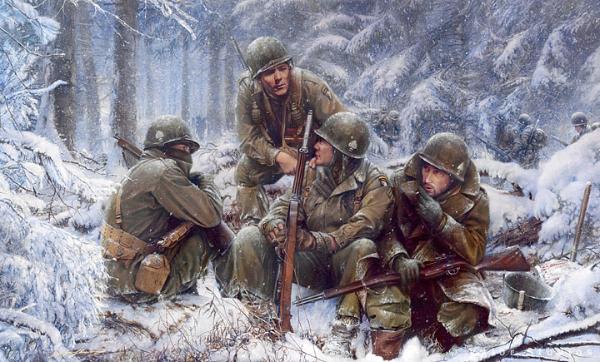
Some more War Pictures

Ten companies of riflemen were authorized by a resolution of the Continental Congress on 14 June 1775. However, the oldest Regular Army infantry regiment, the 3d, was constituted on 3 June 1784, as the First American Regiment.


Categories
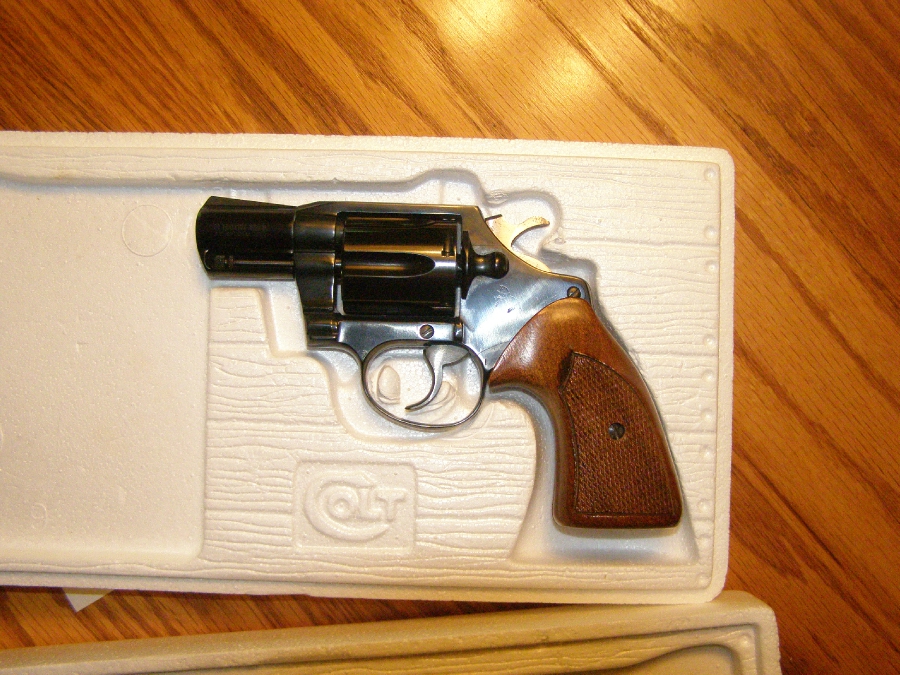
COLT Detective Special
Colt Detective Special
| Detective Special | |
|---|---|
.jpg)
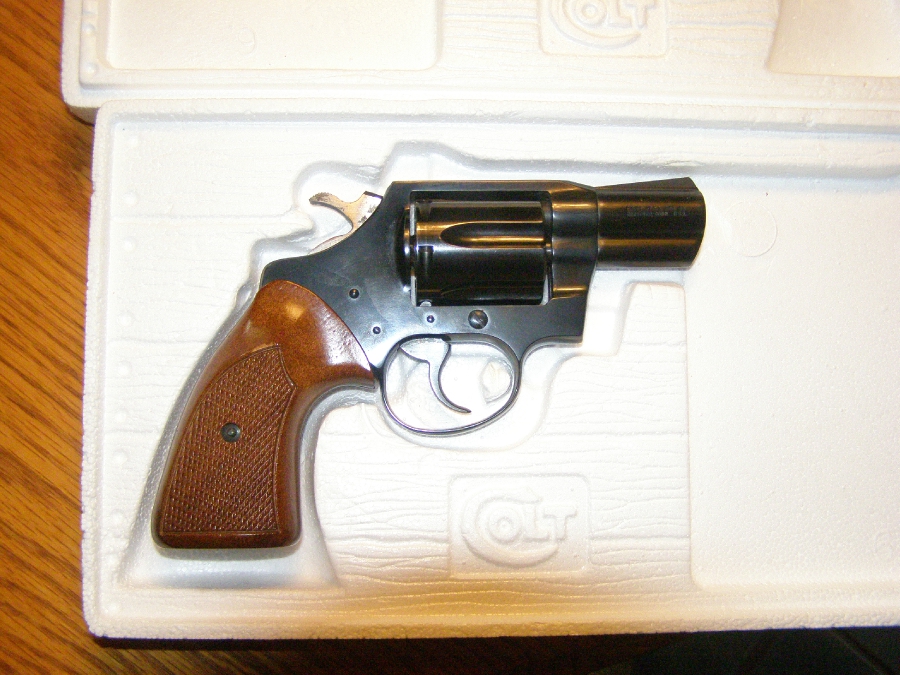
A Colt Detective Special on display
|
|
| Type | Revolver |
| Place of origin | United States |
| Production history | |
| Manufacturer | Colt |
| Produced | 1927–1986 1993–1995 |
| Variants | Banker’s Special Commando Special |
| Specifications | |
| Weight | 21 oz. |
| Length | 6 3⁄4 in |
| Barrel length | 2 in 3 in |
|
|
|
| Cartridge | .32 New Police .38 New Police .38 Special |
| Action | Double-action |
| Feed system | Six-round cylinder |
| Sights | Fixed open sights |
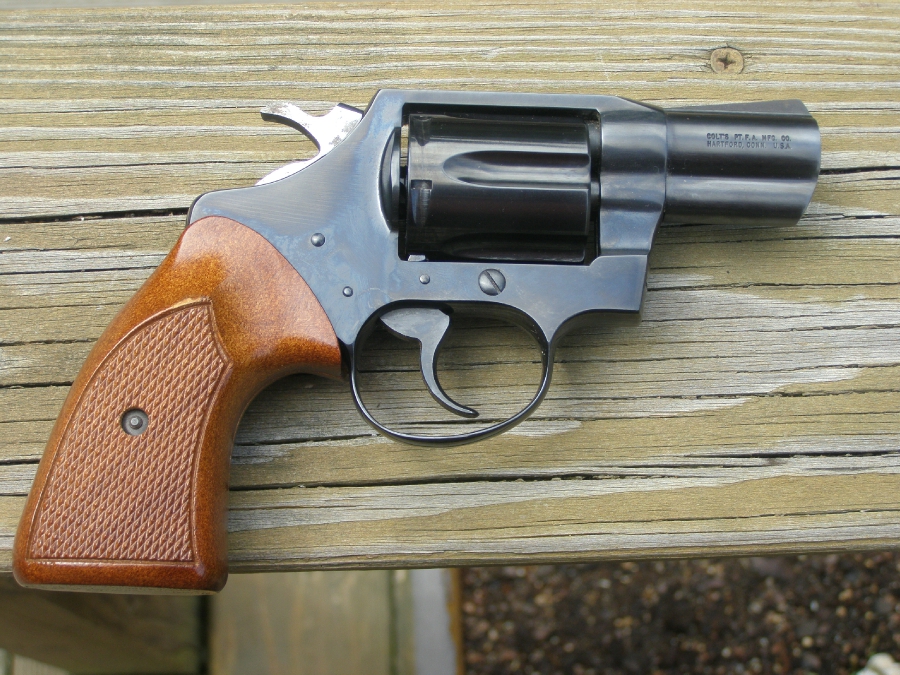
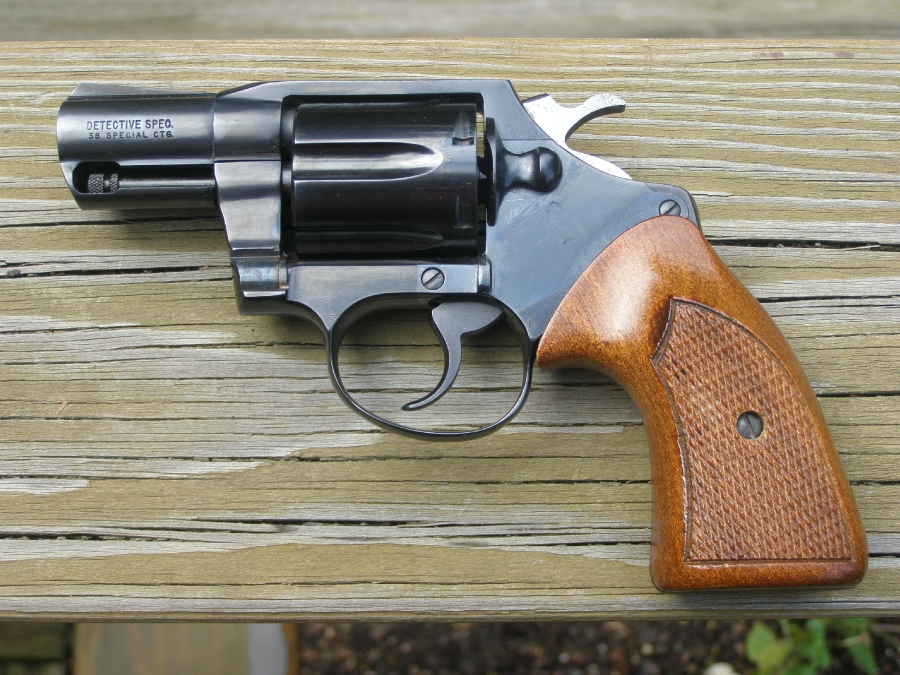
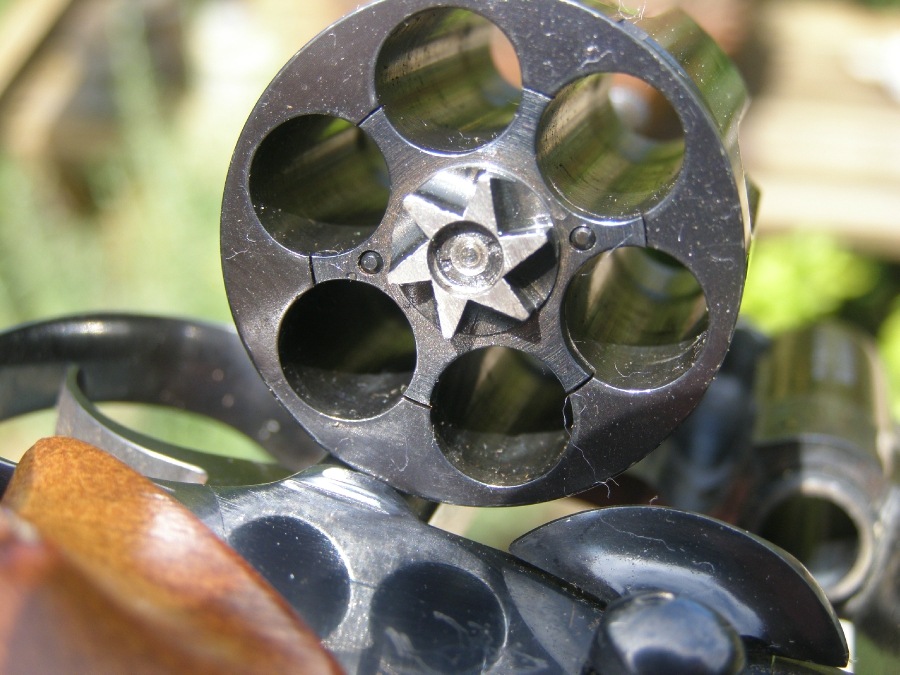
The Colt Detective Special is a carbon steel framed double-actionshort-barreled revolver, and is an example of a class of firearms known to gun enthusiasts as “snubnosed”, “snubbies”, or “belly guns”.
As the name “Detective Special” suggests, this model revolver was used as a concealed weapon by plainclothes police detectives.
Introduced in 1927, the Detective Special was one of the first short-barreled revolvers produced with a modern swing-out frame.
It was designed from the outset to be chambered for higher-powered cartridges such as the .38 Special, considered to be a powerful caliber for a concealable pocket revolver of the day.
Lackluster sales of revolvers and a shift in the company’s post-bankruptcy business model focusing on Department of Defense orders saw the elimination of the Detective Special from the product line in 1995.
Contents
[hide]
Design development
The Detective Special is by design a shortened and somewhat streamlined Colt Police Positive Special, sharing that revolver’s slim “D” size frame and six round capacity. The DS uses a slightly smaller frame than the Colt Official Police or Smith & Wesson “K” Frame revolvers, but is larger than the compact “J” frame used in Smith & Wesson five-shot revolvers.[1]
Colt’s Detective Special went through several issues or series.[2] The First Series was produced from 1927 until 1946. Compared to later production models, the First Series used a narrower frame, with reduced clearance between the front strap of the grip frame and the rear of the trigger guard.
Other distinctive features included a shorter ejector-rod with an ungrooved, knurled tip; a checkered hammer spur and cylinder latch, a “half-moon”–shaped front sight, and an overlapping screw and locking pin set-up on the right side of the frame. Grip panels were wooden.
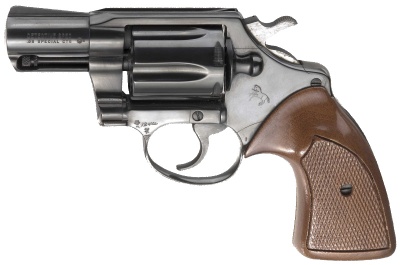
A rounded butt on the metal frame became standard in 1933, but pieces with the original square butt (like that of the Police Positive Special) continued to be produced into the 1940s.[1]
The Second Series ran from 1947 to 1972. The ejector-rod was longer and had a groove in its knurled tip; a three-inch-barrel variant was offered, with a yet longer ejector-rod.
The cylinder latch was smooth, and the trigger spur serrated. The right side frame screw has no locking pin, and the rear half of the front sight is a serrated ramp.
The grip panels were plastic in 1947, but were changed back to wood starting in 1955 (first with a silver-tone Colt medallion, and later a gold-tone).
An optional hammer shroud was available from the factory to prevent the hammer from catching on clothing.[1]
Transition from the First to Second Series was gradual, with some post-WWII Second Series guns retaining short ejector rods and checkered hammers. Because of this, assigning a given revolver to a particular issue is best done by serial number.
During the 1960s, the grip frame of the Second Series Detective Special was shortened, matching that of Colt’s other snub-nosed pistols, the Cobra and Agent.
Despite this alteration, the Detective Special’s overall grip size remained unchanged, as Colt fitted the Second Series with new, lengthened grip stocks that extended below the frame.[1]
The Third Series ran from 1973 to 1986. A new shroud extended down from the barrel, enclosing and protecting the ejector-rod, and the front sight was changed to a full ramp. New, oversize wood gripstocks were introduced that covered the front frame strap.
The Third Series featured improvements to the revolver’s internal lockwork as well. As with the previous two Series, a few nickel-plated guns were produced, and a 3-inch-barrel variant was again offered. In 1986, facing stagnant sales numbers as well as rising production and labor costs, Colt discontinued production of the Detective Special.[3]
Colt filed for bankruptcy protection in 1992. After reorganization, the company restarted production of the Detective Special in 1993.
The post-1992 Detective Special is sometimes called the Fourth Series, and featured “composite” (rubber), wrap-around grips with a gold medallion.
Only a two-inch barrel was offered, in blue or hard chrome finish. The new production run continued only until 1995, when Colt introduced its stainless-steel SF-VI as a replacement for the Detective Special.[1]
From its introduction, the Detective Special used Colt’s ‘Positive Safety Lock’ (hammer block), first featured on the Police Positive; the mechanism interposes a bar between hammer and frame until the trigger is pulled, preventing accidental discharge if the hammer is struck (e.g., if a dropped gun falls onto its hammer) with the trigger forward.[
First and early Second Series Detective Specials are becoming highly sought after by collectors, particularly if they are in prime condition and still have the famous Colt “Royal Blue” finish.
Calibers and finishes
The Detective Special was initially available in both bright blued and nickel finishes; a stainless steel finish replaced the nickeled option during the Fourth Series.
For the Second Series, caliber options were .32 New Police, .38 New Police, and .38 Special; only .38 Special was offered for the other Series. The standard barrel length was 2 inches, but also a (rare) three-inch-barrel was offered during the Second and Third Series.[1]
Submodels and variants[edit]
One early variant based on the DS frame was the Colt Banker’s Special. First produced in 1928, it was chambered in .38 Colt New Police (.38 S&W) and .22 Long Rifle. Few were made, particularly in .22LR caliber. The Banker’s Special was popular with railway clerks, who often carried them on mail and parcel freight trains prior to World War II. During World War II production was discontinued, and the type was not revived following the war’s end.
The Colt Commando Special was a version of the Detective Special with a matte finish and rubber grips; produced from 1984 to 1986, it was chambered in .38 Special and weighed 21.5 oz.
During the Fourth Series production run of 1993–1995, Colt offered the Detective Special with an optional de-spurred ‘bobbed’ hammer and double action only lockwork, direct from the factory. The DAO or ‘Bobbed Hammer’ Detective Special was otherwise the same as the standard Fourth Series Detective Special.[4]
Ammunition[edit]
Interest has arisen over the use of higher-pressure (+P) .38 Special ammunition in the Detective Special. In their more recent owners manuals, Colt authorized limited use of +P ammunition in steel-framed revolvers (including earlier versions), citing 2000 to 3000 rounds before recommending the gun be returned to the factory for inspection.[5] Many[6]believe that this was due to potential liability rather than engineering requirements, as the standard pressure ammunition of yesteryear was about the same pressure as modern +P ammunition. SAAMI lowered the pressures in 1972.[1]
The DS series was discontinued in 1995. While no longer manufactured, Colt still supports the DS with parts and repair services.
Usage[edit]
Due to the good concealment qualities of the revolver, the Colt Detective Special was used as a weapon mostly by plainclothes police detectives, though it was also a popular off duty and backup firearm for uniformed police officers.[1] It was used by bodyguards, and for personal defense and shooting sports.
The Colt Detective Special was a popular weapon before the semi-automatic pistol replaced the revolver in many police departments as well as law enforcement units and armies. Myanmar Police Force and some other countries are still using the batches as officers’ sidearms.
Replacement[edit]
Designated as the “9.65mm handgun”, the Detective Special was used by the military police officers of the Japanese Self-Defense Forces along with the M1911 pistol designated as the “11.4mm handgun”, only to be replaced by the Minebea P9semi-automatic pistol, the Japanese license-made SIG Sauer P220. And a small number were used in some prefectural police headquarters of Japan including the Tokyo Metropolitan Police Department.[7]
The six-shot Colt Detective Special was the standard issue sidearm of Crime Wing inside Hong Kong Police Force, only to be replaced by SIG Sauer P250 after multiple years of use.
The Colt Detective Special was the first revolver issued to French customs agents, meant to replace the old Browning 10/22 and MAB D pistols. They were used from 1975 to 1988, being progressively replaced by Smith & Wesson revolvers (mostly the S&W model 13) along with French Manurhins and the Sig Sauer SP 2022 in 2005.
Users[edit]


Categories
Birthday of the US Army
Happy Birthday Green Machine!
The U.S. Army was founded on June 14, 1775, when the Continental Congress authorized enlistment of riflemen to serve the United Colonies for one year. The 14 June date is when Congress adopted “the American continental army” after reaching a consensus position in The Committee of the Whole.
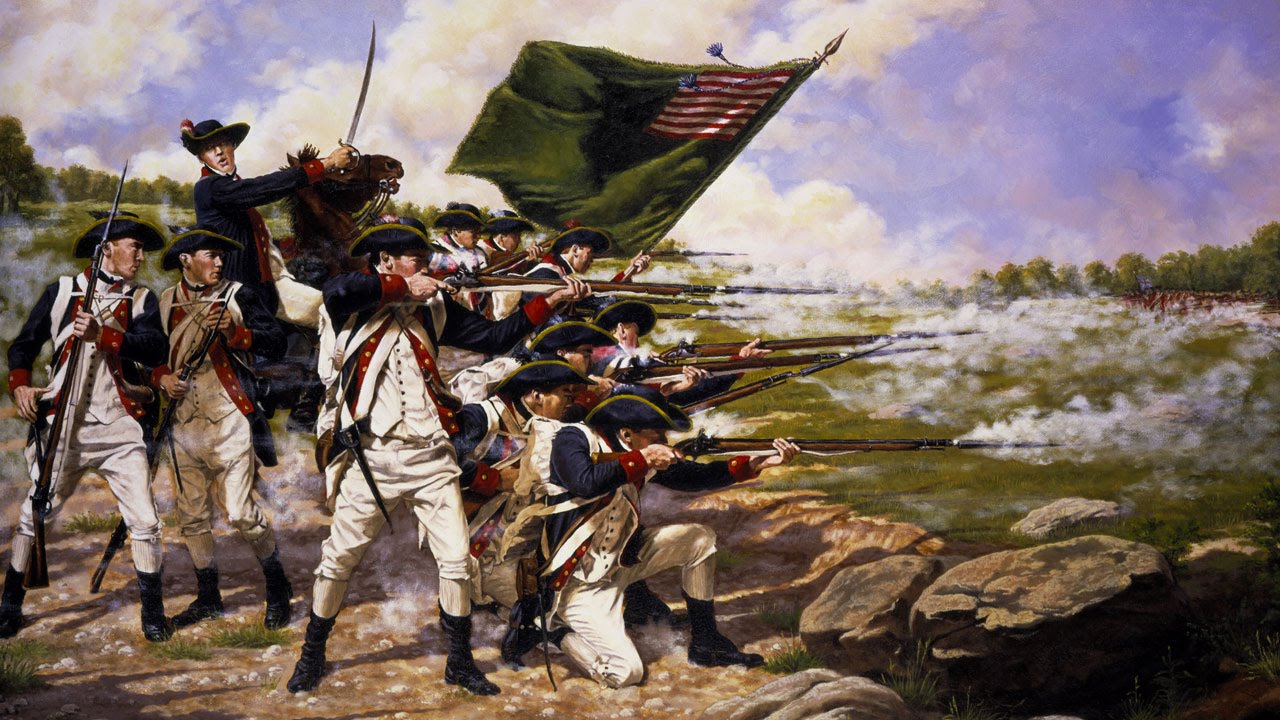
The Revolutionary War


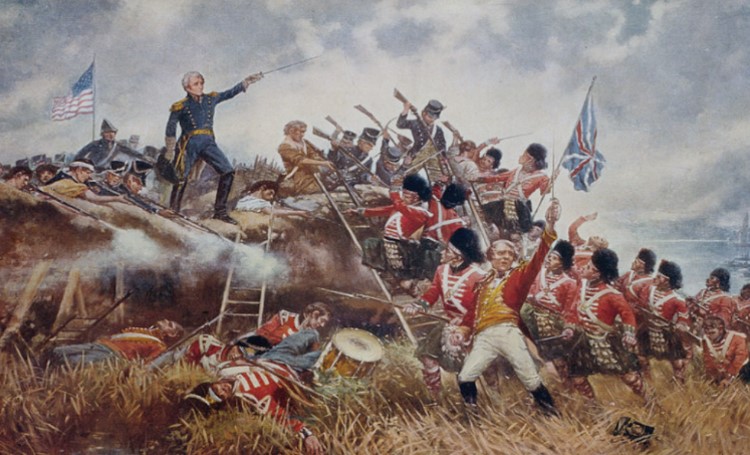
The War of 1812

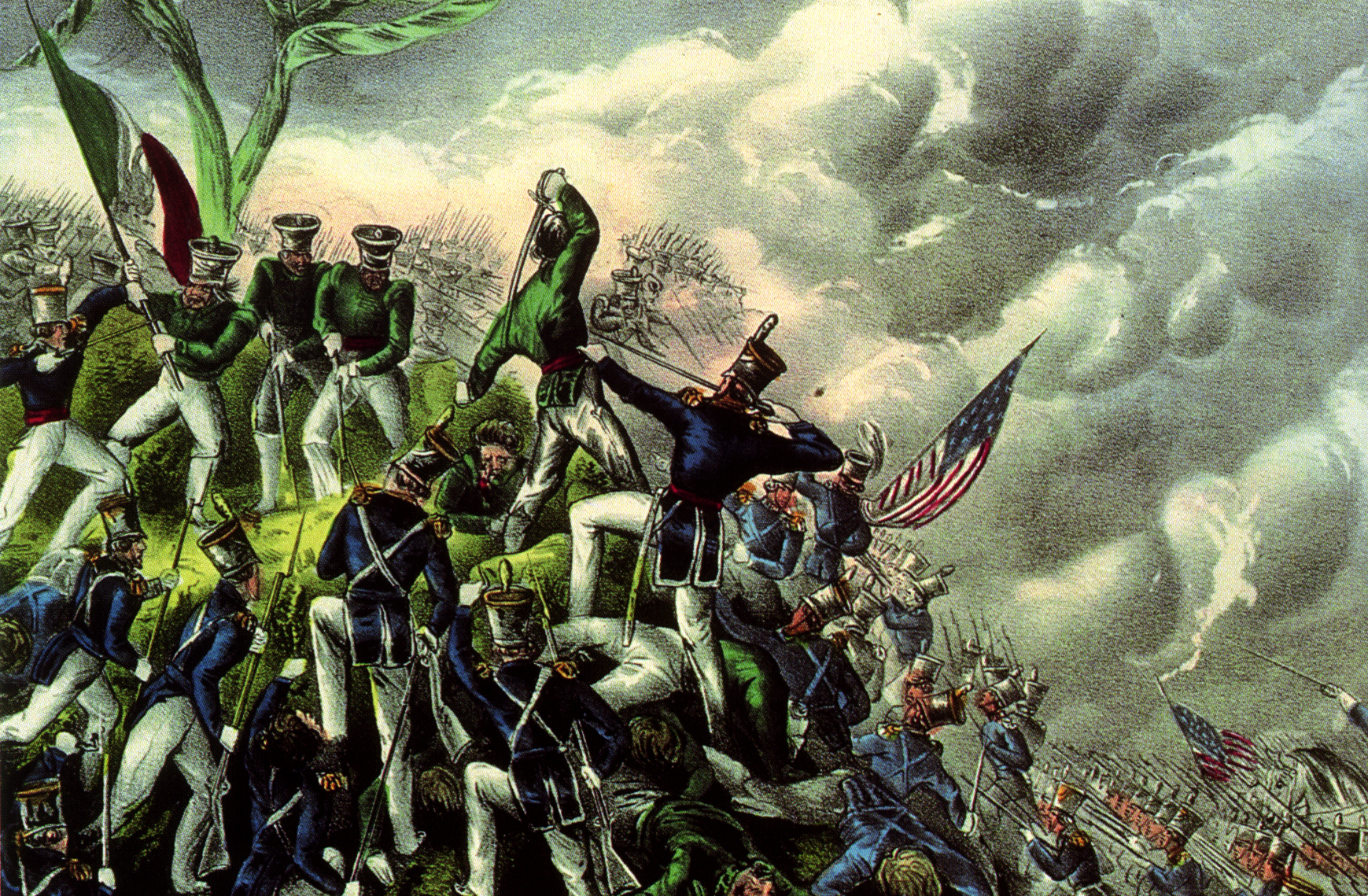
The War with Mexico



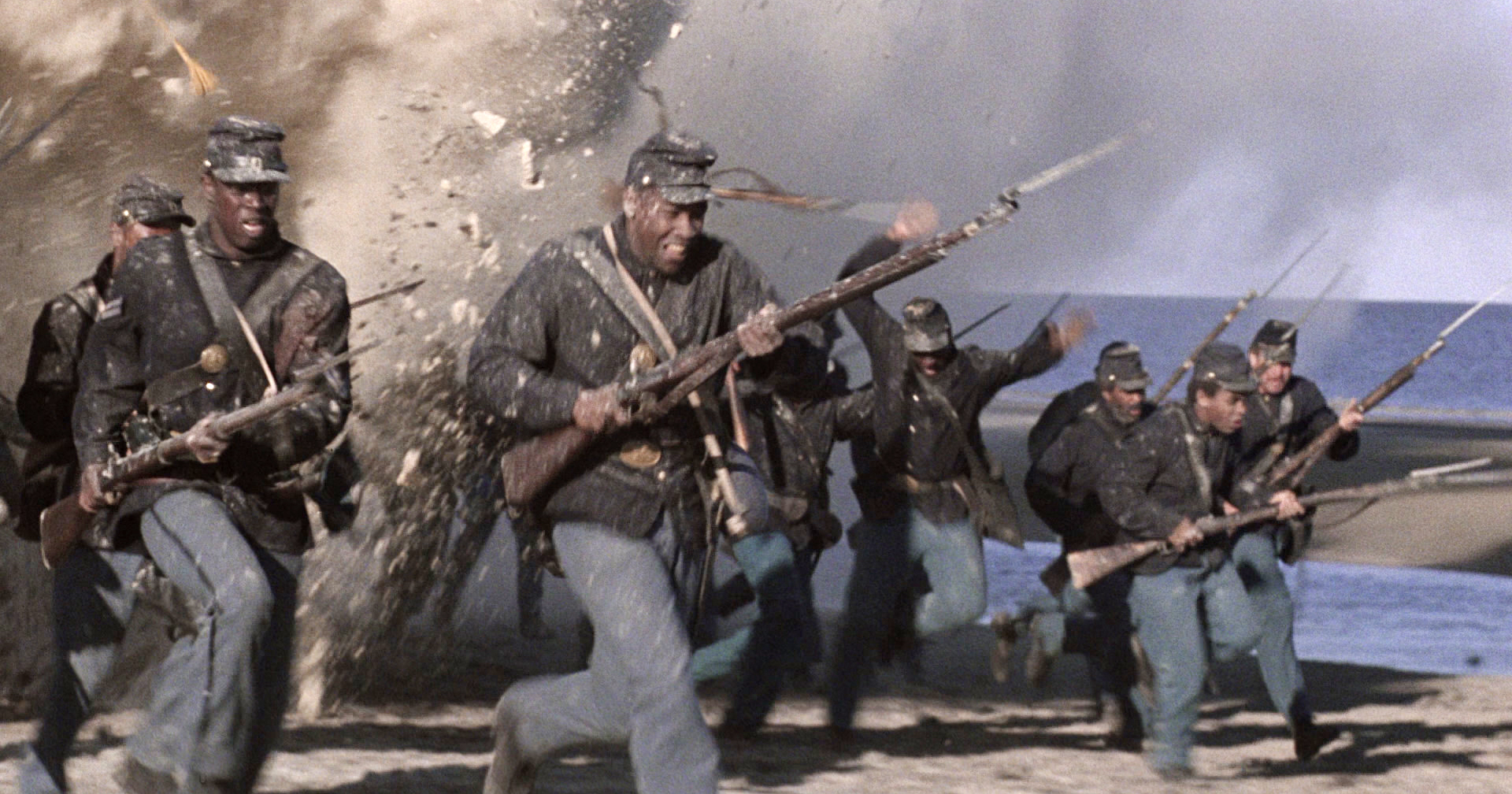
The War Between The States


The Indian Wars

The War with Spain 1898

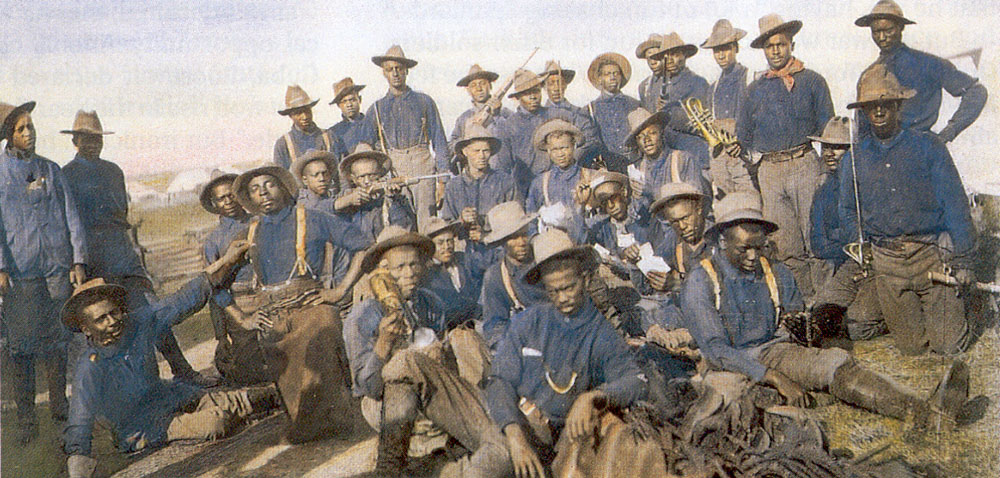
WWI

The Rock of the Marne -The 3rd Infantry Division WWI
WWII
 “Go for Broke!” The 442nd RCT in WWII

The 4th Infantry in WWII France
The Korean War


 The Puerto Ricans Bayonet Charge

The Wyoming Army National Guard
The War with Vietnam


Grenada



El Salvador

The Sandbox Wars

Categories
What to Do If You’re Being Followed
You arrive at your favorite coffee shop in the ‘burbs and notice a guy in a green baseball cap standing behind you. You give him a friendly nod and go back to looking at the menu.
While you’re taking a bite from your Arby’s roast beef sandwich during your lunch break downtown, you notice that same guy in the green ball cap at a table outside. “Huh. Small world. What a coincidence,” you think to yourself.
Work is over, and you roll up to the gym to get your sweat on. While you’re walking to the entrance, you glance over and see Mr. Green Baseball Hat sitting in a car in the parking lot.
You get the sinking feeling that this third spotting isn’t a coincidence and that maybe this guy is following you.
What do you do?
Why Would Someone Follow You?
Unless you’re a criminal or suspect in some crime, you probably think you don’t have to worry about being followed.
But even if you’re a law-abiding citizen, there’s a chance you could be followed at some point in your life by people who’d like to do you harm: an angry employee that you had to fire; a crazy ex; friends and family of said crazy ex; an unstable person you unintentionally offended at church; a weirdo you met once at a party who is now obsessed with you; the guy you accidentally cut off in traffic three miles back; a thief who’s decided you’re a good mark. The list goes on.
There’s also a chance you might be followed by a private investigator due to a divorce, custody battle, or other litigation you’re involved in. If that’s the case, you want to provide as little information to the PI as possible to avoid inadvertently giving your legal opponent fodder that somehow helps their case.
The chances of these kinds of people following you are slim. But if you do find yourself in this situation, it’s good to have a plan on what to do.
An Ounce of Prevention Is Worth a Pound of Cure: How to Be Less Followable
If you don’t want someone following you, the best thing to do is to make yourself less “followable” in the first place. Stalkers, PIs, or people who want to do you harm count on the fact that you have a set routine that they can easily follow along with. You subtract that advantage, and make yourself less of an easy target, by making your schedule less predictable. If you can, mix up how you get to work throughout the week. Don’t go to the same places on the same days and at the same times.
Also, don’t broadcast your whereabouts on social media. Turn off location services that indicate where you’re posting from. Would-be stalkers will check this info so they can pinpoint your movements.
How Do You Know If Someone is Following You?
You’d be surprised how easy it is to tail someone without them knowing, as most people aren’t paying attention to their surroundings. So the first step to figuring out if you’re being followed is to start keying in on what’s going on around you. Maintain situational awareness while you’re out and about and establish baselines. What’s normal for the situation or environment you’re in?
Once you’ve established baselines, pay attention to possible anomalies. Is someone looking at you more than is normal and making an unusual amount of eye contact? Does a car you don’t recognize keep driving by your house? Has someone been showing up to your favorite coffee shop who doesn’t fit the typical crowd? These are anomalies and should put you on the alert that someone might be following you.
One anomaly to register is seeing the same person, in three different places. Ex-CIA officer Jason Hanson gives this rule of thumb used in the intelligence community:
One time=an accident
Two times=a coincidence
Three times=enemy action
In addition to noting anomalies, pay attention to your gut feelings. You’ll often intuitively know when something is wrong.
Then, if you experience those uncomfortable feelings, try to confirm them. How you do so will differ as to whether you’re in a car or on foot.
In a Car
If you suspect someone is tailing you in a car, you can confirm it by doing the following:
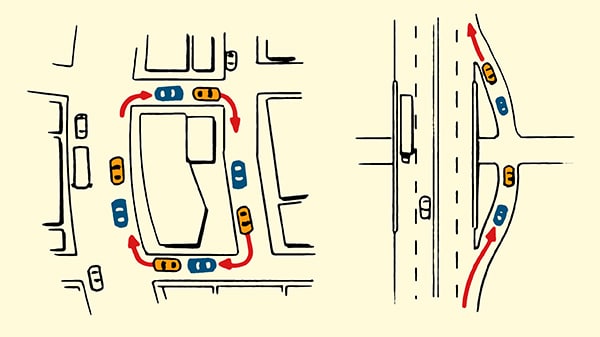
1. If you’re on city streets, make four right turns. If the car is still behind you after the fourth turn, they’re probably following you. Most people don’t travel in circles around city blocks.
2. If you’re on the freeway, get off and then immediately get back on. If you can still see the car in your review mirror, you’re probably being followed. Just as most people don’t travel in circles on city streets, most people don’t get off and then right back on a freeway.
You can also get over to the right lane of the highway, and slow down to 15 miles or so below the speed limit. All the cars behind you will soon pass by. If the one you’ve had your eye on doesn’t, it’s almost assuredly following you.
On Foot
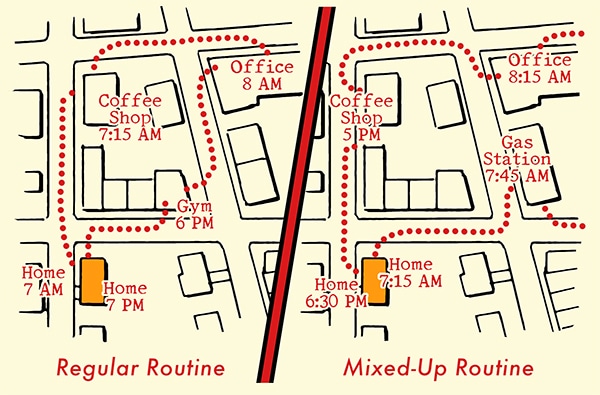
1. Mix up your routine. If you’ve got a daily routine, you likely see the same people at the same time at the same places. For example, if you go to the gym every day at 6 PM, you’re probably going to see the same people there. Thus, it’s hard to tell if someone you always see some place is following you, or just has a similar routine to yours.
So if you suspect someone has been following you, you can further confirm it by mixing up your routine. Instead of going to the coffee shop at 7 AM like you usually do, go to a convenience store. If you see your potential pursuant at the convenience store too, there’s a good chance they’re following you. You can increase your certainty of being followed by going to different places at different times. If you see the same person no matter the time and no matter the place, you can be pretty sure they’re following you.
2. Mix up your walking pace. If someone is tracking you, he’ll likely match your walking pace. If you speed up, he’ll speed up. If you slow down, he’ll slow down. If you pause, he’ll pause. So mix up your pace and observe how your suspected stalker responds. If he matches your pace, there’s a good chance he’s following you.
3. Pause and turn. Hanson suggests this effective tactic for determining if someone is following you:
“While you are walking, simply pause, turn around, and pretend to do something — like check your phone, tie a shoe, or turn around as if you were looking for someone. Then look directly at the person you think is following you. Your typical amateur who is following you is going to get flustered and give herself away. She’s likely to freeze or act unnatural because you have caught her by surprise. In other words, someone who is following you will not exhibit the same natural behavior as someone who is simply walking down the street.”
4. Change direction. As you’re walking, stop and turn around 180 degrees and start walking towards the person you suspect is following you (only do this in a public and crowded space). If your suspected stalker also flips around and starts walking behind you again, you can confirm that you’re being tailed.
What to Do If Someone Is Following You
So you’ve confirmed that you’re being followed. Now what? If possible, you want to avoid a confrontation, which all self-defense experts agree is better than needlessly getting into a violent encounter.
To do this, follow these two general rules, as well as guidelines that pertain specifically to whether you’re driving or on foot.
Rule #1: Don’t go home. Whether you’re walking or driving, don’t go to your house. It’s natural to want to get home and lock the doors, but if your tail doesn’t know where you live, you don’t want to reveal that information by taking him there.
Rule #2: Stay in public, well-lit, and well-populated areas. Don’t go anywhere that will put you by yourself with your pursuant. If you’re in your car, stay on main roads that are well-lit and don’t go down country roads or secluded streets. If you’re on foot, stay in public areas where there are lots of people. You don’t want to go down isolated alleyways where you can be cornered. If someone seems to be following you in a store, you also don’t want to go out to your car; the stalker could ambush you in the parking lot or follow you home.
In a Car
Gather info. If you’ve confirmed you’re being followed in your car, start getting information on the tailing vehicle to potentially look into yourself or pass along to the police. Get the vehicle’s make and model. And if you can score the license plate number, even better.
Call the police. If you feel threatened, call the police to let them know what’s going on. Or simply drive to your local police precinct, and tell them you believe you’re being followed. Give an officer the information on the car that’s following you and let them take it from there.
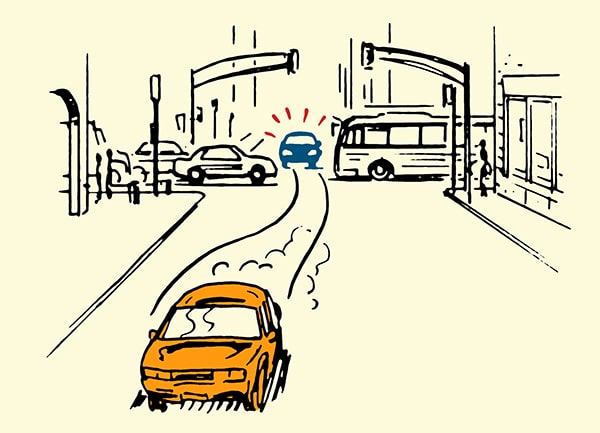
Use well-trafficked roads with lots of stoplights and stop signs. Your pursuant might get stuck at a light or behind more traffic, giving you the chance to shake him off.
Be ready for evasive maneuvering. While on the roads and at stoplights, maintain enough distance between you and the car in front of you that you can make an escape maneuver if needed. If you can see the tires of the car in front of you, you’re good.
Only return home once you feel sure you’re no longer being followed by your tail.
On Foot
Call the police. If you believe you’re being followed on foot by someone with ill intentions, call the police and give them a description of your pursuant. Keep the police on the phone for as long as possible. If your pursuant is nearby, talk loudly so he or she can hear what you’re saying. If there’s a police precinct nearby, go to it.
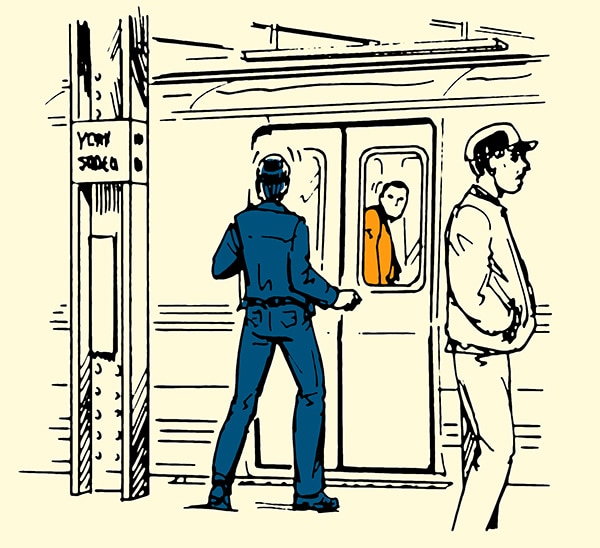
Use public transportation to shake your tail. If you know the public transportation departure times, you can hop on a bus or subway at the very last minute to lose whoever’s following you.
Acknowledge your follower. One tactic Hanson recommends using in public areas is to simply let your follower know that you know they’re following you. Turn around and look right at them. If you’re feeling brave, ask “Can I help you?” Or “What do you want?”
Most bad guys are criminals of opportunity. They’ll only go after you if they think you’re a “soft target” — that they have some sort of tactical advantage over you. Following you without you knowing is one such advantage. By acknowledging their presence, you take it away. Once they realize you’re alert to their tail and they’ve been spotted, they’ll often get flustered and immediately disengage. You’d be surprised how often a show of assertiveness will cause a would-be criminal to back down (at least if their behavior is of the social aggression rather than asocial type; if the latter, you should be prepared to fight back).
Again, you generally only want to use this tactic if you’re in a well-lit and well-populated area, in case the stalker advances instead of retreats. You want witnesses.
But What If I’m On the Lam, Jason Bourne Style?
If for some reason you find yourself in an international, high-stakes espionage manhunt like Jason Bourne, the tactics above aren’t going to work. In fact, you’re pretty much hosed. First, it’s going to be very difficult to even determine that you’re being followed. Highly skilled, professional trackers will use teams of people to co-ordinate surveillance on you. Instead of a single person following you everywhere you go, they’ll throw you off by having one person follow you in one area and another person follow you when you arrive somewhere else. They can even swap those people out to avoid you getting suspicious.
Even if you do figure out you’re being followed, because professional investigators work as a team, it’s hard to shake them. You might be able to delay their finding you, but they’ll almost assuredly get you in the end.
Long story short: try not to get into a Jason Bourne-style manhunt.
But if you’re being pursued by a more garden-variety stalker, the tips above will help.
Last updated: October 9, 2017


