Categories
Allies Anti Civil Rights ideas & "Friends" Born again Cynic!

2 Reasons Why the Media Will Drop Coverage of the Capital Gazette Shooting

On Thursday, four journalists and one staff member of the Capital Gazette were murdered in the newspaper’s Annapolis, Maryland, office.
While the event was initially widely covered by all major news outlets, the media is likely to quickly move on from the story, just like it did with the Santa Fe High School shooting, because it doesn’t fit the right narrative. (Unlike many of the Parkland students, the Santa Fe students didn’t respond to the tragedy by calling for gun control measures.)
That in itself is a shame, not just because there is much to learn from this tragedy, but also because the inspiring courage of the surviving journalists deserves more than a single news cycle.
Why It Will Go Away Quickly
The liberal Left continue to push their radical agenda against American values. The good news is there is a solution. Find out more >>
Reason No. 1: It doesn’t fit the gun control narrative.
This shooting can’t be blamed on lax gun laws. Maryland has some of the strictest gun control laws in the country, earning it an A- rating from the Giffords Law Center—one of only six states to earn above a B+ score. It has enacted almost all of the gun control measures commonly proposed by gun control advocates.
And yet, despite this, not only did this incident occur, but Baltimore is one of the worst cities in the U.S. for gun-related violence, and was recently named by USA Today as “the nation’s most dangerous city.” In the last sixth months, 120 Baltimore residents have been murdered with firearms—21 in the last 30 days. Maryland itself does not fit the gun control narrative.
But this tragedy does fit the actual common fact pattern of mass public shootings: An individual with a long history of concerning behaviors managed to avoid a disqualifying criminal or mental health record, took a legally owned “non-assault” firearm to a gun-free zone, and picked off defenseless people in the time it took law enforcement to respond.
This reality, however, is inconvenient for pushing common gun control measures like raising the minimum purchase age to 21, imposing universal background checks, and banning “assault weapons.”
That makes it much more likely this story will quietly fade and be replaced by other stories that can be better weaponized against conservatives, like Justice Anthony Kennedy’s retirement.
Reason No. 2: Pundits immediately—and incorrectly—blamed President Donald Trump.
Within an hour of the first reports of shots fired in the Capital Gazette building, numerous media pundits took it upon themselves to blame the shooting on Trump’s rhetoric about “fake news.” A Reuters reporter accused the president of having blood on his hands, followed by similar accusations from a New York Times journalist, a White House correspondent, an investigative reporter from Politico, and other high-profile media personalities.
They were completely, unequivocally wrong.
The suspect wasn’t motivated by political ideology, but by a longstanding feud with the newspaper that predates Trump’s election by roughly four years. Had these journalists waited for the facts of the situation to come out, they could have avoided looking exactly like the “fake news” media the president has accused them of being.
Instead, they’re having to backtrack and justify irrational statements. That’s not an easy job, and often requires a bit of humility.
On the other hand, simply dropping the story as fast as possible is much more convenient.
Why It Shouldn’t Go Away Quickly
Reason No. 1: We need to face the reality of warning signs.
It’s all too common to hear people, in the aftermath of these attacks, imply that they had every reason to believe the suspect was a danger to himself or others, and yet nothing was done to keep him from possessing firearms. We must learn from these heartbreaking incidents so that we can prevent future tragedies.
The suspect has been convicted of criminal harassment, a misdemeanor that carries a maximum penalty of 90 days in jail. He served 18 months of supervised probation. But in Maryland, as in most states, this is not an offense that disqualifies a person from possessing a firearm.
Criminal stalking, harassment, and threatening behaviors need to be taken seriously as indicators of future violence. This man’s actions left a women so in fear for her life that she moved to a new location and told reporters that she still sleeps with a gun.
He became so unhinged that Capital Gazette employees reported him and his threats to two different law enforcement agencies. A former executive editor and publisher for the paper once told his attorneys that “this was a guy that was going to come and shoot us.”
The answer to these warning signs is not to impose wholesale restrictions on the constitutional rights of law-abiding citizens, or to prohibit entire categories of firearms commonly used by those law-abiding citizens for lawful purposes.
The answer is to intervene with the specific individuals who, by their actions and based on objective criteria, indicate that they present a heightened risk of danger to themselves or to others compared to the general population.
This does not mean that every single person who has ever committed a misdemeanor should be eternally, completely stripped of gun rights, either. States should pair individual restrictions for violent and violence-related misdemeanors with comprehensive, fair, and easy-to-utilize mechanisms for the restoration of an individual’s Second Amendment rights.
Reason No. 2: Maryland left the journalists defenseless.
There is no evidence that any employees of the Capital Gazette would have chosen to carry a firearm to work for self-defense. But had they been inclined to protect themselves against a person they reasonably—and correctly—believed was more than capable of carrying out his threats, Maryland makes it nearly impossible for them to do so outside of their homes.
Maryland is a “may issue” state, meaning it does not presume that residents have a right to carry concealed firearms, and only issues permits to those who sufficiently prove they have a “good and substantial reason” to carry a firearm in public. This bar is rarely met, even by law-abiding citizens such as Robert Scherr, who served honorably in the National Guard and who felt at risk because of his work as a divorce lawyer.
Fewer than 0.4 percent of Maryland adults have an active concealed carry permit. In terms of total concealed carry permits issued, Maryland outranks only Washington, D.C. (which effectively did not issue concealed carry permits until 2017); Hawaii (the only state to not issue a single gun carry permit to a private citizen in 2016); New Jersey (which notoriously issues permits almost exclusively to former law enforcement officers); and Delaware and Alaska (both of which have fewer than one-sixth of Maryland’s population).
And even if a Maryland resident is one of the lucky few authorized to carry a gun in public, she is prohibited from doing so in a wide range of places.
The reality is that, for all of Maryland’s strict gun laws, it has only succeeded in making it more difficult for law-abiding citizens to defend themselves from criminals bent on destruction.
Reason No. 3: The journalists are heroic.
The most unfortunate part of the likely imminent media retreat from this story is that the real heroes of the day won’t get the coverage they deserve.
When asked if the Capital Gazette would print a Friday edition on the heels of so horrific a tragedy, reporter E.B. Furguson III fiercely told The New York Times, “Hell, yes.” This was followed by a tweet from the Gazette’s twitter account, informing the public: “Yes, we’re putting out a damn paper tomorrow.”
The men and women of the Capital Gazette were hours removed from watching their colleagues be slaughtered simply for having the audacity to publish truthful material about a deeply troubled man. Their blood was still wet on the floors of the printing office. The pain was raw, and deep, and intense.
So they did the most courageous thing they could do.
They published the damn paper.
Categories
All About Guns

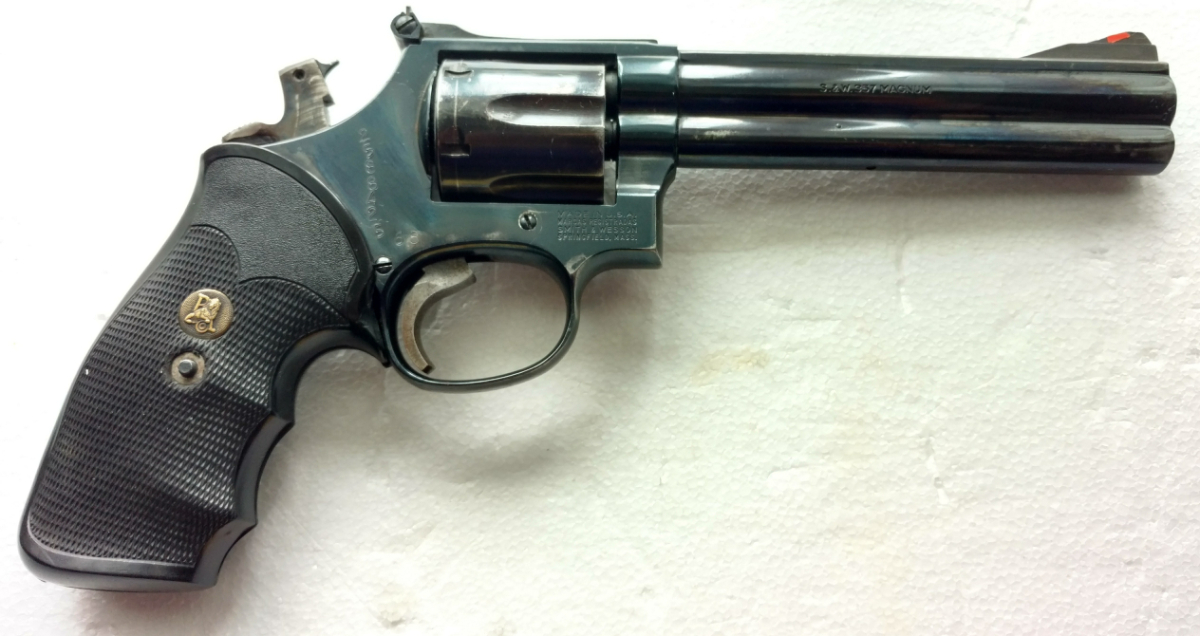
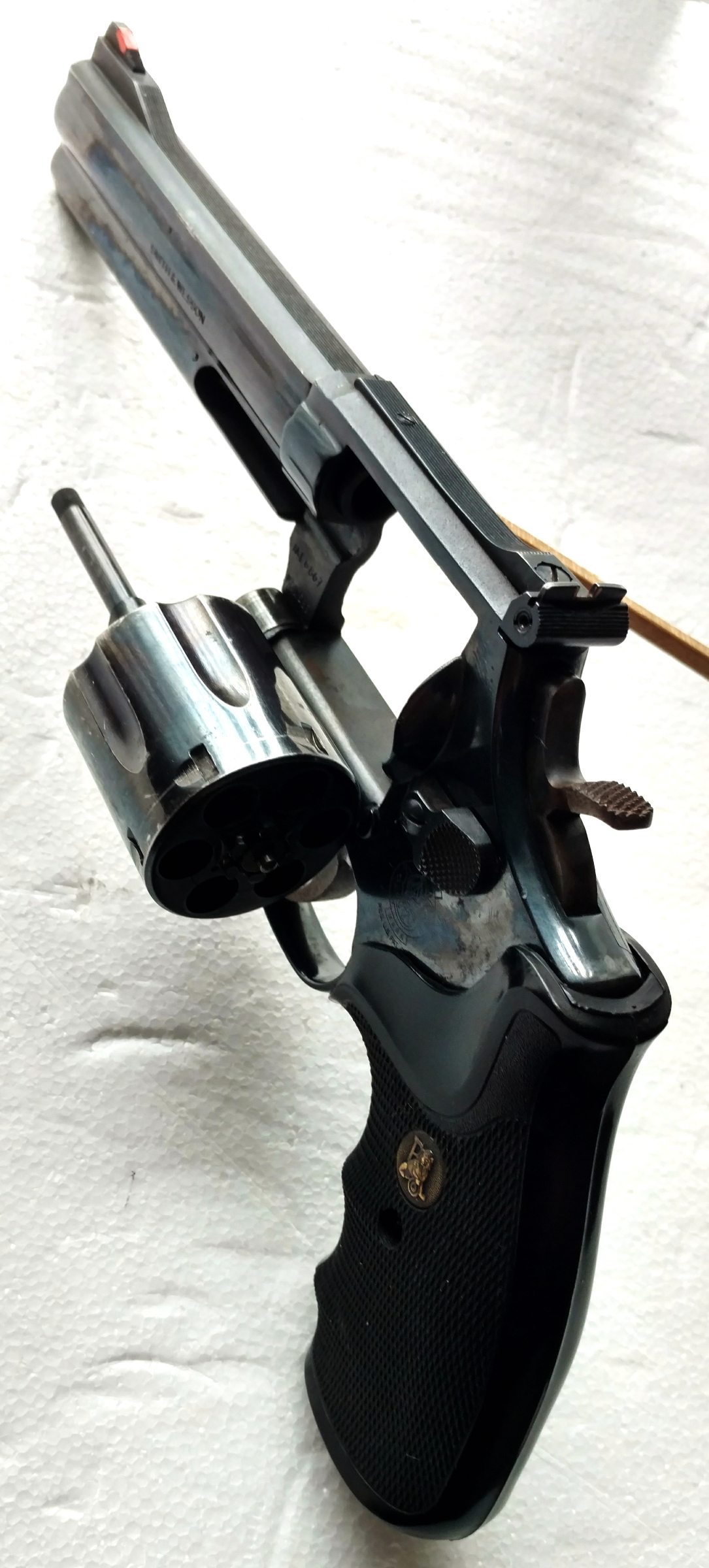
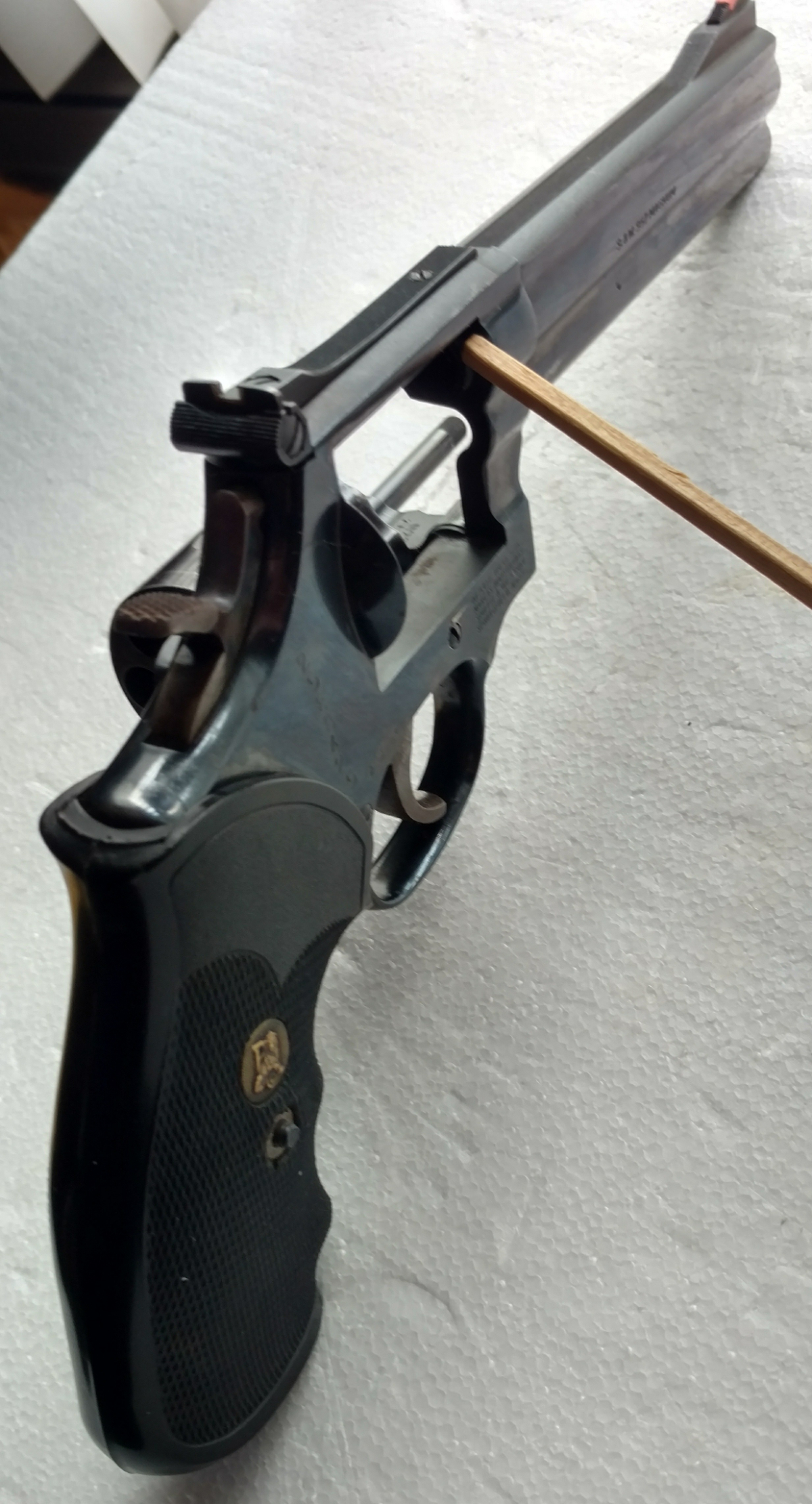
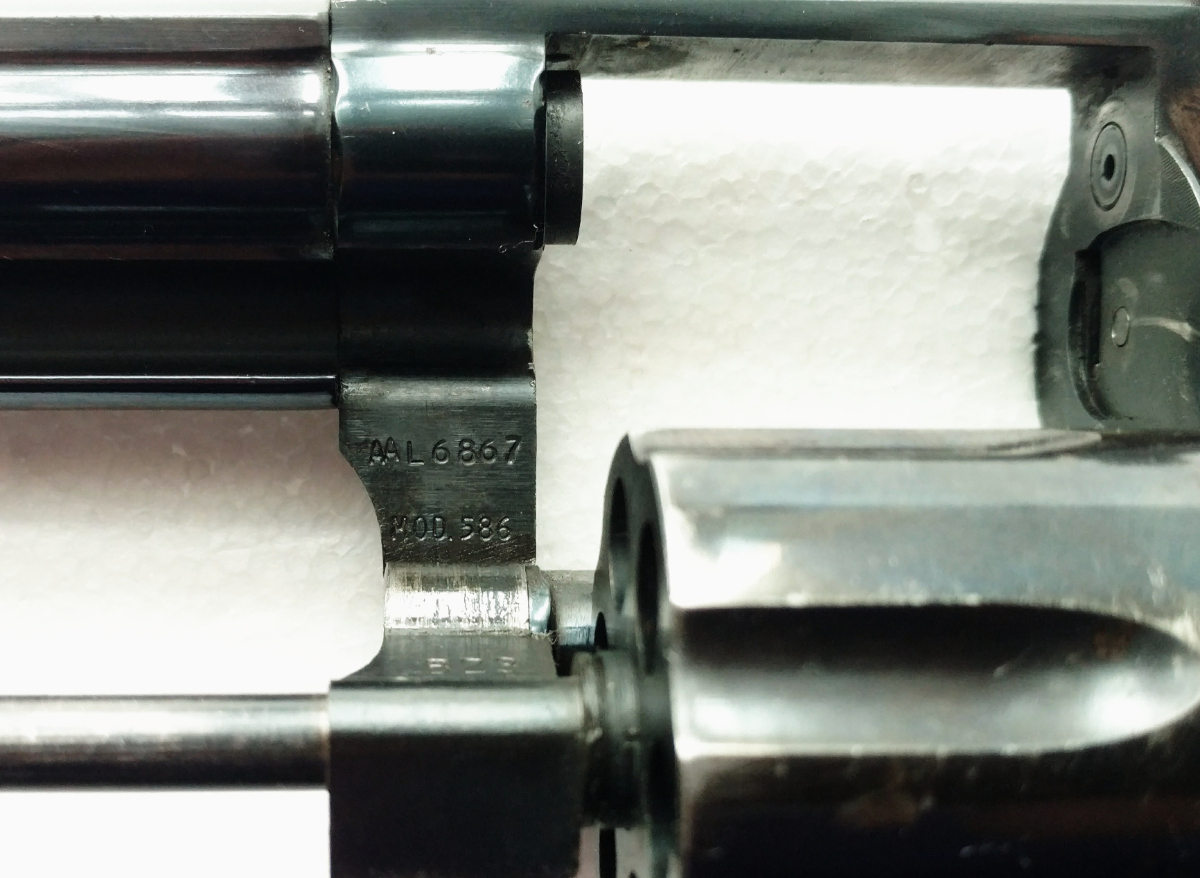
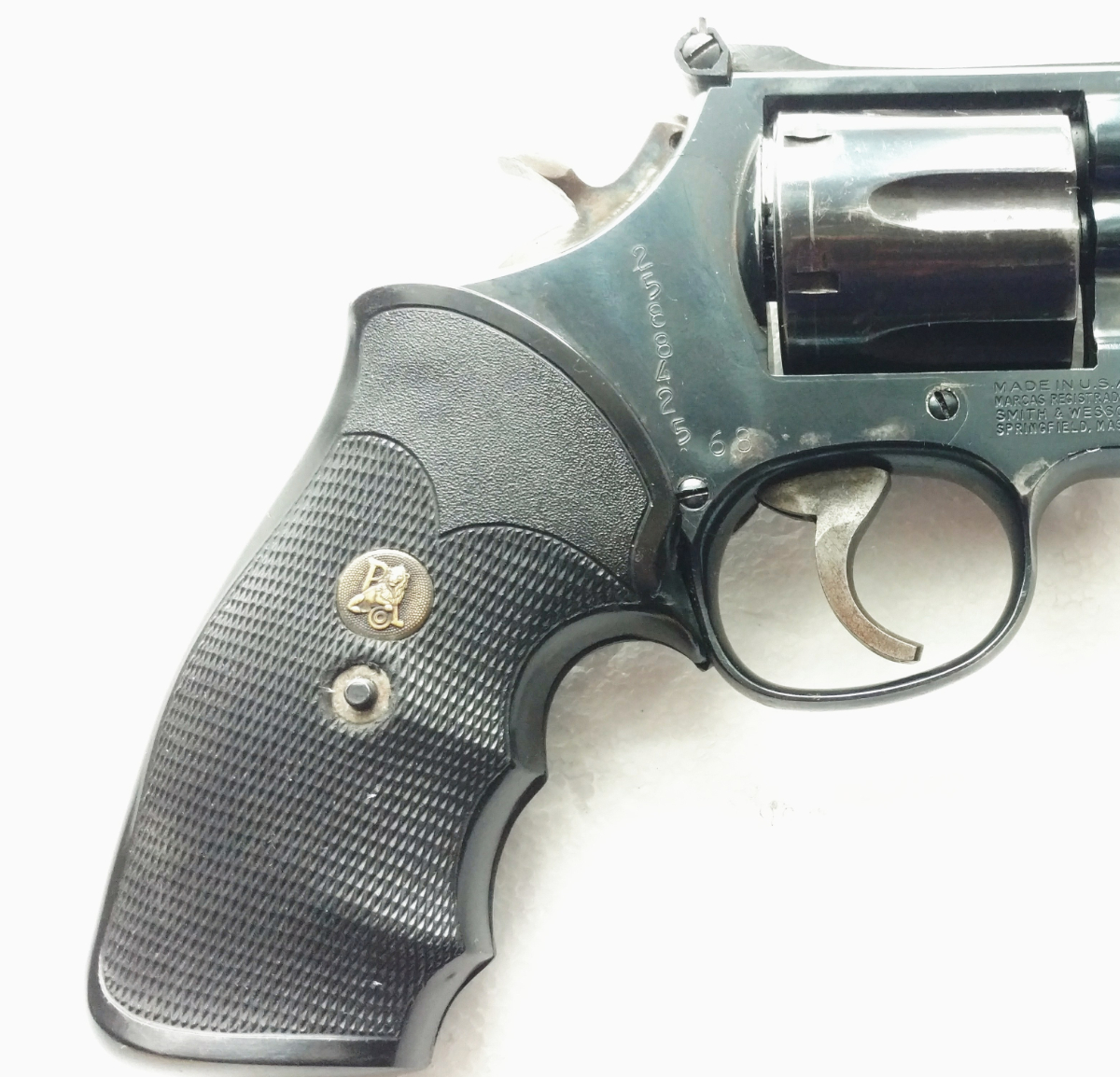
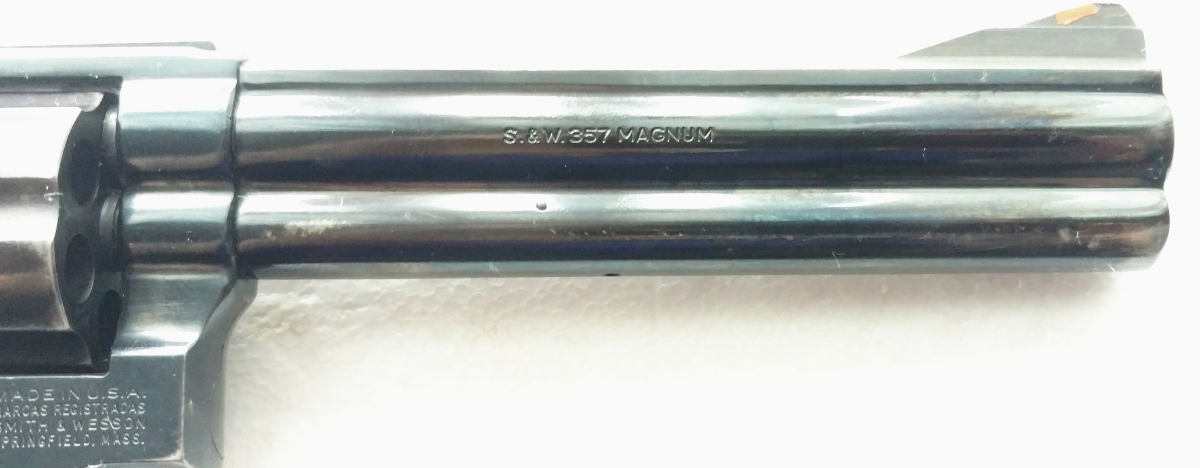
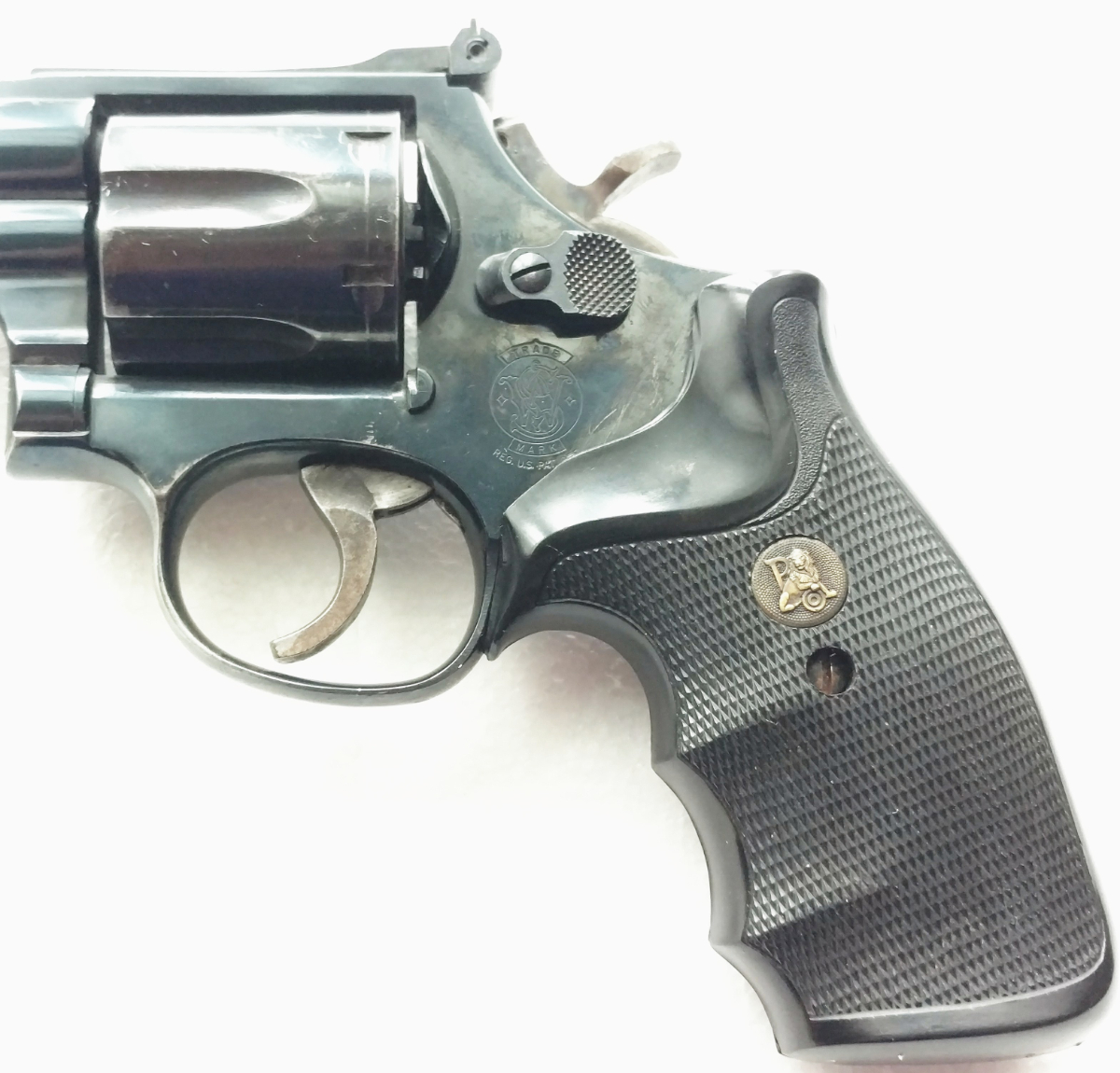
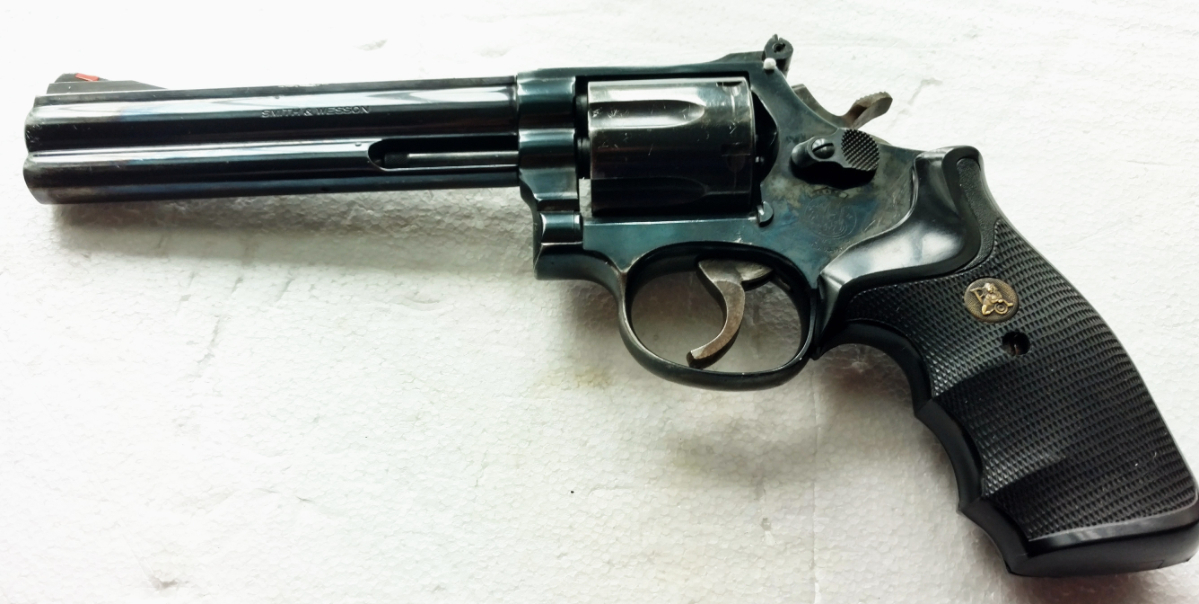
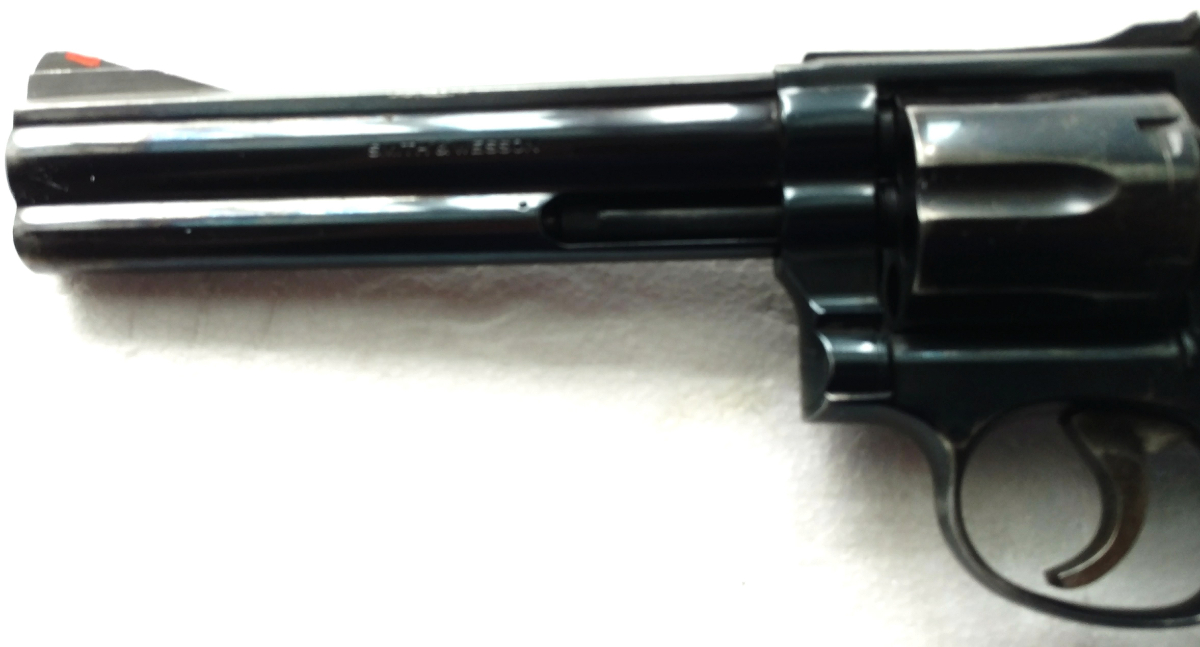
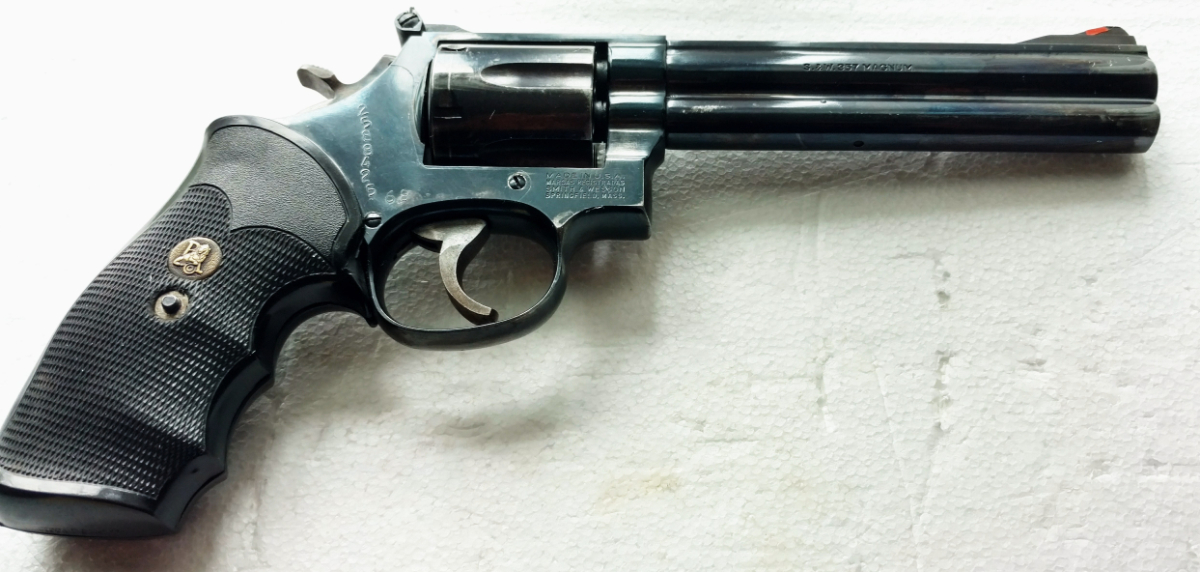
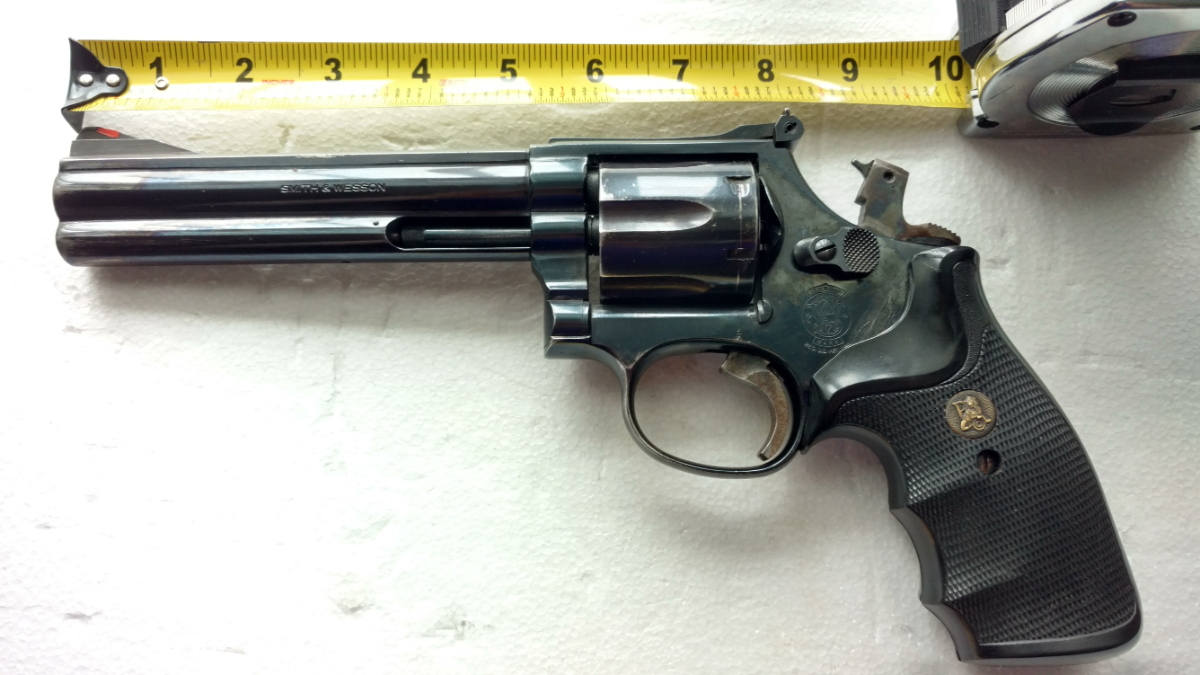
Smith & Wesson 586, 6" Bbl, One Hell of a Good looking Gun!


Smith & Wesson - 586, 6

Categories
N.S.F.W.

An End of the Month NSFW Gift for the Gentlemen


Categories
Anti Civil Rights ideas & "Friends" Born again Cynic! California Grumpy's hall of Shame

"Scotty Beam me up as there is Nothing here worth seeing!" The California Supreme Court is at it again!

California Supreme Court Upholds ‘Impossible’ Gun Control Law

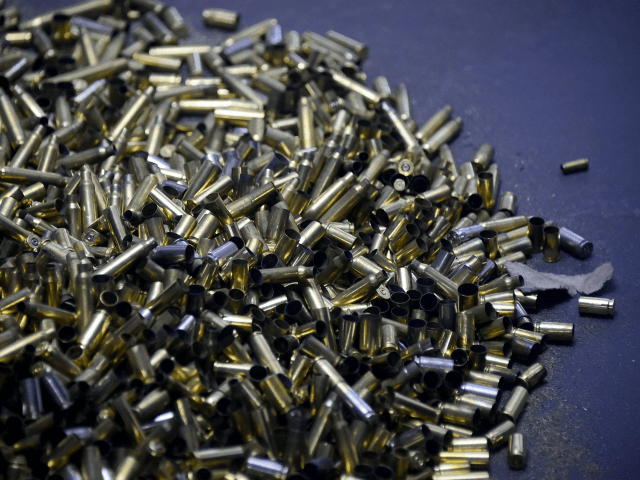
Spent casings piled together inside the firing hall at the LAX Firing Range in Inglewood, California on September 7, 2016 where gun enthusiasts can come fire at targets. / AFP / Frederic J. BROWN / TO GO WITH AFP STORY BY VERONIQUE DUPONT-'Gun-toting Democrats bristle at firearms limits in California' …
FREDERIC J. BROWN/AFP/Getty Images
 

455

The Supreme Court of California upheld a micro-stamping requirement for semiautomatic handguns Thursday — even though the technology does not exist to allow manufacturers to comply.

The Associated Press summed up the court’s ruling: “The California Supreme Court says state laws cannot be invalidated on the grounds that complying with them is impossible.”

Juliet Williams

@JWilliamsAP

SAN FRANCISCO (AP) — In ruling on bullet-stamping law, California Supreme Court says state laws cannot be invalidated on the grounds that complying with them is impossible.

The microstamping requirement, or “bullet stamping law,” as it is sometimes called. Requires that semiautomatic handguns sold in California have a special, one-of-kind marker affixed to their firing pins so a special fingerprint is left on each spent shell casing.
The idea is to give law enforcement a means to take shell casings from a crime scene and trace them back to the firearm’s owner.
Many problems exist with this proposed scenario. First, the technology does not exist. No manufacturer who is importing guns into California makes a firearm that puts a special mark on spent shell casings.
Image result for star trek facepalm meme

Categories
All About Guns Ammo

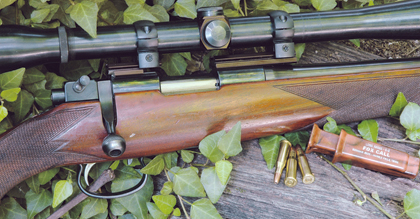
Like the Idiot I am, I sold my Winchester Model 43 in the Neat Caliber 218 Bee

Here is some more info about a under rated and long gone Rifle Round. That i found on the net. Enjoy Grumpy!

.218 Bee

by Layne Simpson   |  January 4th, 2011

Most of the rifle cartridges introduced during these past few years have been given rather boring names, but there was a time when the name of a cartridge combined with a bit of imagination went a very long way. A mere mention of the .22 Hornet, .219 Zipper, .220 Swift, .17 Mach IV, .221 Fireball or .219 Wasp brought visions of fast bullets, flat trajectories and memorable days spent in fields full of targets.
Another cartridge capable of reaching across the back 40 and stinging a varmint is the .218 Bee. It came about in 1938 when Winchester, looking to boost the sagging sales of its Model 92 rifle, added the .218 Bee—failing to recognize that, even back then, hunters wanted their varmint cartridges in bolt actions and single-shots, not lever actions. As it turned out, only a few Model 92s were chambered for the new cartridge, but it managed to find a permanent home in a variation of the Model 92 called the Model 65.
The Bee case is a necked-down .25-20 Winchester (itself a necked-down version of the .32-20 Winchester). Only one factory load was offered: a 46-grain hollowpoint at 2,860 fps.
At the time, the .22 Hornet was loaded with a 45-grain bullet at 2,690 fps, and the .22 Hornet has enjoyed far greater popularity among varmint shooters, probably because it was introduced first and it has been available in a greater variety of rifles. But the .218 Bee is superior to it in several ways.
For starters it is a bit faster, which gives it a longer effective range. Those of us who have handloaded both cartridges also know that due to the thicker wall of the Bee case, it is less susceptible to neck collapse during bullet seating than the Hornet. Another benefit to the thicker brass is longer case life for the .218 Bee when both cartridges are loaded to maximum velocities.
On the negative side, the Bee also arrived with a handicap that may have prevented it from shining more brightly. Whereas the Hornet was designed for use in bolt-action rifles, the Bee was designed for a rear-locking lever action rifle, and for this reason it was loaded to lower chamber pressure. Had both cartridges been loaded to the same pressure, the Bee would have been at least another 100 fps faster than the Hornet.
Then we have the matter of bullet shape. Since the Bee was designed for a rifle with a tubular magazine, Winchester and Remington always loaded it with blunt-nosed bullets, whereas the Hornet was commonly loaded with pointed bullets. Even though a bullet fired from the Bee started out faster, its trajectory and downrange punch differed very little from the Hornet.
The first and one of only three bolt-action rifles chambered for the .218 Bee was the Winchester Model 43. Introduced in 1944, it was also offered in .22 Hornet, .25-20 and .32-20. The Model 43 was a nice little rifle and often described as the poor man’s Model 70, but those I owned in .22 Hornet and .218 Bee years ago were nowhere near as accurate as my Winchester models 54 and 70 in .22 Hornet.
The jewel among bolt-action Bees, and one that will hold its own with the Model 70 in accuracy, is the dainty little Sako L46. The small number of those rifles chambered to .218 Bee serves to illustrate the lack of popularity of the cartridge. I bought one during the 1960s, and much later during a visit to the Sako factory I was told that only 50 had been built in that caliber, and I’ve seen only two in many years of looking at Sako rifles.
Back in 1986 the original Kimber of Oregon did a limited run of Model 82 rifles in .218 Bee, and also offered an improved version called the .218 Mashburn Bee.
Greg Warne sent me one of the first standard Bees, and I found it to be quite accurate. Rather than going to the expense of building a detachable magazine for a cartridge that would probably not sell a lot of rifles, Greg decided to make Model 82s in that caliber single-shots with a solid-bottom receiver. Like the Winchester Model 43 and the Sako L46, the Kimber Model 82 allowed the use of pointed bullets in .218 Bee handloads, which improved its performance over factory ammunition.
Not too many other rifles have been available in .218 Bee. Back in the 1930s Marlin offered it in its Model 90, an over-under combination gun with one barrel in .410 and the other in .218 Bee. Marlin tried again in 1990 by offering it in it Model 1894 carbine, and along about the same time Browning introduced a Japanese copy of the Winchester Model 92 in the same caliber. The Thompson/Center custom shop continues to offer the Bee in the Contender carbine, and as far as I know, that’s about the size of it as rifles of current production go.
When it comes to choosing powders for .218 Bee handloads, IMR-4227 has long been a popular choice, and H4227 works equally well. Also often recommended is slightly quicker burning 2400, but it borders on being too fast, making it tricky to work with in this cartridge.
Moving to the opposite extreme, IMR-4198, H4198 and Reloder 7 work okay with 45-grain bullets, but you usually run out of case capacity before reaching top velocities with lighter bullets. When all is said and done, H110 and W296—along VihtaVuori N120—offer the best combination of bulk density and burn rate available for bullets weighing from 30 to 45 grains in the .218 Bee.
Several blunt-nosed bullets are suitable when loading the .218 Bee for a lever-action rifle with tubular magazine. They include the 46-grain flatnose from Speer and three bullets of roundnose form: the 45-grain Hornet bullets from Nosler and Sierra and Sierra’s 40-grain Hornet.

A FEW GOOD .218 BEE LOADS
Bullets for Lever Actions Bullet Weight (gr.) Power Type Charge Weight (gr.) Muzzle Velocity
Sierra Hornet * 40 IMR 4227 13.3 2,810
Nosler Hornet * 45 H110 11.5 2,722
Sierr
a Hornet *
45 V-N120 14.2 2,684
Speer FN * 46 RL7 14.5 2,749
Bullets For Bolt Actions
Berger Varmint 30 H110 12.3 3,144
Hornady V-Max 35 V-N120 14.5 3,067
Sierra BlitzKing 40 IMR 4227 13.3 2,892
Nosler Ballistic Tip 40 W296 11.8 2,876
Speer PSN 40 H110 11.8 2,911
Sierra SPT 45 RL7 14.5 2,817

*Blunt noses of these bullets make them suitable for use in a tubular magazine.
Notes: These Loads are Maximum and powder charges should be reduced by 10 percent for starting loads. Velocities shown represent five or more rounds clocked 12 feet from the muzzle of a Marlin Model 1894CL with 20-inch barrel (lever action rifle loads) and a Sako L46 with 24-inch barrel. Winchester cases and CCI 400 primers were used in all loads.
WARNING The loads shown here are safe only in the guns for which they were developed. Neither the author nor InterMedia Outdoors assumes any liability for accidents or injury resulting from the use or misuse of this data. Shooting reloads may void any warranty on your firearm.

Best choices in pointed bullets for use in bolt actions and single-shots are those weighing from 30 to 45 grains from Berger, Nosler, Sierra, Speer and Hornady. I am especially fond of the 30-grain Berger hollowpoint and the 40-grain BlitzKing, Ballistic Tip and V-Max bullets in this cartridge.
Bullets heavier than 45 grains can be used, but most rifles in .218 Bee have barrels with a rifling twist rate of 1:16 inches, which can be too slow to stabilize them in flight.
It saddens me to say this, but the future of the .218 Bee is looking less than bright. Remington dropped it from production several years ago, and Winchester makes only an occasional production run of ammo and unprimed cases.
If ammo and case production should cease, you’ll have to neck down .25-20 or .32-20 cases. The .25-20 can be squeezed down to .22 caliber in one step with a .218 Bee full-length resizing die, but the .32-20 requires an extra form die available from Redding. Attempting to neck it down in one step usually results in a collapsed case.
Here’s hoping the .218 Bee will continue to buzz over the varmint fields for many years to come.

Read more: http://www.rifleshootermag.com/ammo/ammunition_rs_0108_09/#ixzz5JbEXgykC

Categories
All About Guns

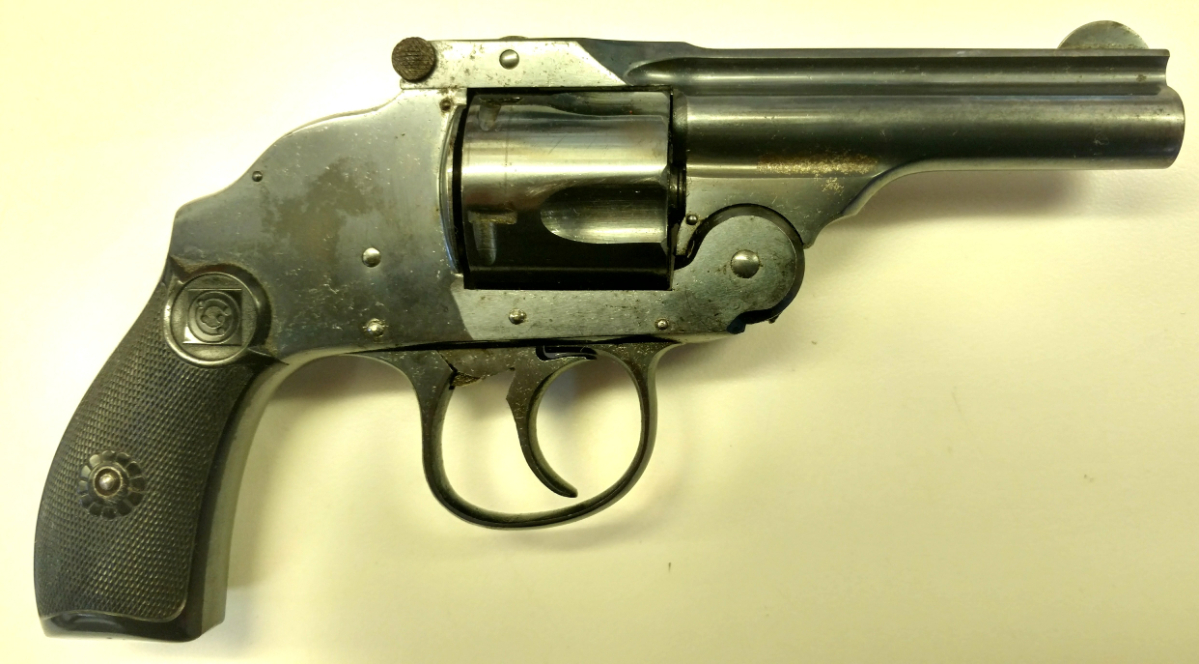
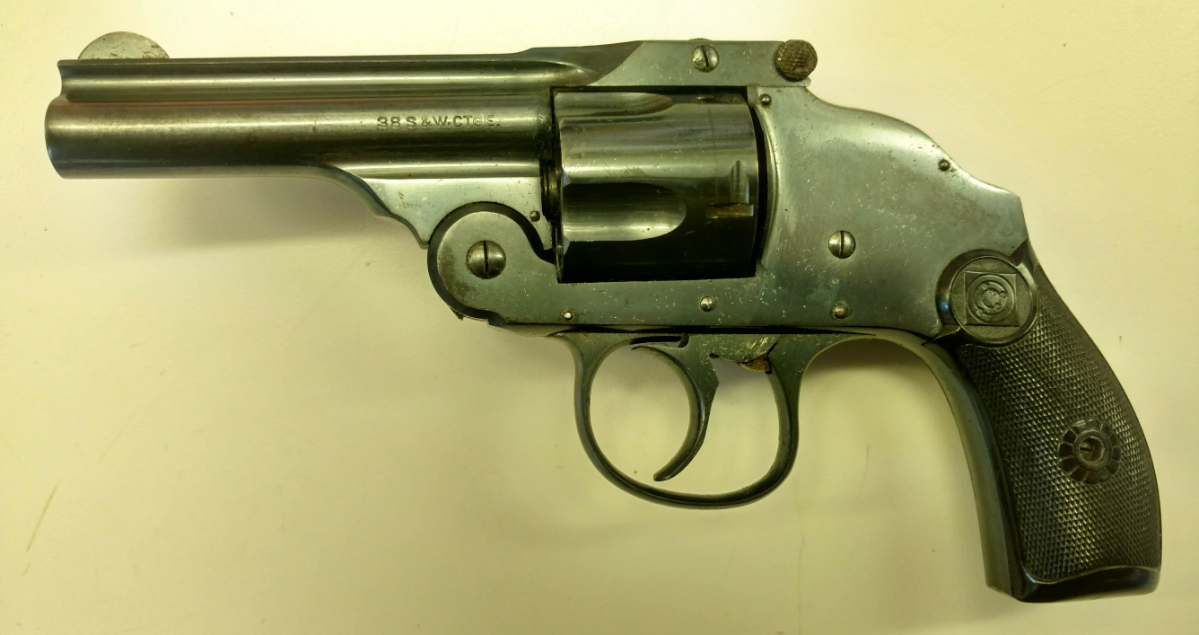
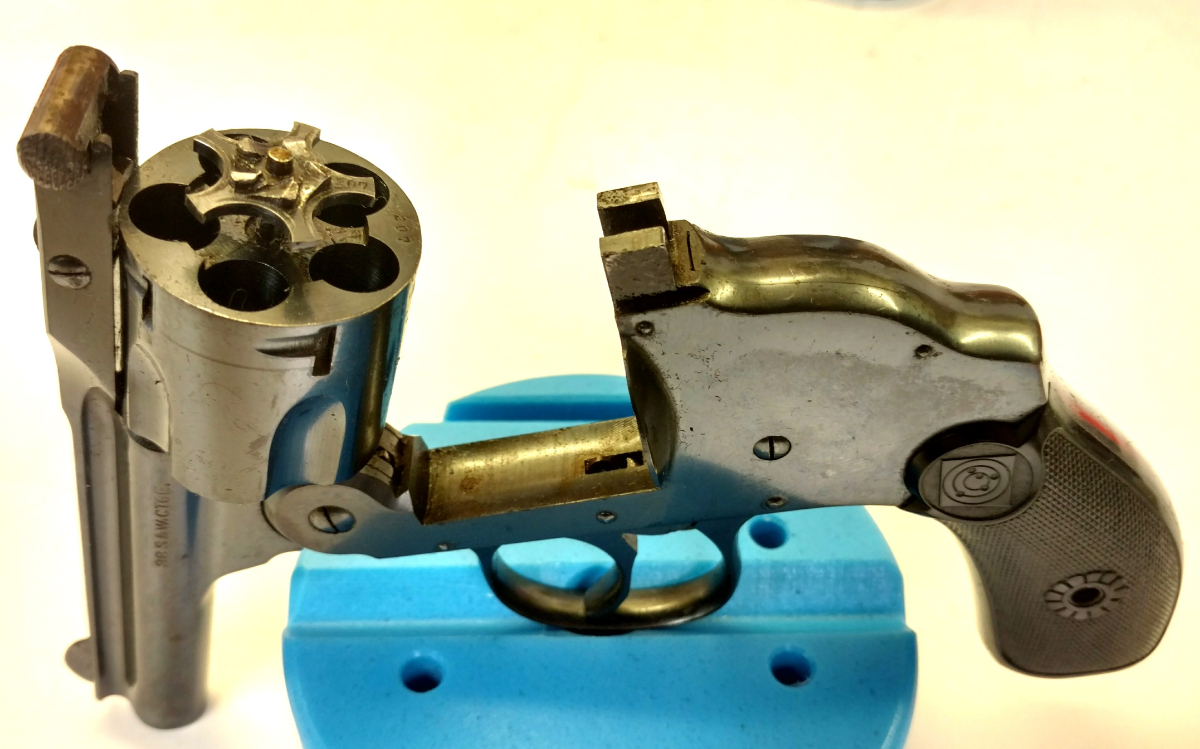
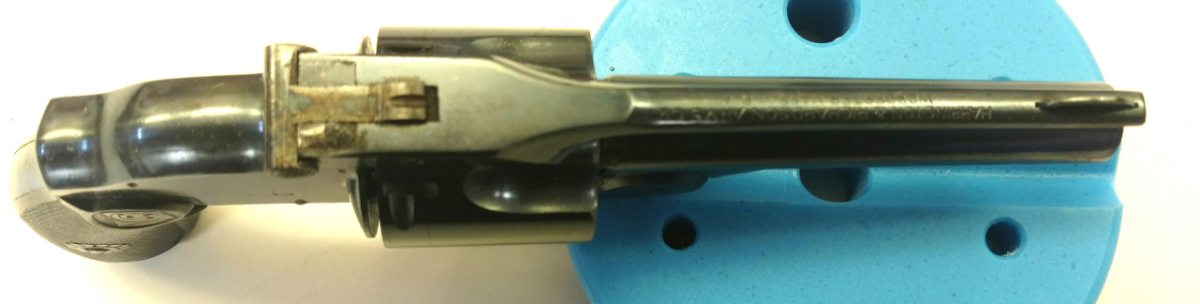
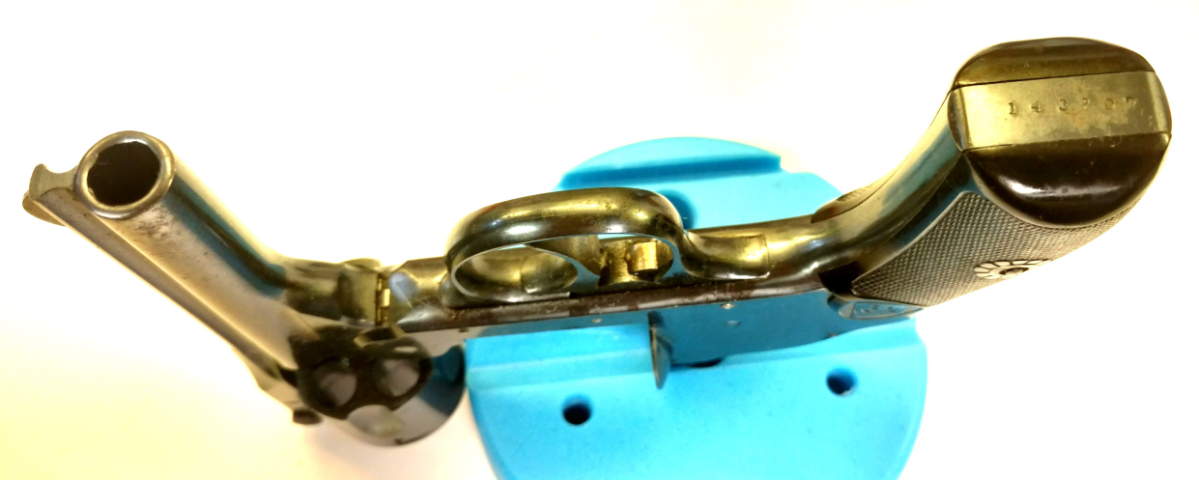
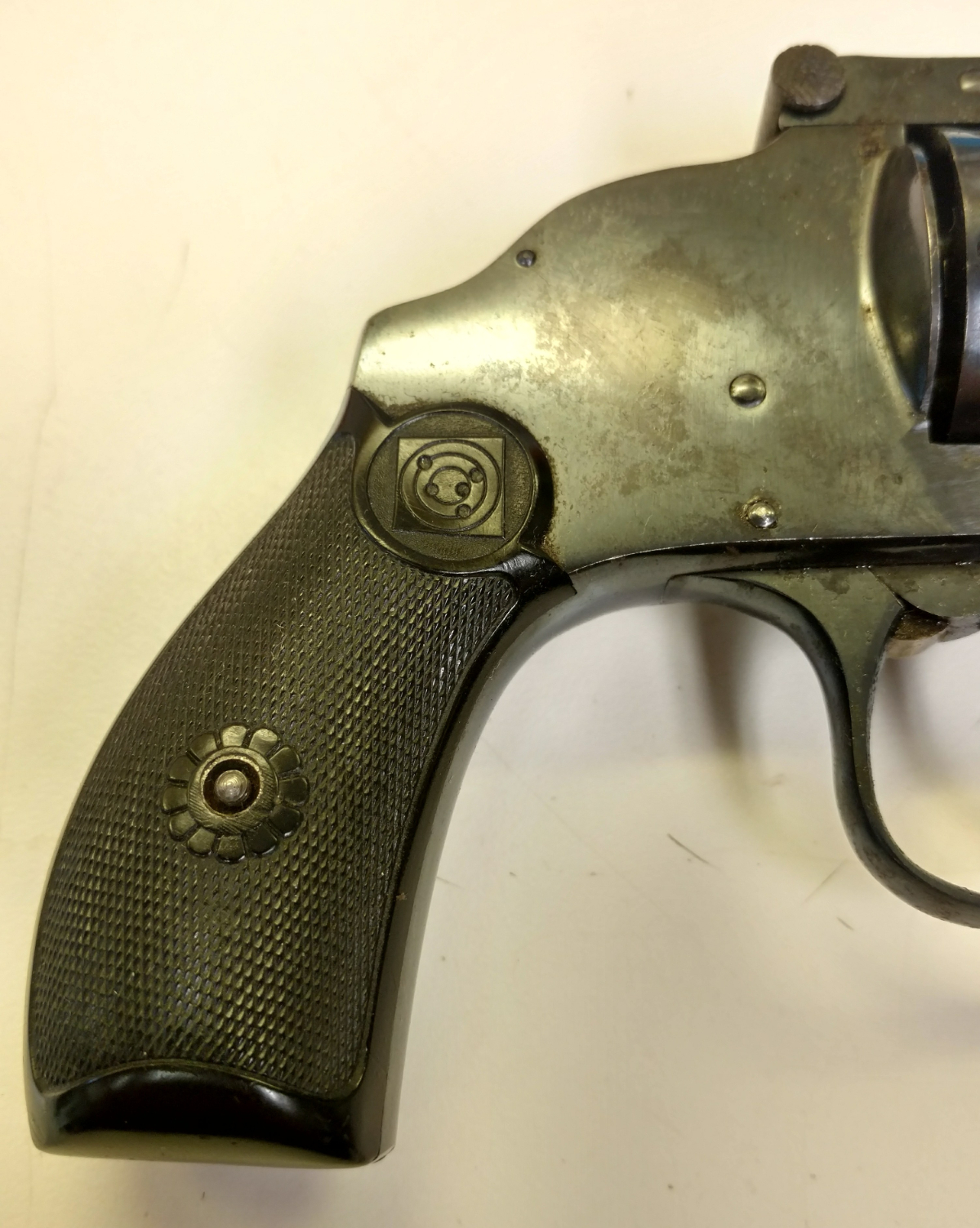
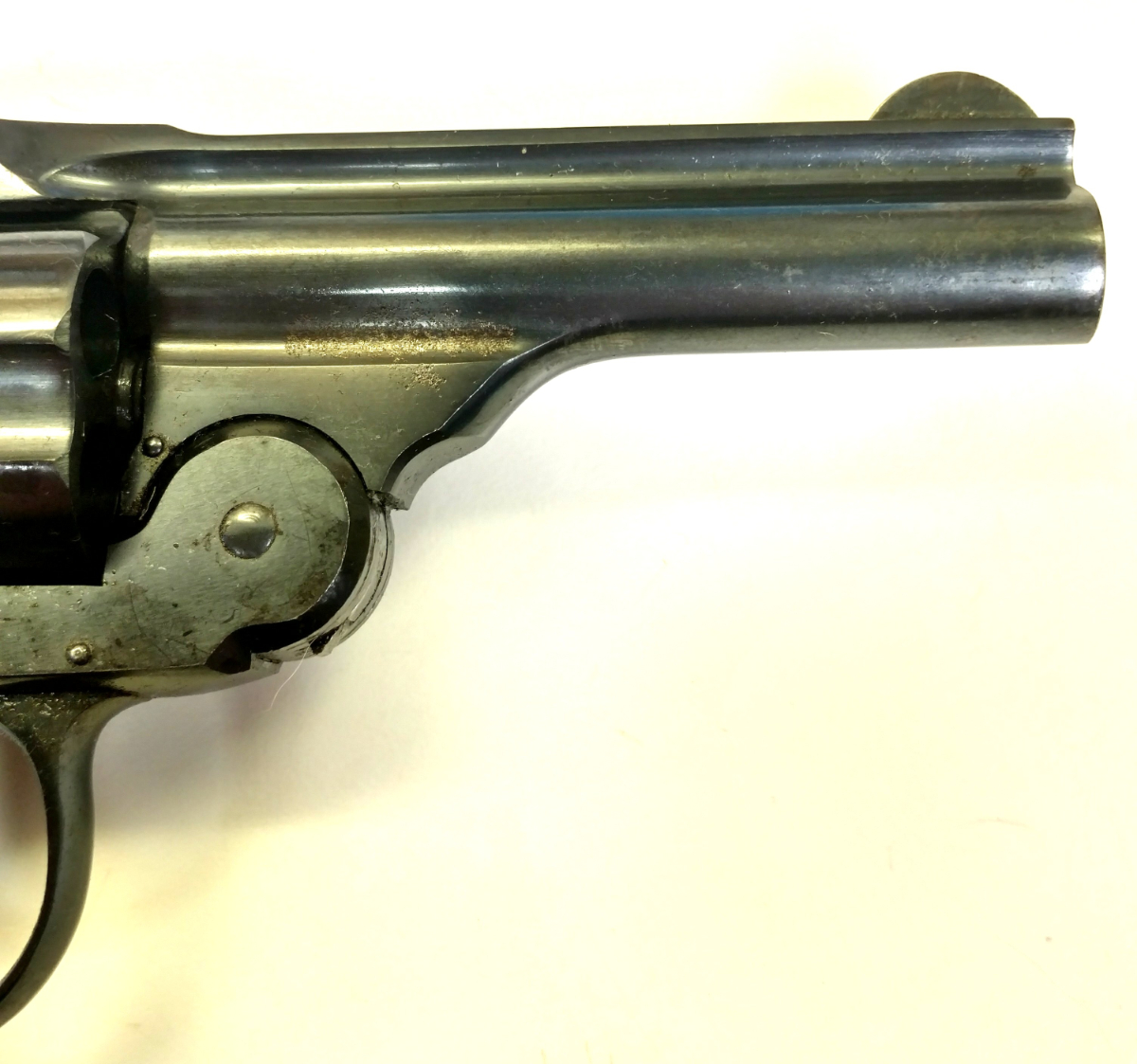
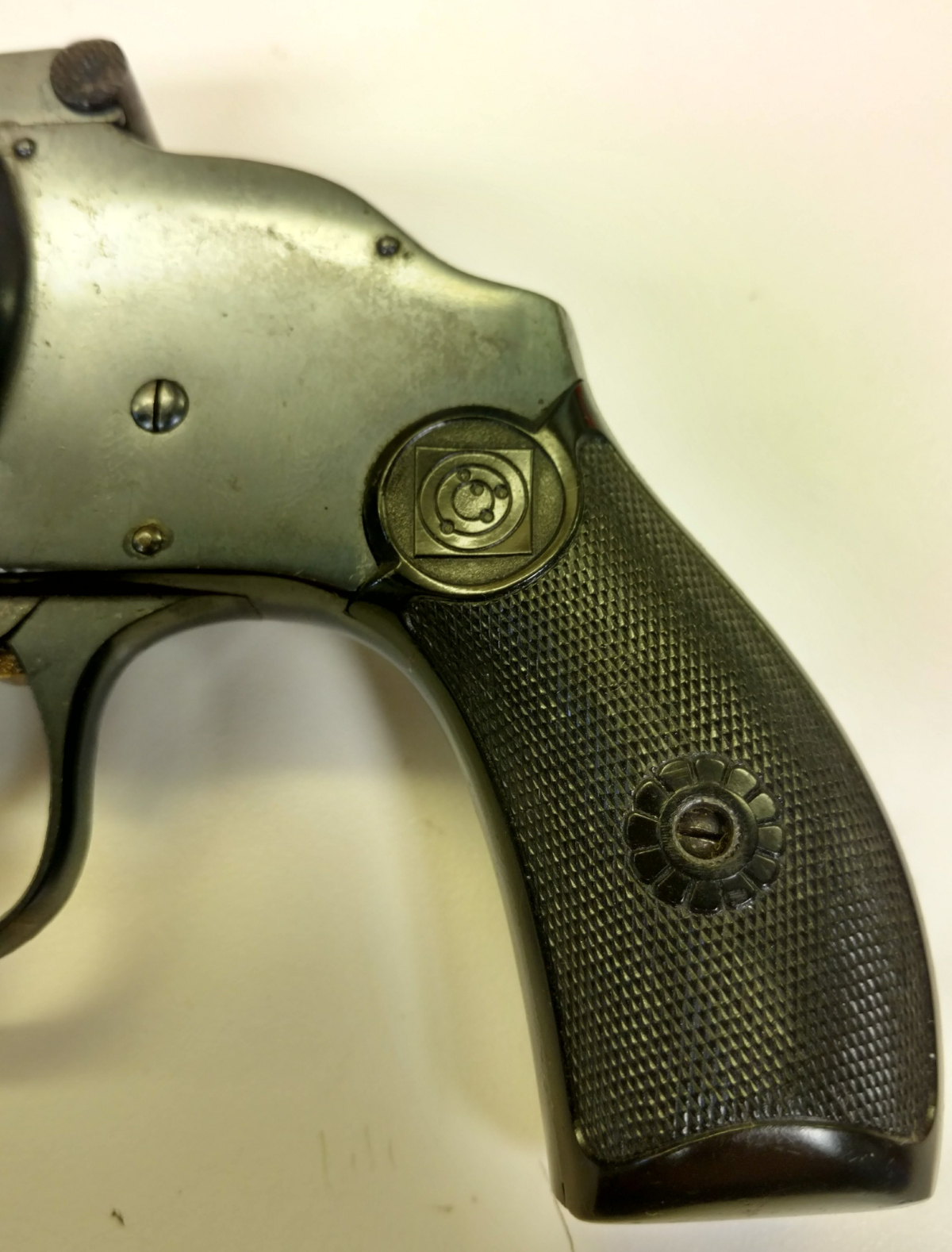
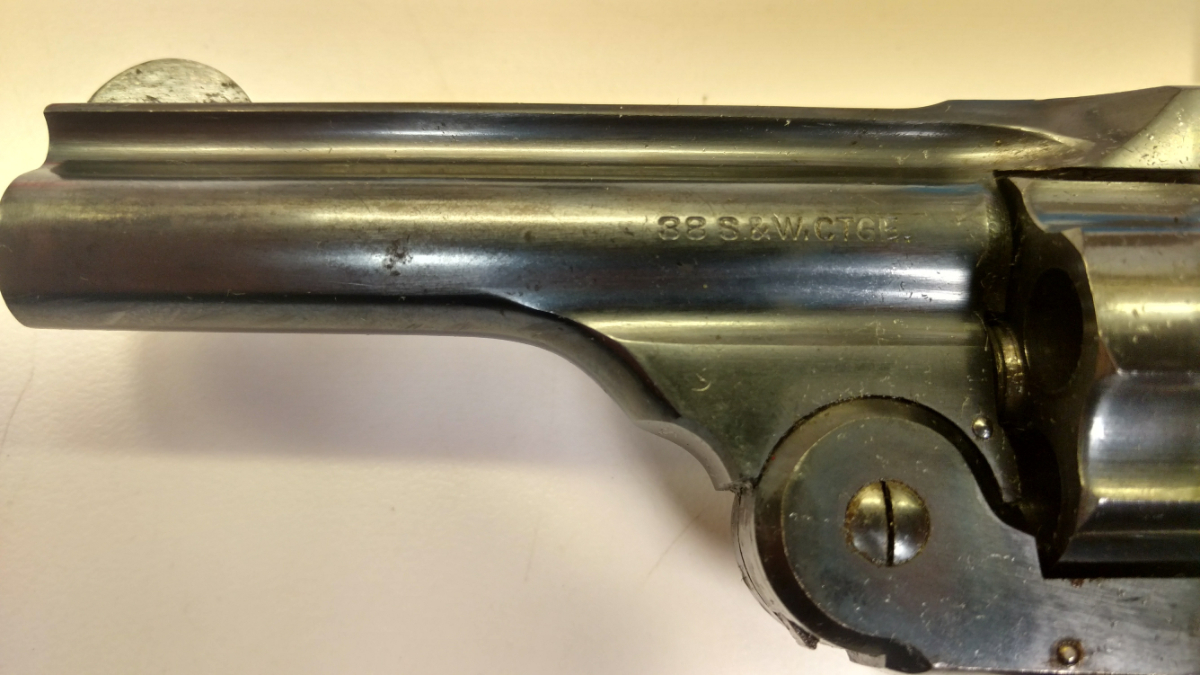
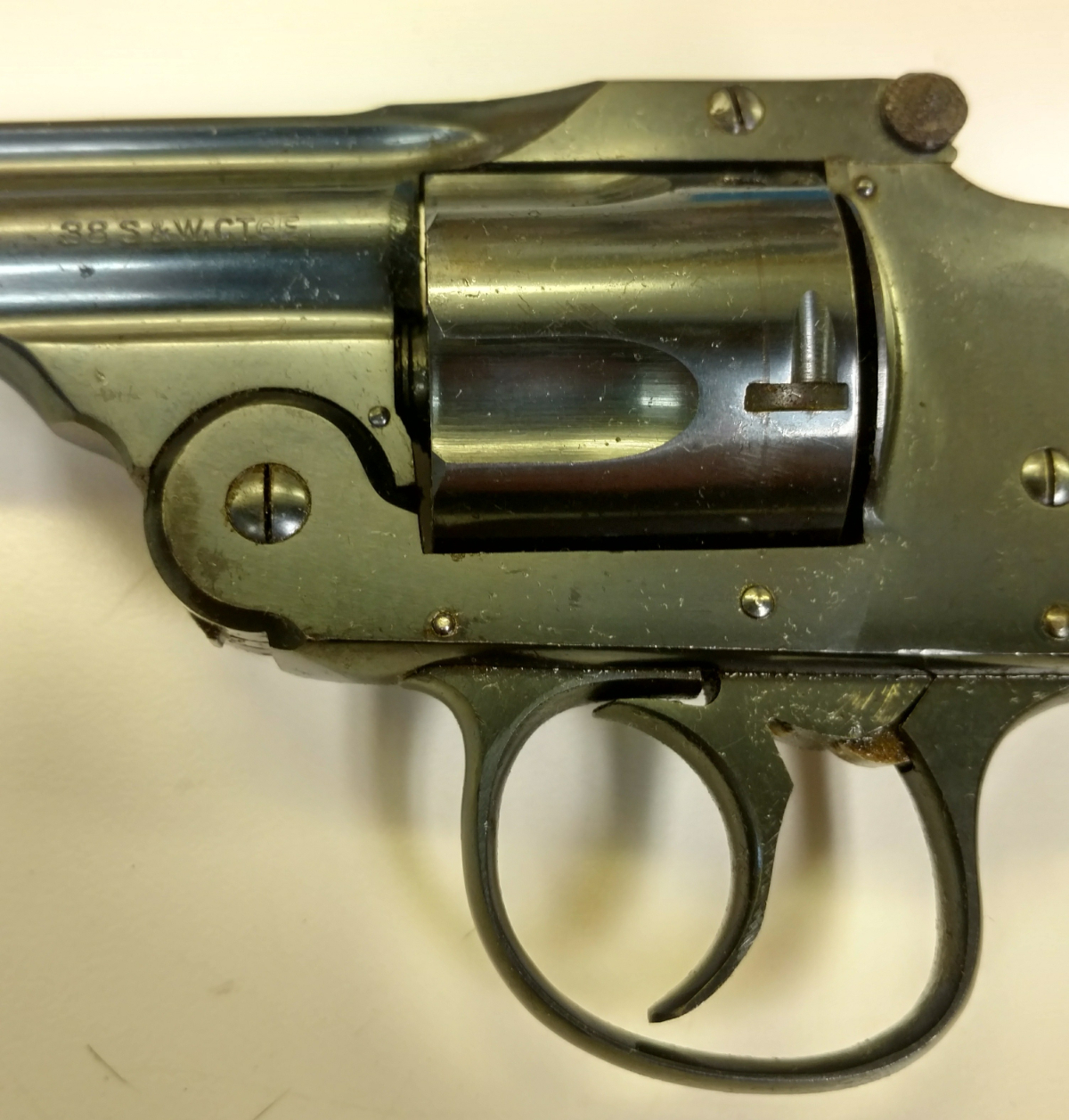
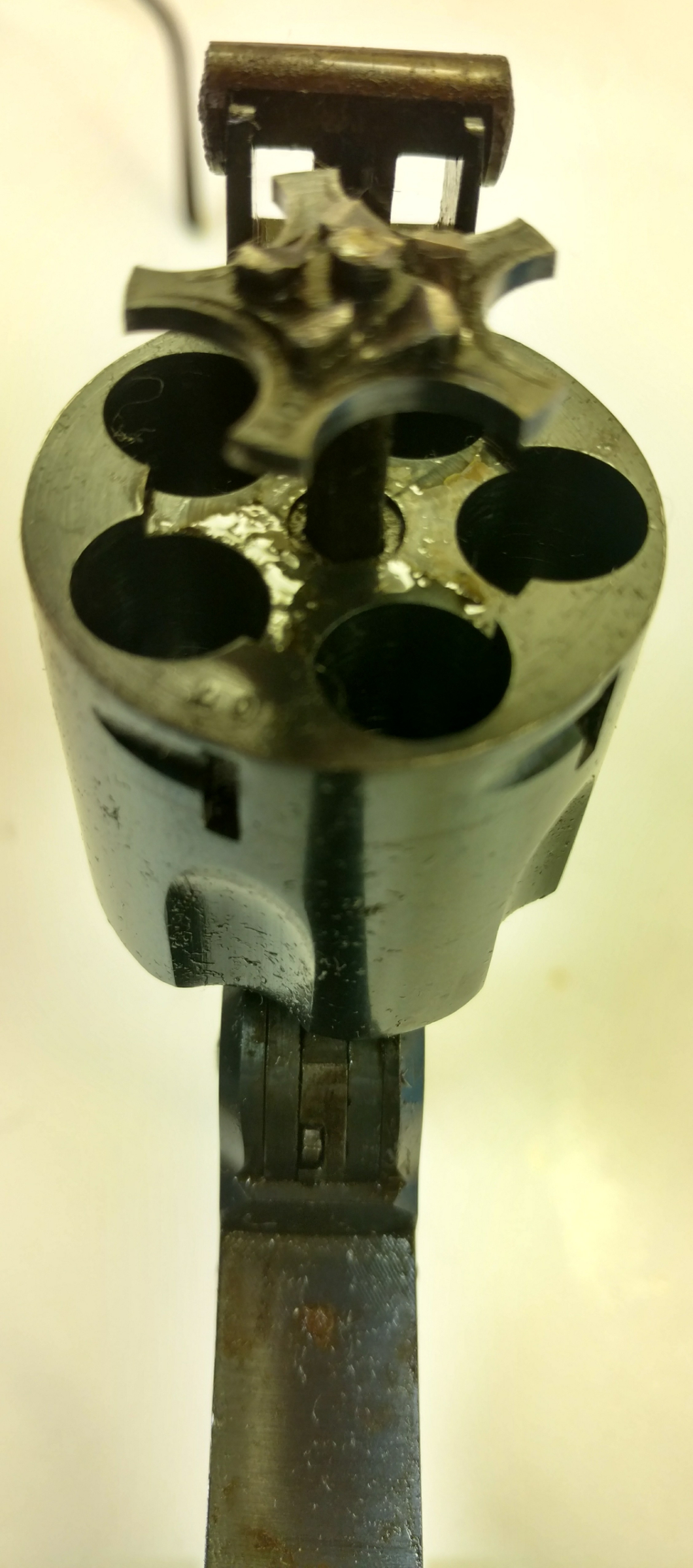
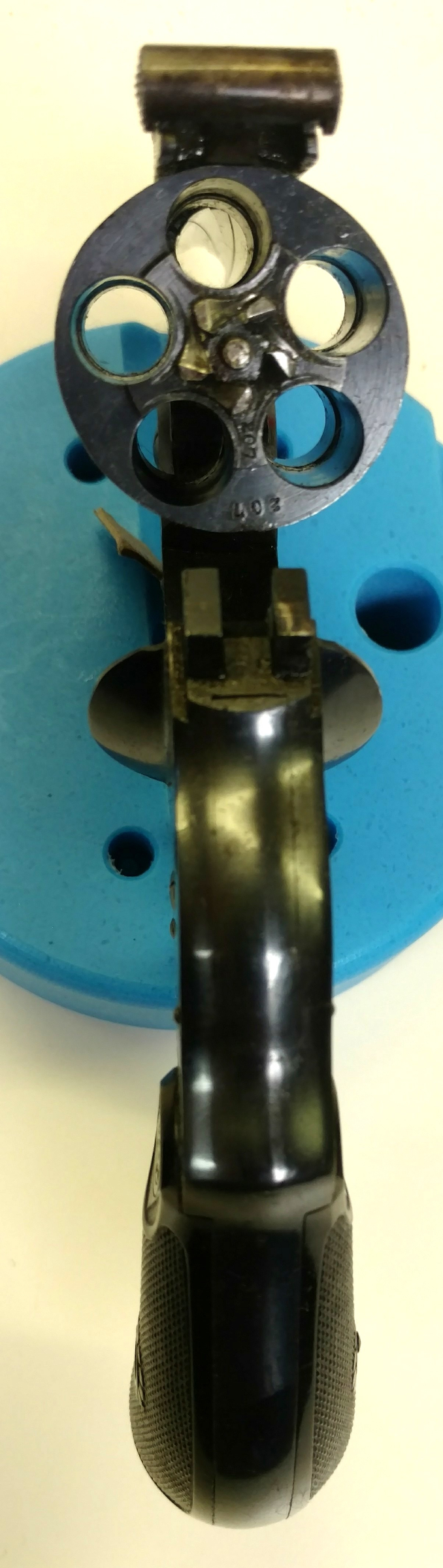
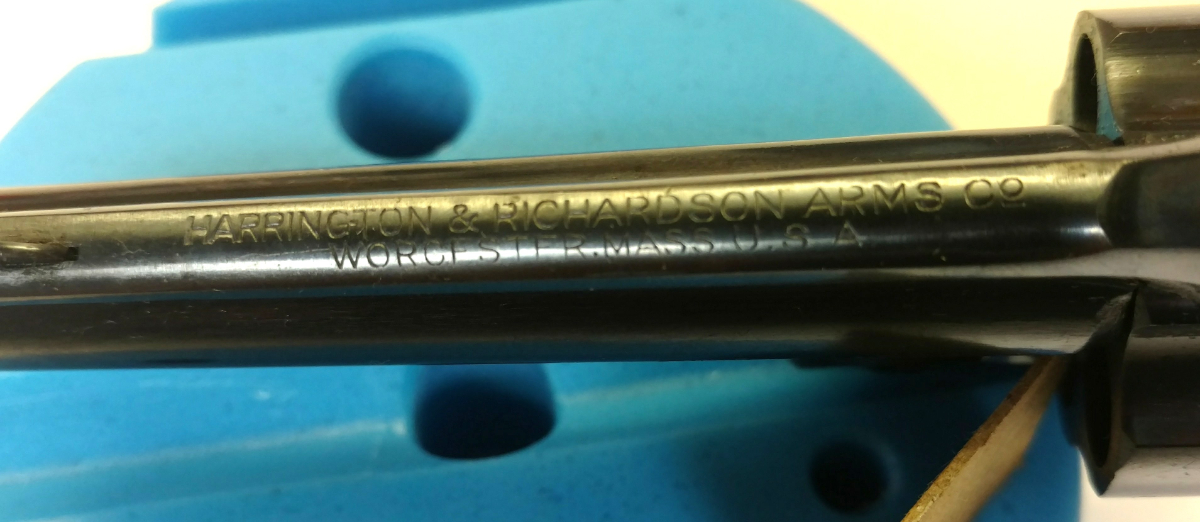
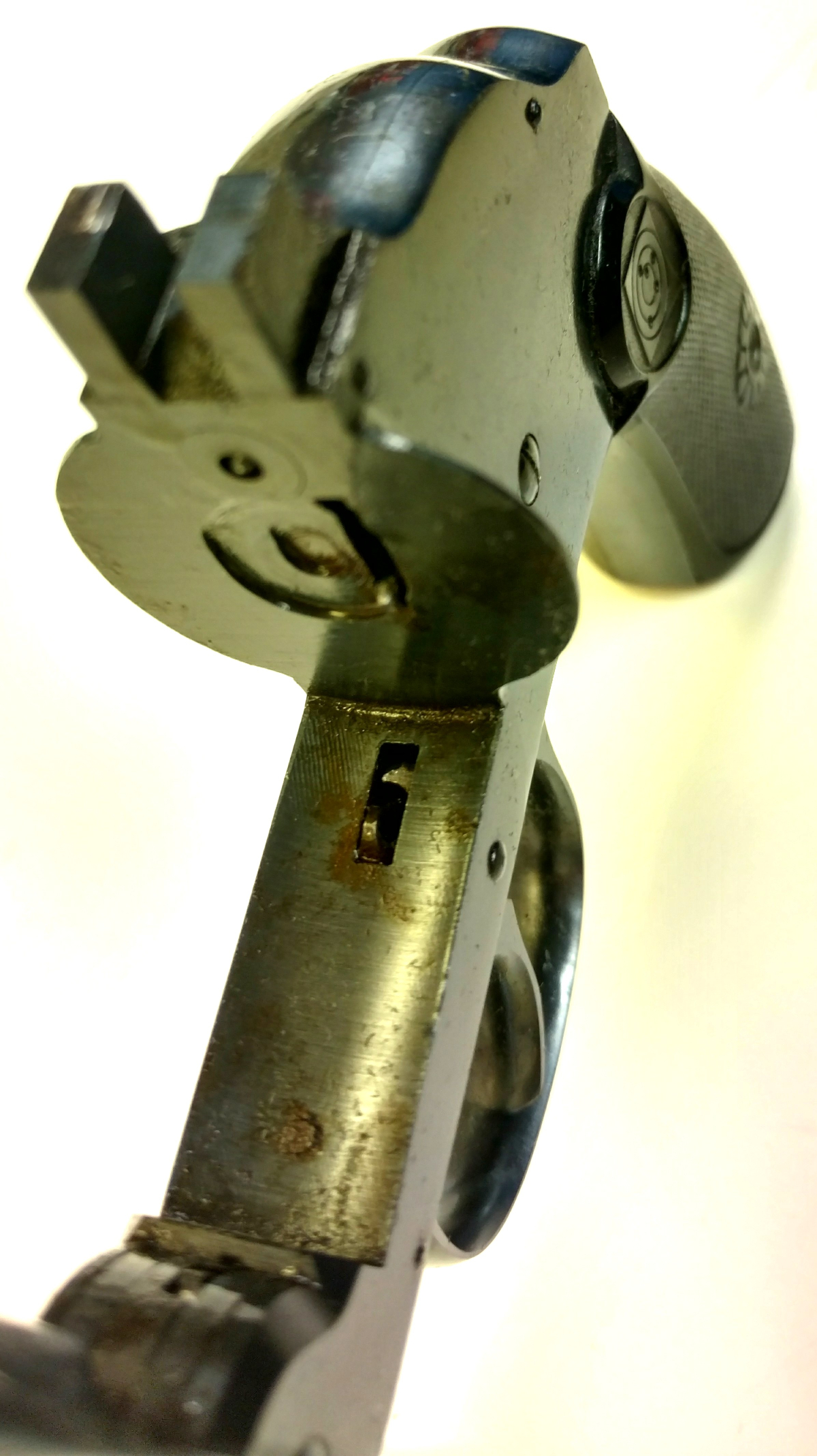
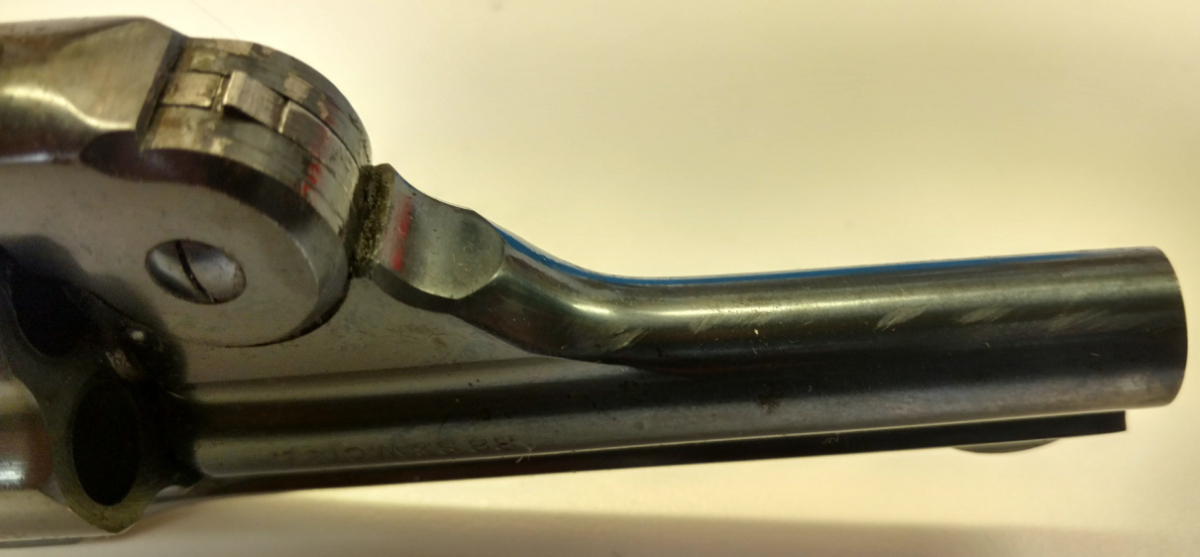
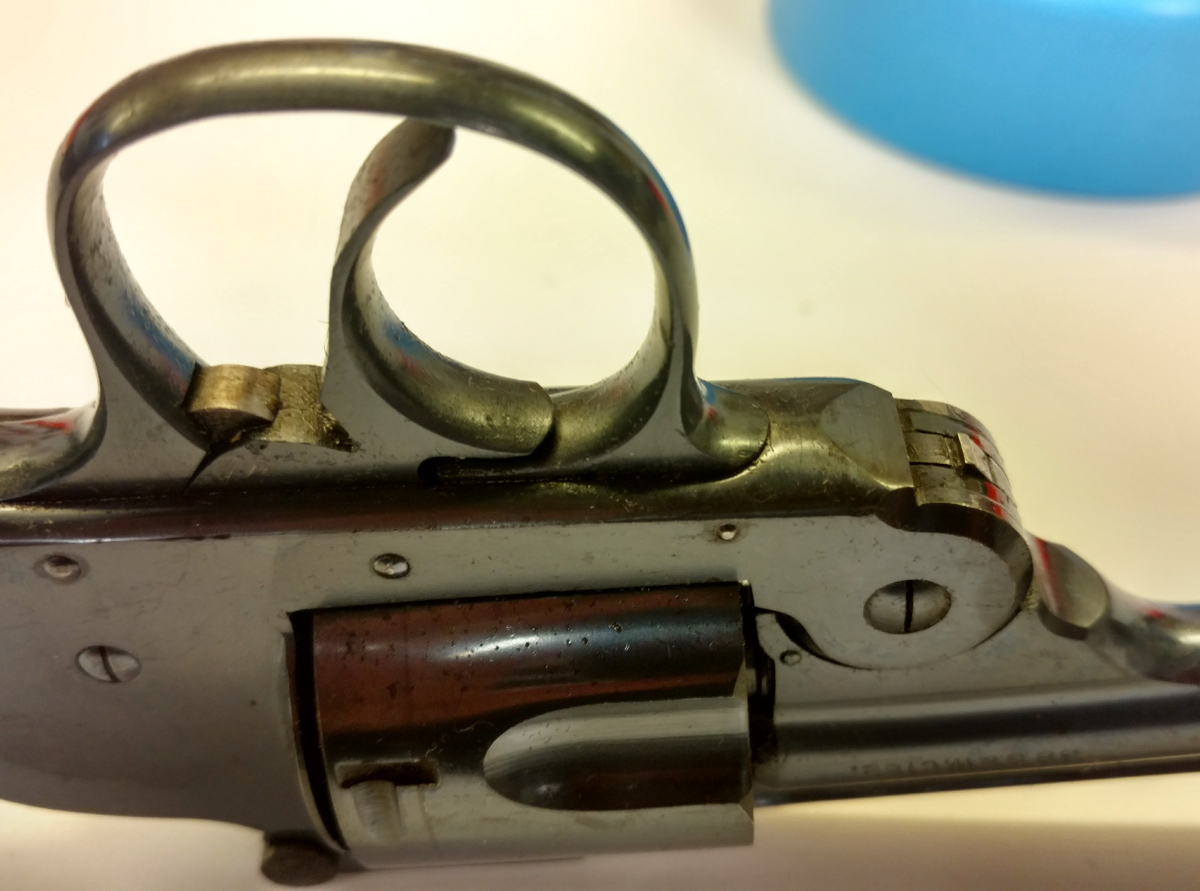
Harrington & Richardson H&R Top Break Revolver that shoots 5 Rounds in .38 S&W, A Blast from the Past!

Harrington & Richardson H&R - TOP BREAK REVOLVER, NICE, SHOOTABLE/COLLECTIBLE CONDITION--AN ORIGINAL CCW REVOLVER-5 ROUNDS - Picture 1
Harrington & Richardson H&R - TOP BREAK REVOLVER, NICE, SHOOTABLE/COLLECTIBLE CONDITION--AN ORIGINAL CCW REVOLVER-5 ROUNDS - Picture 2
Harrington & Richardson H&R - TOP BREAK REVOLVER, NICE, SHOOTABLE/COLLECTIBLE CONDITION--AN ORIGINAL CCW REVOLVER-5 ROUNDS - Picture 3
Harrington & Richardson H&R - TOP BREAK REVOLVER, NICE, SHOOTABLE/COLLECTIBLE CONDITION--AN ORIGINAL CCW REVOLVER-5 ROUNDS - Picture 4
Harrington & Richardson H&R - TOP BREAK REVOLVER, NICE, SHOOTABLE/COLLECTIBLE CONDITION--AN ORIGINAL CCW REVOLVER-5 ROUNDS - Picture 5
Harrington & Richardson H&R - TOP BREAK REVOLVER, NICE, SHOOTABLE/COLLECTIBLE CONDITION--AN ORIGINAL CCW REVOLVER-5 ROUNDS - Picture 6
Harrington & Richardson H&R - TOP BREAK REVOLVER, NICE, SHOOTABLE/COLLECTIBLE CONDITION--AN ORIGINAL CCW REVOLVER-5 ROUNDS - Picture 7
Harrington & Richardson H&R - TOP BREAK REVOLVER, NICE, SHOOTABLE/COLLECTIBLE CONDITION--AN ORIGINAL CCW REVOLVER-5 ROUNDS - Picture 8
Harrington & Richardson H&R - TOP BREAK REVOLVER, NICE, SHOOTABLE/COLLECTIBLE CONDITION--AN ORIGINAL CCW REVOLVER-5 ROUNDS - Picture 9
Harrington & Richardson H&R - TOP BREAK REVOLVER, NICE, SHOOTABLE/COLLECTIBLE CONDITION--AN ORIGINAL CCW REVOLVER-5 ROUNDS - Picture 10

Categories
All About Guns

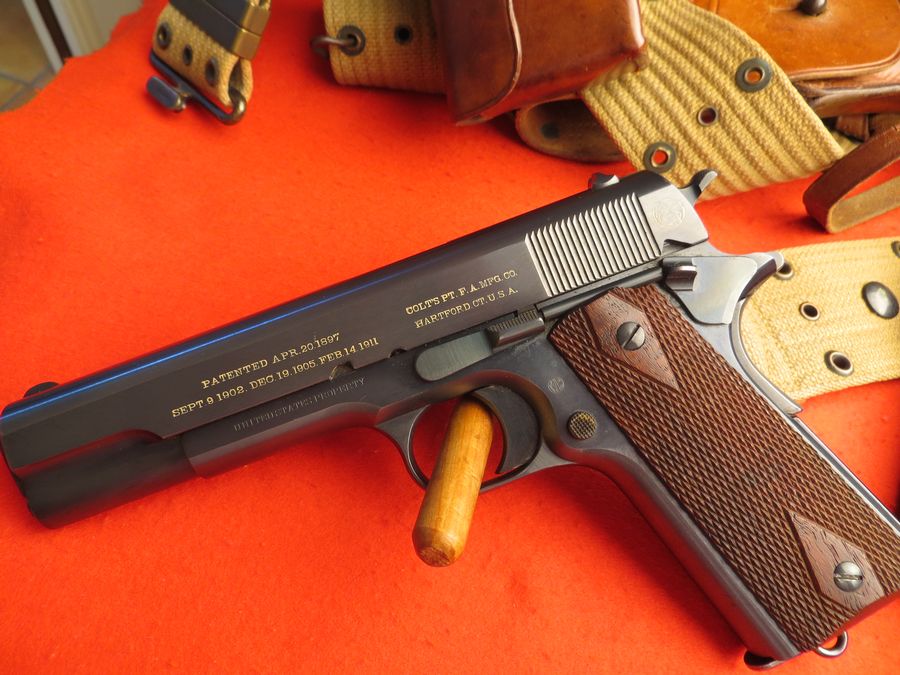
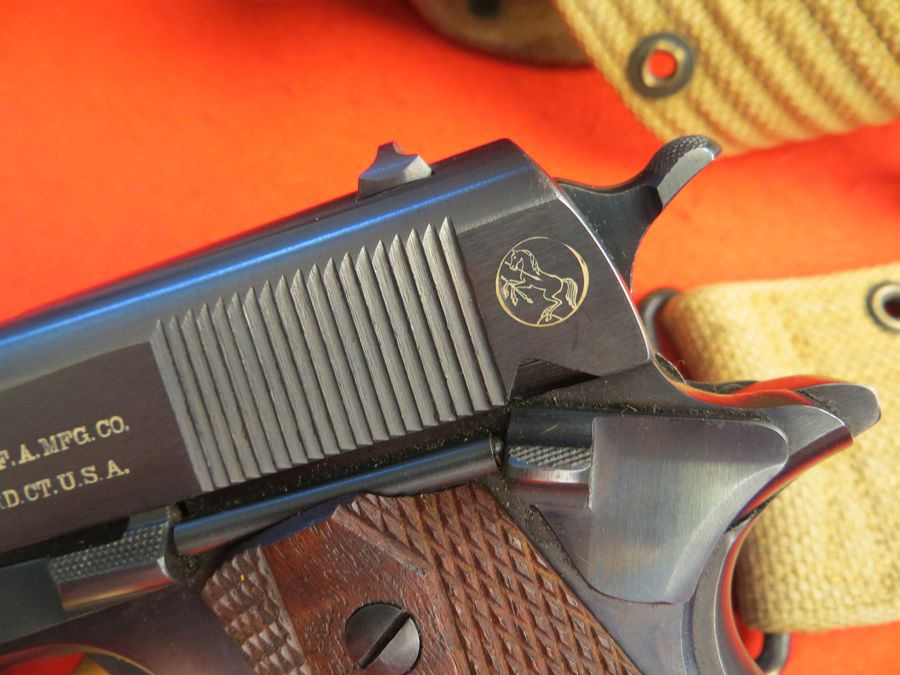
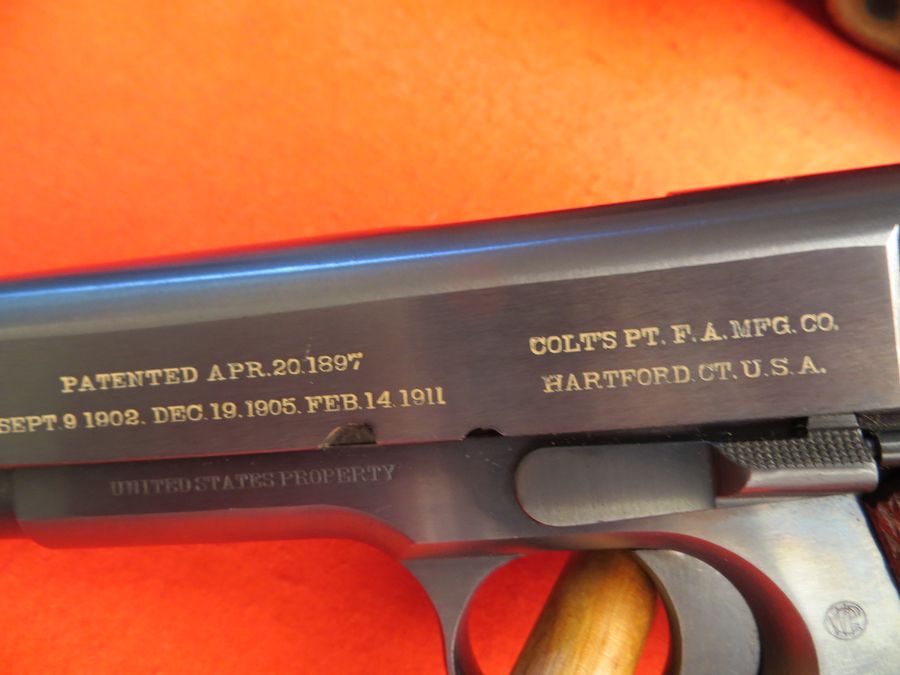
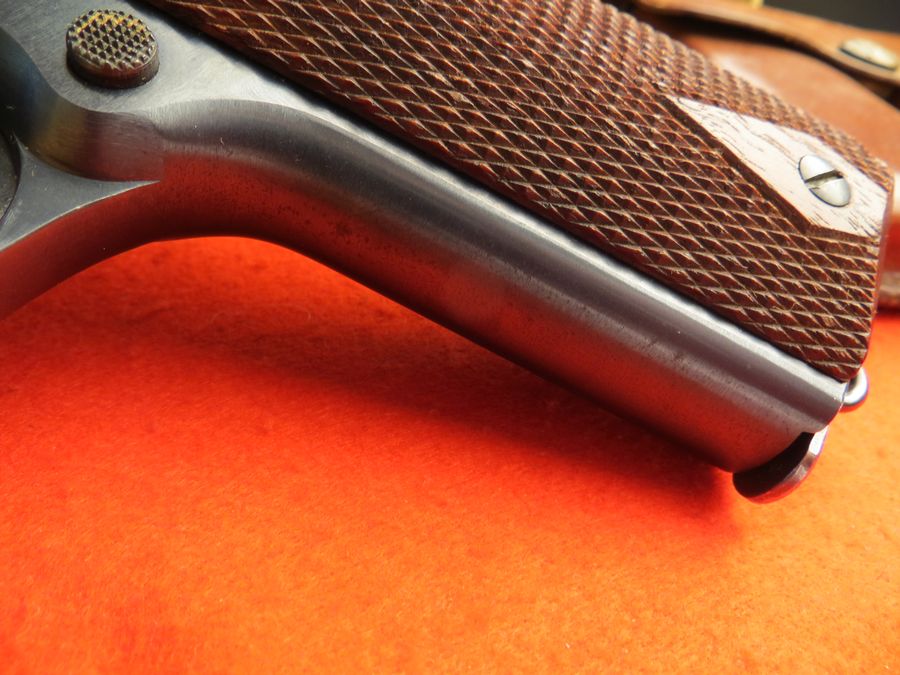
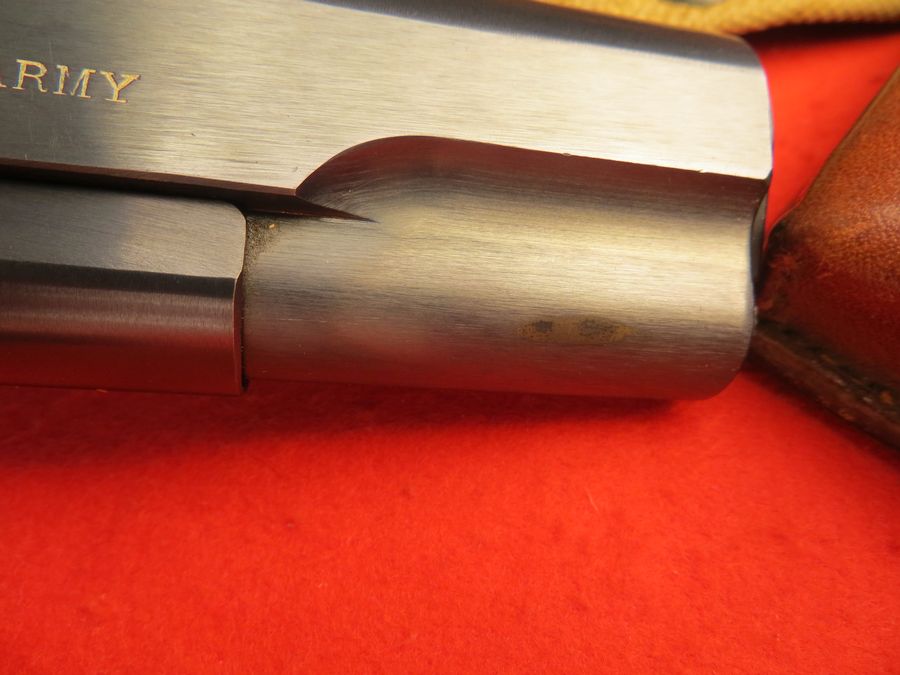
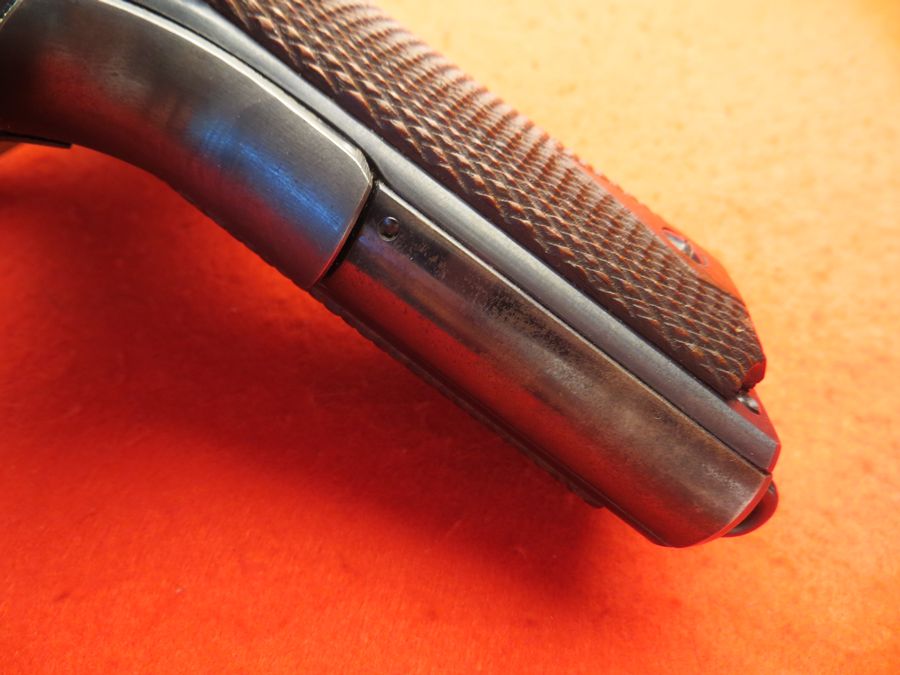
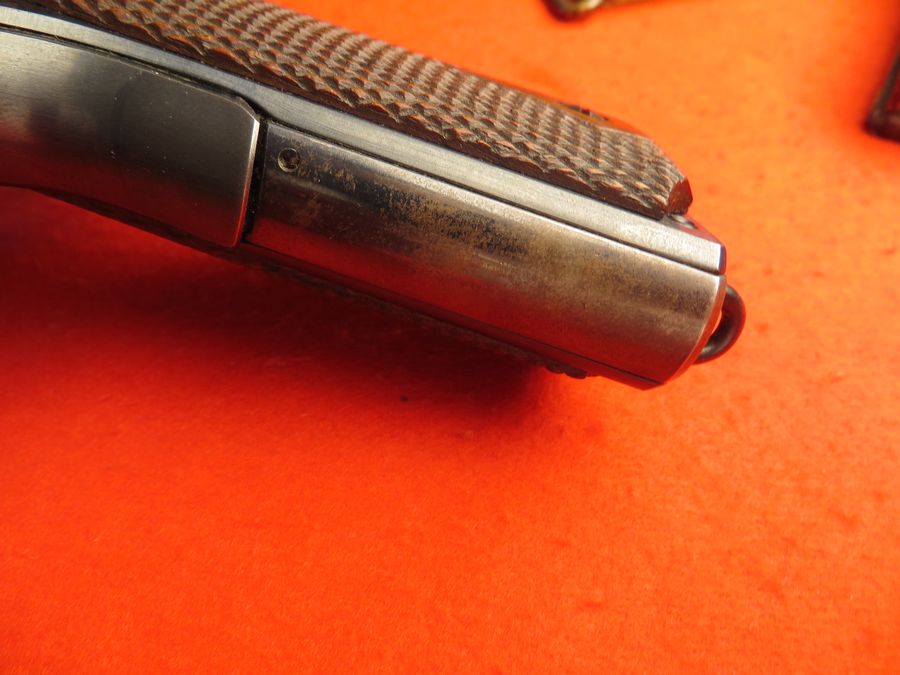
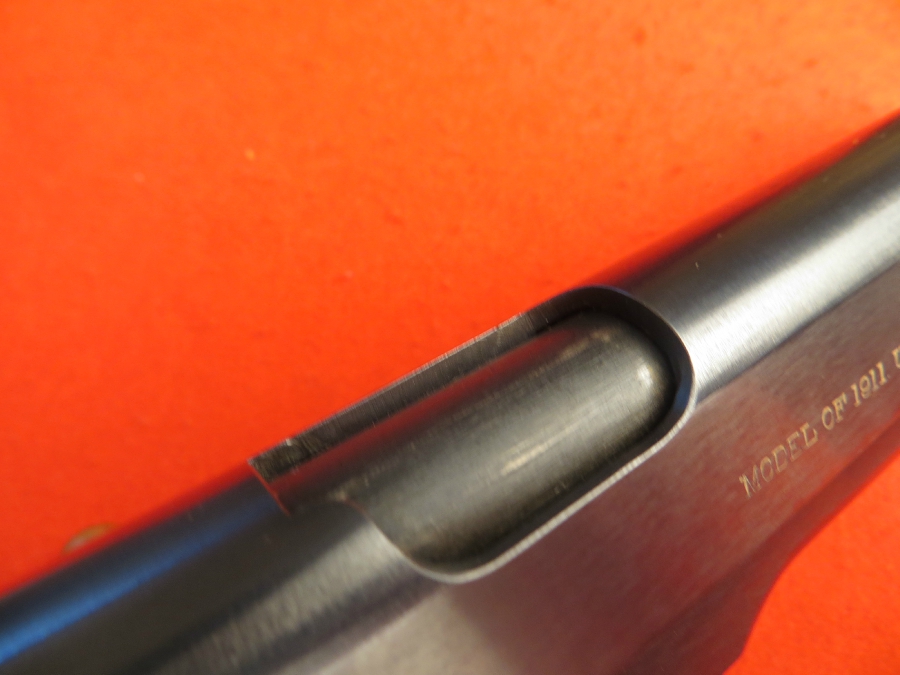
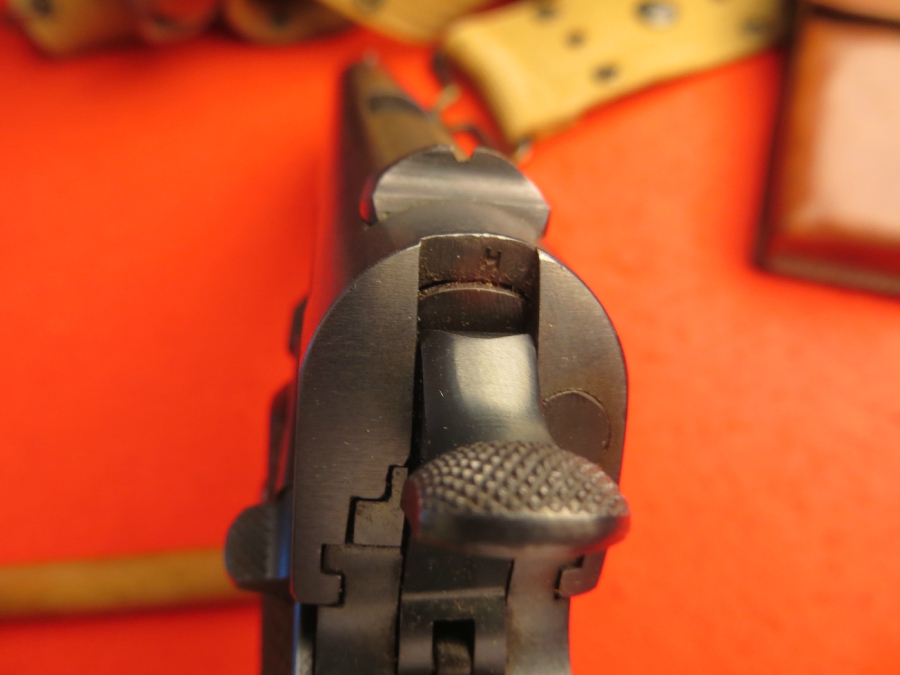
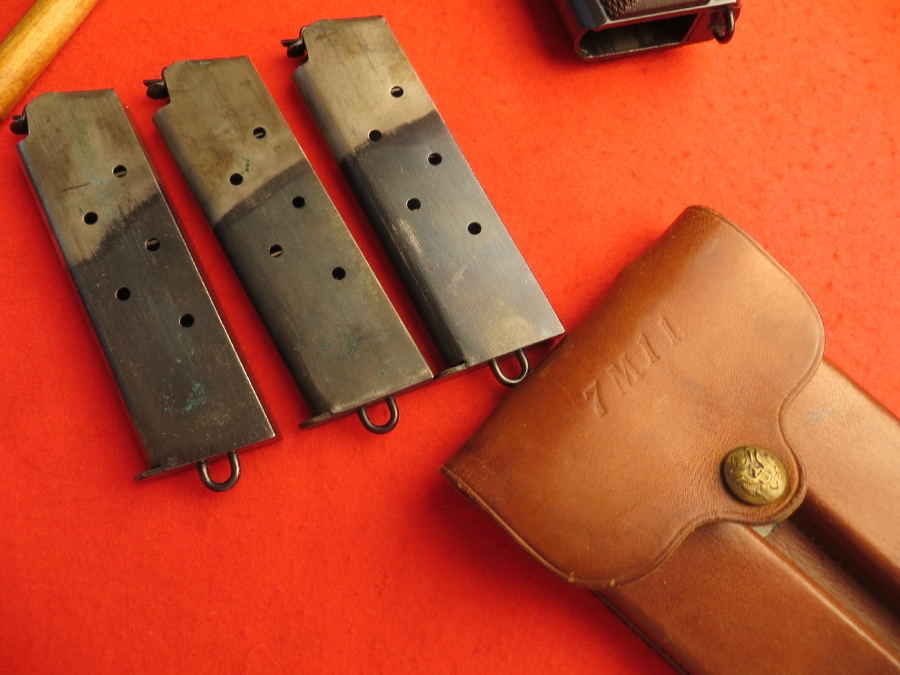
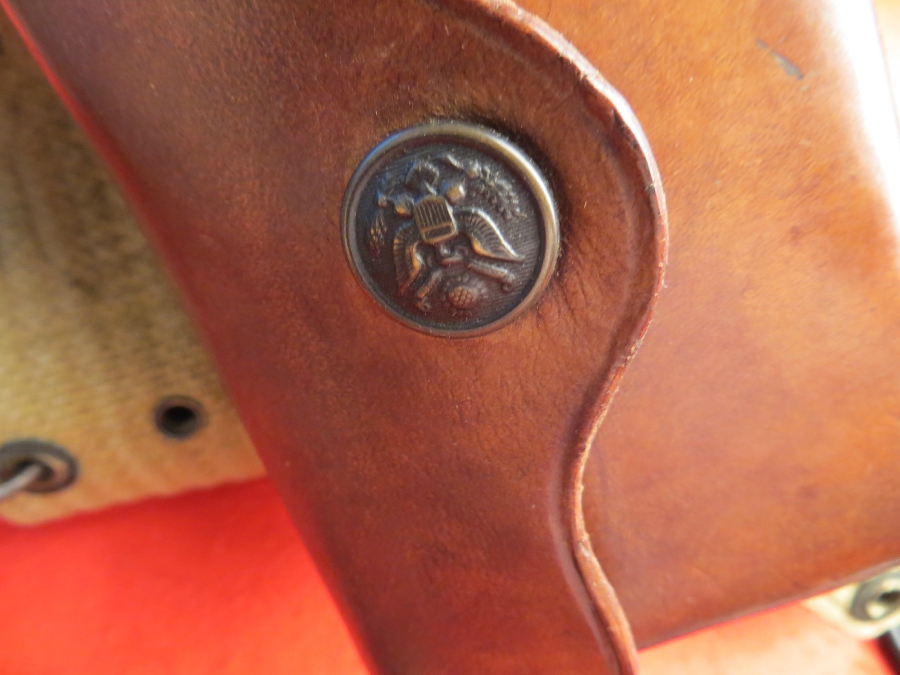
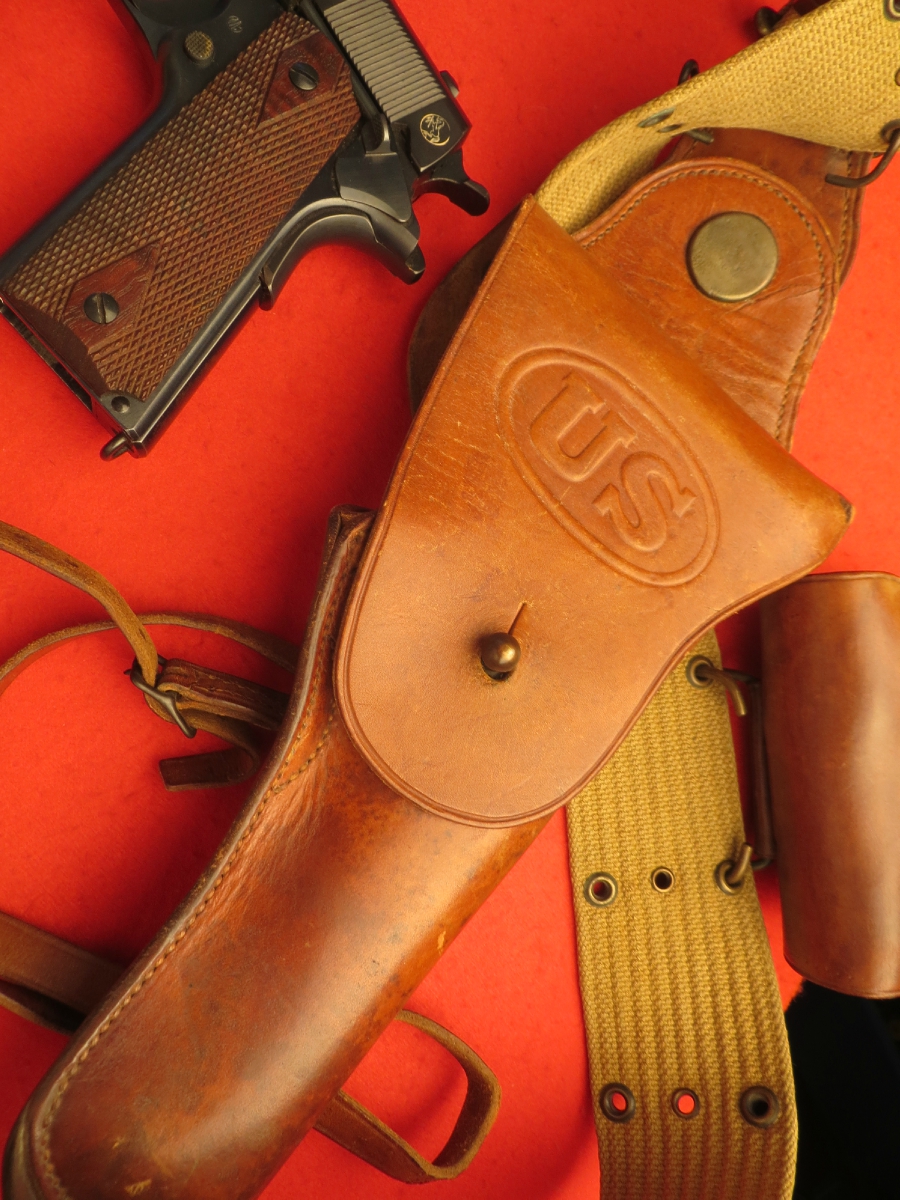
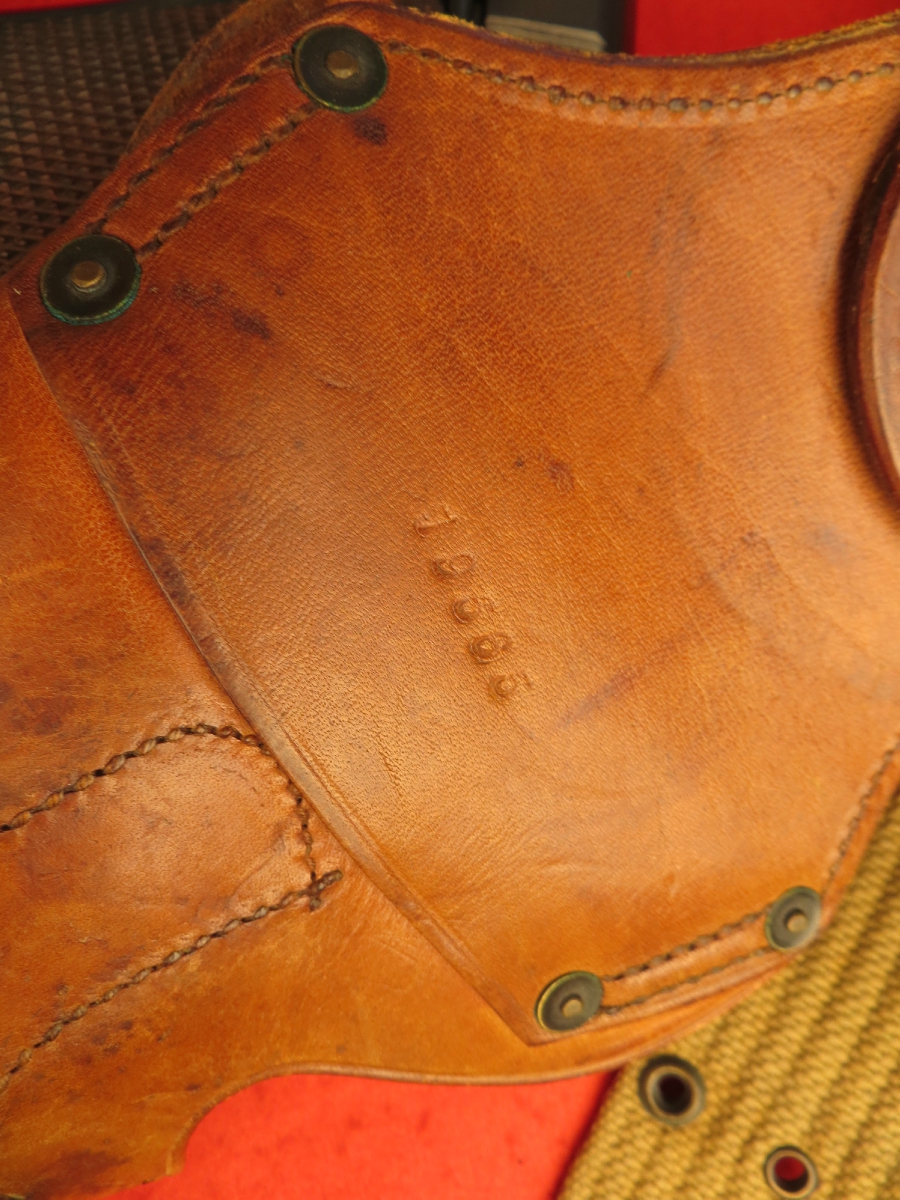
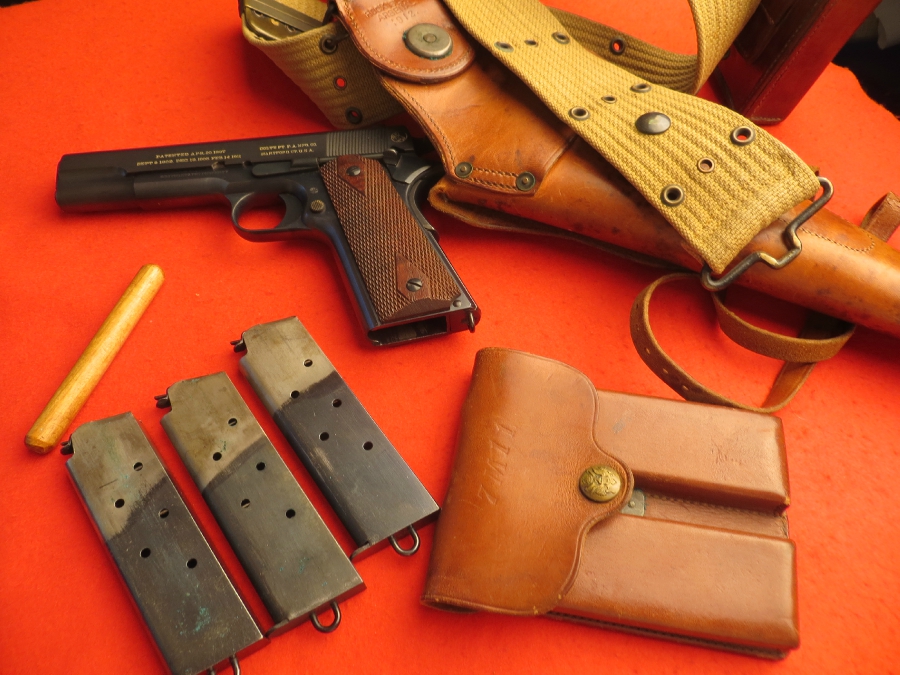
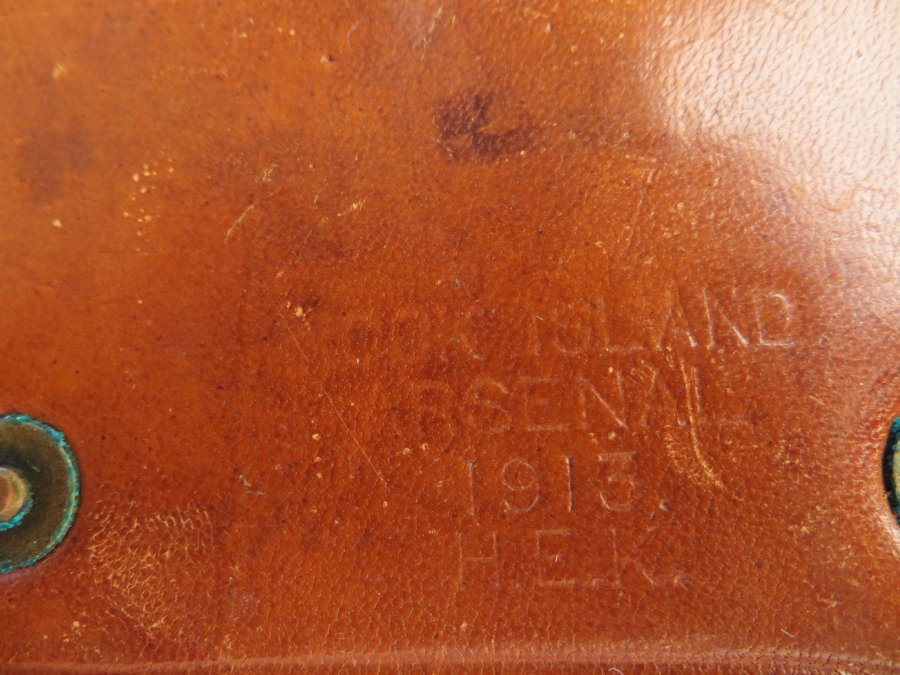
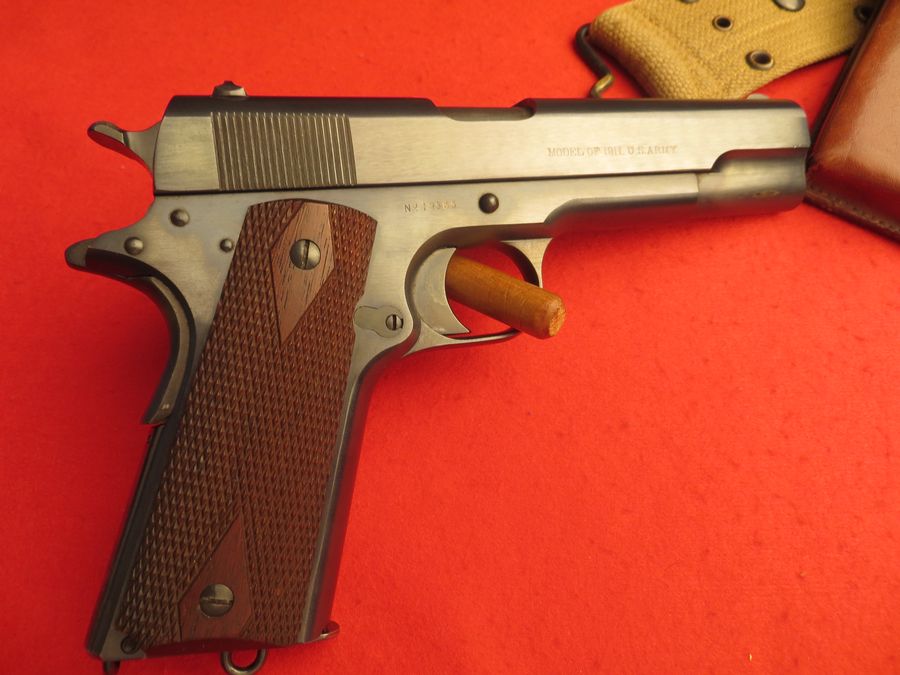
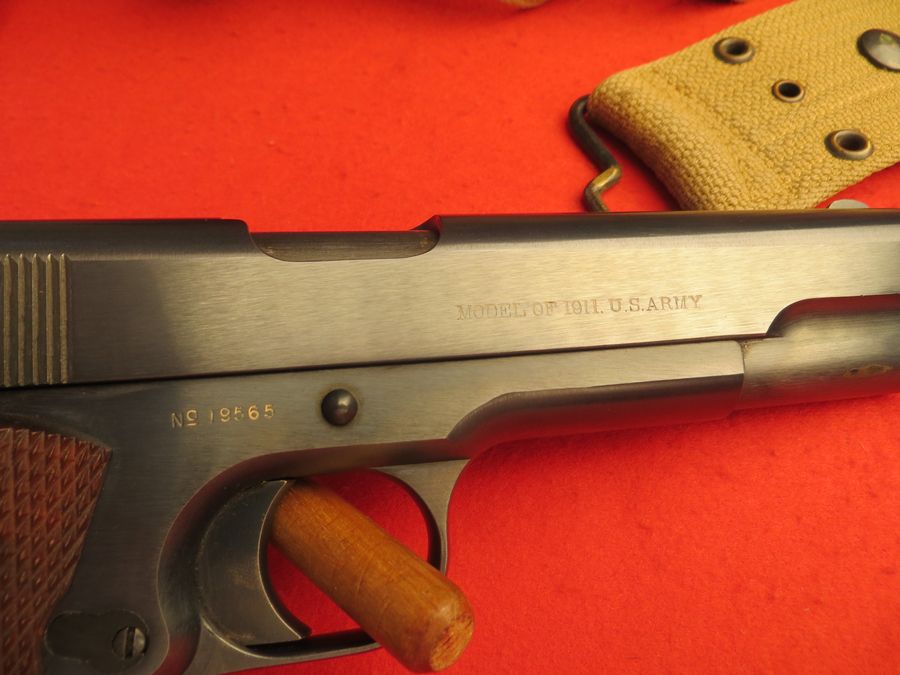
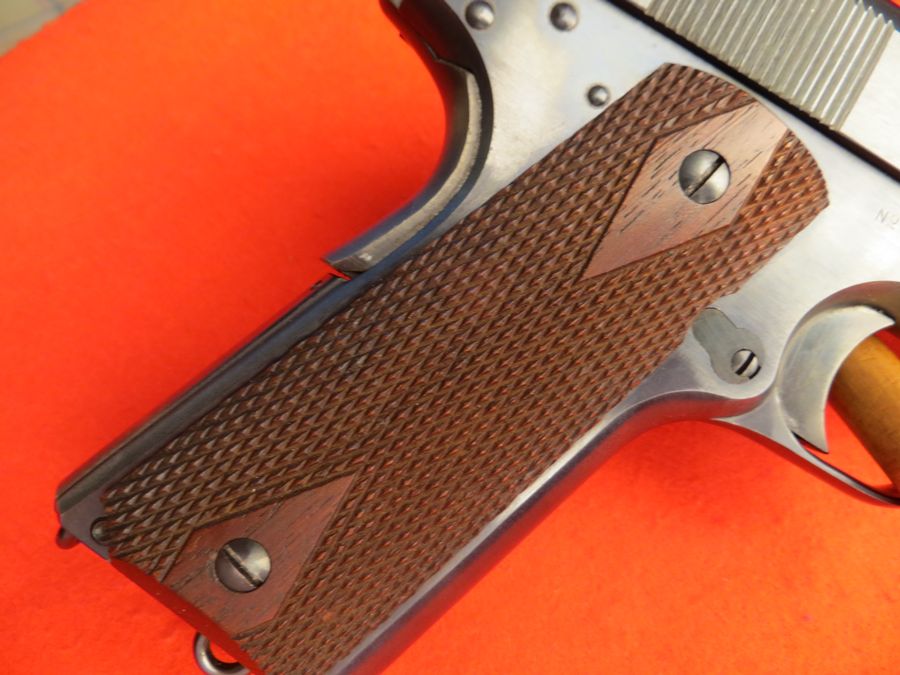
A very Rare & great looking Colt 1911 with Five Digit serial number & was made in Made In 1913!

Talk about mint condition!

Colt - Colt 1911, five digit made in 1913, excellent - Picture 1
Colt - Colt 1911, five digit made in 1913, excellent - Picture 2
Colt - Colt 1911, five digit made in 1913, excellent - Picture 3
Colt - Colt 1911, five digit made in 1913, excellent - Picture 4
Colt - Colt 1911, five digit made in 1913, excellent - Picture 5
Colt - Colt 1911, five digit made in 1913, excellent - Picture 6
Colt - Colt 1911, five digit made in 1913, excellent - Picture 7
Colt - Colt 1911, five digit made in 1913, excellent - Picture 8
Colt - Colt 1911, five digit made in 1913, excellent - Picture 9
Colt - Colt 1911, five digit made in 1913, excellent - Picture 10

I am willing to bet that some Army Bigwig was issued this & was never taken out of the house.

Categories
All About Guns Gun Info for Rookies

How Much Force Does a Handgun Bullet Have?

Attachments area
Preview YouTube video How Much Force Does a Handgun Bullet Have?

Categories
All About Guns

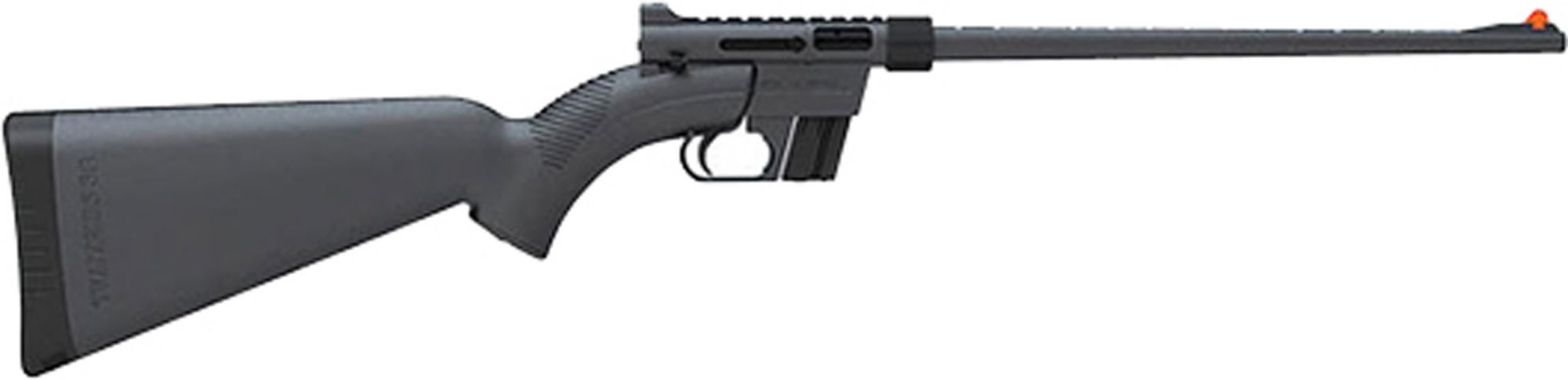
The AR-7 Survival Rifle

Image result for ar-7 rifle
Related image
Related image
Image result for ar-7 rifle
Related image
Image result for ar-7 rifle

Armalite AR-7

From Wikipedia, the free encyclopedia
AR-7
AR7rifle.jpg

Armalite AR-7 survival rifle with 8-, 10-, and 15-round magazines.
Type Survival rifle
Place of origin United States
Service history
In service 1959–Present
Production history
Designer Eugene Stoner
Designed 1958
Variants Armalite AR-7 Explorer;
Charter Arms AR-7 Explorer;
Charter Arms Explorer II Pistol;
Israeli Pilot’s Survival Rifle;
Henry U.S. Survival .22
Specifications
Weight 1.13 kg
Length 889 mm
Barrel length 406 mm

Cartridge .22 Long Rifle
Action Straight blowback-operated
Rate of fire Semi-automatic
Muzzle velocity 1,080 ft/s (329 m/s) to
1,280 ft/s (390 m/s)
(varies by type of .22 LR cartridge)
Effective firing range 100 m
Feed system Standard 8-round magazine. 10-, 15-, 25-round magazines available.
Sights Aperture rear and drift-adjustable front.

The ArmaLite AR-7 Explorer is a semi-automatic firearm in .22 Long Rifle caliber developed from the AR-5 that was adopted by the U.S. Air Force as a pilot and aircrew survival weapon.[1]
The AR-7 was adopted and modified by the Israeli Air Force as an aircrew survival weapon.
The AR-7 was designed by American firearms designer Eugene Stoner, who is most associated with the development of the AR-15rifle that was adopted by the US military as the M16.
The civilian AR-7’s intended markets today are backpackers and other recreational users as a takedown utility rifle.
The AR-7 is often recommended for use by outdoor users of recreational vehicles (automobile, airplane or boat) who might have need for a weapon for foraging or defense in a wilderness emergency.

History & design[edit]

The prototype of what would become the AR-7 was designed by Eugene Stoner at ArmaLite Inc., a division of Fairchild Aircraft.
The rifle shares some of the features of the bolt-action AR-5, another rifle designed by Stoner for ArmaLite and adopted by the United States Air Force in 1956 as the MA-1.[2]
The MA-1 was intended to replace the M4 Survival Rifle and the M6 Aircrew Survival Weapon which was a superimposed (“over-under”) twin-barrel rifle/shotgun chambered in .22 Hornet and .410 bore, using a break-open action.
The AR-5 had the advantage of repeat fire over the then-standard M6, using the same .22 Hornet cartridge.
When the AR-5 was adopted as the MA-1 but was not placed in issue due to the numbers of usable M4 and M6 survival weapons in USAF inventory, ArmaLite used the research and tooling for the AR-5 in developing the AR-7 for the civilian market.[3]

Armalite AR-7 Explorer internal parts assembled (left sideplate removed)

 
The AR-7 uses a blowback semi-automatic action in .22 Long Rifle but retains the AR-5/MA-1 feature of storing the disassembled parts within the hollow stock, which is filled with plastic foam and capable of floating.[4][5]
Like the bolt-action AR-5, the AR-7 was designed as a survival rifle for foraging small game for food. The AR-7 is constructed primarily of aluminum, with plastic for the stock, buttcap, and recoil spring guide.
The bolt is steel. The original barrel was aluminum using a rifled steel liner; barrels of some production models have used all steel barrels, others have used barrels made of composite materials.[6]
The AR-7 measures 35 inches overall when assembled. It disassembles to four sections (barrelactionstock, and magazine), with three parts storing inside the plastic stock, measuring 16 inches long.
The rifle weighs 2.5 pounds, light enough for convenient backpacking. The rear sight is a peep sight, which comes on a flat metal blade with an aperture (in later production two different size apertures available by removing and flipping the rear sight), and is adjustable for elevation (up-down).
The front sight is adjustable for windage (side-to-side). Accuracy is sufficient for hunting small game at ranges to 50 yards.

Performance[edit]

Reliability of the AR-7 is highly dependent on the condition of the magazine and on the ammunition used, perhaps more so than with other models of semi-automatic .22 caliber rifles.
The feed ramp is part of the magazine and subject to damage from mishandling. Flat-nosed bullets tend to jam on the edge of the chamber of the barrel.
The transition of cartridge from magazine to barrel can be smoothed by minor beveling of the chamber of the barrel, by using round-nosed as opposed to flat-nosed bullets and by paying attention to condition of the feed lips and feed ramp of the magazine.
Later production magazines include an external wire spring to align the cartridge; earlier magazines used two pinch marks at the top of the magazine body, which in use could become sprung open or worn.[citation needed]
All iterations of the AR-7 from the Armalite to the Henry U.S. Survival rifle use a bolt and dual recoil springs that are heavy compared to most other .22 semiautomatics.
The AR-7 requires high velocity ammunition for reliable functioning. The manufacturers recommend use of 40 grain round nose bullets in high velocity loadings.
It is possible to manually load a single round into the firing chamber, allowing use of flat nosed bullets or low velocity or subsonic ammunition.
The barrel takedown nut tends to loosen during firing and may need hand-tightening to maintain both accuracy and reliability.
Armalite sold the design to Charter Arms in 1973. According to some accounts posted by enthusiasts, this is when quality began to deteriorate.[7]
Barrels were said to have a tendency to warp. Other sources state that the first production at Charter had problems which were corrected in later production runs.[3]

Production history[edit]

(Summary of information available in The Blue Book of Gun Values)

  • 1959-1973: ArmaLite
  • 1973-1990: Charter Arms
  • 1990-1997: Survival Arms – Cocoa, Florida
  • 1998-2004: AR-7 Industries – LLC, Meriden, Connecticut (bought by ArmaLite in 2004)
  • 1997–2007: Henry Repeating Arms Co. – Brooklyn, New York
  • 2007–present: Henry Repeating Arms Co. – Bayonne, New Jersey

AR-7 variants[edit]

Armalite AR-7 Explorer[edit]

Armalite barrels had a steel liner in an aluminum shell. The Armalite stock did not accept the receiver with a magazine in place and the gun was normally sold with one magazine.
The receiver did not provide for a scope mount. The rear sight was a peep aperture, adjustable for elevation. The front sight was drift-adjustable for windage.

Argentine variant[edit]

The AR-7 was also manufactured in Argentina as the Sistema de Armas .22 LR Fire de Brenta.[8] It came with various barrel lengths, shrouds and fixed rifle stocks as well as pistol grips with retractable stocks.

Herter’s Outdoor Supply[edit]

Herter’s, Hy Hunter and American International Distributors marketed .22 replicas of the Broomhandle Mauser (as “Bolomauser”), Thompson submachine gun (as “T-62 Civilian Defense Model”) and M1 Carbine made on AR-7 receivers and barrels.[9]

Charter Arms AR-7 Explorer[edit]

The Charter Arms AR-7 Explorer rifle basically replicated the Armalite AR-7 Explorer with variations in finish.

Charter Arms Explorer II pistol[edit]

Explorer II pistol with 8 inch barrel

Explorer II was a pistol version of the AR-7.[10] It resembled a Broomhandle Mauser. The receiver had a built-in pistol grip with no provision for the rifle stock (the internal parts are interchangeable between rifle and pistol).
The rear sight of the pistol was an open notch adjustable for windage and elevation. The Explorer II front sight was integral with the barrel shell and was not adjustable.
The magazine well in front of the trigger guard would accept any magazine designed for the rifle. A spare 8-round magazine could be carried inside the grip.
The most common barrel was six inches. Optional barrel lengths included eight and ten inches.

Legal note[edit]

Alignment lug is on barrel underside

Because the U.S. 1934 NFA regulations set the minimum rifle barrel length at 16 inches, Charter Arms made the barrels of the Explorer I rifle and Explorer II pistol non-interchangeable to prevent installing the pistol barrel on the rifle.
The AR-7 barrel has an alignment lug that mates a notch in the receiver. The rifle receiver notch and barrel lug are on top; the pistol notch and lug are broader and on the bottom.
If a Charter Arms factory-made pistol barrel were installed on a rifle, the extractor on the bolt would be opposite the extractor slot in the barrel, preventing the bolt from closing (plus the front sight would be upside down).
Modifying the pistol barrel to fit the rifle, or modifying the rifle receiver to accept the pistol barrel, would be “making a short barrel rifle” legally requiring federal registration on an ATF Form 1 with payment of a $200.00 tax.
Conversely, after the Supreme Court ruling in United States v. Thompson/Center Arms Co.,[11] modifying the pistol to accept the rifle barrel and/or stock, or modifying the rifle barrel or stock to fit the pistol is legal so long as you do not have the rifle stock attached at the same time as the pistol barrel.
It is legal (as a pistol) to have the rifle barrel attached with the pistol grip; there is no federal maximum pistol barrel length.

AR-7 Industries[edit]

AR-7 Industries made solid steel barrels much heavier than the AR-7 barrels by Armalite, Charter or Henry.

Henry Survival Rifle[edit]

In 1980, the design and production rights passed on to Henry Repeating Arms and the compact rifle was slightly revised. The AR-7 is now (2015) known as the Henry U.S. Survival AR-7 rifle. An ABS material replaced the original stock plastic, which was prone to cracking and failure.
The receiver recess in the Henry stock allows storage of receiver with a magazine in place and the rifle is normally sold with two magazines.
The latest versions of the Henry allow for storage of three magazines total, with two in the stock recess, and one in the receiver. The modern Henry U.S. Survival rifle is also water resistant.
They now include a full Teflon coating on the outer surface. A 3/8 in. Weaver Tip-off mount rail milled into the top of the receiver for attaching a wide variety of optics is now a standard feature.

Israeli pilot’s survival rifle[edit]

Another variant was made by Armalite and sold to the Israeli Military for use as pilot/aircrew survival weapons.[12]
The Israelis further modified these rifles, adding a telescoping stock, a pistol grip from a FAL-type rifle, shortening the barrel (to 13.5 inches), and adding a front sight based on the K98k Mauser.
After Israeli service, some of these rifles were re-imported into the U.S. by Bricklee Trading Company (the barrels are marked with the BTC identification as required by U.S. laws on imported guns) for sale on the civilian market, and command a premium among collectors.
In order to comply with U.S. Federal law, a 3-inch muzzle brake had to be permanently attached in order to meet the minimum 16-inch-barrel requirement.

Operation[edit]

The AR-7 functions as a simple or plain blowback semi-automatic. The AR-7 is a light firearm with heavy bolt and twin recoil springs and must be firmly held for reliable blowback operation.

Range safety issue[edit]

As is common with many blowback .22 rifles, the AR-7 bolt cannot be locked open to demonstrate the weapon is in a safe unloaded state. Firearms without a built-in “bolt hold-open” device may be banned from use at some firing ranges.
Other firing range operators allow use of an open bolt indicator to prop the bolt open so that the chamber is visible. The yellow plastic flag for CMP range use is recommended or a spent cartridge case may be accepted to indicate open bolt.
Image result for ar-7 rifle

Aftermarket modifications[edit]

The fact that both the barrel and stock are detachable has led to a plethora of after-market accessories, similar to those available for the Ruger 10/22. Barrels, stocks, and grips, of varying finishes and utility, can be added to the rifle.
These include collapsible stocks, wire-framed stocks, pistol grips, flash suppressors, shrouded barrels, high-capacity magazines, telescopic sights, reflex ‘red dot’ sights and other occasionally fanciful-looking hardware, some at a cost greater than the rifle itself. Such accessories often make it impossible to use the original floating stock for storage of modified parts.[3]
The current Henry U.S. Survival AR-7 has a 3/8″ scope sight rail integral with the receiver to accept standard Weaver-style “Tip-Off” rings. For earlier makes, B Square supplied the Charter Arms AR-7 Explorer Scope Mount Base, an accessory bracket with a 3/8″ rail.
The base attached by the receiver side plate screw (the Charter Arms side plate screw is longer than that of the Armalite). This base can be used on the Armalite and the Charter Arms Explorer rifles and the Charter Arms Explorer II pistol.
However, with the base in place, the rifle receiver will no longer fit the recess in the stock for storage. (The base is not needed on the Henry version and will not fit the Henry receiver.)
Apart from the highly modified AR-7 Israeli survival rifles, most AR-7 models lack provision for a carry sling. AR-7 owners have adapted slings designed for use on guns without modification, such as universal shotgun slings designed to cup the shotgun buttstock at the rear and clamp to the barrel or magazine tube at the front.
Given the light weight of the AR-7, 2.5 pounds, a proper length of parachute cord with a slip knot at either end can be used as a sling or lanyard.

Categories
Anti Civil Rights ideas & "Friends" Well I thought it was funny!

Gun Control Explained by Mr Bean