

Categories
The 9th Circus did what!?!
Ninth Circuit Rules Openly Carrying Firearm in Public Is Constitutional
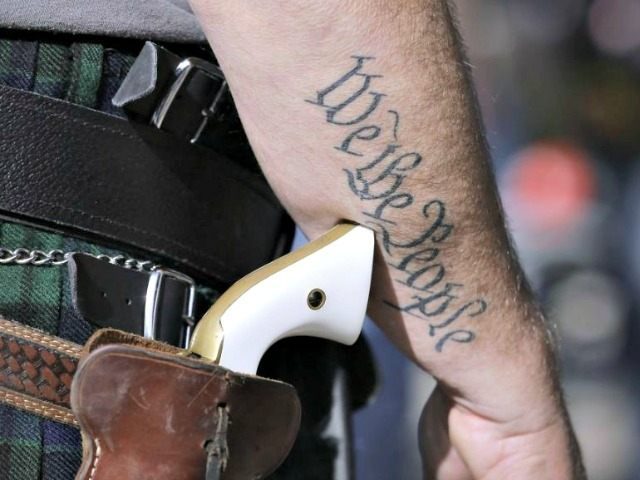
The United States Court of Appeals for the Ninth Circuit ruled Tuesday that openly carrying a firearm in public is constitutional.
The ruling, issued by a three-judge panel, is a rebuttal to Hawaii’s claim that Second Amendment protections only applied to carrying a gun openly in one’s home.
Reuters reports that the case was brought by George Young, after Hawaiian official “twice [denied] him a permit to carry a gun outside.” A District Court ruled that the denial did not infringe rights protected by the Second Amendment, but the Ninth Circuit panel disagreed.
Ninth Circuit Judge Diarmuid O’Scannlain wrote, “We do not take lightly the problem of gun violence. But, for better or for worse, the Second Amendment does protect a right to carry a firearm in public for self-defense.”
The ruling for the constitutionality of openly carrying a firearm in public comes a week to the day after a Ninth Circuit panel upheld the ruling which blocked California’s “high capacity” magazine ban.
Both rulings can be appealed for the Ninth Circuit to hear en banc. After that, the next stop for either ruling would be the Supreme Court of the United States.
AWR Hawkins is an award-winning Second Amendment columnist for Breitbart News, the host of the Breitbart podcast Bullets with AWR Hawkins, and the writer/curator of Down Range with AWR Hawkins, a weekly newsletter focused on all things Second Amendment, also for Breitbart News. He is the political analyst for Armed American Radio. Follow him on Twitter: @AWRHawkins. Reach him directly at awrhawkins@breitbart.com. Sign up to get Down Range at breitbart.com/downrange.
 Remington Awarded Army Carbine Contract
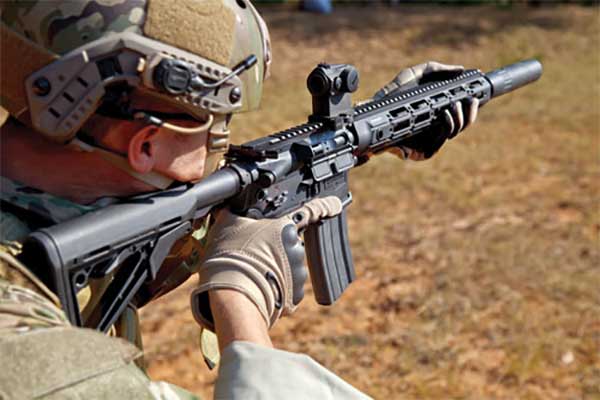
Huntsville, AL – -(Ammoland.com)- Remington is pleased to announce the recent award of a contract to supply the US Army with Commercial Off The Shelf (COTS) 5.56mm Carbines.
This is the second significant award for 5.56mm carbines to Remington by the US Army on behalf of key international allies.
Remington Chief Executive Officer Anthony Acitelli said of the award: “Remington is proud of our continuing contribution to public safety and our nation’s national security priorities worldwide”
“We look forward to continuing our daily dedication to the design, production, and delivery of the highest quality military and law enforcement products for our public safety officers, warfighters, and allies alike.”
 About Remington Arms Company, LLC
Remington Arms Company, LLC, (“Remington”) is America’s leading manufacturer of firearms, ammunition, and related accessories. For over two centuries, its products have been sought after by hunters, shooters, collectors, home and personal defenders, as well as by government users in the US and in more than 55 of our allied countries. Remington products served the US Military in every major conflict from 1816 to the present. Remington currently employs over 2,500 Americans, and operates major facilities in New York, Alabama, Arkansas, North Carolina, Tennessee, Mississippi, Missouri, South Dakota and Utah.
More information about the Company can be found at www.remington.co
 In honor of the anniversary of The Americans With Disabilities Act. An American who didn’t let the loss of her leg stand in her way. (OK, that’s an excuse – I didn’t want to wait for her birthday, which is in April.)
Born April 6, 1906. Virginia Hall: America’s Greatest Female Spy – Historic Heroines. This linked article is long, but still worth your time.
She spoke five languages, and worked at several consulates across Europe, but the Foreign Service kept rejecting her application. Mostly it seems, because she was raising the alarm about Hitler long before most Americans – and especially those in the US Foreign Service – were taking him seriously.
While hunting in Turkey, she had an accidental discharge of her firearm, which resulted in her losing her left leg below the knee. (She was climbing over a fence.) She named her wooden leg Cuthbert. Despite the injury she volunteered as an ambulance driver in France during the Blitzkrieg. After the Nazi occupation of France, she made her way to England and joined the Special Operation Executive. (SOE was competitor to MI6, but protected by Churchill.)
After rigorous spy training designed to test the mettle of even the most resolute male candidates, she returned to Vichy France undercover as an American Journalist (prior to the US having joined the war). There, at great personal risk, Virginia, worked doggedly to collect intelligence, help form the French Resistance and rescue downed RAF pilots. She organized sabotage efforts on German supply lines and successfully planned daring POW prison escapes. All the while, knowing that capture would mean imprisonment and certain torture at the hands of the Vichy Police or German Gestapo.
She was on the Gestapo’s “most wanted” list.
After America got into the war, she “transferred” to the OSS (which later would become the CIA). And did more of the same. By this point the Americans wanted experienced agents to prepare for the invasion everyone knew had to come eventually. But since she was known to the Gestapo, she disguised herself (and her limp) as an old woman.
Upon her return to occupied France, Virginia immediately jumped back in with the French Resistance working tirelessly as a covert wireless radio operator reporting critical intelligence that could affect the D-Day invasion. … While on the move, Virginia used her previous experience organizing resistance efforts to assemble a fighting force of French guerillas that could support the Allied Invasion. Many initially refused to take orders from a woman, however, as she demonstrated her ability to provide valuable weapons and explosives with London’s full confidence, their sentiments rapidly changed. When the Allied Troops invaded Normandy on June 6, 1944, Virginia and her resistance army of over 400 volunteers sprang into action. Destroying train tracks, disrupting supply lines, attacking German troops and committing other acts of sabotage, Virginia and her force slowed the Nazi response to D-Day in any way possible.
After the war, she was awarded the Distinguished Service Cross, the only civilian woman to receive one. The recommendation, and citation – from the desk of Harry S. Truman – can be viewed at this link. (The interface isn’t the best, but you can enlarge the documents.) Some of the documents weren’t declassified until 1991.
Rejected Princesses also has a nice piece on Virginia Hall. I am really starting to love Rejected Princesses. (“Well-behaved women rarely make history.”)
The CIA has an official site devoted to her, but it is a bit short. Virginia Hall: The Courage and Daring of “The Limping Lady”. Still, it is worth a look. (And they gave me the idea about the ADA.)
A native of Baltimore, Virginia Hall Goillot is perhaps best known for her heroic service in the British Special Operations Executive and the American Office of Strategic Services (OSS) during World War II, but she actually spent more time in CIA.
She died in 1982. In 2017 the CIA named a training center in her honor, and a commissioned painting of her hangs in CIA headquarters.

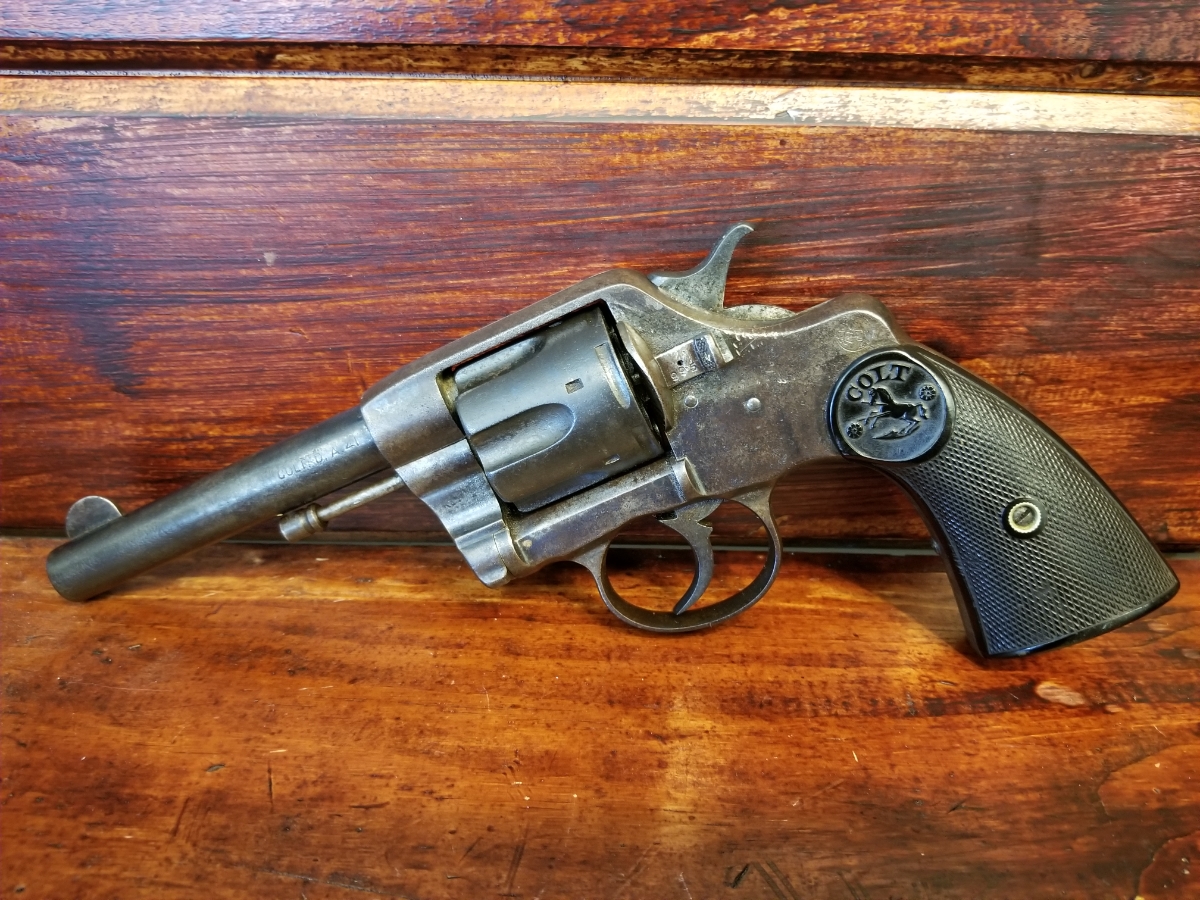
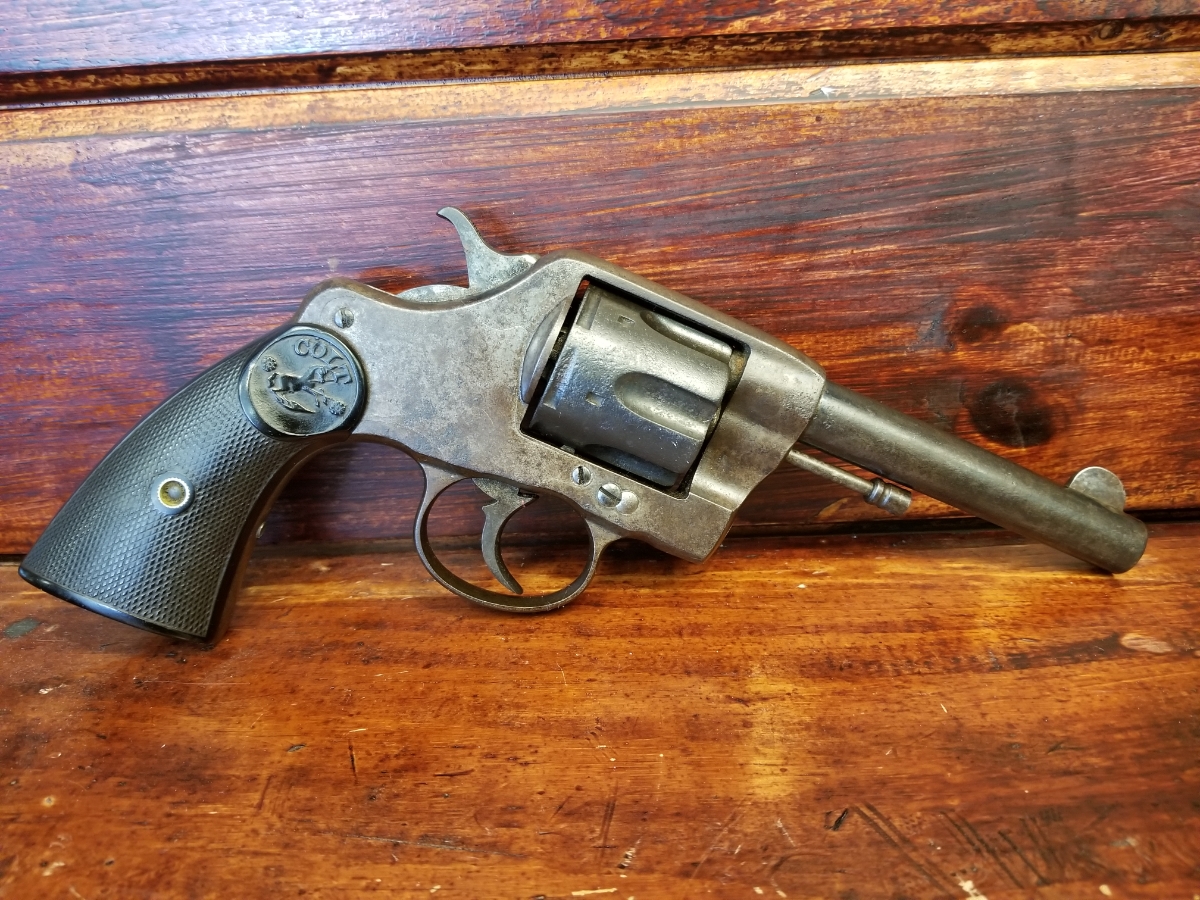
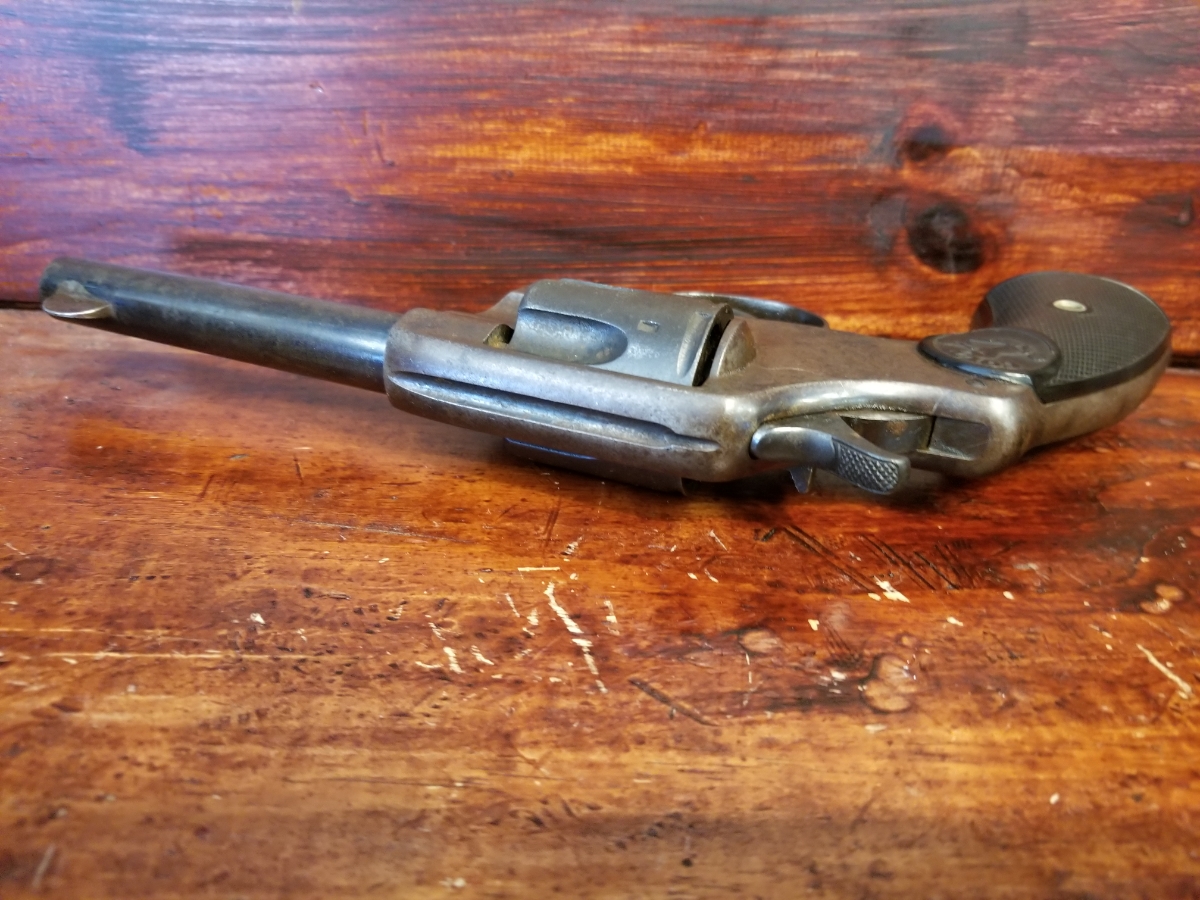
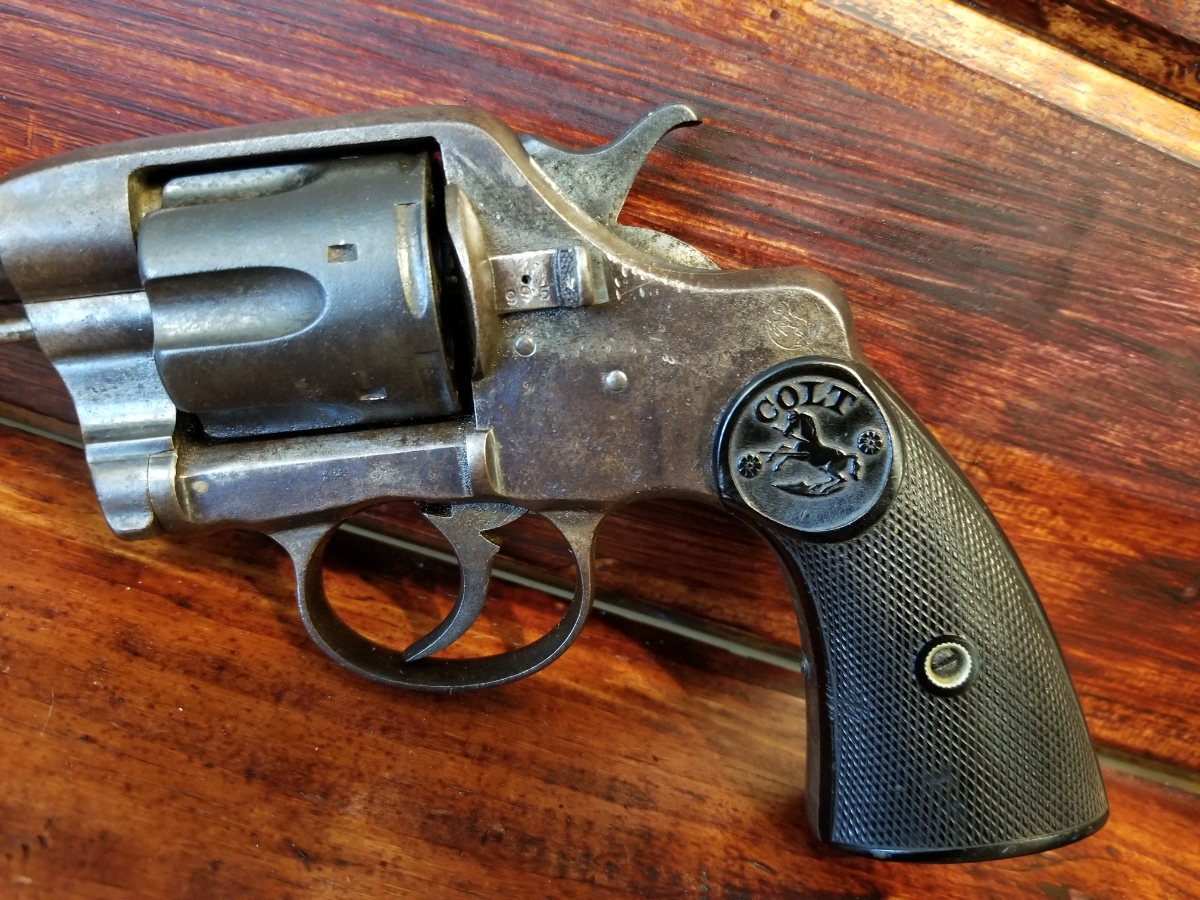
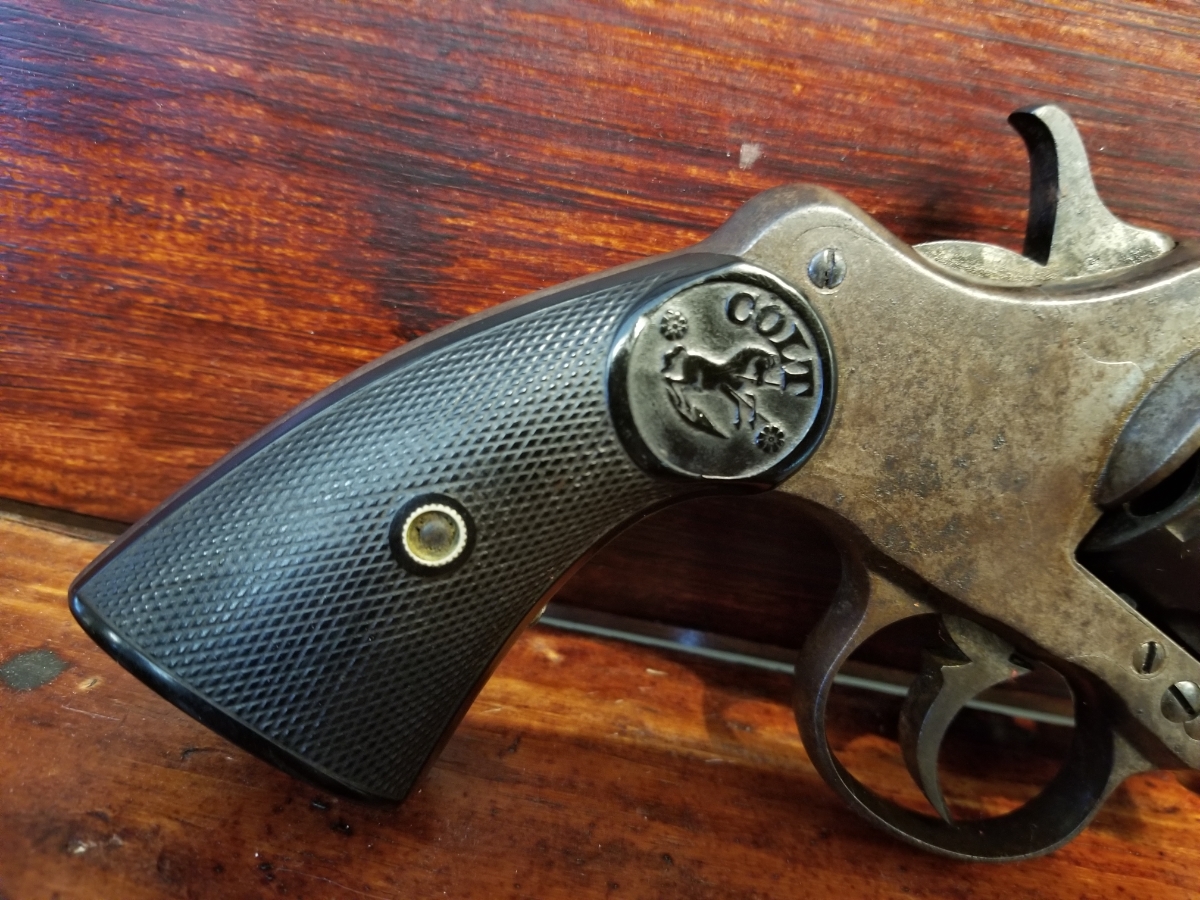
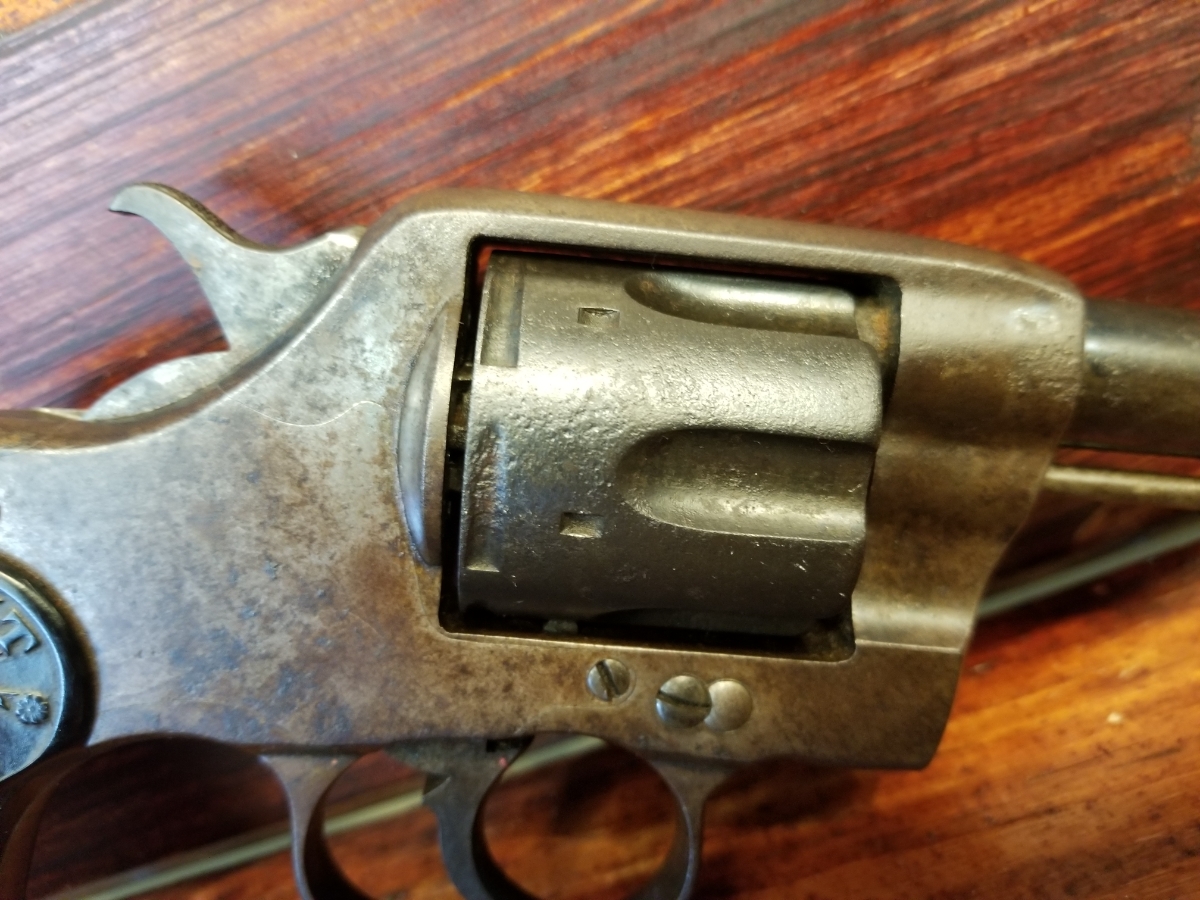
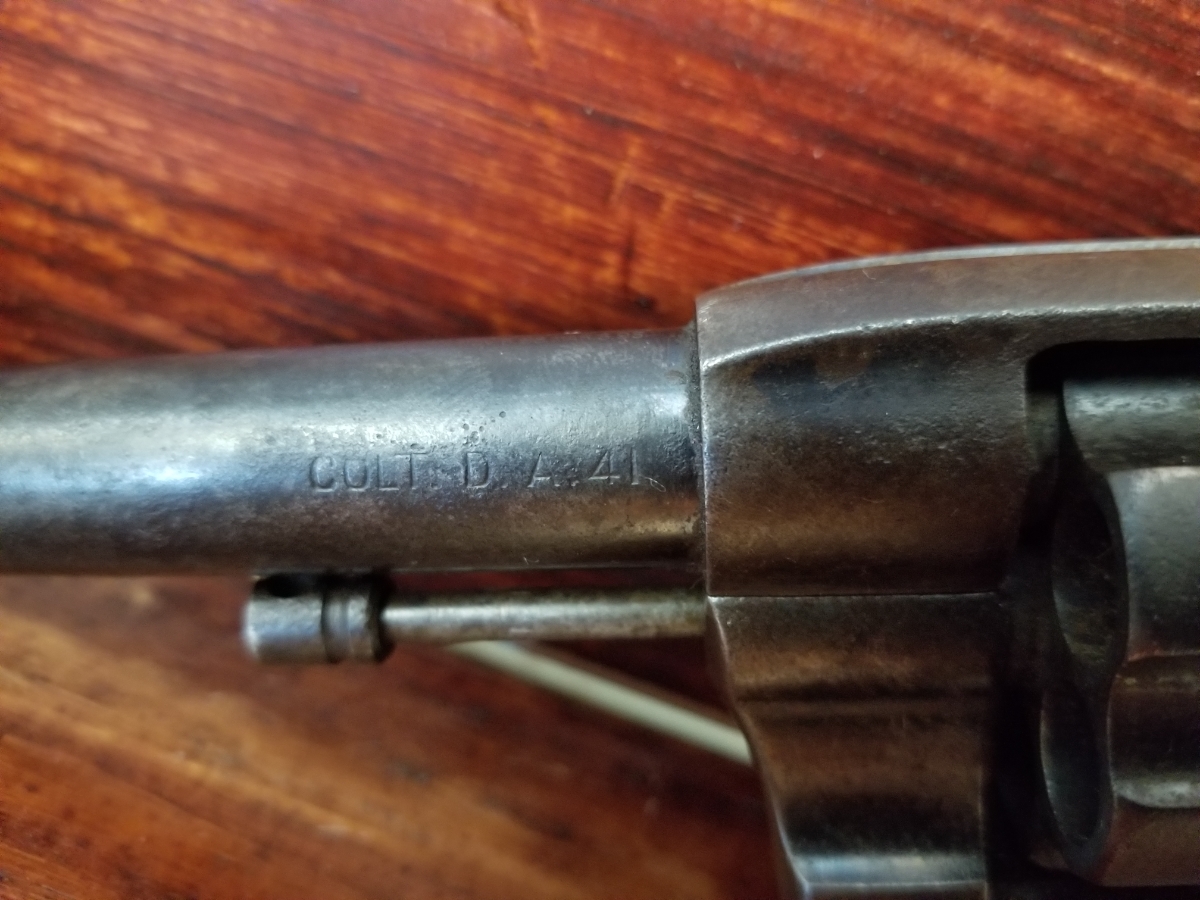
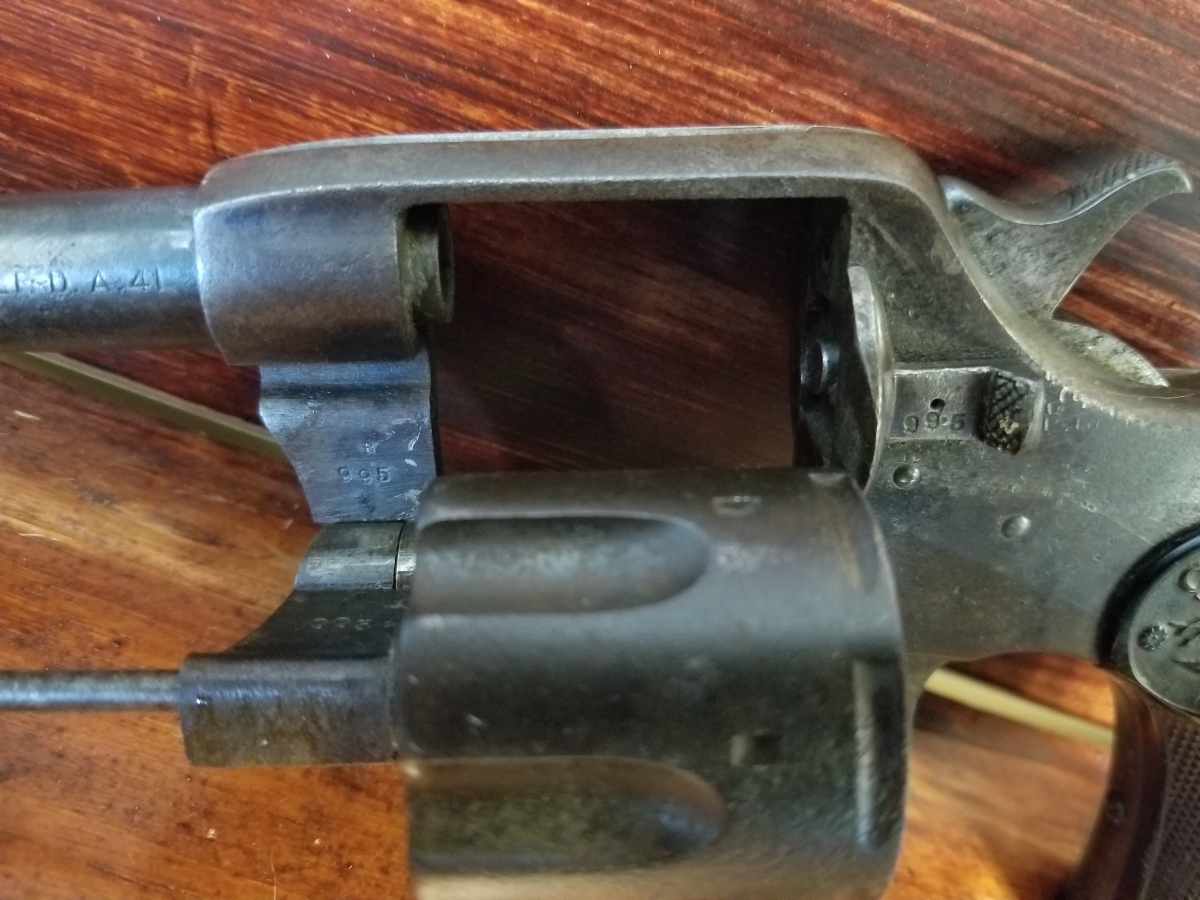
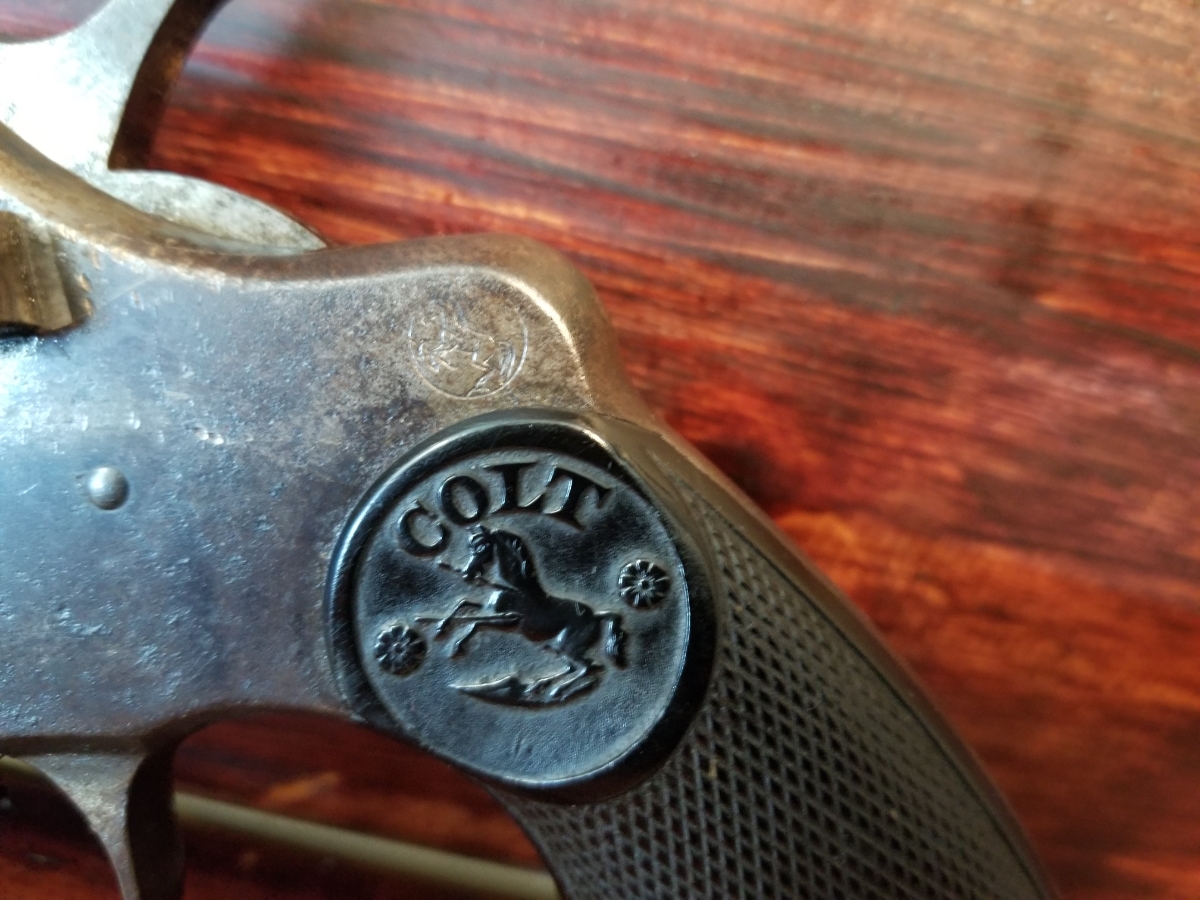
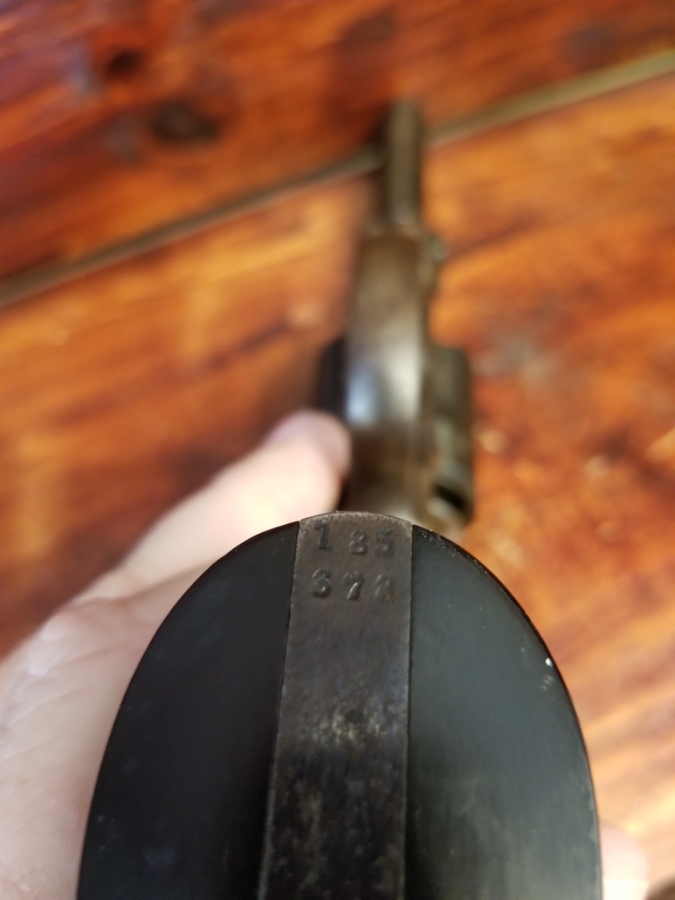
Say this poor thing has had a rough life?
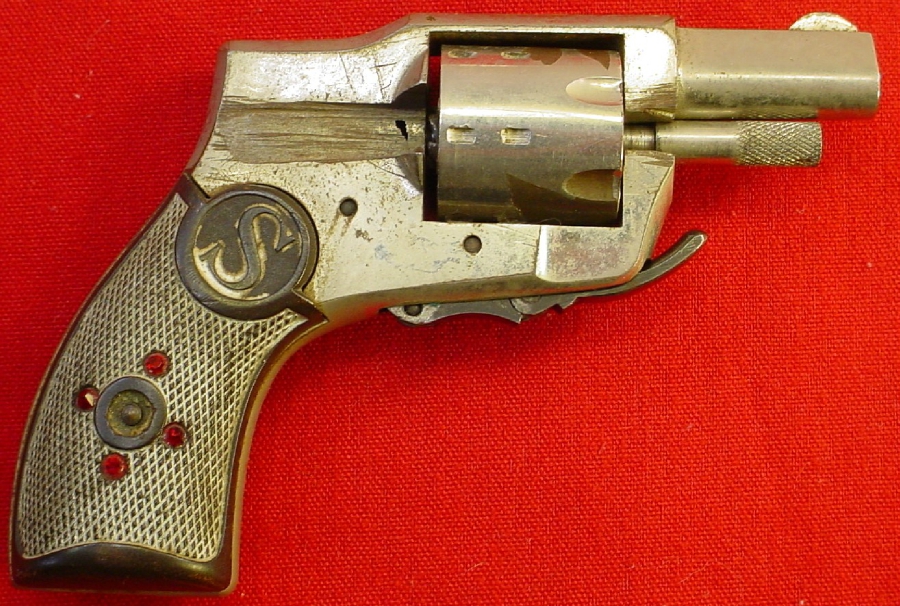
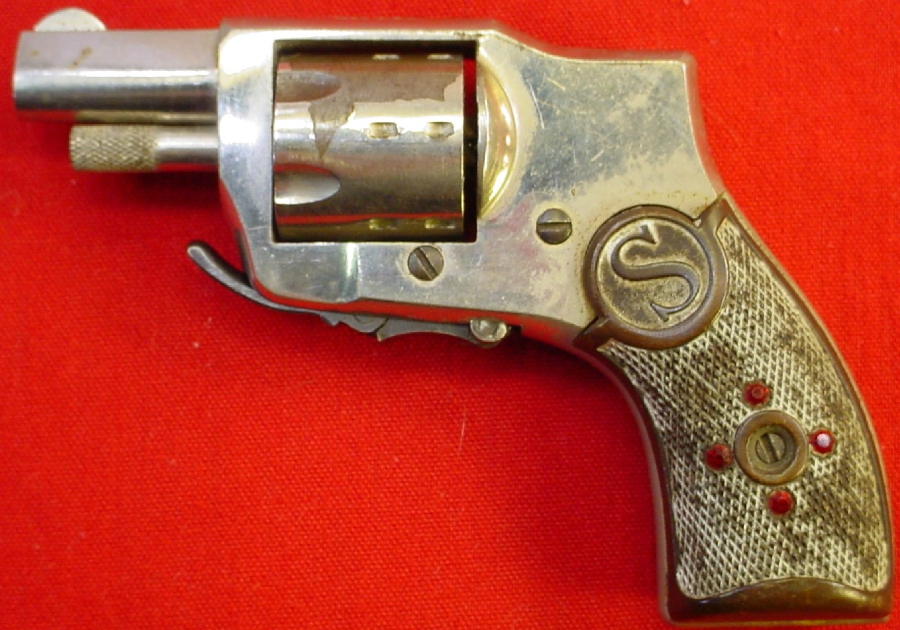
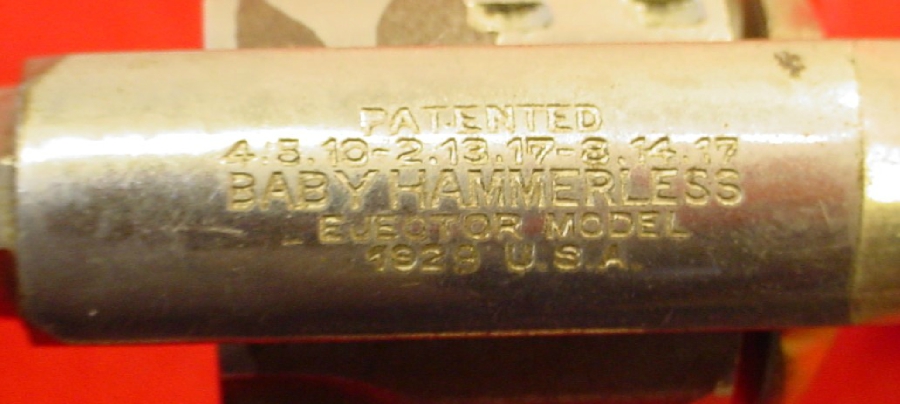
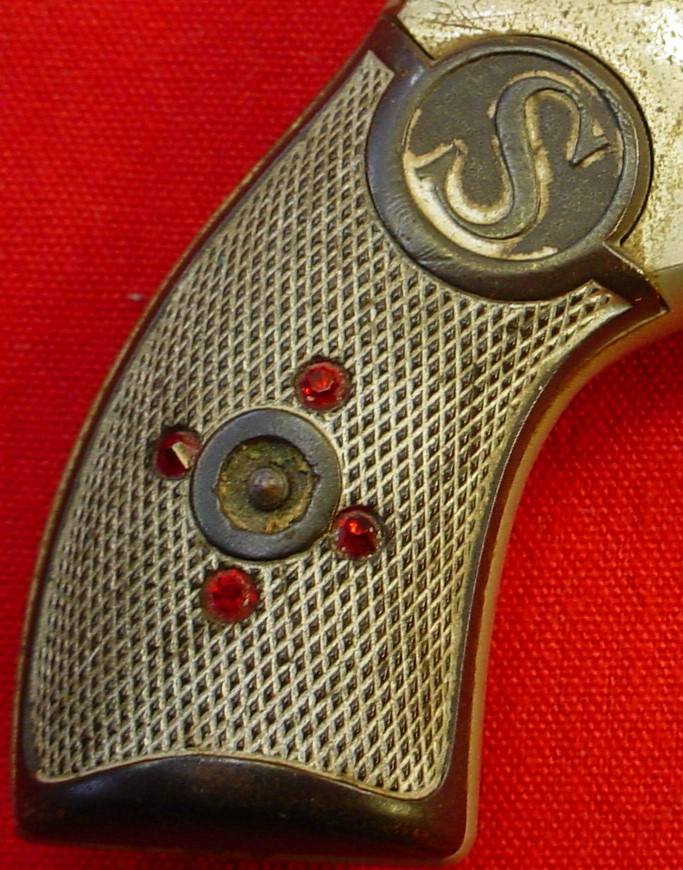
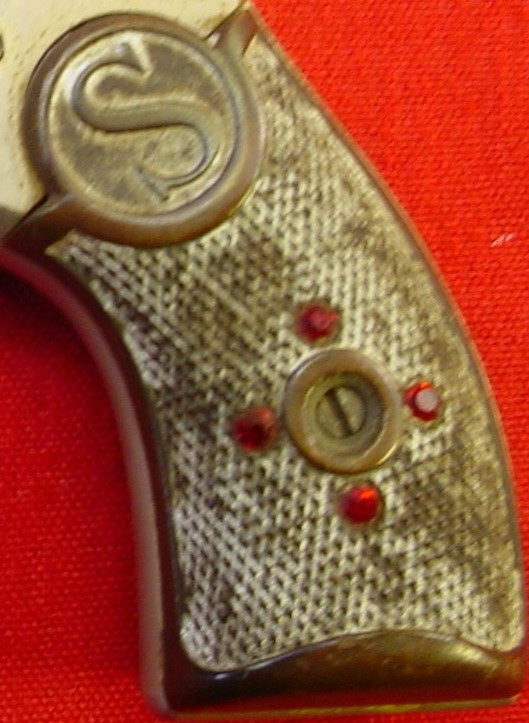
| The Baby Hammerless Revolver by Ed Buffaloe |
 |
|
|
||||||||||||||||||||||||
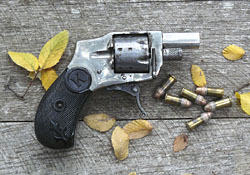
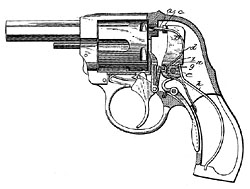
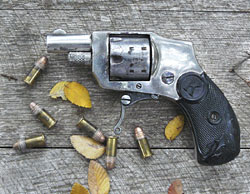
|
||||||||||||||||||||||||||||||||||||||||||||||||||||||||||||||||||||||||||||||||||||||||||||||||||||||
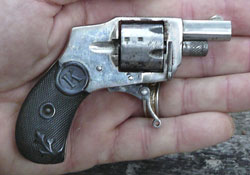
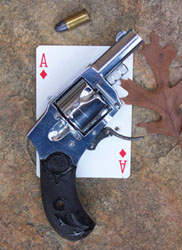
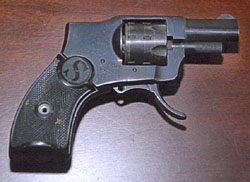
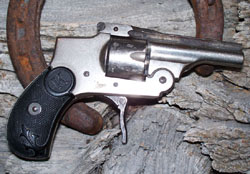
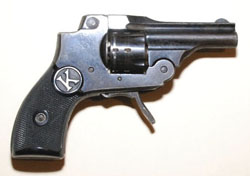
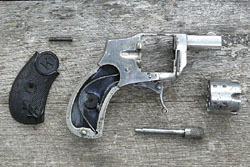
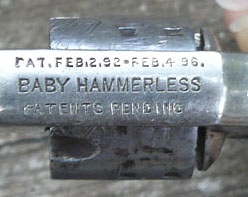
| The early history of the Baby Hammerless revolver is a bit murky, but the variants of the gun are well documented. My original intent was simply to document the Kolb specimen I collected, but there is so little information about the Baby Hammerless on the internet that I thought I should at least record the various manufacturers and types, and provide what history I can find. Foehl & Weeks Charles G.W. Foehl engaged in the business of making firearms in Philadelphia for a number of years. He was born in the state of Würtemberg, Germany in September of 1840, and immigrated to the United States in 1859. Foehl was apprenticed to Philadelphia gunsmith John Wurfflein, and is said to have worked for Henry Deringer, Jr. before the U.S. Civil War. After the war Foehl worked for the Deringer Rifle and Pistol Works, which was owned by a great-grandson of Henry Deringer, Jr. The firm made cartridge firearms, and its First Model Deringer Revolver utilized some features from Foehl’s first firearms patent, U.S. patent #139,461. The firm also manufactured single shot rifles based on Foehl’s next two patents, which were variants of the Martini action rifle. Foehl died on 4 October 1913, at the age of 73. In 1889 Foehl formed a company with a Philadelphia machinist, Charles A Weeks, to make guns based on Foehl’s patents. They called their company the Foehl & Weeks Firearms Manufacturing Company. In the next few years, they took out several patents together for various features of the revolvers they produced, including U.S. patents #447,219, #468,243, and #471,112. Their revolvers were mostly top-break, in .32 and .38 caliber, some with a grip safety on the front of the grip, some with a safety behind the trigger guard. They were usually marked “THE FOEHL & WEEKS F. A. MFG. CO.” Some were marked “PERFECT” on the topstrap. Foehl & Weeks may have never actually manufactured the Baby Hammerless under their own name, since the company went bankrupt in the financial panic of 1893, and while they continued to be listed in city directories until 1896, there are no Baby Hammerless other than prototypes that can be definitively traced to this period. The two patent dates on the Baby Hammerless are February 2, 1892 and February 4, 1896. The 1892 patent applied to the Baby Hammerless Revolver was Foehl & Weeks’ patent #468,243, and the 1896 patent was Foehl’s patent #554,058. Frank Sellers, in his book Baby Hammerless Pistols, estimates that the entire production of all types of Foehl & Weeks revolvers was no more than a few thousand. The Columbian Firearms Manufacturing Company Columbian was probably formed in 1893, soon after the financial difficulties of Foehl & Weeks became apparent, and almost certainly named in honor of the World’s Columbian Exhibition, held in Chicago in 1893. The president of Columbian Firearms was Henry Ruhland, a Philadelphia financier who just happened to be the bankruptcy referee for Foehl & Weeks (the equivalent of a modern bankruptcy judge). Foehl managed the company, which occupied the same factory that had been previously used by Foehl & Weeks. Essentially, Ruhland and Foehl created a new legal entity which could continue producing firearms using Foehl’s patents, without being liable for Foehl & Weeks’ debts. Later, a half interest in two of Foehl’s patents (#530,759 of 1894 and #554,058 of 1896, the latter of which was on the Baby Hammerless) was assigned to Henry Ruhland. The firm manufactured top-break revolvers nearly identical to those manufactured by Foehl & Weeks. Some were marked “COLUMBIAN F. A. MFG. CO. PHILA. PA. U.S.A./ PAT. DEC. 11.1894 PAT.PDG.” Others were marked “COLUMBIAN AUTOMATIC PAT.PDG./ NEW YORK ARMS CO.” The Baby Hammerless was probably first manufactured by Columbian, though some knowledgeable collectors maintain that all Baby Hammerless models were manufactured after Henry Kolb took over. However, there remains the fact that the early Baby Hammerless had hard rubber grips with vines or scrollwork in the upper circle, whereas Kolb’s revolvers all had a K in the circle. I can’t help but think that if Kolb had made them all, they would all display Kolb’s K. Columbian apparently went out of business in 1897 or 1898, and their guns are rather scarce. Henry M. Kolb Henry M. Kolb was born 16 January 1861 in the Würtemburg state of southern Germany, and was first listed in the Philadelphia city directory in 1895 as a machinist. He claimed in his ads that he founded his firearms company in 1897, which was also the last year the Columbian Firearms Company was listed in the city directory. It is known that Kolb opened a model shop in 1899 and a machinery business in 1900. There is no evidence he ever occupied the address of the old Foehl & Weeks/Columbian com- panies, nor is there any record that he purchased their machinery, though it is possible that he may have done so. Here lies the root of the question as to who made the Baby Hammerless. Other than the hard rubber grips, there are no differences between the Columbian and Kolb Baby Hammerless revolvers–they were probably made with the same equipment. Charles Foehl was also associated with Henry Kolb–they took out several patents together after Kolb entered the firearms business, though none of them were related to the Baby Hammerless. Kolb himself took out two patents in 1910 that relate directly to the Baby Hammerless revolver. The first was #954,190, for a “firing-pin for hammers for firearms,” and the second was #954,191, for a means of mounting and locking the cylinder. Kolb’s business, which apparetly was simply called Henry M. Kolb, became Henry M. Kolb & Company in 1910, and this change may mark the occasion of Reginald F. Sedgley becoming manager of the firm, though this is an inference with no hard data to back it up. R. F. Sedgley, Incorporated Reginald Sedgley was born in England on 3 September 1876 and arrived in the U.S. on 9 May 1894. He is believed to have worked in Philadelphia as a machinist as early as 1896. There is no documentation to show exactly when he worked for Kolb, but it is probable that he began working for him before 1910, several years before Charles Foehl’s death. Sedgley bought out Kolb’s business in 1916, and Kolb returned to the machine shop business by 1917. Sedgley marked his catalogues “R.F. Sedgley, Inc., Established 1897.” Having bought the company, he adopted Kolb’s founding date. While it is possible that Sedgley worked for Kolb as early as 1897, Sellers does not consider it likely. Sedgley was granted two patents for improvements to the Baby Hammerless. The first, #1,216,001, was granted on 13 February 1917 for a new combination mainspring. The second, #1,236,608, was granted 14 August 1917 for a cylinder ejection system. He was also well known for custom gunsmith work, converting 1903 Springfields into sporting guns and sniper rifles, and for his flare gun. Sedgley died on 30 March 1938. Variants of the Baby Hammerless Revolver I despair of making a complete list of Baby Hammerless variations, because the sheer number of them is overwhelming and sometimes confusing. For the most complete coverage available please see Frank Sellers’ book, Baby Hammerless Revolvers. I will cover the high points here. Serial numbers for the Baby Hammerless revolvers are usually found stamped into the frame under the right grip plate.
The gun shown here had both grips broken. I was able to repair them with black epoxy putty, which you can easily see on the rear portion of the left side grip. The gun must have been reasonably well made, as it still functions despite its age. This one is marked with serial number 475. However, Sellers states that duplicate serial numbers are often encountered. It seems that numbers regularly ran from 1 to 999, and then started again at 1.
|
||||||||||||||||||||||||||||||||||||||||||||||||||||||||||||||||||||||||||||||||||||||||||||||||||||||
| References Baby Hammerless Revolvers, by Frank M. Sellers. Privately Printed: 2004. Pistols of the World, by Ian V. Hogg & John Walter. Krause Publications, Iola, WI: 2004. “R.F. Sedgley, Inc.,” by Pete Dickey. American Rifleman, June 1984. Special thanks to Homer R. Ficken for researching information about Charles Foehl. |
||||||||||||
|
|
|
|
|
|
|
|
|
|
|
|
|
| Copyright 2008-2011 by Ed Buffaloe. All rights reserved. Click on the pictures to open a larger version in a new window. |
||||||||||||
From the hard wear shown by it. I bet this old timer has some stories to tell!