Categories
All About Guns

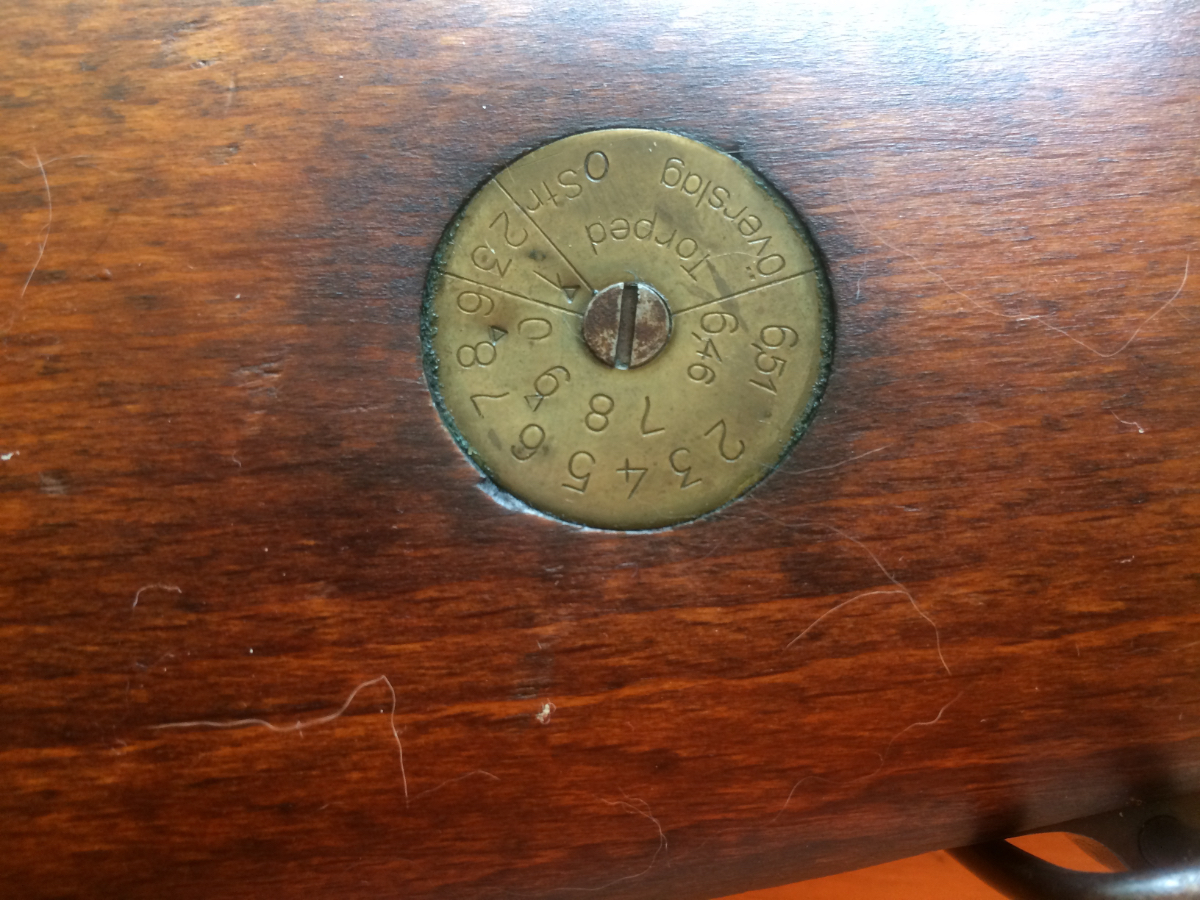
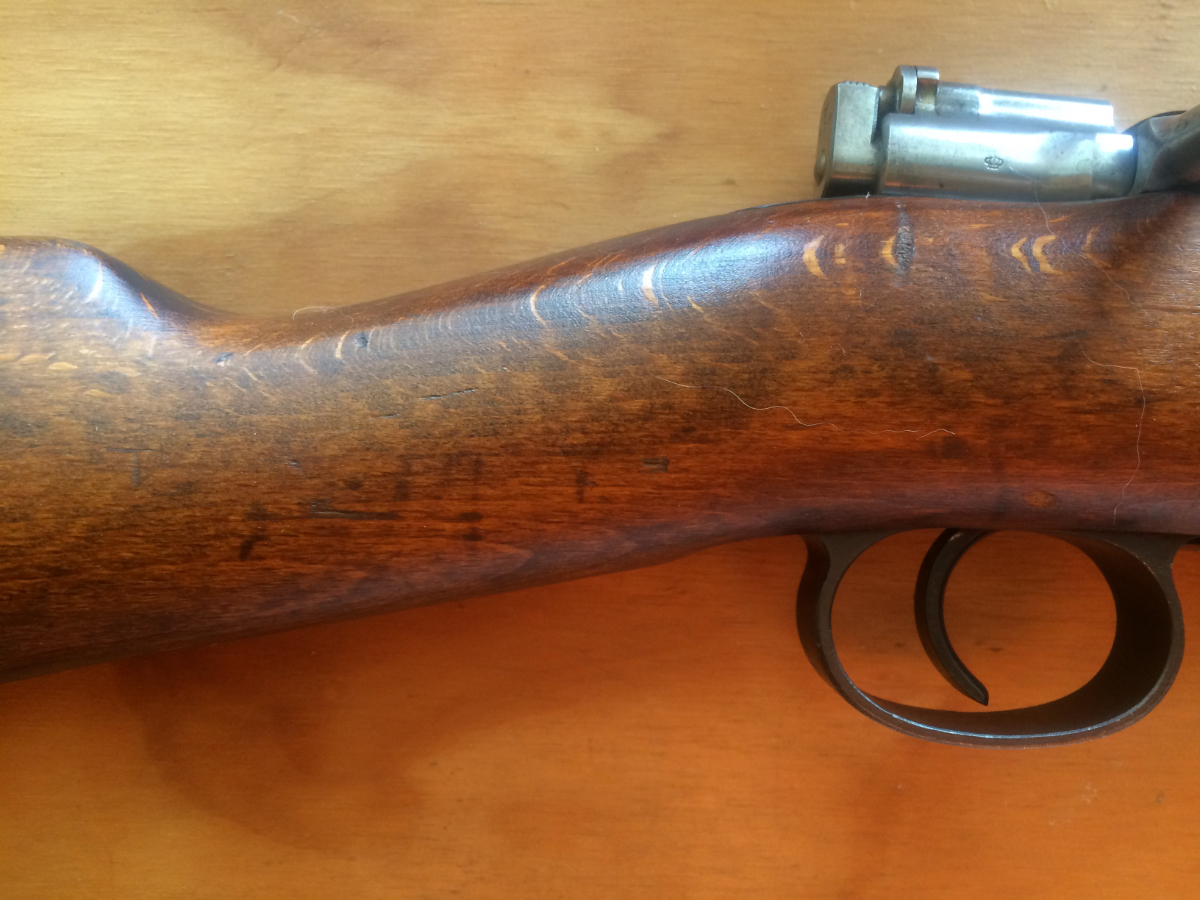
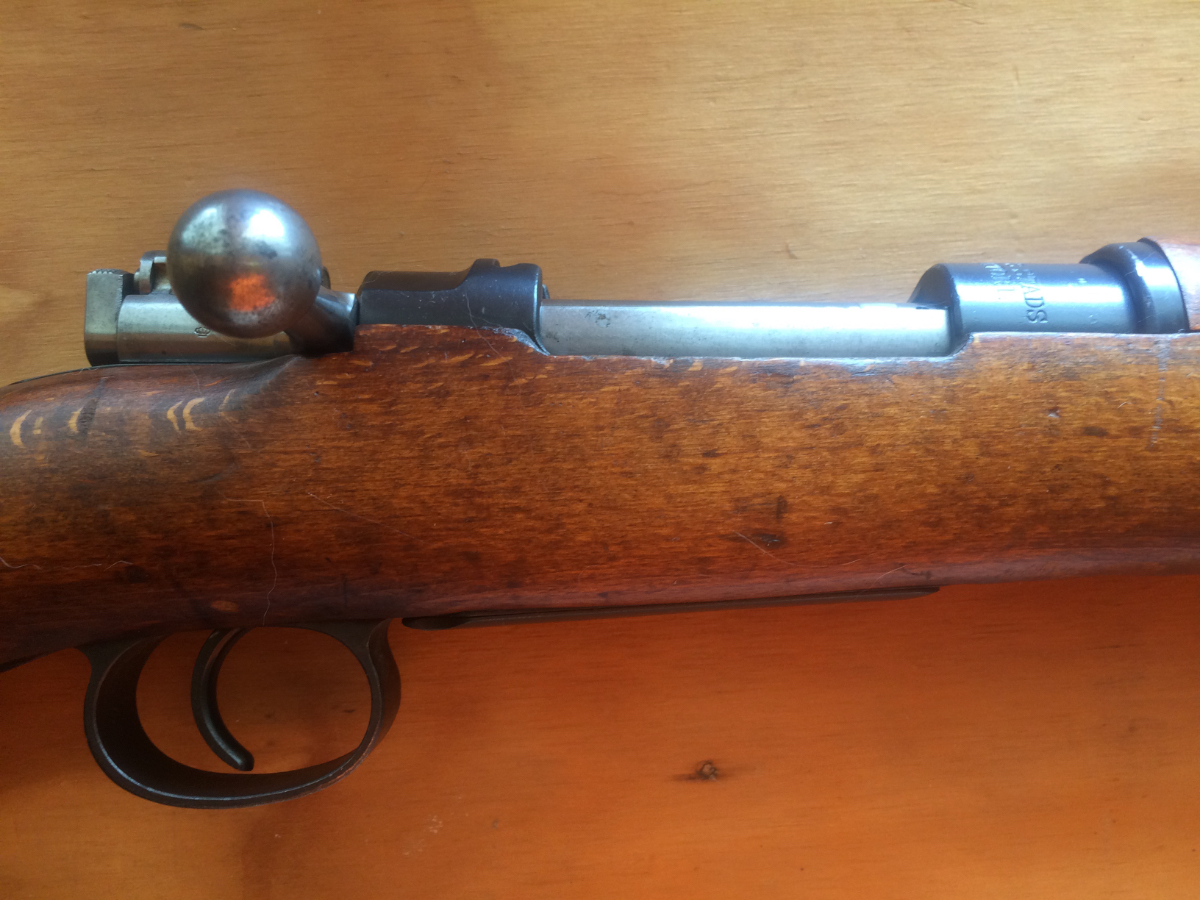
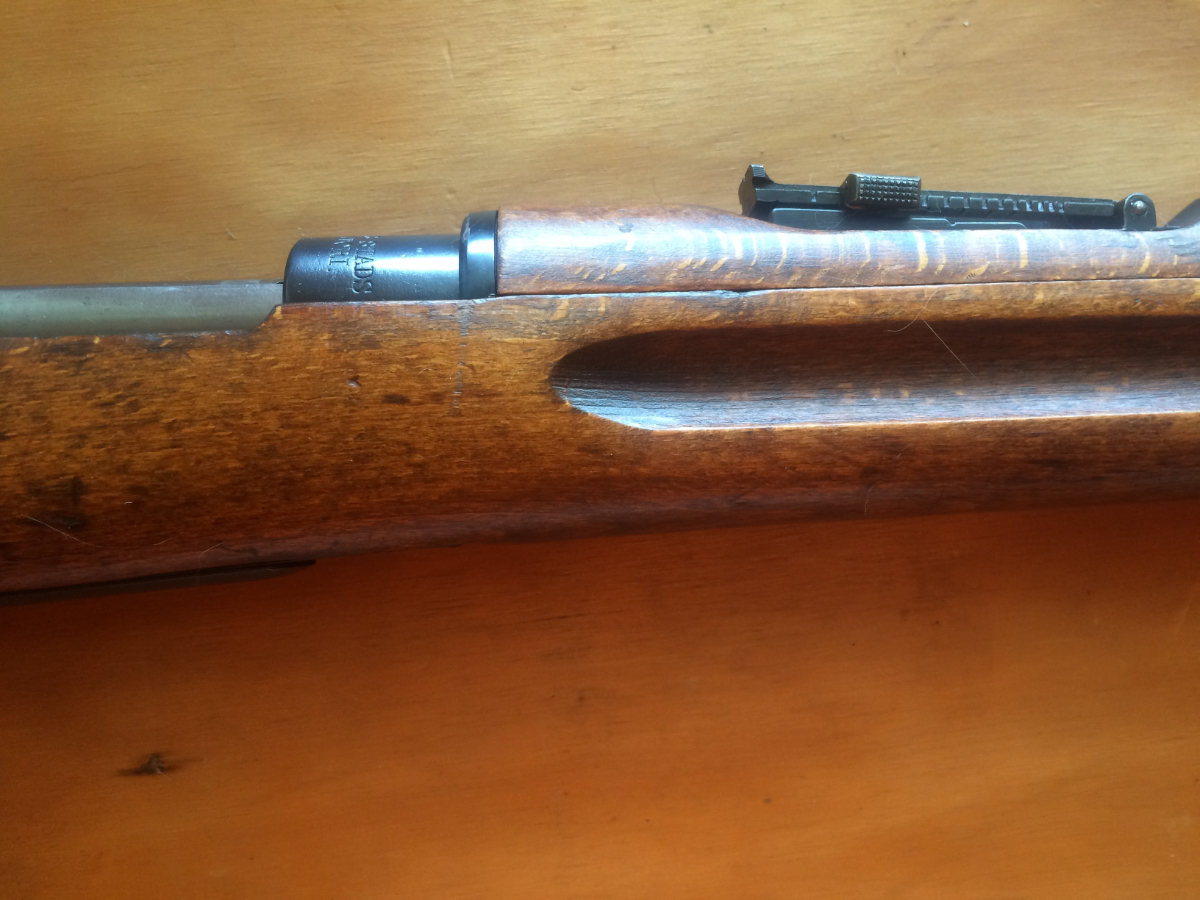
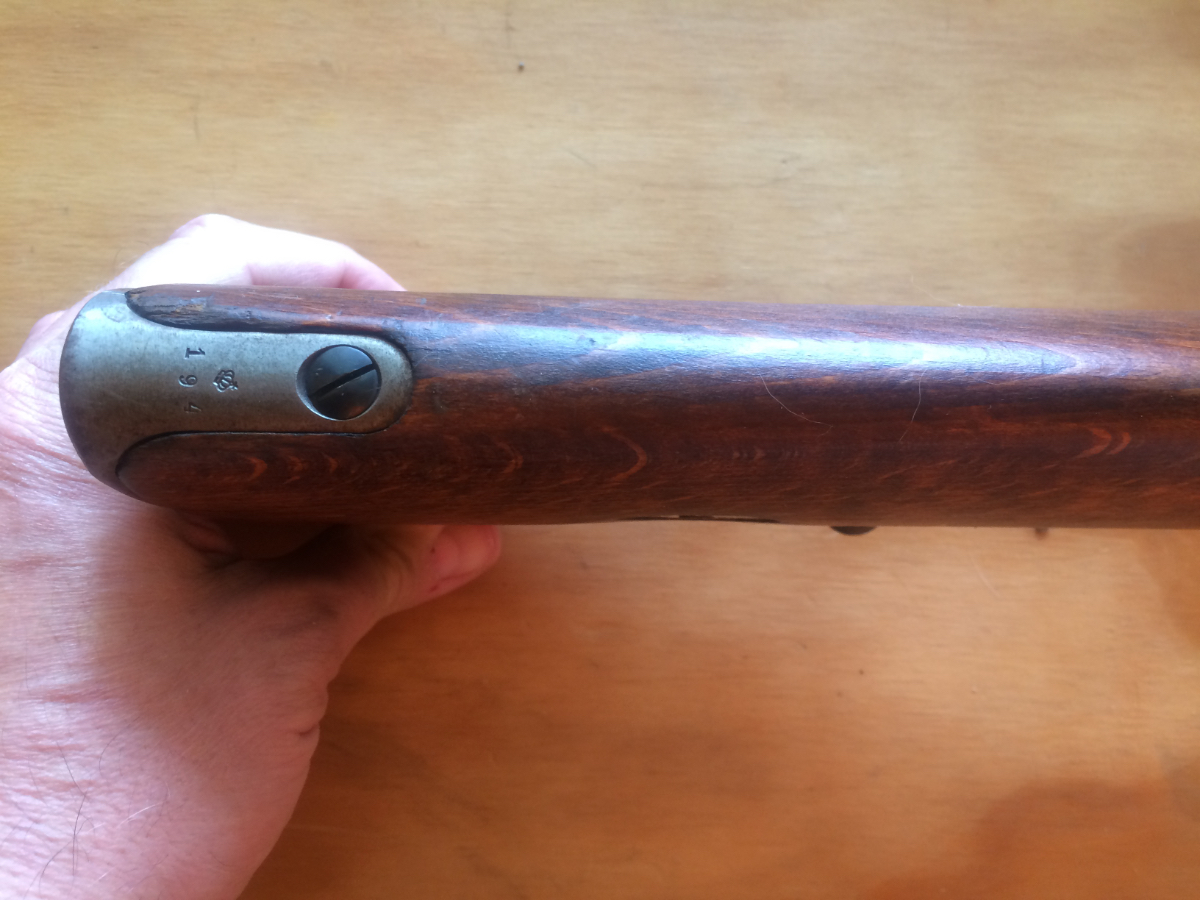
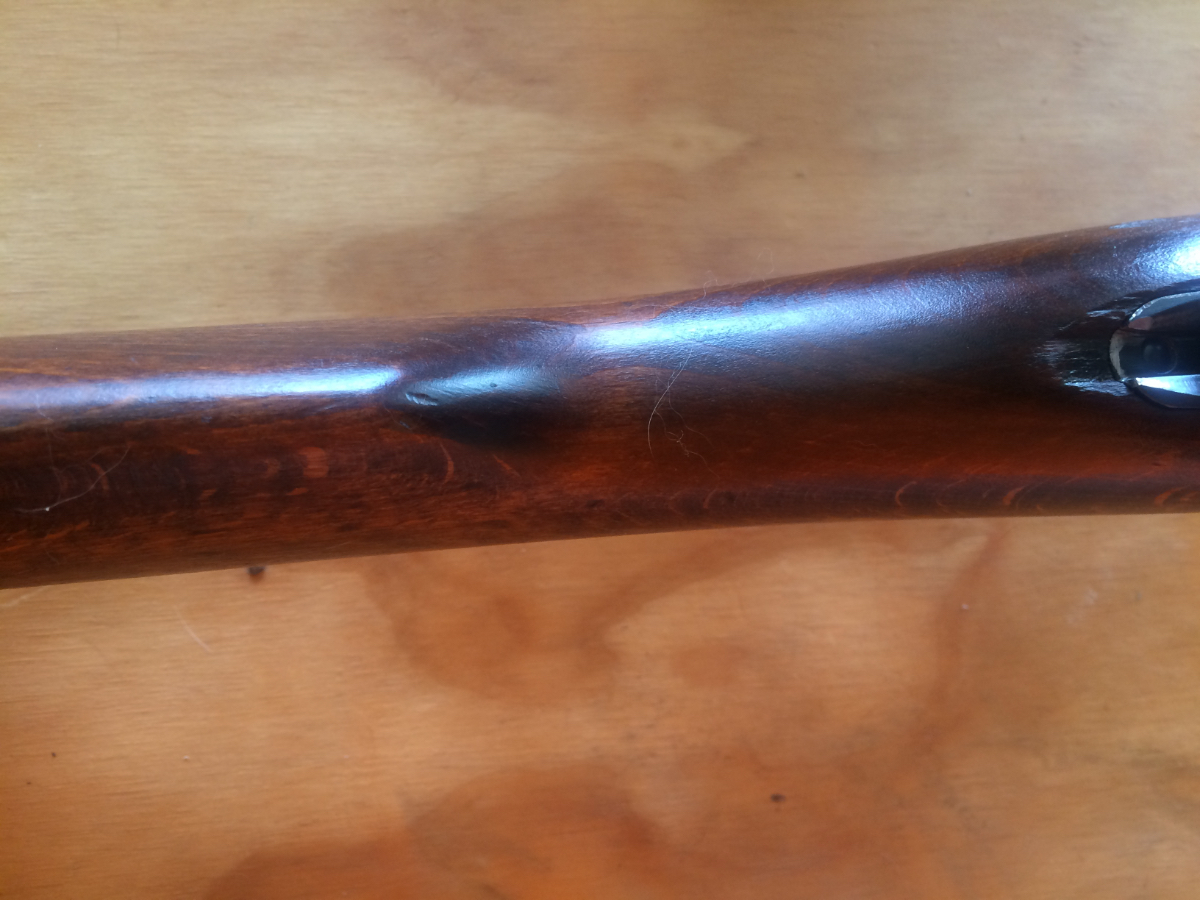
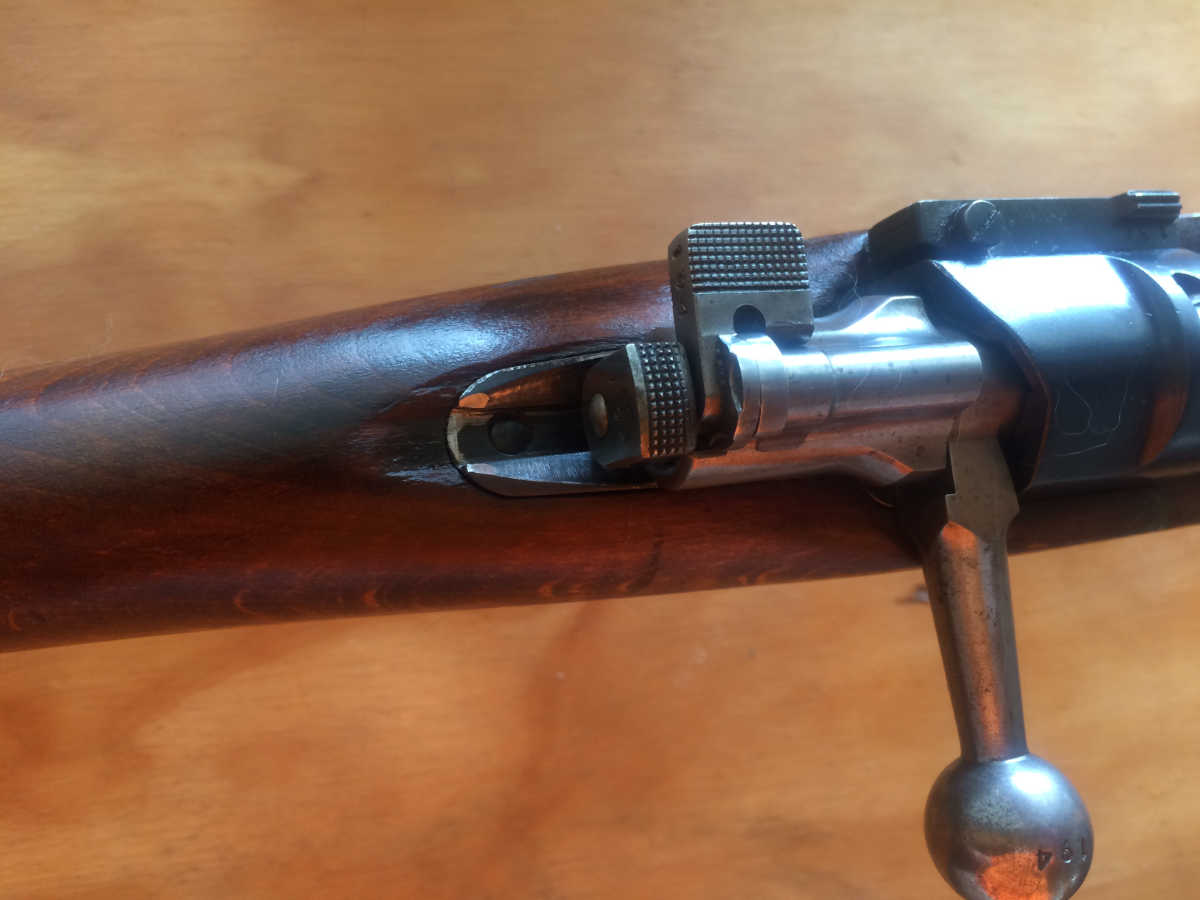
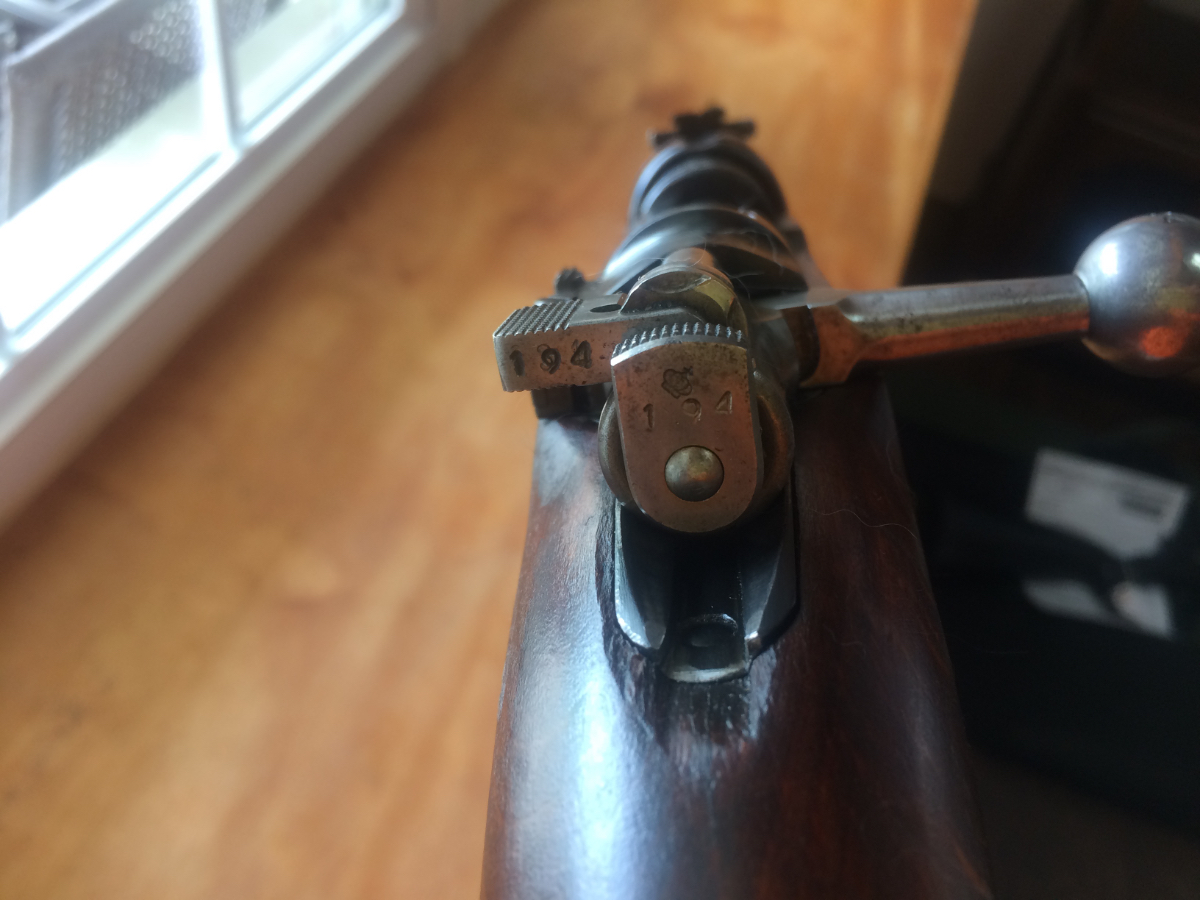
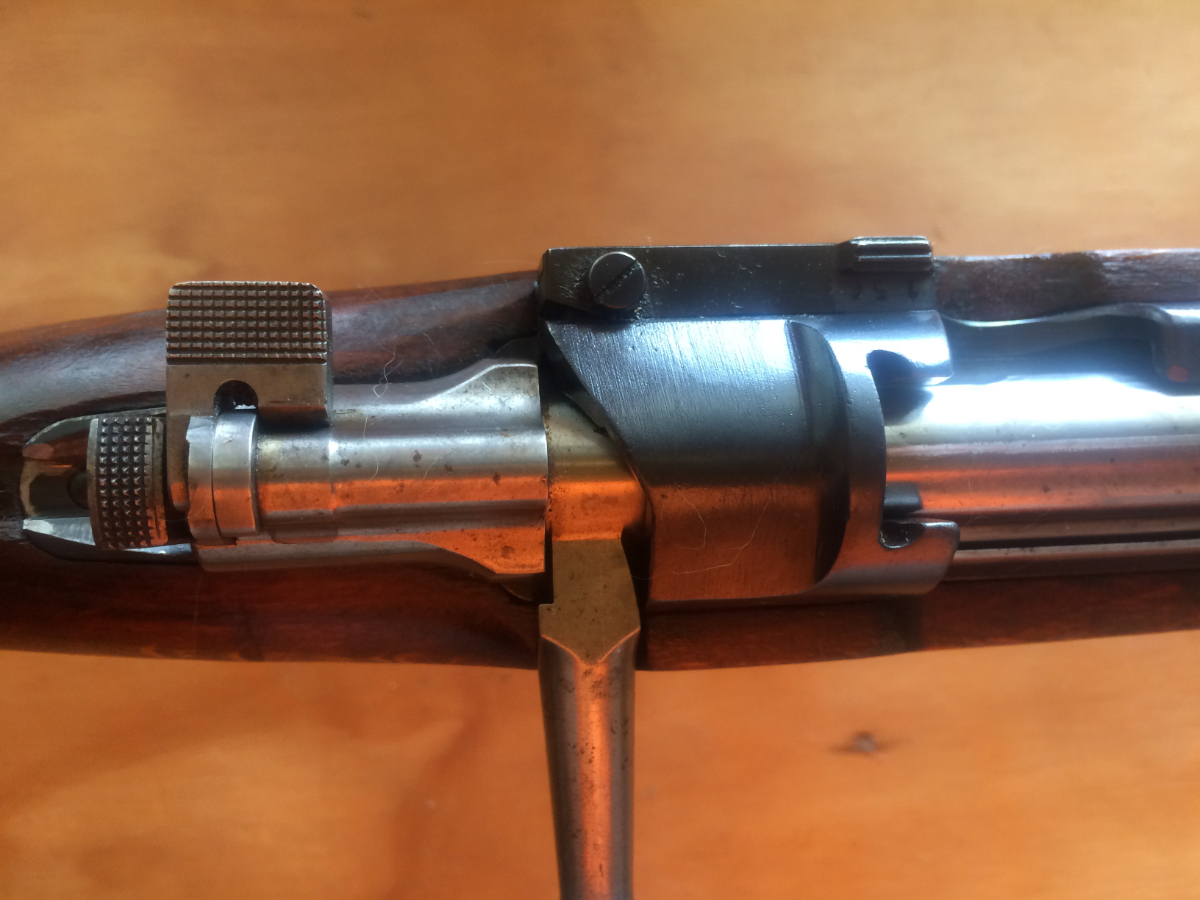
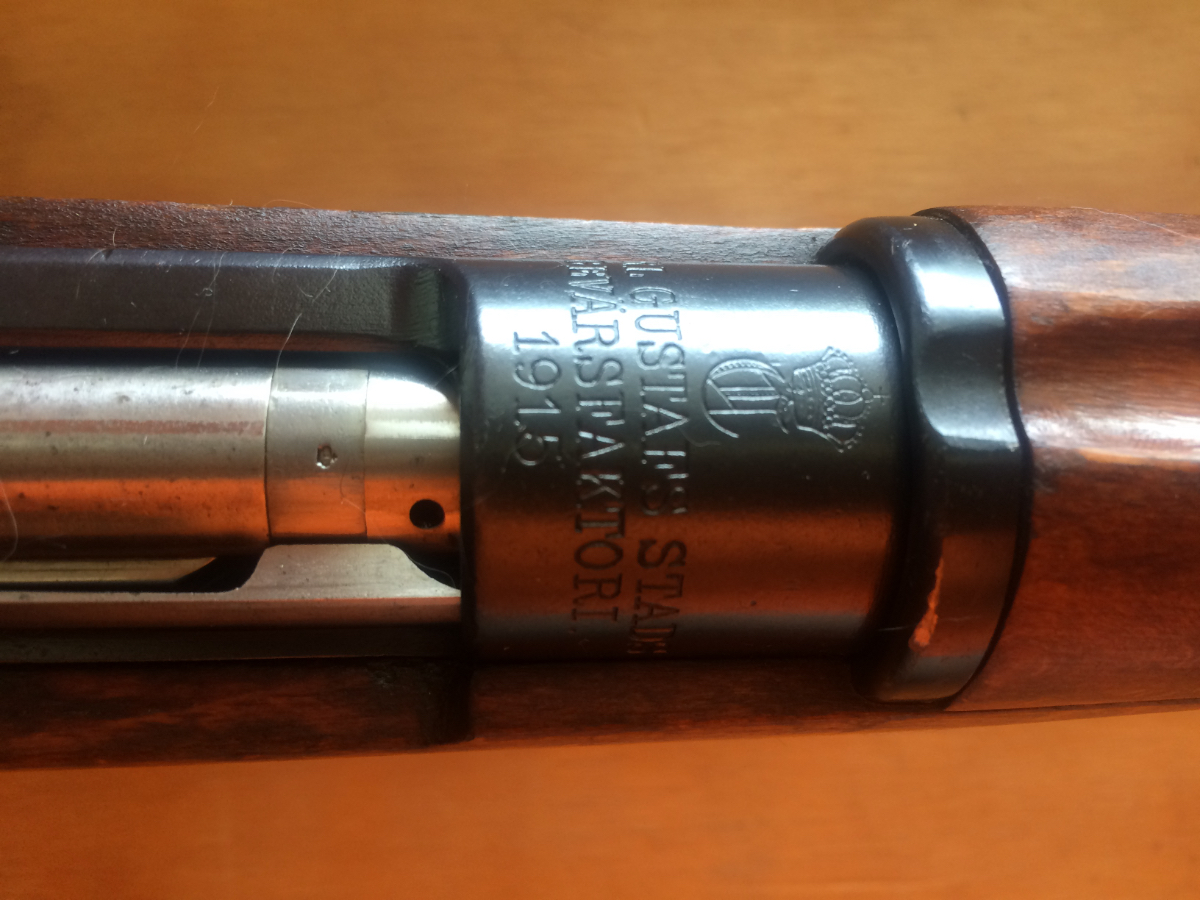
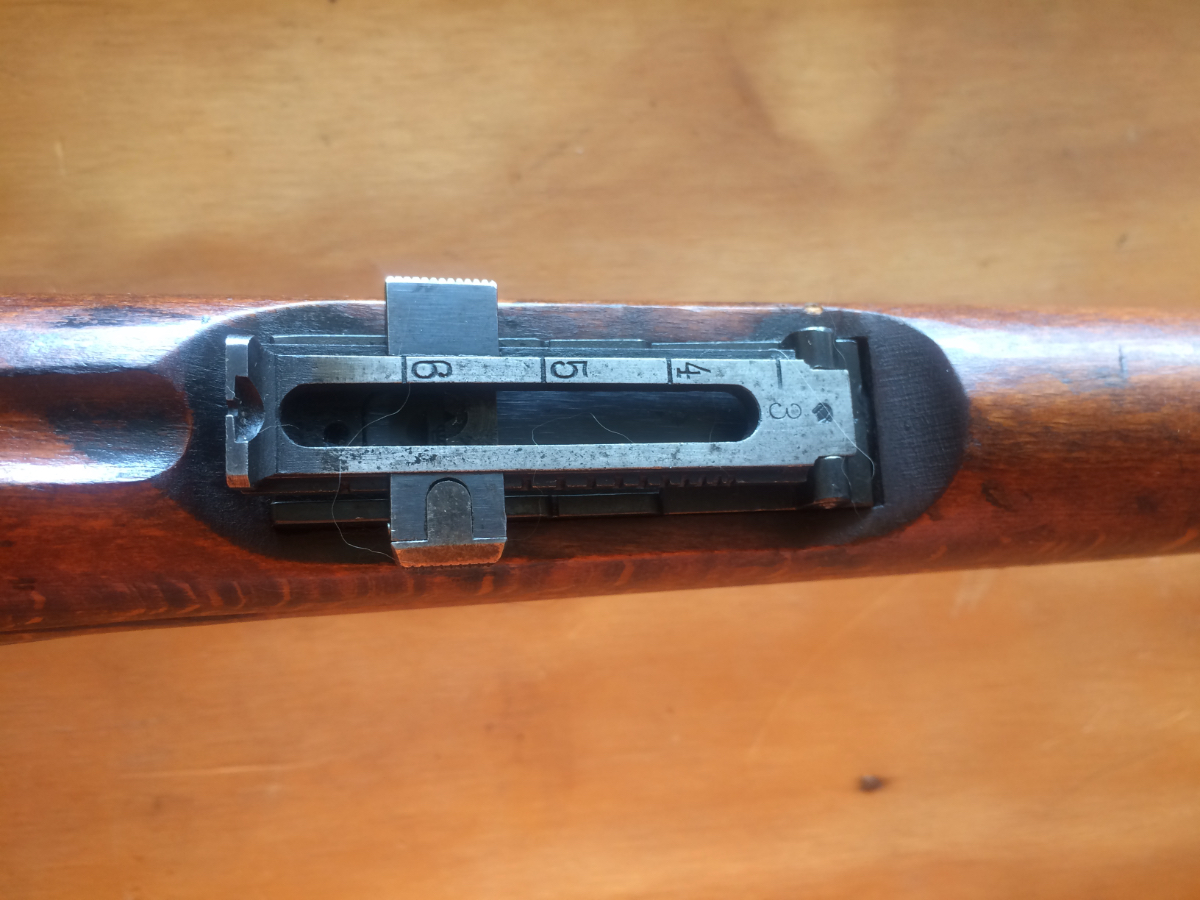
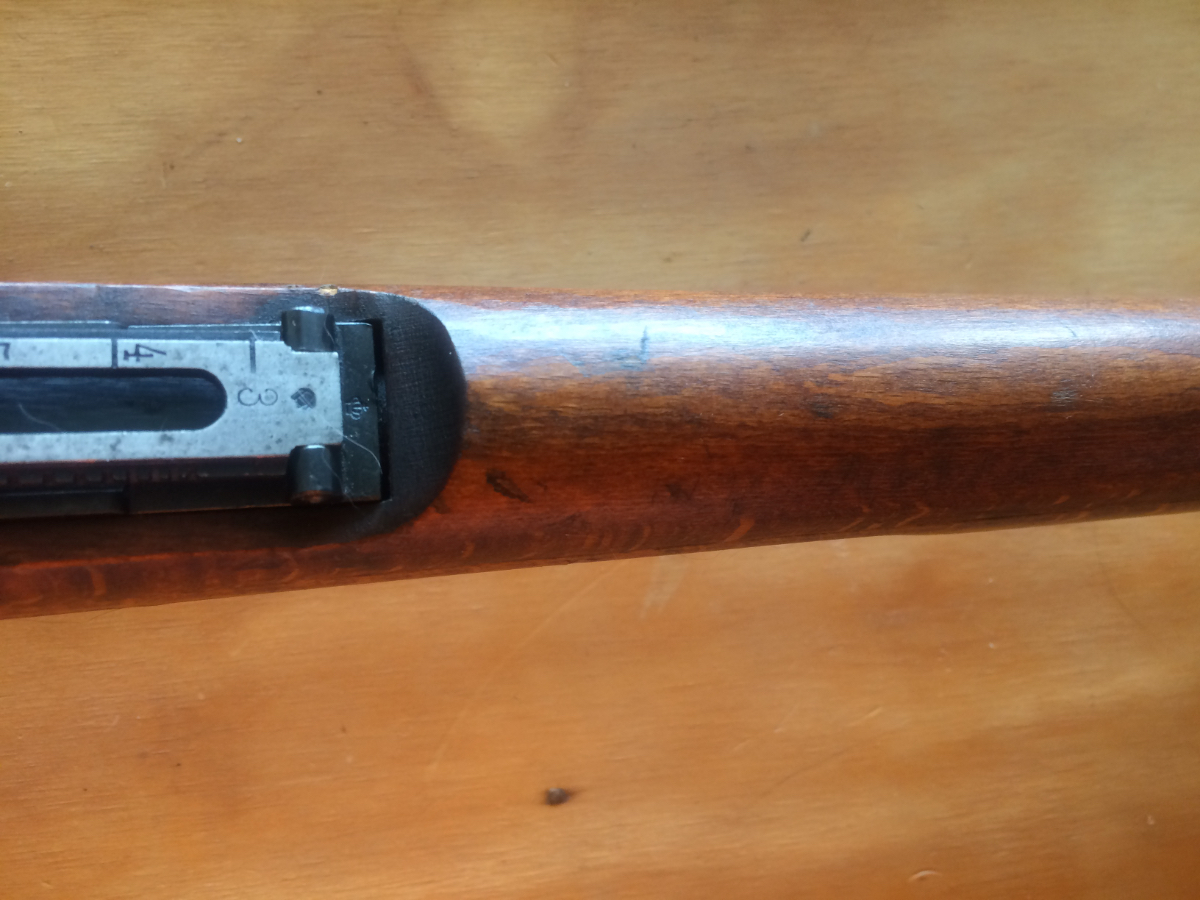
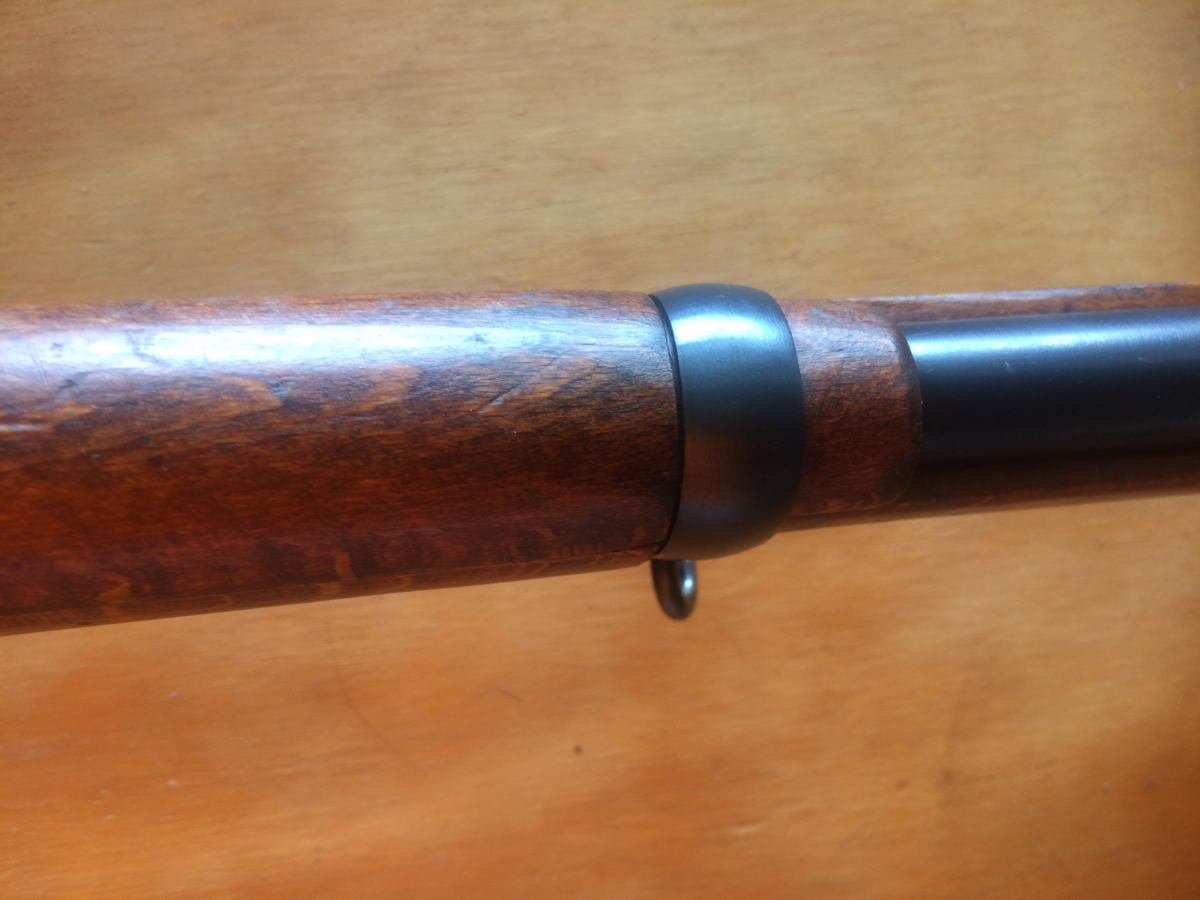
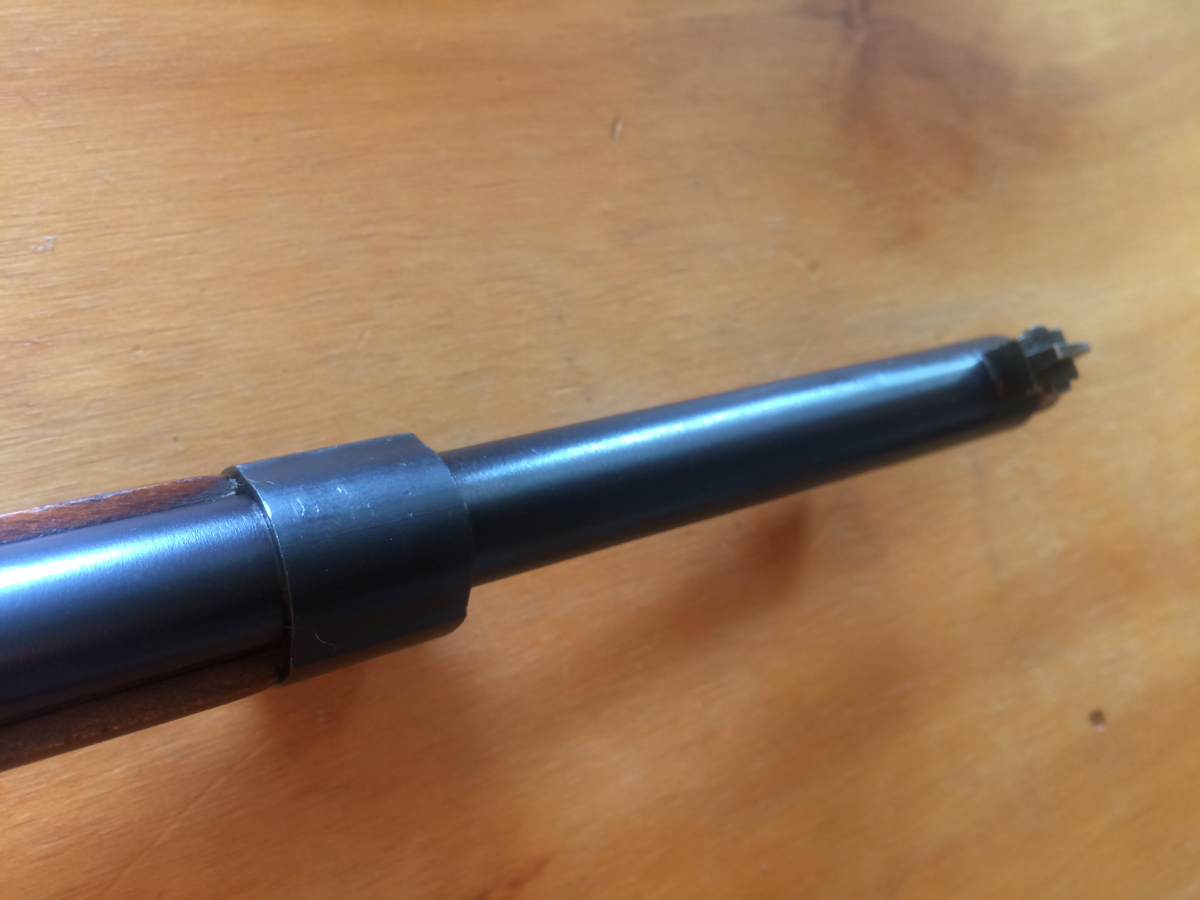
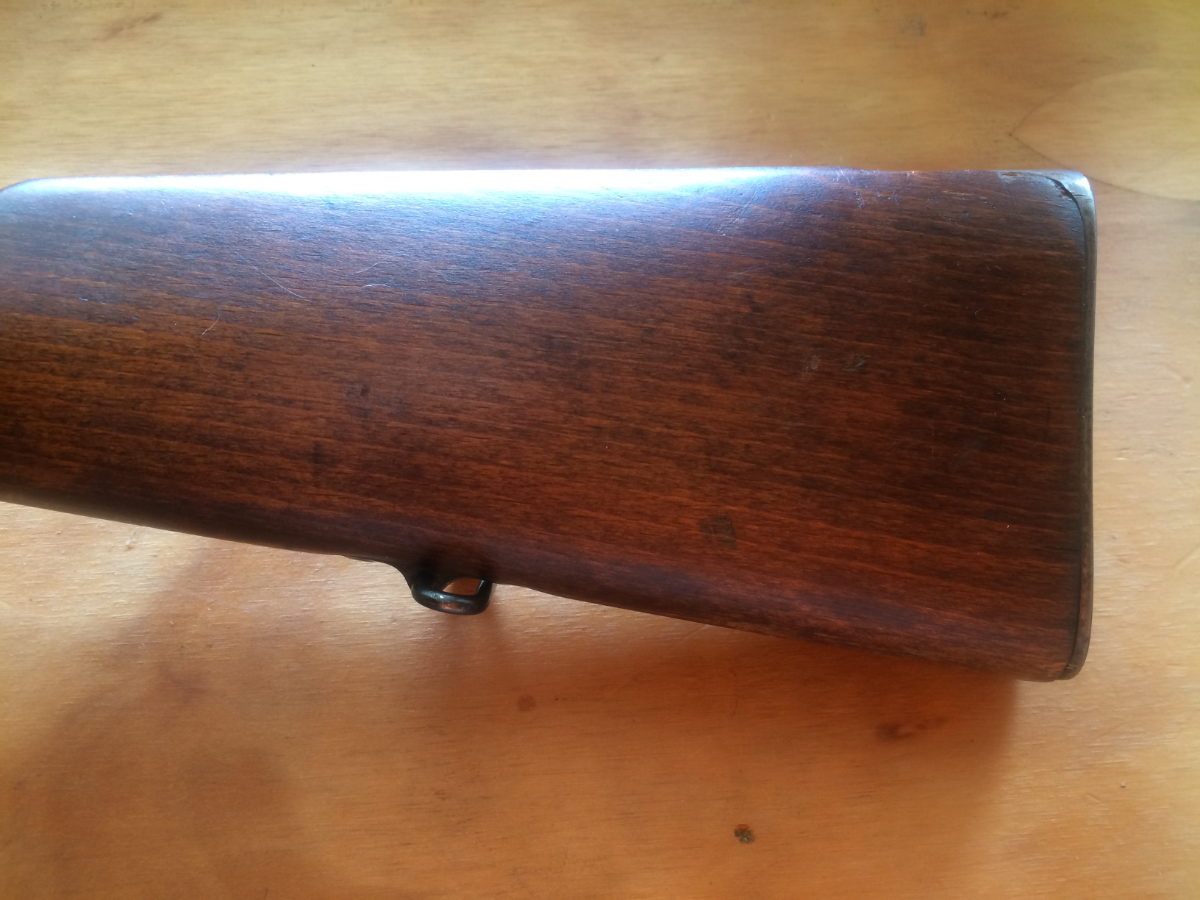
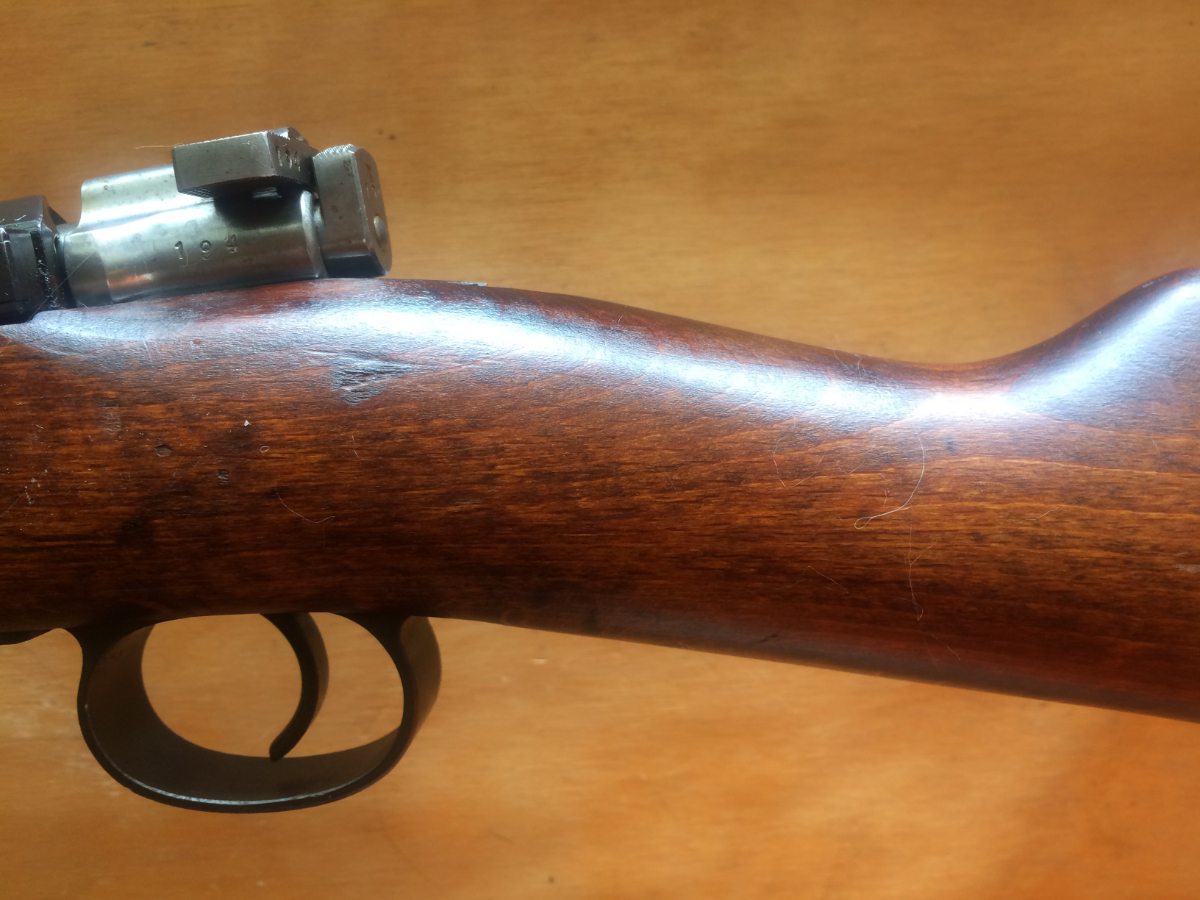
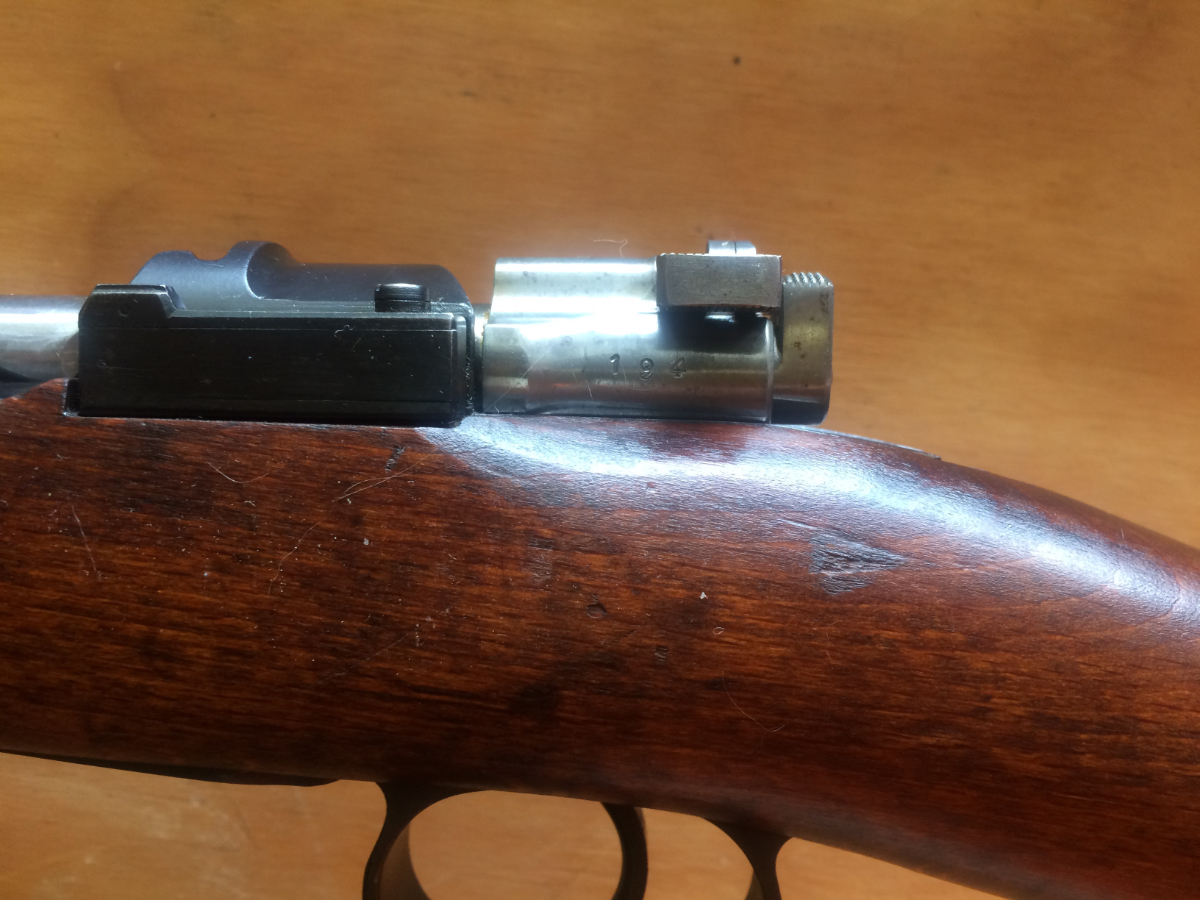
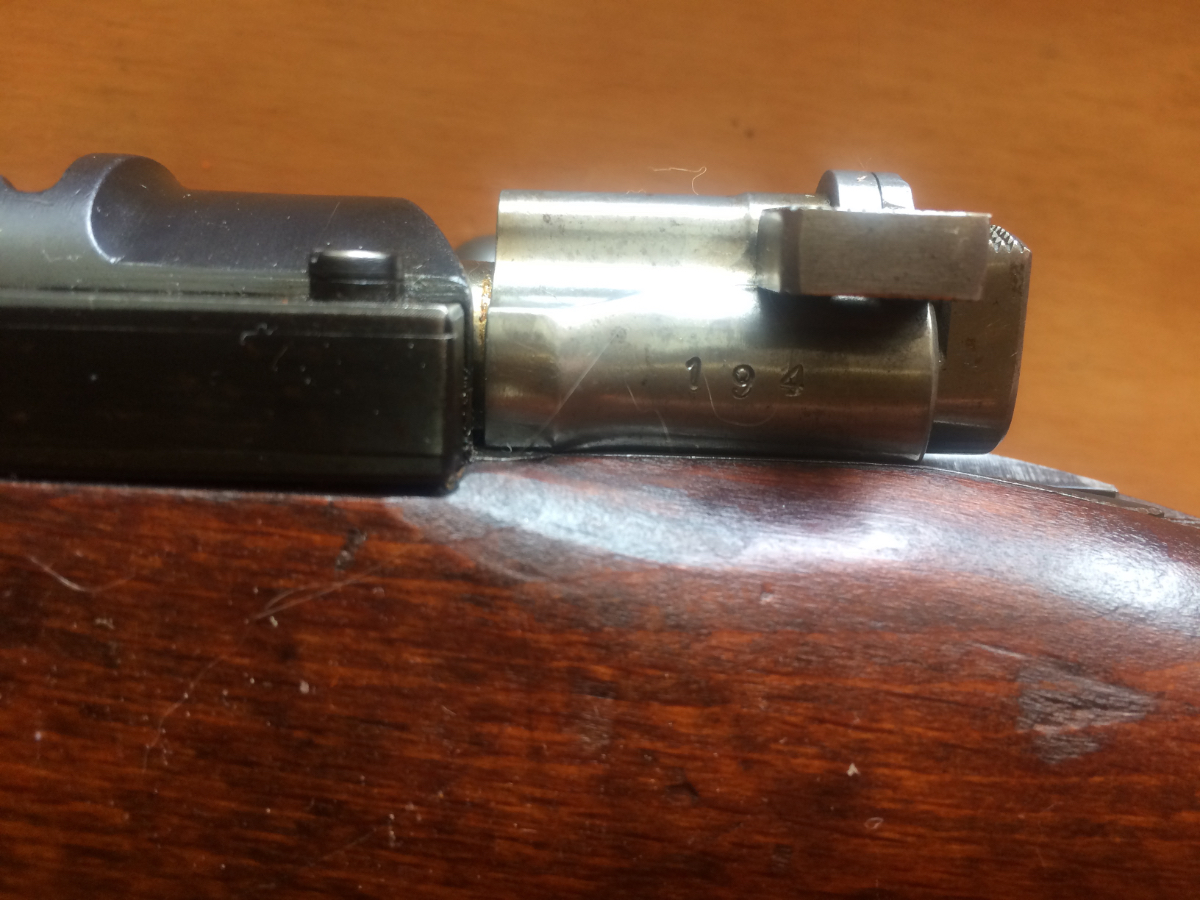
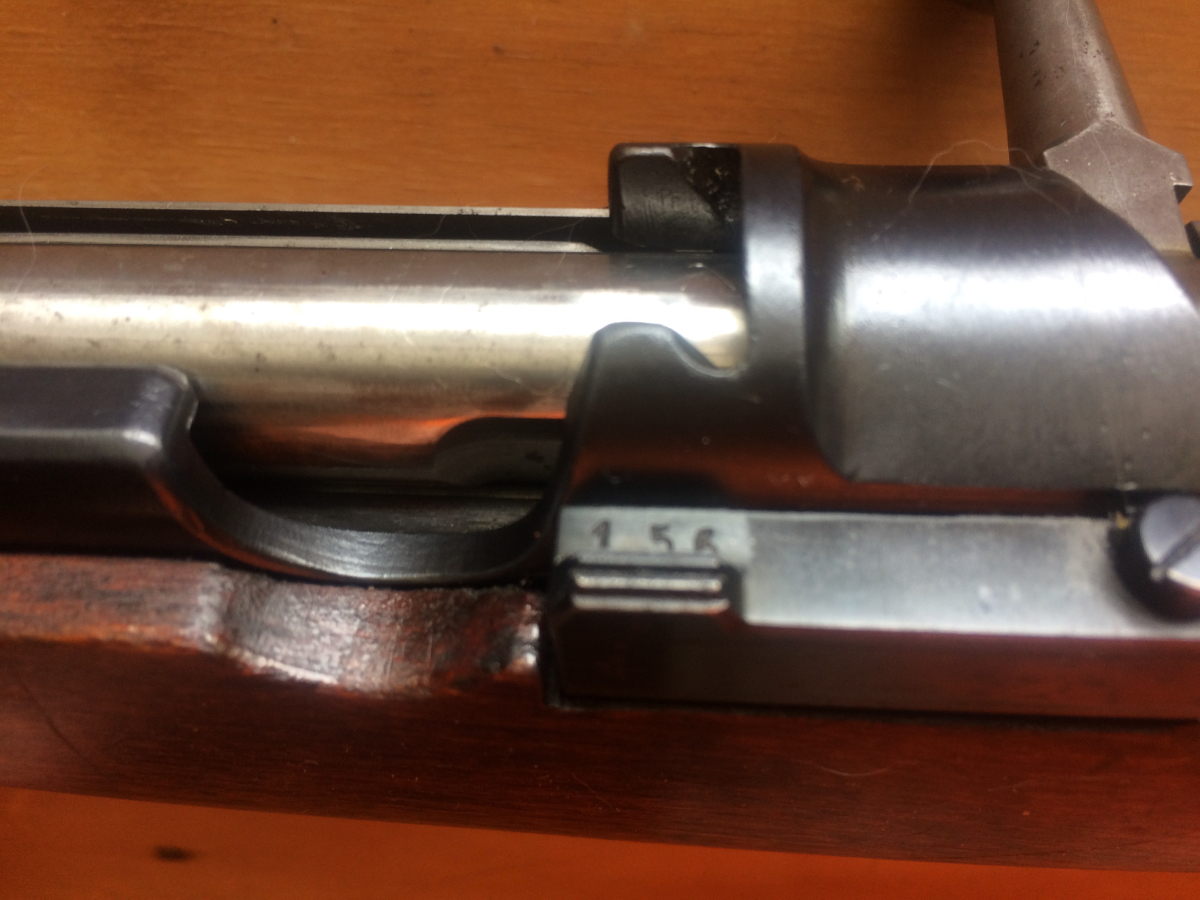
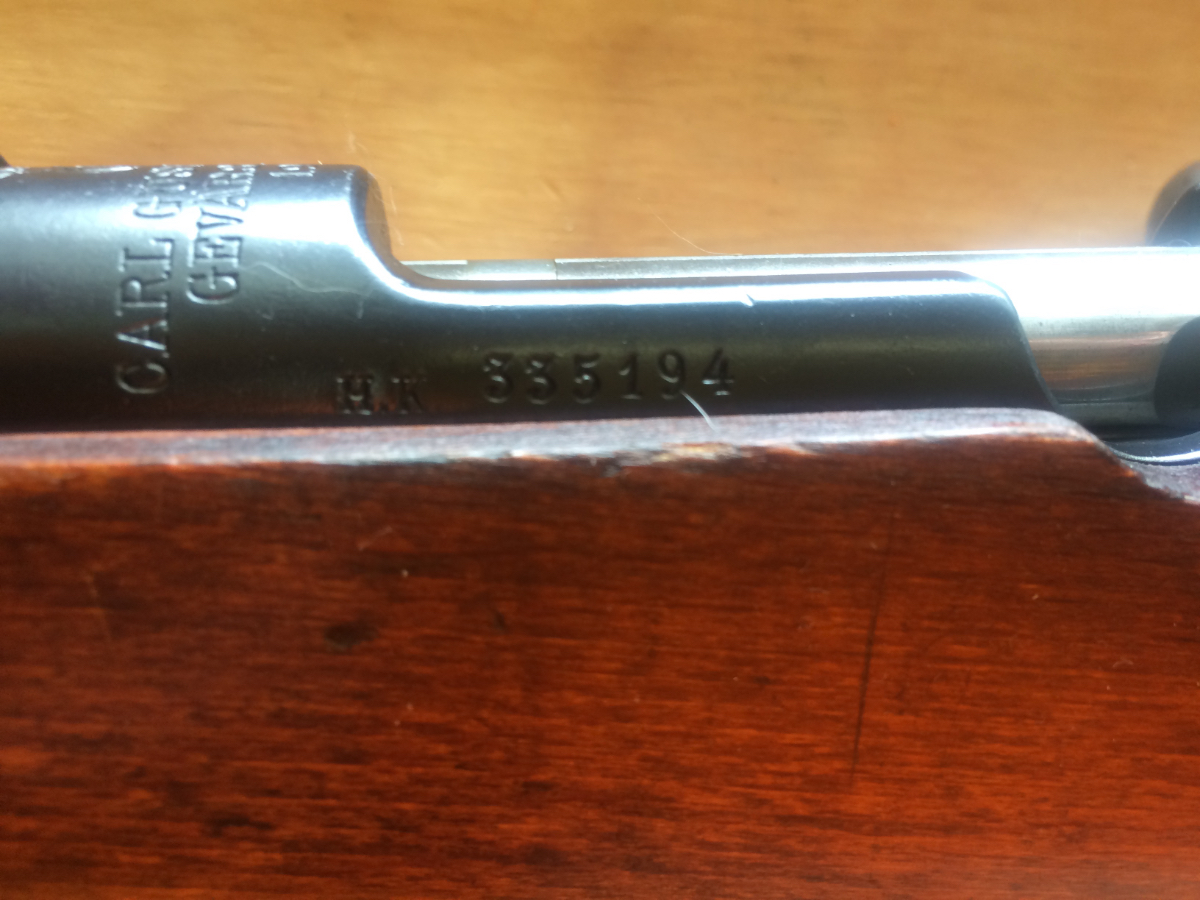
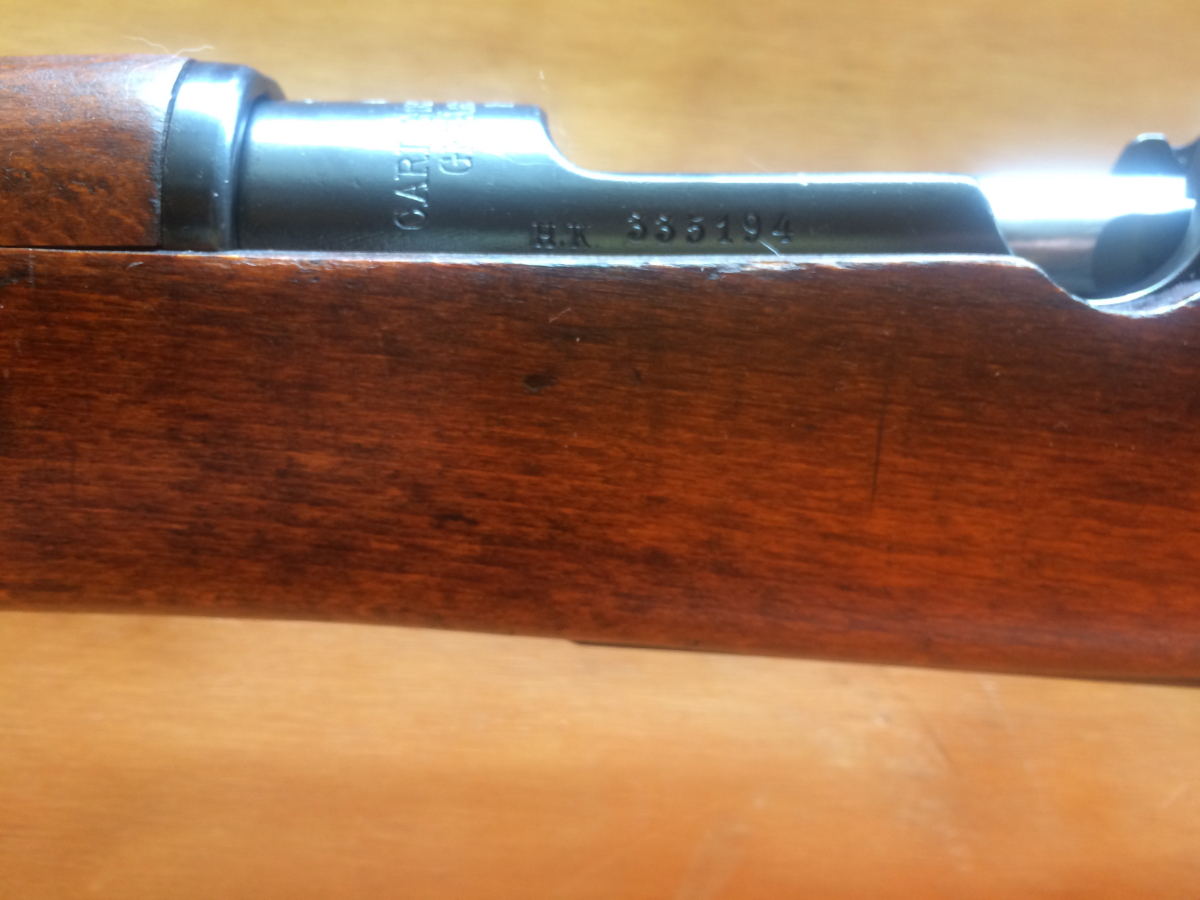
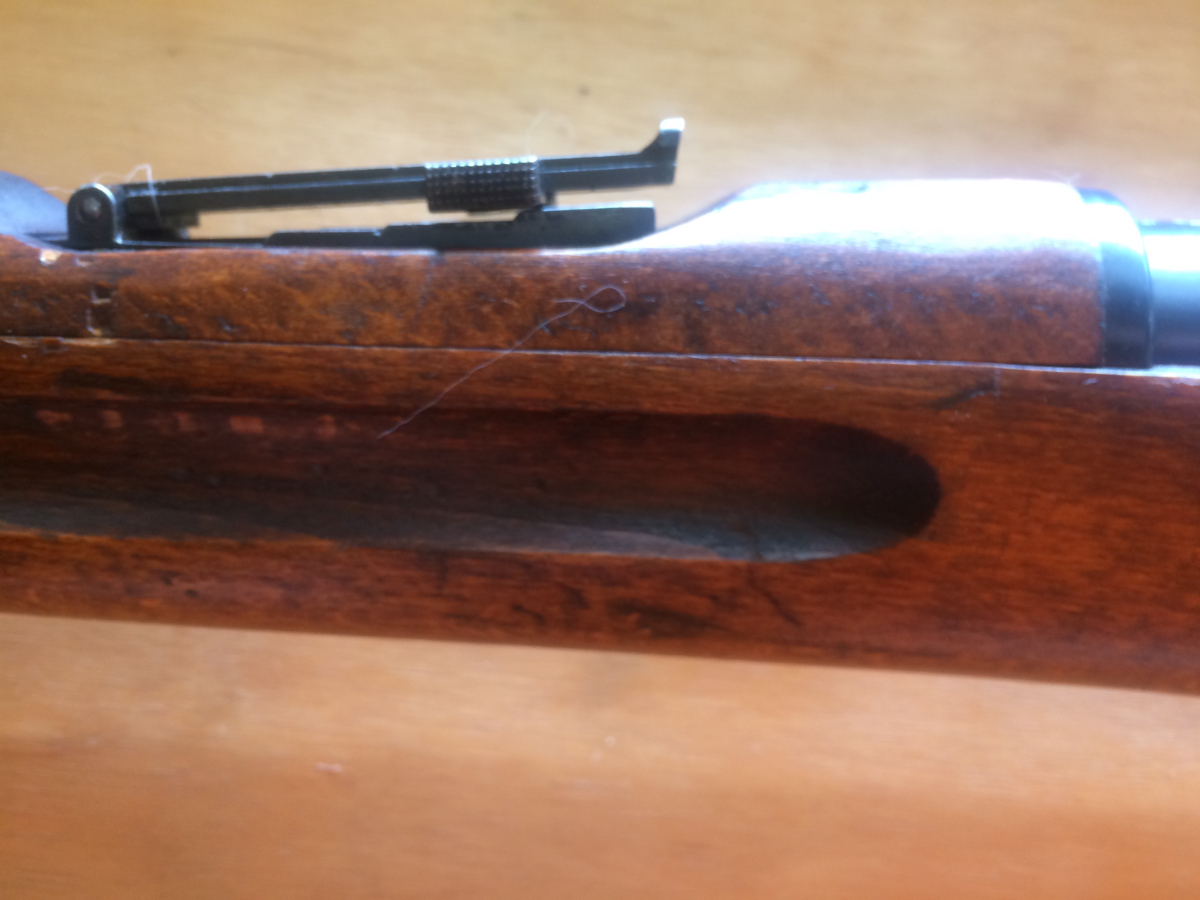
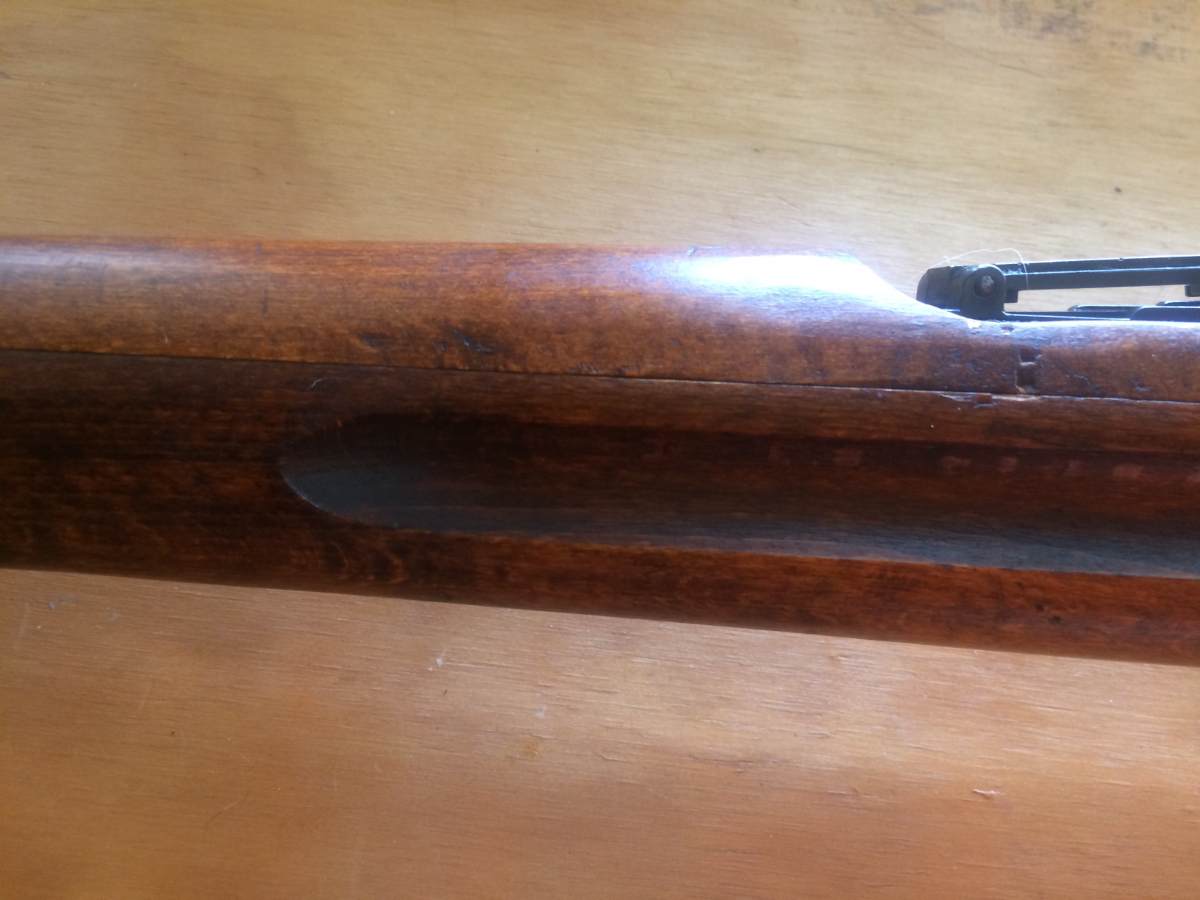
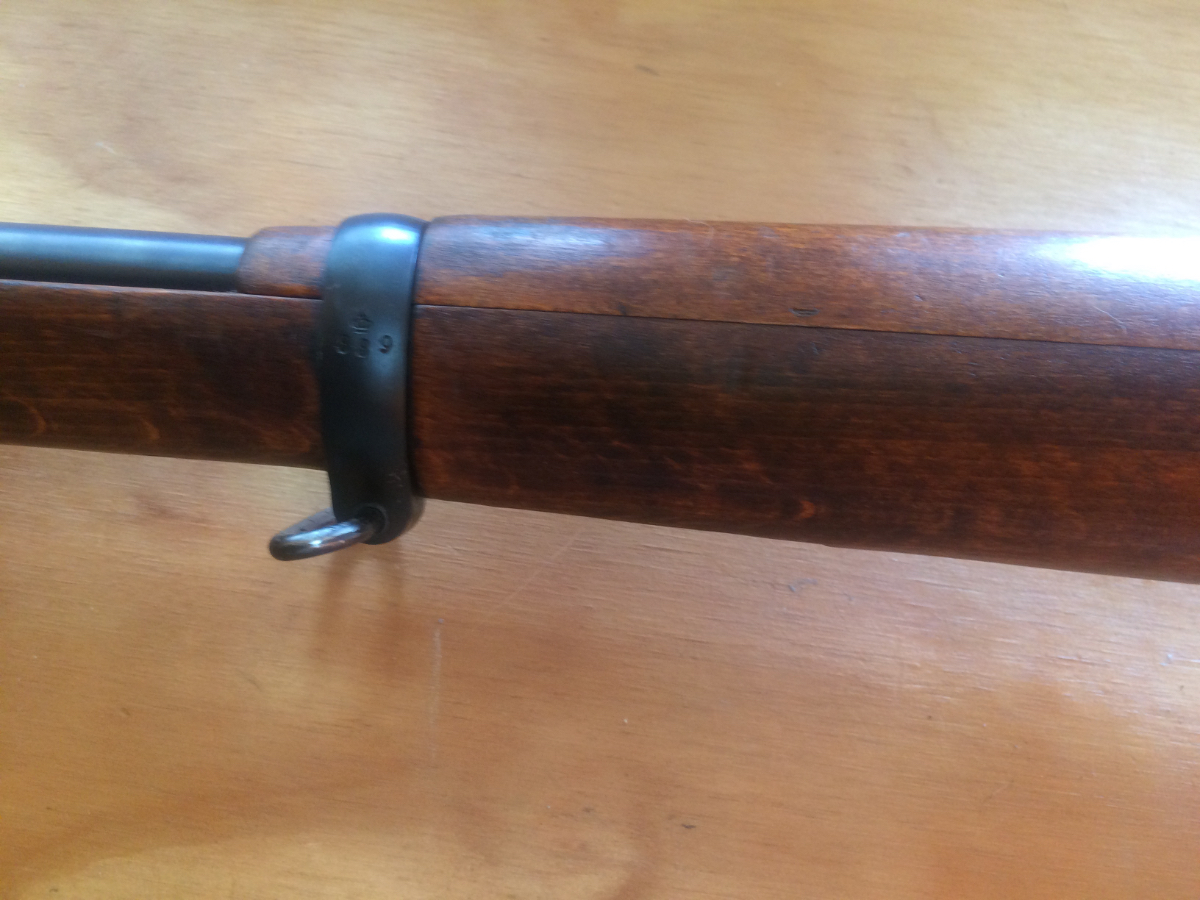
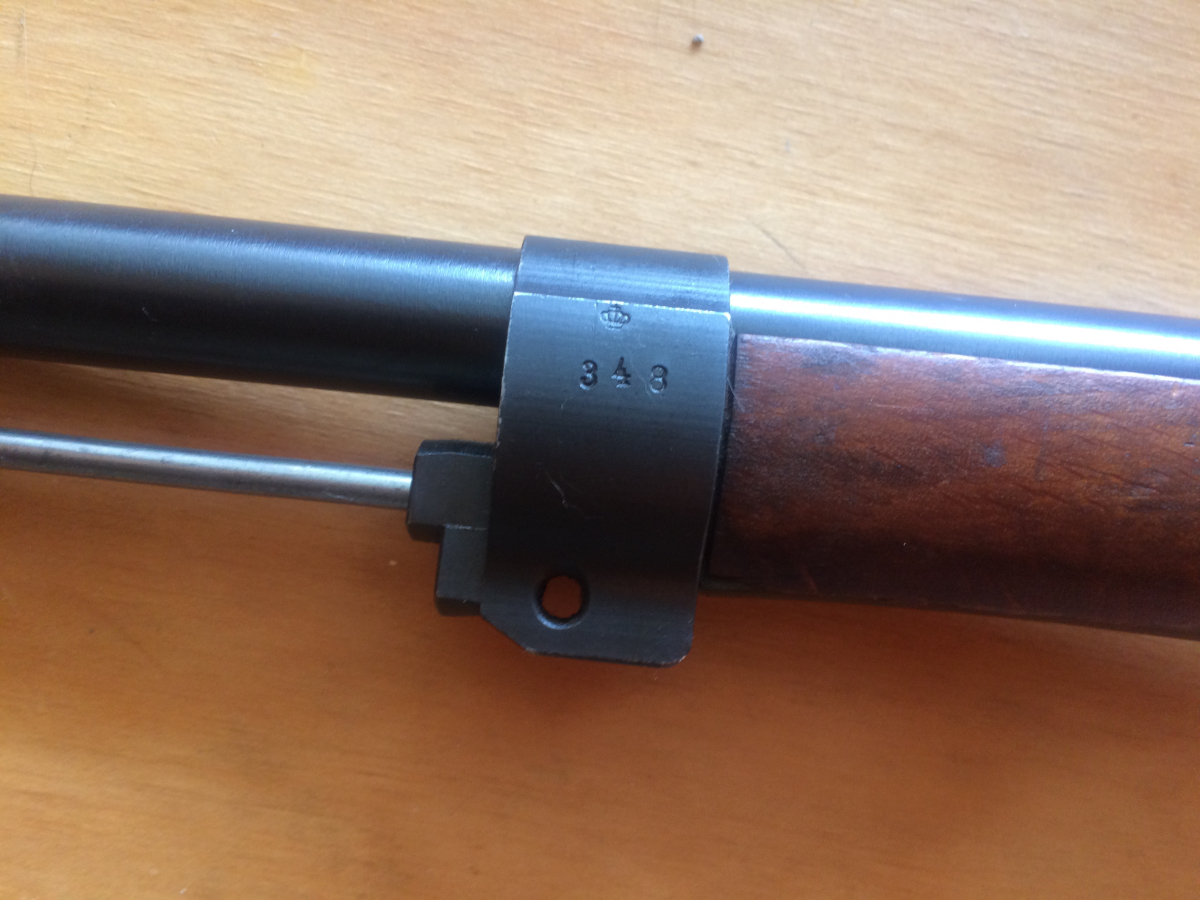
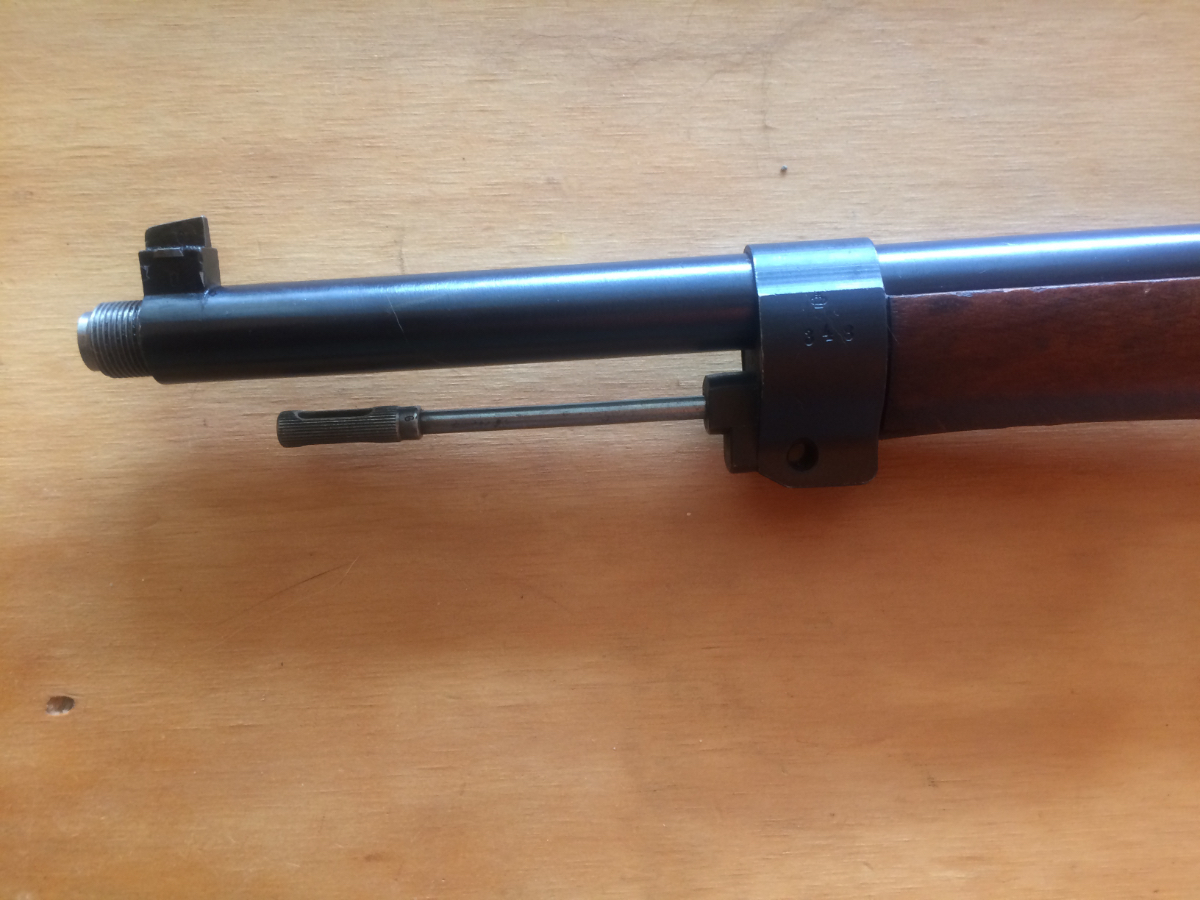
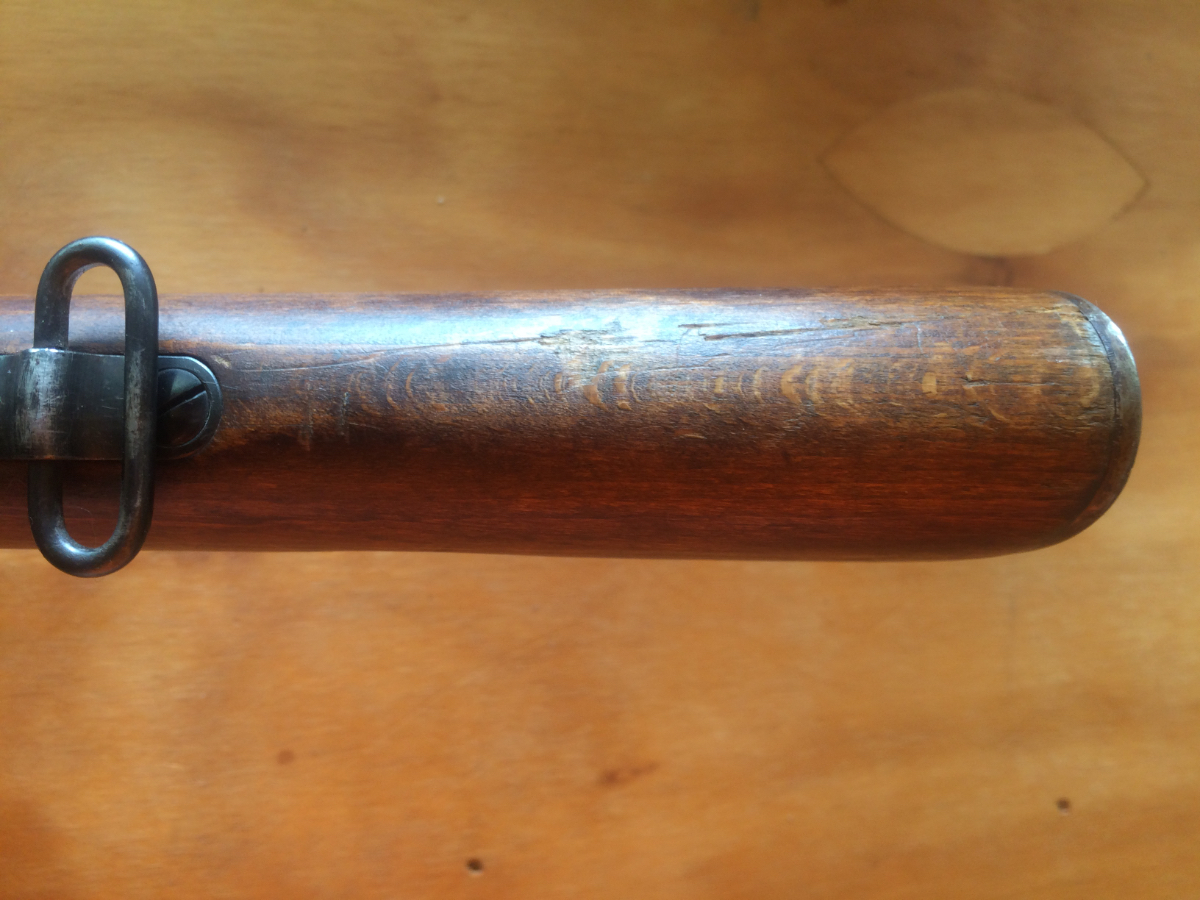
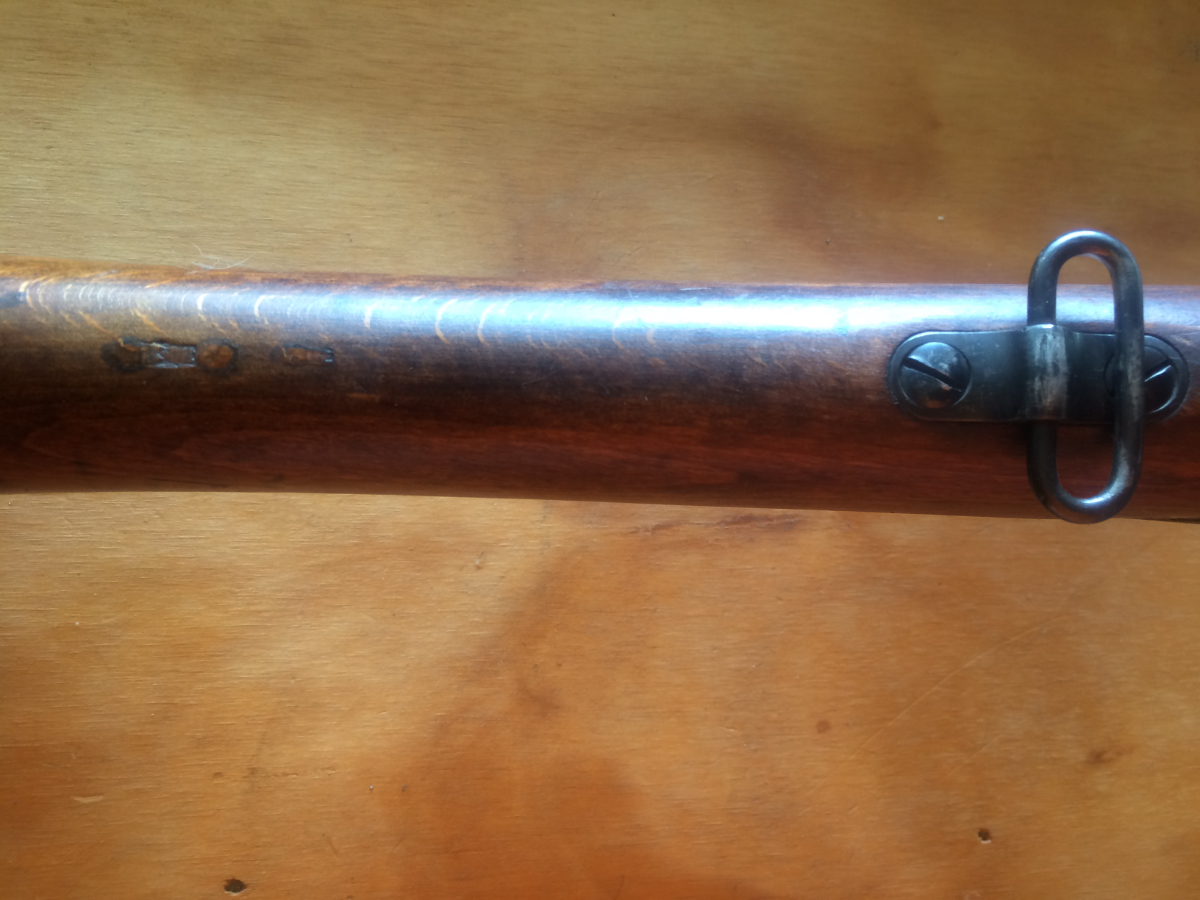
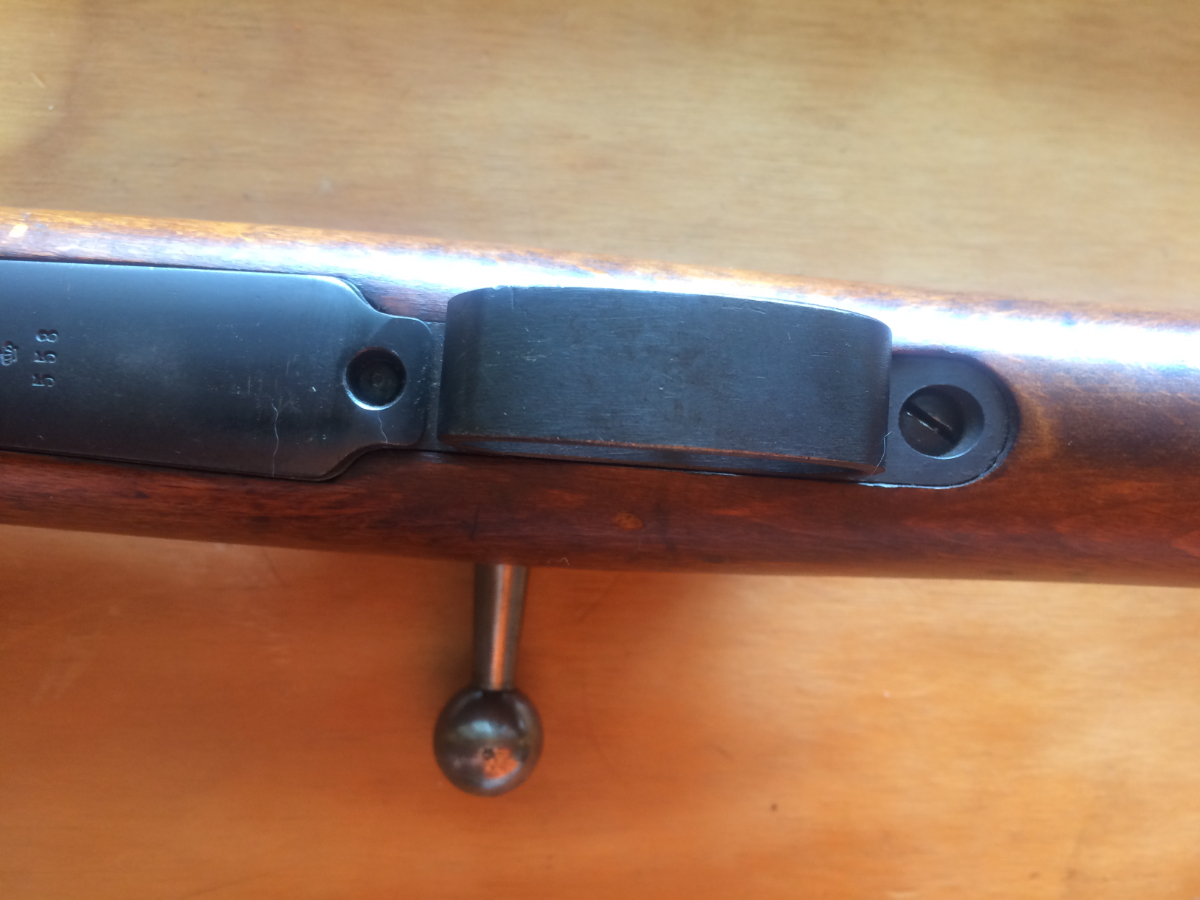
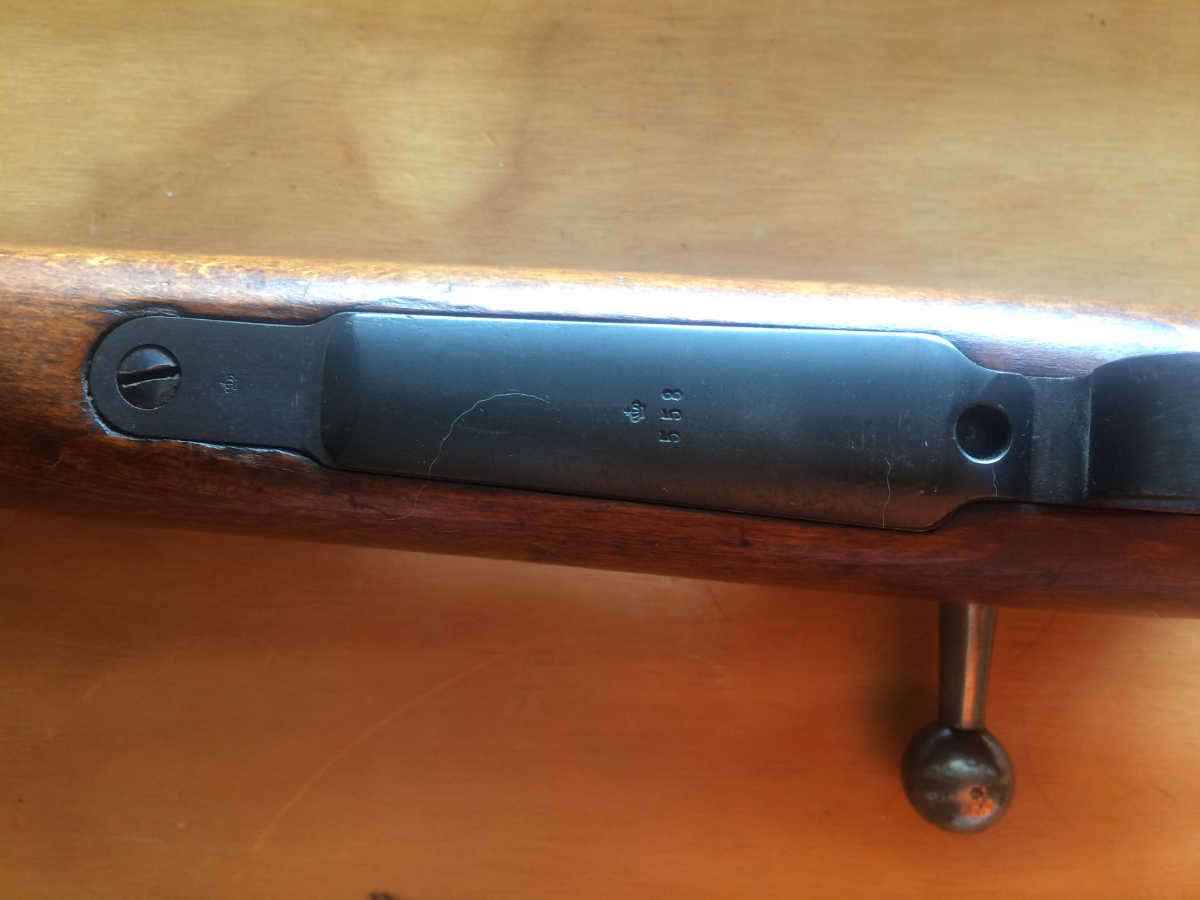
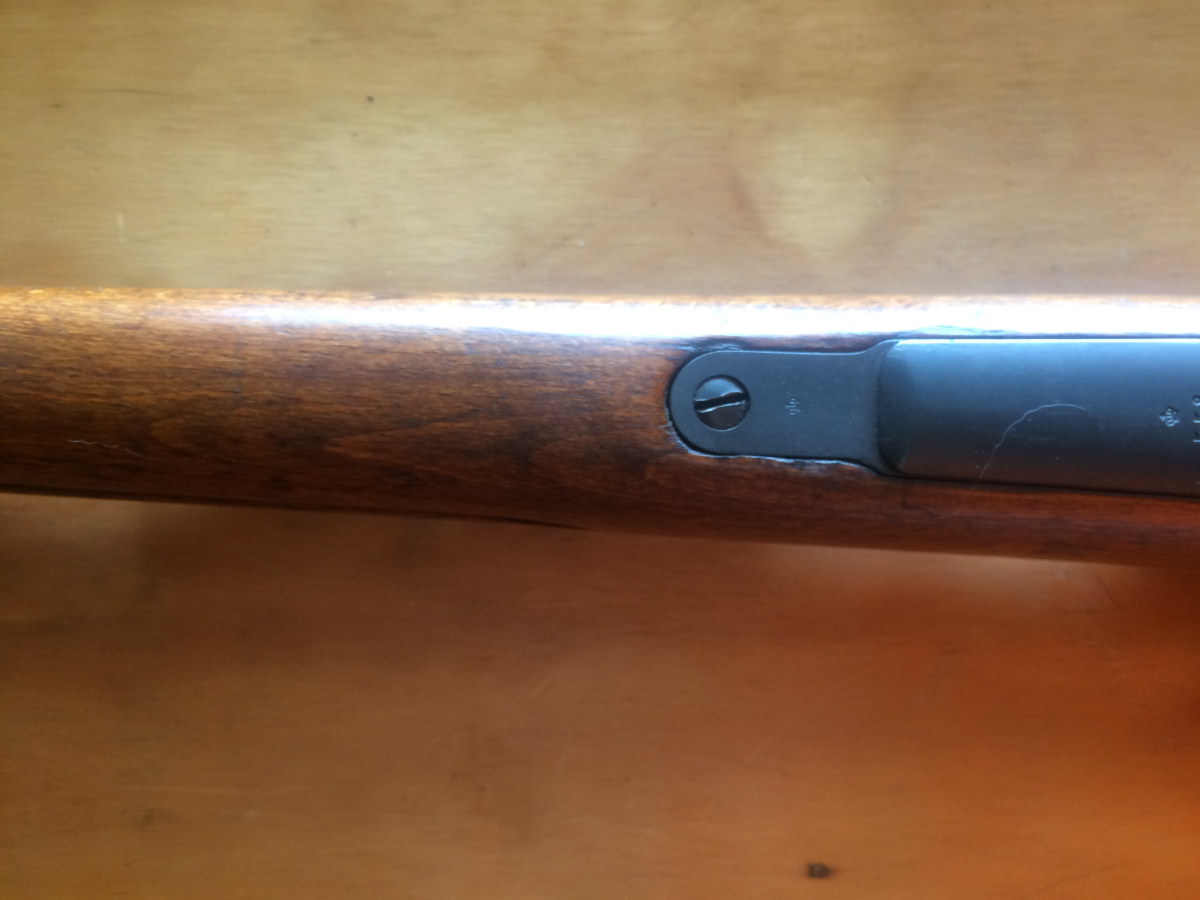
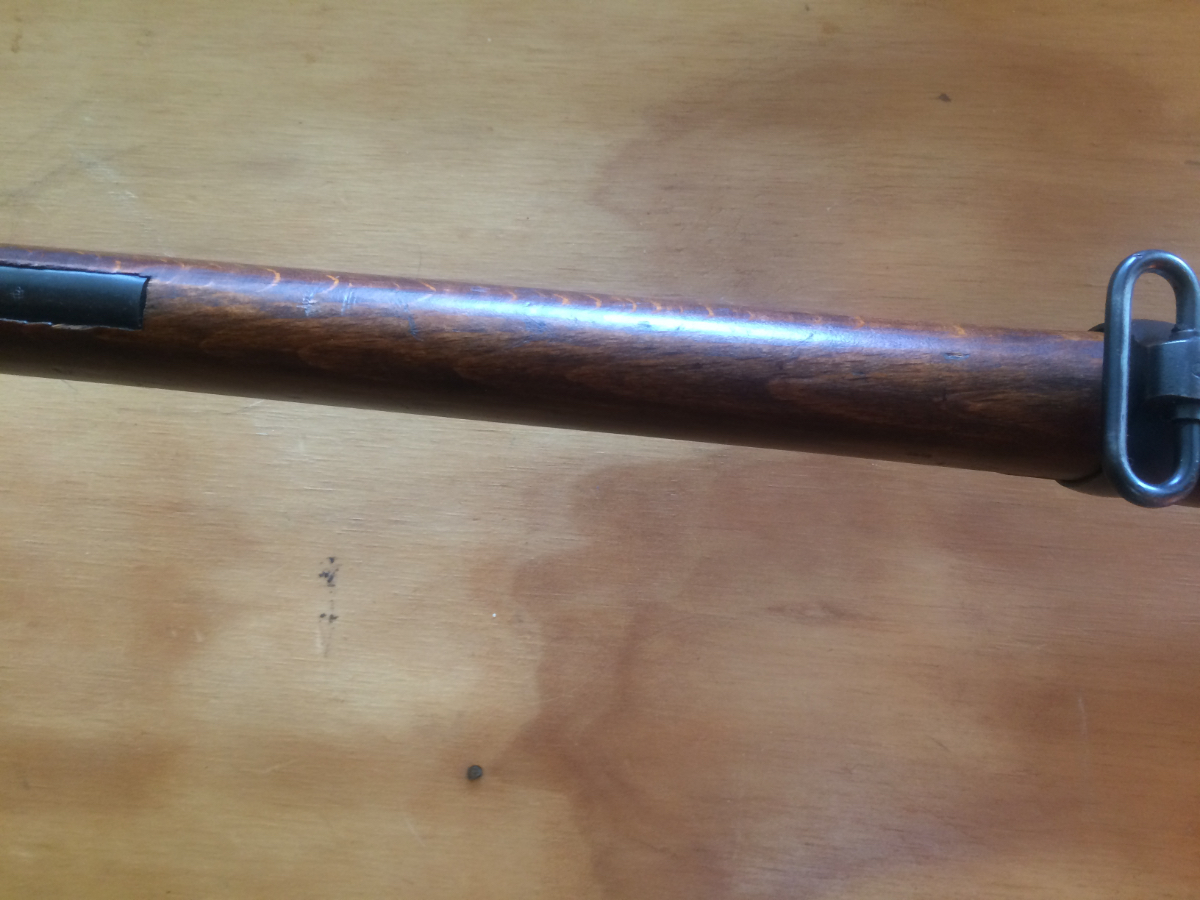
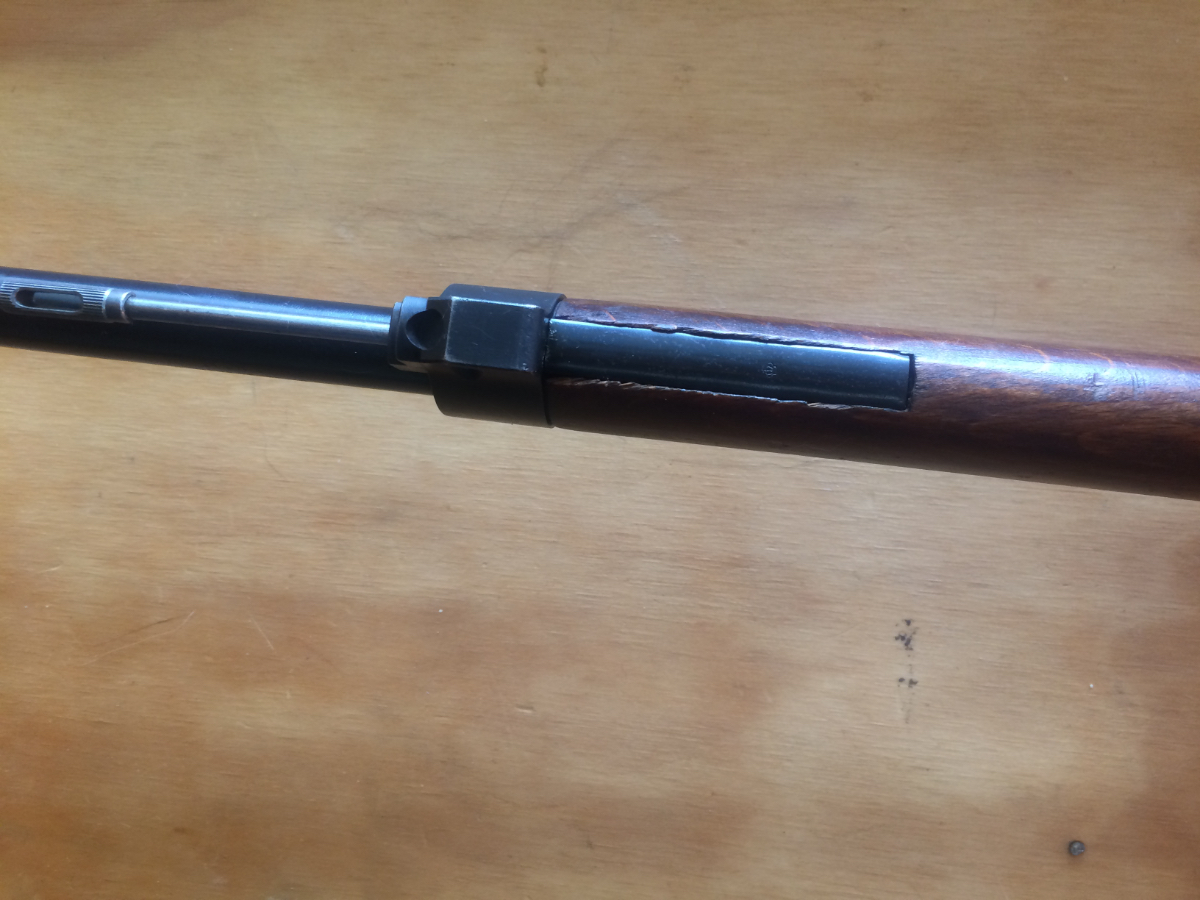
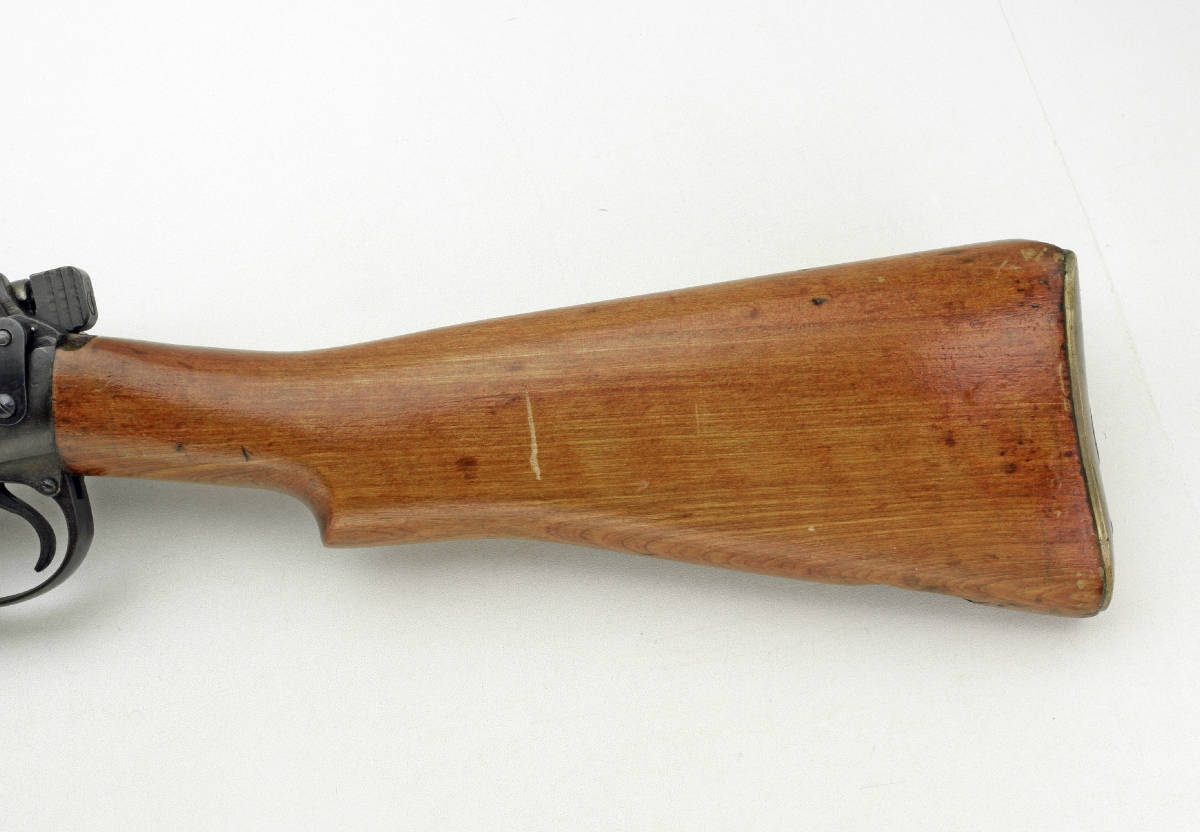
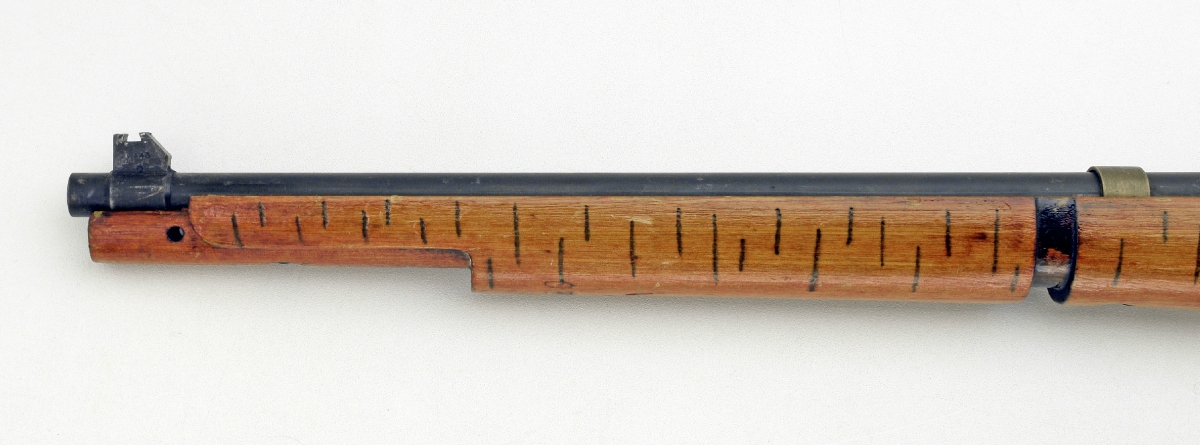
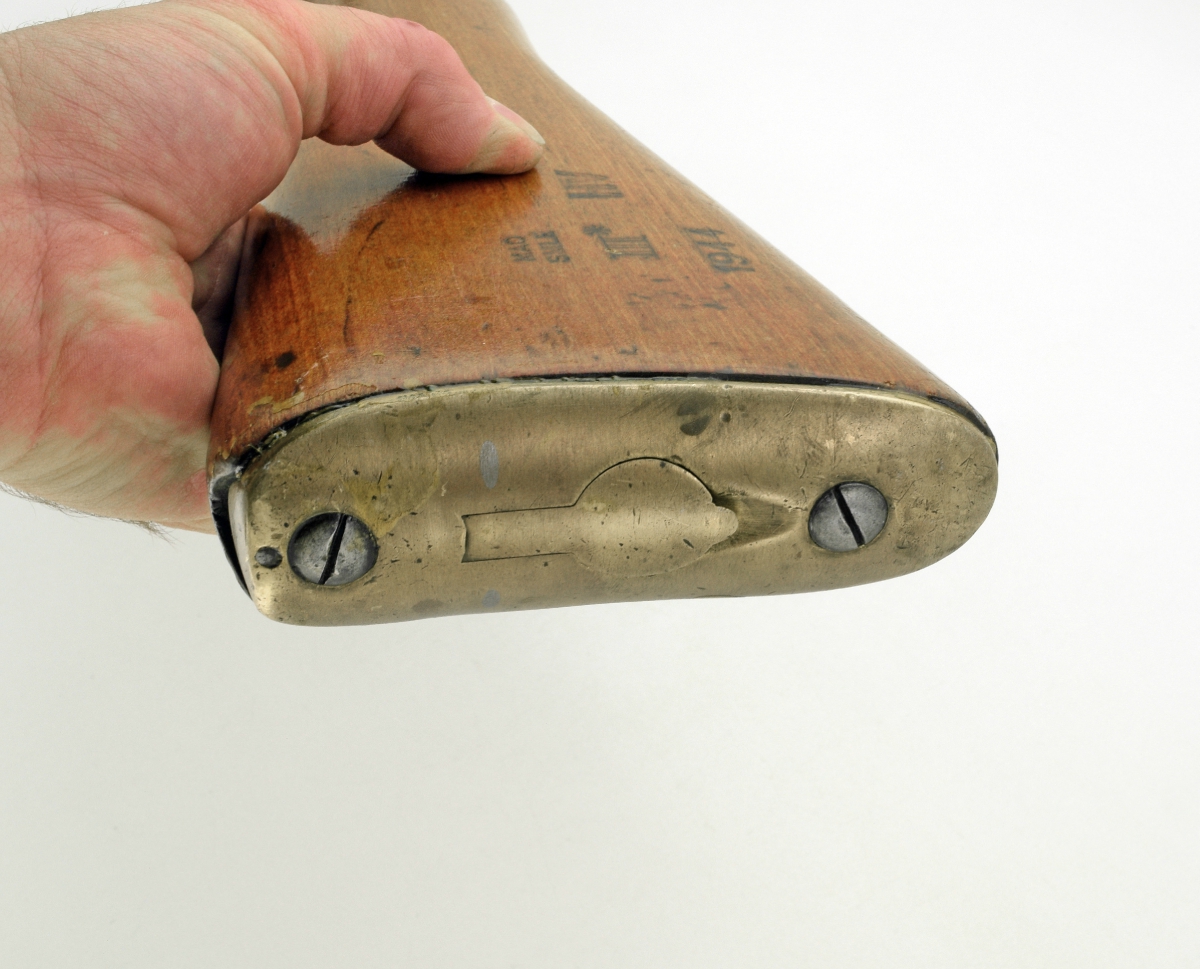
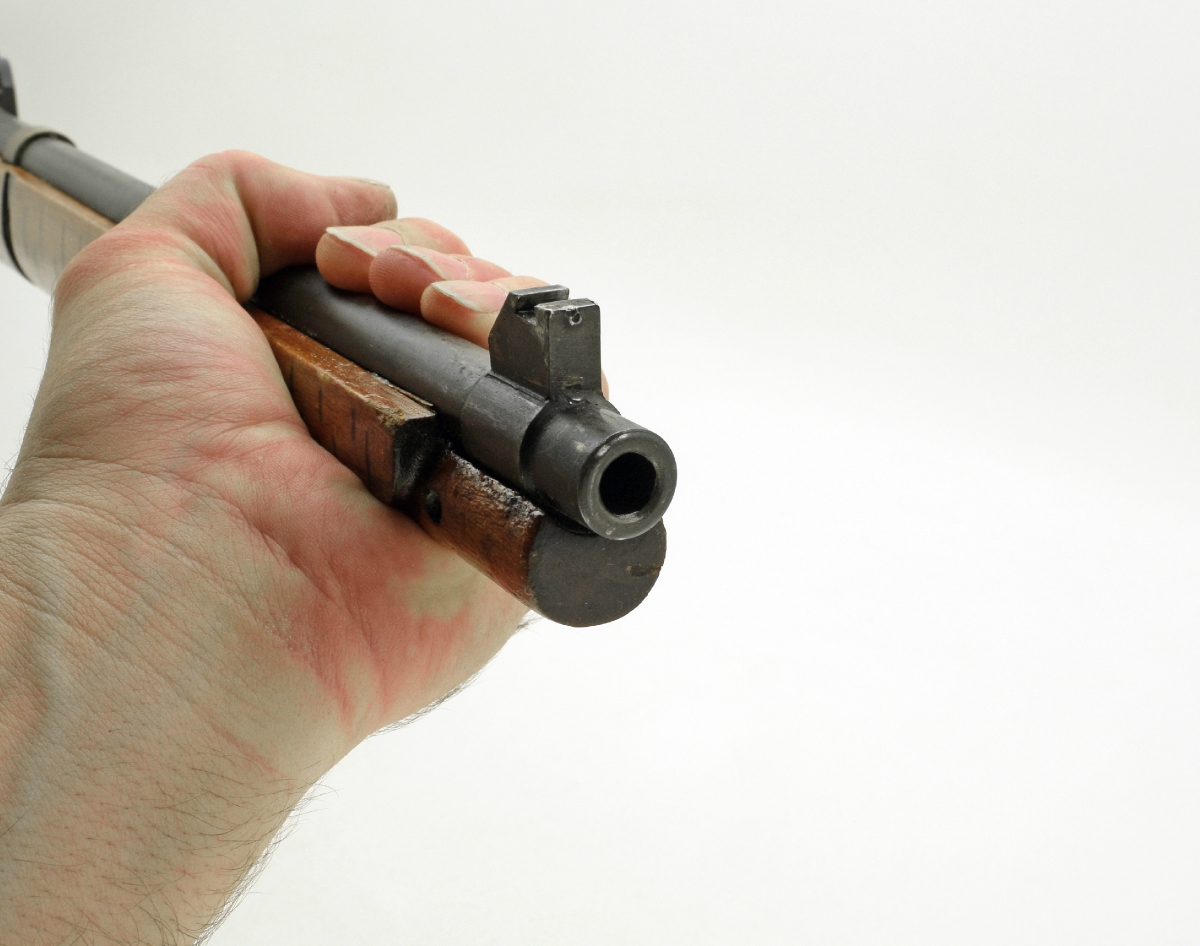
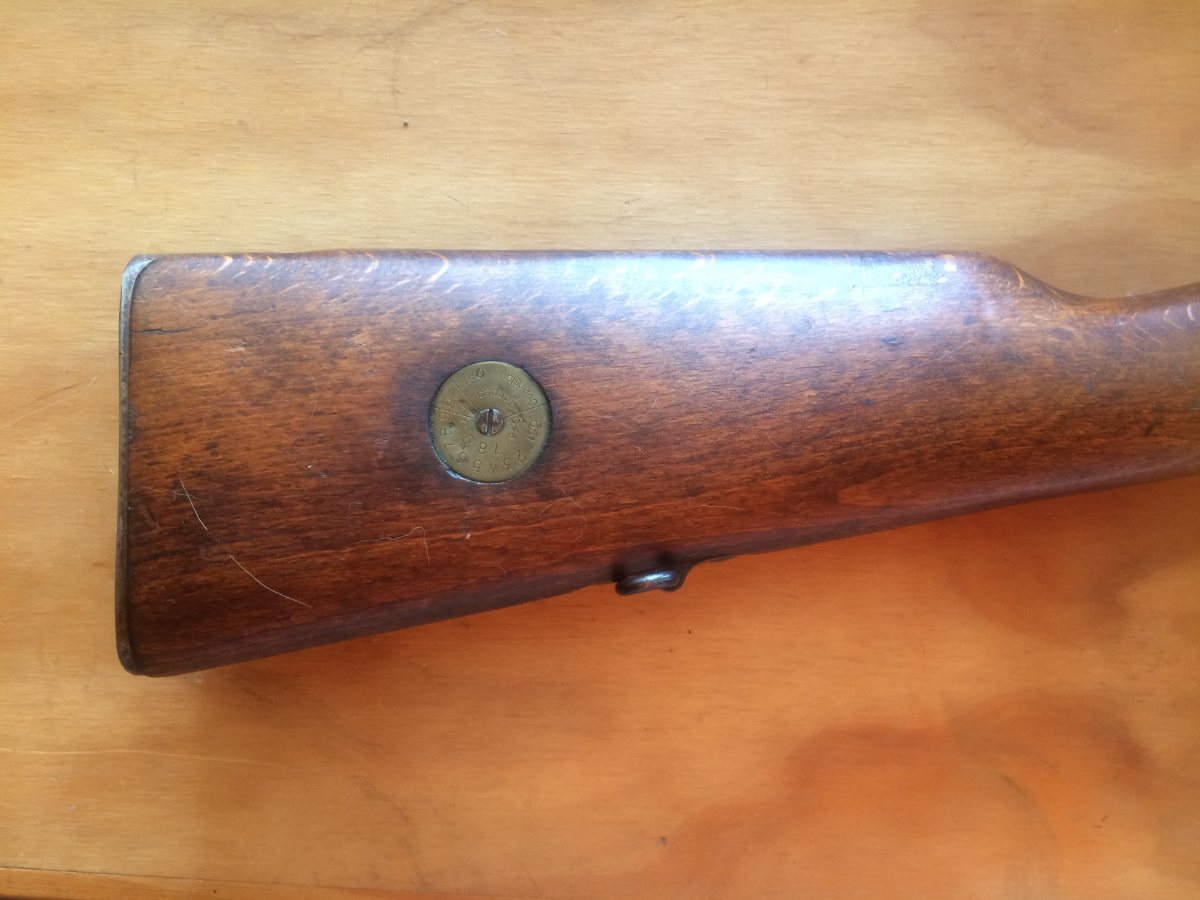
Swedish Carl Gustaf M96 Infantry Rifle 1915 Dated in the great medium caliber of 6.5×55

I had one long ago (about 75 pounds ago to be exact) I traded it off to somebody. As I found that getting ammo for it out here in the People’s Republic was at the time was a real pain.
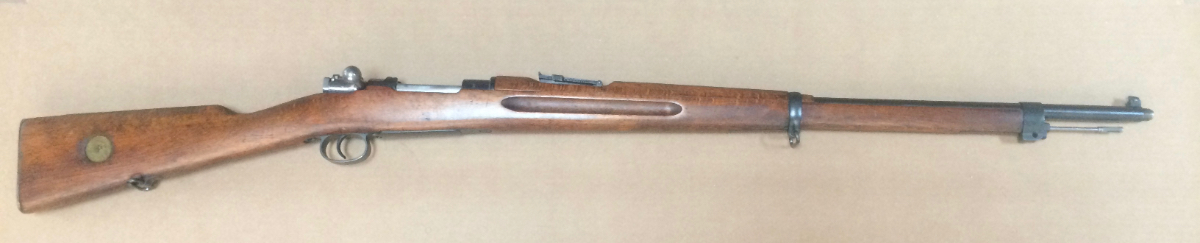
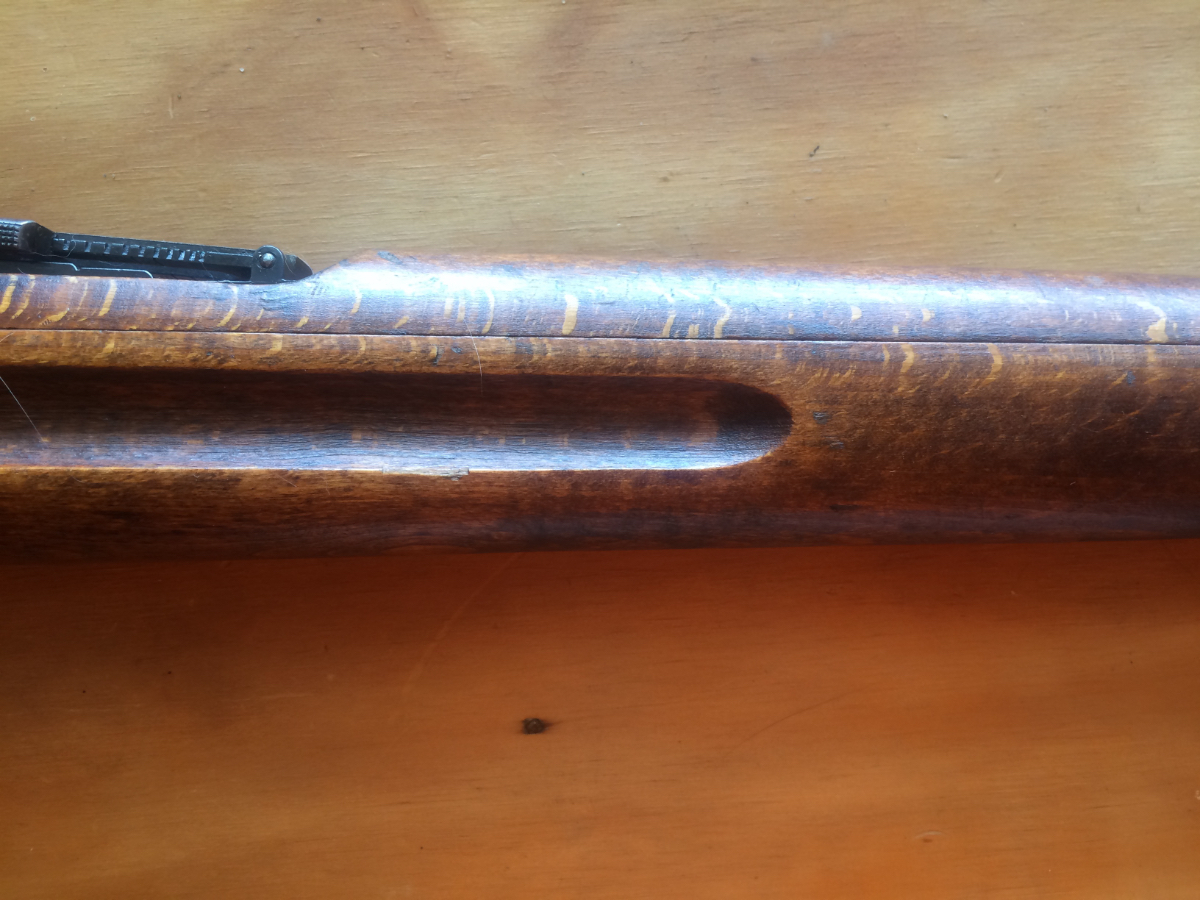
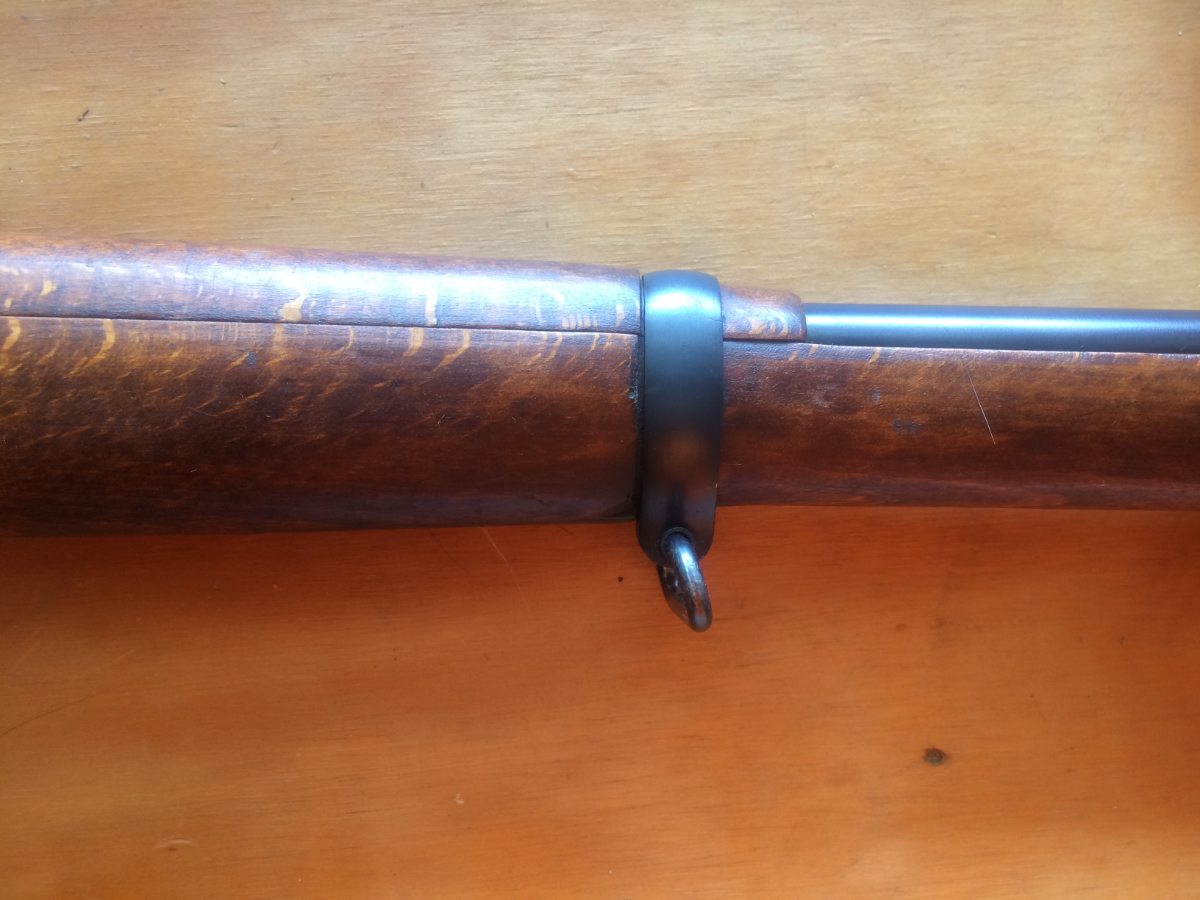
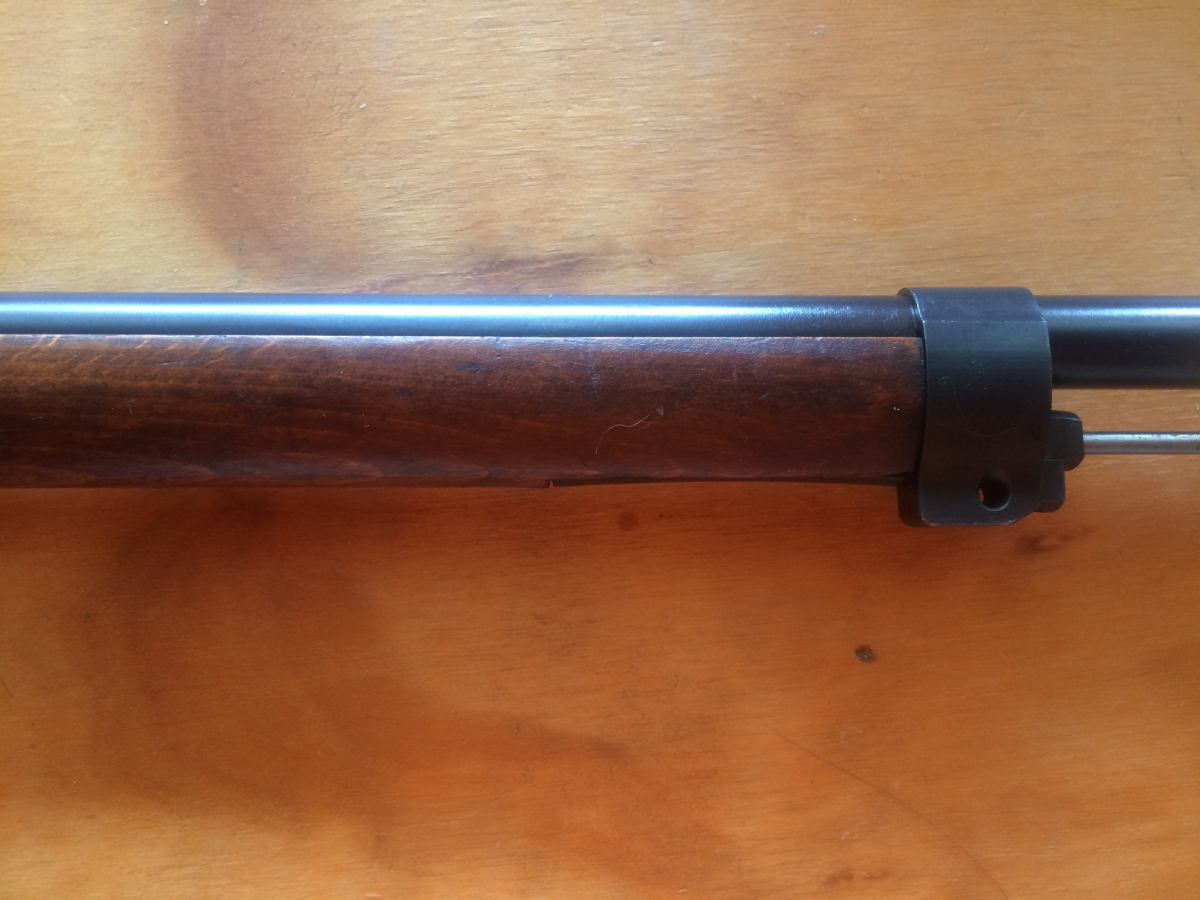
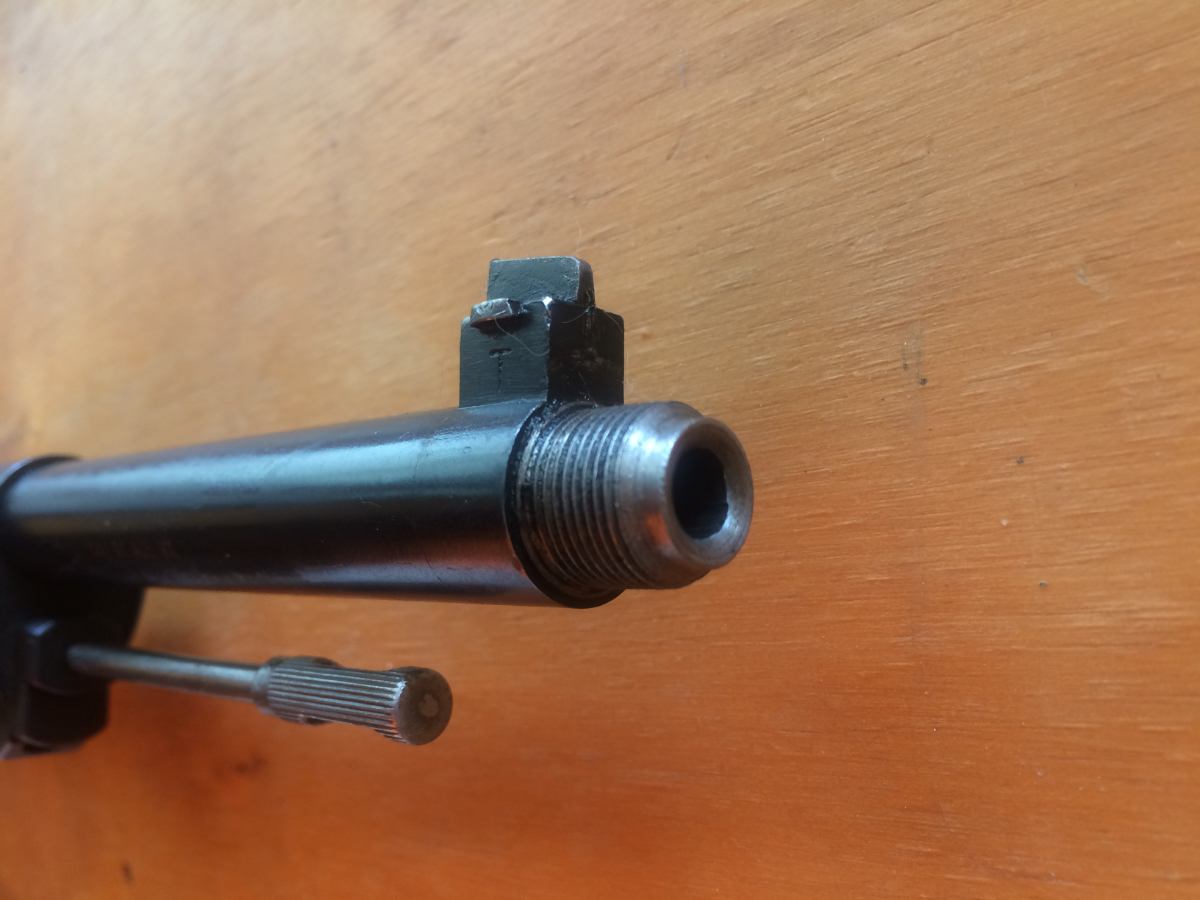
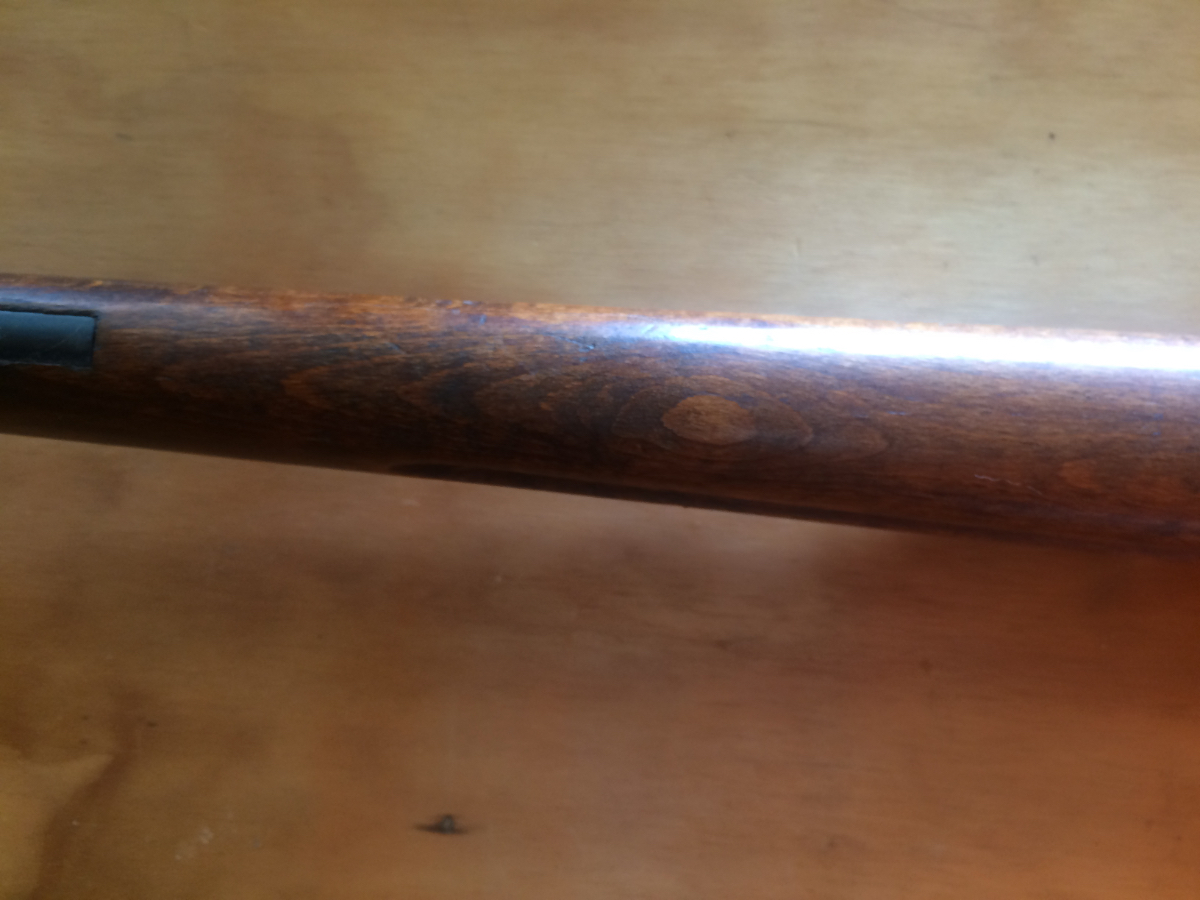
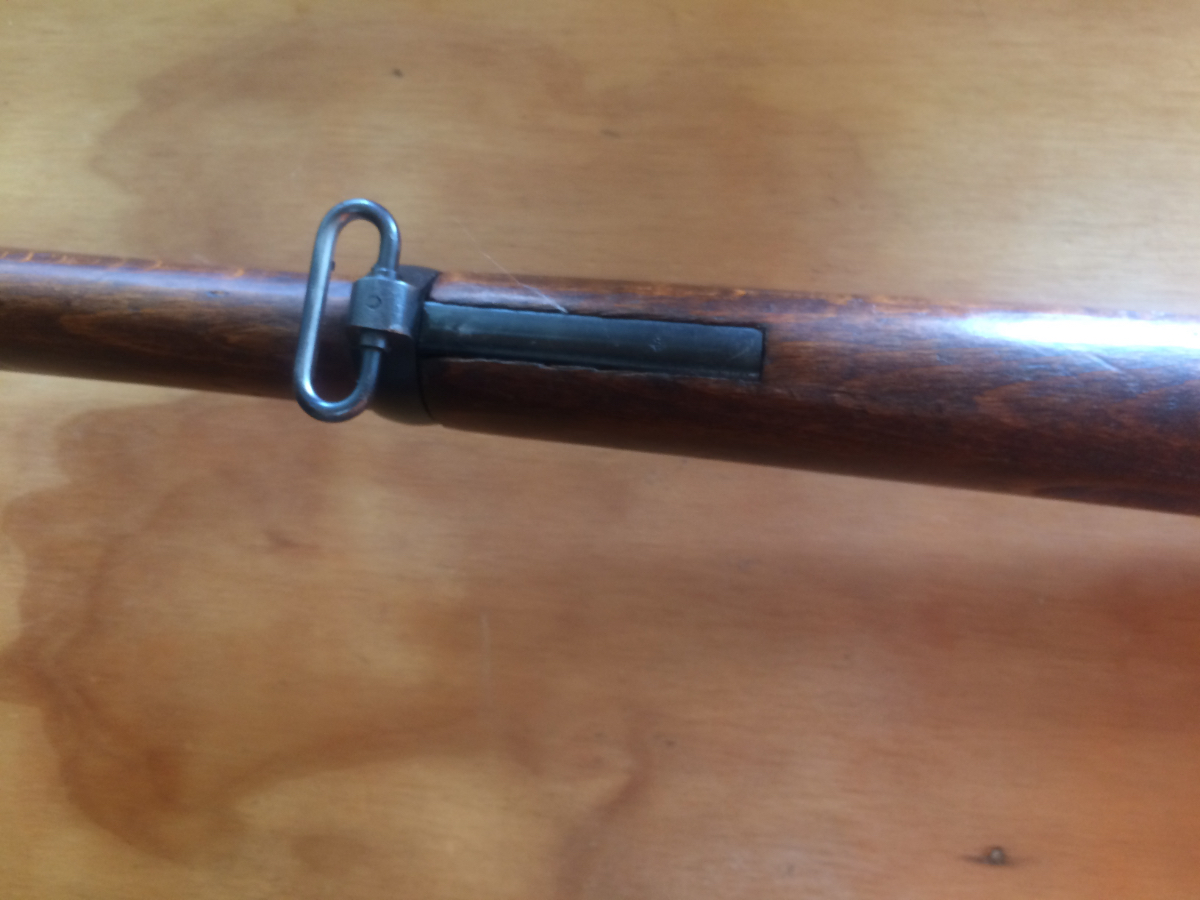
Swedish Carl Gustaf - M96 Infantry Rifle 1915 date 6.5x55 - Picture 1
Swedish Carl Gustaf - M96 Infantry Rifle 1915 date 6.5x55 - Picture 2
Swedish Carl Gustaf - M96 Infantry Rifle 1915 date 6.5x55 - Picture 3
Swedish Carl Gustaf - M96 Infantry Rifle 1915 date 6.5x55 - Picture 4
Swedish Carl Gustaf - M96 Infantry Rifle 1915 date 6.5x55 - Picture 5
Swedish Carl Gustaf - M96 Infantry Rifle 1915 date 6.5x55 - Picture 6
Swedish Carl Gustaf - M96 Infantry Rifle 1915 date 6.5x55 - Picture 7
Swedish Carl Gustaf - M96 Infantry Rifle 1915 date 6.5x55 - Picture 8
Swedish Carl Gustaf - M96 Infantry Rifle 1915 date 6.5x55 - Picture 9
Swedish Carl Gustaf - M96 Infantry Rifle 1915 date 6.5x55 - Picture 10


Categories
All About Guns

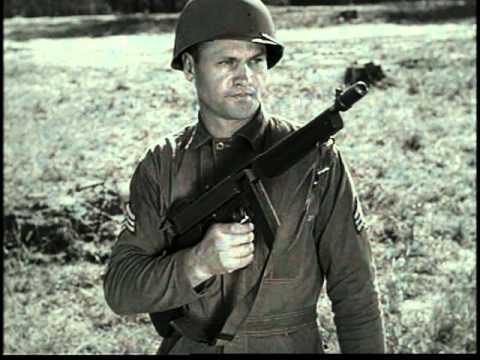
The Really fun to shoot M3A1 Grease Gun!

Categories
Well I thought it was funny!

Well I thought it was funny!

Related image

Categories
All About Guns

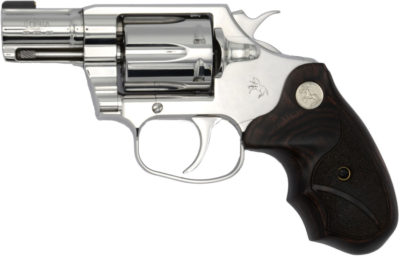
Now for some Good News for a Change! Colt Launching New High-Polish Bright Cobra by MAX SLOWIK

The Colt Bright Cobra has a very high polished finish and stainless steel construction. (Photo: Colt)
Colt’s Manufacturing is unveiling the latest addition to the revamped line of Cobra-series revolvers, the Bright Cobra! This high-polish revolver follows the Night Cobra as the third new double-action revolver from the Connecticut-based company.
The Bright Cobra is tailored to enthusiasts and shooters looking for something flashy to add to their collection. Still, there’s no mistaking the Bright Cobra for a shooter—the small-frame revolver is rated for the hottest modern .38 Special loads.
The newest Cobra is a double-action, single-action six-shot revolver. It uses Colt’s Linear Leaf mainspring to give it a very smooth, consistent trigger pull. In double-action it has a factory 7-9-pound trigger, and in single-action the trigger breaks at 3-4 pounds.
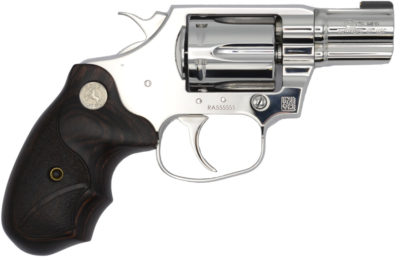
Chambered for .38 Special +P, the Bright Cobra is a modern 6-shot revolver more than capable for self-defense. (Photo: Colt)

It gets its name from the high-gloss polished stainless steel construction. It has a compact frame with wooden medallion boot-cut grips embellished with the Colt logo.
The Bright Cobra is built for everyday carry with an oversize trigger guard, a brass bead front sight and a notched frame for a snag-free rear sight. The front sight is user-serviceable and can be removed by loosening a simple set screw.
It has a 2-inch barrel and measures in at just over 7 inches long, just under 5 inches tall and only 1.4 inches wide at the cylinder. Unloaded it weighs 25 ounces which is a happy medium between light enough to carry and heavy enough for high-pressure loads.

Whether you’re looking for a Cobra for carry or for show this one delivers on both fronts. There’s almost nothing like the Bright Cobra in production today, and that makes it really stand out.
The price is up there—suggested retail price is expected to be in the $1,100-1,300 range—and even though real-world prices will be less than MSRP, it’s clear that Colt can pick their price when there’s no competition.

See Also: Colt Updates the Cobra for the Night with Concealed-Carry Model

If you want a new-production Cobra the standard model and Night Cobra are downright affordable starting around $600-700. The night Cobra — with its bobbed hammer, black DLC finish and front night sight — costs a little more in the mid-$800 range.
In any of its three configurations, the new Colt Cobras are proving themselves to be modern self-defense guns, not just collector pieces. They’re making sure the revolver stays relevant well into the 21st century.

***Thinking about buying a Cobra for self-defense, collecting or for the range? Shop GunsAmerica.com today!

*******************************************

Pity that it is almost impossible to buy one here in the People’s Republic of California! As I would be mighty tempted to go out and buy one. Grumpy

Categories
Anti Civil Rights ideas & "Friends" Born again Cynic!

Just another hasty "We gotta do something / Feel good Politics (Poor Rhode Island Responsible Gun Owners!)

Rhode Island Gov. Gina Raimondo with school commissioner Ken Wagner.  (Photo: Fox RI)

The ruling class in Rhode Island this week banned guns in public schools with the exception of law enforcement.
Gov. Gina Raimondo made the announcement Wednesday alongside school commissioner Ken Wagner.
“It isn’t hard: Guns don’t belong in schools. Even Mississippi bans non-law enforcement officials from carrying guns onto school grounds,” said Raimondo in a press release.
Quick fact check. Raimondo’s wrong.  Mississippi does allow individuals with enhanced concealed carry permits to bring firearms onto public school property.
“As we start a new school year, our students cannot wait a minute longer for the General Assembly to take action on the Safe Schools Act,” she continued. “The Rhode Island Department of Education has issued a binding directive to every school district that immediately bans firearms from our kids’ schools.”
In other words, instead of allowing government to function the way it’s supposed to, with lawmakers making the laws, Raimondo enacted an order by executive fiat.

Gina Raimondo

@GovRaimondo

Guns don’t belong in schools.

This directive comes in response to uncertainty among education leaders and members of the community, and a lack of consistent practice across district lines.

RIDeptEd@RIDeptEd

Effective immediately, until such time as the underlying laws are clarified, no one other than active law enforcement is allowed to carry a firearm on school grounds.

Wagner backed up that play by suggesting there was some sort of confusion about the existing law.
“It’s our job to protect kids and their teachers,” said Wagner. “Inconsistencies among laws, regulations, and local policies and practices create confusion, producing the exact kind of unsafe environment the law is intended to prevent. As we start a new school year, this directive provides clarity, until such time that the underlying laws are reconciled.”
There was no confusion about the law. Concealed carriers were allowed to bring firearms into public schools. Plain and simple. Raimondo and Wagner just wanted to put a stop to that. The question is why? Because if it’s really about protecting kids and teachers then they have it all wrong. They should ban cops before they ban concealed carriers. Seriously.
Research shows that when compared to cops, concealed carriers commit fewer homicides, firearms violations, misdemeanor and felony offenses.  Concealed carries are more law-abiding than cops and are convicted at a lower rate. The question can be asked, then, who presents more of a threat to “the children”? The average cop or the average concealed carry?
Please, I’m not suggesting that law enforcement and armed student resource officers don’t belong in schools. Just pointing out that this assumption by government that all cops are White Knights has real limitations. When you break it down the truth is that Raimondo and Wagner aren’t against guns in schools, they’re just against armed citizens having guns in schools. And based on data and what we know about concealed-carry culture that position doesn’t hold water, especially if one accepts that armed resistance is the best way to foil a would-be killer.  What they need to recognize is that cops are not the only good guys with guns, they’re not the only ones willing and capable of confronting an armed attacker.
Suppose a young Rhode Island mother has a concealed carry permit because her crazy ex physically abused her and her son. When she goes to pick up her son from school, that crazy ex now knows that she is unarmed. She is vulnerable. What’s stopping him from attacking her in the parking lot?  The cop that’s way inside the building?  As they say, when seconds count…
Anyways, what’s not clear, at least at this point, is the penalty for those concealed carriers caught violating Raimondo’s order. I reached out to her office for clarification. We’ll see if she responds.

*

Categories
All About Guns

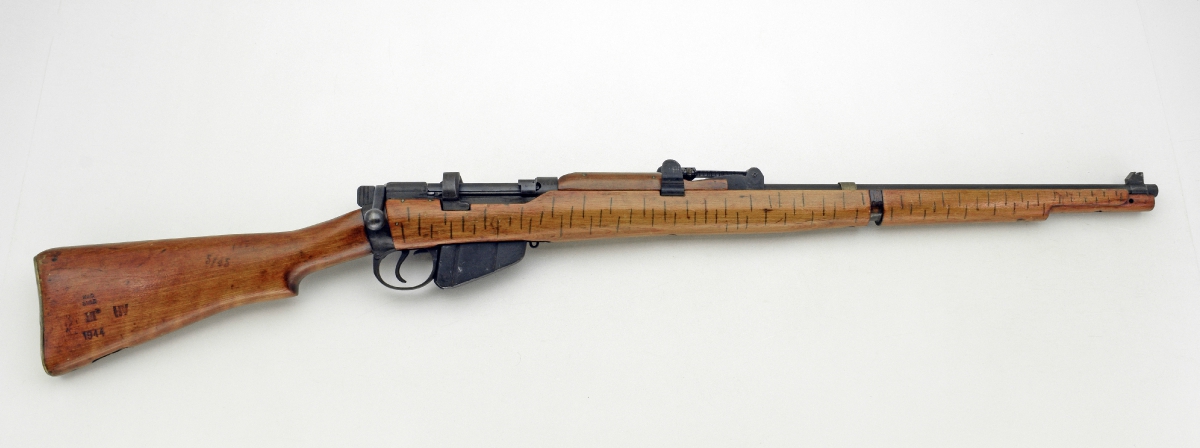
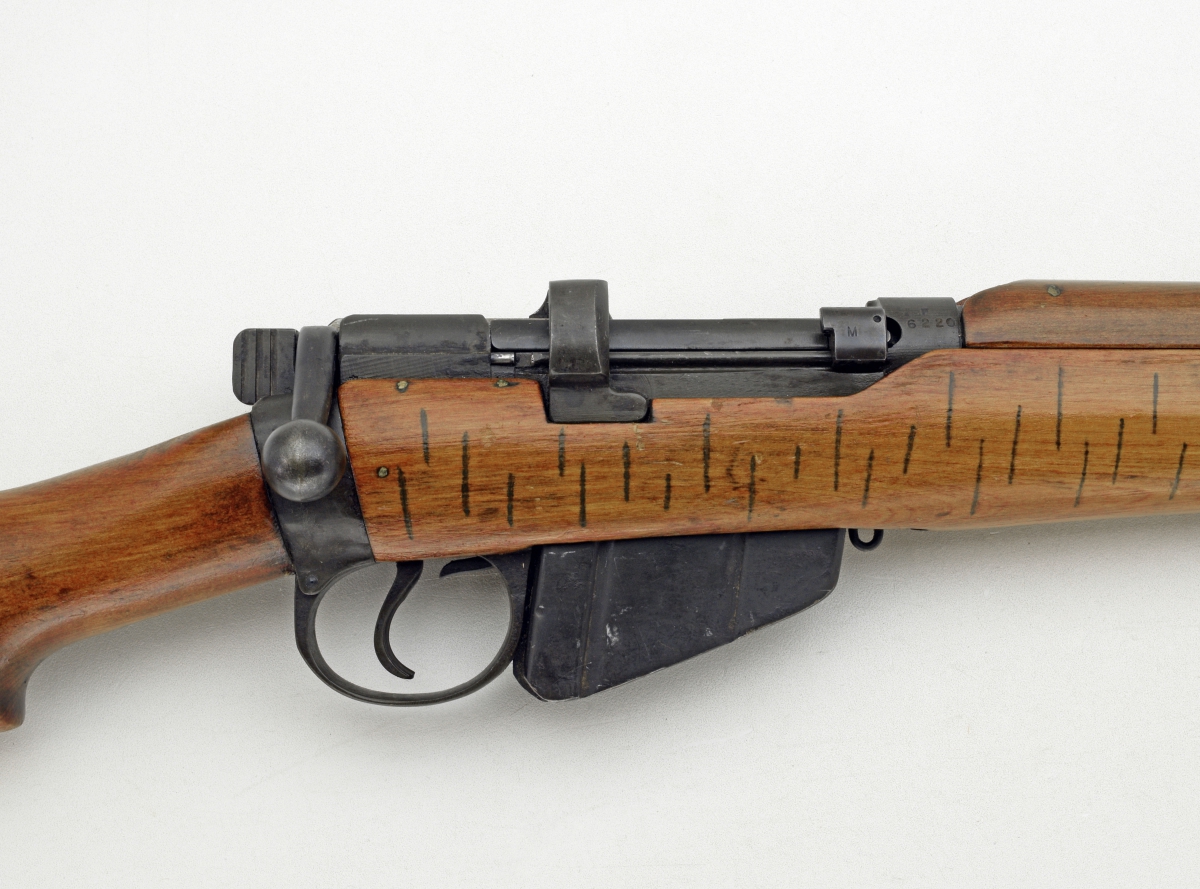
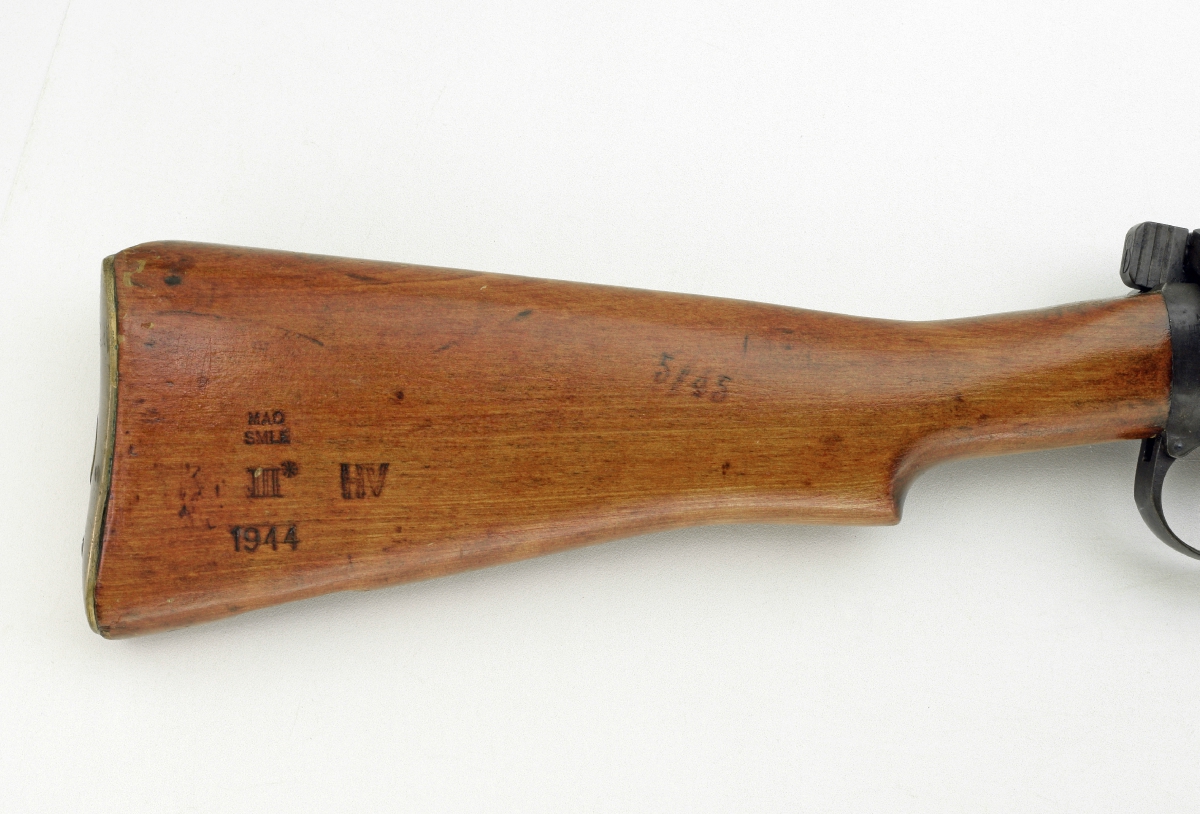
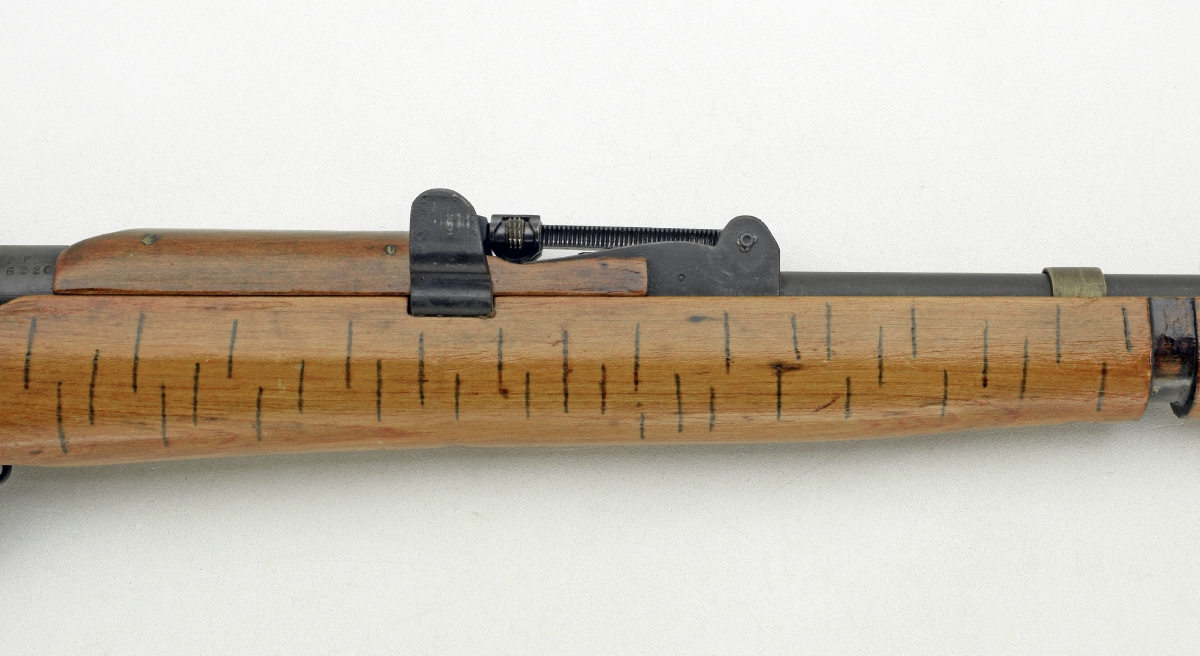
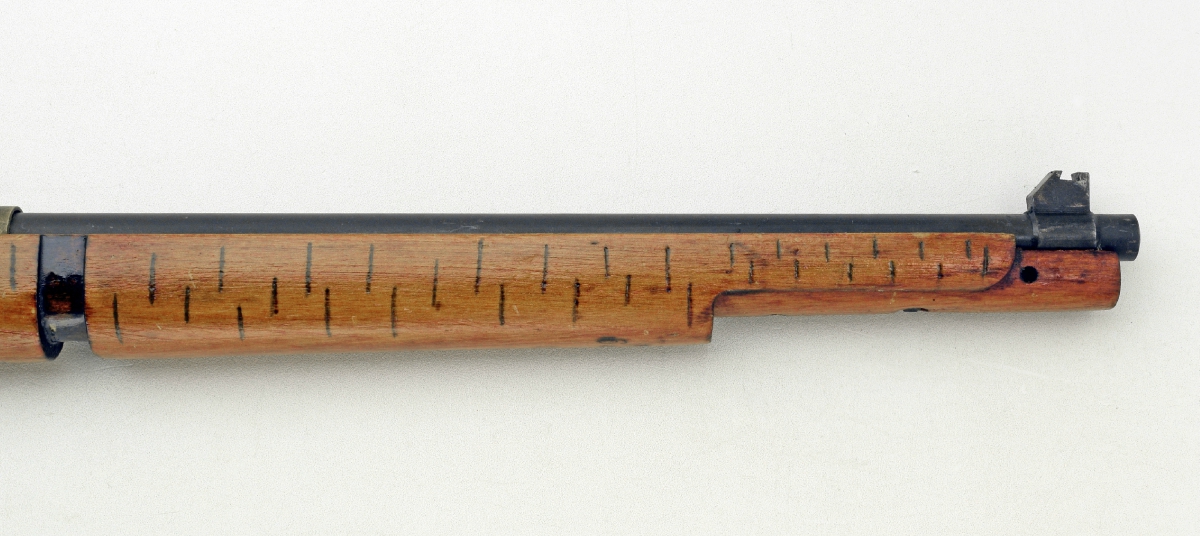
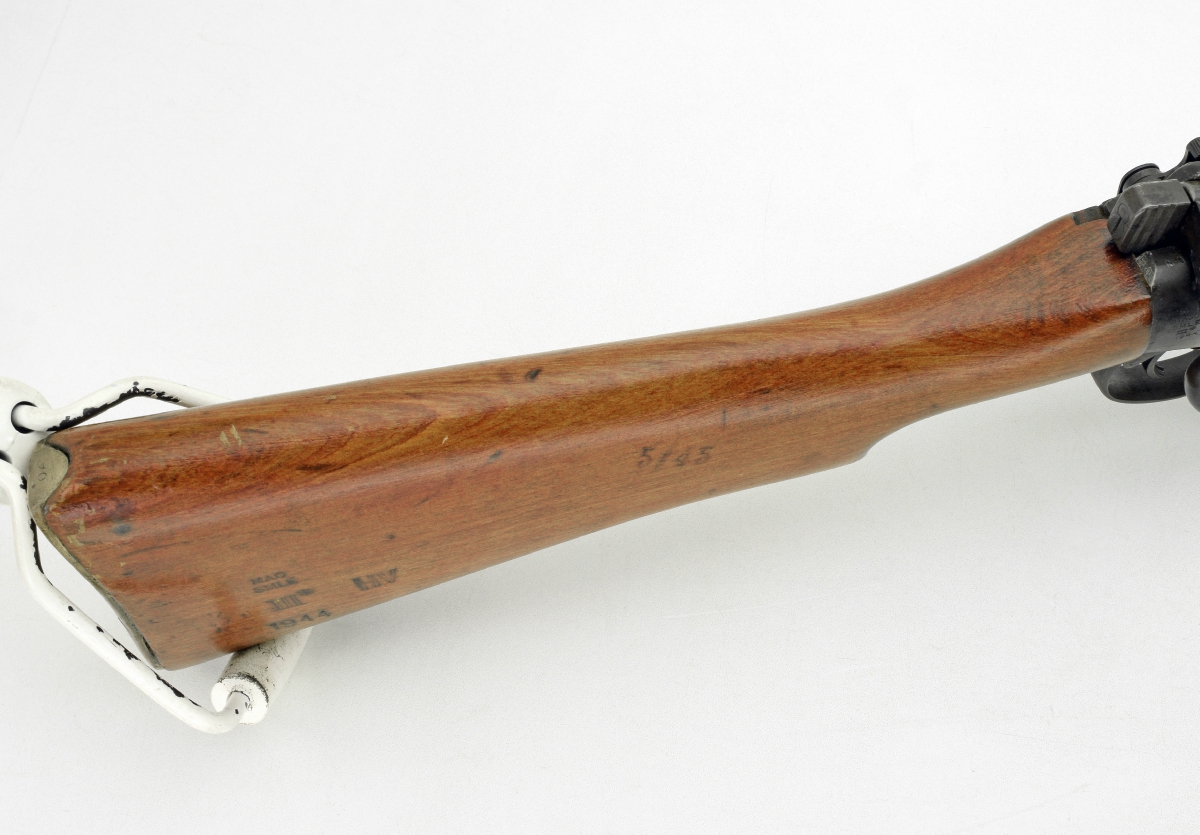
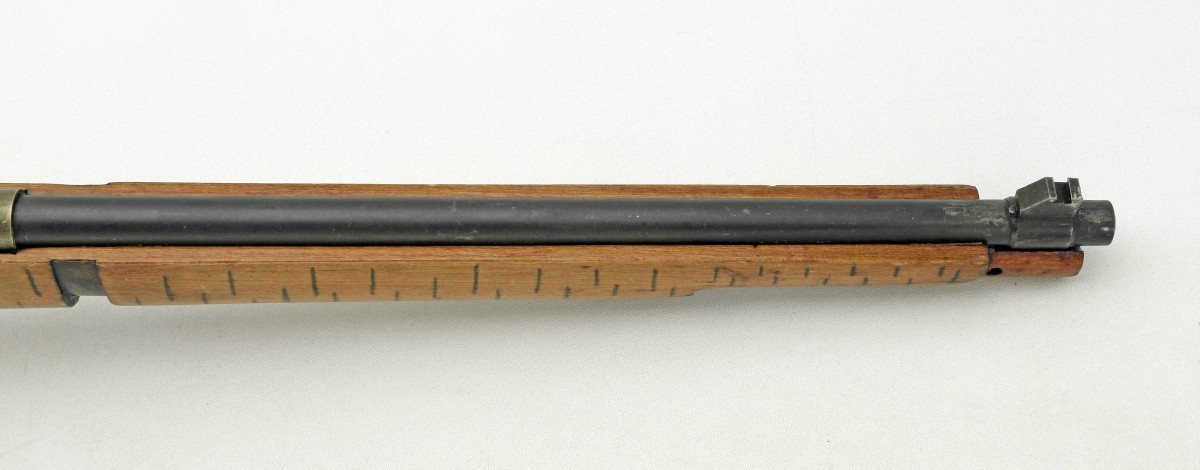
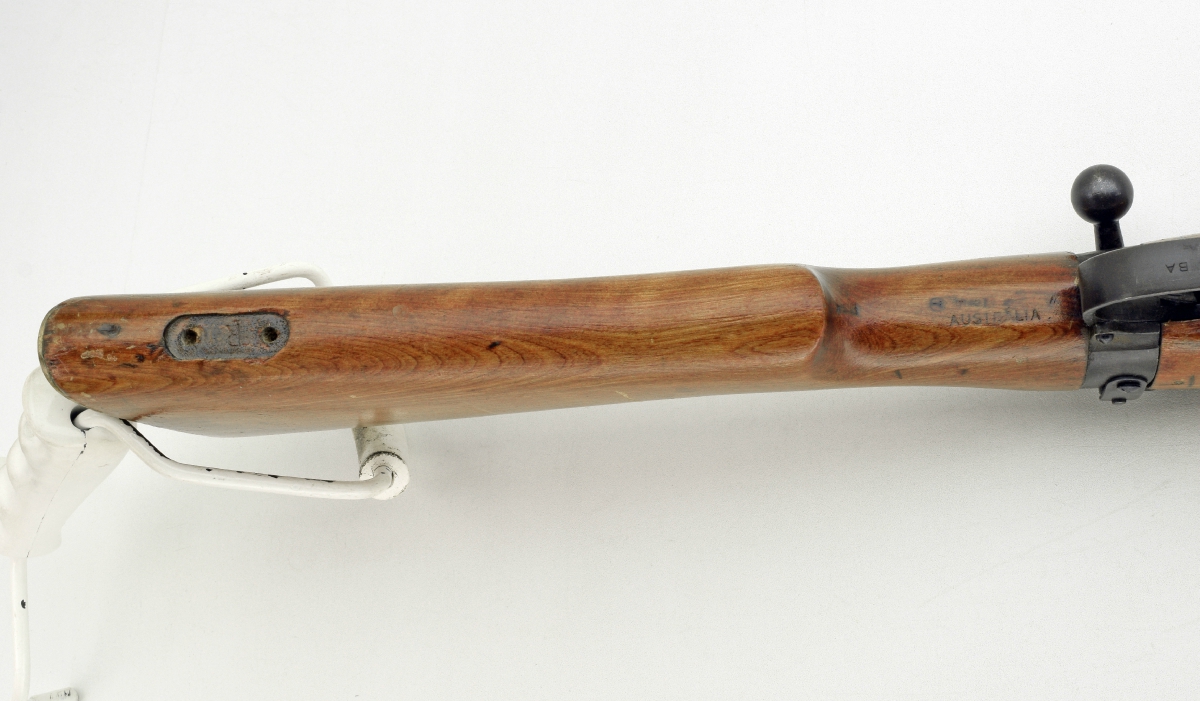
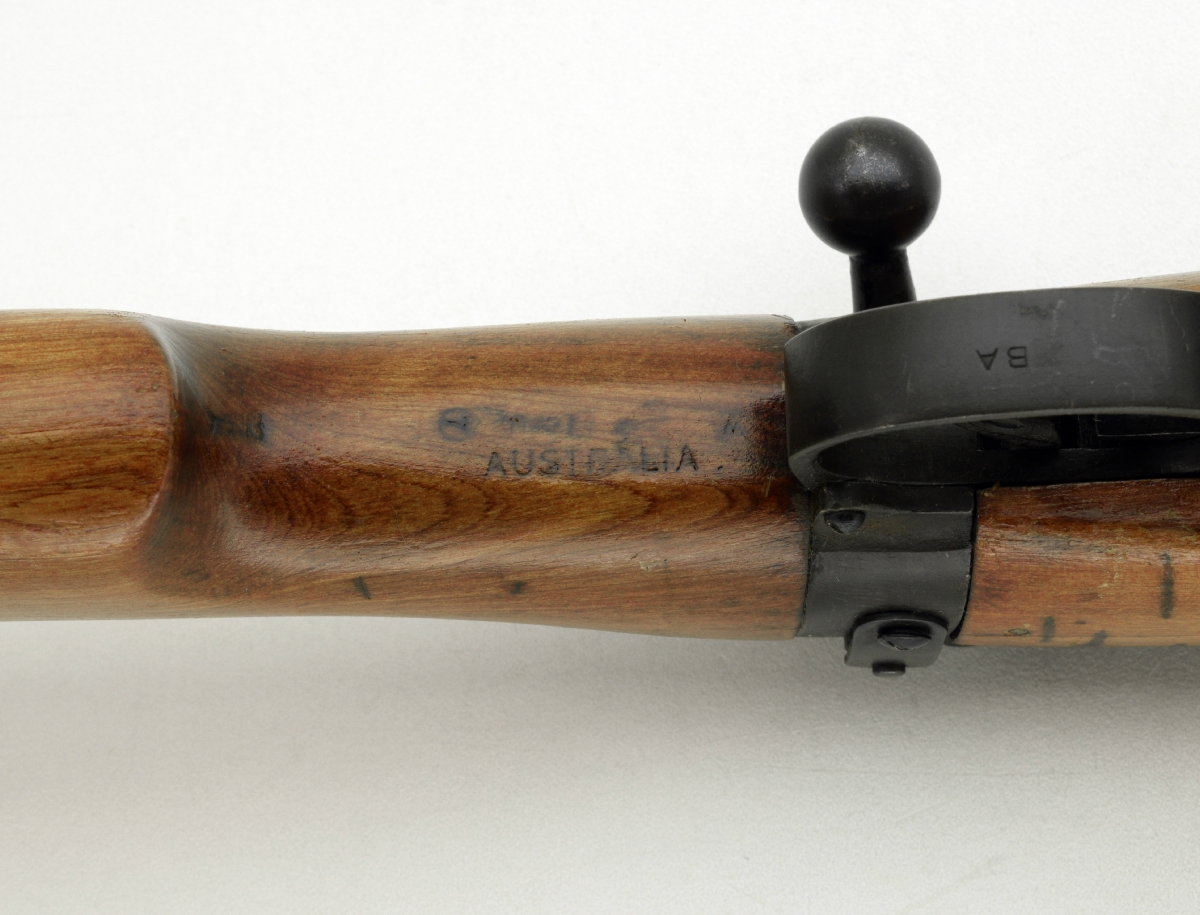
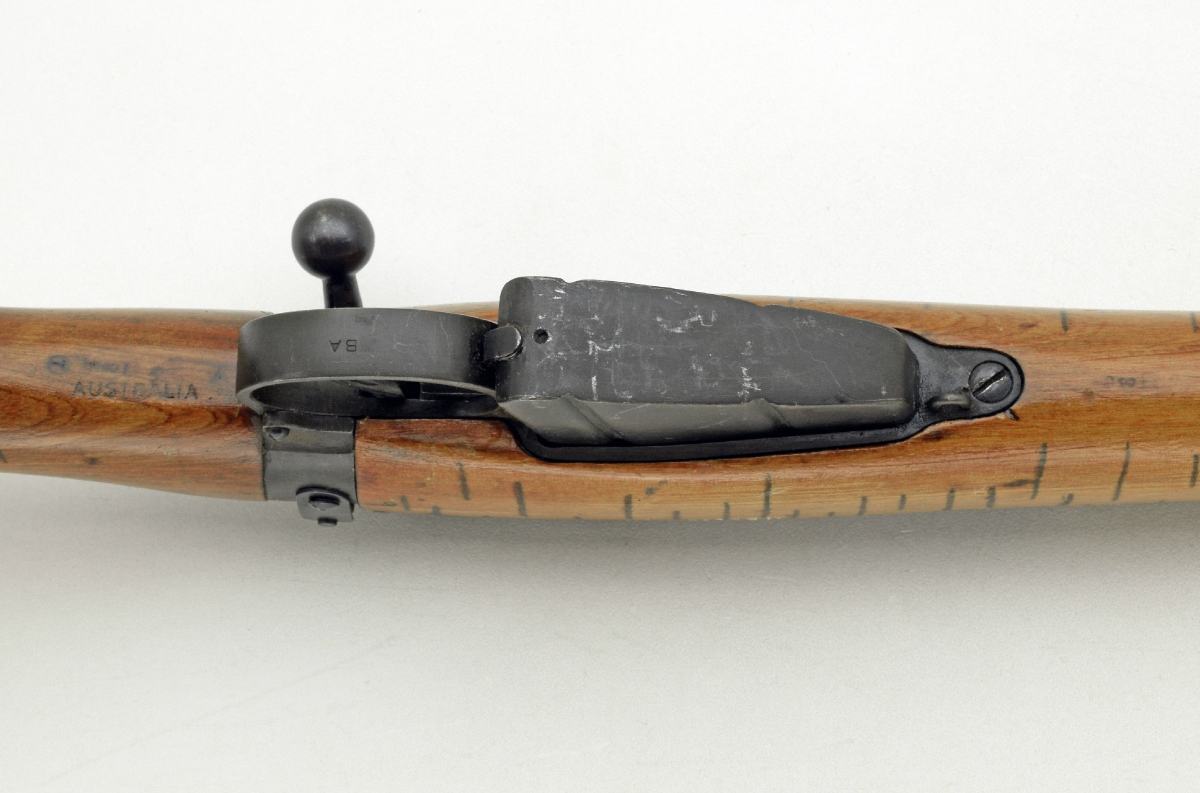
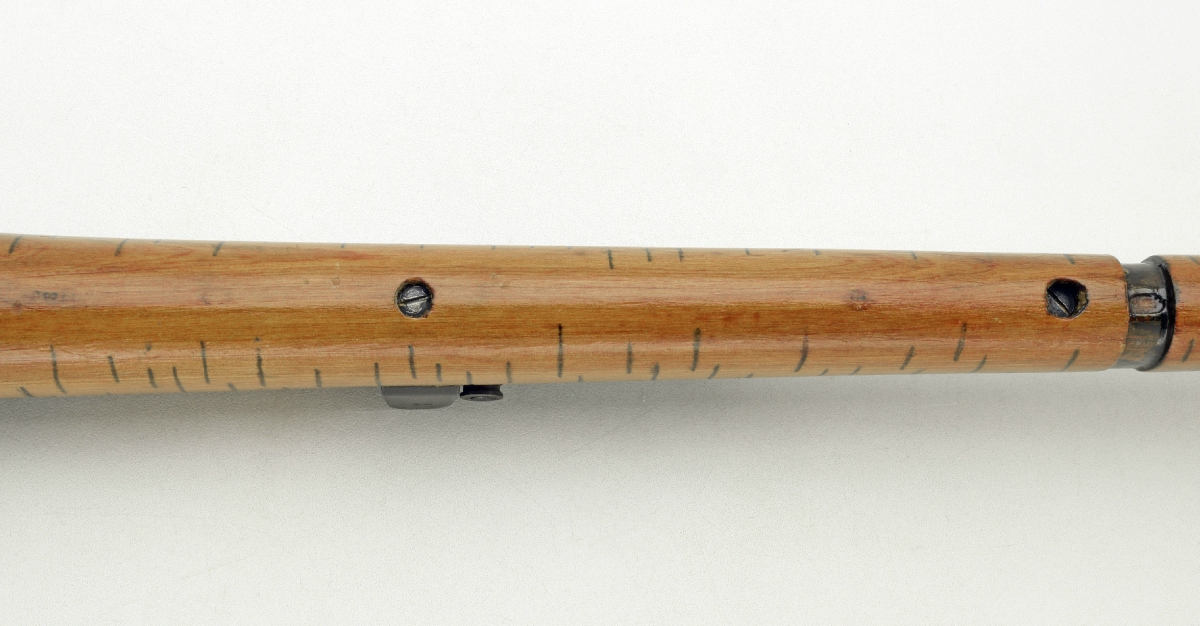
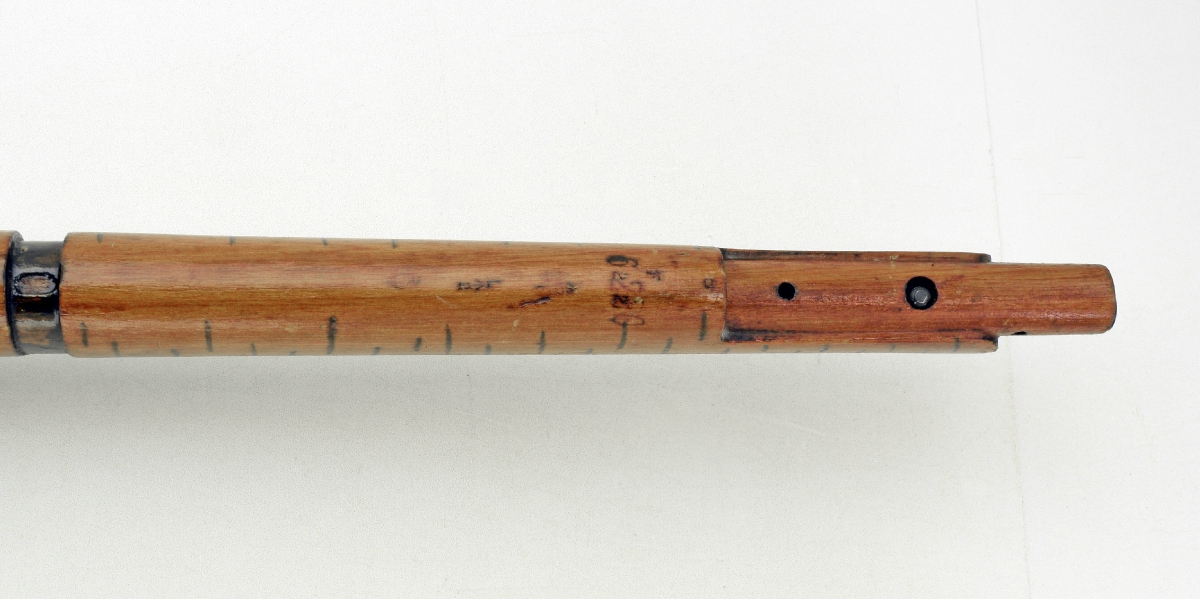
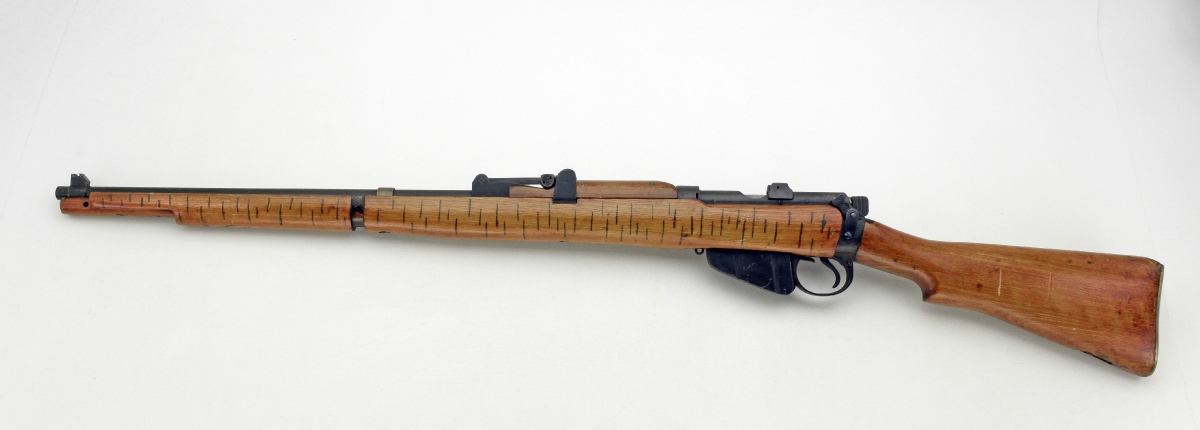
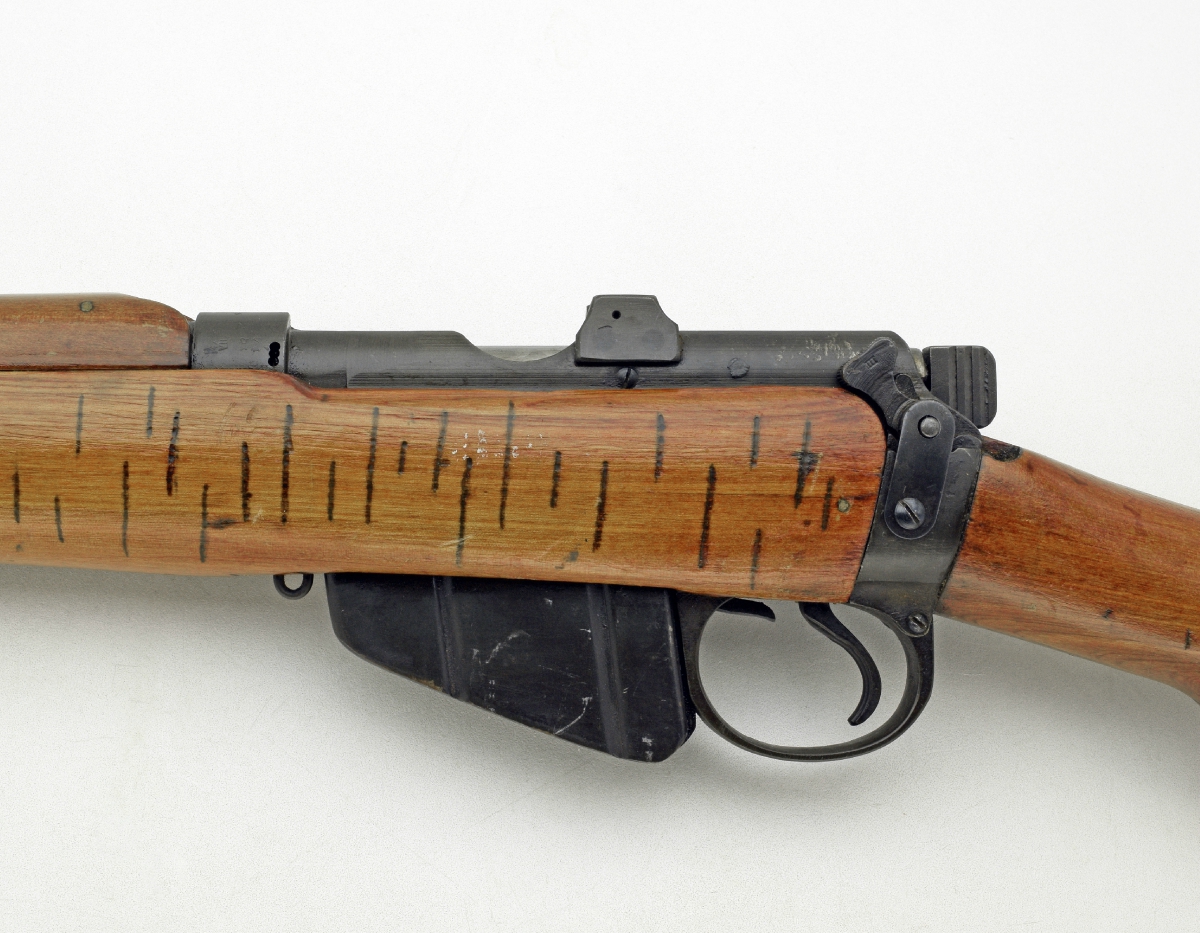
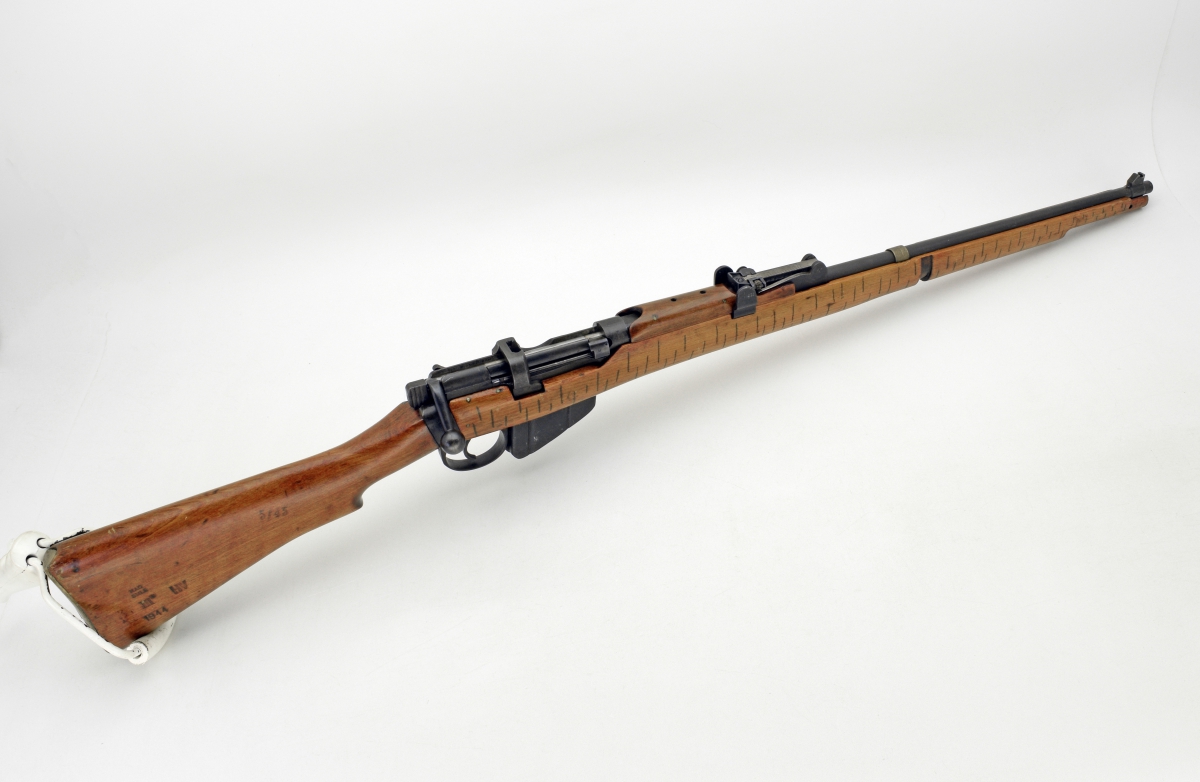
Lee A relic from the Old British Empire, The Enfield Model SMLE Mark III Bolt Action Rifle Caliber 303

It is just a pity that Bubba got his paws on this and tried to pretend to be Gunsmith!
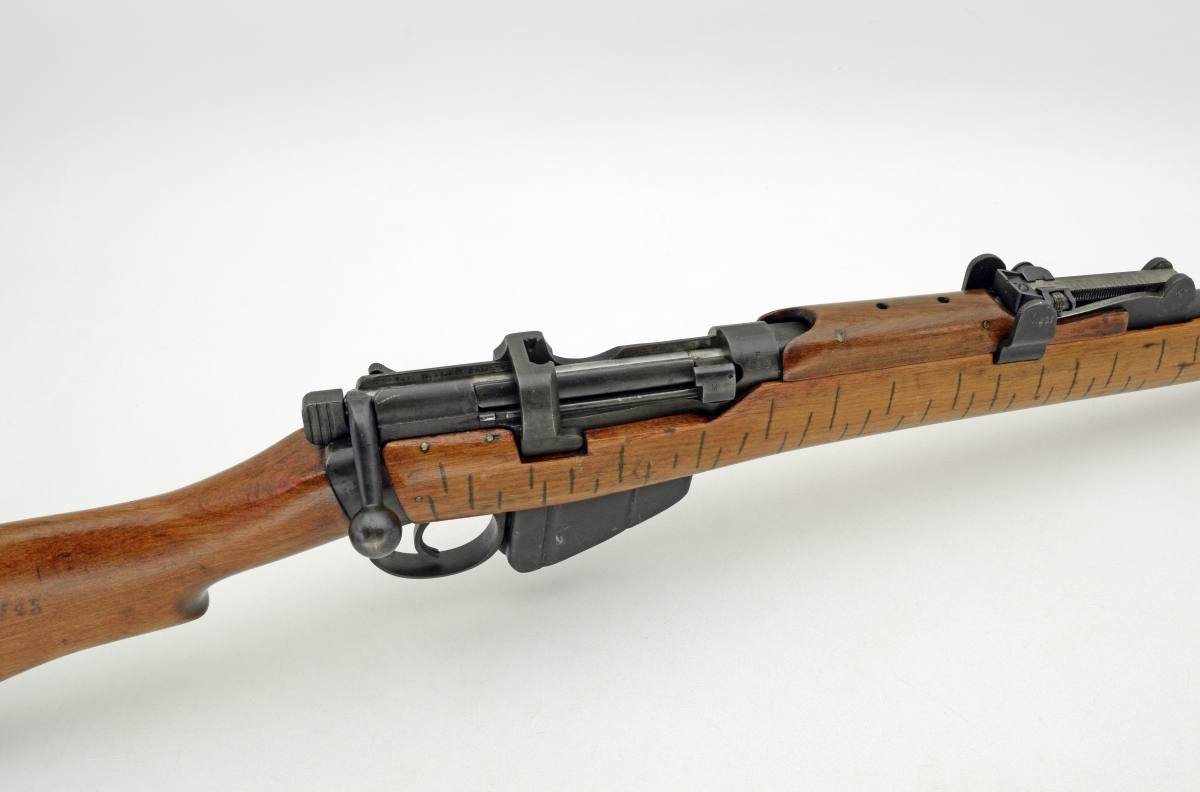
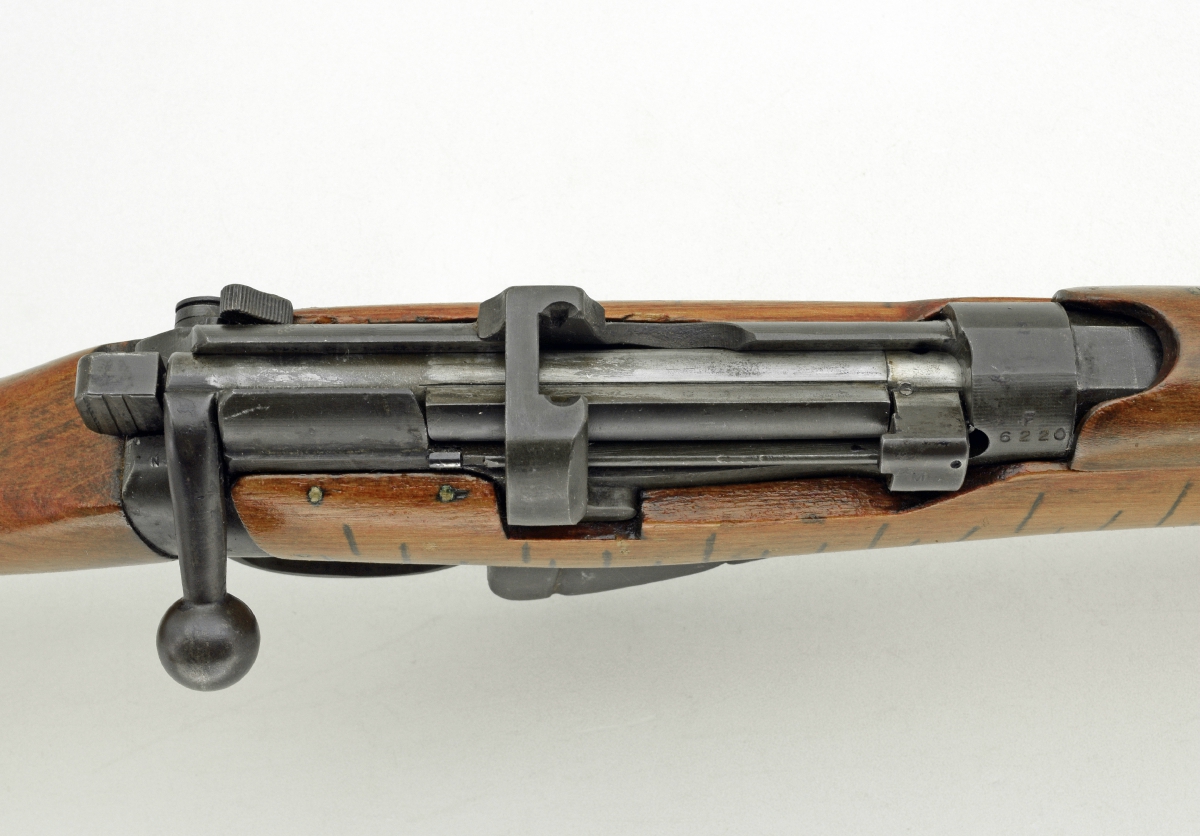
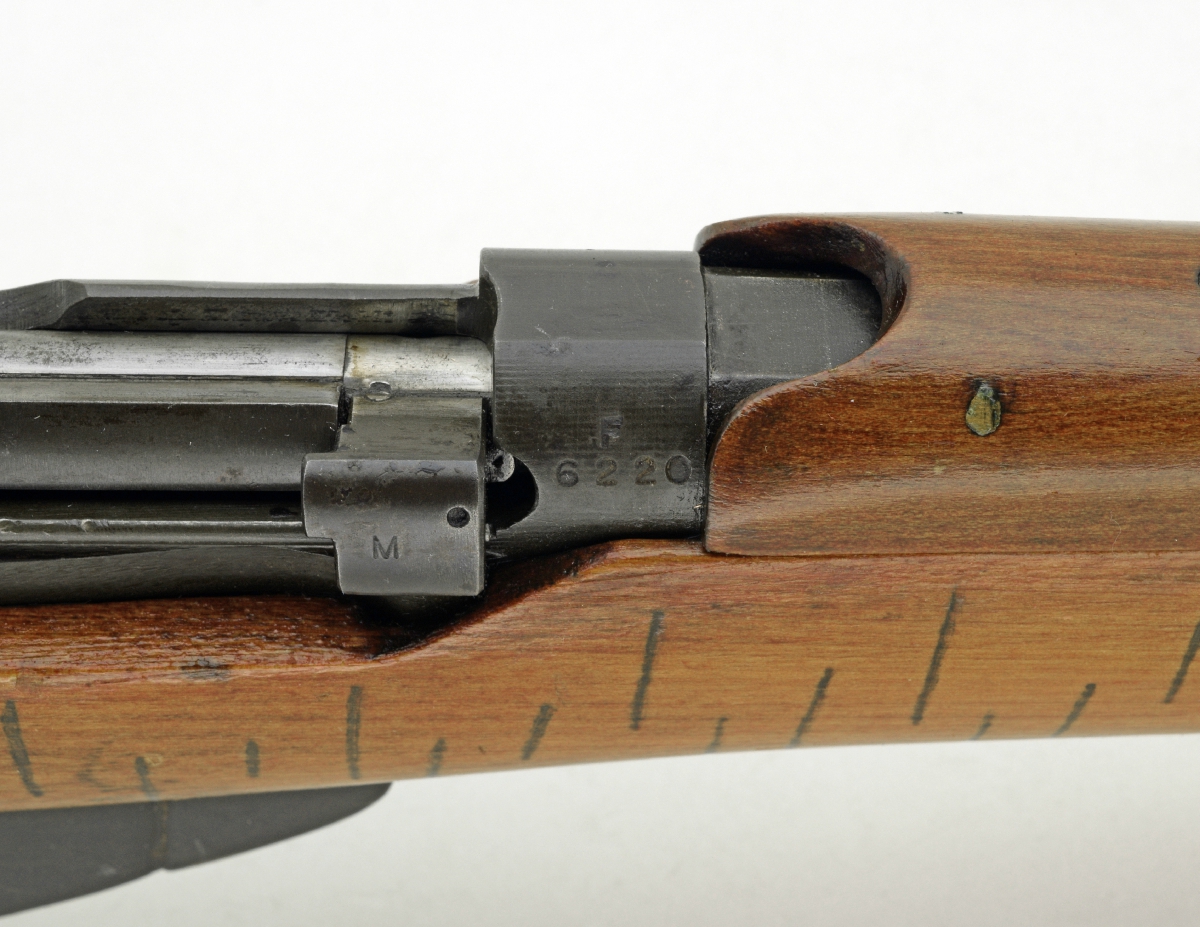
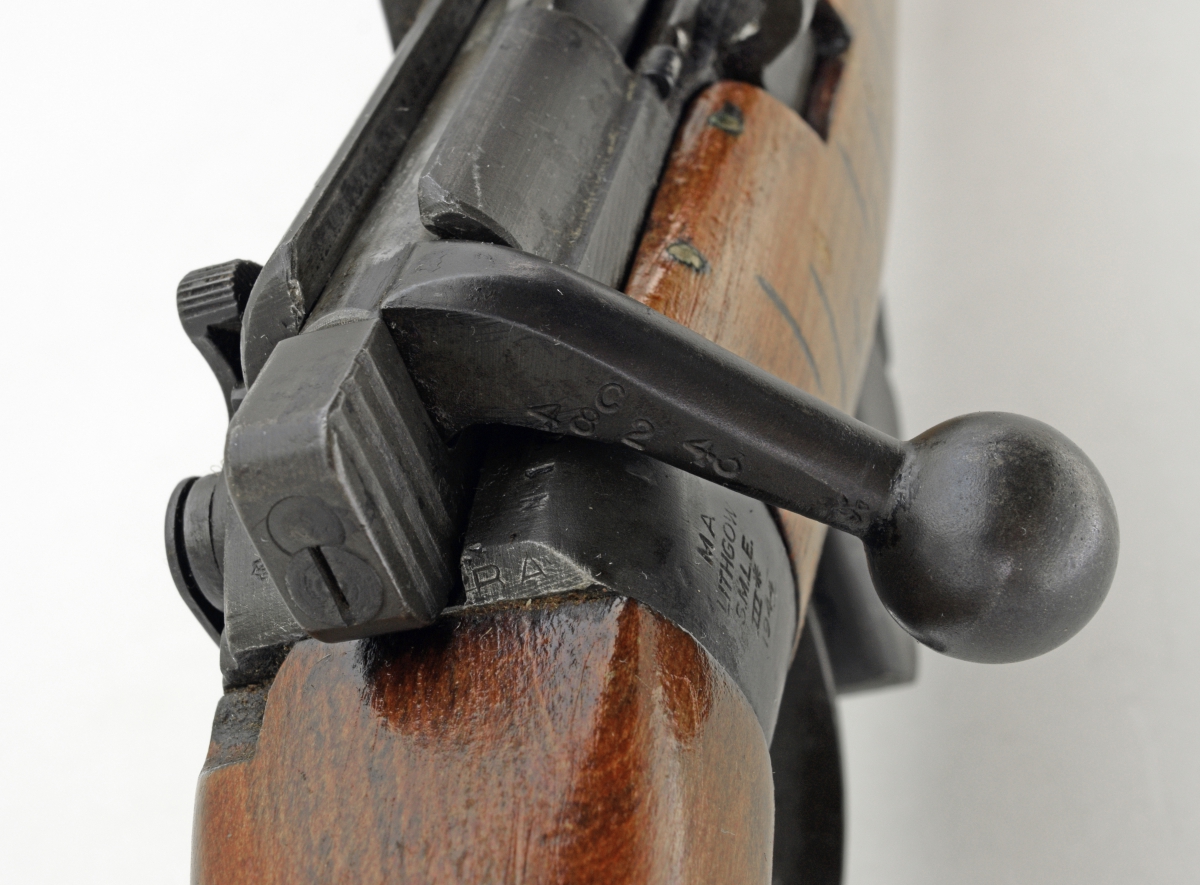
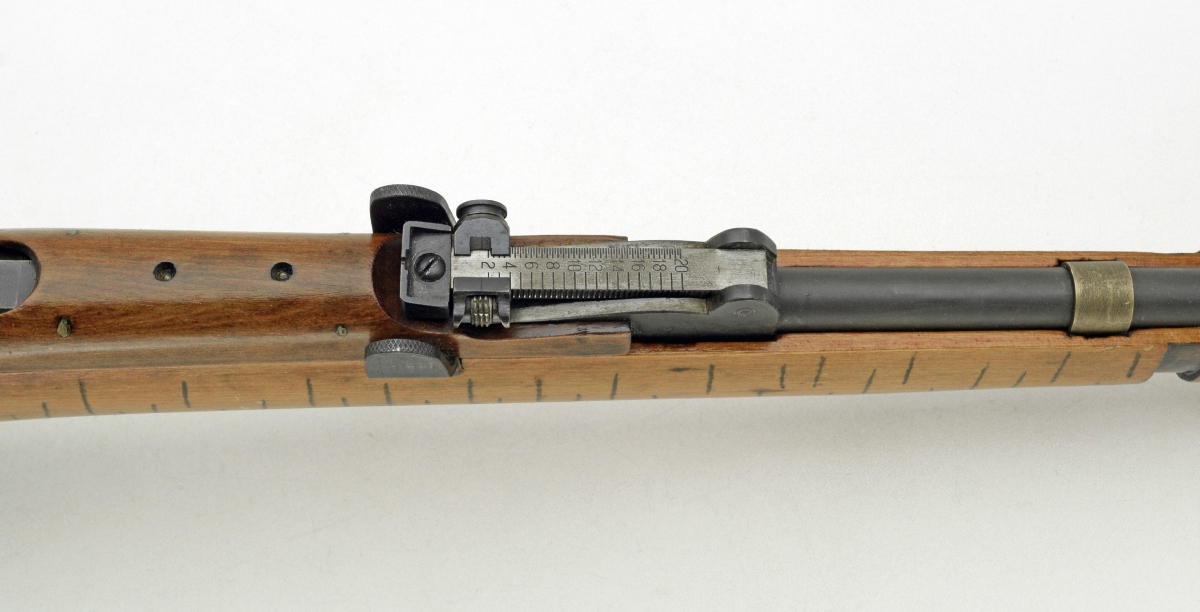
LEE ENFIELD MODEL - SMLE MARK III BOLT ACTION RIFLE CALIBER 303 BRITISH C&R OK - Picture 1
LEE ENFIELD MODEL - SMLE MARK III BOLT ACTION RIFLE CALIBER 303 BRITISH C&R OK - Picture 2
LEE ENFIELD MODEL - SMLE MARK III BOLT ACTION RIFLE CALIBER 303 BRITISH C&R OK - Picture 3
LEE ENFIELD MODEL - SMLE MARK III BOLT ACTION RIFLE CALIBER 303 BRITISH C&R OK - Picture 4
LEE ENFIELD MODEL - SMLE MARK III BOLT ACTION RIFLE CALIBER 303 BRITISH C&R OK - Picture 5
LEE ENFIELD MODEL - SMLE MARK III BOLT ACTION RIFLE CALIBER 303 BRITISH C&R OK - Picture 6
LEE ENFIELD MODEL - SMLE MARK III BOLT ACTION RIFLE CALIBER 303 BRITISH C&R OK - Picture 7
LEE ENFIELD MODEL - SMLE MARK III BOLT ACTION RIFLE CALIBER 303 BRITISH C&R OK - Picture 8
LEE ENFIELD MODEL - SMLE MARK III BOLT ACTION RIFLE CALIBER 303 BRITISH C&R OK - Picture 9
LEE ENFIELD MODEL - SMLE MARK III BOLT ACTION RIFLE CALIBER 303 BRITISH C&R OK - Picture 10

Categories
All About Guns

Automatic Weapons: American vs. German

Attachments area
Preview YouTube video Automatic Weapons: American vs. German

Categories
The Green Machine

A Couple of really good ideas about bringing back the Draft!

Now before somebody messes up their pantys. I served in the US Army & also agree on the fact that a lot of Folks should NOT be allowed into MY Army!

Carte Blanche Foreign Policy: the Curse of the All-Volunteer Force

A few weeks back, I was asked to speak to some high school students about the U.S. Army in the post-Vietnam time period. At first I had no idea what I was going to say. How would I get high schoolers fired up about the demise of the Active Defense doctrine and the rise of AirLand Battle?
But as a I scanned the era for notable takeaways that I could foist on as-yet-unmolded brains that were still drowsy from lunchtime, I came across one very pertinent point: the end of the draft and the beginning of the all-volunteer force in 1973.
It’s never quite what you’d call “fun” to get up in front of a bunch of high-school students. As a group, they seemed intent on sucking all the life out of the room by not displaying a single iota of emotion.
They’re like Dementors for guest lecturers, I guess. So I started off with a simple question. Who could tell me what the Korean War was about?
Silence.
Followed it up with, “Ok, who can tell me anything at all about the Korean War?” Silence answered silence.
Fortunately, I had expected this. Because at their age, even I – who, I like to think, had an excellent education – would’ve been hard pressed to answer what the root causes of the Korean War were. So, together, we went back in time. We talked about the American Revolution, the Civil War, World War I, World War II – the big wars.
The wars where the entire population needed to be leveraged, where all of America went to war. I posited TR Fehrenbach’s theory that all wars prior to Korea could be justified to the American people as a crusade of some type – even the small ones. “Remember the Alamo!” and “Remember the Maine!” come to mind.
But then came Korea. And while Korea was brutal, savage, cost American lives, and used conscription, it was quick. Three years from a very sudden flash to a long drawn-out bang. And unless you were drafted or part of a military family, the war had little influence on you.
It was not a whole-of-society approach to war.  It was not a crusade. Sure, it was one part of the larger Cold War against the U.S.S.R., but it was often a faceless type of war that it was hard for people to conceptualize, much like the Global War on Terror of the early 21st century. Korea was over so quickly that war weariness could not set in, as it would later do in Vietnam.
It was during the Vietnam conflict that the American public came face to face with the brutality of modern political armed conflict, waged with the tool of conscription.
Two million Americans found themselves drafted into the military and many of them were shipped off to fight in a war that was not even given the dignity of being called a war. And it was here that American society would change the way that the nation would make war.
War weariness and social upheaval caused a groundswell of dissatisfaction against the draft; so much so that members of Congress began to take it seriously. Richard Nixon campaigned on his promise to end the draft, and he made good on that between 1971-73.
So, I told the students, the draft was over for Vietnam and hasn’t been used since. Does that mean that all the conflicts are over?
They shook their heads. No.
“Who here was born after September 11, 2001?” I queried. Half the room raised the hands. The other half had been born just before. In other words, as I told them, they were a generation who had known nothing but war.
The military being in conflict was normal to them. We talked about how casualties being reported on used to be an earth-shattering, news-stealing moment. How that was never what was considered normal.
They seemed interested at this idea, but to them, the wars of today are still far away and have no connection to them. They are fought by other people. Volunteers. And as such, as long as casualties are low, military conflicts can be prosecuted for a very long time without much public interest.
Much like the Korean conflict, if you are not in the military yourself or have a family member in the military, the conflicts of today have no impact on you.
Life continues the same. Consumerism roars ahead. Lawns are mowed, trees are trimmed, cars roll along without fuel rationing. We surrender a few personal privacy rights in the name of “security,” but by and large it’s all normal.
Unless you’re that kid sitting in a combat outpost on the Syrian border, wondering what life choices brought you to that point.
The students – I think – realize this disconnect, but they do not understand it fully. I asked them to consider not whether it is feasible for the U.S. to conduct unilateral foreign policy, but whether it is right.
Whether maybe society should take some more ownership of its military and remove the carte blanche that we have given for the use of military force. And lastly, I asked them to serve, in some way. It doesn’t have to be the military, I said, just do something that helps other people.
There’s a lot of talk inside the military about the so-called “civil-military divide.” And while it’s definitely a thing, it’s often overplayed by service members. In the age of the all-volunteer force, we often seek to find ways to boost the morale of a community that is asked to carry a massive burden.
And since decisive military victory did not come readily in the first decade of the 21st century, a culture of military exceptionalism grew up inside the ranks. I’ve lost track of the times I’ve been told that I’m the 1% of American society that has been blessed to wear the uniform. Or the number of times our families have been told that there is nothing more important than the military family.
Inside this culture of military exceptionalism there has grown a cancer. It is the belief that because we in the military are so special for having served, we are somehow superior to all those that have not.
I call this the “douche-vet” syndrome. It can be seen in a myriad of social media posts, internet message boards, and in clothing and merchandise lines.
This subculture is toxic, obnoxious, and oftentimes is directly opposed to the espoused values of the military. Needless to say, it more often than not causes a divide between the people of the United States and their military.
However.
Looking at the root cause, there is truth to be found there. Driving home with my wife, she was lamenting that no one else in her group of friends or our community seems to understand what me being in the military actually means: the long absences, the phone calls late at night, the holidays and birthdays missed, and the occasional fear of the service member’s death or injury.
It’s just not something that others think about. There are some who even express surprise when they hear of deployments, saying, “Oh, I didn’t think we were still active there.”
But, you’ll say, you volunteered for this. And you are 110% correct. I could leave this very moment if I wished. And I begrudge no one the hardships our family has been through. We volunteered and have been compensated along the way.
But I do have some asks of society.
Be engaged. Be involved. Know what is happening in the world. The All-Volunteer Force means that we are not often disrupting society.
And as such, we can often be used all around the world with very few people paying attention. Take ownership of the fact that we are your military. We do not belong to Congress, or the President, or the Supreme Court; we belong to the people of the United States.


Enjoy what you just read? Please share on social media or email utilizing the buttons below.

About the Editor: Angry Staff Officer is an Army engineer officer who is adrift in a sea of doctrine and staff operations and uses writing as a means to retain his sanity. He also collaborates on a podcast with Adin Dobkin entitled War Stories, which examines key moments in the history of warfare.


Cover Photo: Marine draftees receive their rifles at Parris Island (National Archives Photo)
Categories
Born again Cynic! Well I thought it was funny!

Oh Dear!

Image result for bride

Here is just another reason on why you should always leave home armed & with a plan to kill everyone you meet!

Categories
All About Guns Ammo

7 Reasons to Use .327 Federal Magnum for Self-Defense by Richard Mann

7 Reasons to Use .327 Federal Magnum for Self-Defense
Introduced in 2008, Federal Premium shocked the shooting community with its new .327 Federal Magnum. The cartridge was essentially a lengthened .32 H&R Magnum loaded to a much higher pressure. Ruger and Smith & Wesson offered compact revolvers for this round, but aside from developing a cult-like following, it never really took off.
That is until now; a decade later, it’s gaining new traction. Here are seven reasons you should consider the .327 Federal Magnum—a cartridge that was ahead of its time—as a defensive handgun ammo option:

Today, there is a wide variety of .327 Federal Magnum loads to choose from, and they’re loaded with great bullets like the Speer Gold Dot and Barnes TAC-XP.

No. 1: Defensive Ammo Availability
Unlike back in 2008, there are now at least 10 factory ammunition offerings for the .327 Federal Magnum. Available loads span bullet weights from 75 to 130 grains and include trusted, street-proven projectiles like the Speer Gold Dot, Federal HydraShok, and even Barnes TAC-XP. Federal even offers a low-recoil load in its Premium Personal Defense line.

With the .327 Federal Magnum, you get an extra round in the cylinder of subcompact revolvers.

No. 2: Increased Cylinder Capacity
Compact revolvers chambered for the .327 Federal Magnum typically hold six rounds. Compact revolvers for the .357 Mag. and even the .38 Spl. only hold five.
Do the math anyway you like, but that amounts to an increase in ammunition capacity of 20 percent. In a life-or-death situation, you cannot count on a mythical one-shot stop from any cartridge. With the .327 Federal Magnum, you have a little something extra on your side.

Ruger’s lightweight and compact LCR is a perfect match to the .327 Federal Magnum and is designed concealed carry.

No. 3: Availability of Purpose-Built Concealed-Carry Guns
Ruger’s LCR compact revolver holds six rounds, weighs only 17 ounces, has an ion-bond finish to protect it from corrosion and a Hogue Tamer Mono-grip to reduce recoil.
This is an ideal pocket or deep-concealment revolver for everyday carry. It won’t weigh you down; it comes in a full 10 ounces less than the original Ruger SP-101 introduced with the .327 Federal Magnum in 2008.

Even the light-recoiling but incredibly fast 75-grain TAC-XP load from DoubleTap will exceed the FBI’s minimum penetration threshold of 12 inches, while still expanding wide.

No. 4: Excellent Terminal Performance
The 100-grain Speer Gold Dot load for the .327 Federal Magnum will penetrate more than 16 inches in 10-percent ordnance gelatin and expand with a frontal diameter of almost a full half-inch.
The DoubleTap 75-grain TAC XP load will penetrate almost as deep and expand almost as wide but will do so with less than .38 Spl. recoil. It has lightning-like velocity, even from short-barreled revolvers.
The 130-grain hardcast load from Buffalo Bore Ammunition is even suitable for bear defense. You can expect almost 3 feet of penetration from this hard-hitting, powerhouse, .32-caliber load.

Federal’s excellent low-recoil load for the .327 Federal Magnum is topped off with the famed Hydra-Shok JHP bullet.

No. 5: Substantially Reduced Recoil
When you compare a .357 Mag. load that will deliver the same level of terminal performance as the .327 Federal Magnum, you’ll find it does so with about a 50 percent increase in recoil.
The .327 Federal Magnum performs so well because it operates at a higher pressure than the .357 Mag.—45,000 psi as opposed to 35,000 psi. But recoil is reduced because it fires smaller diameter and slightly lighter bullets.
The .357 Mag. is a great cartridge, but with 125-grain bullets, the .327 Federal Magnum can match its velocity and terminal performance without the wrist-twisting crunch.

Many pair their .357 Mag. or .44 Mag. revolver with a like-chambered lever gun. Now with the introduction of the Henry, you can do that with the .327 Federal Magnum.

No. 6: Rifles Available to Match
With the introduction of Henry Big Boy rifles in .327 Federal Magnum, you can now have a lever-action rifle or carbine that fires the same cartridge as your defensive revolver.
Cowboys of the Old West liked this idea because they did not have to worry about sorting ammunition between the two guns they relied on the most. For a rifle/revolver combination, the .327 Federal Magnum is ideal.

Versatility is the hallmark of the .327 Federal Magnum. With no other revolver can you fire this many different cartridges.

No. 7: Multi-Cartridge Compatibility
Last, but by no means least, the true beauty of the .327 Federal Magnum is its ability to fire four other cartridges. You can shoot .32 ACP, .32 Long, .32 Short and .32 H&R Mag. ammunition in any .327 Federal Magnum revolver.
This gives you resourceful flexibility unmatched by any other handgun—revolver or semi-auto. It also lets you adjust the revolver’s recoil to the sensitivity of any shooter in your household and affords a wide selection of factory, low recoil, practice options.