

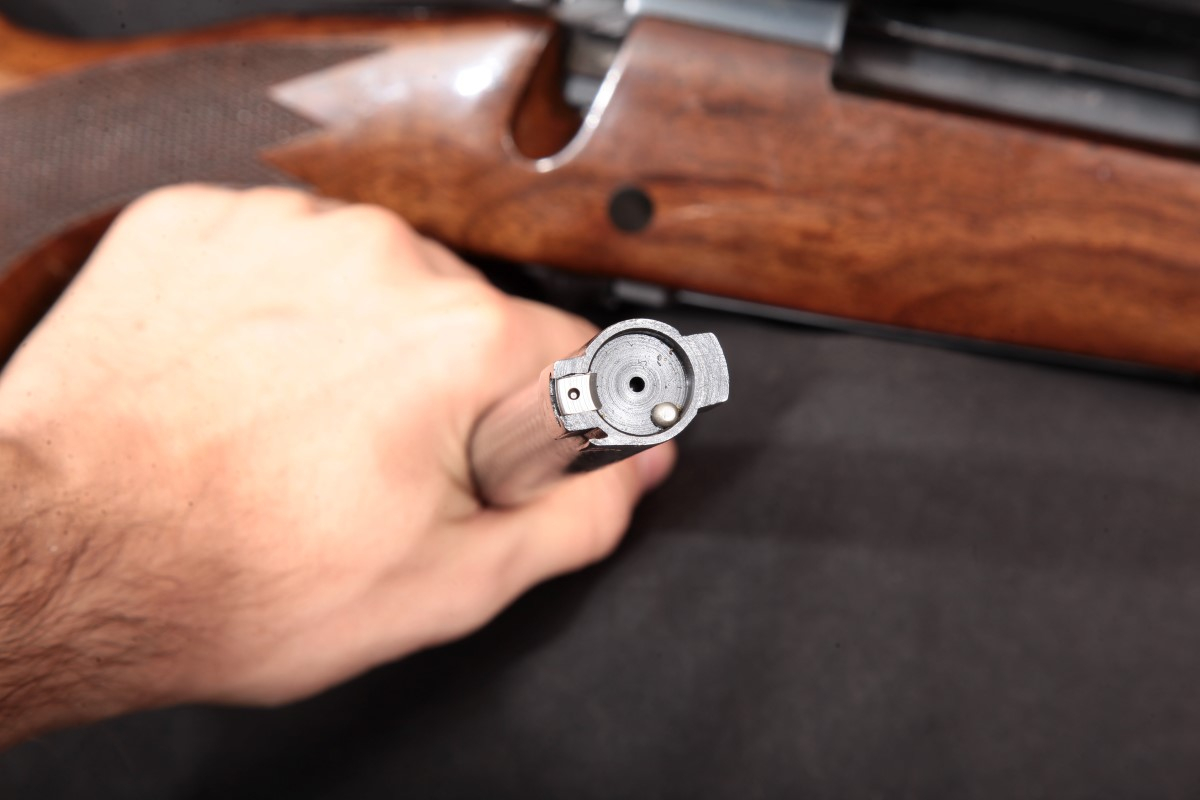
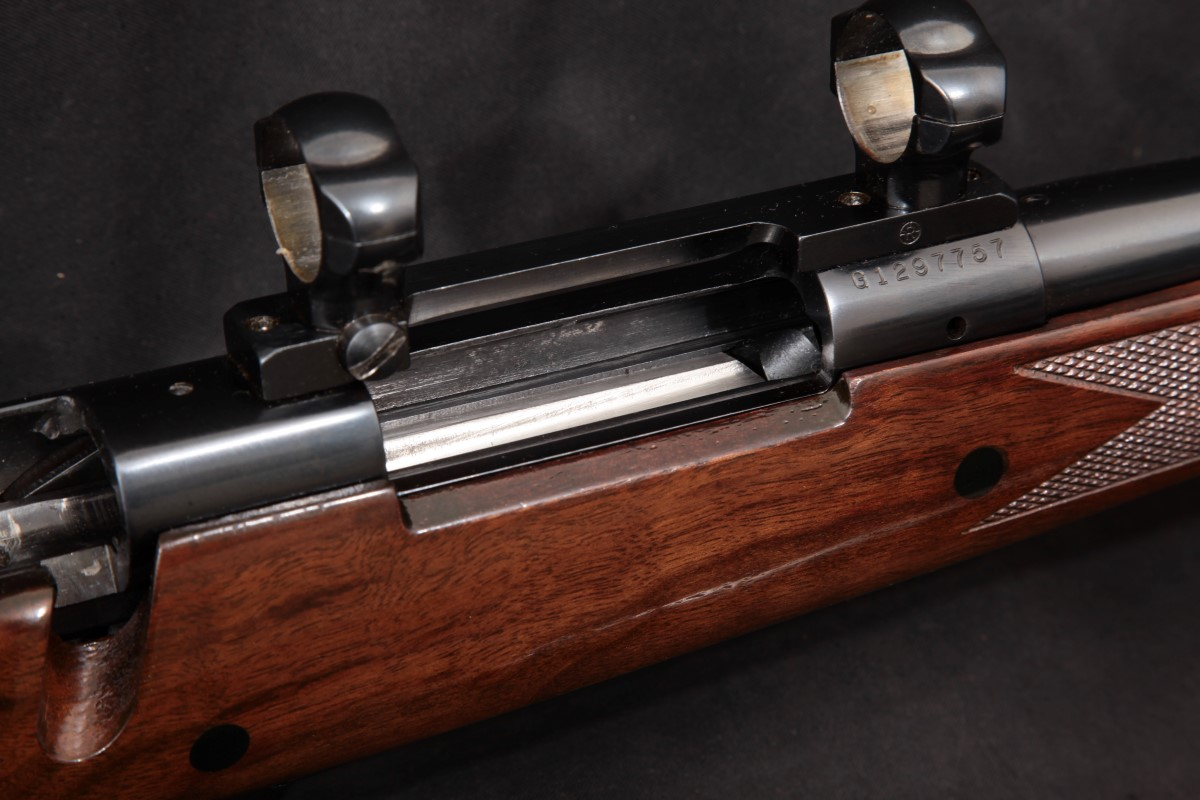
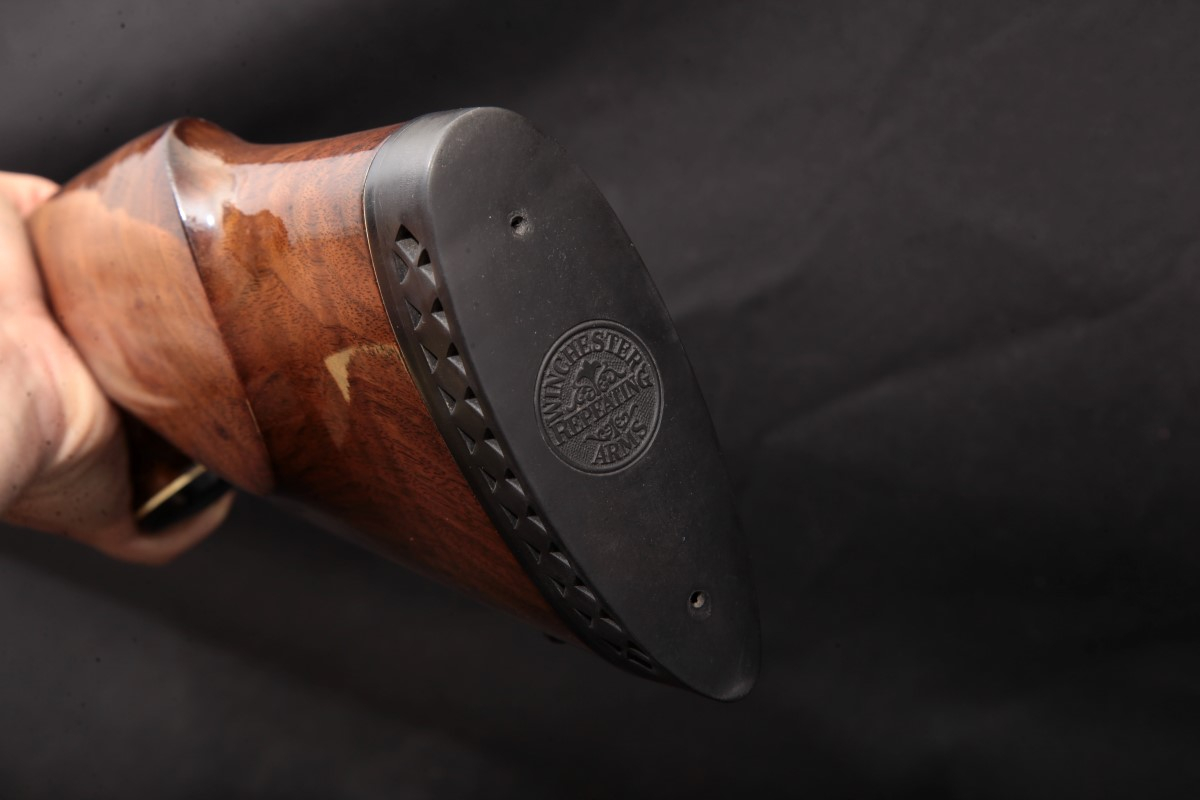
I just wonder if ANYBODY had the guts to call him that to his face. I know that I wouldn’t. Grumpy
https://youtu.be/xD7ExncIKtA

Four years after Philadelphia police seized the home of Markela and Chris Sourovelis for a minor drug crime committed by their son, the city has agreed to almost completely dismantle its controversial civil asset forfeiture program and pay $3 million to its victims.
The Institute for Justice, a libertarian public interest law firm, announced today that the city had agreed to a settlement in a federal civil rights class-action lawsuit challenging its forfeiture program.
The Constitution (that document that no one reads anymore) maintains that government can’t impose excessive fines, and it also can’t take private property without just compensation. The way asset forfeiture works in this country violates both of those restrictions.
A 2015 report by the Pennsylvania chapter of the American Civil Liberties Union found that almost a third of cash forfeiture cases in Philadelphia involved money owned by people who had not been found guilty of a crime.
The “court” in which you had to appear to contest this was run by prosecutors – no judges, and no “court-appointed attorneys.” And it sounds like very little justice. (Hat tip to Irons in the Fire.)



Gun manufacturing and sales is big business in the United States — as it turns out, one of the biggest.
In terms of gun ownership, the U.S. is the runaway global leader. There are nearly nine firearms for every 10 American citizens; this proportion is 40% higher than that of Yemen, which ranks second in the world for gun ownership.
Every year, nearly 9 million firearms enter the U.S. market. 5.5 million guns are manufactured domestically, and roughly 95% are eventually sold to Americans. An additional 3.2 million firearms are imported into the U.S. and sold through licensed firearms dealers.
Currently there are more than 130,000 of these licensed dealers in the country; to put that number in perspective, the U.S. is also home to 144,000 gas stations, 36,500 grocery stores, and 14,000 McDonald’s restaurants.
Want more comparisons? The firearms industry generates roughly $32 billion in revenue every year — $10 billion more than the Ford Motor Company — and employs 98,000 people, five times more than Google Inc.
Furthermore, the gun industry is continuing to grow at an astonishing rate. Connecticut-based Sturm, Ruger & Co., the country’s fourth largest firearm manufacturer, recorded a $180 million increase in revenue since 2004.
The U.S. is #1 when it comes to gun ownership in the entire world, with 88.8 firearms per 100 people. In fact, the second country on the list of most gun owners per person is Yemen – at a whopping 40% lower ownership rate than the U.S.
Whatever your politics, guns are one of America’s biggest industries.
One: Manufacturing. Nearly 5.5 million guns are manufactured annually in the United States and 95% of these are sold to Americans. An additional 3.2 million guns are imported to the U.S. from other countries.
Two: Retail. There are nearly 130,000 licensed firearm dealers in the United States. Compare this to nearly 144,000 gas stations, about 36,500 grocery stores, and just over 14,000 McDonalds.
Three: The Bottom Line. The ammunition and firearms industry pulled in about $32 billion each year and employed 98,000 people.
That’s $10 billion more than Ford made in the same year and five times more employees than Google. And the gun industry isn’t weakening – since 2004, major gun manufacturing company Sturm Ruger’s alone saw their revenue increase $183 million.




| John Moses Browning BOL |
|
|---|---|

Browning, c. 1915
|
|
| Born | January 23, 1855 Ogden, Utah Territory |
| Died | November 26, 1926 (aged 71) Liège, Belgium |
| Nationality | American |
| Occupation | Gunsmith, founder of Browning Arms Company |
| Partner(s) | Rachel Browning |
| Children | Val A. Browning |
| Parents |
|
| Awards | John Scott Medal (1905) Order of Léopold (1914) |
| Signature | |
 |
|
John Moses Browning (January 23, 1855[1] – November 26, 1926) was an American firearms designer who developed many varieties of military and civilian firearms, cartridges, and gun mechanisms, many of which are still in use around the world.[2] He is regarded as one of the most successful firearms designers of the 20th century, in the development of modern automatic and semi-automatic firearms, and is credited with 128 firearm patents.[3] He made his first firearm at age 13 in his father’s gun shop, and was awarded his first patent on October 7, 1879 at the age of 24.[4]
Browning influenced nearly all categories of firearms design. He invented or made significant improvements to single-shot, lever-action, and pump-action, rifles and shotguns. His most significant contributions were arguably in the area of autoloading firearms. He developed the first autoloading pistols that were both reliable and compact by inventing the telescoping bolt, integrating the bolt and barrel shroud into what is known as the pistol slide. Browning’s telescoping bolt design is now found on nearly every modern semi-automatic pistol, as well as several modern fully automaticweapons. He also developed the first gas-operated machine gun, the Colt–Browning Model 1895—a system that surpassed mechanical recoil operation to become the standard for most high-power self-loading firearm designs worldwide. Browning also made significant contributions to automatic cannon development.
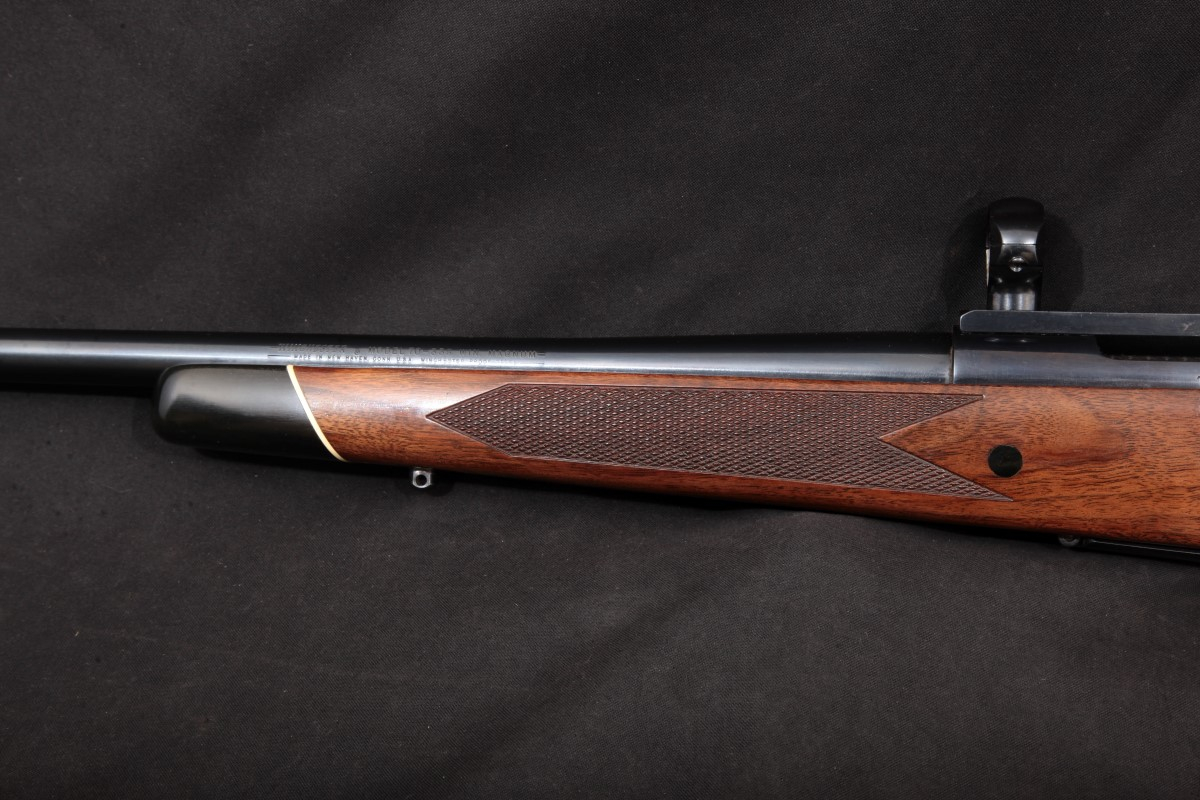
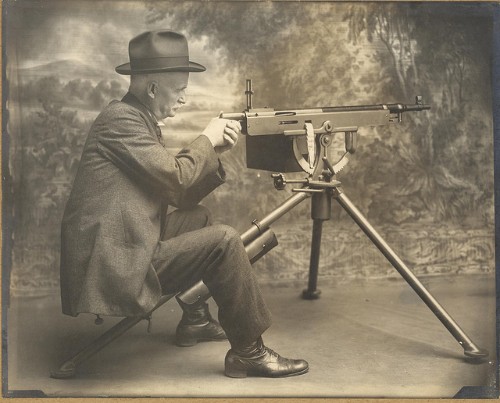
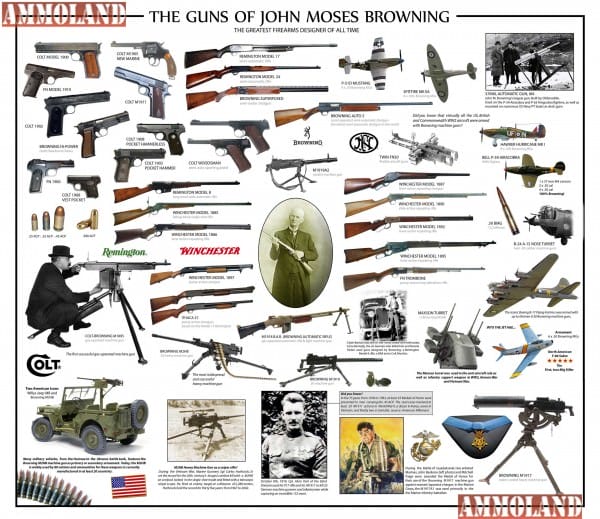
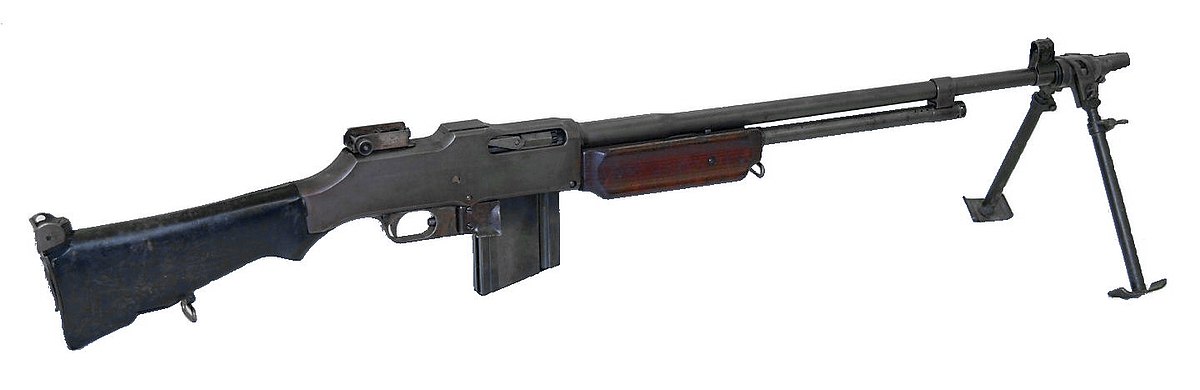
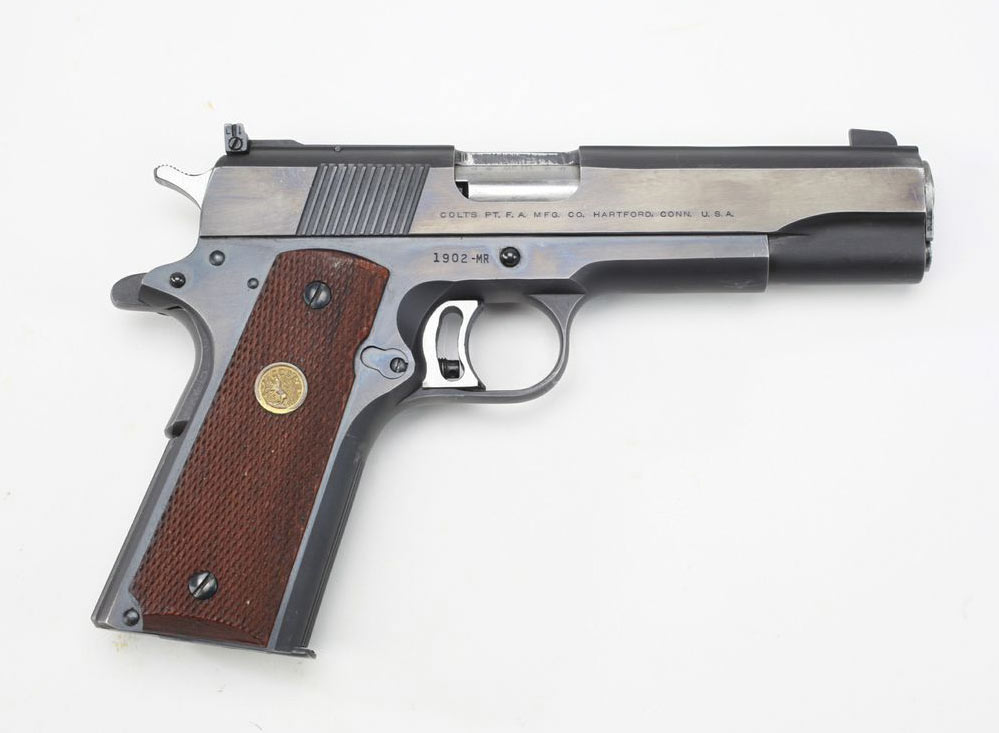
Browning’s most successful designs include the M1911 pistol, the Browning Hi Power pistol, the M1917 .30 caliber water-cooled and M1919 .30 caliber air-cooled machine guns, the M2 .50 caliber machine gun, the Browning Automatic Rifle, and the Browning Auto-5 semi-automatic shotgun. Some of these arms are still manufactured, often with only minor changes in detail and cosmetics to those assembled by Browning or his licensees. His guns are some of the most copied guns in the world.
[hide]
His father Jonathan Browning, who was among the thousands of Mormon pioneers in the mass exodus from Nauvoo, Illinois to Utah, established a gunsmith shop in Ogden in 1852. As was common in the Mormon community at that time, Jonathan Browning was a polygamist, having taken three wives. He fathered 19 children, including John Moses Browning.[citation needed]
John Moses worked in his father’s Ogden shop from the age of seven, where he was taught basic engineering and manufacturing principles, and encouraged to experiment with new concepts. He developed his first rifle, a single-shotfalling block action design, then founded his own manufacturing operation, in partnership with his younger brother Matthew Sandifer Browning, and began to produce this firearm.
Like his father, Browning was a Mormon, and served a two-year mission in Georgia beginning on March 28, 1887.[citation needed]
Production examples of the Model 1885 Single Shot Rifle caught the attention of the Winchester Repeating Arms Company, who dispatched a representative to evaluate the competition. Winchester bought the design for $8,000 and moved production to their Connecticut factory. From 1883, Browning worked in partnership with Winchester and designed a series of rifles and shotguns, most notably the lever action Winchester Model 1887 and the Model 1897pump shotgun, the falling-block single-shot Model 1885, and the lever-action Model 1886, Model 1892, Model 1894, Model 1895 rifles as well as the long recoil operated semi-automatic Remington Model 8 rifle, many of which are still in production today in some form; over six million Model 1894s had been produced as of 1983, more than any other sporting rifle in history.[5]
Winchester manufactured several popular small arms designed by John M. Browning. For decades in the late 19th Century-early 20th Century, Browning designs and Winchester firearms were synonymous and the collaboration was highly successful. This came to an end when Browning proposed a new long recoil operated semi-automatic shotgun design, a prototype finished in 1898, to Winchester management, which ultimately became the Browning Auto-5 shotgun. As was the custom of the time, Browning’s earlier designs had been licensed exclusively to Winchester (and other manufacturers) for a single fee payment. With this new product, Browning introduced in his negotiations a continuous royalty fee based upon unit sales, rather than a single front-end fee payment. If the new shotgun became highly successful, Browning stood to make substantially more fee income over the prior license fee arrangements. Winchester management was displeased with the bold change in their relationship, and rejected Browning’s offer. Remington Arms was also approached, however the president of Remington died of a heart attack as Browning waited to offer them the gun. This forced Browning to look overseas to produce the shotgun. However; Remington would later produce a copy of the Auto-5 as the Model 11 which was used by the US Military and was also sold to the civilian market.
Having recently successfully negotiated firearm licenses with Fabrique Nationale de Herstal of Belgium (FN), Browning took the new shotgun design to FN; the offer was accepted and FN manufactured the new shotgun, honoring its inventor, as the Browning Auto-5. The Browning Auto-5 was continuously manufactured as a highly popular shotgun throughout the 20th century. In response, Winchester shifted reliance away from John Browning designs when it adopted a shotgun design of Thomas Crossley Johnson for the new Winchester Model 1911 SL, (Johnson had to work around Browning’s patents of what became the Auto-5) and the new Model 1912 pump shotgun, which was based in small part upon design features of the earlier Browning-designed Winchester Model 1897 shotgun. This shift marked the end of an era of Winchester-Browning collaboration.

Browning in his later years
John Browning was known as a dedicated and tireless innovator and experimenter who sought breakthrough consumer-oriented features and performance and reliability improvements in small arms designs. He did not retire from his career in his later years, but dedicated his entire adult life—literally to his last day—to these pursuits. On November 26, 1926, while working at the bench on a self-loading pistol design for Fabrique Nationale de Herstal (FN) in Liège, he died of heart failure in the design shop of his son Val A. Browning. Even the 9 mm semi-automatic pistol he was working on when he died had great design merit and was eventually completed in 1935, by Belgian designer Dieudonne Saive. Released as the Fabrique Nationale GP35, it was more popularly known as the successful Browning Hi-Power pistol, a favorite of sportsmen, gun collectors as well as many military and law enforcement agencies around the world.
The premium priced Browning Superposed shotgun, an over-under shotgun design, was his last completed firearm design and possibly his most elegant. It was marketed originally with twin triggers; a single trigger modification was later completed by his son, Val Browning. Commercially introduced in 1931 by FN, Browning Superposed shotguns, and their more affordable cousins, the Browning Citori made in Asia, continue to be manufactured into the 21st century, and come with varying grades of fine hand engraving and premium quality wood.
Throughout his life, Browning designed a vast array of military and civilian small arms for his own company, as well as for Winchester, Colt, Remington, Savage, Stevens, and Fabrique Nationale de Herstal of Belgium. Browning firearms have been made, both licensed and unlicensed, by hundreds of factories around the world. Browning Arms Company was established in 1927, the year after Browning’s death. In 1977, FN Herstal acquired the company.
The M1895 Machine Gun saw action in the Spanish–American War with the United States Marines. The Colt M1911, Browning 1917/19, and the BAR saw action with US forces in World War I, World War II and the Korean War, with the M1911 going on to serve as the U.S.’s standard military side arm until 1985; a variant is still used by special operations units of the United States Marine Corps and the design remains very popular amongst civilian shooters and some police departments. The Browning Hi-Power has a similarly lengthy period of service outside the United States, and remains the standard side arm of the Australian and Canadian armed forces. The M2 Browning machine gun, the timeless .50 caliber “Ma Deuce”, which was developed in 1918, entered service with the US Armed Forces in 1921, and remains in active service for nearly a century with armed forces across the world in a variety of roles. The M4 cannon, a 37mm autocannon, was initially designed by Browning in 1921, and entered service in 1938; it was used both in aircraft and on the U.S. Navy PT boat during World War II.
Several of Browning’s designs are still in production today. Some of his most notable designs include:
In our last episodes we covered the fun part: guns and how much ammo to feed ’em. I’m as guilty as anyone when it comes to chewing the fat on this topic; I’ve spent hours in the forums talking about caliber preference, weight vs. power, and all the like.
But now we have to get into the not so fun part, the part that resembles work. If guns are the equivalent of showing off your abs, the hardening the home part of this series is how you got those abs. It isn’t sexy, but it is important.

I’m going to start here with some general experience, and why I’m qualified to speak on the matter of defending an urban location. First and foremost, I did some tours in Iraq, which offers some unique insights.
Despite what the public generally thinks about U.S. Military bases and the lines of trailers many troops used, it wasn’t always like that. Especially in the early days, we took over former regime buildings and lived and worked in them.
It is pretty funny to see a bunch of grunts living in a palace with gold toilets, but it’s how it went. The bad guys weren’t shy about still trying to kill us in those structures, so we learned a lot about hardening them from both rifle fire and mortar attacks.
With the caveat that we usually had Uncle Sugar’s logistics train to help us, which provided very expensive and unwieldy things. Like Kevlar blast blankets and Hesco bastions as time went on. Blast blankets start at about $1,500 apiece, so I think we can leave those off the shopping list.
Second, Iraq had a very weird infrastructure. In certain spots at least, I remember being amazed by how similar it was to a U.S. city. Like the interstate highway system around Baghdad had green and white signs exactly like ours (only they were in English and Arabic), letting you know what exit was coming up.
This applied somewhat to buildings as well. In the cities, most structures were concrete and bore at least a passing resemblance to ours. Minus all the OSHA standards and safety features.
Third, not only did we harden buildings, so did the bad guys. It was not uncommon at all to have to fight through barricades and the like, especially if a certain neighborhood was in open revolt at the time.
That, combined with some very odd design choices, gives a man insight into how to set up a defense.
And fourth, my last job helps a lot as well. As a CQB instructor, part of the task was teaching new guys how to deal with obstacles similar to what they were likely to encounter.
But being on a timeline and a budget, the idea was to build those obstacles cheap and easy. But also in a manner that would require a lot of effort from the student to overcome or work around or breakthrough.
Much like the first article on rifles, where we divided the world into free and non-free cities, we need to divide again. The first part of this will focus on the suburbs, for a normal American house built of 2x4s and drywall.
The second will focus on the concrete and stone structures we introduced in episode one. There is obviously some overlap of what can be done, and those things I will put in the second part.
Having traveled the world, I can generally break all construction into two categories. American, and everyone else. For cities this is definitely true, Prague looks like Okinawa, looks like Cairo, in terms of things built in the last 50 years.
Maybe I lack the artist’s eye, but it’s how I see it. No one on earth has American-like home ownership, owed at least partially to our ability to build them relatively cheap but also structurally sound.
And while American homes have proven capable of lasting against the elements for 100 plus years, they do have a weakness. They don’t stop bullets worth a damn! Maybe that is also because we always play away games.
Unless you have something a little different, like a log cabin with foot-thick walls, your house is largely indefensible against rifles. It is even worse against fire, which is a concern I often see ignored in preppier circles. Your back fence will burn, your shingles will burn, and the outside of your house will burn with very little effort.
We have largely mitigated this problem in civilized society by having good fire departments and enforcing suburban burn bans, but it is a different animal when Mad Max rules are in play. In short, I would not want to ever try and defend my house from teeming hordes equipped with Molotov cocktails and long guns.
But you might not have a choice. So you can still do some things to tilt the odds in your favor. A lot of this is construction specific, which also varies from region to region. One thing that has been brought up in the comments section is sandbags.
Plausible option and it would help stop bullets at least. The downside here is the number of sandbags you would need to secure a perimeter around your home, and the labor required to fill them. Having done some sandbag filling, it is not a fun chore.
Some suggested sandbags in the context of hardening only one room, but that has downsides too. Even to protect an interior room is going to require a lot. And if you can only defend that room, you are ceding enough ground to attacking forces to get within 4 feet of you before you have a clear shot.
If you are built on a concrete foundation, you can actually take a shortcut. It’s extreme, but we are talking about extreme circumstances. If you cut holes in your floor for fighting positions, you would lower your needed sandbag count by a lot.
Because you have walls to hold the dirt up, you could actually get by without any sandbags at all. You will still want a wheelbarrow, but you could actually build “range berms” three feet high the entire way around your house. Inside or outside, depending on the direness of the situation.
I have a full basement, so my options are more complex. The smartest thing I could do is build parapets to my needed perimeter positions, and then cut firing ports in the walls to the outside. That cedes my entire first floor, but the surprise would be nasty. Imagine running up the driveway for an easy score, then taking rifle fire at knee height. Ouch!
While we are talking about the typical neighborhood set up, the direness of the situation directly influences the level of heavy-handed response from you. For instance, have you thought about fields of fire?
Most of the places I have lived, my best course of action would be extreme. I would have to huddle the neighbors in my own home, while I burned theirs to the ground.
Otherwise, the avenues of approach would be many. You can stop saboteurs at 50 meters. At five meters, they are likely to win or at least complete their task.
What else is a high priority? The next step we can take directly from our friends in hurricane country. While plywood window coverings won’t stop bullets, they do stop bricks and Antifa goblins (FYI: half-inch plywood won’t even stop handgun rounds, much less rifle fire).
I suggest a slight variation from the full coverage of windows, leaving an 8-inch gap at the bottom. This prevents your house from being totally dark while also creating airflow. Since you bought a pile of guns from episode 1, it also gives you space to see and shoot back.
Won’t the gap make the window coverings easier to rip off? That is a valid criticism, and yes, a little. But two things. One, as they said in Rhodesia, “An obstacle is only an obstacle if it’s covered by fire.”
If someone is sticking a crowbar in your barricades, you should be sticking bullets in them. And two, trying to remove a sheet of plywood held in by a dozen three-inch deck screws is no easy feat. With your F-250 maybe but not with just your hands or hand tools.
Won’t the gap allow snipers to shoot into your house? Possibly. Walking in front of a lit window does create a signature that could get you shot. But it is also kind of the point of the gap. That ribbon of light should serve as a reminder not to walk in front of it. Because in terms of rifle fire, your house might as well be made of paper mache.
Doesn’t the plywood create a fire risk all its own? Yes, it will burn, no question. But if it keeps a Molotov from landing in your living room/inside perimeter, it has still done its job. Which brings up the next subject.
Aside from all the standard prepper food and water, you are going to need some other things for home defense. Right up there with bullets should be fire extinguishers. A million dollars in guns and ammo is worthless to you if it burns up. When you calculate the spots in your home that need to be covered by a sentry, calculate 2x fire extinguishers for each as well.
Next, you need at minimum a full contractor box of either nails or deck screws. I prefer deck screws, but only if I have a cordless drill. Nails are easier to install with manual labor but are also easier to pull out. You can make some creative barricades with just that and materials laying around your garage or basement. In the absence of plywood, I could barricade all my windows with fence planks.
For our suburban neighborhood defense, I will close with this. You are going to have to think outside the box. One of the other specific suggestions I have is to plant a large bush or bamboo in a spot you have no windows, 3-4 feet off the wall. The thicker the better. If I was planning to siege a suburban house, and I had numbers on my side, what would my plan be? The same as any Old West movie. Cover the doors and windows with guns, and set it on fire. Shoot anyone that comes out. It is a mistake to assume goblins have never watched an old Western or can’t fathom that simplistic line of reasoning. If you find yourself in that spot, the weakness of sheetrock walls can work to your advantage for once. The bushes are to cover your emergency escape hatch, that you are cutting on the inside from day one of the crisis. If you ever need it, cut the last bit of exterior wall you have left in place, and the ground cover buys you precious seconds of surprise. It’s little things that often give you a tactical advantage, and you have to shift your thinking.
Tune in next week, when we cover the specific defense of concrete buildings for our brethren stuck at the city center.


.jpg)


