Categories
List of semi-automatic rifles
A semi-automatic rifle is a rifle that fires a single round each time the trigger is pulled.
They are also known as self-loading rifles (‘SLR’) or auto-loading rifles.
- AAC Honey Badger PDW
- Accuracy International AS50
- Ag m/42
- AGM-1 Carbine
- AK-22
- AMT Lightning 25/22
- AR-57
- Armalite AR-7
- Armscor AK22
- Armscor M16 22
- AWC G2
- Barrett M82
- Barrett XM109
- Barrett XM500
- Benelli Argo
- Benelli Argo Comfortech
- Benelli Argo EL
- Benelli MR1
- Beretta BM59
- Beretta Cx4 Storm
- Beretta Rx4 Storm
- Berkut rifle
- Breda M1935 PG Rifle
- Browning 22 Semi-Auto rifle
- Browning BAR
- Bushmaster M4 Type Carbine
- Bushmaster XM-15
- Calico Liberty
- Calico M100
- Carbon 15
- Charlton Automatic Rifle
- Colt AR-15
- Crazy Horse rifle
- CZ 511
- ČZW-127
- Demro TAC-1
- Dragunov sniper rifle
- Dragunov SVU
- FAMAE FD-200
- FEG Model 58
- FN FAL
- FN FNAR
- FN Model 1949
- Fusil Automatique Modèle 1917
- General Liu rifle
- German Sport Guns GSG-5
- Gewehr 41
- Gewehr 43
- Hakim Rifle
- Harris Gun Works M-96
- Heckler & Koch HK41
- Heckler & Koch HK43
- Heckler & Koch PSG1
- Heckler & Koch SL7
- Heckler & Koch SL8
- Heckler & Koch SR9
- Hi-Point Carbine
- Howa Type 64
- Howard Francis machine carbine
- Howell Automatic Rifle
- Itajubá Model 954 Mosquetão
- KAL1 General Purpose Infantry Rifle
- Kbsp wz. 1938M
- Kel-Tec RFB
- Kel-Tec SU-16
- Kel-Tec SUB-2000
- Kintrek KBP-1
- L1A1 Self-Loading Rifle
- M110 Semi-Automatic Sniper System
- M1941 Johnson rifle
- M1922 Bang rifle
- M1947 Johnson auto carbine
- M1 carbine
- M1 Garand
- M21 Sniper Weapon System
- M25 Sniper Weapon System
- M39 Enhanced Marksman Rifle
- M89SR sniper rifle
- Marine Scout Sniper Rifle
- Marlin Camp Carbine
- Marlin Model 60
- Marlin Model 70P
- Marlin Model 795
- MAS-49 rifle
- Meunier rifle
- Mauser M1916
- MICOR Leader 50
- Mk 12 Special Purpose Rifle
- Mondragón rifle
- Mossberg Plinkster
- MTB 1925
- Norinco JW-20
- Norinco NHM 91
- Olin/Winchester Salvo Rifle
- Pauza P-50
- Pedersen rifle
- Preetz Model 65
- PSL (rifle)
- PTR 91F
- QBU-88
- Rasheed Carbine
- Remington Model Four
- Remington Model 8
- Remington Model 24
- Remington Model 522 Viper
- Remington Model 552
- Remington Model 597
- Remington Model 740
- Remington Model 742
- Remington Nylon 66
- Remington Semi Automatic Sniper System
- Rieder Automatic Rifle
- Robinson Armament M96 Expeditionary
- Ruger 10/17
- Ruger 10/22
- Ruger Deerfield Carbine
- Ruger Mini-14
- Ruger Mini-30
- Ruger Model 44
- Ruger Police Carbine
- Ruger SR-556
- Ruger XGI
- Saiga semi-automatic rifle
- Savage Model 64
- SIG Sauer SIGM400
- SIG Sauer SIG516
- SIG Sauer SIG556xi
- SIG 522LR
- SKS
- Smith & Wesson M&P10
- Smith & Wesson M&P15
- Smith & Wesson M&P15-22
- SOCOM II Rifle
- Springfield Armory M1A
- SR-25
- Steyr IWS 2000
- STK SSW (firearm)
- Sturmgewehr 58
- SVT-40
- Tabuk Sniper Rifle
- Terry Carbine
- Thompson Autorifle
- United States Marine Corps Designated Marksman Rifle
- Volkssturmgewehr
- Vulcan V18
- Vz. 52 rifle
- Walther G22
- Walther WA 2000
- Winchester Model 1905
- Winchester Model 1907
- Winchester Model 1910
- Winchester model 30
- Zastava M76
- Zastava M91
- Zijiang M99
See also[edit]
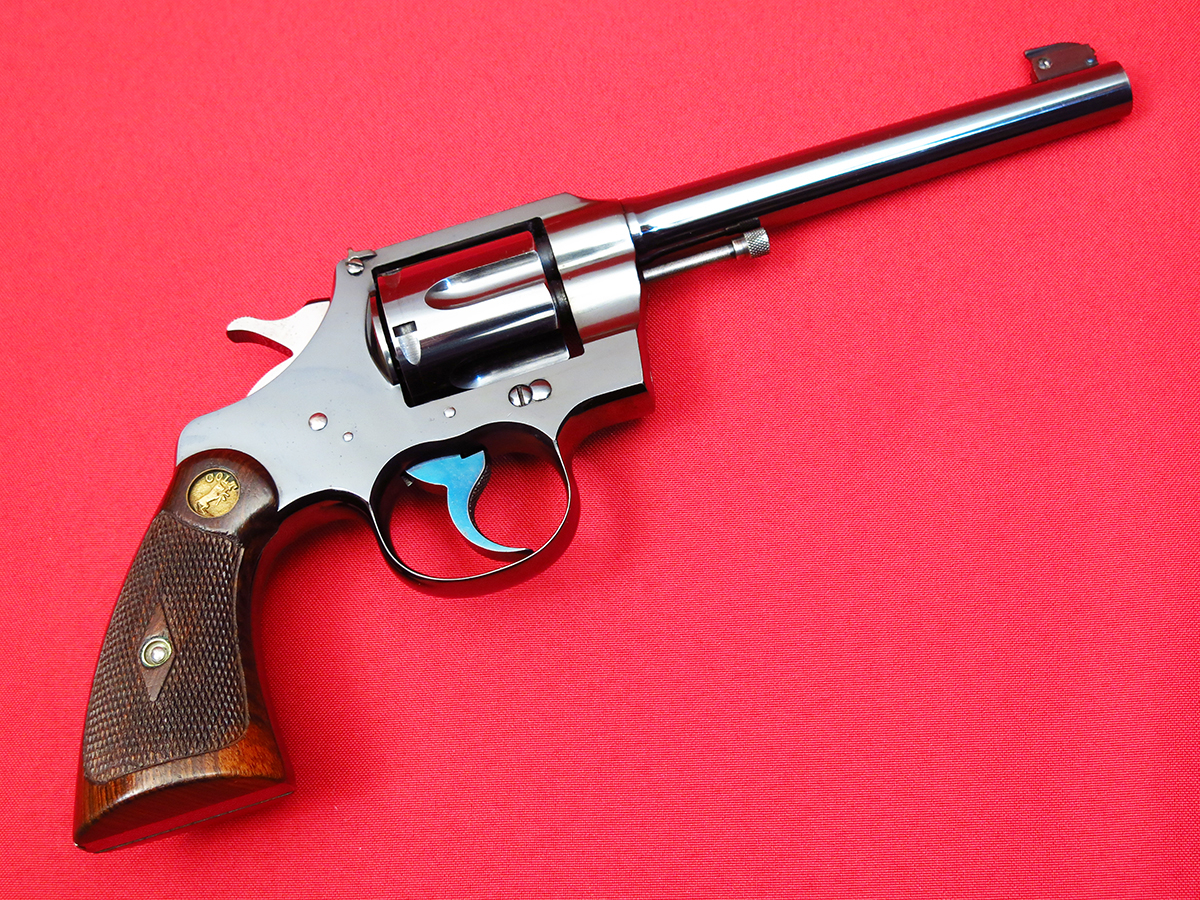
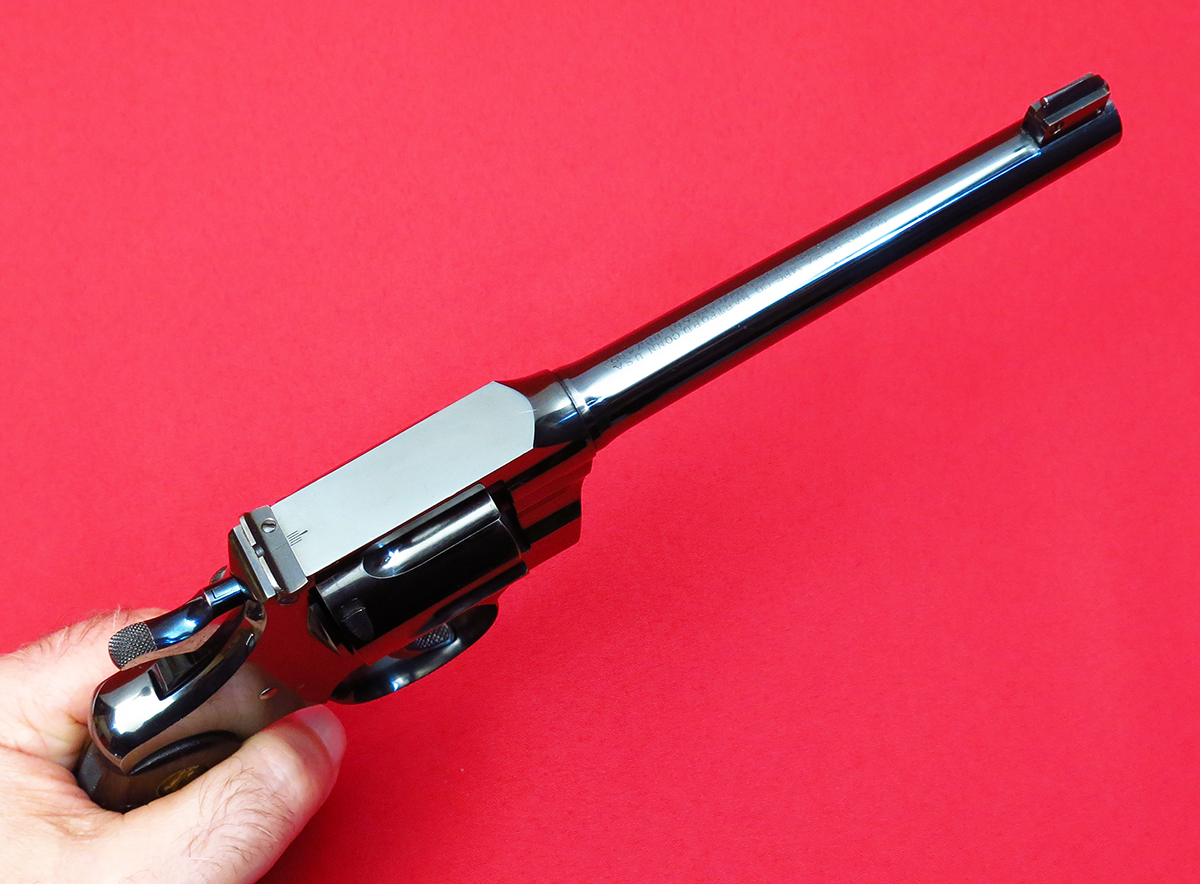
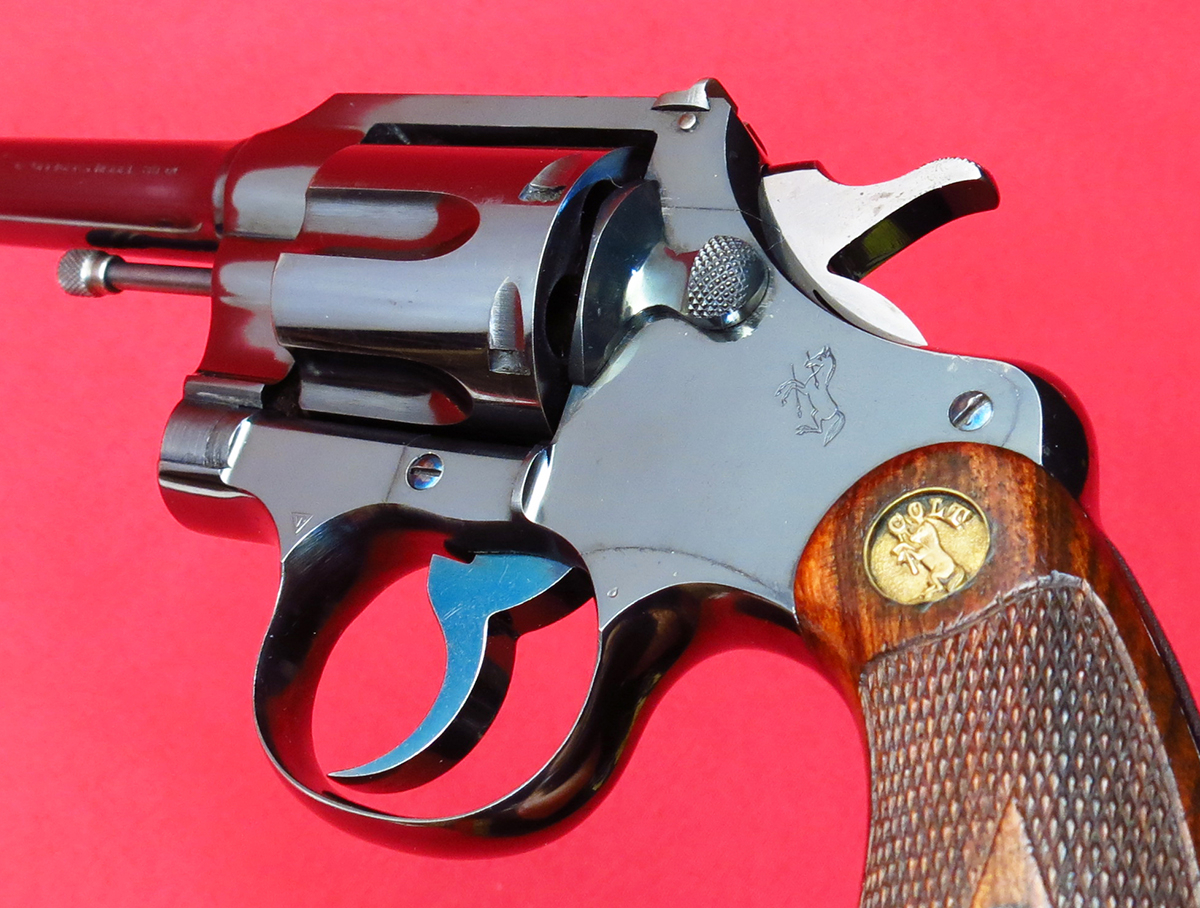
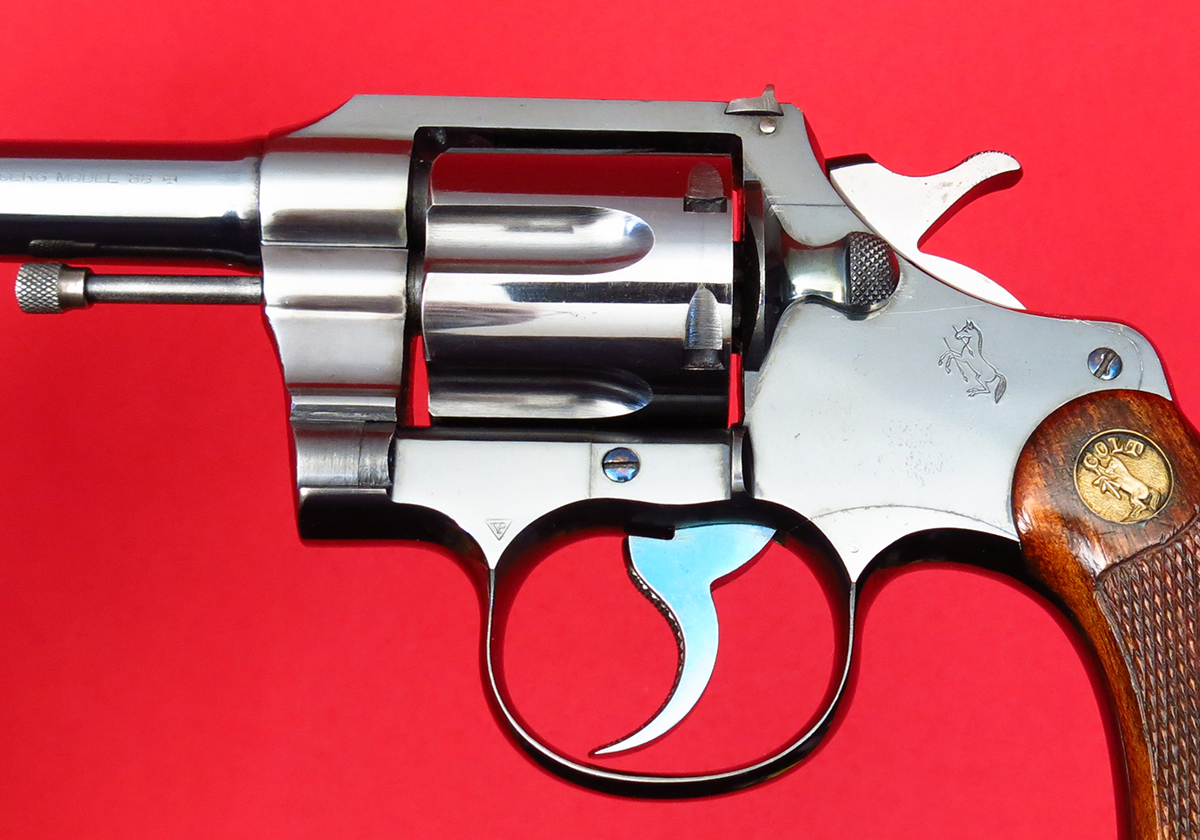
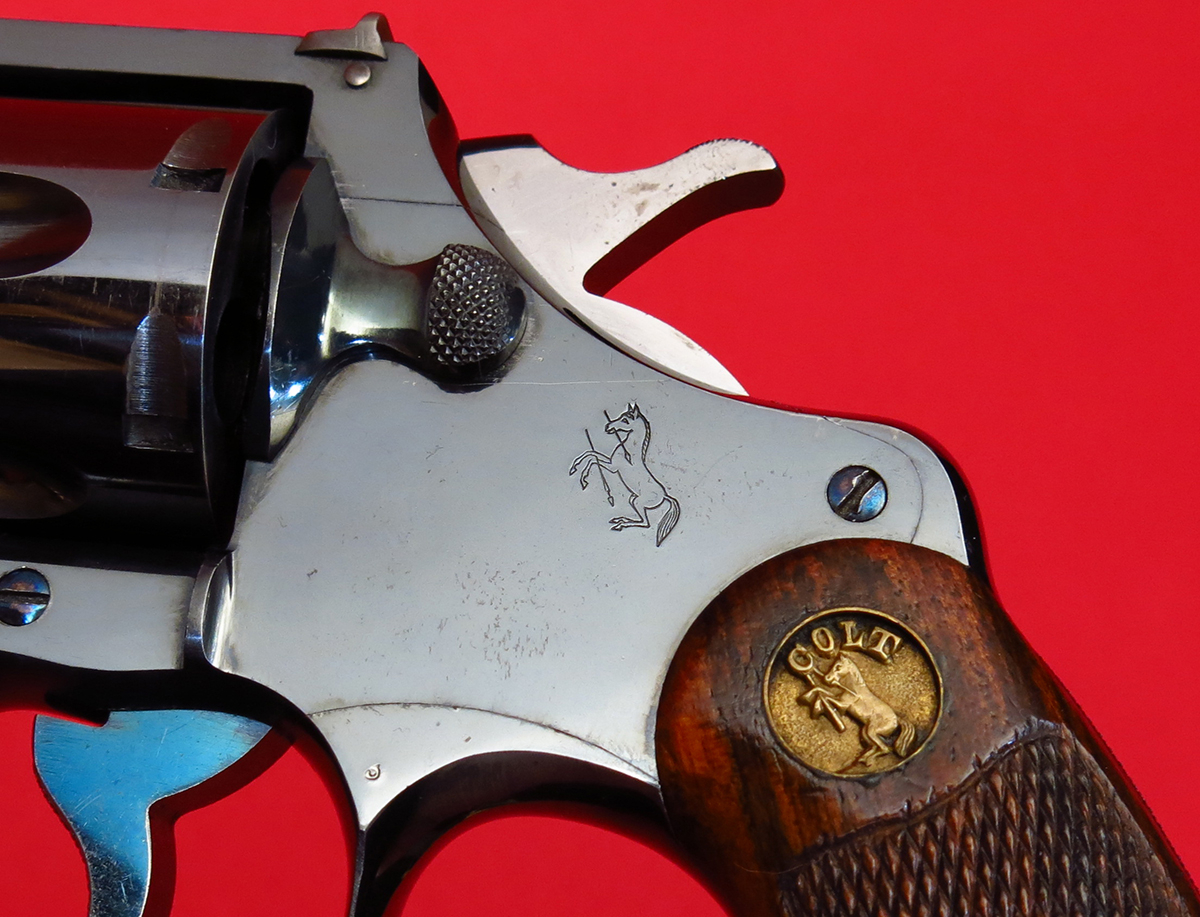
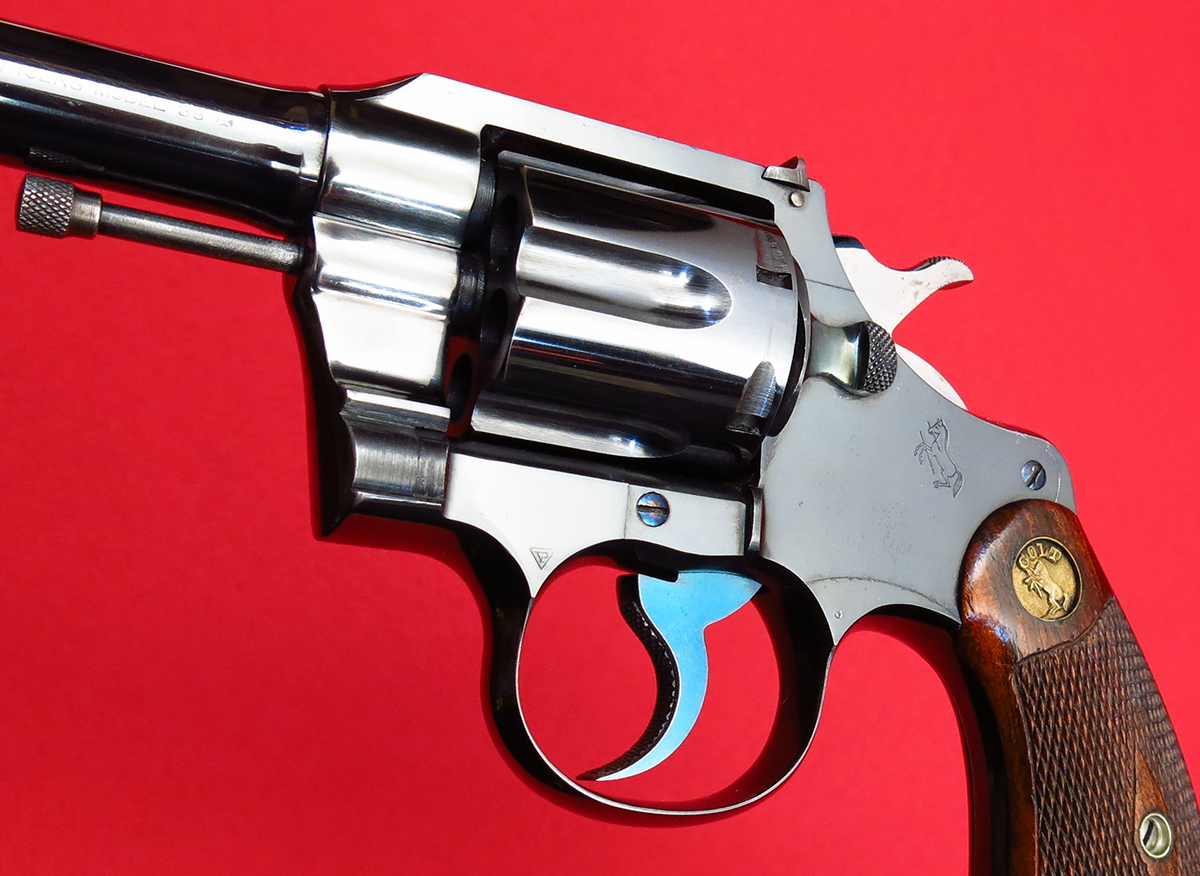
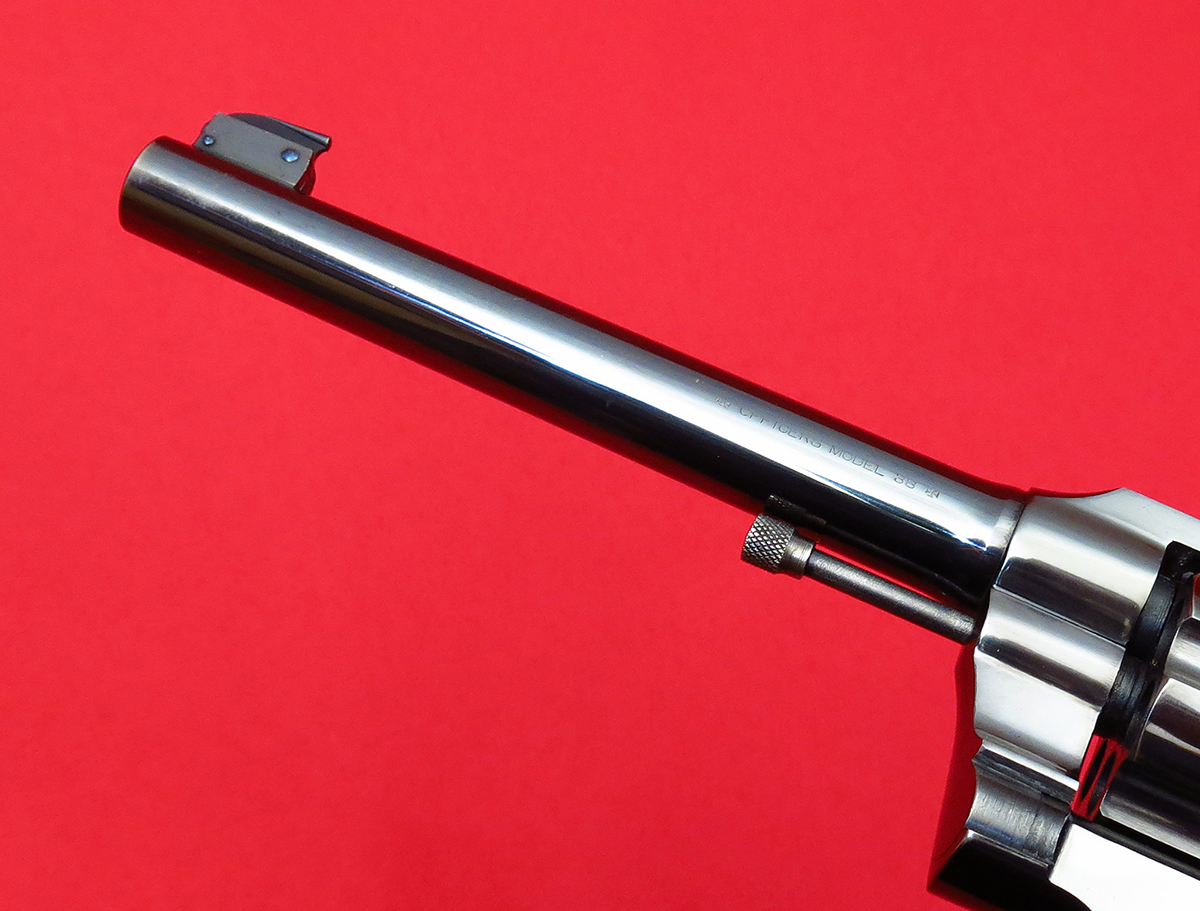
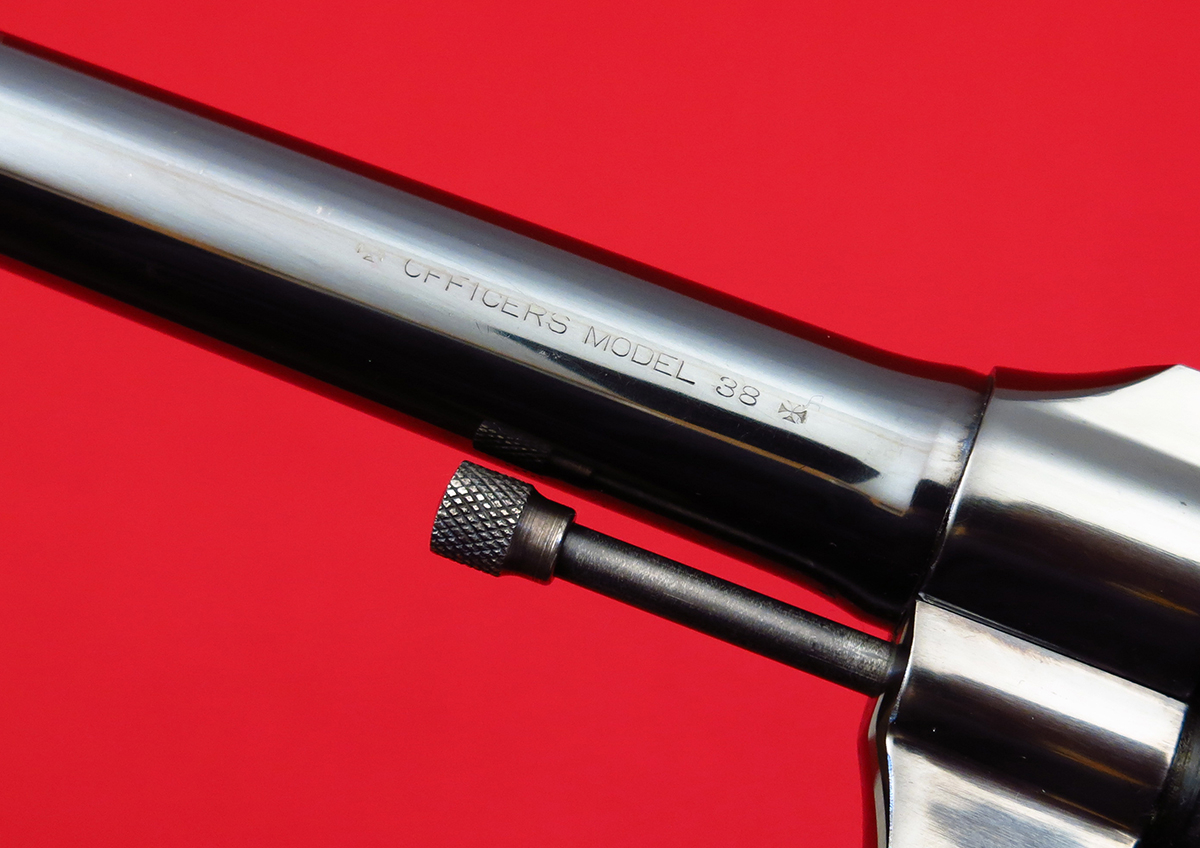
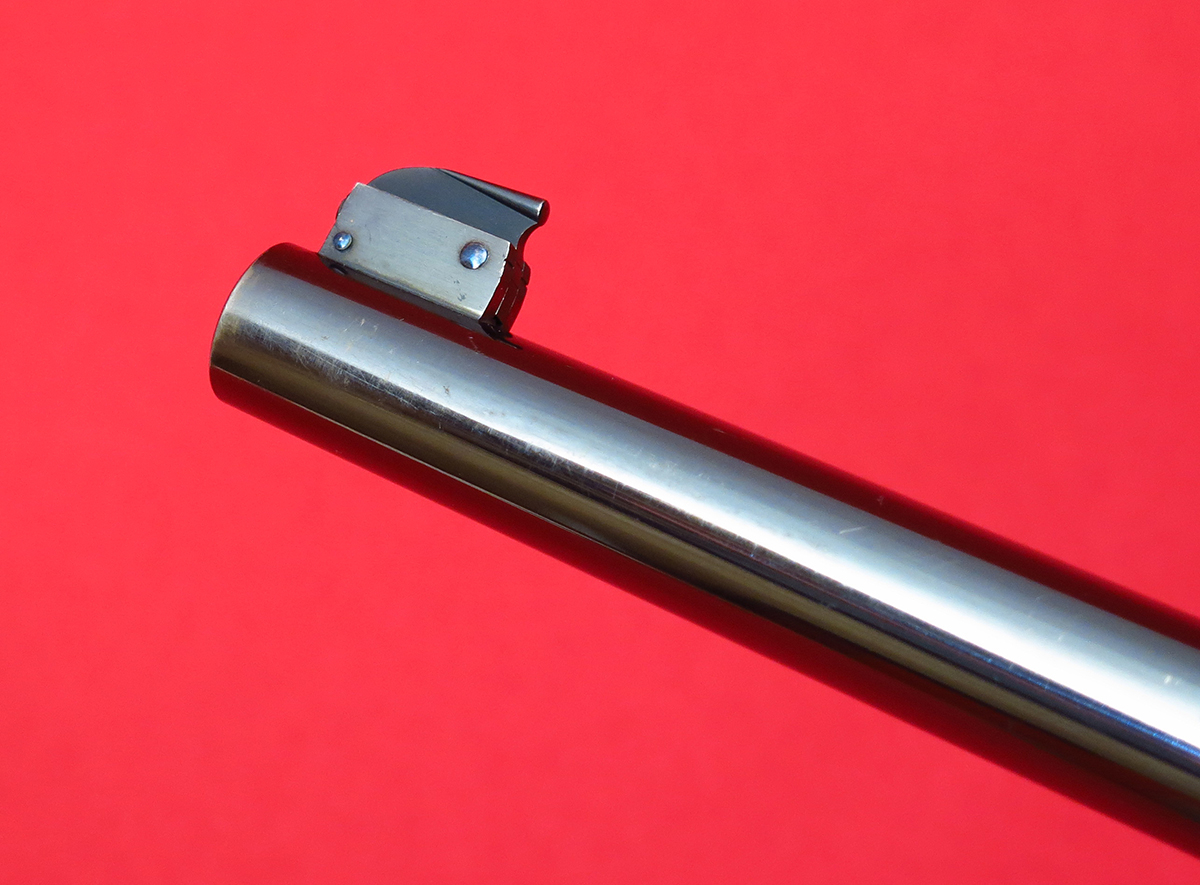
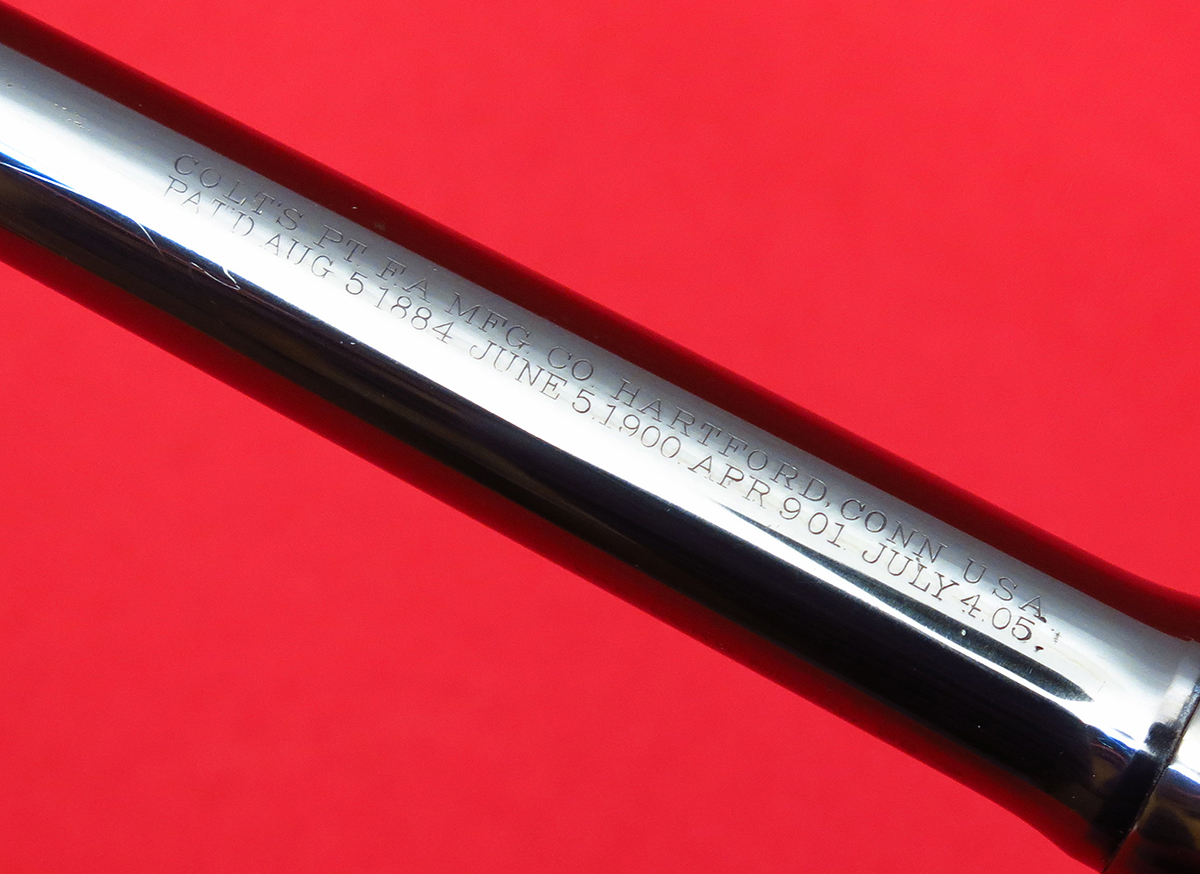
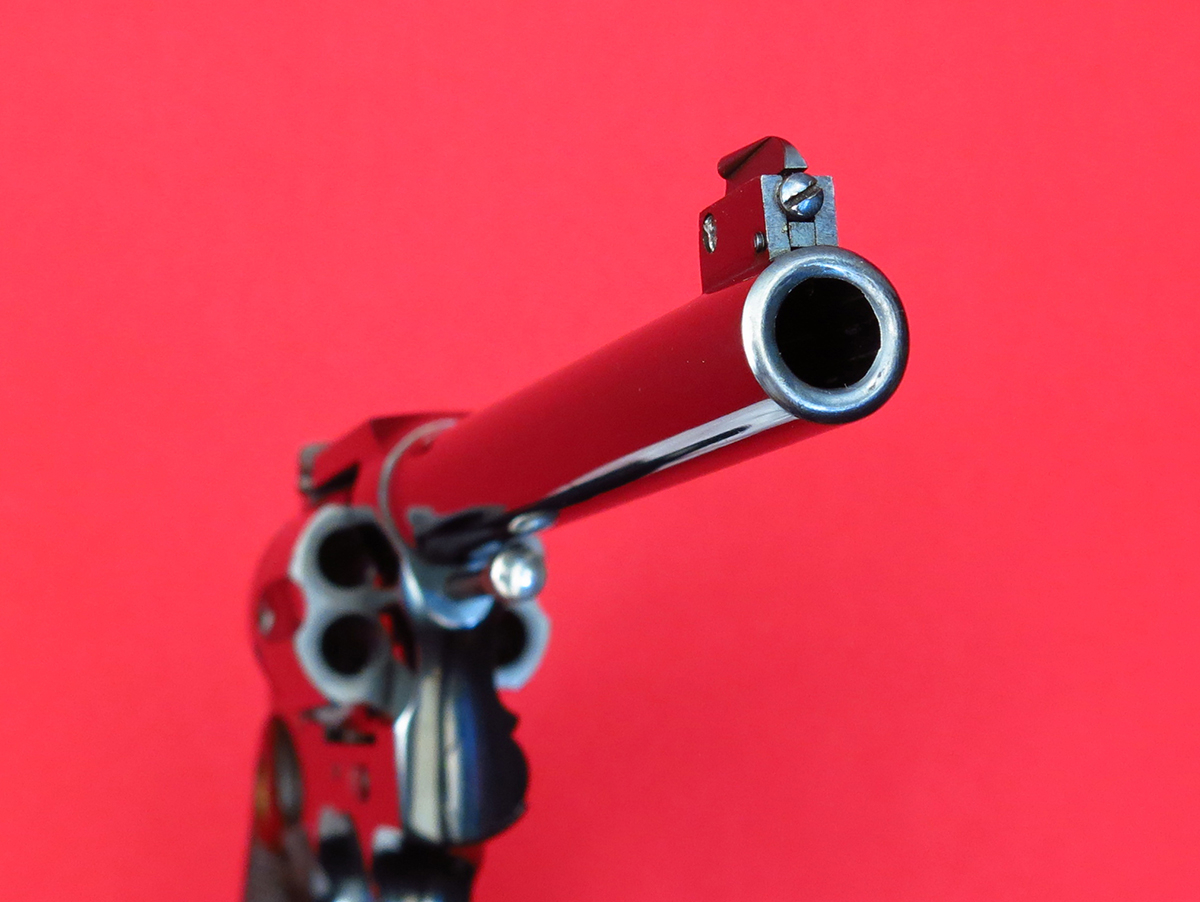
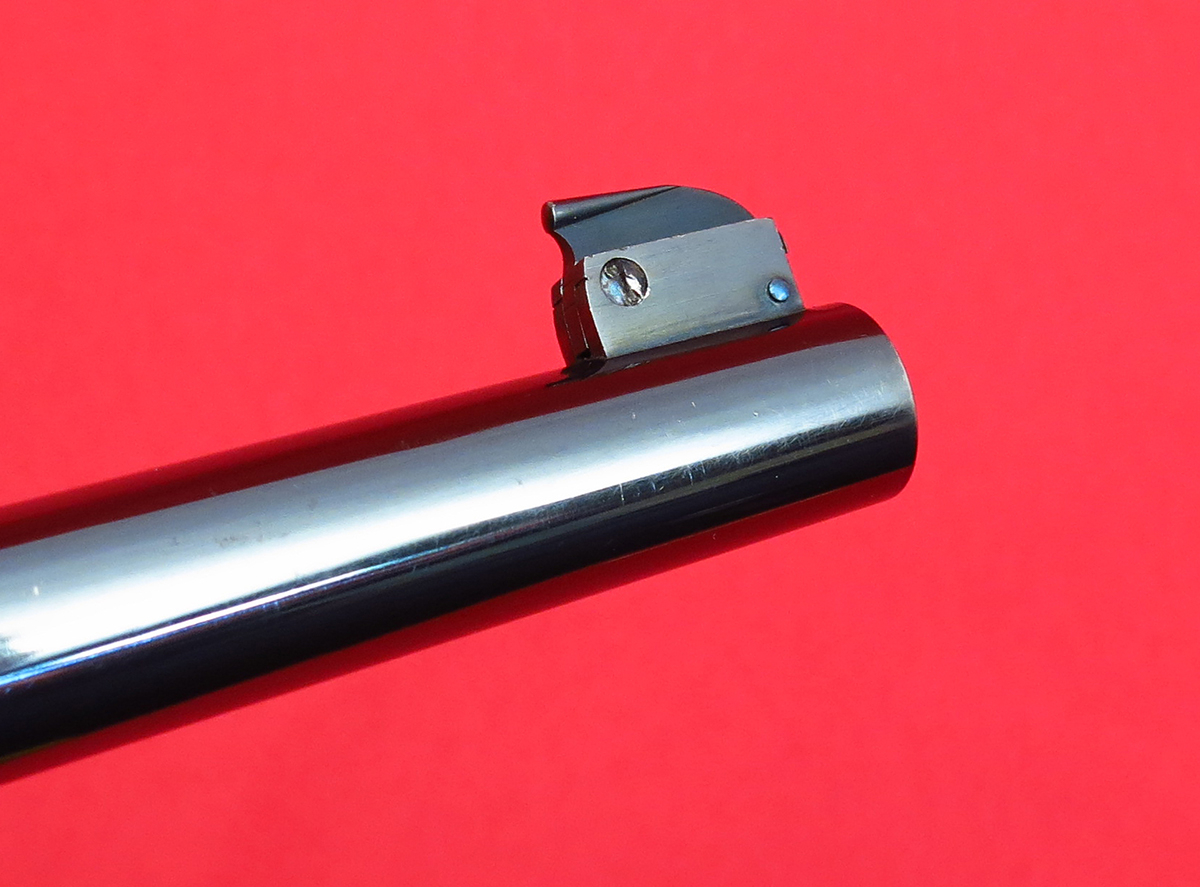
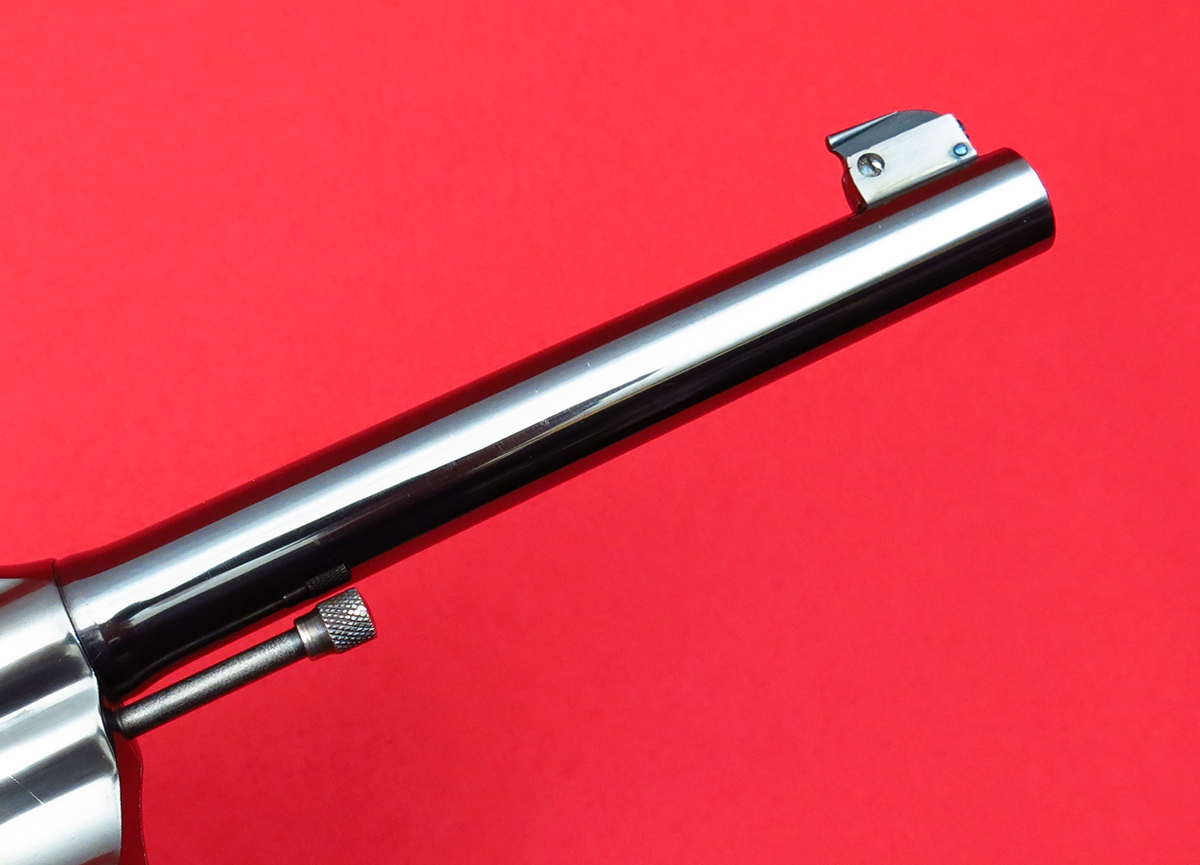
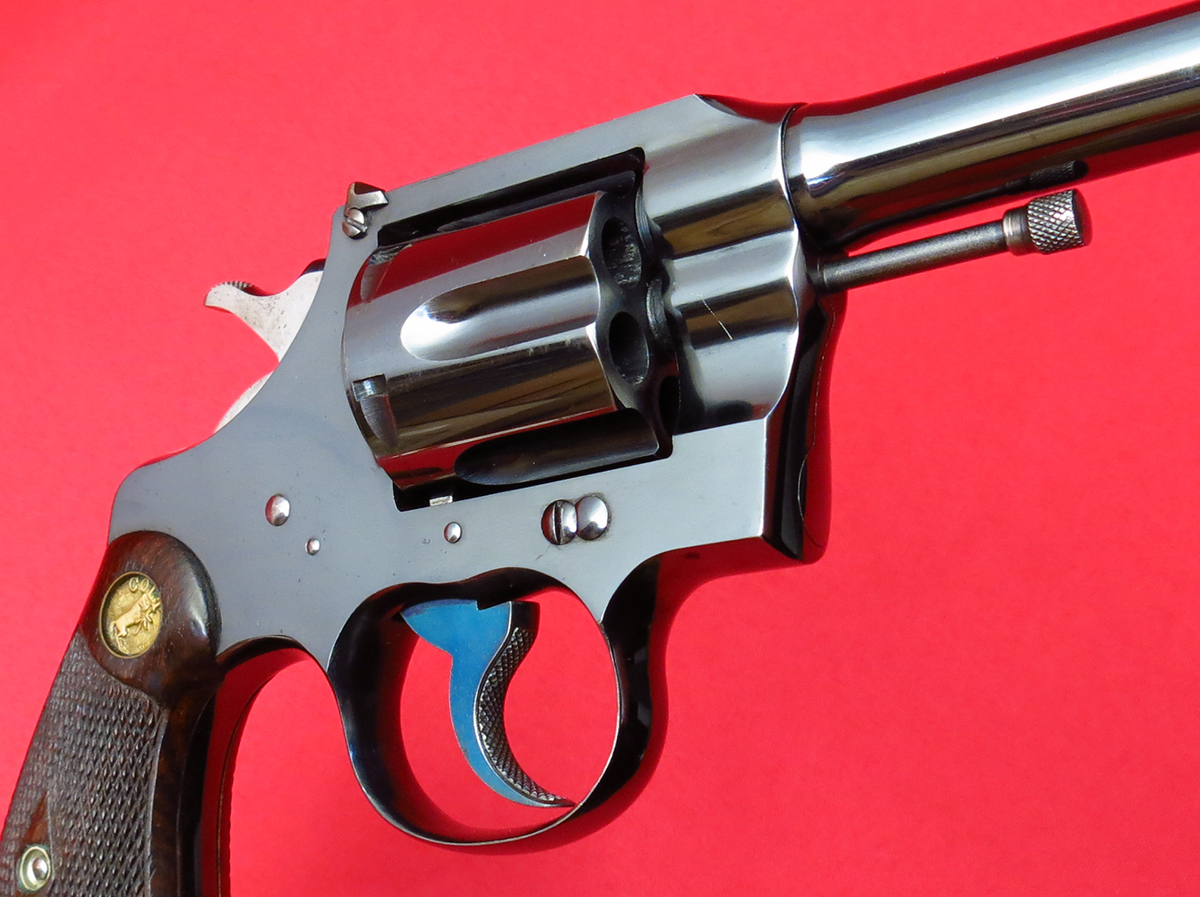
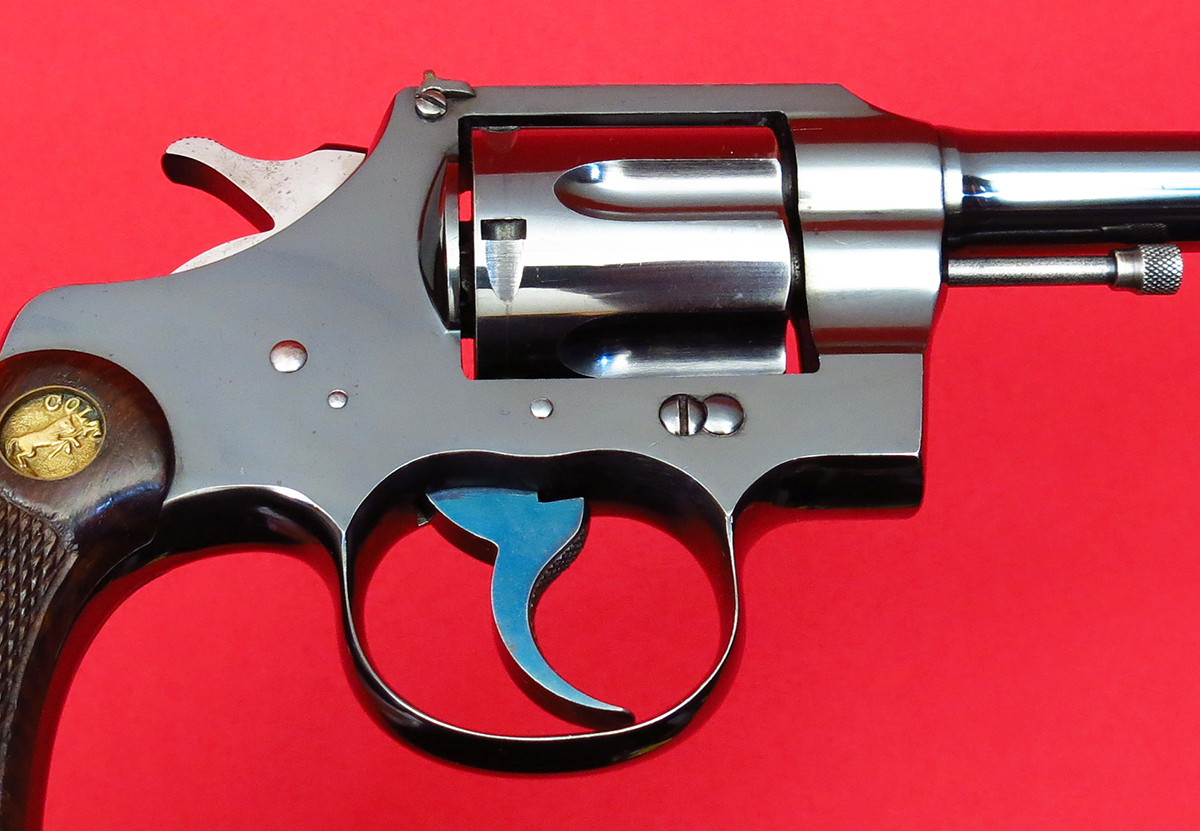
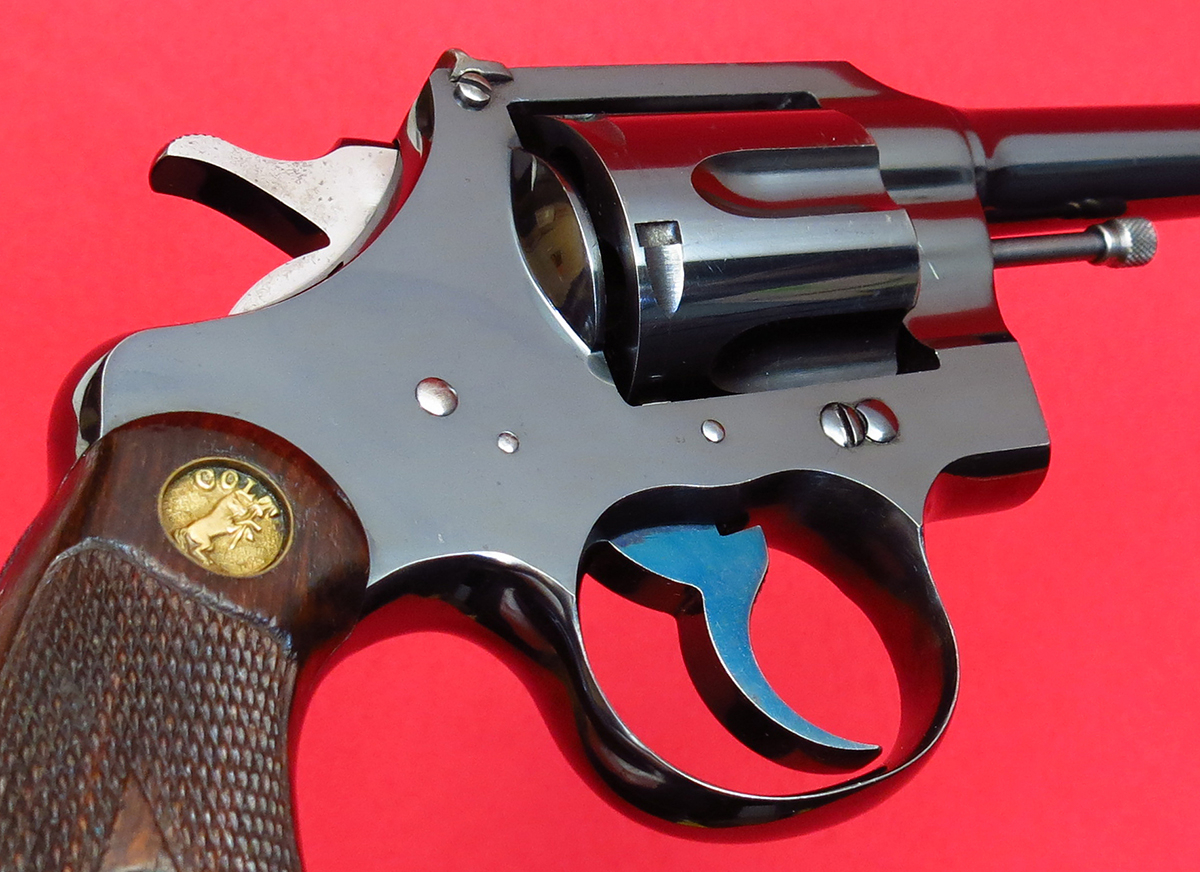
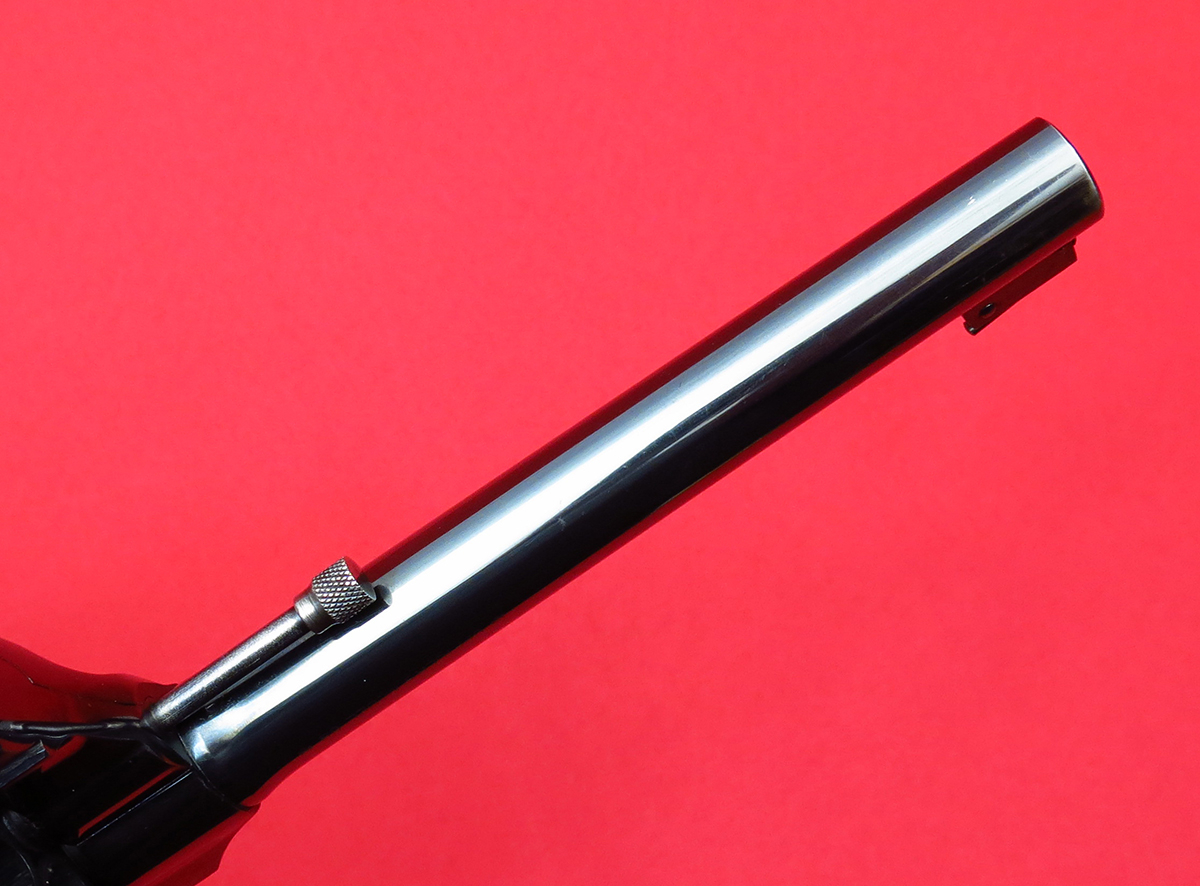
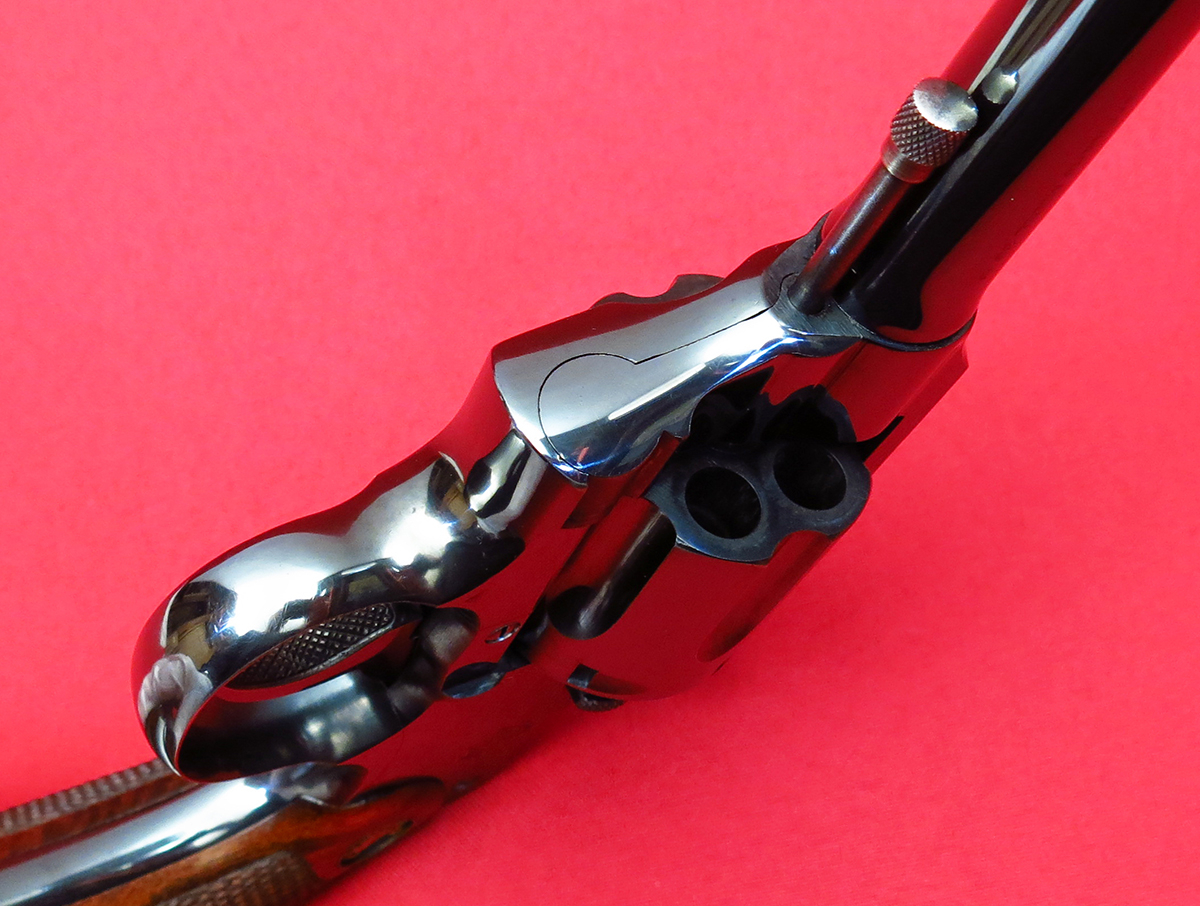
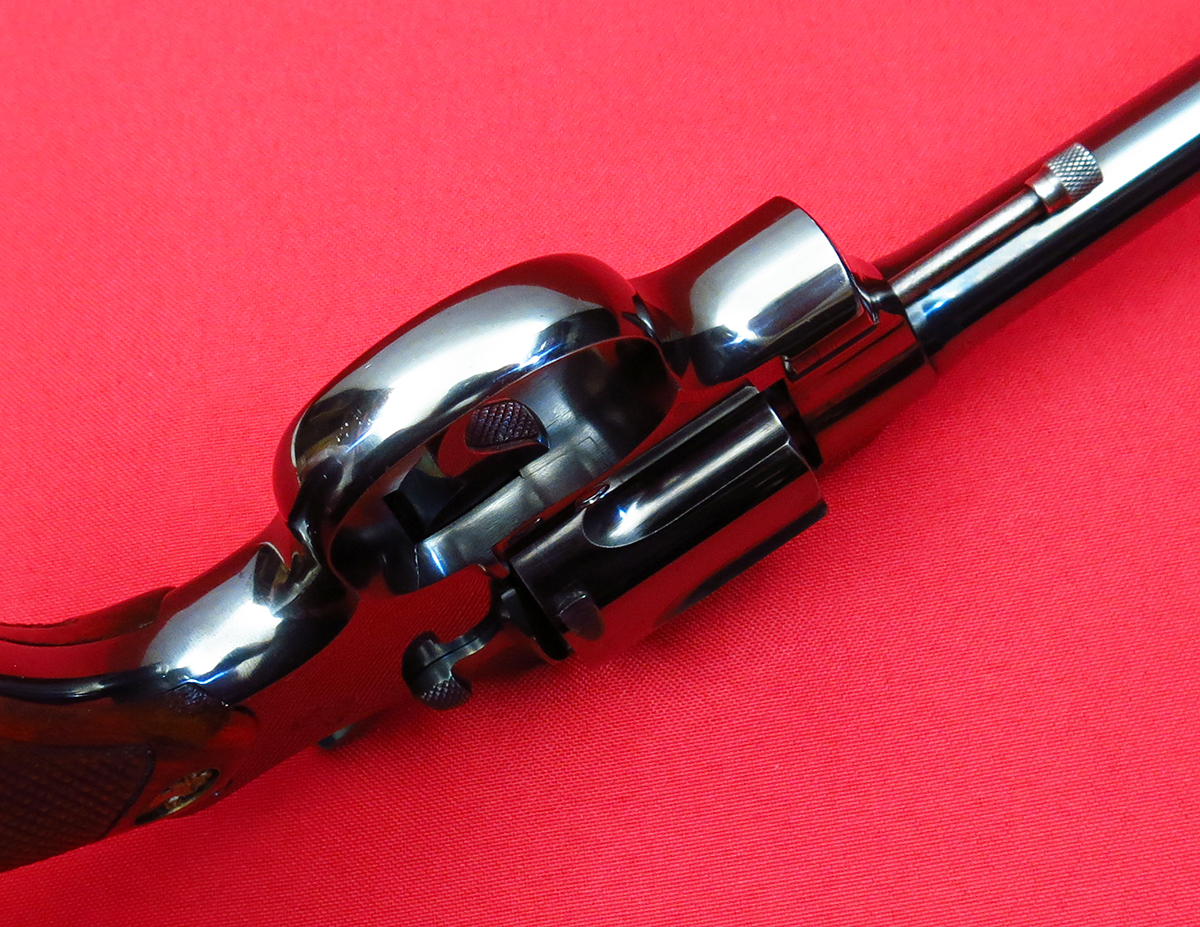
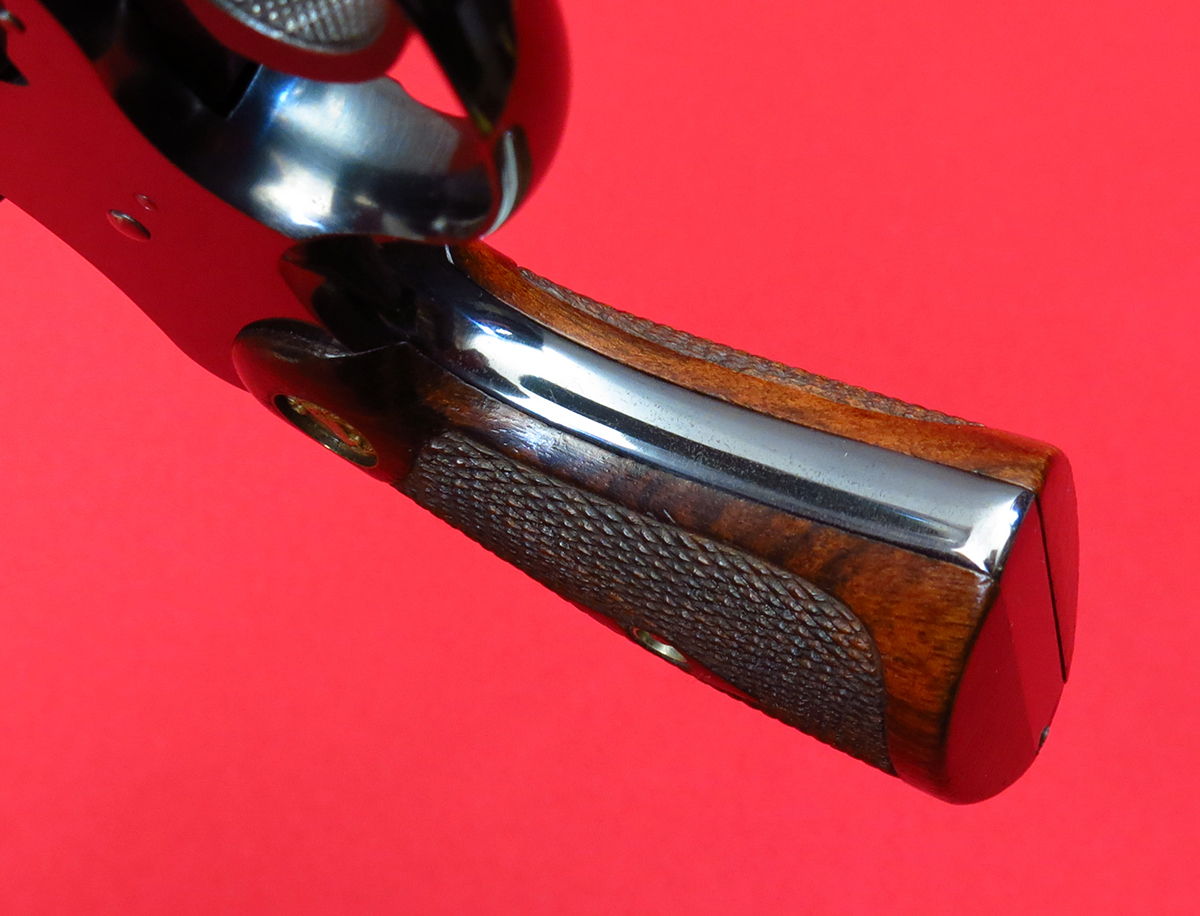
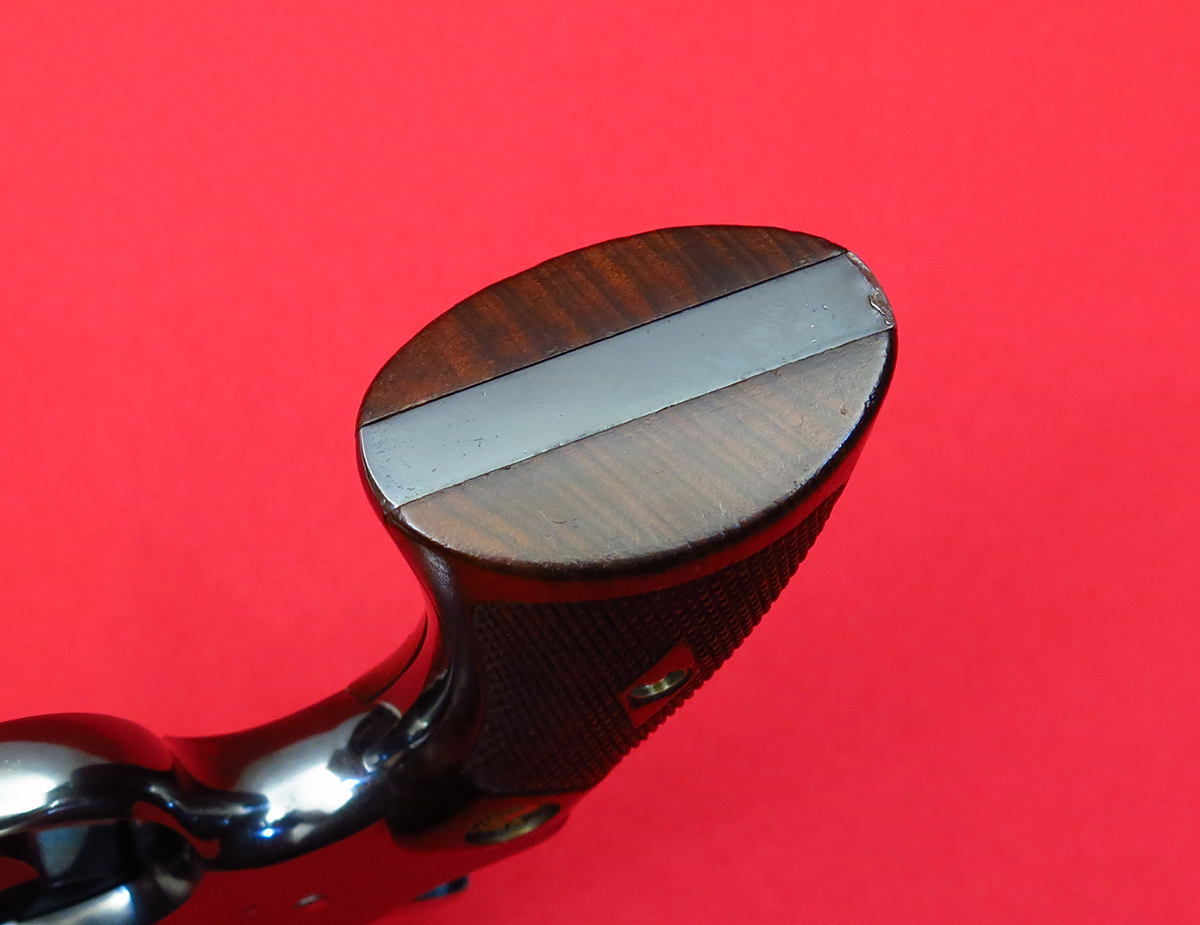
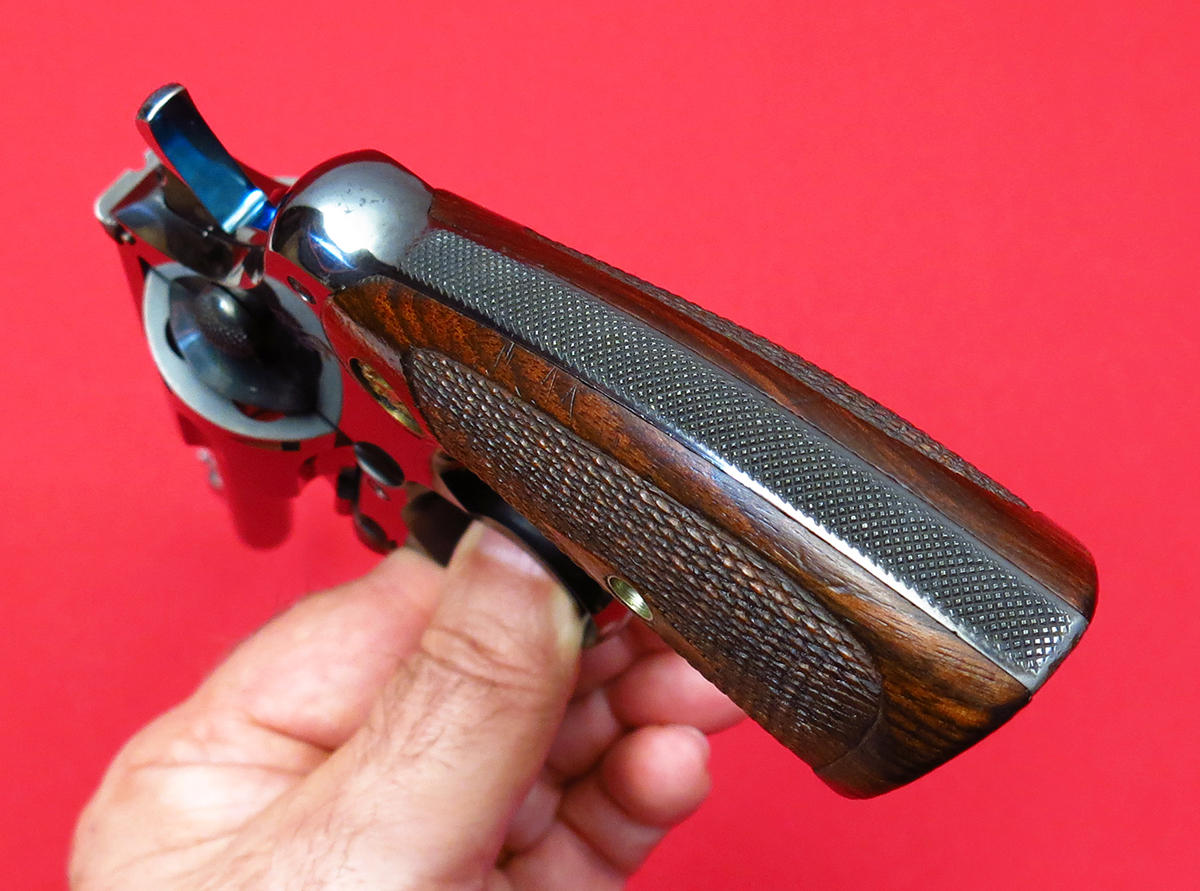
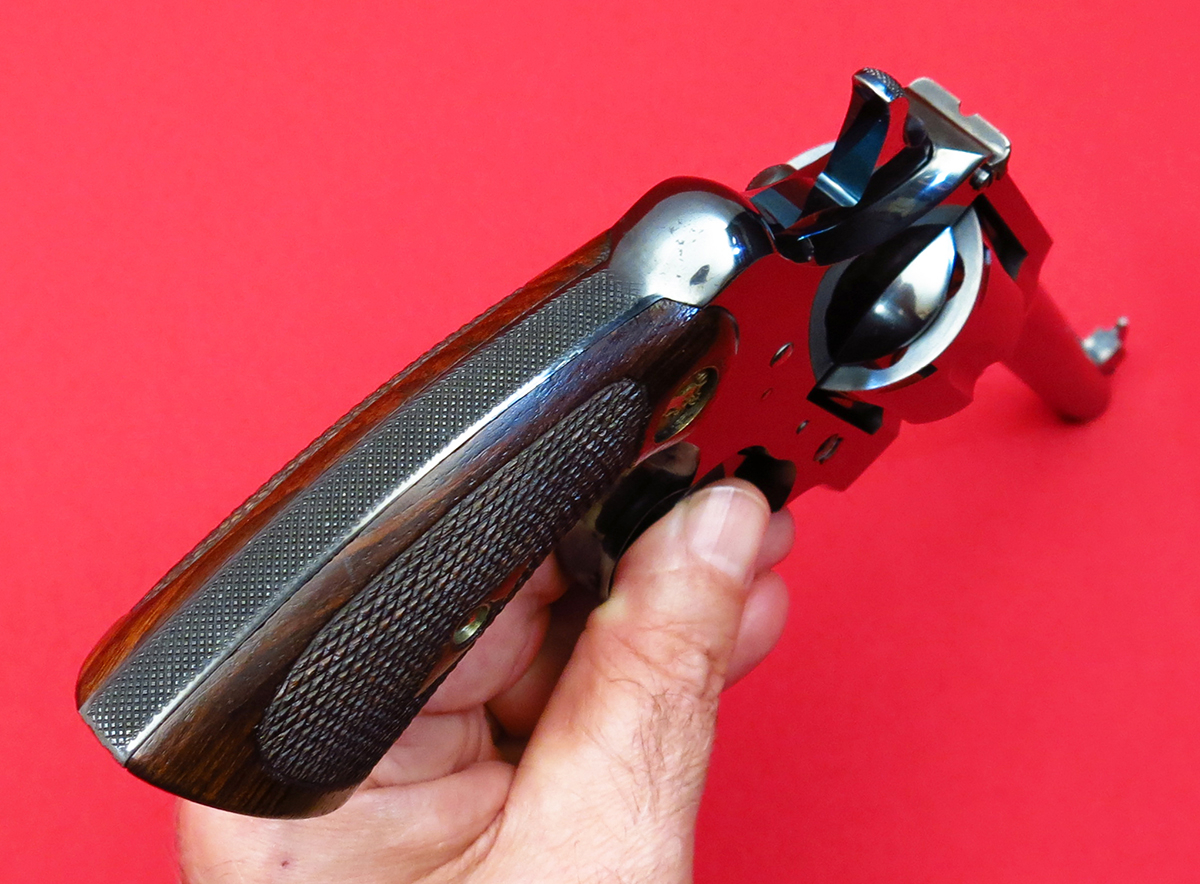
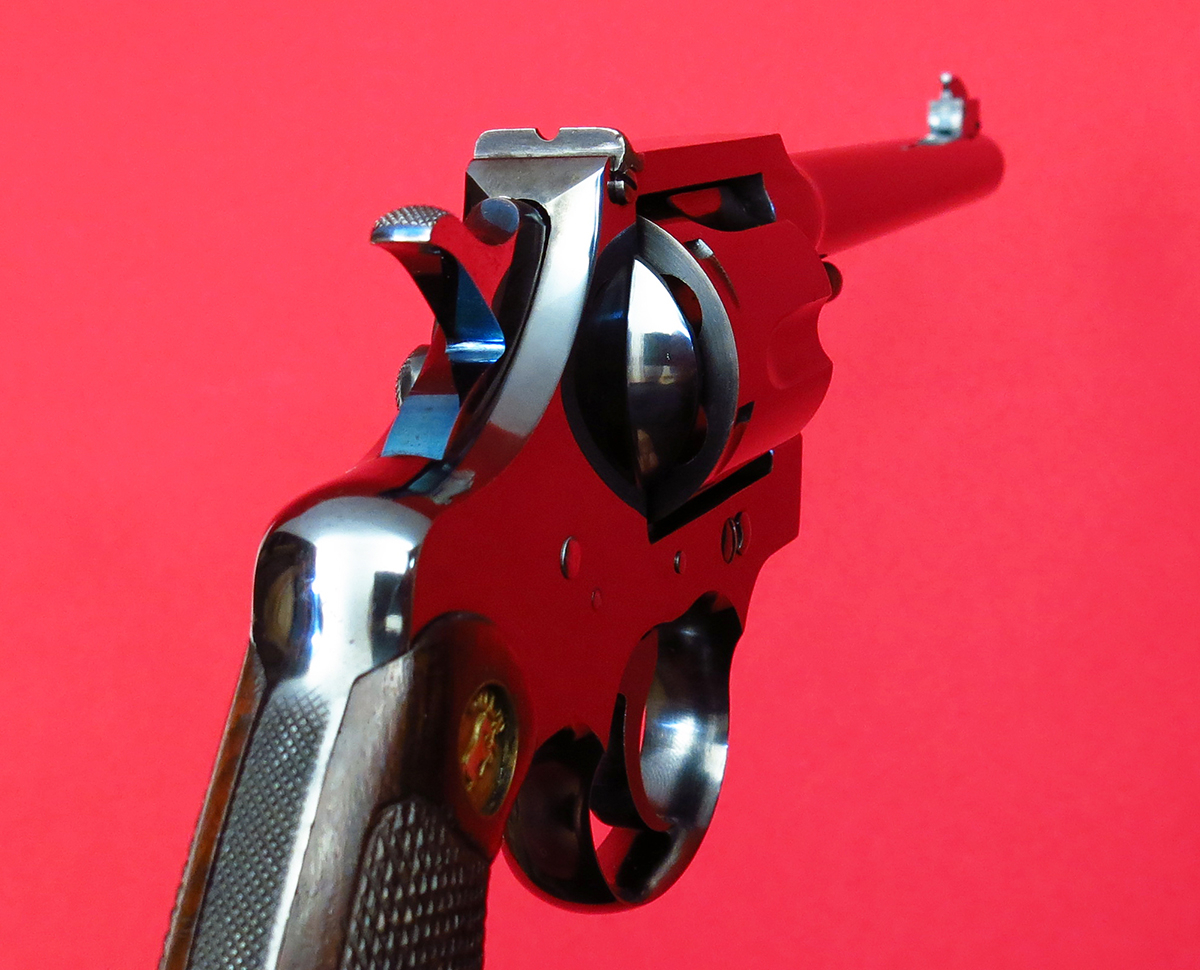
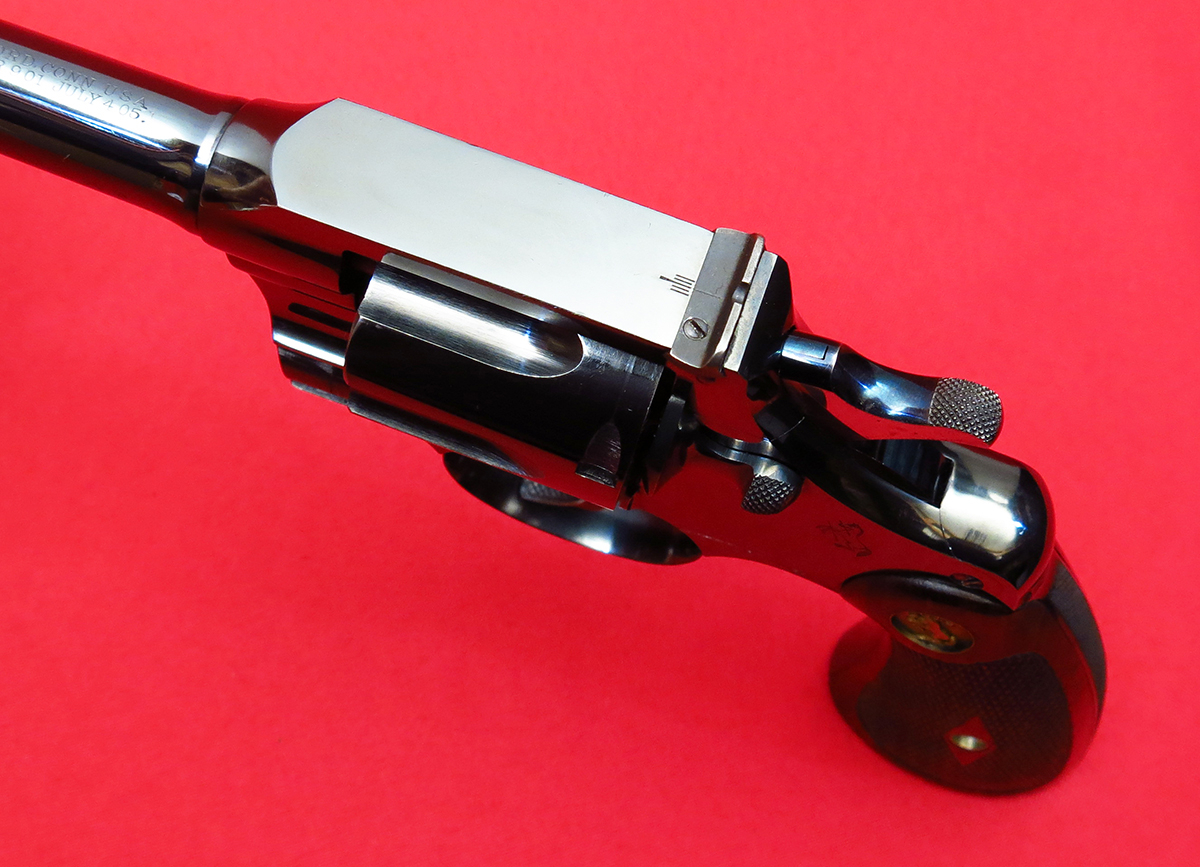
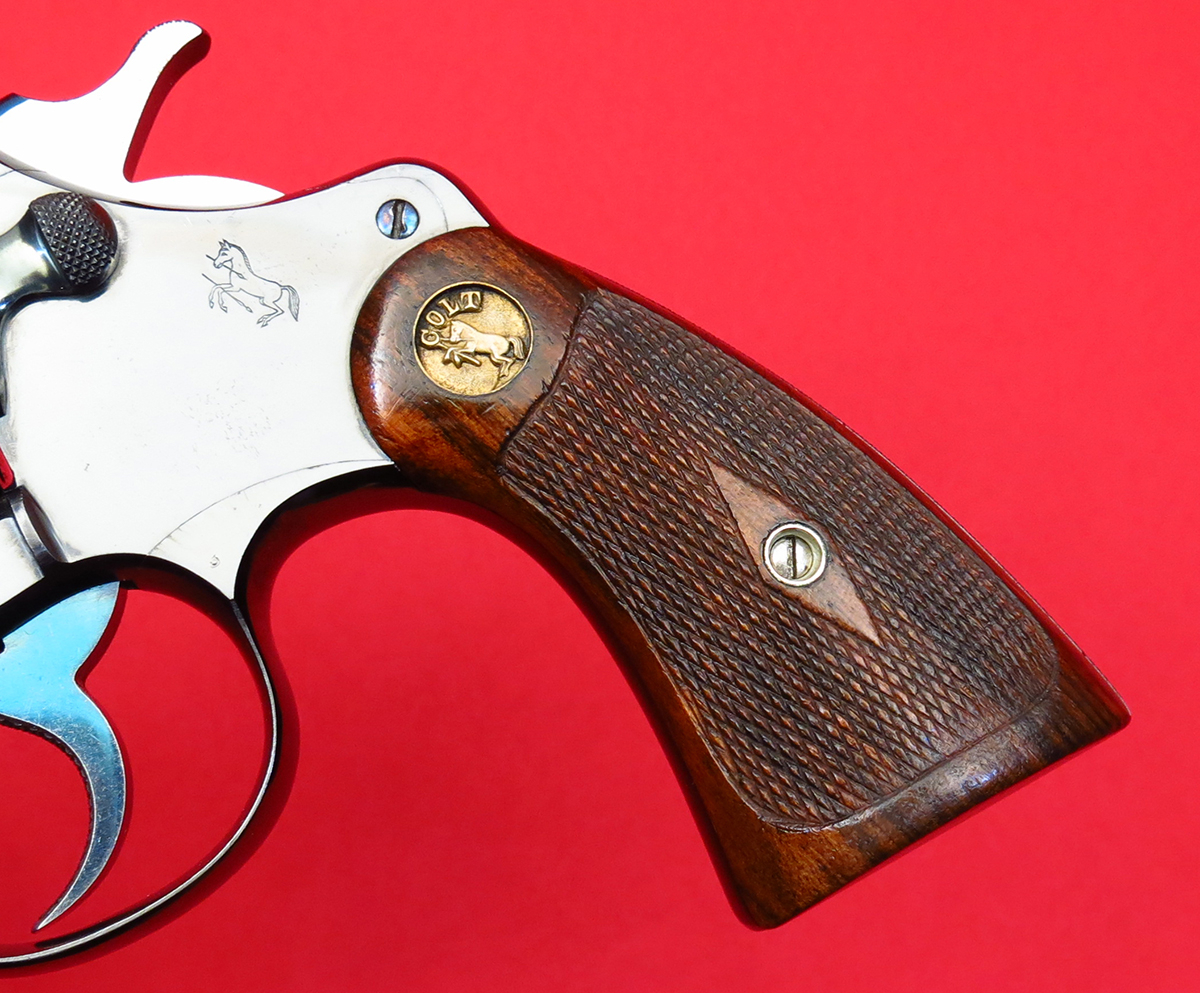
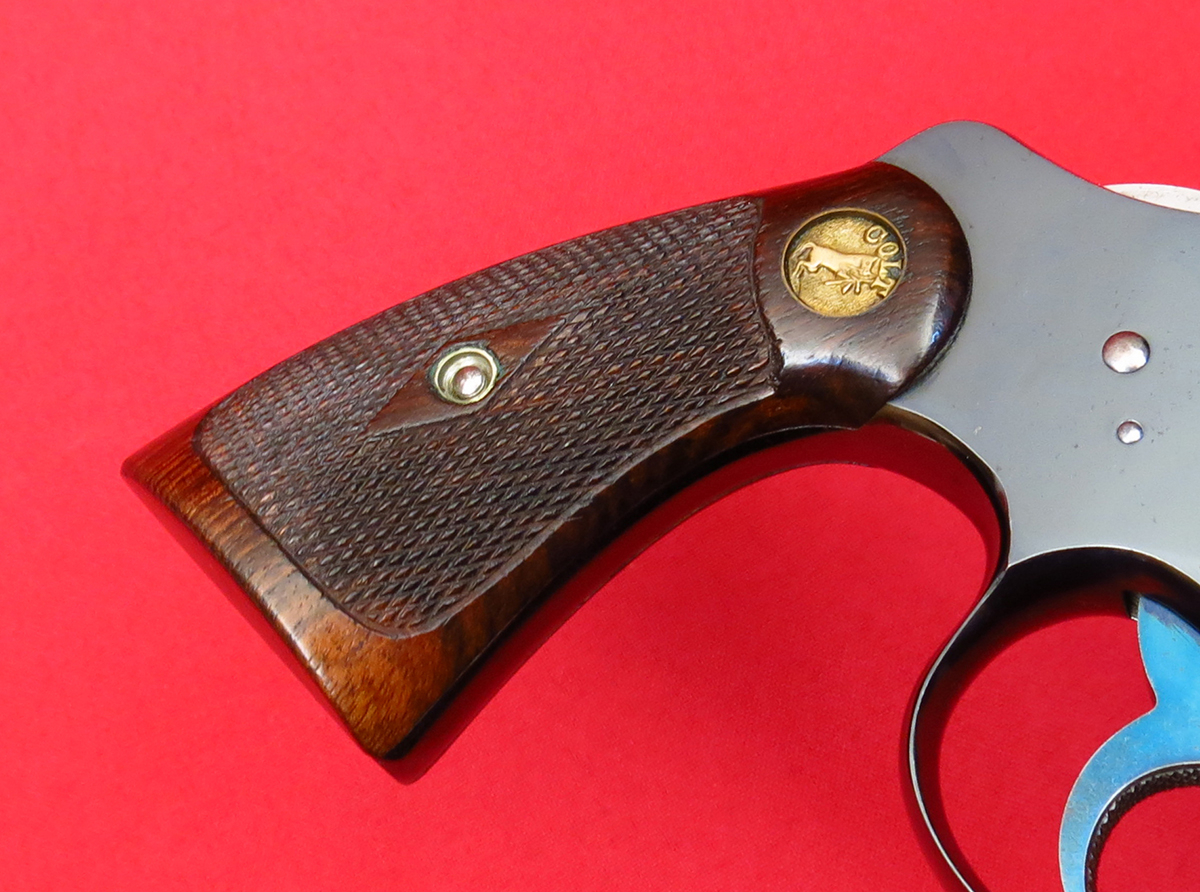
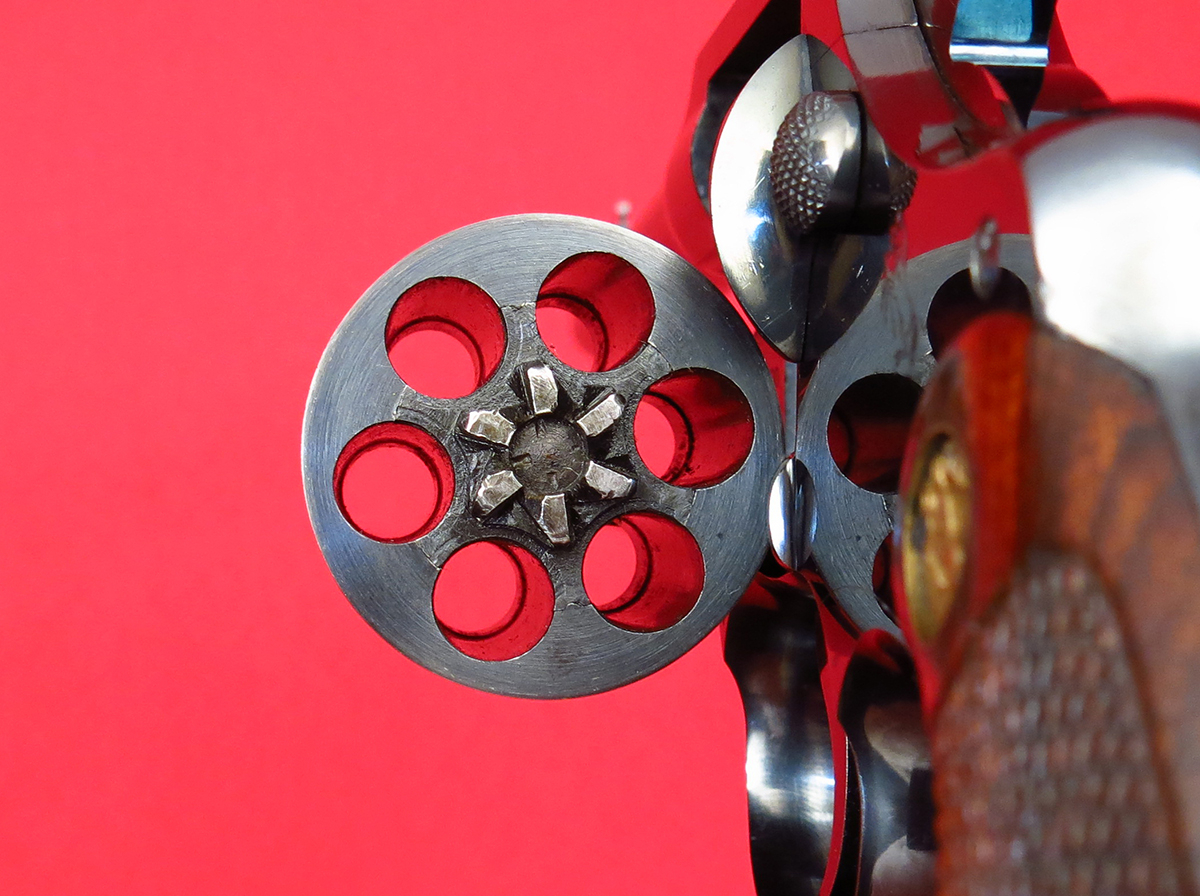
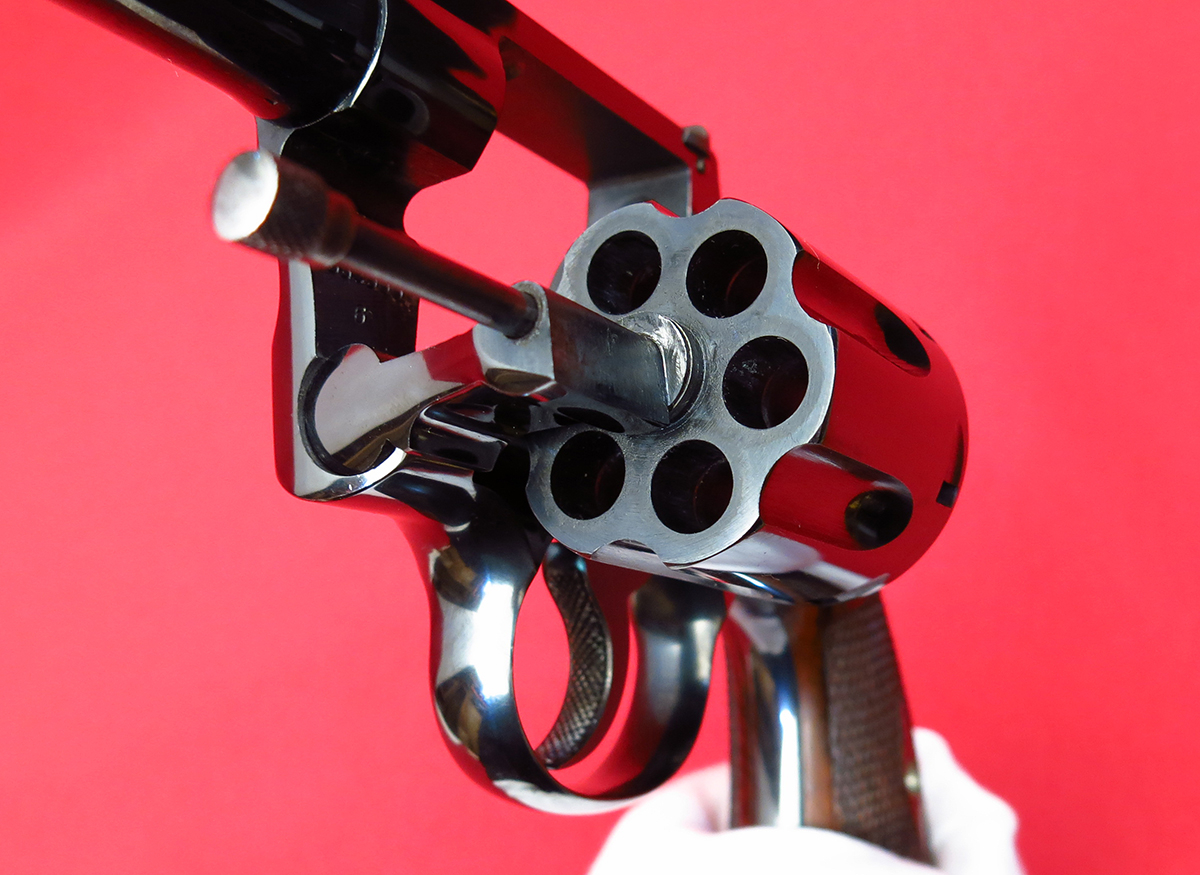
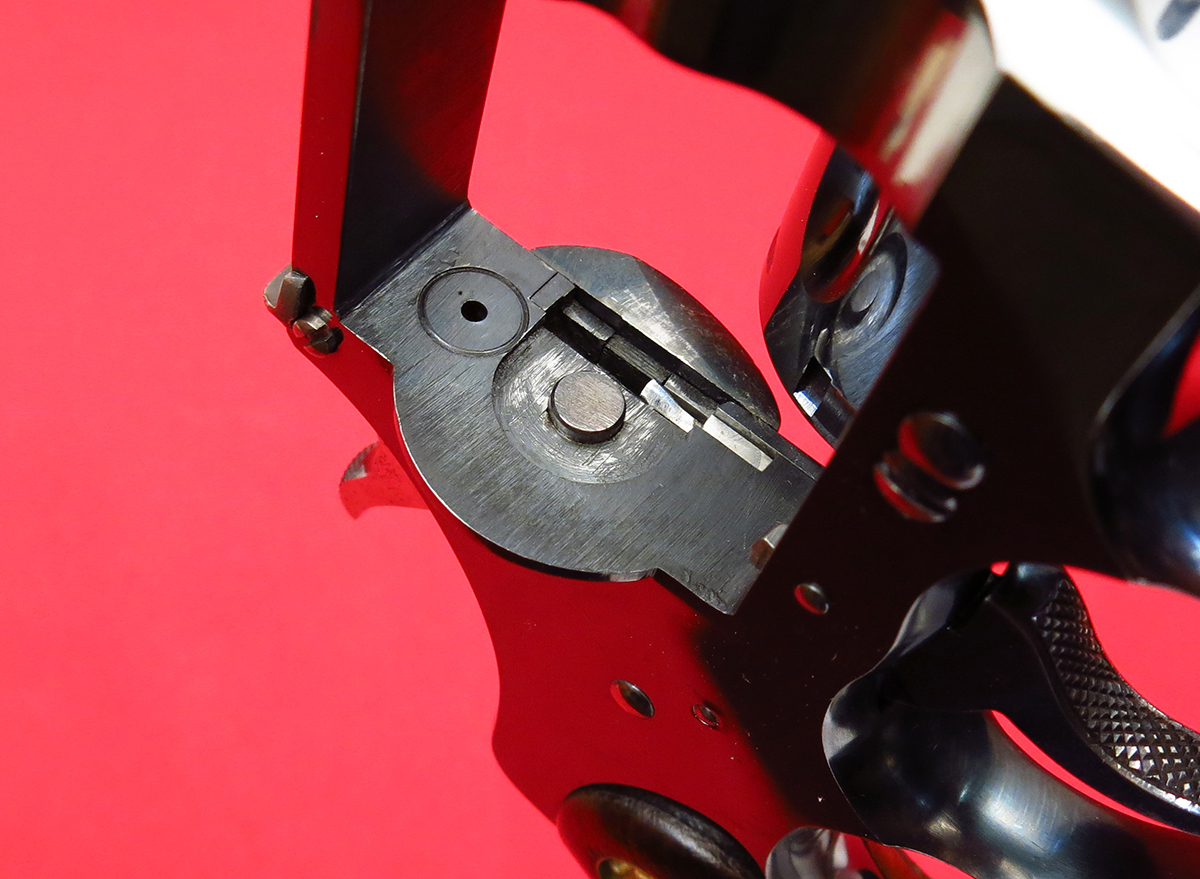
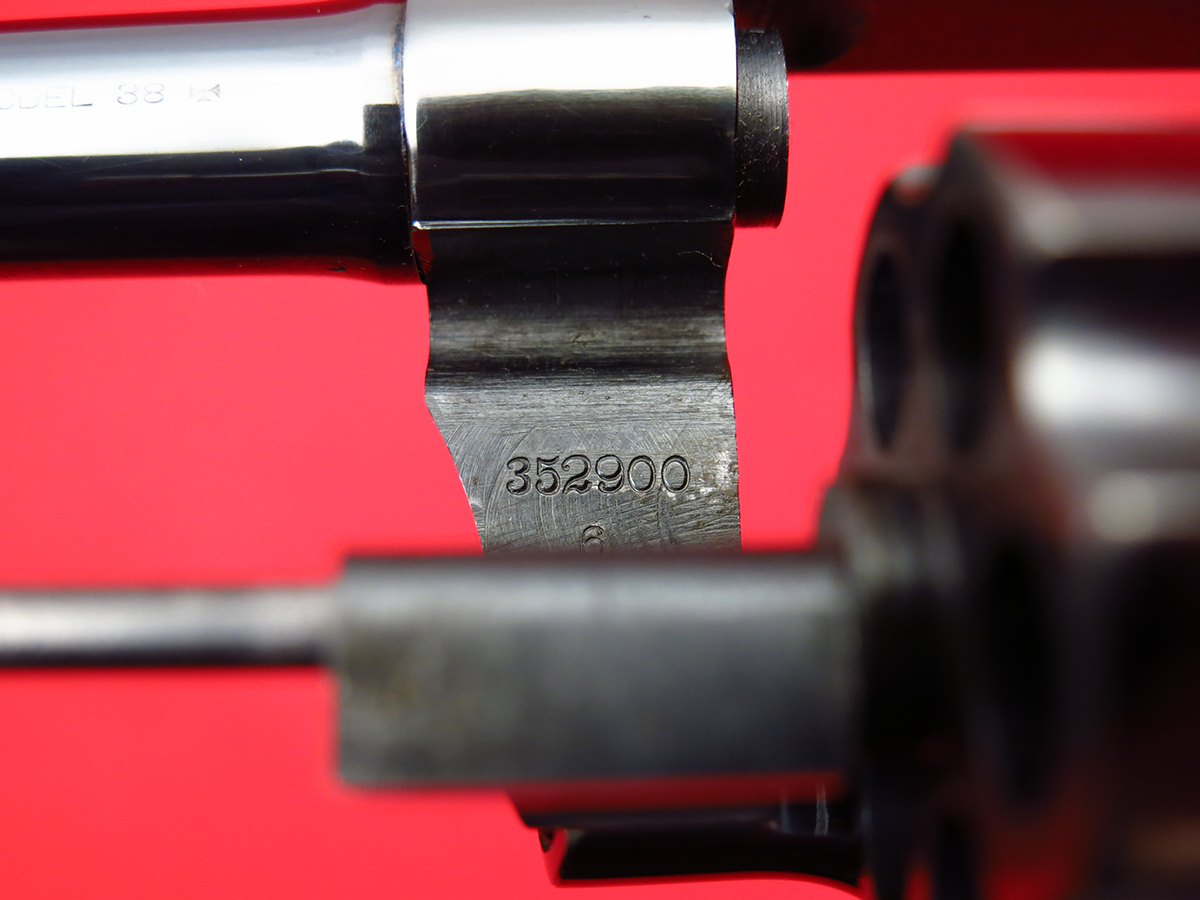
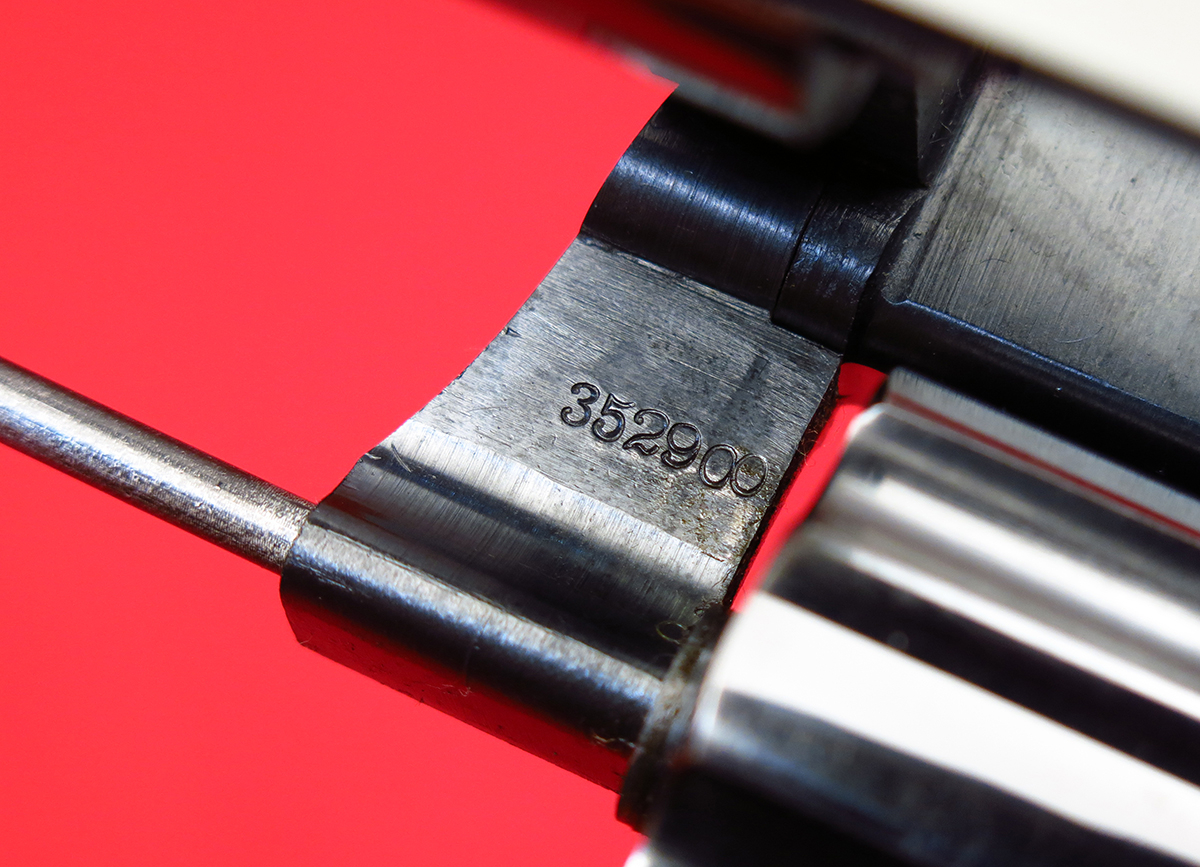
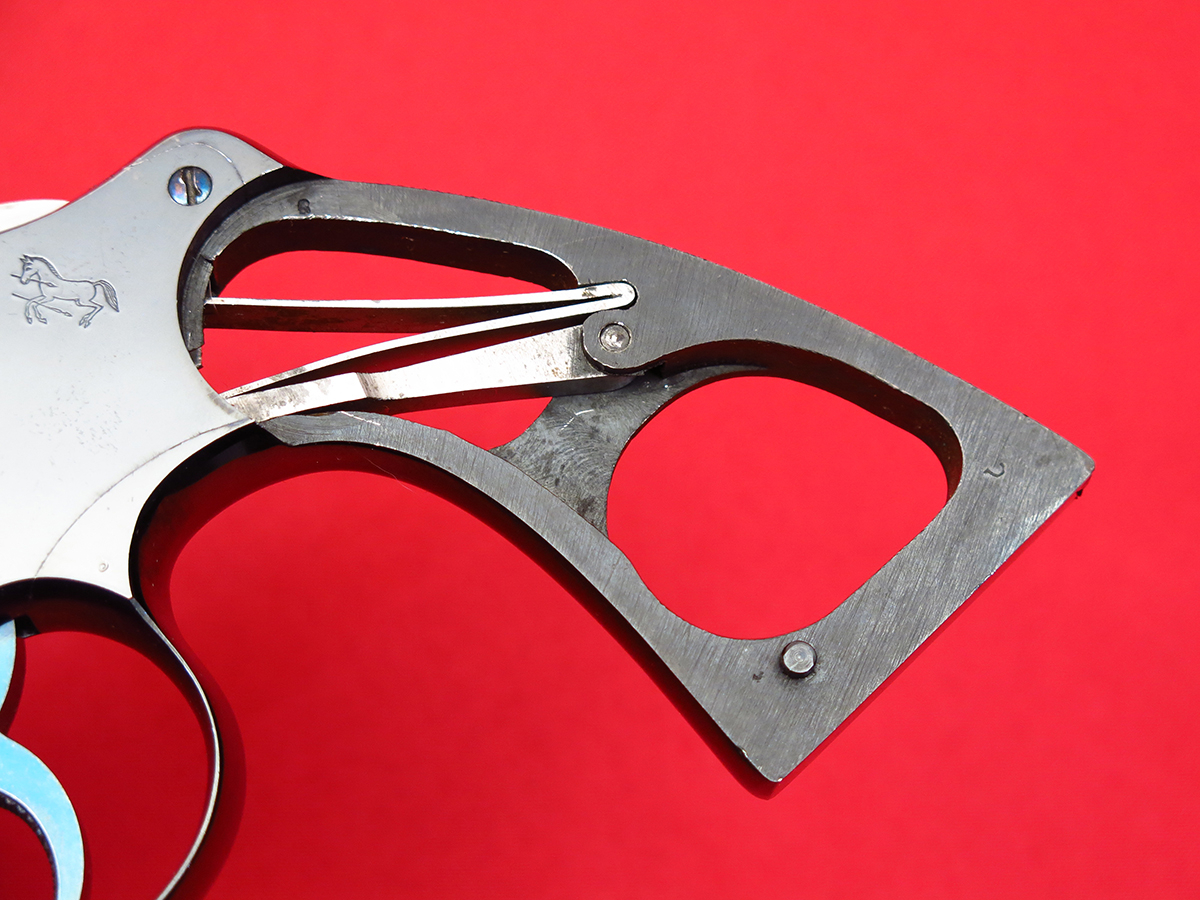
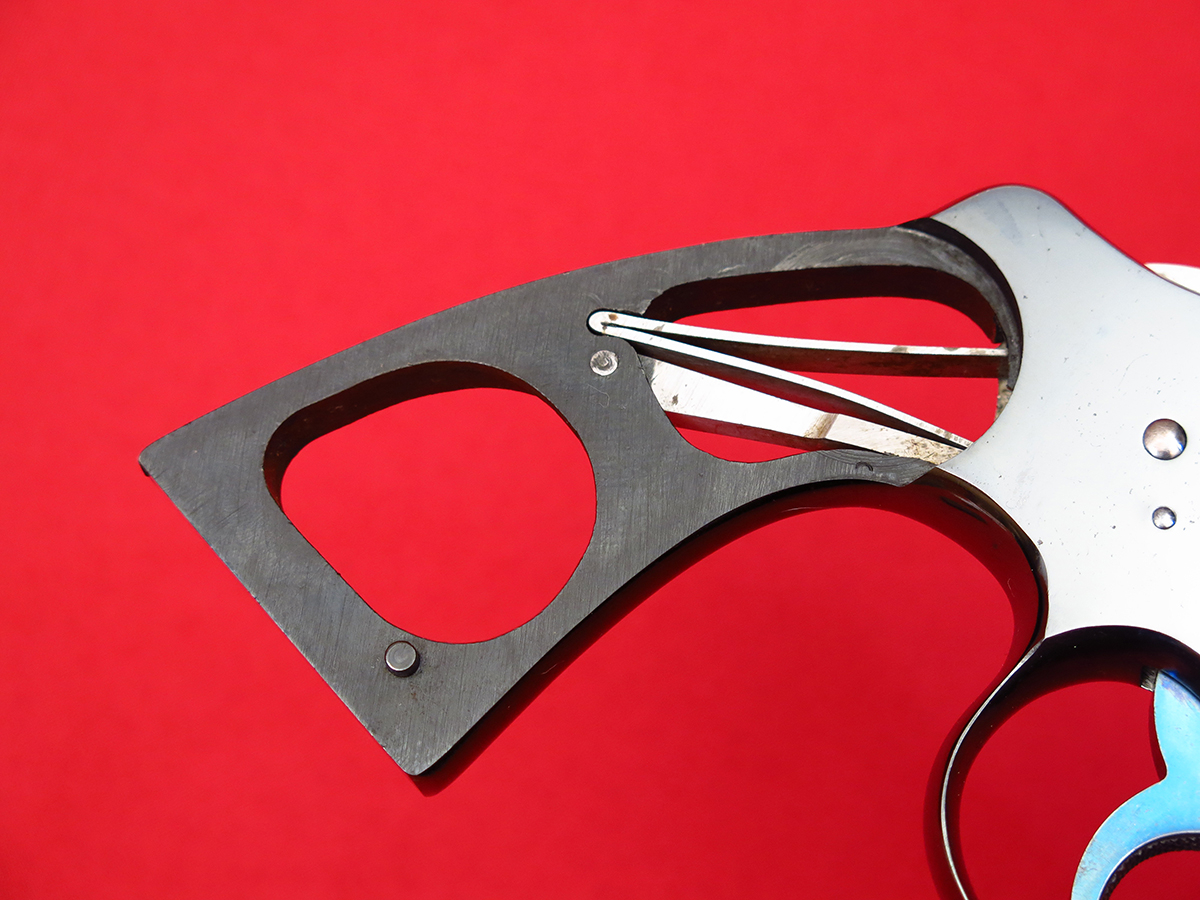
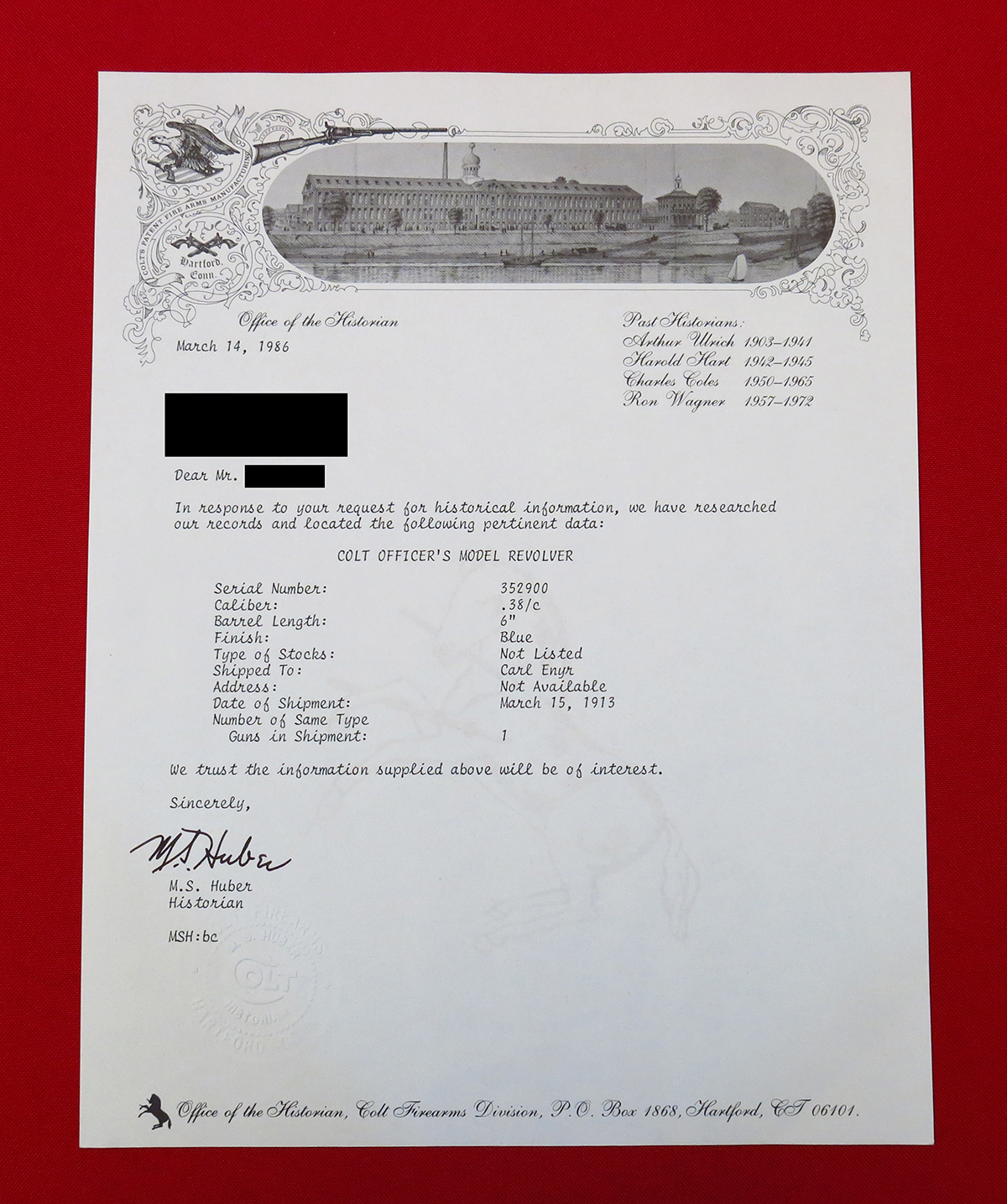
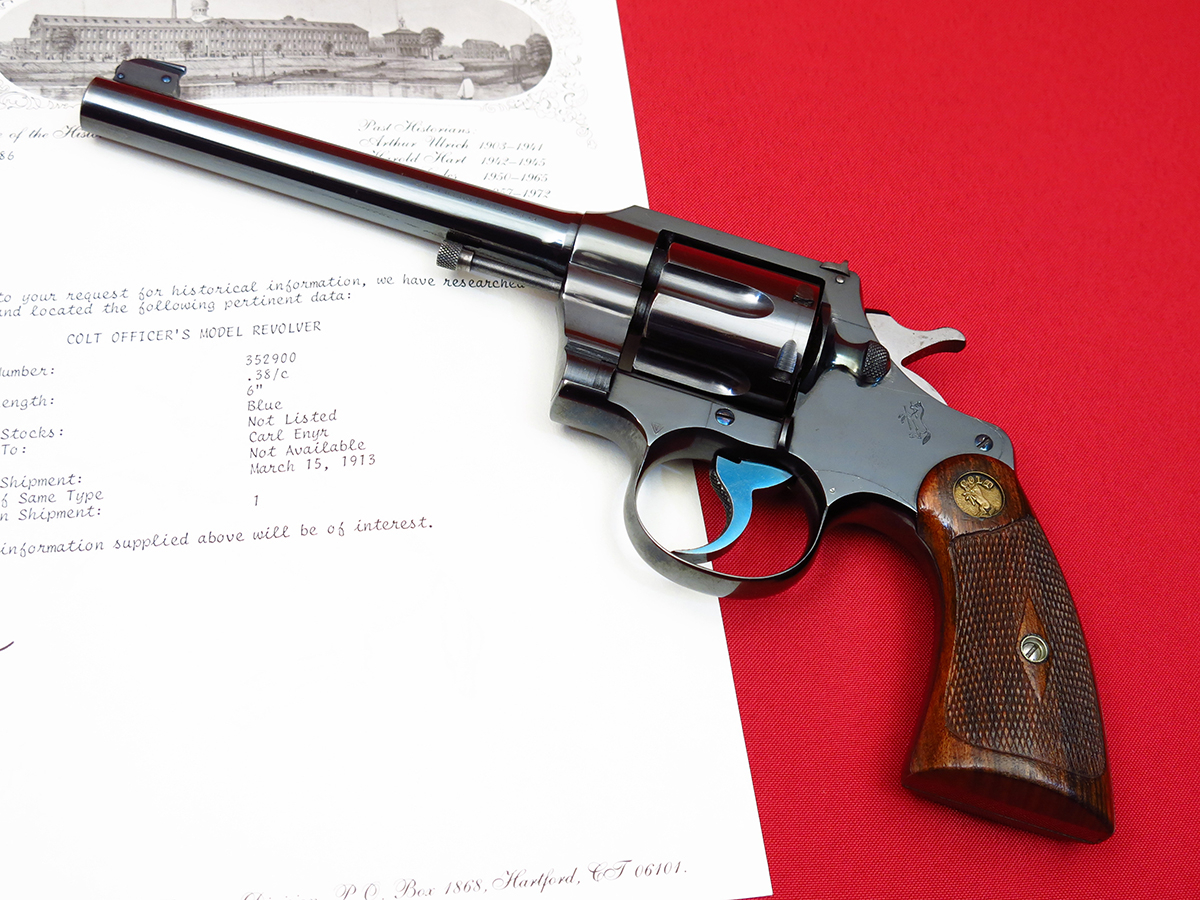
Here is a little something for the Serious Revolver target Shooter – The Colt Officers Model in 38 Special.


The M1 rifle was used in all theaters of combat during World War II. 1LT Waverly Wray, the airborne officer referenced at the beginning of this article, could be counted among the greatest warriors these United States could produce.
 1LT Waverly Wray was born in 1919 and raised in the wooded hills around Batesville, Mississippi, perhaps a forty-five minute drive from where I sit typing these words. An expert woodsman steeped in fieldcraft from his youth, Wray was described by his commander, LTC Ben Vandervoort, thusly, “As experienced and skilled as an Infantry soldier can get and still be alive.” At 250 pounds Wray was an intimidating specimen, yet he was also a committed Christian man of character. He fastidiously eschewed profanity and sent half of his Army paycheck home each month to help build a church in his hometown.
Immediately after jumping into Normandy with the 82d Airborne, 1LT Wray set out on a one-man reconnaissance at the behest of his Battalion Commander. Wray’s mission was to assess the state of German forces planning a counterattack against the weakly held American positions outside Ste.-Mere-Eglise. Wray struck out armed with his M1 rifle, a Colt 1911A1 .45, half a dozen grenades, and a silver-plated .38 revolver tucked into his jump boot. Hearing German voices on the other side of a French hedgerow, Wray burst through the brush and shouted, “Hande Hoch!” Confronting him were eight German officers huddled around a radio.
For a pregnant moment, nobody moved. Then seven pairs of hands went up. The eighth German officer reached for his sidearm. 1LT Wray shot the man between the eyes with his M1.
A pair of German soldiers about 100 meters away opened up on Wray with MP40 submachine guns. 9mm bullets cut through his combat jacket and shot away one of his earlobes. All the while Wray methodically engaged each of the seven remaining Germans as they struggled to escape, reloading his M1 when it ran dry. Once he had killed all eight German officers he dropped into a nearby ditch, took careful aim, and killed the two distant Wehrmacht soldiers with the MP40’s.
Wray fought his way back to his company area to report what he had found, blood soaking his ventilated jump jacket. His first question was to ask where he could replenish his supply of grenades. When American forces eventually took the field where Wray had waged his one-man war against the leadership of the 1st Battalion, 158thGrenadier Regiment, they found all ten German soldiers dead with a single round each to the head. Wray had completely decapitated the enemy battalion’s leadership singlehandedly. Wray stopped what he was doing and saw to it that all ten German soldiers were properly buried. He had killed these men, and he felt a responsibility to bury them properly.
Waverly Wray survived the savage fighting in Normandy only to give his life for his country at Nijmegen, Holland, during Operation Market Garden later in the year. He has a granite marker in Shiloh Cemetery in Batesville, Mississippi, near the church he helped build. 1LT Wray was, by all accounts, an exceptionally good man who died six days before his twenty-fifth birthday. Wray died to ensure the blessings of liberty for further generations of Americans.
 John Garand’s Rifle

Those who lived it have told me that there was only one M1 rifle and that it wasn’t called the Garand. The .30-06 rifle we call the Garand was the M1, the M1 Carbine was the Carbine, and the M1A1 Thompson was the Thompson. There was always only one M1.
John Cantius Garand was a Canadian-born gun designer who developed the M1 rifle in the early 1930’s. Those who knew him say that old John Cantius pronounced his name differently from the way we do. In his Canadian dialect, Garand rhymed with “Errand.”
Early versions of the M1 were gas trap designs based upon the flawed presumption that ported barrels would wear appreciably faster than the non-ported sort. This same misconception is what drove the Germans to attempt the ill-fated G41 gas trap rifle before settling on the much more reliable piston-driven G43 design. In short order, the M1 was standardized with the familiar gas piston action.

The M1 rifle soldiered on everywhere during World War II from European plains to fetid South Pacific jungles.

 5.4 million of the rifles ultimately rolled out of four wartime factories. The M1 served with distinction in all services and in all theaters throughout World War II as well as the war in Korea. The weapon saw fairly widespread issue among ARVN forces early during the conflict in Vietnam as well. An M1 rifle cost the government about $85 during the Second World War. This equates out to around $1,200 today.

If properly maintained the M1 rifle offered a quantum advance in firepower over the bolt-action designs of the day.
Morphology
For all its justifiable accolades, the M1 was a flawed design. The thing weighs about ten pounds and remains exceptionally bulky, even by the standards of the day. The eight-round en-bloc clip is extremely difficult to fill by hand, and the gun is nearly 44 inches long. Ammunition typically came issued in these disposable spring steel clips. However, early in the war troops frequently had to fill their clips manually from ammo that was packed on single stack five-round Springfield clips, something that was all but impossible to do under pressure.
Despite its few warts, the M1 represented a quantum advance in firepower when compared to the bolt-action repeaters in common service at the time. Interestingly, there are anecdotal accounts of some old school soldiers trading their M1s for bolt-action 1903 Springfields early in the war in the Philippines out of distrust of the autoloading action. However, it did not take long for troops on both sides of the line to come to respect the prodigious firepower of the M1.
Practical Tactical

The M1 rifle was a big, heavy, bulky beast, but it was also reliable, accurate, and rugged. Generations of GIs came to adore the gun.


 The M1 sports a unique manual of arms. The safety is a pivoting tab in the front of the trigger guard that soldiers on in modern Springfield Armory M1A rifles today. This design is comparably accessible with either hand. The rigid charging handle reciprocates with the bolt and can be manhandled or even kicked if the action gets gummy.
To put the gun into action you retract the bolt until it locks to the rear automatically. Place a loaded 8-round clip in place in the action and press it down with the thumb until it locks. The bolt will then snap shut of its own accord. One must be fairly quick to snatch the thumb out of the way lest it gets badly pinched. Troops of the day described the resulting painful injury as “M1 Thumb.”


The M1 rifle fed from an 8-round en bloc clip. This means the clip becomes part of the action when loaded into the rifle.
The M1 will fire eight rounds as fast as the trigger can be cycled. On the last round fired the action locks open and the empty clip ejects out the top making a distinctive metallic springing sound in the process. Much hay has been made that this sound might signal to the enemy that the weapon is dry. The World War II combat veterans with whom I have visited discounted this concern. They said this sound was typically lost in the bedlam of battle.

The safety on the M1 is a pivoting tab located in the front of the trigger guard. It is comparably accessible with either hand. The rigid charging handle reciprocates with the bolt.
 Denouement

When I was a young buck you could get beautiful M1 rifles through the mail for $165 from the DCM delivered straight to your door. Alas, I didn’t have $165, and the paperwork requirements seemed unduly onerous. I did ultimately land a high-mileage DCM M1 some years later for a good bit more than that. My M1 sports a meticulously repaired crack to the upper handguard and the stigmata of hard use. I love the gun and would not trade it for a specimen that was new in the box. Like Waverly Wray and the other hard men who wielded these old guns to defeat tyranny around the globe, my M1 rifle has character.
A friend who landed on Omaha Beach on June 6, 1944, summed up an Infantryman’s relationship to his primary weapon better than I ever could. He once told me that for nearly a year some part of his anatomy was touching that rifle. Whether he was patrolling, sleeping, shaving, or crapping, he kept that M1 rifle close at hand no matter what.
The M1 is an innately accurate and imminently reliable battle arm. It is not unstoppable, nor does it shoot divinely straight. However, the design certainly earned the respect and legendary status it has gained over the decades. Big, fat, heavy, and mean, the M1 was a gun that quite literally saved the world.
Special thanks to www.worldwarsupply.com for the replica gear used to outfit our period paratrooper.
Technical Specifications
M-1 Garand Rifle
Caliber 7.62 x 63 mm/.30-06 in
Weight 9.5 lbs
System of Operation Gas—Semiautomatic
Length 43.6 in
Barrel Length 24 in
Feed 8 round en bloc steel clips
Sights Protected Front Blade and Adjustable Rear Aperture
____________________________________ Some more stuff I found out about this Stud of a man!
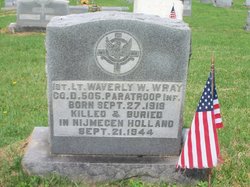
*DISTINGUISHED SERVICE CROSS Citation:
The President of the United States takes pride in presenting the Distinguished Service Cross (Posthumously) to Waverly W. Wray (0-1030110), First Lieutenant (Infantry), U.S. Army, for extraordinary heroism in connection with military operations against an armed enemy while serving with Company D, 2d Battalion, 505th Parachute Infantry Regiment, 82d Airborne Division, in action against enemy forces on 7 June 1944, in France. While his platoon was engaged in a heavy fight with the enemy, First Lieutenant Wray, completely disregarding his own safety, crawled under devastating machine gun fire and although wounded, fought on until he had destroyed two enemy machine gun positions. Returning to his platoon he reorganized it and, securing a re-supply of ammunition, led it in a successful attack upon the enemy. Only after he had driven the enemy from his platoon sector did he accept first aid for his wounds. First Lieutenant Wray’s valiant leadership, personal bravery and zealous devotion to duty at the cost of his life, exemplify the highest traditions of the military forces of the United States and reflect great credit upon himself, the 82d Airborne Division, and the United States Army.
Headquarters, First U.S. Army, General Orders No. 51 (1944)
*SILVER STAR
Rank: 1st Lieutenant (Lieutenant)
Unit: Executive Officer Company D, 505th Parachute Infantry Regiment, 82nd Airborne Division “All-American”, U.S. Army
Details: Citation unavailable.
*PURPLE HEART
Rank: 1st Lieutenant (Lieutenant)
Unit: Executive Officer Company D, 505th Parachute Infantry Regiment, 82nd Airborne Division “All-American”, U.S. Army
RIDDER VIERDE KLASSE DER MILITAIRE WILLEMS ORDE (MWO.4)
Rank: 1st Lieutenant (Lieutenant)
Unit: Executive Officer Company D, 505th Parachute Infantry Regiment, 82nd Airborne Division “All-American”, U.S. Army
Awarded on: October 8th, 1945
Action: For having distinguished himself during the fighting by the 82nd Airborne Division in the area around Nijmegen between September 17th and October 4th 1944 by having performed outstanding deeds of courage, tact and loyalty and having repeatedly displayed outstanding devotion to duty and great perseverance and in all respects having set a praiseworthy example to all in those illustrious days during which he lost his life.
Details: Royal decree no.31 Awarded posthumously.
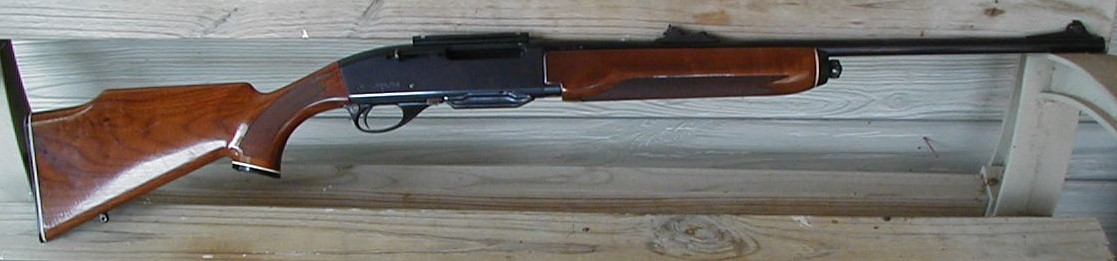
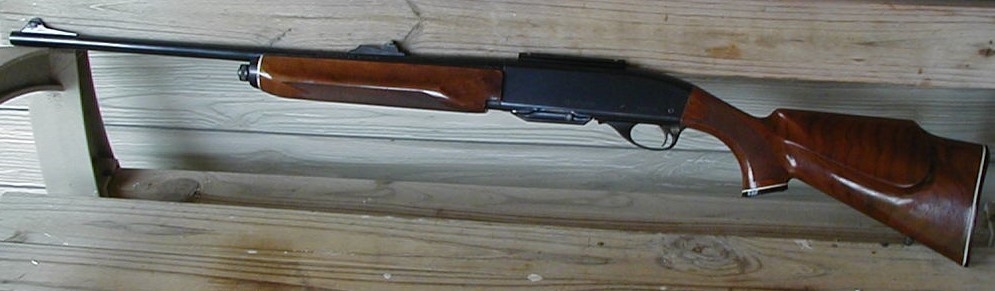
If you wanted to send a lot of 30-06 down range quickly. then this is a prime candidate to do so. Grumpy
| Model Four | |
|---|---|
| Type | Rifle |
| Place of origin | United States |
| Production history | |
| Manufacturer | Remington Arms |
| Produced | 1981-1988 [1] |
| Variants | Model Four Collectors Edition |
| Specifications | |
| Weight | 7.5 lb (3.4 kg) [2] |
| Length | 42 in (110 cm) [2] |
| Barrel length | 22 in (56 cm) [2] |
|
|
|
| Cartridge | .243 Winchester 6mm Remington .270 Winchester .280 Remington .30-06 Springfield .308 Winchester [1] |
| Action | Semi-auto, gas-operated |
| Feed system | 4-round box mag[2] |
| Sights | Ramped front, adjustable rear [2] |
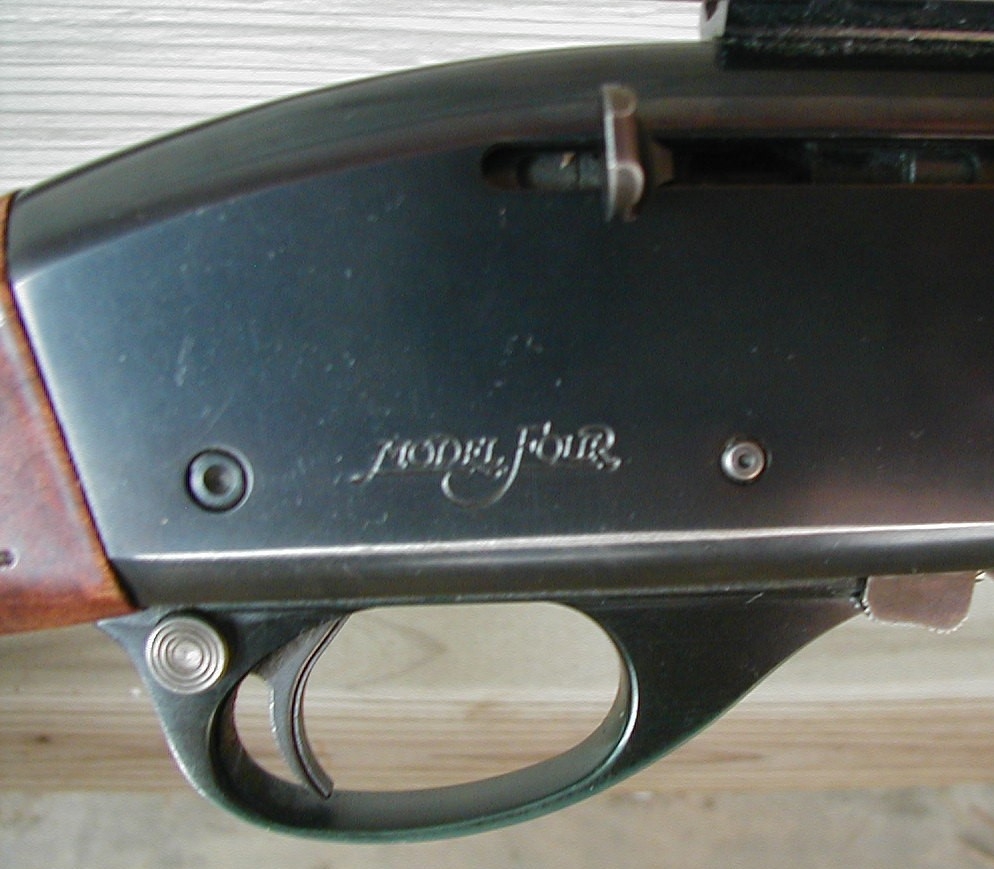
The Remington Model Four is a semi-automatic rifle manufactured by Remington Arms from 1981 to 1987. It features a gas-operatedaction with a gloss-finished walnut stock. Unlike most Remington rifles, the Model Four spells out the number and is marketed as the Model Four not the Model 4.[1]
Along with the Model 7400, the Model Four is essentially a redesign of the Model 742.[2]
Some of the improvements include a smoother action and a stronger lockup.[3]
Variants[edit]
- Model Four Collectors Edition
- In 1982, 1500 Collectors Editions rifles were manufactured. This special model was chambered exclusively in .30-06 and featured an etched receiver, 24K gold inlays and a high-luster finish.[4]
References[edit]
- ^ Jump up to:a b c “Model Four Autoloading Centerfire Rifle”. Remington Arms. Retrieved 1 January 2013.
- ^ Jump up to:a b c d e f Peterson, Philip. Gun Digest Book of Modern Gun Values: The Shooter’s Guide to Guns 1900 to Present (16th ed.). p. 389.
- Jump up^ “Improving a Winner”. Popular Mechanics. 155: 68. 1981. Retrieved 1 January 2013.
- Jump up^ Ramage, Ken (2008). Gun Digest Buyer’s Guide to Guns. Cincinnati: Krause Publications. ISBN 1440224331.
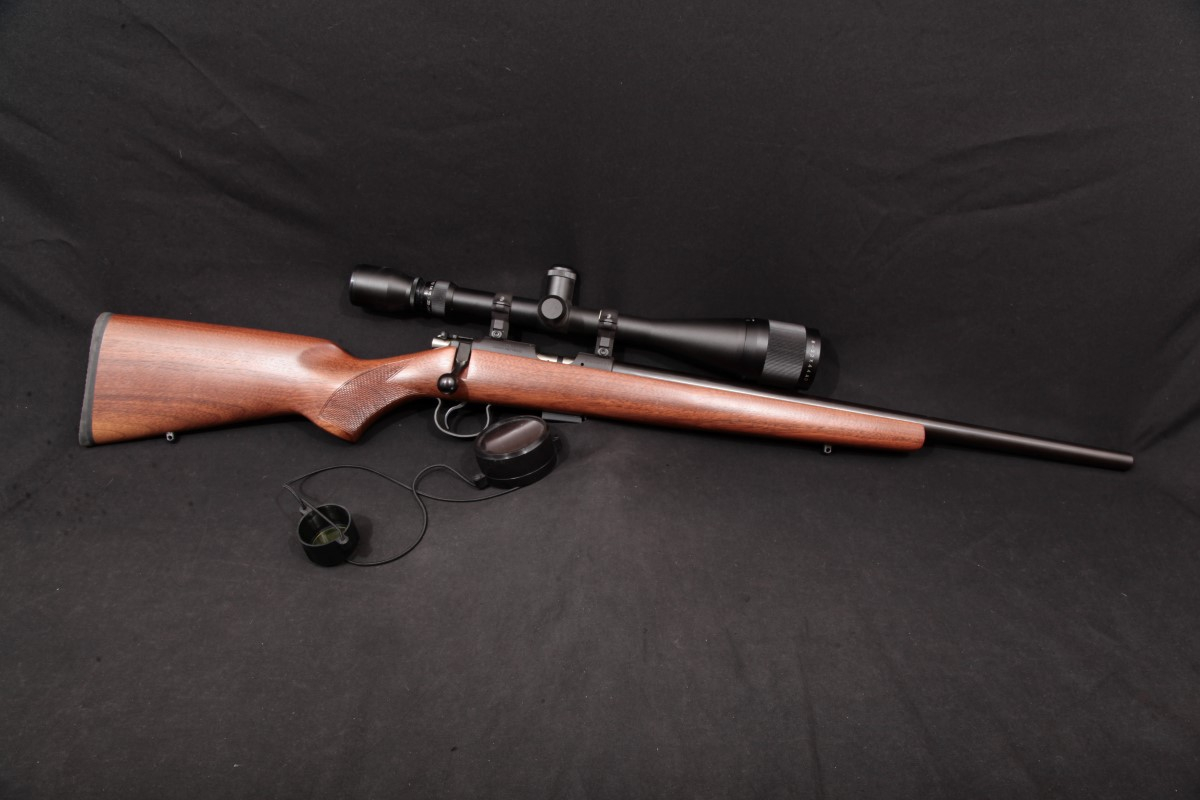
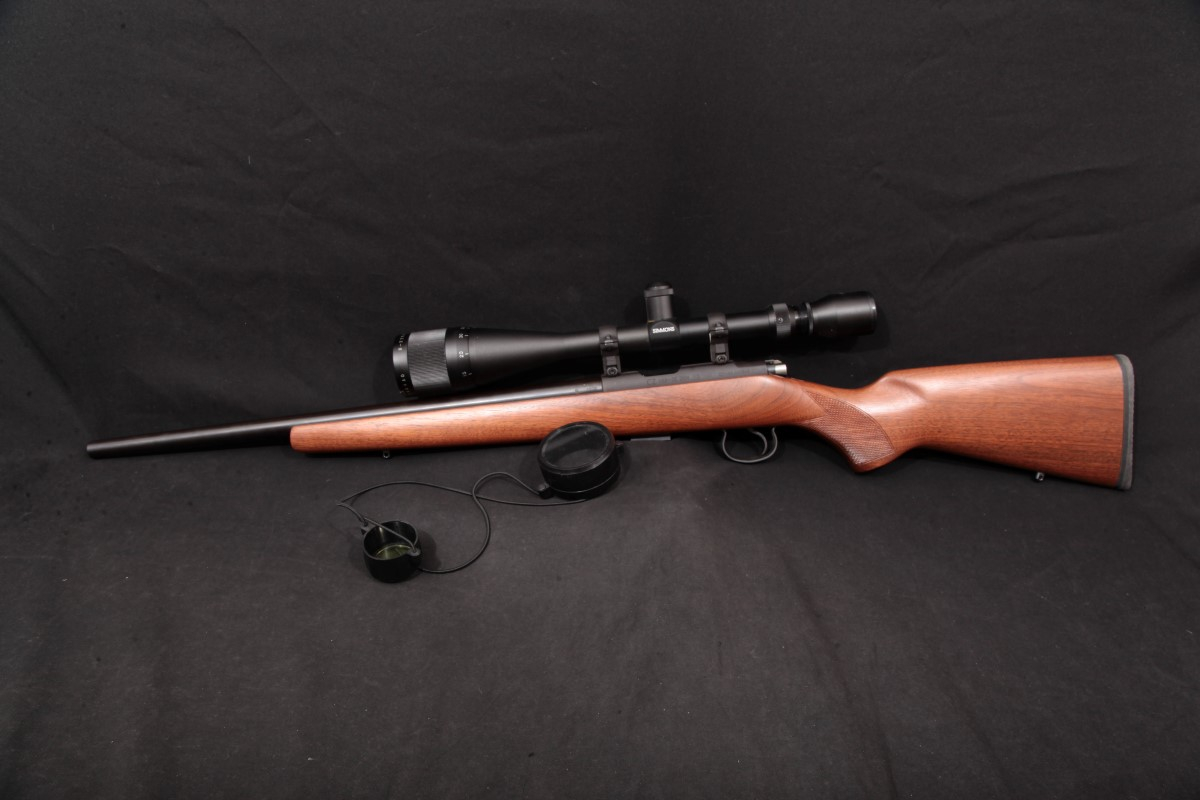
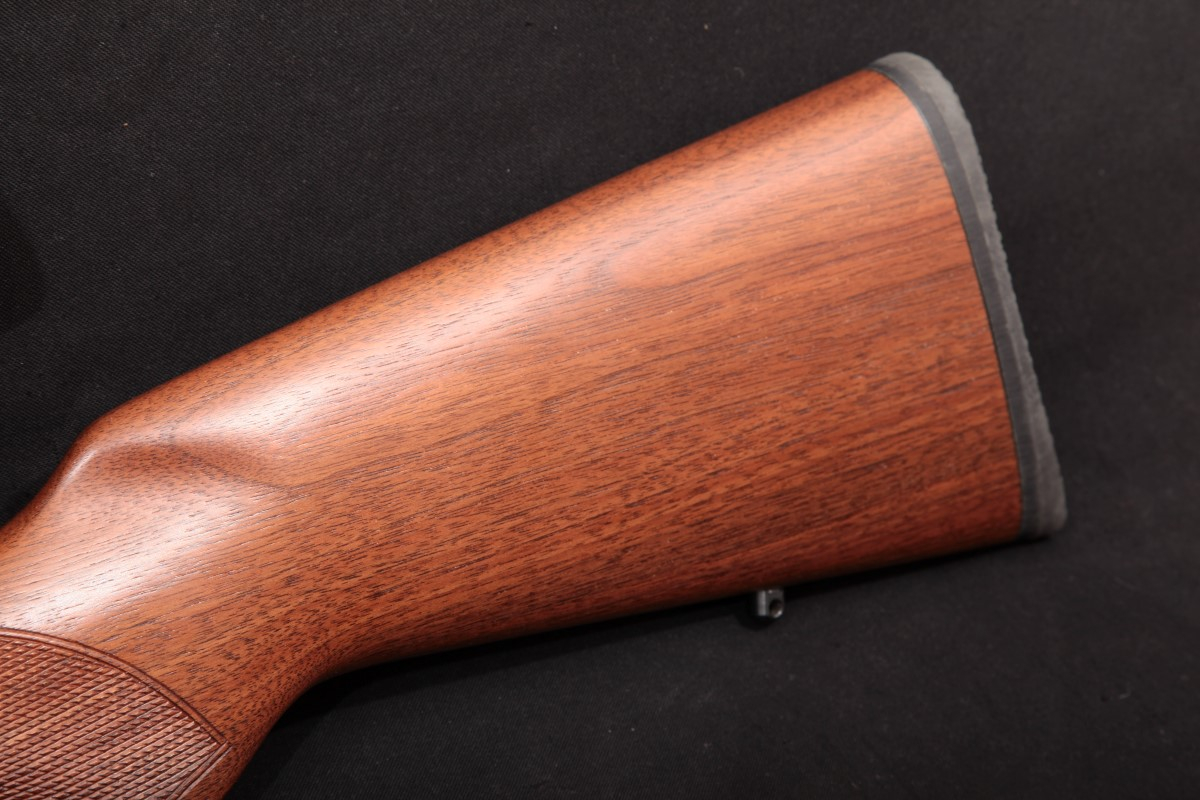
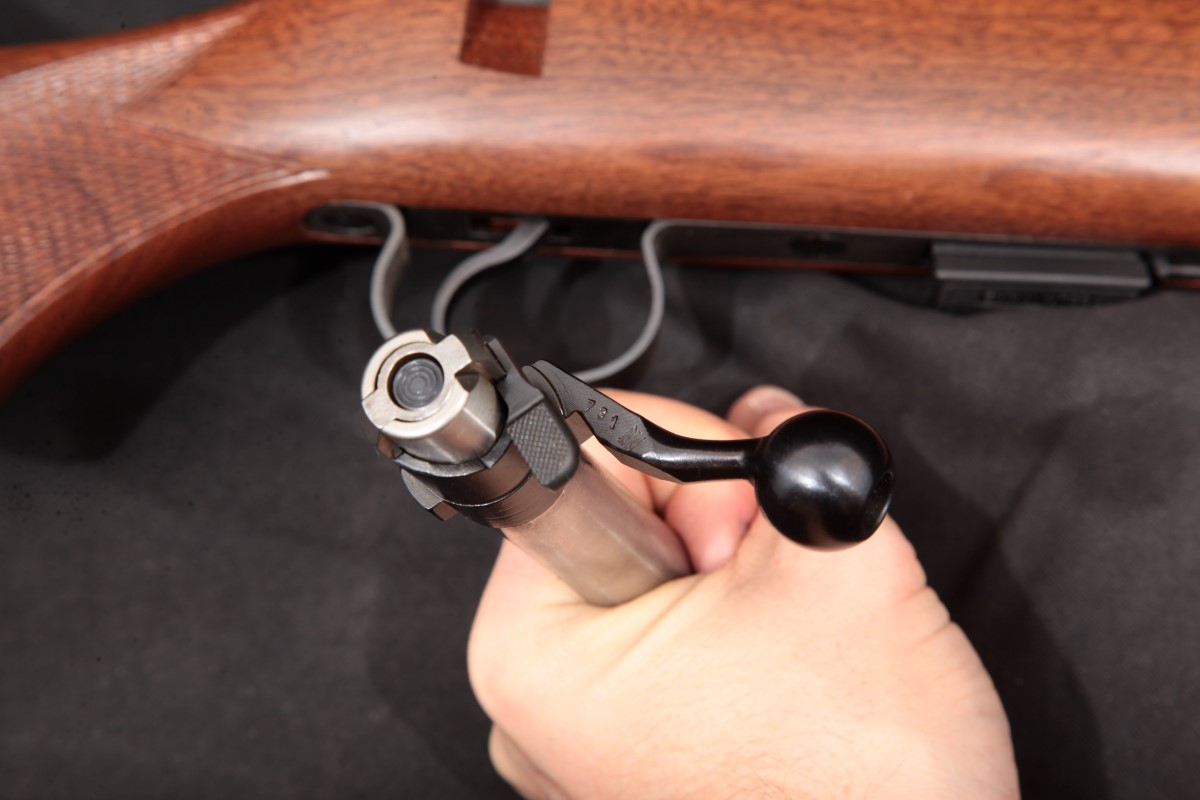
Interesting looking Bolt!
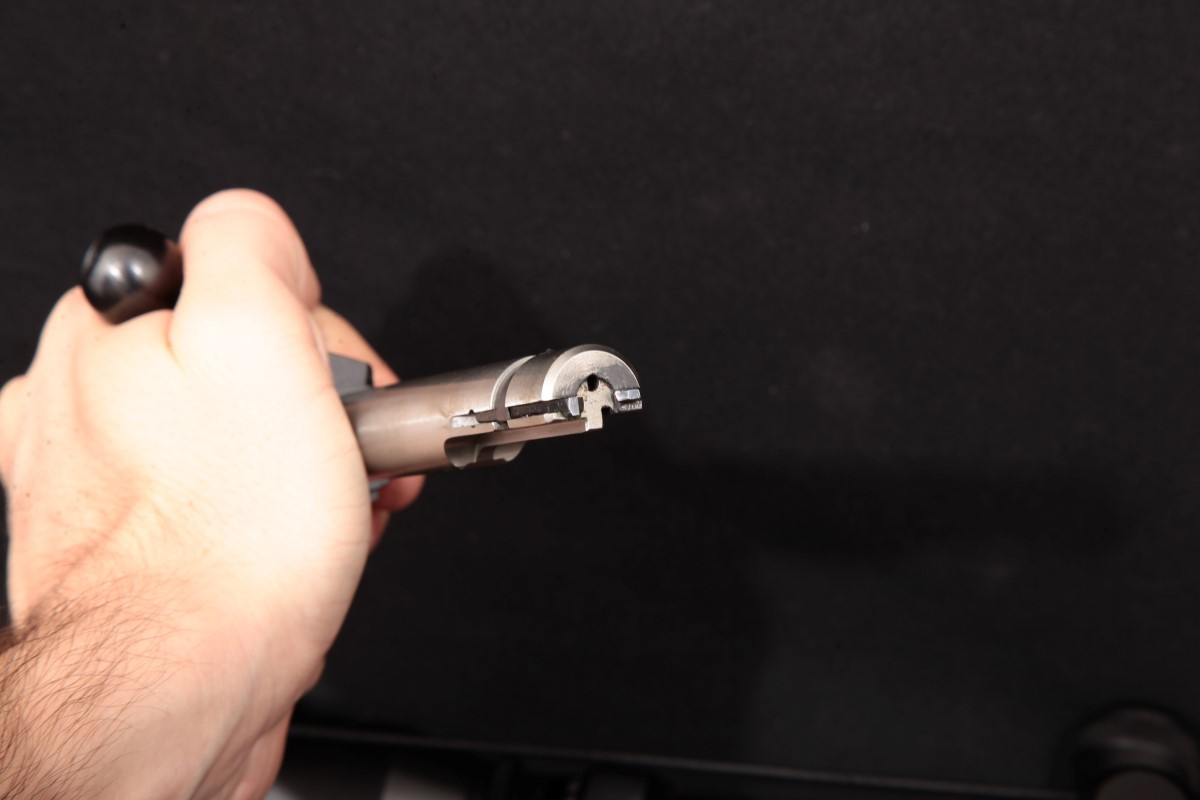
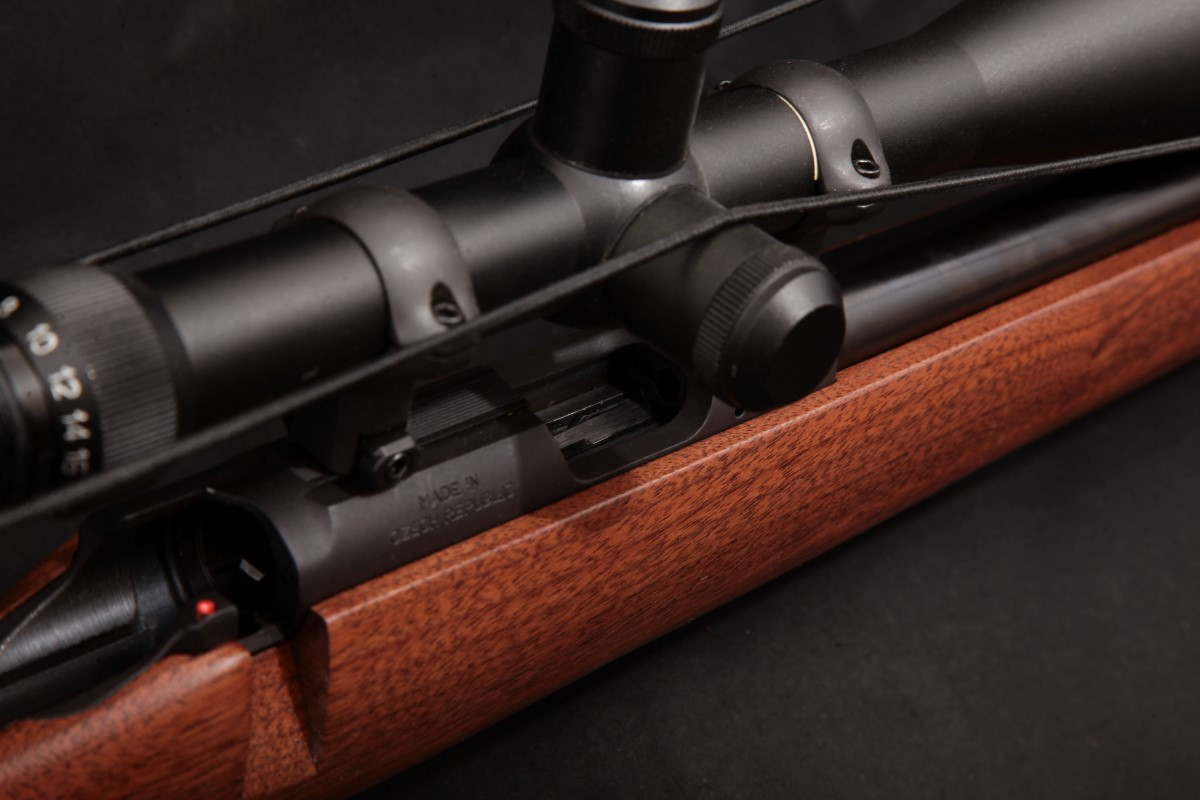
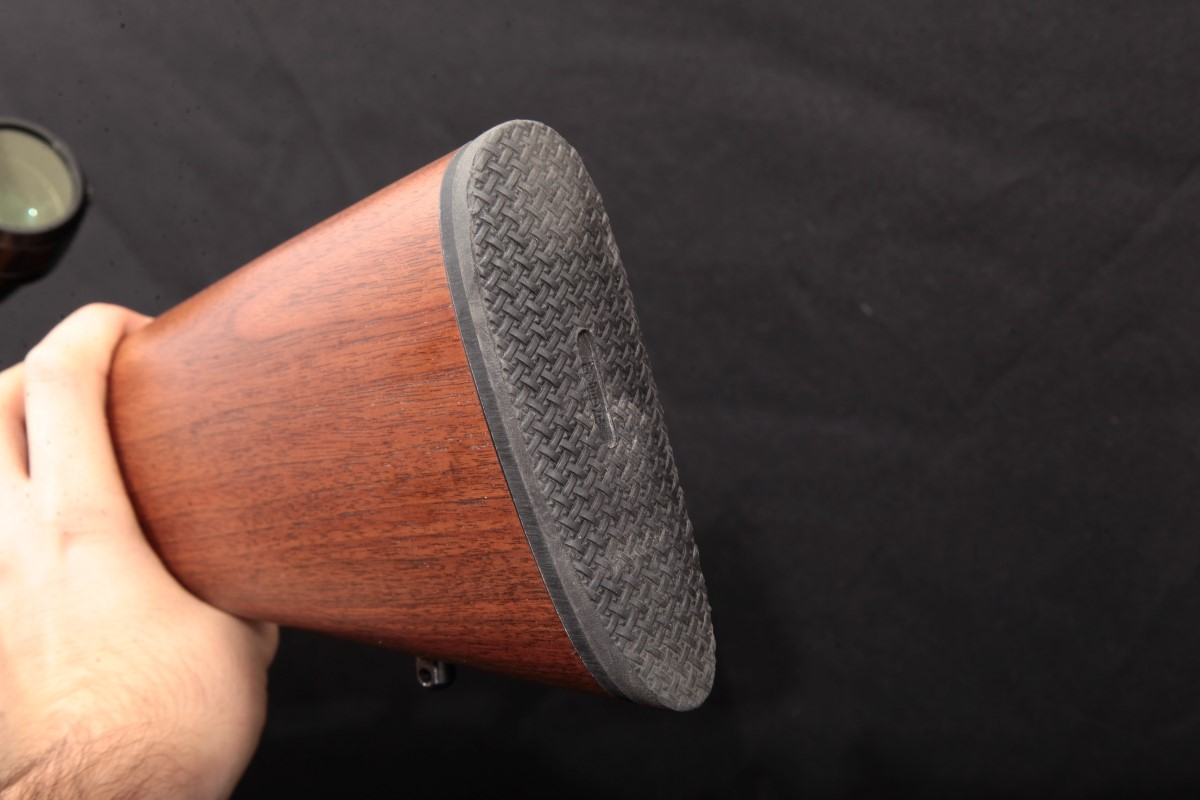
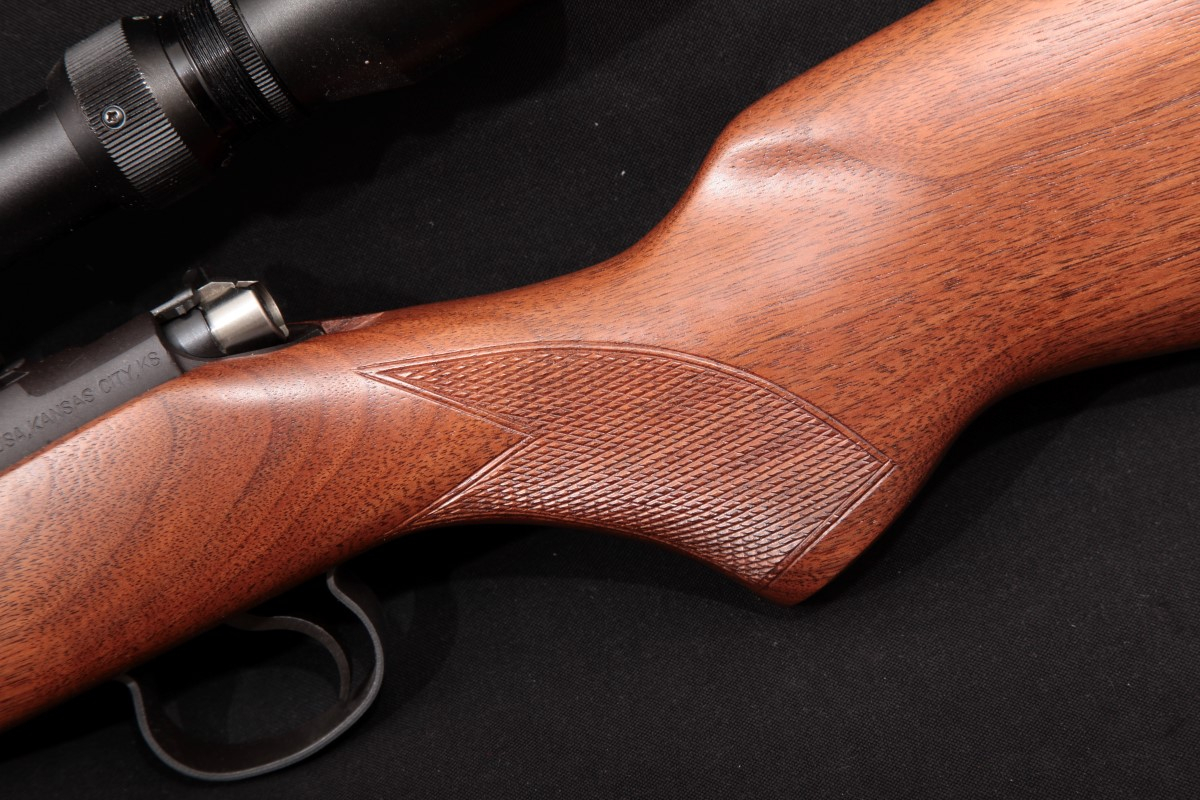
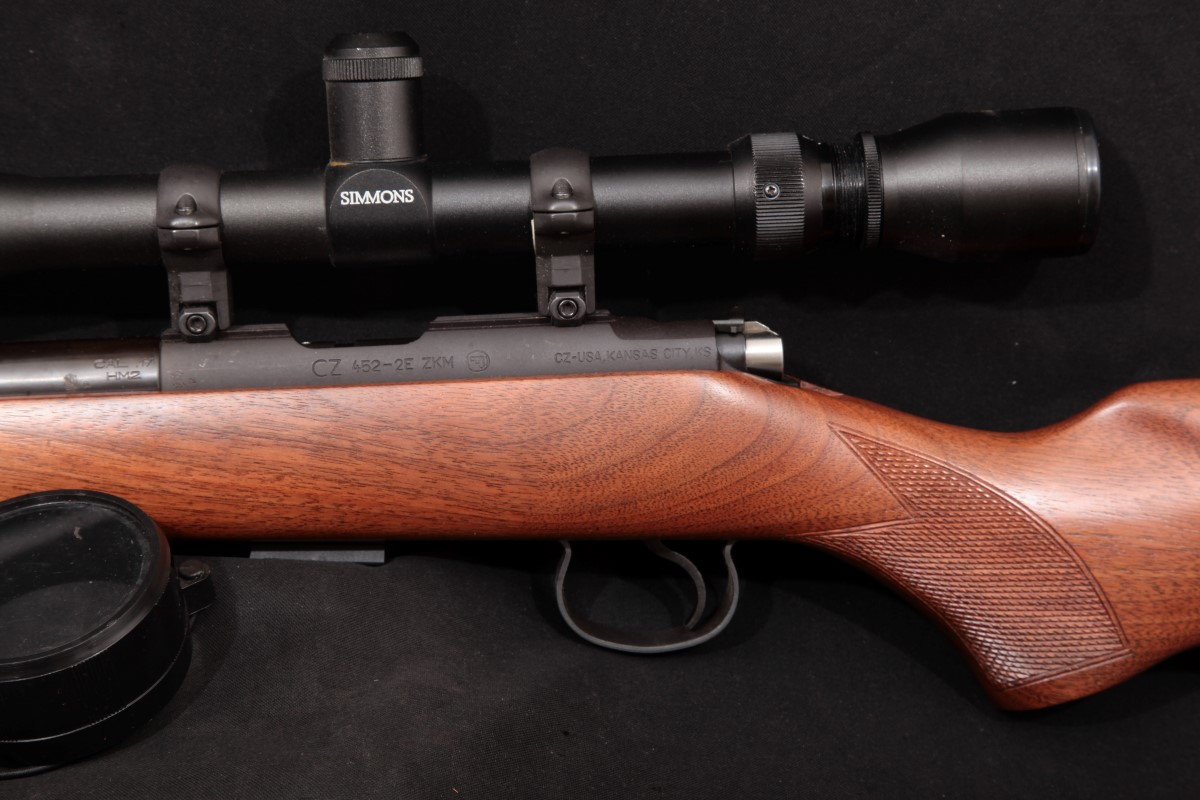
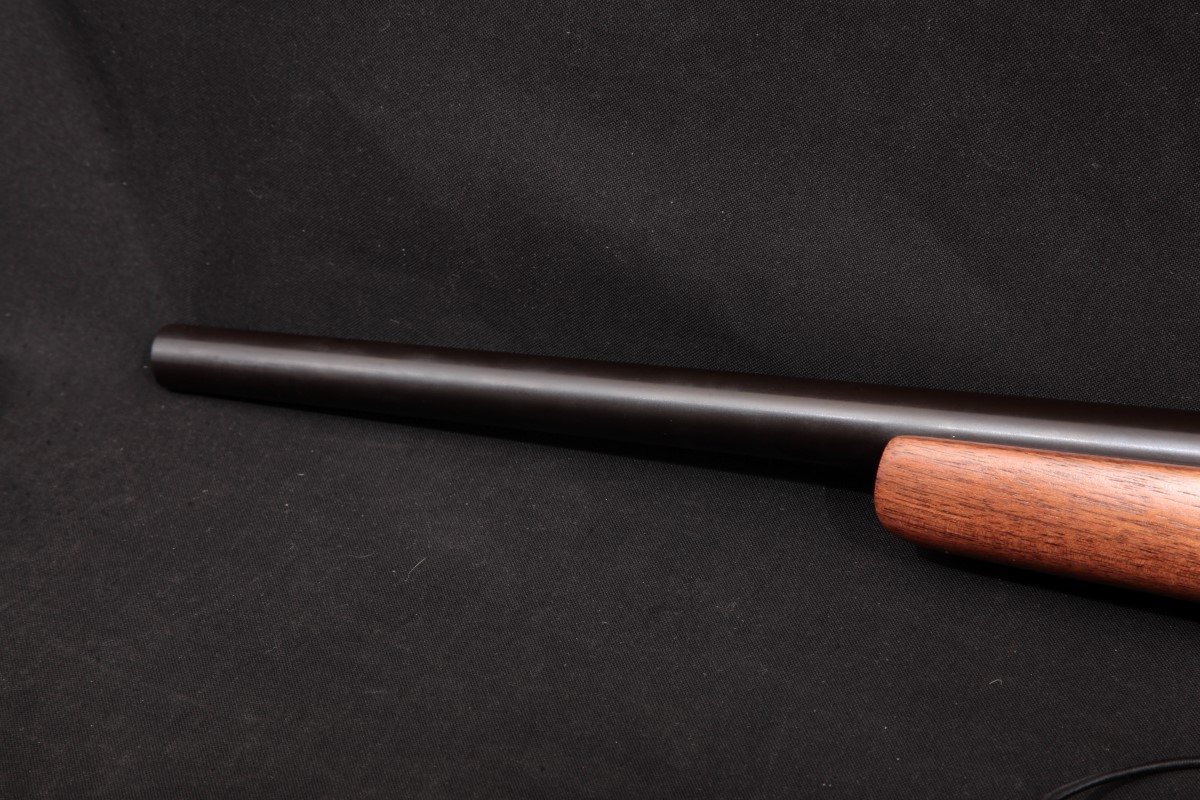

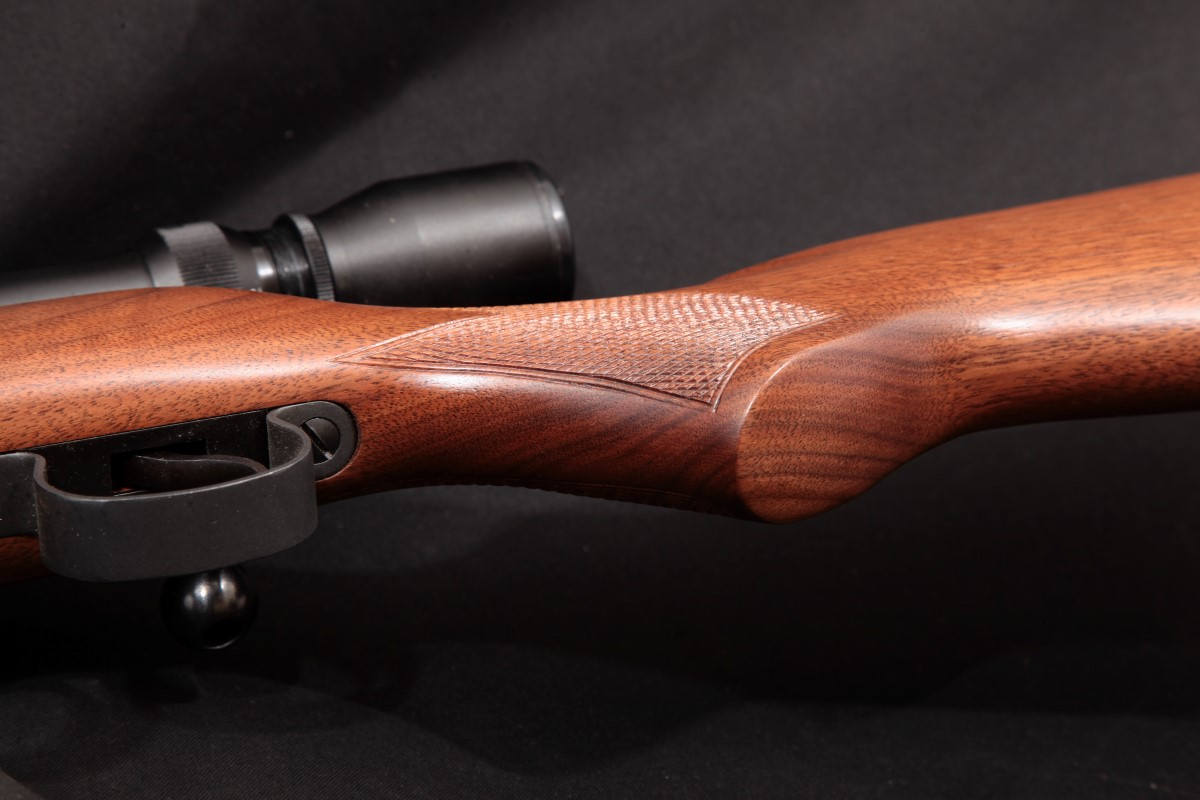
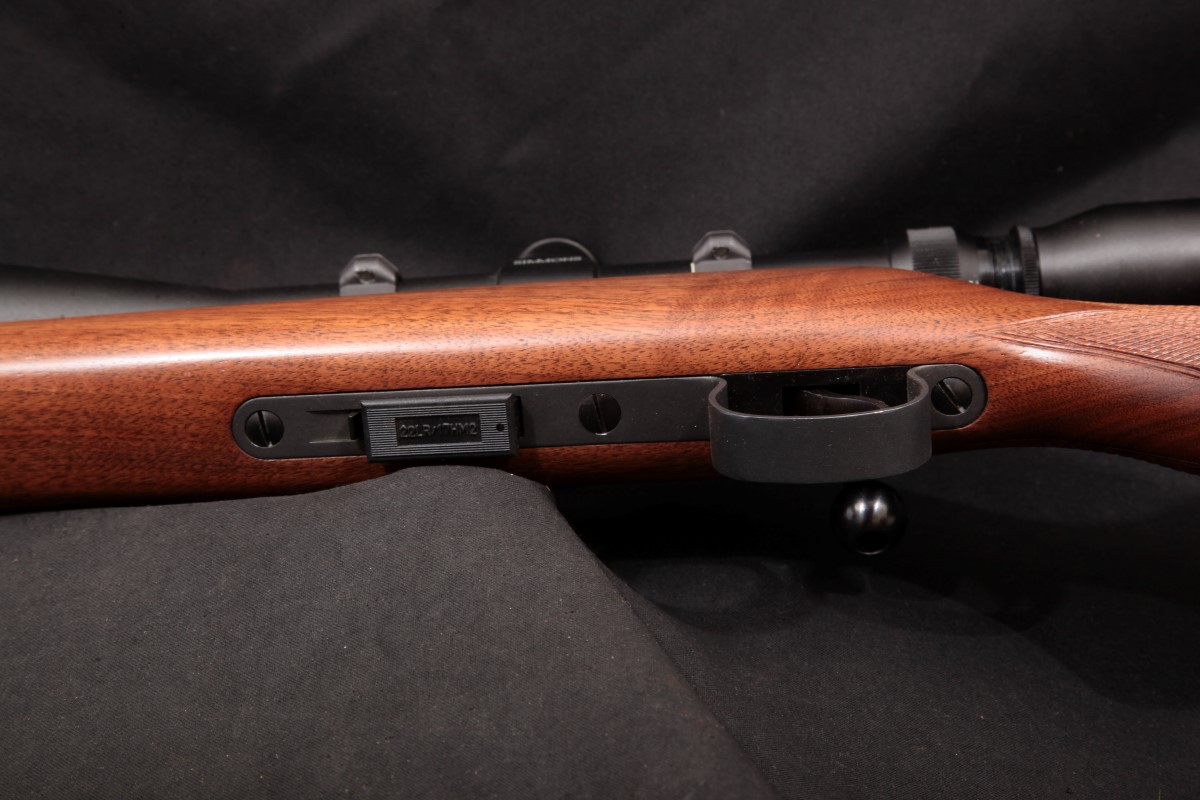
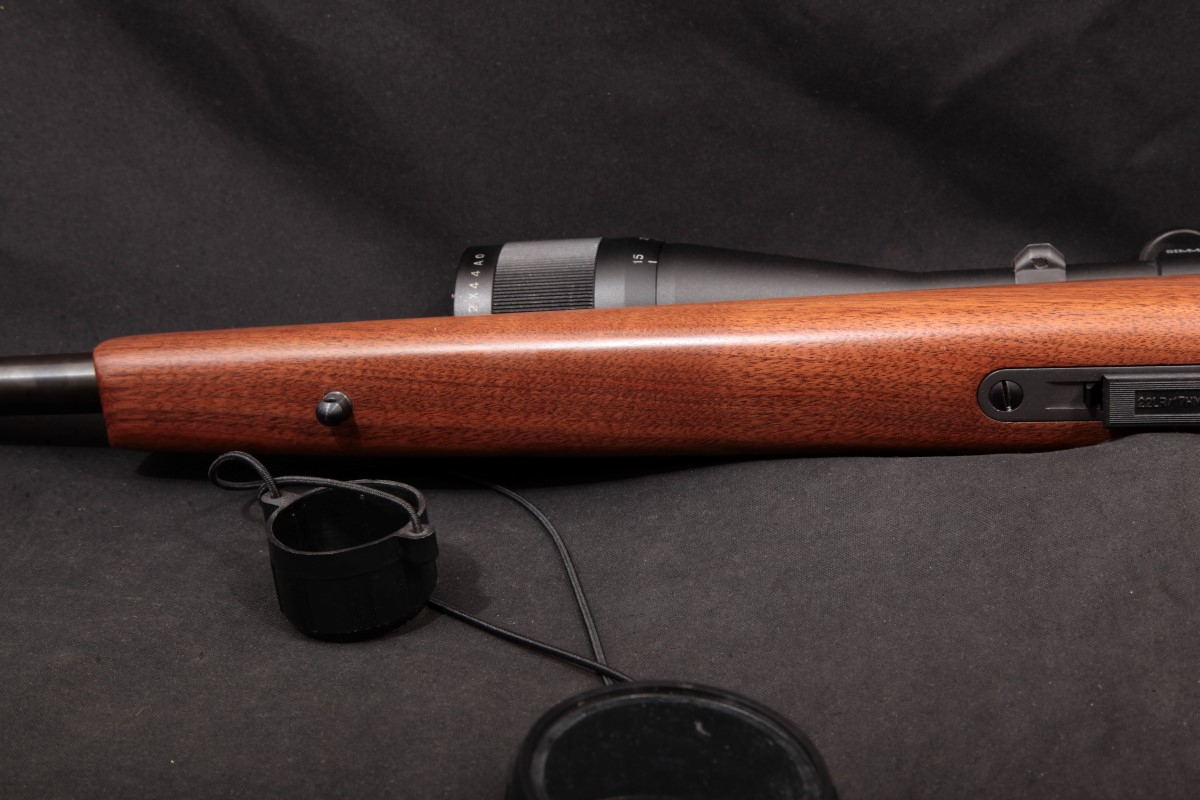
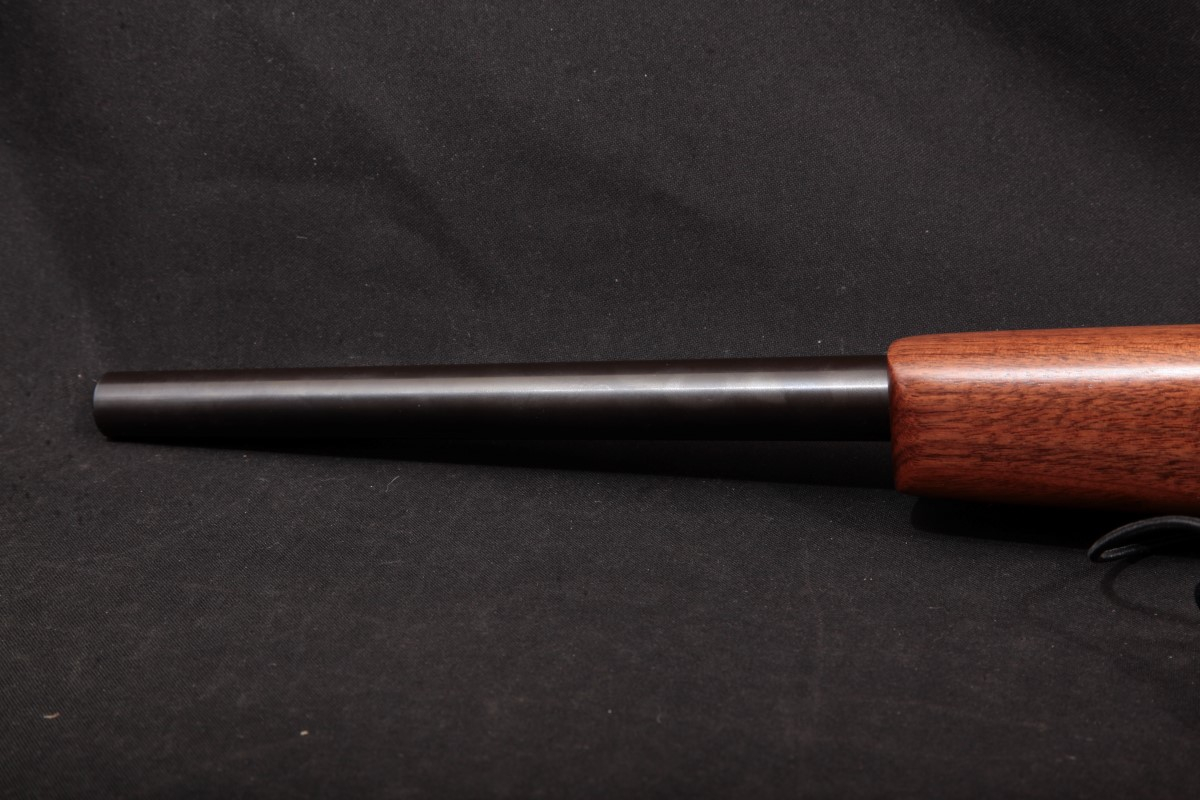
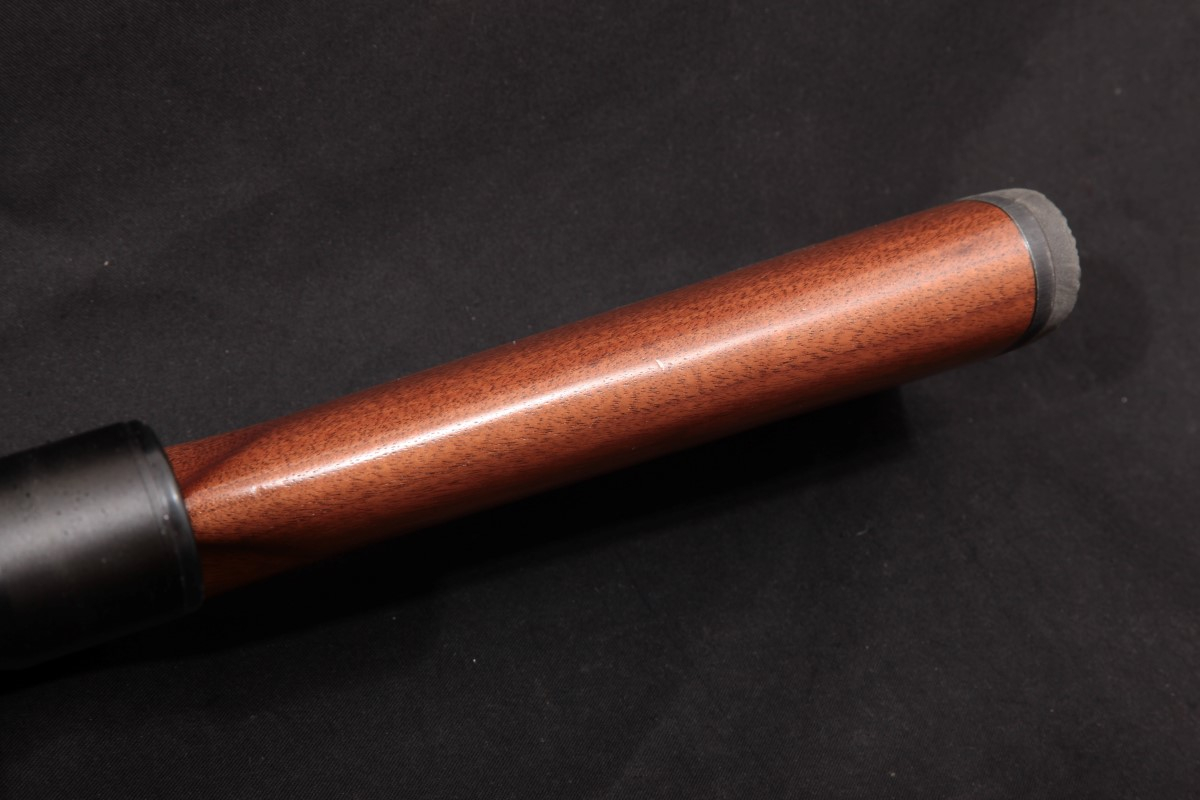
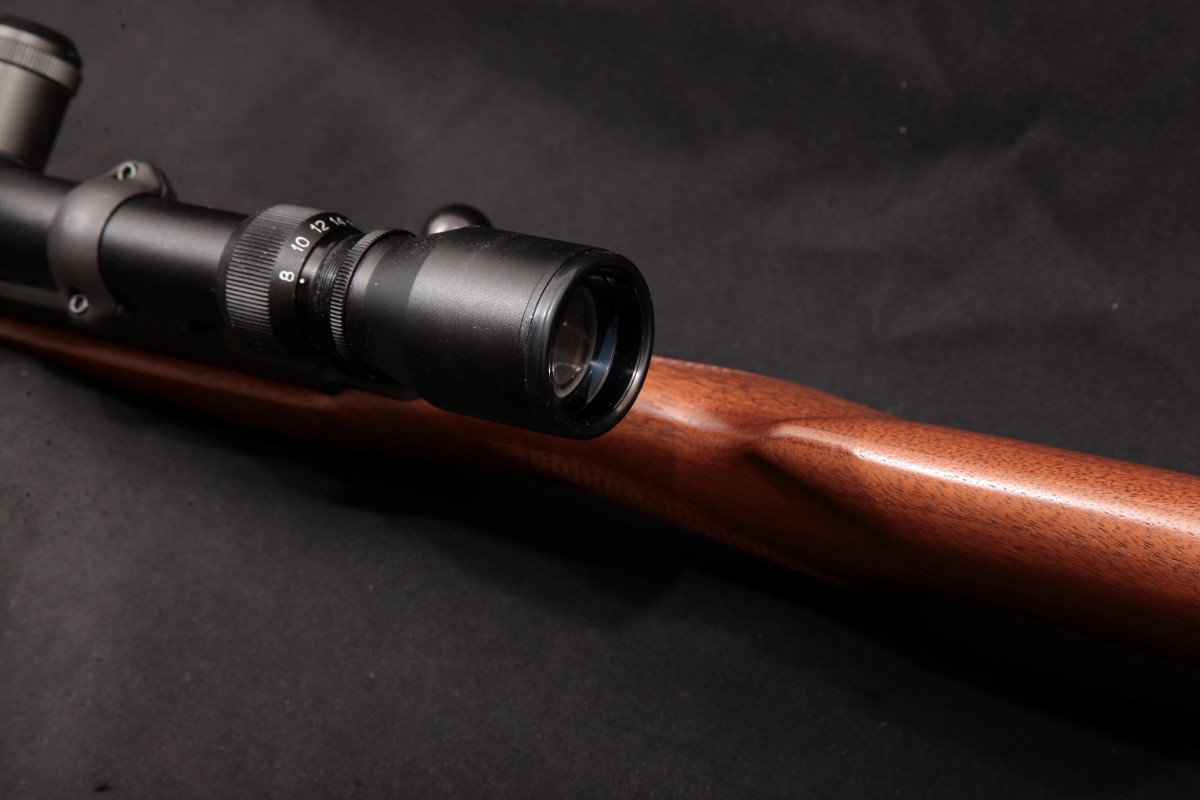
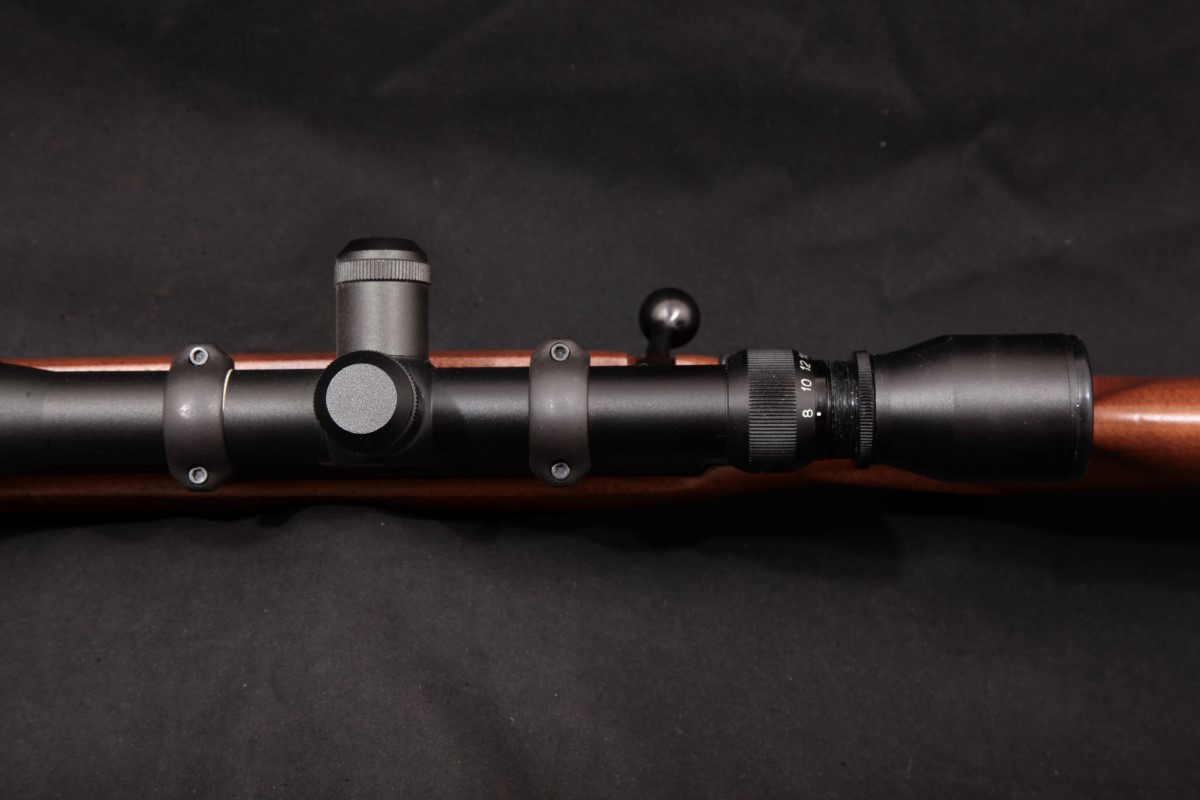
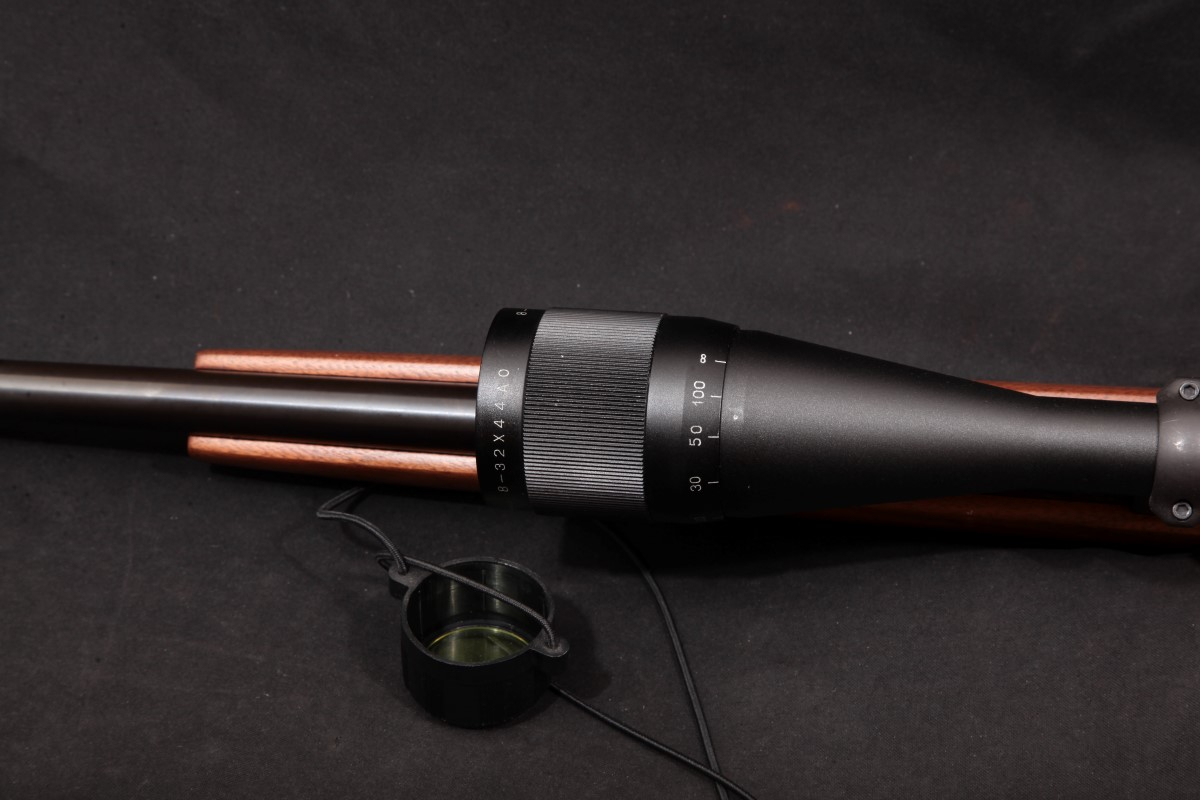

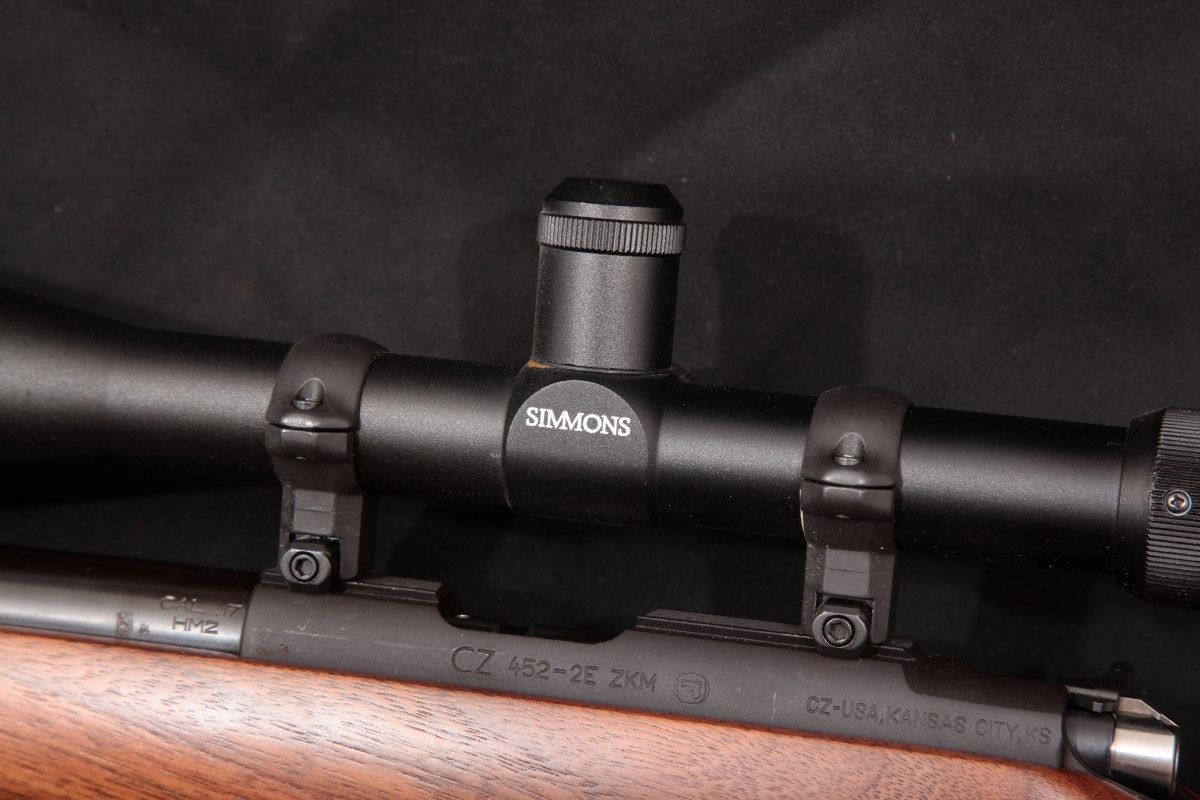
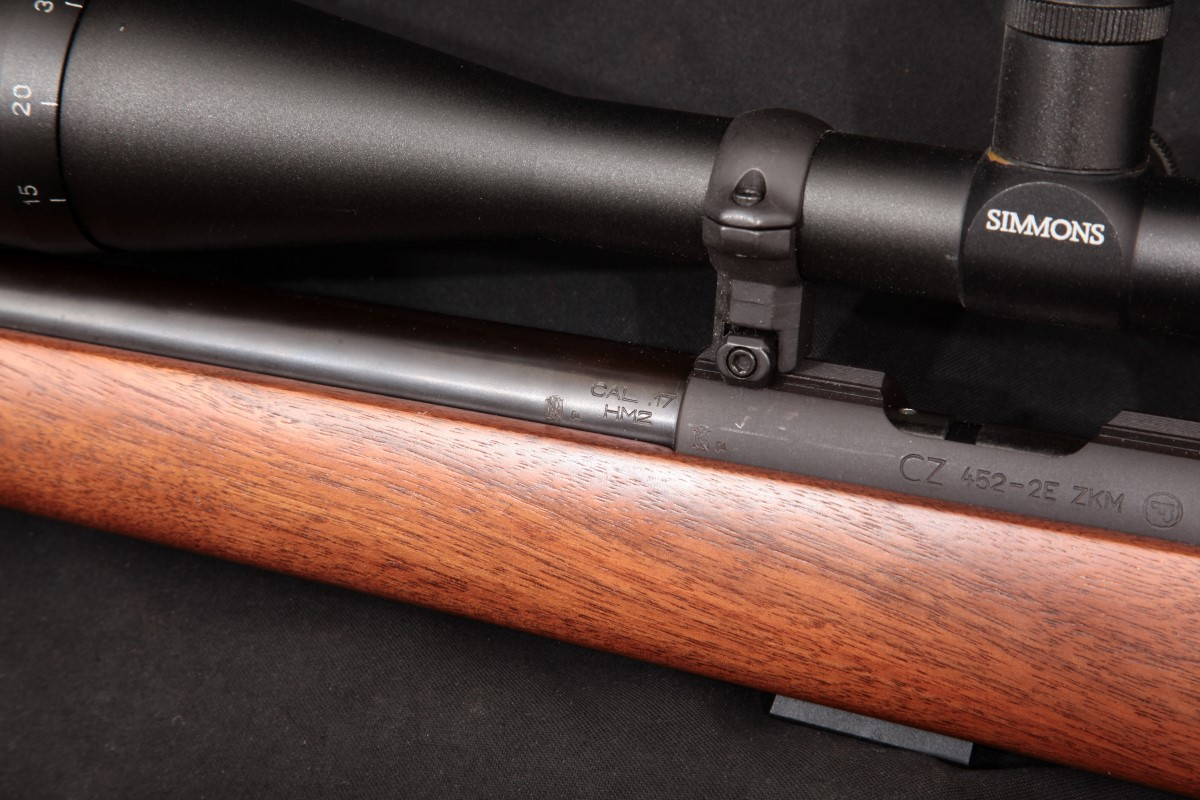

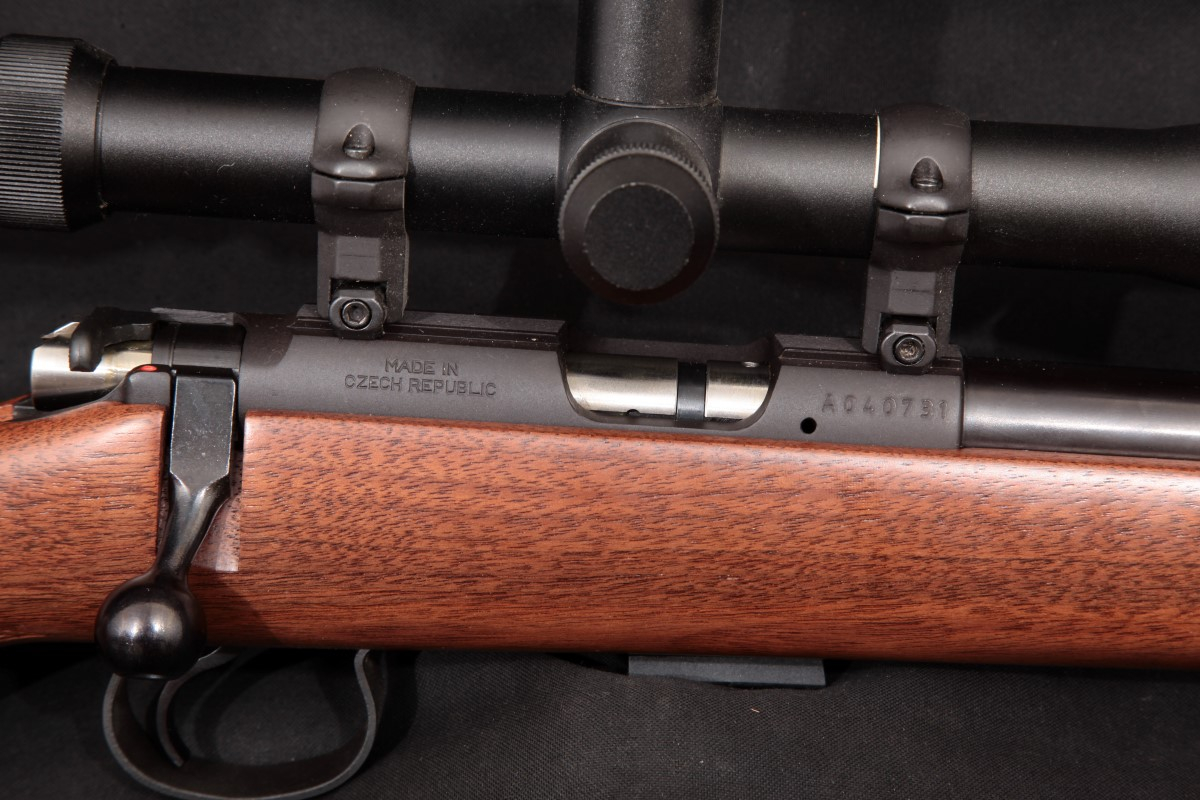
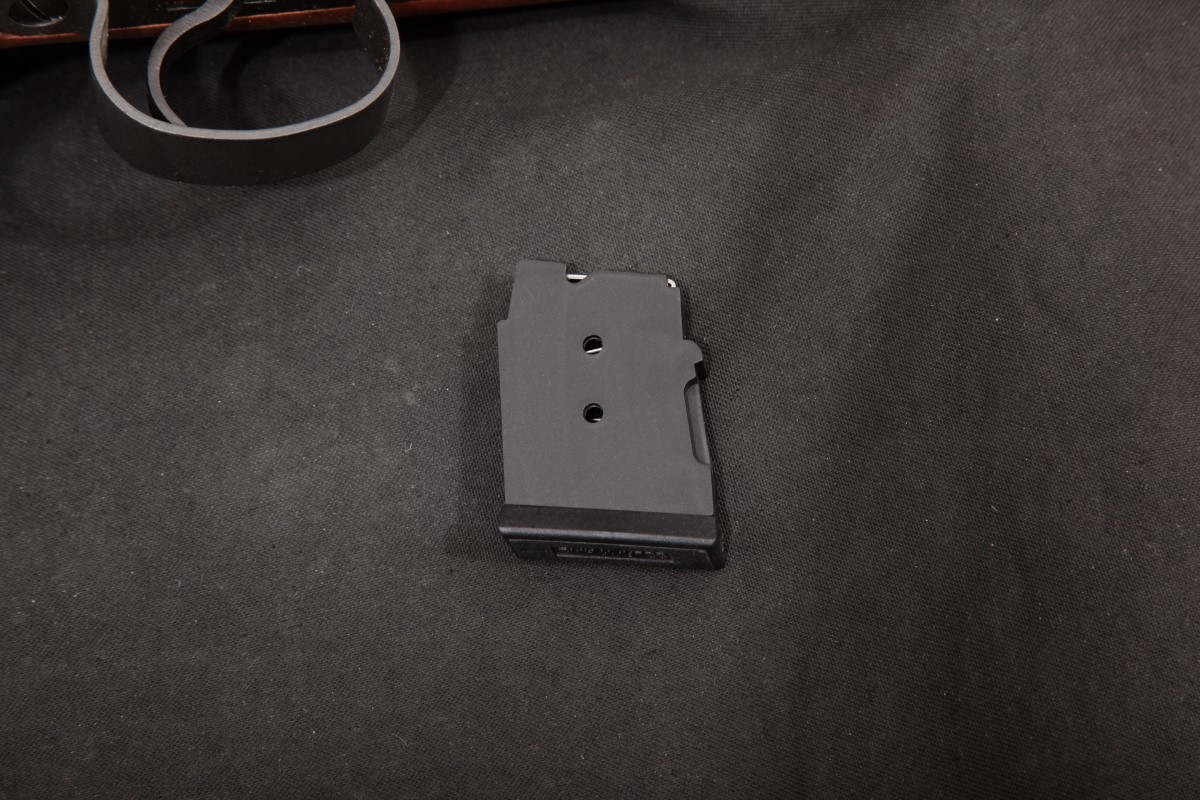
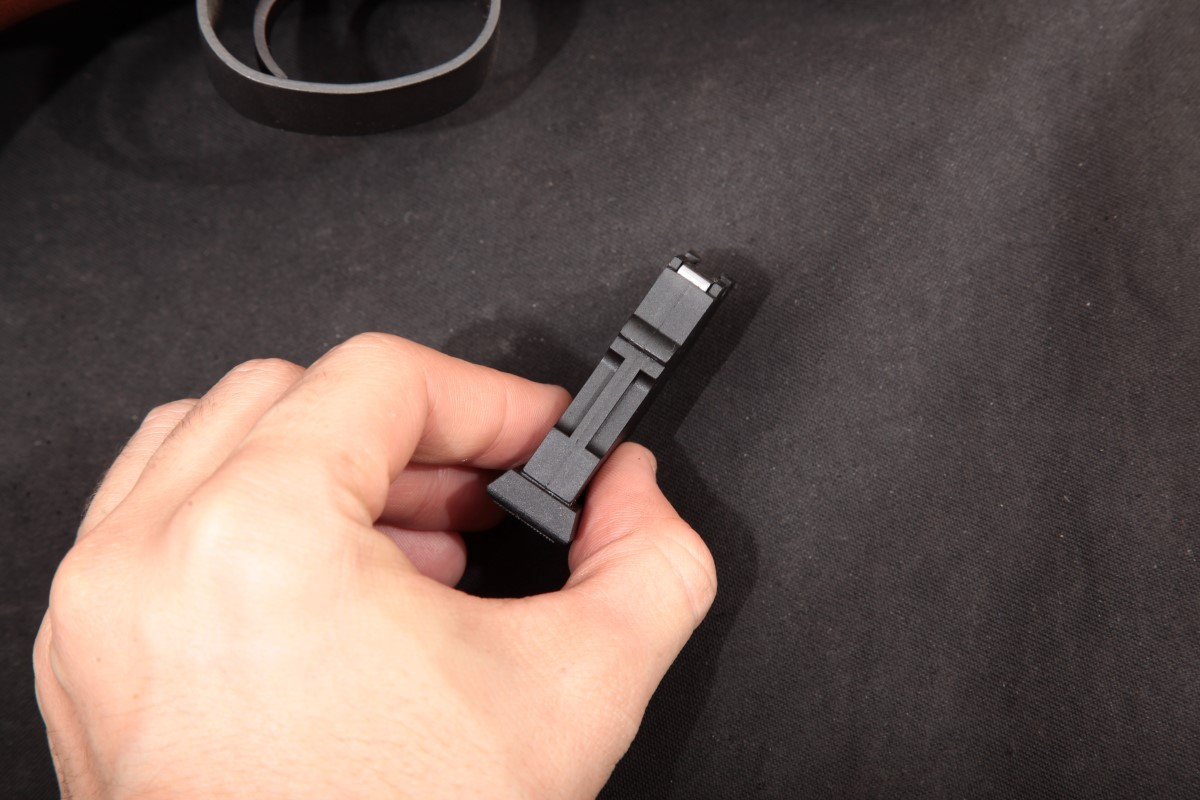
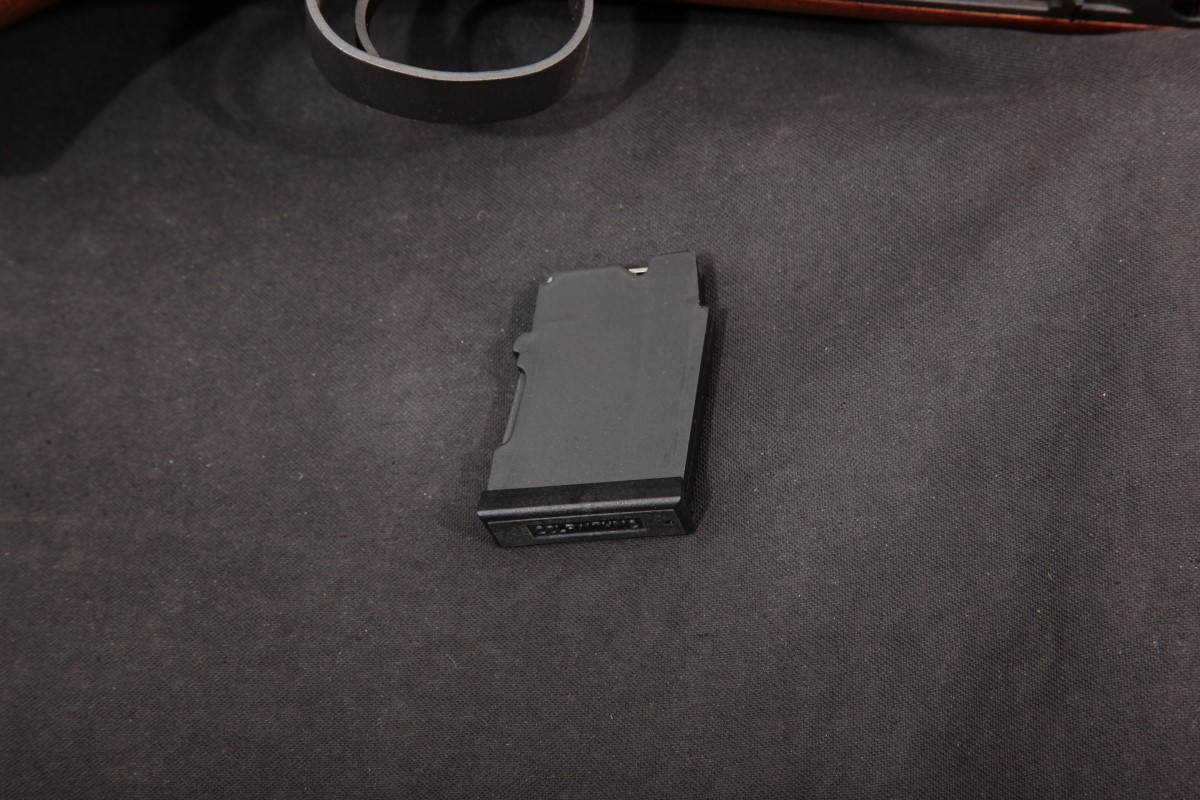
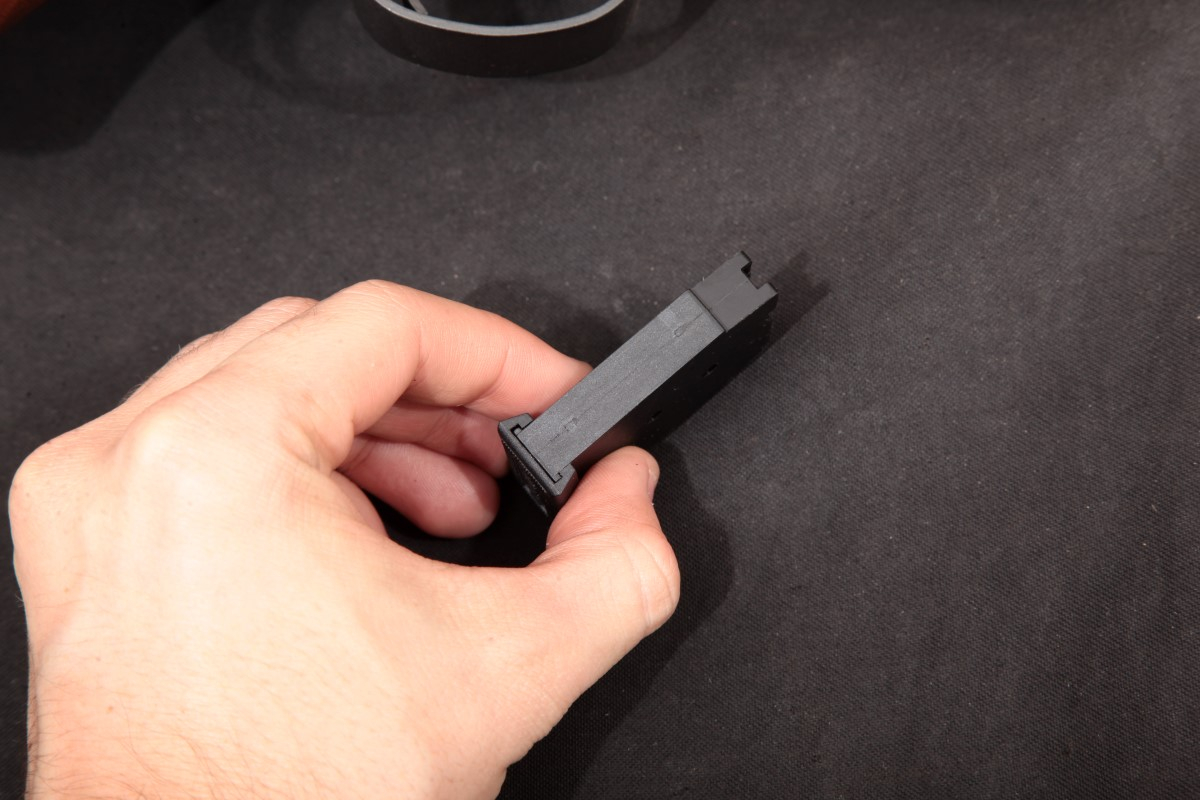
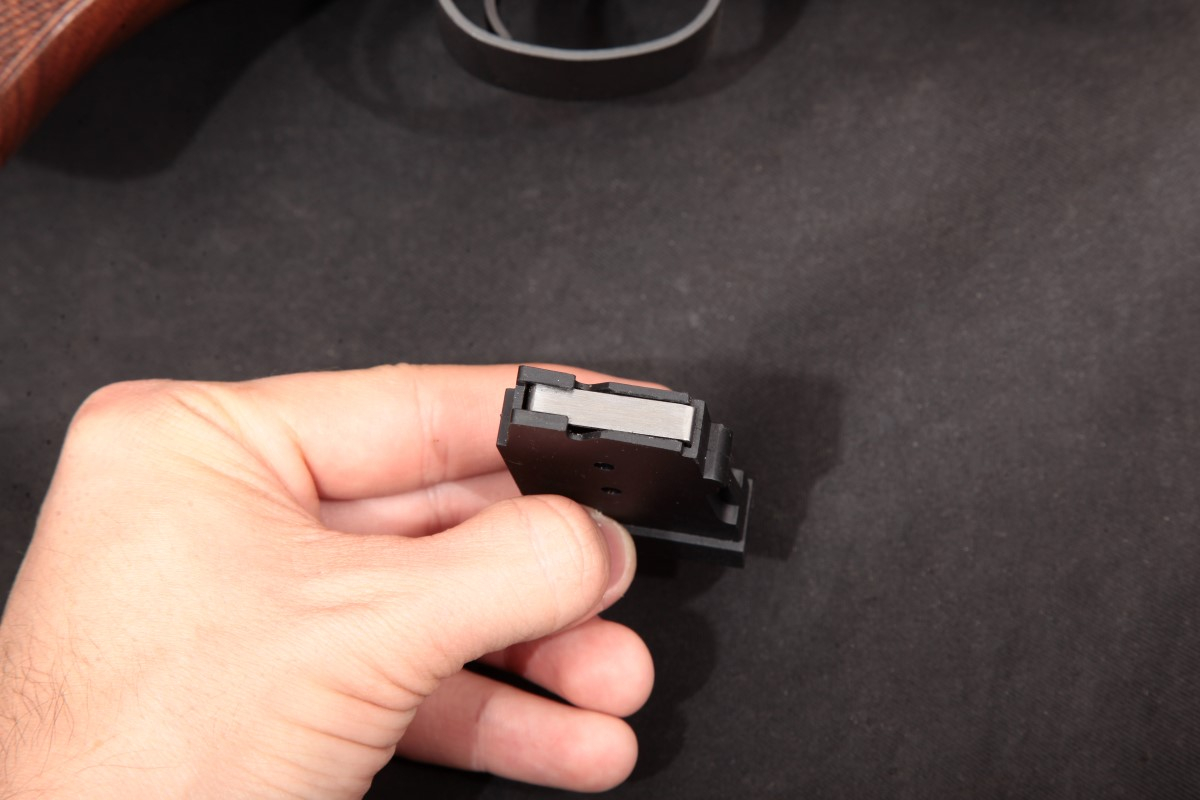
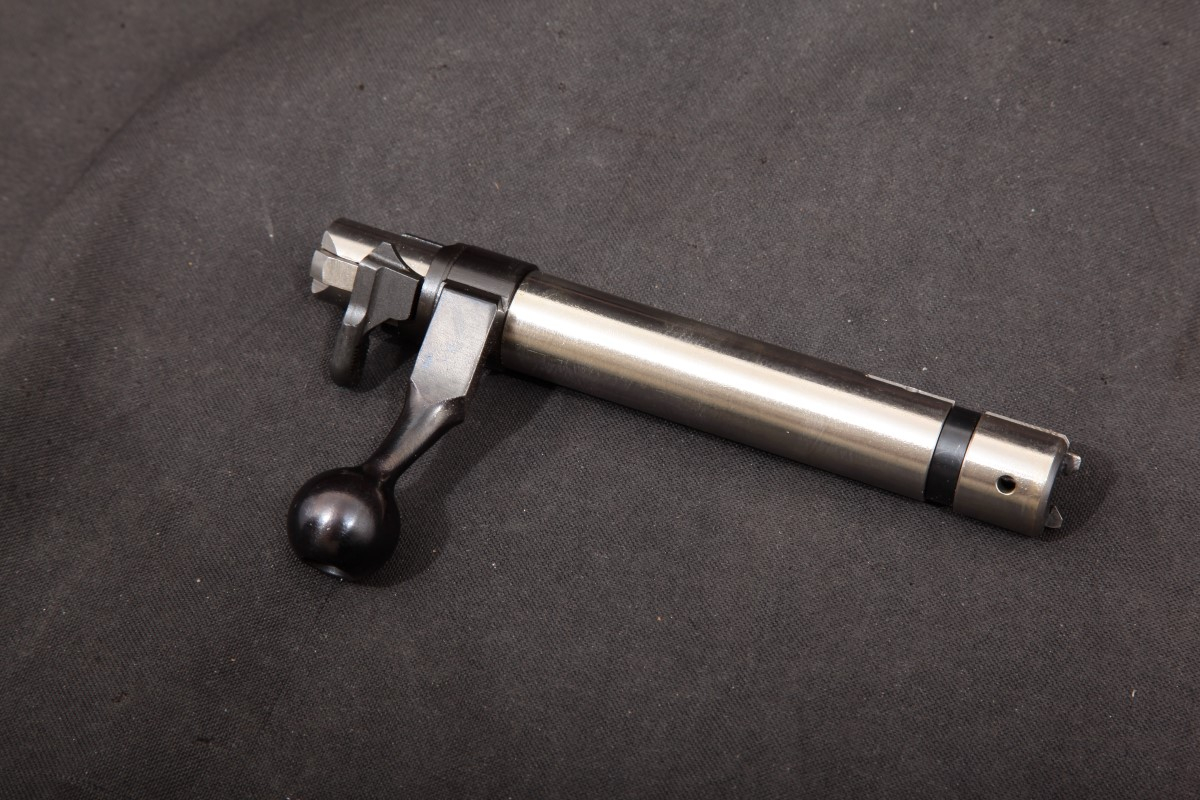
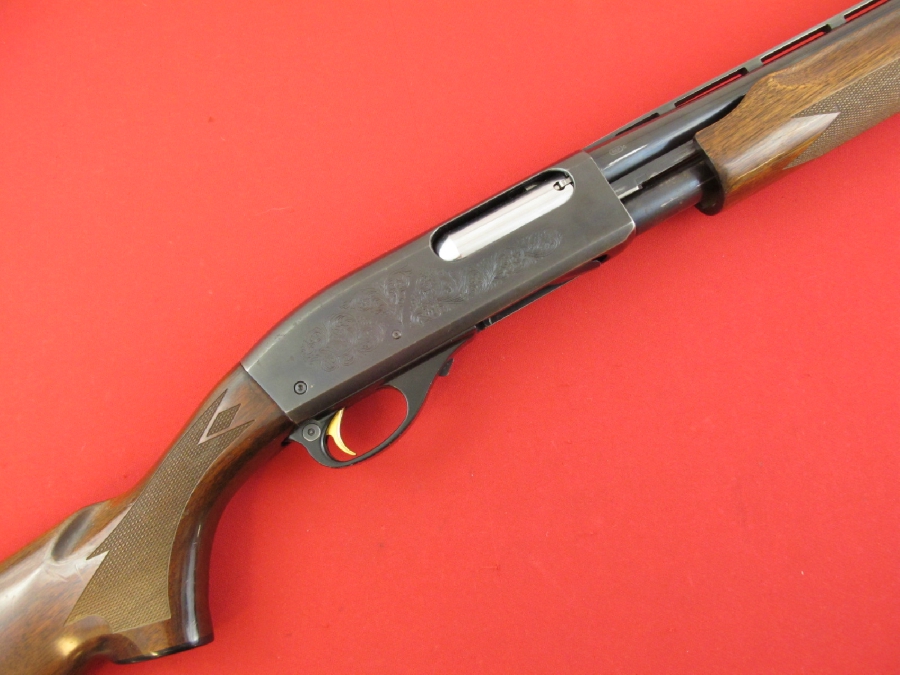
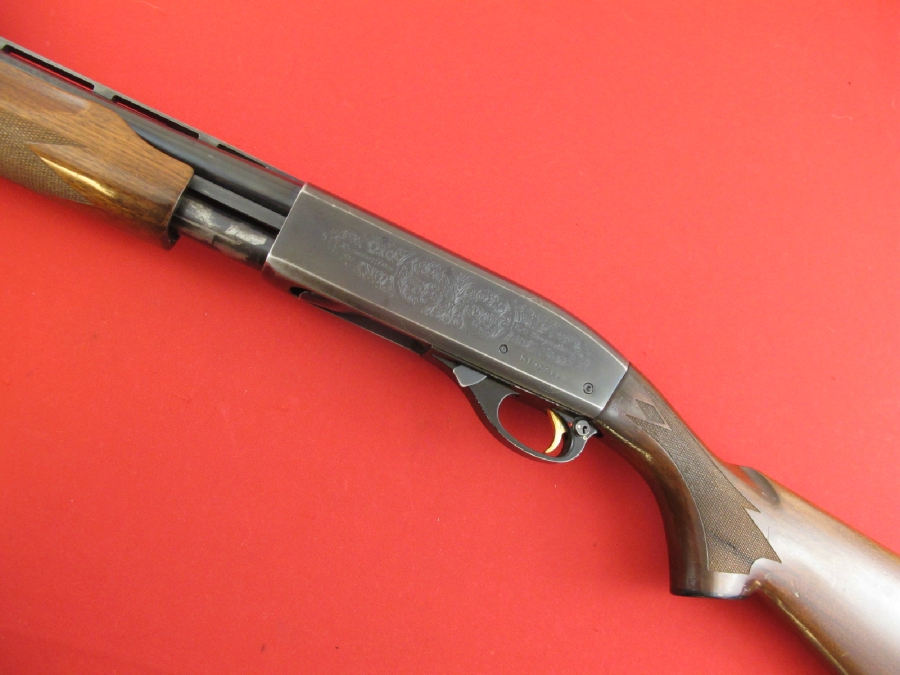
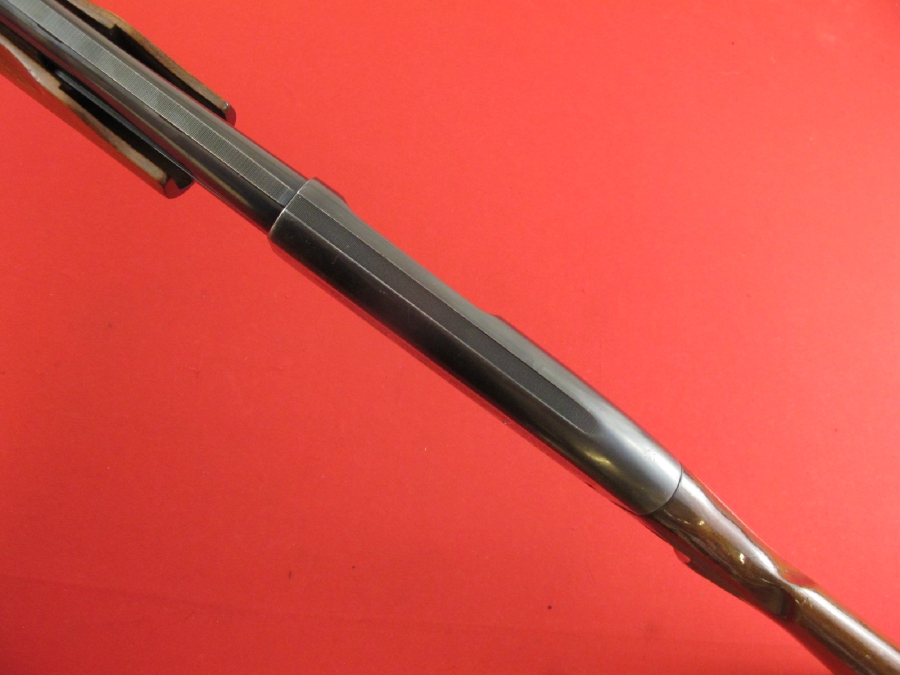
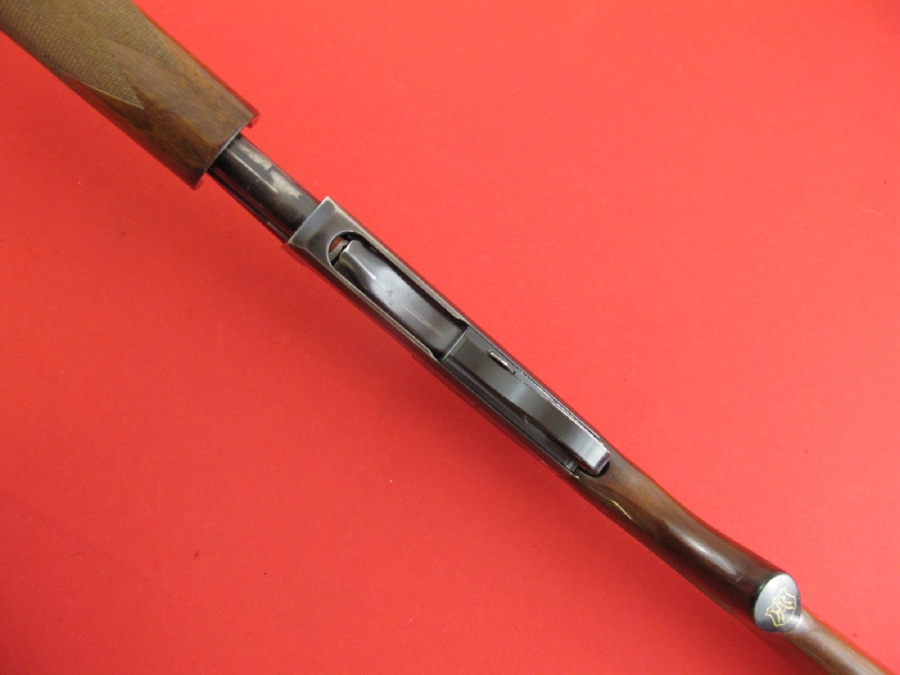
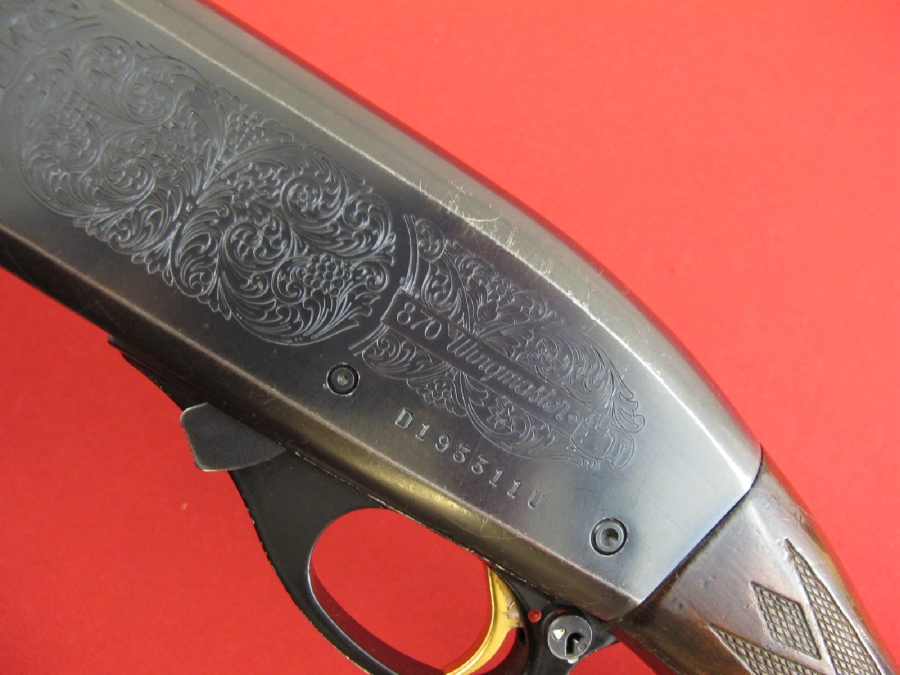
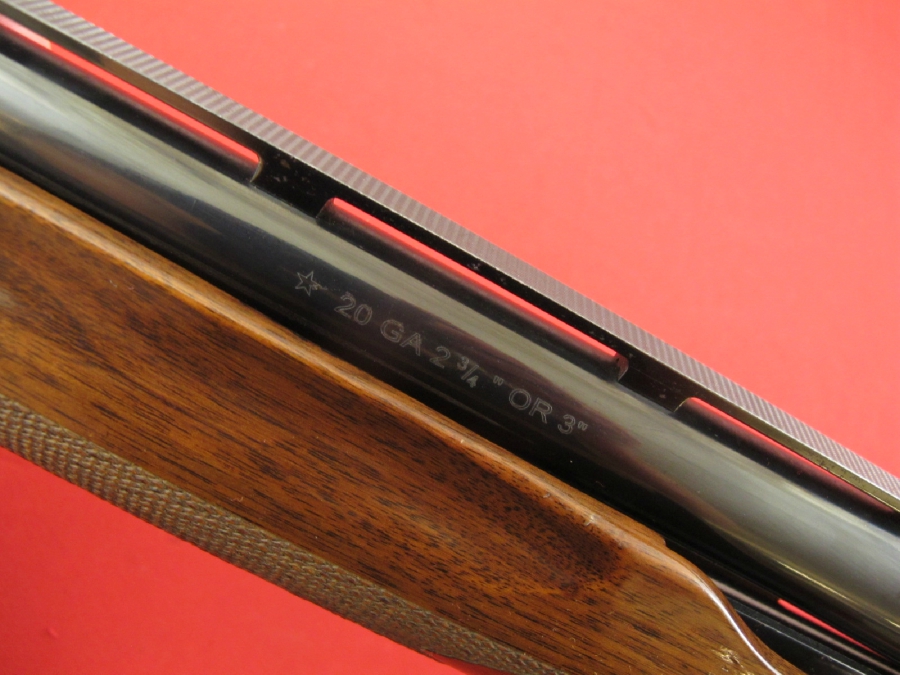
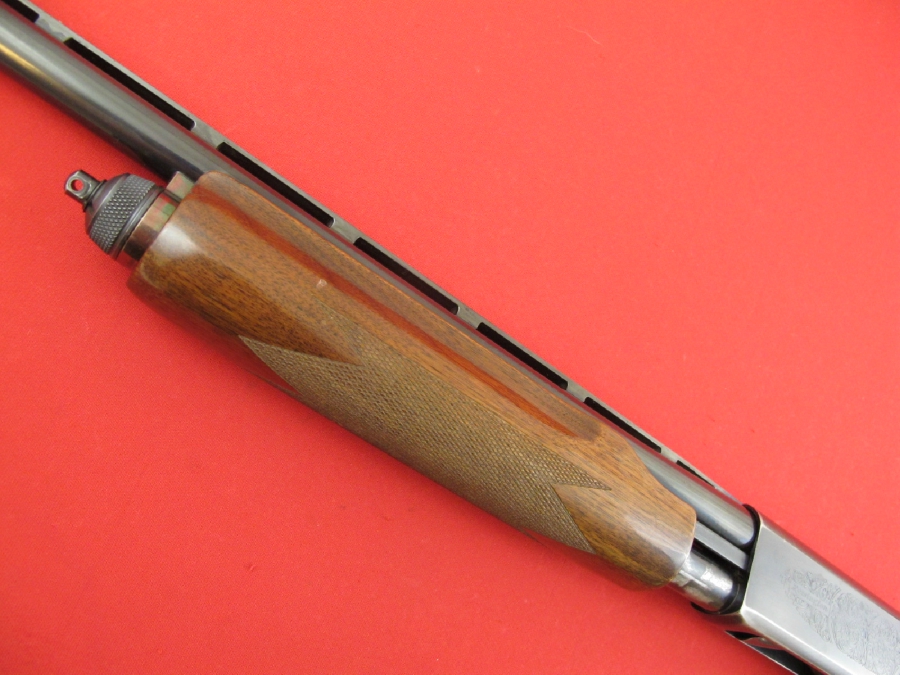
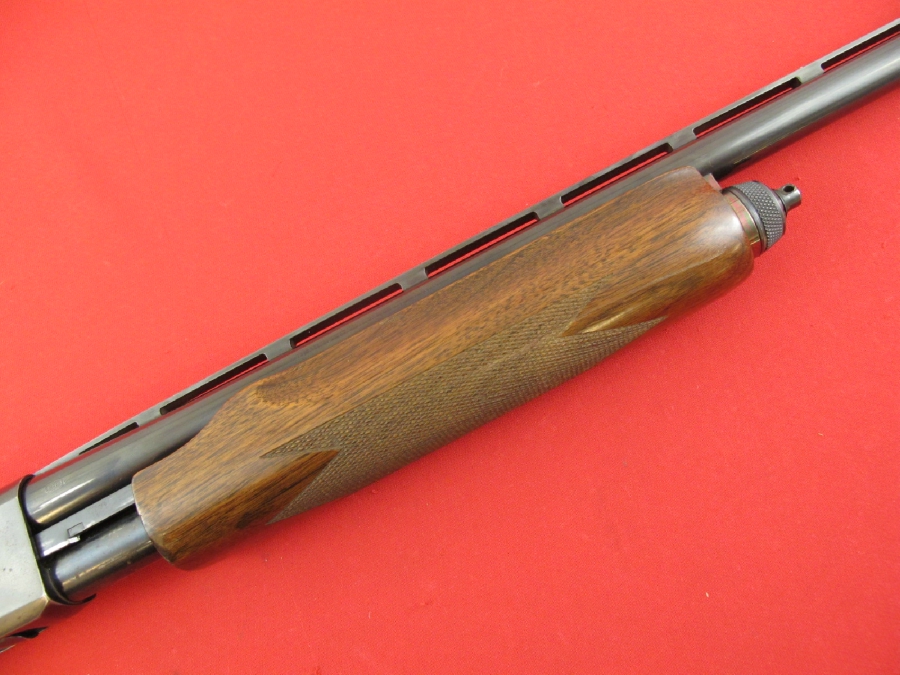
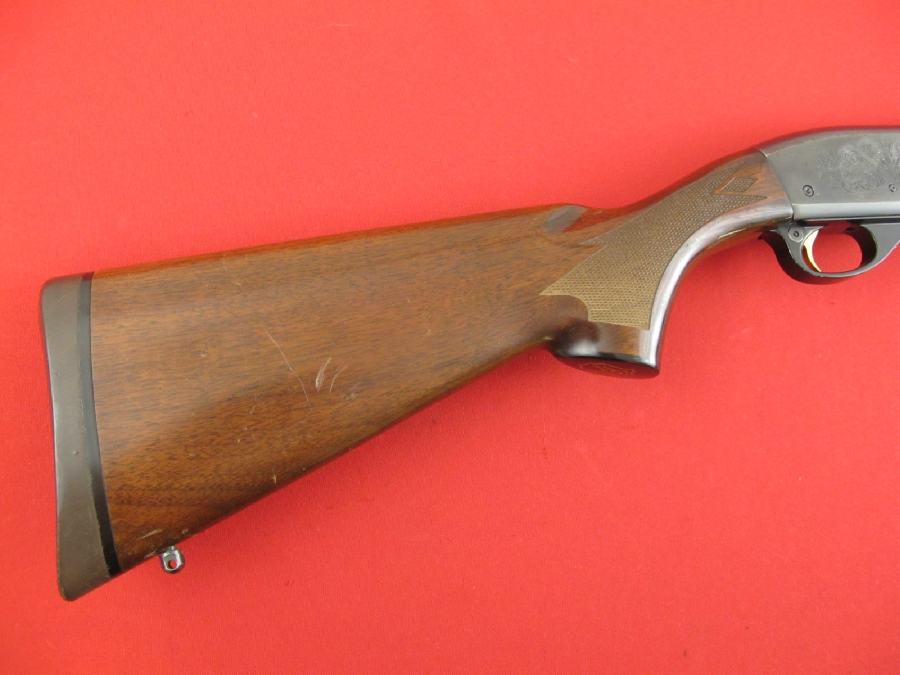
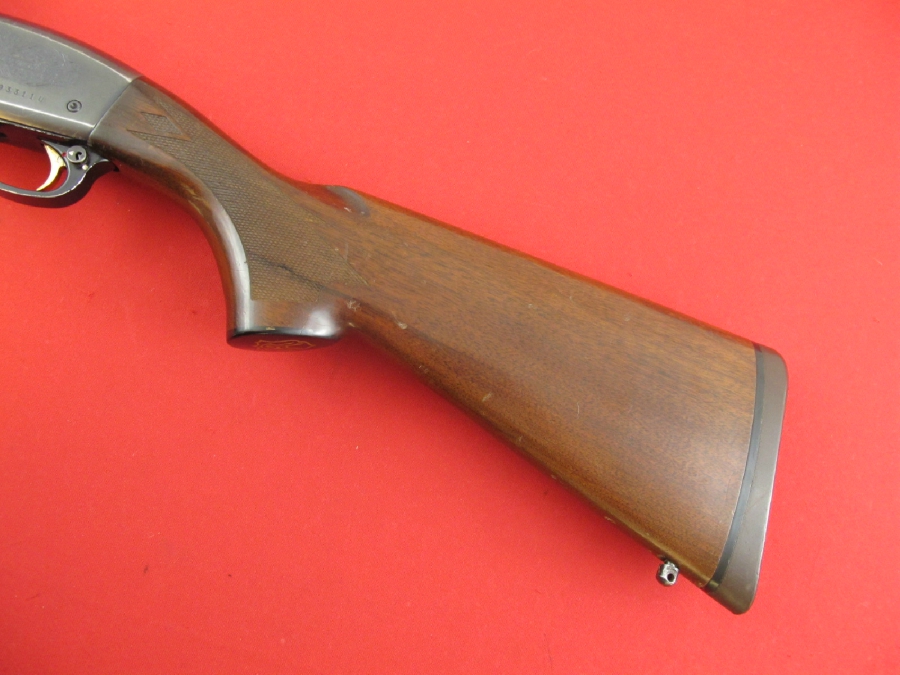
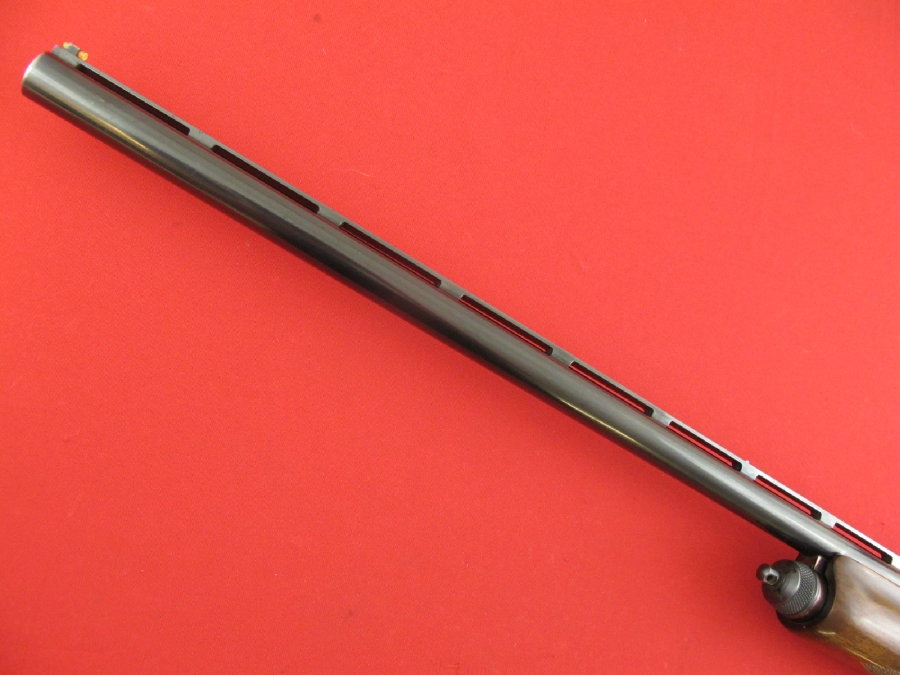
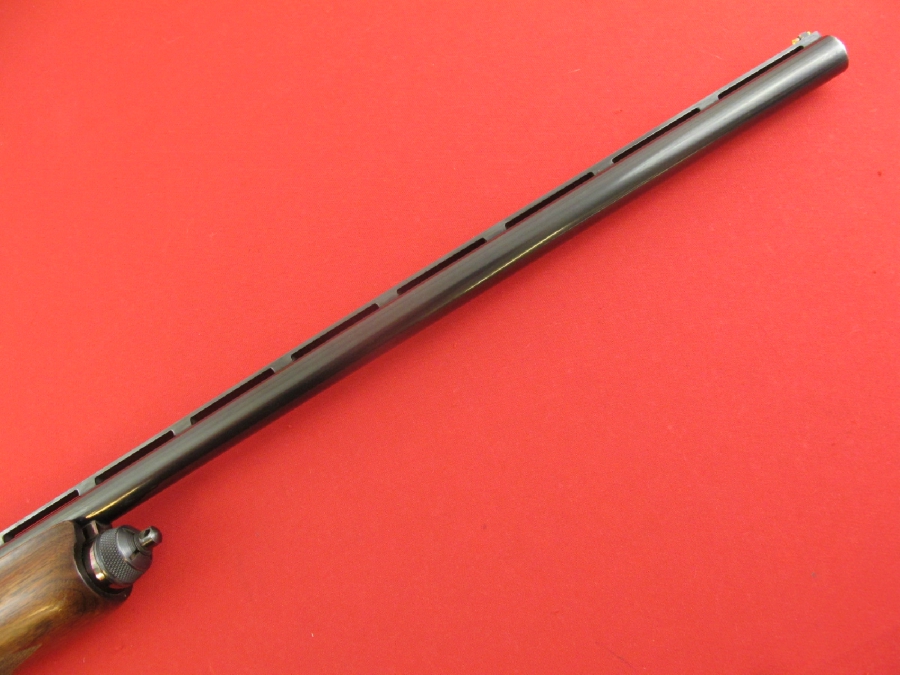
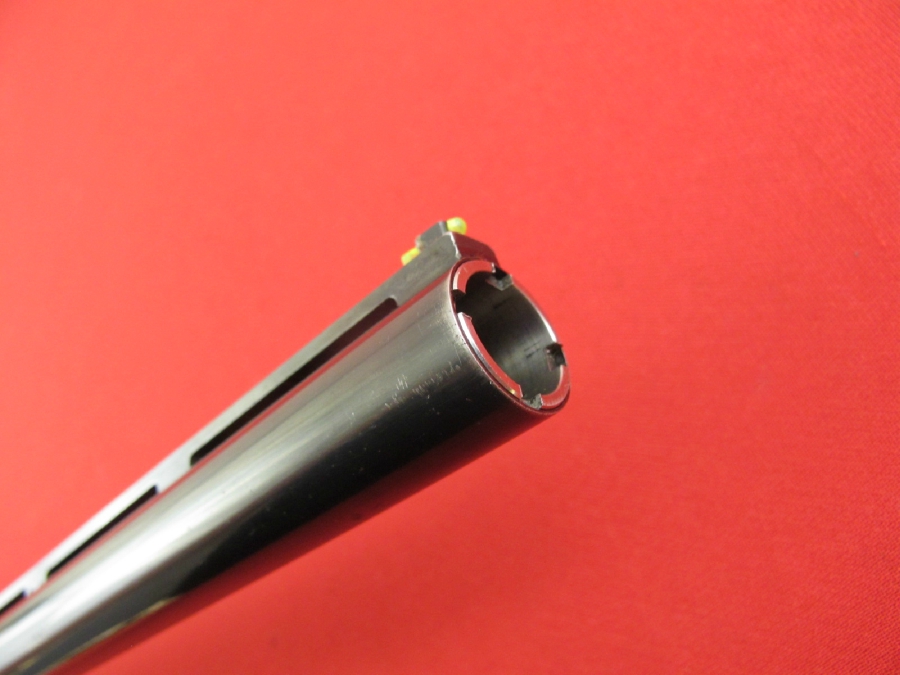
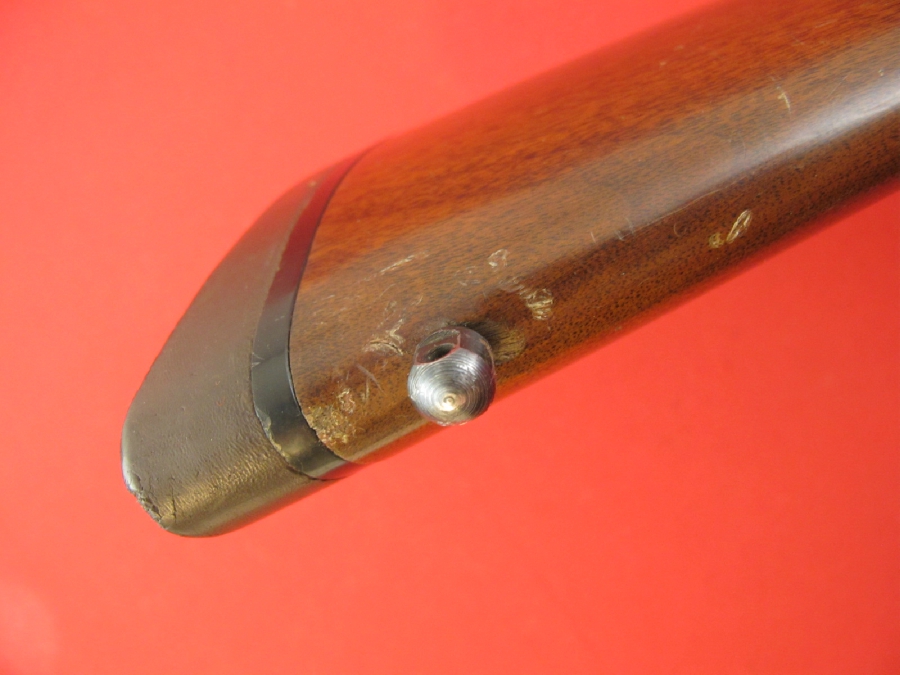
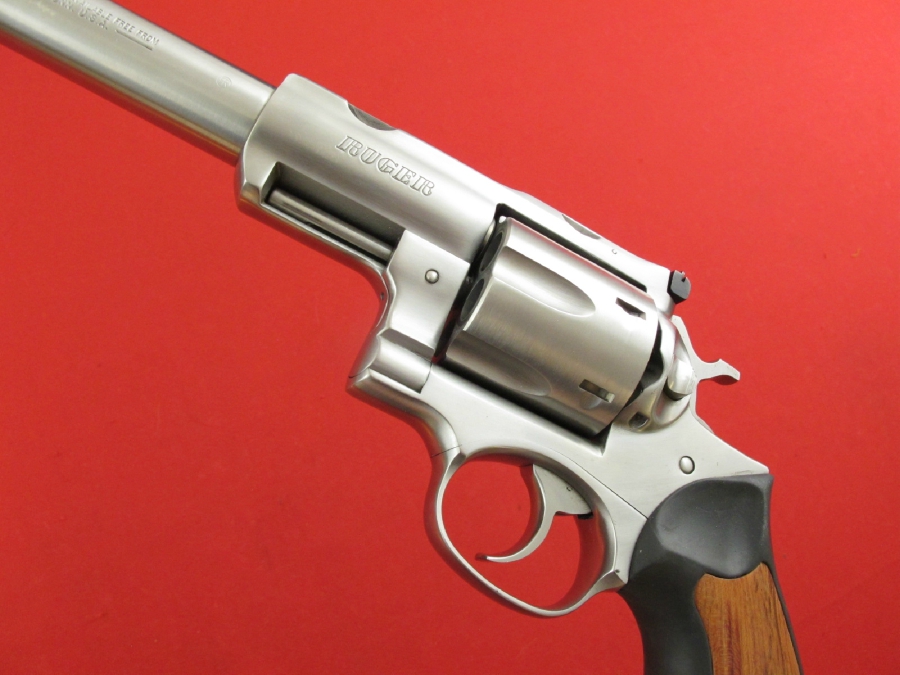
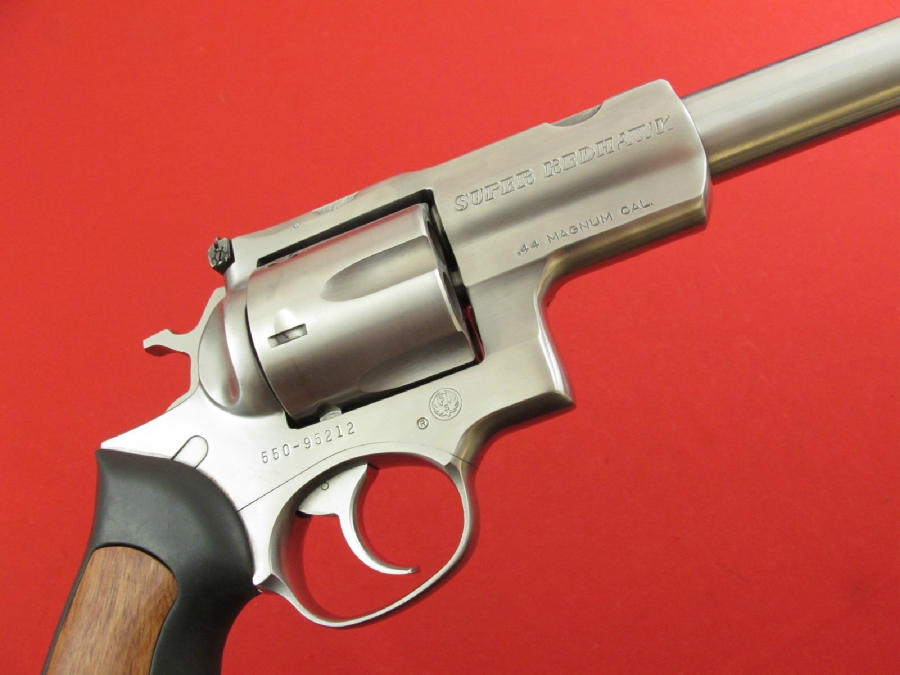
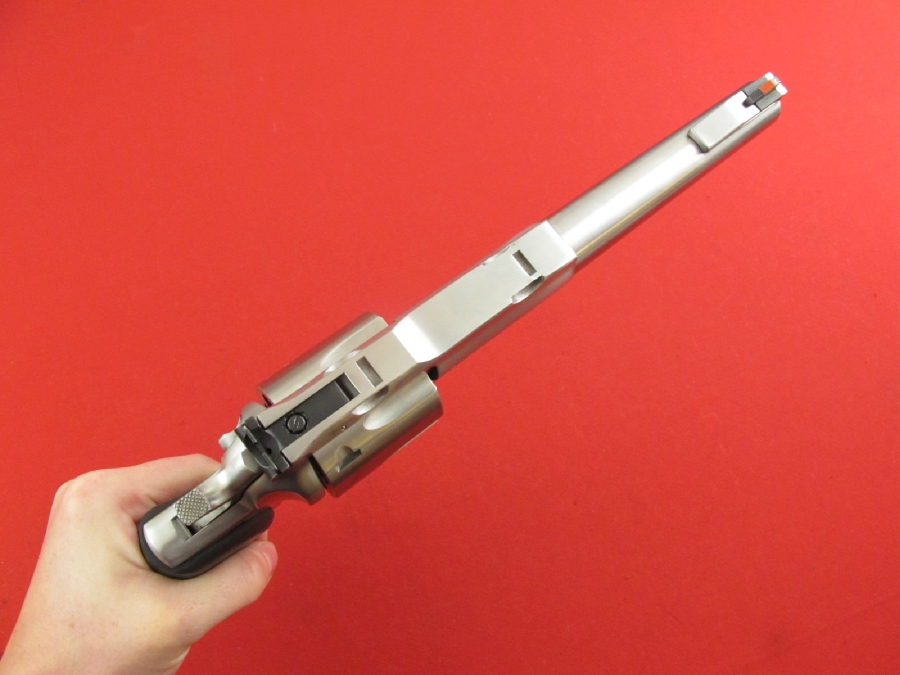
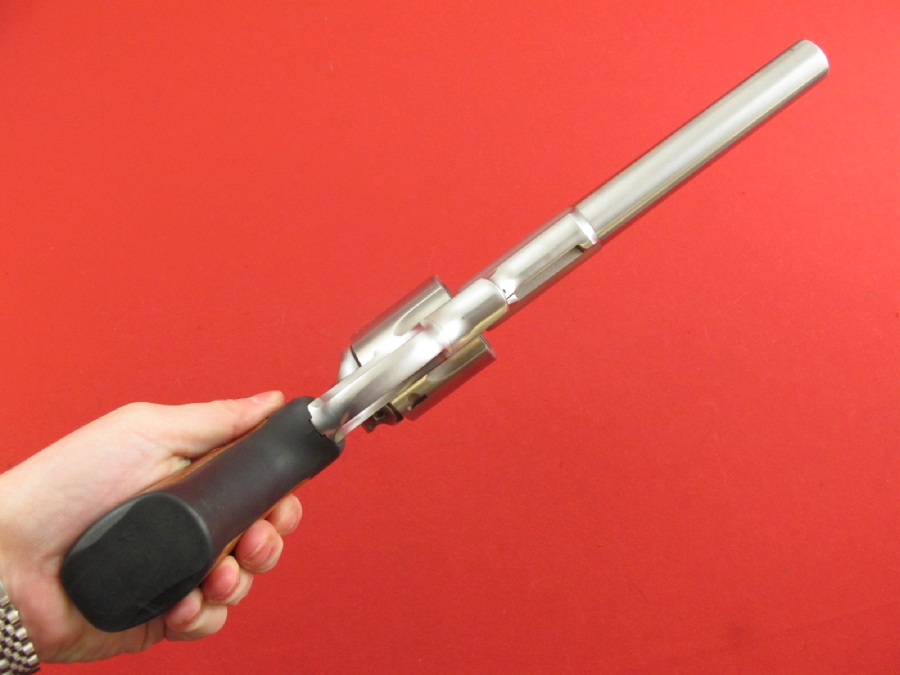
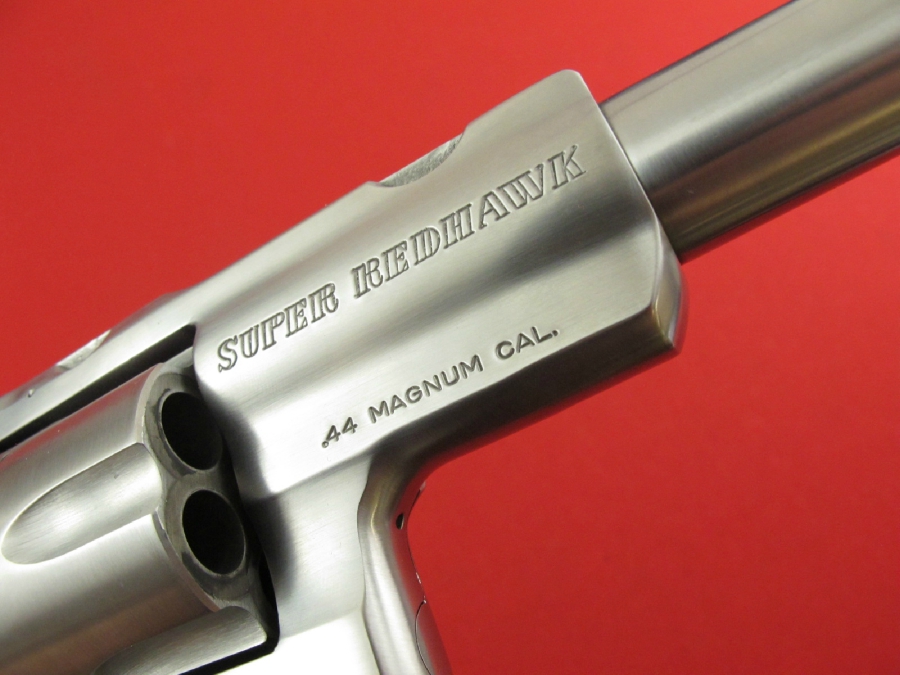
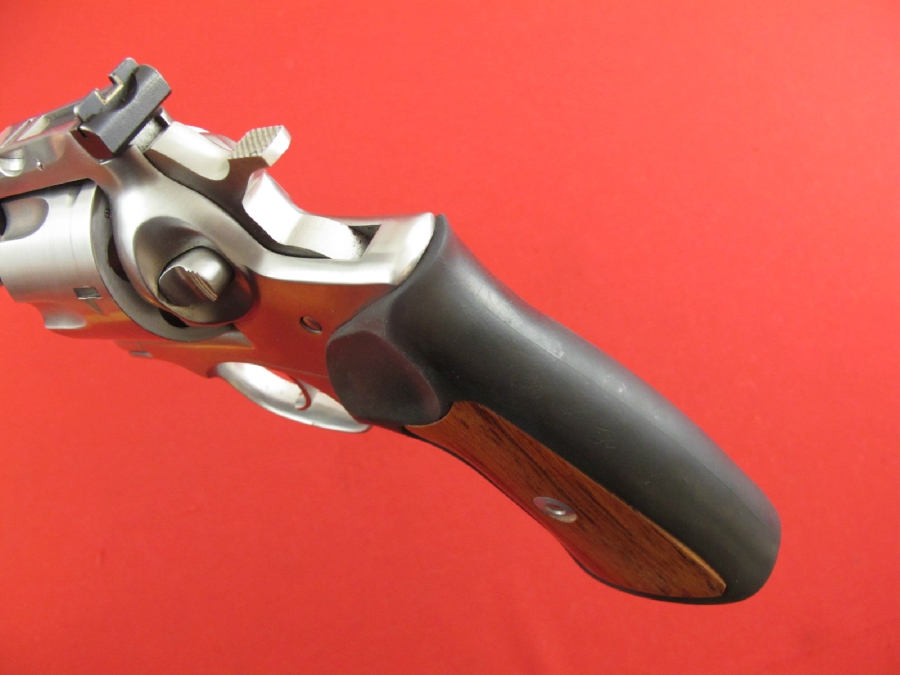
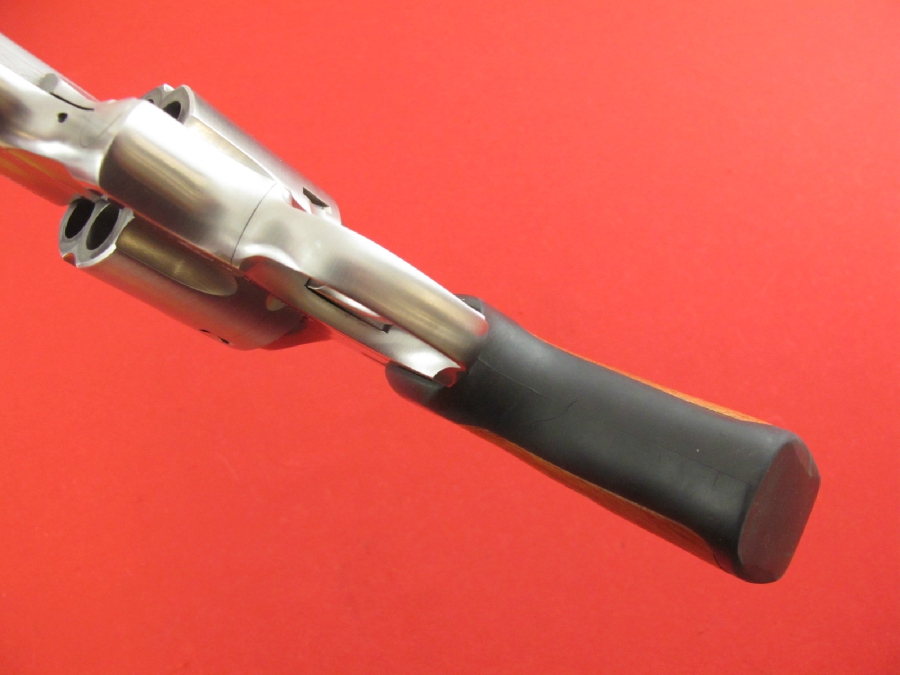
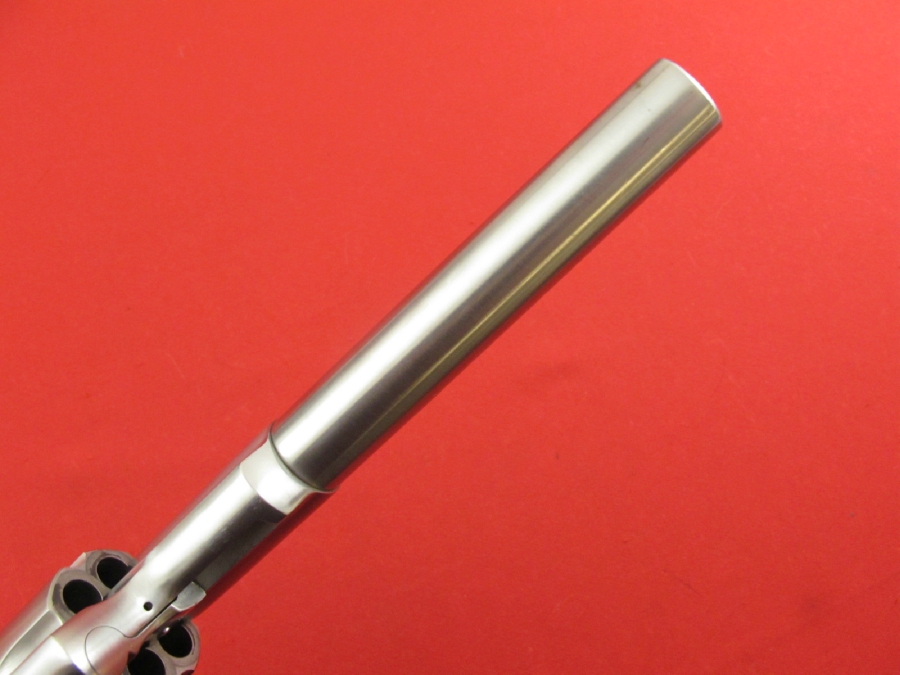
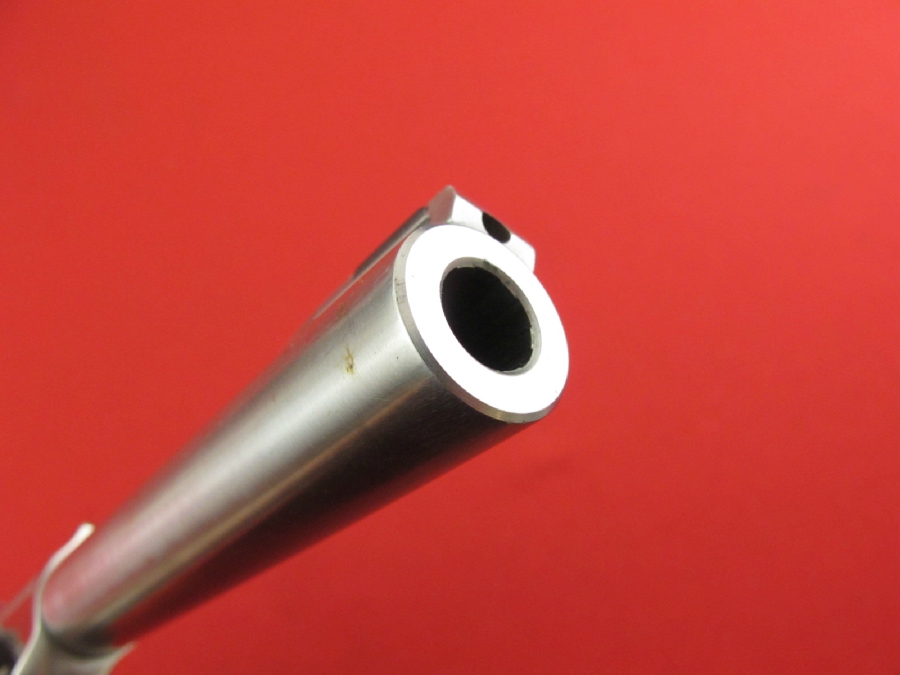
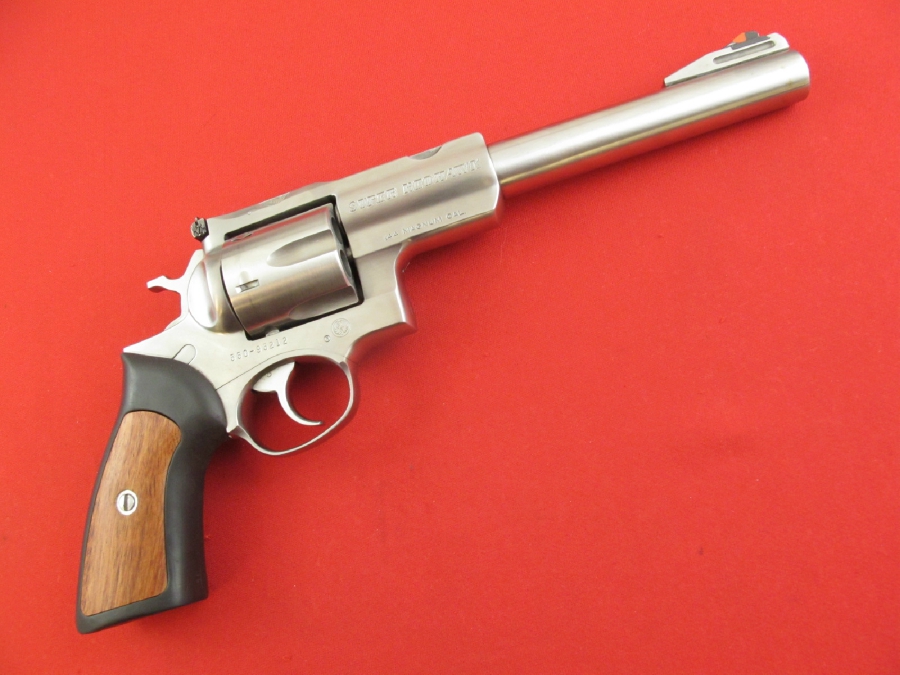
One of Teacher Buddies named Leonard let me shoot his. I was very pleasantly surprised by how good a gun it was. Thanks Old Buddy!



Categories
How to build shelter in the field

 “Sure Sarge, I really want to talk about my re-enlistment!

I was just amazed on finding out on how easy it is to be fairly comfortable in the field. If you know what to do that is!
Grumpy


