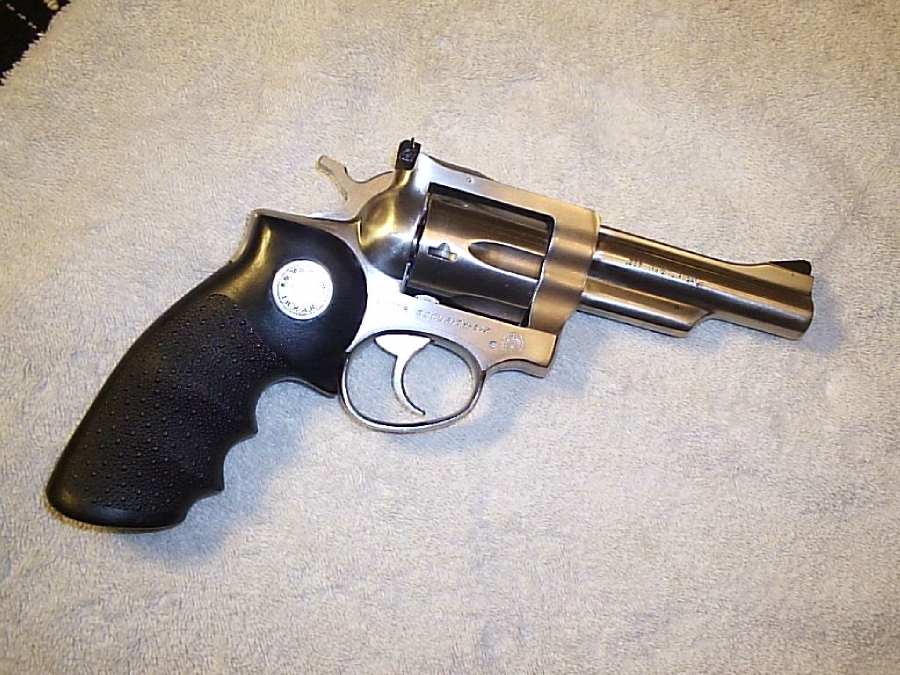
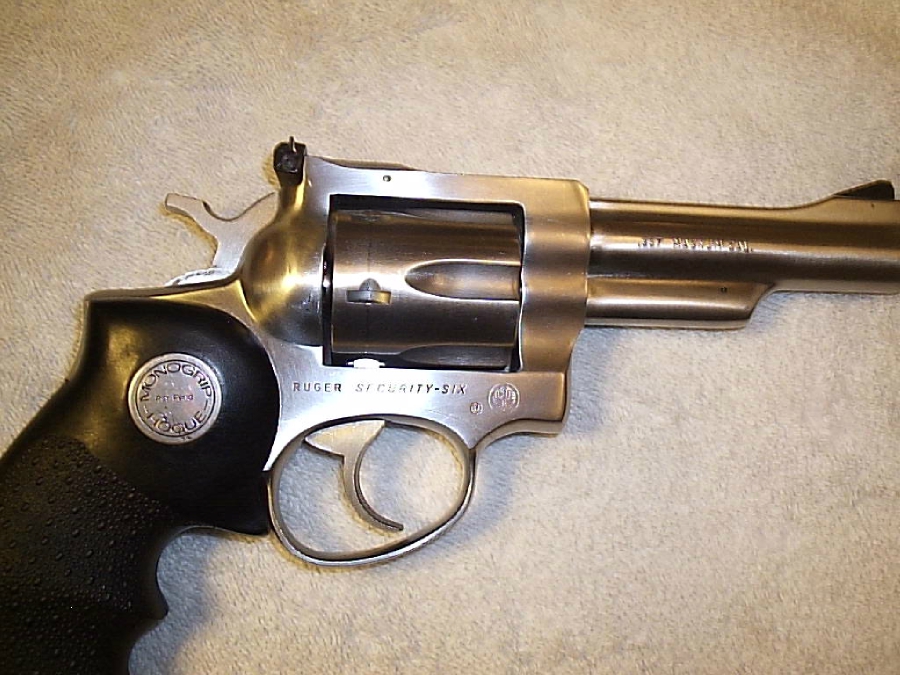
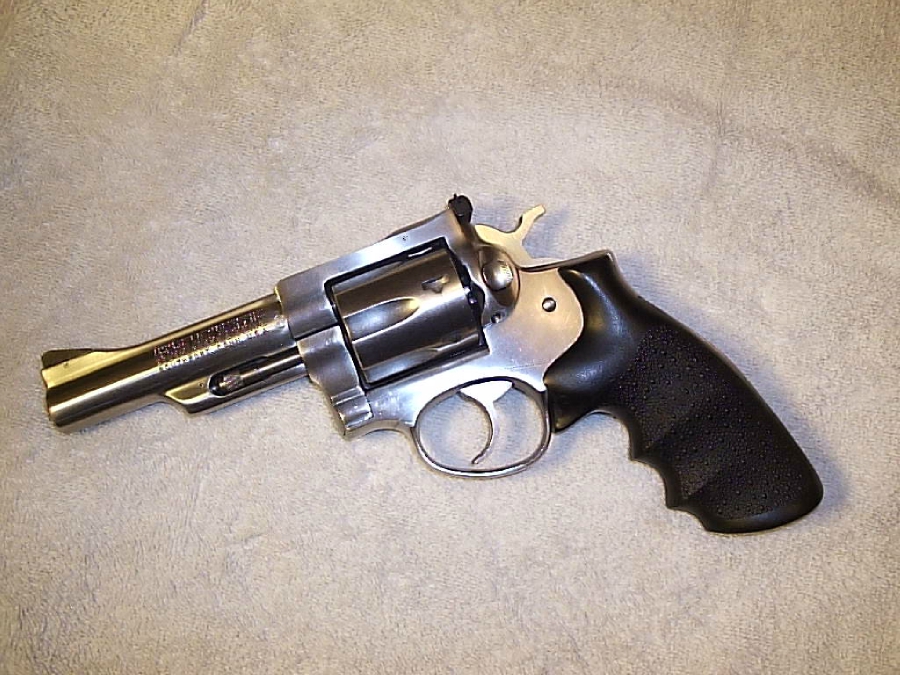
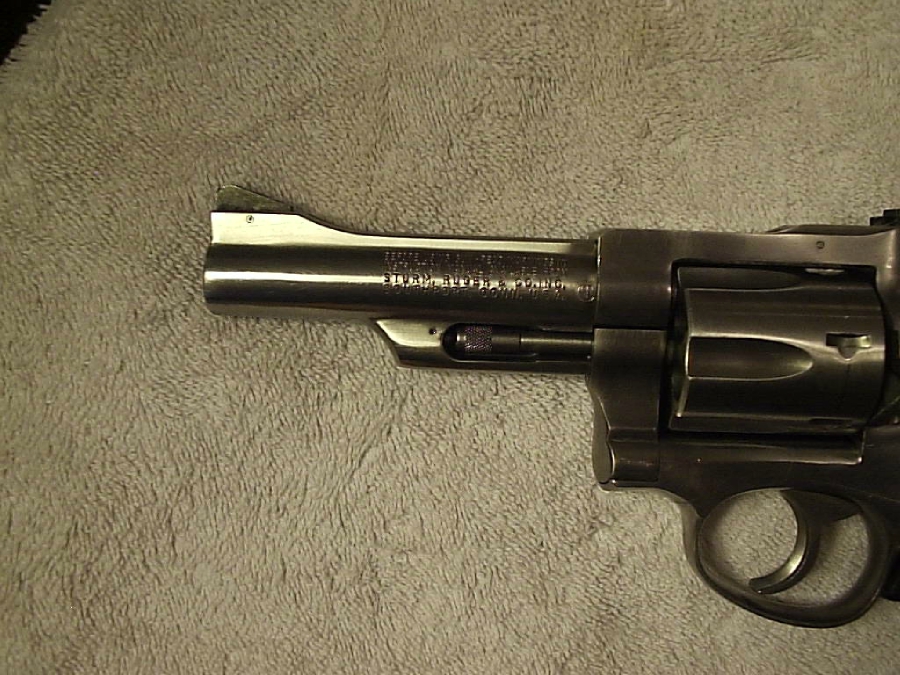
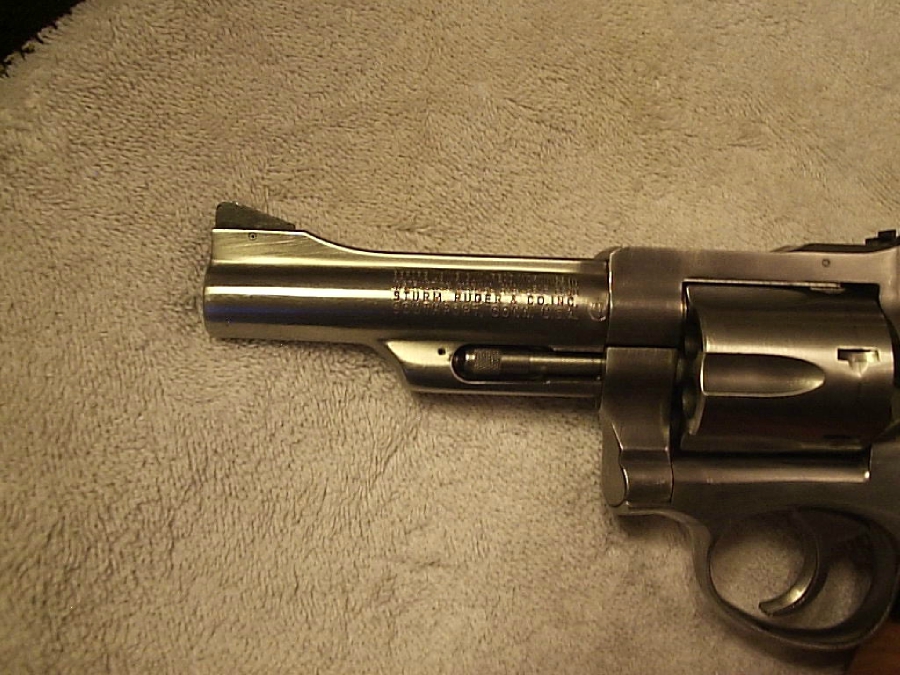
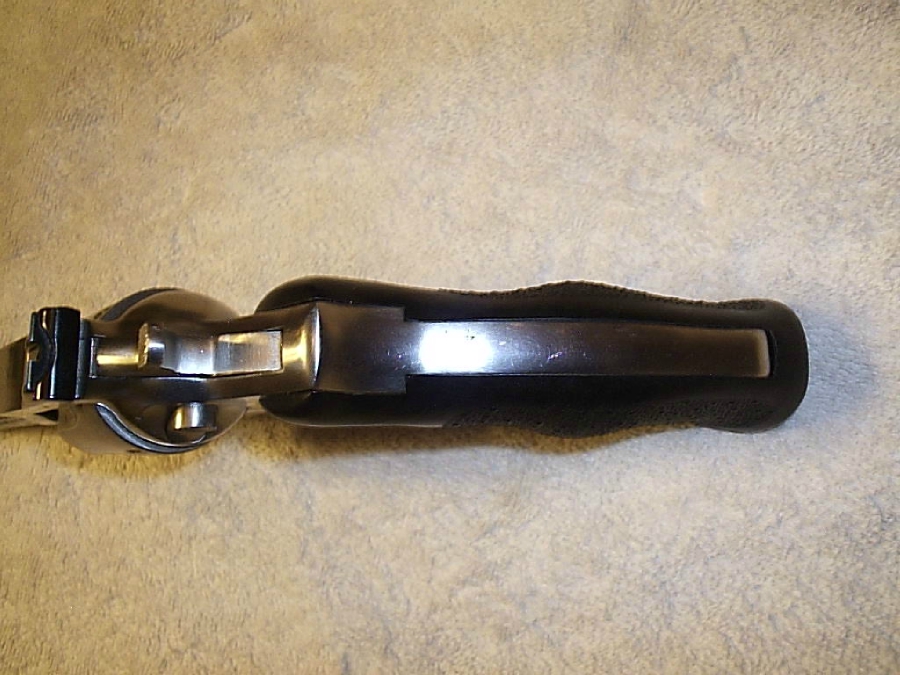
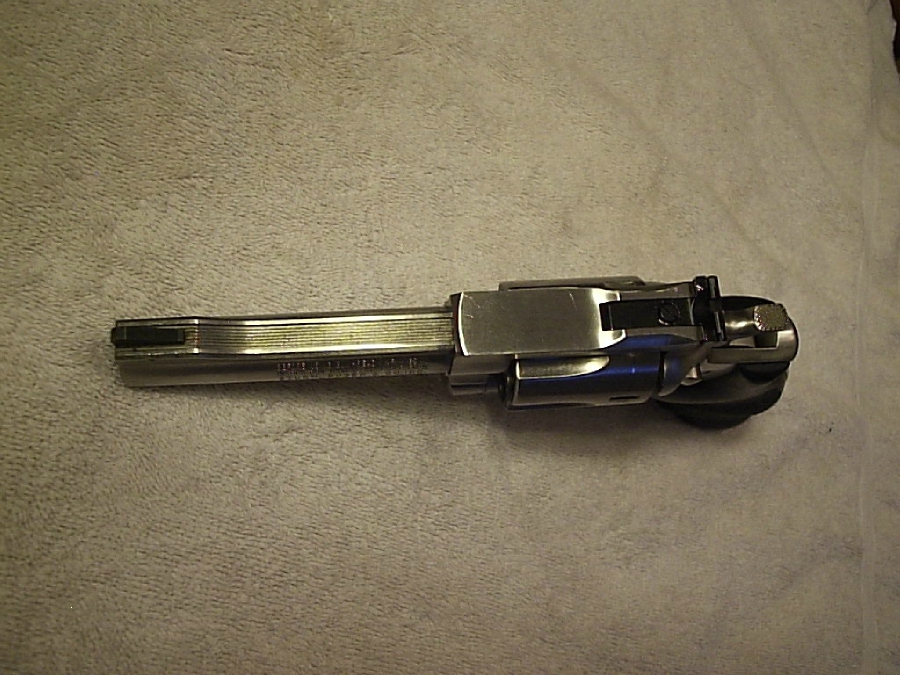
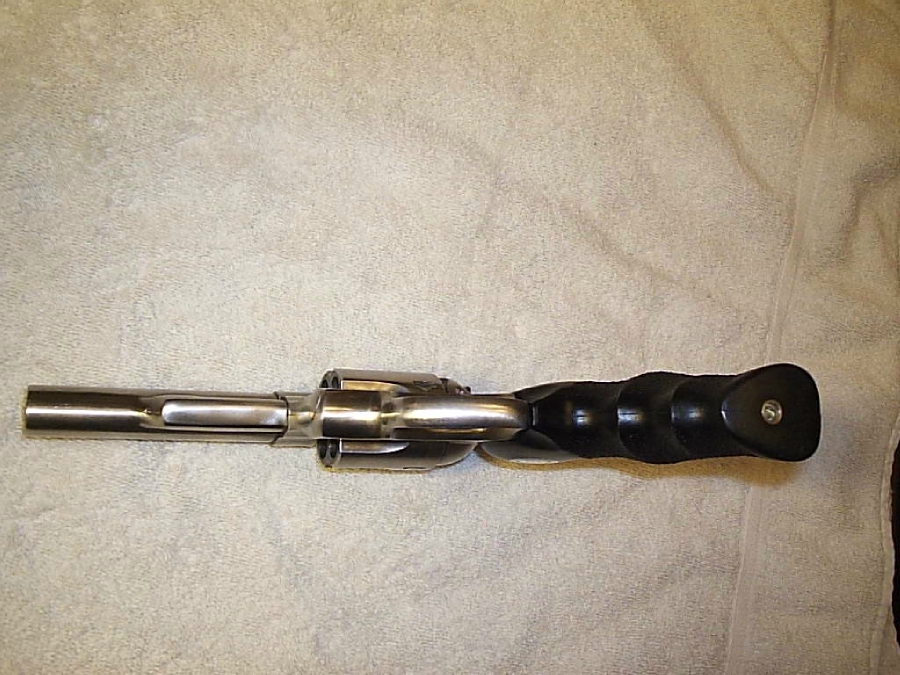
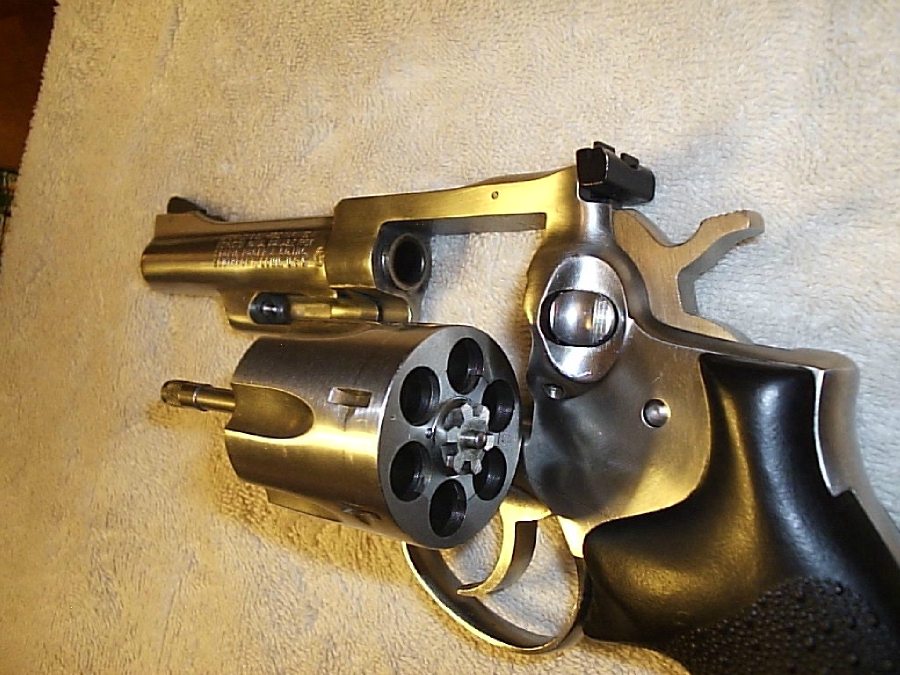
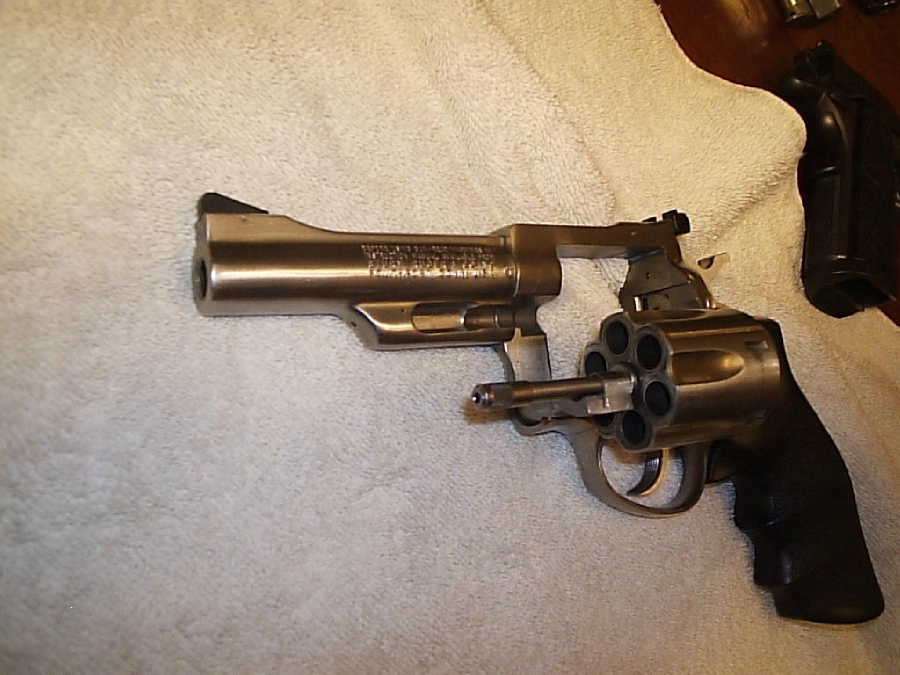
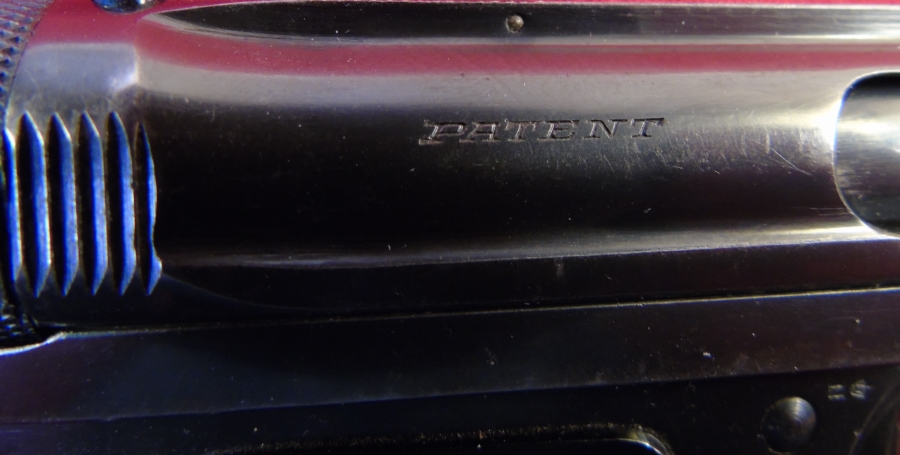
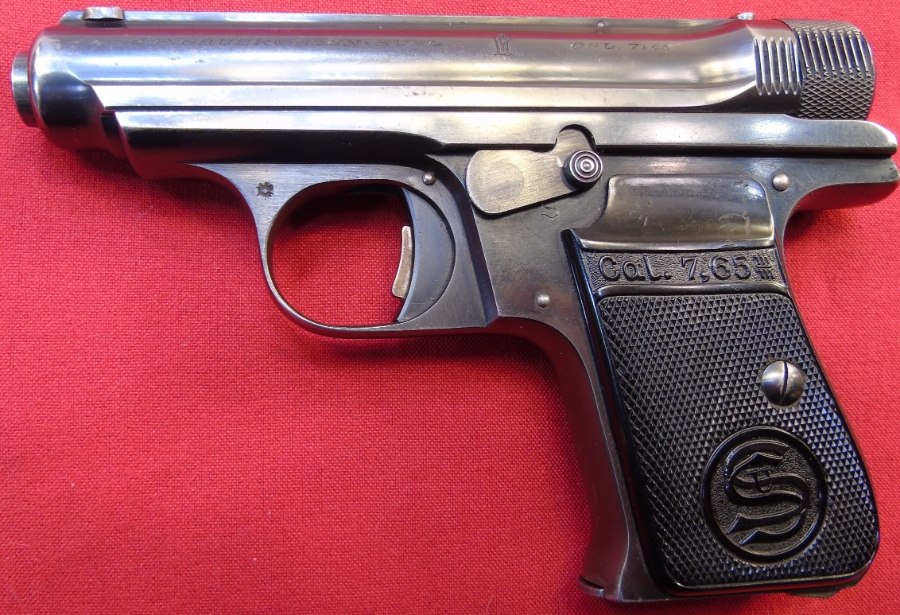
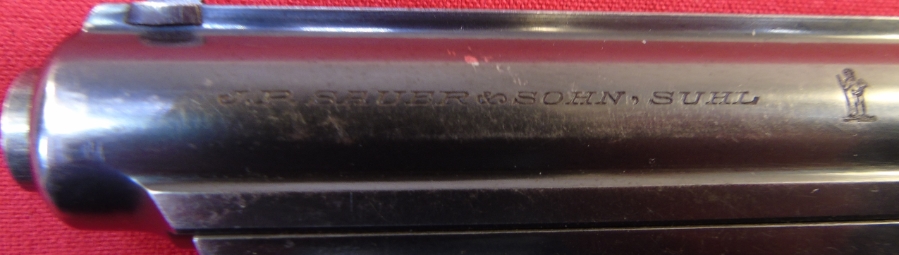
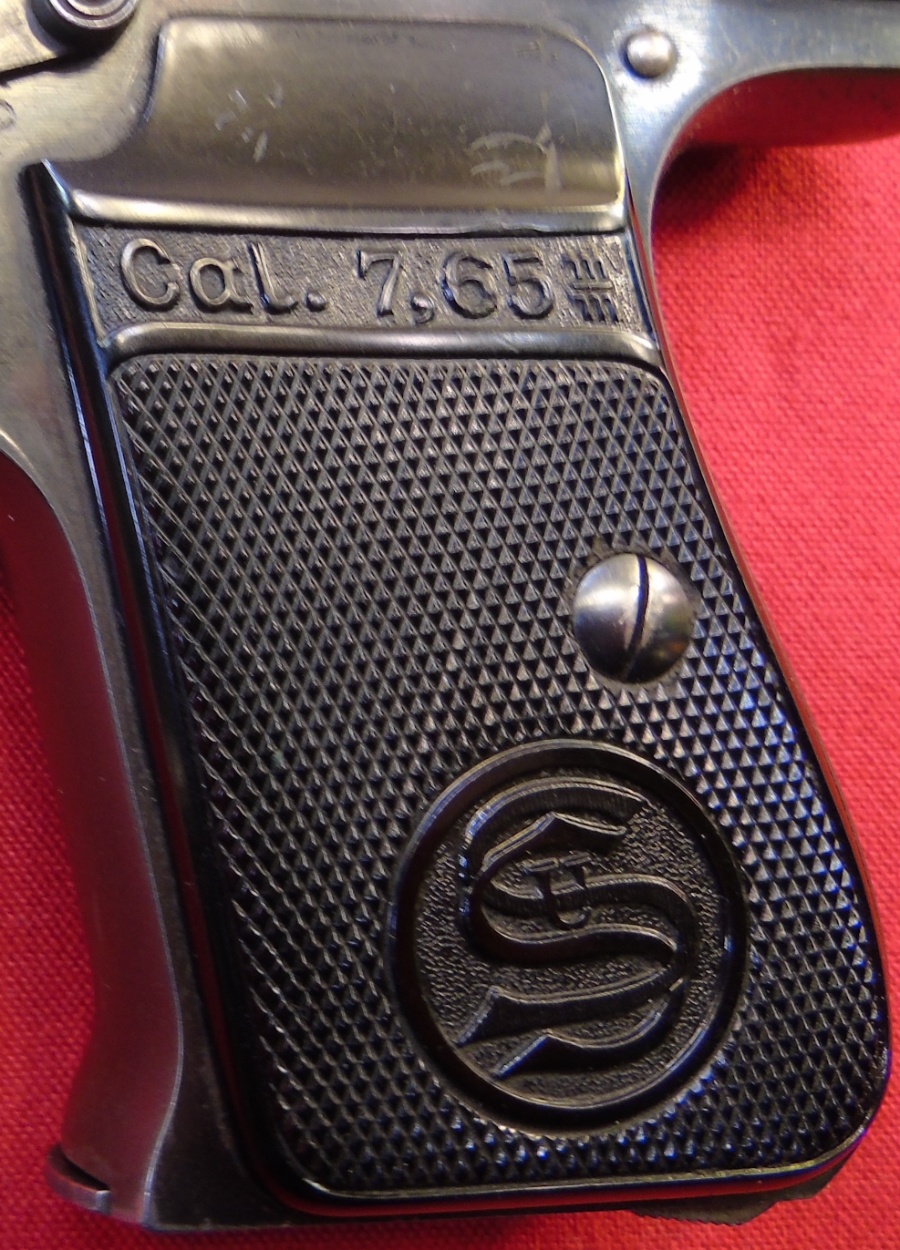
This looks like it’s a sweet looking Old timer!
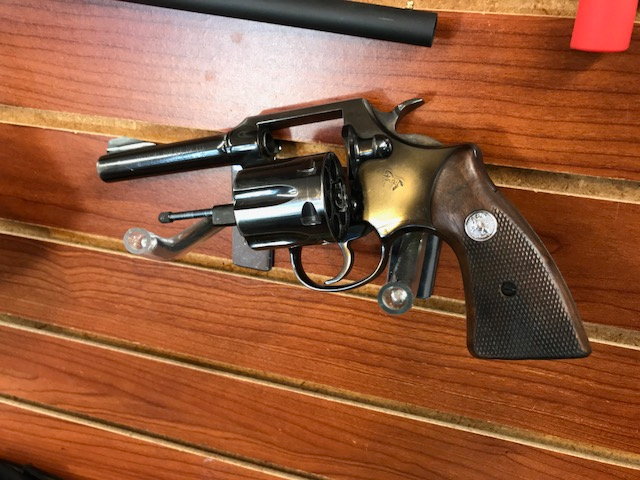
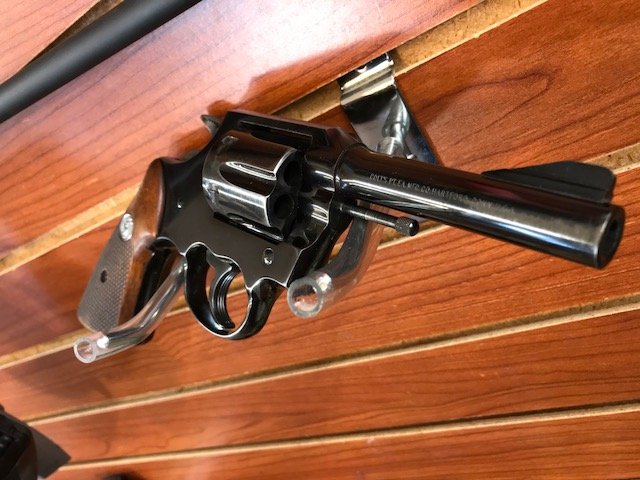
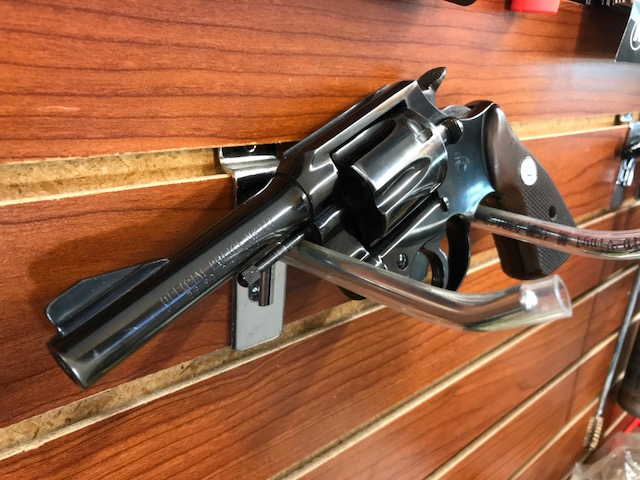
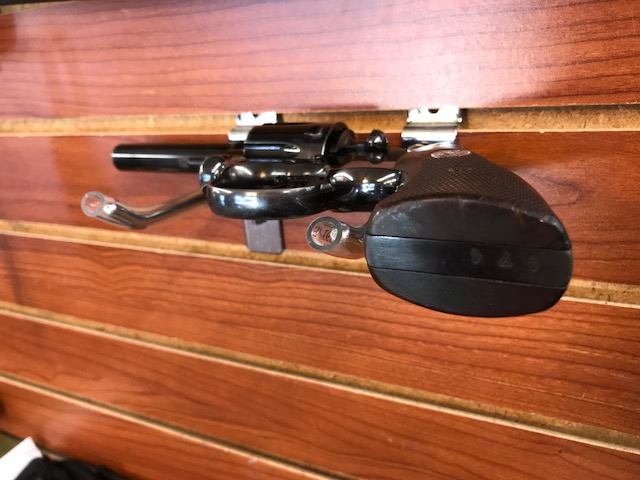
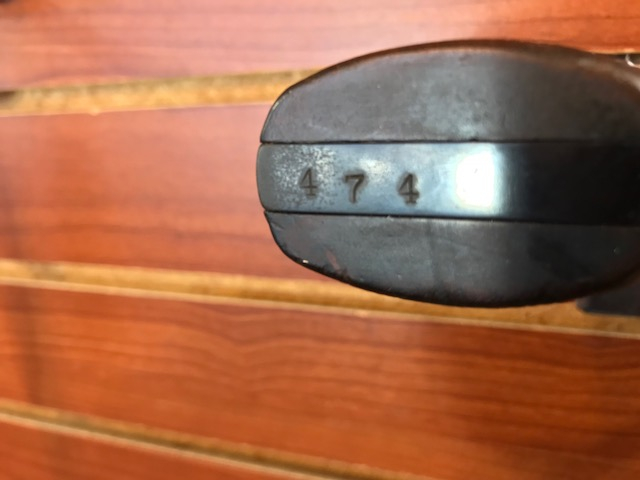
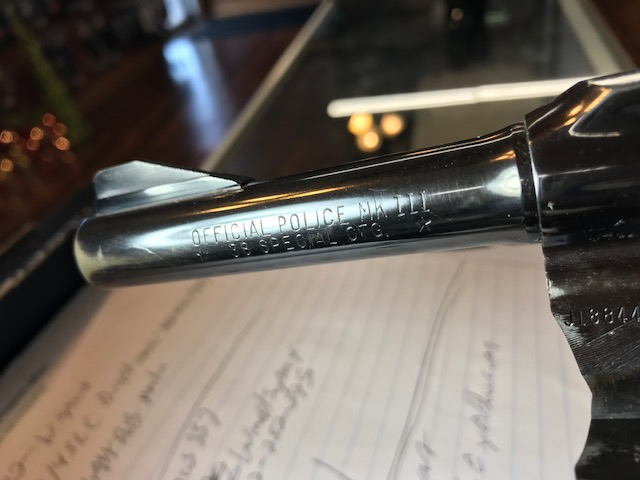
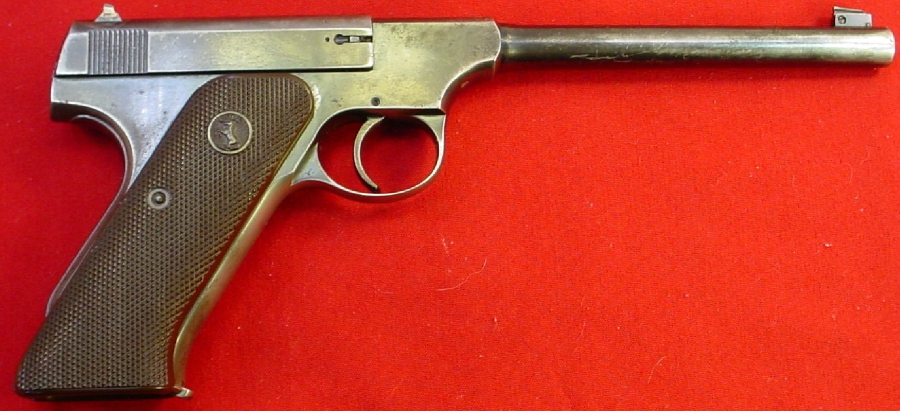
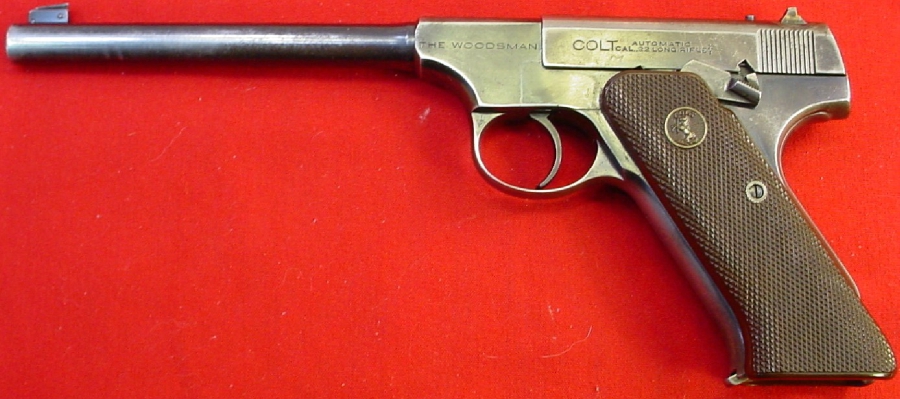

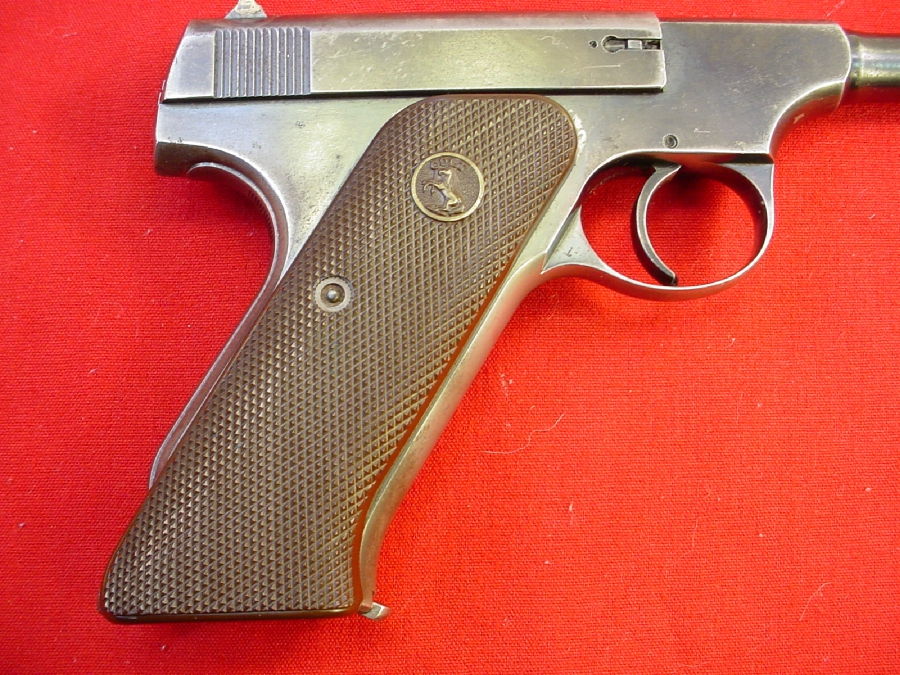
Kinda looks like a Buck Rogers Ray gun huh?

|
|
|
In the early 1950’s Burton “Bob” Brenner became associated with Martin B. Retting at Retting’s gun store in upstate New York. In the mid 1950’s Retting sold the gun store to George Numrich and moved to the Los Angeles area with Brenner and started Martin B. Retting in Culver City, CA. Over time Numrich and the company’s subsequent CEO, Gregory Jenks, expanded the upstate New York operation into what is known today as Numrich Gun Parts of West Hurley, NY (E Gun Parts, Gun Parts Inc., Numrich Arms).
In The American Rifleman issue of July 1957, a three page advertisement announced Martin B. Retting was merging with Golden State Arms in Pasadena, CA. Golden State Arms is covered in more detail on this website under the name of Santa Fe. Within two years Retting separated from Golden State Arms and remained with his business in Culver City, CA. Brenner remained with Golden State Arms. In the Independent Star News of Pasadena, CA, August 16, 1959 an article on Golden State Arms identifies Burton Brenner as the youngest of three partners, the others being the founder Alvin Gettler, and Seymour Ziebert. For further on Martin B. Retting, refer to the pages on Santa Fe and National Ordnance M1 carbines.
Gettler left Golden State Arms in 1960 [Star News of Pasadena, CA May 6, 1965]. Ziebert and Brenner ran the business until financial difficulties caused the business to be auctioned in November 1966 [Long Beach Press Telegram, October 30, 1966 p.C4]. Ziebert moved to Spain and on November 16, 1966, Brenner founded and incorporated Federal Ordnance at a post office box in Los Angeles.
While employed at Golden State Arms Brenner had met John Arnold. In 1960 Arnold ran Alpine Industries, the distributor for National Ordnance M1 Carbines. Robert E. Penney Jr. handled the operational end of National Ordnance in Azusa, CA. In the Fall of 1962 Arnold took over the National Ordnance M1 Carbine operation and moved to South El Monte. Penney took the Alpine name and moved to another facility in Azusa where he manufactured M1 Carbines marked with the Alpine name. In addition to the National Ordnance M1 Carbines, Arnold assembled and sold Springfield 1903A3 rifles. Arnold had an ongoing need for surplus GI 1903A3 rifle parts.
When Brenner left Golden State Arms he was in possession of a large quantity of Springfield 1903A3 parts. Shortly after he founded Federal Ordnance Brenner met with Arnold and reached an agreement whereby Arnold would manage assembly and sales of the rifles being manufactured by National Ordnance, and Brenner as Federal Ordnance would manage parts acquisitions for National Ordnance. In 1967 Brenner and Federal Ordnance moved in with Arnold and National Ordnance at 9643 Alpaca in So. El Monte. Brenner related the two companies were maintained as two separate companies cooperating with one another. Brenner enjoyed traveling the world making deals with various countries and companies for parts and ammunition. Parts that could be used by National Ordnance were transferred to Arnold, ammunition and parts not needed by Arnold were sold by Federal Ordnance.
In 1968 Ilia and Jack Karnes opened A.R. Sales at 9624 Alpaca in So. El Monte, several buildings west and across the street from National Ordnance and Federal Ordnance. A.R. Sales manufactured Model 1911 receivers using aluminum. Karnes had worked for Golden State Arms under Ziebert and Brenner, managing a warehouse and assembly facility in Puerto Rico, where he had met his wife Ilia. In 1958 Golden State Arms had published a book on firearms, World’s Guns and other Weapons. Brenner was the Executive Editor, Karnes was an Associate Editor. A.R. Sales operation was initially a Karnes operation and not involved with Brenner, Arnold, or their companies. Karnes was often visited and/or consulted by Arnold, Brenner, Bob Penney and their employees. Karnes was known and respected for his old school machinist skills.
In 1969 construction was completed on a new 3200 sq. ft. building next to National Ordnance. National Ordnance remained at 9643 Alpaca, Brenner and Federal Ordnance moved into the new building just east of National Ordnance at 9647 Alpaca [Los Angeles County Tax Assessors Office].
 |
|
| John Arnold & National Ordnance | 9643 Alpaca St., So. El Monte (1963-1974) |
| Bob Brenner and Federal Ordnance | 9649 Alpaca St., So. El Monte (1969-1980) |
 |
|
| Jack Karnes and A.R. Sales | 9624 Alpaca St., So. El Monte (1968-1980) |
| Bob Brenner & Ranger Sales | 9624 Alpaca St., So. El Monte (1981-1984) |
| Bob Brenner & Federal Ordnance | 1443 Potrero St., So. El Monte (1981-1992) [1.5 miles SE] |
In 1973 John Arnold died of cancer. His will, the original having been read by this author, left National Ordnance to Jessie LaMont, wife of Wyant LaMont (manager of National Ordnance), and Walter Rayno (shop manager at National Ordnance).
The disposition of National Ordnance and reorganization of operations, personnel, and machines under Federal Ordnance required a number of years. Brenner had no experience at running the manufacturing and/or assembly end of the business. In June 1975 Brenner arranged for the shop manager of National Ordnance, Walter Rayno, to run the shop at Federal Ordnance. The following weekend Rayno died of a heart attack. Shortly thereafter, Jessie LaMont and Rayno’s wife sold National Ordnance’s assets to Bob Brenner. What Brenner couldn’t use he sold to Sarco Inc. in Sterling, NJ, a major gun parts wholesaler and retailer.
Brenner hired Jack Karnes of A.R. Sales as his chief machinist and eventually purchased A.R. Sales along with it’s machinery and 1911 inventory. Brenner renamed the business Ranger Machine & Tool Corporation, which he incorporated in May 1981. Initially the business remained in the same building at 9624 Alpaca. Jack Karnes stayed on as Brenner’s chief machinist for both Federal Ordnance and Ranger Machine & Tool.
In 1981 Brenner relocated Federal Ordnance approximately 1 mile southeast to a 10,080 sq. ft. warehouse at 1443 Potrero in So. El Monte. The smaller warehouse at 9649 Alpaca was retained as a machine shop.

|
|
Sometime in the mid 1980’s Brenner negotiated the purchase of a large quantity of M1 Garand parts from the Philippines. When the parts arrived in South El Monte and were sorted they discovered one crate containing approximately 300 U.S. M1 Carbine receivers. Brenner related he sold almost all of the receivers to Sarco in Stirling, NJ. These were not manufactured by Federal Ordnance. They were U.S. GI receivers manufactured during WWII and retain their original manufacture names. The Federal Ordnance name and So. El Monte, CA are an importer’s marking, required by U.S. law since the Gun Control Act of 1968.
Records of the U.S. Military Assistance Program maintained by the National Archives indicate the Philippines received 8831 U.S. M1/M2 Carbines between 1950 and 1963.


|
|
Serial numbers used by Federal Ordnance that have been observed so far fall into one of three different serial number blocks.
| FEDERAL ORDNANCE M1 CARBINE RECEIVER SERIAL NUMBERS (rounded to the nearest tenth) |
|||
| Year Manufactured | Lowest Observed (so far) |
Highest Observed (so far) |
Differences |
| 1982 | 40,003 | 40,834 | Receiver #1 (below) |
| 1985-1986 | 50,960 | 51,820 | Receiver #2 (below) |
| unk | 24 | 0240 | Receiver #2 (below) |
The last four digits of the serial numbers starting with a 5 began where those preceded by the 4 had left off. The 4 appears to identify the carbines assembled in 1984 with the 4 changed to a 5 for those assembled in 1985 with the last four digits simply continuing their numerical progression as carbines were assembled. The characteristics of the markings on the receivers having serial numbers two or three digits have been consistent with those whose serial numbers begin with 5.
Carbines whose serial numbers begin with a 5 have been dated from the paperwork that accompanied the carbines when was purchased new in January 1986 from the retailer Walter Craig in Shotgun News. The cover paper with the manual was dated May 1985 (see the 50,000 sequence below). The July 1, 1985 issue of Shotgun News carried a Federal Ordnance advertisement that offered M1 Carbine receivers for sale indicating they were made from 8160 steel.
Use of the encircled F (a Federal Ordnance logo) preceding a serial number appears to have started sometime between serial numbers 51100 and 51600 but isn’t always present with the higher serial numbers.
This receiver was cast using the tooling and dies used by Iver Johnson’s Arms in Middlesex, NJ for their carbines they manufactured from 1978-1982. In 1982 Iver Johnson was bought by a group of investors in Arkansas who moved the company to Jacksonville, AR. The Arkansas operation inherited a number of receivers in various stages of machining from the New Jersey operation. Some of these receivers they used but eventually switched to a different tooling and mold than was used by Iver Johnson in New Jersey.
Federal Ordnance may have bought these receivers from Iver Johnson’s Arms, acquired them from someone else who purchased them as surplus, or had them cast from the tooling and mold used by Iver Johnson’s Arms in New Jersey 1978-1983.
Then encircled F has not appeared on the receivers in the 40,000 serial number block.


This carbine is made with almost all GI parts with the exception of the receiver and half the barrel. As with the 40,000 series, this barrel was constructed using the gas piston housing and rear half of a GI carbine barrel (in this case, an Inland barrel) into which was inserted a machined down 1903 barrel.
The encircled F preceding the serial number appears to have been started by serial number 51600. While it appears on most carbines thereafter a few have been found absent the logo.
The casting mold lines match the receiver above. Unlike the previous receiver, the markings on this one indicate CAL 30 ML instead of CAL 30 M1. The manufacturers name and location, located on top of the receiver behind the rear sight, were part of the casting. These Federal Ordnance ML carbines are the earliest receivers seen with this ML marking which continued on with the carbines by IAI and current day Auto-Ordnance carbines.


 |
 |
 |
 |
| Federal Ordnance 1985 M1 Carbine Manual Download (6.02mb) |
Federal Ordnance 1985 M1 Carbine Parts Price List Download (1.74mb) |
Federal Ordnance 1985 M1 Carbine Gun Safety Manual Download (5.71mb) |
Federal Ordnance 1985 NRA Safety Manual Download (1.83mb) |
Note: The 1985 Federal Ordnance manual photographs appear to be a photocopy of a photocopy of a photocopy. If I can locate the original source I will add here.
|
|
|
|
|
|


A good solid revolver that is not going to cost an arm & or a leg!