Categories
All About Guns

One mighty tough Lady & her 375 H&H

Categories
Uncategorized

The .257 Roberts, The Most Useful Round that I have ever used on the range or in the Field!

.257 Roberts
257 Roberts.JPG
Type Rifle
Place of origin United States
Production history
Designer Ned Roberts
Designed 1920s
Manufacturer Remington Arms
Produced 1934-Present
Variants .257 Roberts (+P), .257 Roberts Ackley Improved
Specifications
Parent case 7×57mm Mauser
Case type rimless bottlenecked
Bullet diameter .257 in (6.5 mm)
Neck diameter .290 in (7.4 mm)
Shoulder diameter .430 in (10.9 mm)
Base diameter .472 in (12.0 mm)
Rim diameter .473 in (12.0 mm)
Case length 2.233 in (56.7 mm)
Overall length 2.775 in (70.5 mm)
Rifling twist 1-10″
Primer type large rifle
Ballistic performance
Bullet mass/type Velocity Energy
75 gr (5 g) HP 3,450 ft/s (1,050 m/s) 1,983 ft⋅lbf (2,689 J)
100 gr (6 g) B-TIP 3,020 ft/s (920 m/s) 2,025 ft⋅lbf (2,746 J)
117 gr (8 g) SPBT 2,840 ft/s (870 m/s) 2,096 ft⋅lbf (2,842 J)
Test barrel length: 24
Source(s): Accurate Powders [1]

The .257 Roberts also known as .257 Bob [2] is a medium-powered .25 calibercartridge. It has been described as the best compromise between the low recoil and flat trajectory of smaller calibers such as the .22 and 6mm, and the strong energy but not the strong recoil of larger popular hunting calibers, such as the 7mm family and the popular .30-06.[3]

History[edit]

Many cartridge designers in the 1920s were creating various .25 caliber cartridges. Because of its size, the 7×57mm Mauser case was a common choice, having near the ideal volume capacity for the “quarter-bore” (called this because the .25 caliber is one quarter of an inch) using powders available at that time. Ned Roberts is usually credited with being the designer for this cartridge idea. Eventually in 1934 Remington Arms chose to introduce their own commercial version of such a cartridge, and although it wasn’t the exact dimensions of the wildcat made by Roberts, they called it the .257 Roberts.[4]
From its introduction until the appearance of more popular 6 mm cartridges such as .243 Winchester and 6mm Remington, it was a very popular general purpose cartridge.[5] Today, although overshadowed by other cartridges, it lives on with bolt-action rifles being available from some major manufacturers.

Conversion of war-souvenir Japanese Arisaka rifles[edit]

Japanese Type 38 Arisaka rifles brought to the United States as wartime souvenirswere sometimes converted by rechambering to utilize more readily available .257 Roberts cartridge cases because commercially produced 6.5×50mm Arisakacartridges were scarce prior to distribution by Norma Projektilfabrik A/S. The neck of the Roberts case would be slightly enlarged to accept handloaded 6.5 mm bullets. The modified Roberts cases are sometimes known as 6.5×.257 Roberts, although the case headstamp may still indicate .257 Roberts.[6] Neither unmodified .257 Roberts ammunition nor the original 6.5×50mm Arisaka ammunition are suitable for firing in rechambered Arisaka rifles.[7]

Performance[edit]

With light bullets the .257 produces little recoil and has a flat trajectory suitable for varmint hunting. With heavier bullets it is capable of taking all but the largest North American game animals. The original factory load for this is very similar to the .250-3000 Savage.

Improved cartridges[edit]

Remington introduced the commercial version of this popular wildcat as a low-pressure round. At the time there were many older actions available of questionable strength. With a modern action and handloading, this cartridge is capable of markedly improved performance.[4]
One of the common improvements is called the .257 Roberts(+P) which has a SAAMI maximum pressure limit of 58,000 PSI compared to the 54,000 PSI listed for the standard .257 Roberts.[8]
P.O. Ackley said that the .257 Roberts Ackley Improved was probably the most useful all-around cartridge.[9] The Ackley Improved was a typical change of a steeper shoulder coupled with blown-out sides for more of a straight cartridge, providing greater powder capacity.

Comparison[edit]

Quick .25 caliber comparison chart
cartridge Bullet Weight Muzzle Velocity (ft/sec) Muzzle Energy (ft·lbf)
.250-3000 Savage [10] 100 2911* 1882*
.257 Roberts [1] 100 3020 2025
.257 Roberts (+P) [1] 100 3090 2120
.257 Roberts Ackley Improved [11] 100 3226 2311
.25 WSSM [1] 100 3313 2438
.25-06 Remington [1] 100 3324 2454
.257 Weatherby Magnum [1] 100 3512** 2739**
6.5×55mm [12] 100 3183 2250

Using a 24″ barrel except:

* using a 22" barrel.
** using a 26" barrel.
Categories
All About Guns

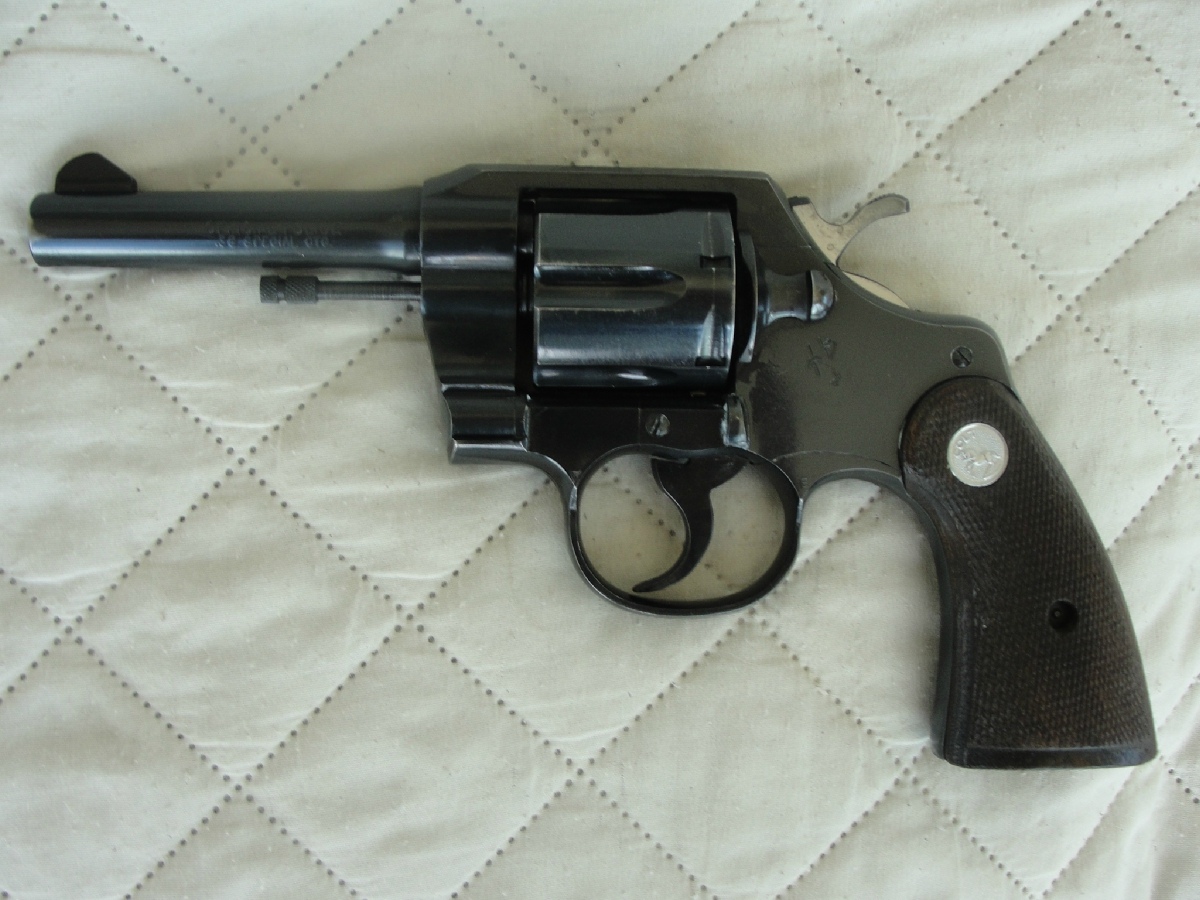
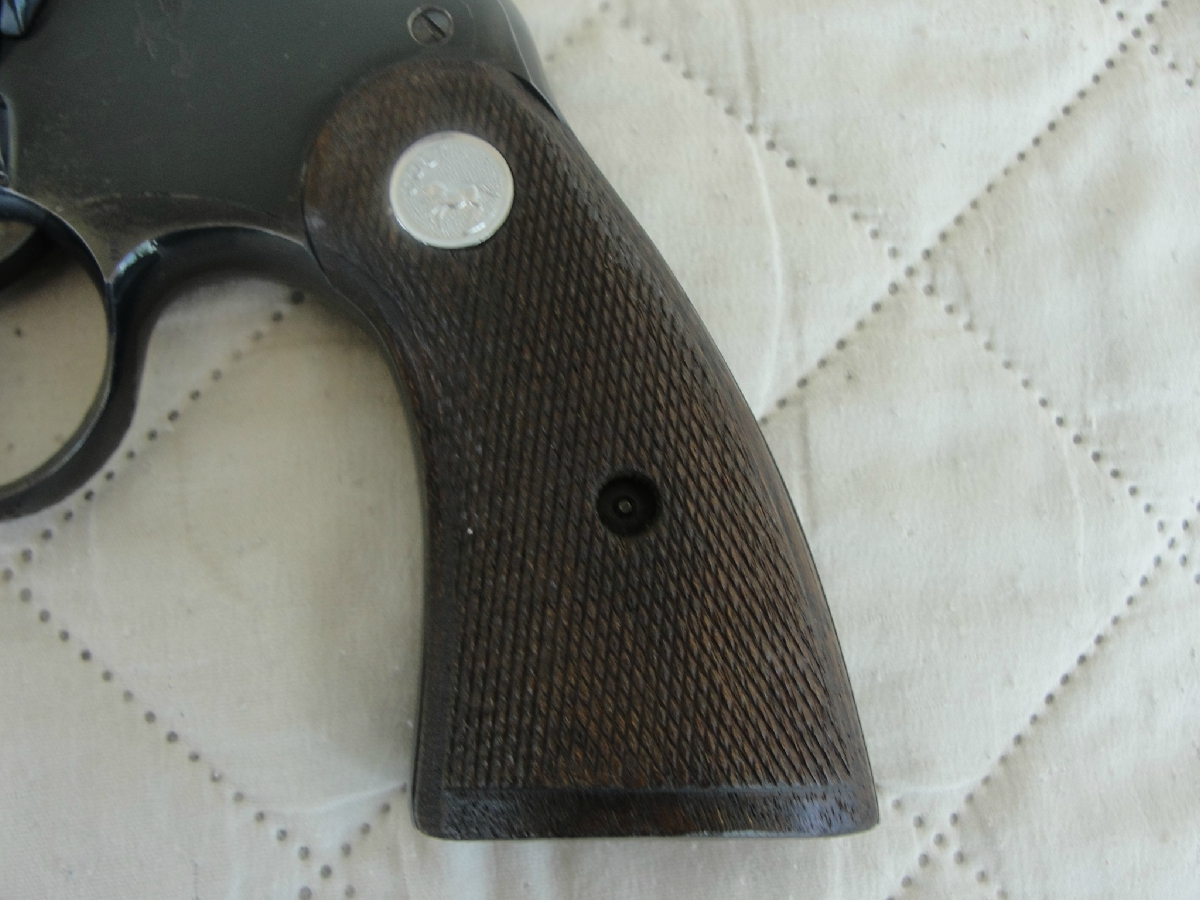
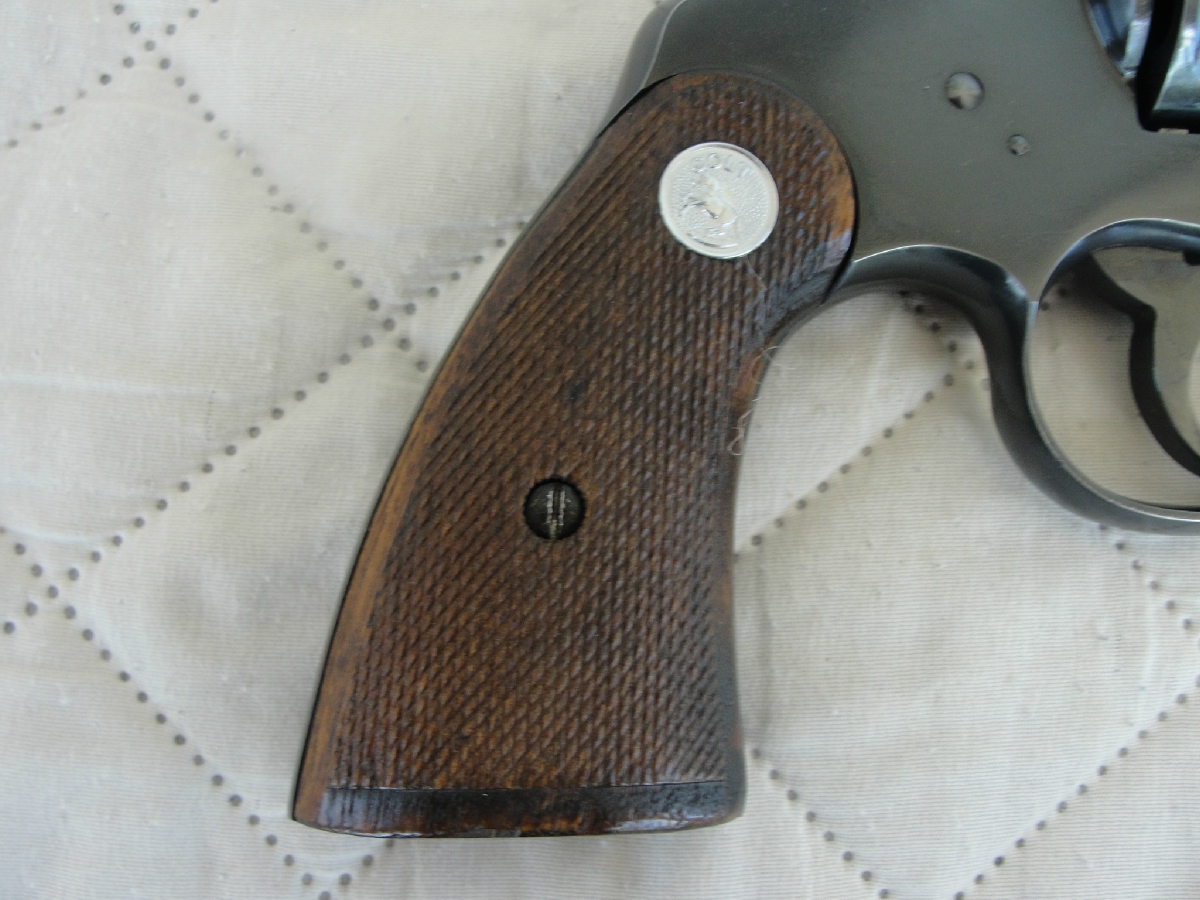
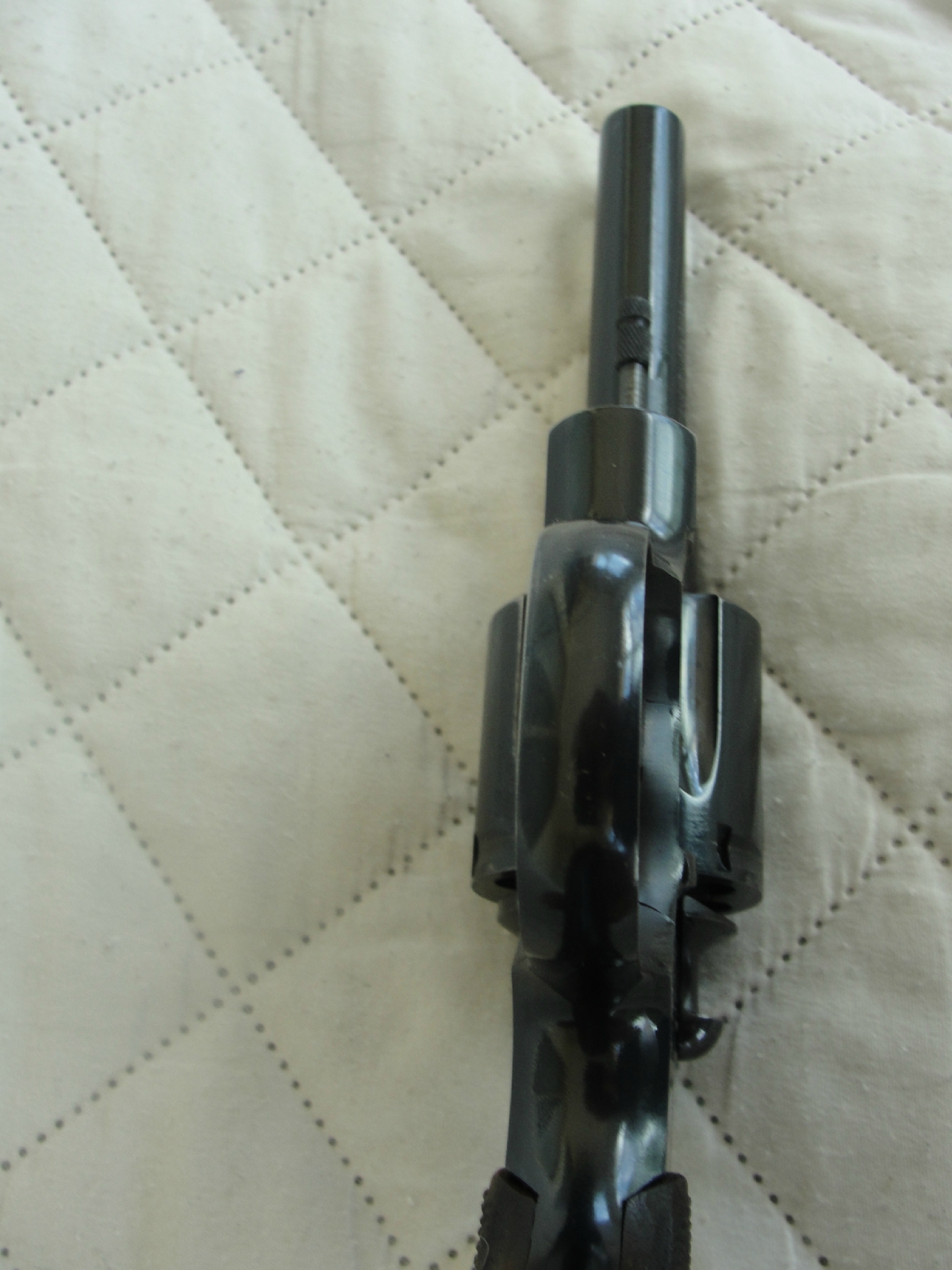
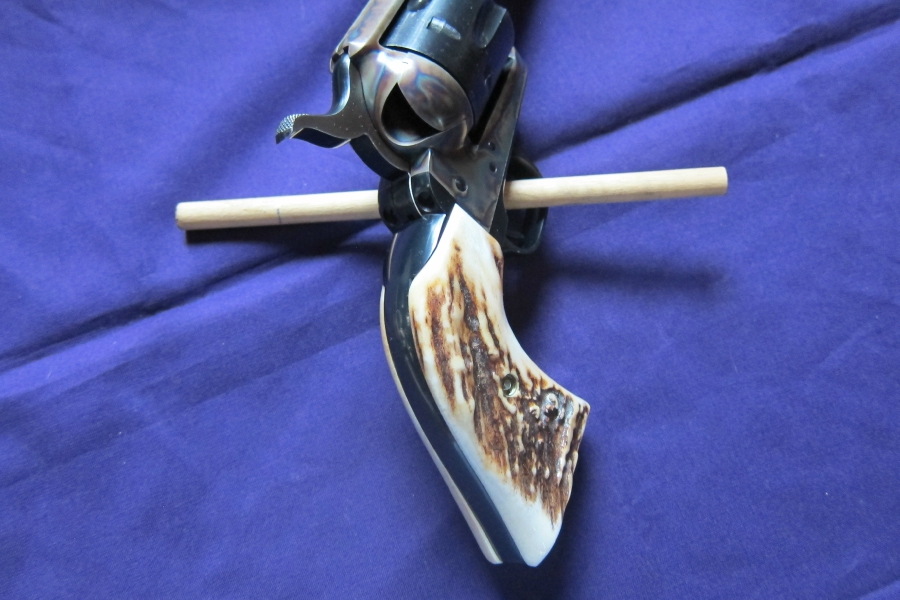
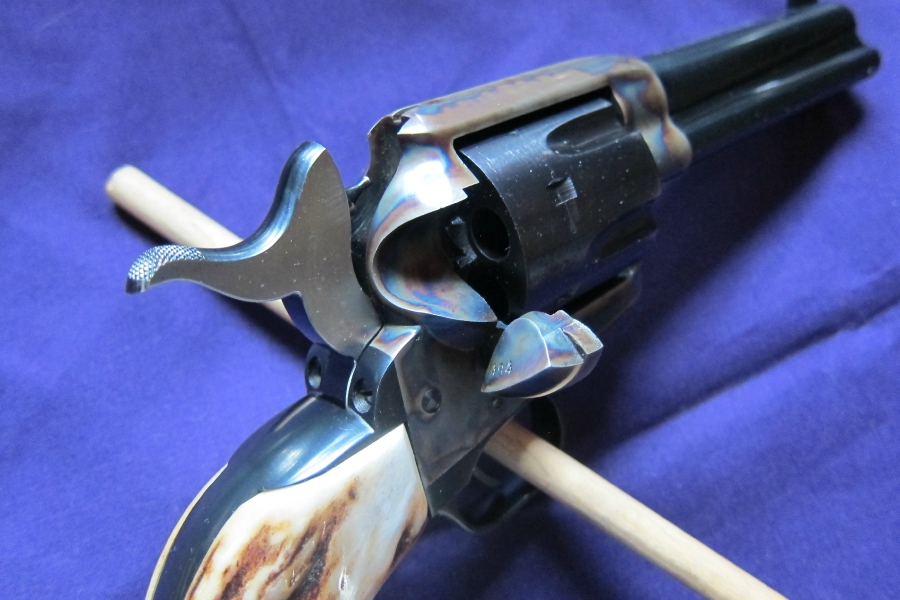
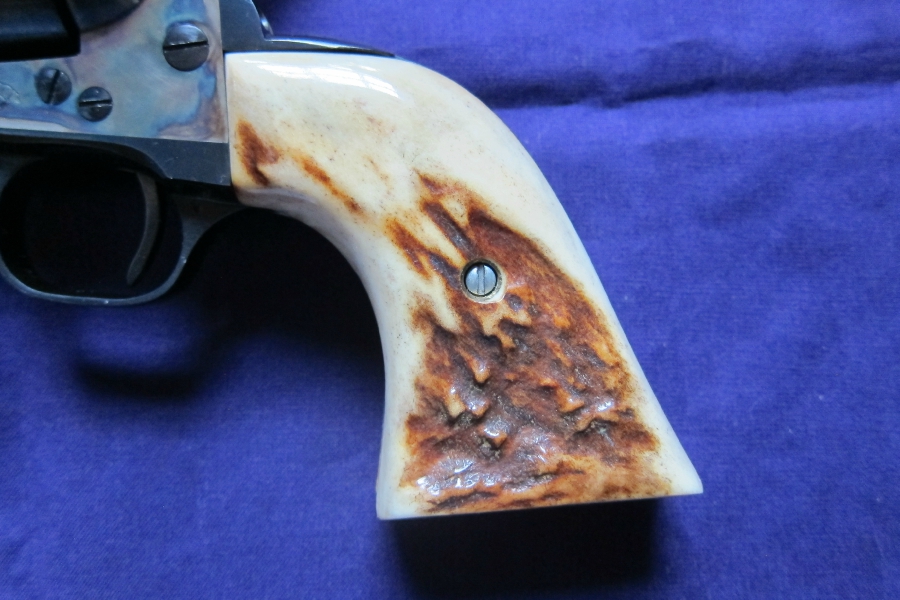
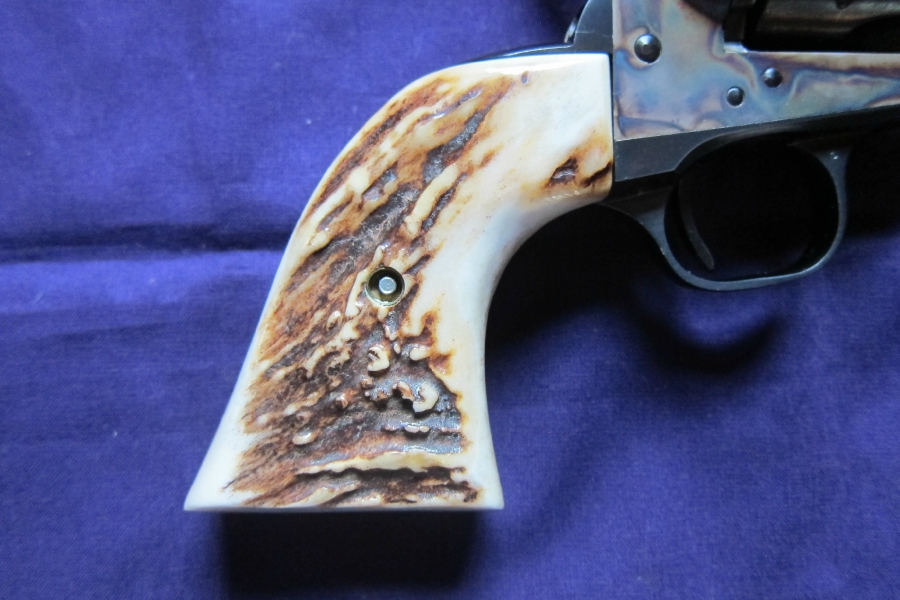
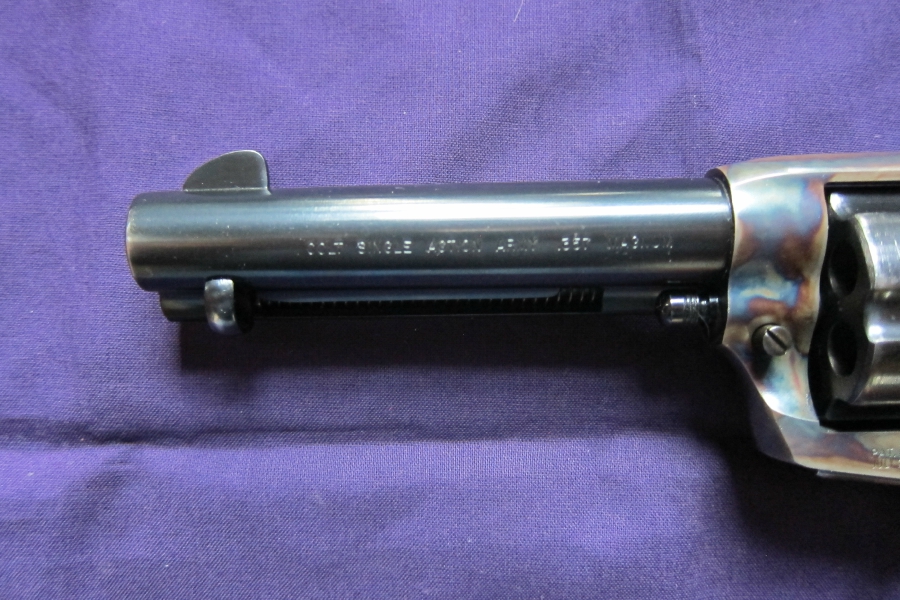
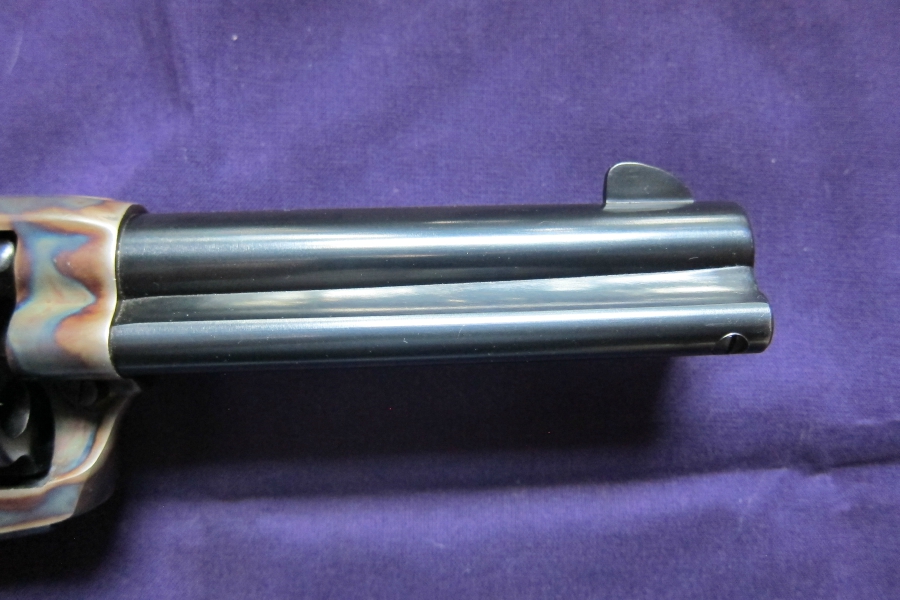
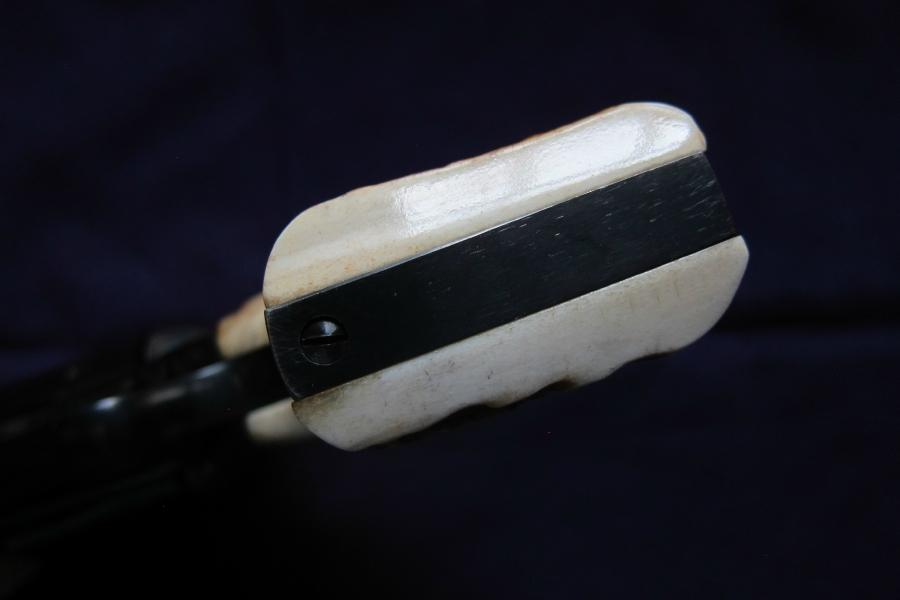
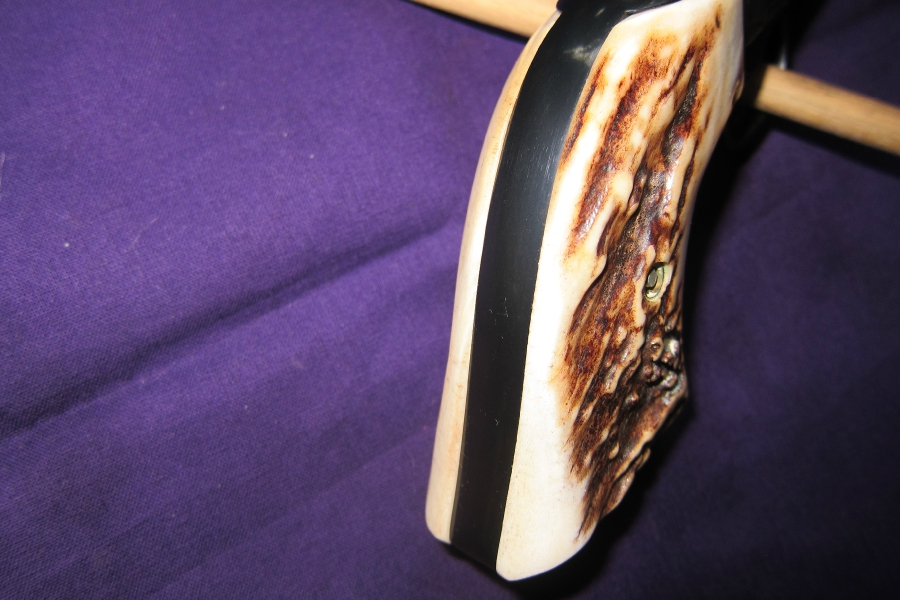
Colt Mfg Co Inc Lightning Engraved By J. Sornberger

That wood on it is such a sight to behold!

COLT MFG CO INC - LIGHTNING ENGRAVED BY J. SORNBERGER W/GOLD INLAY - Picture 1
COLT MFG CO INC - LIGHTNING ENGRAVED BY J. SORNBERGER W/GOLD INLAY - Picture 2
COLT MFG CO INC - LIGHTNING ENGRAVED BY J. SORNBERGER W/GOLD INLAY - Picture 3
COLT MFG CO INC - LIGHTNING ENGRAVED BY J. SORNBERGER W/GOLD INLAY - Picture 4
COLT MFG CO INC - LIGHTNING ENGRAVED BY J. SORNBERGER W/GOLD INLAY - Picture 5
COLT MFG CO INC - LIGHTNING ENGRAVED BY J. SORNBERGER W/GOLD INLAY - Picture 6
COLT MFG CO INC - LIGHTNING ENGRAVED BY J. SORNBERGER W/GOLD INLAY - Picture 7
COLT MFG CO INC - LIGHTNING ENGRAVED BY J. SORNBERGER W/GOLD INLAY - Picture 8
COLT MFG CO INC - LIGHTNING ENGRAVED BY J. SORNBERGER W/GOLD INLAY - Picture 9
COLT MFG CO INC - LIGHTNING ENGRAVED BY J. SORNBERGER W/GOLD INLAY - Picture 10

Categories
All About Guns

Henry Aston US Military Marked Middleton Conn. 1850 Cap & Ball Pistol. .58 Caliber Ball

HENRY ASTON US. MILITARY - MARKED MIDDLETON CONN. 1850 CAP & BALL PISTOL. - Picture 1

HENRY ASTON US. MILITARY - MARKED MIDDLETON CONN. 1850 CAP & BALL PISTOL. - Picture 2
HENRY ASTON US. MILITARY - MARKED MIDDLETON CONN. 1850 CAP & BALL PISTOL. - Picture 3
HENRY ASTON US. MILITARY - MARKED MIDDLETON CONN. 1850 CAP & BALL PISTOL. - Picture 4
HENRY ASTON US. MILITARY - MARKED MIDDLETON CONN. 1850 CAP & BALL PISTOL. - Picture 5
HENRY ASTON US. MILITARY - MARKED MIDDLETON CONN. 1850 CAP & BALL PISTOL. - Picture 6
HENRY ASTON US. MILITARY - MARKED MIDDLETON CONN. 1850 CAP & BALL PISTOL. - Picture 7
HENRY ASTON US. MILITARY - MARKED MIDDLETON CONN. 1850 CAP & BALL PISTOL. - Picture 8

This is what I call a classic horse pistol / club. In that It sent out one hard hitting round. Then you just reverse your grip and then you had a pretty good club while in a Cavalry melee. Especially with that brass cap on the grip!
(Note the swivel on the ram rod, so you did not lose it while on horseback)

Categories
All About Guns Gun Info for Rookies

How to Shoot Clay Pigeons

how to shoot clay pigeons illustration diagram

Target shooting has been around for over 100 years. In its earliest forms, enthusiasts stuffed glass balls with feathers and then waited as their friends tossed them in the air to be blown apart mid-flight.
Since then, it has evolved from a leisurely day of hunting practice to a highly competitive international sport. Unfortunately, the feather-filled balls are a thing of the past. Now, clay pigeons are the preferred target.
Resembling a pigeon about as much as a cat resembles a TV, clay pigeons look more like thick little Frisbees than real birds. But that disc-like shape allows them to glide through the air quickly and consistently.
If it’s your first time on the range, make sure to wear proper eye and ear protection, and take time to get familiar with the gun and its safety features before you load a round.
Finally, before your first clay pigeon is thrown, figure out which of your eyes is dominant. Once you’re shooting, you’ll keep one eye closed while aiming.
To determine your dominant eye, extend your arm and point, covering a distant object with the tip of your finger while keeping both eyes open.
Keeping your finger over the object, close your left eye. If your finger continues to obscure the object, you are right-eye dominant. Otherwise, use your left eye to aim.

Categories
Fieldcraft

How to Filter and Purify Water for Traveling, Camping, and Survival

Jeremy Anderberg | October 6, 2016

Manly SkillsOutdoorsSurvival

diy water filter in the wild illustration

For most folks in the developed world, getting a drink of safe, clean, palatable drinking water is as easy as turning on the tap.
Outside of the comfortable amenities of home, however, attaining potable water can get more complicated and require more effort.
Maybe you went backpacking with all the proper gear and simply didn’t allot the correct amount of water for the trip. Or you’re traveling in an undeveloped country and have been warned not to drink from the tap. Perhaps the SHTF and you’re trapped in a city without a clean water source (or less apocalyptically, you’re simply living in a town whose water source has been temporarily contaminated).
How would you procure clean drinking water in these circumstances?
The right methodology might be different for all these scenarios, as it depends on where you are, your budget, how long you need your filtering materials to last, etc.
The options for filtering and purifying water are in fact numerous, and unfortunately, some of the terminology related to them is also confusing, and not necessarily standardized (especially on the web).
So below I provide a crash course on water filtration and purification for camping, survival, and travel. I break down the consequences of drinking untreated water, the proper terminology to understand when researching and shopping filtration and purification methods, and the pros and cons of the methods themselves. Finally, I offer a short guide to best methods to use in various scenarios.

The Risk and Consequences of Drinking Contaminated Water

There are a number of bacteria and parasites that can be ingested and lead to illness through the drinking of untreated water.
How do these diseases get into water sources? In both the wild and in populated areas with poor sanitation practices, it’s often carried by humans and animals (and their waste) who hunt, live, bathe, defecate, and even die or get their remains thrown in lakes and rivers.
In the wilderness of the U.S., a primary waterborne illness is called giardiasis. It’s a protozoan parasite that can cause extreme cramping, and worst of all in any outdoors scenario, violent diarrhea.
Throughout the wilds of the world, other waterborne diseases include dysentery, cholera, and various other worms, viruses, and bacterial infections. The most common symptoms that arise from these illnesses are similar to giardiasis in that they’re largely intestinal issues. When you’re perhaps already dehydrated in a survival scenario or even just from backpacking for a few days straight, diarrhea will exacerbate the problem, and even put your life at risk.
Far better to treat any water you drink from the wild or from questionable sources rather than risk a debilitating illness. The only exception is if your life truly depends on getting hydrated. In that case, absolutely drink untreated water. As is often said in wilderness survival circles, doctors can treat giardiasis, but they can’t treat dead.

Does All Water Need to Be Treated?

In the wild, rainwater you’ve collected in clean containers is generally safe, as is snow that you’ve melted. Water in the wilderness is also almost always safe if you’ve collected it via transpiration or a still (if the plant itself isn’t poisonous, of course). If you collect the water by any other means, though — from a stream or lake (flowing water is better than stagnant, but still not foolproof), dew, etc. — it should be filtered and/or purified; you never know what might be lurking in the ground or upstream from your collection spot.
Read more about how to safely find and collect water in the wilderness.
In urban areas, rainwater may not be safe to drink, as it traveled through polluted air. And if you’re traveling in a developing country where the safety of the tap/well water is questionable, you’ll want to stick to drinking bottled water (not always an option in rural areas), or consistently purify your water.

Purification vs Filtration

When it comes to finding and drinking water, the first thing you need to know is the difference between filtration and purification. They are not synonyms.
Water filtration is the elimination of debris, and some bacteria, by way of some type of cloth or mesh net — a sieve — through which the water flows.
Water purification is a chemical or UV process of rendering bacteria and other harmful agents inoperative. The chemicals (or heat) in these purification methods essentially deactivate the bad stuff, making it safe for consumption.
Sometimes water needs both of those processes; sometimes it only needs one. Knowing the difference, though, can truly save your life. If you’re backpacking in Africa and think you only need a filter, you could end up with a deadly disease in your system. So let’s get a little more into the differences between the two.

Water Filtration

Using a water filter, especially a commercially tested one (versus just the DIY backwoods variety), can indeed eliminate some bacteria. But not all. Filters can take care of protozoa and bacteria, but they can’t get rid of any viruses present in the water — those are simply too small for the mesh to catch.
Generally, for backpacking and survival purposes, water in the U.S. and Canada is rated as safe for filtration-only methods and devices; this is especially true for mountainous areas. When folks get sick while backpacking or camping and blame it on the water, it’s often found to actually be sanitation-related (not washing hands, not disposing of waste properly or far enough from campsite, etc.).
Filtering water also ensures the best flavor. Your H2O will taste natural and will be immediately drinkable, whereas some purification methods either alter the taste and/or take up to a few hours to make the water safe.
The bottom line is that filters work to rid the water of impurities — including dirt as well as microscopic bacteria — but aren’t completely effective in making the water safe to drink. If it’s all you have, you’ll likely be okay, but know that negative consequences are still possible.

Water Purification

Water purification makes H2O safe to drink by deactivating all harmful pathogens, including viruses. Purification doesn’t eliminate contaminants though. Dirty water that’s been purified is still dirty water, and probably needs filtering (that should happen first, actually).
Purification happens primarily through boiling, chemical agents, or UV light. It’s especially important when traveling outside first world countries, where viral infections are more common.
Let’s now take a look at the various filtration/purification methods out there.

Methods

Below you’ll find the most common methods for water filtration and purification in the wild, including some pros and cons of each.

DIY Filters

In general, you only want to use DIY filters when no other option is available. You certainly don’t want to go camping and only plan on using rocks, sand, and dirt to filter your water. These are for survival purposes only. If at all possible, it’s recommended that you still purify water (by either boiling or adding tablets/chemicals) after filtering it with these methods.
I’ve listed them from most effective at top, to least effective at bottom.
Wood and Tubing.

wood and tubing diy water filter

While this diagram includes a clamp, in wilderness survival scenarios, you’re not likely to have that available. Wood and tubing (or other materials) will do the trick.

The best DIY water filtration system out there is one made from a small piece of wood and tubing. In fact, if you use sapwood (the soft outer layers of a tree) or a small, green branch, you can actually eliminate 99% of bacteria (but still not viruses). To make this filter, cut a small piece of sapwood (a couple inches long by an inch or so wide), and wrap it tightly with some sort of plastic tubing if available. You’re going to be using the branch as a filter, pouring water onto one end, and letting it drip out the other into a container, so the tubing functions to ensure that untreated water isn’t running down the side and into your receptacle. Improvise other wrapping devices if you don’t have plastic tubing — cordage, t-shirt/cloth, the plastic from a water bottle, etc. Then slowly pour small amounts of water onto the end of the branch and let it filter out the other end. Beware that this is a slow method, but you’ll be able to produce up to 4 liters of filtered drinking water per day, which is more than enough for even a couple people.
Rock/Sand Layer Cake. The classic wilderness DIY filtration method is to layer various materials in a hollow log or bag, and let water drip down from the top, through the layers, out through a small hole in the bottom, and into a clean container.

diy survival water filter illustration

From FM 21-76, the Army’s survival manual.

If these items are in a bag, or perhaps a tarp or piece of cloth, ensure the bottom is tied off, but has a small hole for water to drip through. Start by putting in a layer of finer materials like sand, cloth, small pebbles, etc. Then add some larger rocks and bits of charcoal (if you made a fire). Then, start over with another fine layer, and coarse layer atop that. It will look like a layer cake when you’re finished. This will eliminate impurities in the water, and some larger bacteria, but certainly not all of them.
Shirt/Cloth. Filtering water through a piece of cloth alone will eliminate debris and dirt, but not much else. Still, it’s effective if that’s what you’re trying to do and if you can purify it afterwards.
Container. If nothing else, place muddy/dirty water into a container and let it stand for 12 hours or so. In most cases, the dirt and other sediment will fall to the bottom, and the clear water will remain on top. This obviously does absolutely nothing to get rid of harmful pathogens, but at least makes the water palatable.

Commercial Filters

Survival Straws. Survival straws, LifeStraw being the most recognizable, have burst onto the market in the last 5 years or so. The idea is that you can drink water right through the straw (or water bottle with straw attached) and it’ll be safe because of the various filters contained within. The majority of straws on the market can eliminate bacteria and protozoa, but not viruses. They generally have no purifying element. Most do, however, have a carbon filter, which will eliminate off tastes and odors. Just be sure to check the specs, based on your needs, before purchasing. Don’t, for instance, bring one to Africa, assuming you can just drink safely from the rivers. Not a good idea.
Straws can be expensive, but the cost per liter of filtered water remains very low (most are good for up to 700-1,000 liters) compared to chemical treatments.
Pump/Gravity Filter. The name here is misleading, as many of these commercial filters also act to purify the water. Many utilize a ceramic filter to eliminate larger pathogens, as well as silver to destroy viruses. These pump filters operate quickly, filtering and purifying up to a quart per minute, but require a power source (either your arm, or in some cases, a battery).
Gravity filters operate more like IV bags; they’re slower, but require no batteries or human operation. With any commercial pump or other filter, again just check the specs. If it mentions a purifying element, you’re good to go for any situation. If not, just know it won’t eliminate all risk.
These commercial filters are often bigger and bulkier than other options, so will take up more space in a backpack or survival kit. While they can be an expensive up-front purchase, they’ll last a very long time.

Boiling

Boiling water is the standard backwoods purification treatment for water. According to the EPA, one minute of a rolling boil will kill all of the bad stuff, including viruses. (If at high altitude — above 5,000 feet — increase the time to 3 minutes.) Any metal or glass container will do, but if you don’t have that available, you can heat rocks in a fire and place them into your receptacle.
One downside of boiling your water is that it obviously requires a fire and therefore fuel, which in some cases isn’t possible (although it’s more possible if you read our article on how to start a fire without matches). It also leads to evaporation and the loss of some water volume, which should be taken into account in situations where every drop may be precious.

Chemical (Iodine/Chlorine/Bleach)

There are two popular chemical methods for treating water that utilize drops or tablets to disinfect and get rid of the bad stuff: iodine and chlorine. Bleach is a third option for chemical purification, generally in more urban environs since it’s usually just found in the home versus being carried as a wilderness survival item.
Iodine. Use a 2% tincture, and apply 5 drops per quart of water. If the water is cloudy, add 10 drops. Let sit for 30 minutes before drinking. Iodine comes in a small, very portable bottle, and also has other uses like treating cuts and warts. This is definitely an item to have in your emergency kit or bug-out bag.
Iodine will lead to an off taste, and isn’t safe for pregnant women or those with shellfish allergies. Children are also often averse to iodine because of the taste; know that ahead of time if backpacking or camping. Iodine is generally the cheaper of the chemical methods, and works quicker.
There are also specialized iodine tablets you can buy that are made for the sake of outdoors folks.
Chlorine. Generally comes in the form of tablets, which you just drop into a liter of water, and let the chemicals do their work. After about 4 hours, your water will be safe to drink and free of all harmful pathogens.
Chlorine’s cons are that it has a longer waiting period, and is a little more expensive per use than other methods. On the pro side, most of chlorine dissipates in that 4-hour timeframe, meaning the water’s taste isn’t as affected. It also has a longer shelf life.
Bleach. In urban emergency scenarios, bleach can be used to purify water. Most bleaches use a form of liquid chlorine called sodium hypochlorite. As just mentioned above, chlorine is a water purification agent, so it makes sense that bleach could be used.
Household varieties will generally contain 5-8% sodium hypochlorite — be sure to check the label before using, and if it’s higher than that don’t use it. Using a dropper, add 2 drops per quart, and let stand 30 minutes before drinking.

UV/Solar

SODIS. Solar water disinfection (SODIS) relies on the power of the sun to make your water safe. Believe it or not, if you have a clear water bottle, you can simply leave it in direct sunlight for ~12 hours (24-48 on cloudy days), and celestial UV rays will kill most (not all) bacteria and microorganisms. Some experts say to leave water exposed for a full day no matter what, just to be extra safe. It all depends on your need. Since this particular UV method doesn’t necessarily kill all bacteria/viruses, it’s best used for survival purposes only, or in areas known to have safe(ish) water.
UV Devices. There are various devices out there which create UV light artificially to get rid of bacteria and even viruses. Some are hand-cranked while others are battery-operated. Keep in mind these are not filtration devices, so larger particles or debris in the water will not be eliminated, and some of those larger particles can hide pathogens in them. For this reason, it’s best to filter the water first when using the UV method. As with pumps and filters, these devices are larger/heavier than some other options.

Bottom Line: What’s the Best Method for Various Scenarios?

For hiking/backpacking in first world countries: As noted above, groundwater in places like the U.S. and Canada is almost assuredly free of viruses. Because of this, commercial filtration systems, even those that don’t necessarily purify (like survival straws), will almost always do the trick just fine. Your chances of catching a virus in these environments is very small.
Filters can be larger and heavier than other methods though, so chemical treatments will also work, and are especially popular for folks who are backpacking or doing long through-hikes (like the Appalachian Trail).
For hiking/backpacking/traveling internationally: When traveling outside of first-world areas, you always want to purify, in addition to filtering (if needed). This means tablets, UV devices, or filters that include a purifying element.
For your bug-out/survival bags: In a bug-out or urban survival scenario, Creek Stewart, our resident survival expert, recommends having both a filter and purification tablets, while keeping boiling as an option when time and fuel allows for it.
For wilderness survival scenarios: For whatever reason, you’re stranded in the wilderness, need to consume water to stay hydrated, and don’t have commercial filtering or purification options available. If you have enough water and fuel at your disposal, you first option should be boiling. If you can’t spare the evaporation or can’t get a fire going, create a wood/tubing filter. And if you can’t do that, a layered filter of natural materials will be your best bet to ward off illness.
Always remember, filtering simply improves palatability and removes impurities, while purifying ensures that what you’re drinking is free of harmful disease.
Finally, as already mentioned but bears repeating, it’s always best to drink untreated water rather than to die in the wilderness!

Categories
All About Guns

One of my Best Rifles

 Now just like our Children, a good parent should love their children the same. So it should be with our guns. But deep down we all know that this is just a lot of wishful thinking.Image result for good parent memes

  As for me, there have been a small group of rifles that have held this title for a while.Related image
The usual problems with them being that either thru massive stupidity or economic need. They have passed from my possession.
Hey college, beer,  girls /ex wives are a very expensive group of hobby’s to have, Let me tell you brother!Image result for ex wives are expensive but worth it memes
  But that is for small minds to ponder upon and I like to think that we all have been there at one time or other in our lives.
So let us move on to the subject at hand. The current holder of this title in my gun safe.
  It was few years ago when the Son & Heir was still in High School. On a cool crisp day that was such a relief from the blast furnace of the receding summer of LA LA Land.Image result for sahara desert
  So what to do but take the Boy on some serious Father Son bonding time. (No not that kind of bonding ! I swear that some of you guys are some really sick puppies out there!)
  No instead we went to one of the area’s big guns shows. Which is the native land of our wonderful fellow gun lovers.
Image result for biggest gun show in the world
  So as we peruse the long lines of tables and the huge crowds. I hear this faint whisper calling me. Psst! Grumpy over here! So I meander over to this table and lo and behold. There she is. Like how this one looks like.
Image result for 1903 sporterized springfield
  Now I know that this is going to be a disappointment. In that no it was not a H&H Double Rifle for $25. Or a Pre-64 Winchester Model 70 in 257 Roberts Super Grade. (Yeah I know there is no such critter!)
Image result for H&H Double Rifle
  No its was just a plain Jane sporterized 1903 Springfield Rifle. In of course 30-06. But there was something that just caught my eye about it.
 In that while it had a bulky no name sporterized stock. With 1950’s inlaid rosewood diamonds on the foregrip. That and some halfway decent scope mounts on it.Image result for 1903 sporterized springfield
  But the recoil stock was so hard you could use it to break asphalt with it.  As to the barrel, well does the term like a dirt road mean anything to you? But something kept tugging at me and so I asked to take a look at it.
 Image result for 1903 springfield sporterized
This is kind of what I saw at the show.
  So like anybody who has been around guns for a while. I checked to make sure that there was not a round in the chamber. It is at this point that my eyes opened up.Image result for my eyes opened up memes
  In that somebody had really spent some time squaring away the lugs on the bolt. As it was extremely stiff to open up the action.
Image result for 1903 springfield bolt lugs
 So it was very obvious that all the lugs had a very large contact area with the receiver. Always a good thing in a rifle as far as I am concerned.
So I then started the dance of haggling with the owner over how much did he want for it.
  Fortunately the Gods smiled on me as the owner was a very reasonable chap. So we quickly came to what I thought was a very reasonable price. (The princely sum of $350 USD. Which is not bad if I say myself.)
  Then it was off the feed the bureaucracy.Image result for bureaucracy memes
So that I may keep my property from their grubby paws & me from my potential Cellmate named Bubba. Image result for cellmate bubba(if only)
  Now at this time the Son & Heir is thinking. That again I have reached the age of senility.
“What another 03!?! What is it with you and them?” At which point I just told him that it’s a very long walk home. That and that he had left his cell phone in the car.
  So after the usual hassles to gain control of my rifle. It was then introduced to the other members of the collection in the Guns safe. Where it was then promptly forgotten about.
  Then fate intervened for once in my favor. As one day I stopped off at the local gun shops and talked to one of the new guys / Gunsmith.
  Now this guy was an interest person. In that he had done a tour with the Airborne Infantry in Afghanistan. Then gotten out and had gone to the Gun School at Trinidad. Needless to say he did great work on some of my sick guns.
  Anyways I shooting the breeze with him. When he ups and asks me a question. Would I like to buy a blank rifle barrel from him? Oh says I? What caliber is it? Says he 6mm. Huh & how much says !?I!Image result for 6mm rifle barrel blank
  Well there comes a time. When you can see that somebody is hurting and you want to help them out. Especially a man like this, who is a real stand up guy. (a very rare breed by the way) He wants $350 but will take 300 if he has to.
  Okay but I will only pay you $350. Since only a fool pisses off his gunsmith. right? So off to the bank I go.
  Now I heard this term a very long time ago in Mr. Reagan’s Army. That of the Good Idea Fairy. So if one is very lucky the Good Idea Fairy will sneak up on you & smack you in the back of the head.
Image result for the Good Idea Fairy
  If you are wise you will then listen very hard to what is being told you. This time the fairy said this to me. Hey remember that 03 that you bought a while ago?
  Why do you not put this barrel on it and chamber it for 243 Win? Since you gave your other 243 win to the Son & Heir for graduating from HS?
HMMMMMMMMMMMMMMMMM!!! That could be a great idea now that you mention it.
   So off we go to the Gun shop and see what kind of mischief I can get into. Well lo and behold there is my good buddy the Junior Gunsmith. So I tell him of my idea and what did he think of it.

  Amazingly he can not punch any serious holes in the idea. So I gave him his commission and off he went. Now frankly I was seriously thought that I was going to have to spend some serious cash on this project.
  But it just goes to show that sometimes not all good deeds go unpunished.
Image result for all good deeds go unpunished.
As it seems that the kid worked on it, during  his lunch time.  So I was charged a very modest fee for the chambering and mounting of the barrel to the receiver. Thanks Eric!
  Then a few paychecks later. I had a Timney trigger and a new recoil pad was added on for around $200. I also had a nice BSA Scope slapped on and bore sighted.  So far I guess that I was in for about a grand more or less.

So it was with a bit of nervousness that I took it to the range.
Image result for i smell bullshit
Now I am not going to try and BS you about how I had to use a ruler. In order to see if I had put a series of 5 rounds thru the same hole at 1000 yds.

  As seriously I do not think that many folks can do that. But I will say that it did give me some really good patterns at a 100 yards. In that a quarter could easily cover a group of 5 shots. Which for this old duffer is pretty good. When he is on the bench rest.
  Needless to say the Son & Heir did a lot better with it. But then he is a lot younger and in a hell of a lot better shape than I am. He is also always trying to talk me out of this rifle. But it’s going to be a while before that happens.
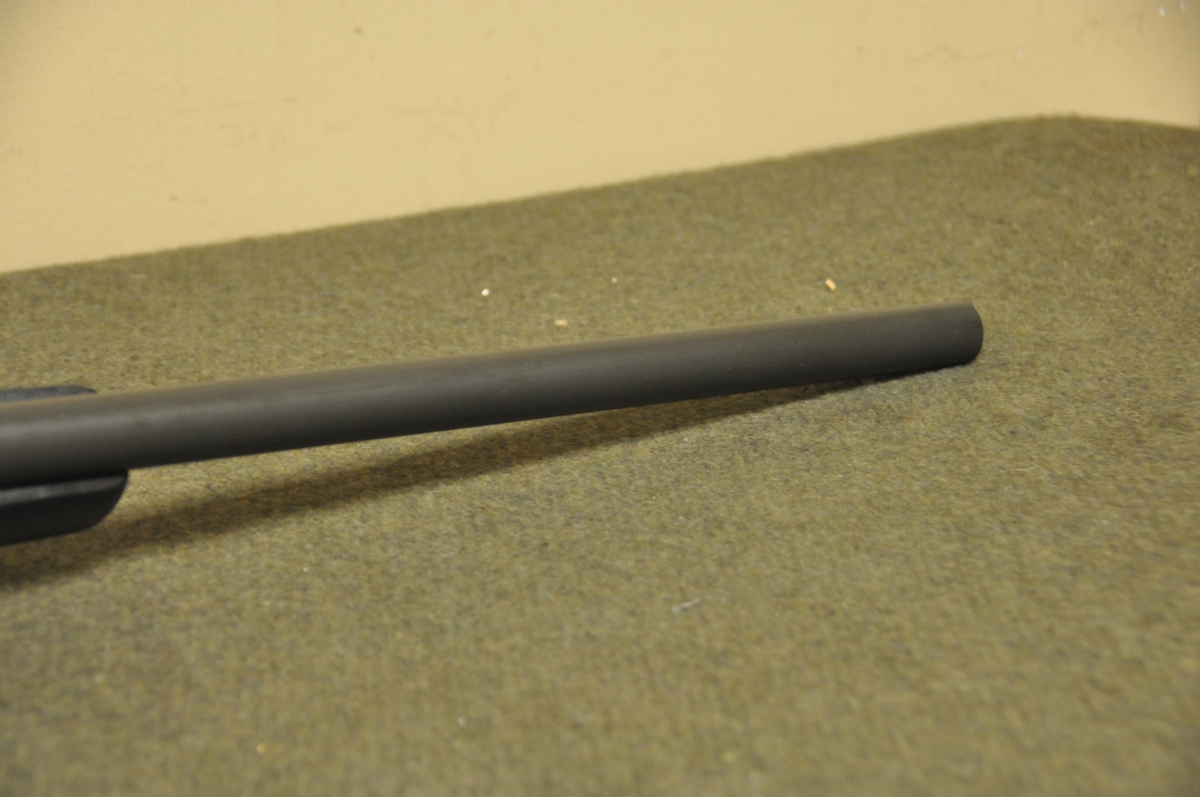
This kinda what the barrel looks like. Sorry but photo skills suck big time.
Image result for 6mm rifle barrel blank
Thanks for your time on this !
 Grumpy
Categories
All About Guns

Ballard Pacific #5 Falling Block 24 Inch Bl .45-70 Govt.

A little TLC & this would be a real sight to see on the firing line or in the field!

Marlin Firearms Co - MOD. BALLARD PACIFIC #5 FALLING BLOCK 24 INCH BL - Picture 1
Marlin Firearms Co - MOD. BALLARD PACIFIC #5 FALLING BLOCK 24 INCH BL - Picture 2
Marlin Firearms Co - MOD. BALLARD PACIFIC #5 FALLING BLOCK 24 INCH BL - Picture 3
Marlin Firearms Co - MOD. BALLARD PACIFIC #5 FALLING BLOCK 24 INCH BL - Picture 4
Marlin Firearms Co - MOD. BALLARD PACIFIC #5 FALLING BLOCK 24 INCH BL - Picture 5
Marlin Firearms Co - MOD. BALLARD PACIFIC #5 FALLING BLOCK 24 INCH BL - Picture 6
Marlin Firearms Co - MOD. BALLARD PACIFIC #5 FALLING BLOCK 24 INCH BL - Picture 7
Marlin Firearms Co - MOD. BALLARD PACIFIC #5 FALLING BLOCK 24 INCH BL - Picture 8
Marlin Firearms Co - MOD. BALLARD PACIFIC #5 FALLING BLOCK 24 INCH BL - Picture 9
Marlin Firearms Co - MOD. BALLARD PACIFIC #5 FALLING BLOCK 24 INCH BL - Picture 10

Categories
Anti Civil Rights ideas & "Friends"

Dick’s Sporting Goods- A good article from the Captain's Journal

By the way I hear that their stock took a tumble a couple of days ago. I wonder why? (Hysterical laughter in background!) Grumpy

Hi, I Run Dick’s Sporting Goods, And I’ve Consigned My Corporation To Death With My Idiotic Position On Guns

BY HERSCHEL SMITH

The Washington Post:

Edward W. Stack is chief executive of Dick’s Sporting Goods.
Throughout history, the United States has been a beacon of hope for the world — especially for people who appreciate and respect that we are a country founded on laws that have been enacted to guard our freedom and keep us safe.
As a gun owner, I support the Second Amendment and understand why, for many, the right to bear arms is as American as baseball and apple pie. But I also agree with what Supreme Court Justice Antonin Scalia wrote in his majority opinion in 2008’s landmark Heller case: “Like most rights, the right secured by the Second Amendment is not unlimited.” It is “not a right to keep and carry any weapon whatsoever in any manner whatsoever and for whatever purpose.”
It is clear we have a problem with the gun laws in this country. They are not squarely focused on keeping all of us safe — especially our children.
There continue to be mass shootings — at our schools, churches and entertainment venues. Following each of these senseless, tragic events there’s a great deal of idle, fruitless talk in the halls of Congress, and then the conversation quickly comes to an end.
It’s our great hope and belief that this time will be different. It has to be different.
Maybe it’s because the survivors of the Parkland, Fla., massacre — and the thousands of students who made their feelings known for 17 minutes last week — are standing up and shouting “enough is enough” and “never again.” They are demanding that our elected officials come together to find solutions. These brave young men and women are not going away.
In the weeks since we at Dick’s Sporting Goods announced plans to stop selling assault-style rifles, plans to only sell firearms to those over 21 and other new policies, we have been striving to keep this conversation going. We have met with a number of lawmakers and have talked with many of our peers in the retail industry. We have spoken with strong-willed advocacy groups and visited with families in Parkland.
It is becoming increasingly apparent through our conversations that there continues to be deep skepticism that anything of substance will be done.
Some members of Congress are committed to change, but not enough are willing to set aside partisanship to find a solution. I continue to call on lawmakers in both parties to talk with each other with the expressed intent to act.
What’s also surprising is how many citizens and leaders in our government are not aware of the loopholes and inconsistences in our firearms laws.
Here are some to think about:
●You can’t buy a handgun until you’re 21, but you can buy an assault-style rifle at 18.
●You can buy a gun on the Internet from someone in your state without a background check, but a background check is required to buy a gun on the Internet from someone in a different state.
●Few states provide a list of those in their state who are banned from buying a gun to other states.
●A person deemed too dangerous to fly on a commercial plane is nonetheless legally permitted to purchase a gun.
We understand this is a complex issue and Congress has a number of constituencies with broad agendas. But we hope Congress will take notice of not only what students are saying but also what the private sector is telling it. Two of the three largest firearms retailers in the country have publicly said we are implementing our own policies for the sale of firearms.
This issue transcends our company’s bottom line. We suspected that speaking out would have a negative impact on our business. But this was about our values and standing up for what we think is right.
After we announced our new firearms policy, we were gratified that WalmartKroger, L.L. Bean and REI showed courage and leadership by announcing their own new policies. We hope others in the private and public sectors join us in this effort.
A group of us in corporate America have taken a stand, made hard choices and enacted reforms on our own because we firmly believe it’s the right thing to do for our kids and for our country.
The kids in Florida and across the nation have taken a stand and been brave enough to make their voices heard.
The majority of Americans are demanding that members of Congress take a stand and be brave enough to do their jobs.

Well Edward, you’ve thrown a number of red herrings around in your arguments.  For one thing, we and you know that the whole internet purchasing issue is ridiculous, since it’s just another means of communicating other than calling them on your cell phone, meeting someone in a parking lot, meeting them at a gun show, work, home or on the side of the road, and selling them one of your guns.  In common parlance, it’s called a “person to person transfer.”  It’s legal as it should be, but you already know that.  I’m just pointing out that we aren’t fooled by your corporate communications department.
What you’re really telling us is that you oppose the right and liberty of person to person transfers, or in other words, you favor universal background checks, which not only runs contrary to the second amendment, but wouldn’t have done anything about the event you claim to be the catalyst for your positions.
Next up, the issue of the no-fly list galls me because what you’re really saying is that you favor leaving men and women in the country who are dangerous enough to warrant that kind of scrutiny, but opposed to deportation.  In other words, you’re just using them as an excuse for more gun control like the rest of the progressives.  You don’t want the country to be safer by deporting them – you’re just setting them up as a prop for more statist control over common, ordinary, peaceable men and women.
And you also know all about the wonderful lives saved as a result of having those AR-15s available to them.  Since you know all about this, what you’re really saying by your self-imposed ban of AR-15 sales is that you don’t want anyone to have what they might consider to be the best weapon available for defense of home and hearth.  You’re a cruel elitist and you don’t really care about others.
I could go on, but I’m just writing these things down to show you how badly your corporate communications department sucks and how badly they botched this commentary.  They really didn’t do a good job on this one, but of course, they are writing talking points rather than really knowing what they’re talking about.
So here’s the scoop for me and Dick’s Sporting Goods.  I had begun to visit less frequently, and most of the time if I was there with a family member I walked over to the firearms section only to notice that no one was manning the counter (if anyone wanted to buy anything an employee had to be paged), the ammunition was fairly run of the mill and not really all that cheap, you had a few shotguns, a few bolt action rifles and not much else, your gun cleaning supplies pretty much sucked, and it was in general a depressing place to be.  Everyone else there seemed to shake their head and walk away too.
Dick’s Sporting Goods is like the little child who doesn’t know what he wants to be when he grows up.  You don’t know what you want, except to make some money.  But you’ve let your progressive viewpoints get in the way of that, Edward.
So this is all going to be decided for you by the consumers.  You’re basically going to become nothing but a store for women’s clothing and pansy-ass golf gear.  But here’s the thing: women can find their clothing anywhere, and you won’t survive as a golf shop.
The only product I have bought recently at Dicks, some outdoor shoes, I will now buy at Bass Pro Shop or Cabela’s.  Yes, I’ll avoid REI as much as I can as well.  Going to Bass Pro Shop or Cabela’s will be just a little extra drive for me, but it’ll be worth it to watch Dick’s spin down the drain.
Congratulations.  You just consigned your company to doom.
Categories
All About Guns

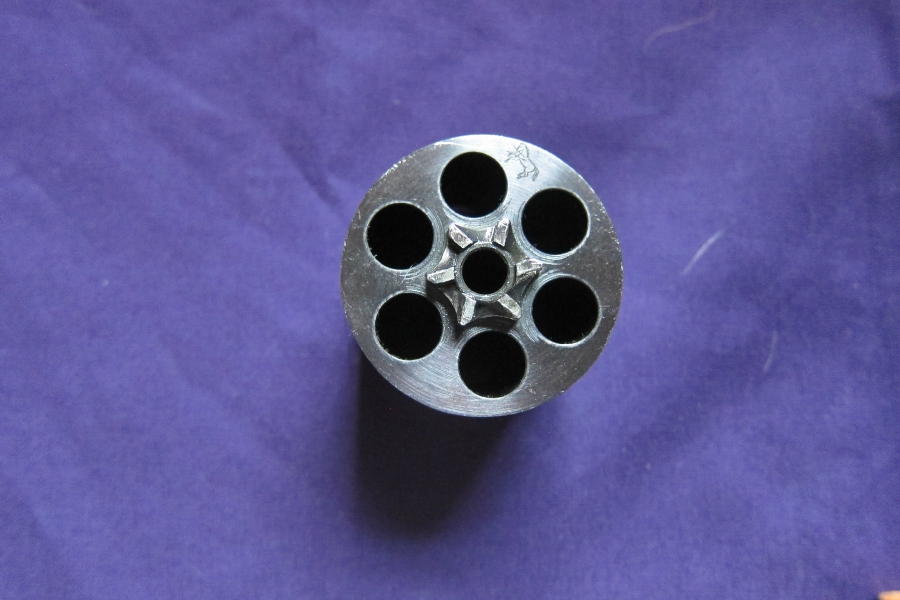
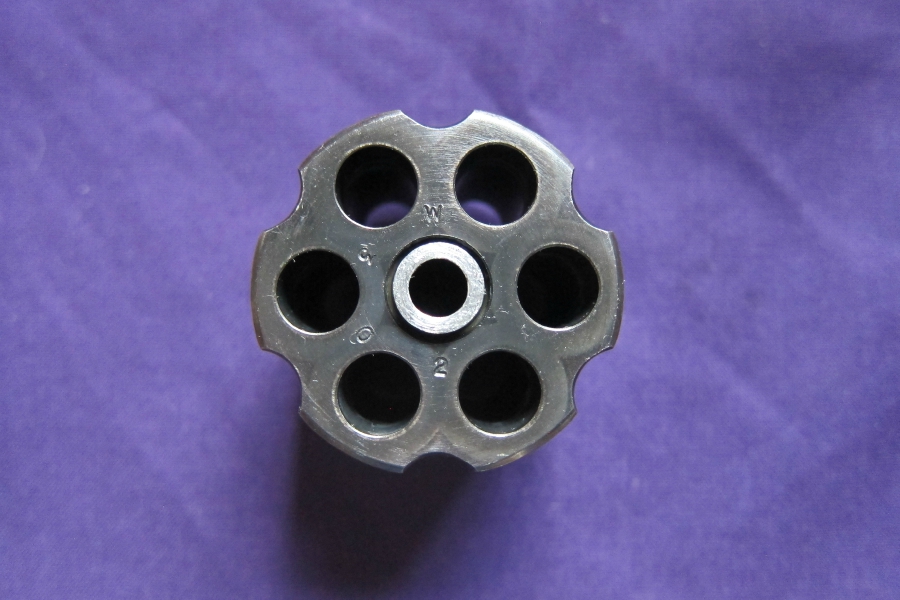
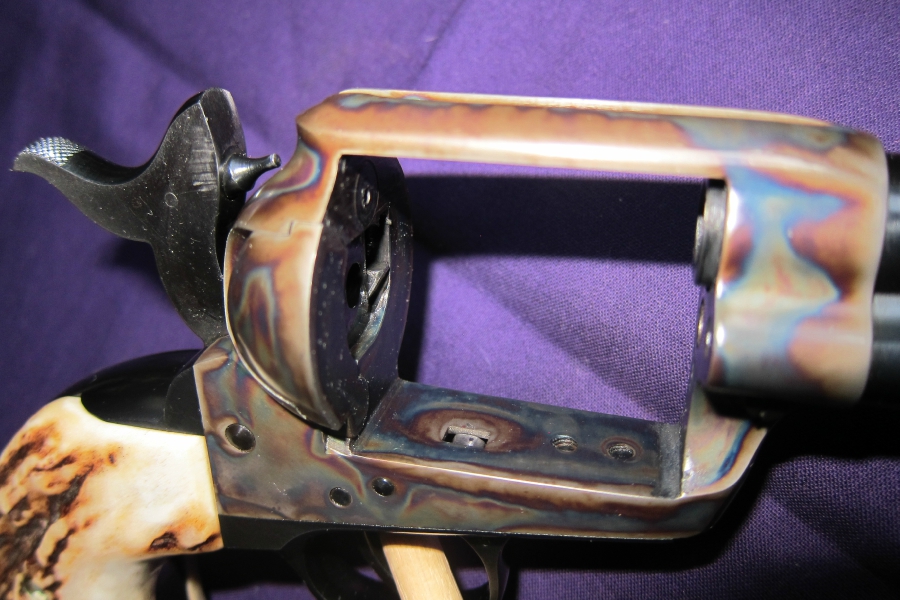
Belgian Dvf Department Of Finance Revolver #1, 1891-1895

Belgian - DVF Department of Finance Revolver #1, 1891-1895 - Picture 1

Belgian - DVF Department of Finance Revolver #1, 1891-1895 - Picture 2
Belgian - DVF Department of Finance Revolver #1, 1891-1895 - Picture 3