Categories
All About Guns

A Mosin-Nagant for the US Army? by CHRISTOPHER MACE

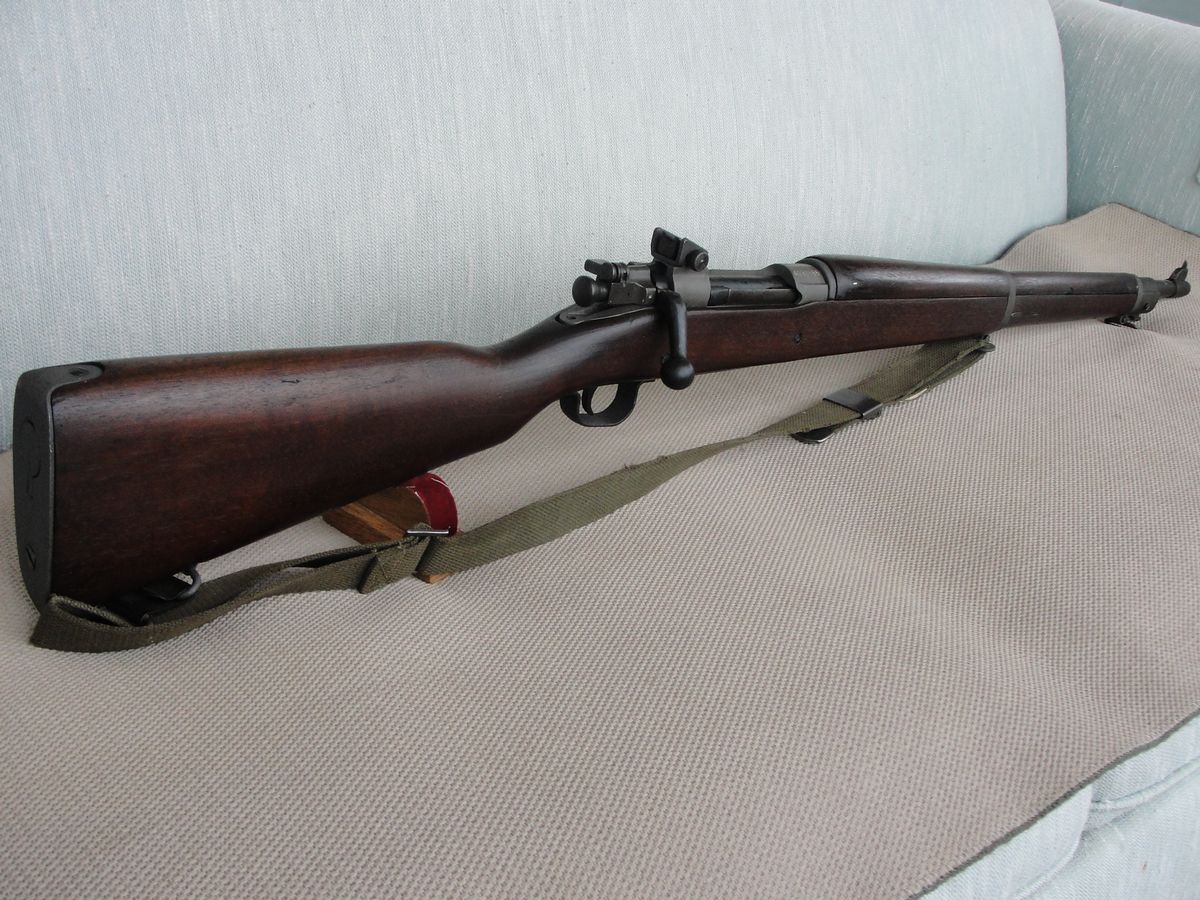
The author with his Mosin Nagant rifle

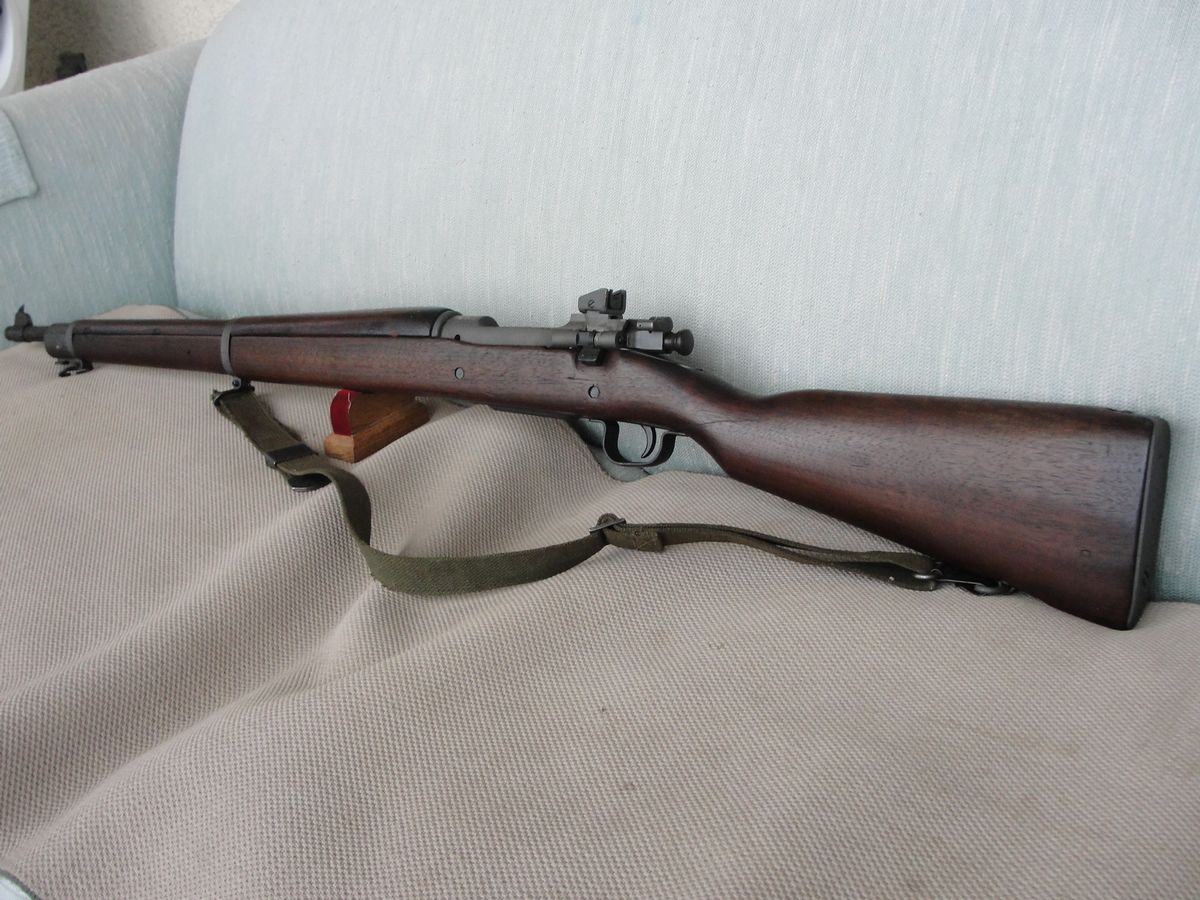
Mosin-Nagant rifle with accessories.

History

Almost every shooter in the US has heard of or seen the Mosin-Nagant rifle, due to the large volume of them that were imported over the last decade or so. The WWII variant was quite readily available and inexpensive until very recently.   As it turns out, they have actually been floating around our nation for quite a long time. In the process, they have ended up in some very interesting situations.
During the First World War the Russian army, like everyone else, was in dire need of weapons and ammunition. Casualties and losses of equipment were absolutely staggering. So the Russians approached US arms manufacturers to make rifles for them. Most of these contracts were for their standard rifle, the Mosin-Nagant Model 1891 or M91, though Winchester did produce some lever action rifles chambered in 7.62x54r. There were some delays, so it took some time for the American made M91s to get into production. Then once they were delivered, they apparently sat in warehouses near the ports where they were offloaded. As a result, there weren’t very many actually issued to Russian soldiers before the October 1917 Revolution.
In case anyone reading this is not familiar with the Mosin-Nagant rifle, it is a bolt action rifle chambered in 7.62x54r with a 5 shot single stack magazine. There have been many variants of these rifles, produced in several different countries. The barrel length on the Model 1891 is fairly long, being 31 inches.

Features

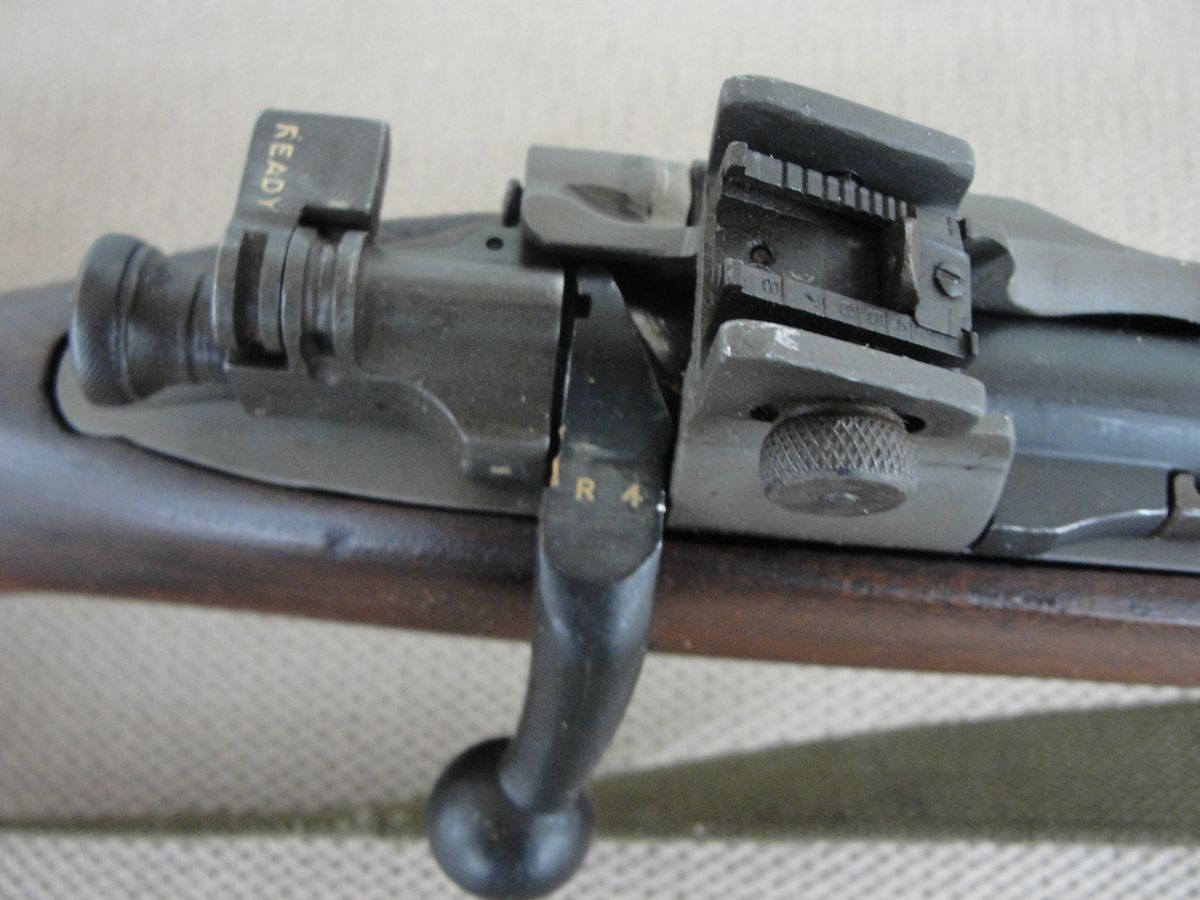
Here is the rear sight flipped up for shooting at some rather optimistic ranges-even after you convert the arshins to yards or meters.

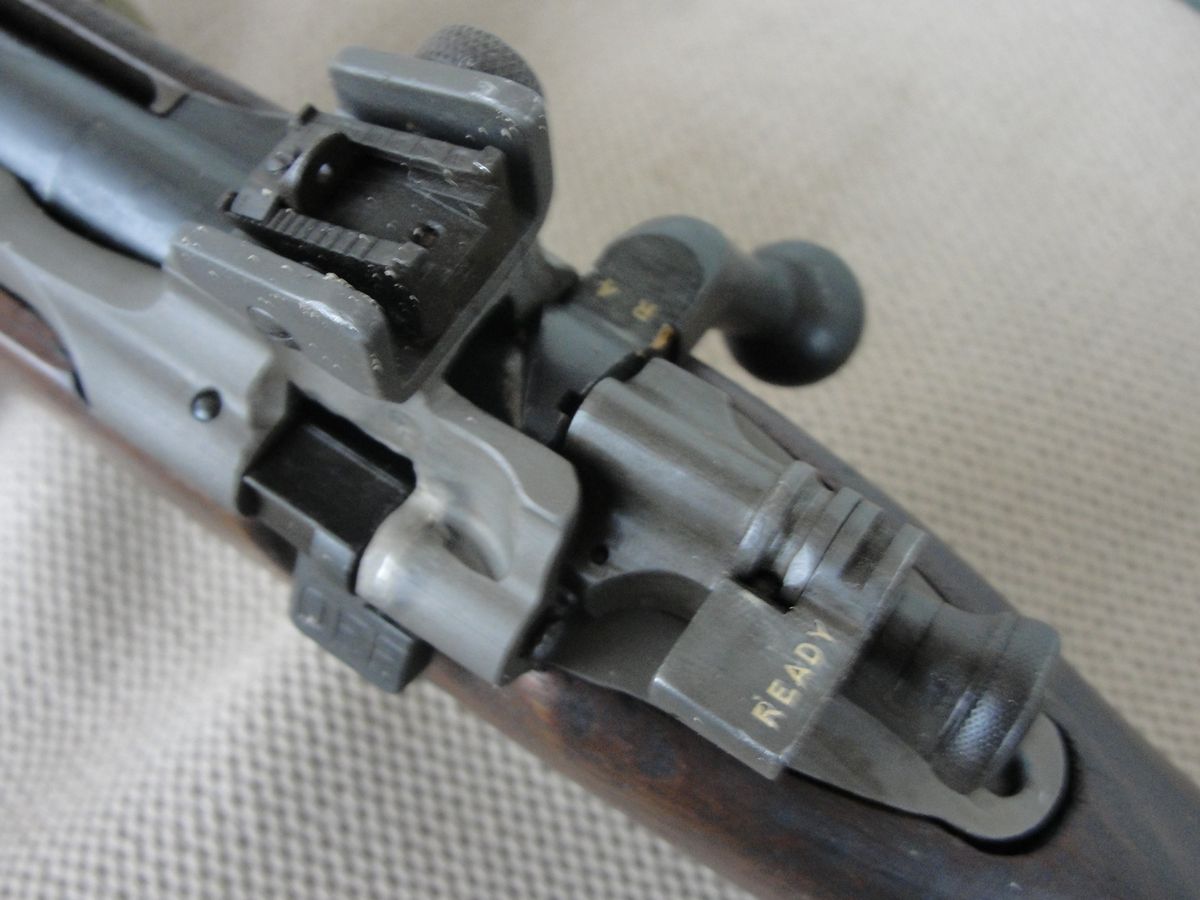
The rear sight on the Model 1891 is more elaborate than later models of Mosin-Nagant rifles. It has something similar to the typical tangent rear sight, though it is graduated in arshins, an antiquated form of measurement that translates to about 28 inches. It is also possible to flip the sight leaf up 90 degrees, in a ladder sort of arrangement, for shooting at some rather optimistic ranges.
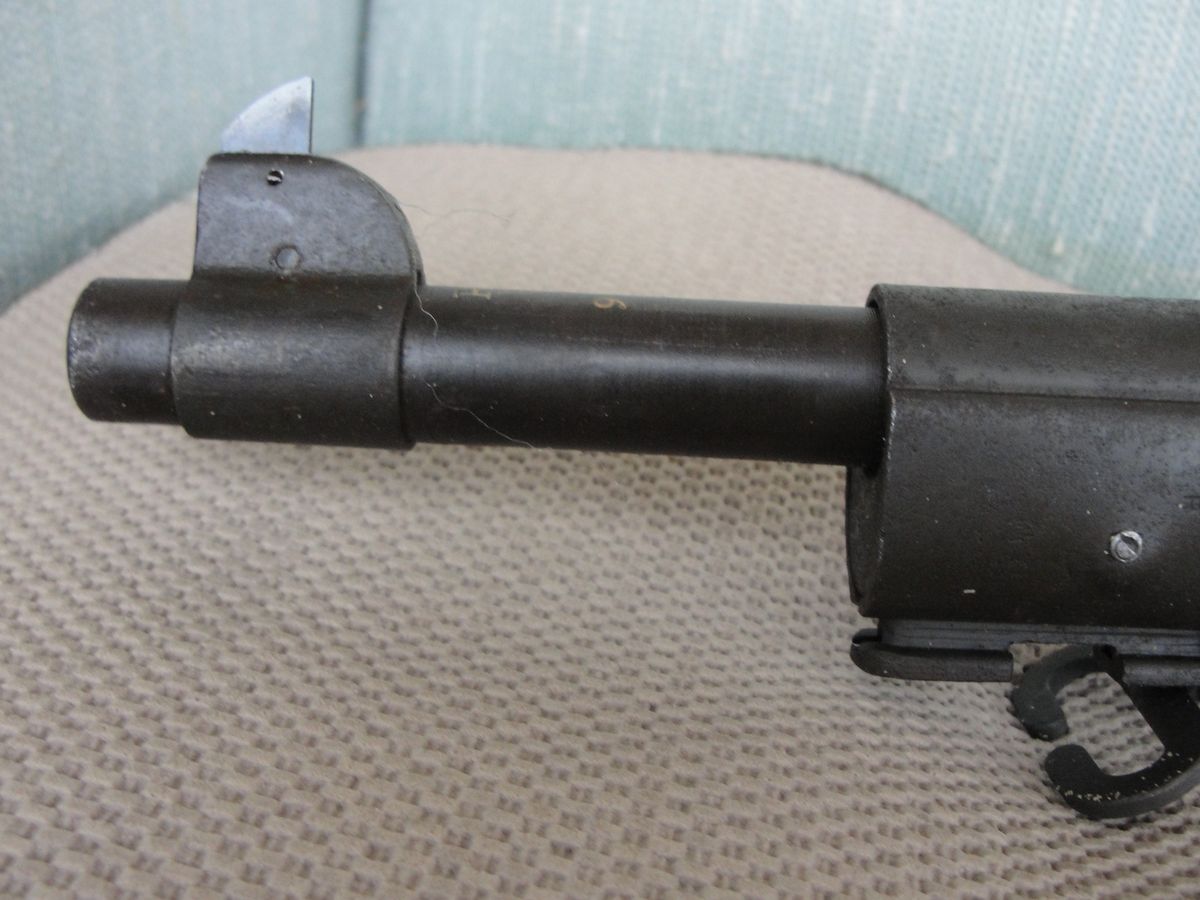
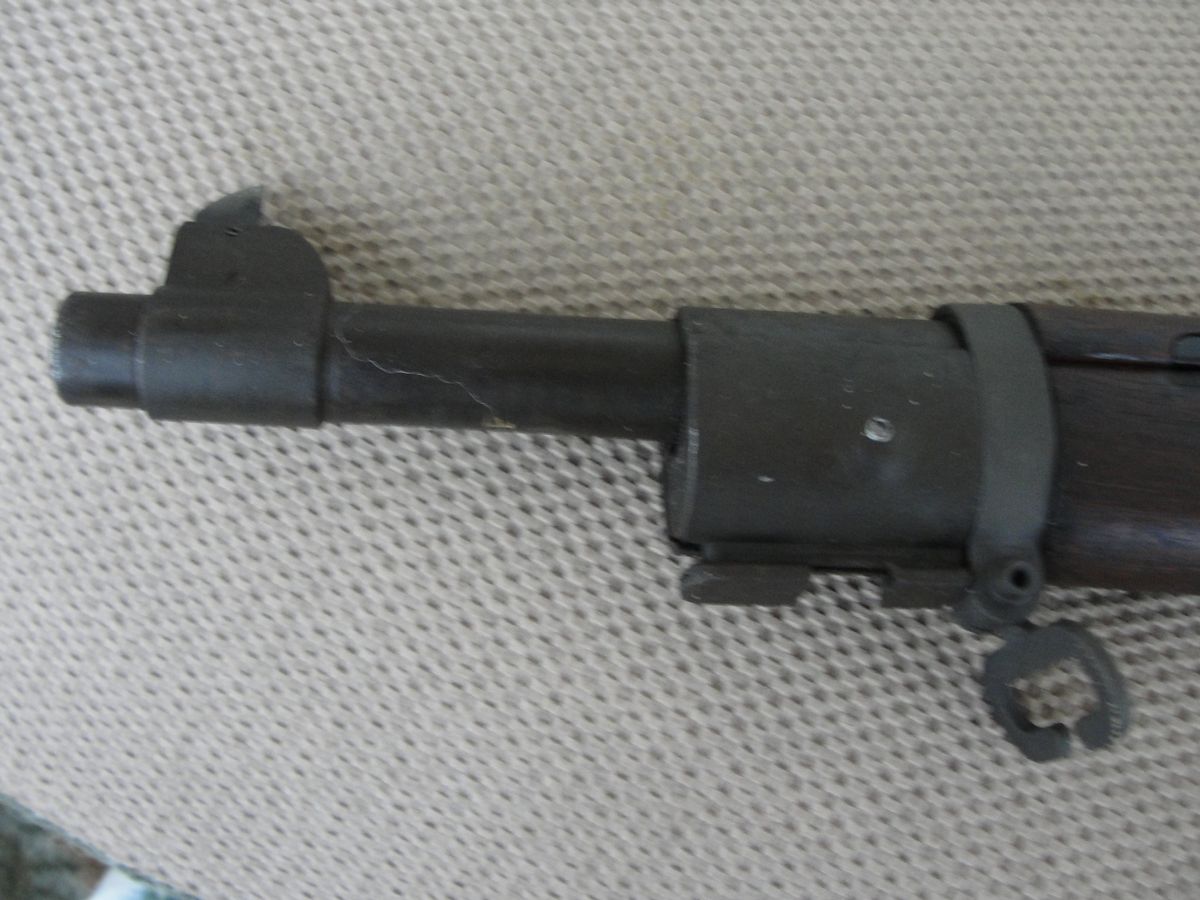
The bayonet for the Model 1891 is similar but different than the 91/30 bayonets. It is still has a triangular, needle type blade. It also has a sort of socket that goes over the barrel. Where it is different is the lock. Where the 91/30 bayonet has a spring loaded tab, the 1891 has a locking ring. Basically, you slide the socket over the barrel and rotate the ring to “lock” it behind the front sight. Mosin-Nagant bayonets, much like the rifles themselves, were not made to high tolerances. If you have a bayonet, it may require some fitting to properly attach. 91/30 bayonets will attach to 1891 rifles (if you aren’t concerned with being “period correct”) but not the other way around. The M91 bayonet that I have actually came with a 91/30 I bought later.

Caliber

In case you are wondering about what the designation actually means: “7.62” refers to the 7.62mm bullet, “54” refers to the 54mm casing length and the “r” notes that it is a rimmed case. While it is referred to as a 7.62mm, most weapons of this caliber are intended to use .310 diameter bullets rather than .308s as we are usually accustomed to in this country. For those that handload, this means that you can likely use the same bullets you use in that .303 SMLE or 7.7 Arisaka that you already load for. That said there are some exceptions, and there are some Mosin-Nagant rifles with bores sized for .308 bullets. So make sure you figure out what you have before you start loading. Also given the age of these rifles, if you are handloading for them be gentle. There is no good reason to hot load these.

The action of the Mosin-Nagant rifle is very strong. During WWI, the Austrians even rechambered captured M91s to 8x50r without rebarreling them. In testing they found that the action would have no problem withstanding the added pressures of shoving an 8mm bullet down a 7.62mm bore, not that I would want to try, however!

The caliber itself also has quite a history. 7.62x54r was the first smokeless powder cartridge issued to the Russian Army. It is the longest running issued cartridge in the world, as it was first used in 1891 with the first Mosin-Nagant rifles, which were obviously Model 1891s. It is still in front-line service with the Russian army (and many others as well), with the SVD rifles and PKM machine guns chambered in it. This is really quite remarkable. To give you an idea, the US Army’s first smokeless cartridge was the .30-40 Krag, and it was issued at around the same time. Needless to say, we have changed cartridges several times since then.
In all of those years of service, the loading of the cartridge has changed several times. The original loading was a 212 grain round nose loaded to approximately 2020fps.  In 1908, the Russians, like everyone else at that time, designed a pointed or “spitzer” bullet (this is what the common profile for rifle bullets are today) for the cartridge. It was 147grs and referred to as the “L” bullet(for light) and had a velocity of approximately 2800 fps. Ironically enough, that loading is what is still being loaded.

U.S. Army

All of this is great, but what does it have to do with the US Army? When the United States entered the war in 1917, there were not enough rifles to issue the rapidly growing American Expeditionary Force. In addition to rifles for the troops to carry into combat, weapons were needed for various stateside duties such as training (think teaching troops how to march), guard details, and similar tasks. At the same time, Remington-UMC and New England Westinghouse were stuck with a bunch of rifles, since the Bolsheviks both did not want to pay, and did not have the means anyway. This would have meant disaster had the US government not stepped in and purchased these rifles, both to prevent those companies from financial ruin (which was important given the US Army’s sudden need for vast amounts of small arms) and to help free up 1903s and 1917s to ship to the western front.
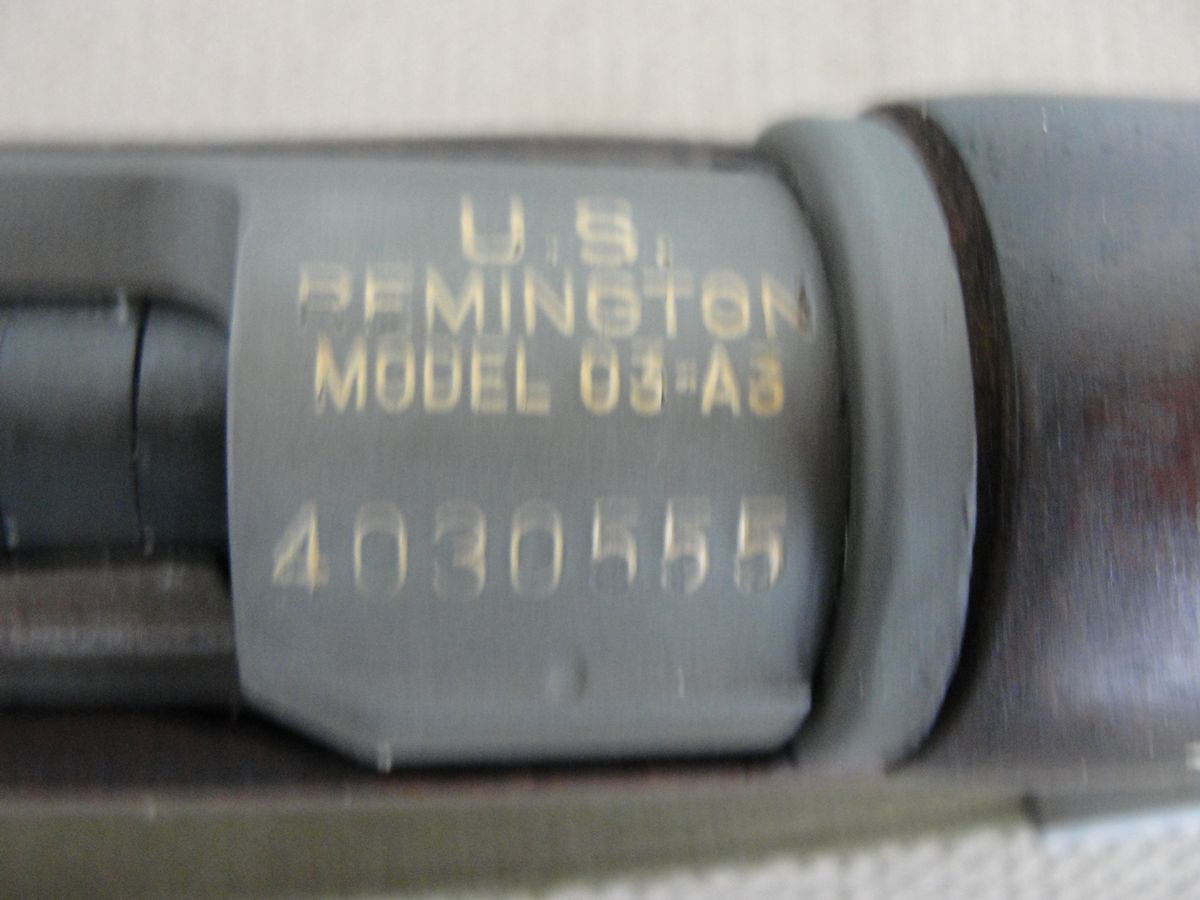
This is what the receiver markings on a Remington-UMC rifle are supposed to look like. photo courtesy of 7.62x54r.net
Rifle with accessories- Mosin-Nagant Model 1891, Bayonet, and Ammunition

Since these duties were not as ammunition intensive or as maintenance intensive as combat, obsolete weapons and non-standard weapons were used to fill these roles. Mosin-Nagant rifles were ideal for this purpose, being a military design and very durable. They were given the designation, “Russian Three-line Rifle, Caliber 7.62 mm. (.3 inch)”.  As an interesting side note on stateside US duties: supposedly a small number of the US made M91s were modified to take the Pederson Device.
The Model 1891’s wartime service to the US does not end with stateside duty. When the Bolsheviks seized power in 1917, the Allies had already shipped a large amount of military aid to the Czar. It was decided that this war material should not fall into the hands of the revolutionaries. So the North Russia Expeditionary Force was formed. The US Army sent a contingent, the 339th Infantry. At that time, the US Army units of draftees would be formed of men from an area and trained in the region before being shipped out. So, different regiments had very distinct regional identities. This regiment was referred to as “Detroit’s Own” and its personnel came from the Midwest, which proved to be fortuitous given the harsh climate where they ended up being sent.
 

The ammunition issued to the troops in the North Russia campaign would’ve looked similar to this. It was loaded onto 5 round stripper clips, 3 clips to a box.

Because of a large amount of 7.62x54r ammunition already at the locations they were to be sent, the Americans traded their rifles in for Model 1891s. This was done to ease the logistics of deploying troops to such a far-flung location as Archangel. M91s were not exactly popular with American soldiers. They didn’t care for the bayonet, and the sights were considered crude in comparison to the 1903s. Also, in a lot of cases, soldiers found that the rifles were not properly zeroed. At that time marksmanship was highly stressed in training, and the normal US weapons were made with accuracy in mind in contrast to most of the other combatant nations involved in the war. But the M91s seem to have performed acceptably in combat anyway.
11:00 am on the 11th of November 1918, which marked the end of the fighting on the western front, came and went with no change for the soldiers fighting in what was essentially Siberia. The fought on until well into 1919 before being finally withdrawn and shipped home. Ironically enough, in spite of the purpose of the North Russia campaign, when the Americans left, they left their rifles to the Bolsheviks rather than bring them home.

The Story of a Rifle

This particular rifle is quite unique. It is definitely one of those “if it could talk, the stories it would tell” firearms. It is dated 1917. But most of the original markings were defaced from it. It looks as though someone took a punch or a chisel and peened over all of the manufacturer’s marks. I suspect that the fledgling Red Army was in dire need of weapons since the Russian Army was in pretty rough shape from its part on the Eastern Front. While this was the case, it wouldn’t do much for the propaganda of the new worker’s state, if the Red Army was using weapons made by nations that it was just fighting. The markings between different makers of Model 1891s were fairly distinctive. The peen marks on my rifle match up with where the letters would have been on a Remington made rifle, and no others interestingly enough.

The markings on the receiver were fairly distinctive between makers.

The markings on this rifle had been defaced sometime while it was in Russia. It was made by Remington-UMC.

Since not very many of these rifles were actually issued, it is likely that it was captured at some point in time either during the fighting or after the withdraw of Allied troops from North Russia. Then sometime after 1986(since it has import marks, which weren’t put on surplus firearms until then) it was imported back to the US. I found it in a rural North Carolina gun shop, for a very reasonable price. At the time I bought this rifle, the 91/30s were cheap and readily available, and I almost didn’t give it a second look. Sometimes you can find a surprise hiding in plain sight, so keep an eye out.

Accuracy

While I was not exactly expecting 1 MOA out of a 100-year-old rifle, with ball ammunition, I figured I should shoot it anyway. For this, I used Tula 7.62x54r 148gr FMJ, since it’s fairly close to the same load as what this rifle was intended for. I would be amiss if I didn’t throw this safety statement in here: If you have an old rifle such as this, be sure to have it inspected to ensure that it is safe to fire before you attempt to do so. These rifles are 100 years old, so be careful with them.

The author’s target at 50 yards.

I fired the rifle at 50 yards off of an improvised rest (prone supported, for all of you other military folks). I fired the first 5 round group to get an idea as to how well it would shoot, as well as the exact point of impact for this rifle. I had fired this rifle before, so I had a pretty good idea of where that would be. But I hadn’t ever tried to group in on paper. Given that the lowest sight setting is 400 arshins or about 311 yards, I expected the impact to be a few inches high, given the distance that I was shooting at. This is very common for bolt action military rifles. In the days before assault rifles and intermediate cartridges, it was thought that combat would likely be either at distances of several hundred yards or in bayonet range. As such the sights on rifles of this era generally start at 3-400. So if you decide you want to “paper” your old surplus rifle, make sure you have a big enough target to account for this.
My first 5 rounds settled in at about 3 ¾”. The point of impact was roughly about 2” high and right. I decided I would speed up my rate of fire a little bit and do a little “combat shooting” since this is a military rifle after all. I used a 6 o’ clock hold, to account for the sights. I kept all 5 rounds in the “head” portion of the target without a whole lot of effort. Not terrible for a 100-year-old rifle, with a so-so barrel.

Conclusion

After the war, the M91s still in the service of the US government were sold as surplus (along with a whole lot of other items no longer needed) to the American people. These appear to have been the first surplus Nagants for sale in the US. Now it’s beginning to look as though we’re seeing the last of them in any quantity. The Mosin-Nagant rifles have been like the $25 Lugers or $15 1903 Springfields for those of us who were born too late to see those gems. But occasionally you can find something extraordinary, even when you are looking a whole rifle rack worth of history.

***Check out GunsAmerica for your next Mosin-Nagant Rifle ***


The latch on the 91/30 bayonet is a spring-loaded tab. This bayonet will also fit on an M91, but an M91 bayonet will not fit on a 91/30.

A look at the sight picture of the M91.

Categories
Anti Civil Rights ideas & "Friends"

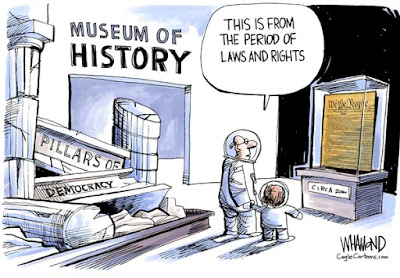
Just another annoying fact from the past!

Categories
All About Guns

A Kimber Mod. Team Match Ii Stainless W-5 Inch Barrel in 45 ACP

Someday!

KIMBER - MOD. TEAM MATCH II STAINLESS W-5 INCH BARREL FACTORY USA SHOOTING TEAM PISTOL W-ONE MAG NICE BORE! - Picture 1
KIMBER - MOD. TEAM MATCH II STAINLESS W-5 INCH BARREL FACTORY USA SHOOTING TEAM PISTOL W-ONE MAG NICE BORE! - Picture 2
KIMBER - MOD. TEAM MATCH II STAINLESS W-5 INCH BARREL FACTORY USA SHOOTING TEAM PISTOL W-ONE MAG NICE BORE! - Picture 3
KIMBER - MOD. TEAM MATCH II STAINLESS W-5 INCH BARREL FACTORY USA SHOOTING TEAM PISTOL W-ONE MAG NICE BORE! - Picture 4
KIMBER - MOD. TEAM MATCH II STAINLESS W-5 INCH BARREL FACTORY USA SHOOTING TEAM PISTOL W-ONE MAG NICE BORE! - Picture 5
KIMBER - MOD. TEAM MATCH II STAINLESS W-5 INCH BARREL FACTORY USA SHOOTING TEAM PISTOL W-ONE MAG NICE BORE! - Picture 6
KIMBER - MOD. TEAM MATCH II STAINLESS W-5 INCH BARREL FACTORY USA SHOOTING TEAM PISTOL W-ONE MAG NICE BORE! - Picture 7
KIMBER - MOD. TEAM MATCH II STAINLESS W-5 INCH BARREL FACTORY USA SHOOTING TEAM PISTOL W-ONE MAG NICE BORE! - Picture 8
KIMBER - MOD. TEAM MATCH II STAINLESS W-5 INCH BARREL FACTORY USA SHOOTING TEAM PISTOL W-ONE MAG NICE BORE! - Picture 9
KIMBER - MOD. TEAM MATCH II STAINLESS W-5 INCH BARREL FACTORY USA SHOOTING TEAM PISTOL W-ONE MAG NICE BORE! - Picture 10

Categories
All About Guns

U.S. Springfield Armory Mod. 1898 Krag Bolt Action Rifle in 30-40 Government

This is the Infantry Model as opposed to the Cavalry model. Which was shorter. This model was the last one to have two different sizes for different branches of the Green Machine. (US Army slang for the civilians out there)

U.S. SPRINGFIELD ARMORY - MOD. 1898 KRAG BOLT ACTION RIFLE 30 INCH BARREL PRE-WWI ORIGINAL W-VINTAGE SLING MFG. IN 1904 - Picture 1
U.S. SPRINGFIELD ARMORY - MOD. 1898 KRAG BOLT ACTION RIFLE 30 INCH BARREL PRE-WWI ORIGINAL W-VINTAGE SLING MFG. IN 1904 - Picture 2
U.S. SPRINGFIELD ARMORY - MOD. 1898 KRAG BOLT ACTION RIFLE 30 INCH BARREL PRE-WWI ORIGINAL W-VINTAGE SLING MFG. IN 1904 - Picture 3
U.S. SPRINGFIELD ARMORY - MOD. 1898 KRAG BOLT ACTION RIFLE 30 INCH BARREL PRE-WWI ORIGINAL W-VINTAGE SLING MFG. IN 1904 - Picture 4
U.S. SPRINGFIELD ARMORY - MOD. 1898 KRAG BOLT ACTION RIFLE 30 INCH BARREL PRE-WWI ORIGINAL W-VINTAGE SLING MFG. IN 1904 - Picture 5
U.S. SPRINGFIELD ARMORY - MOD. 1898 KRAG BOLT ACTION RIFLE 30 INCH BARREL PRE-WWI ORIGINAL W-VINTAGE SLING MFG. IN 1904 - Picture 6
U.S. SPRINGFIELD ARMORY - MOD. 1898 KRAG BOLT ACTION RIFLE 30 INCH BARREL PRE-WWI ORIGINAL W-VINTAGE SLING MFG. IN 1904 - Picture 7
U.S. SPRINGFIELD ARMORY - MOD. 1898 KRAG BOLT ACTION RIFLE 30 INCH BARREL PRE-WWI ORIGINAL W-VINTAGE SLING MFG. IN 1904 - Picture 8
U.S. SPRINGFIELD ARMORY - MOD. 1898 KRAG BOLT ACTION RIFLE 30 INCH BARREL PRE-WWI ORIGINAL W-VINTAGE SLING MFG. IN 1904 - Picture 9
U.S. SPRINGFIELD ARMORY - MOD. 1898 KRAG BOLT ACTION RIFLE 30 INCH BARREL PRE-WWI ORIGINAL W-VINTAGE SLING MFG. IN 1904 - Picture 10
By the way the 30-40 Krag is a really neat round. It is perfect for Deer and other sized game out there. But I do not recommend it for any berserking Moros out there!

Categories
Uncategorized

Since when does a real man keep a hairpin on him?

Categories
Fieldcraft Related Topics

How to Treat Your Family Like VIPs

man in suit protecting family like security guy illustration

If you’ve ever been at an event with a high-level person like a politician, celebrity, or business executive, you’ve likely noticed the guys wearing sunglasses and sporting an earpiece, trying to look as unassuming as possible while vigilantly keeping an eye out for their client, or “principal.”
These guys are part of a personal security detail (PSD), and their job is to protect VIPs from embarrassment, harassment, and harm.
While you probably don’t work as a personal security agent as your day job, if you’re a man with a family, you’ve still got some VIPs that you’re responsible for keeping safe: your wife and your kiddos.
The world is an unpredictable place. While you and your family are unlikely to find yourselves in the middle of a dangerous emergency, crimes and accidents happen, and random, civilian-targeted terrorist attacks are statistically on the rise.
A man’s most ancient role is to act as protector for those he loves. The skillset needed to fulfill this calling has changed from time period to time period, but the charge has remained consistent. It’s a job that need not involve paranoia, becoming overly cautious, or loading up on tons of “tactical gear.” Rather, it involves adopting a calm, but vigilant mindset — a state of relaxed alert — and carrying a few tools that are better to have on hand and not need, than need and not have.
To help us learn how to treat our families like VIPs, I talked to the owner of Greyfox Industries here in Tulsa, OK. He runs personal security details for high-level business and NGO executives when they travel internationally. Below you’ll find insights and tactics that the everyday family man can use to provide personal security protection for the VIPs in his life — his principle loved ones.
Note: Due to the nature of his work, the owner of Greyfox asked that we didn’t use his name in this article. So throughout the post, I’ll simply be referring to him as “Greyfox.”

Be Prepared

PSD spend most of their time planning and preparing to protect their client. While you likely don’t have the time or resources to do the same sort of preparation as a professional PSD, you can apply the same ethos when taking care of your family.
Do Your Research
Before a PSD team goes somewhere with their principal, they’ve done reconnaissance on the place to ensure there aren’t any security threats, and if there are, they do what they can to eliminate or mitigate them. You can do something similar with your family. Before you visit a location you’ve never been, read up on it. If you find out people have died jumping off a certain cliff at a watering hole, avoid that cliff. If the forecast calls for rain, tell the kids to pack ponchos. If the destination is in an entirely unsafe part of town, well, don’t go there.
Be Thoughtful About Your EDC
personal defense edc first aid kit knife gun flashlight illustration
Besides reconnaissance, PSD teams carry the gear they need to protect their clients. Greyfox recommends always having a first aid kit in your car to take care of minor injuries that may occur when out and about. (While you’re at it, consider adding a few other things too.) He also suggests keeping tourniquets stocked in the first aid kit to stop massive bleeding in the event of an active shooting or similar attack.
On your person, you’ll want to keep at a minimum your cell phone (to call emergency crews when needed) and a tactical flashlight. The tactical flashlight is one of the most underrated personal defense tools. A bright flashlight can help you identify threats in dark environments and can be used to momentarily disorient attackers. In a pinch, it could also double as an improvised weapon. Greyfox recommends tactical flashlights from Klarus because of their ease of use and compactness.
Consider Carrying a Weapon
Most professional PSD teams are armed. Whether you carry weapons to defend your familial VIPs from a life-threatening attack is a decision only you can make. If you do decide to carry a firearm, make sure you understand the laws governing its use in self-defense situations and that you regularly train with it. Simply carrying a gun around without knowing how to use it, and regularly practicing your marksmanship, does not constitute adequate personal defense.
As Greyfox puts it, “I want to be at the highest level I can possibly be because my family deserves it, just like my client does.” To keep himself accountable, Greyfox asks himself whether he’d want someone with his own firearms background and training to protect his family:

“If I was hiring someone to protect my family, would my skills be enough? Would I look at my own resume and say, ‘Yeah, this guy is good. This guy is worth putting in’? That’s the way I like to look at it. If I ask them, ‘Well, when was the last time you were at the range, what did you do at the range? Are you actually training or are you just shooting? What are you actually doing on a day-to-day basis?’ Would I hire this individual to protect my family? That’s how I judge myself.”

If carrying a firearm isn’t something you want to do, or you’re in a location (bars, schools, government buildings) or a country that doesn’t allow it, you can carry a knife (though some countries and even states forbid this as well). Greyfox recommended the Ka-Bar TDI knife. Again, if you’re going to carry a weapon for self-defense, make sure you understand the laws governing its use in self-defense situations and train on how to use it.
And if carrying a weapon isn’t something you want to do, at least consider carrying a tactical pen — a pen that can improvise as a weapon if needed. You can carry them anywhere discreetly and legally. For a pen that packs more punch, but looks more obviously “tactical,” check out the Hoffman Richter Stinger pen. For a pen that appears more innocuous (and is cheaper), pick up a Zebra F-701.

Look Like a Protector

Most ruffians are ruffians of opportunity. They’ll only attack or bother a VIP if they think they’ll have a chance of succeeding without suffering harm. If they see a team of strong, fit, and stern-looking men near a potential target, they’re not likely to bother him. The mere presence of these bodyguards is a threat deterrent.
As the PSD for your family, make sure you have a presence that will deter would-be troublemakers. First, get strong and look fit. Like other animals, humans key in on certain physical characteristics to determine whether another person would be dominant or submissive in a fight. Wide shoulders with a tapered torso in men indicate strength and physical fitness, and thus physical dominance. Would-be attackers will likely think twice before attacking a man who looks fit and strong because there’s a good chance they’ll suffer some damage in the attempt. So if you’re not as in shape as you’d like to be, get going on it; being able to protect your family is some of the best motivation for getting and staying strong.
Besides being fit, just carry yourself in a confident manner. This doesn’t require that you look like a scowling Secret Service agent or stick out your chest like an Affiliction-tee-wearing dude-bro. Stand up straight, look people in the eyes, and speak low, slow, and with confidence. The goal is to project to others that if there’s a problem, you’re going to do something about it and not be a passive victim.

Be the Agent in Charge

A full PSD team has several agents who have different jobs. For example, there’s an advance team that’s on location before the VIP arrives to assess the situation and head-off any potential threats. And pre-posted agents assume positions throughout an area to monitor risks.
As the PSD for your family, you don’t have the luxury of having a full team of agents dedicated to protecting your family. So think of your role as that of the “Agent In Charge” or AIC. In the world of PSD, the AIC stays one step to the rear and one step to the right of the VIP at all times. This position allows him to constantly keep the principal in sight, and to direct them to where they need to go should a threat arise.
As the AIC of your family, you’ll want to assume a physical position similar to that of a professional AIC. Stay near your wife and kids. If a threat arises, you’ll be able to direct them to safety. When entering a building, open the door for your family and let them go in first. It’s good manners, but it also naturally and discreetly puts you in the ideal AIC tactical position, as it allows you to keep your family in sight as they go inside.
When you’re out walking on sidewalks, stand between the street and your family. “Not only is it the gentlemanly thing to do, but in the world of security, that’s what you should be doing,” said Greyfox. “It adds a layer of protection to your family. If some car starts swerving towards you, you can move them out of the way. This is especially important nowadays with people texting and driving.”
As the AIC, work with your wife to have a plan in place on what you two would do if trouble arises. Again, you don’t have to be super intense with this. Just make sure you’re both on the same page. Decide which parent would be in charge of/responsible for which kid(s) if you had to escape from an active shooter or other threat. For example, Kate and I know that if something bad were to happen, she’s to grab our daughter, and I’m to grab our son when we hightail it out of there. Also decide that if you guys get separated during the situation, you’ll meet each other at the car.

If a Place Looks Like Trouble, Leave

family in bar with rough crowd illustration
In the professional PSD world, the AIC is the man who decides if the principal needs to be directed out of a potentially dangerous environment. The best outcome for a PSD is if the principal never has to encounter the potential for harm, harassment, or embarrassment. As the AIC of your family, your job is to do likewise.
When you’re out with your family, survey the place you’re in. Be prepared to leave if you don’t feel like it’s safe for your family. This will rarely happen, but it should be an option. Don’t be paranoid, but don’t let the inconvenience of having to go to another restaurant or skip out on a baseball game early deter you from keeping your family safe, either. A PSD does his job well if he can completely avoid a situation that may potentially escalate.

Maintain Situational Awareness

As you’re out and about with your family, practice good situational awareness. We’ve written about how to do that in detail here, but here are the basics:
family at restaurant shady guy walking in illustration
Put yourself in a position of optimal observance. Typically this means being in a place where you can see all entrances and exits. At a restaurant, ask to be seated at a table with the best vantage point. If that’s not possible, at least sit at the table with your family so you can see the most exits and entrances.
Establish baselines. When you’re in a place, figure out what’s “normal” for that situation. That’s going to change from situation to situation, but you should be able to establish baselines relatively quickly.
Look for anomalies. Once you establish a baseline, start looking for anomalies. What sort of behavior would cause a person to stick out in that particular situation? Greyfox recommends checking faces and hands to look for anomalies, as these parts of the body reveal threats the best. Hands hold what can kill you; faces (particularly eyes), show intent. You don’t have to be nutty about this. Don’t stare people down one-by-one. Just play it cool, glance at hands and faces, and actually notice what you see.
If you observe an anomaly, it doesn’t necessarily mean the person is a threat, so there’s no need to get all amped up. Just notice it and keep it front of mind.
Have a plan. In every place you go, have a plan of what you’re going to do if you notice an anomaly. Let’s say you’re in a movie theater with your family. One baseline would be that people would enter the theatre through the normal entrances and exits, not the emergency exits near the screen. What would you do if someone entered the theater through one of those exits? It could just be a kid trying to sneak in for a free movie, or it could be an active shooter. Increase your level of alertness and decide what you’ll do should the interloper turn violent.
Again, anomalies are rarely going to happen, but you’ve got to have a plan for what you’re going to do should they occur.
Complete these games/exercises to further increase your situational awareness.

If Someone Is Giving Your Family Trouble, Leave. Don’t Escalate.

family being accosted by drunk man illustration
If your family is facing an imminent, life-threatening attack, your priority is to keep them safe. And that usually means getting them out of there as fast as possible. As we discussed in our article about what to do in an active shooter situation, running is your first line of defense. Fighting back should always be on the table, but typically as a last resort. When you’re with your family, the priority should always be to get them as far away from the threat as quickly as possible. If running isn’t an option, then you do what you have to do to protect your family.
Where things get murky is what to do if someone is just verbally harassing your family. Most men would want to defend their loved one’s honor by immediately telling the harasser to shut the hell up. In the world of PSD, they handle those types of situations much more discreetly. Depending on the situation, a team of agents will escort the harasser out of the area. As the AIC of your family, you likely won’t have that option. So you do what professional PSDs would do if they can’t move a harasser: move the principal, i.e., your family.
“You’ve got to check your pride before putting your family at risk,” says Greyfox. “Yeah, you could get aggressive and have a yelling contest with an asshole, but is that going to be best for your family? Probably not. It will freak your kids out and could needlessly escalate the situation.”
So instead of escalating things, calmly and confidently remove your family from a situation in which they’re being harassed. If the harasser pursues you and gets physical, then you’re within your right to use a similar amount of physical violence to end the threat. So if he’s shoving your wife, you can punch the guy, but not shank him with your knife or shoot him with your gun.
But again, your job as AIC for your family is to make sure that things never get that far. Just get them out of there.

Keep Your Flashlight At the Ready When Walking At Night

family walking at night dad husband with flashlight illustration
Would-be attackers like to use the cover of darkness to surprise their victims. So when you’re out with your family at night, keep your tactical flashlight at the ready. “You don’t need to take your flashlight out and shine it around like an idiot while you’re walking in a dark parking lot,” Greyfox says. Again, discretion is key. Just keep your hand in your pocket and around your flashlight so you can deploy it quickly should you notice a potential threat.

Let Your Family Get in the Car First

When you’re getting into a vehicle, you’re pretty open to attack because you’re so focused on getting children or stuff loaded into the car. When you’re out with your family and they’re getting into the car, remember to assume the position of AIC — stay behind your principal. “Stand at the back of the car while your family gets in. You don’t need to act like you’re posted up protecting your family from would-be assassins, but keep an eye on your family and glance around for possible threats,” Greyfox suggests. If you’re in the car before your family gets in and an attack does happen, you’re at a tactical disadvantage. Threats don’t even have to be attackers. It could be little old ladies who are backing up their boat of a Cadillac and can’t see that they’re about to hit your kid.

When Stopped in Your Vehicle, Be Sure You Can See the Tires of the Car in Front of You

car stopped at stoplight illustration
The driver is an important part of the PSD team. These guys are trained in tactical driving and know how to get the principal to safety as quickly as possible. While you’ll likely never have to utilize a Rockford J-Turn to escape from bad guys, one simple tip you can take from PSD drivers is to make sure you can see the tires of the cars in front of you whenever you’re stopped at an intersection. “This allows you enough room to steer and drive away if you need to,” Greyfox explains. Beyond threats, it allows ease of movement if an emergency vehicle needs to get its way through traffic; if everyone is bumper to bumper, nobody can move to the side.

Conclusion

The members of your family are your VIPs in life. Give them the same protection that corporate or political VIPs get when you’re out and about together. You don’t have to go full-on, tacti-cool bonkers with it. Like real-world PSD, be discreet. Use common sense, maintain situational awareness, and have a plan for what you’ll do to protect your family from harm.

Categories
Other Stuff

Some good advice on Single Malt Whiskey!

Scotch

I’m on my way Up North to Scottishland today and don’t have time to post something current. By pure coincidence, however, a Longtime Reader asked me to rerun my old treatise on Scotch whiskies, which seems appropriate; so here it is, from March 2006, and as you may imagine, not much has changed since then:
I drink Scotch in three ways:
1. Single malts (sipping). Neat, no ice, with a glass of water consumed on alternate sips. This has less to do with style than it does with my frigging gout. I refuse to dilute the lovely stuff in my mouth, but I don’t mind diluting it in the stomach. My favorite single malts are typically from the Speyside region, and I’ll drink pretty much any single malt from those distilleries, but my absolute favorite is The Macallan 25-year-old, with Glenmorangie 10-yr-old as my “everyday” choice. For a “change”, I’ll drink The Dalmore 15-yr-old, which like Glenmorangie is a Highland malt.
Also in the cabinet right now are all the aforementioned, plus Glenfiddich 18-yr-old and Talisker 10-yr-old, for those with different tastes to mine. When Mr. FM comes to visit, I usually lay in a few bottles of Laphroiag, his favorite.
2. Blended (thirst quenching, or at parties). J&B, ice and water — and only J&B. Forget even offering me anything else. No J&B, and Kim drinks something else altogether, like gin. I actually dilute my J&B quite substantially — that gout thing again — and this also allows me to drink for longer periods of time before intoxication sets in.
3. As an after-dinner liqueur. Here I prefer the smoky, peatier singles like Laphroiag or Talisker, because I’m only going to drink one, and I can take my time in the drinking of it.
I’m not a Scotch snob, by the way, even though the above may make me sound like one. My tastes and favorites have come after some fairly extensive errrrtrial and experimentation, and like in many areas of my life, I see no reason to change something with which I’m comfortable, and which has come about after considerable experience. I’ve tried most of the major single malts available internationally, and a couple available only in Scotland, but I’ve come to settle on the above because, well, I love their taste.
The wonderful thing about Scotch in general, and single malts in particular, is that it doesn’t matter how you drink it: that distinctive taste will always shine through. (However, I pretty much draw the line at drinking single malt with, say, Diet Coke, because that’s just barbaric — and once you mix any Scotch with Coke, the subtle differences between brands and types pretty much disappear, making the choice of a single malt under those circumstances just pretentious. But hey, if that’s how you want to drink that 40-yr-old Talisker…)
Just be aware that adding water to a single malt doesn’t just dilute the taste, it may change it completely. I find that this is especially true of some Highland malts. Some people happen upon such a taste, and thereafter prefer to drink their favorite single that way. Your call.
Still on the subject of taste, some say that coastal distilleries’ malts are different from those made by inland distilleries because of the salty sea air. I can’t taste it, myself, but I’m not a seasoned Scotch drinker, really.
Finally, it’s a common mistake to assume that the older the malt, the better the whisky. Some malts taste better in their “rawer” state — the malt becomes more bland as it ages — whereas others need the time to “mature” into smoothness. It’s all about your taste and preferences.
———————————————————————————-
Afterthought: It occurred to me that not everyone might be familiar with the Scotch thing, incredible as that may seem. So, for the benefit of anyone who might be interested in pursuing Scotch as a career (as so many have), here are a few pointers.
Single malts are the exclusive product of one distillery, made from barley. They will be bottled and sold as such, or else sold to other distillers to be blended with other malt- and grain whiskies (in closely-guarded secret and “proprietary” recipes) to produce “blended” Scotches such as J&B, Haig, White Horse, Bell’s, Cutty Sark and so on.
Blended malts are malts from different distilleries, sometimes called “vatted” malt. (The wonderfully-named “Sheep Dip” is a blended malt. Also, if the brand contains the words “Pride of”, or “Poit”, chances are it’s a blended malt.)
Proprietary (blended) Scotches are also broken into blended grain (grains from other distilleries) and blended Scotch (malts and grains from different distilleries). The actual number of distilleries used can be large. J&B, for example, uses the product from forty distilleries (and almost none from Islay, which is why it’s one of the smoothest Scotches on the market). Johnny Walker Red contains malts from 35 distilleries, and grains from 5 others.
As a rule of thumb, the higher the malt proportion (30%+) in the blend, the more expensive the Scotch. The most expensive (sometimes called premium) blends are at least 40% malt (eg. Johnny Walker Black, Chivas Regal). The “premium” can also be a factor not of the malt/grain mix, but of the number of malts used — the lower the number of malts in a brand, the more expensive it will be.
Single-grain Scotch whisky is rare (Black Barrel and Loch Lomond being the most famous).
(For all the info on Scotch whisky brands you’re ever likely to need, go here.)
The age of a single malt is denoted by the time it spent maturing in its cask: once bottled, it ceases to age altogether. If you see “single cask” on a single malt’s label, it means it came from one cask exclusively and was not mixed with whisky from other casks within the same distillery. Usually, this variant is hideously expensive, for not much more flavor — we’re well up the curve of diminishing returns, here.
Now for some pointers on the distilleries and their brands. The list is by no means complete (there are dozens of distilleries in Scotland — here’s a map), but I have actually tried all the ones I’ve listed.
The malts differ by region (sometimes by even smaller geographic differences) because of the different waters used, and in the distilling processes. I’ve made a few generalizations, however, just to give people an idea.
One last note: when you see a “The” before a single malt’s name, it’s not generally an affectation. Sometimes, the name is an area, not just an actual distillery (eg. Glenlivet), and “The” is usually added to denote either that it’s a single malt, or that it comes from the distillery of that name.
Speyside whiskies have a smoother taste, lighter flavor and softer aroma than most other Scotches. They are distilled, as the name suggests, in distilleries which are found along the River Spey on the northeast side of Scotland. Some of those distilleries (there are at least twenty major ones) are: Knockando, Glenlivet, Aberlour, Balvenie, Glenfarclas and Macallan.
Island/Islay whiskies come from the islands on the west- and north coasts of Scotland. Typically, they are much heavier, more aromatic, peatier-flavored whiskies, and some of the distilleries are very well-known: Laphroiag (la-froy-yag, from Islay), Talisker (Skye), Ardbeg (Islay), Highland Park (Orkney) and Bowmore (Islay).
Highland whiskies come from the north of Scotland (sometimes split into northern and southern Highlands). They tend to be darker than the Speyside malts, but not as peaty as the Island ones. Brands include such names as Dalwhinnie, Glen Ord, Dalmore, and Glenmorangie.
Lowland whiskies come from points around the Edinburgh – Glasgow axis, and there are really only two major ones: Rosebank and Glenkinchie (which is the main ingredient of Dimple Haig). I’ve tried Rosebank and didn’t really like it that much, but others (not put off by the “Lowland” appellation) swear by it.
Some factoids:

  • Glenmorangie is the #1-selling single malt in Scotland.
  • Glenlivet is the #1-selling single malt in the world.
  • Glenfarclas is the strongest “production” single malt sold.
  • The Famous Grouse is the most popular Scotch in Scotland (it’s blended, not a single).
  • Johnny Walker Red (also a blend) is the most popular Scotch in the world.
  • Johnny Walker Black (also a blend) is the most popular “premium” Scotch in the world.
  • Chivas Regal (also a premium blend) is the most overrated Scotch in the world (okay, that’s just my opinion — OMD).
Categories
All About Guns

Gun Picture Dump

Inline image 4
Inline image 1
Inline image 3
Inline image 1
Inline image 3
Inline image 3

Categories
All About Guns

Remington Firearms 700 Vtr Custom Thumb Hole Stock in .22-250 Rem.

REMINGTON FIREARMS - 700 VTR  Custom Thumb hole Stock - Picture 1
REMINGTON FIREARMS - 700 VTR  Custom Thumb hole Stock - Picture 2
REMINGTON FIREARMS - 700 VTR  Custom Thumb hole Stock - Picture 3
REMINGTON FIREARMS - 700 VTR  Custom Thumb hole Stock - Picture 4
REMINGTON FIREARMS - 700 VTR  Custom Thumb hole Stock - Picture 5
REMINGTON FIREARMS - 700 VTR  Custom Thumb hole Stock - Picture 6
REMINGTON FIREARMS - 700 VTR  Custom Thumb hole Stock - Picture 7
REMINGTON FIREARMS - 700 VTR  Custom Thumb hole Stock - Picture 8
REMINGTON FIREARMS - 700 VTR  Custom Thumb hole Stock - Picture 9
Categories
All About Guns

Top 10 Ridiculously Huge Handguns 116 BY GUEST AUTHOR ON APRIL 20, 2010

The world of firearms is much like the world of male bodybuilding. Iron is pumped, stretched to its limit, and filled with all sorts of volatile chemicals designed to generate explosive power and an impressive aesthetic presence.
Following the trends of the overbuilt, steroid-injected weight lifters of recent decades, the human obsession with disproportionately large firearms has only increased as the demand for “more stopping power and a bigger hole” has become the popular and widely accepted trend for judging a weapon’s legitimacy.
This trend has literally driven certain weapons engineers stark raving mad, and has raised the issue among seasoned firearms experts: Size matters. But how big is too big?

10. Smith & Wesson .44 Magnum Revolver (Dirty Harry’s gun)

Magnum Dirty Harry
True or False: The “giant handgun” craze began with the Dirty Harry movie series. The answer: False. Harry’s use of the outrageously chambered .44 Magnum revolver was widely popularized, leading to the sales of countless Smith & Wesson and other spin-off model .44s. Action sequences in the movie depict bad guys flying backward through windows or spinning in circles before landing flat on the ground after being struck by Harry’s “badass .44.”
The simple fact of the matter is that no projectile, short of a 20mm cannon or .50 cal BMG, will cause the human body to fly backwards through the air or even change direction to a noticeable degree. Despite its famed impracticality, the .44 Magnum was not the first oversized revolver and it would certainly not be the last.

9. Desert Eagle .45 Long Colt / .410 Shotgun Load Pistol

gunthumb
Somewhere along the line weapons engineers realized that if a shotgun and a pistol got married, they would produce a baby that looked like it was on steroids and who could hold a .410 shotgun shell or a .45 long Colt pistol round. The results were variants on the classic Long Colt revolver like Taurus’ “The Judge” and Desert Eagle’s “.410/.45 Long Colt” revolvers.
While the .410 shotgun shell theory has tested well in close quarters scenarios, it is not highly recommended for anyone attempting to engage a target at over, say, fifteen feet.
The shotgun blast, since it is spun by the rifling of the pistol barrel, will fly in a circular pattern and spread to the size of a small car after 15 or more yards. Not only will you risk missing your target, you will risk hitting other targets that may not have been targets in the first place.

8. Desert Eagle .50 Caliber Handgun


This baby is quite unique. The Desert Eagle .50 cal. is one of the largest (if not the largest) magazine-fed handguns in the world. Developed for use in the Israel’s military, the .50 caliber projectile packs a massive punch that will tear apart any human target.
The gun looks incredibly modern and “sexy” (as some would describe it), thus increasing its popularity amongst gangsters, young people, and crime bosses. The Desert Eagle brand, although they create a multitude of other pistols, has become synonymous to meaning “fifty caliber handgun,” and when a person refers to a “Dezzy” you can bet they mean the .50 cal.

7. Smith & Wesson Model 460XVR Compensated Hunter


Leave it to the hunters to begin making a series of firearms to dwarf anything else on the U.S. production schedule. These moose killing, beer drinking, moonshine stilling, happy-go-lucky animal hunters needed a revolver that would penetrate dense brush, foliage, even small trees, and still bring down a grizzly bear.
A 5-shot-wonder, the 460XVR, as its name suggests, will compensate for the hunter’s package size and allow a brief moment of glory in the field comparable only to dropping an atomic bomb.

6. Smith & Wesson 500 Magnum

Read the piece about the 460XVR and imagine adding .04 calibers to the diameter of the round and pinching more powder into the larger cartridge. I once witnessed this projectile strike a deck of Bicycle poker cards at 25 yards. The deck of cards literally, and I mean literally, disintegrated into the air.

5. .50 Caliber Black Powder Wheel Lock Pistol

The .50 caliber flintlock or hammerlock pistols date back hundreds and hundreds of years. The need for the .50 caliber chambering was due to the production standards of the day.
A .50 caliber round is exactly one half inch in diameter, making it easy to measure and reproduce accurately by any weapon or ammunition manufacturer.
Back in those fabled times, little clamps were produced in the shapes of this common load, meaning that any regular metallurgist could melt down a block of lead or steel and create a projectile for his weapon.
It was as easy as using a modern day hole punch. Couple this easy-to-replicate ball projectile (this is not a pointed bullet, rather a ball which is not rifled) with the fact that you can put a whole heck of a lot of black powder behind it, and you have created a weapon which can take down a horse—much less a man—with relative ease. But remember, you only get one shot, and that one shot is not going to be accurate beyond 15 yards and will severely decelerate beyond this distance.
Why would you want one for self defense? You wouldn’t. Regardless, they are highly prized collector’s items.

4. Colt 45-70 Peacemaker

ColtPeacemaker
At some point during the 1970s some genius was under the impression that the .45 caliber Colt Peacemaker (John Wayne’s gun of choice) did not “have enough stopping power.”
How anyone could arrive at this conclusion is beyond sane reasoning, given that discharging the standard .45 caliber load feels akin to slapping a brick wall. American engineering, however, devised a way to make this gun even larger and more powerful.
Thus, the 45-70 load, originally developed for use in an infantry and/or “buffalo” rifle, was introduced into the sphere of modern day handguns.

3. Magnum Research 45-70 Government Hand Cannon


Despite what some people will tell you, there are variants on the standard 45-70 government load. Some feel like a jackhammer, while others feel like you’ve pulled the pin on a grenade and forgot to let go.
The “Hand Cannon” delivers that good old “grenade-in your-hand” feeling. It is a weapon that should not be fired by the unsuspecting individual, or anyone for that matter.
It is utterly beyond practicality in every sense of the word. Certain models measure over two feet in length and are impossible to wield (safely or effectively) with one arm

2. WTS .50 BMG (Browning Machine gun Cartridge) Pistol

Beyond all reasonable doubt, this is the largest and most formidable handgun you could ever actually wield in a gunfight. Following in the footsteps of Hitler’s obsession with giant railroad cannons, the Germans are still producing the biggest, most outlandish crap on the market today.
The .50 Browning Machine Gun cartridge was designed for use against tanks, airplanes, armored personnel carriers, and in some cases it may be used by high-powered sniper rifles.
It is more than twice as powerful as the fabled 45-70 government round, and one can only imagine that shooting it in a pistol format would be painful, unwieldy, and quite hazardous for everyone involved.
If a soft target is hit with a .50 caliber BMG bullet, it will be shredded/exploded into pieces. The gargantuan .50 caliber death-monster projectile can fly at a breakneck speed for miles, even after penetrating one or two targets.
Discharging it at your common household thief is ill advised… unless you don’t mind the possibility of inadvertently pegging one of your neighbors. Would someone be scared of it? Yes. Would they run away? Yes. Would you be able to use your right hand to jot down the grocery list post-firing? Doubtful.

1. Pfeifer Zeliska 28mm Revolver

Large Hand Gun
The biggest, most worthless manifestation of an inferiority complex ever created by one man. Originally manufactured under the name “Remington Model 1859,” this copy of the formerly U.S.-made revolver was built by Ryszard Tobys and measures 4-foot-(1.26 m) long.
To give some basis for comparison, the 28mm projectile is 8mm wider than the U.S. military’s fabled “20mm Cannon,” a weapon used primarily for destroying tanks, sinking boats, or shooting down heavily armored airplanes.
While entirely impractical and, one would guess, impossible to use as an even mildly effective tool for any purpose other than felling trees, the 28mm revolver has made its mark as truly being the world’s largest pistol. And simultaneously the world’s most comical waste of lead.
by Jesse Stretch