
Categories


 |
|
| Industry | firearms |
|---|---|
| Predecessor | Volcanic Repeating Arms Company, New Haven Arms Company |
| Founded | 1866 |
| Founder | Oliver Winchester |
| Headquarters | New Haven, Connecticut, United States |
|
Key people
|
Benjamin Tyler Henry, Oliver Winchester, T. C. Johnson, Edwin Pugsley John browning |
| Products | rifles, pistols, shotguns, amm |
| Parent | Olin Corporation (Ammunition) Herstal Group (Firearms) |
| Website | www.winchesterguns.com www.winchester.com |
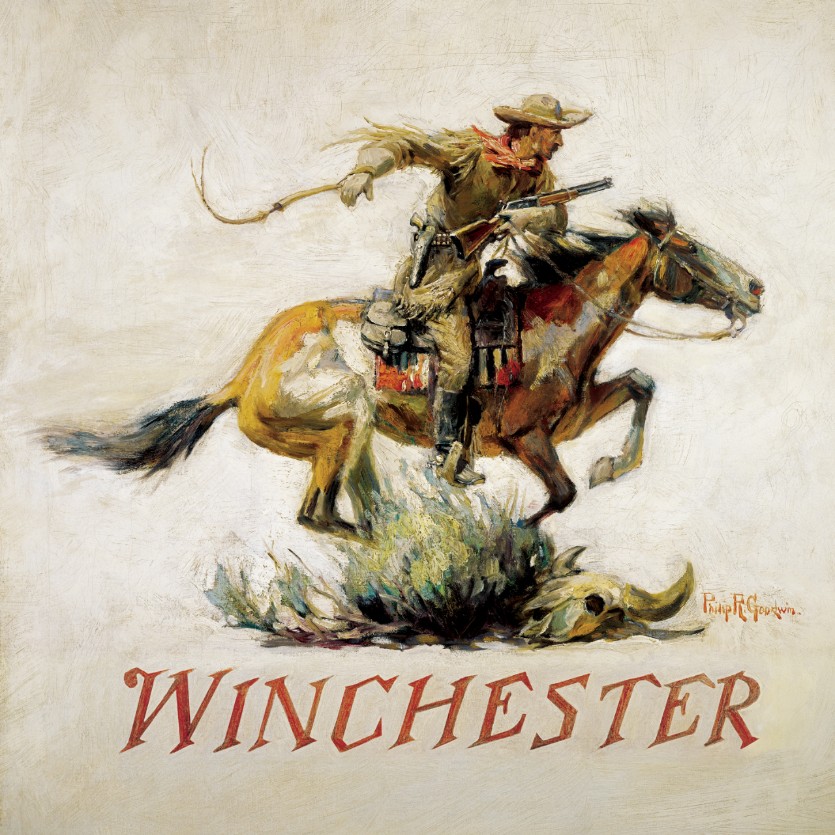
The Winchester Repeating Arms Company was a prominent American maker of repeating firearms, located in New Haven, Connecticut.
The Winchester brand is owned by the Olin Corporation and the name is used under license by two subsidiaries of the Herstal Group; Fabrique Nationale (FN) of Belgium and the Browning Arms Company of Ogden, Utah.

Magazine advertisement from 1898.
The ancestor of the Winchester Repeating Arms Company was the Horace Smith and Daniel Wesson partnership of Norwich, Connecticut (not to be confused with the famous Smith & Wesson Revolver Company founded later by the same men). Smith and Wesson acquired Lewis Jennings’ improved version of inventor Walter Hunt‘s 1848 “Volition Repeating Rifle” and its caseless “Rocket Ball” ammunition, which had been produced in small numbers by Robbins & Lawrence of Windsor, Vermont. Jennings’ rifle was a commercial failure, and Robbins & Lawrence ceased production in 1852.[1]
Smith designed a much-improved rifle based on Jennings’, and the partners also hired away Robbins & Lawrence shop foreman Benjamin Tyler Henry.
In 1855 the Smith and Wesson partnership, in order to manufacture what they called the “Volcanic” lever-action rifle and pistol, sought investors and incorporated as the Volcanic Repeating Arms Company. Its largest stockholder was clothing manufacturer Oliver Winchester.[1]

The Volcanic rifle had only limited success. The company moved to New Haven (without Smith or Wesson) in 1856, but by the end of that year became insolvent.
Oliver Winchester and his partner John M. Davies purchased the bankrupt firm’s assets from the remaining stockholders, and reorganized it as the New Haven Arms Company in April 1857.[1]
After Smith’s departure Benjamin Henry continued to work with a Smith development project, the self-contained metallic rimfire cartridge, and perfected the much larger, more powerful .44 Henry round. Henry also supervised a new rifle design based loosely on the Volcanic to use the new ammunition, retaining only the general form of the breech mechanism and the tubular magazine.
This became the Henry rifle of 1860, which was manufactured by the New Haven Arms Company, and used in considerable numbers by certain Union army units in the American Civil War.
The Henry rifle ensured New Haven Arms’ success, and together with the Spencer rifle established the lever-action repeater in the firearms market.[citation needed]
In 1866 Benjamin Henry, angered over what he believed was inadequate compensation, attempted to have the Connecticut legislature award ownership of New Haven Arms to him. Oliver Winchester, hastening back from Europe, forestalled the move and reorganized New Haven Arms yet again as the Winchester Repeating Arms Company.[2]
Winchester had the basic design of the Henry rifle completely modified and improved to become the first Winchester rifle, the Model 1866, which fired the same .44 caliber rimfire cartridges as the Henry but had an improved magazine (with the addition of a loading gate on the right side of the receiver, invented by Winchester employee Nelson King) and, for the first time, a wooden forend.
The Henry and the 1866 Winchester shared a unique double firing pin which struck the head of the rimfire cartridge in two places when the weapon was fired, increasing the chances that the fulminate in the hollow rim would ignite the 28 or so grains of black powder inside the case.
Another extremely popular model was rolled out in 1873. The Model 1873 introduced the first Winchester center fire cartridge, the .44-40 WCF (Winchester Center Fire). These rifle families are commonly known as the “Gun That Won the West.”
The Model 1873 was followed by the Model 1876 (or “Centennial Model”), a larger version of the ’73, which used the same toggle-link action and brass cartridge elevator used in the Henry.
It was chambered for longer, more powerful cartridges such as .45-60 WCF, .45-75 WCF, and .50-95 WCF. The action was not long enough to allow Winchester to achieve their goal of producing a repeating rifle capable of handling the .45-70 Government cartridge; this would not happen until they began manufacture of the Browning-designed Model 1886.[citation needed]
Oliver Winchester died in December 1880; his son and successor, William Wirt Winchester, died of tuberculosis four months later.
William Wirt Winchester’s widow, Sarah Winchester, used her inheritance and income from the company to build what is now known as the Winchester Mystery House.
From 1883, John Browning worked in partnership with the Winchester Repeating Arms Company and designed a series of rifles and shotguns, most notably the Winchester Model 1885 Single Shot, Winchester Model 1887 lever-action shotgun, Model 1897 pump-action shotgun; and the lever-action Model 1886, Model 1892, Model 1894 and Model 1895 rifles.
Several of these are still in production today through companies such as Browning, Rossi, Navy Arms and others which have revived several of the discontinued models or produced reproductions

The early years of the twentieth century found the Winchester Repeating Arms Company competing with new John Browning designs, manufactured under license by other firearm companies.
The race to produce the first commercial self-loading rifle brought forth the .22 rimfire Winchester Model 1903 and later centerfire Model 1905, Model 1907, and Model 1910 rifles.
Winchester engineers, after ten years of work, designed the Model 1911 to circumvent Browning’s self-loading shotgun patents, prepared by the company’s very own patent lawyers.
One of Winchester’s premier engineers, T.C. Johnson, was instrumental in the development of these self-loading firearms and went on to superintend the designs of Winchester’s classic Model 1912, Model 52 and Model 54.[citation needed]
The company was a major producer of the .303 Pattern 1914 Enfield rifle for the British Government and the similar .30-06 M1917 Enfield rifle for the United States during World War I.
Working at the Winchester plant during that war, Browning developed the final design of the Browning Automatic Rifle (BAR), of which it produced some 27,000. Browning and the Winchester engineers also developed the Browning .50 caliber machine gun during the war.
The caliber .50 BMG (12.7 x 99 mm) ammunition for it was designed by the Winchester ballistic engineers. The commercial rights to these new Browning guns were owned by Colt.[citation needed]
During the war Winchester had borrowed heavily to finance its massive expansion. With the return of peace, the company attempted to use its surplus production capacity, and pay down its debt, by trying to become a general manufacturer of consumer goods: everything from kitchen knives to roller skates to refrigerators, to be marketed through “Winchester Stores.”
They merged with the Simmons Hardware Company. The Winchester and Keen Kutter brands did business together during the 1920s but in 1929 they agreed to separate and returned to their core business.[3]
The strategy was a failure for Winchester, and the Great Depression put the final nail in the company’s coffin. Winchester Repeating Arms Company went into receivership in 1931, and was bought at bankruptcy auction by the Olin family’s Western Cartridge Company on December 22 of that year.
Oliver Winchester’s firm would maintain a nominal existence until 1935, when Western Cartridge merged with its subsidiary to form Winchester-Western Company; in 1944 the firearms and ammunition operations would be reorganized as the Winchester-Western Division of Olin Industries.[citation needed]
Fortunately for Winchester, Western’s First Vice-President John M. Olin was a sportsman and gun enthusiast, and he started at once to restore the brand to its former luster by concentrating on its classic models and updated versions thereof, with particular attention to quality and prestige.
Olin personally pushed the deluxe Model 52 Sporter and the semi-custom Model 21 double-barreled shotgun. Winchester flourished, even during the later Depression.[citation needed]
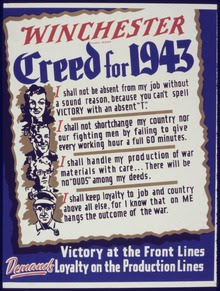
“Winchester Creed for 1943” (propaganda poster from the archives of the War Production Board)

British members of the Auxiliary Territorial Service move Winchester firearms during World War II
The U.S. M1 carbine (technically not a carbine in the sense of a short version of a parent rifle) was designed at Winchester by an eight-man team including Edwin Pugsley, Bill Roemer, Marsh Williams, Fred Humiston, Cliff Warner and Ralph Clarkson, although the popular press played up the role of ex-convict Williams.
More M1 carbines were manufactured by Winchester and other firms than any other U.S. small arm of World War II.[4]
During World War II, Winchester produced the M1 Garand rifle and post-war was the first civilian manufacturer of the M14 rifle.[5]
By the 1960s the rising cost of skilled labor was making it increasingly unprofitable to produce Winchester’s classic designs, as they required considerable hand-work to finish. In particular, Winchester’s flagship Model 12 pump shotgun and Model 70 bolt-action rifle with their machined forgings could no longer compete in price with Remington’s cast-and-stamped 870 and 700.
Accordingly, S. K. Janson formed a new Winchester design group to advance the use of “modern” engineering design methods and manufacturing principles in gun design. The result was a new line of guns which replaced most of the older products in 1963–1964.
The immediate reaction of the shooting press and public was overwhelmingly negative: the popular verdict was that Winchester had sacrificed quality to the “cheapness experts,”[6] and Winchester was no longer considered to be a prestige brand, causing a marked loss of market share.
To this day, gun collectors consider “post-64” Winchesters to be both less desirable and less valuable than their predecessors.
Winchester-Western Division tried to diversify with at least two unsuccessful attempts.
The first was an experimental indoor shooting range called Wingo in San Diego, California. This short lived attempt had a strong tie to firearms and ammunition with exclusive guns, ammo and target launching machines being produced.
The flaw was to see it quickly profitable in a western city with too many competing outdoor activities.
The second venture was trying to compete with Coleman Company in the camping and sporting goods market. “Trailblazer by Winchester” products included propane fueled stoves and lanterns.
They also produced tents and sleeping bags. These products struggled to compete with similar offerings from an established company founded in 1900.
Labor costs continued to rise through the 1960s and ’70s, and a prolonged and bitter strike in 1979–1980 ultimately convinced Olin that firearms could no longer be produced profitably in New Haven.
In December 1980 the New Haven plant was sold to its employees, incorporated as the U.S. Repeating Arms Company, and granted a license to make Winchester arms.
Olin retained the Winchester ammunition business. U.S. Repeating Arms itself went bankrupt in 1989. After bankruptcy it was acquired by a French holding company, then sold to Belgian arms makers Herstal Group, which also owns gun makers Fabrique Nationale d’Herstal (FN) and Browning Arms Company.[citation needed]
On January 16, 2006 U.S. Repeating Arms announced it was closing its New Haven plant where Winchester rifles and shotguns had been produced for 140 years.[7]
Along with the closing of the plant, production of the Model 94 rifle (the descendant of the original Winchester rifle), Model 70 rifle and Model 1300 shotgun were discontinued.
The official press release sent out by U.S. Repeating Arms concerning the closure was released January 17, 2006. The text is included below:
“U.S. Repeating Arms Company To Close New Haven, CT Facility — U.S. Repeating Arms Company, maker of Winchester brand rifles and shotguns will close its New Haven, Connecticut manufacturing facility. Many efforts were made to improve profitability at the manufacturing facility in New Haven, and the decision was made after exhausting all available options.
Effective March 31, 2006 the New Haven manufacturing facility will stop manufacturing the Winchester Model 70, Model 94 and Model 1300.
Winchester Firearms will continue to sell and grow its current line of Select Over & Under shotguns, the new Super X3 autoloading shotgun, the new Super X autoloading rifle and Limited Edition rifles. The company also plans to introduce new models in the future. There will be no change in Customer Service.
This action is a realignment of resources to make Winchester Firearms a stronger, more viable organization. Winchester Firearms plans to continue the great Winchester legacy and is very excited about the future.”
On August 15, 2006, Olin Corporation, owner of the Winchester trademarks, announced that it had entered into a new license agreement with Browning[8] to make Winchester brand rifles and shotguns, though not at the closed Winchester plant in New Haven.
The production of Model 1885 falling block action, Model 1892 and Model 1886 lever action rifles are produced under licensed agreement by Miroku Corp. of Japan and imported back to the United States by Browning.[9]
In 2008 Fabrique Nationale announced that it would produce Model 70 rifles at its plant in Columbia, South Carolina. In 2013, assembly was moved to Portugal.
In the summer of 2010 Fabrique Nationale d’Herstal (FN) resumed production of the Winchester model 1894 and the evolution of the Winchester 1300, now called the Winchester SXP.[10][11]
A number of gun cleaning kits, Chinese folding knives,[12] tools, and other accessories are also now sold under the Winchester trademark.[13]
In April, 2015, the company recalled several variants of its SXP-model 12-gauge shotguns that the company says may unintentionally fire while the action is being closed.[14]

Winchester made rimfire .44 und .32 cartridges
Winchester’s success was founded on a cartridge, the .44 Henry rimfire, and the Henry and 1866 rifles designed for it.
Winchester was a leading designer of rifle ammunition throughout its existence, and has been responsible for some of the most successful cartridges ever introduced, including the .44-40 WCF(Winchester Center Fire), the .30 WCF (.30-30), the .50 BMG, the .270 Winchester, the .308 Winchester, the .243 Winchester, the .22 WMR (.22 Magnum), and the .300 Winchester Magnum.
In North America the .30-30 is the best-selling hunting cartridge in history; and the .308 Winchester, the commercial version of the military 7.62×51mm NATO, is not far behind,[15] and one of the most popular hunting cartridges in the world.
Olin Corporation continues to manufacture Winchester ammunition (the cartridge business was not sold to U.S. Repeating Arms) in several lines including Super-X, Supreme and Supreme Elite, AA and Super Target shotshells, and Winchester Cowboy Loads revolver cartridges.[citation needed]
All measurements are in imm (in).
| Name | Case type | Bullet | Length | Rim | Base | Shoulder | Neck | OAL in cm |
|---|---|---|---|---|---|---|---|---|
| 5mm Remington Rimfire Magnum[1] | rimmed, bottleneck | 5.21 (.205) | 25.91 (1.020) | 8.25 (.325) | 6.58 (.259) | 6.58 (.259) | 5.72 (.225) | 3.300 cm (1.30) |
| .22 BB | rimmed straight | 5.639 (.222) | 7.214 (.284) | 6.86 (.270) | 5.69 (.224) | N/A | 5.69 (.224) | 0.871 cm (.343) |
| .22 CB | rimmed straight | 5.639 (.222) | 7.214 (.284) | 6.88 (.271) | 5.72 (.225) | N/A | 5.72 (.225) | 1.321 cm (.520) |
| .22 Short | rimmed straight | 5.66 (.223) | 10.74 (.423) | 6.93 (.273) | 5.72 (.225) | N/A | 5.69 (.224) | 1.742 cm (.686) |
| .22 Long | rimmed straight | 5.66 (.223) | 10.54 (.415) | 6.91 (.272) | 5.72 (.225) | N/A | 5.69 (.224) | 2.027 cm (.798) |
| .22 Long Rifle | rimmed straight | 5.68 (.224) | 15.11 (.595) | 6.88 (.271) | 5.74 (.226) | N/A | 5.72 (.225) | 2.500 cm (.984) |
| .22 Remington Special | rimmed straight | 5.689 (.224) | 24.38 (0.96) | 7.39 (.291) | 0.612 cm (.241) | N/A | 6.10 (.240) | 2.972 cm (1.17) |
| .22 WRF | rimmed straight | 5.689 (.224) | 24.38 (0.96) | 7.39 (.291) | 6.12 (.241) | N/A | 0.610 cm (.240) | 2.972 cm (1.17) |
| .22 WMR | rimmed straight | 5.689 (.224) | 26.72 (1.052) | 7.39 (.291) | 6.12 (.241) | N/A | 6.10 (.240) | 3.429 cm (1.35) |
| Name | Bullet | Length | Rim | Base | Shoulder | Neck | OAL |
|---|---|---|---|---|---|---|---|
| 5mm Clement Auto | 5.131 (.202) | 14.7(.58) | 6.9(.273) | 6.75(.2655) | – | 5.85(.2325) | 21.43(.844) |
| 5mm Bergmann | 5.156 (.203) | – | – | – | – | – | – |
| 5mm Bergmann Rimless | 5.156 (.203) | – | – | – | – | – | – |
| 5.45×18mm Soviet | 5.334 (.210) | 17.78 (.701) | 7.62 (.300) | 7.62 (.300) | 6.26 mm (0.246 in) | 5.588 (.220) | 24.89 (.980) |
| 22 TCM | 5.56 (.224) | 26 (1.022) | 9.6 (.378) | 9.6 (.376) | 32.1 (1.265) | ||
| FN 5.7×28mm | 5.689 (.224) | 28.70 (1.13) | 7.874 (.310) | 7.874 (.310) | 7.849 (.309) | 6.325 (.249) | 40.50 (1.594) |
| 5.8×21mm | 5.994 (.236) | 21.00 mm (0.827 in) | 8.0 (.315) | 7.95 mm (0.313 in) | 7.77 mm (0.306 in) | 6.57 mm (0.259 in) | 33.5 (1.320) |
| Name | Bullet | Length | Rim | Base | Shoulder | Neck | OAL |
|---|---|---|---|---|---|---|---|
| 5mm Pickert | 5.258 (.207) | – | – | – | – | – | – |
| .22 Remington Jet[2] | 5.651 (.223) | 32.51 (1.28) | 11.2 (.440) | 9.55 (.376) | 8.89 (.350) | 6.27 (.247) | 40.13 (1.58) |
| 5.5mm Velo Dog[3] | 5.715 (.225) | 28.45 (1.12) | 7.82 (.308) | 6.43 (.253) | – | 6.3 (.248) | 34.29 (1.35) |
| 5.43mm Louis Mattis | 5.766 (.227) | – | – | – | – | – | – |
| Name | Caliber (mm) | Caliber (inch) | Case type | Pressure (PSI) | Case length (inch) | Rim (mm) | Rim (inch) | Base (mm) | Base (inch) | Shoulder (mm) | Shoulder (inch) | Neck (mm) | Neck (inch) | OAL (mm) | OAL (inch) | Primer |
|---|---|---|---|---|---|---|---|---|---|---|---|---|---|---|---|---|
| .19 Calhoon Hornet | 5,030 | 0,198 | – | 35,310 | 1,390 | 8,890 | 0,350 | 7,470 | 0,294 | 7,260 | 0,286 | 5,460 | 0,215 | – | – | |
| .19 Badger | 5,030 | 0,198 | – | – | – | 9,140 | 0,360 | 8,990 | 0,354 | – | – | 5,690 | 0,224 | – | – | |
| .19-223 | 5,030 | 0,198 | – | 44,700 | 1,760 | 9,520 | 0,375 | 9,470 | 0,373 | 9,200 | 0,364 | 5,690 | 0,224 | – | – | |
| 5mm Craig | 5,182 | 0,204 | EVRC | 25,930 | 1,021 | 8,130 | 0,320 | 6,530 | 0,257 | 6,500 | 0,256 | 5,870 | 0,231 | 31,500 | 1,240 | CCI 450 |
| .20 VarTarg | 5,182 | 0,204 | – | 35,400 | 1,395 | 9,600 | 0,378 | 9,600 | 0,376 | 9,200 | 0,361 | 5,900 | 0,233 | 47,100 | 1,855 | – |
| 5mm/35 SMc | 5,182 | 0,204 | – | 39,520 | 1,556 | 12,010 | 0,473 | 11,960 | 0,471 | 11,680 | 0,460 | 5,870 | 0,231 | 51,560 | 2,030 | – |
| .20 Tactical | 5,182 | 0,204 | – | 45,000 | 1,760 | 9,600 | 0,378 | 9,600 | 0,376 | 9,200 | 0,361 | 5,900 | 0,233 | 54,100 | 2,130 | – |
| .204 Ruger | 5,182 | 0,204 | – | 46,990 | 1,850 | 9,600 | 0,378 | 9,560 | 0,376 | 6,400 | 0,252 | 5,870 | 0,231 | 57,400 | 2,260 | – |
| 5.45×39mm | 5,600 | 0,220 | – | 39,620 | 1,560 | 10,010 | 0,394 | 10,030 | 0,395 | 7,290 | 0,287 | 6,248 | 0,246 | 56,390 | 2,220 | – |
| 5.66×39mm | – | – | – | – | – | – | – | – | – | – | – | – | – | – | ||
| .218 Bee | 5,689 | 0,224 | – | 34,160 | 1,345 | 10,360 | 0,408 | 8,865 | 0,349 | 8,357 | 0,329 | 6,147 | 0,242 | 42,670 | 1,680 | – |
| .220 Russian | 5,689 | 0,224 | – | 38,7 | 1,52 | 11,200 | 0,441 | 11,180 | 0,440 | 10,950 | 0,431 | 6,223 | 0,245 | 46,230 | 1,820 | – |
| .22 Hornet | 5,689 | 0,224 | – | 35,640 | 1,403 | 8,890 | 0,350 | 7,569 | 0,298 | 7,010 | 0,276 | 6,172 | 0,243 | 43,760 | 1,723 | – |
| 5.56×45mm NATO, .223 Remington | 5,689 | 0,224 | – | 44,700 | 1,760 | 9,601 | 0,378 | 9,550 | 0,376 | 8,992 | 0,354 | 6,426 | 0,253 | 57,400 | 2,260 | – |
| .222 Remington Magnum[4] | 5,689 | 0,224 | – | 46,990 | 1,850 | 9,600 | 0,378 | 9,550 | 0,376 | 9,070 | 0,357 | 6,480 | 0,253 | 57,910 | 2,280 | – |
| .22-250 | 5,689 | 0,224 | – | 48,560 | 1,912 | 12,010 | 0,473 | 11,910 | 0,469 | 10,520 | 0,414 | 6,450 | 0,254 | 59,690 | 2,350 | – |
| .224 Weatherby Magnum | 5,689 | 0,224 | – | 48,840 | 1,923 | 10,920 | 0,430 | 10,540 | 0,415 | 10,010 | 0,394 | 6,400 | 0,252 | 59,180 | 2,330 | – |
| .220 Swift | 5,689 | 0,224 | – | 56,010 | 2,205 | 12,010 | 0,473 | 11,300 | 0,445 | 10,210 | 0,402 | 6,600 | 0,260 | 68,070 | 2,680 | – |
| .22 Spitfire[5] | 5,690 | 0,224 | rimless bottlenecked | 32,770 | 1,290 | 9,040 | 0,356 | 8,970 | 0,353 | 8,430 | 0,332 | 6,430 | 0,253 | 41,910 | 1,650 | Boxer small rifle |
| .223 WSSM | 5,690 | 0,224 | – | 42,420 | 1,670 | 13,590 | 0,535 | 14,100 | 0,555 | 13,820 | 0,544 | 6,910 | 0,272 | 59,940 | 2,360 | – |
| 5.6×50mm Magnum[6]5.6×50mmR | 5,690 | 0,224 | – | 50,040 | 1,970 | 9,550 | 0,376 | 9,520 | 0,375 | 9,020 | 0,355 | 6,450 | 0,254 | 56,130 | 2,210 | – |
| 5.6×57mm | ||||||||||||||||
| FN 5.7×28mm | 5,700 | 0,224 | – | 28,830 | 1,135 | 7,800 | 0,307 | 7,900 | 0,311 | 7,900 | 0,311 | 6,350 | 0,250 | 40,500 | 1,594 | Boxer small rifle |
| .221 Remington Fireball | 5,702 | 0,225 | – | 35,560 | 1,400 | 9,601 | 0,378 | 9,550 | 0,376 | 9,195 | 0,362 | 6,426 | 0,253 | 46,480 | 1,830 | – |
| .222 Remington[7] | 5,702 | 0,225 | – | 43,180 | 1,700 | 9,600 | 0,378 | 9,550 | 0,376 | 9,070 | 0,357 | 6,420 | 0,253 | 54,100 | 2,130 | – |
| .225 Winchester [8] | 5,702 | 0,225 | – | 49,020 | 1,930 | 12,010 | 0,473 | 10,700 | 0,422 | 10,300 | 0,406 | 6,600 | 0,260 | 64,000 | 2,500 | – |
| 5.6×52mmR | 5,800 | 0,227 | Rimmed | 52,000 | 2,050 | 12,700 | 0,500 | 10,600 | 0,416 | 9,100 | 0,360 | 6,400 | 0,252 | 64,000 | 2,510 | – |
| 5.8×42mm DBP87 | 5,994 | 0,236 | – | 42,545 | 1,675 | 10,389 | 0,409 | 10,389 | 0,409 | 9,350 | 0,368 | 6,706 | 0,264 | 57,500 | 2,266 | – |
Values with comma for better sortability.
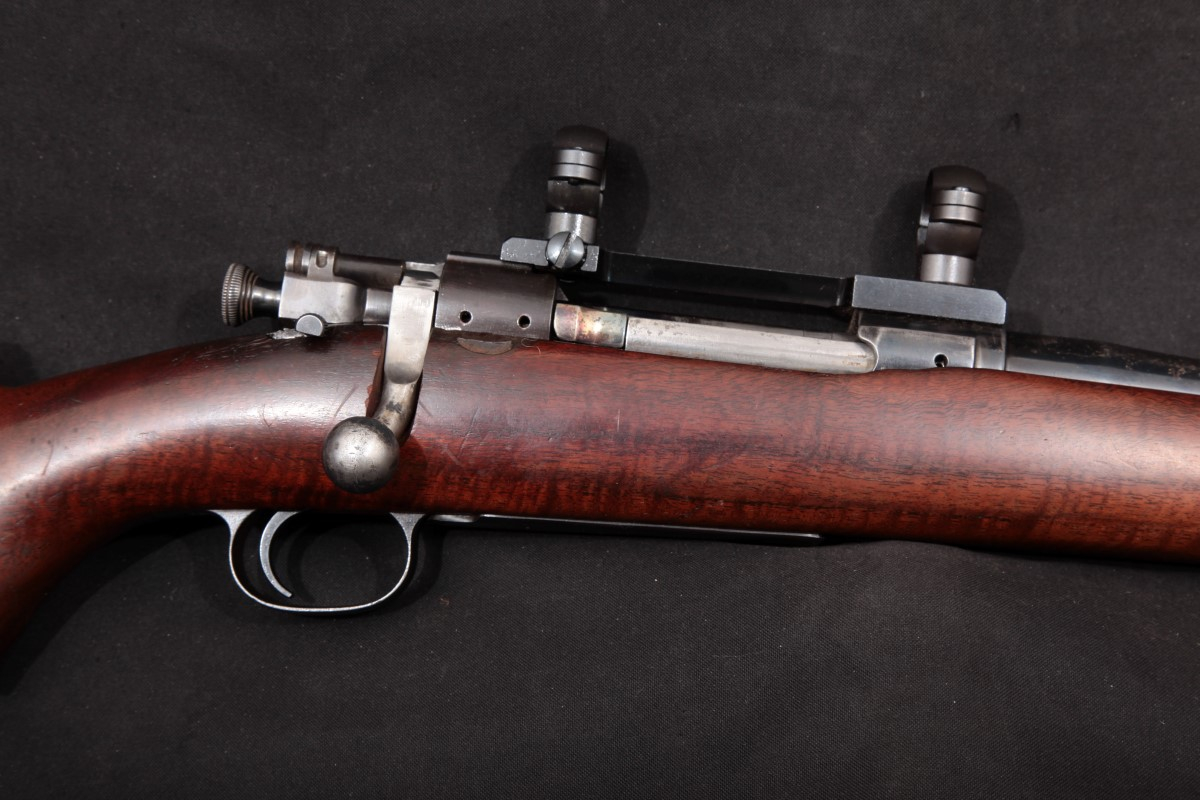
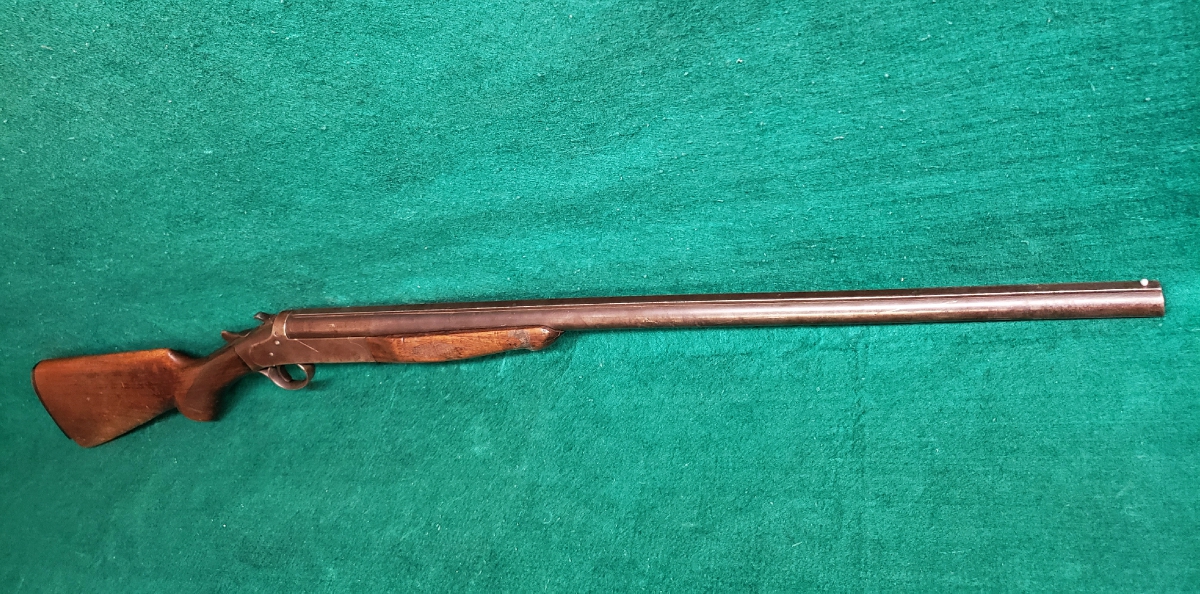
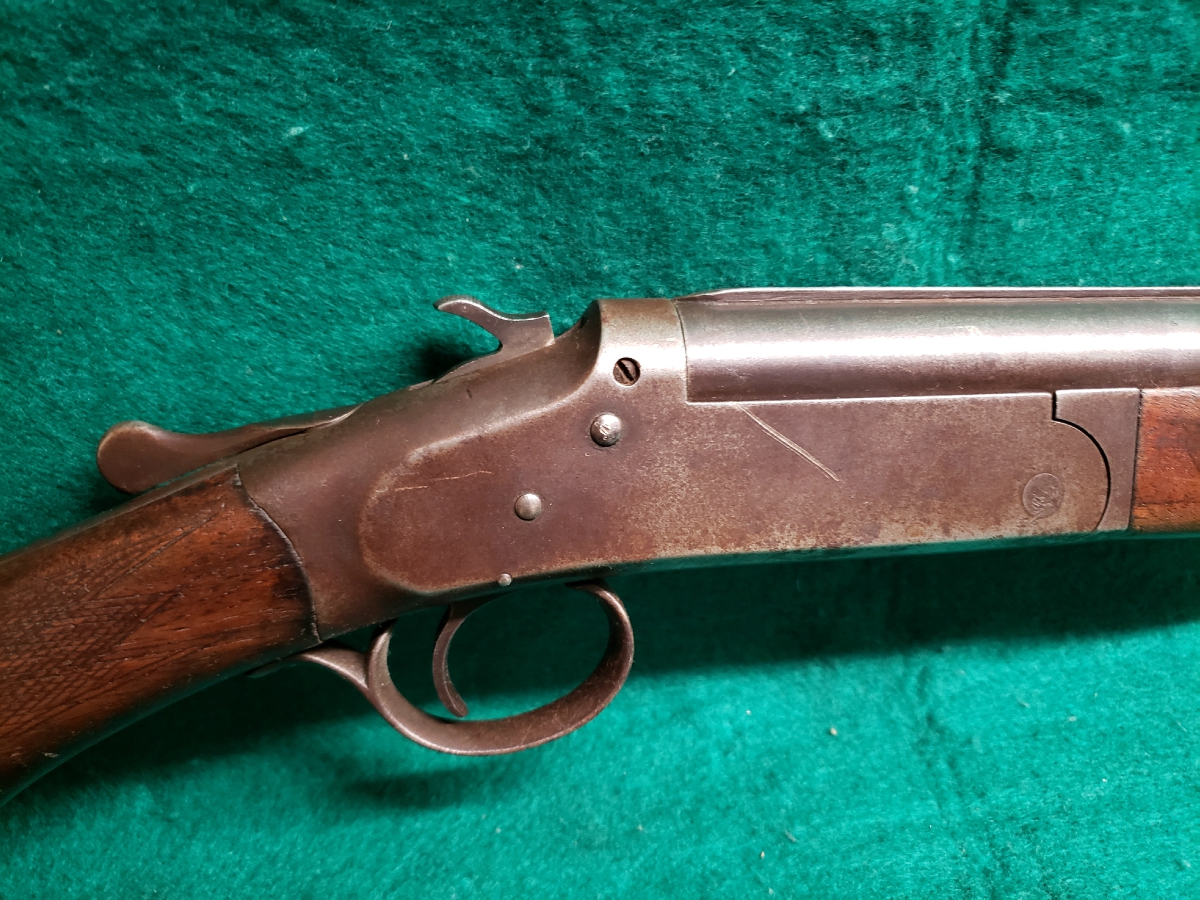
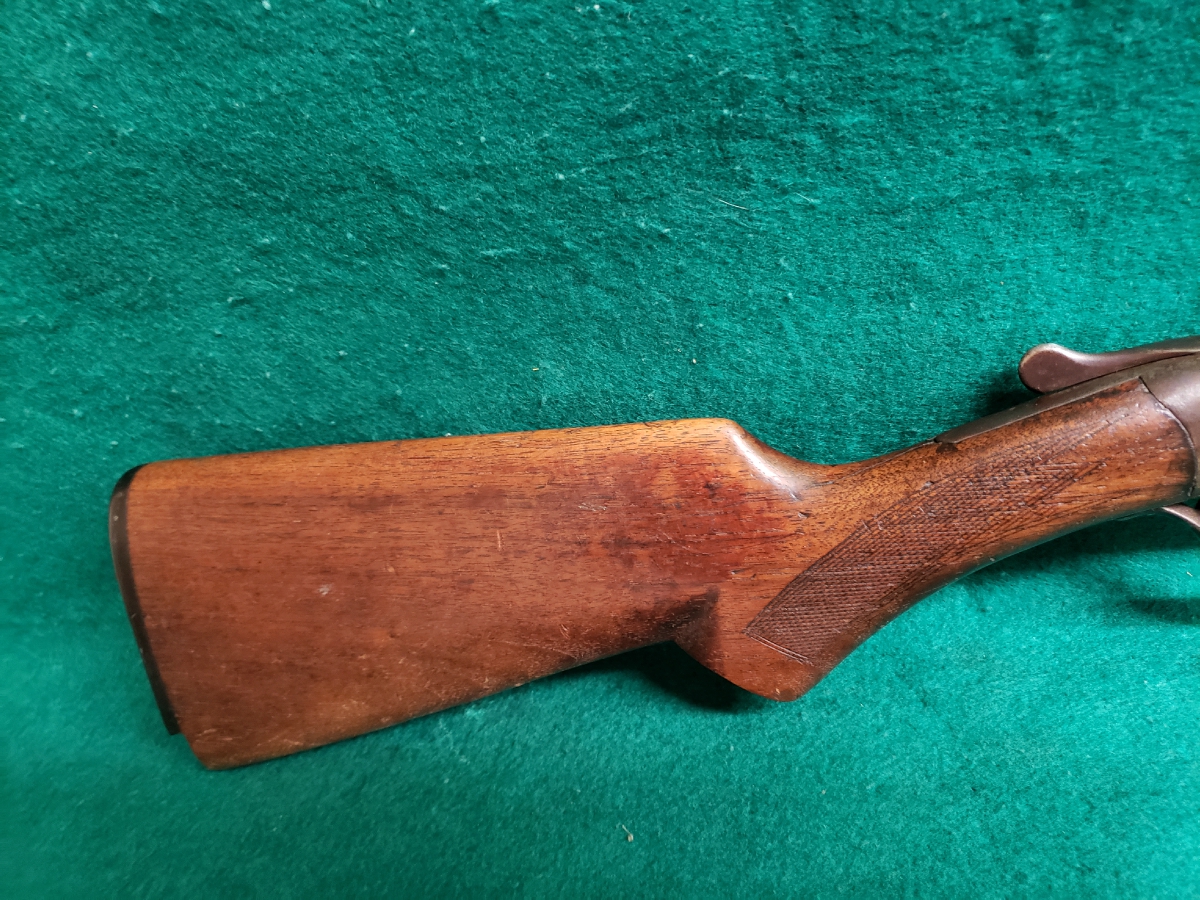
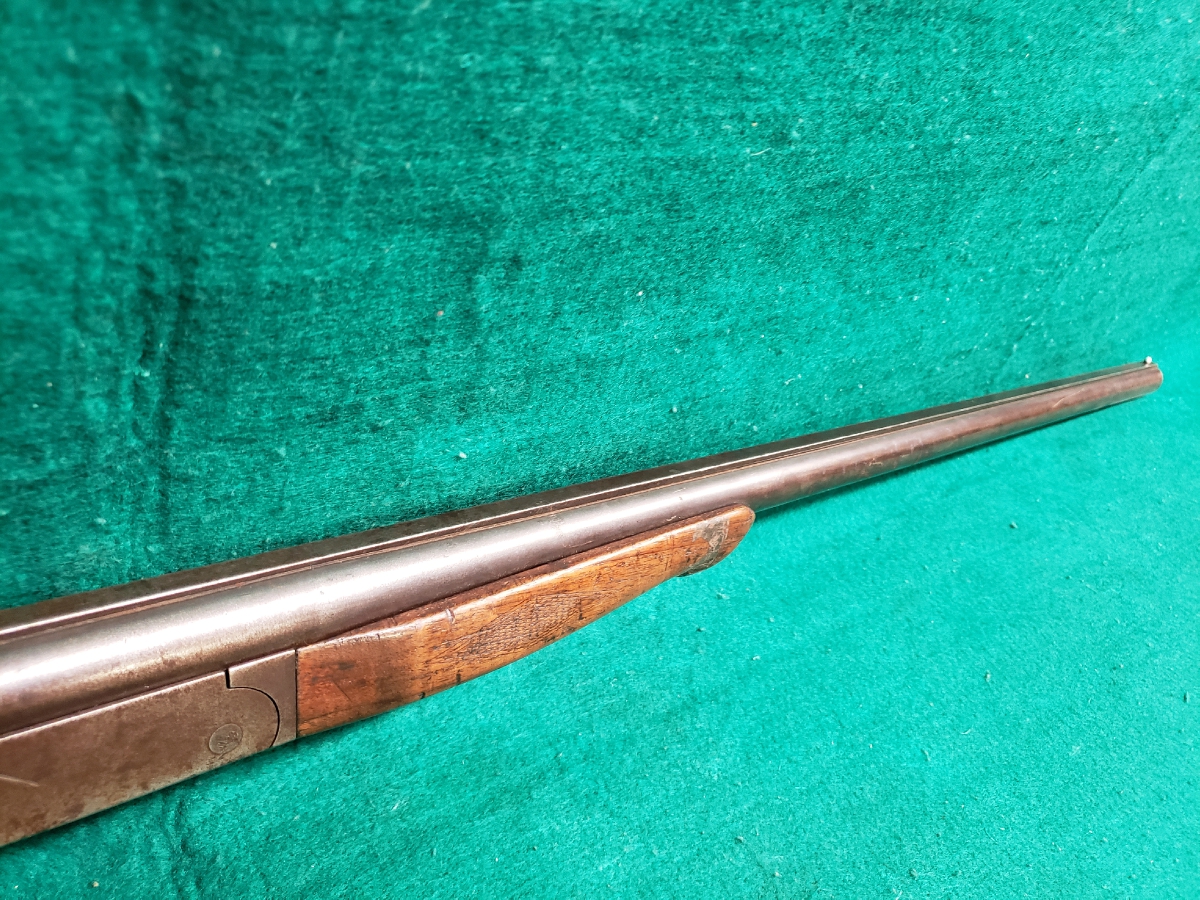
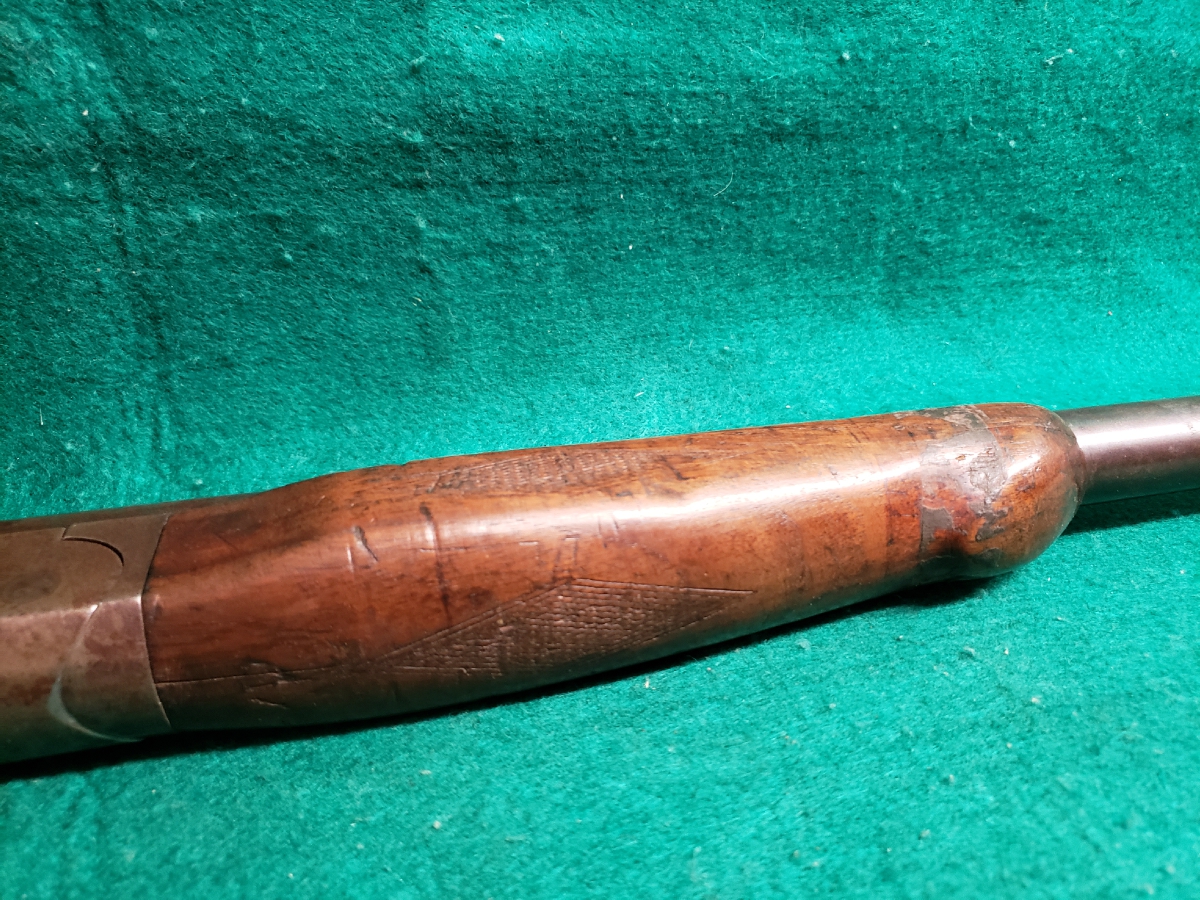
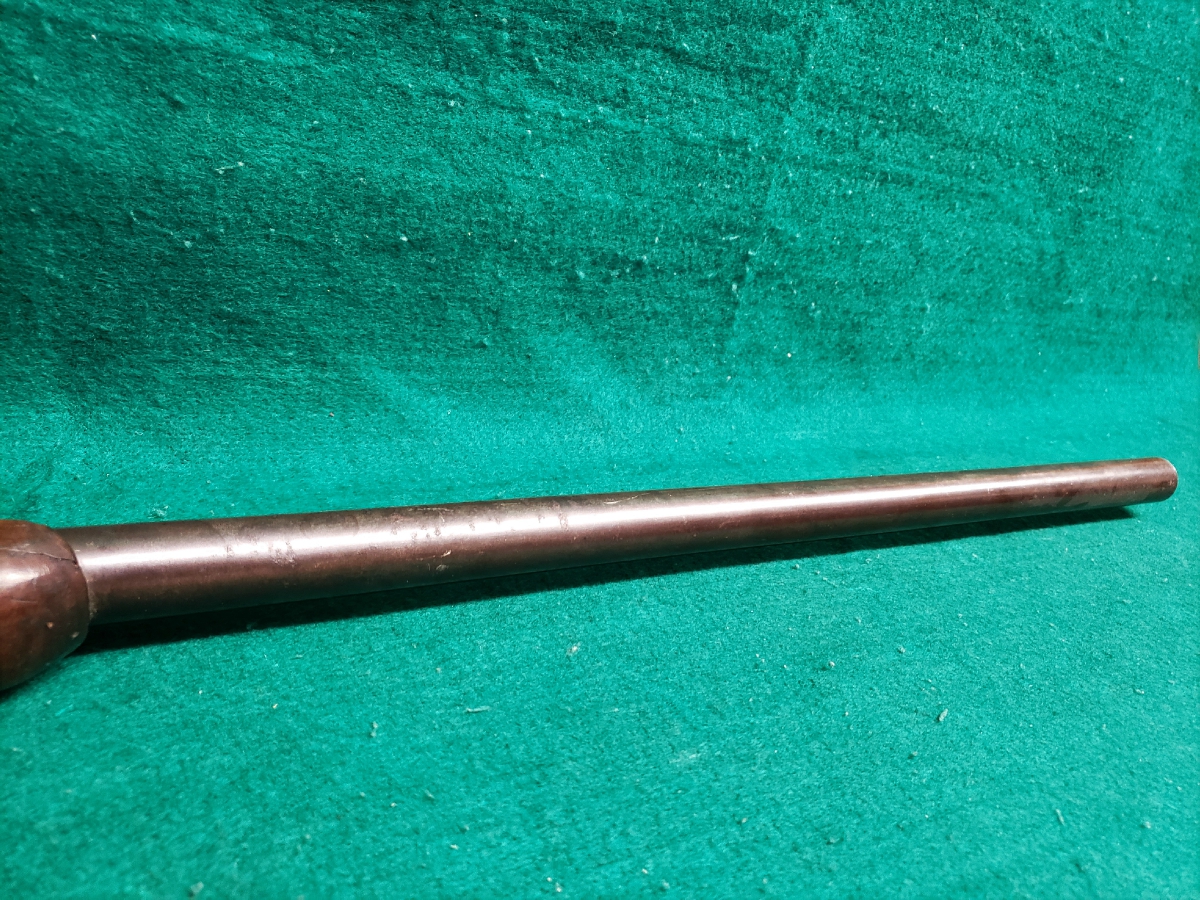
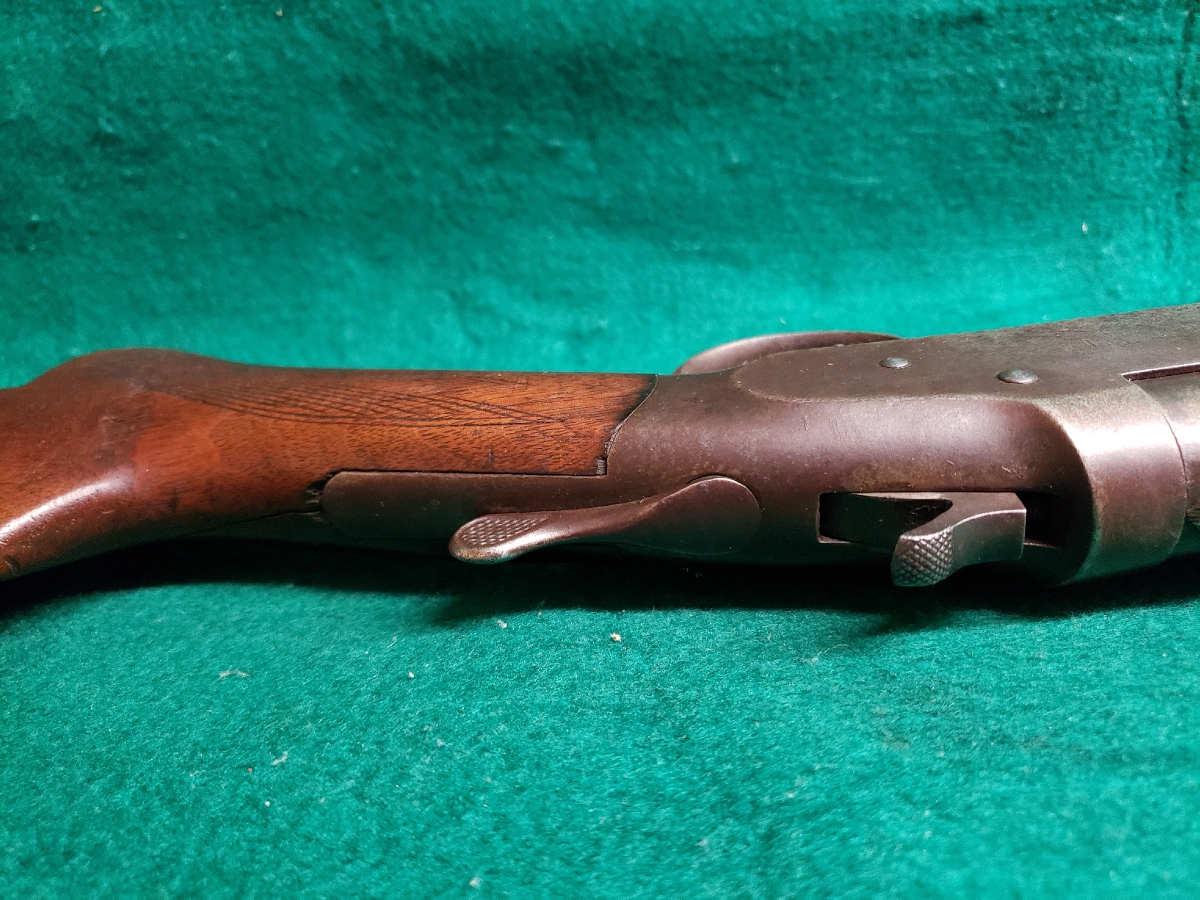
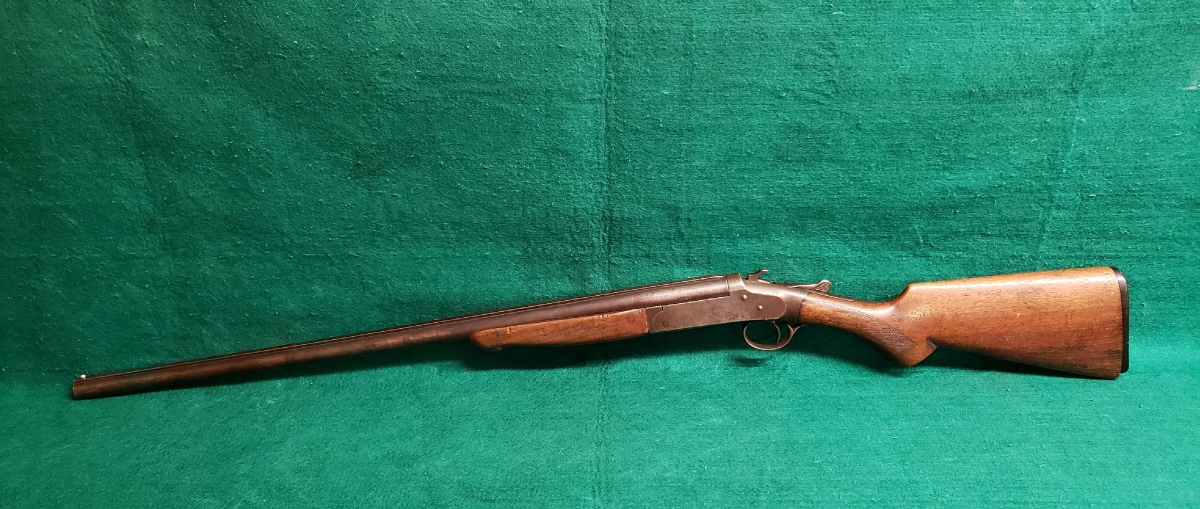
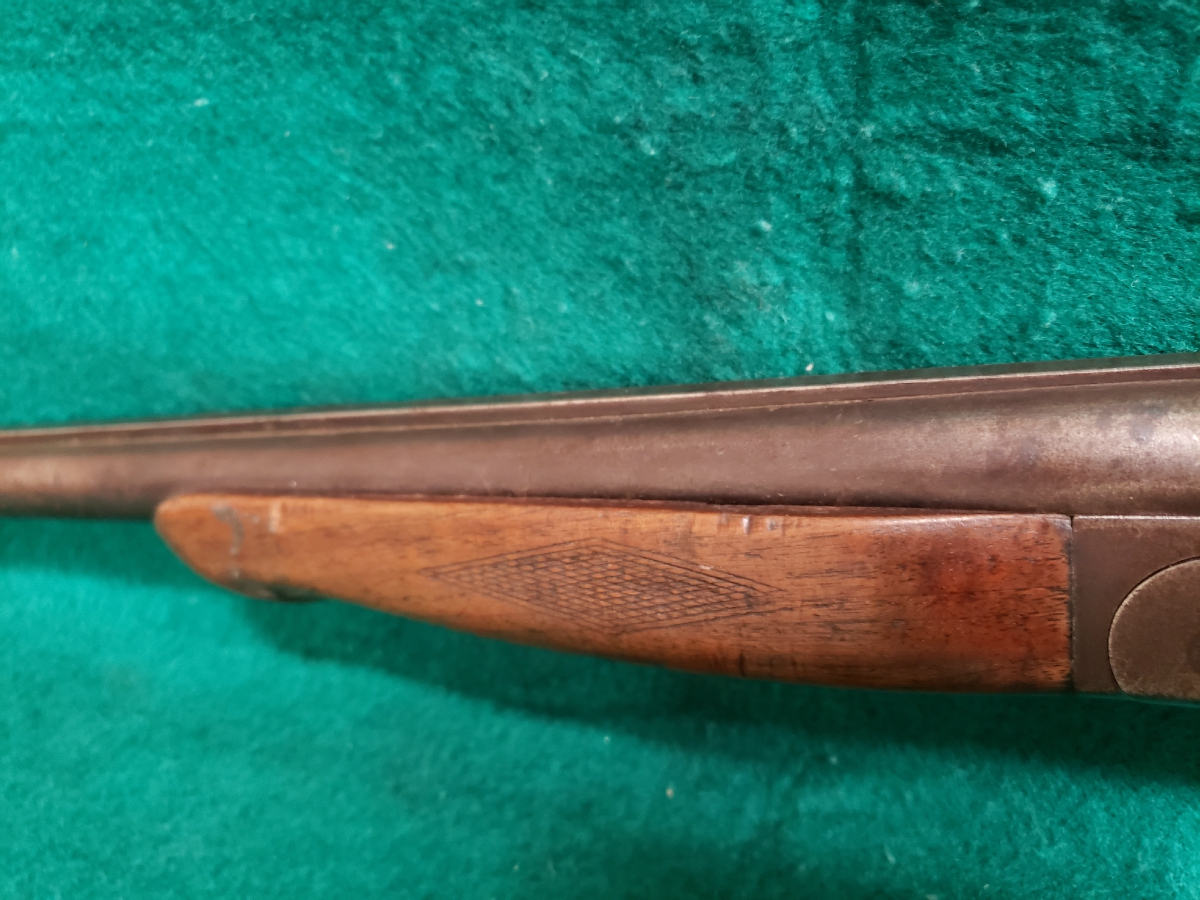
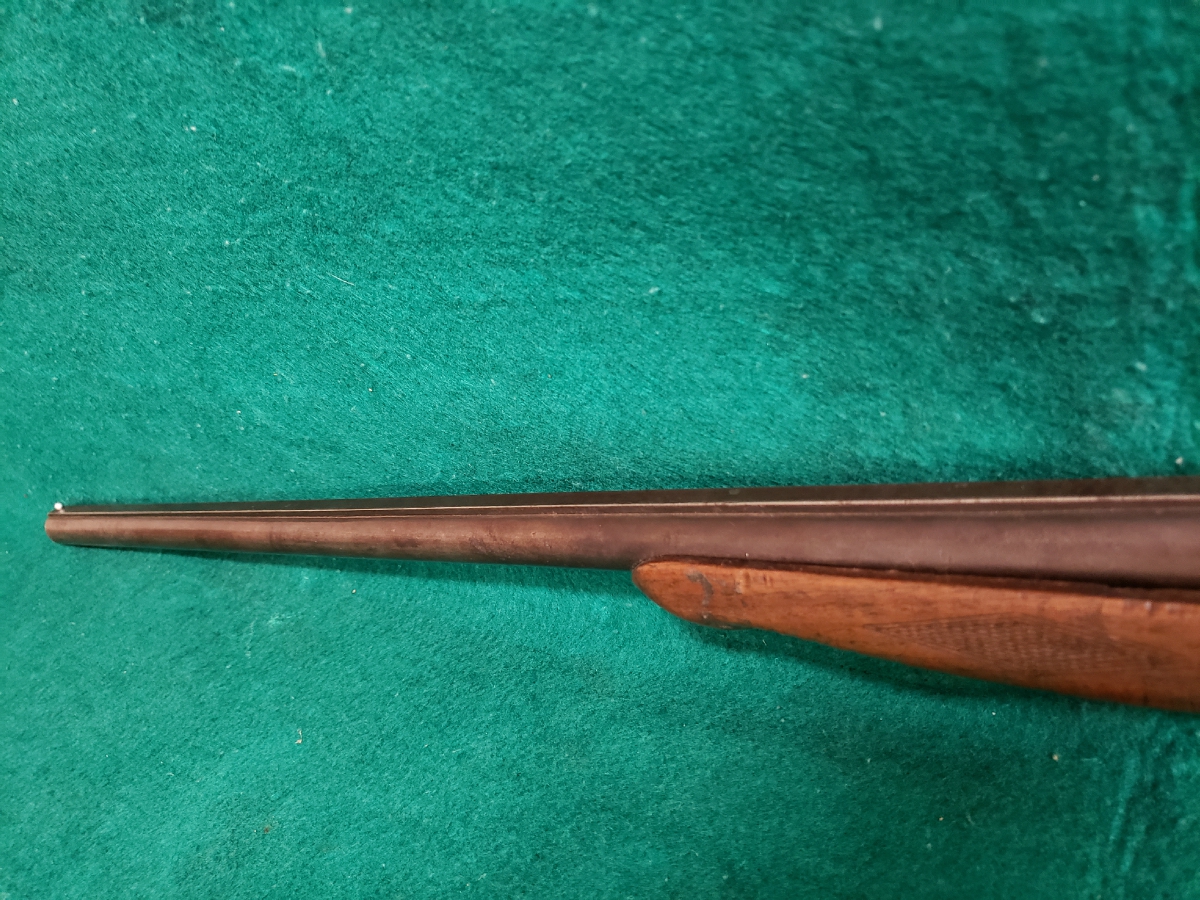
It sure has some mighty rice wood on it!
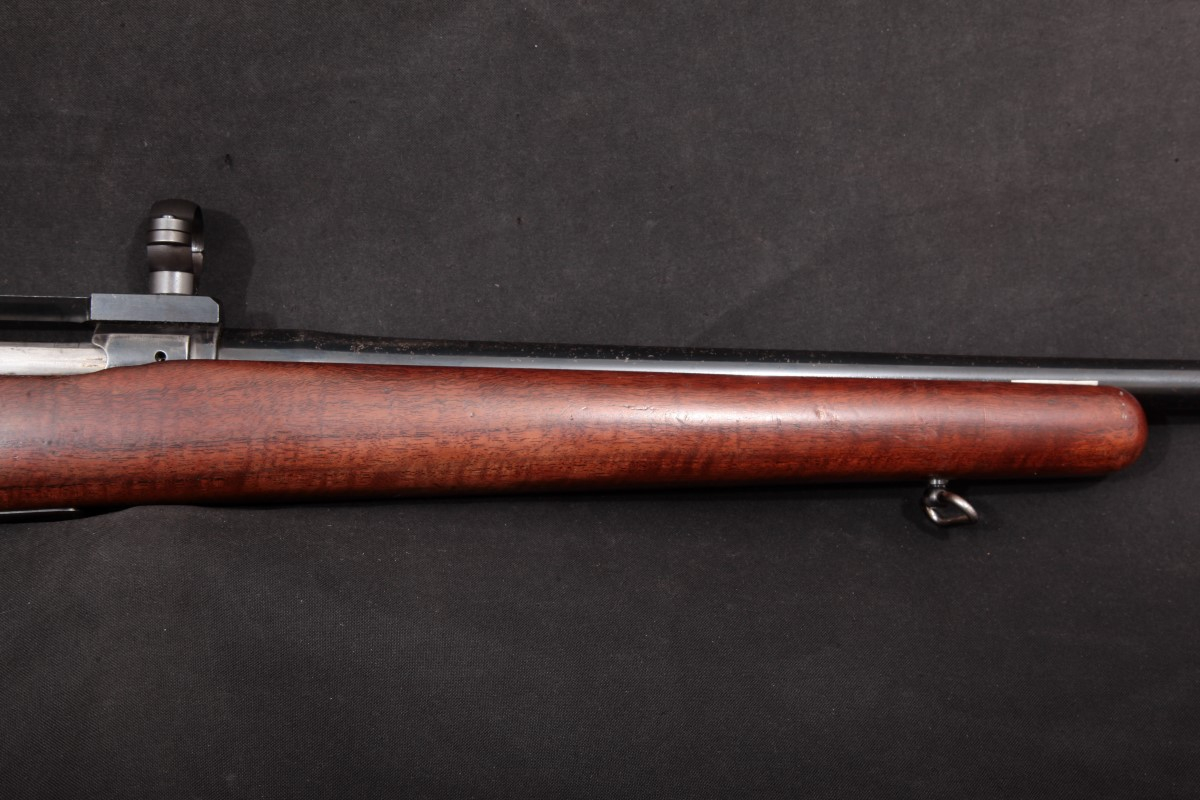
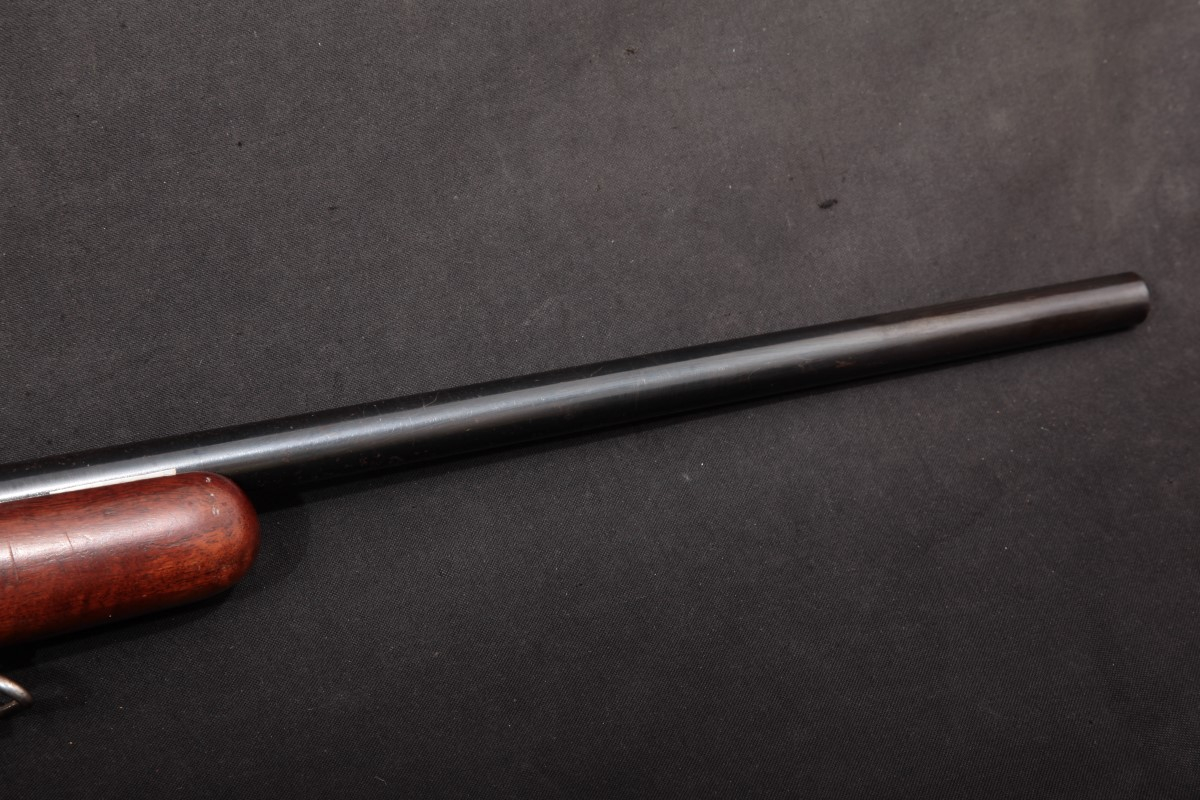
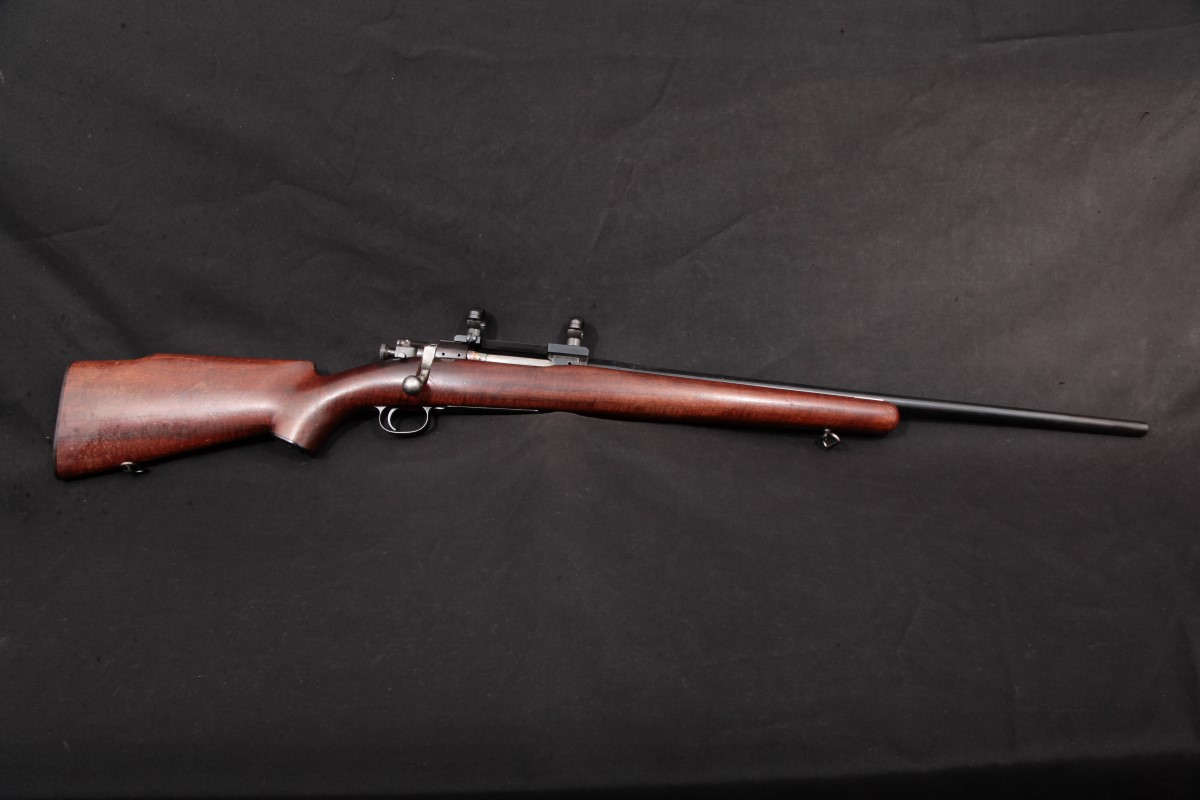
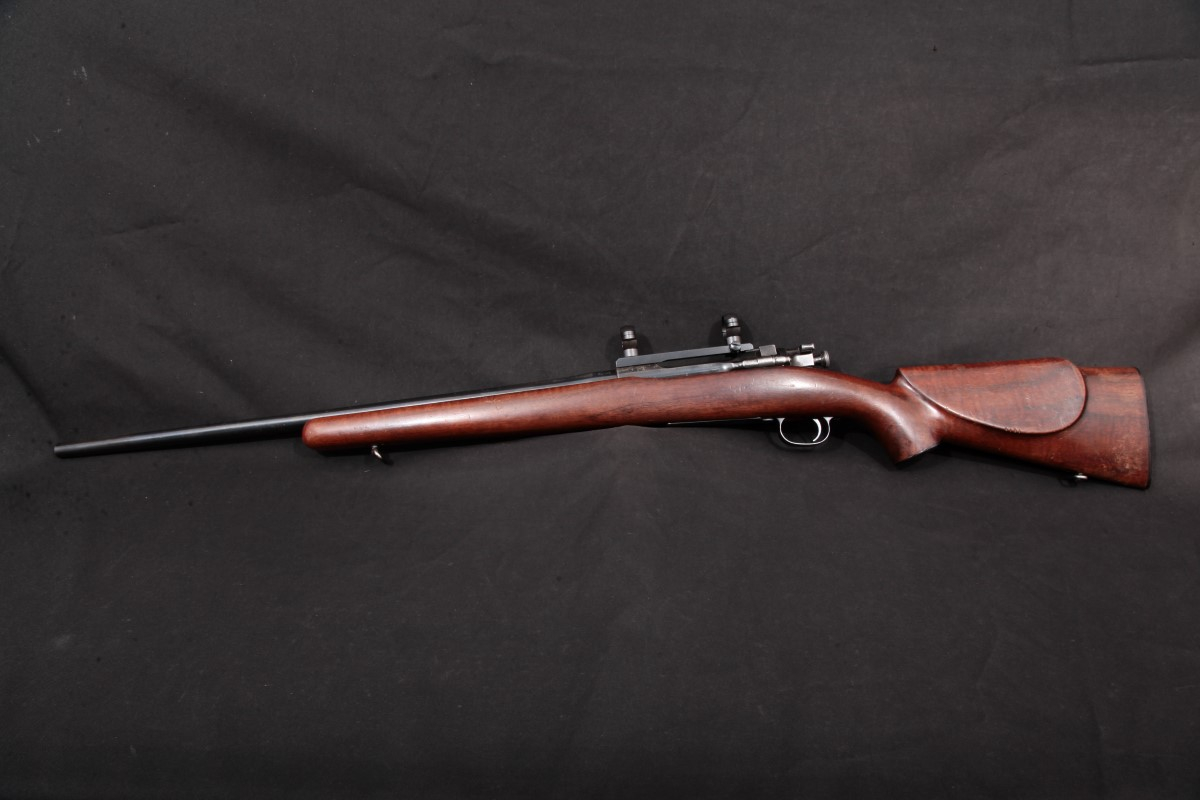
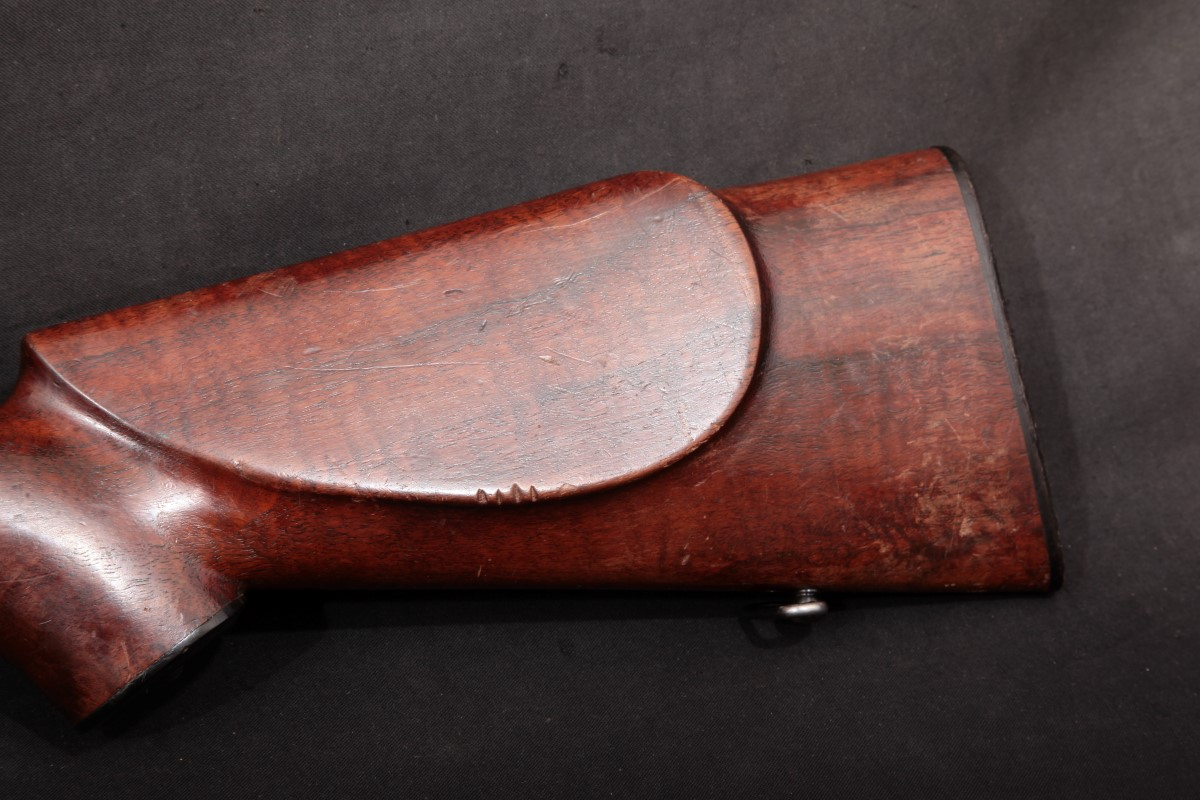
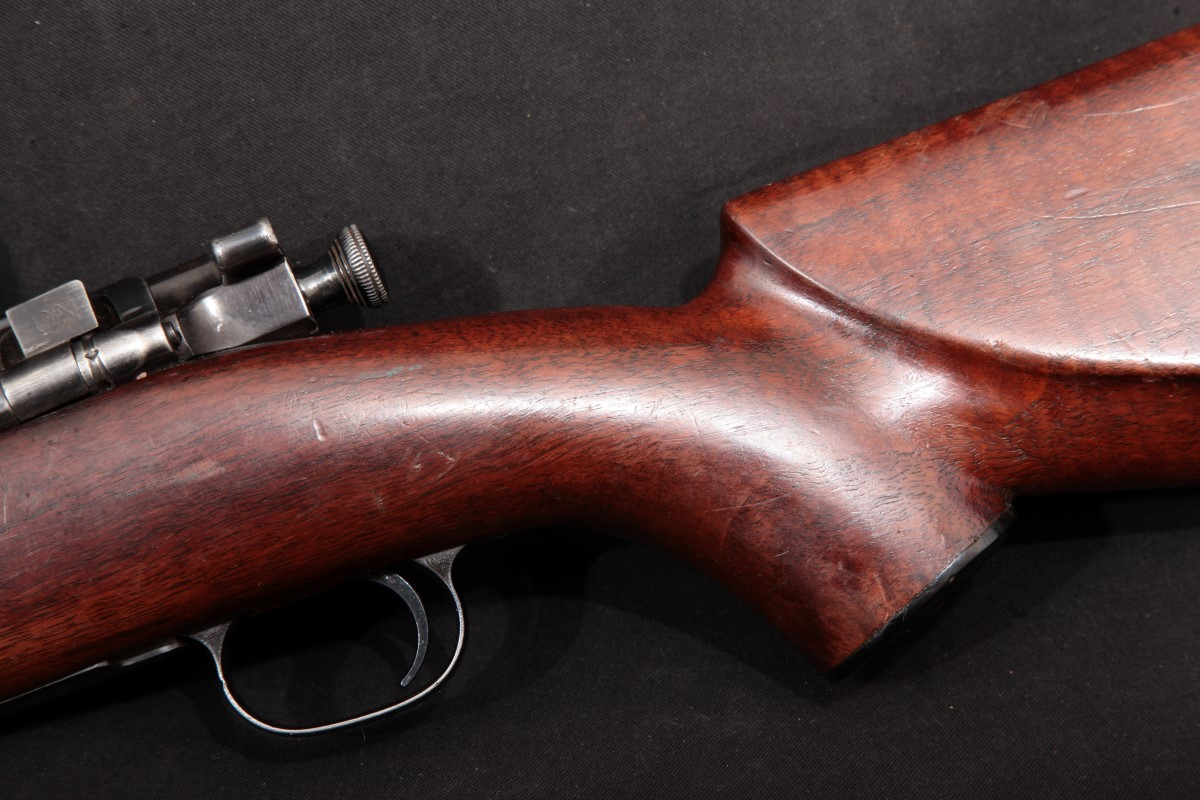
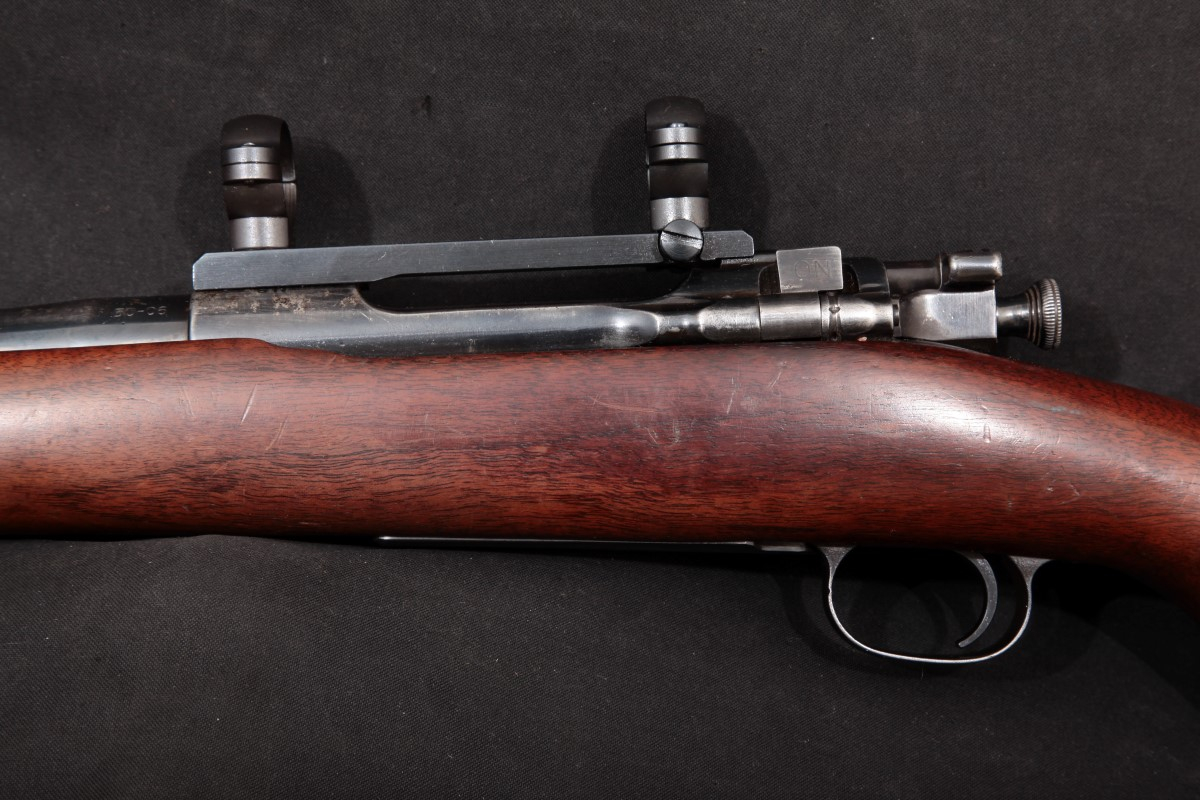
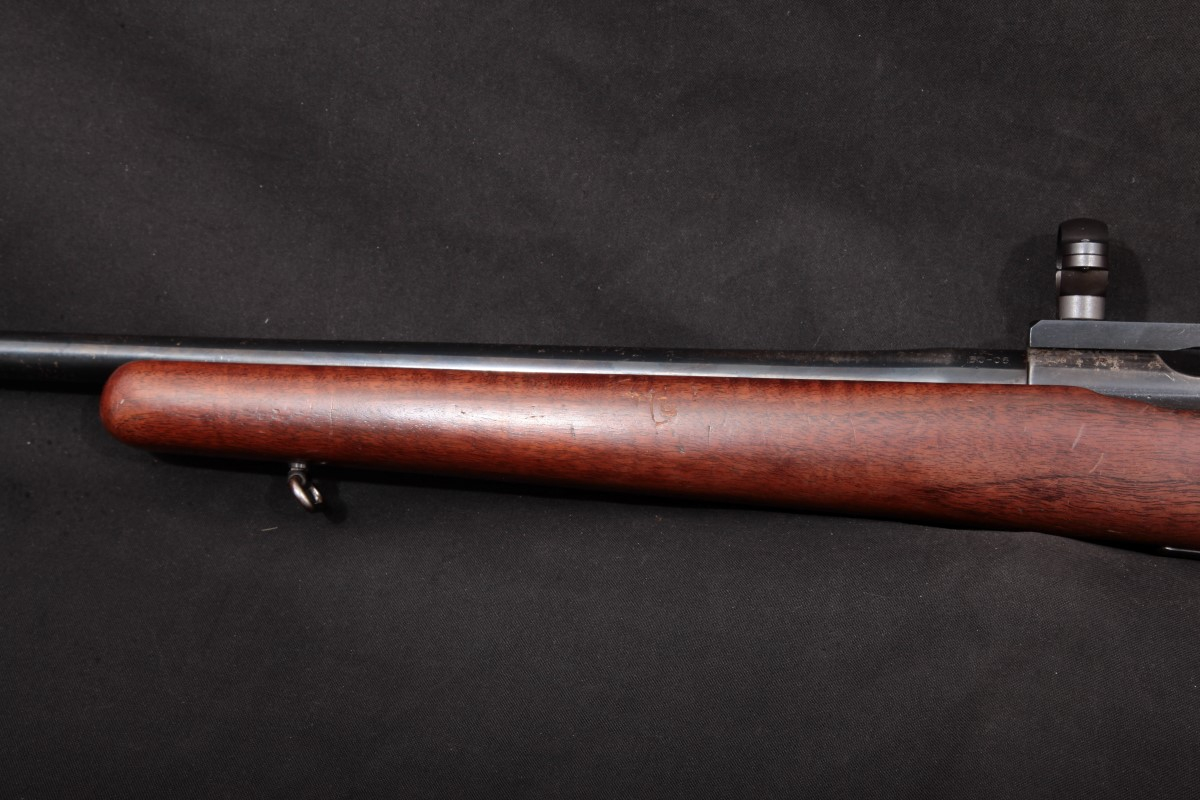
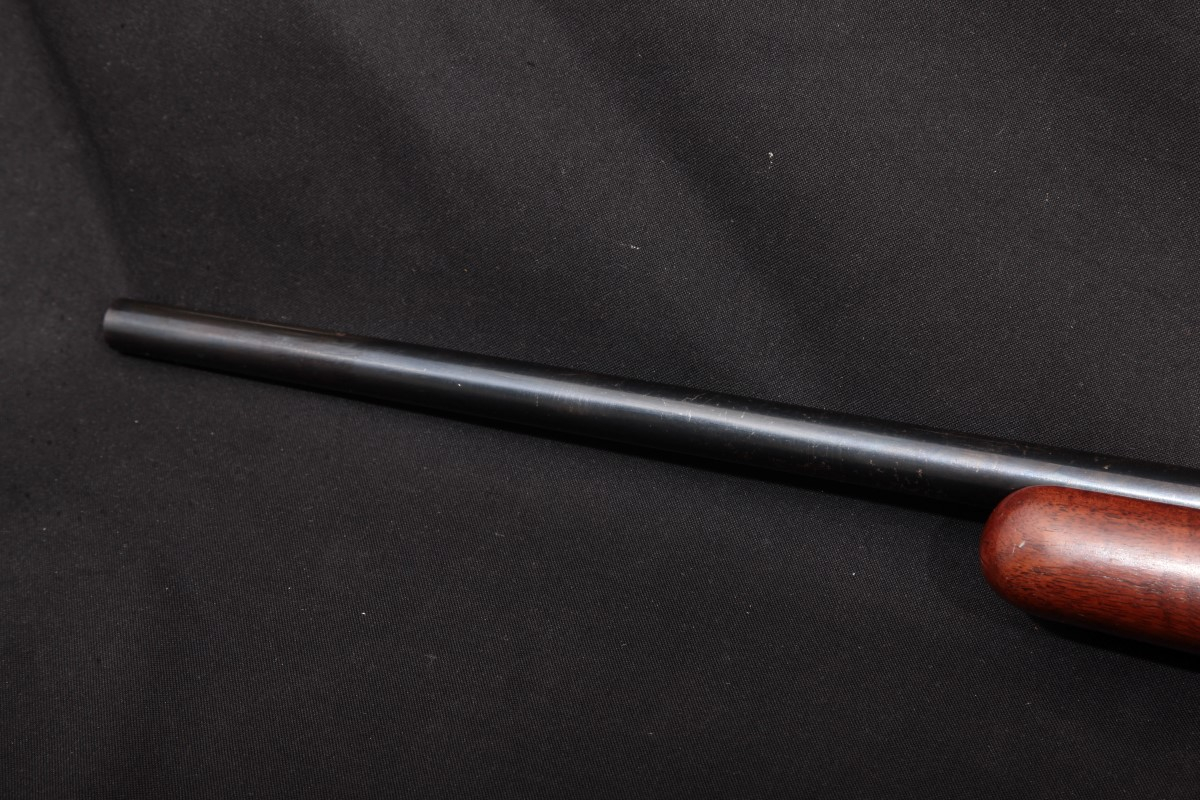
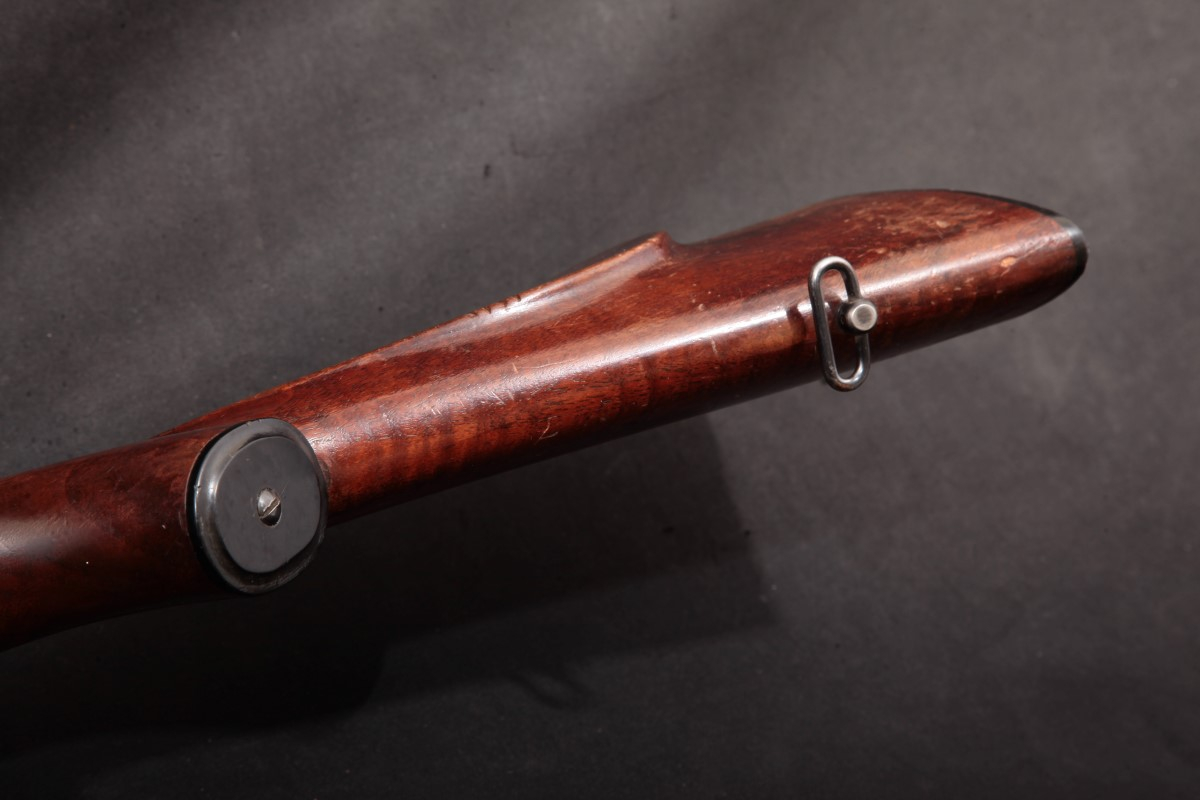
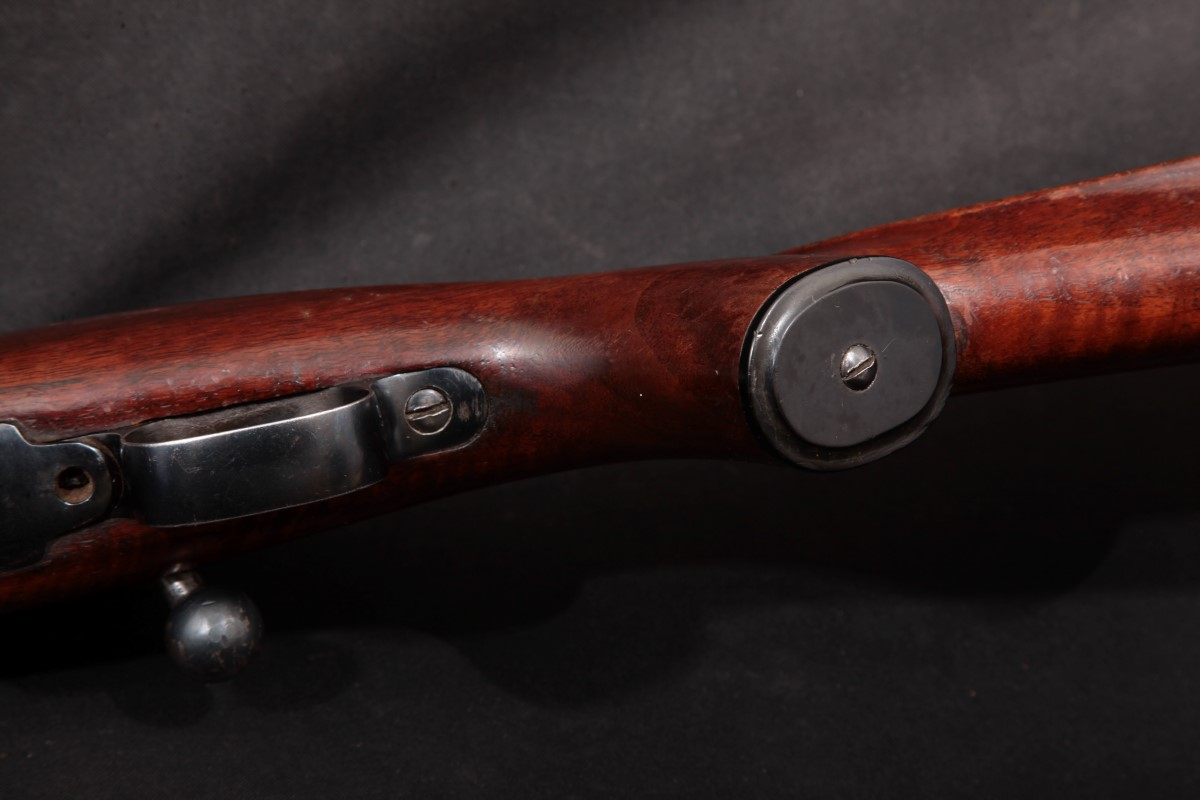
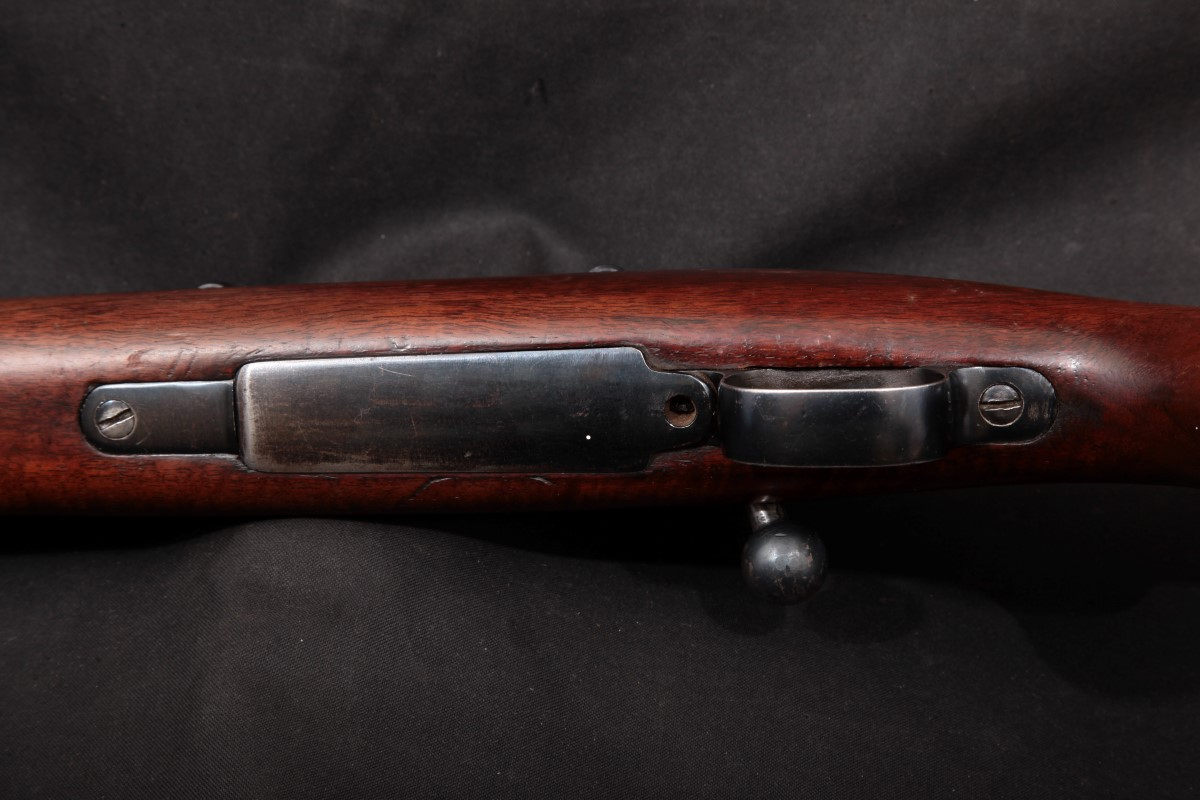
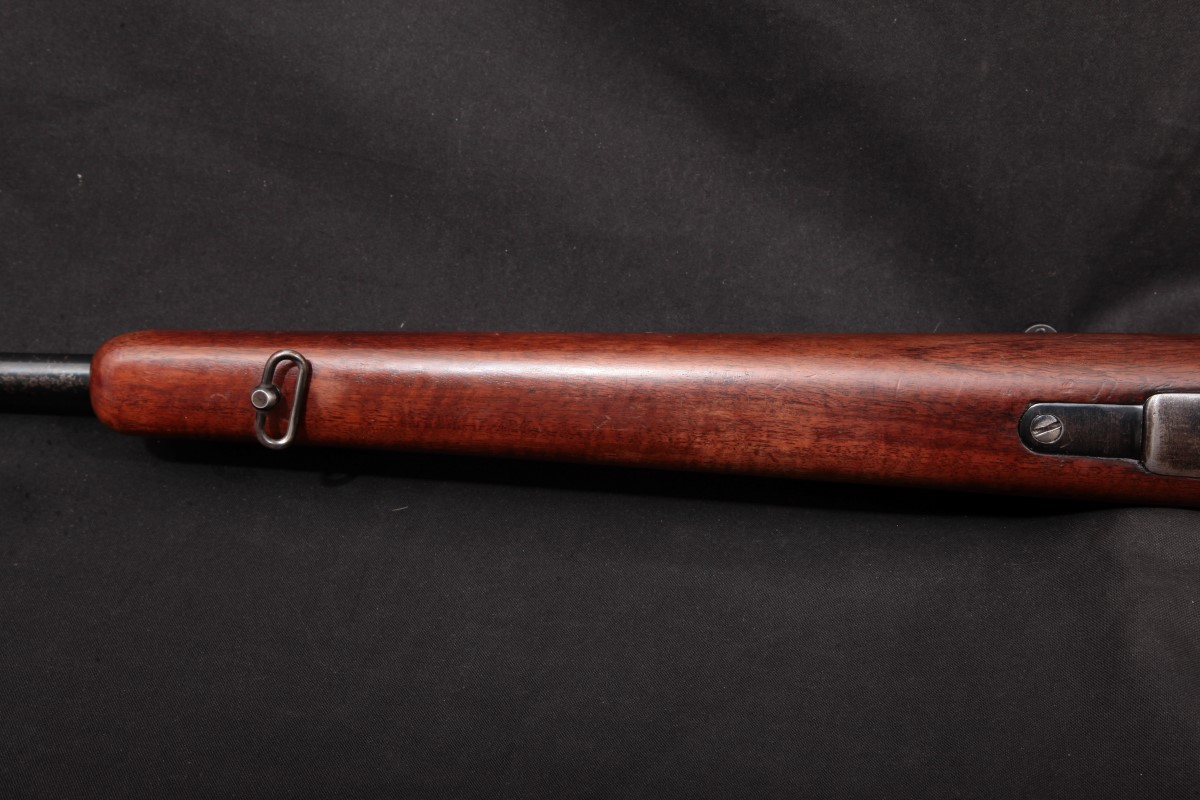
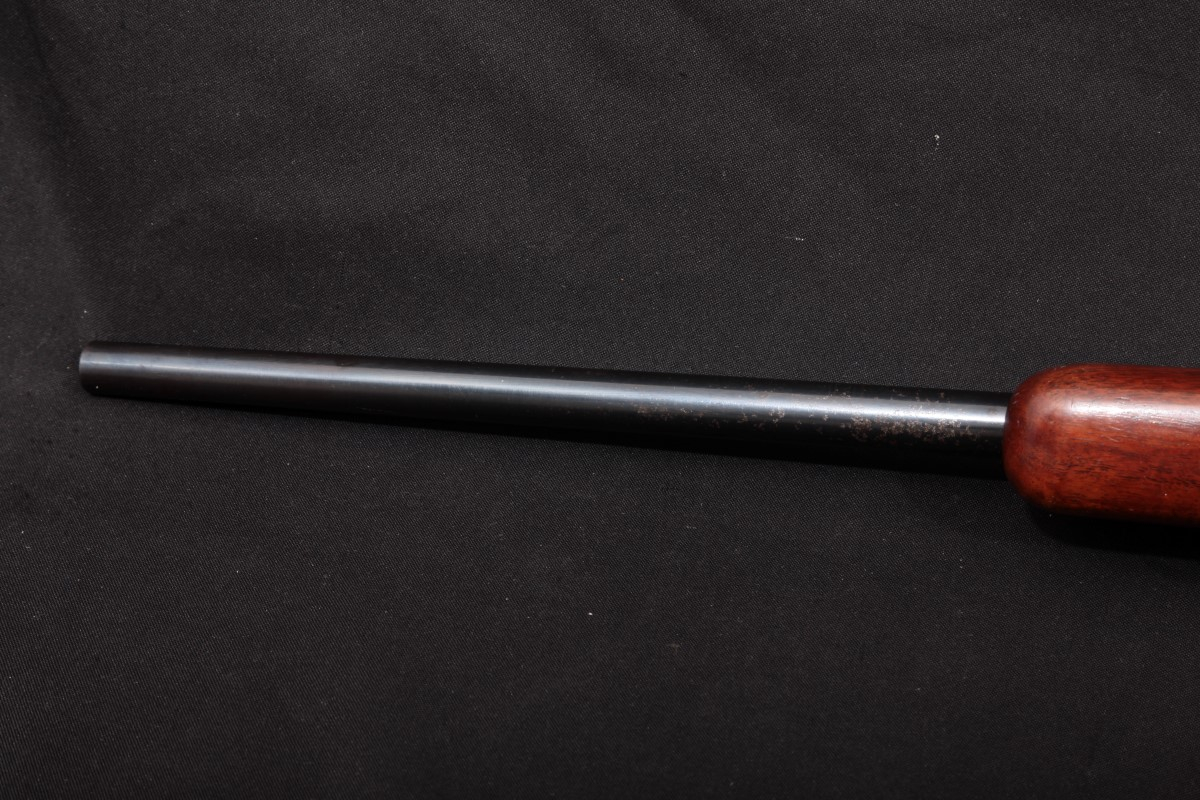
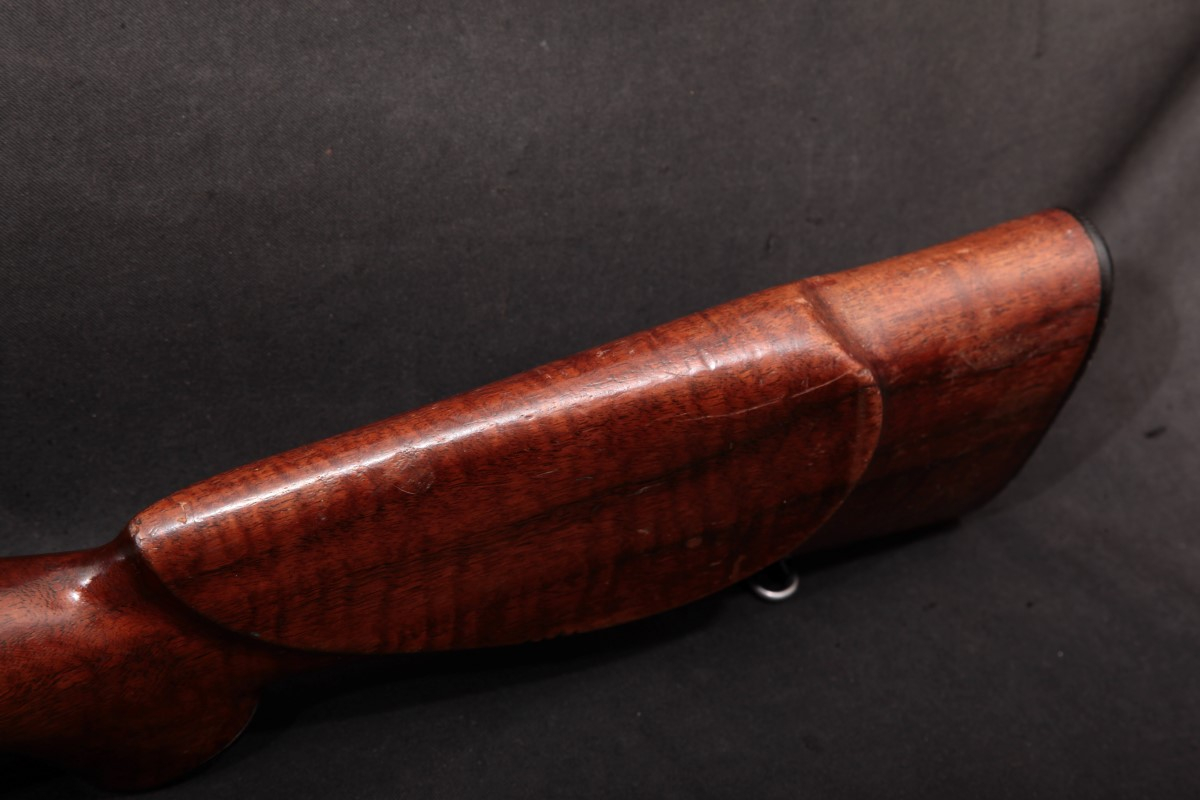
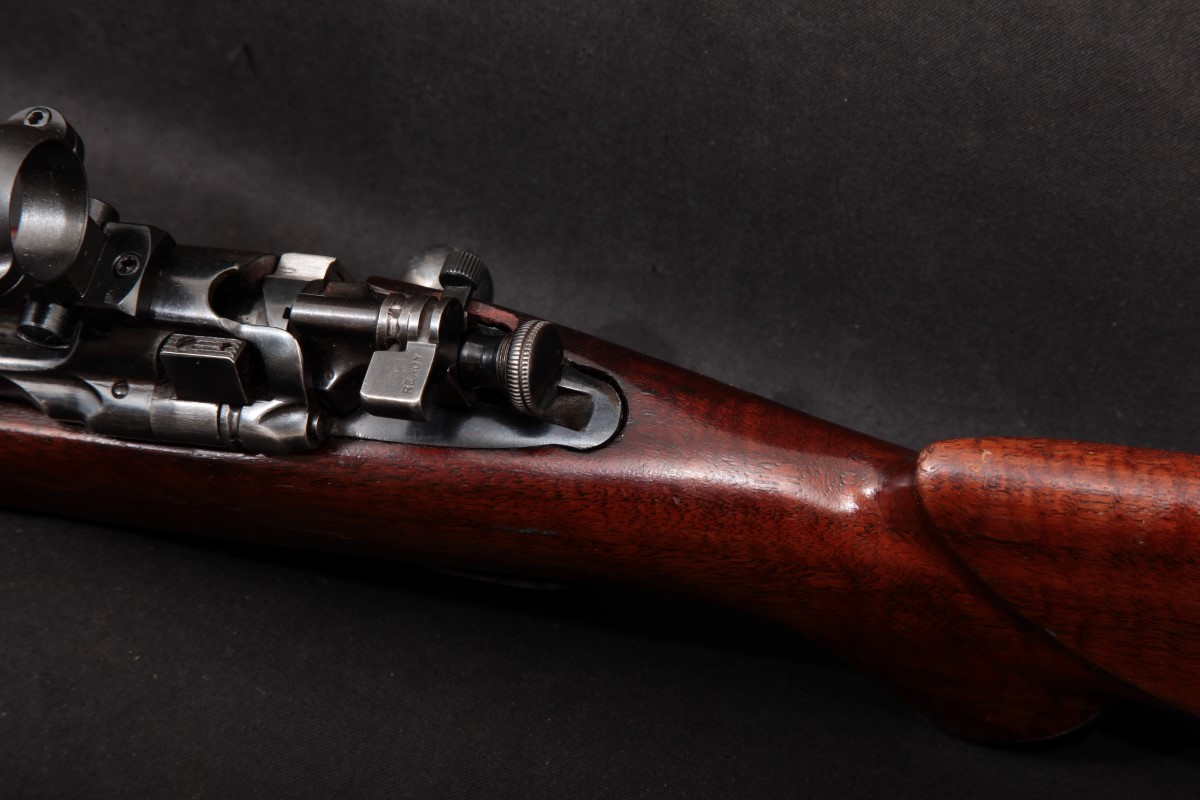
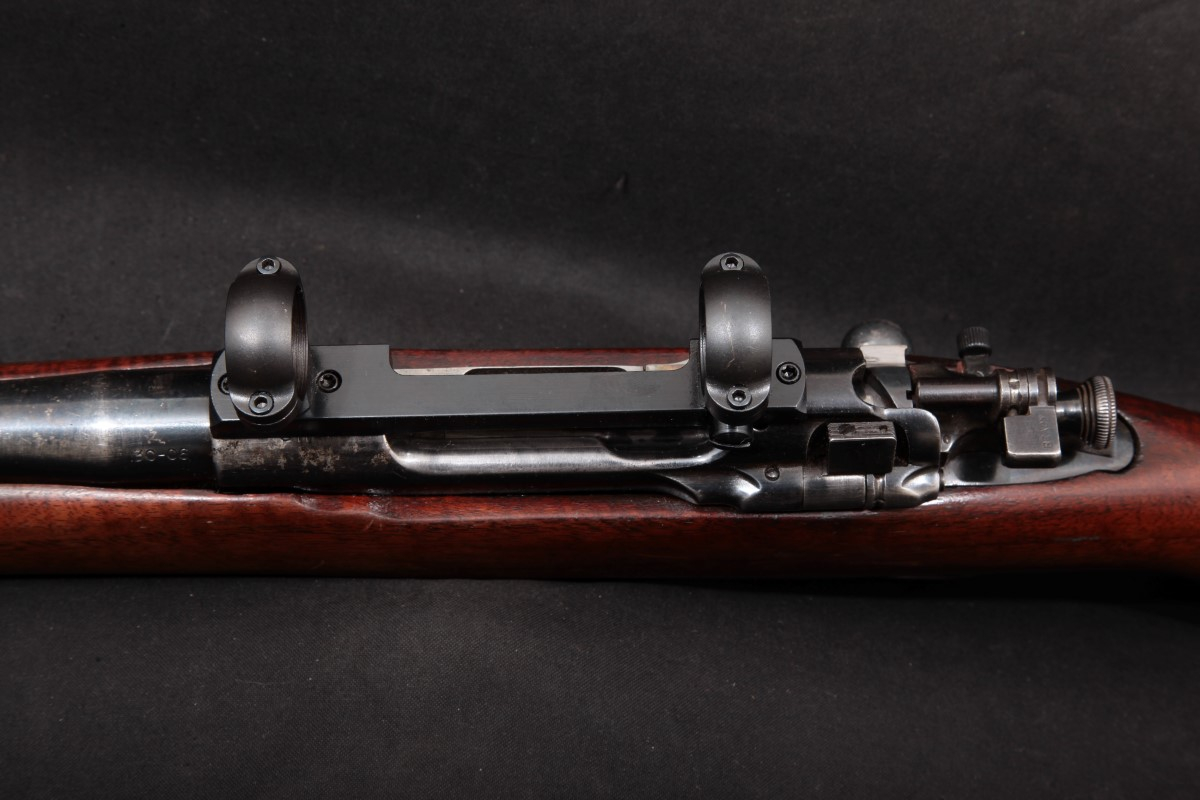
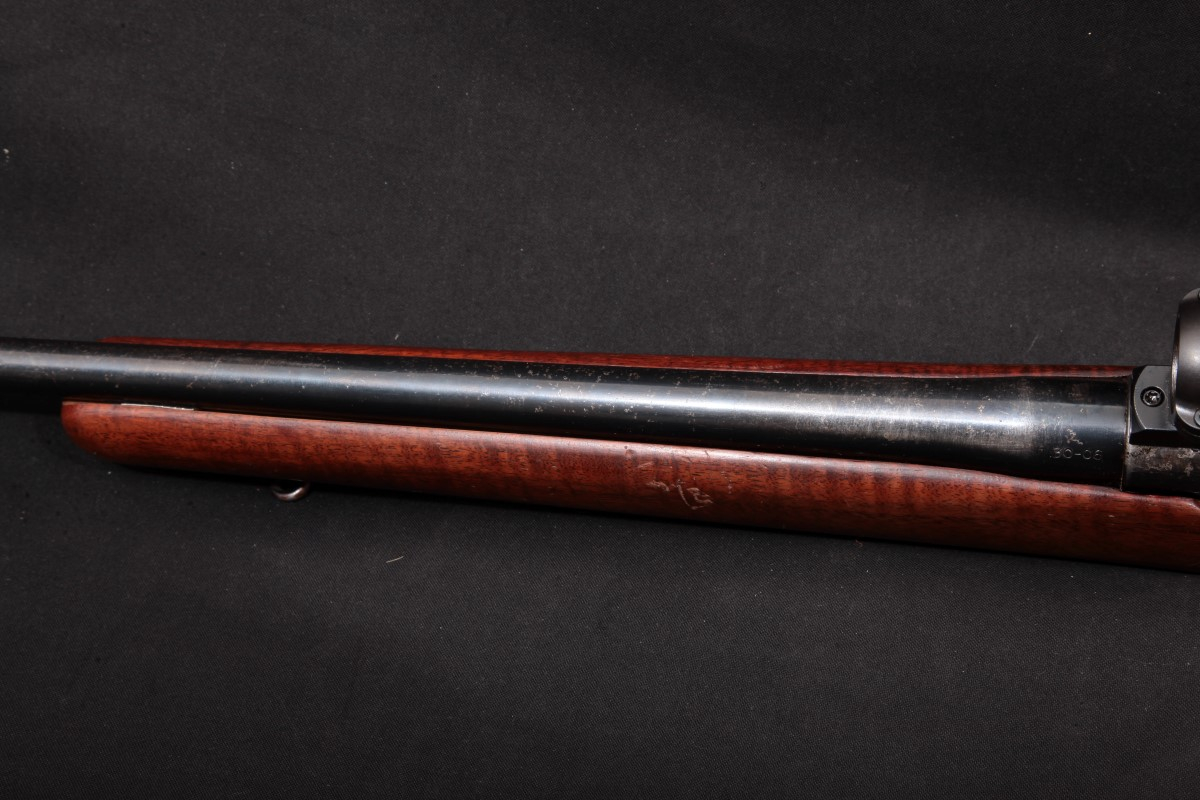
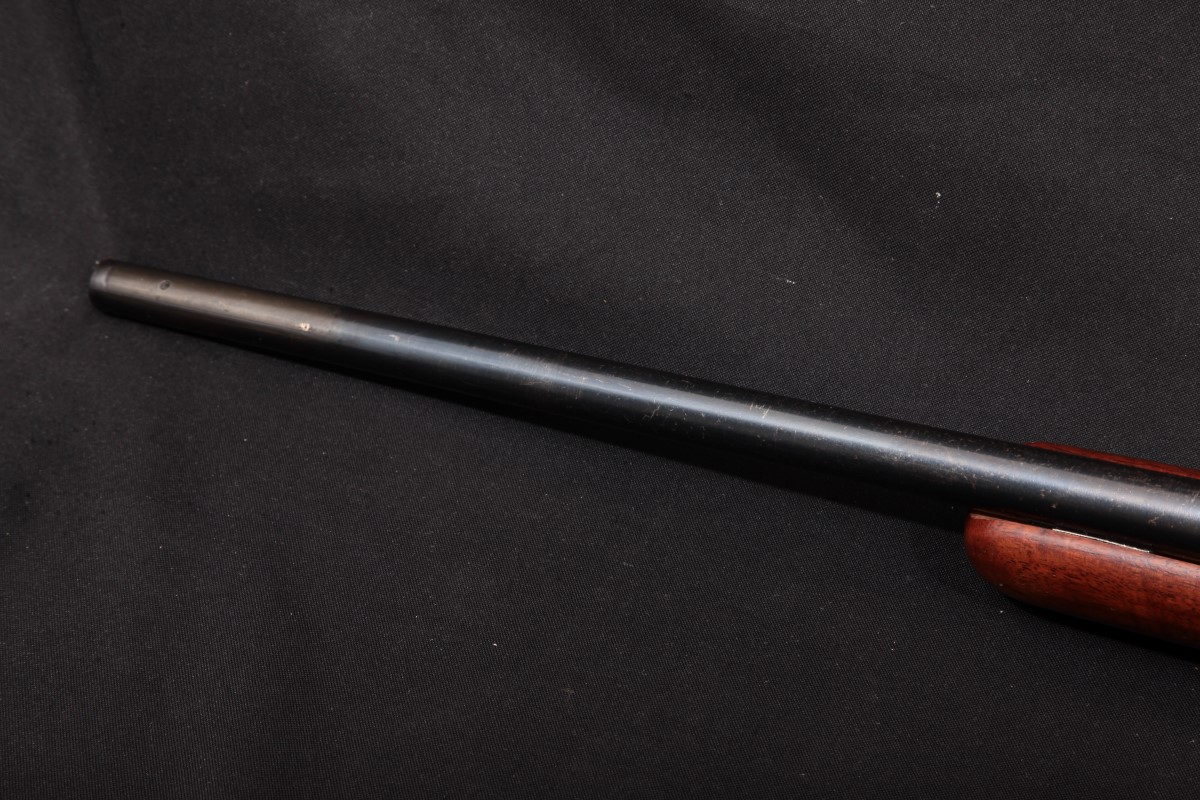
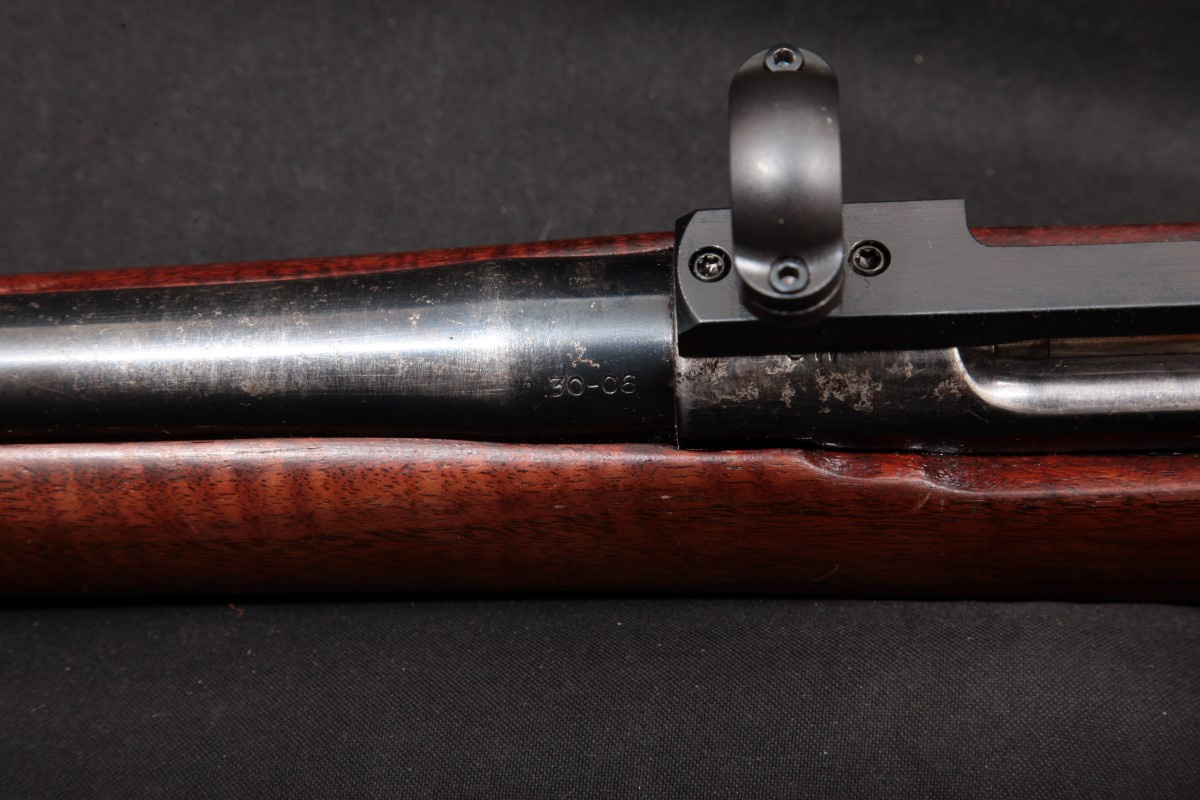
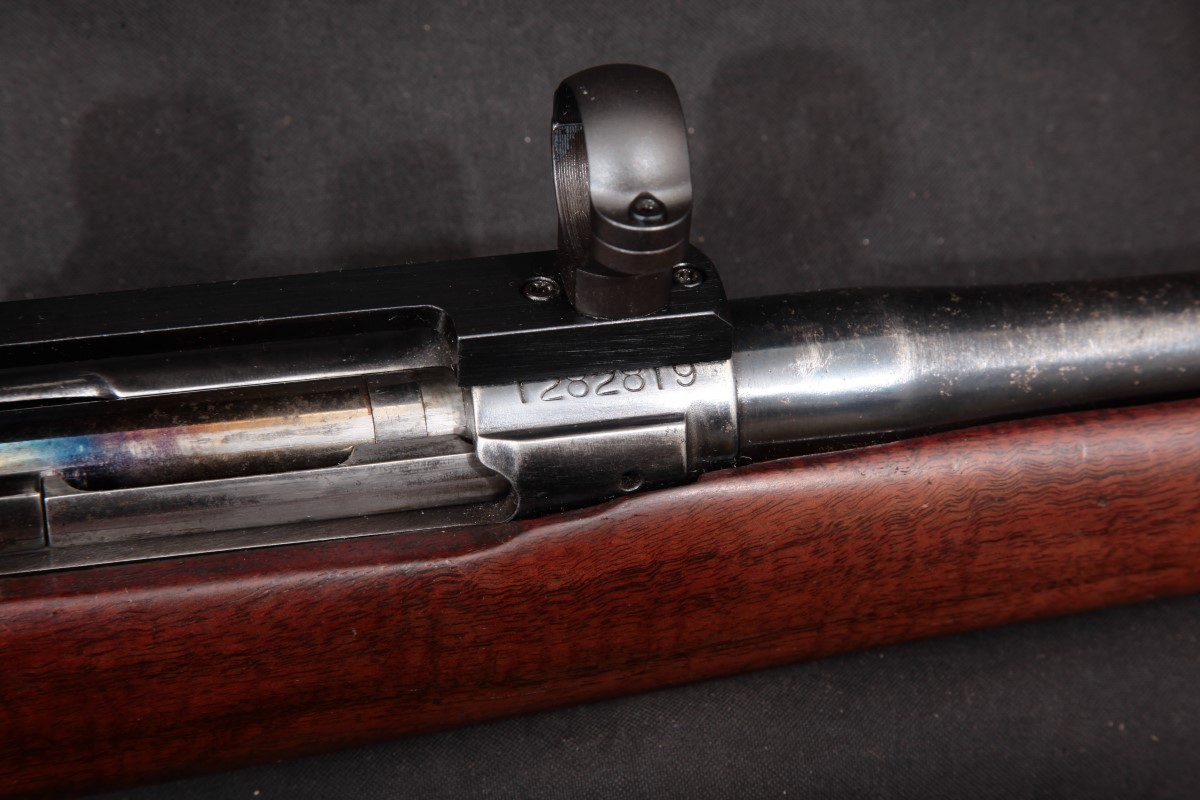
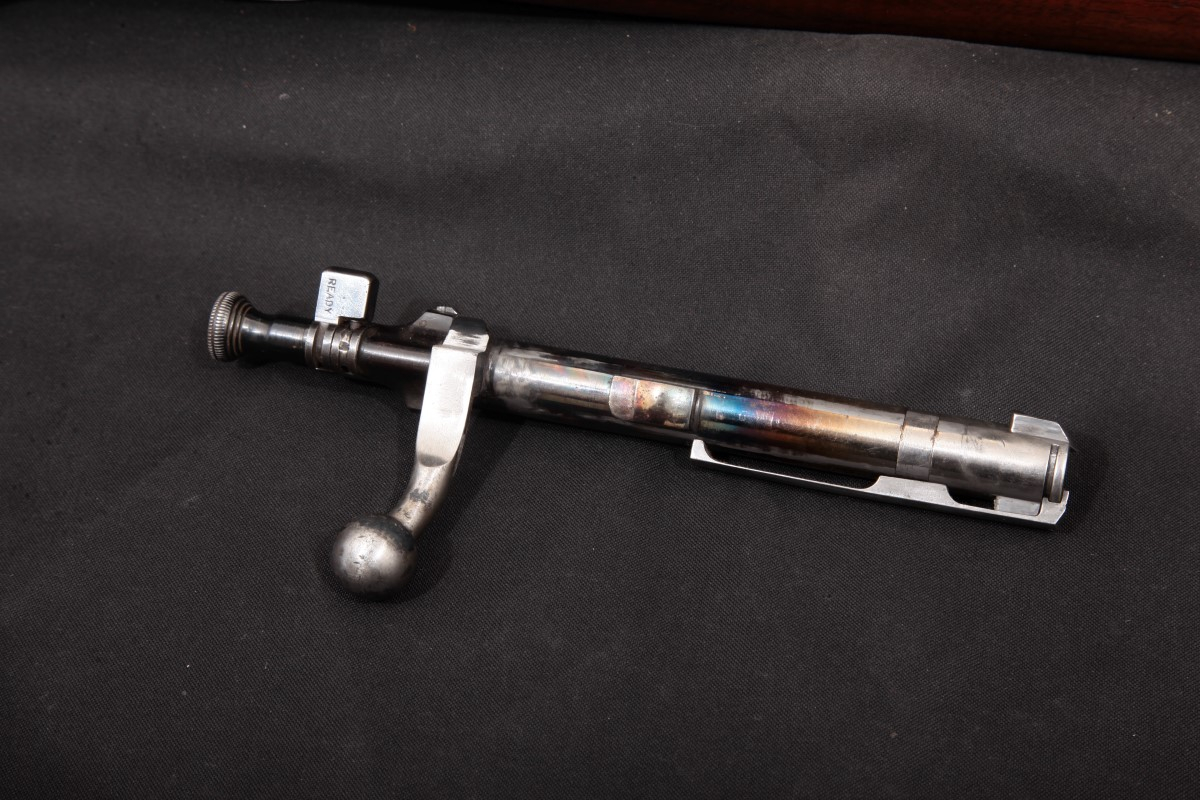
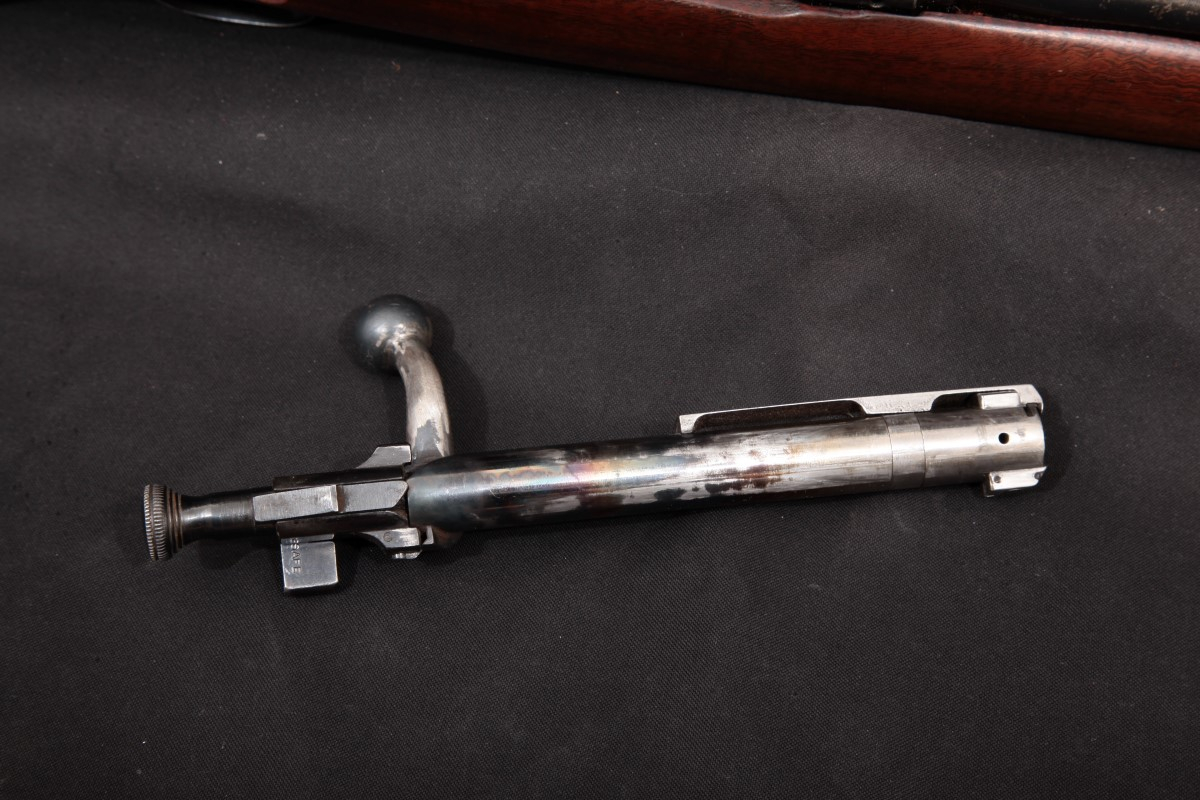
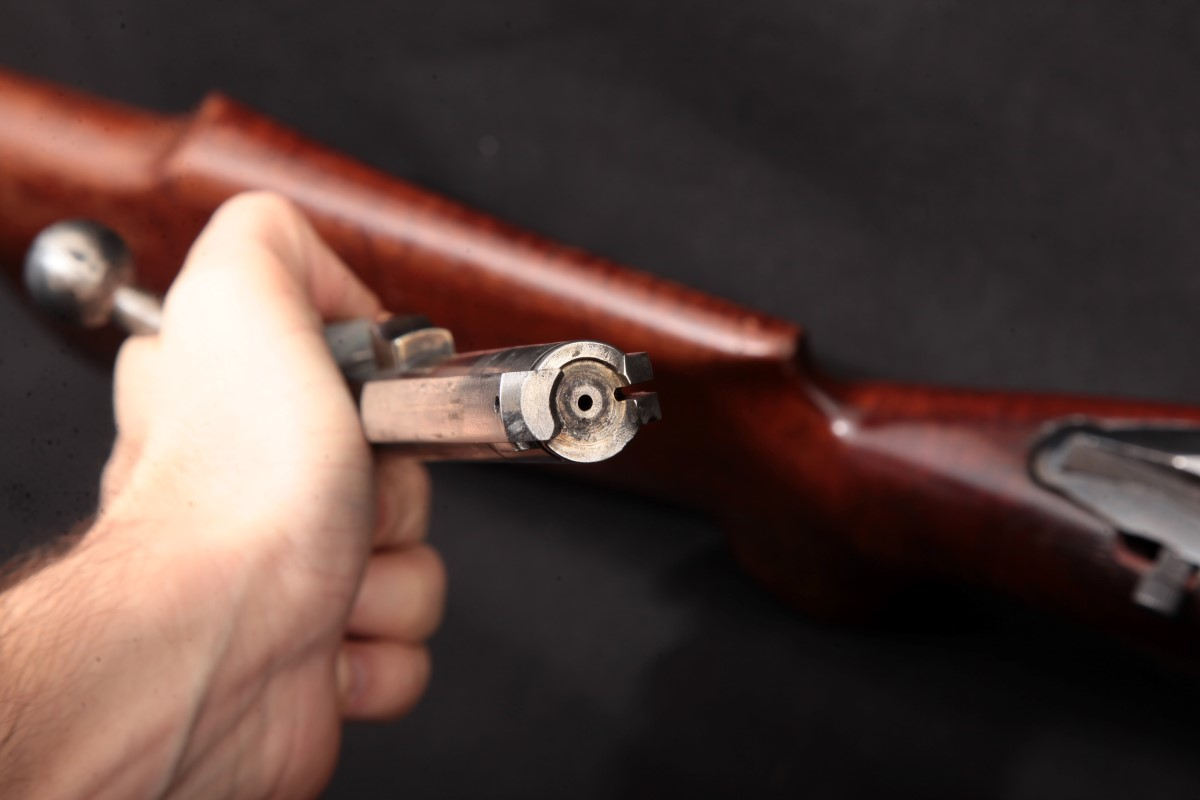
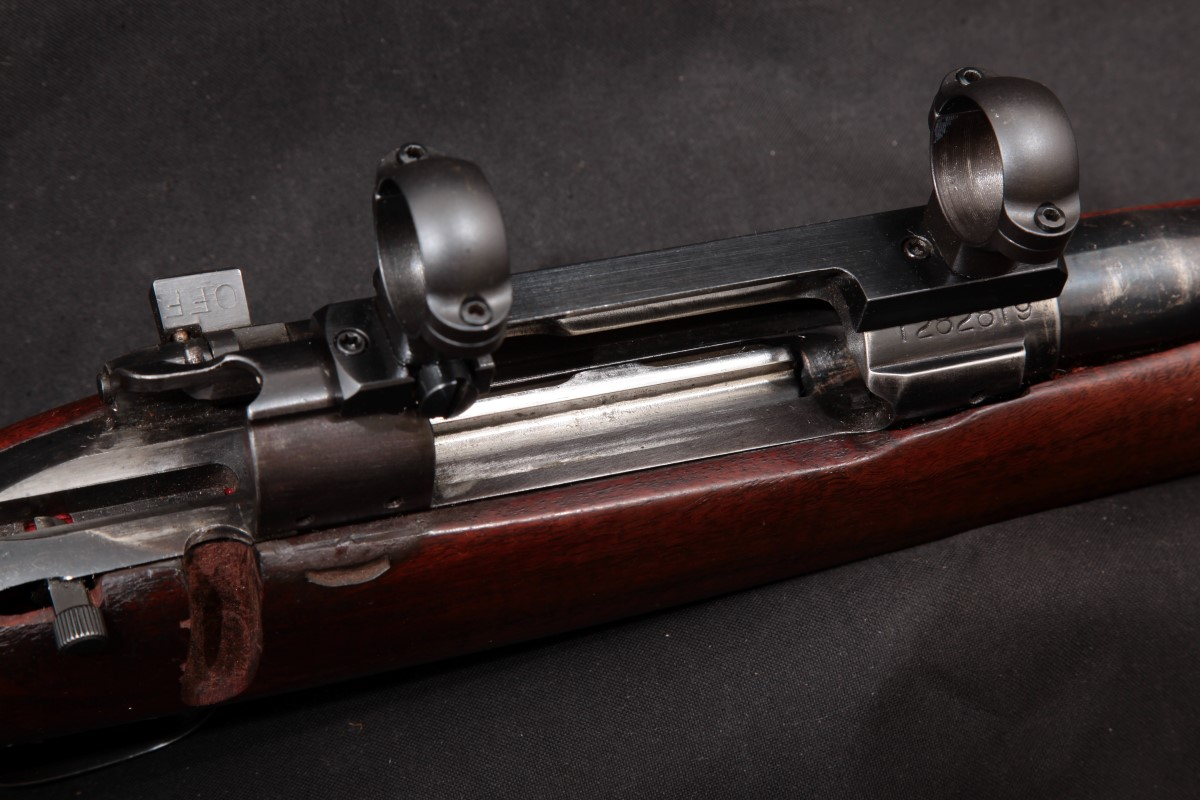
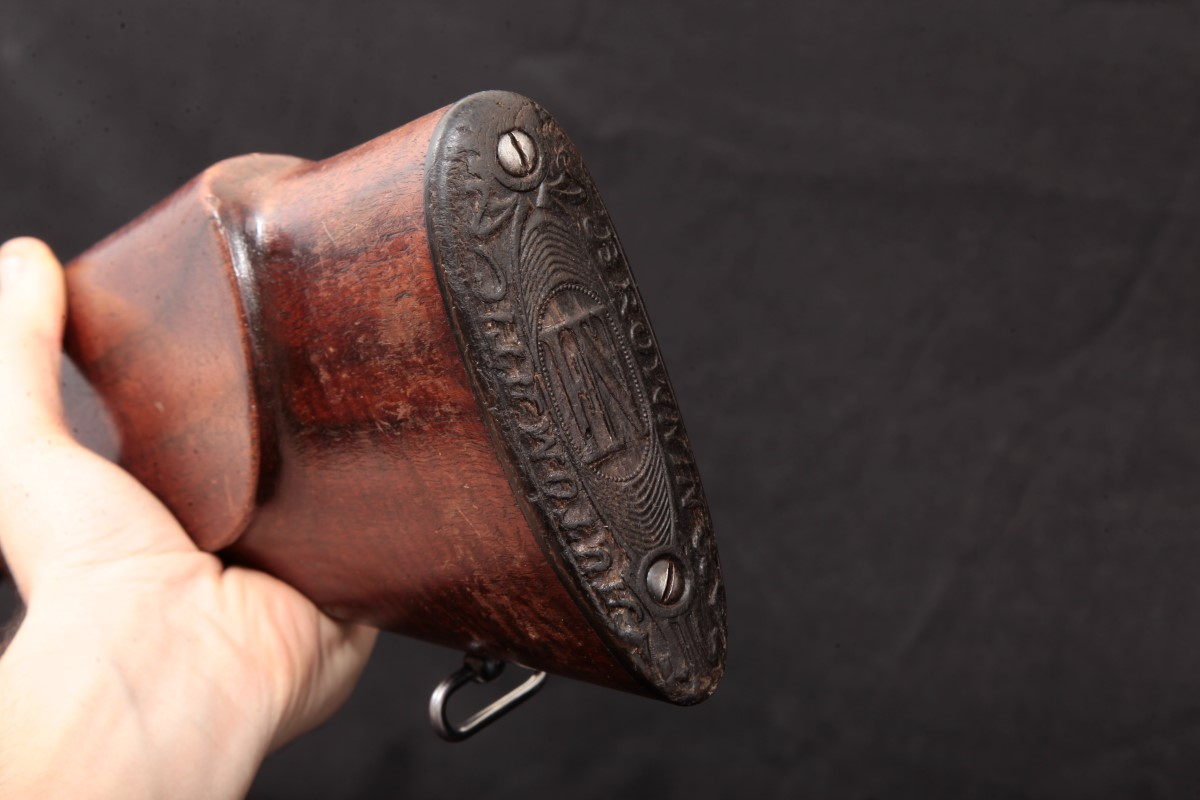
I forget who said it, But it was a good turn of phrase! “In that the Colt SAA was the Glock of the late 19th Century!”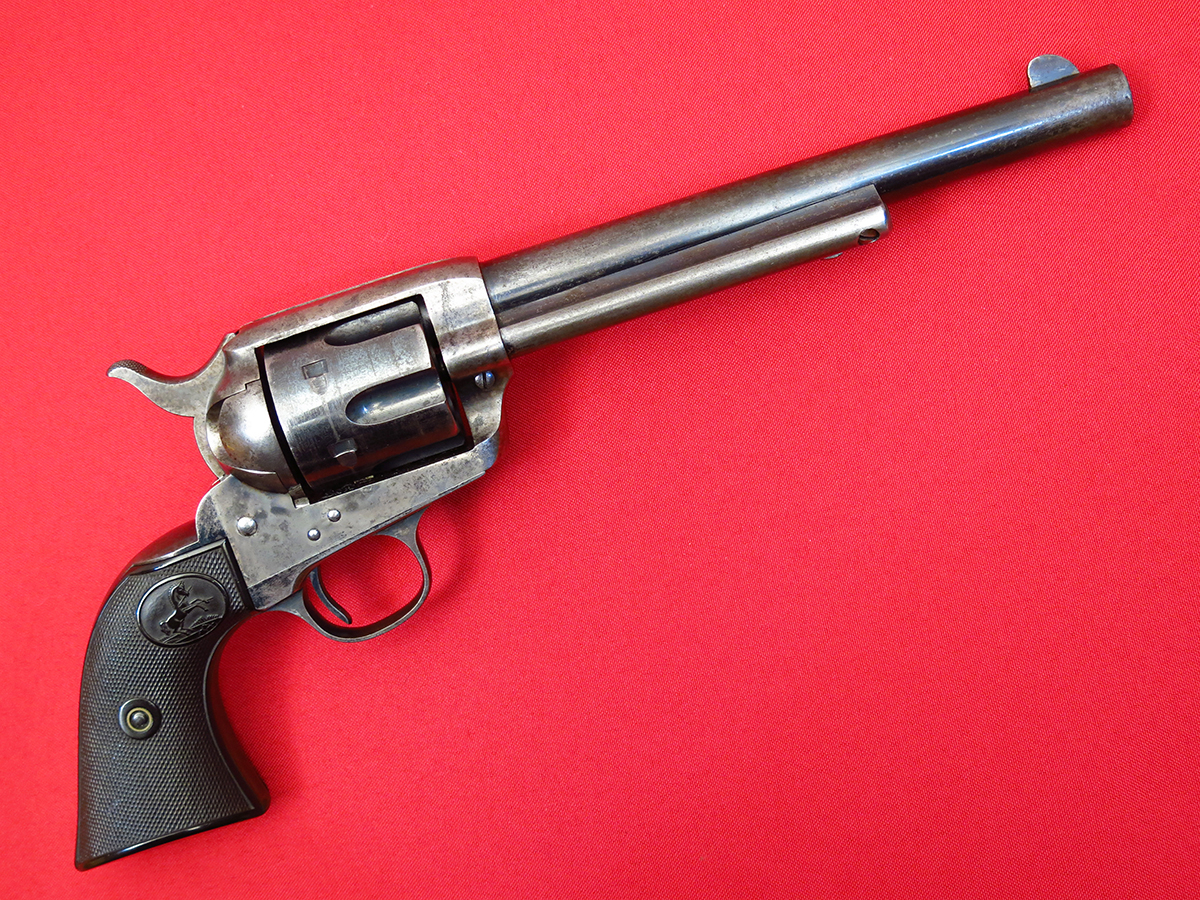
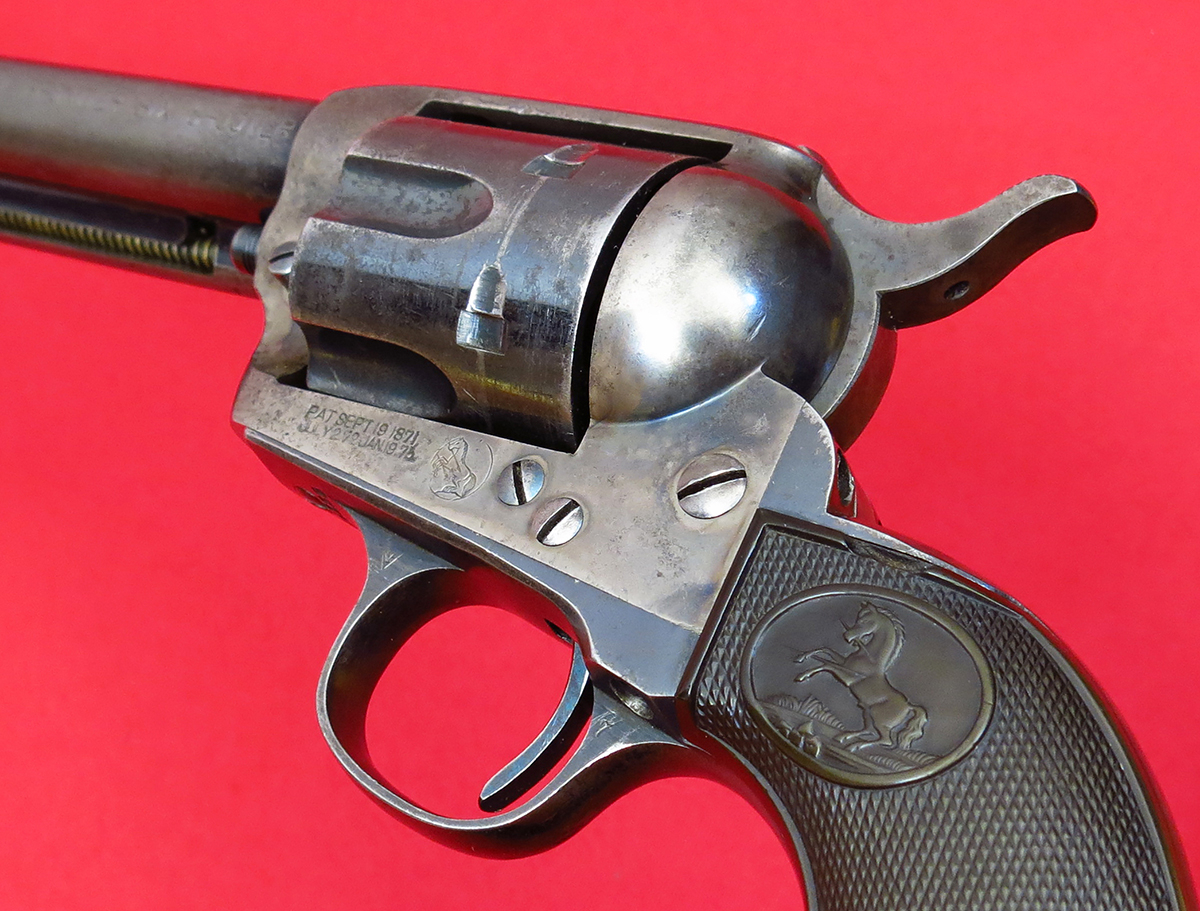
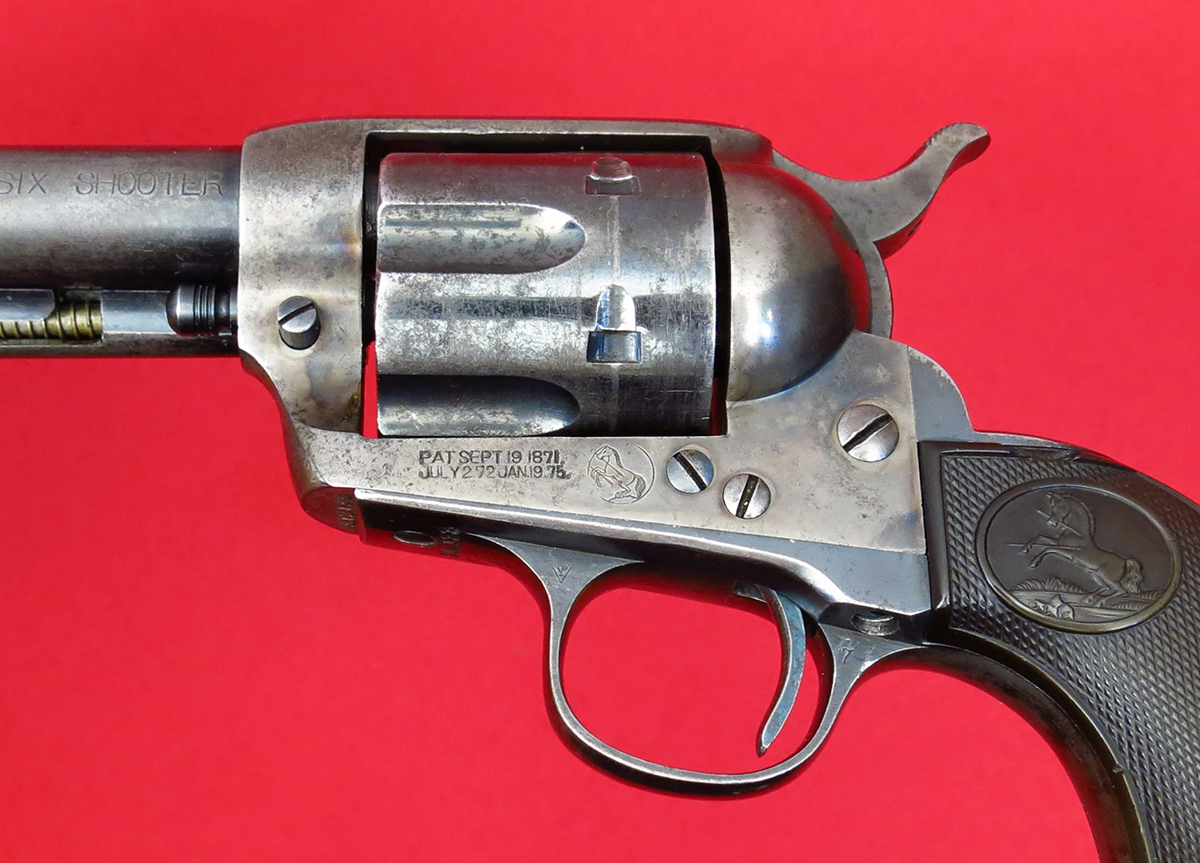
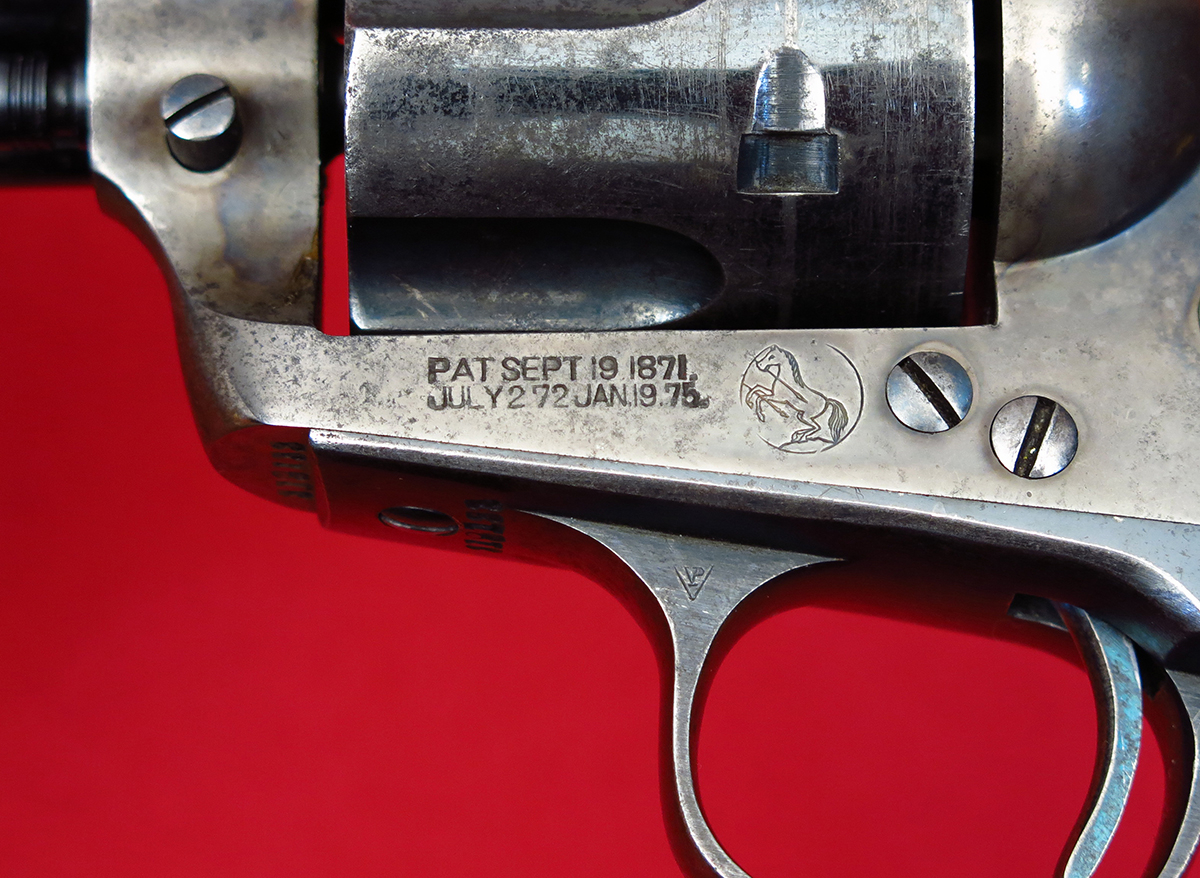
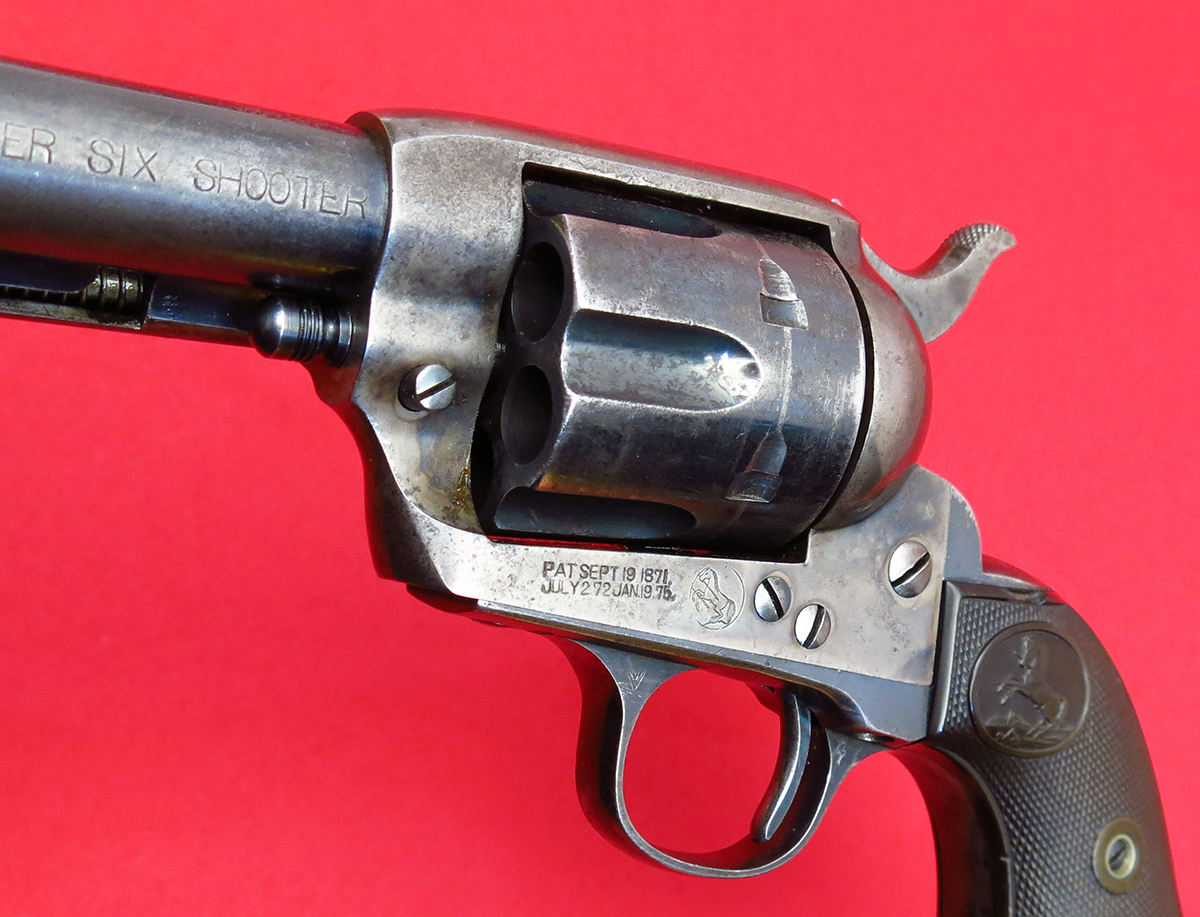
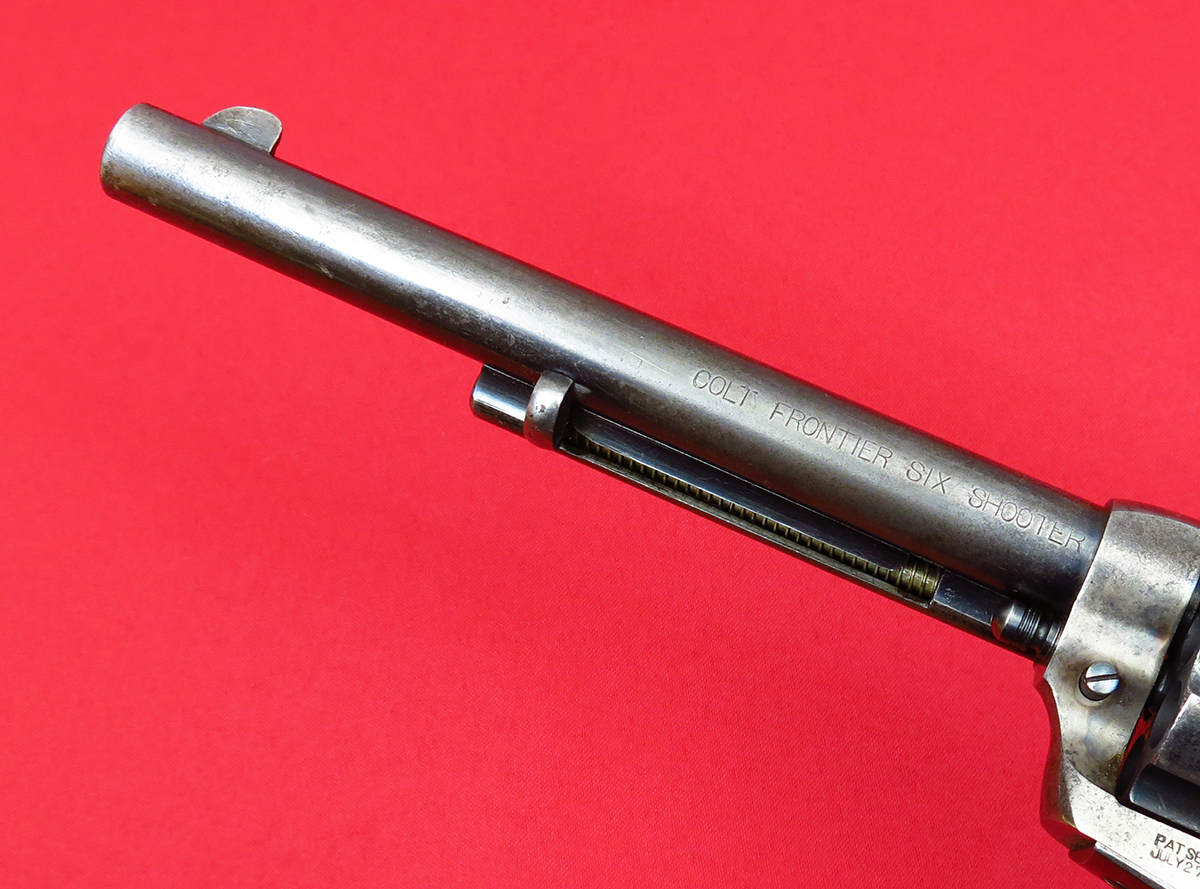
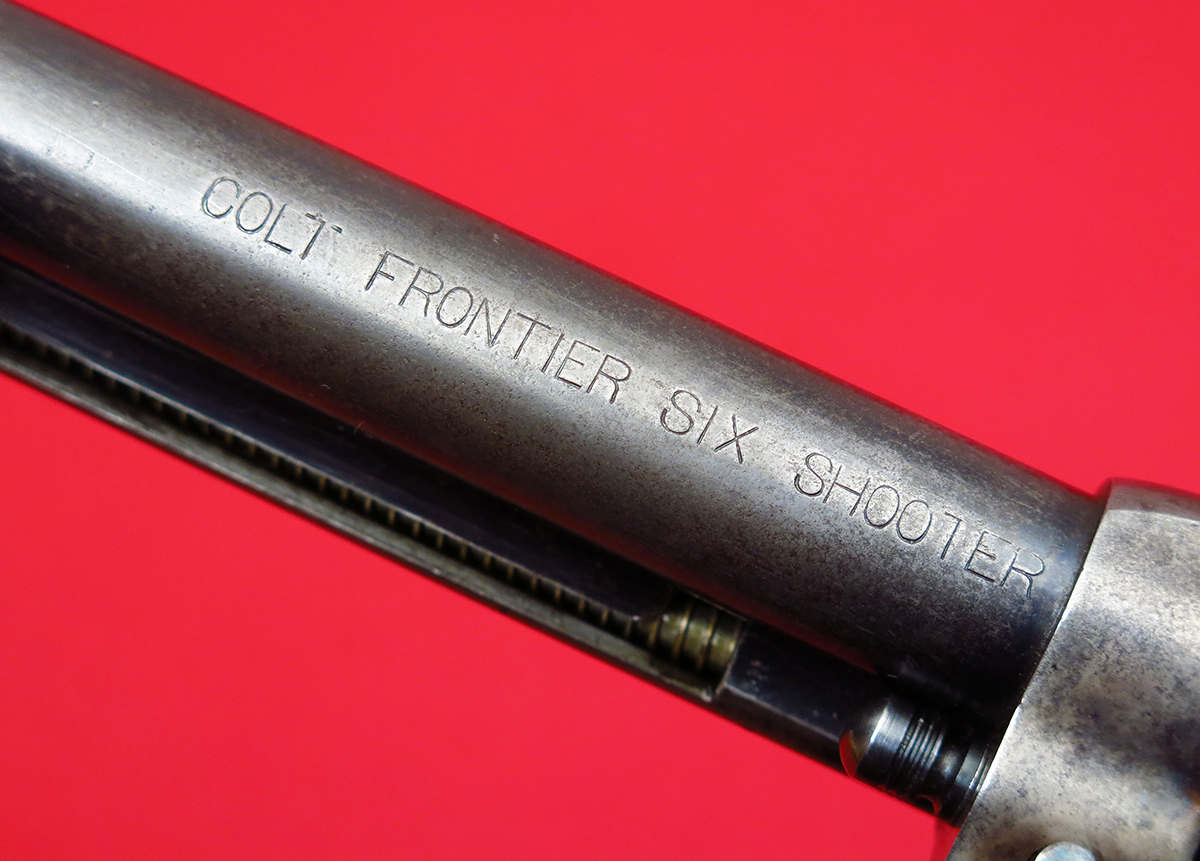
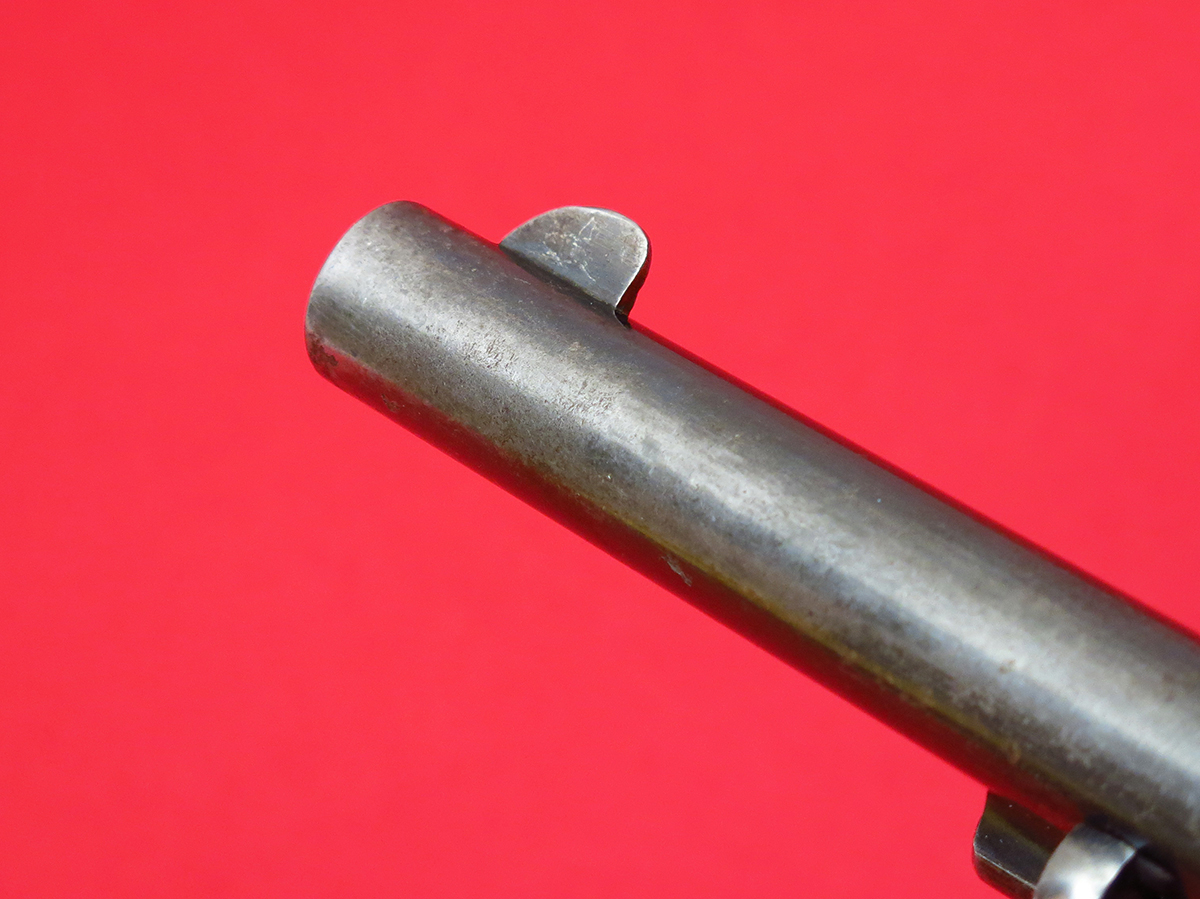
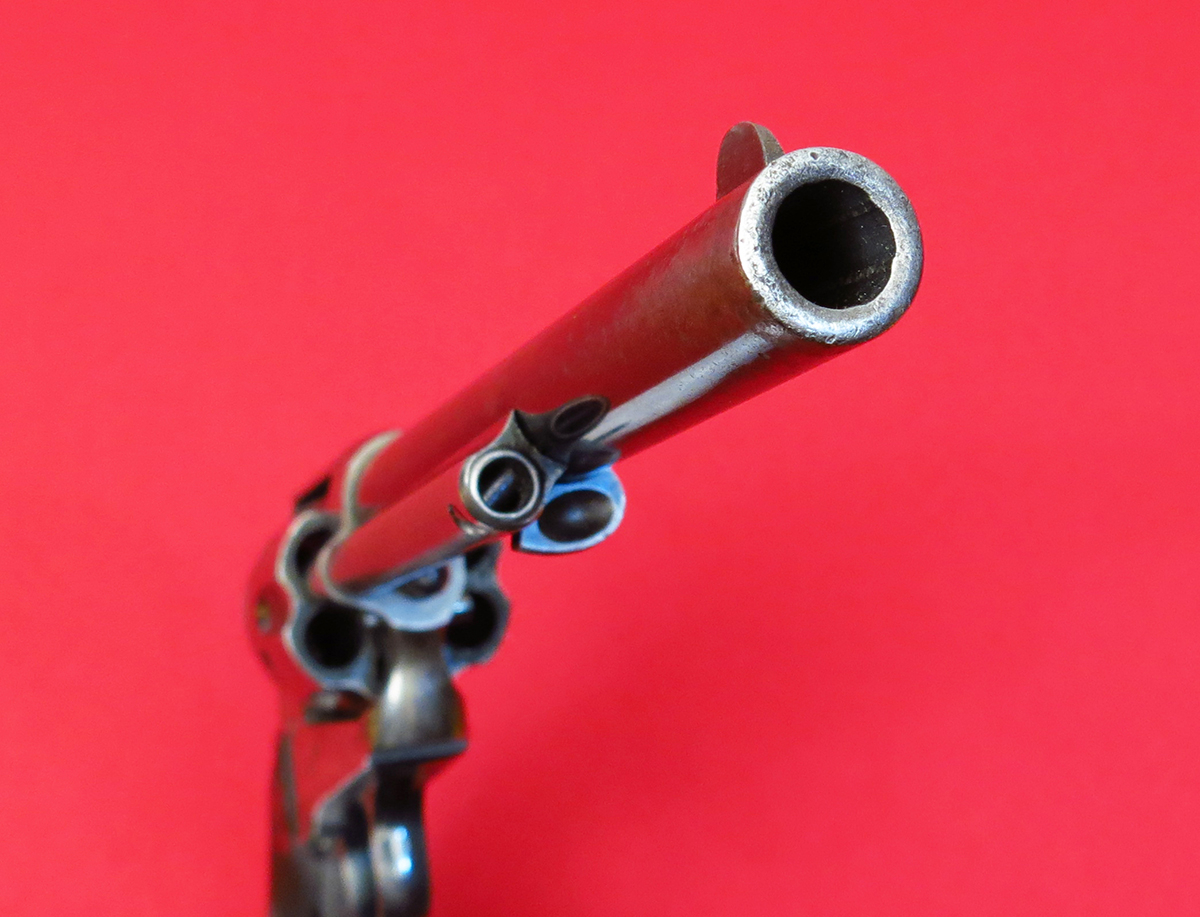
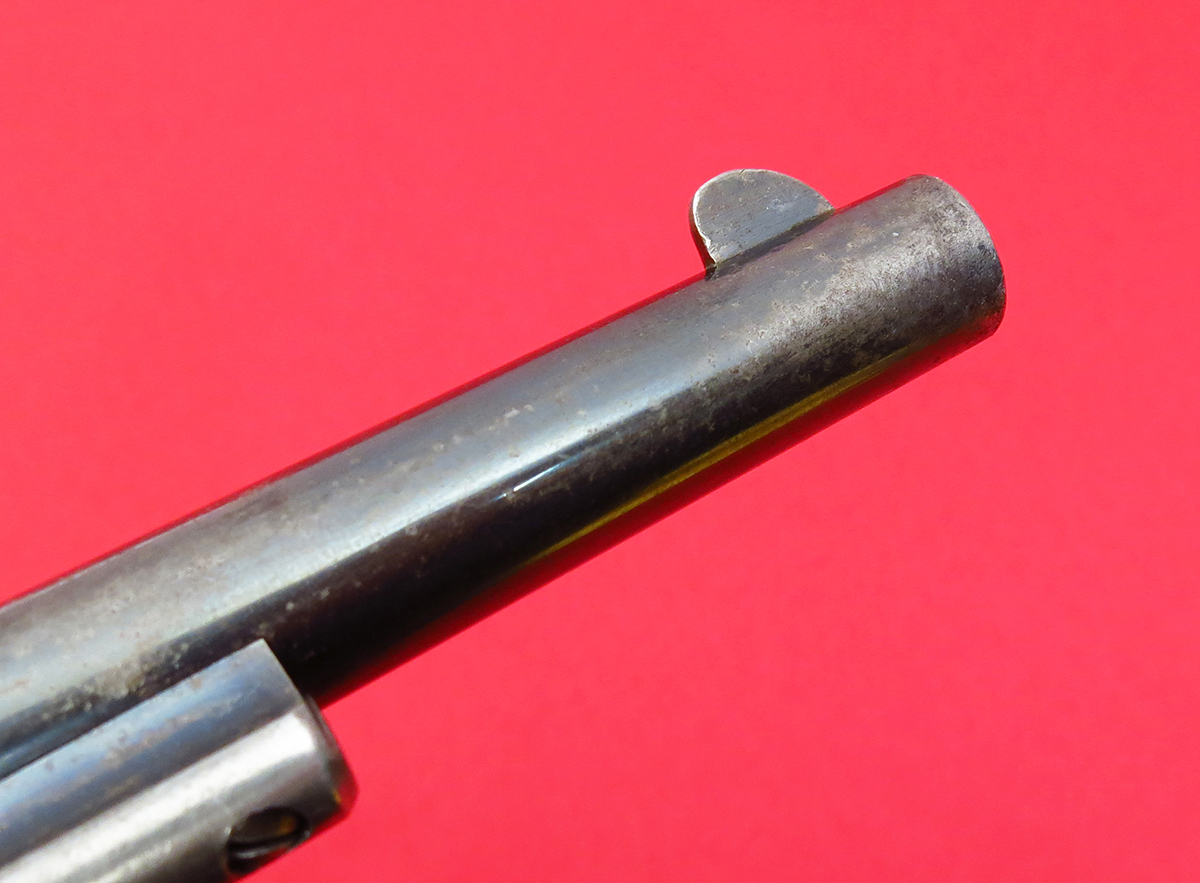
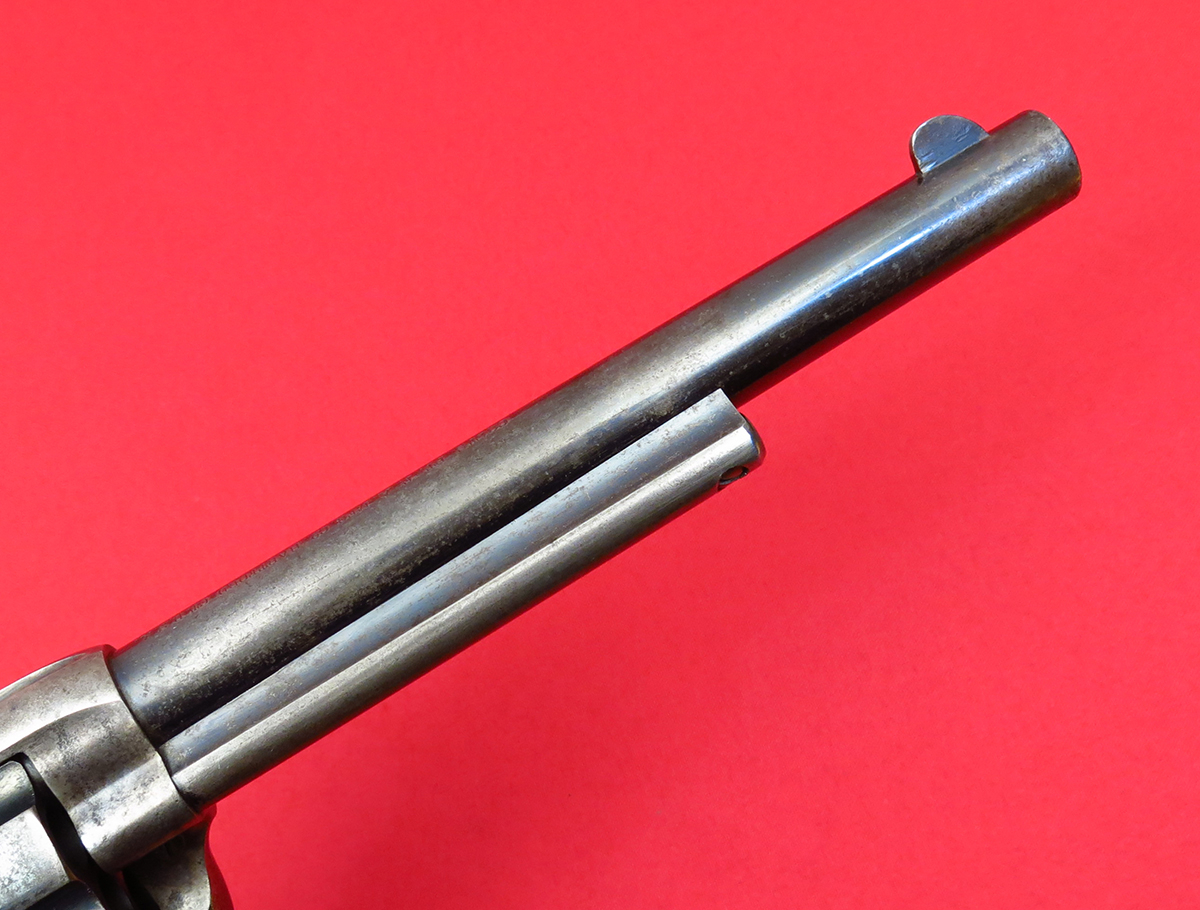
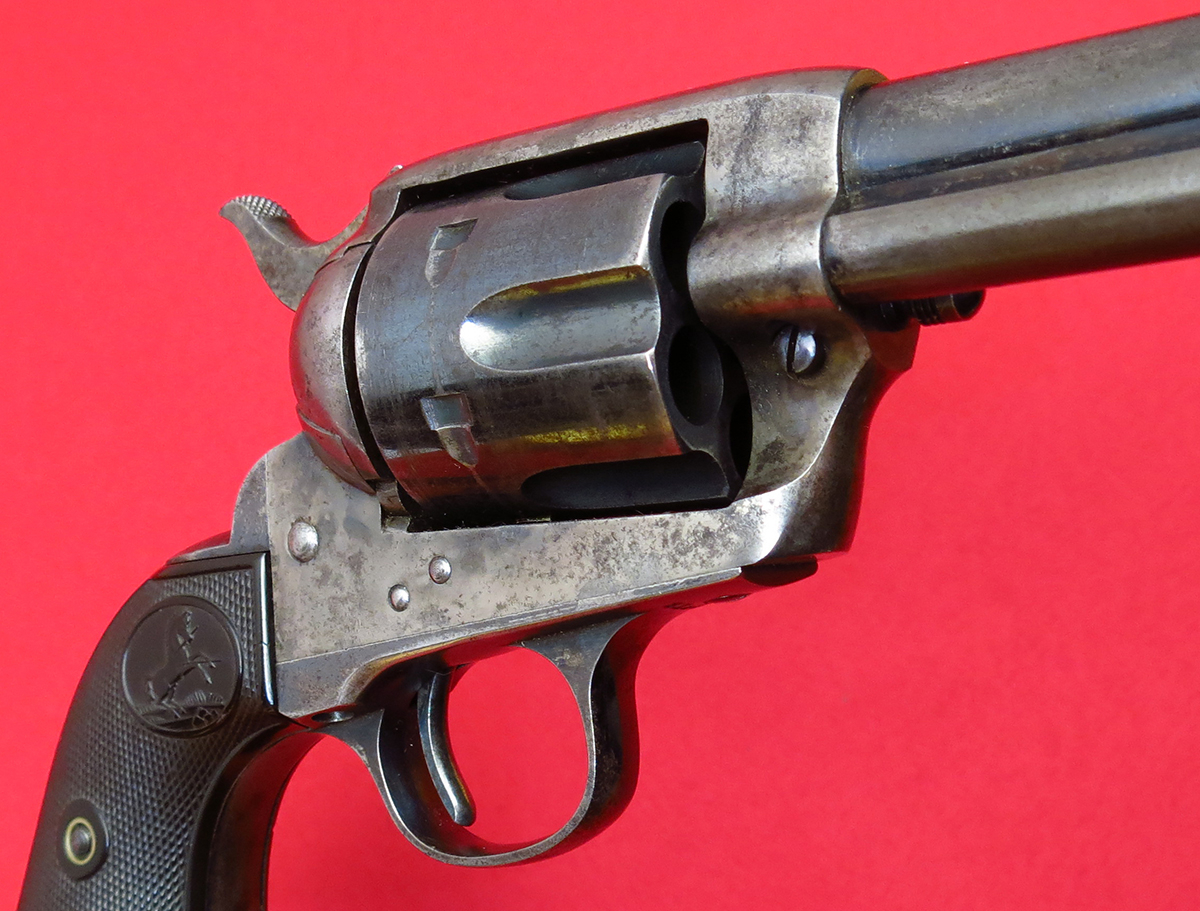
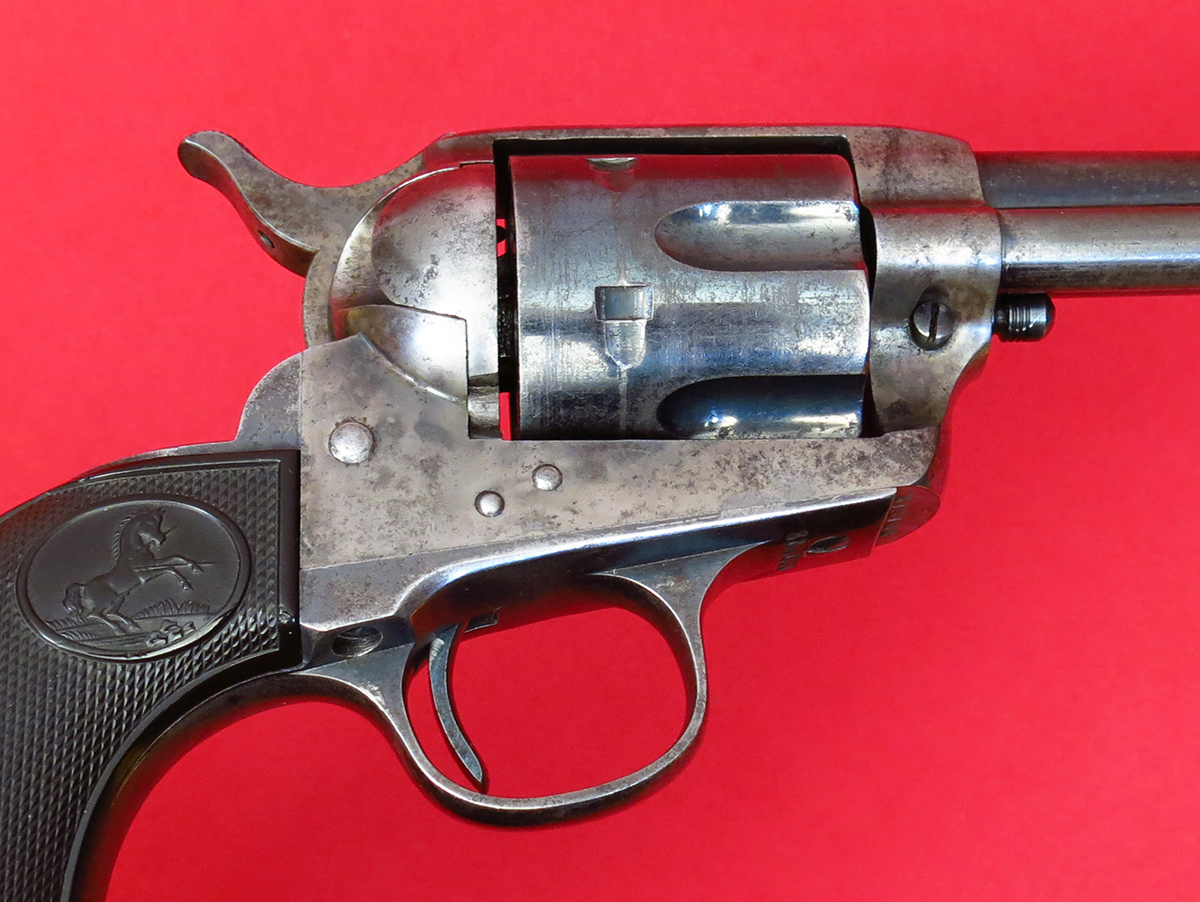
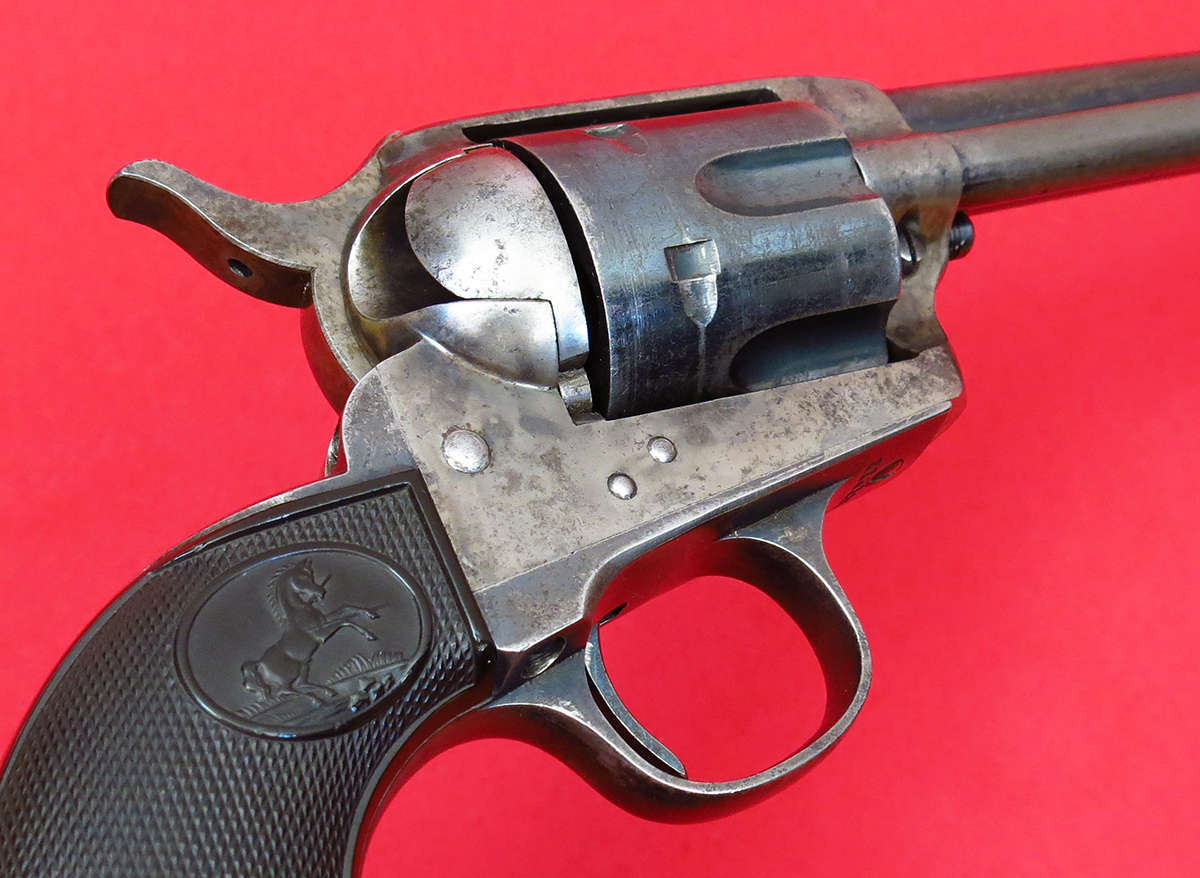
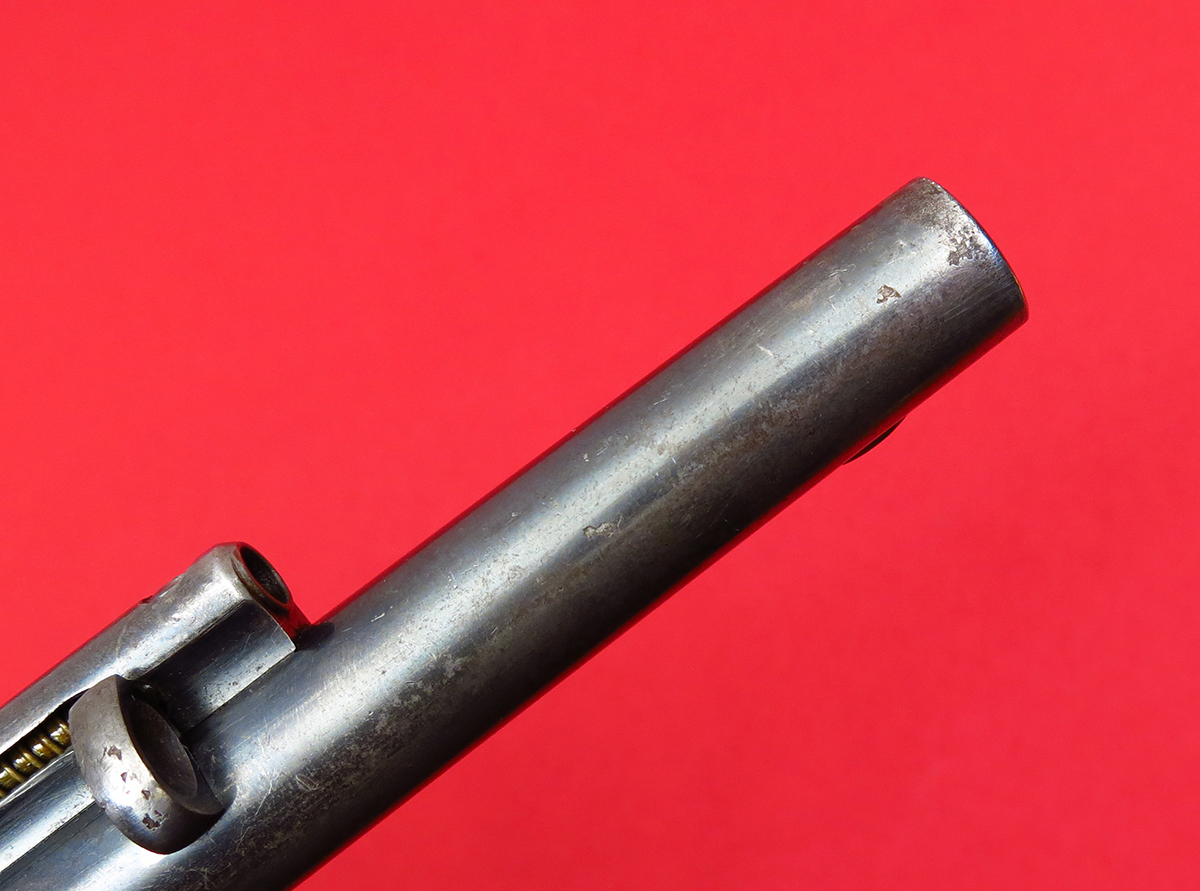
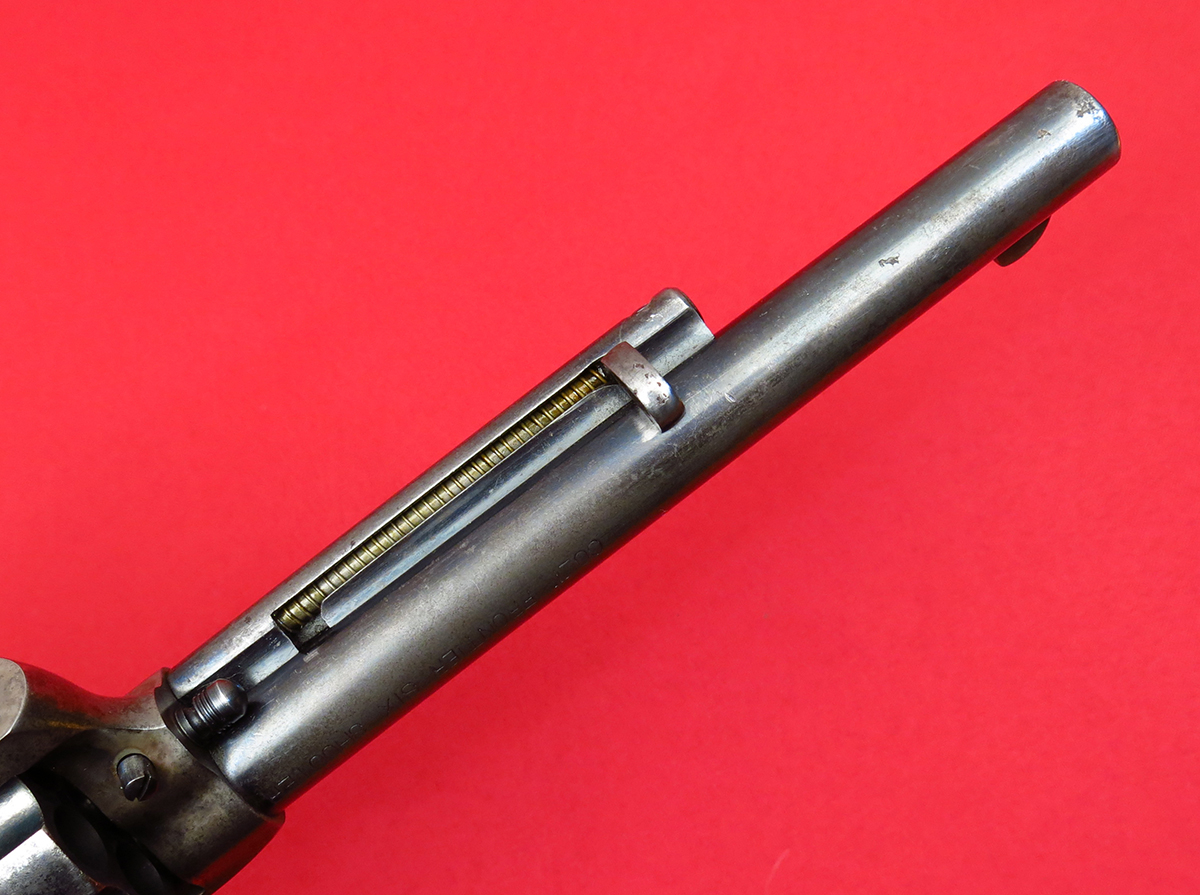
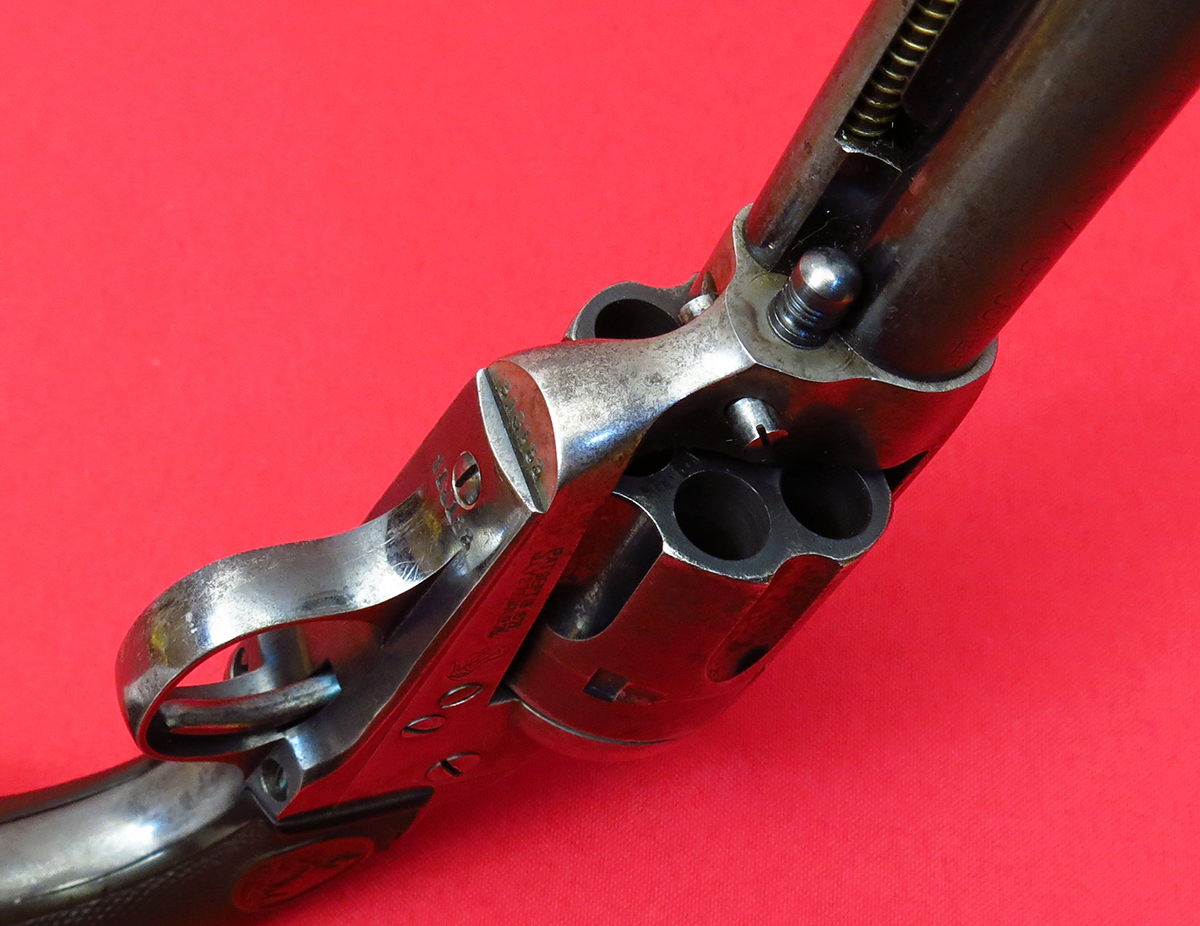
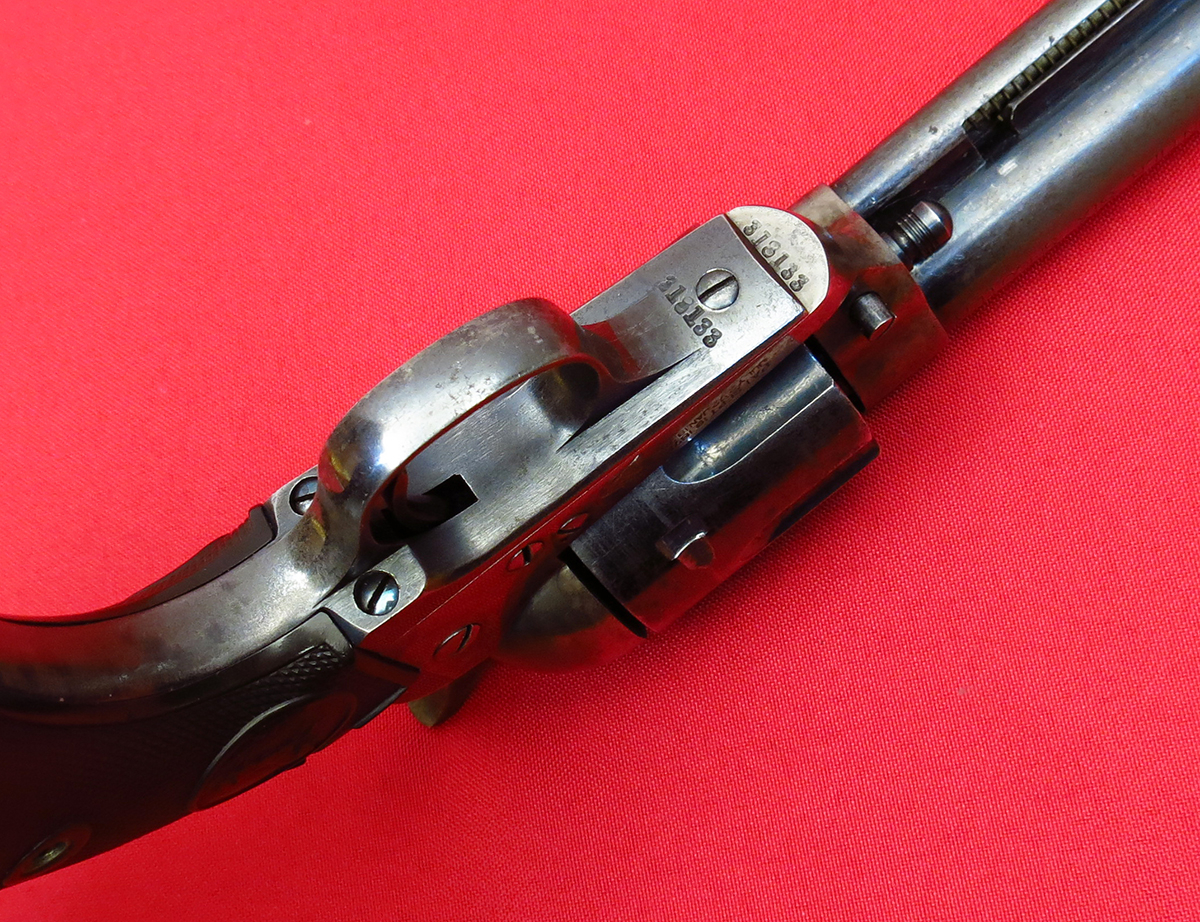
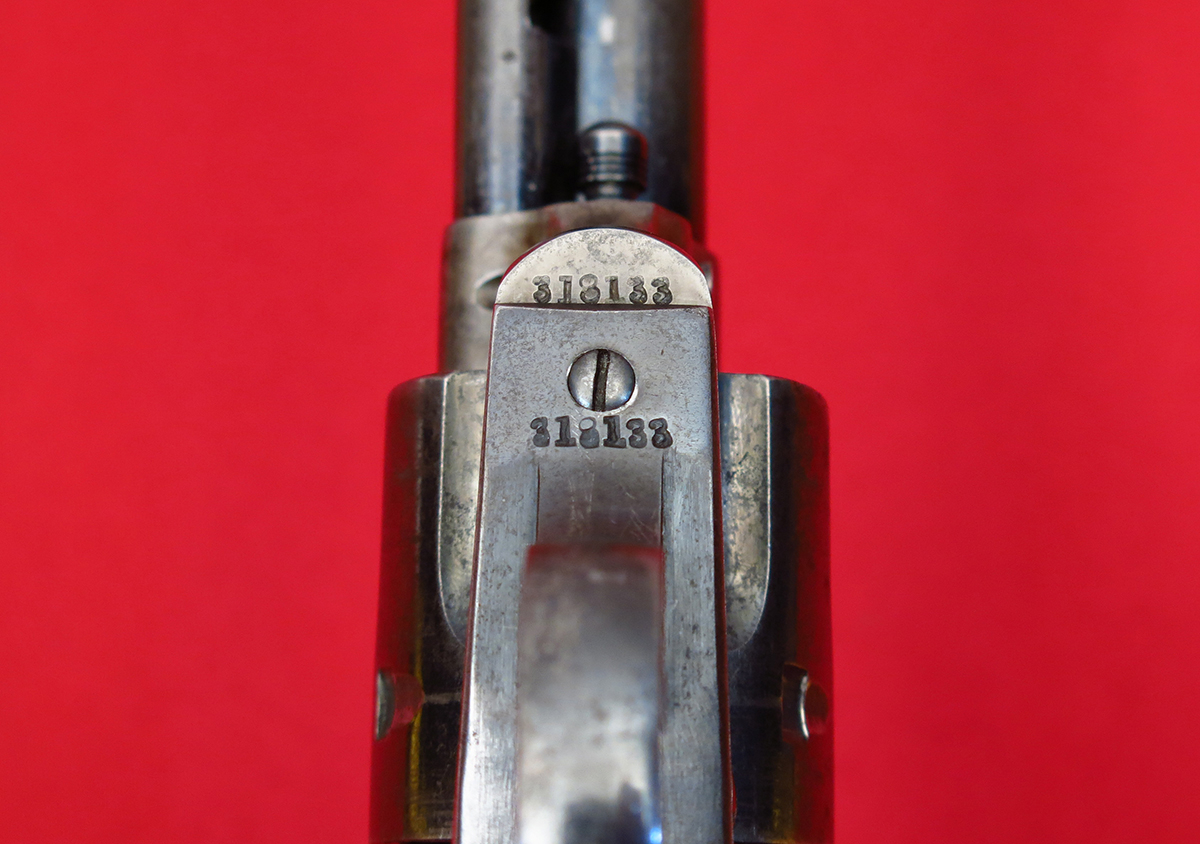
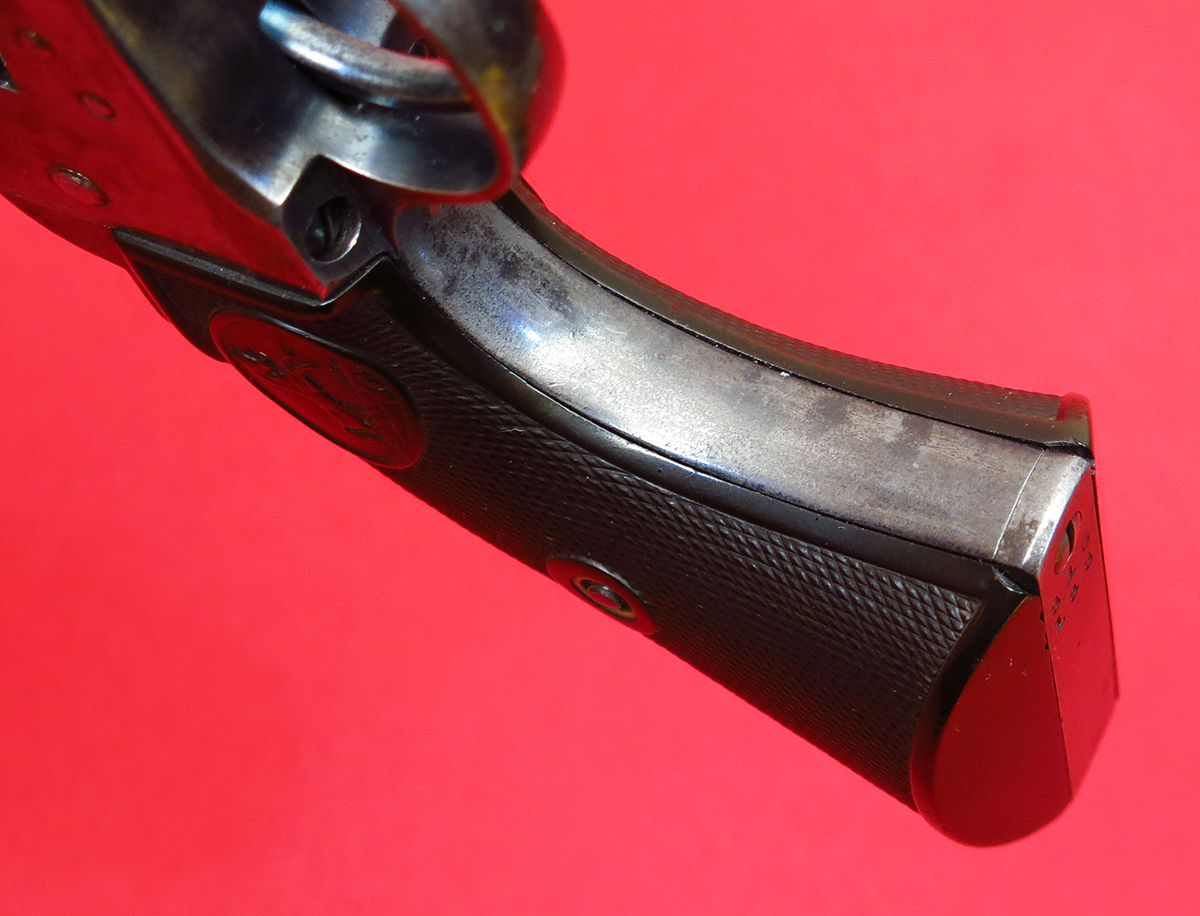
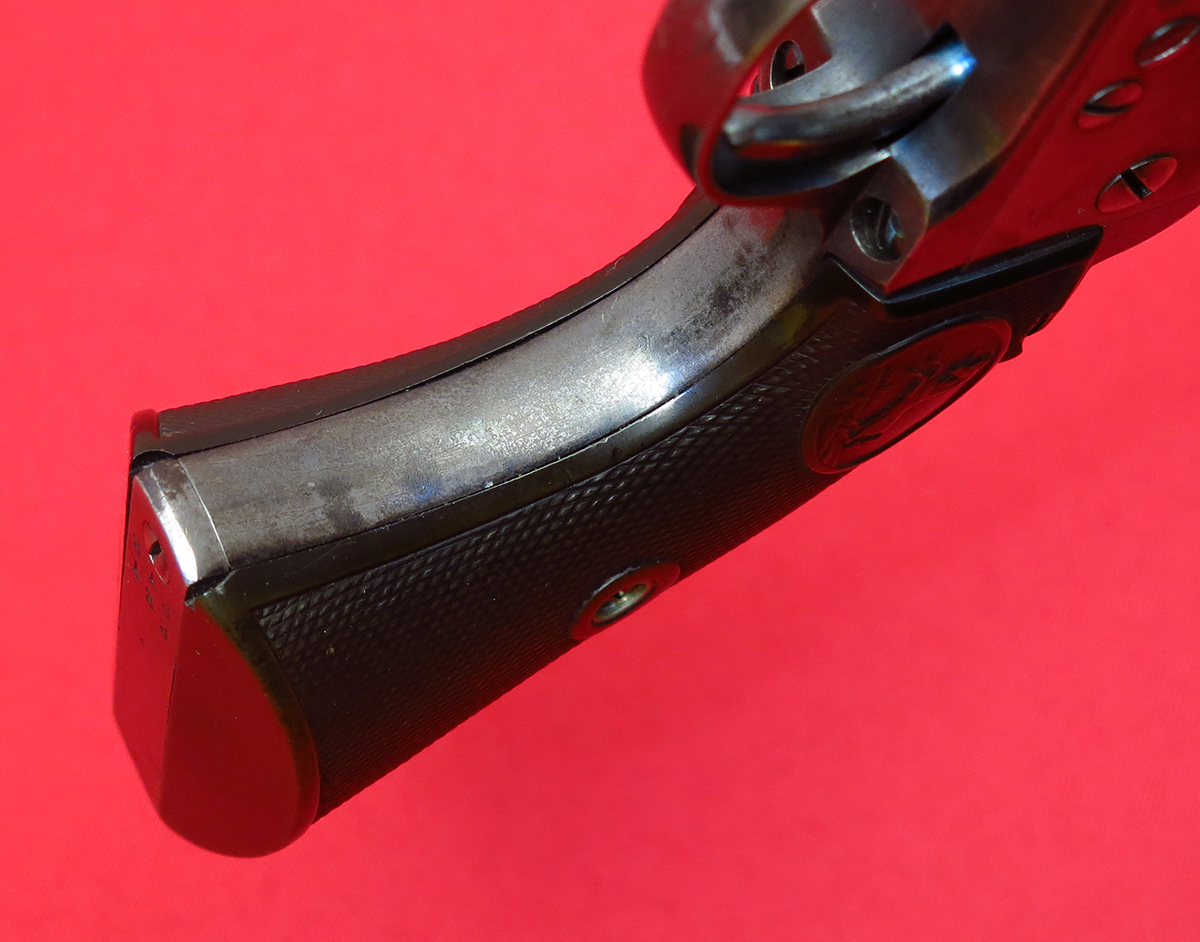
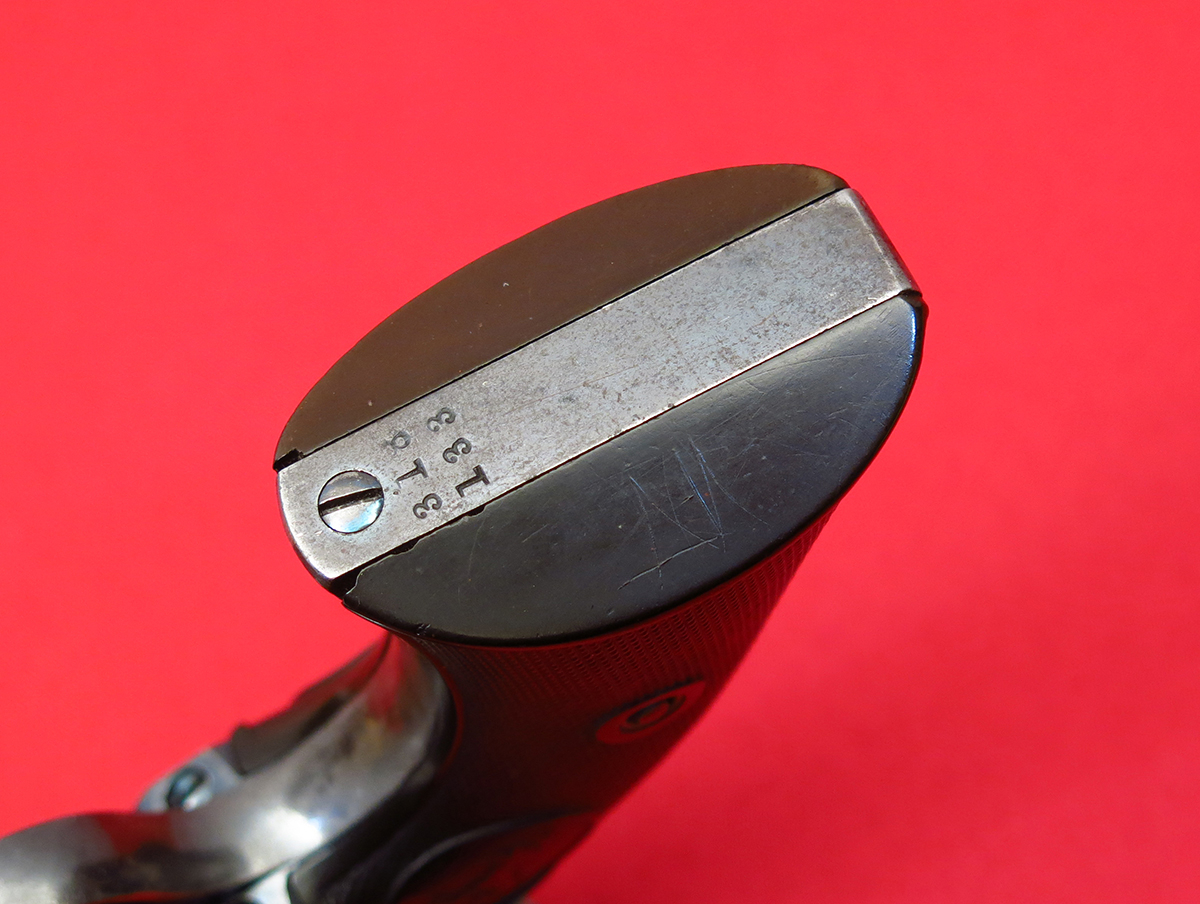
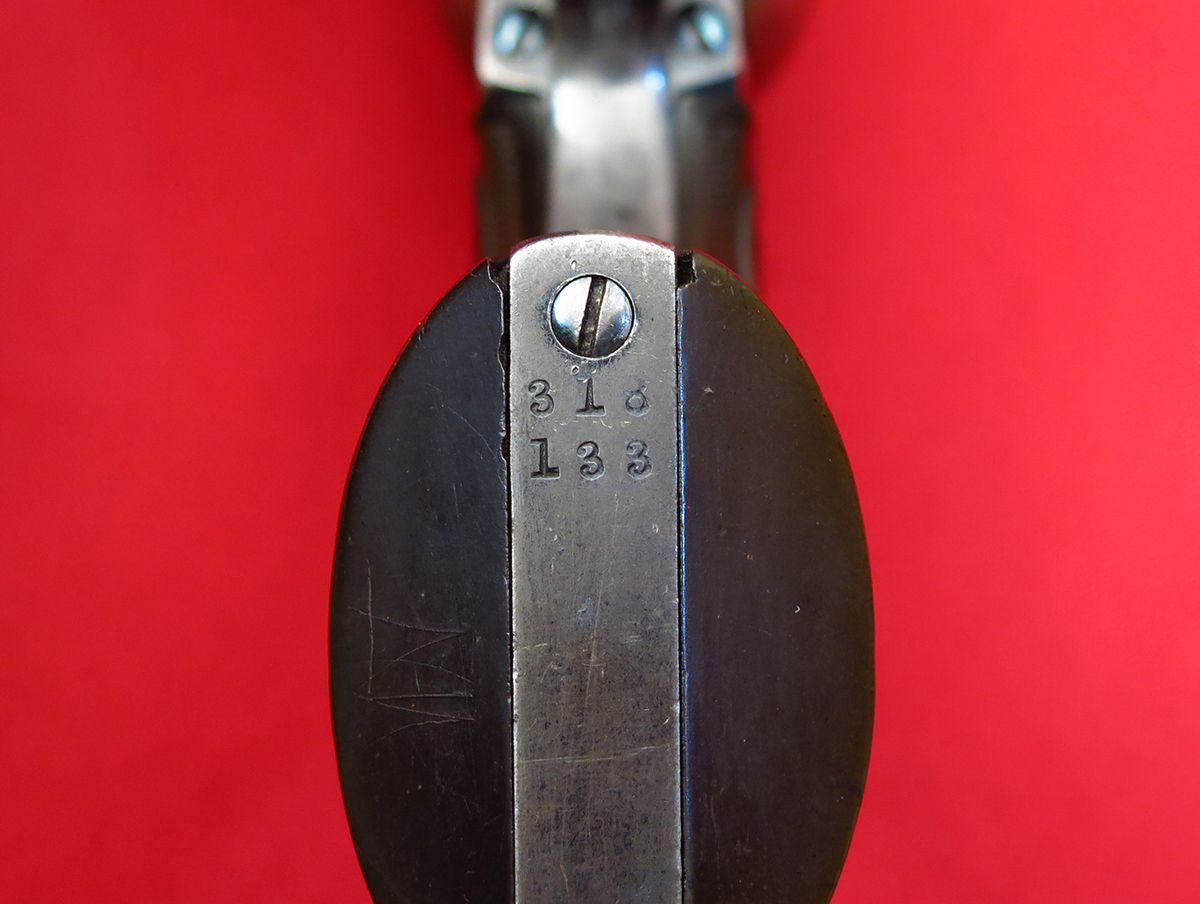
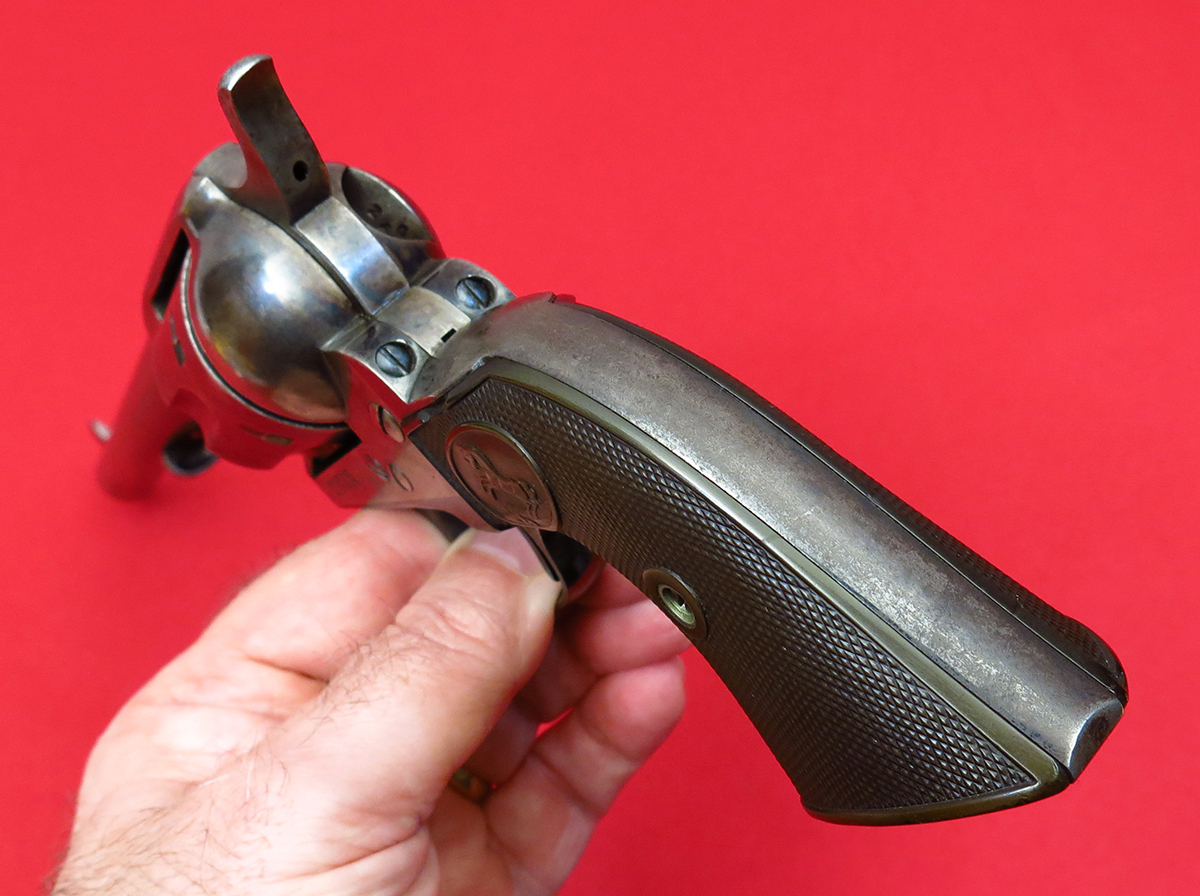
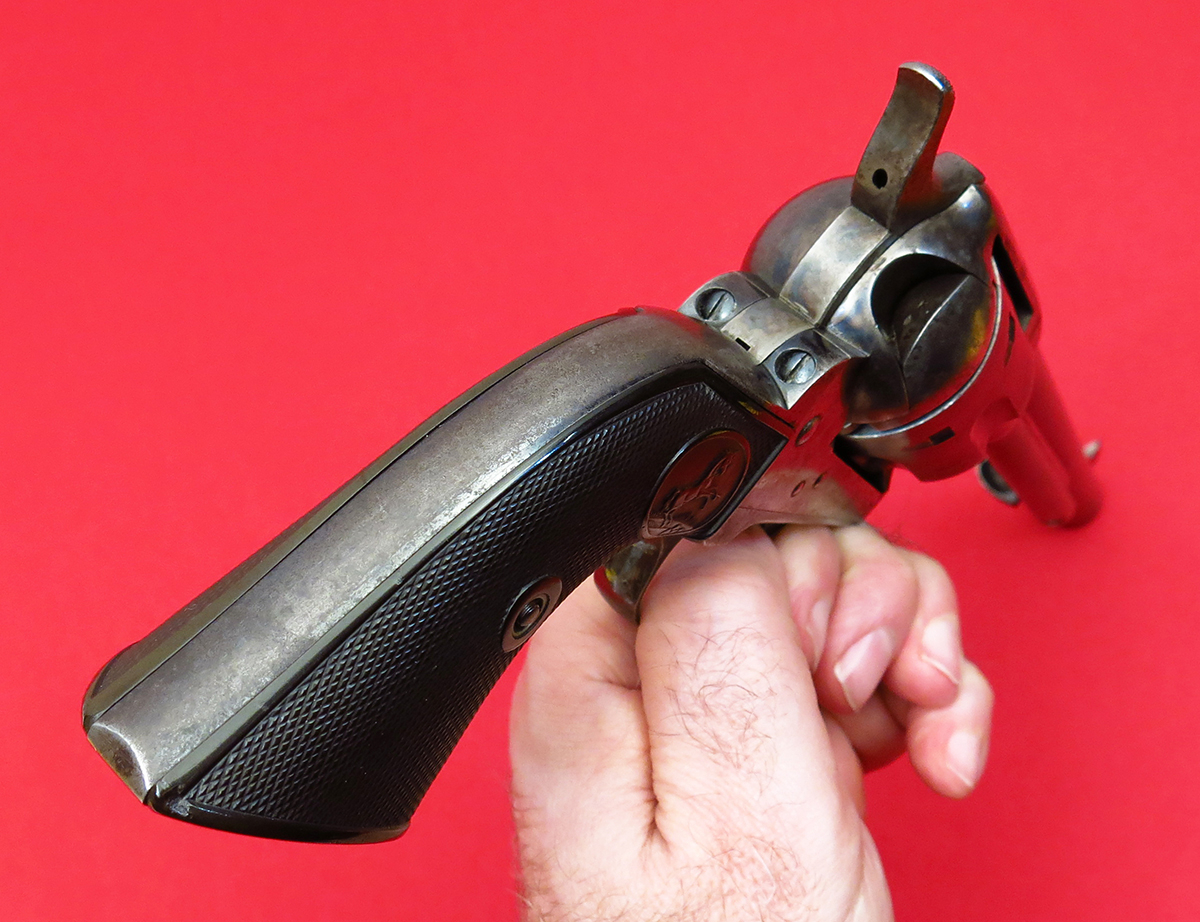
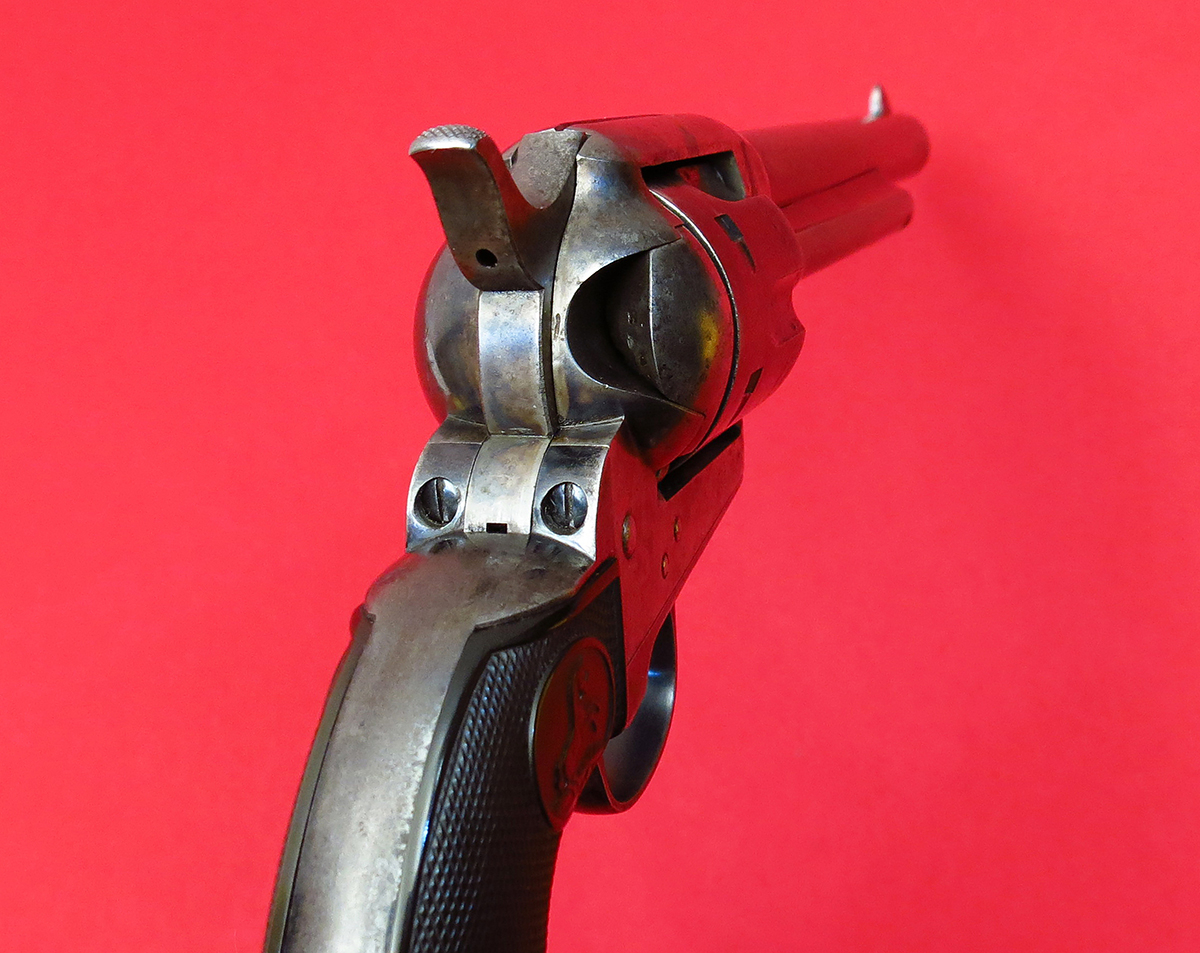
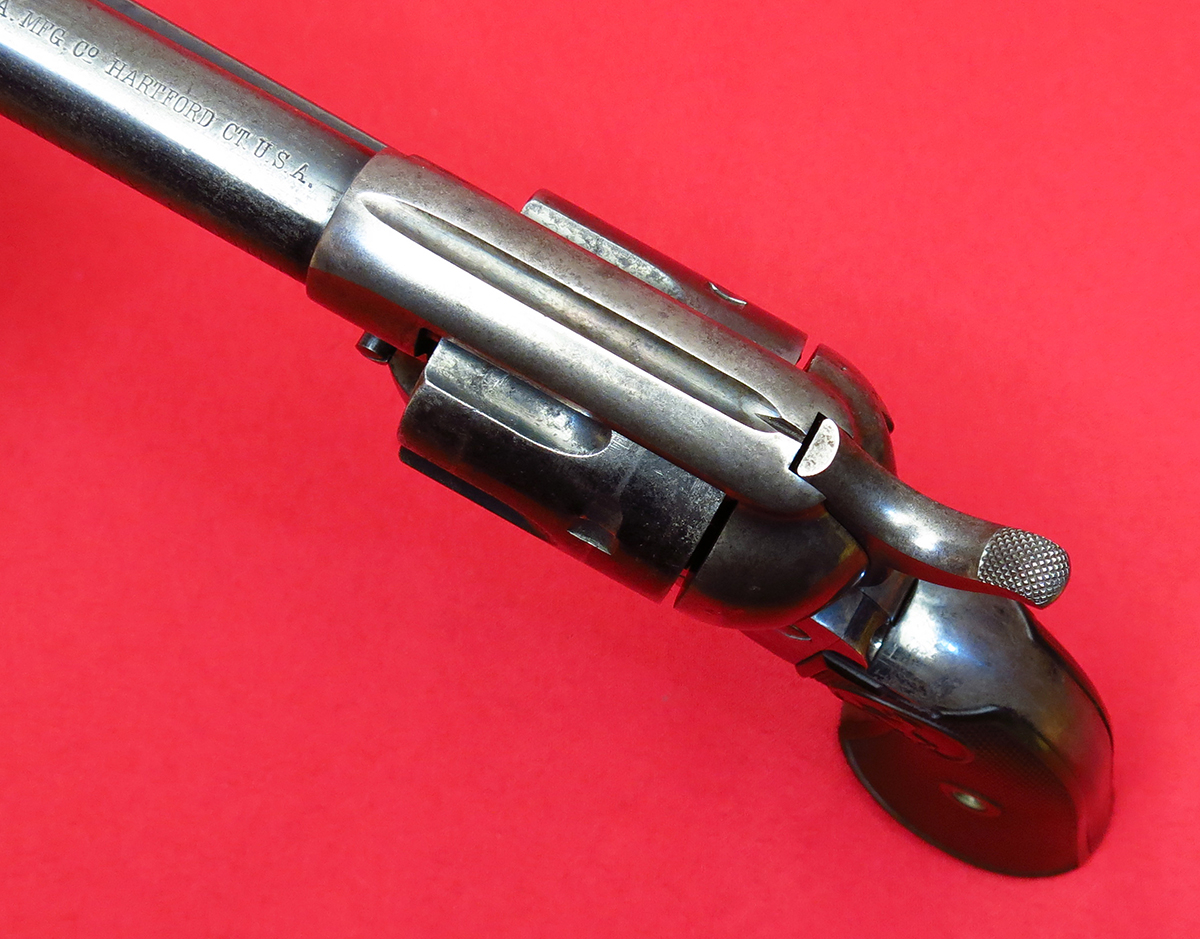
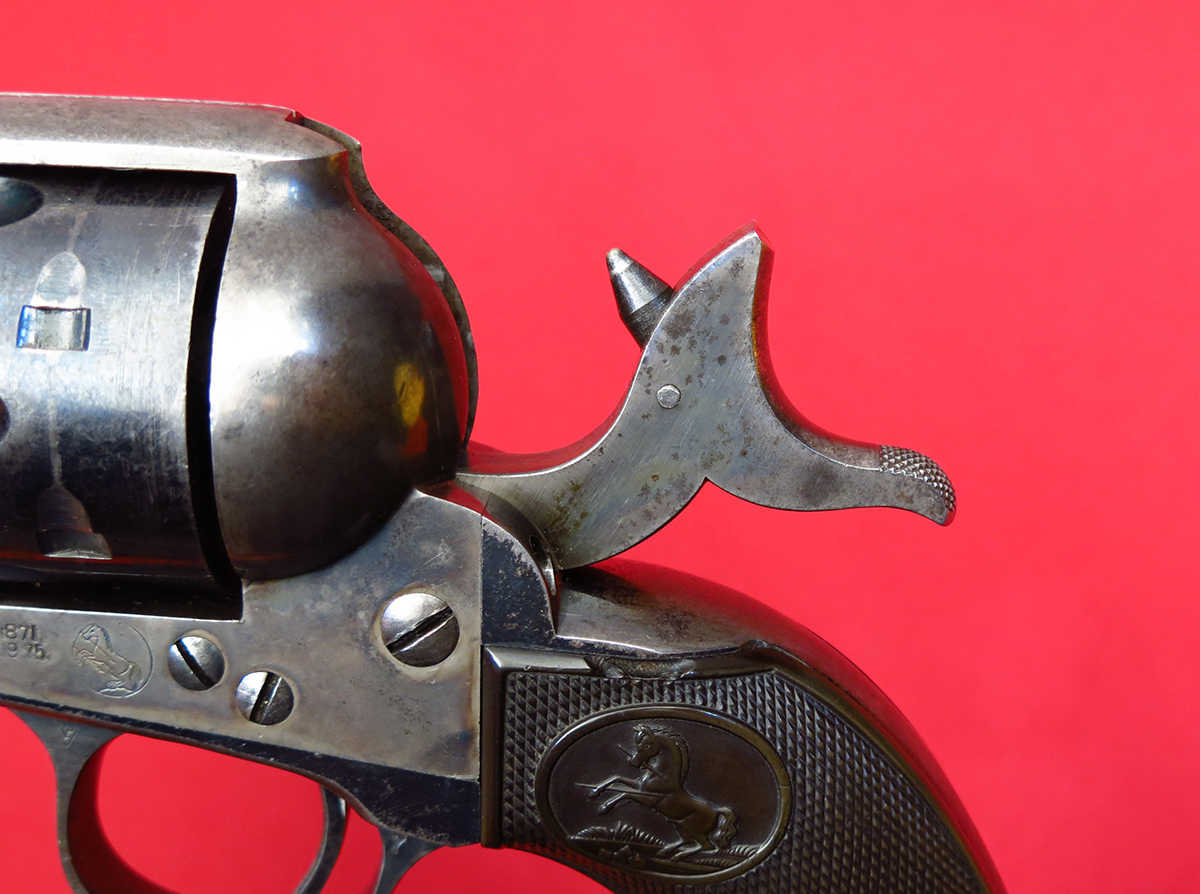
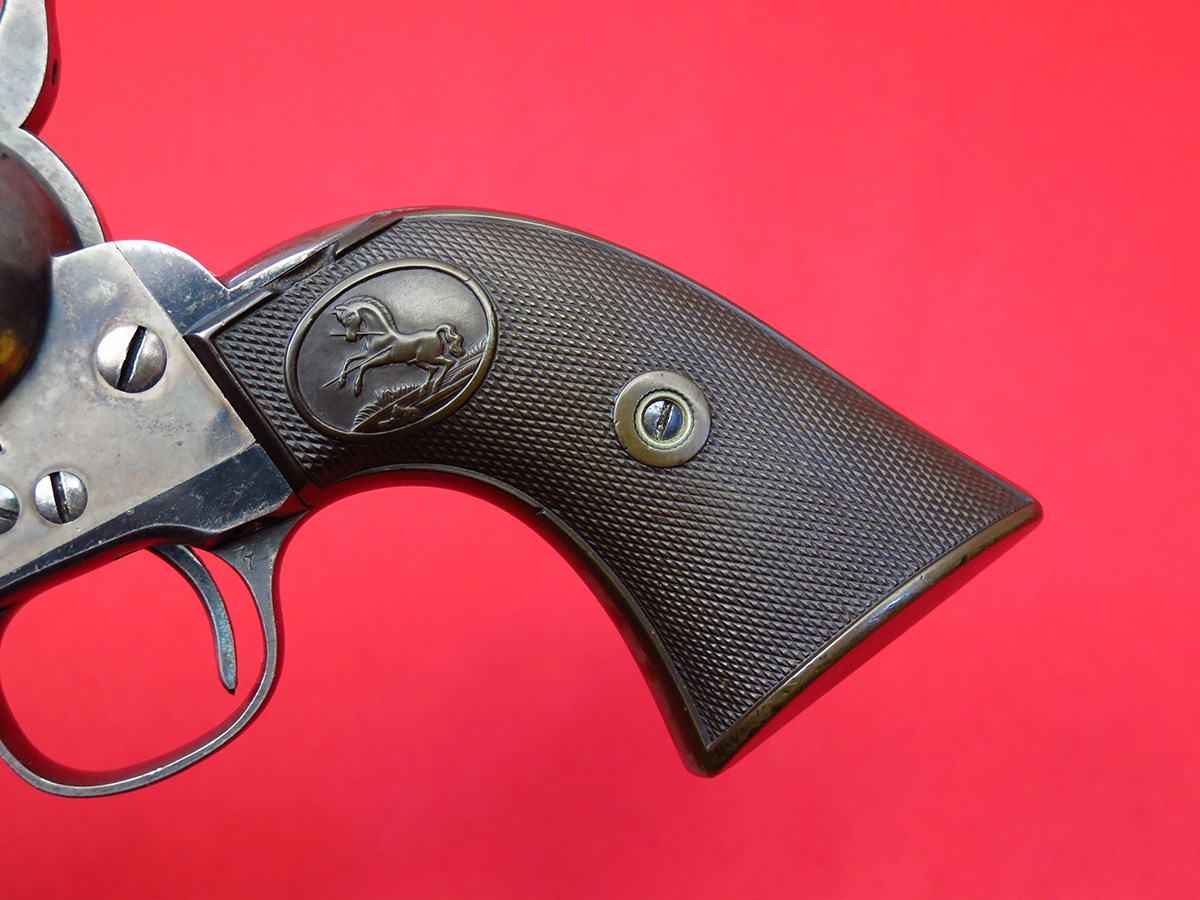
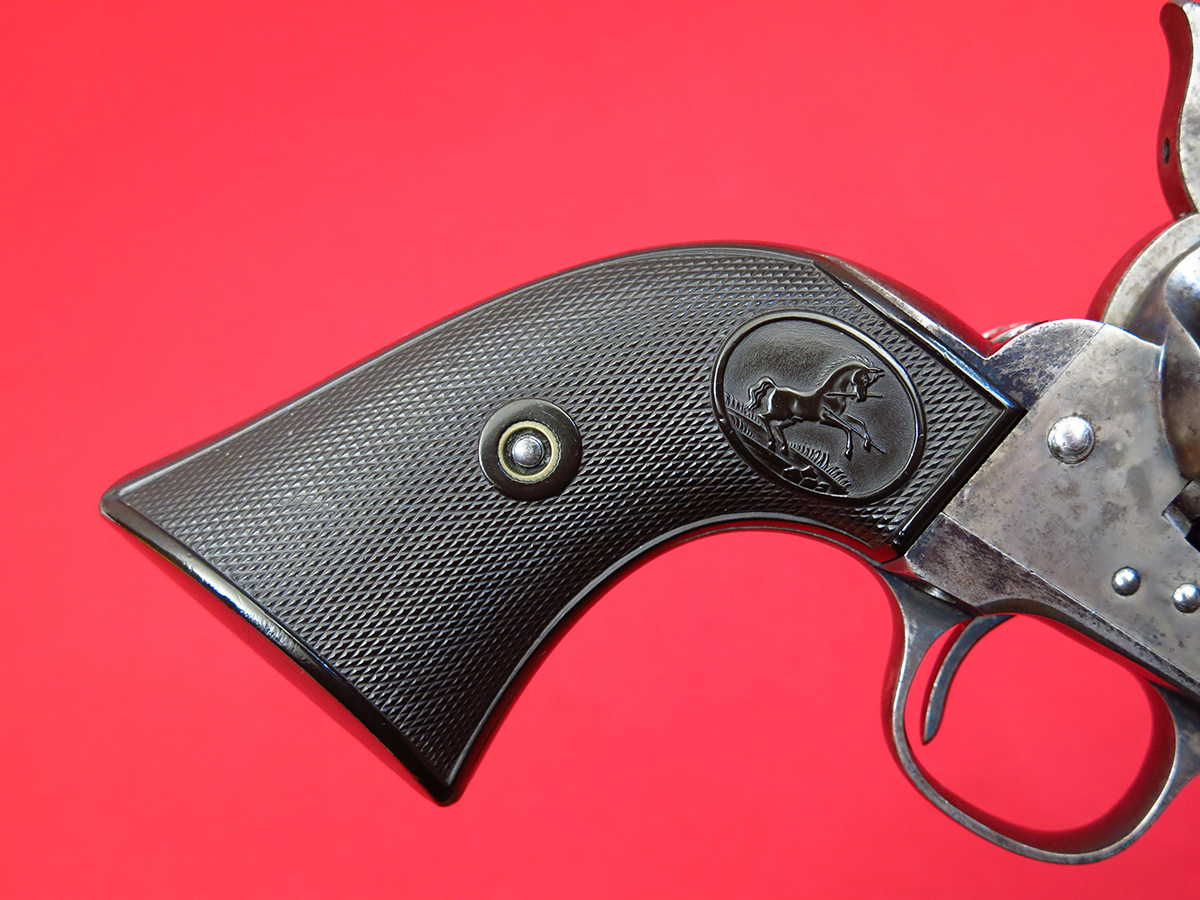
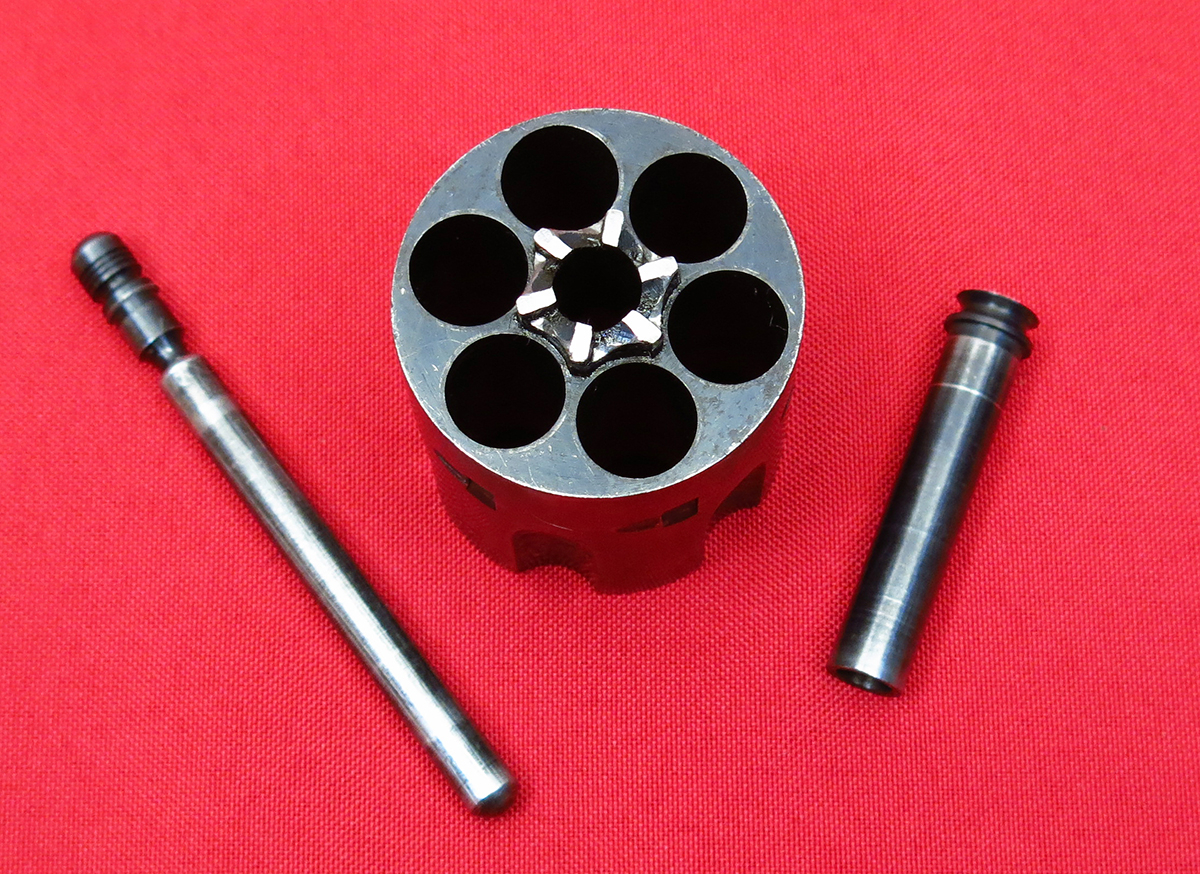
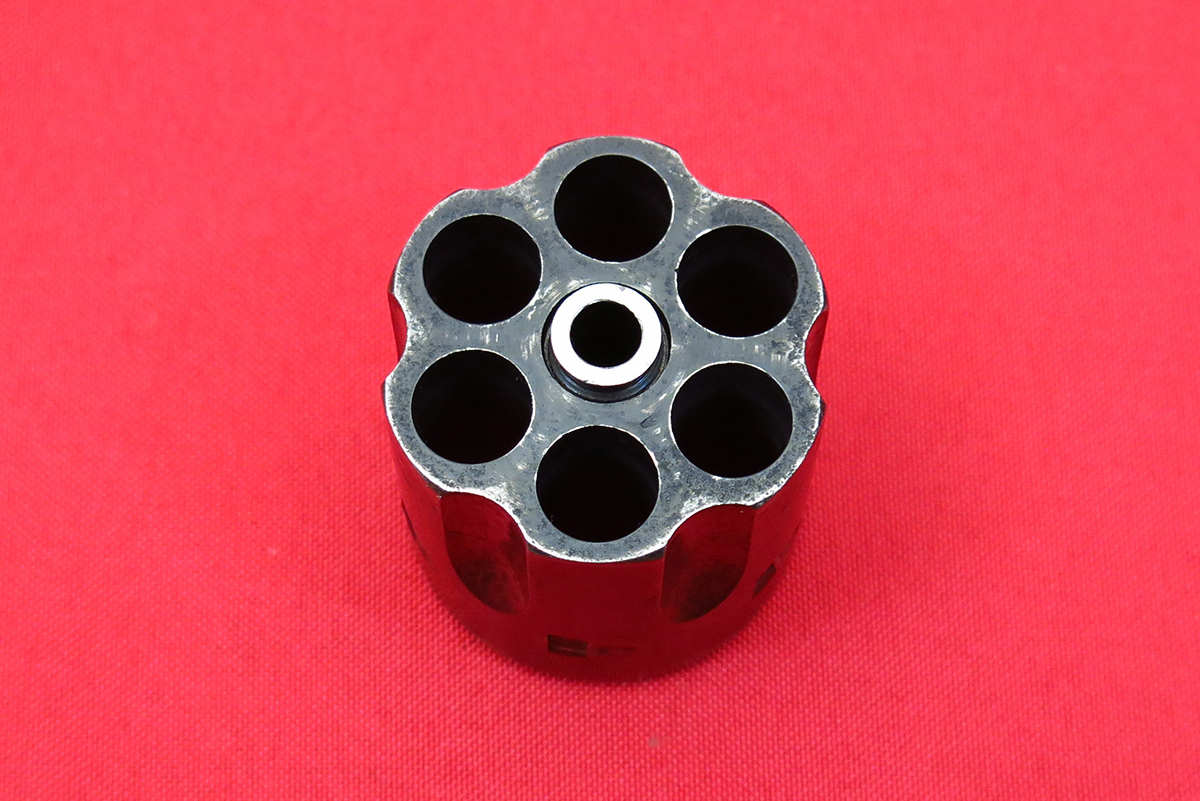
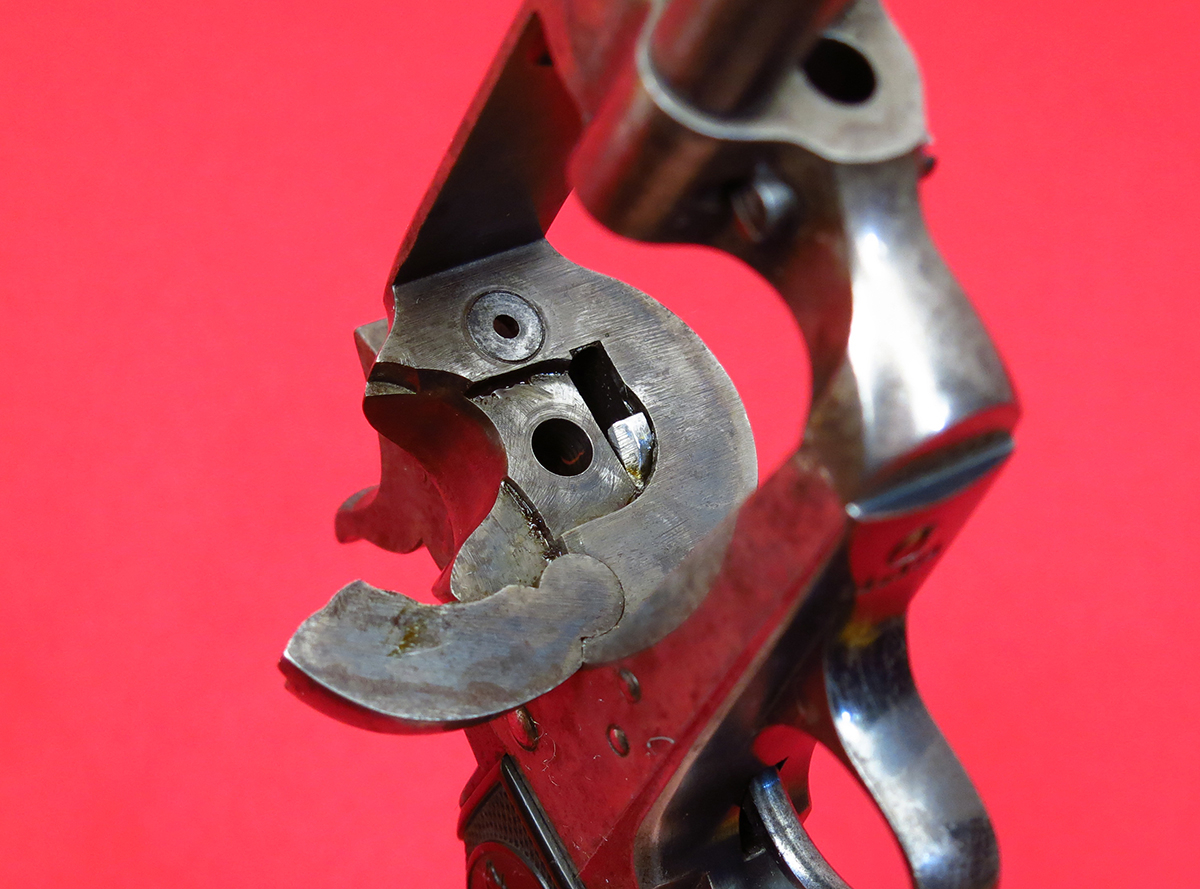
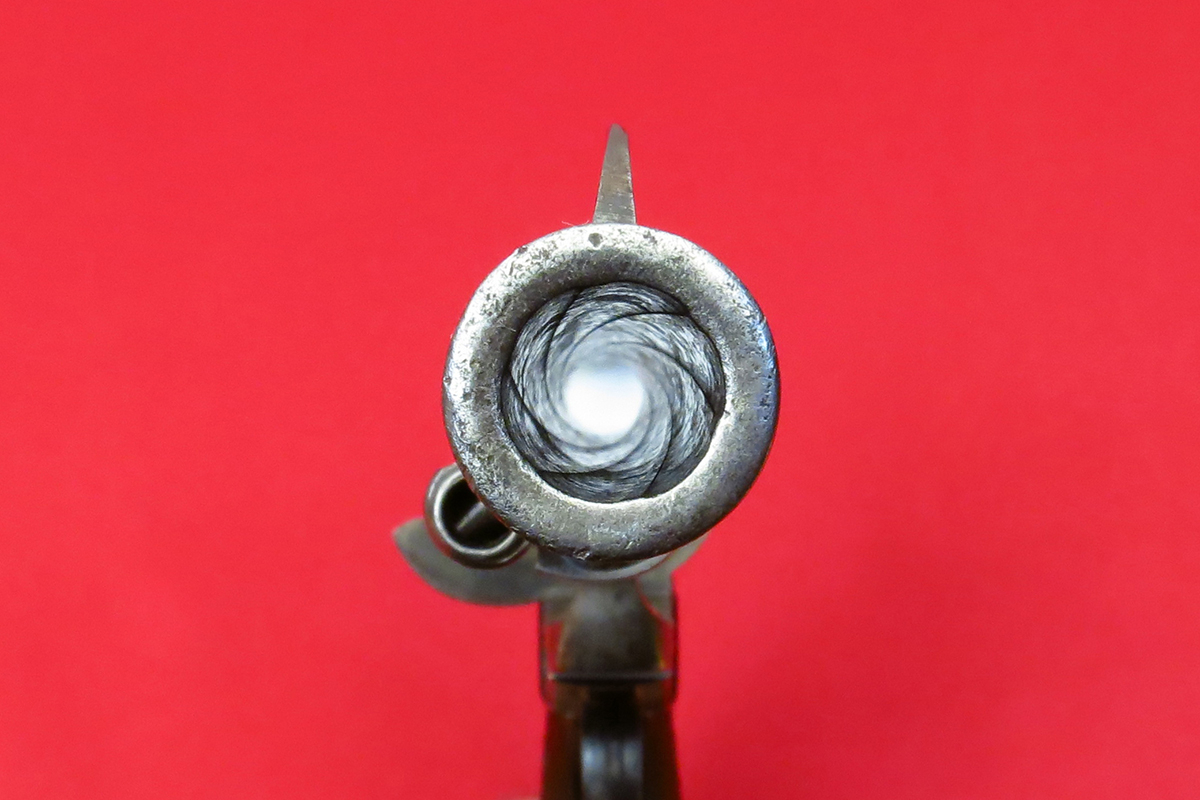
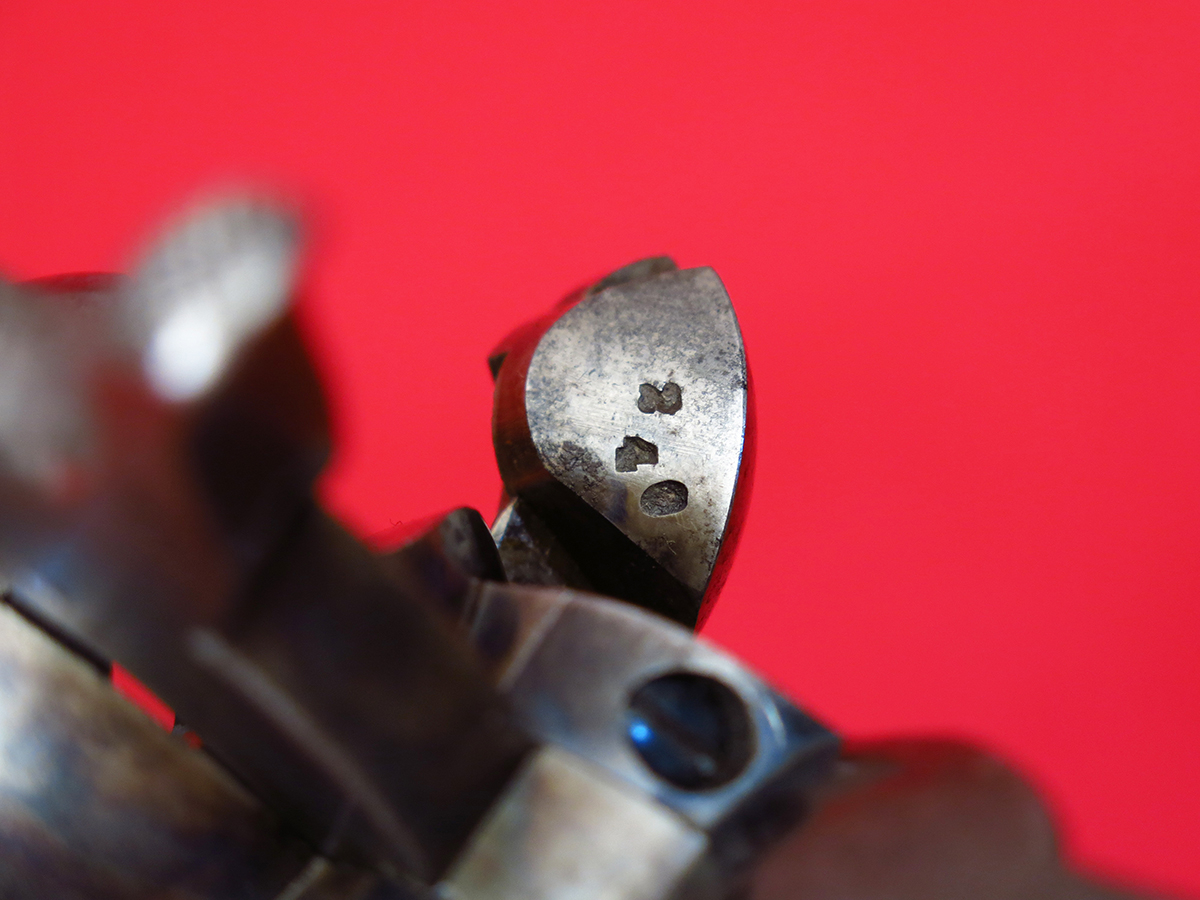
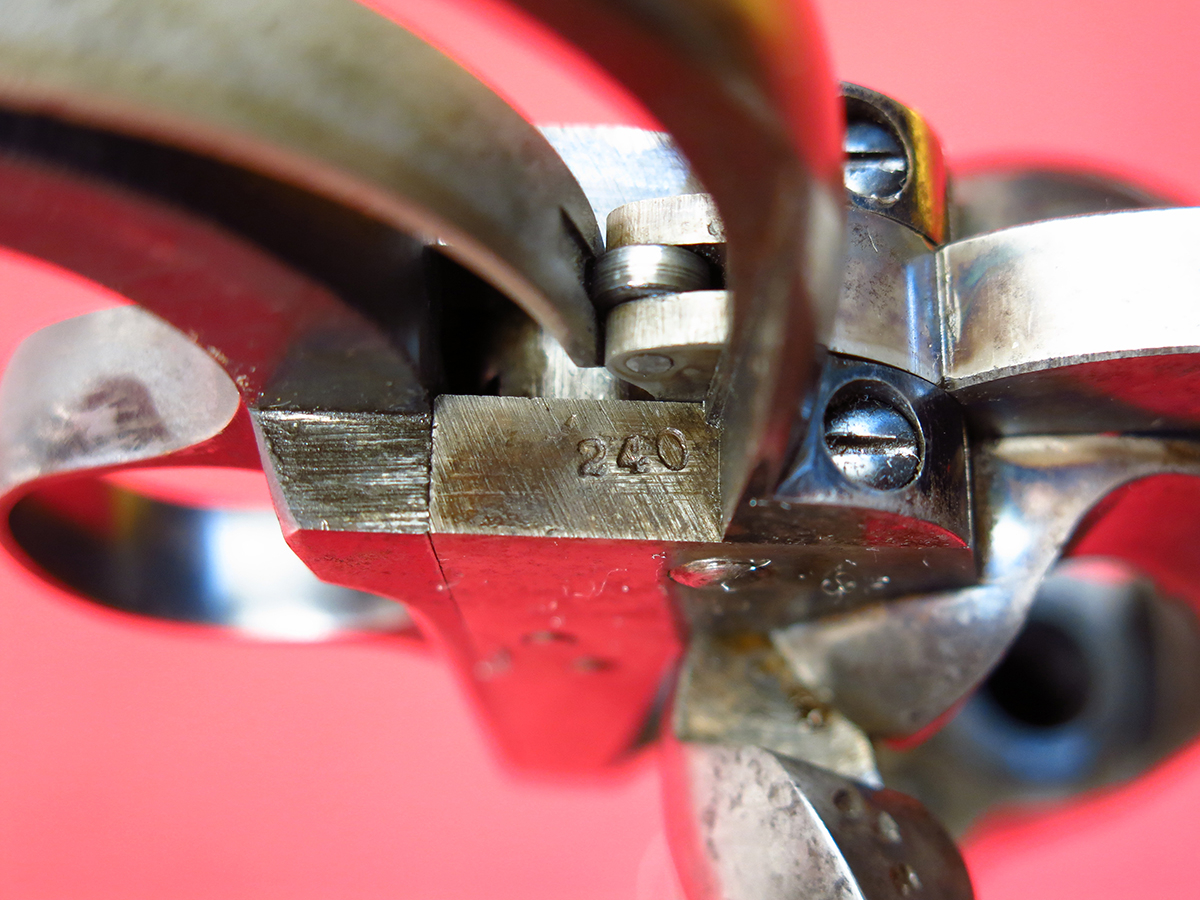
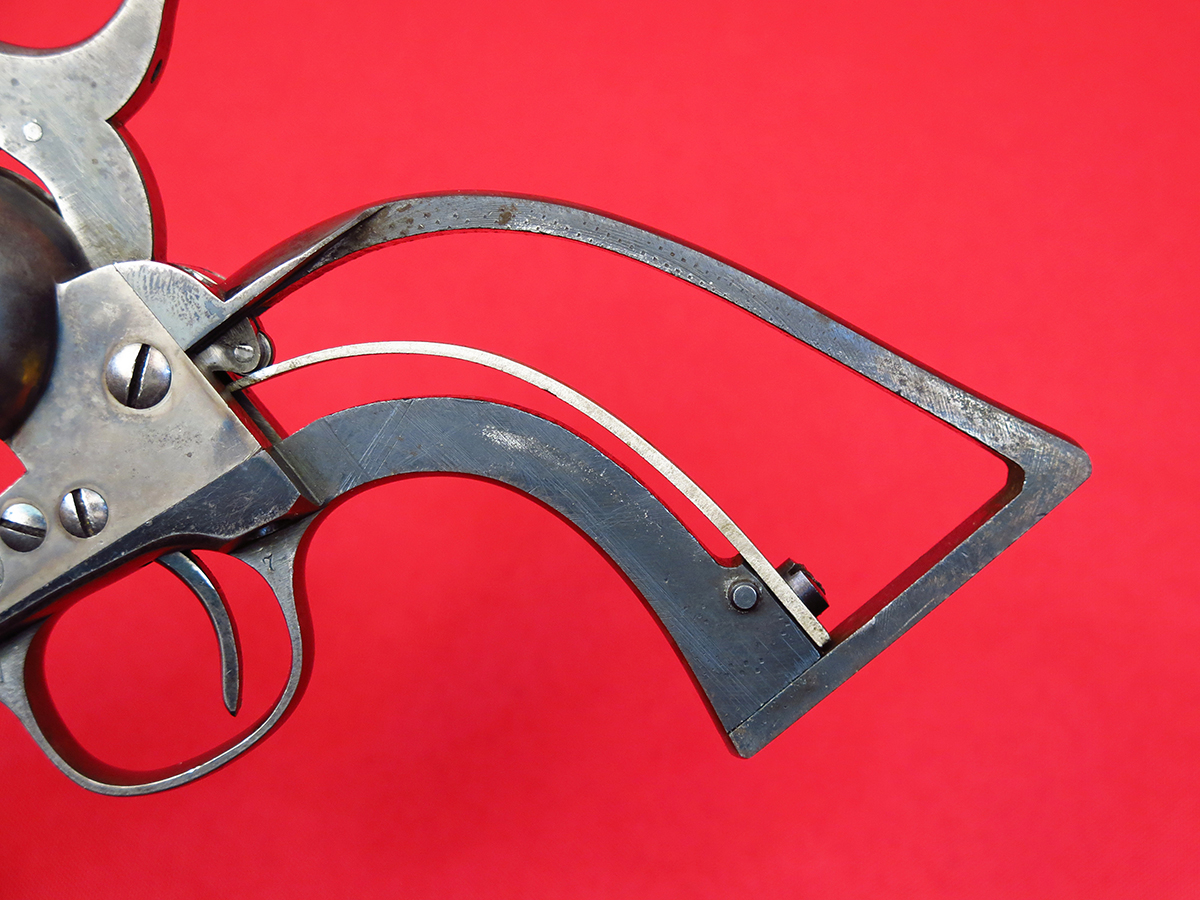
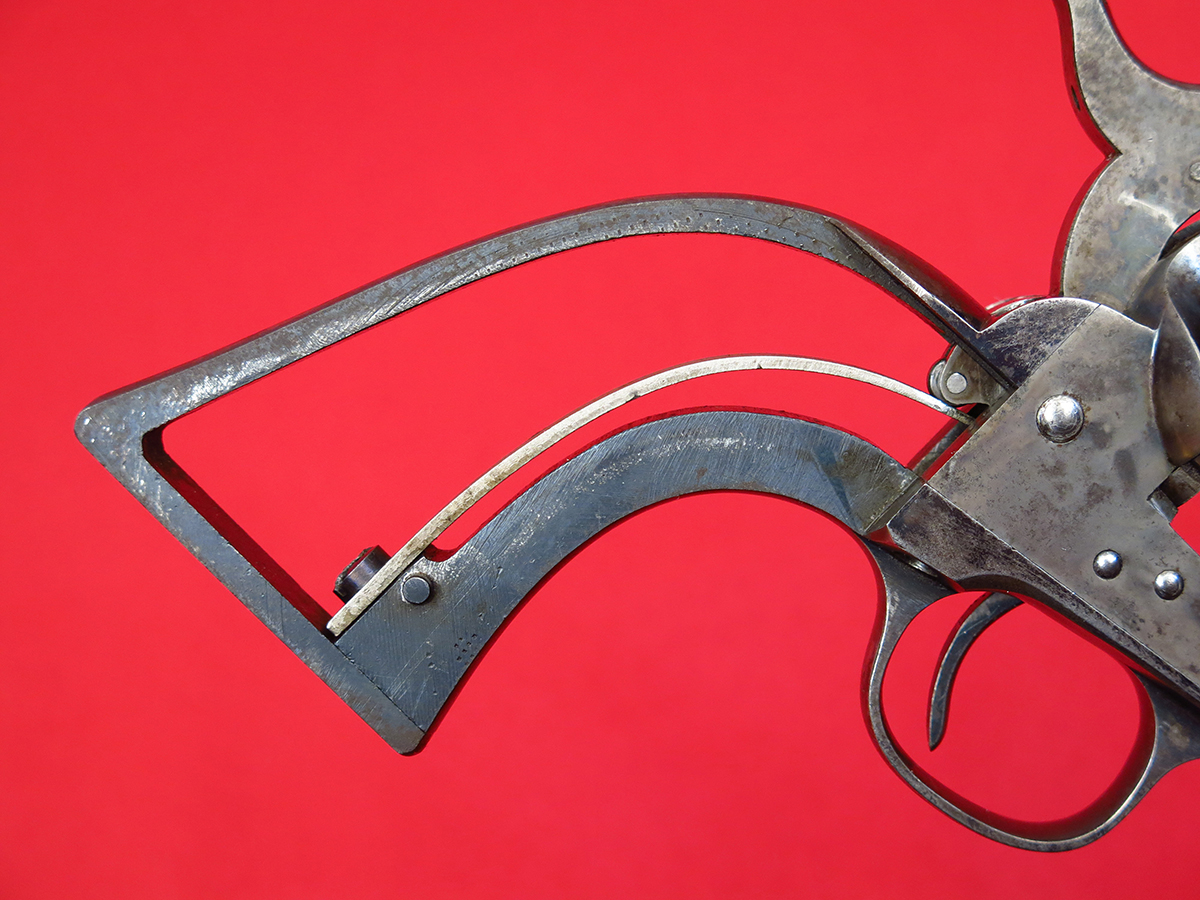
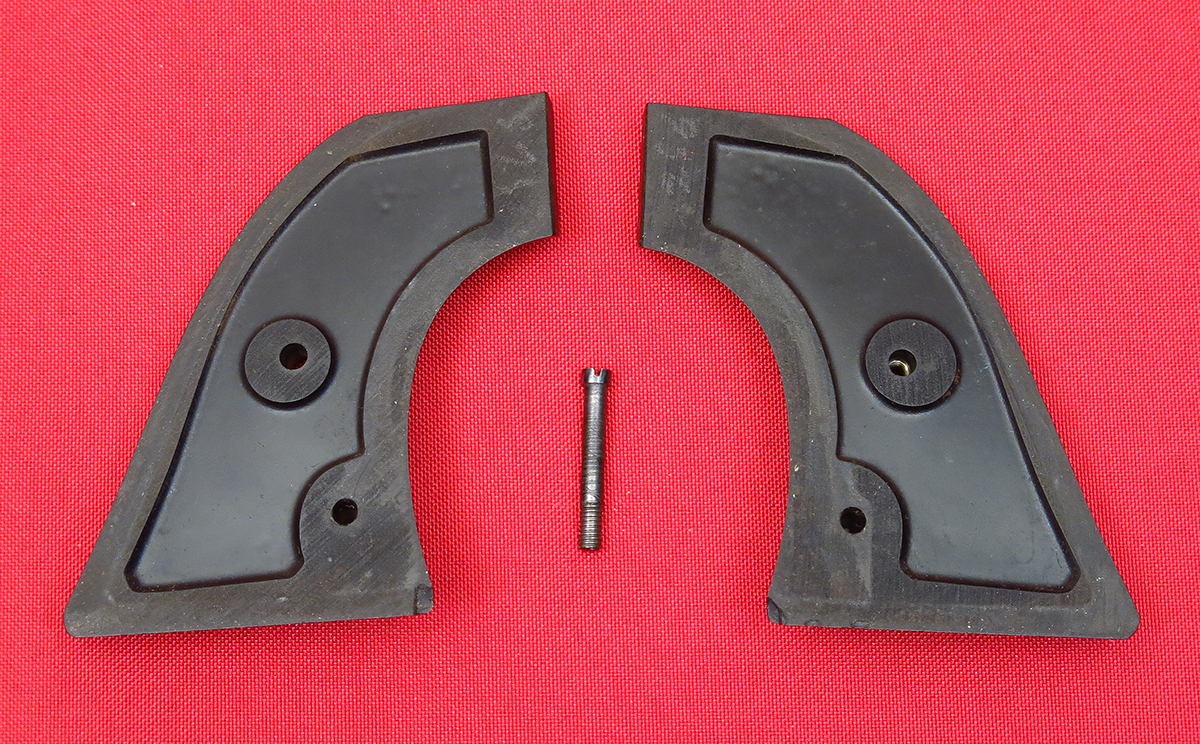
A good project Gun for a up & coming Rookie Gunsmith to cut their teeth on! In that with a little time, shill, a little supervision with some TLC thrown in for good measure. You could wind up with something kinda special. Grumpy
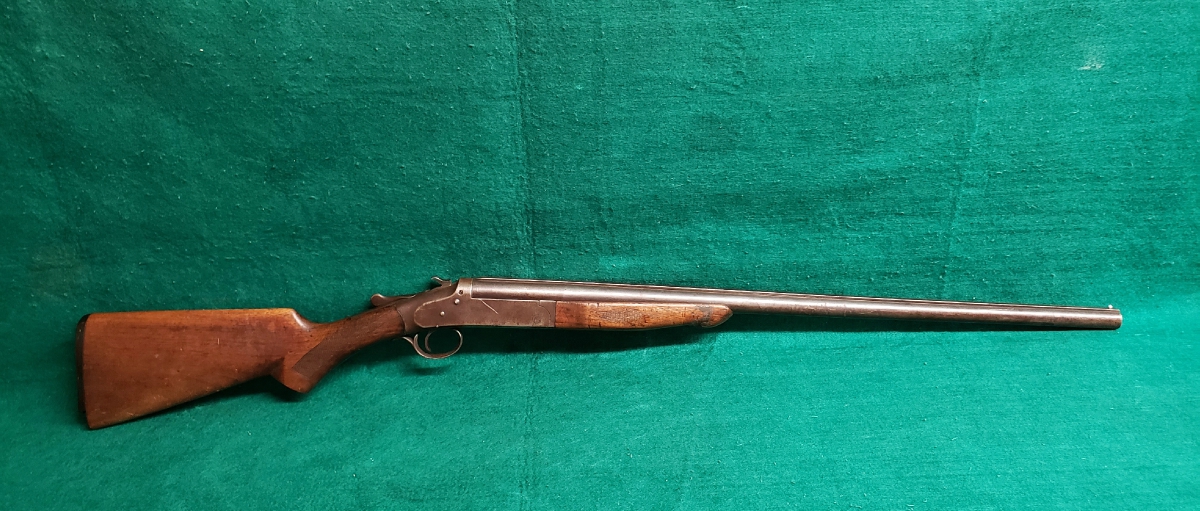
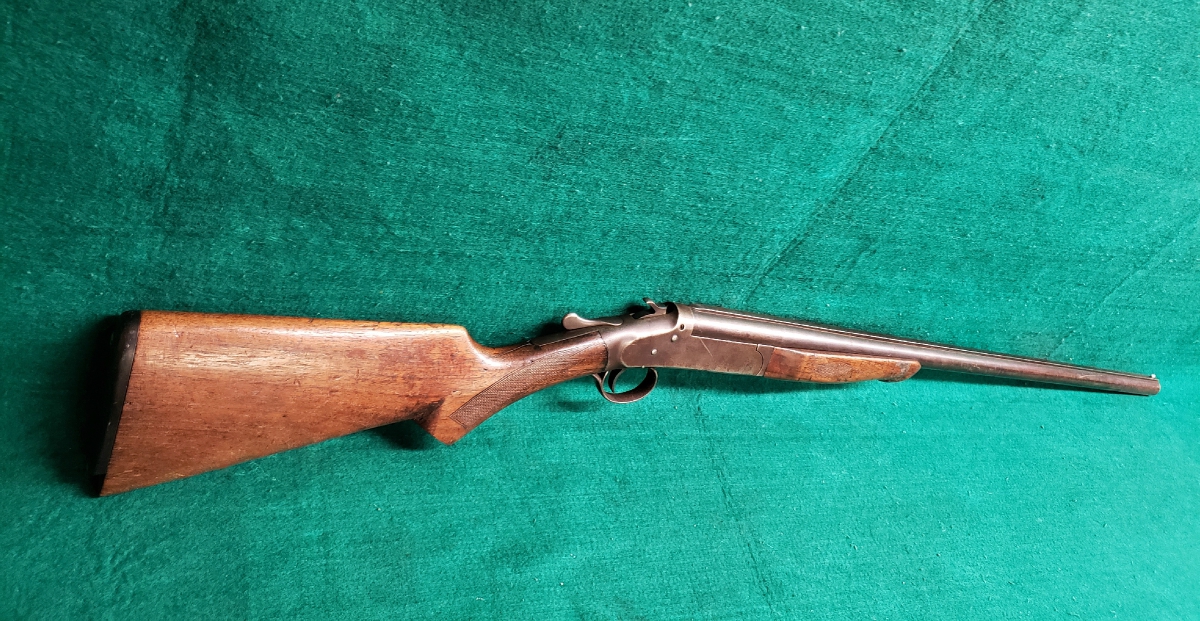
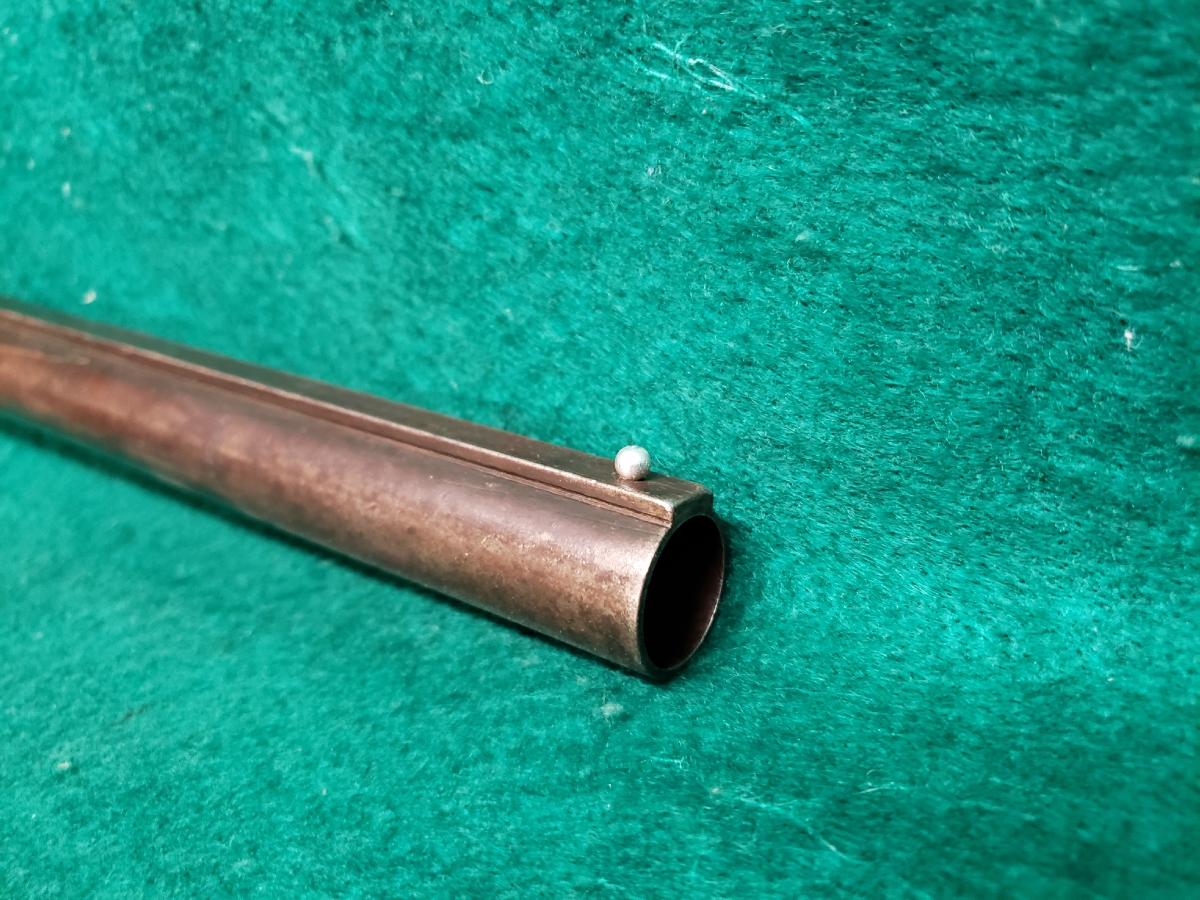
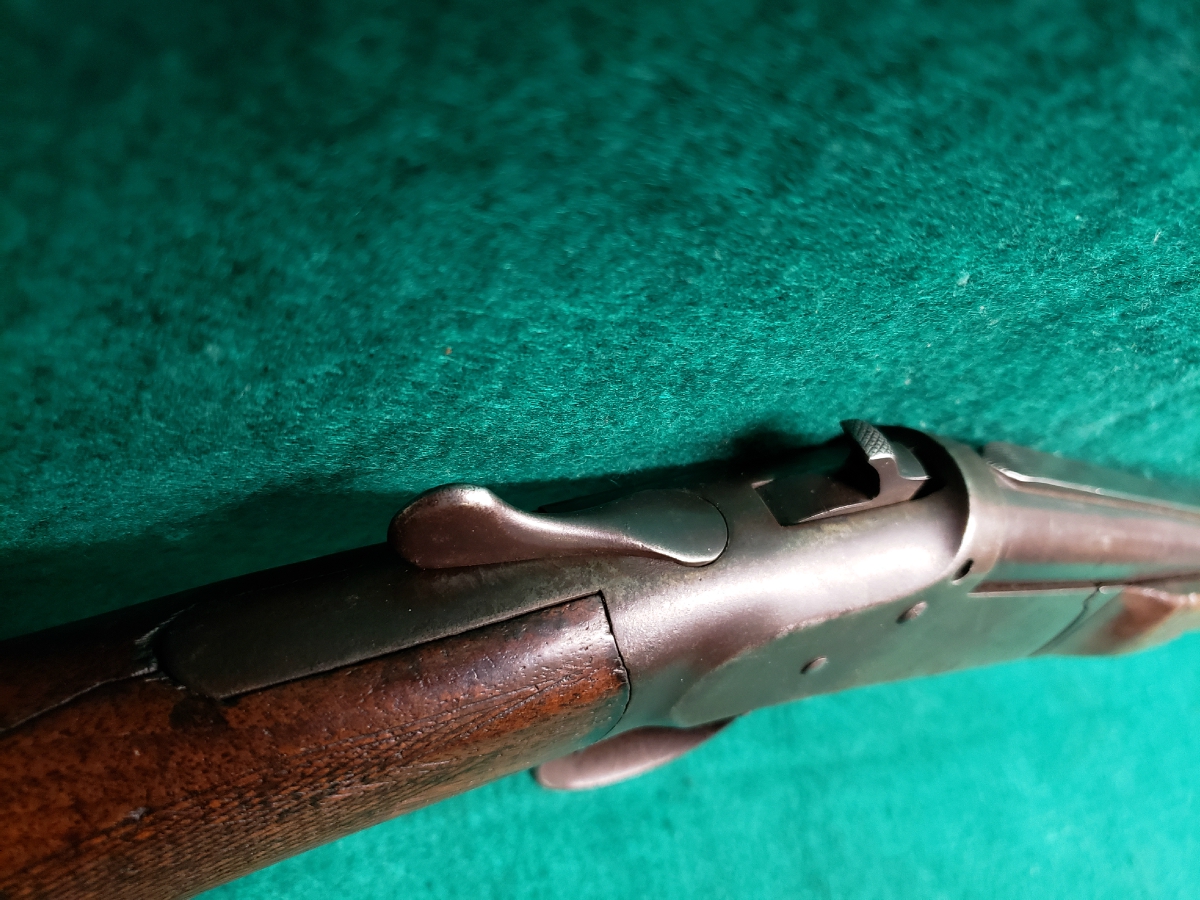
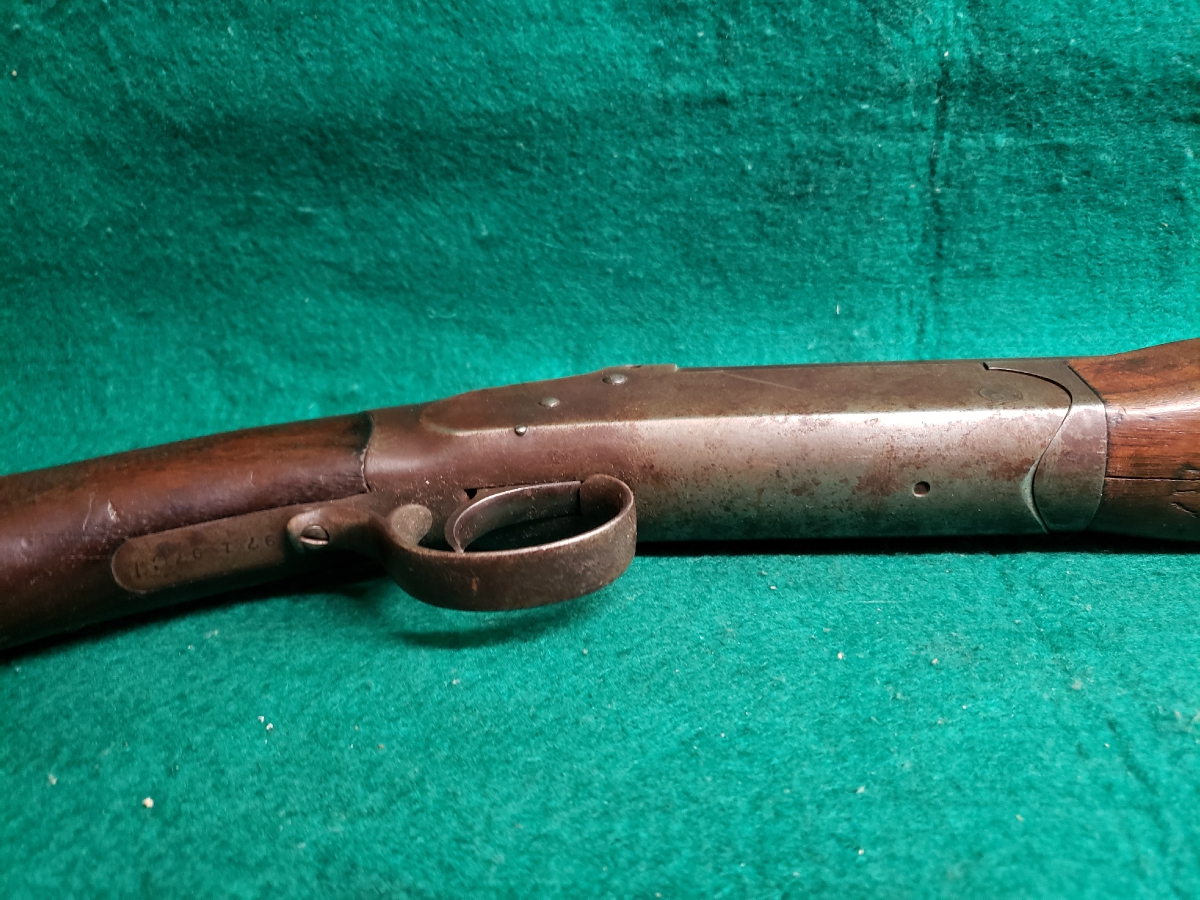
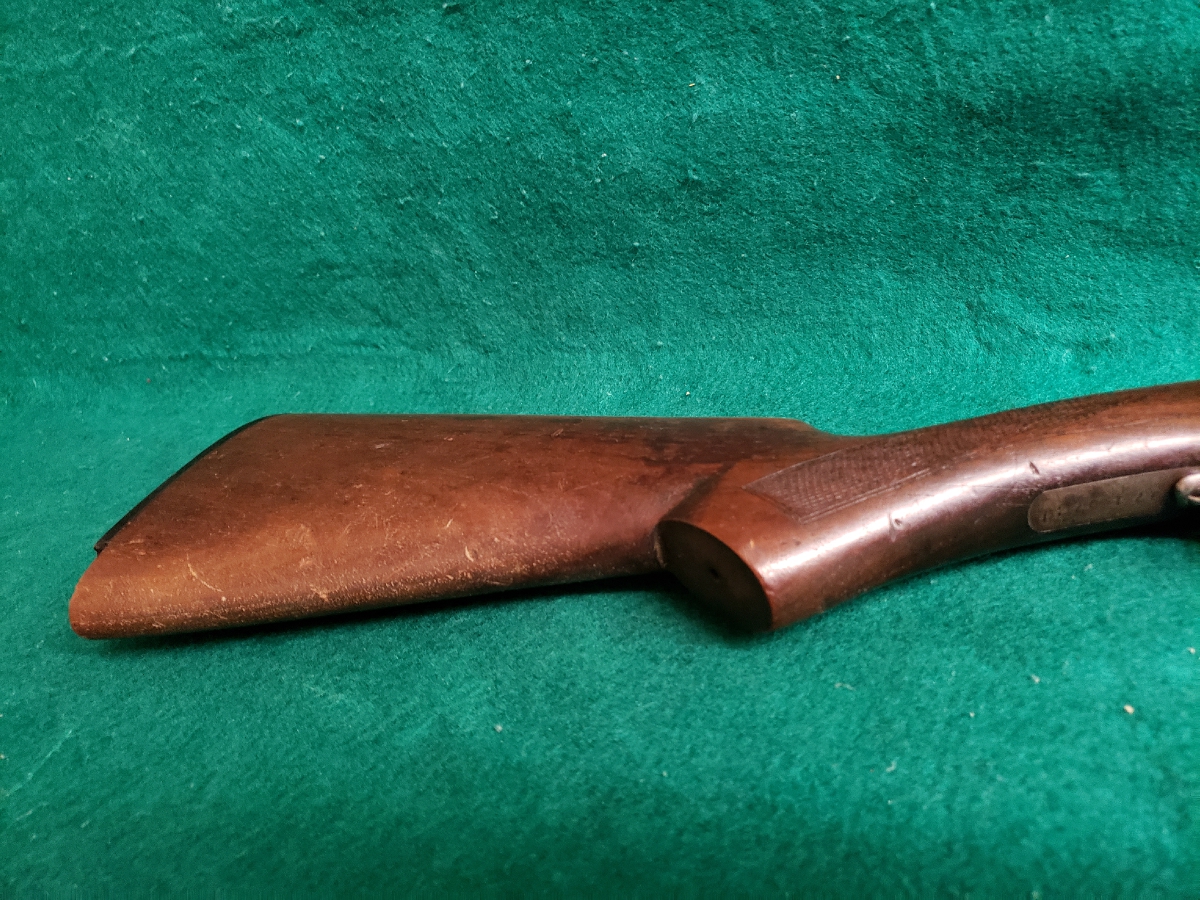
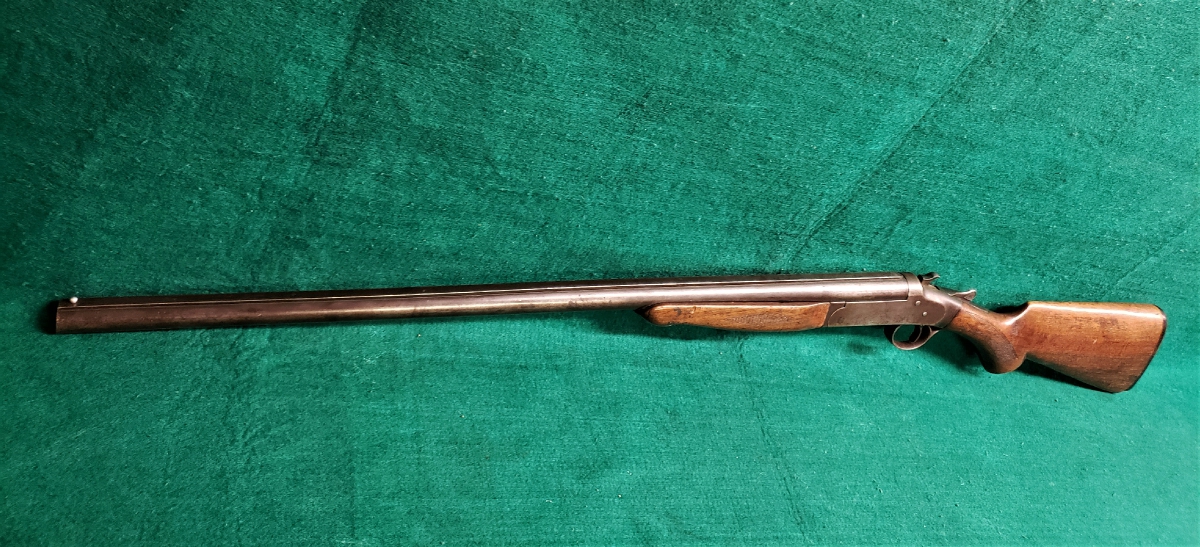
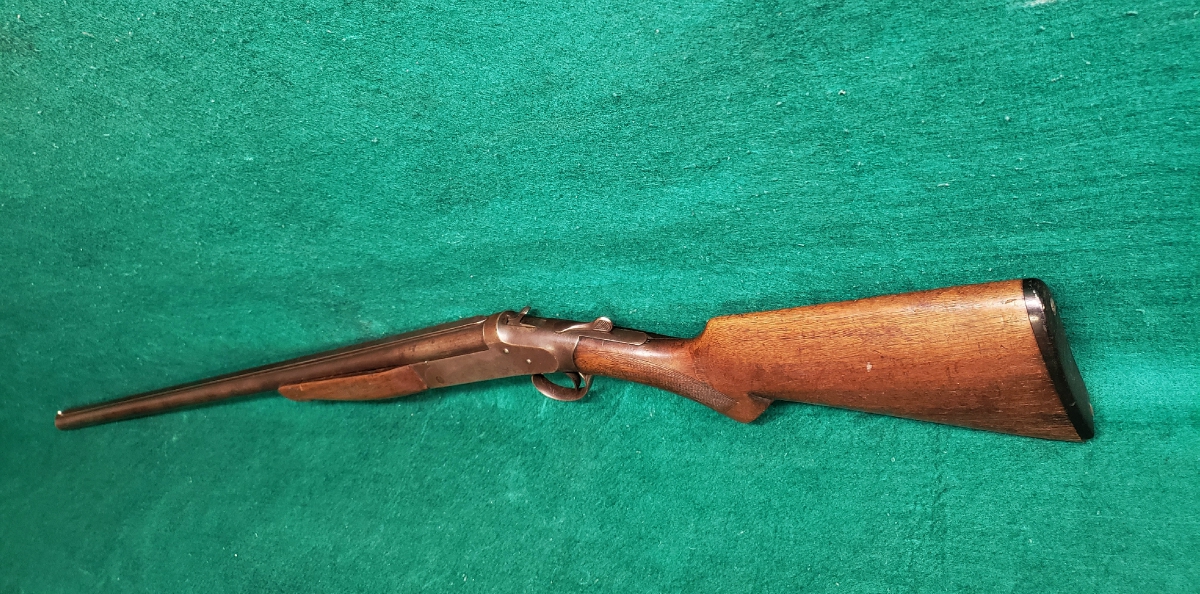
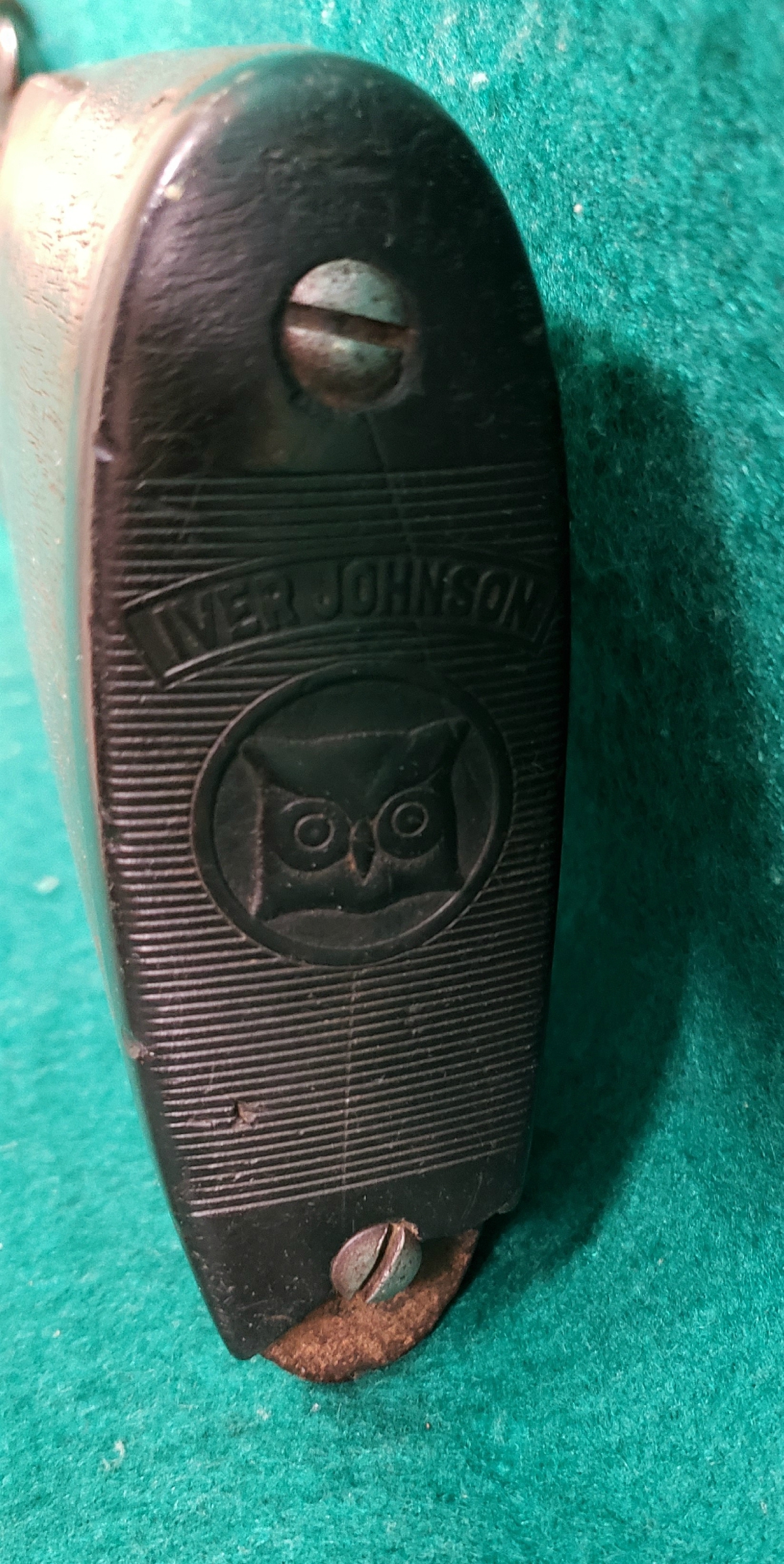
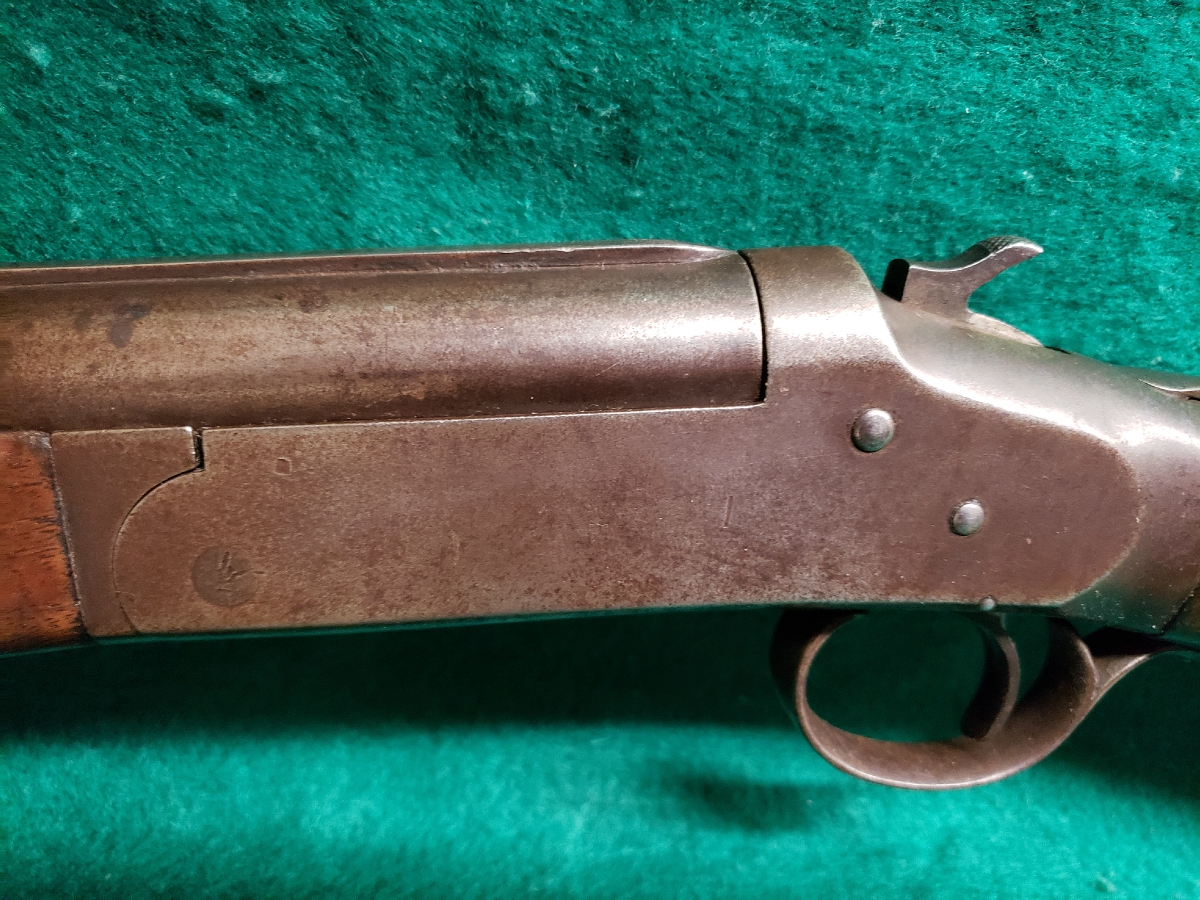
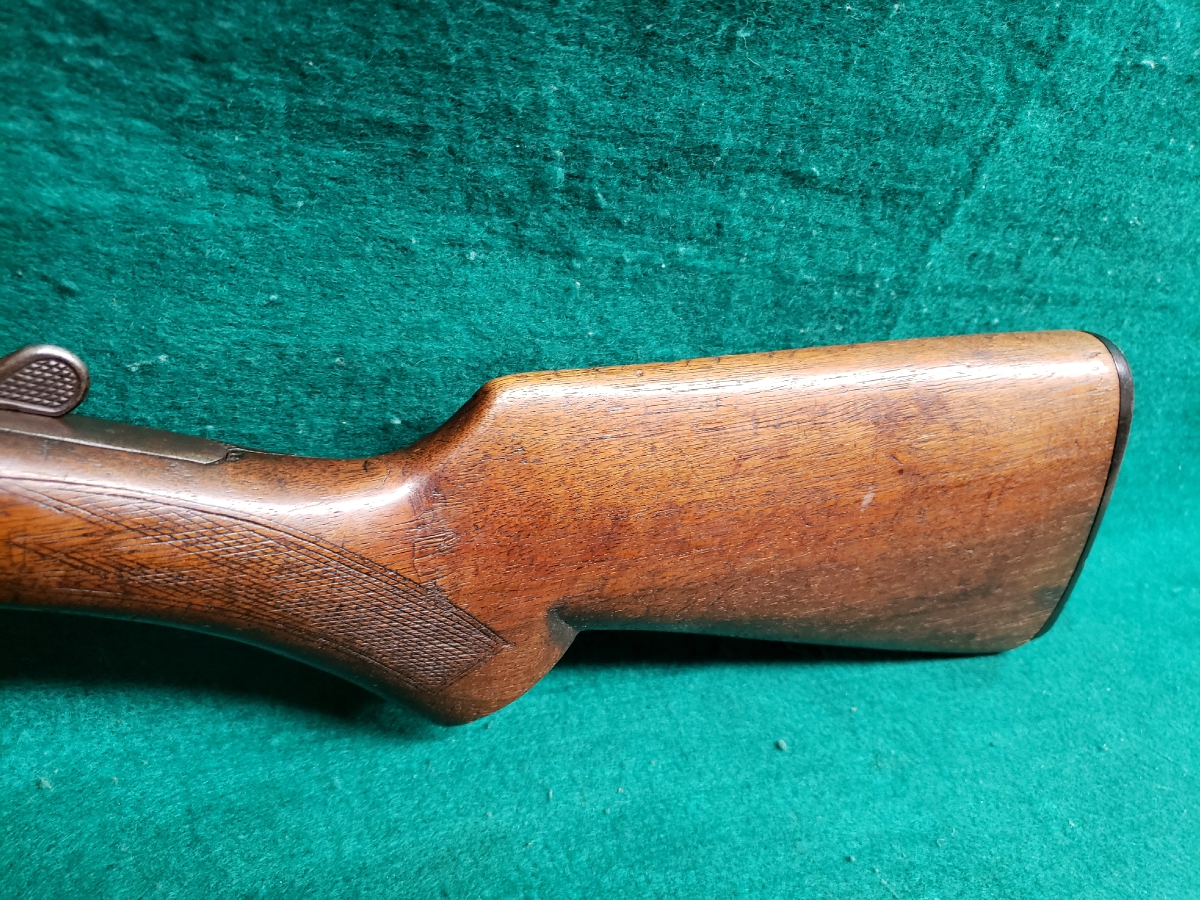
I remember these ads & was always begging my Poor Parents probably out of their minds. I still do with my Blessed mom by the way!
I found this & learned some interesting stuff about S&W. Which I did not know. What a ”surprise” ! As I still do not even come close to knowing anything about guns yet.
 |
|
| Public company | |
| Industry | Defense Products & Services |
| Founded | 1852 |
| Founders | Horace Smith, Daniel B. Wesson |
| Headquarters | Springfield, Massachusetts, United States |
|
Key people
|
P. James Debney (CEO), Jeffrey D. Buchanan (CFO), Leland A. Nichols (COO), |
| Products | Firearms and law enforcement goods |
| Revenue |  US$903 million (2016)[1] US$903 million (2016)[1] |
| US$199.94 million (2016)[1] |
|
| US$191.31 million (2016)[1] |
|
| Total assets | |
|
Number of employees
|
2,204 (2017)[4] |
| Parent | American Outdoor Brands Corporation |
| Subsidiaries | Thompson/Center |
| Website | Smith-Wesson.com |
Smith & Wesson (S&W) is a manufacturer of firearms in the United States. The corporate headquarters are in Springfield, Massachusetts. Founded in 1852, Smith & Wesson’s pistols and revolvers
Apart from firearms, Smith & Wesson has been known for the many types of ammunition it has introduced over the years, and many cartridges bear the company’s name.
[hide]
Horace Smith and Daniel B. Wesson founded the Smith & Wesson Company in Norwich, Connecticut in 1852 to develop the Volcanic rifle. Smith developed a new Volcanic Cartridge, which he patented in 1854. The Smith & Wesson Company was renamed Volcanic Repeating Arms in 1855, and was purchased by Oliver Winchester. Smith left the company and returned to his native Springfield, Massachusetts, while Wesson stayed on as plant manager with Volcanic Repeating Arms.[5]
As Samuel Colt‘s patent on the revolver was set to expire in 1856, Wesson began developing a prototype for a cartridge revolver. His research pointed out that a former Colt employee named Rollin White held the patent for a “Bored-through” cylinder, a component he would need for his invention. Wesson reconnected with Smith and the two partners approached White to manufacture a newly designed revolver-and-cartridge combination.[5]
Rather than make White a partner in their company, Smith and Wesson paid him a royalty of $0.25 on every revolver that they made. It would become White’s responsibility to defend his patent in any court cases which eventually led to his financial ruin, but was very advantageous for the new Smith & Wesson Company.[5]
Smith & Wesson’s revolvers came into popular demand with the outbreak of the American Civil War as soldiers from all ranks on both sides of the conflict made private purchases of the revolvers for self-defense.[6]
The orders for the Smith & Wesson Model 1 revolver outpaced the factory’s production capabilities. In 1860 demand was so great that Smith & Wesson expanded into a new facility and began experimenting with a new cartridge design more suitable than the .22 Short that it had been using.[6]
At the same time, the company’s design was being infringed upon by other manufacturers which led to numerous lawsuits filed by Rollin White. In many of these instances part of the restitution came in the form of the offender being forced to stamp “Manufactured for Smith & Wesson” on the revolvers in question.[6]
White’s vigorous defense of his patent caused a problem for armsmakers in the United States at the time as they could not manufacture cartridge revolvers. At the end of the war the U.S. Government charged White with causing the retardation of arms development in America.[6]
Demand for revolvers declined at the close of the Civil War so Smith & Wesson focused on the development of arms suitable for use on the American frontier. In 1870 the company switched focus from pocket sized revolvers to a large frame revolver in heavier calibers (.44 S&W American). This new design, known as the Smith & Wesson Model 3, was adopted by the US Army as the first cartridge-firing revolver in US service (most other pistols were black powder at that time).
In 1899 Smith & Wesson introduced its most widely used revolver, the .38 Military & Police (also known as the Smith & Wesson Model 10). It became the standard sidearm of American police officers for much of the 20th century with over 6 million produced.[7] An additional 1 million of these guns were made for the US Military during World War II.[7]
The post-war periods in the 20th century were times of great innovation for the company. In 1935 Smith and Wesson released the Smith & Wesson Model 27 which was the first revolver chambered for .357 Magnum. It was designed as a more powerful handgun for law enforcement officers. The Model 27 started the “Magnum Era” of handguns. The high point was in 1955 when the company created the Smith & Wesson Model 29 in .44 Magnum. Two decades later the Dirty Harry movies made this gun a cultural icon.[8]
In 1965 the Wesson family sold its controlling interest in Smith and Wesson to Bangor Punta, a large American conglomerate.[9] Over the next decade Bangor Punta diversified the company’s civilian sales to include related gun products (such as holsters) as well as offering additional police equipment (such as handcuffs and breathalyzers).[7] By the late 1970’s these profitable moves made Smith and Wesson “the envy of the industry” according to Business Week.[10]
Despite all of these advantages, however, Smith & Wesson’s market share began to decline in the 1980’s. As the war on drugs intensified in the United States, police departments all across the country replaced their Smith and Wesson revolvers with European semiautomatics (such as Glock, Sig Sauer and Beretta).[11]
In June 1987 Tomkins plc paid $112.5 million to purchase Smith & Wesson.[12] Tomkins modernized the production equipment and instituted additional testing which significantly increased product quality.[7] However new gun sales in the United States lagged in the 1990’s, some of which was attributed to the Federal Assault Weapons Ban of 1994. The ban was a demoralizing hit for the entire firearms industry. Also there were numerous city and state lawsuits against Smith and Wesson. After the success of the Tobacco Master Settlement Agreement, municipalities thought they might be able to succeed through tort law against the gun industry as well.[13] These political and legal challenges provided a lot of risk and uncertainty for Smith and Wesson’s future.
On March 17, 2000, Smith & Wesson made an agreement with U.S. President Bill Clinton under which it would implement changes in the design and distribution of its firearms in return for “preferred buying program” to offset the loss of revenue as a result of anticipated boycott.[14] The agreement stated that all authorized dealers and distributors of Smith & Wesson’s products had to abide by a “code of conduct” to eliminate the sale of firearms to prohibited persons, dealers had to agree to not allow children under 18 access, without an adult, to gun shops or sections of stores that contained firearms.[14]
After an organized campaign by the NRA and NSSF over the issue of smart guns,[15] thousands of retailers and tens of thousands of firearms consumers boycotted Smith & Wesson.[16][17] The Smith & Wesson CEO who negotiated the deal, Ed Shultz, was forced out in September of that year.[18] Three months later the company’s stock price fell to 19 cents per share (December 2000).[19] Smith & Wesson dropped its smart gun plans after nearly being driven out of business.[20]
On May 11, 2001, Saf-T-Hammer Corporation acquired Smith & Wesson Corp. from Tomkins plc for US$15 million, a fraction of the US$112 million originally paid by Tomkins.[21] Saf-T-Hammer assumed US$30 million in debt, bringing the total purchase price to US$45 million.[22][23] Saf-T-
The acquisition of Smith & Wesson was chiefly brokered by Saf-T-Hammer President Bob Scott, who had left Smith & Wesson in 1999 because of a disagreement with Tomkins’ policies. After the purchase, Scott became the president of Smith & Wesson to guide the 157-year-old company back to its former standing in the market.[24]
On February 15, 2002, the name of the newly formed entity was changed to Smith & Wesson Holding Corporation.[25]
About 2006 Smith & Wesson refocused its marketing on big box retailers, according to Smith & Wesson CEO Mike Golden in a 2008 conference call with investors.[26]
In December 2014, Smith & Wesson Holding announced it was paying $130.5 million for Battenfeld Technologies, a Columbia, Missouri-based designer and distributor of hunting and shooting accessories. The company made the acquisition with the eventual intent to merge all its existing Smith & Wesson, M&P and Thompson Center Armsaccessories into a single division.[27]
In August 2016 the company bought Crimson Trace, a laser-sight manufacturer, for $95 million and Taylor Brands, a tool and knife maker, for $85 million. In November 2016 the company bought UST Brands, a survival equipment maker, for $32.3 million. On November 7, 2016, Smith & Wesson announced that it would be changing the name of its holding company to American Outdoor Brands Corporation.[28]

Bullet coming from a Smith & Wesson 686 .357 Magnum, taken with an air-gap flash.


Smith & Wesson has produced revolvers over the years in several standard frame sizes. “M refers to the small early Ladysmith frame, I to the small .32 frame, J to the small .38 frame, K to the medium .38 frame, L to medium large, and Nto the largest .44 Magnum type frame.[33] In 2003, the even larger X frame was introduced for the .500 S&W Magnum.
|
|
|

Two Smith & Wesson models 686
|

Smith & Wesson Model 29s .44 Remington Magnum, 4- and 8⅜-inch barrels
|
|
In 1953 the U.S. Army was looking for a pistol to replace the Colt 1911A1.[34] To obtain a bid from the U.S. Government, Smith & Wesson began working on a design similar to the German Walther P38.[34] A year later the Army dropped its search and Smith & Wesson introduced its pistol to the civilian shooting market as the Model 39.[34]
The Model 39 would come to be known as a first-generation pistol. Since the Model 39 debuted, Smith & Wesson has continuously developed this design into its third-generation pistols now on the market. The first-generation models use a 2-digit model number, the second generation use 3 digits, and third-generation models use 4 digits.

.45 Semi-auto Chief’s Special
Along with the myriad smaller configurations, the mid-sized 4516, 457, the Chiefs Special CS45, and the decocker equipped, 4546, 4566 and 4576, and the 45 TSW, the 4553, stll being issued to the West Virginia State Troopers.[46]
For many of the second-generation models, the first digit identified the material used in the frame;[citation needed] thus a first digit of 4 indicated an alloy, a first digit of 5 indicated stainless steel. For most of the third-generation models, the first two digits identified the caliber (except for 59/69 for 9mm), the last two digits were for the action style and the material, respectively. Action style numbers were typically 0 for the standard double/single-action and 4 for double-action-only. Material numbers were commonly 3 for aluminium, 4 for blued steel, and 6 for stainless steel.[citation needed]

A Sigma pistol
Smith & Wesson introduced the Sigma series of recoil-operated, locked-breech semi-auto
S&W reached an agreement with Walther to produce variations of the P99 line of pistols.[34] Branded as the SW99, the pistol is available in several calibers, including 9 mm, .40 S&W, and .45 ACP, and in both full size and compact variations. Under the terms of the agreement, Walther produced the frames, and Smith & Wesson produced the slide and barrel. The pistol has several cosmetic differences from the original Walther design and strongly resembles a hybrid between the P99 and the Sigma series.[34]

Smith & Wesson M&P pistol.
In 2005, Smith & Wesson debuted a new polymer-frame pistol intended for the law enforcement market. Dubbed the M&P (for Military and Police), its name was meant to evoke S&W’s history as the firearm of choice for law enforcement agencies through its previous lineup of M&P revolvers. The M&P is a completely new design with no parts interchangeable with any other pistol including the Sigma. The new design not only looks completely different than the Sigma but feels completely different with 3 different back straps supplied with each M&P. Many of the ergonomic study elements that had been incorporated into the Sigma and the SW99 were brought over to the M&P. The improved trigger weight and feel, and unique takedown method (not requiring a dry pull of the trigger) were meant to set the M&P apart from both the Sigma and the popular Glock pistols.
The M&P is available in 9×19mm, .40 S&W, and .357 SIG. Also a .22 LR M&P was developed with Carl Walther and is made in Germany. A .45 ACP model was released in early 2007, after making its debut at the SHOT Show. In addition, compact versions are available in .22LR, 9×19mm, .40 S&W, .357 SIG, and .45 ACP. The .22LR Compact is made by Smith & Wesson in the United States. Subcompact versions are available in 9×19mm, .40 S&W and .45 ACP.
Smith & Wesson introduced the SD VE series in 2012 in hopes of remaking and improving the discontinued Smith & Wesson SD. The SD VE design has an improved self-defense trigger and a comfortable, ergonomic, textured grip. The SD VE also features an improved stainless steel barrel and slide that the SD did not include. The Smith & Wesson SD VE is available in 9×19mm and .40 S&W calibers in either a standard-capacity version (16+1-round capacity for SD9 VE and 14+1 for SD40 VE) or in the low-capacity version (10+1-round capacity for both calibers.)

A basic version of Smith & Wesson’s SW1911 with user-installed Pachmayr grips.
In 2003, Smith & Wesson introduced their variation of the classic M1911 .45 ACP semi-automatic handgun, the SW1911. This firearm retains the M1911’s well known dimensions, operation, and feel, while adding a variety of modern touches. Updates to the design include serration at the front of the slide for easier operation and disassembly, a high “beaver-tail” grip safety, external extractor, lighter weight hammer and trigger, as well as updated internal safeties to prevent accidental discharges if dropped. S&W 1911s are available with black finished carbon steel slides and frames or bead blasted stainless slides and frames. They are available with aluminum frames alloyed with scandium in either natural or black finishes. These updates have resulted in a firearm that is true to the M1911 design, with additions that would normally be considered “custom”, with a price similar to equivalent designs from other manufacturers.
Smith & Wesson’s Performance Center produces the top of the line hand fitted competition version knowns as the PC 1911. While most 1911s run around 38 to 39 ounces (1,100 to 1,100 g), the PC 1911 is heavier, at approximately 41 ounces (1,200 g). The full-length guide rod adds some weight, and so does the add-on magazine well.
During the early years of WW2, Smith & Wesson manufactured batches of the Model 1940 Light Rifle under request from the British Government.[48]
In January 2006, Smith & Wesson reentered the rifle market with its M&P15 series of rifles based on the AR-15. Unveiled at SHOT Show 2006, the rifle debuted in two varieties: the M&P15 and the M&P15T. The two are basically the same rifle, chambered in 5.56 NATO, with the T model featuring folding sights and a four-sided accessories rail. These rifles were first produced by Stag Arms but marketed under the Smith & Wesson name.[49] Currently Smith & Wesson makes the lower receiver in-house while the barrel is supplied by Thompson/Center, a S&W company.
In May 2008, Smith & Wesson introduced its first AR-variant rifle in a caliber other than 5.56 NATO. The M&P15R is a standard AR-15 rifle chambered for the 5.45×39mm cartridge.[50]
Smith & Wesson manufactured a line of bolt-action rifles called the i-Bolt. These synthetic-stock rifles were available in .25-06, .270 Win, or .30-06 caliber.
In 1967 Smith & Wesson produced a 9mm submachine gun, hoping to capitalize on U.S. sales of the Israeli Uzi and HK MP5. It borrowed the magazine of the Carl Gustav M/45 submachine gun (Kulsprutepistol m/45 or Kpist m/45) which had been popular with the U.S. forces in Vietnam as the “Swedish K“) and made a similar side-folding stock. But the rest of the straight blowback weapon had no parts in common with the earlier Swedish gun. The S&W Model 76 submachine gun was made in limited numbers and was primarily used as a police weapon. Because all of them were made prior to 1986, many of them made it into civilian hands in the United States and are commonly used in submachine gun competition.[39]
Smith & Wesson bought patents and tooling for a 12 ga. shotgun design from Noble Manufacturing Co. in 1972 and produced it as the Model 916, 916T, and 916A.[52] The guns were plagued by a variety of quality issues, including a recall due to a safety issue with barrels rupturing.[53] The 916 series was discontinued, then later replaced by the Models 3000, based on an improved Remington 870 design, and 1000 intended to compete with the popular Remington Model 1100; both were produced by Howa of Japan.[54] However, with the sale of the company to British Tomkins PLC, Smith & Wesson exited the shotgun market in the mid’80s to return to their “core” market of handguns.
During the 1980s, Smith & Wesson released the S&W assault shotgun, which had full automatic capability.
In November 2006, S&W announced that it would reenter the shotgun market with two new lines of shotguns, the Elite series and the 1000 series, unveiled at the 2007 SHOT Show. The 1000 series was discontinued in 2009. Along with the new shotguns, S&W debuted the Heirloom Warranty program, a first of its kind in the firearms industry. The warranty provides both the original buyer and the buyer’s chosen heir with a lifetime warranty on all Elite Series shotguns.[55]
Most Smith & Wesson revolvers have been equipped with an internal locking mechanism since the acquisition by Saf-T-Hammer. The mechanism is relatively unobtrusive, is activated with a special key, and renders the firearm inoperable. While the lock can simply be left disengaged, most gun enthusiasts prefer “pre-lock” guns.[56][57]
Smith & Wesson announced in March 2009 that it would begin phasing the internal lock out of its revolver lineup.[58] The company is now producing the model 442 and 642 without the internal lock.[citation needed]
Smith & Wesson is a main manufacturer of high-quality restraints (handcuffs, leg irons, belly chains, prisoner transport chains). At the beginning, Smith & Wesson manufactured handcuffs for the Peerless handcuff company which obtained the right to produce the first swinging-bow handcuffs patented by George A. Carney in 1912. By that time, Peerless did not have the facilities necessary for production so they contracted Smith & Wesson to manufacture the handcuffs for them.[59] When Peerless set up its own production plant, Smith & Wesson continiued to produce Peerless-type handcuffs under their own brand.[60]
Smith & Wesson restraints are, depending on the model, made of carbon or stainless steel. They are equipped with heat treated internal lockworks, featuring smooth ratchets for swift cuffing and double locks to prevent tampering. The company currently uses three different double locking systems: the characteristic slot lock as well as a push pin lock or their newly patented M&P lever lock system.[61]

Prisoner in Smith & Wesson model 1800 belly chain

A Smith & Wesson “ExtremeOps” brand pocket knife
Smith & Wesson markets firearm accessories, safes, apparel, watches, collectibles, knives, axes, tools, air guns, emergency lightbars, and myriad other products under its brand name.
John Wilson and Roy G. Jinks designed the Smith & Wesson model 6010 Bowie knife in 1971 and the 1973 Texas Ranger Bowie knife. Blackie Collins designed the subsequent model 6020 and 6060 Survival knife in 1974–1979. All of these limited-production and custom knives were made at the Springfield, Mass., United States factory.
In October 2002, Smith & Wesson announced it had entered into a licensing agreement with Cycle Source Group to produce a line of bicycles designed by and for law enforcement. These bicycles feature custom configurations and silent hubs.[64][65]
Smith & Wesson flashlights are available to the general public. They are designed and produced by PowerTech, Inc, in Collierville, Tennessee.[66]
Smith & Wesson has a line of wood pellet grills named after various pistol cartridges, such as .22 Magnum, .38 Special, .44 Magnum, .357 Magnum, and .500 Magnum.[67]
Smith & Wesson has entered into a licensing agreement with North Carolina-based Wellco Enterprises to design and distribute a full line of tactical law enforcement footwear.[68]
 US$261.674 million (2012)