hang in there the rides not over yet! Grumpy
Categories
hang in there the rides not over yet! Grumpy
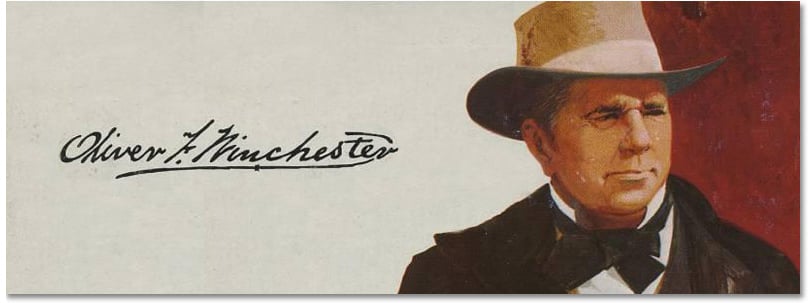
| Oliver Winchester | |
|---|---|

Winchester c. 1847
|
|
| Born | Oliver Fisher Winchester November 30, 1810 Boston, Massachusetts |
| Died | December 11, 1880 (age 70) New Haven, Connecticut |
| Occupation | Winchester Repeating Arms Company |
| Spouse(s) | Jane Ellen Hope |
| Children | Ann Rebecca Winchester (1835–1864) William Wirt Winchester (1837–1881) Hannah Jane Winchester |
| Parent(s) | Samuel Winchester Hannah Bates |
Oliver Fisher Winchester (November 30, 1810 – December 11, 1880) was an American businessman and politician.
He was the son of Samuel Winchester and Hannah Bates and was born in Boston on November 30, 1810. He married Jane Ellen Hope in Boston on February 20, 1834. Their children were:
Winchester was known for manufacturing and marketing the Winchesterrepeating rifle, which was a much re-designed descendant of the Volcanic rifle of some years earlier. Winchester started as a clothing manufacturer in New York City and New Haven, Connecticut. During this period he discovered that a division of Smith & Wesson firearms was failing financially with one of their newly patented arms. Having an eye for opportunity, Winchester assembled venture capital together with other stockholders and acquired the S&W division, better known as the Volcanic Repeating Arms Company, in 1855. By 1857, Winchester had positioned himself as the principal stockholder in the company and relocated to New Haven, changing the name to New Haven Arms Company.
Initially, the company was plagued by sluggish returns, which was in part attributed to the design and poor performance of the Volcanic cartridge: a hollow conical ball filled with black powder and sealed by a cork primer. Although the Volcanic’s repeater design far outpaced the rival technology, the poor performance and reliability of the .25 and .32 caliber cartridges used in the pistol and rifle models respectively, was little match for the competitors’ larger calibers.
Fortunately for Winchester, he inherited a brilliant engineer, Benjamin Tyler Henry, who proved to be an invaluable asset. Henry sought to improve on the Volcanic repeating rifle by enlarging the frame and magazine to accommodate seventeen of his newly redesigned, all-brass cased .44 caliber rimfire cartridges. This new cartridge put the new company on the map, and Henry’s ingenuity was rewarded with a patent in his name October 16, 1860, for what became the famous Henry rifle.
The Henry rifle was manufactured for almost six years with a total production of approximately 12,000 rifles, both iron and brass frame models. Following the success of the Henry rifle, the company was reorganized once more and renamed the Winchester Repeating Arms Company. In 1866, employee Nelson King’s new improved patent remedied flaws in the Henry rifle by incorporating a loading gate on the side of the frame and integrating a round sealed magazine which was covered by a fore stock. The first Winchester rifle was the Model 1866, the Yellow Boy.[citation needed]
Repeating rifles were used to some extent in the American Civil War. However, the United States Army at that time did not use many repeating rifles as they represented a new, untested technology.[citation needed] Repeating rifles were not widely used until after the war, when they became increasingly popular with civilians. Military authorities concentrated primarily on perfecting breech-loading single shot rifles for many more years. With thousands of rifles in the hands of the average pioneer, the Winchester repeating rifles gained a reputation as “the gun that won the West”.[citation needed]
Oliver Winchester was also active in politics, serving as a New Haven City Commissioner, Republican Presidential elector in 1864, and as Lieutenant Governor of Connecticut from 1866 – 1867.[citation needed]
When Winchester died on December 11, 1880, his ownership in the company passed to his son, William Wirt Winchester, who died of tuberculosis in March of the next year. William’s wife Sarah believed the family was cursed by the spirits killed by the Winchester rifle, and moved to San Jose, California, where she began building a chaotic mansion now known as the Winchester Mystery House with her inheritance, intending to confuse the spirits seeking revenge.[citation needed]
| Business positions | ||
|---|---|---|
| Preceded by Founder |
President of Winchester Repeating Arms Company 1857–1880 |
Succeeded by William Wirt Winchester |
| Political offices | ||
| Preceded by Roger Averill |
Lieutenant Governor of Connecticut 1866–1867 |
Succeeded by Ephraim H. Hyde |
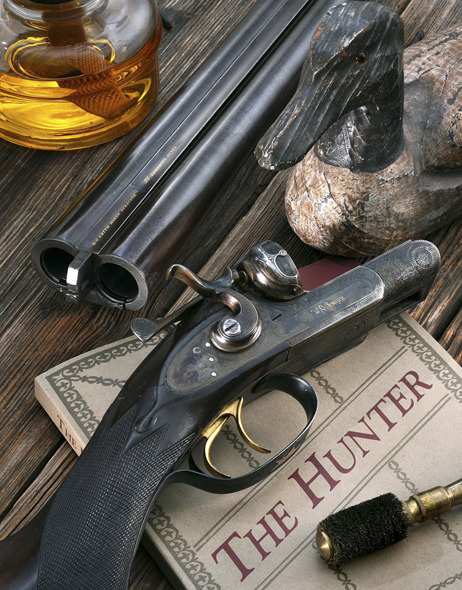

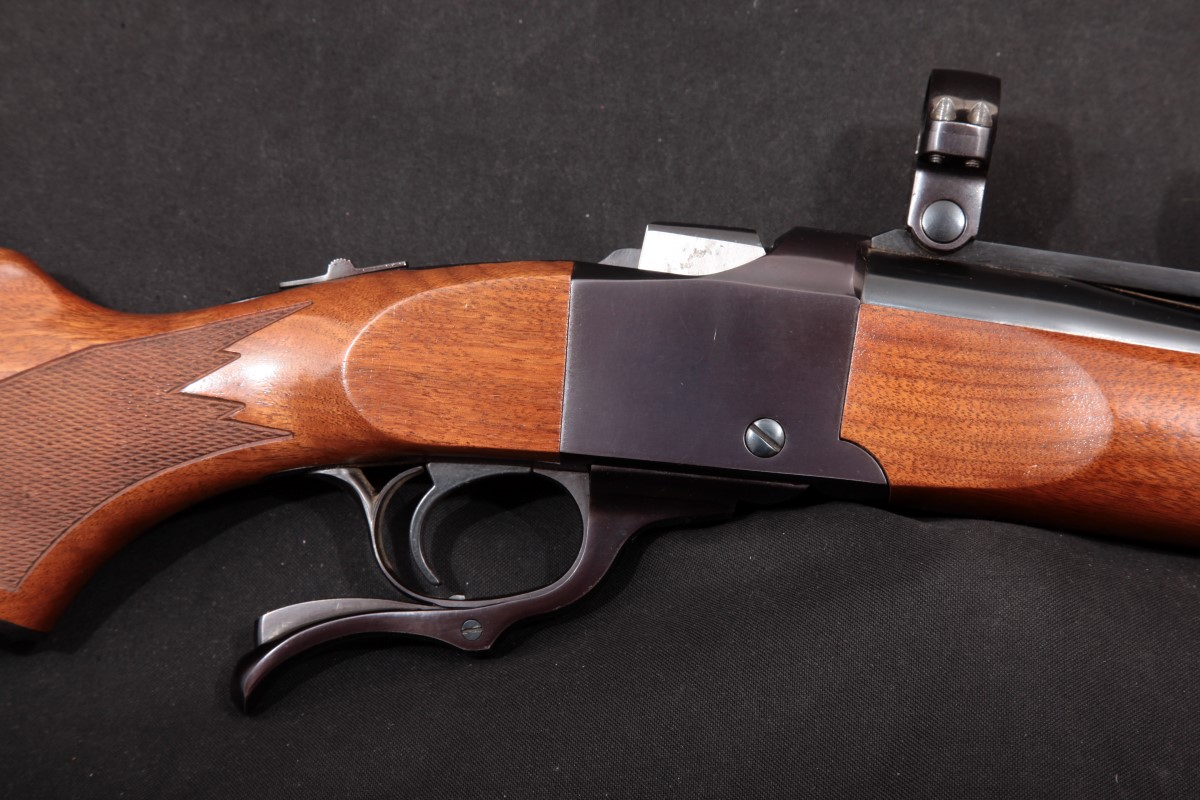
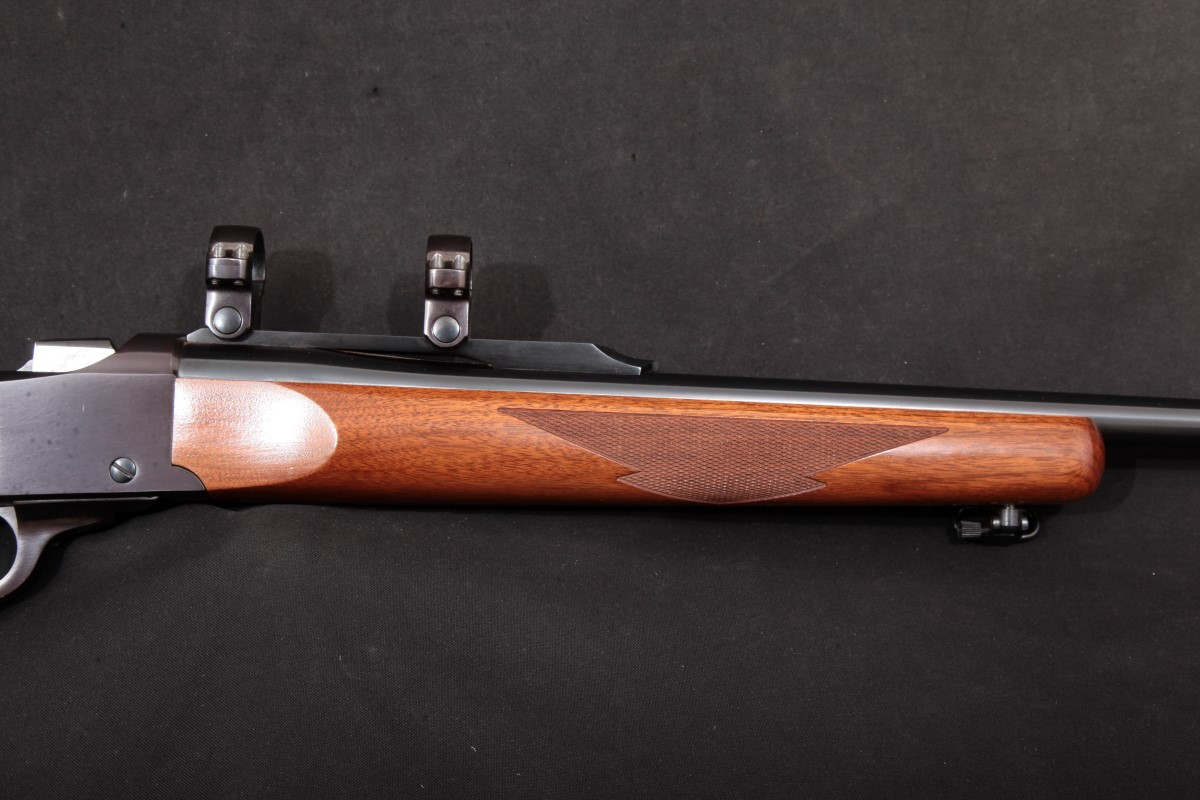
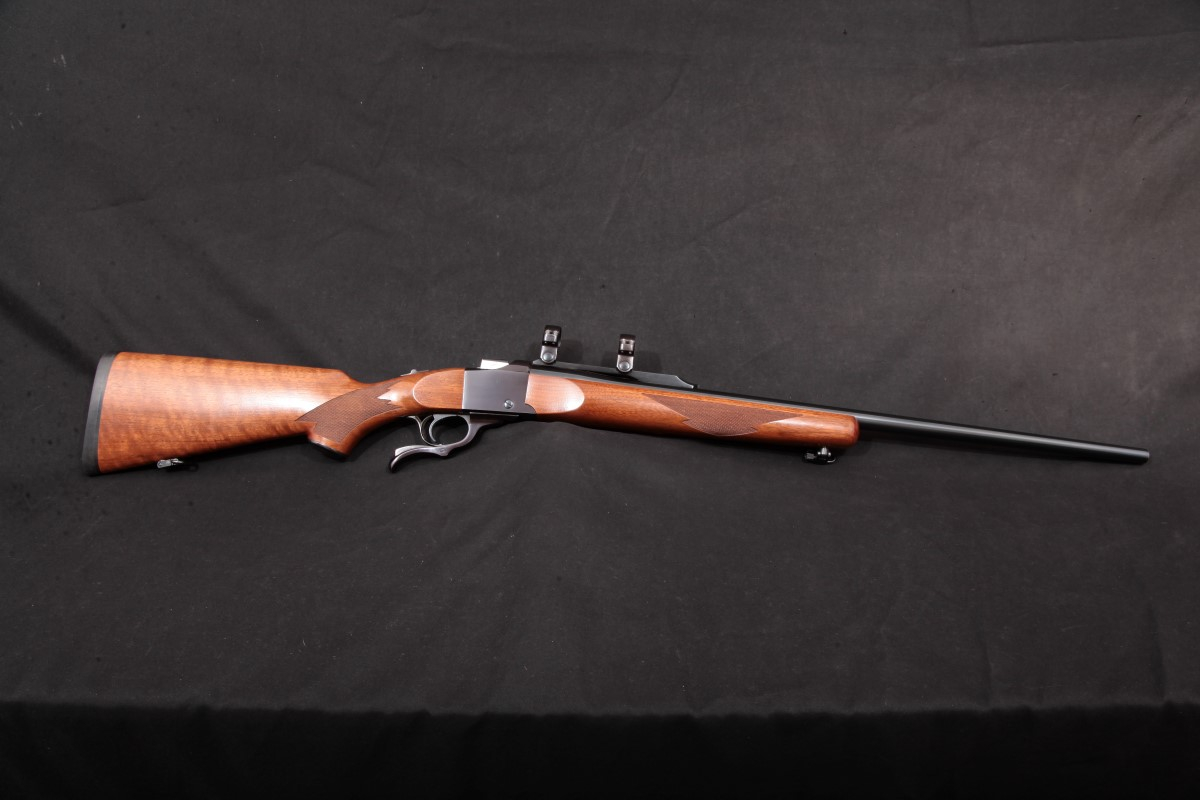
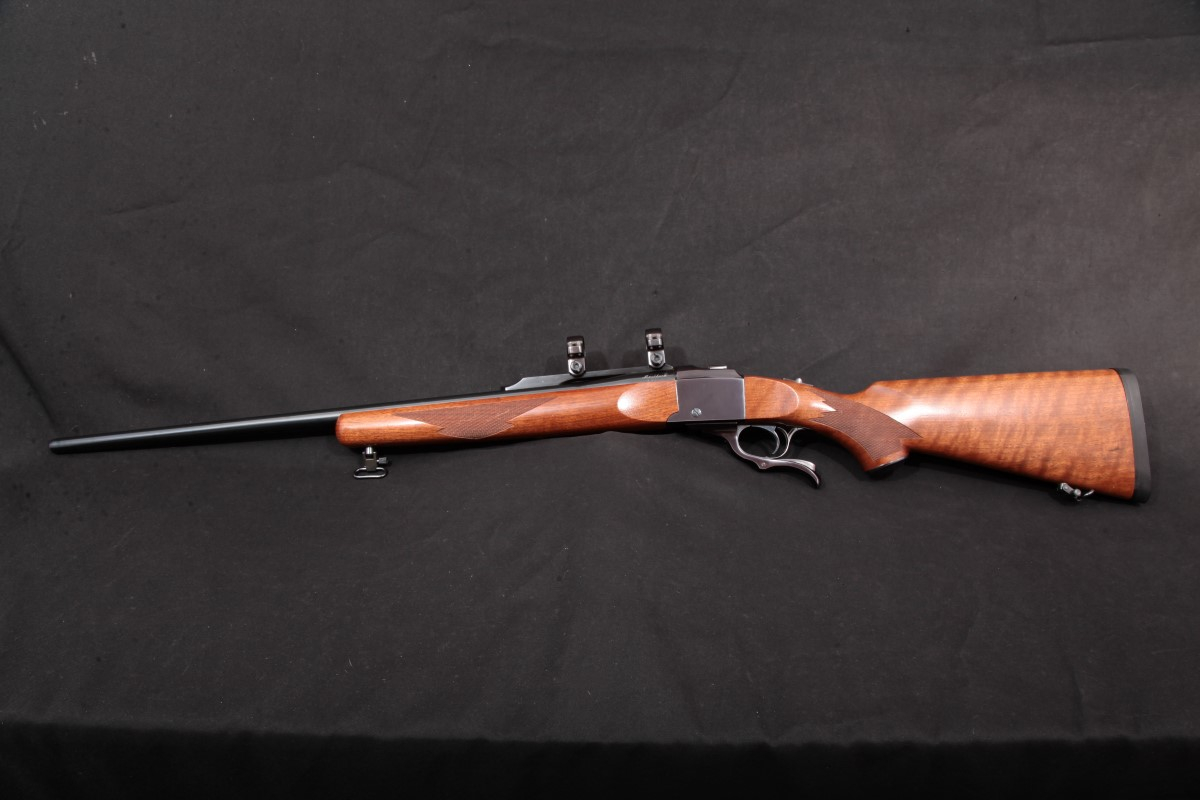
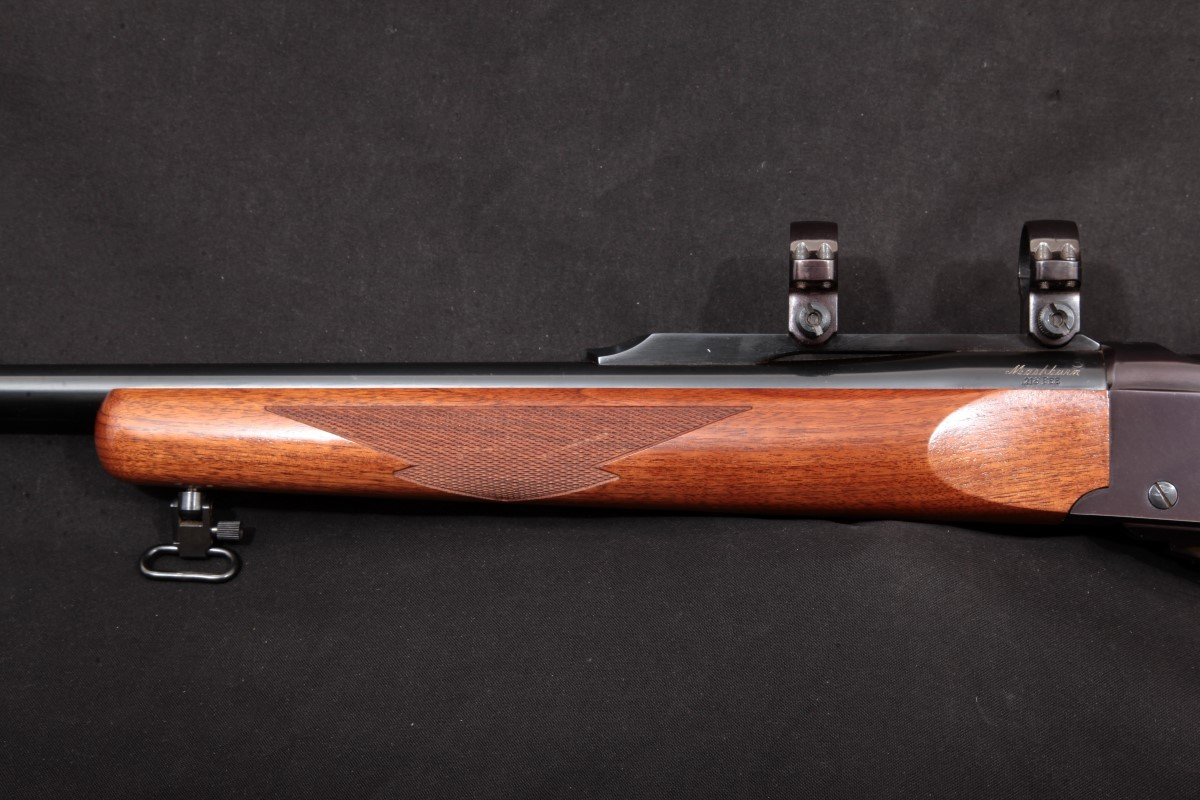
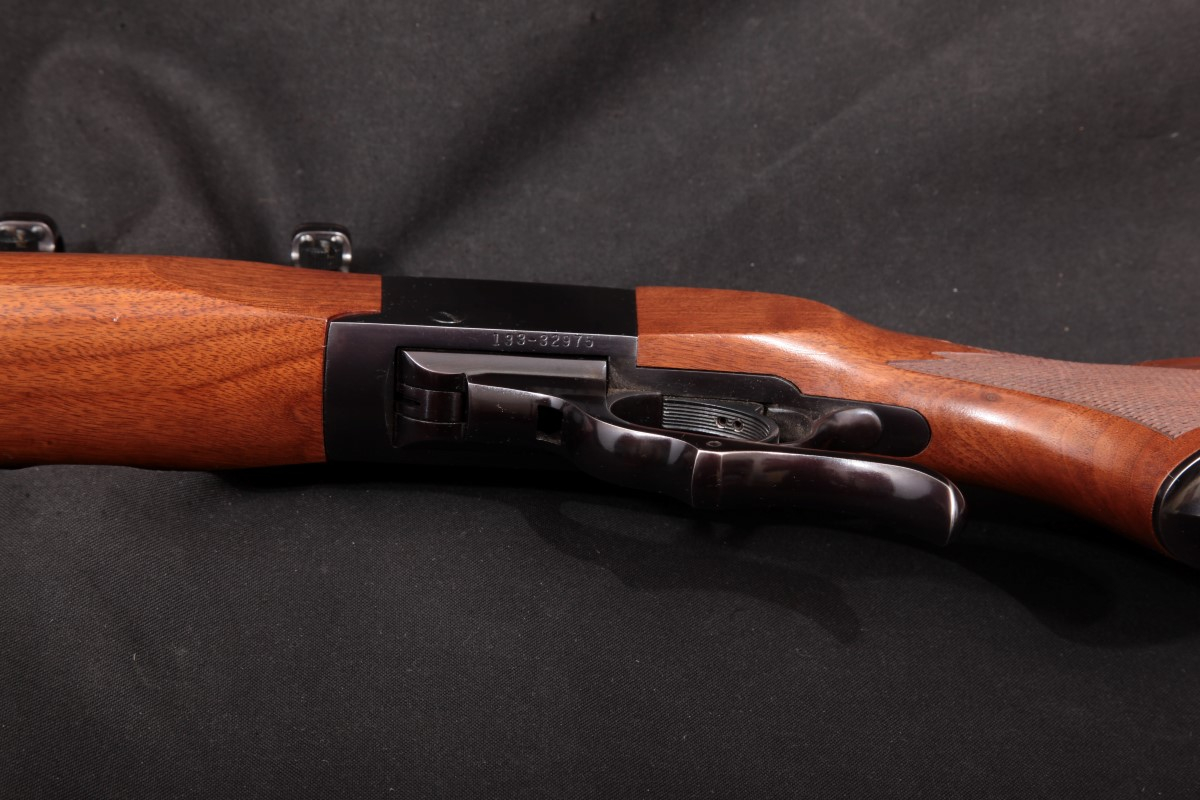
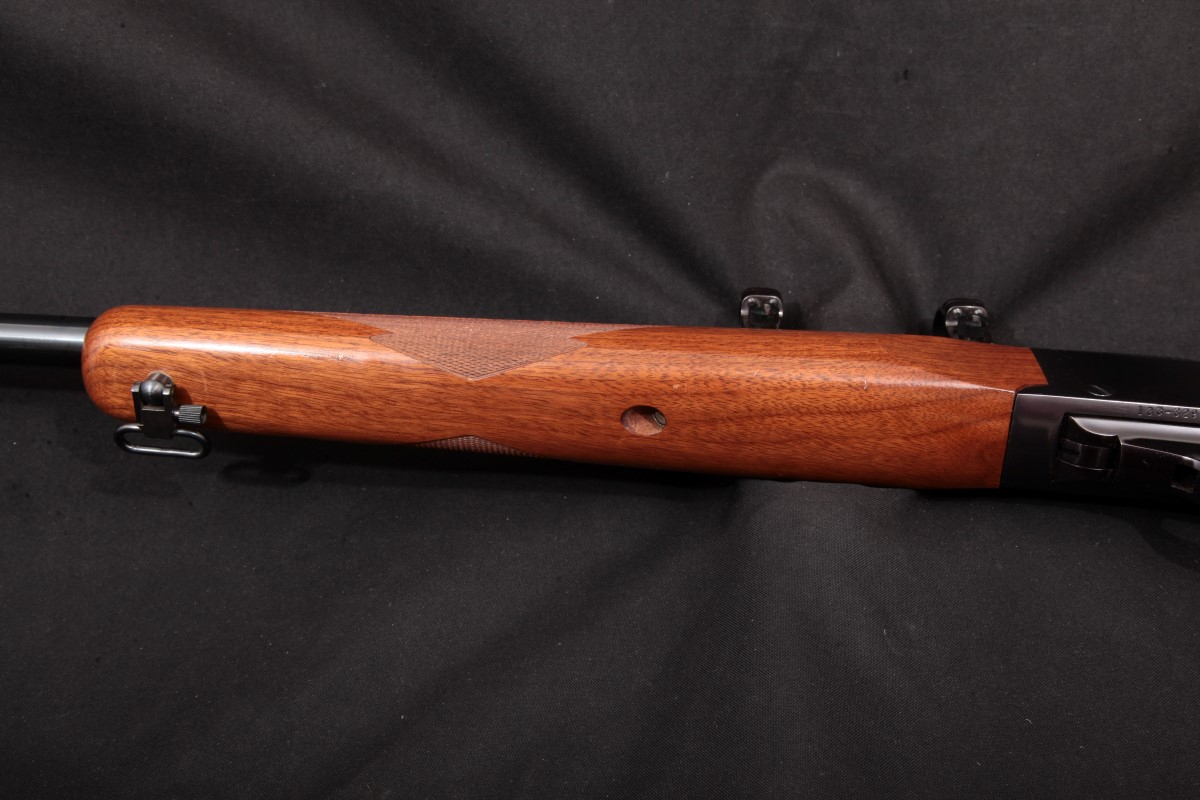
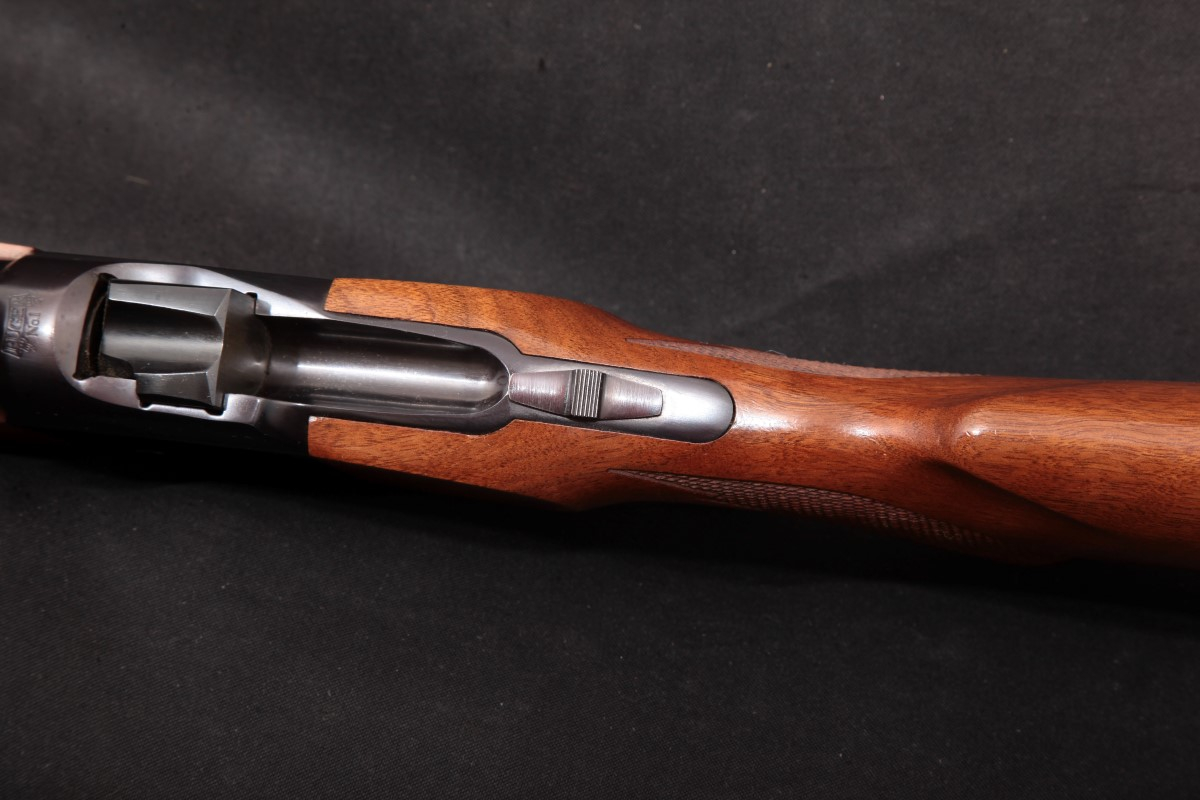
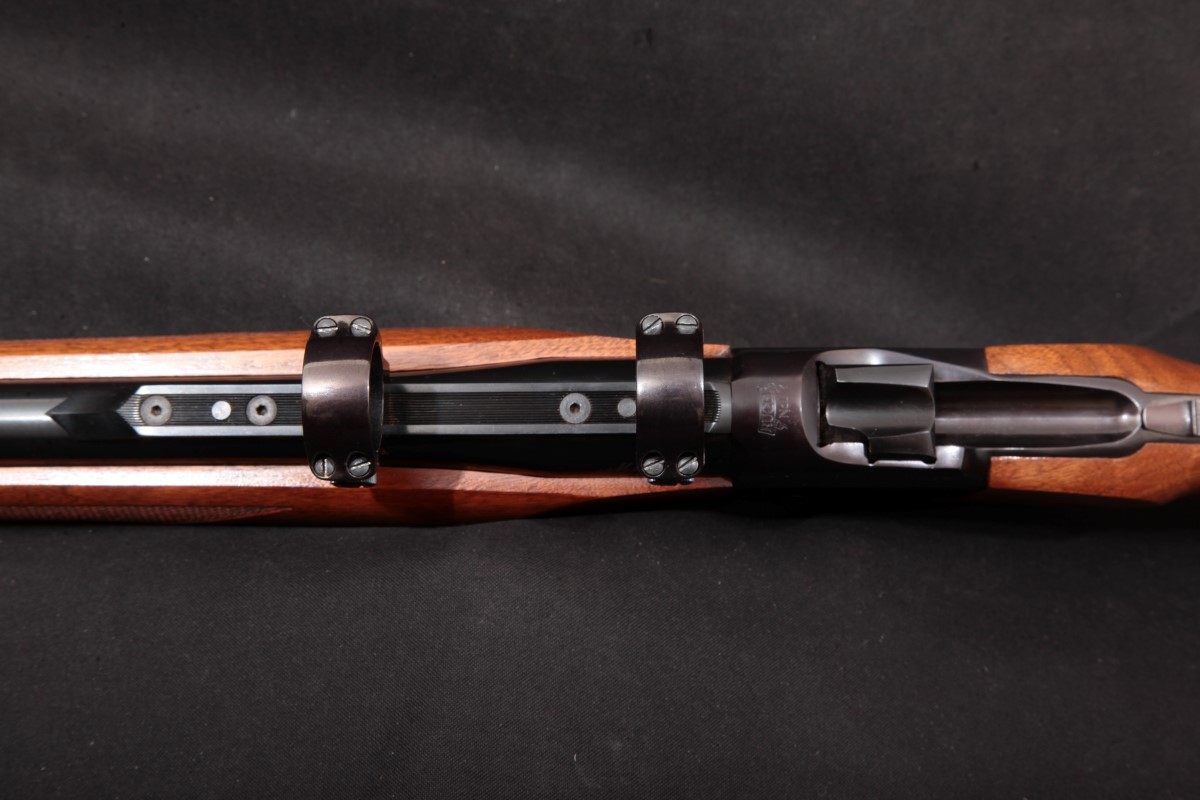
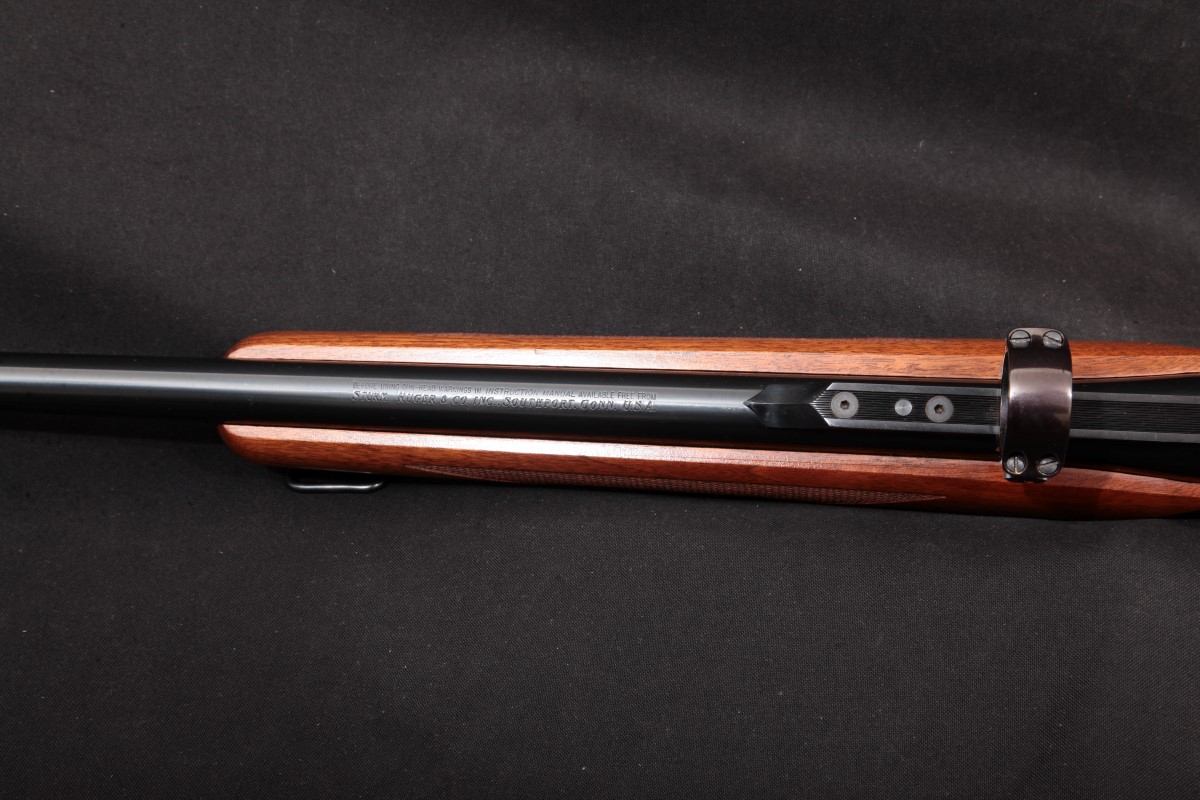
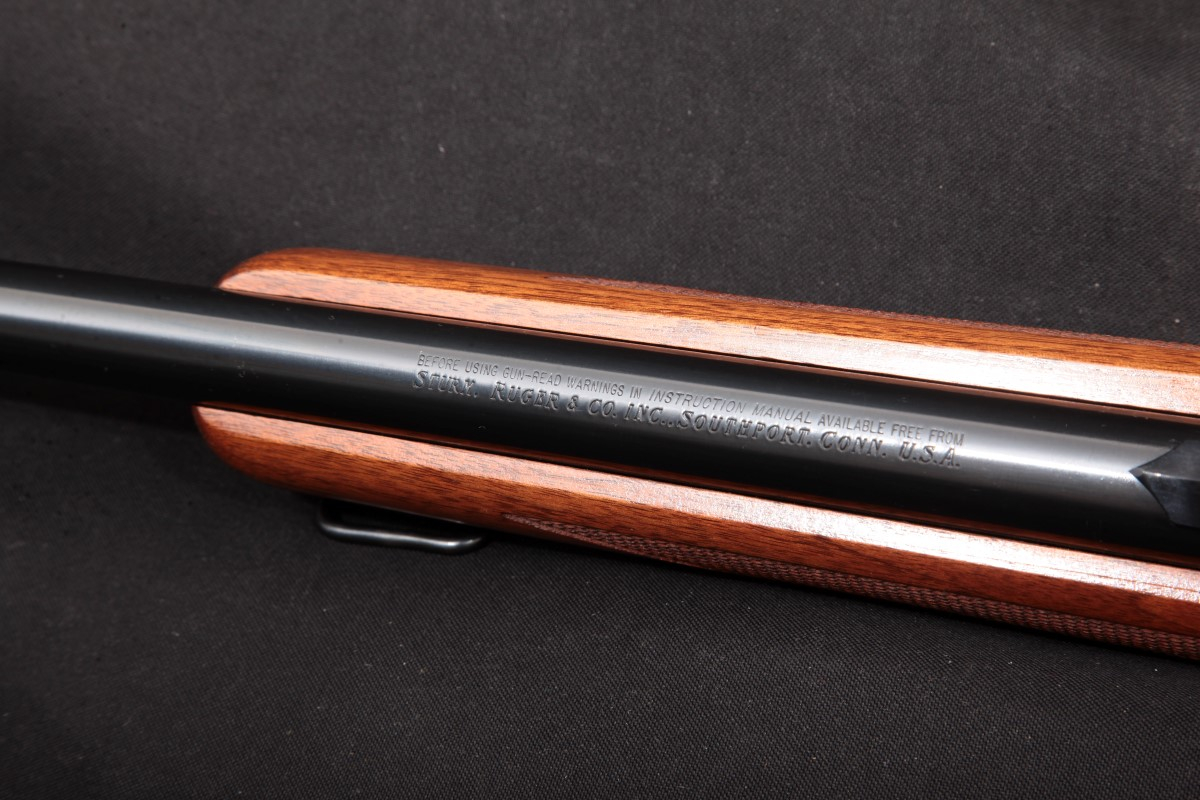
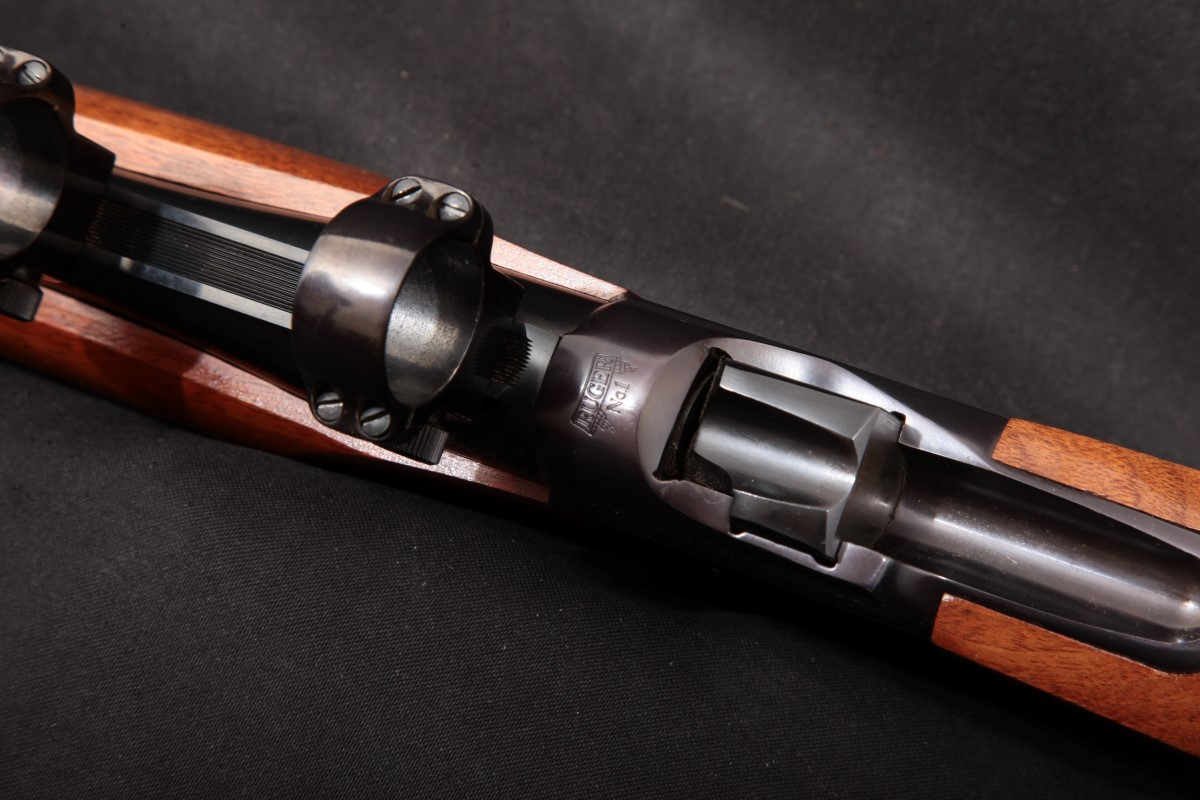
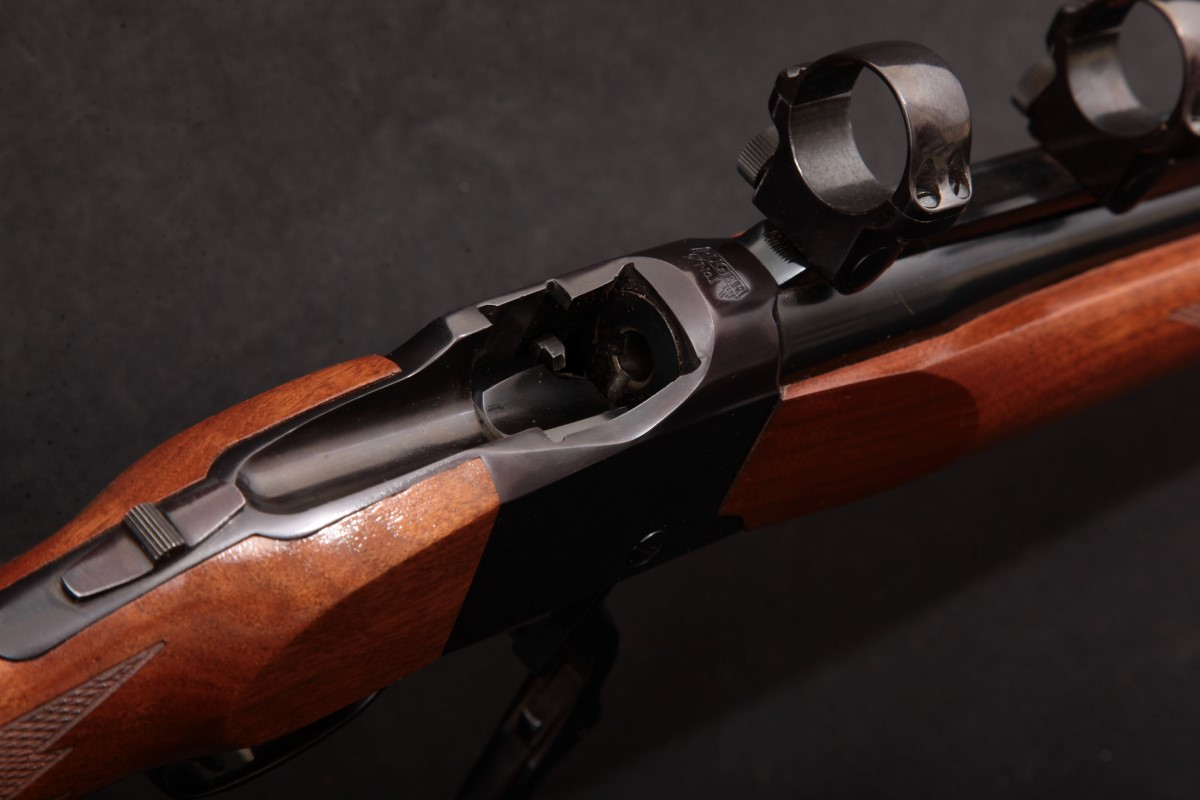
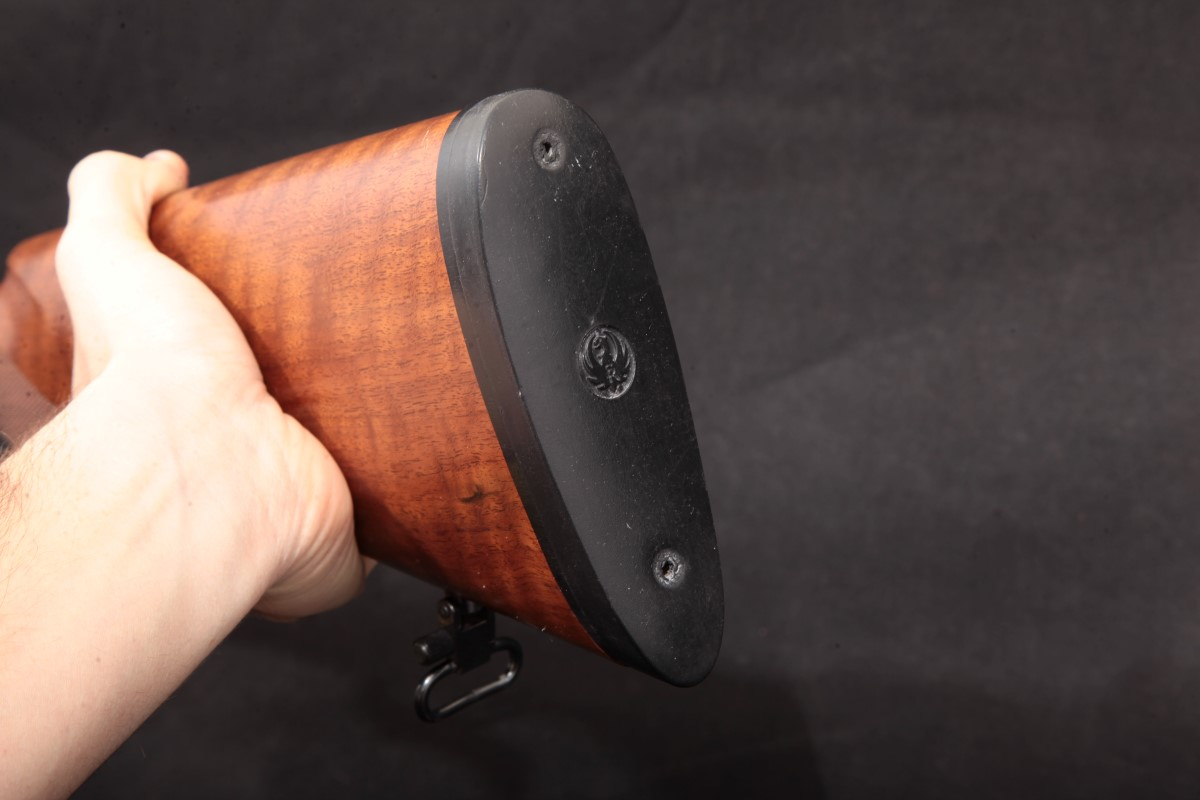
The Ruger No. 1 was introduced in 1967 and, at first, is an odd design choice for a modern rifle. Repeating rifles of many different designs had become the norm by the late ’60s and the single shot, much less the falling-block single-shot, was on the outs with most hunters and even target shooters.
The brilliant success of the Ruger No. 1 comes from its embodiment of Ruger’s design philosophy. It is simple, it is durable, it is reliable.
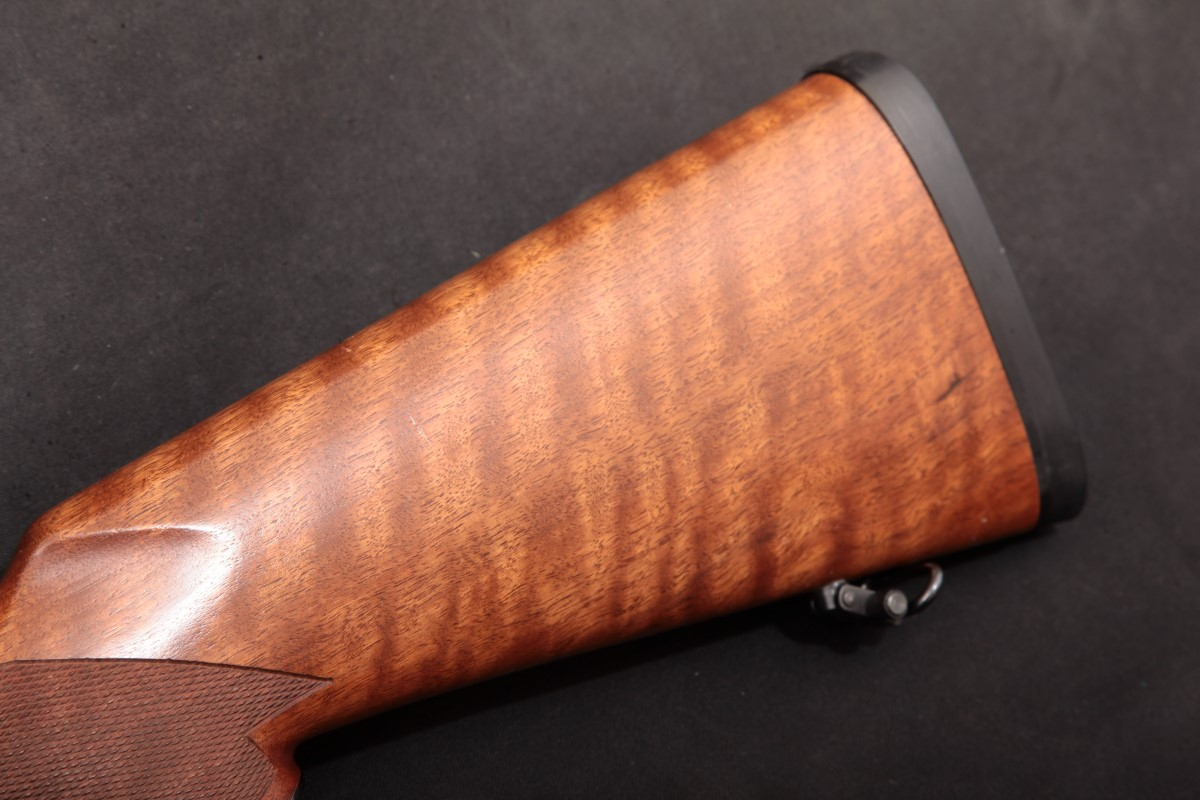
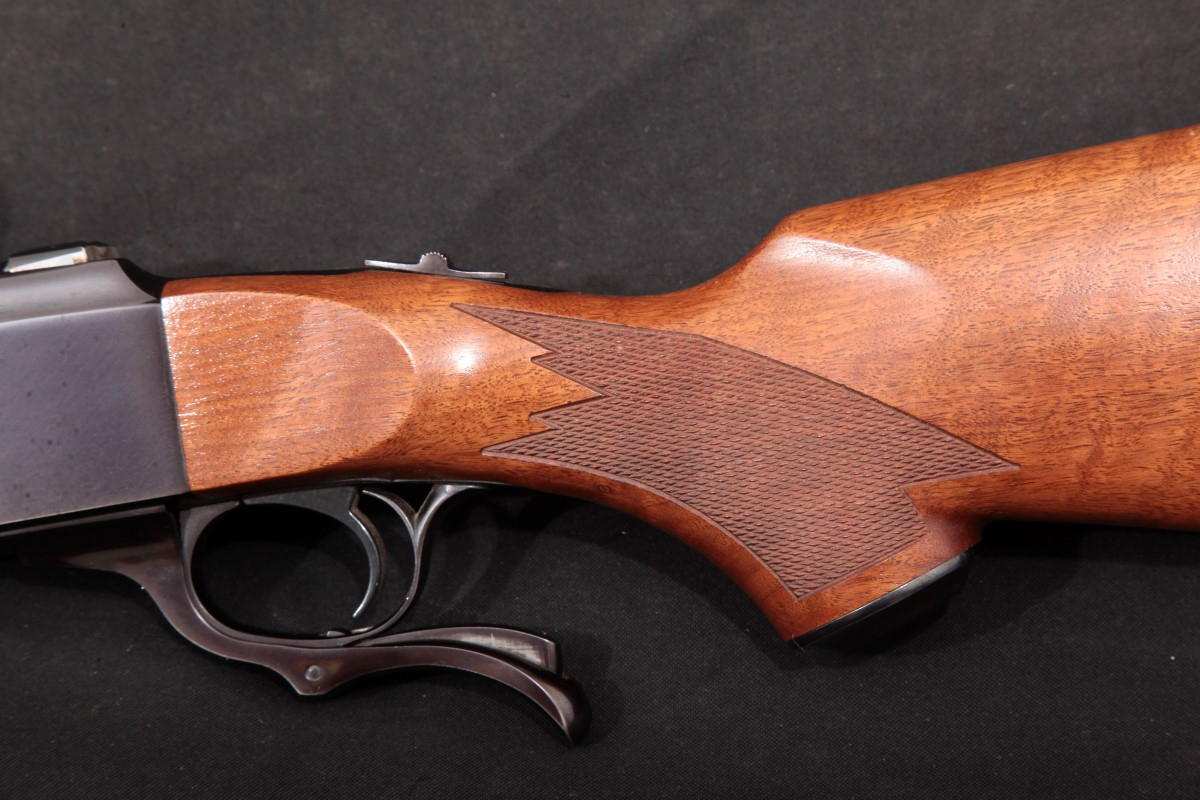
It doesn’t hurt that it’s gorgeous, too! One of its designers, Lenard Brownell, said he had tried several times to blow one up, but couldn’t (https://www.americanrifleman.org/articles/2015/2/5/a-look-back-at-the-ruger-no-1/).
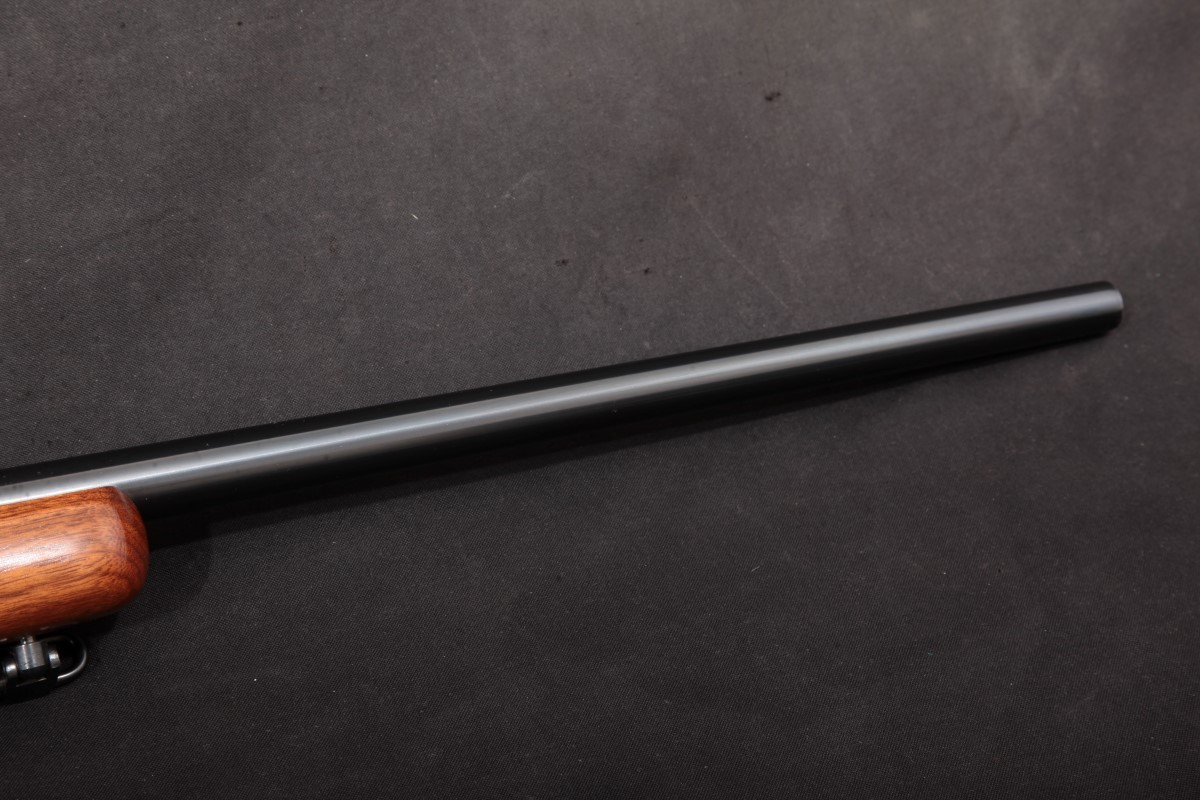
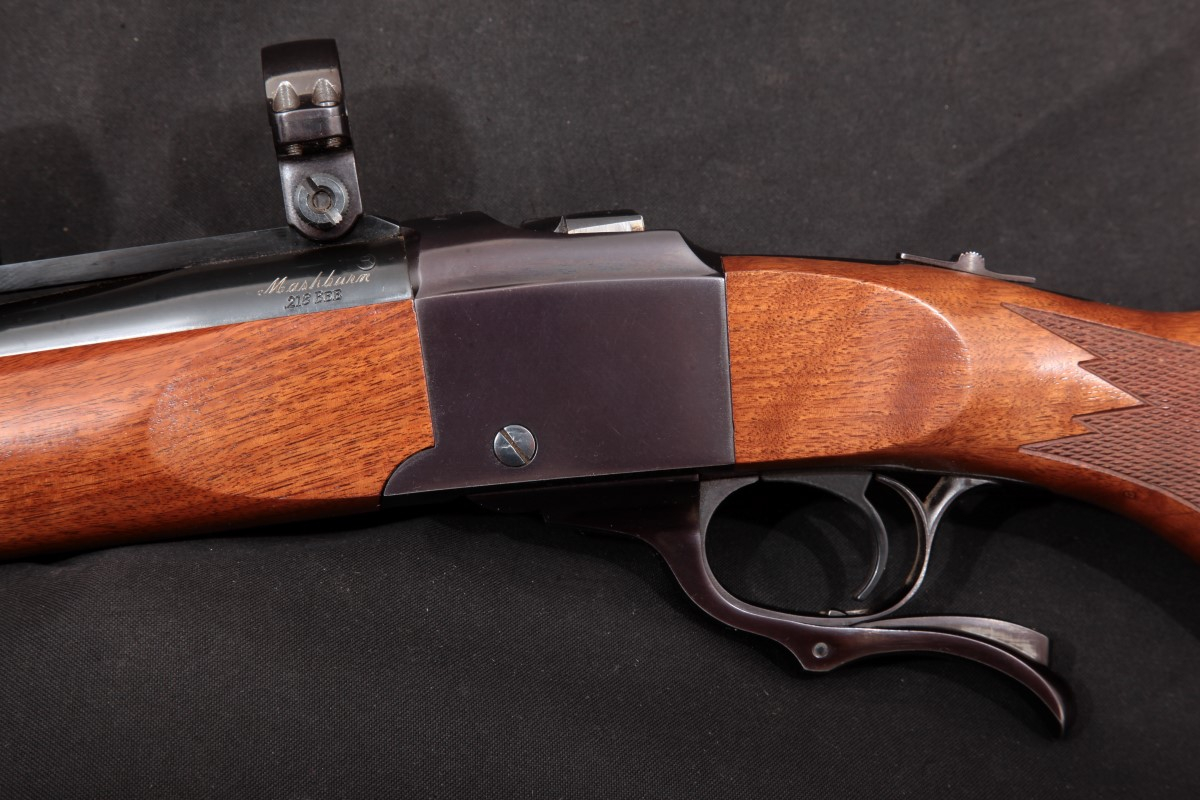
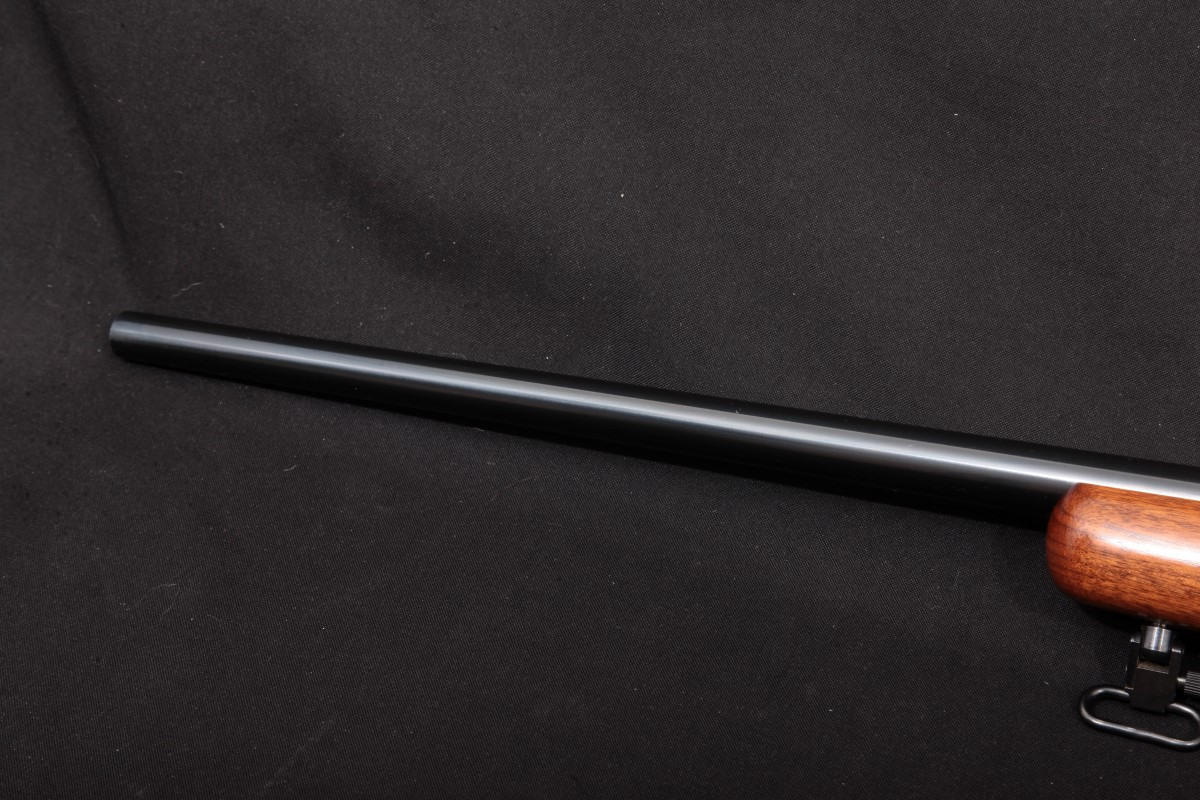
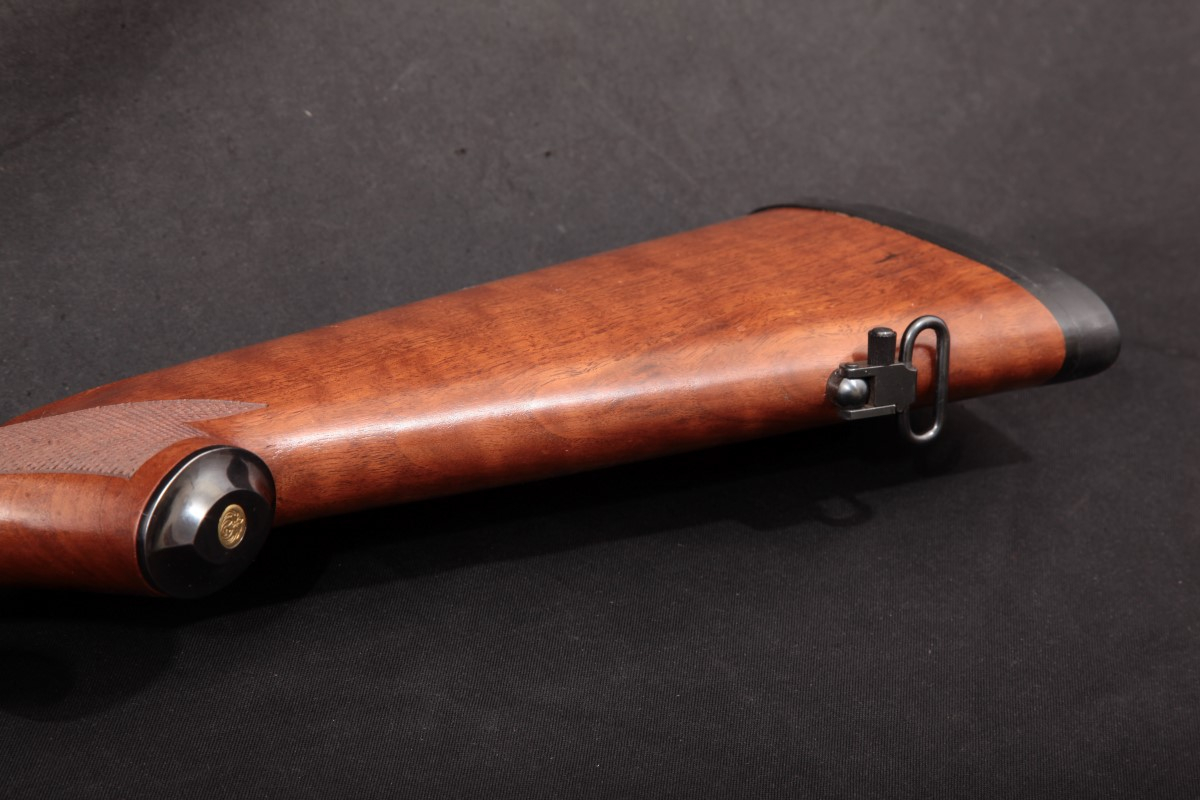
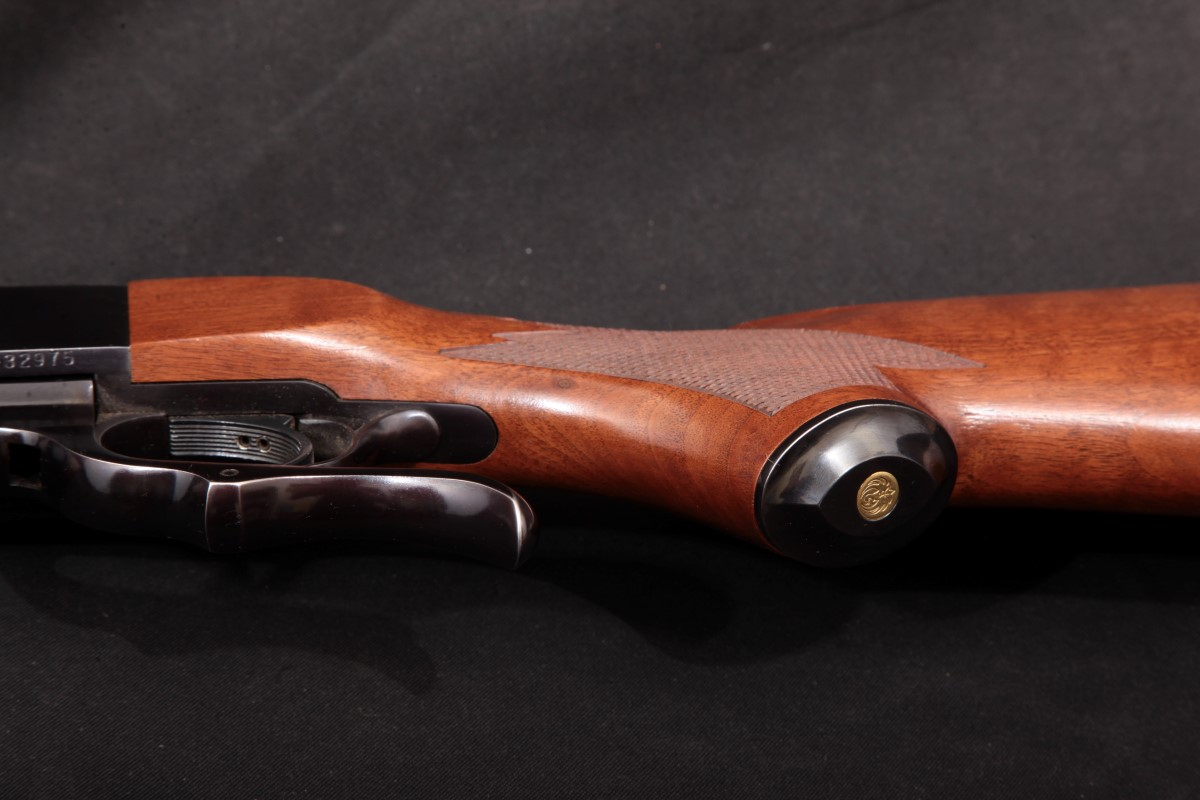
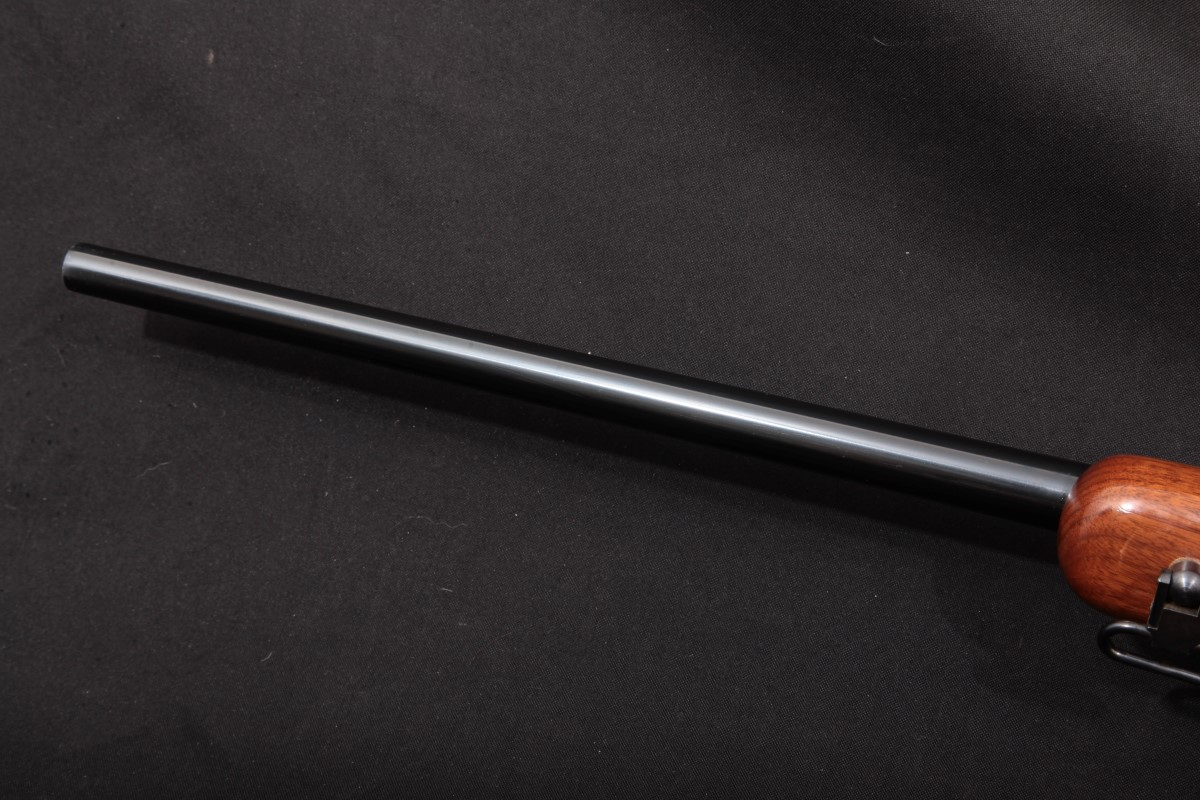
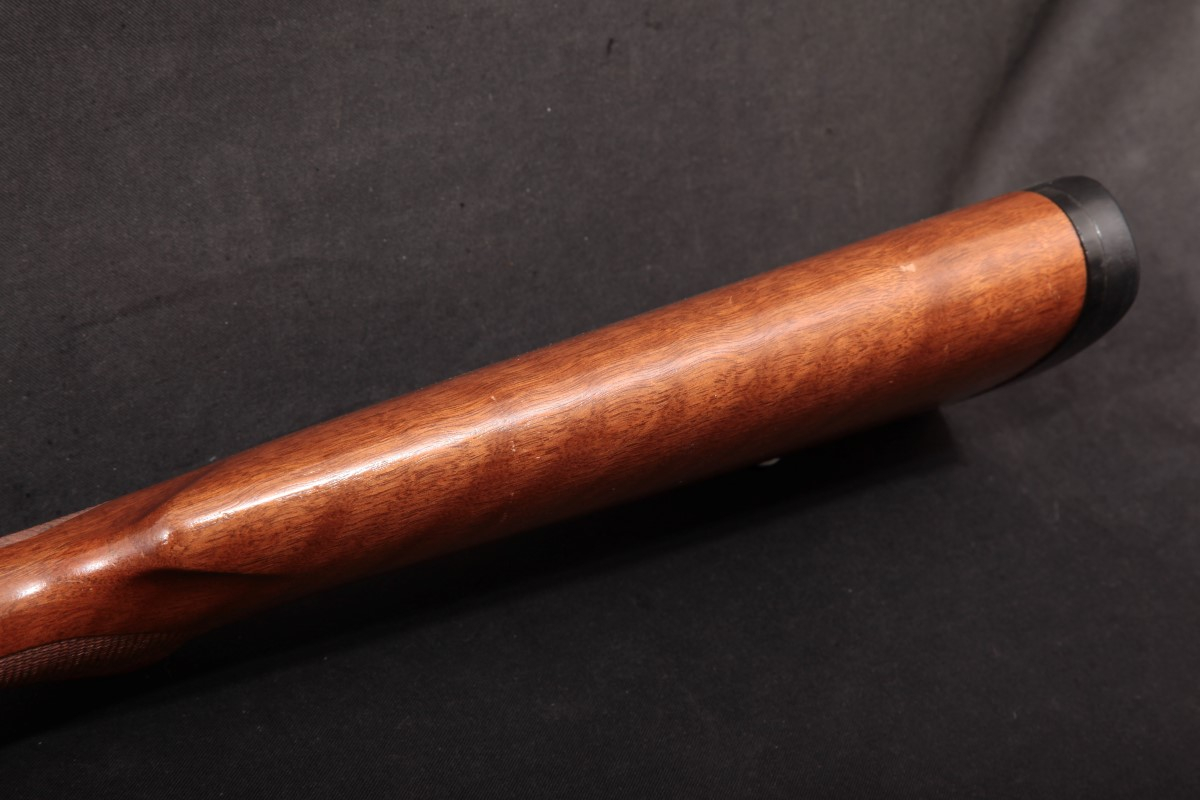
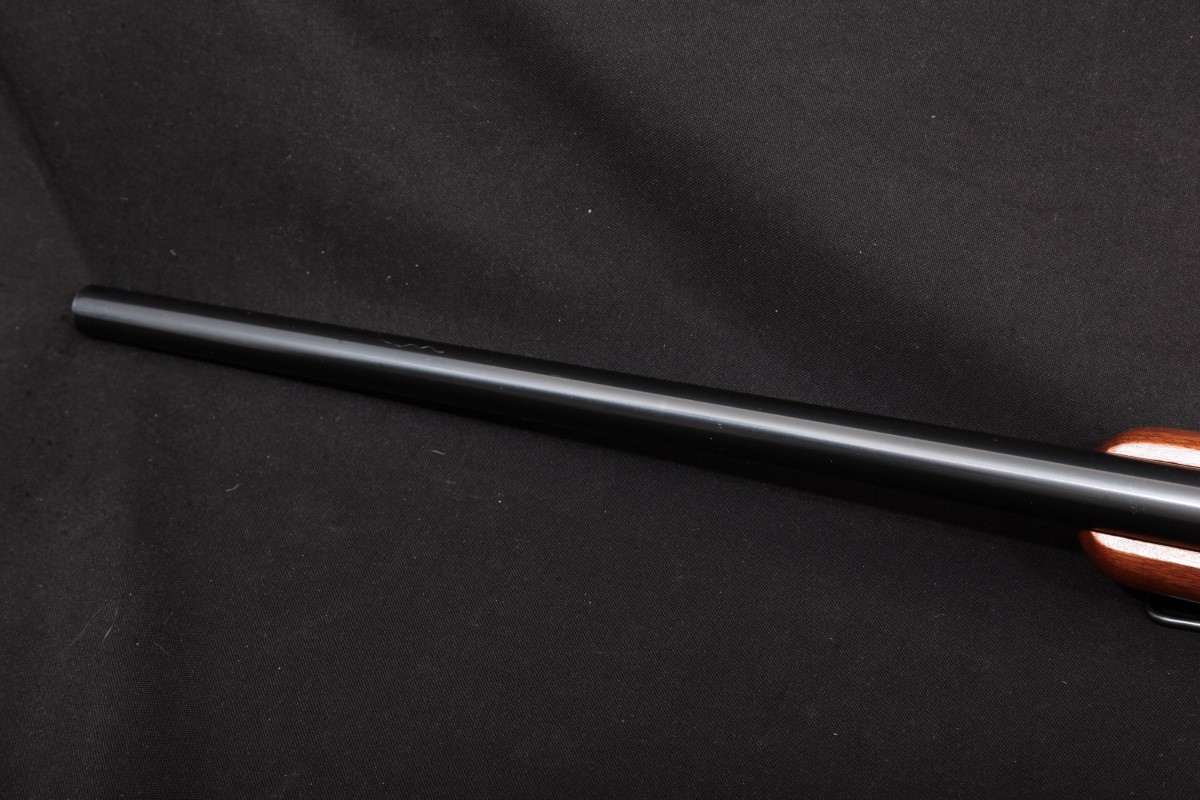
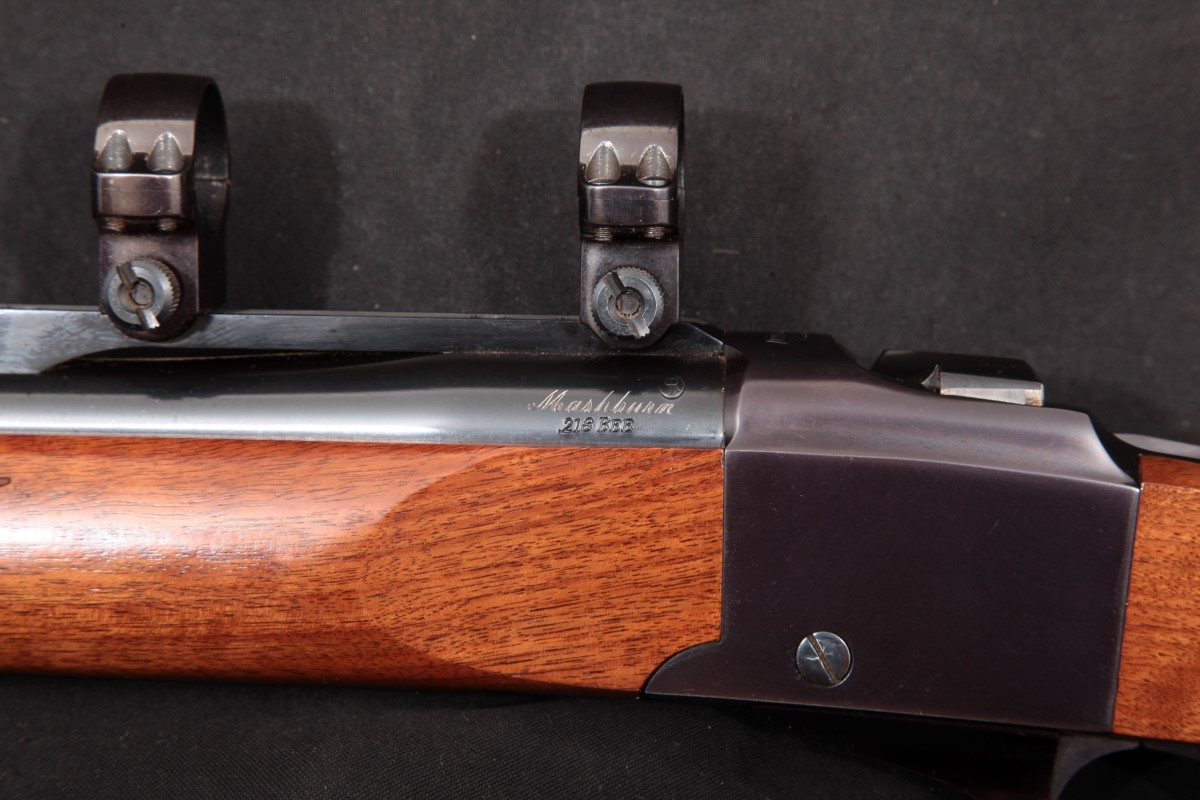
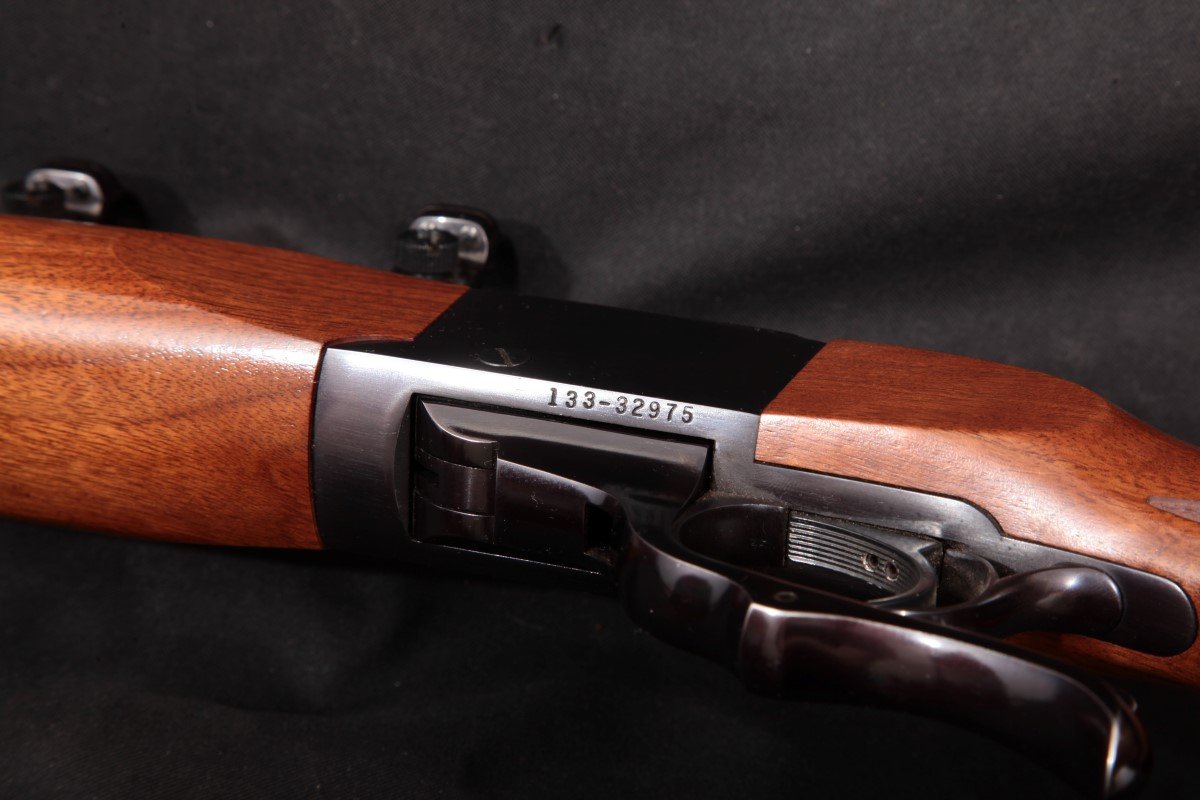
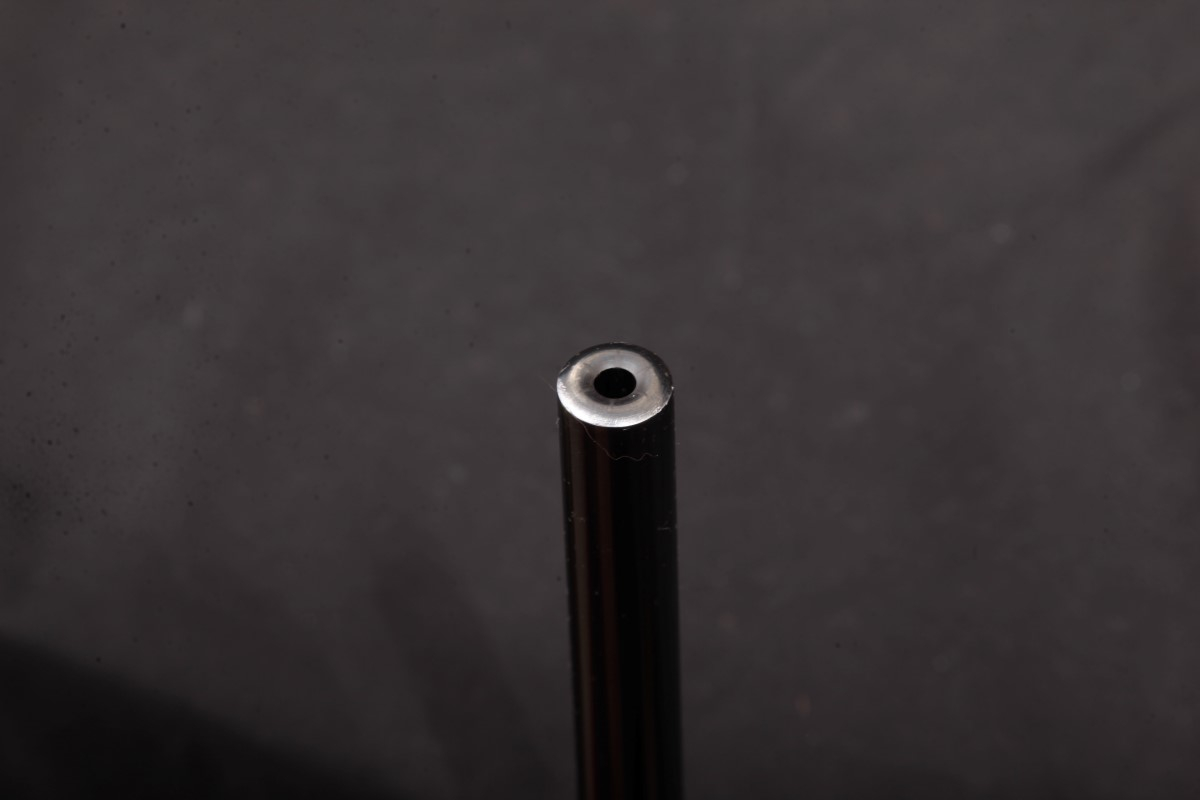
It has been chambered in nearly 50 different cartridges and continues to be made and sold to this day. This example is in Very Good-Fine condition, chambered for the .218 Mashburn Bee cartridge.
Developed from the .218 Bee, the Mashburn moves the shoulder forward with a steeper angle, allowing for a larger powder charge and thus higher velocities. The original .218 Bee fell somewhere between .22 Hornet and .223 Remington, with the Mashburn modification bringing it closer to the .223.
I am just sorry that I lost mine years ago in the battlefield of divorce! As it was a good solid gun that while not fancy , it would get the job done. Grumpy