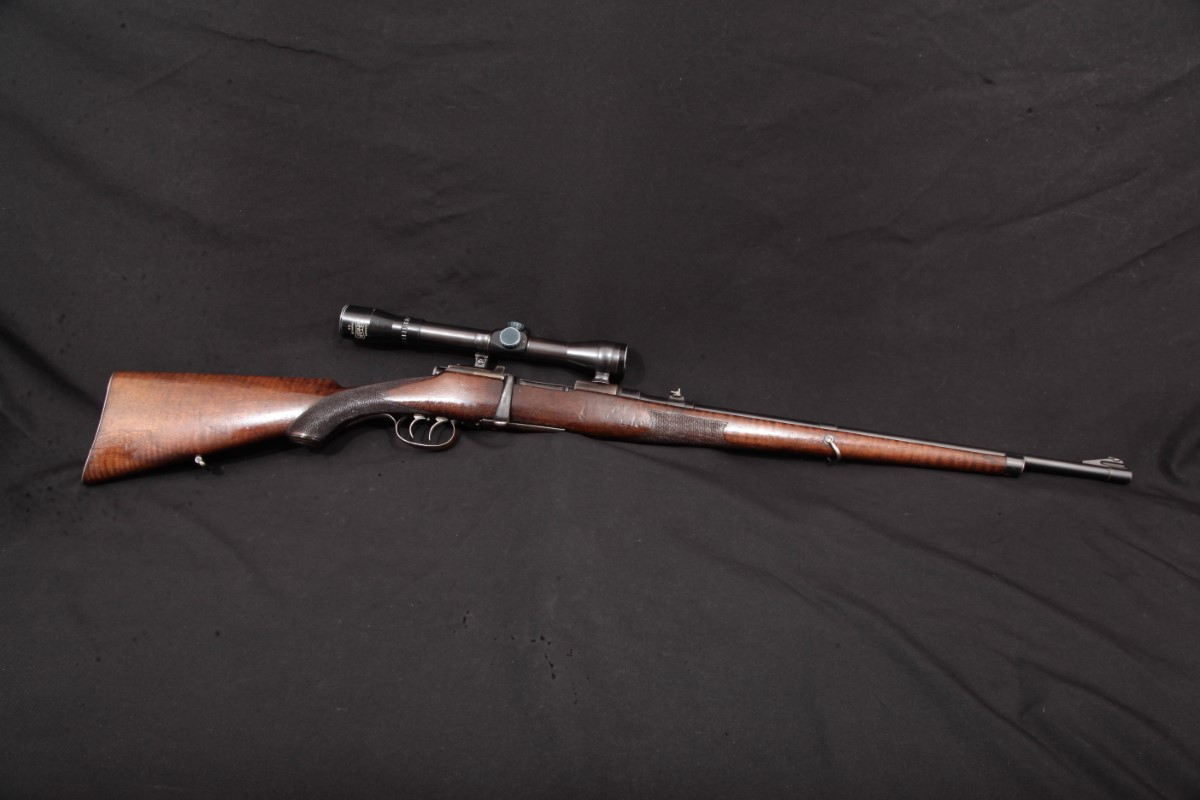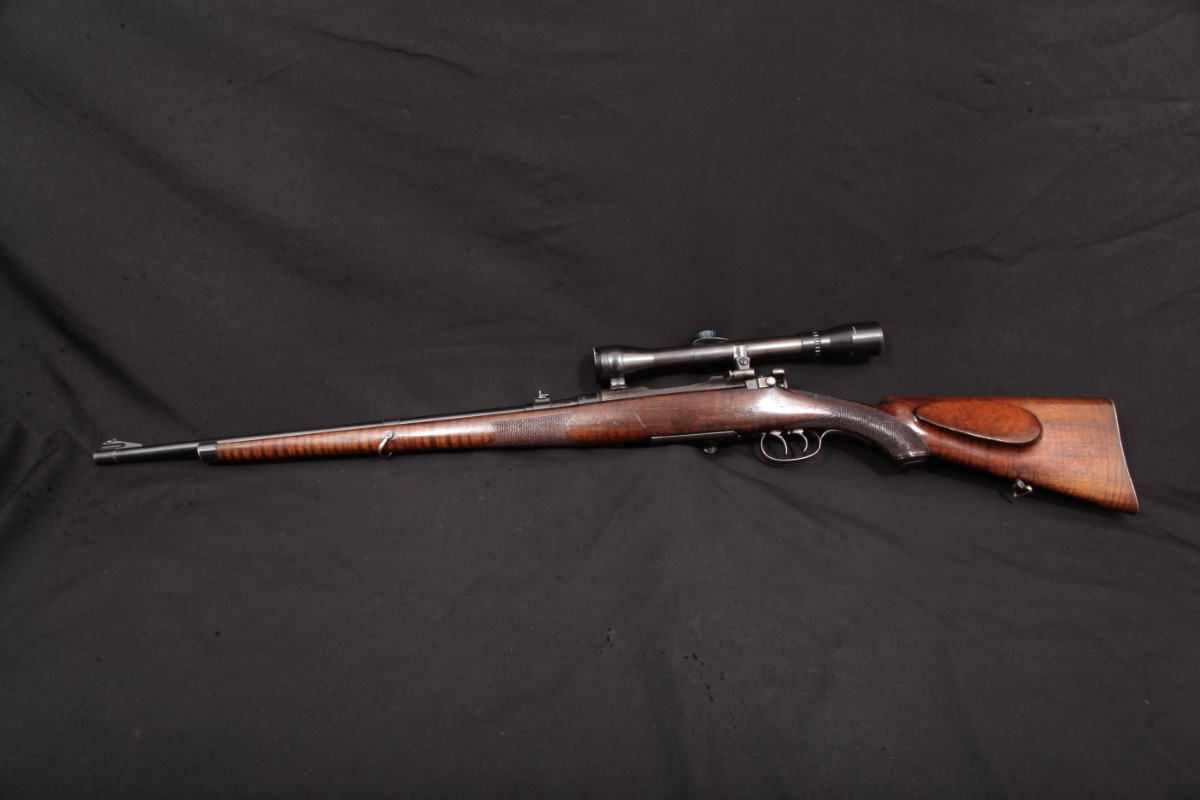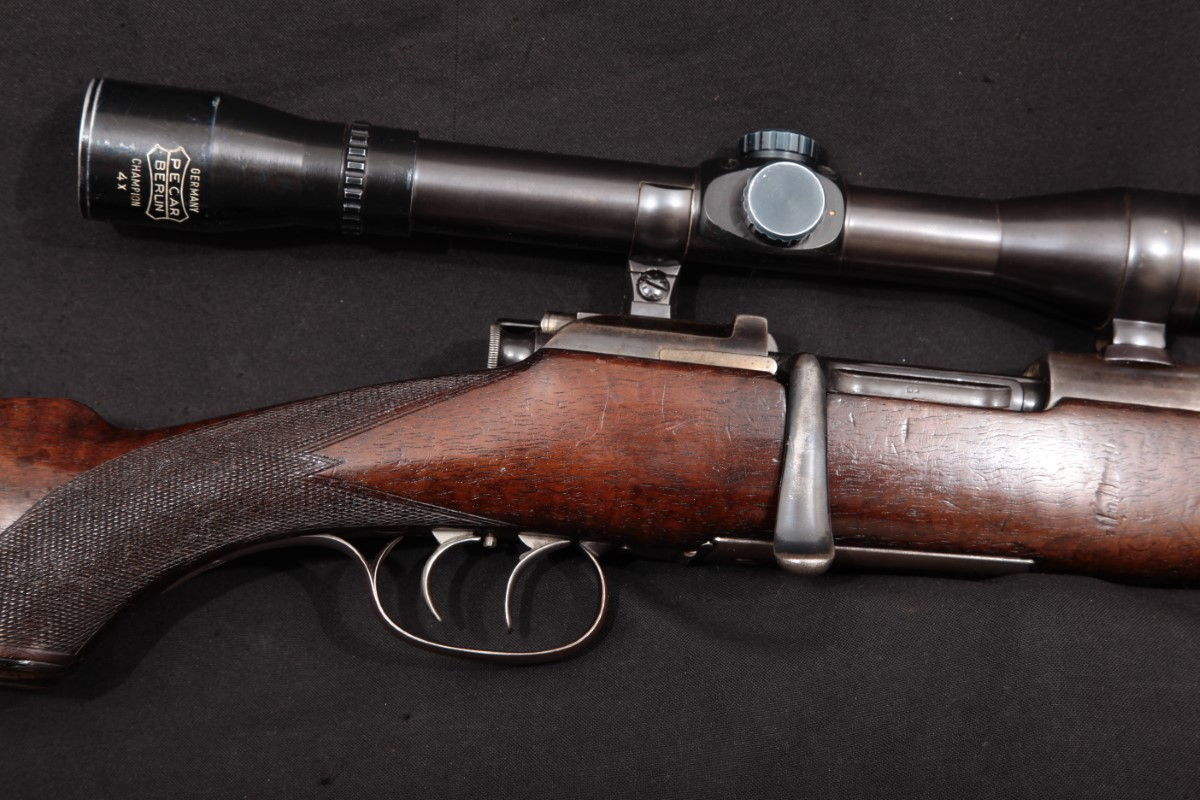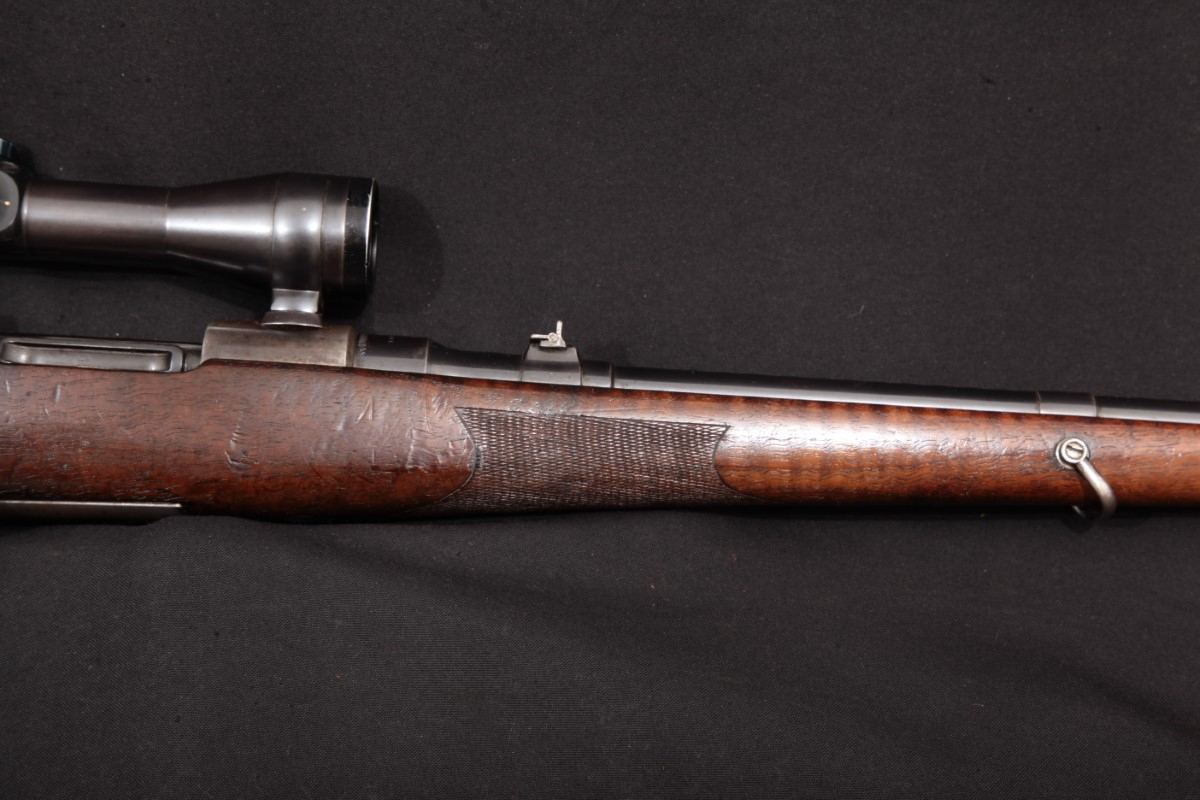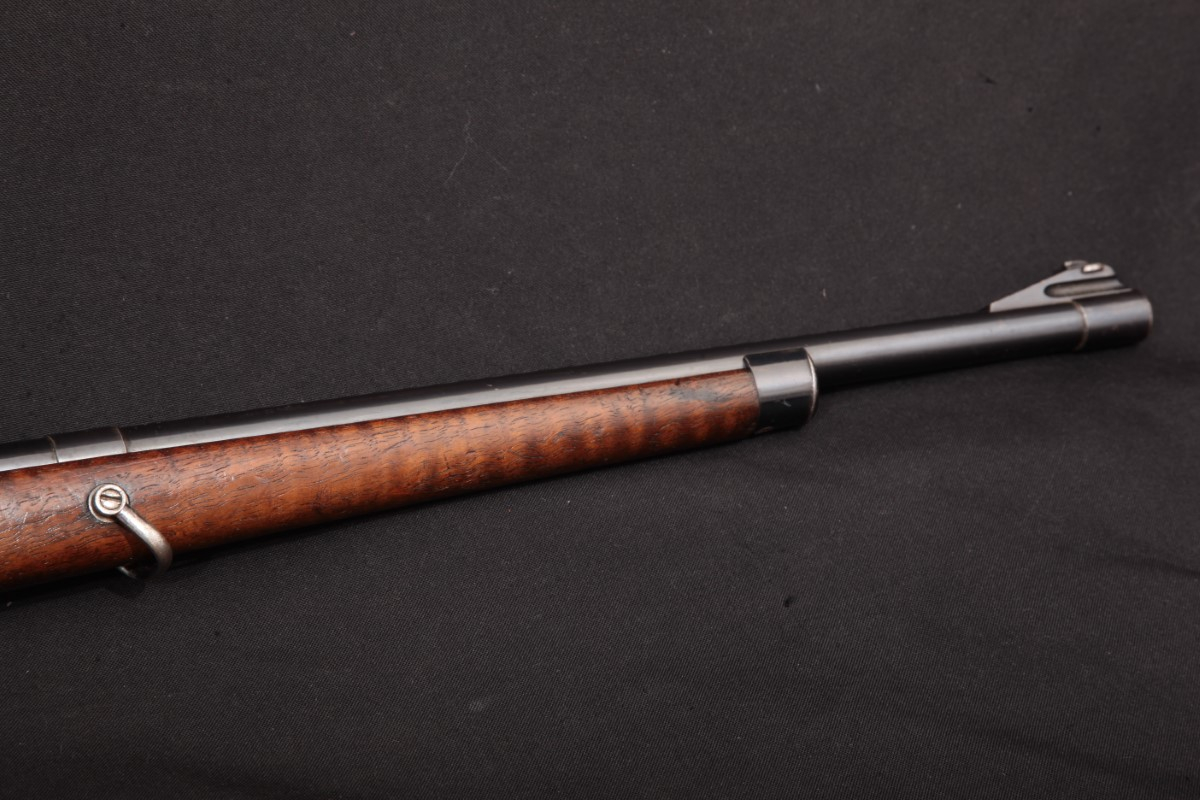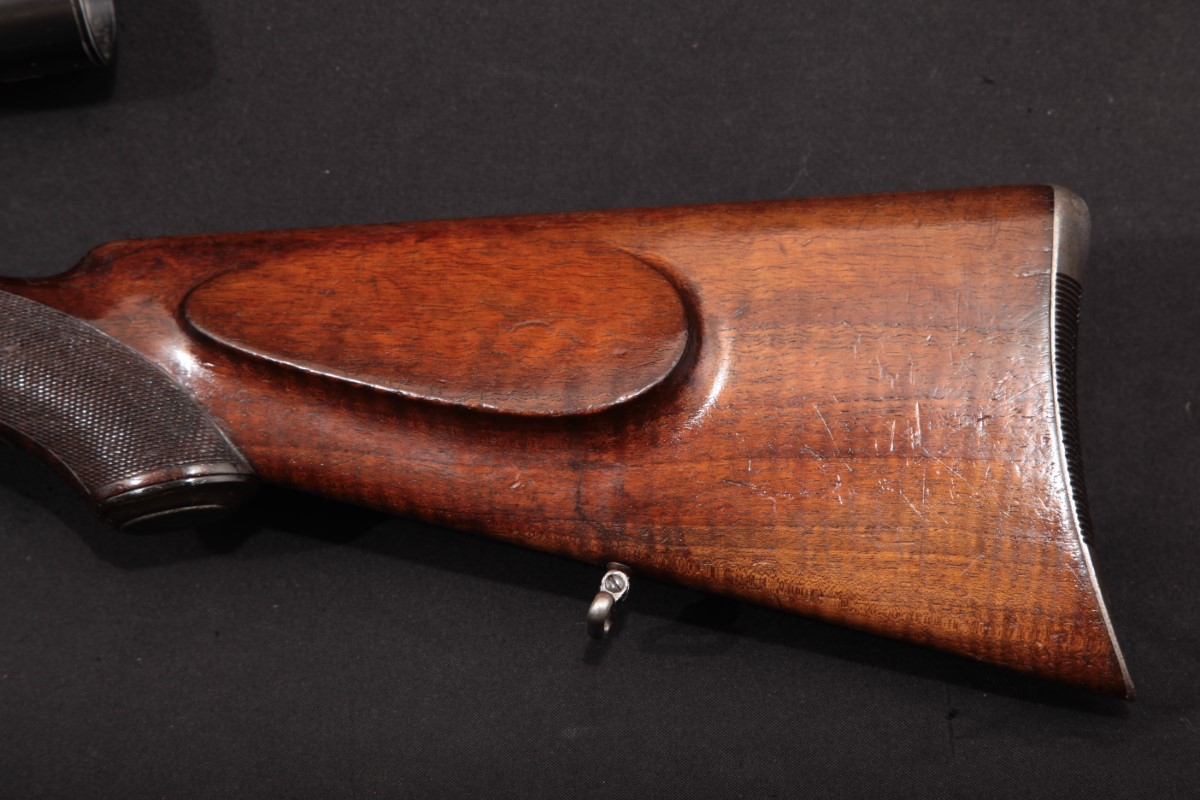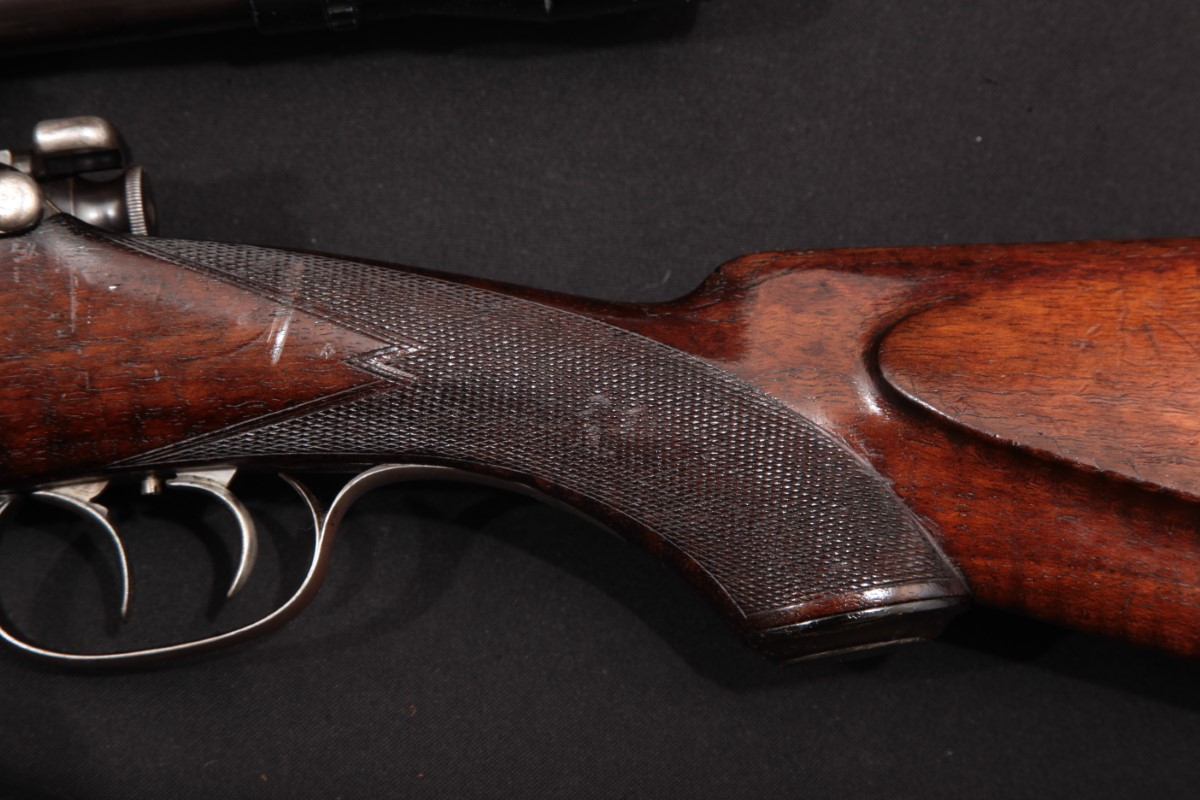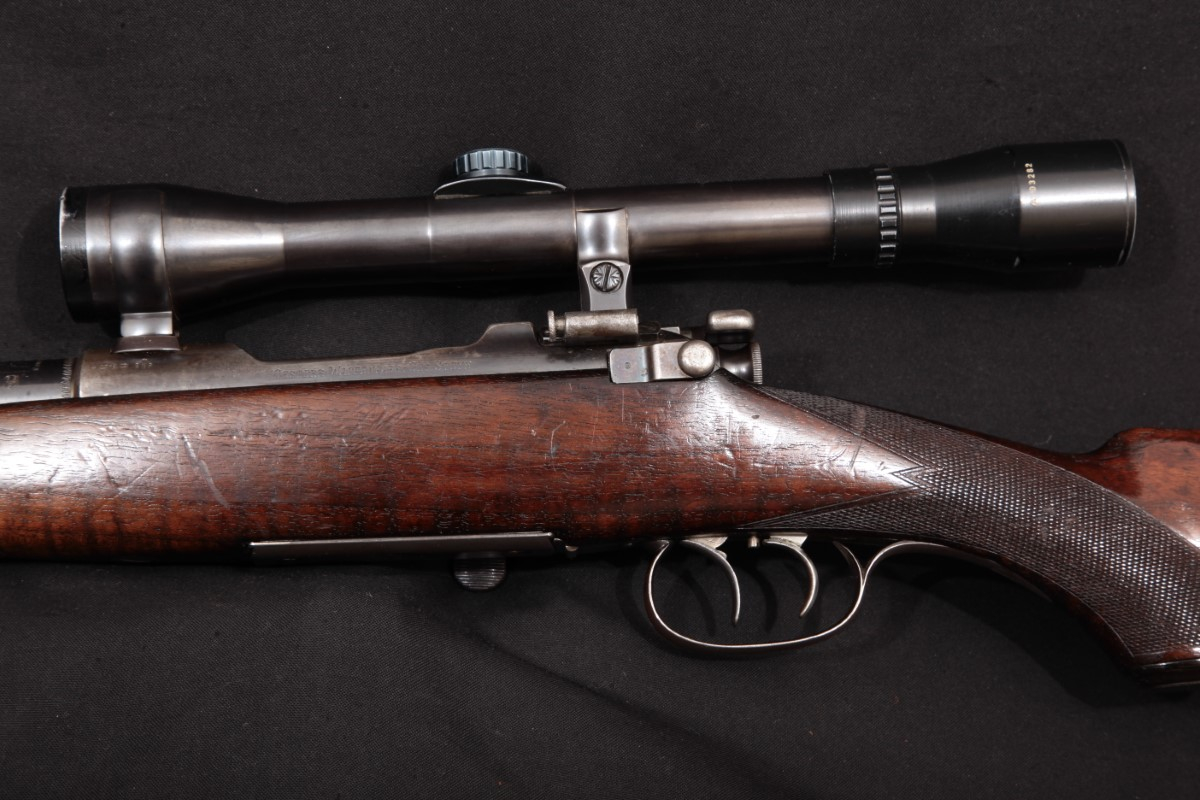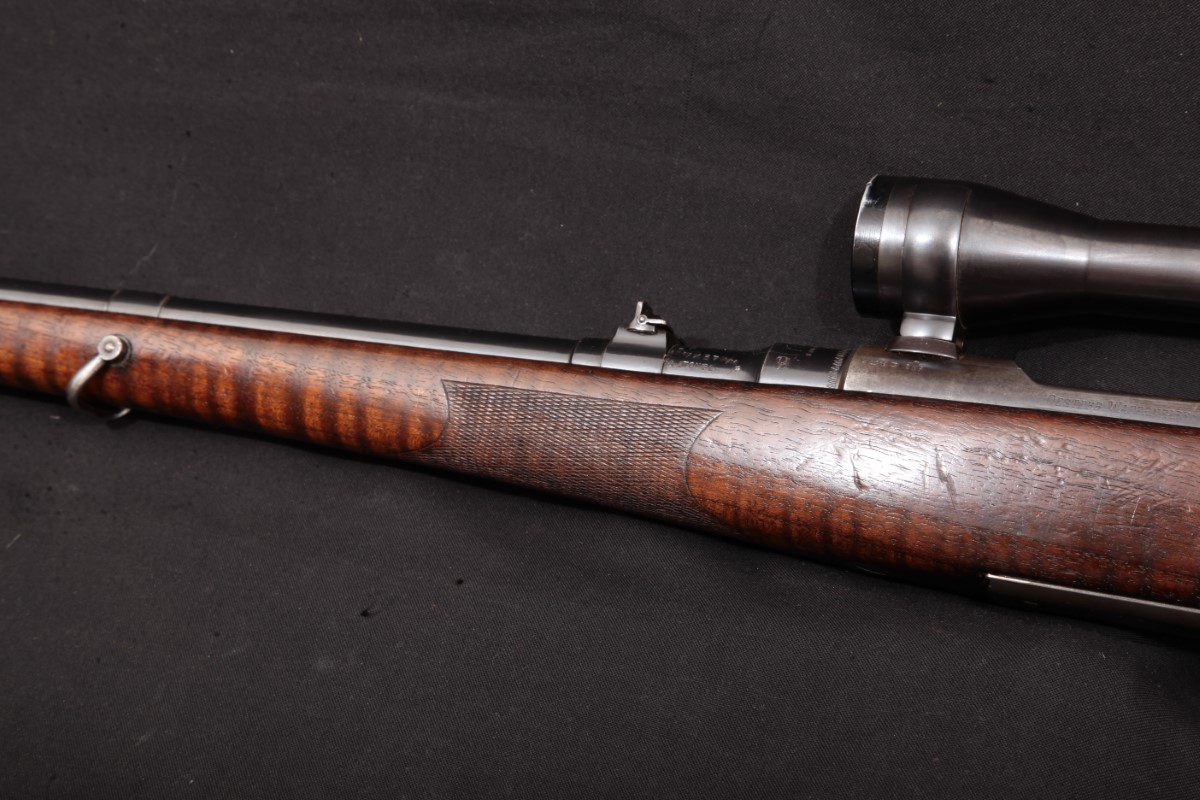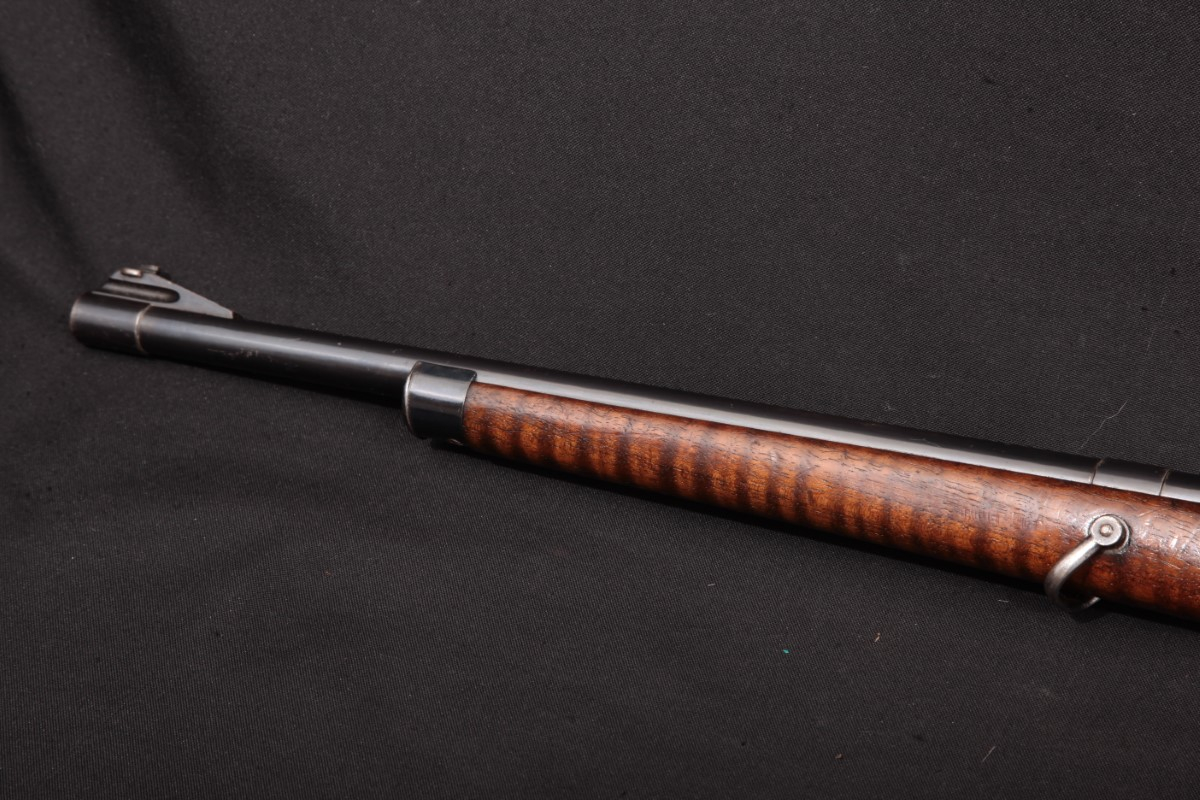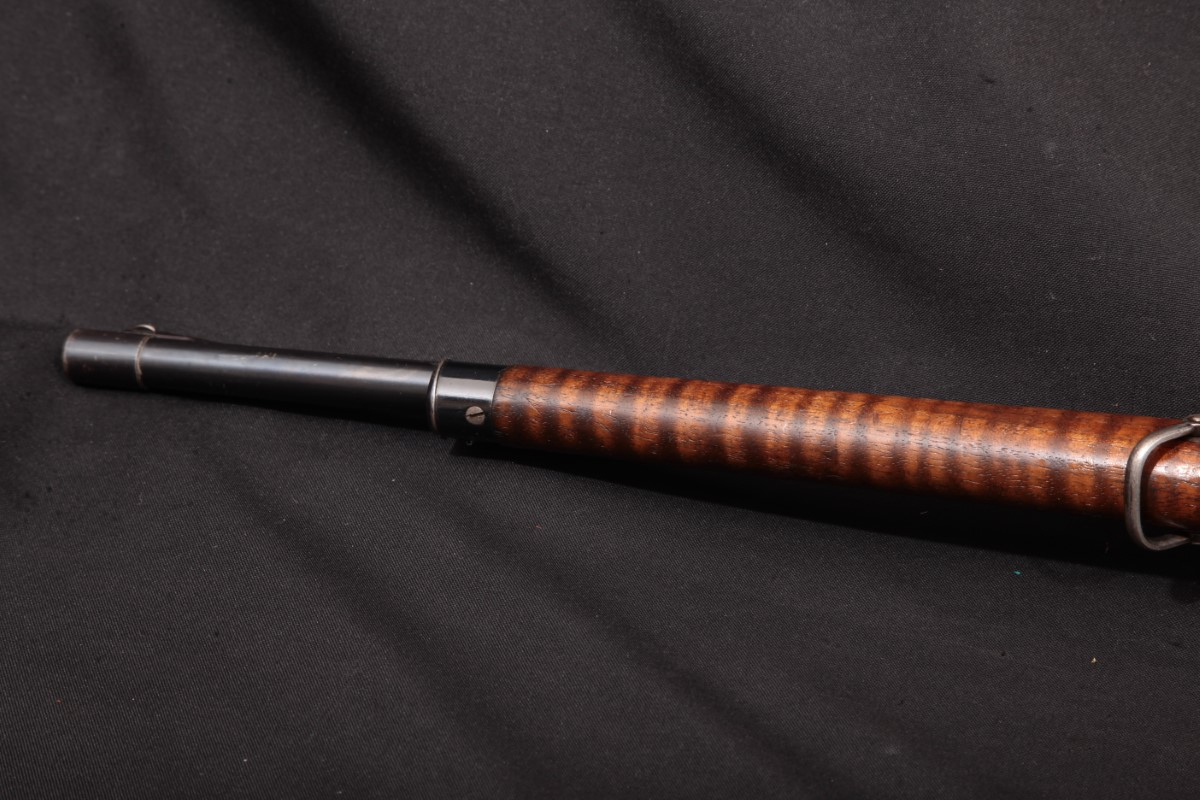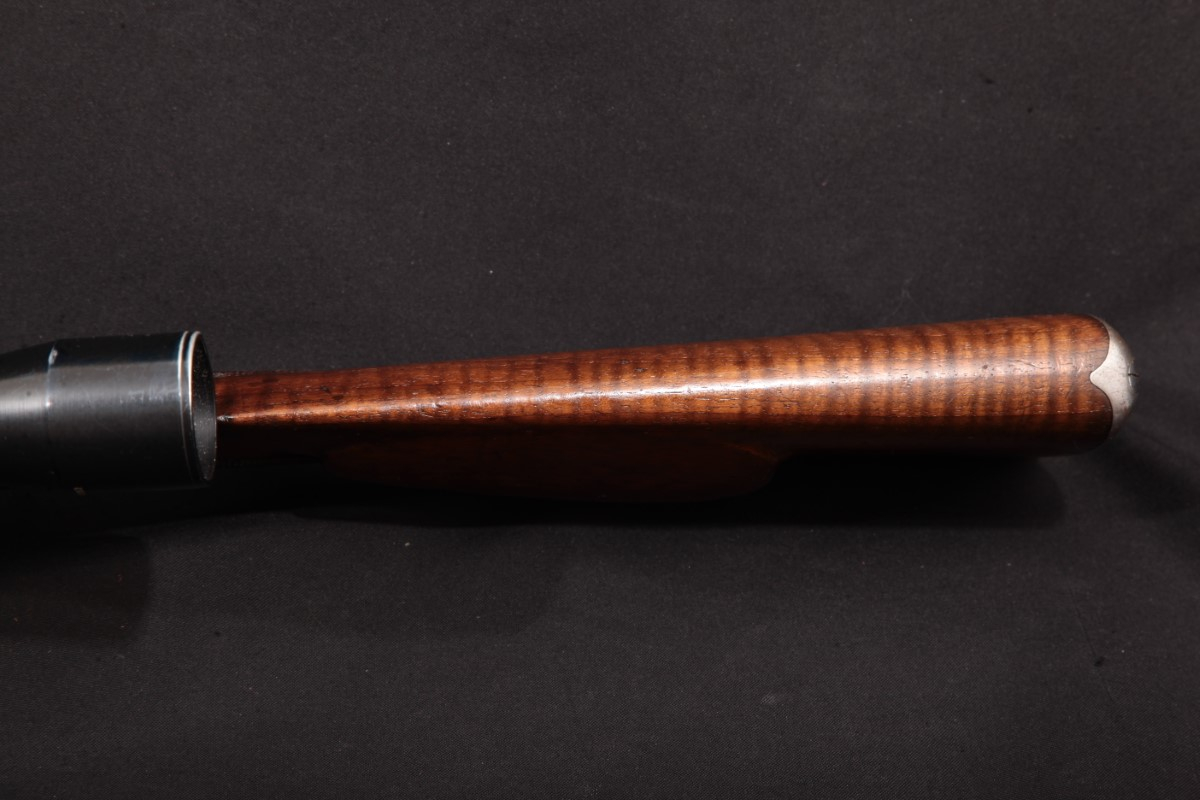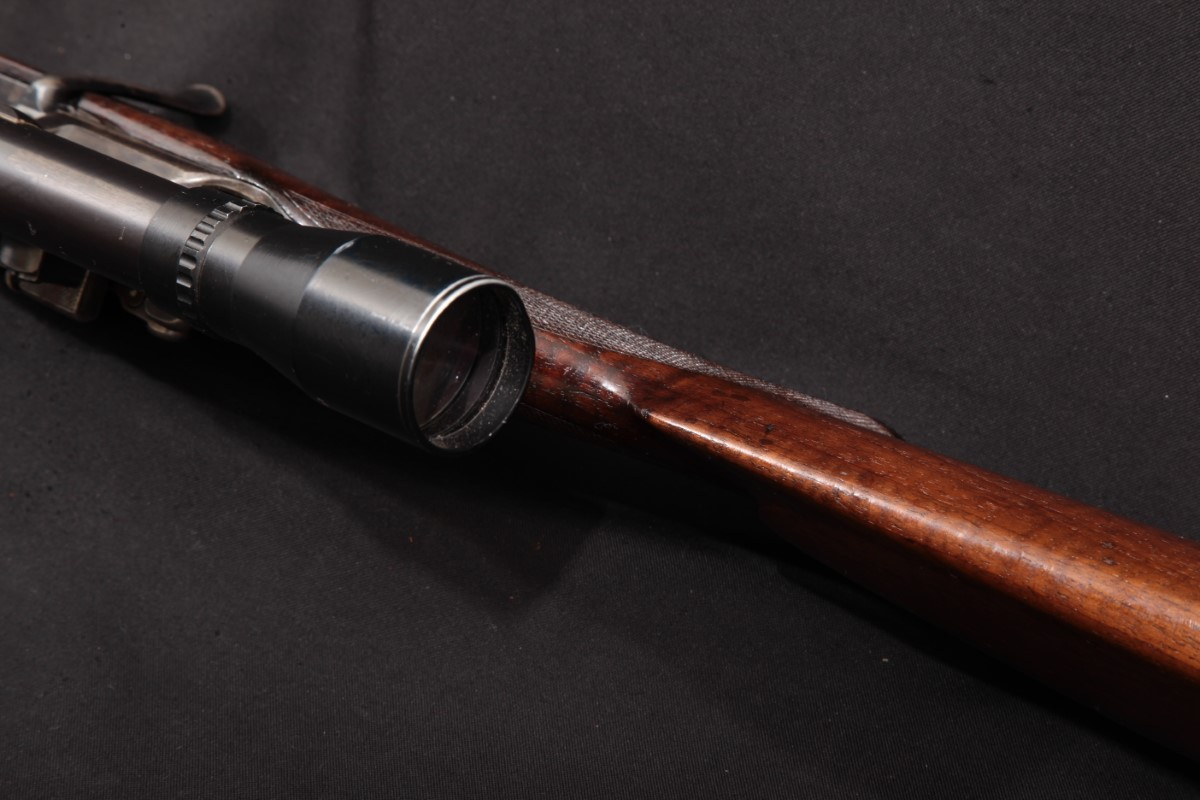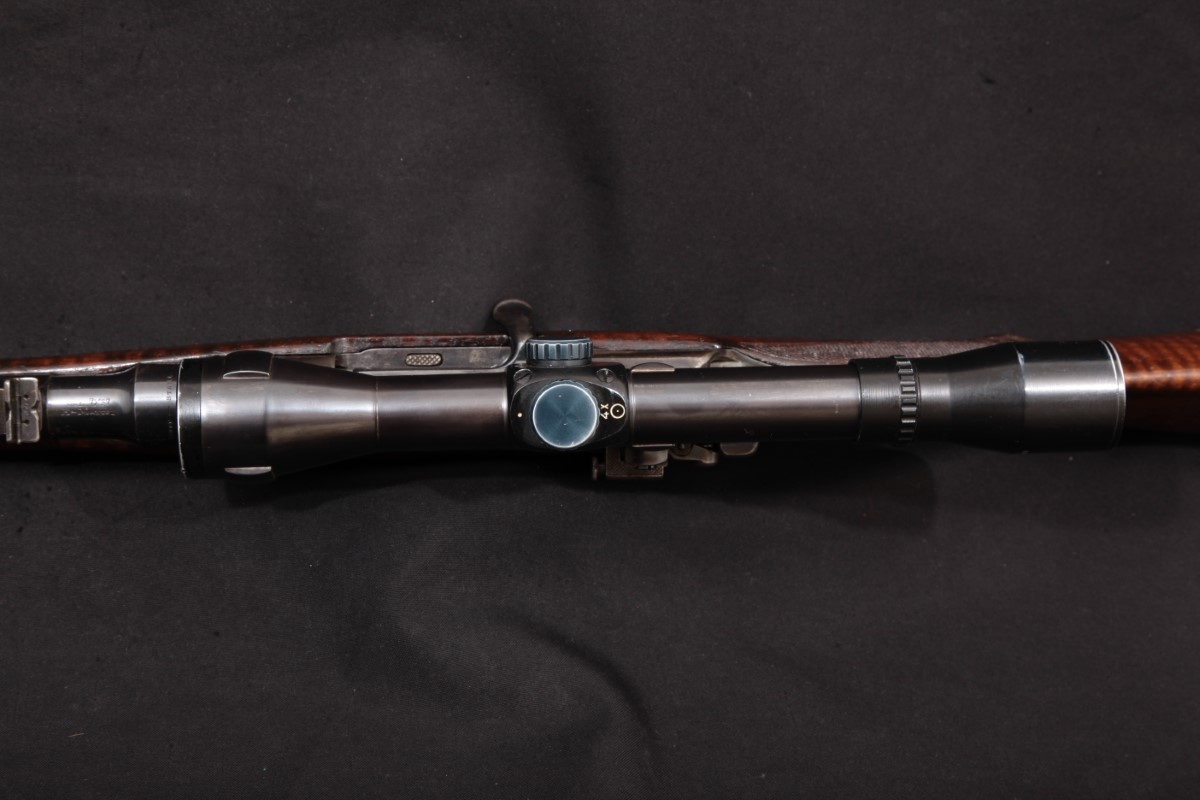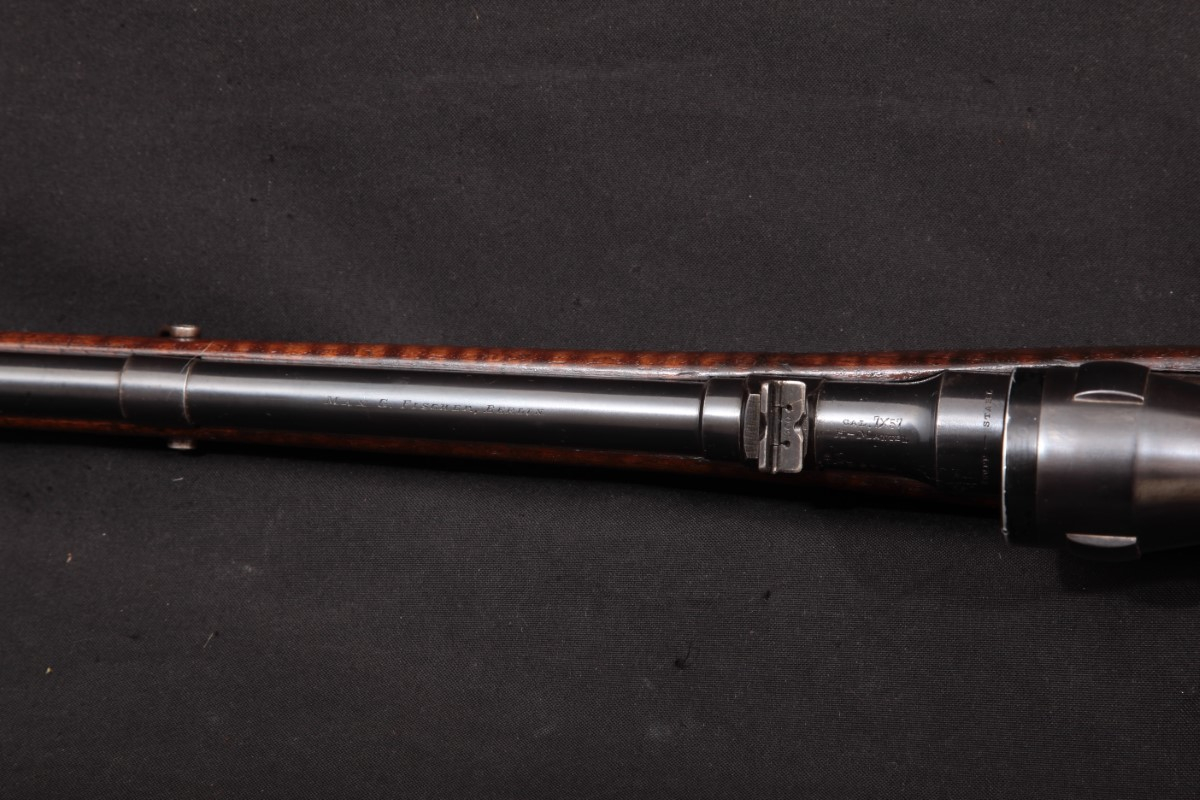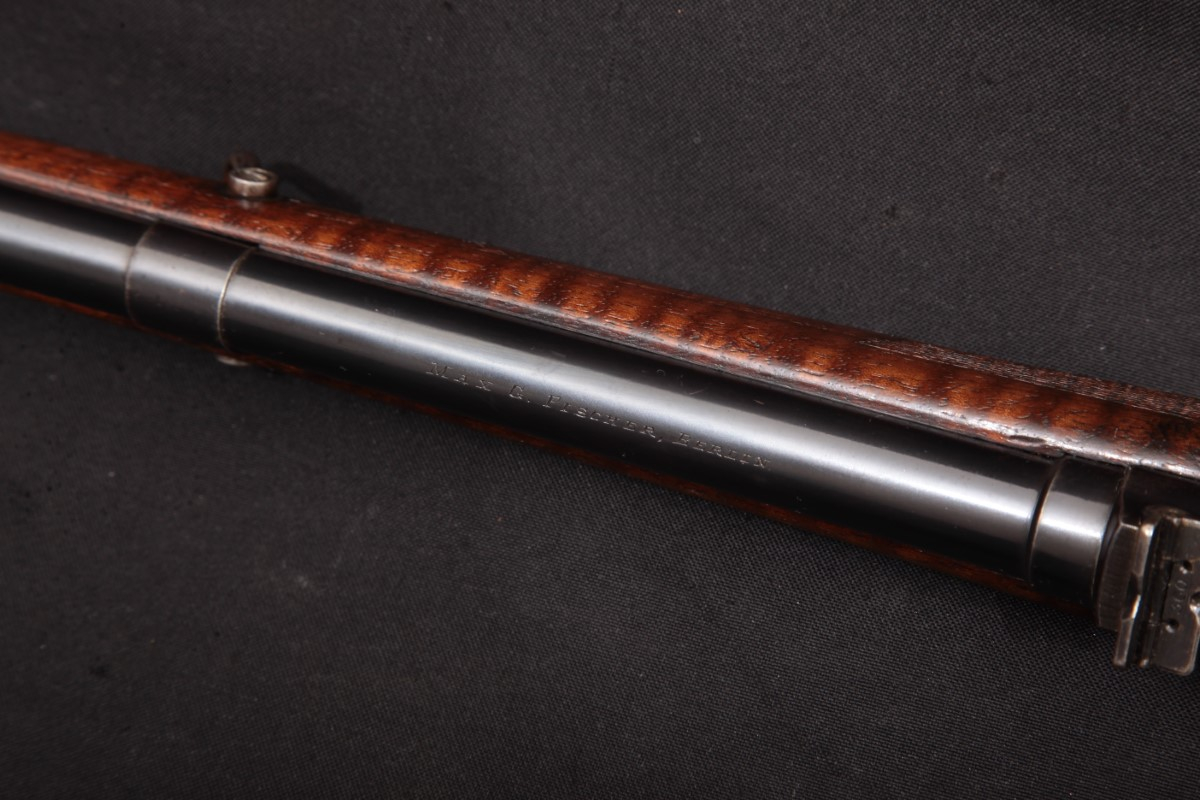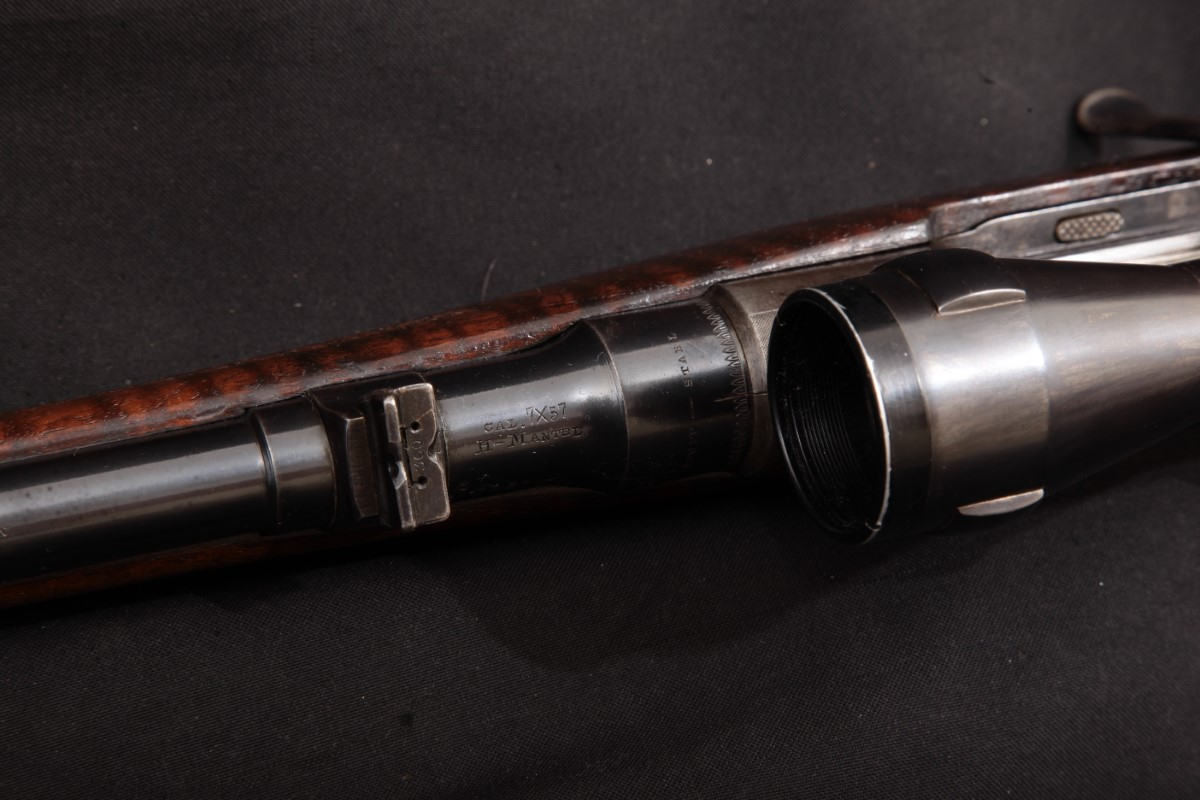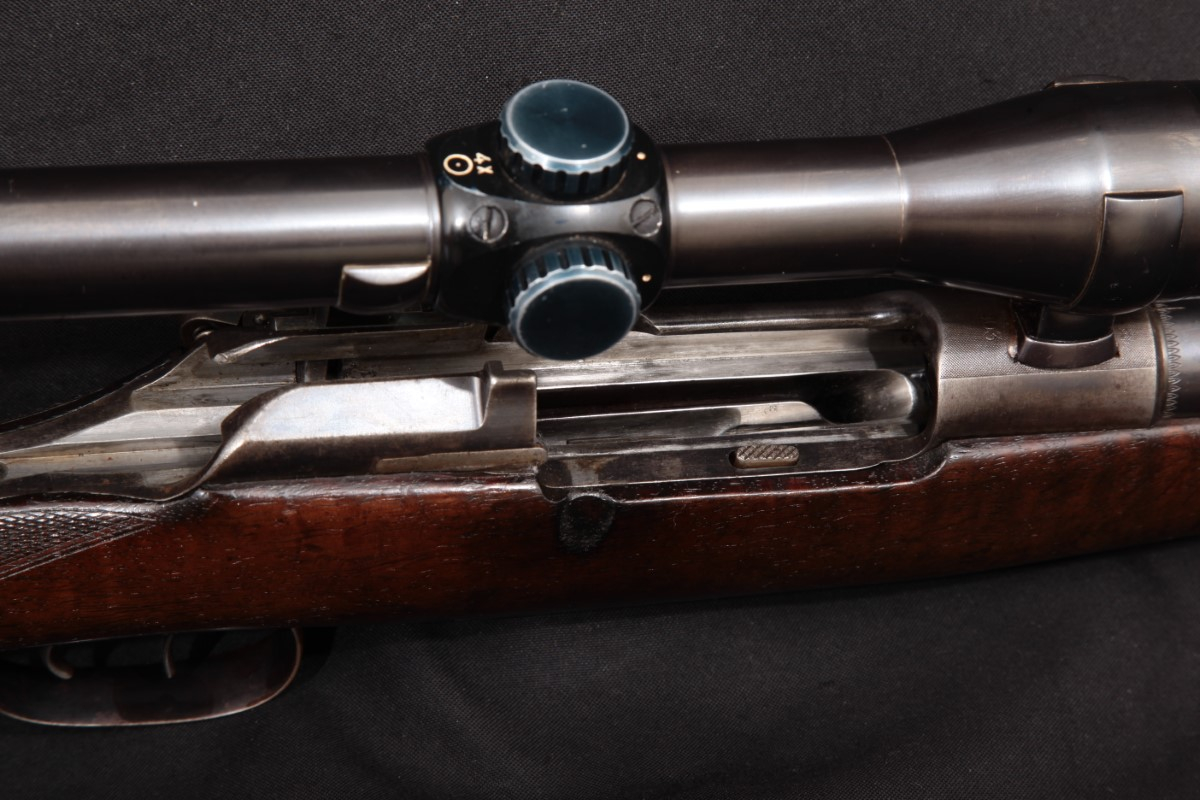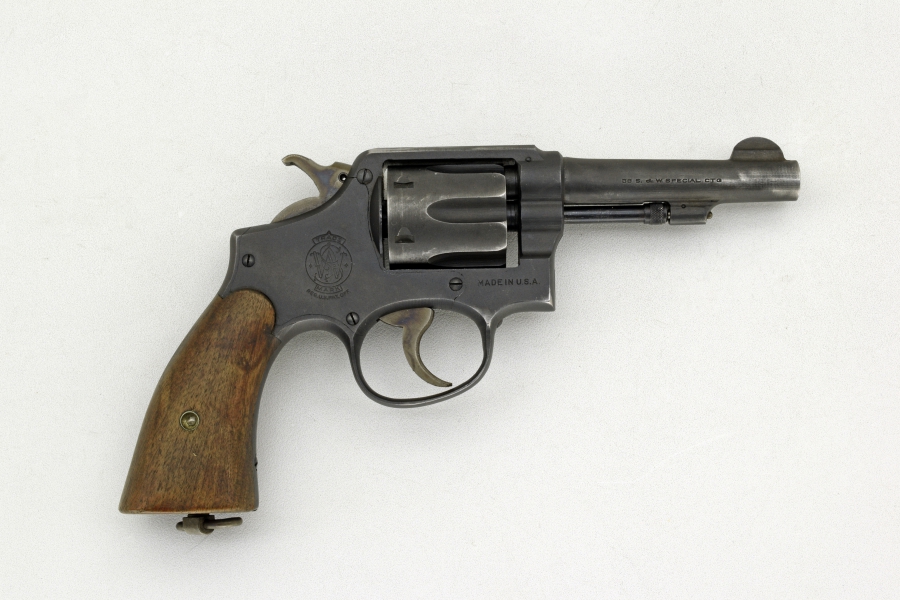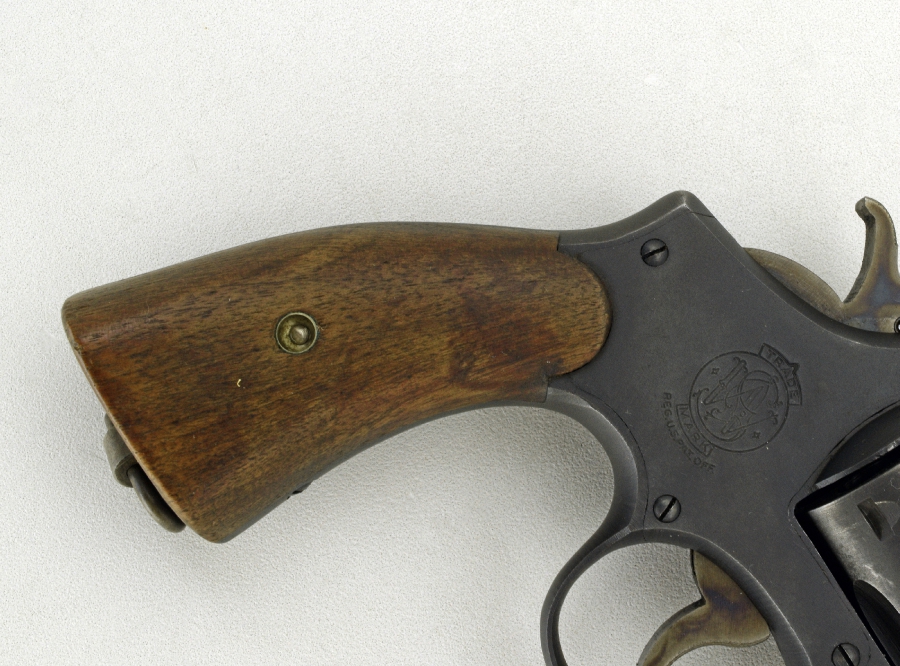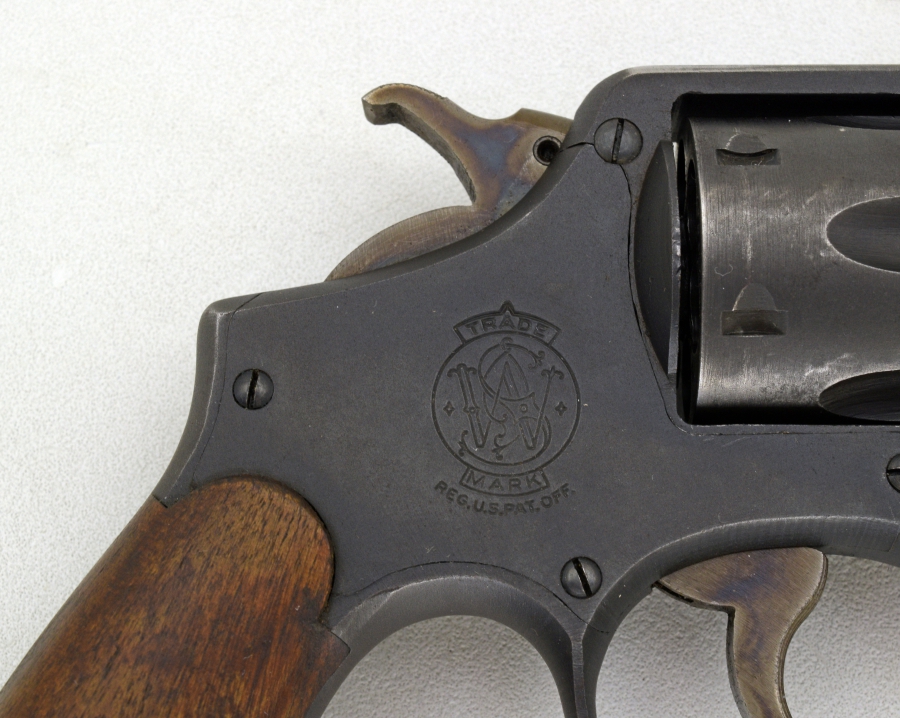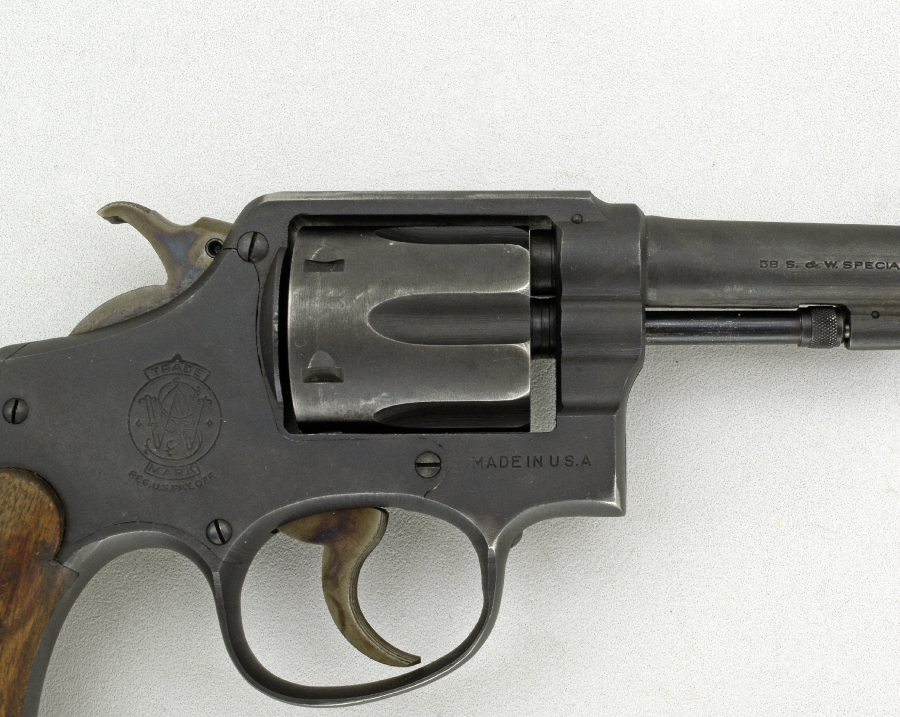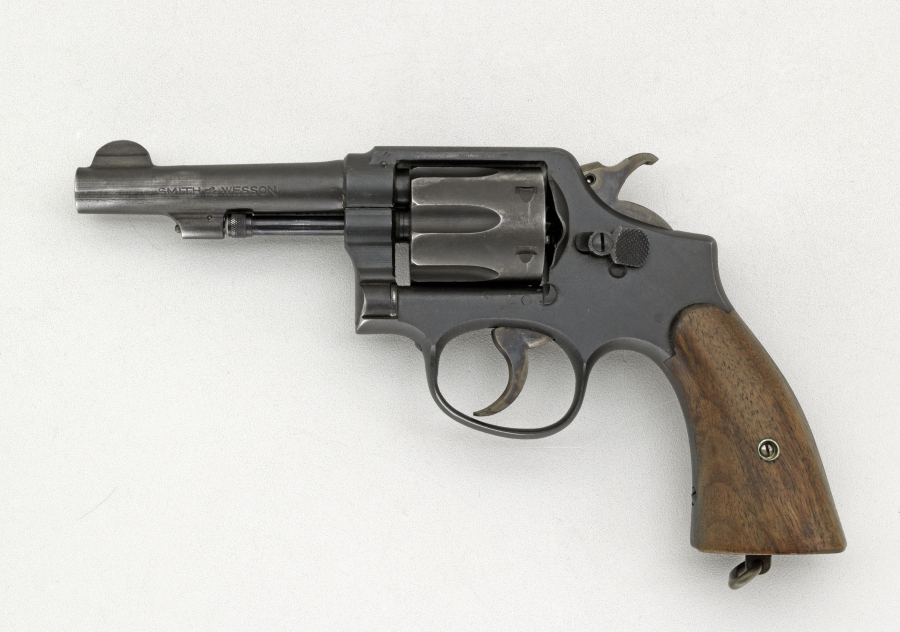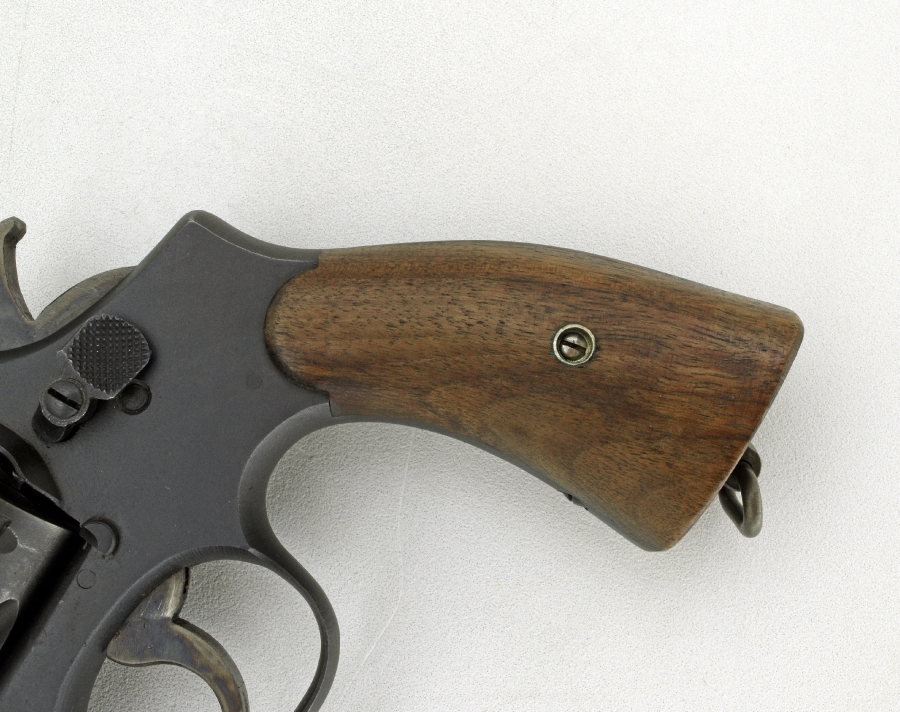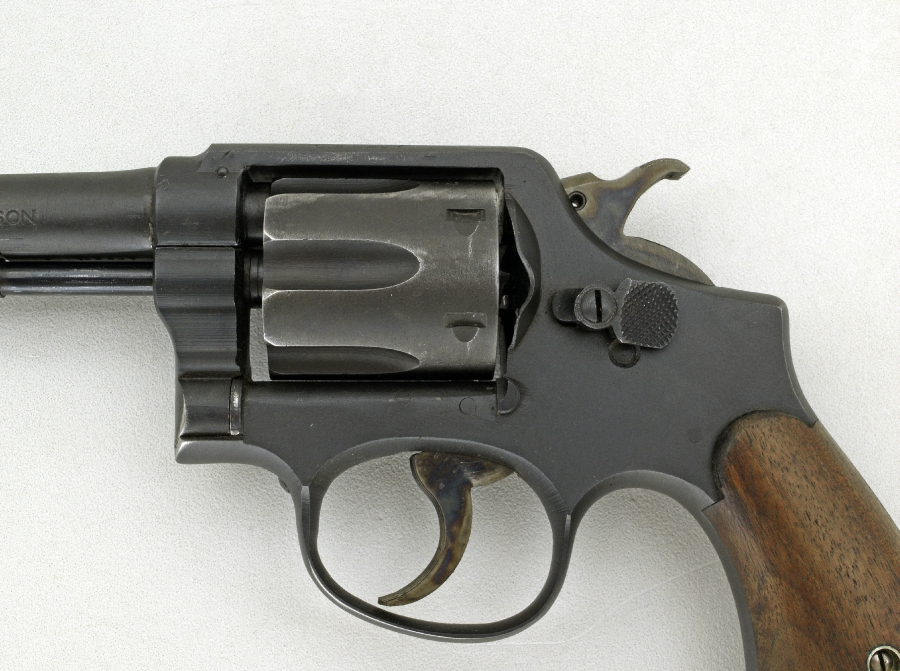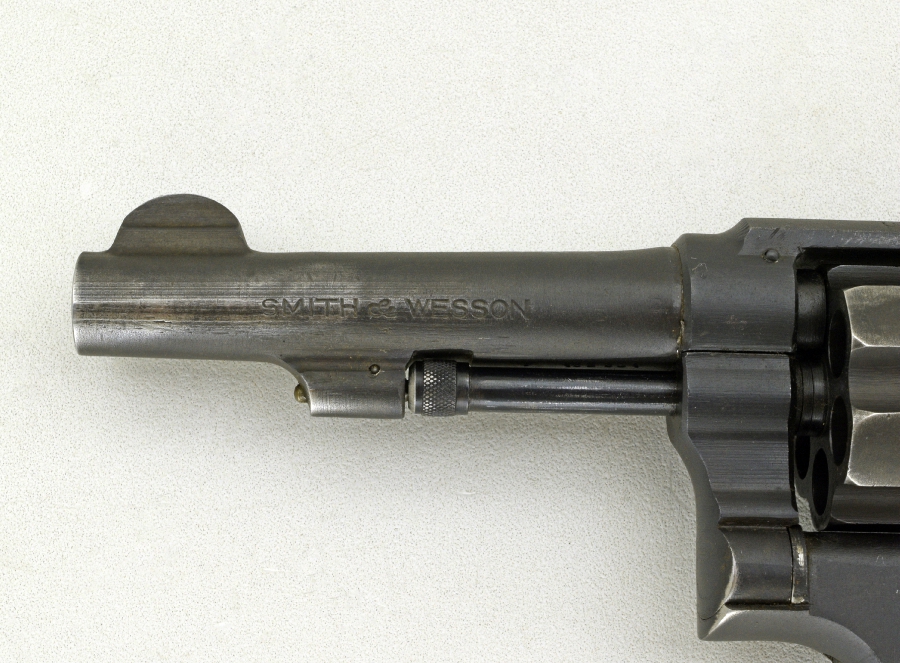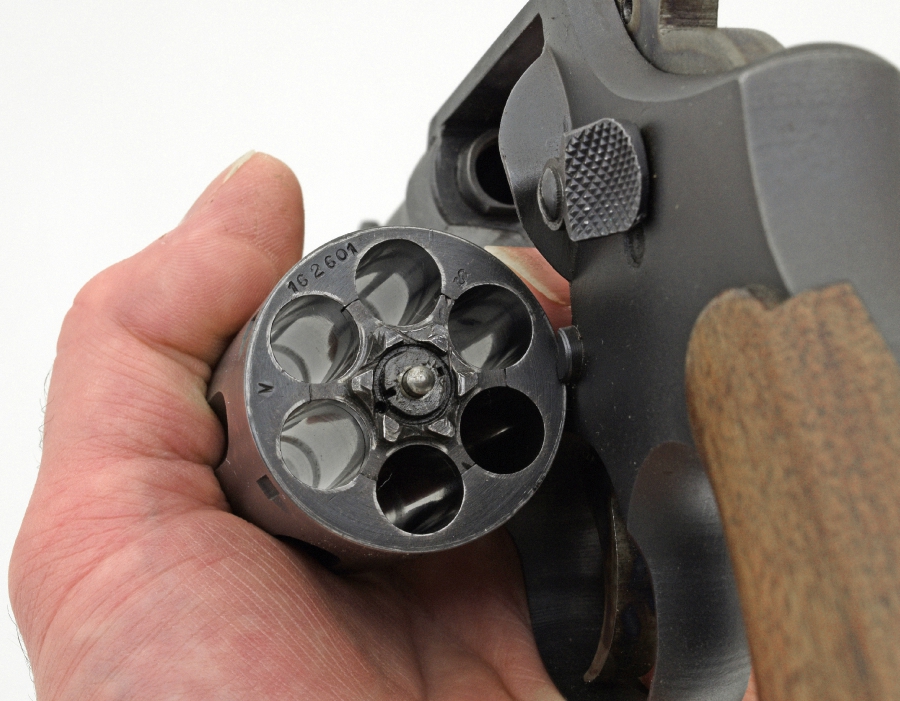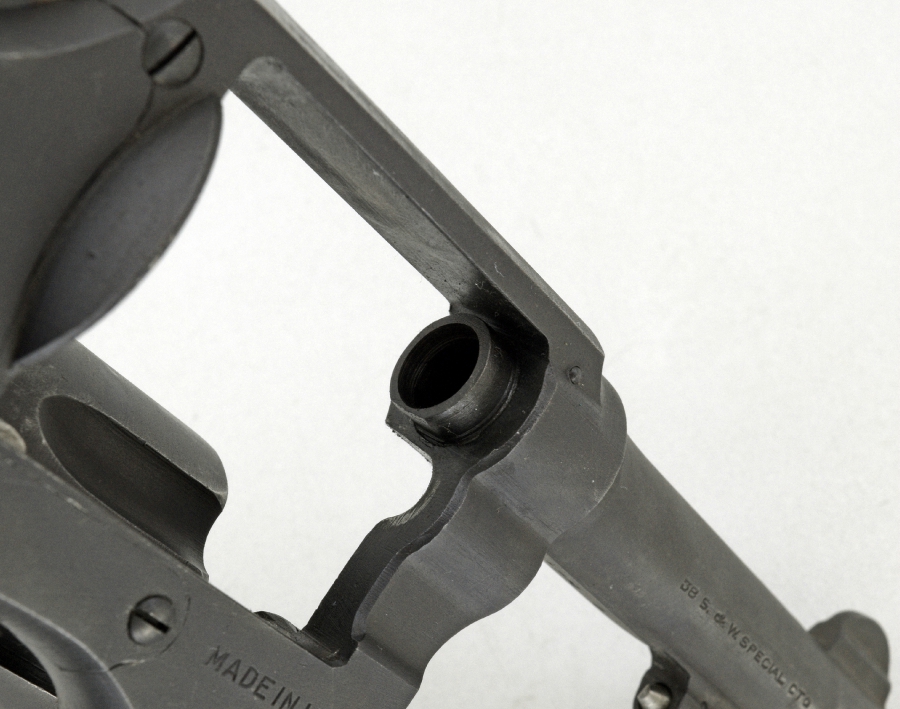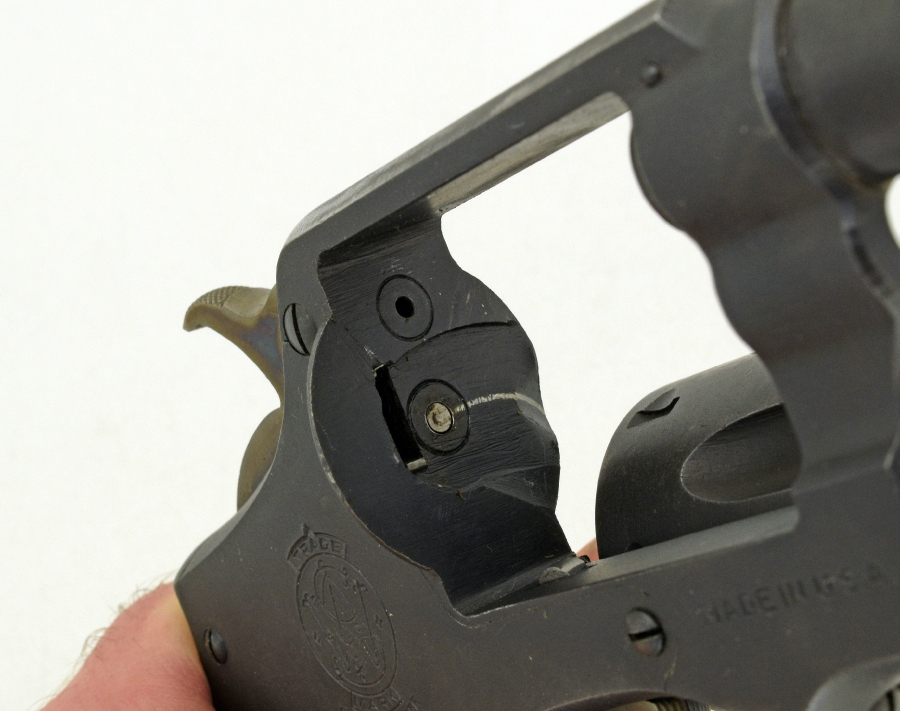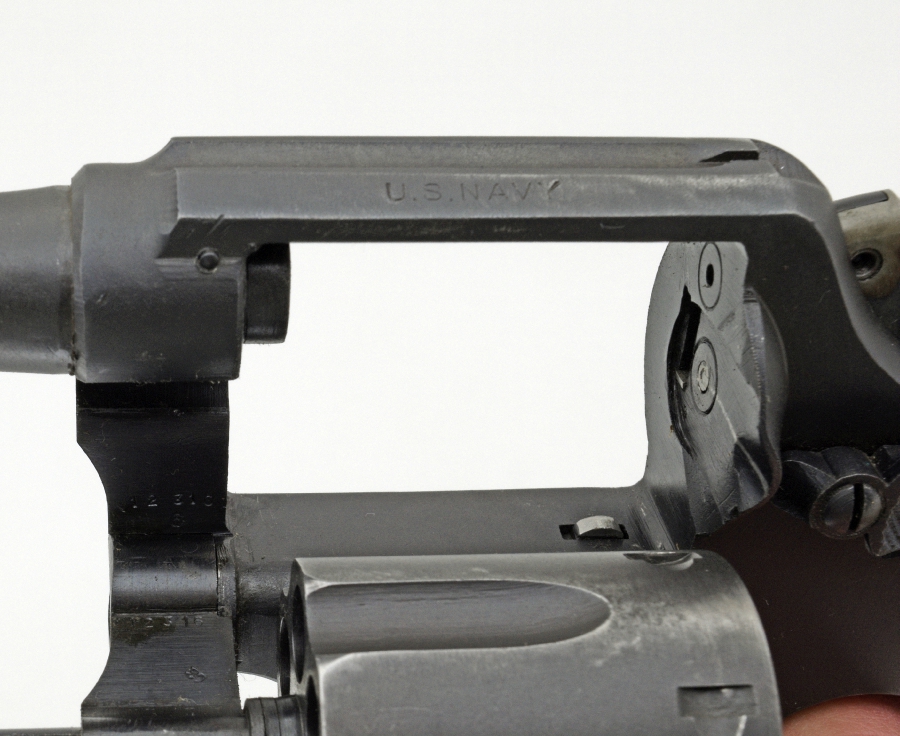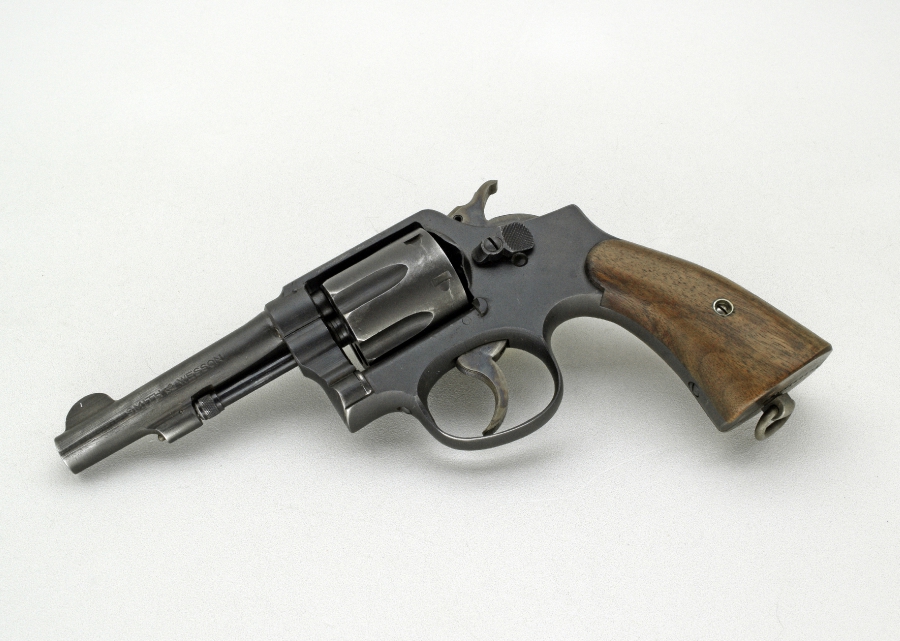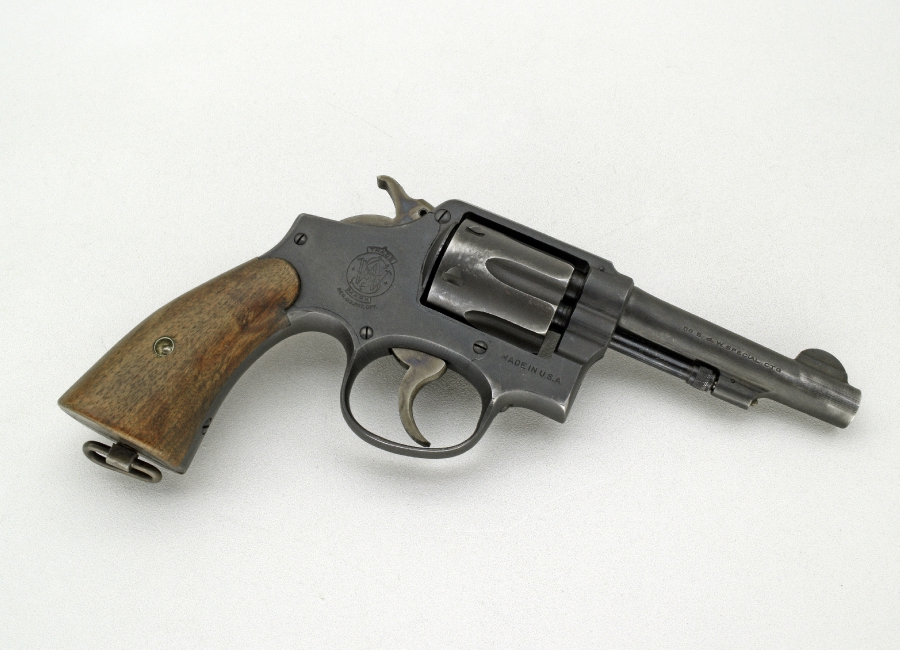


This is a list of infantry weapons which were in mainstream use during World War II (1939–1945).
Contents
[hide]
- 1Kingdom of Albania
- 2Australia
- 3Austria
- 4Belgium
- 5Brazil
- 6Bulgaria
- 7Canada
- 8Slovak Republic
- 9Republic of China
- 10Independent State of Croatia
- 11Denmark
- 12Czechoslovakia
- 13Finland
- 14France
- 15Third Reich (Nazi Germany)
- 16Greece
- 17Hungary
- 18Italy
- 19Japan
- 20Republic of Lithuania
- 21Republic of Estonia
- 22Republic of Latvia
- 23Grand Duchy of Luxembourg
- 24British Malaysia
- 25Mexico
- 26Mongolian People’s Republic
- 27Kingdom of Netherlands
- 28New Zealand
- 29Norway
- 30Poland
- 31Romania
- 32South Africa
- 33Soviet Union
- 34Thailand
- 35United Kingdom (including British Empire)
- 36United States
- 37Yugoslavia
- 38See also
- 39References
Kingdom of Albania[edit]
Handguns
- Glisenti Model 1910
- Beretta M1934
- Colt M1911
- Walther P38
- Mauser C96
- Nagant Model 1895
- Tokarev TT-33
- Browning HP
- FN Model 1910
- Webley Mk.VI
Rifles
- Carcano modello 1891
- 1903 Mannlicher-Schoenauer
- Karabiner 98k
- Lee–Enfield No. 1 Mk. III
- Pattern 1914 Enfield
- Mosin–Nagant M91/30
Submachine guns
- Beretta Model 1918
- Beretta Model 38
- MP 18
- MP 35
- MP 38
- MP 40
- Sten
- PPS-43
- PPSh-41
- Lanchester submachine gun[citation needed]
- Thompson M1928
Machine guns
- Breda modello 1930
- Breda Modello 1937
- SG-43 Goryunov
- Degtyaryov DP-28
- Schwarzlose MG M.07/12
- MG 34
- Bren light machine gun[citation needed]
- Vickers machine gun
Australia[edit]
Handguns
- Webley Mk.VI (.455) & Mk.IV (.38/200)
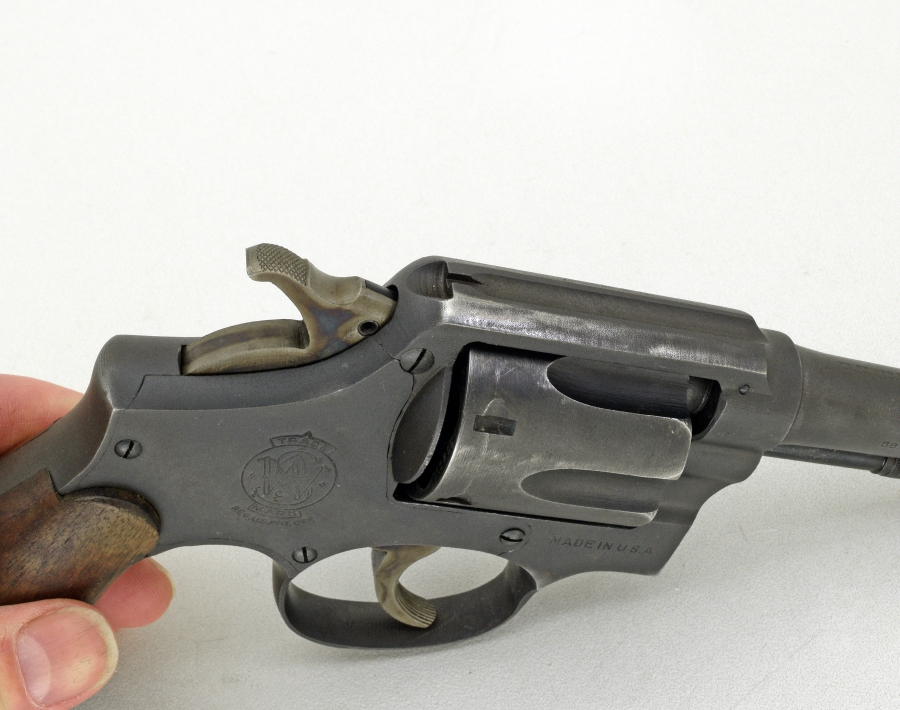
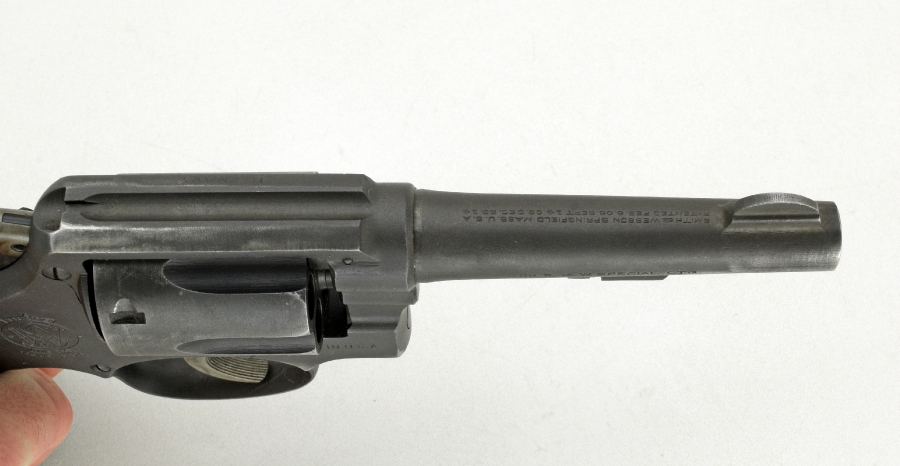
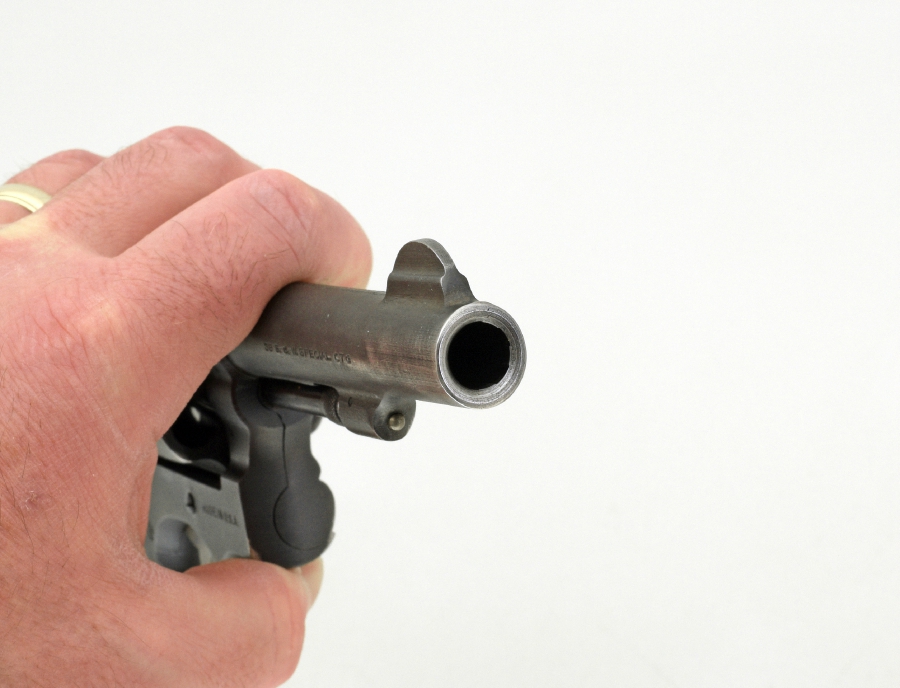
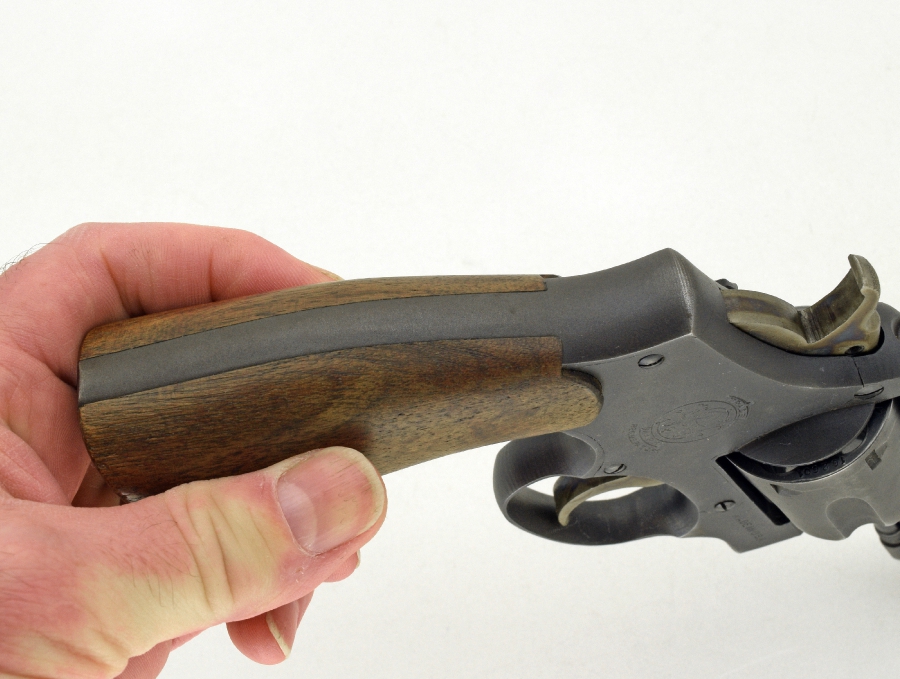
- Smith & Wesson Victory Model
- Enfield revolver
- Browning Hi-Power
Rifles
Submachine Guns
Machine guns
Anti-tank weaponry
Grenades
Flamethrowes
Mortars
Austria[edit]
The Federal State of Austria was annexed in 1938 by Germany into the Reich and the Austrian armed forces into the German Wehrmacht.
Handguns
Rifles
Submachine guns
Machine guns
Belgium[edit]
Handguns
Rifles
- Mauser Model 1889
- Mauser Modèle 1935
- Gewehr 98
- Lee–Enfield No.4 Mk I
- Mosin–Nagant M91/30
Submachine guns
Light machine guns
Medium machine guns
Heavy machine guns
Anti-tank guns
Bayonets
- Modèle 1924
Brazil[edit]
Brazil under authoritarian rule of Vargas entered the war in 1942 on the Allied side but did not deploy troops until 1943. Much of its equipment was provided by Lend Lease from the US.
Handguns
Rifles
- M1 Garand ( Lend Lease)
- M1 Carbine Lend Lease
- Springfield M1903 Lend Lease
- Vz. 24 Lend Lease
Submachine guns
- M1A1 Thompson Lend Lease
- M3 grease gun Lend Lease
- M50 Reising Lend Lease
- MP18
Machine Guns
- Browning M1917 Lend Lease
- Browning M1918 Lend Lease
- Browning M1919 Lend Lease
- Browning M2 Lend Lease
- Hotchkiss M1914
Shotguns
- Winchester 1897 Lend Lease
- Browning Auto-5 Lend Lease
- Ithaca 37 Lend Lease
- Coach gun
Flamethrowers
Anti-tank weapons
Grenades
Bulgaria[edit]
Handguns
Rifles
Submachine Guns
Machine Guns
- Madsen machine gun
- MG 08
- MG 30
- MG 34
- Maxim M1910
- Degtyaryov DP-28
- Schwarzlose MG 07/12
- Bren light machine gun[citation needed]
Mortars
Anti-tank weapons
Canada[edit]
Handguns
- Colt M1911
- Smith & Wesson Triple Lock
- Browning Hi-Power
- Smith & Wesson Victory Model
- Webley Revolver
- Enfield Revolver
- Colt Police Positive
Sub-machine guns
Rifles
Machine guns
- Bren light machine gun
- Lewis Gun
- Vickers machine gun
- Browning M1917
- Browning Automatic Rifle
- Browning M1919
- M1941 Johnson machine gun
Shotguns
Flamethrowes
Anti-tank weapons
Grenades
Slovak Republic[edit]
First Slovak Republic was a puppet state of Germany during the war
Handguns
Rifles
Light machine guns
Heavy machine guns
- Schwarzlose MG M.07/12 as “Kulomet vz. 24 (Schwarzlose)“
Mortars
- 80 mm vz. 36 – medium mortar
Republic of China[edit]
List of National Revolutionary Army weapons, including Chinese warlords and Communists.
Handguns
- Astra Model 900
- Mauser C96 (Chinese copy)
- Mauser M712
- Browning Hi-Power (Burma Campaign X-Forces and Y-Forces
) - Tokarev TT-30/TT-33
- FN M1900 (Chinese copy)
- FN Model 1922
- Nambu Type 14 (Captured from Japanese forces)
- Type 94 (Captured from Japanese forces)
- Type 26 revolver (Captured from Japanese forces)
- Luger P08
- Colt Model 1903 Pocket Hammerless (Issued to officers only)
- Nagant M1895
- Colt M1911A1 – provided by the U.S. through Lend Lease
- M1917 revolver – provided by the U.S. through Lend Lease
Rifles
- Type 24 rifle– main service rifle (Chinese licensed copy of Gewehr 98)
- Hanyang Type 88
- Mosin–Nagant M1891/30, M1938, M1944
- Mauser Karabiner 98k (Mainly issued to the early German trained divisions)
- Karabinek wz. 1929
- Gewehr 88
- Gewehr 98
- Carcano
- ZH-29
- Vz. 24
- FN 1924
- SVT-40 (only used by communist forces)
- Arisaka Type 30 rifle, Type 38 rifle, Type 44 carbine, and Type 99 rifle (Captured from Japanese forces)
- M1 Garand – provided by the U.S. through Lend Lease
- M1 Carbine – provided by the U.S. through Lend Lease
- Springfield M1903 – provided by the U.S. through Lend Lease
- Lee–Enfield No.4 Mk1 – provided by the U.S. through Lend Lease
- M1917 Enfield – provided by the U.S. through Lend Lease
- M1941 Johnson rifle – provided by the U.S. through Lend Lease
- 1903 Mannlicher-Schoenauer
- General Liu rifle
- Mondragón rifle
Submachine guns
- MP34
- MP18
- MP40
- Erma EMP
- M3 submachine gun (Provided by the U.S. through Lend Lease)
- M1A1 Thompson (U.S. Lend Lease and locally produced Chinese copies)
- Sten
- PPSh-41 (only used by communist forces)
- PPS (only used by communist forces)
- Type 100 submachine gun (captured from Japanese forces)
- United Defense M42 (U.S. Lend Lease and locally produced Chinese copies)
Shotguns
- Winchester M1897 – provided by the U.S. through Lend Lease
- Winchester M12 – provided by the U.S. through Lend Lease
- Browning Auto-5 – provided by the U.S. through Lend Lease
- Ithaca 37 – provided by the U.S. through Lend Lease
- IZH-43 – provided by the U.S. through Lend Lease
Light machine guns
- Browning Automatic Rifle – provided by the U.S. through Lend Lease
- ZB vz.26 (purchased in large quantity from former Czechoslovakia and locally produced)
- ZB-30
- Bren LMG
- Lewis gun
- Lahti-Saloranta M/26
- Degtyaryov DP-28
- Type 11 light machine gun (Captured from Japanese forces)
- Type 96 light machine gun (Captured from Japanese forces)
- Type 99 light machine gun (Captured from Japanese forces)
- Hotchkiss M1922 machine gun
- FM 24/29 light machine gun
- Madsen machine gun
Medium machine guns
- Browning M1919 Medium Machine Gun (Provided by the U.S. through Lend Lease)
- MG34 (Chinese copy)
Heavy machine guns’
- Japanese Type 3 heavy machine gun (captured from Japanese forces)
- Chinese Type 24 Heavy Machine Gun (Chinese copy of MG 08)
- Chinese Type 30 Heavy Machine Gun (locally produced copies of Browning M1917 chambered for 7.92mm Mauser rounds)[1]
- Browning M1917 – provided by the U.S. through Lend Lease
- PM M1910
Flamethrowers
Anti-tank weapons
- M18 recoilless rifle
- Boys anti tank rifle
- M1 Bazooka
- PTRD
- Chinese Type 36 recoilless rifle (local copy of M18 recoilless rifle)
Grenades
- Type 23 (Chinese copy of Model 24 grenade)
Close quarters weapons
- Dadao
- Miao dao
- HY1935 bayonet
- Qiang (spear)
- Type 30 bayonet (captured from Japanese forces)
Independent State of Croatia[edit]
Independent State of Croatia was a fascist state and a puppet of Germany created in 1941.
Handguns
Rifles
- Karabiner 98k – main rifle
- Carcano
- vz. 24
Assault rifles
Submachine Guns
Machine guns
mortars
- Stokes mortar (60 mm)
- Brandt Mle 27/31 (81 mm)
- 8 cm Granatwerfer 34
- Granatwerfer 42
Grenades
Anti-tank weapons
Knives and bayonets
Denmark[edit]
Denmark was invaded by Germany in 1940 and occupied. Danish army was reduced to about 3,000. After complete takeover by Germany in 1943, a force-in-exile was equipped by Sweden.
Handguns
Rifles
Submachine guns
Machine Guns
- Browning M1919
- Madsen machine gun
- M29 medium machinegun (Heavybarrel version of the standard M24)
Anti-tank weapons
- Madsen 20 mm anti-aircraft cannon
- 37 mm Fodfolkskanon m1937 (Danish Bofors 37 mm)
Hand Grenades
- Danish M.1923
- Makeshift grenades and bombs
Czechoslovakia[edit]
Czechoslovakia was occupied by Germany by March 1939 dividing the country into a German protectorate, Slovak Republic and Carpathian Ukraine. Czech forces in exile ended up as units within the western Allies and Soviet forces.
Handguns
Rifles
Submachine guns
Machine Guns
Finland[edit]
Handguns
- Browning Hi-Power
- FN Model 1903
- Colt M1911 (captured)
- FN Model 1910 (used by Home Guard)
- FN Model 1922
- Lahti L-35
- Luger pistol (used by Finnish officers)
- Mauser C96 (614 pistols used)
- Walther P38 (Finnish UN peacekeeping forces, P1 variant.)
- Nagant M1895 (captured)
- Ruby pistol
- Smith & Wesson Model 10
- Pistole vz. 24
- TT-33 (captured)
- Beretta Modello 1934
- Beretta Modello 1935 (used by Home Guard)
Rifles
- Mosin–Nagant M39
- M28 rifle a.k.a. Pystykorva
- m/96 Mauser a.k.a. Carl Gustav M96
- Gewehr 98
- Karabiner 98k
- Carcano Special variant with rifle grenades
- Lee–Enfield
- Winchester 1895
Submachine Guns
- Suomi KP/-31
- PPD-40 (captured)
- PPSh-41 (Russian Lend Lease during Lapland War)
- PPS-43 (captured)
- MP 28 (and other variants of this weapon made is Switzerland and Finland)
- MP 40 (Delivered with German vehicles)
- Sten (captured)
Machine guns
- Chauchat (mainly used in anti-aircraft role)
- Lahti-Saloranta M/26
- ZB vz. 26
- Lewis gun
- Maxim M/32-33
- Maxim M1910
- SG-43 Goryunov
- Browning M1918
- Browning M1919
- Vickers machine gun
- Degtyaryov DP-28 (captured)
- Kg/1940 Light machine gun (used by Swedish volunteers)
- Madsen machine gun (used by Danish and Norwegian volunteers)
- MG 08
- MG 34 (Limited use)
Flamethrowers
Anti-tank weapons
- Lahti L-39
- Boys anti-tank rifle (as 14 mm pst kiv/37)
- Panzerschreck
- Panzerfaust
- Solothurn S-18/100
- 25 mm Hotchkiss anti-tank gun
- Bofors 37 mm (as 37 PstK/36)
- Madsen 20 mm
Grenades
Anti-aircraft weapons
- 7,62 ITKK 31 VKT
- 20 ITK 40 VKT
- Madsen 20 mm anti-aircraft cannon
- 20 ITK 30
- 20 ITK 38K
- 20 ITK 35
- 75 ITK 37
- Vickers Model 1931 (as 76 ITK 34)
Knives
Mines
France[edit]
Following the Battle of France in 1940, French forces were divided into Vichy Government in France and overseas and Free French forces which were equipped by the other Western allies.
Handguns
- Modèle 1892 revolver
- MAS 1873 revolver
- SACM M1935A
- Savage Model 1907
- Luger P08
- Star Model 14
- Smith & Wesson Model 10
- Ruby pistol
- Union pistol
Rifles
- Berthier 1892m16 carbine
- Berthier 1907/15 rifle
- MAS-36
- Lebel Model 1886 rifle
- Karabiner 98k (French Resistance)
- M1941 Johnson rifle
- Lee–Enfield No.4 Mk.I
- Semi-automatic rifle R.S.C. Mle 1917-Mle 1918
Shotguns
Submachine Guns
Machine guns
- MAC 24/29
- Hotchkiss M1922 machine gun
- Chauchat
- Lewis gun
- Bren light machine gun
- Hotchkiss M1914
- Reibel machine gun
- Darne machine gun
- M1918 Browning Automatic Rifle
- Browning M1919
Anti-tank weapons
Grenades
- F1 grenade (France)
- OF 37 offensive grenade
- VB rifle grenade
Mortars
Third Reich (Nazi Germany)[edit]
Handguns
- Walther P38
- Luger P08
- Walther PP, PPK
- Colt M1911
- Colt M1914
- Astra 400
- Astra 600
- Astra 900
- Sauer 38H
- Ruby pistol
- Pistolet wz.35 Vis
- Pistole vz. 24
- Steyr M1912
- Mauser HSC
- Dreyse M1907
- Nagant M1895
- Mauser C96
- Browning HP
- Tokarev TT-33 (Captured from Soviets)
- Beretta M1934 under designation Pistole 671(i)
Rifles
- Karabiner 98a
- Karabiner 98b
- Karabiner 98k
- Karabinek wz. 1929
- Krag-Jørgensen
- Lee–Enfield
- 35M rifle
- Carcano
- Gewehr 41
- Gewehr 43
- Gewehr 98
- Gewehr 88 (Used by Volkssturm)
- Winchester Model 1895 (Issued to Volkssturm units.)
- Volkssturmgewehr 1-5 (Possibly 10,000 of all designs)
- Mosin–Nagant M91/30 (captured and designated as the Gewehr 252–256 series)
- M1 Garand (Captured from the Americans used under the designation of 7.62mm Selbstladegewehr 251 (a))
- M1 Carbine (Captured were classified as the Selbstladekarabiner 455(a))
- vz. 24 (used as G24(t))
- vz. 33 (used as G33/40(t))
Sub-machine guns
- Astra 903
- MP 18/MP 28
- MP 34
- MP 35
- MP 38
- MP 40
- MP 41
- MP 3008 (10,000) (Use in 1945 only)
- MAS-38
- ZK-383
- Erma EMP
- Suomi KP/-31
- PPSh-41 (Captured from Soviets, Issued as the MP 717)
- Sten (Captured from British, Issued as the MP 748 (e))
- Beretta Model 38 (Produced by the Wehrmacht under the designations MP.738 and MP.739)
Machine guns
- Maxim Gun
- VMG-27 – Light machine gun
- MG 08
- MG 13
- MG 15
- MG 17
- MG 30
- MG 34
- MG 42
- Breda M30
- Bren light machine gun (used captured examples[27] under the designation 7.7 mm Leichtes MG 138(e))
- Browning Automatic Rifle (Captured From the Americans used under the designation of IMG 28(p))
- Browning wz. 1928 (Captured from Polish in 1939)
- Lewis gun (Captured From the British)
- Madsen machine gun (taken into service after 1940)
- Degtyaryov DP-28 (Captured From the Soviets)
- ZB vz.26 (used as MG26(t))
- ZB vz.24 (used as G24(t))
- Maschinengewehr 30(t)
- ZB-53 (used as G26(t))
- FM 24/29 light machine gun (Captured by the Wehrmacht and redesignated as MG Model 24/29(f))
Assault Rifles
Sniper rifles
- Gewehr 43 (Scoped)
- Gewehr 98 (Scoped)
- Karabiner 98k (Scoped)
Shotguns
Anti-tank weapons
- Panzerfaust
- Panzerschreck (Approx 290,000)
- Panzerbüchse 38 & Panzerbüchse 39
- 8.8 cm Raketenwerfer 43 (3,000)
- Sturmpistole
- 37 mm Fodfolkskanon m1937 (Danish Bofors 37mm. used as 3,7 cm PaK 157(d))
- wz.36 (Polish Bofors 37 mm mm.used as 3,7 cm PaK 36(p))
- PTRS-41 (used as Panzerbüchse 784(r))
- Wz. 35 anti-tank rifle (used as Panzerbüchse 35(p))
- Solothurn S-18/100
- 13.9-mm Panzerabwehrbüchse 782(e) (Boys anti-tank rifle in German service)
- Madsen 20 mm anti-aircraft cannon (used in motorcycle sidecar and Armoured cars)
Flamethrowers
Grenades
- Model 24 Stielhandgranate
- Model 43 Stielhandgranate
- Model 39 Eiergranate –
- Splitterring
- S-mine (anti-personnel mine)
Grenade Launcher
- Schiessbecher (attach on Kar98k rifle only)
Close quarter weapons
Mortars
Greece[edit]
Handguns
Rifles
- FN M1930 Mauser
- Mannlicher–Schönauer M1903/14/27/3
- Lebel Model 1886 rifle
- Berthier Fusil Mle 1907/15
- Mousqueton Berthier Mle 1892/M16
- Gras rifle
- Lee–Enfield (used by exiled Greek forces)
Submachine guns
- Sten (used by exiled Greek forces)
- Thompson submachine gun (used by exiled Greek forces)
- M3 Submachine gun (used by exiled Greek forces)
Light machine guns
- Chauchat
- Hotchkiss M1922 machine gun
- Breda M30
- Bren light machine gun (used by exiled Greek forces)
Machine guns
Anti-tank guns
Mortars
Hungary[edit]
Handguns
- FÉG 37M Pistol
- Frommer Stop
- Walther P38
- FÉG 29M
- Frommer Lilliput
- 20M flare pistol
- 42M flare pistol
- 43M flare pistol
Rifles
Submachine Guns
- Danuvia 39M
- Danuvia 43M
- MP35
- MP40
- PPSh-41 (Captured)
Machine Guns
- MG 34
- Solothurn 31M light MG
- Schwarzlose 7/31M heavy MG
- Madsen LMG (Madsen golyószóró)
- Degtyaryov DP-28
- 1934M Stange (MG34)
- 1942M Grunov (MG42)
- 42M (MG131)
Anti-tank Weapons
- Solothurn 36M 20mm anti-tank rifle (S-18/100)
- Panzerschreck
- Kis Páncélököl (Panzerfaust Klein)
- Nagy Páncélököl (Panzerfaust 30)
- 43M kézi páncéltörő vető (Hungarian bazooka
variant) - 44M kézi páncéltörő vető (Hungarian panzerschreck
variant) - 36M mine
- 43M mine
Grenades
- L-28M Goldmann
- 31M Vesiczky
- 36M Vécsey
- 37M Demeter
- 42M Vecsey
- 39A/M fire Grenade (Molotov cocktail)
- Stielhandgranate Model 24
- Lila füstgyertya
Italy[edit]
Handguns
- Beretta Modello 1923
- Beretta Modello 1934
- Beretta Modello 1935
- Bodeo Modello 1889
- Glisenti Mdello 1910
- Roth–Steyr Modell 1907
- Steyr Modell 1912
- Ruby pistol
- Walther P38
- Mauser C96
Rifles
- Carcano modello 1891
- Carcano modello 1938
- Carcano modello 1941
- Revelli modello 1939
- Steyr-Mannlicher Modell 1895
- Karabiner 98k
Submachine guns
- Beretta modello 1918
- Beretta modello 1938
- FNAB-43
- MP 40
- OVP
- TZ-45
- Sten (Used by Italian resistance movement).
- M1A1 Thompson (Captured examples pressed into use by the Italian Army prior to 8 September 1943).
Light machine guns
- Breda modello 1930
- Breda Mod. 5C
- Bren light machine gun (Used by Italian resistance movement).
- FM 24/29 light machine gun
Medium machine guns
- Breda Mod. 5G
- Breda Modello 1937
- Breda Modello 1938
- Fiat–Revelli Modello 1914
- Fiat–Revelli Modello 1935
Heavy machine guns
- Breda Modello 1931
- Vickers machine gun (chambered in 6.5×52mm Carcano).
Mortars
Anti-tank Weapons
- Panzerschreck
- Panzerfaust 30
- Solothurn S-18/100
- Solothurn S-18/1000
- Solothurn S-18/1100
- Wz. 35 (ex-Polish)
- Boys anti-tank rifle (Captured in the North African campaign).
Grenades
Flamethrowers
- Lanciafiamme Modello 35
- Lanciafiamme Mod. 41
- Lanciafiamme Mod. 41 d’assalto
Bayonets
- Modello 1891 “sciabola baionetta”
- Modello 1891/38 “pugnale baionetta”
Japan[edit]
Handguns
- Nambu Type 14
- Nambu Type 94
- Type 26 Revolver
- Hamada Type pistol
- Sugiura pistol
- Luger P08
- Astra 900
- Mauser C96
- FN M1910
- Colt M1903
- Smith & Wesson Model 3
Rifles
- vz. 24
- Carcano
- TERA rifle
- Arisaka Type 5
- Arisaka Type 30
- Arisaka Type 35
- Arisaka Type 38
- Arisaka Type 38 Cavalry Rifle
- Arisaka Type 44 Cavalry Rifle
- Arisaka Type 97 Sniper Rifle
- Arisaka Type 99
- Arisaka Type 99 Sniper Rifle
- Arisaka Rifle
- Type I Rifle
Sub-Machine guns
Anti-tank Weapons
- Type 97 20 mm anti-tank rifle
- Type 99 mine
- Lunge AT mine (Suicide mine. Last years of the war)
Machine Guns
- ZB vz. 26
- Browning M1918 (captured from Chinese forces)
- Type 11 Light Machine Gun
- Type 89 machine gun
- Type 92 machine gun (copy of Lewis gun)
- Type 98 machine Gun
- Type 96 Light Machine Gun
- Type 97 heavy tank machine gun
- Nambu Type 99
- Type 92 Heavy Machine Gun
- Type 1 Heavy Machine Gun
- Type 3 Heavy Machine Gun
Grenades
- Model 24 Stielhandgranate
- Type 4 Grenade
- Type 10 Fragmentation Hand/Discharger Grenade
- Type 91 Fragmentation Hand/Discharger Grenade
- Type 97 Fragmentation Hand Grenade
- Type 98 grenade
- Type 99 Hand/Rifle Fragmentation Grenade
Mortars
- Type 98 50 mm Mortar
- Type 11 70 mm Infantry Mortar
- Type 97 81 mm Infantry Mortar
- Type 99 81 mm mortar
- Type 94 90 mm Infantry Mortar
- Type 97 90 mm Infantry Mortar
- Type 2 12 cm Mortar
- Type 90 light mortar
- Type 96 150 mm Infantry Mortar
- Type 97 150 mm Infantry Mortar
Flamethrowers
Grenade Dischargers
Swords
- Shin guntō
- Type 30 bayonet
- Type 42 bayonet
Republic of Lithuania[edit]
Lithuania was occupied by USSR at the start of the war, then taken over by Germany before being once more occupied by Soviet forces
Handguns
Submachine Guns
Rifles
Machineguns
Republic of Estonia[edit]
Handguns
Rifles
Sub-machineguns
Machine-guns
Anti-tank Guns
Republic of Latvia[edit]
Handguns
Rifles
Submachine guns
Machine guns
Grenades
Grand Duchy of Luxembourg[edit]
Luxembourg was occupied by Germany in 1940. Some Luxembourg joined the Allies and formed an artillery troop of 1st Belgian Infantry Brigade, equipped by the British and part of the Guards Armoured Division
Handguns
Rifles
Submachine Guns
Machine Guns
Anti-tank Guns
British Malaysia[edit]
The Federated Malay States, the unfederated Malay States and Straits Settlements were British protectorates and crown colonies in South east Asia. They were occupied by Japanese in 1941.
Handguns
Shotguns
Sub-Machine Guns
Rifles
- Lee–Enfield No.1 Mk III
- Lee–Enfield No.4 Mk I
- Lee–Enfield No.5 Mk I
- M1 Carbine
- Arisaka Type 38
- Arisaka Type 99
Machine Guns
- Bren Mk I
- Bren Mk II
- Lewis Mk I
- Vickers Mk I
- Browning M1917A1
- Browning M1918A2
- Browning M1919A4
- Browning M2HB
- MG08
- Nambu Type 11
- Nambu Type 96
- Nambu Type 99
- Nambu Type 92
Anti-Tank Weapons
Grenades
Knives
Mexico[edit]
Handguns
Rifles
- vz. 24
- Mauser M1895, M1902, M1936
- Gewehr 98
- M1 Garand
- M1 Carbine
- Winchester 1895
Sub-machine guns
Machine guns
Anti-Tank Guns
Mongolian People’s Republic[edit]
Rifles
Submachine guns
Machine guns
Kingdom of Netherlands[edit]
Although the Royal Dutch Army was defeated and Netherlands were occupied by Germany in 1940, the Dutch government-in-exile formed the Royal Netherlands Motorized Infantry Brigade which was equipped with Allied weapons. In the Pacific, the Royal Netherlands East Indies Army was largely composed of indigenous troops of the Dutch colonies (now Indonesia)
Handguns
- FN Model 1903
- FN Model 1910/22
- Browning Hi-Power
- Mauser C96 (used by the KNIL)
- Borchardt-Luger
- Sauer M30
Rifles
- M.95
- Lee–Enfield
- vz. 24
- M1941 Johnson rifle (By the KNIL)
- M1 Carbine
Submachine Guns
Machine Guns
- Schwarzlose MG M.07/12
- Lewis Gun
- Bren light machine gun
- Browning M1918 (By the KNIL)
- Vickers machine gun
- Madsen machine gun (By the KNIL in carbine version)
- MG08
Grenades
- Mk 2 grenade (By the KNIL)
Anti-Tank Weapons
- Solothurn S-18/1100 (By the KNIL)
- Bofors_37_mm
- PIAT
- M1 Bazooka
New Zealand[edit]
Handguns
Rifles
Submachine Guns
Machine Guns
Anti-tank Weapons
Grenades
Norway[edit]
Following occupation by Germany early in the war, most of the Norwegian army was captured. Only a small number formed the land part of Free Norwegian forces.
Handguns
Rifles
- Krag–Jørgensen Model 1898
- Lee–Enfield (used by the resistance movement)
- Ljungman Ag m/42
- Karabiner 98k
- Swedish m/96 Mauser
- vz. 24
Machine Guns
Grenades
- Makeshift grenades and bombs
Poland[edit]
Following invasion by Germany from west and USSR from east, Poland was first split into two then occupied completely by Germany. Exiled Polish forces were formed Polish Armed Forces in the East and Polish Armed Forces in the Westequipped by USSR and western Allies respectively. A large organized force, the Home Army fought within occupied Poland.
Handguns
- Nagant M1895
- Ruby pistol
- Browning Hi-Power
- Radom Pistolet wz.35 Vis
- Colt M1911(used by Polish Armed Forces in the East)
- TT-33 (used by Polish Armed Forces in the East)
- Nagant wz.1932
Rifles
- Karabin wz.98a
- Karabinek wz.29
- Karabiner 98k
- Gewehr 98
- Lee–Enfield (used by the exiled army)
- Mosin–Nagant (used by Polish Armed Forces in the East)
- SVT-40
- Kbsp wz. 1938M
- Karabinek wz. 91/98/23
- Karabinek wz. 91/98/25
- karabinek wz. 91/98/26
Submachine gun
- Sten (used by Polish Armed Forces in the West)
- MP 18 (used by Polish Armed Forces in the West)
- PPS (used by Polish Armed Forces in the East)
- PPSh-41 (used by Polish Armed Forces in the East)
- Bechowiec-1 (used by the resistance movement)
- Błyskawica submachine gun (used by the resistance movement)
- Mors wz. 39
- Thompson submachine gun (used by Polish Armed Forces in the West)
- Horoszmanów submachine gun (used by the resistance movement)
Machine Guns
- Ckm wz.30
- Browning M1917
- Browning M1918
- rkm Browning wz.1928
- Machine gun Type C
- Maxim wz. 1910
- Lewis gun
- Ckm wz.32 (A Polish variant of the M1919 chambered in 7.92mm.)
- Bren (used by the exiled army)
- DP (used by Polish Armed Forces in the East)
Anti-Tank Weapons
Grenades
Grenade launchers
Flamethrowers
- Zieliński flamethrower
- Sender flamethrower
- WS-1 flamethrower
- WS-2 flamethrower
Mortars
- wz.18 mortar
- wz.28 mortar
- wz.18/31 mortar
- wz.31 mortar
- wz.32 heavy mortar
- wz.40 mortar
Romania[edit]
Handguns
Rifles
- Mannlicher M1895 – Issued to second line troops.
- Carcano
- vz.24
- Mosin–Nagant – Captured From Soviets
Submachine guns
- Orita M1941
- PPSh-41 – Captured From Soviets
- MP28
- MP40
- Beretta Model 38
Machine guns
Anti-tank guns
South Africa[edit]
Handguns
Rifles
Submachine guns
Machine Guns
Anti-Tank Weapons
Mortars
Soviet Union[edit]
Handguns
- TT-33
- Nagant 1895
- Korovin TK
- Mauser C96
- Colt M1911 (received in the form of Lend-Lease aid)
Sub-Machine Guns
- PPD-34/38
- PPD-40
- PPSh-41
- PPS-42
- PPS-43
- M50 Reising (received in the form of Lend-Lease aid)
- Thompson submachine gun (received in the form of Lend-Lease aid)
- MP-18 (Captured from Enemy)
- MP-40 (Captured from Germans)
Assault rifles
- Fedorov Avtomat (Used in Winter War)
Rifles
- Mosin–Nagant M91/30
- Mosin–Nagant M38 Carbine
- Mosin–Nagant M44 Carbine
- Tokarev SVT-38
- Tokarev SVT-40
- SKS
- M1 Carbine (received in the form of Lend-Lease aid)
- Karabinek wz. 1929 (Captured in 1939)
- Karabiner 98k (Captured from Germans)
Anti-tank Rifles
- Boys anti-tank rifle (received as Lend-Lease from UK)
- PTRD-41
- PTRS-41
Machine guns
- DP-28
- DTM-4
- Maxim-Tokarev
- RPD (limited)
- SG-43 Goryunov
- DShK
- Lewis gun (received as Lend-Lease aid)
- DS-39 (production was discontinued after the German invasion)
- Browning wz. 1928 (Captured in 1939)
- LAD machine gun
- Maxim M1910
- Slostin
Grenades
- F1 grenade (Russia)
- RGD-33 grenade
- RG-41
- RG-42
- RPG-40
- RPG-43
- RPG-6
- Model 1914 grenade
- Molotov cocktail
- Stielhandgranate Model 24 (Captured from Germans)
Grenade Launchers
- Diakonov (Attach on M91/30 rifle only)
Knives
Flamethrowers
Anti-Tank Weapons
- PIAT
- Bofors 37 mm
- M1 Bazooka – US Lend Lease
- Panzerschreck – Captured From Enemy
- Panzerfaust 60 – Captured From Enemy
Mines
- TM-35 mine-Anti-Tank Mines
- PMK-40-Anti-Personnel Mines
Thailand[edit]
Handguns
Rifles
- Type 45 Siamese Mauser
- Type 46 Siamese Mauser
- Type 47 Siamese Mauser
- Type 66 Siamese Mauser
- Type 99 Arisaka
- M1 Carbine
- Lee–Enfield
- Arisaka
Submachine guns
Machine guns
- Type 66 light machine gun
- Type 92 heavy machine gun
- Type 66 heavy machine gun
- Bren light machine gun
- Browning M1917
- Browning M1918
- Browning M1919
- Vickers machine gun
Anti-tank weapons
Grenades
Grenade dischargers
United Kingdom (including British Empire)[edit]
Handguns
- Webley Mk.VI (.455) & Mk.IV (.38/200)
- Enfield No. 2
- FN/Inglis Browning Hi-Power (As Pistol No.2 Mk.I)
- Smith & Wesson M&P
- Colt Official Police.
- Colt M1911
Rifles
- No. III Lee–Enfield
- No. 4 Mk I Lee–Enfield
- Rifle No. 5 Mk I
- Martini-Enfield
- Rifle, .303 Pattern 1914
- Mosin–Nagant M91/30
Sub-machine guns
- Sten – about 4 million produced from all sources
- Lanchester submachine gun
- Thompson M1928, M1928A1, M1A1
Machine guns
- M1941 Johnson machine gun
- Browning M1917
- Browning M1919
- Browning M2
- Bren light machine gun
- Lewis Gun
- Vickers K machine gun
- Vickers machine gun
- Vickers-Berthier
Shotguns
Anti-tank Weapons
Grenades
- No.36M Mk.I Fragmentation Hand/Rifle Grenade or “Mills Bomb”
- Grenade, Rifle No. 68 AT – HEAT anti-tank rifle grenade
- No.69 Mk.I Concussion hand grenade
- No. 76 Special Incendiary Grenade – phosphorus hand grenade
- No. 73 Grenade also known as “Thermos Grenade” – anti-tank grenade
- No.74 ST Grenade, or “Sticky Bomb” – an anti-tank hand grenade
- No.75 Anti-Tank Hand Grenade known as “Hawkins Grenade” or “Hawkins Mine”
- No 77 grenade – white phosphorus hand grenade
- No.82 Hand Grenade – known as “Gammon Grenade/Bomb”
Mortars
Flamethrowers
- Flamethrower, Portable, No 2 “Lifebuoy”
Sniper rifles
- Lee–Enfield No 4 Mk 1 (T)
- Pattern 1914 Enfield (with telescopic sight)
- M1D Garand (with telescopic sight)
Knives
- Fairbairn-Sykes Fighting Knife
- Smatchet
- Kukri – used by Gurkha regiments
- BC-41
United States[edit]
Handguns
- Colt M1911
- Colt M1903
- Colt M1917 revolver
- Colt Official Police (Colt M1927 Aka “Colt Commando”)
- Smith & Wesson M&P
Rifles
- M1 Garand
- M1 Carbine
- Springfield M1903A1
- M1917 Enfield
- Lee–Enfield
- M1941 Johnson rifle
- M4 Survival Rifle
- Winchester Model 1895
- Winchester Model 70
Carbines
- Thompson Light Rifle – .30 Carbine version of Thompson SMG
- M2 Carbine
Sub-machine guns
- M1A1 Thompson
- M3A1
- M50 Reising
- United Defense M42 (15,000)
Machine guns
- Browning M1918A2
- Lewis Gun
- Browning M1917A1 Heavy Machine Gun
- Browning M1919A4 Medium Machine Gun
- Browning M1919A6 Medium Machine Gun
- Browning M2HB Heavy Machine Gun
- M1941 Johnson machine gun
Sniper rifles
- M1D Garand (scoped)
- Springfield M1903A4 (scoped)
- M1917 Enfield (scoped)
Shotguns (commonly used by the Marines in the Pacific theater, limited use in Europe)
- Winchester M1897
- Winchester M12 – used also on the Western Front
- Browning Auto-5
- Winchester Model 21
- Remington 31
- Ithaca 37
- Stevens M520-30 and M620
Anti-tank weapons
- Rocket Launcher, M1/A1 “Bazooka”
- Rocket Launcher, M9 “Bazooka”
- Boys anti-tank rifle
- M18 recoilless rifle (uncommon in Europe; some action in Pacific)
Flamethrowers
Recoilless rifles
Grenades
Grenade launcher
- M7 grenade launcher (attach on M1 Garand rifle only)
Mortars
Edged weapons
- Ka-Bar
- M1 bayonet
- M1917 bayonet
- M1905 bayonet
- M1942 bayonet
- Mark I trench knife
- M3 fighting knife
- M4 bayonet
- V-42 Stiletto
- United States Marine Raider Stiletto
Yugoslavia[edit]
Following invasion by Axis forces Yugoslavia was occupied and split. The Yugoslav government-in-exile was abroad while communist partisans took control of Yugoslav territory from Axis and were able to proclaim a Provisional Government of the Democratic Federal Yugoslavia. Partisans were supplied by the Allies.
Handguns
- Ruby pistol
- FN Model 1910/22
- Luger P08 pistol captured in huge numbers from the Germans
- TT-33
- Nagant M1895
- Walther P38
- Mauser C96
Rifles
- M24 series
- Gewehr 98
- Kbk wz. 1929
- SKS
- vz. 24
- Kar98k captured from the Germans
- Steyr-Mannlicher M1895
- Carcano
Submachine guns
- Erma EMP-35
- MP 40 Captured in vast quantities
- Beretta Model 38
- Danuvia 43M Captured from Hungarian soldiers
- Sten gun Received from British
- Tommy gun Received from British
- PPSh-41 Received from Soviets in 1944
- PPS-43 Received from Soviets in 1944
- Suomi KP/-31 captured from the Ustase
Machineguns
- Breda 30
- Breda M37
- Chauchat
- Fiat–Revelli Modello 1914
- ZB vz. 26
- MG-42 captured from the Germans
- MG-34 captured from the Germans
- Madsen machine gun captured from the Germans in small numbers
- Bren light machine gun
Grenades
Flamethrowers
Anti tank
- PIAT received from the British
- M1 Bazooka received from the Americans
- Boys anti-tank rifle received from the British
See also[edit]
- Specifications for World War II infantry weapons
- List of secondary and special-issue World War II infantry weapons
- Lists of World War II military equipment
- List of World War II weapons
- List of prototype World War II infantry weapons
- German designations of foreign artillery in World War II
- German designations of foreign firearms in World War II
- World War II
- Allies of World War II
- Axis powers
- Neutral powers during World War II
References[edit]
- Jump up^ Chinese firearms: Hanyang Arsenal http://www.
chinesefirearms.com/110108/ history/hanyang_g.htm