Categories
n Opinion from the oly Land
Girl firepower: IDF vet ‘Queen of guns’ praises US firearm laws as ‘best in the world’
Published time: 15 May, 2019 09:28Edited time: 16 May, 2019 09:57

Orin Julie, an IDF veteran known on social media as self-styled ‘Queen of guns’ has said she is jealous of US firearm laws. She decried the tight gun legislation in her native Israel.
Julie told the Daily Caller that the US has the best gun laws in the world and has shared her frustration that, despite her years of active duty with the Israel Defense Forces, she is unable to legally own a firearm as a civilian back in her native Israel.
She reportedly specifically requested a combat role when she began her mandatory military service in 2012. She was given a cushy desk job instead but continuously pushed for active duty and her request was granted in 2013 when she was added to a prestigious search and rescue unit.
She began posting photos from her experiences as a combat soldier and was quickly contacted by a variety of gun manufacturers who inquired whether she would model for them.
“I brought something unusual to social media,” she said. “No bathing suits, no bikinis, just me, my femininity, and firearms.”
“Women can do whatever they want, as much as they want, and wherever they want,”she added, “in the army or anywhere else.”
Several videos on her Instagram profile showcase her proficiency with firearms from hanguns to so some seriously heavy weapons including the M60.
Julie has also criticized opponents of US President Donald Trump who tried to label him as an anti-Semite.
“His daughter is Jewish,” Julie said. “He [His] son-in-law is Jewish. He moved the embassy to Jerusalem.”
“The reality is, Barack Obama didn’t love [Israel]. But Donald Trump? He supports us.”
ALSO ON RT.COM‘Blatant pandering’ to gun lobby: Dem chair announces hearing over Trump’s UN Arms Trade Treaty exitWhile she faces some condemnation on her social media profiles the majority of responses, particularly from those in the US, are positive.
“I was blessed with certain skills, and I all want is to be the best version of myself,” she said in an interview. “I love the adrenaline of holding a gun. It makes me feel powerful and in control.”
Like
ATF agents across the country have been working to track down thousands of guns and firearms parts that had been seized by law enforcement and were supposed to be destroyed but were stolen first, according to sources familiar with the effort.
The agents are searching for some of their own retired service weapons as well as guns from other federal law enforcement agencies, including the FBI and DEA.
All of the weapons had been sent to the U.S. Bureau of Alcohol, Tobacco, Firearms and Explosives’ National Firearms and Ammunition Destruction Branch in Martinsburg, West Virginia, to be shredded, according to court documents and congressional letters.
A longtime guard at the ATF facility has admitted to carting off thousands of firearms, gun parts and ammunition and selling them over several years.
Christopher Yates, 52, a guard who worked as a contract employee for ATF for 16 years, was charged in federal court in West Virginia. He pleaded guilty in April to possession of a stolen gun and stealing government property.
Yates is set to be sentenced in August. He faces up to 10 years in prison on each count but is unlikely to get the maximum under federal sentencing guidelines.
The ATF has recovered more than 4,000 guns and parts that had been reported missing while Yates worked there, according to Yates’ plea agreement.
Yates admitted to stealing at least 3,000 slides, a key part of a gun allowing it to fire, from Glock semiautomatic handguns. He also admitted to stealing dozens of guns, including at least four fully automatic machine guns, which are closely regulated by the ATF.
It’s not clear from the plea agreement if all of those machine guns have been recovered.
Yates told prosecutors that when he was alone at the facility, he stole the weapons and parts and then sold them.
The agency did not provide many details to Congress on the scope of the theft in a letter to senators sent in March and obtained this week by the Milwaukee Journal Sentinel.
In the March 28 letter, to U.S. Sens. Ron Johnson (R-Wis.) and Gary Peters (D-Mich.), then-Acting ATF Director Tom Brandon said he could not say much because of Yates’ open case.
Johnson, chairman of the Committee on Homeland Security and Governmental Affairs, and Peters, the committee’s ranking member, had written a letter in March asking for answers from the agency, saying they had been told 600 guns and parts were stolen.
“We cannot at this time characterize the scope of the thefts from the Martinsburg facility,” wrote Brandon, who retired from the agency at the end of April.
Less than two weeks after Brandon’s letter was sent, many details of the case were laid out in Yates’ plea agreement filed in federal court in West Virginia.
The agency is still not publicly saying how many guns and gun parts have been taken, only disclosing that the loss was “significant.”
On Wednesday, ATF spokeswoman April Langwell noted in an email to the Journal Sentinel that “the total number cannot be released pending the ongoing investigation & recovery operations.”
Asked why the agency did not disclose details to Congress that were in Yates’ plea agreement, Langwell wrote, “The investigation was ongoing and the timing of the release of information was a result of the regular judicial process.”
In a statement issued Wednesday, Johnson and Peters said:
“The ATF is tasked with protecting our communities and the theft of a substantial amount of weapons, parts and ammunition from ATF facilities raises significant concerns. Our committee is seeking a full accounting of this situation, and we hope the ATF will be as transparent as possible while we continue to pursue answers.”
Search for stolen guns
Agents have been “running around the clock” trying to find the weapons, which has taken time from other investigations, according to several sources familiar with the effort to find the stolen guns.
Each of the 25 ATF field offices around the country was assigned to look for the stolen guns, including Chicago, which has oversight for operations in Milwaukee.
In his letter to the senators, Brandon said that ATF has applied “necessary resources to maximize recovery of stolen property.” The agency also beefed up security at the gun destruction facility, he wrote.
On Wednesday, Langwell, the agency spokeswoman, wrote: “Most of the property has been recovered; however, the investigation is ongoing so we cannot provide additional details.”
She also said the ATF was not authorized to compensate people who may have unknowingly bought the stolen guns or parts. It is not clear the process by which agents are getting the guns from those individuals.
Sources familiar with the ATF’s efforts say stolen guns and parts have been recovered across the country, in Mexico and the Caribbean, including at crime scenes.
Several investigations have been launched into what happened.
The ATF has assigned a team to look into how Yates was able to brazenly steal the weapons and parts for years. They also are examining why a number of the guns were listed as being destroyed when they had not been.
Also investigating the case are the inspector general for both the Department of Justice and the Department of Homeland Security, along with at least one congressional committee. The agency reported the theft to both inspectors general.
“We continue to work closely with the Office of Inspector General to ensure full accountability in this review,” Langwell wrote.
ATF’s gun destruction examined
Last year, the Justice Department’s inspector general published an audit on the ATF’s controls over weapons and ammunition but did not find problems with the agency’s practices. The review apparently came before Yates’ theft was detected.
“We found that ATF generally maintains effective control over the disposal of seized firearms,” but the auditors acknowledged how “inherently risky” it was for ATF to ship all seized weapons to one location. It added, “we believe that utilizing a centralized destruction facility with all seized firearms is an effective control.”
The report went on to say that guns are destroyed using an industrial shredder. The process is witnessed by an ATF special agent and “credentialed employee or contractor” who signs a report certifying the weapon was destroyed.
The current case echoes a series of problems in ATF storefront operations in Milwaukee and nationwide, documented in a 2013 Journal Sentinel investigation. Those operations were intended to snare criminals selling guns and drugs but were fraught with problems across the country.
ATF-owned guns, including a fully automatic machine gun, were stolen and the machine gun was not recovered. Undercover agents used a mentally disabled man to promote the operation and later arrested him. Agents grossly overpaid for guns, some of which had been purchased the same day from Gander Mountain and other stores.
The investigation into Yates began in February, when Philadelphia police recovered a gun during a traffic stop. They recovered a Glock .40-caliber slide that was from a gun that had supposedly been destroyed, according to the plea agreement.
Yates, a roving guard, had access to the whole ATF facility and soon became the focus of the investigation. He later admitted he had been stealing firearms and parts since 2016.
He sold the stolen guns, parts and ammunition to others including Anthony Miller, a maintenance worker at the ATF facility, and Adam Schreiber, a gun dealer in Pennsylvania. Schreiber, in turn, sold the guns across the country, according to Yates’ plea agreement. Neither of the other two has been charged.
Langwell, the ATF spokeswoman, said more details will be released by the agency once the investigations are completed.
“There are lessons to be learned from everything,” she wrote. “No business or organization is immune to the damage that a corrupt contractor, especially a security guard, can inflict.”
—
John Diedrich is an investigative reporter whose work has revealed injustices and wrongdoing including hospital policies that turn away ambulances, federal agents whose flawed undercover gun-buying stings took advantage of those with mental disabilities, and fight officials who failed to protect an amateur kickboxer who died in his first bout. Diedrich, who joined the Milwaukee Journal Sentinel staff in 2004, has been recognized with numerous national journalism honors, including a George Polk Award and a National Headliner Award for public service journalism. He is a Milwaukee native and graduate of the University of Wisconsin-Milwaukee.
Email him at jdiedrich@journalsentinel.com; follow him on Twitter: @John_Diedrich
Email him at jdiedrich@journalsentinel.com; follow him on Twitter: @John_Diedrich
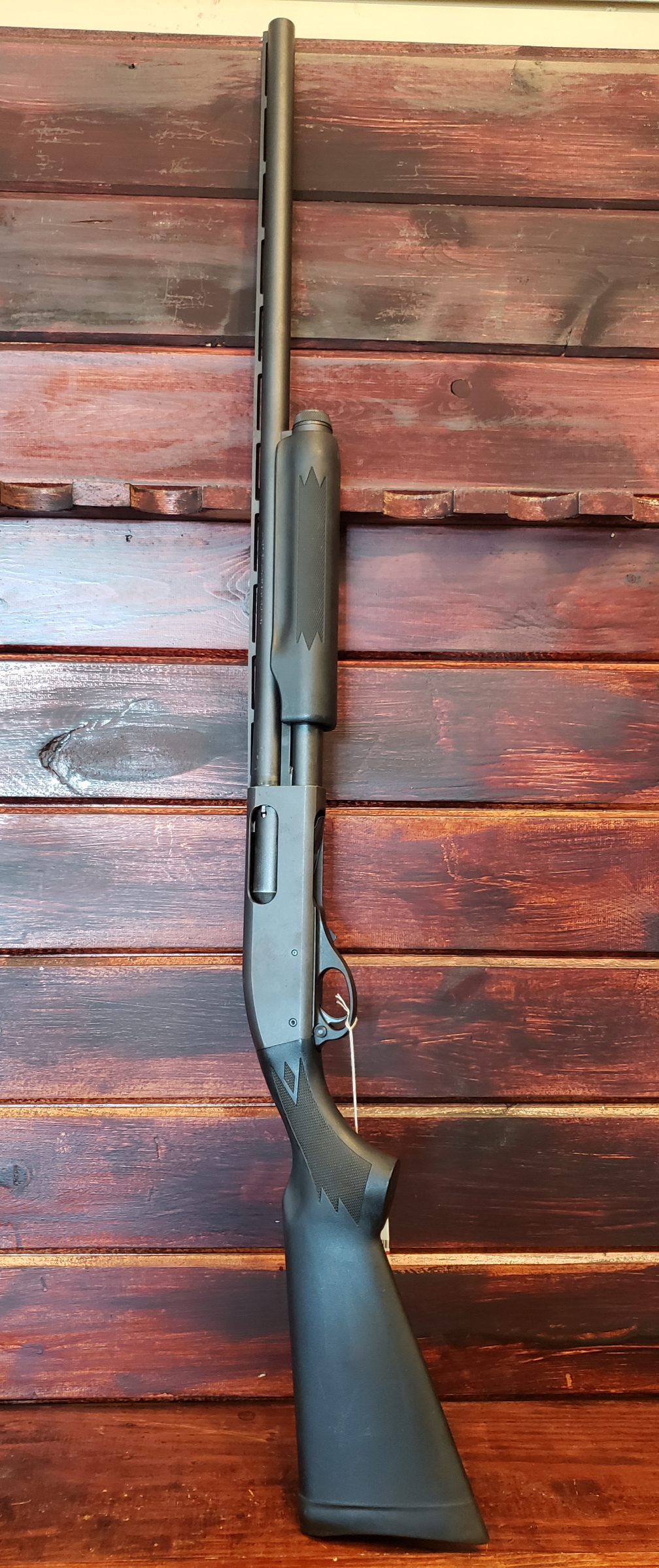
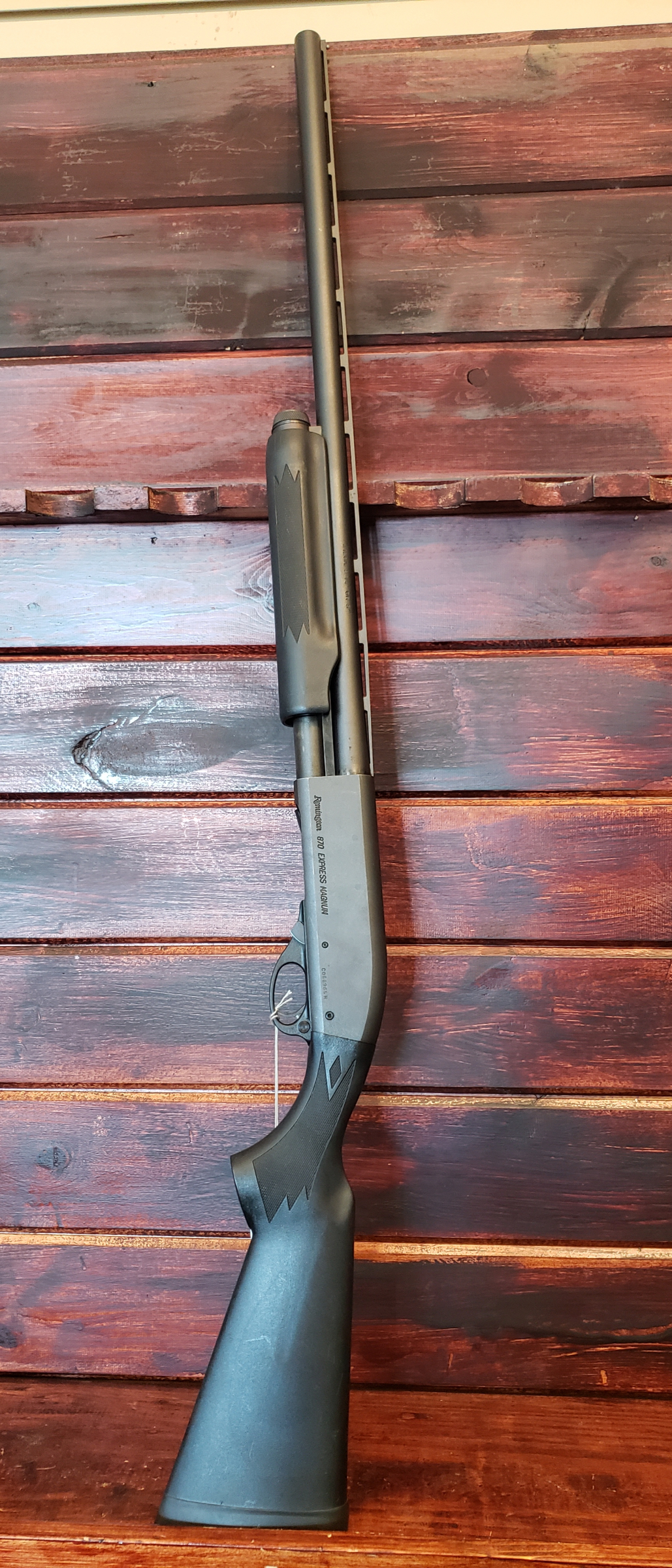
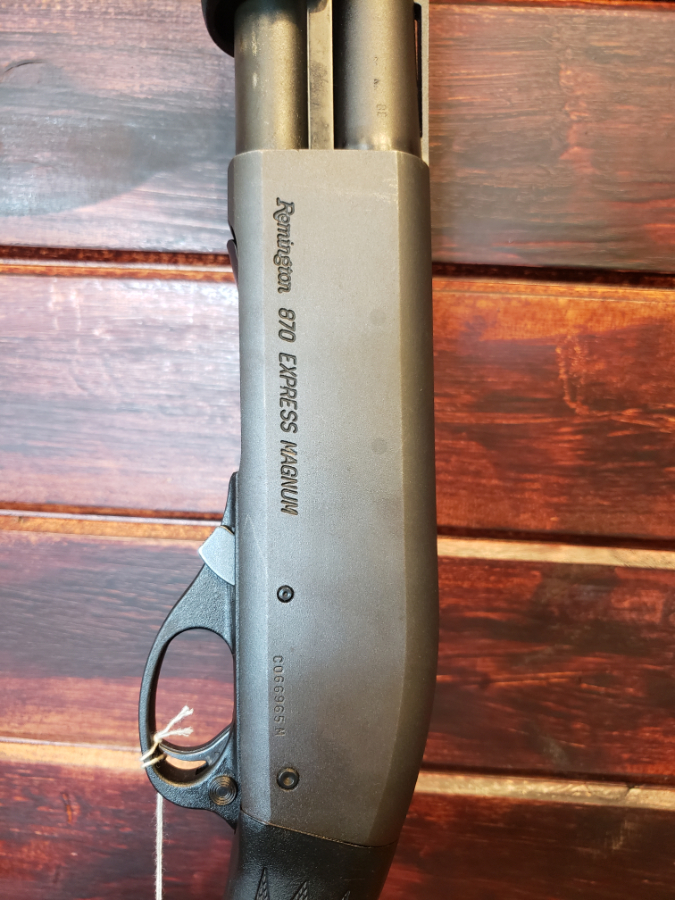
A Great Shotgun when you go where you know your going to not stay dry!
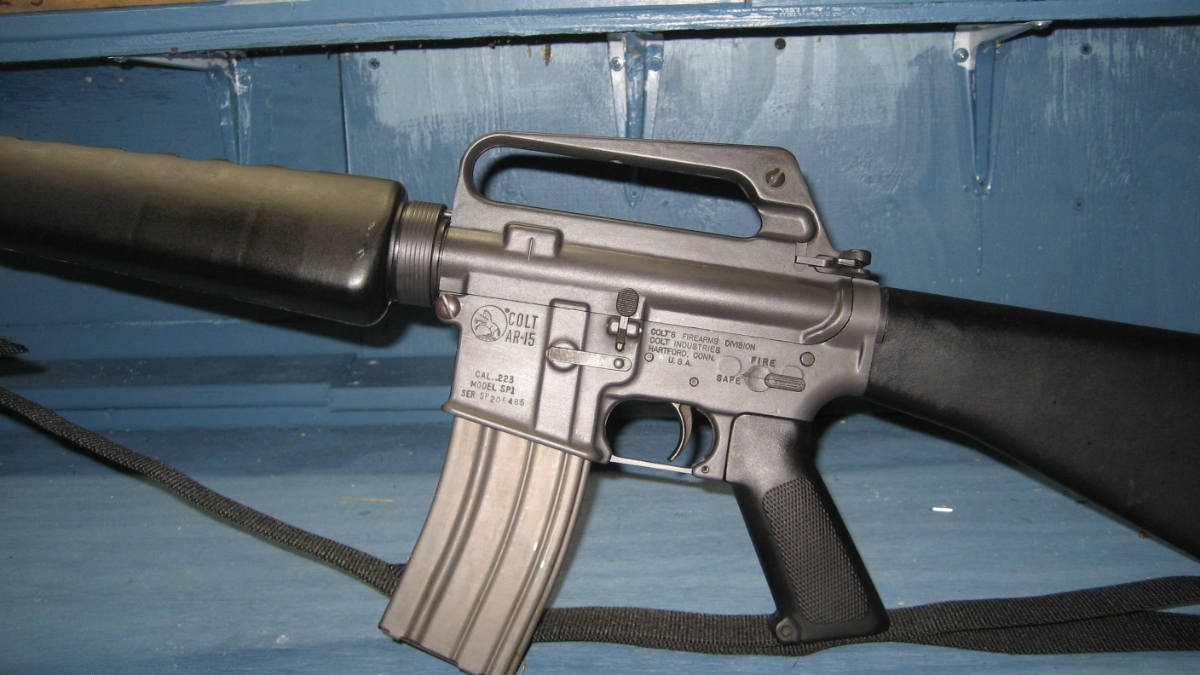
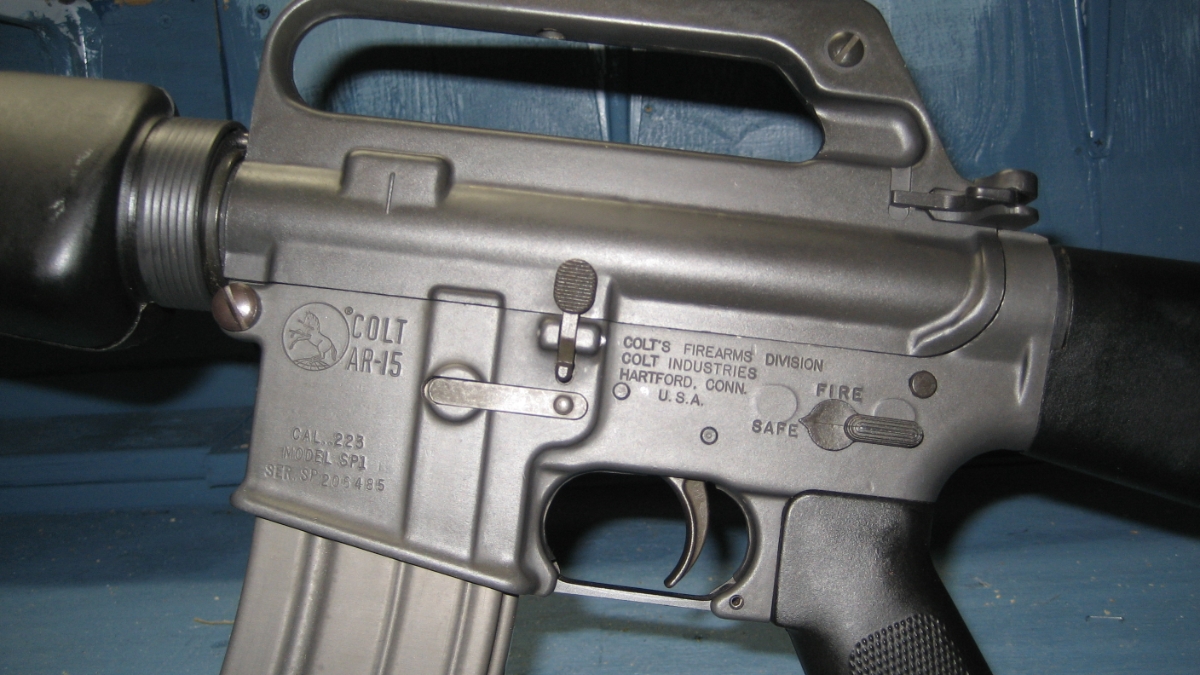
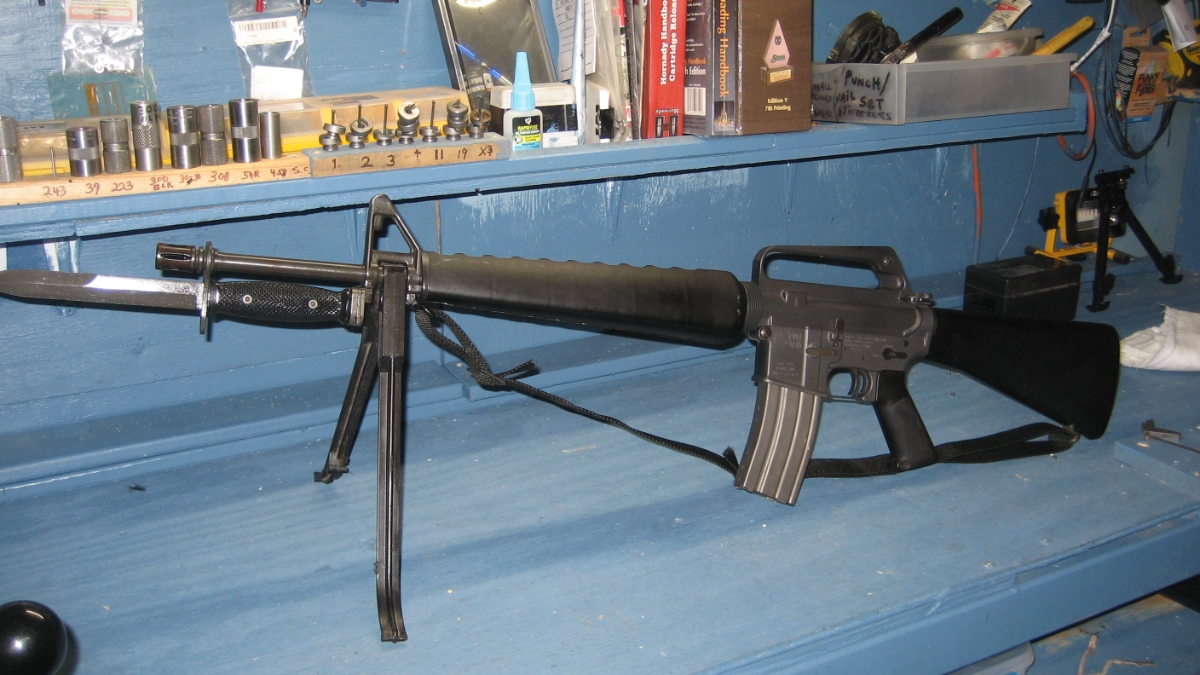
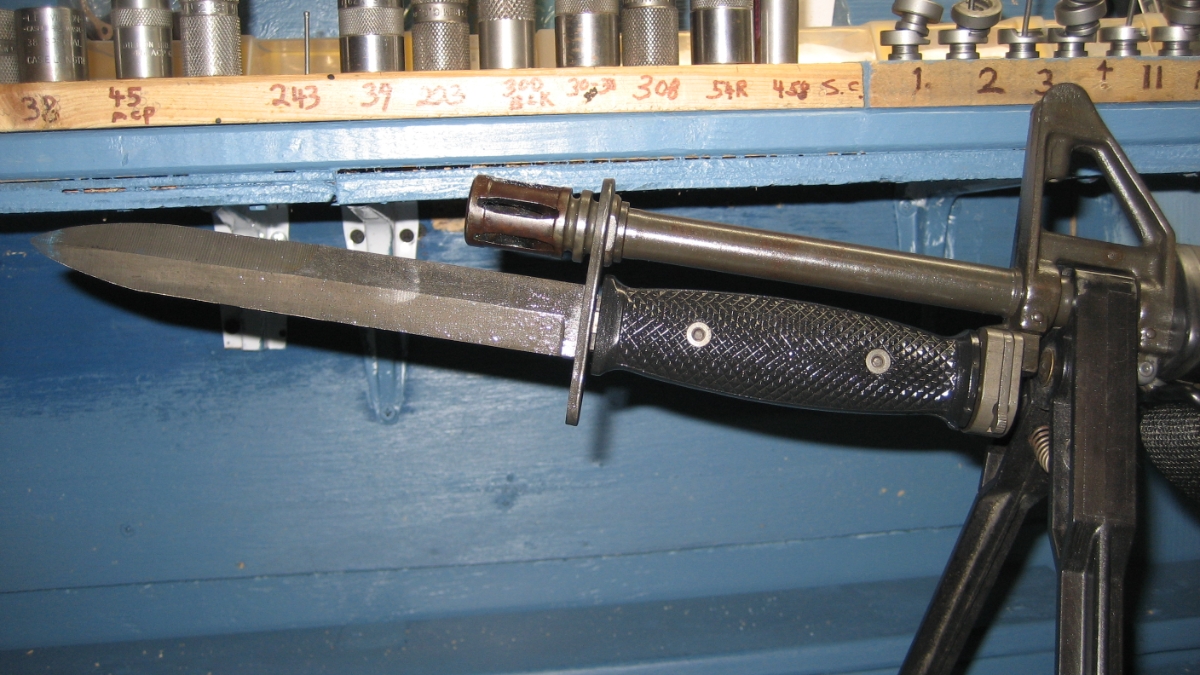
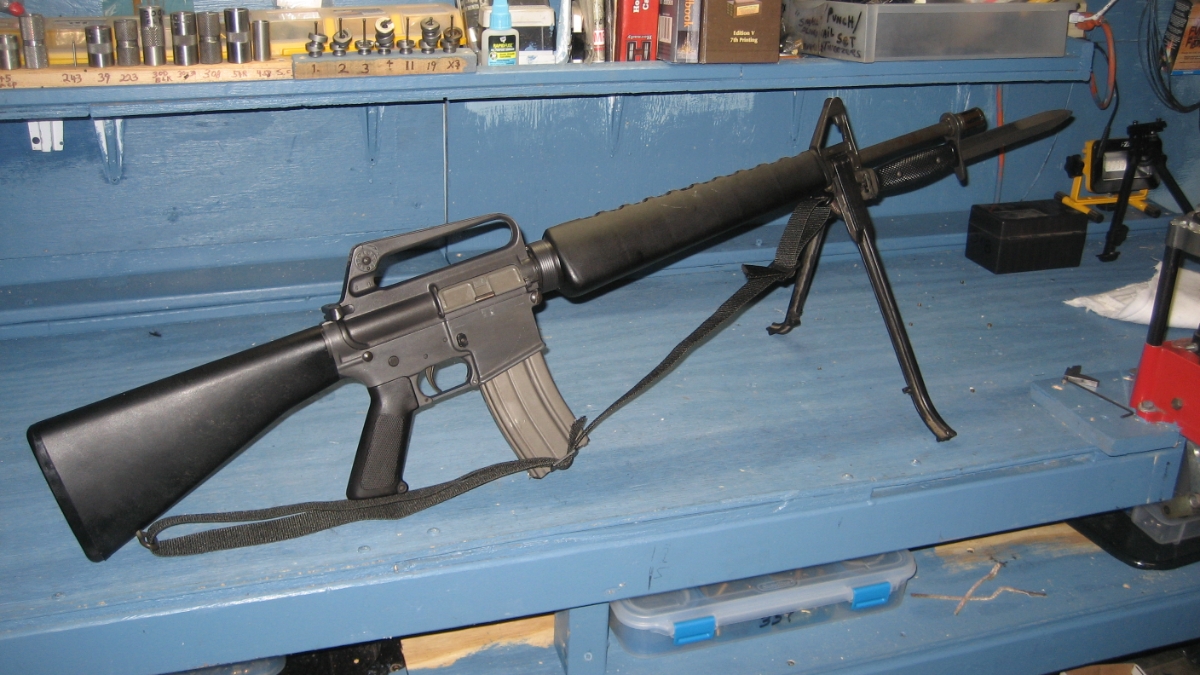
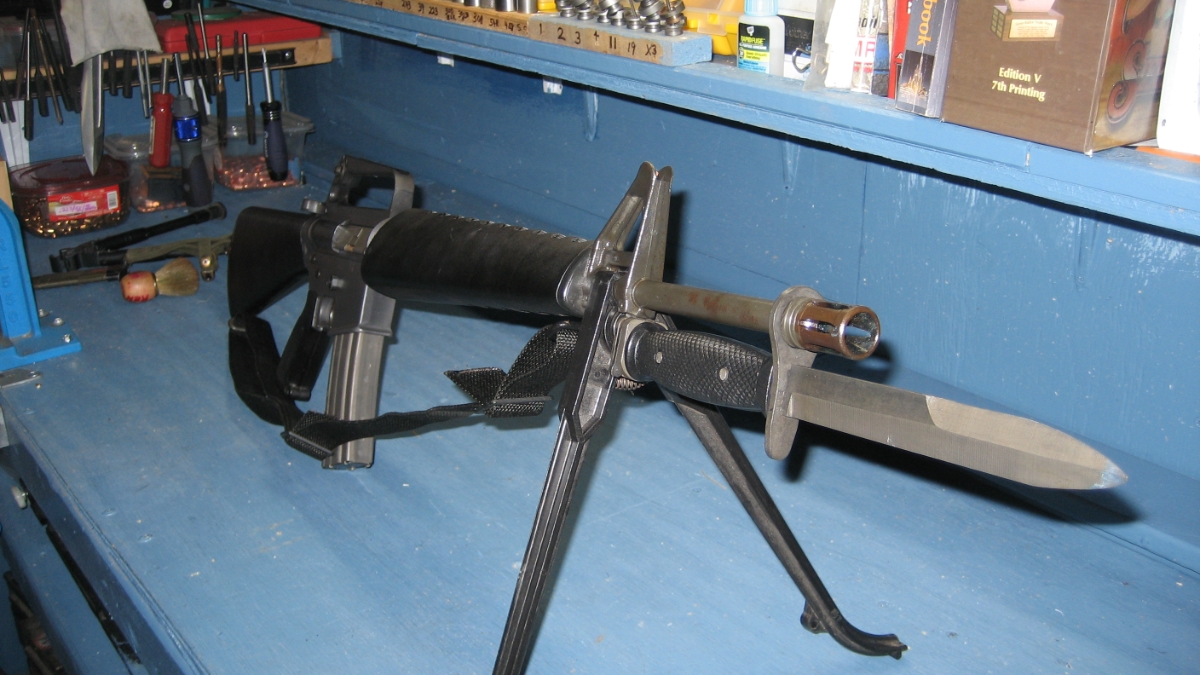
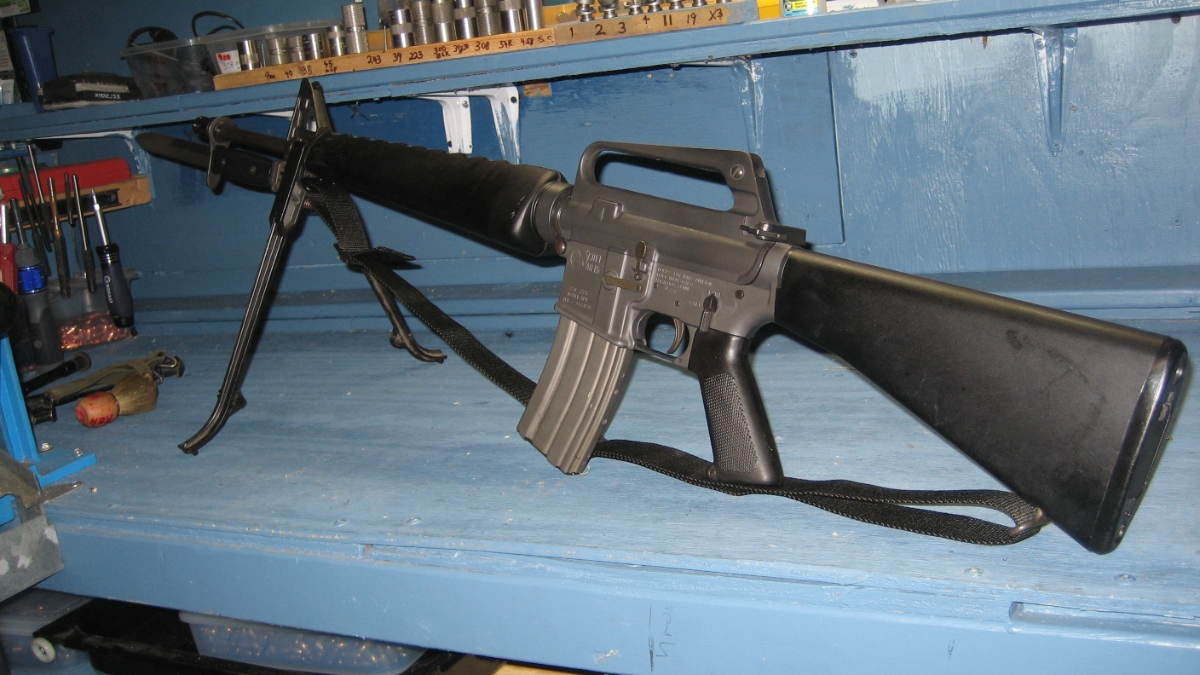
Colt M16/ Sp1, 5.56 Mm NATO, With Sling And Bayonet, Semi Automatic Version in caliber 5.56mm NATO
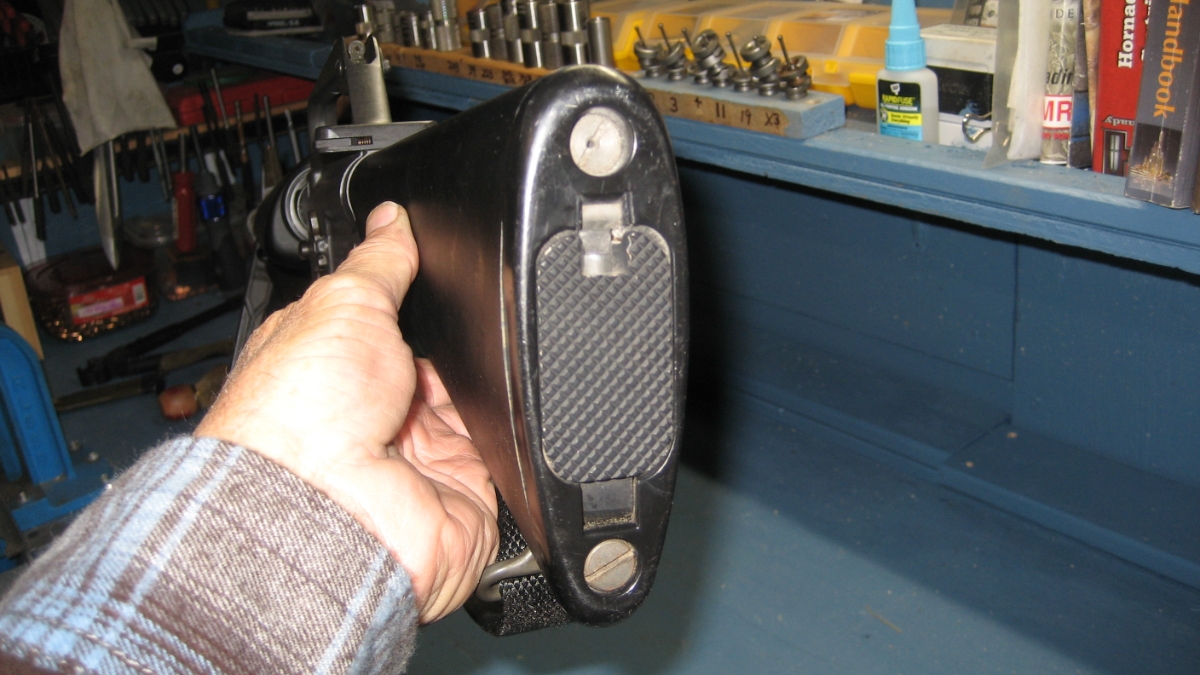
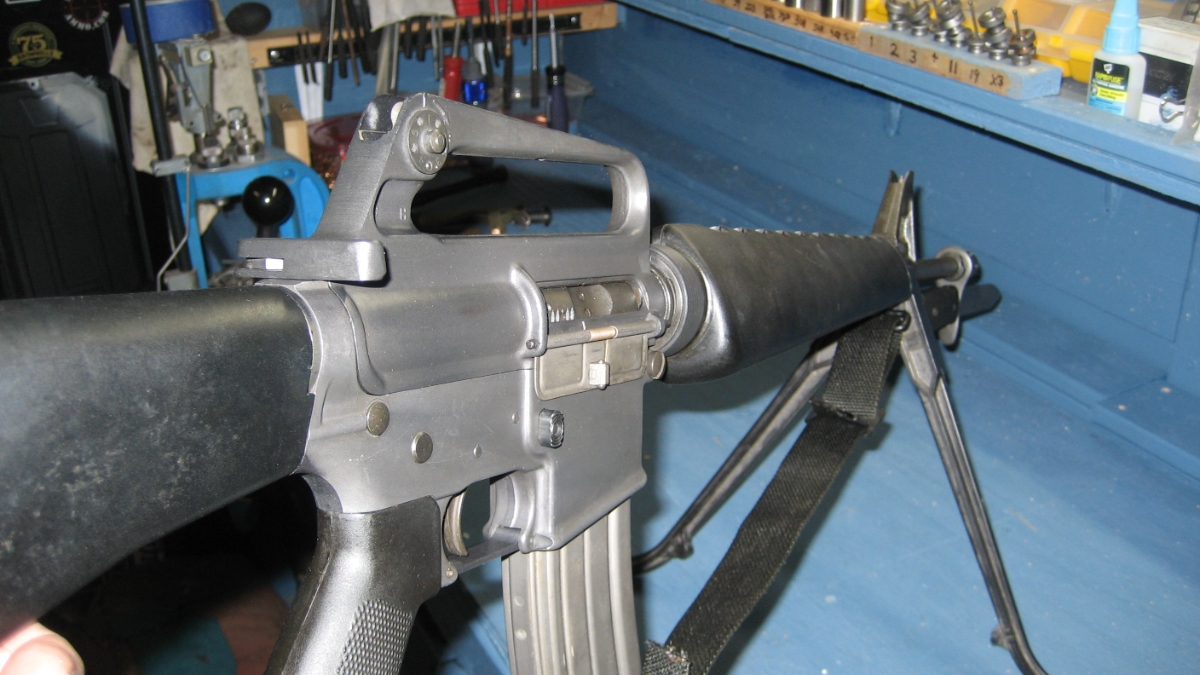
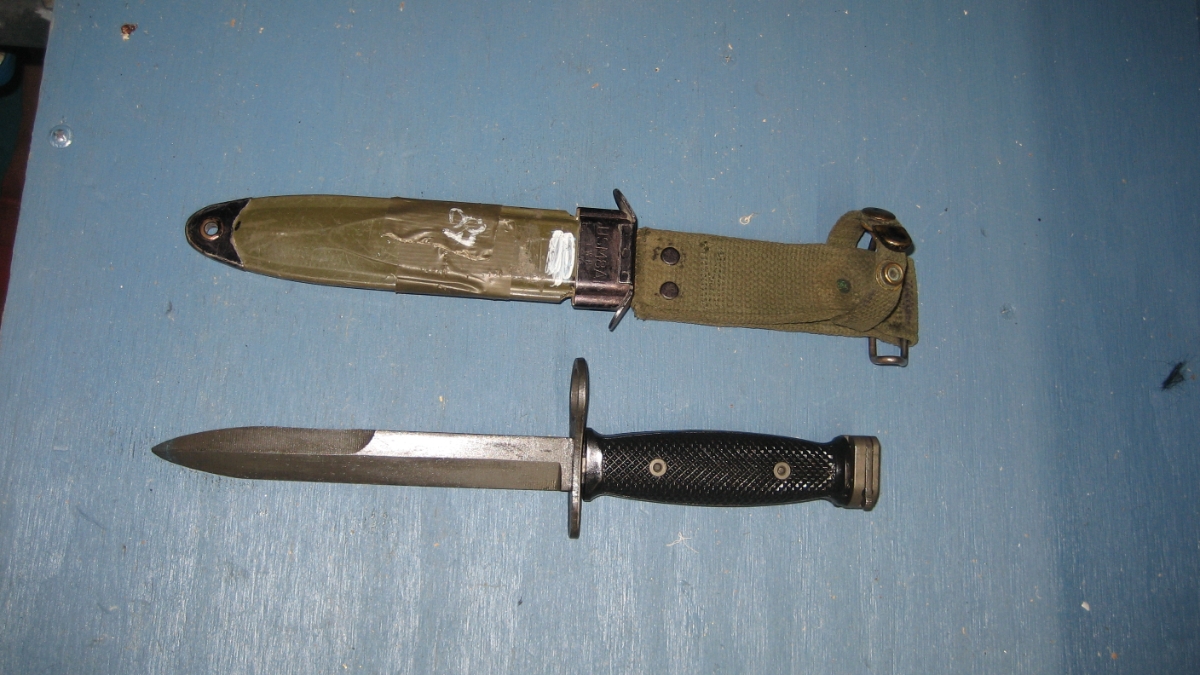
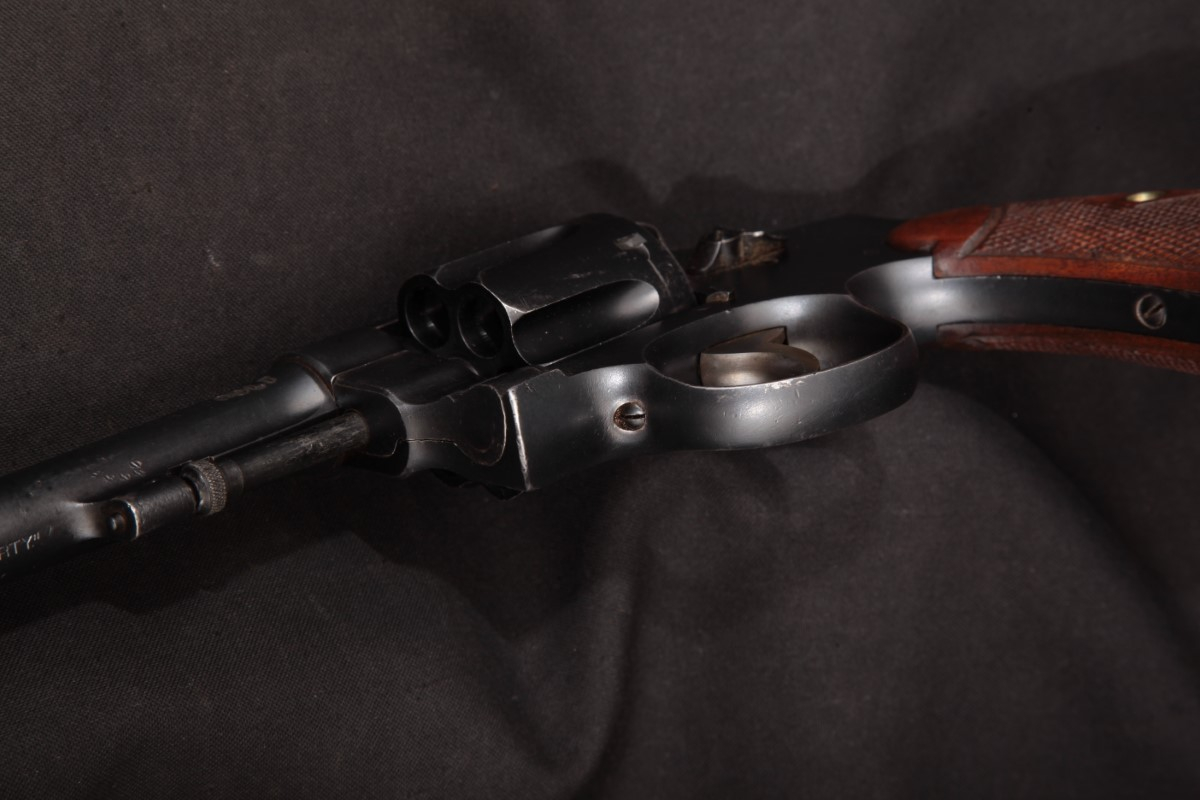
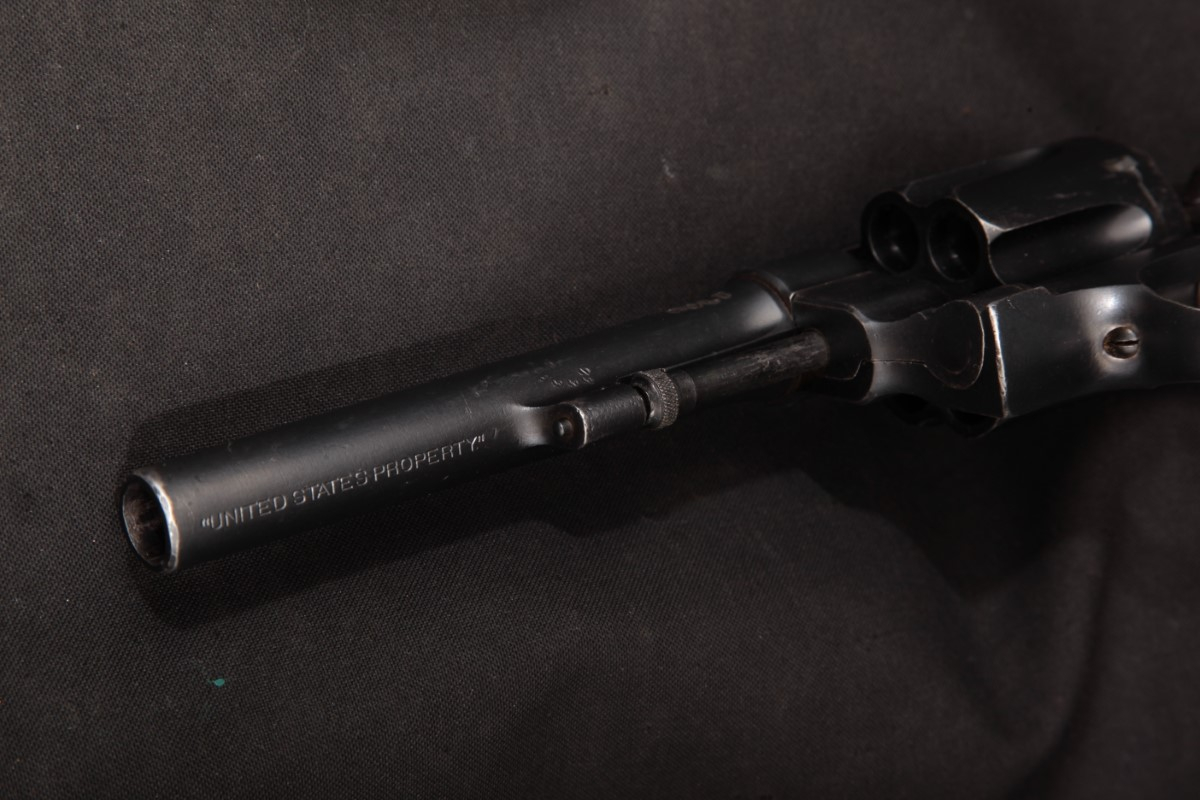
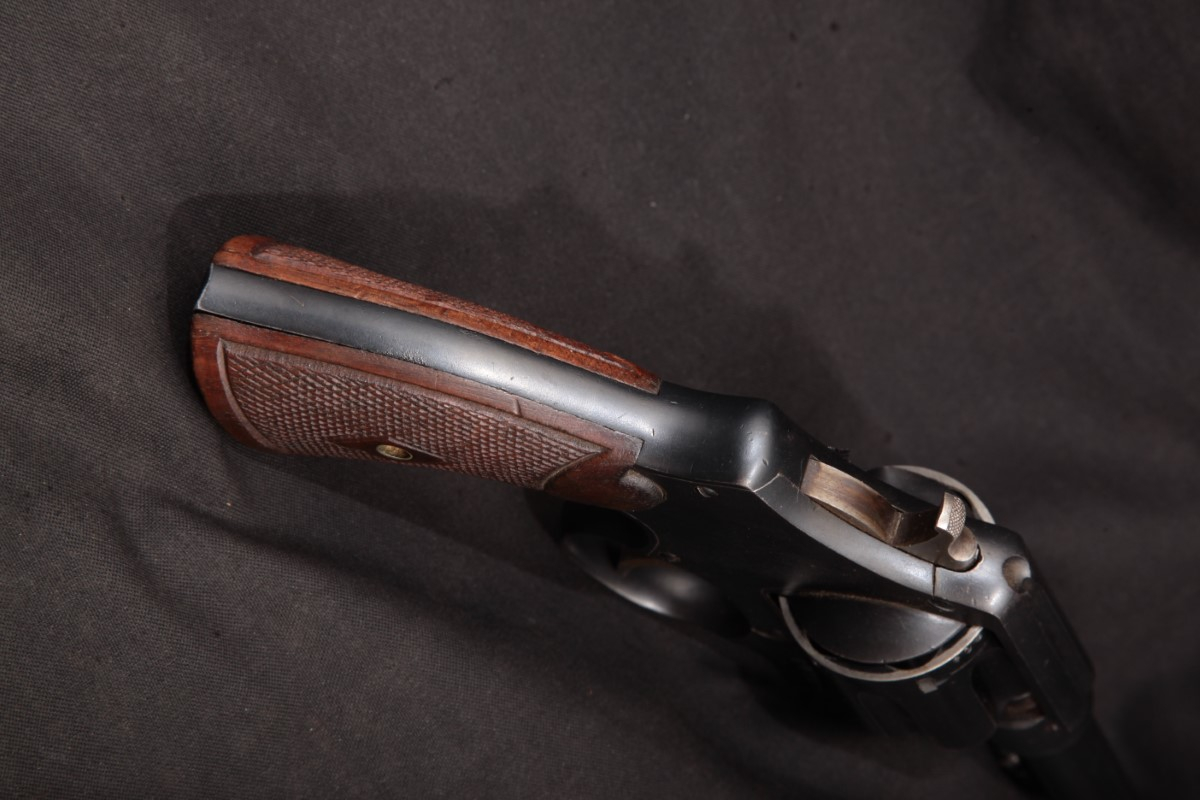
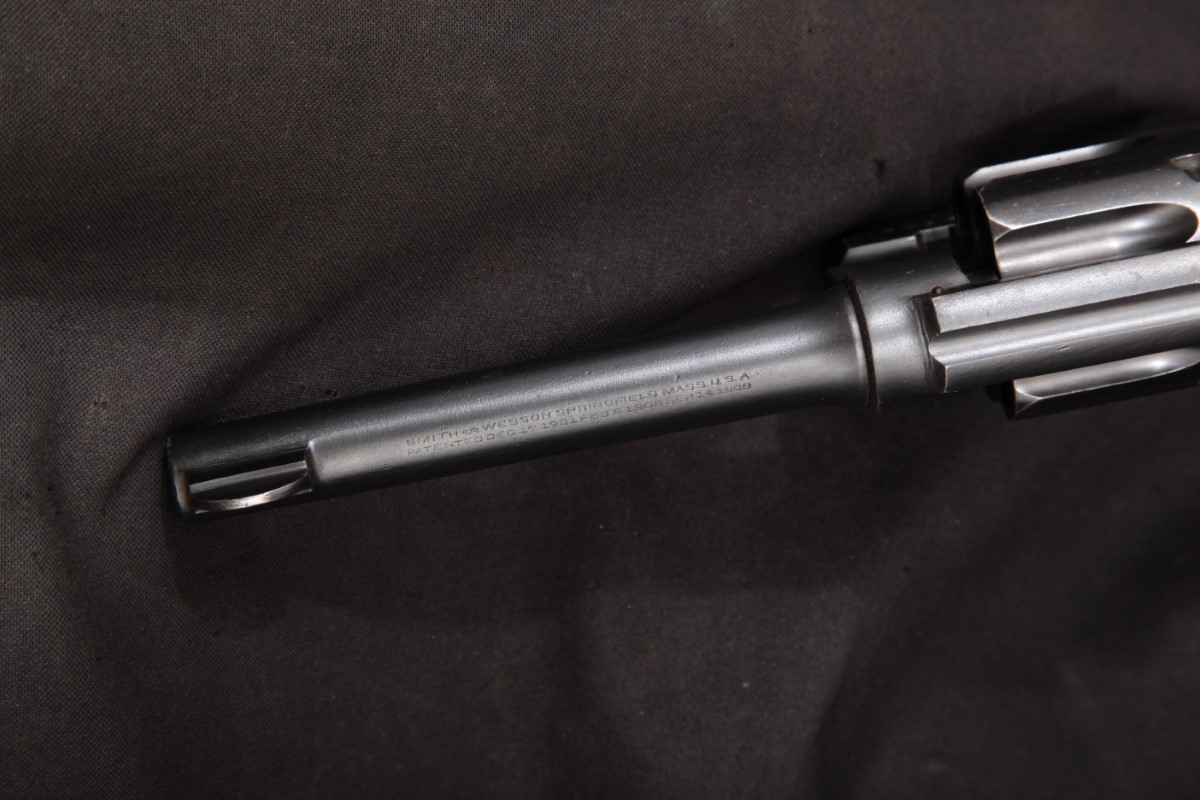
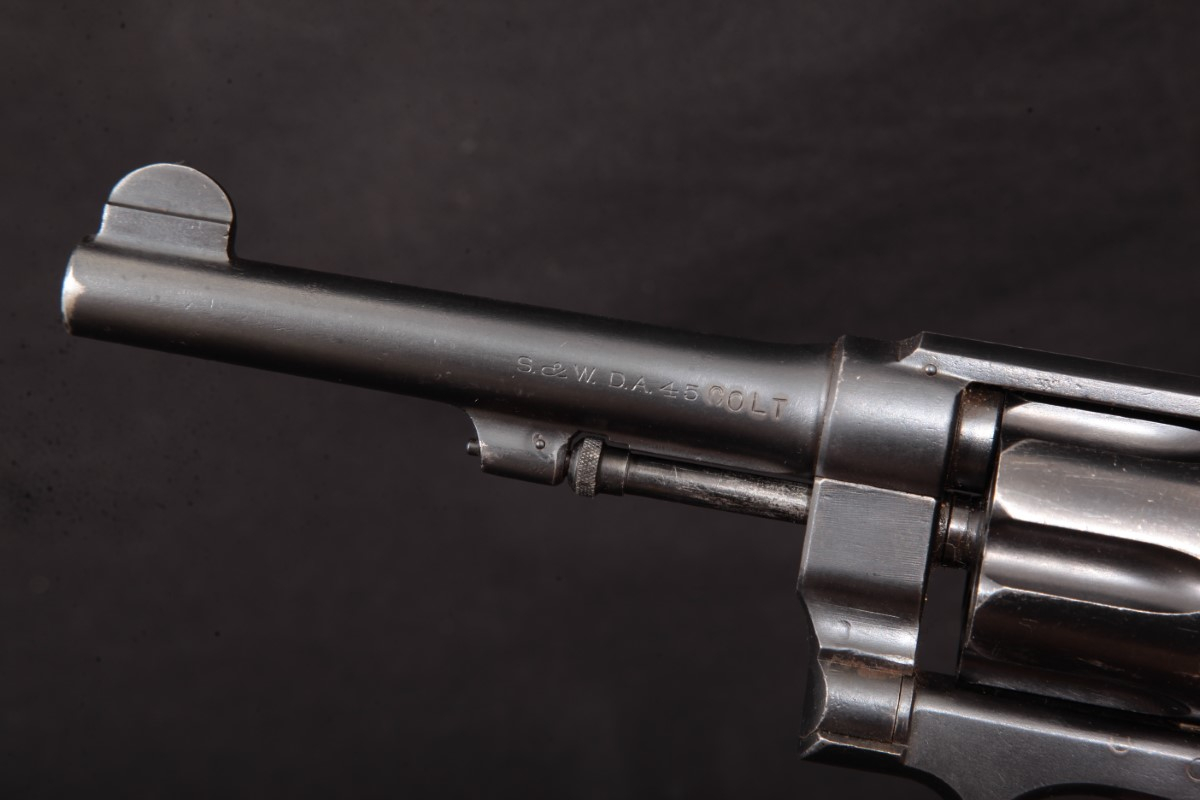
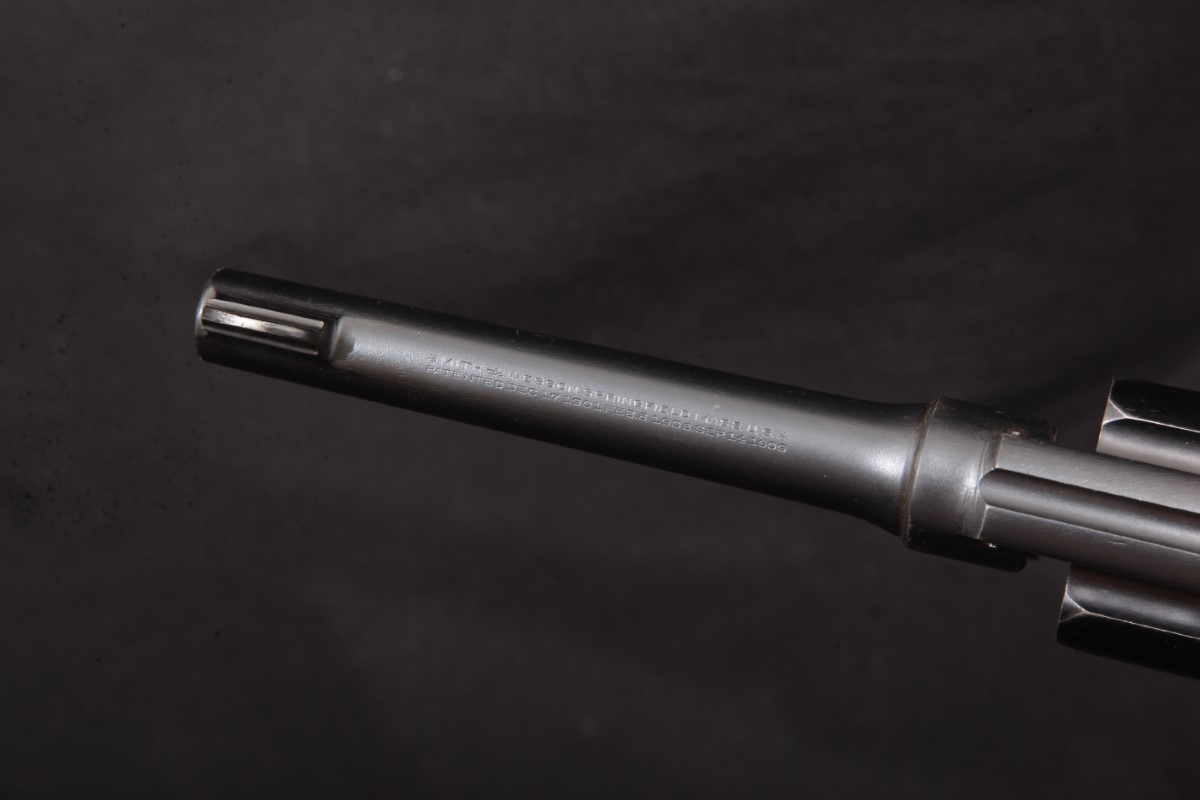
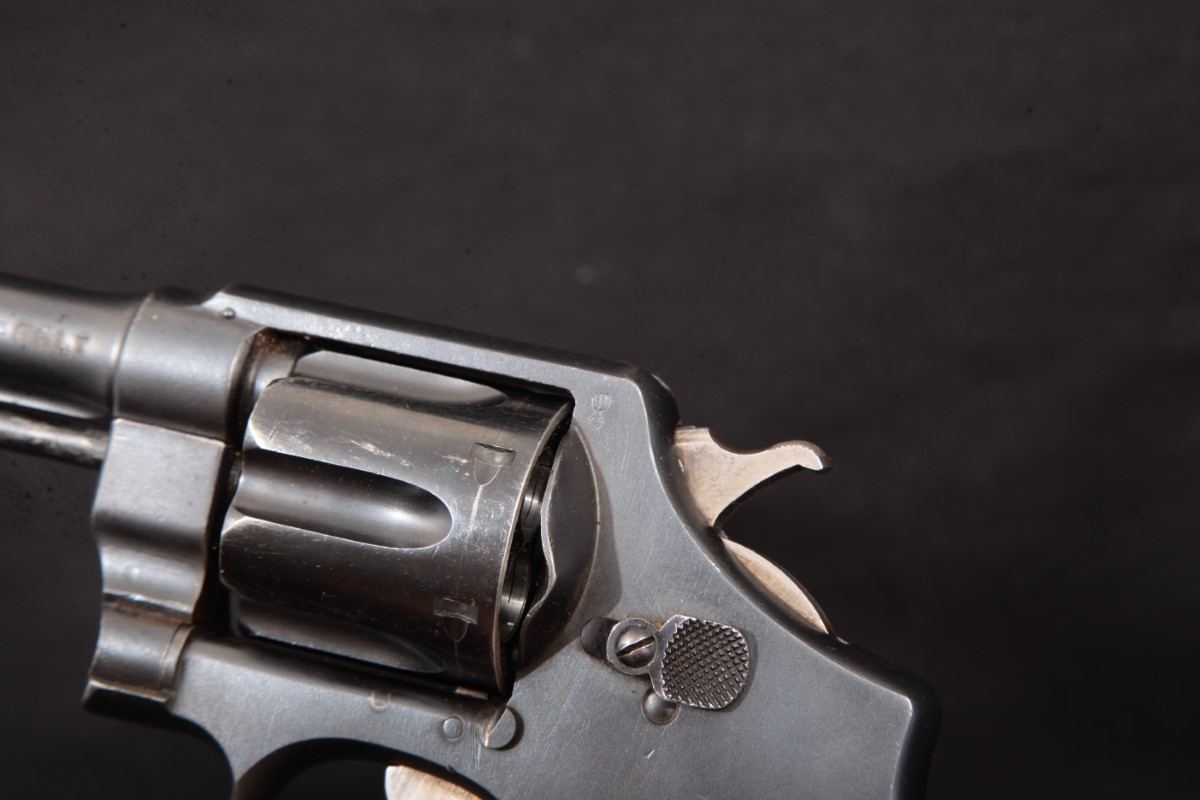
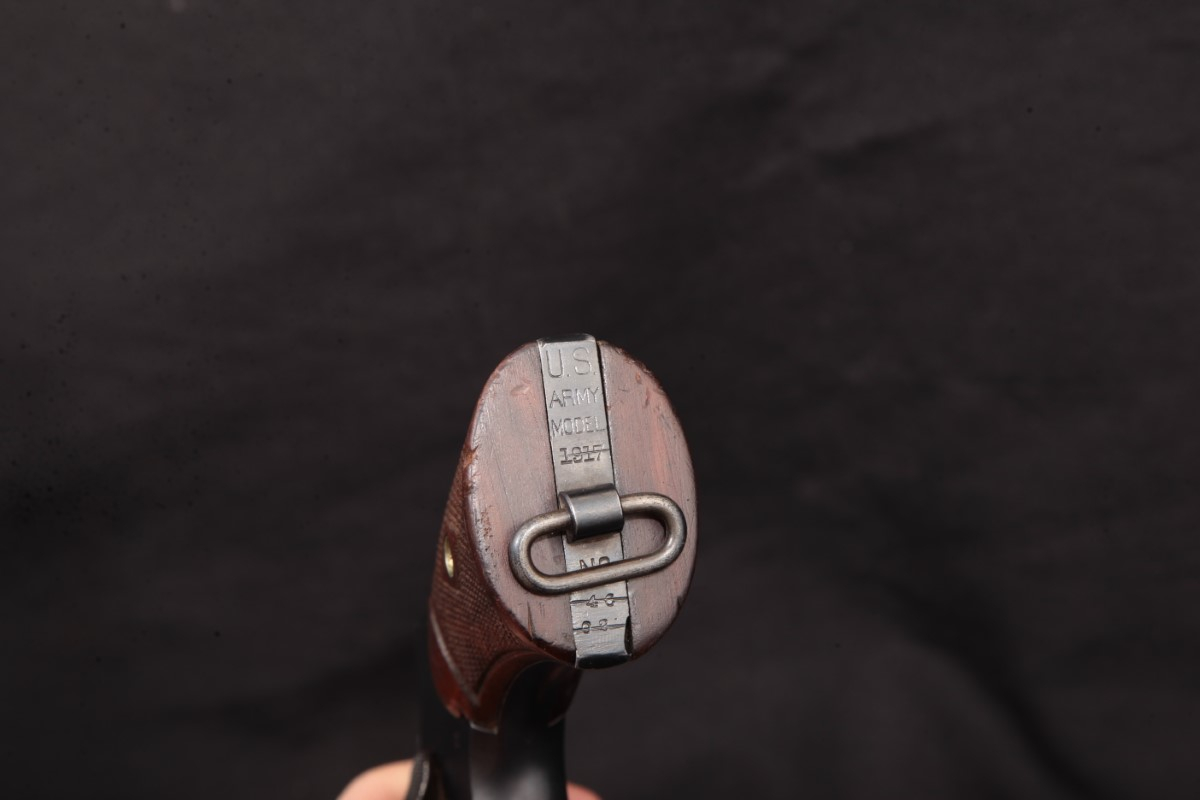
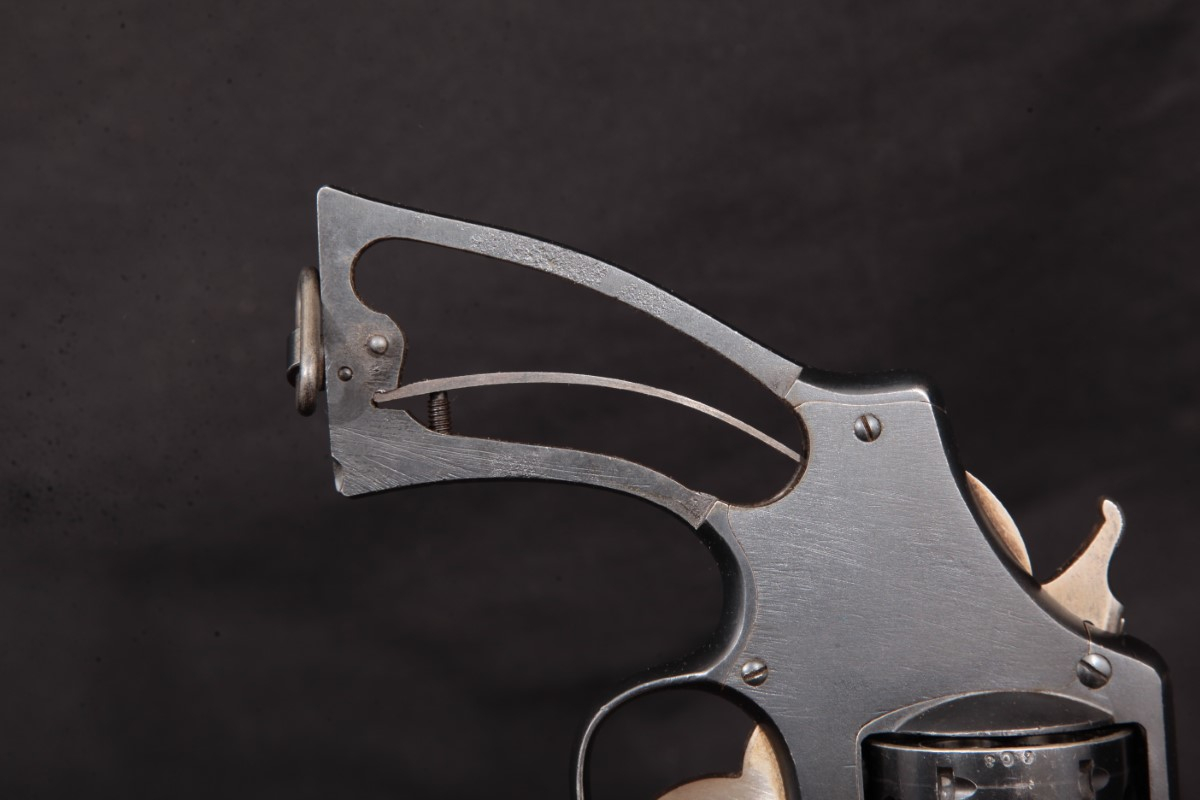
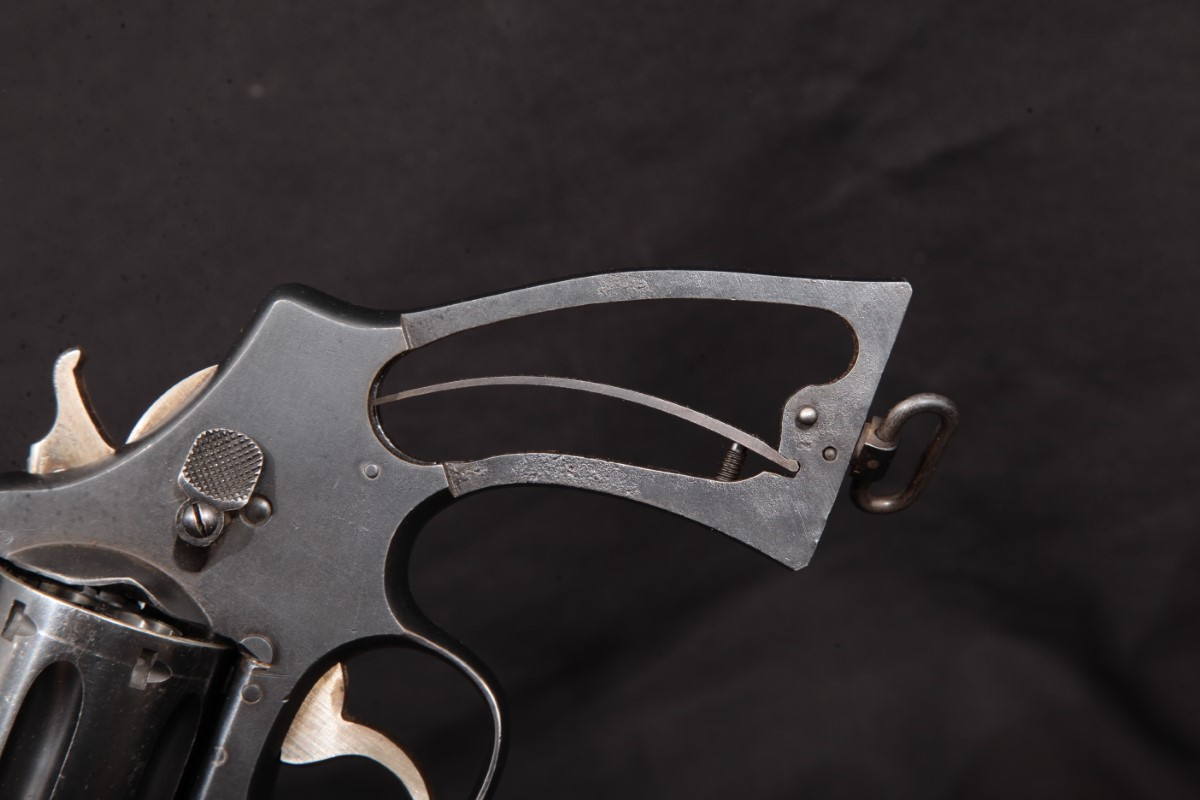
Now this si what I call a Fight Stopper of a Pistol!
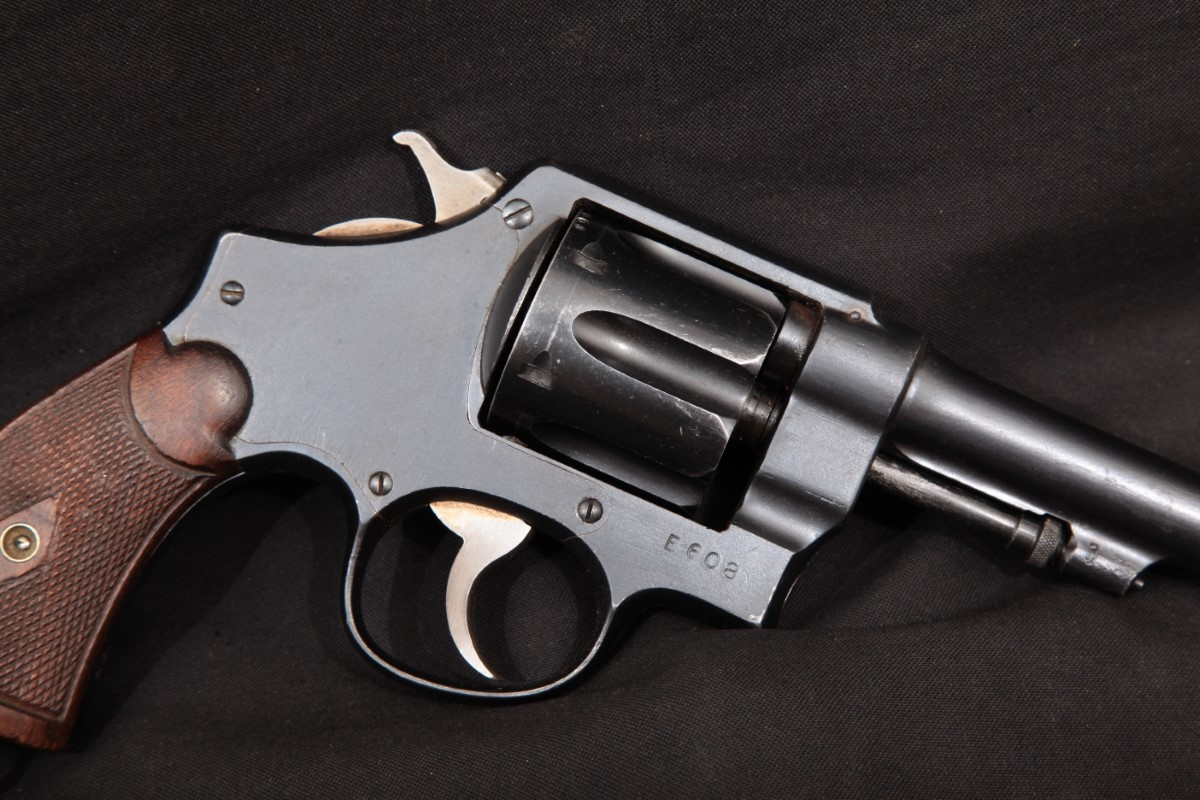
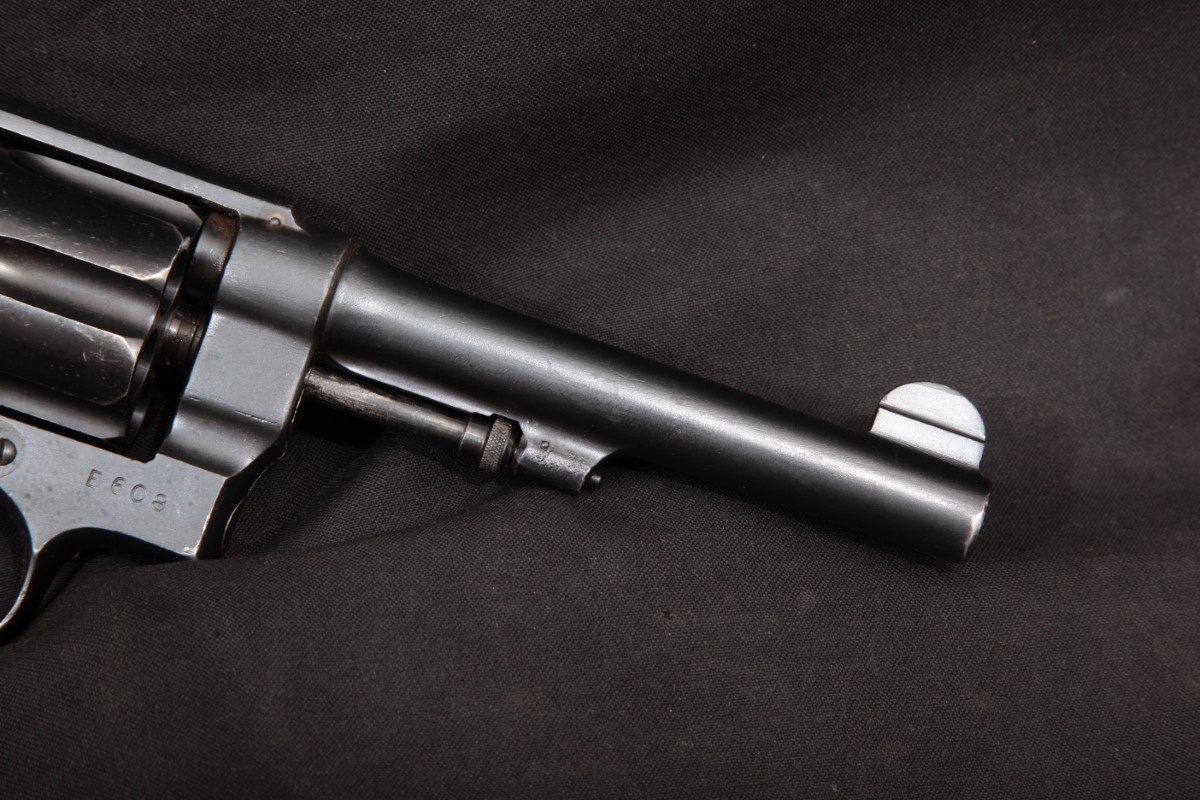
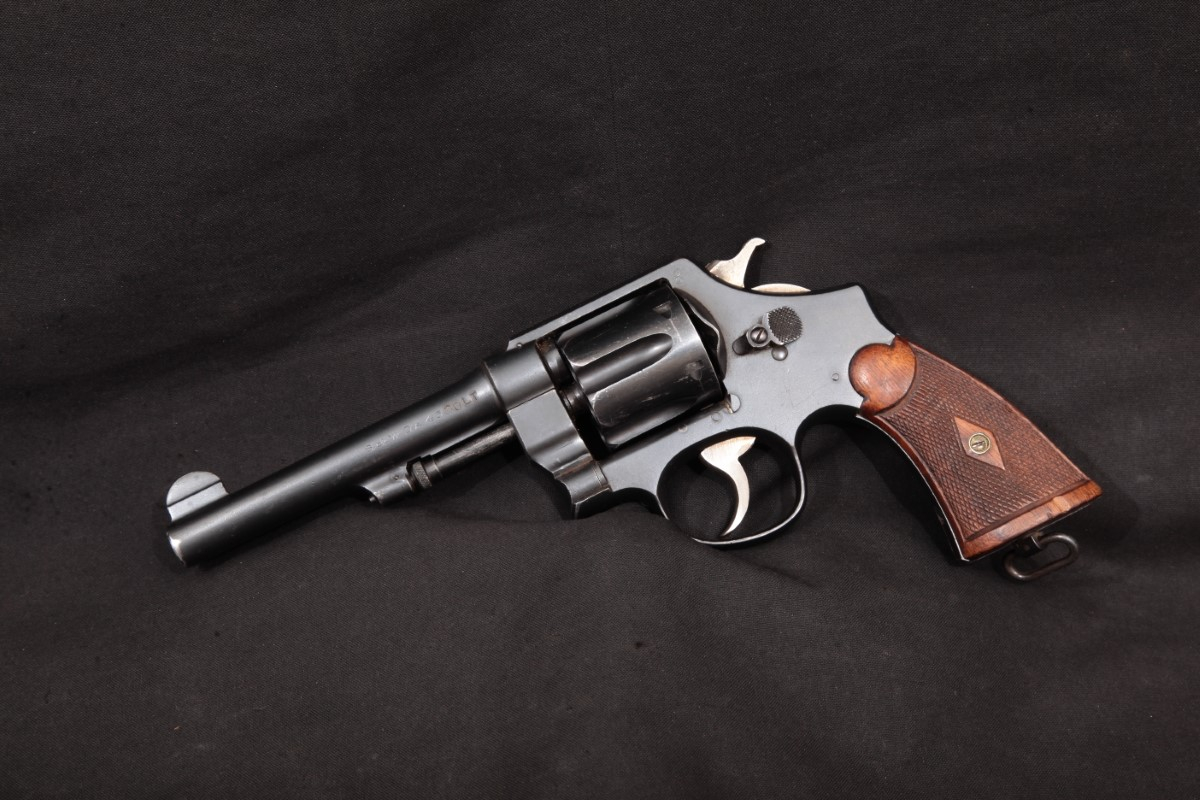
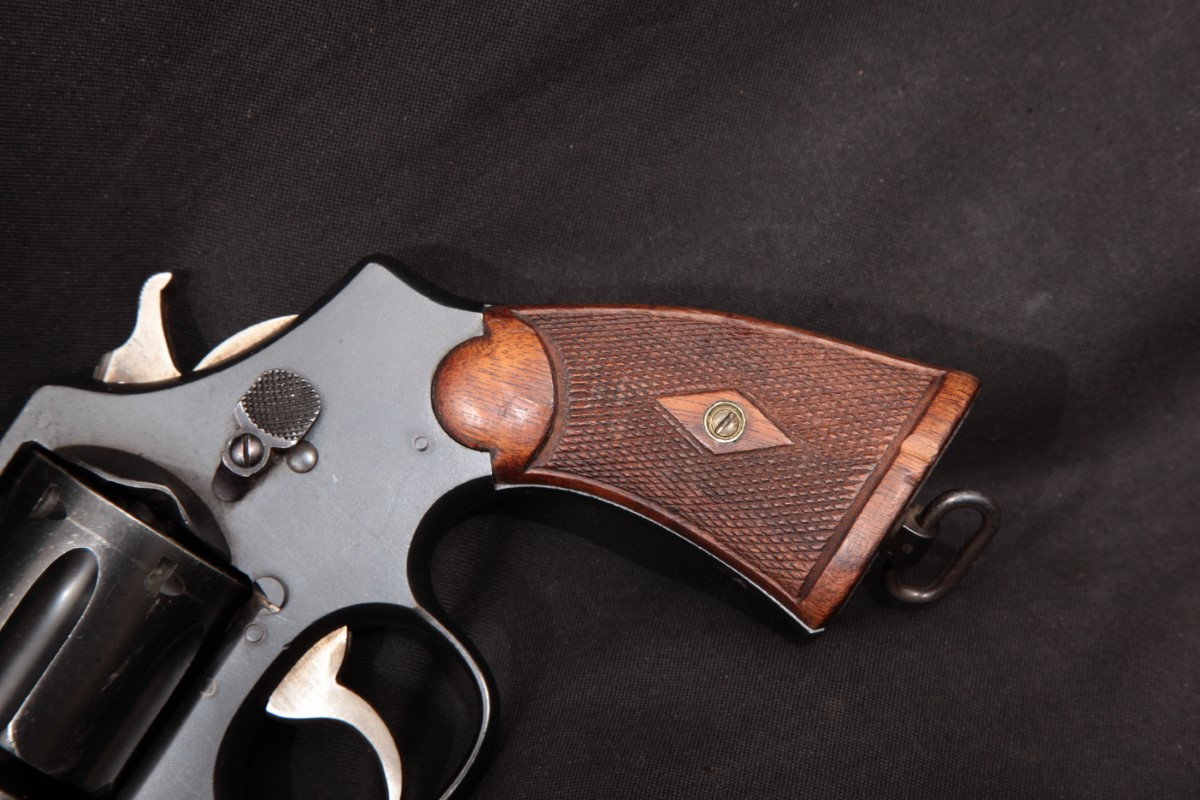
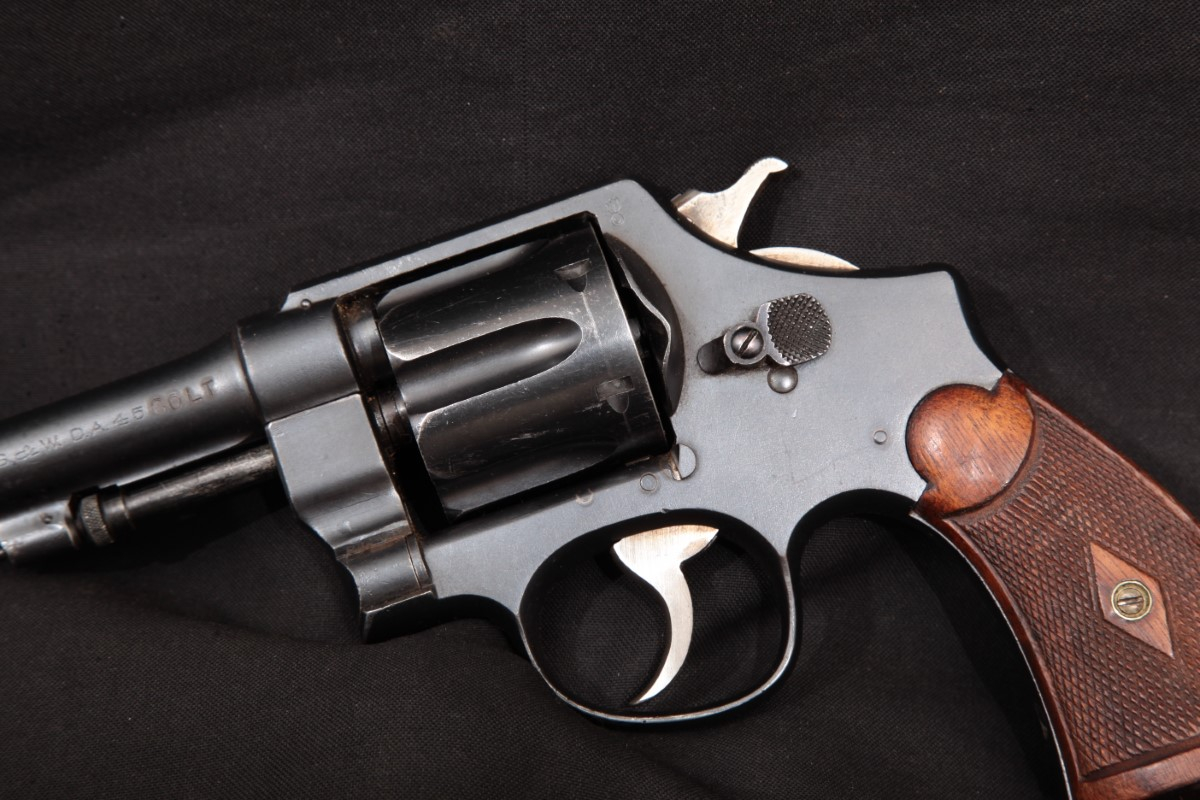
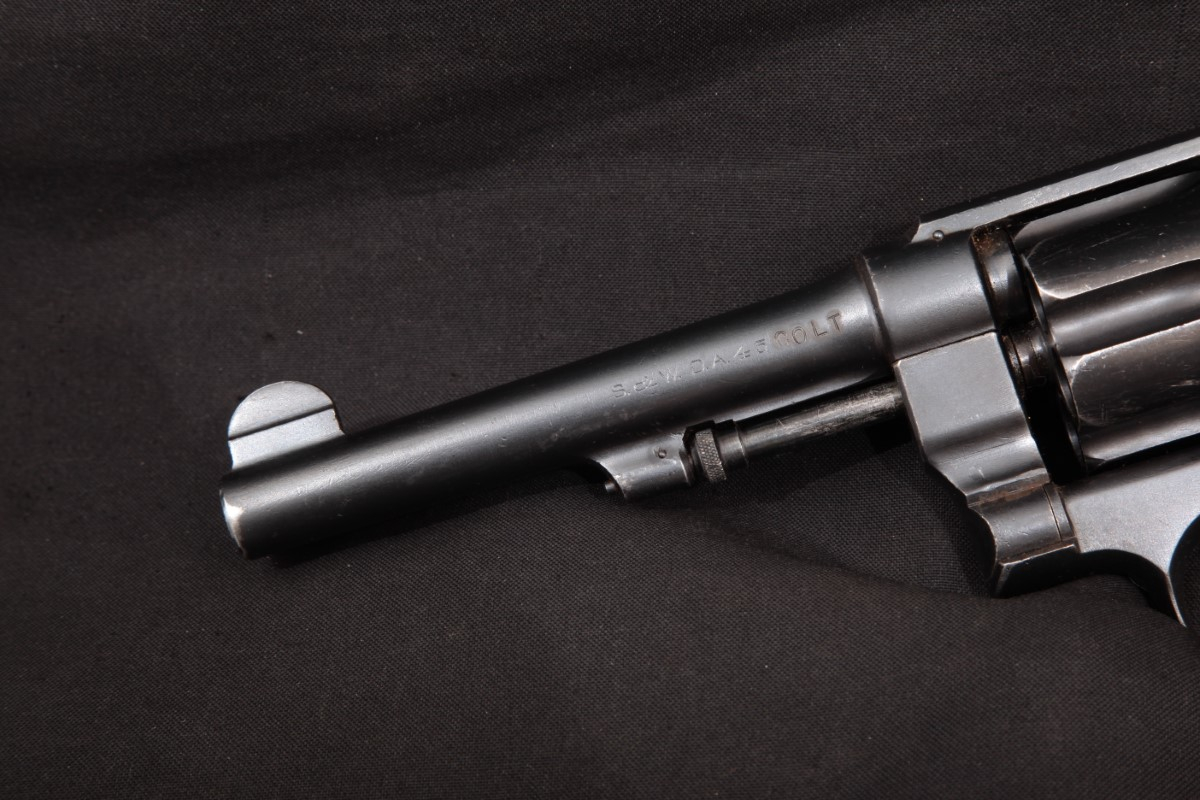
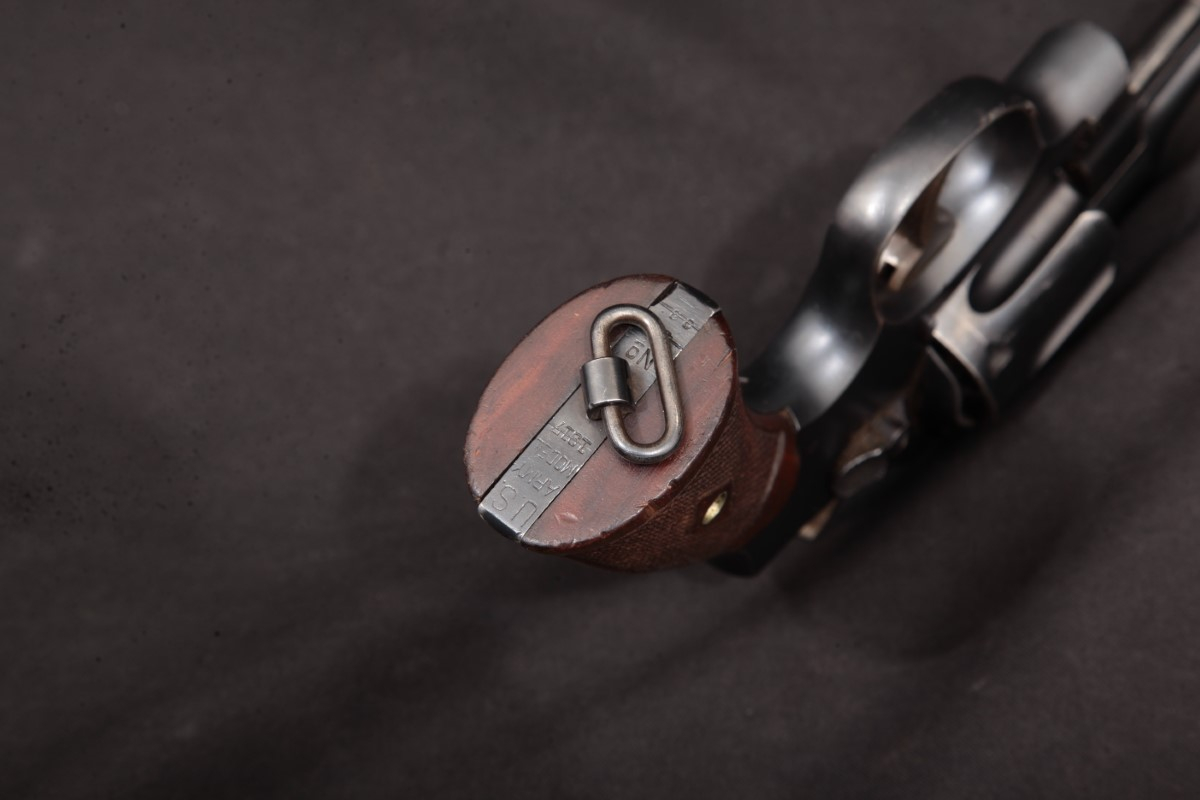
Especially since the 45 Long Colt as some call it. Has an excellent track record of putting your Man, woman, child or critter down. Grumpy











Categories
Lemons

Categories
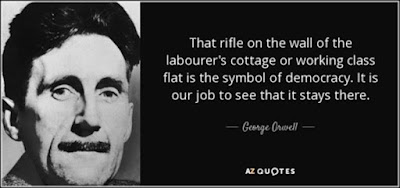
Some Orwell for the day!!