Categories
Fieldcraft

TAKE THE SHOT? A Big Muley On Restricted Land Tempts the Hunter by ARAM VON BENEDIKT

A big muley on restricted land tempts the hunter to take a high risk shot if he moves to a narrow opening on public land. It’s a 300 yard shot with a 10 yard window for success – Do you take the shot?

Opportunities at mature mule deer bucks are few and far between.

SHOOT OR DON’T SHOOT?

As dawn shepherds darkness from the fields you spot the telltale dark blobs that are deer, feeding their way toward cover and daytime bedding areas. Shooting light arrives, and you urgently scan the fields for the big buck you’ve been hunting since opening day. Then there he is, grazing with several other bucks. He’s on off-limits property, but at least you finally have him spotted. Then he begins to move. He’s headed for a property you can hunt – but the problem is, you’ll only be able to see him for a short ten yards after he jumps the fence and before he disappears into a brushy draw.

Following three smaller bucks, the big buck makes his way to the dividing fence. You hit them with your rangefinder; they are exactly 351 yards distant. There is no discernable wind. You crank the dial on your scope to the 350-yard mark. Then the three smaller bucks jump the fence and are soon swallowed in the brushy draw. The big one lingers, and you’re in an agony of doubt. Will he jump? If he does, will you get a shot? He’s awfully close to the border, should you even try? Then it happens; he hops the fence, walks five yards, and stops to browse. You can see him clearly through the scope, though only the top half of his body shows above the sage. This is the first shot opportunity you’ve had in a week of hunting, and likely the only one you’ll get.
TIME IS RUNNING OUT.

You drew a tag in Utah this year, in a unit known for producing great bucks. Opening day your buddy whiffed a shot on one, his bullet just grazing the top of its shoulders. The buck went into hiding, and you’ve been searching for him ever since.
The weather has been perfect; crisply chill in the morning, with just a hint of frost atop the clover. Middays have been warm, comfortable enough to make you hunt some shade and a nap. Evenings have been beautiful, watching herds of mule deer pour out of the draws and off the mesas to feed in alfalfa fields, cleaning up what the farmers left behind when they baled the final crop of the year. Some of those farmers have given you permission to hunt on their land, and there are a few parcels of public land you can hunt as well. It’s been great, but with just one more day left of the season, your time to hunt is almost up, and your finger itches for the feel of the trigger.

A superbly accurate rifle, complete with dial-capable scope and sturdy bipod, will enable you to make challenging shots with precision.

RIFLE SETUP

Your rifle is an elite product of the gun maker’s art. It’s a lightweight model chambered in 6.5 PRC. The barrel is slightly longer-than-standard, sporting 24 inches of gleaming carbon fiber and stainless steel. Twist rate is 1:7.5. It’s the most accurate rifle you’ve ever owned, and shoots your Hornady ammo into tiny sub-half-moa groups anytime you can get yourself together enough to shoot that good. An Atlas bipod and a lightweight rear shooting bag helps meet that challenge.

Hornady Match ammo is not sold as hunting ammo. However, so long as you don’t take shots involving heavy bone (i.e. a quartering-toward shot through the shoulder) on big animals like elk, it has proven to offer devastating terminal results.

The ammo you are shooting is a bit controversial for hunting. It’s Hornady Match ammo, topped with their 147-grain ELD-M bullet. It’s a “soft” cup-&-core bullet, tipped with Hornady’s proprietary heat and friction resistant tip. You’ve had good luck with it on deer-sized animals and, despite the controversy, have complete confidence the bullet will give you satisfactory terminal performance on a mule deer. The bullet sports a radically good G1 BC (Ballistic Coefficient) of 0.697, and exits the muzzle at 2921 FPS (Feet Per Second). You’ve zeroed the rifle at 200 yards, gathered ballistic data, and formulated a drop-chart for use at 7000 feet elevation and 50 degrees; generic numbers for the area and temps you’re hunting in.

A good dial-up scope system enabled a happy ending to a challenging shot. Couple yours with an accurate rangefinder for precise shooting.

The scope mounted atop your rifle is one of the best hunting scopes available; a Leupold VX6 3-18X44 with CDS ZL2 turret; which means it sports a Compensating Dial System (CDS) and Zero Lock turret that will make two complete rotations (ZL2). After gathering ballistic data with your rifle and ammo you contacted Leupold and ordered a custom yardage-marked dial to match. It was a simple matter to switch the factory turret for the custom edition, and now you can simply range a deer, crank the dial to the corresponding yardage on the turret, and squeeze off a careful shot. It’s an awesome system; you’ve practiced extensively, and in wind-free conditions you’re confident of making a clean kill further away than you like to tell folks. You’re ready; now the big buck just has to make a mistake.

According to ballistic data, your bullet will drop almost exactly eleven inches at 350 yards. Dial 3 moa and hold dead on for an accurate hit.

Why I Took The Shot

The author with the big buck. An accurate rifle and lots of practice made this shot possible.

This is a true story. I was the hunter, and events happened exactly as outlined.
Here’s how it played out: When the buck jumped the fence I was ready, crosshairs steady, safety off. I knew that with this rifle, at this distance, I could make a first-shot hit on a British teacup. When the buck stopped to browse I settled my crosshairs for a high-shoulder shot, which would drop him in his tracks and prevent him from dashing back across the border. Then I pressed the trigger. I had my scope adjusted to 9-power to give me a wide field of view, the better to watch my bullet’s impact as the buck dropped in a heap, disappearing into the sage. I worked the bolt and stayed on the spot for a couple minutes just in case he stood up, though I was morally certain he was dead in his tracks. A few minutes later I approached, and found him exactly as anticipated, stretched out in the sage. The bullet had taken him as intended, high through the lungs and both shoulder blades, which imparted colossal shock to the spine and nervous system, dropping him instantly. Terminal performance was excellent.
I gave thanks, took photos, and processed the buck. It was a good hunt, for a great deer, with an awesome rifle. I would take that shot again, anytime and every time.

SUCCESS WAS DETERMINED IN ADVANCE

There is never a certain outcome when hunting but odds for success are greatly improved by managing the variables that are under your control. A great rifle with proven optics and tested ammunition were certainly contributing factors to success. Practice, patience, and documenting ballistics also enhanced the outcome. Accomplished hunters do all of these things and let lady luck have a small part in the game.
I’d love to hear your opinions in the comment section below.

Categories
All About Guns

Passler Model 1887 Ring Trigger Pistol – Now With Mannlicher Clips!

Categories
All About Guns Anti Civil Rights ideas & "Friends"

The Battle of the Arm Brace By KEVIN D. WILLIAMSON

A bump fire stock at a shop in Orem, Utah, October 4, 2017 (George Frey/Reuters)

Every so often, some very strange and exotic-seeming financial instrument goes bust in a categorical fashion, and people ask: “Why does this thing even exist in the first place?” The answer is almost always regulation, if you drill down far enough. This isn’t to say that regulation is categorically bad or that we shouldn’t regulate finance, only that regulations produce reactions. Credit-default swaps, for example, are a way of providing default insurance on bonds and other debt obligations in a way that avoids some regulatory hassles.

As it is in structured finance, so it is in firearms. The “bump stock” used by the Las Vegas killer is one of many inventions meant to get around the restrictions on fully automatic firearms, which as a practical matter amount to a general prohibition. The firearm the Boulder shooter used is described as an AR-type pistol with an arm brace. These exist mainly as a way to get around federal restrictions on “short-barreled rifles,” which you can buy only if you satisfy a cumbrous qualification process and comply with extensive regulations.

There isn’t really any good reason to restrict short-barreled rifles: Shorter barrels usually result in less power and inferior accuracy — they generally are less deadly than their full-sized counterparts. Shorter rifles are easier to conceal, but not as easy as a handgun.

AR-style “pistols” of the sort used in Boulder are basically short-barreled AR rifles with the shoulder stocks removed. They aren’t really handguns, though they are classified, sold, and regulated that way. They are not easy to shoot well, and so aftermarket innovators have created a number of devices to help with that, including “forearm braces” that can be used, if you are so inclined, as an uncomfortable improvised shoulder stock, which in my experience is what about 99.44 percent of shooters do. It’s a short-barreled rifle in all but name, a product that evolved in the marketplace in response to federal restrictions.

Rifle cartridges are generally more powerful than handgun cartridges, but there are lots of exceptions. There are revolvers, for example, that fire rounds considerably more powerful (as measured by muzzle energy) than the 5.56mm rounds typically found in AR-type rifles.

So, expect to hear demands for new restrictions on arm braces or on “assault pistols.” Like expanded background checks, such restrictions would be unlikely to have any effect on mass shootings and almost certainly would have zero effect on the nontheatrical violent crime that makes up the bulk of American criminal violence.

There are things that Joe Biden could legally, ethically, and intelligently do — today — to address shootings. The U.S. attorneys who refuse to prosecute most ordinary straw-buyer cases all work for him. So do the guys over at the ATF who can’t be bothered to go pick up an improperly transferred firearm when they erroneously approve a sale. Biden instead is calling for unworkable and unconstitutional measures that would provide excellent opportunities for culture-war skirmishes but would do nothing to stop the bloodshed.

He could — if he could be bothered — order the people who work for him to do their damned jobs. That is a thing that could happen. That it isn’t happening — that it hasn’t already happened — is how you know the Biden administration is not serious about this.


Categories
Well I thought it was funny!

Some Classic unintentional Irony

Categories
Ammo

Huh, I never thought that I would see that!

Categories
All About Guns

A Little mostly Black Gun Picture Dump

No photo description available.

No photo description available.

No photo description available.

No photo description available.

No photo description available.

No photo description available.

No photo description available.

No photo description available.

No photo description available.

No photo description available.

No photo description available.

No photo description available.

No photo description available.

No photo description available.

No photo description available.


Categories
All About Guns

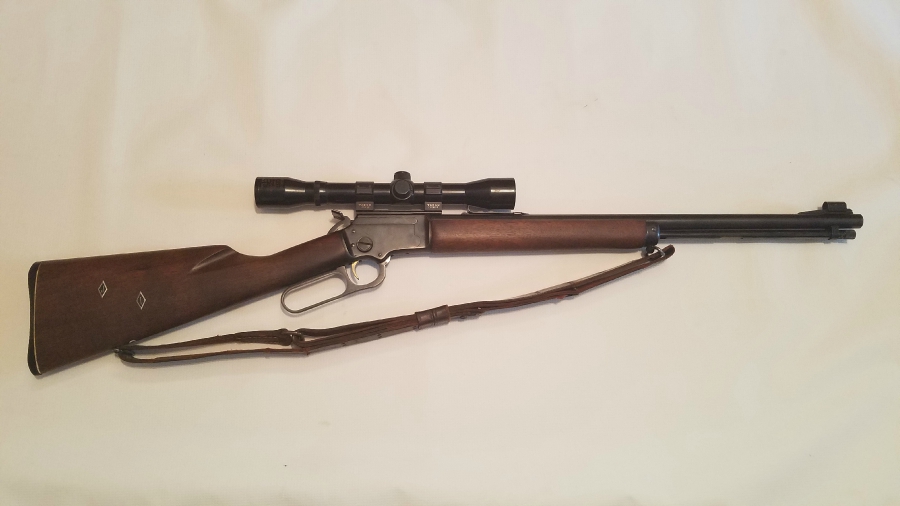
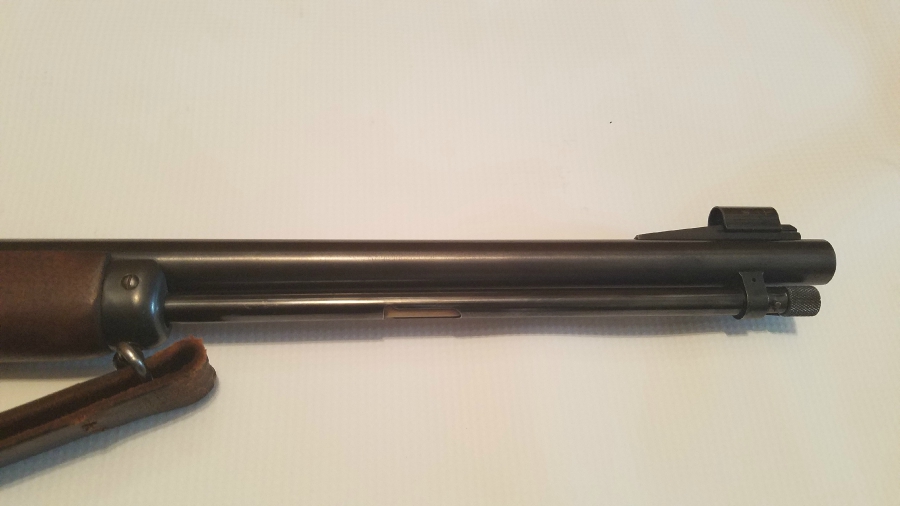
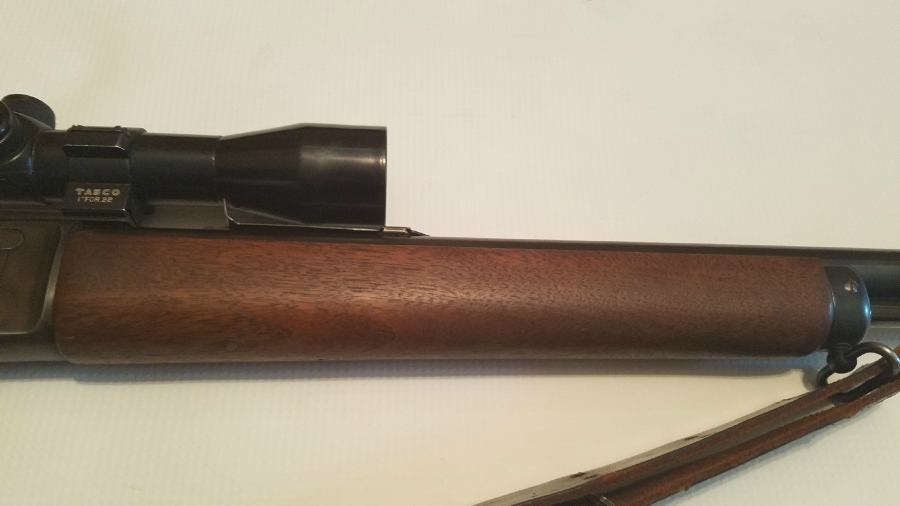
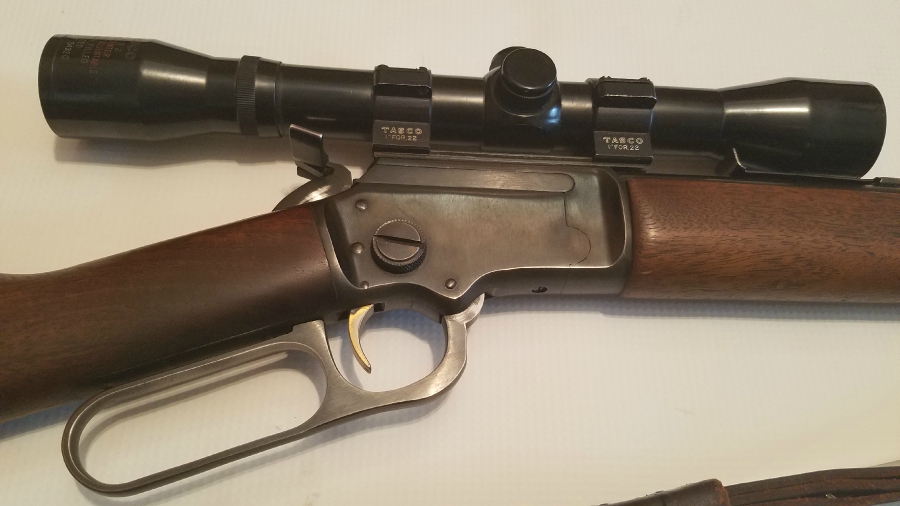
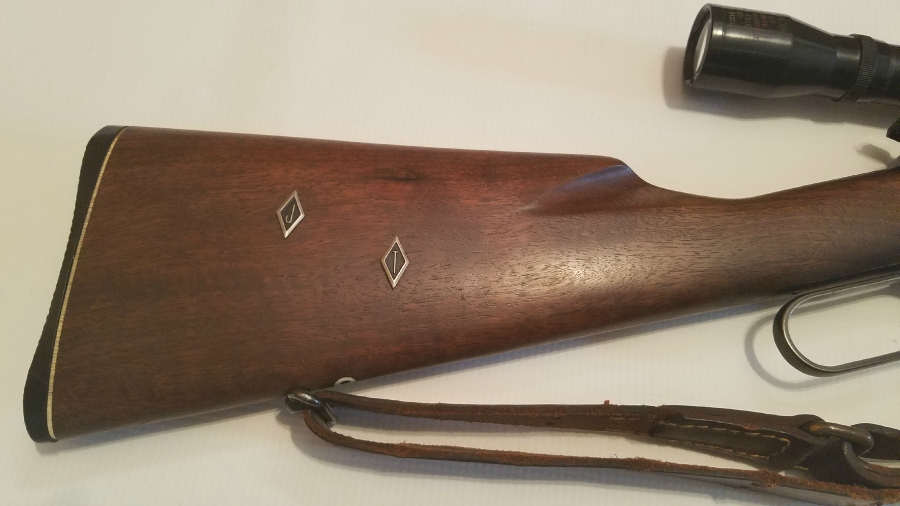
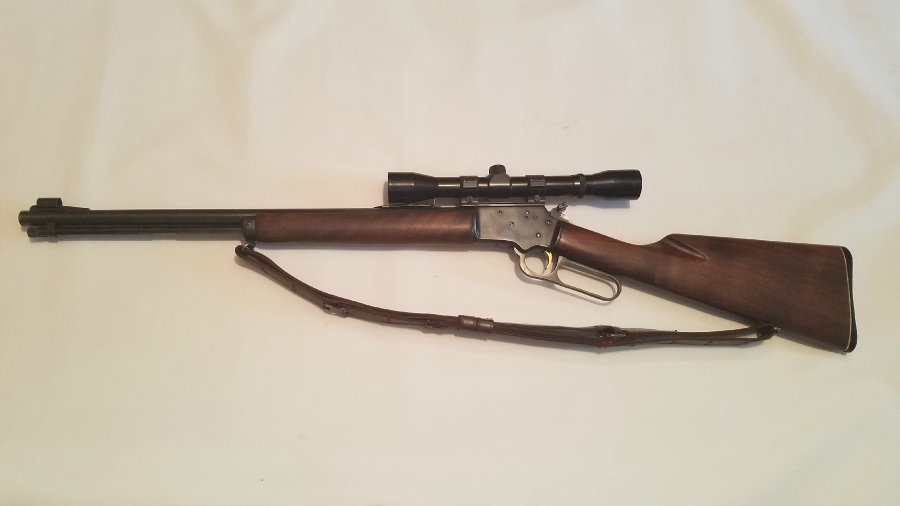
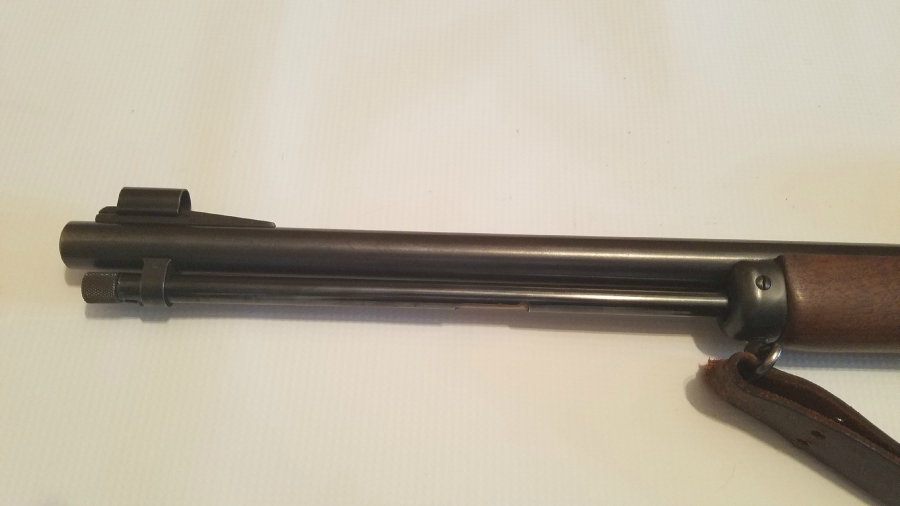
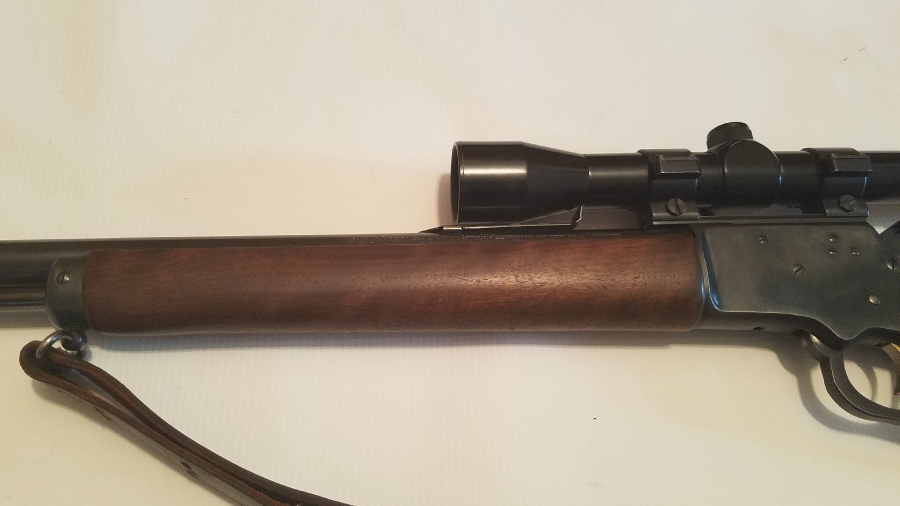
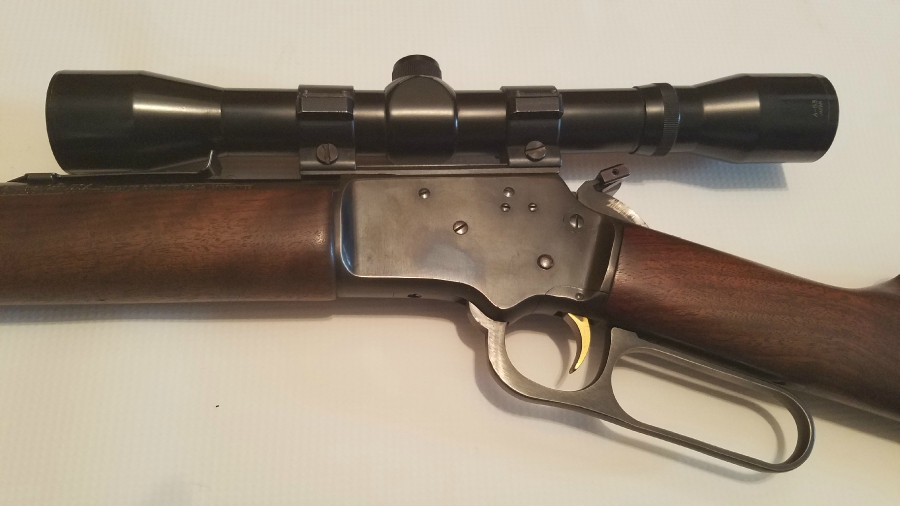
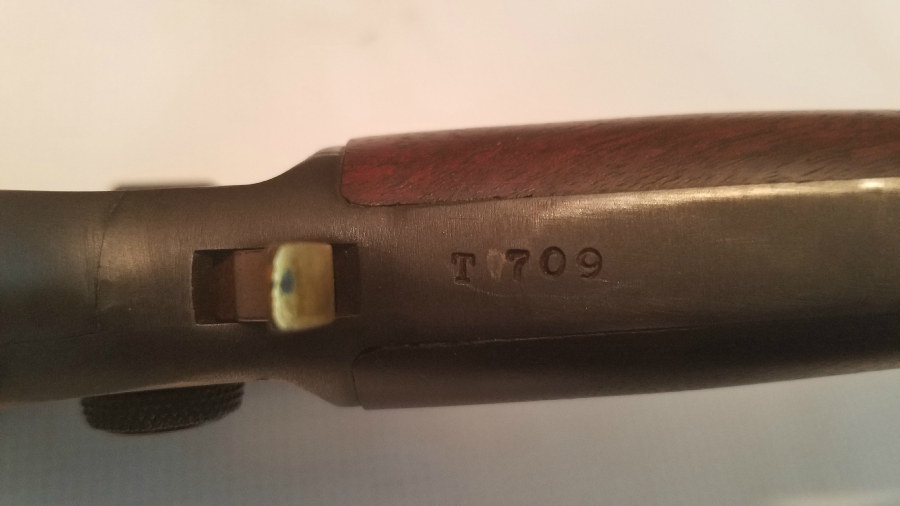
A Marlin Golden 39-A in caliber .22 LR

Marlin Golden 39-A Moutie JT4 .22 LR - Picture 2
Marlin Golden 39-A Moutie JT4 .22 LR - Picture 3
Marlin Golden 39-A Moutie JT4 .22 LR - Picture 4
Marlin Golden 39-A Moutie JT4 .22 LR - Picture 5
Marlin Golden 39-A Moutie JT4 .22 LR - Picture 6
Marlin Golden 39-A Moutie JT4 .22 LR - Picture 7
Marlin Golden 39-A Moutie JT4 .22 LR - Picture 8
Marlin Golden 39-A Moutie JT4 .22 LR - Picture 9
Marlin Golden 39-A Moutie JT4 .22 LR - Picture 10


Categories
All About Guns

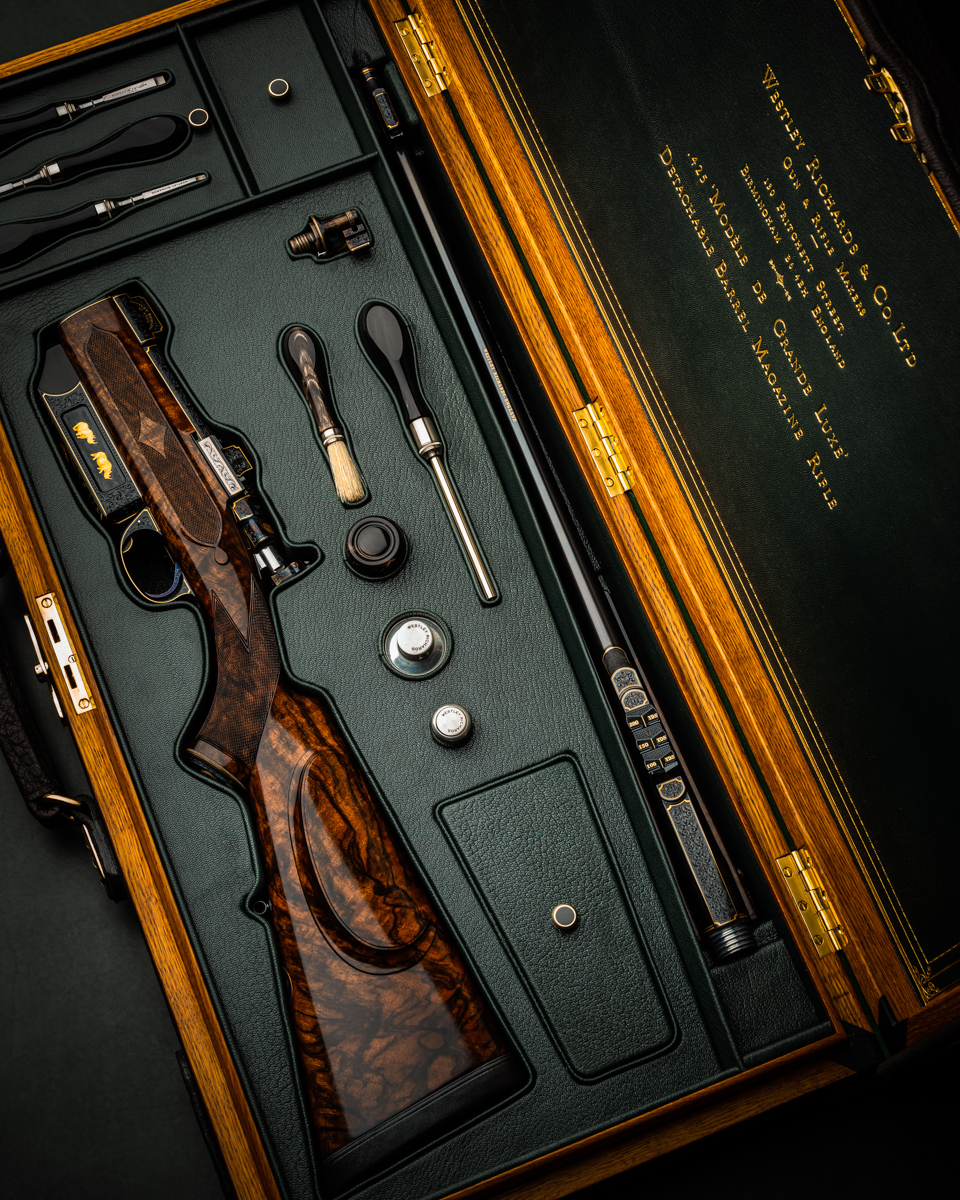
A fantastic looking Westley Richards .425 Magazine Rifle (All I know is it is way above my pay grade!)

The Finest Westley Richards .425 Magazine Rifle Ever Built!!!

Categories
All About Guns

DiResta Winchester 1873 – A VERY RARE RESTORATION

Categories
A Victory! All About Guns The Green Machine War

BARRETT WINS $50 MILLION ARMY SNIPER RIFLE CONTRACT by Chris Eger

Tennessee-based Barrett Firearms on Wednesday pulled down a big U.S. Army contract for new MK22 Advanced Sniper Rifles.

The $49.9 million five-year firm-fixed-price contract announcement covers “procurement of Multi-Role Adaptive Rifle/MK22 Advanced Sniper Rifles, spare parts, accessories, tools, and conversion kits.”

The U.S. Special Operations Command in 2019 tapped Barrett to produce ASRs, as part of an effort to continue “development of enhanced capabilities to improve performance” of “individual sniper weapons to engage out to 1500 meters.”

The MK22 used by the Army is based on Barret’s MRAD rifle. (Photo: Barrett)

SOCOM’s MK22  is based on Barrett’s MRAD bolt-action precision rifle in .338 Norma Mag. The MRAD uses a monolithic upper receiver with caliber conversion kits utilizing a separate barrel assembly and bolt that allows it to be swapped to .300 Norma Mag and 7.62 NATO. As such, the overall length of the MK22 can vary from 43.6-inches when fitted with the 20-inch 7.62 barrel, to 50.6-inches with the 27-inch .338NM. In its heaviest configuration, the MK22 tips the scales at just over 15-pounds, sans optics, ammo, and accessories.


When it comes to new guns for SOCOM, the command’s FY21 budget justification book details that 450 new ASRs were acquired in 2020. For those curious, other new small arms deliveries listed by the book over the past two years include 1,562 MK27s (Glock 19 Gen 4s), 250 new Personal Defense Weapons, and 1,930 Upper Receiver Group-Improved (URG-Is).

LEUPOLD OPTICS

As for the glass used on the system, Leupold previously announced its Mark 5HD 5-25×56 will be provided for use on the MK22 in a flat dark earth coating and utilize the Army’s Mil-Grid reticle.

Notably, the reticle was developed and patented by the military in 2018.

“Development of the Mil-Grid Reticle was primarily motivated by the lack of standardization of reticles within the sniper community, as well as the cost incurred in using vendor proprietary reticles,” said Tom Pitera, an engineer at the U.S. Army Combat Capabilities Development Command Armaments Center who helped design the reticle.