Categories
All About Guns Gun Info for Rookies

Zeroing the Iron-Sights on Your AR-15 Rifle from Stag Arms Blog

AR15 Blog Banner

Zeroing the Iron Sights on Your AR 15 Rifle

Before you take your new AR-15 out for target practice or into the field to do some hunting, the first thing you will need to do is zero in the iron-sights.

All rifles and upper halves with sights installed from the factory are bore sighted to 25 yards. The process takes some patience, but you will be spending valuable time getting to know your new rifle while making it as accurate as possible.

This article focuses on most flip-up and stationary sights. Sighting in with the carry handle is a bit more complicated.

How the Front and Rear Sights Work

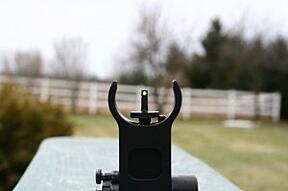
When it comes to zeroing the iron-sights on your AR-15, it’s important to understand what the front and rear sights do. The front sight is responsible for elevation, or how high or low the point of impact is compared to the point of aim. The position of the rear sight will determine the windage, or whether your shot will hit to the left or right of the target.

The First Step: Finding Mechanical Zero

Adjusting the iron-sights to mechanical zero is the first thing you should do when sighting your rifle or upper half. However, if it was purchased directly from Stag Arms, you can skip this step. Start by rotating the front sight post up or down until the base of the post is flush with the sight well. Once that is done, move on to the rear sight.

Most sights on an AR-15 have both a large and a small aperture. The large aperture is used for close up shooting and typically has a line that you can use to align it with hash marks along the bottom of the rear sight. If the aperture doesn’t have a mark, simply rotate the windage knob until the aperture is all the way to the left or right.

After that, turn it all the way in the opposite direction, counting clicks as you go. Divide the number of clicks by two to determine the center of the rear sight. Then, move the rear sight that number of clicks from one of the sides.

Using The Stag Arms Sighting Target

Once the iron-sights are mechanically zeroed, or if you received it from our factory, you can start adjusting them for accuracy. Fire groups of five shots at the target from a distance of 25 yards. Find the center of your groupings and measure from there to the central vertical and horizontal lines in order to determine how far you need to adjust the sights. If the shots appear all over the target and aren’t in groups, focus on the shooting fundamentals until you achieve groups.

All the lines on our sighting target are in 1” increments from the center of the bullseye. To move your groupings to the left, turn the windage knob on the rear sight to the left and to the right to move your grouping to the right on the target. Looking from the top of the sight, the front sight post will need to be turned clockwise to raise groupings and counter-clockwise to lower them as they appear on the target.

Basically, you will want to move the rear sight in the direction you want your shots to appear on the target, and you will want to move the front sight in the opposite direction that you want the shots to appear on the target.

Print out our sighting target here.


Photo Courtesy of: www.ar15news.com

Topics: Rifle Sightszero in the iron-sightsAR-15 Sights
Categories
All About Guns

Stemple/BRP STG-76 “Heavy Submachine Gun” at the Range

Categories
All About Guns

Beretta M9A3 with Stainless Steel Guide Rod

https://youtu.be/4If5XYNuT9A

Categories
All About Guns Gun Info for Rookies

How to take care of your scattergun!

Categories
All About Guns

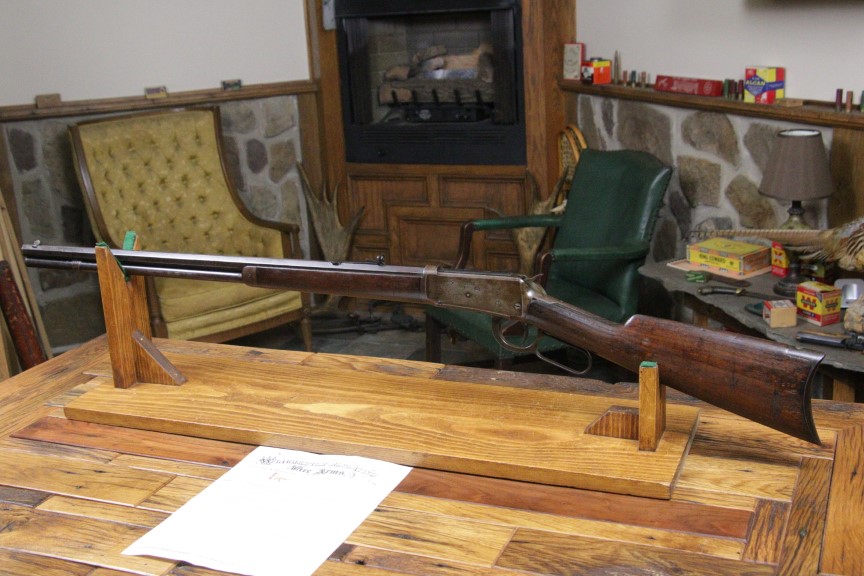
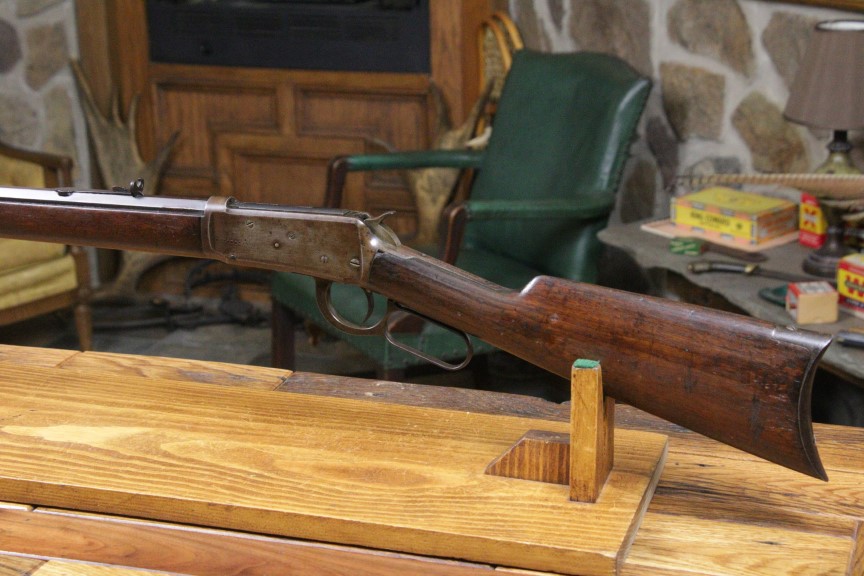
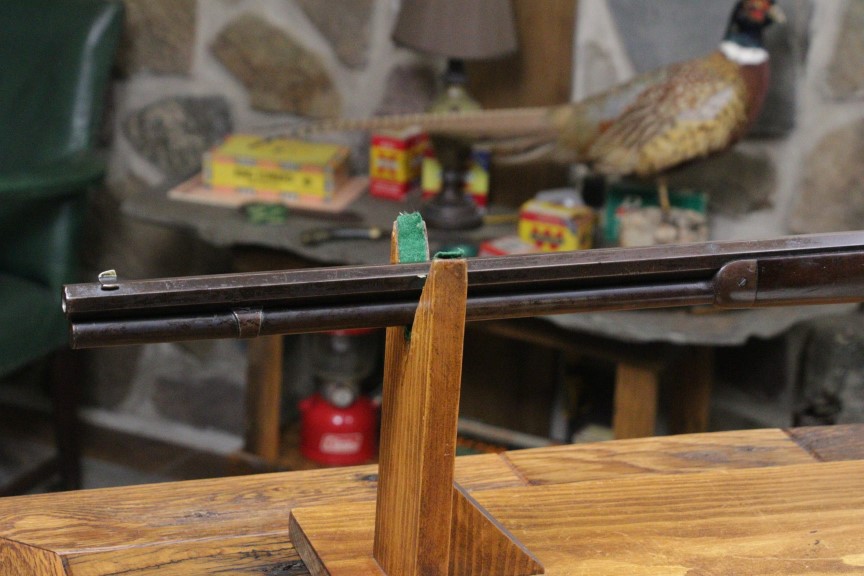
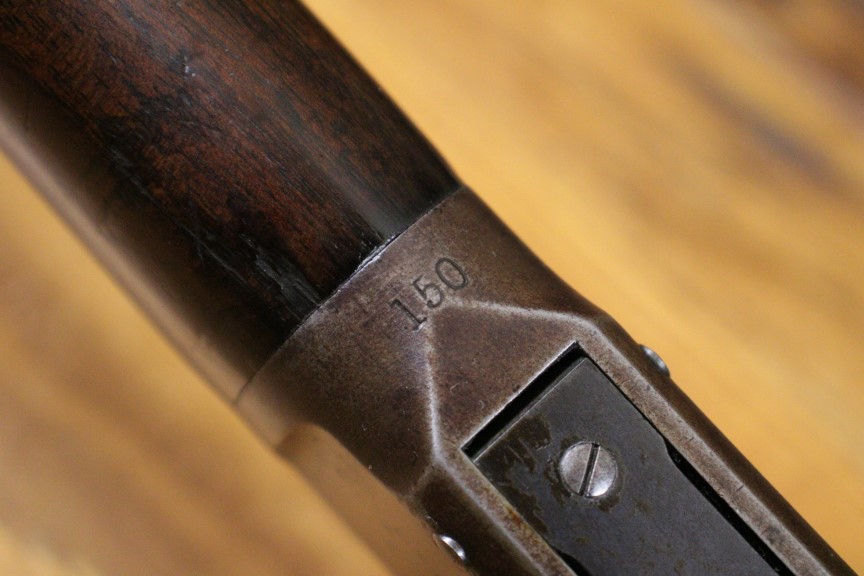
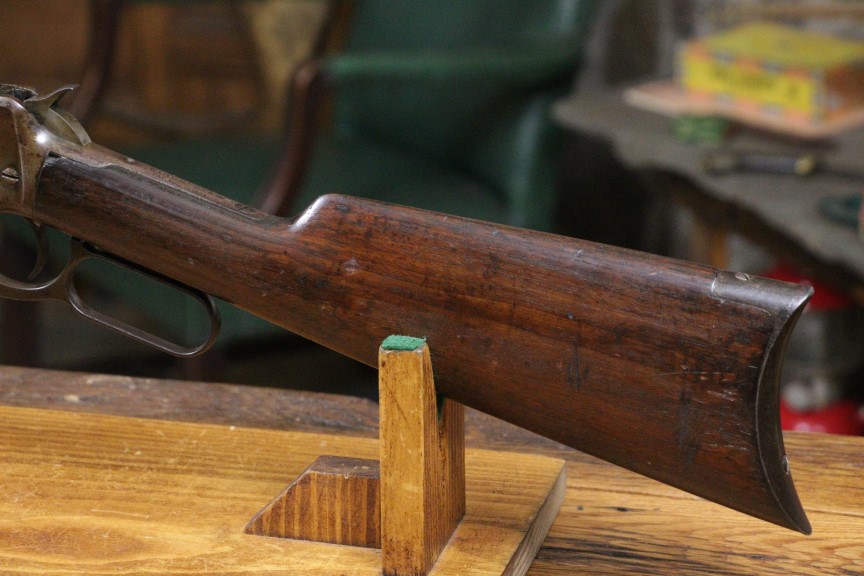
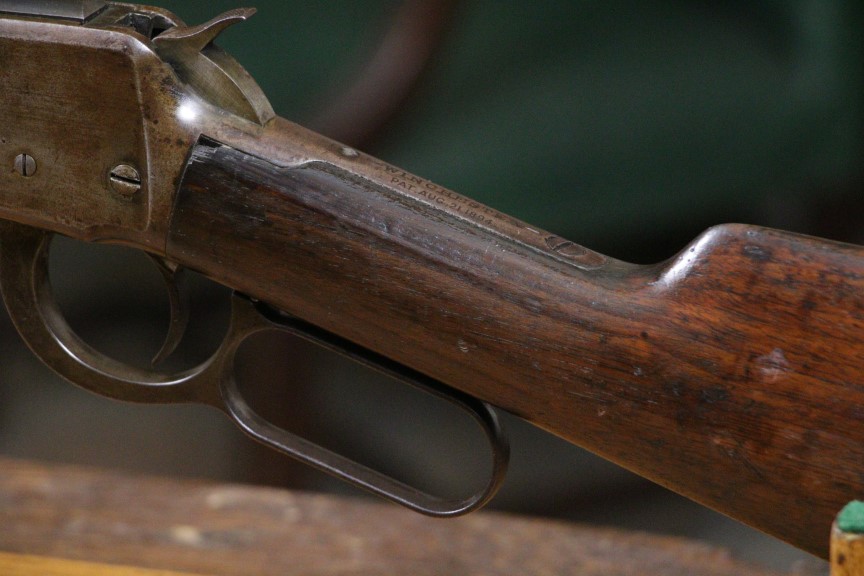
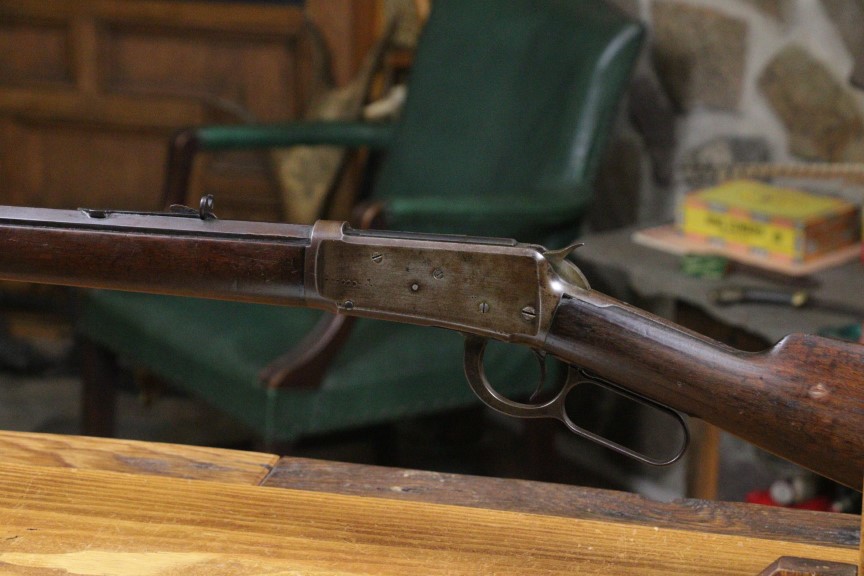
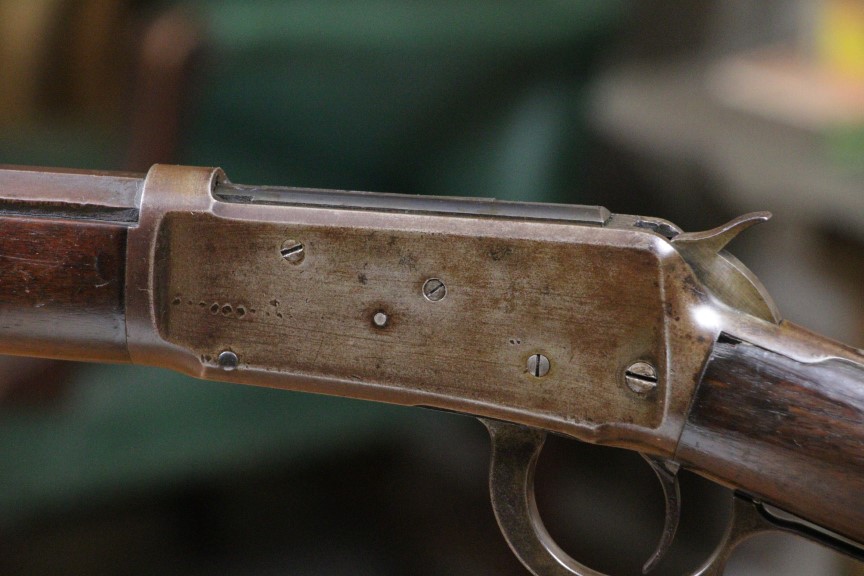
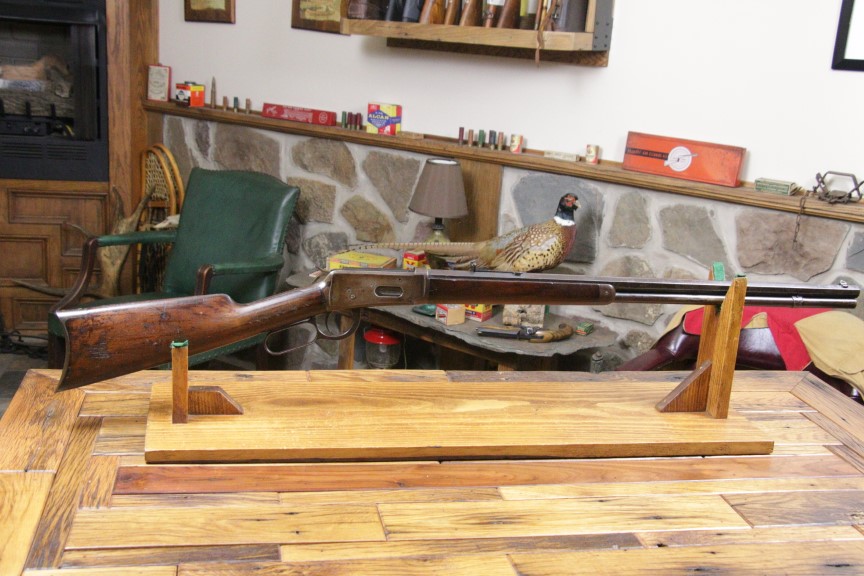
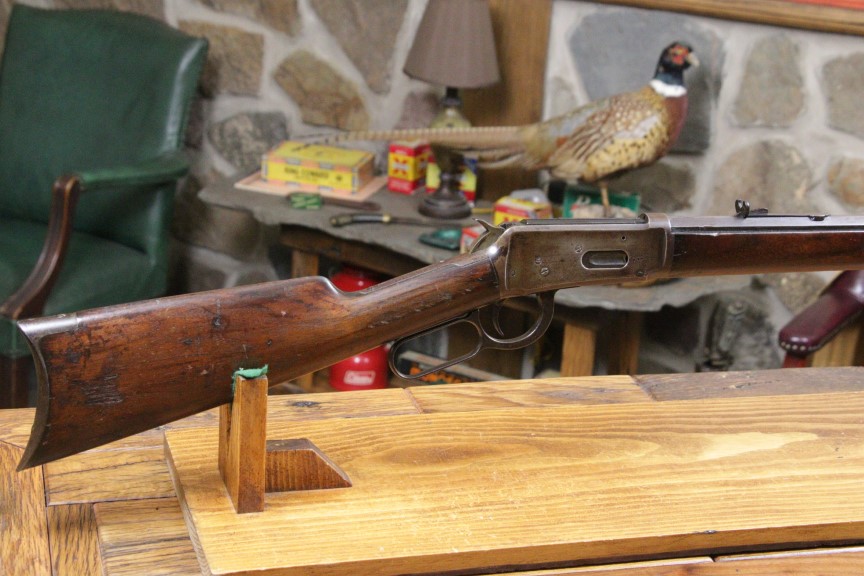
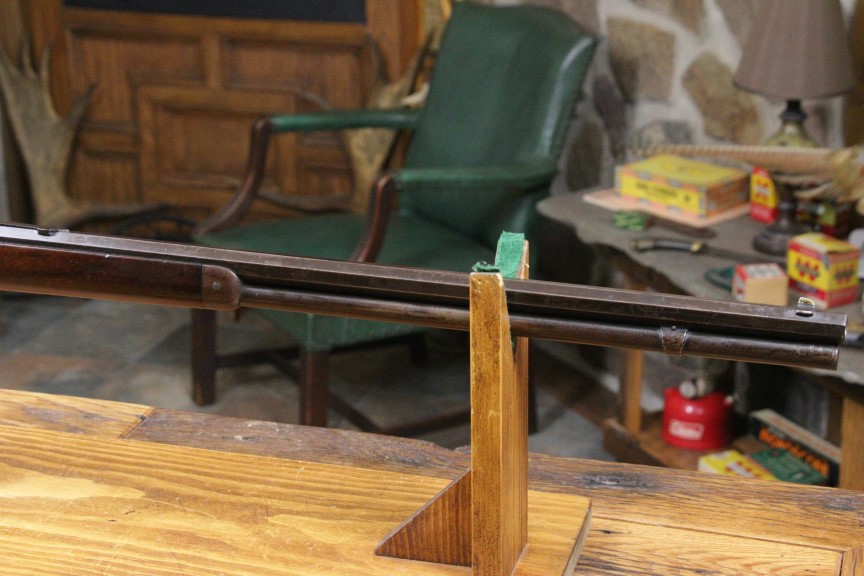
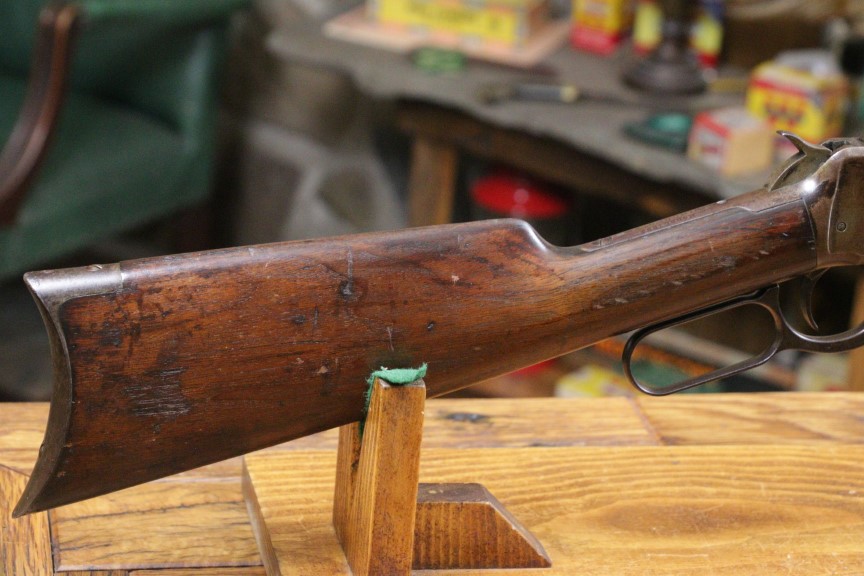
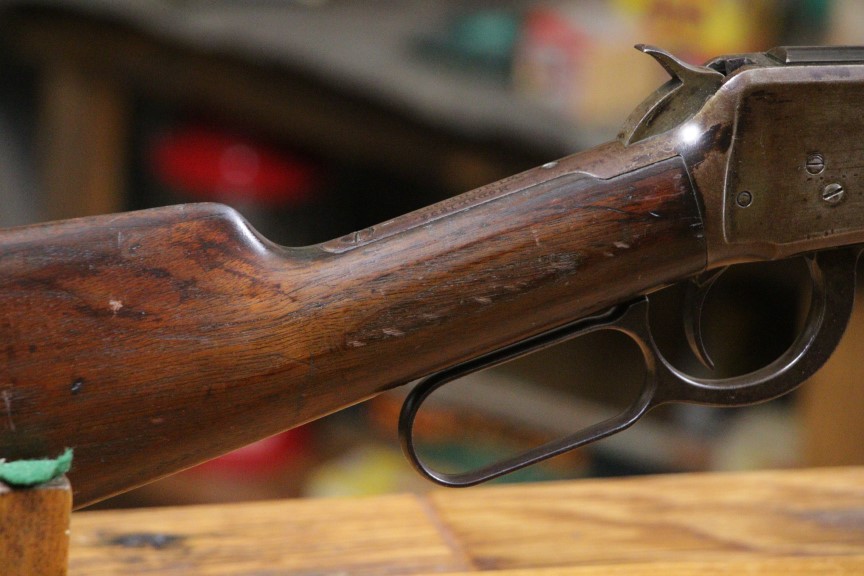
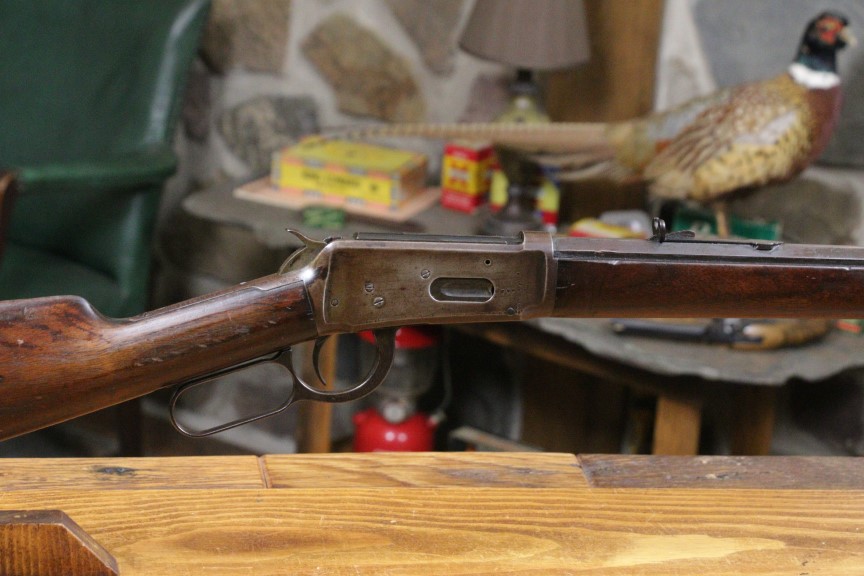
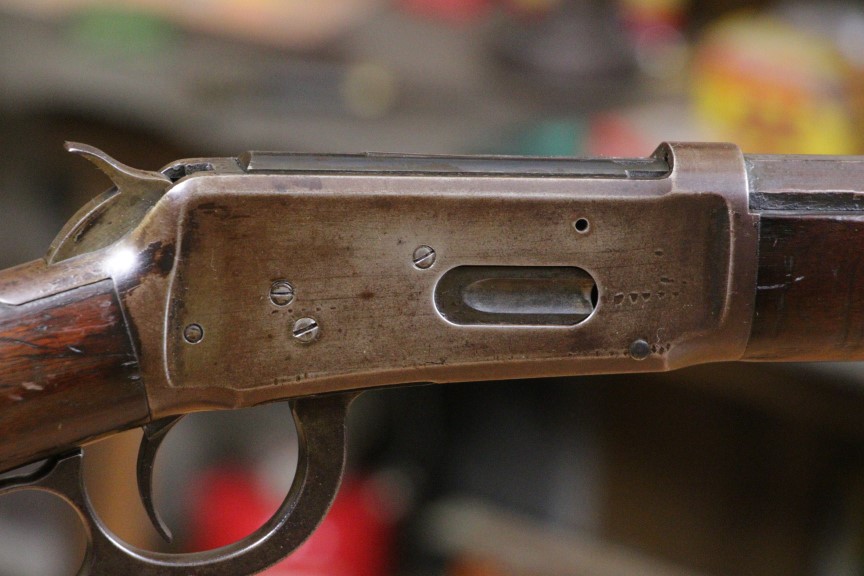
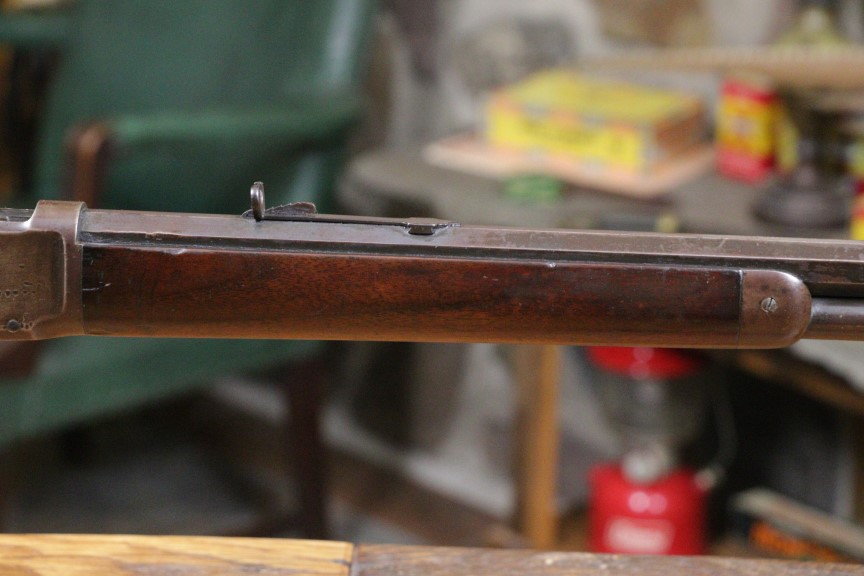
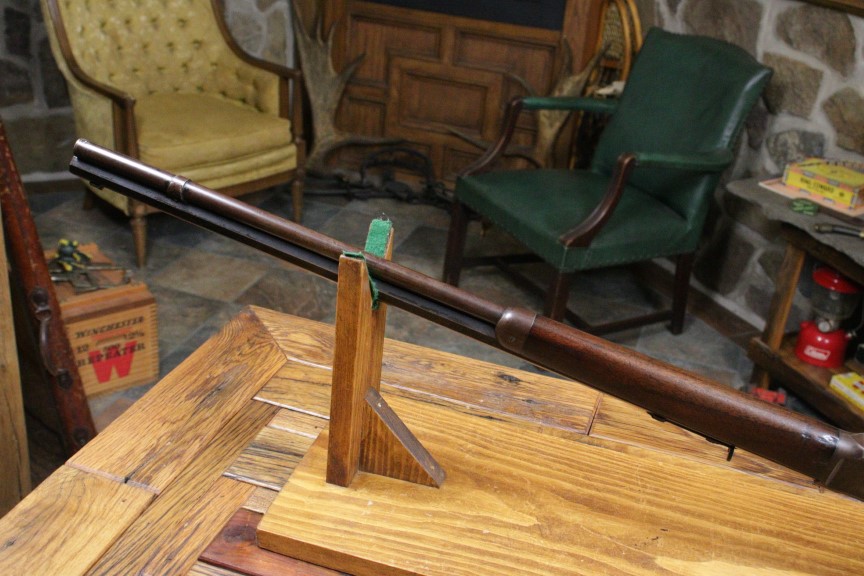
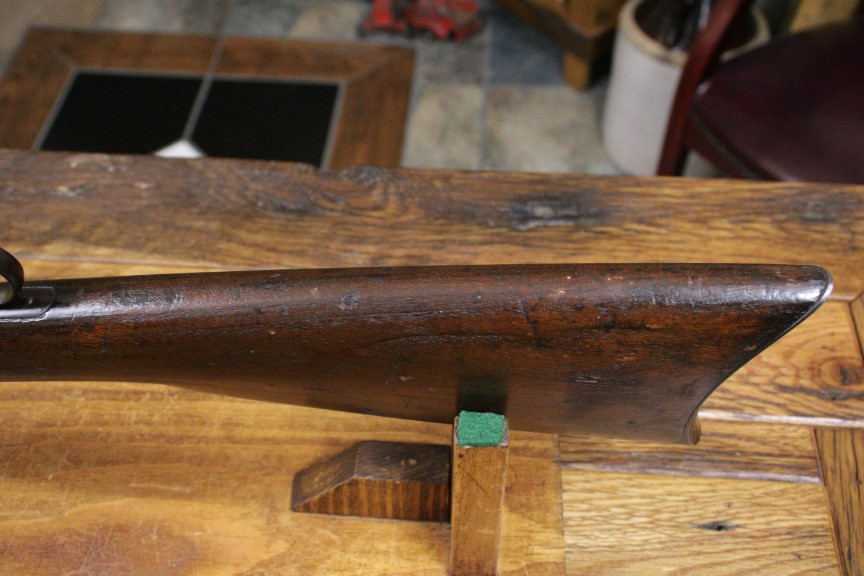
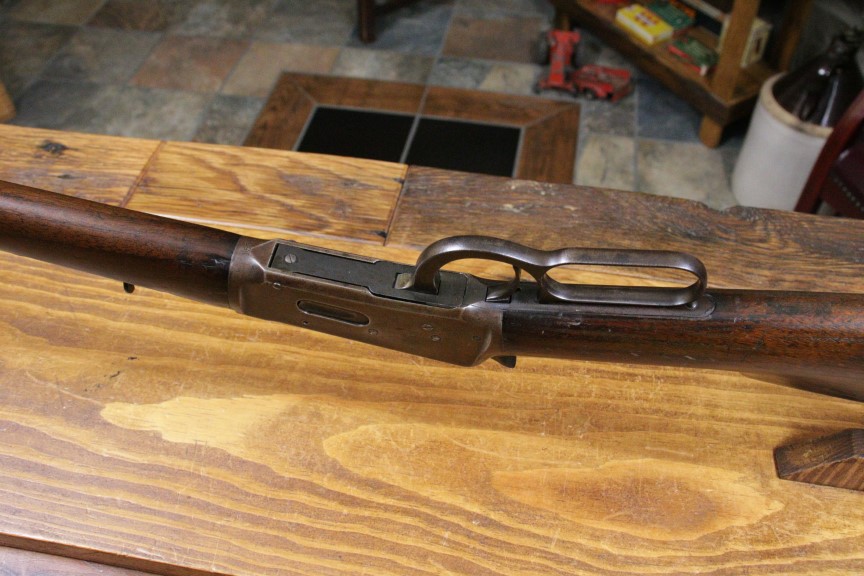
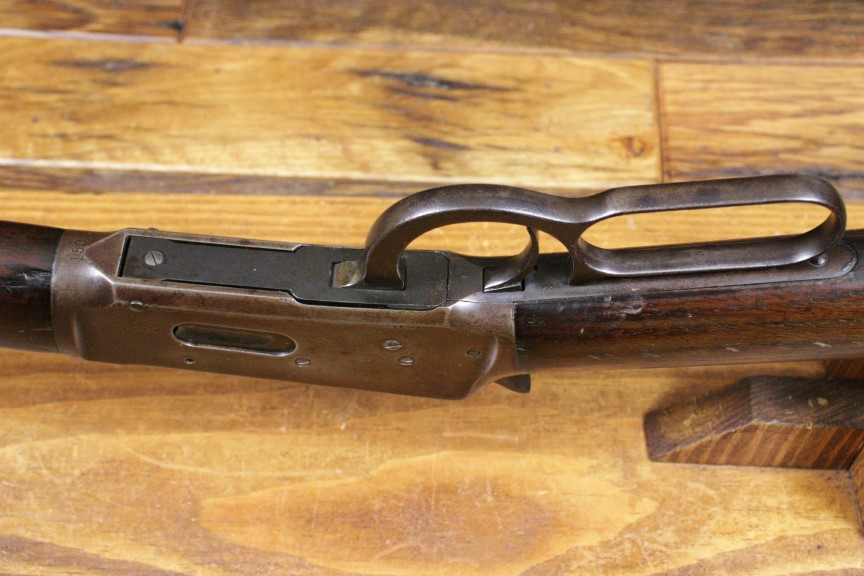
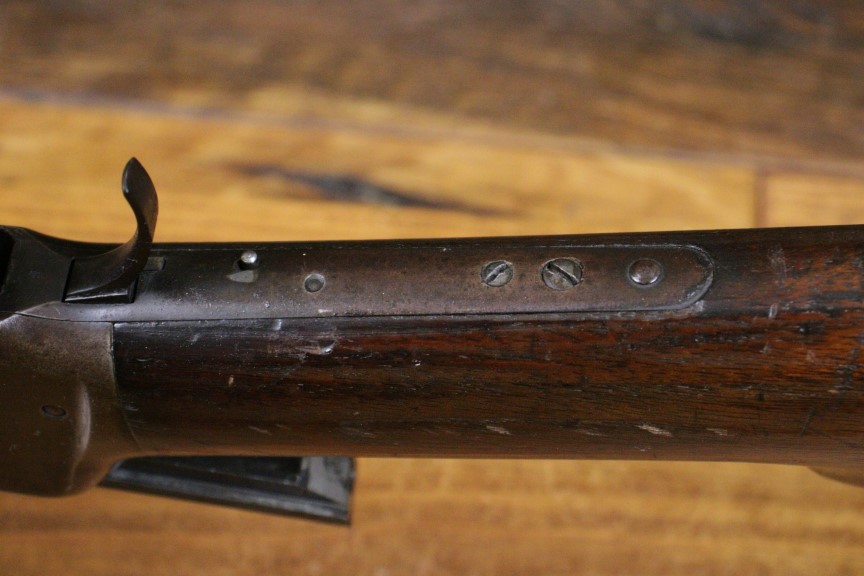
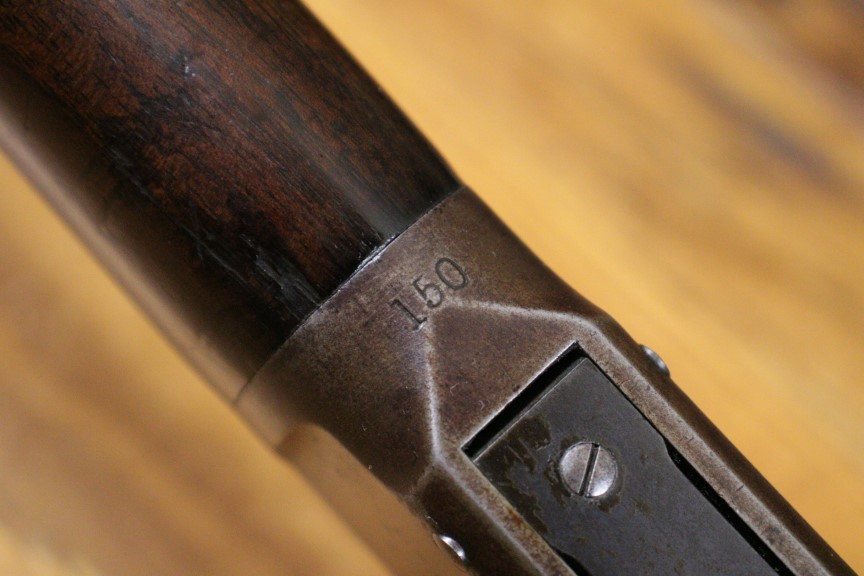
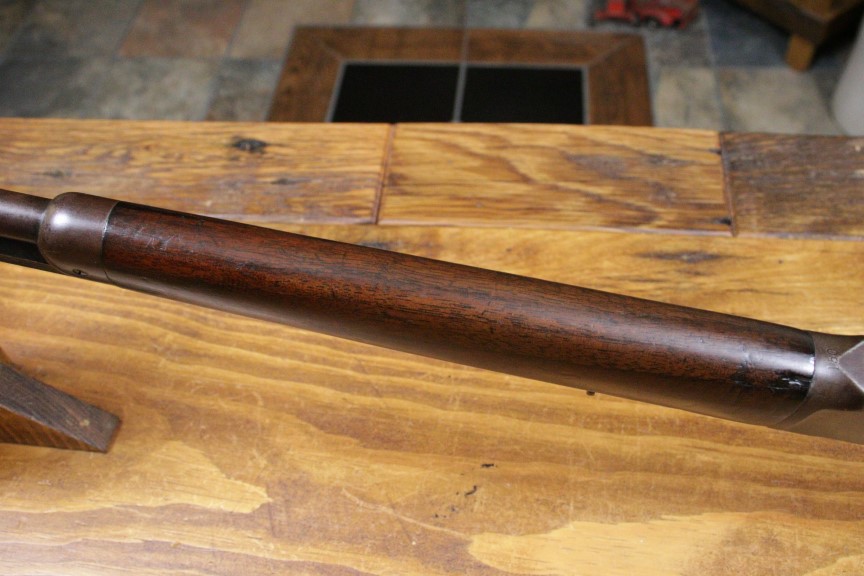
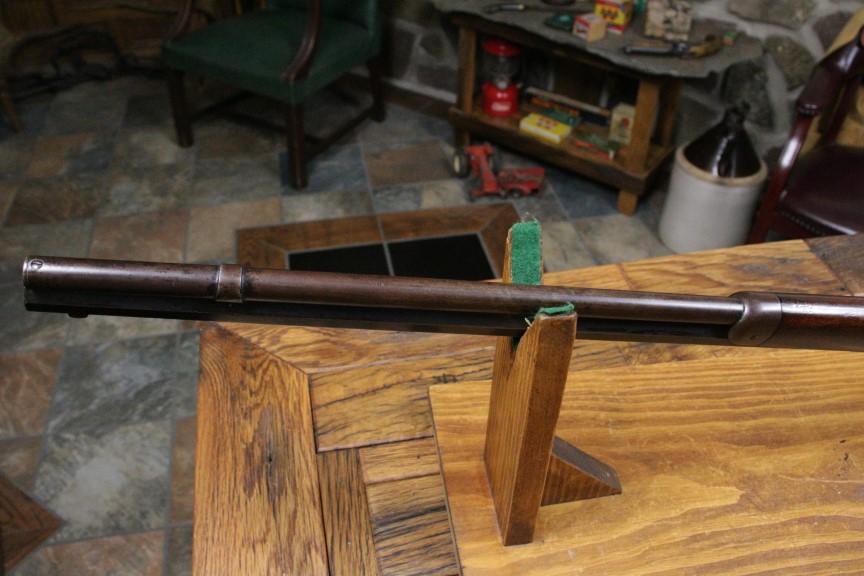
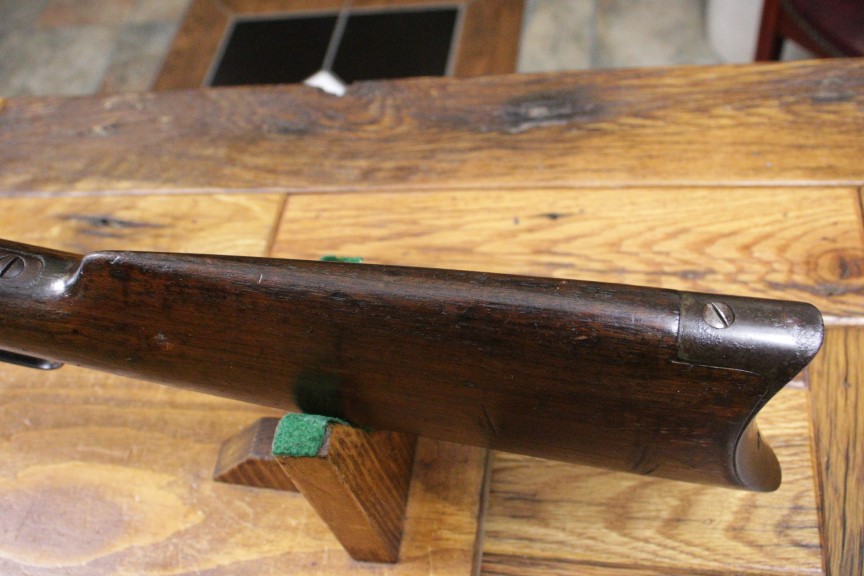
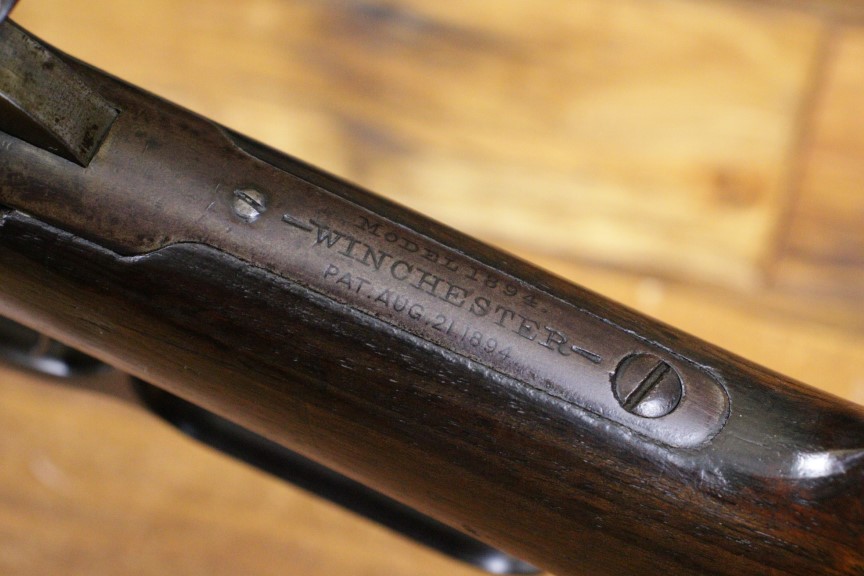
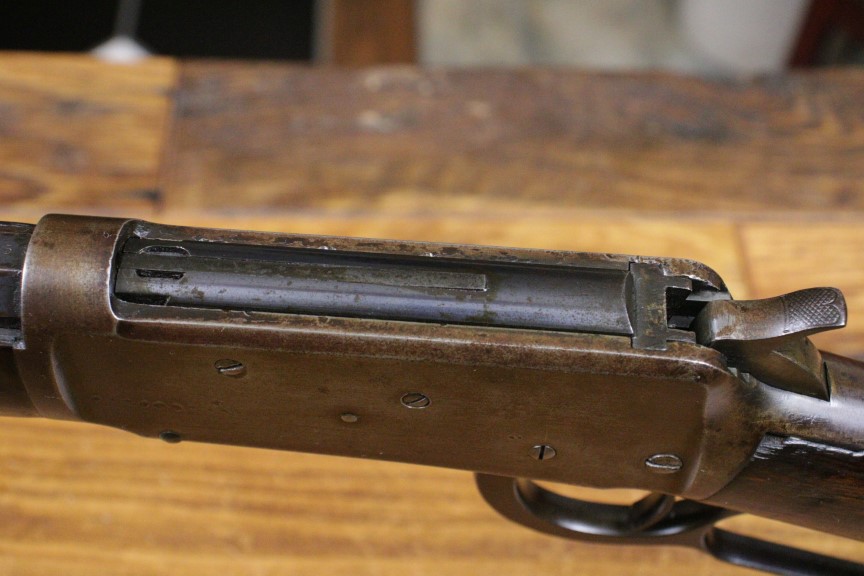
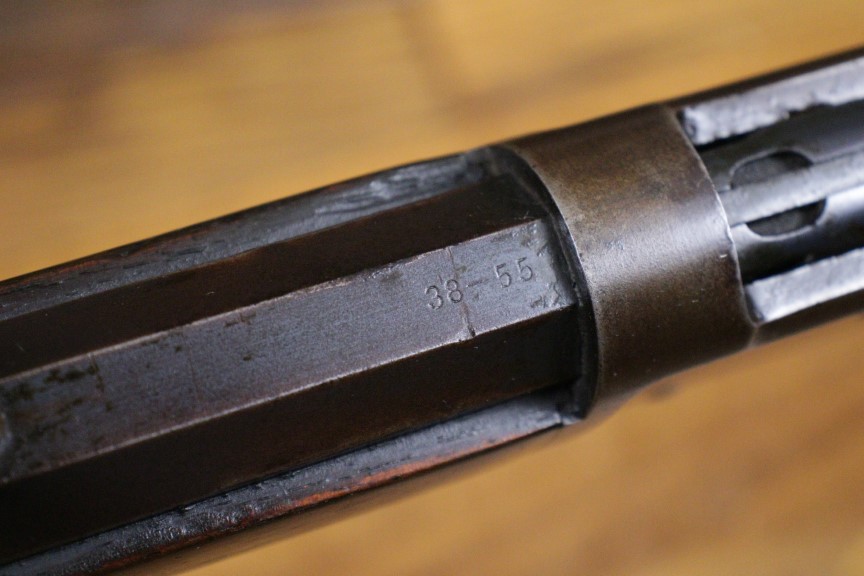
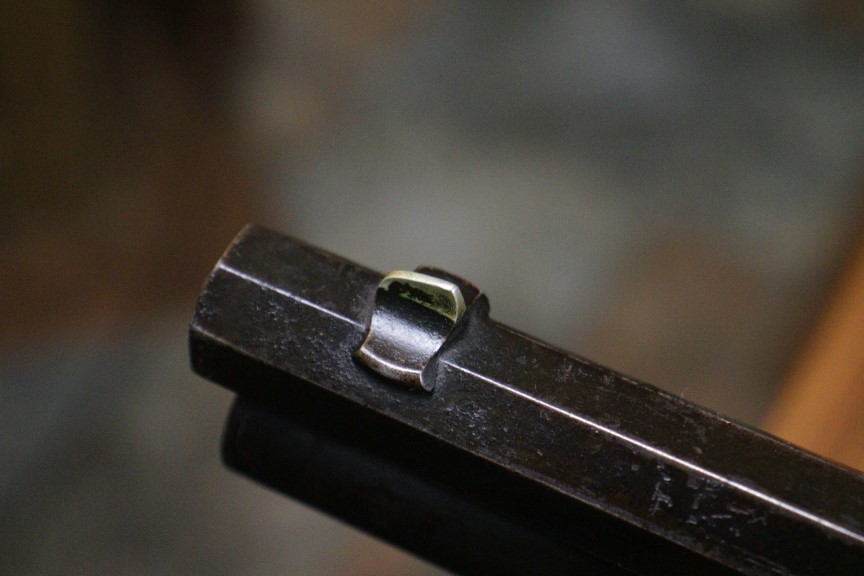
A Winchester 1894 FIRST MODEL Serial 150 Antique 38-55 WCF, Made in 1894

Categories
Fieldcraft

THE 50 RULES ADVICE FOR LIFE WRITTEN BY BRENT WHEAT

ADVICE FOR LIFE


I will hereby lay claim to the spurious honor of being the world’s foremost “good example of a bad example,” especially in the arena of personal safety.

Through a lifetime spent as a cop, adventurer and shooter, I’ve managed to make nearly every mistake possible yet lived to tell about it. Fortunately, I’m also a testament to why luck and a benevolent Supreme Deity are a nice fallback when you’re dumb. And — let’s be frank — almost all of us are dumb once in a while.

Well, maybe not Massad Ayoob, but pretty much everybody else does foolish things on occasion.

This overview of personal (dis)qualification is given to explain why I have both the temerity and experience to present my own collection of the 50 most important rules of personal safety. They’re not the only principles for dealing with danger, especially of the social and interpersonal variety, but I think they’re a good start.

Some of this information comes firsthand from the countless “real-deal” folks I’ve had the honor of knowing, some comes from training, still more comes from direct observation of rapidly-coagulating pools of blood and the remainder was learned from The University of Life, School of Hard Knocks, Bachelor of Science in Blunt Trauma and Gunshot Wounds. I’ll allow some of these points are a bit facetious and snarky, but then again, so is life.

So, without further ado, I present “My 50 Rules for Life.”

1. There is no “ultimate manstopper” except perhaps a 105mm High Explosive shell.

2. Shot placement is far more important than caliber, energy, velocity, momentum or advertising hype. Remember the .22 Long Rifle has killed things as large as grizzly bears while a miss with a .458 Win does nothing but punch holes in the blue sky.

3. Wearing “cool guy gear” doesn’t make you cool. Brand-new “cool guy gear” will make you look like a poser. A plate carrier — with multiple witty “morale” patches, of course — worn on the range merely for visual effect when you’ve never actually worn one “in the field” makes you an Ultra-poser with Extra Posing Sauce.

4. The bigger the cleavage on the advertising copy, generally the worse the product. Nowadays, with political-correctness being in fashion, you see less and less of this. Of course, some of us sure miss the old days.

5. Fear is natural. Embrace it and learn to use it to your advantage. Invite it into your home, make it dinner and let it drink your best bourbon because being “fearless” means taking stupid risks.

6. The more combat a person has seen, the less likely they are to talk about it.

7. Scars are nature’s way of saying “I screwed up.” They also make for good graphic training aids and sometimes can even get you a free beer, though the cost/benefit ratio is not usually worth it.

8. Courage is the first requirement of success in a crisis. It’s easy to “talk the talk” but you should really test your courage periodically in some way to make sure it hasn’t died of inattention — or never really existed in the first place.

9. Even a ruggedized, fully redundant, satellite-enhanced, broadband-data-capable multimillion-dollar tactical communication network will break down under adverse conditions such as dew or nightfall.

10. A sense of humor will get you through anything from a gunshot wound to a divorce. It’s hard to think of droll comments when suffering a sucking chest wound during court proceedings, but it does help lighten the mood.

11. Everything on the internet should be considered “For Entertainment Purposes Only.” By now, hopefully everyone has realized “SuperDeathSEALKillerCommando99” on an internet forum is probably a morbidly-obese 13-year-old gamer on a laptop.

12. Gun store clerks come in two flavors: aficionados and salesmen. It’s your job to know the difference.

13. Any product with the word “miracle” in the title isn’t. Any shooting technique named after its developer — as named by said developer — is probably the same thing.

14. Trust no one except your mother. Keep an eye on her.

15. Being alert will prevent 99% of problems. If you are alert, you’ll be much more ready for the remaining 1% which are a problem.

16. Do unto others as they would do unto you; just make sure you do it first.

17. Death loves a braggart. Everyone else loves to see him get kicked in the groin — therefore, don’t ever brag about your tacti-cool-ness. See rule #3 and #6.

18. There is no such thing as a fair fight. If you fight, don’t be fair. This is why many old, slow, creaky guys are still very dangerous.

19. We should do more to include our loved ones in crisis preparation and training.

20. If you know it all — you don’t.

21. There is someone who is tougher, faster, a better shot or just plain luckier somewhere out there in the world. Remember this when considering a fight you could otherwise avoid.

22. The corollary to #21: There is no shame in avoiding a problem. This is otherwise known as “wisdom.”

23. The first rule of knife fighting is “Don’t get into a knife fight.” If you are in a knife fight, the best self-defense technique is applying a magazine full of large-caliber bullets as quickly as possible.

24. Anything and everything can and will fail at the worse possible moment. Plaintiff’s Exhibit #1 — Viagra.

25. We could all use a little more cardiovascular exercise.

26. When in doubt, doubt. Your “little inner voice” is world’s smarter than you give it credit for.

27. Virtually everything you see on commercial television is staged. Everything … as in everything.

28. If you don’t practice a movement at least 500 times (some say 2,000), you will never perform it correctly under stress. This is an iron-clad, unbreakable rule we all ignore.

29. A vehicle will kill you just as dead as a high-powered rifle. Always respect traffic.

30. No instructor is God. Some can reach demigod status after decades, many of them are pretty good and few of them should be prosecuted for false advertising. Beware the Cult of Personality, especially if you are new to firearms training classes — almost everybody seems brilliant when you’re new!

31. There is nothing wrong with blued guns, revolvers, leather holsters or firearms without “cutting-edge aerospace technology.” Then again, there’s nothing wrong with “black guns” either. Don’t be dogmatic.

32. The human brain is the deadliest weapon ever invented.

33. You’ll never wake up knowing “today is the day.”

34. Practice doesn’t make perfect; perfect practice makes perfect.

35. If you can’t tie a trustworthy knot, change a tire, kill your own food or perform basic first-aid procedures, you are not really prepared.
36. There is no one-weapon system, tactic, technique or school of thought to address every situation. Those who believe such claims are positively delusional.

37. Murder is wrong, while killing is sometimes necessary and excusable. Make sure you are okay with this idea. If not, you shouldn’t carry a weapon.

38. You are personally responsible for the right to keep and bear arms. Take this responsibility seriously or the gun magazines of the future might be pretty dull —“Cover story: A bar of soap in a sock — the ultimate manstopper!”

39. There is always “one more” — one more gun, one more problem, one more knife, one more bad guy.

40. Our opponents are frequently smarter than we give them credit.

41. A bad outcome in the legal system after a justified use of force can be just as devastating as a major gunshot wound. Know your legal rights and responsibilities.
42. Never get between two people fighting.

43. Train yourself to relax during and after stressful events. You’ll perform better and even live much longer.

44. Go somewhere inspiring and meditate on the concept of “honor.” Do this regularly and you are less likely to do something cowardly or immoral.

45. Guns and alcohol don’t mix. If you drink, you must be unarmed. If you can’t live by the rule, don’t drink. This rule personally chafes me, but I follow it religiously.

46. Never stand in a doorway.

47. Use light to your advantage. Whenever possible, just flick light switches rather than using a flashlight. Then again, if you aren’t proficient with flashlight shooting techniques, you are at a disadvantage in many dangerous encounters.

48. Always carry a knife, a gun and a light. Two is better, but one is critical.

49. “Preparedness” or “being tactical” should be an unspoken lifestyle, not a publicly shared hobby.

50. Buy a three-year subscription to GUNS for every one of your friends, family members, acquaintances and random homeless people on the street. You’ll end up richer, thinner, have more friends and be gloriously rewarded in the afterlife, or my name isn’t Hilary Clinton.

Categories
Manly Stuff Our Great Kids

What you don’t see on TV about Firefighters

THE THINGS THEY DON’T TELL YOU ABOUT A DEAD BODY

May 4 is International Firefighters’ Day. After his first day on the job as a new firefighter in Asheville, North Carolina, Mike Schoeffel, wrote this essay about what he saw and felt.


The thing they don’t tell you about a dead body is the way it just lies there. You can give a human being in cardiac arrest chest compressions, you can breathe for them, you can inject them with fluids. But if none of that works, the body will just lie on the floor like a sack of rice. You’ll have to step over it as you pick up trash from the used medical supplies strewn across the room.

The unceremonious finality feels insensitive to the recently deceased, but the person is gone. You’ve done everything you could. There’s no need to prolong it: clean up and move on. Ignore the nonperson lying at your feet, the thing that was alive a few minutes ago but is now just a body.

They don’t tell you about all of this because they couldn’t accurately describe it if they wanted to: the ribs breaking under the pressure of your palms. The air making a fart noise as it exits the lips. The AutoPulse hammering the human chest like a piston into Jell-O. The sweat, the smells. And then the dead body just lying on the floor as you toss needle wrappers into a trash bag. “Thanks for your help,” the paramedic says. “No problem,” you respond. “Thank
This was my first major call as a firefighter on my first day with the Asheville Fire Department in western North Carolina. It happened on my first 24-hour shift. I ran three routine medical calls the day before, went to sleep, woke up, and prepared to go home at 7 a.m. But at 7:05, a cardiac arrest call came in, and my replacement hadn’t shown up yet. I hopped on the truck, and off we went toward the residence of the future dead body. The other back man on the truck had just arrived and jumped on, still wearing street clothes. He pulled on his turnout pants as we sped down the street. I was in a blue, department-issued uniform.

The human being we raced toward was not in good health. He was perhaps in his 50s and overweight, and fast-food wrappers and old food were scattered all over his apartment. He’d called 911 to say he was having heart problems. When we arrived, he was lying on his side in bed, a phone resting on his left ear. He was breathing, barely, maybe three times per minute. His laptop was playing a YouTube video about alien abductions. He was in his underwear, covered in sweat. A picture of a smiling, gray-haired woman, possibly his mom, rested on the nightstand.

They don’t tell you about all of this in rookie school because the specifics defy verbalization. The academy is a kind of playhouse: all of the fun stuff — rescuing people from buildings, putting out pallet fires — without any of the real-world terror. The stakes are not high. Instructors do their best to re-create what it’s like on the street, but they can only do so much.

“Do you have street clothes you can change into at the station?” my partner asked as he squeezed the bag-valve-mask. I was busy breaking ribs. 

“Yeah,” I said.

“Make sure you decon those pants as soon as we get back. This place is grimy as hell.”

It was surreal, the way the two of us were having a casual conversation while attempting to revive a human being. That’s the kind of shit they don’t tell you about in rookie school: the casualness of it all, the way that witnessing death becomes, if not normal, routine. They don’t tell you about how paramedics crack jokes while a guy is on the verge of death. The gallows humor isn’t meant to be disrespectful, but it is a means for coping with the horror and making sense of an emotionally draining situation.

We worked the cardiac arrest for about 20 minutes before the paramedic finally called it. The automated external defibrillator, the AutoPulse, the bag-valve-mask — none of it made the situation any better. That’s when the cleanup began, with the body just lying there, as if it were another inanimate object in the room — which, I suppose, it was. I pulled the King Airway from the body’s throat. It was covered in spit and white chunks. For a second, I was worried that I might have hurt him. But then I remembered.

As I sit here now on my back porch in the mountains, images from the morning flash across my mind: my partner and I rolling the man out of bed onto a stair chair, his gut too big to lock the safety belt around, prompting him to fall to the floor with a disturbing thud. Our captain telling me to start CPR. The ribs breaking. The lips farting. The AutoPulse pistoning into Jello. The King Airway covered in spit. The animate turning inanimate.

I know I’ll witness much more gruesome scenes. More blood, gore, general chaos. Children. The deaths will pile up until they become, if not normal, routine. I’ll grow hardened but, I hope, not hard. I’ll deal with these deaths in my own way, as they occur, but this one will forever be the first. There has been a palpable shift; something fundamental has changed within me. Rookie school seems like a distant memory, even though my last day was a week ago.

When we got back to the station, the captain asked whether I was okay. He knew it had been my first serious call, so he gave me his number and told me to text him if I needed to talk. I thanked him, and when I got home, shot him this text:

“I just wanted to say thanks for reaching out to me this morning. As a guy with no experience, it meant a lot.”

To which he replied:

“It is my pleasure, Mike. We have a unique job. We see a lot of hard things, but we do it together…If you ever need to talk, I am available…You performed beautifully this morning. Particularly in a very shitty situation. Very proud. You’re welcome on my rig anytime.”

The thing they do tell you about in rookie school is how firefighting is a brotherhood. I learned that firsthand this morning.

This essay originally appeared at firefighternation.com on March 1, 2021.

Read Next: Chicago Police Officers Save 13-Year-Old Boy

svg%3E

MIKE SCHOEFFEL

CONTRIBUTING WRITER

Mike Schoeffel is a firefighter with the Asheville, North Carolina, Fire Department. He has a bachelor’s degree in English and journalism, and his work has been featured in USA Today, Little Patuxent Review, Mountain Xpress, and The Charleston City Paper. He writes at Ourlandmag.com.

Follow Mike Schoeffel:

Categories
All About Guns

A nice looking S&W 10-5 with Speed Loaders

May be an image of text that says '1 Proudi REMOVEABLE FRONT SIGHT SIC 3-SLOT PICATINNY RAIL'

Categories
Born again Cynic!

I have yet to met a Dumb Chinaman! Here is Exhibit A

Categories
Allies Soldiering

Interesting!