Categories
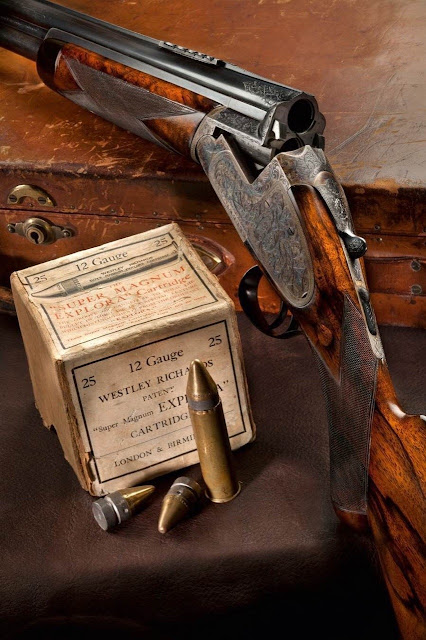
And they make a Good Rifles too!
. Sweden’s kids were free Credit: Martin von Krogh/Getty Images

Johan Anderberg is a journalist and author of Flocken, a bestselling history of the Swedish experience during Covid-19.
November 8, 2021
A hundred years ago, in New York City, 20,000 people marched down Fifth Avenue in protest against one of the greatest public health policy experiments in history. One of them was wearing a sign featuring an image of Leonardo da Vinci’s “The Last Supper,” beside the slogan, “Wine was served.” There were posters of George Washington, Thomas Jefferson and Abraham Lincoln. Another read: “Tyranny in the name of righteousness is the worst of all tyrannies.”
For a year, beer, wine and spirits had been illegal throughout the United States. From a public health perspective, it seemed a reasonable enough measure. That alcohol was a dangerous substance was clear: disease, violence, poverty and crime were intimately bound up with it. Even now, despite its failure, it is known as the “noble experiment”. But was it right to prevent people from making drinks they not only enjoyed, but that also served important cultural and religious purposes? Not for the first time, Americans found themselves torn in a balance between freedom and security — nor for the last.
Until recently, prohibition remained the largest experiment in social engineering a democracy had ever undertaken. And then, in early 2020, a new virus began to spread from China. Faced with this threat, the world’s governments responded by closing schools, banning people from meeting, forcing entrepreneurs to shut their businesses and making ordinary people wear face masks. Like prohibition, this experiment provoked a debate. In all the democracies of the world, freedom was weighed against what was perceived as security; individual rights versus what was considered best for public health.
Few now remember that for most of 2020, the word “experiment” had negative connotations. That was what Swedes were accused of conducting when we — unlike the rest of the world — maintained some semblance of normality. The citizens of this country generally didn’t have to wear face masks; young children continued going to school; leisure activities were largely allowed to continue unhindered.
This experiment was judged early on as “a disaster” (Time magazine), a “the world’s cautionary tale” (New York Times), “deadly folly” (the Guardian). In Germany, Focus magazine described the policy as “sloppiness”; Italy’s La Repubblica concluded that the “Nordic model country” had made a dangerous mistake. But these countries — all countries — were also conducting an experiment, in that they were testing unprecedented measures to prevent the spread of a virus. Sweden simply chose one path, the rest of Europe another.
The hypothesis of the outside world was that Sweden’s freedom would be costly. The absence of restrictions, open schools, reliance on recommendations instead of mandates and police enforcement would result in higher deaths than other countries. Meanwhile, the lack of freedom endured by the citizens of other countries would “save lives.”
Many Swedes were persuaded by this hypothesis. “Shut down Sweden to protect the country,” wrote Peter Wolodarski, perhaps the country’s most powerful journalist. Renowned infectious diseases experts, microbiologists and epidemiologists from all over the country warned of the consequences of the government’s policy. Researchers from Uppsala University, the Karolinska Institute and the Royal Institute of Technology in Stockholm produced a model powered by supercomputers that predicted 96,000 Swedes would die before the summer of 2020.
At this stage, it was not unreasonable to conclude that Sweden would pay a high price for its freedom. Throughout the spring of 2020, Sweden’s death toll per capita was higher than most other countries.
But the experiment didn’t end there. During the year that followed, the virus continued to ravage the world and, one by one, the death tolls in countries that had locked down began to surpass Sweden’s. Britain, the US, France, Poland, Portugal, the Czech Republic, Hungary, Spain, Argentina, Belgium — countries that had variously shut down playgrounds, forced their children to wear facemasks, closed schools, fined citizens for hanging out on the beach and guarded parks with drones — have all been hit worse than Sweden. At the time of writing, more than 50 countries have a higher death rate. If you measure excess mortality for the whole of 2020, Sweden (according to Eurostat) will end up in 21st place out of 31 European countries. If Sweden was a part of the US, its death rate would rank number 43 of the 50 states.
This fact is shockingly underreported. Consider the sheer number of articles and TV segments devoted to Sweden’s foolishly liberal attitude to the pandemic last year — and the daily reference to figures that are forgotten today. Suddenly, it is as if Sweden doesn’t exist. When the Wall Street Journal recently published a report from Portugal, it described how the country “offered a glimpse” of what it would be like to live with the virus. This new normal involved, among other things, vaccine passports and face masks at large events like football matches. Nowhere in the report was it mentioned that in Sweden you can go to football matches without wearing a facemask, or that Sweden — with a smaller proportion of Covid deaths over the course of the pandemic — had ended virtually all restrictions. Sweden has been living with the virus for some time.
The WSJ is far from alone in its selective reporting. The New York Times, Guardian, BBC, The Times, all cheerleaders for lockdowns, can’t fathom casting doubt on their efficacy.
And those who’ve followed Sweden’s example have also come in for a lot of criticism. When the state of Florida — more than a year ago and strongly inspired by Sweden — removed most of its restrictions and allowed schools, restaurant and leisure parks to reopen, the judgement from the American media was swift. The state’s Republican governor was predicted to “lead his state to the morgue” (The New Republic). The media was outraged by images of Floridians swimming and sunbathing at the beach.
DeSantis’s counterpart in New York, the embattled Democrat Andrew Cuomo, on the other hand, was offered a book deal for his “Leadership lessons from the Covid-19 pandemic”. A few months ago, he was forced to resign after harassing a dozen women. But the result of his “leadership lesson” lives on: 0.29% of his state’s residents died of Covid-19. The equivalent figure for Florida — the state that not only allowed the most freedom, but also has the second highest proportion of pensioners in the country — is 0.27%.
Once again, an underreported fact.
From a human perspective, it is easy to understand the reluctance to face these numbers. It is hard to avoid the conclusion that millions of people have been deprived of their freedom, and millions of children have had their education gravely damaged, for little demonstrable gain. Who wants to admit that they were complicit in this? But what one American judge called the “laboratories of democracy” have conducted their experiment — and the result is increasingly clear.
Exactly why it turned out this way is harder to explain, but perhaps the “noble experiment” of the 1920s in the US can offer some clues. Prohibition didn’t win because the freedom argument prevailed. Nor was it because the substance itself had become any less harmful to people’s health. The reason for the eventual demise of the alcohol ban was that it simply didn’t work. No matter what the law said, Americans didn’t stop drinking alcohol. It simply moved from bars to “speakeasies”. People learned to brew their own spirits or smuggle it in from Canada. And the American mafia had a field day.
The mistake the American authorities made was to underestimate the complexity of society. Just because they banned alcohol did not mean that alcohol disappeared. People’s drives, desires and behaviours were impossible to predict or fit into a plan. A hundred years later, a new set of authorities made the same mistake. Closing schools didn’t stop children meeting in other settings; when life was extinguished in cities, many fled them, spreading the infection to new places; the authorities urged their citizens to buy food online, without thinking about who would transport the goods from home to home.
If the politicians had been honest with themselves, they might have foreseen what would happen. For just as American politicians were constantly caught drinking alcohol during the prohibition, their successors were caught 100 years later breaking precisely the restrictions they had imposed on everyone else. The mayors of New York and Chicago, the British government’s top advisor, the Dutch Minister of Justice, the EU Trade Commissioner, the Governor of California all broke their own rules.
It isn’t easy to control other people’s lives. It isn’t easy to dictate desirable behaviours in a population via centralised command. These are lessons that many dictators have learned. During the Covid pandemic, many democracies have learned it too. The lesson has perhaps not yet sunk in, but hopefully it will eventually. Then perhaps it will be another 100 years before we make the same mistake again.
This is an edited translation of an article that first appeared in Sydsvenskan.

The sudden fall of Afghanistan marks the very first time that the U.S. military has clearly lost a war fought solely by volunteers. This defeat will have many strategic consequences, but it also may have a deeply corrosive effect on the nation’s all-volunteer military. Losing a war can be debilitating for any military organization and can deeply erode morale and confidence. For a force that is widely viewed as the most capable and professional military in the world, the potential for such harmful consequences should not be underestimated. Left unaddressed, they could imperil the long-term health and effectiveness of the all-volunteer force.
Arguments will rage for a long time about whether the United States could have won the war in Afghanistan with another approach — or even won at all. But after the nation invested two decades, more than $2 trillion, and the lives of almost 2,500 military personnel, the outcome remains the same. Afghanistan is now occupied and controlled by essentially the same Taliban movement that governed the country in 2001 and which is gleefully celebrating its victory over the United States, NATO, and the internationally backed government in Kabul. The U.S. military now faces the challenge of processing this defeat on two different levels: as individuals, among those who deployed and fought, and as an institution, in which the military’s leaders should now help the all-volunteer force process this painful outcome while simultaneously ensuring that it remains strong and capable of winning the nation’s future wars.
Individually, those who served in Afghanistan are reeling from the speed and shock of the final collapse that capped a frustrating war many of them committed years of their lives to fighting. Watching scenes of the chaotic evacuation of Americans and some of their Afghan allies from Kabul, those who served in the Hindu Kush — one of us included — are inevitably experiencing painful and clashing emotions of anger, loss, grief, and resentment. They face an existential question about their service: Why did I sacrifice years of my life and lose friends in a war that essentially ended up where it began, with Afghanistan in the hands of the Taliban?
That angst will be compounded by a deep sense that the humiliating departure from Afghanistan — nearly the worst imaginable way to leave — represented a violation, an abandonment even, of the deepest ethos instilled among those who serve in uniform. All of the U.S. military services subscribe to a version of what the Army calls its warrior ethos: “I will always place the mission first. I will never accept defeat. I will never quit. I will never leave a fallen comrade.” The Marine Corps reflects this commitment in its recruiting pitch, “Battles Won,” and in its famed motto, Semper Fidelis (always faithful). And in the special operations community, “no one left behind” is a sacrosanct bond. An untold number of military servicemembers have been killed and wounded fulfilling that specific commitment to their brothers and sisters in arms during the past 20 years.
Yet the chaotic bumbling of the last days of the Afghanistan War undercut every aspect of this ethos. Committing to leave no one behind is especially important when creating bonds between the men and women who choose to place themselves in harm’s way for the nation. Many servicemembers now believe that the nation violated that bedrock principle by leaving behind 100 to 200 Americans and tens or even hundreds of thousands of Afghans who supported the United States at great personal risk over the last 20 years. Ad hoc veteran and military efforts to help get those people out in the last weeks of the U.S. withdrawal, which have been brilliantly described as a “digital Dunkirk,” powerfully reflects this deep-seated military creed.
Military leaders at all levels are going to have to confront these issues — for themselves and for their troops. And though that will be a complex and difficult process, this conversation should begin with the following message: “You served honorably and did what the nation asked you to do.” For the nation to keep its promise to those it asked to fight, this affirmation is a vital expression of gratitude and respect for all those who deployed to Afghanistan simply because the nation sent them. But it is not sufficient to sustain a strong all-volunteer force into the future. Unlike the U.S. defeat in Vietnam, the costs of this war — especially its human costs — were borne not by the nation as a whole, but by a small cohort of volunteer warriors while the vast majority of Americans remained uninvolved and largely uninterested. The failures of the war, and the policies that led to them, do not in any way diminish the fact that every single person who served in the war volunteered to fight when there was no obligation to do so. That choice, and the profound consequences it would have for those who stepped forward, shielded the rest of us from the painful experiences of war. The nation’s leaders and its people have an obligation to convey their gratitude for those who volunteered to serve so that those who follow in their footsteps know that their sacrifices are both honored and appreciated.
Institutionally, the U.S. military faces three critical tasks. First, it has both a moral and a practical obligation to dissect what went wrong during the 20 years of war and to demonstrate that it has processed and learned from those hard lessons. Current and future generations of servicemembers ought to have confidence that the hard lessons from Afghanistan were not buried and that harsh critiques of wartime decisions and performance in this war’s aftermath were welcomed in order to better prepare for any future irregular wars. The U.S. military utterly failed to do this after the Vietnam War, as it sought to erase counter-insurgency from its institutional memory instead of insisting on a brutal degree of self-assessment examining how military actions contributed to the defeat. As a result, a new generation of soldiers, sailors, airmen, and marines entered their own unconventional wars a quarter century later with no current doctrine or training on fighting insurgents. This should never happen again.
Second, U.S. military leaders ought to clearly identify what went wrong with the disastrous evacuation and take full responsibility for their part in the debacle. The decision to end the war was rightly made by civilian leaders. Their decision may or may not have been strategically wise. But the execution of the withdrawal was clearly a military responsibility, and it was indisputably done poorly. Congress is already scheduling hearings in an effort to establish some accountability for the war’s ghastly final days and for leaving behind so many Afghans who took tremendous personal risks to help the American effort. In recent weeks, we’ve both seen many social media posts about the withdrawal referencing Paul Yingling’s famous observation about recent conflicts — that a private who loses a rifle suffers greater consequences than a general who loses a war. Restoring confidence in the key principles of the warrior ethos requires senior leaders to launch a swift and candid assessment of the bungled conclusion to the war — perhaps by an independent and respected outside body, to ensure its credibility — and to hold themselves accountable for any military failures.
Third, senior leaders of the Department of Defense and the services should guide the force to somehow absorb the loss of the war in Afghanistan constructively. After the rancorous end of the Vietnam War in 1975, many servicemembers and veterans concluded that the war was lost primarily because civilian leaders imposed too many restrictions on military operations, forcing the military to fight with one hand tied behind its back. For some, this led to an insidious belief that the military had been “stabbed in the back” by political leaders, the media, and anti-war protesters who ostensibly undermined the U.S. military on the battlefield and caused the U.S. capitulation. But senior U.S. military leaders, including Gens. Creighton Abrams and Frederick Weyand, sought to stamp out this dangerous interpretation by reinforcing the idea that militaries in the United States and other democratic societies always fight within constraints imposed by elected leaders. The generals ensured that the psychology of blame and defeat never took root within the force, which enabled it to refocus on preparing for the wars of the future.
The parallels with today are clear. We’ve both heard veterans of the war in Afghanistan argue that the past four administrations forced the U.S. military to fight with one hand tied behind its back in Afghanistan with overly restrictive rules of engagement and feckless decision-making. There is a clear risk that some leaders and troops may begin to blame the war’s stinging outcome on poor civilian leadership and support. Senior military and defense leaders should once again stop this narrative from spreading throughout the force. In fact, doing so today is even more important than it was after Vietnam, since a force that consists entirely of self-selected volunteers faces a greater risk than a conscript force of developing a belief that it is morally superior to the society it serves. It’s a short leap from that outlook to conclude that the military was failed in Afghanistan by the poor decisions of civilian policymakers who have never been in uniform. This third task of helping the force come to grips with the loss of Afghanistan could be strongly reinforced by the first task, since an open and candid assessment of the military’s performance during the 20 years of the war would clearly demonstrate that civilian leaders were not the only ones to make major mistakes.
The humiliating end to America’s longest war came suddenly, and its shocks will ripple throughout the U.S. military for years to come. But in the immediate aftermath of this painful defeat, the nation’s civilian and military leadership should recognize that they have some new obligations to the all-volunteer force that they lead. These leaders should address the individual pain and anger that many servicemembers may be feeling by affirming the fundamental value of their military service. They should reaffirm the warrior ethos that animates each of the military services and the special operations community and commit to upholding those virtues. They should both ensure that the hard lessons of the past 20 years are identified and truly learned and hold themselves accountable for the disastrously executed withdrawal that left thousands of America’s partners behind. These tasks stem partly from a moral obligation to those who sacrificed so much over the past 20 years, but they are also necessary to ensure that the all-volunteer force remains strong, capable, and motivated to fight America’s future wars. If the men and women who fought in the Afghanistan conflict are to remain fully committed to their service tomorrow, and to continue encouraging young people to consider military service, they need to hear about the end to this long war from those at the top.
Lt. Gen. David W. Barno, U.S. Army (ret.) and Dr. Nora Bensahel are visiting professors of strategic studies at the Johns Hopkins School of Advanced International Studies and senior fellows at the Philip Merrill Center for Strategic Studies. They are also contributing editors at War on the Rocks, where their column appears monthly. Sign up for Barno and Bensahel’s Strategic Outpost newsletter to track their articles as well as their public events.
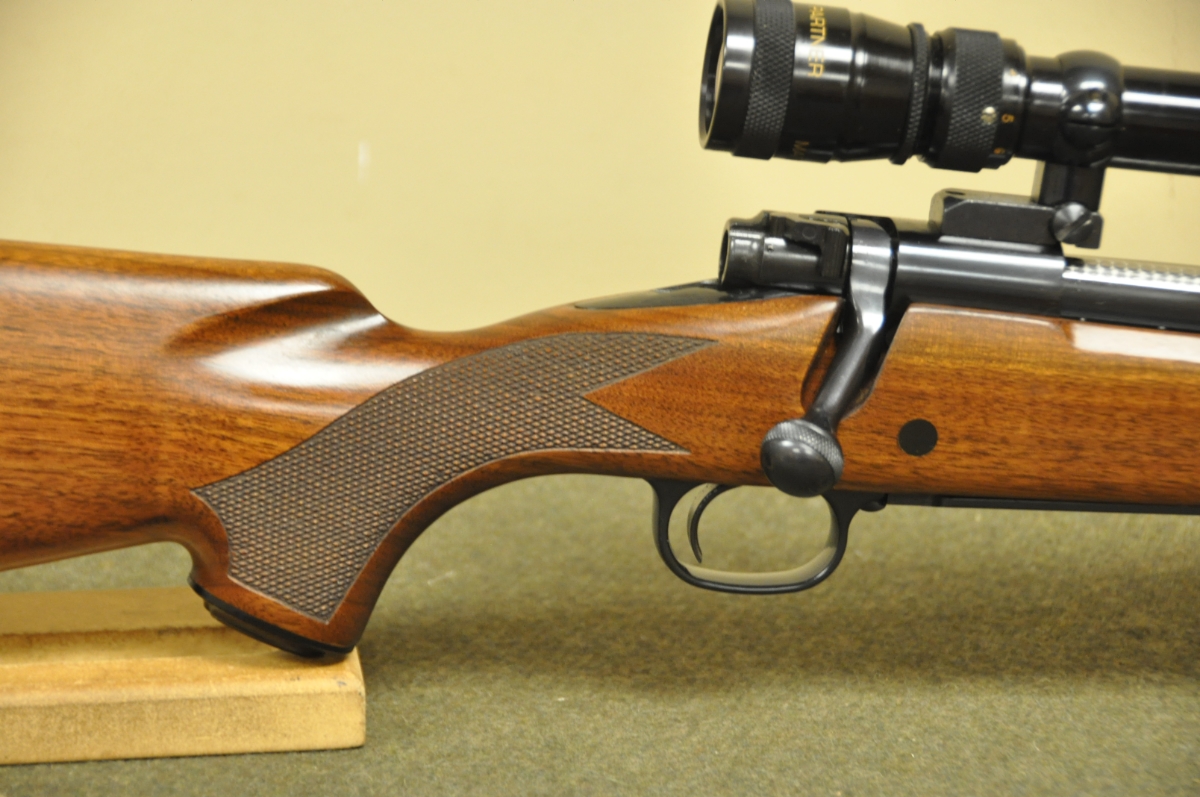
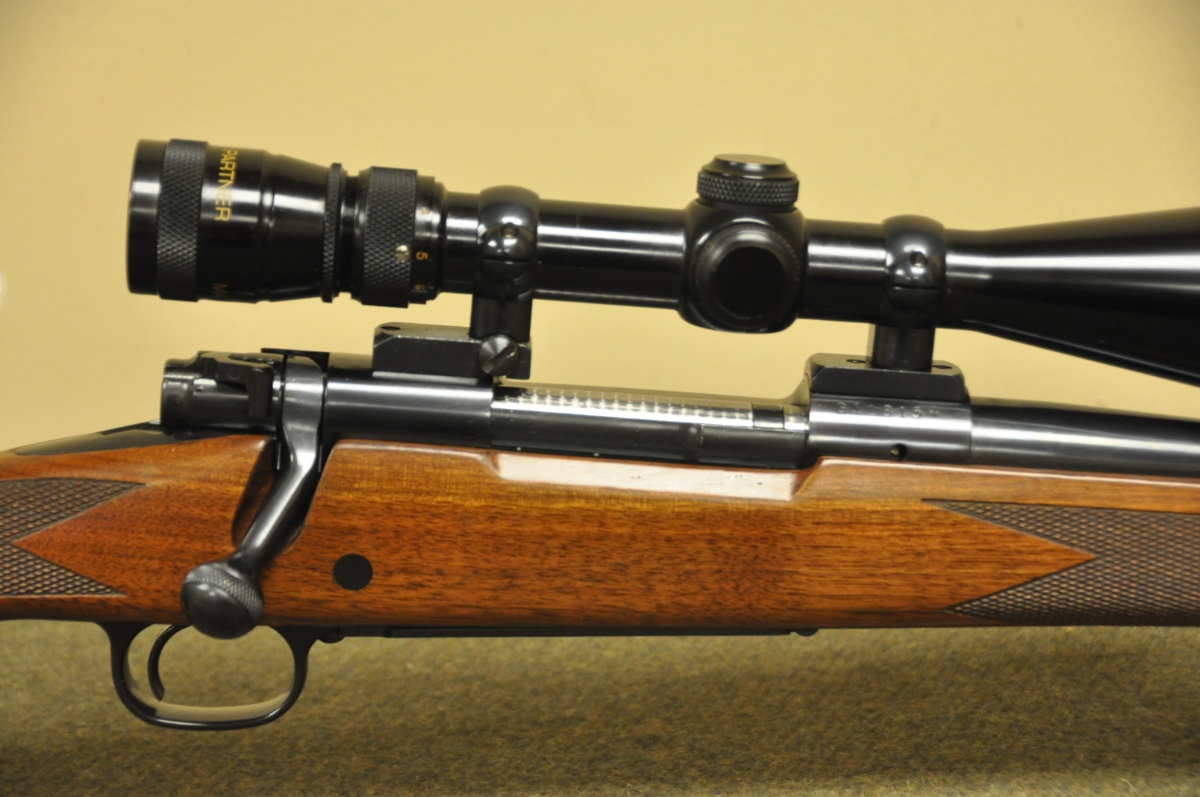
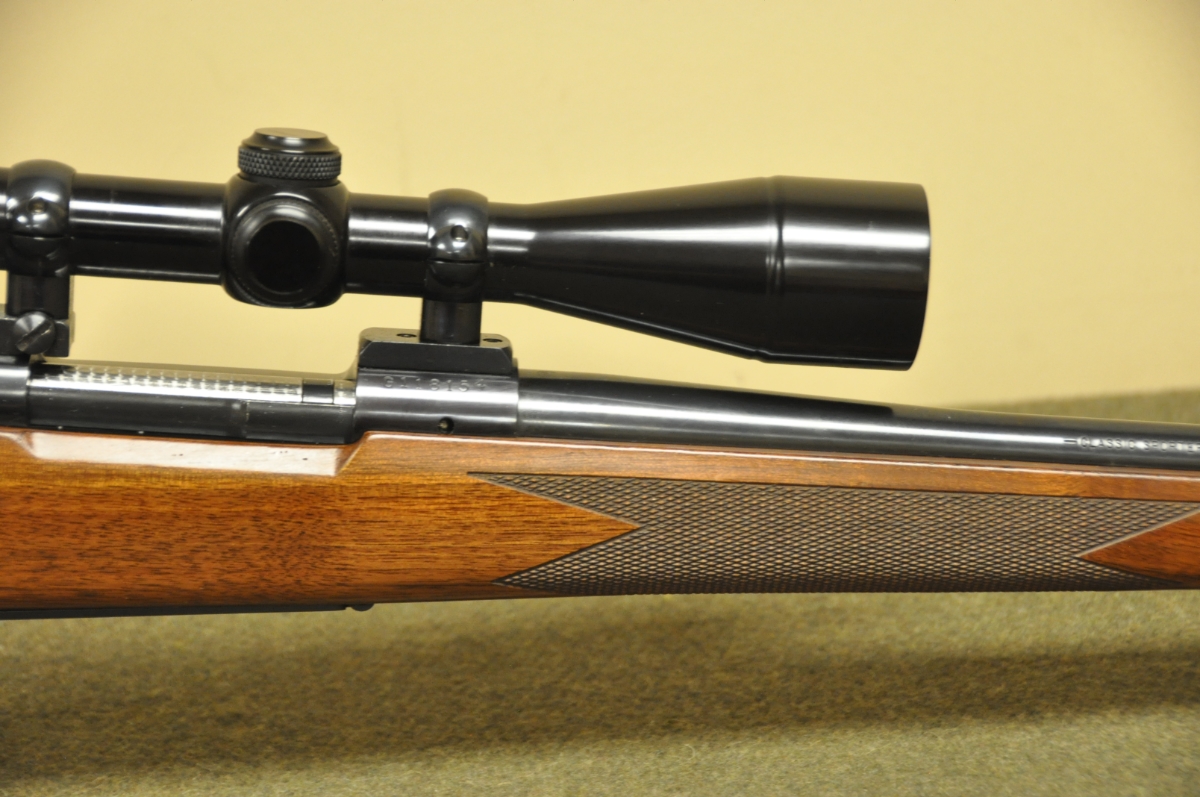
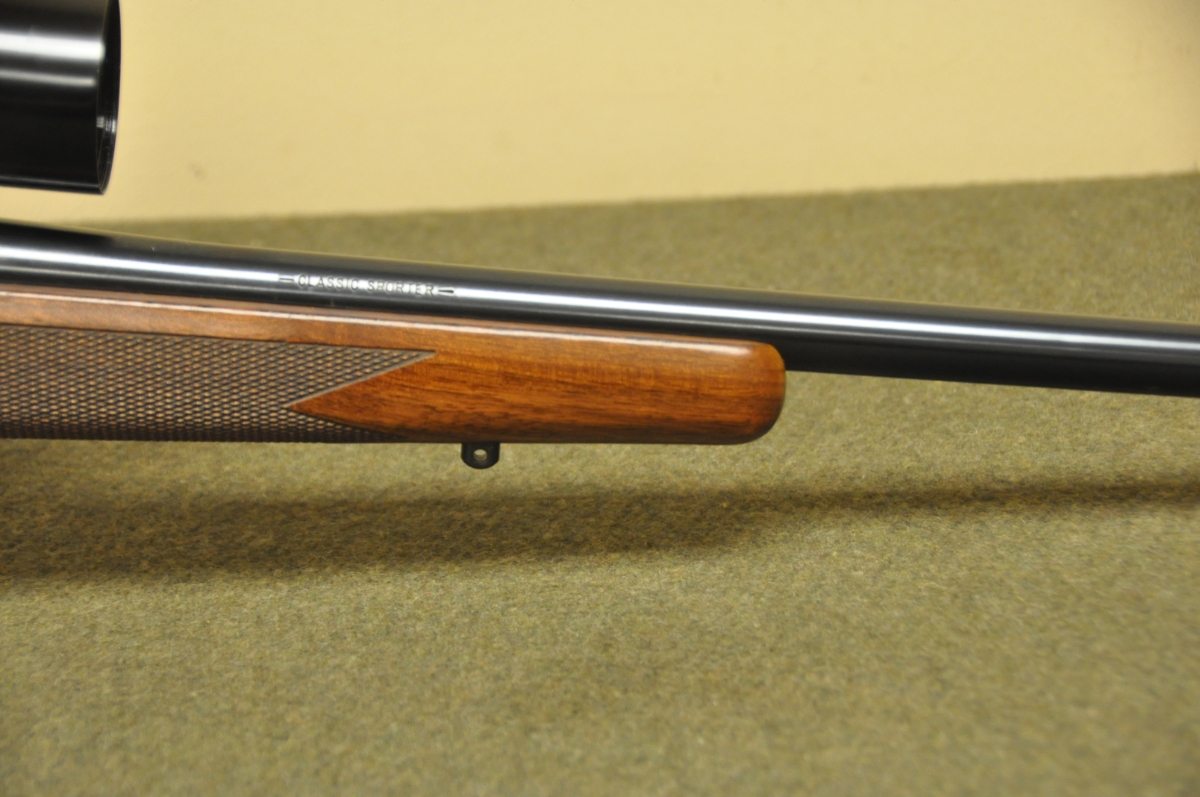
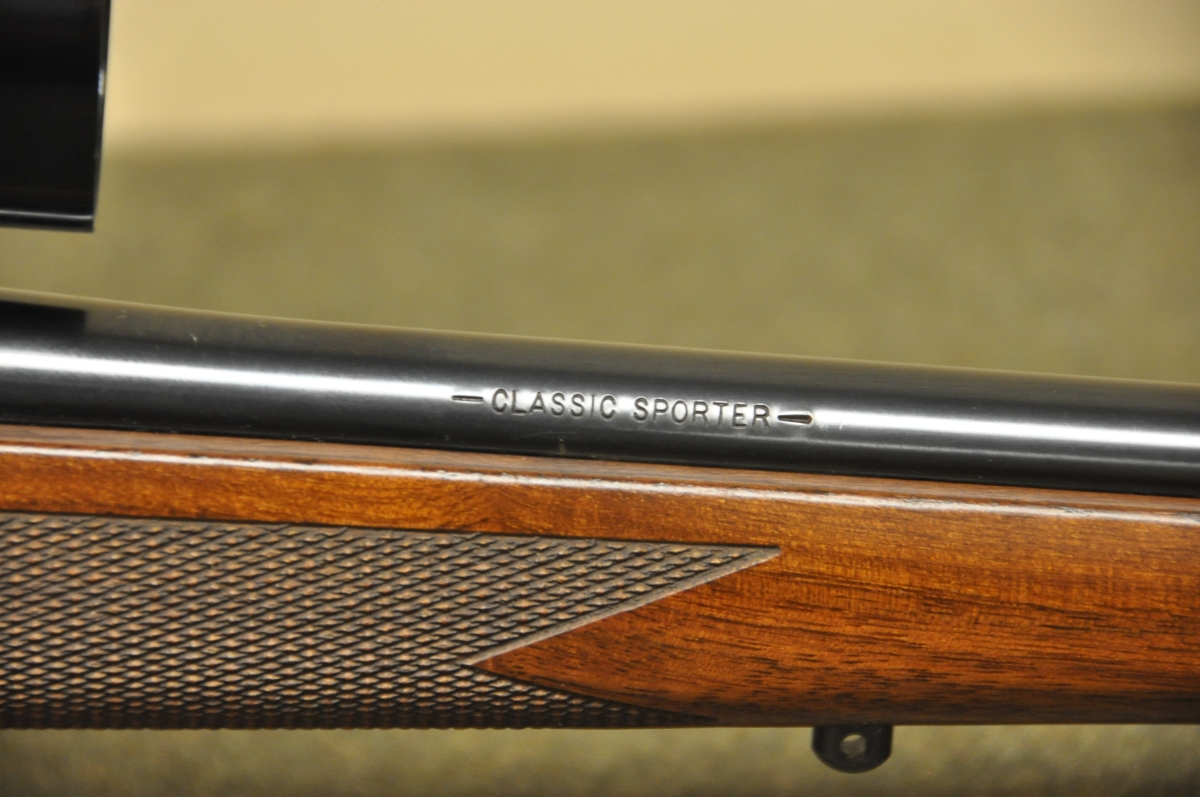
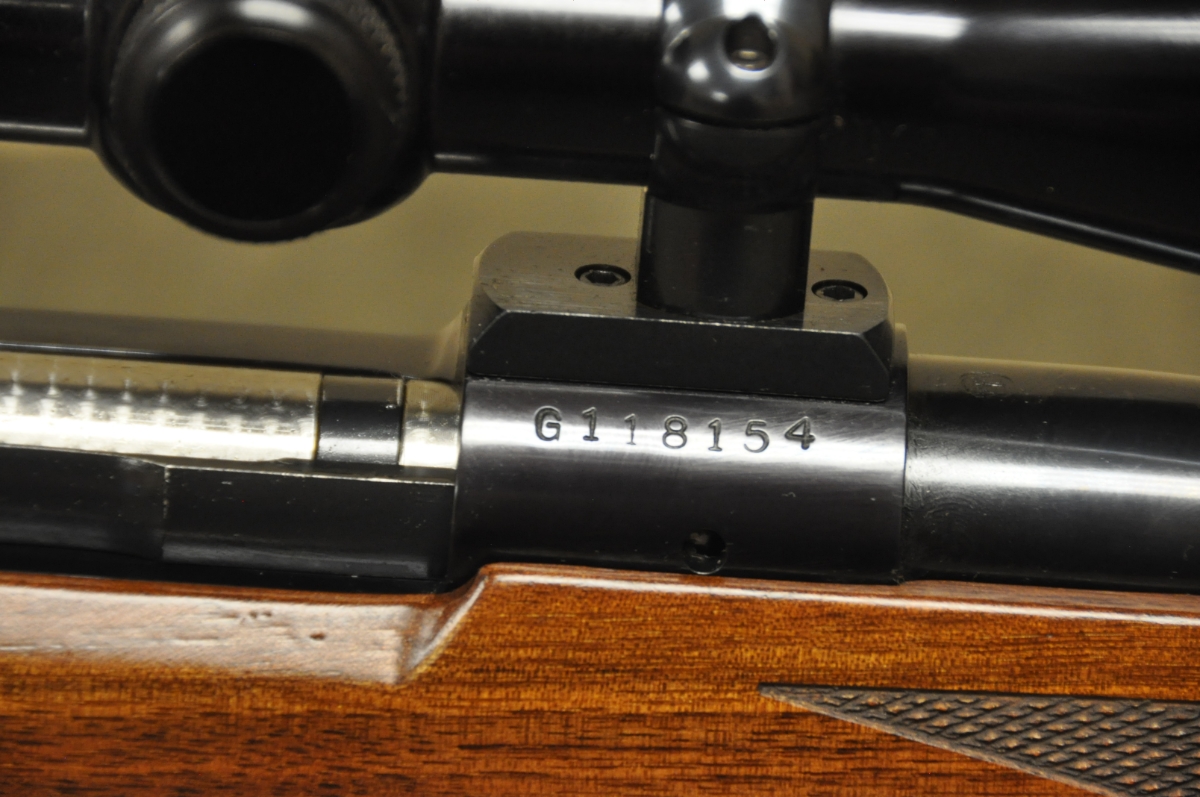
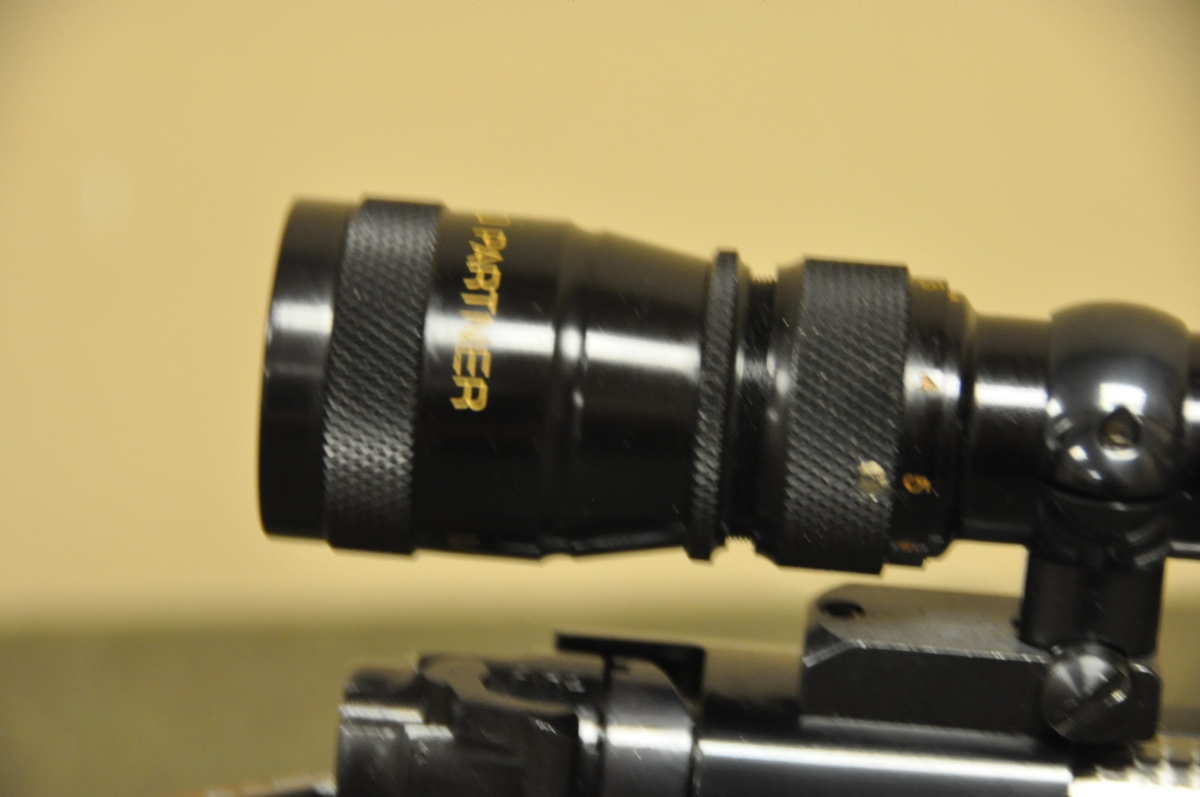
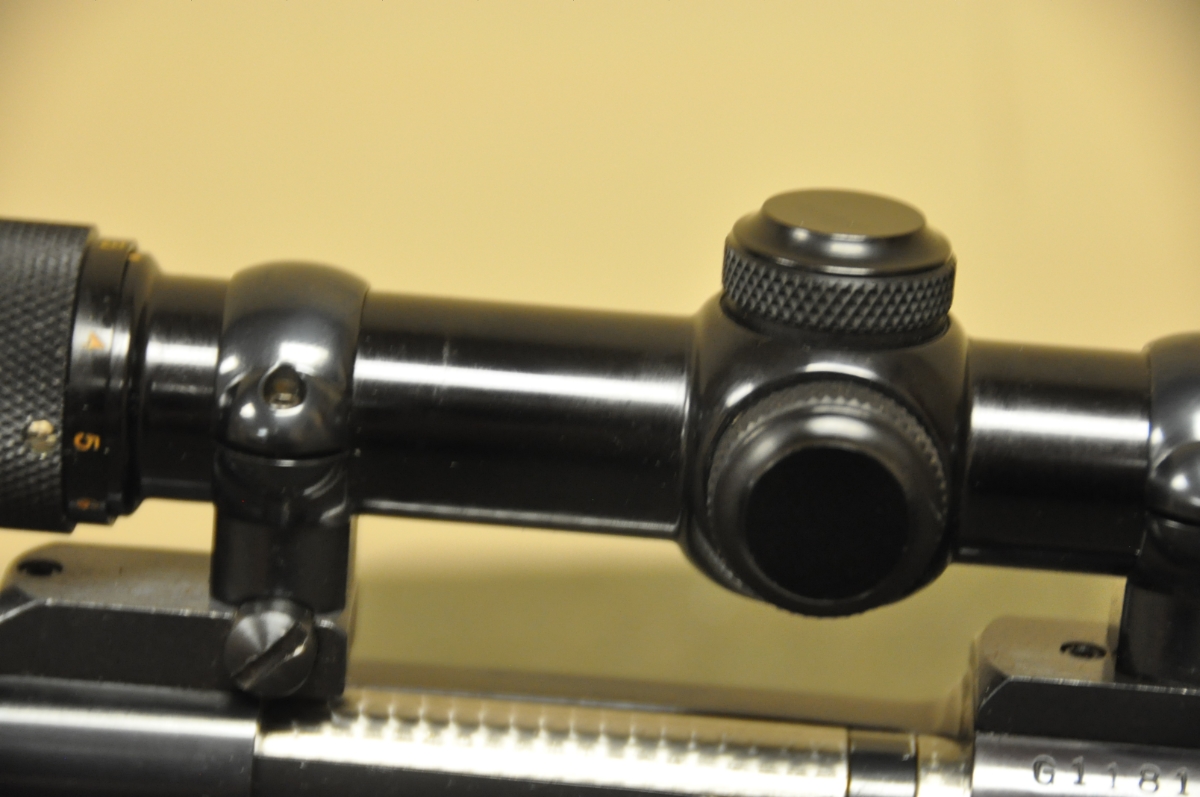
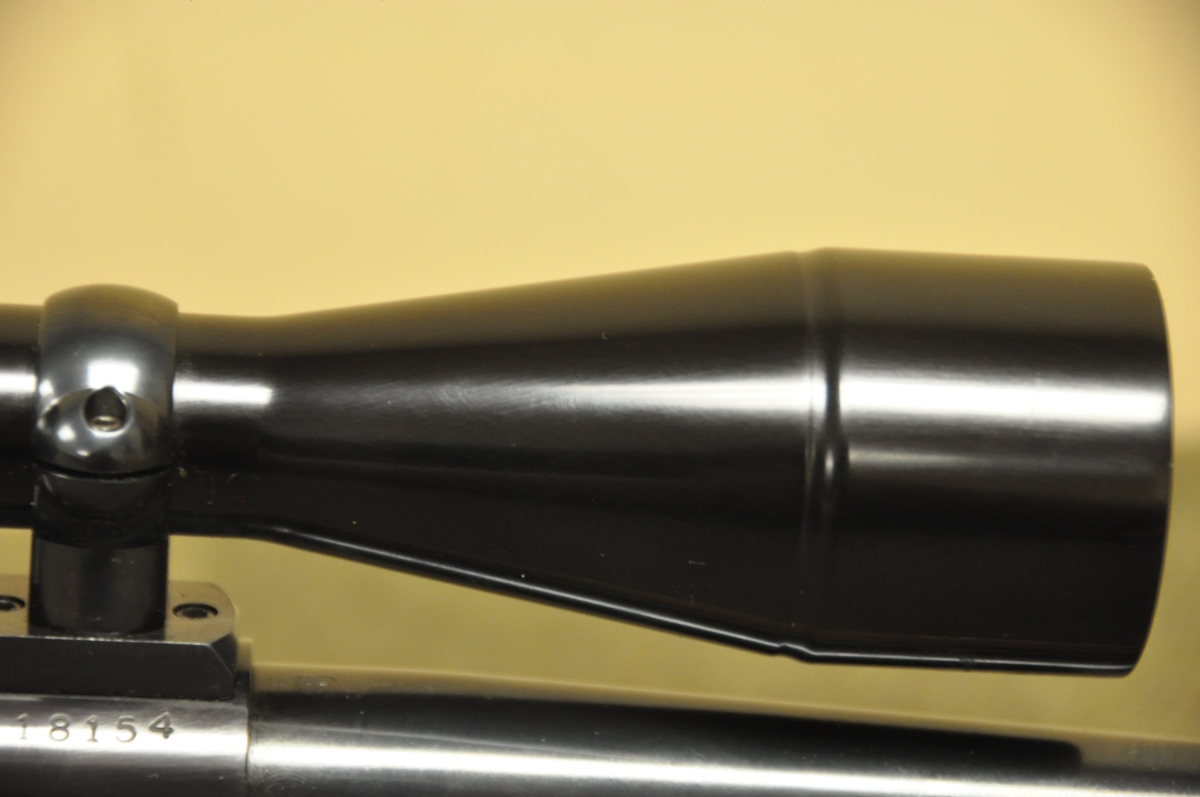
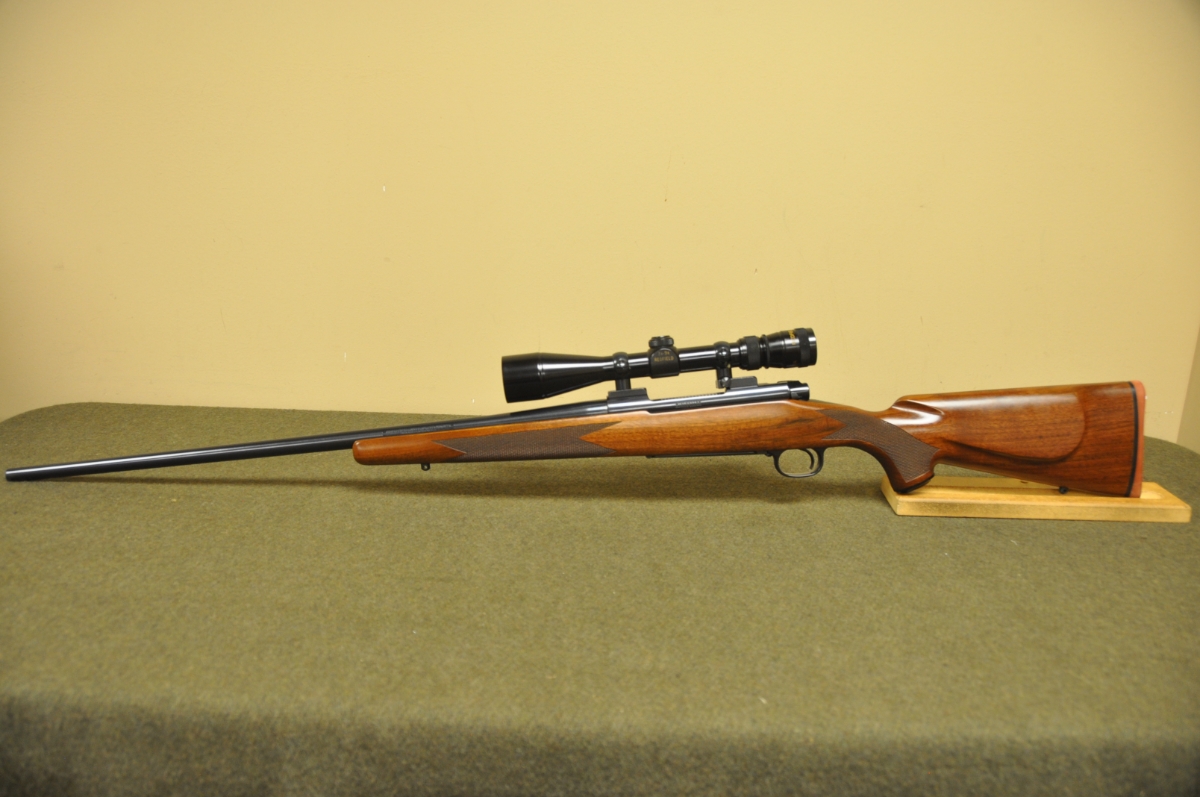
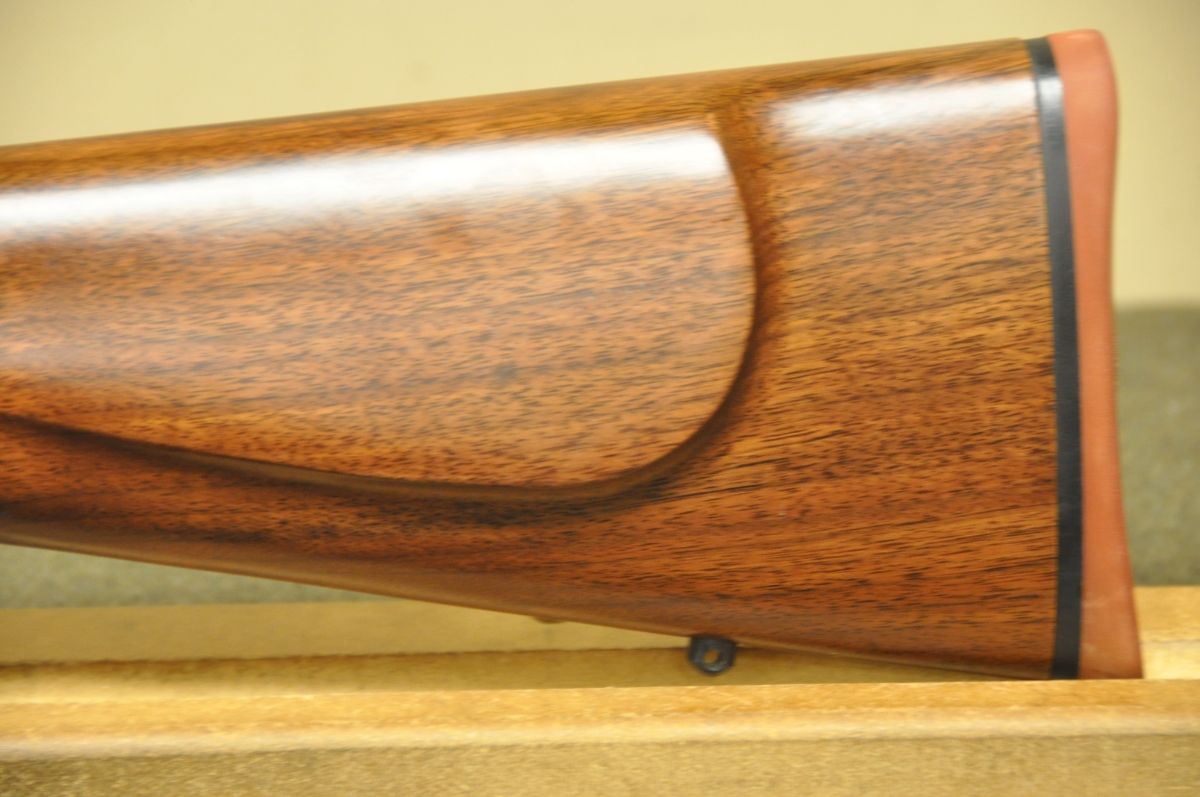
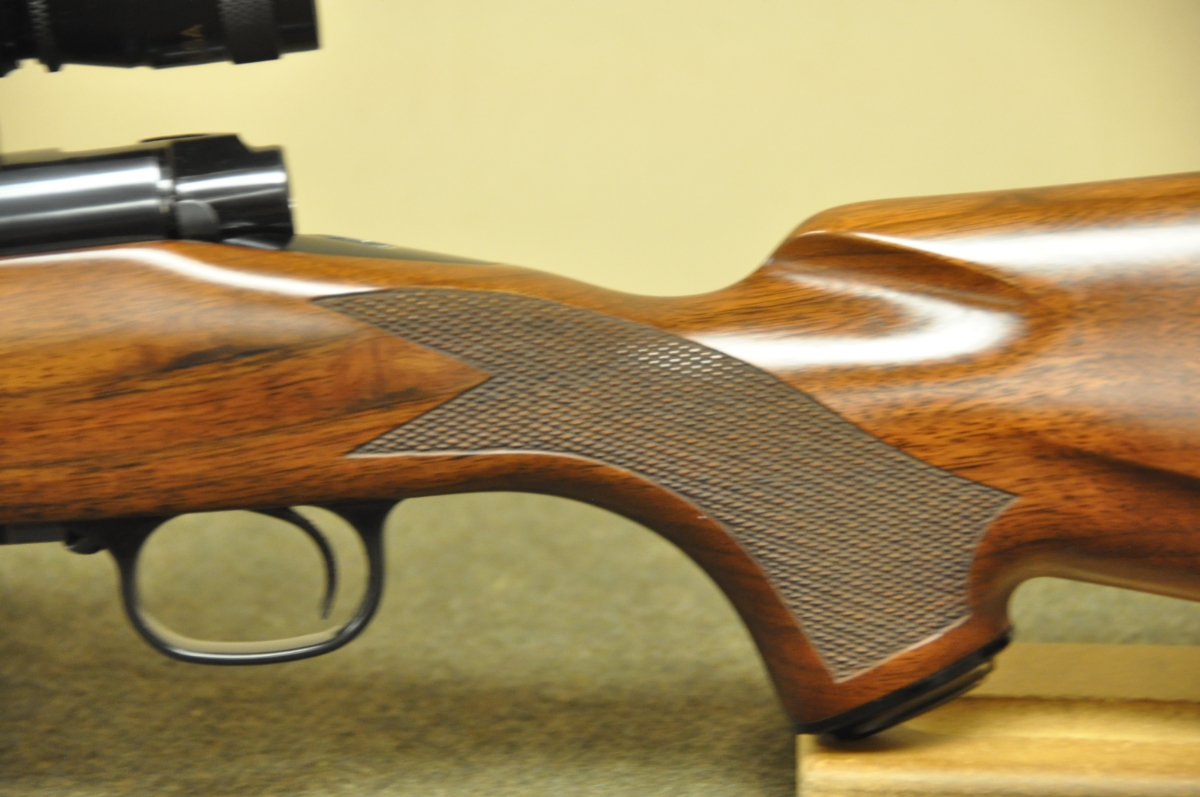
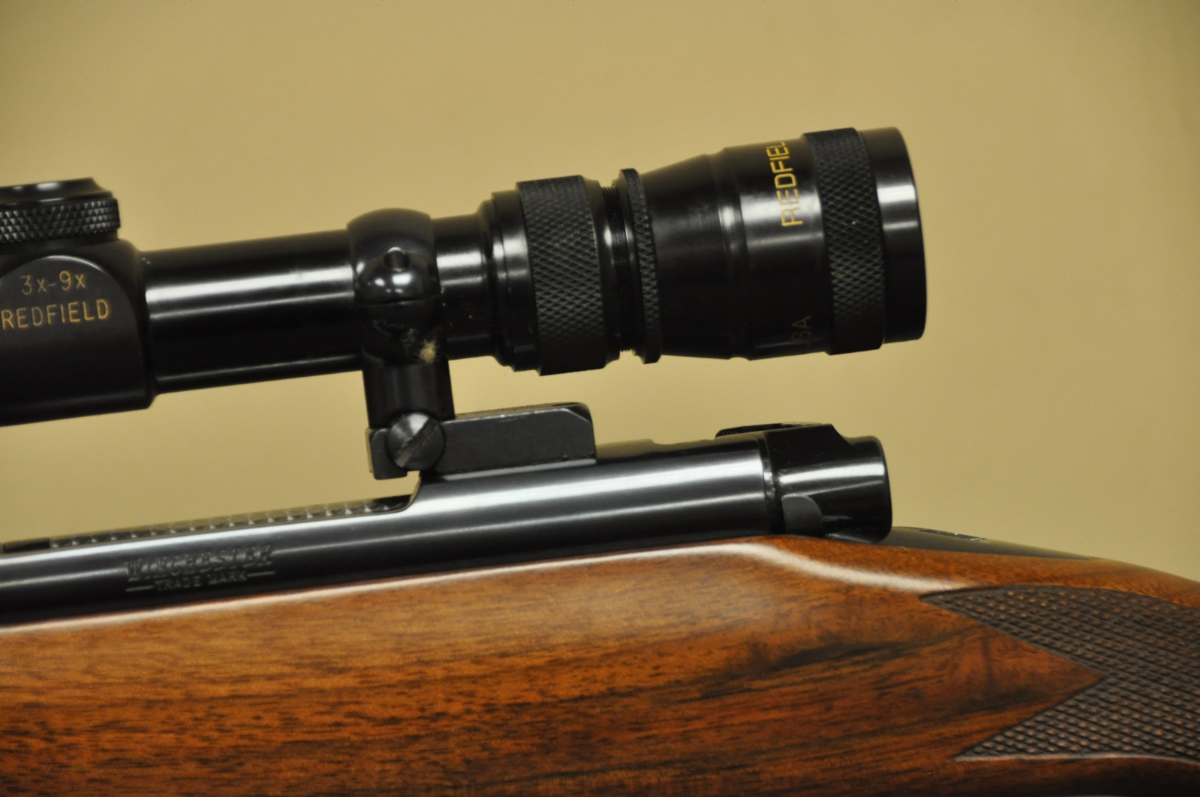
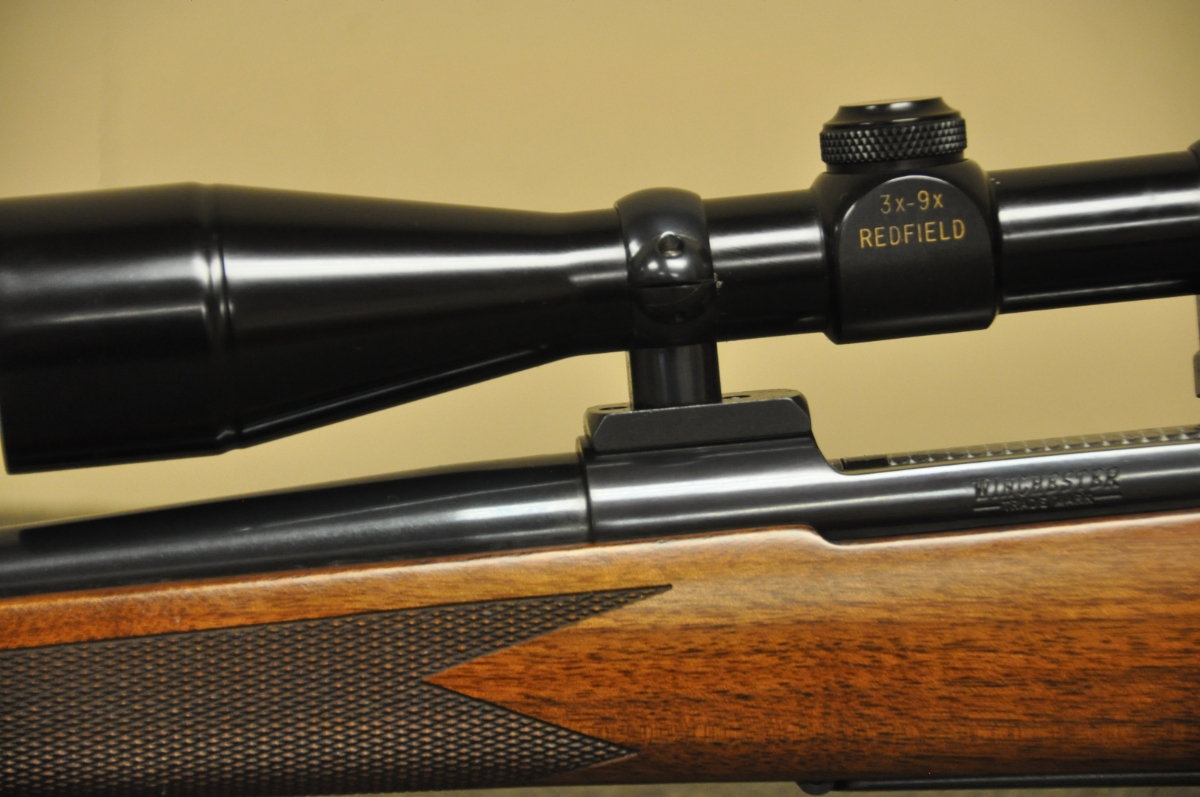
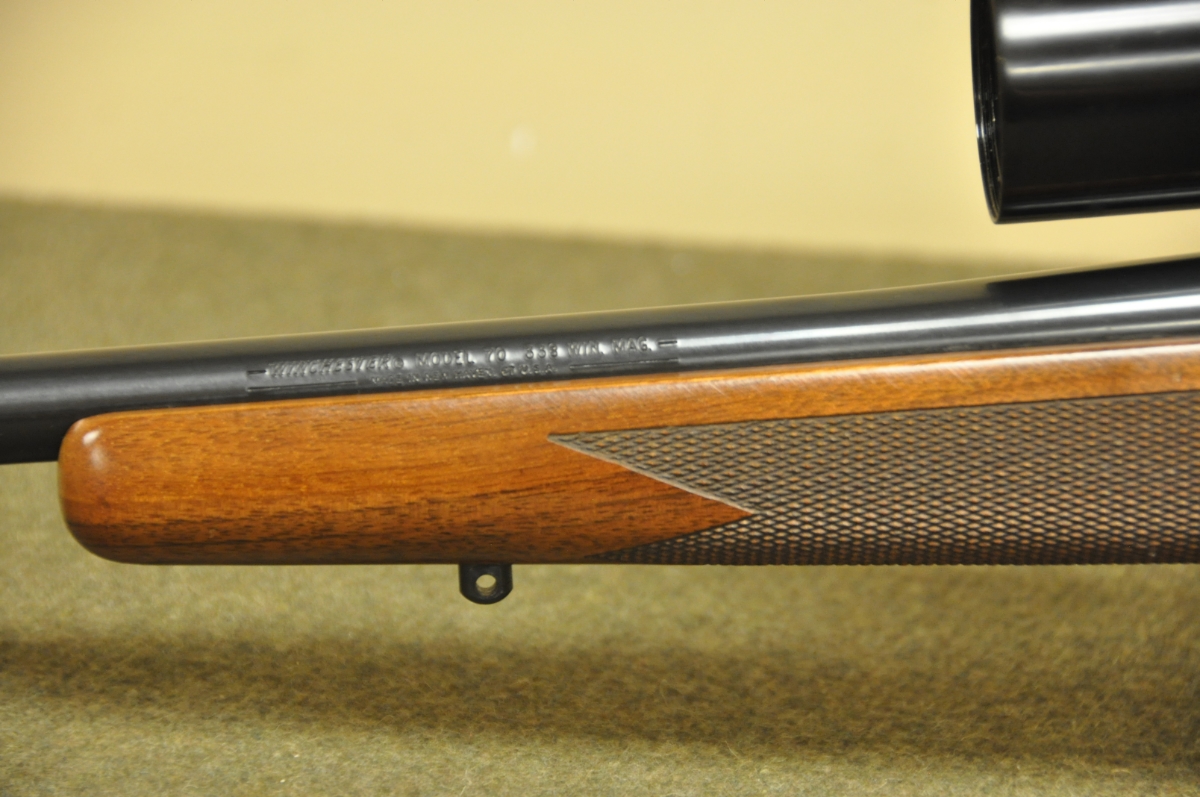
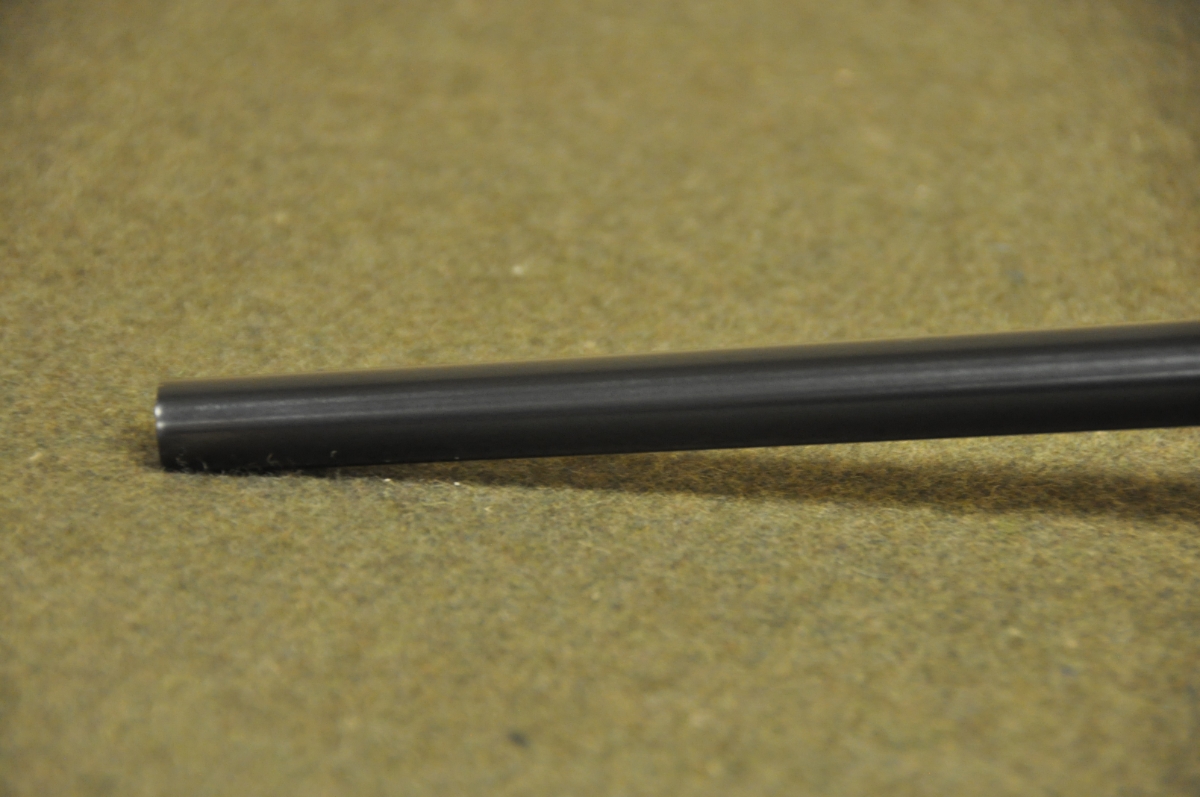
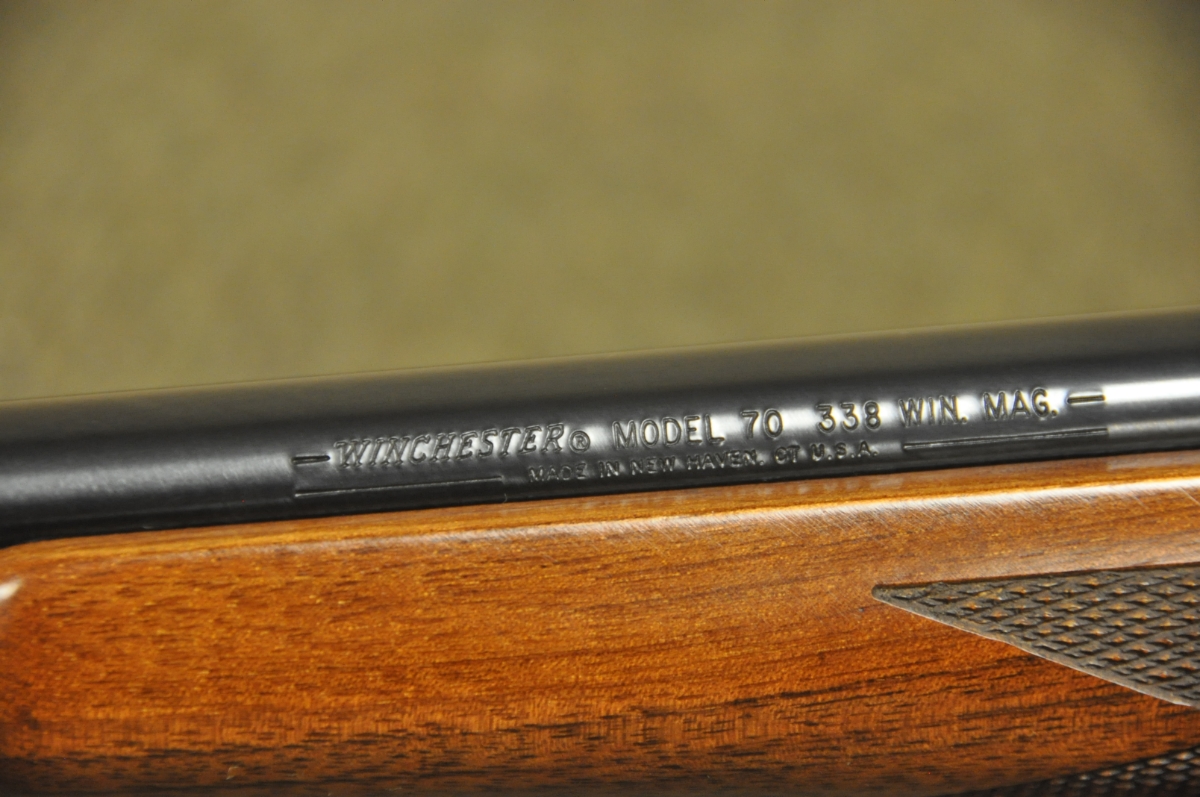
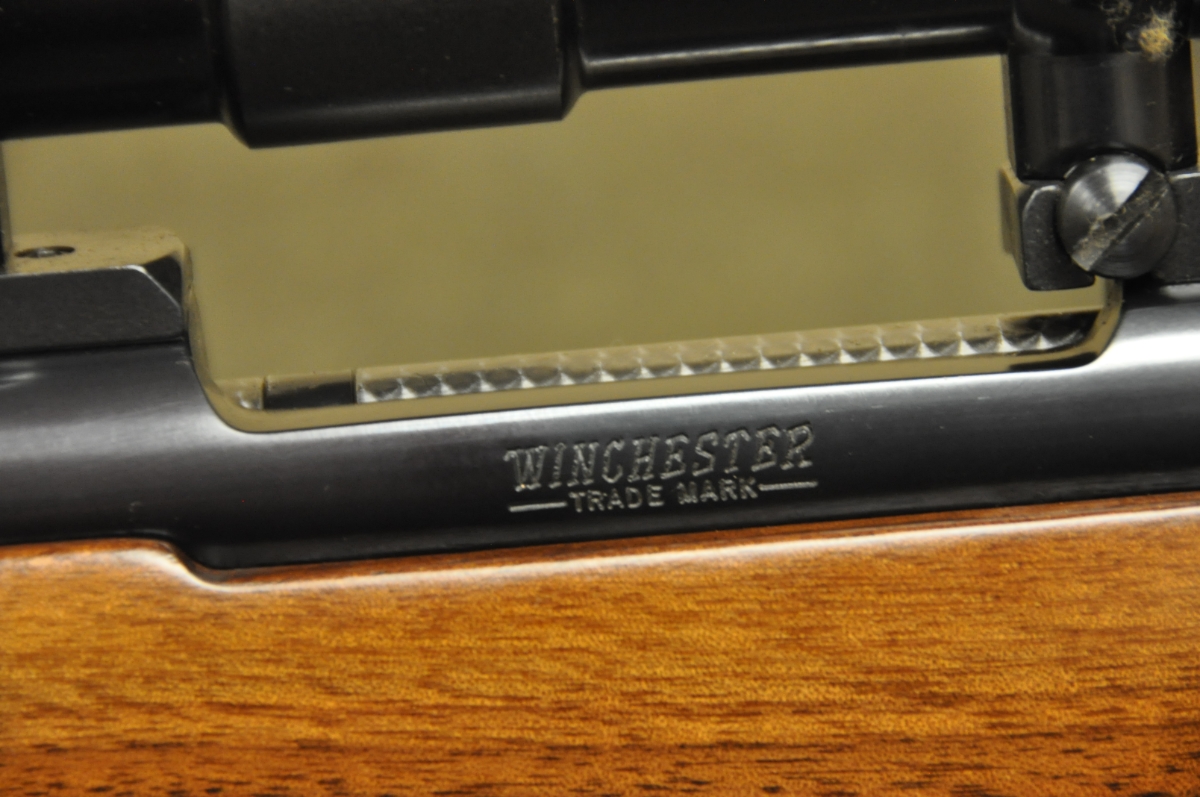
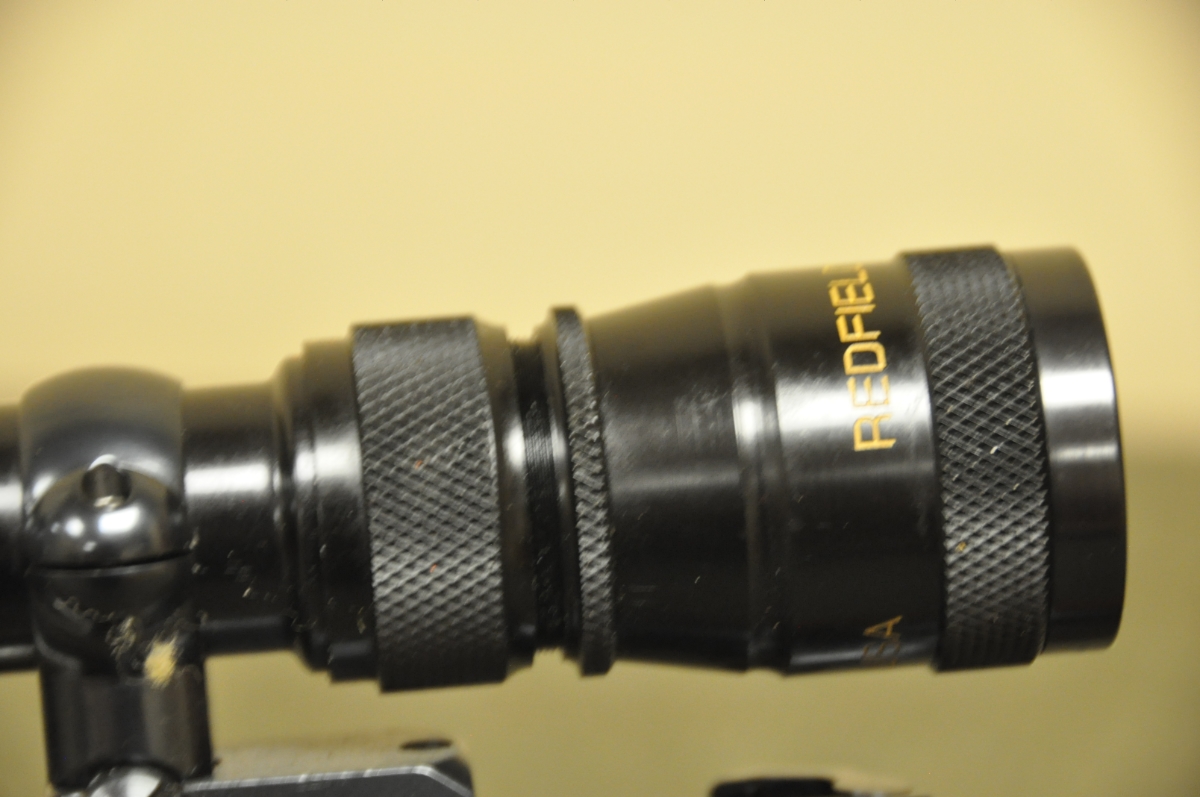
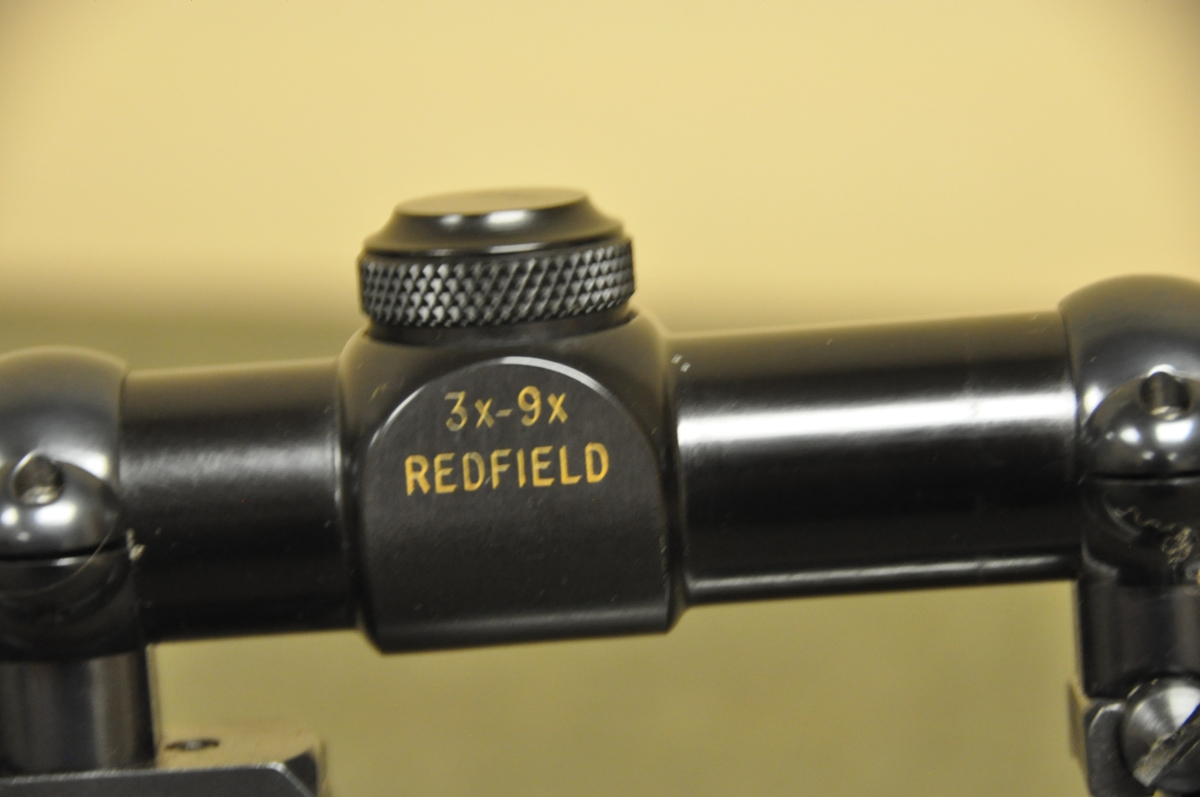
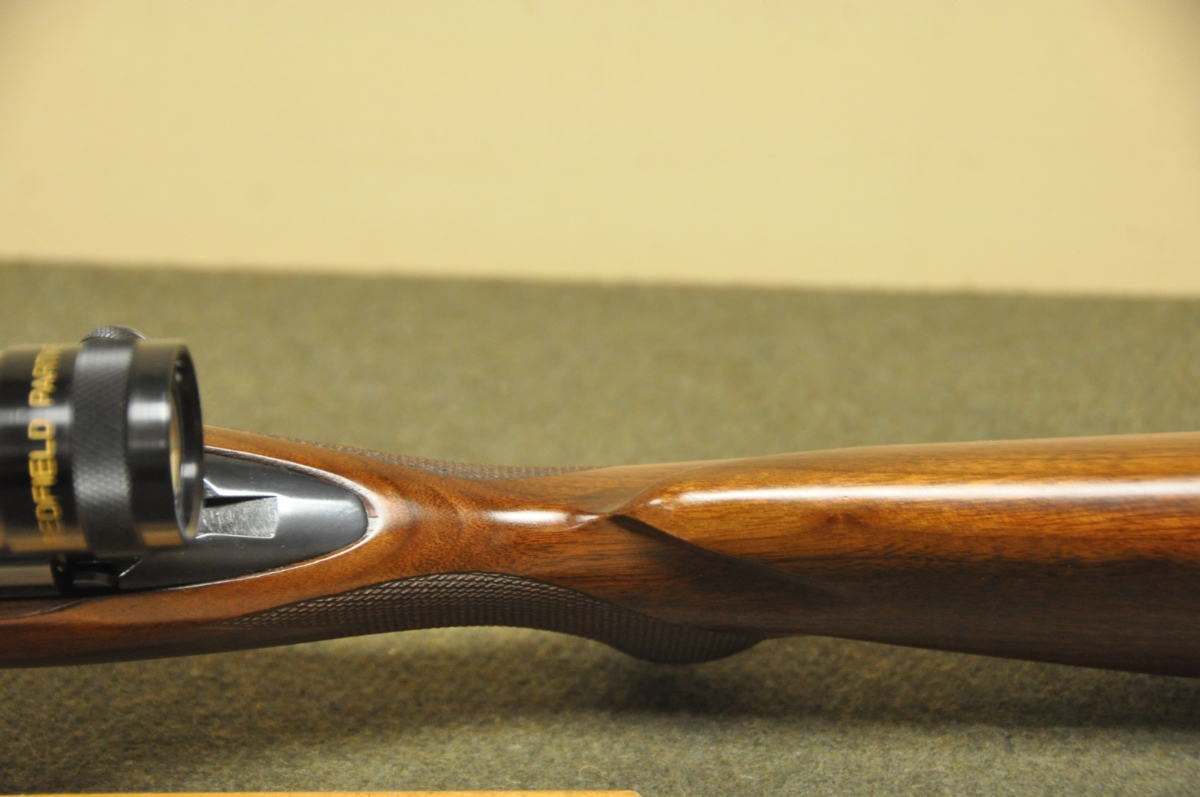
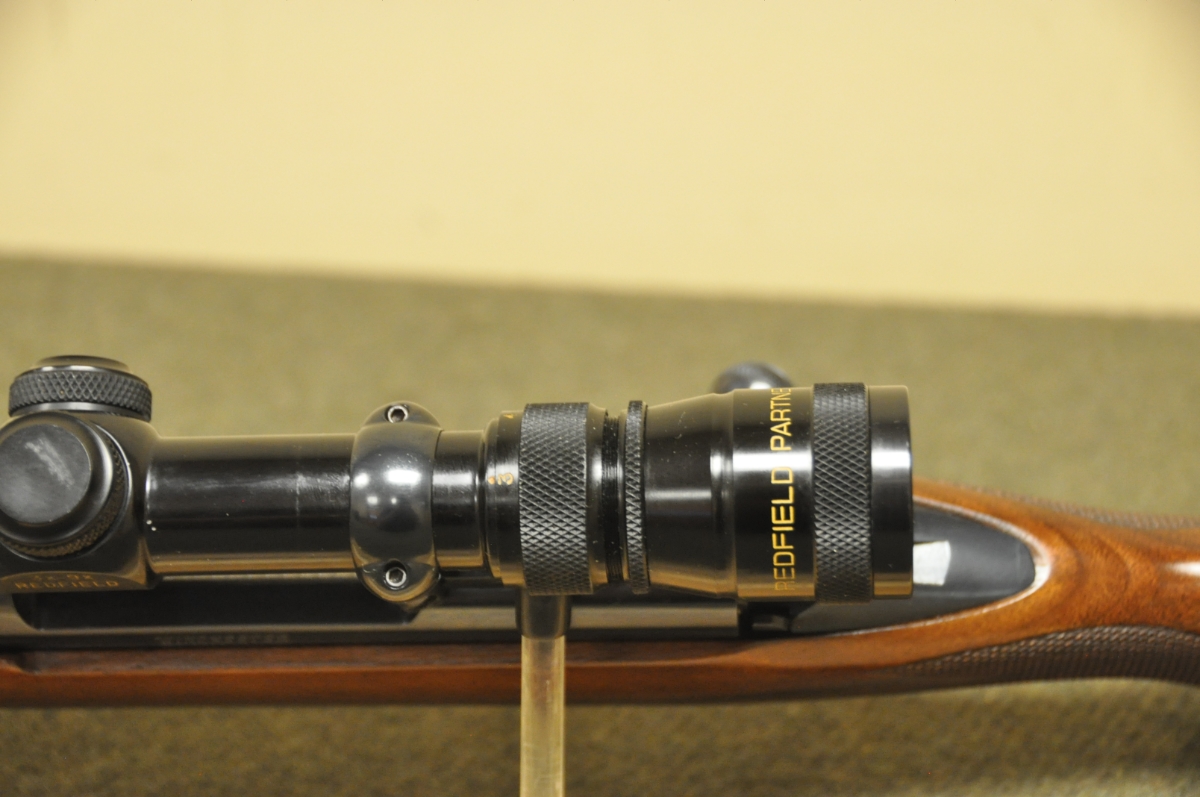
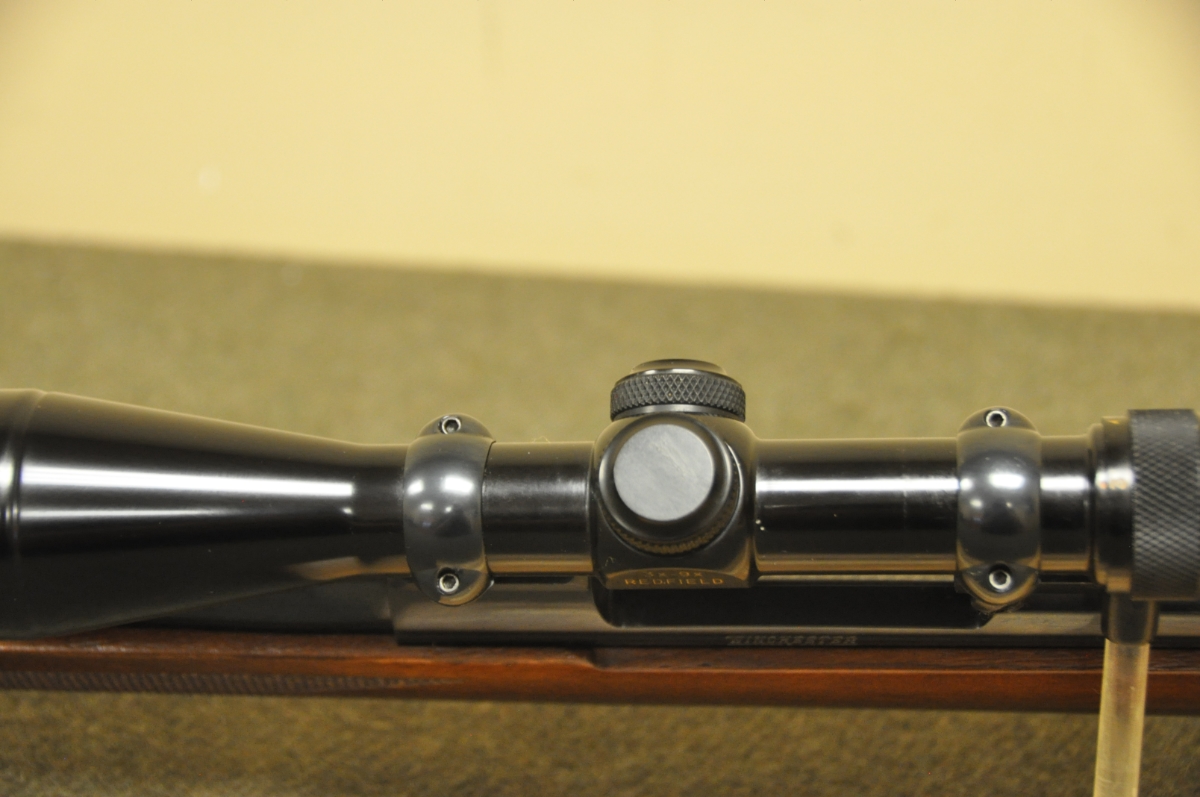
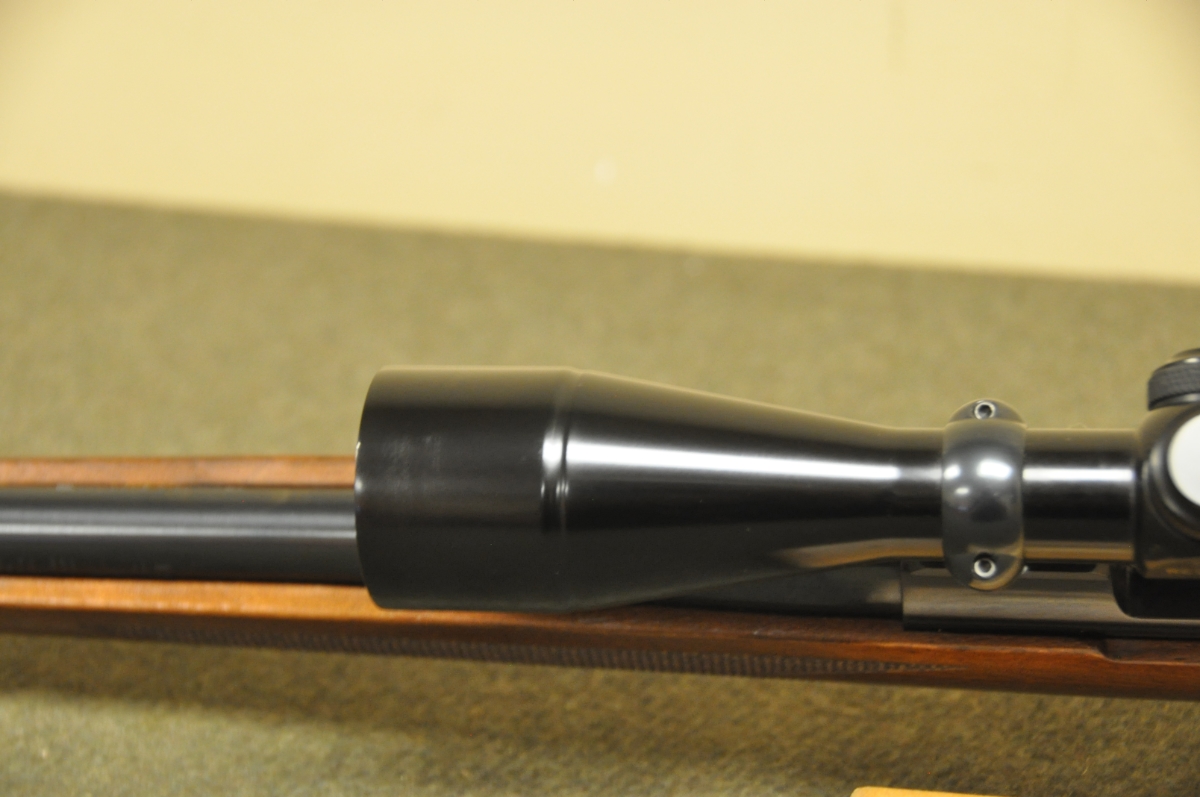
All that I know is that the 338 is way too much of a round for me at this stage of my life. Having fired a few of these stout rounds in my life. I can honestly state that it beat the hell out of me & it took a while for me to get over the flinch. That it caused me!
Categories
Machine Gun Sonata
Categories
22 Ammunition | A Brief Discussion
Categories
Hehehe!

Categories
One Hard Stud!
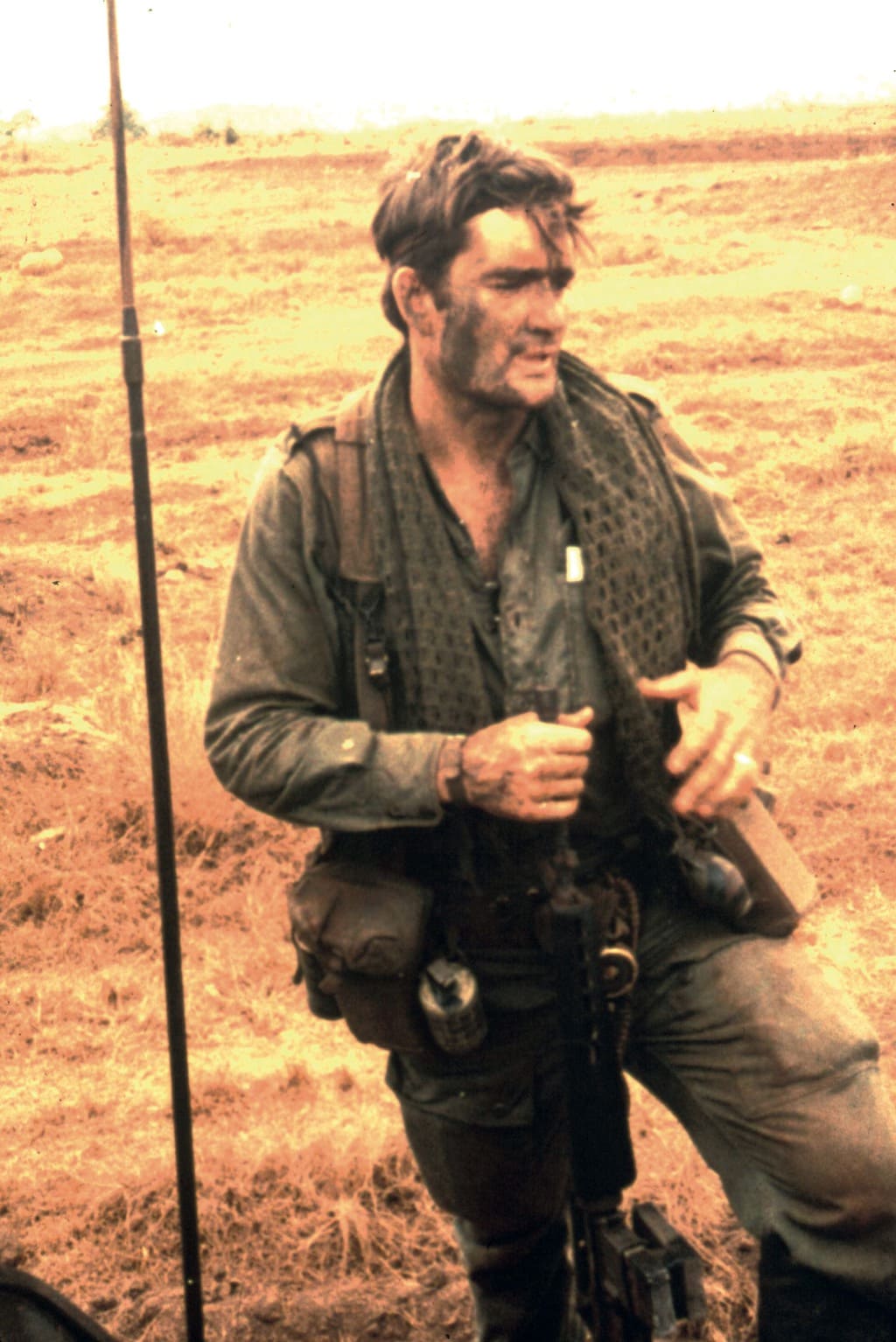
All Images: Alastair McKenzie
If there was ever anyone who went a little further than most mortal men, it was Alastair MacKenzie. In a storied career spanning 30 years, MacKenzie served uniquely with the New Zealand Army in Vietnam, the British Parachute Regiment, the British Special Air Service (SAS), the South African Defence Force’s famed ParaBats, the Sultan of Oman’s Special Forces and a host of private security agencies and defence contractors.
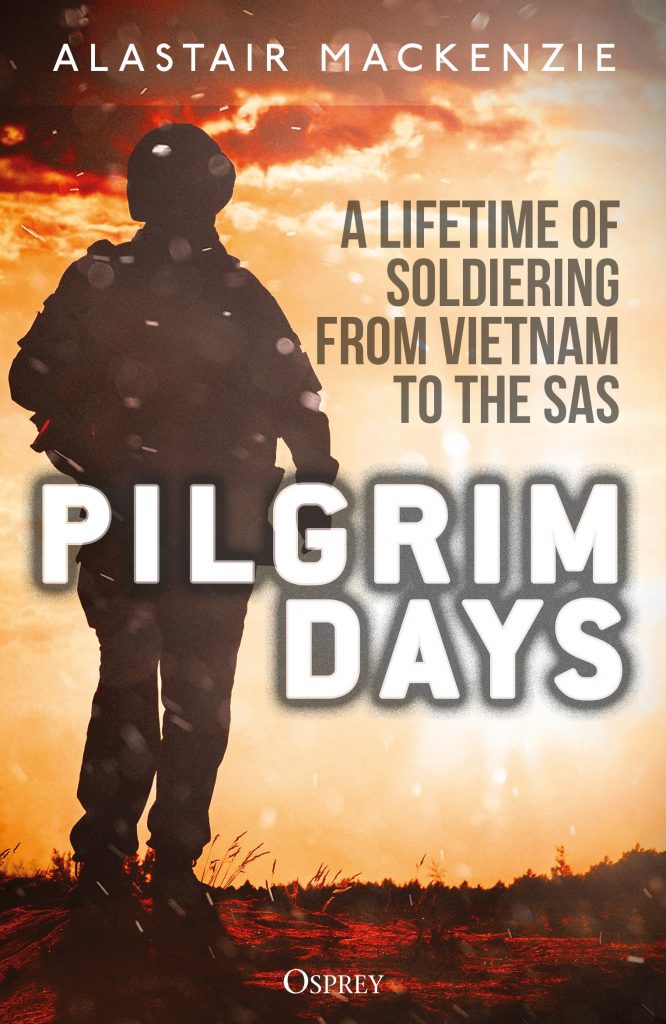
MacKenzie’s new book, Pilgrim Days, vividly documents in incredible detail his experience of infantry combat in Vietnam, life with the Paras, the gruelling selection process to become UK Special Forces and his covert SAS operations in South Armagh along with counter-terrorism work. We spoke to Alastair MacKenzie about his life lived to the full as a career soldier.
The MALESTROM: It seems you got an early taste for travelling the world in your formative years when your father was a soldier?
Alastair Mackenzie: I was keen on training to be a veterinary surgeon but I did not have the funds to attend the appropriate university in New Zealand. There was, therefore, a certain amount of inevitability in a career in the army.
My travels with my parents to various overseas military postings, my own interest in military matters and my involvement in the army school cadets certainly pointed to a military career. School cadets were quite a major part of schooling at Wellington College (NZ).
At the beginning of each school year would be Cadet Week and we would dress in our ‘sandpaper suits’; these were brown serge uniforms with shorts, long socks and highly polished shoes with a side cap. The school academic staff would have the positions of the officers and students would hold the non-commissioned ranks.
We would drill with and train on .303-calibre, bolt-action World War II rifles, map-reading, minor tactics, independence and self-discipline.
In the long mid-year school summer holidays, the New Zealand Army would run three-week cadet camps at various military locations. I was an enthusiastic participant in this military environment. NZ no longer has school cadets as it is seen as too militaristic which is, I believe, a shame.
TM: Was there any other career for you than the army?
AM: I am very fond of the C-47 ParaDak or ‘Gooney Bird’. Our NZ para training was carried out by the New Zealand Special Air Service and the Royal New Zealand Air Force.
The NZSAS provided the physical training element, which was severe, whilst the actual parachuting was jealously guarded by the Air Force. In all the armies I have served in, the parachuting aspect was controlled by the relevant Air Force.
The military could only provide ’assistant’ parachute instructors. The one exception was the South African Army where the ‘Parabats’ were trained by paras and despatched by paras. The Air Force drove the planes.
This made a lot of sense to me as Air Force personnel might be excellent at training paratroopers to jump out of aircraft but they are not familiar with the main reason for paratrooping – to get aggressive paras as close to the enemy as suddenly and quickly as possible, whereas paratrooper trainers definitely are!
TM: That early parachute training you underwent from the ‘Dakota’ sounded like a real experience. Tell us about that…
AM: The Dakota is difficult to board when wearing a parachute, reserve parachute and carrying full equipment attached to the parachute harness. The aircraft sits nose-high on the tarmac so even when you have climbed the access ladder into the rear of the aircraft you have an uphill climb to your seating position on a bench running down each side.
The exit door is at the rear port side and in flight, paratroopers, when ordered, stand up and hook their parachute ‘strop’ onto a wire running the length of the aircraft. Paras hook on to the wire alternately from each side of the aircraft. The sequence of orders, accompanying hand signals, is: ’Stand up – hook up’; ‘Tell off for equipment check!’
On this instruction, each paratrooper checks his equipment, including his helmet and then ensures his static line is firmly hooked up. Once this is done, each paratrooper checks his colleague in front of him and taps him firmly on the shoulder to confirm this has been done.
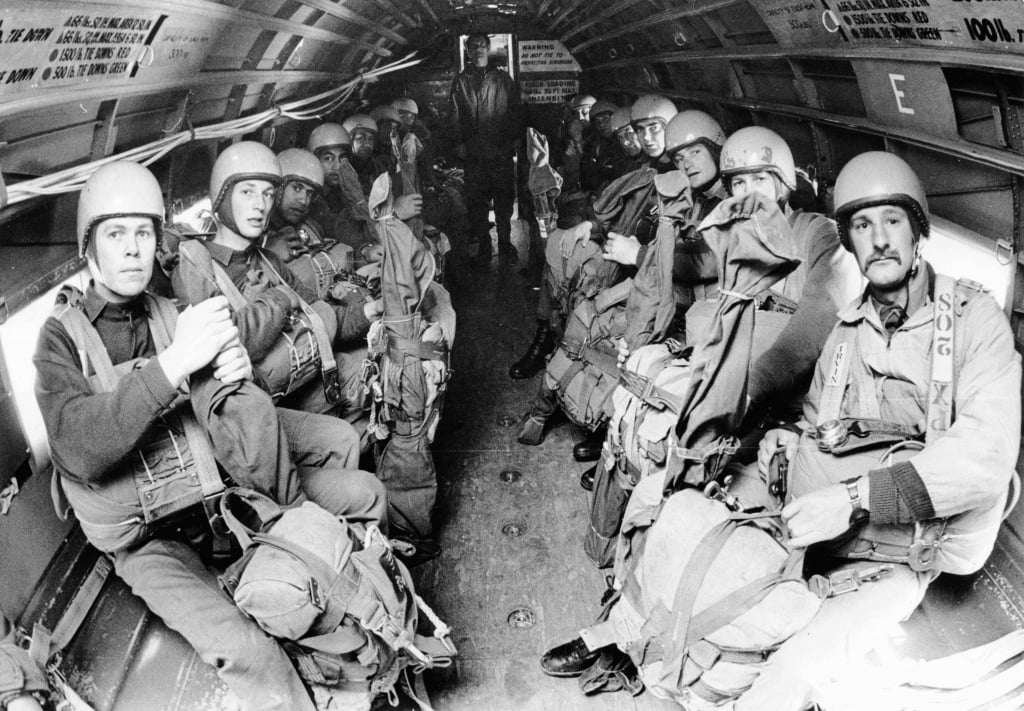
The last man, towards the front of the aircraft, then shouts ‘Sixteen OK!’ (This is a normal full load of paratroopers in the C-47). This is repeated in descending order by each paratrooper until it reaches number one who looks at the despatcher directly in the eye and shouts ‘Number One, OK! Stick OK!’ and gives the thumbs-up.
Whilst this is going on the aircraft may be bucketing all over the sky. Good despatchers leave the paratroopers sitting down as long as possible as it is exhausting standing up in a bucking aircraft whilst often supporting loads of 100lbs or more. The paratroopers adopt the ‘shuffle’ stance which has the left foot forward.
As the aircraft approaches the dropping zone (DZ) the despatcher orders ‘Action stations!’. On this command, the paratroopers shuffle towards the door shouting the cadence ‘Right, Left!’ which is abbreviated to ‘Ra, leff!’ The right foot is stamped on the floor and the left foot slides forward.
In this manner, the paratroopers reach the door in an ordered fashion. The door is slid open as the DZ approaches and a rush of cold air and noise fills the aircraft! The red light indicating ‘prepare to jump’ is illuminated and the despatcher orders ‘Stand in the door!’
Paratrooper number one moves into the aircraft doorway looking straight ahead with his left hand on the outside of the aircraft fuselage and his right hand across his reserve parachute. He is held steady by the despatcher. On the green light, the despatcher shouts ‘Go!’ and whacks the number one on the back of his parachute.
As he reaches the door each paratrooper must firmly throw his strop away from himself across the aircraft otherwise the strop will get caught under his armpit and cause a severe burn; he must also drive himself out of the doorway away from the aircraft.
A weak exit will guarantee a helmet-banging journey down the outside of the aircraft – not pleasant! Paratroopers normally exit at about 80 knots and the ‘ride’ is not as startling as the 120 knots of a C-130 Hercules! The strop pulls out the parachute and a thin paracord separates and the paratrooper is then on his own under his own canopy!
At about 100 feet above the ground, the paratrooper releases his equipment, which drops on the end of a suspension rope. A few seconds later the paratrooper carries out his PLF (parachute landing fall), collapses his canopy, collects his weapon and equipment and sets off to do his real job!
TM: Tell us about that training incident in Malaysia pre-Vietnam when you fell into the hole full of snakes. Did you ever consider that an ominous omen for that war?
AM: My platoon was on a night patrol and I was concentrating on monitoring our navigation and our tactical formation. The sudden drop into the hole was totally unexpected and as I was carrying my rifle, the large, good old 7.62mm self-loading rifle (SLR), in the ‘ready’ position across my chest it jammed across the width of the hole.
My heart froze when I shone my torch into the hole. The seething, coiling mass was horrific to behold! I did offer mental thanks to my Maker. I am not ‘too’ superstitious so I did not consider the event as other than a close escape from a dreadful death.
TM: Getting on to Vietnam, many may not realise the New Zealand Army even had a presence there?
AM: At the time of the US commitment to South Vietnam, New Zealand, like a number of Pacific and South East Asian countries, was a member of SEATO, the South East Asian Treaty Organisation, and as a US ally agreed to send troops to assist. NZ does not have a large population or armed forces and is reliant upon treaties for its own strategic protection. NZ is an honourable ally.
Unfortunately, its forces when committed tend to be composed mainly of ‘fighting bayonets’ with administration support being provided by a host nation. The toll of NZ casualties in proportion to population was dreadful in both World Wars I and II.
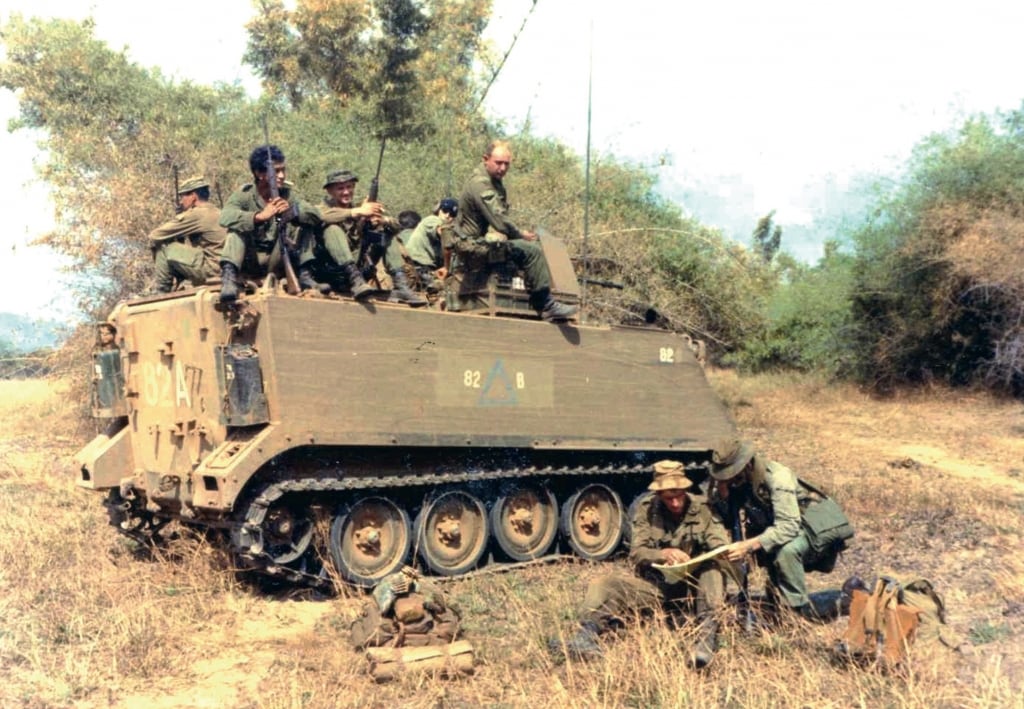
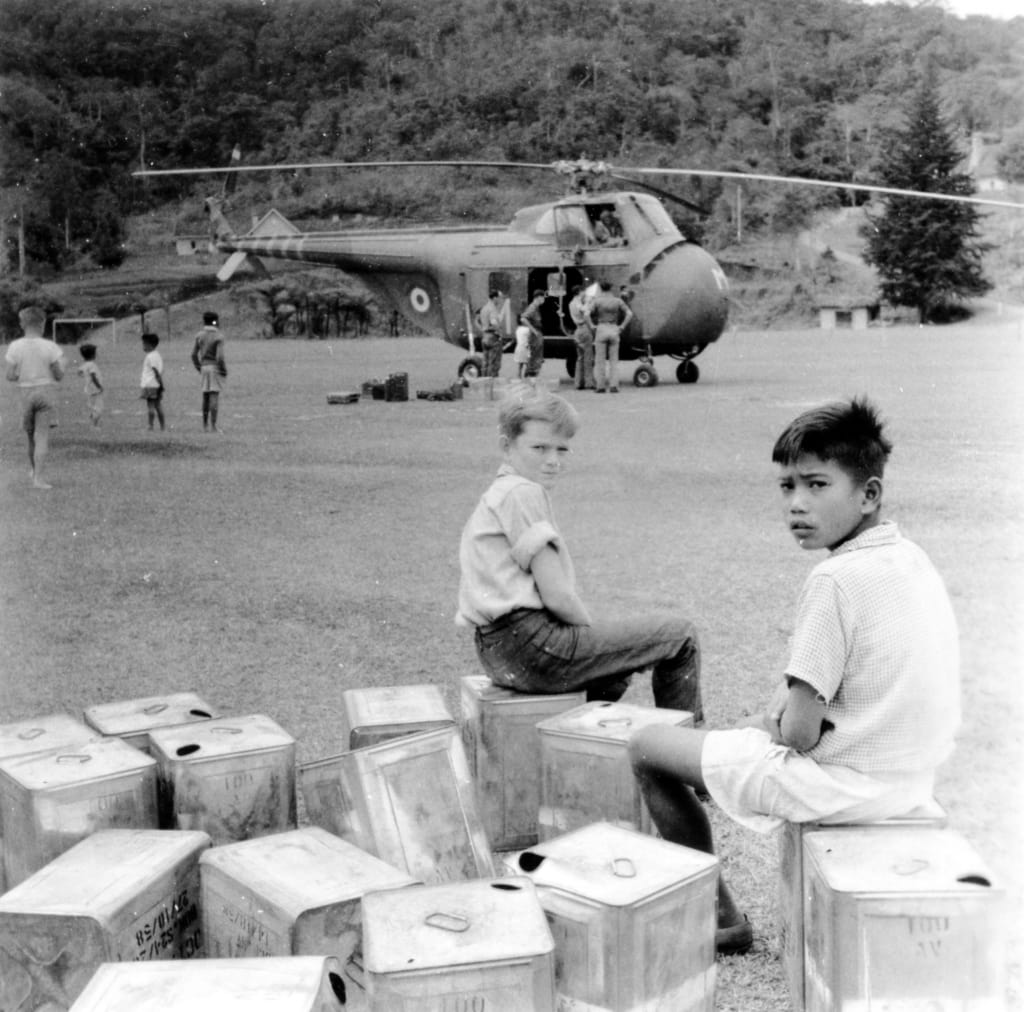
Initially, NZ committed an engineer unit to Vietnam, followed by a small artillery unit and this was followed by two infantry companies. Small as these numbers may have been, they were most of the NZ Army’s regular forces!
We worked primarily with the Australians – this was the first time since the Gallipoli campaign in 1915 that an ANZAC force existed. I was surprised when serving in Vietnam to find forces from South Korea, the Philippines, and Thailand.
TM: How alien was that jungle environment? And the wildlife that inhabited it?
AM: As a young child I grew up in the tropical environment of Singapore and Malaya. Prior to active service in South Vietnam, we trained in the jungles of Fiji and then for six months we trained in the jungles of Malaya. The jungle was therefore not an alien environment for me and, in fact, it makes soldiering a very personal matter.
Neither you nor the enemy has a great advantage over the other. Visibility is negligible, concealment is easy, navigation is difficult, smells and sounds travel great distances which means that personal discipline is critical to ensure that any advantage can be gained.
Individual self-reliance is critical for survival in a combat environment. You carry all your own equipment, water, food, shelter, clothes, weapons and ammunition – there is unlikely to be a supply column following you with all these items. The jungle can either help you or hinder you – it is your choice!
A highly decorated British colonel, Freddie Spencer- Chapman DSO, who fought against the Japanese in the jungles of Malaya during World War II wrote an excellent book about his exploits entitled The Jungle is Neutral. This is an excellent mantra to follow and results from good training and self-confidence – remembering that knowledge of your environment dispels fear.
The worst jungle I operated in was in Belize in South America. This jungle was extremely dense; dirty – any scratch became infected; parasitic insects and nasties were numerous, and the ground was steep without connecting ridges. We called it eggbox country as we struggled over it.
TM: How much did it help being a small, close unit?
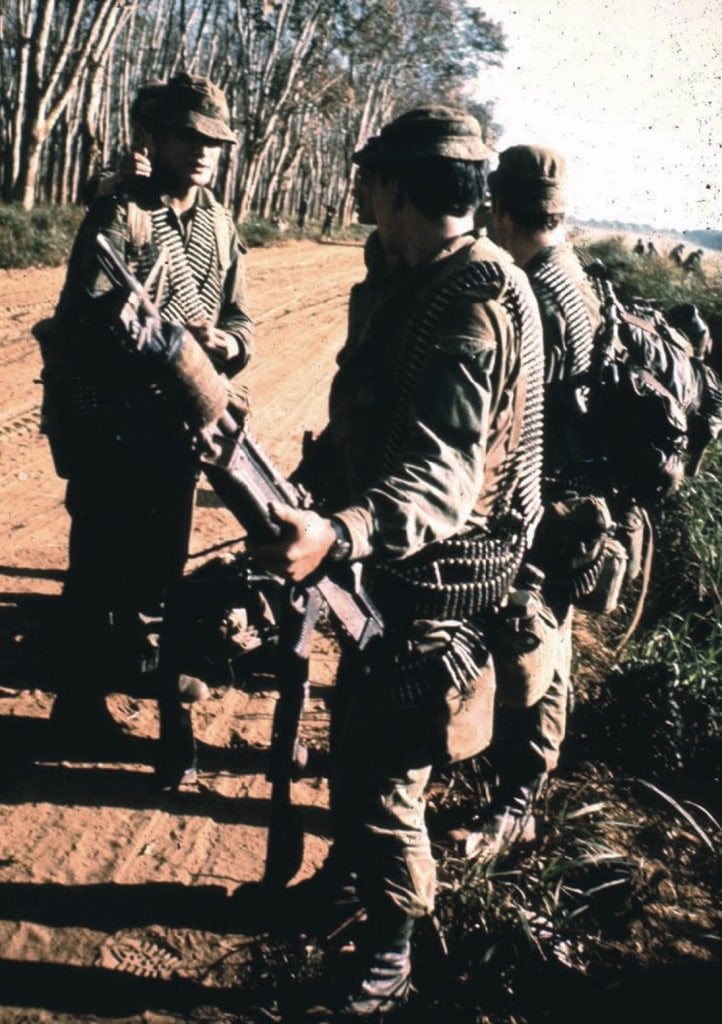
AM: My command in South Vietnam was an infantry rifle platoon of some 36 Kiwi soldiers and two attached Australian artillery observers. Normally, for various reasons, I would have 30 soldiers deployed.
This is not a small group and whenever tactically appropriate I would divide the platoon into two groups – one commanded by me and the other by my platoon sergeant.
This allowed us to patrol more ground silently. If the enemy threat increased I would combine the two groups. We had trained together for at least twelve months before deploying to Vietnam and so we all worked confidently together.
It was later in my military service, with Special Forces, that I worked with very small groups of two to four or even individually.
TM: How important was humour in the situation you were in? In fact, throughout your military career?
AM: The military is a physically and mentally tough environment in which to work and the fear and horror involved in combat operations can only be successfully managed by humour, mainly black humour. This black humour, to an outsider, civilian or non-combat soldier may appear callous, uncaring and definitely ‘un-PC’!
However, it is an essential mental survival technique. In all the units I served in a sense of humour was necessary to offset fear, stress, horror and, often, incomprehensible military decisions from above. Different military nationalities are amused by different events and incidents but I could not have survived without being part of that culture of black humour.
TM: Tell us about that first major battle with the Viet Cong that led to being trapped in a minefield? It must have seriously tested your leadership skills.
AM: That day in the Nui Thi Vai mountains in Phuoc Thuy Province in 1970 was a test of my leadership skills, professional skills and my courage. We were at a tactical disadvantage on the lower ground when my lead elements engaged the VC we had been tracking. We were following a blood trail after successful contact three days earlier.
With the support of artillery and then helicopter gunships we cautiously advanced into the enemy camp in an area of large boulders and caves. I was at the rear of the lead section, told them to ‘Go firm!’ and ordered the next section to advance through them. I then followed this section closely accompanied by my radio operator.
The explosion of the first landmine stunned us all – a noise that echoed around the surrounding hills. I initially thought it was the VC firing at us with an RPG 2. It soon became apparent that we were in a minefield! I was initially deafened by the blast – the mine that had been detonated was almost just where I had been standing a few minutes earlier!
The priorities now were to retain control of the platoon, treat the injured and evacuate, and maintain our tactical security. Everyone was ordered not to stand on soil but hop from rock to rock – but to no avail! “Boom!”… another mine was detonated.
I had called for a medical ‘dust-off’ evacuation helicopter, which was on its way. I was covered in blood from one of my soldiers as I tied a tourniquet around his smashed leg. Another explosion! “No more, God, no more!” I pleaded.
The evacuation of our wounded completed, dusk was approaching so we withdrew down the mountain away from that dreadful minefield. A week later we approached this enemy camp from a different direction. Immediately prior to sweeping it again, I had the shit blasted out of it by a brace of USAF Phantoms! The VC had long gone but we were to get our revenge on these NVA Engineers not long after.
TM: How did you control your fear in these extreme situations?
AM: The year, a full 365 days, that I spent as the platoon commander of 3 Platoon, Victor Five Company, 2 RAR(NZ) ANZAC was one in which I was able to confirm that I could successfully command men in combat situations.
It was a year that contained fear, more fear, excitement, pride and enhanced my self-confidence. The politics of the conflict were of limited interest to me – my commitment was to my soldiers and my unit. We had our injuries, sadly some very severe, but I brought all my soldiers home. This is a source of the greatest pride to me.
TM: How do you look back on that war in general terms? You mention in your book respecting your enemy in this case…
AM: I did respect the individual VC or NVA soldier who fought against us. They were generally well trained, used their weapons well, and were clever at negating the advantages we had in artillery and air power by hugging our perimeters so that we were likely to incur casualties from our own fire.
The political cadres, however, were cruel communist zealots and brutally treated and frequently publicly murdered those civilians who resisted their communist educational programmes. We frequently came across the results of their violence when we patrolled areas that had been visited by them.
In my experience frontline soldiers generally, respect opposition fighters. The exception is the low esteem held for the murderers of unarmed, uninvolved men, women and children. However, I may have respected our enemies in Vietnam but I have no desire to ‘kiss and make up’ – I am disappointed that my platoon and I did not kill more of them – that was our job!
TM: We speak to a lot of brave military men such as yourself who have suffered mentally from the effects of war, you mention in the book counselling wasn’t offered after your involvement in Vietnam. Do you think you would have benefited from some sort of help?
AM: This is an interesting question. Combat soldiers are proud of their ‘hardness’ and find great difficulty in accepting psychological assistance from others who generally have no idea of warfare other than films and what they have read in their textbooks.
It is considered a sign of weakness to seek help – particularly in soldiers from elite or special force organisations. If you show weakness or ‘lack of bottle’ you may suffer the fate of being Returned to Unit or even worse, medically discharged. In my case, after combat service in Vietnam, the NZ Army had no system of psychologically debriefing soldiers to enable them to readjust to ‘normality’.
After previous conflicts soldiers often returned from warfare in slow-moving troop ships, providing them with several weeks, amongst their comrades-in-arms to unwind. Today, with air transport a soldier can be reunited with his family only some hours after being petrified and covered in blood and snot during a firefight with the enemy.
We were young and bullet-proof and it is only in later years that you recognise the effects of combat stress on yourself, your friends, and most importantly your loved ones, who do not understand the changes you have undergone. I was not able to ‘unsee the things I had seen’ and the only ones who understood were my fellow veterans. Yes, I probably would have benefited from some ‘help’ but no, I probably would not have accepted it.
TM: Was it a proud moment to join the Parachute Regiment?
AM: Being accepted into the Parachute Regiment was a tremendously proud moment for me, especially when I was issued with my maroon beret and ubiquitous camouflaged Denison smock. I was posted to Patrol Company, the 3rd Battalion of the Parachute Regiment and the battalion was based in Aldershot as part of 16 Parachute Brigade.
Here was a 5,000 man group of paratroopers, parachute gunners and parachute sappers, all of whom could be inserted by parachute. Nearby was a major airfield, Farnborough, from which I imagined the brigade could deploy. This was a ‘real’ strategic organisation.
I was somewhat of a novelty to my fellow Paras with my colonial accent and different military experiences but was soon accepted. My soldiers or ‘Toms’ were brilliant aggressive airborne infantry, but they had a wicked sense of humour and as well as working hard would play hard too!
TM: How did you find the training course, including the interrogation exercise?
AM: The SAS continuation training followed the mentally and physically arduous initial selection process. Those that had successfully completed this phase were trained in all the basic SAS skills to ensure that, if they completed all the various other phases such as Resistance to Interrogation and static line parachuting, they could join a Sabre squadron and be functional.
It was then that specialist individual training, troop training and squadron training would be implemented as part of each squadron’s training cycle. It was only after some six months of comprehensive and assessed training that the coveted sand-coloured beret could be awarded!
During my military career, I would often hear about someone or other ‘passing’ SAS selection – this is meaningless in itself. If you were not ‘badged’ you were not a ’Pilgrim’! Well done for trying but…
The selection phase was physically draining but the main requirement was to remain mentally resilient. Mental stress and pressure were self-imposed – the SAS instructors were always non-committal and aspirants would fail themselves by allowing their self-confidence to drain away as distances increased, weights increased, and timings shortened.
The interrogation phase involved a great deal of self-evaluation as you crouched or stood in painful positions with arms extended or hands on your head for long periods of time – blindfolded, in a silent, silent environment. This silence would be interrupted by periods of ‘white sound’ – tuneless, rhythmless noise. This was difficult to manage.
Being marched in front of an interrogator and then balancing on a small one-legged stool while being shouted at and verbally abused was a welcome relief!
I found SAS selection physically and mentally very challenging. The support of my dear wife during brief phone calls home helped me through the very darkest moments when my confidence may have been wilting.
TM: How hostile an environment did you find Northern Ireland to be?
AM: NI was a toxic environment in which to soldier – carrying out the Government’s bidding. I recall on arrival in Flax Street Mill on the edge of the hostile Republican Ardoyne being advised that our task was to maintain an acceptable level of violence by the terrorists.
WTF is an acceptable level of violence? One bomb, ten civilians or soldiers murdered, two shootings – this was nonsense! Then, many years later, Blair’s government released Irish terrorists from prison and gave amnesty to others and a present British government is pursuing British soldiers for alleged crimes from service in NI during the 1970s with extraordinary vindictiveness.
I served tours in NI both in uniform and undercover and I consider the IRA and their ilk to be cowardly, gutless murderers of the lowest order.
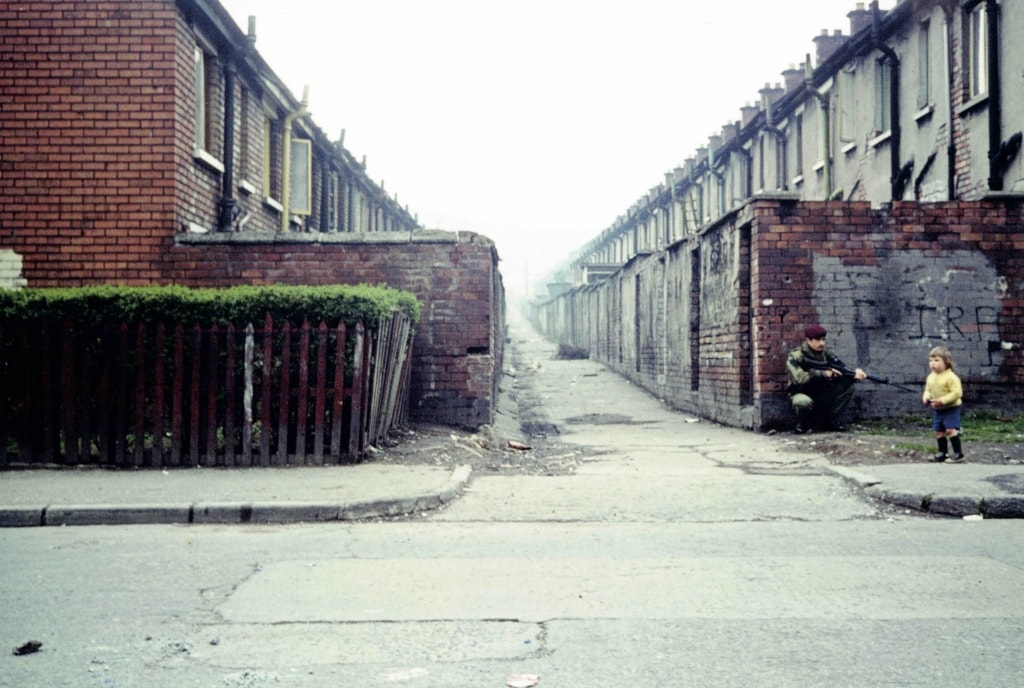
TM: Of course, you had to be very much on your toes there. What was the hairiest situation you found yourself in on your multiple tours there?
AM: The most ‘hairy’ situation I was involved in during my tours in NI was when I was patrolling in a small group from 3 Para, Patrol Company in the Shankill Road. We had two open top Land Rovers with us and were patrolling the street alongside them. It was a Saturday and as usual, the pubs were full.
There was an incident with another patrol who were travelling in a Humber armoured vehicle, a ‘Pig’, several streets away and shots were fired. The street which we were patrolling suddenly filled with angry, aggressive people, men and women who poured out of the pubs. The atmosphere changed in an instant and our small patrol was surrounded by a snarling mob!
A long-barrelled rifle like the SLR is of little value in such a situation. It was like being in a large football crowd who suddenly want to tear you limb from limb. We had the slings of our rifles attached from the butt to our wrists so the weapon could not be easily snatched away but we were getting crowded, spat at, the crowd getting braver and braver to try to isolate each of us.
The threat of being killed was increasing by the minute. One of my senior NCOs fell and a man raised a beer barrel to smash it down on the fallen man’s head; I raised my rifle to shoot the man with the barrel, who was about 25m away. The restrictions of the ‘Yellow Card’ [rules of engagement, which restricted when a soldier could shoot] were racing through my mind…
Fortunately, my colleague rolled away, regained his feet, and raced to our vehicle. The rest of us legged it to our Land Rover, jumped in and we sped away from that baying, hysterical and blood-thirsty mob.
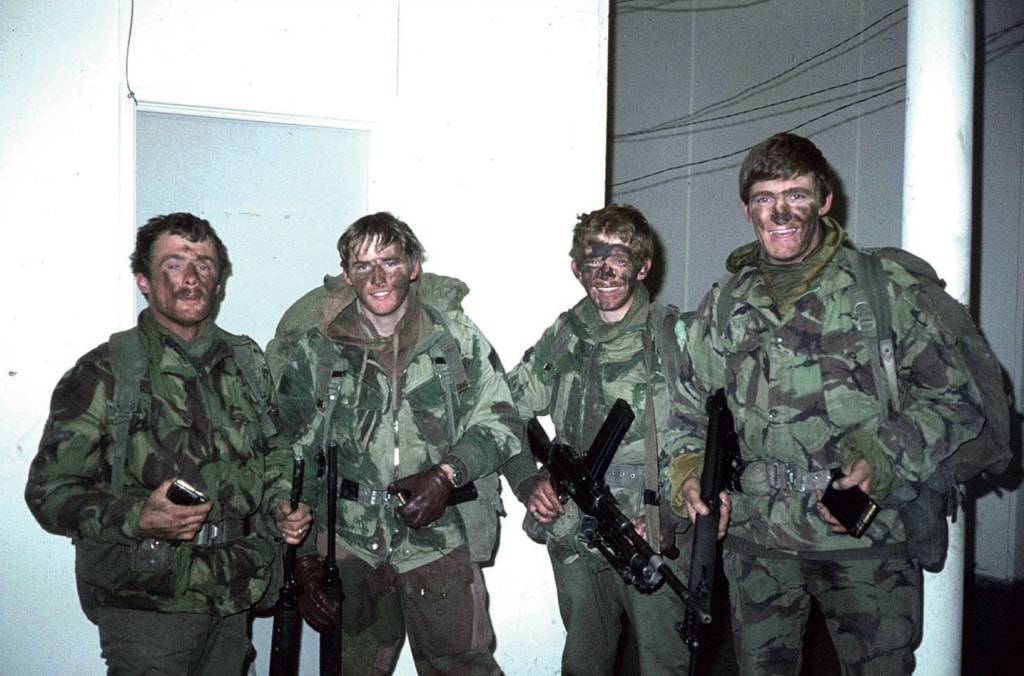
TM: Did that ongoing threat of severe injury or death on your many tours change your outlook on life?
AM: No. Maybe it was pragmatism or even denial but I never dwelt on the possibility of my death or severe injury. However, I became increasingly aware of my surroundings and circumstances – always looking for threats and dangers. This could be a little disturbing for others when I was in a benign environment – and continues even now.
One of the hardest parts of your job must have been returning home after such intense experiences… Yes, and it was even harder for my wife and children. To them, for putting up with me, I am eternally grateful. It cannot be easy loving and living with a ‘Pilgrim’!
TM: How did you find that step up to become part of the Special Forces? And to go on so quickly to commanding your own squad?
AM: To me, it was the opportunity for further challenges, further military experiences and more geographical awareness. But even SF have their quota of Luddites and rigid thinkers around whom one had to operate. Moreover, after the Iranian Embassy siege, there were more than a few who were in the Unit for career enhancement reasons.
Before the publicity of the siege, service in the SAS was a detriment to an officer’s career prospects. When I completed my first tour with the SAS and on rejoining the Parachute Regiment I was greeted with the comment ’Ah, MacKenzie, back to do some real soldiering?’
TM: Do you feel you were utilised to your best in your time in the SAS?
AM: The ‘Green Army’ always seemed very concerned about what SAS forces could do once they were deployed, especially in NI, and as a result, they were over-controlled and micromanaged. SF should only be controlled at the highest level – as a strategic asset – thus, we were not utilised to maximum effect.
TM: Was there a lot more pressure involved being ‘elite’?
AM: Being ‘elite’ is only a state of mind – it is a result of a greater level of training, enhanced individual responsibility, ability and initiative to take greater risks – but not careless risks.
Retaining high levels of personal fitness and health were a constant source of self-imposed pressure as well as the threat of non-combat injuries or health problems that may result in the dreaded ‘return to unit’ order!
TM: What do you see as your proudest moment from your time in service?
AM: My proudest moment was watching my son wearing my SAS beret at his own badging parade.
TM: Is there anything that you’d change?
AM: My late wife told me I was a superman but not THE Superman and there are some things that not even a Pilgrim can change – a terminal illness being one of them.
TM: Can you give us a piece of wisdom you’ve picked up over your long career in the military?
AM: Never take anything or anyone at face value!
Pilgrim Days: From Vietnam to the SAS published by Osprey is out to buy now.