

Categories
The Thompson Submachine Gun
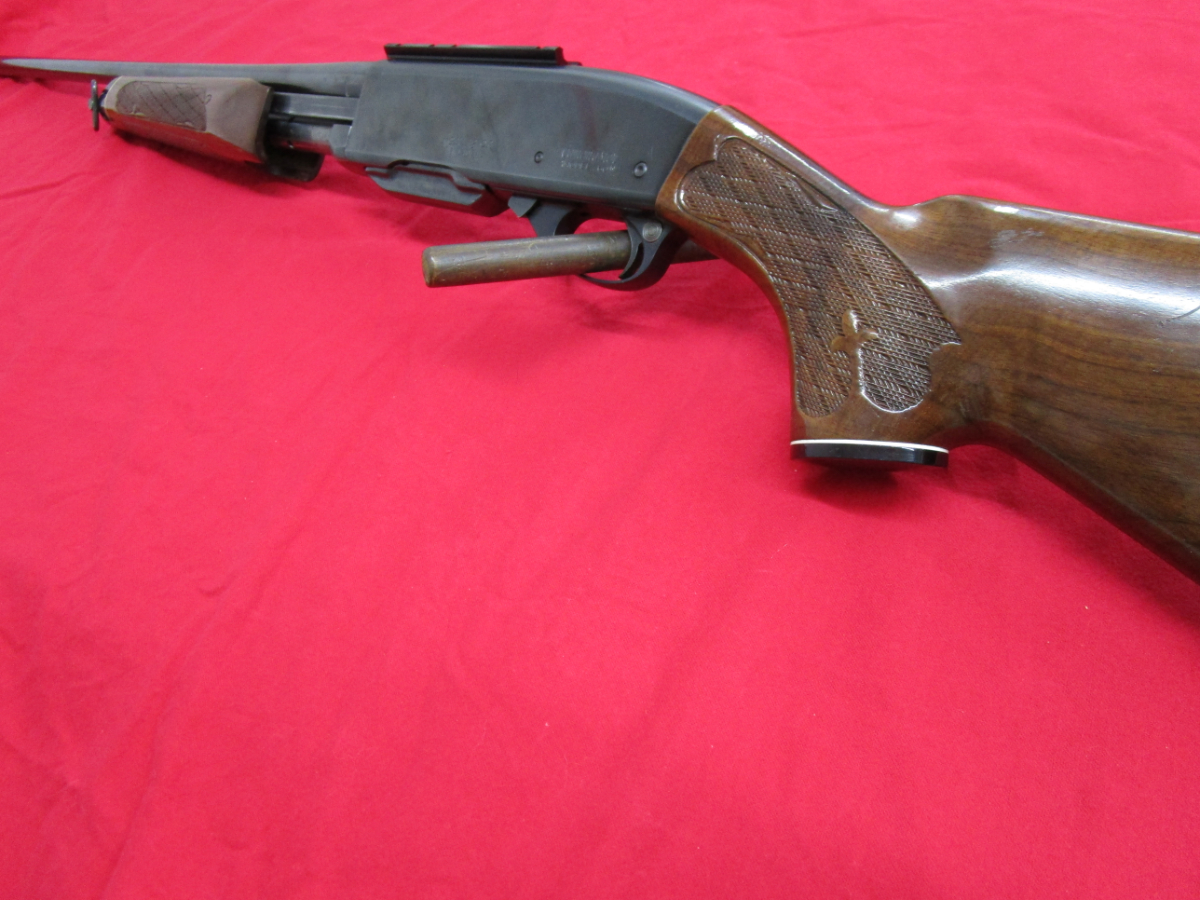
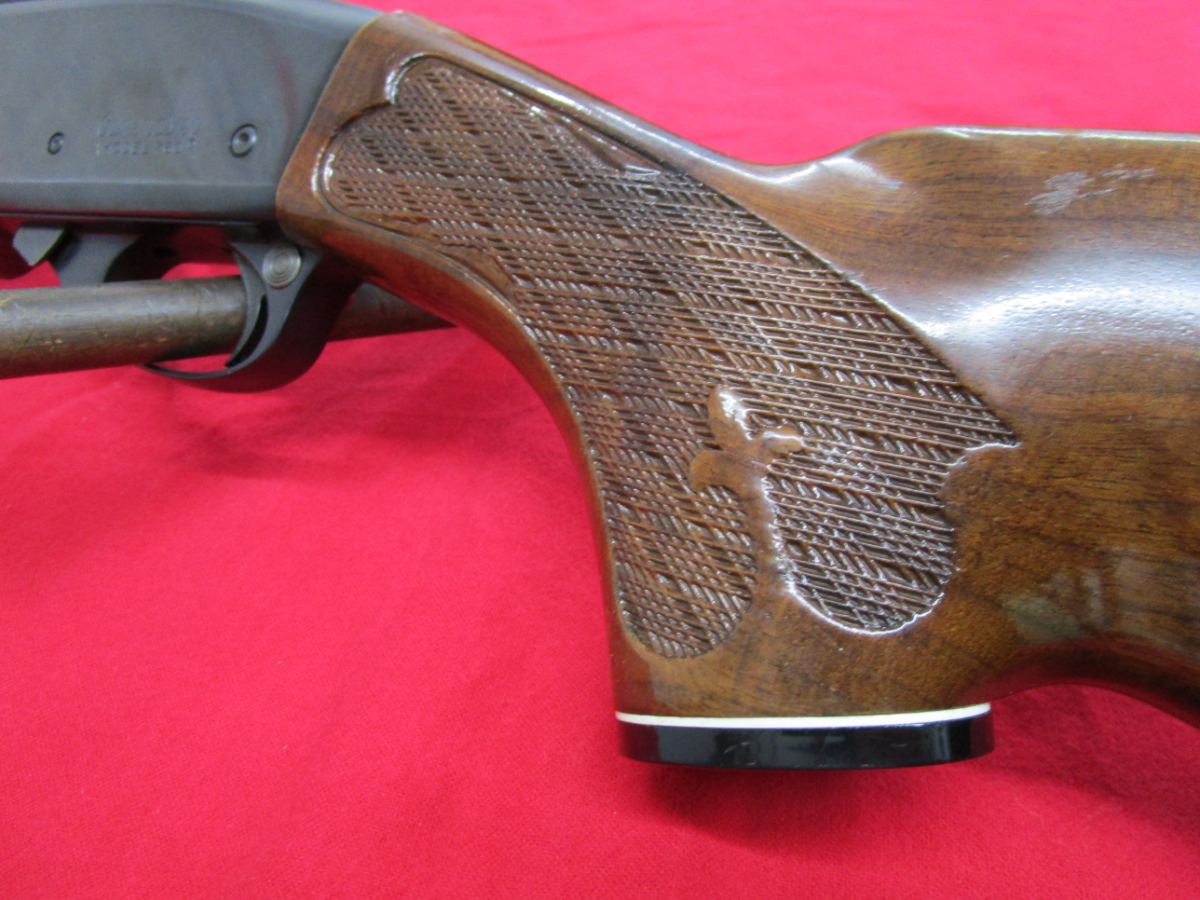
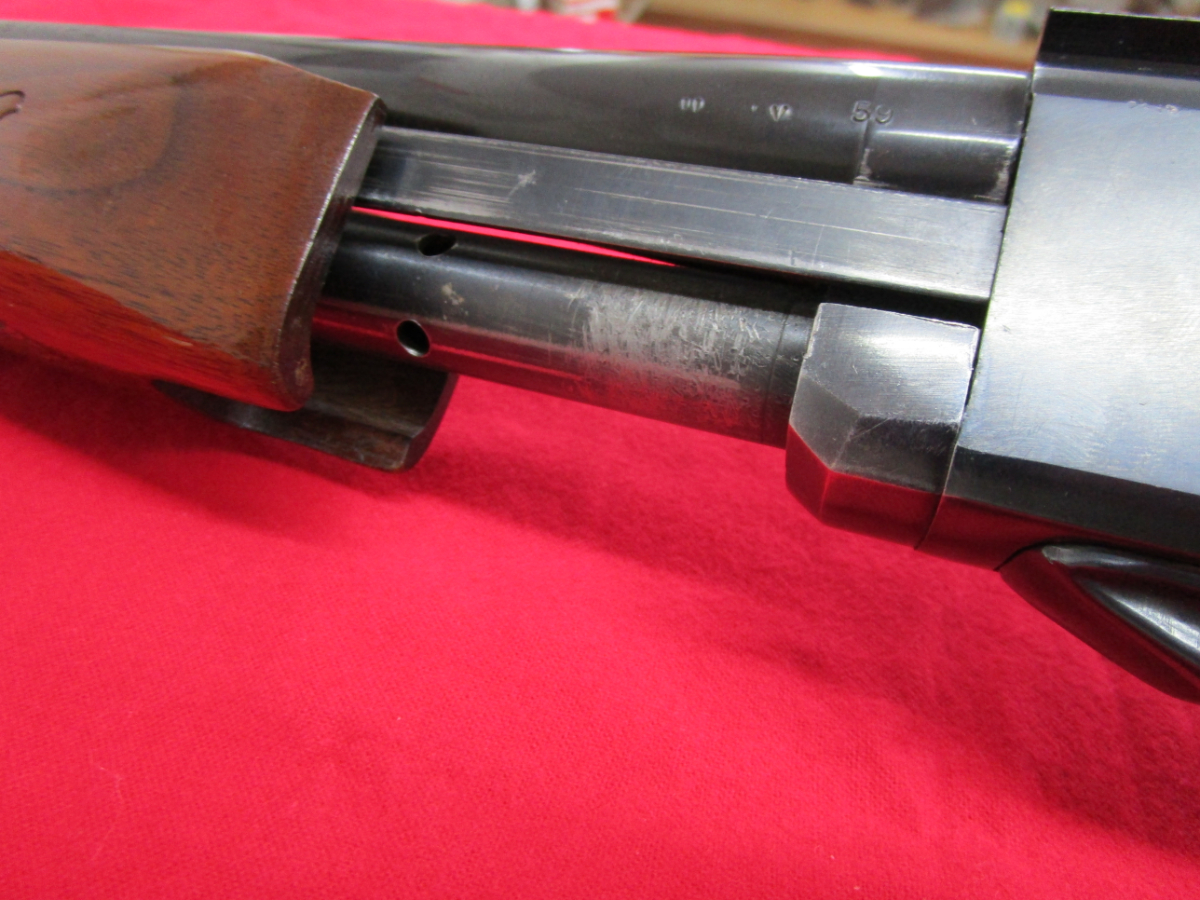
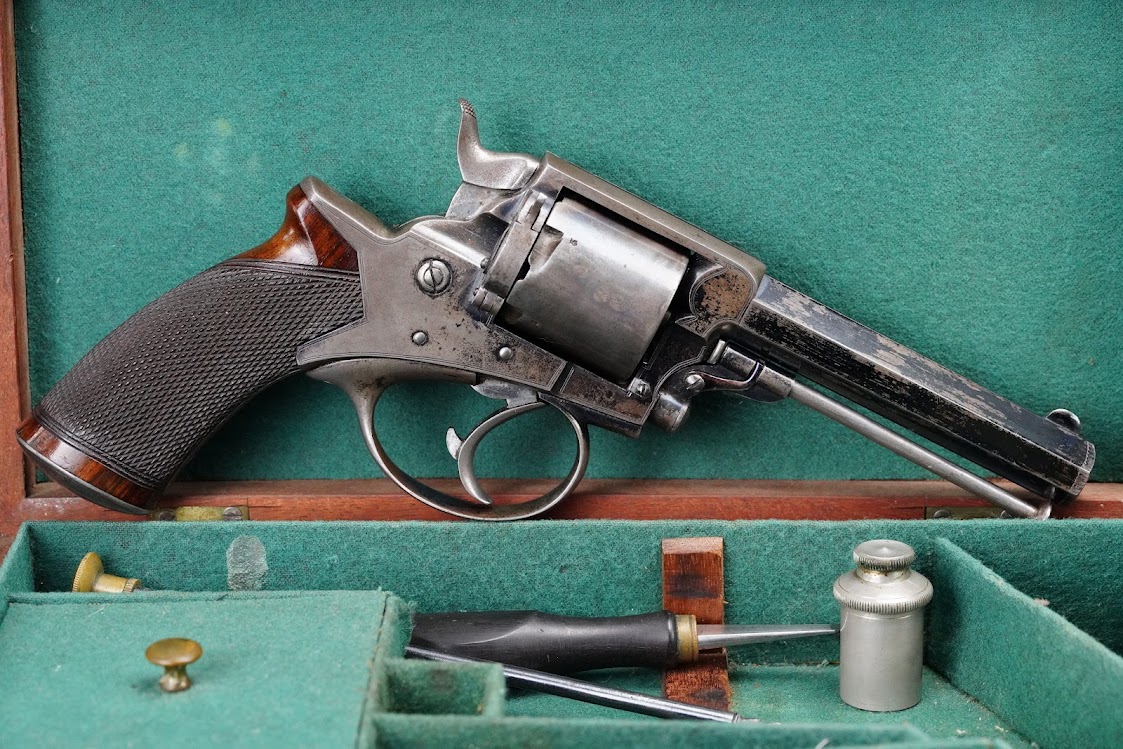
The guy had guts. Born into a family with the name Wesson—of Smith & Wesson fame—he worked for that company for more 30 years until new management took over. Not happy with the new owners, Dan struck out on his own in 1968 with the intention of producing something different in the way of a traditional revolver. In August 1970, he did just that.
Armed with a clean sheet of paper, he wanted a firearm that would exhibit high-quality workmanship and be of a design not seen before, with a wide selection of calibers, interchangeable barrels, sights and grips. While his early effort was deemed ugly because of its bulging barrel nut, his gun eventually became a true work of art.
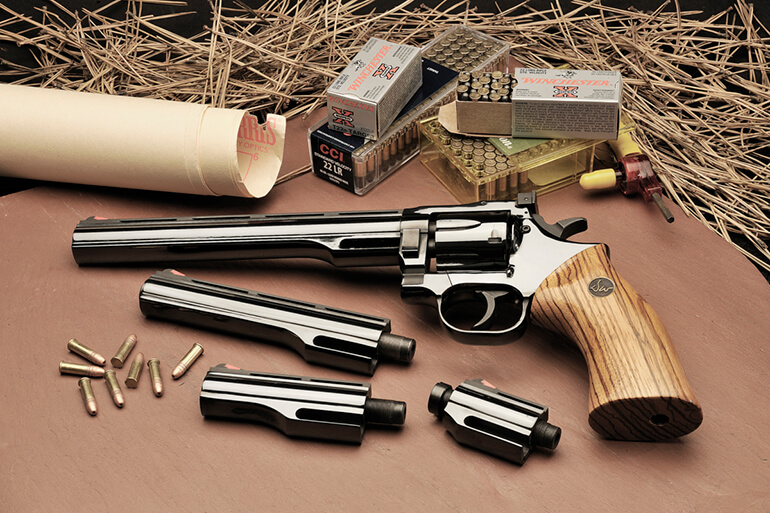
Dan’s company produced guns from the .22 Long Rifle up to exotics like the .375 Supermag and .445 Supermag. I was privileged to talk to Dan a few times and run tests on his many wares, and out of all the models I had privy to, the one gun that really got my fancy was the model known as the V22, chambered for the .22 LR cartridge.
It was heavier than most .22s on the market with its downsized .38 caliber frame, and with the factory-tuned trigger it was a real pleasure to shoot.
One important feature of was the front crane locking system that secured the cylinder to the frame, adding more rigidity. Additionally, at the rear of the cylinder a spring-tensioned ball bearing mates with the extractor for a solid lockup.
But what really put the Wesson guns on the map was that barrel lengths and shrouds were interchangeable on guns of the same caliber. I originally purchased my gun with a six-inch vent-rib barrel, and I eventually amassed 2.5-, four- and eight-inch barrels. The shrouds that slip over the barrel came in Heavy (solid rib, full underlug), Vent Heavy (ventilated heavy, full underlug), and the Vent Light (ventilated top rib, cut back underlug) shown here.
Dan outfitted his gun with a front blade that was available in a variety of colored inserts. One twist of an Allen screw allows the blade to be swapped. Rear sight blades were offered with or without white outline. The grips were available in various configurations, exotic wood and rubber.
All this in a gun with that impeccable Dan Wesson bright blue finish. Almost looking like black chrome, it received more comments and probably sold more guns by just sitting there than anything else.
Daniel Baird Wesson II died in November 1978, and the company was acquired by CZ-USA in 2005. His innovations live on.
Categories
Cool ad!

SHENANDOAH, Iowa — An Iowa family wants a safe taken off the market after their 6-year-old opened it and took a gun to school, KETV reported.
As gun owners with a little boy in the house, the Shenandoah, Iowa family bought a safe to make sure their gun was secure. Only a registered fingerprint can unlock it. At least that’s what the family thought.
“We put those safeguards in place. We did our best. We thought we were doing what we needed to do to protect our family and community. And unfortunately, it just didn’t happen in this scenario,” said the 6-year-old’s father.
In early March, the man’s 6-year-old son was on the school playground at recess when teachers found a gun in his backpack.
“They confiscated a gun from a student and they needed officers out to the school,” said Shenandoah Police Chief Josh Gray.
Gray said he contacted the boy’s parents, who insisted the gun had been in a locked safe.
“He just saw the safe and then he put his thumbprint on it and it opened right up for the kid,” Gray said, confirming that the safe, sold by a Chinese company named “BBRKIN,” unlocked for the 6-year-old.
Police went to the home to check the safe.
“The father was more than willing to work with us, show us anything we wanted to examine,” Gray said, adding that an officer examined the safe. “He went to go put his thumbprint on the safe, and right away, as soon as my officer did that, the safe opened right up for him, which it’s supposed to be just for that owner and his thumbprint.”
In fact, the family quickly discovered any fingerprint, or even toe print, unlocked the BBRKIN gun safe.
KETV NewsWatch 7 Investigates agreed to disguise the father’s identity to protect his 6-year-old son.
“We still hold a lot of like guilt for it. And we feel personally responsible but we’ve taken every action that we possibly can in my own power,” the father said.
He said he bought the BBRKIN biometric safe box on amazon.com in November for $229.
The company notes that in default mode, any fingerprint can open the safe.
But the father told KETV he set it up according to the manual, including the fingerprint reader that unlocks it, and it remained locked when his wife tried to open it.
Reviews posted on Amazon.com echoed the Shenandoah man’s concerns. One user said the safe opened with “all 10 of my fingers and toes.”
“They know it’s an issue. I mean, based on the reviews you can go on for, it’s a known issue, and they’ve already resolved some of those by sending you a new safe,” the father said.
KETV NewsWatch 7’s Sarah Fili has been working to contact BBRKIN about the Shenandoah man’s ordeal.
The company has not replied to any of the requests for comment.
Amazon said it had no comment for this story.
But the man provided us with copies of emails he said he exchanged with the Chinese company.
In one email dated March 13, BBRKIN said “Two months ago we updated the chip program that the safe can only open it until users have registered fingerprints successfully. Users cannot open it when it is in default mode/received the safe.”
That update was a month after the man bought the safe.
“Why wasn’t there a recall when you decided to put new chips in? Why didn’t you recall that? Like, why wasn’t anybody that purchased that safe prior notified that, hey, this is a potential risk?” the father questioned.
KETV wanted to see if BBRKIN’s upgrade changed anything.
So, KETV NewsWatch 7 Investigates bought the same safe in late March.
We set it up according to the directions, including the fingerprint reader, to read only reporter Sarah Fili’s fingerprint. After programming our photographer tried the fingerprint reader, with no success. Over the course of a day, almost a dozen different KETV employees tried their fingerprints.
Not one unlocked the safe, except Fili’s.
Days, even a week later, it still only opened for the one registered fingerprint. Fili let the Shenandoah father know the upgraded safe seems to work. He’s thankful, but asked about all the other safes with old chips that could still fail.
“Get this product removed. So this can’t happen to somebody else. Because in talking with an attorney, they can’t do anything about it unless somebody was injured,” the father said.
In the case of the gun on the Shenandoah school playground, no one was hurt.
The Page County Attorney declined to press any charges
But, under Shenandoah school district policy, the 6-year-old was expelled from kindergarten, leaving his father still asking questions about the maker of that gun safe.
“This is about accountability. Everybody doesn’t have a problem holding us accountable for it. I think they should be held accountable as well,” the father said.
KETV NewsWatch 7 asked the Consumer Product Safety Commission if it was aware of issues with the safe.
ALSO SEE: Chicago police collect 450 guns at turn-in events across city
The agency said it can’t comment on anything it “may or may not” be investigating, but the father said he has submitted a complaint there and provided the information.
Again, KETV has reached out repeatedly to BBRKIN, but they have not replied to our questions about the safe or the upgrade.
Three weeks after getting our safe, it still unlocks only for Fili.
If you have a gun safe, take the time to know who can actually unlock it.