Categories
All About Guns

WHAT IS AN ASSAULT WEAPON? By Will Dabbs, MD

Like texting, tweeting, woke and hangry, the term “assault weapon” is a relatively recent contrivance. Unlike other contemporary cultural slang, however, folks can go to jail over the exact definition of this ethereal expression. As a result, it is important to appreciate how the concept came to be and then try to grasp just exactly what it means.
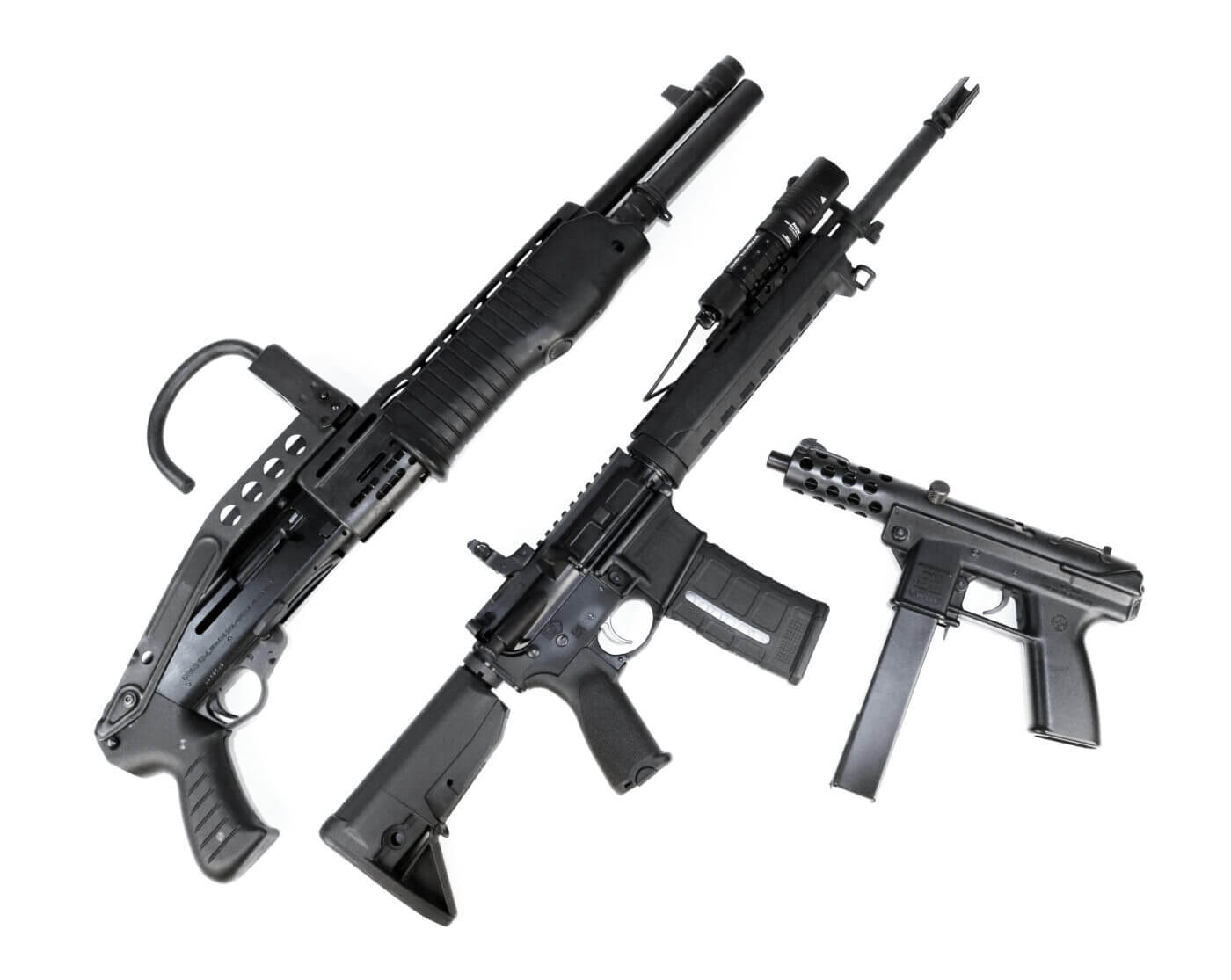
All three of these firearms would be called by some “assault weapons.” But, are they?

There is an apocryphal tale claiming that Adolf Hitler first started this party. During World War II the Nazis debuted a radically new type of Infantry rifle called the MP43. Hitler himself purportedly titled the revolutionary weapon the “Sturmgewehr” or “Storm Gun.” Allied intelligence officials supposedly mistranslated “Storm Gun” as “Assault Rifle,” and here we are.

Assault rifle is an accepted military term today. This is a relatively lightweight man-portable weapon that is capable of fully automatic fire. Fully automatic means the gun will sequentially shoot more than one bullet with a single squeeze of the trigger. Hold down the trigger and it will shoot until you release the trigger or the gun runs empty. The layman would be forgiven for calling this a machinegun. All modern military forces employ assault rifles.
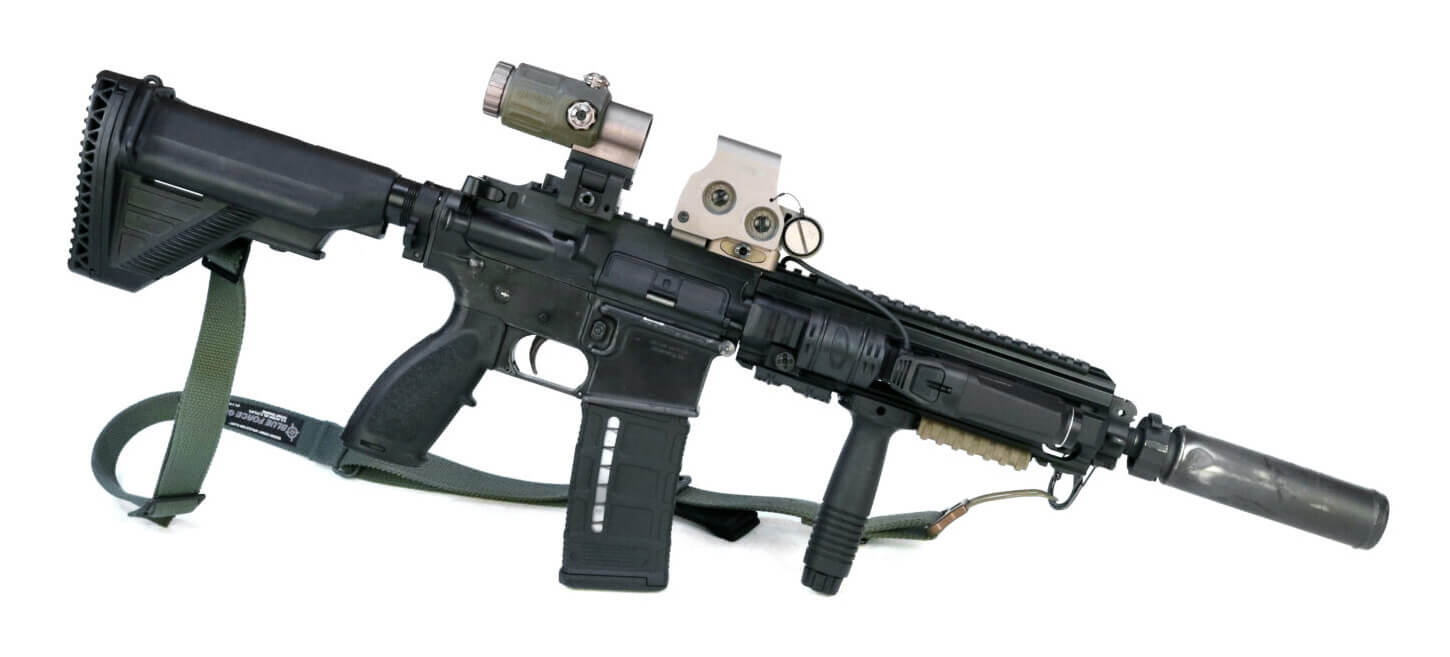
This fully automatic HK416, like the one believed to be used to kill Osama bin Laden, is actually an “assault rifle” in the military sense.

Misapplied Terms

By contrast, in today’s parlance an “assault weapon” is a more obtuse, contrived beastie. An assault weapon today is basically inaccurately described as a semi-automatic firearm that looks like an assault rifle. “Semi-automatic” means the gun fires one shot with each pull of the trigger. Hold down that trigger, and all you are going to get is a single shot. In the gun world, the distinction between fully automatic and semi-automatic is huge.

To the purist, an assault weapon is not even a real thing. While an assault rifle is a fully automatic military tool, an assault weapon is just a gun that people say might look scary. It is therefore all but undefinable. However, that didn’t stop the U.S. Congress from trying.
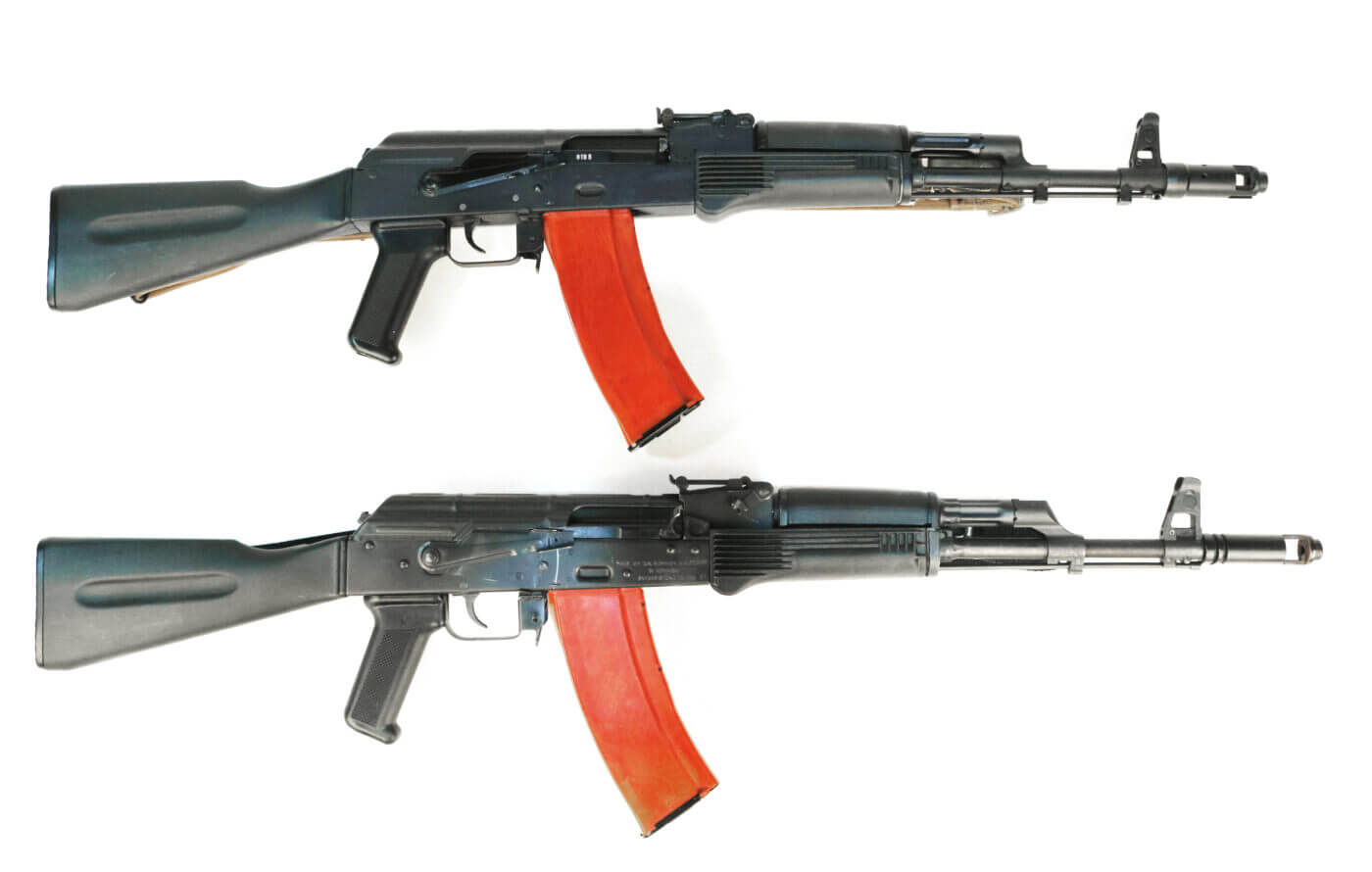
One of these guns would be called an “assault weapon” under misguided legal interpretations. Which one? The one at the top due to its bayonet lug.

Congress tried to ban whatever they perceived to be assault weapons in the mid-1990s. Gun defenders insisted upon a legal definition that could stand up in court. Opponents countered that assault weapons were indeed hard to define, but you kind of knew one when you saw it. The messy end result was the Assault Weapons Ban of 1994.

This convoluted piece of legislation sought to prohibit the manufacture of certain firearms based upon their appearance. Cosmetic features like pistol grips, bayonet lugs, flash hiders and collapsible stocks all folded into a confusing matrix of sinister features. Certain combinations would arbitrarily pitch a conventional firearm into the dreaded “Assault Weapon” category.
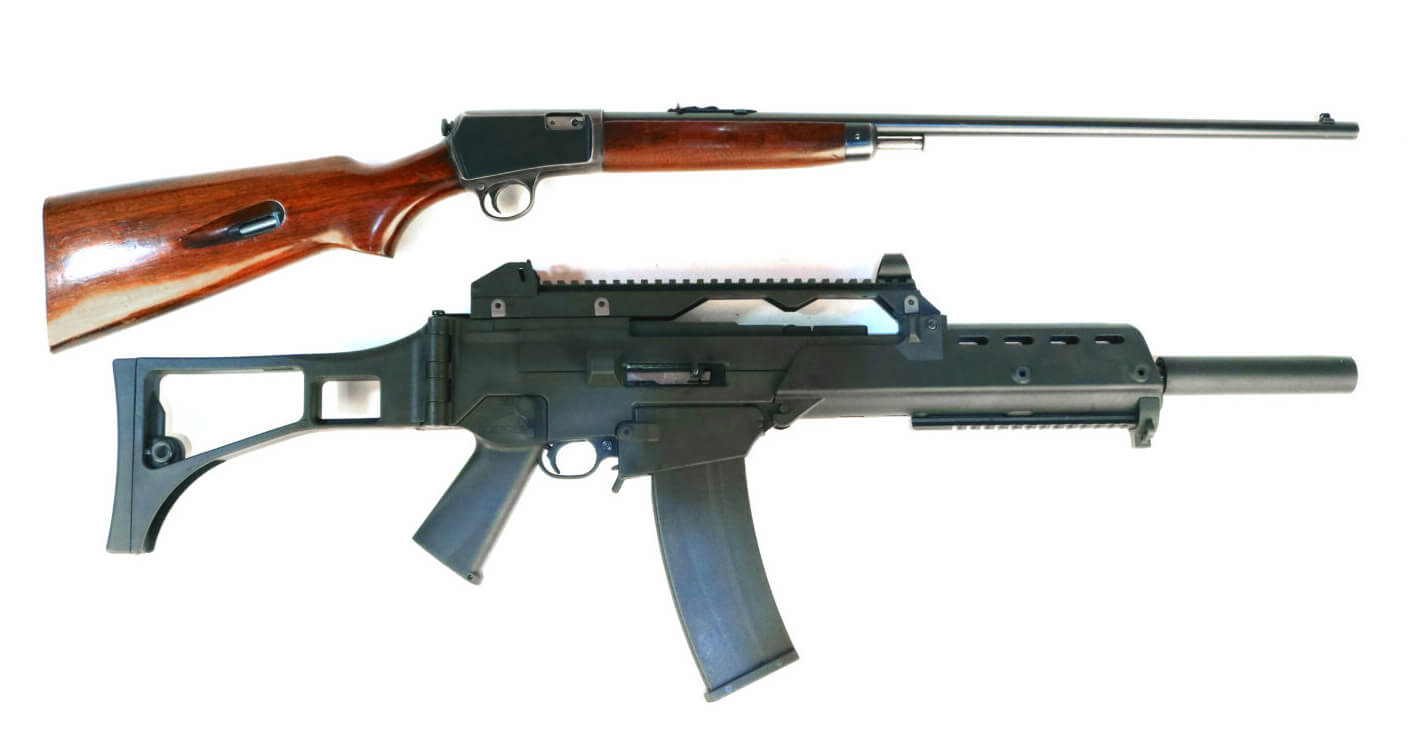
These two semi-automatic .22 rifles function identically. However, the gun on the bottom obviously looks way scarier.

The 1994 Assault Weapons Ban also outlawed the manufacture of ammunition feeding devices (“magazines”) holding more than ten rounds and prohibited numerous specific firearms by name. This muddled bit of jurisprudence automatically expired 10 years after it was enacted. Reputable sources agreed that the ban had no effect on crime rates. There has nonetheless been a concerted effort to reinstate it permanently ever since.

Several states, most notably California, still use a similarly labyrinthine framework to try to capture what exactly an outlawed assault weapon should be (click here to learn about “California-compliant” firearms). It would honestly be kind of funny except that people can go to prison for innocently running afoul of it. I’d walk you through the technical details, but it would invariably put you to sleep.
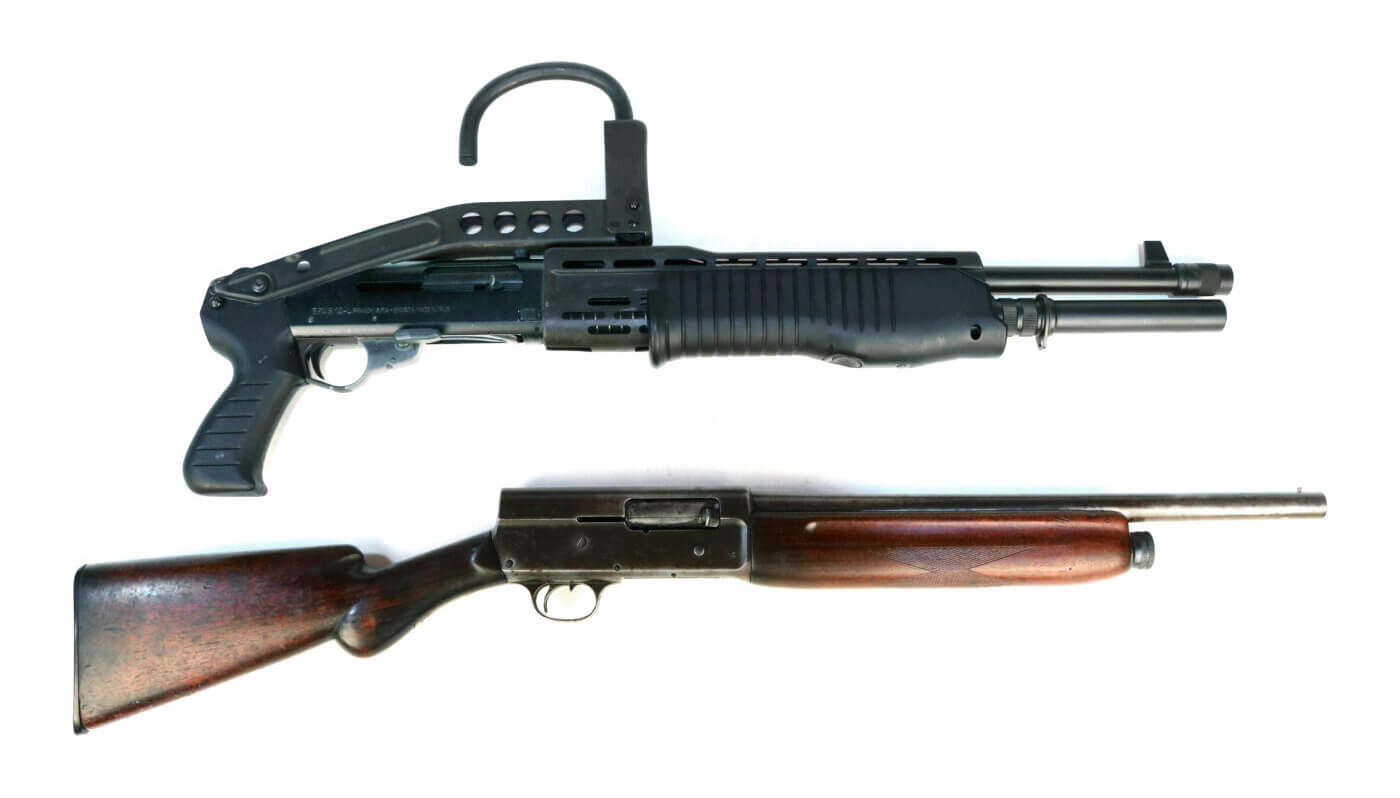
These two autoloading 12-gauge shotguns are essentially identical mechanically. Which one do you think would be called an “assault weapon”?

Defining the Undefinable

The reality is that a true “assault weapon” is a type of fully automatic firearm used by the military. Private citizens in most states can technically own certain fully automatic guns. However, they are about as rare as honest politicians in Washington and nearly as expensive.

Unlike depictions in movies, fully automatic weapons in private hands are vanishingly rare. By contrast, semi-automatic firearms of all stripes are quite literally everywhere. Rifles of any sort are used in a relatively small percentage of the gun crime in America. “Assault weapons,” whatever they actually are, would make up a yet smaller subset.
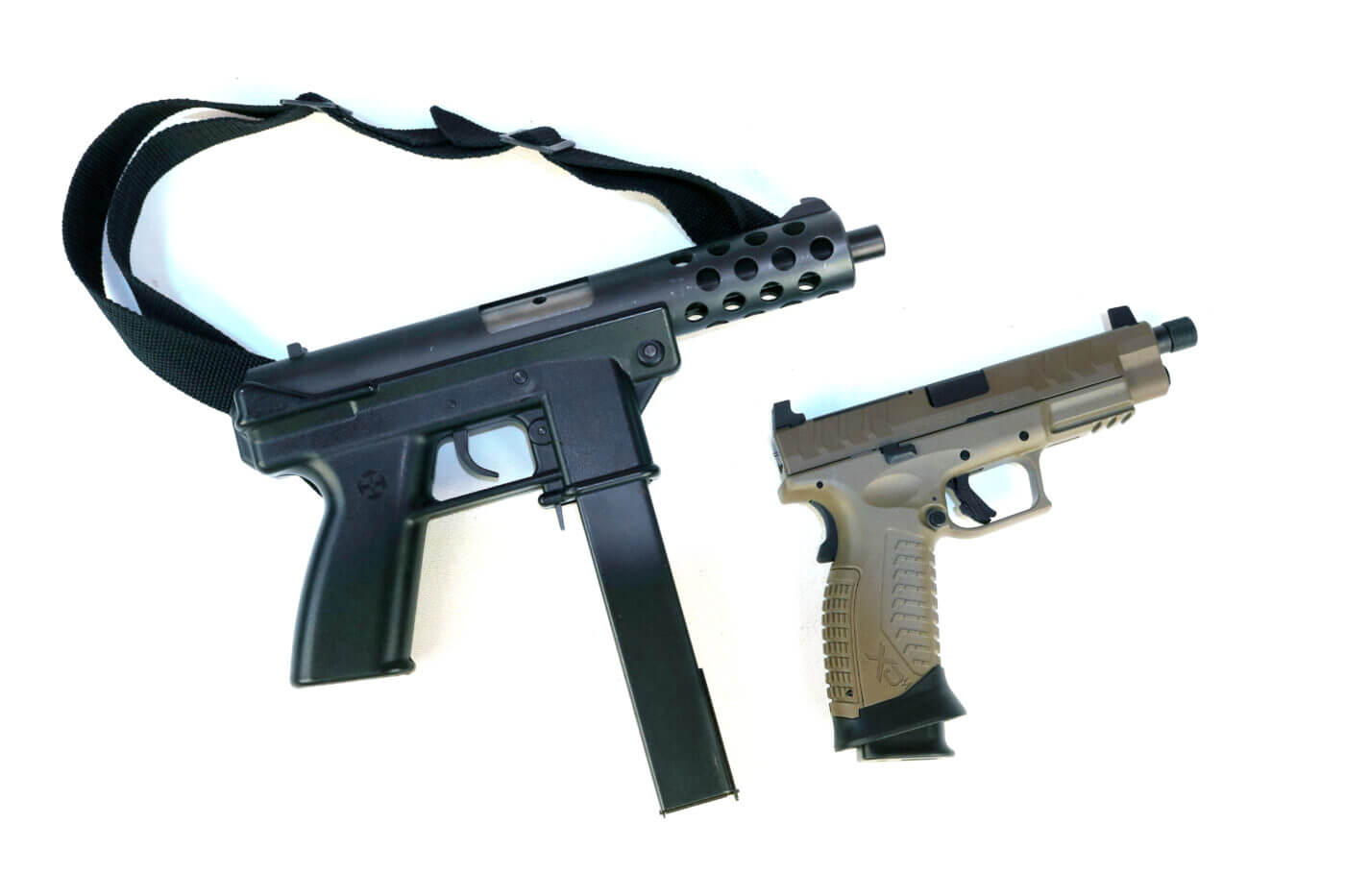
Both of these pistols fire identical 9mm ammunition from detachable magazines.

The more useful term than assault weapon would be “Modern Sporting Rifle” (MSR). MSR’s might look a bit like assault rifles on the outside. However, they are by definition semi-automatic. MSRs are used legally for competition, recreation, and home defense from coast to coast. Despite the relentless bigotry shown against them, MSRs remain the most popular genre of rifles in America.
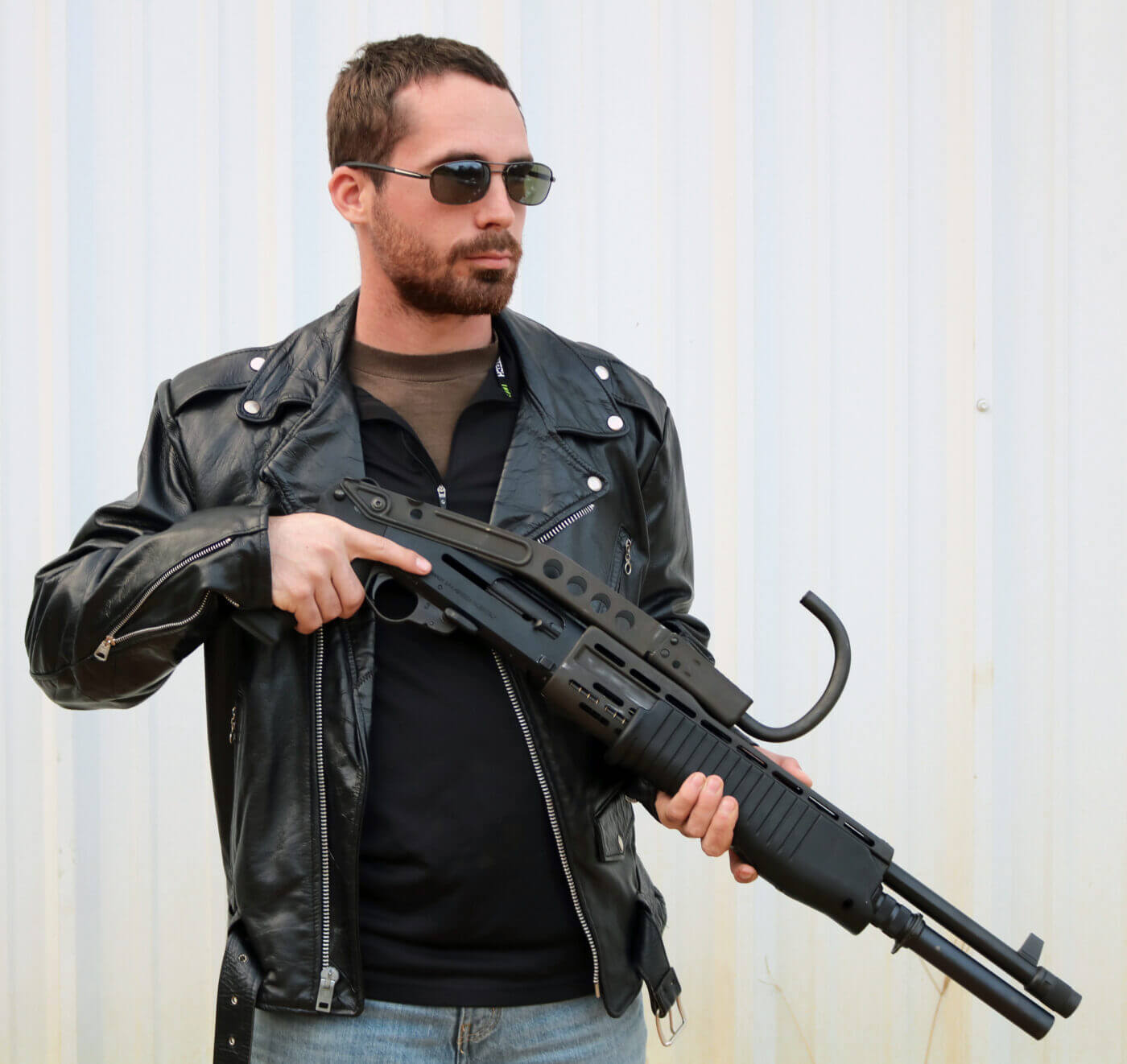
Trying to effectively regulate firearms based solely upon their appearance is a fool’s errand.

The Devil is in the Details…

Guys like me find the term assault weapon onerous because it is so soul-crushingly arbitrary. Two semi-automatic firearms might have exactly the same function and capability. However, if one looks scary and the other doesn’t they can be regulated completely differently.
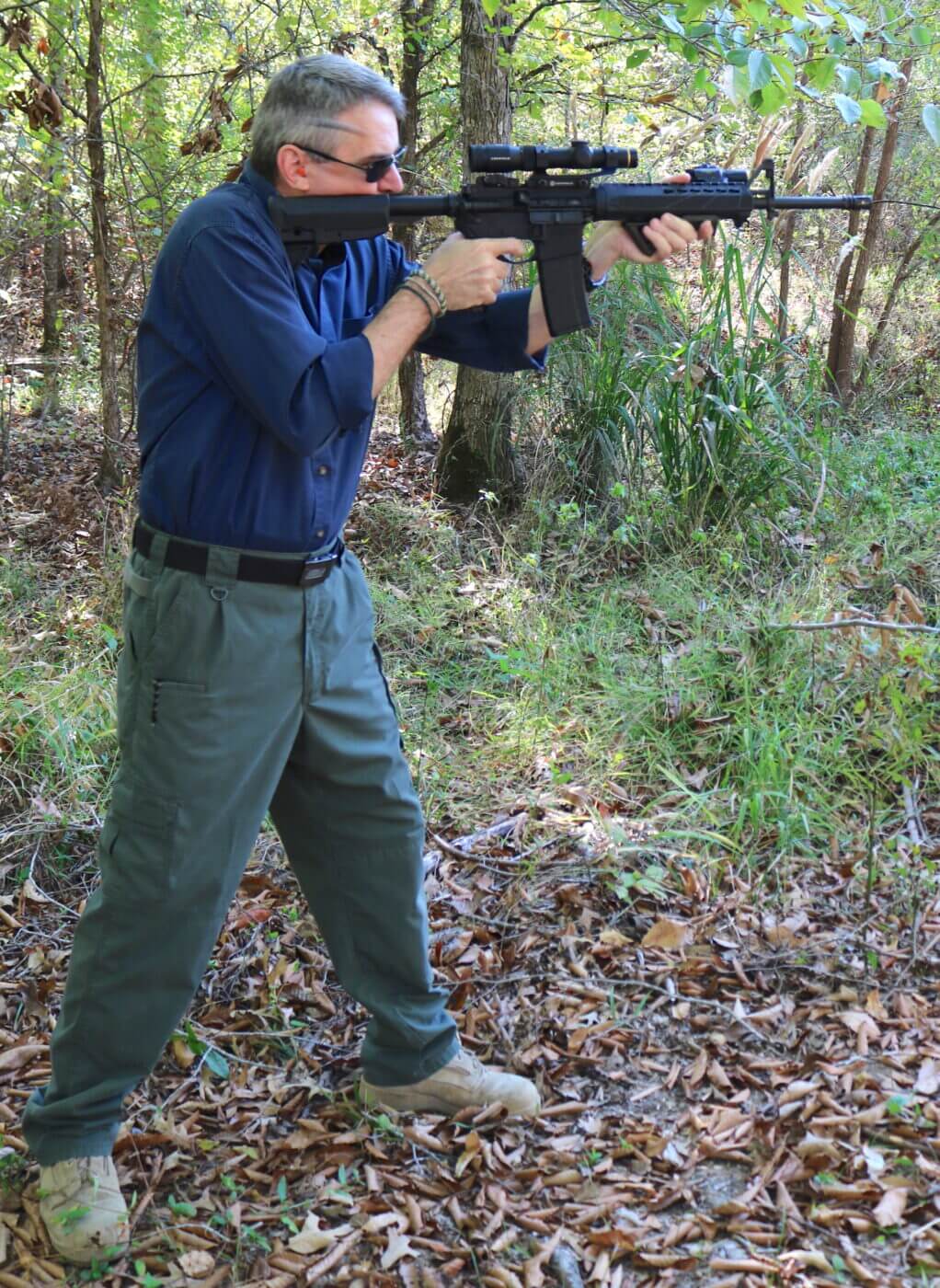
A semi-automatic firearm like this AR-style rifle may look “scary,” but differs little from most other guns.

During the decade following the 1994 Assault Weapons Ban, benign-looking guns remained unregulated, while production of the scary-looking sort was a felony even if they both did exactly the same thing. The arbitrary dicta defining an “assault weapon” had no practical effect on a gun’s effectiveness, utility or contribution to rates of violent crime. With literally tens of millions of firearms already in circulation that meet the government’s arbitrary cosmetic criteria as assault weapons, attempting to regulate such stuff legislatively becomes tedious, ineffective, frustrating, and, frankly, silly.

Categories
All About Guns

This man is insane! – Subsonic Raufoss 50 cal vs Bulletproof Plate

Categories
Darwin would of approved of this! Well I thought it was funny! You have to be kidding, right!?!

The original colon blaster!

May be an image of 1 person

Categories
Darwin would of approved of this! Grumpy's hall of Shame Gun Info for Rookies Hard Nosed Folks Both Good & Bad

Some really dumb Bastards & a Good Range master!

Categories
All About Guns

M1 carbine at 300m; can it reach out this “far”?

Categories
All About Guns

The .310 Martini Cadet: The Little Rifle That Could by Art Merrill,

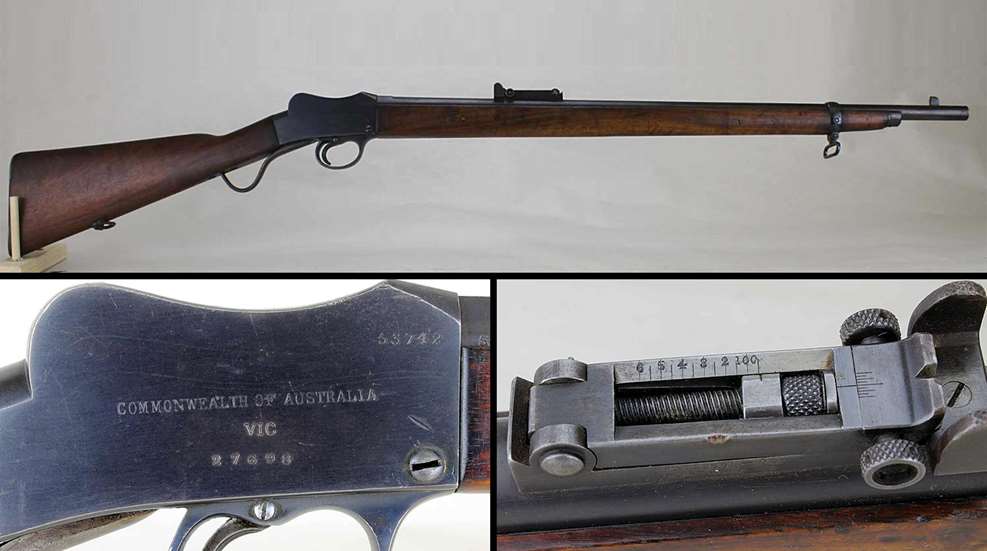
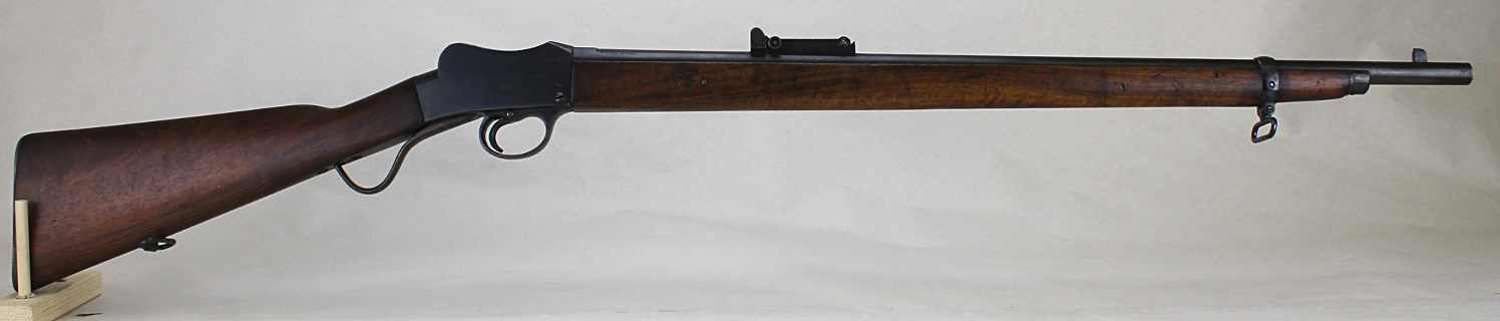
An Australian “miniature rifle” created specifically for marksmanship training, the .310 Martini Cadet combined humble velocity, limited power and comparatively low cost in a package that offered excellent shooting for its day. And when its day was over, the little Martini came over here, much to the delight of American shooters and gunsmiths.

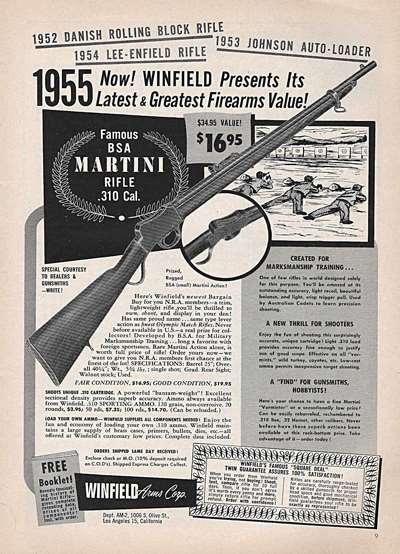
Winfield first offered Australian .310 Cadets to NRA American Rifleman readers in a 1955 ad

“In about 1955 a surplus arms dealer introduced the .310 caliber B.S.A. Martini cadet rifle to the American gun market,” Frank de Haas wrote in his 1969 book, Single Shot Rifles and Actions. “Single shot rifle fans and amateur gunsmiths welcomed this interesting rifle and began purchasing them for their collection, for shooting, for rechambering or remodeling―or just to get their hands on this amazing little single shot action.”

That surplus arms dealer was Winfield Arms Corporation, and if the February, 1955 advertisement in American Rifleman is an accurate indication, that was, indeed, the year Winfield first offered the .310 Martini Cadet and its .310 Greener cartridge to American shooters. Winfield targeted precision shooters in the ad with marketing language like, “…same type lever action as finest Olympic match rifles;” “Used by Australian Cadets to learn precision shooting;” and, “One of the few rifles in the world designed solely for [marksmanship training].”
While perhaps a bit ambitious in calling the .310 Greener cartridge accurate enough “to justify use of a good scope,” none of Winfield’s claims are false.

The “small” Martini action did appear in the Olympics in .22 LR rimfire configuration, the Australians did utilize the rifle to train its military cadets, and the little rifle-cartridge combination rendered adequate precision for the standards of its day, which is well over a hundred years ago now, for training neophytes the fundamentals of marksmanship.

Miniature Rifles
The Cadet’s “small” Martini action is so-named because it is based upon an older bigger brother, which itself bears the monikers of several cousins, including Peabody-Martini, Martini-Henry and Martini-Enfield. Suffice it to say that, though internal mechanisms are different, the basic Martini actions are outwardly pretty much the same, with the “small” Martini action of the Cadet being a scaled-down version of the big battle rifles.

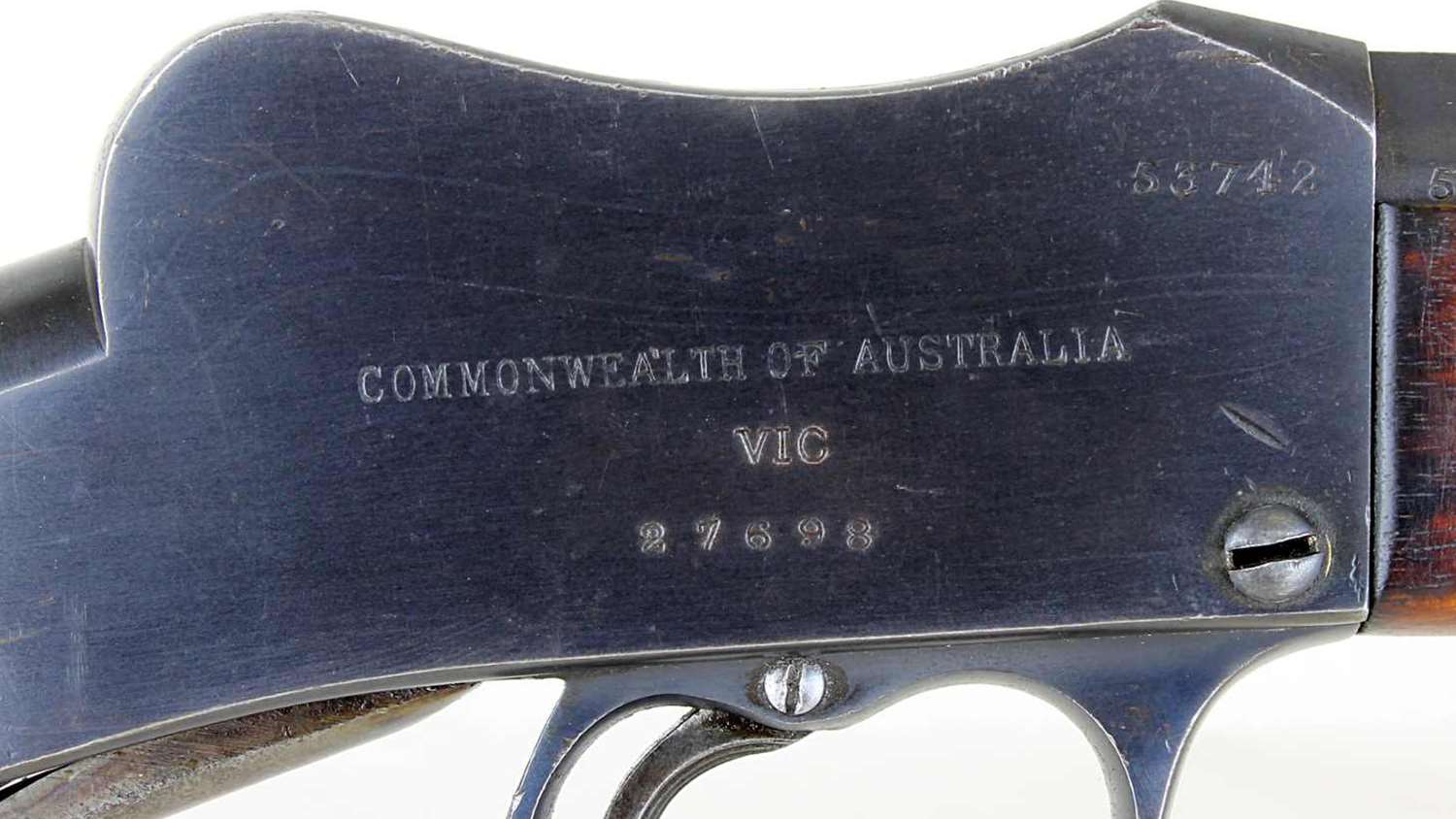
Ownership is spelled out on the Cadet’s receiver side

And really, that was its point. The .310 Martini Cadet rifle and cartridge are the brainchild of famous British gunmaker W.W. Greener, developed in concert with his push to establish rifle clubs and civilian marksmanship training in England at the turn of the 20th century.

Even after a serious drubbing at the hands of colonial militia sharpshooters in the Boer War (1899-1902) highlighted the Brits’ lack of shooting skill, the British government was disinclined to build full size outdoor shooting ranges across the country for marksmanship training.

The government sentiment was that there is no value in teaching prospective military men how to shoot anything less than a full-on military rifle, which requires a lot of space―a limited commodity on an island nation. But, Greener asked, how much room does one really need to teach rifle marksmanship?

The trim .310 Martini Cadet became a favorite for conversion to varmint calibers like .218 Bee

Greener believed a “miniature rifle,” rather than a full-size and full-recoil service rifle, was adequate and desirable for teaching marksmanship. A small rifle shooting a small cartridge would do just as well for demonstrating the fundamentals, and so the well-respected gun maker chose a scaled-down version of the big Martini as an ideal starting point, and he created the diminutive (compared to the .450/.500 and .303 British service cartridges) .310 Greener cartridge to fire in it. Greener said he liked the small Martini action for “being exceedingly strong, simple in construction, and consequently less liable to get out of order than other more complicated mechanisms.”

Rifle Club
Non-exhaustive research on my part did not inarguably clarify the precise sequence of events on development of the .310 Martini Cadet Rifle. W.W. Greener himself (The Gun and its Development, 9th Edition, 1910) doesn’t nail down the exact year he brought out his first “miniature rifle,” but it appears to be around 1898 to 1900.

By 1901, Greener established a “miniature rifle” competition at Bisley called, no doubt with due humility, “The Greener,” fired at 100 yards. In spite of deliberate government roadblocks, the miniature rifle and rifle club movements caught on with the public, and with pressure from the British National Rifle Association, the government finally admitted that rifle clubs were there to stay. In 1905, the British War Office finally begrudged the usefulness of scaled-down rifles for training and adopted a .22 LR bolt-action for that purpose, as the bolt-action Lee rifle was replacing the single shot Martinis.

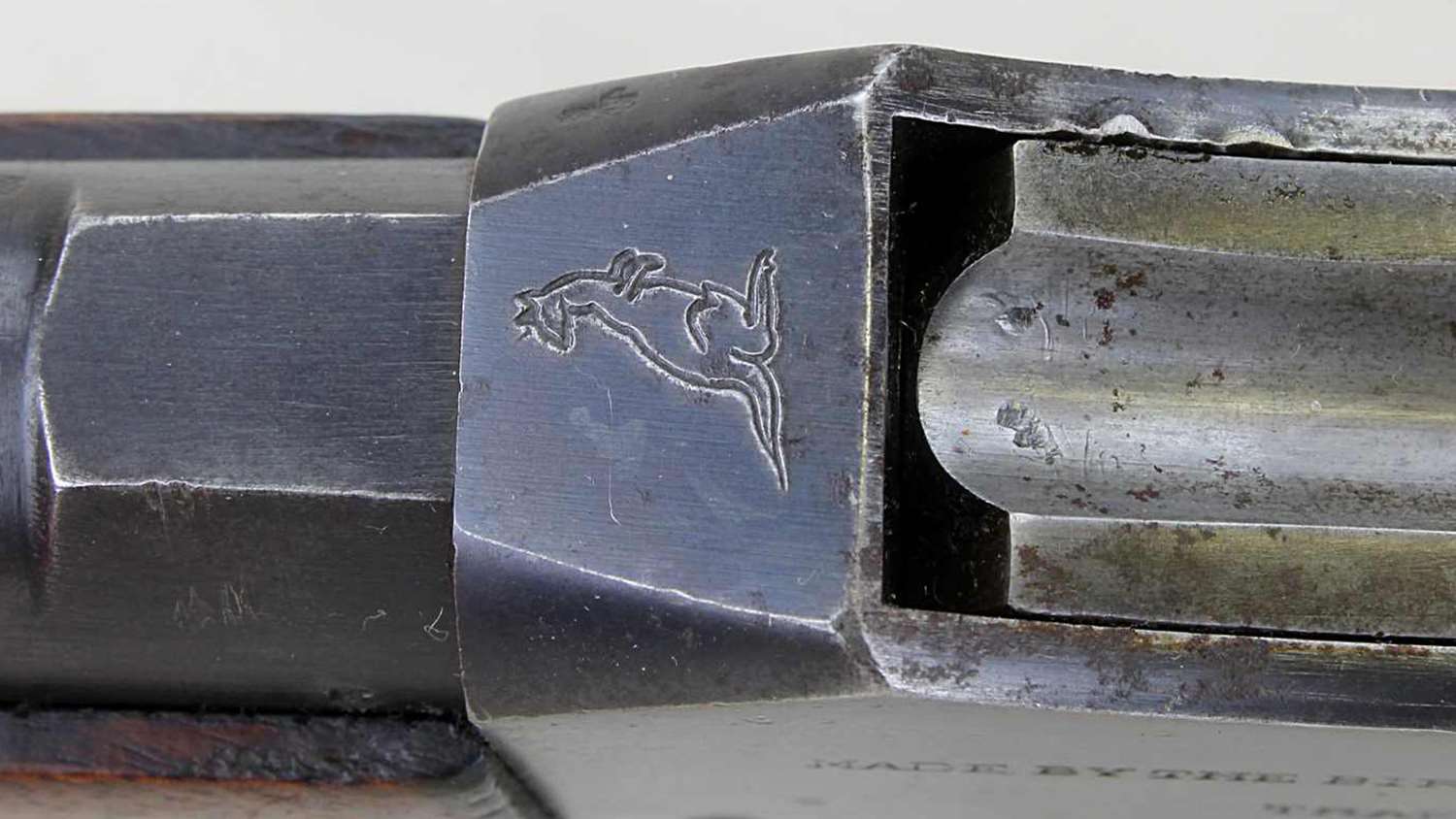
Of course, a kangaroo on the receiver top

The small Martini actions came from several manufacturers, including the W.W. Greener company, Webley & Scott, Westley-Richards and Birmingham Small Arms (BSA). Whether Greener enjoined BSA to make the first “miniature rifle” small Martini action sometime around 1900 or whether he did it himself, isn’t absolutely clear. BSA apparently did land a contract to produce about 80,000 .310 Greener miniature rifles from 1911 to 1913. BSA continued producing the action as the No. 12 B.S.A. Martini, which established itself as a top-notch shooter of the .22 LR cartridge for competition. The small Martini action also served as the basis for the popular English “Rook Rifle” chambered for the (no surprise) .310 Rook cartridge.

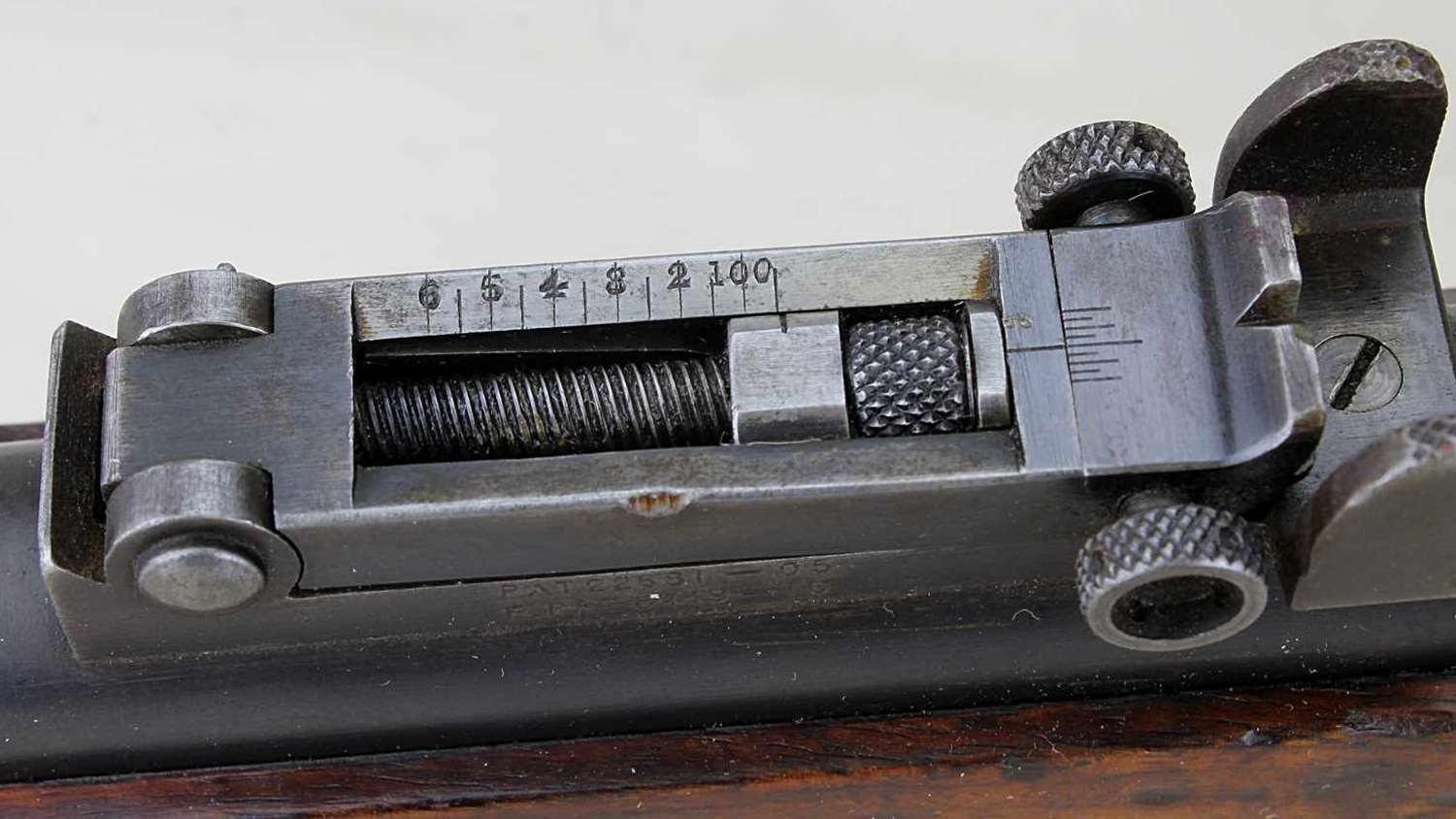
The .310 Martini Cadet rear sight is windage adjustable, and elevation adjustable out to an optimistic 600 yards

Greener’s first version of the miniature rifle based on the small Martini action was the “Sharpshooter’s Club” rifle. It featured a sporting style stock with an adjustable aperture sight mounted on the tang. Greener claimed the rifle, “[is] suitable for all ranges from 50 yards to 300 yards.”

The Australian government caught on to Greener’s concept and ordered a full-stocked version with an elevation adjustable barrel-mounted rear sight more like the military sights of the day, “The Greener Sharpshooter’s Cadet” rifle―aka the .310 Martini Cadet, a colloquialism apparently assigned by U.S. sportsmen after its arrival here. The Australian orders may represent the bulk of the 80,000 produced by BSA.

Winfield was perhaps not the first to bring the small Martini action to U.S. shores; rather, BSA had already found a market for the No.12 .22 LR match grade version of the rifle, which undoubtedly landed here before 1955. What Winfield did accomplish with the .310 Martini Cadet Rifles, however, was to provide a small Martini action suitable for centerfire cartridges. Converting the .310 Martini Cadet to fire varmint cartridges became so popular in the U.S. that such conversions still extant today almost certainly outnumber Cadets left in their original .310 Greener chambering.

Combat? Really?
The .310 Greener or .310 Cadet cartridge can hold about six grains of black powder. Even loaded with smokeless powder, and while perhaps ideal for its original purpose of marksmanship training in limited space, it leaves much to be desired as a sporting round.

The .311-inch heel-base RN lead bullet ambles out the muzzle at around 1200 fps to 1350 fps―about that of a .22 LR. The .310’s 84- to 125-grain bullet outweighs the .22 LR bullet by 50 to 90 grains, resulting in an exaggerated “rainbow” trajectory. Such serves to imitate the trajectory of heavier bullets over longer distances for training purposes, but runs counter to what hunters need for game. That said, the .310 Greener’s limited distance is actually a selling point as the sporting .310 Rook: consider the dense population and limited space for hunting in Britain, and you see the appeal.

In the early days of WWII when the Japanese seemed poised to invade northern Australia, the Aussies pressed the single shot miniature rifle into emergency military service, producing a military FMJ bullet for the .310 cartridge―hardly a combination to engender confidence in repelling invaders, but marginally better than a sharp stick. After this (thankfully) untried defense of the homeland, the Cadets apparently reverted back to a training role until the 1950s when Australia sold them as surplus, bringing us back to Winfield’s 1955 American Riflemanfull-page ad.

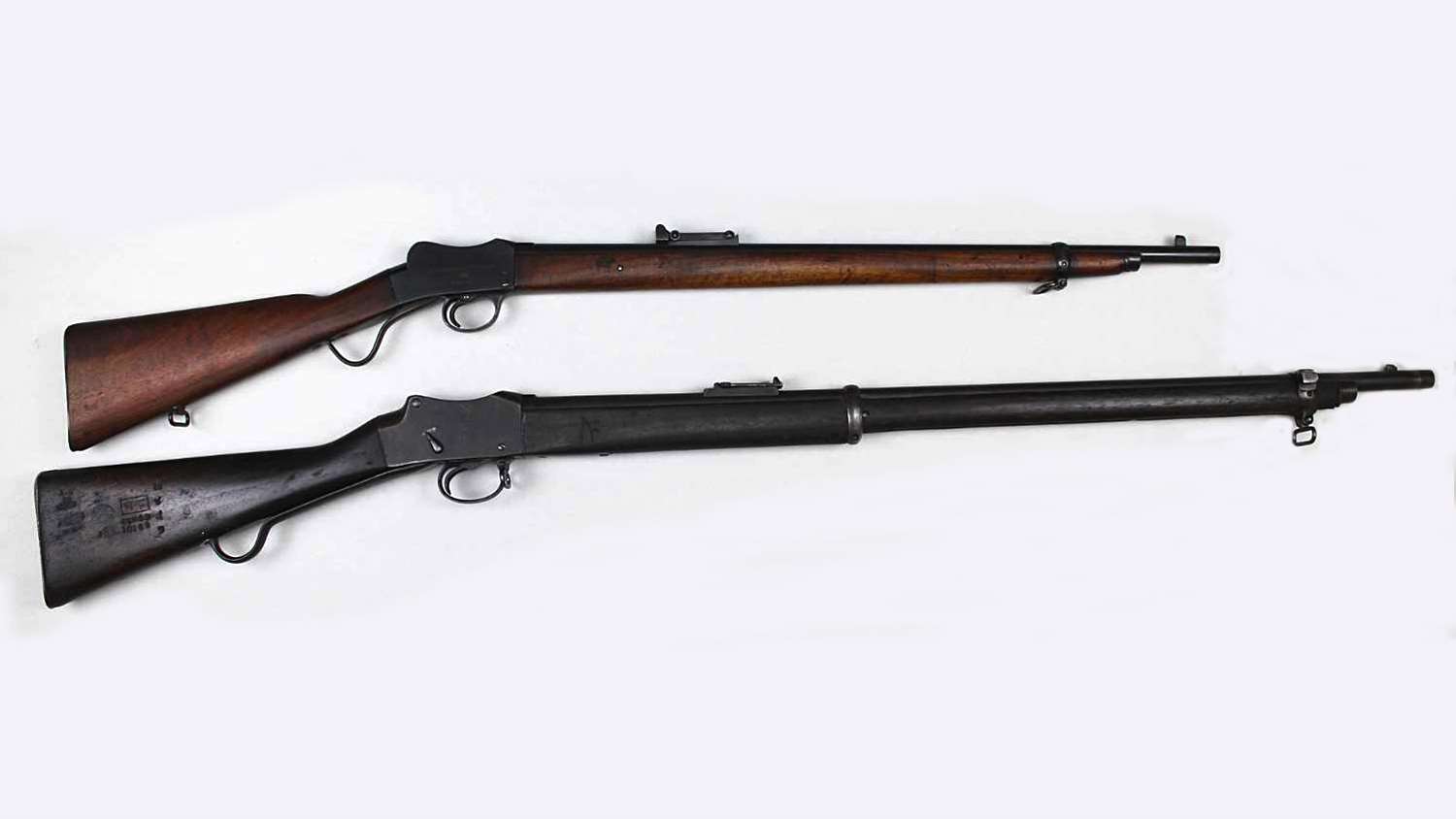
Greener’s “miniature rifle,” the .310 Martini Cadet (top), is a scaled down Martini-Enfield (bottom)

Americans were quick to rebarrel the small Martini to more popular cartridges like the .22 Hornet, .218 Bee and .32-20. Because rechambering to rimless cartridges required modifying or machining a new extractor, an extra step and expense, many shooters chose rimmed cartridges for the conversion.

Today, .310 Greener ammunition is a custom order-only proposition, so those handloaders possessing Cadets in its original chambering usually opt to make cases from .32-20. There are a few handloading caveats involved, as the heel-base bullets are not available commercially, and case conversion may require thinning the rims on a lathe, depending upon the individual rifle.

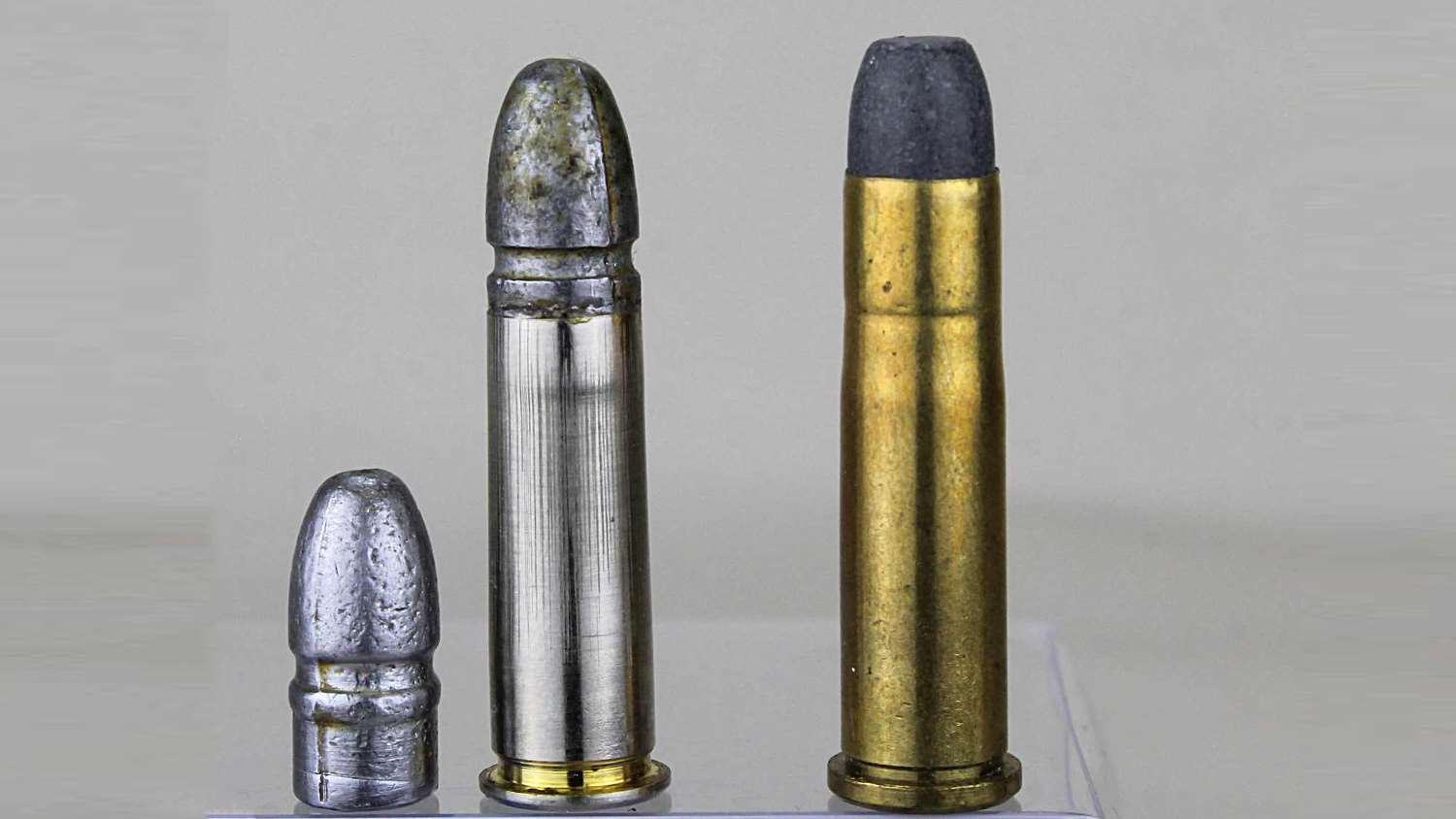
The .310 Greener cartridge features a heel base bullet (l.). Converting the .32-20 (r.) case to .310 Greener (c.) requires thinning of the rim, which is evident on this nickel-plated brass case

Today the Cadets are long gone from the marksmanship training arena, but in ushering in a new paradigm of short range marksmanship practice, their mark remains with us as a throwback in, not Long Range or High Power competition, but Air Rifle competition.

How is that, you ask? When Greener introduced his Sharpshooter’s Club rifle, he applied his same argument―“… the primary principles of rifle shooting [can] be learned as easily with the miniature rifle at a short range as with a heavier rifle at a greater distance”―to concurrently introduce the air rifle for indoor marksmanship training in urban England. Not coincidentally, Greener also manufactured precision air rifles for the purpose. But that, as they say, is another story.

Categories
All About Guns Ammo

1912 Colt New Service Revolver .38 WCF/.38-40 Winchester

Categories
Soldiering War

This is the time when you REALLY know that somebody REALLY fornicated up!

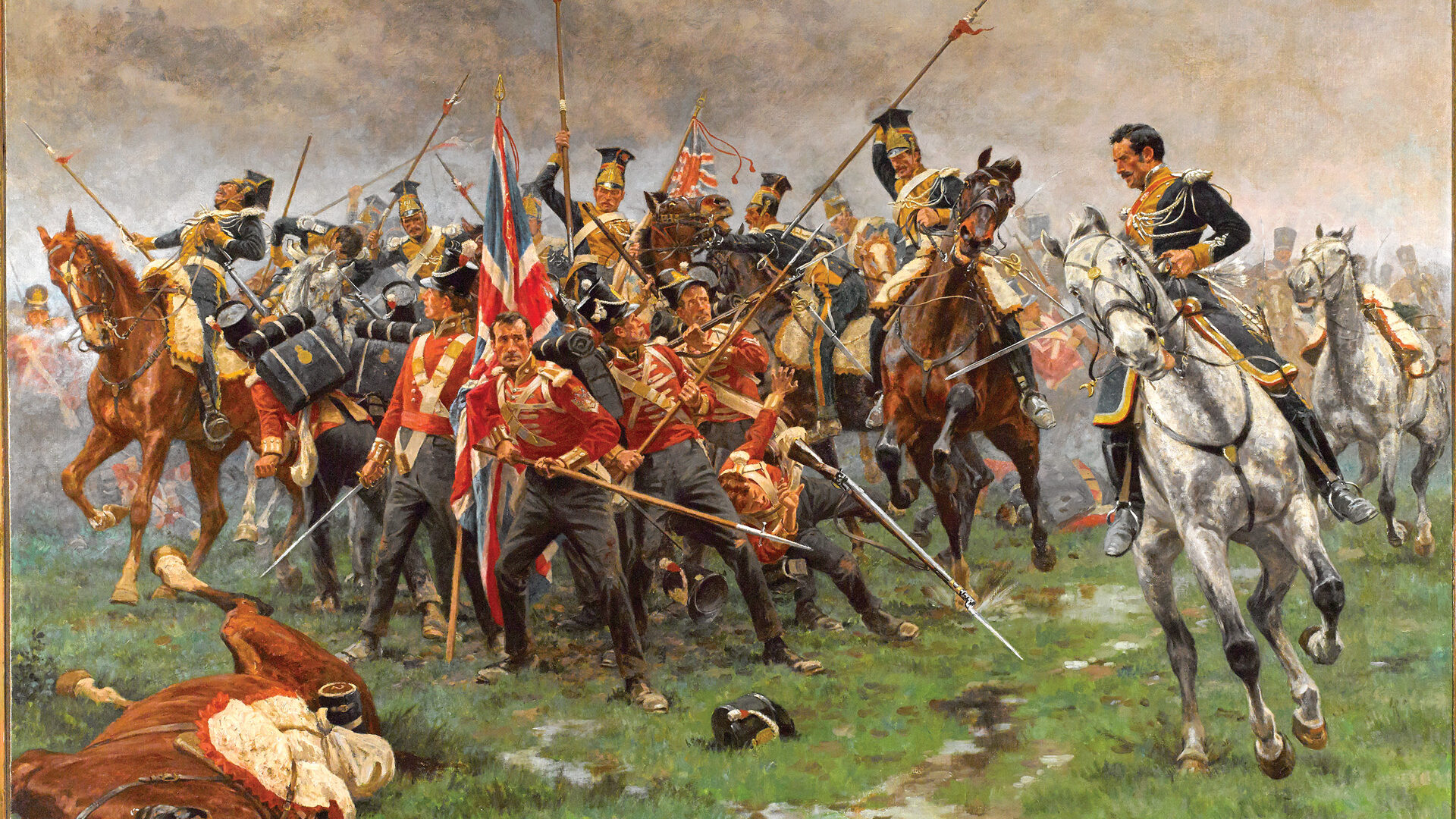
The defense of the Colours of the 3rd Foot – The Buffs at the Battle of Albuera during the Peninsular War in 1811.

Categories
All About Guns

Mace’s Pepper Gun: The Hottest Gun I Own by GARRETT NEGEN

Recently I have found myself spending a decent amount of time in gun-prohibited areas. Whether it be a brewery or a school, I have had to swap my Glock 19 for my backup; a fixed-blade knife. The more I did this, the more thought I put into what the best non-firearm tool for self-defense would be. I needed something to supplement my knife with some much-needed standoff distance. The Pepper Gun from Mace is one of the better options I found.

The Pepper Gun takes disposable 28g pepper spray canisters so it can be used multiple times without having to replace the entire gun. Changing the canister is easy. Simply push the release lever on the left side forward and the cartridge housing will open. The canisters slide in and out easily.

The safety is located where the hammer would be on a revolver. Forward is safe. Back is fire. There is a bit of orange paint on the inside of the safety to indicate when it is in the fire position, but I just remember that the “hammer” must be cocked to fire.

The trigger is long and heavy but if you take note of the mechanism, you will understand why. When the trigger is pulled it pivots and hooks behind the spray canister pushing it forward into the nozzle on the front of the gun until the spray is released. Pulling the trigger a short distance also activates a small LED light on the front of the gun, but it is so dim it is hardly worth mentioning.

The main benefit I see in the Pepper Gun is its range. Mace claims that it can shoot up to 20 feet. Whenever I see “up to” in marketing, I immediately doubt the quoted number and question what typical performance looks like. Thankfully, Mace sent a couple of inert practice cartridges so I could test it for myself.

I taped up three sheets of paper to represent three assailants. This was to see if the Pepper Gun would have enough juice for multiple attackers. I then measured the max distance of 20 feet and took my shot. I found the trigger to be long and heavy. So, I felt that pinning the trigger to the rear and spraying from one target to the next would be a better strategy than trying to control precise spurts at each one.

20’ is definitely the max range. The stream broke up into droplets around 10’ and started to fall pretty quickly from there. By the time I realized that I needed to aim a couple of feet over the target I was out of spray. The three attackers would have still gotten a good taste but most of the liquid ended up on what would have been their torsos. I had one more practice cartridge so I scooted up two feet and tried again. This time the results were devastating. Knowing to adjust my elevation from the start I was able to soak two of the sheets and get a little on the third. This result was much more satisfying. Thankfully these Pepper Guns are sold with a training cartridge so the user will have a chance to get a feel for its performance before carrying it.

The toughest part of using the Pepper Gun is carrying it. The overall dimensions are definitely concealable but I have not been able to find a quality appendix inside the waistband (AWIB) holster for it. Because of this, I gave the Pepper Blaster to my wife to carry in her purse and I carry the Magnum 3 Pepper Gel. It has an 18’ advertised range and comes with a clip so I can easily carry it AIWB with my knife. I would still like to have the extra range of the Pepper Gun but the Magnum 3 seems to better fit my needs.

Overall, I think the Pepper Gun is a very useful tool for only $35. While I would rather have my G19, I understand that isn’t quite apples-to-apples; as far as non-lethal goes the Pepper Gun does a good job. Check out Mace’s website if you want more information on either of these products or if you want to pick up a Pepper Gun of your own.

Categories
Allies Soldiering

Royal Marines recruits tackle the infamous ’30-miler’