Categories
I have seen this puppies used at the NTC and they are just awesome! It is just a pity that the tanks of Large Tank battles is fading from the battle Fields!
Categories
Hubris can really bit you in the Ass!!
Categories
Winchester – Model 1897 – 12 Gauge
 To all my Brother Divorcees / Escapees, Haven’t we all been there at one time or another?

When I was a kid the entire country was covered in a thin patina of combat veterans. The local car salesman served on a PT boat, the owner of the shoe store jumped into Normandy with the 82d, and one of my dad’s co-workers earned the Silver Star as a combat engineer in Italy. They all dressed like the Blues Brothers. As soon as the pastor uttered the final Amen they would all herd out to the front of the church to smoke. About an hour was all they were good for between cigarettes.

The plot device has been exercised so many times in Hollywood as to have become a trope. Dishonest local law enforcement has the muscle to impose their nefarious will on innocent local townsfolk. Then some moody combat veteran comes back home and is forced to make things right. Whether the setting is the Old West or modern urban America, the story of the ex-soldier with the skills and the will to face down corruption is reliable box office gold.

When John Rambo disassembled the little town of Hope, Washington, with his liberated M60 in First Blood he defined a generation of movies. However, it turns out that there was actually a real-world historical precedent. Back in 1946 a group of combat veterans fresh from winning World War 2 took up arms to liberate an oppressed people closer to home. What is even more amazing is that they shot up the town, deposed the criminals, and came out of it heroes.
The Setting

It’s tough for those of us outside of Chicago to imagine today, but back in the 1940’s many parts of America were dominated by ruthless well-organized political machines. Two-bit, sawed-off dictators suppressed voting, shook down local citizens, and generally enhanced their lot at the expense of the little guy. In no place was this worse than in Athens, Tennessee. Athens is the McMinn County seat.

In 1936 the E.H. Crump organization based out of Memphis enthroned Democrat Paul Cantrell as McMinn County Sheriff. Democrats riding on FDR’s coattails used intimidation tactics to seize this position and engage in systematic police brutality, predatory policing, voter intimidation, and general political corruption. The Sheriff and his deputies were paid a fee for every person they incarcerated. This led to gross abuses of power.

The tactic was called “fee grabbing.” Busloads of tourists passing through the county were pulled over and random citizens were ticketed for crimes such as drunkenness whether they had been drinking or not. In the decade between 1936 and 1946, this shakedown racket netted more than $300,000. That would be around $4.5 million today.

The corrupt Democratic Sheriff Paul Cantrell used his deputies to intimidate voters. Dead people and the underaged voted when it benefitted Cantrell and his minions. With most of the county’s young men off fighting the war, Cantrell hired ex-convicts as deputies. It really was like a bad movie.

At the height of the war, two veterans home on leave pushed back against the political machine and were killed for their trouble. Word of this filtered out to the troops on the front. Ralph Duggan, a Navy veteran who served in the Pacific and later became a prominent lawyer, said, “I thought a lot more about McMinn County than I did about the Japs. If democracy was good enough to put on the Germans and the Japs, it was good enough for McMinn County, too!”
Attempting a Political Solution

Around 3,000 young men from McMinn County had gone off to fight, roughly one-tenth of the population. Upon their return, these combat-hardened warriors formed the GI Non-Partisan Voting League. They remained politically neutral and fielded three Republicans and two Democrats for the upcoming local elections. Veteran ID was required for admission to meetings. Local businessmen sick of the oppression funded their efforts. Their formal motto was, “Your Vote Will Be Counted as Cast.”

When the corrupt Sheriff moved to interfere local veteran Bill White organized what he called a “fightin’ bunch.” He later stated, “I got out and started organizing with a bunch of GIs…I learned that you get the poor boys out of poor families, and the ones that was frontline warriors that’s done fighting and didn’t care to bust a cap on you…So that’s what I picked. I had thirty men and…I took what mustering out pay I got and bought pistols.” The fuse was lit.
The Catalyst

The corrupt Sheriff brought in 200 armed deputies from other precincts on election day, August 1, 1946. These deputies were paid the princely sum of $50 per day for their services (more than $650 today). GI poll-watchers complained of voter fraud and intimidation and were arrested for their trouble.

Around mid-afternoon, an elderly African-American farmer named Tom Gillespie was physically prevented from casting his ballot by a crooked patrolman named C.M. “Windy” Wise. When the old man objected, Wise struck him with a set of brass knuckles. Gillespie dropped his ballot and ran for the door. Wise then drew his sidearm and shot the old man in the back.

Word of this egregious act made the rounds fairly quickly. When Republican Election Commissioner and local Party Chairman Otto Kennedy asked Bill White, the ad hoc commander of the “fightin’ bunch,” what he planned to do. White replied, “I don’t know Otto; we might just kill them.”

The corrupt deputies closed the polling place, seized the ballot box, and took two poll watchers hostage. In response, somebody in the agitated crowd shouted, “Let’s go get our guns!”

Bill White dispatched his lieutenant Edsel Underwood to the local National Guard armory. Underwood returned with sixty M1917 bolt-action Enfield rifles, a pair of Thompson submachine guns, three M1 Garand rifles, five M1911 pistols, and ample ammunition to feed them all. Now with more than sixty trained, experienced, and motivated veterans well-armed and itching to fight, the corrupt local Law Enforcement began to realize they had bitten off more than they could chew.
The Guns

The M1917 Enfield rifle was a British design that incorporated features from the proven German Mauser system. Utilizing a front-locking, dual-lug bolt action with a Mauser-style claw extractor, the M1917 was widely produced in the US by Remington, Winchester, and Eddystone Arsenal. The M1917 saw widespread use during World War 1.

The M1 rifle is referred to today as the Garand after its Canadian designer John Cantius Garand. However, every WW2 combat veteran I have ever known just called it the M1. A semiautomatic gas-operated design that fed from an eight-round en bloc clip, the M1 offered a quantum advance in firepower over the bolt-action weapons of the day. Though heavy at 9.5 pounds empty, every vet I have met who used the weapon for real revered it.

The Thompson submachine gun was obsolete at the outset of WW2. The M1928A1 was a slightly modified version of the same weapon used by John Dillinger during the Roaring Twenties. These guns were boat anchor heavy and ridiculously expensive. The subsequent M1A1 was somewhat simplified and saw ample use in all theaters. Around 1.5 million copies were made during the war.

The M1911A1 pistol was a national treasure. Designed by firearms luminary John Moses Browning as a replacement for the anemic .38-caliber revolvers used during the Spanish American War, the M1911 and the .45ACP round it fired set a standard for terminal performance yet to be bested. Most anyone who wore a uniform during WW2 would have been intimately familiar with Browning’s epically powerful hogleg.
The Fight

Some 55 armed deputies retreated to the local jail with the ballot boxes and barricaded themselves inside. They were armed with a single Thompson SMG as well as a variety of rifles, shotguns, and pistols. In response, White and his men made a tactical assessment of the situation and dispatched an overwatch element to the nearby bank to establish a base of fire. White then called out, “Would you damn bastards bring those damn ballot boxes out here or we are going to set siege against the jail and blow it down!” Somebody squeezed a trigger, and the otherwise peaceful little town erupted in a hail of gunfire.

When the deputies failed to surrender, somebody amidst the fightin’ bunch produced dynamite. Explosive charges were thrown underneath the sheriff’s patrol cars, flipping them upside down in the street. Charges were detonated against the front door as well as on the roof of the jail. With this, the besieged deputies had had enough and surrendered.
The Aftermath

Miraculously, no one was killed during this tidy little war. Many to most of the deputies were injured, some severely, but no one died as a result of combat action. When the ballots were tabulated the GI Non-Partisan League won in a landslide.

Bill White was himself installed as a Deputy underneath respected combat veteran Knox Henry, the GI candidate elected Sheriff. By early September the local mayor, as well as all four corrupt aldermen, had resigned. This marked the irrevocable downfall of the local political machine.


The Battle of Athens inspired similar less bloody uprisings against entrenched corrupt politicians across Tennessee and much of the rest of the country. The GIs frequently found that the practical aspects of governance bore their own unique challenges. However, the corrupt politicians of the E.H. Crump machine learned the hard way that the Second Amendment to the US Constitution really does guarantee all the rest.

The elderly farmer Tom Gillespie survived. Windy Wise did three years in prison for his shooting. When the dust settled, the Good Guys won.
Like texting, tweeting, woke and hangry, the term “assault weapon” is a relatively recent contrivance. Unlike other contemporary cultural slang, however, folks can go to jail over the exact definition of this ethereal expression. As a result, it is important to appreciate how the concept came to be and then try to grasp just exactly what it means.
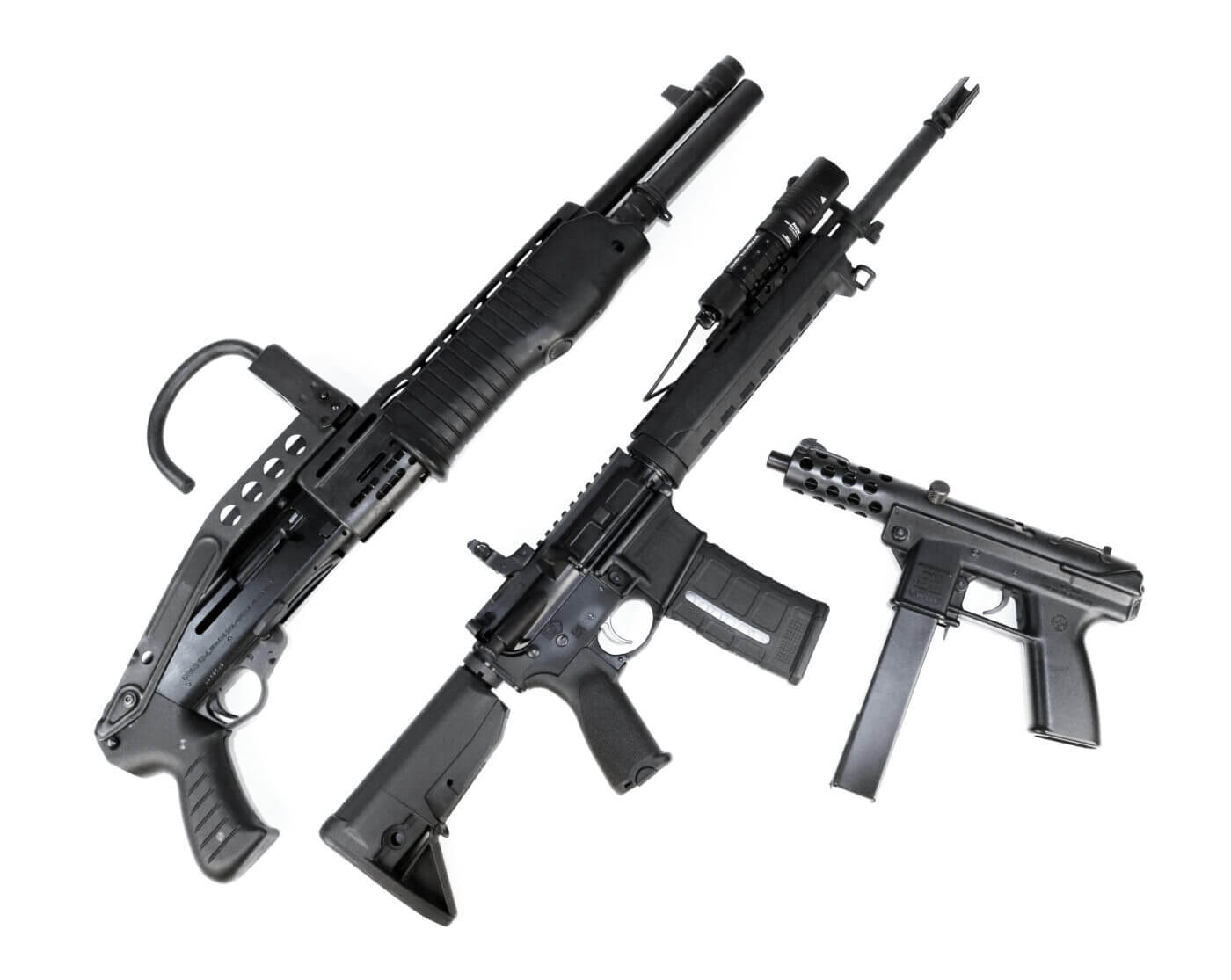
There is an apocryphal tale claiming that Adolf Hitler first started this party. During World War II the Nazis debuted a radically new type of Infantry rifle called the MP43. Hitler himself purportedly titled the revolutionary weapon the “Sturmgewehr” or “Storm Gun.” Allied intelligence officials supposedly mistranslated “Storm Gun” as “Assault Rifle,” and here we are.
Assault rifle is an accepted military term today. This is a relatively lightweight man-portable weapon that is capable of fully automatic fire. Fully automatic means the gun will sequentially shoot more than one bullet with a single squeeze of the trigger. Hold down the trigger and it will shoot until you release the trigger or the gun runs empty. The layman would be forgiven for calling this a machinegun. All modern military forces employ assault rifles.
Misapplied Terms
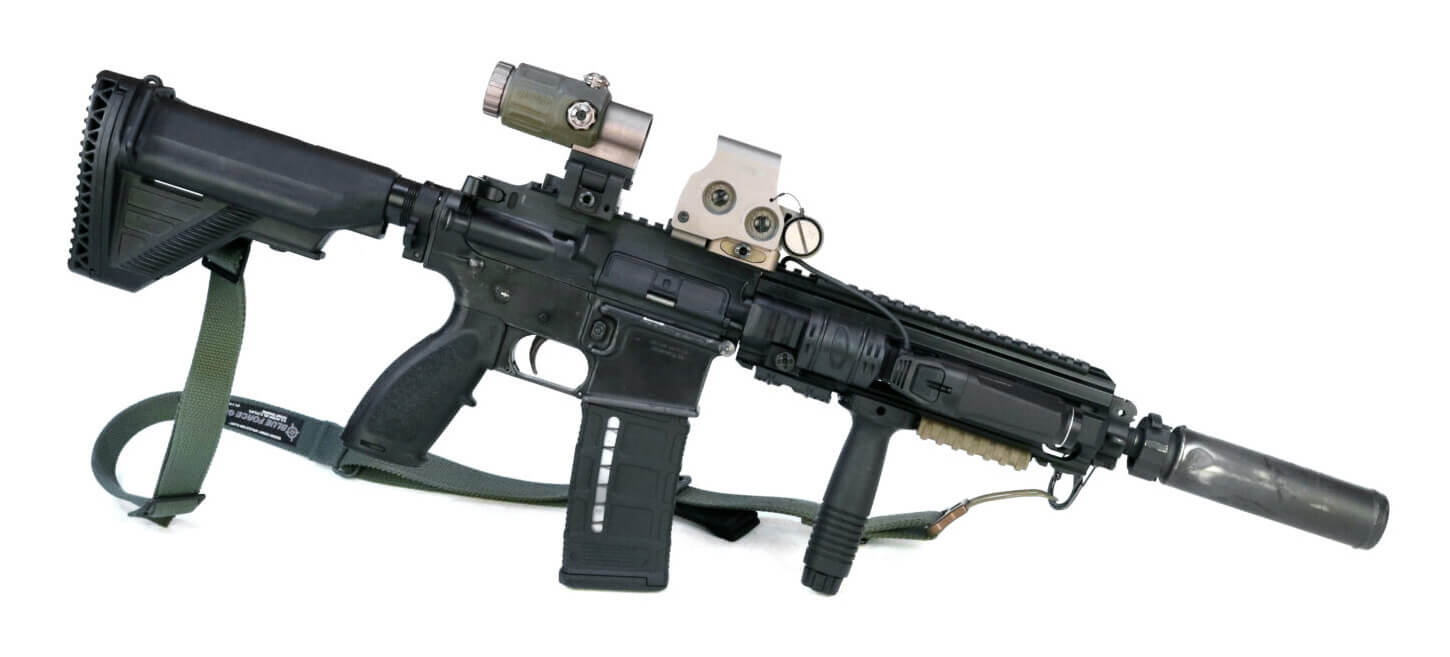
By contrast, in today’s parlance an “assault weapon” is a more obtuse, contrived beastie. An assault weapon today is basically inaccurately described as a semi-automatic firearm that looks like an assault rifle. “Semi-automatic” means the gun fires one shot with each pull of the trigger. Hold down that trigger, and all you are going to get is a single shot. In the gun world, the distinction between fully automatic and semi-automatic is huge.
To the purist, an assault weapon is not even a real thing. While an assault rifle is a fully automatic military tool, an assault weapon is just a gun that people say might look scary. It is therefore all but undefinable. However, that didn’t stop the U.S. Congress from trying.
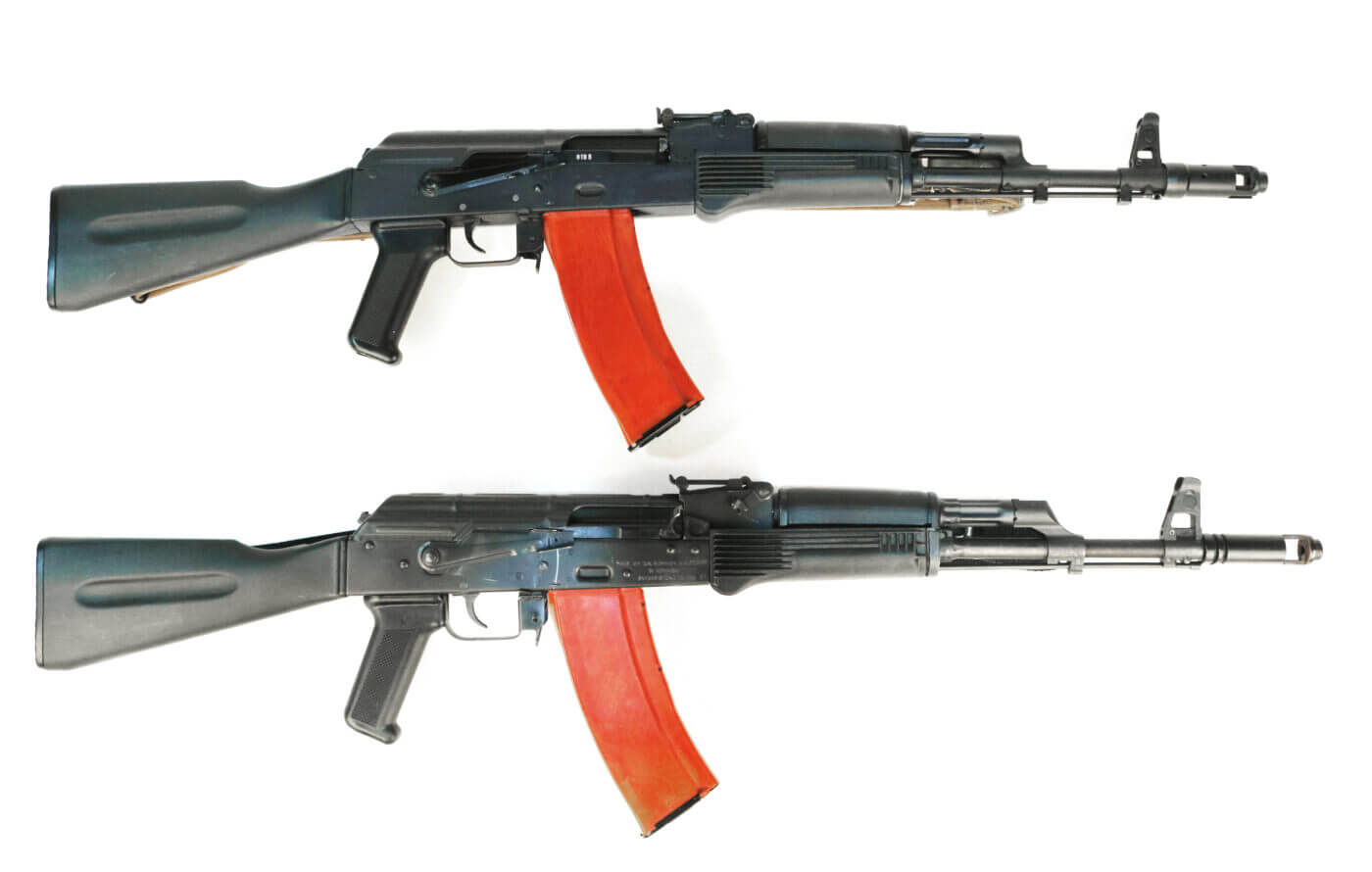
Congress tried to ban whatever they perceived to be assault weapons in the mid-1990s. Gun defenders insisted upon a legal definition that could stand up in court. Opponents countered that assault weapons were indeed hard to define, but you kind of knew one when you saw it. The messy end result was the Assault Weapons Ban of 1994.
This convoluted piece of legislation sought to prohibit the manufacture of certain firearms based upon their appearance. Cosmetic features like pistol grips, bayonet lugs, flash hiders and collapsible stocks all folded into a confusing matrix of sinister features. Certain combinations would arbitrarily pitch a conventional firearm into the dreaded “Assault Weapon” category.
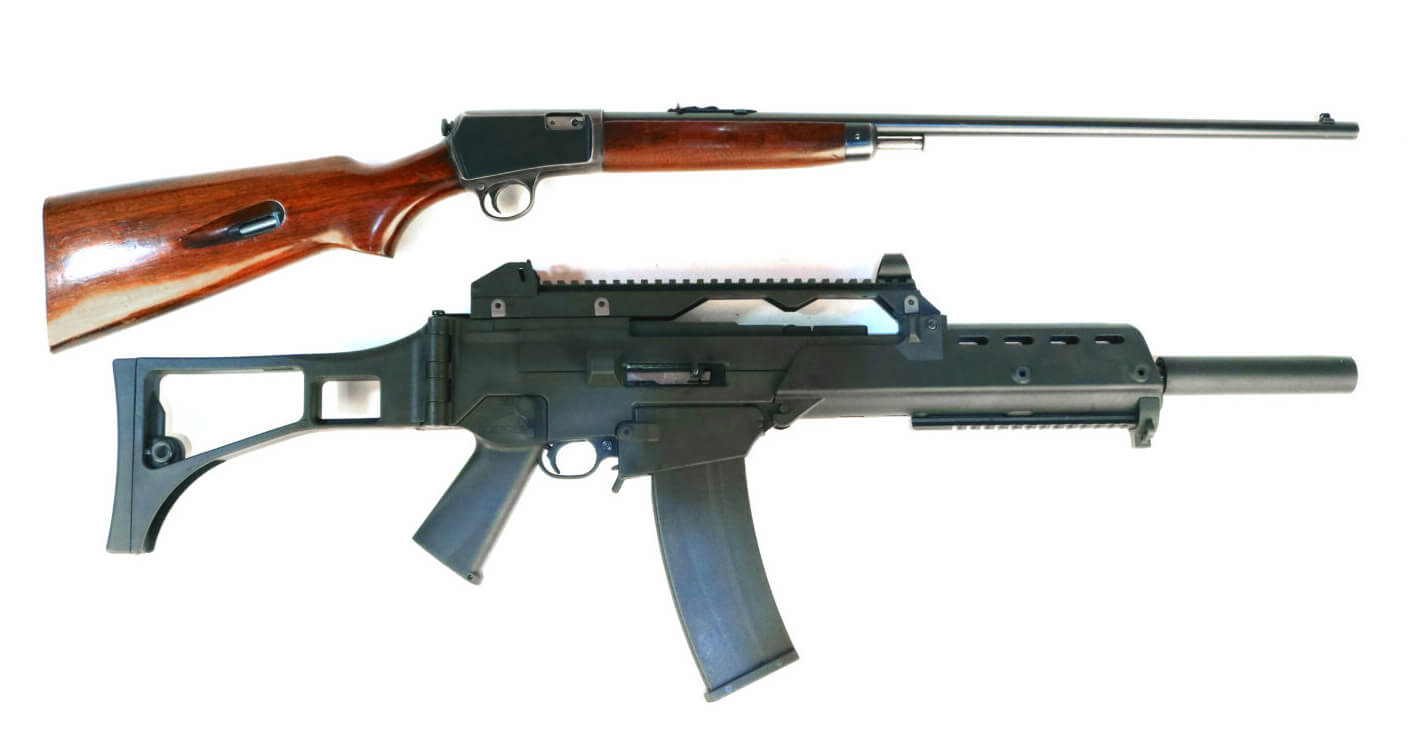
The 1994 Assault Weapons Ban also outlawed the manufacture of ammunition feeding devices (“magazines”) holding more than ten rounds and prohibited numerous specific firearms by name. This muddled bit of jurisprudence automatically expired 10 years after it was enacted. Reputable sources agreed that the ban had no effect on crime rates. There has nonetheless been a concerted effort to reinstate it permanently ever since.
Several states, most notably California, still use a similarly labyrinthine framework to try to capture what exactly an outlawed assault weapon should be (click here to learn about “California-compliant” firearms). It would honestly be kind of funny except that people can go to prison for innocently running afoul of it. I’d walk you through the technical details, but it would invariably put you to sleep.
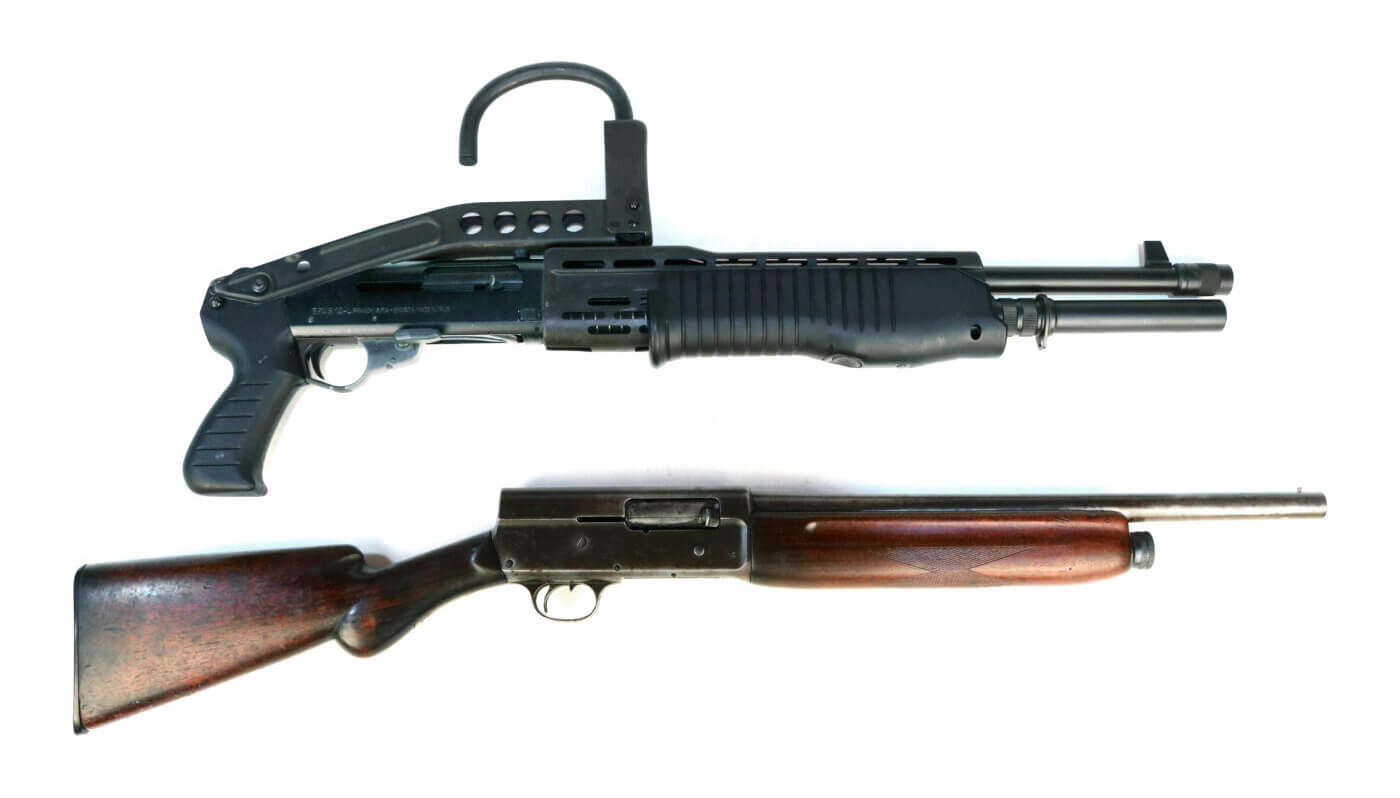
Defining the Undefinable
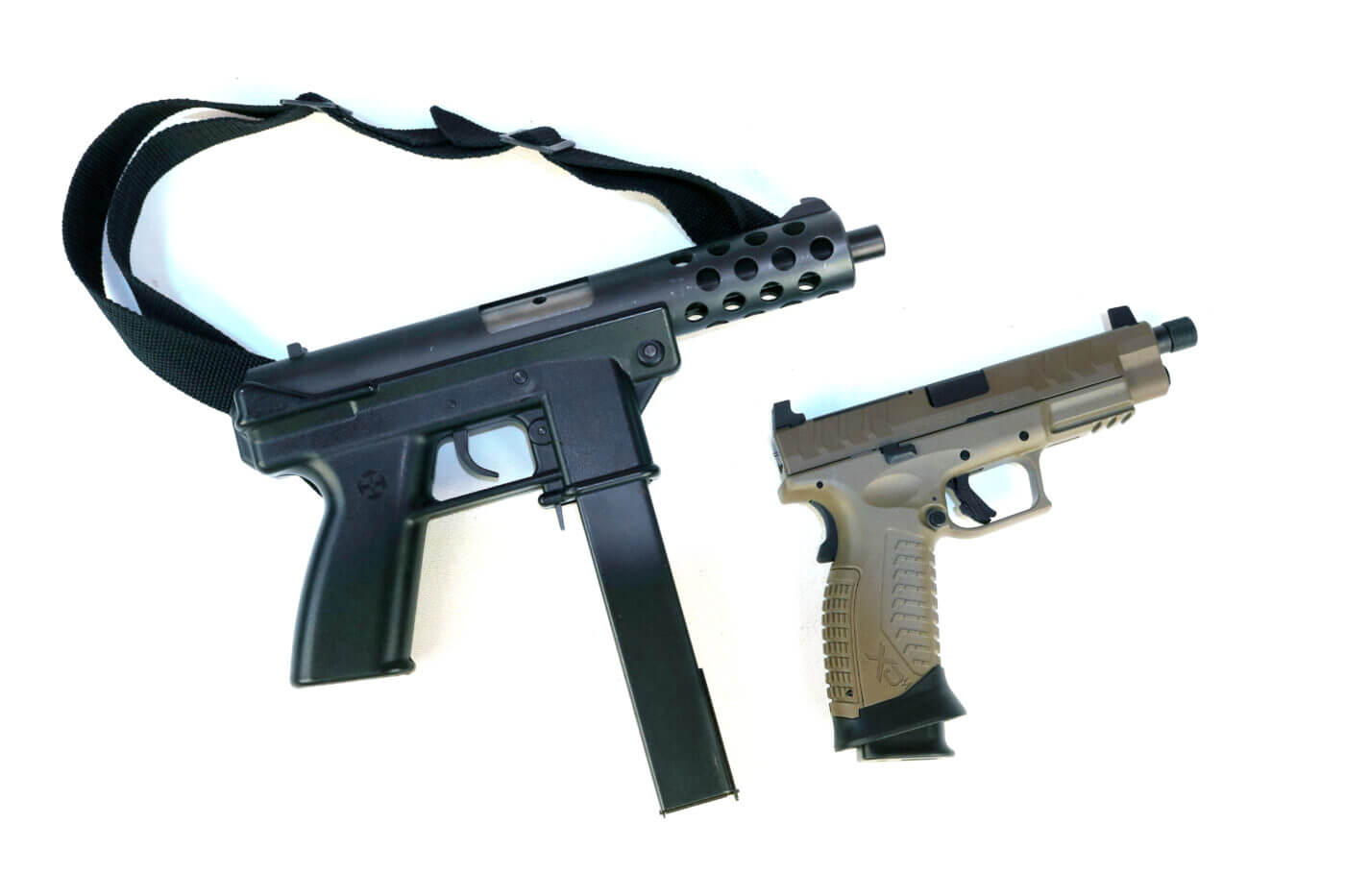
The reality is that a true “assault weapon” is a type of fully automatic firearm used by the military. Private citizens in most states can technically own certain fully automatic guns. However, they are about as rare as honest politicians in Washington and nearly as expensive.
Unlike depictions in movies, fully automatic weapons in private hands are vanishingly rare. By contrast, semi-automatic firearms of all stripes are quite literally everywhere. Rifles of any sort are used in a relatively small percentage of the gun crime in America. “Assault weapons,” whatever they actually are, would make up a yet smaller subset.
The more useful term than assault weapon would be “Modern Sporting Rifle” (MSR). MSR’s might look a bit like assault rifles on the outside. However, they are by definition semi-automatic. MSRs are used legally for competition, recreation, and home defense from coast to coast. Despite the relentless bigotry shown against them, MSRs remain the most popular genre of rifles in America.
The Devil is in the Details…
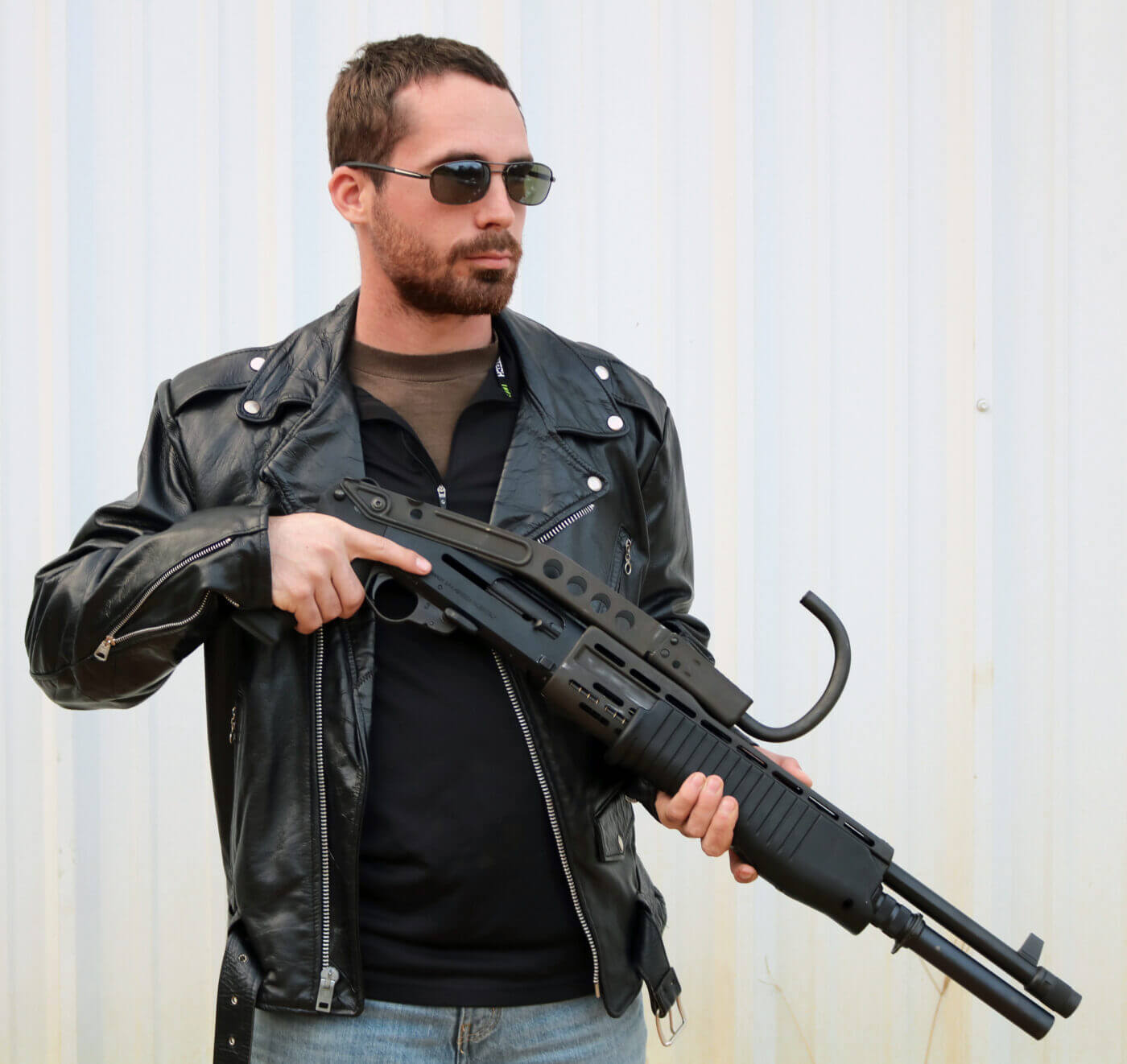
Guys like me find the term assault weapon onerous because it is so soul-crushingly arbitrary. Two semi-automatic firearms might have exactly the same function and capability. However, if one looks scary and the other doesn’t they can be regulated completely differently.
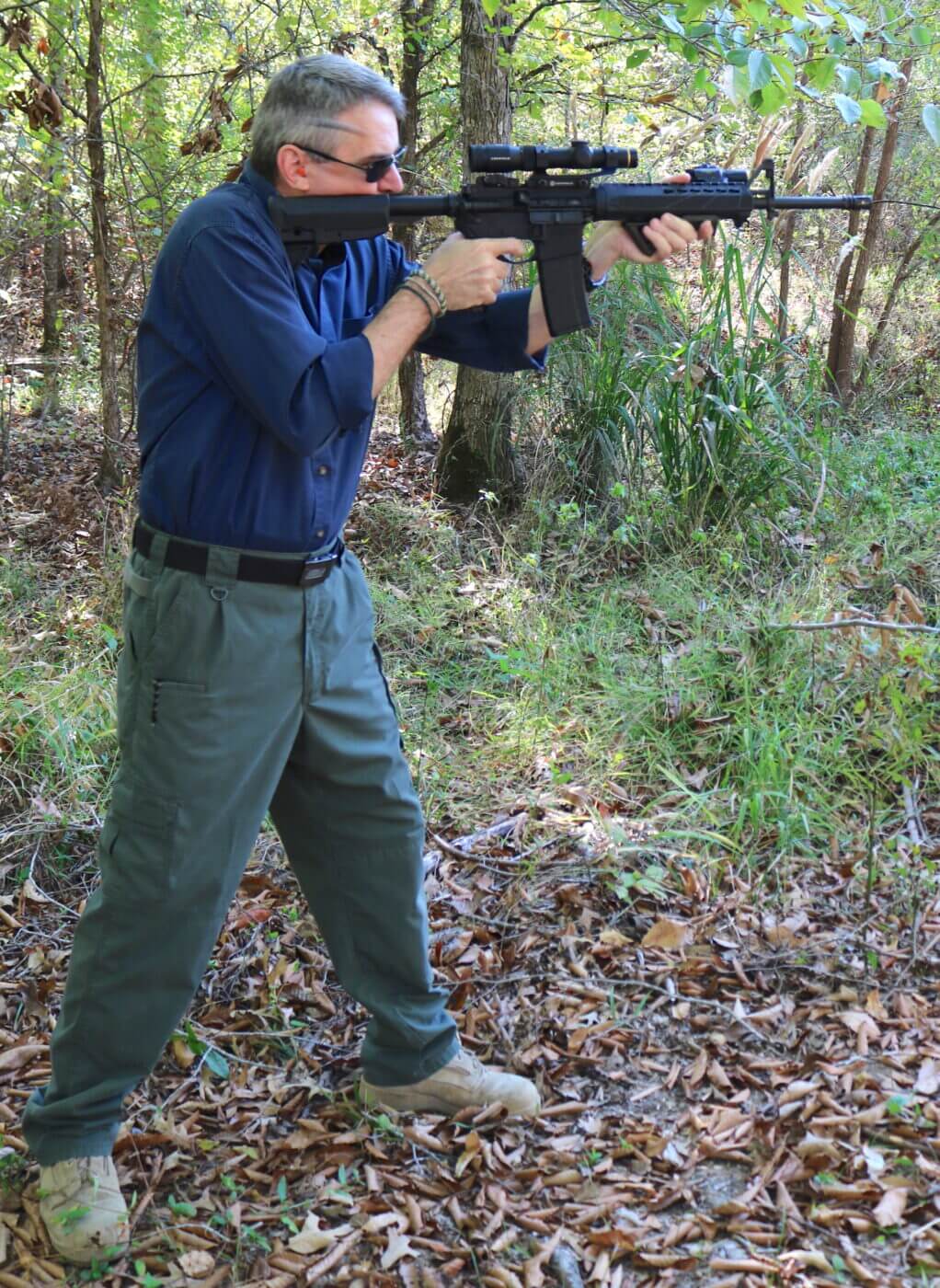
During the decade following the 1994 Assault Weapons Ban, benign-looking guns remained unregulated, while production of the scary-looking sort was a felony even if they both did exactly the same thing. The arbitrary dicta defining an “assault weapon” had no practical effect on a gun’s effectiveness, utility or contribution to rates of violent crime. With literally tens of millions of firearms already in circulation that meet the government’s arbitrary cosmetic criteria as assault weapons, attempting to regulate such stuff legislatively becomes tedious, ineffective, frustrating, and, frankly, silly.