Categories
By the time Gunnery Sergeant Ernest Janson trudged up Hill 142 at Chateau-Thierry, France, on June 6, 1918, he had already logged fourteen years in uniform. After a decade in the U.S. Army, Janson enlisted in the Marine Corps, serving in the Nicaraguan Campaign. On this fateful afternoon, however, some 26 years to the day before American troops stormed ashore on D-Day, Gunny Janson was neck-deep in the suck.
World War I was well into its fourth bloody year, and the world groaned underneath the unprecedented suffocating carnage. The Russians were bled white and quit the war in May of 1918. This freed up some fifty divisions of battle-hardened German troops to tip the balance of power against the Allies in the West. Now with the Germans within 45 miles of Paris, French troops were in retreat. History has come to refer to this particular tidy little meat grinder as the Battle of Belleau Wood.

The first U.S. Marines had arrived four days earlier led by CPT Lloyd Williams. Upon their initial deployment to the front lines, the retreating French told them to turn around and go home. CPT Williams famously responded, “Retreat? Hell, we just got here!” Now on June 6, Gunnery Sergeant Janson found himself cut off with the battered remnants of his small unit atop the shattered moonscape that was Hill 142.

Janson gripped his M1903 Springfield rifle in a death rictus as he made a quick appraisal of the situation. Hill 142 was a strategic piece of real estate. If the Germans could take that hill they could rain fire down on the French flanks. A full dozen German soldiers were crawling up the hill with five MG08/15 light machineguns in tow. If the Krauts got those machineguns working they could turn the entire line.

Gunny Janson shouted the alarm, affixed his bayonet, and charged down the hill. He emptied his rifle as fast as he could cycle the action until he was eventually standing among the assaulting Germans. He dispatched the two senior German patrol leaders with his bayonet, forcing the remainder to flee. The vaunted German assault troops abandoned all five machineguns and fled back to safety. They had just gotten their rude introduction to the Devil Dogs of the U.S. Marine Corps.
Development of the Rifle
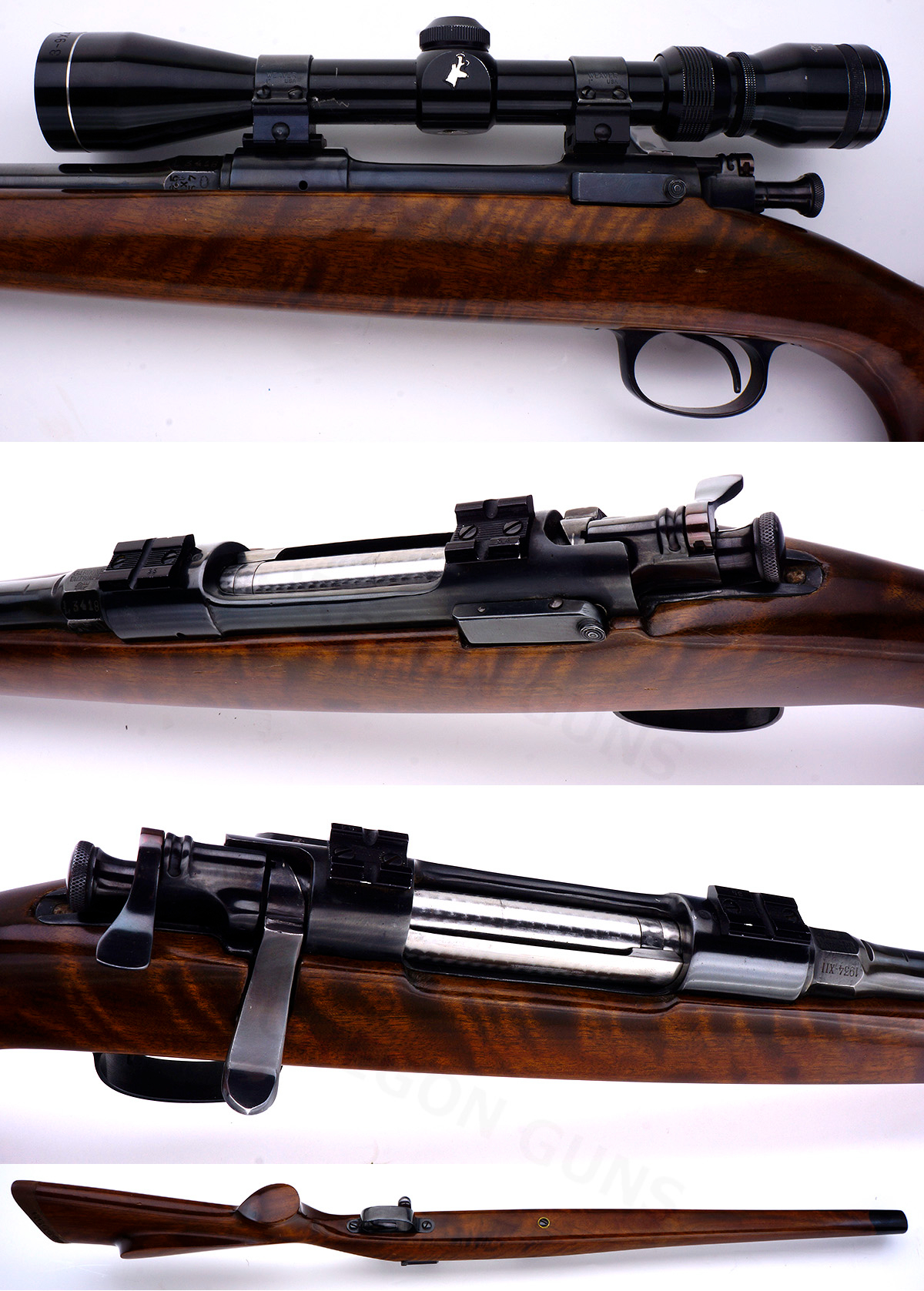
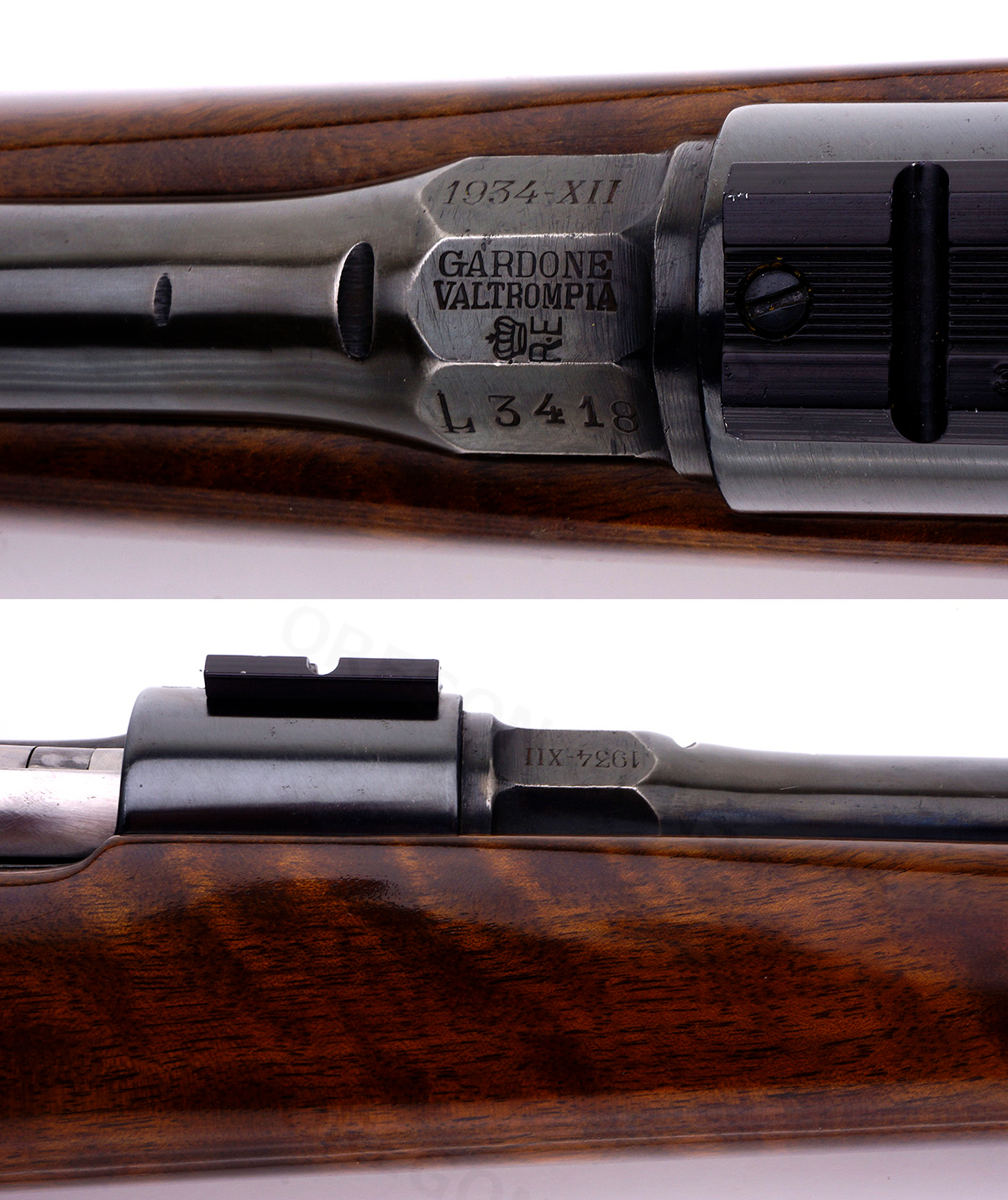
The M1903 Springfield rifle represented leapfrog technology. First adopted on June 19, 1903, the United States Rifle, Caliber .30-06, Model 1903 remained in service in various guises as an issue combat weapon throughout World War II. The M1903 Springfield was designed in response to American combat experience during the Spanish American War.

During the war with Spain in the latter parts of the 19th century, Spanish soldiers reaped a fearsome butcher’s bill with their M1893 Mauser bolt-action rifles. Using the German Mauser Gewehr 98 as well as the Krag-Jorgensen service rifle as inspiration, American engineers at Springfield Armory got to work designing a thoroughly modern bolt-action combat rifle. With the end of the Spanish American War, the U.S. government had thousands of captured Spanish Mausers to use for study.

The primary mission was to contrive an action sufficiently robust to handle high pressure .30-06 Spitzer ammunition. Spitzer simply means pointed. Previous round-nosed bullets fired at lower velocities and subsequently demanded lower pressures.
The prototype developed in 1901 featured the stock and sights from the service Krag, a cock-on-opening action, and a turned-down bolt handle for fast manipulation. Those first rifles had dual locking lugs, a staggered-column magazine drawn from the M1893 Mauser, and a beefy external claw extractor. The barrel was 30” long, and the weapon included a generous safety lug on the side of the bolt behind the extractor. The addition of this safety lug was characteristic of the Mauser design, so much so that Mauser Werke successfully sued the United States for patent infringement. The U.S. government paid Mauser a cool quarter-million dollars to settle.
Perfecting the Legend
The definitive version featured a shorter 24” barrel and was called the “Ought-Three” by those who wielded it. Those early rifles featured a sliding rod-type bayonet. No less an expert than President Theodore Roosevelt was immediately underwhelmed by the design of this appendage.

Soon after the rifle’s adoption, he drafted a letter to the Secretary of War that stated, in part, “I must say that I think that ramrod bayonet is about as poor an invention as I ever saw. As you observed, it broke short off as soon as hit with even moderate violence. It would have no moral effect and mighty little physical effect.” Hard to imagine our current chief executive enjoying such rarefied insights into a modern Army’s implements of chaos. In 1905 the Army introduced a more conventional sturdy blade sort.
The .30-06 round fired by the Ought-Three pushed a 150-gr. Spitzer bullet to 2,800 feet per second. This same round fed the subsequent semi-automatic M1 Garand as well as the Browning Automatic Rifle and M1919-series belt-fed machineguns. When coupled with the superb M1903 rifle and its outstanding combat sights, the .30-06 developed a well-deserved reputation for effectiveness.

The M1903 got its proper introduction to combat during the Punitive Expedition of 1916. American troops armed with Ought-Threes exacted a heavy toll from Pancho Villa and his bandits. However, the real test of the M1903 came two years later in France.
The First War to End All Wars
At the outset of American involvement in WWI, we held some 843,239 M1903 rifles in active service. At the time these weapons were being produced by both the Massachusetts Springfield Armory and the Rock Island Armory. There were some justified concerns regarding questionable metallurgy in those early weapons. Stories made the rounds of receiver failures that resulted in some fairly significant injuries.

The Ought-Three sports a magazine cutoff on the left side of the receiver marked simply, “OFF” and “ON.” This device was a holdover from the days when commanders were concerned their troops might shoot too much in combat. Putting the lever in its center position allows the operator to remove the bolt for servicing. The safety is a pivoting flap on the back of the bolt akin to that of the Mauser. The Ought-Three safety is marked, “READY” and “SAFE.”

The front sight is a simple blade. The rear sight is graduated out to 2,800 yards and is more complicated than the space shuttle. Back then American soldiers were first and foremost riflemen. The Ought-Three was a true rifleman’s tool.
One of the most novel aspects of the M1903 story was the Pedersen Device. Rifles adopted to accept this clever widget featured a small window machined into the side of the receiver as an ejection port and were designated the Model 1903 Mark I. The Pedersen Device was awkward in action but undeniably inspired.

Developed by John Pedersen just before WWI, the Pedersen Device consisted of a drop-in bolt and 40-round magazine that allowed the standard bolt-action M1903 rifle to fire 7.65x20mm pistol cartridges semiautomatically. The awkward box magazine protruded at a 45-degree angle to the top right of the weapon. While a bit cumbersome, the Pedersen Device was purportedly quite effective.
Uncle Sam was taken with the thing and ordered 133,450 copies. The war ended before they could see action, so only 65,000 of these blowback conversions were actually delivered. In 1931 the Pedersen Device was declared surplus and the government grew weary of storing them. In typical government fashion, the entire lot was incinerated in an enormous bonfire. Around 100 copies escaped destruction. As you might imagine, these are fairly spendy today.

Denouement
A fun fact is that Ernest Janson was actually awarded two Medals of Honor, one through the Navy and the other the Army. He was one of five U.S. Marines to be so decorated during WWI. Soon thereafter this practice was discontinued.

Gunnery Sergeant Ernest Janson returned home after the war and served as a Marine Corps recruiter in New York City for a time. He was honored as a pallbearer during the formal burial of the Unknown Soldier on Armistice Day in 1921. He finally retired from the Corps in 1926 at the rank of Sergeant Major. After his retirement, SMG Janson returned to Long Island where he died at age 51, the archetypal American hero.
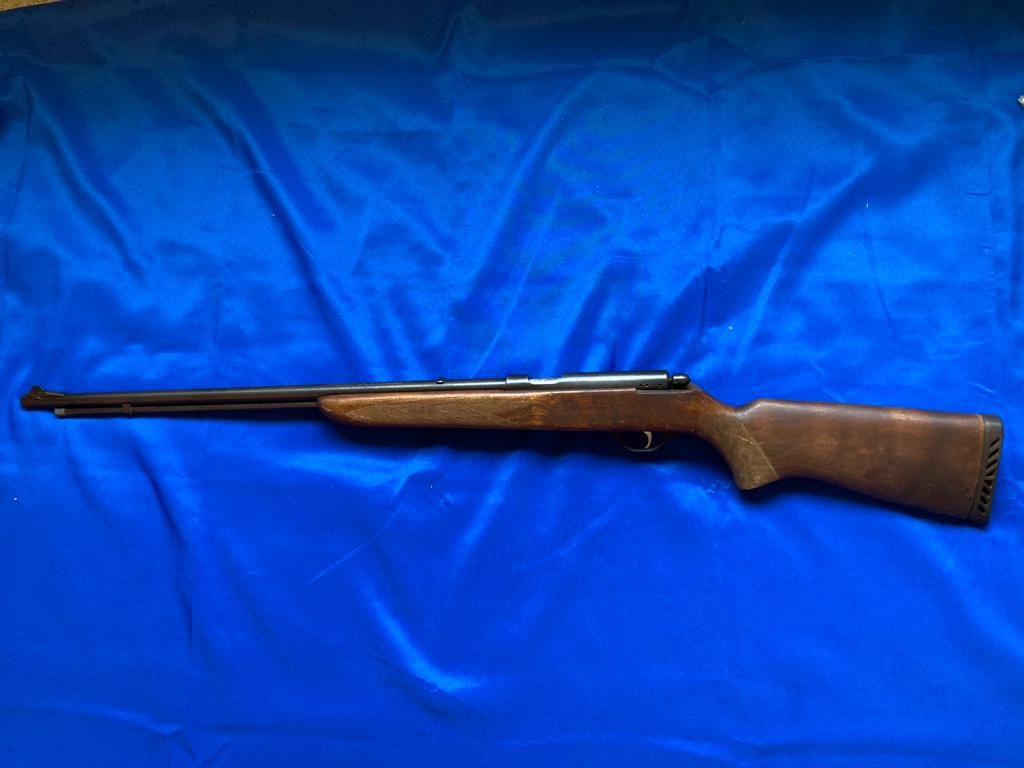
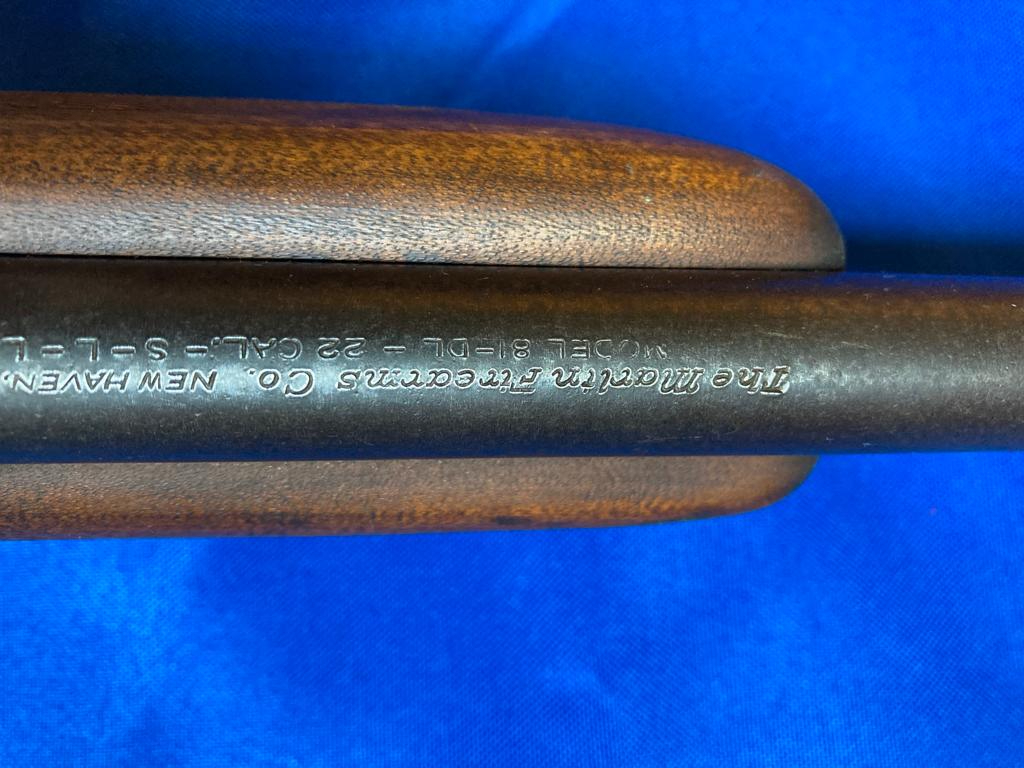
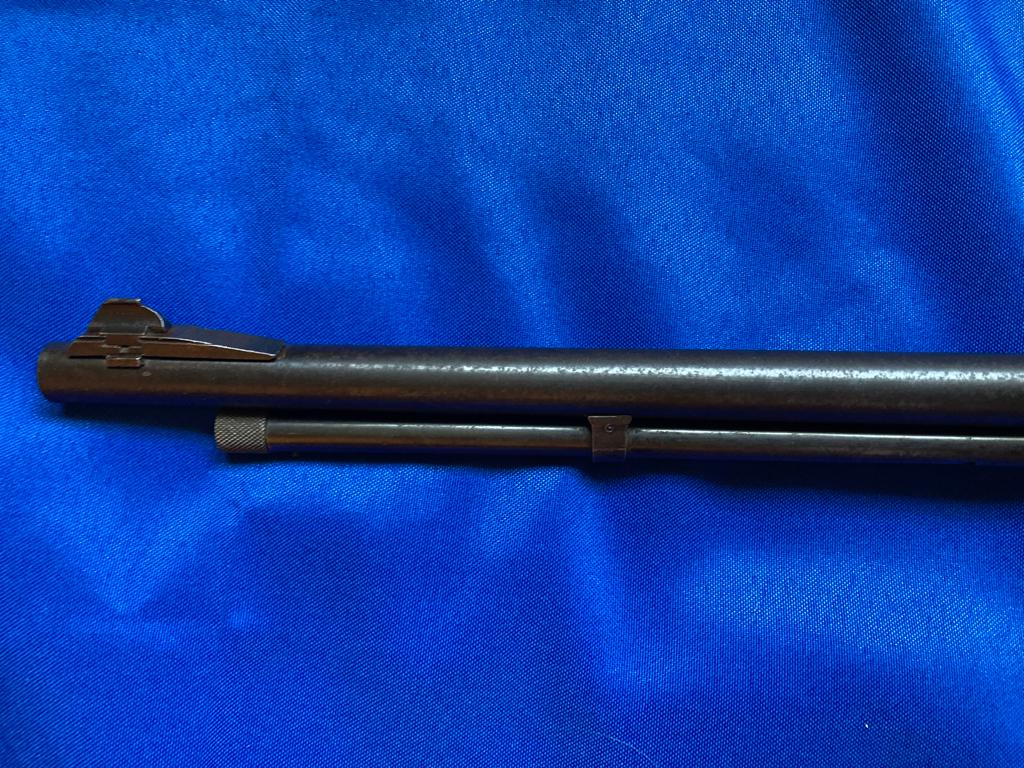
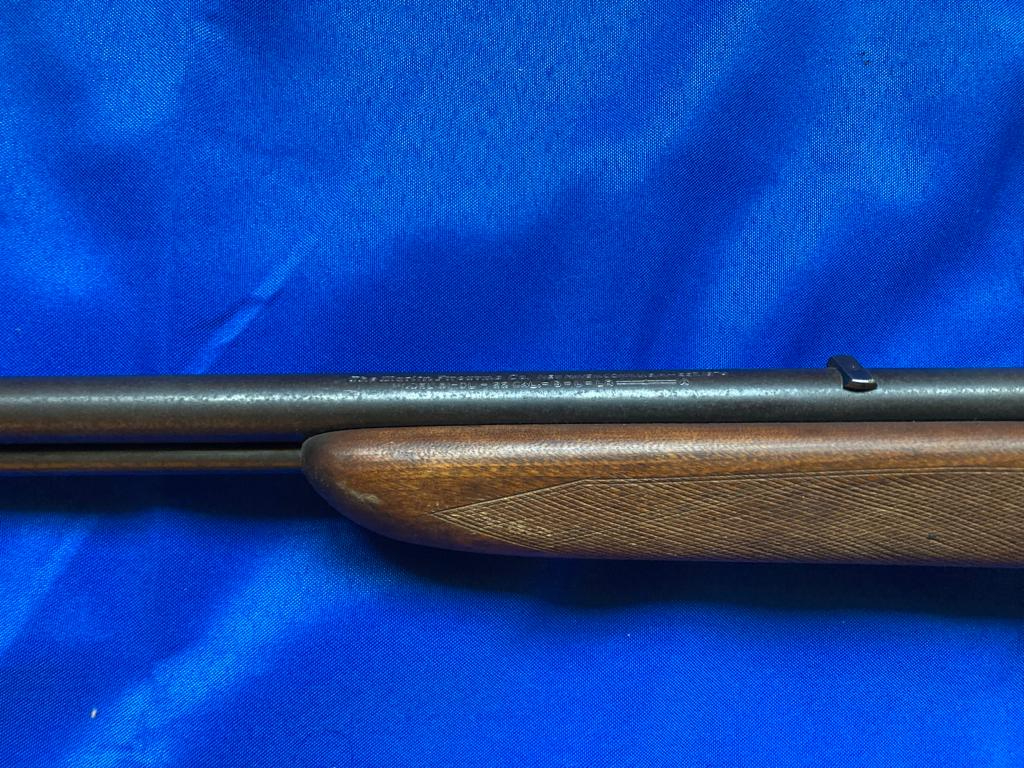
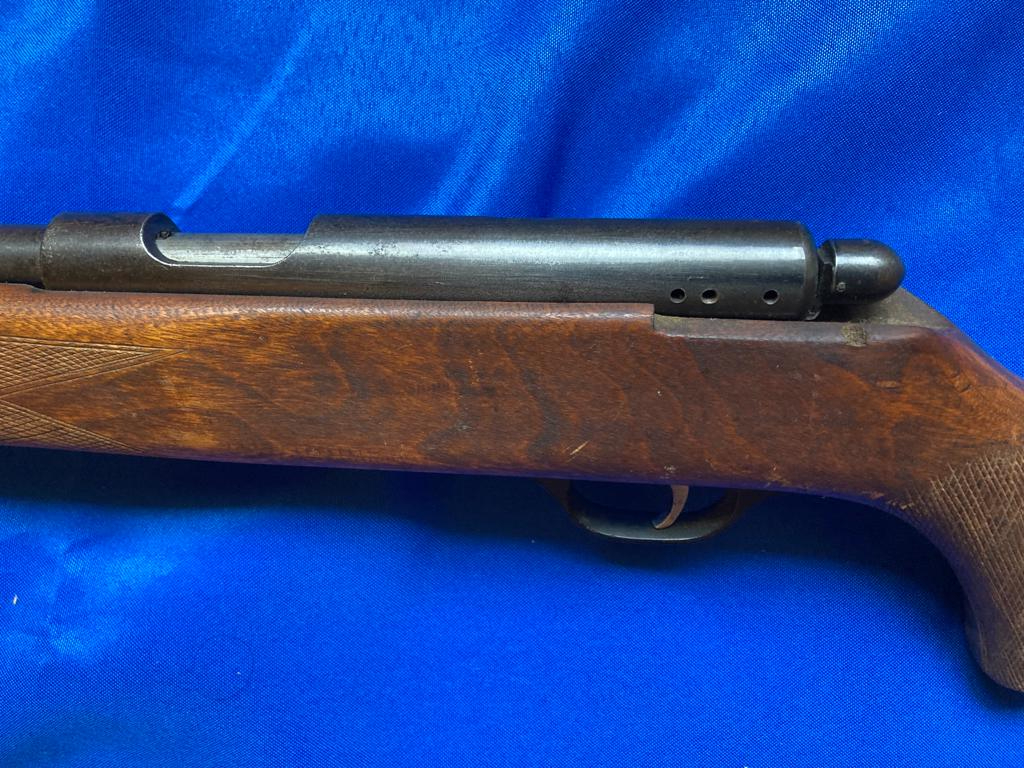
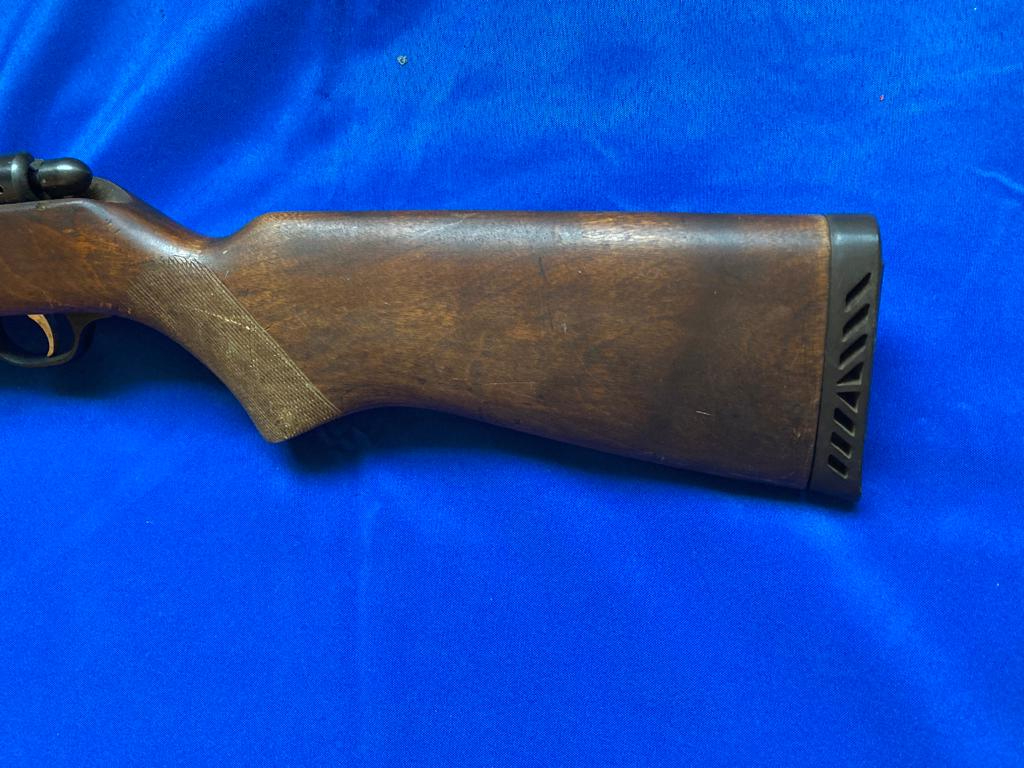
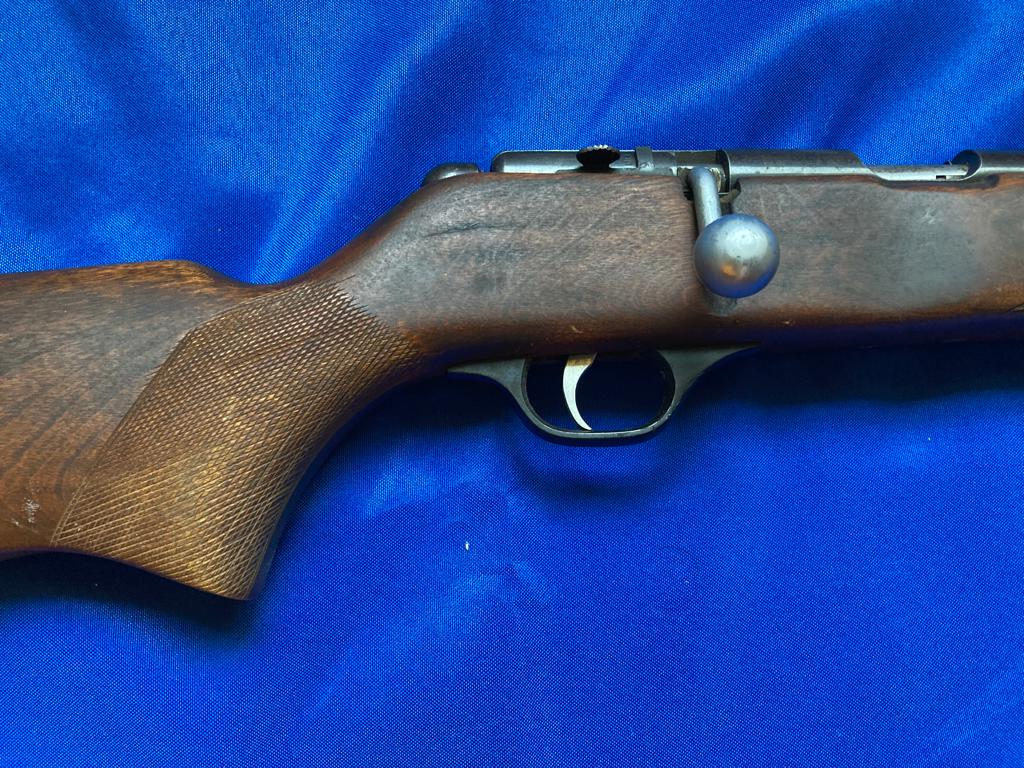
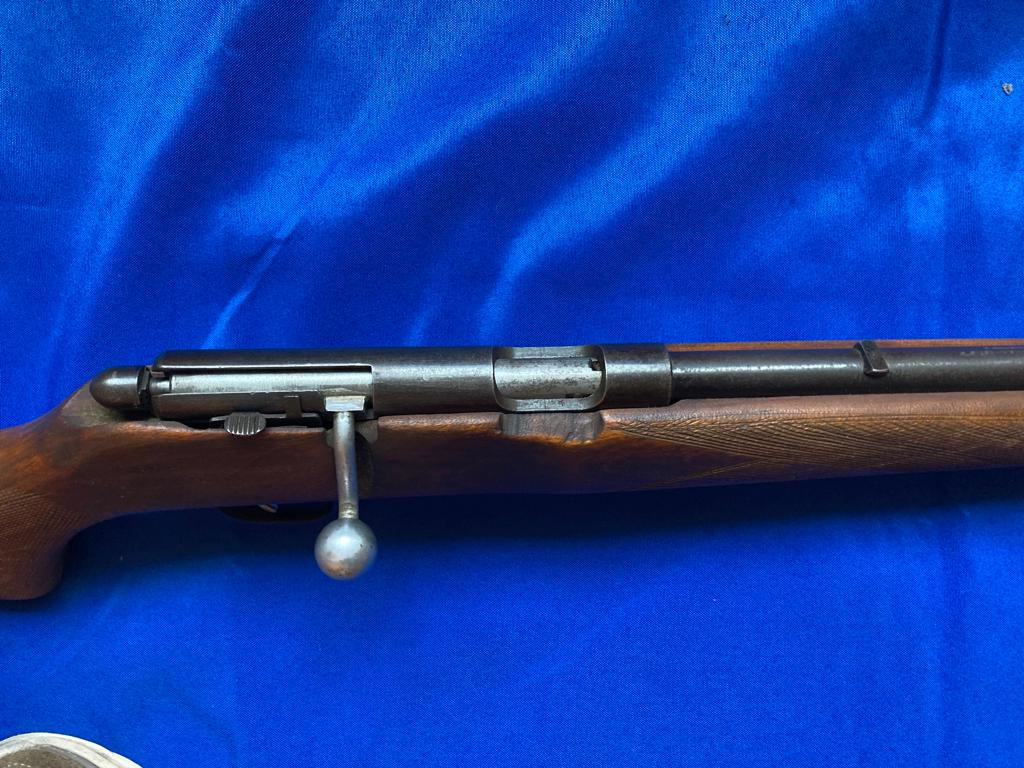
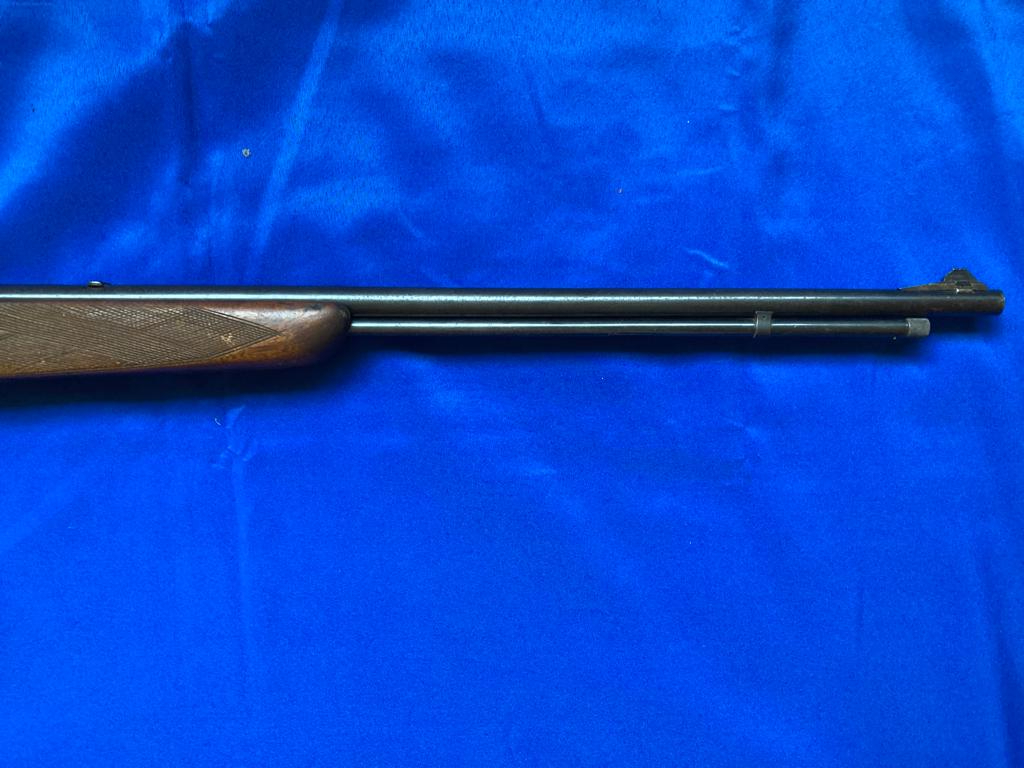
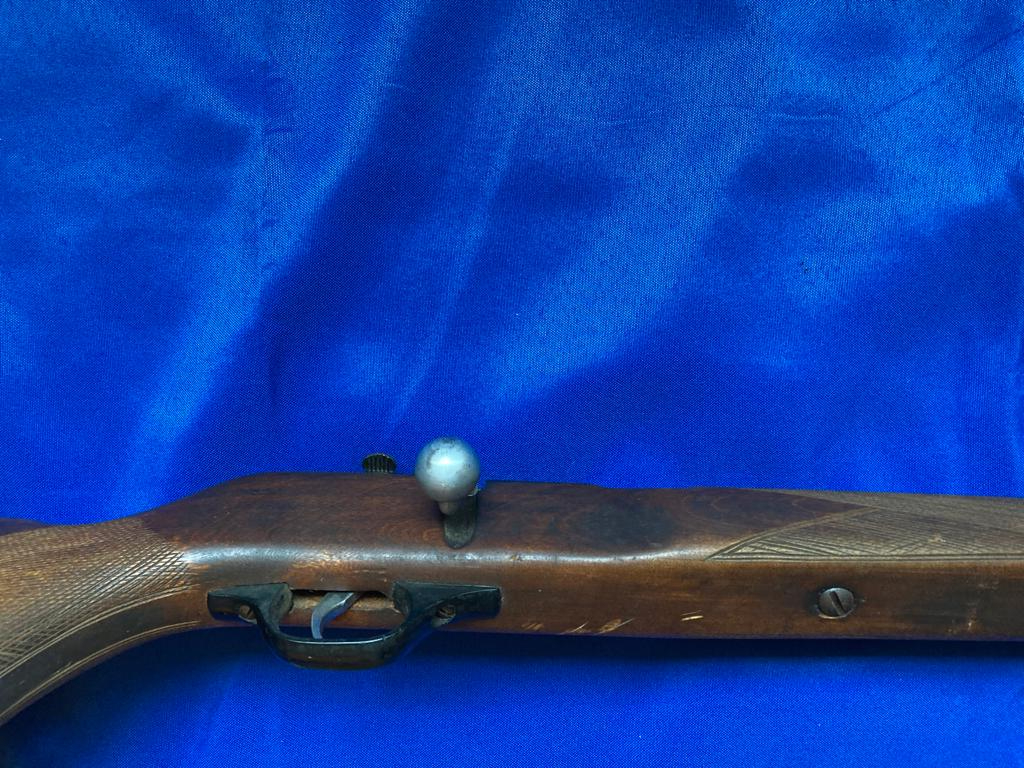
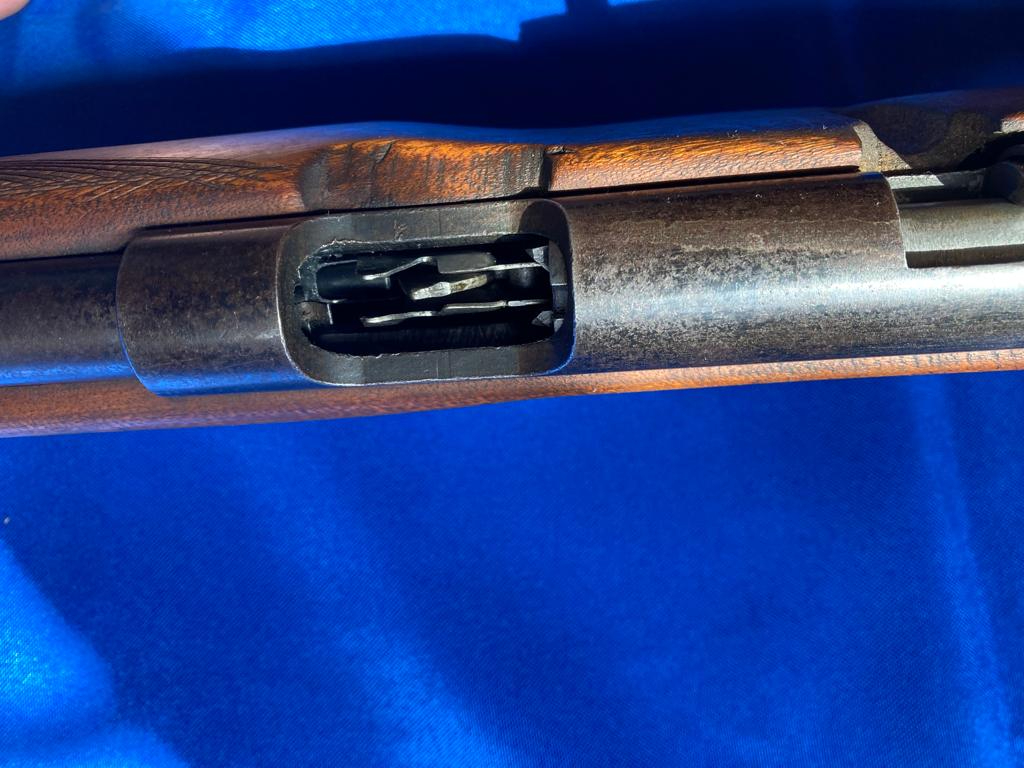


For all the exhaustive evaluation the U.S. Ordnance Department went through before adopting some of its weapons—including testing and retesting the M1 Garand, plus countless field trials that culminated in firing 6,000 rounds practically nonstop through the Colt M1911 before its adoption—it’s a real head-scratcher why the Reising submachine gun was drafted into World War II without so much as a complete physical. But then, we were at war and needed weapons. Besides, its pedigree would seem to include all the credentials the Reising needed.
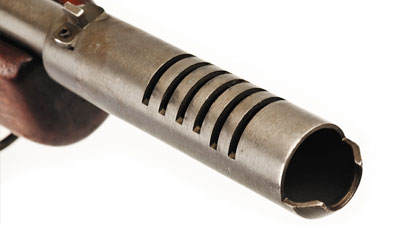
This lightweight, compact submachine gun—capable of both semi-automatic and full-automatic fire—was designed by Eugene D. Reising, a noted competitive shooter and one-time associate of John M. Browning. An ordnance engineer by trade, Reising was the recipient of more than 60 firearm patents and worked with Browning on the development of the M1911. No doubt this was the inspiration for Reising to chamber his new submachine gun in .45 ACP. Moreover, it was manufactured by Harrington & Richardson, a well-respected American firearms company in business, in one form or another, since 1871.
Reising’s basic rifle—the M50—was patented in 1940, and H&R began manufacturing it in 1941. It fired from a closed bolt, sported a Parkerized finish, had an 11-inch finned barrel outfitted with a Cutts compensator, a one-piece wooden pistol grip stock and utilized a detachable 12- or 20-round magazine.
The stamped-steel rear peep sight was calibrated for 50 to 300 yards and centered on a thick steel-post front sight. On full automatic, rate of fire was a healthy 500 to 550 rounds per minute. There was also a selective-fire Reising M55 with a somewhat flimsy folding wire stock. It had a finned barrel, but lacked the compensator, which reduced barrel length to 10.5 inches, in keeping with its intended purpose of being issued to paratroopers and armored-vehicle crews.
Another variant, the Reising M60, was semi-automatic only and had an 18.5-inch barrel. These were intended primarily for civilian, law enforcement, Coast Guard and merchant marine use. A few M60s were also chambered in .30 carbine. Finally, there was a .22 LR semi-automatic M65 meant for training purposes, although how many were actually used in this capacity is open to debate. Some servicemen referred to these rimfire variations as “rat rifles,” which may offer a clue as to their more practical purpose of vermin extermination around the camp mess area.
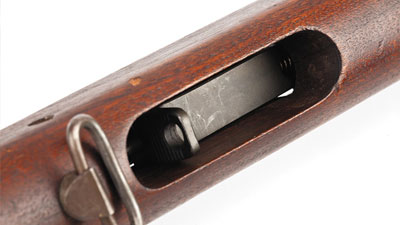
But for all its apparent attributes, the Reising failed to live up to expectations in combat. In-the-field assembly and disassembly tests revealed the Reising was not soldier friendly, which was complicated by a lack of easily interchangeable parts (the Reising was largely a hand-fitted weapon) that proved to be a logistics nightmare for armorers. Moreover, its delayed-blowback operation utilized a receiver design prone to jamming due to frequent internal accumulations of fouling and debris. In addition, the double-stack 20-round magazine—made of thin sheet metal—was easily damaged around the feeding lips, forcing G.I.s to resort to the 12-round single-column alternative, which emptied quickly in full-automatic mode.
Though it balanced well, a notable design flaw of the Reising was its cocking lever, which was inlaid into the underside of the stock, making it extremely awkward to charge the gun. This was usually done by turning it sideways or upside down to reach the cocking lever cutout, then inserting the index finger or thumb against the charging bolt and pushing it against a stout spring. Finally, an 8-pound trigger pull and an easily corroded firing pin—a definite detriment in the humid jungle fighting of the South Pacific—added to the Reising’s maladies.
In the gun’s defense, it should be pointed out the Reising submachine gun was never intended as a battlefield weapon. Its original mission was for the civilian law enforcement community, and in this capacity it served fairly well. Thus, it shared a trait with the Thompson submachine gun, which also used the same cartridge as the M1911. Its .45 ACP chambering may very well have opened the door to the Army’s acceptance of the Reising, in spite of all its shortcomings.
In fact, it was the Thompson submachine gun and the M1 carbine that indirectly paved the way for the Reising’s entrance into the war. The government had been looking for a submachine gun to replace the Thompson, which was heavy at 13 pounds and expensive at $225 apiece. By comparison, Reisings cost only $50 each and weighed 6.5 pounds. In addition, as we entered World War II, there was a shortage of both Thompsons and the new M1 carbines. So, it was decided to issue the Reising M50 and M55 to the Marines, specifically those units bound for the Pacific Theater, where humidity—and its resultant rust—were rampant. Combined with the Reising’s propensity to jam and for the M55s stock to suddenly fold during full-automatic recoil, the Reising quickly earned the wrath of more than just “a few good men.”
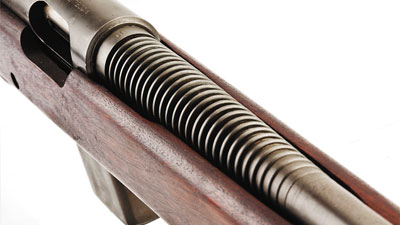
A battlefield weapon has to be pretty bad to have a commanding officer order them dumped overboard. But that’s exactly what then-Lt. Col. Merritt “Red Mike” Edson, future Medal of Honor recipient and President of the National Rifle Association, did with his troop’s Reisings, in the hopes they would be replaced with M1 carbines. Needless to say, by 1943 the Marines cancelled all remaining orders for Reising submachine guns. A few were then redirected to the OSS, Canada and other allies. In all, approximately 120,000 Reisings were manufactured between 1940 and 1945.
After the war, a number of semi-automatic Reising M60s were sold to law enforcement agencies, where many served through the 1970s. H&R made another short run of the M50 for law enforcement use in the 1950s. For all its downsides, the Reising was an accurate rifle, with a high cyclic rate of fire. Those who watched the recent HBO mini-series, “The Pacific,” saw one being used in the second episode. But you don’t see them in movies very often, and there’s a reason. Call it typecasting, but during its first theatrical appearance in the 1944 war-time movie “Marine Raiders,” the Reising jammed.