Categories

In America, the building of firearms is big business. It was thus in the republic’s earliest years and remains so today. Many companies have offered gun products, but continued success over the decades requires quality. Americans shoot their guns a great deal and won’t buy guns, ammo or accessories that don’t measure up.
In the long run, a handful of manufacturers persist in their dominance. It’s a situation that is particularly true in the case of the handgun makers. For many years, the competition pitted the revolvers of Colt firearms against those of Smith & Wesson. Bill Ruger came along after WWII, started small and got big fast. This was also the era of imports—a great assortment of pistols from all over the world, but mostly from Europe.
In short, we have enjoyed a wide range of types and makers. The demand is high, but some have nonetheless vanished from the pages of the latest gun magazine. Sometimes it’s product issues, but more often it is a question of management or finances. Unhappily, some very nice guns are therefore gone—but not forgotten.
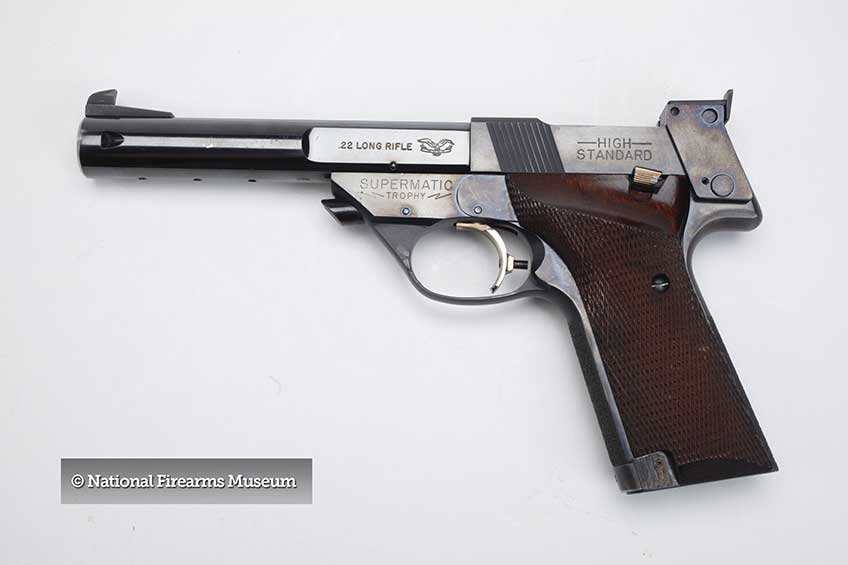
High Standard is likely best known for its line of .22-cal. semi-automatic target pistols, which were staples in its lineup. This example can be seen at the NRA National Firearms Museum in Fairfax, Va.
So it is with guns of High Standard, a Gun Valley firm that made a variety of different handguns. At times, it appeared that High Standard was trying for what several modern companies are presently doing—aiming at a niche in a multi-faceted market.
Founded in the mid-1930s when Gus Swebelius bought the assets of a small arms company in Hartford, Conn., High Standard began production of a basic .22 semi-automatic pistol. Styled much like the very popular Woodsman, the High Standard was a lower-priced but nonetheless viable option to the revered Colt product.
It was well-established by the time that WWII began in December 1941, and the armed services bought tens of thousands of them for basic handgun training. It was also in the latter months of the war that the company undertook another project—a suppressed version of the basic .22.
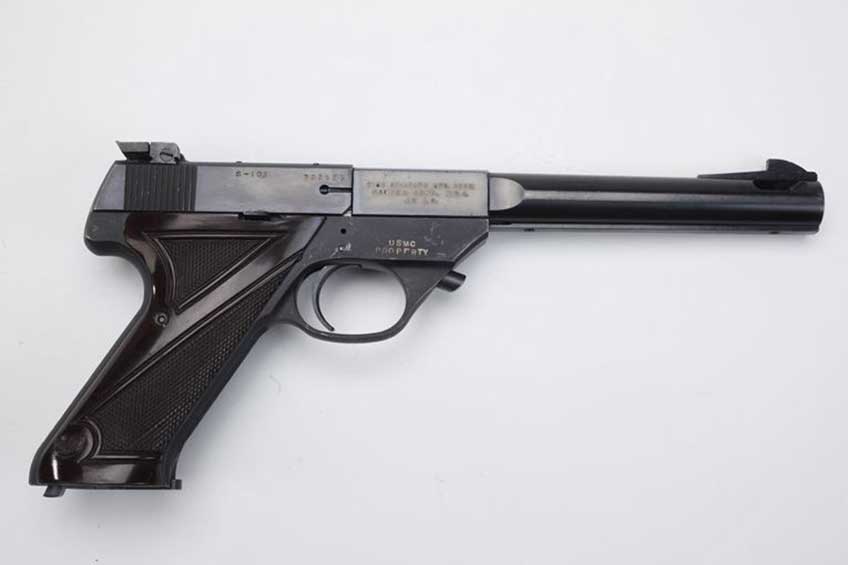
This High Standard .22-cal. semi-automatic is marked as being the property of the United States Marine Corps, one of thousands purchased during World War II for marksmanship training. This gun is on display at the NRA National Firearms Museum in Fairfax, Va.
They did do at the behest of OSS for certain activities that were best kept quiet. I believe that it was one of these semi-autos that rode with Gary Powers on his historic flight over Russia in 1960. High Standard’s war service also included the initial work on a .380 semi-auto for the government. The gun went unheeded when the conflict came to a halt in ’45. Some of the .380 blowbacks were offered on the civilian market in the late 1940s but were not sufficiently popular to stay in production.
In the fiercely competitive post-war handgun market, High Standard offered several guns that were advanced and durable designs. For a time, the firm had legendary designer Harry Sefreid on their staff. This was a man who designed winning guns from one end of Gun Valley to the other.
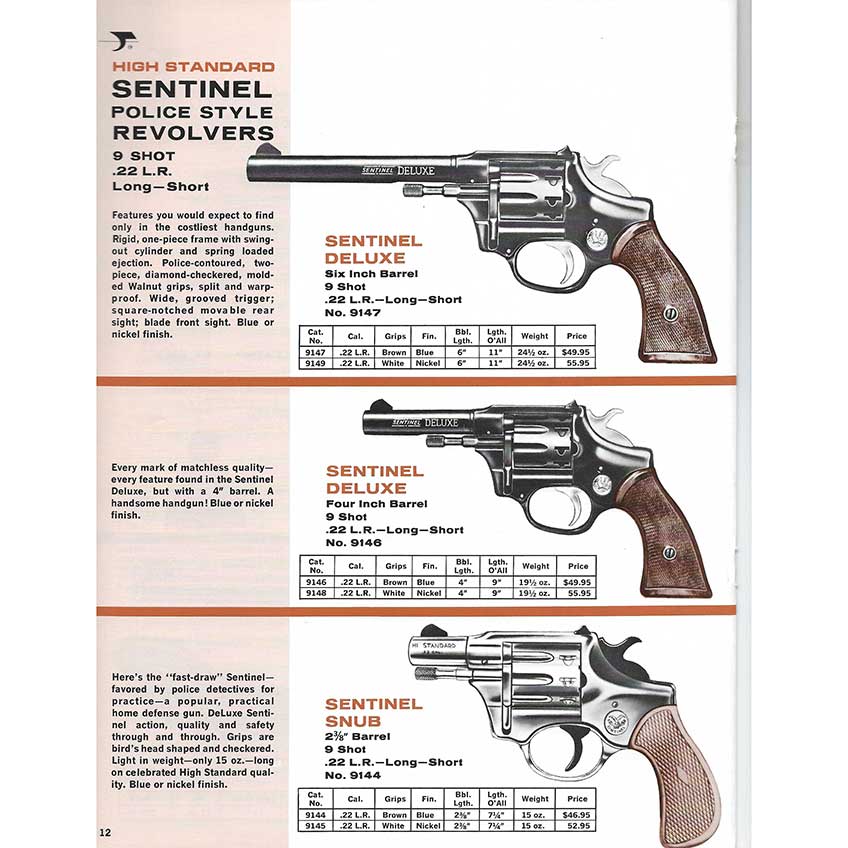
One of his gems was the Sentinel, a compact .22 revolver that came in several finishes, barrel lengths and variations. With an aluminum frame—but steel barrel and cylinder—this inexpensive DA/SA wheelgun drew praise for its superior ergonomics and performance. Informed wheelgunners from Chic Gaylord of the 1960s to today’s internet “The Revolver Guy” have positively endorsed this almost-forgotten little rimfire.
This High Standard 1966 catalog page displays the Sentinel revolver models offered by the company at that time.
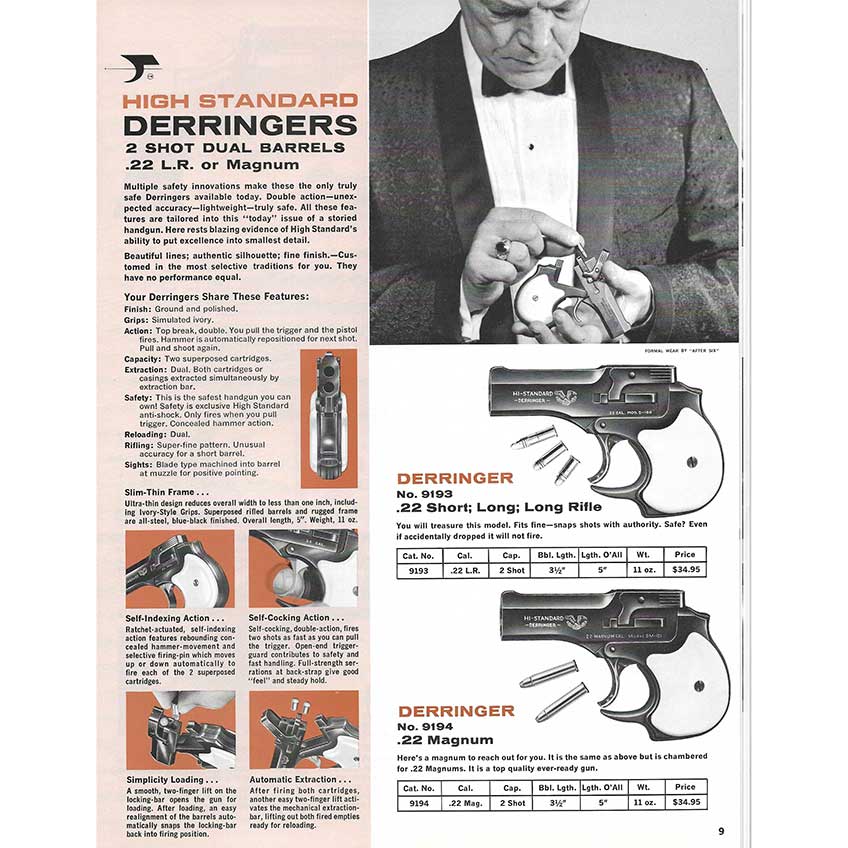
And speaking of rimfires, High Standard also offered (1962 to 1984) a unique two-shot derringer that was eminently successful. The Double Derringer was an over-and-under two-barrel design that came in both .22 Long Rifle and .22 Winchester Magnum Rimfire. It had an enclosed hammer, DAO lockwork and a partial trigger guard that protected the trigger from accidental firing.
The Fitz Special trigger guard is unquestionably quicker to get to, but speed is not necessarily a virtue in an outdoorsman’s utility gun. If a gun was intended for the fisherman’s vest—and this one was—the public never heard of it. They bought the little twin banger and slipped it into pocket (or purse).
Even guys who knew that such small bores and low power should not be relied upon in this role carried them anyway. I recall a long ago afternoon of trying to figure out what the close-range zero of one of them really was. There were two—one for each barrel. I never really got this completely resolved, but I was hard after a compact pistol that could pop a desert rattlesnake in the head.
But I have a definite image pop into my mind when I hear “High Standard.” It’s always some variation of the original .22-cal. automatic pistol. From pre-war times to the WWII days of beginner’s basics to Olympic gold medals, High Standards got it done.
The High Standard derringer was another defensive option offered by the company in the mid-1960s.
Using the same basic foundation, High Standard crafted everything from Montgomery Ward low end plinkers to high class competition semi-autos. When outdoor pistol was the game to play, a full third of the rounds for record were .22s. A guy on a budget could use one of the many High Standard models and be competitive. They were fine guns, and they got finer when the maker announced an improved frame profile.
Bullseye shooters had to shoot a third of their their course with .45s and most chose to use so-called “accurized” 1911s. Another third was “any center fire” handgun. This was where the revolver lingered longest, but a strong majority of shooters chose to use their 1911s for this stage, too.
The remaining third was .22 and it should be obvious that a gun in this caliber that was shaped like a 1911 would be appealing to a great many shooters. The abruptly angled grip was commonly used on the early High Standards, as well as Colts and Brownings.
Supposedly, the angled grip made the gun point better. Actually, the angled grip was there because it facilitated feeding in the magazine. When S&W made its match .22, it had the 1911 grip contour. In the face of all this, High Standard responded with its own 1911-shaped receiver.
I believe the Military Model .22s from High standard were the best guns that ever came out of this great little gun company. Solidly built and sensibly priced, the guns were the answer to a great many shooting needs. The company name said it all.
Categories
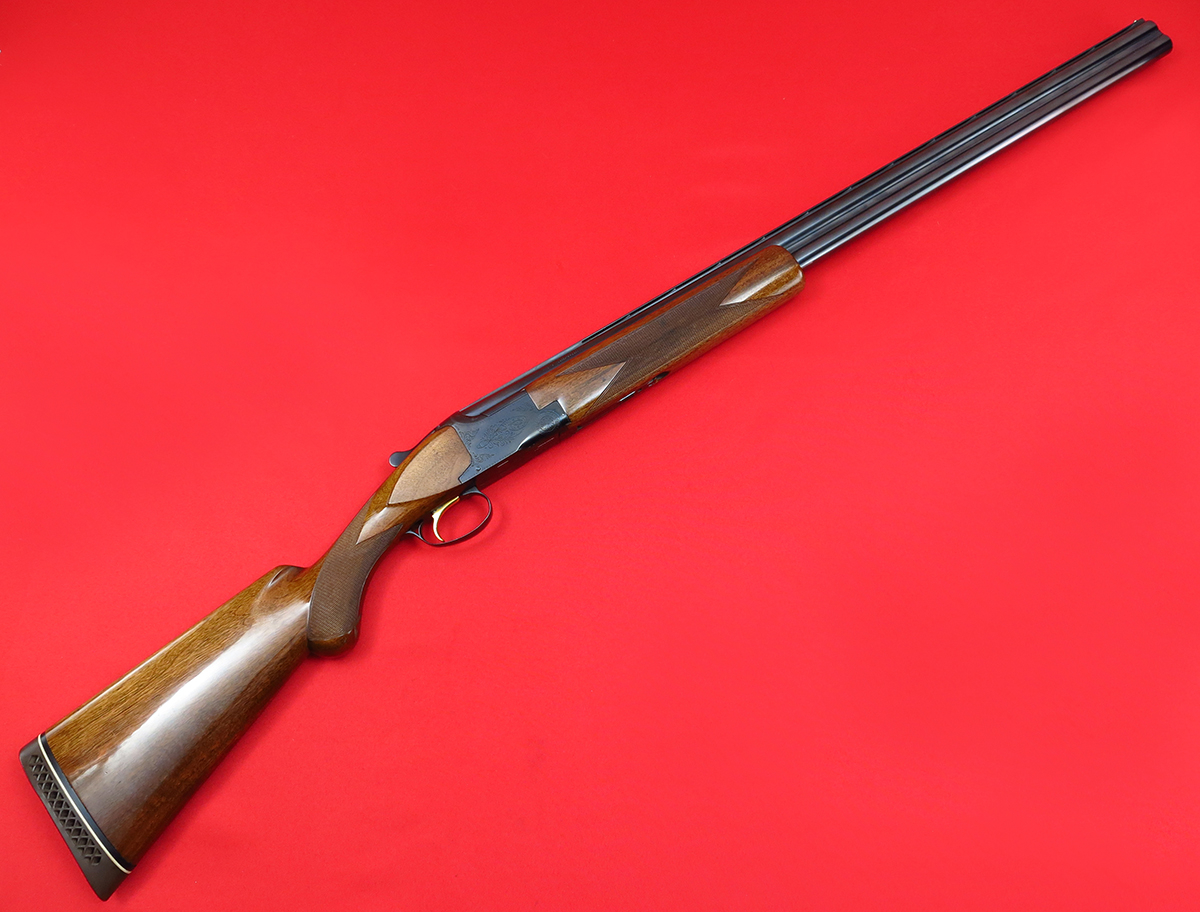
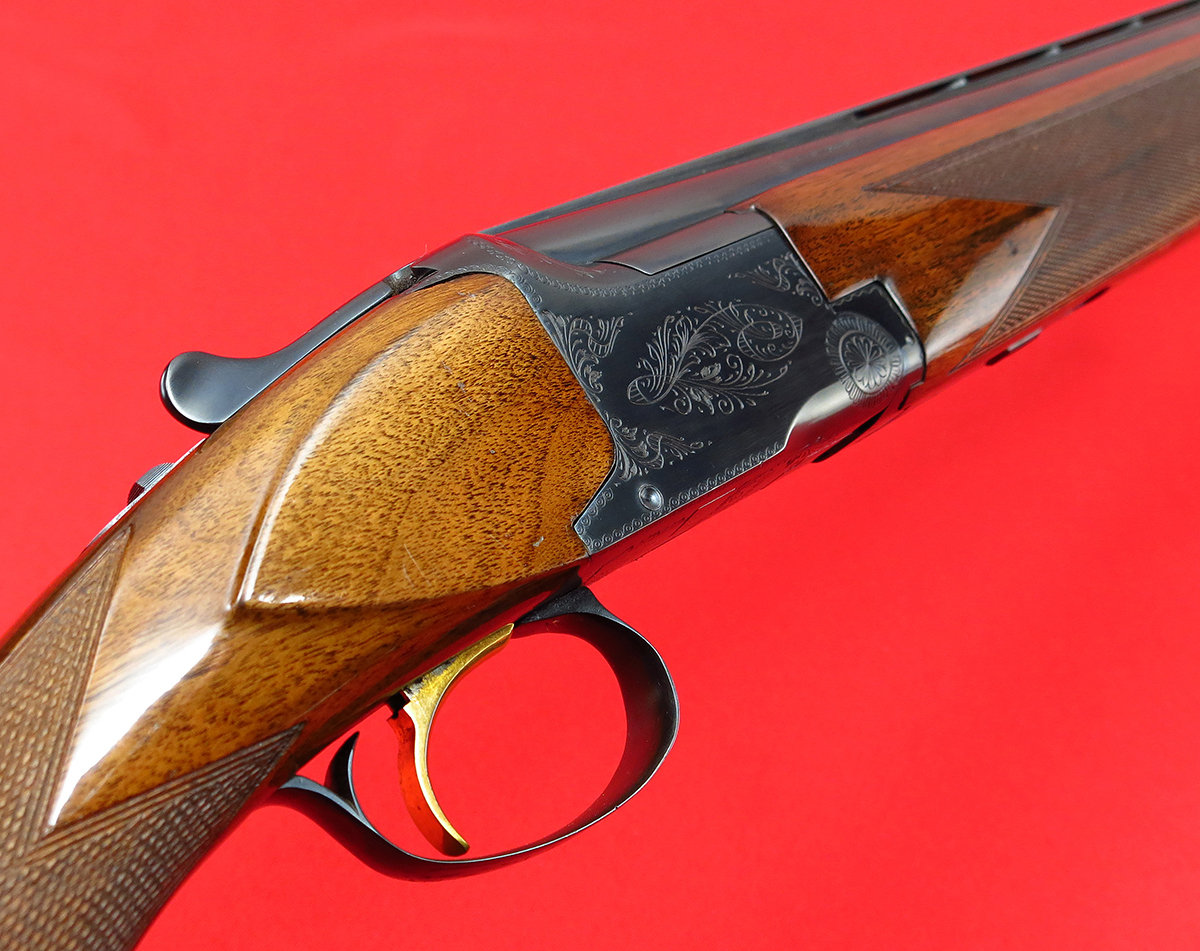
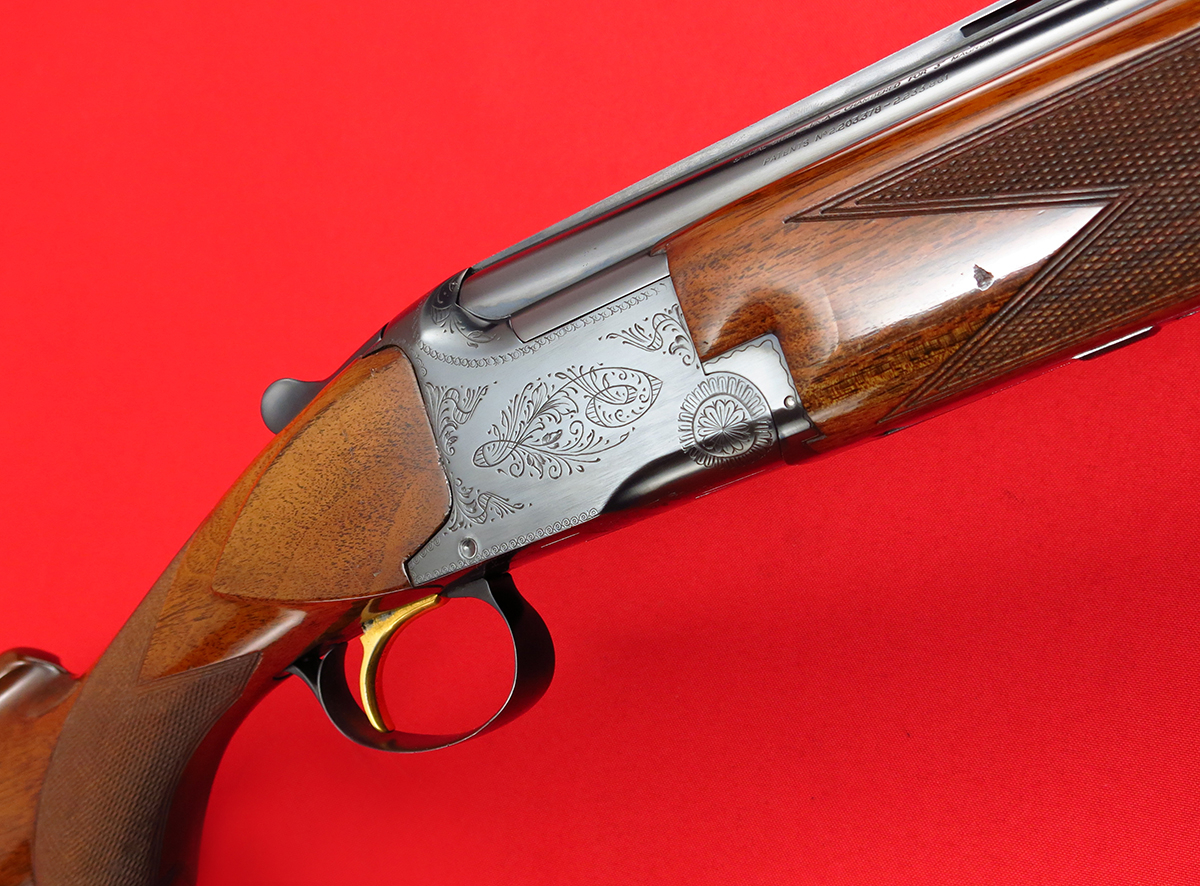
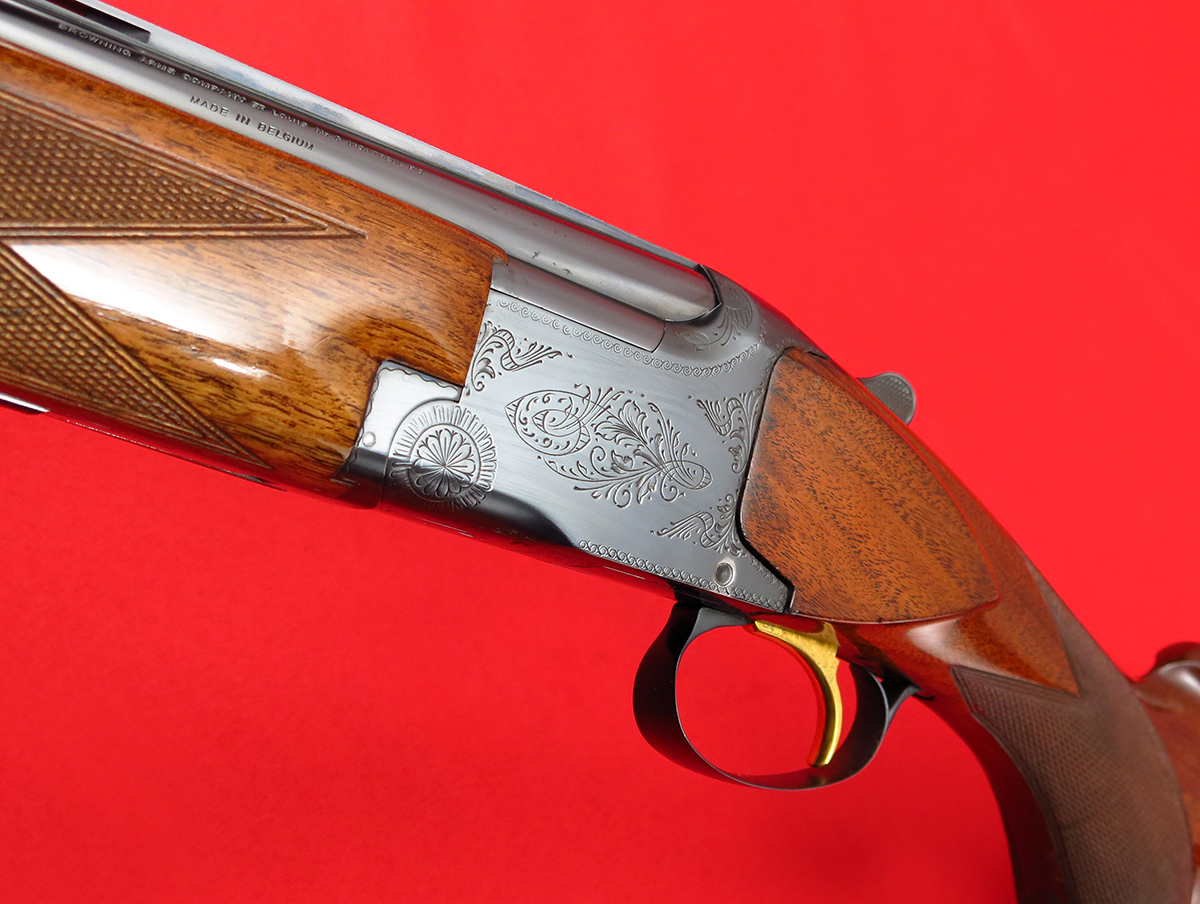
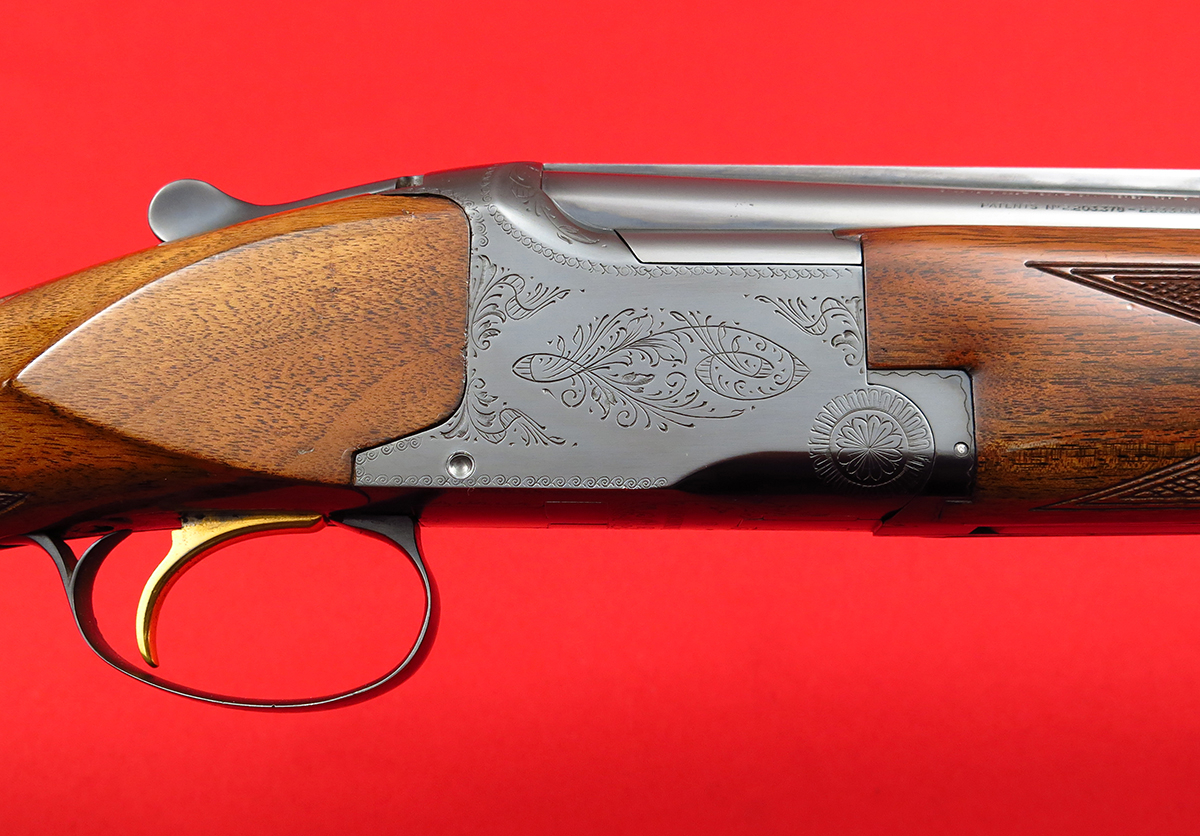
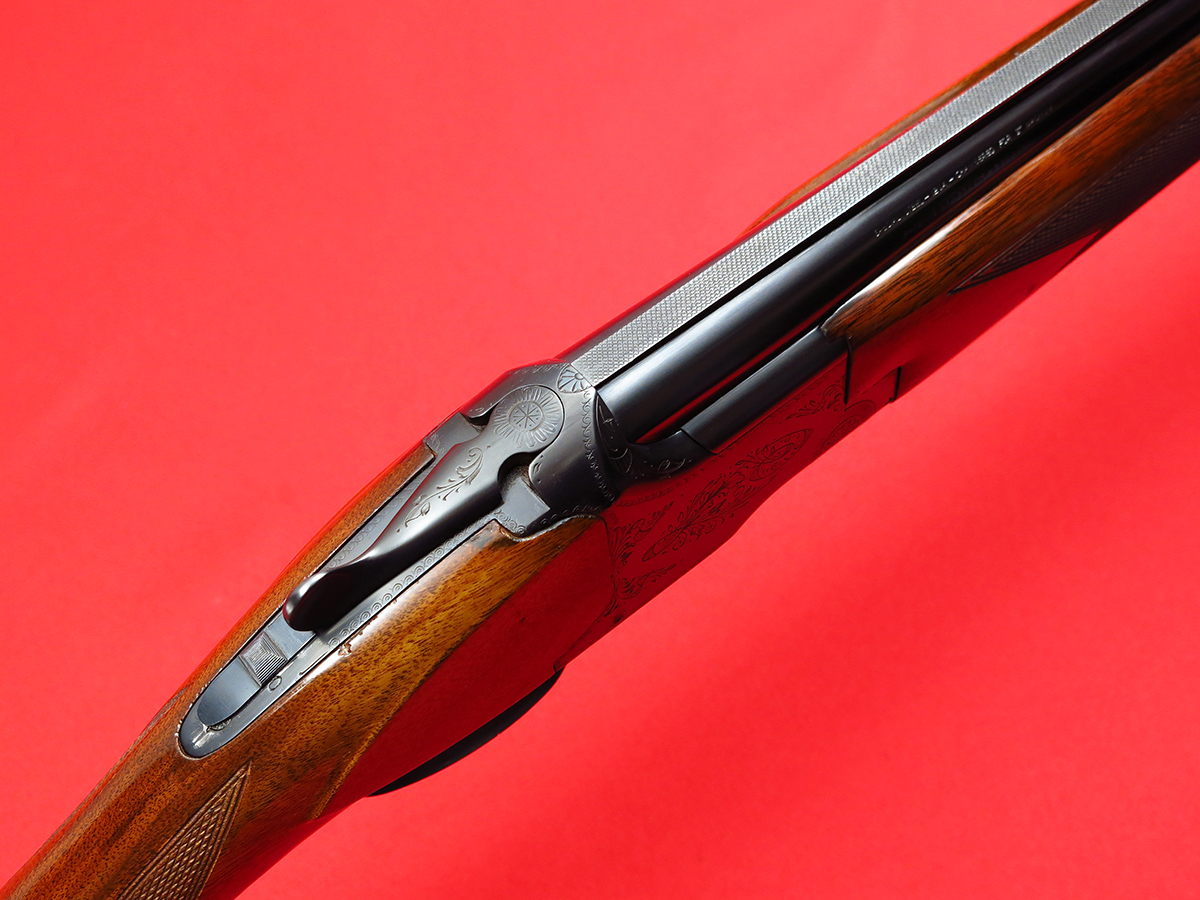
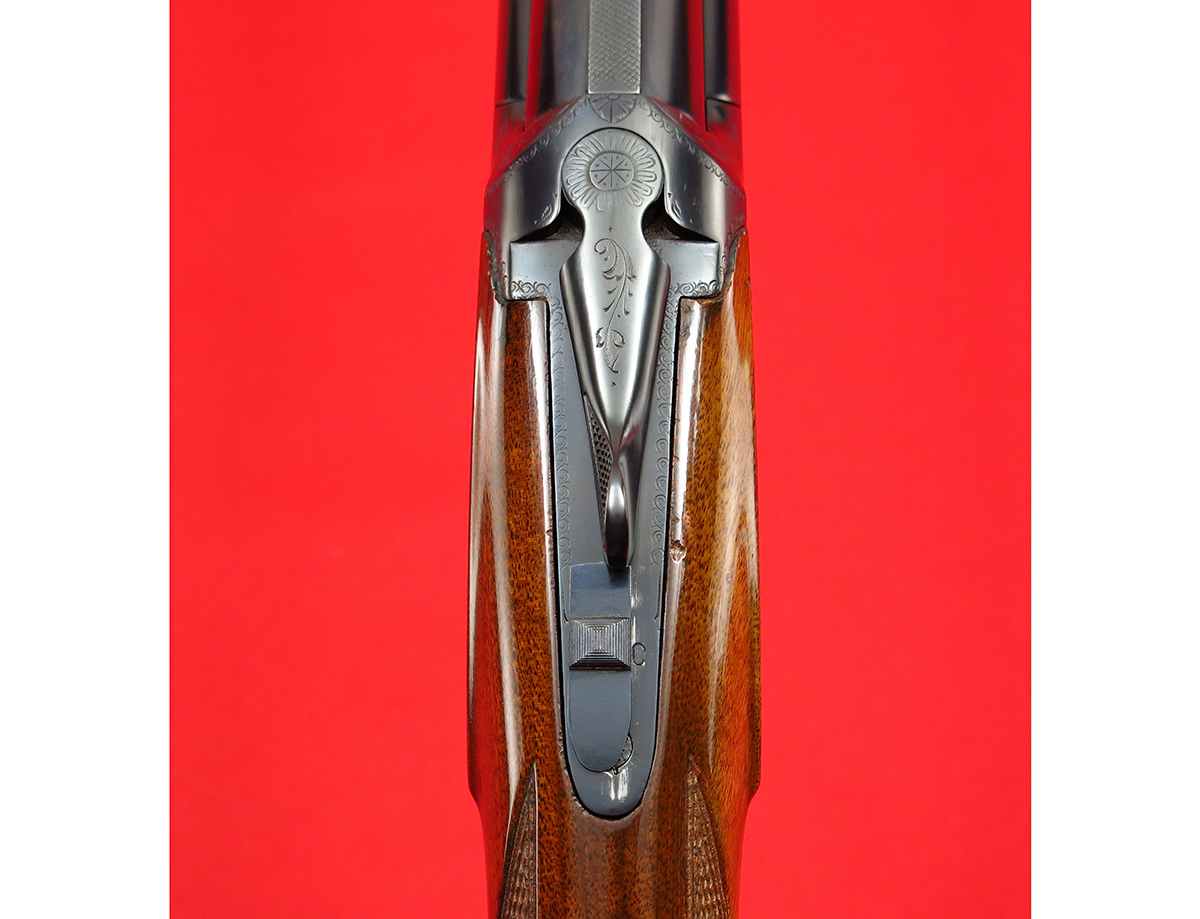
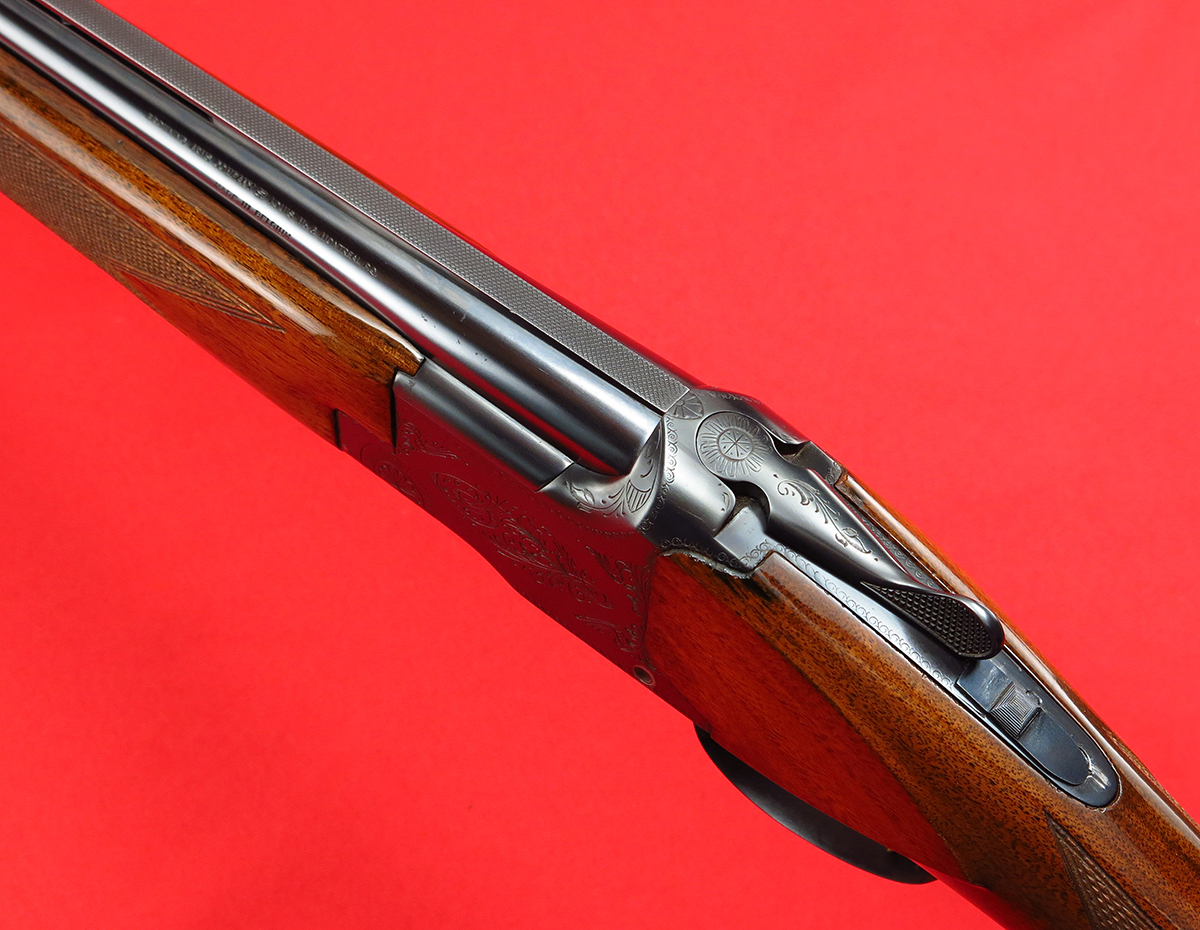
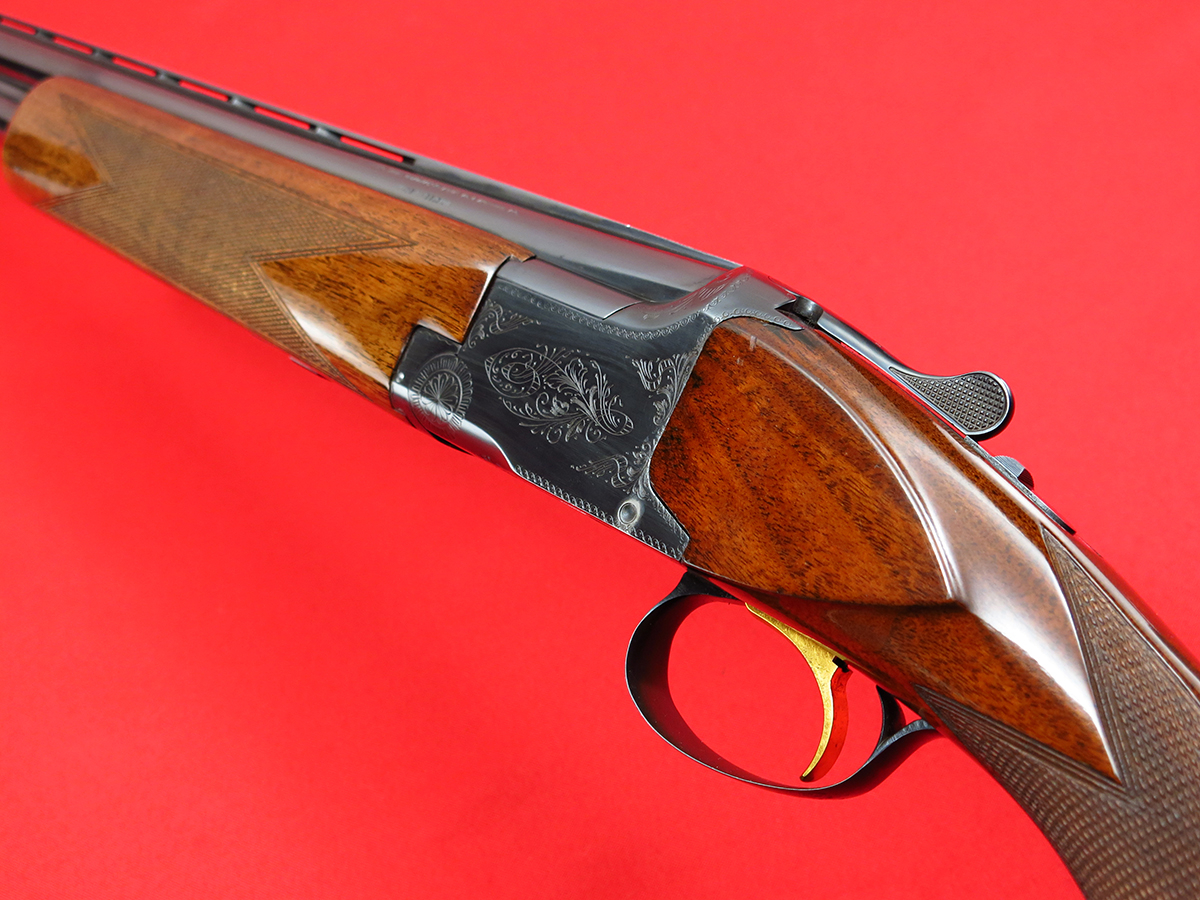
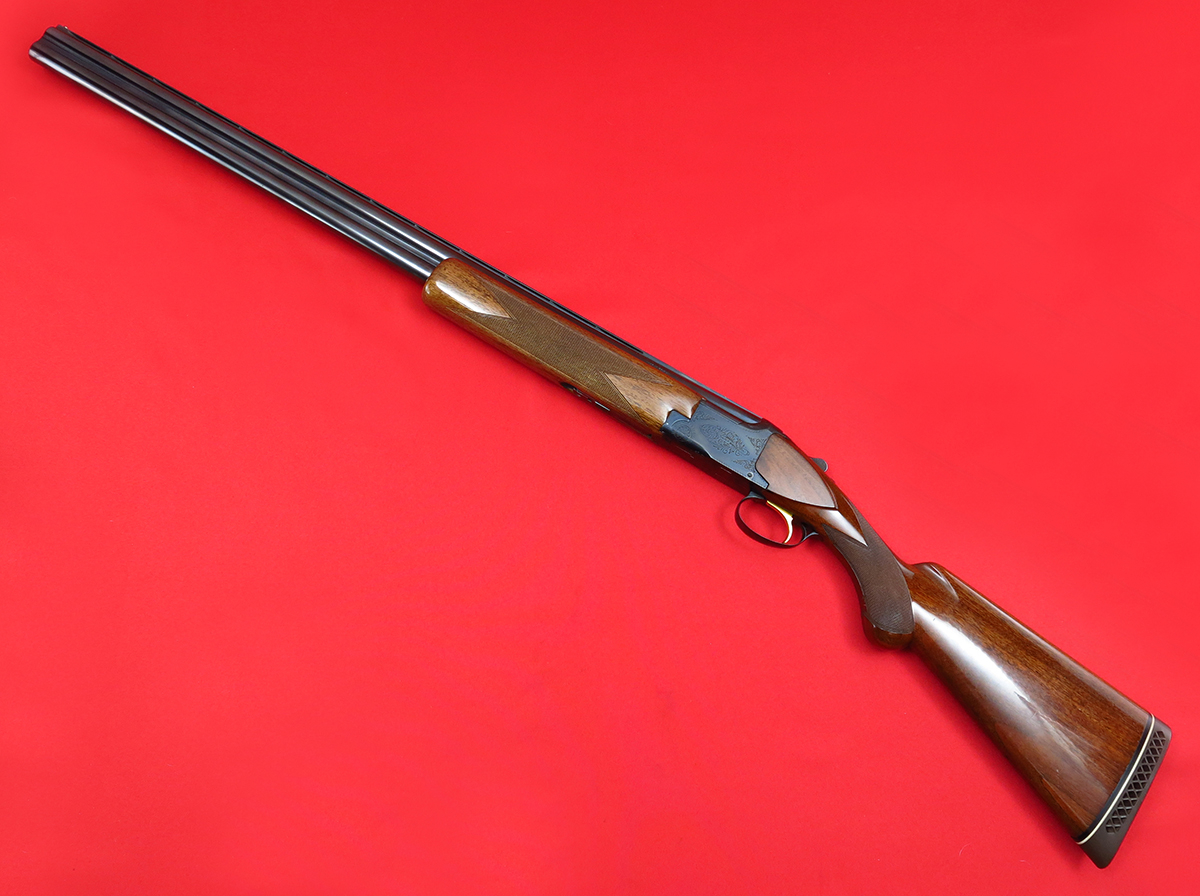
Belgian Browning Hi Power: YES!
Categories
Weird Weapons Used in War


CHURCHILL’S 1911
In May 1915, following the failure of the Allied landings at Gallipoli, Winston Churchill the First Lord of the Admiralty and one of the architects of the landings was sacked. In November he returned to the army, he had graduated from Sandhurst in 1894 and had seen active service in India, Sudan and South Africa. Since 1902 he had been a reserve officer, a major in the yeomanry regiment the Queen’s Own Oxfordshire Hussars. On the 20th November, Churchill was attached to the 2nd Battalion Grenadier Guards to gain experience at the front and to prepare him for command of a brigade.
In December 1915, the Grenadier Guards rotated out of the frontline and Churchill toured nearby French sectors where he was gifted a steel Adrian helmet. Churchill wore this for the rest of his time on active service. The brigade Churchill had hoped for never materialised with Field Marshall Sir Douglas Haig willing only to give Churchill command of a battalion.
On 1st January 1916, Churchill was promoted to lieutenant colonel and given command of the 6th Battalion, Royal Scots Fusiliers replacing Lieutenant Colonel Herbert Northey.
The battalion had taken heavy casualties at the Battle of Loos and was suffering from low morale when he took command. Initially struggling to gain the trust of his officers and men, in part due to his cavalry training he quickly learnt the necessary commands for infantry and learnt how to use all the weapons the battalion was issued with.
During this time Churchill armed himself with a privately purchased American Colt Government Model (or Model 1911) with a specially made custom holster to fit his Sam Browne belt (see image #3). Bought in London, with London proof markings, Churchill had his name engraved onto the right side of the slide.
It is unclear if the pistol was bought by himself or he was given it as a gift. However, he liked the pistol and certainly favoured it over the often carried Webley revolver approved by the army and carried by many officers.
As a wealthy man Churchill had always enjoyed being able to purchase the latest and best campaign equipment. While serving in the Sudan he had carried a Mauser C96 and while in France he had his own water heater brought to the front line and had his wife send him wading boots and a sheepskin lined sleeping bag.
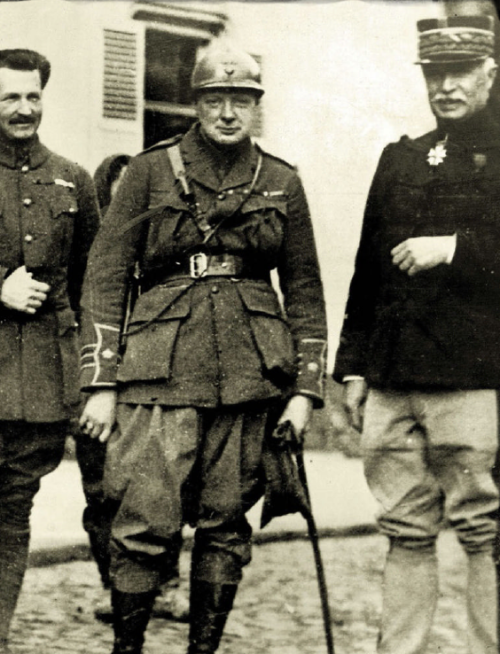
Churchill wearing his French Adrian helmet and possibly armed with his Colt 1911 (source)
When the battalion returned to the frontline Churchill was in his element visiting the trenches three times a day and directing the improvement of his sectors trench fortifications. He frequently came under fire but was said to be calm and collected even when his command post was shelled.
While Churchill commanded the battalion the sector remained quiet and was not called upon to undertake offensive operations. In May 1916 the understrength 6th and 7th battalions of the Royal Scots Fusiliers were ordered to amalgamate with the 7th battalion’s commanding officers taking command. Churchill spent 108 days in command and took this opportunity to return to London and was appointed Minister of Munitions in July 1917.
Churchill himself later said: “I shall always regard this period when I have had the honour to command a battalion of this prestigious regiment (Royal Scots Fusiliers) in the field, as one of the most memorable in my life.”
Sources:
Churchill and War, G. Best (source)
Finest Hour “In The Field” – Churchill and Northey, B. Nanny (source)
Churchill During the Great War (source)
Colt Government Model (civilian, 1911) IWM, (source)
Churchill Rejoins the Ranks, Military History Oct. 2015, B.P. Tolppanen
.JPG)