
Categories
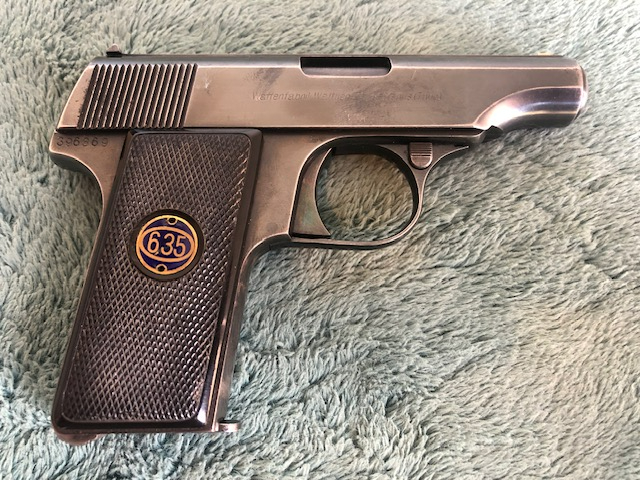
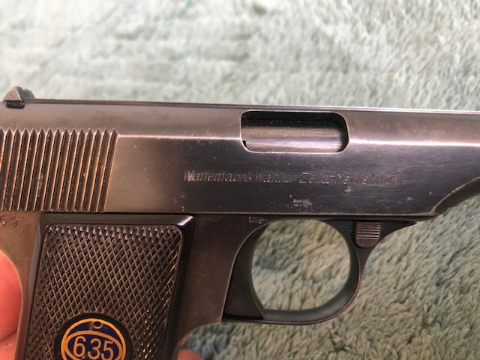
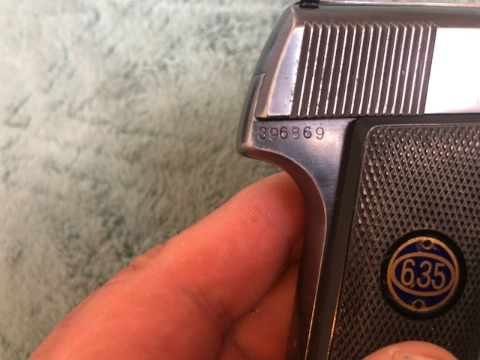
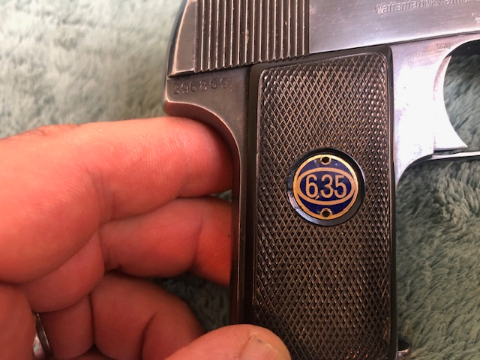
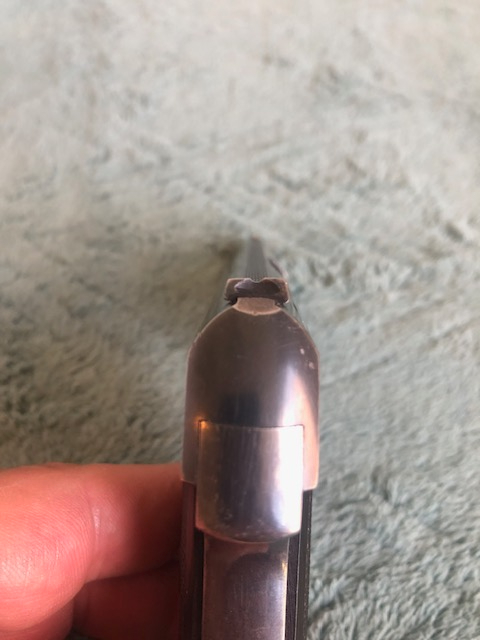
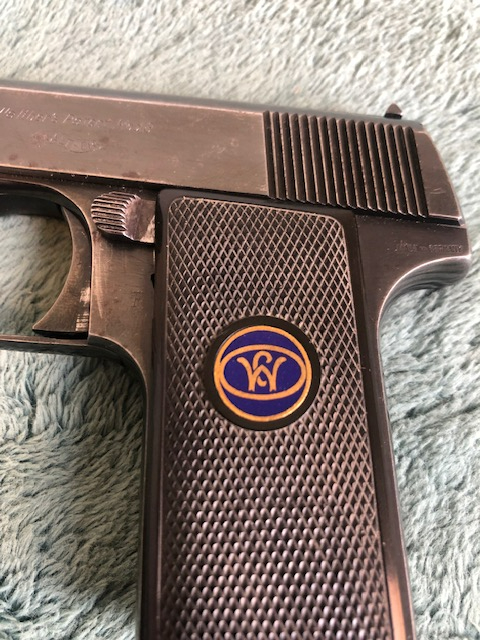
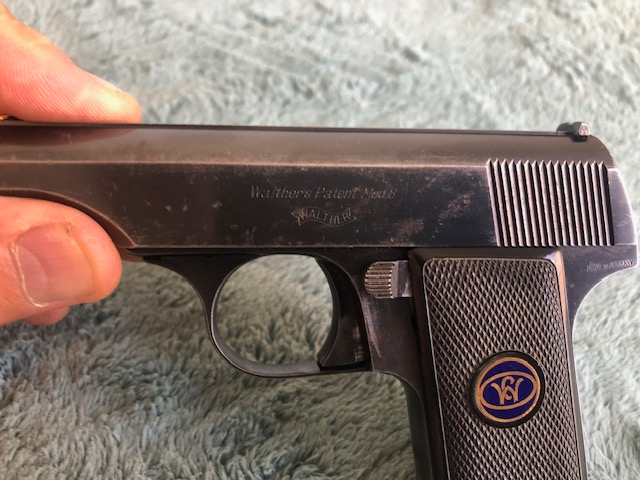
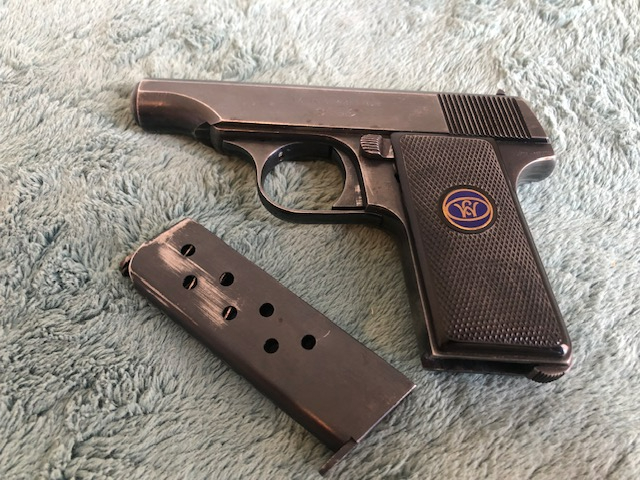
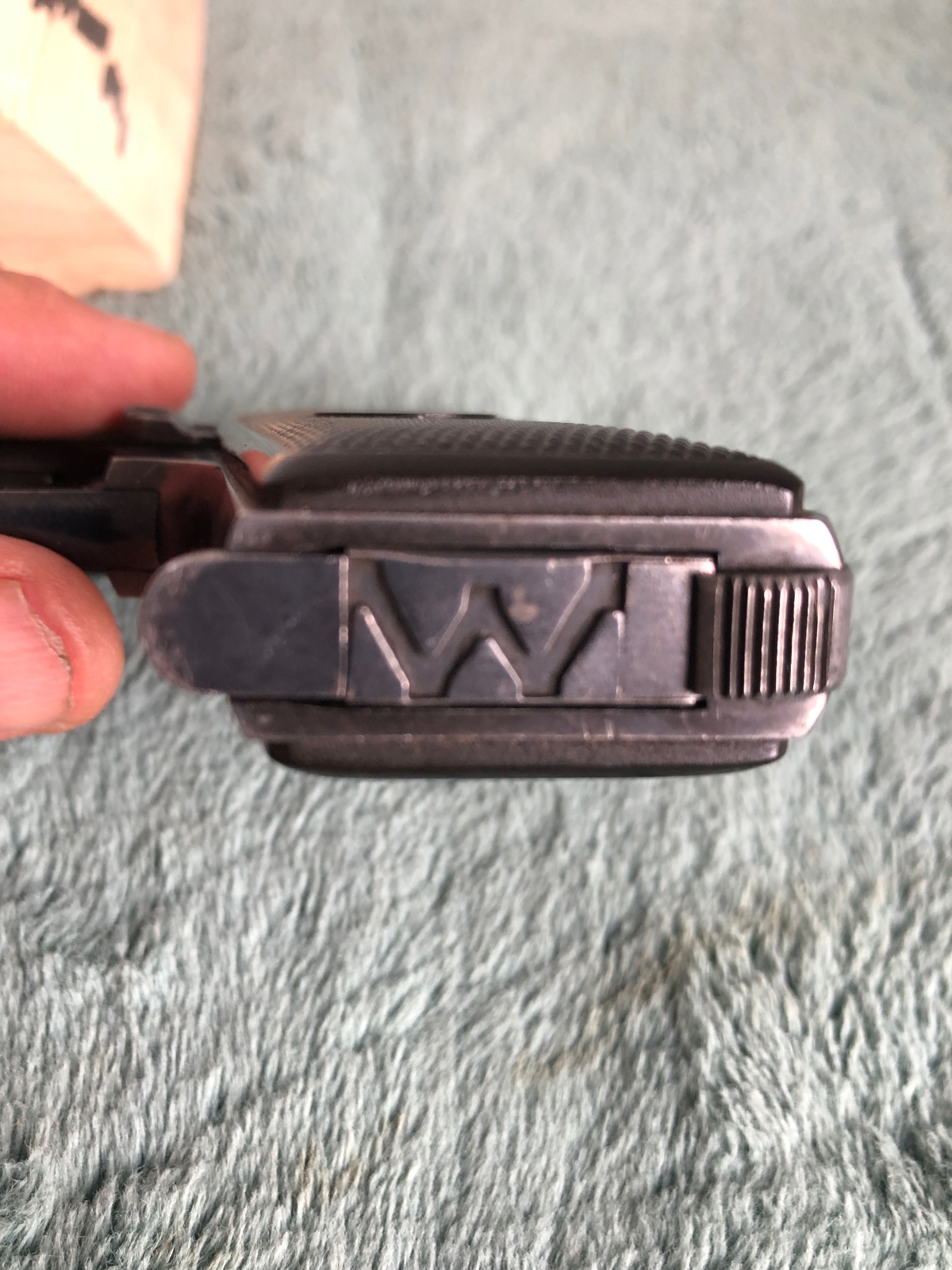
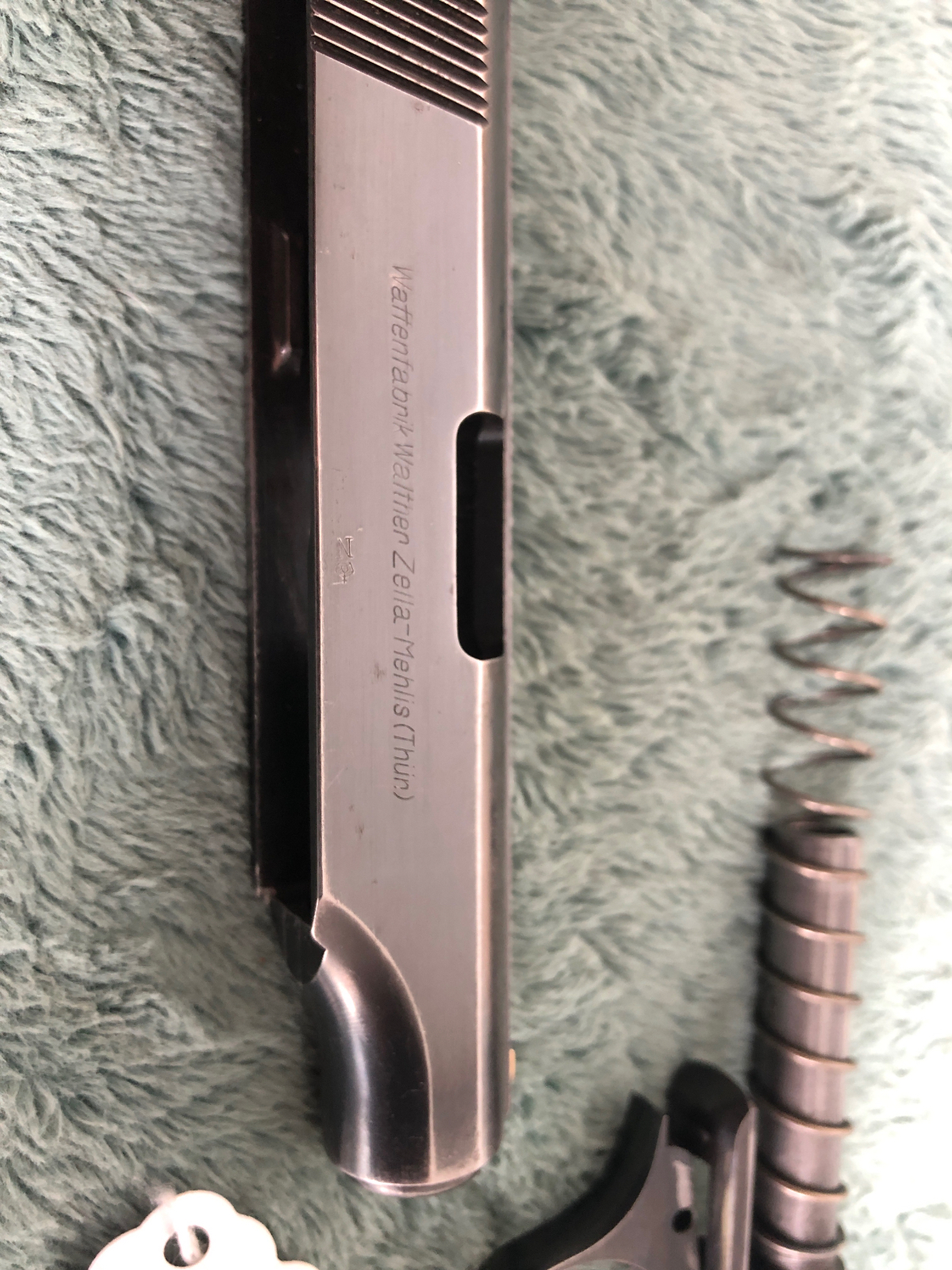
A Walther Model 8 in .25ACP




1. Be gentle to the fairer sex, it’s in the name.
2. Dress well no matter the occasion.
3. Pride is dangerous, be careful.
4. Be humble, be grateful
5. Opening the door or giving up a seat for a lady isn’t up
for discussion.
6. Work hard, that is if you want to own anything worth having
7. Starting / instigating a fight is for school boys, but men obtain the power to end one.
8. Ignorance isn’t bliss, knowledge is power.
9. Suit up (make sure they’re tailored to fit)
10. Confidence is a gentleman’s trademark.
11. Comfort zones are for the weak, men aren’t weak.
12. Foul language is for the less educated.
2. Dress well no matter the occasion.
3. Pride is dangerous, be careful.
4. Be humble, be grateful
5. Opening the door or giving up a seat for a lady isn’t up
for discussion.
6. Work hard, that is if you want to own anything worth having
7. Starting / instigating a fight is for school boys, but men obtain the power to end one.
8. Ignorance isn’t bliss, knowledge is power.
9. Suit up (make sure they’re tailored to fit)
10. Confidence is a gentleman’s trademark.
11. Comfort zones are for the weak, men aren’t weak.
12. Foul language is for the less educated.
13. Make Eye contact and mean business.
14. Lower your standards for no one.
15. Being romantic doesn’t make you a woman.
16. Stay groomed.
17. Admit when you’re wrong
18. Always make the first move, you’re the MAN
19. Handwritten “Thank you” cards aren’t outdated. Use them.
20. Chivalry is not dead, there are just too many boys.
21. It is said you can tell a lot about a man through his handshake, so make it strong and firm.
22. Leave her breathless
23. Judge no one, just improve yourself.
24. Speak your mind, don’t hesitate.
25. Offer your arm to a lady while walking, they’ll feel secure.
26. You’re the man, you pay.
27. Women love compliments, gentlemen provide them.
28. Never wear your hat indoors, it’s disrespectful.
29. Make sure everyone has their plate before you start eating.
30. We don’t always have to be the center of attention, but we are always noticed. It is our signature as gentlemen to come, make a statement, leave, and be remembered.
31. Never discuss the virtues of your women with other gentleman, it is crass and beneath you.
I could not imagine a worst place outside of Wintertime in Russia to fight in. Grumpy
Situation: One of our greatest 2A advocates compiles the stories of four women who survived because they had handguns — and a fifth who wasn’t allowed to have one.
Lesson: “Use enough gun.” Get the bullets where they need to go. Have the gun where you can reach it immediately, and if the law doesn’t allow this, fight for reform.
It would be hard to find a more ferocious warrior for gun owners’ civil rights than Tanya Metaksa. The anti-gun magazine Mother Jones called her “one of the most powerful lobbyists in America,” and the Associated Press described her as “a blunt, no-nonsense voice for the gun lobby in Washington.” I had the privilege of meeting her and hearing her speak back in the day.
She would introduce herself as “Metaksa, not Metaska. AK, as in AK-47.” A year prior to her retirement from the NRA’s Institute for Legislative Action, where she served as Executive Director, the Harper Collins subsidiary Regan Books published her book Safe, Not Sorry: Keeping Yourself and Your Family Safe in a Violent Age.
I thought the most powerful part of that book was the section in which Tanya focused on women who had faced homicidal attack. Four of them prevailed, because they were able to reach handguns in time to fight back and win. One of them could not, because the law in that place and time forbade her to. Here, thanks to Tanya, are their stories.
Armed Home Invader
Friday, May 10, 1996, 6:23 AM. The slender Ms. Sammie Foust had left the sliding glass door of her master bedroom slightly open after letting her cat in. She was in bed watching morning TV when the intruder burst in on her. Metaksa quotes her, “He was wearing a stocking mask, dark clothes, and while all the newspaper articles said he was wearing gloves he actually had socks on his hands. By the time I knew what was going on, he had one hand over my mouth and the other was holding one of those box-cutter razor blades at my neck.”
He demanded money. She gave him her purse. He shook it empty and wasn’t satisfied. Waving the blade in her face, he demanded the “big money.” She pointed to her jewelry box; he dumped that too, and still wasn’t satisfied.
That’s when he began beating her.
The first punch hit her in the eye, a blow so hard and damaging she would never see the same way through that eye again. To distract him, she pointed to some other jewelry elsewhere in the room.
When he turned to look for it, Sammie finally went for her gun.
She would tell Tanya later, “The fact that I had a loaded gun at hand is more than bizarre. I’d spent the two days before the burglary cleaning out drawers and I had stuff spread all over the place. When I opened one drawer, I found two guns, a .25 and a .32. I knew I owned them, but I didn’t remember where I had placed them. Lying next to the little one were four bullets, so I thought, ‘well, I ought to see if I can load it just in case I ever need it,’ and I put the bullets in the magazine. I wasn’t even sure I was putting the right bullets in the right magazine because they were real hard to make fit, so I put the magazine in the gun and pulled back the slide and everything worked. Then I put the safety on and set the gun on the stand by the bed. Never thought any more about it…. And, at that, I don’t even know why I thought to do it, because the last time I fired a gun was when I was about 14 years old, and that was either a rifle or a shotgun. I’d never fired a pistol in my life. I don’t know why he didn’t see it, as it was in plain sight.”
But now it was in her hand, and she had the presence of mind to take the safety off. And when he turned back toward her, she was ready.
She shot him in the mouth.
The tiny bullet had no immediate effect. He lunged at her and she shot him again. She would later tell Tanya Metaksa, “That one got him in the chest and the coroner said it was the one that ultimately killed him. At the time, it didn’t even slow him down. He slugged me again and grabbed hold of me. All I could think about was ‘Dear God, don’t let me pass out,’ and ‘Don’t let go of that gun.’ I have never gripped anything so tightly in my life. As strong as he was, he couldn’t get the gun out of my hand. We were fighting breast to breast, so the gun was between us.”
Sammie fired yet again, hitting him in the abdomen. She told Tanya, “He continued to fight, if anything he fought harder, and that’s when we fell back through the dining room doorway to the master bedroom. We were still breast to breast. He was slamming me into walls and tables, beating me in the head, doing pretty much what he wanted except getting the gun away, and I managed to get off one more shot. That one was at a down angle and ended up in his groin.”
Sammie fell, and the hulking attacker landed on top of her and began to strangle her. She said, “He weighed almost 200 lbs. and I was pinned down. There was just nowhere to go and I thought it was over for me. He’s choking me, I can feel I’m about to lose it, I don’t know what to do, and I think I’m going to die. I’m not very religious, but in my mind I started to pray. I asked God to forgive me; I even asked him to forgive the son of a bitch who was killing me, and I prepared to die.”
And she adds, “At that very moment, he puked blood all over me and died.”
James Wayne Horne died at 36, with a record for prior burglaries, and a toxicology screen with so many drugs it raised the eyebrows of even seasoned cops who investigated this justified homicide. Sammie Foust survived, albeit with permanently impaired vision, some permanent throat injury, and severe dental damage from the beating. She would later tell Metaksa, “I am very, very regretful that someone had to die, but I’m equally glad it wasn’t me. That was the choice I had to make. I made it and I chose to live.”
Armed Robbery
Charmaine Klaus worked in a convenience store in Michigan, where company policy was employees could not be armed. Tanya Metaksa noted there had been a series of armed robberies of such establishments in the area and, “The thieves would rob the stores, then take the clerks out in the woods, where they tortured and killed them.
The store’s supervisor had told the managers and clerks not to carry guns. If a robbery was attempted, they were to give up the money. If they wanted to take you out of the store, simply refuse to go … (Charmaine) told her husband about the new rules and he got angry. Neither of them liked the odds of getting caught unarmed by a crew like that. After some discussion between them, they decided she would carry and simply not tell anyone about it.” Mrs. Klaus’s gun of choice was a discreet little Smith & Wesson .38 Special.
At 10:30 PM on the night in question, at end of shift, Charmaine was in the back room finishing accounting when clerk Darlene Ramsey, 19, rushed in to tell her a masked man with a gun was entering the store.
He came in shooting.
As Ms. Ramsey tried to close the back room door, the gunman fired through it and then burst in, and instantly opened up on the young clerk. She fell, shot in the chest and the abdomen.
But by now, Charmaine Klaus had her revolver in her hand. She would later tell Tanya Metaksa, “I shot him. Unfortunately, the bullet hit a tooth and broke up. Even though it lodged in his throat and he was bleeding very badly, he continued the assault. I had a Smith .38 revolver; he had a Colt semi-automatic Super .38.
He just kept shooting, but he was somewhat disoriented because of the shock of being hit, and missed me. Bullets whizzed by my head and I started to crawl under the desk. He was in the hall (by then), firing at me through the door. And then he decides to come back into the room and I’m under the desk, blocked from doing anything. He grabs Darlene and shoots her point blank in the head. Then with his last bullet he shot me.”
Charmaine Klaus continued, “I could see he had the gun up by my head and at the last moment I moved my head and put up my hand. His bullet went through my hand and into my jaw. Now his gun was empty so he left, just running out of the store.”
Charmaine survived. Darlene Ramsey did not. Her murderer, Albert Joseph Hartford, Jr. survived and was captured, identified thanks to Charmaine’s bullet and his blood she spilled on the floor, and was convicted and sentenced to life in prison. Charmaine told Tanya, “I’ll spend the rest of my life working to see we don’t lose our right to self-defense.”
Stalker And Abuser
When the man Dottie Collins fell in love with put her through an escalating pattern of abuse that turned into physical beating, she dumped him. He retaliated by ramming her car with his. She called the police, who arrested and jailed him, and she went to the magistrate and swore out a restraining order.
She also acquired a pistol.
She told Metaksa, “I bought the gun, a small .25 caliber semiautomatic, after he ran me off the road. The day after I bought it, I had my son buy a box of shells and load it. I never shot the gun, in fact I’d never shot a pistol before. I know some people raise hell about small guns, ‘Saturday Night Specials’ or some such. All I can say is on a particular Friday night a ‘Saturday Night Special’ saved my life.”
On that Friday night, she had just gotten into her car and put it in “drive” when the abuser appeared, leaning over the hood of the vehicle and shouting, “You’re dead!” He fired, and the bullet grazed her right temple. Stunned but still conscious, she fell sideways onto the front seat.
The assailant came around, smashed a side window, and entered. Said Dottie Collins later, “He got in the car and shot me twice more. One bullet went in above the knee and came out below it. It turned out to be a fairly clean wound. My leg gives me some trouble, but the bullet didn’t hit any bones or anything. The other one caught me in the left forearm, shattering the bones. Chances are I’ll never regain full use of it. I’ve already had surgery and there is more to come to rebuild the bone.”
She had fallen across her pocketbook, where she kept her pistol. She was able to retrieve her .25, point it from her awkward position, and fire til it was empty. “I had no idea if I hit him or not,” she told Metaksa later. “I couldn’t see anything at the time, but I could feel the car go over the embankment and drop about 30 feet. The last clear thought in my mind was when Roger got out of the car. He screamed at the top of his lungs, ‘I hope you’re dead, I hope I’ve killed you!’ From then on it’s a blank until I woke up in the hospital.”
She awoke to at least some good news. Her would-be murderer was in custody, and being treated for the bullet wounds she had put in his hand and jaw, causing him to flee the scene. At the time Safe, Not Sorry went to press he had not yet been adjudicated, so Tanya did not include his last name.
Multiple Home Invaders
On a quiet Sunday morning, Brenda Hibbitts was alone at home talking with a friend on the phone when she heard her front door come crashing in. Tanya records her saying, “I had my purse sitting by the couch where I was sitting and I just grabbed my gun out of it … I stood up and looked down the hall and there were three people standing there. One was a great big ol’ guy, about six one or six two and two-forty, muscular, looked like a boxer. He was in front and holding a hammer. Two smaller people were behind him …”
Her S&W Model 3913 Lady Smith 9mm was already leveled on them. Mrs. Hibbitts continued, “I looked at them and I said, ‘Get out of my house or I’ll kill you.’ He just looked at me, that was when I noticed he had a hammer in his hand. He raised the hammer and I took a step back. Then he took a step forward and I fired a shot. It was the first time I ever fired that gun. I thought I’d missed him because he had no change in expression at all. The three of them ran into the bedroom next to the hall.”
In the tense moments that followed, Mrs. Hibbitts had a dialogue with the hulking leader of the home invaders. It culminated with his plaintive, “I’ll leave if you just won’t shoot me again.”
She allowed the trio to flee. Police soon caught up with them; they had dumped their wounded leader at a local hospital. All turned out to be wanted for other armed robberies.
At the time Safe, Not Sorry came out, they were still awaiting trial. Mrs. Hibbitts was unharmed. She would later tell Tanya Metaksa, “I was raised around guns. I don’t shoot like my husband and son do, but I know what I’m doing with a gun. Since this happened I’ve started practicing with a pistol and learning how to shoot a rifle and a shotgun. I’ll always have a gun and I’ll always keep this one. In fact, I just might have it bronzed.”
Disarmed By Law
In 1991, the state of Texas had no provision at law for private citizens to carry guns in public. Newly minted chiropractor Dr. Suzanna Gratia didn’t want to risk losing her professional license over a gun charge, so she took her S&W .38 Special Airweight out of her purse and kept it, legally, in her vehicle. That’s where it was, in a parking lot a hundred yards away, when she had lunch with her parents in a Luby’s Cafeteria in Killeen.
Mad dog killer George Hennard drove his truck through the windowed front wall into the restaurant and then emerged, armed with two pistols and shooting everyone he could see. He murdered Suzanna’s father when he attempted to disarm him, and as Suzanna’s mom cradled her dying husband, the bastard executed her, too.
Hennard murdered 24 victims and wounded 19 more before police arrived. Wounded by their gunfire, he blew his own brains out. Suzanna had been as close as 15 feet to him and, a good and experienced pistolera, could have easily shot him down — but when she reached reflexively to her purse, her gun was in the car, leaving her helpless to stop the massacre and prevent her parents’ death.
Suzanna Gratia went on to become a wife and mother, and one of the strongest voices ever for the responsible armed citizen movement. Her testimony helped Texas get shall-issue concealed carry, and today Dr. Suzanna Gratia-Hupp is still an influential champion of gun owners’ civil rights. I was present when she gave a speech at a SHOT Show in Texas years ago.
In the front row were several reporters from the mainstream media, many of them snickering and sneering before she spoke. But by the time she was done, some of them were wiping away tears, and not a one of them had anything negative to say in their news reports of her talk.
Lessons
Tanya Metaksa made the first lesson abundantly clear. As Mark Moritz famously said, “The first rule of gunfighting is, Have A Gun.” Listed here in the order in which Ms. Metaksa presented them, the four armed women had a much better outcome than the one disarmed by what were then the laws of her state.
Have your gun where you can get to it in time. The only one of the four armed defenders here to emerge unscathed was Brenda Hibbitts, the only one to get her gun in her hand before the actual fight started. This is probably not a coincidence.
As Robert Ruark put it so well, “use enough gun.” We look at how much injury Sammie Foust sustained while waiting for the wounds inflicted with her tiny .25 auto to take effect, and at the fact Dottie Collins’ assailant was still capable of vigorous, conscious, purposeful physical activity after she shot him in the face with her .25. It’s easy to say, “Get a bigger gun!” There’s validity in this, but it doesn’t go far enough. Charmaine Klaus’ attacker was still able to kill after she shot him in the face with a .38 Special, and Brenda Hibbitts’ assailant was a “psychological stop” who remained up and running with a 9mm hollow point in his chest. On the good people’s side, Charmaine Kraus was shot in the jaw with a powerful .38 Super but was able to stand, move about, telephone her husband, calm customers verbally, and talk to police when they arrived, all after sustaining the wound.
Experts agree shot placement is key. Not “chest” or “head,” but heart or brain. It takes skill, born of training and practice, to achieve that level of hit potential. Yes, and some luck, but luck seems to favor the trained and practiced. The chest is a big place. Old West outlaws like Jesse James and John Wesley Hardin took pistol bullets in the chest and rode away to heal on their own without medical attention. There’s a lot of “head” that doesn’t contain central nervous system, and the skull and maxillo-facial structure have lots of hard, angled bones comprising a natural protective helmet, as three of the above-cited women discovered. Read Dr. Jim Williams’ book Tactical Anatomy, available at tacticalanatomy.com.
As important as shooting skill is, we can’t ignore the fact three of the four who successfully shot their assailants did it with guns they had never fired before. With the lack of prior commitment, it’s unlikely any of them would have taken mandatory training, and a strict training requirement as urged by some anti-gunners would have left them unarmed, helpless and probably dead.
Coming back to training, though, do you doubt if Dottie, horizontal in the front seat, and Charmaine caught under a desk, had been trained and experienced in shooting from awkward positions, they might have been able to fire from there with immediate effect?
Above all, they had the courage to fight back, and they prevailed. We salute these strong women, and we tip the American Handgunner hat especially to Tanya Metaksa for bringing their stories to us all. Their experiences were too valuable and too instructive for us not to share with you.
