
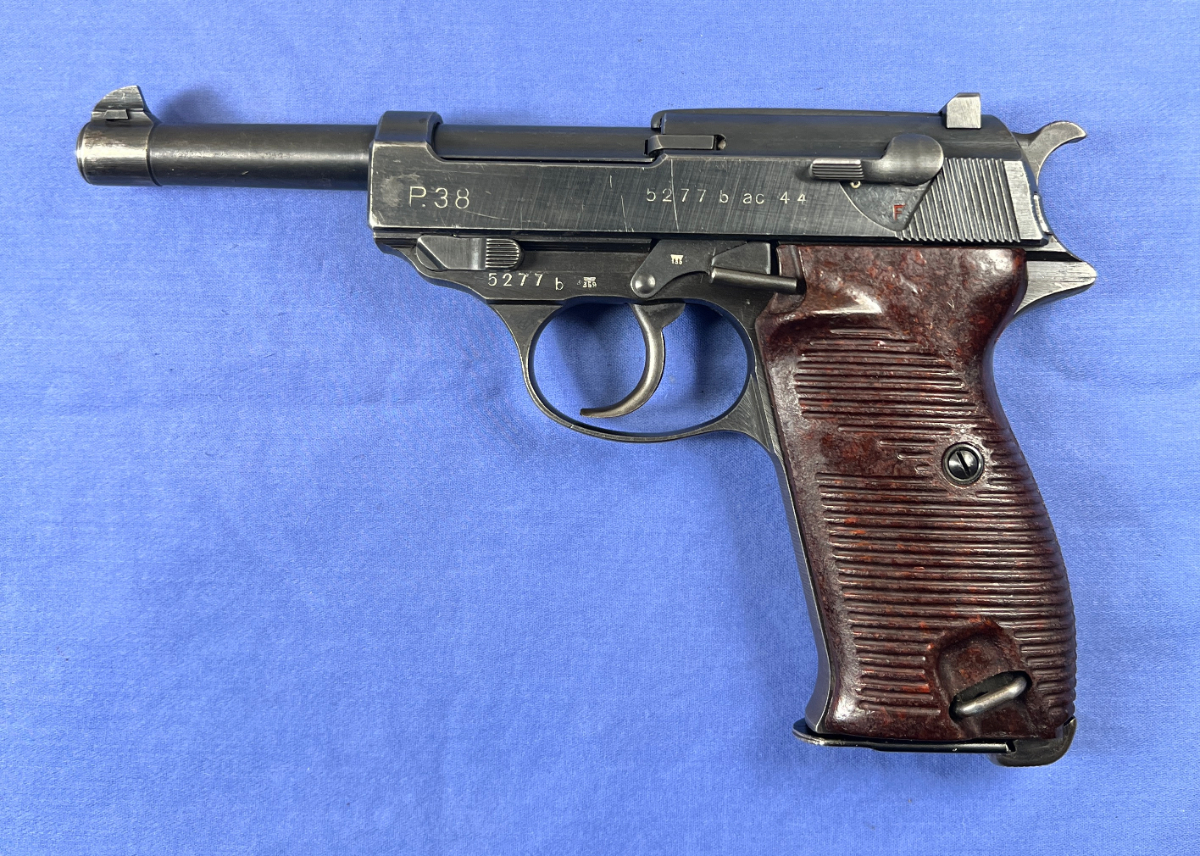
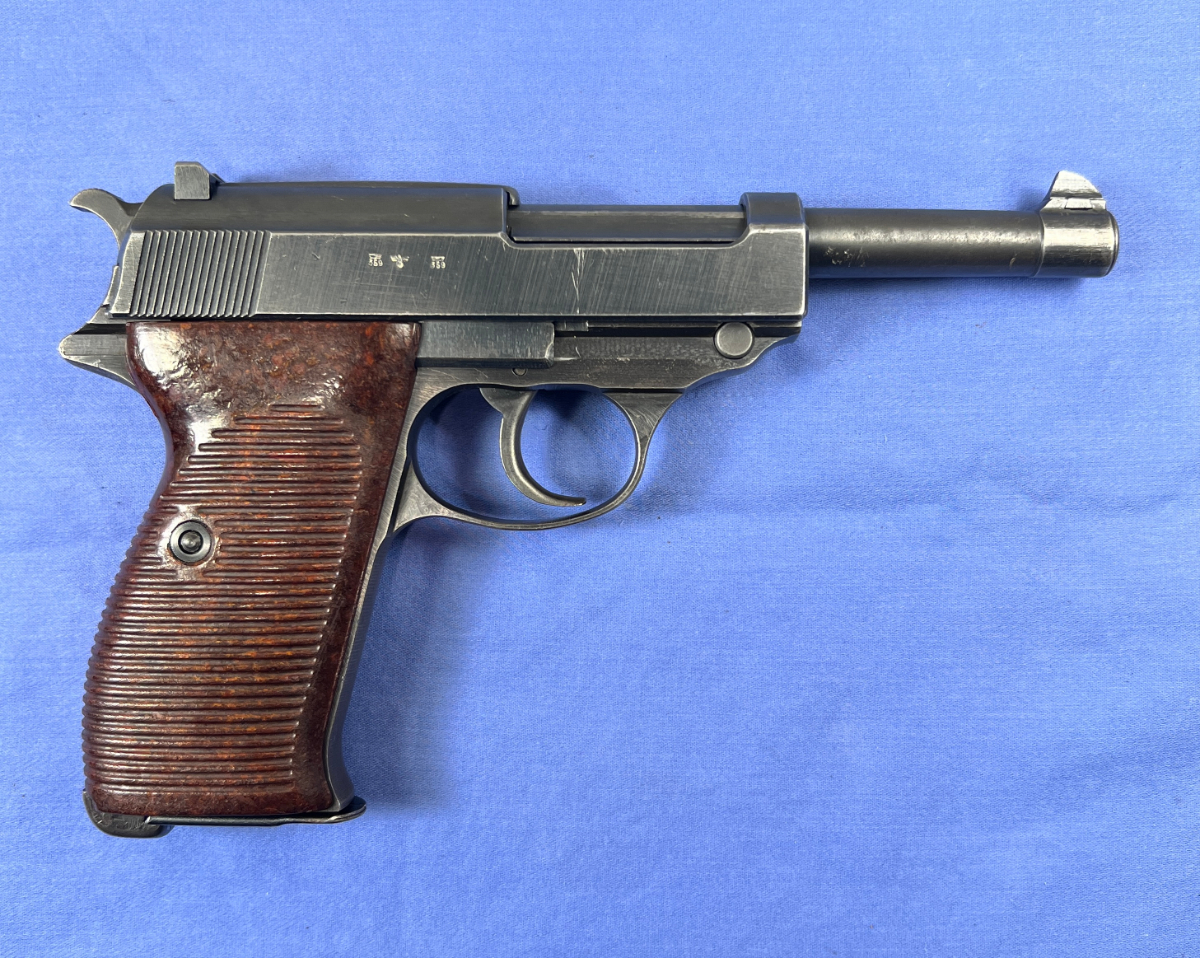

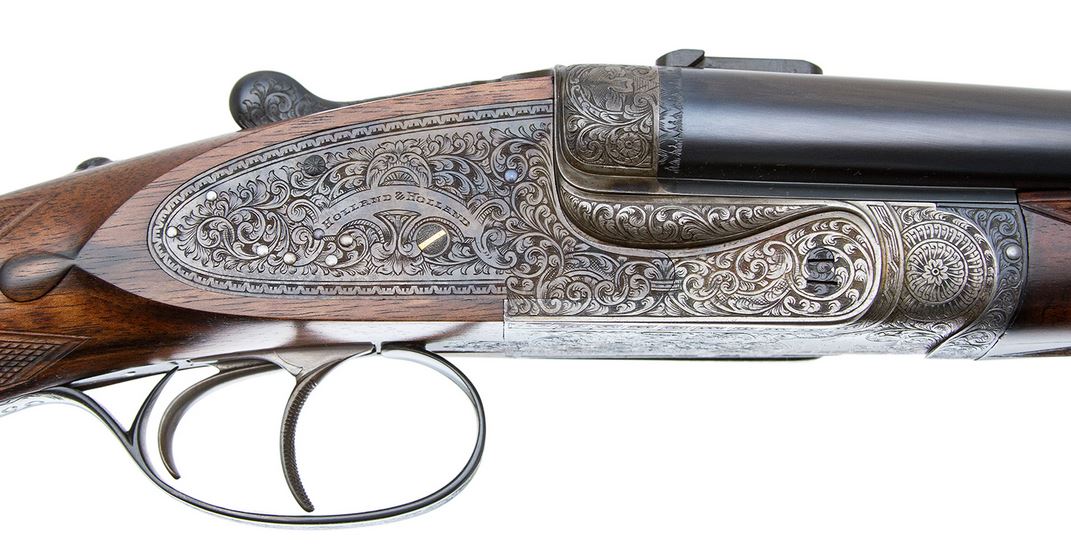
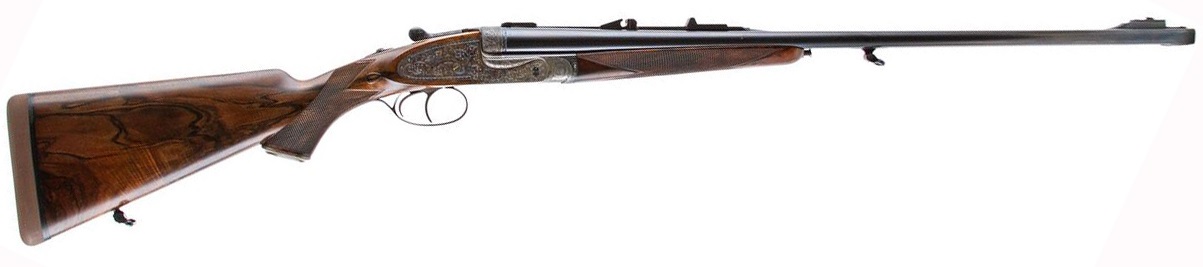
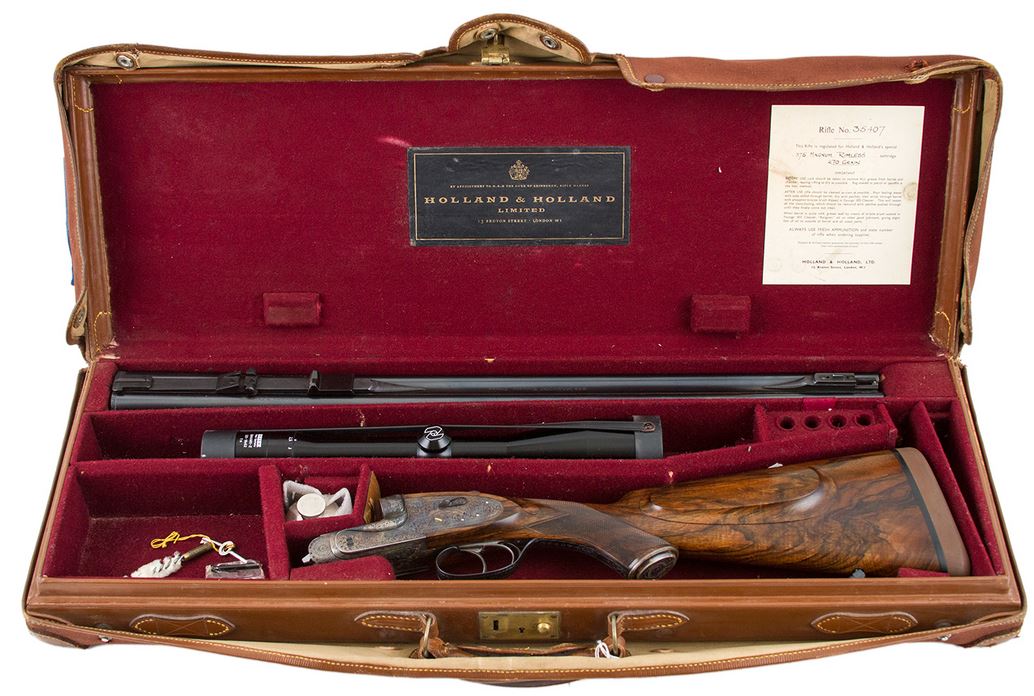

And its only $70,000 plus tax!

The explosive combination of young people and alcohol has kept medical
providers gainfully employed since the days of Hippocrates. Michael Discenza.
Our hero was a gigantic Popeye-looking kid with massive forearms. He clearly was no stranger to the gym. He presented to the clinic on a Saturday afternoon. Saturday afternoon was when the good stuff invariably slithered in.
He had been attending a rocking frat party the night before and was three sheets to the wind. In a fit of playful stupidity he had scooped up a handful of ice and thrown it at a friend. In his sordid state, the ice ball obviously missed its mark. His buddy scooped up the discarded bolus of ice and threw it back. My new pal reflexively raised his forearm to protect his face — ultimately preserving the kid’s striking good looks.
His friend had inadvertently scooped up a generous piece of broken beer bottle and hummed it back with the ice ball. This big shard of jagged glass tore deep into the lateral aspect of Popeye’s elbow, severing a sizable artery along the way. The wound began pulsing blood like Dracula’s garden hose.
The collective of drunken college students immediately and vigorously came unglued. A few in attendance of both genders were unaccustomed to human blood, particularly in such prodigious quantities, and reacted poorly. There was honestly only one solitary example of sound judgement exercised throughout the evening: no one drove to the hospital.
Somebody generously donated a t-shirt to the cause. This altruistic gesture didn’t do much good. Things were looking bleak. Then a voice in the wilderness spoke up. “I know what to do. I saw it in a movie.”
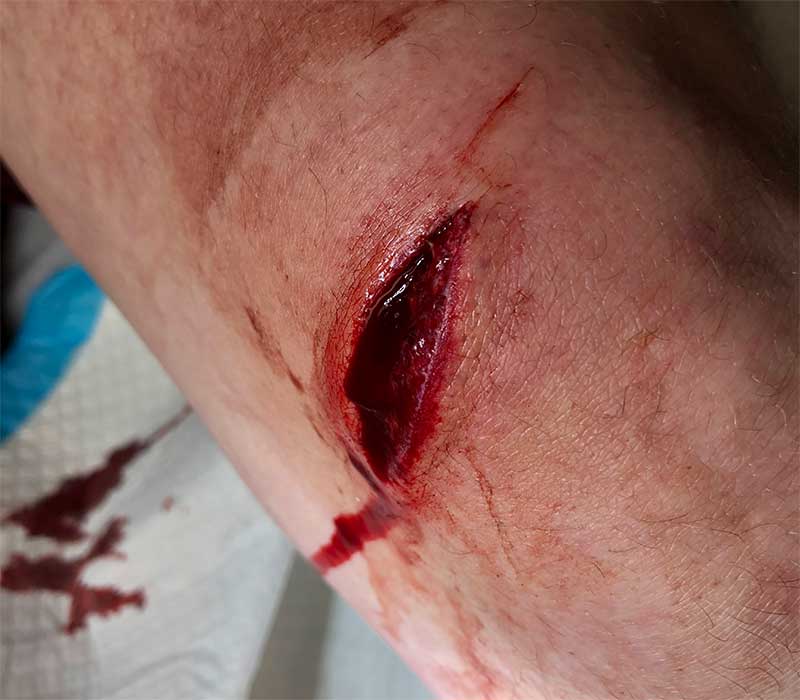
Nothing transforms a good day into a great day at work like a little gratuitous gore.
This ersatz practitioner of the healing arts somehow produced a butter knife and propane torch. They further lubricated the victim with distilled spirits to dull the pending undeniable agony and then liberally doused the wound in tequila, something that also likely stung a bit. They then proceeded to physically restrain the kid for his own safety.
Once they had the butter knife heated cherry red they pressed it deep and hard onto his flesh. The patient lost consciousness. Their healing work now complete, the kid’s buddies relocated him to a couch in the frat house to sleep it off. He proceeded to sleep the sleep of the dead, bleeding vigorously and with enthusiasm all night long.
The following morning someone thought to check on the kid and was shocked to find that the couch looked like something out of a slasher movie. At least by now they were all sufficiently clear-headed enough to drive safely. His friends bundled him up and brought him to me. What greeted me when I pulled the blood-soaked t-shirt clear was memorable to say the least. I did, with the benefit of hindsight, wonder what ever became of that couch.
The lateral aspect of this poor kid’s elbow looked like something you might obtain in a sack from the drive-thru at Cap’n D’s. The wound was maybe an inch and a half long and was still spurting with some vigor. I cleaned everything as best I could, numbed it up, and went exploring.
Addressing traumatic wounds is great fun once you get past the obligatory aversion to gore and the invariable associated human suffering. Every example is just a little bit different. The basic techniques are the same, but the specific application is unique to each circumstance. I appreciate that this sounds terribly ghoulish, but nothing transforms a good day into a great day at the clinic like a nice chainsaw to the thigh.
This pumper was fairly deep. So deep in fact that all the ad hoc high-temperature emergency therapy had not come even remotely close to the source of the bleeding. I isolated the severed artery and tied it off with a figure eight Vicryl suture before closing the wound by layers. Approximating the exterior skin was like trying to sew broiled fish.
I dressed the carnage and educated the now thoroughly sober kid on proper wound care. I gently inquired as to whether or not he planned ever to do that again. He answered in the negative. Never underestimate the capacity of the young human male for unfiltered stupidity. It’s a wonder any of us survive.
I was never the biggest, fastest, or best-looking kid as I ineptly clawed my way from kindergarten through puberty. However, I have always had a gift for weapons. For a sixth grader coming of age in the Mississippi Delta in 1976, that was a marketable skill.
This ghastly tale begins at church. One of my dad’s deacon duties at Oakhurst Baptist Church in Clarksdale, Mississippi, was counting the money after each week’s collection. He and another couple of guys would tally the folding money and checks. I was responsible for counting the silver. There was just so much damage I could do with that. However, that did give me unfettered access to a wide selection of rubber bands in the counting room.
Just like assault rifles, fighter planes, and attack submarines, my weapons evolved over time. Eventually, I found the optimal balance between propellant and payload. It took a great deal of experimentation to get there.

This may look like common office kit. However, in young irresponsible
hands these simple rubber bands can become weapons of mass destruction.
Tactical Details
The energy came in the form of a pair of substantial rubber bands looped together in the middle. One loop went over the thumb and the other over the forefinger of my left hand. The knot between the two reliably established the midpoint.
The ultimate projectile began as about one-third sheet of notebook paper split up and down. I coated one side with a thin film of Elmer’s glue and folded it on itself. Once that set, I repeated the exercise. After a few iterations, I had a strip of glue-laminated paper about the width of a cigarette. I then flattened it between two books and folded it in the middle.
With this as a foundation, I discreetly made a puddle of glue on the floor of my sixth-grade classroom underneath my desk and balanced the thing vertex down with the legs pointing up. Once that set, I peeled it up and teased the extra glue away until it left a hard nubbin on the end. Terminal performance was, shall we say, formidable.
I’m not kidding, that bad boy would dent sheetrock. I have no idea where my teachers were this whole time. Just imagine what I might have accomplished had I focused all that energy on something more productive.
Regardless, after the first recess, every little boy in my sixth-grade class had to have a DIY death machine of his own. The following Sunday, I pilfered enough of the Lord’s rubber bands to arm the male half of the class. Our little grade school suddenly became considerably pricklier.

This is what Tom thought popped him behind his right ear.
Reality was something altogether different
The Event
We’ll call the two kids in question Tom and Bill. These were obviously not their real names. Tom was a pleasant enough bloke, but he always seemed just a little bit stoned. Bill was a hoodlum, but he was a likable hoodlum. Tom sat about midway back in a particular row in Mrs. Flowers’ sixth-grade classroom. Bill occupied the desk behind him. I sat behind Bill. As it was hot and air conditioning was expensive, the windows stood open.
Mrs. Flowers was reading us something, Charlotte’s Web, I think. Such maudlin prose was inadequate to keep us evil little boys exactly riveted. As a result, Bill entertained himself by exercising his rubber band weapon.
Bill oriented his left hand behind Tom’s head and stretched the contraption to its full length with his right. All the while, he used Tom’s melon as cover, so Mrs. Flowers remained blissfully unaware. I could not help but watch. It was like being privy to a slow-motion car crash. What came next was tragically predictable.
Perhaps his hand was sweaty. Maybe Bill was just clumsy. We have already established that he had epically poor judgment. For whatever reason, Bill’s projectile slipped out of his fingers. It then promptly accelerated to around 5,000 feet per second before catching Tom in the little pocket behind his right ear with the force of a 20mm cannon round.
Tom suddenly stood bolt upright and unleashed an absolutely inhuman shriek. Bill took advantage of the chaos to stash his rubber band in his pocket. The projectile likely glanced off of Tom’s skull, punched through the ceiling, and is currently orbiting Uranus. Mrs. Flowers was, shall we say, discomfited. Tom then collapsed into a ball on the floor and appeared to have some kind of seizure.
Mrs. Flowers was at Tom’s side in an instant, attempting to render aid and comfort. After a couple of minutes, Tom regained the capacity to speak. Mrs. Flowers asked him what in heaven’s name was the matter. She had likely never before seen a sixth-grade boy so moved by Charlotte’s Web. Between sobs, Tom explained that a wasp had stung him unexpectedly behind his right ear. As the window was standing open, this explanation was sufficiently plausible to deflect further investigation.
Tom recovered, sort of, in about half an hour. Charlotte’s Web was irretrievably ruined for the day. As I was the only one who actually saw Bill’s accidental discharge, no one was the wiser. It has been some 47 years, and precious Mrs. Flowers has since died, so I suspect the statute of limitations has expired. Tom, if you’re out there, I sincerely hope you’ve had a good life, bro. I’m sorry Bill nearly killed you with an improvised weapon of my own design.
Categories
One great looking Hunting rifle

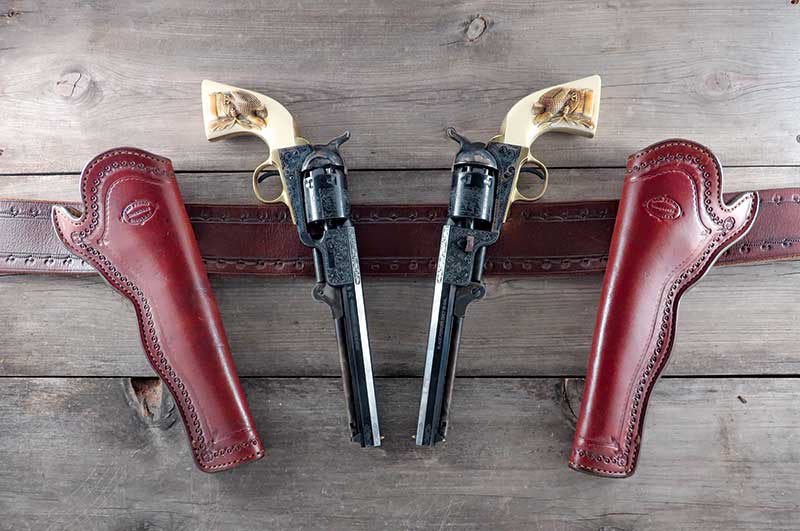
Slim Jim holsters never go out of style. These are by San Pedro Saddlery.
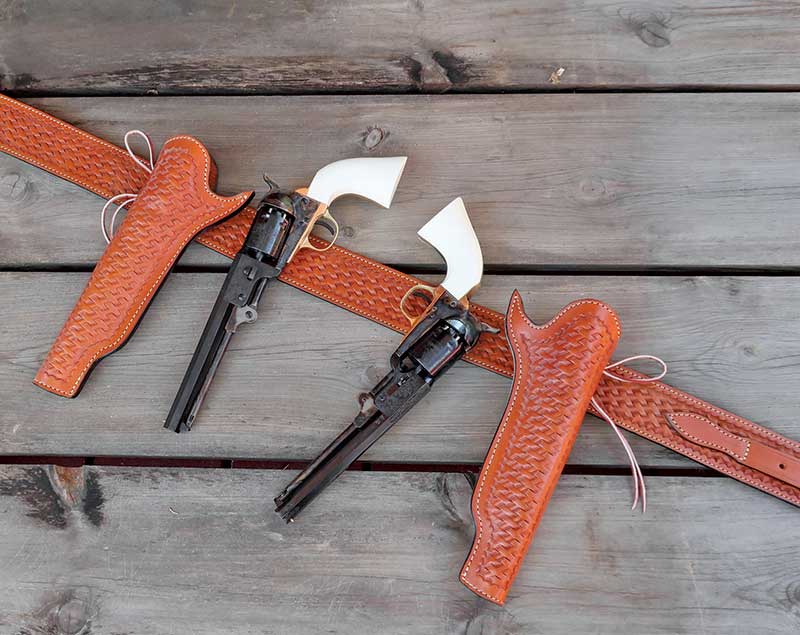
Kirkpatrick Leather produced this pair of SlimJims,
which hang straight on the belt.
Power notwithstanding, Colt Walkers and Dragoons were much too large, heavy and cumbersome to be carried in a holster on the belt, so eventually, Colt went the complete opposite direction and brought out a series of Pocket Pistols, which were five-shot .31 caliber and easily carried concealed on the person. Today these are known mainly as the Baby Dragoon, the Wells Fargo, and the most popular and the highest-selling Colt firearm during the percussion era, the 1849 Pocket Pistol.
With both ends of the spectrum covered, Colt now looked at what would turn out to be the first sixgun, which combined both power and portability, and would usher in the age of the gunfighter. That sixgun was the 1851 Navy .36. No, it was not as powerful as the Dragoons.
However, it was adequately so, and with its 7½” octagon barrel was about half of the weight of the Walkers and Dragoons. The basic platform of the 1851 Navy would be used to build the 1860 Army, which featured the streamlined barrel and loading lever. Then, this was used to develop the 1861 Navy .36, which featured the same style barrel and loading lever.
In the first issue of GUNS Magazine in January 1955, Robert Rozeboom wrote an article, “Hickok — Hell’s Own Marshall.” What follows is a quote from that article:
“Wild Bill Hickok! They told stories about those silver-plated six-shooters on his hips. He could plug an edgewise dime at 20 paces — drawing and firing without seeming to aim. Or he could chase a tin can through the air, alternating his shots with the rapid precision of a Gatling gun.
But when it was man-against-man, they said a single bullet was generally enough. It wasn’t hard to see why they called him Wild Bill; you could see it in the way he carried himself — 200 lbs., six-foot-three in his boots, bent forward as if his high heels were tipping him. You could see it in the tapering lengths of his hands as he nursed a drink, and the bland gray eyes that stirred restlessly, in the thin tight line of his mouth, centered beneath the drooping mustache.
You are aware of it even in the calm, precise diction of his conversation as he said, ‘I suppose I’m called a red-handed murderer — which I deny. That I’ve killed men, I admit, but never unless an absolute self-defense or performance of an official duty.’ Were Hickok’s feats with the percussion revolver real or something more akin to the Hollywood legend? You can decide on your own whether or not you want to believe these marksmanship feats using a percussion revolver.”
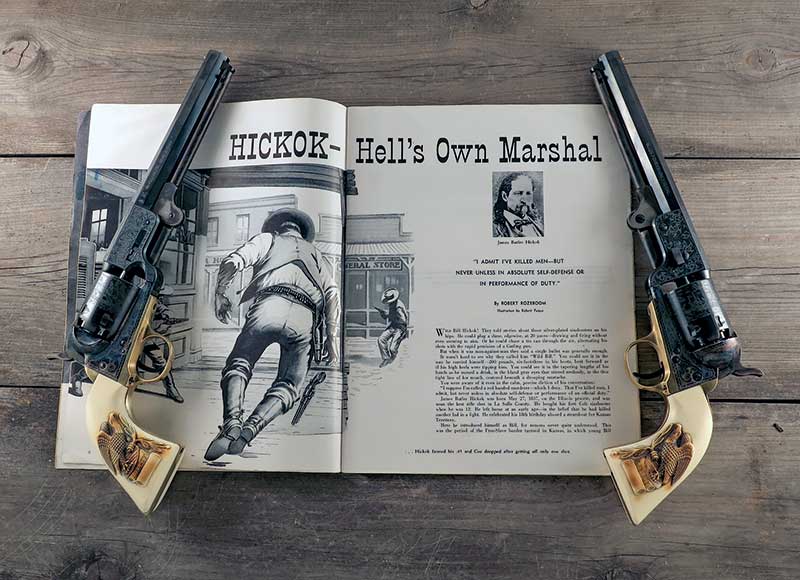
Hickok carried his ivory-gripped .36 Navy Colts butt to the
front in a belt or sash around his waist.
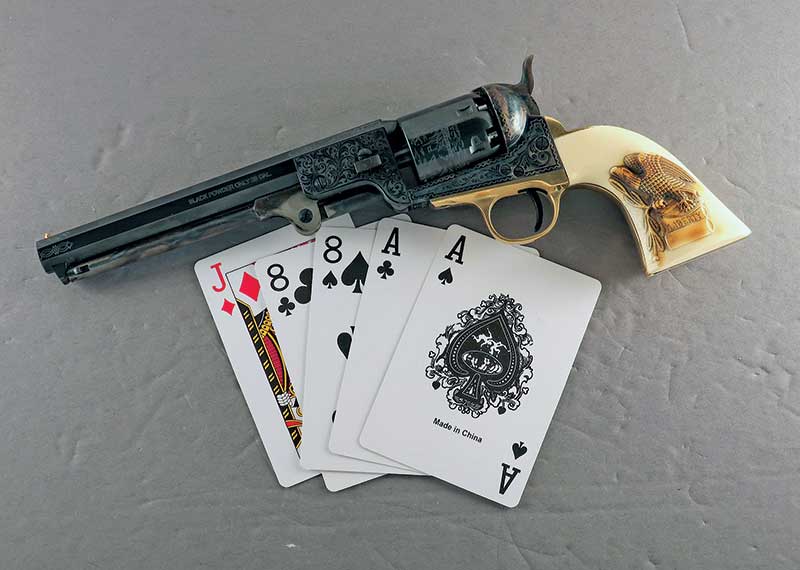
Aces and Eights — The Dead Man’s Hand.
The lengthy article provides much information about Wild Bill’s life, including the famous shootout between him and Dave Tutt. The story goes that Tutt had grabbed Bill’s watch during a poker game for nonpayment of his debts. Hickok warned him not to wear that watch, which is exactly what Tutt did, stepping out on Main Street the next day and taunting Hickok.
This was a real gunfight, not the Hollywood style. They did not meet on Main Street at 12 paces, with both going for their sixguns. They did not wear metal-lined low-slung holsters such as those used by Matt Dillon and Paladin, which allowed amazing speed but only in the movies. The story is that Tutt started firing from 75 yards away, and Hickok calmly raised his pistol and shot Tutt through the heart.
The prevailing wisdom is that Hickok used one of his .36 Navy Colts. However, the article in that January 1955 issue of GUNS gives a different story. The author claims Tutt was carrying a brand-new .36 Navy while Hickok used a .44 Dragoon. There may be other references to this, but this is the only one I have ever encountered.
Consider this. Hickok was a town-dweller to the point it was said he never owned a horse. He spent his time sitting at the poker tables or walking around town, which tells me he would much rather have a .36 Navy than the 4-lb. .44 Dragoon. We do know Hickok and the .36 Navy Colts are matched together by history. Was James Butler Hickok, who early on took the name of Bill and then Wild Bill, the nice guy portrayed by Guy Madison or a bloodthirsty killer? The truth is probably somewhere in between.
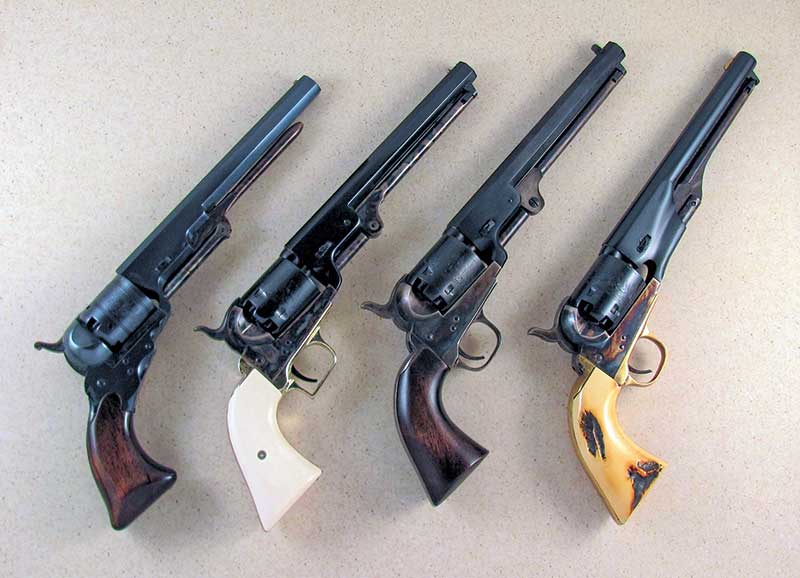
Colt Belt Pistol Evolution — the Paterson, square back trigger guard 1851 Navy,
round trigger guard 1851 Navy, streamlined 1861 Navy.
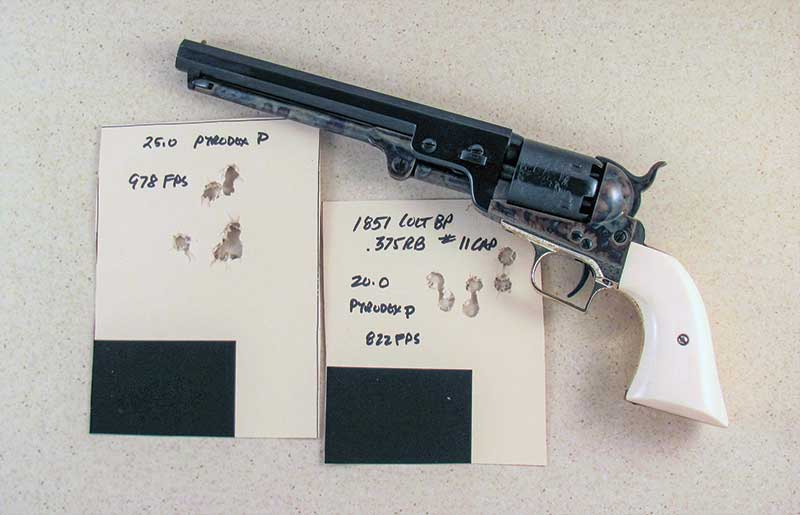
Typical groups fired with the .36 Navy Colt.
Modern Day Navy’s
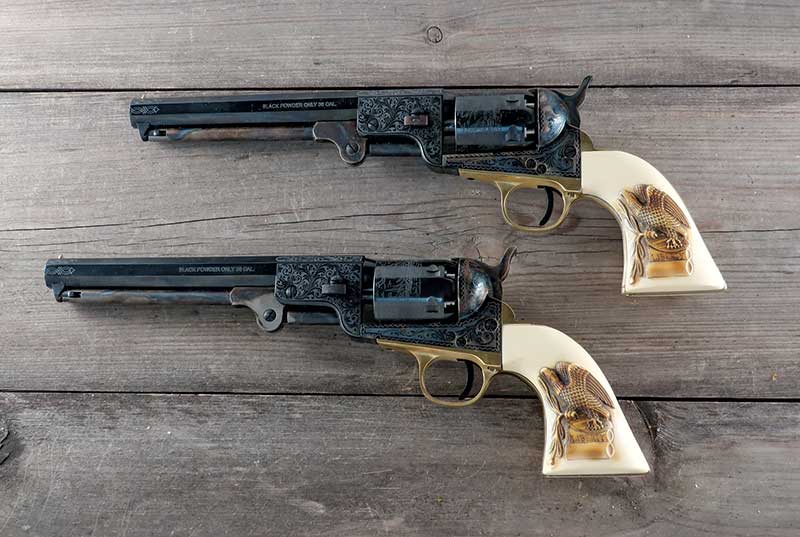
Thanks to Italian manufacturers, all of the original Colt Percussion Pistols are now available in replica form. I have examples of the .36 Navy from both Pietta and Uberti. My “Hickok” .36 Navy Colts are a pair of engraved Pietta blued finish with brass grip frames. The grip frames have been fitted with Buffalo Brothers’ version of the antique ivory carved Hickok Eagle.
Today’s modern replicas are a far cry from those that first started appearing in the 1950s. Whichever the manufacturer, Pietta or Uberti, one can expect a quality piece with excellent fit and finish. Just like any production sixguns this side of Freedom Arms, they are not perfect. Perfection requires a much more significant expenditure of funds than these replicas. A few minor things need to be done to any Italian replica, all of which I can handle myself.
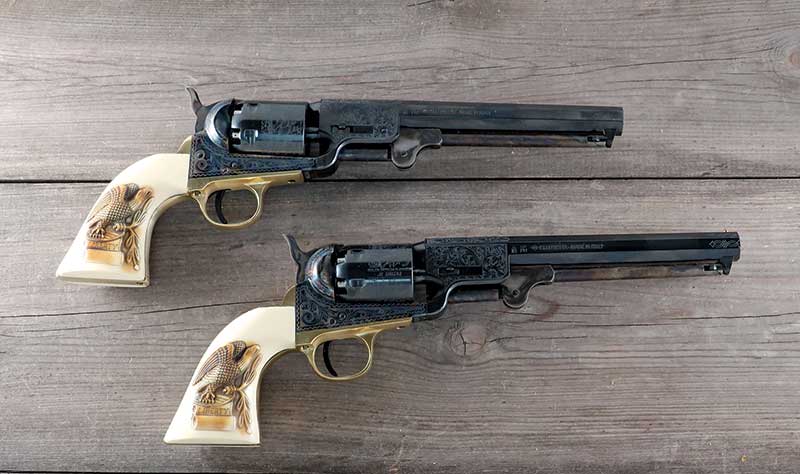
Pietta offers these engraved .36 Navy Colts; Hickok grips are by Buffalo Brothers.
Replica Tweaks
I routinely replace the factory cones/nipples with stainless steel Slix-Shot nipples from Slix-Springs. These high-quality nipples are shaped to accept Remington #10 or Speer #11 caps, and they also are vented on the side, which helps prevent hammer blowback — a significant cause of cap jams.
Any replica I acquire is completely disassembled, all parts are totally cleaned of factory oil, and I then use hones, stones and small files to remove any burrs that may have been left behind. Production has come to the point where burrs are not all that prevalent. I especially check out the slot in the frame, which accepts the hand to ensure smoothness. I also hone the sides of the hammer, hand, bolt and trigger to ensure smoothness.
I do two things to the hammer. The tiny slot on the top of the hammer, which serves as a rear sight, is opened with a cut-off wheel on a Dremel to give a better sight picture. Then I smooth off the face of the hammer where it hits the cap and remove any sharp edges in the slot on the hammer face, which fits over the safety pin on the back of the cylinder.
This also serves to prevent cap jams as it reduces the tendency of the hammer to grab a fired cap. Once all of this has been accomplished, I lubricate moving parts with a quality gun grease, not oil, and coat the arbor, which accepts the cylinder also with grease. This helps to keep the revolver functioning and resists the fouling afforded by black powder or black powder substitutes.
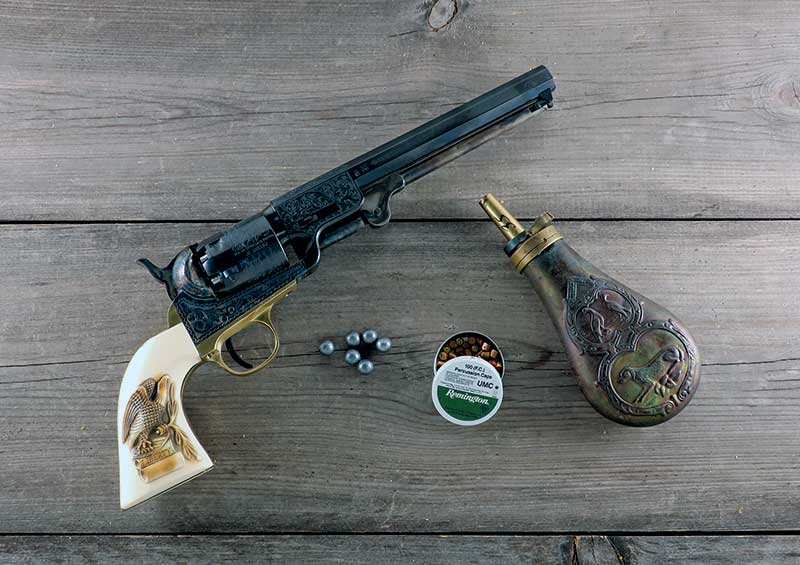
Unlike cartridge-firing sixguns which came later, the .36 Navy Colt was loaded with powder, ball and cap.
My Navy Loads
Most of my loads for the .36 Navy are assembled with the 0.375″ swaged round ball, whether from Hornady or Speer, which weigh approximately 90 grains. I measure all loads using a black powder volume measure. The measured amount of powder desired is placed in the cylinder chamber, a felt wad is placed over the powder, and then the round ball is seated using the loading lever on the Navy. To help keep things clean, I fill out the cylinder in front of the ball with a lube such as 50:50 beeswax and mutton tallow. This is especially important to minimize fouling with top loads, as there is no room for a wad between powder and bullet.
Typical results using FFFg black powder with a felt wad between powder and ball are 15 grains for 725 fps, 20 grains for 855 fps, and 25 grains tops out just over 900 fps. Switching to Hodgdon’s black powder substitute, Pyrodex, results in just over 800 fps with 20 grains, while 25 grains gets us very close to 1,000 fps. By today’s standards, these would not be considered very powerful loads; however, they seemed to work very well in the 19th century.
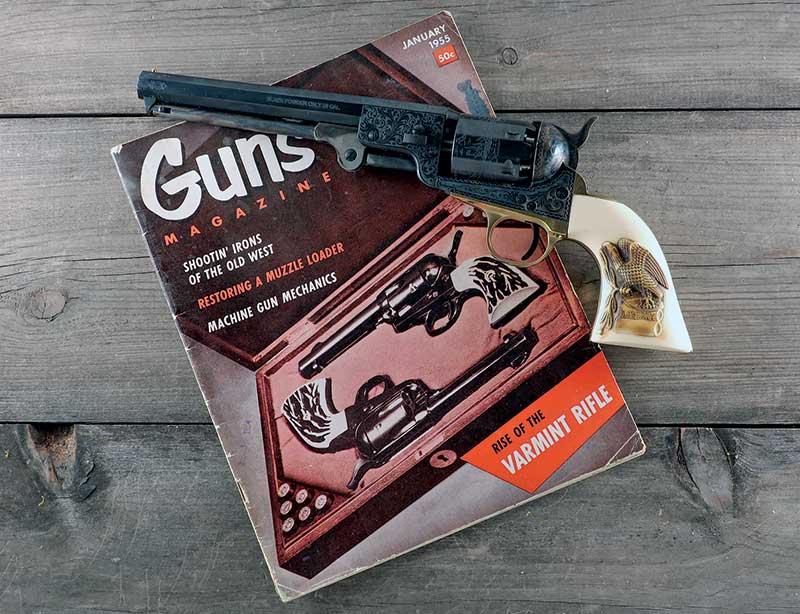
The Hickok .36 Navy rests on the cover of the first issue of GUNS January 1955.
One of the feature articles in that first issue was on Wild Bill Hickok.
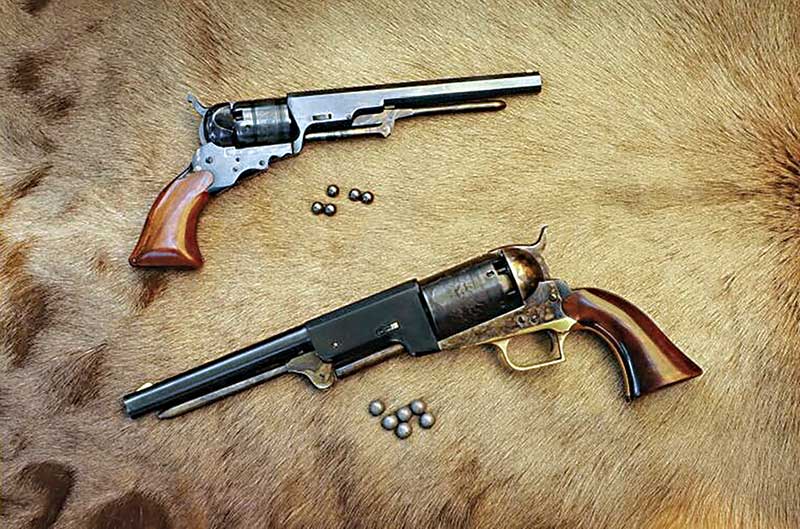
Size comparison — the small and fragile Paterson compared to the large and heavy Walker.
Maintenance And Carry
One of the drawbacks of shooting percussion pistols is that they must be thoroughly cleaned after shooting. It is said Hickok emptied both of his sixguns by firing them every morning and then putting in fresh loads. He would also have had to clean the cylinder and barrel daily to keep them from rusting or pitting.
Apparently, Hickok never even bothered with holsters, preferring to carry his pair of ivory-gripped Colts butt to the front first in a belt and then later in a sash around his waist. In all probability, he did not use the sixguns in cross-draw fashion, but rather with a twist or cavalry draw, grabbing the butt of the sixgun with a hand on the same side. Historically correct holsters, which are still a grand choice today, are known as the Slim Jim design. These typically carried the sixgun butt to the front, high on the belt, and out-of-the-way. They are both secure and easily assessable. Unlike the modern Hollywood Fast Draw Holster with metal lining in the shank and body and mounted on a heavy belt, the Slim Jim can be carried in comfort all day.
Even after the advent of the cartridge-firing S&W .44 and the Colt Single Action Army .45, Hickok stayed with his old cap-and-ball sixguns. He was still using his .36-caliber Colts when he was shot in the back of the head by Jack McCall. Hickok was playing poker at the time and died with two pairs in his hands. There is not a lot of agreement on what his fifth card was. I have seen Museum displays with black aces and eights and both the Jack of diamonds and the Queen of hearts as the fifth card. The cards have come to be known as the Dead Man’s Hand.