Categories
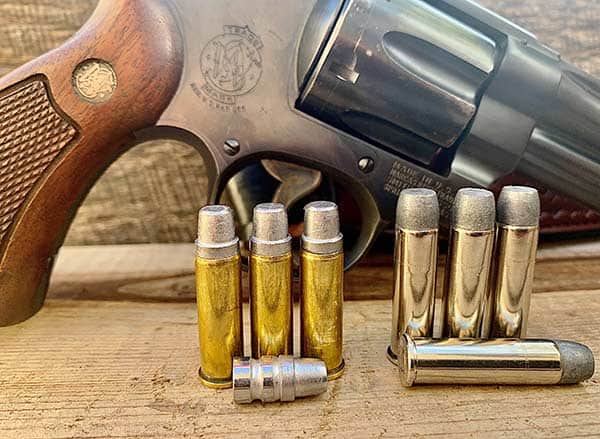
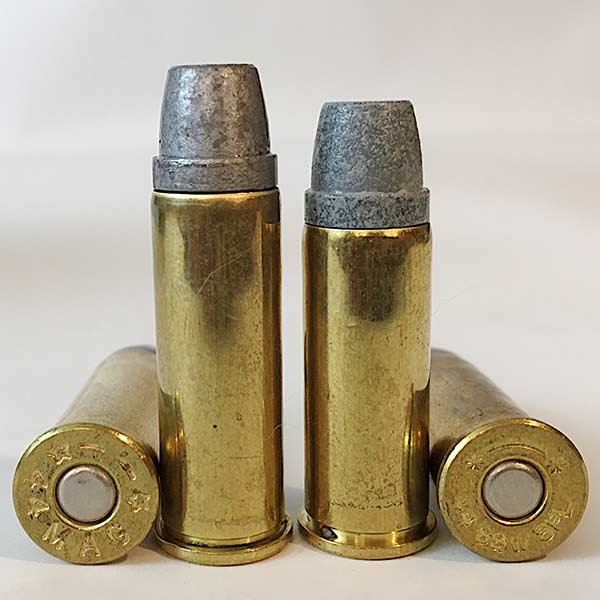
The Lyman Keith 358429 on left loaded in .38 Special brass
next to modern .357 load using cast 187 grain WFNGC design.
Looking back is supposedly bad because you just might see something gaining on you. I’ve always enjoyed a daredevil demeanor and the potential risks when peering back to our mentors. Doing so allows one to grab a glimpse into the future. Walking in the same boots of past pioneers gives us a chance to experience their findings firsthand, be it for better or worse. What can we expect by doing such things? It may help explain why the men did what they did, with what they had at hand.
By examining the components available, we learn some of the loads Elmer Keith came up with yesterday are still as useful and pertinent today. Some of these loads are timeless. We have a lot to be thankful for with men like him.
Keith had a knack of making cartridges more versatile by loading them to different power levels. As you’ll notice, most of these cartridges have three loads. A heavy load, a medium use everyday load, and a lighter “target” load. Such loads allowed a power continuum for an intended purpose. Pretty savvy for back in the day, and one just as useful today. There’s no need to load/shoot barnburner handloads all the time.
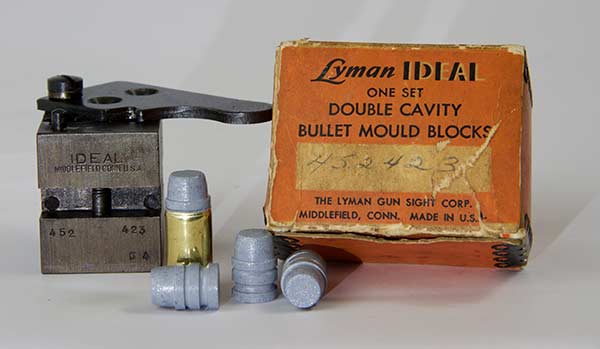
The Lyman/Ideal 42423. A dandy bullet for .45 Colt or 45 Auto Rim.
.45 Auto Rim
Keith designed Ideal mold 452423 to be cast hard, 1 to 10 tin/lead, weighing 235 grains, so it would hold the shallow rifling found in 1917 revolvers. He used 7.5 grains of Unique for a medium, everyday load and 14 grains of 2400 for a heavier hunting load. Also, 5 grains of Bullseye was his pet target load, shooting very accurately with light recoil.
Later, he figured out his 454424 .45 Colt slug, which weighed 250 grains also shot very well in the .45 Auto Rim when sized .451 while using the same powder charges for the Ideal 452423.
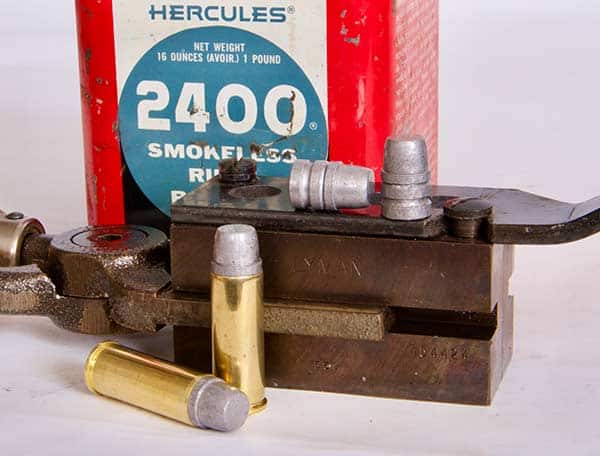
Tank’s Lyman 454424 4-cavity mold with a fresh cast
bullet on top. Great for the .45 Colt of 45 Auto Rim.
.45 Colt
Using Ideal #454424, Keith went with 5-6 grains of Bullseye for his light target loads, 10 grains of Unique for heavier, everyday loads and 18.5 grains of 2400 for full-power hunting loads. He stated the full house loads should only be loaded in smokeless powder designed guns, or guns with modern steel cylinders.
This bullet is a favorite of mine and I have taken numerous deer and a cow elk using it. Using large-framed Ruger single actions and Redhawks, I up the charge of 2400 to 20 grains of 2400, just as Keith did.
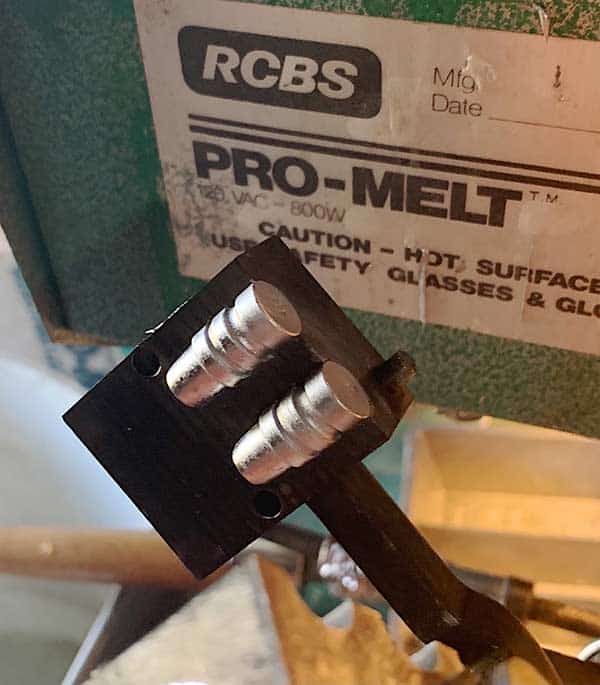
Some hot Lyman/Ideal 358429 ready to drop from the mold.
.38 Special
Keith’s Ideal 358429 was designed to be used in .38 Special cases, as the .357 Magnum had not been designed yet. No matter, Keith’s initial load of 13.5 grains of 2400 with his slug was perfect for Heavy Duty N-frame S&W guns, such as the adjustable sighted Outdoorsman and fixed sighted Heavy Duty.
Keith’s load was essentially a magnum load in .38 Special brass. Today’s 2400 is slightly faster, and maximum loads should not exceed 13.0 grains of 2400, with a small pistol primer. My guns average 1,260 FPS with this load with exceptional accuracy. With .38 Special cases more abundant than .357 Magnum, you won’t miss the Magnum with this load at all. I’ve basically shot thousands of this load over the years in magnum sized guns with happy results.
.44 Magnum & Special loaded with 429421.
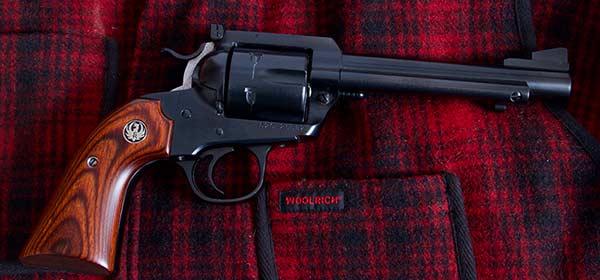
A Ruger mid-frame Bisley chambered in .44 Special.
Elmer Keith would have loved this gun
.44 Special
Keith designed the Lyman/Ideal 429421 for the .44 Special in the early 20s. He enjoyed 5 grains of Bullseye for a gallery load, 7.5 grains of Unique for a medium load and 17 grains of 2400 for his heavy load. You may recognize the Unique load as “the Skeeter Load” and you’re right. Skeeter obtained this load from Keith. The heavy .44 Special load was the impetus for the .44 Magnum.
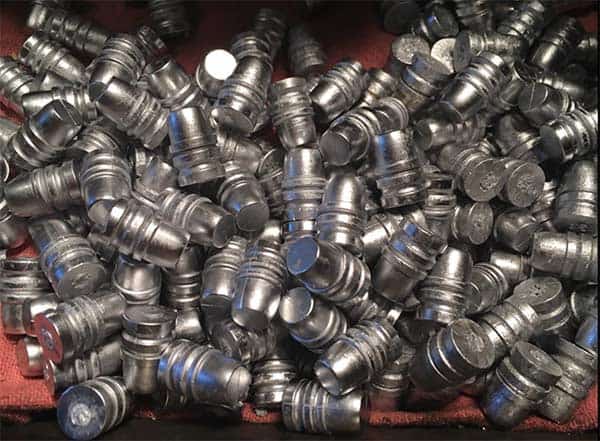
A pile of freshly cast Keith loads.
.44 Magnum
After shooting heavy .44 Special loads for years, Keith petitioned Remington and S&W to make his hot loaded .44 Specials a factory offering. He wanted them to duplicate his 1,200 FPS loading. It’s all he wanted.
The folks at Remington were worried about his high-pressure loads being shot in older guns. Remington remedied this by using a case 1/10” longer than .44 Special brass, making it impossible to load in .44 Special guns.
Carl Hellstrum of S&W agreed to build a gun around any load Remington would bring out. Remington’s load reached 1,400 FPS, using a soft lead gas checked slug.
Keith developed perhaps his most famous load, 22 grains of 2400, with his 250 grain 429421 slug, ignited with a standard large pistol primer. Velocities run around 1,400 FPS, depending on barrel length. With today’s 2400, this load should be dropped to 21 grains of 2400 to reach the same velocities
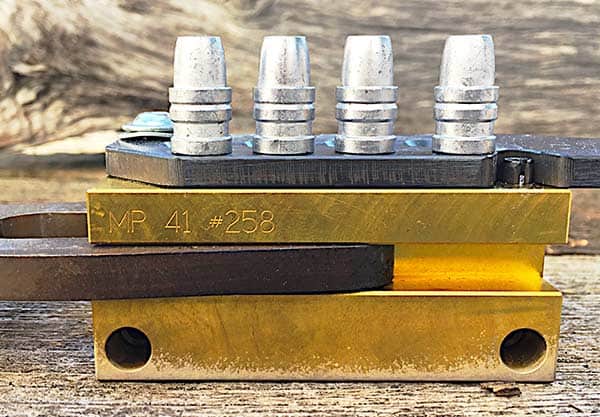
MP Molds duplicate of Hensley & Gibbs #258, the
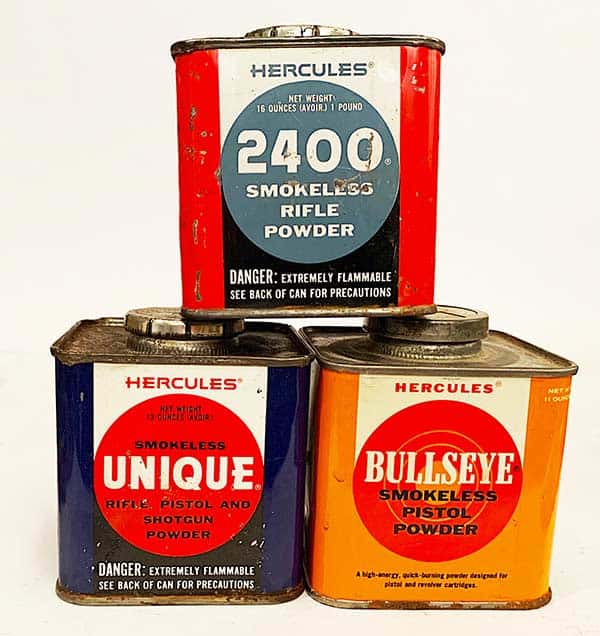
What use to be Hercules Unique, Bullseye and 2400 are now made by Alliant.
Even today, they can handedly handle most of your shooting needs.
.41 Magnum
Keith never designed Lyman’s 410459 mold made for the .41 Magnum. It’s a common assumption and mistake made by many. However, he did design a bullet for Hensley & Gibbs, weighing 230 grains.
The Hensley & Gibbs #258 mold has all the qualities Keith desired for his cast bullets. His light load consisted of 4 grains of Bullseye, 7.5 grains of Unique for a heavier load, and 19 to 20 grains of 2400 for a heavy load. This last load goes between 1400-1500 FPS, depending on barrel length.
Keith took 5 caribou with the pair of 4” S&W model 57s given to him by S&W and Remington soft-nosed factory ammo. He claimed the .41 Magnum shot flatter than his .44 Magnum load.
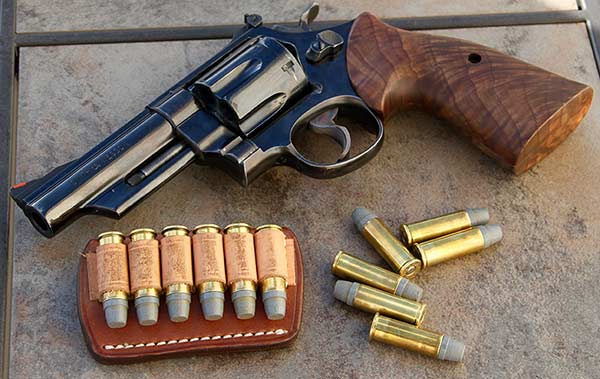
Tank’s S&W 5- screw pre 29 with some properly handloaded ammunition.
An Alliant Alliance
By using the old Hercules powders, now made by Alliance, we can still handload powerful, useful cartridges for hunting, light, plinking loads for target, or introducing someone to handgunning, or moderate, everyday field loads that can basically handle any chore.
The fact they were Elmer Keith’s pet loads makes us feel closer to him every time we pull the trigger and have one of his cast bullet designs strike its intended target as they have been doing for over 100 years now. And that my friends, is pretty darn cool.
****************************************************
Hey don’t blame me if your gun blows up & ends the world by using this stuff! I just put this out for amusement purposes only!!!!!!!!!!!!! GRUMPY
******************************************************
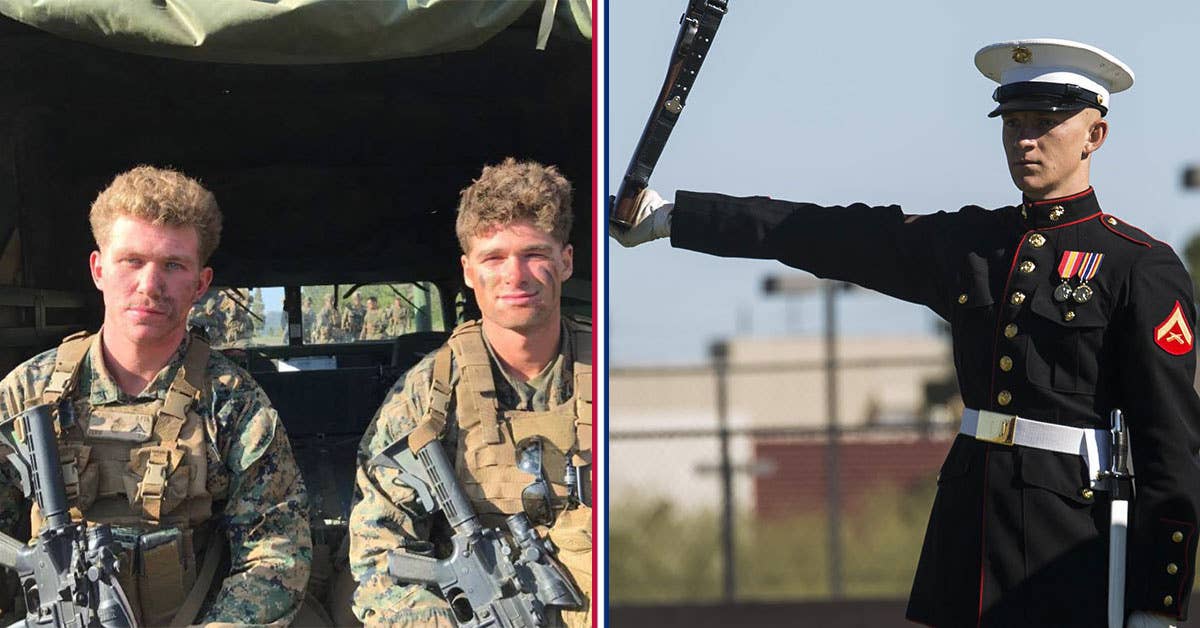
Lance corporal is the most common rank in the Marine Corps. It’s the upper-most junior-enlisted Marine; the last step before becoming an NCO. It’s at this rank that you truly learn the responsibilities that come with being an NCO — and it’s when you start to shoulder those responsibilities. But Marines can be lance corporals straight out of boot camp. But how can someone with no experience possibly be ready to lead others Marines? This is why we created an unofficial rank — “senior lance corporal.”
Lifers everywhere will tell you that there’s no such thing. They’ll say something along the lines of, “being a senior was a high school thing and it ought to remain there.” But the truth is that there are very valid reasons for the distinctive title.
No matter your reason for stating otherwise, one thing’s for sure: senior lance corporals exist. This is why.
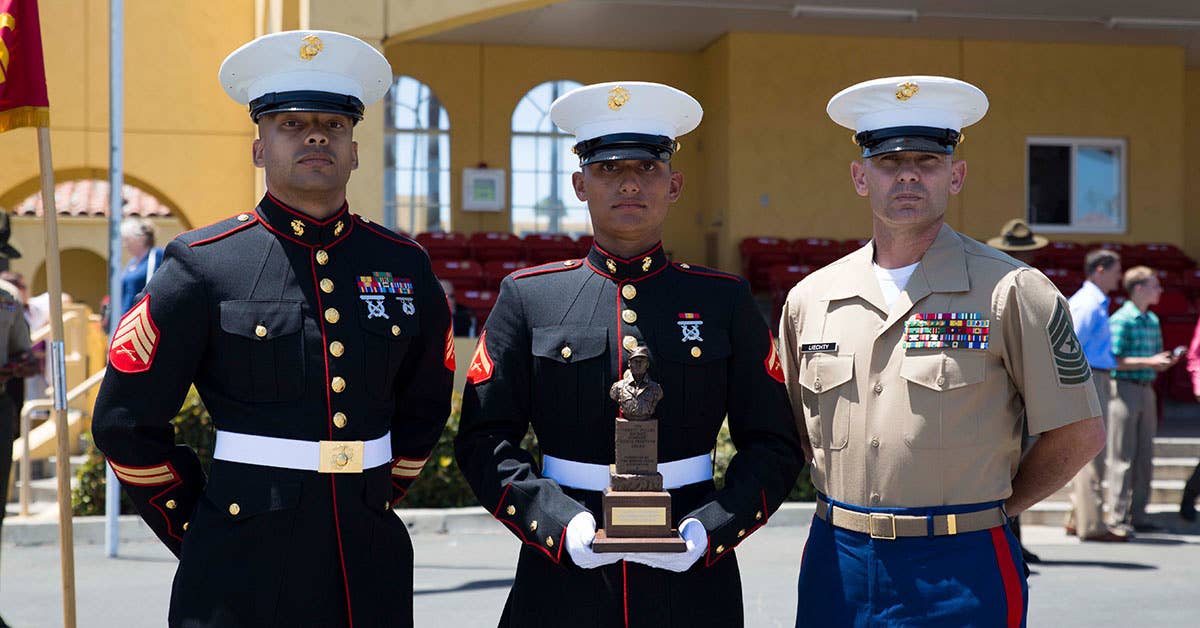
This Lance Corporal still has a lot to learn.
(U.S. Marine Corps photo by Cpl. Catie Massey)
The “junior” lance corporal
The “junior” lance corporal is the guy who picked up rank during boot camp because they were an Eagle Scout or some sh*t. Regardless, they didn’t earn real Marine Corps experience while waiting for that rank. Hell, the only experience they have in the Marine Corps is with marching — which is important, sure, but there’s a lot more to being a Marine than marching.
There are exceptions, of course. You could have spent time in the service prior to deciding that whatever branch you were in was a group of weaklings compared to the Marines. In that case, you do have experience, but this is pretty rare. The majority of “junior” lance corporals haven’t led Marines yet — not really, anyway — nor have they been to any leadership courses.
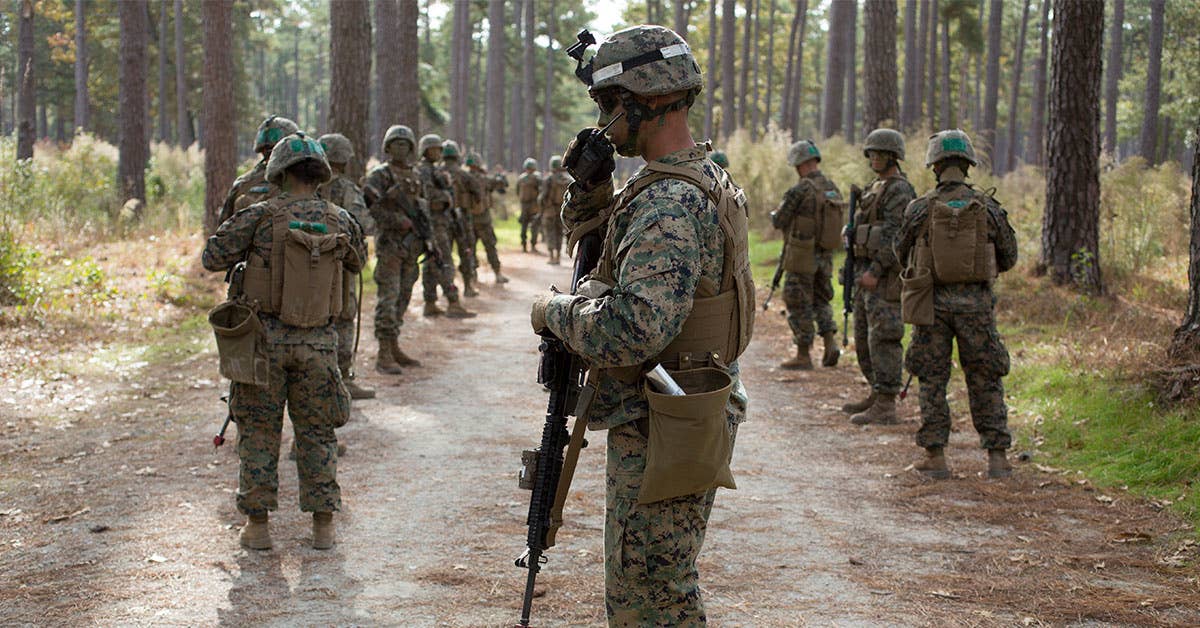
They spent a lot of time doing things by the book, which isn’t typically how things go in a real unit.
(U.S. Marine Corps photo)
They spent their time learning the basics which, if we’re being honest, are great building blocks, but your unit’s standard operating procedure may render a lot of what you learned basically useless.
Anyone who’s reached NCO before their first term and has led Marines knows that you can’t trust a junior lance corporal to clean their room the right way on their first attempt. How could that lance corporal possibly be the same as the one who went through leadership and/or advanced schools and has a deployment under their belt? Hint: It’s not.
Enter the “senior” lance corporal.
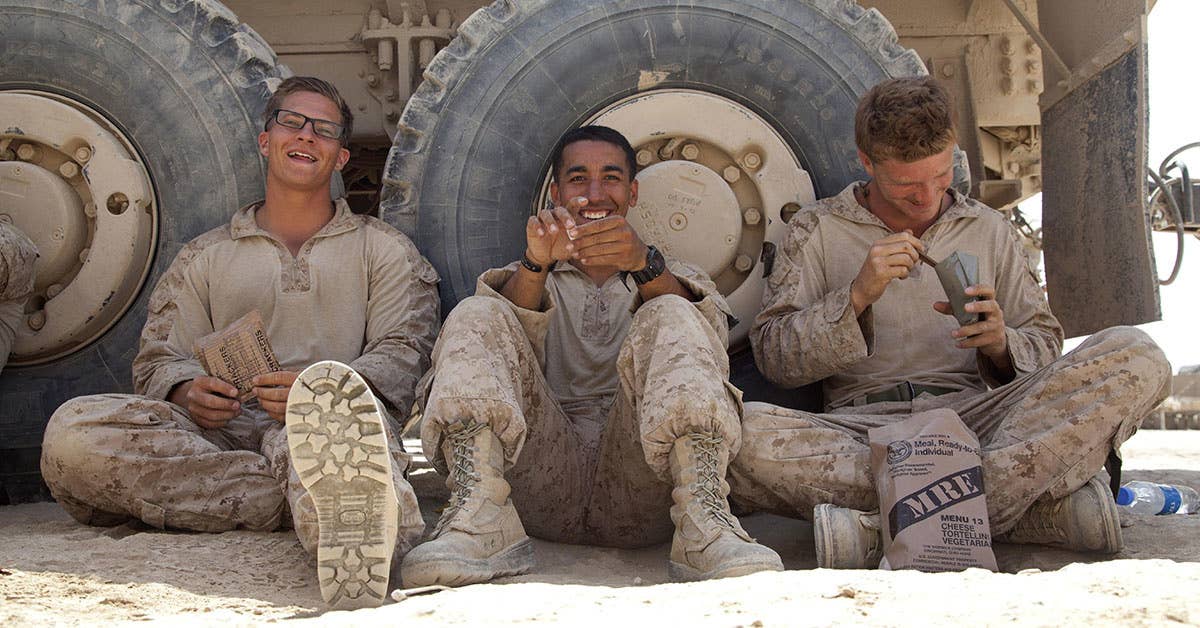
These guys have been around a minute.
(U.S. Marine Corps)
The “senior” lance corporal
When a junior Marine gets to their unit, even if they’re a lance corporal, this is the guy they refer to as “lance corporal.” The junior will quickly come to understand that, while they may hold the same rank, they are not the same. The difference, in fact, is rather large.
A senior lance corporal has been on a deployment. Regardless of whether that deployment was into combat or not, that lance corporal has real leadership experience. They went to a foreign country and they were responsible for leading Marines to success. Then, before you got to the unit, they went to leadership schools. These Marines have a lot more experience than a greenhorn fresh out of boot camp.
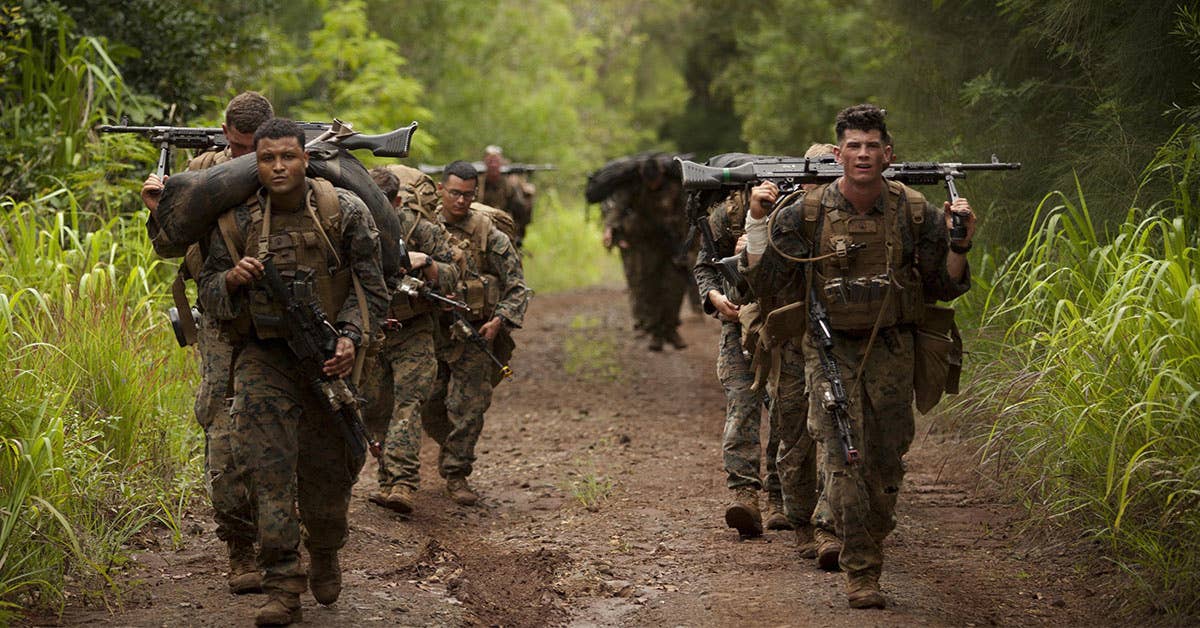
So ask yourself, are you treating your Marines a certain way based on experience — or rank?
(U.S. Marine Corps photo Cpl. Aaron Patterson)
Realistically, there are plenty of senior lance corporals that don’t give a f*ck anymore. But for every one of those, there are ten who strive to be good Marines and great leaders. To diminish their hard work and reduce them to the same level as some fresh boot does nothing but destroy their spirit.
The fact is, a “senior” lance corporal could be a squad leader — a job that is meant to be held by a sergeant, but is more commonly held by a corporal. You could not take a “junior” lance corporal and say the same. The difference is clear.