Categories
Uncategorized

Well I thought it was funny!

Related image

Categories
Uncategorized

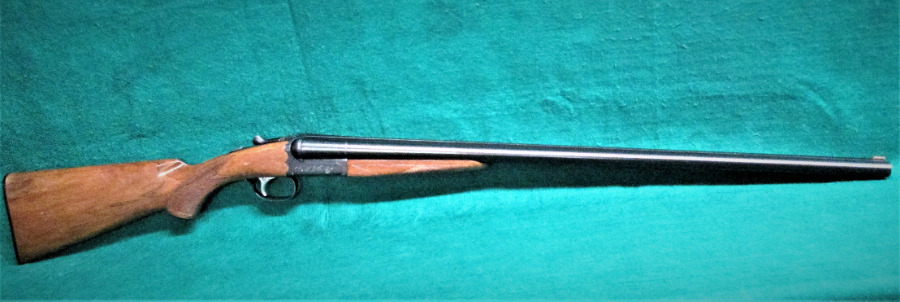
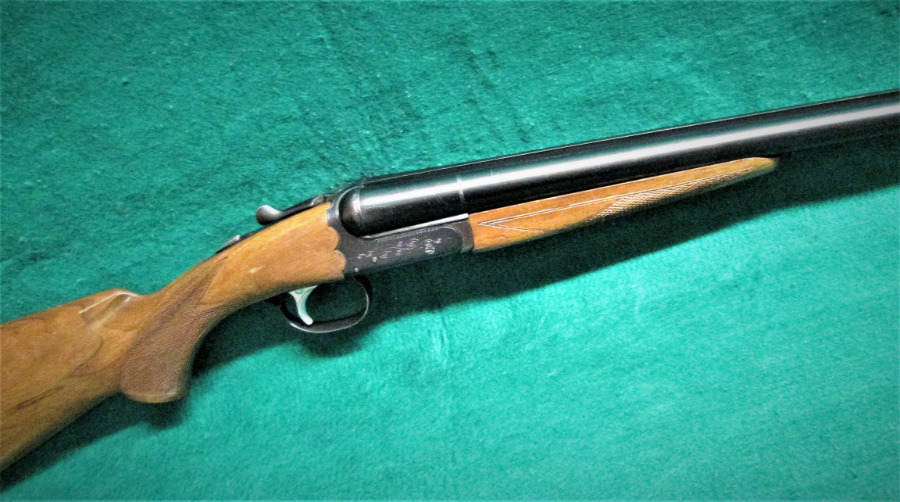
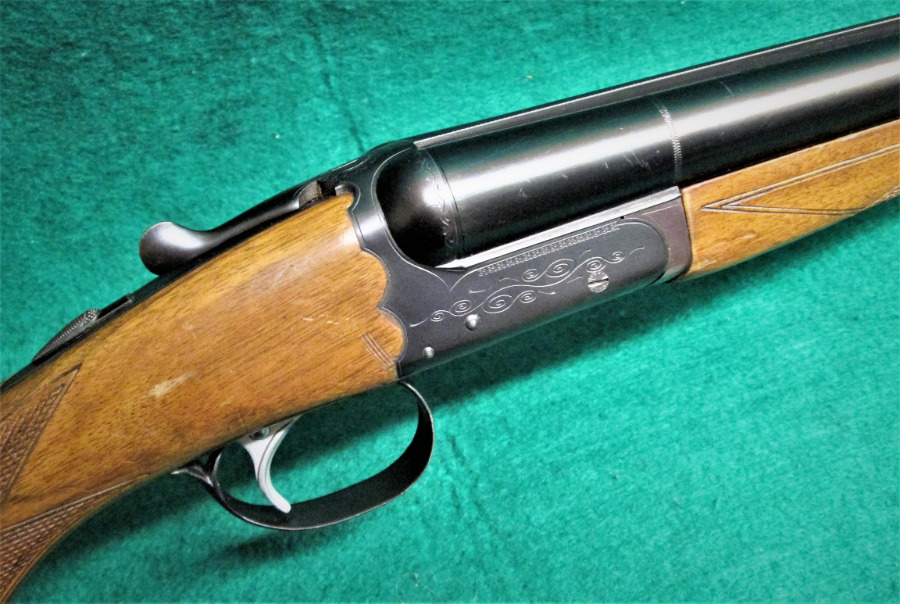
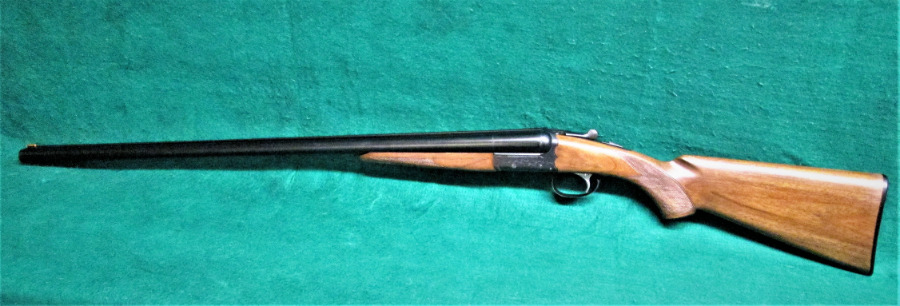
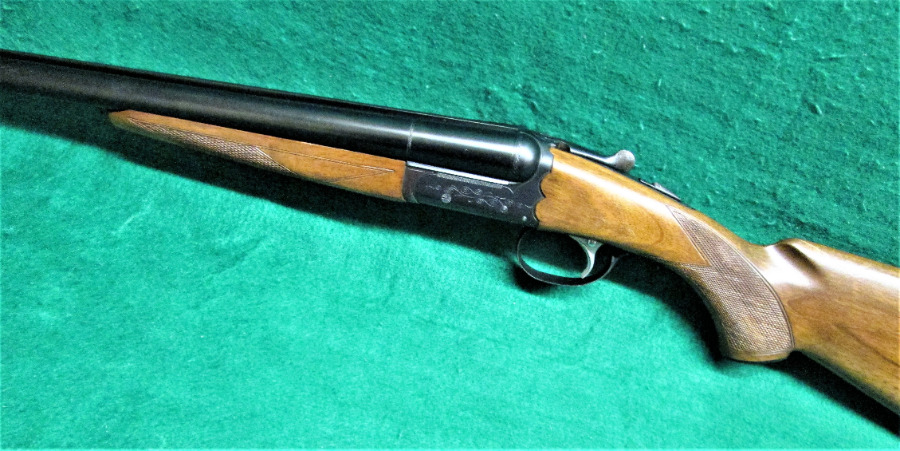
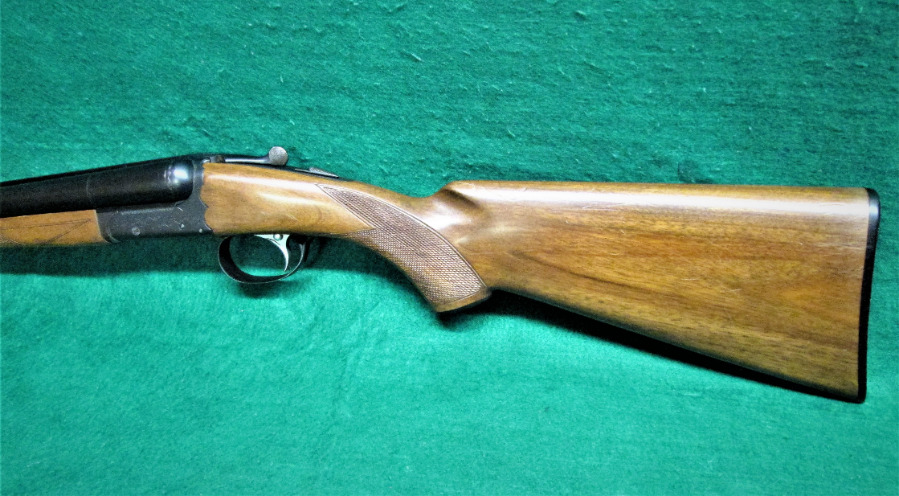
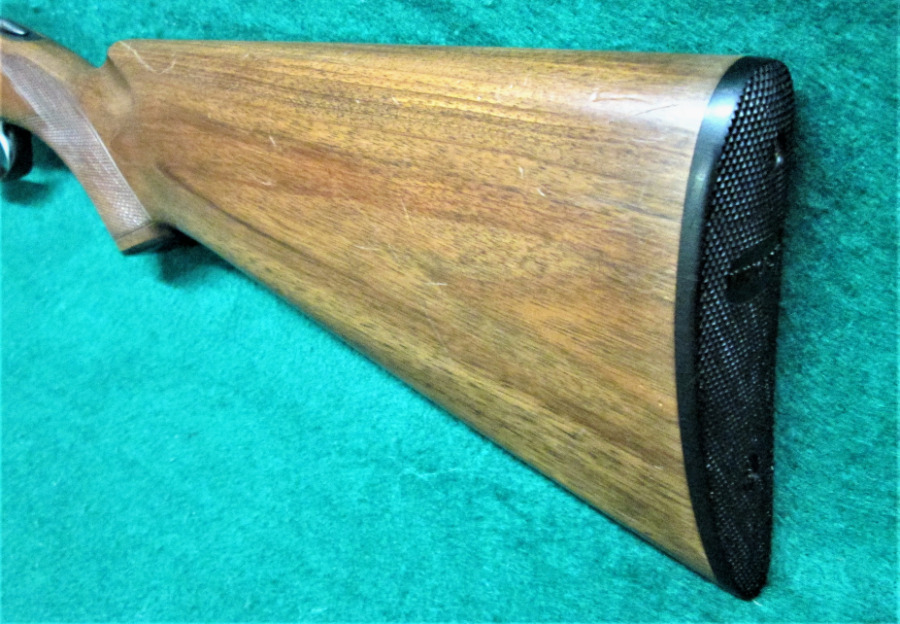
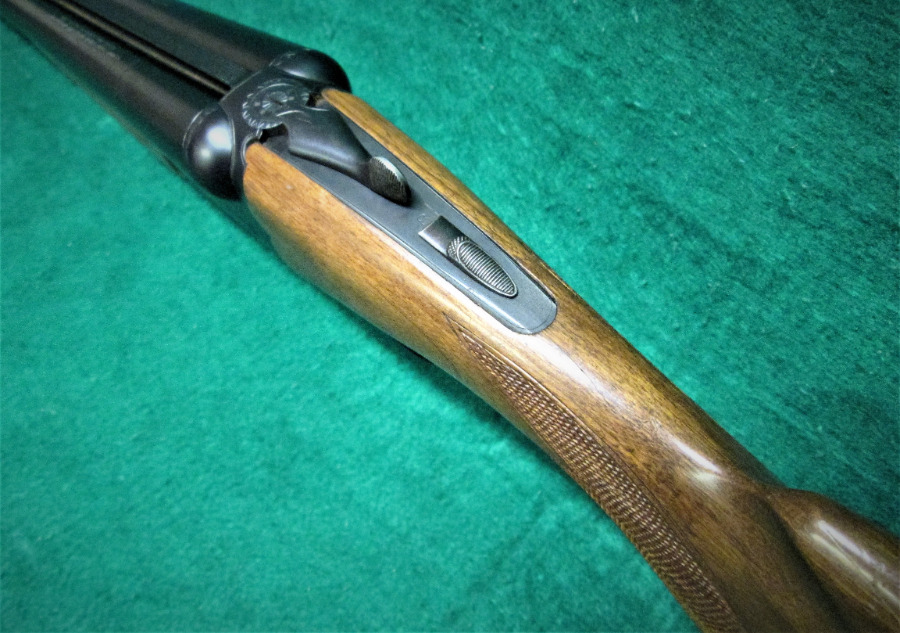
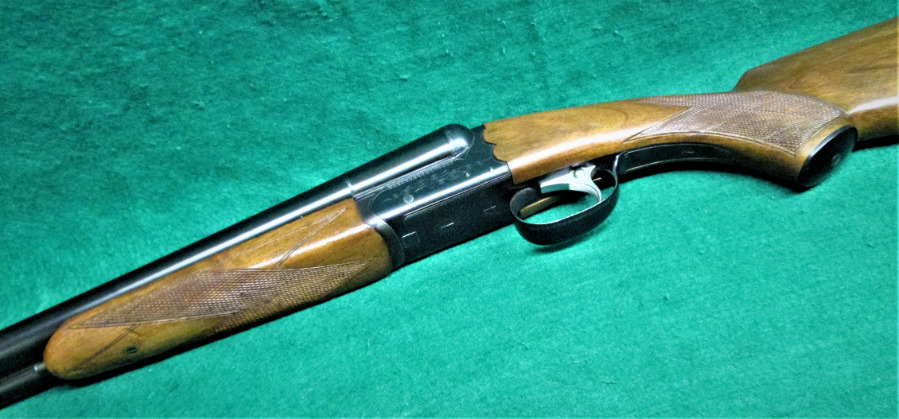
Ithaca Gun Co. Mod 100 W/30 Inch Barrels 2&3/4s Full & Mod Chokes

Ithaca Gun Co. - MOD 100 W/30 INCH BARRELS 2&3/4s FULL & MOD CHOKES - Picture 1

Ithaca Gun Co. - MOD 100 W/30 INCH BARRELS 2&3/4s FULL & MOD CHOKES - Picture 2
Ithaca Gun Co. - MOD 100 W/30 INCH BARRELS 2&3/4s FULL & MOD CHOKES - Picture 3
Ithaca Gun Co. - MOD 100 W/30 INCH BARRELS 2&3/4s FULL & MOD CHOKES - Picture 4
Ithaca Gun Co. - MOD 100 W/30 INCH BARRELS 2&3/4s FULL & MOD CHOKES - Picture 5
Ithaca Gun Co. - MOD 100 W/30 INCH BARRELS 2&3/4s FULL & MOD CHOKES - Picture 6
Ithaca Gun Co. - MOD 100 W/30 INCH BARRELS 2&3/4s FULL & MOD CHOKES - Picture 7
Ithaca Gun Co. - MOD 100 W/30 INCH BARRELS 2&3/4s FULL & MOD CHOKES - Picture 8
Ithaca Gun Co. - MOD 100 W/30 INCH BARRELS 2&3/4s FULL & MOD CHOKES - Picture 9

Categories
Uncategorized

NSFW

Inline image 6
Inline image 1
Inline image 12
Inline image 1
Inline image 7

Inline image 9
Inline image 11
Inline image 7
Inline image 9
Inline image 8
Inline image 11

Categories
Dear Grumpy Advice on Teaching in Today's Classroom Gear & Stuff This great Nation & Its People Uncategorized

How did Coca-Cola become so popular in WWII (Stolen from My Daily Kona)

I live in the Atlanta Area, and there are 2 iconic images from Atlanta, one is Delta Airlines, the other is “Coke”,   They say that babies are nursed on this stuff and if you don’t drink Coke, then you must be a carpetbagger or some Yankee sympathizer.  The locals take their “Coke” seriously, so seriously that every carbonated drink here in the south is called “Coke”.

The Coca-Cola trademark remains one of the most iconic brands in history, and the company behind it remains one of the wealthiest corporations in the world. The secret formula for the original flavor that makes this beverage so distinct is guarded with maximum security, as enthusiasts all over the world try to copy it.
It first started as an alcoholic drink, similar to vermouth, but switched to its non-alcohol taste which we know today in 1886, when John Pemberton, the inventor of the patent, had to step down from alcohol production due to legislative circumstances in Atlanta, where the company was seated.
But how did the brand become so influential?
Well, part of the success of the Coca-Cola company lies in its cunning use of marketing and its even more cunning use of investments. When the U.S. entered the World War II, Coca-Cola made sure to be the official drink of every GI Joe on the field. In 1941, a subsidy for servicemen was introduced, making the price of a coke bottle 5 cents, which was more than affordable at the time.
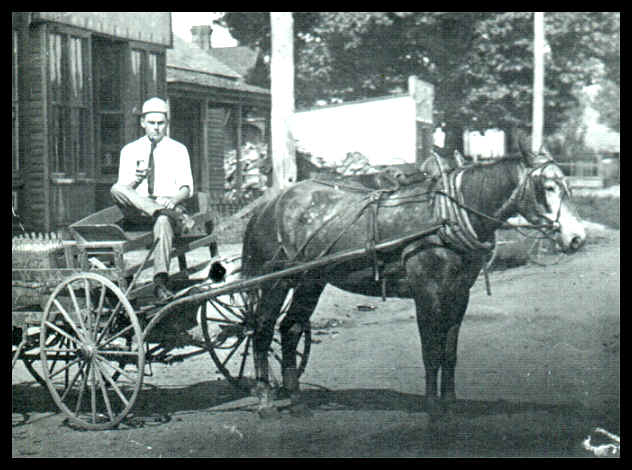
Coca-Cola horse drawn delivery wagon on the Boulevard in Leaksville, North Carolina, 1909.

Also, Coca-Cola briefly turned its investments into weapons manufacture, operating a propellant ammunition loading plant in Talladega, Alabama.
An average of 30 railroad cars of ammunition per day was reportedly produced from their Coosa River Ordnance Plant until closure in August 1945.
The subsidy and the munition production made the company immune to war-time sugar rationing, therefore leaving the production level at its normal rate and even blossom, while their reputation skyrocketed.
The conscripted Coca-Cola employees were also used to operate the 64 newly-formed bottling factories which supplied the military with the beverage. As a result, many of the employees were granted Technical Observer status and were called the Coca-Cola Colonels, never stepping on the battlefield, due to their expertise.

People Gathered By Coca-Cola Stand. Photo: Credit: Rosemary Gilliat Eaton / Library and Archives Canada..

They would go on to produce and distribute 10 billion Coke bottles to Allied military bases and fleets in Europe, Africa, and the Pacific.

Speaking of Africa, while fighting on the North African front, Germans would come across the typical American soft drink. Even though it was forbidden for German soldiers to consume the treat of their enemies, Coca-Cola soon earned its popularity among the members of Wehrmacht, and especially the Luftwaffe.
Allegedly, pilots would wrap Coke bottles in towels while on their sorties and attach them to the underwings of their BF109 fighter planes. This was truly an ingenious cooling method, as the altitude cooled the drink to almost freezing, which was a true refreshment in the desert sun.
A similar method was used by the American pilots in the Pacific Theater of War. They would freeze an ice-cream mixture in mid-air, and upon their return, voila―an excellent icy treat!
As for the Germans, they relied on captured Coca-Cola bottles, which reached an incredible price as contraband goods in the soldier’s black market. The flavor was truly adored by German soldiers, but this was in part due to the fact that Coca-Cola had a factory in Germany prior to the war, and the Germans weren’t all that unfamiliar with the tasty beverage.

Coca Cola advertising. Photo: Karsh, Malak/Library and Archives Canada

For a decade before the war broke out in 1939, the Coca-Cola Company in Germany operated uninterrupted. Once the two countries declared war on each other, the import of the syrup necessary for production was prevented by the embargo. Germany’s new Coca-Cola factory director, Max Keith, then decided to use the potential of the factory and produce a local soft drink that would serve as an equivalent to Coca-Cola.
He gathered the experts to make a combination of fruit pomace and whey―which were ingredients classified as “leftovers”―and thus Fanta was born. The name came from the German word for “fantasy,” as it really took an imaginative effort to make anything tasty from the given ingredients.
The drink was distributed to soldiers, but due to war rationing, its flavor was often used by military and civilians alike to sweeten their food instead of sugar, which was a wartime luxurious commodity.
After the war, Coca-Cola regained its factory in Germany and continued to produce Fanta under its trademark.
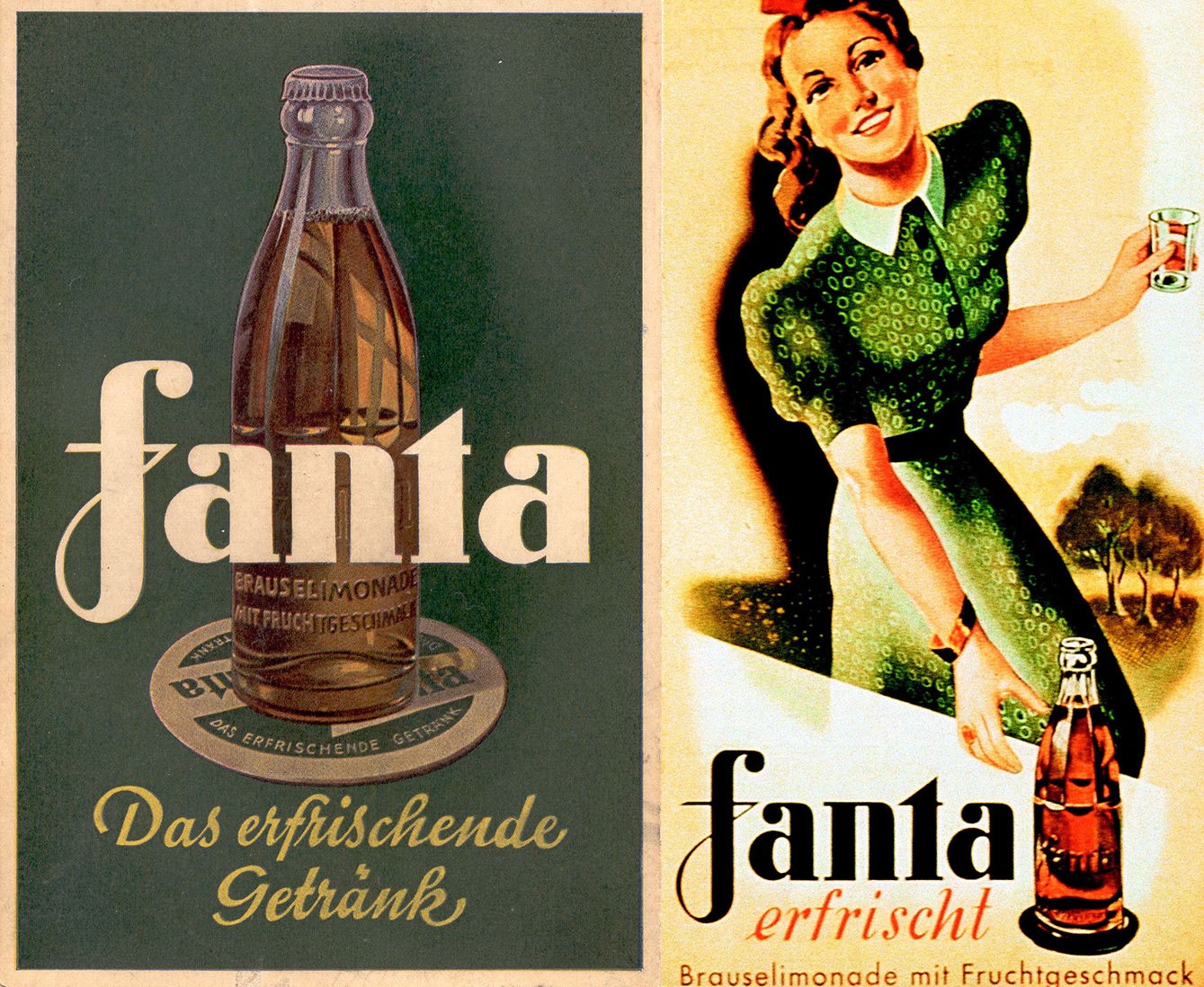
During WWII, a trade embargo was established against Nazi Germany – making the import of Coca-Cola syrup difficult. To circumvent this, Max Keith, the head of Coca-Cola Deutschland (Coca-Cola GmbH) decided to create a new product for the German market, using only ingredients available in Germany at the time, including whey and apple pomace—the “leftovers of leftovers”, as Keith later recalled. The name was the result of a brief brainstorming session, which started with Keith’s exhorting his team to “use their imagination” (Fantasie in German), to which one of his salesmen, Joe Knipp, immediately retorted “Fanta!”
The plant was effectively cut off from Coca-Cola headquarters during the war. After the war, The Coca-Cola Company regained control of the plant, formula, and the trademarks to the new Fanta product—as well as the plant profits made during the war.
During the war the Dutch Coca-Cola plant in Amsterdam (N.V. Nederlandsche Coca-Cola Maatschappij) suffered the same difficulties as the German Coca-Cola plant. Max Keith therefore also put the Fanta brand at the disposal of the Dutch Coca-Cola plant, of which he had been appointed the official Verwalter (caretaker). Dutch Fanta had a completely different recipe from German Fanta, elderberries being one of the main ingredients.
Fanta production was discontinued when the German and Dutch Coca-Cola branches were reunited with their parent company. Following the launch of several drinks by the Pepsi corporation in the 1950s, Coca-Cola competed by relaunching Fanta in 1955. The drink was heavily marketed in Europe, Asia, Africa and South America.

Categories
Uncategorized

Beginner Basics #3 How To Mount a Rifle Scope

Attachments area
Preview YouTube video Beginner Basics #3 How To Mount a Rifle Scope

Categories
Uncategorized

Damascus steel or W.T.F.I.T. ?

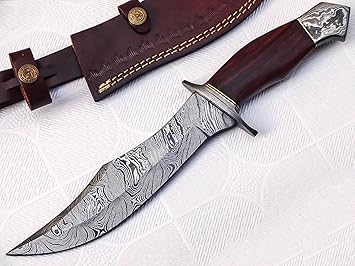
Image result for Damascus steel guns
Related image
Image result for Damascus steel
This is one of the earliest and most beautiful steels made by man. Here is it’s story below:
 

https://youtu.be/shWWo4d-uP0?t=3

Damascus steel
From Wikipedia, the free encyclopedia
For Damascus Twist barrels, see Skelp. For the album of the same name, see Damascus Steel (album).
Close-up of an 18th-century Persian-forged Damascus steel sword
Damascus steel was a type of steel used for manufacturing sword blades in the Near East made with wootz steel.[1] These swords are characterized by distinctive patterns of banding and mottling reminiscent of flowing water. Such blades were reputed to be tough, resistant to shattering, and capable of being honed to a sharp, resilient edge.[2]
The steel is named after Damascus, the capital city of Syria. It may either refer to swords made or sold in Damascus directly, or it may just refer to the aspect of the typical patterns, by comparison with Damask fabrics (which are themselves named after Damascus).[3][4]
The original method of producing Damascus steel is not known. Modern attempts to duplicate the metal have not been entirely successful due to differences in raw materials and manufacturing techniques. Several individuals in modern times have claimed that they have rediscovered the methods by which the original Damascus steel was produced.[5][6]
The reputation and history of Damascus steel has given rise to many legends, such as the ability to cut through a rifle barrel or to cut a hair falling across the blade.[7] A research team in Germany published a report in 2006 revealing nanowires and carbon nanotubes in a blade forged from Damascus steel.[8][9][10] Although many types of modern steel outperform ancient Damascus alloys, chemical reactions in the production process made the blades extraordinary for their time, as Damascus steel was superplastic and very hard at the same time. During the smelting process to obtain Wootz steel ingots, woody biomass and leaves are known to have been used as carburizing additives along with certain specific types of iron rich in microalloying elements. These ingots would then be further forged and worked into Damascus steel blades. Research now shows that carbon nanotubes can be derived from plant fibers,[11] suggesting how the nanotubes were formed in the steel. Some experts expect to discover such nanotubes in more relics as they are analyzed more closely.[9]
Contents  [hide]
1 History
1.1 Loss of the technique
2 Reproduction
2.1 Moran: billet welding
2.2 Verhoeven and Pendray: crucible
2.3 Anosov, Wadsworth and Sherby: bulat
2.4 Additional research
2.5 In gunmaking
3 See also
4 References
5 External links
History[edit]
See also: Wootz steel
A bladesmith from Damascus, c. 1900
Damascus blades were first manufactured in the Near East from ingots of wootz steel that were imported from India,[1] as well as Sri Lanka.[12] The Arabs introduced the wootz steel to Damascus, where a weapons industry thrived.[13] From the 3rd century to the 17th century, steel ingots were being shipped to the Middle East from India.[14]
Loss of the technique[edit]
Production of these patterned swords gradually declined, ceasing by around 1750, and the process was lost to metalsmiths. Several modern theories have ventured to explain this decline, including the breakdown of trade routes to supply the needed metals, the lack of trace impurities in the metals, the possible loss of knowledge on the crafting techniques through secrecy and lack of transmission, suppression of the industry in India by the British Raj,[15] or a combination of all the above.[5][6][16]
The original wootz was imported from India to Damascus, where Middle Eastern bladesmiths forged them into swords.[5][6] Due to the distance of trade for this steel, a sufficiently lengthy disruption of the trade routes could have ended the production of Damascus steel and eventually led to the loss of the technique in India. As well, the need for key trace impurities of tungsten or vanadium within the materials needed for production of the steel may be absent if this material was acquired from different production regions or smelted from ores lacking these key trace elements.[5] The technique for controlled thermal cycling after the initial forging at a specific temperature could also have been lost, thereby preventing the final damask pattern in the steel from occurring.[5][6]
The discovery of carbon nanotubes in the Damascus steel’s composition supports this hypothesis, since the precipitation of carbon nanotubes probably resulted from a specific process that may be difficult to replicate should the production technique or raw materials used be significantly altered.[16]
Reproduction[edit]
A bladesmith forging a Damascus blade
Recreating Damascus steel is a subfield of experimental archaeology. Many have attempted to discover or reverse-engineer the process by which it was made.
Moran: billet welding[edit]
Characteristic “organic”[citation needed] pattern of Damascus steel
Since the well-known technique of pattern welding produced surface patterns similar to those found on Damascus blades, some blacksmiths were erroneously led to believe that Damascus blades were made using this technique, but today, the difference between wootz steel and pattern welding is fully documented and well understood.[17][18][19] Pattern-welded steel has been referred to as “Damascus steel” since 1973 when Bladesmith William F. Moran unveiled his “Damascus knives” at the Knifemakers’ Guild Show.[20][21]
This “Modern Damascus” is made from several types of steel and iron slices welded together to form a billet, and currently the term “damascus” (although technically incorrect) is widely accepted to describe modern pattern welded steel blades in the trade.[22] The patterns vary depending on how the smith works the billet.[21] The billet is drawn out and folded until the desired number of layers are formed.[21] To attain a Master Smith rating with the American Bladesmith Society that Moran founded, the smith must forge a damascus blade with a minimum of 300 layers.[23]
Verhoeven and Pendray: crucible[edit]
Question book-new.svg
This section relies largely or entirely upon a single source. Relevant discussion may be found on the talk page. Please help improve this article by introducing citations to additional sources. (April 2016) (Learn how and when to remove this template message)
J. D. Verhoeven and A. H. Pendray published an article on their attempts to reproduce the elemental, structural, and visual characteristics of Damascus steel.[5] They started with a cake of steel that matched the properties of the original wootz steel from India, which also matched a number of original Damascus swords that Verhoeven and Pendray had access to. The wootz was in a soft, annealed state, with a grain structure and beads of pure iron carbide, which resulted from its hypereutectoid state. Verhoeven and Pendray had already determined that the grains on the surface of the steel were grains of iron carbide—their goal was to reproduce the iron carbide patterns they saw in the Damascus blades from the grains in the wootz.
Although such material could be worked at low temperatures to produce the striated Damascene pattern of intermixed ferrite and cementite bands in a manner identical to pattern-welded Damascus steel, any heat treatment sufficient to dissolve the carbides would permanently destroy the pattern. However, Verhoeven and Pendray discovered that in samples of true Damascus steel, the Damascene pattern could be recovered by aging at a moderate temperature. They found that certain carbide forming elements, one of which was vanadium, did not disperse until the steel reached higher temperatures than those needed to dissolve the carbides. Therefore, a high heat treatment could remove the visual evidence of patterning associated with carbides but did not remove the underlying patterning of the carbide forming elements; a subsequent lower-temperature heat treatment, at a temperature at which the carbides were again stable, could recover the structure by the binding of carbon by those elements.
Anosov, Wadsworth and Sherby: bulat[edit]
Question book-new.svg
This section relies largely or entirely upon a single source. Relevant discussion may be found on the talk page. Please help improve this article by introducing citations to additional sources. (April 2016) (Learn how and when to remove this template message)
In Russia, chronicles record the use of a material known as bulat steel to make highly valued weapons, including swords, knives and axes. Tsar Michael of Russia reportedly had a bulat helmet made for him in 1621. The exact origin or the manufacturing process of bulat is unknown, but it was likely imported to Russia via Persia and Turkestan, and it was similar and possibly the same as damascus steel. Pavel Petrovich Anosov made several attempts to reproduce the process in the mid-19th century. Wadsworth and Sherby also researched [6] the reproduction of Bulat steel and published their results in 1980.
Cementite crystal structure. Iron atoms are in blue, carbon atoms are in black.
Additional research[edit]
A team of researchers based at the Technical University of Dresden that used x-rays and electron microscopy to examine Damascus steel discovered the presence of cementite nanowires[24] and carbon nanotubes.[25] Peter Paufler, a member of the Dresden team, says that these nanostructures are a result of the forging process.[9][26]
Sanderson proposes that the process of forging and annealing accounts for the nano-scale structures.[26]
In gunmaking[edit]
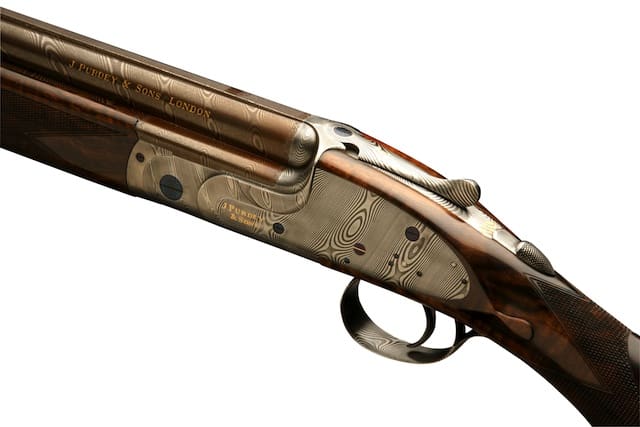
Prior to the early 20th century, all shotgun barrels were forged by heating narrow strips of iron and steel and shaping them around a mandrel.[27][28] This process was referred to as “laminating” or “Damascus”.[27][28] These types of barrels earned a reputation for weakness and were never meant to be used with modern smokeless powder, or any kind of moderately powerful explosive.[28] Because of the resemblance to Damascus steel, higher-end barrels were made by Belgian and British gun makers.[27][28] These barrels are proof marked and meant to be used with light pressure loads.[27] Current gun manufacturers make slide assemblies and small parts such as triggers and safeties for Colt M1911 pistols from powdered Swedish steel resulting in a swirling two-toned effect; these parts are often referred to as “Stainless Damascus”.[29]
Attachments area
Preview YouTube video What Is Damascus Steel?

Preview YouTube video ONE MILLION LAYER DAMASCUS STEEL!!!! Will it work!?!?

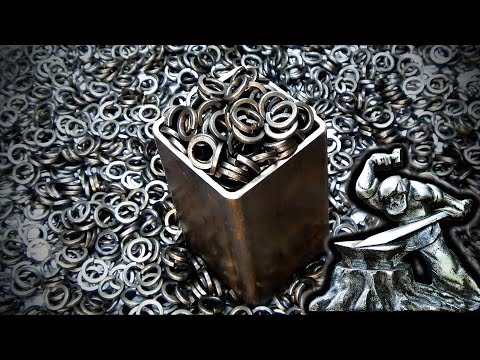
Preview YouTube video Damascus steel from Grover washers – blade

Categories
Uncategorized

NSFW

Inline image 8
Inline image 9
Inline image 1
Inline image 3
Inline image 10
Inline image 3
Inline image 5
Inline image 7
Inline image 2
Inline image 2
Inline image 2
Inline image 11
Inline image 1

Categories
Uncategorized

How to Recognize Poison Ivy, Oak, & Sumac and Treat Their Rashes

Jeremy Anderberg | August 27, 2015

Manly SkillsOutdoors

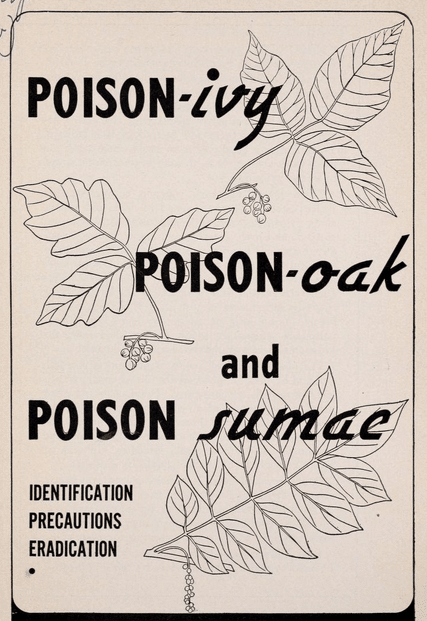
vintage illustration poison ivy oak sumac

A stroll in the woods is nearly always an enjoyable endeavor; what’s not so enjoyable is discovering a red, itchy rash the next day. Each year, millions of Americans come in contact with poison ivy, poison oak, or poison sumac. While there are numerous other poisonous plants, these three are grouped together because they share a common irritant: an oily resin/sap called urushiol. This resin is potent — it only takes 1 nanogram to cause a reaction. And unfortunately, it coats all parts of these plants.
While some of the characteristics we describe below aren’t necessarily unique to these plants, we’ll get you enough information to avoid these poisonous foes and confidently walk your favorite trails (or create your own!).

Identifying Poison Ivy

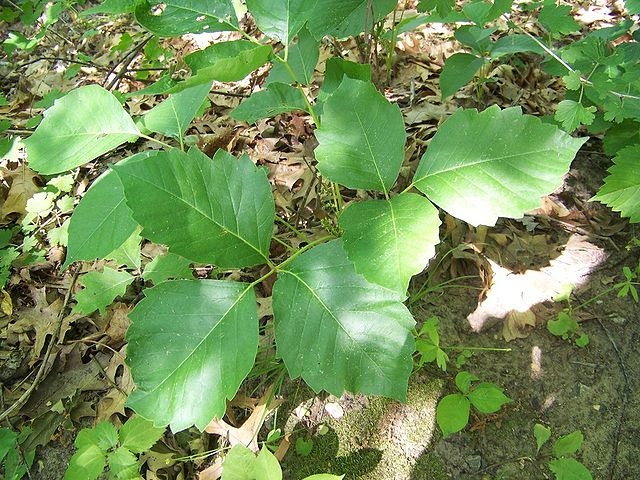
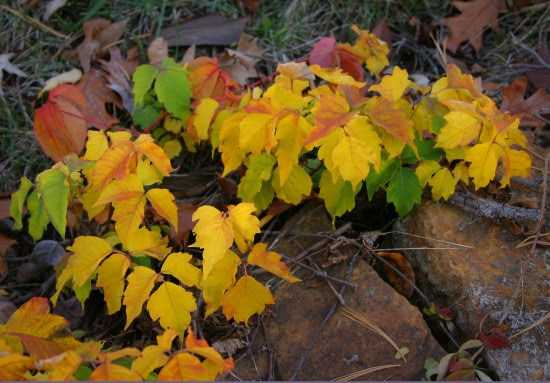
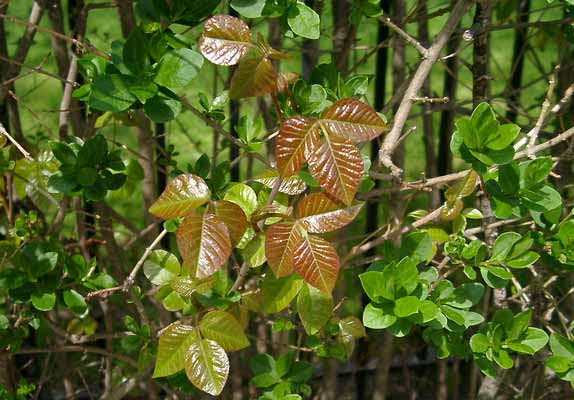
The old saying is true: “Leaves of three, let them be!” While there are other plants which have leaf clusters in threes, both poison ivy and poison oak share this trait, making it best to avoid plants with this feature altogether. What you’ll most likely encounter with poison ivy is a stem with a larger leaf at the end, and two smaller leaves shooting off the sides. The leaves can be notched or smooth on the edges, and they have pointed tips. The plant is reddish in the spring, green in summer, and yellow/orange in the fall. It’s not uncommon to see clusters of greenish-white berries on poison ivy through the spring and summer, as well as green/yellow flowers.
poison ivy red pointed leaves of three
Poison_Ivy_in_Perrot_State_Park
poison ivy in the fall
large poison ivy hedge
Poison ivy can take the form of a vine or a shrub. The plant’s appearance varies widely based on the region and specific environment where it grows, which is everywhere in the US with the exceptions of Hawaii, Alaska, and parts of the southwest deserts.

Identifying Poison Oak

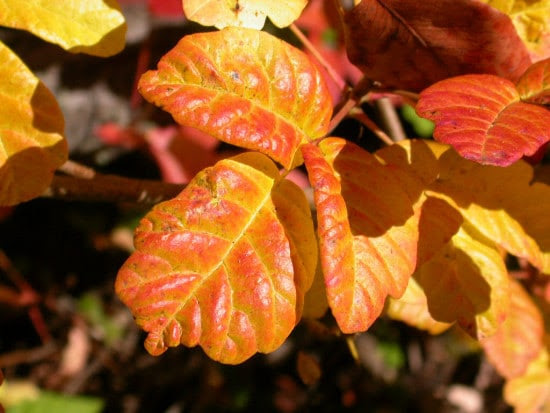
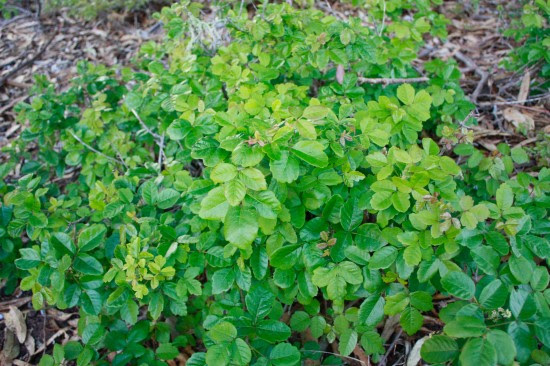
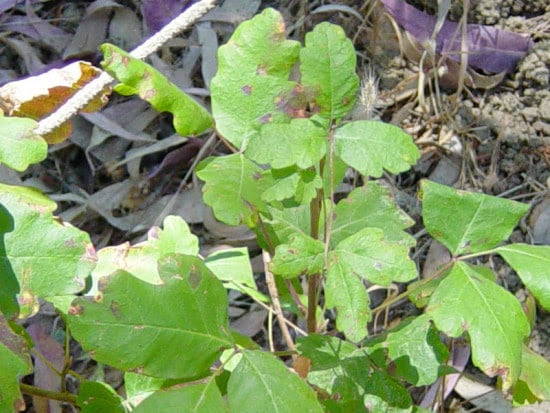
Like poison ivy, this plant most often grows leaves in clusters of three, although some varieties display five or seven per cluster. The defining feature is that the leaves have a lobed, wavy appearance (also described as scalloped), similar to oak tree leaves, but more subdued. Another characteristic that sets it apart from poison ivy is that the tips of the leaves are rounded rather than pointed. Its leaves are bright green in spring, turn yellow-green or pink in summer, and finally turn yellow into dark brown in the fall.
poison oak leaves green
poison oak orange leaves fall
poison oak shrub green leaves
Poison oak is generally a shrub, averaging about 3 feet tall, but shoots of it can also grow as a vine. Not commonly found in the middle part of the U.S., poison oak is primarily situated on the West coast, and the East coast/Southeast.

Identifying Poison Sumac

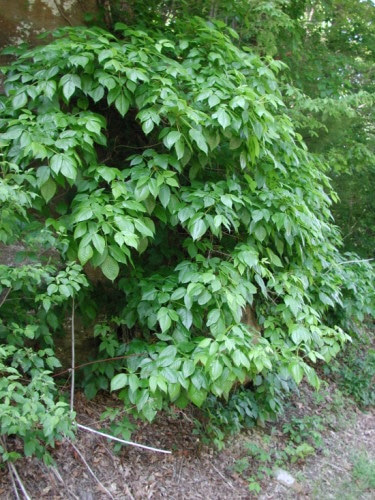
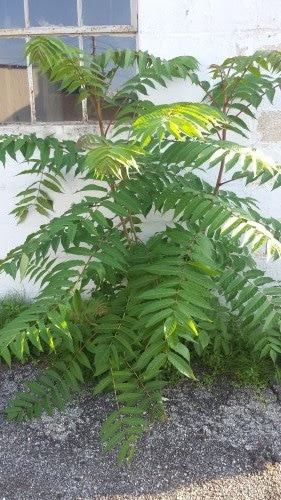
Poison sumac stems (which are generally red — another of the defining features) have 7-13 leaves, in pairs, with a lone leaf at the end. Leaves are oval, elongated, and smooth-edged, usually 2-4 inches long. They are bright orange in spring, dark green in summer, and red-orange in fall.
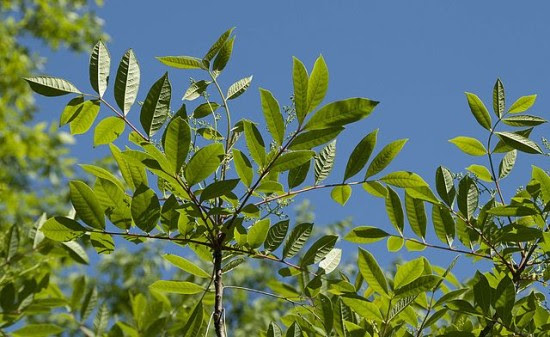
poison sumac in the summer green leaves
poison sumac sapling tree
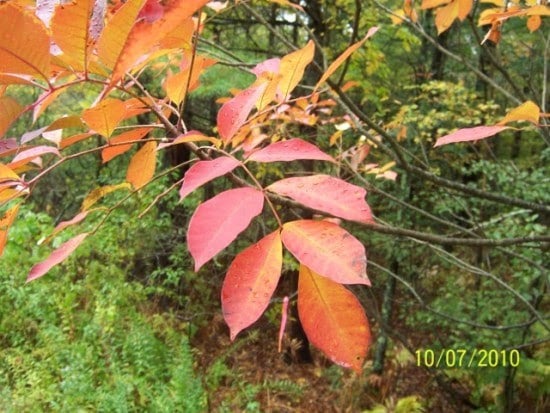
poison sumac in the fall red leaves
tall poison sumac tree
Poison sumac thrives in watery, swampy environs, present mostly in the Midwest and Southeastern U.S., where high humidity is common. It grows as a tree or tall shrub, 5-20 feet tall.

Allergic Reactions to Poison Ivy, Oak, or Sumac

An allergic reaction to poison ivy, oak, or sumac can occur when your skin makes direct contact with the plant, when you touch something that has been in contact with the plant, and even when the plant is burned, as particles of urushiol can make their way into your eyes, nose, and throat. Urushiol is very sticky and tenacious, so it easily adheres to firewood, dog fur, and gardening tools, and then transfers itself to your skin once you lift, pet, and pick up these things. Because urushiol is present in the plants’ roots, stems, and leaves, it remains potentially poisonous even in the wintertime.
Anyone can get an allergic reaction if exposed to urushiol in a large enough dose. But some folks are more sensitive than others. About 85% of the population is fairly to extremely susceptible to getting an allergic reaction, while 15% of lucky folks are resistant to reaction. One’s sensitivity/resistance is thought to be largely genetic in origin, so if your parents have had severe reactions to poisonous plants, take extra care to avoid contact yourself.
Sometimes you only get a rash after being exposed to the plant numerous times. So don’t automatically assume that you’re resistant because you touched poison ivy/oak/sumac once, and didn’t get a rash.
On the other hand, sensitivity to these poisonous plants can lessen over time. So if you had a bad reaction as a child, you may have developed more resistance over the years.

How to Treat a Rash From Poison Ivy, Oak, or Sumac

If you know you’ve touched one of these poisonous plants, you have about 10 minutes before the sap penetrates the lower layers of your skin and binds to its cells, at which point an allergic reaction will set in. So you can head off this reaction by immediately rinsing the exposed area with running water. Use a mild detergent soap if you have it; fatty soaps can spread the urushiol oil, creating a worse reaction. Rinsing with rubbing alcohol is also effective. If wipes are all you have to clean the area, that’s better than nothing.
If you don’t wash off the resin in time, and you’re sensitive to ivy/oak/sumac, then a rash will develop. Rashes from all three of these plants appear in the same form and are treated in the same way since the irritating agent in all of them is urushiol. If you’ve been outdoors and have the following symptoms appear, you may have a rash from one of these plants:

  • patches of swollen redness
  • outbreak of blisters
  • intense itching

These are the primary symptoms, and they generally appear within 12-72 hours of contact. Luckily, if the rash isn’t severe, it can be treated at home without having to see a dermatologist.
The American Academy of Dermatology recommends the following treatment plan:

  • Immediately rinse your skin with lukewarm, soapy water. Urushiol is an oil, so if not washed off, it can continue to spread. (Note: there are special washes out there that claim to remove urushiol more effectively and to lesson the severity of a rash once a reaction has set in; Zanfel is a popular one, but Mean Green Scrub uses the same ingredients/composition but costs way less per ounce.)
  • Wash your clothing and anything else the oil may have touched, including tools, pets, car seats, etc.
  • Do not scratch; doing so can open the skin and possibly cause an infection.
  • Leave blisters alone; do not peel overlying skin, as it protects the wound underneath from infection.
  • Apply calamine lotion or hydrocortisone cream/lotion.
  • Apply a cool washcloth to skin to ease burning and itching.

The rash should heal in about 1-2 weeks. Though it may look gross, it’s not contagious. If the rash is particularly large or painful, or doesn’t heal in that timeframe, it’s best to see a dermatologist who may prescribe a round of oral steroids or other treatments.
Above all, wearing long clothing when you go out is recommended — especially pants to guard against brushing these plants while wandering around. Be sure to wash these clothes right when you get home.
You’re now equipped to head out to the woods and avoid these itchy fiends!

Categories
Uncategorized

No Shit

Categories
Uncategorized

May the Force be with you! NSFW

Image result for may you have a great weekend funny
Related image
Image result for beach nude women hd pinterest
Image result for slim busty nude hd pinterest
Related image
Related image
Image result for page 3 nudes hd
Related image
Related image