Category: The Green Machine

Two Naval aviators boarded a flight from Washington to New York. One sat in the window seat, the other in the middle seat.
Just before take-off an Army helicopter pilot got on and took the aisle seat next to the Navy guys.
He kicked off his shoes, wiggled his toes and was just settling in when the Navy pilot in the window seat said, “I think I’ll go up and get a Coke.”
“No problem,” said the Army guy, “Stay there, I’ll get it for you.” While he was gone, the Navy pilot picked up the Army pilot’s shoe and spat in it.
When the Army guy returned with the Coke, the other Navy pilot said, “That looks good. I think I’ll have one too.”
Again, the Army helicopter pilot obligingly went to fetch it, and while he was gone the Navy pilot picked up the other shoe and spat in it too.
The Army guy returned with the coke, and they all sat back and enjoyed the short flight to New York.
As the plane was landing the Army pilot slipped his feet into his shoes and knew immediately what had happened.
“How long must this go on?” he asked. “This enmity between the Navy and the Army…this hatred…this animosity…this spitting in shoes and pissing in cokes?”

It helped that he was in The Cav! Grumpy
Our military failures of the last half century have not been at the Tactical or for that matter the Operational level. They have been failures at the Strategic and POL/MIL levels,
We have to accept that there is something wrong with not just who we select as our senior uniformed and civilian leaders, but how we educate them, and how we designed the system they work in.
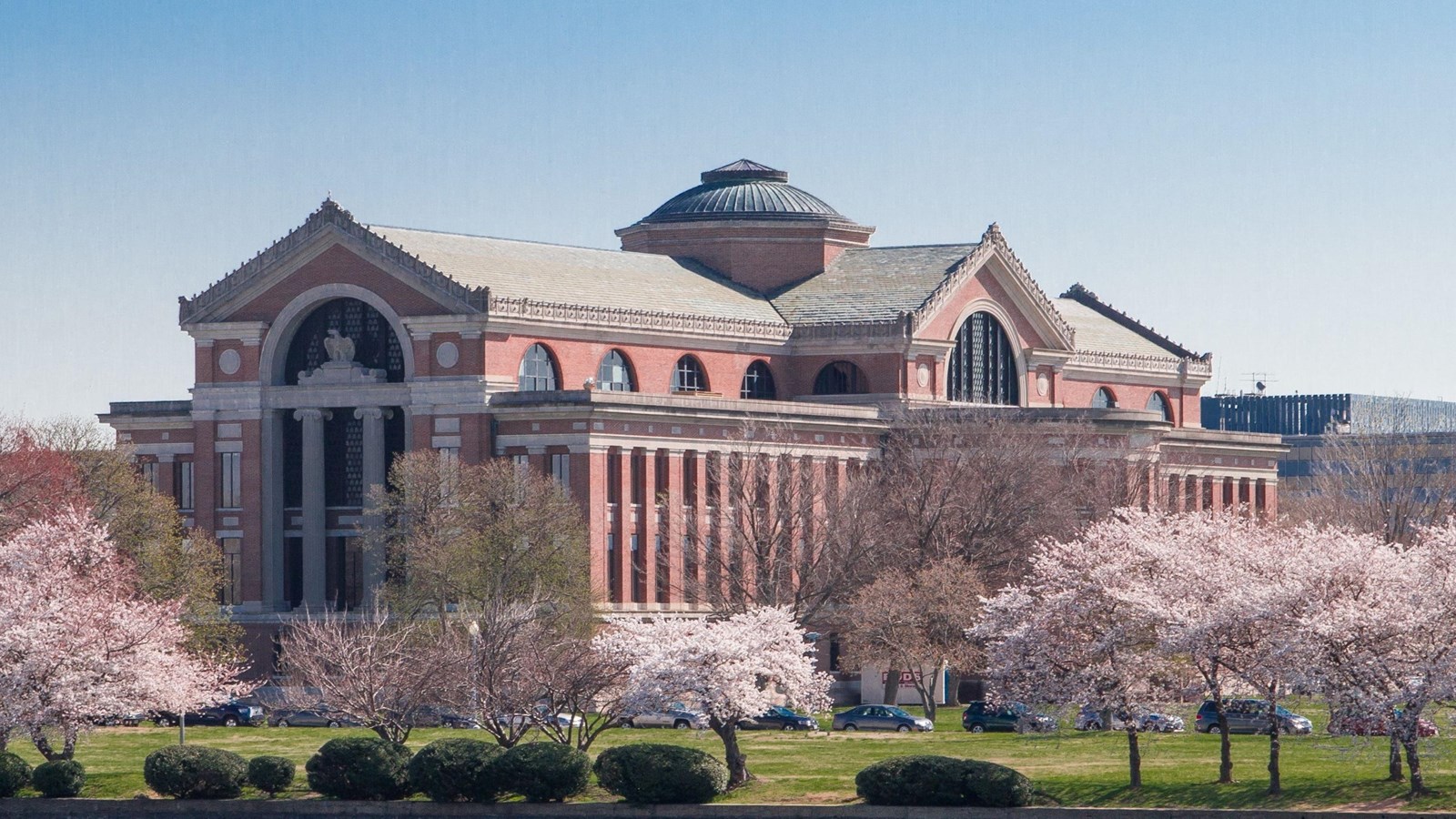
For today’s post, let’s just touch on one segment of the education portion; our war colleges.
As our war colleges started to focus less on their part in the practice of war and instead pursued the pleasures and practices of colleges, our military has been less successful at war and have adopted some of the worst vices of academia.
I’m not the only one thinking along these lines. Over at City Journal, Thomas Bruscino and Mitchell G. Klingenberg from the U.S. Army War College have a bit addressing this head on you should give a full read to;
In May 2020, the Joint Chiefs of Staff published guidance for the education of future senior military leaders that repeatedly emphasized the need for all senior officers to learn how to fight wars … The Joint Chiefs issued their guidance because our senior-officer education system does not prepare its students for joint warfighting, which is enormously complicated.
At the war colleges, this cry for help has gone missing in a maze of bureaucracy and jargon.
Educational standards take the form of vague word salads: “Senior leaders who lead complex organizations and think strategically and skillfully as adaptive and collaborative problem solvers to develop strategies to achieve national security outcomes.” Such “standards” are neither measurable nor focused on winning wars, yet educators congratulate themselves for meeting them, while graduates leave not even knowing what they don’t know.
Here is what we know: the only standard that matters is whether our military officers can prevail in war. As recent events in Afghanistan have demonstrated, we don’t meet that standard.
…
Our war colleges must rededicate themselves to the task of instructing students in the problems of fighting and winning. They must teach graduates to reject simplistic analogies, aphorisms, and the latest “revolutionary” developments in warfare.
They should teach diplomatic, economic, scientific, historical, legal, and other academic subjects only insofar as they contribute to warfighting. Above all, they must carefully study historical and contemporary conflicts of all types to gain a greater appreciation of the vast complexity of joint warfighting, and then apply it in practice—first, by crafting their own war-winning strategies and campaigns, and then by fighting them out, over and over, in war games and other exercises.
We have forgotten much of what we need to know. We will have to relearn it together.