Category: Soldiering
At 0900 in the morning on 4 December 2020, a group of young men began gathering in the Palestinian village of al-Mughayir northwest of Ramallah. These Palestinians were protesting the establishment of a new Israeli settlement near Ras a-Tin. IDF soldiers were posted nearby in hopes of keeping the peace.
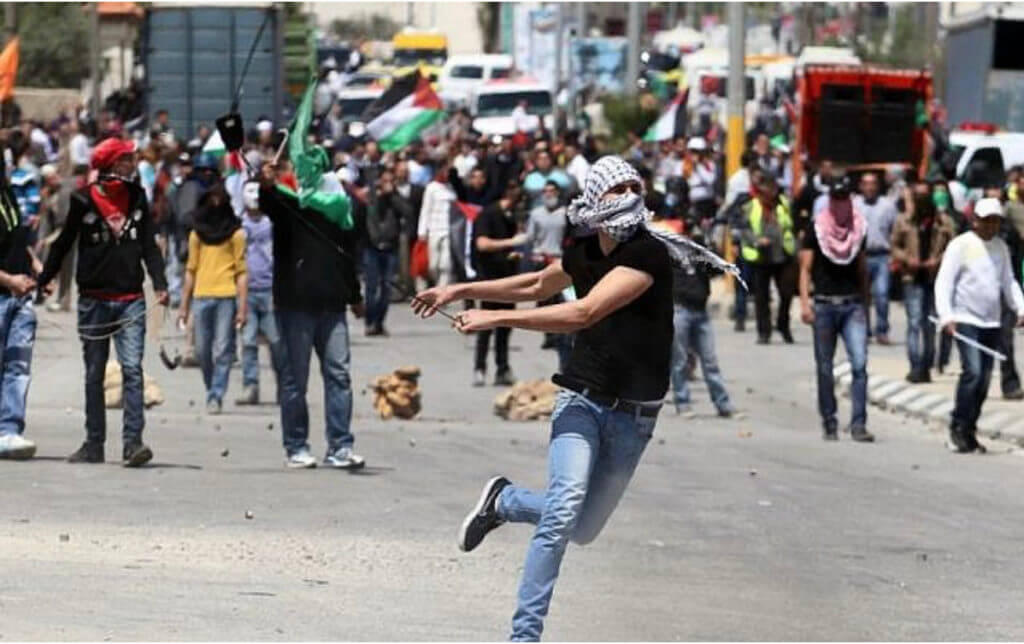
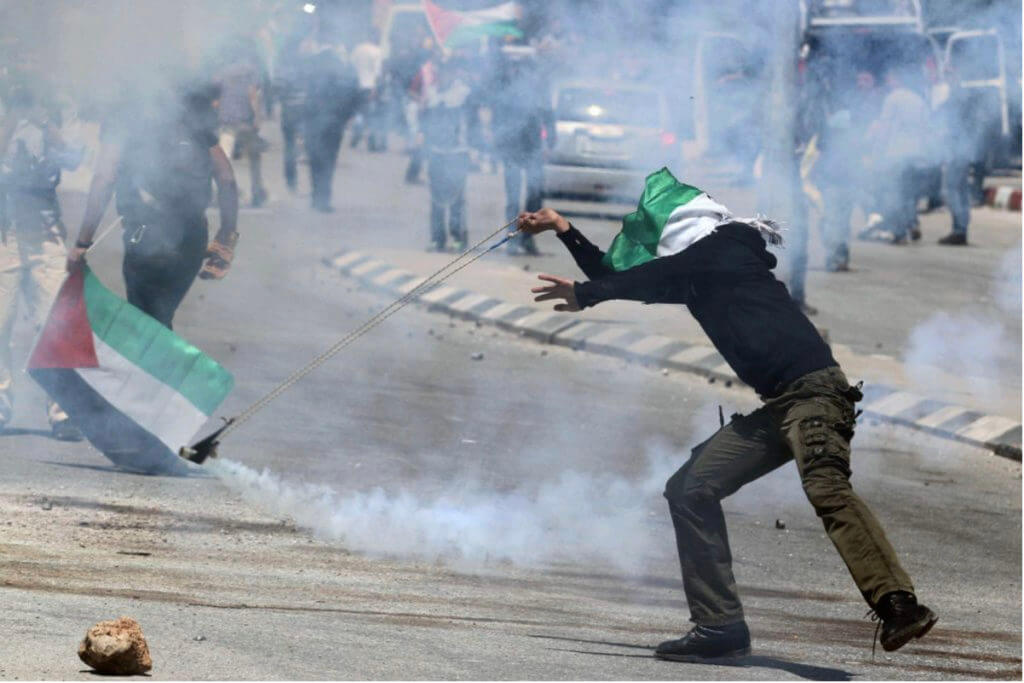
Emotions were running high, as seems always the case. Folks have been fighting over that remarkable patch of dirt since the very beginning of time. In short order the Palestinians were throwing rocks. The Israeli soldiers responded with rubber bullets and tear gas.
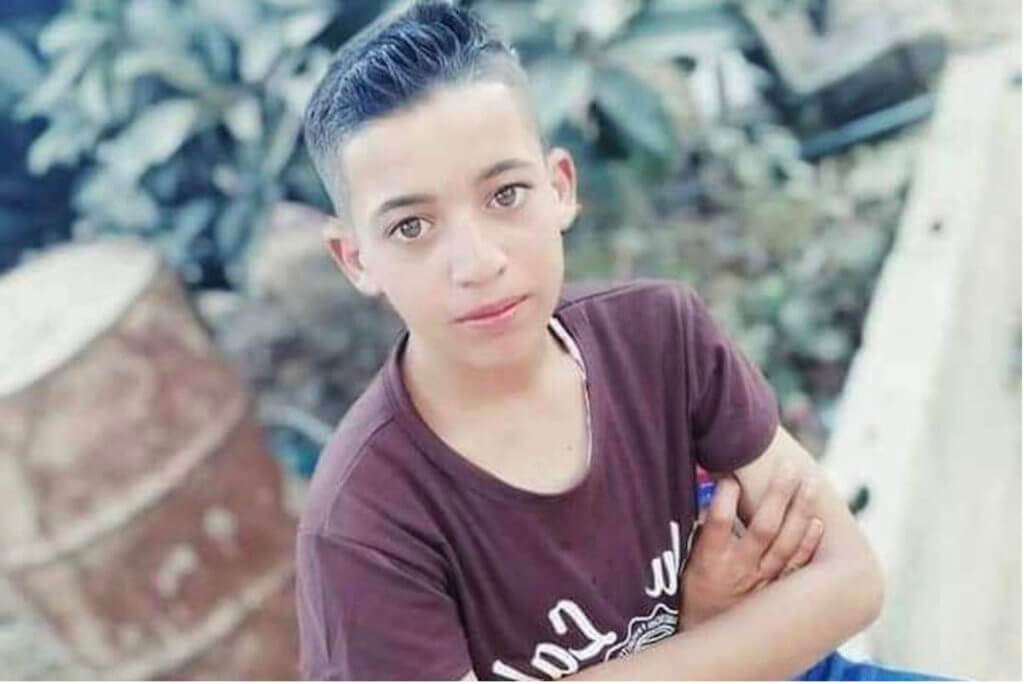
The main part of the conflict unfolded at a range of roughly seventy meters. Two hours after the first confrontation ten IDF soldiers were in firing positions with a direct line of sight to the protestors. The rocks were still flying hot and fast. Some 150 meters distant, around 100 local residents had gathered to spectate. Among them was Ali Abu ‘Alia, a local Tenth Grader. It was the boy’s fifteenth birthday.
By 1330 hours the protest had been ongoing for four and one half hours. Everyone was tired. What happened next was naturally disputed by both sides.
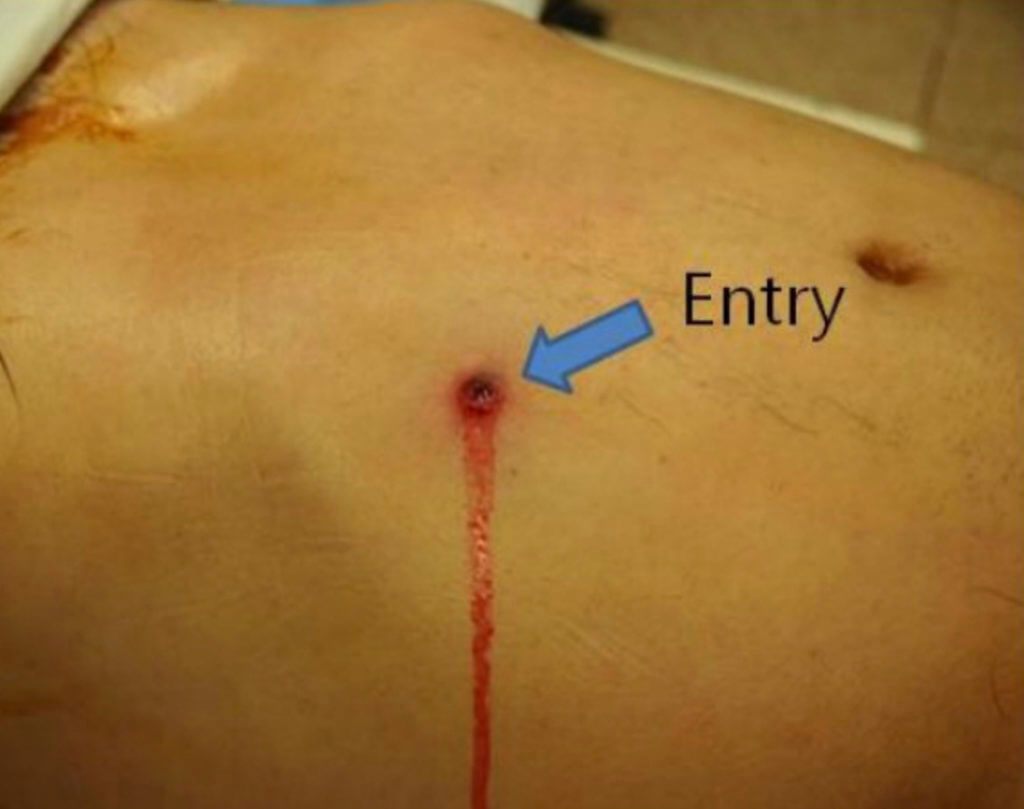
According to Palestinian witnesses, the boy was simply crossing the road. He suddenly clutched his midriff and shouted, “My stomach! My stomach! I’m hit! I’m hit!” before collapsing. Bystanders rushed the young man to the nearby Ramallah hospital. There was a small, almost bloodless entrance wound just above his navel and no exit wound. By 1830 he was dead, yet another tragic casualty of the never-ending war in the Levant.
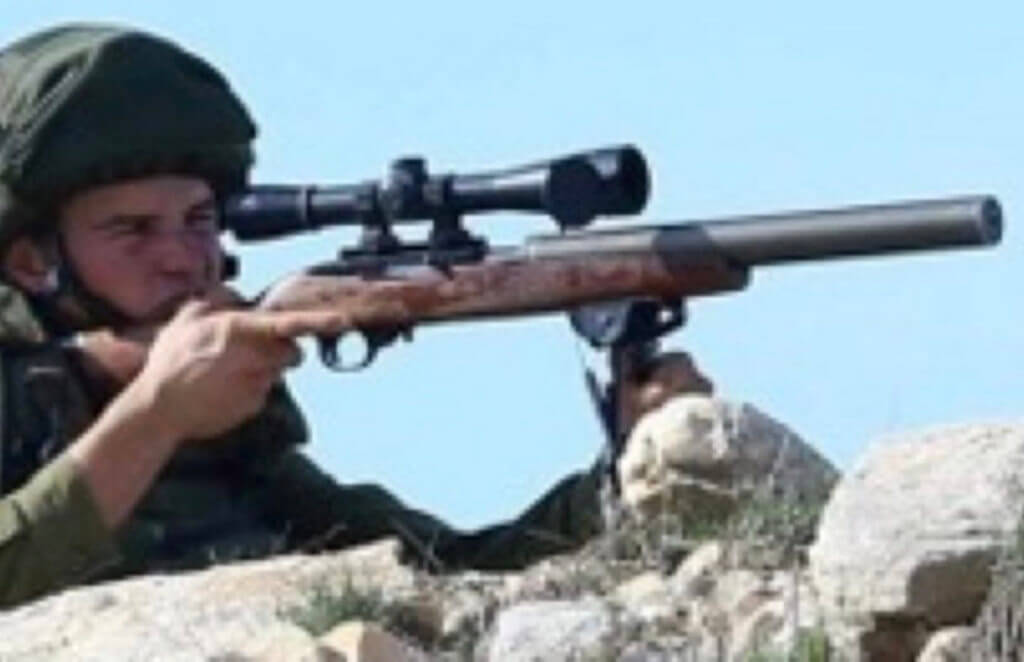
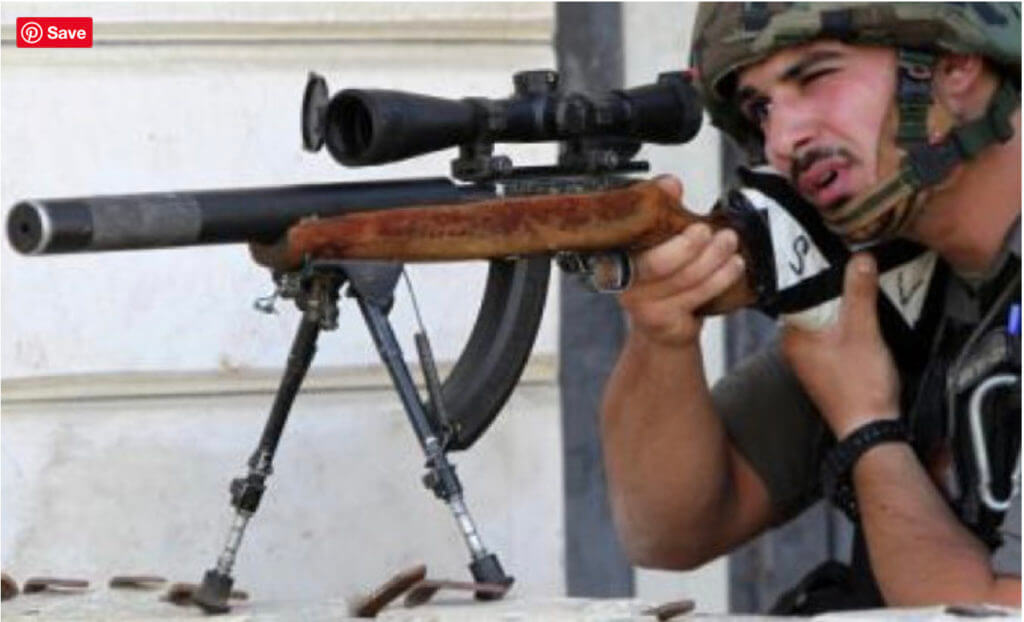
Abu ‘Alia was hit in the belly with a “Two-Two.” That’s IDF slang for a sound-suppressed Ruger 10/22 rifle ostensibly used for less-lethal crowd control. His sordid story serves as a somber reminder that the diminutive .22 rimfire, though small, is still plenty deadly.
It Only Takes a Moment…

The man was going to kill a lazy Saturday out tearing up the swamp on his four-wheeler alongside a friend. The weather was gorgeous. In our part of the world that meant snakes. As a result, his pal produced a .22 pistol and a shoulder holster. Our hero threw the rig on, and the pair struck out for the wilderness.
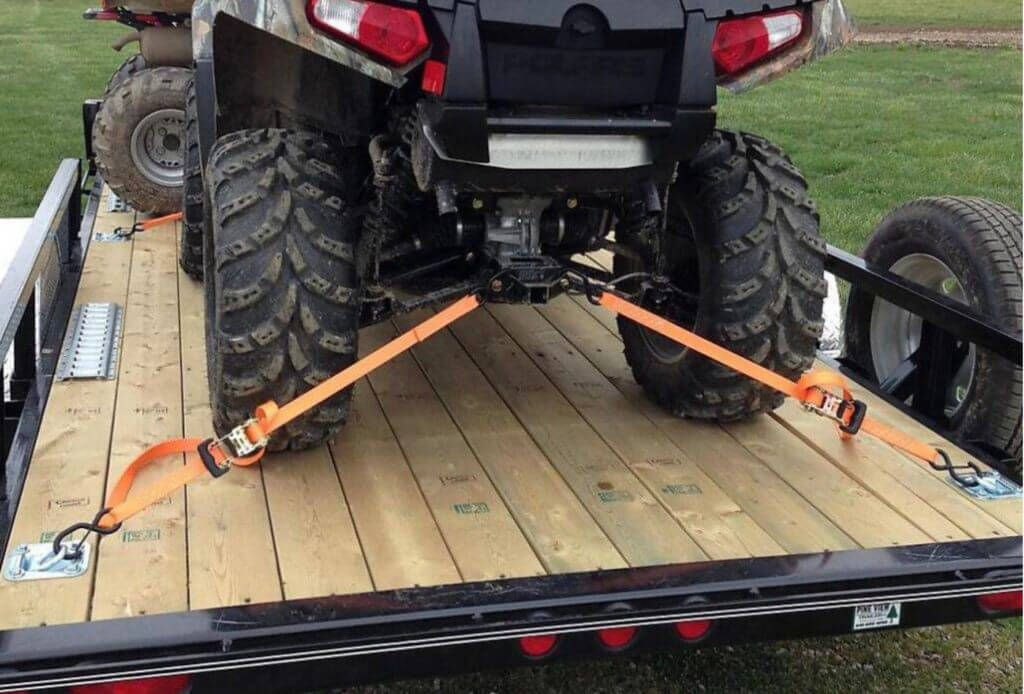
It had been a great day, and the men were ready to get home. As they manhandled a four-wheeler into the pickup, the heavy vehicle slipped. My buddy threw his shoulder into it, and the hammer of the pistol caught on something, twisting in the holster.
The hammer retracted far enough to light the primer but not far enough to catch the sear. When the gun went off it didn’t make a great deal of noise. That was because the muzzle was mashed against the man’s chest. The zippy little 40-grain bullet pithed the man’s left lung, missing his heart by millimeters. It then bounced off the inside of his right scapula before angling downward. The dying round tracked through his right lung top to bottom, penetrated his diaphragm, transited his liver, and finally came to rest nestled within his entrails. Never let anyone tell you the humble .22 rimfire lacks in penetration.
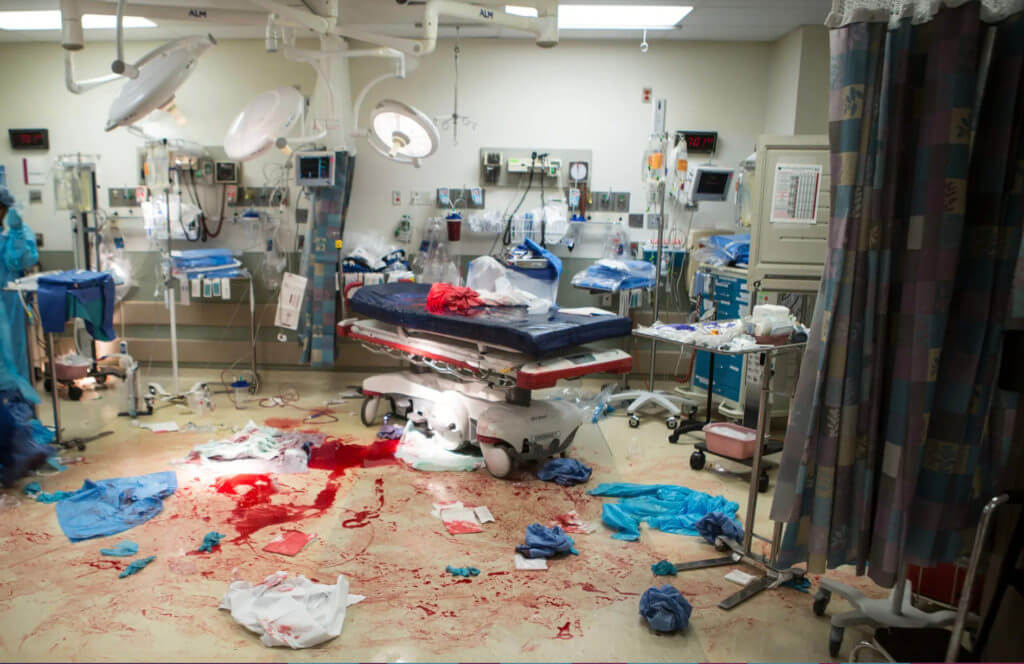
What followed was a frenetic ride to the hospital. The surgeons filleted the man like a fish but saved his life. He has fully recovered today. Part of that is because he had the good fortune to be shot in America and not Ramallah.

Shot placement, particularly with small caliber weapons, is indeed critically important. What’s an even bigger deal, however, is the inimitable power of random. Both people were shot with the same round, but Abu ‘Alia likely had the little bullet centerpunch his abdominal aorta. Unless you’re in just the right place and very, very lucky, this is reliably bad.
The Round
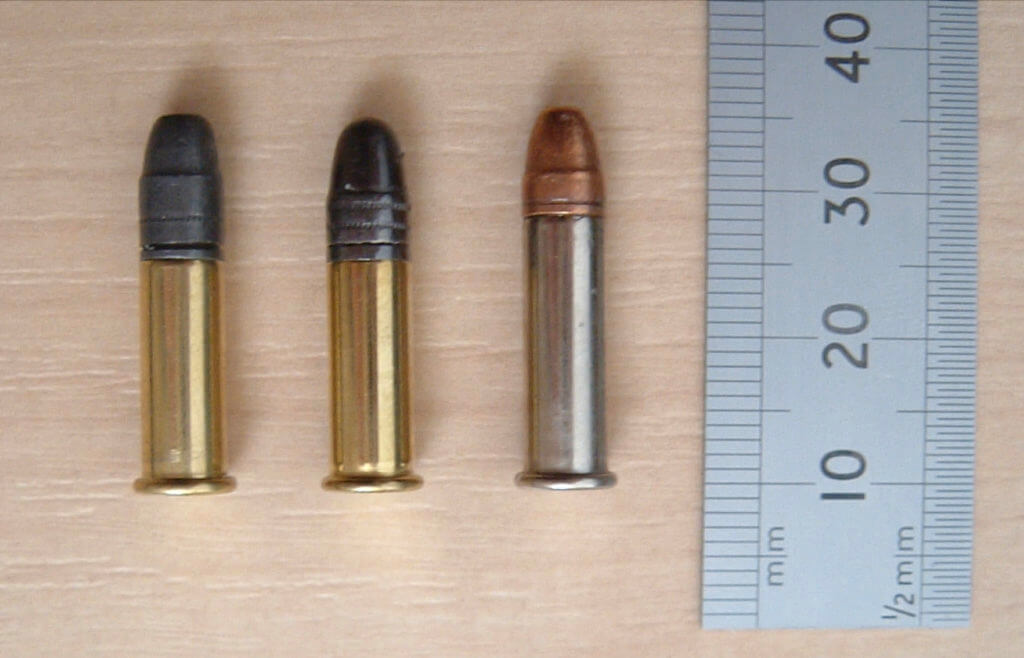
The technical appellation for the .22 Long Rifle is the 5.6x15mm R or Rimmed. Developed in 1887, the .22LR is hopelessly obsolete today. Despite its age, however, annual production of this zippy little cartridge is nonetheless estimated to be between 2 and 2.5 billion rounds per annum worldwide.

I have seen these little cartridges made, and it is indeed fascinating. The cases are punched out of a big strip of brass and then formed to shape. A small pellet of moist primer compound is then inserted into the empty case. When this primer mix is wet it is inert. When it is dry it becomes shock sensitive. Each case is then spun vigorously in a big machine. Centrifugal forces push the wet primer mix out into the periphery of the rim. The case is then cooked to remove the moisture. There follows a fixed volume of powder and a bullet, most commonly somewhere between 36 and 40 grains. Repeat as necessary 2.5 billion times per year.
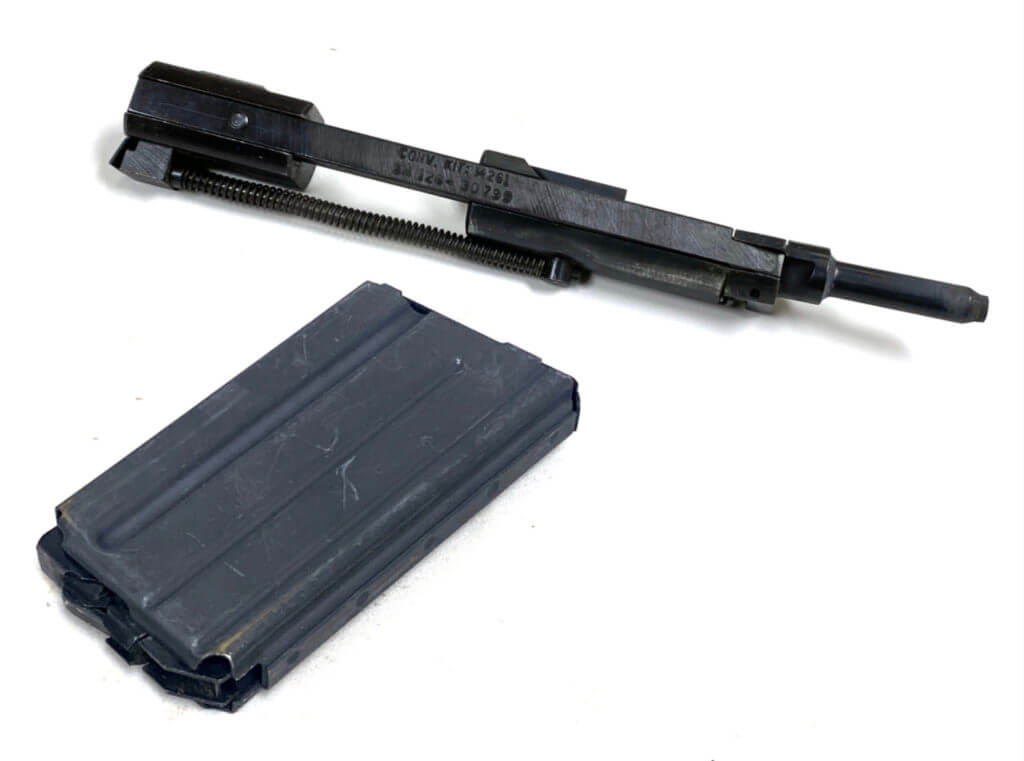
The .22LR is the most popular rimfire firearm cartridge on the planet. It is widely used by organizations ranging from the Boy Scouts of America to the US Army. .22 rimfire conversions for both M16 rifles and 1911 service pistols were used for decades as military training aids. Almost every serious shooter in the world got his or her start behind a .22. Amongst countless millions of .22-caliber firearms, one lithe little rifle reigns supreme.
The Gun

Designed in 1964 by Bill Ruger and Harry Sefried II, the 10/22 is the most popular .22 rifle in the world. More than seven million copies have been produced. The 10/22 is one of those rare designs that has actually gotten cheaper over time.
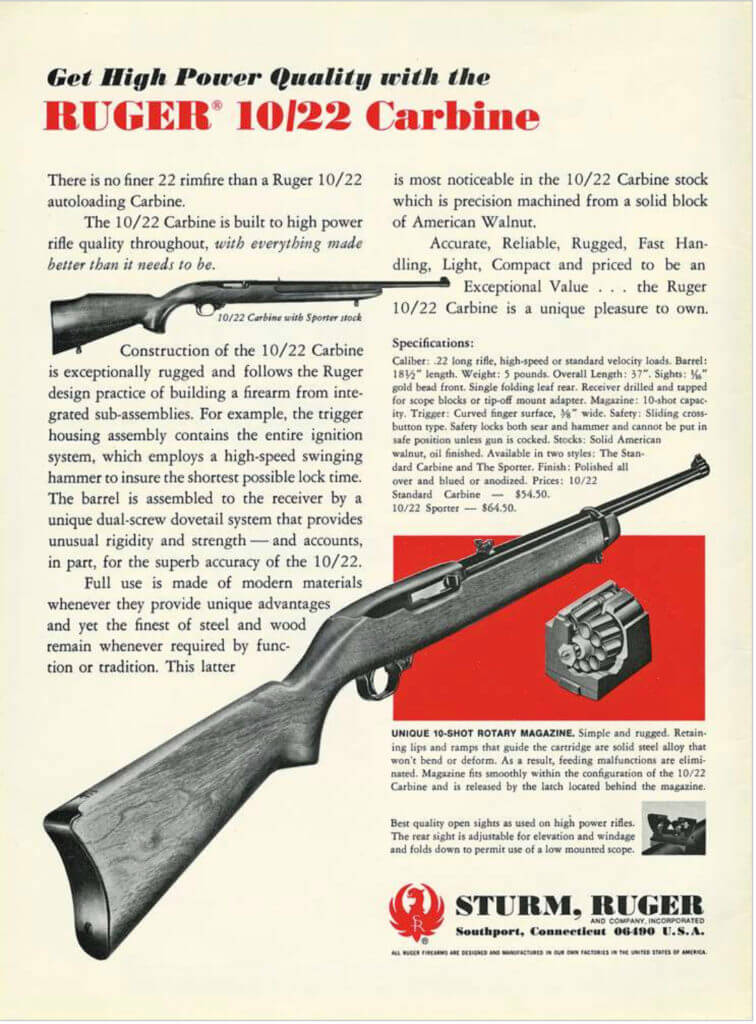
Those first 10/22 rifles cost $54.50. However, those are 1964 dollars. That would be about $519 today. The MSRP for a new-made 10/22 nowadays is $379. That is because the gun is designed from the outset to be easy and inexpensive to make in quantity.
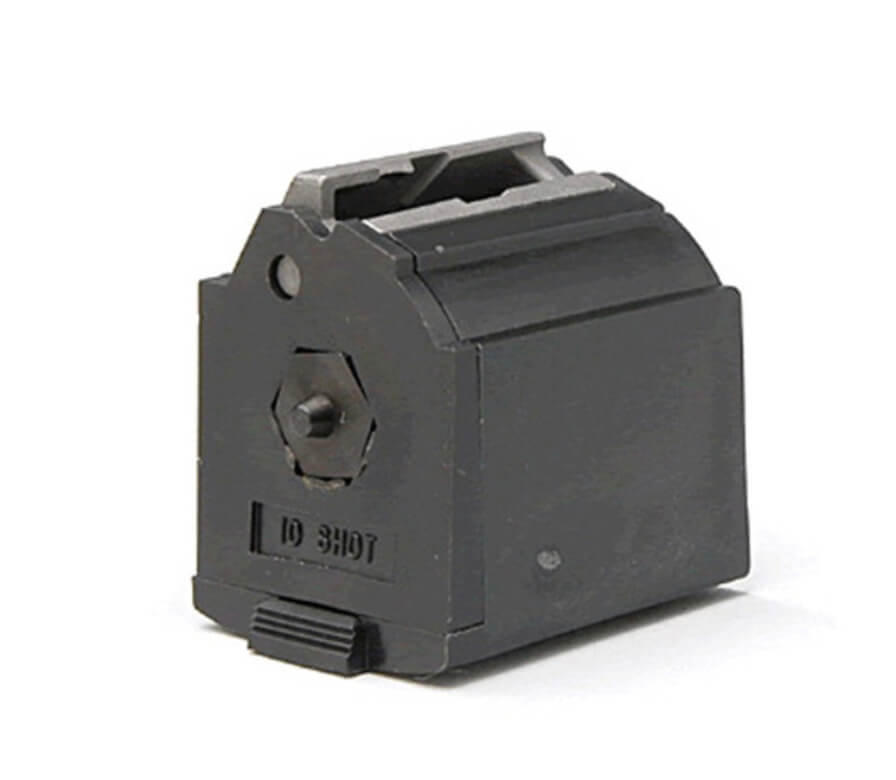
The 10/22 sports an investment cast receiver mated to a cold hammer-forged alloy steel barrel via a unique two-screw, V-block system. The rifle comes from the factory drilled and tapped for an included scope mount. It feeds from a ten-round rotary magazine.
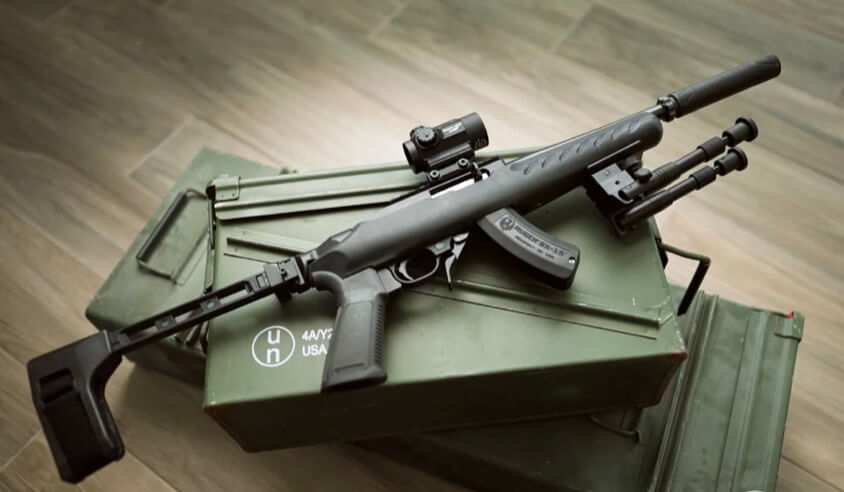
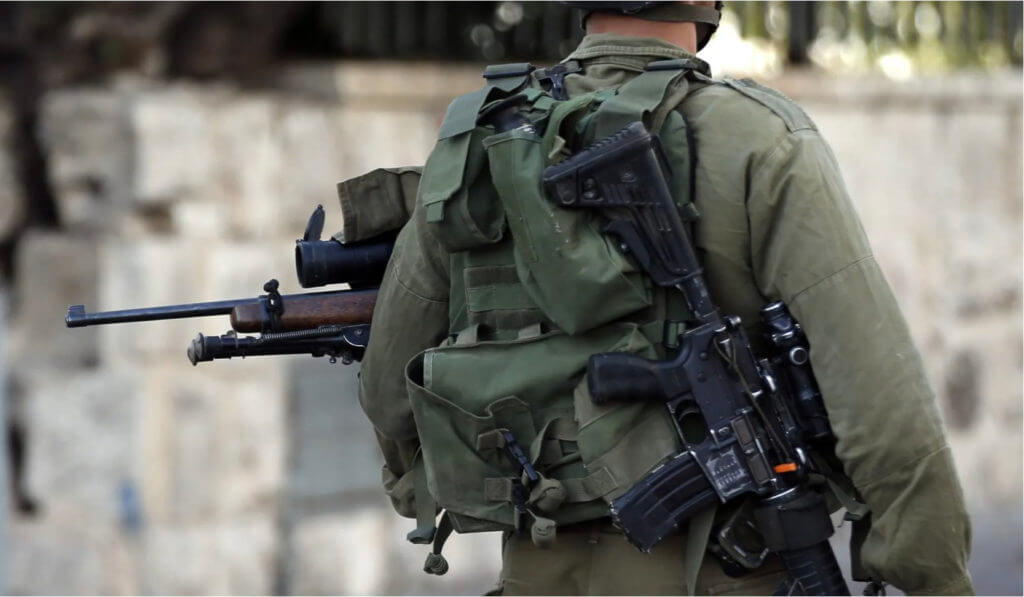
The 10/22 is one of the most customizable firearms ever made. There are companies thriving today that produce rifles on a 10/22 action that do not include a single Ruger component. The rifle that the IDF sniper was wielding when he shot Abu ‘Alia was itself heavily customized.
IDF Use
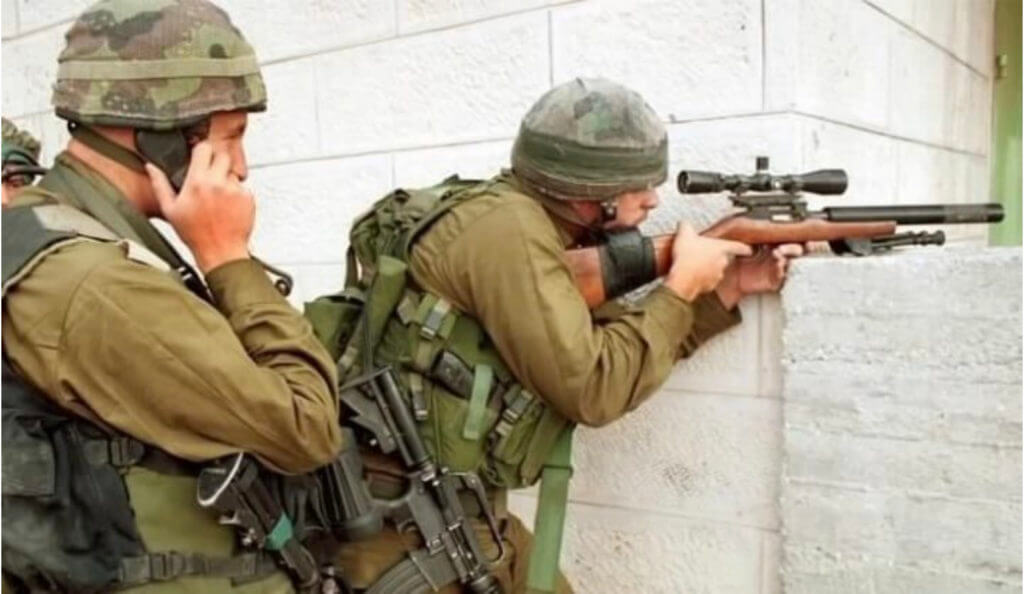
Beginning with the Intifada in 1987, Israeli soldiers found themselves beset by angry rioters with limited defensive options. Live 5.56x45mm rounds were proven manstoppers, but shooting otherwise unarmed rioters would have been a great way to win the battle while losing the public opinion war. Given the range limitations of CS gas and rubber-coated metal bullets, IDF planners went looking for something else. That something else was the humble 10/22 plinking rifle.
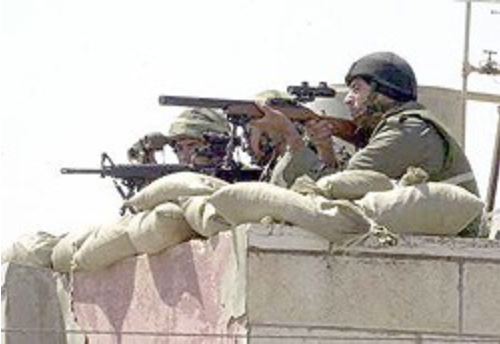
The IDF began with standard wood-stocked 10/22 rifles modified by the Italian firm of Sabatti. These guns were fitted with heavy bull barrels and integral sound suppressors. The receivers were drilled and tapped for a full-sized Weaver base upon which was mounted a 4x optic. A Harris-style adjustable bipod rounded out the package. Here are the published applications of these custom weapons:
- Killing hostile dogs.
- Injuring leaders of violent demonstrations or violent participants of a violent demonstration.
- Use as a mid-range system that is “less lethal than” military-caliber rifles (5.56mm/7.62mm) while remaining capable of dissuading demonstrators from committing further violence (e.g. throwing rocks or Molotov cocktails).
- Providing greater accuracy at longer distances than rubber bullets or baton rounds.
- Applications when it is not safe enough to get sufficiently close to use a rubber bullet or baton round.
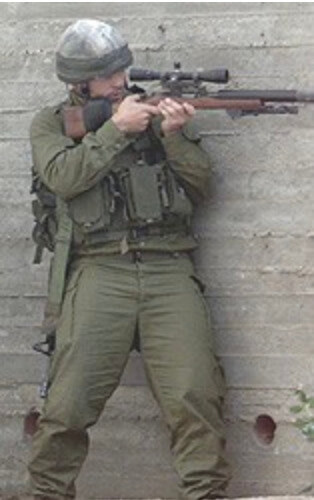
Ideally, IDF sharpshooters could use these little rimfire rifles to shoot critical leaders in violent protests in the shins, taking them out of the fight without killing them. The illustrious Colonel Jeff Cooper had this to say about using the .22 rimfire for riot control in his 1998 classic To Ride, Shoot Straight, and Speak the Truth—
“It would seem desirable to devise a system which would make sure, first, that the riot would stop; and second, that only the leaders would feel the weight of social disapproval.
“Let us consider such a means – the 22-caliber rimfire rifle. This weapon, properly sighted and equipped with a noise suppressor, may be used with surgical delicacy to neutralize mob leaders without risk to other members of the group, without noise and with scant danger of death to the subject. A low-velocity 22 bullet in the lung will not knock a man down, and in these days of modern antisepsis it will almost never kill him if he can get to a hospital in a reasonable time. It will, however, absolutely terminate his interest in leading a riot.”
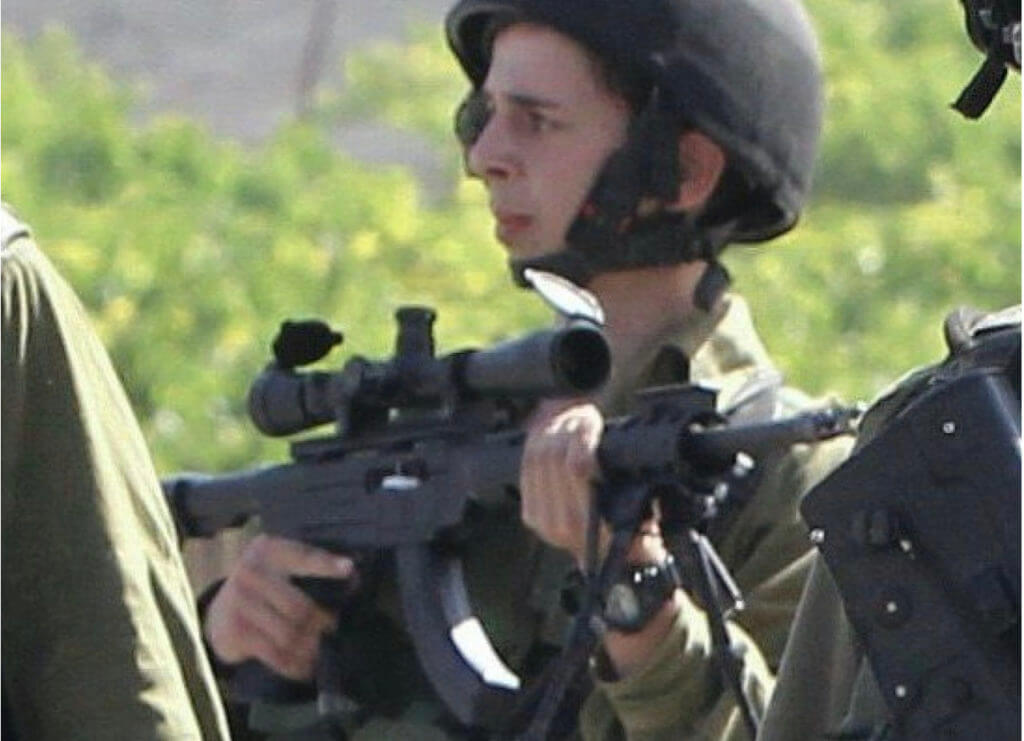
The problem is that the real world of violent confrontation is seldom so sanitary. In the heat of battle it can be tough to confine your rounds to extremities. That and extremity wounds can be unexpectedly deadly as well. Additionally, these are still firearms. As in the case of Abu ‘Alia, this battlefield was absolutely dirty with noncombatants. Between 2015 and 2020 local commentators claim there were ten Palestinians killed by IDF marksmen wielding Two-Two’s.

And therein lies another problem. You cannot believe anything anybody says over there. Everyone has an agenda, even me. I have spent some time in Israel, and I was powerfully moved by the work ethic, patriotism, and sense of community exhibited by the Israeli people, something we could use a great deal more of over on our side of the pond. However, I will admit that if Native Americans tried to push me off my family farm because their ancestors owned it 250 years ago that would aggravate me as well. I’m just not sure I would blow up a school bus full of children in response. Alas, I don’t pretend to know the answer to those timeless problems.
Ruminations
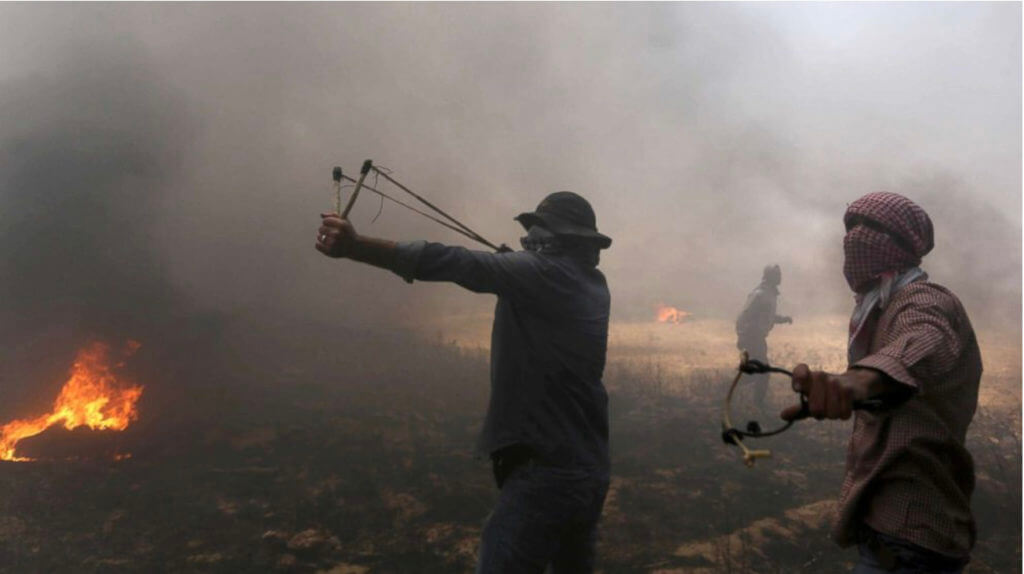
One observer to Abu ‘Alia’s shooting made this statement: I…can’t find any justification for the sniper’s shooting. He killed a boy who was standing quietly and wasn’t endangering anyone. He didn’t even take part in the protest.

Pelting heavily-armed soldiers with rocks for four hours seems like a great way to get shot. Standing close by watching heavily-armed soldiers get pelted by rocks for four hours seems like a great way to get shot accidentally. There seems to be plenty of blame to go around.
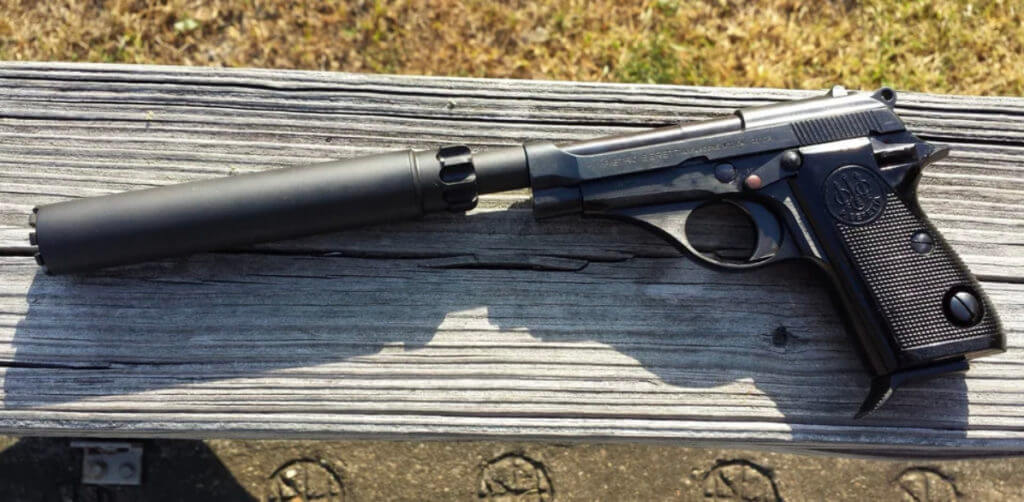
The .22LR has a long history of military use with Israeli forces. Modified versions of the ArmaLite AR7 survival rifle were issued to IAF aircrews. Israeli air marshals, Mossad operatives, and Sayeret Matkal have long used the .22LR Beretta 71, often with a suppressor, in covert operations. These guys know a thing or three about armed combat, and they clearly still take the humble Two-Two quite seriously.
The Wooden hand of Captain Jean Danjou the most sacred icon of the FFL.
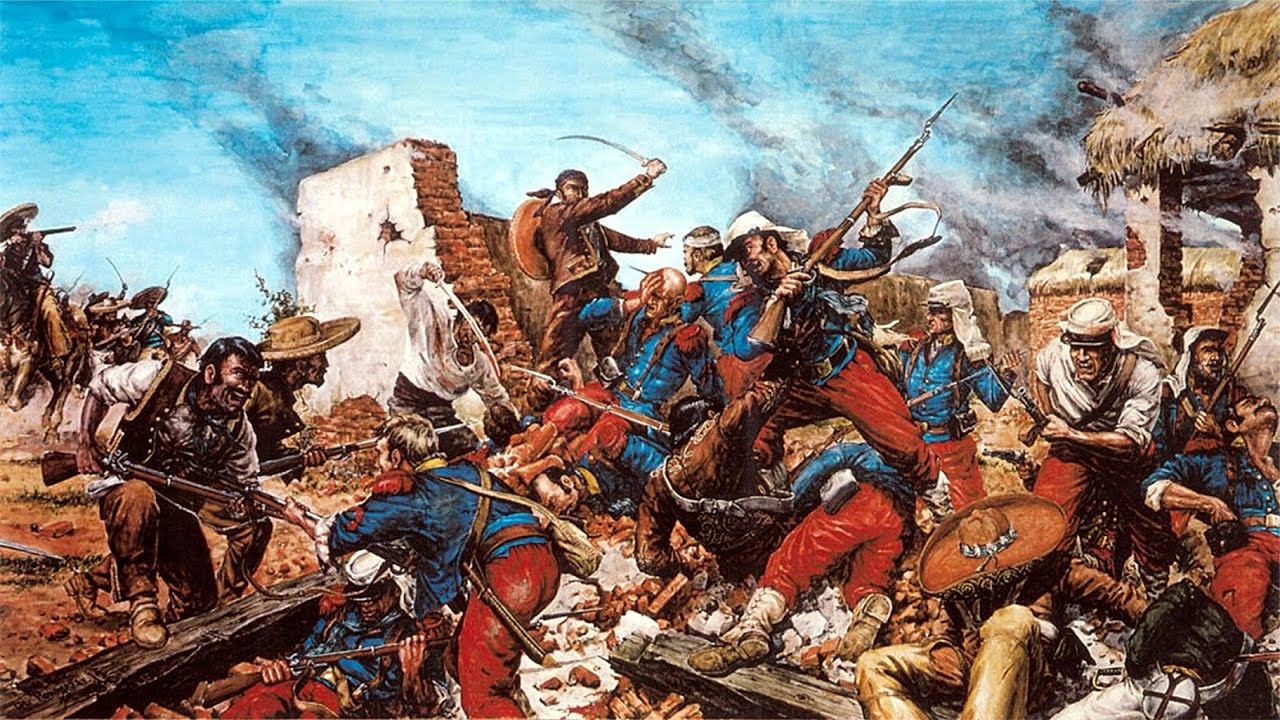

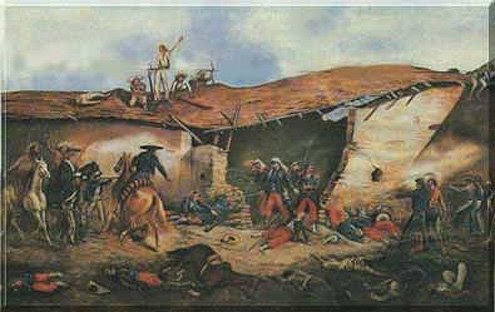 The Battle of Camarón, (30 April 1863). Was a defensive action fought with suicidal courage during France’s ill-fated intervention in Mexico. The Battle of Camarón founded the legend of the French Foreign Legion.
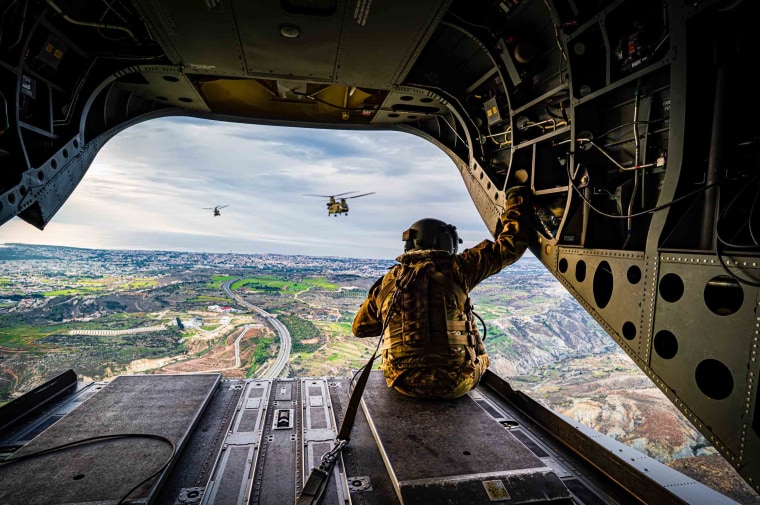
A CH-47 Chinook flight engineer during a training session over Cyprus in 2020.Maj. Robert Fellingham / 12th Combat Aviation Brigade / U.S. Army, file
Hundreds of Army aviation officers who were set to leave the military are being held to another three years of service after they say the branch quietly reinterpreted part of their contract amid retention and recruitment issues.
The shift has sparked an uproar among the more than 600 affected active-duty commissioned officers, including some who say their plans to start families, launch businesses and begin their civilian lives have been suddenly derailed.
“We are now completely in limbo,” said a captain who had scheduled his wedding around thinking he would be leaving the military this spring.
That captain and three other active-duty aviation officers who spoke to NBC News spoke on the condition of anonymity out of fear of retaliation.
As part of a program known as BRADSO, cadets commissioning from the U.S. Military Academy or Army Cadet Command from 2008 and 2020 were able to request a branch of their choice, including aviation, by agreeing to serve an additional three years on active duty.
For years, the Army allowed some aviation officers to serve those three years concurrently, and not consecutively, along with their roughly contracted seven or eight years of service.
In a phone call with reporters Thursday, Army officials admitted “errors” in the system, which they noticed a few months ago, led to the discrepancy.
“We are fixing those errors, and we are in communication with the unit leadership and impacted officers,” said Lt. Gen. Douglas Stitt, deputy chief of staff of G-1, which is in charge of policy and personnel.
“Our overall goal to correct this issue is to provide predictability and stability for our soldiers while maintaining readiness across our force,” Stitt added.
In letters the Army sent this month to the affected aviators as well as to members of Congress, which were obtained by NBC News, it said it “realized” after conducting a “legal review of this policy” that the three-year BRADSO requirement has to be served separately.
“This is not a new policy, but we are correcting oversights in recordkeeping that led some officers with an applied BRADSO to separate from the U.S. Army before they were eligible,” the letter said.
Thursday’s media roundtable came after more than 140 aviation officers banded together to demand answers after learning one by one that they were being denied discharges due to outstanding BRADSO obligations beginning last fall.
More than 60 of them signed a letter to Congress outlining how they had been misled by the Army for years about the exact length of their service contract.
“It has been this unanimous uprising of emotions and frustrations,” said another Army aviation captain, who is newly married and wanted to begin having children.
He called the reversal of a precedent an “injustice” to an already burnt-out department still regularly deployed despite the end of the longest war in American history.
“Yeah, the war on Afghanistan ended. There’s still a high demand for Army aviation,” he said, while en route to another deployment. “We have units still in constant training or deployment rotations. They’re failing to recognize the human aspect.”
The newlywed said it has been difficult for him and his wife to accept a three-year delay in starting a family.
“That was the big kick in the gonads,” he said. “We wanted to start having kids, and we no longer can. It’s a stressor we didn’t plan to deal with.”
Documents obtained by NBC News show officers were given conflicting information about their service obligations.

In 1944, British breweries offered to donate beer to British troops currently invading Normandy. In order to deliver the beer, the RAF modified spitfires to carry beer kegs instead of bombs. The airflow over the kegs even provided natural refrigeration.