Category: One Hell of a Good Fight
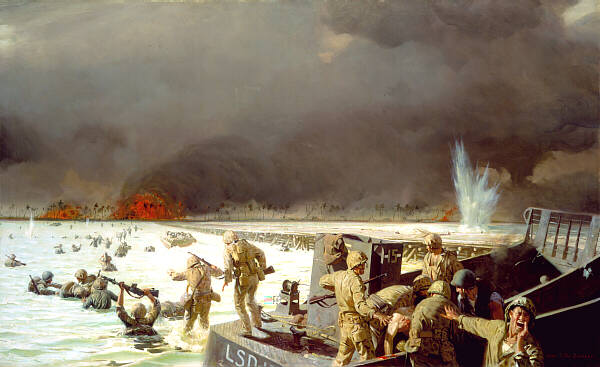
November 20-24, 1943
Idaho Hunters Survive Grizzly Attack

“It was lifting me off the ground and then slamming me back on the ground,” Hill said. “… It was like playing tug of war with your dog, but he was playing it with my arm and ripping it apart.”
Moments earlier, the bear had charged out of nowhere, dramatically altering a peaceful morning as the two hunters from Rexburg and Menan faced one of the fiercest predators in North America.
Hill dropped his archery bow, pulled a 10mm Springfield from the holster on his hip and shot the bear once in the right side.
“Grizzly bears don’t usually get off their target, but this one did,” Hill said. “This one turned looked right at me, and he’s charging, charging fast.”
The two friends were only about twelve feet apart from each other, and Meyers tripped and fell on the ground.
Hill had time to shoot the bear with three more bullets in the face and shoulder region before its iron jaws clamped down on his arm.
Immediately, the grizzly began to fling Hill around.
Meyers stood up and saw the bear attacking Hill.
He “fumbled around,” pulled out his Taurus 1911 .45 ACP pistol and fired four to five shots at the bear before the gun jammed.
Taurus. Jammed.
“(The bear) just kind of looked up at me, and I saw its eyes, and I just started (shooting),” Meyers said. “It put its head back down, and I shot some more (in the spine), and (that) did the trick.”
During one shot in the barrage, Hill felt the bear’s grip on his arm loosen slightly.
With his one free hand, Hill said he “ripped open that jaw, ripped my arm out, and then I remember I stood up, and I was freaking out. I didn’t know if the bear was coming after me again.”
He grabbed his gun off the ground and fired three more rounds at the grizzly’s head.
In total, the hunters shot 24 bear bullets at the grizzly to bring it down.
Idaho Fish and Game officers conducted a thorough investigation and determined that Hill and Braxton Meyer’s actions were justified.
The two friends learned later that local ranchers had long called that bear the “King of the Hill.”
“This bear has always been a problem up there of cattle, and there’s a lot of farmers that … (are) pretty happy with us because we took out the bear that was eating their cattle,” Hill said.
The bear was 20-years-old, an extraordinarily long life for a grizzly in the wild.
“It was a fighting bear,” Braxton Meyers said. “Another bear or some animal had torn one of its ears off. That was the ear that was facing up the hill, and so it didn’t hear us coming down until we were on the side that had the good ear, and that’s when it got up and come at us.”
The bear had been surprised while it was burrowing in a day bed.
“They’ll dig a hole, and they’ll pull brushes and scrub and whenever to hide them,” Hill said. “So we spooked it, and we weren’t trying to.”

What if your entire professional career distilled down to a single event? Imagine that you have one of the hardest jobs in the entire world. You have worked, struggled, sacrificed, and bled to reach the absolute pinnacle of your particularly grueling profession. You have toiled and trained countless days, weeks, months, and years so that at that one perfect crystalline moment you would be ready. Then out of the darkness, you place your hand on a terrified young woman who is hurt, sick, and hopeless and you say, “Jessica, it’s okay. I know you’re scared, but you’re going to be okay. We’re the American military, and you’re safe now. We’re gonna take you home.”
One nameless member of the US Navy’s SEAL Team 6 got to utter those very words on the evening of 25 January 2012. While for Jessica Buchanan that was likely the single most moving thing she had ever heard, that was likely a pretty epic moment for that Navy SEAL as well. Just thinking about it gives me the willies.
The Place
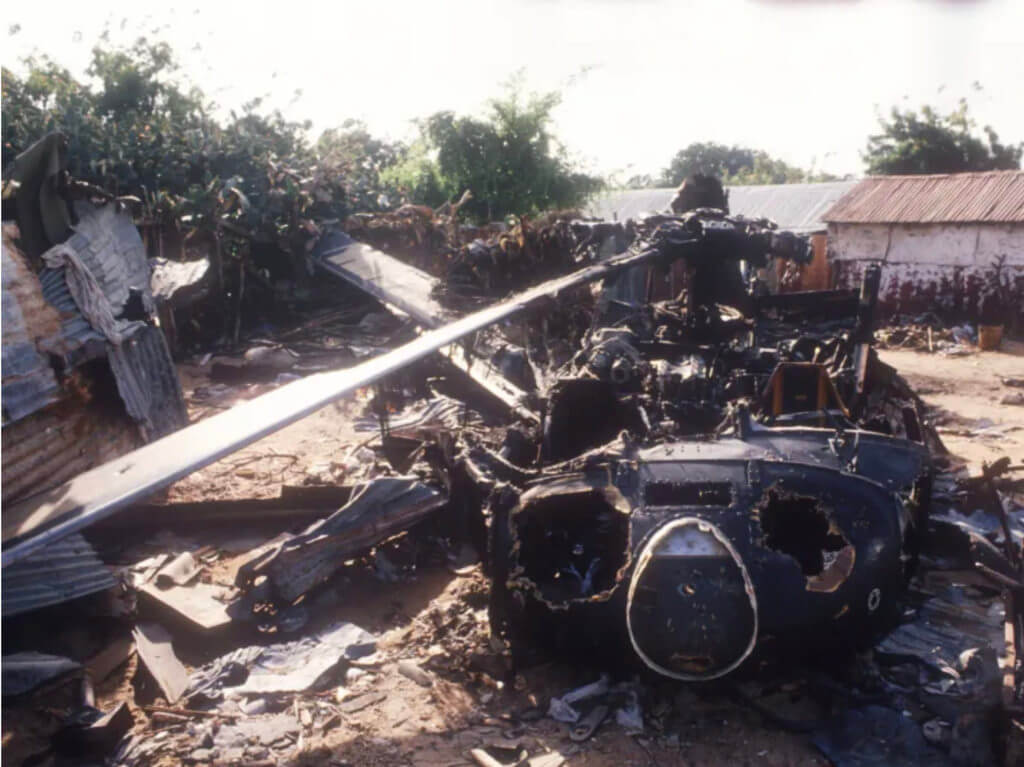
If hopelessness and depravity were minerals you dug up out of the ground, Somalia would be where you’d go to find them. I’m not sure if it is their dark angry religion, their generational legacy of abject squalor, or some heretofore unidentified toxin in the food or water, but something about Somalia just isn’t right. Not meaning to seem all judgy, but we were just trying to keep those people from starving and they fought us like there was no tomorrow. It’s honestly fairly surreal.
The Reality Of It
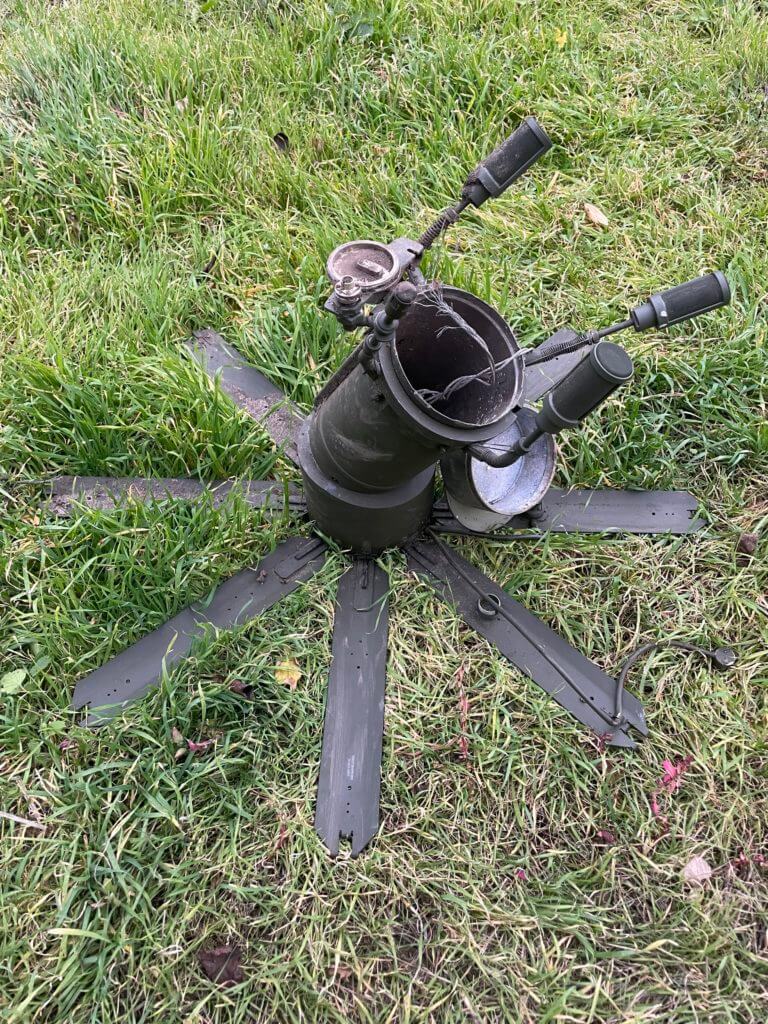
Arguably the greatest scourge in modern warfare is mines. These diabolical monsters are cheap, easy-to-use combat multipliers. It takes literally no talent to sow a decent minefield. Once activated, these things just sit quietly and wait for something juicy to wander by. They kill and maim efficiently, effectively, and indiscriminately. The problem is that in many to most cases there is no way to turn them off.
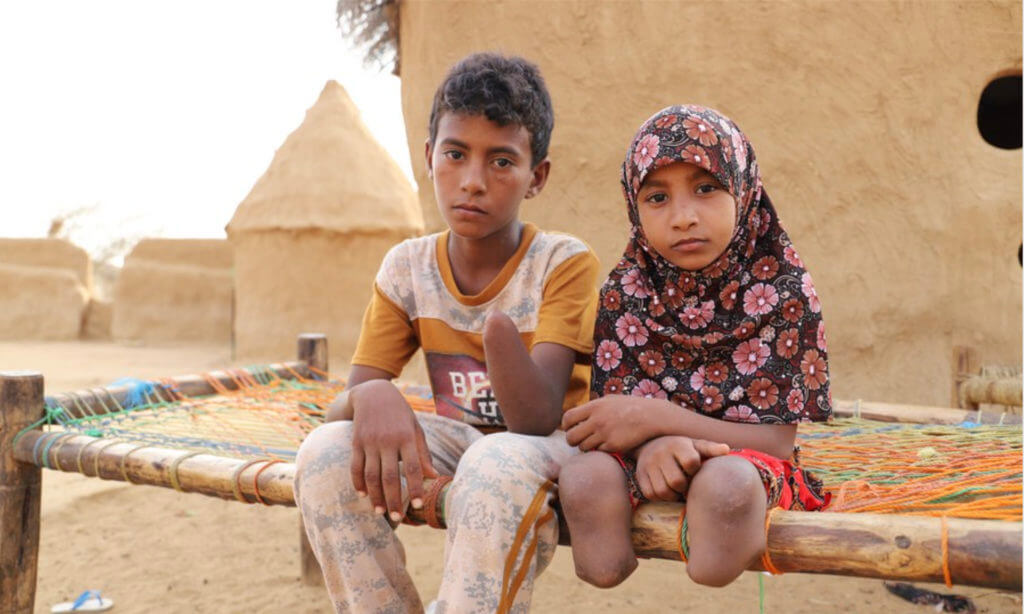
Mines are emplaced most commonly from a state of desperation. There are seldom accurate maps produced that document their locations. Even if there were, those maps would never be 100% reliable. Older generation mines lack a self-destruct system, so they can remain in place for years if not decades after whatever war that spawned them is complete. At that point, hapless farmers or children playing can trip over the things with predictably horrible results. So it was with Somalia.

Somalia is a simply horrible place in the Horn of Africa. It is home to some 17 million people. The nation’s terribly unfortunate geography synergistically combines with some epically bad governance to produce cyclical famines and friable infrastructure. In 1993 we lost seventeen servicemen killed and another hundred or so wounded just trying to keep local Somali warlords from seizing international food aid and using it to enhance their personal power. Nineteen years later in 2012, you’d think we’d have learned our lesson. However, with the benefit of hindsight, I suppose we didn’t.
The Setting
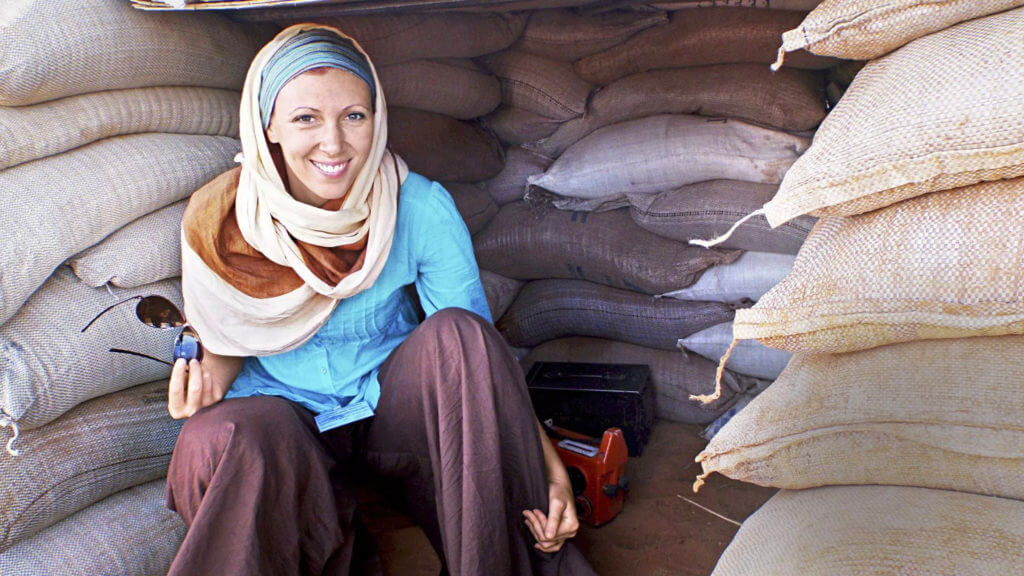
In October of 2011, American Jessica Buchanan along with a Dane named Poul Hagen Thisted were working through the Danish Refugee Council in Somalia on a wide-ranging demining project. Their stated goal was to teach Somali children how to survive in a mine-rich environment. That seems an honorable pursuit to me. However, one motley contingent of Somali pirates apparently felt otherwise.
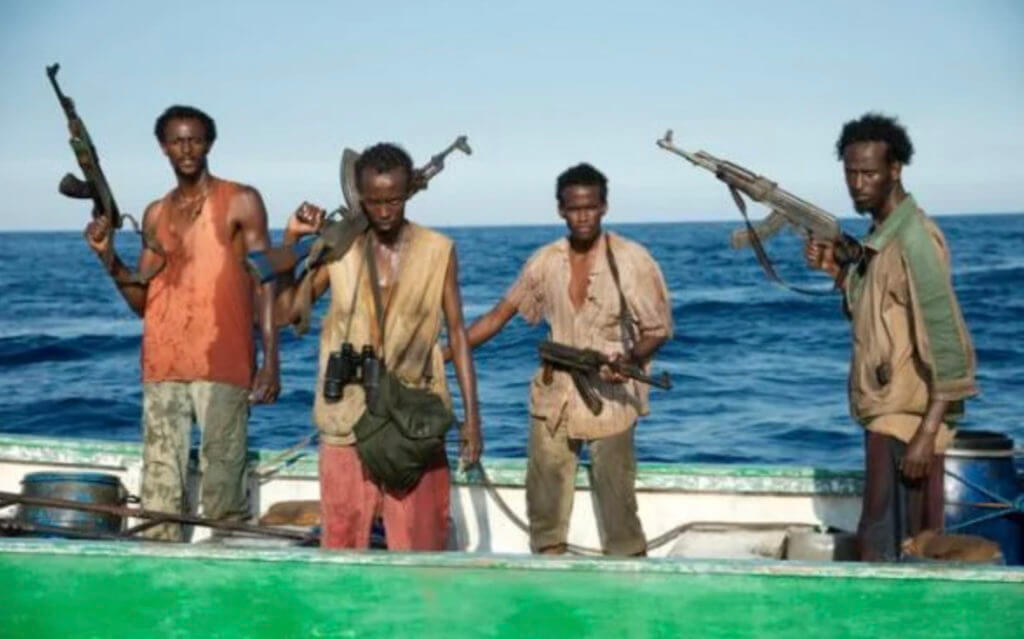
With the uptick in maritime attacks off the eastern coast of Somalia, the free world’s navies began patrolling these pirate-infested waters regularly and aggressively. Shipping companies also posted armed security contractors onboard their transiting vessels. As a result, the pirates’ traditional hunting grounds dried up. In response, these bottom-feeding parasites began prowling inland for Western aid workers like Buchanan and Thisted.

Jessica Buchanan was an English teacher from Ohio out to save the world. While traveling cross country in a trio of land cruisers en route to the city of Galkayo, Jessica’s group was attacked by the aforementioned Somali pirates. These modern-day brigands kidnapped Buchanan and her Danish friend before driving them for hours with weapons pointed at their heads. The two captives were later forced to walk throughout the night to a militarized compound in Galguduud some 90 miles inland from the Indian Ocean. There they remained…for 93 days.
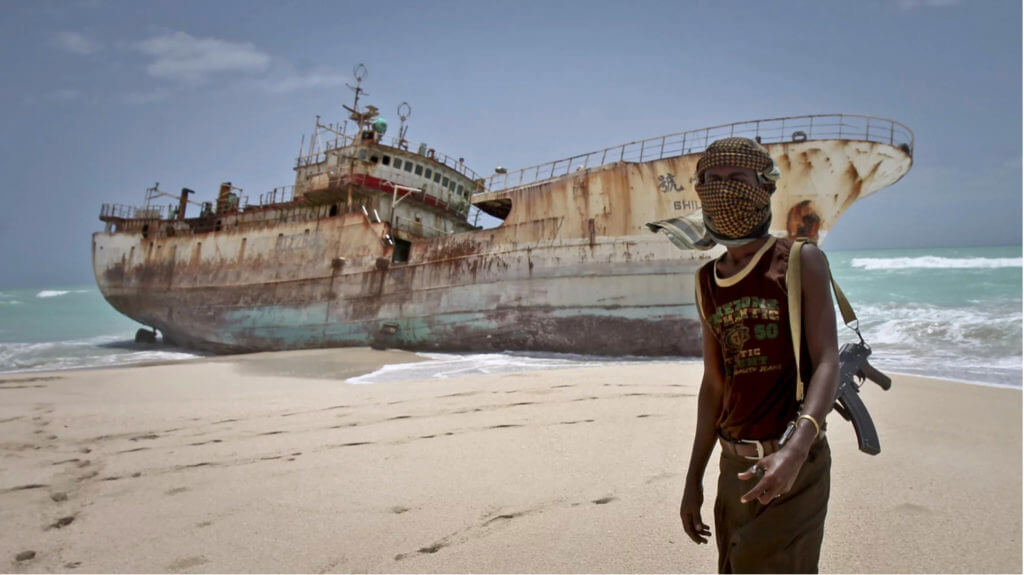
It’s not that the United States government had forgotten about Jessica. It is simply that her captors were a bunch of greedy unwashed psychopaths. They demanded $45 million to release their captives. Negotiations eventually resulted in an offer of $1.5 million cash, but the pirates felt that they could do better. Meanwhile, Jessica was getting sick.

Jessica had a thyroid condition that demanded daily medication she was no longer receiving. In addition to inadequate food and unsanitary water, she developed a urinary tract infection (UTI). Out here in the World, that’s a week’s worth of antibiotics and a little cranberry juice. In the desert wastes of Somalia, an untreated UTI meant a slow miserable death. It eventually became clear that something had to be done.
The Op
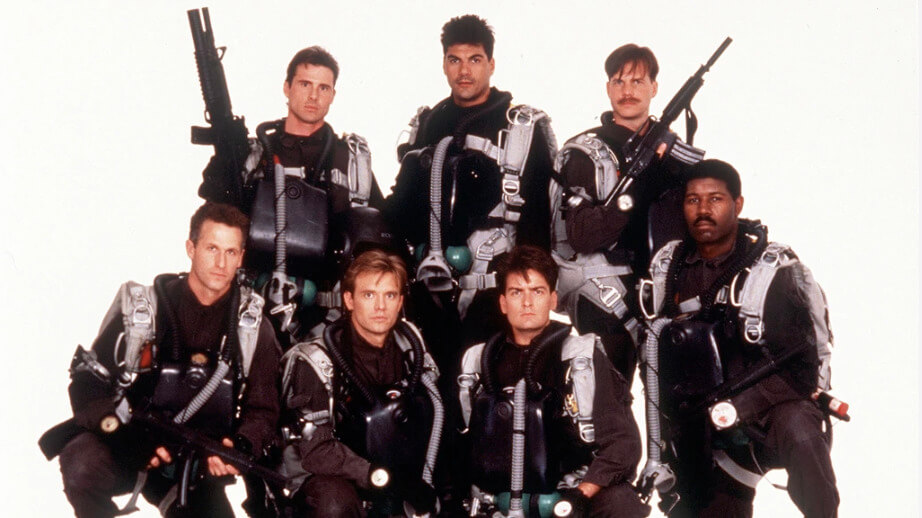
I have it on reliable information that movies are not actually real. However, the rescue of Jessica Buchanan and Poul Hagen Thisted was movie-grade awesome. It all started with a tactical parachute jump out of an American cargo plane.
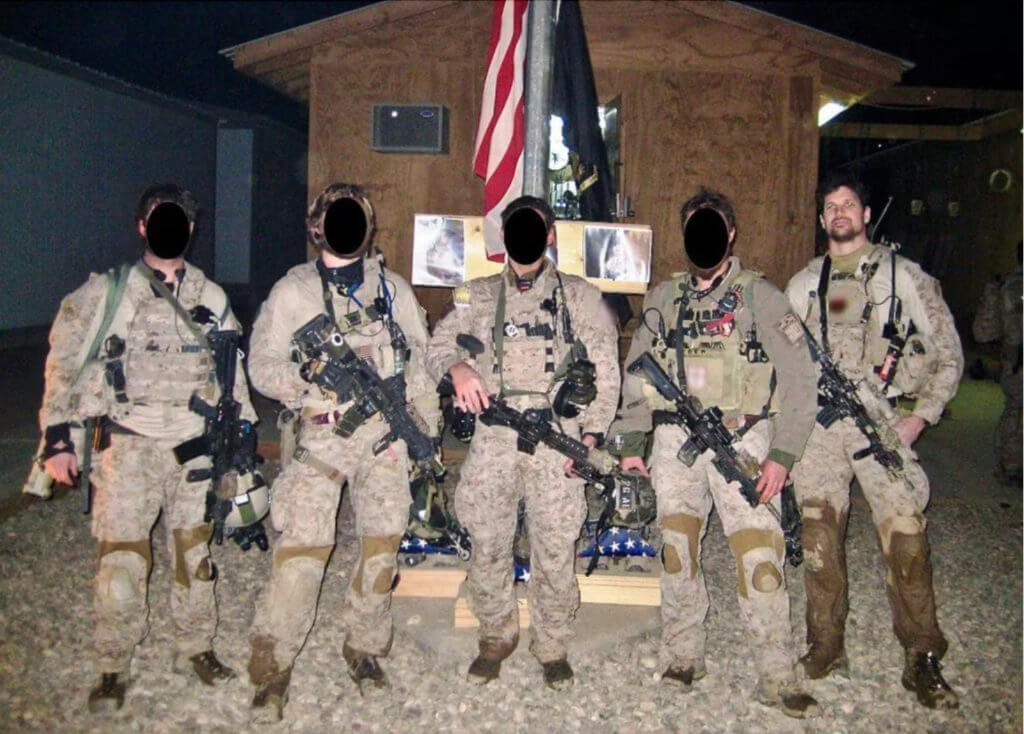
The players were DEVGRU—the US Navy’s SEAL Team 6. These high-speed frogmen were still riding high after having killed Osama bin Laden roughly five months before. Now on the ground in eastern Africa, 24 operators covertly ditched their chutes and formed up for a cross-country march to the Somali pirates’ evil lair.
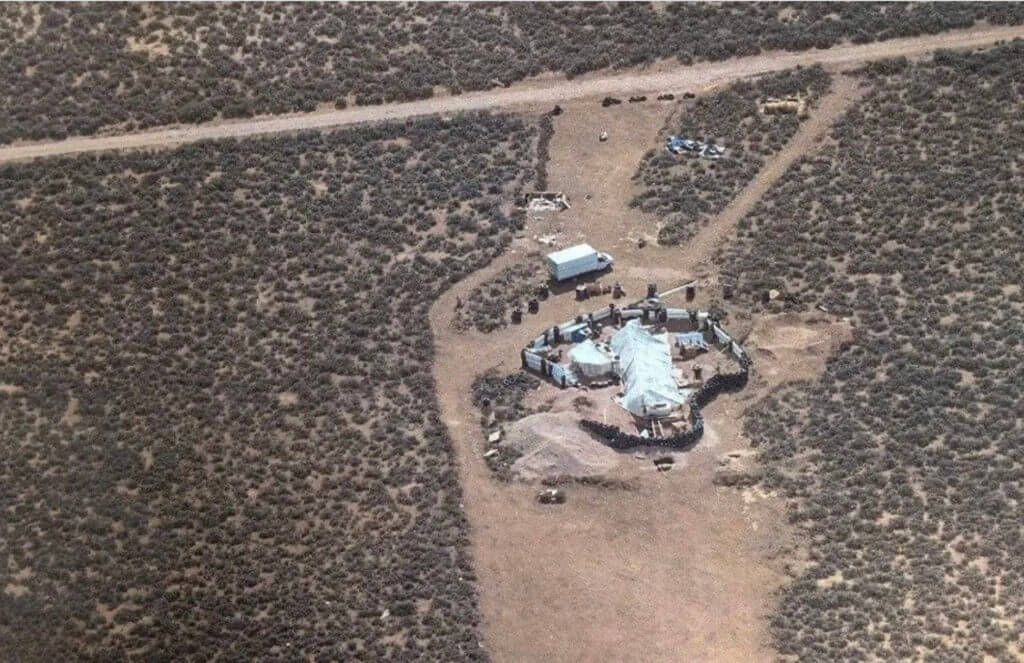
The pirates had done their part to help out. As they were now conducting terrestrial operations, that meant a discrete static compound irrevocably tied to geography. This fact facilitated aerial surveillance. By the time they parachuted out of that airplane, the SEALs knew exactly what they would be facing.
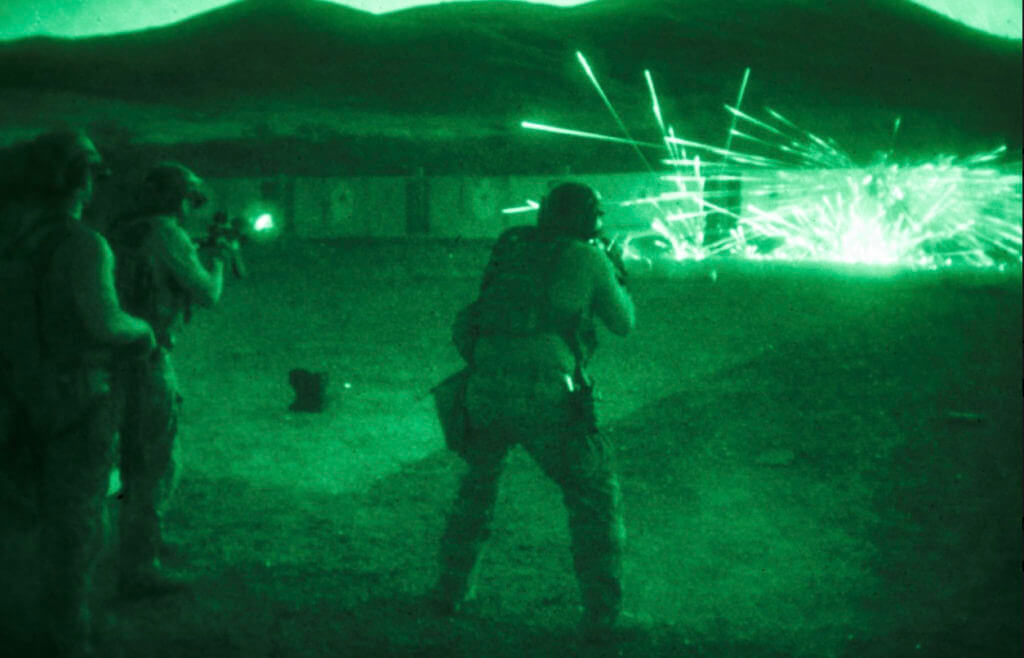
Jessica later said that she and her captors heard what sounded like rodents scurrying in the bush. Her guard shouted an alarm to his comrades, and then the whole world exploded. At this point, Buchanan had no idea that these were American special operators. At the time she feared al-Shabaab terrorists or a rival pirate mob. She later confided that she did not think she could survive being kidnapped yet again.
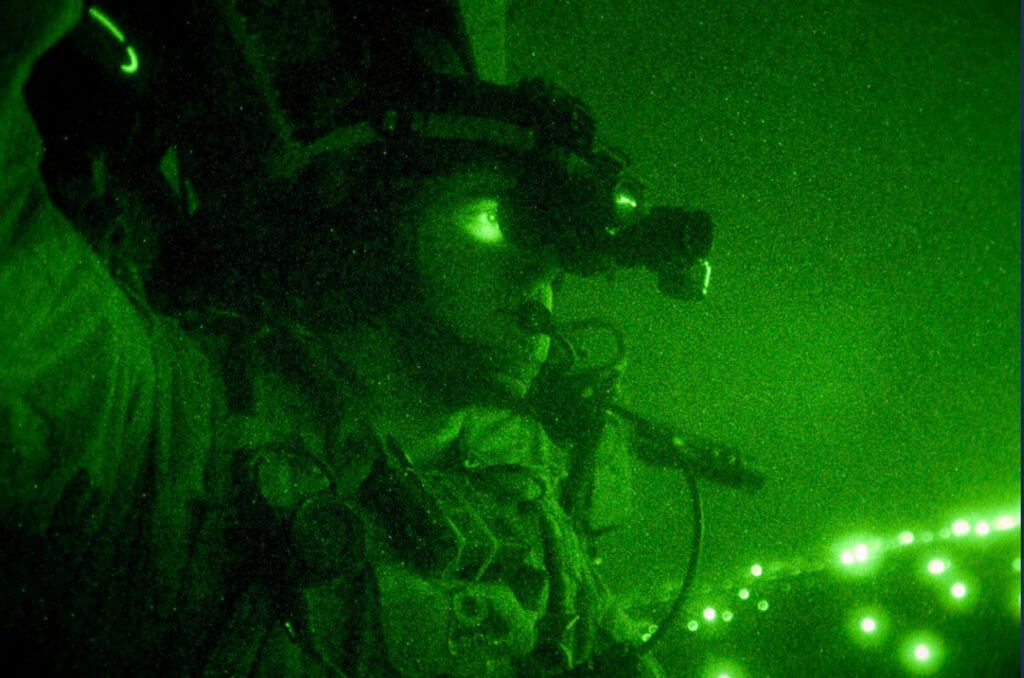
Throughout it all, Buchanan and Thisted just curled up and tried to be small. Now nearly delirious with malnutrition and disease and expecting death at any moment, the American captive heard those words she had long dreamt of hearing. I obviously wasn’t there, but I can guarantee you that whoever first reached Jessica on that horrible chaotic night had trained their entire professional life for that specific moment.
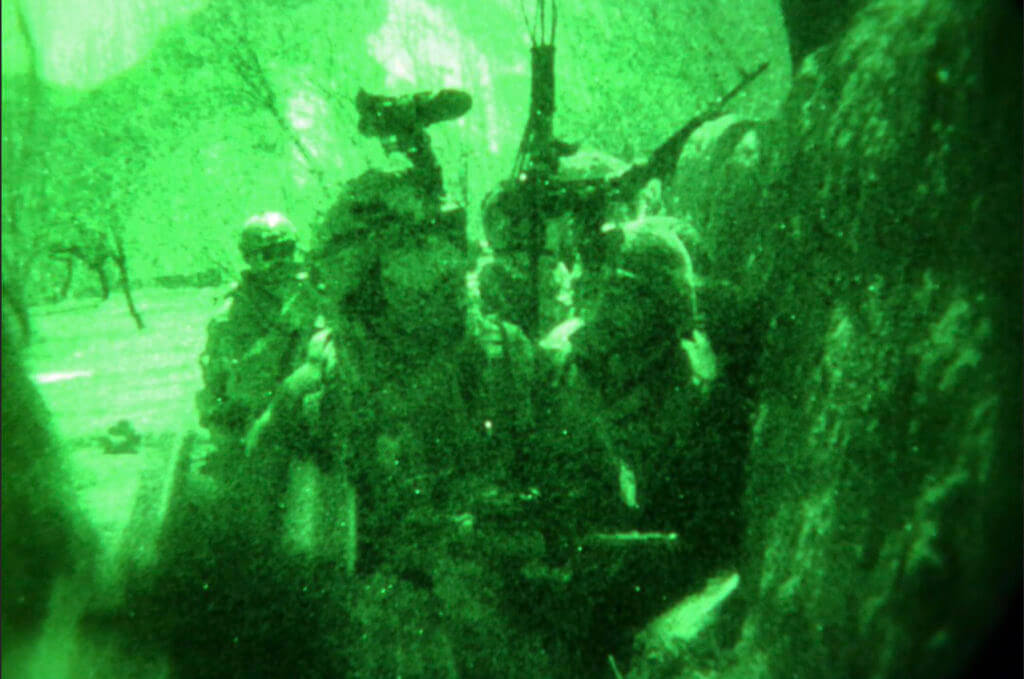
SEALs do their best work at night. The pirates really never had a chance. They unlimbered their AK’s, but the SEALs, equipped with state-of-the-art night vision and the finest intelligence and logistics support on the planet, were an unstoppable force. In moments, the SEALs had killed nine pirates. There were unconfirmed rumors that they might have captured another three, but I couldn’t find any references to what became of them. Piracy as a career path doesn’t offer much of a retirement plan.
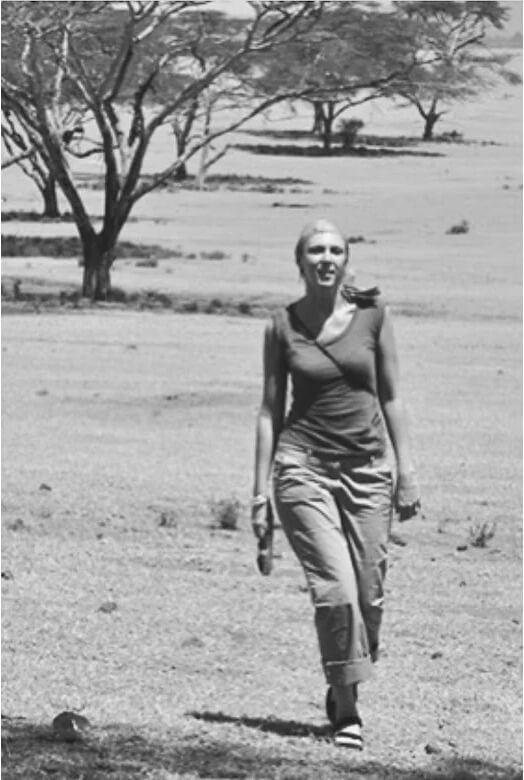
When she was rescued, Jessica was shoeless and unable to walk. One of the burly SEALs just threw the thin woman over his shoulder and jogged to safety. As they waited for the exfil helicopters the SEALs made a circle around the captives. When they heard what they thought were pursuing pirates, the frogmen physically shielded them with their bodies.
Once they were safely aboard the helicopter one of the SEALs gave Jessica a folded American flag. She later said, “I just started to cry. At that point in time I have never in my life been so proud and so very happy to be an American.” I hate to tell you this, but if you can read that without being moved then something about you is broken.
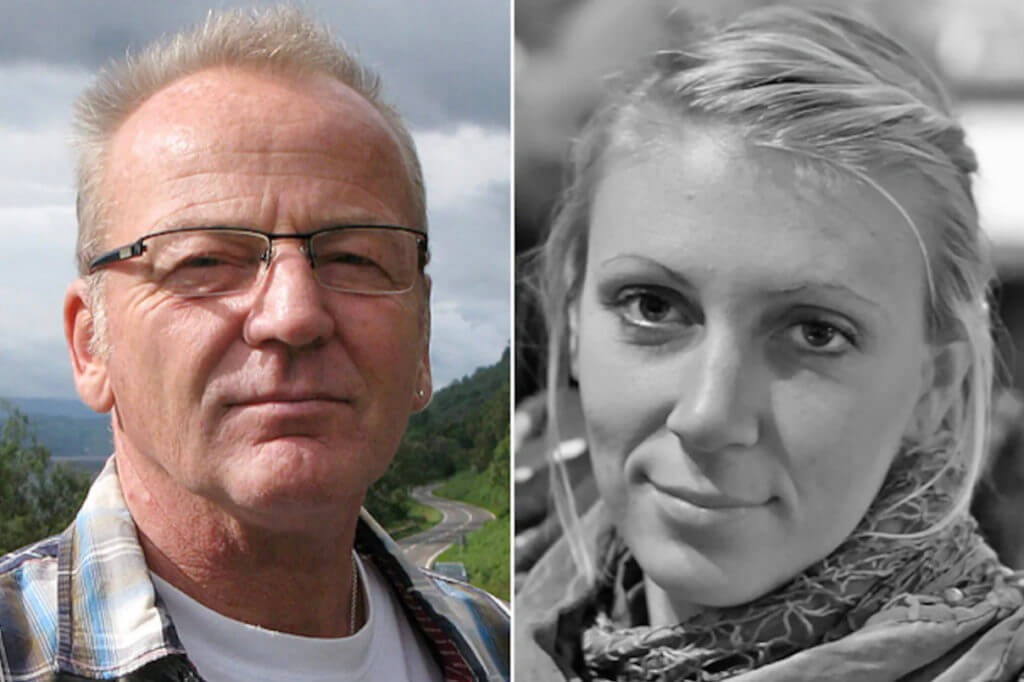
Buchanan and Thisted made full recoveries. Thisted later stated that his lucky break was being captured with an American. None of the attacking SEALs received so much as a scratch.
The Weapons
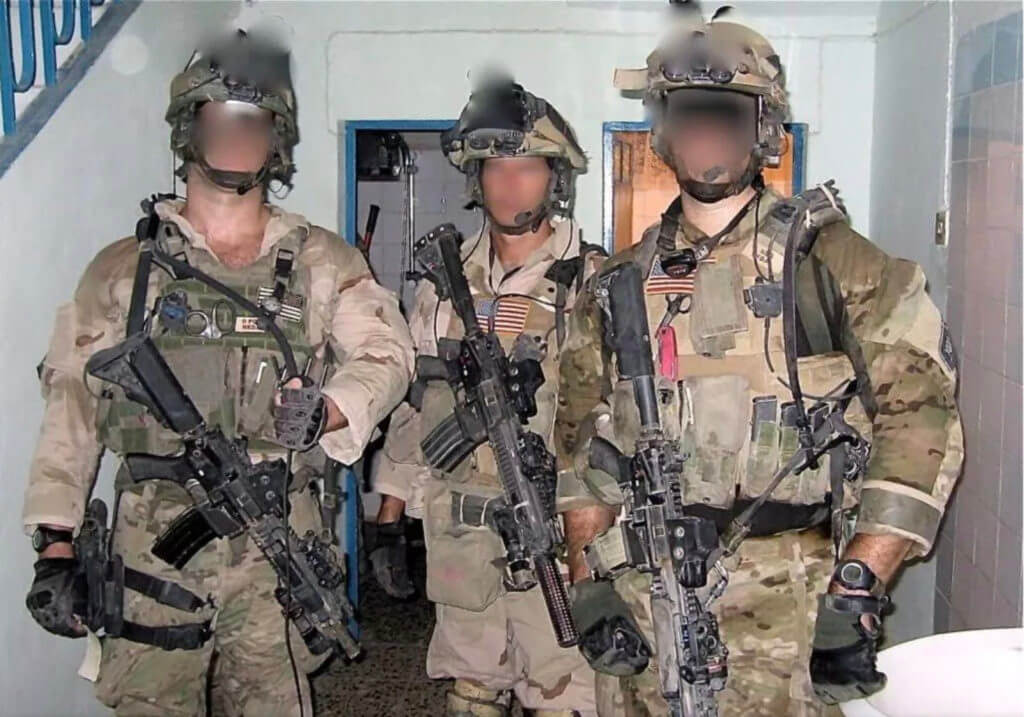
DEVGRU and the Army’s 1st Special Forces Operational Detachment-Delta are our Tier 1 counter-terrorist units. They are as highly trained and exquisitely equipped as our great nation is capable of making them. The end result is the most capable military force in the world. Their standard assault rifle reflects that same rarefied mantra.

The HK416 was a collaborative effort in the late 1990’s between Delta and Heckler & Koch. Representing a holy melding of the M-4 carbine and the short-stroke, piston-driven gas-operated system pioneered in the ArmaLite AR-180, the HK416 combined world-class reliability with superlative ergonomics. The end result changed the game a little bit.
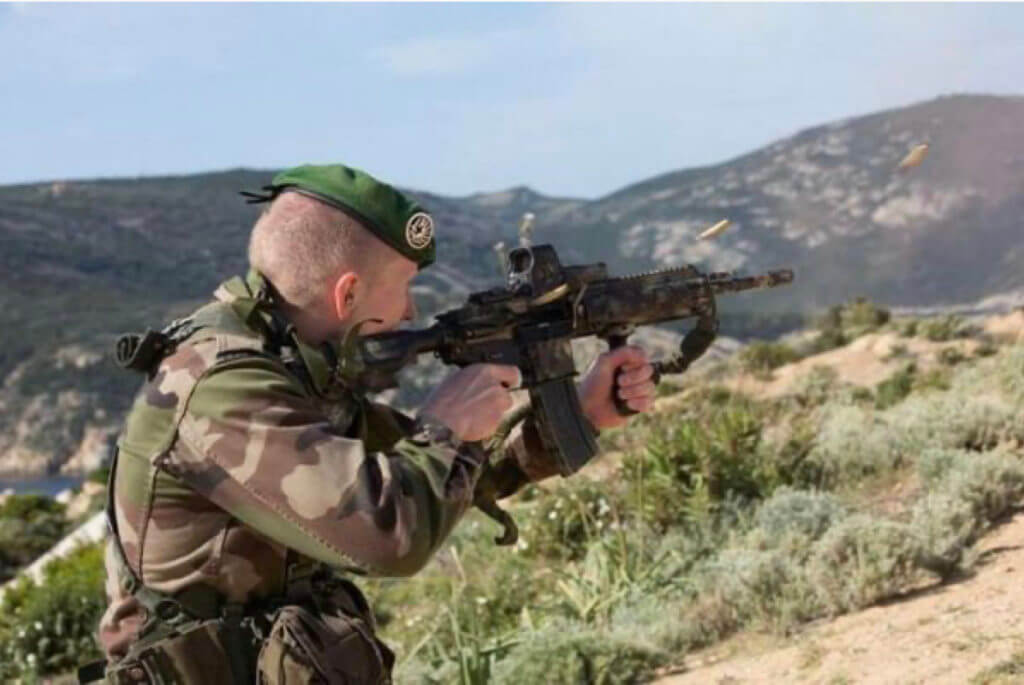
Nowadays the HK416 has been officially adopted by the militaries of France and Norway. The US Marine Corps also fields the weapon in a slightly modified form as the M27 Infantry Automatic Rifle. The HK416 maintains a sterling reputation for accuracy and reliability.
The Aftermath

One of the ways Jessica coped with her protracted captivity was by imagining that she and her husband Erik might someday have a baby. These episodes eventually evolved to the point where she visualized her child, a boy, alongside the two of them in a place of complete comfort and safety. As the weeks stretched into months and her health began to fail this exercise helped keep her strong.
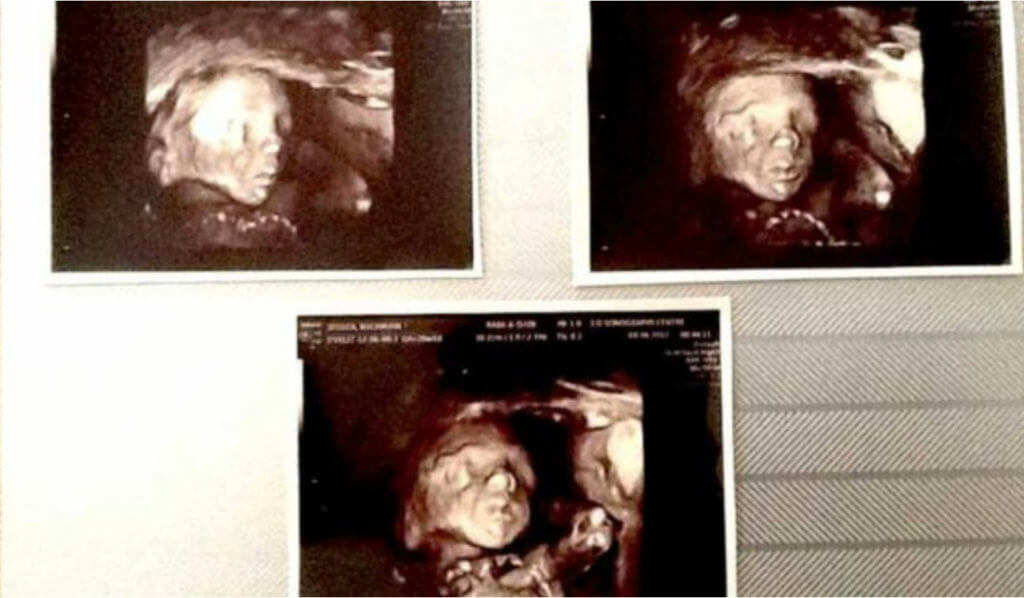
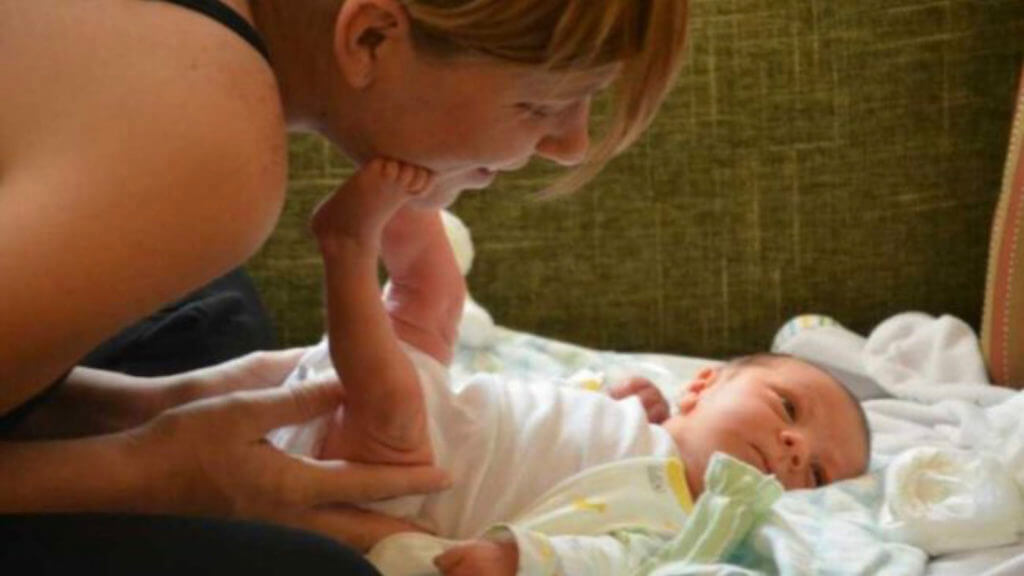
Jessica and Erik were reunited at a military base in Italy. She was thin, emotionally wrecked, and traumatized both mentally and physically. Four weeks later she began throwing up. The nausea got progressively worse until it manifested almost every time she ate. Jessica naturally assumed it was a function of the rich food to which she had become so unaccustomed.
Soon thereafter, she had a positive pregnancy test. 8.5 months after her rescue she and Erik welcomed their son. God’s got a weird sense of humor sometimes, but that strikes me as a pretty cool way to commemorate her rescue.