Categories
All About Guns Cops Fieldcraft Gun Info for Rookies

COP TALK: OFFICER INVOLVED SHOOTINGS: NEED FOR A NEW PARADIGM WRITTEN BY MASSAD AYOOB

We don’t try our cases in the press” has to change. Here’s why.

There’s a Latin saying: Silentium est consensus. It translates to “silence equals consent.” When a wrongfully accused person does not answer the charge, most people read it as an admission of guilt. It’s a legal principle of our law that this is not so, but unfortunately, only attorneys and cops seem to realize that.

Those same lawyers and cops have all been told in law school and the police academy, “We don’t discuss our cases in the press; it will all come out in court.” Unfortunately, in recent years, things have changed. Greed-motivated plaintiffs’ lawyers and politically motivated prosecutors have taken to trying their cases in the press, and when the accused do not respond in the same venue, well … silentium est consensus becomes the uncontested verdict in the Court of Public Opinion.

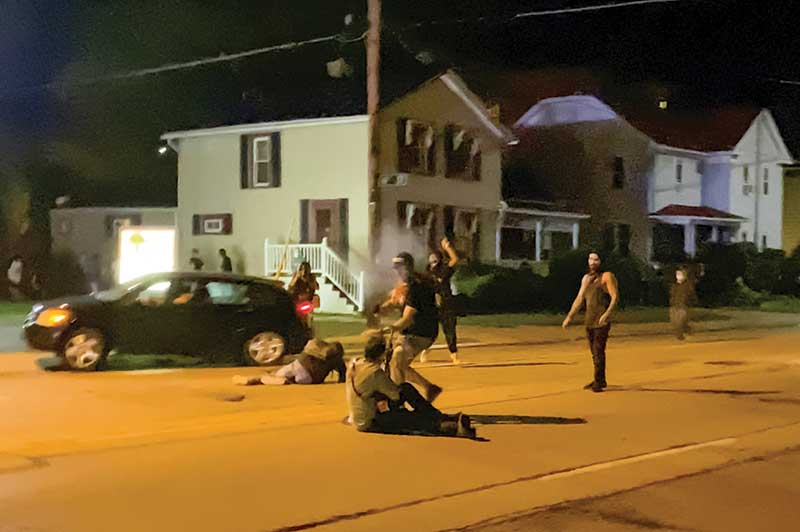
Kenosha: Kyle Rittenhouse fires the shot that “vaporizes” Gaige Grosskreutz’s
gun arm, which is holding a GLOCK 27 aimed at his head.

Riots

Los Angeles, 1992. A hulking suspect became violent during a traffic stop. An early version of the TASER had no effect, and when four LAPD cops “swarmed” him each grabbing an arm or a leg, he threw them aside like a terrier flinging rats. A citizen named George Holliday turned on his new camcorder in time to catch the man, Rodney King, trying to jerk Officer Lawrence Powell’s Beretta from its holster. The batons came out, and a bit over a minute and 50-some PR-24 swings later, the man was in handcuffs. The video found its way quickly to the media.

The suspect was black, the officers white, and the “Rodney King beating” became a national outrage. The public saw, again and again, the ugliest 10 seconds of the video, though King’s gun snatch attempt was never shown until the trial and then seen by only a small percentage of the public. When the cops were acquitted, riots followed, taking more than 60 lives, injuring thousands, and wreaking economic devastation in what was already one of the most poverty-stricken parts of the city.

Kenosha, 2020. Almost three decades later, another video surfaced in a city of 100,000 in Wisconsin. It showed police officers with drawn guns following a black man, Jacob Blake, from the right rear of an automobile containing two little kids, around the front to the driver’s door, where one officer finally shot him seven times behind lateral midline. It became an instant cause célèbre: “Unarmed Black Man Shot Seven Times in Back.” The police department said not a word in defense of the officer’s action. The city burned and incurred tens of millions of dollars in damages, and three men were shot on video in demonstrable self-defense, two fatally, by a young man subsequently tried for murder.

From the beginning, a knife had been visible in Blake’s hand, and the officer fired only after he perceived the man turning on him with it within arm’s reach. In truth, the story should have been “Cops Save Black Children from Knife-Wielding Kidnapper.” Yet the “unarmed” narrative continued even after Blake himself confessed he was armed and the state Attorney General’s Office at last released the truth — weeks after the riot and the killings.

Circle shows Jacob Blake’s knife in his left hand, as cops follow him with drawn
guns shouting commands to drop it, moments before he is shot.

By Con

Years after the King conflagration, when Charlie Beck became chief of LAPD, he created a policy whereby after any potentially controversial OIS (Officer Involved Shooting) a press conference would be held. It would include the original 911 call, dashcam and bodycam video, scene photos and a narrative of what actually happened. It would be widely disseminated to the public, with the promise the investigation would continue, and the public kept apprised.

Las Vegas Metropolitan Police Department followed, setting a high standard for thoroughness. So did a number of other police departments.
LAPD to LVMPD and beyond, except for disturbances caused nationwide by the death of George Floyd in Minneapolis, every department following this policy has escaped major rioting. The reason is, they have “gotten ahead of the story” and kept false narratives from gaining traction.

We have seen the same principle in armed citizen self-defense shootings. A few years ago in Austin, Texas, John Daub had to shoot and kill a home invader who broke through the front door of his home while his wife and children were present.

He was a member of the Armed Citizens Legal Defense Network (armedcitizensnetwork.org), which had attorney Gene Anthes on the scene before the blood on the floor dried — telling reporters what had really happened. The result: a justifiable homicide ruling and public support and sympathy for John and his family.

A rule of human conflict is when one’s opponents change their attack strategy, one has to alter defense strategy accordingly. With today’s twisting of the truth by journalists and lawyers with less than honorable motives, we need police departments and attorneys who will not leave those who righteously pull the trigger undefended in the unforgiving Court of Public Opinion.

Categories
All About Guns Gun Info for Rookies

How To Clean & Lubricate A Taurus TH9 Handgun

Categories
All About Guns Gun Info for Rookies

Gun Restoration, 1917 Remington Pump Action Shotgun.

Categories
All About Guns Fieldcraft Gun Info for Rookies

Target engagement and the MILRAD Reticle ByJohn Boyette

This article is the part of the basic portion of the Trace Armory Group’s. Mil-Dot Usage Class I have been teaching for the past two years with great success. The ability of my students to range, engage and drop targets need it before hunting, competitive shooting or LE/Military Sniping is just great to watch. I understand not all of us have the ability to go to a training class so I wanted to share some of the information I train people with. So you can become a better marksman in your endeavors.

The Miliradian reticle can be of great use to a shooter in engaging the target. The key is to understand how a Milrad can aid you in target engagement. The four basic options the Milradian reticle gives you is:

  1. Range finding
  2. Bullet drop compensating
  3. Windage compensating
  4. Mechanical offset aim points

We will talk about all four basic options the Milrad reticle gives you the shooter the ability to engage a target no matter what situation faces you. First we will start by range finding.

Range finding with a Milrad reticle

The two basic steps to range finding of a target are:

  1. To know the target size or the size of something near the target.
  2. The two basic formulae to find the targets range in their unit of measure.
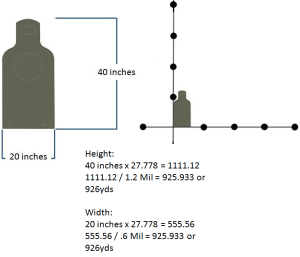
Trace Armory Group MilRad image

The formulae are:

If you use meters as your unit of measure:

Width or height of target (meters) X 1,000 divided by the mil size of the target in the reticle = range in meters.

Width or height of target (in inches) x 25.4 divided by the mil size of the target in the reticle = range in meters.

If you use yards as your unit of measure:

Width or height of target (yards) X 1,000 divided by the mil size of the target in the reticle = range in yards.

Width or height of target (inches) x 27.778 divided by the mil size of the target in the reticle = range in yards.

Now this is good and all if you know the targets size, if so this process works. You can go long hand, use a calculator, or a Mil-Dot Master. All systems work just fine, it’s just a matter of speed and what you need.

The main issue that comes up is with targets that are not standing in on location all day long, not moving around or just popping in and popping out of your line of sight. How do we deal with this issue? Well we can set range cards off of the landscape in front of us. The distance to that blue car in front of you in the hide is 430yds, or the distance to that door is 231yds and so on. Make a range card and as target’s move back and forth around known distance landmarks we have there approximate range at least close enough for a human sized target to get engaged.

Well this process works just fine if you plan on staying in one location for an amount of time and have the security, time, and cover/ concealment to fill out your range card and sector sketch. What do you do in a liquid battle field where you move from point to point? With your inability due to time and motion of your unit to setup a range card and hunt a target of opportunity? What’s the next skill set to use?

Trace Armory Group MilRad size chartThe best way is to run a flash Milrad card. I use flash Milrad card sizes of 19 by 9 inch Milrad reference sheet just like the one to the left.

The measurements of 19 by 9 inch are based on the average human’s width from shoulder to shoulder. Some use 20 inches as the old standby. But as the military has learned not all people are build the same. Some theaters of operations an 18 inch wide shoulder to shoulder measurement is more accurate than a 20 inch width. So a good average of 19 inches works for an 18 inch or 20 inch measured target under 500yds. The 9 inch measurement is the average side depth of a human. This is for a left or right side engagement of the target.

Using a 19 by 9 inch Mil reference sheet, you now have the ability to take a more precise flash mil reading of the reticle as you see the target in the area of engagement. To engage a target using the flash mil technique all you need to do is judge the targets width and see where the targets reading falls in the flash mil reference card. Once this is done, you have a good idea of the targets distance to you and you can adjust aimed fire to the right hold or ZERO distance. Keep in mind when using a .223/5.56mm or a .308/7.62mm caliber rifle the flash mil works best under 500yds.

Bullet drop and Windage compensating

To find what your bullet drop is at each range there is only one real way to do this. You must go shoot and record all data in a log book, a lot of people are running a ballistics program to get an idea of where the bullet will impact at. But the true data is in shooting at known distance. Always keep in mind your data that is logged in your logbook has nothing to do with your true bullet drop. Your data is 100% based on how well your riflescope tracks in its unit of measure. This is why you could have different data than other shooters on the same day engaging the same target shooting basically the same rifles and ammunition. What you are dealing with is two totally different riflescopes adjusting in there own way.

As you gain your data in what ever unit of measure your riflescope adjusts in. It would be a great idea to covert that dialed data to reticle hold data. IF you have an IPHY or MOA adjusted scope all you need to do is take your value and divide it by 3.438. By doing this you will convert the IPHY or MOA dialed data to a MILRAD value. Keep in mind that the value of 3.438 is how many true minutes of angle there are per-mil. So if you have an IPHY adjusted optic this will be off by about a 0.1 MILRAD per 0.9 MILRAD of data gained. Now you can use the MILRAD value for holds. This is also true for windage also.

Here is an example:
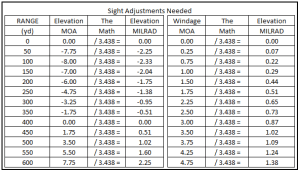
Trace Armory Group MilRad to MOA chart

As always these examples are just that, examples. You always need to go and shoot your dope, convert it and confirm it using dialed and hold data. Some people are starting to own .1 MILRAD, 1 cm, adjusted optics. These riflescopes adjust in a .1 MILRAD value, with a MILRAD reticle there is no conversion for you to do. Your dialed DOPE is the same as your HOLD DOPE, much easier and honestly a better system than using a two different unit’s of measure in one riflescope.

What if you the shooter decided to combine the ranging ability and the bullet drop characteristics of the MILRAD based reticle for target engagement all at the same time? What an idea. Everywhere I have been to be it a school, or reading always separates these two abilities of the MILRAD reticle. If you blend them you can engage targets much faster under 600yds. This is how it’s done.

As we have read we can use flash mil as a faster way to gain the targets range, and now we know what our mil hold is to known ranges using a dialed ZERO in the riflescope. The next step is to know what target size we will use. For the Military and LE Sniper we can go back to the 19 inch / 9 inch target size. For the competitor or hunter we need to find the right target size for our usage and we will cover these sizes later. But for now let’s work on the 19 inch / 9 inch flash mil.
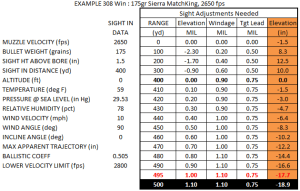
Trace Armory Group MilRad chart

With this information I can now adjust my 19”x9” MILRAD cheat sheet from 100 to 495yds. I can now say that if the target reads the width of 5.2 MILRAD to 1.05 MILRAD I can hold center mass with a 400yd ZERO and send the round down range. Now let’s see how this works. The bullets flight path is well within a 36 inch target from 0 to 495yds using a 400yd ZERO Point of impact. This is called danger space. Not so much danger space for you, it’s the targets danger space due to the ease of engagement. The bullets summit never reaches a maximum Ordinate of 18 inches “half of the targets height” above the line of site. The summit of my ballistic curve is between 200yds to 225yds and noted in the elevation in inches colored orange with a height above the line of site of 12.5 inches.


To put this in simple terms if I was shooting a human target running a 400yd ZERO and I aimed center mass and the target was at 215yds my bullet would hit below the chin. Not ideal but you take what you can get in a gunfight.

At this point my Milrad range card will read as follows:
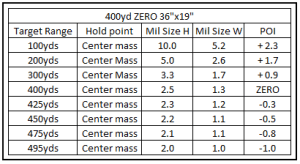
Trace Armory Group MilRad 36x19

This Milrad range card will help me engage targets at a faster pace than before with having hard data per distance and using the long math for mil range.
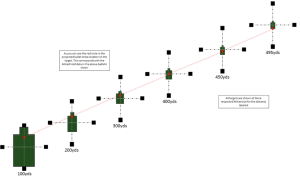
Trace Armory Group MilRad chart point blank range

One key here is this, just because you can get a center mass shot, does not mean you will have a kill with bullet impact or even take the target out of the fight. This technique for target engagement on a liquid battlefield as targets moves around pop-in, pop-out of the battle space. You will also see I have the Point of Impact “POI” listed. If I need to do a precision shot on a downed target. I have seen an Iraqi Fidayeen member take a burst from a M240B at 450m and go down and get back up again. IF your bullet does not strike a kill zone area there is no guarantee that the target will stay down. As in this target engagement a well placed burst fire made short order on a non-mobile target. When engaging targets with your SWS you may run in to the same situation. So having accurate hold point in your reticle wile using danger space is a critical task.

The next question is, well this is all good and all, but how about us target shooters out there that shoot in competitions? We can use the same framework of danger space but on a smaller target. I was just at the Practical Marksman Challenge II rifle match in Society Hill Alabama as a RSO. In this match I would say of the steel targets size, most where 2-3 MOA in size at unknown distance. The common sizes of steel targets where:

  • 6” diamond shaped
  • 18”x10” rectangle
  • 12” diamond

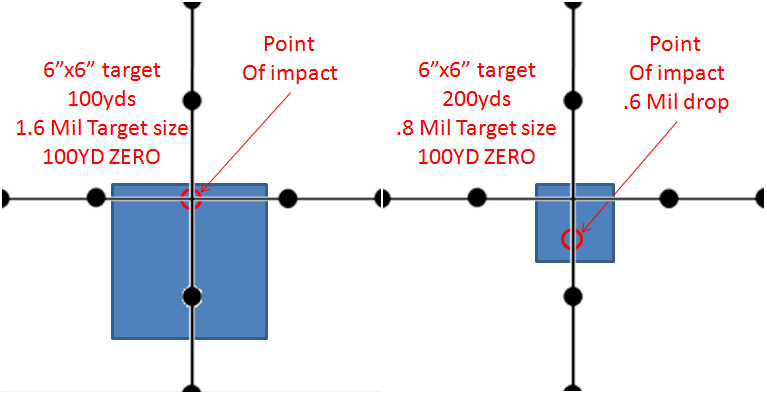
I would say most tactical competitive shooters run a 100yd ZERO, why I do not know but they do. So we will base a simple process of target engagement around a 100yd ZERO for the listed target sizes. I know that my 200yd Mil hold is .5 Milrad from 100yd ZERO, my 300yd Mil hold 1.3 Milrad from 100yd also. I can use this to my advantage to engage targets under time. The below picture explains how this works.
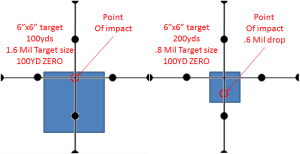
Trace Armory Group MilRad chart point blank range steel target

Lets say on a firing stage I have 45 seconds to engage a pistol target that is under 12 feet away, then go to a 6” diamond and a 12” square at un-known distance with two rifle shots each target.

Sounds hard? Come on down to the Practical Marksman Challenge rifle match and let me know. This was lane 16 I ran as a RSO. If I was a shooter the first step I would take is guess the near and far distance. I would say the 6” target is between 150yds and 250yds. If I know the size of a full Milrad in 100yd increments I have a fighting chance to get a hit on these targets within my timeline.

When the time starts I engage the pistol target hostler a hot safe pistol and load my rifle, then take a look at the target size. The first picture above is a 6” plate that reads more than 1 Milrad. I know a Milrad @ 100yds is 3.6” due to the target size I can hold a little off the 12 o’clock and see my 100yd ZERO to my 300yd hold point is covered by the target size in the reticle. This tells me that from 100yds to 300yds my DOPE for these distances are covered by the reticle. So I send the round down range and get a hit. In the first picture I have from 100yds to 300yds covered by target size. I assumed the target was between 150yds and 250yds the target covers both hold points. I will get a hit on this target.

Due to target size, the holds the target covers, I feel I can get a hit on this piece of steel. So I send it, with this target size of .8 Milrad I am at 200yds, I get a hit and make time and score.

What if the target is smaller? If you look at the second picture the target is smaller than 1 Milrad, since I know a Milrad at 200yds is 7.2” this makes since. By holding again off the 12 o’clock my 100yd, 200yd hold point of .5 Mil is covered by target size again. Keep in mind I have no real idea how far the target is. I am using the targets size and my hold points as a BDC. If I have holds that are covered up with steel and the target is within the distance that my holds are showing I get a hit.

This type of danger space works and this is also how you can “see” your hits on a target. If you look at the below chart you will see the bullet placement matches the MILRAD hold location. At all ranges.

Trace Armory Group MilRad chart danger space

Mechanical offset aim points

Mechanical offset is the difference between line of sight and line of bore. Most people call this sight height and this is correct if you are measuring for height of your rings to let your riflescope clear the barrel. But this same measurement will have your Point of Aim “POA” and Point of Impact “POI” have a shift between your near ZERO range and the rifles crown. If you need to take a precision shot short of your ZERO range you can do a hold off using your MILRAD reticle to make a precise bullet print on the target.

The process is simple. Take your known ZERO range 100yds, 200yds, 300yds or what ever you want to use and we will find where the bullet prints for ranges less than 100yds. The first step is to mark off 100yds in 10yd increments and place ten ½” and a 1” dot on the target board. Once done we will shoot a 3 rnd group at 100yds to confirm the 100yd ZERO is set at the 1” dot. Now we move to the 90yd line and take a shot holding center mass on the first ½” dot. If the bullet prints low or high you use your reticle to see the offset from aiming point to bullet hole and on the second shot use this hold to have the bullet print on the target. Once done move to the 80yd line and repeat the same process.

As you move down range you will see the bullet impact move away from the aiming point of the ½” dot. This distance between the target and the bullet print can be measured by your MILRAD reticle. So lets say your 40yd offset is 2.3 MILRAD low. As you see it on the target, all you need to do is hold over 2.3 MILRAD and send the next round to confirm that hold it’s that simple.

Now you have a shot at 40yds you know from 100yds you need to hold 2.3 Mil. Well if you have a 200yd ZERO dialed in and you need to take that 40yd shot what do you do now? These are the questions you need to have an answer for before you need to take the shot. These types of drills can keep a person very busy on a 100yd or 200yd range for a long time. There is a real need for a LEO Sniper to know his short range holds even under 10yds of distance. This simple drill is critical for the AR-15 family style of rifles due to there higher line of sight to line or bore measurements compared to a manually operated rifle.

These are just some of the many abilities a unit of measure in a riflescopes reticle can aid you in. Yes it is true; you can use a Minute of Angle reticle also. I hope this aids you in your shooting needs.

John Boyette
Owner and Instructor
Trace Armory Group
919-428-5265
Categories
All About Guns Gun Info for Rookies

Blowback Versus Recoil Operated Pistols

Categories
All About Guns Gun Info for Rookies

How To Shoot A Gun (New Shooters) – What To Expect – Pro Shooting Tips

Categories
All About Guns Gun Info for Rookies

BLOWED-UP GUNS WRITTEN BY MIKE “DUKE” VENTURINO

A case-full of Bullseye did this Rossi in.

Brothers and sisters believe me, when a handgun blows up in your hands it will ring your chimes! That doesn’t necessarily mean it will physically hurt you. In fact most of the dozens of blown up handguns I’ve heard about have done no physical damage to the shooter.

What I mean is having one blow right there in your own two mitts not only scares the hell out of you, it will ruin your confidence in your ammunition and your know-how in general. I can state this will absolute certainty because I have experienced it.

The date was April 1, 1991. I remember exactly because it happened to be our 13th wedding anniversary. Yvonne had a little bit
of a head cold and was napping on the couch, so I took a couple of Colt SAA .45s down to my steel target range to plink for a bit at a dueling tree.

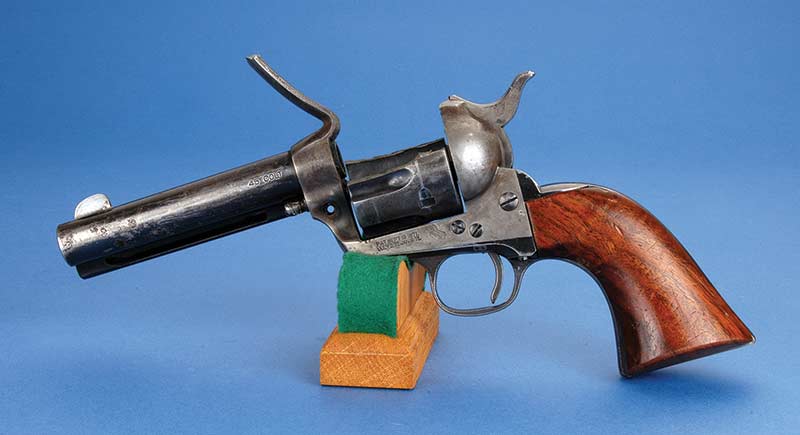
The first five shots bounced the paddles back and forth as proper. The Colt .45, a 1914 vintage one that had been given to me by Hank Williams Jr. the first time he visited me here at home, was then reloaded with another five handloads. At the first shot the Colt blew with a sound sort of like a FIZZ-BANG.

The top strap detached at the rear and bent forward and the top half of the cylinder just disappeared. It could still be in orbit for all I know. I was unhurt.

Duke managed to blow up this nice 1914 vintage Colt SAA .45.

A friend of Duke’s blew the topstrap off this very nice Colt SAA
.38-40 with powder he bought “cheap” at a gunshow.

Run Away!

As strange and as silly as it might sound my very first impulse upon looking at the ruined Colt was to run; run to nowhere in particular but just to leave that spot. My second instinct was to pack up my gear and quit shooting. I did neither. Instead, I loaded up my second Colt .45 with factory loads that I also had along and shot those 50 rounds slowly and carefully. It was sort of one of those “get back on the horse after he bucked you off” kind of things.

What caused that Colt to blow? To this day I have no idea. That day I had 200 rounds of handloads with me. The bullets of the remaining 194 were pulled and the powder charges weighed. None were abnormal. One “expert” insisted that I had stuck bullet number five in the barrel and then the gun blew when round number six was fired.

Ok, dimwit, in that case who smacked the dueling tree’s paddle on that fifth shot, the tooth fairy? The most hilarious comment offered was the fellow who said it had to be the air space in the huge .45 Colt case because “You know; air cannot be compressed.” Yeah dummy in that case what did you put in your bicycle’s tires when you were a kid?

Long ago I gave up trying to figure out what happened because I’ve heard literally of dozens of other handguns that have blown up. The one single thread running through each and every one of those instances that I personally know about is the shooter was using handloads.I personally do not know of any handgun blowing apart with factory ammo. Could that be why the gun companies only warranty their handguns with factory ammo?

Do I only shoot factory loads in all my handguns now? Nope. I’m an avid handloader and a darn careful one. I don’t begrudge the time spent at the reloading benches; consider it quality time spent with precision tools. And I certainly don’t reload my own ammunition in order to save money.

One fellow I know does just that and is always looking for bargains on powder, primers and bullets at gun shows. He got a bargain alright! It was a can of powder labeled Unique and it didn’t bother him that it had been opened. When he loaded up his vintage Colt SAA .38-40 with his usual Unique load, the cylinder split and the topstrap simply disappeared. Lots of savings there, huh? I have nicknamed this fellow Shrapnel.

Trail Boss

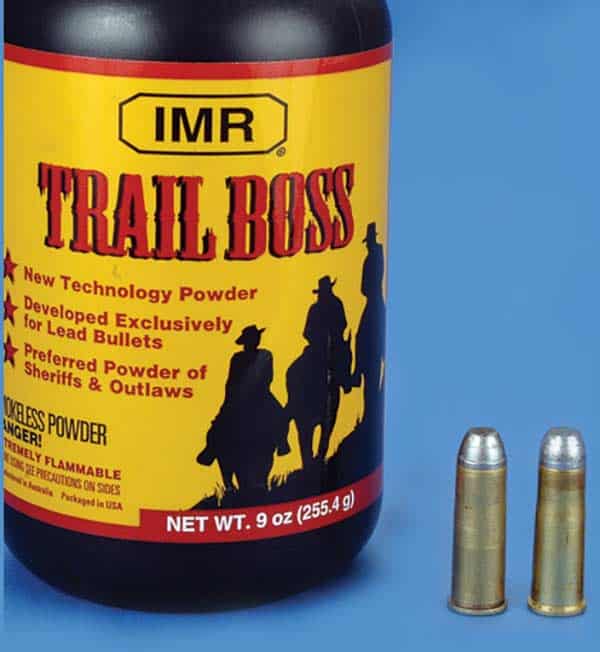
Here’s one thing I have done with my own reloading, however. With large capacity revolver cartridges — those originally designed for large dollops of black powder — I only use the new IMR Trail Boss propellant now. It is “fluffy” to the point you can’t get a double charge in a case, it will overflow. Normal charges pretty much fill up even huge .45 Colt cases to the base of the bullets. That property alone takes a lot of variables out of the handloading mix.

Take my word for it. You don’t want to blow up a gun. It will ruin your day — and doesn’t do a thing for the gun’s value.

Categories
All About Guns Gun Info for Rookies

How Rifle-Shot Recoil Affects Scopes, Rings and Bases

Ever had a scope you just couldn’t get properly sighted in? Assuming your rifle and ammo are good, start with the scope, rings and bases to isolate and solve the problem.

How Rifle-Shot Recoil Affects Scopes, Rings and Bases

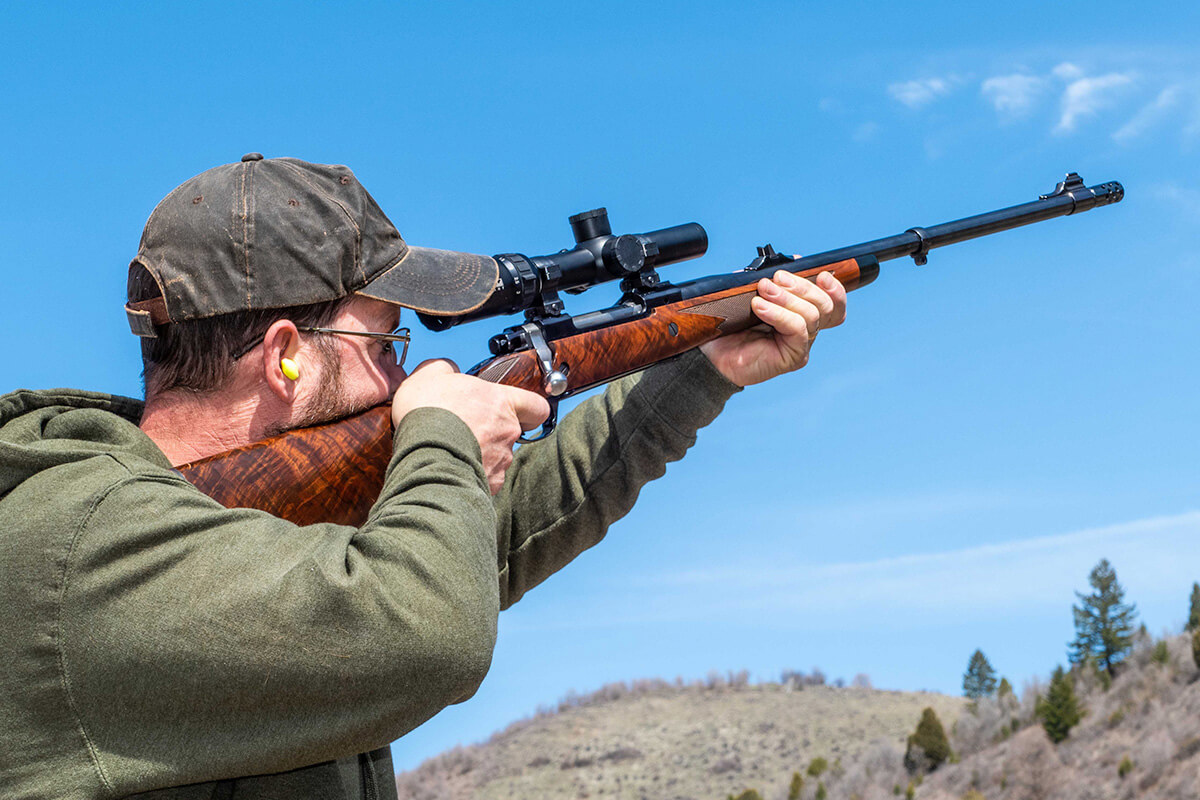
Recoil is hard on scopes and mounting systems. Particularly, heavy recoilers such as this .416 Ruger. Vibration in airplanes and behind truck seats and on ATVs also often causes loose mounts and rings. Mount your scope properly and check it often to ensure it will perform at the moment of truth.

Once, on the way into remote desert mountains in southern Arizona, I paused to check the zero of my lightweight custom mountain rifle. I’d flown to Tucson with the rifle, and wanted to be sure I was prepared to make a clean, precise shot on a tiny-bodied coues deer buck.

To my frustration, I found the rifle hit way off. As in, a foot to the right at 100 yards. Worse, it wouldn’t shoot small groups, and I couldn’t get the scope to adjust properly and hold zero. It was a Zeiss; a premium optic that should be consistent and reliable.

How Rifle-Shot Recoil Affects Scopes, Rings and Bases

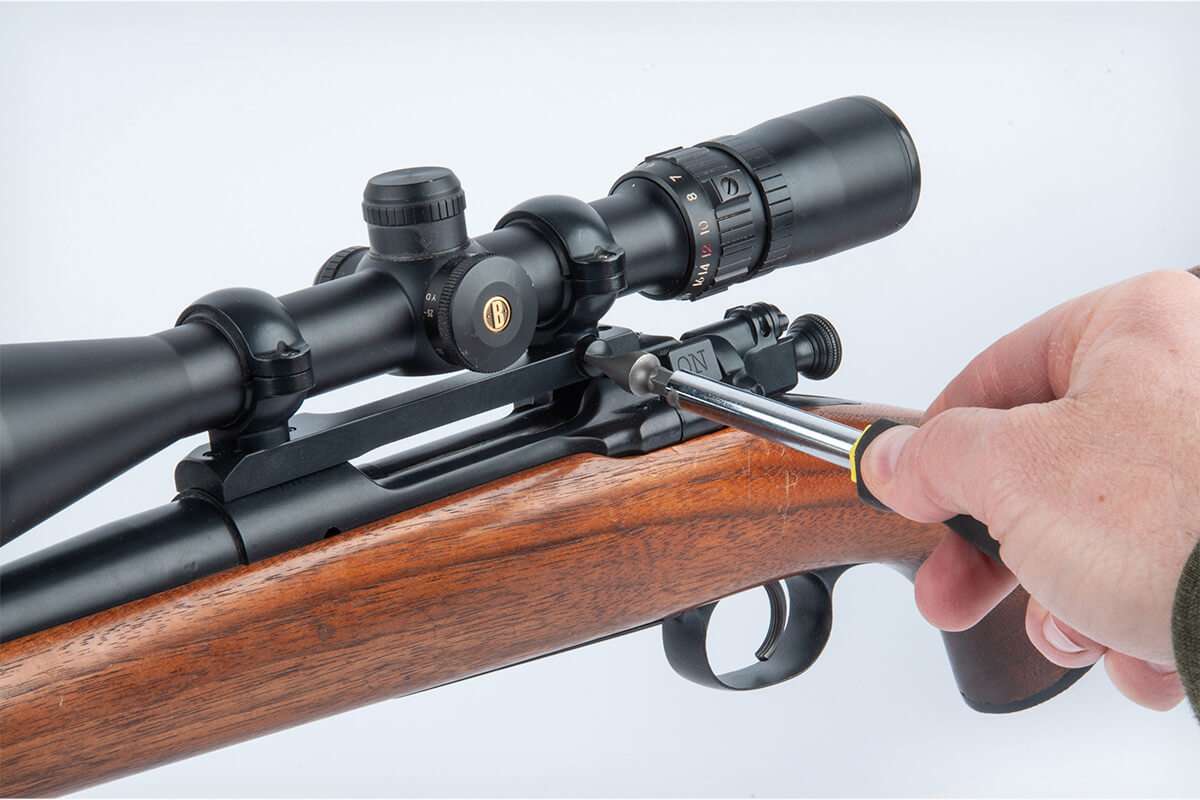
A common cause of ring and base failure is loose screws. Check them frequently to ensure they stay tight.

Finally, a full box of ammo into the ordeal, I put on my forensics cap and began examining the rifle. I confirmed that the action bolts were torqued properly. I checked that the scope ring screws were as well. Lastly, I went to the scope bases—and found the problem. One of the side-mounted screws that clamps the rear ring in place had come loose. No wonder my point of impact had been way to one side.

Once that screw was tightened, the rifle produced its customary small groups, and the scope held zero perfectly.

How Rifle-Shot Recoil Affects Scopes, Rings and Bases

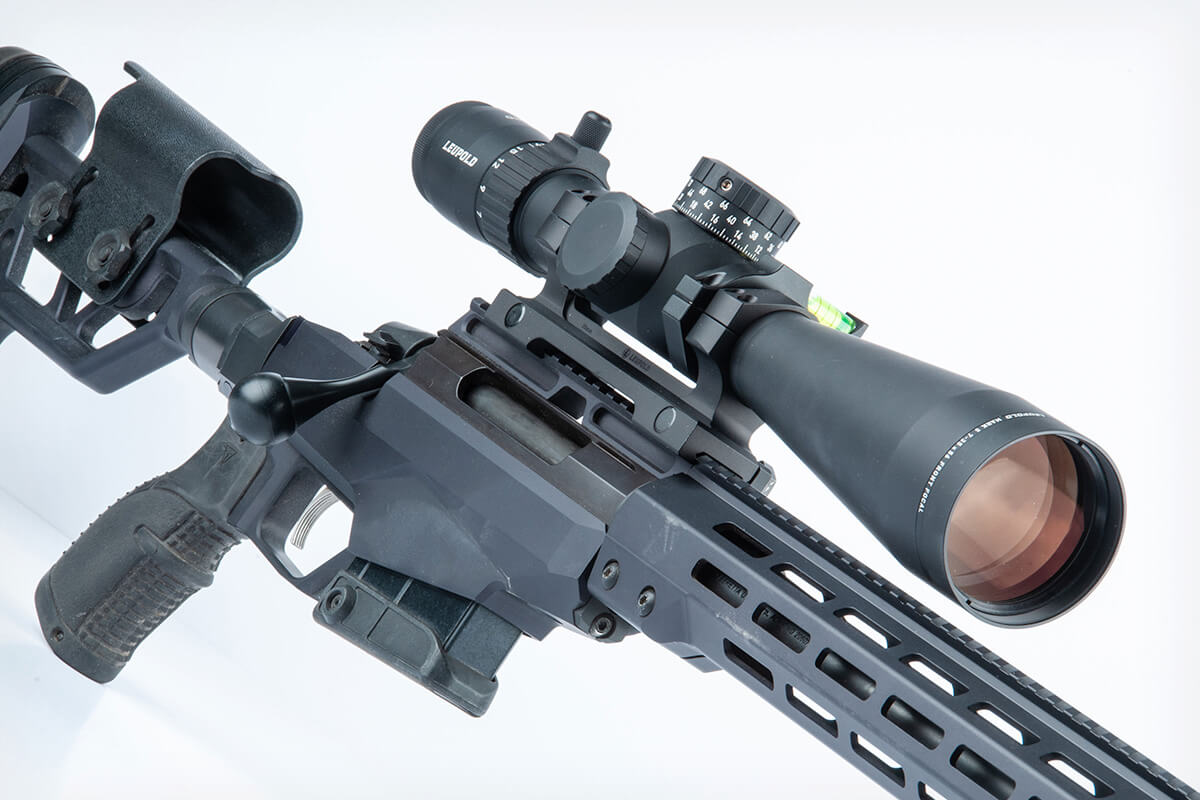
Heavy scopes are especially hard on rings and bases. It’s smart to use one-piece systems that eliminate weak links in the system.

The inability to get a rifle sighted in can come from several sources. Your rifle could have a problem. Or it just may not like the loads you’re feeding it. It could—(shocking thought!)—even be you, the shooter, that’s inconsistent. However, scope and scope mounting-system issues are frequently the culprit, and that’s what we’re here to explore in this article.

When you think about it, riflescopes and the rings that hold them in place are rather amazing creations. It’s surprising that anything could hold a glass telescope with many moving parts in place while a controlled explosion and a whole bunch of Newton’s Law occurs inside the rifle that scope is mounted to.

How Rifle-Shot Recoil Affects Scopes, Rings and Bases

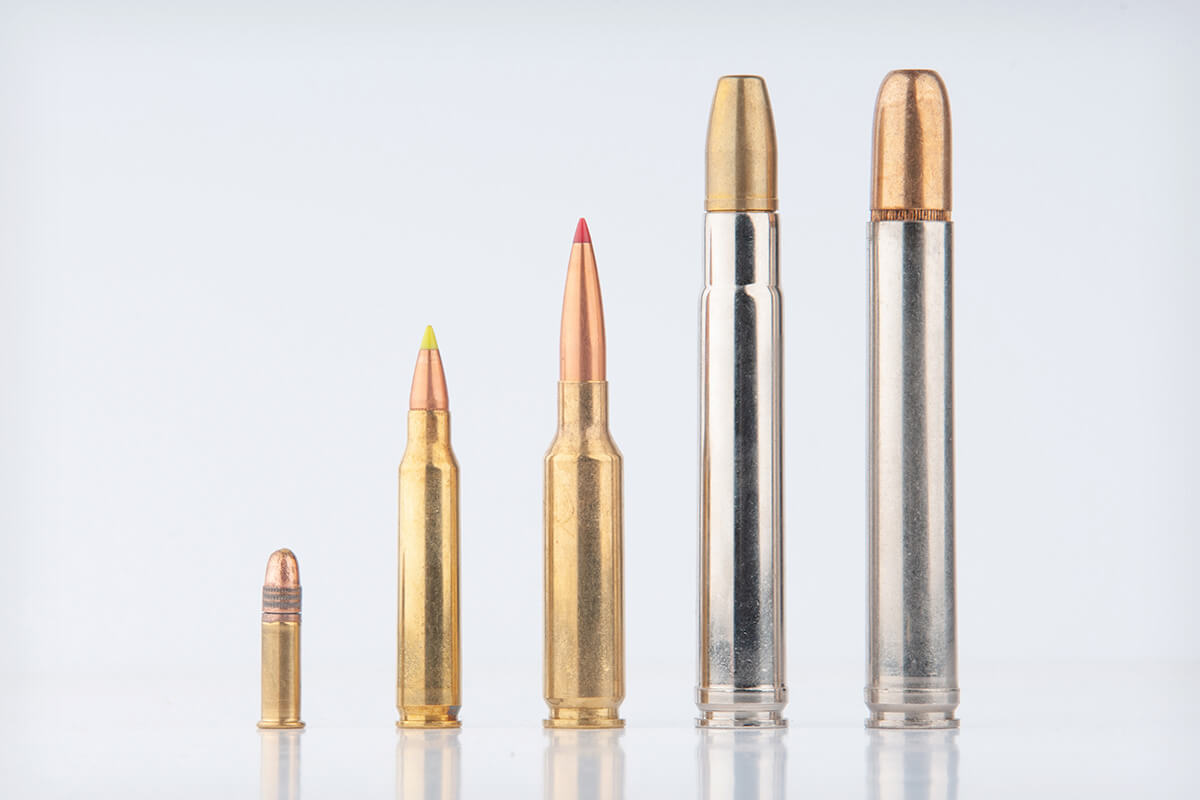
Not all cartridges are created equal. Some, such as the .22 Long Rifle, .223 Remington, and 6.5 Creedmoor will never stress a scope. Others, such as the .416 Rem. Mag. and .458 Lott can break a cheap or improperly mounted one with just a few rounds.

Good bases and rings do hold quality scopes precisely in place. Not just for a while, but as hundreds, even thousands of shots create mini earthquakes.

However, some scopes just won’t hold zero, and some bases and rings just won’t hold tight. Usually, that’s because they’re either cheap (let’s call it what it is), or they’ve been improperly mounted.

Either is extremely frustrating. Both must be resolved before the rifle can perform properly.

What causes scopes, scope rings, or bases to come loose? There are a variety of possibilities, but the most common ones are recoil—when a scope is mounted improperly—and vibration. As in, vibration in the belly of an airplane, or the rifle case mounted to your ATV, or behind the seat of your pickup.

How Rifle-Shot Recoil Affects Scopes, Rings and Bases

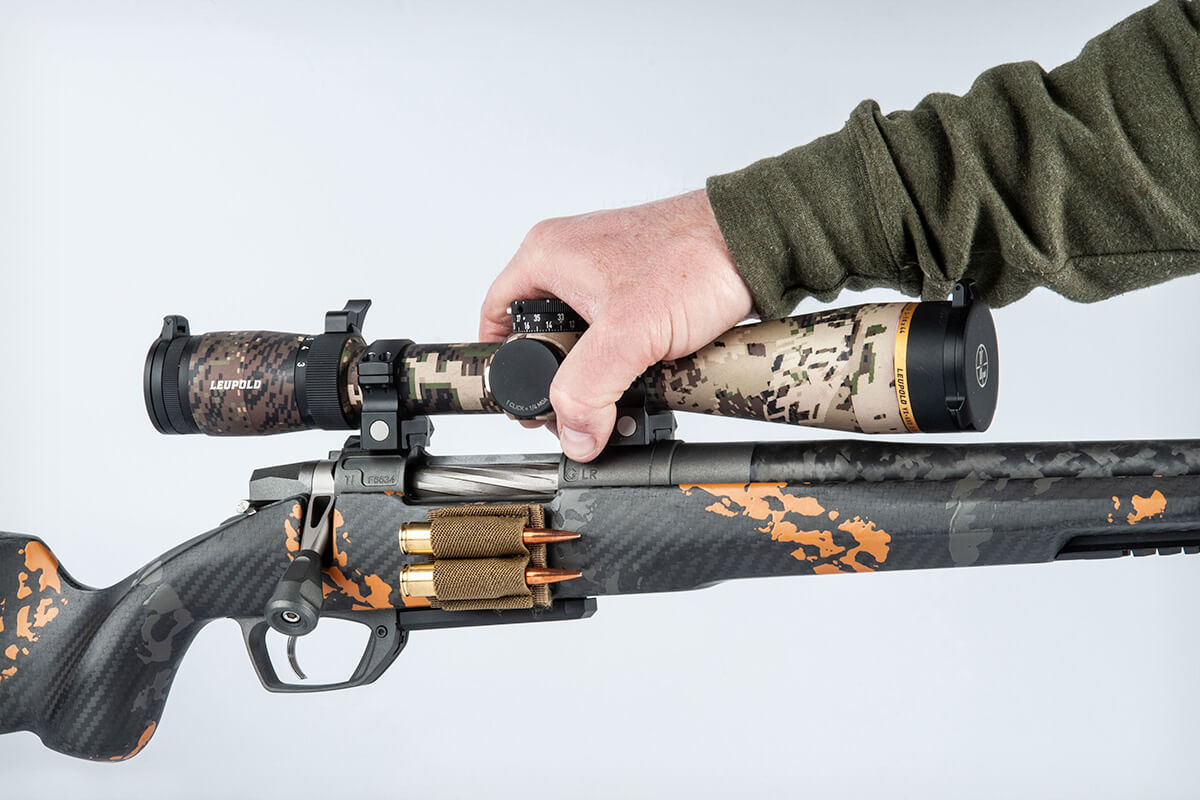
The first check to perform on a suspected scope is to grab it and twist and crank on it. If you feel any movement at all, something is loose in the bases and/or rings. Elementary, yes; but useful in diagnosing significant problems.

Recoil, of course, is the primary suspect. When a cartridge ignites and the gunpowder inside explodes, thrusting the projectile from zero to Mach 2 or 3 in a nanosecond, there’s a whole lot of seismic activity going on. Up top, that scope full of glass and aluminum parts has to hang on, and what’s more, all those parts have to stay stable. Worst, there are several potential “weak links” between the scope and the rifle.

If your scope rings aren’t positioned properly and torqued properly, the scope can actually slide forward a fraction inside the rings each time the rifle recoils rearward.

If the rings are properly fit to the bases, repeated rearward recoil of the rifle can eventually loosen the joints.

How Rifle-Shot Recoil Affects Scopes, Rings and Bases

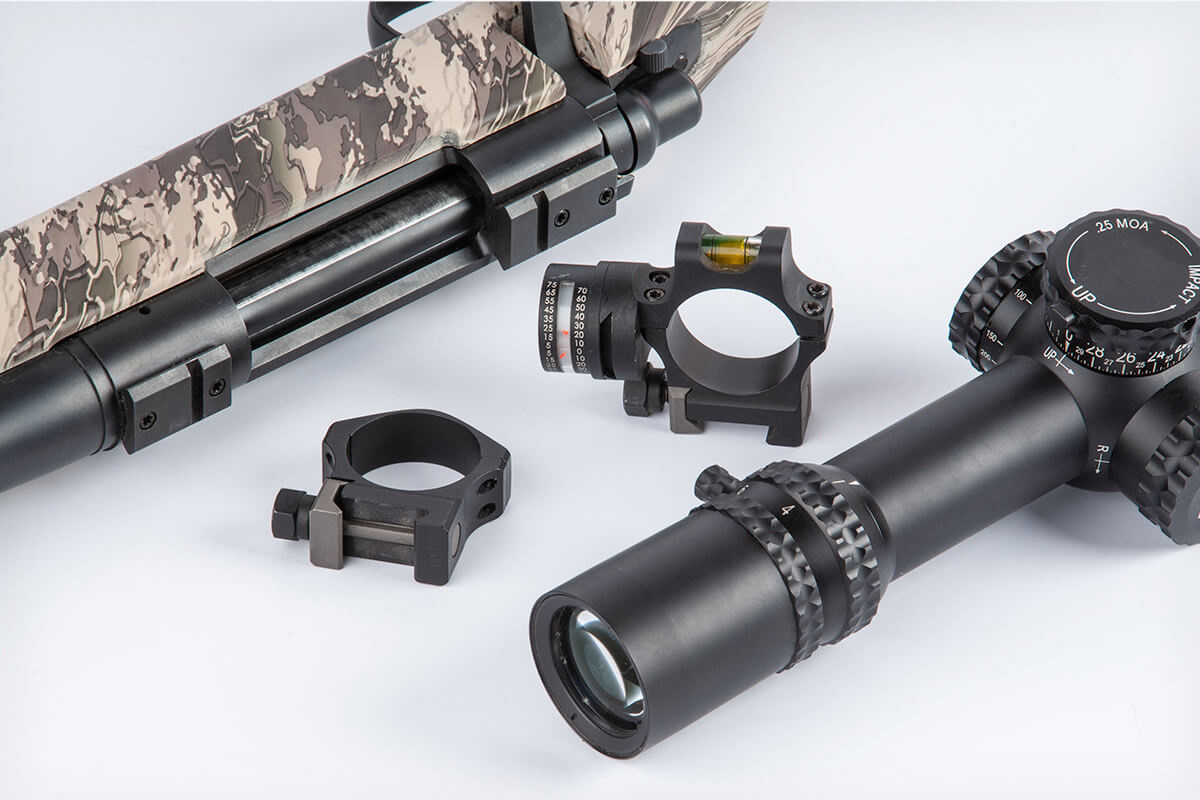
Quality bases and rings, properly mounted, greatly minimize the possibility of recoil-related issues. The rings shown are high-end lightweight versions by Nightforce; the Leupold QRW bases are made of steel (much the best material for bases).

If the bases aren’t correctly mounted to the action, the same thing can occur: repeated recoil can jar screws loose. In extreme cases, substantial recoil (such as a .30-378 Weatherby, .458 Lott, or .470 Nitro Express) can sheer screws right off.

Simple, continued vibration, such as the gentle hum of an airplane, is most likely to just loosen screws. It’s relatively harmless in the grand scheme of things—unless it causes you to miss a giant buck or bull.

Identifying an issue usually begins with unpredictable point of impact and bigger-than-average groups. Once you suspect you have an issue, spend some time examining your rifle and scope mounting system. On more than one occasion when a friend was struggling with point of impact issues, I’ve grabbed the scope atop his rifle and given it a brisk twist; you’d be surprised how often it moves. And how disconcerted the shooter is when it does!

How Rifle-Shot Recoil Affects Scopes, Rings and Bases

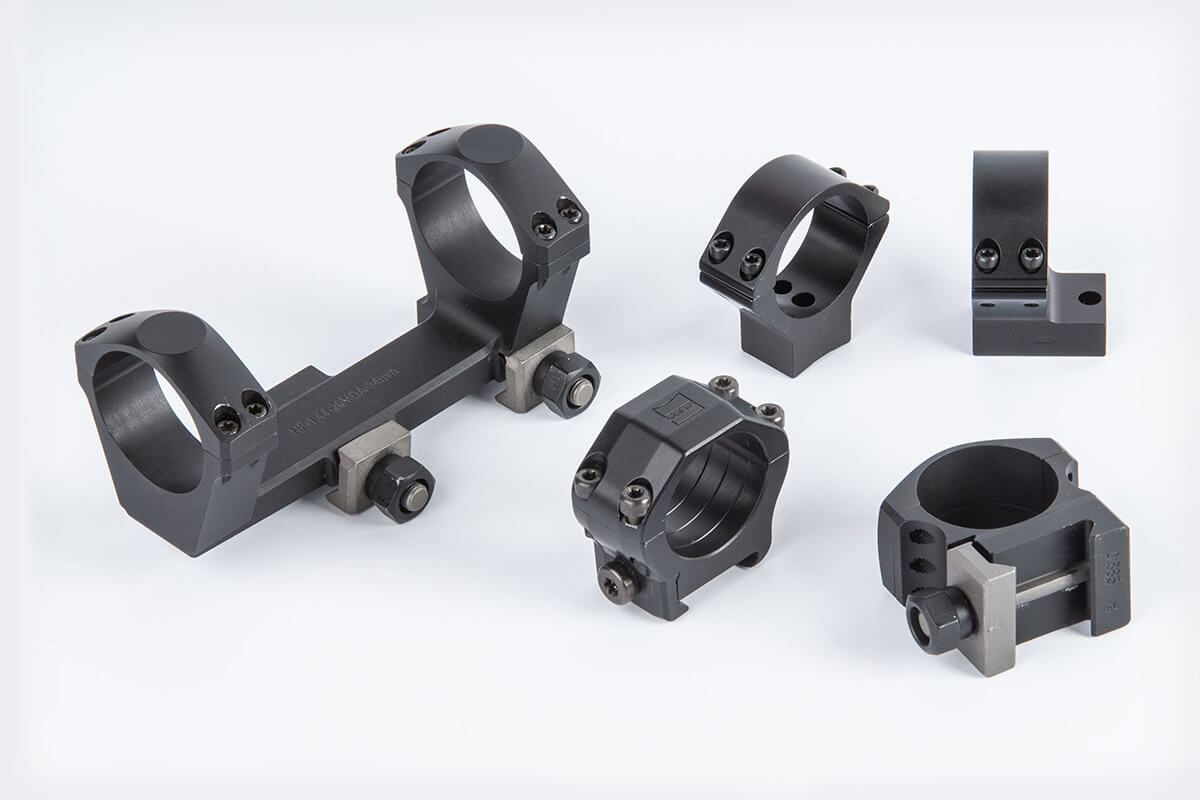
High-end scope rings are made of steel or machined aluminum. While separate rings and bases are common, the strongest systems incorporate the two. Examples are the Nightforce cantilever AR-appropriate one-piece system at left, and the Talley Lightweight Alloy rings at top right. Premium “tactical” type rings such as the others shown are the way to go if one-piece systems are not an option.

Twist on the scope, attempt to wiggle it forward and back, lift and press on the front and the rear, and so forth. You may feel a trace of movement.

Sometimes you uncover a distinct issue, as I did on my way into coues deer country. Other times, you have to work on suspicion, performing corrective action on the possibility that the optic system is at fault. Whether or not you pin the issue to the scope and/or mounts, making sure the optic is mounted correctly is one step toward eliminating all potential issues.

When performing corrective surgery on a riflescope and mounting system, it’s usually best to disassemble the entire system. This is particularly true when working without a known diagnosis.

How Rifle-Shot Recoil Affects Scopes, Rings and Bases

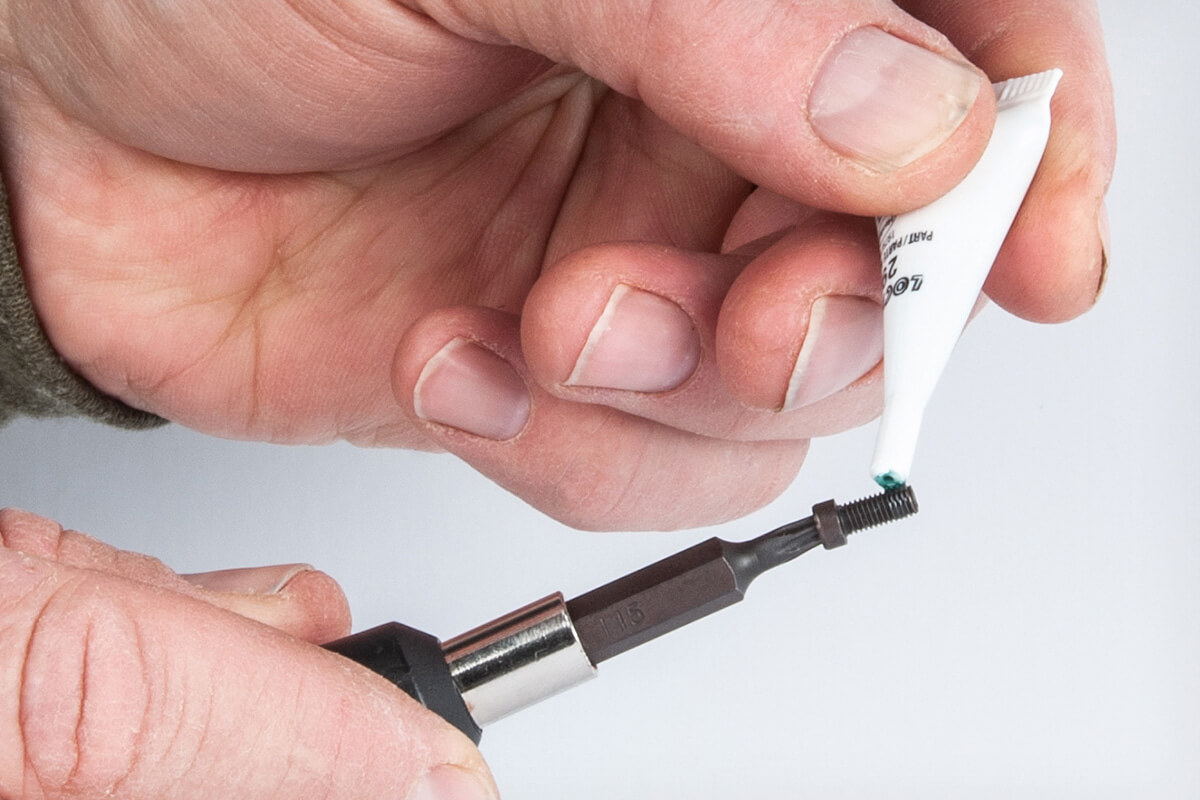
A tiny dab of Loctite on scope base and ring screws can save a whole lot of headaches down the road. Don’t over-do it.

Replace any cheap parts with premium-grade gear. This generally means steel bases, and rings by high-end manufacturers. Talley’s one-piece base/ring combinations made of aluminum are exceptional. Called the Lightweight Alloy Scope Mounts, they eliminate one weak link, are perfectly concentric, and superbly strong. Best of all, they don’t cost much. Nightforce’s X-Treme Duty Ultralight rings are a titanium alloy, and are exceptional—but expensive. For AR-type rifles, a one-piece cantilever-type mount eliminates several weak links and is absolutely the way to go.

Long ago while working in a Utah gunshop through college, I was taught to degrease all mounting screws and holes. The manager didn’t like battling Loctite when mounting a new scope for a customer, and degreased screws stayed tight.

How Rifle-Shot Recoil Affects Scopes, Rings and Bases

Finger-tighten base and ring screws first, working all slop out of the bases and getting the gap on each side of the rings even before torquing to final spec.

Then I moved to Los Angeles to work for Petersen Publishing for two years, after which I transferred to the new publishing headquarters in humid Illinois. All my degreased screws rusted. Rusted-up screws are harder to remove than those with Loctite, and, well, they’re rusty. Not cool. Loctite is a far better choice for securing screws.

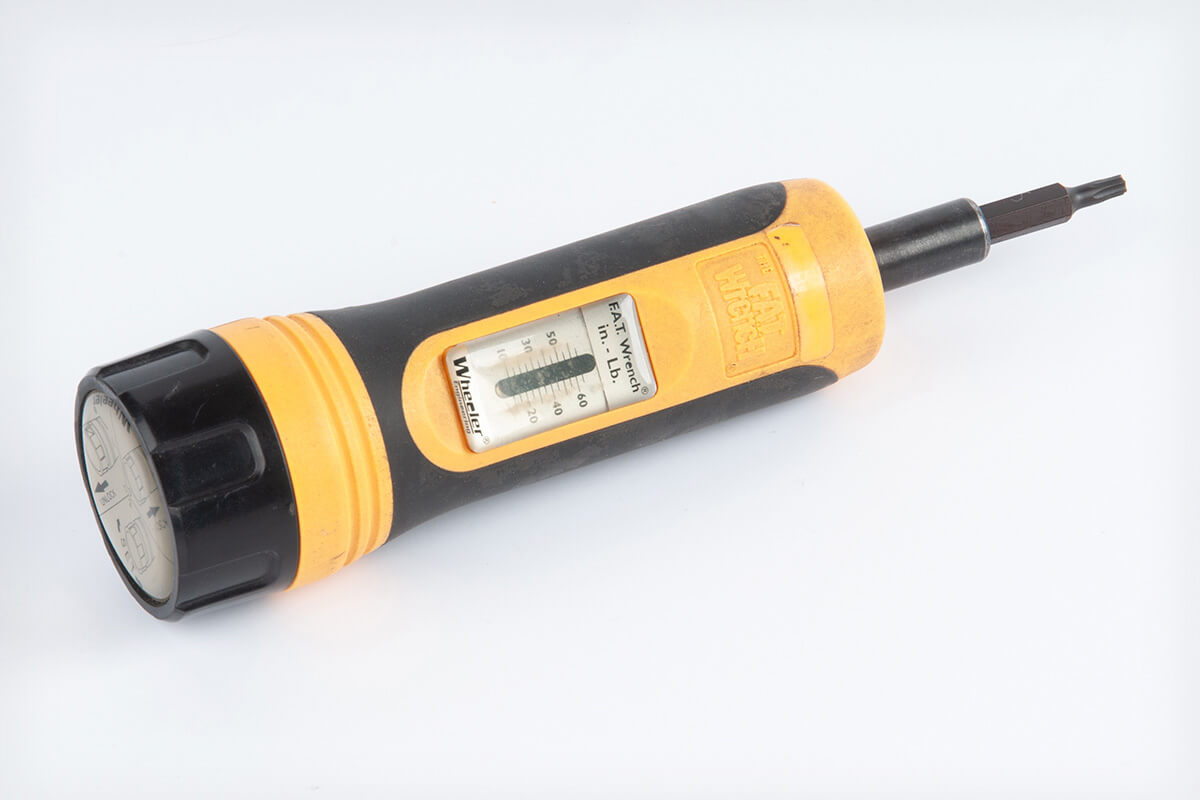
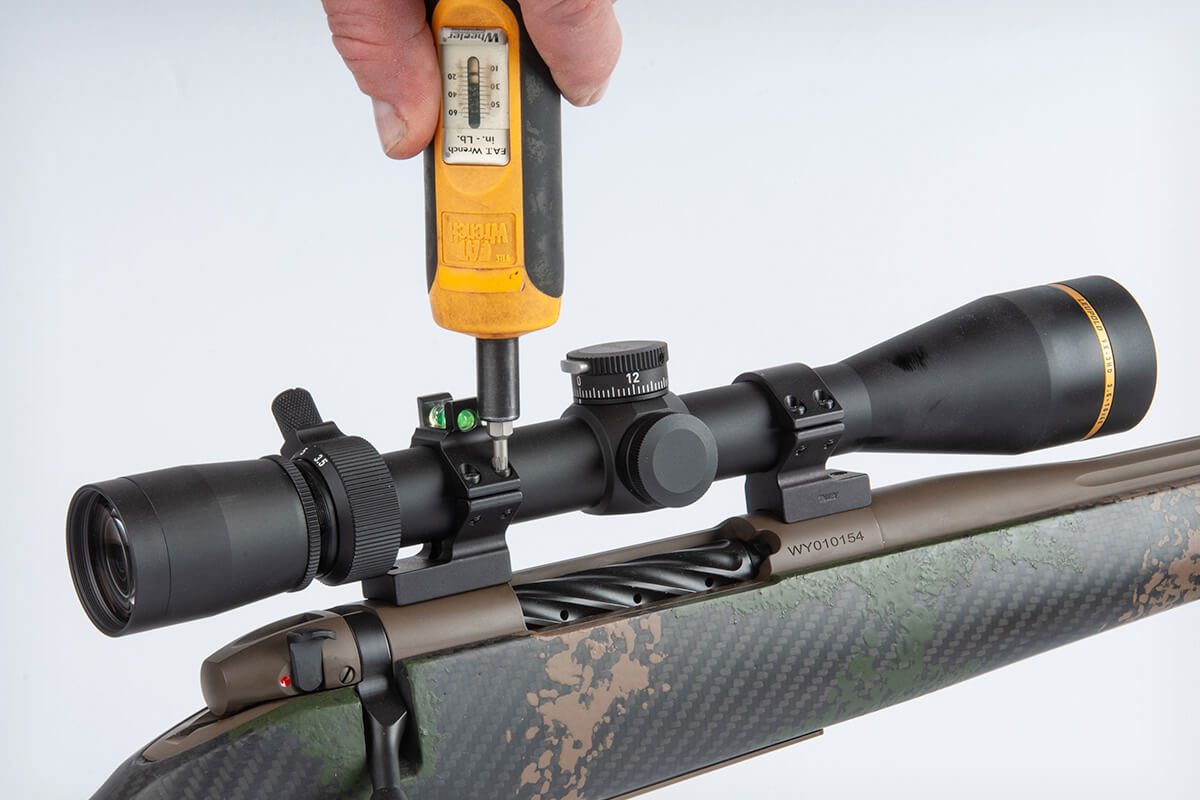
With a dab of Loctite on the threads, finger-tighten each screw incrementally, wiggling and working the base to make sure it finds a correctly centered equilibrium. With all movement eliminated and the screws firmly finger tight, swap to your torque wrench (I use a $60 F.A.T. Wrench by Wheeler Engineering), and torque the screws to the manufacturer’s recommended spec.

Don’t overtighten screws. You can strip the threads from the holes in your rifle’s action, or sheer off a screw in the hole.

How Rifle-Shot Recoil Affects Scopes, Rings and Bases
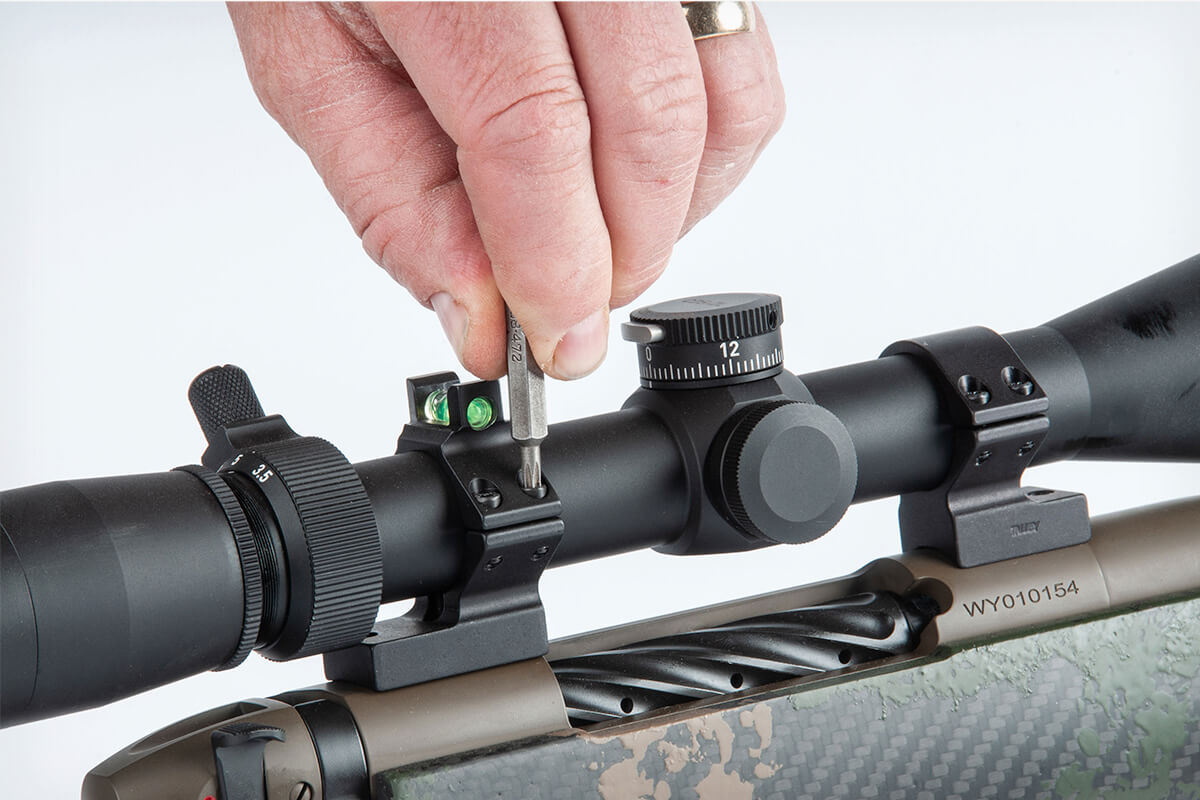
A torque wrench is an invaluable tool in performing correct scope mounting. It prevents you from stripping screw holes or sheering screws or distorting scope tubes, yet ensures you achieve maximum holding capability.

Lay your scope in the rings, place the ring upper halves, and start the screws—each with a dab of blue Loctite. Work out the correct eye relief and level up the scope. Incrementally snug the ring screws to finger tight, maintaining an even gap on each side where the upper and lower portions of the ring nearly meet.

Finally, tighten each rings’ screws in an “X” pattern—front right, rear left, front left, rear right, repeat—a bit at a time until the torque wrench clicks over on all of them.

Again, don’t overtighten. Torque on scope rings is surprisingly mild, usually in the realm of 17 to 20 inch pounds. Much tighter, and those rings can compress the aluminum scope tube, restricting the movement of the magnification zoom and turret adjustments inside.

How Rifle-Shot Recoil Affects Scopes, Rings and Bases

The final step in mounting your scope is to torque the ring screws to spec. With quality components, a bit of Loctite, and attention to detail when mounting, the possibility of scope base or ring failure is very small.

If you’re setting up a heavy-recoiling rifle, it’s worth lapping the inside of the rings to make them perfectly round (a topic for a different article), and dusting the inner surfaces with powdered rosin such as Scope Grip Rosin. For those unfamiliar, traditional rosin is a tacky derivative of sap. Violinists use it in solid form to treat their bows. Bull riders use powdered rosin to help their gloves stick to their bullropes. Savvy big-bore shooters use it to prevent scope slippage.

With quality bases and rings, correctly secured by screws treated with a dab of Loctite and properly torqued, a high-quality scope will stay put through thousands of rounds worth of recoil and thousands of miles in an airplane or pickup truck.

Categories
All About Guns Gun Info for Rookies

Cleaning your firearms

Categories
All About Guns Gun Info for Rookies

Top 5 Things To Consider When Buying Your First Handgun