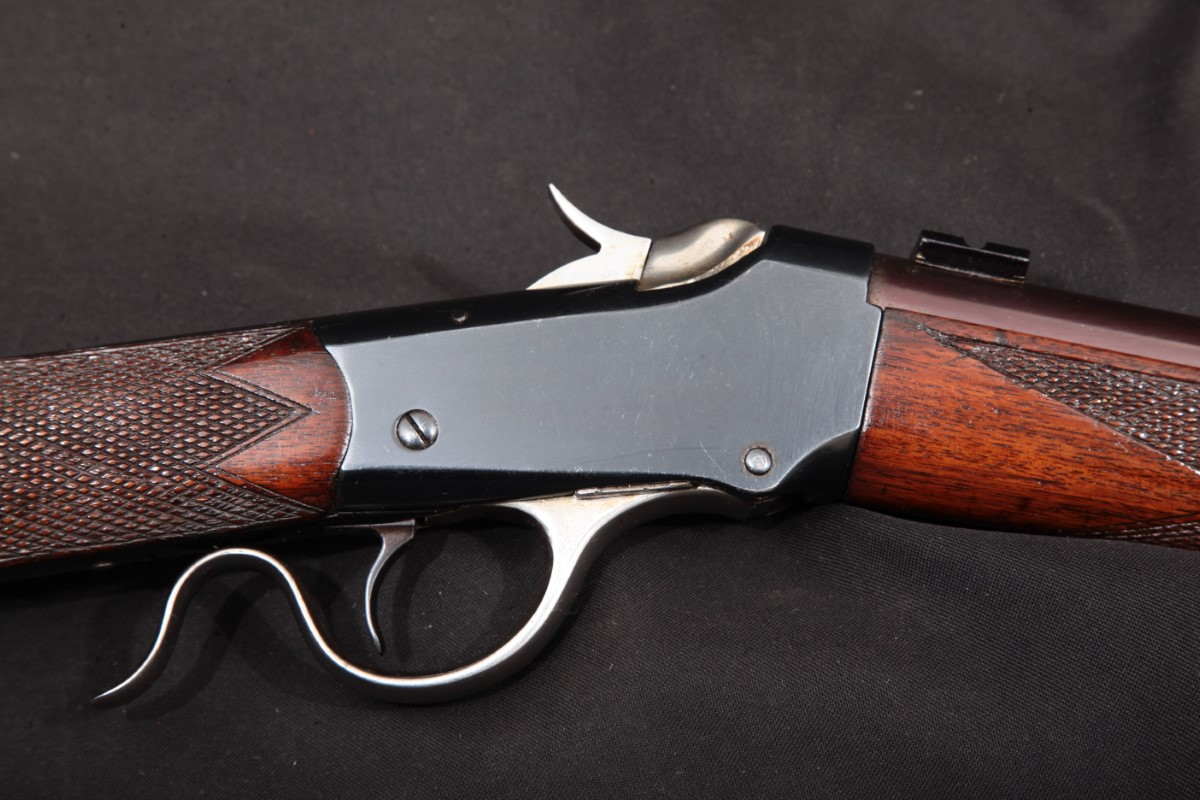
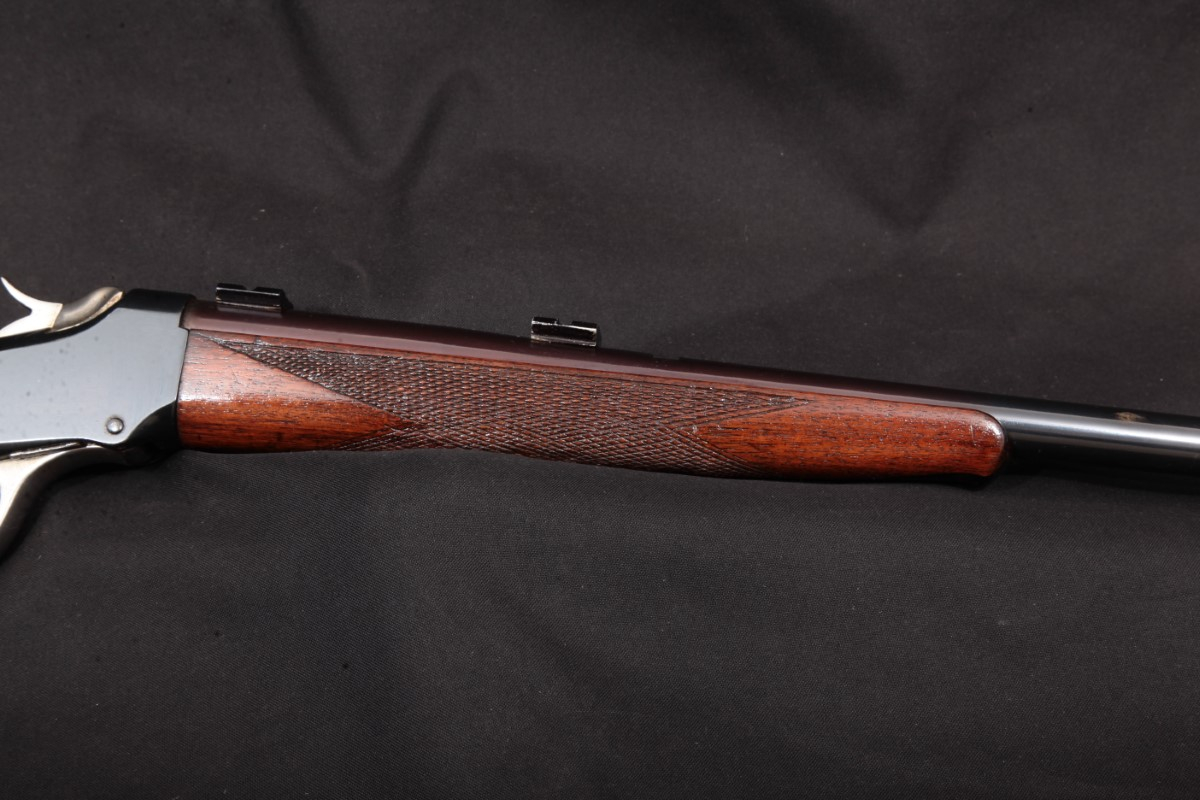
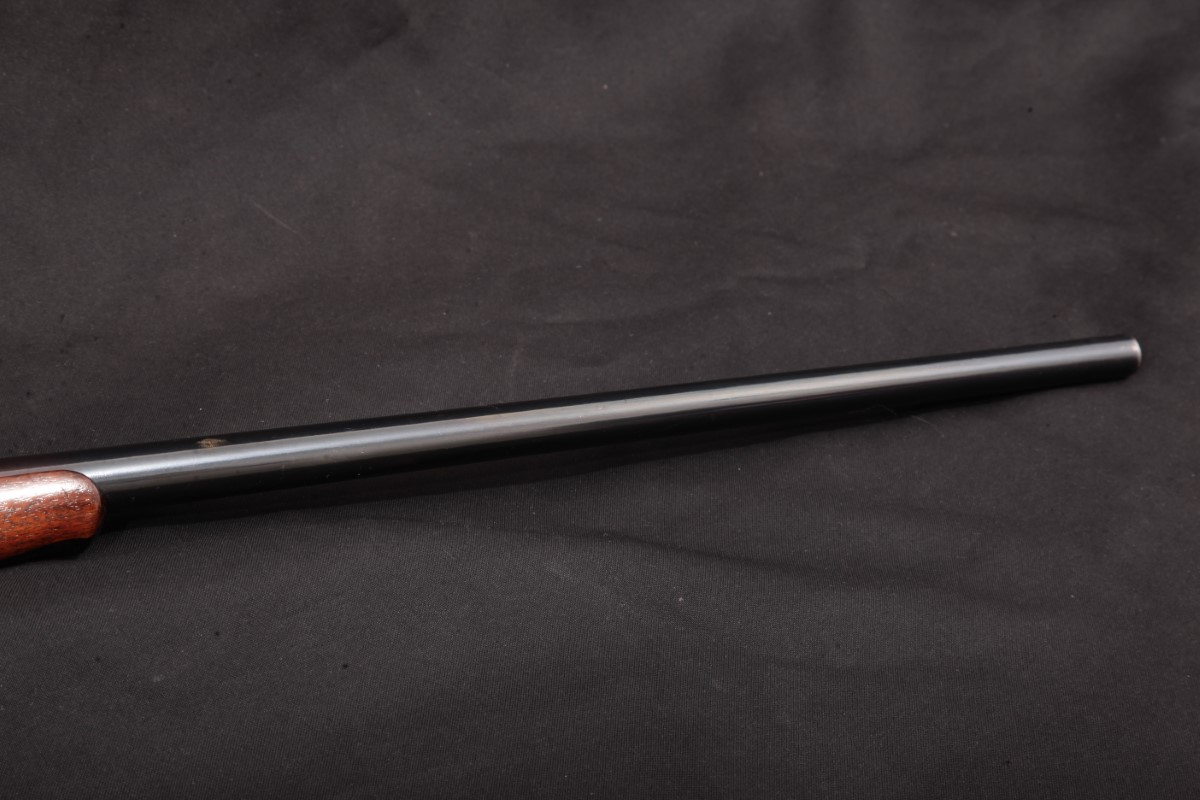
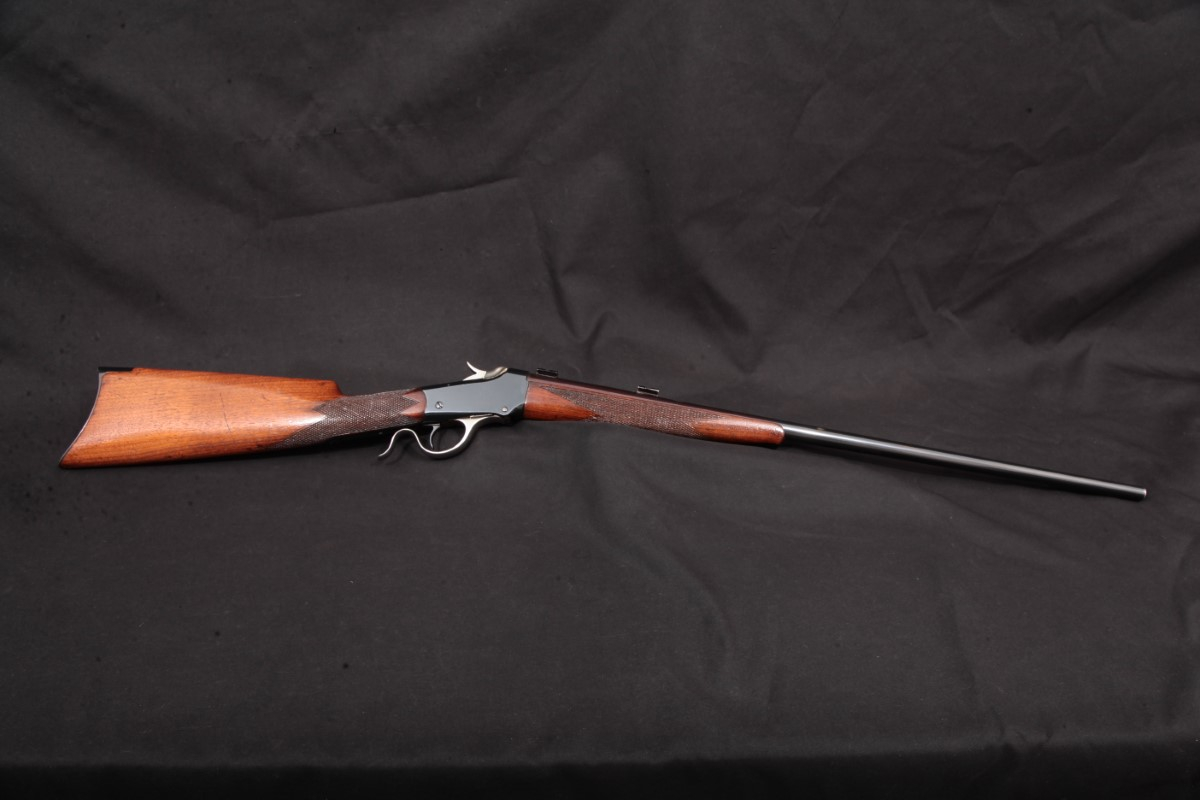
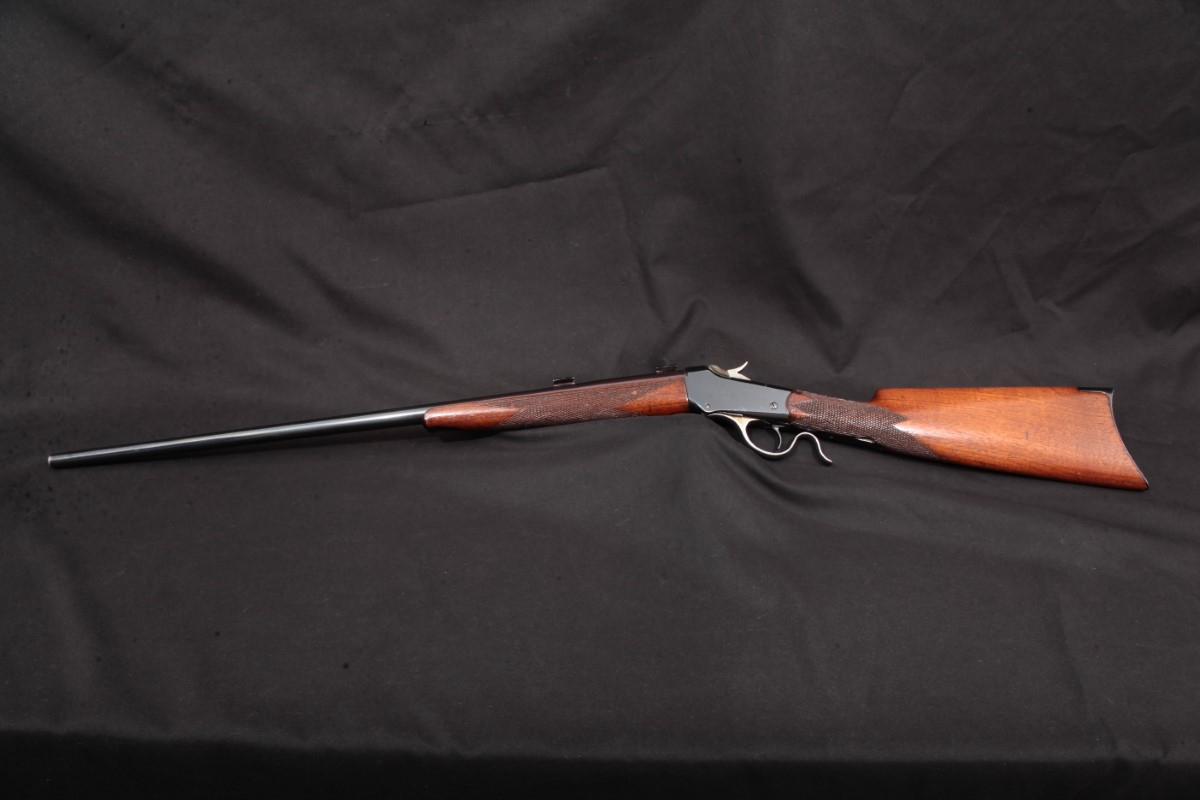
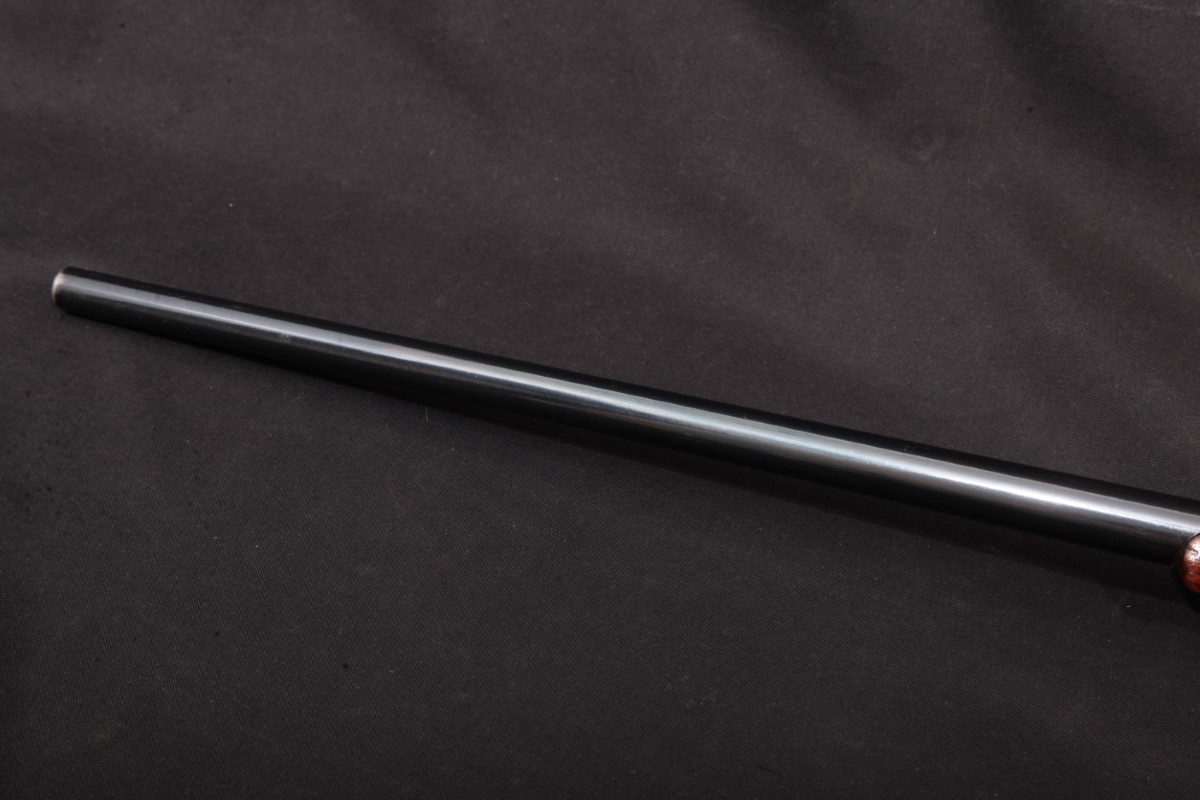
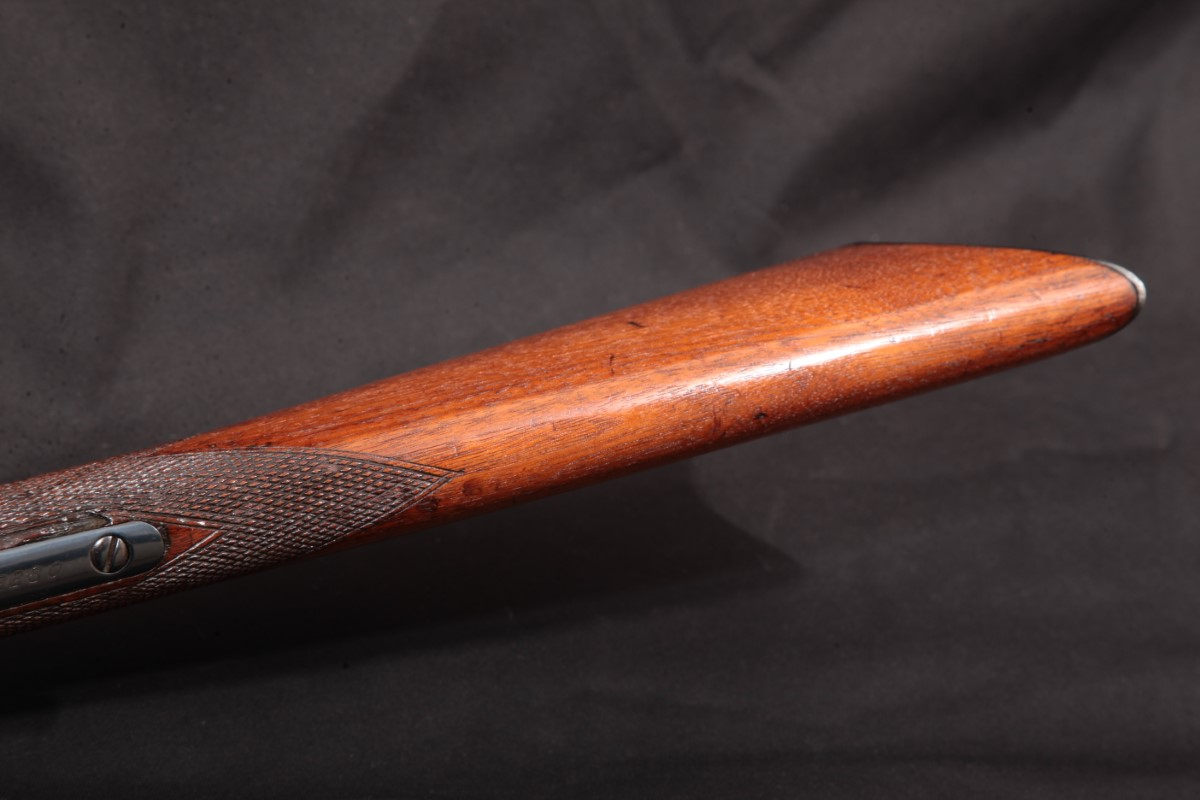
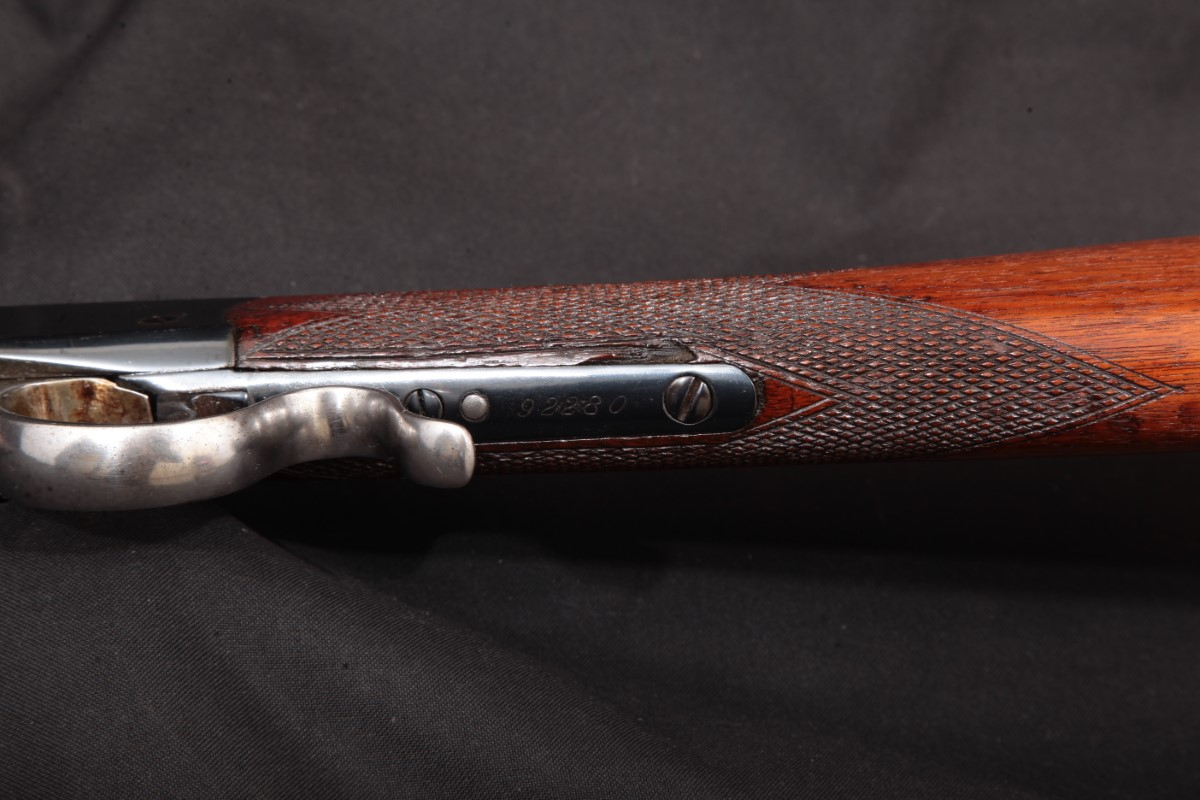
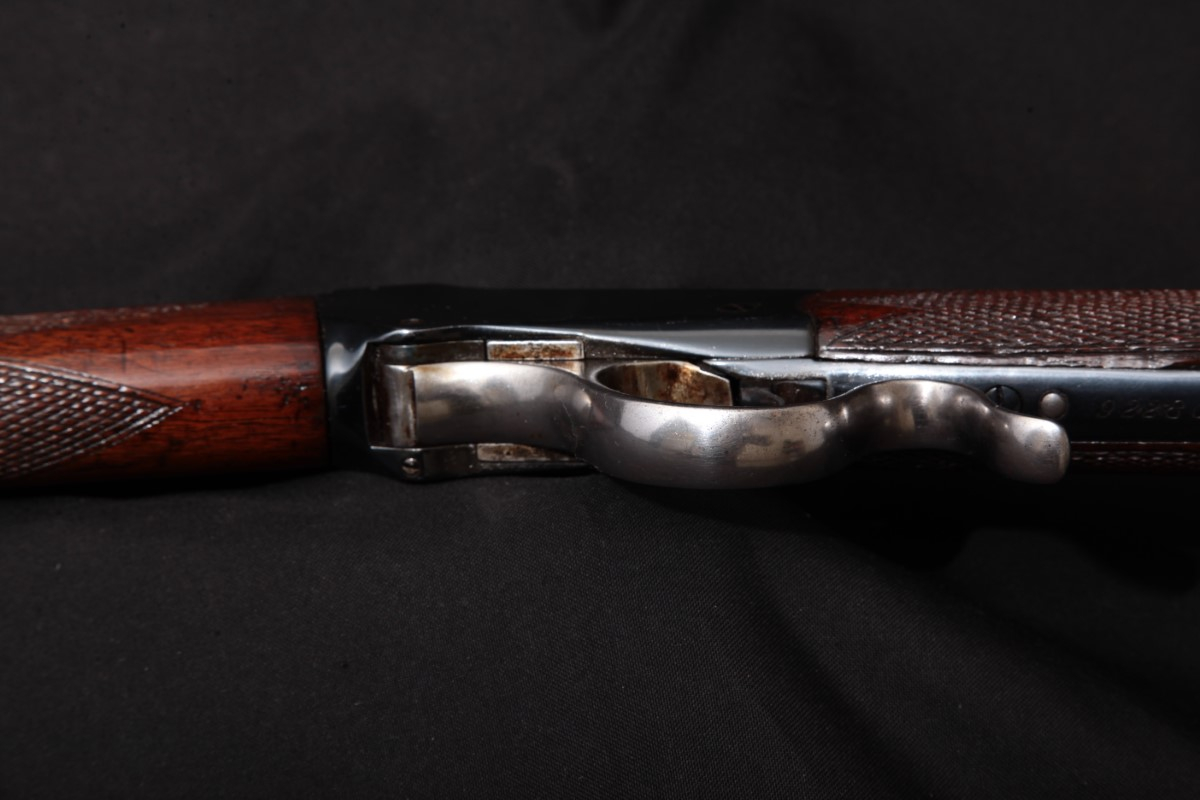
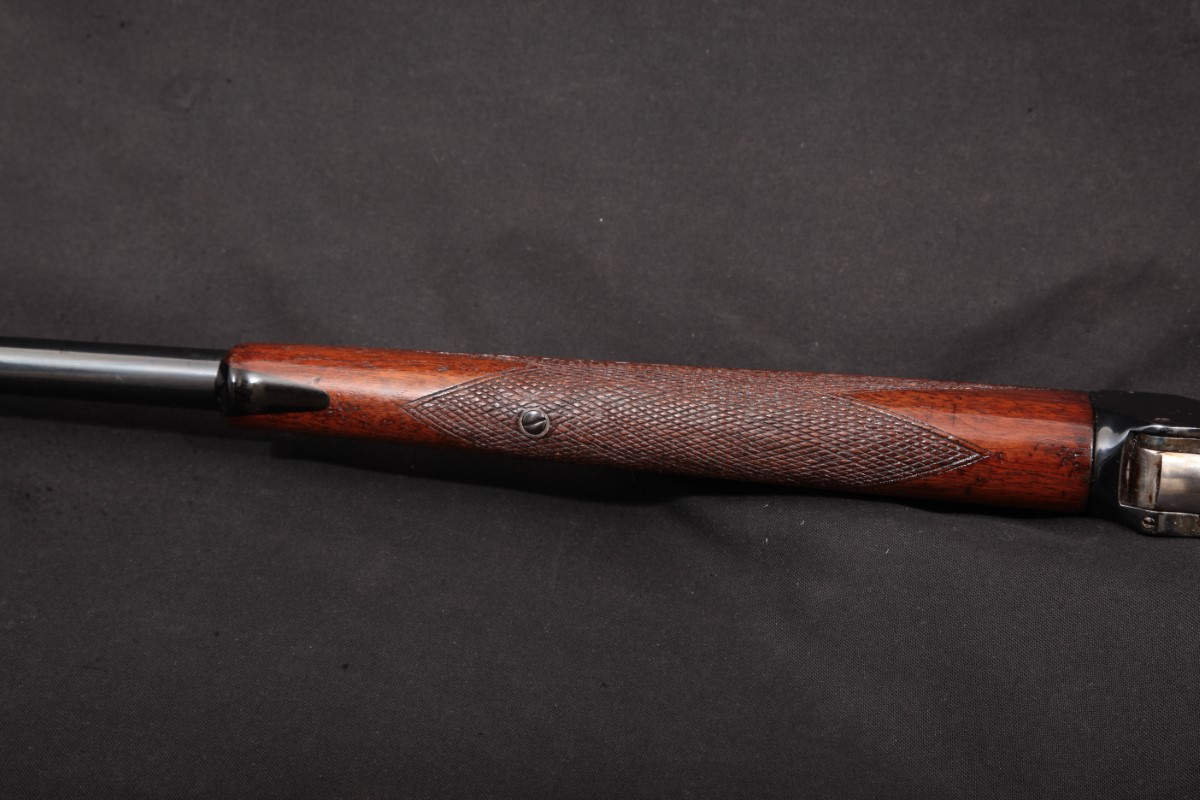
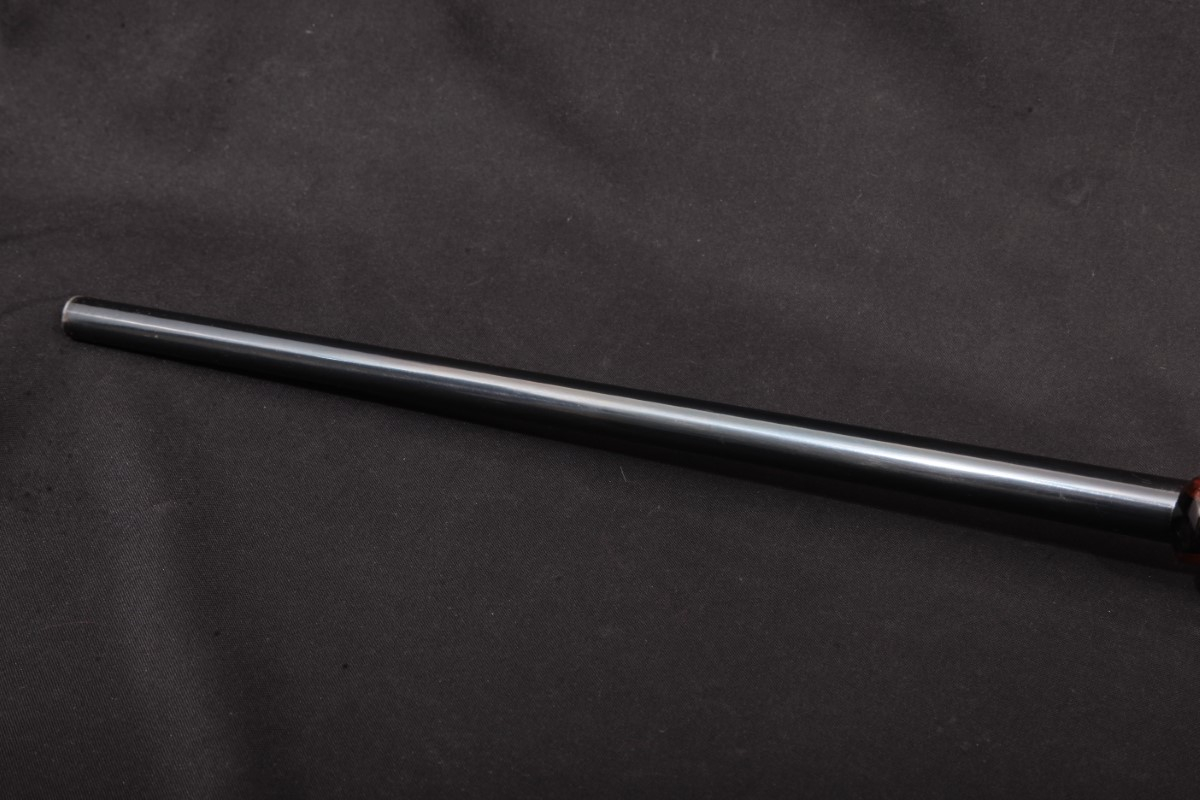
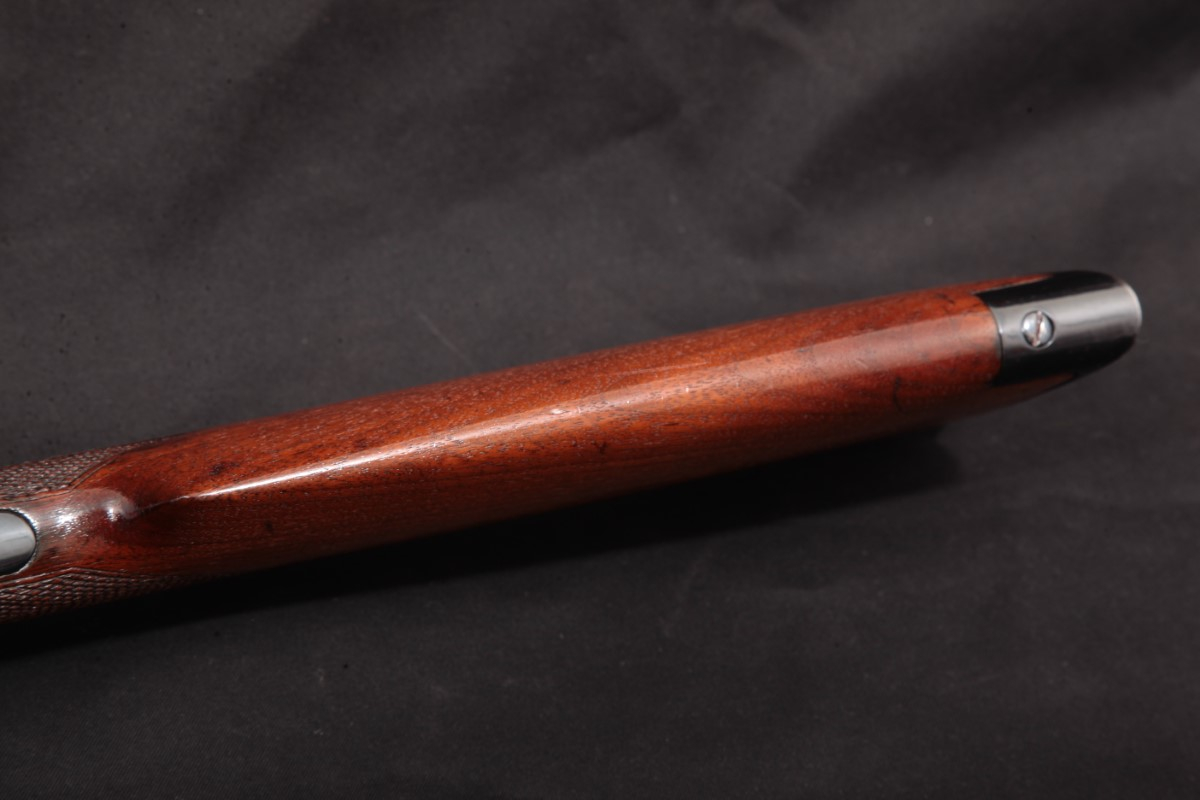
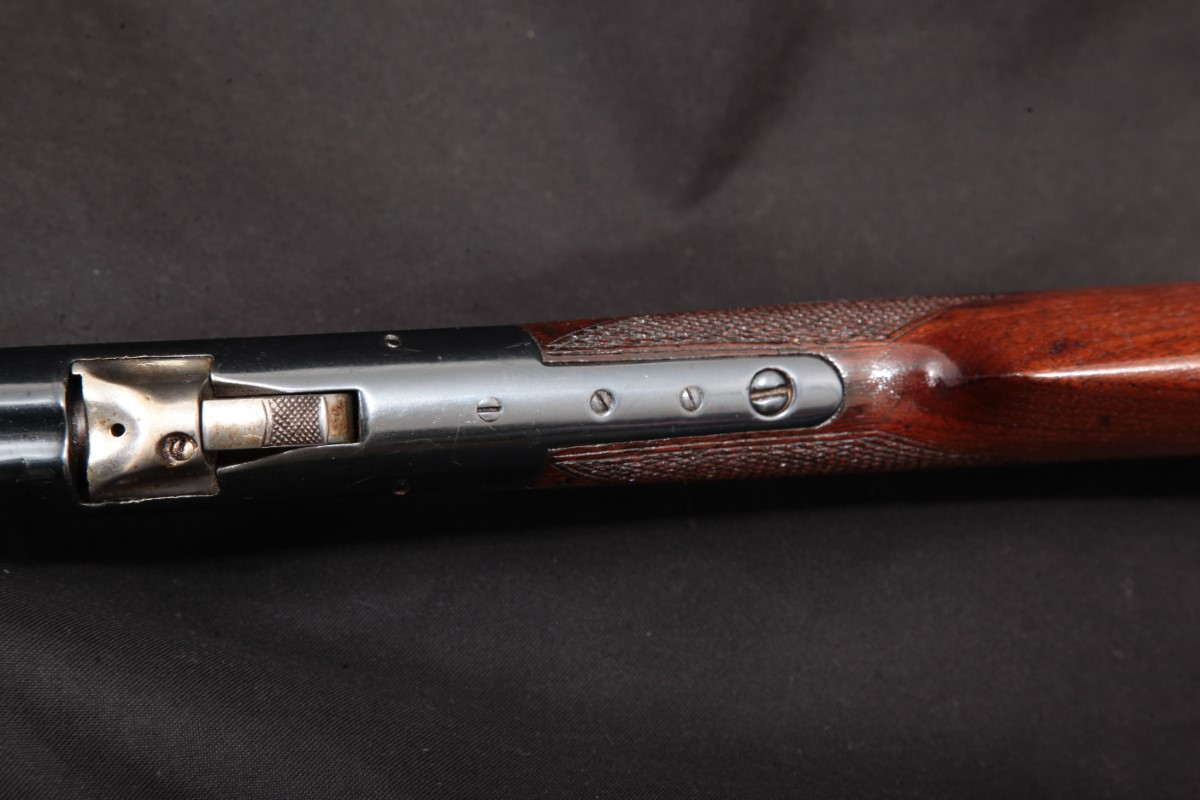
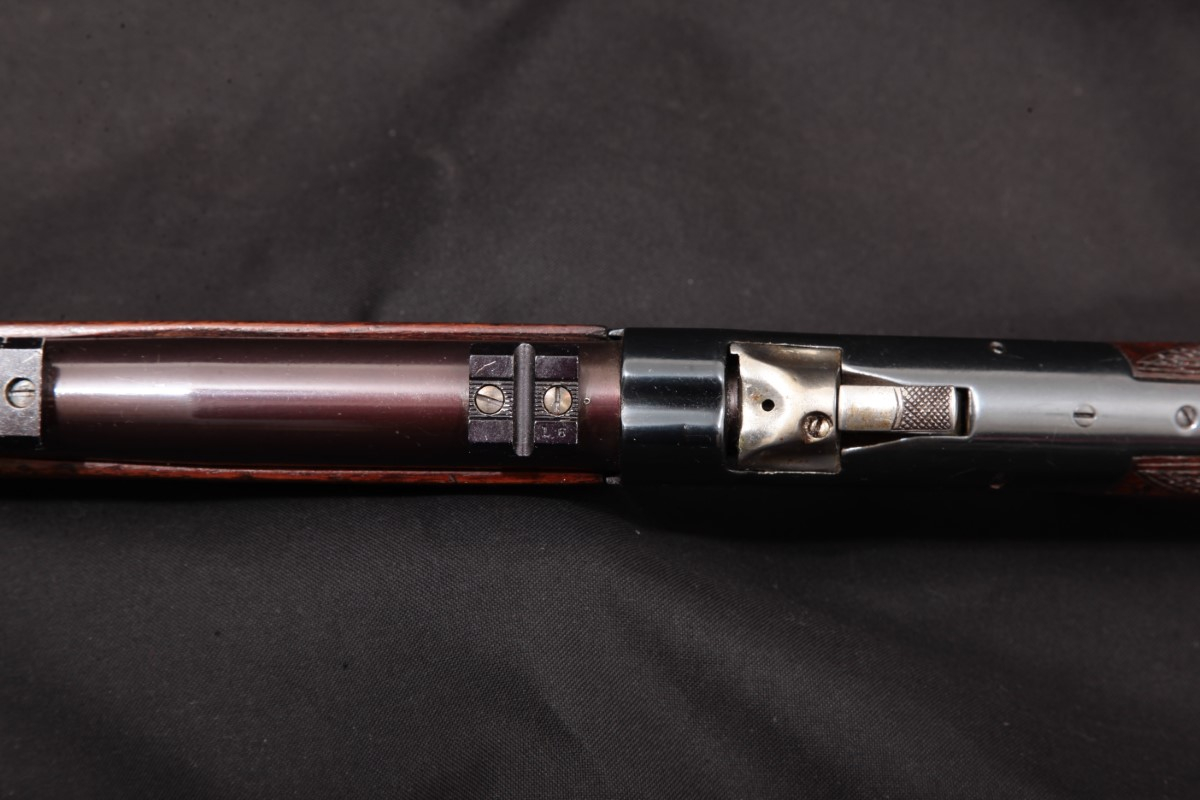
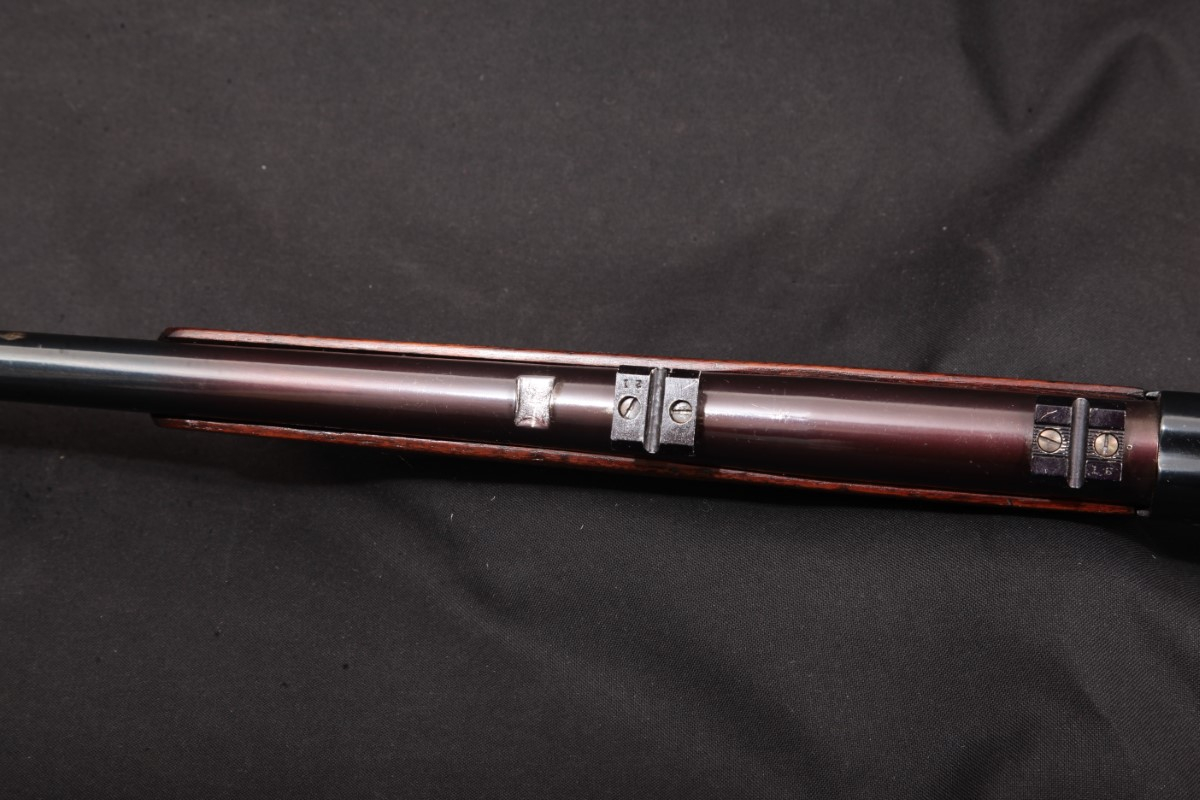
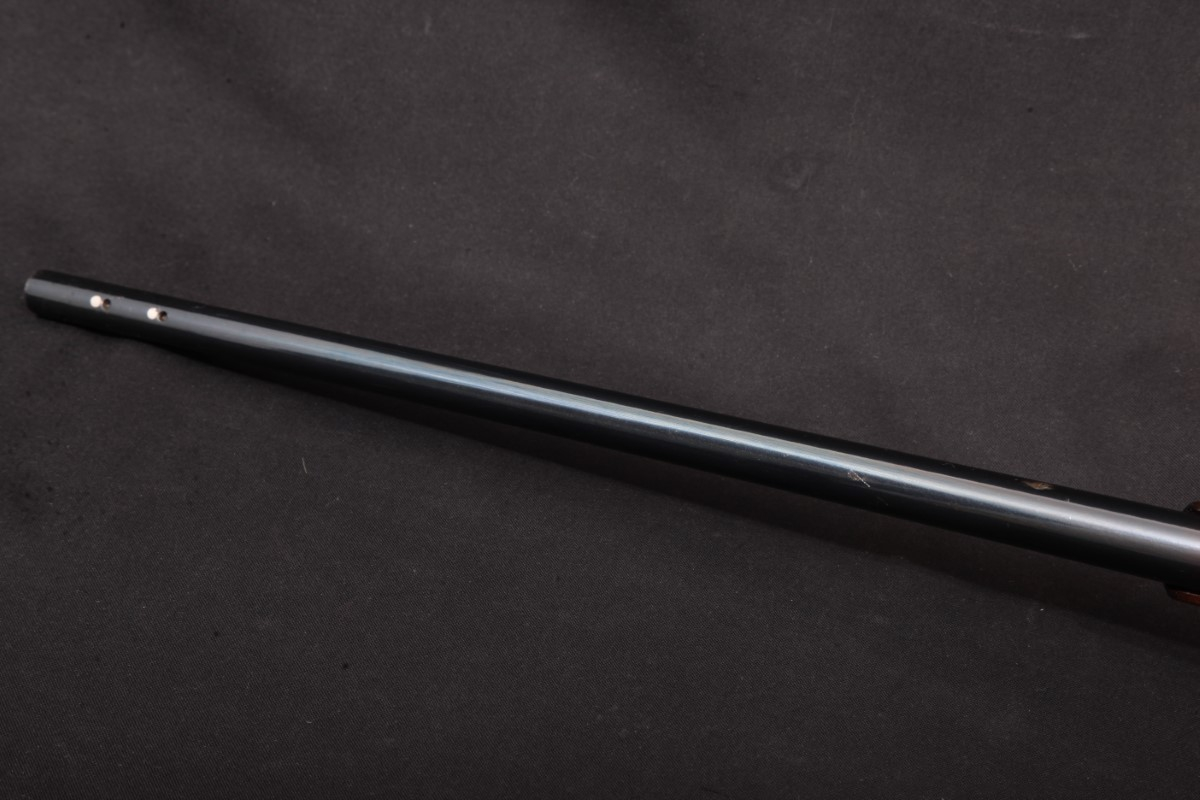
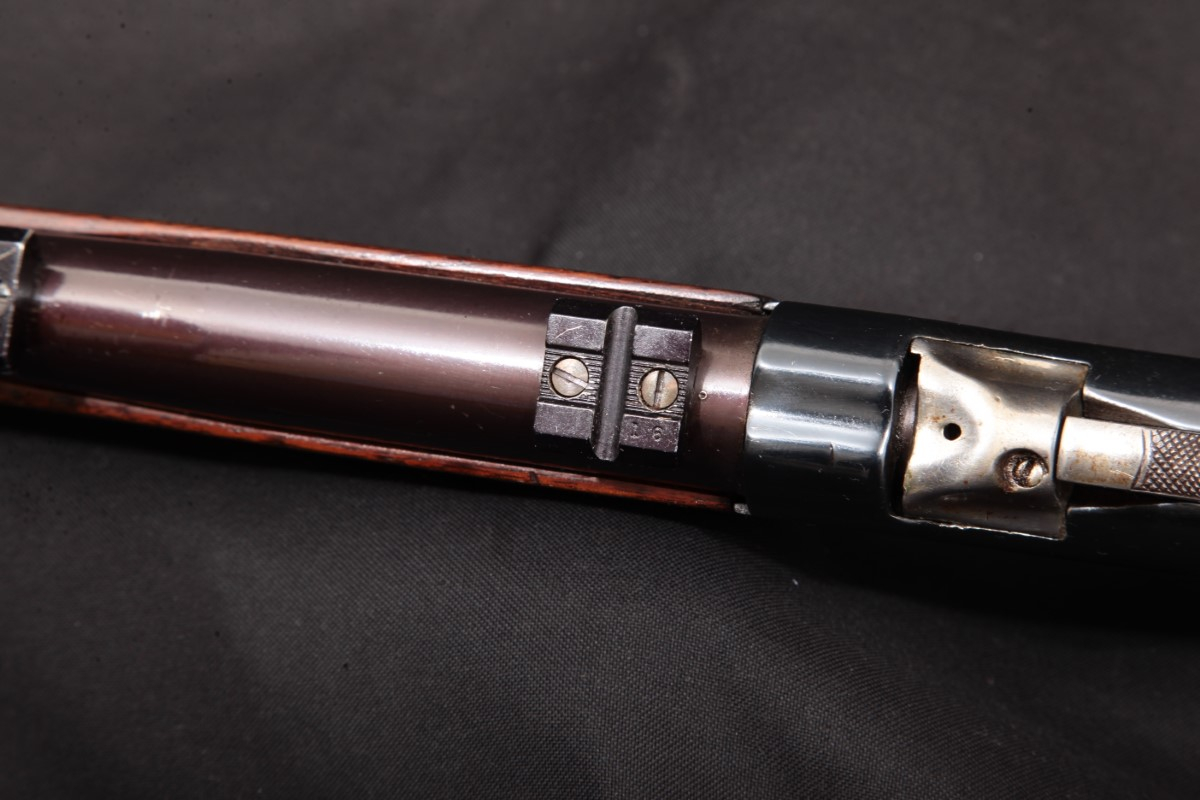
I think that this newest addition to our Nation will fit in just right!
Category: Dear Grumpy Advice on Teaching in Today’s Classroom
Everything You Know About the Civil War is Wrong

The Civil War is perhaps the most misunderstood event in the history of the United States while ironically, appears to be the single historical event most Americans believe they fully comprehend.
It’s likely difficult for many of us — and nearly impossible for younger generations — to imagine a world without air conditioning, refrigeration, and amply-filled grocery stores. Which is nothing to say of a life without the Internet, smartphones, and Amazon.
Consider for a moment that just over a hundred years ago, many Americans didn’t live to see their fiftieth birthday — and the most common cause of death was dysentery.
Life in 1860 America, the year Abraham Lincoln was elected president, was nothing like it is today.
The Southern states were mostly rural, and agriculture was the primary industry while in the North, the industrial revolution was in its infancy. Few Americans had more than a primary school education, and medicine was one level above medieval.
And yet, too many of us mistakenly believe we can make value judgments about a time of which we know little.
To truly understand any historical event, one must study it within the proper context — what is commonly referred to as “contextualization.” But as generation after generation pass, we internalize notions about why people behaved the way they did in the past.
And often, we interpret stories of events through the lens of popular culture — many of which are not entirely accurate.
The American Civil War is chief among these.
For most of us (including me), we attended public schools where we were provided roughly the same instruction regarding the Civil War: Our country was composed of the North, where people opposed slavery, and the South where slavery was embraced. Abraham Lincoln rose to the presidency and fought against the South to end slavery and saved the Union.
Like most of my high school peers, this story seemed plausible enough to me and after all, it ended happily: Slaves were freed and the Union remained intact.
Plausible enough until I read a couple of books by Charles Adams, a tax historian and author from New England — hardly a Southern extremist with an ax to grind.
In these fascinating books, Adams explores how taxation affected historical events and how the popular interpretation of the Civil War survives in the face of some obvious facts.
I had to revise my thinking.
Consider that throughout the presidential campaign of 1860, then-candidate Abraham Lincoln had all but promised not to interfere with Southern slavery, which he reiterated in his first presidential inaugural address.
“I have no purpose, directly or indirectly, to interfere with the institution of slavery where it exists. I believe I have no lawful right to do so, and I have no inclination to do so.”
This seems to run contrary to conventional thinking. Wasn’t he an abolitionist?
Furthermore, Lincoln promised to enforce the fugitive slave laws as president — laws passed by Congress in 1793 and 1850 to provide for the return of slaves who escaped from one state into another state or territory.
Indeed, Southern secession would have made slavery more precarious without the protection of the Constitution and the Supreme Court. From a slave property standpoint, staying in the Union made more sense than leaving.
Adding further confusion are the numerous accounts from contemporary newspapers from the North, South, and Europe — all of which tell the tale of a “tariff war,” not the popularly-held notion that the Civil War was a “war against slavery.”
But if the war wasn’t over slavery, what then?
Like most historical events, this too was complicated.
It’s too easy to assign blame for the Civil War on the South and slavery — and intellectually lazy.
Like many other conflicts, the Civil War was decades in the making and the culmination of unresolved issues between the Northern and Southern states. And it finally came to a head during the 1860 presidential campaign and election.
To fully understand the Civil War, it’s vital to recognize that we are dealing with two separate issues: The cause for secession and the cause of the war.
Let’s begin with secession.
In 1860, nearly all federal tax revenue was generated by tariffs — there were no personal or corporate income taxes. And the Southern states were paying the majority (approximately eighty percent) of the tariffs with an impending new tariff that would nearly triple the rate of taxation.
Adding insult to injury, much of the tax revenues collected from imports in the South went to Northern industrial interests and had been for decades. The 1860 Republican platform promised more of the same, which was further eroding the trust of Southerners.
Remember that slave labor practices of the South contrasted greatly with the industries of the North. Without slave labor, most Southern plantations wouldn’t have survived; there simply weren’t enough workers. Slavery was inextricably linked to the South.
While the issue of slavery was, in fact, a primary concern for the South, the secessionist movement began decades before the Civil War.
In 1828, Congress passed a tariff of sixty-two percent which applied to nearly all imported goods. The purpose of the tariff was to protect Northern industries from low-priced imported goods. But it effectively increased the cost of goods for the South, which sans manufacturing capacity, relied heavily on imported goods.
At the same time, the tariff reduced the amount of British goods sold to the South, effectively making it more difficult for the British to pay for Southern cotton. It’s no wonder the South would refer to the Tariff of 1828 as the “Tariff of Abominations.”
The government of South Carolina declared the tariffs of 1828 and 1832 unconstitutional and therefore unenforceable, creating a precarious situation between the state and the federal government. Of little surprise, President Andrew Jackson refused to accept South Carolina’s defiance. Without the Compromise Tariff of 1833, it’s likely that South Carolina would have moved to secede from the Union.
While the crisis was averted, tensions between the North and the South were just beginning to grow.
More tariffs in 1842 and 1857 along with the Fugitive Slave Act of 1850 and the Dred Scott Supreme Court decision worked to further divide the country. In May of 1860, the House of Representatives passed the Morrill Tariff Bill, the twelfth of seventeen planks in the platform of the incoming Republican Party — and a priority for the soon-to-be-elected new president.
Charles Dickens, from his journal, All the Year Round, observed, “The last grievance of the South was the Morrill tariff, passed as an election bribe to the State of Pennsylvania, imposing, among other things, a duty of no less than fifty per cent on the importation of pig iron, in which that State is especially interested.” (1)
Soon after, America elected its first “sectionalist” president: Abraham Lincoln. And the rupture of the Union was finally at hand.
On December 20th, 1860, South Carolina voted unanimously to secede. Mississippi, Alabama, Florida, and Louisiana soon followed and before Lincoln’s inauguration, Texas and Georgia would be added to the list.
At the outset of the war, Lincoln called on volunteers from all states to “put down the rebellion.” Refusing to bear arms against their Southern brethren, Virginia, North Carolina, Arkansas, and Tennessee seceded.
Of the eleven seceding states, only six cited slavery as the primary cause for leaving the Union. (2)
The war to save the Union.
To understand how the war began, we should begin with the words of Abraham Lincoln.
“I have no purpose, directly or in-directly, to interfere with the institution of slavery in the States where it exists. I believe I have no lawful right to do so, and I have no inclination to do so. Those who nominated and elected me did so with full knowledge that I had made this and many similar declarations and had never recanted them,” Lincoln said in his first inaugural on March 4, 1860. (3)
While promising not “to interfere with the institution of slavery,” Lincoln also argued, “no State upon its own mere motion can lawfully get out of the Union.”
Then he threw down the gauntlet against rebellion.
“In doing this there needs to be no bloodshed or violence, and there shall be noneunless it be forced upon the national authority. The power confided to me will be used to hold, occupy, and possess the property and places belonging to the Government and to collect the duties and imposts; but beyond what may be necessary for these objects, there will be no invasion, no using of force against or among the people anywhere.” (Emphasis mine)
Lincoln argued that secession was legally and constitutionally impossible, a view that stood in stark contrast to his stated beliefs while a member of Congress just twelve years prior.
In a speech in the House of Representatives regarding the war with Mexico, Lincoln argued in favor of secession.
“Any people anywhere, being inclined and having the power, have the right to rise up and shake off the existing government, and form a new one that suits them better. This is a most valuable, a most sacred right — a right which, we hope and believe, is to liberate the world. Nor is this right confined to cases in which the whole people of an existing government may choose to exercise it. Any portion of such people that can may revolutionize, and make their own of so much of the territory as they inhabit.” (4)
Perhaps his views changed between his time in Congress and becoming president. But it’s doubtful given his involvement in the creation of the state of West Virginia during the Civil War, which provided his party additional electoral votes and congressional representation — an act Lincoln’s own attorney general believed was unconstitutional.
In a December 1862 written statement, Attorney General Edward Bates declared, “I observe, in the first place, that the Congress can admit new States into this Union, but cannot form States: Congress has no creative power, in that respect; and cannot admit into this Union, any territory, district or other political entity, less than a State. And such State must exist, as a separate independent body politic, before it can be admitted, under that clause of the Constitution — and there is no other clause.” (5)
It seems that Lincoln wasn’t opposed to secession if it served his political purposes. But now as president of a divided country, he was facing a challenge of potentially dire economic consequences: Should the Southern states have been allowed to leave the Union unmolested, they would have taken with them millions in tax revenues.
After the first states seceded, many in the Northern press expressed opposition to war with the South. Writing in the New York Tribune, Horace Greeley declared, “We hope never to live in a republic where one section is pinned to the residue by bayonets.” (6)
The Tribune was among the great newspapers of its time, an influential journal of the Republican party, and Greeley was among the day’s opinion leaders.
Moreover, many of Lincoln’s advisors also recommended against any action that might lead to a war with the South. Even Lincoln’s top Army commander wanted nothing to do with war. “Let the wayward sisters depart in peace,” urged General Winfield Scott.
Secretary of State, William Seward, also advised the new president to let the rebellious states go and avoid actions that could upset the states of the upper-South. He thought that eventually, the aggrieved states would see the error of their ways and campaign for reunification. “I do not think it wise to provoke a Civil War beginning in Charleston and in rescue of an untenable position,’’ Seward insisted.
But it didn’t take long before Northern newspaper editors did the math and realized what secession really meant for Northern enterprises. In addition to the loss of tax revenue, the South’s free trade position would’ve had dire consequences for Northern ports.
In his inaugural speech as Governor of South Carolina, Francis W. Picks pledged the state would “open her ports free to the tonnage and trade of all nations” should secession occur.
The Chicago Times foretold the impending economic disaster.
“In one single blow our foreign commerce must be reduced to less than one-half what it now is. Our coastwise trade would pass into other hands. One-half of our shipping would lie idle at our wharves. We should lose our trade with the South, with all of its immense profits. Our manufactories would be in utter ruins. Let the South adopt the free-trade system, or that of a tariff for revenue, and these results would likely follow.”
Consider this dire warning from the New York Evening Post in March of 1862:
“That either the revenue from duties must be collected in the ports of the rebel states, or the port must be closed to importations from abroad, is generally admitted. If neither of these things be done, our revenue laws are substantially repealed; the sources which supply our treasury will be dried up; we shall have no money to carry on the government; the nation will become bankrupt before the next crop of corn is ripe.” (7)
In the British journal, All the Year Round,“ Charles Dickens observed, “Union means so many millions a year lost to the South; secession means the loss of the same millions to the North. The love of money is the root of this as of many other evils.”
Meanwhile, hundreds of commercial importers in New York and Boston refused to pay duties on imported goods unless the same were collected at Southern ports. This was after the state of New York considered leaving the Union and joining “our aggrieved brethren of the Slave States.” (8)
Now, it’s important to understand that Lincoln entered the presidency on shaky political ground.
Even though he was elected president, he had done so with almost no support from the South and less than forty percent of the popular vote. And in a move that many refer to as “political genius,” Lincoln appointed his political rivals to cabinet positions, ostensibly to destroy enemies by making them friends — a move that would lead to disloyalty and backroom drama.
Moreover, those cabinet appointments caused disappointment with allies who had supported Lincoln’s candidacy. Joseph Medill of the Chicago Tribune was especially miffed he didn’t receive anything from the new president saying, “We made Abe and by God — we can unmake him.” (9)
Meanwhile, the South was moving forward to organize as a new nation. On February 8, 1861, the Confederate States of America (CSA) was formed and inaugurated Jefferson Davis as its president. There was, it seemed, no way to remedy the secession issue and its associated financial stress on the North — except by forcing the South to rejoin the Union.
But the last thing the Confederacy wanted was a war with Lincoln.
In fact, soon after Jefferson Davis became the first president of the CSA, he dispatched a commission to Washington, DC to negotiate a treaty and an offer to pay for all Federal property in the South. (10) But Lincoln refused to meet with the emissaries, believing acknowledgment would discredit his position that secession was illegal.
And that thinking also thwarted the final attempt to resolve the dilemma through peaceful means.
Lincoln coaxes the South into war.
At the time Southern states began seceding, many of the Union forts within their borders were abandoned, save a few. Consider that the US Military (and government) at the start of the Civil War resembled little like what we have today. The United States had a standing army of about sixteen thousand men in 1861, most of whom served in poorly equipped outposts.
Fort Sumter, a sparsely populated duty collection point in Charleston harbor, was one of the few forts where Union personnel remained. As was evident from Lincoln’s contemporaries, an attempt to send Union troops into any of the Confederate states would provoke a war.
Lincoln knew that if South Carolina and the Confederacy allowed the fort to be provisioned, it would make a mockery of their sovereignty. And if the Confederacy fired on the Union ships, it would have been the Confederacy, not Lincoln who fired the first shots of the war.
“He was a master of the situation,” wrote Lincoln’s private secretaries John G. Nicolay and John Hay. “Master if the rebels hesitated or repented, because they would thereby forfeit their prestige with the South; master if they persisted, for he would then command a united North.” (11)
Lincoln knew what he was doing when he ordered Fort Sumter to be resupplied. He was a cunning politician and Fort Sumter was his opportunity. He seized it believing it would be a short war. He couldn’t have been more wrong.
Viewing the Civil War as a crusade to end slavery is simply not correct; abolitionists never accounted for more than a sizeable minority in the North. The cause of war in 1861 wasn’t slavery. It was about the loss of millions in tax revenues.
Nor was it a Civil War. The Confederate states had no aspirations to rule the Union any more than George Washington sought control over Great Britain in 1776. In both the American Revolutionary War and the “Civil War,” independence was the goal.
The original quagmire.
The idea that the Civil War was some sort of a morality play about freeing Southern slaves is an ideological distortion that obfuscates many of the atrocities that occurred during and after the war.
But if we accept the idea that Lincoln was waging war to free the slaves, it helps justify the loss of over 600,000 American lives. Not to mention the financial cost of the war, which many historians believe could have been avoided.
Indeed, this wasn’t the first time a United States president had faced the issue of secession.
From 1800 to 1815, three serious attempts at secession were orchestrated by New England Federalists, who were infuriated by what they believed was unconstitutional acts by President Thomas Jefferson.
Among the voices for secession was Connecticut Senator James Hillhouse who declared, “The Eastern States must and will dissolve the Union and form a separate government. I will rather anticipate a new confederacy, exempt from the corrupt and corrupting influence and oppression of the aristocratic Democrats of the South.”
“There will be — and our children at farthest will see it — a separation. The white and black population will mark the boundary,” wrote Timothy Pickering, the prominent Senator from Massachusetts. (12)
It was the belief of Hillhouse, Pickering, John Quincy Adams, and others that the South was gaining too much power and influence at a cost to the New England states.
What was Jefferson’s response to the threat of secession? It certainly wasn’t war.
“Whether we remain in one confederacy, or form into Atlantic and Mississippi confederacies, I believe not very important to the happiness of either part.” (13)
“Events may prove it otherwise; and if they see their interest in separation, why should we take side with our Atlantic rather than our Missipi descendants? It is the elder and the younger son differing. God bless them both, & keep them in union, if it be for their good, but separate them, if it be better.” (14)
From all outward accounts, Lincoln wanted a war with the South — some might say he needed it — and that’s what he got. The loss of tax revenues from the Southern ports would not go unpunished as he promised in his inaugural address.
But after more than a year at war, the Union’s prospects for victory were in doubt.
Losses to the Army in significant battles had the Union mired in a bloody quagmire. Moreover, Britain and France were considering support for the Confederacy by recognizing it as a sovereign country, which could have concretized secession and put Lincoln’s forces at risk of having to fight against Confederate allies from Europe.
It’s important to recognize that up until September 1862, the stated purpose of the war had been to preserve the Union. With the issuance of the Emancipation Proclamation, Lincoln sought to change the focus of the war.
But the Emancipation Proclamation freed no one. Not a single slave.
“. . . all persons held as slaves within any State or designated part of a State, the people whereof shall then be in rebellion against the United States, shall be then, thenceforward, and forever free.” (15)
Only the Southern states were “in rebellion” and Lincoln had no control over the Confederacy. Nor did he have the power to free the slaves in the South or the Union. That would require a Constitutional Amendment, which wouldn’t occur until after the Civil War. In 1865, the 13th Amendment abolished slavery.
Indeed, this was a last-ditch effort to cripple the Confederate Army. Lincoln hoped that it would entice Southern slaves to leave and join the ranks of the Union Army, depleting the Confederacy’s labor force, which was sorely needed to wage war against the Union.
Woodrow Wilson, writing in History of the American People, proposed that, “It was necessary to put the South at a moral disadvantage by transforming the contest from a war waged against states fighting for their independence into a war waged against states fighting for the maintenance and extension of slavery.”(16)
Prior to the proclamation, Lincoln confessed to New York Tribune editor Horace Greeley, “My paramount object in this struggle is to save the Union, and is not either to save or destroy slavery. If I could save the Union without freeing any slave I would do it, and if I could save it by freeing all the slaves I would do it; and if I could save it by freeing some and leaving others alone I would also do that.” (17)
Charles Dickens observed of the proclamation, “The Northern onslaught upon slavery is no more than a piece of specious humbug designed to conceal its desire for economic control of the Southern states.” (18)
Myths which are widely believed tend to become truth.
It really is remarkable how many of our popularly-held beliefs about the Civil War fail critical scrutiny. Not just the causes of secession and the war, but many other elements of the period.
The most incredible of these myths is that of our sixteenth president, Abraham Lincoln. For all that has been written about Lincoln, so few texts accurately portray his presidency.
One has only to spend a little time on the Internet reading his own words to witness the legend of Lincoln fall apart.
“I am not, nor ever have been, in favor of bringing about in any way the social and political equality of the white and black races, that I am not nor ever have been in favor of making voters or jurors of negroes, nor of qualifying them to hold office, nor to intermarry with white people; and I will say in addition to this that there is a physical difference between the white and black races which I believe will forever forbid the two races living together on terms of social and political equality.” (19)
While denying the charge that he was an abolitionist at a presidential debate, Abraham Lincoln expressed his views about the “black race,” all of whom he thought should be sent back to Africa or to an island in the Caribbean. In his speech on the Dred Scott decision:
“I have said that the separation of the races is the only perfect preventive of amalgamation. I have no right to say all the members of the Republican party are in favor of this, nor to say that as a party they are in favor of it. There is nothing in their platform directly on the subject. But I can say a very large proportion of its members are for it, and that the chief plank in their platform-opposition to the spread of slavery-is most favorable to that separation. Such separation, if ever effected at all, must be effected by colonization.” (20)
While any reasonable person today would find these remarks abhorrent and bigoted, it was not outside the popular thinking of the period. In fact, the idea of the colonization of blacks was so popular that Lincoln proposed it as an amendment to the Constitution in his second annual message to Congress in 1862. (21)
Colonization was a staple of Lincoln’s speeches and public comments from 1854 until about 1863. Lincoln’s views on race contrast sharply with his modern era image of the “Great Emancipator.”
Indeed, his public remarks, which are well-documented, indicate he had little regard for blacks.
“I have no purpose to introduce political and social equality between the white and black races.” (22)
And this is where the myth of the sympathetic North begins to unravel as well. While there was a strong abolitionist movement in the North, it was so small that Lincoln and other politicians didn’t associate themselves with it.
Contrary to popular modern-day belief, most white Northerners treated blacks with disdain, discrimination, and violence during the period leading up to the Civil War. Blacks were not allowed to vote, marry, or use the judicial system. In many ways, blacks were treated worse before the Civil War than during the Jim Crow era in the South.
As Alexis de Tocqueville observed in Democracy in America, “the prejudice of the race appears to be stronger in the States which have abolished slavery, than in those where it still exists; and nowhere is it so intolerant as in those States where servitude has never been known.” (23)
While the Emancipation Proclamation gave Lincoln some breathing room, he still had a tough road before him. The Union was having difficulty getting volunteers to fight in the war, so Congress enacted the nation’s first military draft act.
In New York City, a town deeply divided over the war, the new conscription law did not sit well with the general population. Not only were the wealthy allowed to buy their way out of the draft, but it excluded blacks.
The day after the draft lottery got underway, demonstrations broke out across New York City and soon morphed into a violent uprising against the city’s wealthy and black residents. The New York City draft riots lasted four days. Black men were lynched, private property destroyed, and over one hundred people lost their lives. (24)
How did we get here?
Prior to his assassination, Lincoln was often depicted in the contemporary media as cowardly, devious, grotesque, and animal-like. During his presidency and for many years after his death, he was the object of much scorn and derision. (25)
It’s not difficult to understand why.
He started a war without the consent of Congress, had men conscripted into fighting the war, suspended Habeas Corpus, (26) had cities burned, imprisoned political enemies, and had dissenting newspapers shut down and the owners imprisoned. (27)
With so much overwhelming evidence available today, how does the fable of Lincoln and his War continue? I propose it’s partly because the average American is relatively ignorant of history and geography, which survey after survey reveal.
A 2015 survey released by the American Council of Trustees and Alumni revealed only half the American public could correctly identify when the Civil War took place. (28)
Moreover, popular culture has played a significant role in shaping perceptions which seems to have begun in 1906, when Mary Raymond Shipman Andrews published The Perfect Tribute.
The story depicted Lincoln writing and delivering the Gettysburg Address but thinking it was an utter failure. Later, he comforts a Confederate Captain as he dies in a prison hospital, and the Captain, who does not recognize him, praises the Address as “one of the great speeches in history”.
The wildly popular story, which was largely responsible for the myth that Lincoln wrote the Address on the train in route to Gettysburg, was assigned reading for many generations of school children in the United States.
Additionally, John Wilkes Booth made a martyr out of Lincoln. From which, his legacy was reconstructed through written accounts (more than 16,000 books have been published), memorialized on Mount Rushmore and in the lavish memorial in Washington, DC, and lionized in movies.
Finally, the Republican Party controlled national politics and set the national tone for almost three-quarters of a century following the Civil War, winning sixteen of eighteen presidential elections.
Most texts about the Civil War and biographies of Abraham Lincoln gloss over his shortcomings with the excuse that the ends somehow justified the means. But as historians continue to excavate Lincoln’s life and times, with each unturned stone, another fable is tarnished, and truth revealed.
Further reading.
I recommend Those Dirty Rotten Taxes: The Tax Revolts that Built America and When in the Course of Human Events by Charles Adams. Also, The Real Lincolnby Thomas J. Dilorenzo.
All three books are well-written and well-cited.
Notes:
(1) All the Year Round: A Weekly Journal, Volume 6: http://bit.ly/2h2K3fh
(2) Ordinance of Secession, Wikipedia: http://bit.ly/2z3TWQH
(3) First Inaugural Address of Abraham Lincoln: http://bit.ly/2z3LrF7
(4) The War With Mexico: Speech in the United States House of Representatives:http://bit.ly/2znmLYJ
(5) West Virginia Archives & History: http://bit.ly/2A6OMB2
(6) Liberty and Union: A Constitutional History of the United States, Volume 1: http://bit.ly/2gRJVvg
(7) New York Evening Post, March 12, 1861: http://bit.ly/2A4O7Ad
(8) HistoryNet: http://bit.ly/2z9HdM2
(9) Lincoln’s Herndon: http://bit.ly/2io3IT8
(10) Causes of the Civil War: The Differences Between the North and South:http://bit.ly/2z4ofnM
(11) Abraham Lincoln, a Man of Faith and Courage: Stories of Our Most Admired: http://bit.ly/2ylDeN9
(12) Bye Bye, Miss American Empire: Neighborhood Patriots, Backcountry Rebels: http://bit.ly/2iSnjiy
(13) The Letters of Thomas Jefferson 1743–1826: http://bit.ly/2ilhTbS
(14) The Letters of Thomas Jefferson 1743–1826: http://bit.ly/2A0fAls
(15) HistoryNet, Emancipation Proclamation Full Text: http://bit.ly/2A7ud7t
(16) A History of the American People: Critical Changes and Civil War:http://bit.ly/2z4NMNK
(17) Collected Works of Abraham Lincoln: http://bit.ly/2gT3L9d
(18) History Today Volume 61 Issue 9 September 2011: http://bit.ly/2gTOQvO
(19) Lincoln–Douglas debates, Wikipedia: http://bit.ly/2hwqEjw
(20) Speech on the Dred Scott Decision, Abraham Lincoln: http://bit.ly/2z4r4Fo
(21) President Lincoln’s Second Annual Message December 1, 1862:http://bit.ly/2z8LTBH
(22) The Lincoln-Douglas Debates 6th Debate Part I: http://bit.ly/2zpcBHa
(23) Democracy in America — Volume 1: http://bit.ly/2zYhhzZ
(24) New York Draft Riots, History.com: http://bit.ly/2zXxl50
(25) The Lehrman Institute, Abraham Lincoln’s Classroom:http://bit.ly/2A6MZvE
(26) President Lincoln suspends the writ of habeas corpus during the Civil War, History.com: http://bit.ly/2z3A8wV
(27) President Abraham Lincoln Executive Order — Arrest and Imprisonment of Irresponsible Newspaper Reporters and Editors: http://bit.ly/2zY2YeP
(28) ACTA Survey, April 14, 2015: http://bit.ly/2A6NKF0
The Classics Reloaded: “Rules For A Gunfight by Drill Instructor Joe B. Fricks, USMC”
 1. Forget about knives, bats, and fists. Bring a gun. Preferably, bring at least two guns. Bring all of your friends who have guns. Bring four times the ammunition you think you could ever need.
2. Anything worth shooting is worth shooting twice. Ammunition is cheap – life is expensive. If you shoot inside, buckshot is your friend. A new wall is cheap – funerals are expensive.
3. Only hits count. The only thing worse than a miss is a slow miss.
4. If your shooting stance is good, you’re probably not moving fast enough or using cover correctly.
5. Move away from your attacker and go to cover. Distance is your friend. (Bulletproof cover and diagonal or lateral movement are preferred.)
6. If you can choose what to bring to a gunfight, bring a semi or full-automatic long gun and a friend with a long gun.
7. In ten years nobody will remember the details of caliber, stance, or tactics. They will only remember who lived.
8. If you are not shooting, you should be communicating, reloading, and running. Yell “Fire!” Why “Fire”? Cops will come with the Fire Department, sirens often scare off the bad guys, or at least cause them to lose concentration and will…. and who is going to summon help if you yell ”Intruder,” “Glock” or “Winchester?”
9. Accuracy is relative: most combat shooting standards will be more dependent on “pucker factor” than the inherent accuracy of the gun.
10. Someday someone may kill you with your own gun, but they should have to beat you to death with it because it is empty.
11. Always cheat, always win. The only unfair fight is the one you lose.
12. Have a plan.
13. Have a back-up plan, because the first one won’t work. “No battle plan ever survives 10 seconds past first contact with an enemy.”
14. Use cover or concealment as much as possible, but remember, sheetrock walls and the like stop nothing but your pulse when bullets tear through them.
15. Flank your adversary when possible. Protect yours.
16. Don’t drop your guard.
17. Always tactical load and threat scan 360 degrees. Practice reloading one-handed and off-hand shooting. That’s how you live if hit in your “good” side.
18. Watch their hands. Hands kill. Smiles, frowns and other facial expressions don’t (In God we trust. Everyone else keeps your hands where I can see them.)
19. Decide NOW to always be aggressive ENOUGH, quickly ENOUGH.
20. The faster you finish the fight, the less shot you will get.
21. Be polite. Be professional. But, have a plan to kill everyone you meet if necessary, because they may want to kill you.
22. Be courteous to everyone, overly friendly to no one.
23. Your number one option for personal security is a lifelong commitment to avoidance, deterrence, and de-escalation.
24. Do not attend a gunfight with a handgun, the caliber of which does not start with anything smaller than ”4″.
25. Use a gun that works EVERY TIME. “All skill is in vain when an Angel blows the powder from the flintlock of your musket.” At a practice session, throw your gun into the mud, then make sure it still works. You can clean it later.
26. Practice shooting in the dark, with someone shouting at you, when out of breath, etc.
27. Regardless of whether justified or not, you will feel sad about killing another human being. It is better to be sad than to be room temperature.
28. The only thing you EVER say afterwards is, “He said he was going to kill me. I believed him. I’m sorry, Officer, but I’m very upset now. I can’t say anything more. Please speak with my attorney.”
Finally, Drill Instructor Frick’s Rules For Un-armed Combat.
1: Never be unarmed.
Have men these days “gone soft?” Is our generation less manly than past generations? Are we less tough than our grandfathers?
I see guys debate these kinds of questions all the time. Of course it’s hard to quantify “toughness.” But there is one area where we can definitively say we’ve slipped–the Army fitness test isn’t as hard as it used to be.
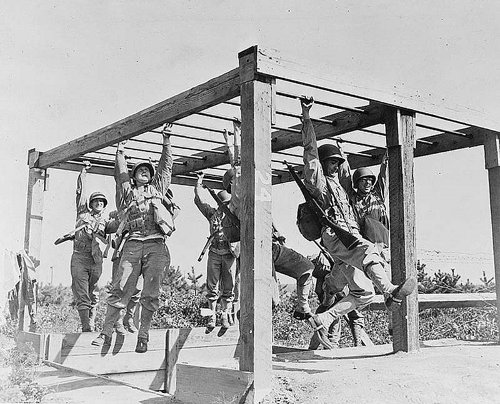
The Army first introduced a formal fitness test to the troops in 1942. Millions of men were being called up to fight in World War II, and not all of them were prepared for the rigors of combat. To get the men in fighting shape, the Army implemented a systematic physical development program as part of the Combat Basic Training course. And the Army Ground Forces Test was designed to assess whether the program was having its desired effect. The test included squat jumps, sit-ups, pull-ups, push-ups, and a 300 yard run. The emphasis was on functional fitness and giving American GI’s the strength, mobility, and endurance they would need to tackle real tasks on the battlefield.
In 1946, a Physical Training School was created at Fort Bragg with the mission of exploring how to take the goal of functional fitness farther. The training program developed at the school and the fitness test were codified in the 1946 edition of FM 21-20, the Army’s physical training manual.
Basically, Grandpa was doing Cross-Fit before it was cool.
In 1953, the Physical Training School closed, and its focus on combat readiness was lost; in the ensuing decades, the military began to concentrate more on general fitness, focusing on aerobic over anaerobic exercises. The fitness test was revised several times during the 60s and 70s, and standards began to be assessed on a sliding scale based on age and gender.
In 1984, the Army Physical Readiness Test was introduced, and it continues to be used today. It has only three elements: sit-ups, push-ups, and a two mile run. In 1987, General Schwarzkopf became concerned that only 5% of soldiers were able to achieve the highest score on the test, and so the standards were eased and more provisions were made for age and gender.
Also, whereas soldiers who failed the test used to be discharged, this rule has been greatly relaxed.
For the past couple of decades, many critics have said that the physical fitness standards for the troops are too easy, and more importantly, don’t assess the kind of skills soldiers actually need in our current conflicts. In a time of new equipment like body armor, men are humping large loads for long periods, and are much more likely to be sprinting and crouching than running for miles at a time.
When Dr. Edward Thomas, an instructor at the Army Physical Fitness School, re-discovered the WWII fitness test and administered it to soldiers in the 1990s, he was surprised at the result: soberingly low scores. While the numbers of required repetitions for things like push-ups are higher in the modern test than the WWII version, the standard for the precision with which the repetitions must be completed has been relaxed. Consequently, when Thomas tested the modern soldiers, they could only do a fraction of the repetitions required of WWII GIs.
In the last several years, the Army has been changing its physical training program to concentrate more on functional fitness and is currently developing a new fitness test which will be rolled out in the future and incorporate things like a shuttle run and long jump.
_______________________________
Well all that interesting history aside, I thought AoM readers, civilians and soldiers alike, would enjoy seeing how they stacked up against their grandfathers by taking the WWII fitness test. Why take the test? Well as the introduction to the original test itself says, “Tests motivate the men to improve their physical condition. Frequently men do not realize what poor condition they are in. When the tests reveal their deficiencies, they are much more receptive to an intensive physical training program in order to remedy their shortcomings.”
So maybe taking the test will inspire you to get in shape (or inspire you to feel awesome about how in shape you already are).
If you’re a coach, it might be fun to have your guys take the test–seems like it would be a great team-building exercise for your own little band of brothers.
Before we get to the test, let’s go over a couple of guidelines:

I see guys debate these kinds of questions all the time. Of course it’s hard to quantify “toughness.” But there is one area where we can definitively say we’ve slipped–the Army fitness test isn’t as hard as it used to be.
The Army first introduced a formal fitness test to the troops in 1942. Millions of men were being called up to fight in World War II, and not all of them were prepared for the rigors of combat. To get the men in fighting shape, the Army implemented a systematic physical development program as part of the Combat Basic Training course. And the Army Ground Forces Test was designed to assess whether the program was having its desired effect. The test included squat jumps, sit-ups, pull-ups, push-ups, and a 300 yard run. The emphasis was on functional fitness and giving American GI’s the strength, mobility, and endurance they would need to tackle real tasks on the battlefield.
In 1946, a Physical Training School was created at Fort Bragg with the mission of exploring how to take the goal of functional fitness farther. The training program developed at the school and the fitness test were codified in the 1946 edition of FM 21-20, the Army’s physical training manual.
Basically, Grandpa was doing Cross-Fit before it was cool.
In 1953, the Physical Training School closed, and its focus on combat readiness was lost; in the ensuing decades, the military began to concentrate more on general fitness, focusing on aerobic over anaerobic exercises. The fitness test was revised several times during the 60s and 70s, and standards began to be assessed on a sliding scale based on age and gender.
In 1984, the Army Physical Readiness Test was introduced, and it continues to be used today. It has only three elements: sit-ups, push-ups, and a two mile run. In 1987, General Schwarzkopf became concerned that only 5% of soldiers were able to achieve the highest score on the test, and so the standards were eased and more provisions were made for age and gender.
Also, whereas soldiers who failed the test used to be discharged, this rule has been greatly relaxed.
For the past couple of decades, many critics have said that the physical fitness standards for the troops are too easy, and more importantly, don’t assess the kind of skills soldiers actually need in our current conflicts. In a time of new equipment like body armor, men are humping large loads for long periods, and are much more likely to be sprinting and crouching than running for miles at a time.
When Dr. Edward Thomas, an instructor at the Army Physical Fitness School, re-discovered the WWII fitness test and administered it to soldiers in the 1990s, he was surprised at the result: soberingly low scores. While the numbers of required repetitions for things like push-ups are higher in the modern test than the WWII version, the standard for the precision with which the repetitions must be completed has been relaxed. Consequently, when Thomas tested the modern soldiers, they could only do a fraction of the repetitions required of WWII GIs.
In the last several years, the Army has been changing its physical training program to concentrate more on functional fitness and is currently developing a new fitness test which will be rolled out in the future and incorporate things like a shuttle run and long jump.
_______________________________
Well all that interesting history aside, I thought AoM readers, civilians and soldiers alike, would enjoy seeing how they stacked up against their grandfathers by taking the WWII fitness test. Why take the test? Well as the introduction to the original test itself says, “Tests motivate the men to improve their physical condition. Frequently men do not realize what poor condition they are in. When the tests reveal their deficiencies, they are much more receptive to an intensive physical training program in order to remedy their shortcomings.”
So maybe taking the test will inspire you to get in shape (or inspire you to feel awesome about how in shape you already are).
If you’re a coach, it might be fun to have your guys take the test–seems like it would be a great team-building exercise for your own little band of brothers.
Before we get to the test, let’s go over a couple of guidelines:
- As mentioned above, the WWII test requires that the exercises be done with strict precision. To get an accurate assessment of how you did, don’t sacrifice quality for quantity!
- In the chart below, you will see two batteries of tests–one for doing outdoors, one for doing indoors. Pick one of the other–not both. The fifth test in the indoor battery includes two variations–choose one or the other.
The WWII Fitness Test
| OUTDOOR TESTS | INDOOR TESTS |
| 1. Pullups | 1. Pullups |
| 2. Squat Jumps | 2. Squat Jumps |
| 3. Pushups | 3. Pushups |
| 4. Situps | 4. Situps |
| 5. 300-yard Run | 5A. Indoor Shuttle Run |
| 5A(1). 60-Second Squat Thrusts |
TEST 1: PULLUPS
This event requires a horizontal bar. This may be made of a pipe or gymnasium horizontal bar, or other rigid horizontal support which is not over 1½ inches in diameter. The bar should be high enough to permit the performer to hang at full length without touching the ground. A height of 7 feet, 9 inches to 8 feet is recommended.
Starting Position. Hanging at full length from the bar with arms straight. The forward grasp is used with the palms turned away from the face.
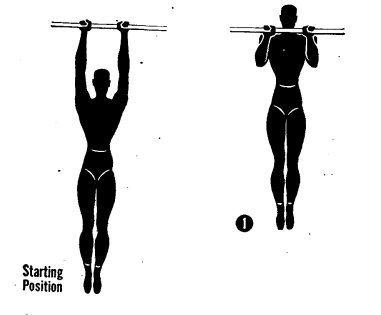 Movement. Pull up until the chin is above the level of the bar. Then lower the body until elbows are completely straight. Continue for as many repetitions as possible.
Instructions. The men should be told that it is permissible to raise the legs and flex the hips when pulling up but not to kick or execute a jerking motion with trunk or legs. The body must be kept from swinging. The chin must be raised above the bar. The arms must be completely straight at the bottom of the movement.
Administration and Scoring. Each time the performer pulls his chin above the bar in correct form, he is given credit for one pullup. He is not credited with a pullup if he fails to raise his chin above the level of the bar or if he stops to rest. If the performer does not straighten his arms at the bottom of a movement, if he kicks or jerks, only half a pullup will be counted. If there are four half-pullups, the performer should be stopped and retested later. If the performer starts to swing, the judge should stop the swinging with his hands. Some such aid as a resin-bag or a cake of magnesium carbonate should be available to prevent the hands from slipping.
TEST 2: SQUAT JUMPS
Starting Position. Squatting on right heel with fingers laced on top of head, palms down. The feet are 4 to 6 inches apart with the heel of the left foot on a line with the toes of the right foot.
Movement. Spring upward until both knees are straight and both feet clear the ground. Jump just enough to permit straightening the knees without touching the ground. Do not jump any higher than necessary to accomplish this purpose. Keep the upper body erect. While off the ground, reverse the position of the feet bringing the right foot in front. Then drop to a squat on the left heel. Keep the knees pointing forward. Spring up again and continue for as many repetitions as possible.
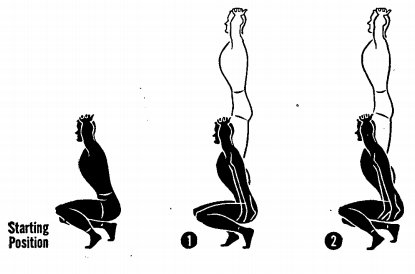 Instructions. The men should be told that the most common errors are: getting the feet too far apart, forward and backward, and failing to squat down on the rear heel. The correct position should be demonstrated clearly, and the men should be given sufficient practice to master it. The action must be continuous throughout. Before beginning the event, the men should be told that it requires courage almost to the same extent as it requires strength and endurance and that they should not give up until they cannot make another movement.
Administration and Scoring. The performer is credited with one squat jump each time he springs up from the squat to the erect position and returns. The movement is not scored if he fails to descend to a complete squat, if he does not straighten his legs completely and reverse his feet while he is in the air, if he removes his hand from his head, or if he discontinues the movement and comes to a stop. If he loses his balance and removes a hand from his head momentarily, or falls but immediately recovers and continues, he shall not be penalized. If the performer gets his feet too far apart but comes to a squat on the rear foot, there is no penalty. Some men cannot squat all the way down on the heel. If they go down as far as possible they should not be penalized.
TEST 3: PUSHUPS
Starting Position. The performer assumes the front leaning rest position with the body straight from head to heels. His palms are directly underneath the shoulders and elbows are straight. Fingers pointed forward. The judge sits on the ground beside the performer, with one palm down on the ground underneath the lowest part of the performer’s chest.
Movement. Lower body until chest touches the ground (in informal practice), or touches the hand of the judge (in formal testing). Elbows must point directly to the rear. Return to the original position by straightening elbows. Keep the entire body in a straight line throughout. Repeat as many times as possible.
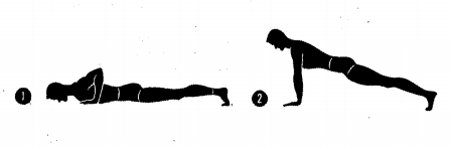 Instructions. The performer is told: that the arms must be straight at the start and completion of the movement; that the chest must touch the judge’s hand; and that the stomach, thighs, or legs must not touch the floor. Hands and feet must not move from their positions. He is also told that the whole body must be kept straight as he pushes the shoulders upward; that is, the shoulders should not be raised first, and then the hips or vice versa. The judge uses his free hand to guide the man in case he is raising his hips too much or raising his shoulders first. In the first instance, he taps the man on the top of the hips to straighten them out; in the second case he taps underneath the abdomen to make him raise his abdomen with the same speed as his shoulders.
Administration and Scoring. The performer is credited with one pushup each time his arms are completely straightened and the exercise is performed in acceptable form. There is no penalty for the hips being slightly out of line if the whole body is moving upward at about the same speed. The men may proceed but may not stop to rest. If a man violates any of the instructions given above, he is credited with a half-pushup. If and when the performer is no longer able to hold a correct front leaning rest, the test is terminated.
NEVER MISS AN UPDATE
Subscribe to the AoM Newsletter
TEST 4: SITUPS
Starting Position. Performer lies on his back with knees straight, feet approximately 18 inches apart and fingers laced behind head and elbows on the ground. The scorer kneels on the ground at the performer’s feet and presses the performer’s ankles firmly down against the ground.
Movement. Raise upper body rotating it somewhat to the left, and then forward far enough to touch the right elbow to the left knee. The knees may bend slightly when sitting up. Lower the body until the back and elbows again touches the ground. Again sit up, but this time rotate the trunk to the right and touch left elbow to the right knee. Again lower the body until the back touches the ground. Perform as many situps as possible in two minutes. Rest pauses are permitted during the test but count toward the 2-minute period.
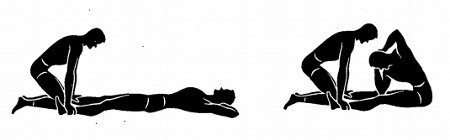 Instructions. The performer should be warned that he must keep his knees straight until he starts to sit up; that he must touch his knee with the opposite elbow; and that he may not push up from the ground with his elbow.
Administration and Scoring. Performer is given credit for each situp completed within the 2-minute period. No score is given if he unclasps his hand from his head, if he pushes up from his elbow, or if he keeps his knees bent while lying back on the ground. He is not penalized if the elbow misses the knee slightly. He must, however, sit up far enough so that the elbow almost touches the knee. Time should be announced every 20 seconds. At the end of 2 minutes, the timer calls: STOP and the judge counts the full number of situps completed before the stop command.
TEST 5: 300-YARD RUN
A course 60 yards long is laid out on flat level ground with lanes 4 feet wide for for each runner. Both ends of the course have cross-marks at right angles to the lanes. The cross-mark at one end serves as a starting line; the one at the other end, as a finish line. In the middle of the cross mark at either end of each lane is a stake which is at least 1½ feet high. If possible the lanes should be marked out in lime. If there are no lanes, it is recommended that the stakes be numbered or painted different colors. Each performer must run around his stake without grasping it.
Starting Position. Standing behind the starting mark in the lane with rear foot braced by another man’s foot placed crossways behind it.
Movement. At the starting signal, run to the stake at the farther end of the lane. Run around the stake at the finish line. Then return and run around the stake at the starting line. Continue until five lengths of the course, or 300 yards have been run. Make each turn from right to left. The run will finish at the opposite end of the course from which it started.
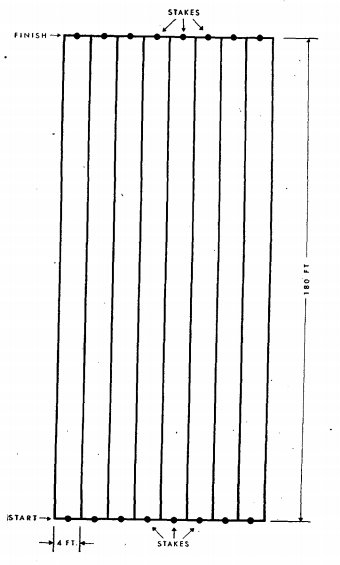 Instructions. The men should be told to run about 9/10ths full speed, to run straight down the lane, to turn around the far stake from right to left without touching it, and to return running around the stakes one after another until they have traveled five full lengths. The men should also be instructed to walk around slowly for 3 or 4 minutes after completing the run. Recovery will be much more rapid if they walk than if they lie down.
Administration and Scoring. Each runner has one inspector, or judge, who stands at the finish line. The judge watches his runner to see that he makes the turns properly and observes all the rules. This inspector also holds the man’s card and records his performance. A timekeeper stands on one of the lines in the middle of the course, 20 feet away from the finish line. The men are started by the starter with ordinary signals of: “Get on your mark; get set; go.” Since the timer starts his watch by the “go”, the starter should also use a hand signal.
When the first runner is about 30 yards away from the finish line, the timer begins to count the seconds aloud using “hup” for the half-seconds. For example, he counts “44, hup, 45, hup, 46, hup, 47, hup, 48, hup …… etc.” The judge for each man listens to the count and at the same time watches his runner. He then records the last full second or half-second, which was counted before the man reached the finish line. After the inspector records the time on the man’s scorecard he returns the card to him.
TEST 5A: INDOOR SHUTTLE RUN
A course 25 yards long is laid out on the gymnasium floor with a lane 4 feet wide for each runner. The lanes should be marked on the floor with water-solvent coloring, chalk, paint or adhesive tape. Turning boards are placed at both ends of the course. Each turning board is placed at a 45º angle, facing inside the lane and toward the runner. The turning boards must be firmly braced and made of heavy material. They should be from 12 to 16 inches in width. The lower edges of the turning boards are flush with the end of the lines of the running area. The number of each lane will be painted on the face of its board.
Starting Position. Ready for a sprint start, with one foot braced against a turning board and the other foot and the hands extended into the lane.
Movement. On the starting signal, run to the turning board at the other end of the lane. Touch board with foot or feet. Turn and continue running until completing ten shuttle trips or laps (for a total of 250 yards). Touch the turning board at the end of each lap, except the final one. At the end of the final lap, the runner will continue across the turning board. Any footwork may be used in making the turn provided the foot or feet touch the turning board each time.
Instructions. Each runner must stay in his own lane. Any method may be used in making the turn, although it is recommended that the forward foot touch the block on the turn. In the event a runner falls or is hindered by another participant entering his lane during the progress of the run, he may be permitted to repeat the run later in the same period.
Administration and Scoring. This event is administered and scored as the 300-yard run. The time of the run is taken as the runner’s body passes beyond the turning board on the final lap.
TEST 5A(l): 60 SECOND SQUAT THRUST
When it is not possible to employ the indoor shuttle run as a substitute for the 300-yard run the 60-second squat thrust should be used.
Starting Position. Attention.
Movement. Bend at knees and hips and, squatting down, place hands on ground shoulder width apart. Keep the elbows inside the knees. Thrust feet and legs backward to a front leaning rest position. Keep body straight from head to heels. Support weight on hands and toes. Recover to the squatting position. Then recover to starting position.
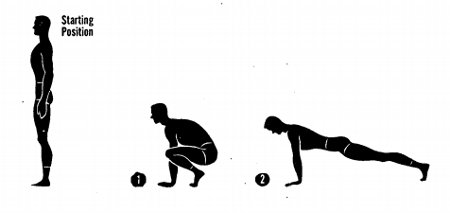 Instructions. The men should be told that in executing this movement for speed the shoulders should be well ahead of the hands when the legs are thrust backwards. Extending the legs too far backward, so that the shoulders are behind the hands, makes it difficult to return to the original position with speed. On the preliminary practice, the performer is told he will score better if he does not make a full knee-bend, but bends his knees only to about a right angle; and that he should keep his arms straight. It is not a failure if he bends his arms but the performer will not be able to score as well.
Administration and Scoring. A score is given for the successful performance of each complete squat thrust. No score is given if: the feet start backward before the hands are placed on the ground; the hips are raised above the shoulder-heel line when the feet are back; or the performer does not fully recover to the erect position on the fourth count. The judge should not count aloud as this is apt to confuse other nearby judges. If the man is performing the event incorrectly, the judge should coach him, or stop him and have him repeat the test after more coaching.
How Did You Do? Check the Score Sheet.
___________________________________
Sources:
Future of the APFT
TSAC Report
FM 21-20
ihpra.org
Your Army
Medal of Honor announced for soldier who fought through three floors of insurgents in Fallujah
/arc-anglerfish-arc2-prod-mco.s3.amazonaws.com/public/3TOCWEDL4VAMLLLKHTGKZDLL4Q.jpg)
Staff Sgt. David Bellavia, left, in Iraq. (Army)
The president will award the Medal of Honor on June 25 to a soldier who fought through a nest of insurgents during the second Battle of Fallujah in 2004, the White House officially announced Monday.
Then-Staff Sgt. David G. Bellavia originally received the Silver Star for his actions, but his citation was revisited as part of a review of valor awards and determined worthy of the nation’s highest combat award.
The award will give Bellavia one of now seven Operation Iraqi Freedom Medals of Honor, and make him the only living recipient from the Iraq War.
During the battle, Bellavia single-handedly killed multiple insurgents, including one during hand-to-hand combat.
A squad leader at the time, Bellavia, now 43, was clearing a block of buildings when his platoon was pinned down on Nov. 10, 2004, in Fallujah, Iraq.
The first nine buildings were found to be unoccupied, but were filled with rockets, grenade launchers and other weapons. When Bellavia and four others entered the 10th building, they came under fire from insurgents in the house, according to his Silver Star citation.
The ensuing gun battle injured several soldiers. Bellavia switched out his M16 rifle for an M249 SAW gun and entered one room where the insurgents were located to spray it with gunfire, forcing the Jihadists to take cover and allowing the squad to move out into the street.
Other insurgents on the rooftop of the building began firing on his squad below, forcing them to seek cover in a nearby building. Bellavia then went back to the street and called in a Bradley Fighting Vehicle to shell the houses before re-entering the building to assess the scene.
Upon entering, Bellavia gunned down one insurgent who was loading an RPG launcher. A second enemy fighter began firing as he ran toward the kitchen and Bellavia fired back, wounding him in the shoulder. A third insurgent then began yelling from the second floor.
/arc-anglerfish-arc2-prod-mco.s3.amazonaws.com/public/OI64KVSJZRBVZJU3YOQNAOTCSE.JPG)
Cache of weapons confiscated in Fallujah by Staff Sgt. David Bellavia and his unit. (Army)
Bellavia then entered the uncleared master bedroom and emptied gunfire into all the corners, at which point the wounded insurgent entered the room, yelling and firing his weapon, the citation reads. Bellavia fired back, killing the man. Bellavia was then shot at by another insurgent upstairs and the staff sergeant returned the fire, killing him as well.
“At that point, a Jihadist hiding in a wardrobe in a bedroom jumped out, firing wildly around the room and knocking over the wardrobe. As the man leaped over the bed he tripped and Sergeant Bellavia shot him several times, wounding but not killing him,” the citation reads. “Another insurgent was yelling from upstairs, and the wounded Jihadist escaped the bedroom and ran upstairs. Sergeant Bellavia pursued, but slipped on the blood-soaked stairs.”
Bellavia followed the bloody tracks of the insurgent up the stairs to a room on his left. Hearing the wounded insurgent inside, he threw a fragmentary grenade into the room, which caused the insurgent to flee to the roof. Two more insurgents began yelling from the third story of the building.
/arc-anglerfish-arc2-prod-mco.s3.amazonaws.com/public/OLJIGRAS2NDK7MCSLTGF443SBE.jpg)
This soldier is about to be the Iraq War’s first living Medal of Honor recipient
Staff Sgt. David Bellavia, who originally received a Silver Star, will receive his upgraded award this month.
Bellavia grabbed the wounded insurgent and put him in a choke hold to keep him from giving away their position.
“The wounded Jihadist then bit Sergeant Bellavia on the arm and smacked him in the face with the butt of his AK-47. In the wild scuffle that followed, Sergeant Bellavia took out his knife and slit the Jihadist’s throat,” the Silver Star citation reads. “Two other insurgents who were trying to come to their comrade’s rescue, fired at Bellavia, but he had slipped out of the room, which was now full of smoke and fire.”
A final insurgent dropped from the third story to the second-story roof. Bellavia saw the fleeing man and fired at him, hitting him in the back and the legs and causing him to fall off the roof and die.
By this point, five members of the platoon had entered the house and took control of the first floor. Before they would finish off the remaining insurgent fighters, however, they were ordered to move out of the area because close air support had been called in by a nearby unit.
The White House release said that Bellavia’s actions that day rescued an entire squad, cleared an insurgent strongpoint, and saved many members of his platoon from possible death.
Bellavia originally enlisted in the Army in 1999 and served in Kosovo, before deploying to Iraq in 2004 with Company A, Task Force 2-2, 1st Infantry Division. After leaving the service on Aug. 16, 2005, he has engaged in New York state politics and continued to serve the military and veteran communities through various advocacy groups.
Bellavia now has his own daily radio talk show for WBEN in Buffalo.
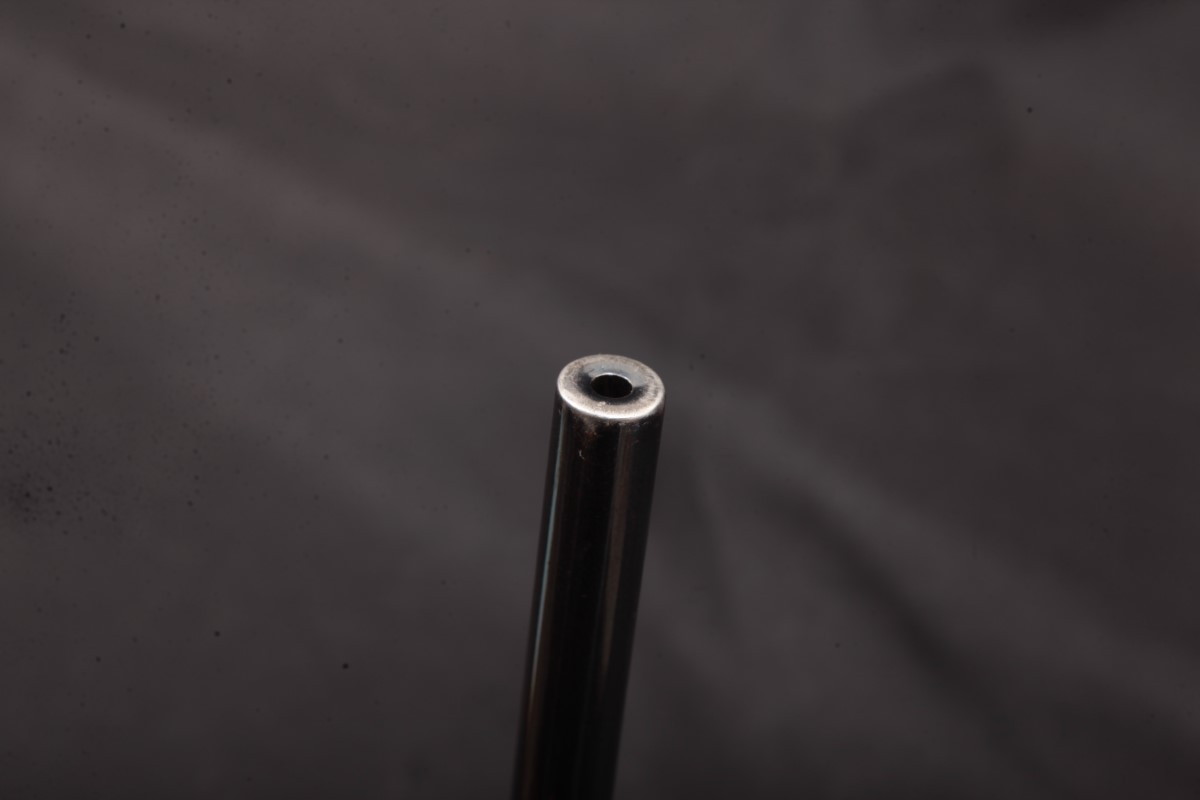
Okay here goes about my tale of woe. One day not so long ago, I went to one of my favorite gun shops that will remain nameless to protect the innocent.
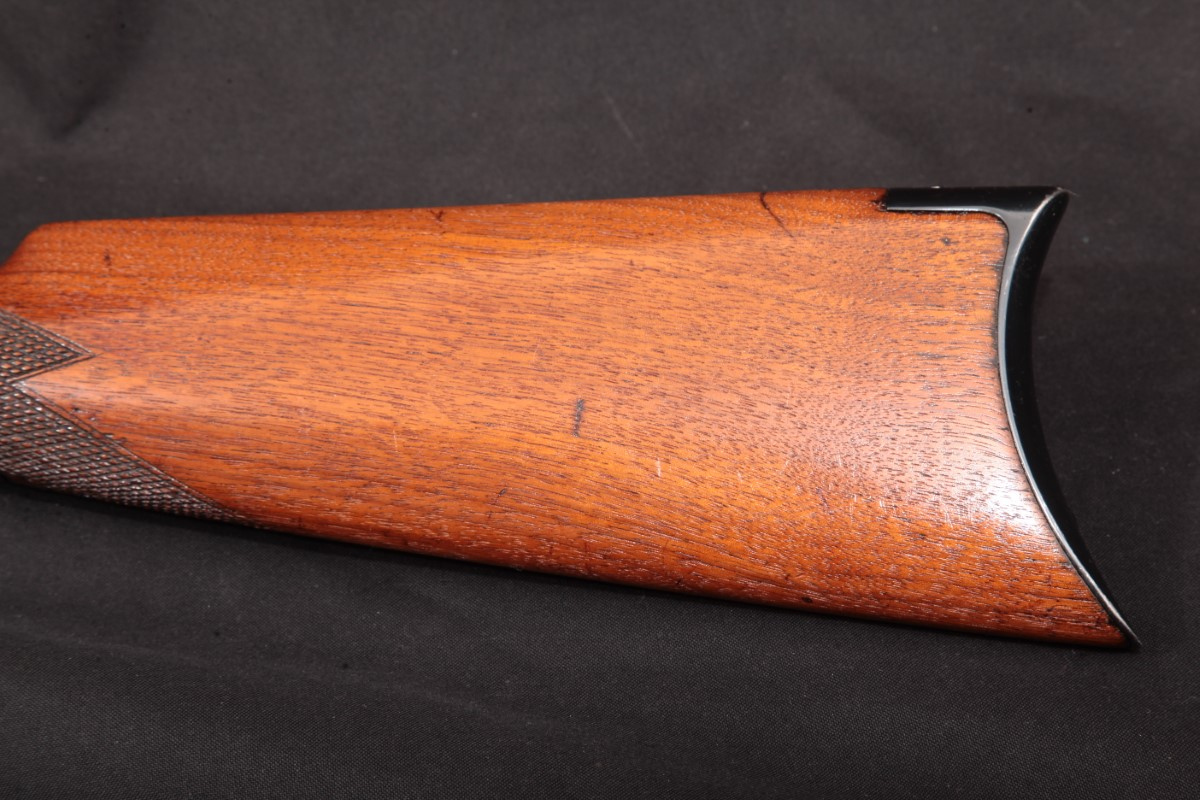
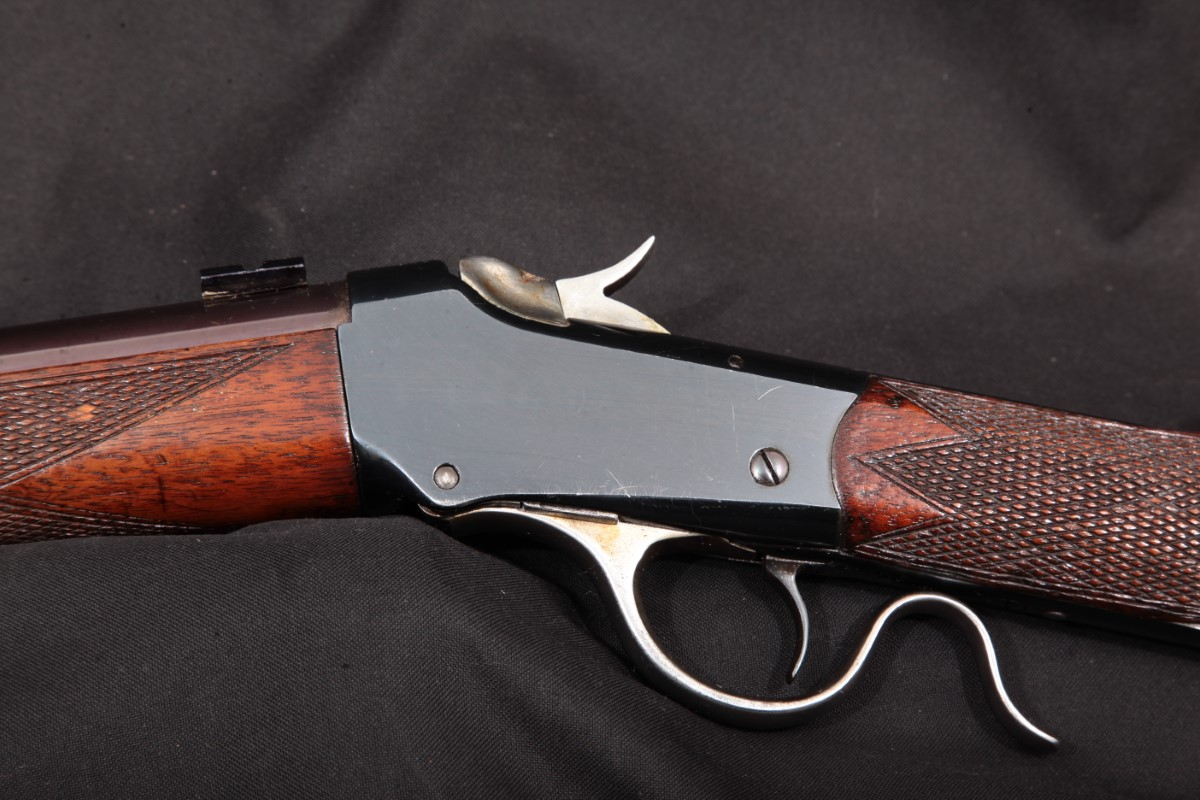
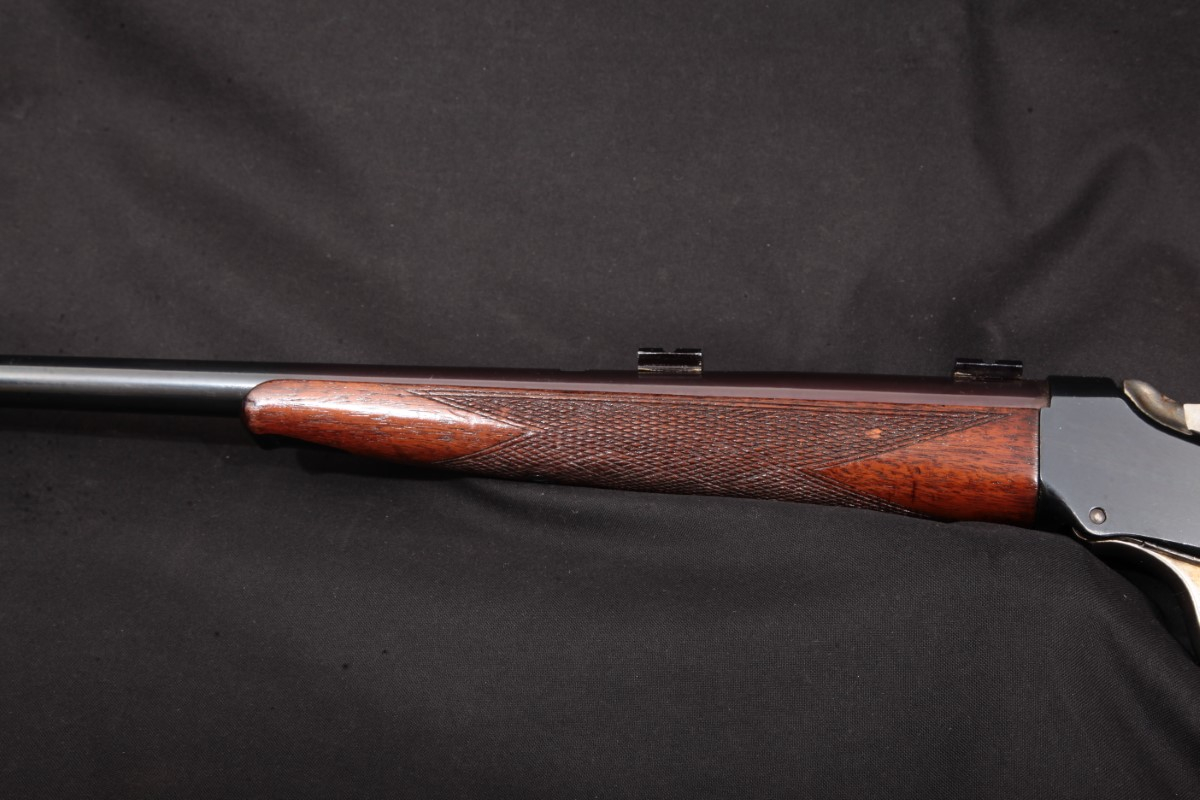
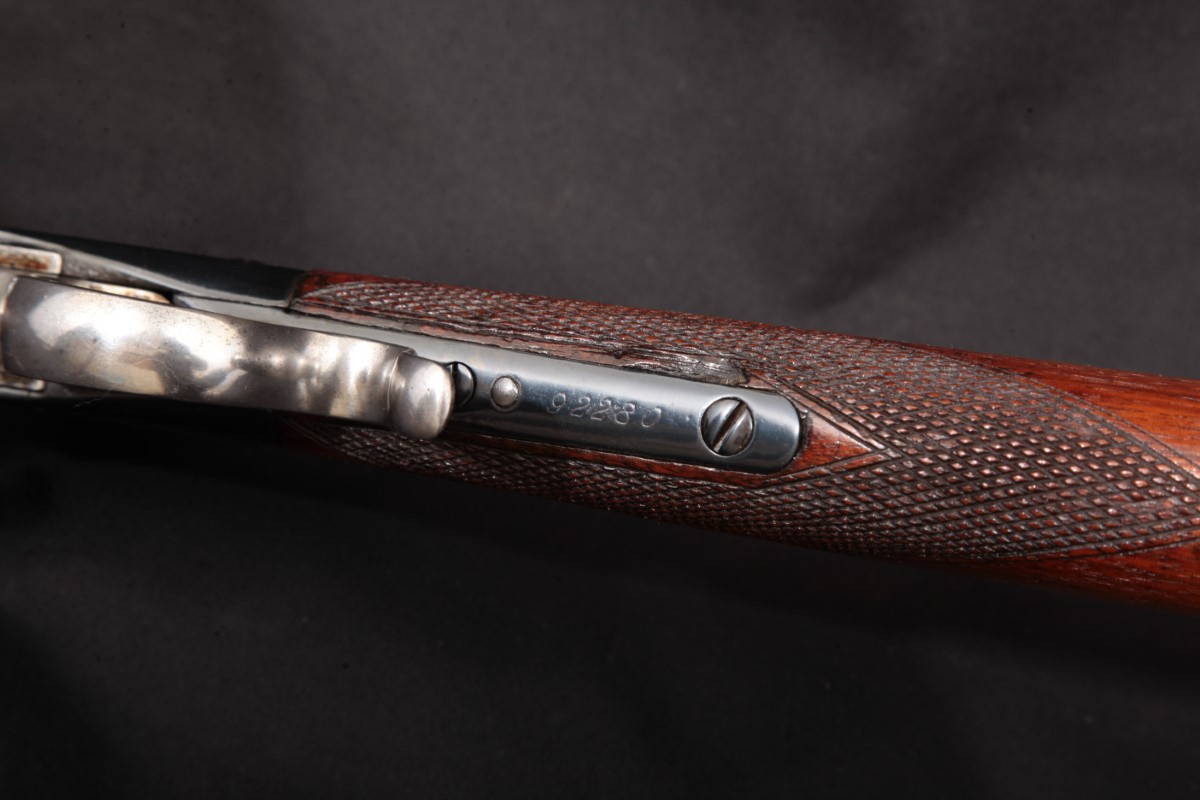
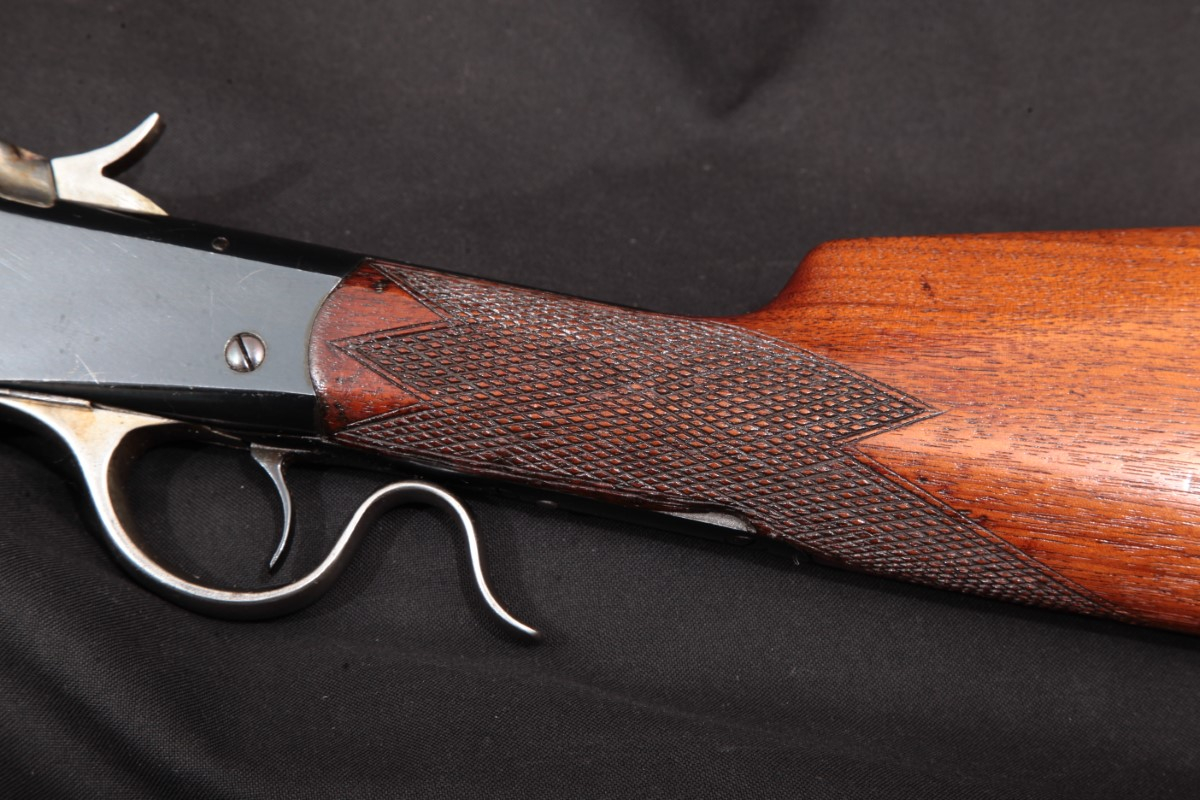
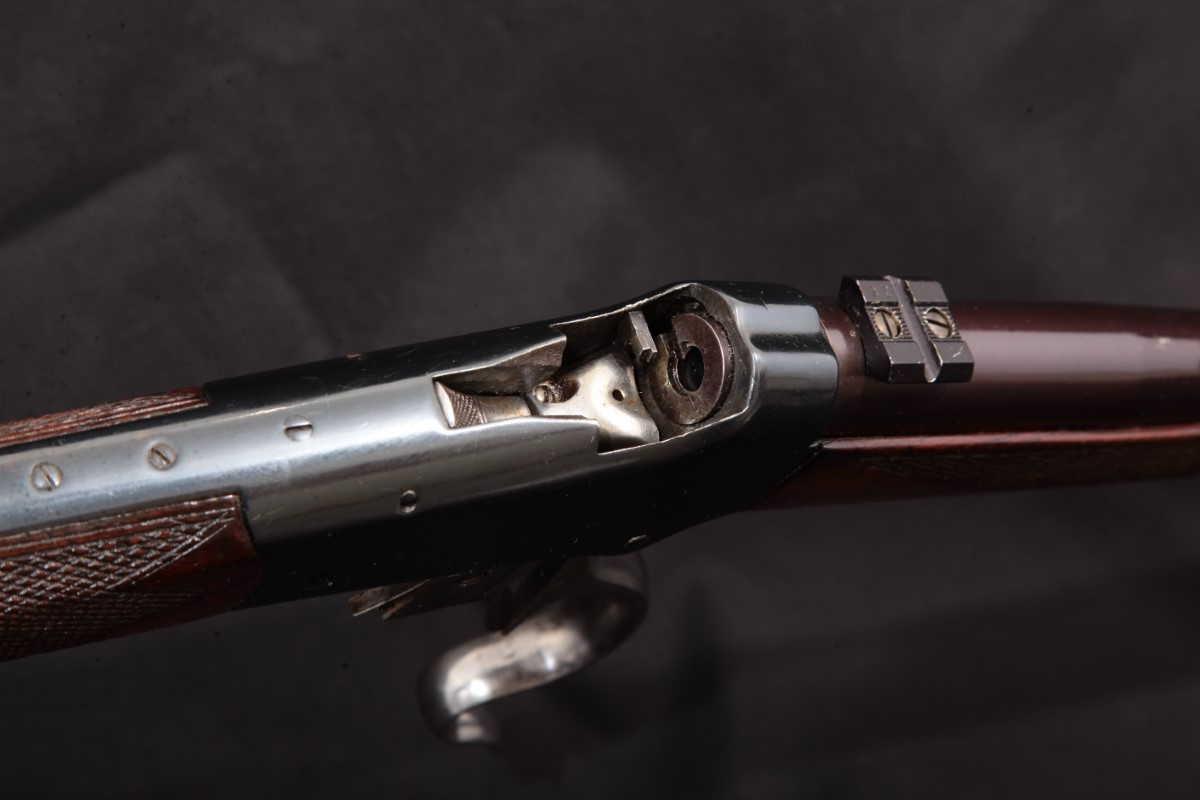
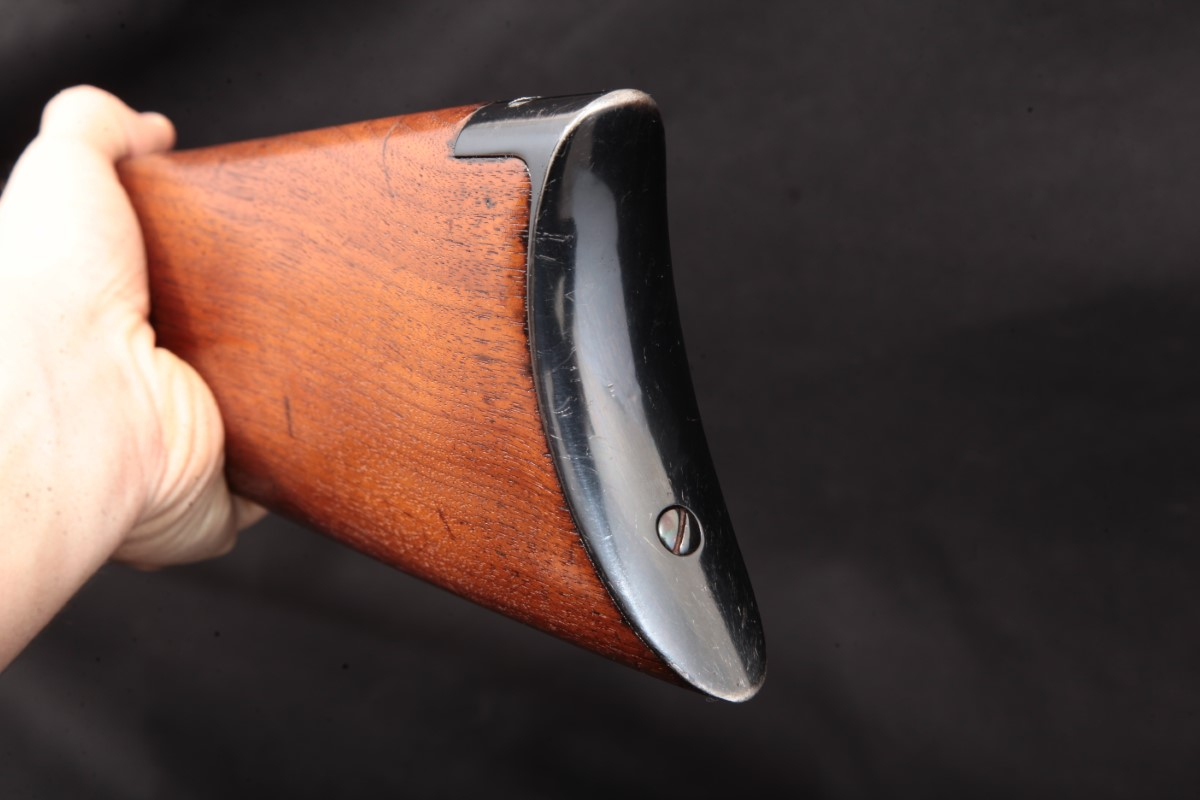
Where I spied this Old Timer coming out of the back room. Having always wanting one since I read about them from Townsend Whelen’s writings & his high opinion about them.
Needless to say. I went into hyper lust and just had to have it asap!!!
Anyways after a long and in terminal wait it seemed for me. I finally was able to buy it. Where upon things began a quick spiral to that very warm spot that all believers know and fear. The local Rifle range.
Where I had set my bench rig and proceeded to load this puppy up and try to hit the elusive X ring. As I expect, you can guess the results.
In that never even broke paper! So let us review things. Open up the action and line up the action with the target. Check! Then check the scope sight picture, hey it’s good to go!
So let us give it the Old College try again. Again No Joy today! So off we go to Ye Old Gunsmith. Who in his good old time renders his verdict.
It seems that you own a well put together parts gun. That has a badly bored barrel and it is no wonder that you could not hit the broad side of the ocean. This statement was then followed by a series of Anglo Saxon Oaths and other adult terminology. Care to guess who?
So it was off to my fine Sponsors at Lock Stock & Barrel. Where for one of the few times. I did not at least break even. All I can say is that I hope that this rifle serves its new Master better than it did for me.
The Bottom Line Lessons for me at least. Do not let your Twins overwhelm you when it comes to buying your “Dream Rifle”. (Yeah Right!) That and let a trusted and disinterested person look at it before peeling out the cash! There is more but I am getting lazy! Grumpy