Category: All About Guns
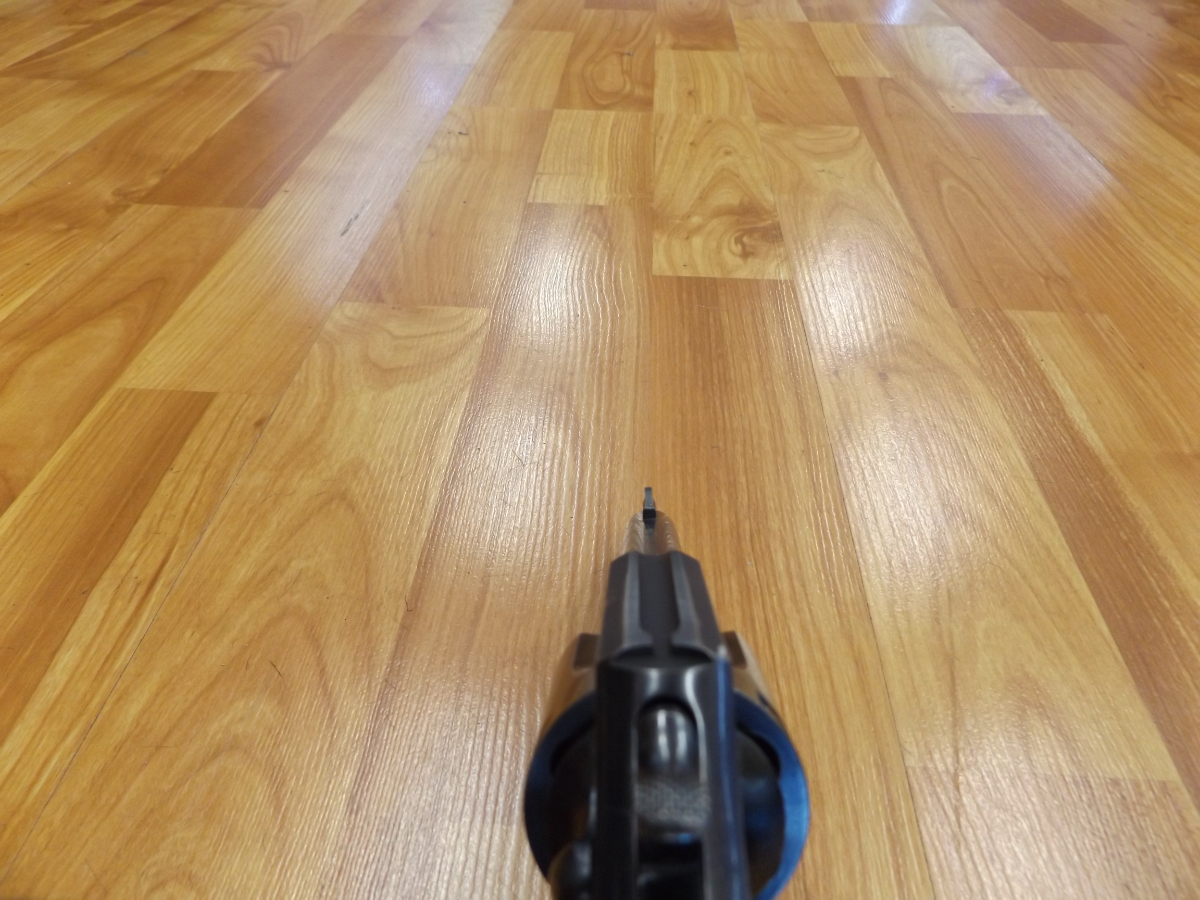
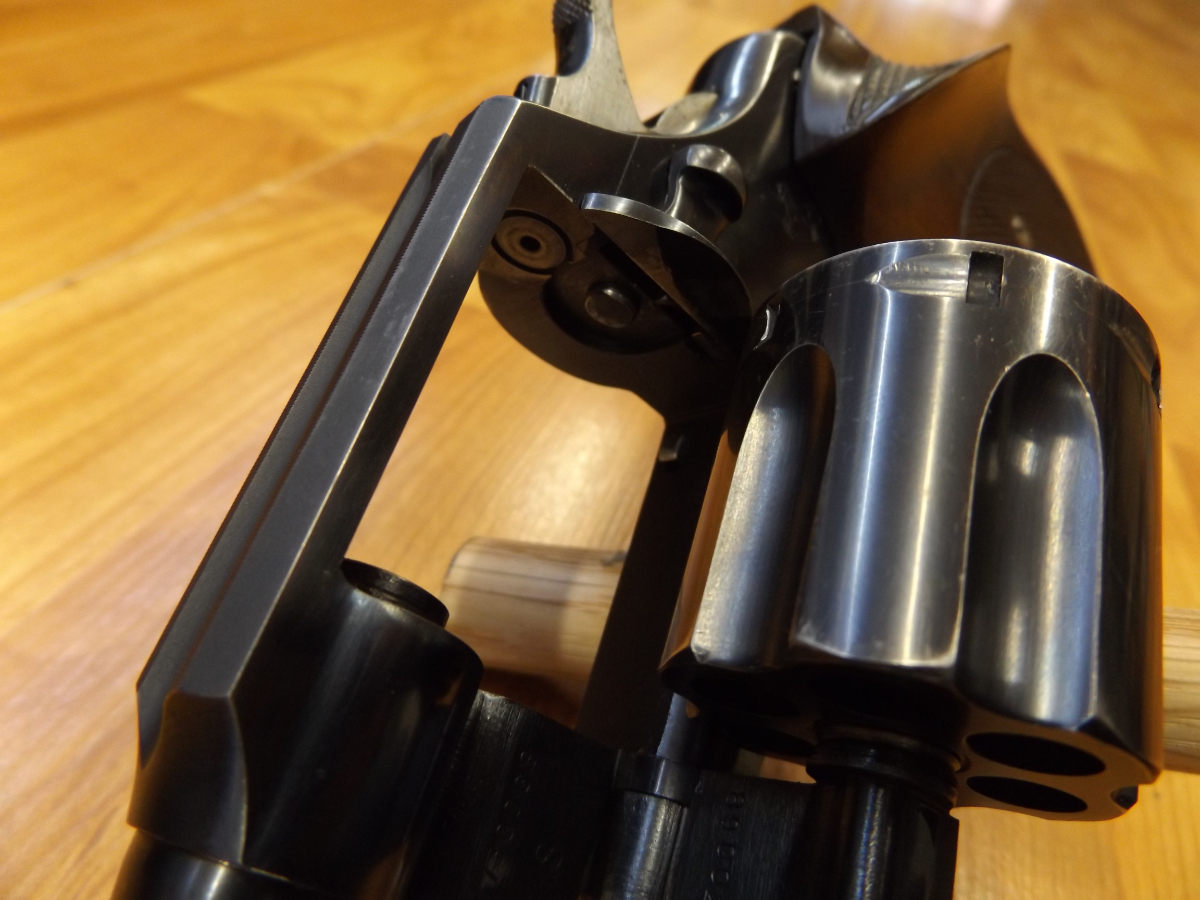
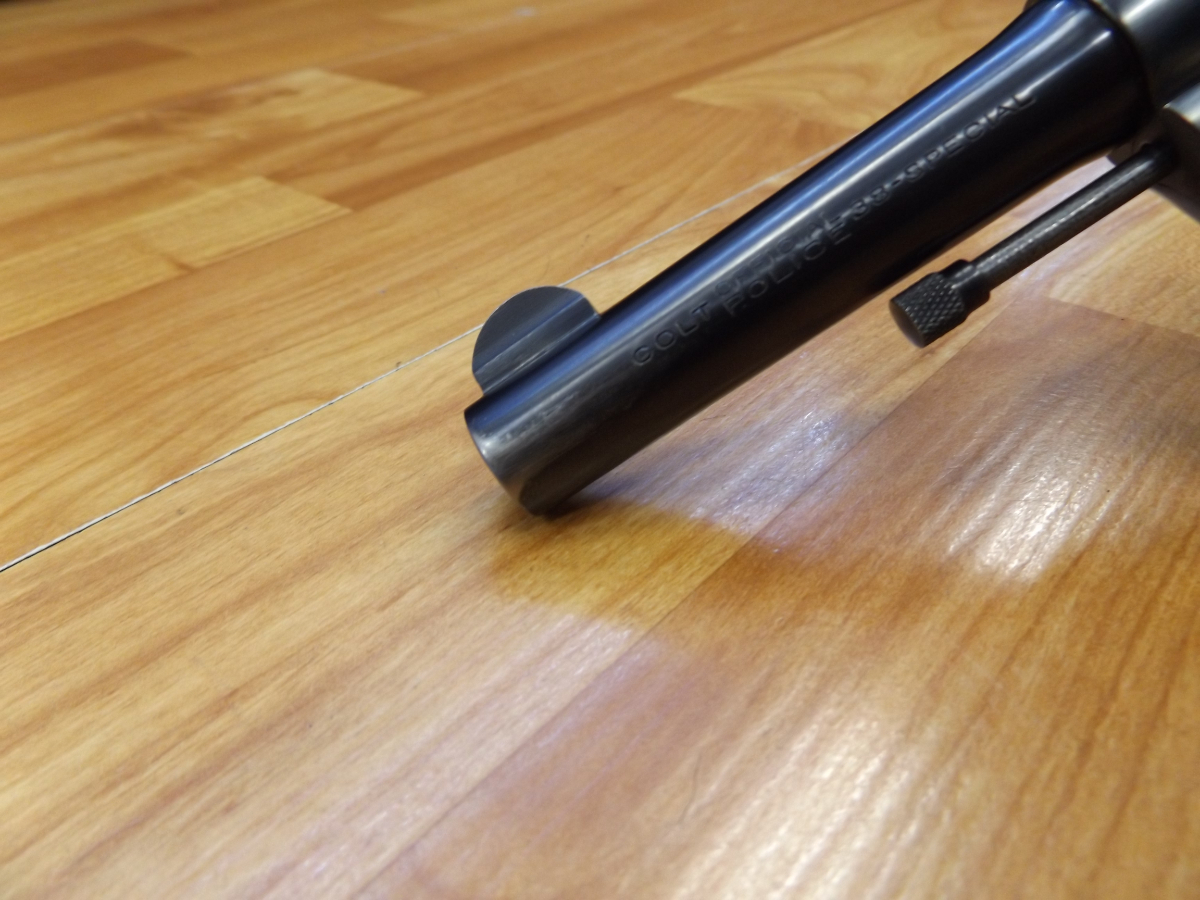
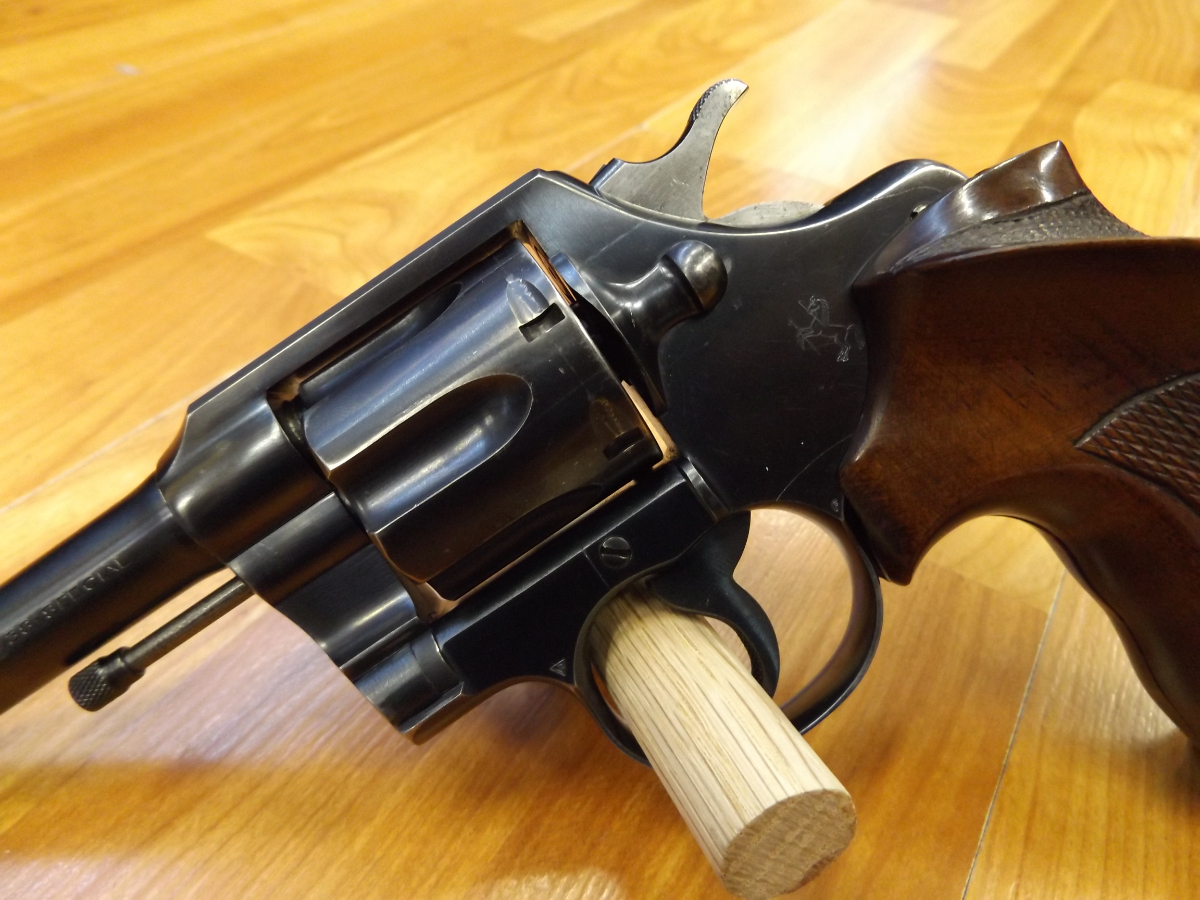
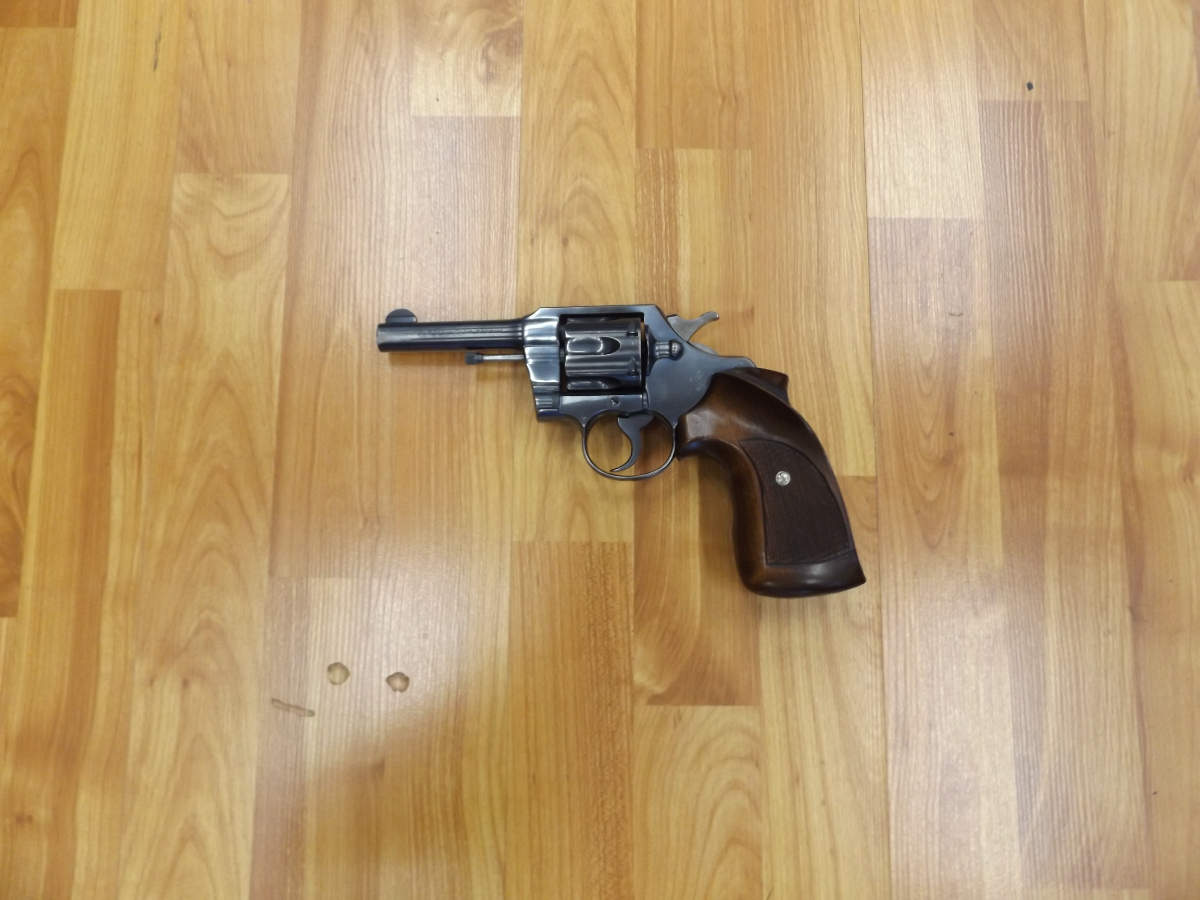
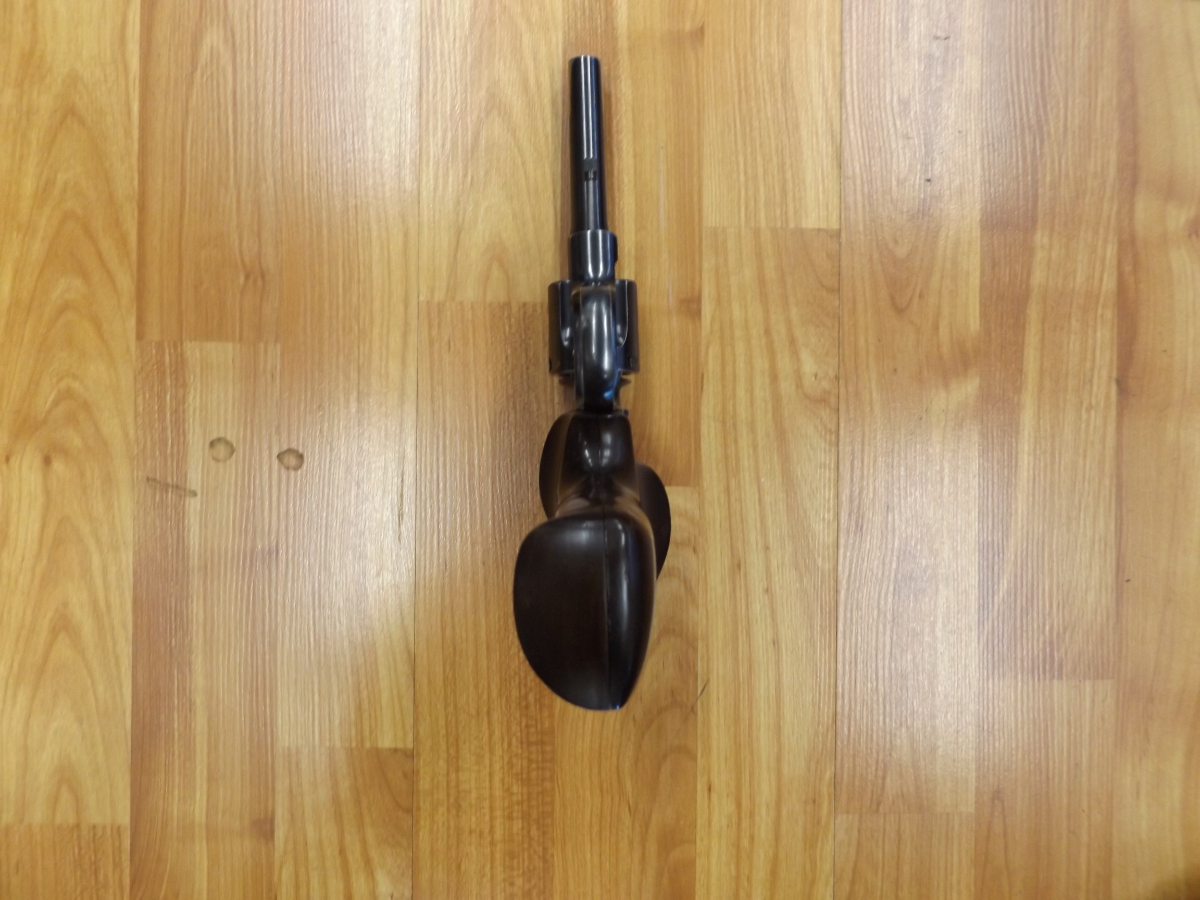


A new handgun shooter with small hands may be best suited with a J-Frame
S&W revolver, originally known as the Kit Gun. This model 34 is the standard .22 rimfire version.
In the ’60s and ’70s, S&W had an ad for their K22 revolver with the headline “The Beginner’s Gun the Experts Can’t Put Down.” The K22 is a lot more than a beginner’s gun, but the novice handgunner who starts with a K22 is fortunate indeed. A K22 wasn’t the first handgun I owned — it was the third, as I recall — but it taught me more about shooting a handgun than any other before or since.
It seems the concept of learning the basics with a .22 has become old school. I get it. Many buyers want a handgun for defense and don’t like the idea of buying more than one. They buy a centerfire and they’re satisfied if they can hit a silhouette target at five yards.
I know of no better tool for learning handgun skills than a quality double-action revolver. For me, the K22 is about perfect. The first one I owned was a Model 17 made in the early 1970s. This was the model number assigned to the K22 when S&W introduced model numbers in 1957. The original K22/Model 17 revolvers weighed about 38 1/2 oz. The current Classic Model 17 weighs just under 40 oz., while the stainless 617 with a 6″ barrel is a bit over 44 oz.
Good options for shooters finding these a bit heavy are the model 63 with a 4″ barrel at just under 25 oz. and a personal favorite, the Ruger SP-101 .22 at 30 oz.
Here’s why I like the K22 and similar revolvers as training tools:
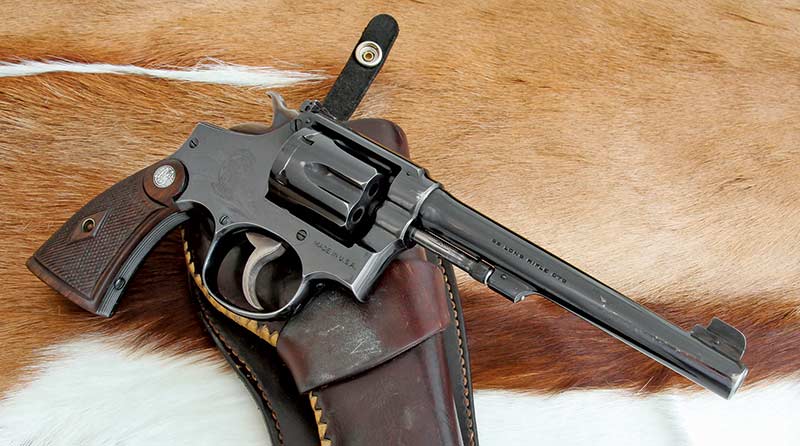
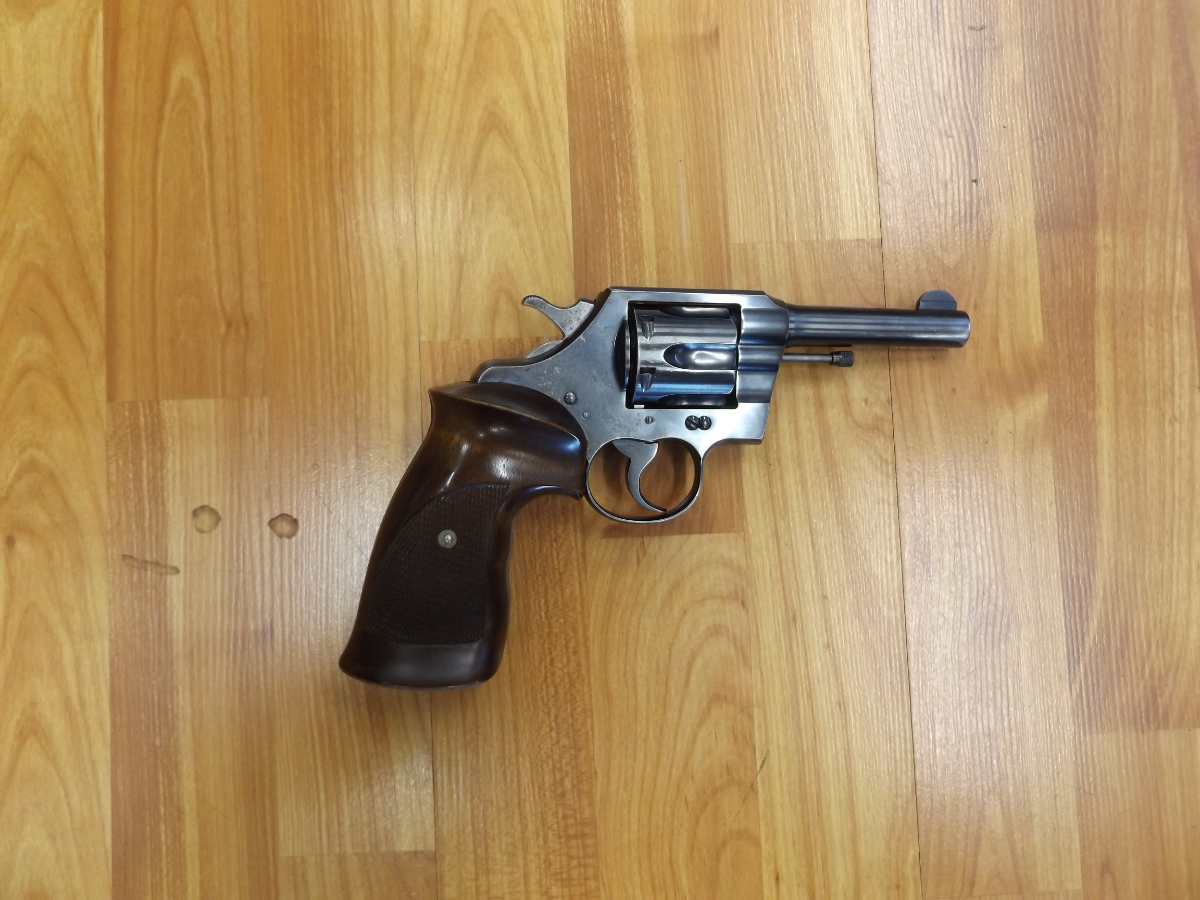
This Prewar S&W K22 with adjustable rear and post front sight was a gem
when first introduced and is still a pleasure to shoot 85 years later.

Dave’s favorite K22s are this pair from the early 1950s before
S&W model numbers were introduced.
Trigger Quality
A cocked double-action revolver has about the best out-of-the-box trigger break available. With the K22, there is virtually no perceptible take-up, creep, or over-travel and the pull is consistent. Just index the sights on target and smoothly increase pressure until the shot breaks. If the only handgun you’ve shot is a service-style 9mm semiauto, experiencing a really good trigger pull is a revelation.
Adjustable Sights
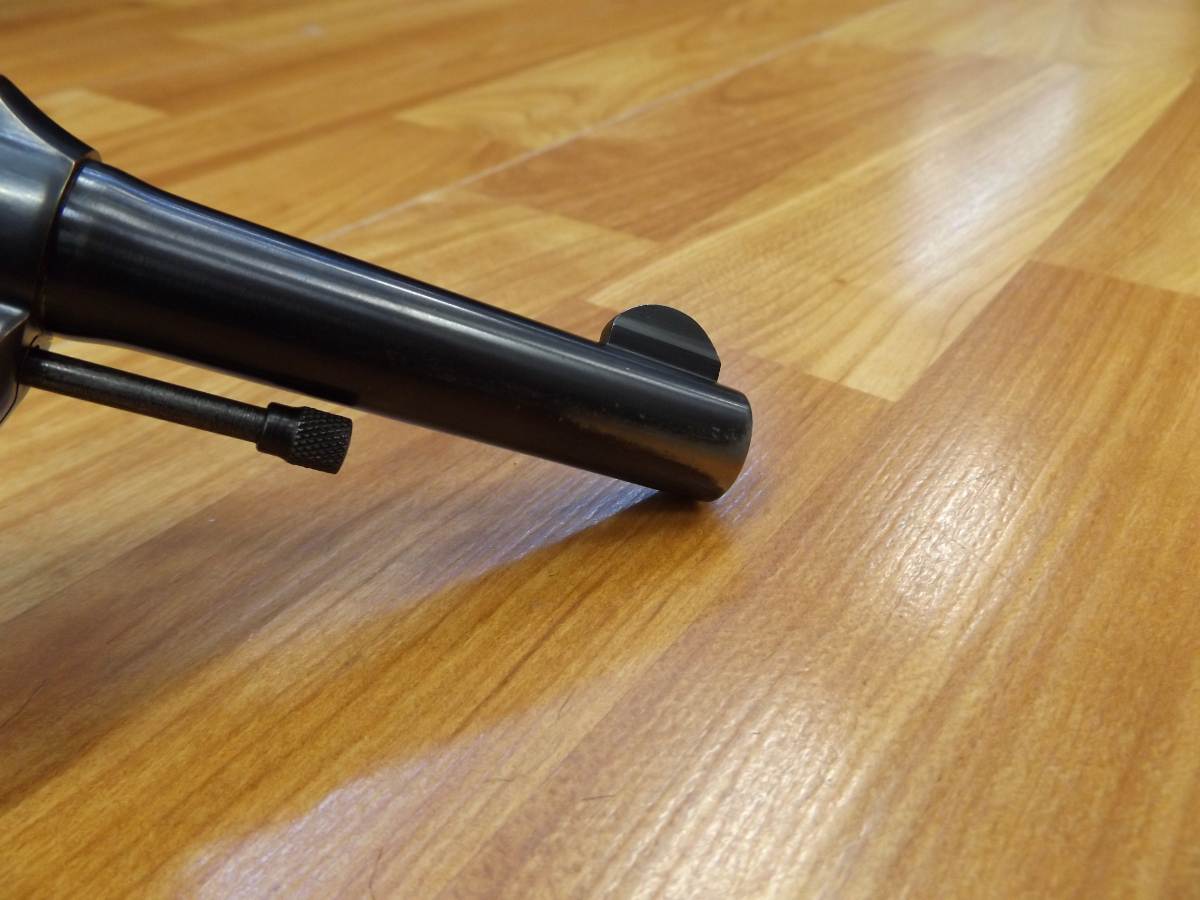
I have nothing against fixed sights; in fact, I prefer them for applications such as concealed carry, provided they are correctly sighted. The novice shooter is much better served with easily adjustable sights, especially considering point of impact can change as the shooter learns a more consistent sight picture, hand position and grip strength, and trigger control.
Ammunition Versatility
For target shooting, plinking and training, I use and recommend standard velocity .22 LR cartridges. A revolver provides the option of using .22 Shorts or even CB caps if reduced noise is desired. It used to save money back when .22 Shorts were cheaper than Long Rifles. These days one can hardly find Shorts for sale, and if you do, they often cost as much or more. For small game hunting and pest control, high-speed Long Rifles are an option.
Grip Size And Shape
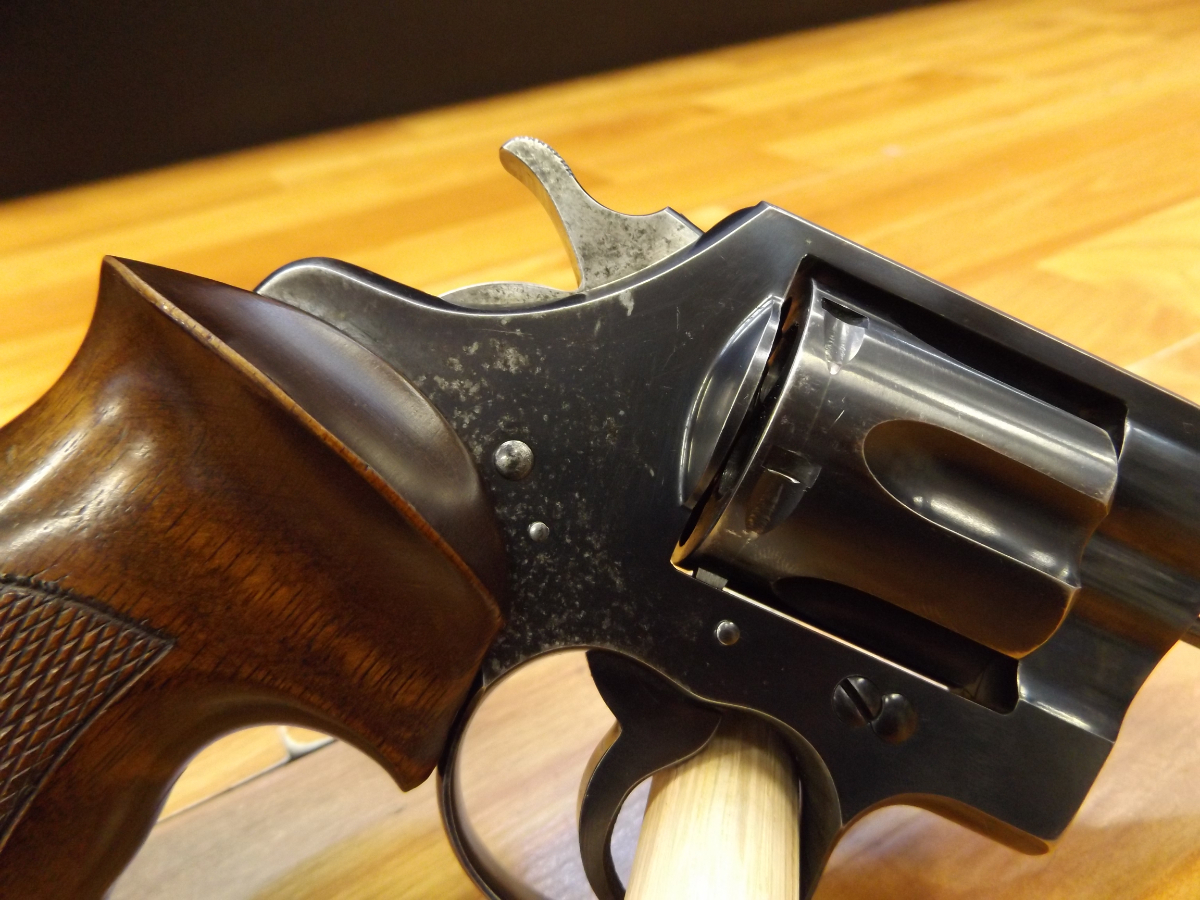
If the revolver has a fault, it is the grips used on older models, which left a big ditch behind the trigger guard. On my older guns, I often add a grip adapter. Current production revolvers have much-improved grip styles and there are many aftermarket styles. Most revolvers permit the shooter to easily fit grips to suit their hand size or add features such as finger grooves. Synthetic grips offer an alternative to wood.
Safety
I hesitate to say revolvers are safer than semiauto pistols. Strictly speaking, the shooter, not the gun, is safe or unsafe. Still, when a novice is shooting a handgun, I feel more comfortable if it’s a revolver. After firing a shot from a cocked revolver, the next shot can only be fired by a long, heavy pull or by cocking the hammer. After a shot is fired from a semiautomatic, the pistol is loaded, cocked, off-safe and ready to fire again with a short, light trigger pull.
One way around this is to load one cartridge at a time, which is a good idea for a novice with any handgun. This does get old in a hurry. I won’t make a huge issue of safety and the DA revolver — I can only point out my personal preference.
Fans of SA revolvers may feel I’m slighting their choice. Not at all; I would as soon teach with a single action. In some ways, it’s even safer since the hammer must be manually cocked for every shot. I prefer the DA since the SA pull is usually excellent, plus the shooter may someday want to acquire skill at DA shooting.

By Larry Keane. May 23, 2023
‘Gun control’ groups are foisting ‘gun control’ on the American public by taking to university campuses to convince law students to pledge to never represent the firearm industry, or its interests, in court.
‘Gun control’ groups are big Shakespeare fans, apparently. They’re taking a page from the famed Elizabethan-era bard’s Henry VI as the next play on foisting ‘gun control’ on the American public.
“The first thing we do, let’s kill all the lawyers,” Shakespeare wrote in the play.
Two ‘gun control’ groups are putting a 21st Century twist on the line and taking to university campuses to convince law students to pledge to never represent the firearm industry, or its interests, in court.
Call it the long game. ‘gun control’ isn’t satisfied with attacking Second Amendment rights, or even First Amendment rights. Now, they’re targeting Sixth Amendment rights too. That’s the amendment that guarantees the right to be represented by legal counsel.
Giffords Courage to Fight Gun Violence and March for Our Lives, ‘gun control’ groups headed by former U.S. Rep. Gabby Giffords and antigun billionaire Michael Bloomberg, respectively, are canvassing campuses to convince law students to sign a pledge they won’t represent the firearm industry or firearm owners when it comes to protecting and preserving Second Amendment rights. The ‘gun control’ groups’ pledge peddles verifiably false claims to convince the aspiring lawyers that the firearm industry is responsible for violent crime in America.
Not criminals. Not gang violence. Not the illicit drug trade. They’re blaming the industry for crimes committed by violent offenders and ignoring basic legal foundations to sway law students to deny legal services to companies and individuals that follow the law.
Do You Swear?
David Pucino, Giffords’ deputy chief counsel, makes some dubious claims to convince law students that after they earn their juris doctorate, they should sign the ‘gun control’ group’s nonbinding pledge to never represent the legal interests of a Constitutionally-protected industry. First among these misleading claims is that firearms are the leading cause of death for American children.
This is a favorite false talking point among ‘gun control’ groups and antigun politicians, including President Joe Biden. The problem is that it is demonstrably false. The University of Michigan manipulated data sets to include 18 and 19-year-old adults as “children” to boost the figure of childhood deaths to surpass those caused by motor vehicle accidents. When 18 and 19-year-olds are backed out because they’re not children, but in fact adults, that claim falls apart. NSSF demonstrated that here.
Giffords’ pledge website also claims the firearm industry actively opposes “any effort to pass gun safety laws.” Again, this is demonstrably false. NSSF backed the FIX NICS Act, named for the firearm industry’s FixNICS® initiative to get all states to submit disqualifying records into the FBI’s National Instant Criminal Background Check System (NICS). NSSF changed the laws in 16 states and in Congress to get the background check system to work as intended. In fact, NSSF helped create the instant point-of-sale background check system that would instantly inform a firearm retailer if a customer is prohibited from purchasing a firearm.
Pucino urges law student to never work for firms that represent the firearm industry because, in his estimation, the firearm industry “represent some really reprehensible companies that have done some horrible things.”
Never mind that the firearm industry administers the Real Solutions. Safer Communities® campaign that includes FixNICS and Project ChildSafe®, which partners with over 15,000 law enforcement agencies in all 50 states and five U.S. territories to distribute over 40 million free firearm safety kits including locking devices. Real Solutions also includes the partner programs with the Bureau of Alcohol, Tobacco, Firearms and Explosives (ATF) to prevent illegal “straw” purchases of firearms through Don’t Lie for the Other Guy™ and Operation Secure Store® to help firearm retailers voluntarily increase security to deter and prevent firearm burglaries and robberies. The firearm industry also partnered with the American Foundation for Suicide Prevention (AFSP) to provide firearm retailers and ranges kits to encourage a “brave conversation” to prevent suicide tragedies.
Persona Non Grata
Giffords and March for Our Lives think these programs are “reprehensible” enough to demand the ATF not work with the firearm industry on these campaigns that have been proven to save lives. Giffords was among 43 other ‘gun control’ groups that demanded the ATF stop working with the industry it regulates.
“Stop funding, partnering, or co-branding programs with the National Sports Shooting Foundation via the Department of Justice and other Federal Agencies,” the letter said, according to The Reload. “No longer should the ATF hold private briefing and training sessions at NSSF’s annual SHOT SHOW without making their remarks available to the public online.”
NSSF pointed out how “unserious” ‘gun control’ groups are with their demands then. They continue to prove that unseriousness now. These ‘gun control’ groups put special-interest political agendas ahead of real answers to keep the public safe. Their answer isn’t to “do something” as they demand. It is to “do something” to ban guns. And now, apparently, it is also to ban legal representation.
Giffords and March for Our Lives rolled out their “pledge” drive at the University of California – Berkeley School of Law, Cardozo School of Law, City University of New York (CUNY) School of Law, Vanderbilt Law School and Yale Law School. Pucino said the drive isn’t limited to those schools. Plans are to make it “broad and national.”
The goal is to encourage the aspiring lawyers to flex their legal muscle, putting pressure on law firms that they’ll miss out on talent because these law school graduates will refuse to assist in any cases defending the firearm industry or Second Amendment rights. It’s a tall order.
“There’s certainly the case that the legal system allows for and encourages for everyone to have representation, of course,” Pucino conceded in an interview with The American Independent.
These ‘gun control’ groups might want to read Shakespeare’s Hamlet and flip forward to the line that reads, “The lady doth protest too much, methinks.”
Shooting the M 14: Full Auto Really Uncontrollable?
This M14 is being sold by Morphys on October 30, 2018.
Today we are out shooting the H&R M14 “Guerrilla Gun” prototype, but fitted with a standard M14 stock and barrel. With these parts, it handles and fires exactly like a standard M14 – so I can answer the most pertinent question:
Is the M14 really so uncontrollable in full auto?

zabelin/iStock
With a bias that conveniently removes the culpability and failures of the federal bureaucracy to help our soldiers and veterans, an “expert” panel recently wrote a report for the Department of Defense (DoD) entitled “Preventing Suicide in the U.S. Military: Recommendations from the Suicide Prevention and Response Independent Review Committee.” The report recommends that the federal government put in place various gun-control measures for our armed forces under the guise of suicide prevention.
The 115-page report recommends everything from weakening shower rods to ensuring people get enough sleep to reduce the number of suicides, and perhaps some, or even many, of those suggestions are worth exploring, but it also lists a series of restrictions on the right to keep and bear arms of service members and DoD contractors that have been proven to be ineffective, or even counterproductive, and that would put an emphasis on reducing freedom, not finding and helping those in need.
These gun-control proposals would, in fact, almost completely strip away our troops’ rights—the very rights they are fighting to preserve. The DoD panel’s proposals include implementing a seven-day waiting period for any firearm purchased on DoD property; raising the minimum age for buying guns and ammunition to 25; developing a national database for recording firearm serial numbers; prohibiting the possession of privately owned firearms not related to the performance of official duties on DoD property by anyone who does not live on DoD property; requiring anyone living on DoD property in military housing to register all privately owned firearms with a base authority; and restricting the possession and storage of privately owned firearms in military barracks and dormitories.
And that is just the beginning of this gun-control slippery slope. The authors of the report also seek changes that would enable the Pentagon to gather information on soldiers’ private firearms, which have nothing to do with their job in the United States Armed Forces or as DoD contractors.
An obvious criticism of this series of proposals is that it is contradictory, wrong and problematic to train individuals to defend our country and to, at the same time, deprive those very individuals of the constitutional liberty to safeguard themselves and their families when they are off-duty.
Blaming guns for mental-health issues is, to be blunt, a convenient dodge for a bureaucracy that many feel has failed to satisfactorily help our soldiers and veterans as they serve and, later, as they readjust to civilian life. Officials can simply claim it’s not their fault, it’s the existence of guns. After all, this is how gun-control activists talk about crime; they pretend that guns—and they make no distinction between those that are legally owned and carried and those that are illegally obtained and carried—somehow cause crimes, not the unlawful individuals who commit the crimes.
This excuse for bans and further restrictions on soldiers’ Second Amendment rights has received a lot of criticism.
“Limiting access to weapons and ammo for 18 to 25 year olds who make up 90% of the infantry ranks, and whose very raison d’être is to engage in close-range combat with guns to destroy enemy ground forces, will not stop suicides,” said Dan O’Shea, a retired Navy SEAL. “The DoD should address the root causes of suicides, not send a contradictory message to the troops that we don’t trust you to own, operate and keep safe the very tools of your trade.”
Indeed, veterans primarily contend that restricting access to firearms outside of work does little to achieve the goal of reducing suicides and runs a high risk of worsening the problem, as it could convince troubled persons not to seek help, since they won’t want their rights permanently taken away just because they sought professional assistance.
“The government will always start where they can assert dominion and control. But this sort of gun control will not stop people from taking their lives with firearms. It could stop people from seeking the help they need and this could ultimately increase the number of suicides,” said Boone Cutler, a former U.S. soldier and founder of the anti-suicide mission known as The Spartan Pledge. “These ‘recommendations’ would take away constitutional rights without the adjudication of a court. They would be counter-
productive all the way around.”
Data Shows This Gun Control Wouldn’t Work
The gun-control argument that dramatically limiting gun access leads to an abrupt drop in suicides falls apart when you examine countries that have some of the most-stringent laws on the planet.
Take Japan, for example. The country’s suicide rate peaked at about 25 per 100,000 people in 2000. In 2021, it was still 16.8 per 100,000 people, according to Japan’s Ministry of Health, Labor, and Welfare. This is higher than the U.S., which in 2021 was estimated to be 14.1 per 100,000, according to The Centers for Disease Control and Prevention. Most firearms are illegal in Japan, and few citizens own guns, yet it has one of the highest suicide rates globally.
South Korea tells a similar story to Japan’s. In South Korea, the low amount of hunters’ firearms that are in circulation must be stored at local police stations; however, data from the World Health Organization (WHO) shows that South Korea has the highest suicide rate of all developed countries. In South Korea, the number of suicides was 26 per 100,000 in 2021, according to data compiled by Statistics Korea. Suicides in South Korea are typically carried out via drowning, hanging, ingesting poisons or jumping from tall structures. Furthermore, WHO statistics highlight that Austria, Belgium, France, Hungary and Poland all have higher suicide rates than the U.S. even though they have more-stringent gun-control laws than the U.S.
Thus, the DoD’s premise of slashing access to firearms doesn’t hold up to even a basic analysis. It is simply not proven that gun control will significantly reduce suicide rates.
“A gun is just a tool like any other tool. A hammer is great, but I can also kill someone or myself with a hammer. I can jump off a building if I want to jump off a building. I can overdose on heroin or go skydiving and not pull,” said Stokes. “There are so many ways to kill yourself, so targeting firearms is just stripping service members of their rights.”
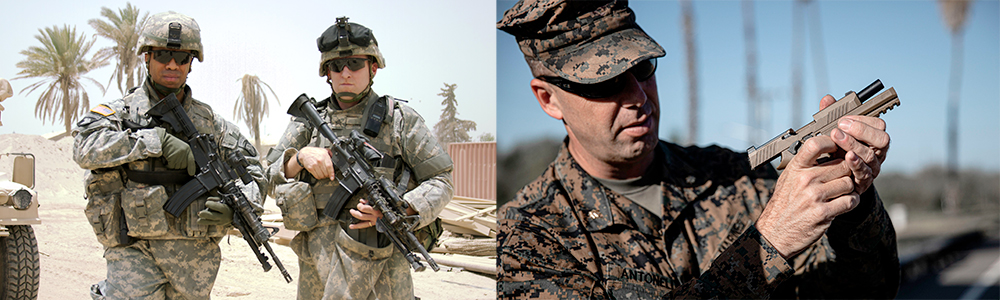
U.S. Marine Corps Maj. Eric Antonelli (right), helps soldiers complete an advanced marksmanship training course at Camp Pendleton, Calif. Just above are soldiers serving in Iraq.
Real Causes Need to Be Addressed
Many also argue that this taxpayer-funded diatribe about gun control only distracts from the root problem: actually preventing suicides. A gun is merely one of many instruments used by troubled people; it is not the cause. Rather, the seed of suicidal tendencies is complex and manifold, ranging from depression, trauma and isolation to relationship/family troubles, employment and financial pressures. If someone is truly suicidal, removing their gun hardly solves the problem.
“I was badly injured while fighting in Afghanistan,” says Greg Stube, who served in the Green Berets and is the author of Conquer Anything. “While recovering in a hospital, and during many surgeries from injuries from being horribly burned and gutted by shrapnel, like many, I became addicted to pain medication and spent years overcoming that addiction and healing from my massive injuries. So I know physically and psychologically what soldiers can go through. My strong foundation in faith, my family and the brothers I served with all helped me through those horrific times, so I never considered suicide.
But I do understand how low a soldier can sink. And I have counseled a lot of veterans and have given many speeches to veteran groups on these issues and I can tell you that guns are not why some give up. If someone is determined to kill themselves, they’ll find a way. What too often occurs is the bureaucracy misses the signs and isn’t nimble and human enough to really be there and to stay there for these individuals. This is complicated stuff, and it drives me crazy that some want to use this as an excuse to take freedom, as in Second Amendment rights, away from soldiers.”
Many agree with Stube.
“It is stupid, contradictory and insulting to issue young men and women weapons and a chance to die for their country while restricting their ability to buy guns and ammo for their personal use,” said James Williamson, a retired U.S. Special Forces soldier.
“I have counseled a lot of veterans and have given many speeches to veteran groups on these issues and I can tell you that guns are not why some give up.”–Greg Stube, Green Beret (ret.)From his experience, what would be much more beneficial would be to emphasize suicide prevention at the officer level and to de-stigmatize the idea that soldiers sometimes must seek help.
“We also need to educate soldiers to use the buddy system and to look out for each other and recognize any signs of distress; we need to encourage them to report and take intervention action themselves,” said Williamson. “Restricting firearms is a cheap cop-out and a non-starter to a much-greater, and complex, set of problems.”
In fact, according to Matt Tipton, a physician and former U.S. Army Ranger, soldiers are incredibly resourceful, noting “We were trained to be mission-oriented. Once suicide becomes the mission, they will likely be successful. I think, typically, when a soldier or veteran decides to ‘do it,’ it’s well thought out, and they will make it happen.
If I were in charge of suicide reduction, my priority would be better mental-health screening before entry into service. A big problem is that today’s youth often have less coping and social IQ than ever. And we need to destigmatize mental-health service utilization while in the service.
The short answer is that gun control won’t solve veteran suicide, but it could enable a future tyrannical government—having the men and women most able to defend us from tyranny disarmed is pretty bad. Think the Holocaust and the Cambodian killing fields—every genocide in history started with unarmed people.”
From the lens of Del Wilber, a former police officer, U.S. Army soldier and intelligence officer, the problem of suicide in the military often comes down to poor leadership.
“Soldiers will follow a true leader through the gates of hell, but on the opposite side, with poor leaders, there will be discipline problems, substance abuse and ultimately some suicides,” said Wilber. “Will they restrict access to ropes so people can’t hang themselves? This is typical of gun-control advocates, always looking for what to them is the easiest solution, instead of putting forth the hard effort to find proper solutions.”
O’Shea also took aim at the DoD leadership by suggesting a good and hard look at the top-brass could go a long way in improving the motivation and mental health of at-risk military personnel.
“The war on masculinity, which de-arming our soldiers is a byproduct of, has done more damage to the young American military male psyche than more gun-control laws will solve,” O’Shea said. “A feeling of a lack of purpose, meaning and self-worth in one’s day to day is at the root cause of most suicides.”
Other veterans stressed the importance of transforming protocols to enable service members to seek mental-health support without first consulting their chain of command—or worrying that seeking such help could result in a loss of their rights.
President Joe Biden (D) campaigned on the premise of enacting legislation to ban “assault weapons,” including mandatory “buyback” programs and providing “technical and financial assistance to state and local governments to establish effective relinquishment processes on their own.” Moreover, Biden even said he wanted all firearms sold in America to be so-called “smart guns” that theoretically can recognize an approved user—and that, according to the dystopian dream of gun-control activists, could be shut off by the authorities.
“If the U.S. government can restrict access to firearms by a key segment of the U.S. population, besides law enforcement, that relies on guns to do their jobs, then nothing will stop this train wreck of woke ideology from spreading like a virus,” said O’Shea.
Many former service members contacted for this article commented that suicide is a very real and alarming reality within the military and society in general. It is a crisis that requires serious and practical solutions, not merely political punditry and cheerleading from anti-gun activists. Imposing gun control to stop suicide is no different than banning cars to prevent drunk driving; it is a dubious and downright precarious faux answer to make a handful of elites feel good.
“How dare military bureaucrats even consider restricting gun ownership of service members?” said Wilber. “But sadly, this has become a typical military knee-jerk response. If those [recommendations] go ahead, it will not affect suicides, but it will impact already suffering recruitment numbers. What will then become of our national security?”
Categories