Categories
All About Guns Hard Nosed Folks Both Good & Bad

Men in History: Billy Dixon by Kim Foster

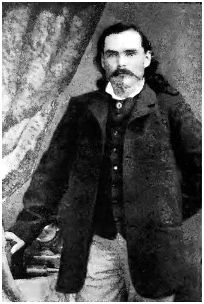
William “Billy” Dixon was born in West Virginia on September 25, 1850. Soon after, his parents moved west to Missouri. Due to unknown circumstances, he was orphaned at age 12. He worked as a woodcutter and various other odd jobs along the Missouri river. Quickly garnering a reputation as a skilled marksman and woodsman and like many footloose young men of his time, he drifted into buffalo hunting. Shortly before June 27, 1874, Dixon arrived at the Adobe Walls outpost.

The Adobe Walls settlement began life in 1845 as a trading post in the Texas Panhandle, just north of the Canadian River, not far from the present day town of Stinton. As the name implies, adobe blocks were the main building material. Due to repeated Indian attacks, it was abandoned 3 years later. The first battle of Adobe Walls happened in November 1864 and involved the legendary Kit Carson. Then, a Colonel in charge of an Army Expeditionary Force. Carson was conducting an operation labeled as a punitive action against several plains Indian tribes and choose the Adobe Walls site as a defendable base camp. But that’s another story.

In the spring of 1874, with buffalo hunting in full swing in the panhandle, the partnership of Charlie Myers and Fred Leonard re-opened the Adobe Walls settlement and other merchants quickly followed. Improvements to the site included a 200′ x 300′ hide yard with 8′ high stockade-type fence enclosure and three buildings comprising a mess hall, store and stable. These buildings were made of cottonwood logs set on end in the ground and chinked with mud, a common building practice at the time.

Reportedly, there were 28 men and 1 woman ( Mrs. Bill Olds, restaurant proprietress) at Adobe Walls on the morning of June 27, ‘74. At dawn, a combined force of Comanche, Cheyenne, and Kiowa warriors attacked the camp. At the time, their numbers were estimated in excess of 700 strong, however, historians claim 400 or less is a more accurate figure based on population densities at the time and the unlikeliness that multiple tribes and clans numbering 700 would be able to align themselves under one leader for a coordinated attack. That the Indians were lead by Comanche Chief Quanah Parker, son of a captured white woman, {Cynthia Ann Parker}is not debated. Chief Parker, angry at broken treaties and the continued loss of his buffalo, was determined to destroy the populace of Adobe Walls. The initial attack almost carried the day. The Indian’s rush was successful. They were in close enough to attempt to breach the doors of the buildings with their rifle butts and by backing their horses into the doors. Due to the building materials and construction, they were unable to make entry on any of the structures. The fight was in such close quarters the hunters’ long range rifles were almost useless. They were fighting with pistols and Henry and Winchester lever-action rifles. Mostly in .44 rimfire. When the Indians attack momentum failed, they retreated to an area out of rifle range and made camp to decide on a new plan and hash out some tribal business. One of the Indian leaders was a shaman whose name, Isatai, translates into Coyote Poop. Reportedly, Shaman Poop had convinced the warriors that his medicine was so strong it would keep bullets from injuring them. That turned out not to be the case and several of the braves who had just lost friends and relatives in the attack were understandably angry with Mr. Poop They registered their displeasure by chasing him around the impromptu camp and pelting the nefarious shaman with sticks and stones. Always the optimist, Poop was able to convince his compatriots that he could do better and their attention returned to the Walls. The fight had now degenerated into a sniping match in which the Indians were literally out gunned. This continued for 3 days. At this point, the hunters had suffered four fatalities, one being Mr. Bill Olds, who was accidentally shot by his wife.

The third day after the initial attack, some Indians rode out on a knoll or butte, some distance away to survey the situation. At the behest of another hunter, Billy Dixon, already renowned as a crack shot, took aim with a ‘Big Fifty’ Sharps, it was either a .50-70 or -90, probably the latter, and cleanly dropped a warrior from atop his horse. This apparently so discouraged the already stymied Indians, they decamped and gave up the fight. Two weeks later a team of US Army surveyors, under the command of Nelson Miles measured the distance of the shot at 1,538 yards, or nine-tenths of a mile. For the rest of his life, Billy Dixon never claimed the shot was anything other than a lucky one; his memoirs do not devote even a full paragraph to ‘the shot’

However, Billy and his shot were carried into infamy. There is much contention as to the actual distance. A Texas surveyor measured the range in 1924 and determined it was 1,028 yards. What evidence he used to reach that figure is unknown. It is also a mystery exactly how Nelson Miles arrived at his conclusion, because there is no high ground at 1500 yards and no official notation of the distance. Today, nothing is left of the settlement. There are 2 buttes in the vicinity. One at 600 and the other at 1200. Historians tentatively agree that the distance was in the 1200 range. Another factor that muddies the water is the rifle itself. Billy was using a borrowed gun because his Sharps had been lost in a creek-crossing while en route to the Walls.

A 1200 yard kill with a borrowed rifle. Wow!

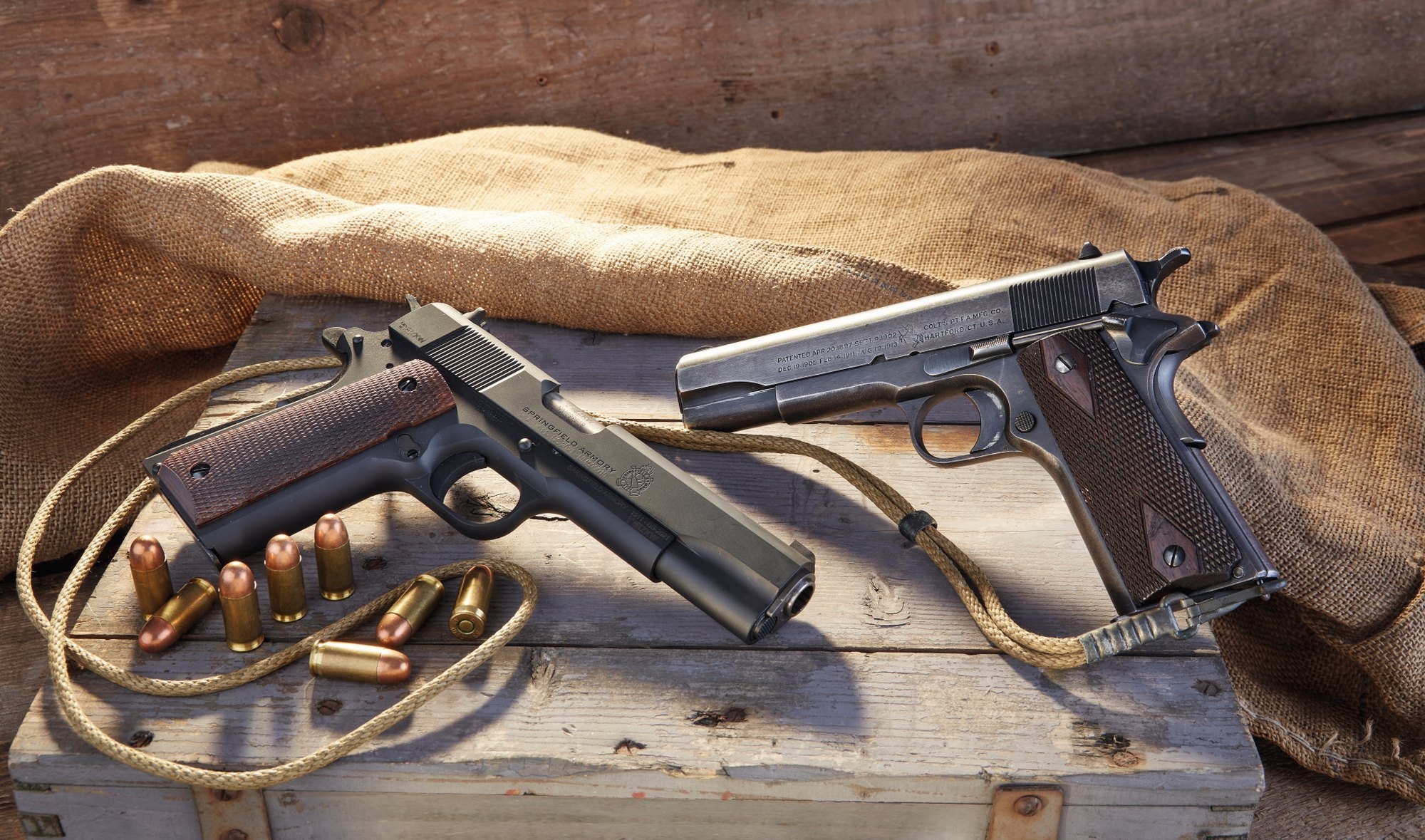
(Modern reproduction shown below)

Although this is the incident for which he is most known, it is not his only place in history. Shortly after the Walls battle, Billy became an Army scout, reportedly with an endorsement from Nelson Miles stating “that young man can shoot!” That same year, Dixon was part of an army dispatch detail consisting of another scout, Amos Chapman, and four troopers. They were ambushed by a large combined band of Kiowa and Comanches. They managed to fight their way to a buffalo wallow in what is present day Hemphill County Texas. With accurate rifle fire, they held off the Indians for an entire day. An extremely cold rainstorm that night discouraged the Indians, and they broke off the fight; every man in the detail was wounded and one trooper killed. For this action Billy Dixon, along with the other survivors of ‘The Buffalo Wallow Fight’, were awarded the Congressional Medal of Honor (for Gallantry in Battle).

Billy Dixon is one of only a handful of civilians to ever be awarded the CMH.

In 1883, Dixon returned to civilian life and built a home near the Adobe Walls site. He was postmaster there for 20 years and also was the first sheriff of the newly-formed Hutchinson Co. He married and had 7 children. In 1906 the family moved to Oklahoma. In 1913 Billy died of pneumonia. He was 63. His body was later re-interred at Adobe Walls.
Categories
All About Guns

Bechowiec: Polish Teenager Makes a Resistance SMG

Categories
All About Guns

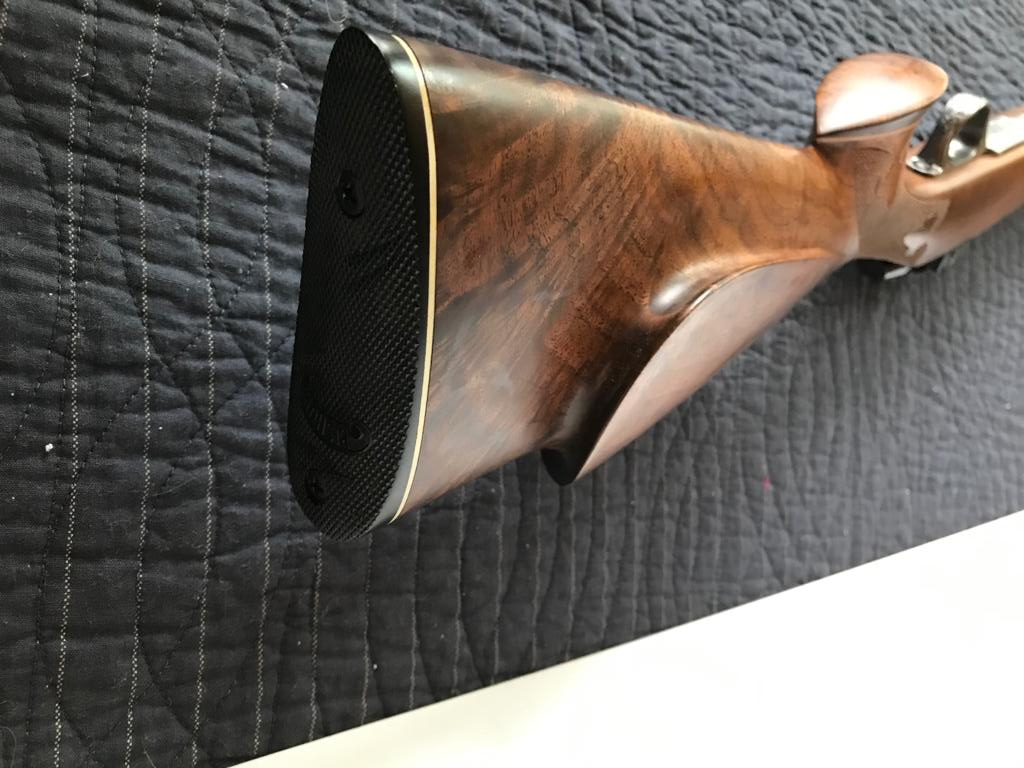
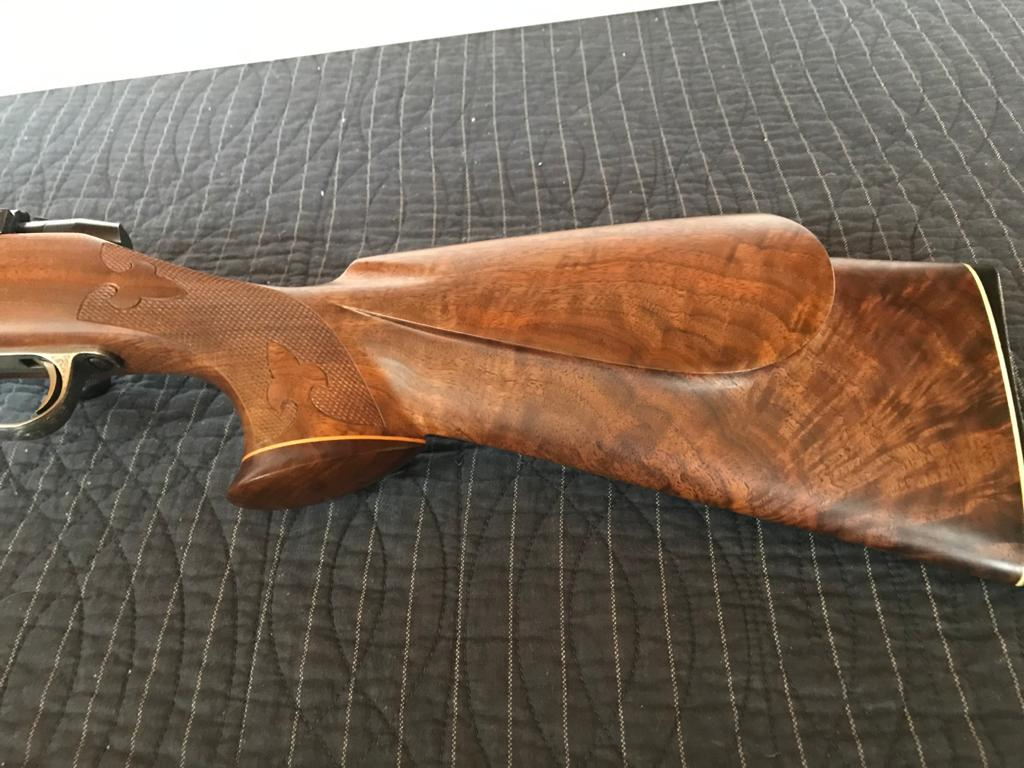
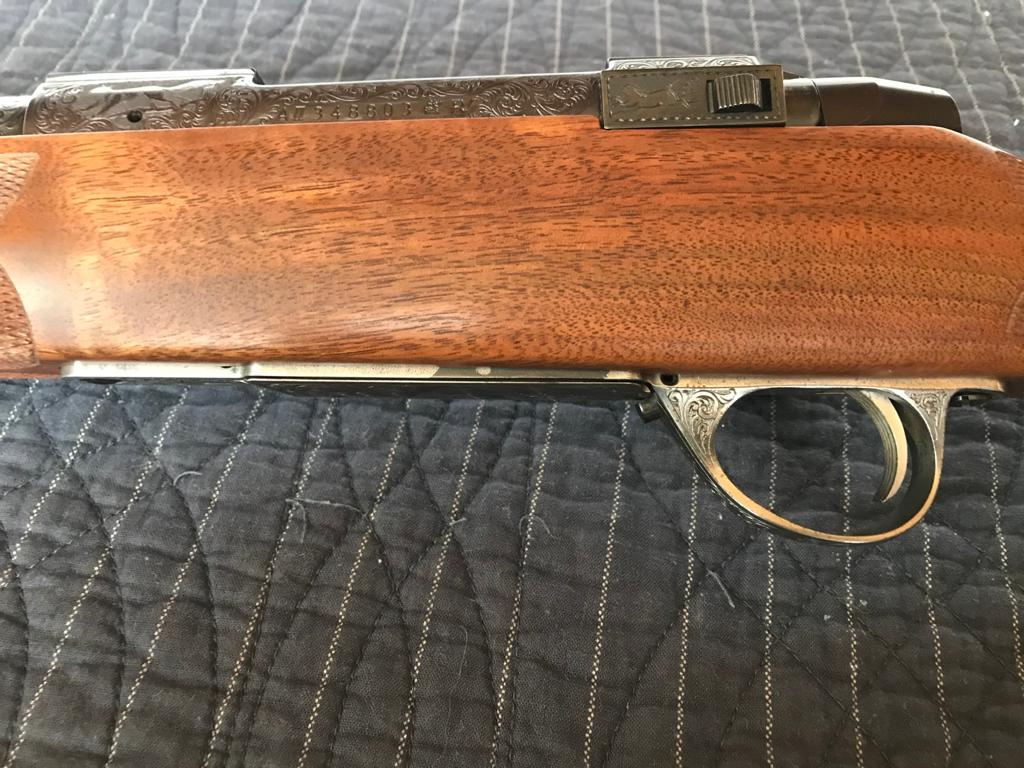
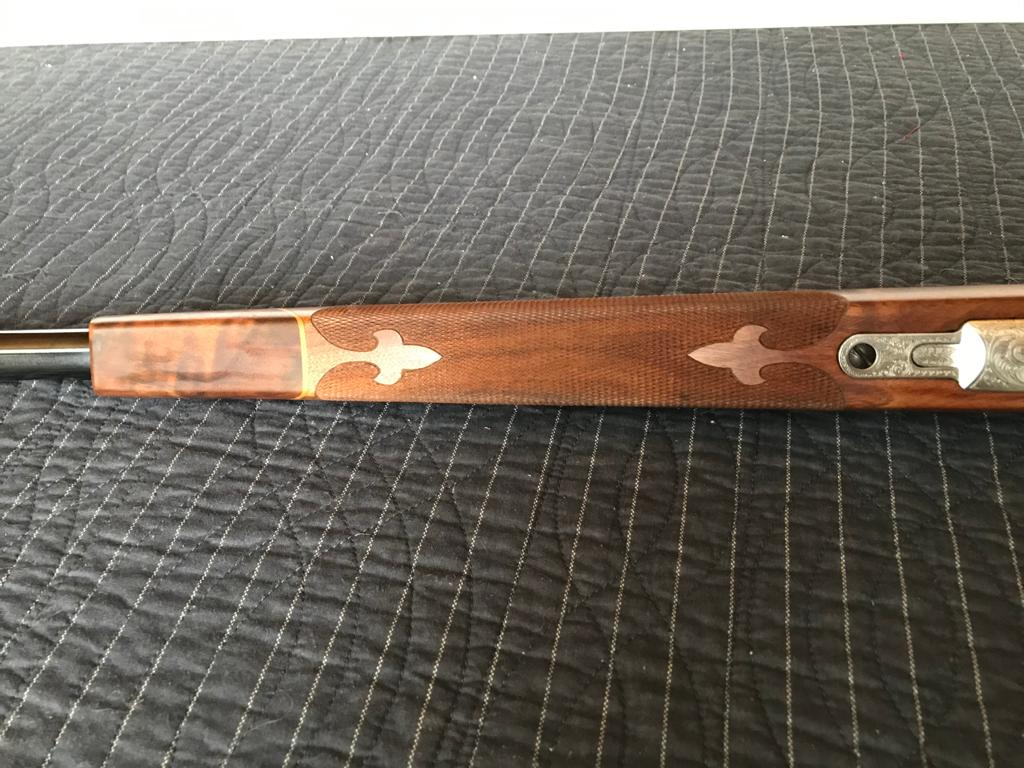
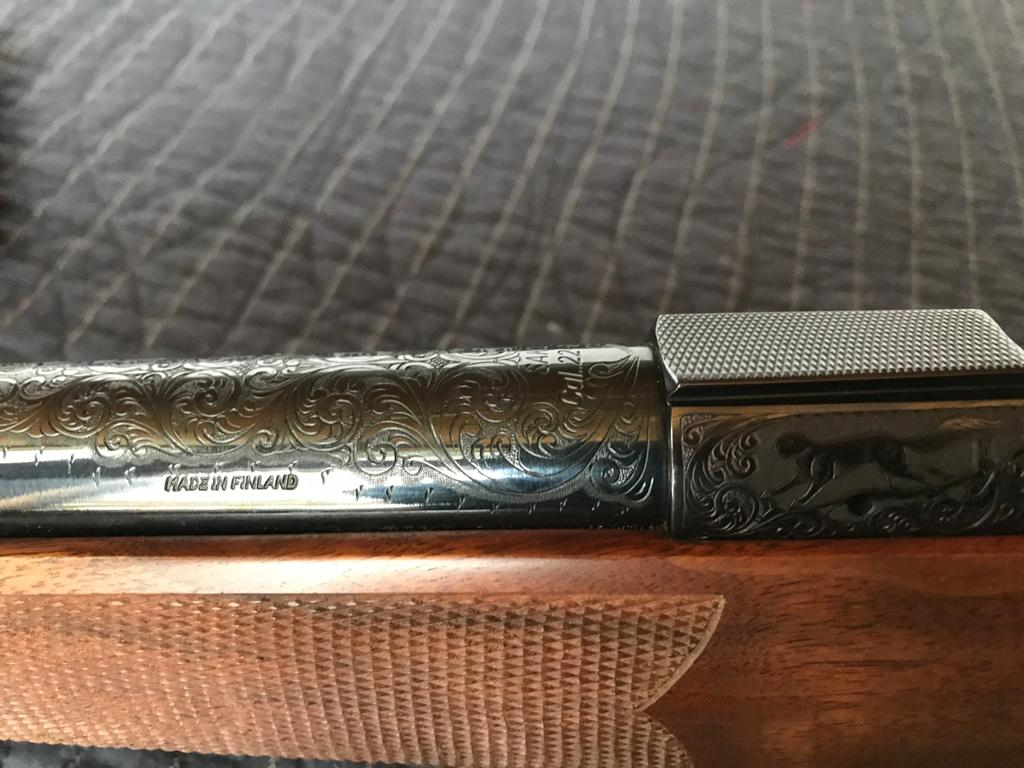
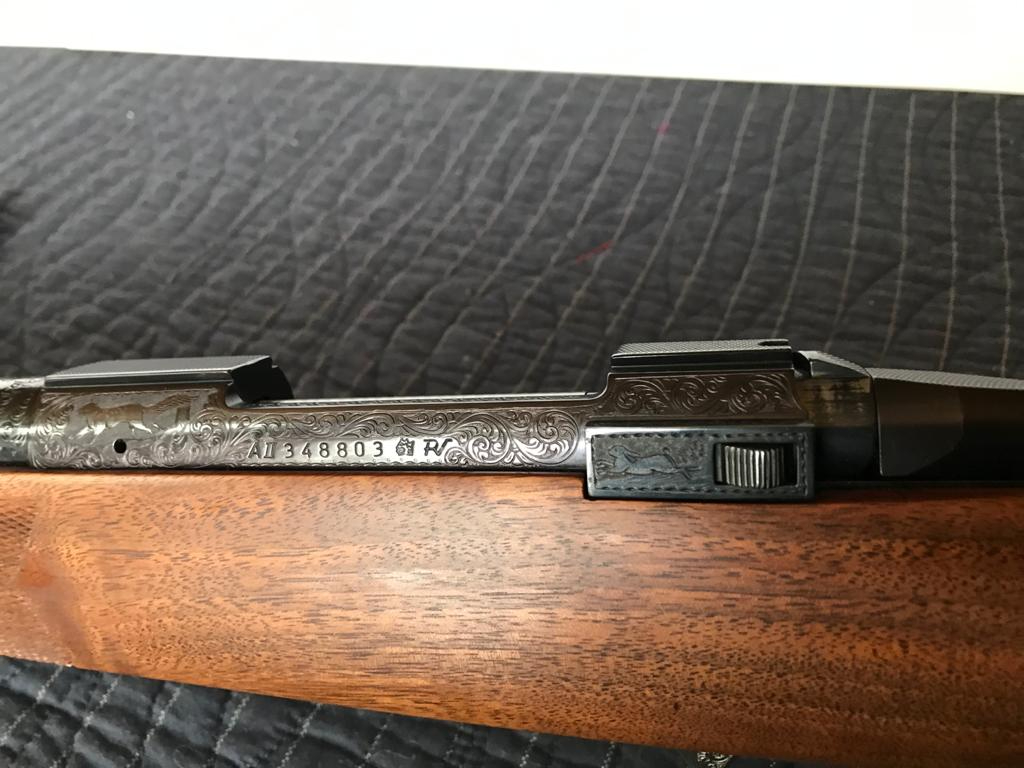
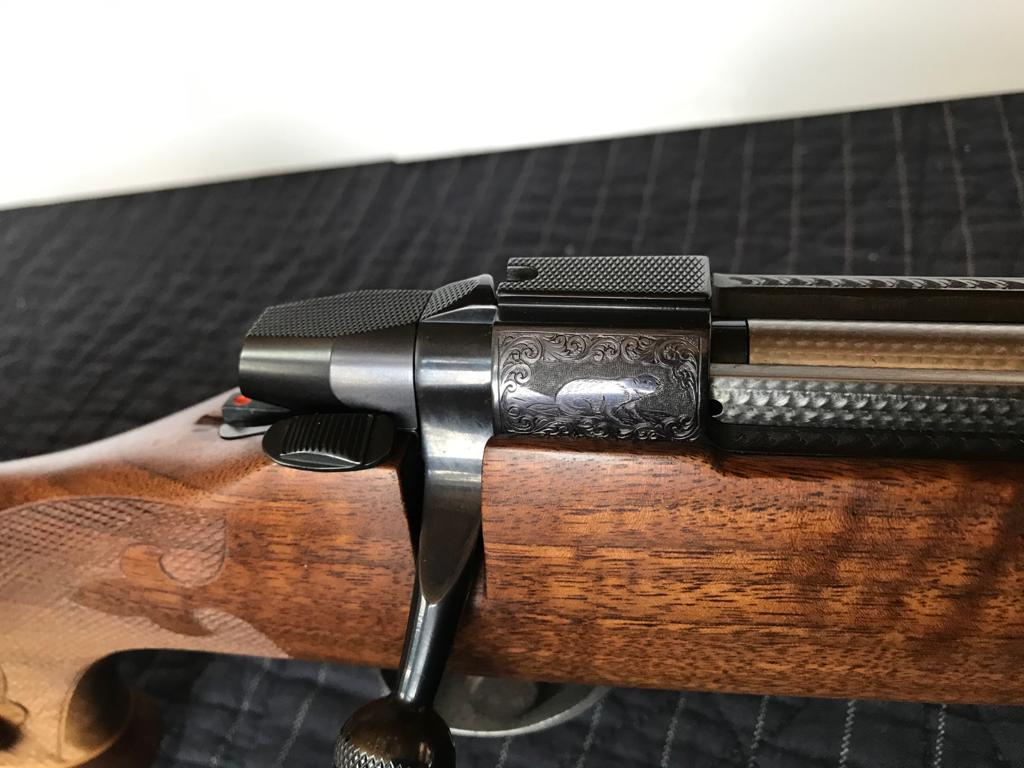
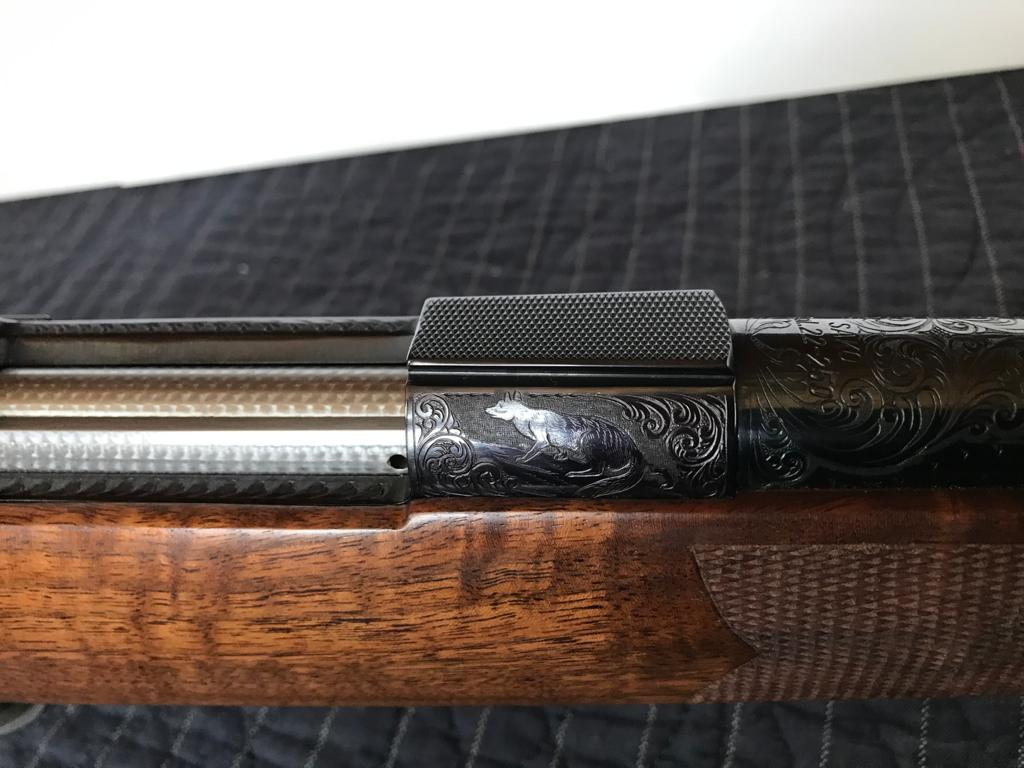
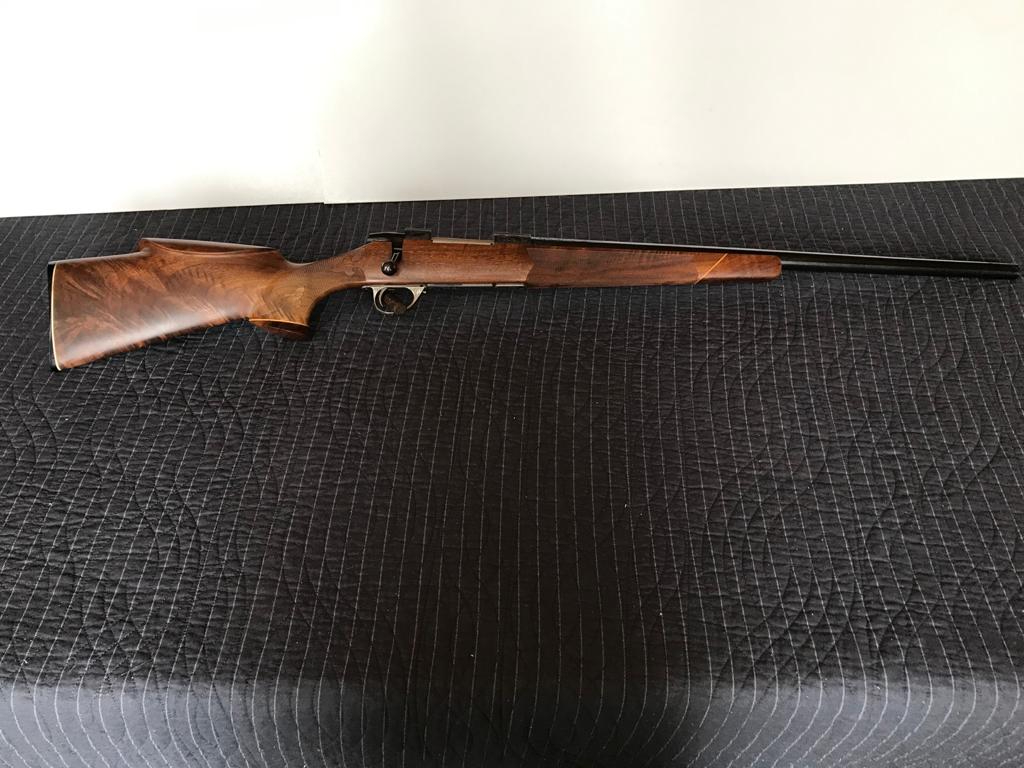
A Sako A2 22-250 Bolt Rifle by Nic Kusmit , 24 Bull BBL Bolt Rifle in caliber .22-250 Rem.

Sako A2 22-250 Bolt Rifle by Nic Kusmit , 24 Bull BBL Bolt Rifle .22-250 Rem. - Picture 1

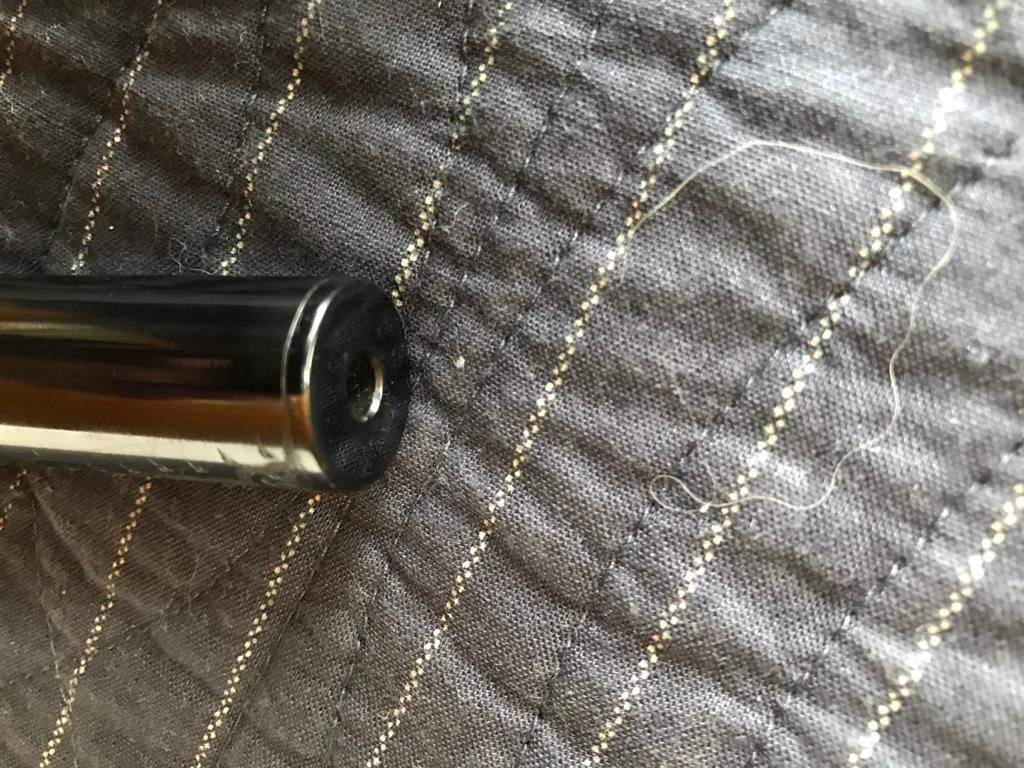
Sako A2 22-250 Bolt Rifle by Nic Kusmit , 24 Bull BBL Bolt Rifle .22-250 Rem. - Picture 2
Sako A2 22-250 Bolt Rifle by Nic Kusmit , 24 Bull BBL Bolt Rifle .22-250 Rem. - Picture 3
Sako A2 22-250 Bolt Rifle by Nic Kusmit , 24 Bull BBL Bolt Rifle .22-250 Rem. - Picture 4
Sako A2 22-250 Bolt Rifle by Nic Kusmit , 24 Bull BBL Bolt Rifle .22-250 Rem. - Picture 5
Sako A2 22-250 Bolt Rifle by Nic Kusmit , 24 Bull BBL Bolt Rifle .22-250 Rem. - Picture 6
Sako A2 22-250 Bolt Rifle by Nic Kusmit , 24 Bull BBL Bolt Rifle .22-250 Rem. - Picture 7
Sako A2 22-250 Bolt Rifle by Nic Kusmit , 24 Bull BBL Bolt Rifle .22-250 Rem. - Picture 8
Sako A2 22-250 Bolt Rifle by Nic Kusmit , 24 Bull BBL Bolt Rifle .22-250 Rem. - Picture 9
Sako A2 22-250 Bolt Rifle by Nic Kusmit , 24 Bull BBL Bolt Rifle .22-250 Rem. - Picture 10


Categories
All About Guns

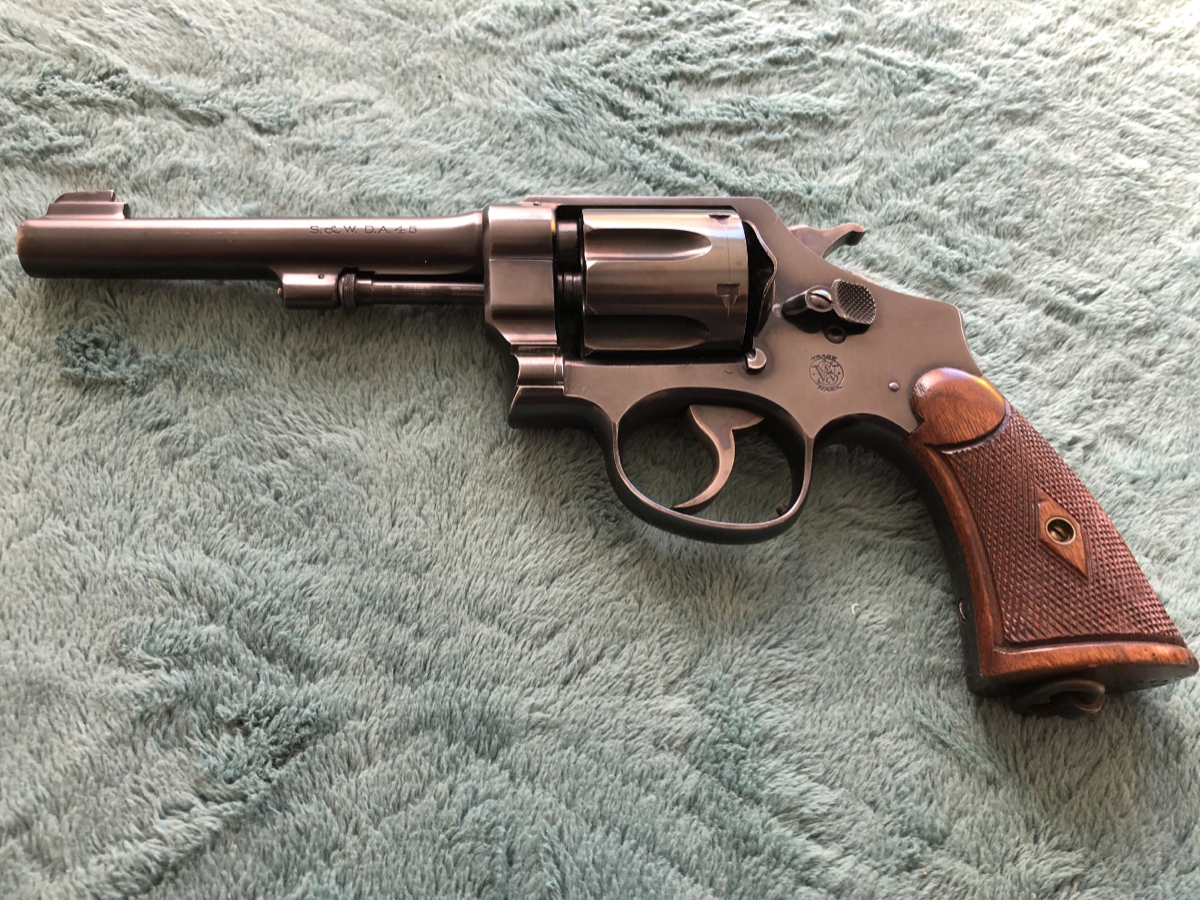
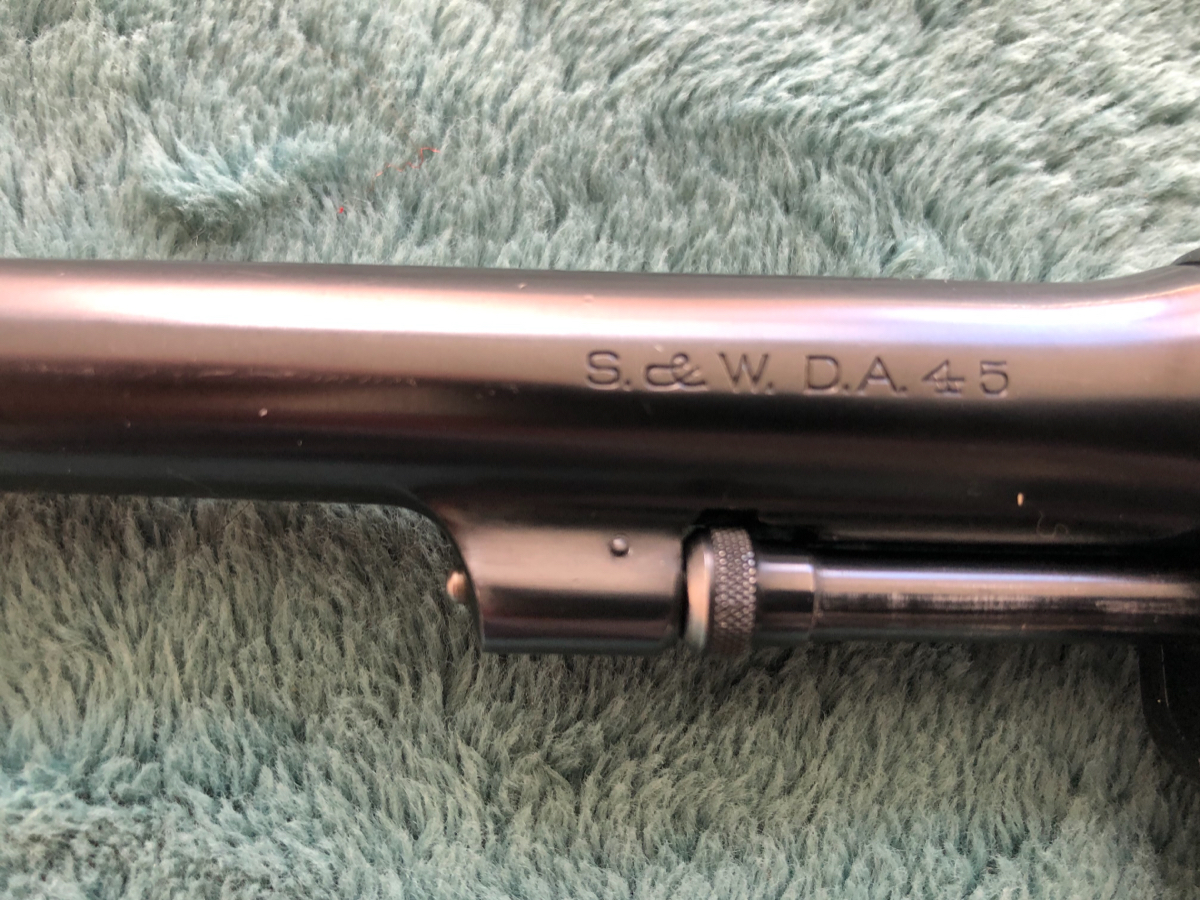
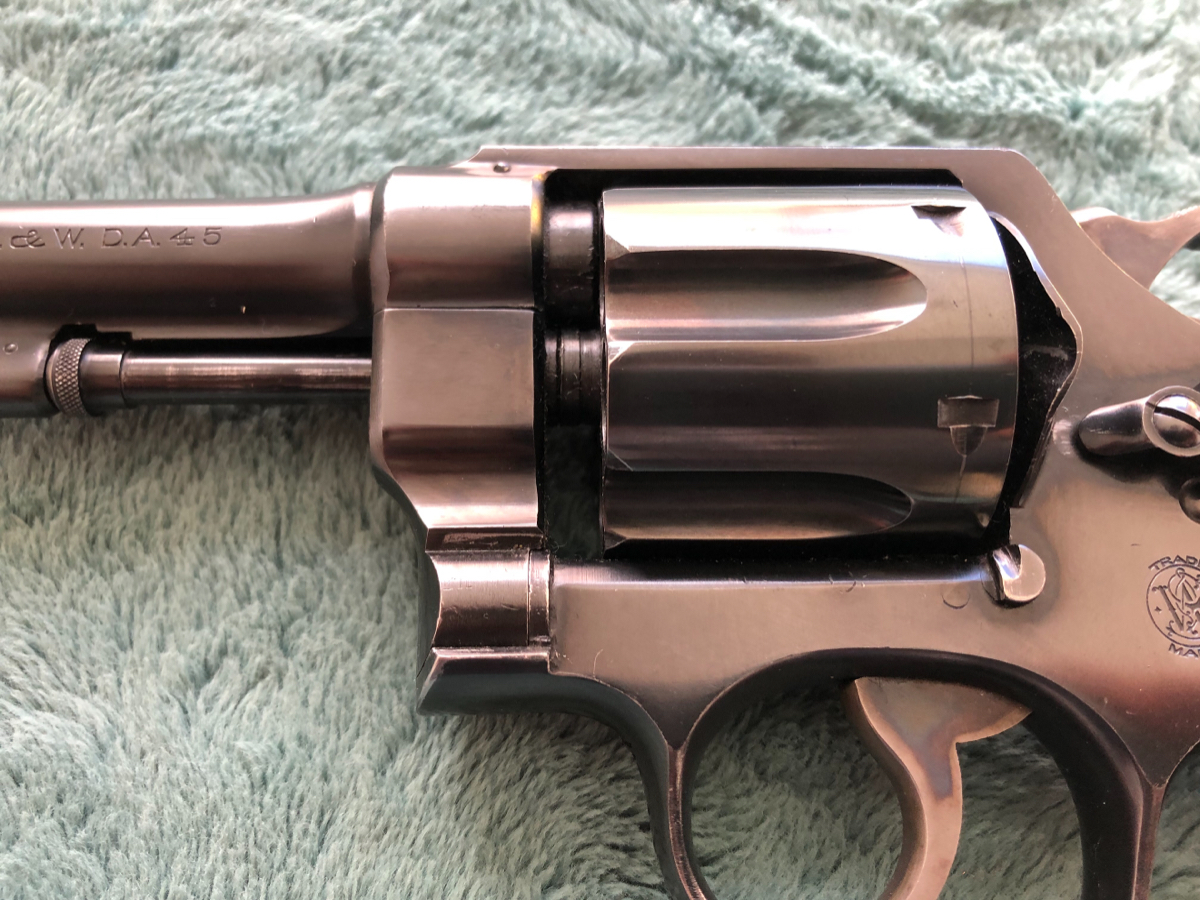
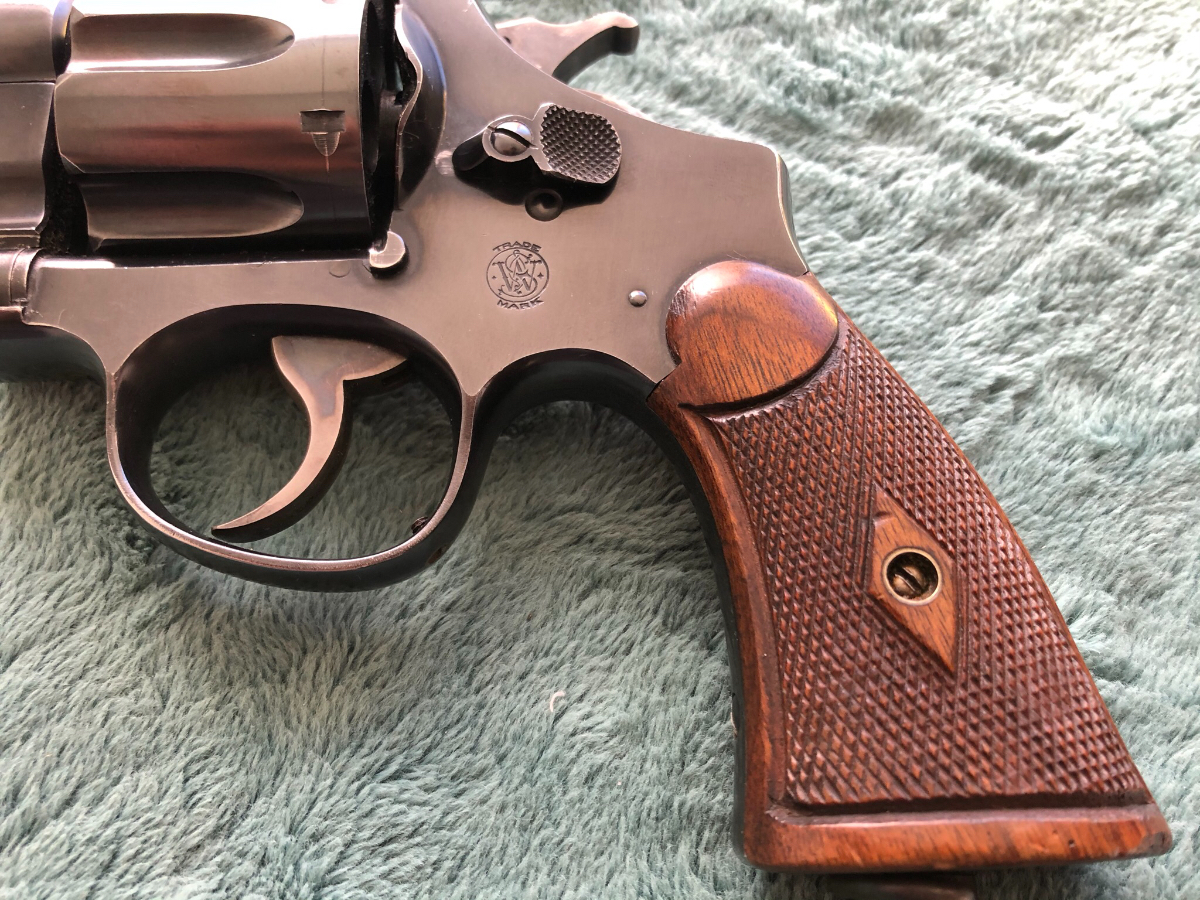
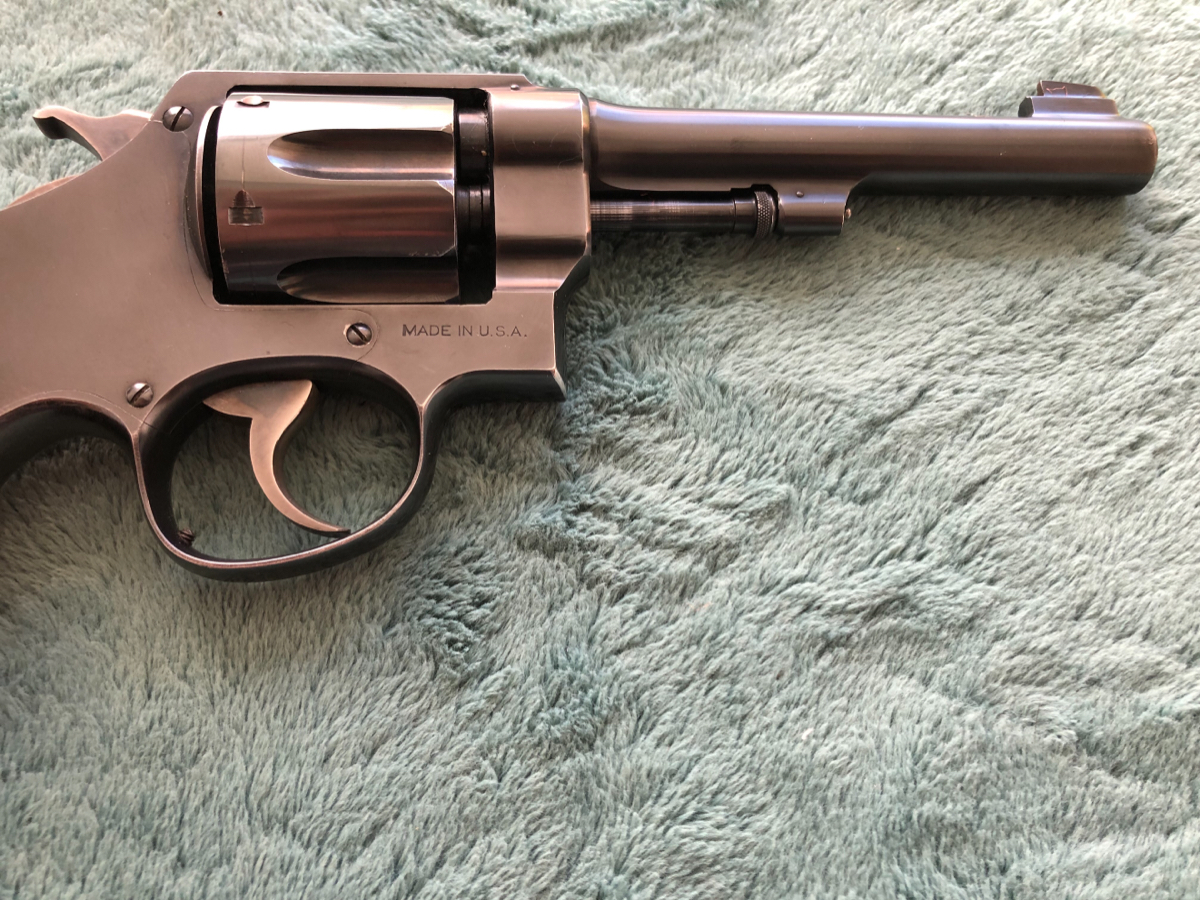
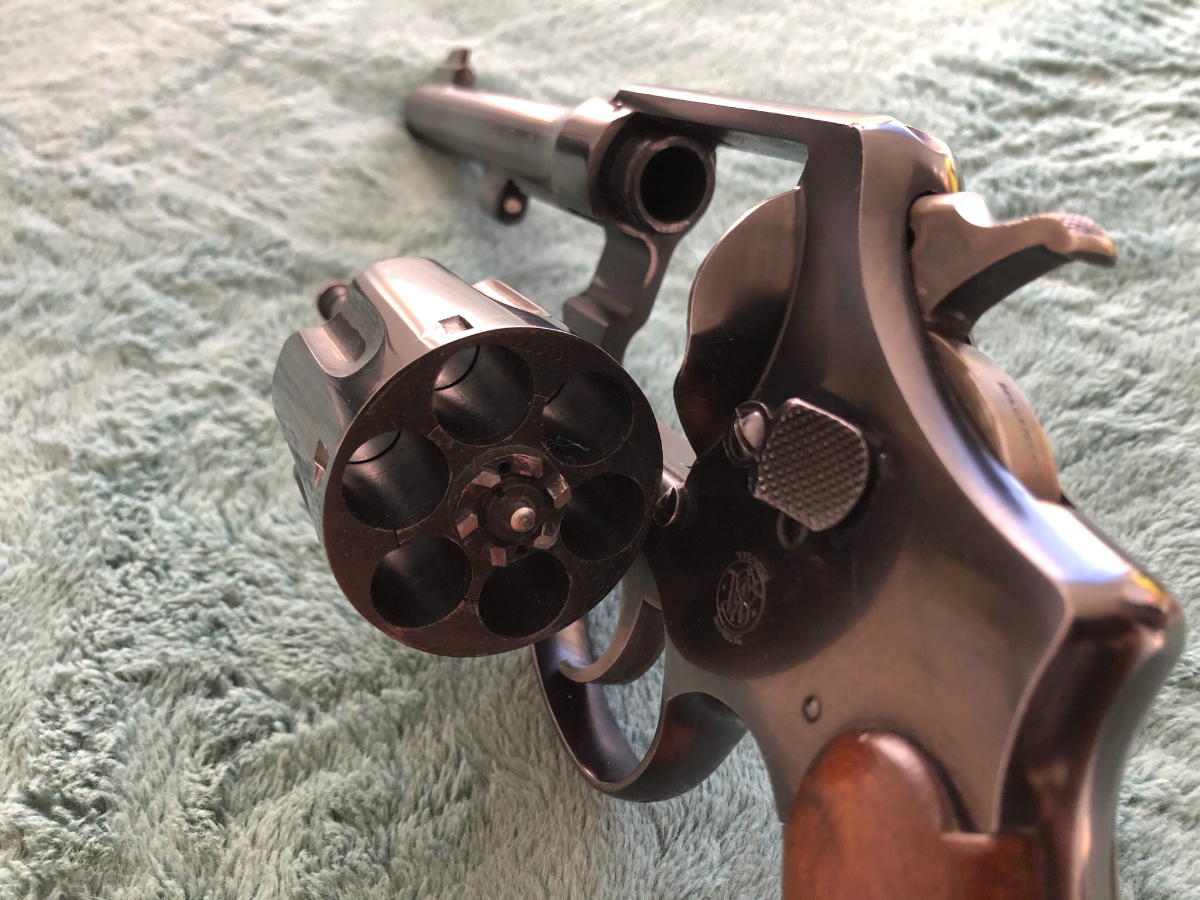
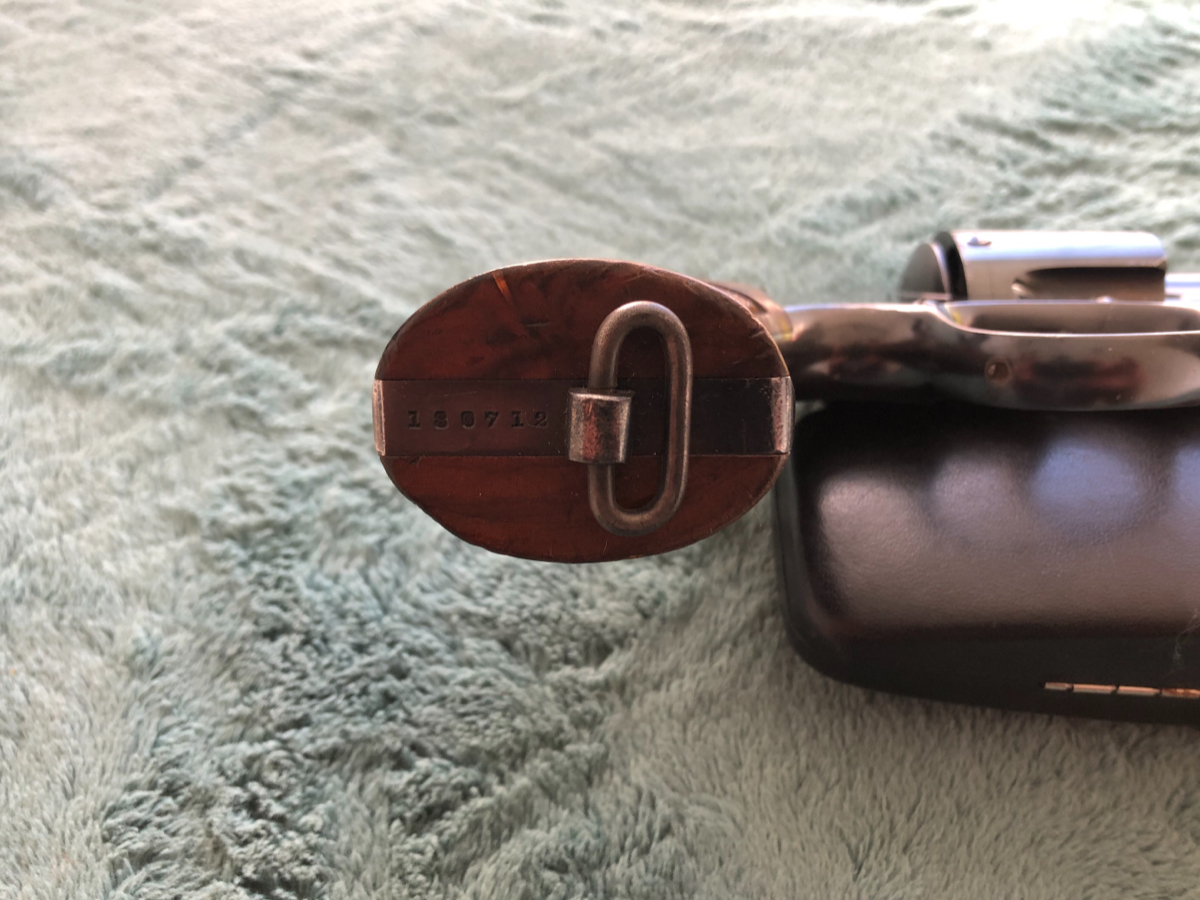
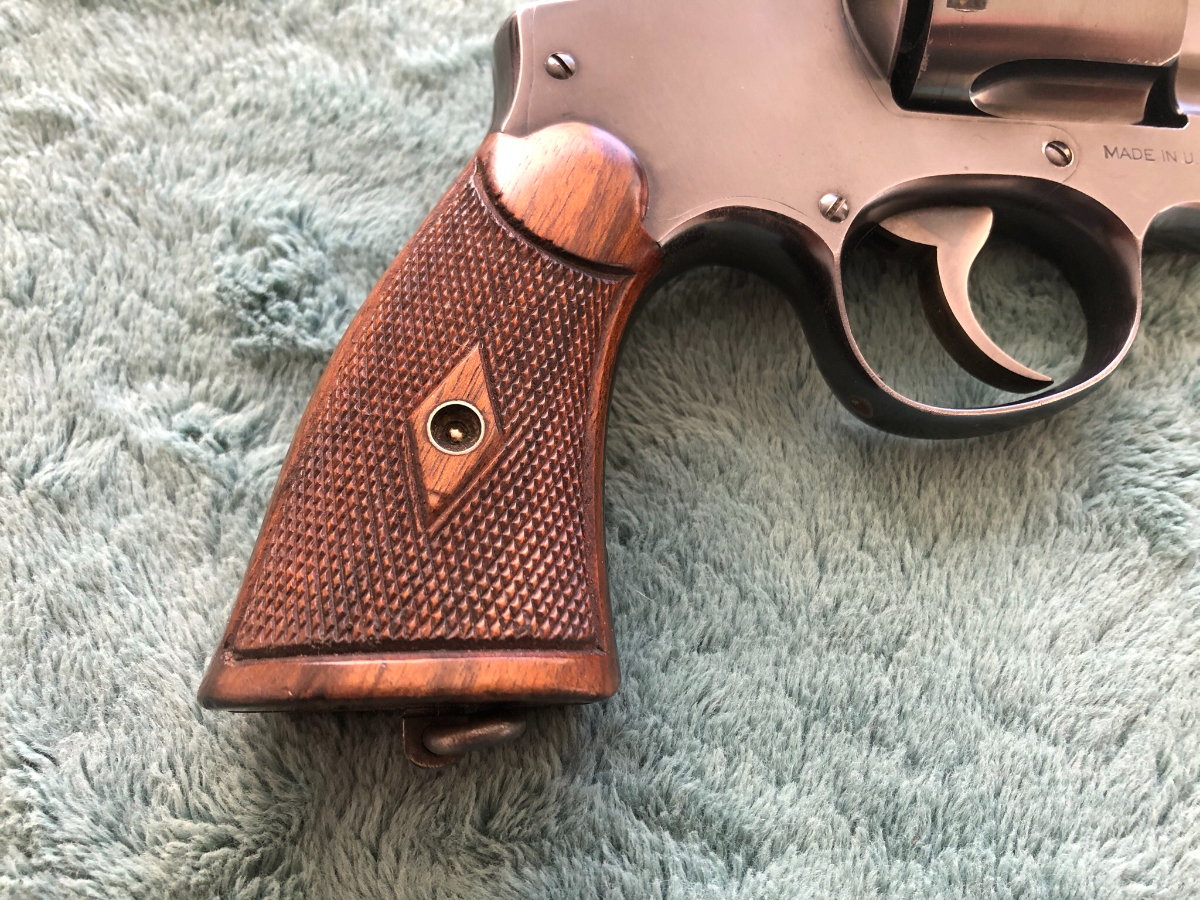
A Smith & Wesson Smith and Wesson Hand Ejector model 1917 DA in .45 ACP

Smith & Wesson Smith and Wesson Hand Ejector model 1917 DA .45 in Beautiful Condition .45 ACP - Picture 2
Smith & Wesson Smith and Wesson Hand Ejector model 1917 DA .45 in Beautiful Condition .45 ACP - Picture 3
Smith & Wesson Smith and Wesson Hand Ejector model 1917 DA .45 in Beautiful Condition .45 ACP - Picture 4
Smith & Wesson Smith and Wesson Hand Ejector model 1917 DA .45 in Beautiful Condition .45 ACP - Picture 5
Smith & Wesson Smith and Wesson Hand Ejector model 1917 DA .45 in Beautiful Condition .45 ACP - Picture 6
Smith & Wesson Smith and Wesson Hand Ejector model 1917 DA .45 in Beautiful Condition .45 ACP - Picture 7
Smith & Wesson Smith and Wesson Hand Ejector model 1917 DA .45 in Beautiful Condition .45 ACP - Picture 8
Smith & Wesson Smith and Wesson Hand Ejector model 1917 DA .45 in Beautiful Condition .45 ACP - Picture 9
Categories
All About Guns

They may be old & tired but I would rather have anyone of these then the carp they are trying to puch upon us. Grumpy

Categories
All About Guns Well I thought it was neat!

Rusty Revolver Restoration Colt Peacemaker – Restoration of Airgun

Categories
All About Guns Soldiering War

Indigenous Weapons and Tactics of King Philip’s War

Categories
All About Guns Paint me surprised by this

3-year-old shoots man wanted for murder, leading to his arrest By Peter Charalambous

3-year-old shoots man wanted for murder, leading to his arrest
A crime scene is depicted in this undated stock image.
ABCNews

A shooting in Indiana that injured two people after a three-year-old accessed a gun led to the arrest of a man wanted for murder in Illinois, authorities said.

Trayshaun Smith, 23, was arrested on Thursday after he visited a hospital with a non-life-threatening gunshot wound, according to Lt. Justin Hartman of the Lafayette Police Department.

Investigators eventually determined that the shooting that sent Smith and another victim to the hospital occurred when a three-year-old was able to access a gun and fire a single round.

“It was determined that a three year old child at that location accessed a gun and fired one round striking two people,” according to Hartman.

The police department said officers initially found both shooting victims at the Franciscan Health Lafayette East Hospital, where they were being treated for non-life-threatening injuries. They later determined that the shooting occurred at an apartment complex in Lafayette, Indiana.

Hartman said the other victim was the child’s mother and Smith was a friend of the mother’s.

Smith was arrested on an active murder warrant from neighboring Cook County, Illinois. The Lafayette Police Department said it is coordinating with police in Markham, Illinois, regarding the arrest.

Smith resides in Lafayette, according to authorities.

A representative for the Markham Police Department did not immediately respond to a request for comment on the arrest.

Categories
All About Guns Anti Civil Rights ideas & "Friends" Cops You have to be kidding, right!?!

Questions remain on new red flag gun law as Livingston County vows to not enforce it By Dave Kinchen and David Komer

The latest piece of Governor Gretchen Whitmer’s gun reform platform is now official – with her signature on a bill greenlighting so-called “red flag laws” also known as Extreme Risk Protection Orders.

They allow cops, mental health professionals and worried family members to get a firearm taken away from a person believed to be a danger to themselves or others.

“We have heard too many times from those who knew a mass shooter who had expressed concern in advance about that mass shooter’s intentions,” Whitmer said earlier today. “We’ve seen situations where local police flagged someone or even spoke to them about their violent statements but weren’t able to take any further course of action.

“With Extreme Risk Protection Orders we have a mechanism to step in and save lives.”

But there are questions about the legality of the laws – with officials in places like Livingston County thumbing their noses at them.

Sheriff Mike Murphy said last month he would not enforce the red flag program, saying there is a violation of due process.

“If all the gun safety laws work so well, we wouldn’t have issues like Chicago,” said Colleen Quinn. “So, we are standing by our commissioners and our sheriff, we are very proud of them.”

Quinn attended Monday night’s meeting of the Livingston County Board of Commissioners. It is a body that recently declared itself a “Constitutional County” meaning they will not back any laws that violate the Second Amendment in their view.

“So I feel our commissioners did a great job, our sheriff, we are behind him 100 percent,” Quinn said. “And these laws aren’t going to move the needle.”

Governor Whitmer was asked about local authorities who refuse to enforce the Extreme Risk Protection Orders.

“I think that every prosecutor takes his oath to uphold the laws of the State of Michigan,” she said. “And that’s the expectation.”

Here’s how the red-flag laws would work:

A judge will have 24 hours to decide on a protection order once it is filed. If granted, the judge would have 14 days to set a hearing which would then give the red-flagged person a chance to prove why they are not a risk to themselves or others.

Another layer to the enforcement element is, Attorney General Dana Nessel has said if the local law enforcement chooses to not follow through on a red-flag order, she will find someone with the jurisidiction who will.

Categories
All About Guns Anti Civil Rights ideas & "Friends" Cops

Cook County man with revoked FOID attempted to leave state with firearms: sheriff’s office By FOX 32 Digital Staff

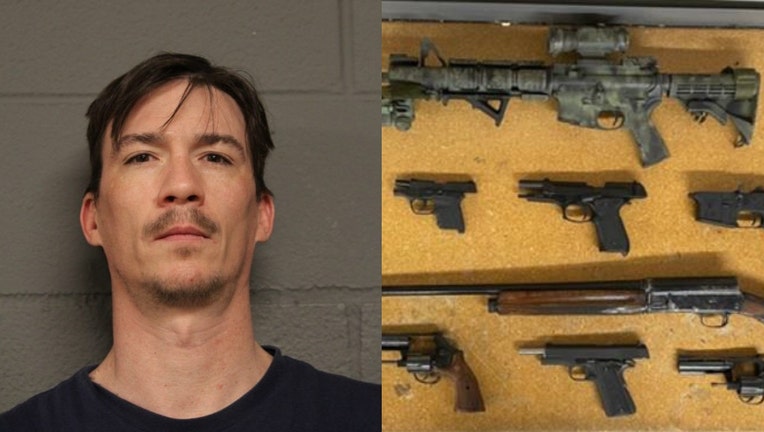
Paul Krumrie, 37, of Park Forest

Cook County man faces multiple felony counts after he was allegedly found in possession of eight firearms while his Firearm Owners’ Identification (FOID) card was revoked.

Paul Krumrie, 37, of Park Forest, has been charged with eight counts of possession of a firearm with revoked FOID and one count of possession of ammunition without a valid FOID.

On Tuesday, Cook County Sheriff’s Police Gun Suppression Team investigators told Krumrie that his FOID card was revoked after he was determined to be a clear and present danger by the Illinois State Police.

The investigators offered to assist him with transferring any firearms he had since he could no longer be in possession of them. Krumrie told investigators that he didn’t have any firearms.

On Wednesday, investigators discovered that Krumrie was planning to take firearms to Florida. Investigators went to his residence and saw him loading a rifle bag into a midsize moving truck.


Krumrie nor the driver were wearing seatbelts, so investigators pulled the vehicle over on Interstate 57 near Sauk Trail Road.

Both were asked to step out of the vehicle after investigators smelled cannabis coming from the truck’s cabin, the sheriff’s office said.

Krumrie was then taken into custody.

Krumrie allegedly told investigators that his firearms were in the vehicle and that he was taking them to Florida.

Investigators recovered eight firearms, including an uncased, loaded 9mm pistol under the passenger seat where Krumrie was sitting during a search of the car.

They also recovered 157 rounds of ammunition, the sheriff’s office said.

Krumrie appeared for a bond hearing Friday where bond was set at $20,000.