The Indianapolis City-County Council passed Mayor Joe Hogsett’s gun control plan on Monday night. The decision is in response to concerns over violent crime in the city.
Unveiled in May, Hogsett’s plan splits into two parts. The first proposes stricter gun restrictions, subject to state law changes.
These include:
Raising the handgun purchasing age to 21
Mandating handgun licenses
Banning concealed carry w/o license
Banning so-called “assault weapons”
A 2011 state preemption law currently blocks cities from regulating guns. Despite this, the council voted along party lines, 18-5, in favor of Hogsett’s gun control proposals.
The second part, unanimously approved, targets serious offenders.
Indianapolis will hire three federal prosecutors. They’ll report to the Southern District of Indiana’s U.S. Attorney’s Office’s Violent Crimes Unit. The unit focuses on serious violent and gun crimes.
The city’s corporation counsel’s office will fund the new prosecutors. This year’s budget allocates $225,000 for their salaries, with future costs covered by the office.
Mayor Hogsett praised the council’s decision.
“Tonight’s Council votes on Proposals 149 and 156 prove that Indianapolis and its leadership won’t back down from taking bold steps to protect residents and neighborhoods,” said the mayor on Monday night.
“I applaud the Council’s bipartisan support for funding our partnership with U.S. Attorney Zach Myers, holding the worst of the worst offenders to account,” he continued.
“I also wish to thank those who approved our common-sense gun safety measures, increasing the purchasing age to 21, requiring handgun licenses, and removing the concealed carry of firearms. Tonight we are sending a clear message of where we stand about the causes of gun violence and the proliferation of illegal weapons on our streets,” he concluded.
Every Republican councilor, totaling five, opposed the gun control measures.
During the council meeting, Minority Leader Brian Mowery articulated his disapproval.
“I’m voting against this because I disagree with the toothless language and the policy itself, but also because it likely violates state statute and the state constitution,” he said, according to theIndyStar.
He further expressed concerns about the proposal likely contravening state statute and the constitution. Mowery cited the opinion of the Indiana Office of the Attorney General, stating that the proposal breaches the state preemption law.
There’s no doubt it does violate the state’s preemption law. As such, one can argue it isn’t worth the paper it’s printed on. That said, the second proposal — the hiring of prosecutors — may help to put and keep bad guys behind bars.
In a shocking revelation, Christopher A. Wray, the Director of the Federal Bureau of Investigation (FBI), recently confirmed that the U.S. government has been quietly working in collaboration with prominent financial institutions, including Bank of America, to mine the personal data of law-abiding citizens without the use of legal warrants or subpoenas.
This data includes sensitive information such as records of firearms purchases. In the video above, you can watch Congressman Massie (R-KY) question Wray about the supposed extrajudicial surveillance.
The disclosure came on Wednesday during a House Judiciary Committee hearing on the “Oversight of the Federal Bureau of Investigation” (FBI).
Wray was also raked over the coals by Congressman Matt Gaetz. The Florida Republican sharply criticized the FBI director for numerous alleged bureau offenses, including mass violations of the Foreign Intelligence Surveillance Act (FISA) and a perceived lack of investigation into the Biden family.
Gaetz, citing low public trust in the FBI, voiced concern over Wray’s lack of scrutiny towards these issues.
Wray denied protecting anyone for political reasons, including the Biden Family, and defended the bureau, prompting Gaetz to imply that Wray’s responses were dishonest or ignorant.
Gaetz further critiqued Wray’s lack of accountability regarding personal misuse of the FISA process by FBI personnel. Despite this criticism, Wray maintained that there had been disciplinary actions taken for such misconduct. Grumpy
It sure is nice to have an Ammo Factory in the family. In our outfit, that’s my cousin MacKenzie, Uncle John’s son. His reloading room looks like the inner sanctum of a major ammo manufacturer, and he has a passion for turning out better-than-factory fodder. I dropped by one afternoon with a bucket of brass for him to work his magic on. He was stacking hefty paper boxes into a .50-cal can marked “POOTS.” Yeah; I had to ask.
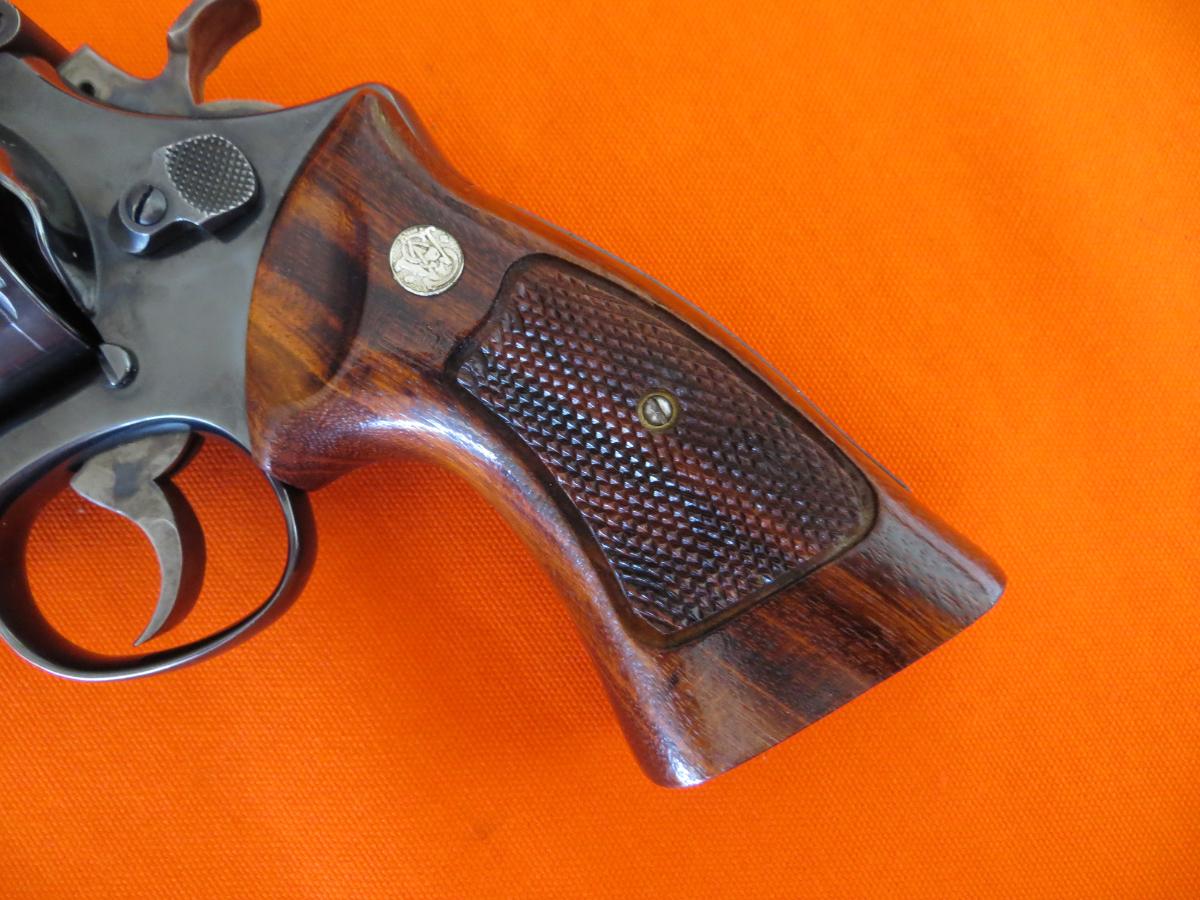
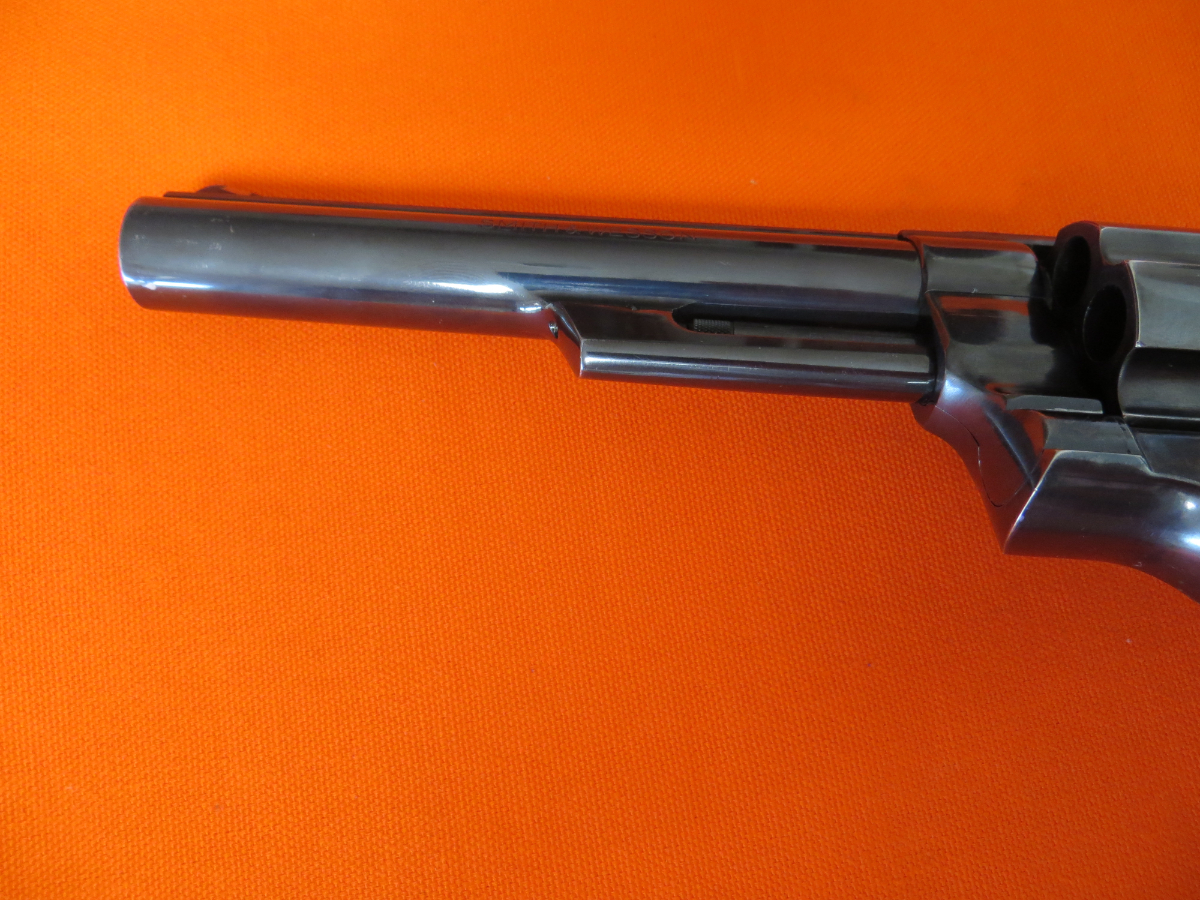
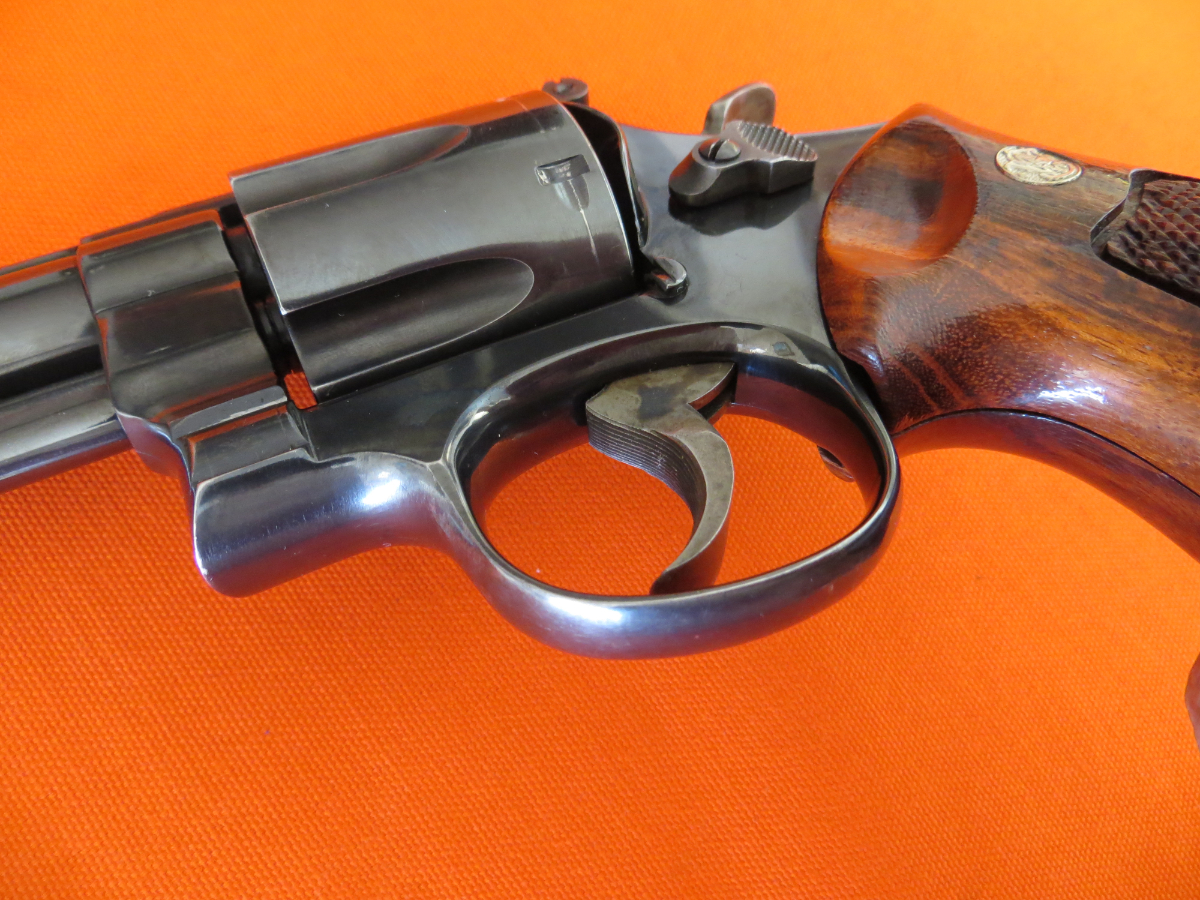
“Oh,” he laughed. “These are light-loaded, soft-shooting .38 Specials for Dad’s Tussey .38; his Pure Pleasure, he calls it …” We GunBums do most of our shooting together — it’s a family-and-friends thing — but everybody knows Uncle John sometimes slides out stealthily for solo range sessions. He doesn’t talk about them; just comes back happy. On that Great Stone Face others might not see “happy,” but we do. His rage-radiation level drops to zero. In the chain-reaction chaos of my recent life I’d almost forgotten about those solo sessions. What is a Tussey .38? Glad you asked.
Harken back to the May/June 2010 issue, folks, and a Guncrank entitled “Tale of a Roamin’ Pony — The Colt That Came Home.” It’s available online in “Digital Versions.” It was the story of a Colt 1911 built by master gunsmith Terry Tussey for Uncle John about 1981, when he was commanding officer of his agency’s SWAT unit; how a decade later it went astray, then 20 years later, was retrieved, refreshed and reborn in secret by Terry, and how that Colt came home. The Tussey .38 tacks a tail on that tale.
The .38 “Extra-Special”
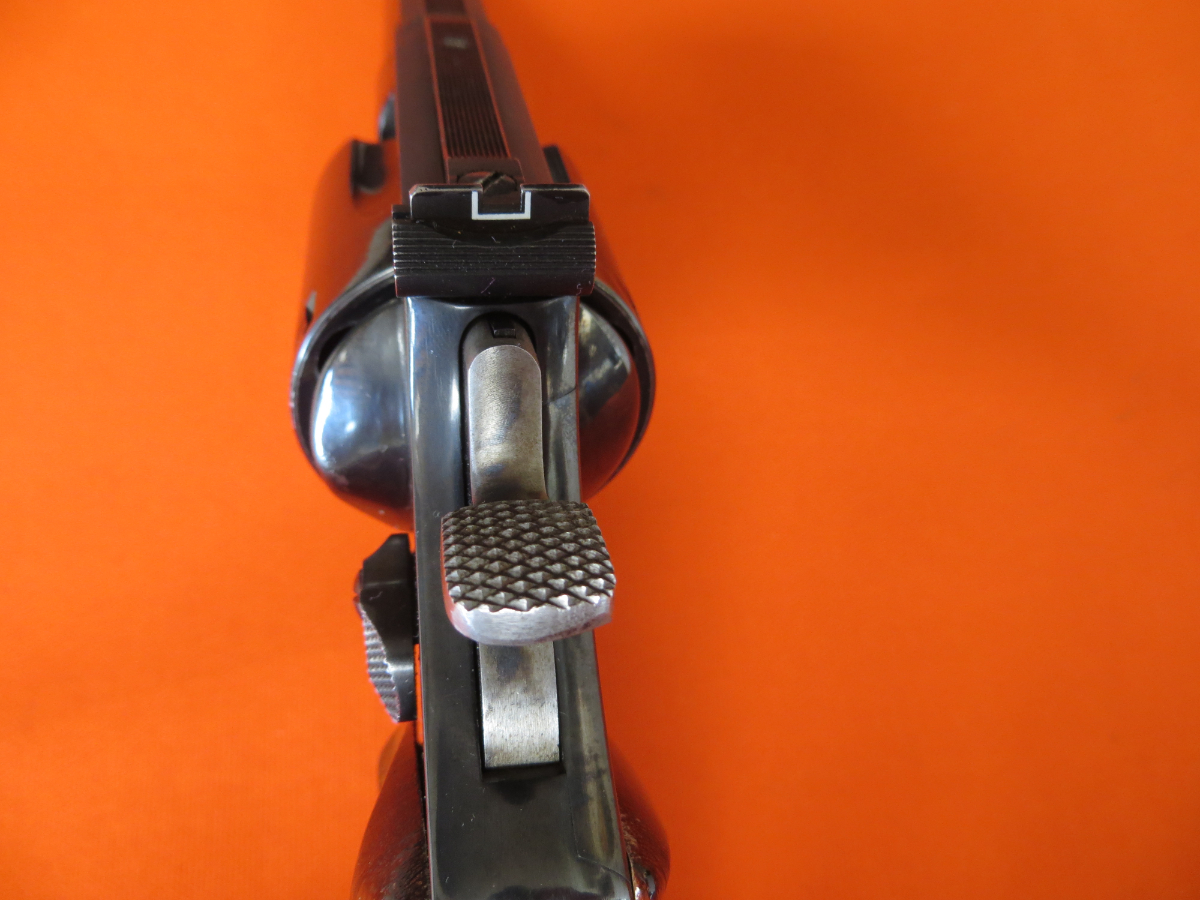
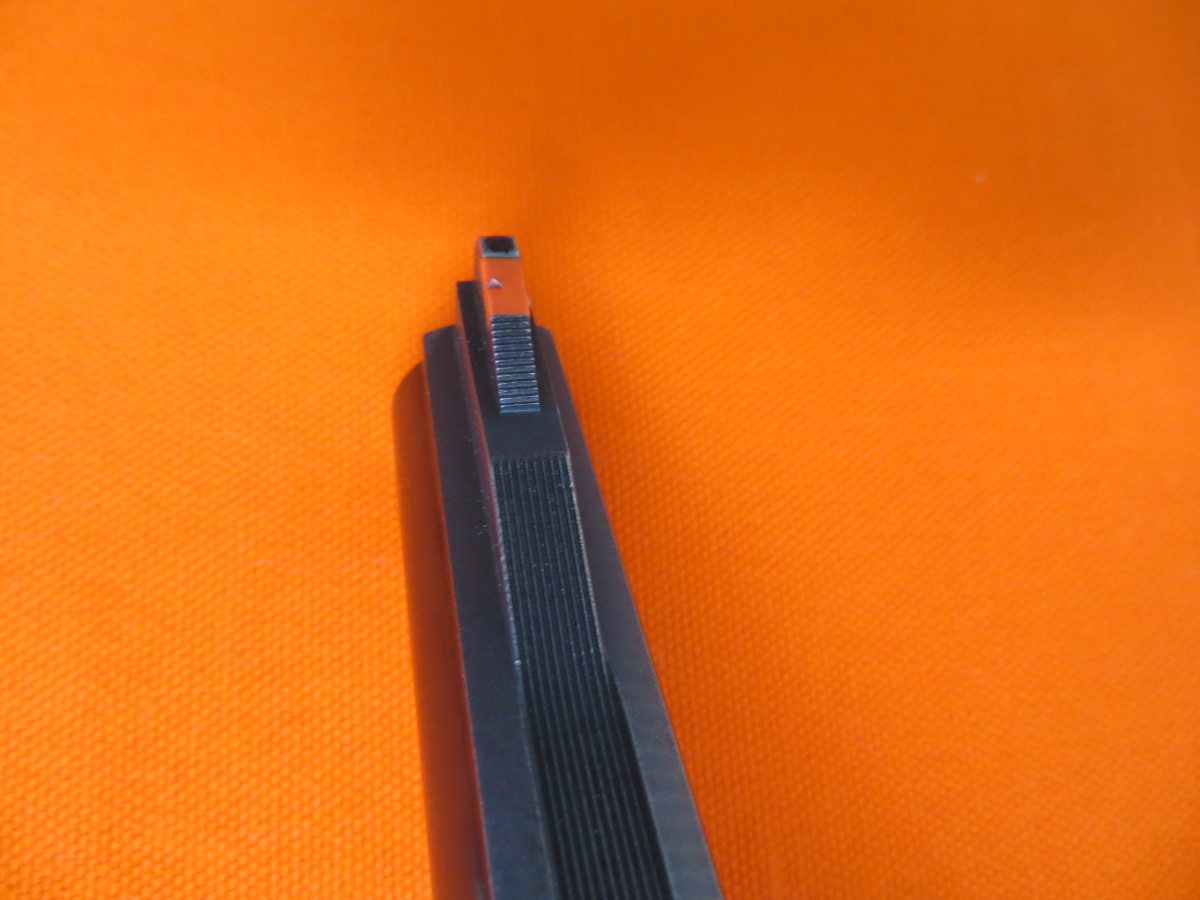
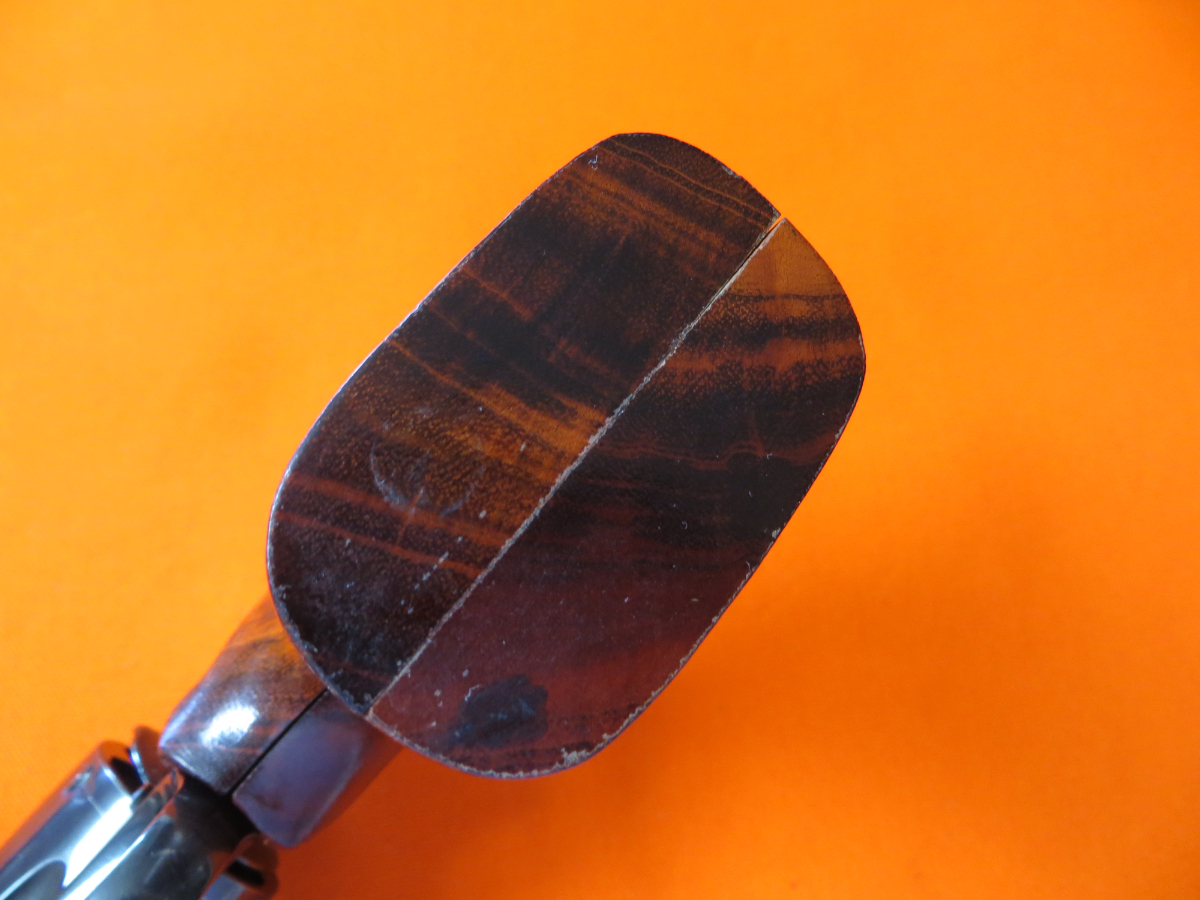
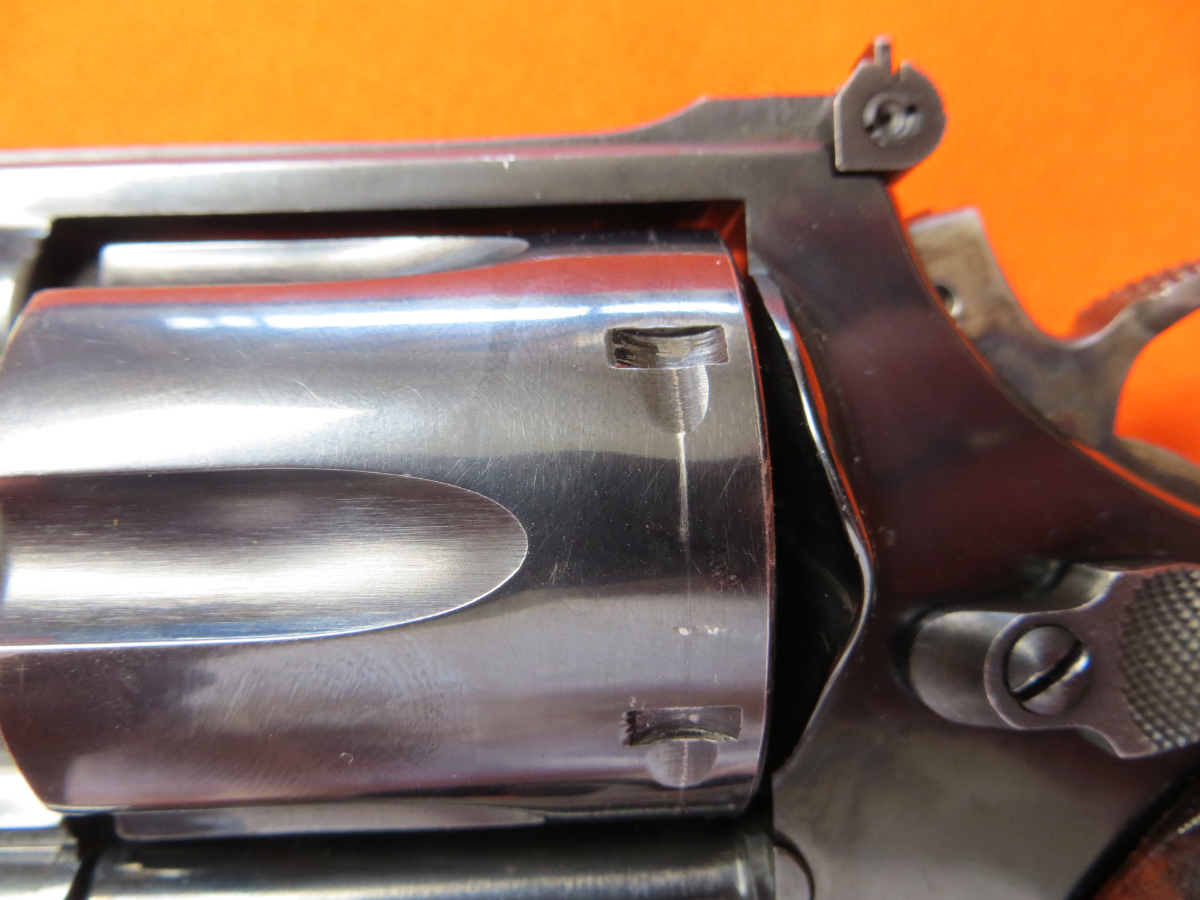
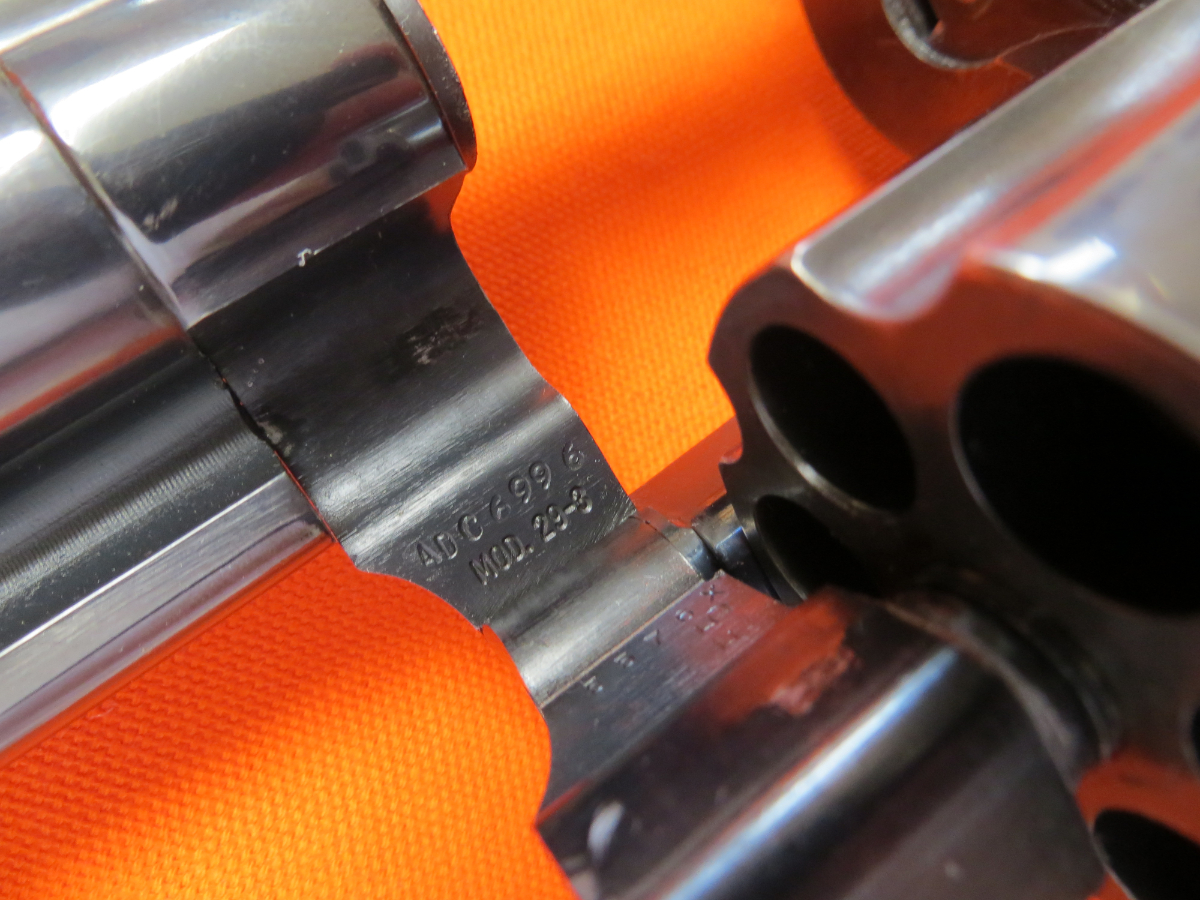
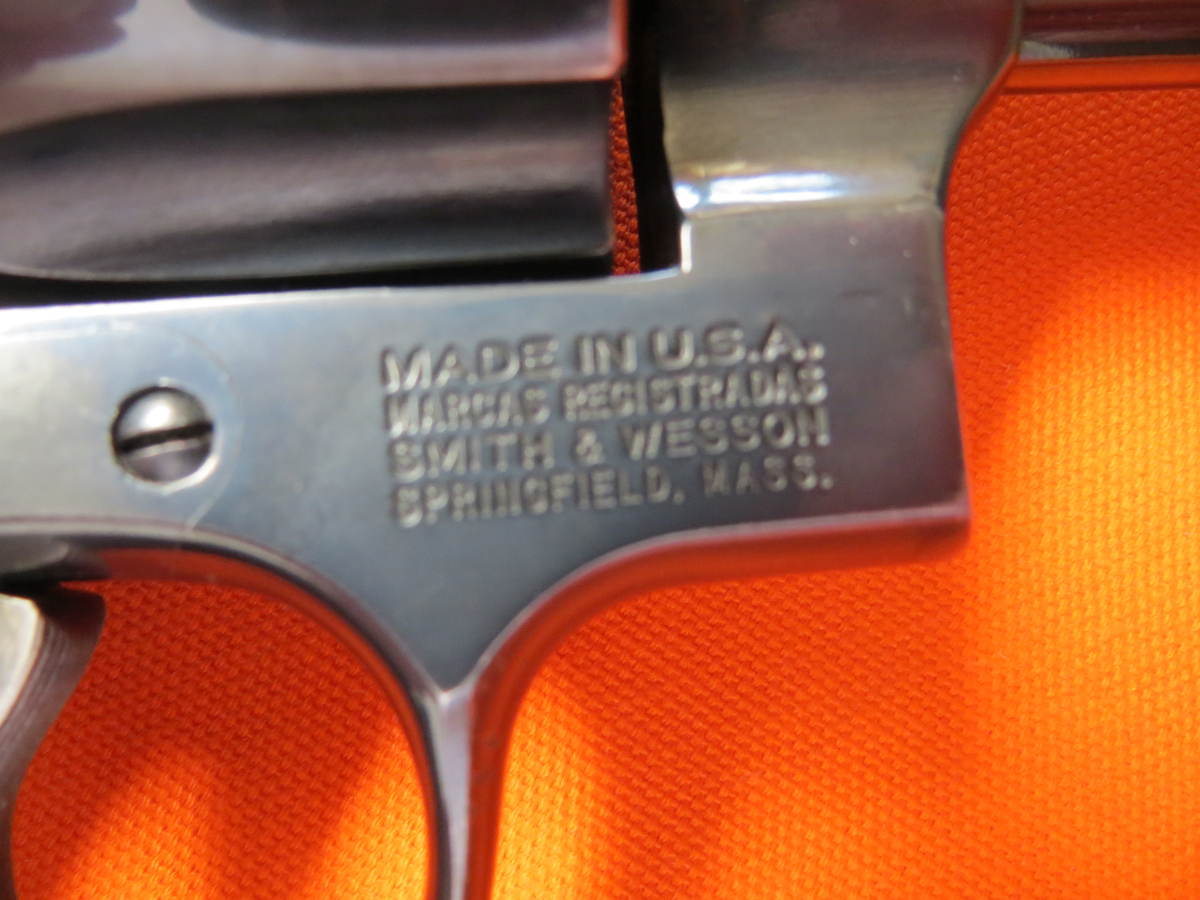
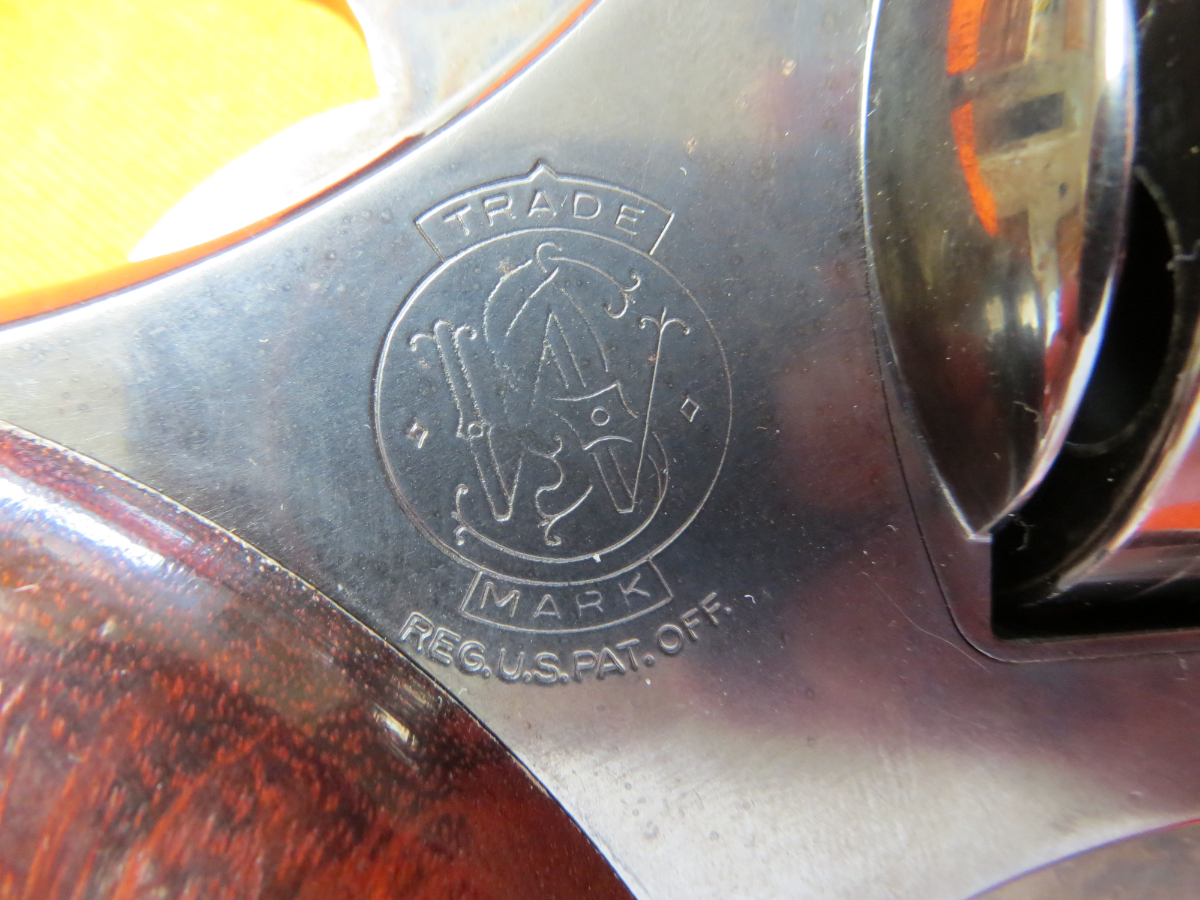
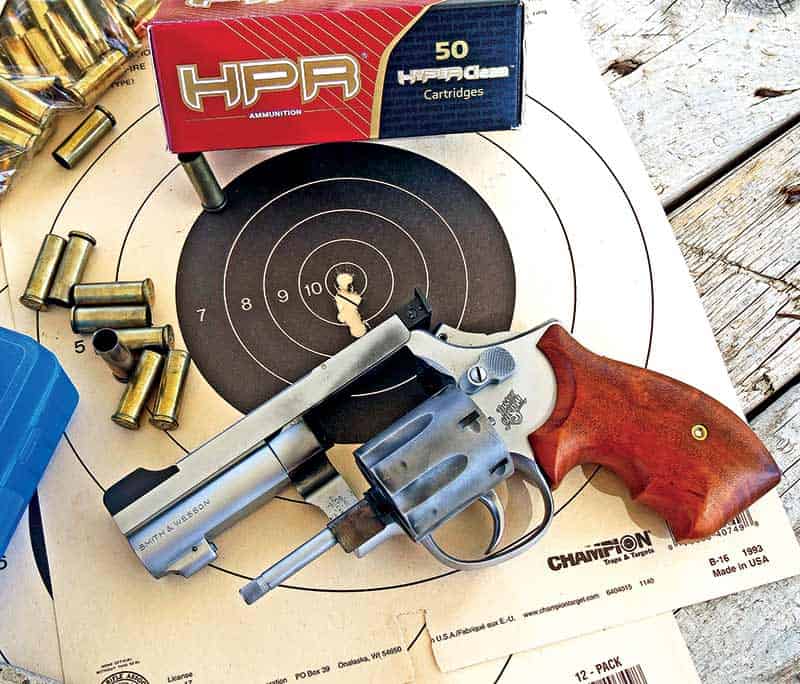
Shortly after Terry crafted the Colt, Uncle John brought in another box. This one contained a special order from S&W: a round-butt 6-shot K-Frame .38 Special with a 3″ heavy barrel. He wanted the entire top machined flat then fitted with a full-length rib with integral target sights. The hammer was to be bobbed and the action slicked; the trigger smoothed and rounded on the edges, plus other enhancements. Finally, all but the rib was industrial hard-chromed and graced with a set of smooth, contoured wood grips. The result was a superb shooting, hefty but eminently packable backup for the Tussey Colt, or, stand-alone wear around the station in a custom hip holster.
For whatever reason, Terry didn’t tell Uncle John he didn’t work on revolvers back then; he’s almost exclusively a pistolsmith, and a great one. (He does selected revolver action jobs and other touches now.) He just did it — and Uncle John loved the result.
But the S&W, like the Tussey Colt, was sold when Uncle John was disability-retired on “half pay and full bills.” You’ve got to understand when Terry works on a gun, he does it for that shooter. And the distinctive Smith was crafted for one man. In 2010, while Terry was refurbishing the Colt 1911, he launched a broad search to locate the original 3″ .38 Special. He couldn’t find it.
If you run across such a 3″ Smith bearing Terry’s circa-1981 twin T’s engraved in an oval on the frame, you have an almost unique revolver. I say almost, because when he couldn’t find the original, he re-created it, and as he’d done with the Colt, simply surprised the stuffin’ — and some liquid leakage from the eyes — out of Uncle John with it. Why? Because, he said, it was the right thing to do. Tells you something about Terry Tussey, doesn’t it?
Uncle John has carry-guns, backups and home defense guns. While the Tussey .38 could ably fill such roles, now he shoots it only for the deep, soul-satisfying pleasure of it.
Not A Routine — A Ritual
I nagged him into a demo. As Uncle John explained it, a Pure Pleasure Gun needn’t be a slick tack-driver or even ultra-reliable. It can be a poor and arcane design, perhaps destined from birth for an early trip to the junkyard. The cartridge can be obsolete, the ergonomics awful, but for whatever reason, it appeals to you. The important thing is you delight in it, and can shoot it without expectations of excellence or anything.
It may be a cranky, gritty P38; a pitted, unwieldy Enfield No. 2 Mk 1; a Brazilian contract Smith & Wesson 1917 .45 ACP that’s two percent blue and 98 percent dings and gouges. Your “pure pleasure gun” may be your only gun, and this is okay too.
You don’t try for tight groups or fast splits; you don’t think defense scenarios or competition stages. You just “zone-out and zen-in” on the feel, the smell, the push of recoil and lose your goals, your cares, your imagery and ego. Uncle John caught me checking my groups — the Tussey .38 can shoot clover-groups — and waggled a thick finger at me: a warning. That’s not what you’re here for.
It took me a while, but I got it. The overwhelming majority of my shooting is “business” or intensive personal training. Both take real concentration. Sure, I get a certain level of enjoyment out of it, particularly when all goes well and the elements come together. But with pure pleasure shooting, it’s not about the machine; it’s about the mindset. It feels good.
Just think about it — but not too hard. Connor OUT
A quality AR rifle with side charging handle for under $600: The BC-15 556 NATO from Bear Creek Arsenal
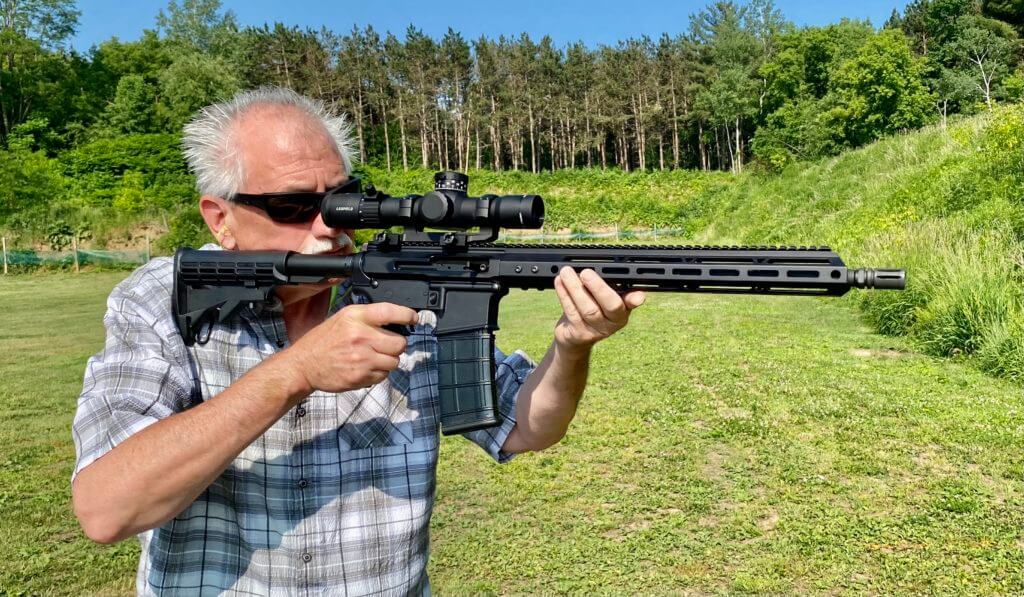
I used my first AR-platform rifle featuring a side-charging bolt handle in 2015. It took about 12 seconds for me to realize that the side charging handle was superior to the standard AR charging handle located at the rear and near the top of the receiver. The side-charger is much easier to use, the leverage being noticeably better when a shooter can use their index finger and thumb to draw back the bolt versus the two-finger approach on the standard AR, with the hand and forearm rather awkwardly coming back into the body.
I’m not sure why there are so few side-charging ARs available to shooters, relatively speaking. However, I am sure that Bear Creek Arsenal, Sanford, North Carolina, manufactures one of my new favorite models, the BC-15 5.56 NATO Right Side Charging Rifle.
The BC-15’s side charging handle allows the shooter to put more leverage into the charging stroke for a much easier operation.
An AR By Any Other Name
Minus that charging handle protruding from the right side of the billet receiver, the BC-15 5.56 NATO was pretty much a standard AR-15. It featured a 16-inch, chrome-moly steel barrel, with a 1:8 twist rate, and a 15-inch MLOK handguard. When firing, the bolt worked from a carbine-length gas system complete with a buffer tube tucked back into the adjustable stock.
The barrel was tipped with a flash hider, the bolt carrier group was BCA’s own BCG, and the multi-caliber lower receiver was made of forged aluminum.
Shooting the NATO At 50 Yards
For his initial 50-yard shooting, McCombie mounted a Mepro Tru-Vision red dot onto the BC-15.
To test out the BC-15 5.56 NATO, I initially mounted a Mepro Tru-Vision red dot onto the rifle. Made by Meprolight, an Israeli manufacturer, the Tru-Vision featured a 2-MOA LED red-dot reticle with 12-day and 4-night brightness settings, plus an automatic brightness-control system that enabled good visibility of that red dot even when lighting conditions change.
At the mid-level brightness setting, Meprolight rated the unit and its single CR123 battery as able to be on continuous “ON” use for two years. The Tru-Vison went onto the BC-15 easily enough thanks to the quick-release Picatinny rail mount that came standard with the optic.
At my outdoor range, I zeroed the rifle and optic at 50 yards with some random 223 Rem. rounds I had on hand. Then, I switched over the Winchester’s now-defunct Razorback XT hunting round loaded with a 64-grain lead-free bullet—which, by the way, was a great round for taking on wild hogs, as the name implied.
At 50 yards and shooting from a rest, my groups started off large and got smaller. My first five shots hit at 3.30 inches; my next two groups came in at 2.6 inches and 2.0 inches, respectively. I only had four rounds of the Razorback left in the box (sadly, my last box), and those four bullets drilled in at 1.0 inch even with three of the shots nearly touching.
Longer Range Accuracy
For my longer-range testing, I switched out the Tru-Vision for the new Leupold Mark 5HD 2-10×30 rifle scope, clearly made for carbines like the BC-15. The scope featured Leupold’s Tactical Milling Reticle or TMR, the optic-maker’s redesign of the MIL reticle employing hash marks instead of dots. The elevation turret provided 30 MILs of adjustment in 0.1 MIL increments, and Leupold’s patented ZeroLock set screw ensured that the elevation dial wouldn’t shift.
Images seen through the Mark 5HD were sharp-edged, the colors were well-defined, and the controls were very precise.
I shot the BC-15 with two different rounds for accuracy: Federal Premium 5.56x45mm 77-grain OTMs; and Fiocchi HyperFormance 223 Rem. loaded with a 50-grain Barnes Varmint Grenade bullet.
The Federal 5.56 had the best showing, pegging two, five-shot groups at 1.1 inches and a four-shot cluster at just .80-inches.
Federal’s 5.56 ammunition matched up well with the BC-15 for this group (and other groups) at 100 yards.
My five-shot groups with the Fiocchi were in the 1.5- to 2.0-inch range, though I did make a three-shot group at .80-inches.
Best group (three shots) with Fiocchi 223 Rem., at 100 yards, pegged in at .80″.
NATO Trigger & Magazines
My Lyman Electronic Trigger Pull Gauge put the BC-15’s trigger pull at 3 pounds, 3 ounces on average. The trigger appeared to be of the Mil-Spec variety, a little stiff and held up just slightly before engaging, but nothing terrible.
The MLOK handguard provided plenty of space for add-ons.
For my shooting, I used ETS Group magazines for the first time and they worked flawlessly. I used the ETS Black Nylon and Carbon Smoke magazines, both 30-rounders though I only loaded them to 20 rounds. They loaded easily and popped out of the BC-15’s magwell nicely. The ETS magazines were made from heat-, UV- and chemical-resistant materials and featured non-tilt followers and creep-resistant feed lips.
ETS Carbon Smoke (L) and Nylon Black (R) 30-round magazines worked flawlessly in the BC-15
Conclusion
Given the ease of loading/unloading the rifle using the side-charging handle, the accuracy and the fact that I had zero functional problems in over two hundred rounds (without any cleaning, though I did lubricate the bolt before I started shooting), the BC-15 would be a solid and reliable option for anyone looking to add an AR-15 to their collection.
Factor in the BC-15’s suggested retail of less than $600? It’s an even better deal.
On its webpage, Bear Creek Arsenal also shows its side-charging AR-10 models chambered in 243 Win., 6.5 Creedmoor, and 308 Win, among other calibers. I really look forward to trying out these for future big game hunts.
Bear Creek Arsenal manufactures quality side-charging AR-15’s and AR-10’s.
Specifications: Bear Creek Arsenal BC-15 556 with Side Charging Handle
Caliber: 5.56 NATO
Operation: Semi-Auto, Carbine-Length Gas, Gen 2 Right Side Charging
As we get older, we must keep in mind that we can still be a target for criminal attack. In fact, we may become even more of a target as the years catch up with us. The crooks see the gray hair, the wrinkles and figure that we will be less likely to resist and less likely to be armed. Age may cause us to have physical problems to deal with, but many of them can be overcome. We owe it to ourselves and our families to be as tough a target as is humanly possible. Here are a few ideas to help older defensive shooters deal with their issues.
1. Use The Most Powerful Handgun That You Can Shoot Quickly And Accurately.
You may be surprised to learn that this is what I tell all shooters, regardless of their age. However, you may have found that, due to infirmities, you can no longer manage that .357 Mag. or .45 ACP pistol. This doesn’t mean that you should quit. It means that you should scale down to a 9 mm Luger, .38 Spl., .380 ACP, or even .22 LR, depending upon your particular needs and abilities.
These smaller calibers may not be as capable, but they sure do beat fighting with your fists. The lighter the caliber, the more important bullet placement becomes. So, you’ll have to practice more and work on delivering the best bullet placement possible.
2. Consider Changing Carry Positions.
One of the most common defensive carry techniques is to wear the handgun on your strong-side hip, just behind the hip bone. Unfortunately, with aging, many shooters lose mobility in their joints. To make a draw from this popular position, your shoulder must move up and back, and it must do it quickly. Some folks just have a tough time with this.
A better choice for the aging shooter might be the appendix carry; that is, wearing the handgun on the strong side but in front of the hip bone. The shoulder does not have to move so radically with this technique. The same may be true with the crossdraw carry method. Both carry the handgun on the front side of the body and will be easier to get to and allow for a quick pistol presentation.
3. Dealing With Fuzzy Sights.
About the time that we hit middle age, the sights on a handgun sure do start to look fuzzy, and a clear sight picture rapidly becomes a thing of the past. Some folks deal with this natural phenomenon by using the close-range portion of their bifocals. However, for all of us, glasses are the answer.
Even if you don’t use bifocals, your optometrist can have a corner of your glasses ground so that you can see the sights clearly through that portion of the lens. If you don’t feel comfortable discussing your shooting skills with your current optometrist, ask at your local shooting range or gun store until you can get the name of an optometrist who is a shooter. You’d be amazed at how many of these professionals enjoy the shooting sports and understand the needs of aging shooters.
4. Weakness In The Hands And Forearms.
Some older shooters find that, due to arthritis or some other ailment, they can no longer work the slide on a semi-automatic pistol. In most cases, I have found that they have been doing it wrong in the first place.
Too many shooters want to hold the auto pistol in their hand with the arm almost fully extended. Then they use the thumb and index finger of their support hand, at the very back of the slide, to work the slide and chamber a round. This whole technique looks very much like the way we shot slingshots when we were kids. Regardless of age, this is a very poor technique and is an indication of someone who is a real tenderfoot regarding this business of self-defense.
The closer your hands are to your chest, the more strength you have in your hands and arms. Hold the pistol close to your chest and parallel to your chest, with the muzzle pointed to the side. However, you should be conscious that the muzzle is still pointed in a safe direction at all times.
Put your support hand over the top of the pistol, in the area of the ejection port, and grasp the slide firmly with your whole hand and all of your fingers. At the same time that you pull the slide to the rear with your support hand, you should push forward with your strong hand. The isometric push-pull, along with holding the gun close to the body, utilizes much more of your bodily strength and is a much more positive way to charge your auto pistol.
However, there are those who simply are dealing with issues that make them too weak to run an auto slide. They might consider making the transition to a double-action revolver. The action of loading and unloading a DA revolver requires much less muscle strength. When transitioning to a revolver, however, don’t hesitate to have a professional gunsmith smooth up the action to make the double-action trigger pull as easy as possible.
5. Increase Mobility With Exercise.
The older we get, the more important exercise is to our maintaining our body strength and mobility. If you have health issues, it is critical that you do not start an exercise program without consulting with a physician. Just as with the optometrist, you may find it a bit more comfortable to find a physician who enjoys the shooting sports.
When you start hunting for a doctor who is a member of our shooting fraternity, you will be amazed at just how many of them there are. I don’t want to sound “New Age” here, but the fact is that a yoga class, especially one for older folks, is a great way to increase your agility and mobility. However, if you have any doubts about your ability, take the time to consult with a physician.
It is critically important, as the years go by, to continue to refuse to be a victim. Seek the advice of other aging shooters, use your mind to solve your particular problems as they relate to shooting skills, and simply say to yourself, “I am tough, I am an American shooter, and I am not going to give up.”
 Grumpy