Category: All About Guns

























NASHVILLE, Tenn. (WZTV) — A bill filed in the Tennessee House this week would allow those with enhanced handgun carry permits to bring a firearm into businesses that restrict weapons.
HB2032 was filed by Rep. Jody Barrett (R-Dickson) on Tuesday. The legislation would “remove the offense of possessing a weapon in a building that prohibits or restricts weapons” – meaning those with enhanced carry permits would not be penalized for carrying.
Those working in the business could still deny them service. Rep. Barrett says businesses still have the right to ask customers to leave if they have a sign posted out front that prohibits handguns. He explains it just wouldn’t make it a crime anymore.
“People should not be walking in the traps so to speak and getting charged with a crime when they really had no intent of doing any harm to the public,” Barrett explained.
Barrett says the goal is to not make law abiding citizens criminals.
Categories
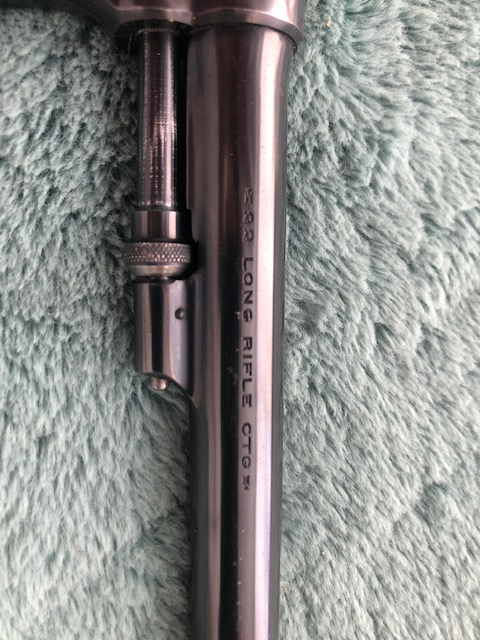
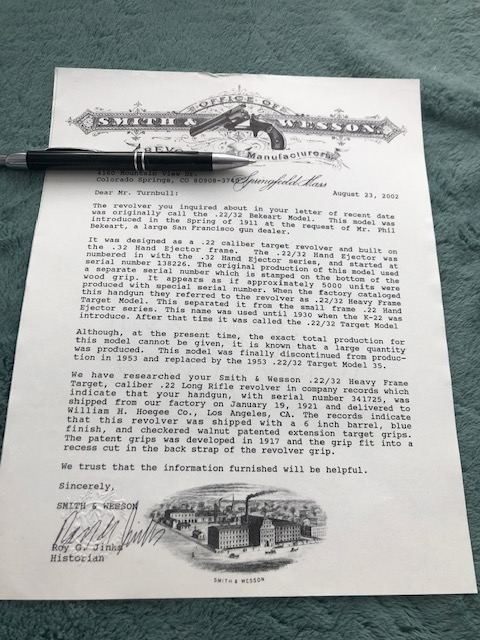
S&W model 14-4 38 Spl


The state’s toughened voting rights restoration policy requires people convicted of a felony to get their gun rights restored before they can become eligible to cast a ballot again, Tennessee’s elections office said Tuesday, confirming a mandate that officials had been debating internally.
Last summer, election officials interpreted a state Supreme Court ruling as requiring that all convicted felons applying for reinstated voting rights first get their full citizenship rights restored by a judge or show they were pardoned. Voting rights advocates have argued the legal interpretation was way off-base.

The change, instituted by elections officials in July, has since halted almost all voting rights restorations: More than 60 people were denied and just one person approved. In the nearly seven months before it was implemented, about 200 people were approved and 120 denied, according to data from the secretary of state’s office.
State Elections Coordinator Mark Goins revealed the gun rights decision Tuesday when asked about it by The Associated Press. Pointing to the court’s ruling, he reiterated that someone’s full citizenship rights must be restored before they can regain the right to vote, and added, “Under the Tennessee Constitution, the right to bear arms is a right of citizenship.”
As recently as last month, Tennessee election officials expressed uncertainty about restoring the vote to convicted felons who hadn’t regained their gun rights, saying in court depositions that they were holding up 12 such applications while consulting with the state attorney general’s office.
All Tennessee felony drug crimes and felonies involving violence specifically strip away someone’s gun rights, and high-level action such as a pardon by a governor is needed to restore their voting rights, according to the Campaign Legal Center.
The center, a nonprofit, nonpartisan advocacy group, had already filed a federal class-action lawsuit against the state over its previous voting rights restoration process — before the new rules even took place — arguing that it amounted to the suppression of Black voters.

The suit argues that the state fails to make clear which officials can sign the necessary forms, provides no criteria for denial, and offers no avenue for appeal. Tennessee also requires that applicants are up to date on restitution, court costs and child support payments. The state also already bars voting rights restoration for certain categories of crimes, if they were committed within certain date ranges.
The lawsuit was scheduled to go to trial last November. The policy change sparked by the high court’s decision spurred delays in court, making it unlikely that a trial will take place until after this year’s elections.
Despite the Tennessee legislature’s clear intent to create meaningful pathways for voting rights restoration, the Elections Division, with help from the Attorney General’s office, continues to twist the law into tortured knots to prevent the 475,000 Tennesseans, including over 20% of voting age Black Tennesseans, with past felony convictions from voting,” said Blair Bowie, director of Campaign Legal Center’s Restore Your Vote.
In its June decision, the high court ruled against a man who sought to register to vote in the state after receiving clemency for a crime committed decades ago in Virginia. The court ruled that he still had to go through the process of restoring his voting rights.
Though Tennessee elections officials have acknowledged that the court ruling applied only to the specific circumstances of that case, they have said the wording was close enough to the requirements under state law to necessitate the broad policy change.
Even as lawmakers returned to work at the Capitol early this month, it remained unclear whether supermajority Republicans would push to return to the old reinstatement system. Senate Speaker Randy McNally, for one, would prefer even more restrictions, showing how tough it is to sell the issue in Tennessee.
“Overall, I’m not in favor of felons voting. I think they’ve committed a serious crime, serious offense against the state,” McNally told the AP earlier this month. “And until they’re out of jail and either been pardoned or exonerated for what they did, then they forfeit that right.”
The only person approved for voting rights restoration under the new system didn’t hit any snags in court, at least. A judge restored his “full rights of citizenship” in September, and the state elections office restored his voting rights in November.
Criminal defense attorney John Pellegrin said he helped his client get a judge to reinstate his citizenship rights, but wasn’t involved in helping him submit voting restoration documents. The new stricter requirements were news to him.
“I didn’t really find out about the change until after we had already done it,” Pellegrin told the AP.