Categories
All About Guns Fieldcraft

Gun Cleaning: 5 Reasons Why You Need to Clean Your Firearms by Dr Will Dabbs MD

Gun cleaning is an important aspect of gun ownership – don’t let anyone tell you otherwise. Beginning, intermediate, and advanced shooters are all responsible for keeping their guns in peak condition. Clean the gun your life depends on like your life depends on it — anything less is rank laziness and does not befit a firearms enthusiast.

Reason #1 – Cleaning a Gun Prevents Malfunctions

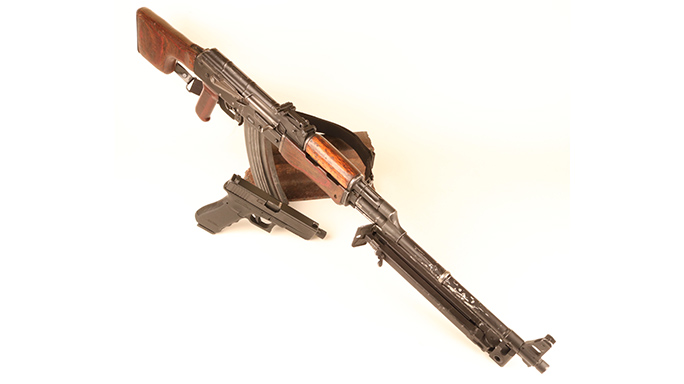
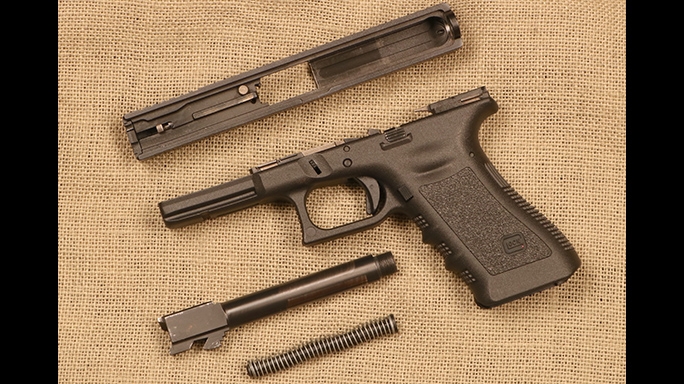
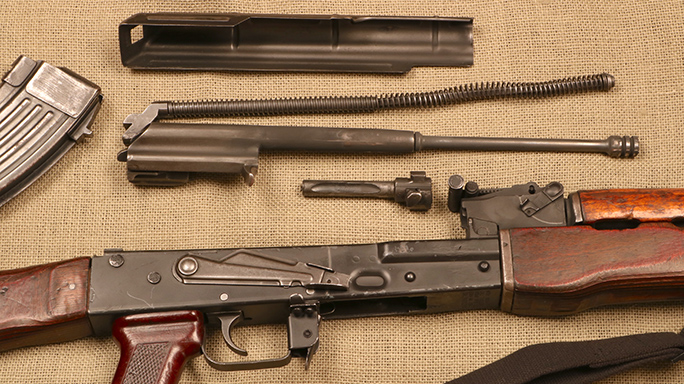
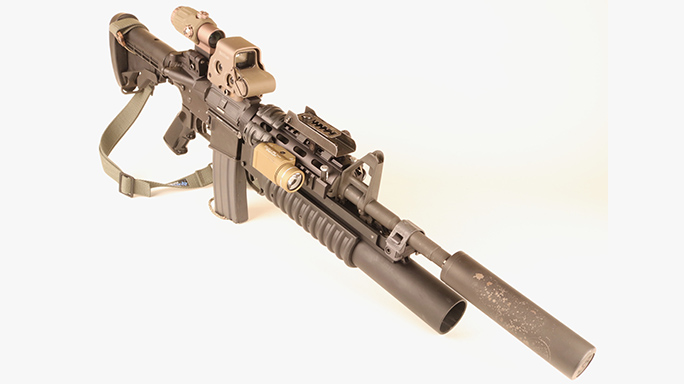
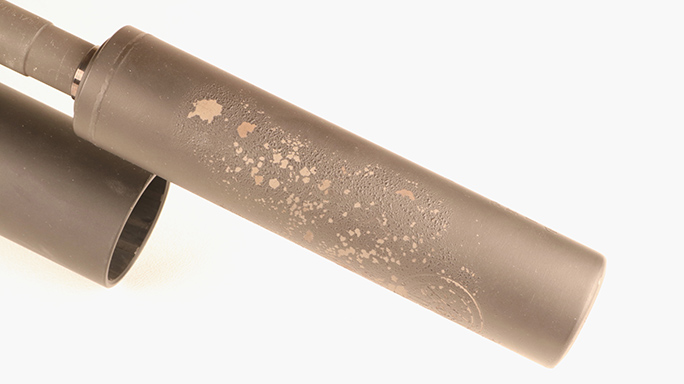
What exactly happens when you fail to clean your weapons? If you are running a Kalashnikov or a Glock, not much, but it still matters to ensure they’re always in proper working order. I have a Glock 22 converted to 9mm I have owned for a decade. I have brutalized that poor pistol, most typically with a sound suppressor hanging from its snout. Sound suppressors look cool and cut down on noise pollution, but they will render your guns invariably filthy. Increasing back pressure forces some of the carbon fouling that might otherwise vent into the atmosphere back into the action. The result is copious gunk and that gunk can lead to firearm malfunctions.

Reason #2 – Your Life Depends on a Clean Personal Carry Gun

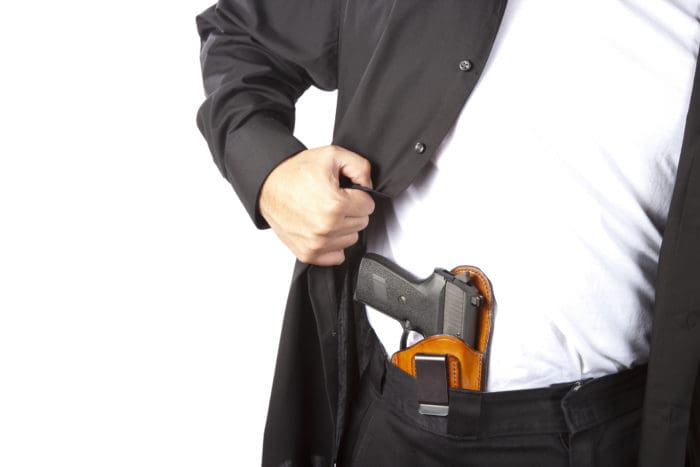
I do actually try to pay attention to my carry guns, but we all suck at this at times. If my RPK chokes while turning ammo into noise, it might elicit some good-natured grumbling. The same thing cannot occur with my Glock 42 while I am standing between some deranged meth addict and my family. Digging into the guts of a well-used pocket gun can be enlightening.

There isn’t a great deal of mechanical energy we are dealing with here, anyway. Let all the lube evaporate out of your favorite slim .380 defensive pistol then pack it to the gunwales with pocket lint and don’t be surprised if it chokes in the clutch. Holstered guns typically fare fairly well over time, but should you be in the practice of carrying a sidearm in your pocket that thing will get gross quick. I have been on occasion gobsmacked by the sheer volume of sundry grunge that will accumulate in a pocket gun over even a short month or two of regular carry.

Reason #3 – You Want the Magazine to Work Properly

The box magazine on a pocket gun sucks up filth like crazy. Slide the floorplate off and tidy up the inside of the magazine whenever you strip the gun.

Shoot your carry guns from time to time, and not just with cheap blasting ammo. It can be illuminating to go to the range and run your ready magazine dry in a high-mileage carry piece. I have had several unexpected stoppages during this exercise. There is one gun I no longer rely upon because of some dismal no-notice range performance. Defensive ammo is expensive, but it is worth the trouble to freshen up your primary magazine every year or two.

Strip it down and tidy it up on the first of each month. It won’t take you five minutes. You would willingly devote more attention to some medical machine if it were keeping you alive. If you are serious about packing a gun for protection, you need to keep it properly maintained.

Reason #4 – Clean Guns Will Function from the Range to a Combat Zone

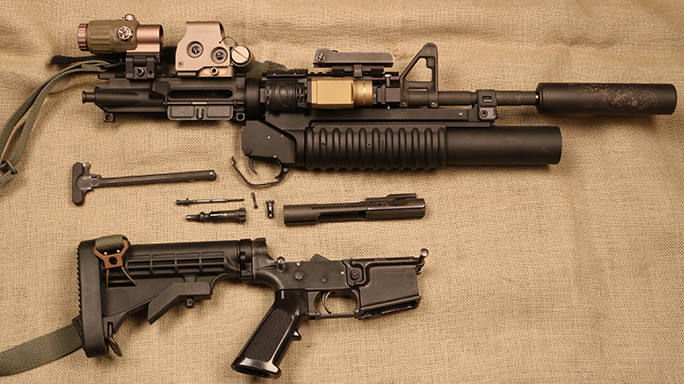
I ran my first M16A1 professionally in 1984. I’ve had every type of stoppage imaginable with this weapon, including blown cases and a failed front sight base. The gun will run and run well, but it needs a little love. The rub is that the direct gas impingement system pumps all of the gun’s sundry funk right back into its entrails.

M16A1 rifles at the Ranger School at Fort Benning back in the 80s had been ridden hard, but meticulously maintained. However, I used one during a competition there that would not run more than three rounds at a sitting despite being spotlessly clean and lightly lubed. Stoner acolytes please forgive me, but this is, especially in its earliest iterations, a remarkably finicky combat weapon.

Let an AR get properly dirty and the results will show. Failures to extract, failures to eject, and bolt over failures pepper the fail-scape. The solution is obviously regular cleaning.

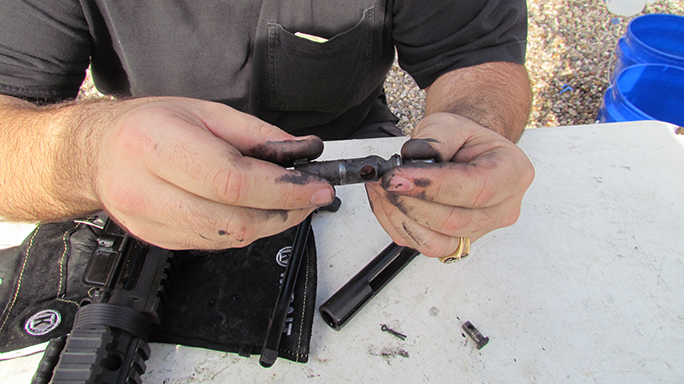
Scrub off the bolt, bolt carrier, bolt carrier key, and sundry small parts. Personally, I use a pocketknife to scrape the carbon fouling off of the tail of the bolt. Whichever way you choose to complete this task, make sure you’re doing so regularly.

Reason #5 – You Don’t Want to Have to Drop Hard-Earned Money on Repairs

An ounce of prevention is worth a pound of cure, an adage that is especially true in the realm of gun cleaning and maintenance. By cleaning a gun after shooting, you can offset the need for costly repairs later on – along with a few sideways glances from an unimpressed gunsmith. You’ve spent enough money on the firearm itself, so why pay extra to repair it due to negligence? Also, while your gun is off getting fixed it’s not in your possession when you may need it the most.

Categories
All About Guns

How cool is this Webley?!

Categories
All About Guns

What I would call a good start for a youngsters Rifle Education

A Winchester Model 67a

Categories
All About Guns

1895 Swedish Mauser Restoration to Military Configuration (m/94 Oberndorf Carbine Un-sporterized)

Categories
All About Guns

M94 carbine

Categories
All About Guns

New Royal Tiger Surplus (MASSIVE IMPORT) 2024 RTI Ethiopian/African Military Firearm News

Categories
All About Guns Ammo

The .22 Hornet: History & Performance by DAVE CAMPBELL

Campbell 22Hornet 1

The period from 1873 through about 1960 is, for me, the most fascinating period of cartridge and firearm development. So many different things were going on, from repeating firearms, the development of self-contained metallic cartridges, smokeless powders, bolt-actions, double-actions, semi- and full-automatics, jacketed bullets and telescopic sights, just to name a few.

Here we will take a look at a cartridge conceived in the blackpowder era that transitioned into the smokeless-powder era, with little more than a slight change in bullet construction and propellant. And like many cartridges of this era, it lives on today with a devoted—if not overly large—group of fans. That cartridge is the .22 Hornet. It started when Winchester spawned a small-game, black-powder cartridge in 1885 called the .22 Winchester Center Fire. It was originally chambered in the company’s then-new Model 1885 single-shot rifle.

Some 19 years later, Remington would chamber the No. 7 Rolling Block in .22 W.C.F., as well. The case was a diminutive proportioned bottleneck design with a long, sloping body and a scant 5-degree shoulder to facilitate extraction in the dirty-burning, black-powder rifles of the day. A 45-grain cast lead flat-point bullet in front of 13 grains of black powder turned up some 1,550 f.p.s. of muzzle velocity. The cartridge had widespread popularity as a small-game, target and varmint round. Yet with the advent of smokeless powders, shooters desired something that fouled less and could be shot more.

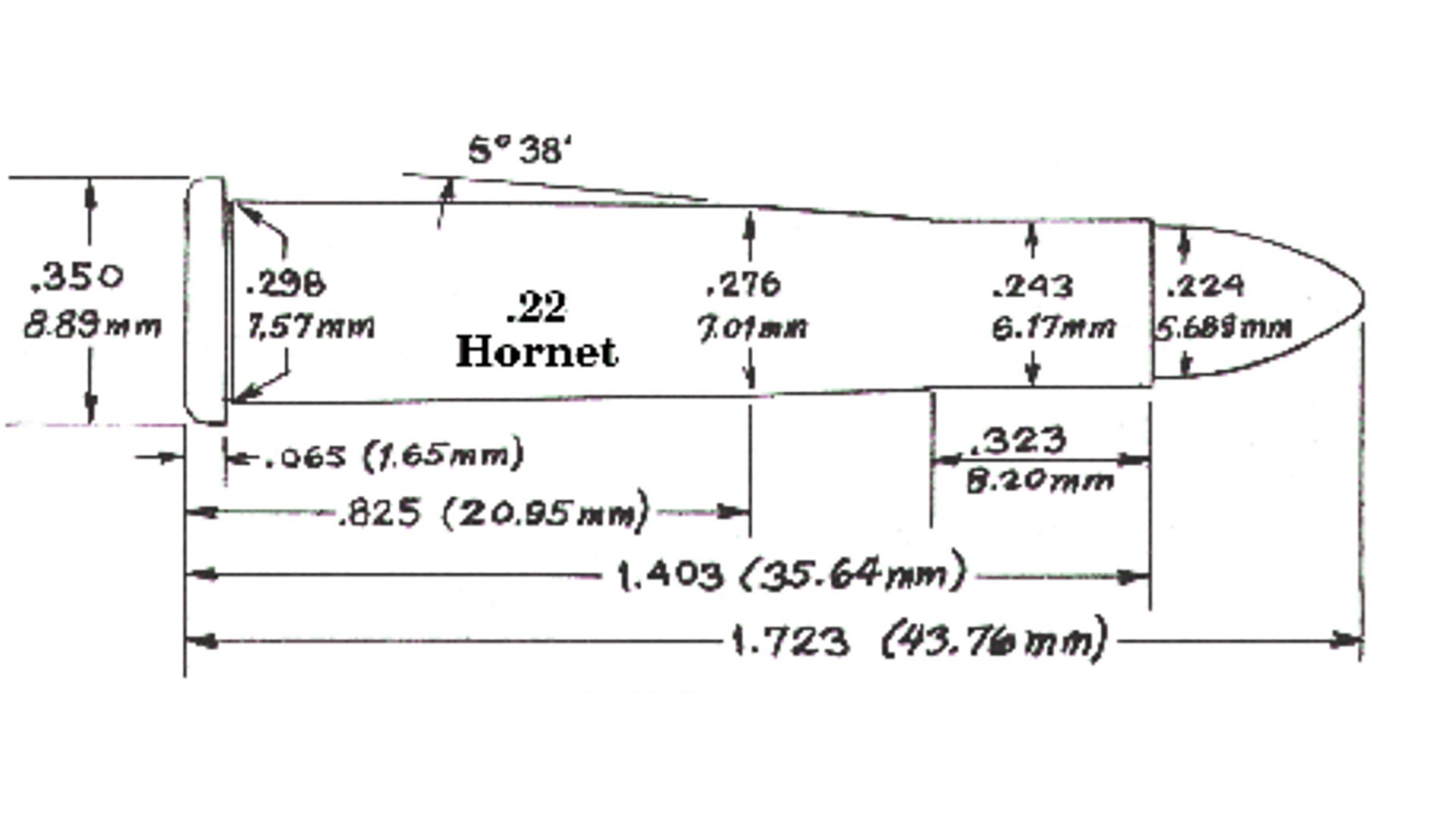
A dimensional schematic of the .22 Hornet cartridge.
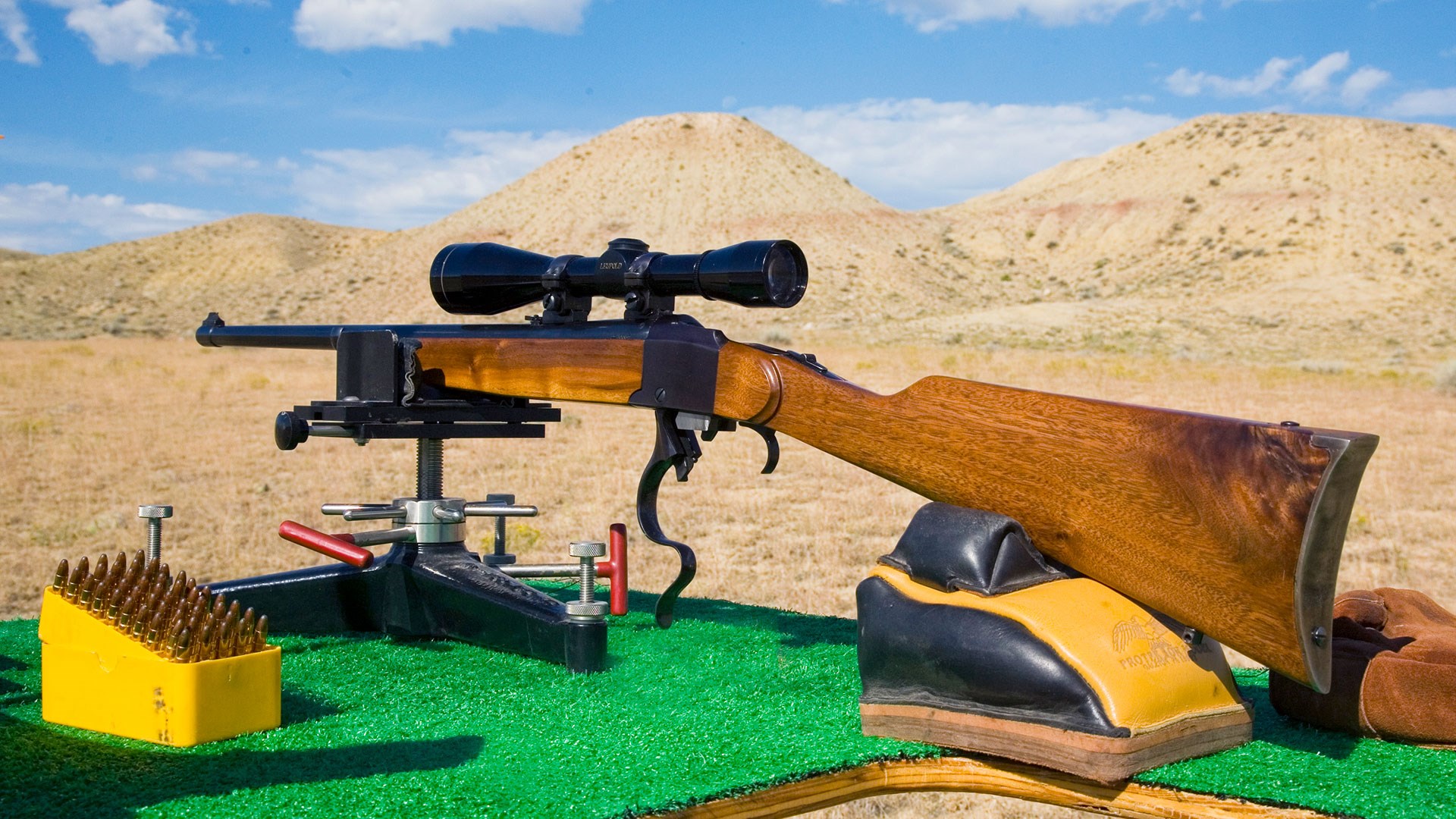
During the 1920s, experimenters at Springfield Armory led by Capt. Grosvenor Wotkyns, and later Col. Townsend Whelen, tweaked the cartridge for a while, and by 1930, the .22 Hornet debuted. The case is virtually identical to its parent .22 W.C.F. cartridge, although the black-powder version typically was loaded with bullets .228″ in diameter. Hornets were initially loaded with .223″ jacketed bullets, and have now settled on .224″ bullets. With smokeless powders having more energy-to-weight, the same 45-gr. bullets were launched at 2,400 f.p.s., albeit they were jacketed bullets.

The .22 Hornet was touted by Winchester engineers as the most accurate ever tested in their labs at that time. Winchester’s .22 Hornet enjoyed even more widespread popularity, quickly enough that, by 1936, the .22 W.C.F. was no longer loaded, despite the fact that until 1932 no factory rifle had been chambered for the .22 Hornet. Sales brochures of the era touted the .22 Hornet as a 200-yard rifle, but in practice it was more suited to targets no further than 125 yards.

Handloaders and backyard experimenters had a field day with the Hornet, so much so that bullets from 34 to 55 grains have been tried in it. Today most factory loads and handloads utilize bullets from 35 to 46 grains and have very frangible construction. Velocities are usually in the 2,700 f.p.s. range with modern powders and extend the usable range of the .22 Hornet out to 175 yards.

Those who want or need a relatively quiet, light-recoiling and inexpensive-to-shoot firearm seem to love the Hornet. It can be used in somewhat settled farm country to keep the rodent population in check without scaring the neighbors. Powder charges generally range from 12 to 20 grains, depending on the powder, so one gets a lot of loaded rounds from a pound of powder. The .22 Hornet has a bit of history as a target and training cartridge, as well.

In such places as Australia and New Zealand, the cartridge was not only was popular with small-game and vermin shooters, it was a favorite for cadets in training as well. It was quite popular in Europe, where the Germans call it the 5.6×35 mm R. CZ-USA still chambers its premium 527 Lux in styles targeting American and European markets. Handloaders have gotten more performance than factory ammo makers have been able to until recently.

For decades, the .22 Hornet factory loads spit out 45-grain bullets at 2,400 to 2,500 f.p.s. Handloaders were getting some 2,700 f.p.s. and more with the same bullets using powders like the then Hercules, now Alliant 2400, along with IMR 4227. That still wasn’t enough for many, so enter the wildcatters. The most popular wildcat off the .22 Hornet is the .22 K-Hornet, developed by Lysle Killborn in 1940. More than a few other wildcats were made, but Killborn’s has kept most of its legs.

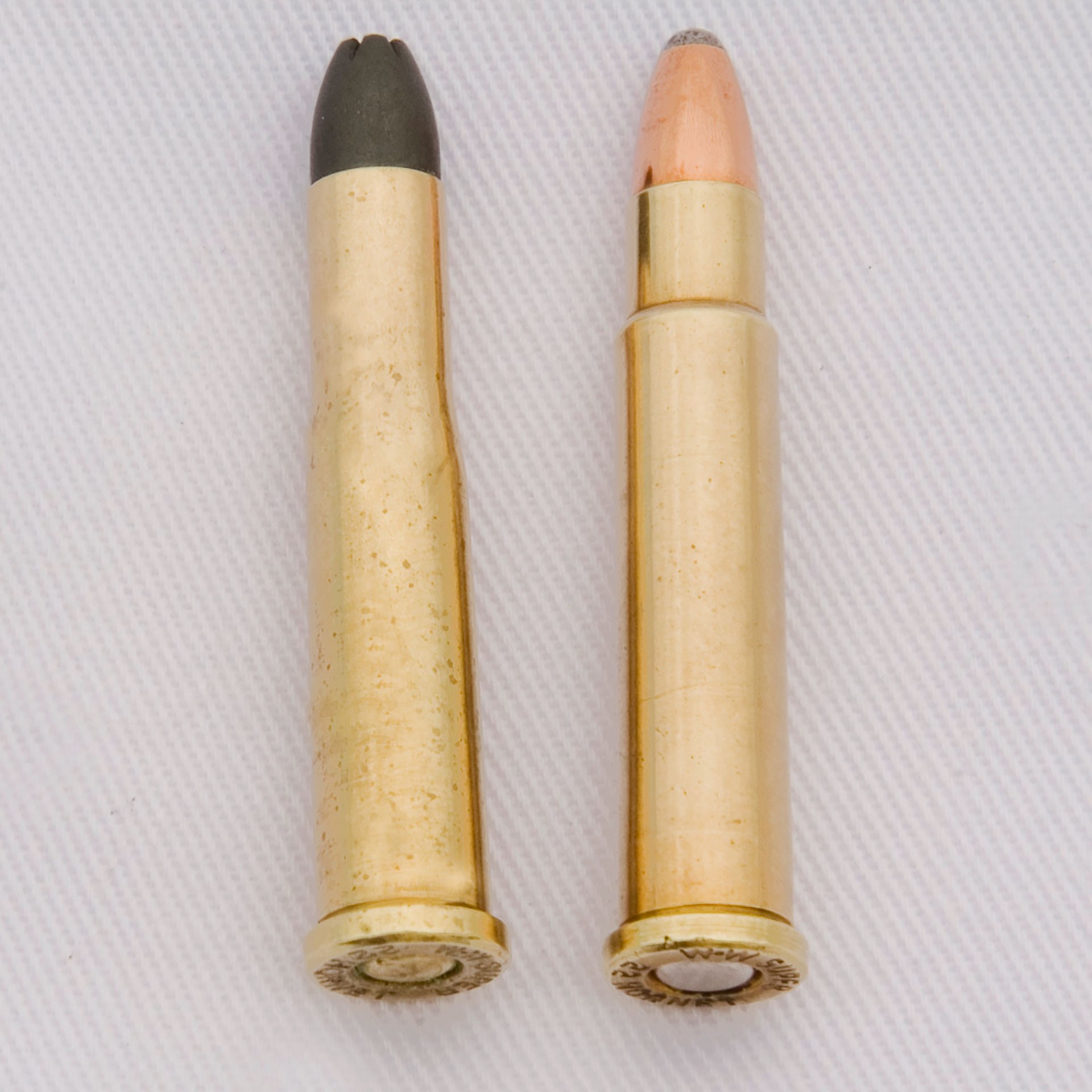
The standard .22 Hornet on the left compared with the .22 K-Hornet on the right.
As one of the first of the “improved cartridges,” the .22 K-Hornet generated another 200 f.p.s. more than the standard Hornet. The .22 K-Hornet’s increased powder capacity—made by fire-forming the taper out of the case and giving it a sharp 40-degree shoulder—offered a real improvement and increased point-blank-range capability. I fell for the siren song of the K-Hornet some 44 years ago when I had my Ruger No. 3 reamed out to .22 K-Hornet.

After trying several bullets from 45 to 52 grains, I finally settled on a Sierra 45-grain Varminter bullet in front of 20.0 grains of IMR 4198 and producing 2,888 fps from the 22″ barrel of my No. 3. I even shot a Lyman 225415 (now discontinued), 50-grain, flat-point cast bullet with a gas check for some time. In front of 4.0 grains of then-Hercules Unique, it was deadly on red fox at 50 to 75 yards. When I quit night hunting fox, I give up on it because installing the dinky .22-cal. gas checks became too much of a hassle. P.O. Ackley necked the Hornet down to .17 caliber in the 1950s, creating a .17 Hornet.

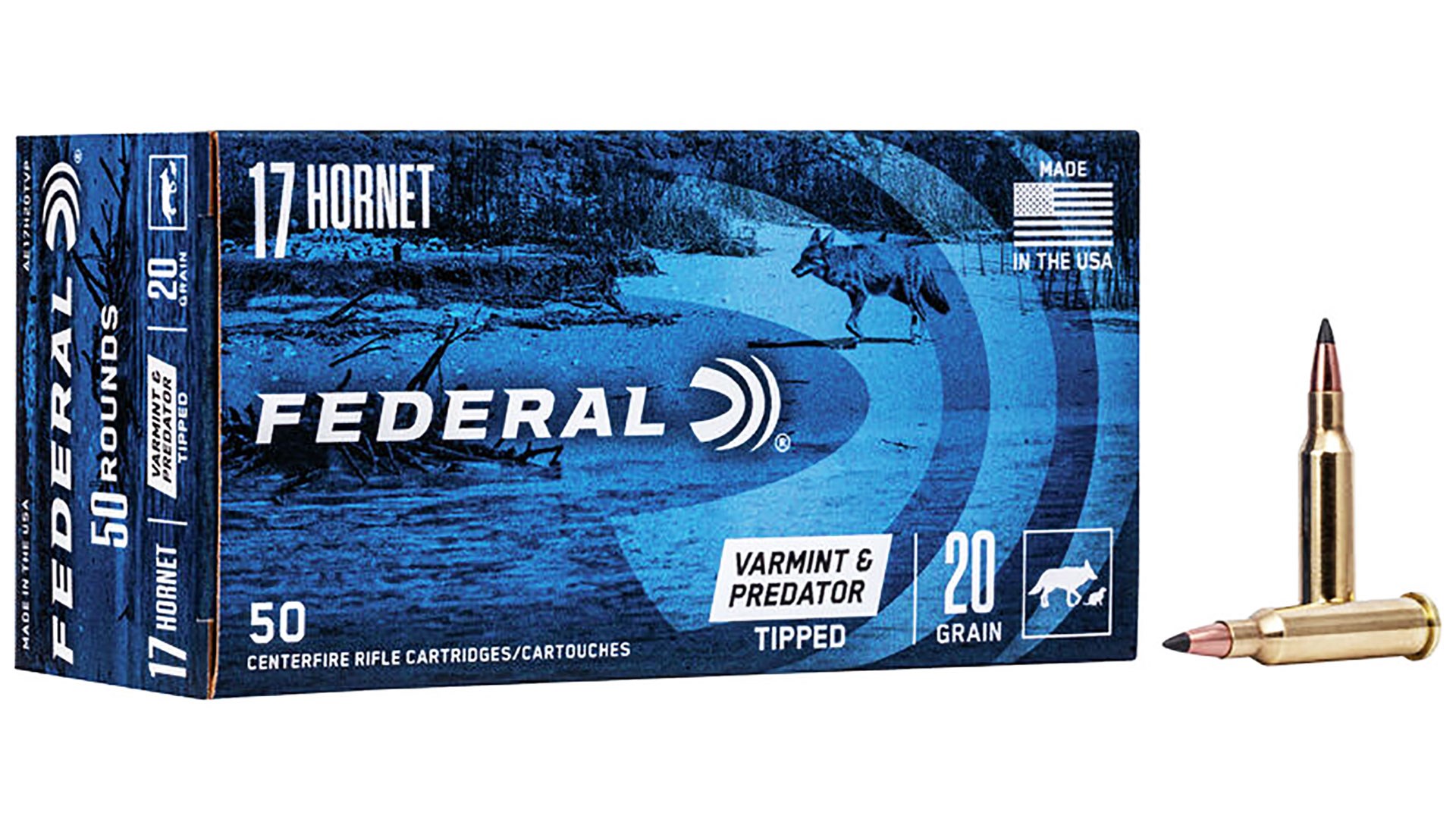
Bullet technology being what it was in the 1950s, the .17 Hornet was mildly successful. However, when Hornady brought out the .17 Hornet as a factory round a few years ago and companies like Savage, CZ-USA, Ruger and others began chambering it, senior pest and varmint shooters eagerly flocked toward it. The Hornady load sends a 20-grain V-Max bullet out of a 24″ barrel at 3,650 fps with a trajectory of just over plus-or-minus 3″ over 300 yards. Winchester Ammunition also loads a 20-grain, polymer tipped bullet to 3,650 fps with similar trajectory, as does Federal.

A box of Federal 20-grain .17 Hornet.

Prairie dog shooters love it. It is sometimes said that classic designs never go out of fashion. Sure, the hotshot .22-cal. cartridges like the .223 Rem., .22-250 Rem. and .220 Swift get most of the attention and ink. But most hits on varmints from field positions—i.e. the shooter hasn’t hauled a shooting bench out into the field, he must shoot from position or at least on sticks—occur at less than 200 yards. For that kind of shooting—and hitting—the nearly century-old Hornet remains a fine choice.

Categories
All About Guns Anti Civil Rights ideas & "Friends" Cops

AL: Montgomery Mayor Signs Ordinance Curbing Concealed Carry By Mark Chesnut

Shutterstock

Alabama’s constitutional, or “permitless,” concealed carry law is coming under further fire from another elected official in the state.

Last week we reported that Mobile County Sheriff Paul Burch was gathering information to try to get legislation introduced requiring a permit for 18- to 20-year-olds. Now, the mayor of Alabama’s capital city has signed a local ordinance putting further restrictions on the law.

The ordinance, signed by Mayor Steven Reed on September 6, requires anyone carrying a concealed firearm to also carry a photo ID, a restriction not currently contained in Alabama’s carry law. Reed contends that the law alleviating permit requirements for carrying a concealed firearm has hindered the ability of law enforcement officers to seize “illegal guns.”

Under the Montgomery ordinance, police can confiscate a concealed firearm if the gun holder is not carrying a photo ID. It further stipulates that the firearm would remain in police custody until the gun holder pays a fine and provides proof of purchase to the local precinct within 30 days.

“The permitless carry bill took away an important way for law enforcement officers to take illegal handguns,” Reed said during Friday’s bill signing ceremony. “What we hope this will do is maybe give us a little bit of movement back to being able to take some of those guns.”

Not everyone was thrilled with the new ordinance, however. One of the questions opponents have posed is exactly how officers are going to determine if a gun is “illegal.” And exactly what makes a gun “illegal” when being carried concealed in a constitutional carry state.

There is also the issue of Alabama’s firearms preemption law. And one person who says the Montgomery scheme violates that law just happens to be Alabama Attorney General Steve Marshall.

“The Montgomery City Council’s ordinance related to firearms violates state law,” a spokesperson for the AG’s office said in a statement. “The Code of Alabama plainly states that the Legislature is the sole regulator of firearms and related matters.”

In fact, the preemption law states: “The purpose of this section is to establish within the Legislature complete control over regulation and policy pertaining to firearms, ammunition, and firearm accessories in order to ensure that such regulation and policy is applied uniformly throughout this state to each person subject to the state’s jurisdiction and to ensure protection of the right to keep and bear arms recognized by the Constitutions of the State of Alabama and the United States.”

It’s likely that the state will choose to sue Reed and Montgomery over the ordinance sometime soon. We’ll keep an ear to the ground and update TTAG readers should that happen or if other action is taken concerning the ordinance.

Categories
All About Guns

CZ 457 MTR in 17 HMR, Full Review

Categories
All About Guns

Firearms of the Wild West on display at the Autry Museum of Western Heritage