Category: All About Guns
Categories
Union Model 25 POV firing
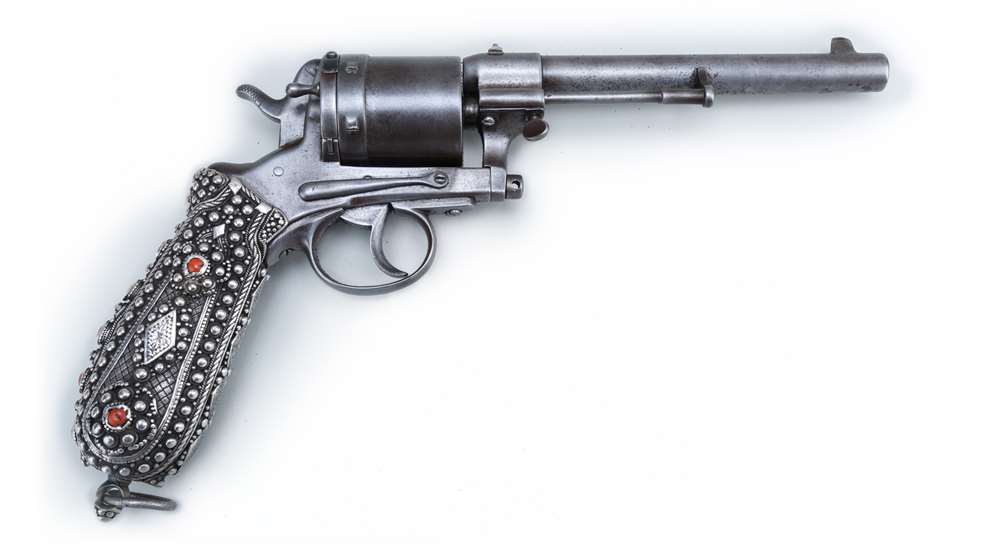
Montenegro, a moderately sized country on the Balkan Peninsula that today shares borders with Albania, Bosnia and Herzegovina, Kosovo and Serbia, has a long, fascinating history that, unfortunately, is far too convoluted to be adequately covered in the space provided here.
As we are concerned with a particular style or “genre” of firearm, the “Montenegrin revolver,” rather than Balkan politics, it is best to pick up the story in 1860 with the accession of Nikola Petrovi’c-Njegoš as the prince of Montenegro. Prince Nikola’s childhood had stressed an education in the martial arts, and thus, when he became ruler, he embarked on a series of successful wars against the Ottoman Empire.
His efforts to beef up the Montenegrin military consisted of a number of measures, the one most germane to this article being his requirement that every male citizen of Montenegro, as a member of the militia, equip himself with at least one revolver.
The model chosen was a version of the behemoth Austrian Model 1870 six-shot repeater manufactured by the firm of Leopold Gasser in Vienna, Austria. It is suspected, but not positively proven, that Prince Nikola actually held some stock in the Gasser company, hence his championing of its product.
The Model 1870 was upgraded slightly in 1874 when its frame material was changed from iron to steel. It is likely the largest cartridge handgun of its type to have been a general-issue arm. Chambering a powerful rimmed 11.3×36 mm cartridge, originally designed as a carbine load, the Model 1870/74 measured 12.75″ long with a 9.33″ barrel and weighed a formidable 2 lbs., 14 ozs.
An open-top, double-action design, the gun’s mechanism was interesting in that it featured an external bar that locked the hammer into the safety position when manually thumb-cocked about 1/4″ or when the trigger was pulled slightly to the rear. This allowed the cylinder to rotate freely and the chambers to be individually loaded though a bottom-hinged swinging side gate. Empty cases were manually ejected one by one by means of a sliding rod that was held in its forward position by a thumbscrew when not in use.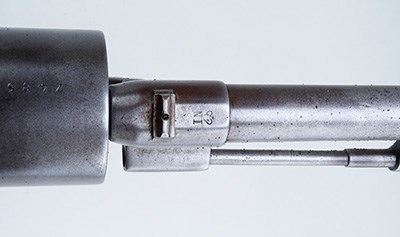
The guns manufactured by Gasser for Montenegro were virtually identical to those used by the Austro-Hungarian military. Montenegrin Gassers normally featured the crowned “NI” monogram of Prince/King Nikola on the top flat of the rear of their barrel housings. On the side of the housings was “L GASSER/WIEN.”
Original Austro-Hungarian products sported standard checkered walnut stocks, but the Montenegrins very often decided to customize their revolvers with elaborate, bag-shaped silver panels incorporating semi-precious stones, niello work and pearls. As these revolvers were carried thrust into sashes at the midriff with the grips protruding, the quality and intricacy of the silver work was a considerable matter of pride and affirmation of the wearer’s status.
While the Gasser-made Model 1870/74 was the principal choice of most users, production of the guns in Vienna was not robust enough to handle the requirements of both Austria-Hungary and Montenegro at the same time. Thus, many similar arms of varying style and quality were offered by firms in Belgium and Spain. Quality, chambering and decoration varied considerably. Many can be found with spurious Gasser and King’s monogram markings. Often these arms were sold on the open market in lands other than Montenegro, the renown of the original product being strong enough to support robust civilian sales. Decoration, finish and stock styles and materials (horn, ivory, wood) varied wildly.
The Montenegrin Gasser shown here is a classic 1870/74 style and is the real article, actually produced by Gasser in Vienna. It has typical Montenegrin aftermarket silver stocks embellished with turquoise, coral and pearls. Needless to say, ease of use, balance and comfort have been sacrificed for the sake of “bling.” It may or may not have originally been blued, but currently, it is completely “in the white.”
Though these revolvers are flashy, well-built (the Gasser-made ones, at least) and have a fascinating history, their value on the open market, despite unquestionable cachet, is somewhat tepid. This particular piece would likely sell for a modest $850.
Gun: Montenegrin Model 1870/74 Gasser
Manufacturer: Leopold Gasser Waffenfabrik (Austria)
Chambering: 11.3×36 mm R
Manufactured: c. 1890
Condition: NRA Very Good (Antique Gun Standards)
Value: $850

Weapons
The weapons used by the Tomb Guard are more than just for show. These weapons are fully functional and are kept ready for use at all times. The weapon inspection conducted prior to the new Sentinel assuming the post, is a real inspection.
Over the years there have been many different types of weapons used by the Tomb Guards. The changes in weapons reflect the changes in the Army, however each weapon system is picked for good reasons.
The weapons that have been used at the Tomb are broken into three different groups:
| Rifles M1903 M1 Garand M14 |
Bayonets M1905 M1942 M6 |
Pistols 1911 .45 ACP M-9 Beretta SIG Sauer P320 M17 |
M1903 Springfield Rifle
Rifle, Cal. .30-06, M1903 Series (1903). The Springfield M1903, a bolt-action rifle, was the standard issue rifle used by the Army from 1903 thru 1936, when it began to be replaced by the new issue M1 Garand. But it remained in use in many units up until 1943, when the Garand began arriving in large numbers. The M1903 used the .30-06 standard military cartridge in five-round magazines. The M1903 was an accurate weapon and was also used as a Sniper Rifle. It remains in use today as a ceremonial rifle for many different organizations.
M1 Garand
The M1 was designed by John C. Garand, and was the standard issue military rifle used by the U.S. Army from 1936 to 1957. The M1 was one of the first semi-automatic rifles to see action in combat. It offered a great improvement in fire power over the bolt-action M1903 series rifle it replaced. It was rugged, reliable, and tolerant to the abuses of use in the field. The rifle used .30-06 cal. cartridges in eight-round clips. The rifle was used by LTG George S. Patton, Jr., who said:
“In my opinion, the M1 Rifle is the greatest battle implement ever devised.”
M14 Rifle
(Rifle, 7.62mm, M14 series)
Seeking a lightweight replacement for the M1 Garand and the M1918A2 BAR, the Army selected the M14 rifle in 1957. The M14 was basically a product improved M1 Garand. The M14 has an effective range of 500 yards (460m). The M14 uses a standard NATO 7.62mm cartridge in a 20-round magazine. The M14 was the standard Army infantry rifle, until replaced by the mass fielding of the M16 5.56mm rifle in 1966-1967. The M14 was also converted into a Sniper Rifle (M21).
The M14 is the standard ceremonial weapon used by the 3d U.S. Infantry (The Old Guard) today, and is the current weapon carried by Tomb Guards.
Technical Manual description: a lightweight, air-cooled, gas operated, magazine fed, shoulder weapon, used primarily for semi automatic or fully automatic fire. (TM 9-1005-223-10)
M1905 Bayonet
Mission
Defeat the enemy in hand-to-hand combat. Also used as a general field and utility knife.
Entered Army Service
M1905 for WWI
Description and Specifications
The M1942 was designed as the edged weapon for both the Springfield 1903 series and the M1 Garand Rifle.
| M1905 | |
| Blade length (prior to 1942): | 16.00 in |
| Blade length (after 1942): | 10.00 in |
M1942 Bayonet
Mission
Defeat the enemy in hand-to-hand combat. Also used as a general field and utility knife.
Entered Army Service
M1942 for WWII
Description and Specifications
The M1942 was designed as the edged weapon for the M1 Garand Rifle.
| M1942 | |
| Blade length: | 16.00 in |
M6 Bayonet
Mission
Defeat the enemy in hand-to-hand combat. Also used as a general field and utility knife.
Entered Army Service
M6 (1957)
Description and Specifications
The M6 bayonet-knife is used as a bayonet on the M14 series rifle and as a hand weapon.
| M6 | |
| Blade length: | 6.75 in |
| Total length: | 11.5 in |
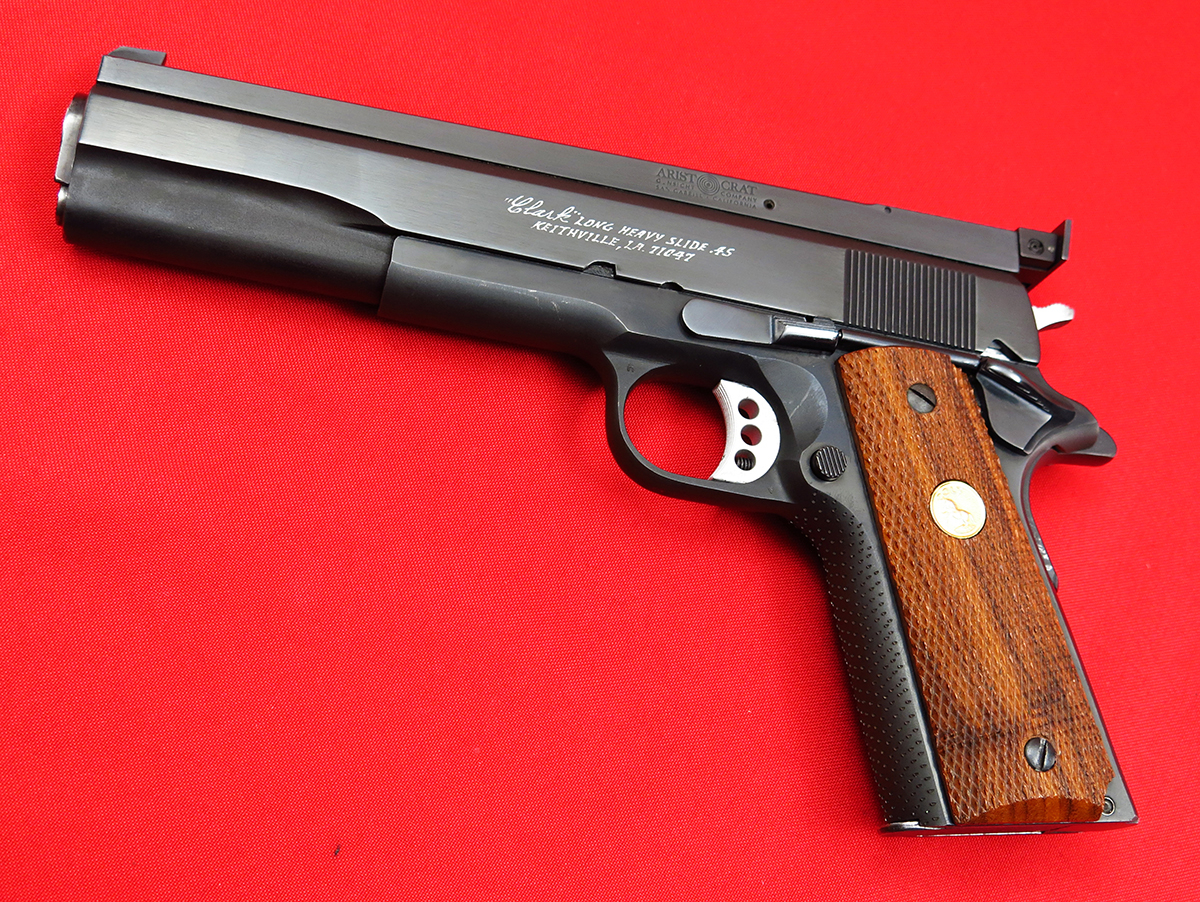
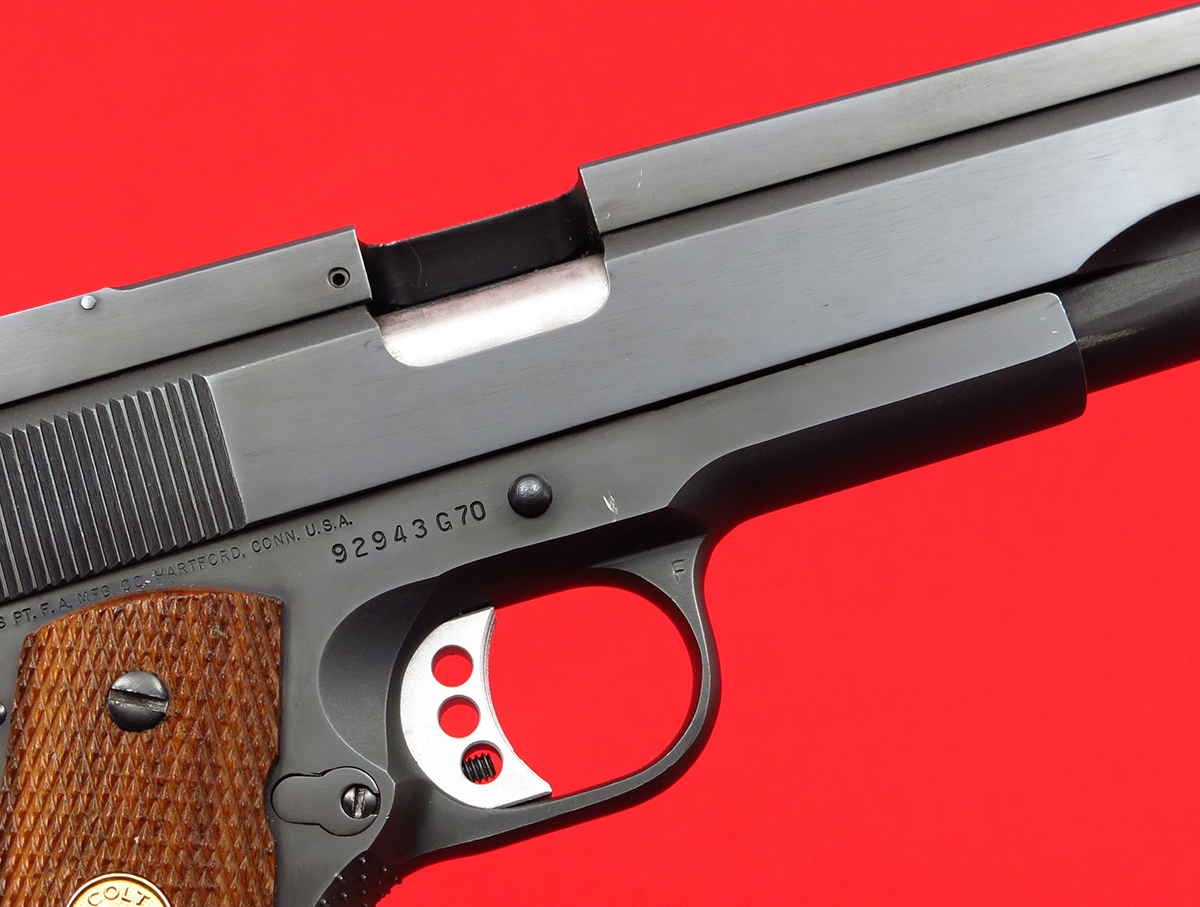
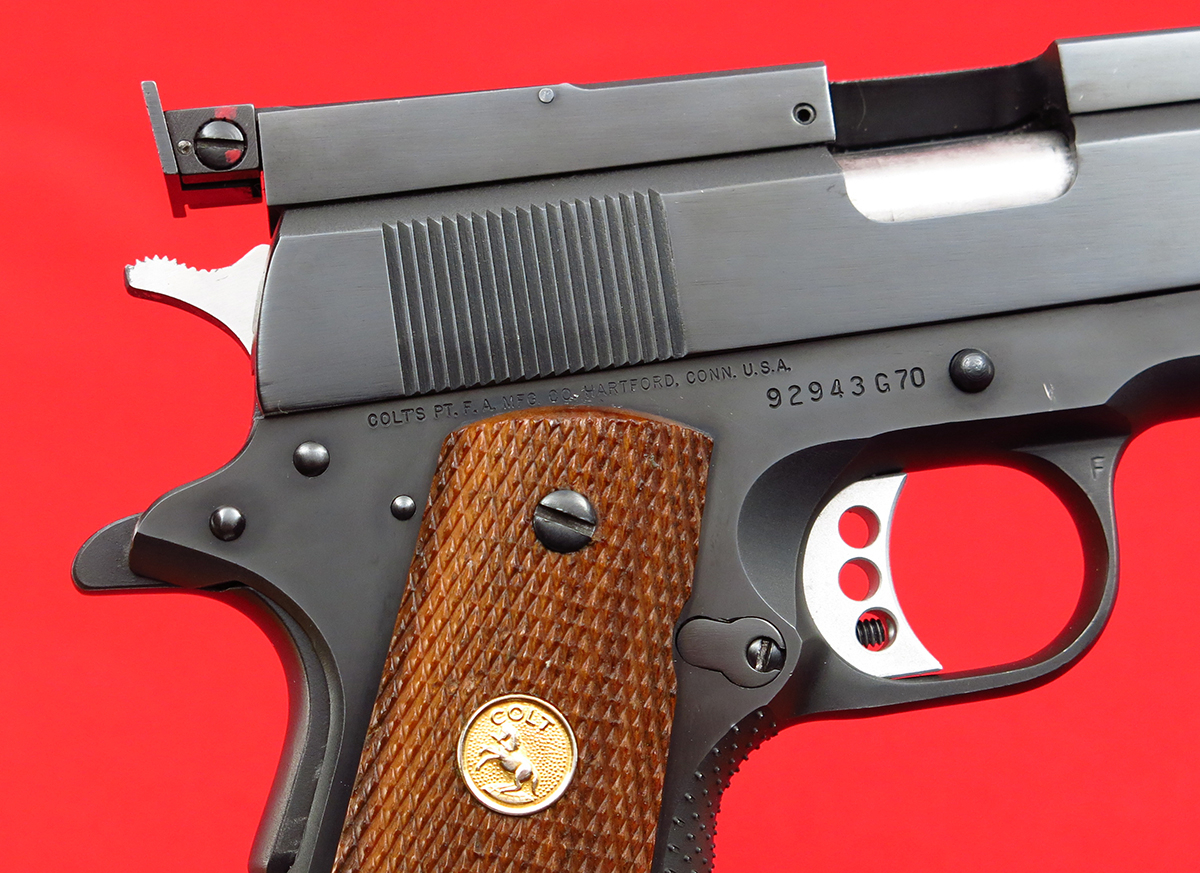
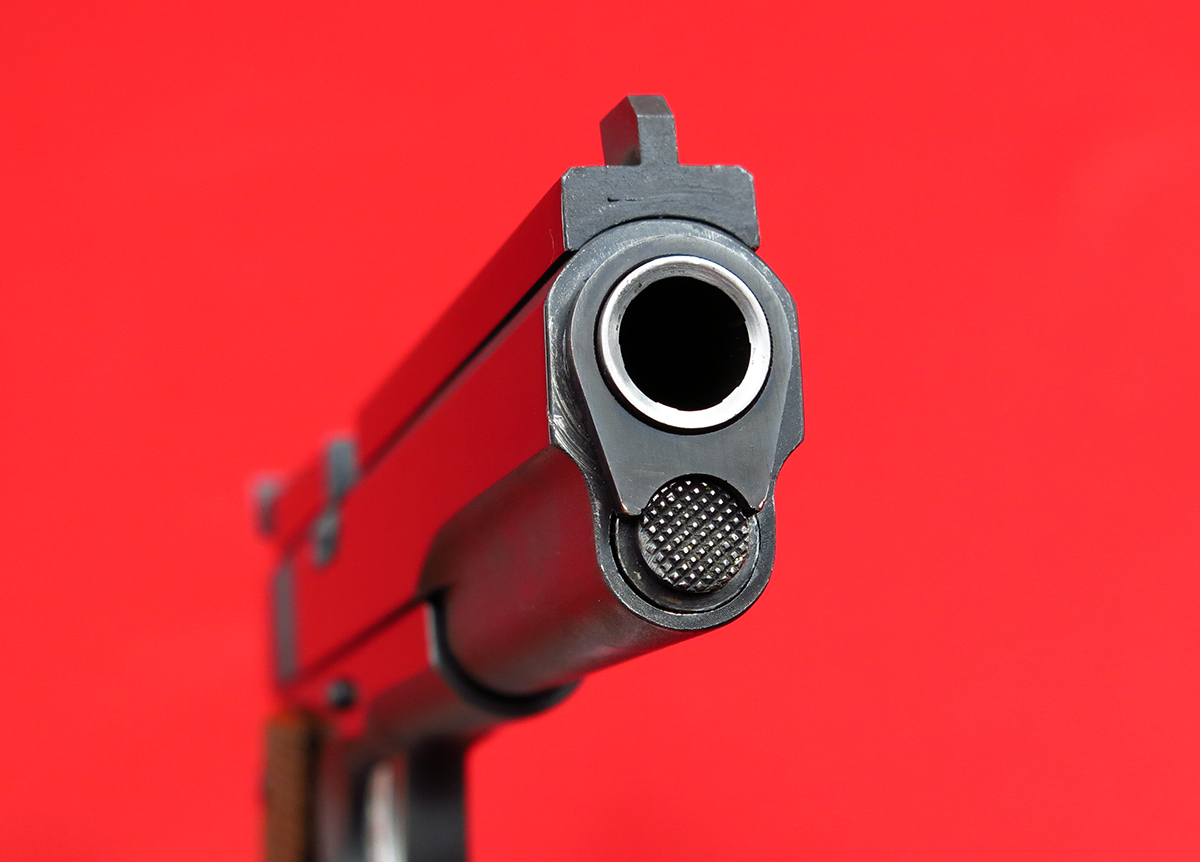
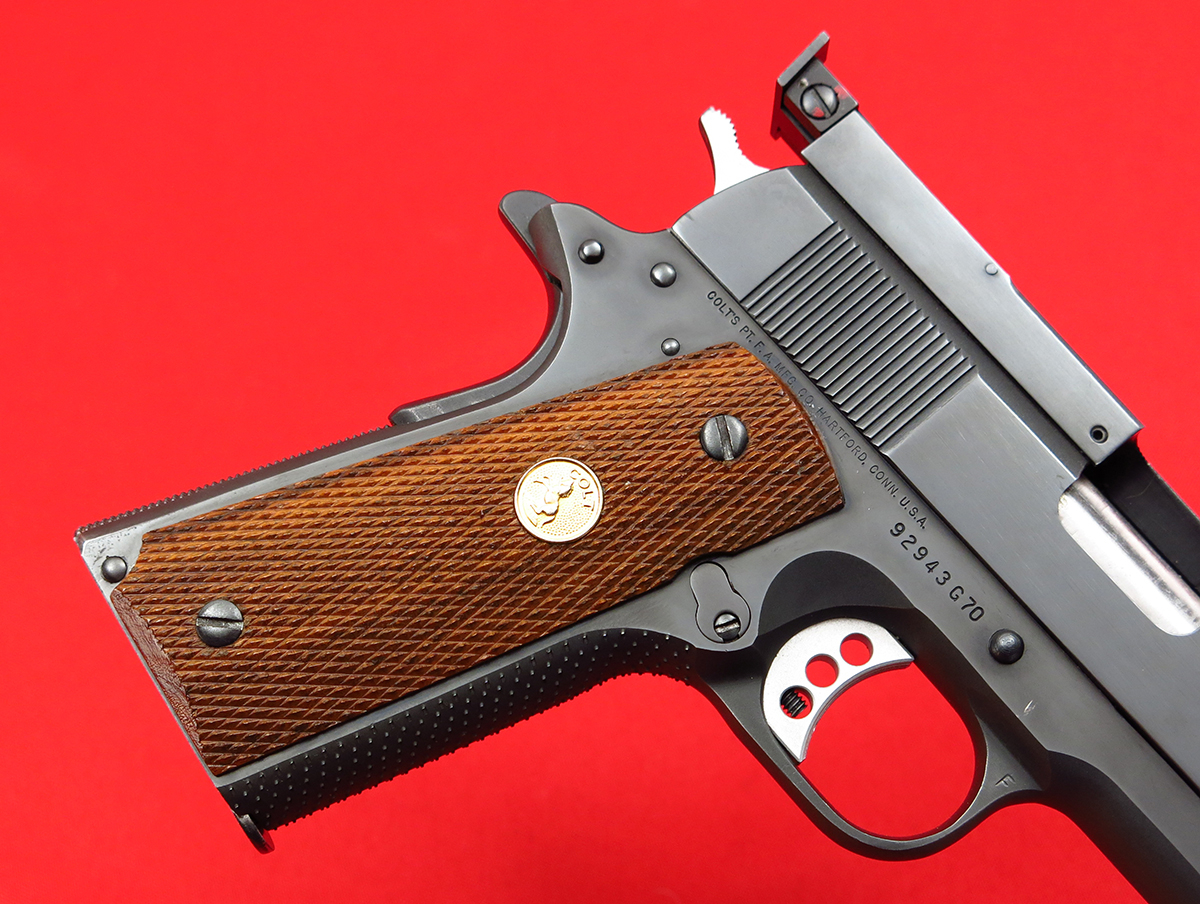
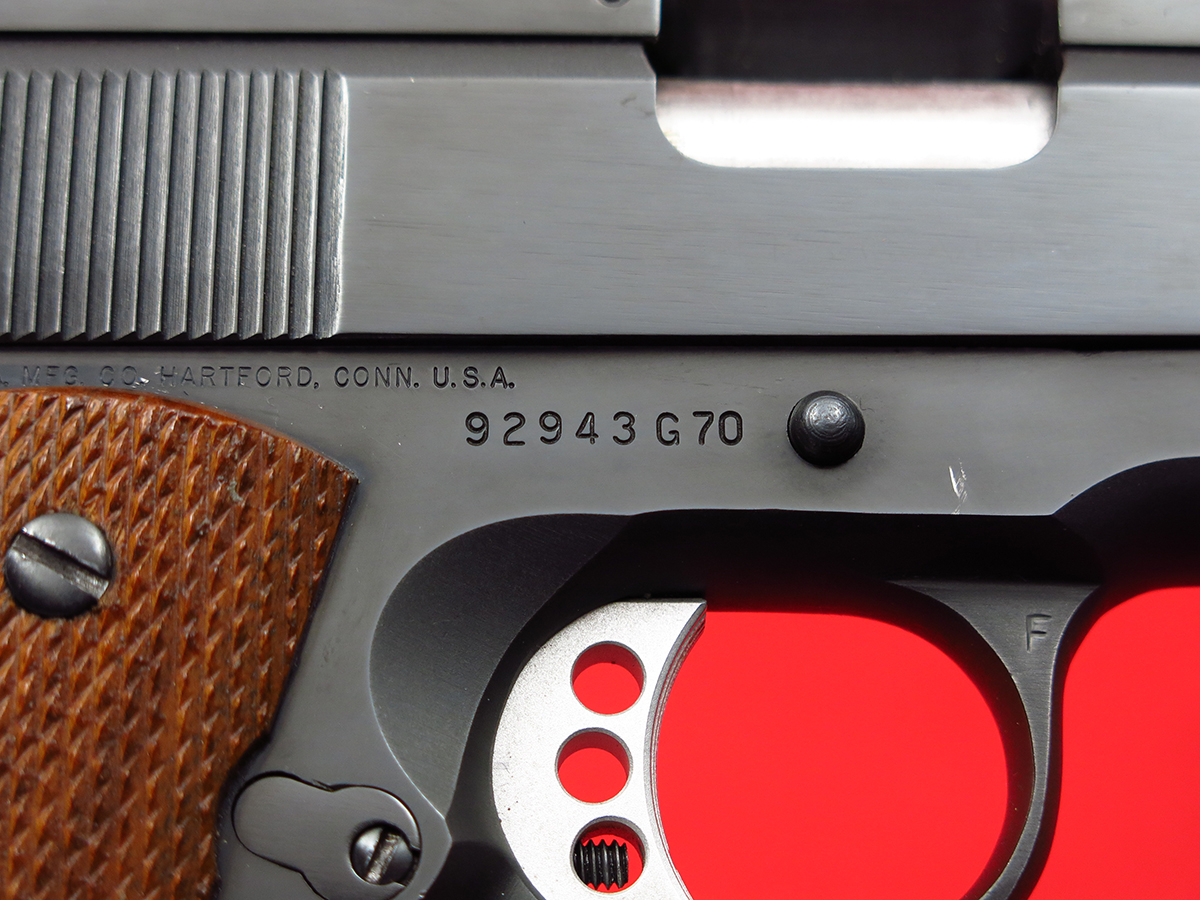
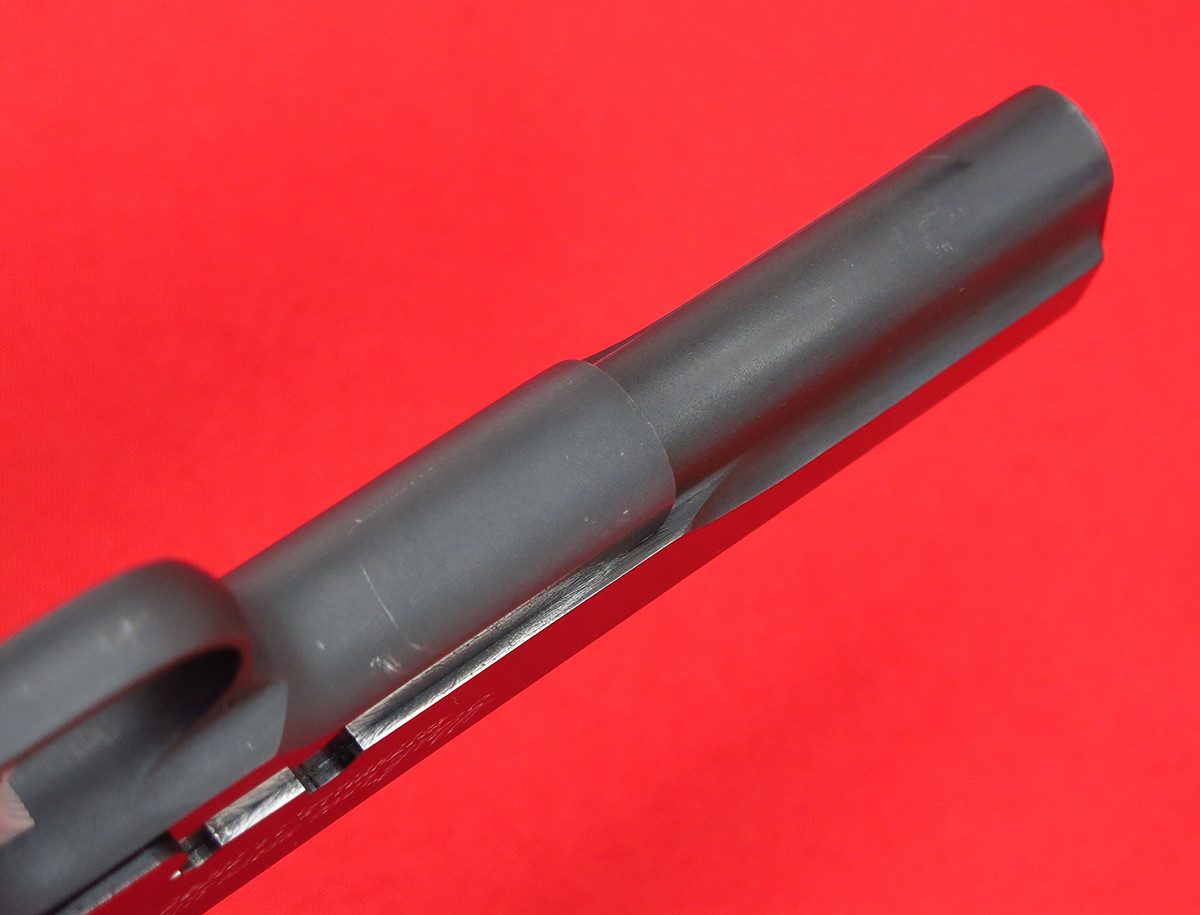
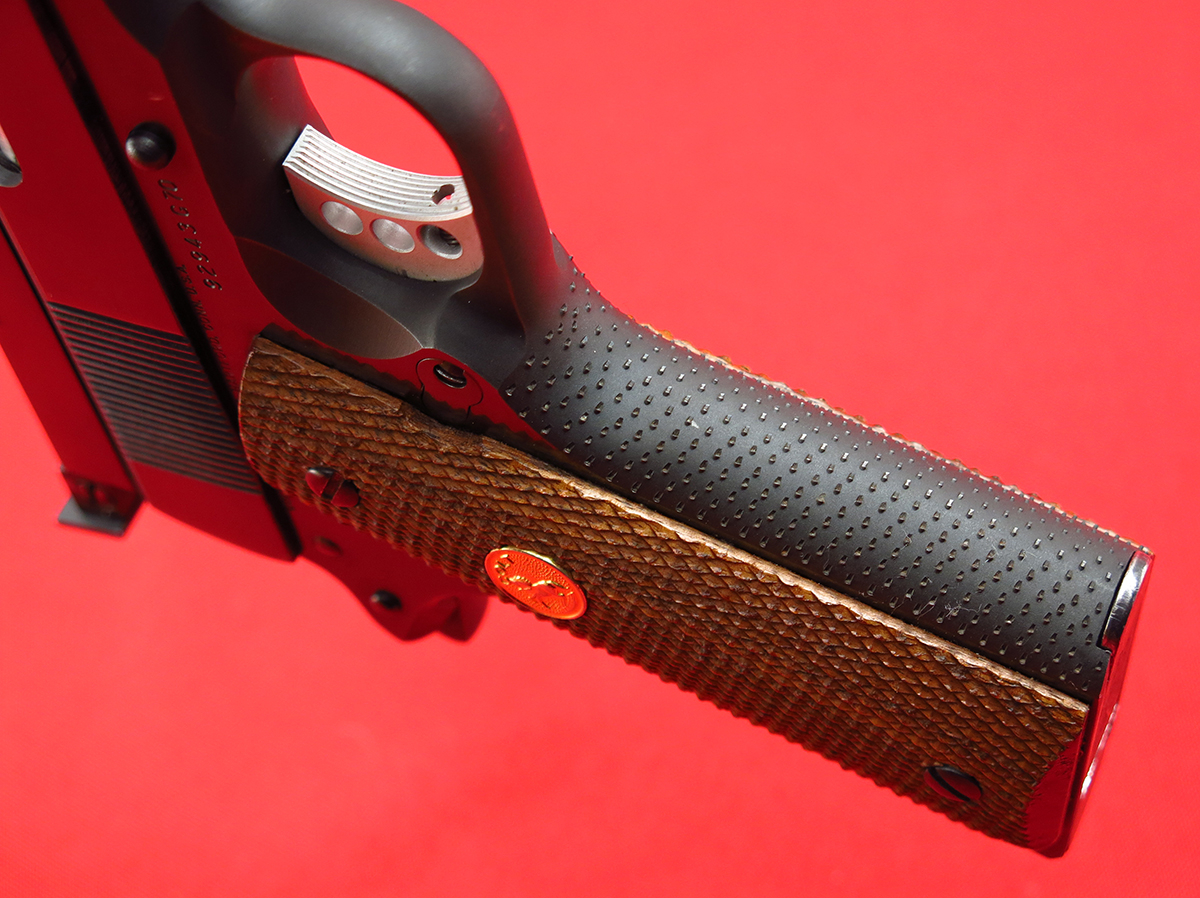
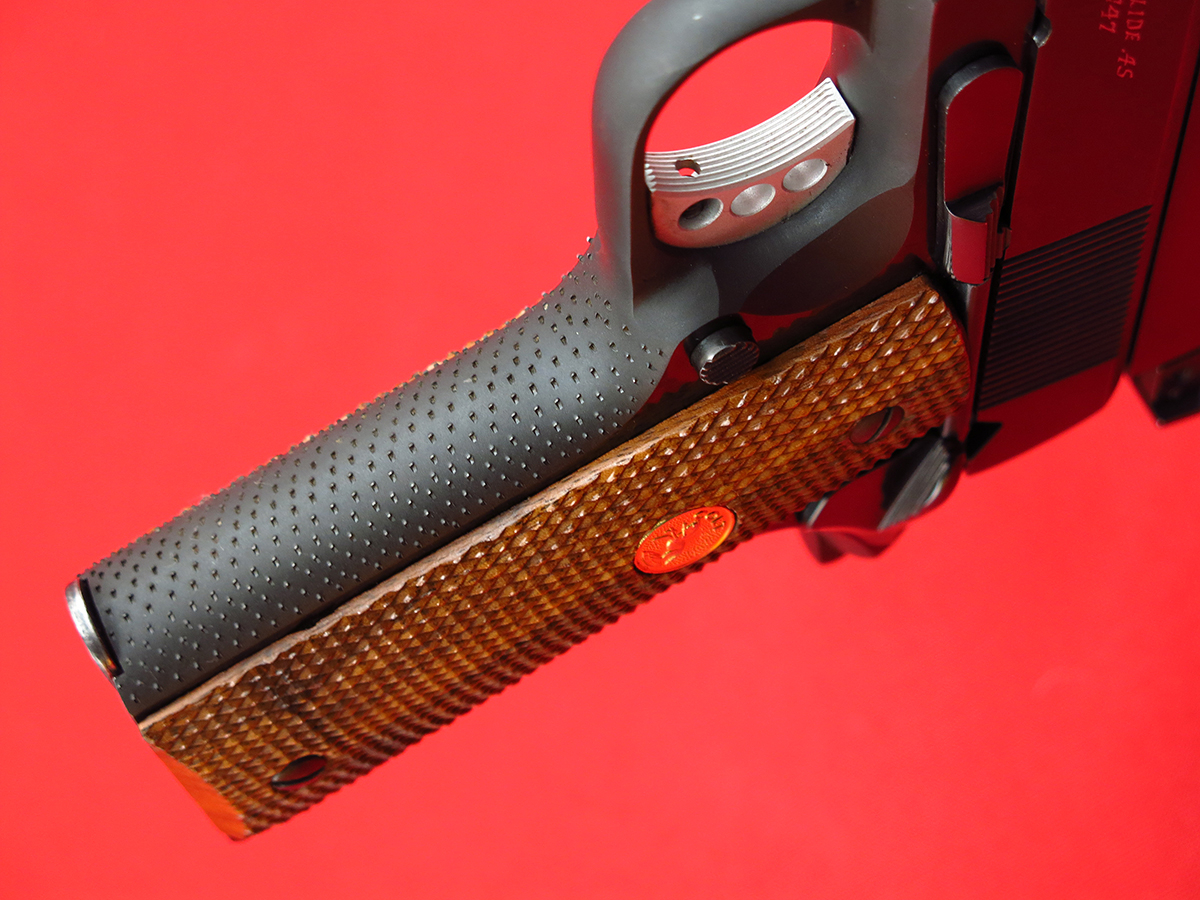
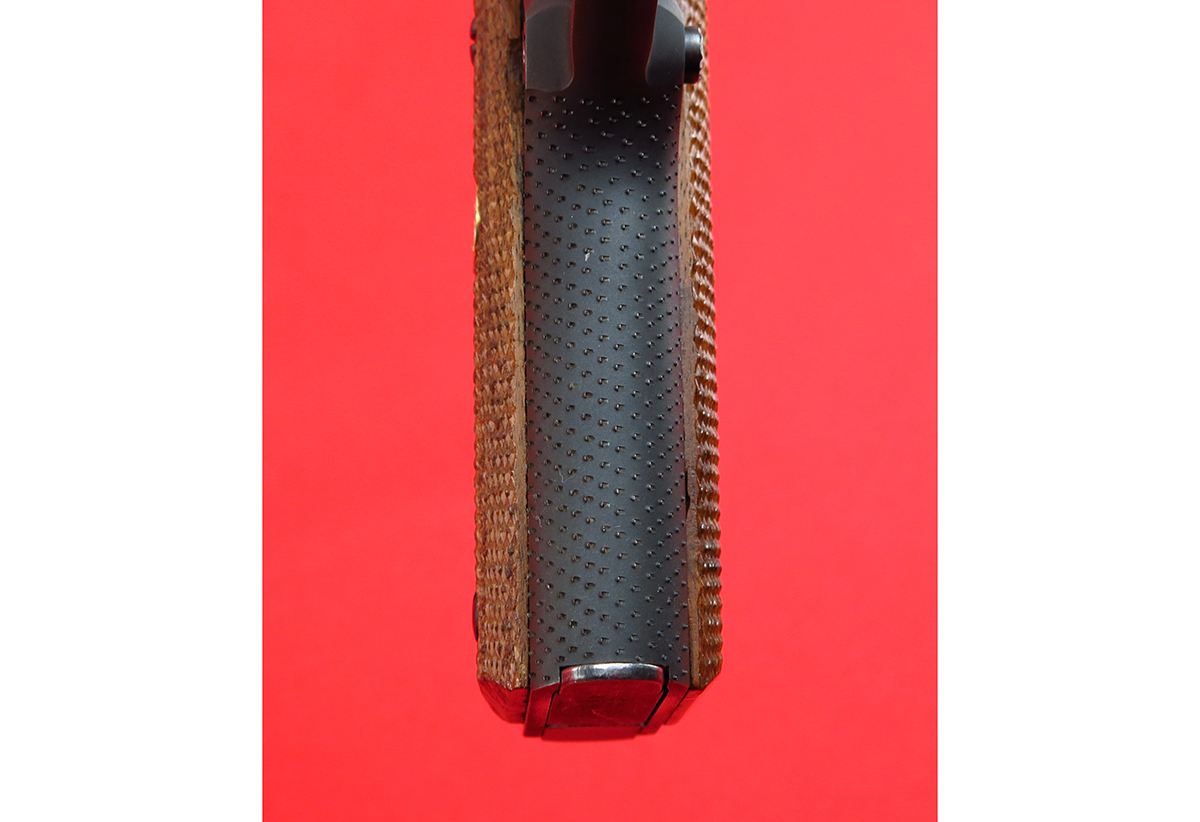
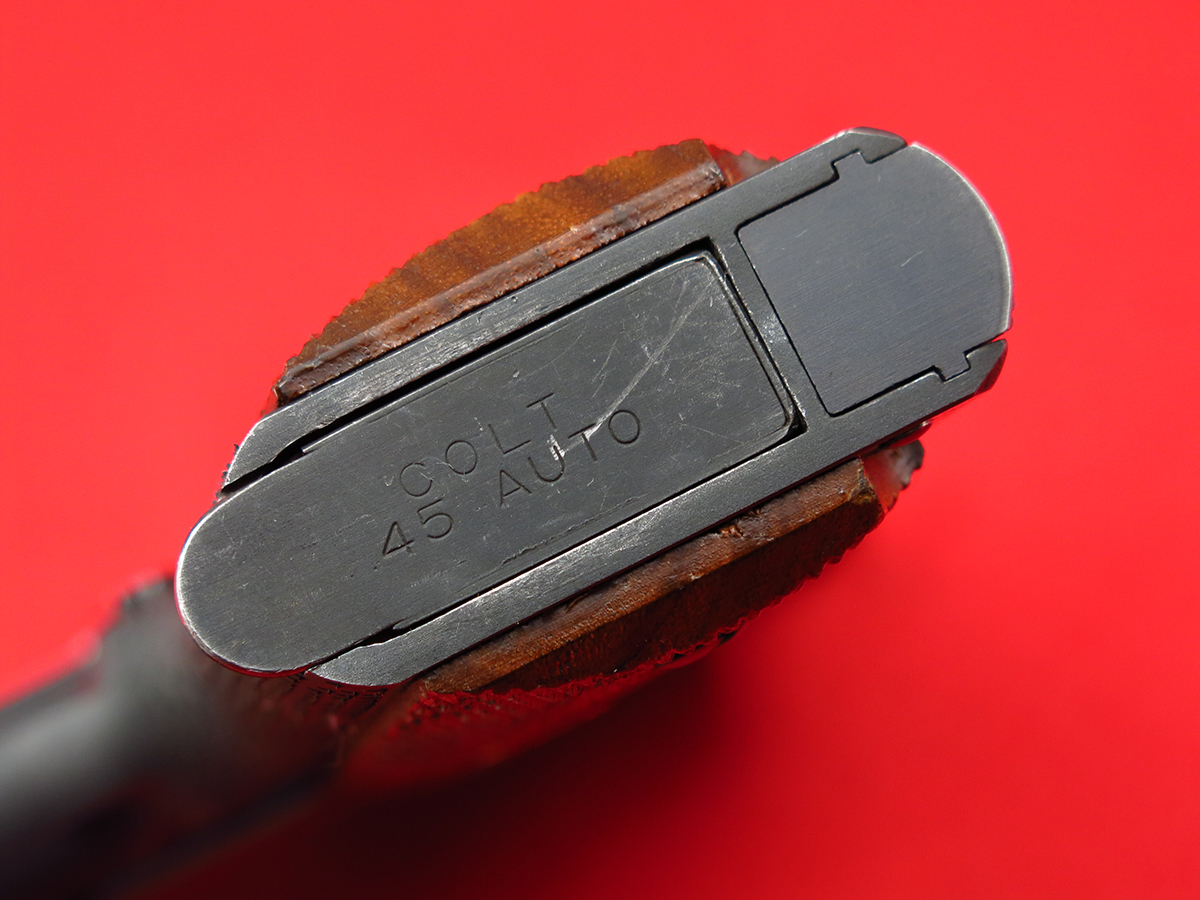
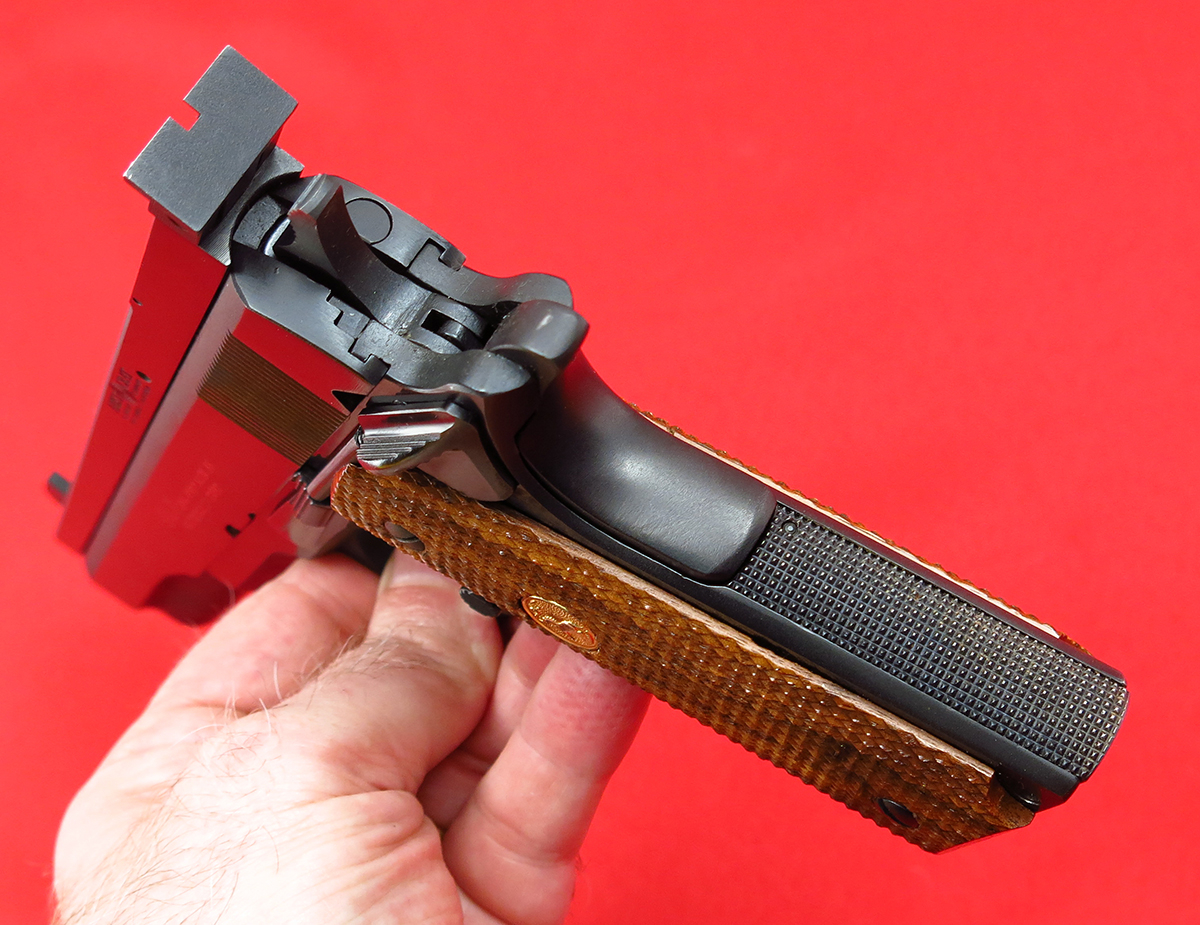
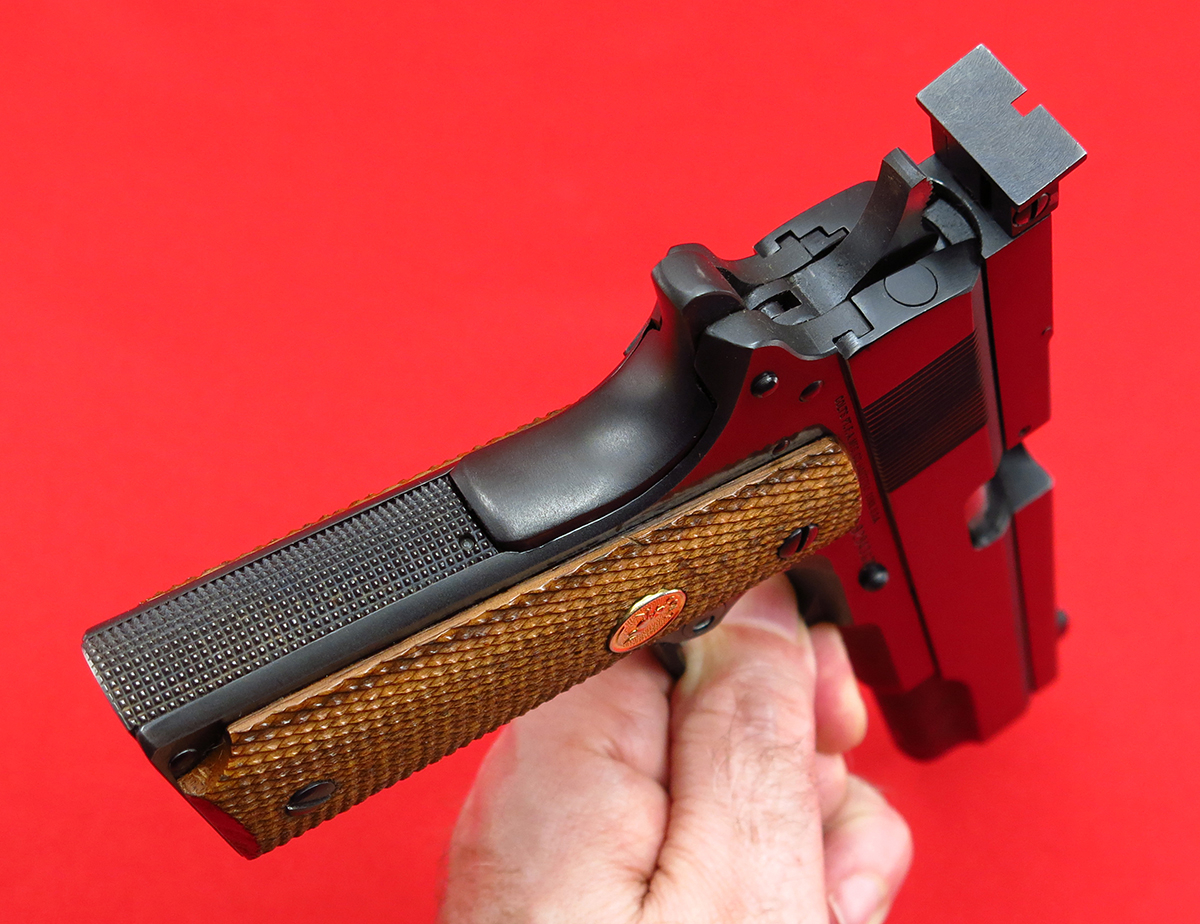
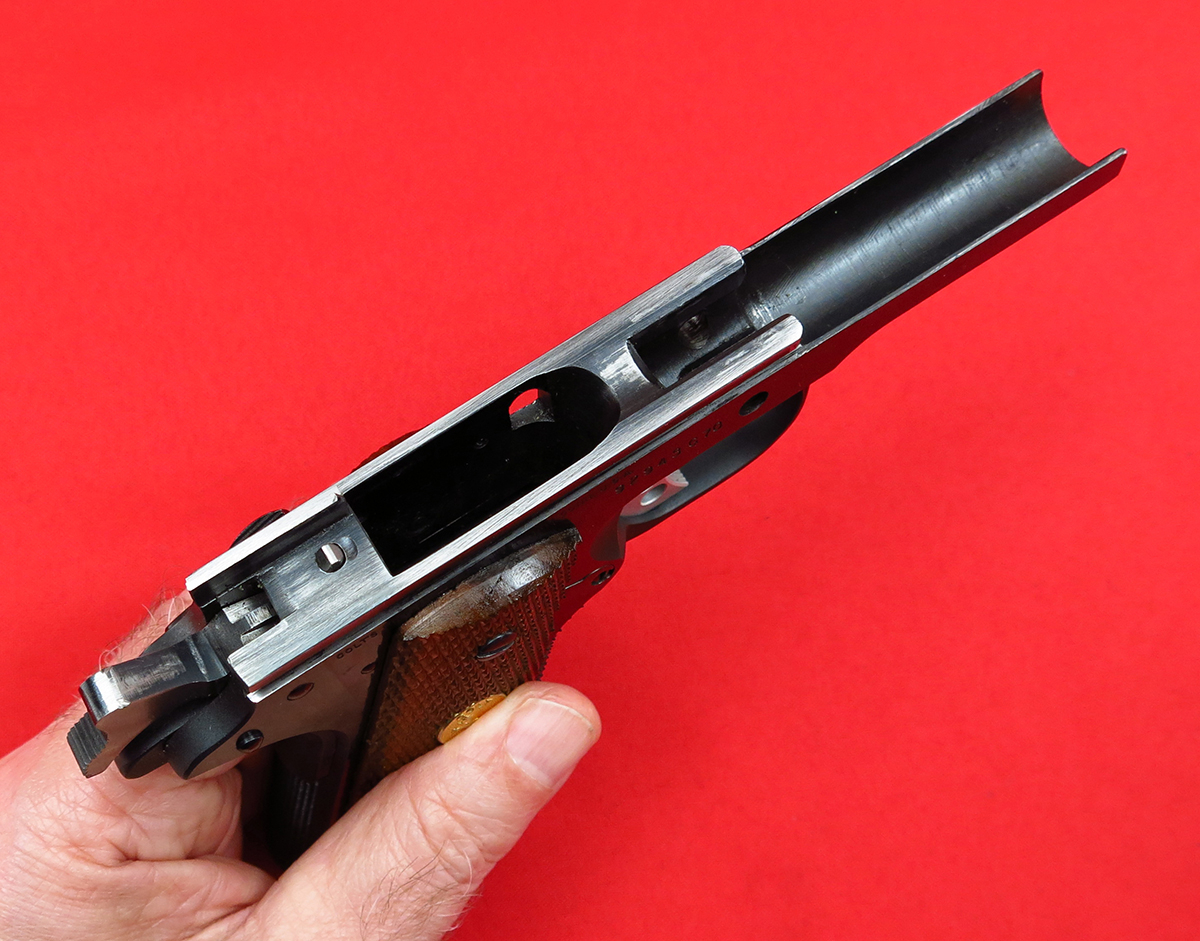
1911 .45 ACP
(Colt-Browning United States Government Model of 1911 .45 automatic pistol)
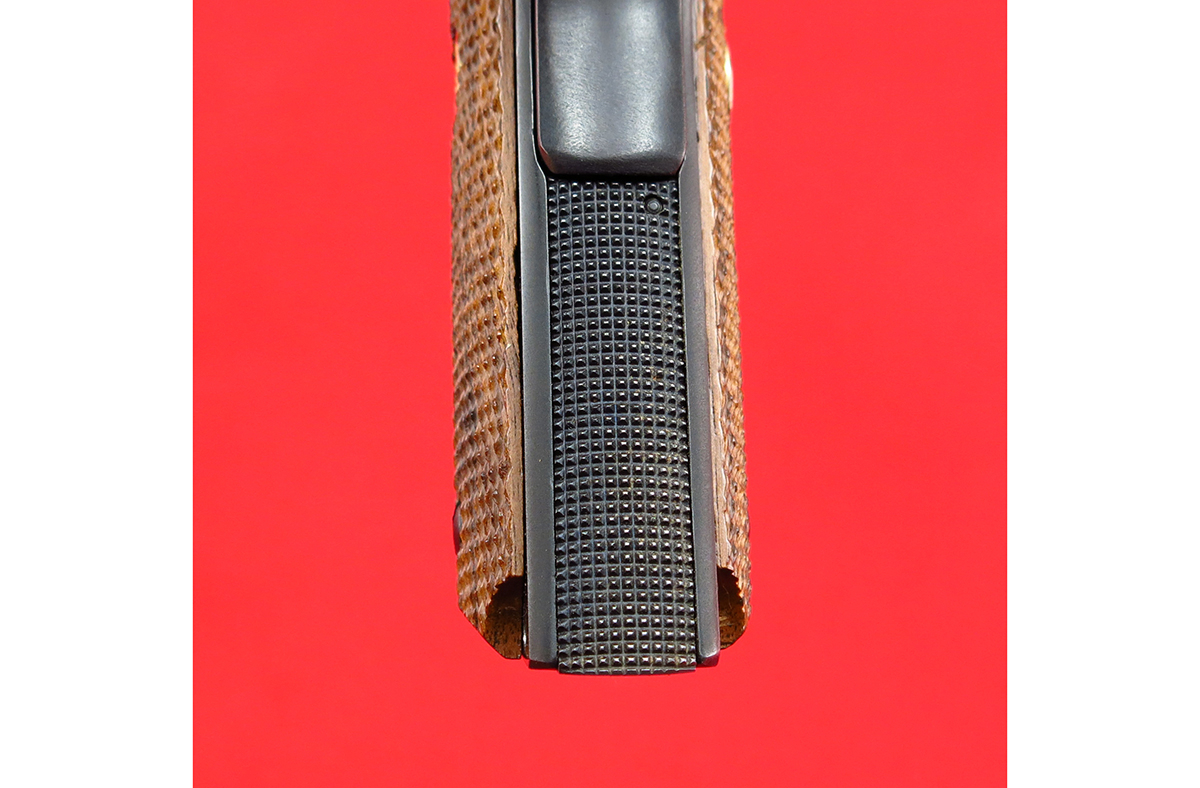
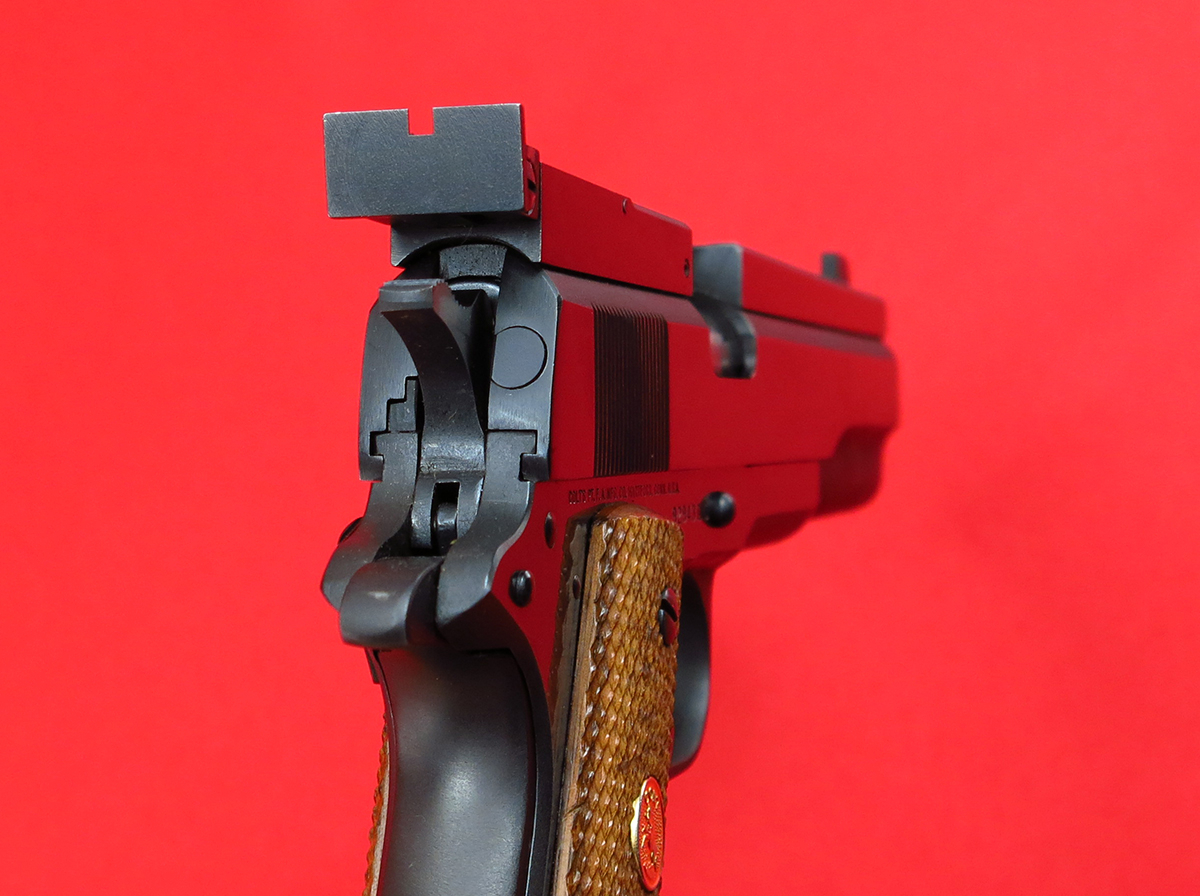
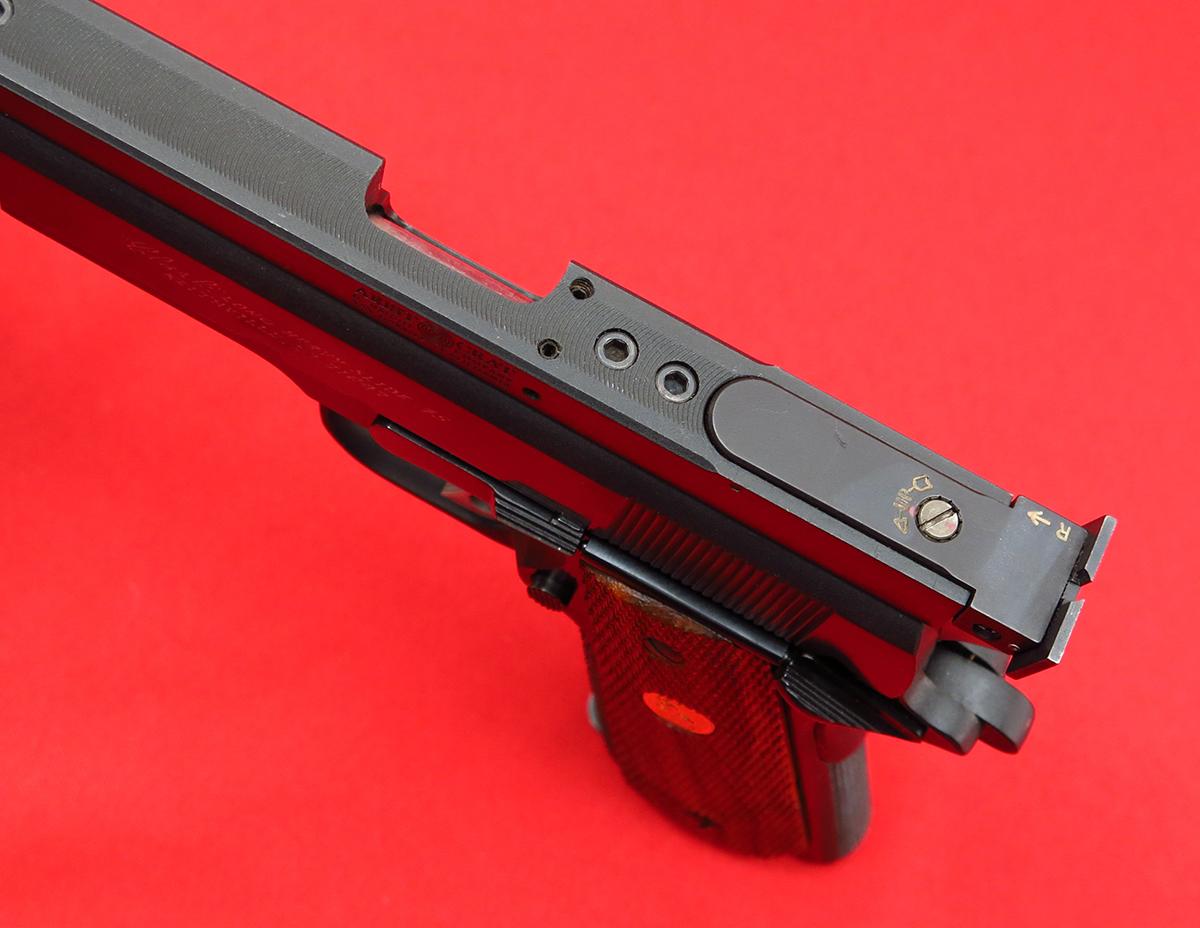
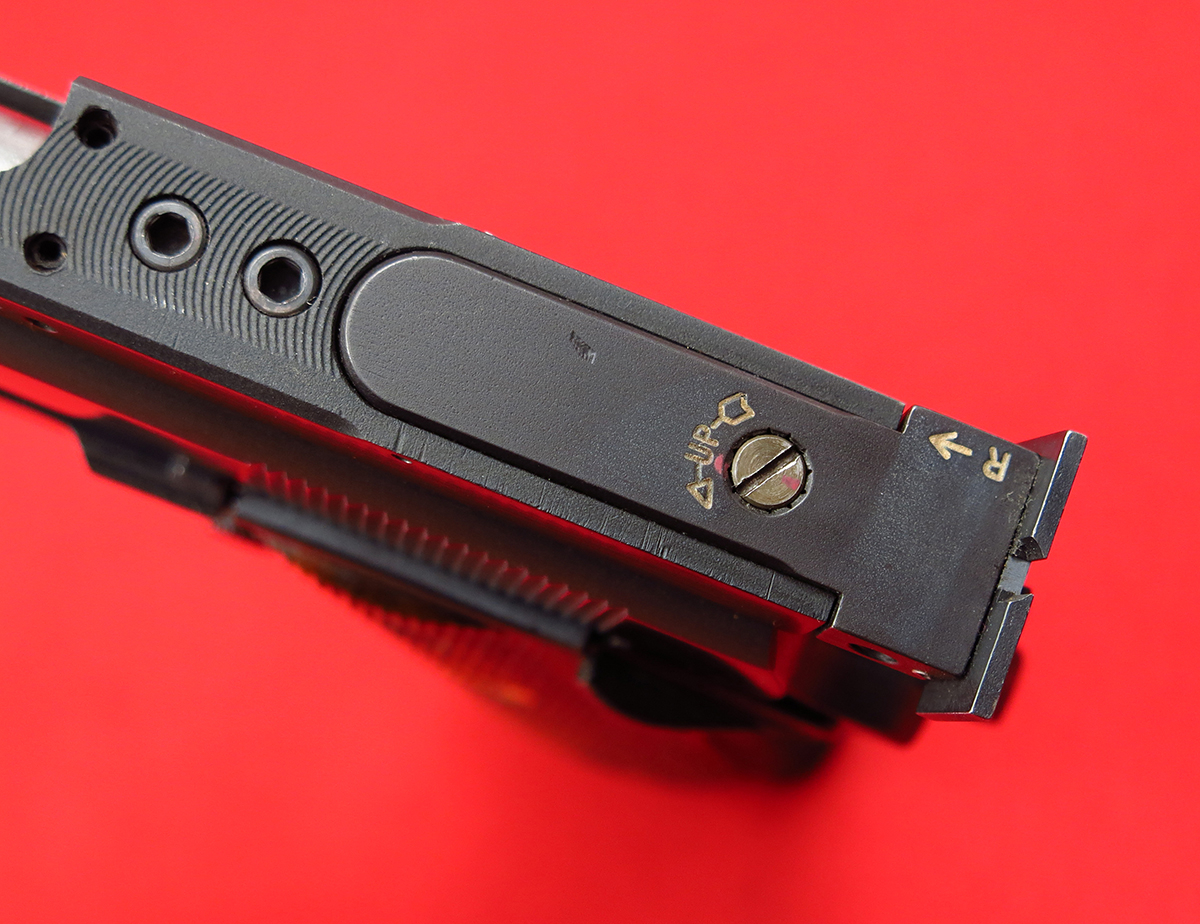
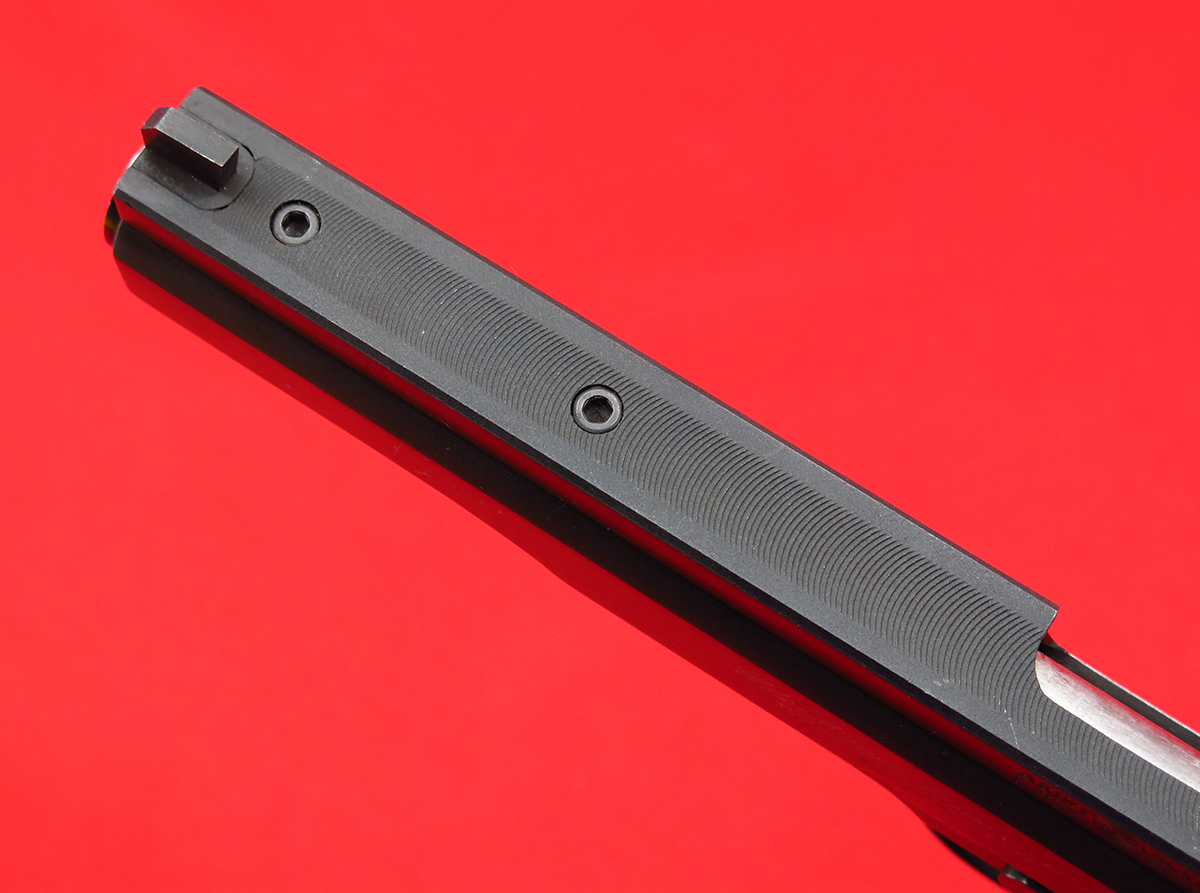
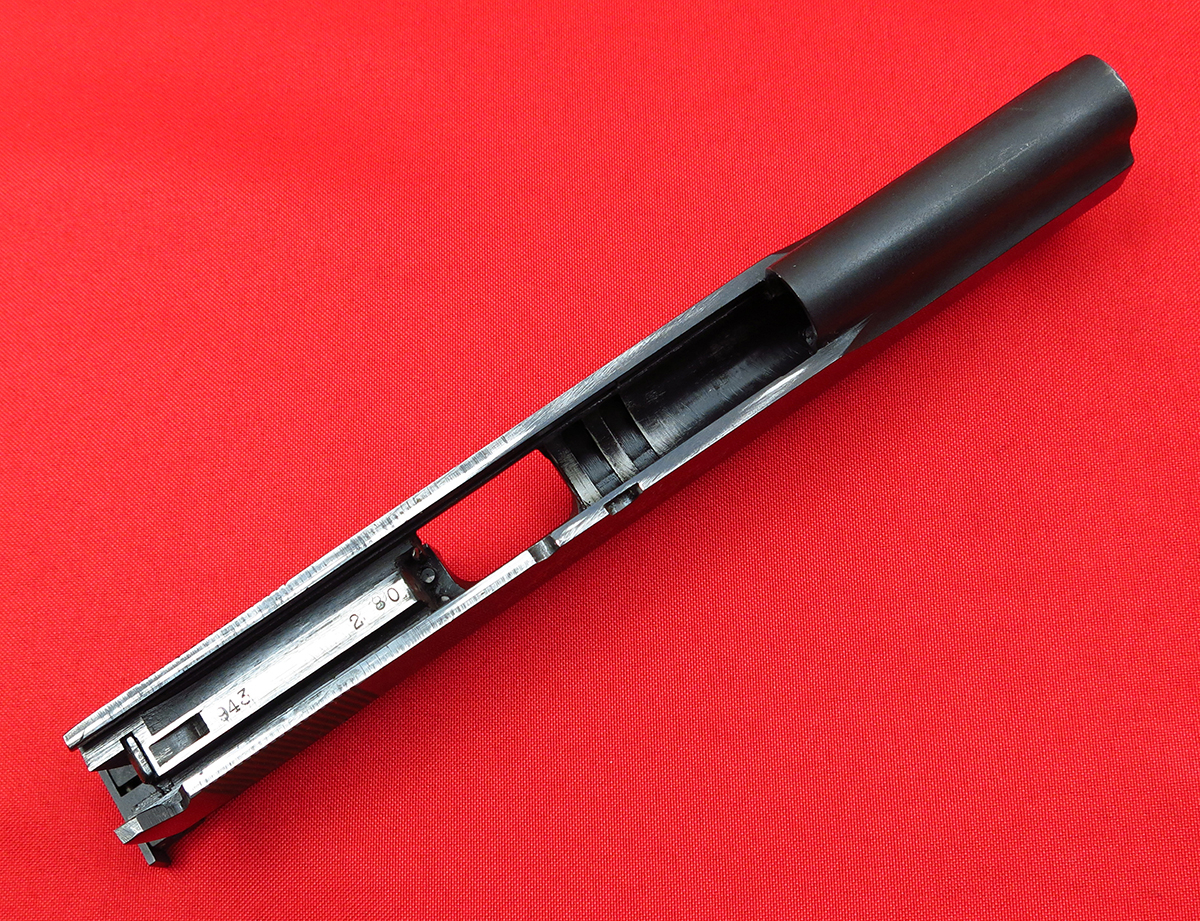
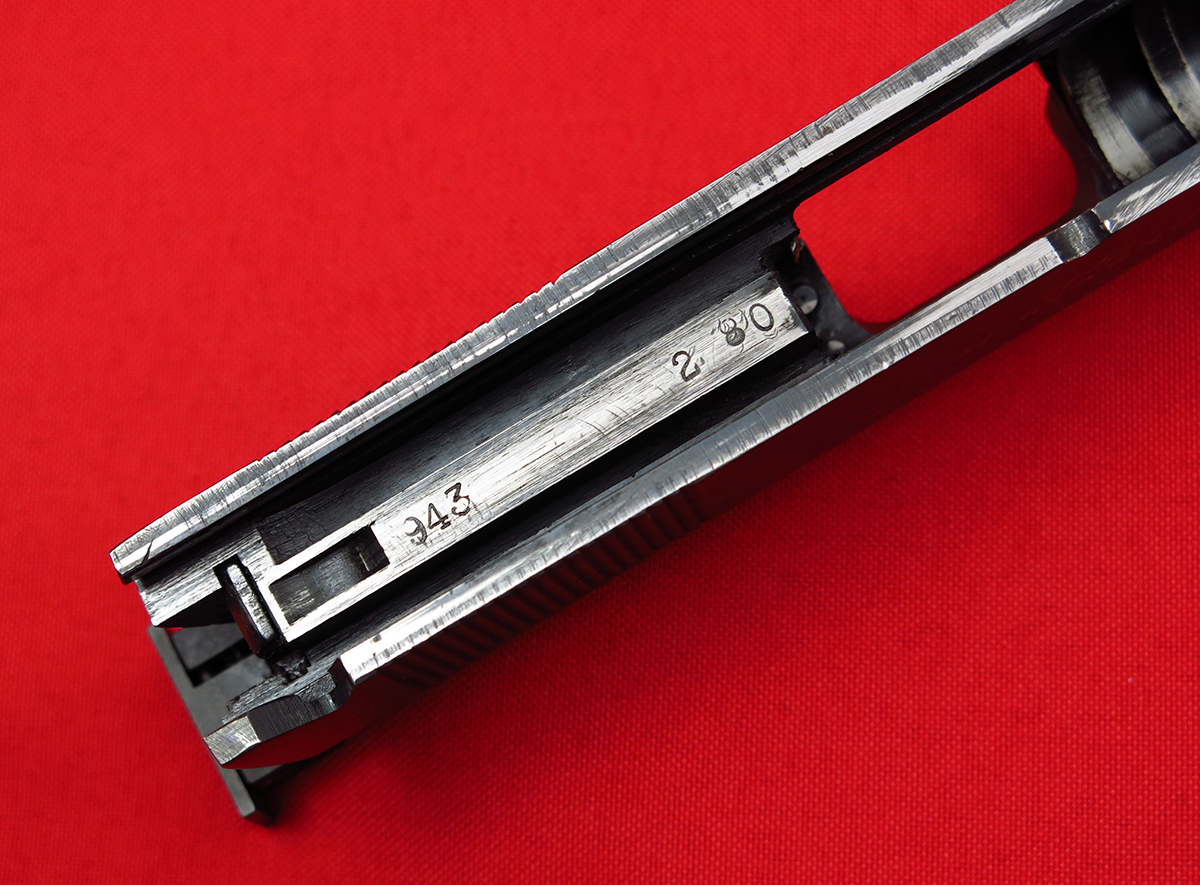
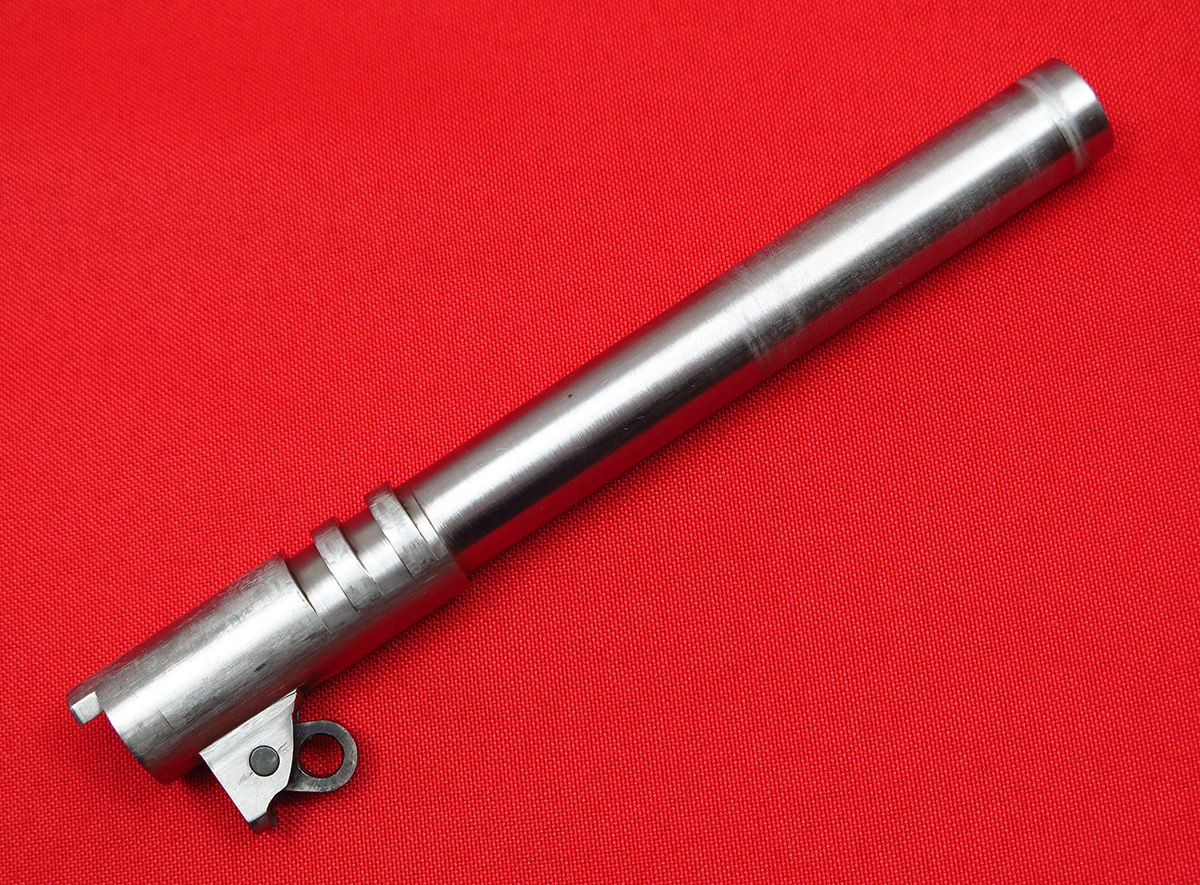
The 1911 was designed to comply with the requirements of the US Army, which, during its campaign against the Moros in Philippines, had seen its trusty .38 revolver to be incapable of stopping attackers. An Ordnance Board headed by COL John T. Thomson (inventor of the Thomson submachine gun) and COL Louis A. La Garde, had reached the conclusion that the Army needed a .45 caliber cartridge, to provide adequate stopping power. In the meantime, J. Browning who was working for Colt, had already designed an “autoloader pistol,” around a cartridge similar to contemporary .38 Super (dimension-wise). When the Army announced its interest in a new handgun, Browning re-engineered this handgun to accommodate a .45″ diameter cartridge of his own design (with a 230gr. FMJ (Full Metal Jacket) bullet), and submitted the pistol to the Army for evaluation.
The Colt Model 1911 was slightly improved in early 1920’s when the flat mainspring housing was replaced with an arched one, a shorter hammer spur was used, a short trigger was made standard as well as a longer grip safety. The new model was named Colt M-1911 A1 Government Model. In this form, the gun was produced during the remaining years until
WWII, when military requirements were met by production of M-1911 by several firearms manufacturers such as Ithaca, Remington-Rand, Union Switch etc. Several thousand of this firearm were produced during the war period. ACP stands for “Automatic Colt Pistol.”
M-9 Beretta 9mm
(Beretta 92F)
A variation of the world famous semi-automatic Italian military handgun. This model with modified trigger guard to suit a two-handed grip and extended base to the magazine, was the service weapon of the US Army, Navy, Air Force, and Coast Guard.
SIG SAUER P320 M17 9mm
October 11, 2018, SIG SAUER presented the M17 to the U.S. Army’s 3rd U.S. Infantry Regiment (The Old Guard) for the Tomb Guard Sentinels.
The M17 Tomb of the Unknown Pistols are unique M17 pistols that were created using the same specifications for the U.S. Army’s M17 Modular Handgun System. The ceremonial pistols are 9mm striker-fired pistols with a non-railed aluminum grip module, stainless steel slide, wood grip inserts, a 21-round magazine, and features the same optic cut as specified by the MHS contract, front night sight, removable rear plate, and black controls. The pistols also feature a high polish to withstand the inclement weather while the Tomb Sentinels stand guard.
The unique distinguishing features for the M17 Tomb of the Unknown Pistols include:
- Pistol Names: each of the four pistols bears the name of Silence, Respect, Dignity, or Perseverance and is featured on the dust cover. Dignity and Perseverance represent “The Sentinel’s Creed,” and Silence and Respect represent the request to the public by Arlington National Cemetery when visiting the Tomb of the Unknown, and during the Changing of the Guard;
- Custom Wood Grips: in 1921 the chosen Unknown was transported to the United States of America aboard the USS Olympia. The custom wood grips are made with wood from the USS Olympia and include the crest of the 3rd Guard, Tomb of the Unknown Soldier identification badge inset;
- Cocking Serrations: XXI cocking serrations are engraved on the slide to signify the twenty-one steps it takes for the Tomb Sentinels to walk by the Tomb of the Unknowns and the military honor of a 21 Gun Salute;
- Sight Plate: an engraved impression of the Greek Figures featured on the east panel of the Tomb – Peace, Victory, and Valor – are featured on the sight plate;
- Sights: a glass insert made with marble dust from the Tomb of the Unknown fills the sights of the ceremonial pistols;
- Engraved Magazines: the 21-round magazines feature an aluminum base plate engraved with the names of the Greek figures featured on the Tomb of the Unknown – Peace, Victory, and Valor – and include a name plate on the bottom of the magazine engraved with the Tomb Sentinel badge number.
- Serial Numbers: the pistols are serialized with a unique set of serial numbers that incorporate items of significance to the Old Guard: “LS” represents line six of the Sentinels’ Creed, “My standard will remain perfection; “02JUL37” to signify the first 24-hour guard posted at the Tomb of the Unknown on July 3, 1937; “21” to signify the 21 steps it takes the Tomb Sentinels to walk by the Tomb of the Unknown, and the military honor of a 21 Gun Salute.


