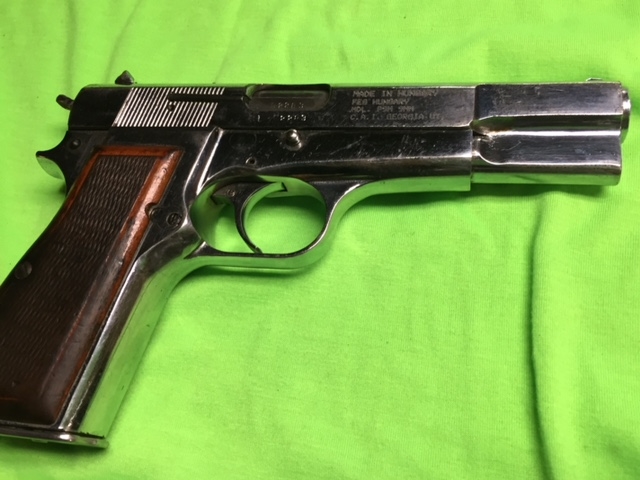
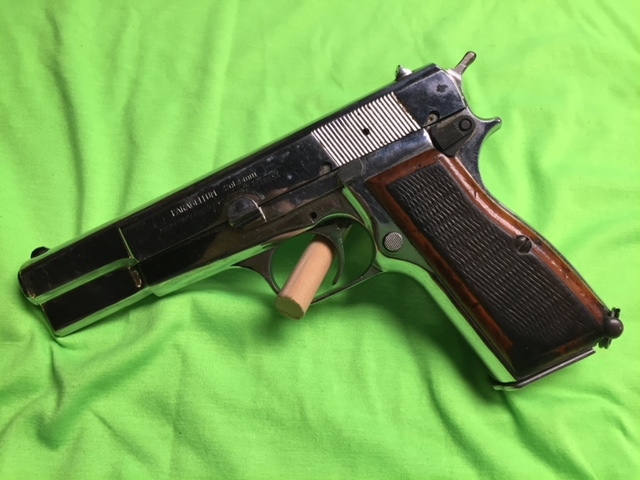
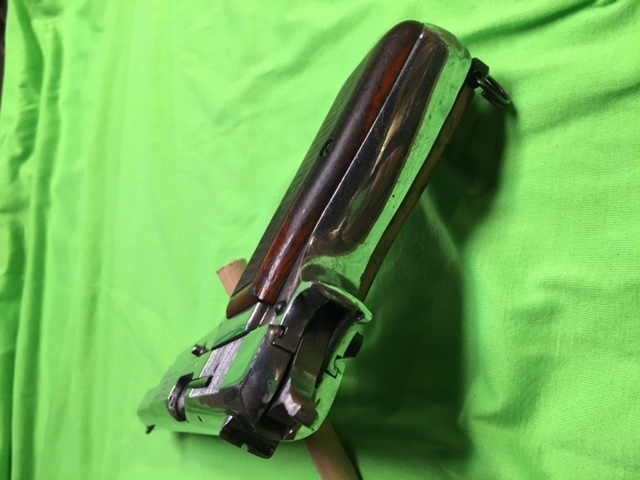
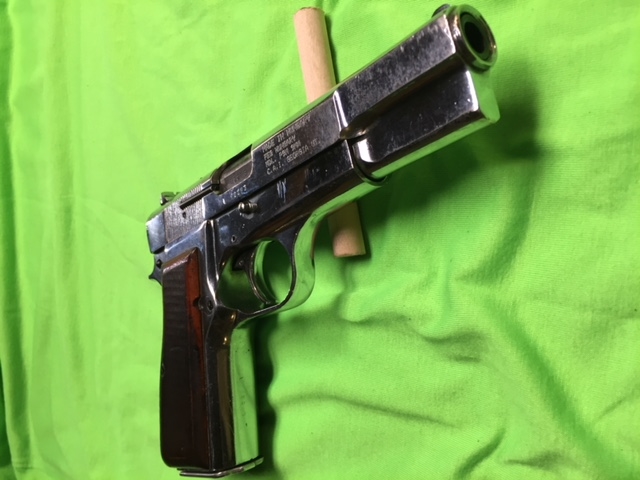
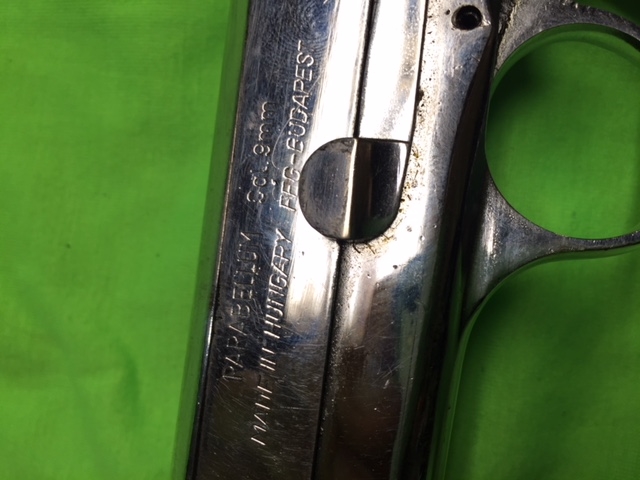
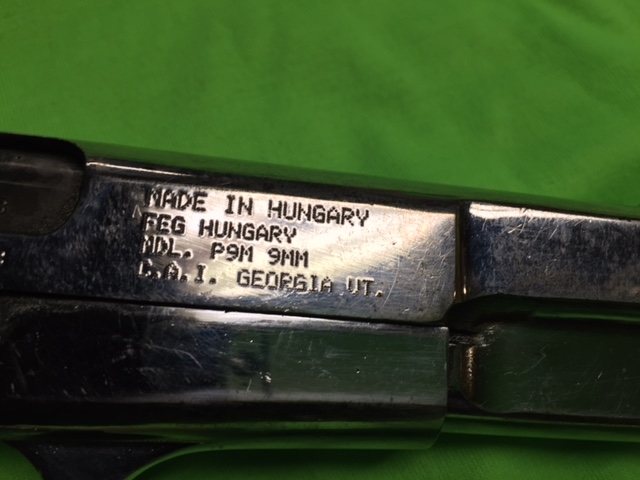

As you have no doubt figured out by now. I am a big fan of the Browning Hi Power pistol.
Also as you will seen so are a lot of other folks. This pistol therefore is a classic example of imitation is the most sincerest form of flattery. This time by the Hungarians.
Enjoy Grumpy
Category: All About Guns


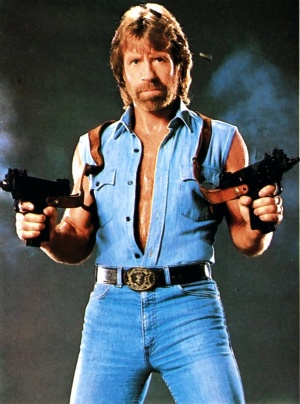

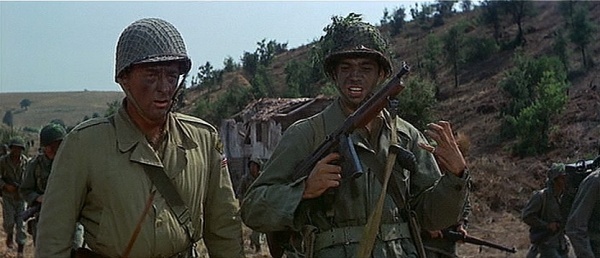
I think that this is one of the better Explanations. Grumpy
Submachine gun- Wiki

General John T. Thompson holding a Thompson M1921

US Navy SEALs armed with Heckler and Koch MP-5 submachine guns.

Artillery Luger P08 pistol with snail-drum magazine and removable stock.

The Bergmann MP 18 was the world’s first practical submachine gun

Thompson M1921 SMG with 100-round drum magazine


Suomi M31 submachine with 70-round drum magazine attached, 20- and 50-round box magazines.

PPSh-41 with 71-round drum magazine
.jpg)


Carl Gustav M/45 also known as the “Swedish-K”

Czechoslovak Sa vz. 25

MAT-49 on display

The UZI


Colt 9mm SMG is virtually identical to the M16 rifle.

The Heckler & Koch UMP45 with a vertical foregrip
.jpg)
A submachine gun (SMG) is a magazine-fed, fully automatic carbine designed to fire pistol cartridges. The term “submachine gun” was coined by John T. Thompson, the inventor of the Thompson submachine gun.[1]
The submachine gun was developed during World War I (1914–1918). At its zenith during World War II (1939–1945), millions of SMGs were made.
After the war, new SMG designs appeared frequently.[2] However, by the 1980s, SMG usage decreased.[2]
Today, submachine guns have been largely replaced by assault rifles,[2] which have a greater effective range and are capable of penetrating the helmets and body armor used by modern infantry.[3]
However, submachine guns are still used by military special forces and police SWAT teams for close quarters battle (CQB) because they are “a pistol-caliber weapon that’s easy to control, and less likely to over-penetrate the target.”[3]
History in the 20th Century
World War I
In the early 20th century, experimental machine pistols were made by converting pistols such as the Luger P-08 and Mauser C96 from semiautomatic to fully automatic operation and adding detachable stocks.
Carbine-type automatic weapons firing pistol rounds were developed during the latter stages of World War I by Italy, Germany and the United States. Their improved firepower and portability offered an advantage in trench warfare.[4]
In 1915, the Italians introduced the Villar-Perosa aircraft machine gun. It fired pistol-caliber 9mm Glisenti ammunition, but was not a true submachine gun, as it was originally designed as a mounted weapon.
This odd design was then modified into the Beretta OVP carbine-type submachine gun, which then evolved into the Beretta Model 1918 after the end of World War I.
Both the Beretta OVP and the Model 1918 had a traditional wooden stock, a 25-round top-fed box magazine, and had a cyclic rate of fire of 900 rounds per minute.
The Germans initially used heavier versions of the P08 pistol equipped with a larger-capacity snail-drum magazine and a longer barrel.
By 1918, Bergmann Waffenfabrik had developed the MP 18, the first practical submachine gun. This weapon fired the 9×19mm Parabellum round and used the same 32-round snail-drum magazine as the Luger P-08. The MP 18 was used in significant numbers by
German stormtroopers employing infiltration tactics, achieving some notable successes in the final year of the war. However, these were not enough to prevent Germany’s collapse in November 1918.
After World War I, the MP 18 would evolve into the MP28/II SMG, which incorporated a simple 32-round box magazine, a semi & full auto selector, and other minor improvements.[5]
The Thompson submachine gun had been in development at approximately the same time as the Bergmann and the Beretta.
However, the war ended before prototypes could be shipped to Europe.[6] Although it had missed its chance to be the first purpose-designed submachine gun to enter service, it became the basis for later weapons and had the longest active service life of the three.
In the interwar period the “Tommy Gun” or “Chicago Typewriter” became notorious in the U.S. as a gangster’s weapon; the image of pinstripe-suited James Cagney types wielding drum-magazine Thompson’s caused some military planners to shun the weapon.
However, the FBI and other U.S. police forces themselves showed no reluctance to use and prominently display these weapons. Eventually, the submachine gun was gradually accepted by many military organizations, especially as World War II loomed, with many countries developing their own designs.
World War II
The Italians were among the first to develop submachine guns during World War I. However, they were slow to produce them during World War II.
The Beretta Model 1938 was not available in large numbers until 1943. The 38 was made in a successive series of improved and simplified models all sharing the same basic layout.
The Beretta has two triggers, the front for semi-auto and rear for full-auto. Most models use standard wooden stocks, although some models were fitted with an MP 40-style under-folding stock and are commonly mistaken for the German SMG.
The 38 series was extremely robust and proved very popular with both Axis forces and Allied troops (who used captured Berettas).[7]
It is considered the most successful and effective Italian small arm of World War II. The 38 series is the longest serving of the world’s SMGs, as later models can still be seen in the hands of Italian military and police forces.
In 1939, the Germans introduced the 9 mm Parabellum MP38 during the invasion of Poland.
However, the MP38 production was still just starting and only a few thousand were in service at the time. It proved to be far more practical and effective in close quarters combat than the standard-issue German Kar 98K bolt-action rifle.
From it, the nearly identical MP40 was developed and made in large numbers; about a million were made during World War II.
The MP40 was lighter than the MP38. It also used more stamped parts, making it faster and cheaper to produce.[8]
The MP38 and MP40 were the first SMGs to use plastic furniture and a practical folding stock.[8] They would set the fashion for all future SMG designs.[8]
During the Winter War, the badly outnumbered Finnish used the Suomi KP/-31 in large numbers against the Russians with devastating effect.[9] Finnish ski troops became known for appearing out of the woods on one side of a road, raking Soviet columns with SMG fire and disappearing back into the woods on the other side.
During the Continuation War, the Finnish Sissi patrols would often equip every soldier with KP/-31s. The Suomi fired 9 mm Parabellum ammo from a 71-round drum magazine (although often loaded with 74 rounds).
“This SMG showed to the world the importance of the submachine gun to the modern warfare”,[9]prompting the development, adoption and mass production of submachine guns by most of the World’s armies.
The Suomi was used in combat until the end of the Lapland war, was widely exported[9] and remained in service to the late 1970s.
In 1940, the Russians introduced the 7.62×25mm PPD-40 and later the more easily manufactured PPSh-41 in response to their experience during the Winter War against Finland.
The PPSh’s 71-round drum magazine is a copy of the Suomi’s. Later in the war they developed the even more readily mass-produced PPS submachine gun.
The USSR would go on to make over 6 million PPSh-41s and 2 million PPSs by the end of World War II. Thus, the Soviet Union could field huge numbers of submachine guns against the Wehrmacht, with whole infantry battalions being armed with little else.
Even in the hands of conscripted soldiers with minimal training, the volume of fire produced by massed submachine guns could be overwhelming.
In 1941, Britain adopted the 9 mm Parabellum Lanchester submachine gun. Following the Dunkirk evacuation, and with no time for the usual research and development for a new weapon, it was decided to make a direct copy of the German MP 28.
However this gun, the Lanchester, proved to be difficult and expensive to manufacture. Shortly thereafter, the much simpler, cheaper and faster to make STEN submachine gun was developed.
Over 4 million STEN Guns were made during World War II. The STEN gun was so cheap and easy to make that Germany started manufacturing their own copy (the MP 3008) towards the end of World War II.
After the war, the British replaced the STEN with the Sterling submachine gun. Britain also used many M1928 Thompson submachine guns during World War II.
The United States and its allies used the Thompson submachine gun, especially the simplified M1. However, the Thompson was still expensive and slow to produce. Therefore, the U.S. developed the M3 submachine gun or “Grease Gun” in 1942, followed by the improved M3A1 in 1944.
While the M3 was no more effective than the Tommy Gun, it was made primarily of stamped parts and welded together, and so, it could be produced much faster and at fraction of the cost of a Thompson.
It could be configured to fire either .45 ACP or 9mm Luger ammunition. The M3A1 was among the longest serving submachine guns designs, being produced into the 1960s and serving in US forces into the 1980s.
After World War II
After World War II, “new submachine gun designs appeared almost every week to replace the admittedly rough and ready designs which had appeared during the war.
Some (the better ones) survived, most rarely got past the glossy brochure stage.”[10] Most of these survivors were cheaper, easier and faster to make than their predecessors. As such, they were widely distributed.
In 1945, Sweden introduced the 9mm Parabellum Carl Gustav M/45 with a design borrowing from and improving on many design elements of earlier submachine-gun designs.
It has a tubular stamped steel receiver with a side folding stock. The M/45 was widely exported, and especially popular with CIA operatives and U.S. Special Forces during the Vietnam War.
In U.S. service it was known as the “Swedish-K”. In 1966, the Swedish government blocked the sale of firearms to the United States because it opposed the Vietnam War.
As a result, in the following year Smith & Wesson began to manufacture an M/45 clone called the M76.
In 1946, Denmark introduced the Madsen M-46, and in 1950, an improved model the Madsen M-50. These 9mm Parabellum stamped steel SMGs featured a unique clamshell type design, a side folding stock and a grip-safety on the magazine housing.
The Madsen was widely exported and especially popular in Latin America, with variants made by several countries.
In 1948, Czechoslovakia introduced the Sa vz. 23 series. This 9mm Parabellum SMG introduced several innovations: a progressive trigger for selecting between semi-automatic and full auto fire, a telescoping bolt that extends forward wrapping around the barrel and a vertical handgrip housing the magazine and trigger mechanism.
The vz. 23 series was widely exported and especially popular in Africa and the Middle East with variants made by several countries. The vz. 23 inspired the development of the Uzi submachine gun.[11]
In 1949, France introduced the MAT-49 to replace the hodgepodge of French, American, British, German and Italian SMGs in French service after World War II.
The 9mm Parabellum MAT-49 is an inexpensive stamped steel SMG with a telescoping wire stock, a pronounced folding magazine housing and a grip safety.
This “wildebeest like design” proved to be an extremely reliable and effective SMG, and was used by the French well into the 1980s. It was also widely exported to Africa, Asia and the Middle East.
1950s
In 1954, Israel introduced a 9mm Parabellum open-bolt, blowback-operated submachine gun called the Uzi (after its designer Uziel Gal).
The Uzi was one of the first weapons to use a telescoping bolt design with the magazine housed in the pistol grip for a shorter weapon.
The Uzi has become one of the most popular submachine guns in the world, with over 10 million units sold,[12] more than any other submachine gun.[13]
In 1959, Beretta introduced the Model 12. This 9mm Parabellum submachine gun was a complete break with previous Beretta designs.[14]
It is a small, compact, very well made SMG and among the first to use telescoping bolt design.[14] The M12 was designed for mass production and was made largely of stamped steel and welded together.[14]
It is identified by its tubular shape receiver, double pistol grips, a side folding stock and the magazine housed in front of the trigger guard. The M12 uses the same magazines as the Model 38 series.
1960s
In the 1960s, Heckler & Koch developed the 9mm Parabellum MP5 submachine gun. The MP5 is based on the G3 rifle and uses the same closed-bolt roller-delayed blowback operation system.
This makes the MP5 more accurate than open-bolt SMGs, such as the UZI. The MP5 is also one of the most widely used submachine guns in the world,[15] having been adopted by 40 nations and numerous military, law enforcement, intelligence, and security organizations.[16]
1970s
In the 1970s, extremely compact submachine guns, such as the .45ACP Mac-10 and .380 ACP Mac-11, were developed to be used with silencers or suppressors.[17]
While these SMGs received enormous publicity, and were prominently displayed in films and television, they were not widely adopted by military or police forces.[17]
These smaller weapons led other manufacturers to develop their own compact SMGs, such as the Micro-UZI and the H&K MP5K.
1980s
By the 1980s, the demand for new submachine guns was very low and could be easily met by existing makers with existing designs.[2]
However, several manufacturers began designing Submachine guns based on their existing assault rifle patterns. These new SMGs offered a high degree of parts commonality with parent weapons, thereby easing logistical concerns.
In 1987, Colt introduced the Colt 9mm SMG based on the M16 rifle.[18] The Colt SMG is a closed bolt, blowback operated SMG and the overall aesthetics are identical to most M16 type rifles.
The magazine well is modified using a special adapter to allow the use of smaller 9mm magazines. The magazines themselves are a copy of the Israeli UZI SMG magazine, modified to fit the Colt and lock the bolt back after the last shot. The Colt is widely used by U.S. police forces and the USMC.
1990s
In 1998, H&K introduced the last widely distributed SMG, the UMP “Universal Machine Pistol”.[20] The UMP is a 9mm, .40 S&W, or .45 ACP, closed-bolt blowback-operated SMG, based on the H&K G36 assault rifle.[21][22]
It features a predominantly polymer construction and was designed to be a lighter and cheaper alternative to the MP5.[21][23] The UMP has a side-folding stock and is available with four different trigger group configurations.[24] It was also designed to use a wide range of Picatinny rail mounted accessories [21][22]
21st Century
2000s
In 2004, Izhmash introduced the Vityaz-SN a 9mm Parabellum, closed bolt straight blowback operated submachine gun.
It is based on the AK-74 rifle and offers a high degree of parts commonality with the AK-74.[25] It is the standard submachine gun for all branches of Russian military and police forces.[26][27]
2010s
In the 2010s, assault rifles have replaced submachine guns in most roles.[2] Factors such as the increasing use of body armor and logistical concerns have combined to limit the appeal of submachine guns.
However, SMGs are still used by police (especially SWAT teams) for dealing with heavily armed suspects and military special forces units for close quarters combat, due to their reduced size, recoil and muzzle blast.
Submachine guns also lend themselves to the use of suppressors, particularly when loaded with subsonic ammunition. Variants of the Sterling and Heckler & Koch MP5 have been manufactured with integral suppressors.
Personal defense weapons


An MP7A1 with a 20-round magazine, and a reflex sight
Developed during the late 1980s, the personal defense weapon (PDW) is touted as a further evolution of the submachine gun.
The PDW was created in response to a NATO request for a replacement for 9×19mm Parabellum submachine guns. The PDW is a compact automatic weapon that can defeat enemy body armor and which can be used conveniently by non-combatant and support troops, and as a close quarters battle weapon for special forces and counter-terrorist groups.[28][29]
Introduced in 1991, the FN P90 features a bullpup design with a futuristic appearance. It has a 50-round magazine housed horizontally above the barrel, an integrated reflex sight and fully ambidextrous controls.[30]
A simple blowback automatic weapon, it was designed to fire the FN 5.7×28mm cartridge which can penetrate soft body armor.[28][29] The P90 was designed to have a length no greater than a man’s shoulder width, to allow it to be easily carried and maneuvered in tight spaces, such as the inside of an armored vehicle.[30]
Introduced in 2001, the Heckler & Koch MP7 is a direct rival to the FN P90. It is a more conventional-looking design. The MP7 uses a short-stroke piston gas system as used on H&K’s G36 and HK416 assault rifles, in place of a blowback system traditionally seen on submachine guns.[31]
The MP7 uses 20-, 30- and 40-round magazines and fires 4.6×30mm ammunition which can penetrate soft body armor. Due to the heavy use of polymers in its construction, the MP7 is much lighter than older SMG designs, being only 1.2 kg (2.65 lb) with 20-round empty magazine.
Name
There are some inconsistencies in the classification of submachine guns.[32] British Commonwealth sources often refer to SMGs as “machine carbines”.[32][33]
Other sources refer to SMGs as “machine pistols” because they fire pistol-caliber ammunition, for example, the MP-40 and MP5, where “MP” stands for Maschinenpistole (“Submachine gun” in German, but cognate with the English term “Machine pistol”).[34]
However, the term “machine pistol” is also used to describe a handgun-style firearm capable of fully automatic or burst fire,[35] such as the Stechkin, Beretta 93R and the H&K VP70.
Firearms like the FN P90 and H&K MP7 are also referred to as Personal Defense Weapons because the small-caliber, high-velocity ammunition is claimed to offer superior performance to conventional pistol ammunition.[32]
In addition, some compact assault rifles, such as the Colt XM177, HK53 and AKS-74U, have been historically referred to as submachine guns as they served in the latter’s role.[36]
See also
- Assault rifle
- Firearm action
- List of submachine guns
- Machine gun
- Machine pistol
- Overview of gun laws by nation
- Personal defense weapon
- Semi-automatic pistol
- Sputter Gun
- Submachine gun competition
References
- Jump up^ “The Thompson submachine gun: shooting a 20th century icon. – Free Online Library”.
- ^ Jump up to:a b c d e Military Small Arms Of The 20th Century. Ian Hogg & John Weeks. Krause Publications. 2000. p93
- ^ Jump up to:a b http://www.defensereview.com/submachine-guns-smgs-outpaced-by-today%E2%80%99s-modern-short-barreled-rifles-sbrssub-carbines-or-still-a-viable-tool-for-close-quarters-battleclose-quarters-combat-cqbcqc/ Defense Review. Submachine Guns (SMG’s): Outpaced by Today’s Modern Short-Barreled Rifles (SBR’s)/Sub-Carbines, or Still a Viable Tool for Close Quarters Battle/Close Quarters Combat (CQB/CQC)? By David Crane. December 11, 2011
- Jump up^ Curley, Robert, ed. (2009). The Britannica Guide to Inventions That Changed the Modern World (First ed.). The Rosen Publishing Group. pp. 291–292. ISBN 1-61530-064-3. Retrieved 2011-05-19.
- Jump up^ Military Small Arms of the 20th Century. 7th Edition. by Ian V. Hogg & John S. Weeks. Krause Publications. 2000. pages 116
- Jump up^ Frank Iannamico, American Thunder: The Military Thompson Submachine Gun 1928, 1928A1, M1, M1A1, Moose Lake Publishing, 2000.
- Jump up^ Dunlap, Roy F., Ordnance Went Up Front, Samworth Press, (1948), p. 58
- ^ Jump up to:a b c Military Small Arms of the 20th Century. 7th Edition. by Ian V. Hogg & John S. Weeks. Krause Publications. 2000. pages 118-120
- ^ Jump up to:a b c armies.http://world.guns.ru/smg/fi/suomi-m31-e.html
- Jump up^ Military Small Arms of the 20th Century. 7th Edition. by Ian V. Hogg & John S. Weeks. Krause Publications. 2000. pages 93-94
- Jump up^ Hogg, Ian V. (1979). Guns and How They Work. New York: Everest House. p. 157. ISBN 0-89696-023-4.
- Jump up^ McManners, Hugh (2003). Ultimate Special Forces. New York: DK Publishing. p. 157. ISBN 0-7894-9973-8. OCLC 53221575. Retrieved 6 January 2011.
- Jump up^ Hackathorn, Ken (1995). “Using the Uzi”. Fighting Firearms. Soldier of Fortune. 3 (1): 18–23.
- ^ Jump up to:a b c Military Small Arms of the 20th Century. 7th Edition. by Ian V. Hogg & John S. Weeks. Krause Publications. 2000. pages 138-139
- Jump up^ Hogg, Ian (2002). Jane’s Guns Recognition Guide. Jane’s Information Group. ISBN 0-00-712760-X.
- Jump up^ Tilstra, Russell C. (2012). Small Arms for Urban Combat. US: McFarland. p. 42. ISBN 978-0-7864-6523-1.
- ^ Jump up to:a b Military Small Arms of the 20th Century. 7th Edition. by Ian V. Hogg & John S. Weeks. Krause Publications. 2000. page 166
- Jump up^ “Archived copy”. Archived from the original on 2003-05-18. Retrieved 2016-11-07.
- Jump up^ Military Small Arms Of The 20th Century. Ian Hogg & John Weeks. Krause Publications. 2000. p167
- Jump up^ “Heckler & Koch – Group Website”. Heckler-koch.com. Retrieved 2009-06-26.
- ^ Jump up to:a b c Cutshaw, Charles Q (2011). Tactical Small Arms of the 21st Century: A Complete Guide to Small Arms From Around the World. Iola, Wisconsin: Gun Digest Books. p. 156. ISBN 978-1-4402-2709-7. Retrieved 8 August 2013.
- ^ Jump up to:a b Jane’s Guns Recognition Guide. by Ian Hogg & Terry Gander. HaperCollins Publishers. 2005. page 192
- Jump up^ Dockery, Kevin (2007). Future Weapons. New York: Penguin Group US. pp. 383–385. ISBN 978-1-101-20618-8. Retrieved 8 August 2013.
- Jump up^ https://books.google.com/books?id=4W-iAgAAQBAJ&pg=PT2&dq=Submachine+Guns+and+Assault+Rifles+%7C+Military-Today.com&hl=en&sa=X&ved=0CCcQ6AEwAGoVChMI14yq7rXcxgIVzjWICh0RpQZV#v=onepage&q=Submachine%20Guns%20and%20Assault%20Rifles%20%7C%20Military-Today.com&f=true Submachine Guns and Assault Rifles | Military-Today.com. Andrius Genys, Jan 1, 2010 – Antiques & Collectibles – 62 pages
- Jump up^ https://web.archive.org/web/20111109005400/http://www.izhmash.ru/eng/product/vityaz.shtml Izhmash product page Vityaz SMG
- Jump up^ “New guns for Russia’s cops – so what? – In Moscow’s Shadows”. In Moscow’s Shadows. Retrieved 7 October 2014.
- Jump up^ “Исторические сведения ПП-19-01 “Витязь”/”Витязь-СН” – пистолет-пулемёт”.
- ^ Jump up to:a b Miller, David (2001). The Illustrated Directory of 20th Century Guns. London: Salamander Books Ltd. ISBN 9781840652451.
- ^ Jump up to:a b Oliver, David (2007). “In the Line of Fire”. Global Defence Review. Archived from the original on October 16, 2006. Retrieved October 19, 2009.
- ^ Jump up to:a b Kevin, Dockery (2007). Future Weapons. New York: Berkley Trade. ISBN 9780425217504.
- Jump up^ Cutshaw, Charles Q. (2003). “Heckler & Koch’s cutting-edge compacts G36C and MP7 PDW: when less really is more”. Guns Magazine. Archived from the original on 2012-07-08.
- ^ Jump up to:a b c Military Small Arms of the 20th Century. 7th Edition. by Ian V. Hogg & John S. Weeks. Krause Publications. 2000. pages 93-94.
- Jump up^ Sten Machine Carbine, by Peter Laidler & R Blake Stevens, Collector Grade Publications, Canada; 1ST edition (December 2000)
- Jump up^ Military Small Arms of the 20th Century. 7th Edition. by Ian V. Hogg & John S. Weeks. Krause Publications. 2000. pages 93-94 & 116-125.
- Jump up^ James Smyth Wallace. Chemical Analysis of Firearms, Ammunition, and Gunshot Residue. CRC Press. 2008. p. xxiii
- Jump up^ Military Small Arms of the 20th Century. 7th Edition. by Ian V. Hogg & John S. Weeks. Krause Publications. 2000. pages 125 & 166-167.
My Grandfather owned a Nursery in Rural Northern San Diego county.
Where I was allowed to shoot squirrels with his Stevens 410 back in the 1970’s.
For me that gun was a great introduction to hunting & gun safety. I am just amazed that they trusted me enough back then!
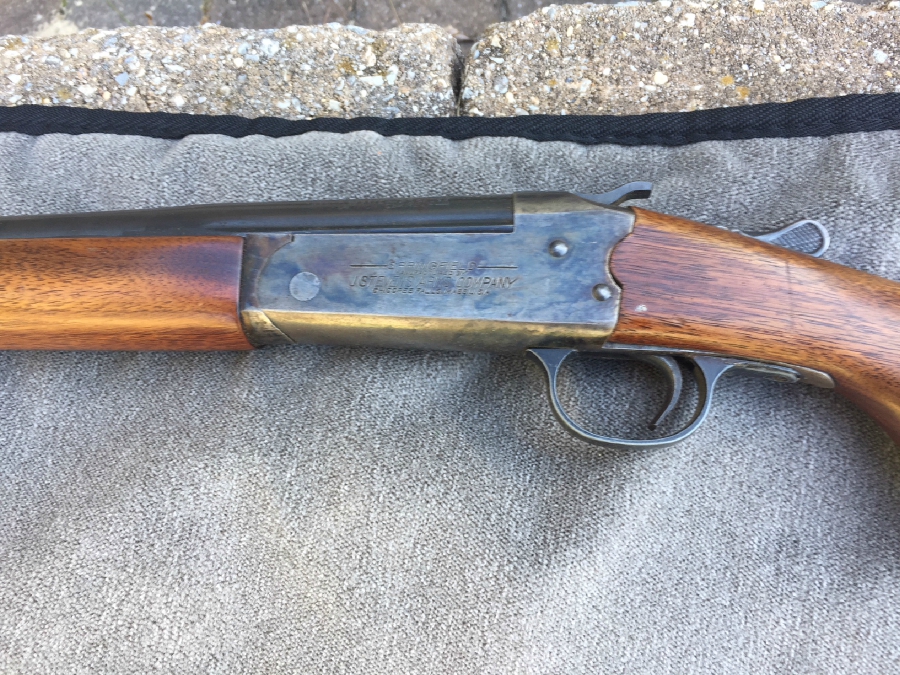
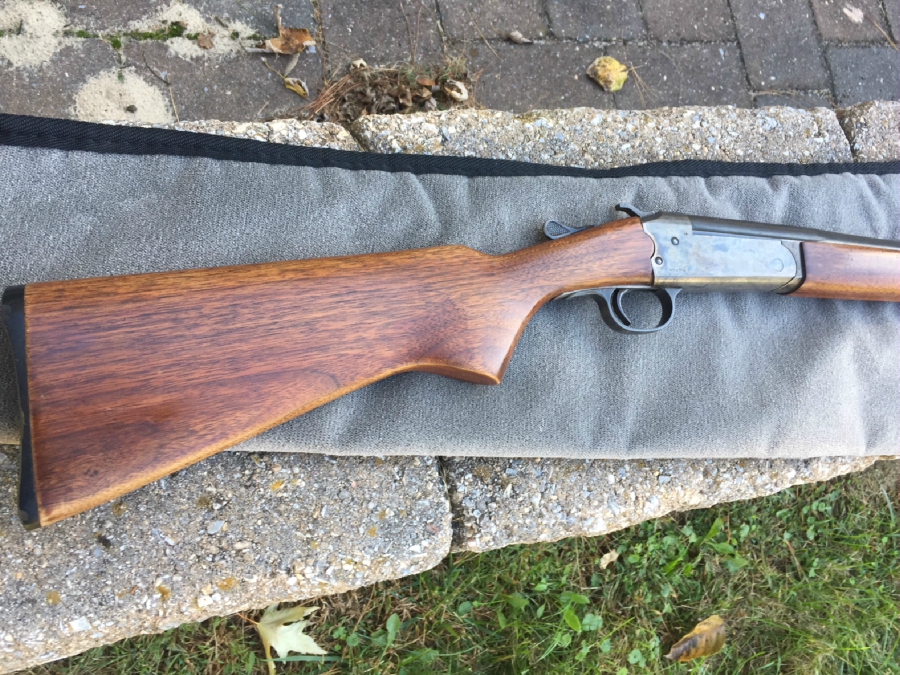
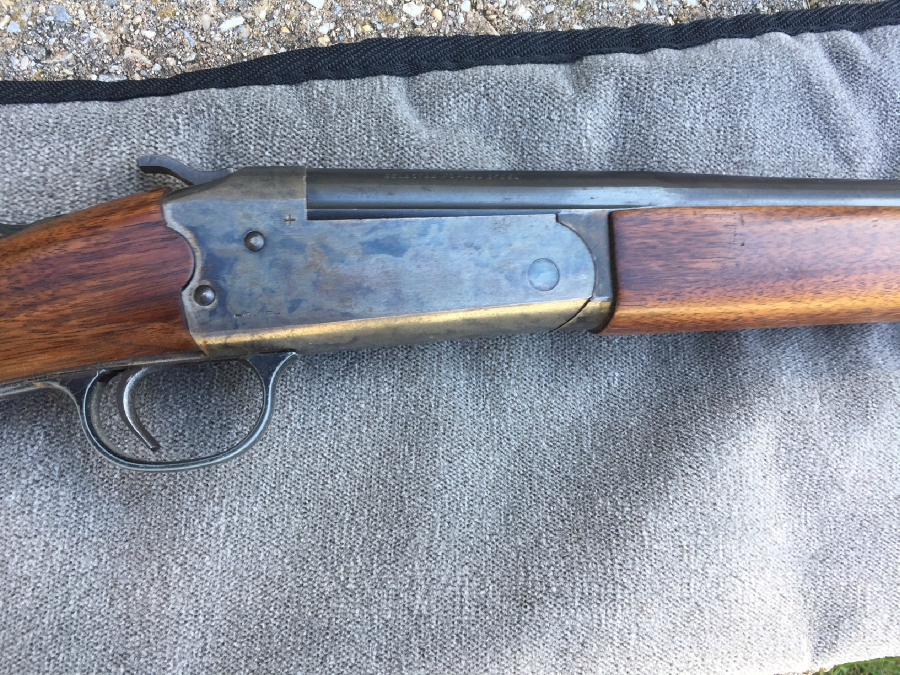
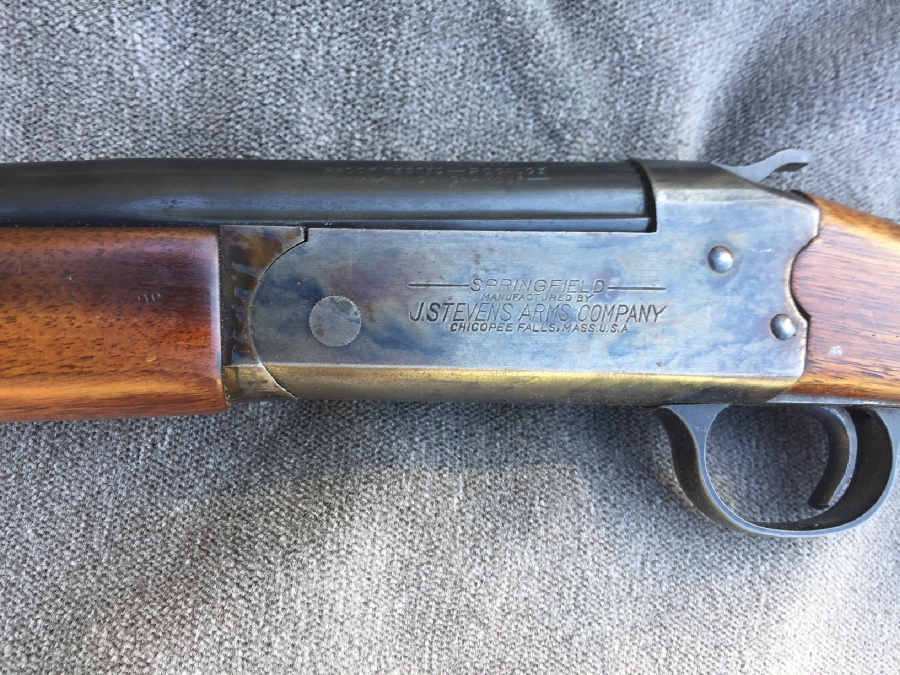
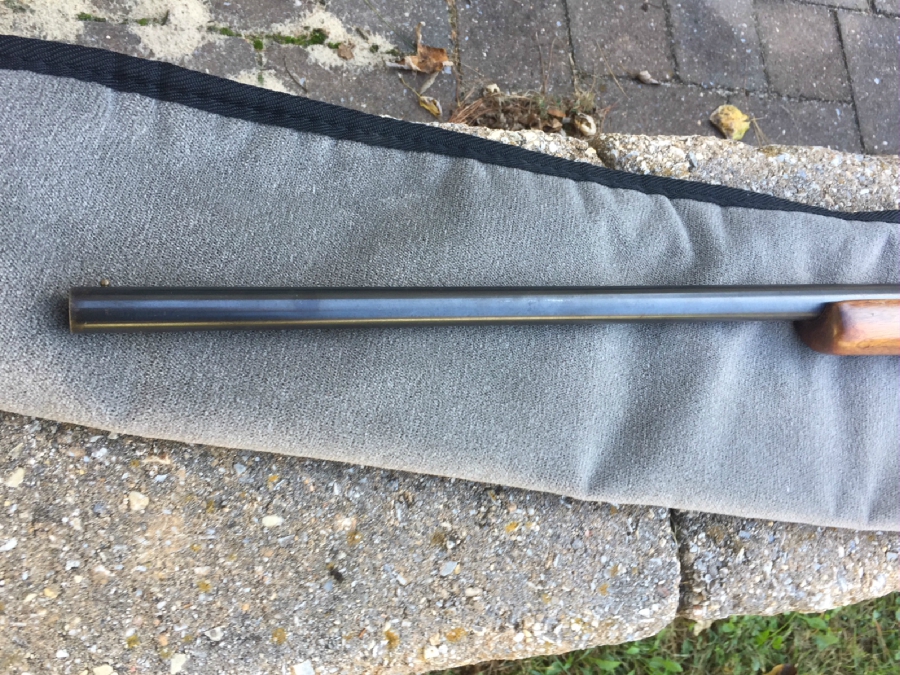
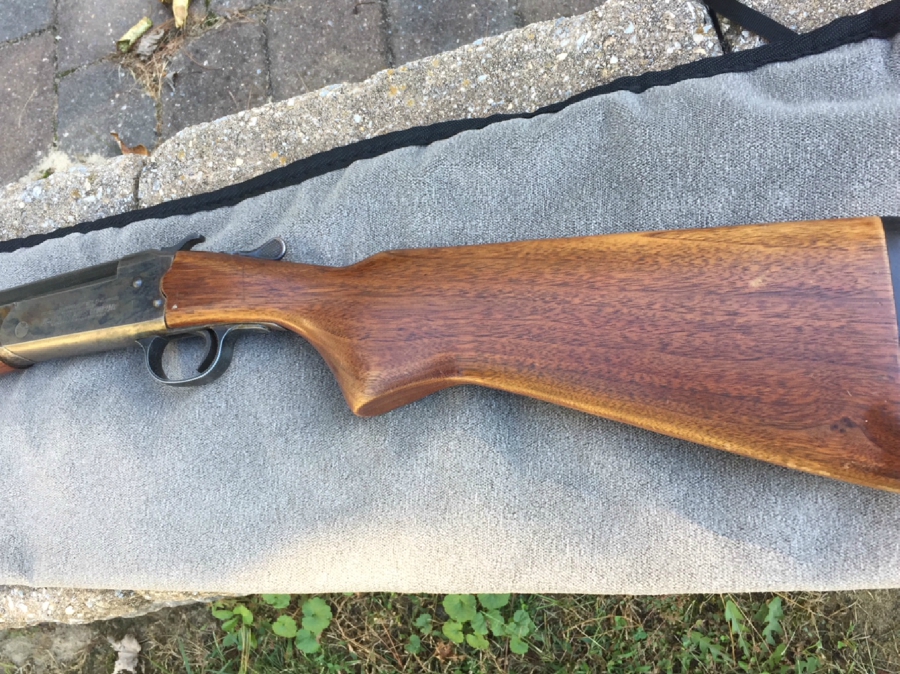

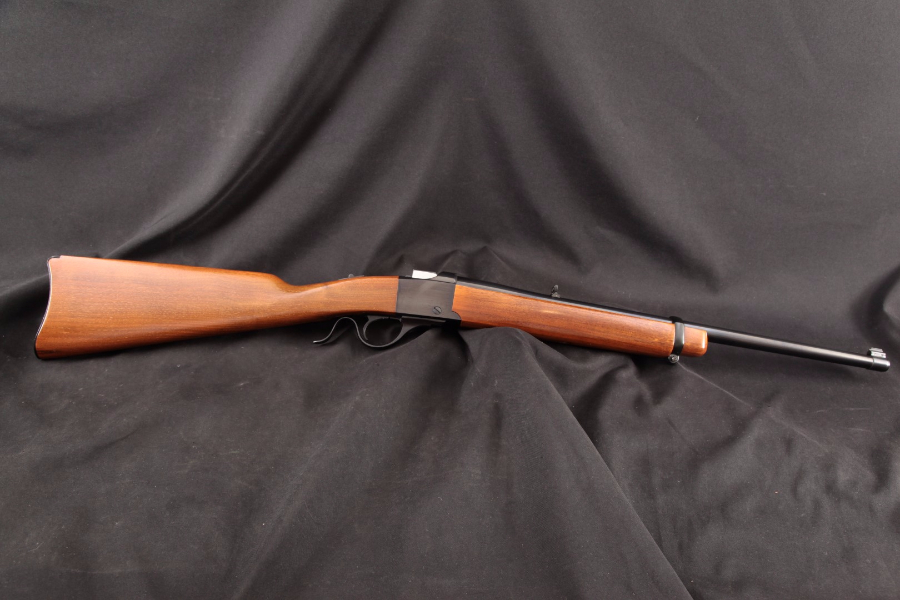
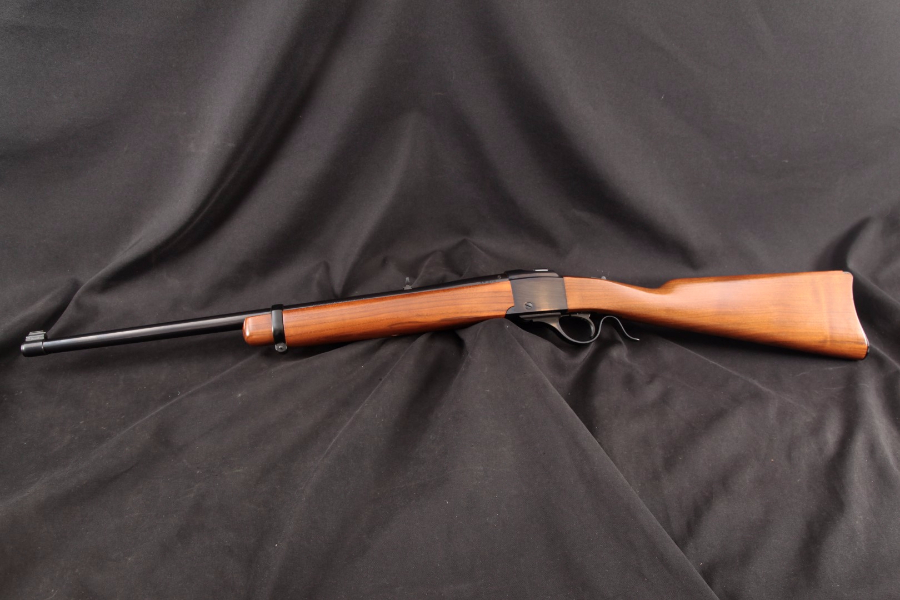
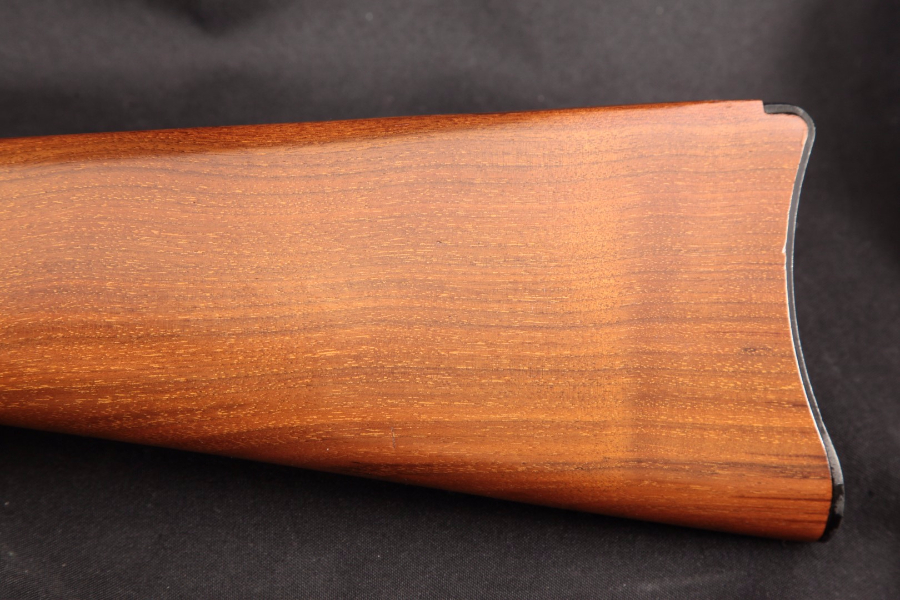
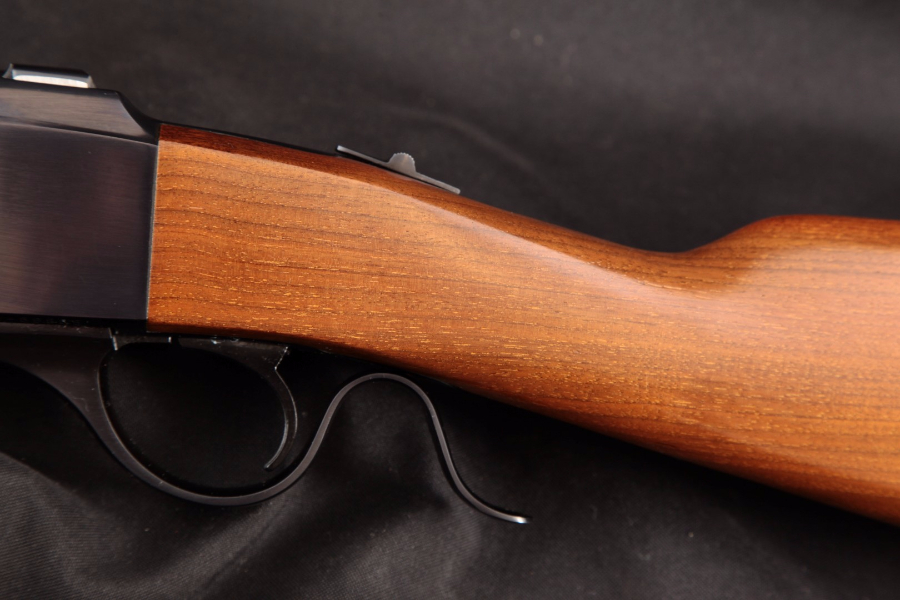
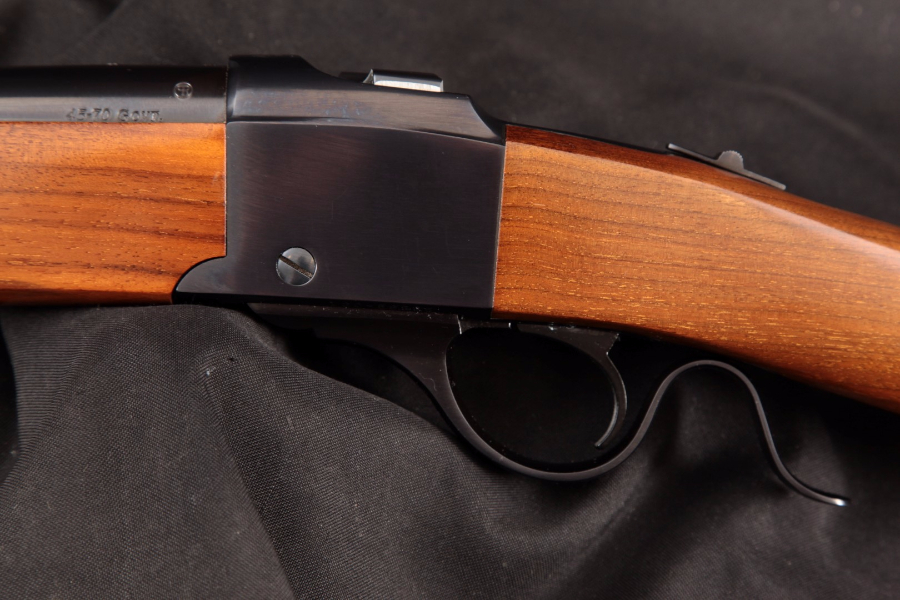
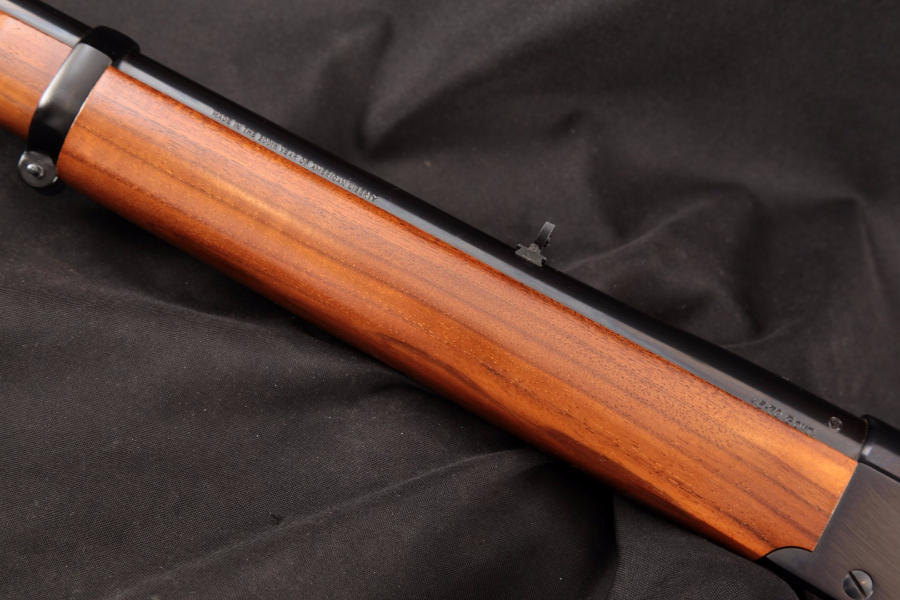

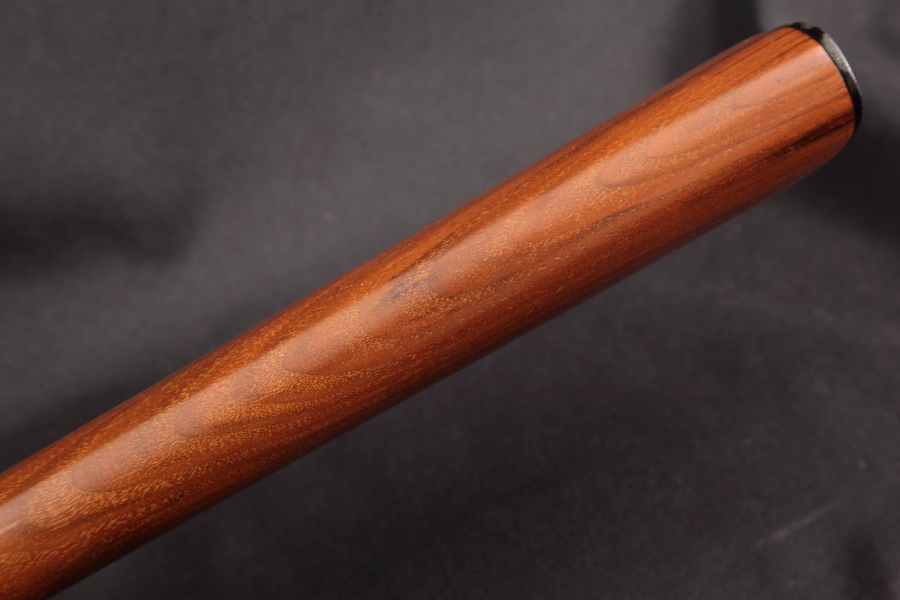
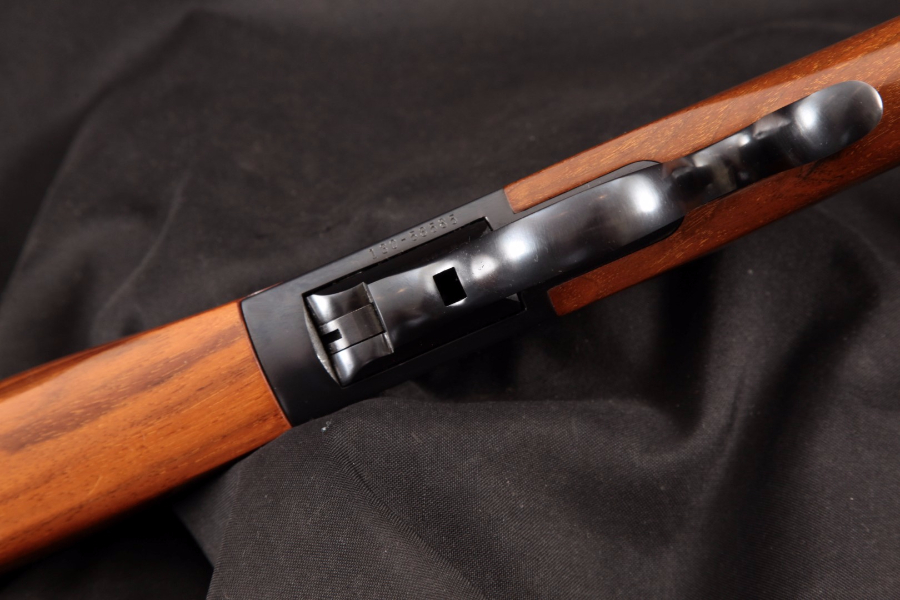
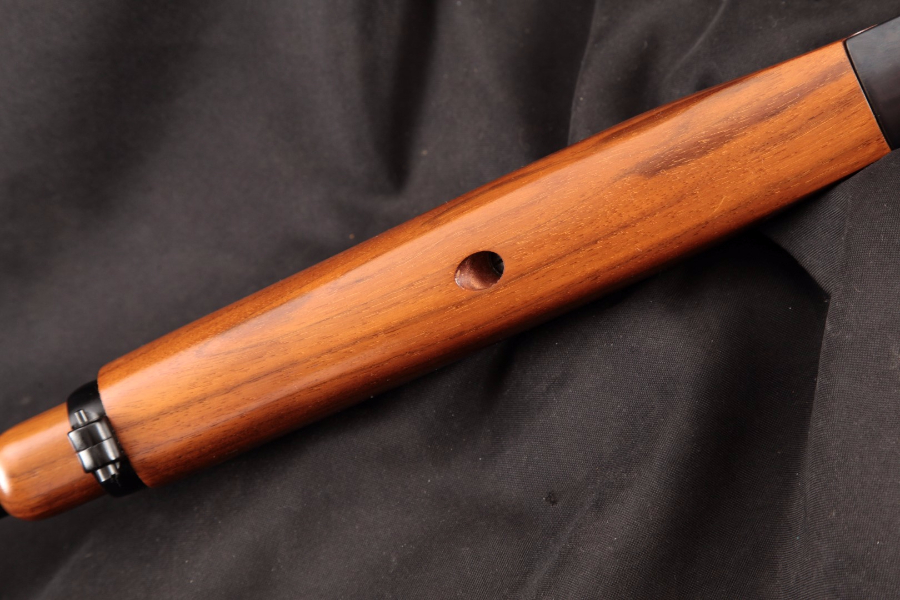
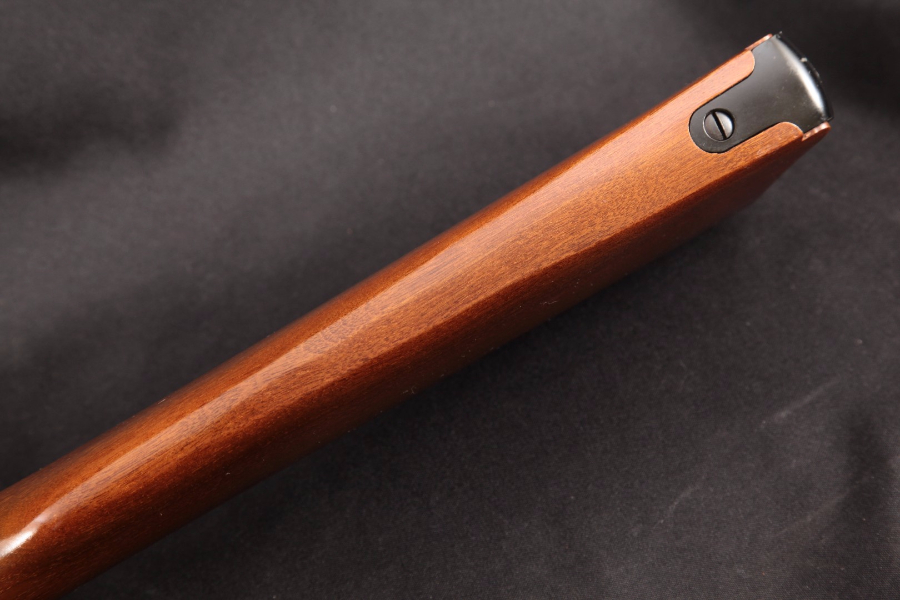
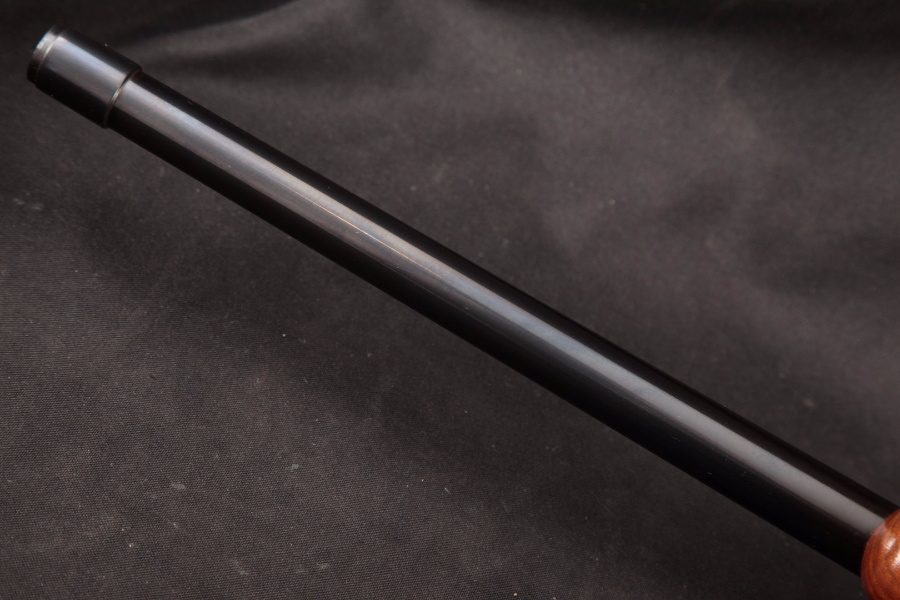
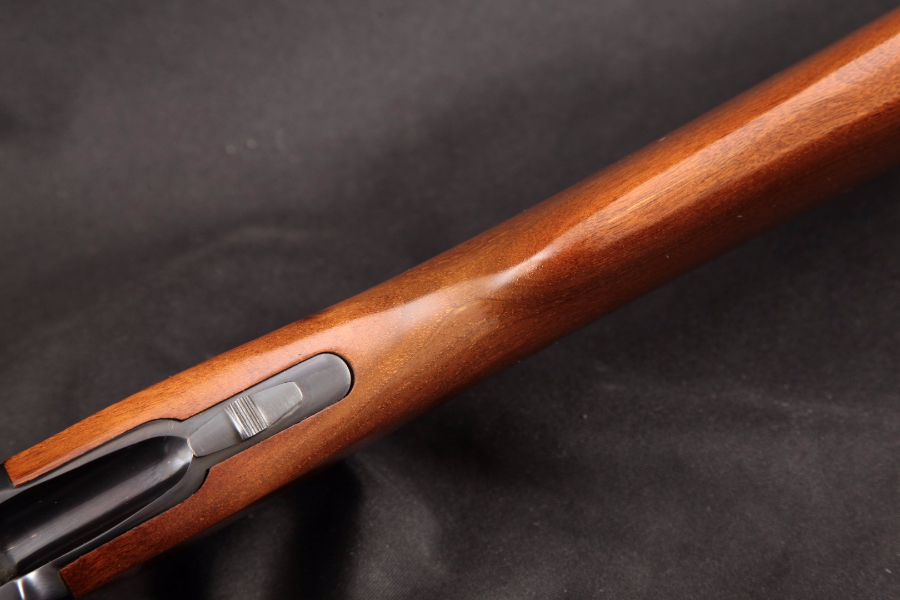
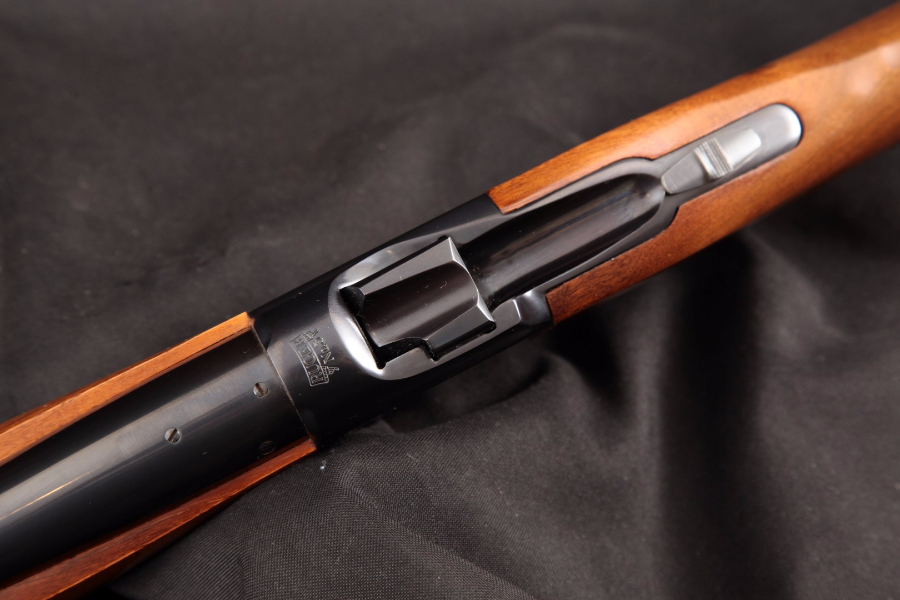
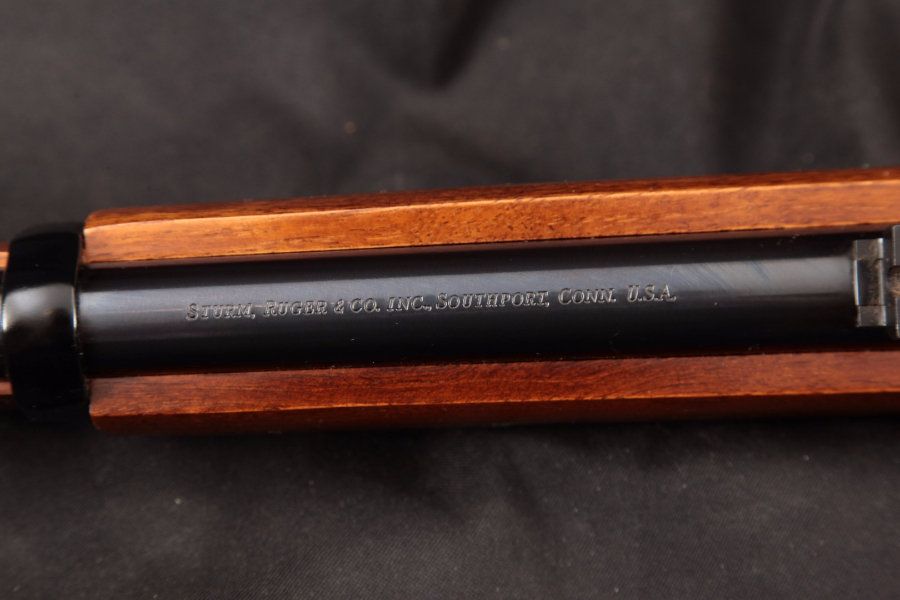
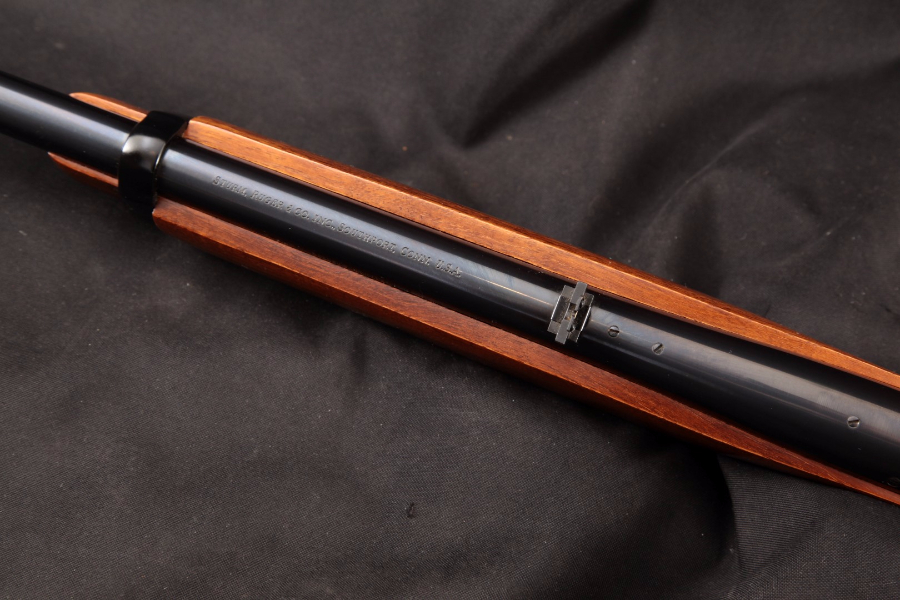
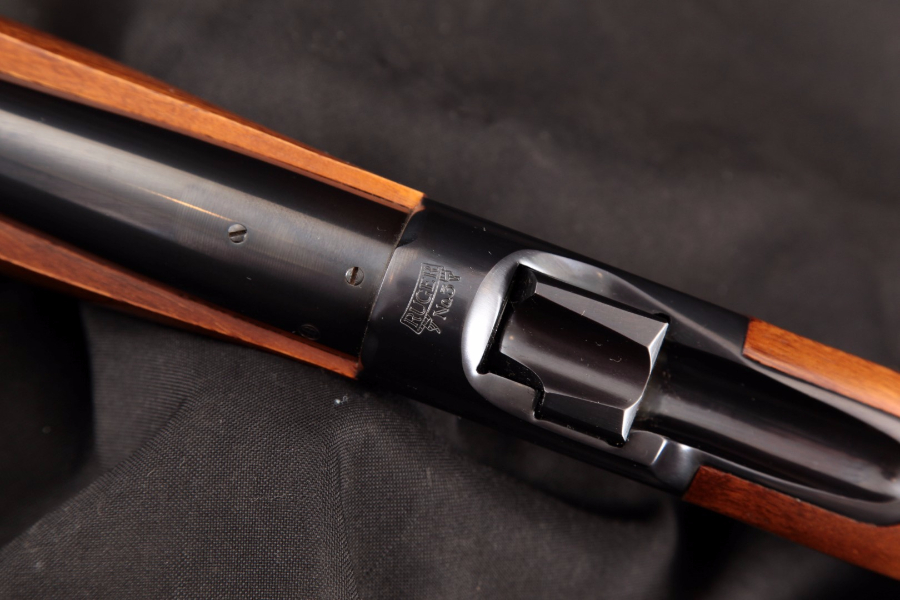
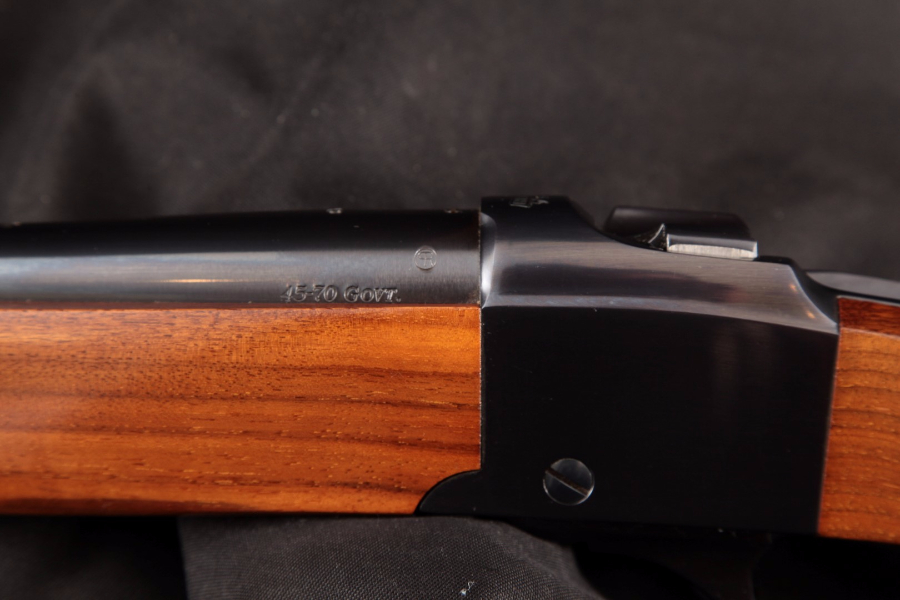


I bet that this gun kicks like a Missouri Mule. Due to its steel butt plate and its lite weight!
Categories
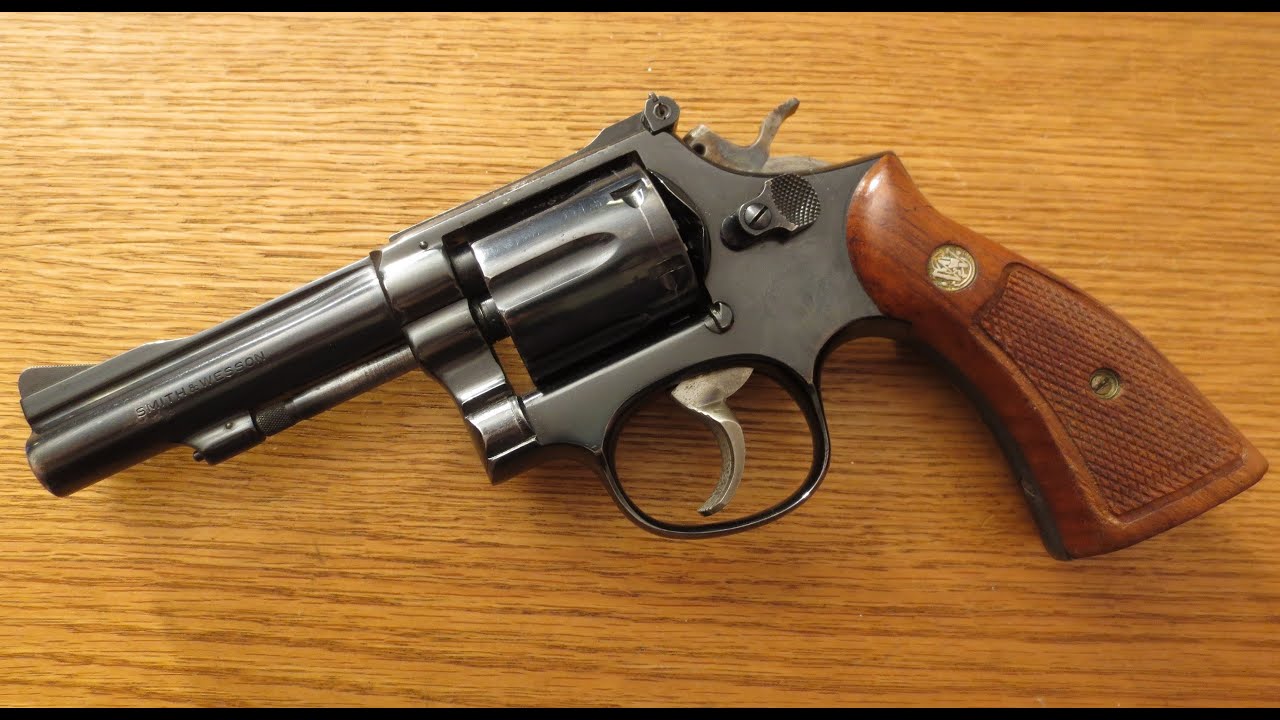
Guess what I just bought today!
Thanks for the great deal at Gunrunners in Duarte Calif!



Attachments area


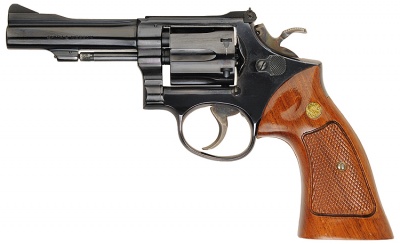
Smith & Wesson Model 15
| Smith & Wesson Model 15 | |
|---|---|

Smith & Wesson Model 15
|
|
| Type | Revolver |
| Place of origin | United States |
| Specifications | |
| Cartridge | .38 Special |
| Feed system | 6-round cylinder |
The Smith & Wesson K-38 Combat Masterpiece, Revolver Model 15 is a six-shot double-action revolver, with adjustable open sights, built on the medium-size “K” frame.
It is chambered for the .38 Special cartridge and is fitted with a 4-inch (100 mm) barrel, though additional barrel options have been offered at various times during its production. Originally known as the “K-38 Combat Masterpiece”.
It was renamed the Model 15 in 1957 when all Smith & Wesson revolvers were given numerical model numbers. It is a shorter barrel version of the Smith & Wesson Model 14 Target Masterpiece and essentially an adjustable-sight version of the seminal Smith & Wesson Model 10 (“Military and Police”) revolver with target shooting features.
The main production run of the Model 15 was from 1949 through 1999. It was discontinued for approximately a decade until 2011, when a re-tooled version was re-released under S&W’s Classics Revolvers line.
Contents
[hide]
History[edit]
The Smith & Wesson K-38 Combat Masterpiece Revolver Model 15[1] is a derivative of the classic 1899 K-frame (medium frame) Military and Police .38 S&W Special (aka .38 Special) six-shot double-action revolver. The M&P underwent steady evolution throughout the 20th century and S&W spun off several variations as separate models in the post World War II years. One of these was the K-38 Target Masterpiece, which began production in 1947. The Target Masterpiece included a number of new and/or special features, including a six-inch barrel with a narrow rib to provide a level sight plane, a Partridge front sight, a micrometer click rear sight, S&W’s .375” short-throw hammer, a trigger adjustment for overtravel, and improved grips.[2] Noting the accuracy of the Target Masterpiece, a number of police departments and the FBI soon requested the same revolver with a four-inch barrel and a Baughman Quick Draw front sight. The result was the K-38 Combat Masterpiece. The major distinction between the K-38 Target Masterpiece and the K-38 Combat Masterpiece is the barrel length and the front sight.[2]
In 1957 the K-38 Combat Masterpiece was renamed the Model 15 when all Smith & Wesson revolvers were given numerical model numbers. (The Military & Police and the Target Masterpiece were renamed the Model 10 and Model 14 respectively.) The model number is stamped on the frame behind the cylinder yoke, so it is visible (only) when the cylinder is open. A number of production and engineering changes have been made throughout the years, some of which are noted by a dash number suffixed to the Model number (15-1, -2, -3).
Over the years the Model 15 has been produced with several barrel lengths, with 4″ (standard) and 2″ (1964–1988) being the most common. In 1972 S&W released a stainless steel version as the Model 67. In 1997 the hammer and internal lockworks were modified from an on-the-hammer firing pin / internal hammer block to a floating firing pin / MIM flat hammer, and kept the hammer block that, unlike a transfer bar safety design, moves up with the trigger pull. The hammer hits a transfer bar, transferring the strike to the firing pin, while the block in a hammer block system moves down with the trigger pull, unblocking the hammer from the firing pin, allowing the hammer to strike the firing pin. These two safety systems work oppositely, but achieve the same goal of only allowing the gun to fire when the trigger is pulled all the way.
The Model 15 was a popular sidearm for law enforcement and was the standard issue sidearm of the U.S. Air Force Policefrom 1962 until 1992 when it was replaced by the Beretta M9 pistol.[citation needed]
Production of the Model 15 was discontinued in 1999 when Smith & Wesson was purchased and reorganized, although a couple limited run “Heritage Series” models were released in 2001 and 2002. In 2011 Smith & Wesson re-introduced the Model 15 (15-10) under their Classics Revolvers line, newly machined, with a shrouded redesigned barrel, and a built-in trigger lock (located just above the cylinder release thumbpiece on the left side).[2]
Specifications[edit]
- Caliber: .38 S&W Special
- Capacity: 6
- Barrel: 4” (standard configuration)
- Length overall: 9 1/8” With 4” barrel
- Weight loaded: 34 oz. With 4” barrel
- Sights: Front – 1/8” Baughman Quick Draw on plain ramp. Rear: S&W Micrometer Click Sight, adjustable for windage and elevation.
- Frame: square butt with grooved tangs
- Stocks: checked walnut service with S&W monograms
- Finish: S&W blued carbon steel with sandblasting and serrations around sighting area to break up light reflections
- Trigger: S&W grooving with adjustable trigger stop
- Ammunition: .38 S&W Special, .38 S&W Special Mid Range, .38 + p
Engineering and production changes timeline[edit]
| Smith & Wesson Model 15-2 | |
|---|---|
.jpg) |
As the K-38 Combat Masterpiece Revolver Model 15 evolved the following engineering and production changes were made:[2]
- 1949: K-38 Combat Masterpiece introduced
- 1955: Delete upper sideplate screw
- 15 (1957): K-38 Combat Masterpiece continued as the Model 15; stamping of model number
- 15-1 (1959): Change extractor rod, right hand to left hand thread
- 15-2 (1961): Delete trigger guard screw, change cylinder stop
- 1964: Introduce 2” heavy barrel
- 15-3 (1967): Relocation of rear sight leaf screw
- 1968: Delete diamond grips
- 15-4 (1977): Change to put gas ring from yoke to cylinder; pinned barrel eliminated
- 15-5 (1982)
- 1986: Introduction of 6” and 8-3/8” barrel
- 15-6 (1988): New yoke retention system/ radius stud package/hammer nose bushing
- 1988: Discontinue 8-3/8” and 2” barrel
- 1992: Discontinue 6” barrel, blue finish only
- 15-7 (1994): Synthetic grips introduced, drill and tap frame, change rear seat leaf, change extractor
- 1995-96: Delete square butt
- 1996: Begin shipments in blue plastic case
- 1997: 4” barrel only; change to MIM thumbpiece; shipped with master trigger locks; change to MIM trigger
- 15-8 (1997): Changes in frame design: cylinder stop stud eliminated; eliminate serrated tangs; change to MIM hammer with floating firing pin and change internal lockworks
- 1999: Model 15 discontinued in November
- 2001: Limited run Lew Horton Heritage Series from the S&W Performance Center.
- 15-9 (2002): Limited run Lew Horton Heritage Series McGivern Models from the S&W Performance Center. 3 Models commemorating Ed McGivern’s world speed records in 1934 with a revolver. All models have a Patridge front sight with Gold Bead, round butt frame with Altamount Fancy checkered service grips of that era, 6” barrel, Ed McGivern commemorative plate mounted on right side of frame, Heritage Series box.
- 15-10 (2011): Production re-commenced under Classics Revolvers line, re-tooled, shrouded redesigned barrel, internal trigger lock
Military and police usage[edit]
As the “K-38 Combat Masterpiece”, this revolver was first purchased in 1956 for the Strategic Air Command Elite Guard of the United States Air Force. From 1960 to 1969 the Air Force bought large numbers of Model 15-1, 15-2, and 15-3 revolvers with a 4″ barrel. The only distinctive markings are “U.S.A.F” on the left side of the frame. Originally all were blued, though some were reparkerized while in Air Force service.[2] The Model 15 was the standard issue sidearm of the U.S. Air Force Air/Security Police from 1962 until 1992. It was issued to security personnel in other branches of the U.S. armed forces, including the Naval Security Forces.[2]
The Air Force issued two types of .38 Special duty ammunition for the Model 15, originally the M41 .38 Special Ball (full metal jacket) cartridge, or the later-developed Caliber .38 Special, Ball, PGU-12/B High Velocity cartridge. The M41 was a low pressure cartridge rated at 13,000 psi, originally designed for 158-grain ball ammunition, but loaded with a 130-grain FMJ bullet. The PGU-12/B, issued only by the U.S. Air Force, had a greatly increased maximum allowable pressure rating of 20,000 psi, sufficient to propel the 130-grain FMJ bullet at 1,125 ft/s (343 m/s) from a solid 6-inch (150 mm) test barrel, and 950–980 ft/s (290–300 m/s) from a 4-inch (100 mm) revolver barrel.[4]
The S&W Model 15 revolvers were replaced by the Beretta M9 pistol in 9×19mm caliber beginning in 1985, with complete turnover by the early 1990s.[2]
In addition to military use, the Model 15 was issued by many police departments across the United States as well as various federal law enforcement agencies.[2] In 1972 S&W produced a stainless steel version of the Model 15 which it termed the Model 67.[2]
Users[edit]
The LAPD’s Model 15 revolvers (and department issued Model 36 5-shot, 2-inch barrelled snub nose Smith & Wesson revolvers for detectives, plainclothes, undercover and other officers’ off duty carry) were modified to be fired double-action only. This was accomplished by the department armorer who ground the full cock notch from the hammers. Officers were then trained to shoot combat style without ever cocking the weapons. This change was likely the result of unintended injuries and/or property damage, and of litigation against the LAPD after officers had cocked their weapons only to have them discharge inadvertently, possibly as a result of physical attacks or having been startled in the course of searching for suspects. In lawsuits, the principle of res ipsa loquitur was easily affirmed because “an inadvertent weapon discharge is a negligent discharge”.[2]
Overland Park Police Department (Kansas) used the revolver before going to semi-automatic Beretta 92 pistols.
See also[edit]
- The Model 10 Military & Police (cornerstone of the S&W .38 Special line of revolvers)
- The Model 14 Target Masterpiece (6″ barrel predecessor to the Model 15)
- The Model 18 Combat Masterpiece (.22 caliber version of the Model 15)
- The Model 19 Combat Magnum (.357 magnum version of the model 15)
- The Model 67 and Model 68, stainless steel versions of the Model 15
(By the by this article is for entertainment purposes only)

Let us imagine the following situation. You have entered into a vigorous discussion that has slightly degenerated into a Gun fight and you have just run out of ammo.
At this point your fellow debater is coming at you to close the argument.
What to do at this key period of your life?
Now a lot of folks will just give up or try and run away. Which most of the times, running away is a sound idea.
But on the other hand if your ex friend has ammo still on them.Your back will make for an excellent & large target for them.

Or on the other hand if you can not do either of these tactical options. Then its time to find out what you are made of.

Now just because you have run out of ammo does not mean that you are unarmed. Since you still have your gun. Which can still hurt somebody pretty badly.
If you know how that is.

The key elements is to keep your head focused and on your primary mission. I.E. Be able to get home safe.
Now if you decide to go down this road, There are some things that you will have to practice a bit.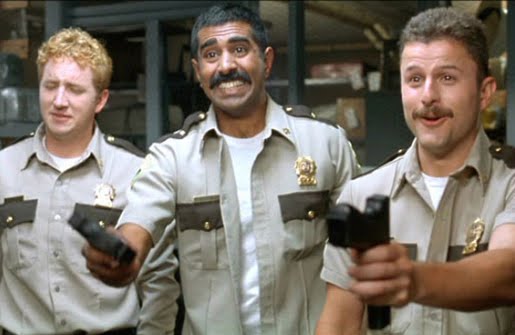
Since I have found that muscle memory and proper training will help save your butt in a situation like this.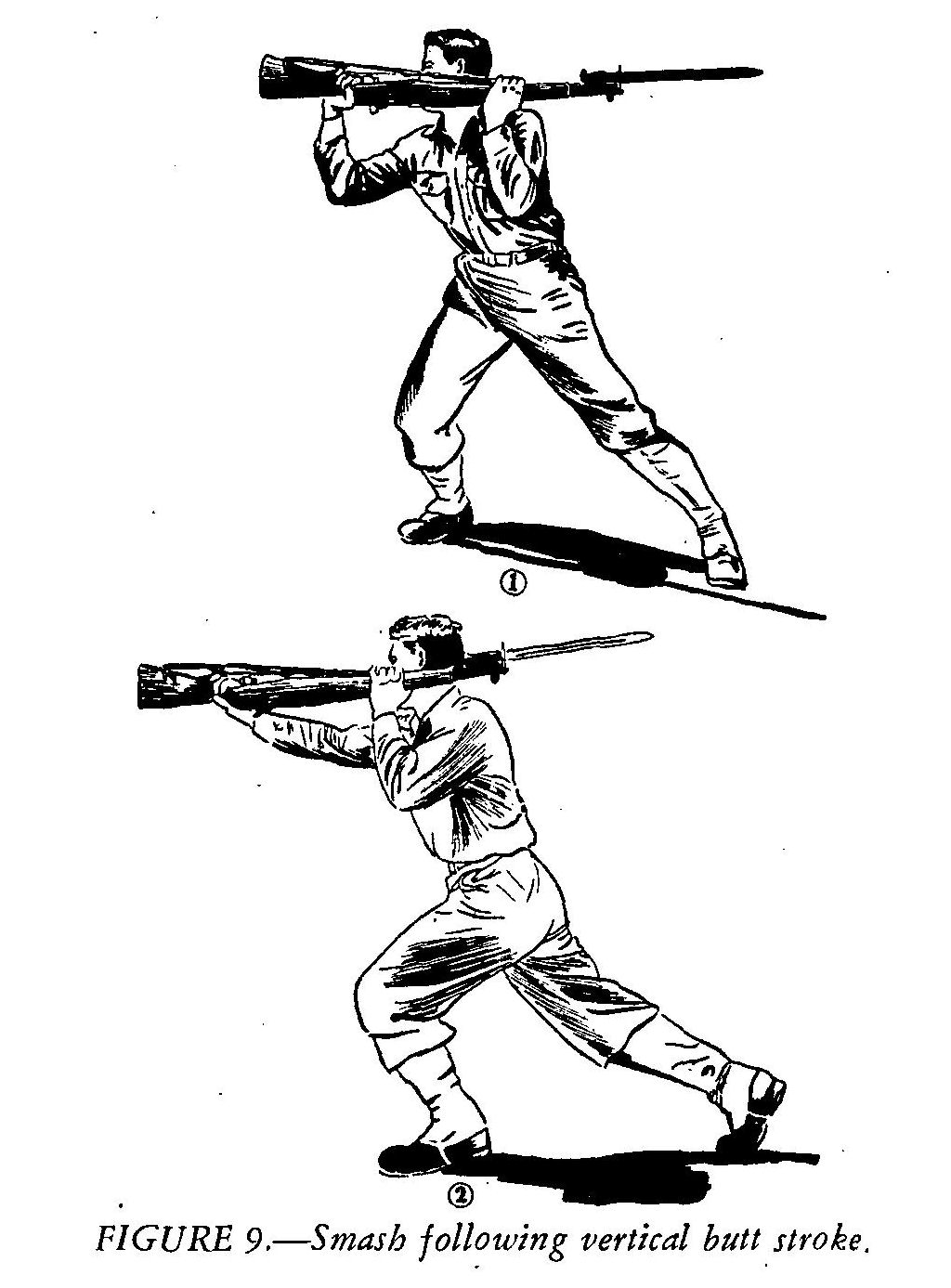
All forms of pistol whipping consists of the following.
Swings, thrusts & hammering.
Swings – just like a sword or a knife. This move can make somebody move out of your way. Or if you can hit something important. Think, eyes, chin, collarbone, genitals. Hit any of those hard enough. Most Folks will then rethink their position on this debate.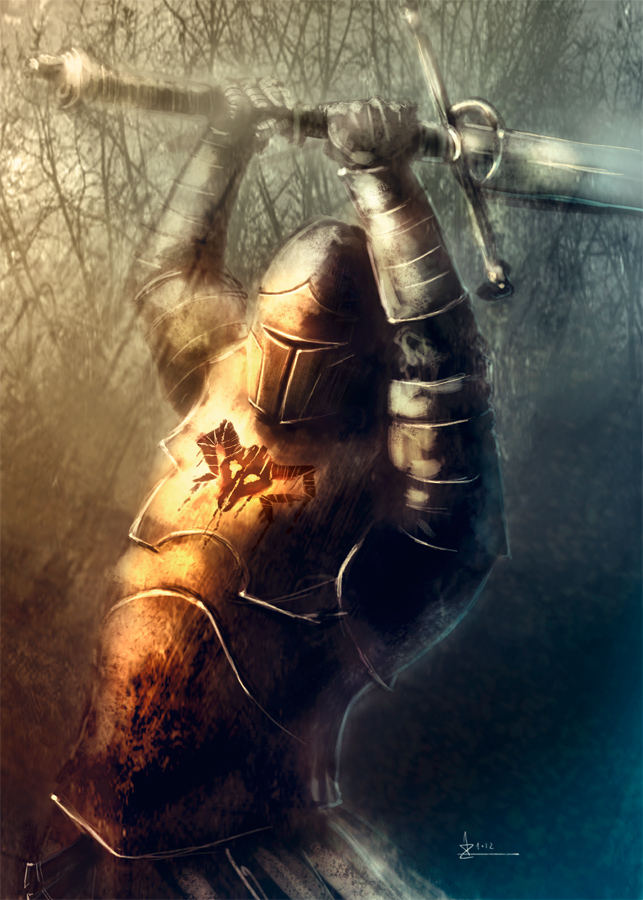
Just try to swing up and not down if you can help it. As a downward swing can be blocked by a quick witted person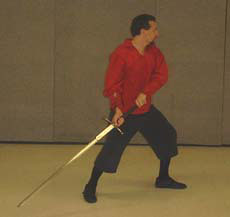
Thrusts – This is when you take your gun and put a lot of your weight behind it. Pushing it towards your friends sternum, genitals or what ever is available at the moment.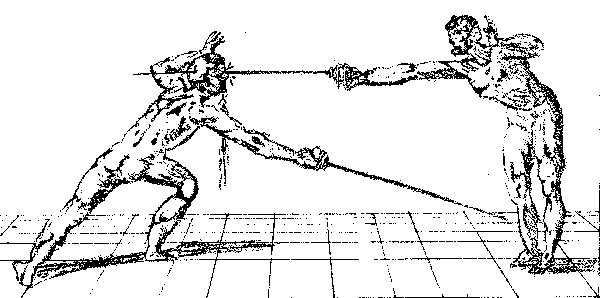
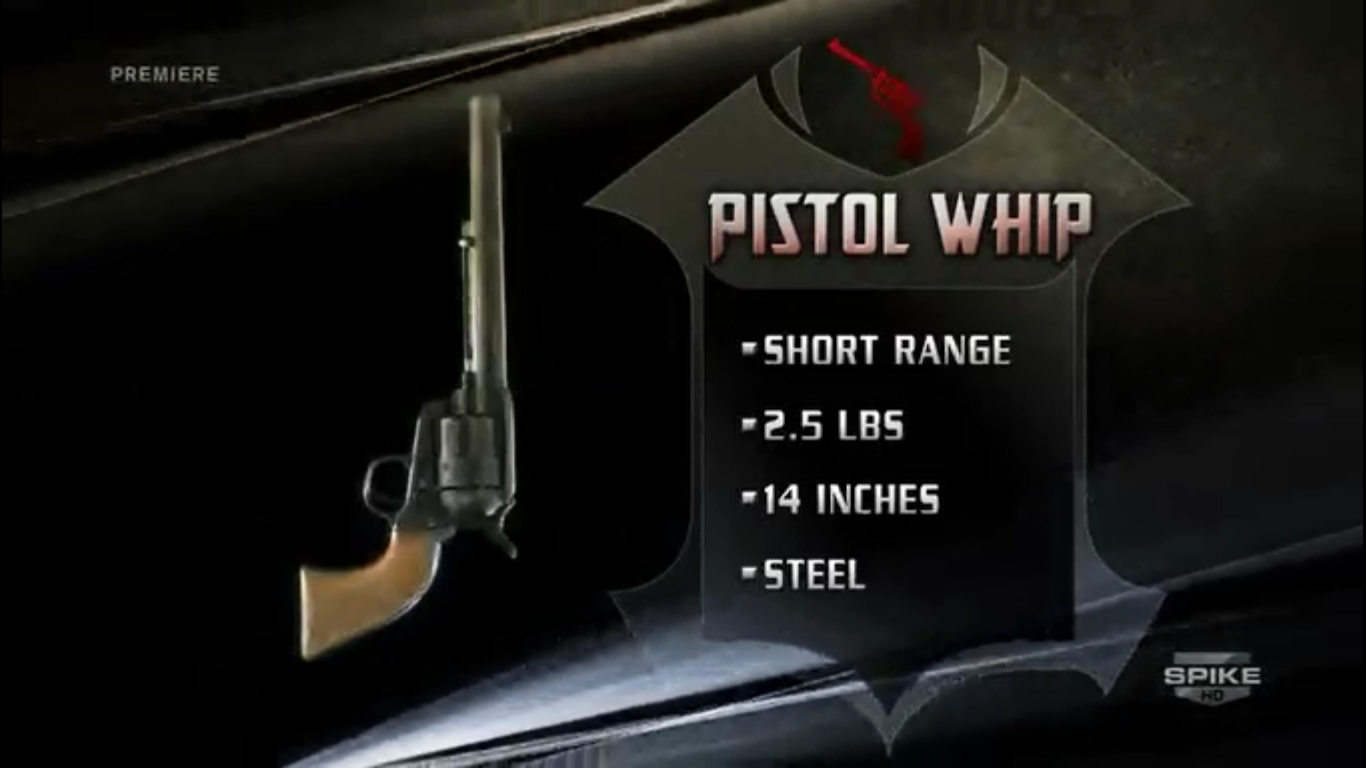
Hammer – This is a really self explanatory phrase. In that you basically take the butt of your pistol and bring it down with as much force as you can muster.
Bottom line – If you have to do such a thing. Remember this, You are not pussy footing around any more at this stage of your life. As things have really & seriously escalated out of complete control.
So if you launch such an attack. Go whole hog and with all of your rage. Otherwise you will lose and lose big.
Last piece of advice – If you survive this incident. get the hell out of there and get to a place of safety. Then calm down, get a good lawyer and have them handle the clean up.
As you are probably going to jail for a while. Even if its completely justified. 
Remember this also when in Jail. SHUT UP & TALK TO NO NONE EXCEPT YOUR LAWYER!

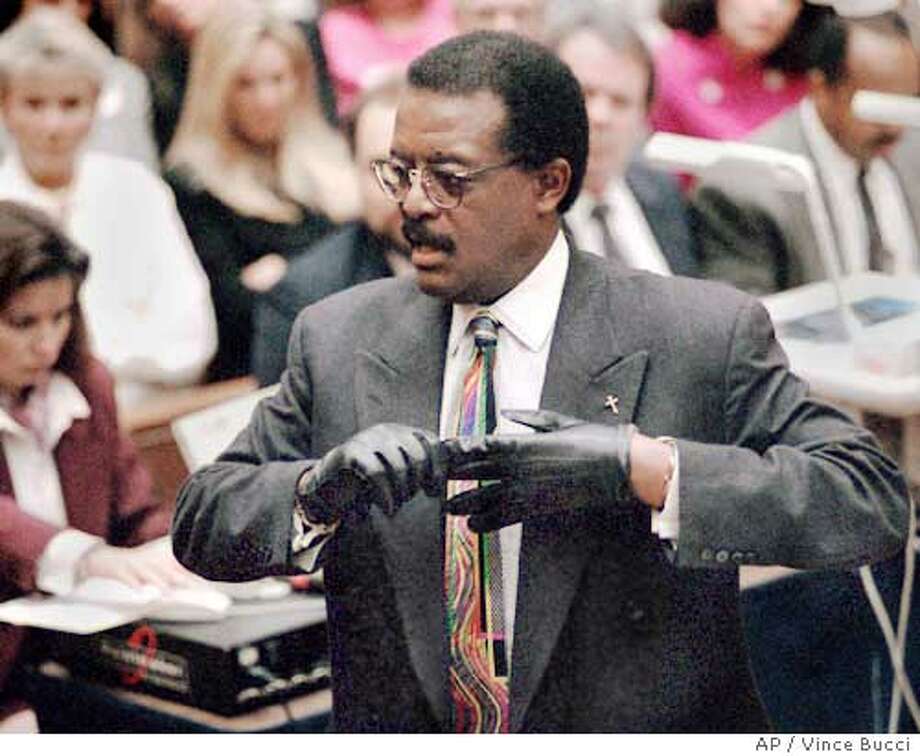
Another tool of the trade which is a good thing to have on you
Dummy cords – As it is real easy to lose possession of your weapon in a brawl. Especially if your basic bad guys gets a hold of it. You can hopefully yank it out of their hands.
Dummy cords usually come either as factory made or field expedite. They are also very cheap and a very good health insurance to have.
Now below is a couple of u Tubes that do not seem too far away from the the truth. You might want to peruse them if you have time.



Categories
M30 Luftwaffe drilling
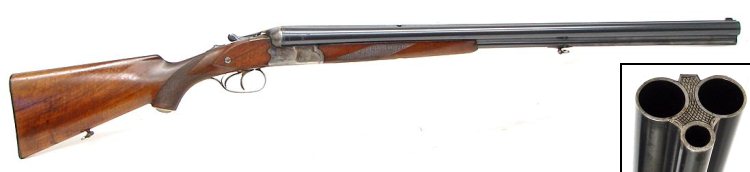
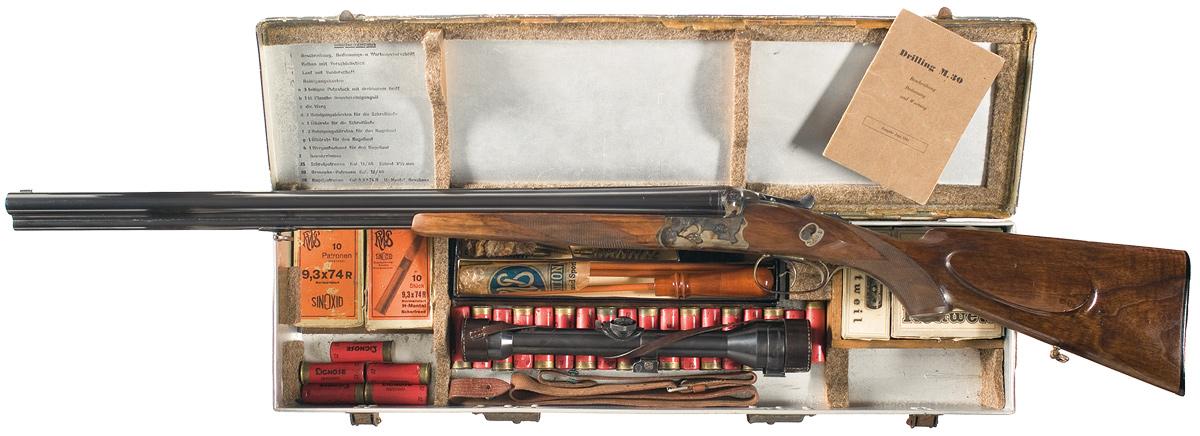
Say what you will about Old Fat Hermann Goering & he deserves every bit of it!


Rest in Hell old boy!
He did try and take care of his pilots. But as you can guess due to its cost and wartime shortages. Not too many of these excellent guns were issued out to the Grunts.
Most of them becoming booty that was brought home by the GI’s & Tommy’s of WWII.

| M30 Luftwaffe Drilling[1] | |
|---|---|
| Type | Combination rifle/shotgun |
| Place of origin | Nazi Germany |
| Service history | |
| Wars | World War II |
| Production history | |
| Manufacturer | Sauer & Sohn |
| Produced | 1941–1942 |
| No. built | 2,456 |
| Specifications | |
| Weight | 7.5 pounds |
| Length | 42″ |
| Barrel length | 25.625″ |
|
|
|
| Cartridge | 9.3x74mmR, 12 Gauge[2] |
| Barrels | 3 |
| Action | Blitz lock system |
| Feed system | Manually loaded |
| Sights | Fixed |
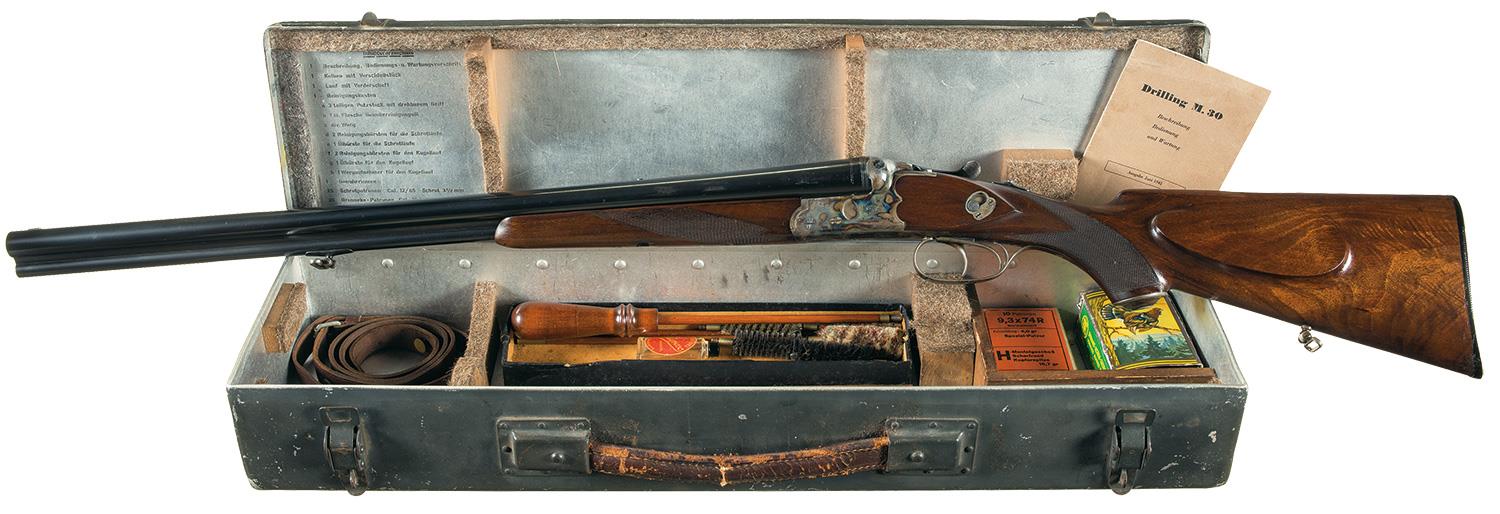
The M30 Luftwaffe drilling (“triple”) was a survival weapon issued to Luftwaffe pilots during World War II. It was intended to be used in the event that a pilot was shot down, for defense and for hunting game to stay alive until rescue.
For maximum versatility the M30 featured two 12 gauge shotgun barrels, and a 9.3x74mmR rifle barrel. They were manufactured by the German firm JP Sauer.
See also[edit]
References[edit]
- Jump up^ Kokalis, Peter (May 10, 2009). “Luftwaffe Drilling”. Shotgun News. pp. 26–30.
- Jump up^ Fjestad, S.P. (2009). Blue Book of Gun Values 2009. Blue Book Publications. p. 1318. ISBN 1-886768-87-0.
External links[edit]
- Sauer & Sohn M30 Drilling (Brazilian web site, with photos)
- “Luftwaffe Drilling and US M6 Survival Rifle at RIA”. Forgotten Weapons (YouTube). 2014-09-08.
Categories
Maverick Arms recall
Maverick Hunter™ O/U Recall
Maverick Arms, Inc. Product Safety Warning and Recall Notice
Description of Issue
Maverick Arms has discovered that a small number of Maverick Hunter™ Over/Under 12-gauge shotguns (SKU 75445) have been marked incorrectly. The chamber marking indicates that these shotguns are chambered for 3 ½” shells, however, the chambers are manufactured for 2 ¾” and 3” shells.
All Maverick Hunter™ shotguns are manufactured with 3” chambers, not 3 ½” chambers. Firing 3 ½” shot shells through these shotguns may cause an increase in chamber pressure, which may result in damage to your shotgun and/or severe personal injury if a barrel should rupture as a result of excess pressure.

How to Determine if Your Maverick Over/Under is Affected
Each Maverick Hunter™ shotgun is marked with a chamber designation on the right side of the barrel, just below the safety warning. If your shotgun marking reads “12 Ga 3 ½” Maverick Hunter” then your shotgun IS affected by this recall.
Discontinue use of this shotgun and immediately follow the instructions provided below.
Note that only a small number of SKU 75445 shotguns are affected. No other Maverick or Mossberg models are affected by this Safety Warning or Recall Notice.
What to Do If Your Shotgun is Affected
DO NOT fire 3 ½” shot shells through your Maverick Hunter™ Over/Under shotgun.
Please call the Product Service Center at (800) 363-3555 between the hours of 8:00 AM – 4:30PM EST or email us at service@mossberg.com to confirm that your shotgun is covered by this recall.
If your shotgun is covered by this recall, Maverick Arms will provide a prepaid shipping label for your current shotgun, for return to an authorized Maverick Service Center.=
Once we receive your shotgun, Maverick will provide a free replacement shotgun of the same model and type (SKU 75445).
If you have already sold or otherwise disposed of your Maverick Hunter shotgun, we request that you immediately provide us with the contact information of the purchaser so that we may contact them directly and provide information about this recall.
Questions
For questions about this safety warning and product recall, or to confirm if your shotgun is affected by this recall, please contact the Product Service Center at (800) 363-3555.
We sincerely apologize for any inconvenience that this recall may cause, and we thank you for your patience, cooperation and support for the effort to better serve our customers.
Download PDF