Categories
All About Guns

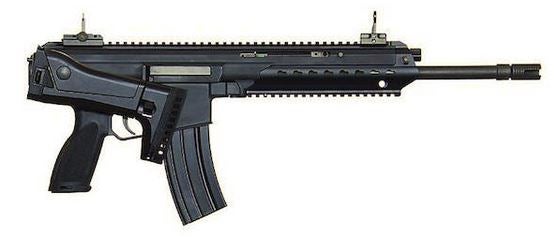
H&K Rifles

Image result for H&K Rifles
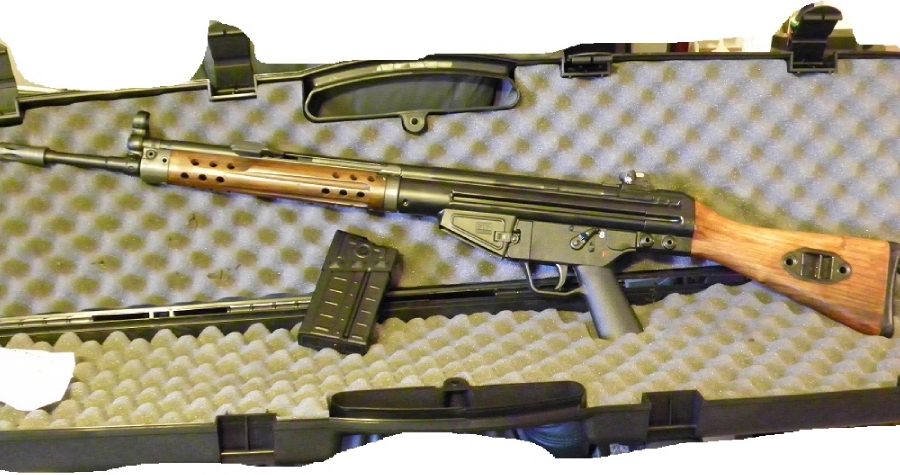
 Now I have either owned, borrowed or shot most of the varieties of this very Germanic Rifle over the years now. So what I have found out about them is the following.
They are fun to shoot. So of course they are Illegal to own here in the Sunshine State.
Image result for california gun laws memes
They are very well built rifle. Even if they are a bit over engineered but heys it’s a German design.
They are pretty heavy. I am very happy that I did not have one in the Army!
Image result for tired us soldiers meme
But to be fair they do make a great pattern down range.
My Only real grip is that they are very expensive!
Here is some more information below
Thanks for everything!
Grumpy
Image result for H&K Rifles g3

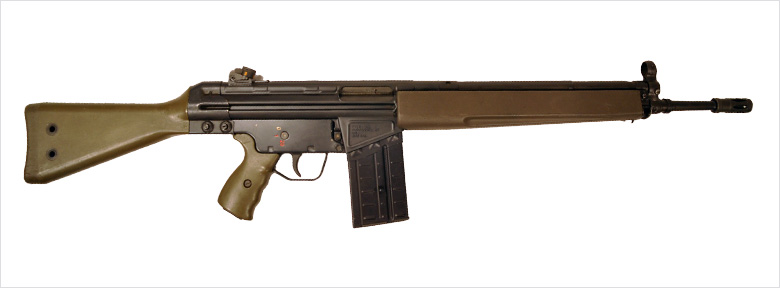
G3
Image result for H&K Rifles g3
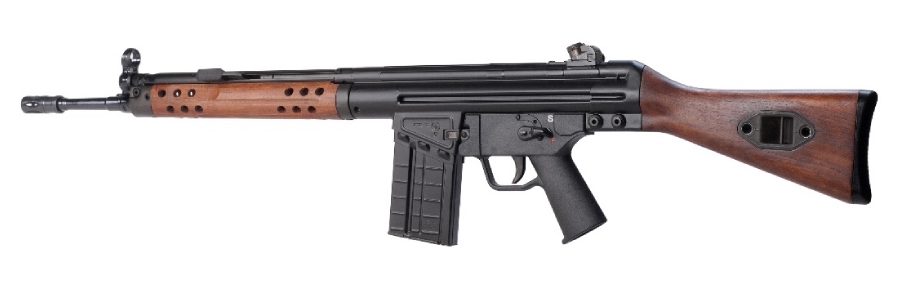
PTR Industries – PTR-91 Classic Wood HK-91 .308/7.62 HK91
Image result for 91 Classic Wood HK-91 .308/7.62 HK91

Heckler & Koch HK41

From Wikipedia, the free encyclopedia
Heckler & Koch HK41
HK41 SG1.jpg

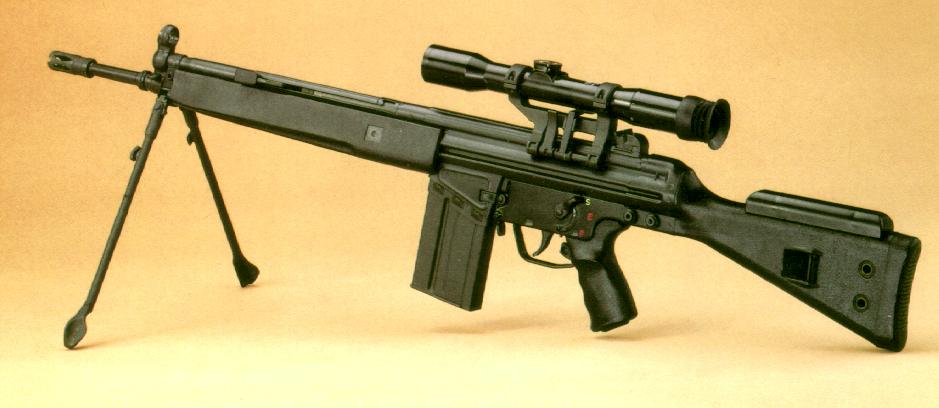
HK41 rifle with mounted scope
Type Semi-automatic rifle
Place of origin West Germany
Production history
Manufacturer Heckler & Koch
Produced 1964-1976
Variants HK41A2, HK41A3
Specifications
Weight 10.9 lbs (4.95 kg) (empty magazine)
Length 42.5 in (1,080 mm)
Barrel length 19.7 in (500 mm)
Height 8.26 in (210 mm)

Cartridge 7.62×51mm NATO
Action Roller-delayed blowback
Feed system 5-round or 20-round double column, and 50 round single stack drum magazine detachable box magazine
Sights Hooded post front, rotating diopter sight

The Heckler & Koch HK41 is a semi-automatic version of the Heckler & Koch G3battle rifle; it was produced by Heckler & Koch for the civilian market in the 1960s.[1]
It is not to be confused with the similarly titled Heckler & Koch G41.

Current status

It is estimated that fewer than 400 HK41s were produced and even fewer imported into the U.S. for civilian consumption.
Today, HK41s can sell for anywhere between $3,000 and $6,000 depending on the condition and the economy at the time.
An original 1966 model with the push-pin hole in the receiver can sell for around $9,000. These are very scarce because most of them were used as hosts for full-auto conversions prior to the May 1986 machine gun ban.
A full-automatic converted HK41/HKG3 can sell for over $20,000.

Variants

There are two models of the HK41:

  • HK41A2: Fixed stock and semi-auto “SE” trigger group.
  • HK41A3: Retractable 1-position stock and semi-auto “SE” trigger group.

Versions of the HK41

1962 HK G3 semi-automatic receiver.
  • (1962): There are 3 different date stamps from this year in the United States, all with differences. By far the most desirable, and also the rarest, are the 3/62. These models are identical to the G3 Automatic Rifle except for having a swing-down semi-auto “SE” grip assembly.
  • It was literally able to be converted to a full-auto G3 by changing the trigger group and bolt, no need to change the location of the push pin or any of the other features. They were all marked G3. This is why it is the most desirable of all semi-automatic G3s, and they are also incredibly rare with less than 3 known to exist in the United States (known as Santa Fe “swing downs”) still in semi-automatic form. Most were registered as full-auto hosts.
  • Their value as full auto hosts is no more or less than any other G3, it is their value as a semi-automatic which is extremely high in comparison to other G3s, having sold on Gunbroker for over $20,000 on two occasions, matching the prices of full automatic G3s. It might be one of the only examples of a fully automatic transferrable that is valued the same whether or not it is in the registry. 7/62 is the second most common date from 1962, and like the March labeled guns was marked G3. However, the push pin hole was moved so that a full automatic trigger pack could NOT be installed without major machine work. They were stamped G3. The most common of 1962s are the 11/62, which is identical to the 7/62 except that part of the batch were labeled HK41s. They had the altered location of the push-pin hole, therefore requiring substantial work to turn into a fully automatic G3. There is a mix of G3 and HK41 markings among these date stamps. H&K changed their name to “HK41” in an attempt to stay ahead of West-German Laws which prohibited civilian ownership of the G3 Automatic Rifle.
  • (Early 1966): Unlike the 1962 Semi-Auto G3s, these 1966 models had the “push-pin” hole in the correct place and thus could be quickly converted to an automatic by replacing the grip assembly with a full-auto “SEF” trigger group. These had a magnesium phosphate parkerized finish, matching hardwood furniture (stock and forearm grip) and were date stamped “6/66”. Even though these versions have the push-pin hole in the receiver, they were grandfathered in as approved firearms after the passage of the Gun Control Act of 1968.

1966 model HK41 receiver.
  • (1966–1973): These models have strips of metal welded into the receiver and matching cuts made in the “SE” trigger group to only allow the insertion of an “SE” trigger group. These versions still had the a functional “flapper” magazine release and the push-pin hole. These rifles had a matte black finish with a matching black stock and forearm grip, and were date stamped “11/66”. Very few of the 1966 models got into the U.S. However, between 1967 and 1974, none of these models were imported into the U.S, in part due to the Gun Control Act of 1968.
  • (1974): These models had the locking-pin tabs eliminated on the front end of the grip assembly, and the corresponding locking-pin hole (“push-pin” hole) and bushing at the base of the receiver had a “U”-shaped piece of metal inserted to prevent the attachment of a full-auto “SEF” trigger group. This makes the “flapper” magazine-release paddle between the trigger guard and magazine well inoperative, making the redundant release button on the right-hand side of the receiver the only way to eject the magazine. It also had the cocking-lever endcap altered to prohibit the mounting of most models of the HK G3 bayonet and had the snap rings on the barrel removed so that it couldn’t fire rifle grenades. These were painted black with a semi-gloss finish and were date stamped “1/74”.

1974 model HK41 receiver.

United States Importers

  • Golden State Arms Co., Santa Fe Division [Pasadena, CA] — From 1962 to 1966.
  • Security Arms Company (SACO) [Arlington, VA] — From 1974 to 1975.
  • Heckler & Koch [Arlington, VA] — Took over the US import business themselves in 1976

HK91 Variants

There are four models of the HK91:

  • HK91A2: Fixed stock and semi-auto “SE” or “0-1” trigger group.
  • HK91A3: Retractable 1-position stock and semi-auto “SE” or “0-1” trigger group.
  • HK91A4: Fixed stock, semi-auto “SE” or “0-1” trigger group and Select Polygonal Bore.
  • HK91A5: Retractable 1-position stock, semi-auto “SE” or “0-1” trigger group and Select Polygonal Bore.

There were only 50 HK91s imported in 1974. For these, H&K dropped the month from the date code and replaced it with the number “19” in order to completely spell out the year of manufacture. Since they were built on surplus HK41 receivers, the end result was “19/74”.
For the 1975 models, they stamped the year without the “/” in the middle. The reasons why Heckler & Koch renamed the HK41 in 1974 are unclear.
Part of their reasoning could have been that they wanted to change the perception of the rifle as being a semi-automatic sporting rifle instead of a paramilitary rifle.
Furthermore, gun laws that were adopted in West Germany around that time prohibited the civilian ownership of paramilitary rifles. (As a side note, HK41s that were sold in West Germany came without flash suppressors because they were prohibited under the West German gun laws).
As a result, Heckler & Koch modified the weapon with a plate welded inside the receiver to prevent the mounting of a full-auto “SEF” fire control group and re-designated the rifle as the Heckler & Koch HK91.[1][2]
Late pattern HK41s and HK91s are virtually identical in appearance (except for the receiver markings and the retaining hole of the cocking tube end cap) and all their parts are interchangeable. The last few HK91s that were delivered to the U.S. in 1989 were blocked by customs after
President George H. W. Bush issued an Executive Order banning the importation of “non-sporting” rifles. These were slightly modified, to remove “non-sporting” features like the flash suppressor, and the receivers re-stamped as the HK911, forming a transitional model between the HK91 and the HK SR9.

Greek-made HK91 copy with optional PSG-1 grip, bipod and 30-round magazine.

The HK91 is rather valuable in the United States firearm market since it was banned from further importation by executive order in 1989. Only 48,817 HK91s were imported into the U.S. prior to 1989.
The retail price for an HK91 in the late 1970s was roughly $380 for the standard A2 models and $50 more for the A3 version. Prior to 1979, H&K did limited production runs of HK91s with polygonal rifle barrels. These were only $10 more than their standard counterparts.
Today, original HK91s often fetch over $3500. The early 50 1974 “SACO” imports that are in good condition and have the old style “SF” marked grip frame housings can bring a premium and are very desirable among H&K collectors.
So are the 1988 and 1989 “Chantilly” models, which have the same satin semi-gloss black finish as the later HK SR9s.
Licensed copies of the G3 and HK-91 were produced in Greece by Hellenic Arms Industry or “EBO”, using factory tooling purchased from Heckler & Koch.
A small number of these HK-91 clones, which are functionally and aesthetically identical to the German-made rifles, were imported into America by Springfield Armory, Inc. and sold under the designation SAR-8.These rifles, which ceased being imported in 1994, are not to be confused with later Springfield-made SAR-8 model rifles which feature cast aluminum receivers and are considered of markedly lower quality, being valued at far less than the original Greek models.
As of today, HK-91 clones are available, such as the PTR-91 (Formerly JLD), which are built on the tooling used by arms-maker FMP to make the receivers of the Portuguese military’s versions of the G3, the M/961 and M/963.
Heckler & Koch’s receiver tooling was sold to the American company Ohio Rapid Fire, which was in the process of setting up to produce receivers until the passing of the company owner, Todd Grove. Ohio Rapid Fire has since closed its doors in 2010.
https://youtu.be/EU2HxW3eMXc
https://youtu.be/SLz4A_6XgzA

Attachments area

David Lawson catsup118@gmail.com

Sep 21 (3 days ago)

to me
Attachments area
Categories
All About Guns Well I thought it was funny!

Always is for me at least!

Related image

Categories
All About Guns

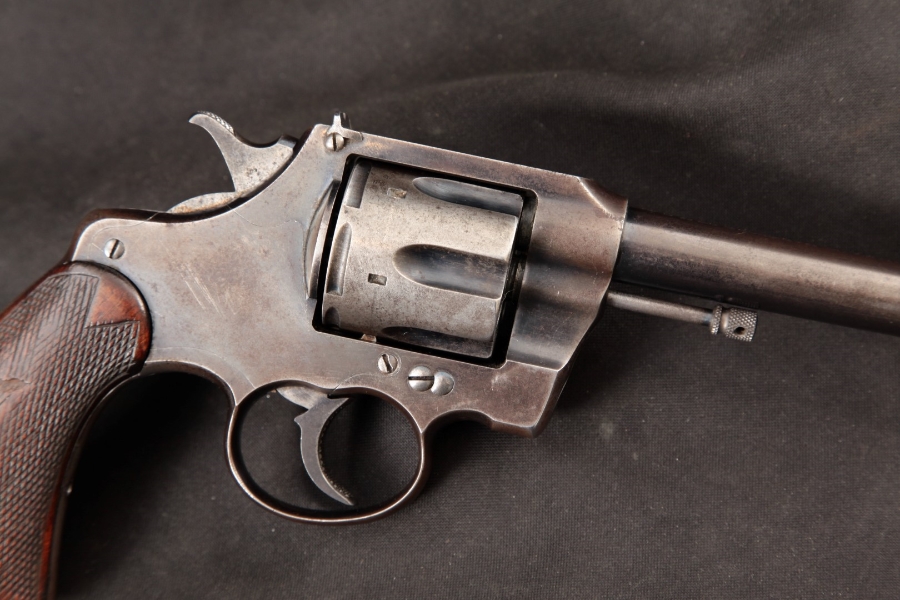
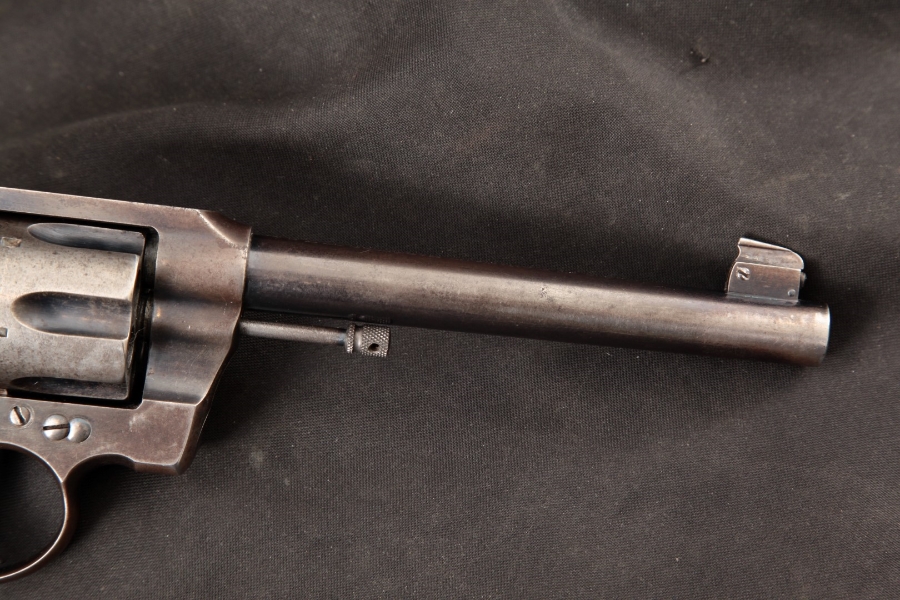
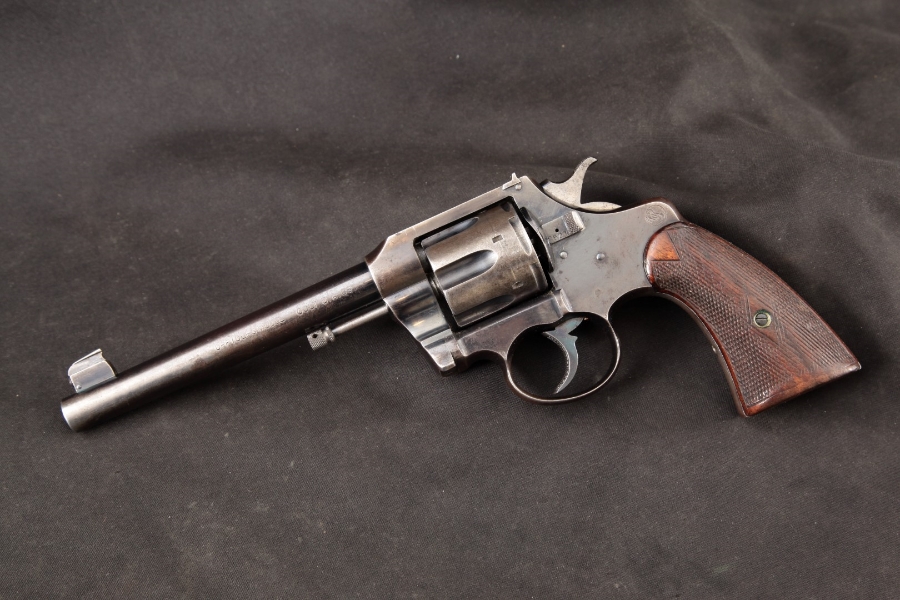
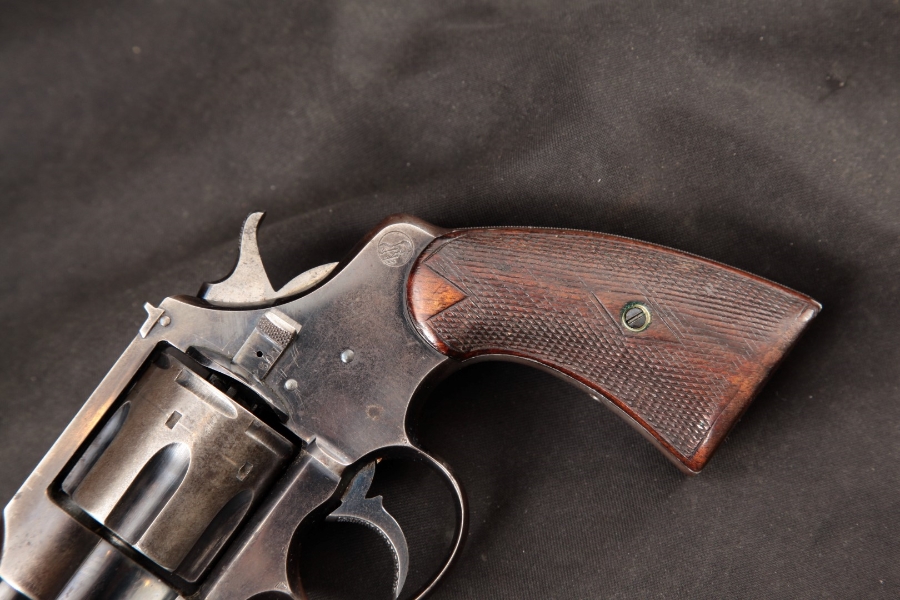
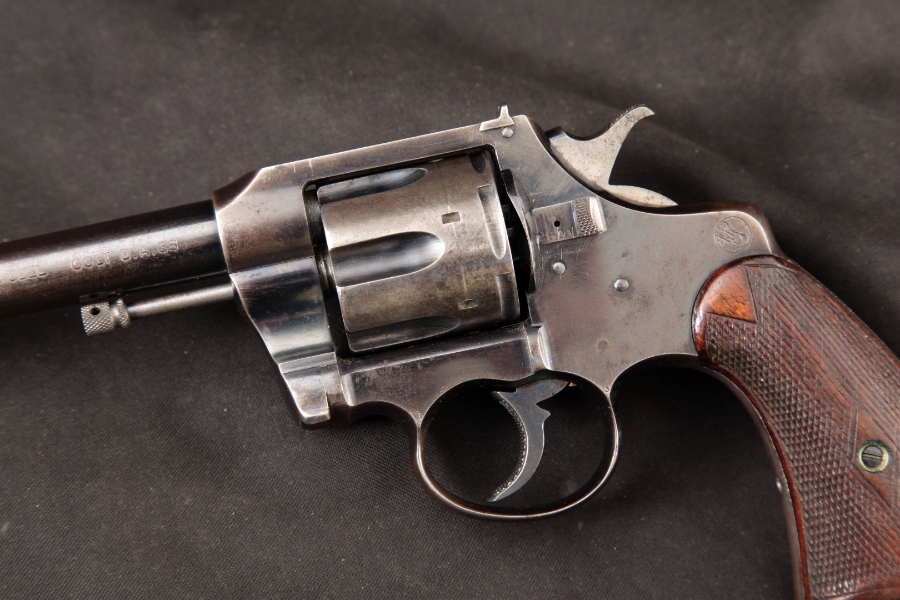
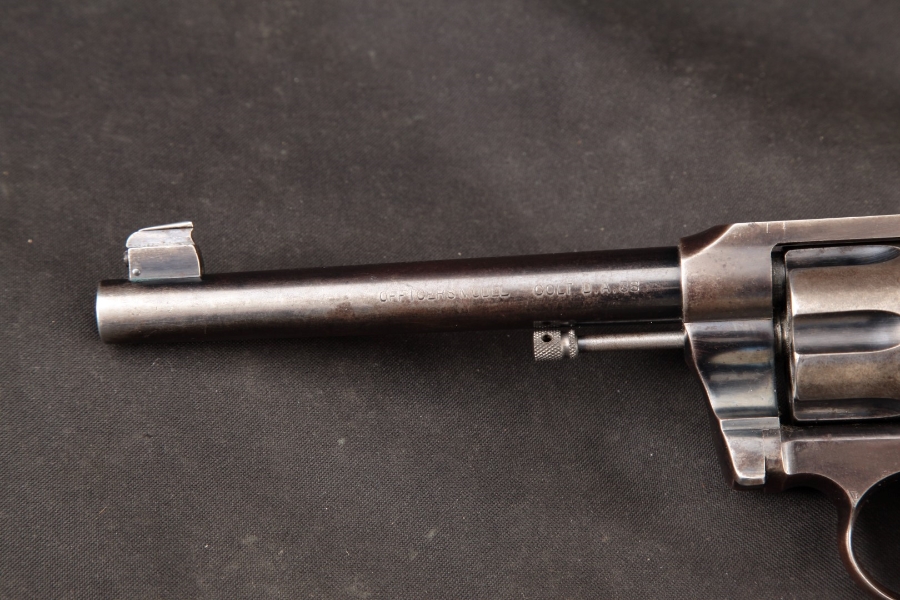
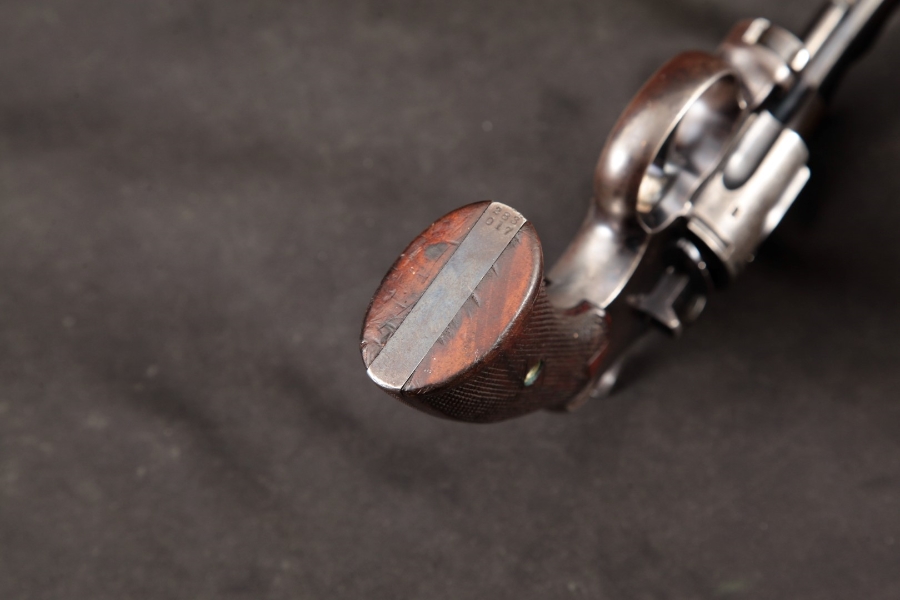
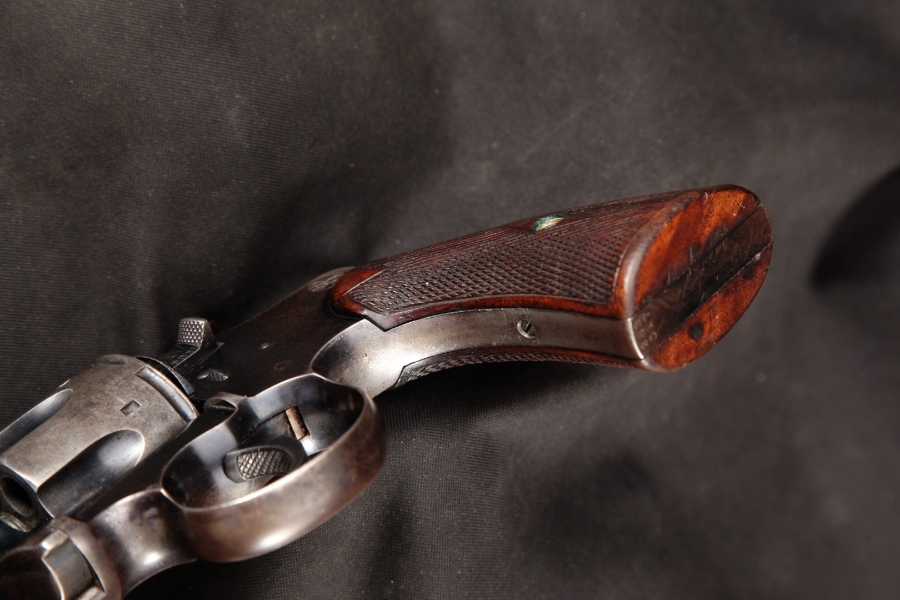
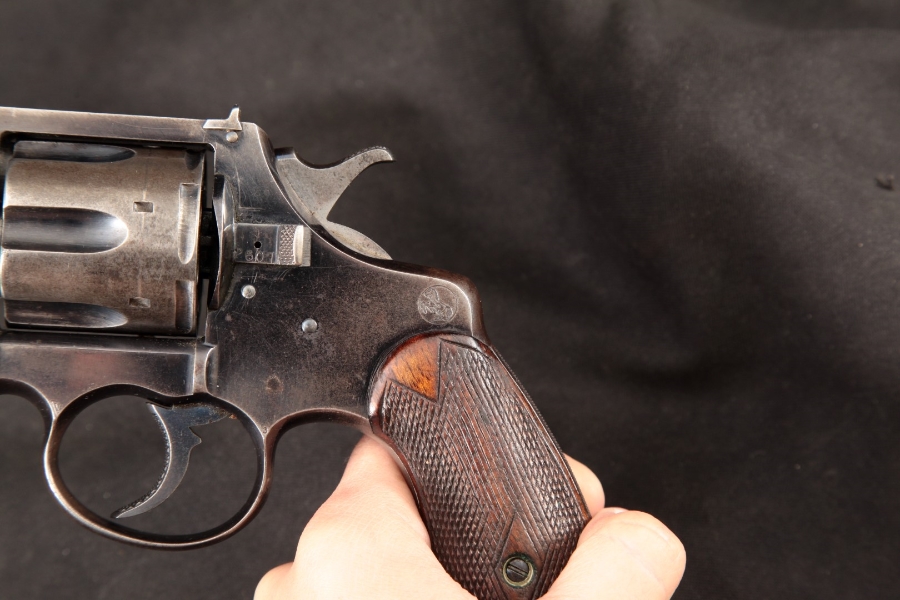
Colt Officer’s Model 1st Issue

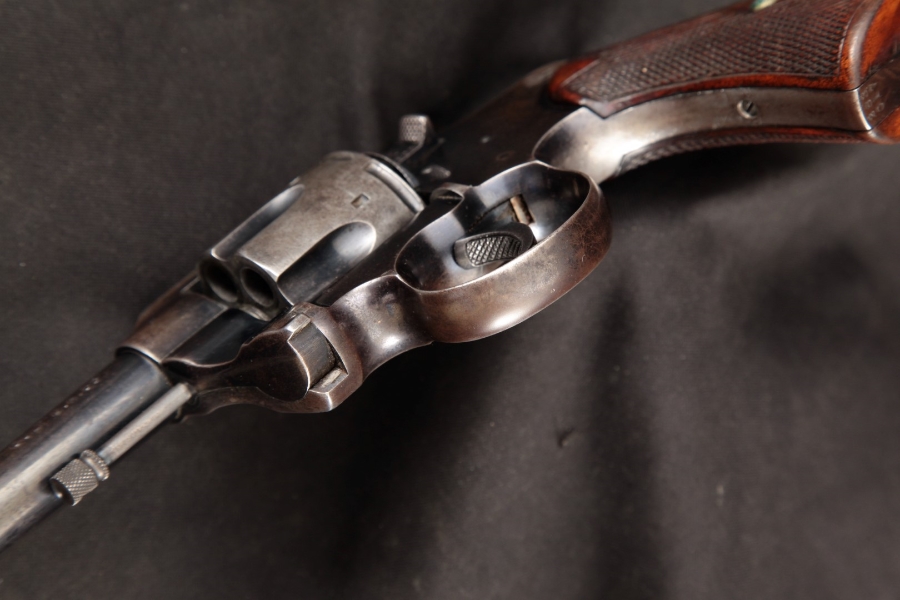
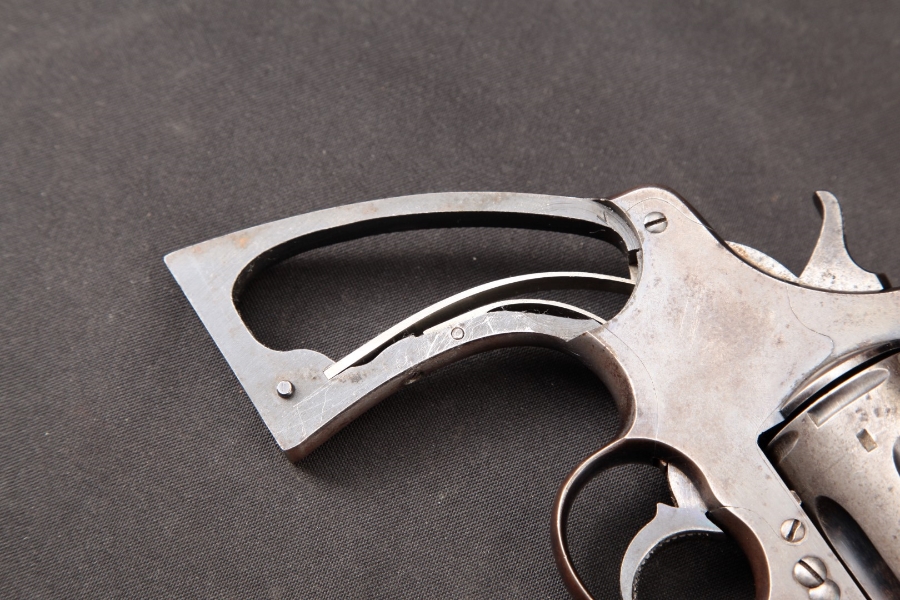
Colt Officer’s Model 1st Issue, Blue 6” - RARE Early Double Action Revolver, MFD 1907 C&R - Picture 3
The Colt Officer’s Model was made for competitive shooters. The hand-honed action of these revolvers helped shooters win many championships, and they are generally known to be one of the finest target revolvers ever manufactured.
The action on this revolver is certainly no exception and is very smooth.
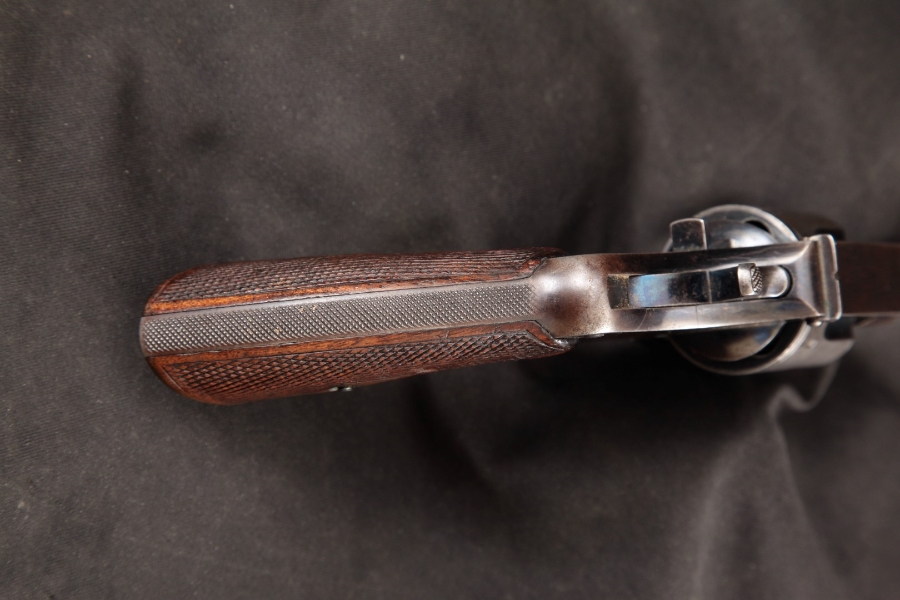
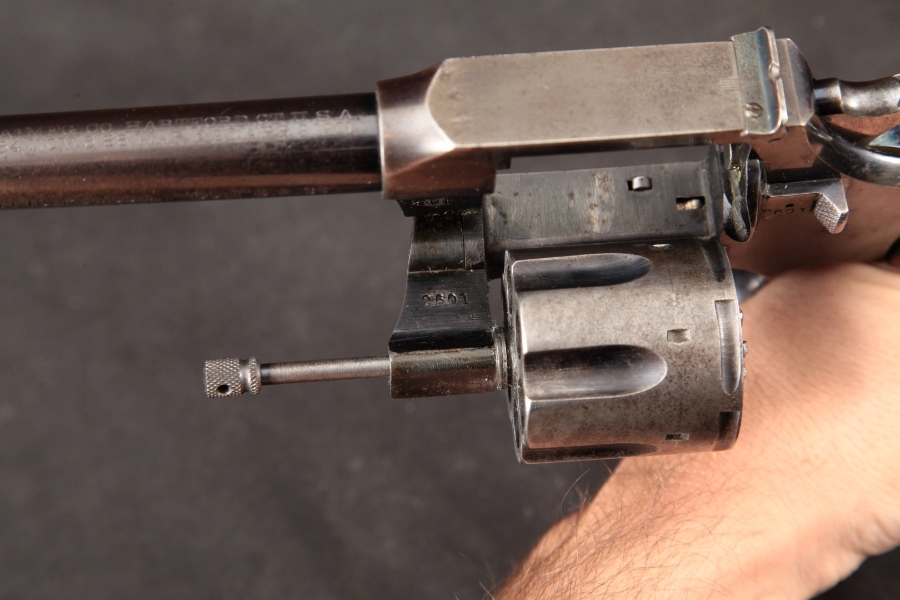
Colt Officer’s Model 1st Issue, Blue 6” - RARE Early Double Action Revolver, MFD 1907 C&R - Picture 4
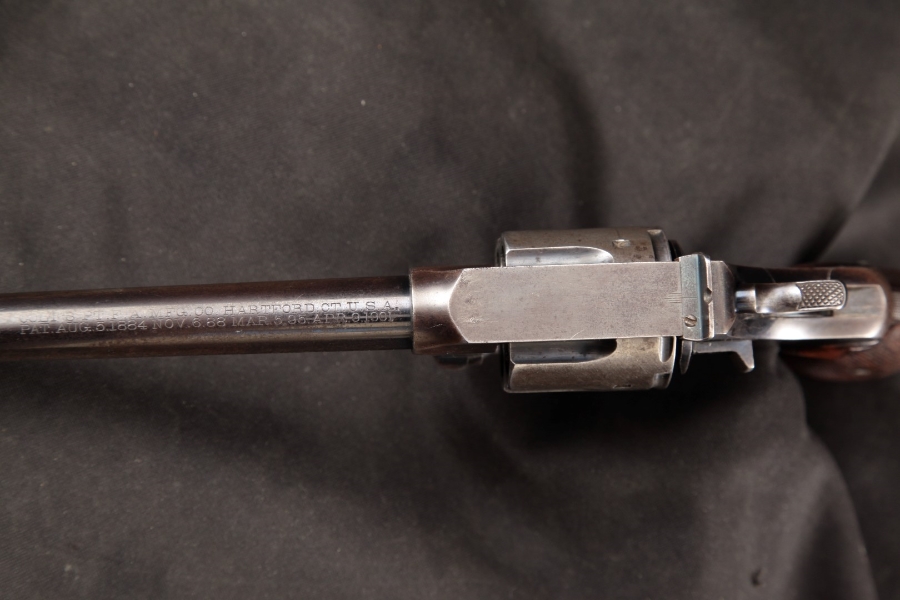
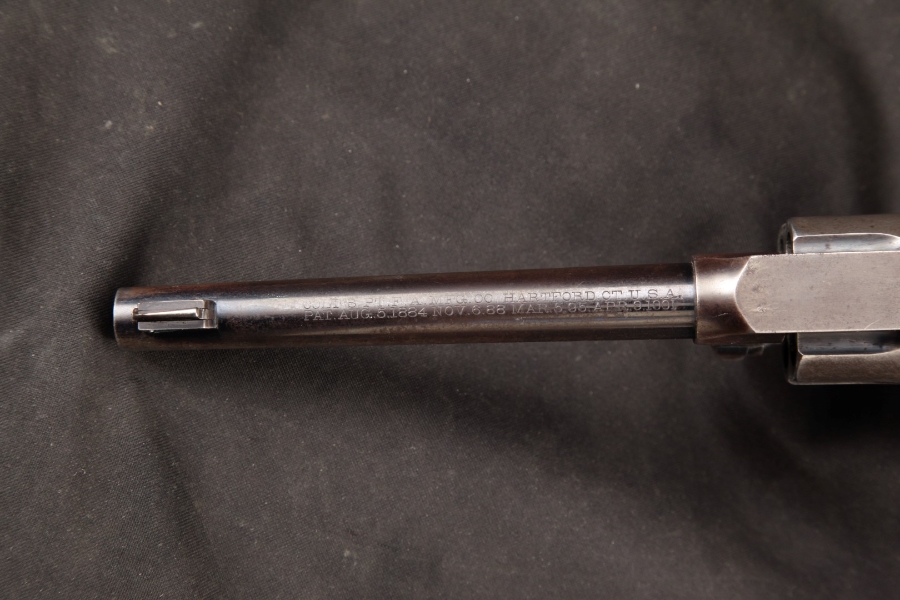
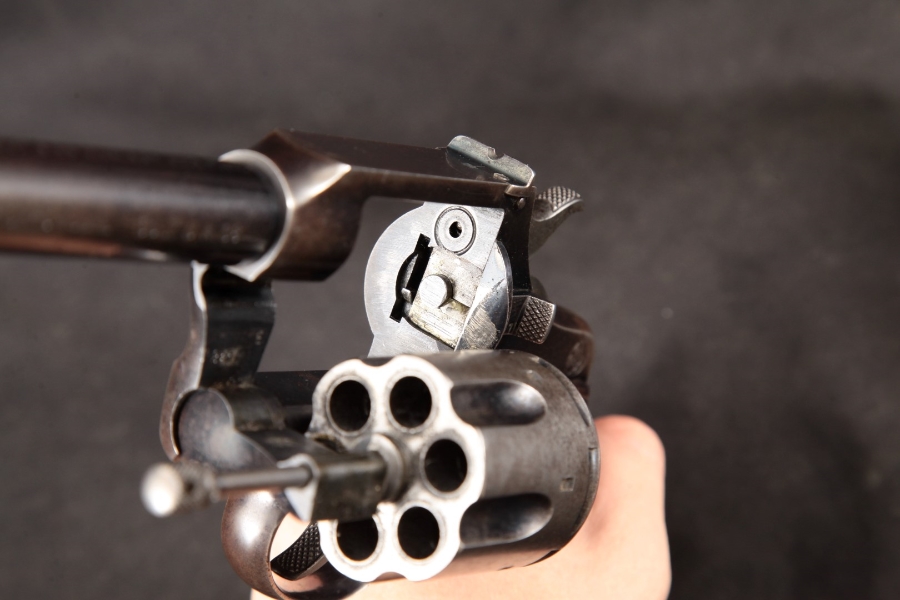
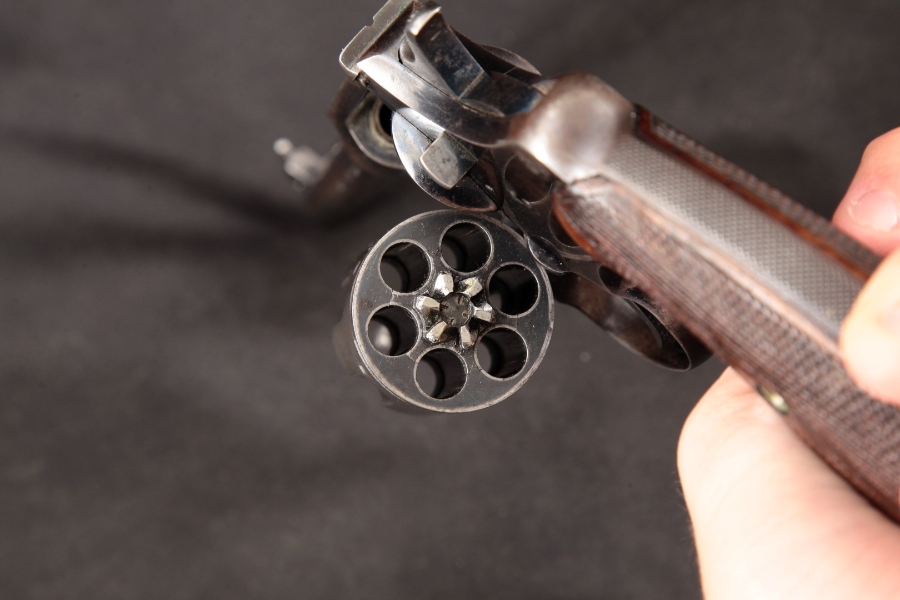
In the following year, 1908, the cylinder was changed from a double set of bolt stop cuts to a single set, and the cylinder was made to turn clockwise (from the rear) instead of counterclockwise.
Colt Officer’s Model 1st Issue, Blue 6” - RARE Early Double Action Revolver, MFD 1907 C&R - Picture 5
Colt Officer’s Model 1st Issue, Blue 6” - RARE Early Double Action Revolver, MFD 1907 C&R - Picture 6
Colt Officer’s Model 1st Issue, Blue 6” - RARE Early Double Action Revolver, MFD 1907 C&R - Picture 7
Colt Officer’s Model 1st Issue, Blue 6” - RARE Early Double Action Revolver, MFD 1907 C&R - Picture 8
Colt Officer’s Model 1st Issue, Blue 6” - RARE Early Double Action Revolver, MFD 1907 C&R - Picture 9
Colt Officer’s Model 1st Issue, Blue 6” - RARE Early Double Action Revolver, MFD 1907 C&R - Picture 10


Categories
All About Guns

Sig Sauer to Offer Commercial Version of Army's New Sidearm

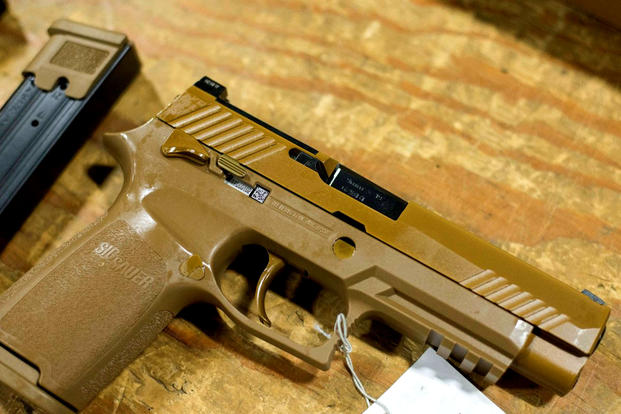
The U.S. Army’s full-size XM17 MHS. Sig Sauer plans to sell a version of this pistol on the commercial market. (101st Airborne Division photo)

The U.S. Army’s full-size XM17 MHS. Sig Sauer plans to sell a version of this pistol on the commercial market. (101st Airborne Division photo)
Sig Sauer, the maker of the U.S. Army’s Modular Handgun System, intends to sell a special, commercial version of the full-size MHS 9mm pistol.
“We are planning to do a limited release of about 5,000 of the Army variant of the M17 for the commercial market,” Tom Taylor, Sig Sauer’s chief marketing officer and executive vice president for commercial sales, told Military.com. “The timing is not finalized yet, but it looks to be late spring.”

The Army awarded Sig Sauer the MHS contract worth up to $580 million in January. The service launched its long-awaited MHS competition in late August 2015 to replace its Cold War-era M9 9mm pistol.
The selection of Sig Sauer formally ended Beretta’s 30-year hold on the Army’s sidearm market.
Related content:

The 10-year agreement calls for Sig to supply the Army with full-size XM17 and compact XM18 versions of its 9mm pistol. The pistols will become the M17 and M18 after they are type-classified.
Each commercial MHS will be serialized and have serialized matching coin as well as a letter of authenticity from the CEO of Sig Sauer, Taylor said.
Sig Sauer would likely be able to sell more than 5,000 of these pistols, but Taylor said, “we just wanted to make it really special. … And once they are out there, the owners will be privileged to own the actual gun.”
The commercial version will be almost identical to the Army-issue, full-size MHS, except it will not have the anti-tamper mechanism for the striker action, nor will it have the special coatings on some of the internal parts that help it maintain lubricity under harsh conditions, Taylor said.
The Army MHS comes standard with a frame-mounted thumb safety. The commercial version will be available with or without the thumb safety, depending on customer preference, Taylor said.
Sig Sauer has not yet decided on a price tag for the endeavor.
“It’s high in demand, but if we price it too high, they will say ‘I really want it, but it is just too expensive.'”
In addition to Sig Sauer, Glock Inc. told a German publisher in August that it plans on selling its MHS variant on the commercial market as well.
Glock, FN America and Beretta USA, makers of the current M9 9mm pistol, all lost to Sig Sauer, but selling their versions of the MHS may allow them to recoup the money they invested in the high-profile endeavor.
Richard Flur, head of international sales for Glock GmbH, based in Deutsch-Wagram, Austria, told Stephan Dorler, managing director of European Security and Defence, a publication based in Bonn, Germany, about Glock’s plans to sell its version of MHS on the commercial market.
A Glock official in the U.S. said, however, there is no timeline yet for such a plan.
— Matthew Cox can be reached at matthew.cox@military.com.

Categories
All About Guns Anti Civil Rights ideas & "Friends" California

What Handguns the State of California will or will not "allow" you to have here!

Roster of Handguns Certified for Sale

Effective January 1, 2001, no handgun may be manufactured within California, imported into California for sale, lent, given, kept for sale, or offered/exposed for sale unless that handgun model has passed firing, safety, and drop tests and is certified for sale in California by the Department of Justice. Private party transfers, curio/relic handguns, certain single-action revolvers, and pawn/consignment returns are exempt from this requirement.

Use the query form to find the handgun models currently certified for sale in California.
All handguns listed on the roster are approved with or without night sights.
Select a manufacturer [or all] from the drop-down menu, then click FIND.
There are 785 models in the database.
Select gun make [manufacturer] :    
Sort by:  Make Model Type Barrel Length Caliber Exp Date

View list of handgun models whose status has changed recently:

  • Recently Removed Handguns, pdf
    Handgun models whose certification has expired or otherwise removed from the Roster. These models may no longer be sold, offered for sale, or manufactured in California.
Categories
All About Guns

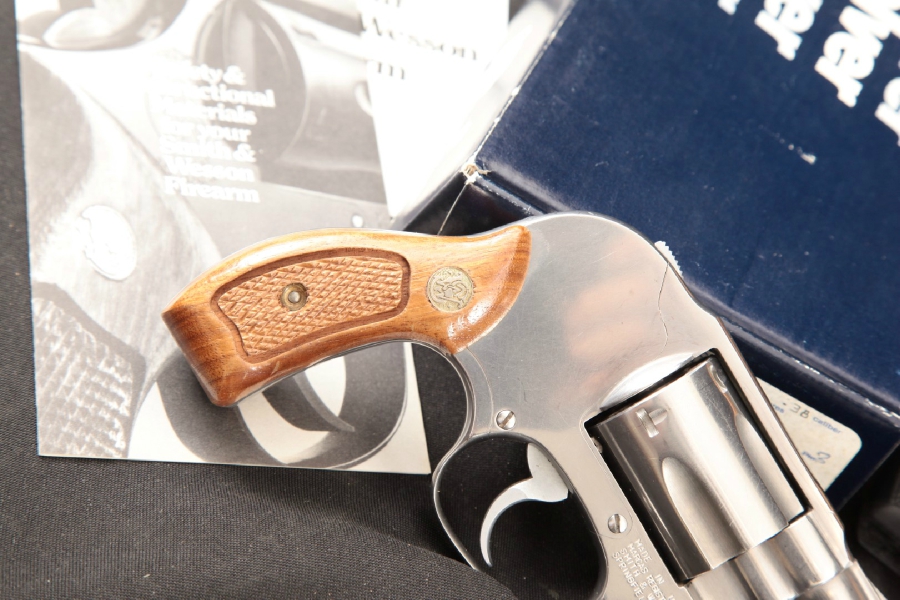
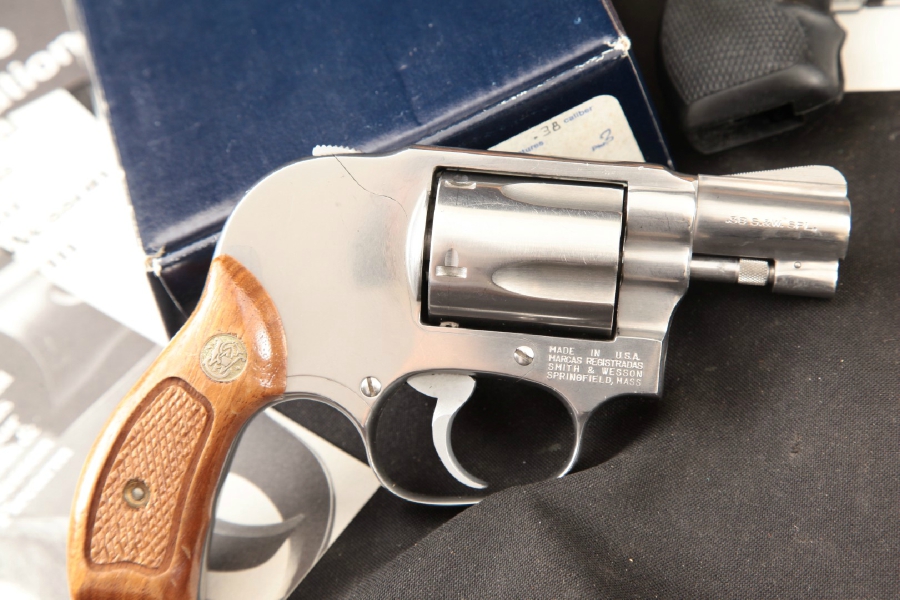
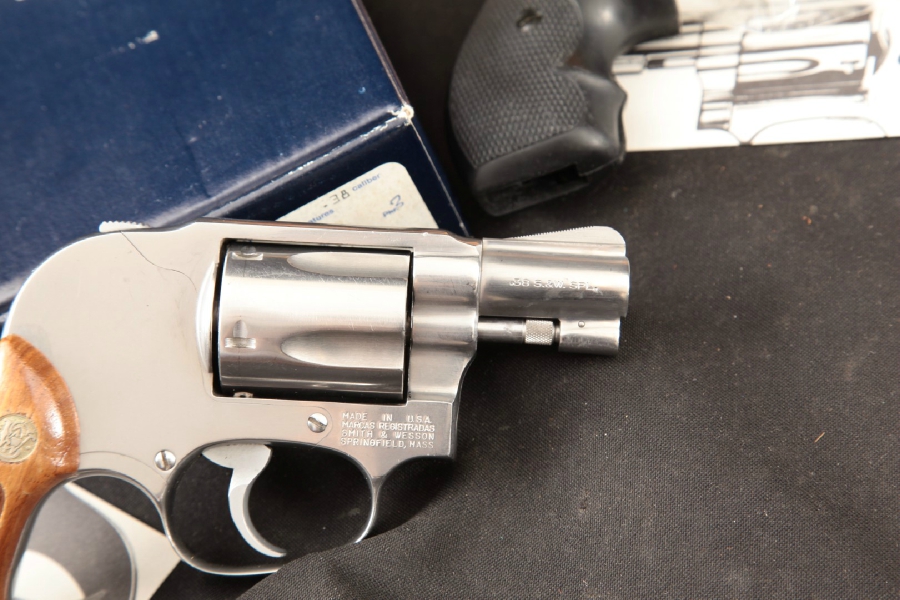
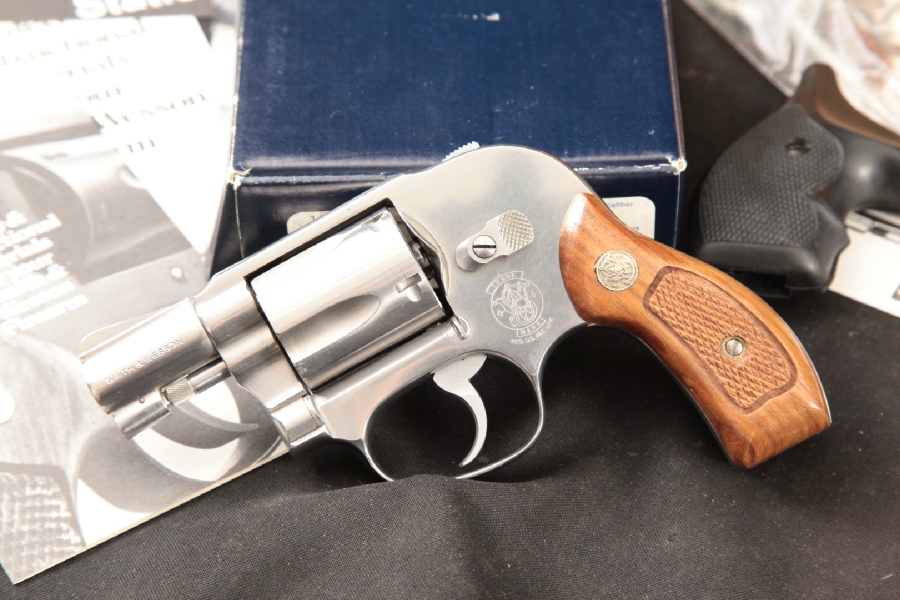
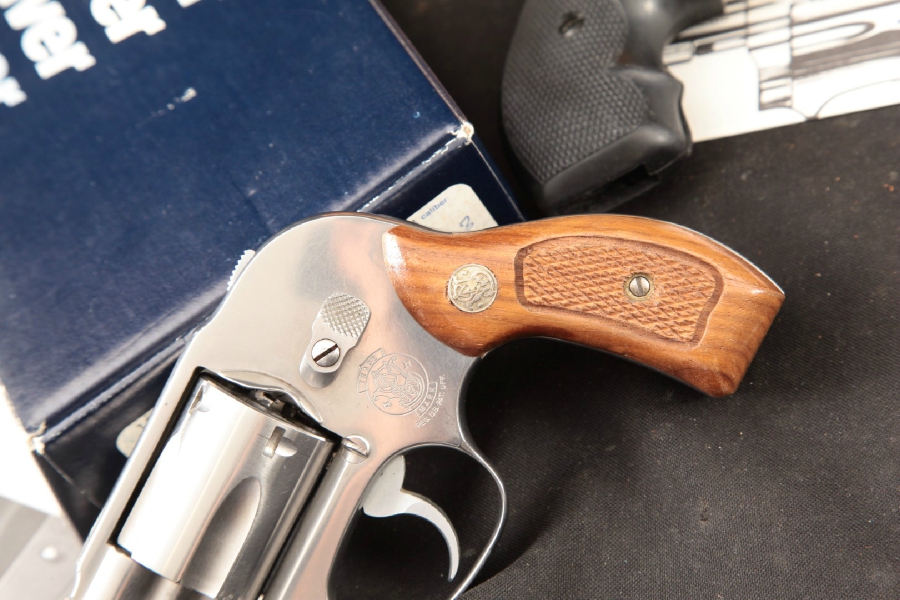
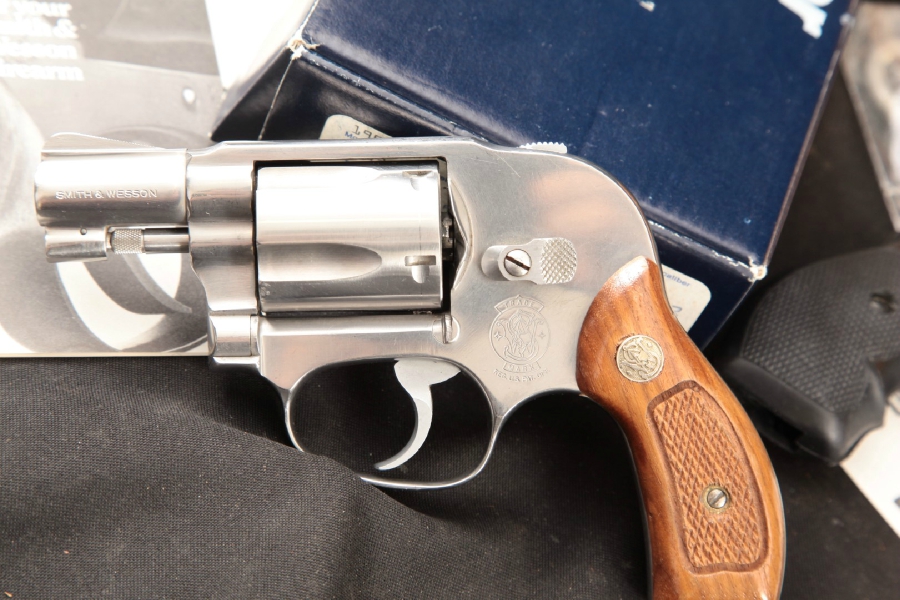
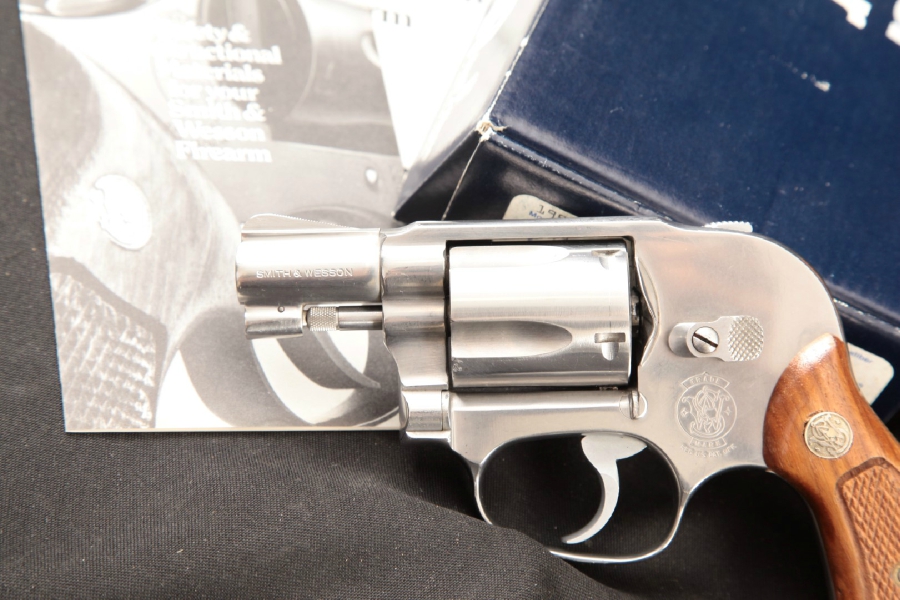
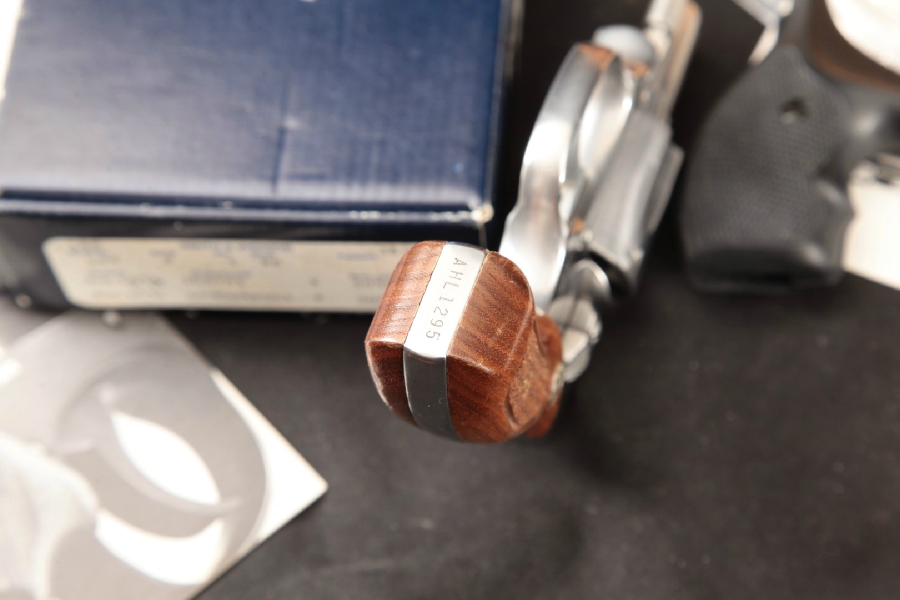
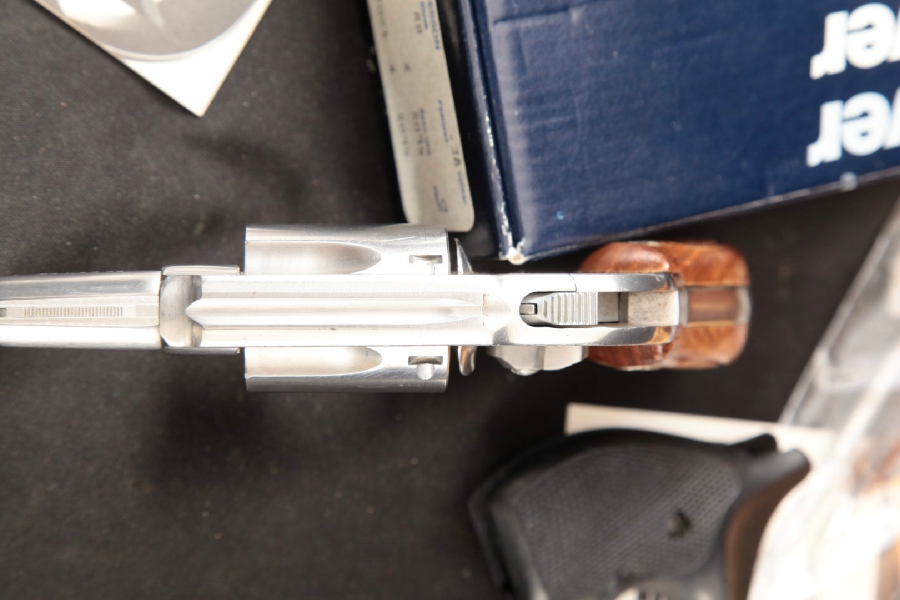
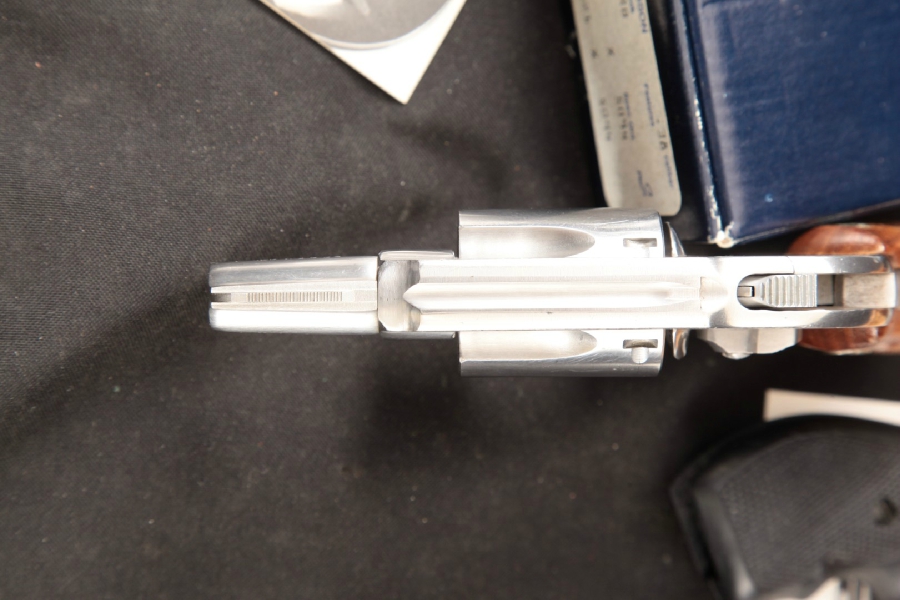
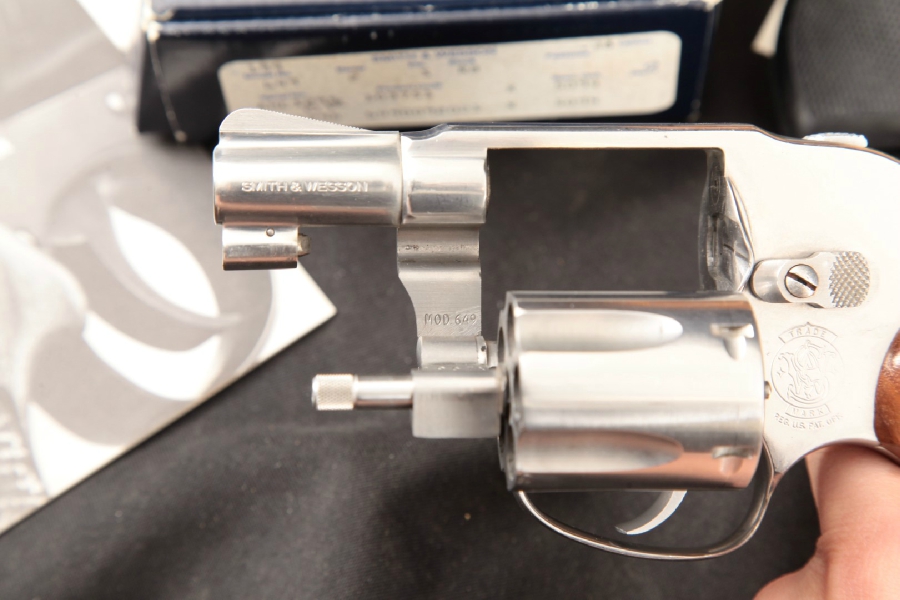
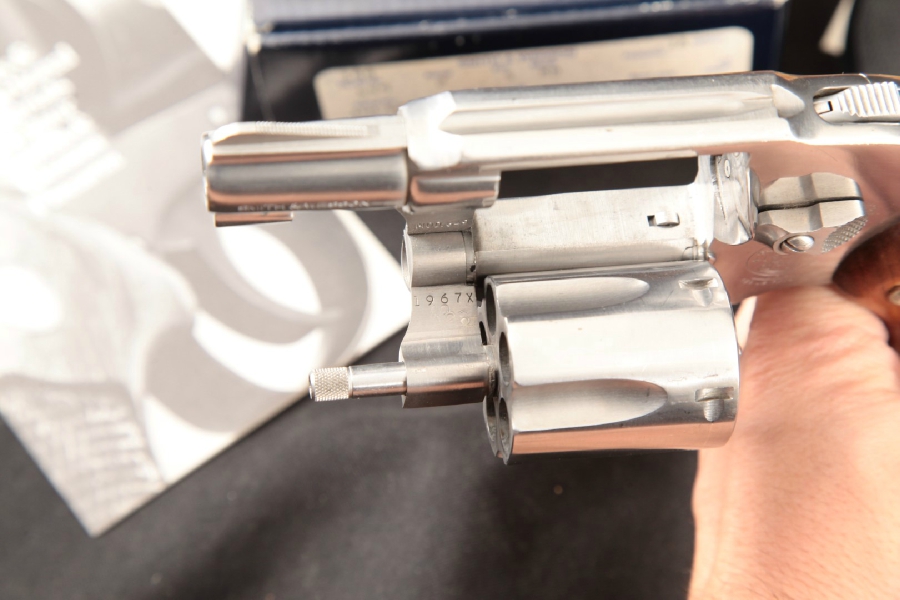
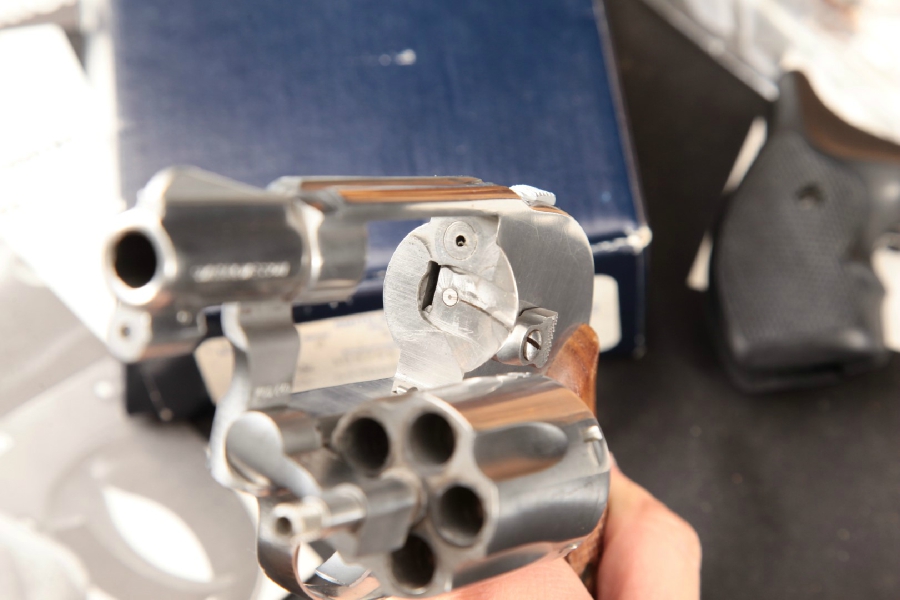
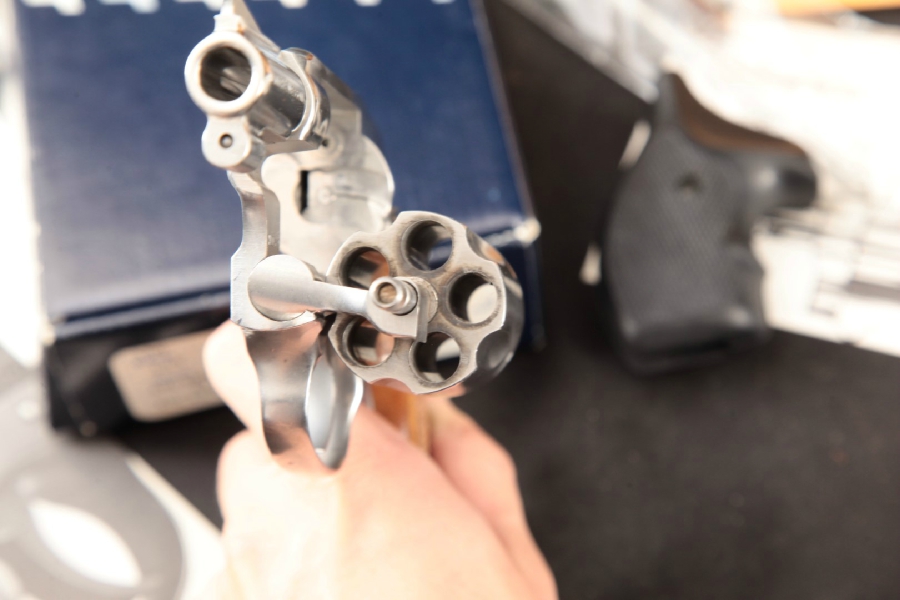
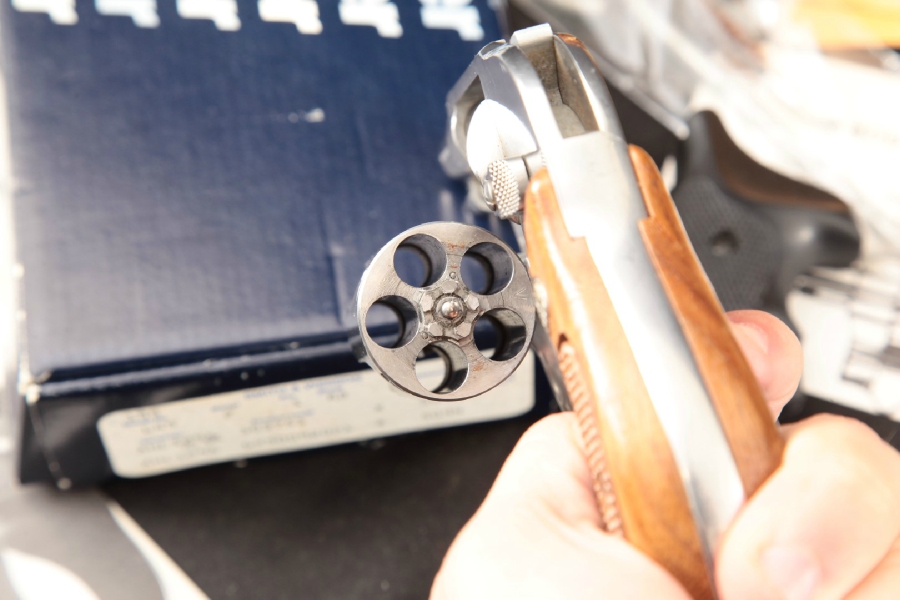
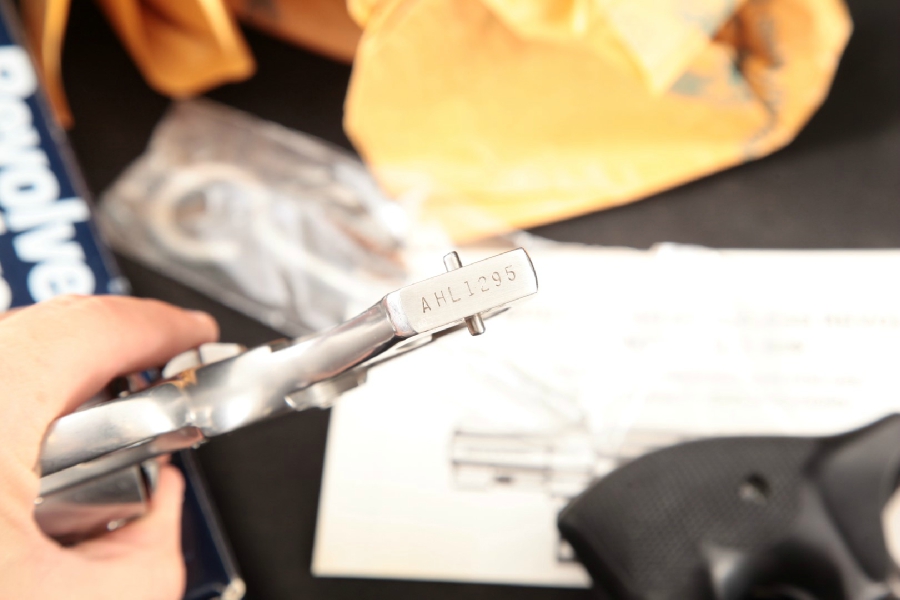
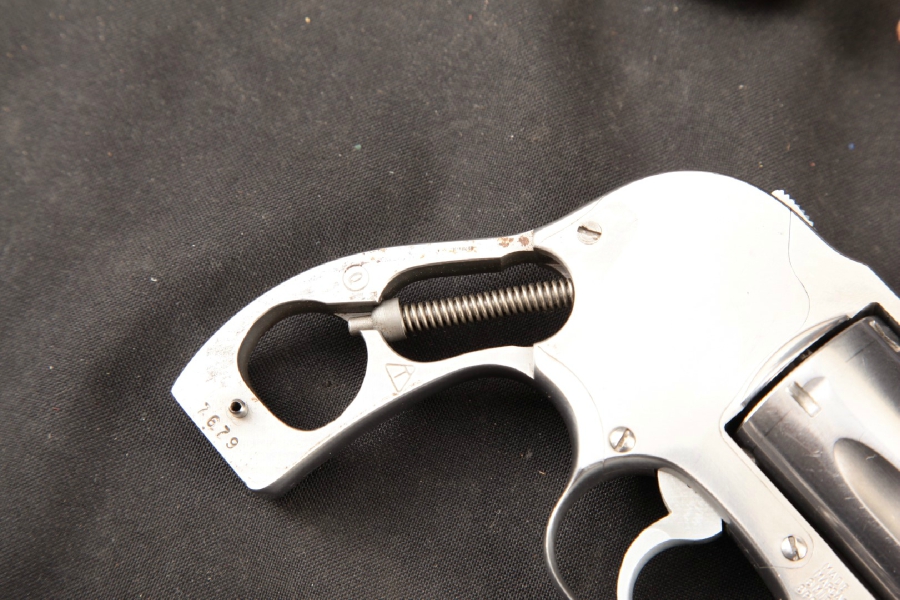
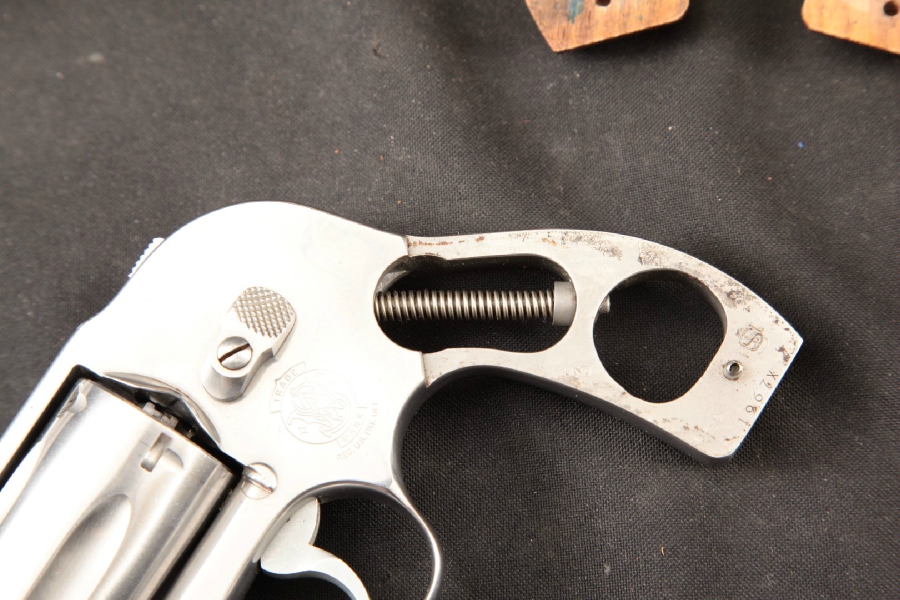
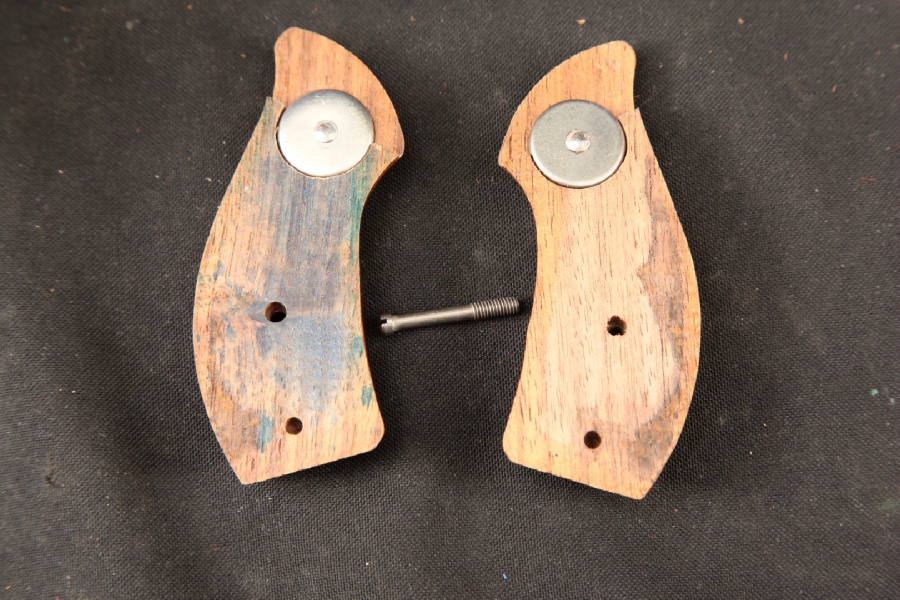
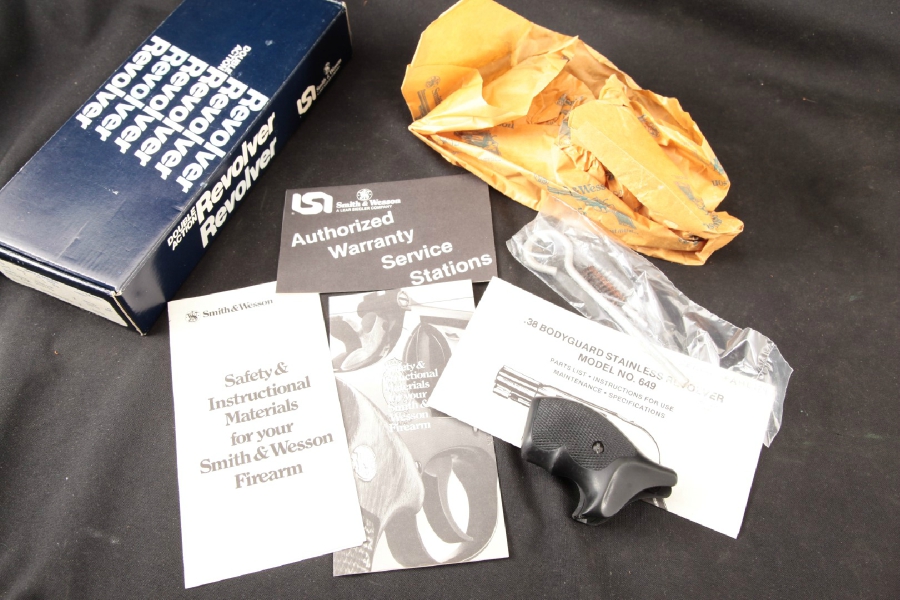
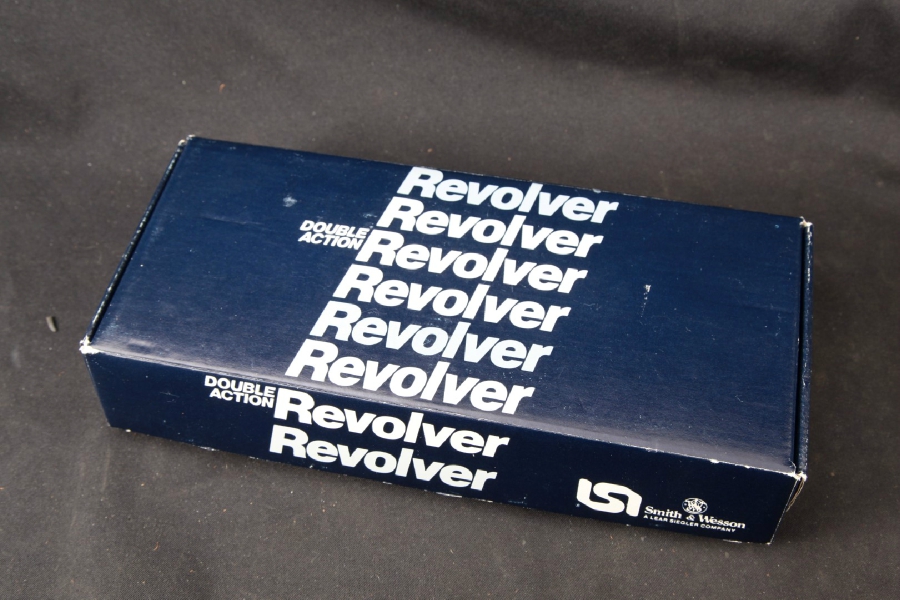
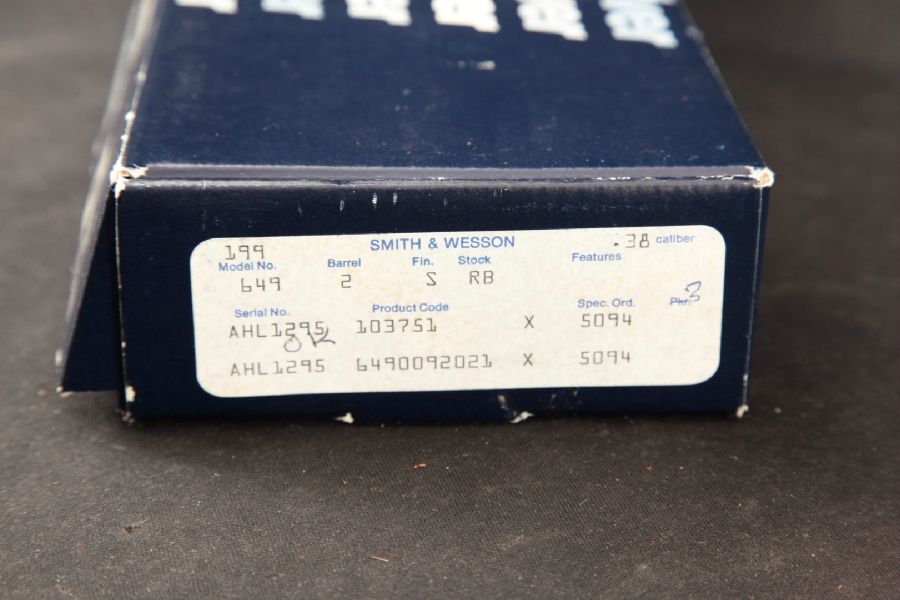
Smith & Wesson S&W Model 649, The .38 Bodyguard, Stainless Steel 2”

Related image
Smith & Wesson S&W Model 649, The .38 Bodyguard, Stainless Steel 2” - 5-Shot Double Action DA/SA Revolver, MFD 1985-88 - Picture 2
Smith & Wesson S&W Model 649, The .38 Bodyguard, Stainless Steel 2” - 5-Shot Double Action DA/SA Revolver, MFD 1985-88 - Picture 3
Smith & Wesson S&W Model 649, The .38 Bodyguard, Stainless Steel 2” - 5-Shot Double Action DA/SA Revolver, MFD 1985-88 - Picture 4
Smith & Wesson S&W Model 649, The .38 Bodyguard, Stainless Steel 2” - 5-Shot Double Action DA/SA Revolver, MFD 1985-88 - Picture 5
Smith & Wesson S&W Model 649, The .38 Bodyguard, Stainless Steel 2” - 5-Shot Double Action DA/SA Revolver, MFD 1985-88 - Picture 6
Smith & Wesson S&W Model 649, The .38 Bodyguard, Stainless Steel 2” - 5-Shot Double Action DA/SA Revolver, MFD 1985-88 - Picture 7
Smith & Wesson S&W Model 649, The .38 Bodyguard, Stainless Steel 2” - 5-Shot Double Action DA/SA Revolver, MFD 1985-88 - Picture 8
Smith & Wesson S&W Model 649, The .38 Bodyguard, Stainless Steel 2” - 5-Shot Double Action DA/SA Revolver, MFD 1985-88 - Picture 9


This is a Smith & Wesson Model 649 ‘.38 Bodyguard Stainless’ which gives shooters a snag-free and mechanically solid concealed carry. The pistol is chambered in .38 Special which has been used for self defense for a very long time now with proven results.
It was also infamous for this picture:
Related image

Categories
All About Guns

Why I like Sporterized Rifles Part 2

Image result for sporterized rifle
 
Here are really what the basic parts that a Good Gunsmith Needs to build a good custom rifle!

Now on to why I prefer Sporterized Bolt Actions Part 2!
 The models that I like are Springfield 1903 Bolt Actions and the Various Mauser 98 especially the Argentine Models. Image result for Argentine Model             No not that Argentine Model! Jeez FOCUS Grumpy!!

This one!Image result for Argentine Model mauser rifle
or this.
Image result for Argentine Model mauser rifle
Which could be turned into something like this!
Image result for ugly sporterized rifle
  All right now let us move on from that embarrassing incident!
  It seems to me, That I remember somehow. That from say when President Theodore Roosevelt went on safari with a custom 1903 Springfield Rifle in 1908.Image result for TR In africa
 Up until let us say the mid 1970’s.Image result for 1970's
 There was a golden age of taking Military Rifles and converting them to a civilian type looking rifle.Image result for teddy roosevelt's rifle
  Now granted some of these veterans of the wars were just butchered. When some idiot would take a hack saw and chop off parts of the stock and maybe hack off part of the barrel also. Then off to “a hunting will we go”.
  Granted for most folks back then. Times were a hell of a lot tougher than we can imagine now a days. Image result for really tough times medievalNo they were not that tough Grumpy!
But some of the rifles from that time period. That I have seen over the years. Would make a hard man cry. But that is just the way it is.
Image result for bubba guns
Pakistani bolt-action AK
  But on the other hand. You still see some absolute works of art out there. For example I have seen a couple of Griffin & Howe 1903’s. That I would buy in a second. Right after I win the lottery that is.Image result for teddy roosevelt's rifle 1903 springfield rifles
Image result for teddy roosevelt's rifle 1903 springfield rifles
  Then you have the middle ground. Where I do most of my looking. As you can find some really outstanding rifles at some really reasonable prices. Like for example. I have a few Springfield 1903 Rifles that are just wonderful.Image result for custom 1903 springfield rifles  I also have a few Custom Mauser 98’s in various calibers. I am not a fan of the 8 mm Mauser Round by the way. Since it is just too big a caliber for me and my arthritis.
Image result for look of pain after shooting a gunAnswer is! -Don’t shoot a 505 Gibbs in a 9 pound rifle!
 That and there is a real shortage of Grizzly Bears out here in Southern California for some reason. Plus I can not afford the higher grade of 8 mm ammo to get any kind of decent patterns.
  But I do have a Custom Mauser 98 in 257 Roberts. That I bought on line a few years ago. So when it finally got here. All I had to do was to take it to the range and zero it in. That’s it ! No trips to the Gunsmith for a tune up. Nada! It just shoots & shoots well Thank You very much My Lord!257 Roberts Superformance +P 117gr SST (Per 20)
  So here is why that I will almost always choose a custom rifle over a factory made on.  I think that this covers all the reasons on why.
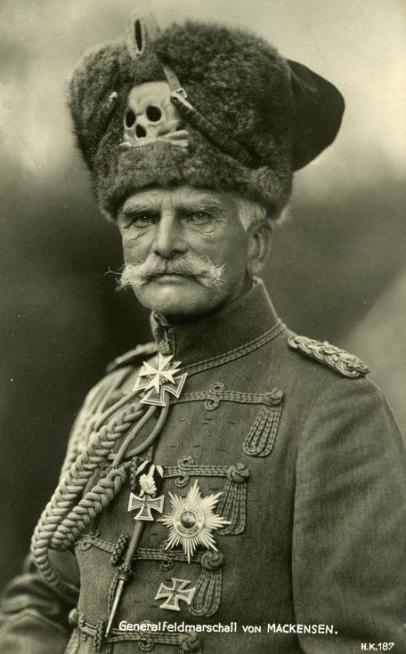
  Since it started out as a Military Rifle over in the Fatherland during WWI. It had to undergo a a pretty strict inspection for it to be accepted by the Imperial  German Army.  An outfit that is not noted for sloppiness.Image result for wwi german army how tough was it
Do you want to talk back to this guy? I think that I will pass myself!
  Then somehow I suspect that it got brought back by either a Doughboy or a GI after one of the World Wars. I am told that the our Army had no real problem back then with the Guys bringing back Trophy Guns. As they were called back then.Image result for GI looting guns in wwii
So once it got here to the Land of the Big PX.
Image result for us army px wwii
I am willing to bet that a pretty good Gunsmith got his hands on it.Image result for a real old school gunsmith
  Who then pulled the action from the rifle and either ditched or traded away the barrel and the old wood stock.
  He then did a pretty good job of squaring he lugs on the bolt itself. He then put on a high quality barrel and chambered it for the then popular 257 Roberts.
 The rifle was then it was given a Timney trigger at some point. Followed up by being married up with a high end Commercial stock like say a Bishop. To finish up the project. A Nice BSA Scope was mounted on it.
  To say that it is a great rifle now would not really be fair to it. But the key difference is this.
  As this rile has been basically been totally remodeled from ts original state. By one man I am willing to bet. Whose reputation is wrapped around in it. So it had better be pretty good or he is going to be out of business soon.
  It has also been very lucky as it is obvious to me. That it has been well taken care of before I got it.
  So I call it a widows gun. Since I think that the owner died and his widow or his family did not want it or needed the cash. Therefore the great price that I paid for it, I think that altogether I paid around $400 dollars about 10 years ago.
  Now could I get such a great deal on a NIB factory Rifle? Maybe. But I kind of doubt it. So I think that I will stay with these old timers for a while longer.
Because for me, it just makes way too much sense to not to.

Image result for sporterized rifle

Categories
All About Guns

ASTRA 2000 CUB .22 SHORT


Categories
All About Guns

Why I still like The Sporterized Bolt Action Rifle Part 1

Inline image 3
 
Some of the key reasons on why I will usually buy a Sporterized rifle instead of a factory made rifle. Are easy to understand if one is willing to think things thru a bit. Sorry if I sound patronizing on that last part.

  Now do not get me wrong as all of the Major Companies that make Bolt Actions are generally pretty good guns. But there are some things about them that make me very hesitant about shelling out the big bucks for them. Image result for Eisenhower's shotgun
Ike’s Winchester model 12
  So if you have been kind enough to bear with me so far. Here goes my thinking on this subject.
  Now today most factory rifles are a series of compromises, cutting corners and other things done to to increase the profit level of the company that makes it.
Image result for business compromises memes
  Now there is nothing wrong with that as the Share Holders rightfully expect that. Otherwise they will take their money elsewhere. Then the Company goes out of business and a lot of folks are out of work.
Image result for flying money memes
  Some other problems that face the industry is that of labor. Now do not get me wrong. I think that the Working Man is the backbone of this nation. That & w/o them this country would be in a world of hurt.
Image result for working man memes
  But being human.They also have some problems. For example, no one in their right mind wants what is called a Friday or Monday Car. Or worst of all a post Super Bowl Car.
Image result for drunk out of mind working man memes
  Fortunately the Quality Control Guys get most of them before they leave the site. That is also why most states have Lemon Laws on their books. But not for guns!
  Also up until recently all the Major Gun Companies were having to use Union Labor. Which in turn drives up the cost.
 Image result for union memes
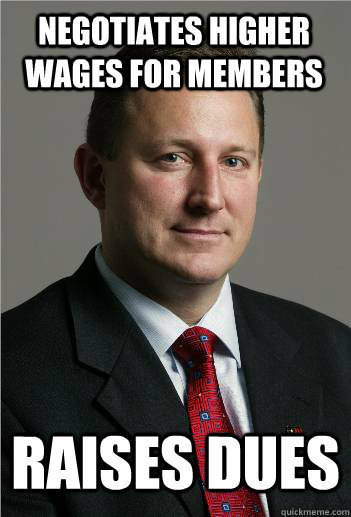
  Now having been a former reluctant member of the Teachers Union*.  I think that I can say that Unions are at best a mixed bag for everyone. But that is just the way it is and I do not think that its ever going to change.
  But let us move on.
  So let us say that I did buy a news rifle out of the box. It seemed to me that I always had to go the local gunsmith and have it “tuned up”.
  As it almost always seemed that the issued trigger was not up to snuff. That and the barrel had to be free floated. Otherwise my basic pattern would like like a case of measles on the target.
  I will not go on about replacing the recoil pad. (Especially if it was a Ruger #1 Rifle) Or having a scope mounted on it. (Granted Ruger does make it easy with their scope rings system to be fair about it)
More Tomorrow!
* The Only Thing that my Union ever did for me. was to take a $150 a month out of my paycheck. That & when ever I got into trouble at work. The only person who helped me out was myself. So now you might understand my position about organized labor.
Categories
All About Guns Anti Civil Rights ideas & "Friends" Cops

Gun Control in Japan & The Yakuza

Japan’s gun control laws so strict the Yakuza turn to toy pistols

Japan has some of the world’s strictest gun control laws with punishments that even scare gangsters

They also make their money via extortion, racketeering, loan sharking, and a host of other illegal activities.
For collecting protection money, guns would seem to be ideal, but these days, fake guns serve the purpose of striking fear into victims and rivals, without the heavy penalties. However, the results are sometimes comical rather than deadly.
According to Nagoya Television and other sources, on November 29 at the Nagoya District Course, a crime boss from the Kobe Yamaguchi-gumi was sentenced to three years in prison (four years suspended) for threatening a rival gang member with a toy gun.
Last December, in Nagoya City, Yoichi Yoshida, 49, chairman of the Kobe-Yamaguchi-gumi Issei-kai crime group, confronted a 46-year-old rival boss in the Yamaguchi-gumi.
He pressed a fake gun against him and repeatedly pulled the trigger, making gunshot sounds several times. In Japanese, the sounds of a gun are represented as “BAN” “DON” “GAN” rather than “BANG BANG”.
Reports at the time of the crime vary as to what the fake gun sounded like, but police confirmed that the model gun did not actually discharge any real or fake bullets, of any kind.

Yakuza-fan-magazines–1200×900

In video games, comics, and “the good old days,”yakuza fired guns without hesitation. Now they shun them. The penalties are too high.

The Yamaguchi-gumi, Japan’s largest organized crime group, with over a hundred years in business split apart on August 27th 2015. The Kobe Yamaguchi-gumi, the new group, has been skirmishing with the Yamaguchi-gumi ever since. There has been relatively little bloodshed. The toy gun threat was part of that conflict.
Ryo Fujiwara, long-time writer on yakuza affairs and author of the book, The Three Yamaguchi-Gumi, says that the punishment for using a gun in a gang war or in a crime is now so heavy that most yakuza avoid their use at all – unless it is for an assassination.
“In a hit, whoever fires the gun, or is made to take responsibility for firing the gun, has to pretty much be willing to go to jail for the rest of their life. That’s a big decision. The repercussions are big, too. No one wants to claim responsibility for such acts – the gang office might actually get shut-down.”
The gang typically also has to support the family of the hit-man while he is in prison, which is also a financial burden for the organization.
Japan’s Firearms and Swords Control Laws make it a crime to illegally possess a gun, with a punishment of jail time of up to 10 years.
Illegal possession more than one gun, the penalty goes up to 15 years in prison. If you own a gun and matching ammunition, that’s another charge and a heavier penalty. The most severe penalty is for the act of discharging a gun in a train, on a bus, or most public spaces, which can result in a life sentence.
After the mayor of Nagasaki City was shot to death by a Yamaguchi-gumi member in 2007, the laws have been continually revised to make them even stricter.
A police officer in Osaka’s Organized Crime Control Division, speaking on background noted, “In the de facto world of law enforcement, when a yakuza fires a gun, we’re almost always going to charge them with attempted murder—which is a very heavy crime and serious time in ‘the pig-house’ (jail). Guns kill people, so if you use one, intent to kill is right there. Toy guns? Not so much.”
He added, “Unless you’re an old gangster and wanting to stay in jail until you die because you got nowhere else to go, you don’t use a gun. The crime isn’t worth the time in jail.”
Last June, two members of the Matsuba-kai crime group, had a wrist watch worth 850,000 yen ($7,626) sent to their office in the Arakawa district of Tokyo, cash on delivery.
When the watch arrived, one of the gang members pulled out a model gun and told the delivery workers, “Leave the watch and get out of here!”
The deliverymen, however, didn’t flinch. They grabbed back the box with the watch, took the model gun away from the yakuza, ran out of the office and called the police. The gang members were later arrested on charges of attempted extortion.
According to the National Police Agency of Japan, in a nation of over 122 million people, there were 12 shootings in the first half of 2017, with two people killed and three injured. Eight of the shootings were believed to be connected to organized crime.
A low-ranking member of the Kobe-Yamaguchi-gumi put it this way: “All of the smart guys got rid of their guns a long-time ago. The penalties are way too high. You get life in prison if you just fire a gun. That’s not fun.”
Jake Adelstein is the author of the memoir Tokyo Vice: An American Reporter on the Police Beat in Japan and chief editor of on-line journal Japan Subculture Research.
They look like a bunch of fun guys Huh?
Image result for The Yakuza
Related image