Category: All About Guns
Ok Students!

Today Class, we have a video in class. There will be a Test both Oral and written on what will be shown to you now. So stay awake and don’t kill each other!
Another edition of Gun Porn


![]()


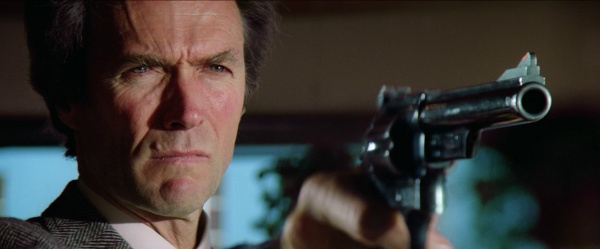
Yeah I know! “Go ahead and make my day!” I just knew that you were going to think that! Well here goes nothing.
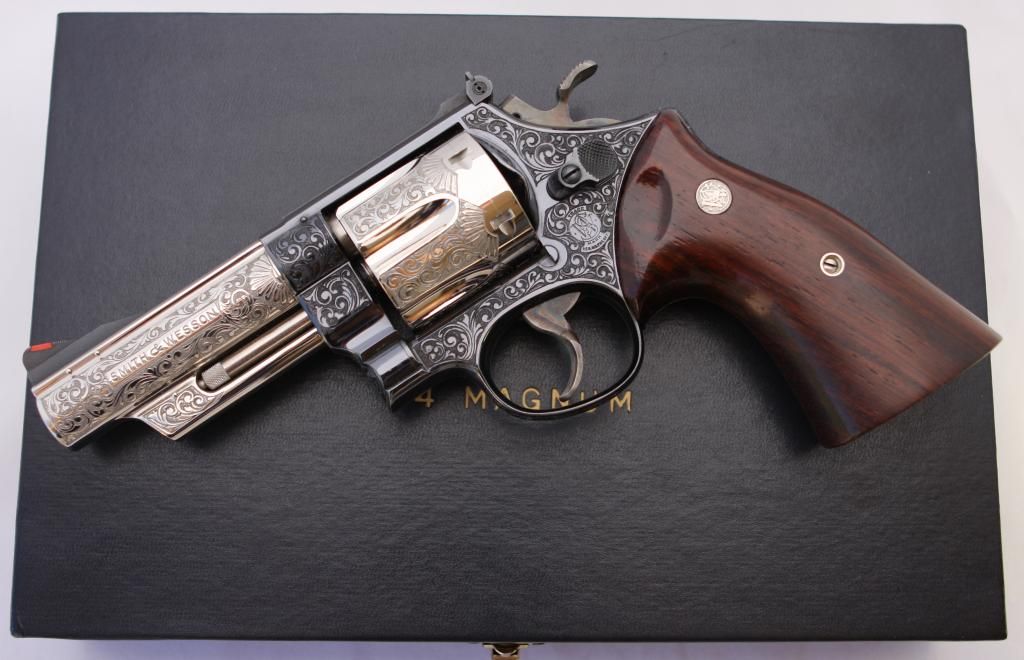
I was first introduced to this Hand Cannon back in 1979 AD. When I got my first real job delivering Booze to the alcoholics from the local Liquor Store. (Thanks Ed & Dan for the chance you gave me!)
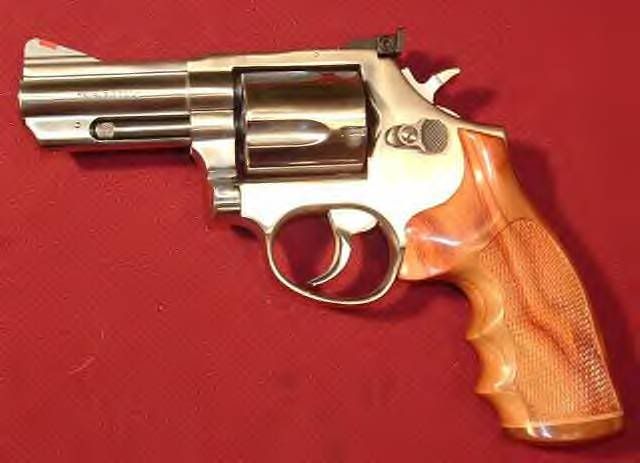
So when I got paid from that great job. I roared over to the local Gun Shop. Where the owner kindly let me do a layaway on a brand new Model 29 in Blue. Time then passed very slowly for me.
But the great day finally showed up and off I went with my new toy.

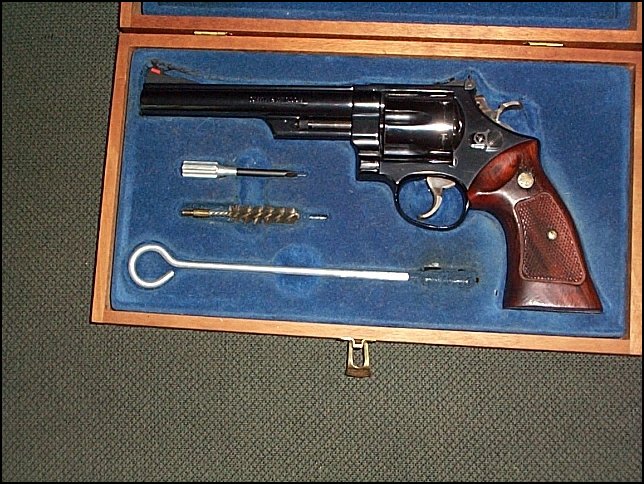
Back then S&W gave you a really nice Wooden Box to go with it. Even my Dad was impressed by it. So of course off I went to put it thru its paces.


Now at this time I had seen a few of the Dirty Harry Movies. So I was convinced that this piece was going to kick like a Missouri Mule.
To say that I was nervous would be a slight understatement. But really it was not bad at all. Since I had fired Dad’s Colt Commander in 45 ACP. Which frankly had a lot more felt recoil & report.

Now the place I shot at was owned by my Grandfather. Where was a old 50 gallon drum filled with rainwater. So being the dumb kid that I was. I put my first 6 rounds thru it.
What I found out was that this 6 inch monster would easily punch a hole in it. But would not punch an exit hole. Humph! But none the less it did produce a nice shock wave of water coming out of the barrel top.
Bottom line – It’s a keeper! In that whenever I go to the range. It gets a lot of attention. Especially when I crank off a full power Magnum round.
Also if you want to do some “normal” target shooting. You can not go too far wrong with the 44 Special. As I have seen it do some really spectacular patterns. Especially when my Son is shooting with it.
That & I would also feel sorry for a Bad guy being hit by one of these rounds. As it would no doubt do its duty. If you have done a proper shot placement that is.

Thanks for reading this!
Grumpy
Here is some more information below:
Smith & Wesson Model 29
| Smith & Wesson Model 29 | |
|---|---|
| Type | Revolver |
| Place of origin | United States |
| Service history | |
| Used by | See Users |
| Production history | |
| Manufacturer | Smith & Wesson |
| Produced | 1955–Present |
| Specifications | |
| Weight |
|
| Length |
|
| Barrel length |
|
|
|
|
| Cartridge | |
| Caliber | .429 in (10.9 mm) |
| Action | Double-action |
| Feed system | Six round cylinder |
| Sights | Open, adjustable rear |
The Smith & Wesson Model 29 is a six-shot, double-actionrevolver chambered for the .44 Magnum cartridge and manufactured by the U.S. company Smith & Wesson.
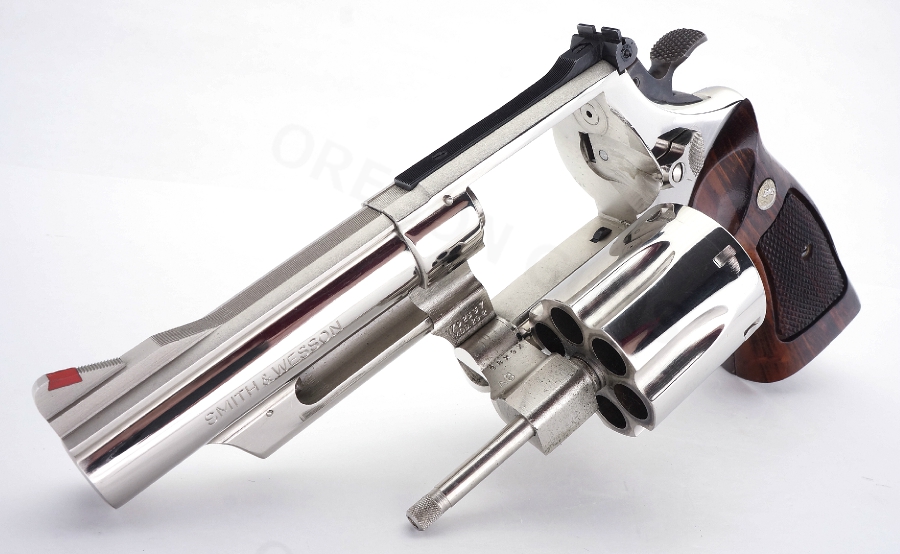
The Model 29 was offered with 3″, 4″, 5″, 6″, 6½”, 8⅜” and, later, 10⅝” barrel lengths as standard models. Other barrel lengths were available either by special order from Smith & Wesson’s Custom Shop or custom built by gunsmiths. The 5″ barreled variant had a full length underlug. Finish options available included a highly polished blued or nickel–platedsurface.
At the time of its introduction, the Model 29 was the most powerful production handgun. It was made famous by association with the fictional character “Dirty Harry” Callahan.
Contents
[hide]
Design[edit]
The Model 29 will chamber and fire .44 Special cartridges, as the .44 Magnum was developed from the .44 Special. The Magnum case is slightly longer to prevent magnum rounds from being chambered and fired in handguns chambered for the .44 Special.
History[edit]
Elmer Keith‘s achievements in maximizing the power and performance of the .44 Special was the inspiration and driving force behind the introduction of the .44 Magnum by Smith & Wesson. His intention for the new round was for it to be used in sidearms for hunters of large, dangerous game, rather than for self-defense, though with today’s specialty cartridges, it can be a good defensive round.[1]
S&W’s production of a large N-frame revolver in .44 Magnum began in 1955; the Model 29 designation was applied in 1957.[2]
At the time of its introduction, the Model 29 was the most powerful production handgun. There were a number of custom calibers that were more powerful, as in the old Howdah pistols of the 19th century.
It remained primarily the province of handgun enthusiasts, some law enforcement personnel and hunters until 1971, when Clint Eastwood made it famous as “the most powerful handgun in the world” in the movie Dirty Harry. After the movie’s release, retailers had trouble keeping the Model 29 in stock.[3]
In the late 1990s, Smith & Wesson discontinued production of many models of revolvers, including the ‘basic’ Model 29; since then, at various times, the model, in limited or ‘custom’ configurations, has been manufactured in as many as 10 evolutions.[4]
Variants[edit]
The original Model 29 was superseded by the Model 29-1 in 1960, with modifications made to the ejector-rod screw. The Model 29-2 replaced it the following year, with one screw that had secured the cylinder-stop spring being deleted. The barrel length was shortened from 6 1/2″ to 6″ in 1979. These two versions are known as “pinned and recessed”. “Pinned” means that the barrels are screwed in, and secured by a pin driven through the frame and a notch in the barrel. “Recessed” denotes the rear of the bored cylinder holes being countersunk, so that, when loaded, the cartridge rims are fully enclosed by the cylinder. In 1982, the cost-cutting Model 29-3 dropped recessed cylinders and pinned barrels for crush-fit barrels.[2]
The -4 and -5, produced from 1988 and 1990 respectively had changes to improve durability for heavy use. In 1994 the 29-6 began production, now fitted as standard with rubber Monogrips from Hogue to replace the previous wooden items, standard tapped holes also being provided for attaching scope mounts. The 29-7 started production in 1998 with changes to the locking mechanism, the firing pin’s attachment, and a hammer and trigger produced with a metal injection molding process.[2]
| Model | Start Year | Barrel Lengths | Modifications |
|---|---|---|---|
| 29 | 1957 | 6 1/2″ | |
| 29-1 | 1960 | 6 1/2″ | ejector rod screw |
| 29-2 | 1961 | 6 1/2″ changed to 6″ in 1979 | one screw that had secured the cylinder stop spring dropped |
| 29-3 | 1982 | dropped recessed cylinders and pinned barrels for crush-fit barrels | |
| 29-4 | 1988 | retention system on the yoke or cylinder crane strengthened, studs in frame were radiused; 8 3/8″ version offered with integral scope mts. | |
| 29-5 | 1990 | longer cylinder notches to prevent bolt jump, bolt and inner mechanism changed to reduce battering under recoil | |
| 29-6 | 1994 | standard with rubber Monogrips from Hogue | |
| 29-7 | 1998 | changes to the locking mechanism, the firing pin’s attachment, and a hammer and trigger produced with a metal injection molding process. | |
| 29-8 | 2001 | new frame design with internal lock | |
| 29-9 | |||
| 29-10 |
| Starting Number | Years |
|---|---|
| N1 | 1969-1972 |
| N100000 | 1973 |
| N200000 | 1974-1977 |
| N300000 | 1975-1976 |
| N400000 | 1977-1978 |
| N500000 | 1978-1980 |
| N600000 | 1979-1980 |
| N700000 | 1980 |
| N800000 | 1980-1983 |
| N900000 | 1982-1986 |
Model 629[edit]
Introduced in 1978, the Smith & Wesson Model 629 is a stainless steel version of the Model 29.
The 629 model designation derives from Smith & Wesson’s practice of denoting a stainless steel version of one of their already existing designs by placing a 6 in front of the model number of the original weapon. The 629 Classic variant features a full-length barrel underlug, other variants include the 629 Stealth Hunter.
| Model | Start Year | Barrel Lengths | Modifications |
|---|---|---|---|
| 629 | 1978 | ||
| 629-1 | 19xx | dropped recessed cylinders and pinned barrels | |
| 629-2 | |||
| 629-3 | |||
| 629-4 | |||
| 629-5 | Internal hammer added | ||
| 629-6 | Internal lock added |
Quiet Special Purpose Revolver[edit]
Some S&W model 29s were rebuilt by the AAI Corporation to make the Quiet Special Purpose Revolvers (QSPR). These had new, short, smoothbore barrels (35 mm / 1.375 inch), with .40″ / 10mm bore, with cylinder chambers reamed to accept special QSPR ammunition which externally resembled metal-cased .410-gauge shotgun shells but internally worked as a piston to trap the gases. This special ammunition was made by AAI.[5]
This pistol was developed from 1967 to 1971 to be used by tunnel rats in the Vietnam War. The QSPR was tested on the battlefield in 1969, and an improvement and testing program ran from 1970 until 1971. At least officially it never entered service. The US withdrawal from Vietnam reduced interest in the QSPR weapon, and the program ended in about 1972.[5]
A Russian handgun of more-recent vintage, the Ohs-38 Stechkin, is described as using a system virtually identical to that employed by the Quiet Special Purpose Revolver (QSPR).
Mountain Gun Variation[edit]
The Mountain Gun was introduced in 1989 as a lightweight version of the Model 29 designed to be “carried often and shot little”.[6] The barrel profile is a reprise of the original design. Early version 29-4 backpacker with 2.5″ barrel, (Very rare).
A Smith & Wesson Model 629 with a 3″ barrel called the “Trail Boss” was produced for the distributor, RSR.[7]
Other variants[edit]
- On January 26, 2006, Smith & Wesson announced the 50th Anniversary Model 29.[8] Identical to the previous models except for the gold inlaid trademark on the side cover, the new internal lock mechanism, and a non-fluted cylinder.
- On January 1, 2007, Smith & Wesson announced the reissue of the Model 29 as an engraved model in S&W’s Classics line.[9]
- The Smith & Wesson Model 629 Stealth Hunter has a 7.5″ ported barrel with a full-length under lug for increased stability and recoil reduction.The barrel-cylinder gap is 0.006 in (0.1524 mm), with a ball-detent lockup between the frame and cylinder crane that provides increased strength. The entire revolver is made of a stainless steel, with a glare-reducing matte black finish. It comes with slip-resistant synthetic grips.[10]
- The 329NG is a scandium-framed revolver with PVD-coated cylinder and tritium sights. It is part of the NightGuard line.[11]
In popular culture[edit]
The Model 29 became popular at gun stores following its use by the fictional character “Dirty Harry” Callahan from the Dirty Harry series of films starring Clint Eastwood.[3] It’s also prominently featured in the film “Taxi Driver” and the TV series “Sledge Hammer!“.
The Bren Gun

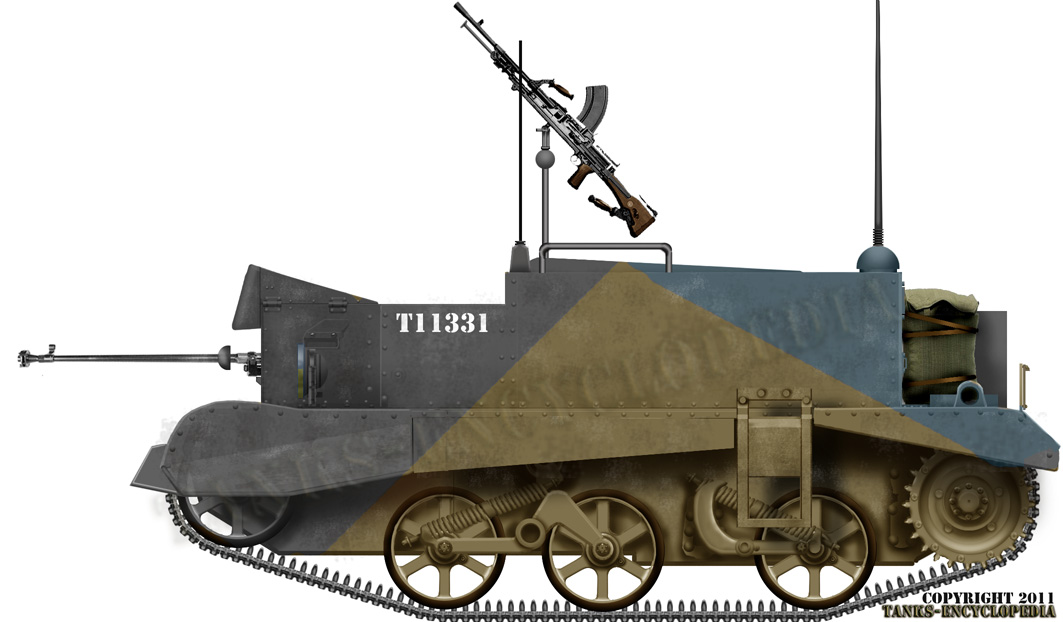
One of the only guns that I know of that had its own designed in mind vehicle. The Bren carrier
**Trigger Warning, Some serious bragging is coming up**
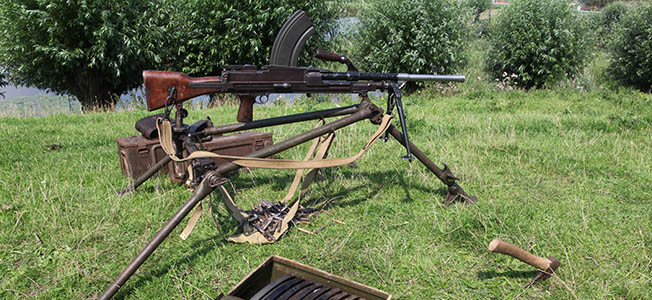
Now I have seen this machine gun a couple of times. Once at the Imperial War Museum in London. Where I was allowed to pick it up. Somebody trying to & did win a Victoria Cross in WWII Burma
At 22 pounds, I really feel sorry for the poor guy who had to hump this on a route march of any distance. The other time at a Machine Gun shoot at a very hot and nasty place.
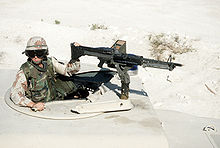
From what I saw about it was that it was a pretty good squad machine gun for its time. Frankly I think that it was almost as good as the M-60 MG. That I served with in the Army.
![]()
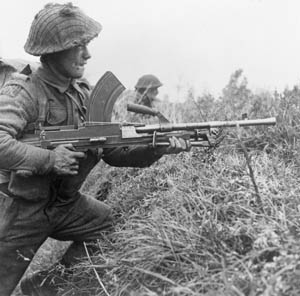
Now here is a couple of strange things that I noticed about it. Because the British / Commonwealth / Empire Army was stuck with the 303 Enfield Rimmed Round. It had to use and curved magazine that is mounted on top.
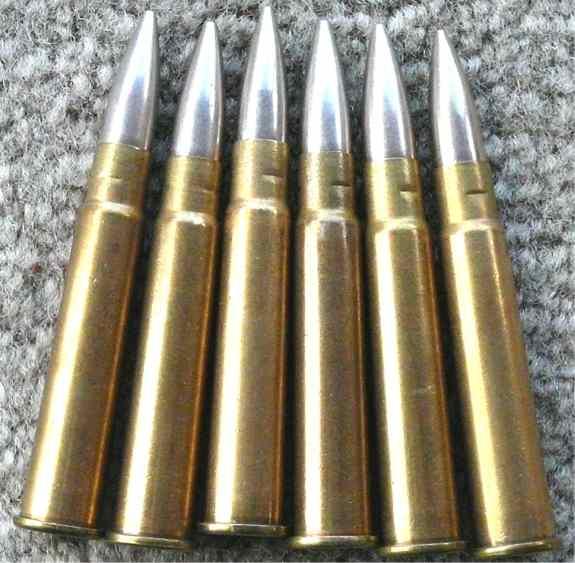
So when you cranked off a round. Gravity would help in both ejecting and feeding it another round. Pretty smart thinking says I.

I am also willing to bet that it was mighty useful that both the Rifleman and the Bren Gunner used the same ammo. Always a good thing when high speed metal is flying around.
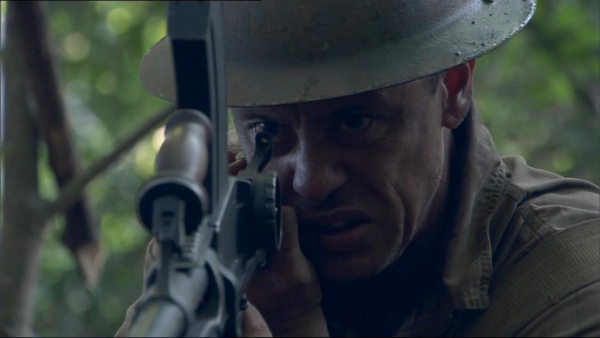
The other thing that struck me about this gun. Is the sight system that it uses. Because of the magazine blocks a straight view across the barrel. The sights have to be offset on the right hand side. 
![]()
Now for some good news! First off way the Troops found that the Bren was too accurate! In that a good man could literally & consistently put a round thru the same hole. Again & again.
So a smart Trooper would hold on to a worn barrel. In order to get a better pattern when time came for suppressive fire.
Also after the war. The British Army wisely kept this gun inservice right up to the Falklands War in the early 1980’s. But wisely had it rebarreled in the 308 NATO round. I am told in this form it also gave the Crown great service.
Notice the straight magazine compared to the earlier model. As the 308 round is rimless.
Here below is some more good stuff about this stout Warrior
WW2 Weapons: The Bren Gun

One of the most iconic British WW2 weapons today, the Bren Gun was in short supply in 1939 but quickly became the backbone of the British infantry.
by Arnold Blumberg
While all the combatant nations engaged in World War I fielded machine guns during the conflict, the British Army’s Vickers was arguably the best medium machine gun of the war, while their Lewis gun—an American design but perfected by the English—was the most effective light machine gun.
However, both weapons had their problems. The Vickers Machine Gun was a heavy Maxim-type weapon. Water-cooled and belt-fed, it was very reliable. But it was also a very complex war tool requiring a specially-trained crew, and the weight of the gun and the prodigious amount of water and ammunition it required meant the Vickers was restricted to a purely static defensive role.
The Lewis gun had been adopted during the Great War to provide close support for advancing troops. It had an air-cooled barrel and fired .303 caliber bullets from a 47-round pan magazine mounted on the top of the piece. Unfortunately, the Lewis gun was still relatively bulky, complicated, suffered from a high rate of stoppages, and could not maintain sustained rates of fire due to its barrel overheating, causing the gun to simply stop working.
Replacing the Vickers & Lewis
Faced with the shortcomings of their standard medium and light machine guns, the British Army sought to replace both in the 1930s. That year, a contender to replace the Lewis gun appeared in the form of the Zb 26: a light, air-cooled, magazine-fed weapon produced by the Brno Firm of Czechoslovakia. Modified to shoot the standard British Army infantry and machine gun .303 caliber ammunition (or 7.7x56mm), the gun—now designated the Zb 30, with a 30 round curved magazine—caught the attention of the Small Arms Committee. After a few minor alterations, the Czech fire arm-called the ZBG 34, was adopted by the Army. Referred to as the BREN, from “Brno” and “Enfield”, assembly lines were set at the Royal Small Arms Factory in 1935, with the first finished product appearing in September 1937.
Introducing the Bren Gun
The original Bren gun was designated the Mark 1. It was capable of semi or fully automatic fire from a distinctive curved top-mounted 30-round magazine. It was 45.5 inches in overall length, and employed a quick-change 25-inch barrel, which could be replaced in seconds, allowing it to keep up a sustained rate of fire. The Bren gun used a magazine rather than the better belt-fed system due to the theory (proved incorrect by the Germans with their MG 34 and MG 42s) that the former made the weapon more portable. The piece weighed 22 pounds and 3 ounces, and fired 500 rounds per minute.
Throughout the Second World War, the Mark 1 Bren was modified three times to include the models Mark II, Mark III, and Mark IV. The same .303 caliber ammunition as the Mark 1 was used, so the differences between these patterns were a few pounds of weight and inches shaved off the later model’s overall length and barrels. In mid-1944, the Bren was standardized as the Mark III with a full length of 42.9 inches, barrel length 22.25 inches, and weighing 19 pounds and 5 ounces. Its effective range was 600 yards. It was essentially a lightened Mark 1, but fitted with a simpler ladder back sight of the Mark II, a shorter and lighter barrel (which reduced accuracy) and simpler butt. Over 57,600 Mark IIIs were produced during the war.
Backbone of the British Infantry
During World War II, the Bren gun became the backbone of the British infantry. Every infantry section of ten men (equivalent to an American rifle squad) and its combat tactics were built around the Bren light machine gun, with the section’s riflemen tasked with augmenting the firepower of the Bren. Each infantry section contained a seven-man Rifle Group, and a three man Bren gun Group. In addition to carrying extra Bren gun ammunition, the Rifle Group would provide security and replacements for the Bren gun crews, while the Bren gunners provided the main killing power of the infantry section.
In addition to the Bren in each infantry section, every infantry battalion included a carrier platoon made up of 13 Universal Carriers (unofficially called “Bren Gun Carriers”) in four sections of three vehicles each. Each conveyance carried a Bren gun and a three-man crew. Further, support units (ie,. supply, artillery) carried on their rosters Brens for close defense and anti-aircraft protection.
Bren guns were integral in anti-tank warfare. Although not able to knock a tank out with their small arms ammunition, their fire would cause the enemy tank crews to “button up,” limiting their fields of vision, and dispersing opposing infantry supporting the tanks. Anti-tank weapons could then be brought to bear on the steel monsters with less risk to the attackers.
Useful in the Far East and Western Front
When war broke out on September 1, 1939, the Bren had only been recently adopted by the British Army and was in short supply. After the British evacuation of France in June 1940, only 2,300 Bren guns were available for service. A chronic shortage of the weapon persisted until late 1942, when production of the gun by the UK, Canada, and Australia made up the shortfall. By war’s end Bren guns were in plentiful numbers with all British combat divisions: 1,262, 1,376, and 966 in infantry, armored, and airborne, respectively.
In the Far East, Commonwealth soldiers appreciated the Bren’s portability, as much of the fighting took place in swamps and the jungle and where the armament’s heavy caliber rounds could easily penetrate the thick vegetation. The Australians took to the Bren very quickly, using it as a heavy automatic rifle rather than a machine gun.
When the Allies landed in Italy in 1943, and then in France the next year, the Bren was not affected by the bitter winters found in those theaters of the war. More importantly, it allowed the British infantry, still equipped with bolt-action Enfield Rifles, to maintain a respectful rate of fire compared to the Americans’ use of the semi-automatic Garand Rifle, and the Wehrmacht’s employment of the excellent MG-42 Light Machine Gun.
The Bren gun, in its last incarnation—the post-World War II L4A4—was effectively removed from active service in the mid-1980s being replaced by the L86 Light Support Weapon. While never completely replacing the Vickers, the Bren did serve as the primary support arm for British and Commonwealth troops through World War II and Korea, and set the British small-unit infantry tactics on a path they would follow until the 1980s.
Originally Published January 20, 2015

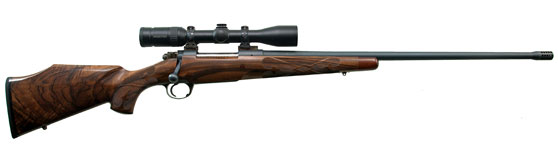
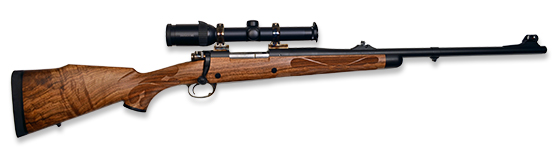
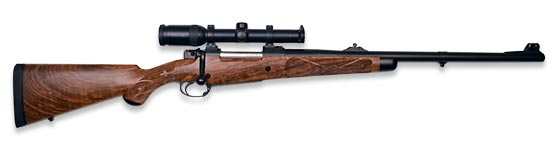
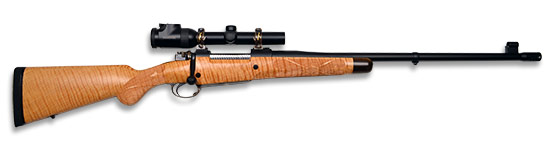
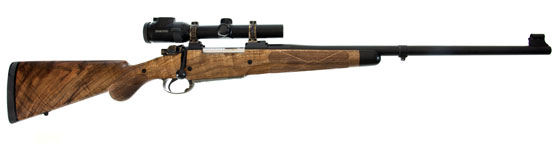
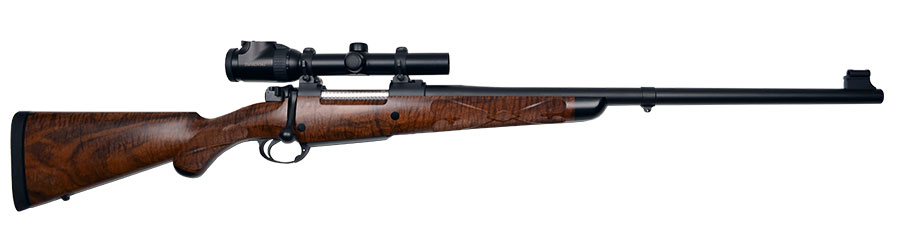
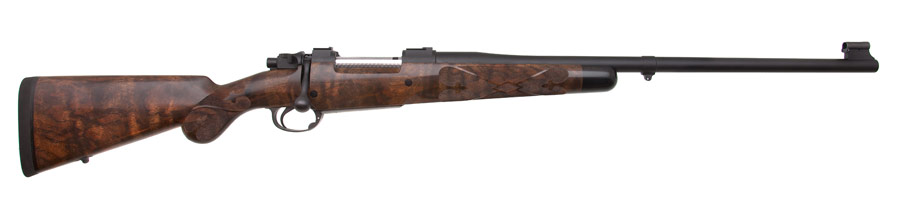
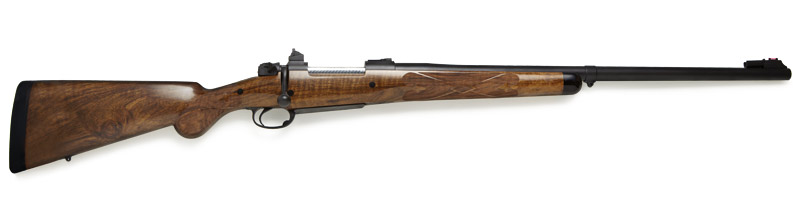
Westley Richards .375 Bolt Action rifle built on original Oberndorf Magnum Mauser
____________________________________
Because I found some more Guns & Stuff That I want to add to the collection! ****By the way I do take tips from those so inclined to do so. My Paypal button is around here for those kind souls!****
Thanks
Grumpy
Here is some more!

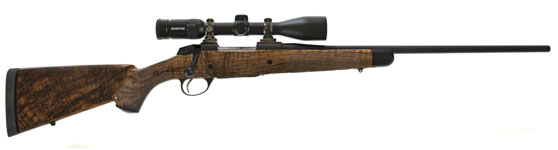
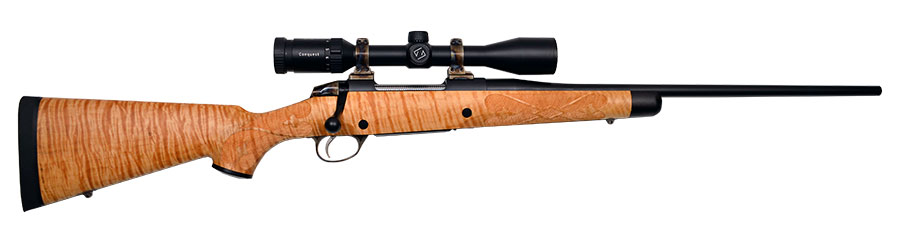
GRANITE Mountain Arms 505 Gibbs-Ike Ellis.


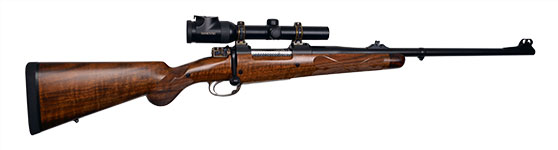
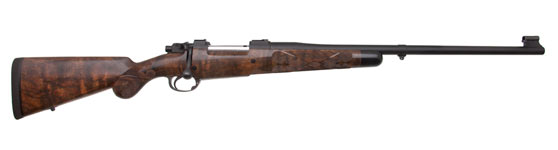
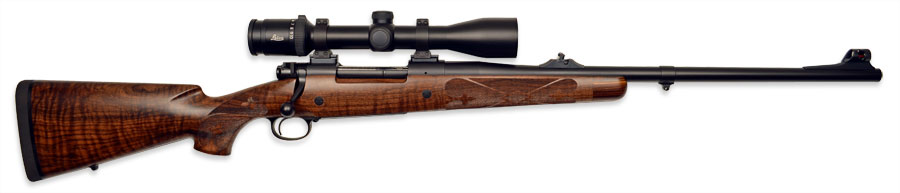
F.N. Mauser – Custom – .270 Win caliber


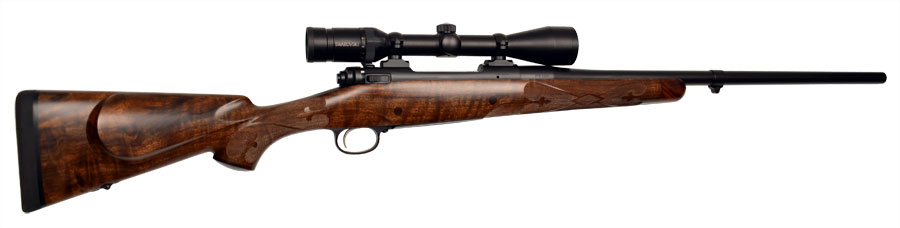
Griffin & Howe – Mauser 98 Custom – .30-’06 caliber

Ruger Number 1 Highly Engraved

Custom pair of Westley Richards sidelock double rifles chambered in .470 Nitro Express. (God that must hit a shooter hard! Because look at its so called recoil pads)
The 92F Beretta 9mm

This is when you do not want to see a 92F!


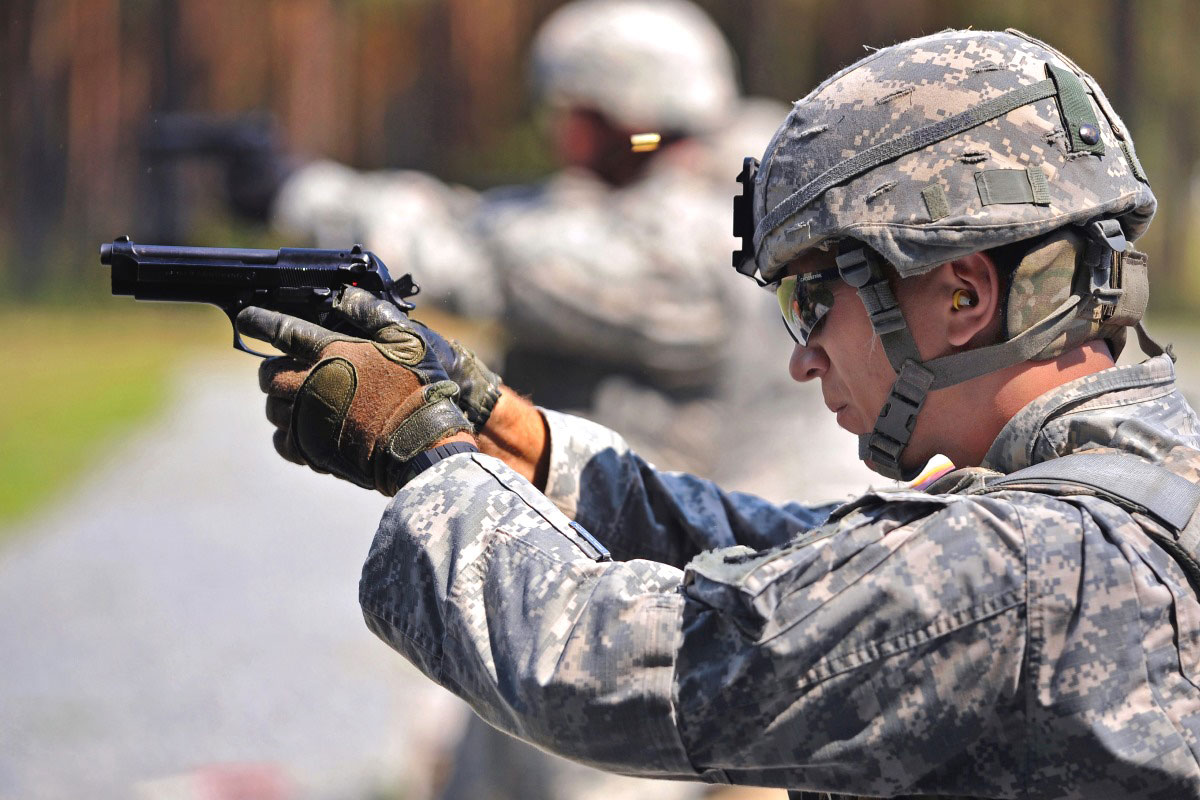
Now I was basically phasing out of the Army National Guard. When “THE WORD” came down about the 1911a1 being replaced by the 92F.

To say that some of the Real Old Sweats were not happy. Would not really do them justice in describing their righteous rage.


But then after the survivors who said “maybe this might be a good thing”. Were either scrapped off the floor or gotten a Dust Off to the Medicos.
So We did like what all good soldiers do.

and then we.

Followed by almost stopping to complain about it for a while & continue the Mission.
Now here is what I found out. It is not that bad a pistol really. As I own one, (The price was too good to pass by the deal)
That & it seems to have the capacity to hold a huge amount of 9mm ammo. (15 rounds outside of the People’s Republic of California!)
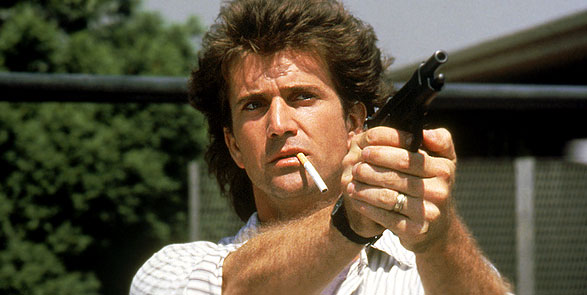
Just do not tell that Jerk Mel Gibson about that. As it seems that he never has to reload in the movies.

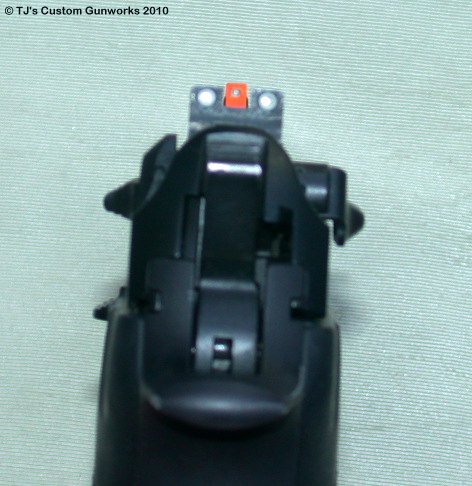
It also has some heft and shoot better at least to than the 45. I also like the sight picture. Here are some of the variations out there.

Now for the not so good news. The Trigger sucks in my humble opinion. Either in the single or double action mode. But maybe that is my problem.
Would I take this gun into a firefight by itself? Oh Hell no! Since I firmly believe that a pistol is really just a badge of rank. That & a gun of last resort.

If I could not avoid such a fight or not call in a strike.

Then I would take an AK-47 to the party.
![]()
But hopefully that will not happen again in mine or my family’s lifetime
Here is some more technical information about this fine pistol!
Beretta 92
| Beretta 92 | |
|---|---|
Beretta 92FS
|
|
| Type | Semi-automatic pistol |
| Place of origin | Italy |
| Service history | |
| In service | 1975—present |
| Used by | See Users |
| Production history | |
| Manufacturer | Fabbrica d’Armi Pietro Beretta |
| Produced | 1976—present |
| Variants | See Variants |
| Specifications | |
| Weight |
|
| Length |
|
| Barrel length |
|
|
|
|
| Cartridge |
|
| Muzzle velocity | 381 m/s (1,250 ft/s) |
| Effective firing range | 50 m (160 ft) |
| Feed system | Detachable box magazine:
|
The Beretta 92 (also Beretta 96 and Beretta 98) is a series of semi-automatic pistols designed and manufactured by Beretta of Italy. The model 92 was designed in 1972 and production of many variants in different calibers continues today.
The United States Armed Forces replaced the M1911A1 .45 ACPpistol in 1985 with the M9, a military spec Beretta 92FS.
Contents
[hide]
History[edit]
The Beretta 92 pistol evolved from earlier Beretta designs, most notably the M1923 and M1951. From the M1923 comes the open slide design, while the alloy frame and locking block barrel, originally from Walther P38, were first used in the M1951. The grip angle and the front sight integrated with the slide were also common to earlier Beretta pistols. What were perhaps the Model 92’s two most important advanced design features had first appeared on its immediate predecessor, the 1974 .380 caliber Model 84. These improvements both involved the magazine, which featured direct feed; that is, there was no feed ramp between the magazine and the chamber (a Beretta innovation in pistols). In addition, the magazine was a “double-stacked” design, a feature originally introduced in 1935 on the Browning Hi-Power.[1]
Carlo Beretta, Giuseppe Mazzetti and Vittorio Valle, all experienced firearms designers, contributed to the final design in 1975.[2]
Evolution[edit]
92[edit]
Production began in May 1976, and ended in February 1983. Approximately 7,000 units were of the first “step slide” design and 45,000 were of the second “straight slide” type.[3]
92S[edit]
In order to meet requirements of some law enforcement agencies, Beretta modified the Beretta 92 by adding a slide-mounted combined safety and decocking lever, replacing the frame mounted manual thumb safety. This resulted in the 92S which was adopted by several Italian law enforcement and military units.
92SB (92S-1)[edit]
The 92SB, initially called 92S-1, was specifically designed for the USAF trials (which it won), the model name officially adopted was the 92SB. Features added include a firing pin block (thus the addition of the “B” to the name), ambidextrous safety levers, 3-dot sights, and relocated the magazine release catch from the bottom of the grip to the lower bottom of the trigger guard. The later relocation of the magazine release button means preceding models (92 & 92S) cannot necessarily use later magazines, unless they have notches in both areas.[4]
A compact version with a shortened barrel and slide and 13-round magazine capacity known as the 92SB Compact was manufactured from 1981 to 1991.[4]
92F (92SB-F)[edit]
Beretta modified the model 92SB slightly to create the 92SB-F (the “F” added to denote entry of the model in U.S. Government federal testing) by making the following changes:
- Design of all the parts to make them 100% interchangeable to simplify maintenance for large government organizations.
- Squared off the front of the trigger guard so that one could use finger support for easier aiming.
- Recurved the forward base of the grip to aid aiming.
- Hard chromed the bore to protect it from corrosion and to reduce wear.
- New surface coating on the slide called Bruniton, which allegedly provides better corrosion resistance than the previous plain blued finish.[5]:16
The French military adopted a modified version of the 92F with a decocking-only lever as the PAMAS G1. These pistols have Tellurium in the slide, making the steel brittle and as such only have a service life of approximately 6,000 rounds. [1]
92FS[edit]
The FS has an enlarged hammer pin that fits into a groove on the underside of the slide. The main purpose is to stop the slide from flying off the frame to the rear if it cracks. This was in response to reported defective slides during U.S. Military testing.[6]
Design[edit]
The Beretta 92’s open slide design ensures smooth feeding and ejection of ammunition and allows easy clearing of obstructions. The hard-chromed barrel bore reduces barrel wear and protects it from corrosion. The falling locking block design provides good accuracy and operability with suppressors due to the in-line travel of the barrel. This is in contrast to the complex travel of Browning designed barrels. The magazine release button is reversible with simple field tools. Reversing the magazine release makes left-handed operation much easier.
Increasingly, it has become popular to reduce handgun weight and cost as well as increase corrosion resistance by using polymers. Starting around the year 2000, Beretta began replacing some parts with polymer and polymer coated metal. Polymer parts include the recoil spring guide rod which is now also fluted, magazine floor plate, magazine follower and the mainspring cap/lanyard loop. Polymer coated metal parts include the left side safety lever, trigger, and magazine release button.[7]
Magazines[edit]
To keep in line with the introduction of laws in some locations restricting magazines that hold more than 10 rounds, Beretta now manufactures magazines that hold fewer than the factory standard 15 rounds. These magazines have heavier crimping (deeper indentations in the side) to reduce the available space while still keeping the same external dimensions and ensuring that these magazines can be used on existing firearms. Beretta also produces 15 round “Sand Resistant” magazines to resolve issues encountered with contractor made magazines, and 17 round magazines included with the A1 models. Both magazines function in earlier 92 series and M9 model pistols.
Italian magazine manufacturer Mec-Gar now produces magazines in blue and nickel finishes with an 18-round capacity, which fit flush in the magazine well on the 92 series. Mec-Gar also produces an extended 20-round blued magazine that protrudes below the frame by 3⁄4 inch (19 mm). These magazines provide users in unrestricted states with a larger capacity magazine.
Variants[edit]
The Beretta 92 is available in many configurations and models:
Trigger systems[edit]
- FS Models
- The FS models are Double-action/Single-action (DA/SA) pistols; they have an initial double-action trigger pull subsequently followed by single-action operation. The “FS” models have a safety lever that also functions as a decocking lever.
- G Models
- The G models (so named because this configuration was first designed for the French “Gendarmerie“) feature a decocking lever only instead of the safety-decocking lever of the FS. When the decocking lever is released, it automatically returns to the ready-to-fire position. There is no manual safety.
- DS Models
- The DS models are double action only pistols: the hammer doesn’t stay cocked. Therefore the hammer spur has been removed, and is flush with the rear of the slide. The safety levers serve as manual safeties only and have no decocking feature..
- D Models
- The D models are also double-action only pistols but without the manual safeties.
Models[edit]
- 90Two
- (2006-2012)
- The 90two is a 9mm/.40 variant of the 92-series with a redesigned, thicker slide and frame with an accessory rail, captive recoil spring, internal recoil buffer, replaceable sights, user changeable monogrips and 17-round magazines.[8]
- 92A1 / 96A1
- (2010–present)
- The 92A1 and 96A1[9] were introduced in 2010, based on elements from the 92FS and 90two. The overall shape and styling builds on the 92FS with more parts commonality than the 90-two had. From the 90-two comes a heavier slide construction combined with a slightly altered frame to accommodate the picatinny rail and .40 S&W power levels. While most internal components are compatible with standard 92 models, the slide, frame, captive recoil spring assembly, and takedown lever and button of the 92A1 and 96A1 are not interchangeable with other models other than the 90-two.
- 92G-SD / 96G-SD
- (2002-2005, 2015-)
- The 92G-SD is a tactical variant of the 92G with a Brigadier slide and picatinny rail.
- 96FS
- (1990-2008)
- Variant chambered for the .40 S&W, Succeeded by the 96A1.
- 98F
- Variant chambered for 9×21mm IMI. This option was introduced in 1987 for markets where it is illegal to own a weapon chambered for a military cartridge such as 9×19mm; essentially, this is the case of Italy. There were also about 5000 early 98F manufactured in 7.65×21mm Parabellum.
- Billennium
- (2001)
- A limited-edition (2000 copies) commemorative (of the year 2000) model manufactured in 2001, featuring the heavier Brigadier slide. Only 1000 Billennium pistols were initially imported into the United States, the other 1000 were sold throughout the rest of the world. The Billennium also has a frame mounted safety.
- Brigadier
- (1993–present)
- 60-gram (2.1 oz) heavier slide and 1 millimetre (0.039 in) wider to improve control when firing multiple shots in quick succession. It also includes removable front and rear sights.
- CB
- (1992–1993)
- Single action only. It is designed for sport shooting and includes a front barrel bushing for improved accuracy.
- Centennial
- (2015)
- The 92 FS Centennial limited edition (500 units) commemorates adoption by the Italian Military of Beretta’s earliest semiautomatic pistol, the Model 1915. This Centennial 92 is notable for its frame-mounted manual safety and single-action-only mechanism. The Beretta medallion in each wood grip panel displays the anniversary dates in Roman numerals, which are also engraved on either side of the steel slide. The pistol is packaged in a custom M2A1 ammunition can bearing the Centennial logo.[10][11]
- Centurion
- (1992–2004)
- Shorter barrel and slide (like “Compact”), but with standard-sized frame that has a slightly shorter dust cover. Special G Centurion, DS Centurion and D Centurion models are available in some countries.
- Combat
- (1994–2001)
- Heavier Brigadier slide, single-action only and also designed for sport shooting, including a front barrel bushing for improved accuracy. It also came with an additional longer barrel that was weighted.
- Compact L
- (1992–present)
- Shorter barrel, slide, and more compact frame (13-round magazine capacity).
- Compact M
- (1992–2004)
- Similar to the Compact L, but has a slimmer grip that accepts only a single stacked 8-round magazine.
- Compact with Rail
- (present)
- A compact version of the M9A1.
- Elite I
- (1999–2001)
- Pistols with this option include the heavier Brigadier bruniton slide with front serrations and Elite designation, Inox finish (silver) stainless barrel, thin skeletonized hammer, and bevel of the magazine well. A flat hammer spring cap was standard as well as the decock only (G-Model) feature and dovetailed front sight. It was introduced in 1999 and replaced by the Elite II option in 2001.
- Elite IA
- (2001)
- This option is essentially a black Vertec with a bruniton Brigadier G slide having the Elite 1A designation and a thicker skeleton hammer. The 4.7 in (120 mm) stainless barrel with Inox finish was also changed to the blackened stainless version like black Vertecs.
- Elite II
- (2001)
- This option replaced the Elite I option in 2001 and includes the same features as the original Elite plus removable Novak type sights, extended magazine release catch, checkered front/rear grip strap, thicker (than Elite I) skeletonized hammer, and lighter D-spring. This option is available only with the stainless G-Model slide, also with front serrations. The stainless barrel for the Elite II has a target crown.
- Inox
- (present)
- The Inox models feature the following parts made in stainless steel: the barrel, the slide (including the extractor, the safety and the right-side manual safety lever), the trigger, the trigger pin, and slide stop lever. The aluminum frame is anodized to match the color. Can have either black or stainless controls.
- M9
- (1990-present)
- The M9 is essentially the commercial 92FS as the design was when it was adopted by the US military in the late 1980’s. Subtle differences from a modern production 92FS are a straight dustcover, “snowman” style sights, a straighter grip and military markings.
- M9A1
- (2006-present)
- The M9A1 was adopted by the USMC in 2006. It adds a 1-slot Picatinny rail, more aggressive front and backstrap checkering and a beveled magazine well for easier reloading of the weapon. M9A1 pistols are sold with physical vapor deposition (PVD) coated magazines developed to better withstand the conditions in the sandy environments in Iraqand Afghanistan.[12]
- M9A3
- (2015-present)
- The M9A3 (the M9A2 concept never went into production) was released in 2015 as part of the Modular Handgun System trials. The main updates to the M9A3 were a 3-slot Picatinny rail, thinner vertical grip, removable wrap-around grips that can be swapped between Vertec-style and ‘old’ M9 style[13], fully removable sights and a universal slide, which makes the gun convertible from decocker-safety to decocker-only mode. Additionally, the M9A3 comes with 17-round sand-resistant magazines in a beveled shape for easier reloading.
- Steel I
- (2004)
- Nickel-plated carbon steel, single-action-only, collector’s model. [Edit: Both single-action-only and single/double-action variants exist. Also used for competitive shooting because of its steel frame (for added weight and strength), the frame-mounted safety and/or Vertec-style grip-frame that are all desirable features in a competition gun.]
- Stock
- (1994–present)
- Heavier Brigadier slide. It is also designed for sport shooting and includes a front barrel bushing for improved accuracy.
- Vertec
- (present)
- Thin Vertec polymer grips, flush muzzle with slide, and dovetail target sights. Late models have an underbarrel 92A1-style Picatinny accessory rail.
- Wilson Combat 92G Brigadier Tactical
- (2014 to present)
- Made in collaboration with Wilson Combat,[14] these pistols differ from the standard Brigadier in that they have a military standard 1913 picatinny rail, all steel controls (as opposed to the polymer coated steel), decock only feature (G-model), 4.7″ target crowned barrel, fluted steel guiderod, thin profile G-10 grips, rounded trigger guard, the lighter hammer spring used in the “D” model, Elite II hammer, and their own unique serial number with a “WC” prefix among other features.
93R machine pistol[edit]
The Beretta 93R is a significantly redesigned 92 to provide the option of firing in three-round bursts. It also has a longer ported barrel, heavier slide, fitting for a shoulder stock, a folding forward grip, and an extended magazine. Unlike other Berettas in the 90 series it is single-action only, does not have a decocker, and very few are around today.[5]:12–13
Copies[edit]
The Beretta 92 was designed for sports and law enforcement use and, due to its reliability, was accepted by military users in South America and other countries all over the world.
- Brazil
- A large contract for the Beretta 92 was with the Brazilian army, for which Beretta set up a factory in Brazil. This factory was later sold to the Brazilian gunmaker Taurus (Forjas Taurus S/A). Taurus makes pistols called PT92without the need for a license from Beretta since their design is based on the original Beretta 92, whose patents have since expired.
- The PT92 can be distinguished from its modern Beretta counterpart primarily by having the safety mounted on the frame as opposed to on the slide like the Beretta. Though mechanically similar to the original, the PT92s differ from the early 92s by having a trigger guard similar to the modern 92s (the originals were rounded) and a magazine release in the same place as the modern 92s (the originals were at the bottom of the grip).
- Turkey
- Turkish companies MKEK and Girsan manufactured a copy of the Beretta 92F as Yavuz 16 for the Turkish Armed Forces and General Directorate of Security.[15][16] There has been speculation that these were being made under contract from Beretta. Some of these pistols were imported into the United States by the company American Tactical Imports as the American Tactical 92 or AT-92. Yavuz 16 was exported to Canada, Colombia, Georgia, Malaysia and Syria.[17]
- France
- France has made licensed copies of Beretta 92FS as the PAMAS G1 and the French-M92 is now in use in the Armies and law enforcement agencies, only to be replaced by the SIG SP2022 in the national police.
- Taiwan
- Taiwan had made Beretta-like pistols namely the T75 Pistol.
- South Africa
- South Africa had produced the Beretta under license since 1992 as the Vektor Z88, and the batches are used by the South African Police.
- Egypt
- Egypt had produced the Beretta 92 under license as the Helwan 920 with the magazine release button at the bottom of the magazine.[18]
Users[edit]
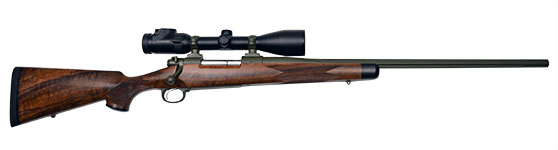
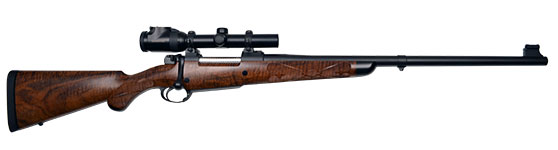
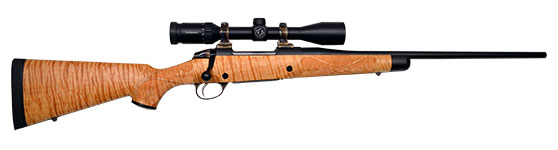
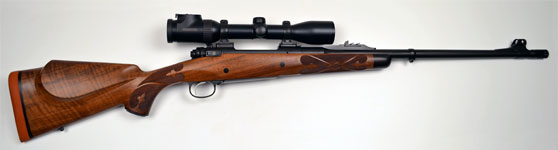
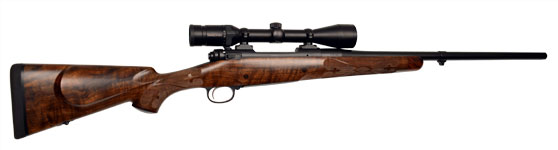
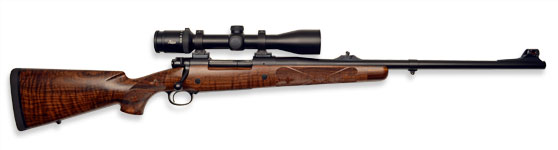
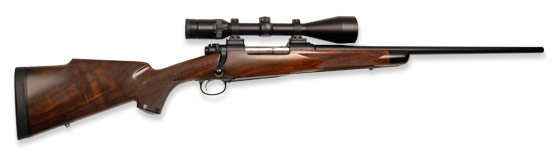
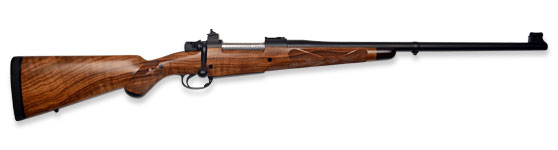
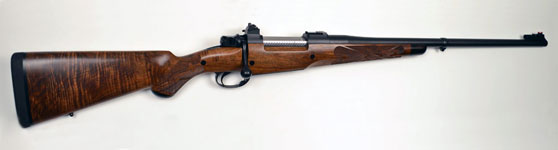
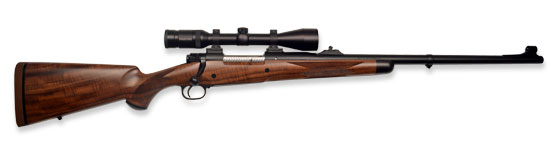
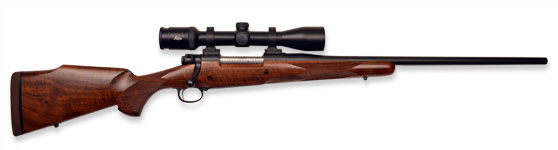
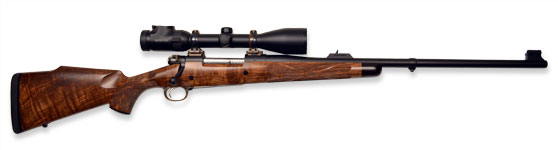
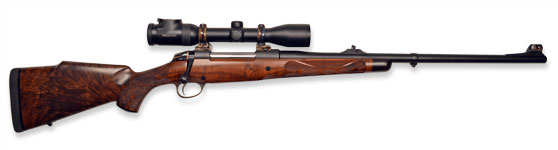
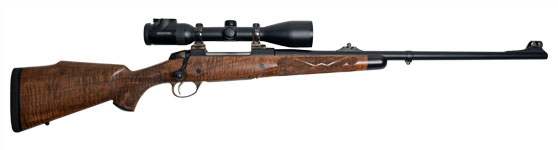
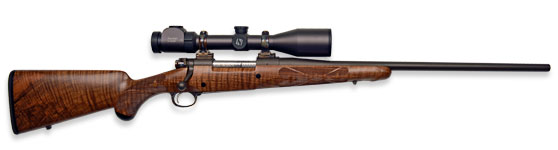
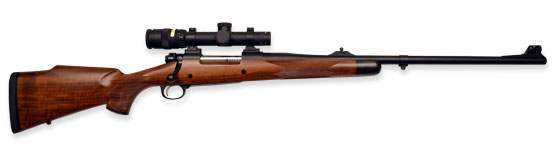
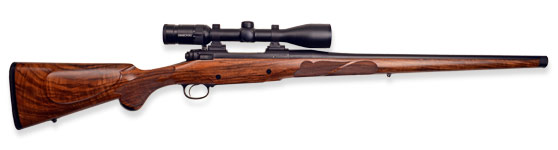
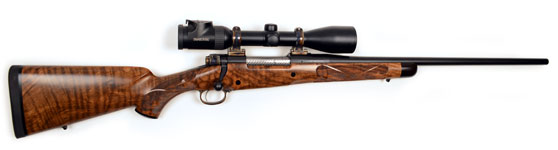
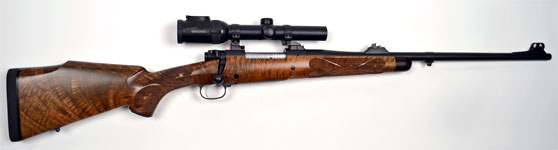
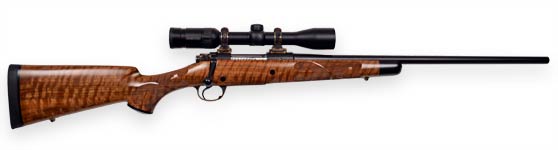
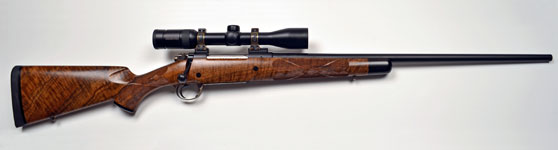
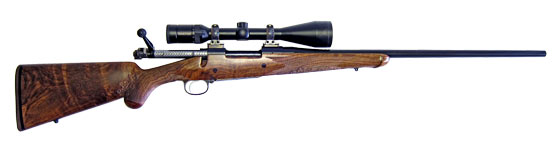
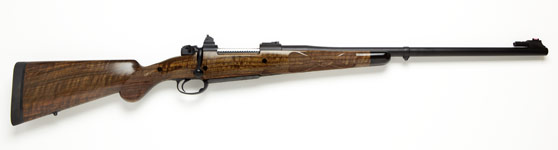
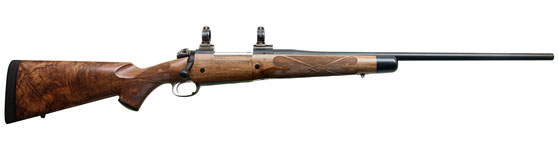
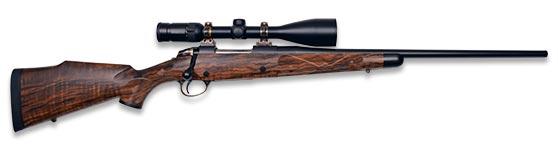
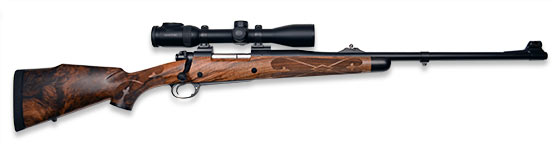
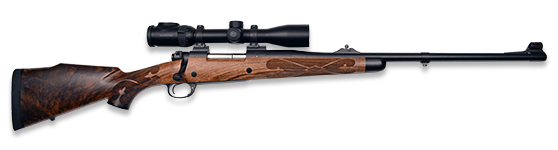
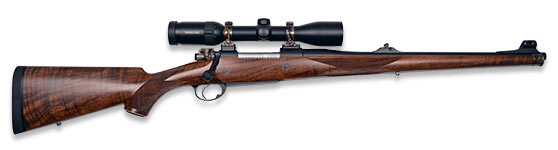
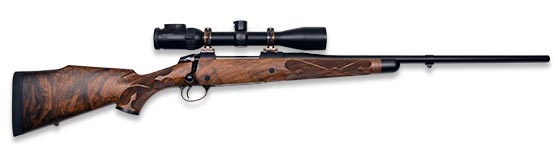
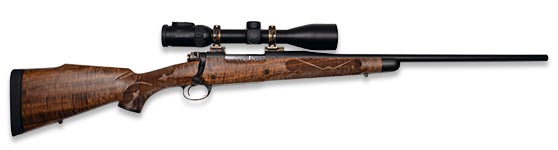
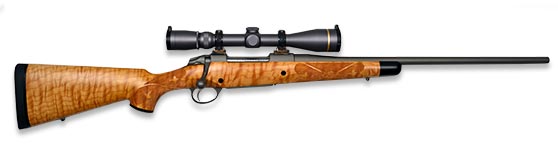
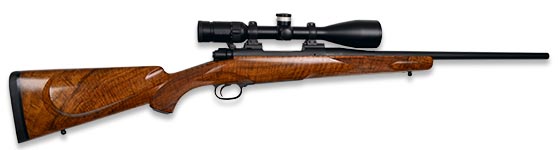
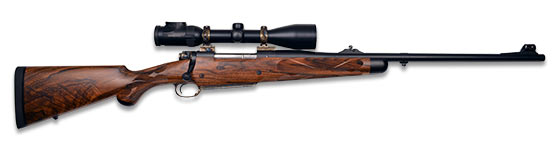
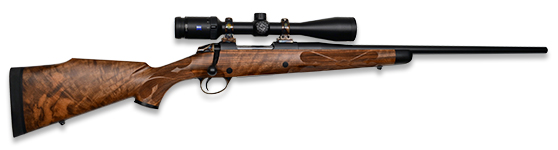
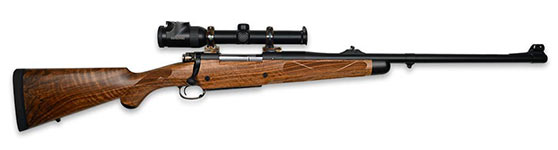
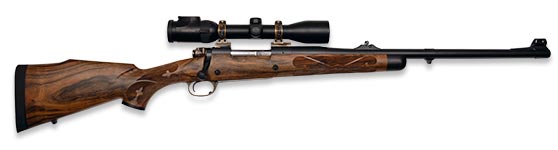
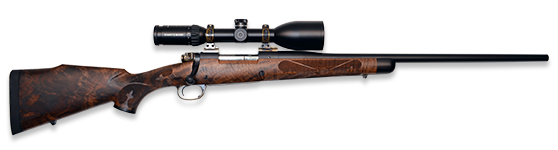
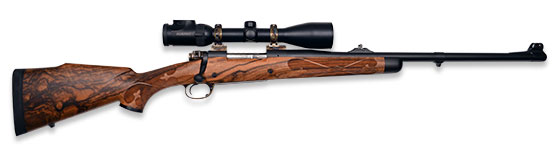
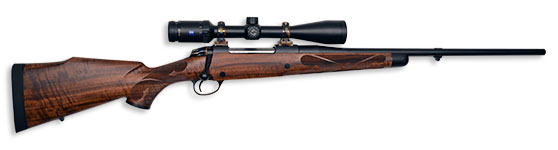
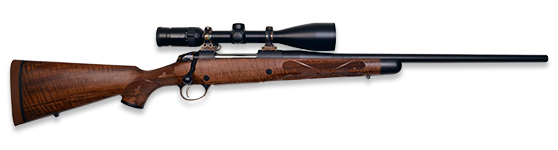
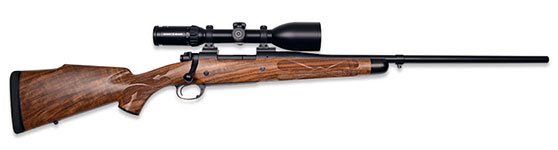
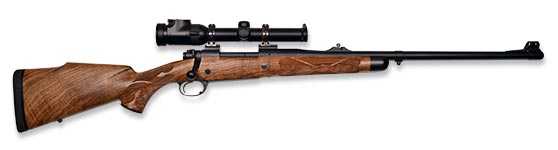
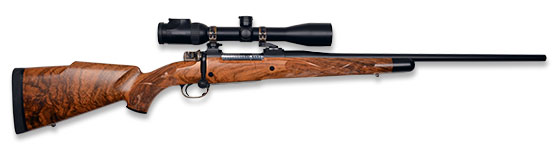
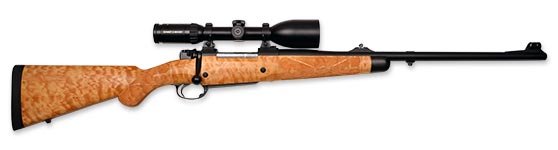
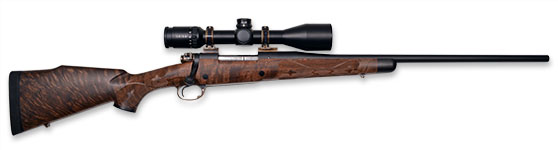
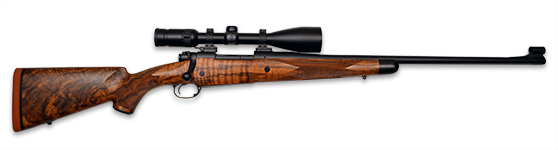
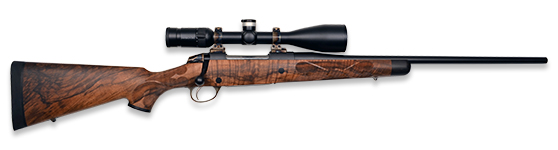
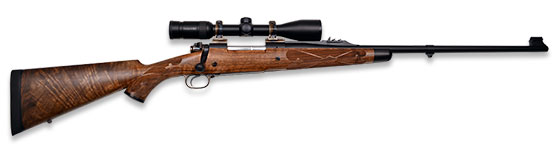
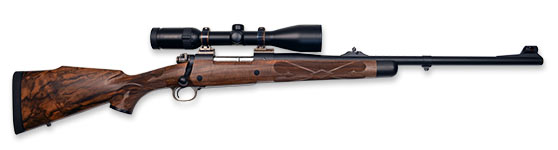
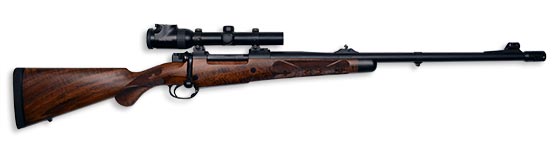
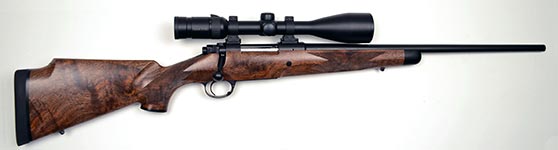
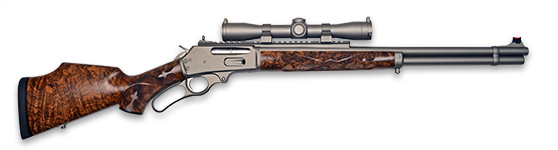
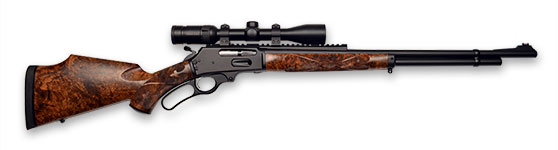
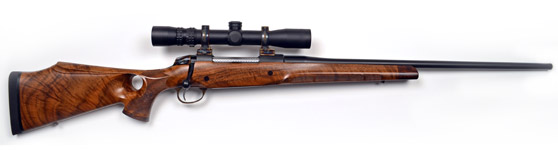
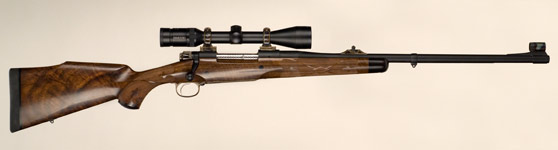
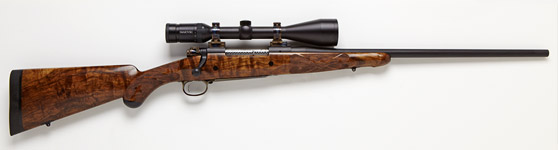
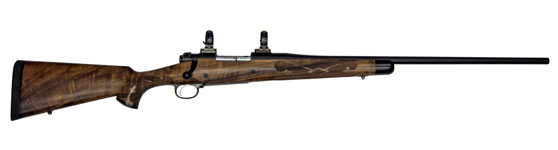
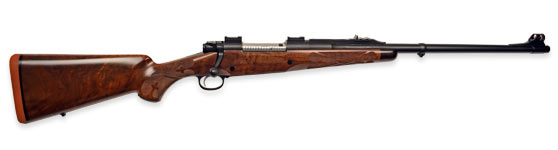
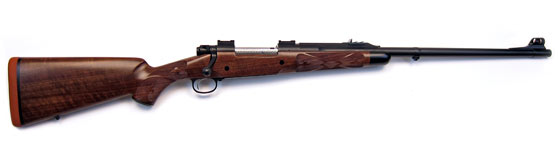
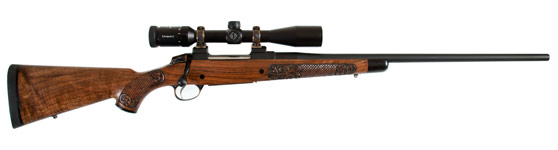
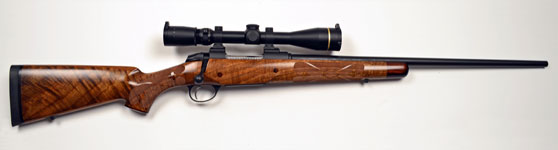
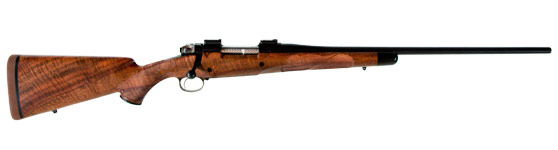
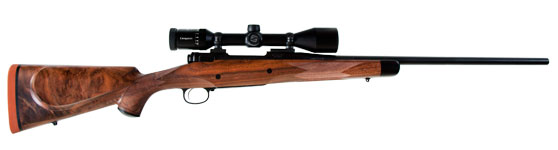
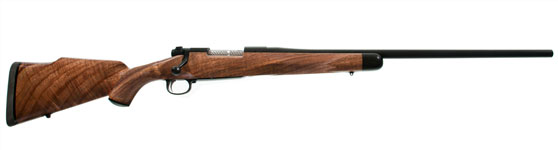
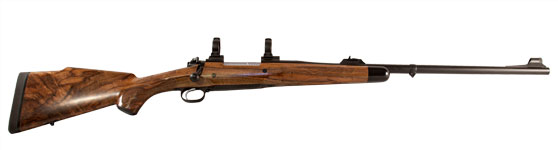
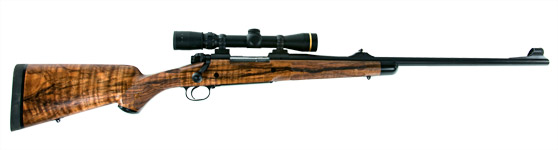
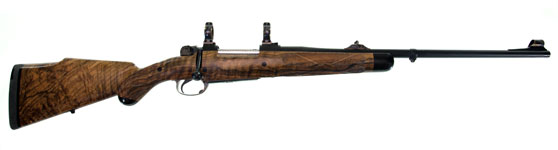
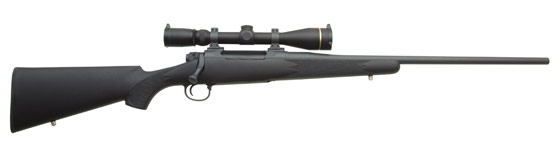
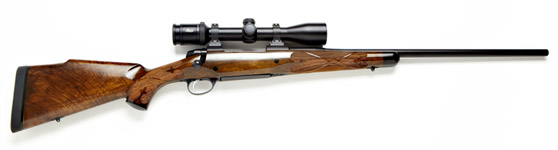
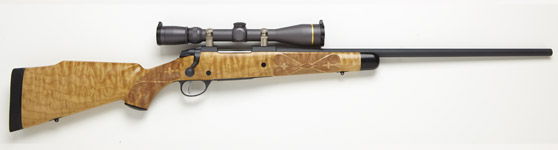
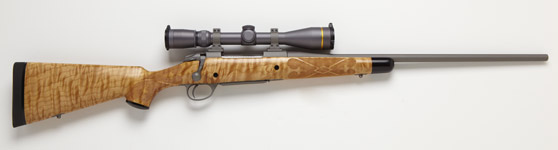
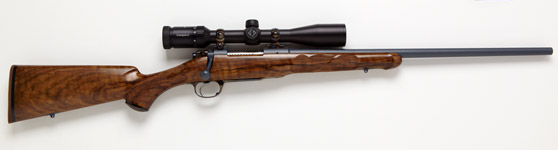
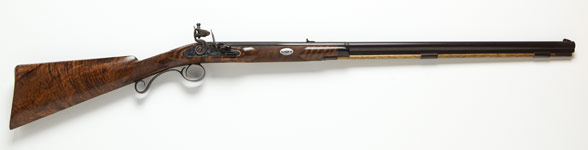
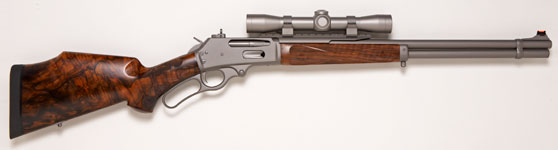
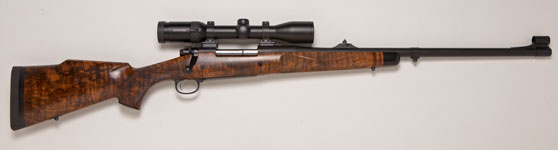
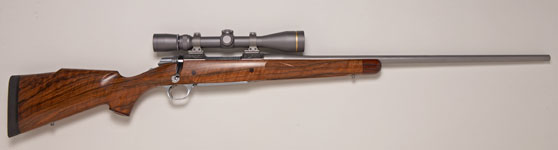
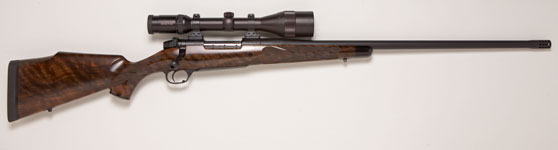
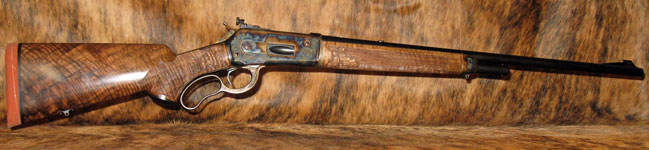
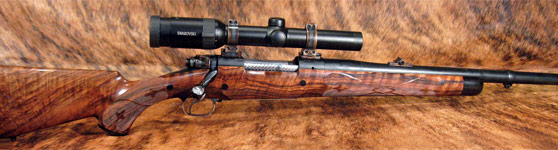
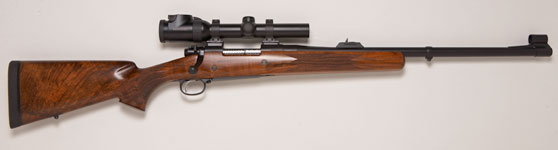
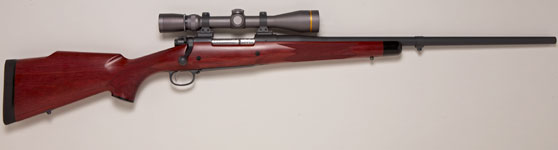
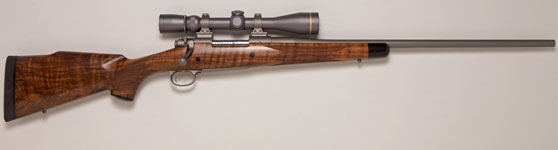
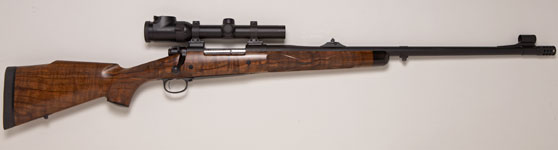
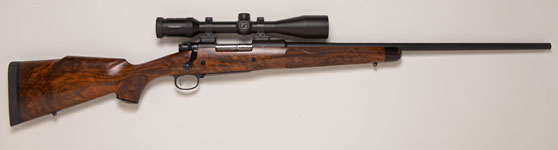
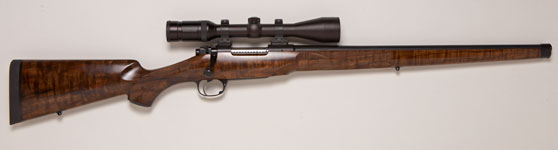
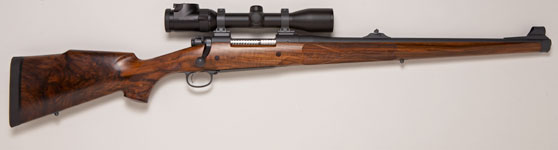
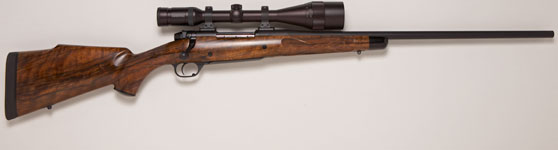
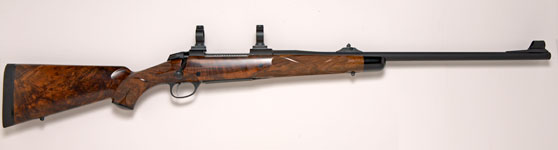
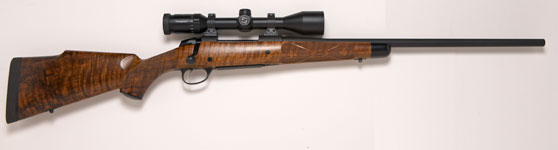
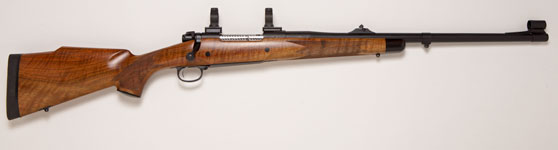
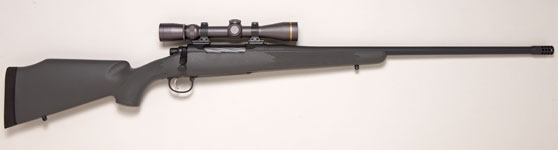
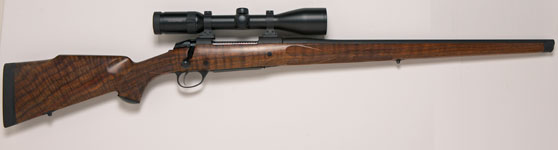
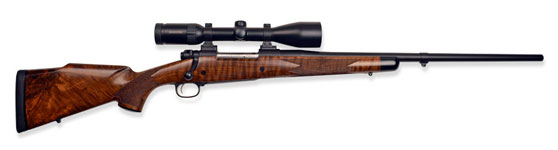
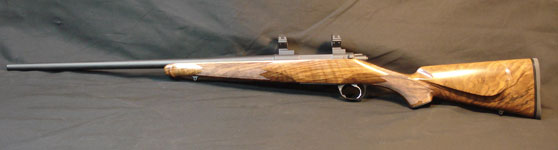
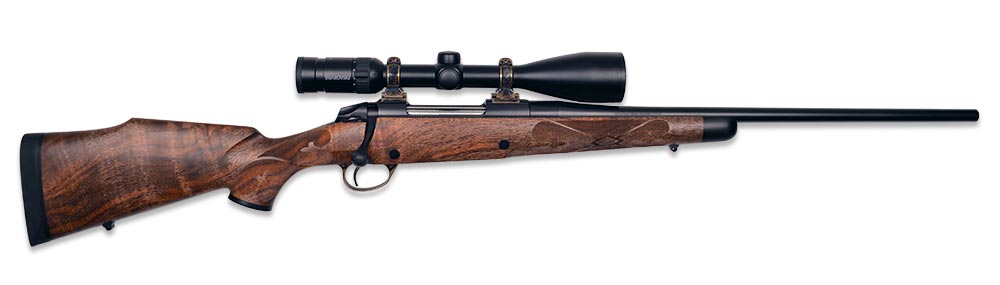
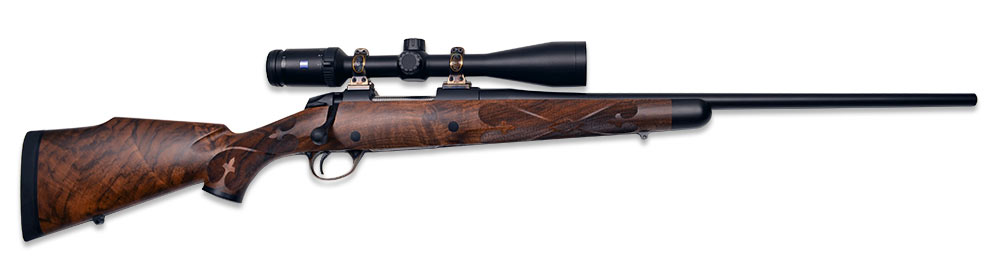
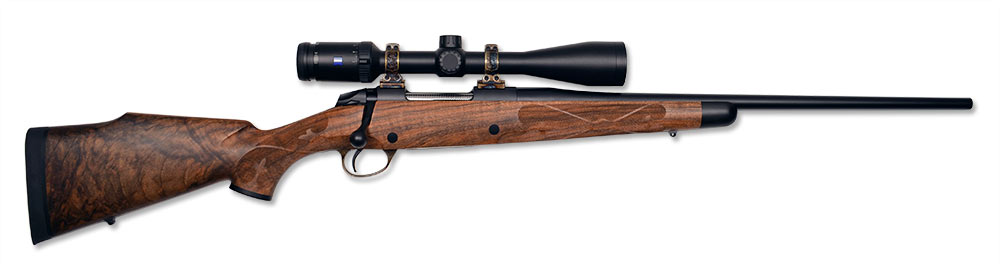
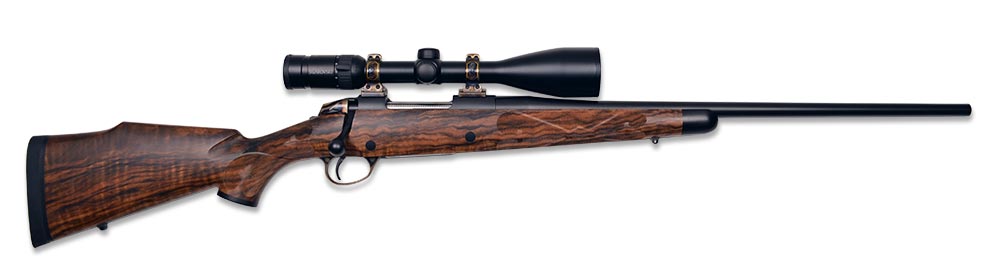
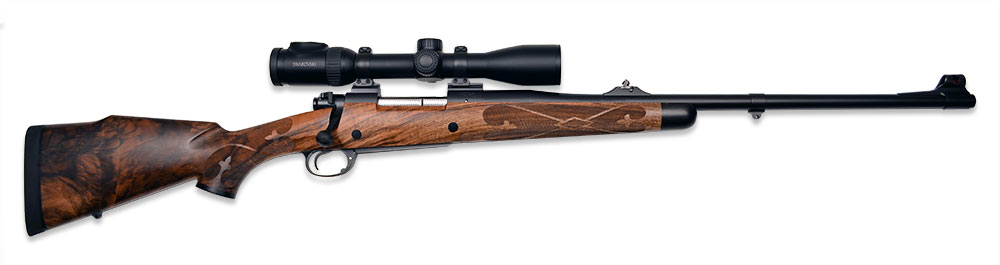
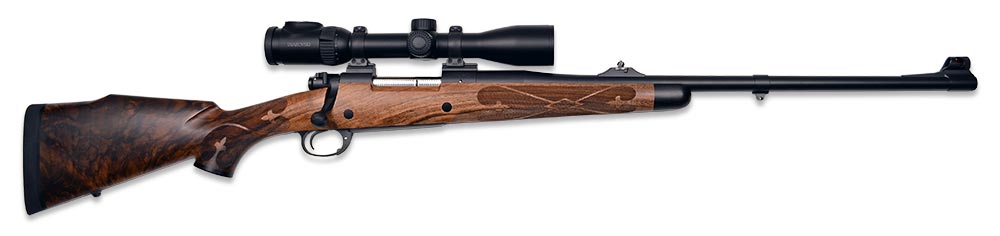
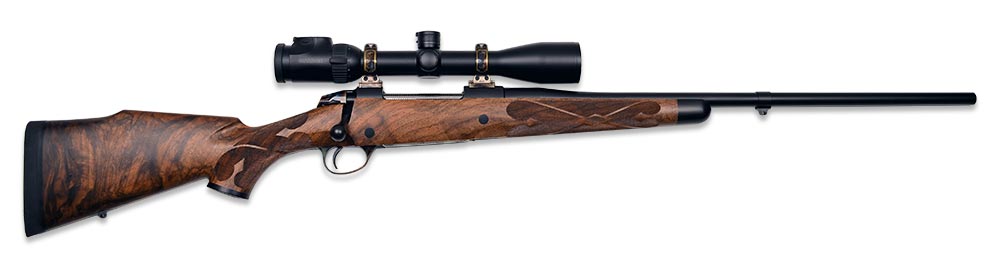
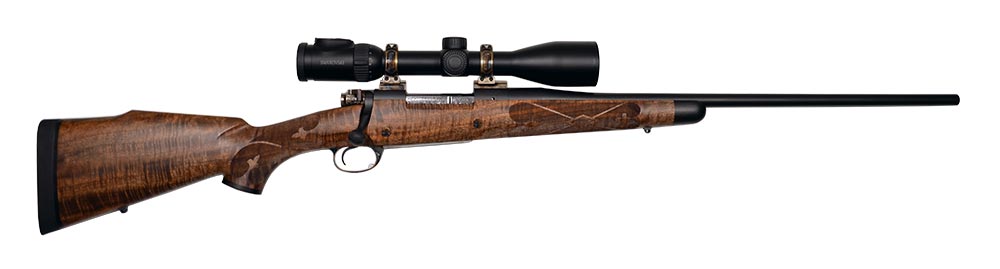
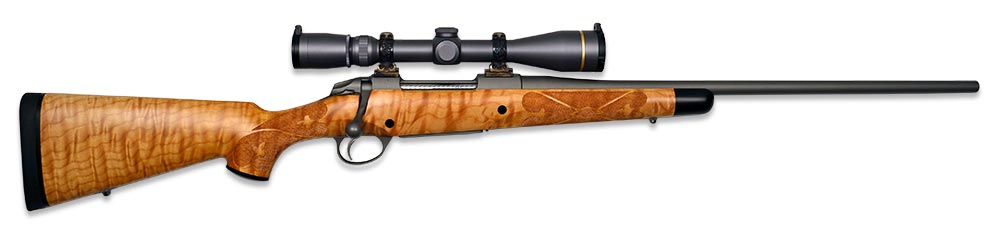
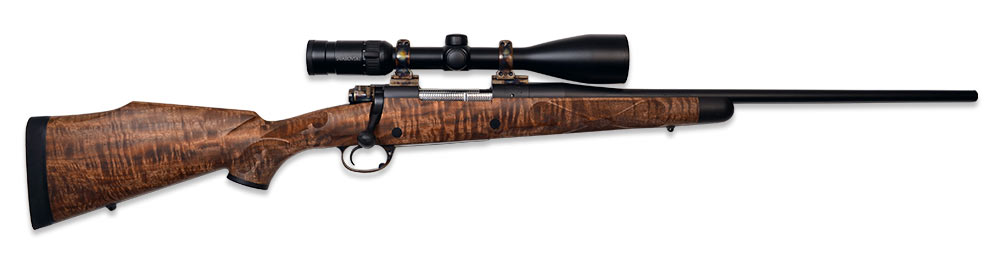
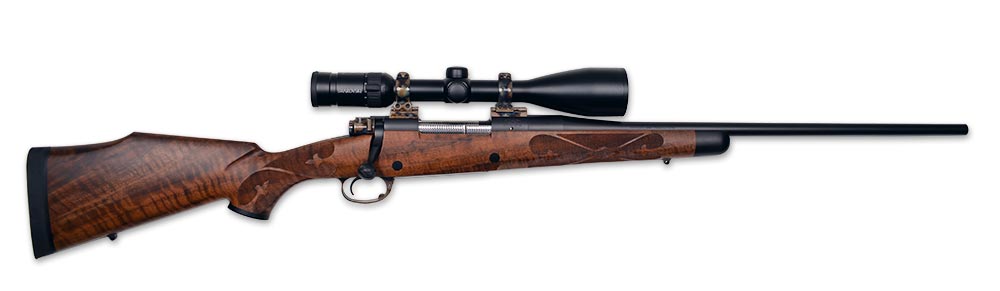
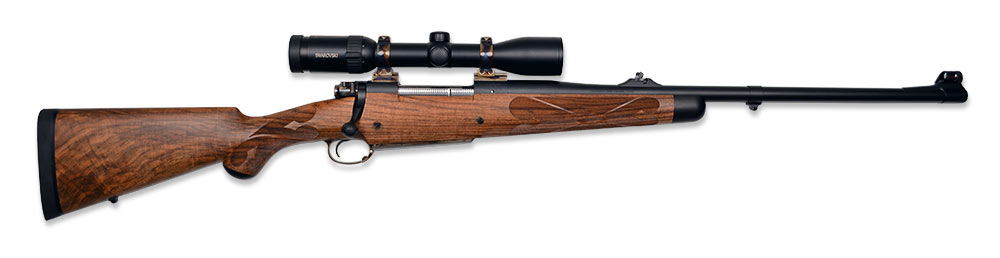
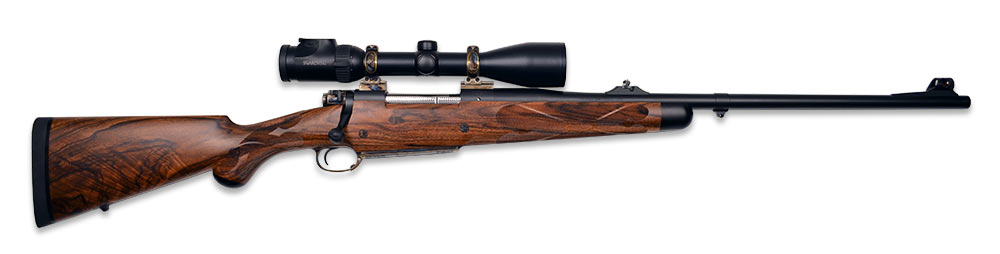
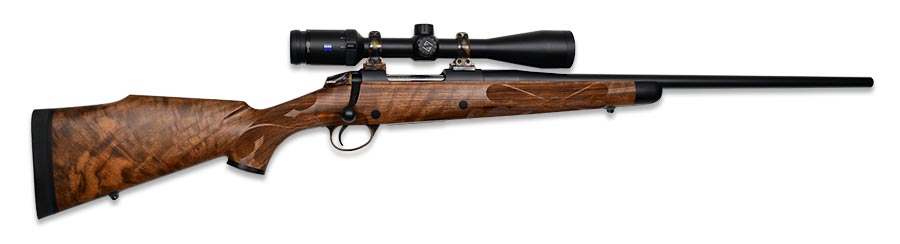
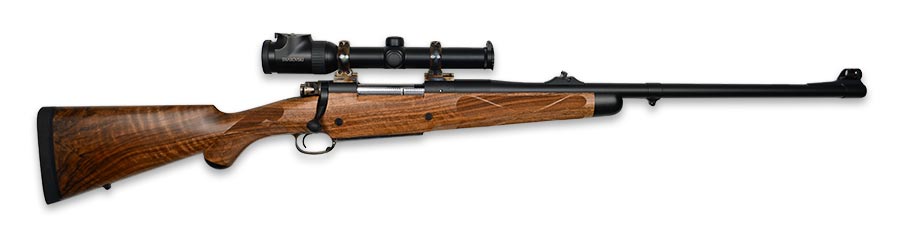
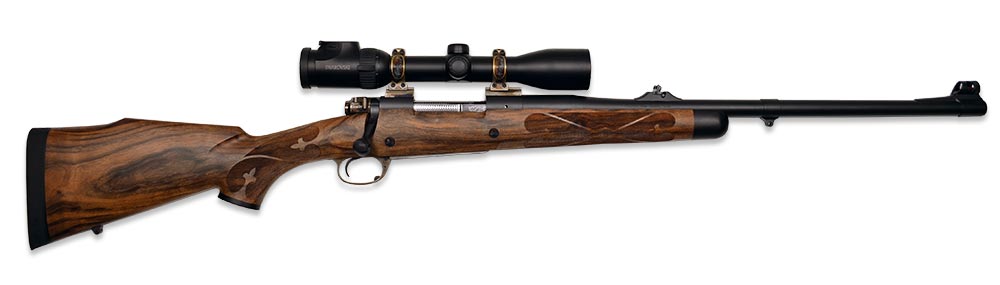
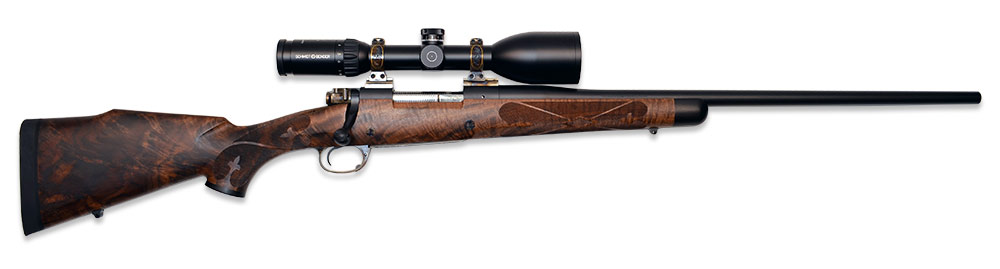
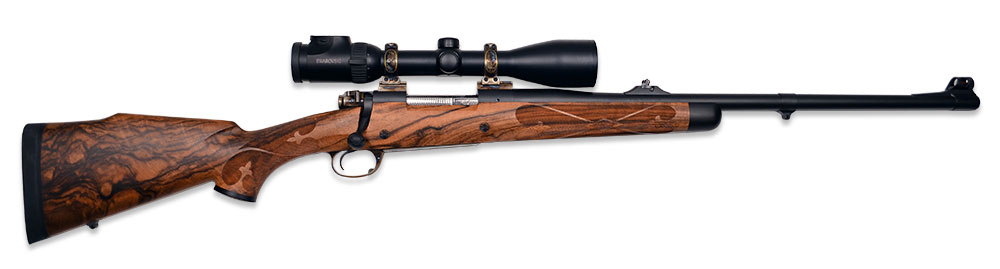
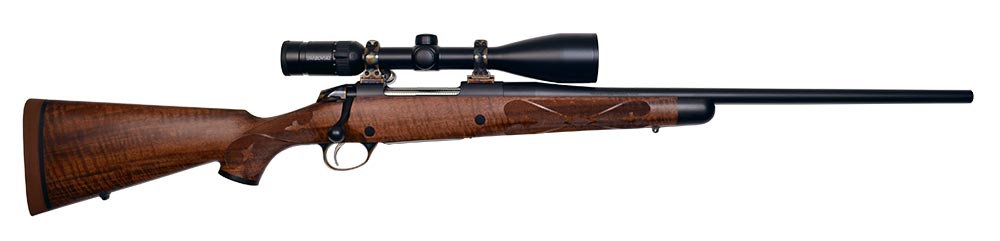
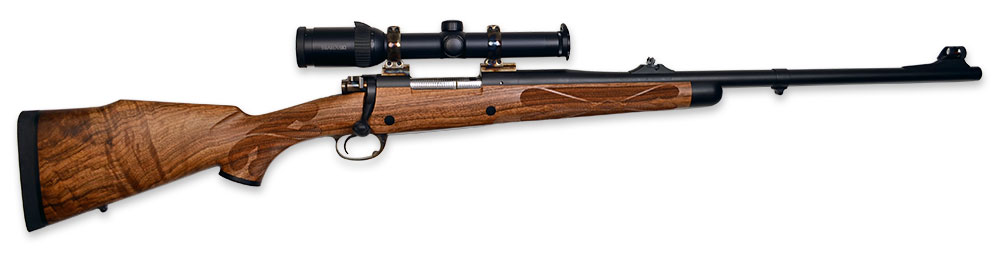
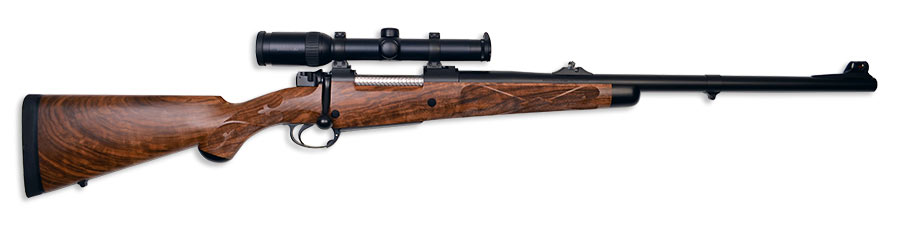
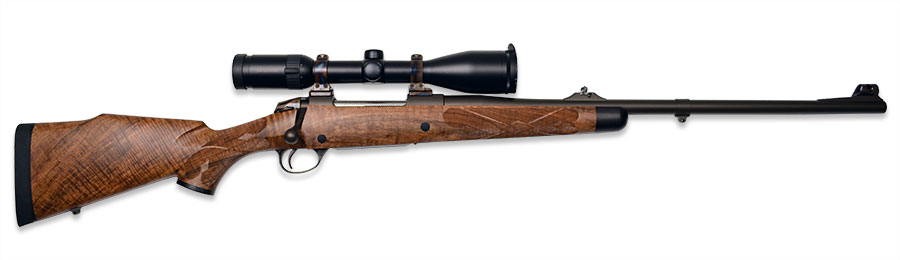
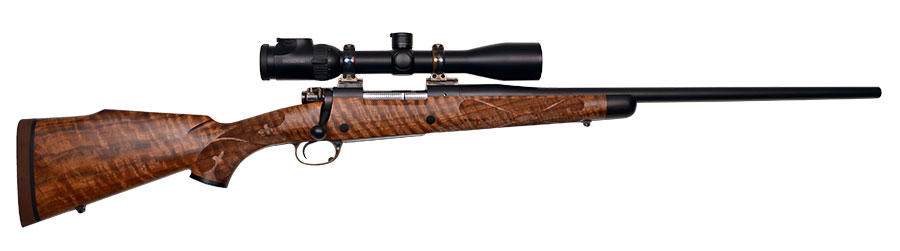
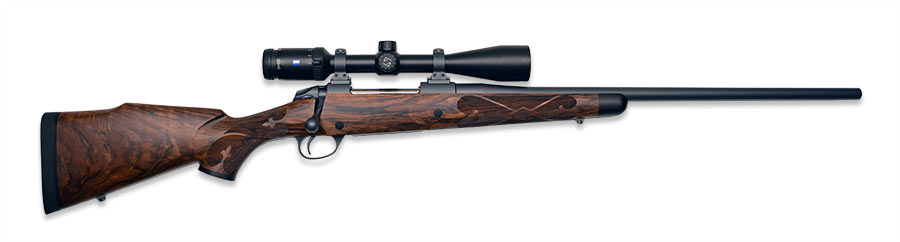
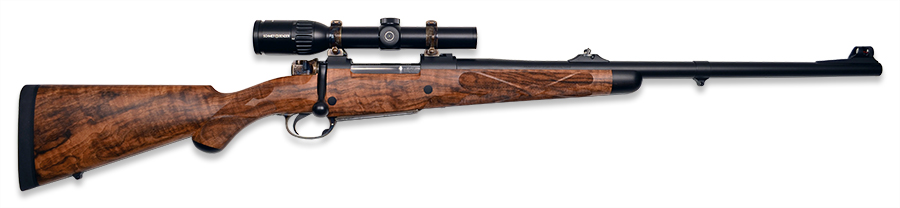
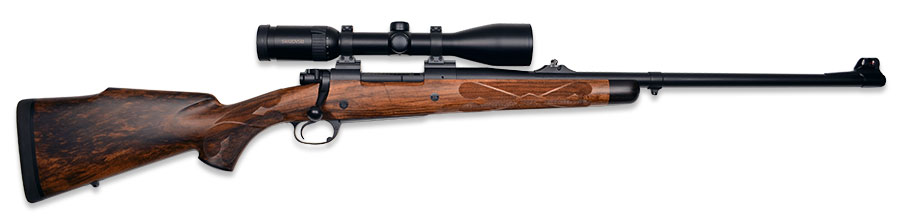
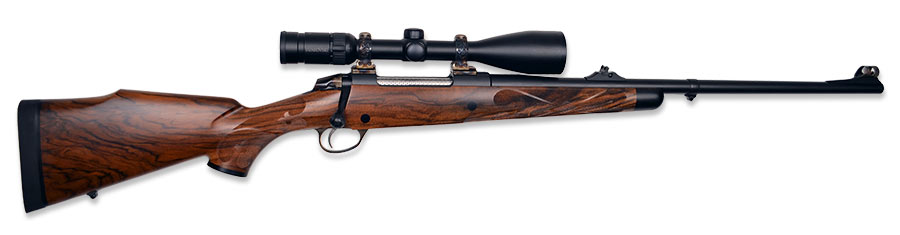
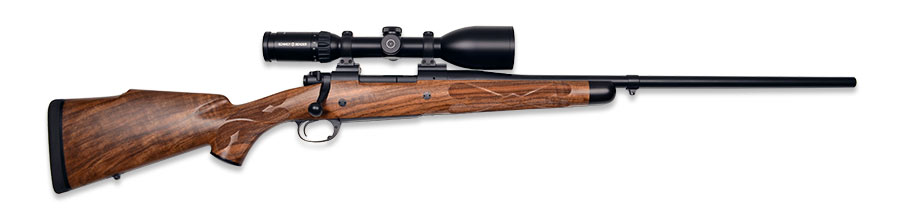
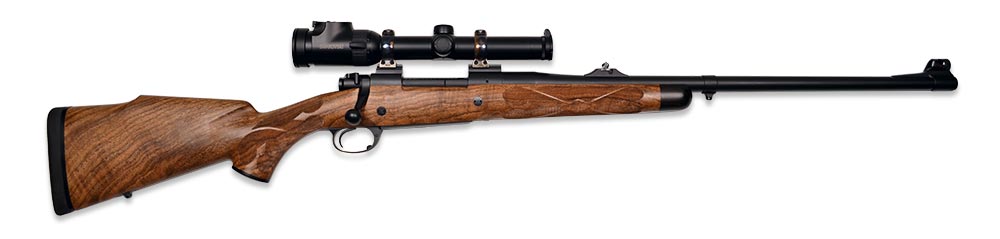
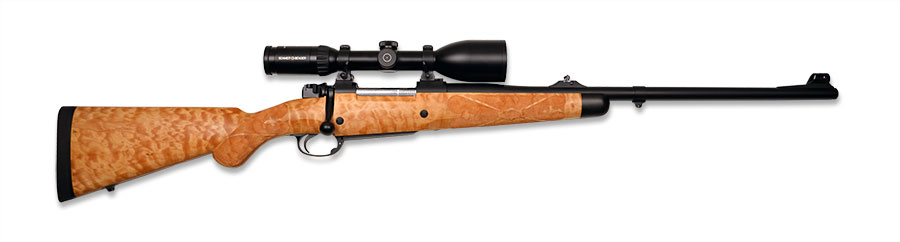
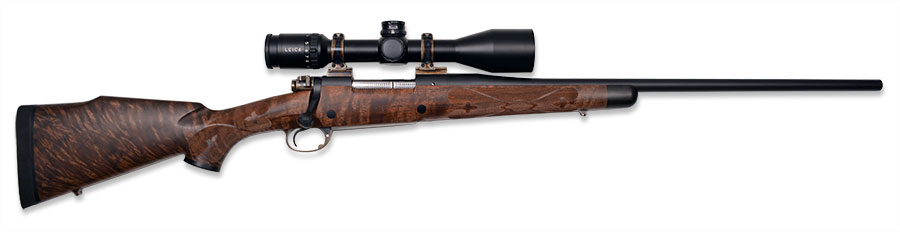
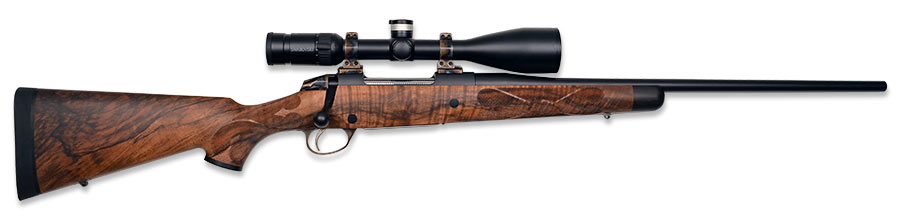
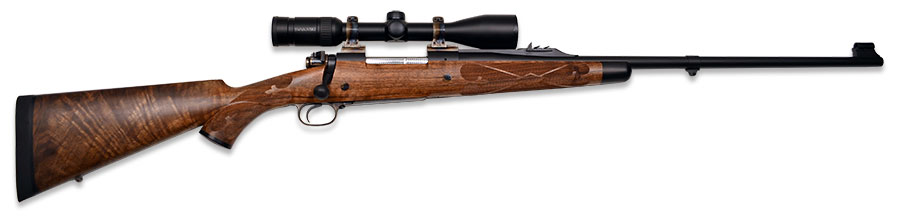
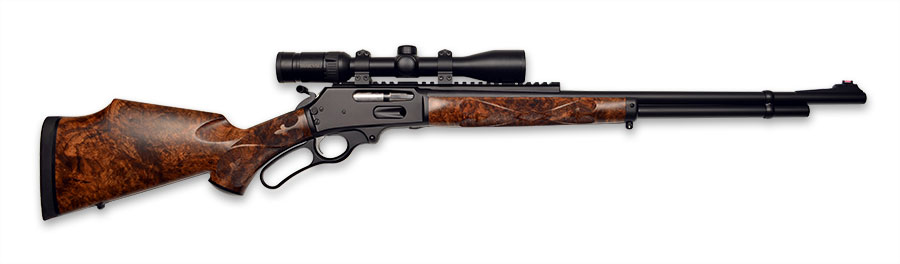
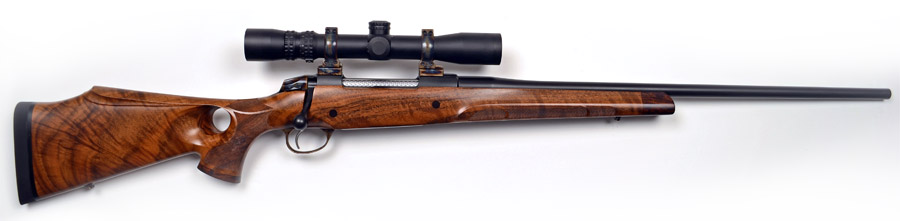
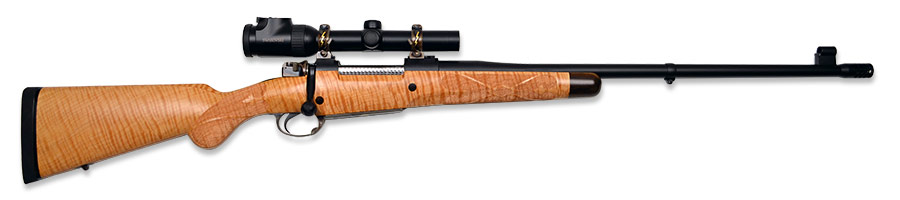
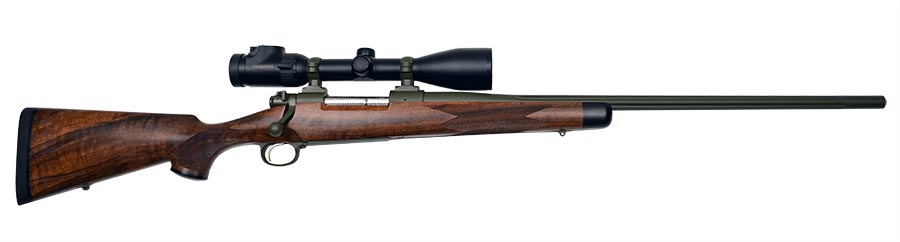
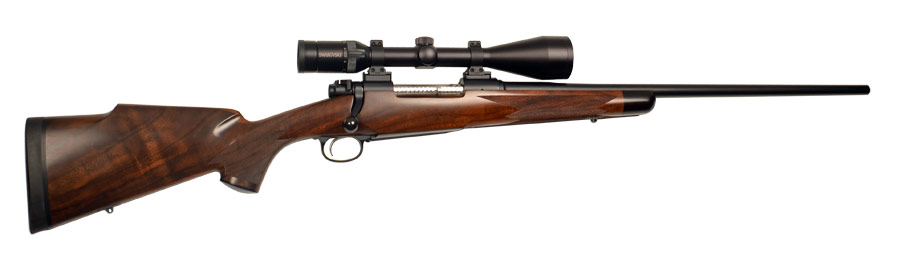
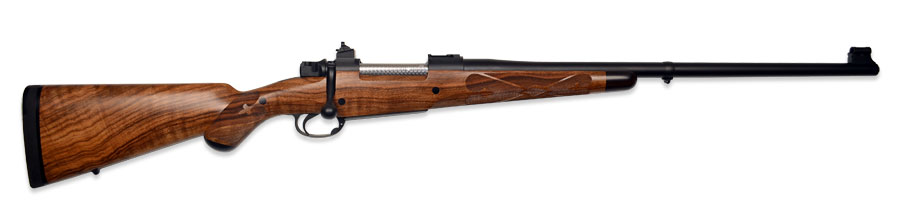
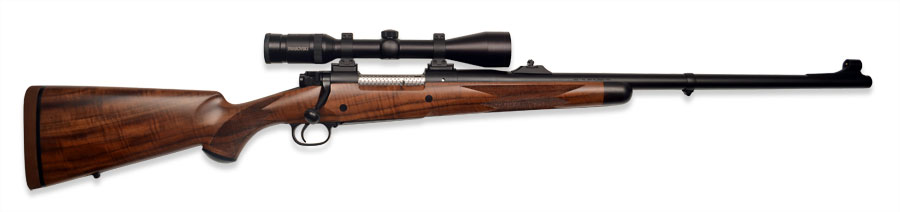
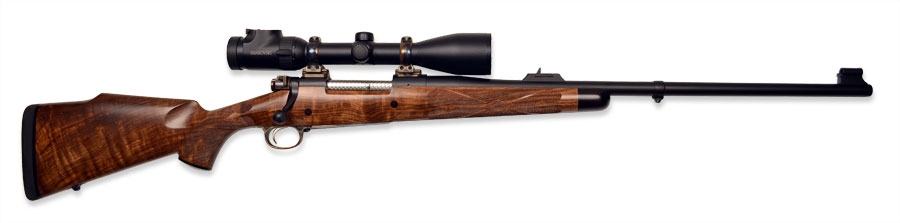
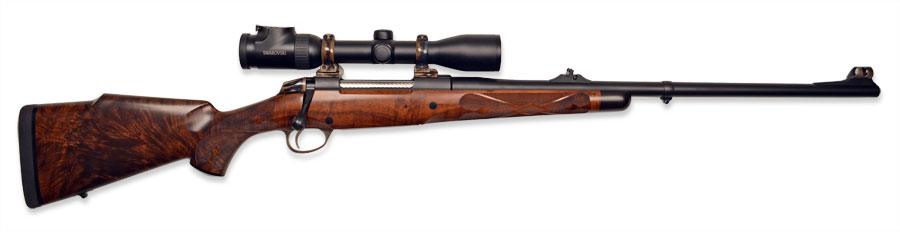
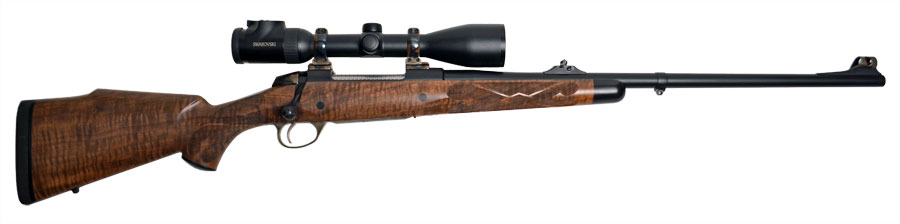
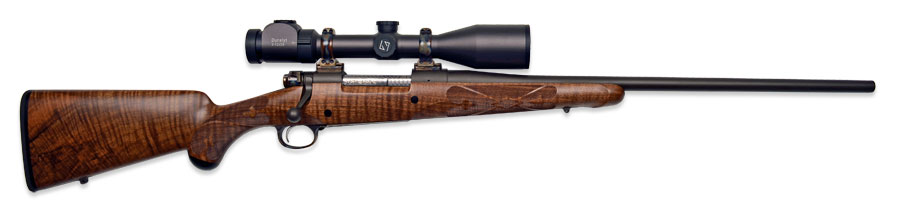
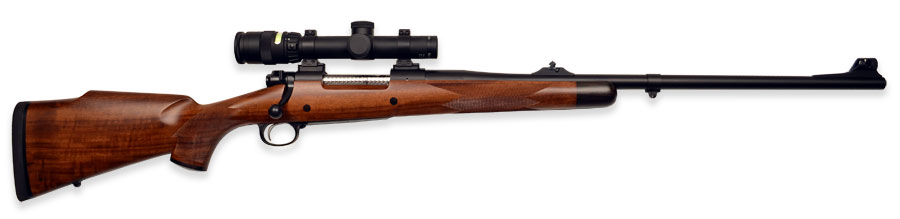
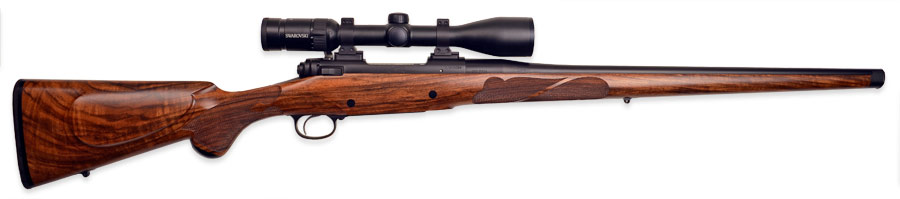
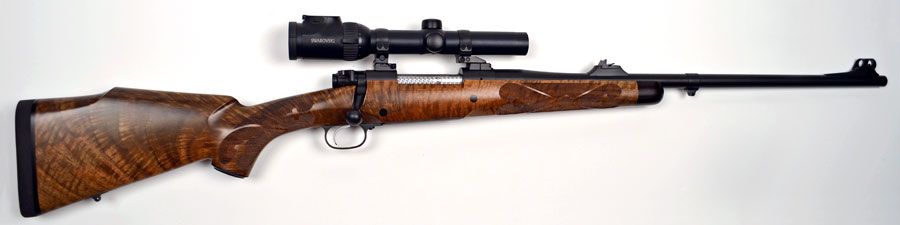
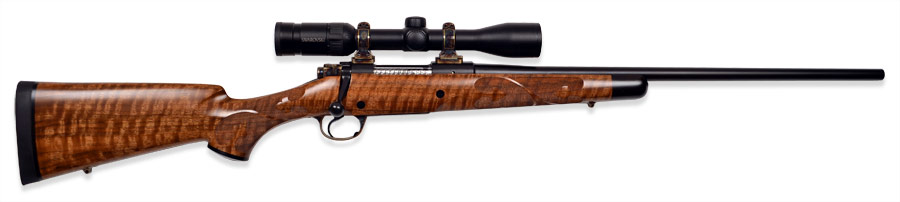
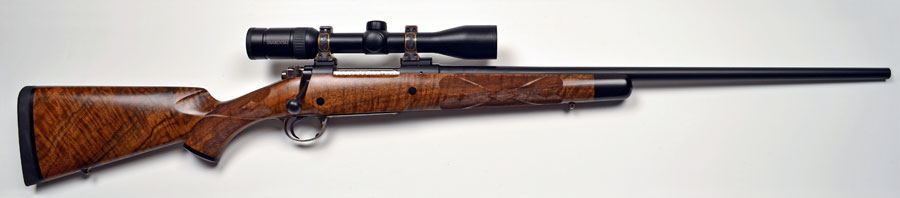
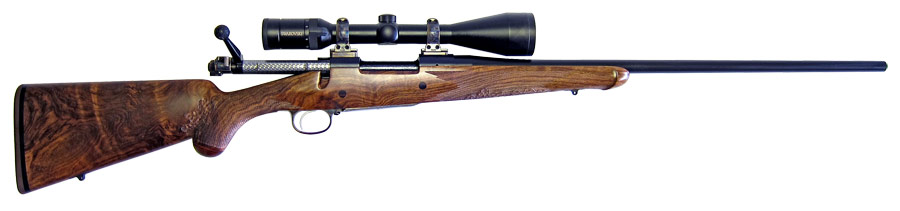
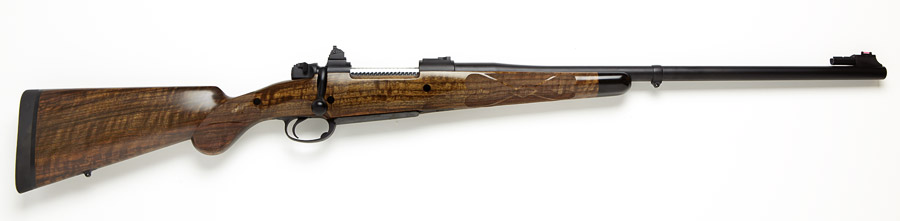
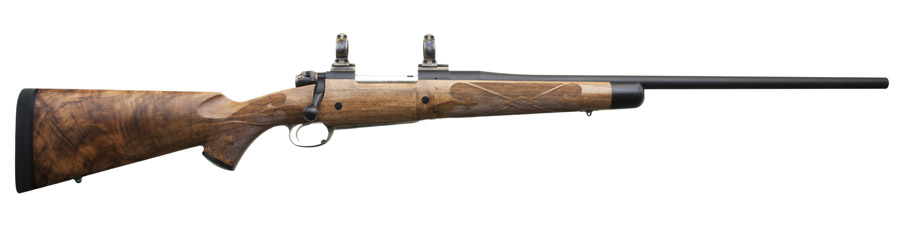
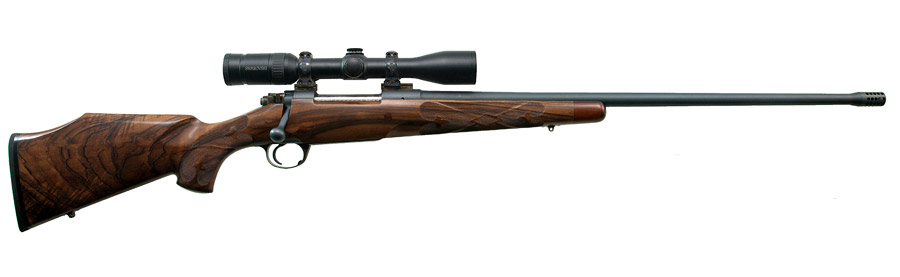
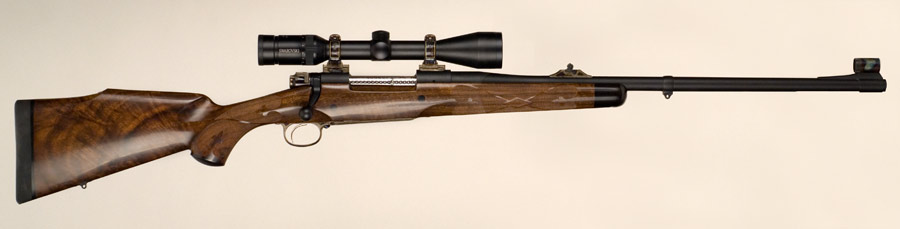
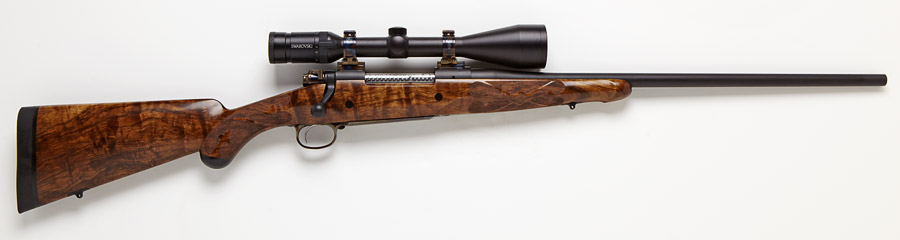
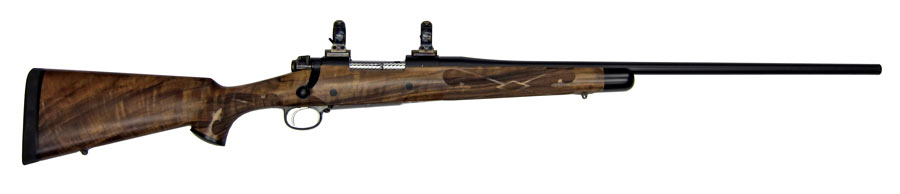
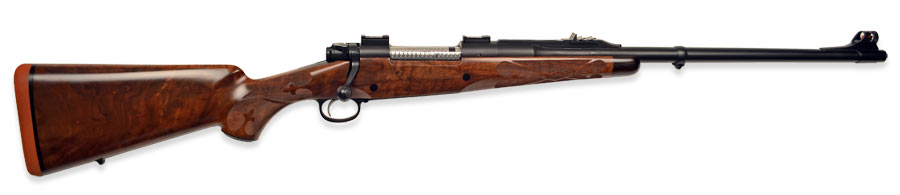
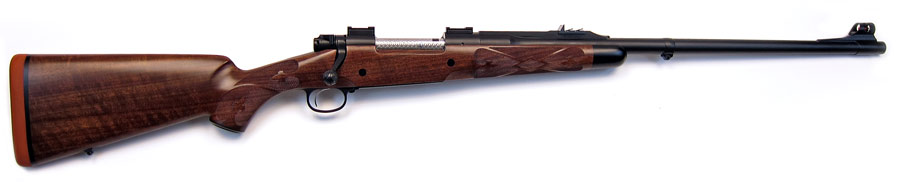
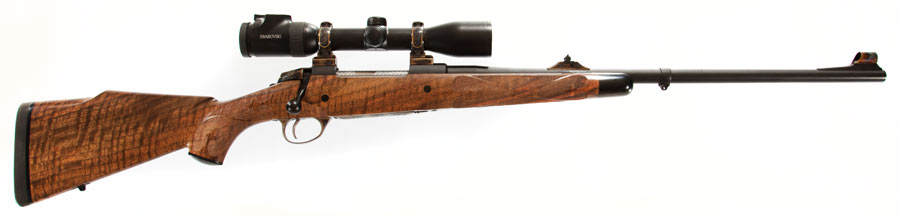
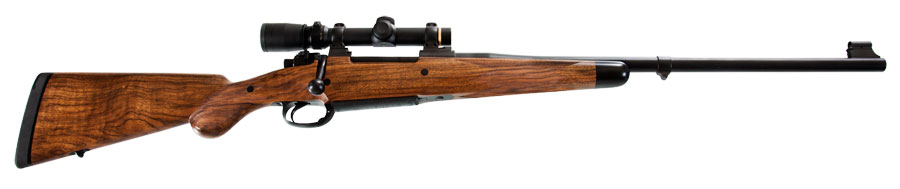
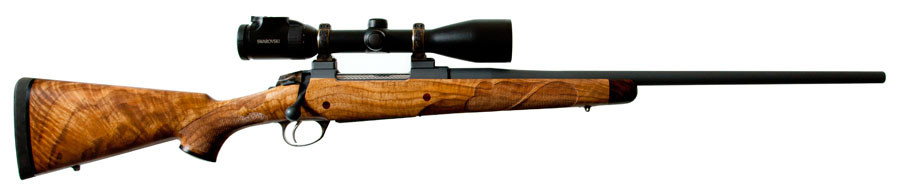
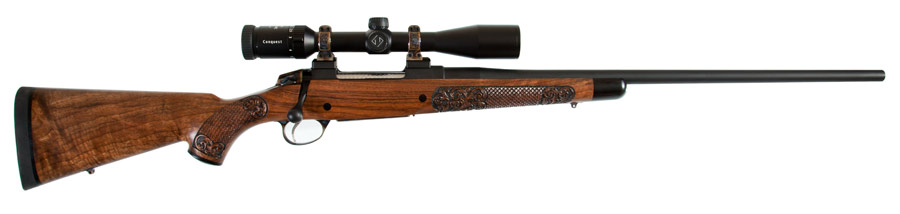
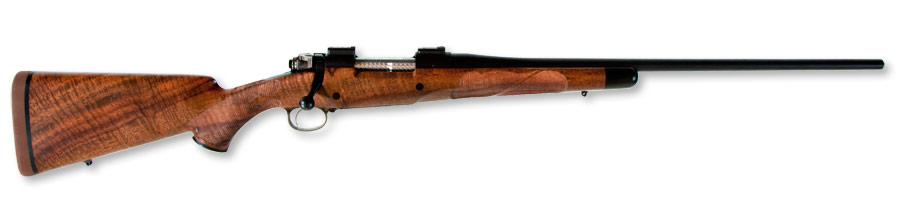
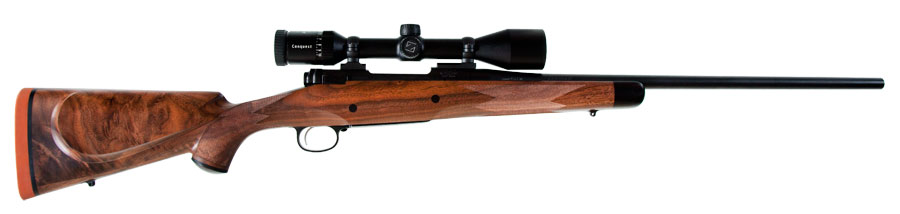
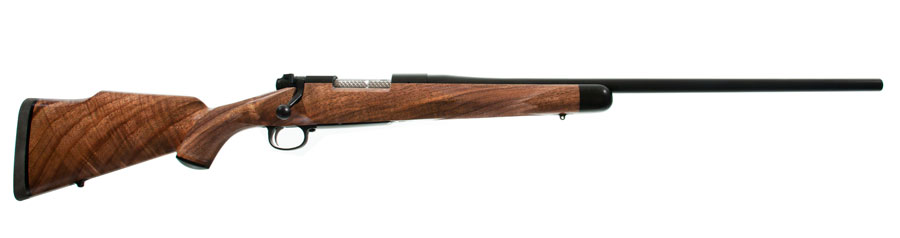
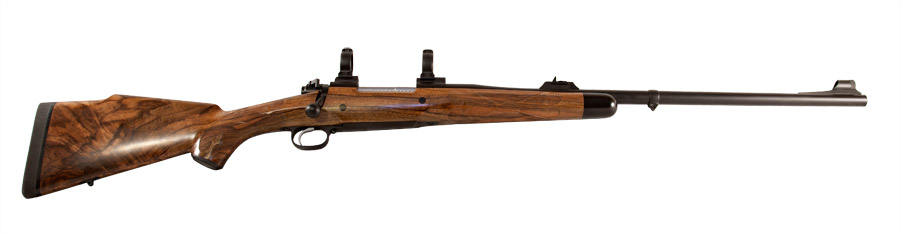
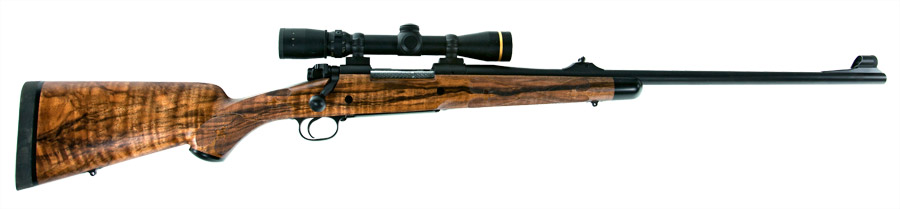
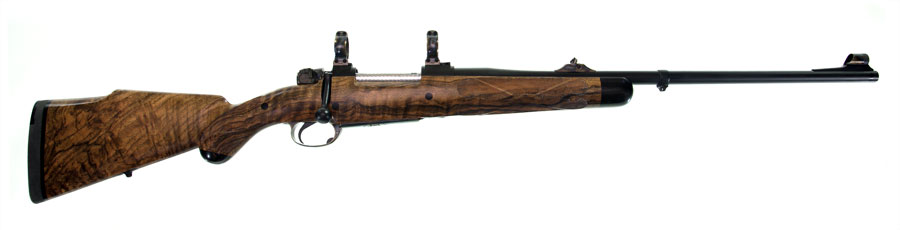
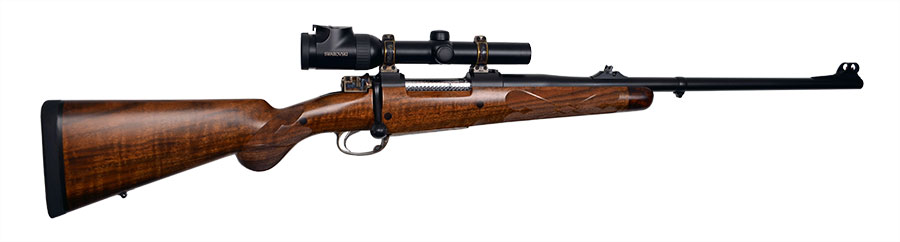
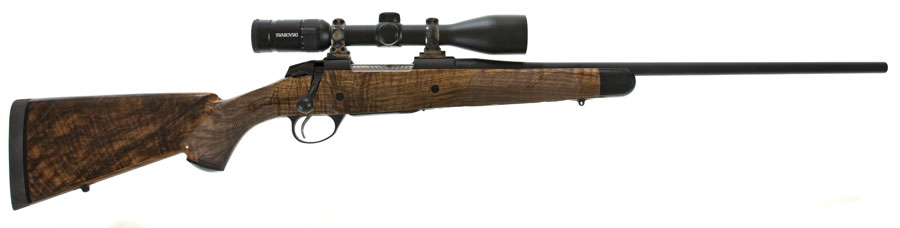
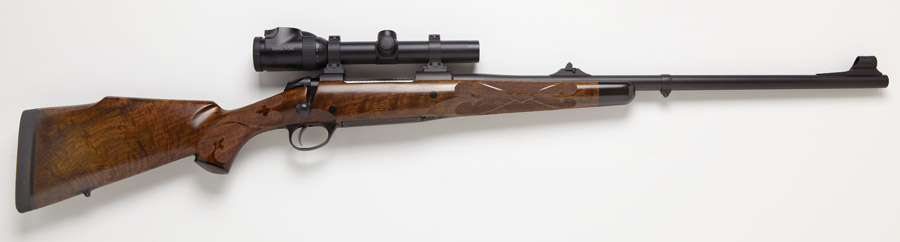
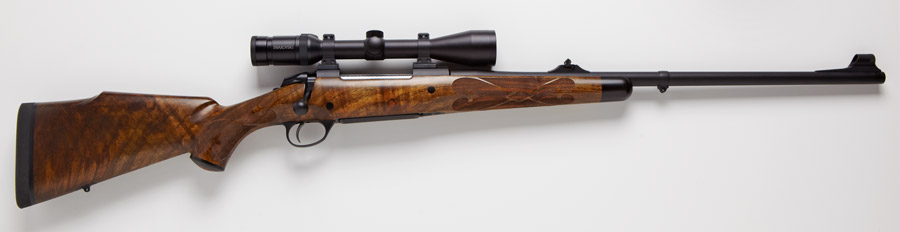
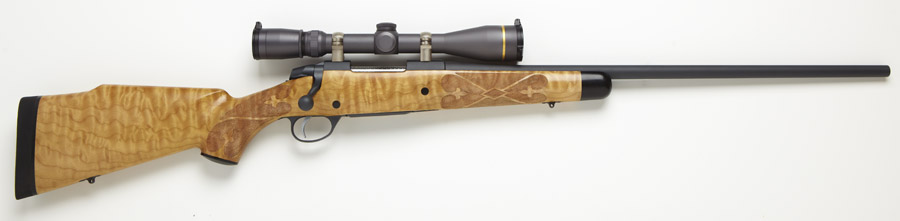
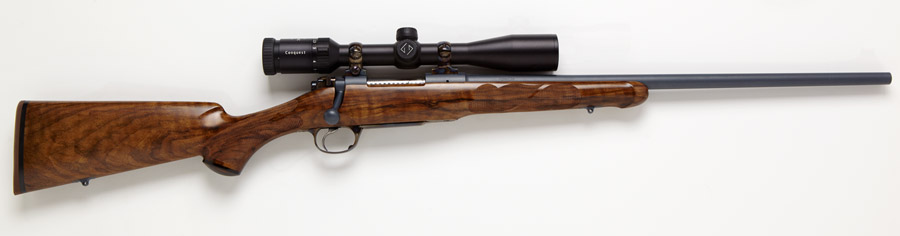
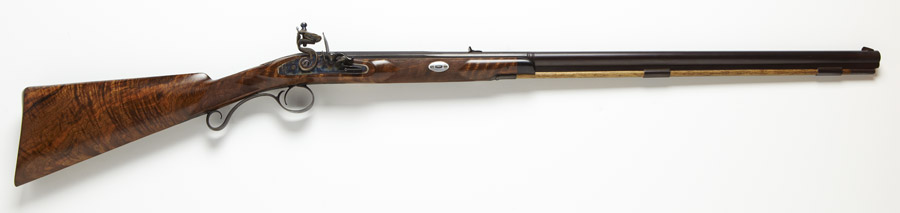
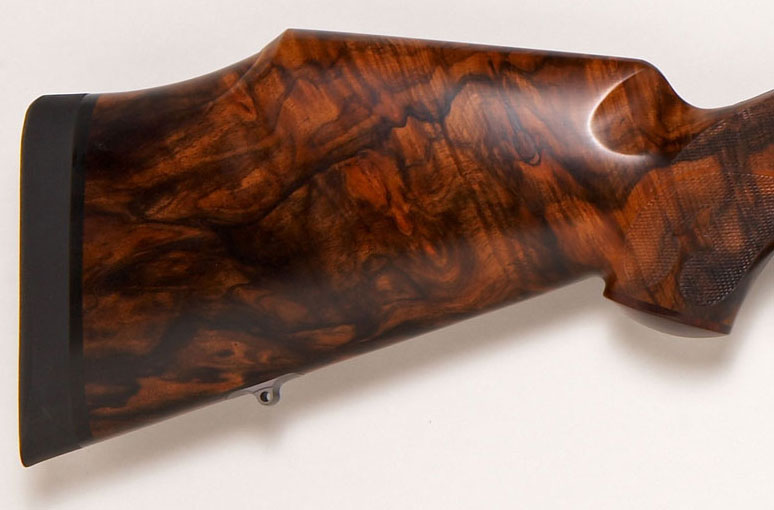
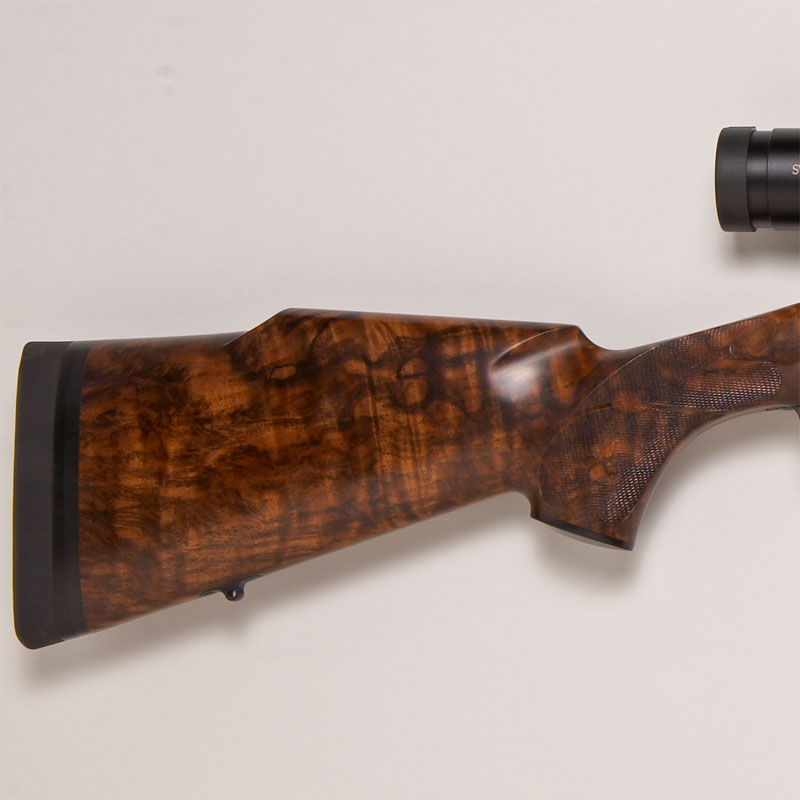
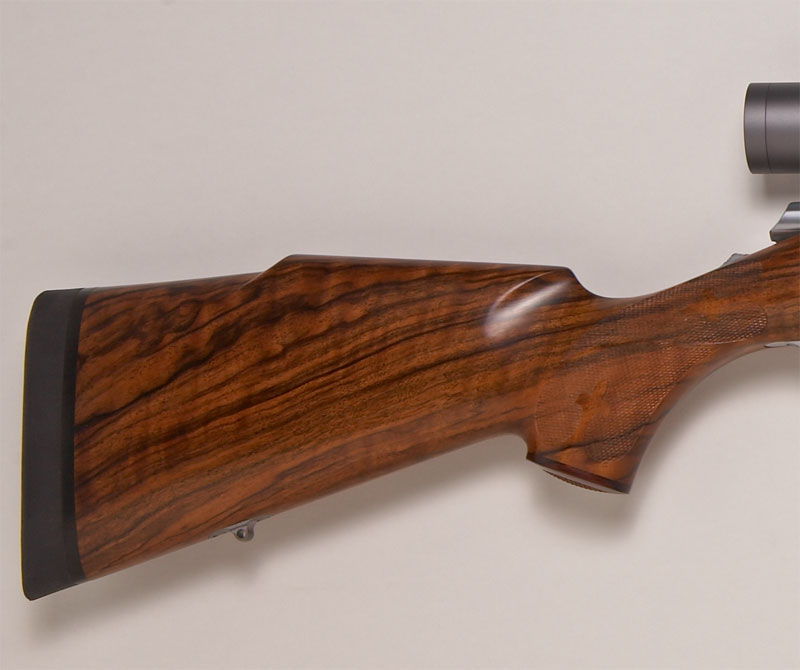
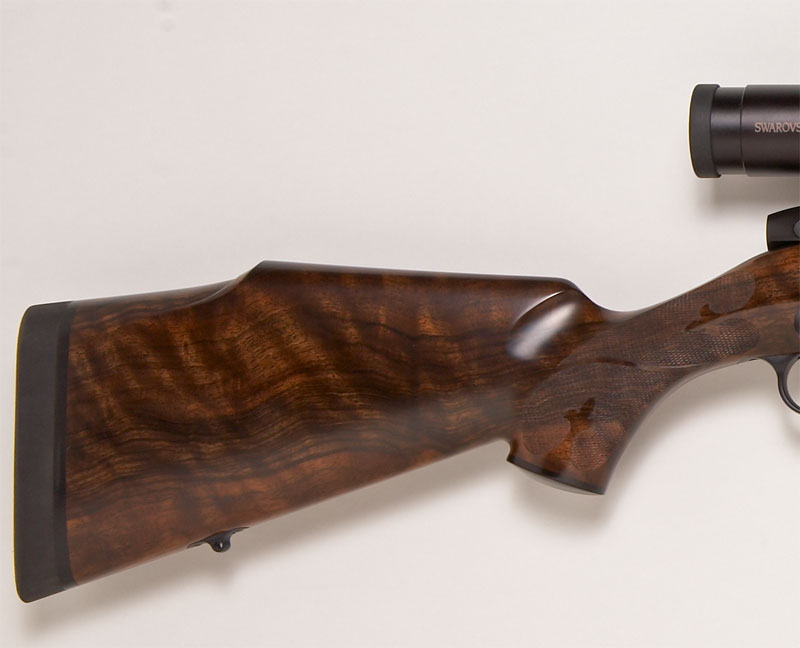
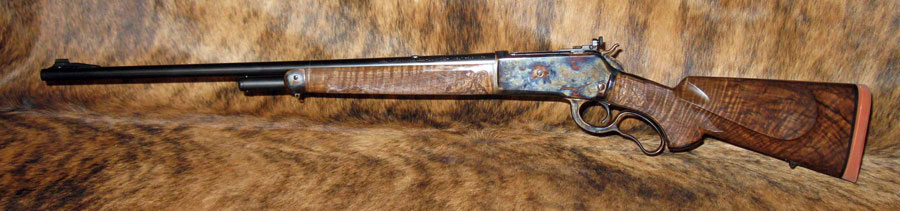
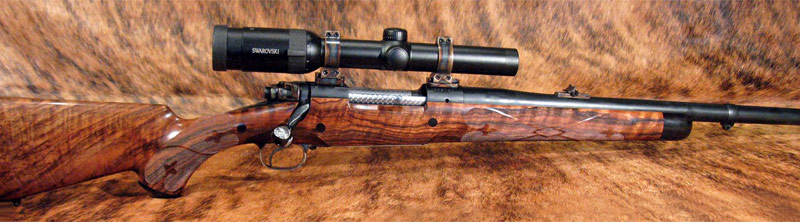
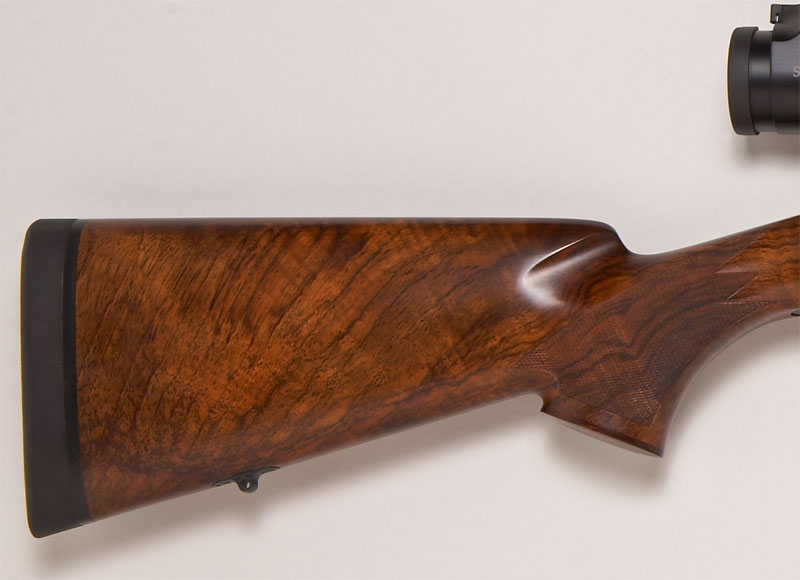
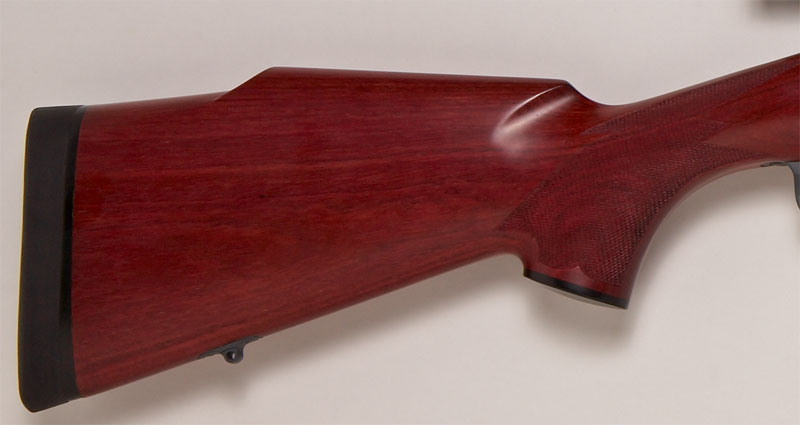
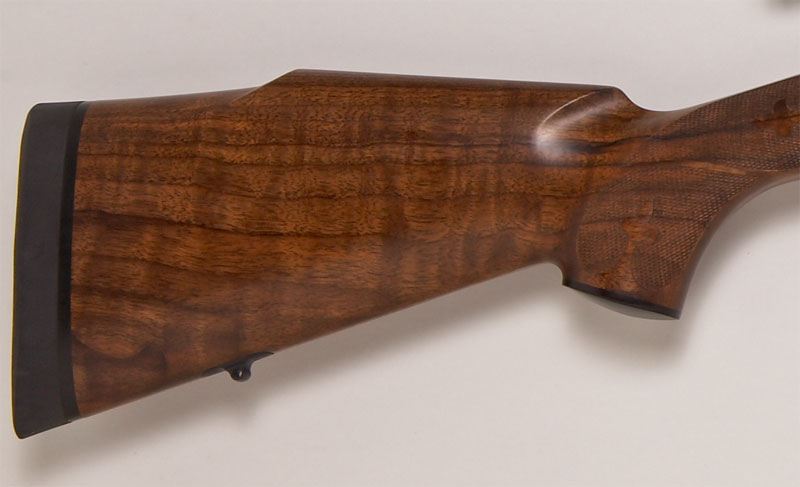
I found these on Pinterest. So I thought would share the results of some one’s great skill and talent to make these great looking rifles .
Here is their email address
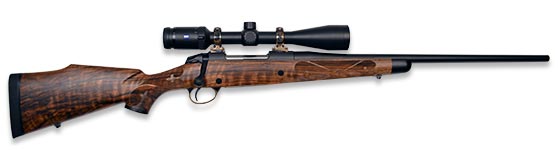
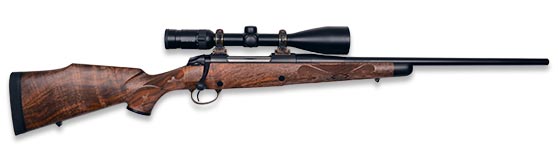
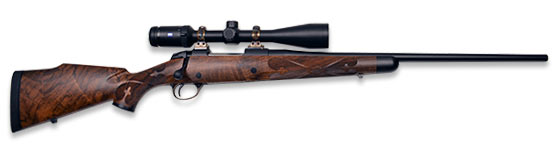
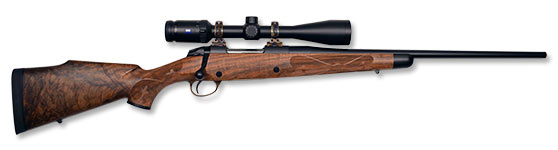
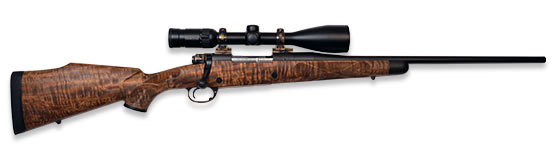
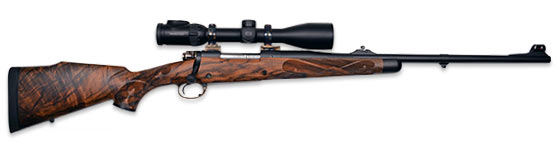
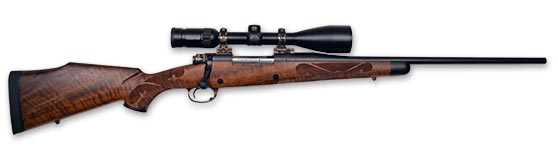
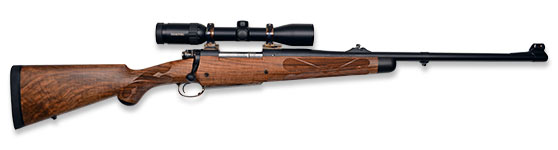
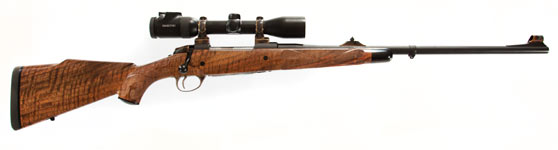
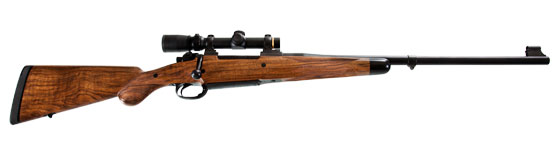
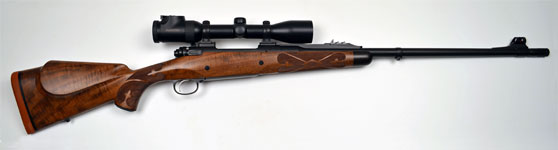
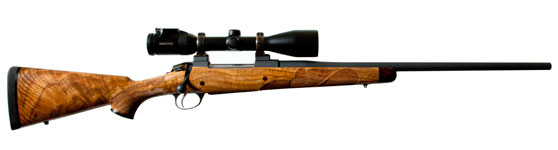
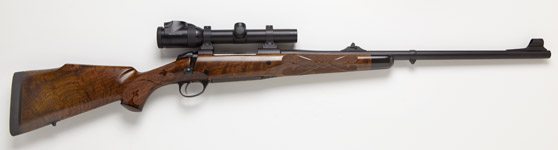
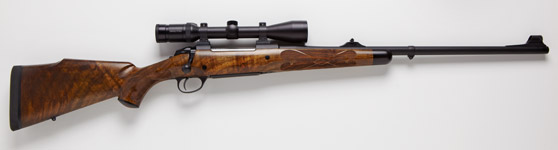
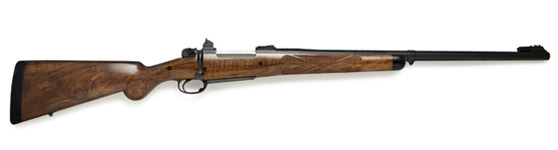
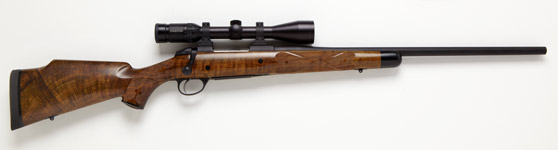
CUSTOM RIFLES GALLERY

Eike’s Serengeti African Hunter 416 Rem
I WANT THEM!
A Fantastic Tribute to the Art of High End Gunsmithing!
Just look at the engraving alone! They look like to me to be “Yellowboy” Winchester Model 1866 on the right.
I do not know what the one on the left is. Maybe a Winchester 1873? Or it may be a Reproduction? I also wonder what calibers they are in?
All I know is that you will not see their like for sale at Walmart!
Here is also a pretty good picture. Of the inside guts of what these guns look like. The simplicity of it is just stunning!
What were they thinking of !?!
Can you imagine what the recoil must be like? That & where do you hold on to it? Supposedly it is in 12 gauge.

Email This Post
Print This Post